The best earbuds for Android devices in 2026

If you’re using an Android phone, finding the right pair of wireless earbuds can take a little more work than it does for iPhone owners. Apple’s AirPods are tightly woven into iOS, but that same level of seamless integration doesn’t automatically carry over to Android. The good news is there are plenty of earbuds that play just as nicely with Android devices, and in some cases offer features AirPods simply don’t.

From earbuds designed to pair especially well with Samsung Galaxy and Google Pixel phones to models that prioritize strong noise cancellation, long battery life or workout-friendly durability, the Android ecosystem has no shortage of solid options. We’ve tested a wide range of wireless earbuds to find the best picks for Android users, whether you’re after premium sound, reliable everyday performance or a more affordable alternative.

A selection of wireless earbuds sit organized in rows on a granite background.
Photo by Jeff Dunn / Engadget

For the most part, the features you want from a set of “Android earbuds” are the same as what you want from any headphones. Great sound quality, a comfortable fit and sufficient battery life are still the foundations. Adequate water resistance is good for workouts, and nobody wants a crummy mic for making calls. Once you approach the $100 range, features like active noise cancellation (ANC), wireless charging, an ambient sound mode (which lets you better hear outside noise without turning off your music) and multipoint connectivity (the ability to pair with multiple devices simultaneously) should be expected.

For Android devices specifically, there are a few extras to consider. A dedicated app that makes it easy to switch sound modes, customize the audio profile, locate your earbuds if they ever get misplaced or adjust other settings is strongly preferred. Features like Google Fast Pair or NFC-based pairing, which can help you avoid having to dig through your Bluetooth menu to connect your earbuds for the first time, are also nice perks. Some Android devices can also utilize higher-quality Bluetooth codecs such as aptX Adaptive or Sony’s LDAC — these aren’t nearly as important to audio quality as the actual architecture of your earbuds, but they can help wring out a little more detail if the buds are capable enough and you’re streaming lossless files. AptX Adaptive can also help reduce latency, which is good for streaming video or gaming.

Diversity is Android’s greatest strength, but it also means that some wireless earbuds play nicer with certain devices, typically those made by the same company. Recent Samsung earbuds, for instance, come with a few perks that are only available if you use a Galaxy phone. We have a couple of recommendations related to this idea above.

Sony WF-1000XM5 review
Photo by Billy Steele/Engadget

The best way to test earphones is simply to wear them as much as possible, so that’s what we do. We typically do this over a one- to two-week period, though embargo times occasionally force us to finish our review process a bit faster. We listen to a test playlist that includes several musical genres and podcasts, paying close attention to how each pair approaches the bass, mid and treble frequencies to get an accurate sense of its sound profile. We also test at high and low volumes to check for consistency in the tuning. We do not have access to a dummy head to take more objective measurements, but we’ll sometimes look to sites like Rtings, SoundGuys and others that do just to ensure our impressions are not wildly off-base. If a model supports custom EQ, we’ll tinker with that and use the available EQ presets to see if one sounds dramatically better than the others — though in general we base most of our impressions on the stock tuning each pair uses by default.

To assess microphone quality, we record our own audio samples and take multiple calls with a partner both indoors and outside. For battery life, we play our test playlist on a loop with the volume around 75 percent and measure how long it takes for each set to drain. Where applicable, we do a thorough review of a pair’s companion app and test each available feature. While comfort is ultimately subjective, we take note of how secure each pair feels while we’re on the move. We also use certain pairs in especially crowded public spaces to get a better sense of their passive and active noise cancellation, as well as their ability to maintain a consistent Bluetooth connection.

February 2026: Updated to include new top picks.

November 2025: The lightly updated Beats Powerbeats Fit replace the older Beats Fit Pro as our top pick for working out. We’ve also noted the new Google Pixel Buds 2a as a cheaper alternative to the Pixel Buds Pro 2, which remain our recommendation for Pixel phone users.

August 2025: We’ve taken another sweep to ensure our advice is still up-to-date.

May 2025: We’ve checked this guide to ensure our top picks still stand and noted a couple alternatives to the Noble Fokus Rex5, since that pair has had stock issues of late. We’re also keeping an eye on how the Trump administration’s tariff policy affects the pricing and stock of our recommendations (and the consumer tech industry as a whole). All of our picks are still available in their normal price ranges today, but we’ll update this guide if that changes.

February 2025: The Noble FoKus Rex5 is our new "best for sound quality" pick, replacing the Sennheiser Momentum True Wireless 4. Our other recommendations remain unchanged.

December 2024: We’ve lightly edited this guide for clarity and ensured that our current picks are still accurate.

This article originally appeared on Engadget at https://www.engadget.com/audio/headphones/best-earbuds-for-android-devices-120015765.html?src=rss

Meet the Humaoid Android That’s Changing Robotics – Clone Robotics

Bimanual capabilities of humanoid robots

Clone Robotics has unveiled a pioneering humanoid torso that sets a new standard in robotics. This innovation centers on using artificial muscles to replicate human-like movements, marking a significant step forward in creating robots that move with natural fluidity and precision. By integrating advanced technologies, Clone Robotics is transforming the boundaries of realistic humanoid robotics. […]

The post Meet the Humaoid Android That’s Changing Robotics – Clone Robotics appeared first on Geeky Gadgets.

AI Whistleblowers Expose Shocking AGI Secrets

Race towards artificial general intelligence

Recent insights from a Senate Judiciary hearing have revealed critical information from former employees of major AI companies, including OpenAI, Google, and Meta. Their testimonies shed light on the intense race toward Artificial General Intelligence (AGI) and the significant risks involved. The hearing underscored a gap between public perception and internal practices, highlighting a focus […]

The post AI Whistleblowers Expose Shocking AGI Secrets appeared first on Geeky Gadgets.

OpenAI’s Whisper invents parts of transcriptions — a lot

Imagine going to the doctor, telling them exactly how you're feeling and then a transcription later adds false information and alters your story. That could be the case in medical centers that use Whisper, OpenAI's transcription tool. Over a dozen developers, software engineers and academic researchers have found evidence that Whisper creates hallucinations — invented text — that includes made up medications, racial commentary and violent remarks, reporting from the Associated Press shows. Yet, in the last month, open-source AI platform HuggingFace saw 4.2 million downloads of Whisper's latest version. The tool is also built into Oracle and Microsoft's cloud computing platforms, along with some versions of ChatGPT.

The harmful evidence is quite extensive, with experts finding significant faults with Whisper across the board. Take a University of Michigan researcher who found invented text in eight out of ten audio transcriptions of public meetings. In another study, computer scientists found 187 hallucinations while analyzing over 13,000 audio recordings. The trend continues: A machine learning engineer found them in about half of 100 hours-plus worth of transcriptions, while a developer spotted hallucinations in almost all of the 26,000 transcriptions he had Whisper create.  

The potential danger becomes even clearer when looking at specific examples of these hallucinations. Two professors, Allison Koenecke and Mona Sloane of Cornell University and the University of Virginia, respectively, looked at clips from a research repository called TalkBank. The pair found that nearly 40 percent of the hallucinations had the potential to be misinterpreted or misrepresented. In one case, Whisper invented that three people discussed were Black. In another, Whisper changed "He, the boy, was going to, I’m not sure exactly, take the umbrella." to "He took a big piece of a cross, a teeny, small piece ... I’m sure he didn’t have a terror knife so he killed a number of people."

Whisper's hallucinations also have risky medical implications. A company called Nabla utilizes Whisper for its medical transcription tool, used by over 30,000 clinicians and 40 health systems — so far transcribing an estimated seven million visits. Though the company is aware of the issue and claims to be addressing it, there is currently no way to check the validity of the transcripts. The tool erases all audio for "data safety reasons," according to Nabla’s chief technology officer Martin Raison. The company also claims that providers must quickly edit and approve the transcriptions (with all the extra time doctors have?), but that this system may change. Meanwhile, no one else can confirm the transcriptions are accurate because of privacy laws. 

This article originally appeared on Engadget at https://www.engadget.com/ai/openais-whisper-invents-parts-of-transcriptions--a-lot-120039028.html?src=rss
OpenAI’s Whisper invents parts of transcriptions — a lot

Imagine going to the doctor, telling them exactly how you're feeling and then a transcription later adds false information and alters your story. That could be the case in medical centers that use Whisper, OpenAI's transcription tool. Over a dozen developers, software engineers and academic researchers have found evidence that Whisper creates hallucinations — invented text — that includes made up medications, racial commentary and violent remarks, ABC News reports. Yet, in the last month, open-source AI platform HuggingFace saw 4.2 million downloads of Whisper's latest version. The tool is also built into Oracle and Microsoft's cloud computing platforms, along with some versions of ChatGPT.

The harmful evidence is quite extensive, with experts finding significant faults with Whisper across the board. Take a University of Michigan researcher who found invented text in eight out of ten audio transcriptions of public meetings. In another study, computer scientists found 187 hallucinations while analyzing over 13,000 audio recordings. The trend continues: A machine learning engineer found them in about half of 100 hours-plus worth of transcriptions, while a developer spotted hallucinations in almost all of the 26,000 transcriptions he had Whisper create.  

The potential danger becomes even clearer when looking at specific examples of these hallucinations. Two professors, Allison Koenecke and Mona Sloane of Cornell University and the University of Virginia, respectively, looked at clips from a research repository called TalkBank. The pair found that nearly 40 percent of the hallucinations had the potential to be misinterpreted or misrepresented. In one case, Whisper invented that three people discussed were Black. In another, Whisper changed "He, the boy, was going to, I’m not sure exactly, take the umbrella." to "He took a big piece of a cross, a teeny, small piece ... I’m sure he didn’t have a terror knife so he killed a number of people."

Whisper's hallucinations also have risky medical implications. A company called Nabla utilizes Whisper for its medical transcription tool, used by over 30,000 clinicians and 40 health systems — so far transcribing an estimated seven million visits. Though the company is aware of the issue and claims to be addressing it, there is currently no way to check the validity of the transcripts. The tool erases all audio for "data safety reasons," according to Nabla’s chief technology officer Martin Raison. The company also claims that providers must quickly edit and approve the transcriptions (with all the extra time doctors have?), but that this system may change. Meanwhile, no one else can confirm the transcriptions are accurate because of privacy laws. 

This article originally appeared on Engadget at https://www.engadget.com/ai/openais-whisper-invents-parts-of-transcriptions--a-lot-120039028.html?src=rss

Creality K2 Plus – 3D Printer Review

multicolor 3D printing capabilities

The Creality K2 Plus is a feature-rich 3D printer with a large build volume, high print quality, and advanced capabilities, making it a strong contender in the 3D printing market. Whether you’re a hobbyist exploring the endless possibilities of 3D printing or a professional seeking a reliable tool for intricate prototyping, the K2 Plus offers […]

The post Creality K2 Plus – 3D Printer Review appeared first on Geeky Gadgets.

Sleep Smarter: 10 Game-Changing Tech Innovations for Better Rest

As awareness grows regarding the importance of quality sleep for health and productivity, many face challenges with poor sleep habits and reliance on short-term remedies like pills, which can have adverse effects. Additionally, increasing stress levels and evolving lifestyles have led to disrupted sleep patterns due to excessive use of mobile phones and other electronic devices.

Note that LED screens from devices like computers, laptops, TVs, smartphones, and tablets emit high levels of blue light, which can disrupt the release of melatonin in the evening, leading to delayed or disrupted sleep cycles. This reliance on technology has led to the emergence of a thriving industry focused on providing solutions for better sleep.

Designer: Heyok Shin

1. Sleep Tracking Devices

Wearable fitness trackers and smartwatches with sleep-tracking features monitor sleep duration, quality, and stages. Analyzing this data over time helps individuals understand and improve their sleep habits.

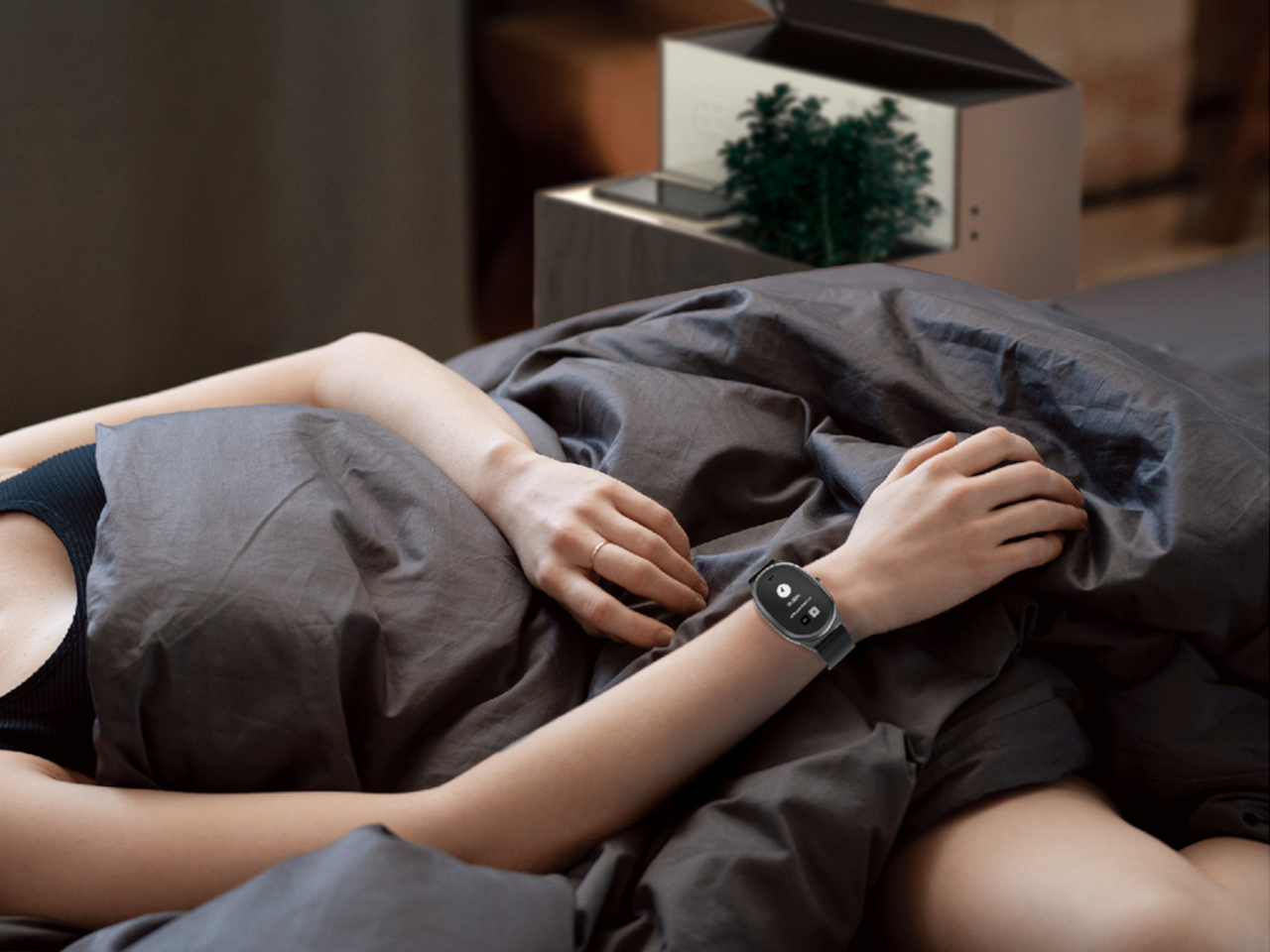
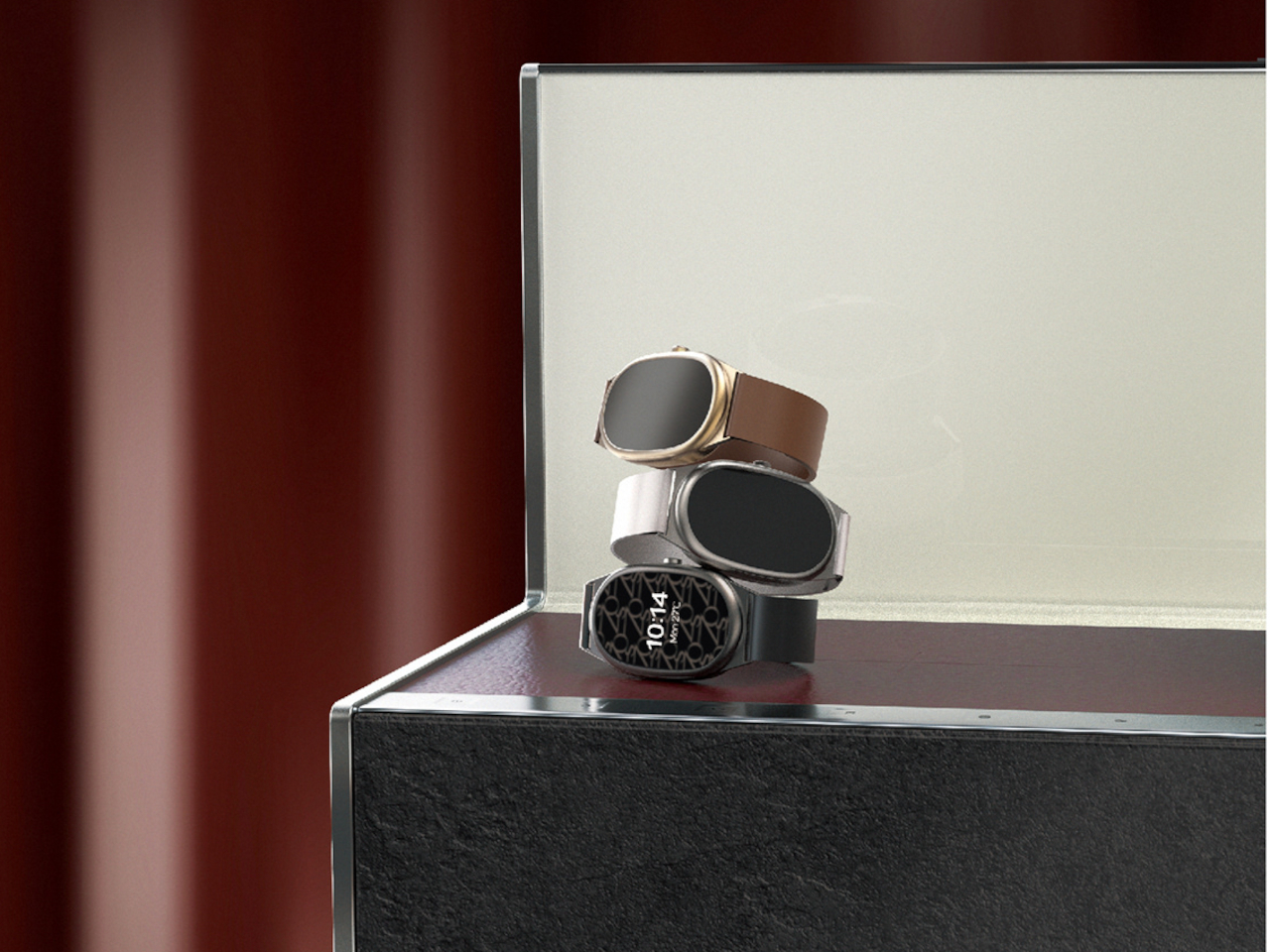
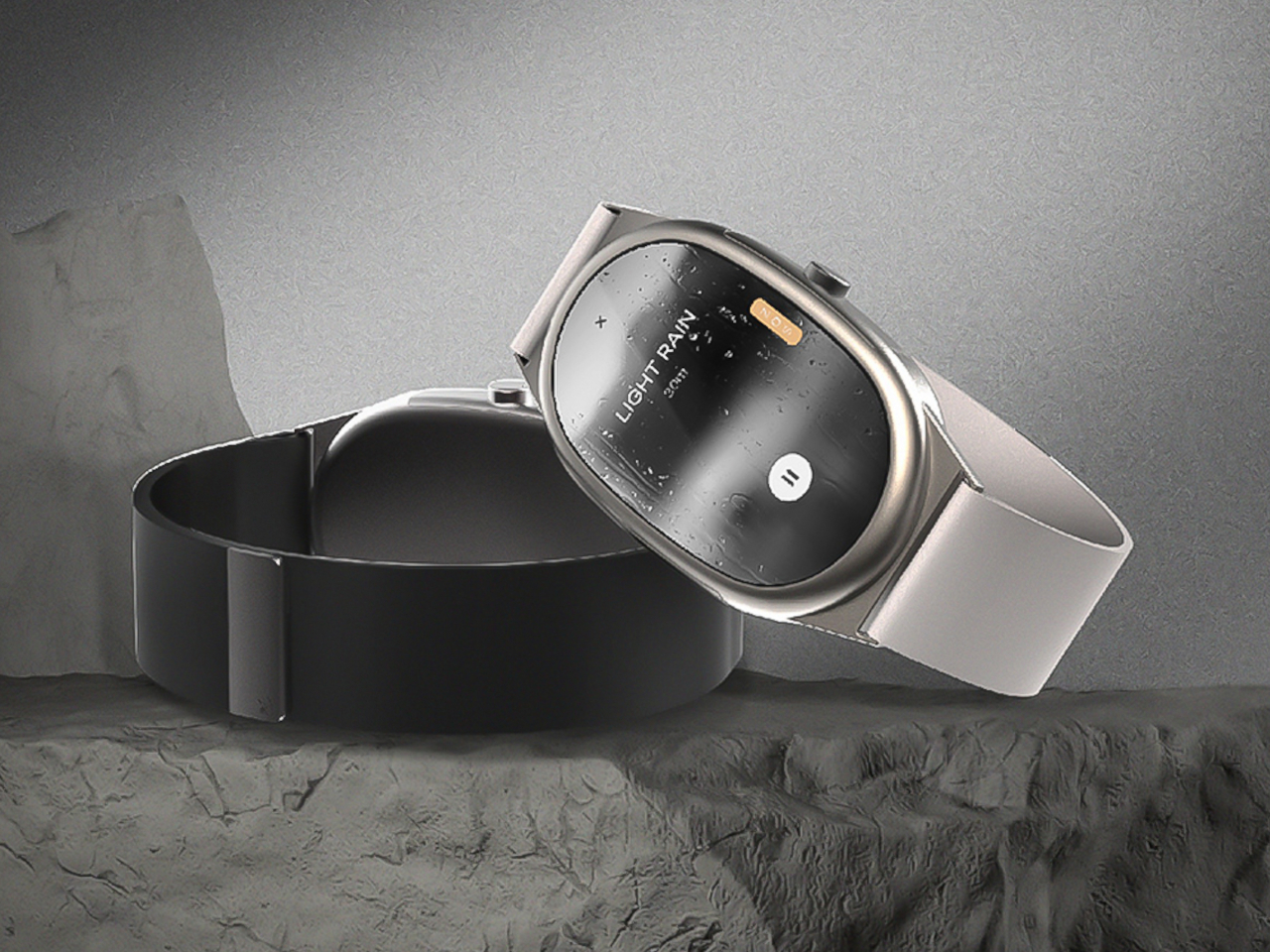
The ZOS smartwatch prioritizes optimal sleep quality alongside overall health monitoring. Unlike typical smartwatches, it’s designed for comfort during sleep with features like smart alarms and ASMR audio recordings to induce sleep. Its elongated screen and magnetic straps ensure uninterrupted wear. Also, it integrates with the CLOSSY air purifier and plant care cabinet, making it a comprehensive solution for health-conscious users.

Designer: Mark Stanisic

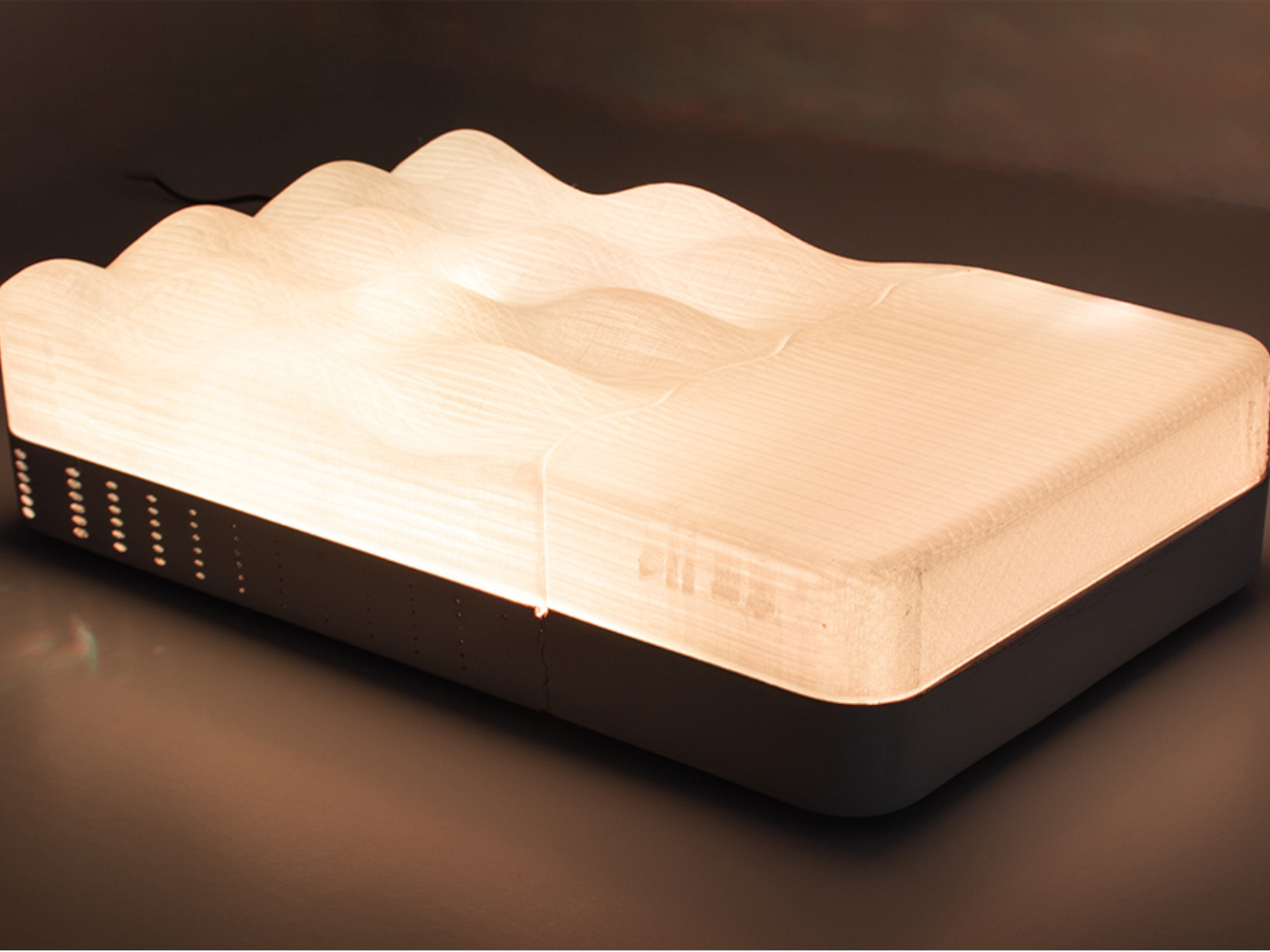
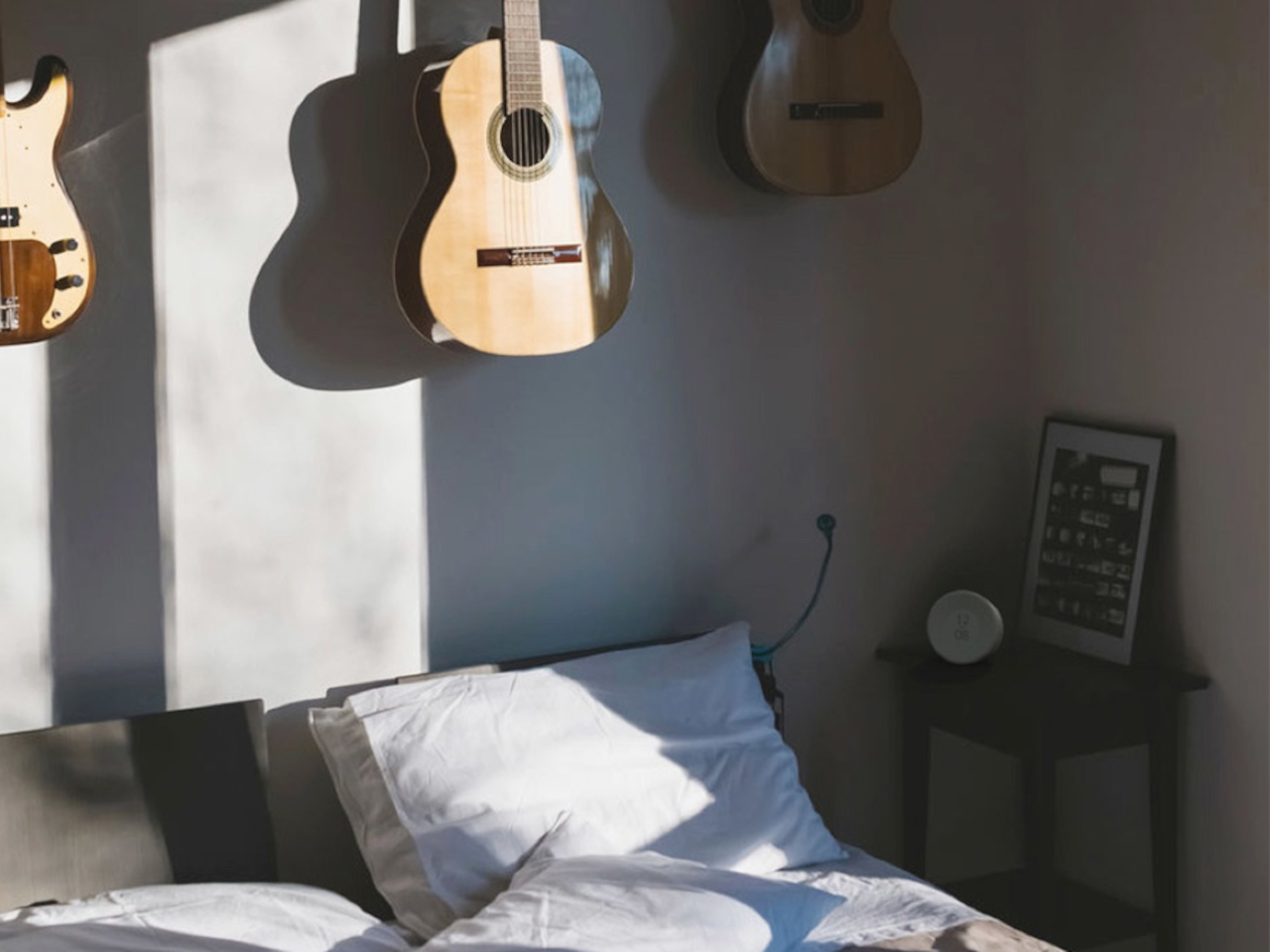
This revolutionary bedside device is designed to enhance one’s nightly routines and promote restful sleep. With smart technology, this device tailors your bedtime environment for optimal rest by adjusting lighting, temperature, and ambient sound.

2. Neck Pillows

A neck pillow promotes good sleep as it offers support to the neck and head, promoting proper alignment of the spine, which reduces discomfort and enhances relaxation. This can lead to deeper and more restful sleep, leaving one feeling refreshed and revitalized upon waking.

Designer: Blisstil

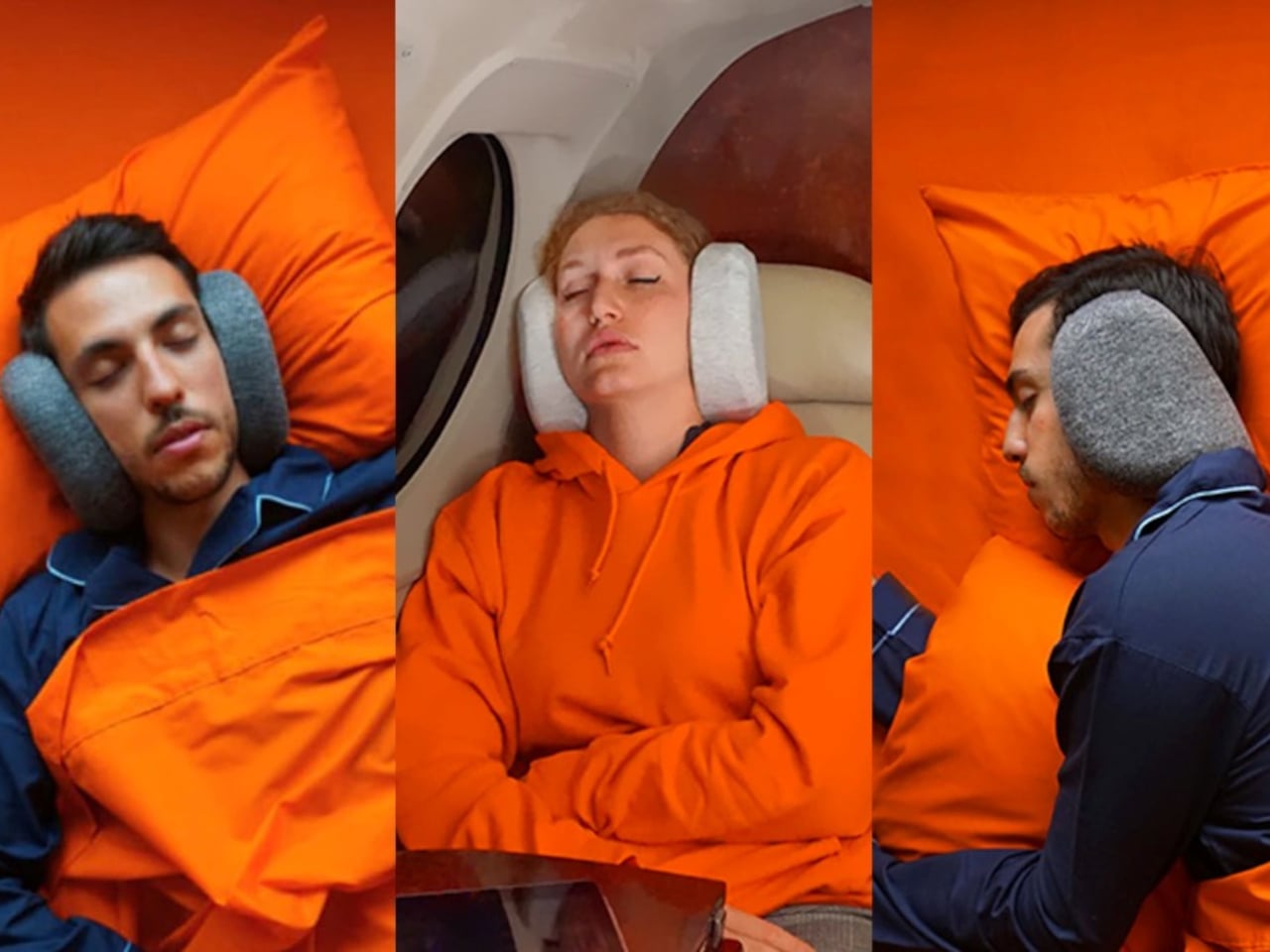
Sleepmuffs offer comfort and quiet for perfect sleep as these oversized earmuffs double as neck support, providing high-quality foam for comfort and exceptional sound blocking. Designed with two types of foam and a hard acoustic shell, they ensure a proper seal and minimize sound disruption. Their breathable fabric construction allows for extended wear without discomfort. Plus, they’re travel-friendly with a convenient storage case included.

3. Smart Lighting

Smart lighting systems, like smart bulbs or light strips, regulate the sleep-wake cycle by mimicking natural light. They dim in the evening to promote relaxation and melatonin production, and gradually brighten in the morning to simulate a sunrise, helping people wake up naturally.

Designer: Alessandro Pennese

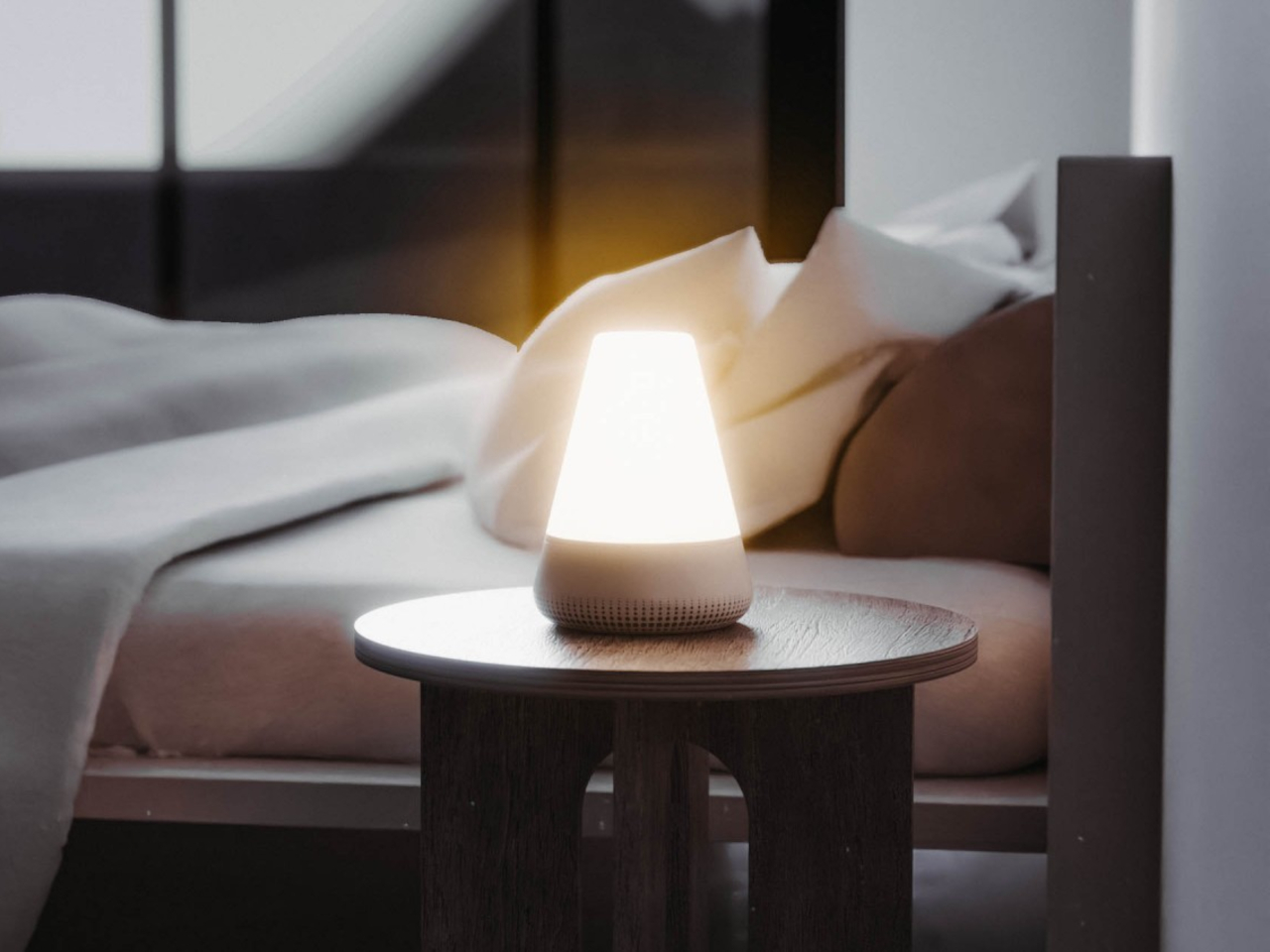
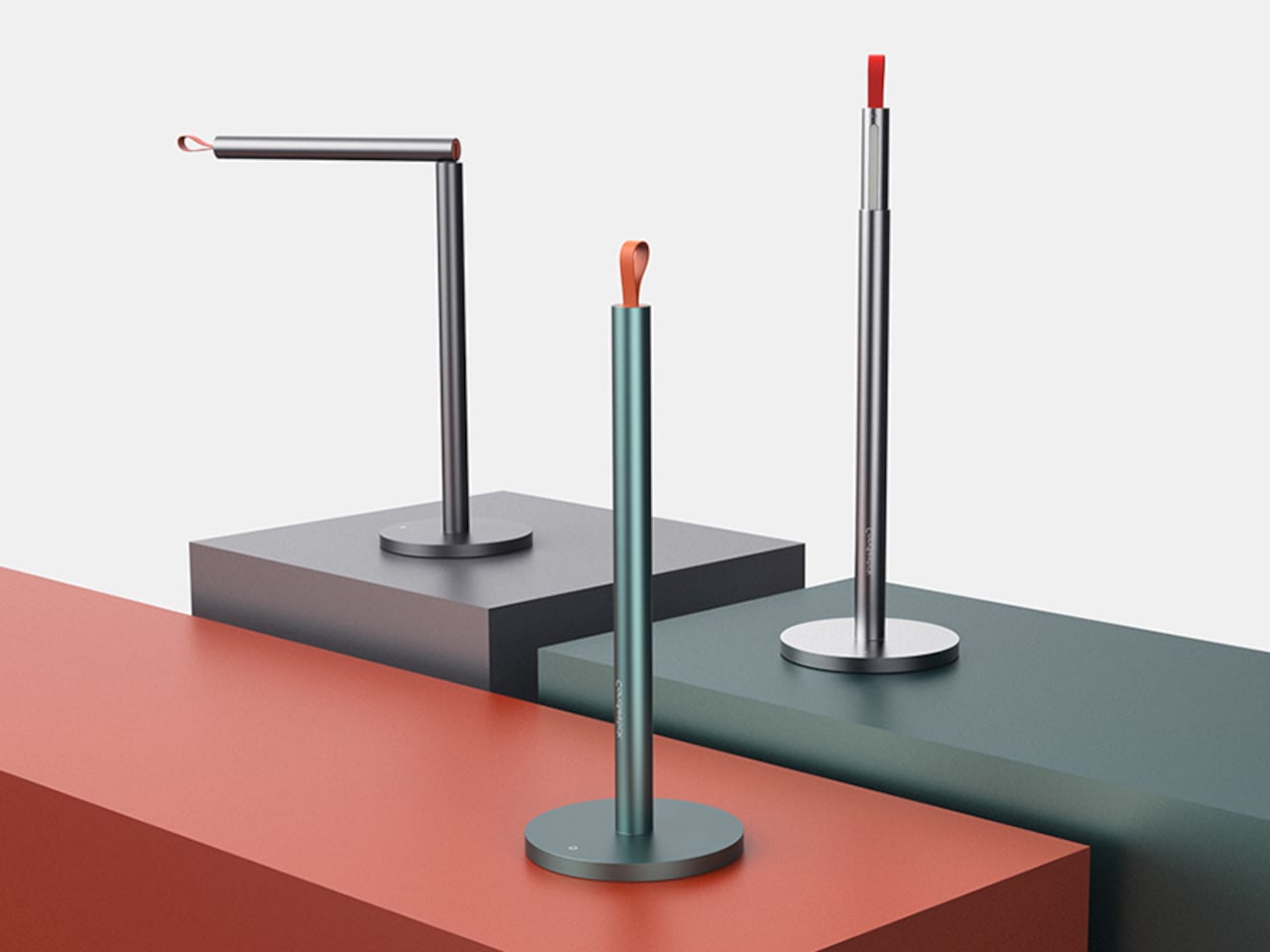
EPY lamp offers a holistic approach to sleep, using light and sound to induce serene slumber and refreshing awakenings. Its minimalist design and intuitive controls foster calm, with warm light mimicking sunset to trigger melatonin production. White noise cancels ambient distractions, promoting restorative rest without the need for supplements or complex features.

Designer: Locus Hsu for Husky Design

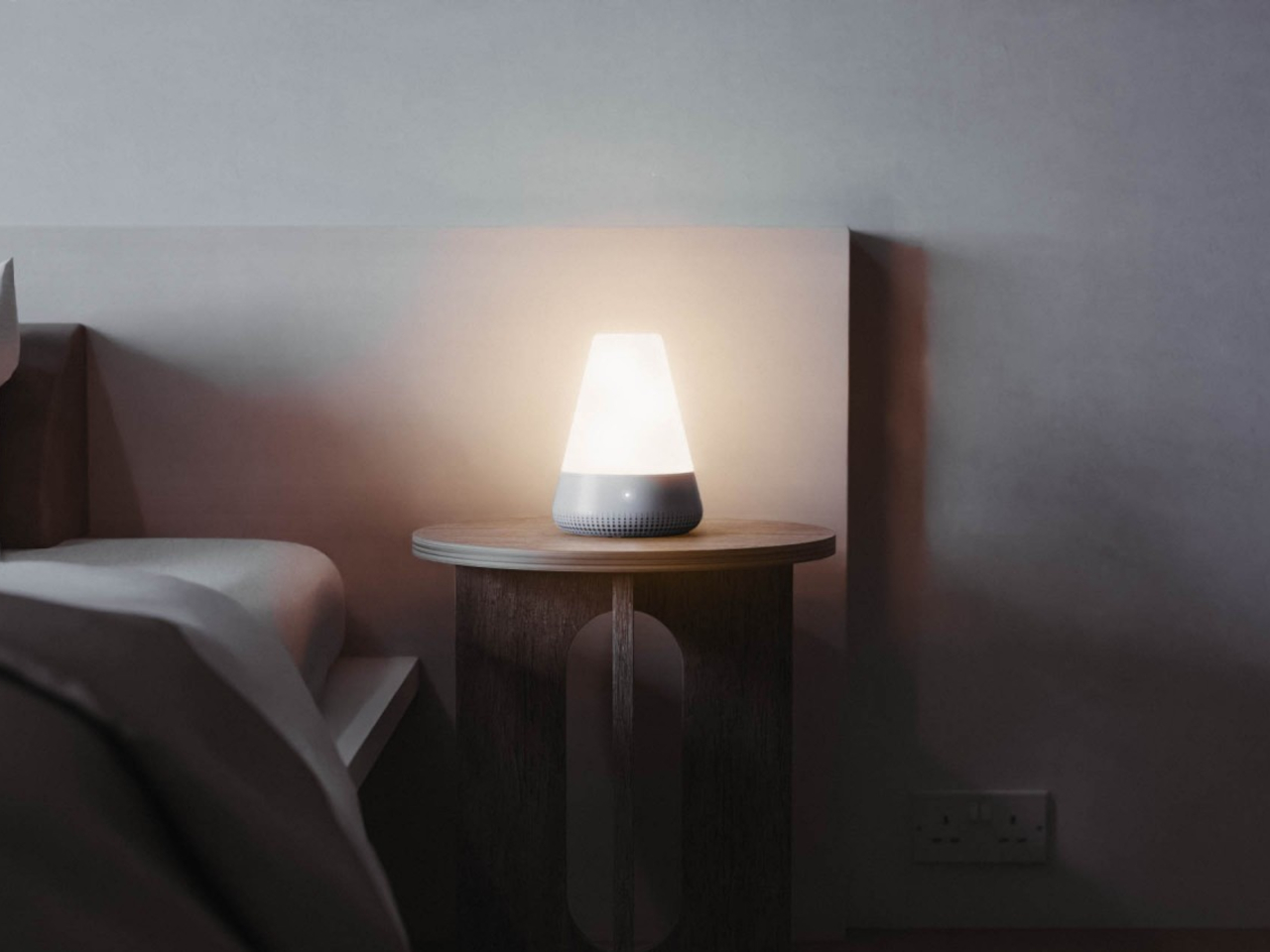
This lamp is designed to establish healthy sleep patterns, it creates a soothing ambiance mimicking natural light cycles. Adjustable light levels cater to pre-bedtime activities, while gradual dimming aids in regulating your circadian rhythm. Versatile and minimalist, it complements any space as both a desk lamp and a sleep aid and promotes good sleep.

4. Smart Beds and Mattresses

Smart mattresses and advanced sleep systems feature adjustable firmness, temperature regulation, snore detection, and sleep tracking. Some also provide personalized sleep coaching and targeted pressure relief, enhancing comfort and support.

Designer: KAI XIA

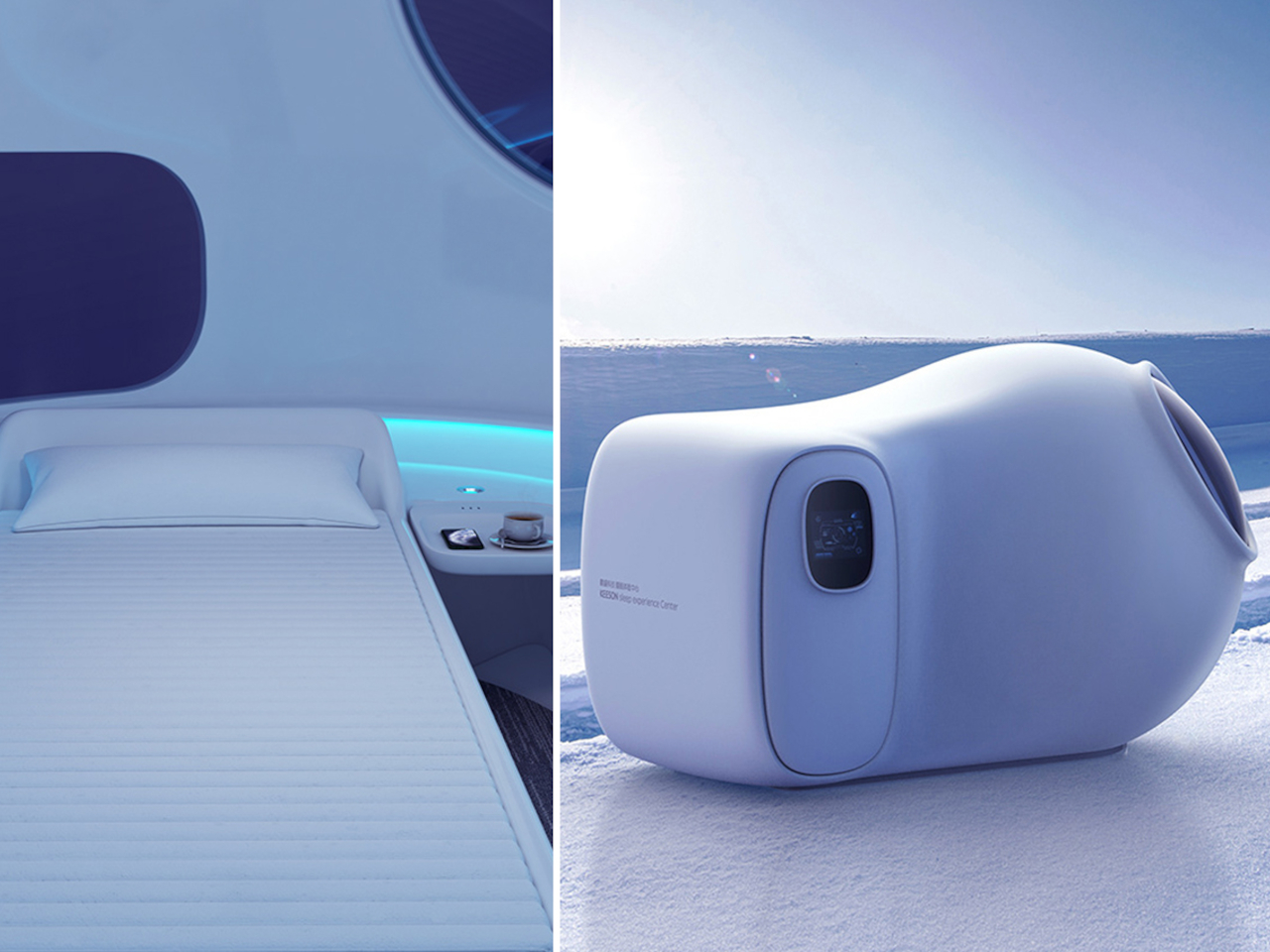
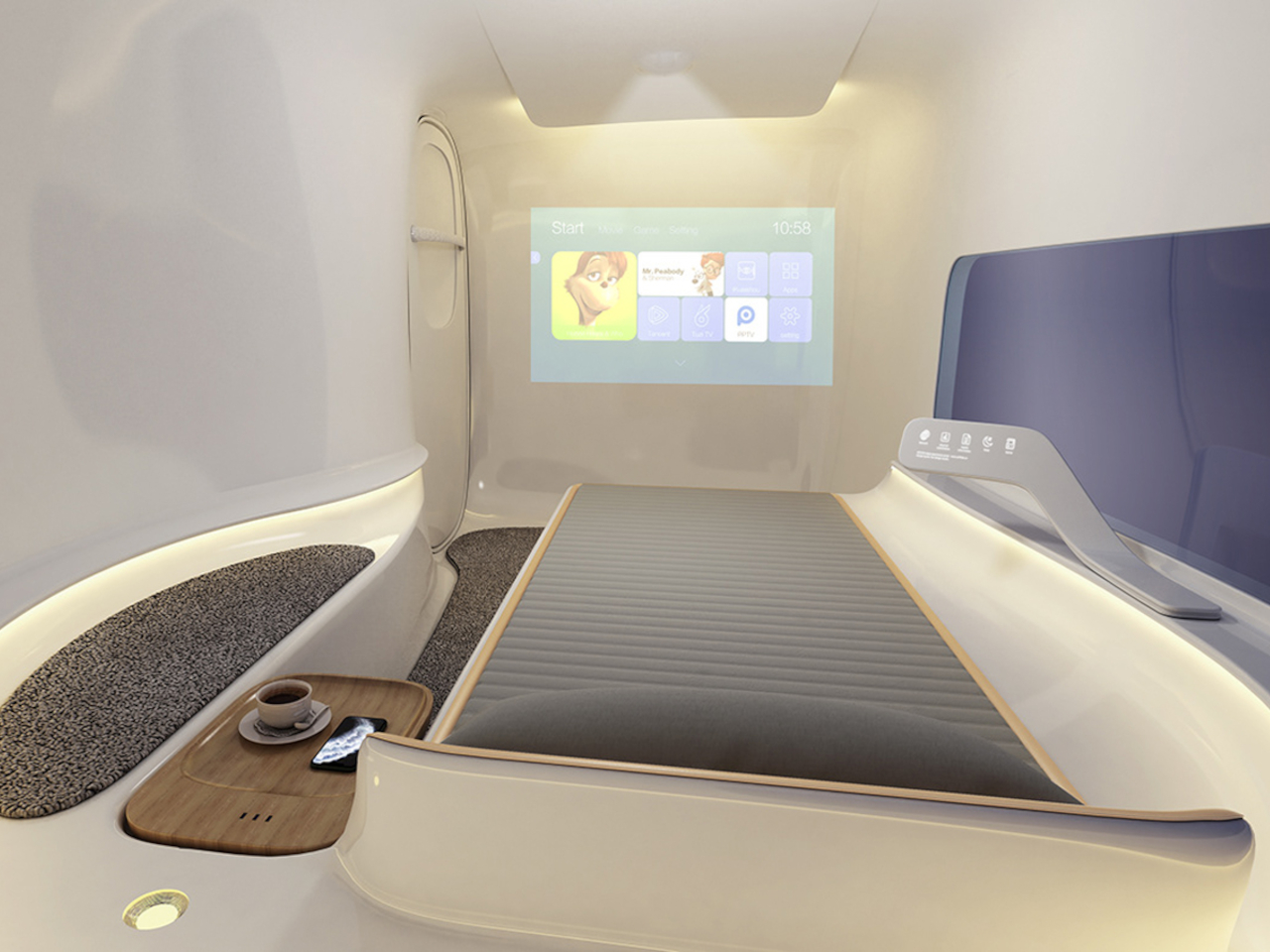
The Sleep Experience Center by designer KAI XIA is a revolutionary pod designed for ultimate relaxation during layovers. Equipped with a state-of-the-art smart mattress, entertainment system, and storage space, including aromatherapeutic lamps and a built-in air filtration system, to enhance the overall experience, this sleek and modern pod offers travelers a tranquil retreat in busy environments like airports. With automated access and customizable features, it’s the perfect solution for weary travelers seeking comfort and rejuvenation on the go.

5. Smart Home

Integrating sleep technology with smart home devices creates a sleep-friendly environment. Smart thermostats adjust room temperature, and smart blinds block external light, all automatically, ensuring optimal sleep conditions without manual effort.

Designer: Recipe Design

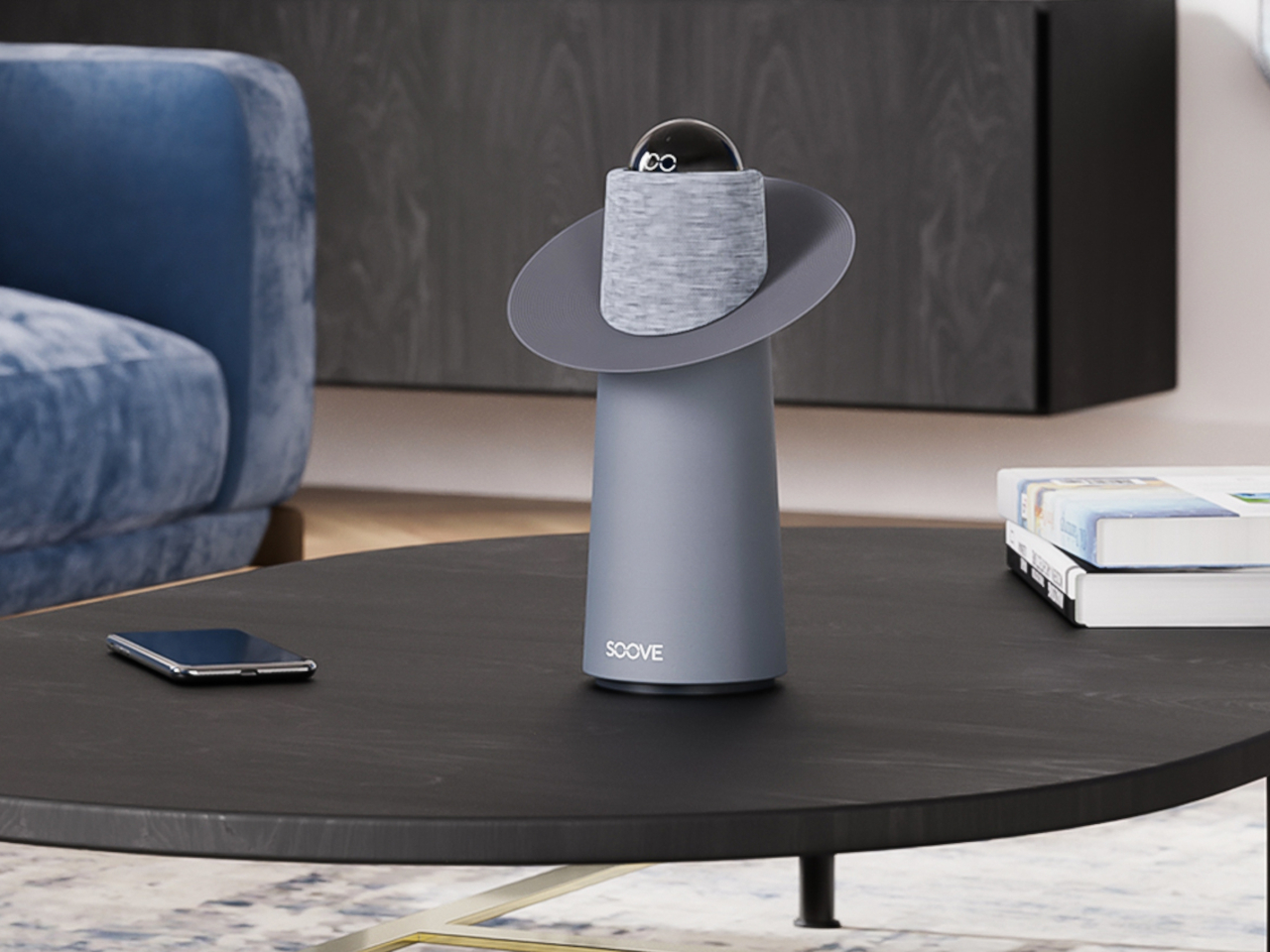
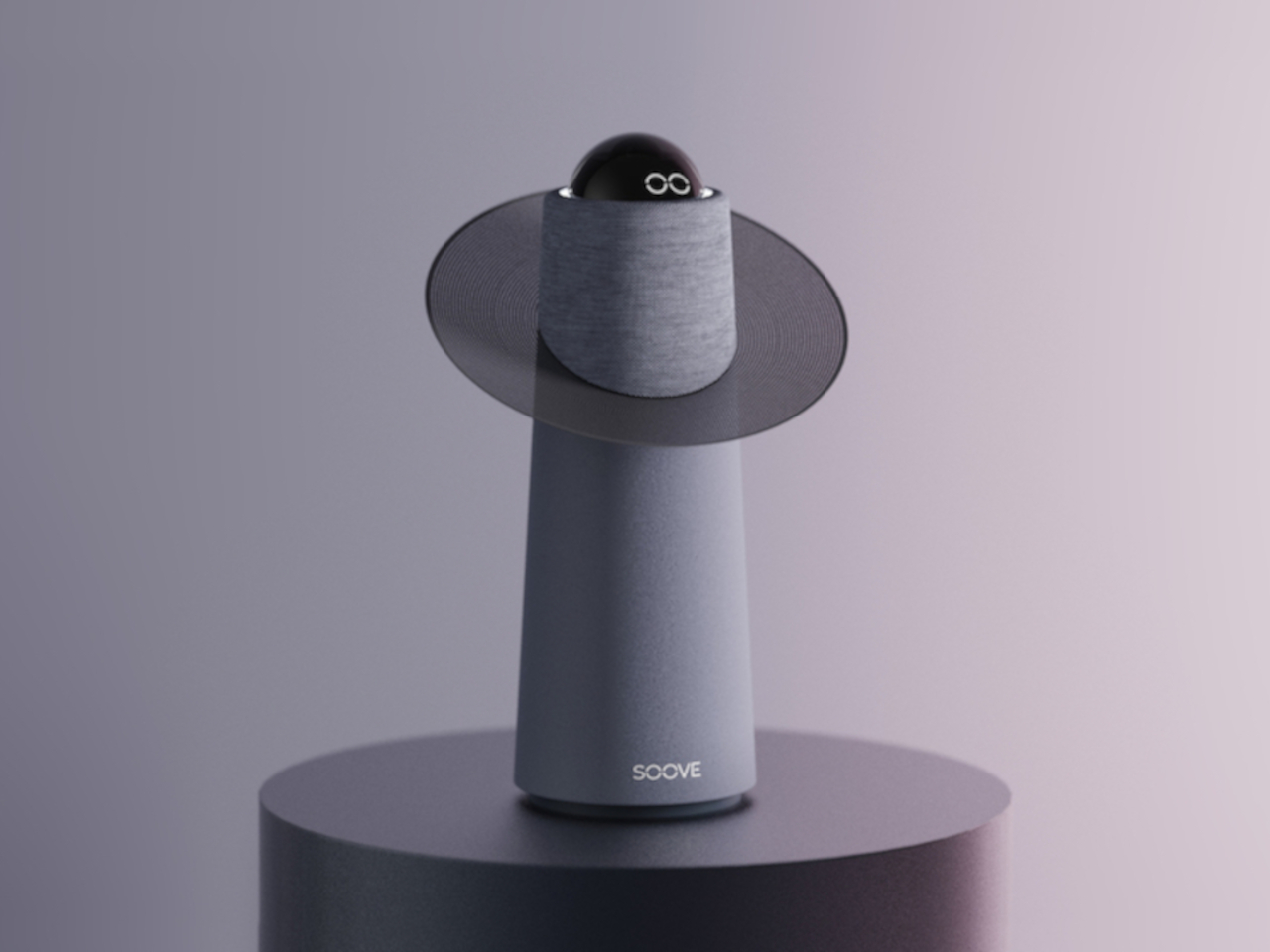
Privacy concerns abound with smart speakers and displays, but Soove offers a refreshing perspective. Its friendly design, complete with expressive eyes, sets it apart from typical smart devices. Soove uses facial tracking to recognize emotions and adjust the environment accordingly, prioritizing well-being over mere functionality. Recipe Design aims to redefine face-tracking technology as a positive tool for enhancing the smart home experience and improving sleep behaviors.

6. Sleep Enhancing Bed Accessory

Designer: Mellowing Factory

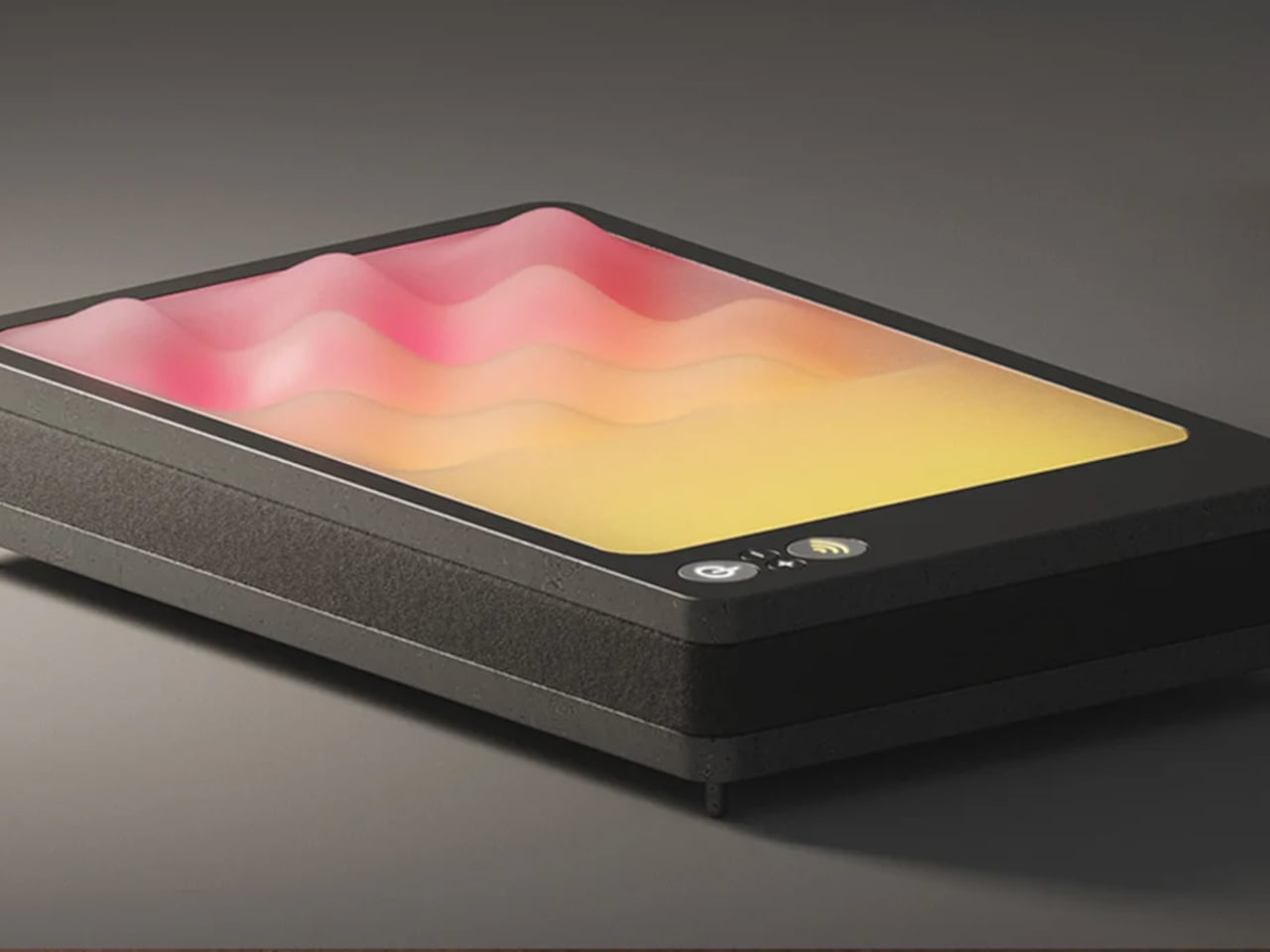
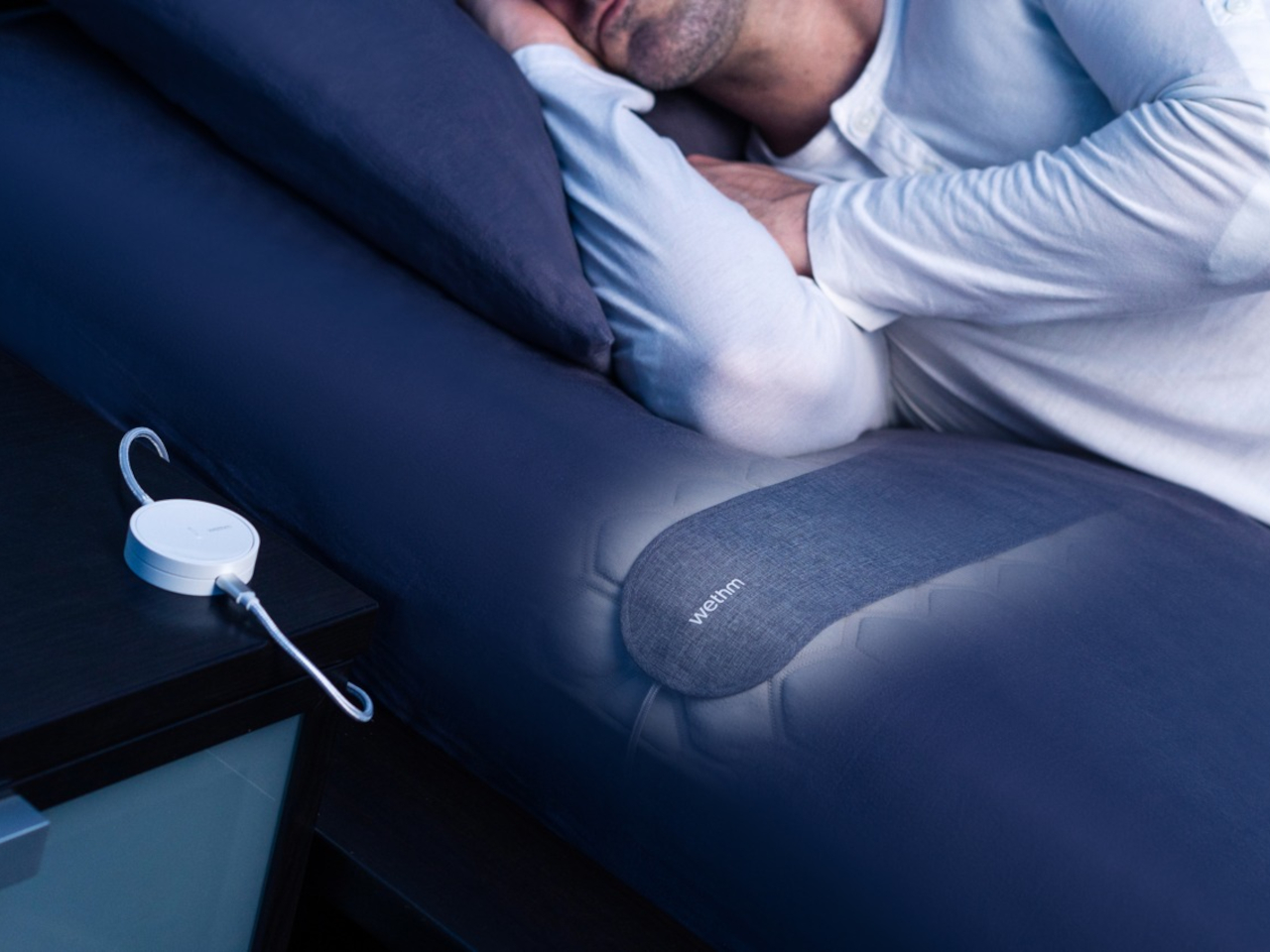
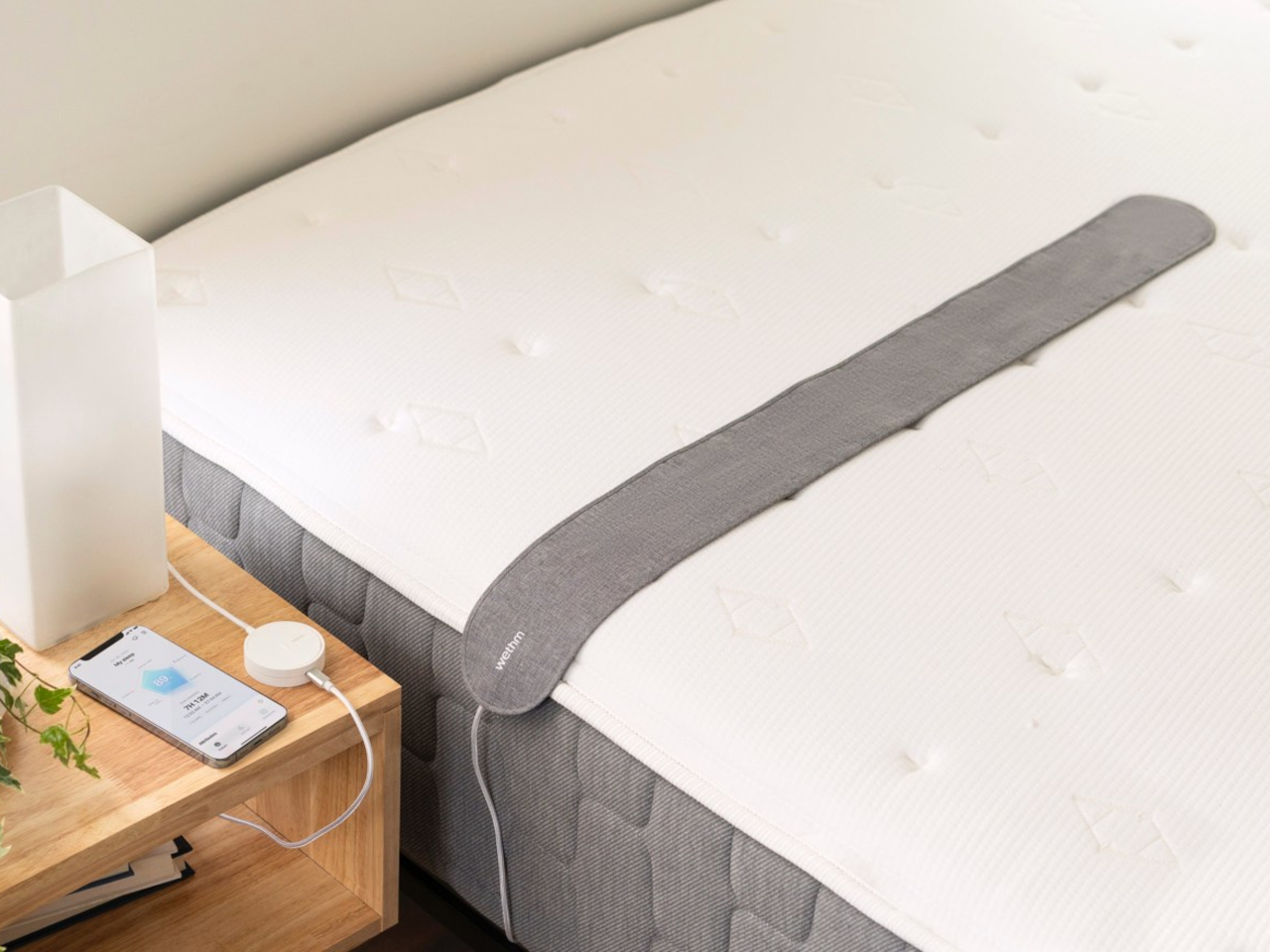
Wethm is an innovative bed accessory for better sleep. Harnessing gentle vibrations, it mimics the calming rhythm of a train journey to induce deep sleep. With cardiovascular synchronization, Wethm gradually slows your heart rate for restful sleep and gently wakes you with subtle buzzing. Easy to use, just place it under your sheets and set the alarm via the app. With AI-powered tracking, Wethm provides personalized insights into your sleep patterns.

7. Zen Alarm Clock

Designer: Mudita

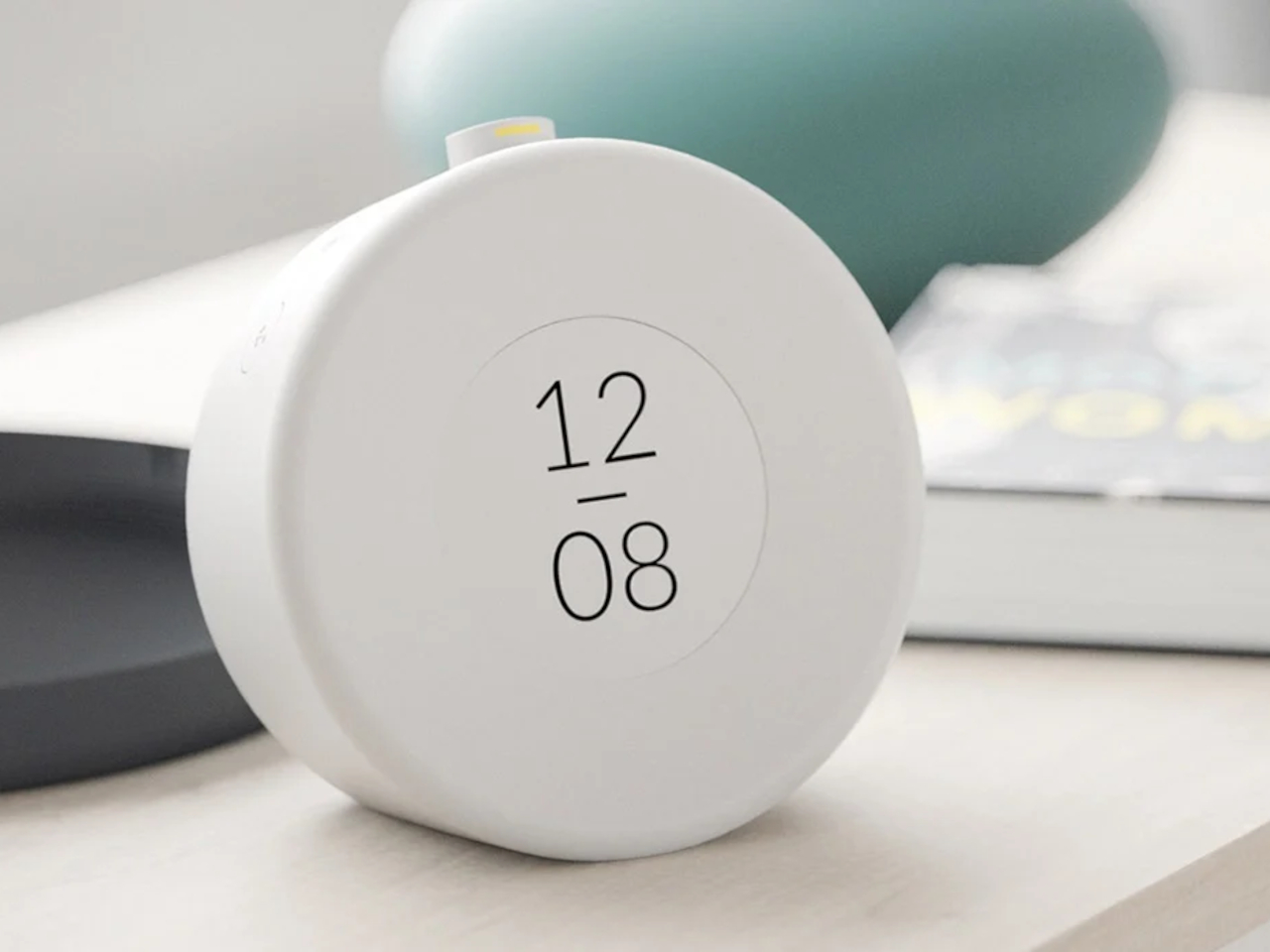
The Mudita Bell calming alarm clock is your solution to waking up refreshed. Designed to align with the body’s natural rhythms, it features gentle acoustic sounds and an E-Ink screen to minimize blue light exposure. With its minimalist design and meditation timer, it promotes restful sleep and peaceful mornings.

8. Smart Sleep Mask

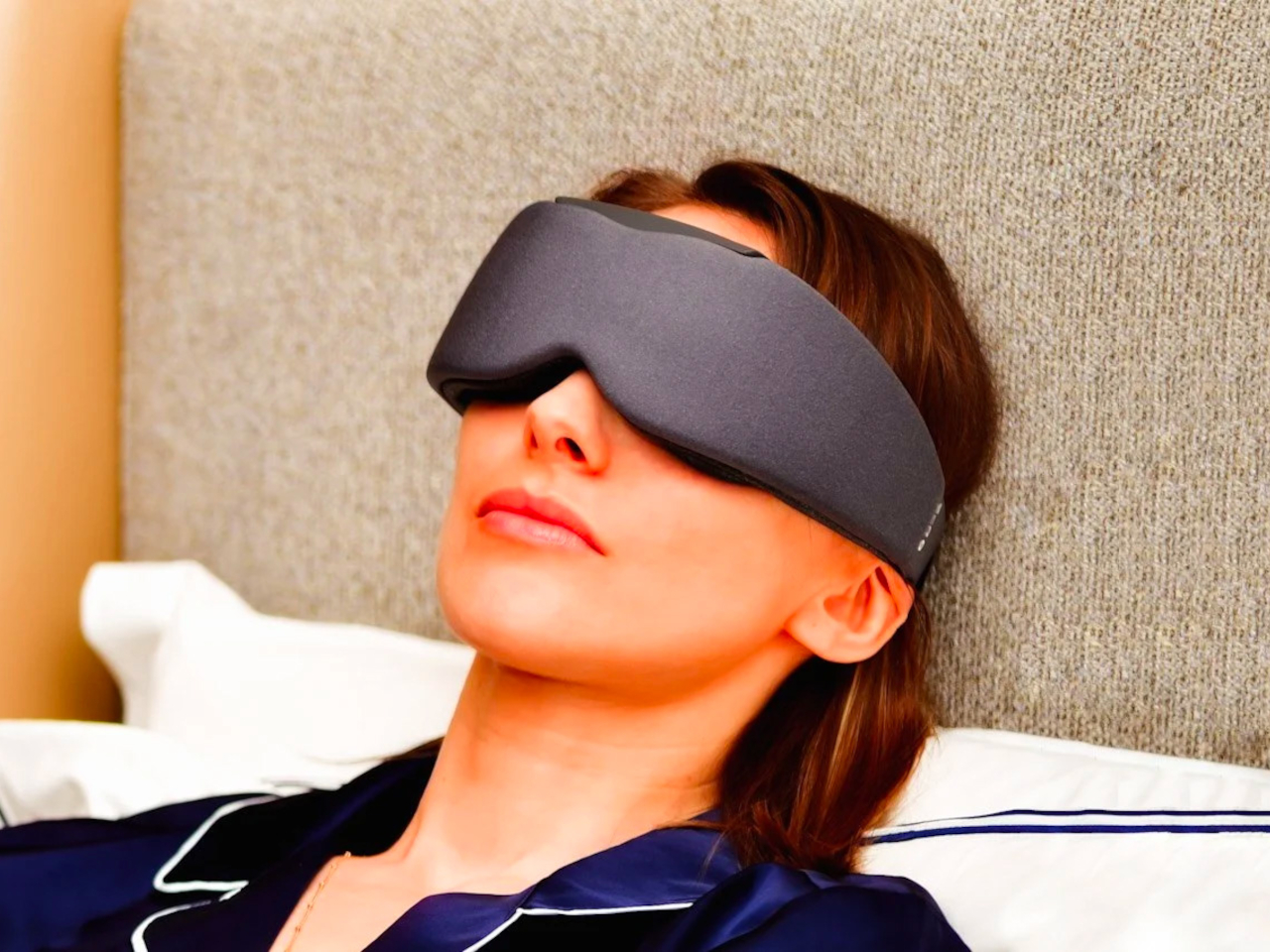
A smart sleep mask contributes to improving sleep quality through its array of features and functionalities. These may include sensors, Bluetooth connectivity, and some even offer built-in speakers for playing relaxing sounds. By blending comfort with innovative technology, these masks aim to enhance sleep quality effectively.

Designers: Adrian Wong and W.H.

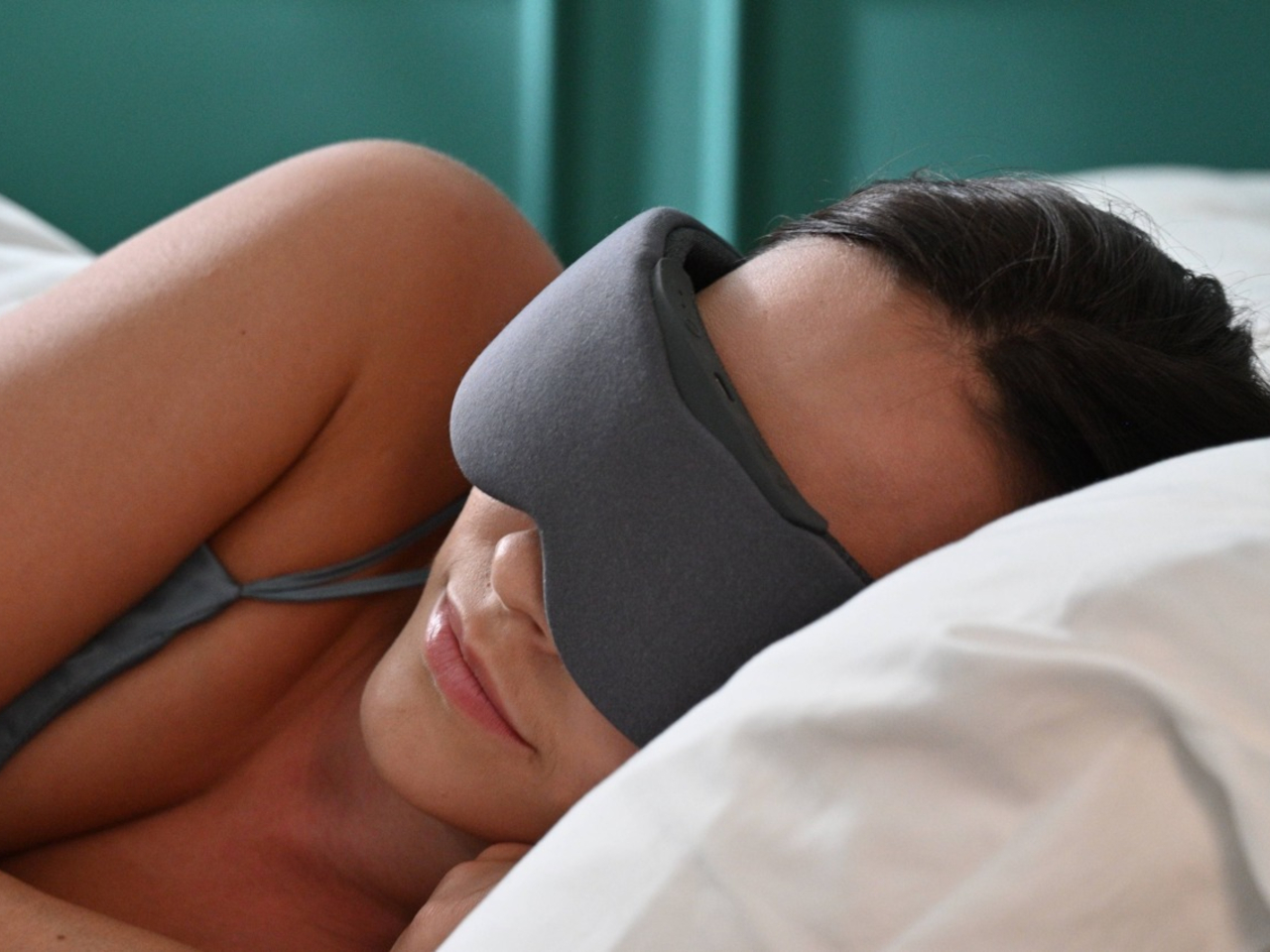
The Aura Smart Sleep Mask offers a natural solution for combating sleep disorders, utilizing sound and light therapy for deep sleep and gentle awakening. It creates a personalized sleep sanctuary with total blackout and comfortable memory foam. Simply pair it with the mobile app, select your preferred Dreamscape, and enjoy a peaceful sleep experience.

9. Ear Plugs

Ear plugs are truly effective in enhancing our sleep quality by substantially reducing disruptive noises from our surroundings.

Designer: Anestis Pneumaticatos

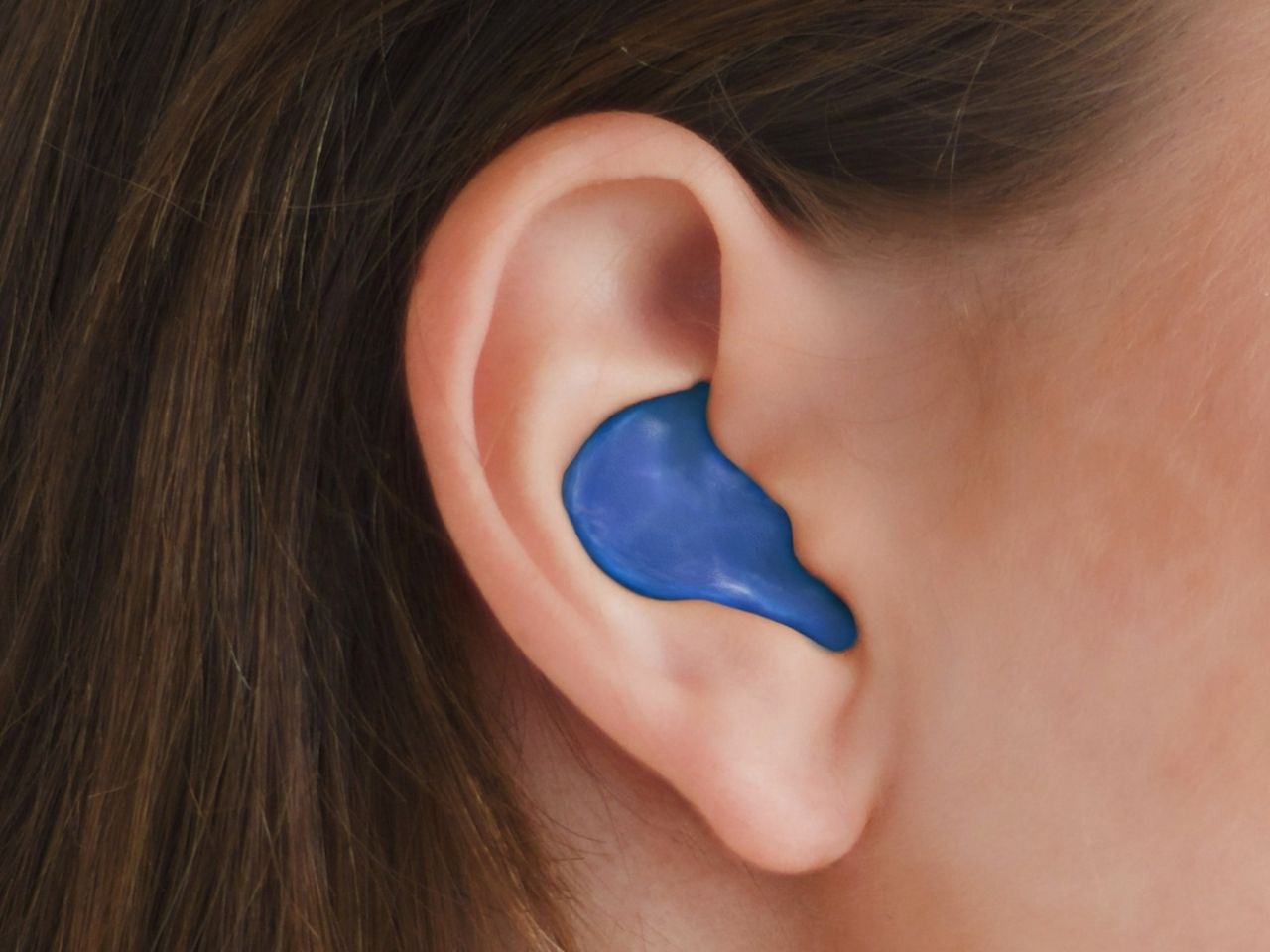
Earplugs or earbuds can block noise, but they often fall out and cause irritation. Soundbuds, a new brand, offers a solution. Unlike traditional options, Soundbuds spread through the ear canal area for a comfortable fit. Made from soft silicone rubber, they mold to your ears without needing custom solutions. Each pack includes 4 pairs in yellow, violet, green, and blue. With 27dB passive noise isolation, they dampen background noise while allowing you to hear important sounds. This colorful and practical option soothes anxiety from various noises, making sleep easier.

10. Sleeping Pods

Nap pods vary from egg-shaped chairs with head covers to small, soundproofed rooms with beds. Typically found in quiet spots like airport lounges or libraries, these pods provide a peaceful sanctuary away from busy areas.

Designers: Martin Tsankov & Milen Kisov

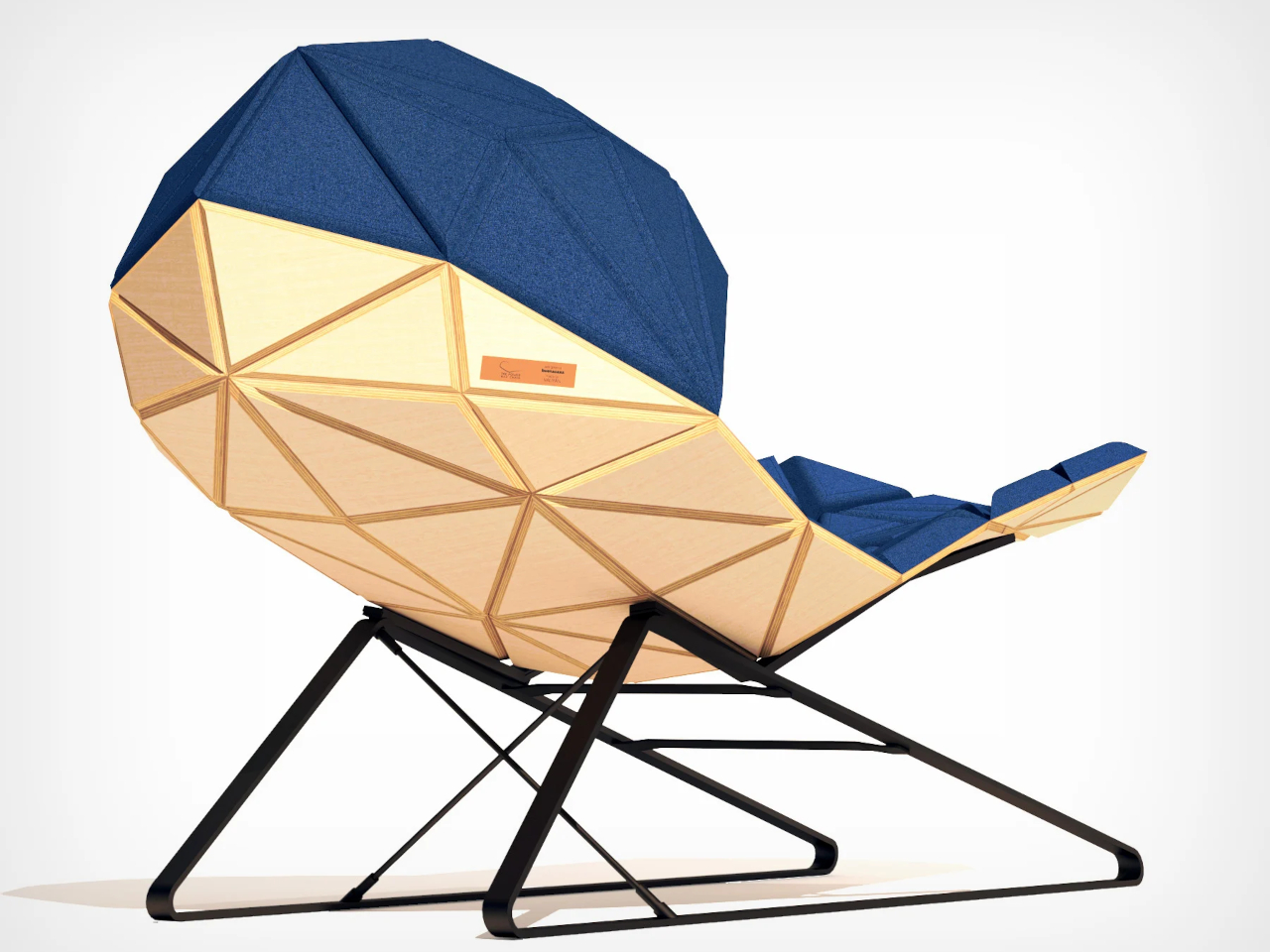
The Power Nap Chair is a revolutionary furniture piece designed by Martin Tsankov to combat exhaustion. Inspired by the productivity-boosting benefits of power naps, this sleek chair offers a cozy cocoon-like design with a foldable hood for privacy. Crafted sustainably with a metal frame, birch plywood body, and woolen fabric, it challenges workplace rest stigmas.

While technology aids sleep, natural methods are key. One can stick to a consistent sleep schedule by eating balanced meals, creating a calming sleep environment, limiting daytime naps, exercising regularly, and managing stress effectively.

The post Sleep Smarter: 10 Game-Changing Tech Innovations for Better Rest first appeared on Yanko Design.

12 Ways ChatGPT Canvas Can Transform Your Content Creation

12 Essential Use Cases for ChatGPT Canvas

In today’s fast-paced digital world, the pressure to produce high-quality content quickly can feel overwhelming. Whether you’re a seasoned writer, a content creator, or a professional juggling multiple projects, balancing efficiency with creativity often feels challenging. OpenAI’s new ChatGPT Canvas offers a fantastic option to transform the way we approach writing and content creation. This […]

The post 12 Ways ChatGPT Canvas Can Transform Your Content Creation appeared first on Geeky Gadgets.

The Morning After: Claim your Cash App settlement money

If you’ve used Cash App in the last six years, you might be entitled to compensation as part of a class-action settlement. The company set up a $15 million fund after breaches enabled a trove of user personal data to leak. You can file a claim through a dedicated settlement website, and depending on what you can prove, you could receive up to $2,500. If there’s a downside beyond having your private financial data leaked, it’s that you’ve only got until November 19 to file.

— Dan Cooper

Get this delivered daily direct to your inbox. Subscribe right here!

News in Brief

Generic image of the Google Homescreen
Google

Google is reportedly developing an AI agent for Chrome to act as a live assistant for your daily browsing. Codenamed Jarvis, because of course it is, it will help you with common tasks, like research, shopping and booking flights. Perhaps you could ask it to look at every price comparison website, collate the results and select the cheapest option. Maybe, in future, it could even buy, use and enjoy the thing you’re looking to purchase while you sit at your computer.

Continue Reading.

If you’ve ever noticed one of your Instagram videos looks worse now than it did before, there’s a reason. Instagram head Adam Mosseri revealed the platform intentionally downgrades video quality for clips not pulling eyeballs. Which feels like Instagram’s putting its finger on the scale for folks who’ve already cracked the secret of virality against those still working it out.

Continue Reading.

Image of the iMac G4
Apple

As elegant as Apple’s computers are, the last one to transcend that and become beautiful was the iMac G4. Now, the rumor mill is hinting the company’s long-rumored smart home display may wind up using the same design. On one hand, great, who doesn’t want to see what Apple can do with that design? On the other, Apple’s lackluster commitment to the smart home means it’ll probably be a pointless waste of money anyway.

Continue Reading.

Image of a Masimo Watch
Masimo

The endless battle between Apple and Masimo has seen the bigger company win its latest courtroom skirmish. Apple successfully argued some of Masimo’s watches infringed on Apple’s design patents but won just $250 (not a typo) in damages. Sadly, Apple didn’t win big enough to score an injunction preventing Masimo from selling its watches. That sound you can’t hear right now is champagne corks not being popped in the hallowed halls of Apple Park.

Continue Reading.

This article originally appeared on Engadget at https://www.engadget.com/general/the-morning-after-engadget-newsletter-111516206.html?src=rss