Samsung Galaxy Z Fold 6 review: The king, but for how much longer?

No one has been making foldable phones longer than Samsung. And for the first few years, the sheer number of improvements we got on the Galaxy Z Fold line meant it didn’t really have any competition. But more recently, the pace of innovation has slowed while new challengers like the OnePlus Open and Pixel Fold have arrived. Now for 2024, Samsung has reinforced the Galaxy Z Fold 6 with a stronger but significantly lighter frame, a new ultra-wide-angle camera and a bunch of AI-powered tools. Unfortunately, not much else has changed, leaving us with a very iterative upgrade. So while the Galaxy Z Fold 6 remains the best all-around big foldable on the market, it feels like complacency is eroding Samsung’s lead among flagship flexible phones.

After eliminating the gap between the screen (when closed) on last year’s phone, Samsung has adjusted the Galaxy Z Fold 6’s dimensions again for 2024. But the changes are so small you have to measure them in millimeters. When closed, the phone is just over one millimeter thinner and when you open it up (in portrait), the main screen is 2.7mm wider but one millimeter shorter. It’s not a ton, but you do get a little more room for activities. And of course this also affects the exterior Cover Display, which is about 1mm wider as well — just enough to make using its on-screen keyboard more forgiving.

Elsewhere, the entire phone is sharper, from its boxier edges to the more squared-off corners on both screens. Samsung also says the Enhanced Armor Aluminium used in the Z Fold 6’s chassis is about 10 percent stronger than before, but I hope you’ll forgive me for not dropping it on purpose just to find out. Holding everything together is a new dual-rail hinge. And this time, I think Samsung has nailed the perfect balance between something that’s easy to open but also holds its position when you want it to. But the biggest design upgrade is a 14-gram weight reduction compared to the previous model. Granted, that might not sound like much, but now the Z Fold 6 only weighs around 4 grams more than its non-foldable cousin, the S24 Ultra. And on an already heavy phone, this change makes a big difference.

As for the displays, as someone who’s been using the Pixel Fold a lot recently — which has a solid screen in its own right — can I just say, Samsung’s panels are so choice. Not only has peak brightness improved to 2,600 nits for both displays just like on the standard S24 family, Samsung has subtly shrunk and flattened the bezels, so the phone looks even more like a magazine come to life. And until I see something better, this is simply the best screen on a big foldable right now.

On the Galaxy Z Fold 6, Samsung increased peak brightness for both of its displays to 2,600 nits, which is the same as on the standard Galaxy S24 line.
Photo by Sam Rutherford/Engadget

The Z Fold line has never been slow and this year we got the same upgrade to a Snapdragon 8 Gen 3 chip as we saw on the S24, while base RAM is staying pat at 12GB. And as you’d expect, the Z Fold 6’s performance is fast and responsive. There’s no lag when doing pretty much anything and thanks to the addition of a larger vapor chamber on the inside, the phone stays cooler during longer sessions, which is a nice bonus to all the gamers out there who like playing on a truly big-screen device.

When it comes to photography, I’m a bit disappointed with the Z Fold 6, not because it can’t take a decent pic, but because I know Samsung can do better. For this go around, Samsung has stuck with a trio of rear cameras, opting for a new 12-MP sensor for the ultra-wide lens — and it’s pretty good. But at the same time, the ultra-wide lens is the one I use the least in daily use, and it's not close.

The only significant change to the Z Fold 6's photography is the addition of a new 12-MP sensor for the phone's ultra-wide lens.
Photo by Sam Rutherford/Engadget

The other two cameras – the 50-MP main and 12-MP telephoto with a 3x optical zoom — are solid, but they’re the same ones Samsung used on at least the previous two generations. In a photo of some strawberries, the Z Fold 6 produced a delicious pic with deep saturated hues and great details. At the same time, though, you can also see the slightly exaggerated warm tones you often get from Samsung cameras. And at night, the Z Fold produced a beautiful pic of a flower in a very tricky backlit environment.

The issue is that after Google released the Pixel Fold, Samsung doesn’t really have an excuse for saddling the Z Fold 6 with downgraded photography when compared to the S24 Ultra. The Pixel Fold has a longer 5x optical zoom and an edge in overall photo quality. Just take a look at two zoom shots taken by the Z Fold 6 and the Pixel Fold. In a vacuum, Samsung’s photo doesn’t look bad. But then take a look at the Pixel’s image. It's noticeably sharper and more detailed.

And it's the same thing in really low-light situations, like the one I took of some Bluey figurines, where the Pixel Fold captured a less grainy, sharper and more well-exposed pic. And after being pleasantly surprised with the cameras on the S24 Ultra, it’s a shame Samsung’s most expensive phone sits in second place when it comes to photography.

As we saw back at the beginning of the year, Samsung has brought the Galaxy AI suite it launched on the S24 to the Z Fold 6. And by and large, a lot of the features are the same including things like Chat Assist which you can use to generate social posts or emails while selecting a variety of tones. There’s also support for Google’s Circle to Search along with translation and summarization tools. A couple new tweaks for the Fold is that now the phone can translate text in place instead of spitting it out into a big unformatted blob, which is nice but kind of situational. And I should mention, Google Lens already offers similar functionality. Perhaps the more important one is the ability to do dual-screen translations, so each person can see text in their language in real-time, depending on what side of the phone they’re looking at.

One of the new features in the Galaxy Z Fold 6 is Samsung's Portrait Studio tool, which uses AI to generate a new image in a range of styles based on an existing photo of a person.
Photo by Sam Rutherford/Engadget

Some new additions are the Portrait Studio tool that can create an AI-generated drawing of someone based on a photo and a range of styles like comic or watercolor. It’s fun and it’s good for a laugh or two, but I’m not sure how useful it will be on a regular basis. There’s also the Sketch to Image feature that allows you to add a simple drawing to an existing photo and then have the phone generate a more realistic rendition of it in your final image. I still think Samsung’s basic AI photo editing tools are the most useful of the bunch, as they make it easy to delete distracting objects or do simple touch ups. But once again, all of this feels more like bonus content rather than core essentials.

While Samsung didn’t increase the size of the 4,400 mAh cell in the Z Fold 6, the phone does have slightly better battery life due to improved energy efficiency from its new chip. On our video rundown test, it lasted 20 hours and seven minutes when using its large main screen and 25 hours and 19 minutes when using its exterior cover display. That first number is even better than we saw from the Pixel Fold (15:22) and OnePlus Open (19:19), so if you need a big-screen phone with ample longevity, the Z Fold 6 is the easy pick.

Sadly, the Z Fold 6's battery size and charging speeds are unchanged from the previous model.
Photo by Sam Rutherford/Engadget

Unfortunately, its charging hasn’t changed much. You still get 25-watt wired charging and 15-watt wireless charging, which are both pretty mediocre figures in 2024. And while I wasn’t expecting to see support for Qi2 magnetic charging on the Z Fold 6 after Samsung opted not to add it to the main S24 line, I’m still a bit miffed that a phone this expensive is cutting important features off the spec sheet.

It wasn’t long ago when practically every component on the Z Fold line was unmatched by its competitors. But now phones like the Pixel Fold exist, which offers better overall photography. Then there’s the OnePlus Open, which weighs the same as the Z Fold 6 even after its recent diet. And let’s not forget, both of those rivals are 2023 models. Plus there are Chinese competitors like the Honor Magic V3 and the upcoming Xiaomi Mix Fold 4, which are both thinner and lighter than Samsung’s champion.

The Galaxy Z Fold 6 is 14 grams lighter than the previous model, which makes a big difference on an already large device.
Photo by Sam Rutherford/Engadget

Don’t get me wrong, the Galaxy Z Fold 6 is still a good foldable, a great one even. It’s got excellent performance, strong battery life and handy features like native stylus support. But it feels like after all this time sitting fat and happy on its throne, Samsung has a diminished hunger for total domination. Instead of long-awaited features like a built-in S Pen or an improved under-display camera, we got a bunch of AI-powered tools and tricks, which are fun but not true highlight attractions. And at $1,900 — which is $100 more than last year — the Galaxy Z Fold 6 is the most expensive it's been since the Z Fold 3. But I guess that's the price you pay Samsung for having such a long reign on top.

This article originally appeared on Engadget at https://www.engadget.com/samsung-galaxy-z-fold-6-review-the-king-but-for-how-much-longer-140129812.html?src=rss

Micron Crucial P310 2230 Gen4 NVMe SSD

Micron Crucial P310 2230 Gen4 SSD

Micron has unveiled its latest storage solution in the form of the Crucial P310 2230 Gen 4 NVMe SSD, designed to meet the needs of handheld gamers, mini PC users, and ultrathin laptop enthusiasts. This SSD offers impressive read and write speeds of 7,100 MB/s and 6,000 MB/s, respectively, and comes in capacities up to […]

The post Micron Crucial P310 2230 Gen4 NVMe SSD appeared first on Geeky Gadgets.

Posted in Uncategorized | Tagged

Unlocking Your iPhone’s Camera Potential: Native vs. Third-Party Apps

iphone Camera

The iPhone’s native camera app is designed to be user-friendly and packed with features that cater to the needs of the average user who prefers simplicity and ease of use. While it offers a range of capabilities, it may not fully exploit the iPhone’s camera potential or satisfy the demands of photographers seeking more advanced […]

The post Unlocking Your iPhone’s Camera Potential: Native vs. Third-Party Apps appeared first on Geeky Gadgets.

Google is turning off its goo.gl shortener links next year

Starting on August 23 this year, when someone clicks on a goo.gl link, it could first take them to a page with a warning that says the link "will no longer work in the near future" before taking them to the website they want to visit. Google shut down its goo.gl URL shortening service way back in 2018 and stopped users from being able to create new links. Now, the company has announced that it will stop supporting all existing goo.gl links altogether: The URLs will return a "404 page not found" result by August 25, 2025. 

Google is giving developers ample time to move to other shorteners by displaying the aforementioned warning page to visitors over the next year. It will only show up for a percentage of existing links at first, but that percentage will keep growing until it appears for most, if not all, goo.gl links by their shutdown date. The company warns that the interstitial warning pages could cause disruptions and prevent users from getting to the URL they actually want to go to, so it's advising developers to change their shortened links as soon as possible. 

The goo.gl link shortener service joins quite a large number of old features and services in Google's ever-growing product graveyard. They include the Hangouts chat app, the Stadia cloud gaming service and Google+, which once tried to take on Facebook. 

This article originally appeared on Engadget at https://www.engadget.com/google-is-turning-off-its-googl-shortener-links-next-year-130030435.html?src=rss

MS1001-Ti mechanical watch crafted from Titanium $319

MS1001-Ti mechanical watch Kickstarter

If you are searching for something a little different to the wealth of obligatory smartwatches which seem to have flooded the market in recent years. When it comes to combining innovative technology with timeless elegance, the MS1001-Ti men’s titanium mechanical watch stands in a league of its own. Crafted from premium titanium, this watch is […]

The post MS1001-Ti mechanical watch crafted from Titanium $319 appeared first on Geeky Gadgets.

10 Best Plant-Friendly Designs For Gardening & Plant Enthusiasts

Gardening is an extremely therapeutic activity, and though I may not engage in it all the time, the few times that I have, I found it delightful and soothing. Growing, tending to, and being surrounded by plants is intensely satisfying. All your worries slowly fade away, and you are simply enthralled by nature. Indoor gardening has become one of the major trends these days! Plants can truly transform a living space with their gentle presence. They add a touch of green and nature and create a serene and zen atmosphere. But tending to them is not always the easiest task! You must pay special attention to your beloved plants and give them the best care to ensure they grow well. And, we’ve curated a whole collection of product designs to help you with that! From a wearable that lets your plants communicate with you to LG’s latest indoor gardening appliance – these products are all, you need to create a nurturing environment for your plants and ensure they grow beautifully!

1. LG tiiun

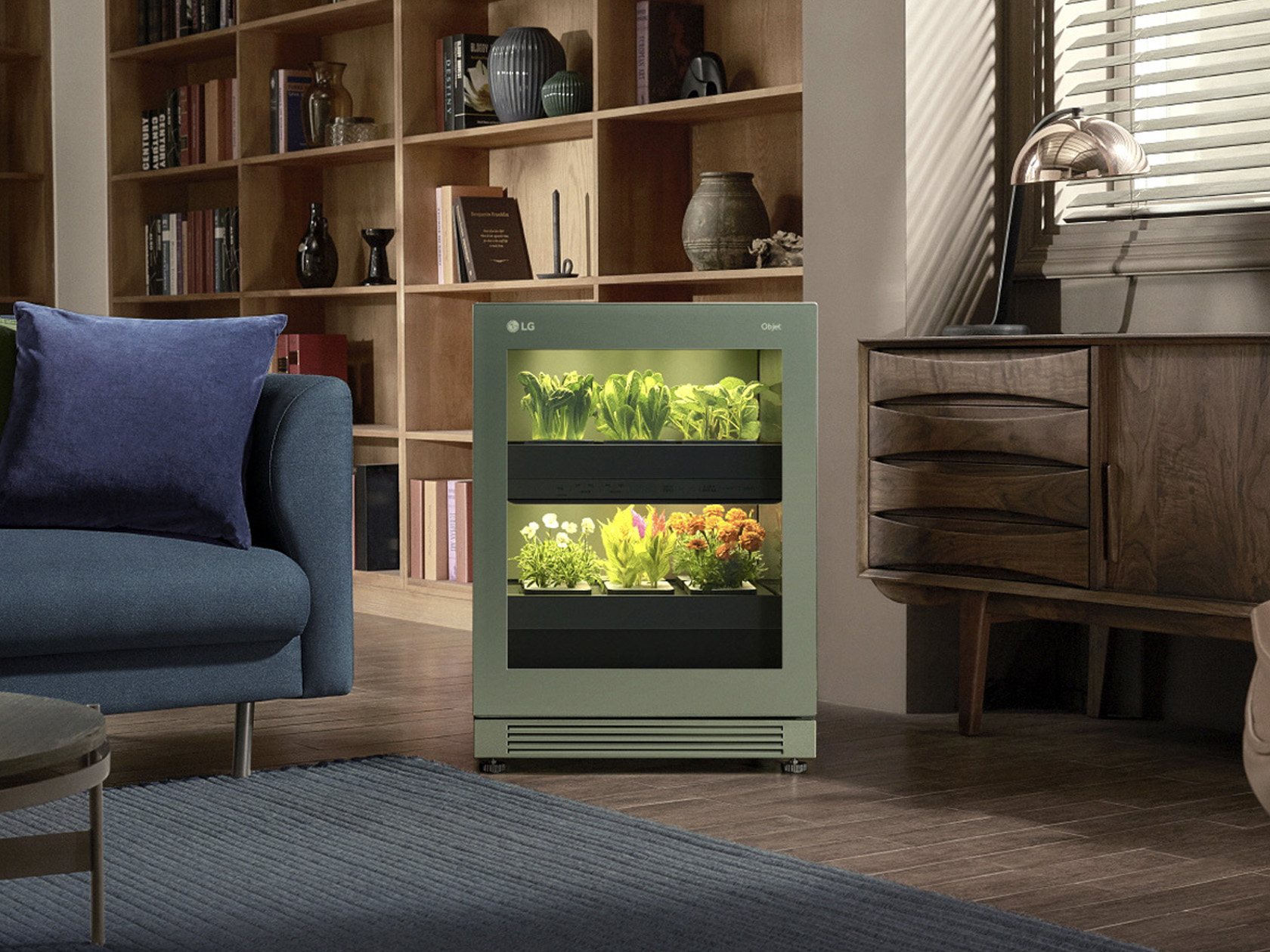
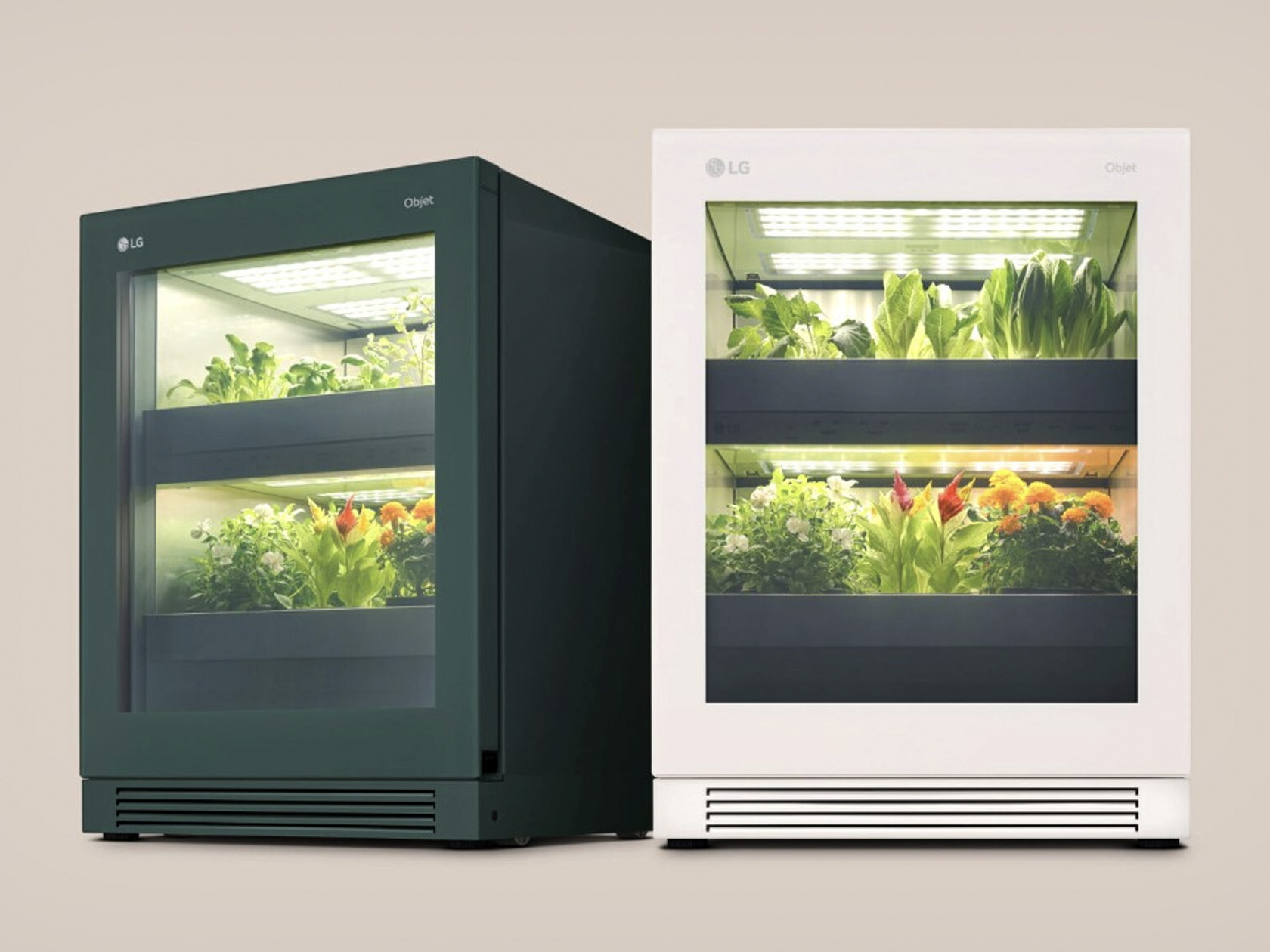
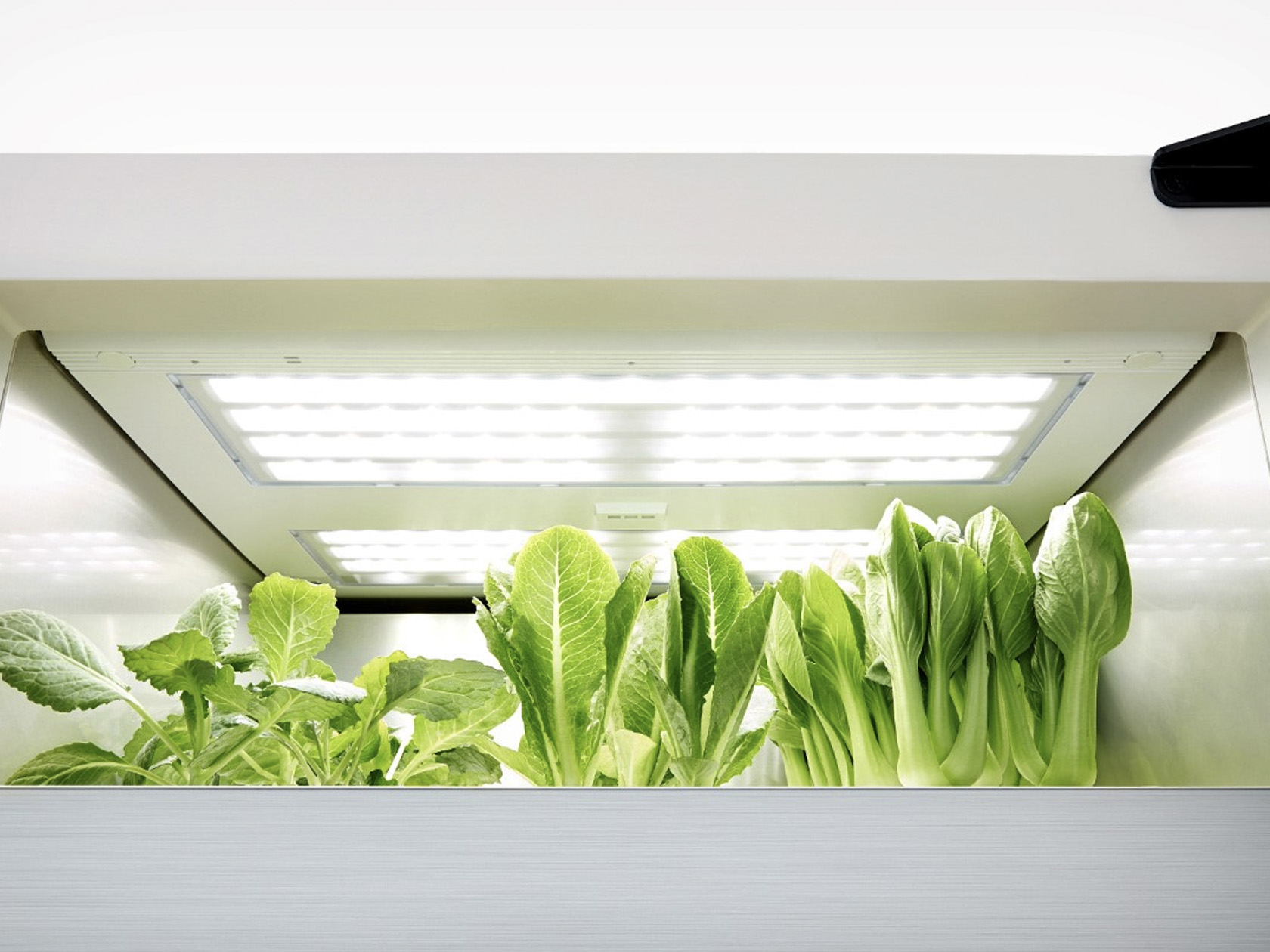
Called the LG tiiun, this unique home appliance allows you to grow your own herbs and veggies. It is an indoor gardening appliance that is sized like a dorm refrigerator and is 3 feet tall. It is equipped with two shelves, which can store up to 6 all-in-one seed packages, and various seed kits. It keeps your veggies super fresh!

Why is it noteworthy?

The LG tiiun is designed to be an all-in-one self-sufficient garden. It creates the perfect microclimate and conditions for your plants to grow successfully. It even replicates light cycles, allowing you to keep the tiiun anywhere in a room without having to stress about whether it has access to sunlight.

What we like

  • You can grow veggies and herbs in the comfort of your home
  • Simple and fun experience even if you haven’t gardened before

What we dislike

  • The form is a bit too bulky for homes with space constraints

2. Grovemade Hardwood Planters

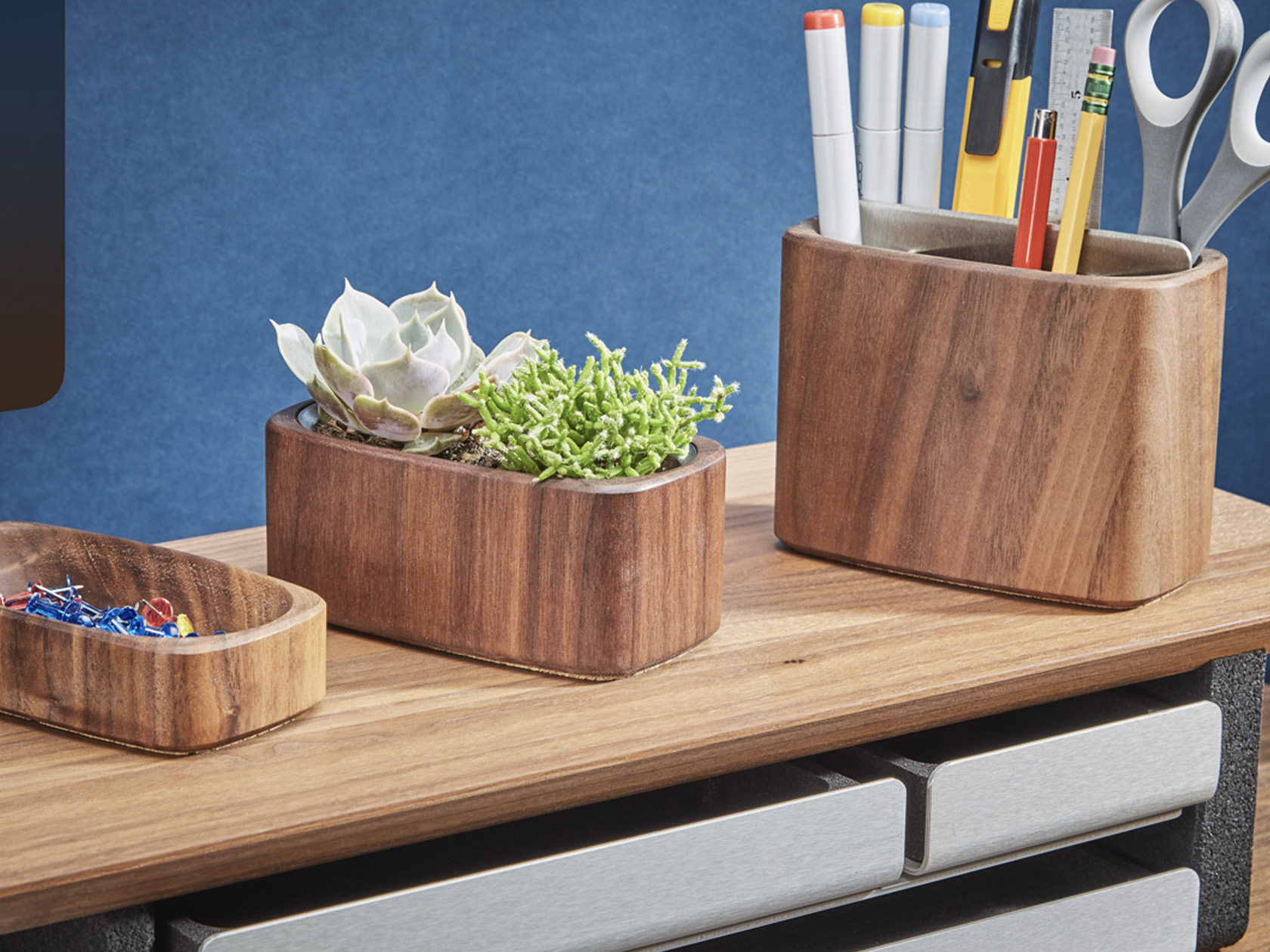
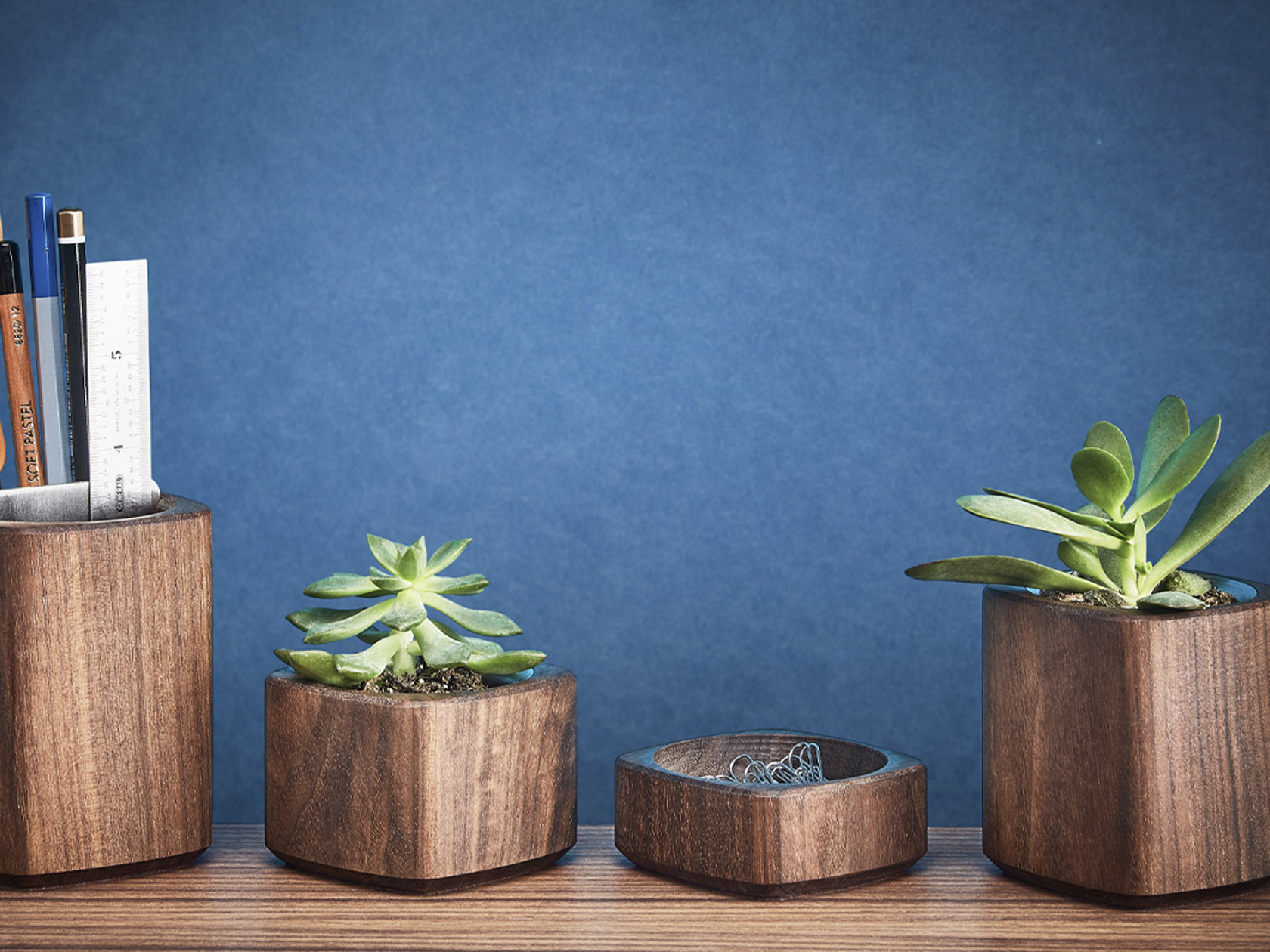
Designed by Grovemade, these cups, planters, and dishes are created the old-school way and have been carved from solid maple or walnut. The planters are pretty functional, adding a touch of green to your work desk, while also being quite aesthetically pleasing. The planters score high on looks and utility.

Why is it noteworthy?

The various pieces are hand-sanded and finished with a clear vegetable-based oil that highlights the natural warmth, elegance, and beauty of the wood. The collection includes cups, dishes, and planters in a variety of different woods

What we like

  • The planters are available in a wide range of metal and material options

What we dislike

  • The aesthetics are a bit mundane and boring

3. Green Hideaway Chair

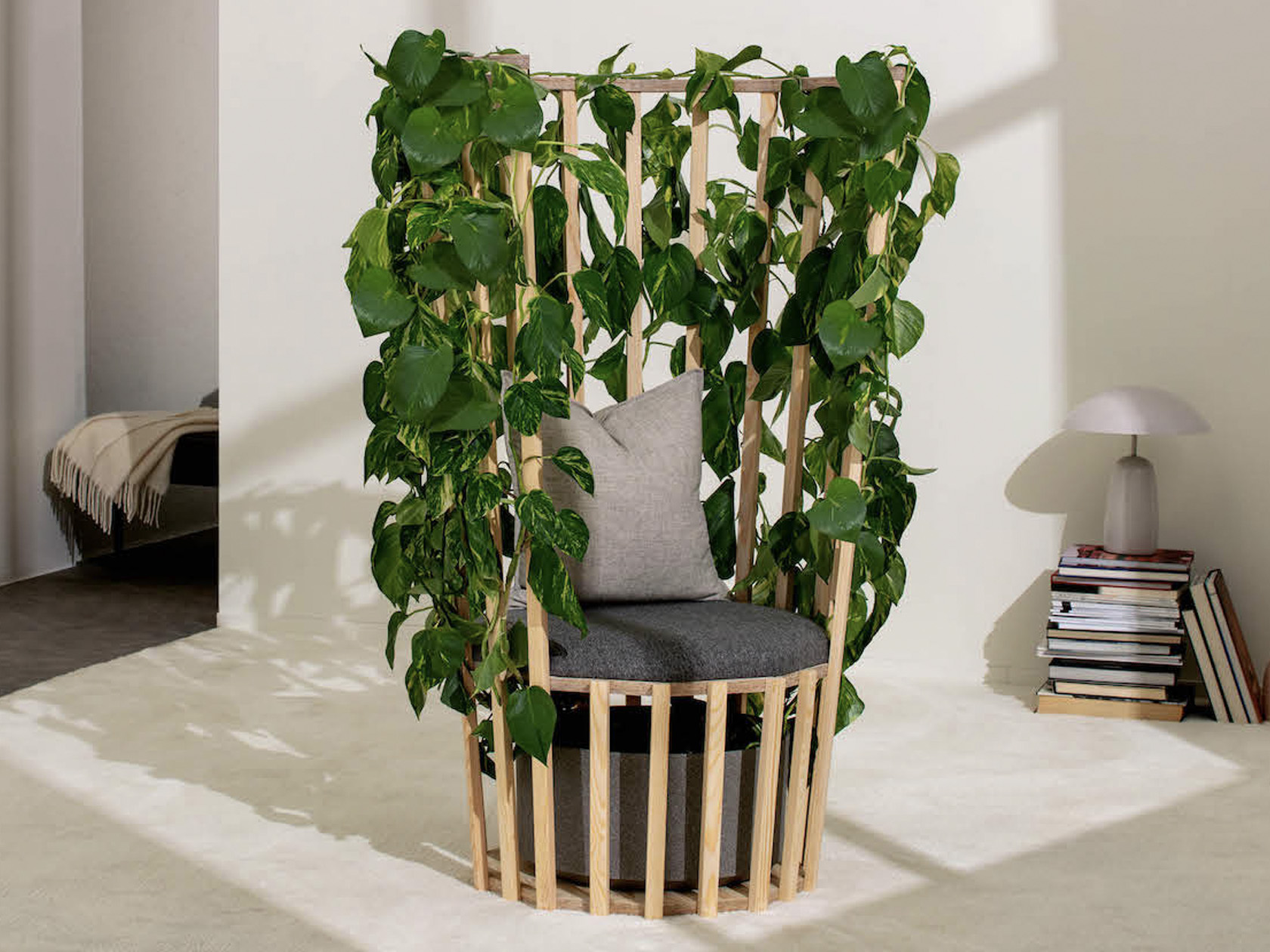
Named the Green Hideaway Chair, this DIY living plant chair is designed by Stockholm-based studio Front/ in collaboration with European DIY chain HORNBACH and its creative agency HeimatTBWA. This lovely chair lets you connect with nature, adding some green to your home, without actually leaving your house.

Why is it noteworthy?

DIYers of all skill levels can build this simple chair, as it is accompanied by illustrated, step-by-step instructions, a template, and a whole list of tools and materials needed. Everything is simply spelled out for you.

What we like

  • Makes nature accessible to you in your own home

What we dislike

  • A bulky and space-consuming design, so you need to make sure you have sufficient space to add it to your home

4. ACQUAIR

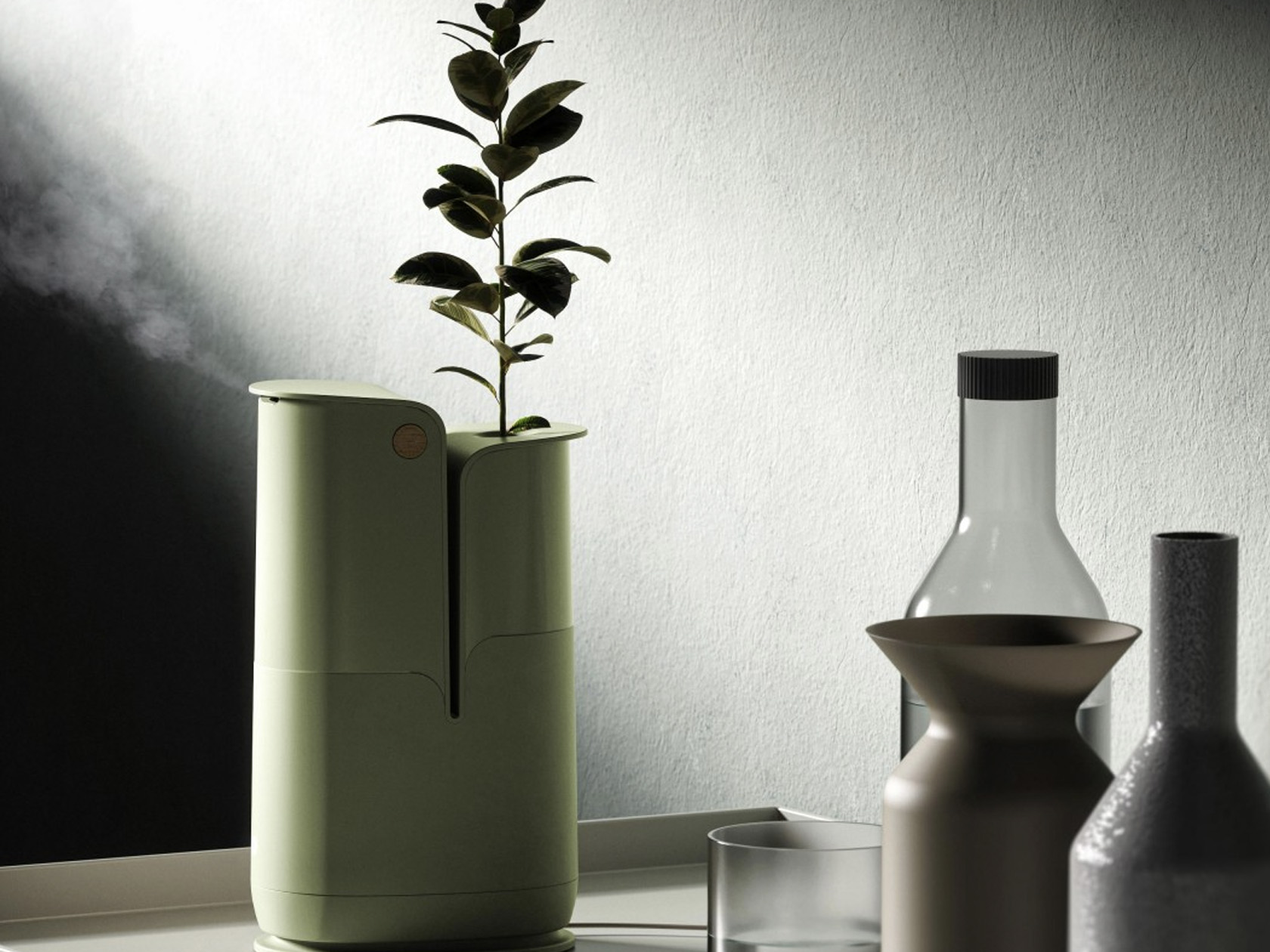
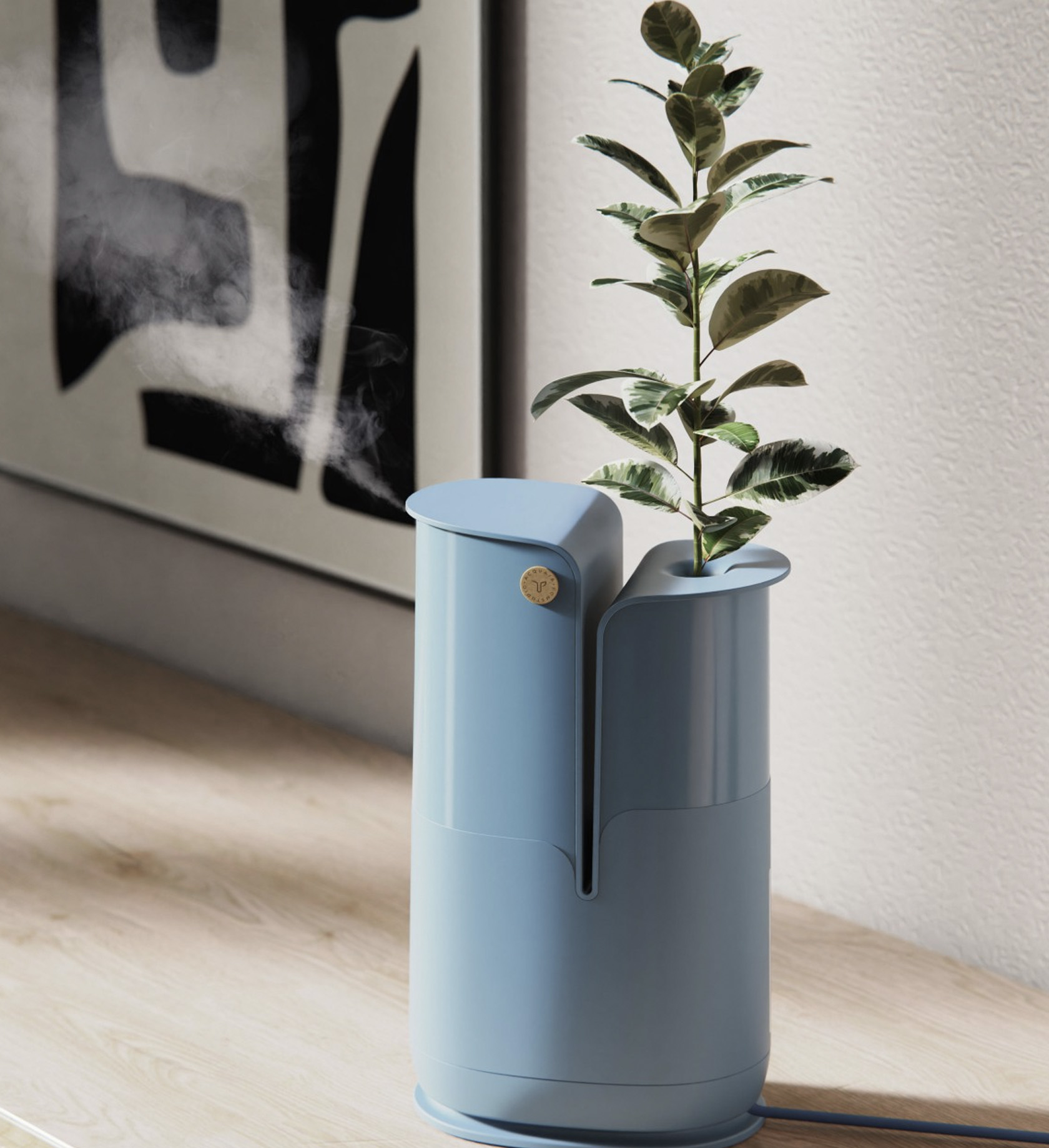
Meet the ACQUAIR design – a smart humidifier and air purifier which merges technology and nature in an aesthetic and good-looking design. ACQUAIR is essentially two products in one – it is a smart humidifier and a pot for a single-stem plant. Both the parts share the same water tank that nourishes the plant, and sprays moisturized mist.

Why is it noteworthy?

The spray is determined through sensors, and by adjusting the mist depending on the temperature and the amount of humidity. Human intervention isn’t needed except to refill the tank every once in a while.

What we like

  • The humidifier also has aesthetic value, it serves as a simple yet elegant pot

What we dislike

  • The concept isn’t detailed enough to show us how the device’s features keep the plants alive beyond just water

5. Ocean Sun Plant Light

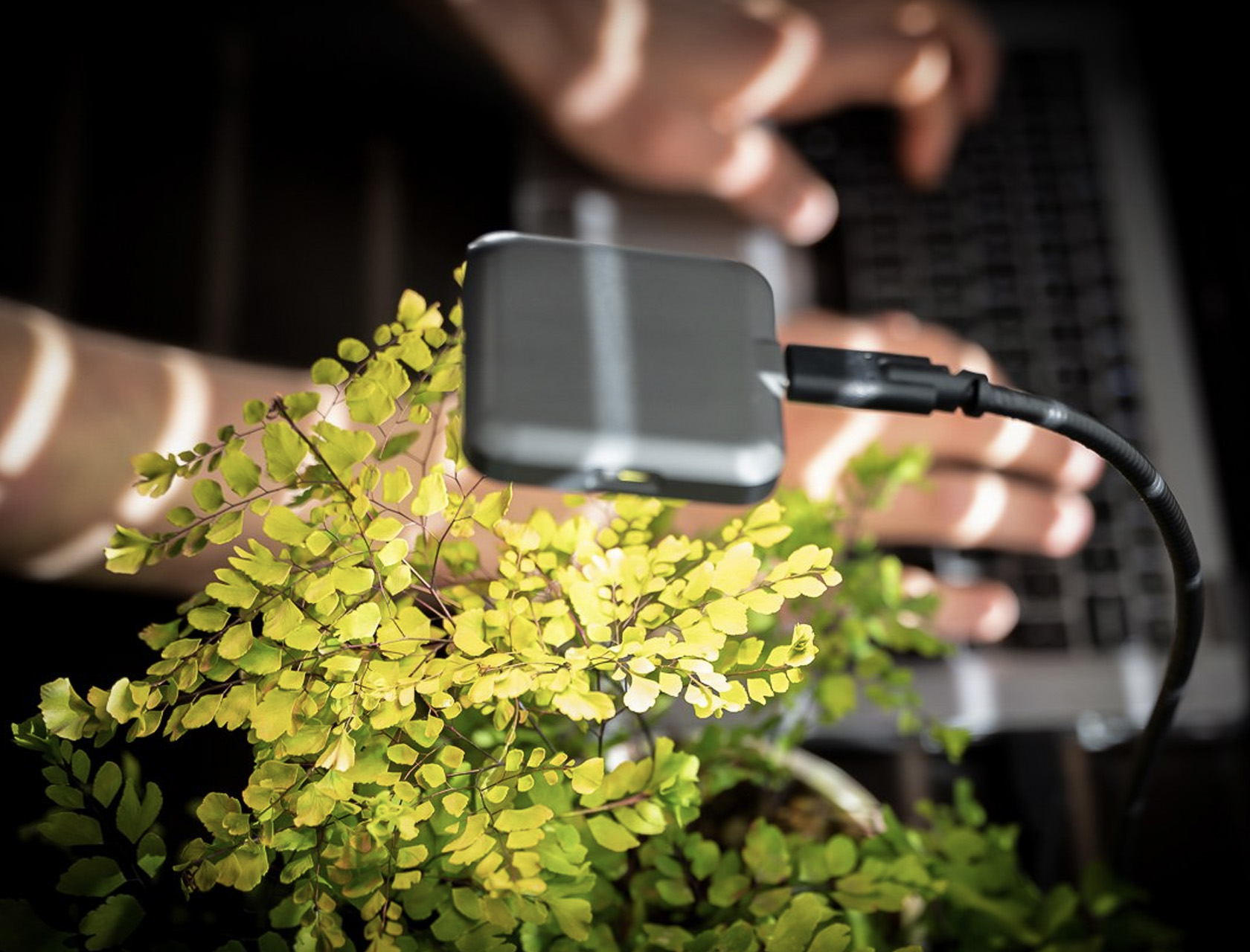
Called the Ocean Sun Plant Light, this design is more than just your ordinary USB-powered work light. As the name suggests, it is equipped with a calibrated set of LEDs that radiate a light similar to the light from the sun. It is created for indoor plants which don’t get a lot of natural light.

Why is it noteworthy?

The Ocean Sun Plant Light offers your plants the right spectrum of light to facilitate photosynthesis and foster growth. But unlike the sun, it features a compact size, and can fit into the palm of your hand! It has a sleek and small form with a precisely machined aluminum outer shell.

What we like

  • Features high-end flicker-free LEDs
  • Compact, easy-to-carry form

What we dislike

  • We are unsure how well plants would grow in this light

6. Planpet

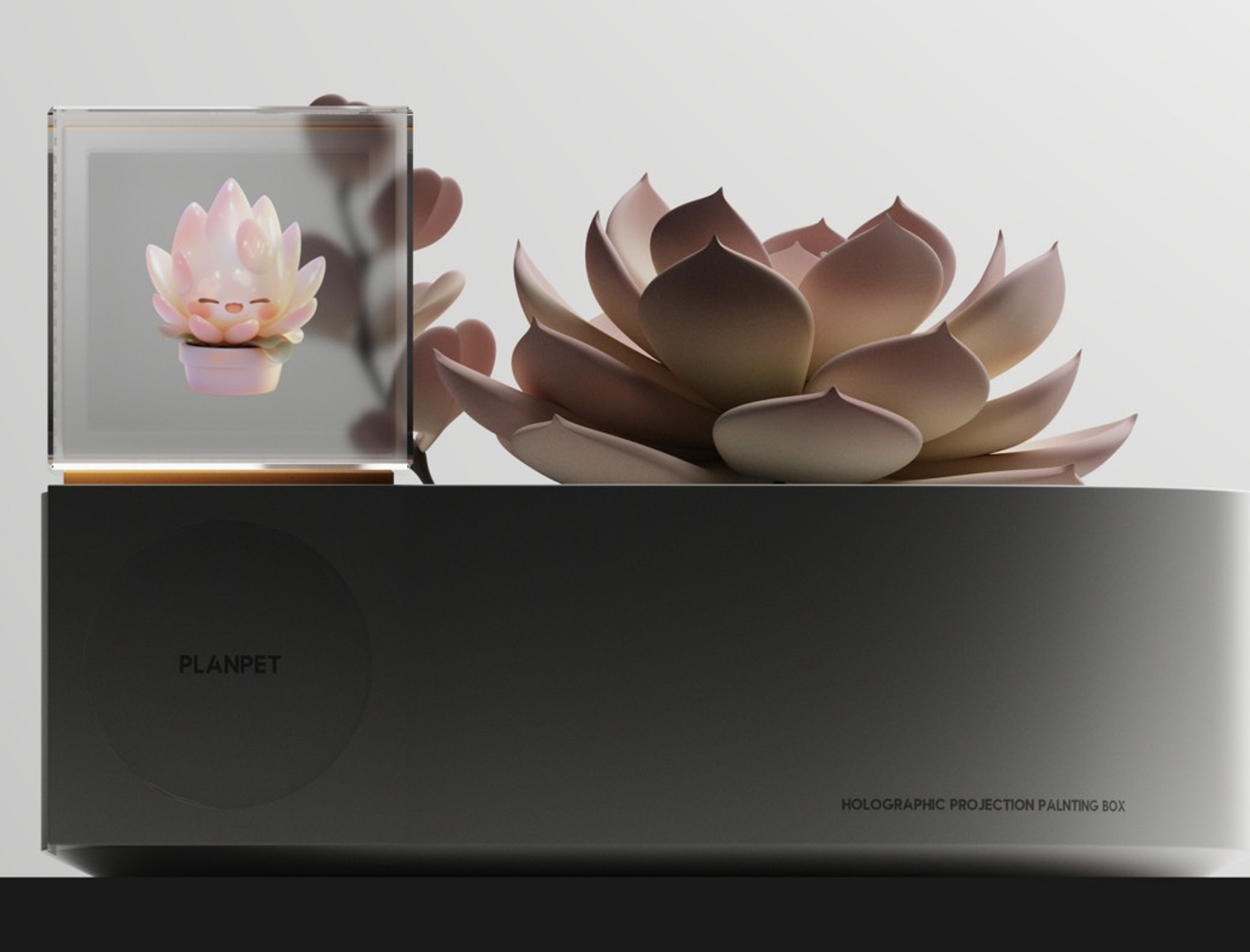
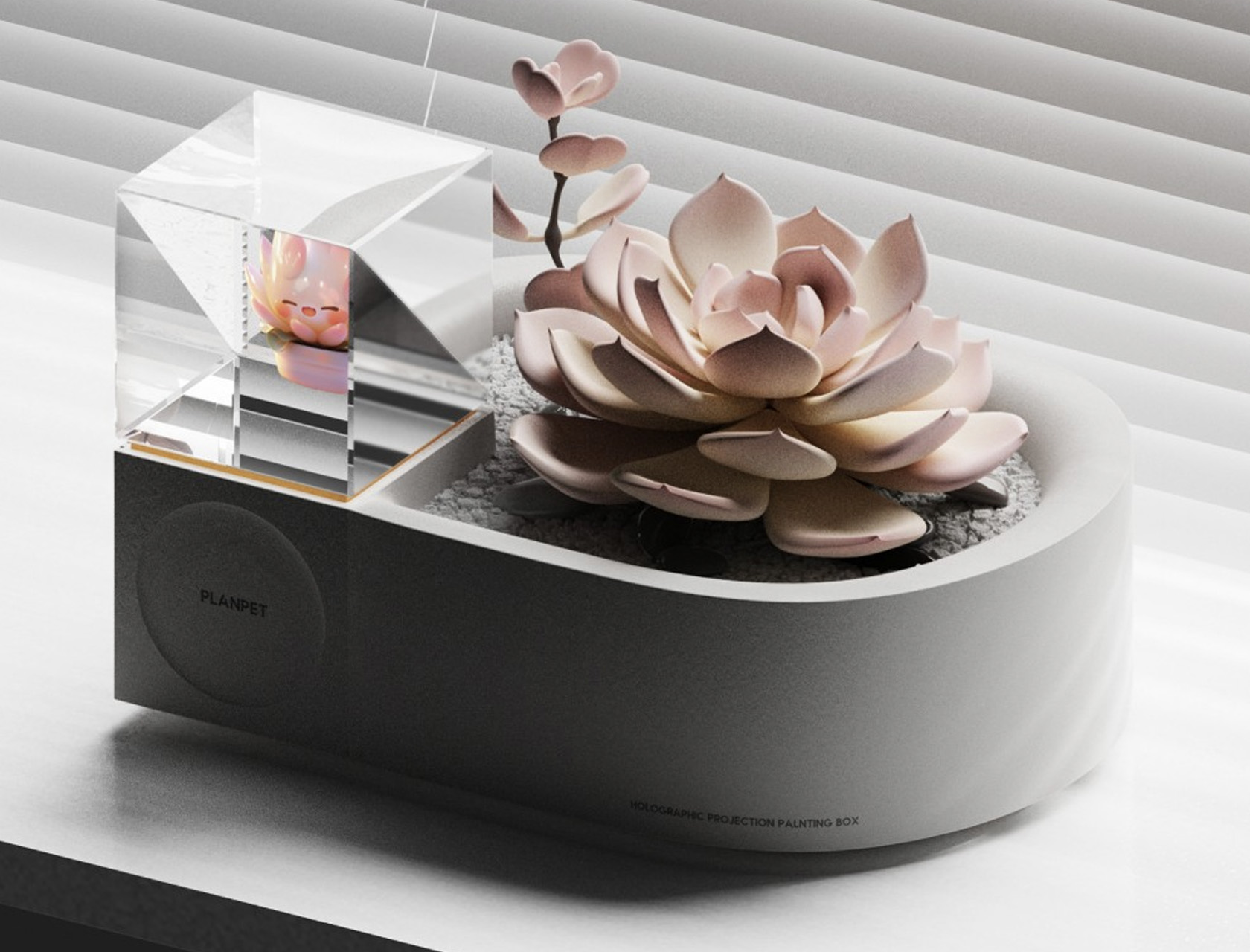
Meet Planpet – a smart plant pot concept that builds a personal connection between humans and plants. The design offers the plant a face and changes the way we see it. It features a glass cube on one end, with an actual hole for the plant. The cube isn’t some excessive feature, but it is a holographic display.

Why is it noteworthy?

The holographic display features a miniature 3D representation of the plant, and it actually has an expressive face. The user can pick a virtual character, which perfectly resembles the type of plant being put in the pot. The virtual plant can also change facial expressions based on real-time soil, and environment analysis.

What we like

  • The plant reacts when you give it light or water, or if you forget to look after it

What we dislike

  • It’s a conceptual design, so we are unsure how well it will translate into a tangible product

7. Paradise

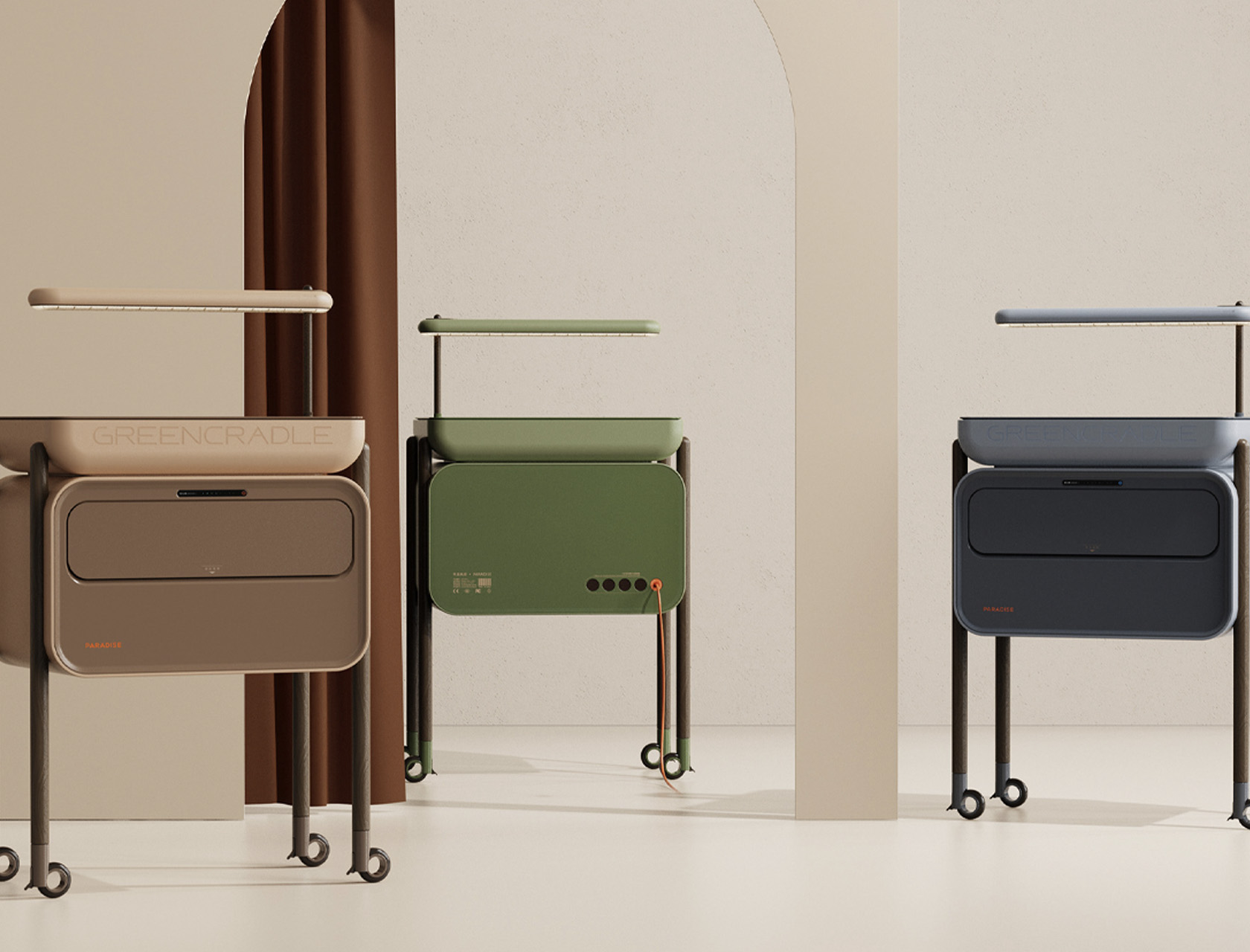
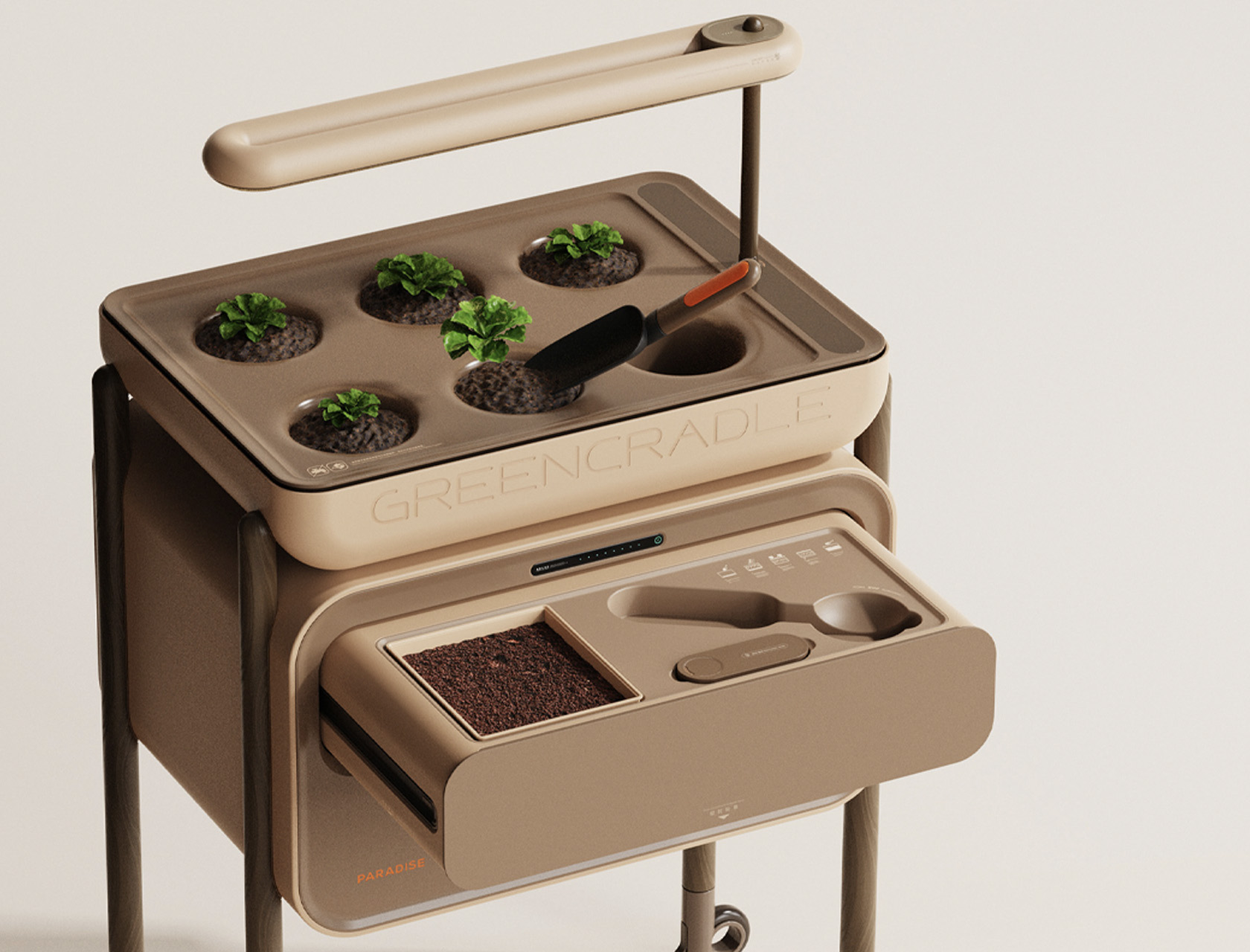
Named Paradise, this automated plant cultivator and compost bin is designed to reduce domestic waste. It is equipped with integrated technology, prompting users when the plants need to be looked after. It looks like a rolling cart and includes modular pieces that work well together to offer optimal conditions for growing plants.

Why is it noteworthy?

Paradise was designed by Robin Akira, and it is intended to be a household plant cultivator with integrated compost bins and an odor-sealing lid to reduce the domestic waste produced in our homes.

What we like

  • Integrates greenery into our interior spaces
  • An odor-sealing lid

What we dislike

  • Could be messy to have such a product in our indoor living space

8. Kosumi’s Wall Organizer and Mess-Free Planter

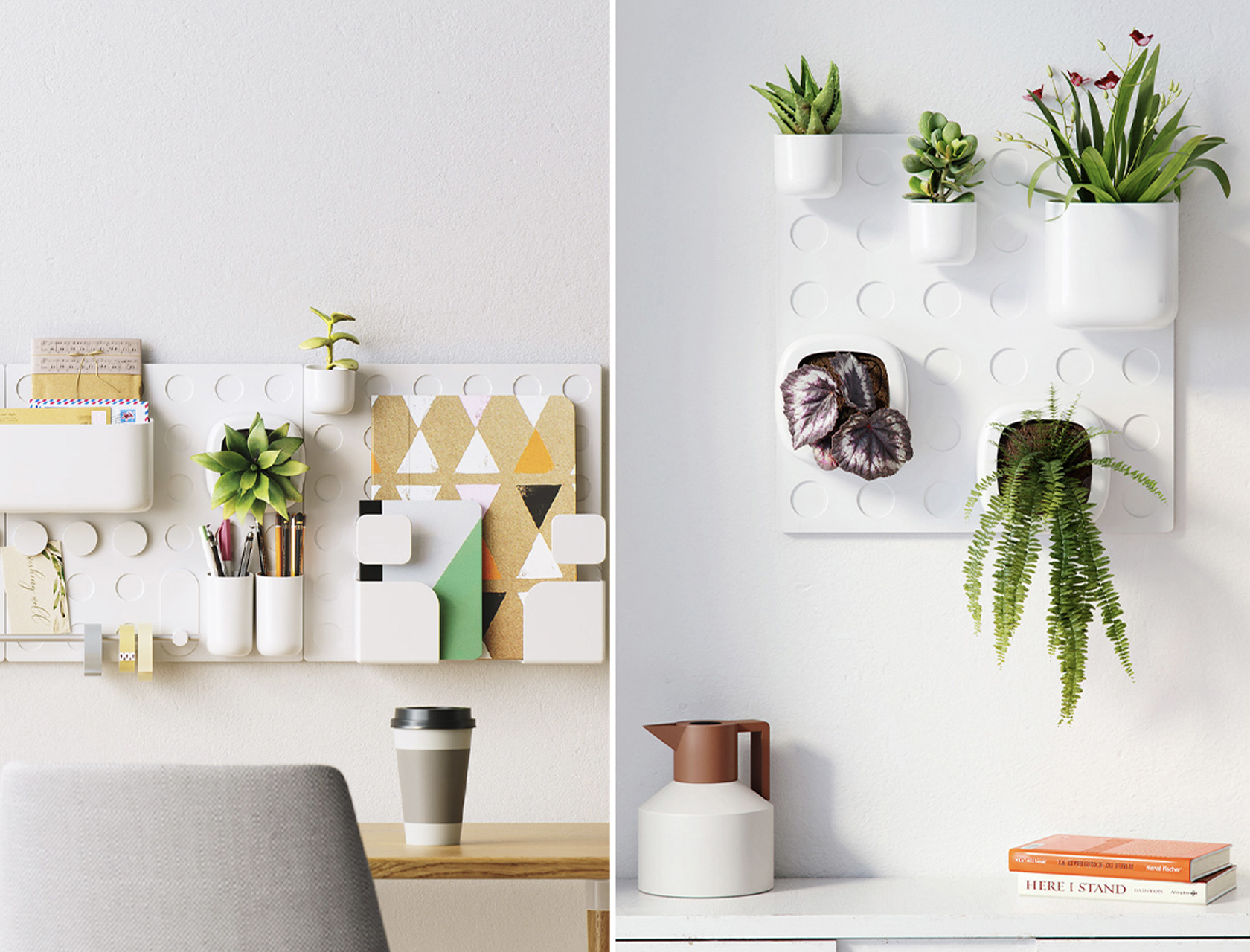
Kosumi’s Wall Organizer and Mess-Free Planter can be assembled like LEGO building blocks. It features base grids that can be attached to the walls with 3M strips, which need hardware or tools in the process. You form the basic grid on the chosen vertical surface, and then you can stock it with over 20 different modules.

Why is it noteworthy?

The multi-functional and organizational WFH design helps you create your own wall organizer and planter, allowing you to build a magnetic and modular garden that can be mounted on any vertical surface.

What we like

  • Impressive storage space
  • Entirely recyclable

What we dislike

  • We’re not too sure how long the plants would last in such an ecosystem

9. Jungle

Named Jungle, this intriguing planter is designed by Poland-based KABO and PYDO design studio. You can hang the planter from the ceiling, allowing it to function as a semi-flush mount light fixture. This good-looking indoor garden is inspired by the form of biophilic design.

Why is it noteworthy?

Jungle is made up of a few parts, and its true beauty lies in its simplicity. Jungle features a bulbous, capsule-shaped centerpiece, and it is designed to be a half-planter and half-light fixture. It is capsule-shaped and radiates a warm golden light which is diffused with an opaque body.

What we like

  • It features a simple form which allows the beauty of the plants to shine through
  • Radiates a soft and soothing light

What we dislike

  • You need to stand on a stool or small ladder to water the plants

10. BioCollar

Called the BioCollar, this wearable is designed by students at the Copenhagen Institute of Interaction Design. It helps build empathy between the wearer and the connected plant. Once the wearable is connected to a piece of hardware that goes into the planter, it helps you understand the plant’s needs better through some real-time feedback.

Why is it noteworthy?

It is designed to be a component of a larger system called the BioPermit – which is a service that utilizes the collar to test if prospective plant buyers are good caregivers. It is a speculative system, and it is designed to convert plant needs into real-time haptic feedback.

What we like

  • Lets the plant easily communicate its needs to you

What we dislike

  • The wearable doesn’t look very comfy to wear

The post 10 Best Plant-Friendly Designs For Gardening & Plant Enthusiasts first appeared on Yanko Design.

How to write ChatGPT prompts for amazing results

how to write ChatGPT prompts in seven steps

Ever wondered why some people get incredibly accurate and useful responses from ChatGPT while others end up with gibberish? The secret lies in the art of prompt engineering. How you frame your questions can make all the difference. Effective prompt engineering is essential for maximizing the potential of AI models like ChatGPT. By crafting precise […]

The post How to write ChatGPT prompts for amazing results appeared first on Geeky Gadgets.

JSAUX 6-in-1 handheld games docking station

handheld games dock

JSAUX has announced the release of its latest creation in the form of a six-in-one games docking station compatible with the new ROG Ally X and other popular handheld devices like the Steam Deck and Legion Go. This multifunctional docking station, codenamed HB0609, not only serves as a docking hub but also doubles as a […]

The post JSAUX 6-in-1 handheld games docking station appeared first on Geeky Gadgets.

Ti-Mag V2 EDC Titanium Magnetic Ratchet Screwdriver

Ti-Mag V2 Titanium EDC Screwdriver

If you’re looking to upgrade your everyday carry (EDC) toolkit, the Ti-Mag V2 Titanium Magnetic Ratchet Screwdriver is a fantastic option. This EDC tool is designed to meet the demands of modern life, whether you’re at home, at work, or exploring the great outdoors. With its robust titanium construction and user-friendly features, the Ti-Mag V2 […]

The post Ti-Mag V2 EDC Titanium Magnetic Ratchet Screwdriver appeared first on Geeky Gadgets.

The FTC is as mad about the Xbox Game Pass price increase as you are

Microsoft has made changes to its Xbox Game Pass service that are "exactly the sort of consumer harm" from its Activision acquisition that the Federal Trade Commission (FTC) was worried about, the agency wrote in a letter addressed to the US Appeals Court. The FTC's letter focused on a recent price hike for the Xbox Game Pass and pointed out that the Game Pass Ultimate now costs $20 a month, which is $3 more per month than before and represents a 17 percent year-over-year increase.  

In addition, the agency called attention to Microsoft's decision to discontinue the $11 Console Game Pass plan. The agency added a new Game Pass Standard tier, but it costs more at $15 a month. While it's a step up from the barebones Core plan, it doesn't include access to day-one releases, leading the FTC to call it a "degraded product." Microsoft will fully discontinue the Console tier just before the launch of the next Call of Duty game, the FTC said. Call of Duty: Black Ops 6 will be playable via Game Pass from its release date on October 25, which means subscribers who want to access it on day one will have to pay for the $20-a-month tier. 

The company promised that the "acquisition would benefit consumers by making [CoD] available on Microsoft’s Game Pass on the day it is released on console (with no price increase for the service based on the acquisition)," the FTC wrote. But Microsoft's actions show a firm that's "exercising market power post-merger," it noted.

The FTC repeatedly challenged Microsoft's purchase of Activision Blizzard, but a judge rejected its request for an injunction. At the time, the judge ruled that the FTC failed to demonstrate how the merger would lessen competition and even said that there was "record evidence" pointing to "more consumer access to Call of Duty and other Activision content." 

Microsoft, which officially closed the $69 billion deal in October 2023 after that ruling and after the blessing of regulators in the EU and the UK, now officially owns Activision Blizzard. But the FTC still isn't done opposing the merger and filed an appeal in an attempt to the block the already-closed deal, telling the court that it can prove its case by showing that Microsoft has the ability and incentive to withhold Activision's games. Back in February, the agency also accused Microsoft of going against its pledge to allow Activision Blizzard to operate independently post-acquisition after the company laid off nearly 2,000 employees in its gaming division. 

This article originally appeared on Engadget at https://www.engadget.com/the-ftc-is-as-mad-about-the-xbox-game-pass-price-increase-as-you-are-120031248.html?src=rss