JBL just released two new pairs of headphones in its pre-existing Live line. There's the over-ear Live 780NC and the on-ear Live 680NC.
Both sets of headphones have similar specs, despite the difference in design. The biggest news here is likely the battery life. They max out at 80 hours per charge with regular use, which is a fantastic metric. This shrinks to 50 hours when using ANC, but that's still fairly remarkable. We truly live in a golden age of wireless headphone batteries.
JBL's new headphones can also fully charge in just two hours, which is nice. They also offer the option for multi-point connections. There are two dedicated microphones for phone calls, with clarity assisted by an AI algorithm.
JBL
Both can stream high resolution audio via Bluetooth or a wired connection. The models even look similar, with availability in the same seven colorways. The 680NC, however, is slightly lighter.
There is one major difference between the two. The 780NC includes six microphones for ANC, while the 680NC features four. This likely means that ANC performance will be better with the former, which will be assisted by the design itself. Over-ear headphones offer passive noise isolation.
Those extra microphones do boost the price up a bit. The JBL 780NC headphones cost $250, while the JBL 680NC headphones cost $160. Both are available for purchase right now, with shipments going out by March 15.
This article originally appeared on Engadget at https://www.engadget.com/audio/headphones/jbls-two-new-live-headphones-offer-80-hours-of-battery-each-120044416.html?src=rss
Elgato's Stream Deck helped popularize using a macro pad among aspiring livestreamers and regular desk jockeys, so it's only natural for the brand to continue to expand on its lineup. After announcing a suite of new Stream Deck devices last year, Elgato is kicking off 2026 with the Stream Deck + XL, a larger version of the already big Stream Deck XL, and a collection of new audio accessories that should help improve sound mixing in and out of livestreams.
The Stream Deck + XL not only expands on the number of buttons on the regular Stream Deck XL (from 32 customizable buttons to 36 customizable buttons), but also introduces multiple new control options, including a touch strip and six dials. All the controls on the new Stream Deck are customizable, and the presence of the touch strip means you can receive visual feedback about adjustments you're making while you're making them. The new macro pad should still work well as a way to quickly end a live stream or queue up a transition, and Elgato says that paired with its new Wave XLR Pro audio interface, the Stream Deck + XL could also become a straightforward tool for sound mixing, too.
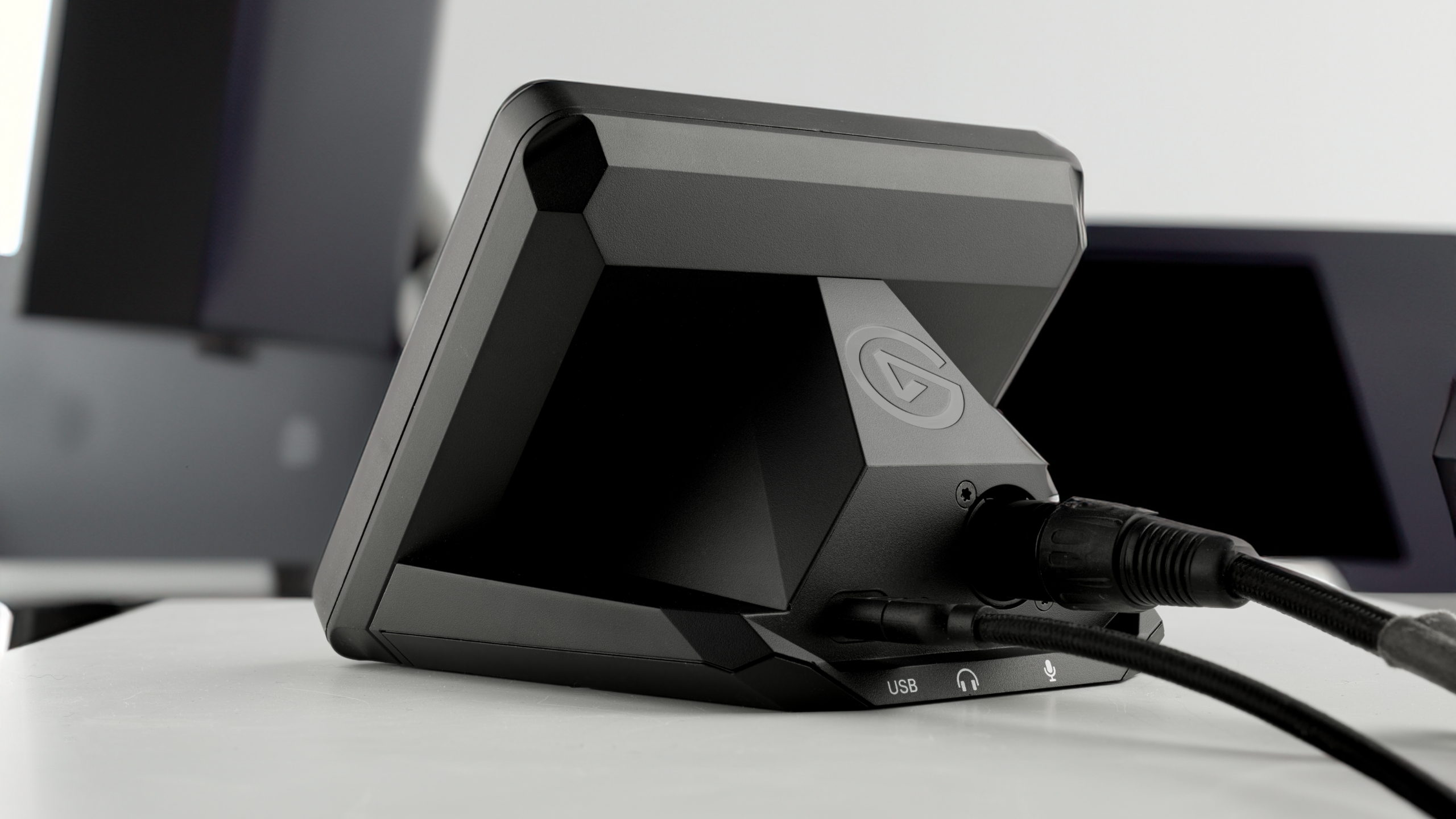
The XLR Dock MK. 2 adds an XLR input to the Stream Deck +.
Elgato
The Wave XLR Pro "integrates two fully independent XLR inputs with 80 dB of clean gain each," Elgato says, along with multiple headphone outputs and "a built-in Maximizer effect" that can maintain consistent loudness. When you're livestreaming, Elgato's says the Wave XLR Pro's "per-channel ducking" can also automatically lower other audio sources when you speak. The XLR Pro is one of several Wave audio products Elgato is announcing alongside the Stream Deck + XL, a lineup which also includes a new condenser microphone and a new way to connect XLR microphones to the company's smaller Stream Deck. The XLR Dock MK. 2, exclusively compatible with the Stream Deck +, lets you connect professional XLR audio devices directly to your Stream Deck. The Dock "adds 80 dB of clean gain, 48V phantom power, onboard DSP effects, and low-latency VST Insert support," and can be entirely managed through the Stream Deck's buttons and dials.
Elgato says both the Stream Deck + XL and the XLR Dock MK. 2 are available to pre-order today for $350 and $130, respectively. The Wave XLR Pro will cost $350 when it launches at some point in Q2 2026.
This article originally appeared on Engadget at https://www.engadget.com/computing/elgatos-stream-deck--xl-adds-a-touch-strip-and-dials-to-an-already-massive-array-of-buttons-195200129.html?src=rss
XLR microphone owners, rejoice: Shure's successor to the MVX2U Digital Audio Interface (DAI) brings the adapter into the mobile era. The compact MVX2U Gen 2 adds more advanced onboard audio processing. But its most notable upgrade is mobile device compatibility, so you're no longer limited to desktop use.
The single-channel MVX2U Gen 2 provides up to +60dB of gain and 48V phantom power. On the processing front, the adapter includes an auto-level mode. There’s also a real-time denoiser to minimize background noise and a pop filter ("Popper Stopper" in Shure marketing-speak) to soften those harsh plosive sounds. Shure says the new model improves the noise floor, headphone amp and DAC.
The adapter stores your last-used audio processing settings. That way, you don't have to worry about your settings getting wiped out when switching between devices or software.
The Shure MVX2U Gen 2 includes a 1m (3.3 ft) USB-C to USB-C cable, so you can get it up and running quickly on your phone, tablet or PC. The adapter is now available for $139 from the company website.
This article originally appeared on Engadget at https://www.engadget.com/audio/shures-next-gen-dai-adds-mobile-support-140000205.html?src=rss
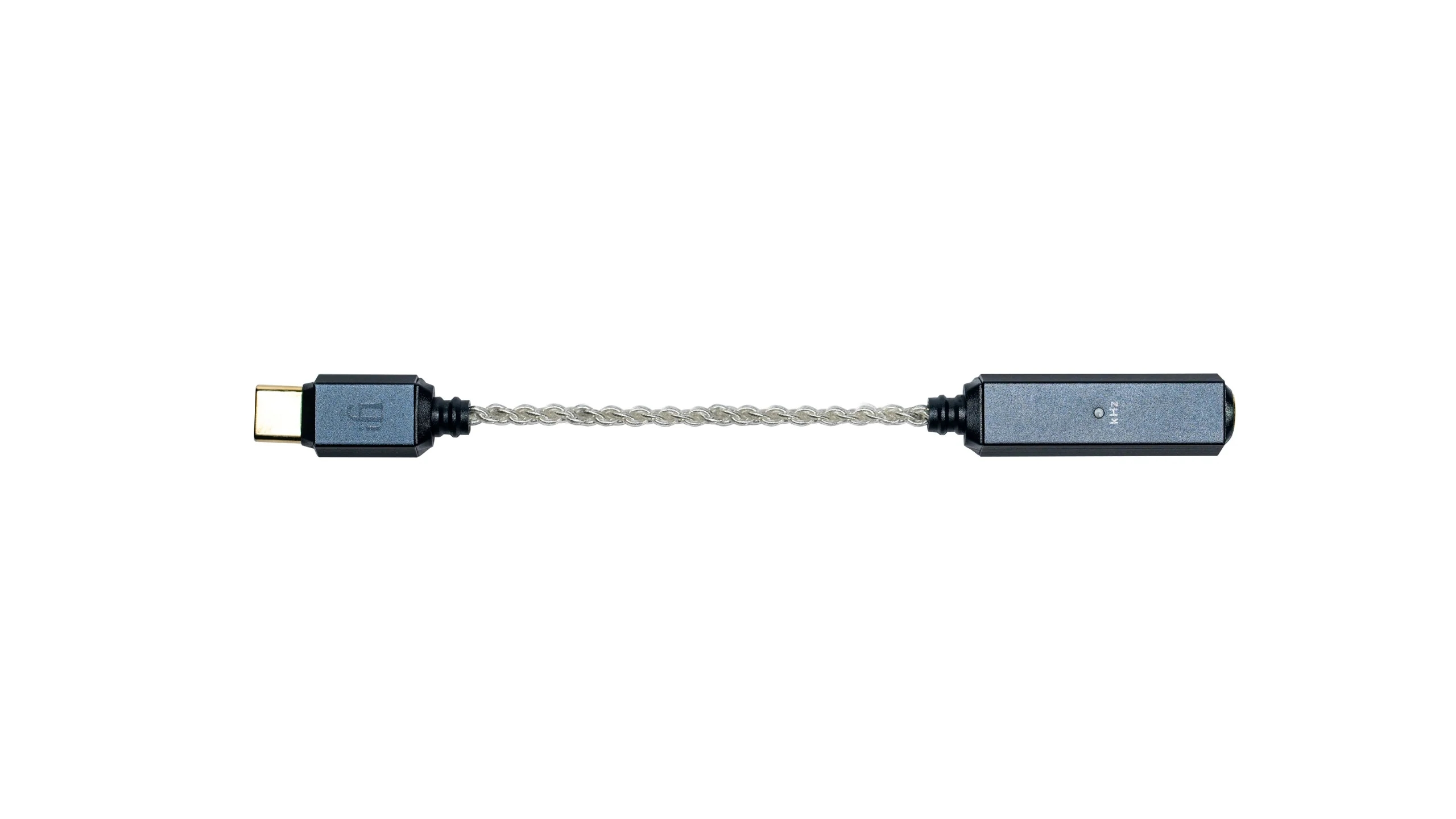
Audio company iFi just introduced a new DAC (digital-to-analogue converter) that's both smaller and lighter than its previous model, and only costs $59. The iFi GO Link 2 connects to a smartphone or other audio-playing device over USB-C and can instantly improve the listening experience on wired headphones.
Wireless earbuds and music streaming services have normalized listening to your favorite songs at a lower quality. For anyone who doesn't consider themselves an audiophile, that might not matter, but now that several streaming services offer higher sample rates and lossless audio, you might consider other ways of listening. In order to experience all the benefits of high-res or lossless audio, you need wired headphones, something that's increasingly difficult when most smartphones only have a USB-C port. That's where the iFi GO Link 2 comes in. The dongle plugs into a USB-C port and lets you connect a pair of wired earbuds while preserving your high quality audio at the same time.
iFi
iFi's new DAC is eight percent smaller than the previous GO Link and 29 percent lighter, approaching the size of Apple's USB-C to 3.5mm Headphone Jack dongle. The GO Link 2's built-in ESS Sabre DAC chipset is supposed to add "6dB of dynamic range between the loudest and quietest moments" and reduce distortion for clearer sound by up to 62 percent when compared to the original GO Link.
Via iFi's companion Nexis app on Android, the GO Link 2 can also be updated on the go and further customized with digital filters. The GO Link 2 supports two digital filters — one hybrid and one linear — so that you can adjust things to your preferred sound profile. You can also use the Nexis app to set volume limits when you're listening with the DAC attached.
This article originally appeared on Engadget at https://www.engadget.com/audio/ifis-new-go-link-2-dac-is-a-cheap-way-to-reap-the-lossless-benefits-of-your-spotify-plan-231535369.html?src=rss
Whether you’re lifting, running or squeezing in a quick session between errands, the last thing you want is a cable getting in the way or earbuds that won’t stay put. The best wireless headphones make it easier to focus on your workout, but not every pair is built to handle sweat, motion and long sessions.
Fitness-focused headphones put different demands on design and performance. Secure fit, water resistance and dependable battery life matter just as much as sound quality, especially if you plan to use them outside the gym as well. Some are tuned for awareness during outdoor runs, while others aim to block distractions during intense training.
We’ve tested a wide range of wireless headphones and wireless earbuds that are suited for exercise, narrowing the list down to options that hold up during workouts and still work well for everyday listening. Below, you’ll find our top picks, along with guidance to help you choose the right pair for how you train.
Best workout headphones for 2026
Others wireless workout headphones we tested
Apple AirPods Pro 3
When it comes to running and working out, the edge that the AirPods Pro 3 have over the Pro 2, or even the top picks on our list, is built-in heart rate monitoring. That means you could go out with just your Pro 3 earbuds and your iPhone and still get heart rate information for your entire training session. But otherwise, the Pro 3 buds are just as capable as the Pro 2 when it comes to exercise. Some may prefer the soft-touch finish on our top picks to the AirPods' slick texture.
Beats Powerbeats Pro 2
The Powerbeats Pro 2 are a good alternative to the Beats Fit Pro if you’re a stickler for a hook design. However, they cost $50 more than the Powerbeats Fit, and the main added advantage here is built-in heart rate sensors.
Anker Soundcore AeroFit Pro
The Soundcore AeroFit Pro is Anker’s version of the Shokz OpenFit, but I found the fit to be less secure and not as comfortable. The actual earbuds on the AeroFit Pro are noticeably bulkier than those on the OpenFit and that caused them to shift and move much more during exercise. They never fell off of my ears completely, but I spent more time adjusting them than I did enjoying them.
JBL Endurance Peak 3
The most noteworthy thing about the Endurance Peak 3 is that they have the same IP68 rating as the Jabra Elite 8 Active, except they only cost $100. But, while you get the same protection here, you’ll have to sacrifice in other areas. The Endurance Peak 3 didn’t blow me away when it came to sound quality or comfort (its hook is more rigid than those on my favorite similarly designed buds) and their charging case is massive compared to most competitors.
What to look for in workout headphones
Design
Before diving in, it’s worth mentioning that this guide focuses on wireless earbuds. While you could wear over-ear or on-ear headphones during a workout, most of the best headphones available now do not have the same level of durability. Water and dust resistance, particularly the former, is important for any audio gear you plan on sweating with or taking outdoors, and that’s more prevalent in the wireless earbuds world.
Most earbuds have one of three designs: in-ear, in-ear with hook or open-ear. The first two are the most popular. In-ears are arguably the most common, while those with hooks promise better security and fit since they have an appendage that curls around the top of your ear. Open-ear designs don’t stick into your ear canal, but rather sit just outside of it. This makes it easier to hear the world around you while also listening to audio, and could be more comfortable for those who don’t like the intrusiveness of in-ear buds.
Water resistance and dust protection
Even if a pair of headphones for working out aren’t marketed specifically as exercise headphones, a sturdy, water-resistant design will, by default, make them suitable for exercise. To avoid repetition, here’s a quick primer on durability, or ingression protection (IP) ratings. The first digit you’ll see after the “IP” refers to protection from dust and other potential intrusions, measured on a scale from 1 to 6. The second refers to water resistance or even waterproofing, in the best cases. The ratings for water resistance are ranked on a scale of 1 to 9; higher numbers mean more protection, while the letter “X” means the device is not rated for protection in that regard.
All of the earbuds we tested for this guide have at least an IPX4 rating, which means there’s no dust protection, but the buds can withstand splashes from any direction and are sweat resistant, but probably shouldn't be submerged. For a detailed breakdown of all the possible permutations, check out this guide published by a supplier called The Enclosure Company.
Active noise cancellation and transparency mode
Active noise cancellation (ANC) is becoming standard on wireless earbuds, at least those above a certain price point. If you’re looking for a pair of buds that can be your workout companion and serve you outside of the gym, too, noise cancelation is a good feature to have. It makes the buds more versatile, allowing you to block out the dull roar of your home or office so you can focus, or give you some solitude during a busy commute.
But an earbud’s ability to block out the world goes hand-in-hand with its ability to open things back up should you need it. Many ANC earbuds also support some sort of “transparency mode,” or various levels of noise reduction. This is important for running headphones because exercising outdoors, alongside busy streets, can be dangerous. You probably don’t want to be totally oblivious to what’s going on around you when you’re running outside; adjusting noise cancelation levels to increase your awareness will help with that. Stronger noise cancelation might be more appealing to those doing more indoor training if they want to block out the dull roar of a gym or the guy exaggeratingly lifting weights next to you.
Battery life
All of the Bluetooth earbuds we tested have a battery life of six to eight hours. In general, that’s what you can expect from this space, with a few outliers that can get up to 15 hours of life on a charge. Even the low end of the spectrum should be good enough for most athletes and gym junkies, but it’ll be handy to keep the buds’ charging case on you if you think you’ll get close to using up all their juice during a single session.
You’ll get an average of 20 to 28 extra hours of battery out of most charging cases and all of the earbuds we tested had holders that provided at least an extra 15 hours. This will dictate how often you actually have to charge the device — as in physically connect the case with earbuds inside to a charging cable, or set it on a wireless charger to power up.
How we test workout headphones
In testing wireless workout headphones, I wear them during every bit of exercise I do — be it a casual walk around the block, a brisk morning run or a challenging weight-lifting session. I’m looking for comfort arguably most of all, because you should never be fussing with your earbuds when you should be focusing on working out. In the same vein, I’m cognizant of if they get loose during fast movements or slippery when I’m sweating. I also use the earbuds when not exercising to take calls and listen to music throughout the day. Many people will want just one pair of earbuds that they can use while exercising and just doing everyday things, so I evaluate each pair on their ability to be comfortable and provide a good listening experience in multiple different activities.
While I am also evaluating sound quality, I’m admittedly not an audio expert. My colleague Billy Steele holds that title at Engadget, and you’ll find much more detailed information about audio quality for some of our top picks in his reviews and buying guides. With these headphones for working out, however, I will make note of related issues if they stood out (i.e. if a pair of earbuds had noticeably strong bass out of the box, weak highs, etc). Most of the wireless workout headphones we tested work with companion apps that have adjustable EQ settings, so you’ll be able to tweak sound profiles to your liking in most cases.
This article originally appeared on Engadget at https://www.engadget.com/audio/headphones/best-wireless-workout-headphones-191517835.html?src=rss
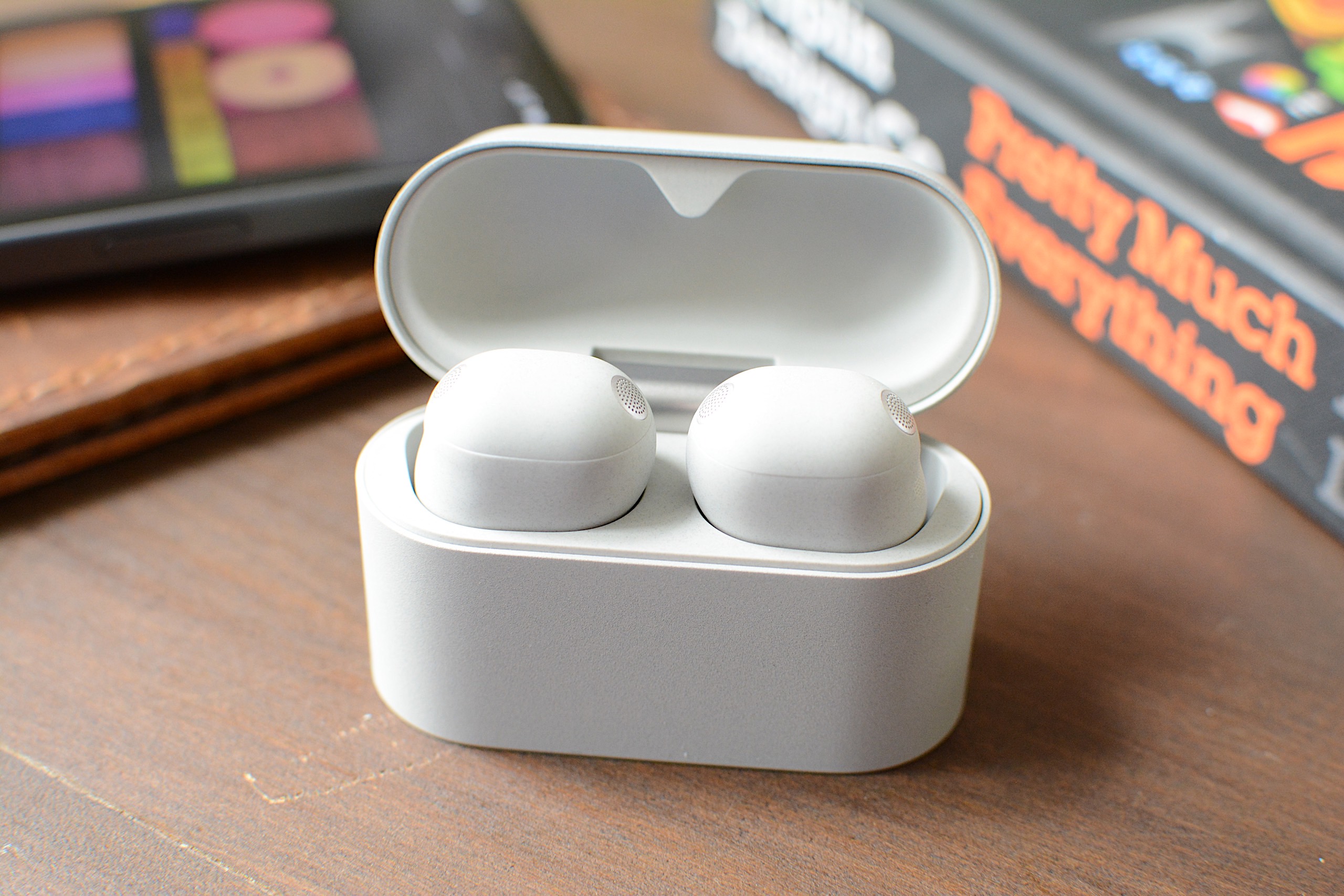
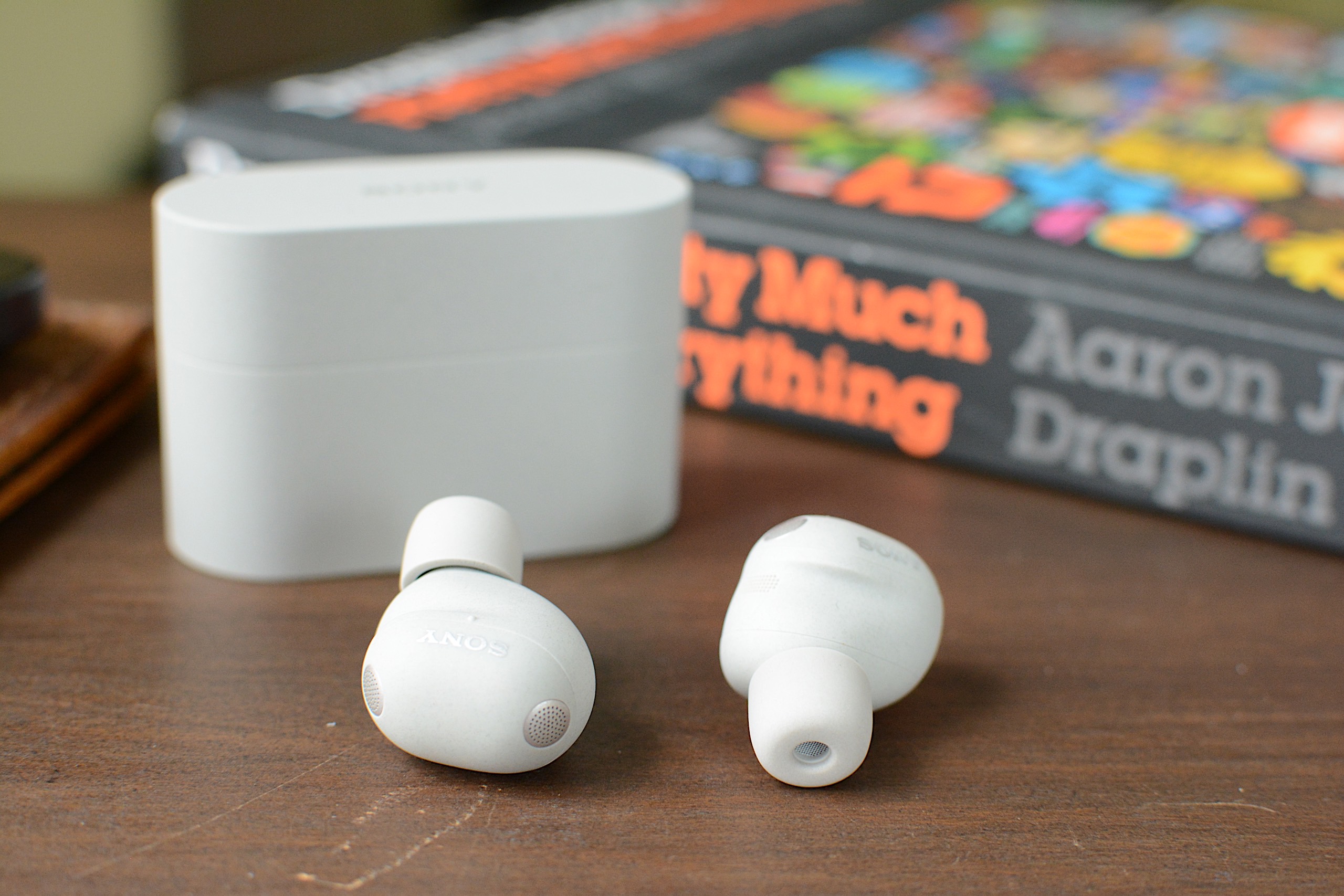
Sony’s 1000X earbuds have been at the top of Engadget’s best wireless earbuds list since we first published it. With each new generation, the company managed to retain its crown, primarily thanks to a massive collection of features and an effective mix of sound quality and active noise cancellation (ANC) performance. Today, Sony revealed the latest entry in the series, the WF-1000XM6, delivering yet another redesign both inside and out. The company’s tried and true formula of features and audio performance remains, but it may no longer be enough to elevate the M6 above the competition.
Design
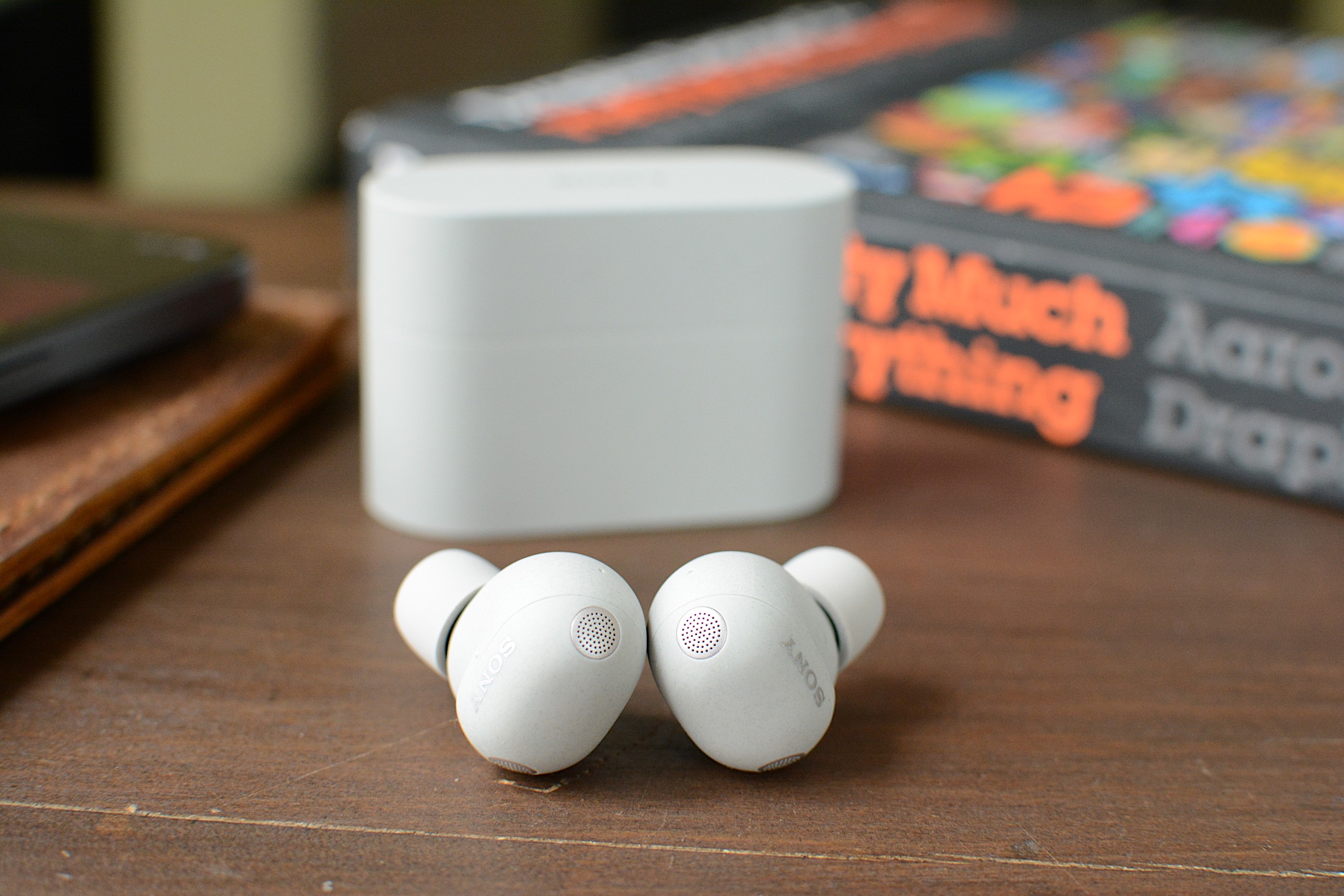
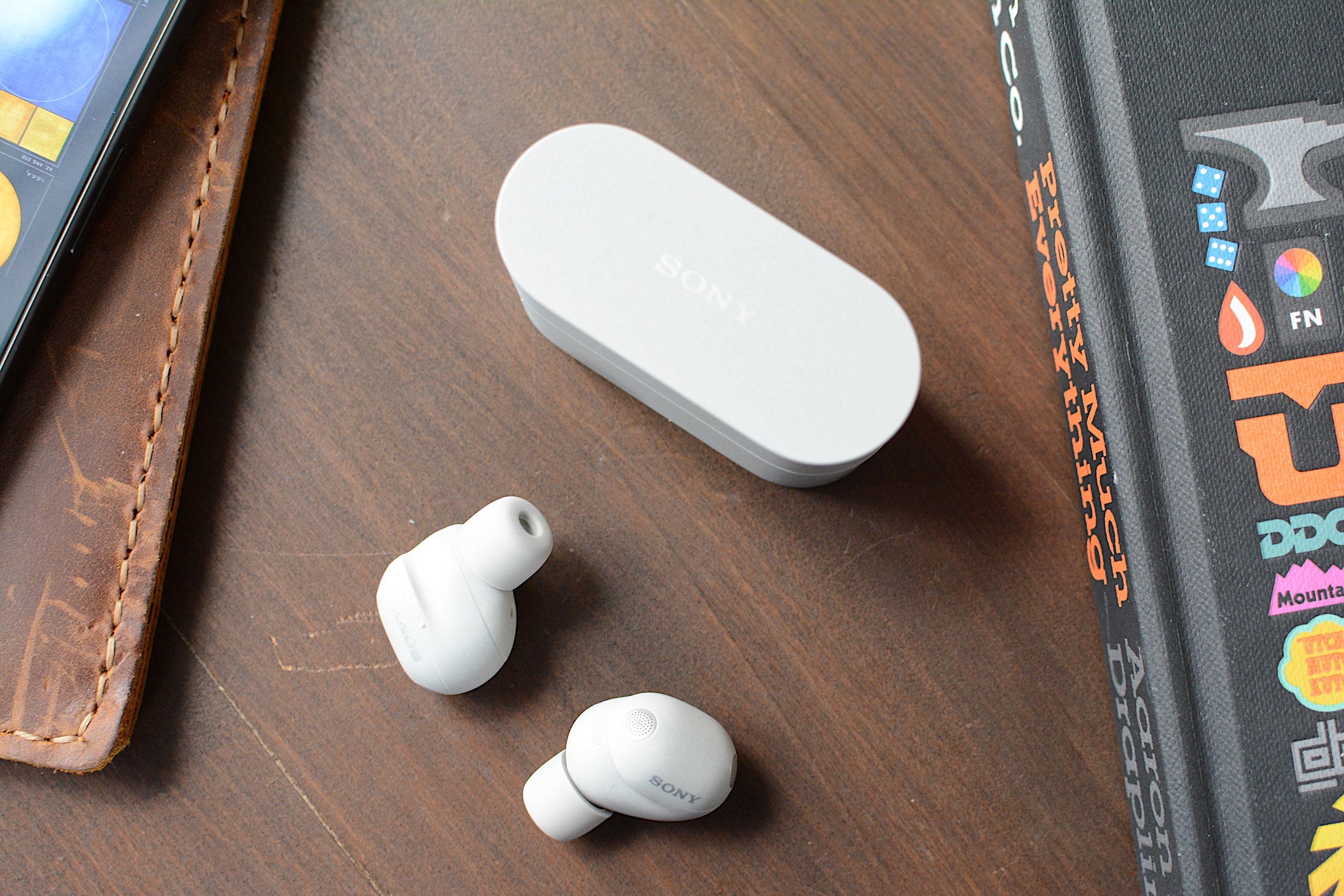
For the third time in a row, Sony overhauled the 1000X earbuds’ design. While the WF-1000XM5 was a clear revision of the WF-1000XM4, the M6 is a departure from both of them. The company managed to reduce overall size even further by using a rounder, pill-shaped enclosure for the earbuds’ main housing. I certainly applaud Sony for making these as tiny as possible, but I’m still not a fan of the company’s foam ear tips.
Sony introduced foam ear tips on the 1000XM4 earbuds and that led to an unstable fit during my testing. In fact, I ended up switching to the silicone M3 tips for a better feel. Things were slightly better on the M5, but the company regressed here on the M6. I tried every size of ear tips in the box and the fit test in the Sound Connect app only ever confirmed an air-tight seal in my right ear. This can impact sound quality and ANC performance, and the earbuds don’t feel like they’re sitting far enough inside my ears. I never got used to the fit in my three weeks of testing.
The exterior panel of the WF-1000XM6 is still touch sensitive, accepting a variety of taps for playback controls, calls, noise settings and more. Sony also included a repeated tapping gesture that’s used for volume control. Keep tapping on the right earbud to raise the volume and do so on the left to lower it. My disdain for touch controls is well-documented at this point, but the M6 reliably and quickly responded without me having to repeat a tap sequence.
WF-1000XM6 features
The WF-1000XM6 accepts taps for touch-based controls.
As is typically the case with its 1000X earbuds, Sony has loaded the M6 with features. Nearly all of these are holdovers from previous models, including Adaptive Sound Control that can automatically adjust settings based on your activity or location. Speak-to-Chat still pauses audio and activates ambient sound when you start talking, but it’s also still easily duped by coughs or clearing your throat. A quick access feature can put Amazon Music, Apple Music, Endel, Spotify and YouTube Music two or three taps away, depending on how you configure it.
The M6 earbuds also allow you to accept and reject calls with head gestures and you’ll have the option to pipe in your own voice during a call. Sony retained its existing option of operating the earbuds with voice commands: If you say “Assistant,” you can then ask it to play, pause, skip and replay songs. It will also adjust the volume for you, but that’s the extent of its abilities.
Sony included some handy power management features as well. First, there’s an Auto Power Save mode that will disable any custom EQ settings, DSEE Extreme upscaling, Speak-to-Chat and voice control/voice assistant to reduce power consumption when the M6 hits 20 percent battery remaining. A Battery Care tool will extend the life of the earbuds’ battery by stopping charging before it reaches 100 percent. Lastly, Automatic Power Off will turn the earbuds off when they’re outside of the case and haven’t been worn for some time.
Basic conveniences like multipoint Bluetooth, wireless charging and IPX4 water resistance are also here. Wear detection is onboard and you can use Sony’s EQ presets to alter the sound profile, or make your own and save them for future use. The Sound Connect app puts the battery levels of the individual earbuds and the case front and center, and you can edit the main screen to hide the features displayed there if you don’t need them.
Sound quality and ANC performance
Sound quality is one of Sony's strengths and that continues on the M6.
Billy Steele for Engadget
If Sony’s long list of features is its top advantage over the competition, overall sound quality is number two. For the WF-1000XM6, the company built new drivers with soft edges for deeper bass and a more rigid, lightweight dome for clearer treble. There are also notches around the edges for “clearer and smoother” sound quality overall, according to Sony. And of course, DSEE Extreme upscaling helps to recover details lost to compression while 360 Reality Audio and Spatial Sound Optimization are available for more immersive listening.
I found the M6 earbuds at their best with the stock EQ and DSEE Extreme active, much like I have on previous 1000X models. The sound is deep and warm, with thick bass that’s adequate without ever overpowering the mix. Highs cut through and there’s ample midrange, keeping those finer details from getting lost. Erika de Casier’s atmospheric Lifetime is a great example of what the WF-1000XM6 can do. Vocals seem to float over the top of the bassline and drums, with percussive piano chopping though and subtle synth details popping up throughout. When strings arrive on “Seasons,” the M6 ushers them into a prominent position rather than relegating them behind the beat.
On the WF-1000XM6, the chaos of Spiritbox’s “Holy Roller” doesn’t get condensed to a messy heavy metal roar either. And there’s plenty of texture in the synth-driven noise of Nine Inch Nails’ “As Alive As You Need Me To Be.” Even more straightforward rock tracks like Jimmy Eat World’s “Bleed American” have ample punch, with a wide soundstage that never feels claustrophobic or sounds compressed. Overall, the WF-1000XM6 holds its own against the best-sounding earbuds you can buy right now, though some of the competition, like Technics, have an edge in the way they handle the subtlest of nuances in songs.
If you were hoping for knock-out ANC abilities, I must report that the WF-1000XM6 isn’t the noise-canceling powerhouse that is Bose’s QC Ultra Earbuds. The M6 struggles mightily with human voices. While that’s the downfall of many ANC earbuds, you’ll want to keep it in mind if you plan to wear these in the office. I found I could also still hear constant noise sources like fans and white noise machines when wearing the M6 — items that the QC Ultra Earbuds combat effectively.
Using the WF-1000XM6 for calls
The WF-1000XM6 isn't as adept at calls as Sony advertises.
Billy Steele for Engadget
For calls, Sony says the M6 uses AI for both background noise reduction and voice capture with the beamforming microphones. What’s more, the earbuds are equipped with eight total mics for ANC and calls, plus bone conduction tech for improved voice pickup. Unfortunately, all of that doesn’t lead to stellar performance during calls. While the WF-1000XM6 is perfectly usable for voice and video calls, the overall quality is far from pristine. To make matters worse, the earbuds make you sound overly processed when you encounter significant background noise. Since the company prided itself on the upgrades here, the results are disappointing.
Battery life
Sony says the WF-1000XM6 will last up to eight hours on a charge or 24 hours when you factor in the full longevity of the charging case. During a battery test that I mostly ran with ANC active, I had no trouble hitting that single-charge figure. That’s with the volume around 75-80 percent and includes calls and virtual meetings where I switched over to ambient sound mode.
It’s worth noting that I had DSEE Extreme upscaling active the entire time, which can impact battery life. Plus, if you use the aforementioned Auto Power Save mode, you can extend play time when you have about a quarter of a tank left. Going without some of the M6’s best features in the interest of having tunes for a workout or commute is a fair trade in my book.
The competition
The WF-1000XM6 is still a compelling option, but it's not the clear favorite anymore.
Billy Steele for Engadget
When sizing up the competition for the WF-1000XM6, you have to choose your priorities. Simply put, no other company offers the comprehensive suite of features that Sony does. That’s been true for a while now and it continues with this model. If you want the strongest active noise cancellation, that will be Bose’s second-generation QuietComfort Ultra Earbuds. If the best sound quality is your goal, the Technics AZ100 is your best bet in this price range. I’ll also mention Sennheiser’s Momentum True Wireless 4 which offers great sound quality, respectable ANC and a comfier fit than the M6, but that set is almost two years old at this point.
Wrap-up
Sony continues its run of great earbuds with the WF-1000XM6, but this model isn’t the polished package that some of its predecessors were. The two most obvious places the company is lagging behind the competition is ANC performance and overall voice quality, not to mention my continued dissatisfaction with the fit that Sony’s foam tips provide. The M6 is also more expensive than the previous version was at launch, which makes it even harder to overlook any flaws. What you will get on the WF-1000XM6 is a ton of features, great sound quality and reliable touch controls in a smaller package. And for some, that might be enough to make you forget about the rest.
The WF-1000XM6 is available today in silver and black for $330.
This article originally appeared on Engadget at https://www.engadget.com/audio/headphones/sony-wf-1000xm6-review-facing-tougher-competition-160000652.html?src=rss
Noble Audio has announced the Sceptre, a pocket-sized USB-C Bluetooth transmitter meant to boost wireless audio quality from phones, laptops and tablets. The device is intended to exceed the quality offered by a device's existing hardware.
Sceptre is powered by Qualcomm's QCC5181 Bluetooth chipset and supports LDAC, aptX Adaptive, AAC and SBC codecs. Of course, to take advantage of the high quality codecs you'll need a pair of headphones that support them. The dongle has a reported wireless range of roughly 66 feet.
Listeners use the Noble app for initial pairing and can then move the dongle between compatible USB-C devices. It also supports pass-through charging with USB-C so users can charge their devices while listening. The company says Sceptre is compatible with iOS, Android and Windows, and the company confirmed with Engadget that iPhones 15 and newer are supported.
This article originally appeared on Engadget at https://www.engadget.com/audio/noble-audio-has-released-a-usb-c-bluetooth-dongle-for-high-fidelity-transmission-191655786.html?src=rss
JLab just released a gigantic pair of headphones that doubles as a Bluetooth speaker. The Blue XL headphones are ridiculously oversized, making them headphones in name only. I don't even think Andre the Giant could've comfortably worn these suckers.
Unless you have a mythically large head, these are basically "headphone speakers." The idea is to drape them around your neck and stream tunes for all to hear. Though you could also pop them on a table or something. I prefer my Bluetooth speakers to be speaker-shaped, but maybe that's just me.
JLab
As for the internals, they feature 30W of power and two 2.5-inch drivers, along with two 2.5-inch radiators. This is obviously more power than what's demanded by headphones because, again, these are actually speakers. JLab says they'll get around 20 hours of use per charge, which is a decent metric.
There's another use case here. They could make a mighty fine accessory in a "person wearing comically oversized headphones" Halloween costume. The price is actually right for a gag gift. The Blue XL headphones cost $99. These were first announced at a recent college football game, but everyone assumed it was a joke because they were gold and the company said they cost $120,000.
This article originally appeared on Engadget at https://www.engadget.com/audio/jlabs-comically-oversized-headphones-are-not-an-april-fools-prank-174338833.html?src=rss
Sony's wireless WH-1000XM6 headphones are on sale for $398 via Amazon. This is a record-low price, as it drops $62 from the price tag. The sale applies to all three colorways.
These easily topped our list of the best wireless headphones. They are, in a word, fantastic. The headphones are packed with premium features, like advanced ANC. There are a whopping 12 ANC microphones throughout and a brand-new chip to power the feature. The end result? It successfully blocks background noise at medium and high frequencies, including the human voice.
The sound quality is extremely pleasing to the ears, thanks to new audio drivers and a team of mastering engineers that assisted with tuning. There are perforations in the driver's voice coil, which extends high frequency reproduction.
The design has been upgraded from the previous iteration and we found them extremely comfortable to wear for long periods of time, which is important with headphones. The battery gets around 30 hours, which is a fairly standard metric for this type of thing.
The only real major nitpick here is the original asking price. It's tough to recommend any pair of headphones for $460, but a bit easier at under $400.
This article originally appeared on Engadget at https://www.engadget.com/deals/grab-our-favorite-wireless-headphones-while-theyre-on-sale-for-an-all-time-low-price-175038719.html?src=rss
The Kithara is the company's first open-back planar magnetic gaming headset. ROG says it was designed to please gamers who "demand absolute clarity, precision and realism." The headphones feature 100mm planar magnetic drivers that have been "tuned specifically for gaming."
The company says this results in a wide frequency response, low distortion and a "level of detail that reveals subtle positional cues such as footsteps, reloads and distance movement." ROG boasts that these audio cues remain distinct even during moments of chaotic gameplay, potentially making the headphones a great choice for competitive gamers.
The open-back design allows for clear separation across bass, mids and treble, which should also make the headphones great for listening to music. It features a full-band boom microphone with a high signal-to-noise ratio. There are separate signal paths for audio and microphone inputs, which significantly reduces crosstalk.
ASUS ROG
The headphones have been built for maximum versatility, so there's a balanced headphone cable with swappable plugs. They support various connection types, including 3.5mm, 4.4mm and 6.3mm. They also ship with a USB-C to dual 3.5mm adapter.
These are gaming headphones, so comfort is also a priority. The metal frame features an adjustable fit and there's a multi-layer padded headband and two sets of interchangeable ear cushions. The ROG Kithara headphones are available now and cost $300.
This article originally appeared on Engadget at https://www.engadget.com/audio/headphones/asus-rog-made-a-gaming-headset-for-audiophile-nerds-184737555.html?src=rss