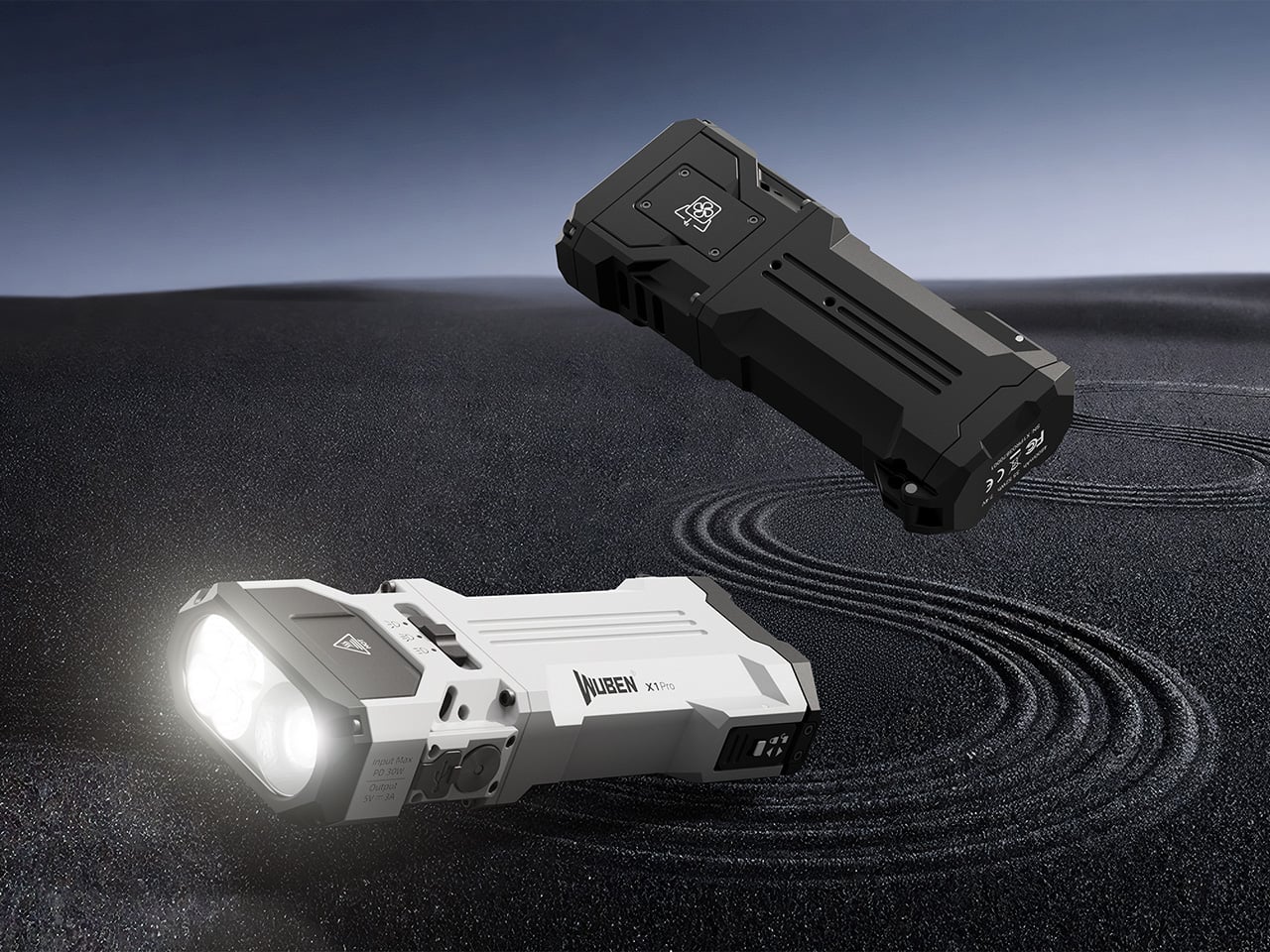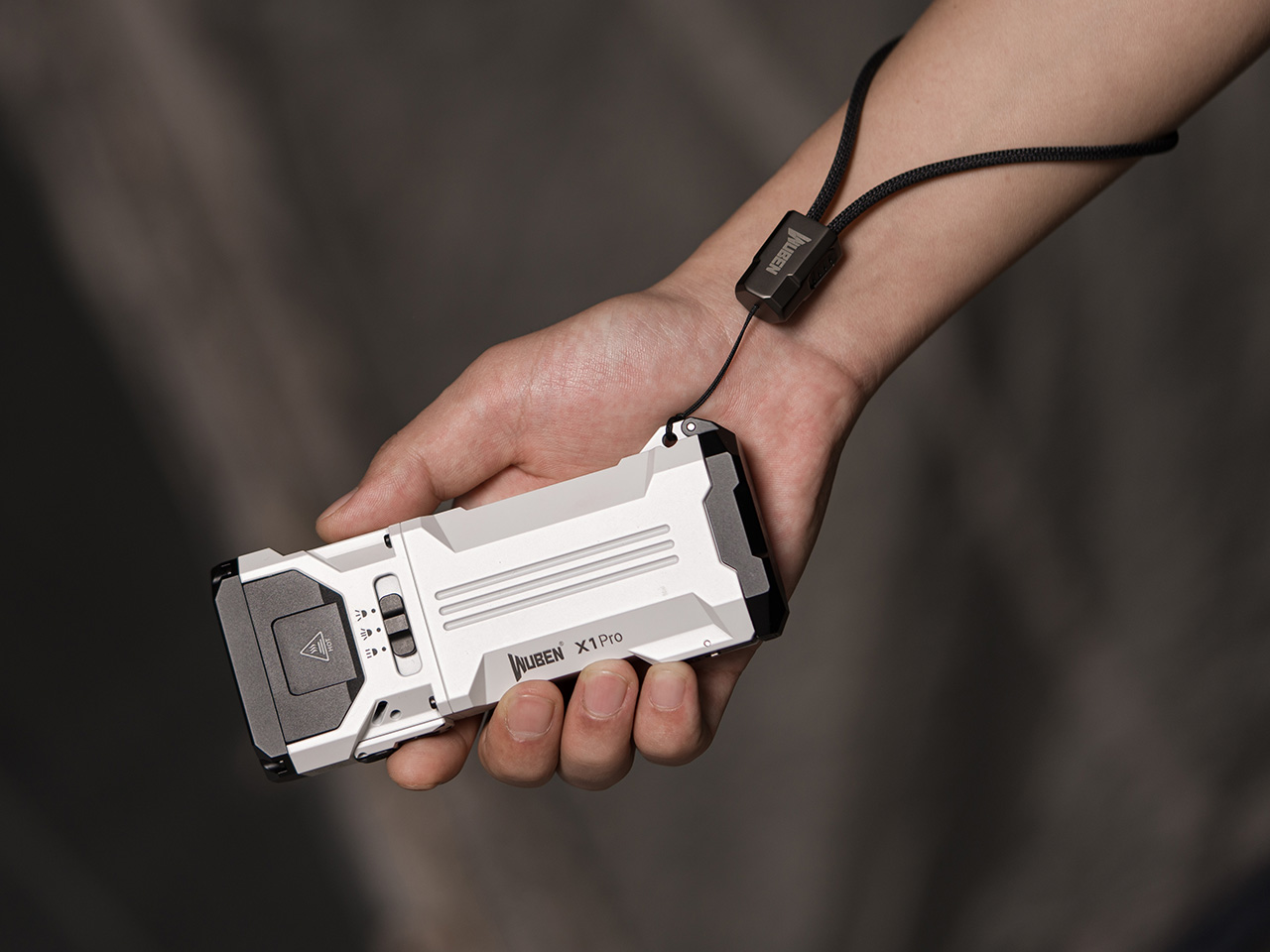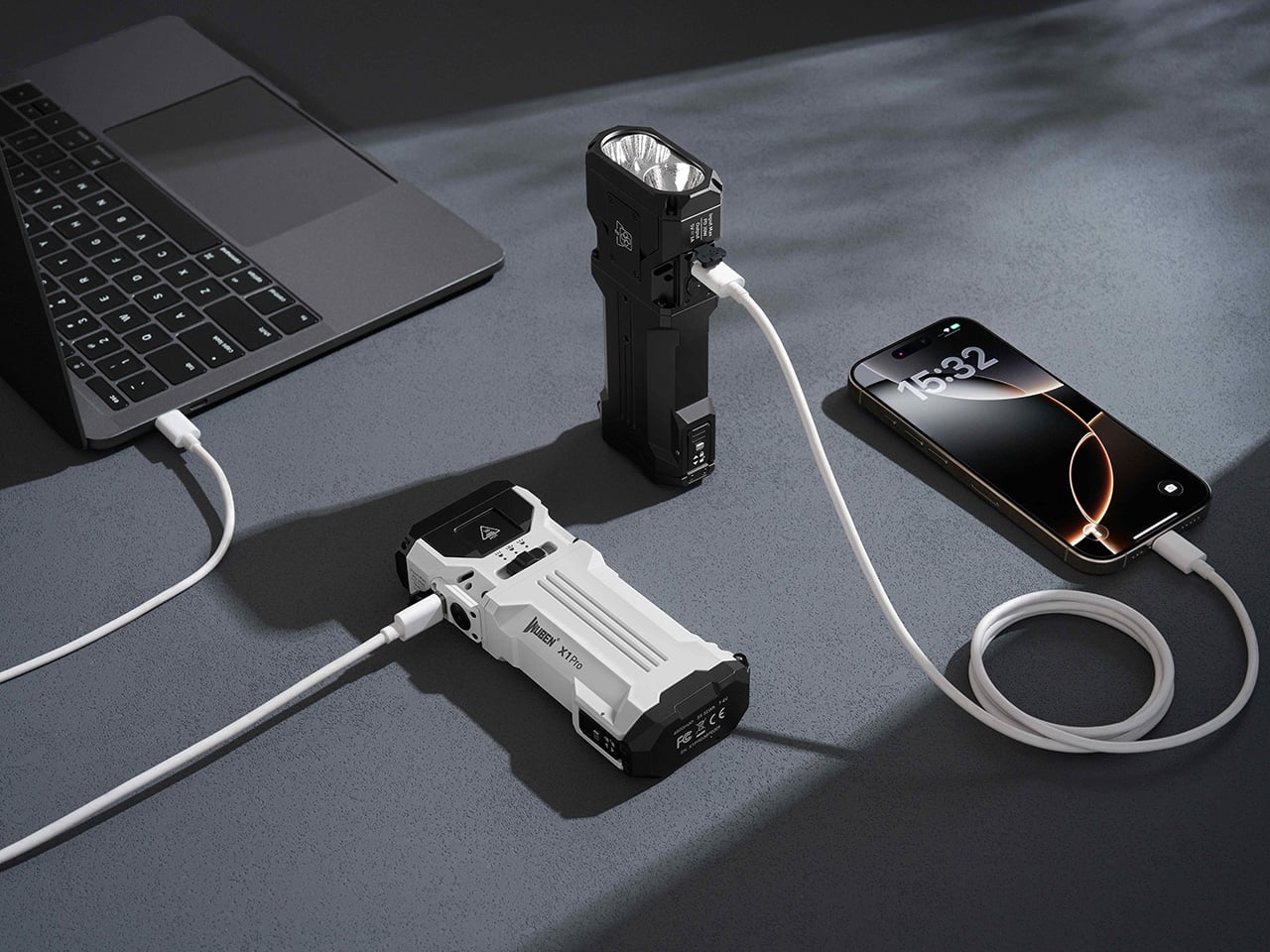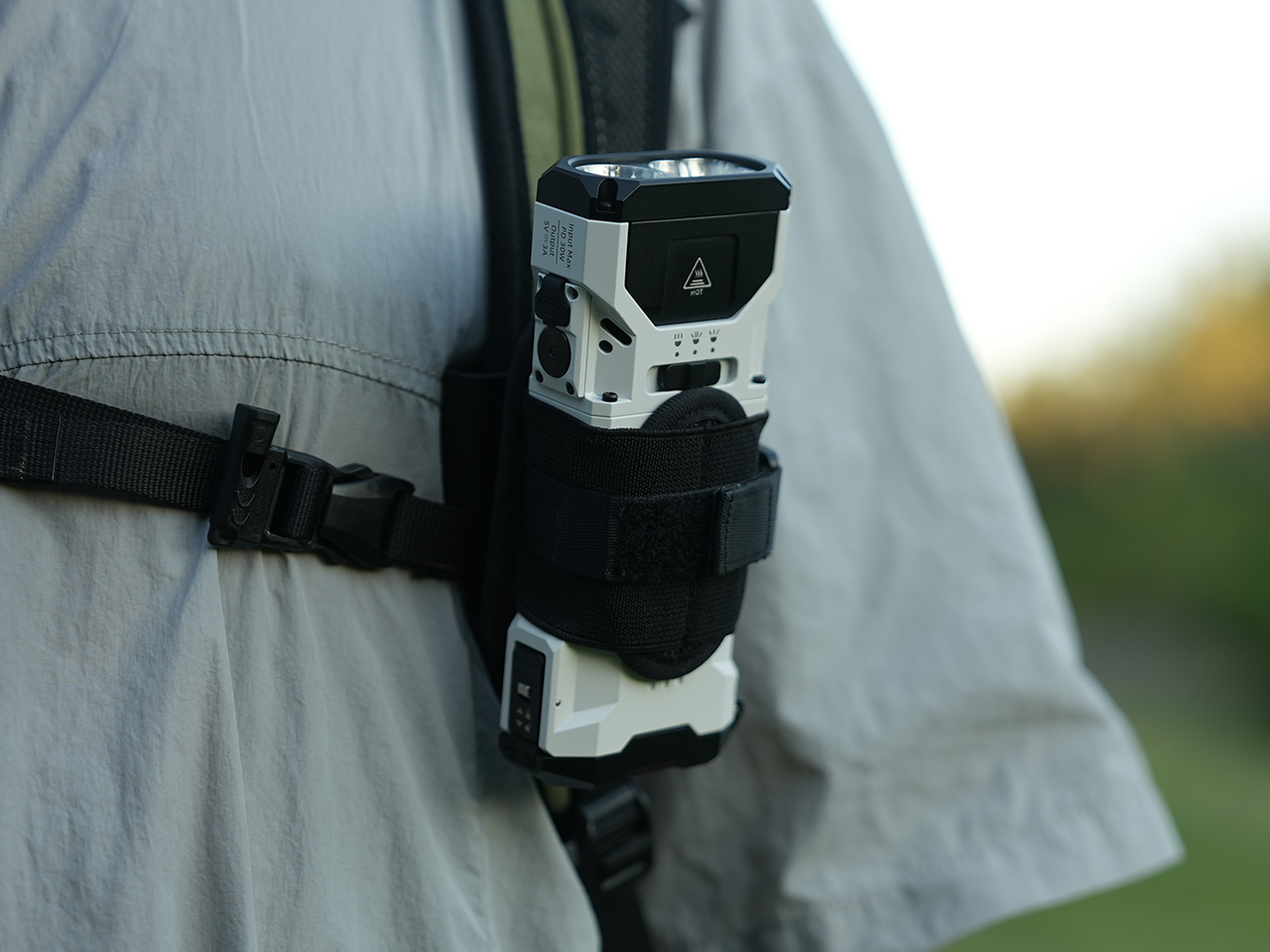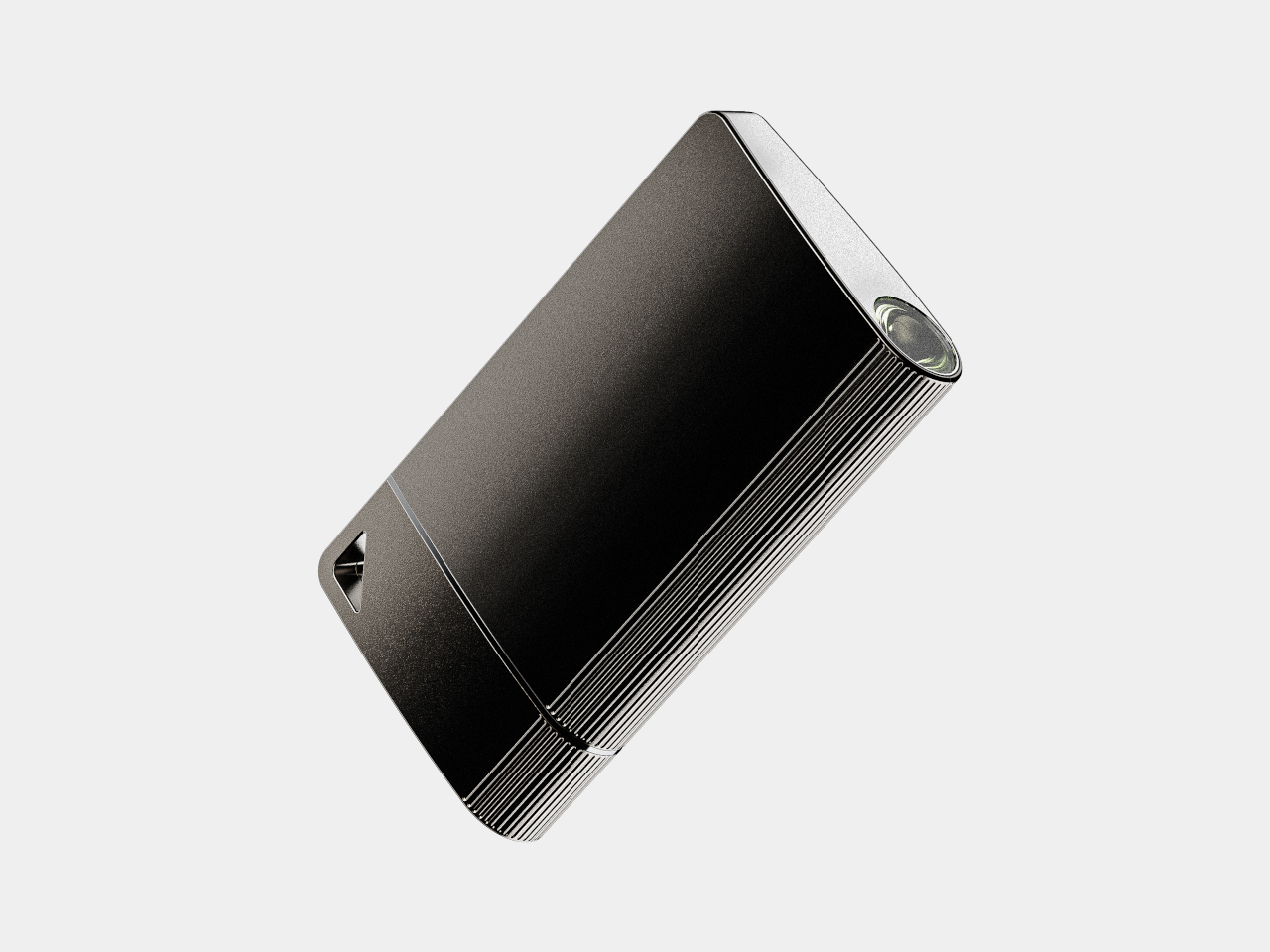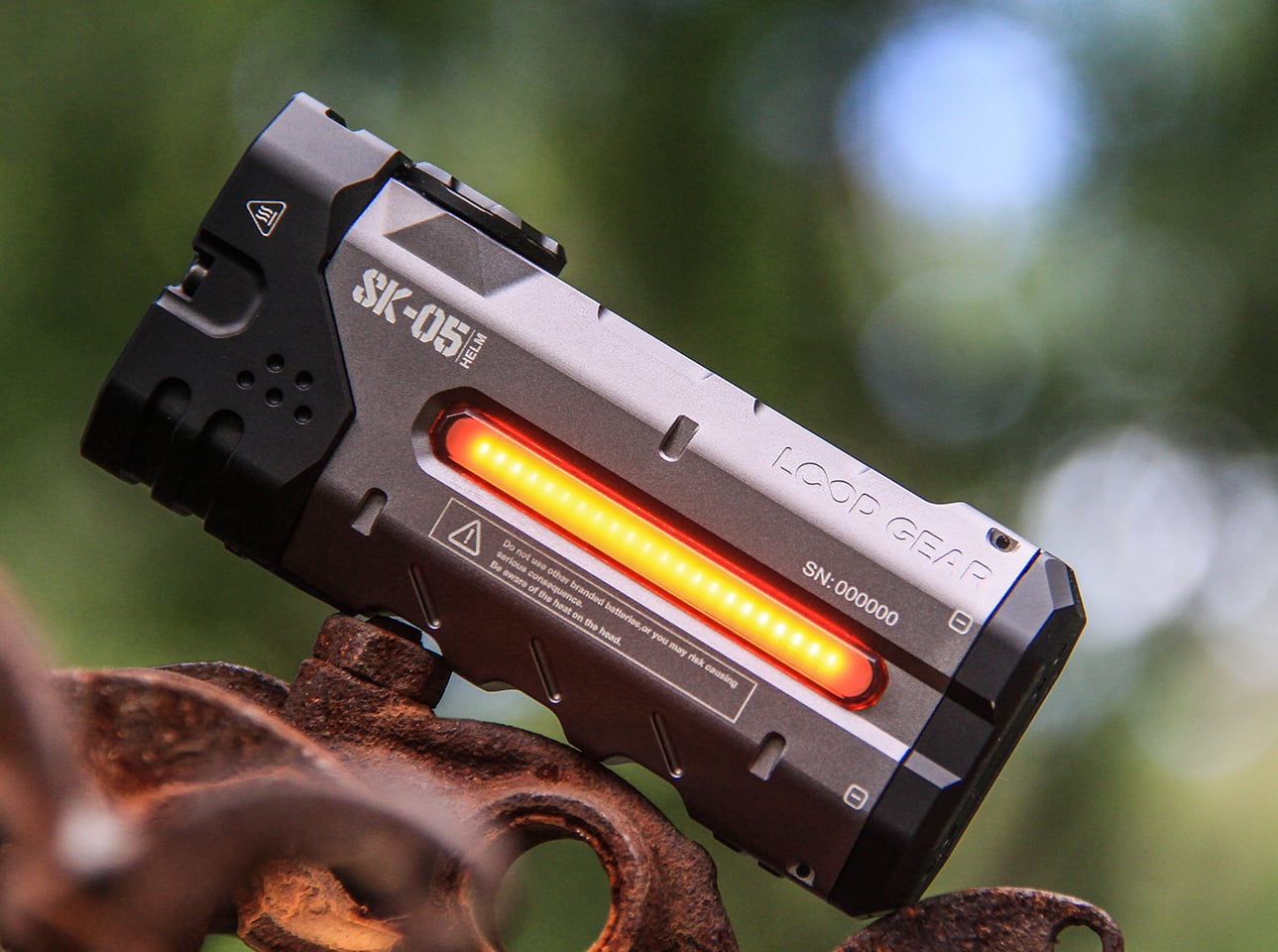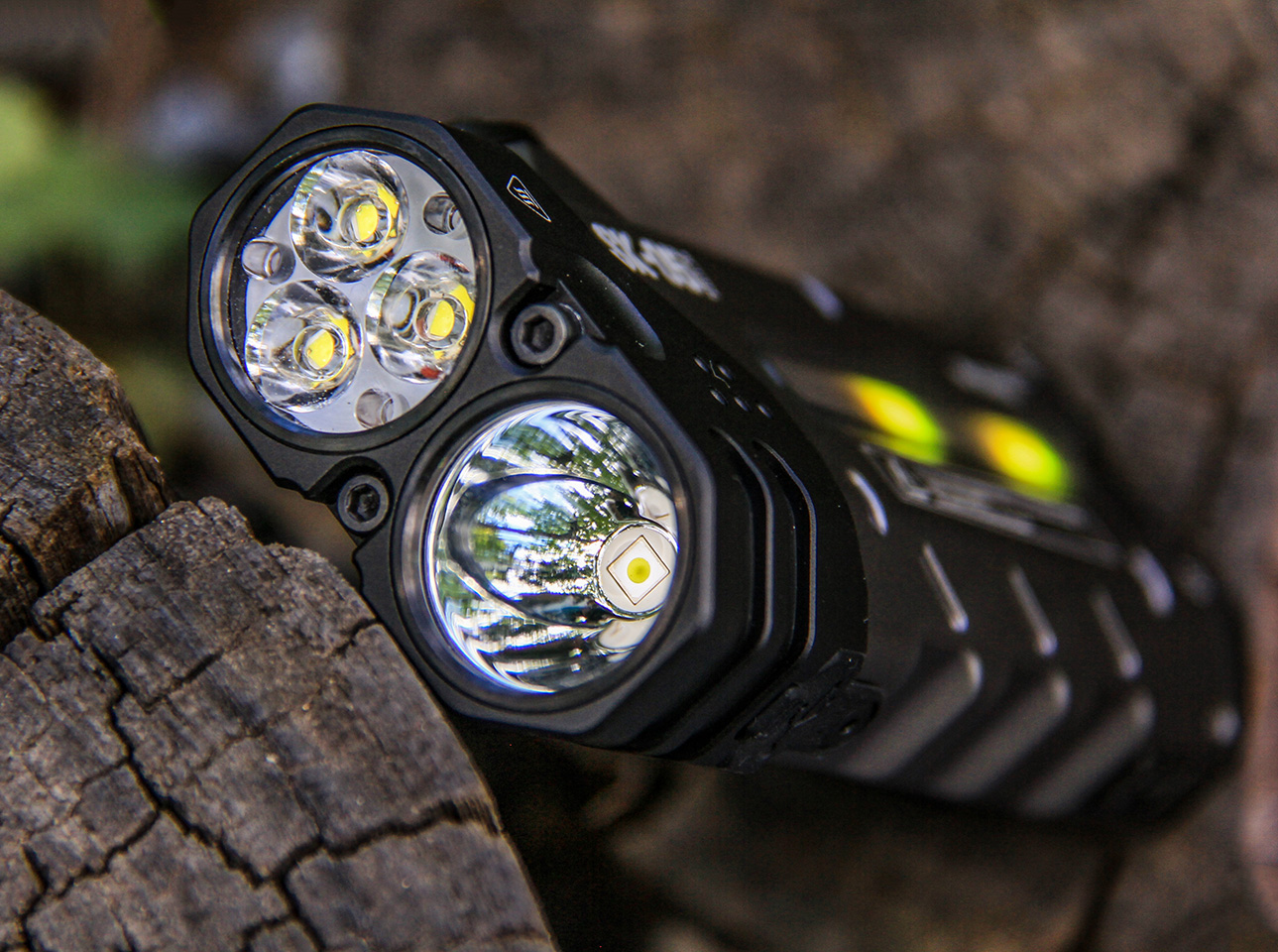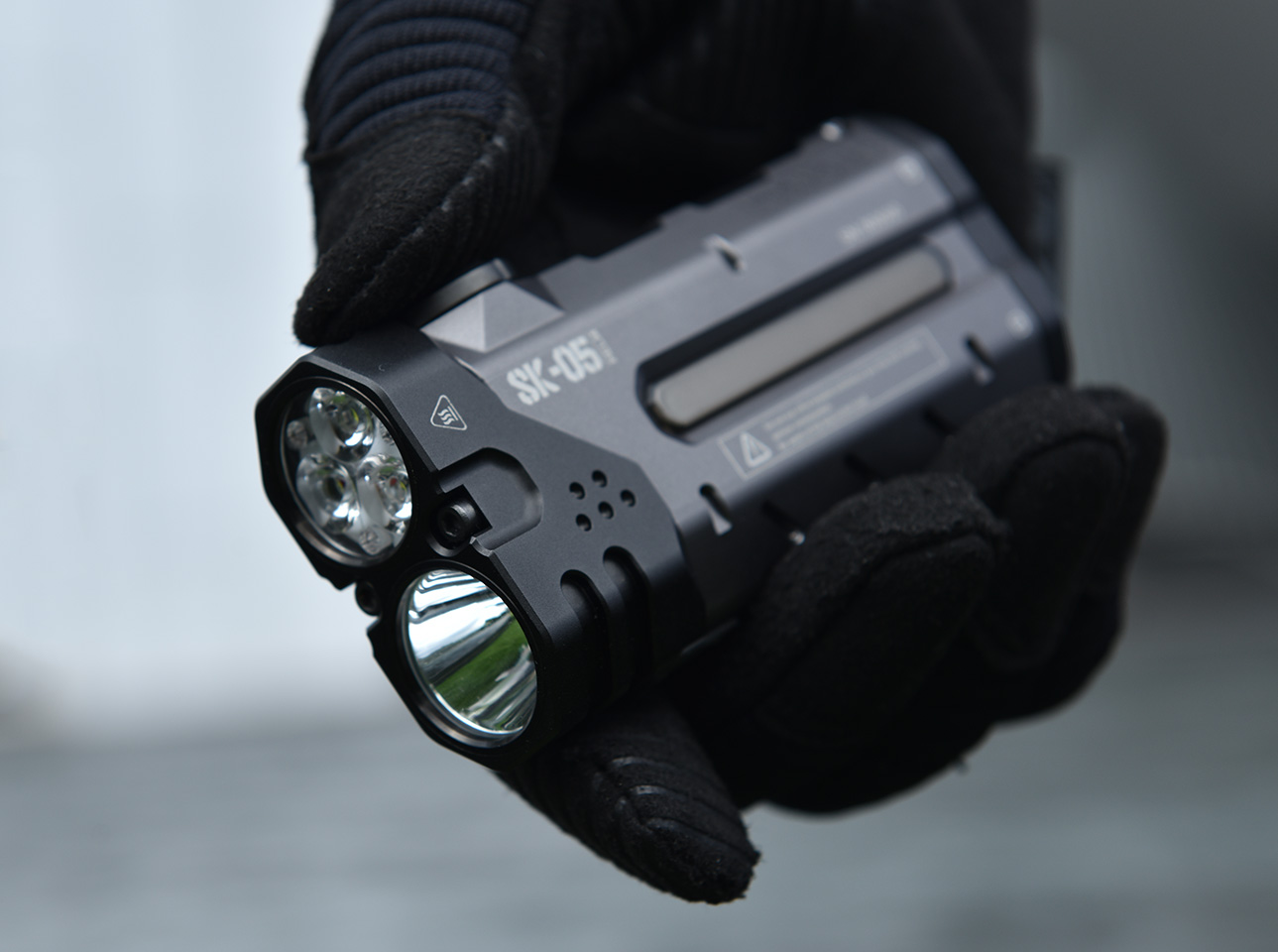
Backcountry adventures demand gear that refuses to quit when conditions turn challenging. The right lighting solution transforms a tense moment into a manageable one, whether you’re searching for a misplaced carabiner at midnight or navigating an unexpected detour off-trail. In 2025, portable lighting has evolved beyond simple illumination, offering adaptive brightness, extended battery life, and multipurpose designs that earn their weight in any pack.
The flashlights and lighting systems featured here represent a new generation of outdoor equipment built for real-world backcountry use. From ultra-compact EDC models that clip to your gear to versatile campsite lanterns that adapt to any scenario, these designs prioritize functionality without sacrificing portability. Each brings something distinct to the table, addressing specific challenges outdoor enthusiasts face when venturing beyond cell service and reliable power sources.
1. Lumitwin DL700
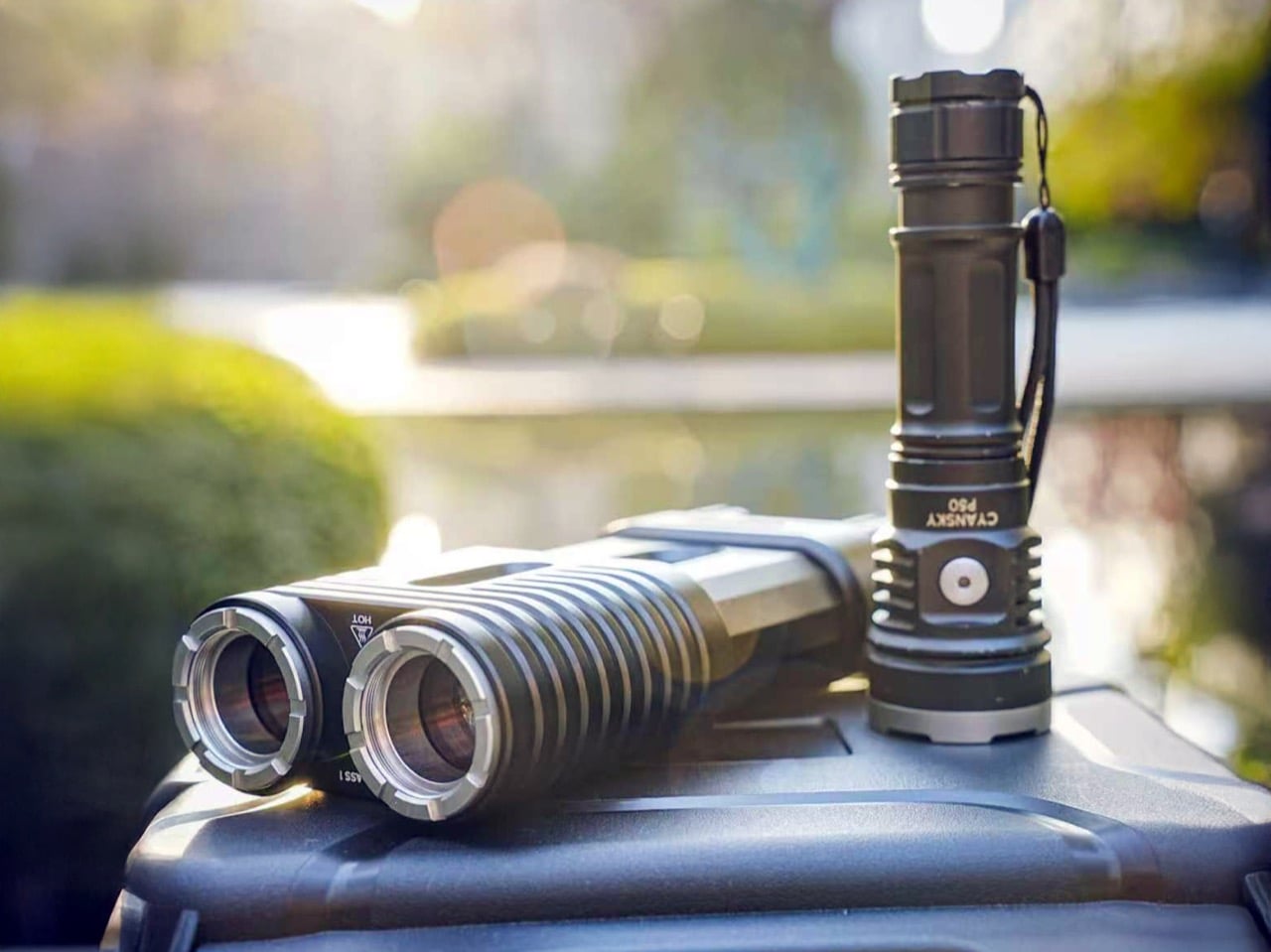
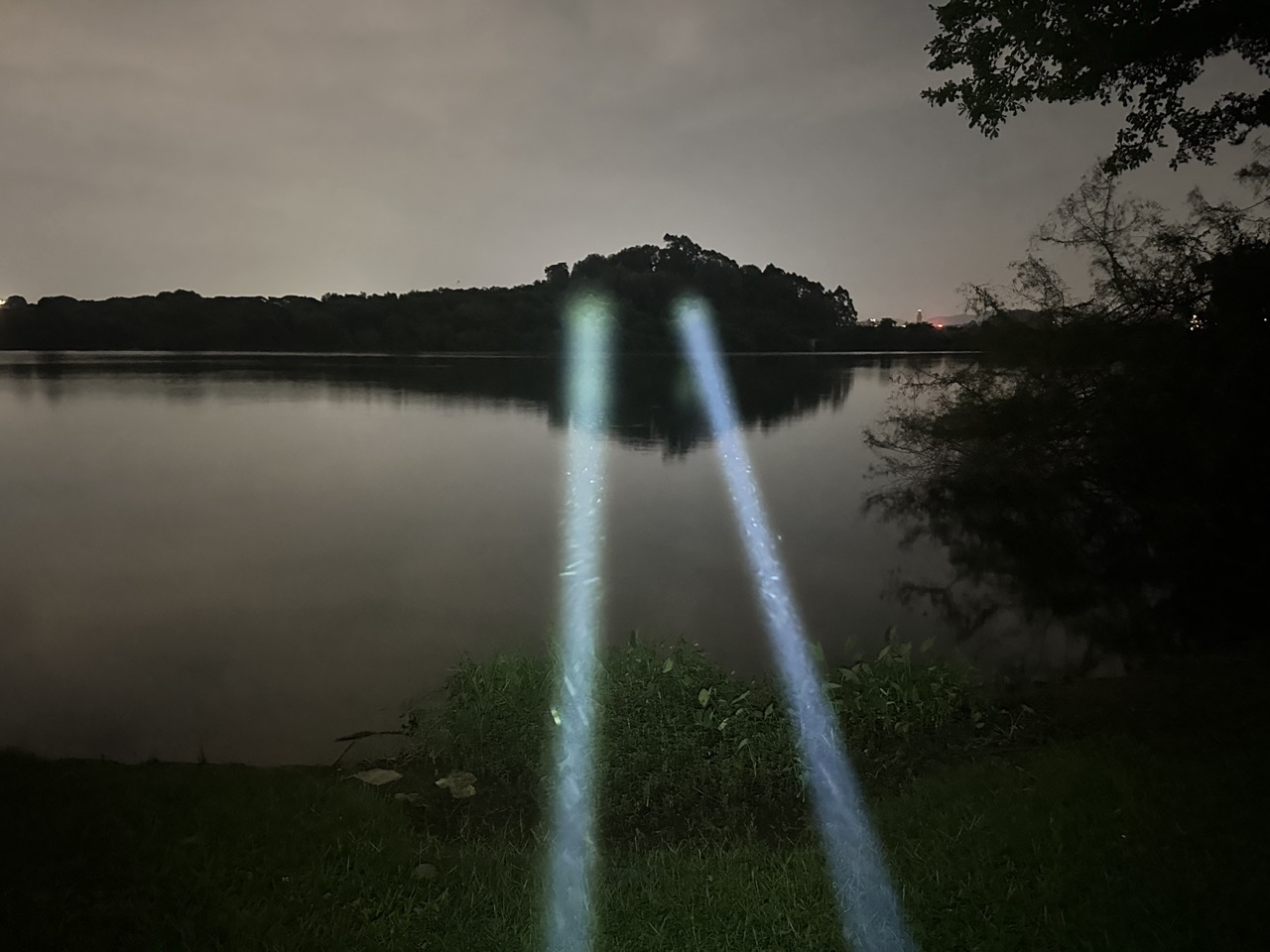
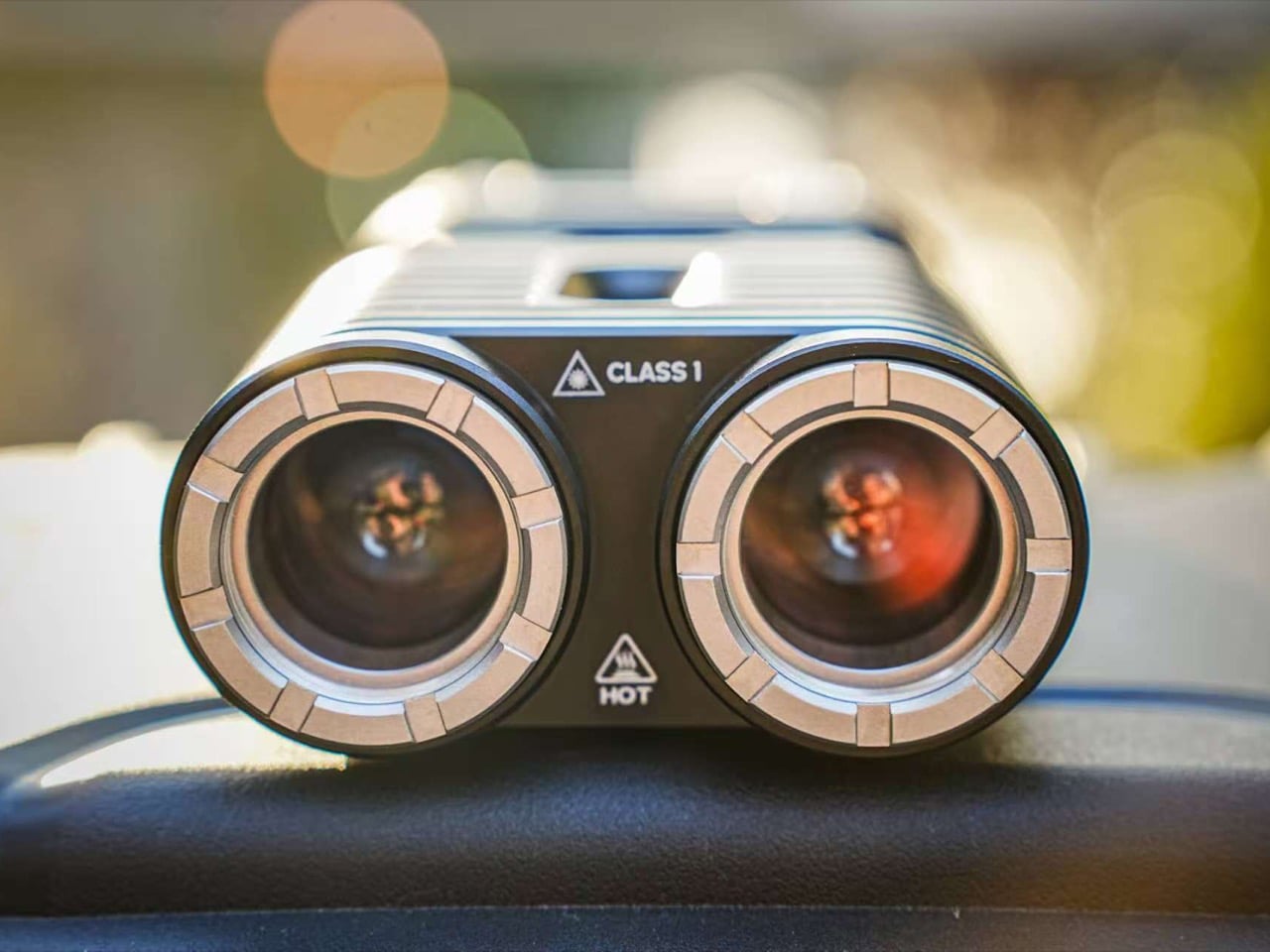
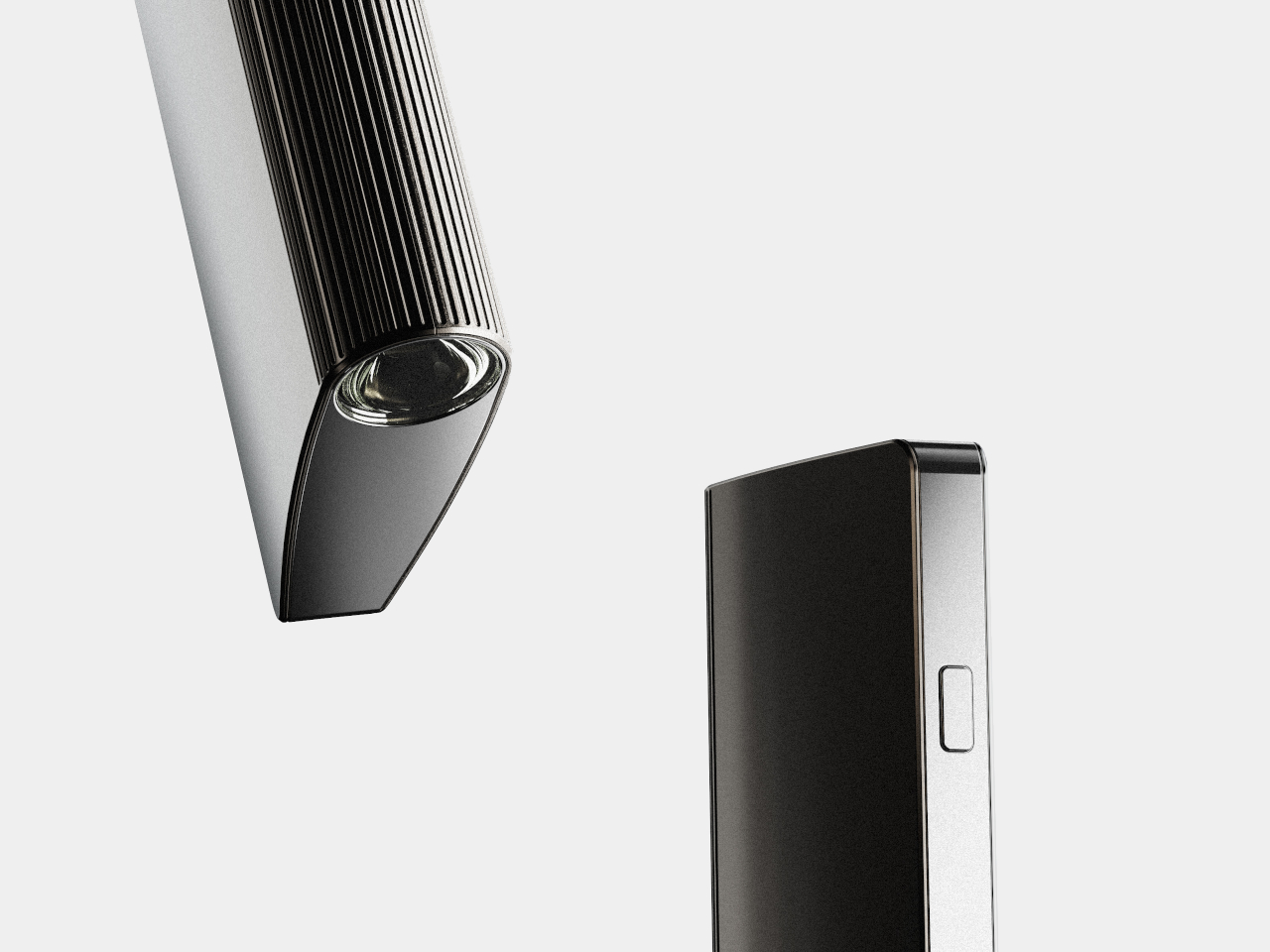
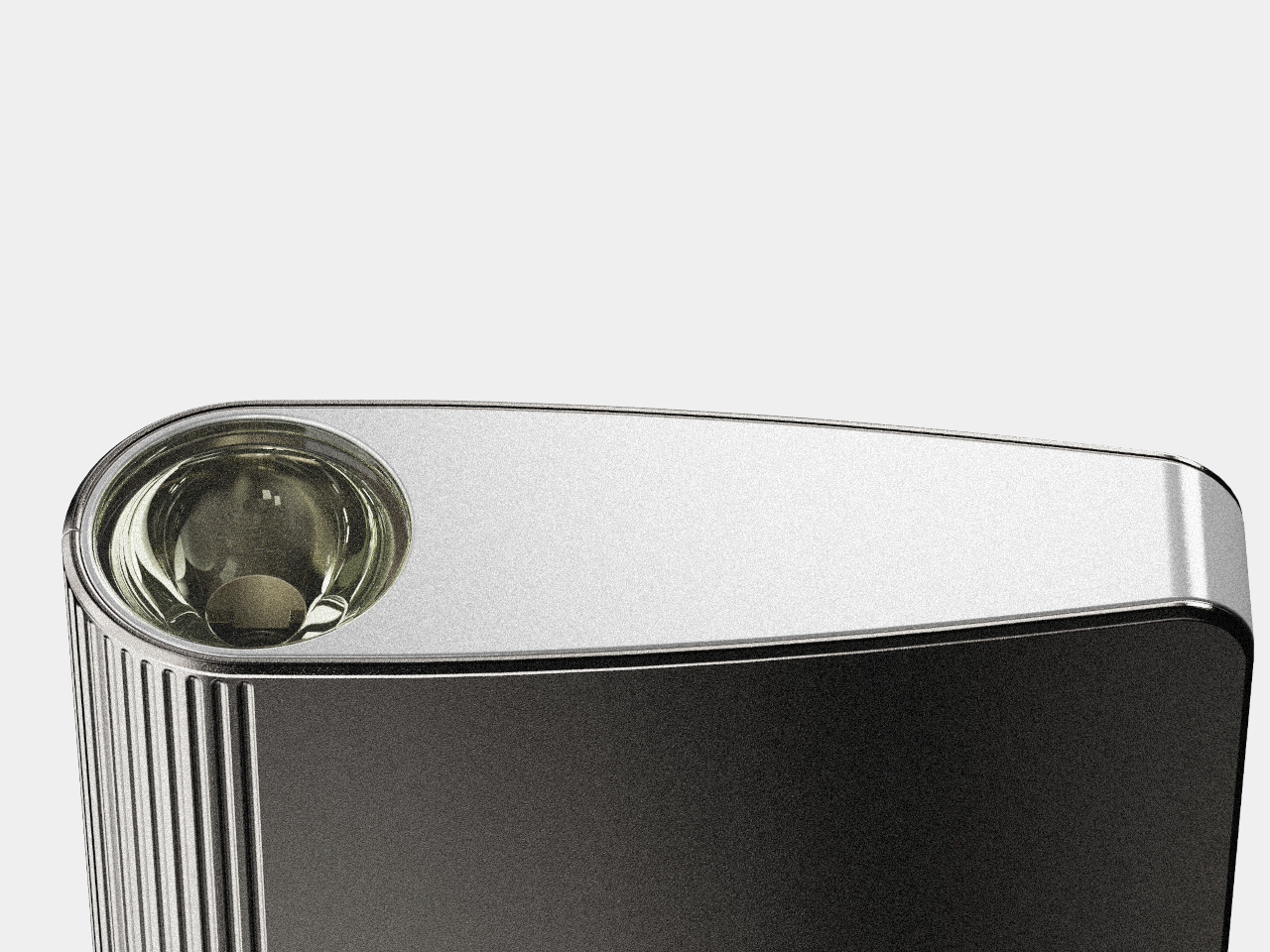
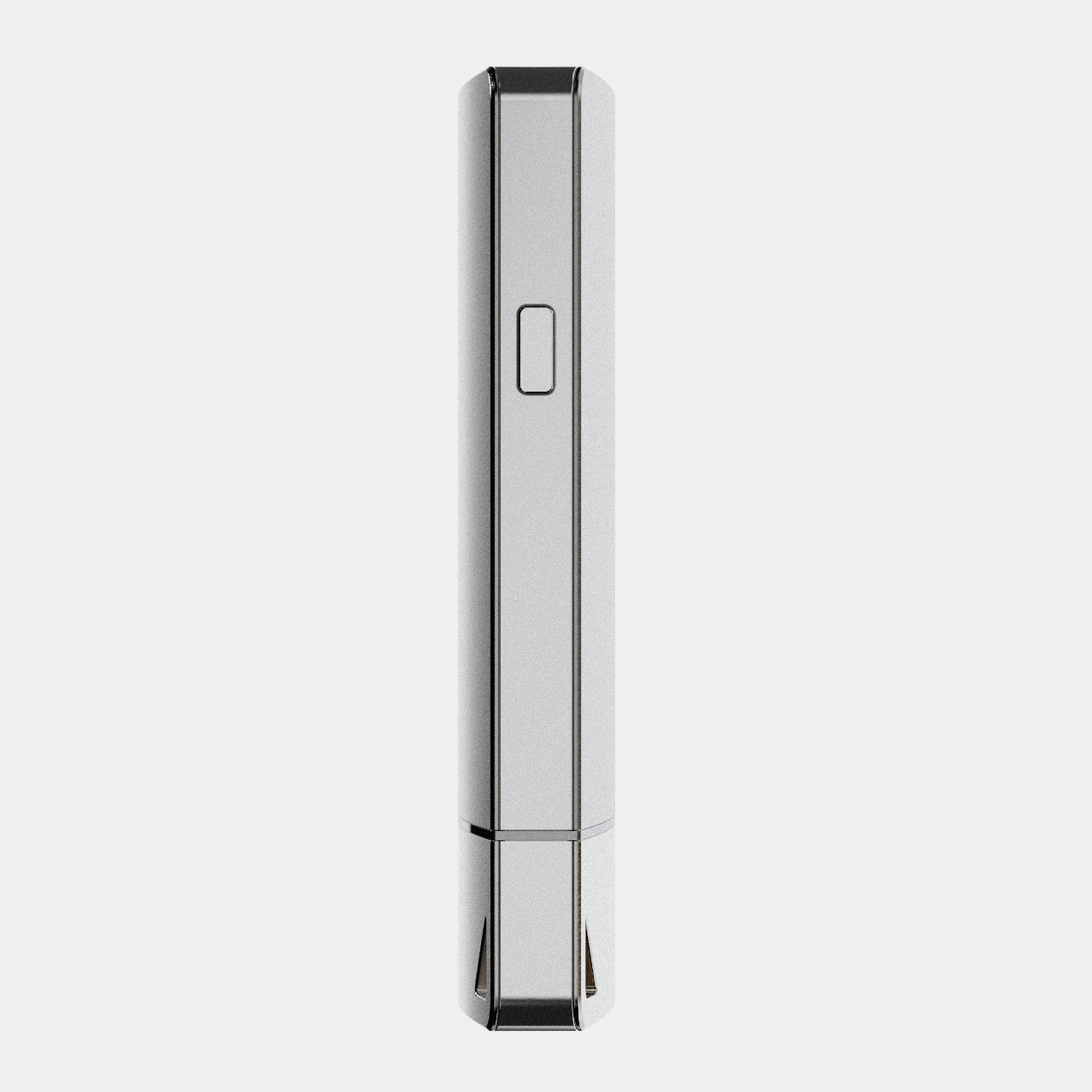
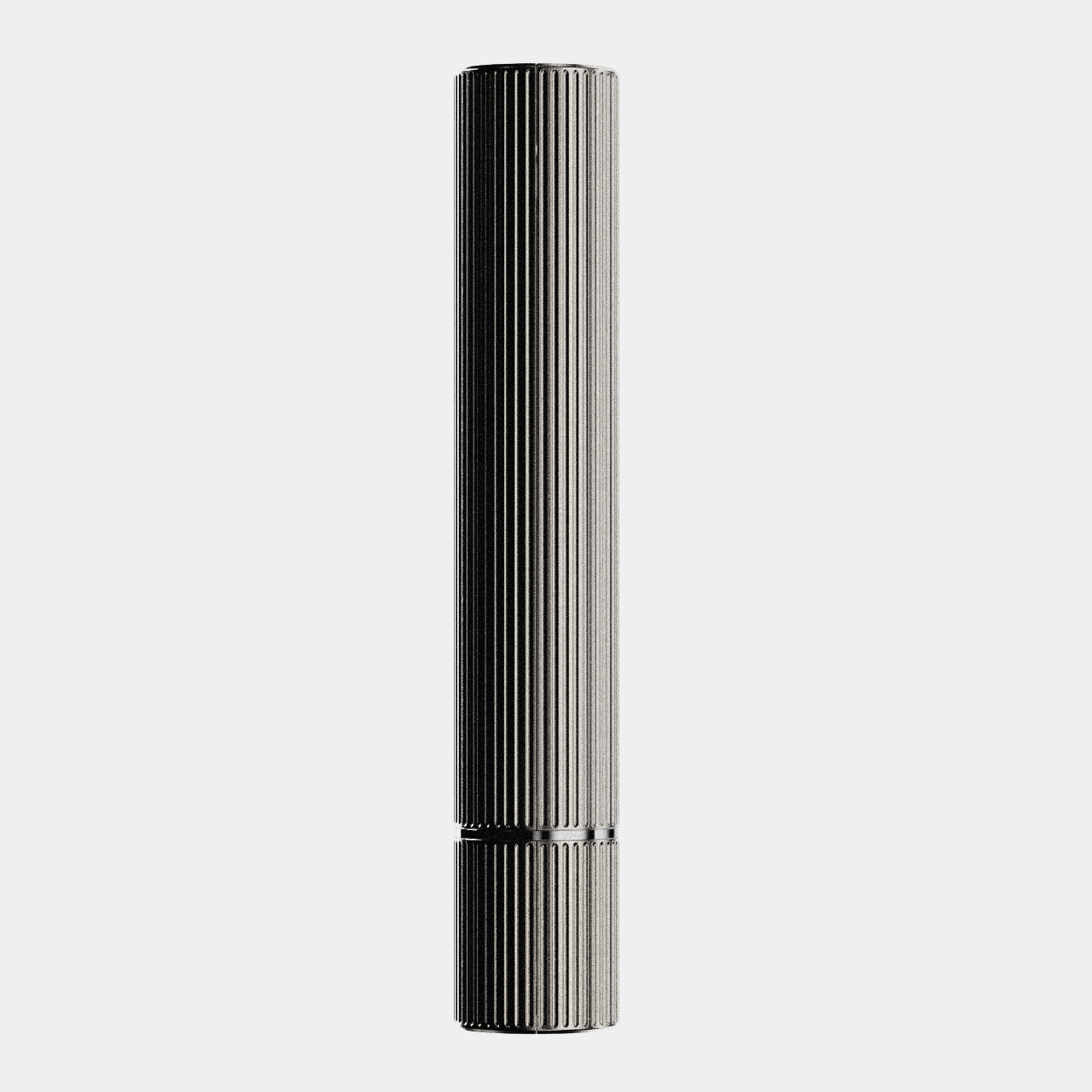
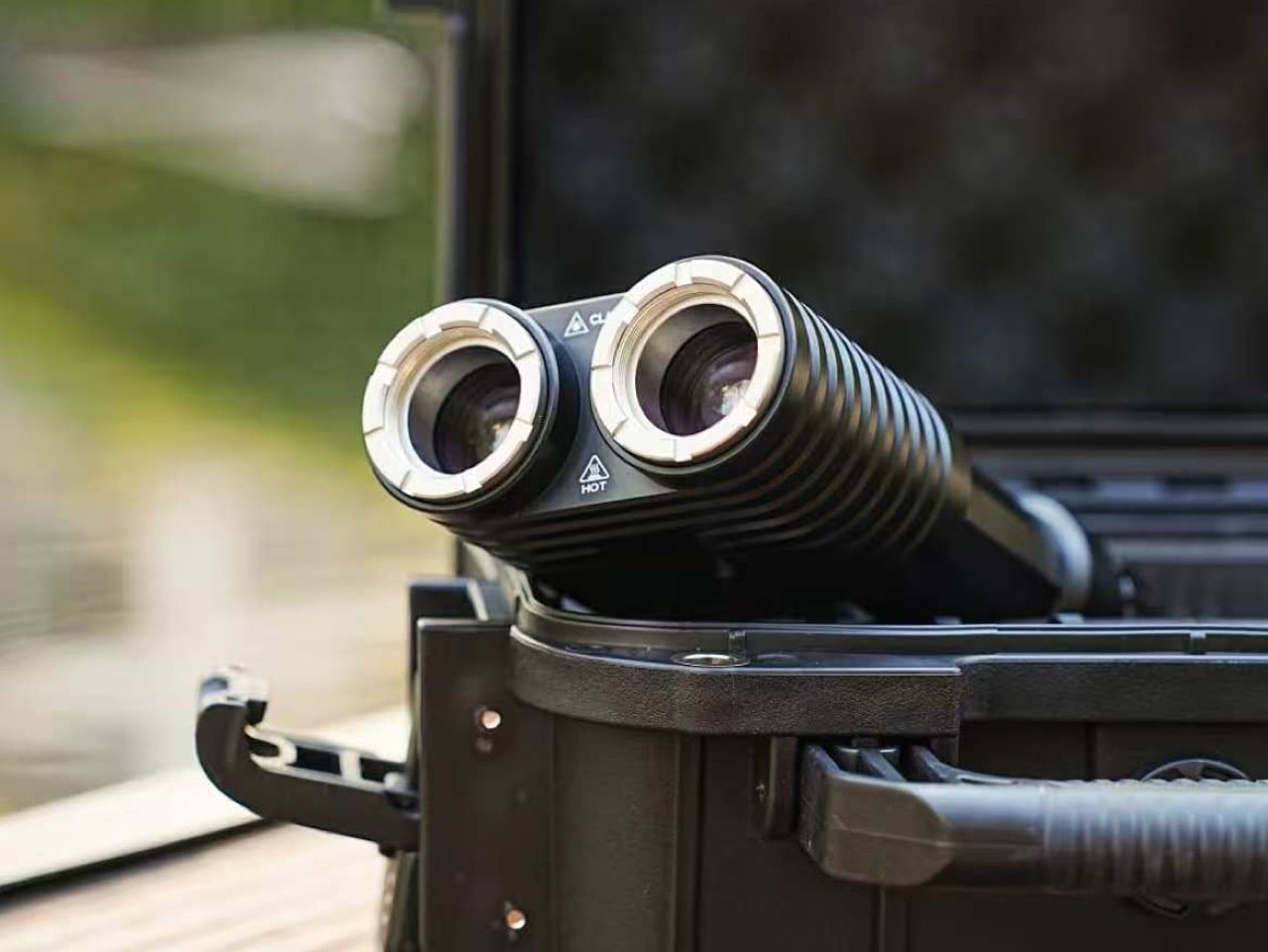
The Lumitwin DL700 redefines what’s possible in a portable flashlight with its staggering 2-kilometer beam distance and dual independently-controlled barrels. This isn’t an incremental improvement over standard LED technology. The flashlight employs laser-excited phosphor modules instead of traditional LEDs, delivering a focused throw that reaches 1.24 miles into the darkness. The dual-barrel design means you can operate each light independently, switching between them based on your immediate needs while preserving battery life on the unused barrel for extended expeditions.
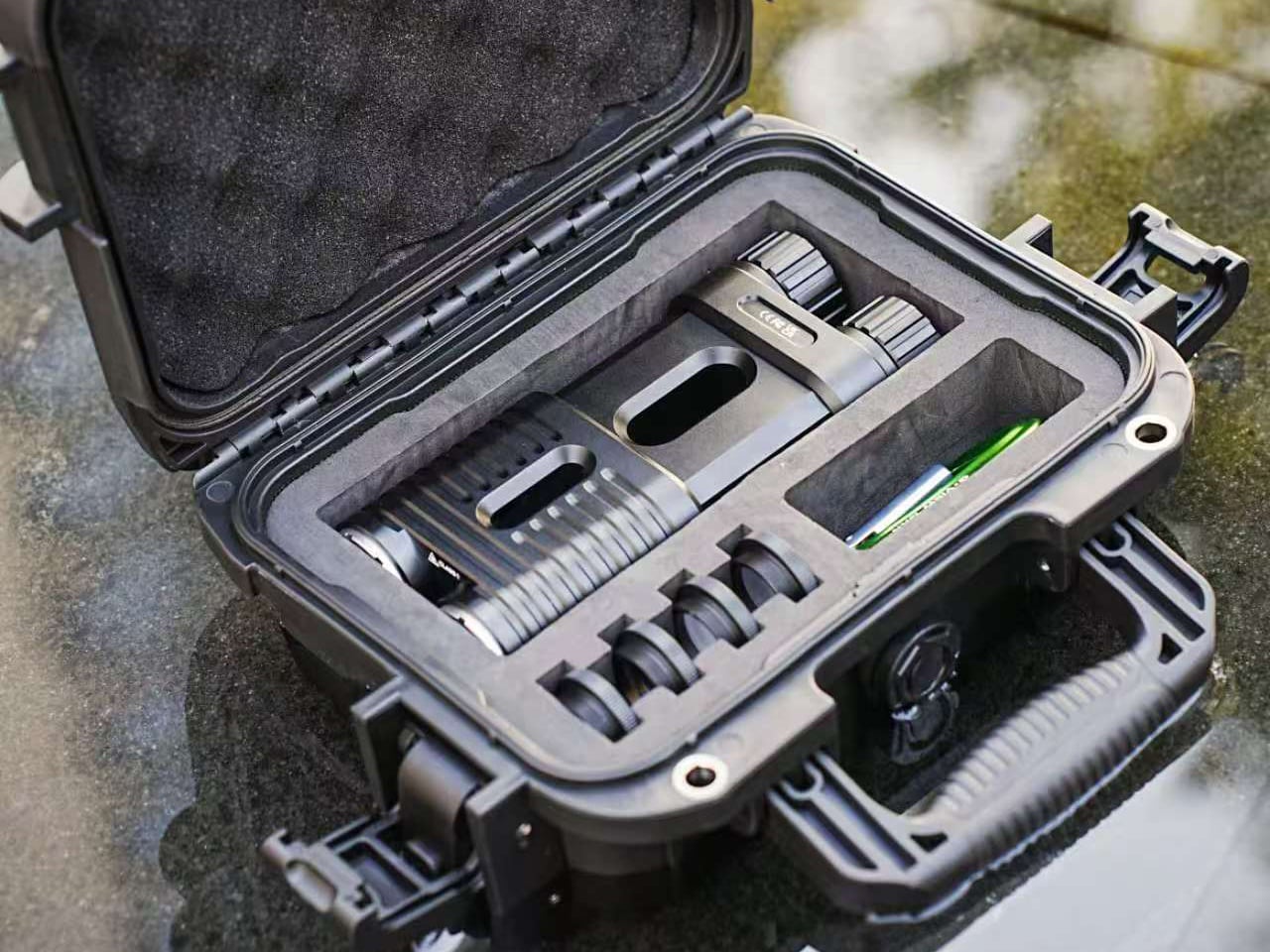
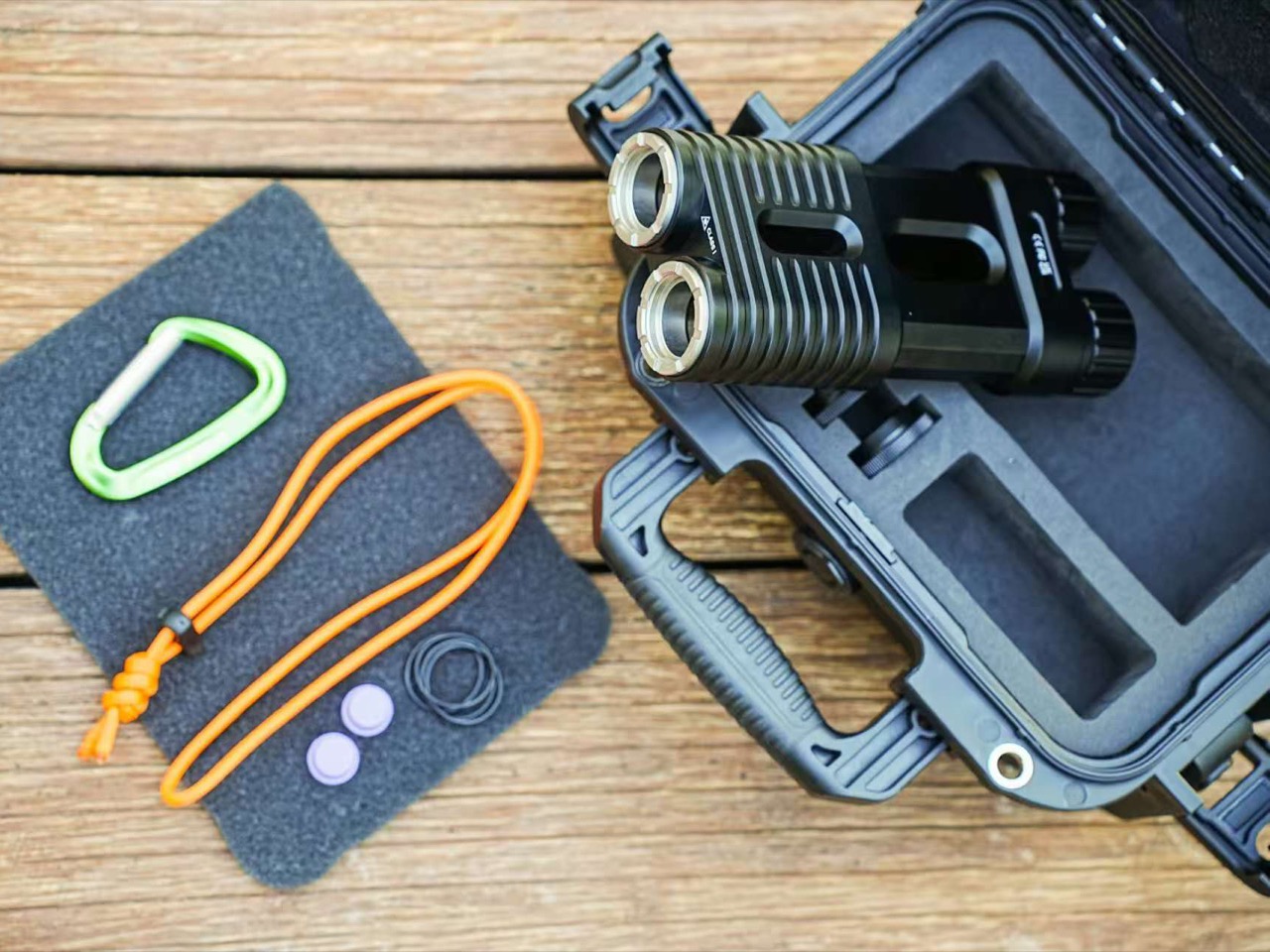
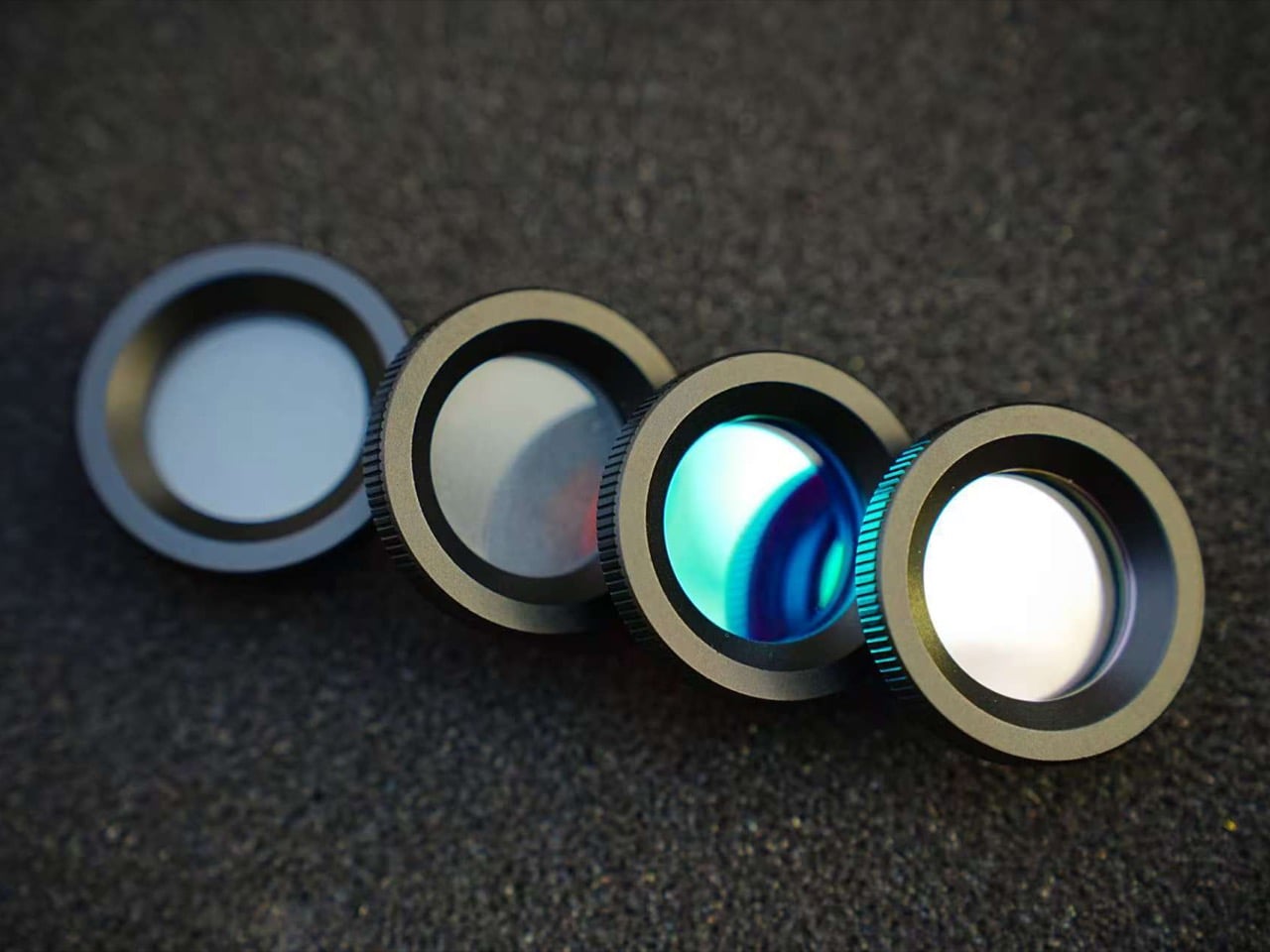
Built from aerospace-grade aluminum machined from a single block, the DL700 weighs 1,032 grams and handles abuse that would destroy lesser lights. The IP68 waterproof rating means complete submersion poses no threat, while the 1-meter drop rating accounts for fumbles in challenging terrain. Interchangeable color filters in red, green, and flood configurations adapt the light for hunting scenarios, search-and-rescue operations, or tactical applications. The carabiner clip integration makes it accessible without digging through your pack when darkness catches you mid-trail.
What we like
- The 2-kilometer beam distance outperforms virtually every portable flashlight available for backcountry use
- Dual independent barrels provide backup redundancy and operational flexibility
- Swappable color filters eliminate the need to carry multiple specialized lights
- Machined aluminum construction survives harsh conditions without compromising structural integrity
What we dislike
- The 1,032-gram weight exceeds ultralight backpacking preferences for those counting every ounce
- Premium laser-excited phosphor technology comes with a correspondingly premium price point
2. BlackoutBeam Tactical Flashlight
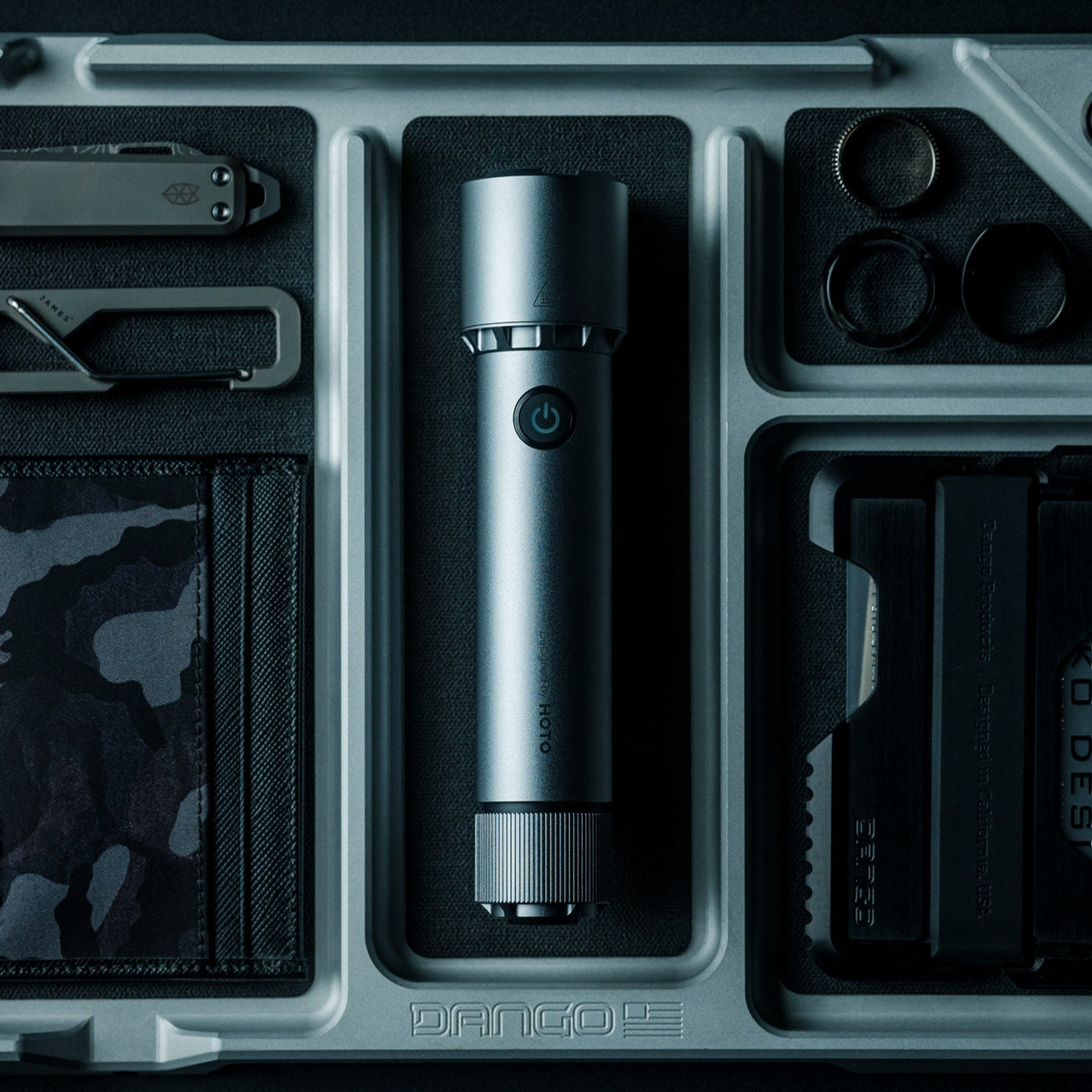
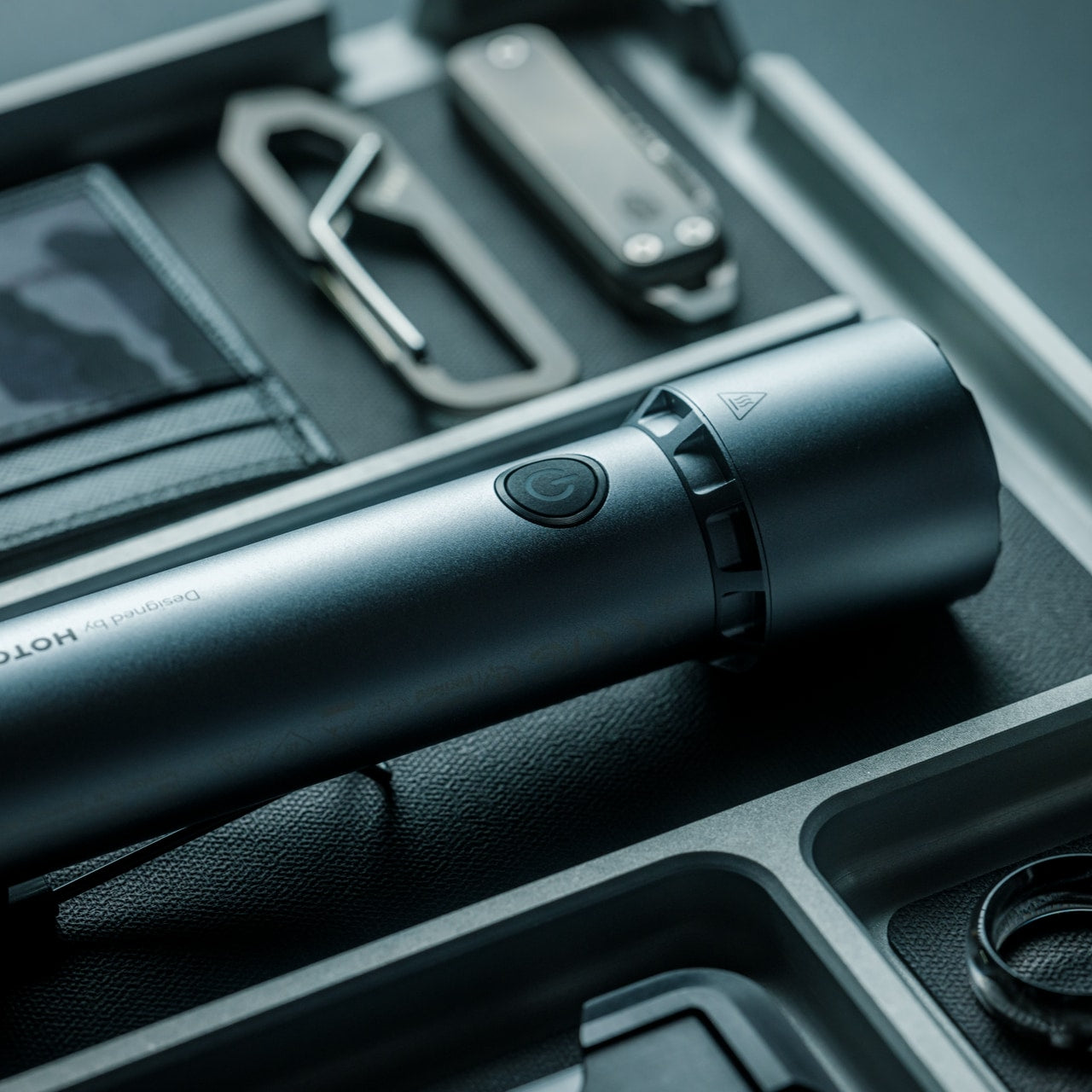
BlackoutBeam delivers 2,300 lumens of raw illumination with a 300-meter throw distance, making it one of the brightest handheld options for backcountry emergencies. The 0.2-second response time eliminates any lag between activation and full brightness, critical when you need immediate visibility or must signal for help. The industrial aluminum body construction balances durability with weight considerations, maintaining IP68 water and dust resistance that protects internal components from backcountry elements. Five distinct modes, including three brightness levels, strobe, and pinpoint, provide tactical flexibility for different scenarios.
The dual power system separates BlackoutBeam from single-battery competitors. The built-in 3,100mAh lithium-ion battery recharges via USB, but when you’re days from any outlet, the ability to swap in two emergency CR123A batteries ensures you’re never without light. The strobe mode works for emergency signaling or disorienting wildlife encounters, while the pinpoint mode conserves battery when you only need to check map details. The flashlight’s sleek design avoids the overtly tactical aesthetic that feels out of place on recreational backcountry trips.
What we like
- The 2,300-lumen output provides exceptional brightness for search, rescue, and emergencies
- Dual power options with USB rechargeable and backup CR123A batteries eliminate dead-battery anxiety
- The 0.2-second response time delivers instant illumination without delay
- Five different modes adapt to varied backcountry lighting requirements
What we dislike
- Maximum brightness drains battery quickly, requiring careful power management on extended trips
- The high lumen output may be excessive for routine camp tasks
3. TriBeam Camplight
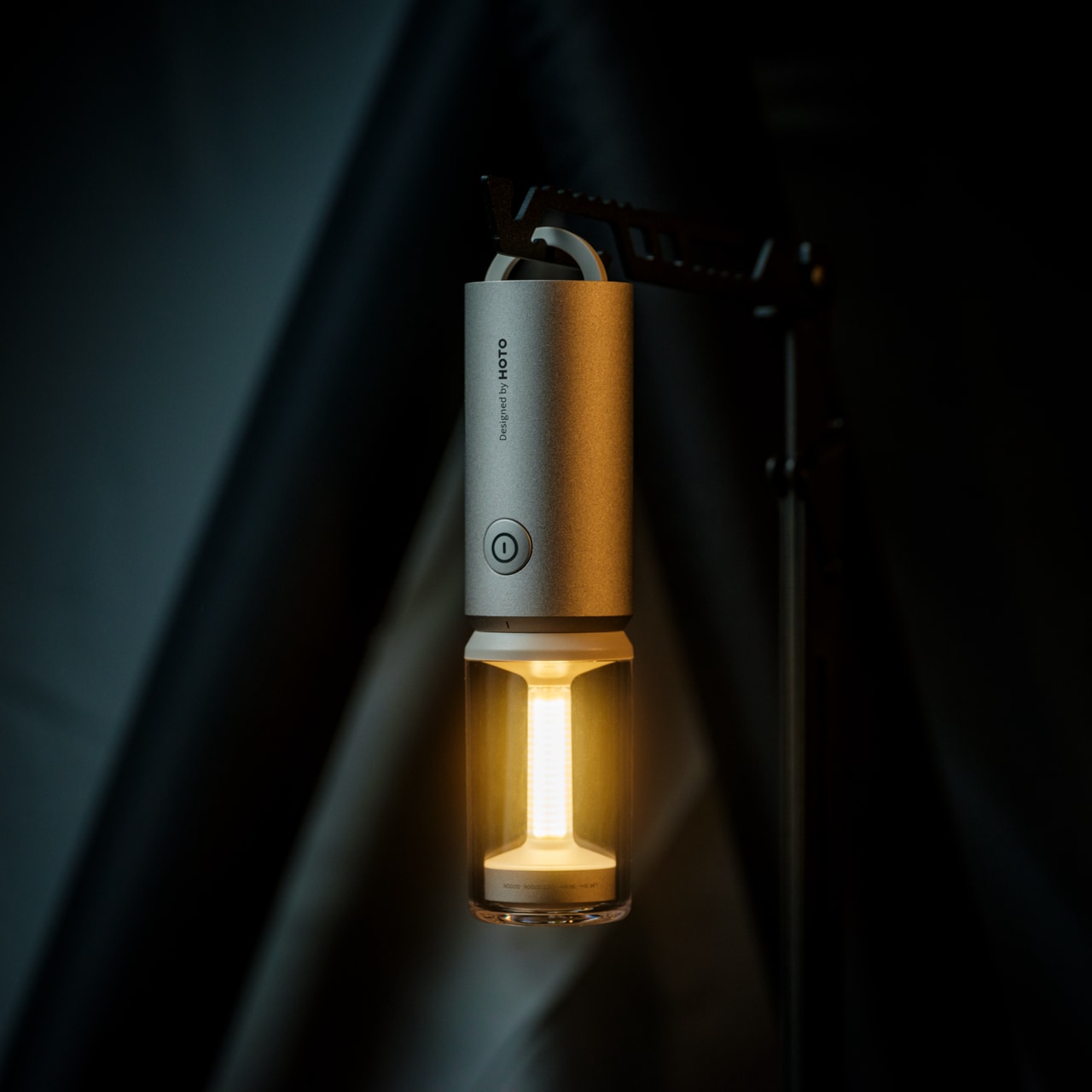
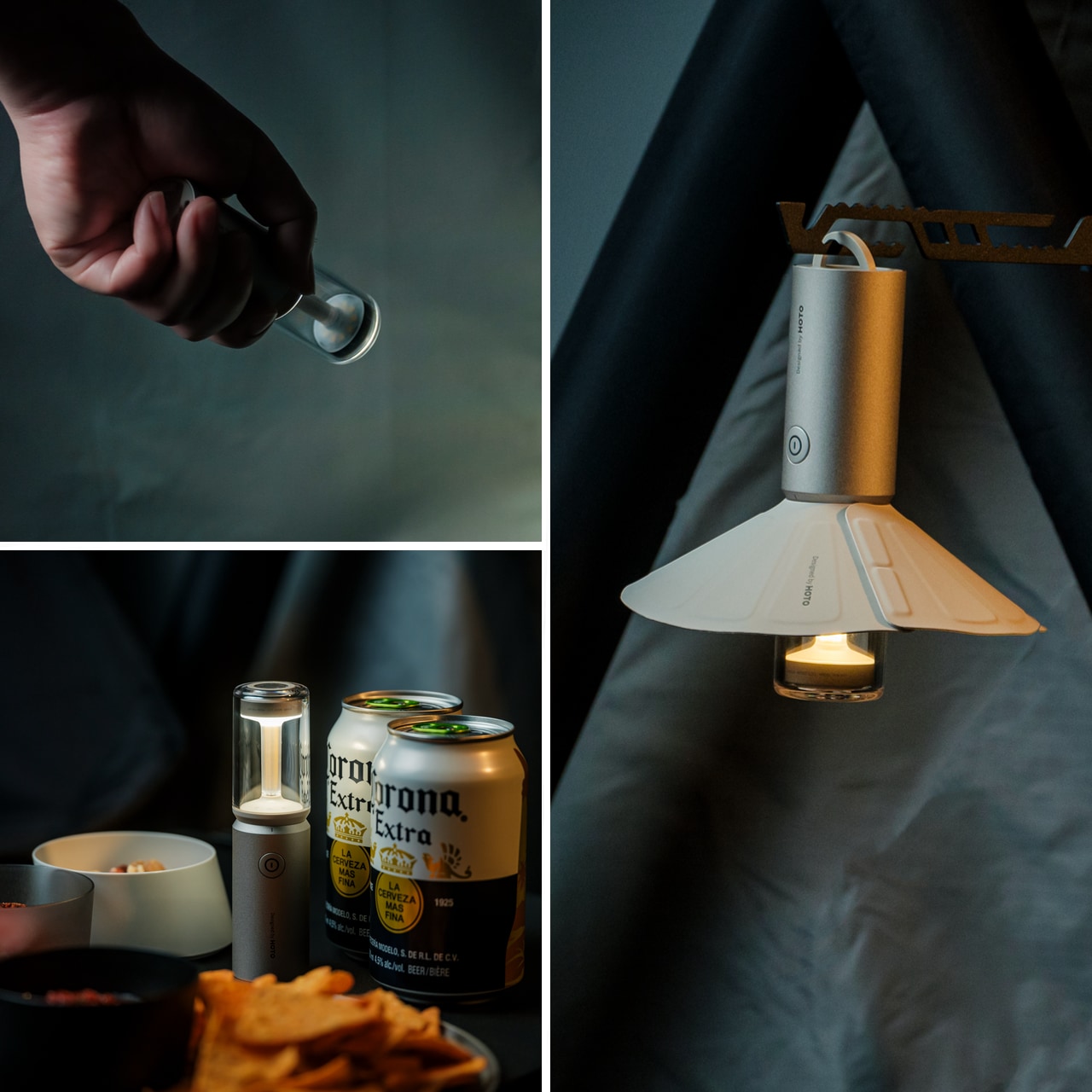
The award-winning TriBeam Camplight brings three distinct lighting modes into one compact 135-gram package that measures just 12.8cm tall. The 3-in-1 design switches between camping, ambient, and flashlight modes with a single intuitive button, adapting from a gentle 5-lumen glow for reading in your tent to a powerful 180-lumen beam for trail navigation. The adjustable brightness range provides precise control over battery consumption, with the lowest settings delivering up to 50 hours of continuous use on a single charge. This versatility makes it equally suitable for intimate cabin evenings and technical night hiking.
The magnetic lampshade attachment transforms the beam quality instantly, softening harsh direct light into a diffused glow that creates a comfortable campsite ambiance. When navigation demands focused illumination, simply remove the magnetic shade, and the flashlight mode cuts through darkness effectively. The hidden handle tucks away seamlessly when not needed but deploys for hanging from tent loops, tree branches, or pack straps. IPX6 water resistance handles rain and splashes without concern, while the 3,100mAh lithium battery supports extended backcountry trips. USB-C charging ensures compatibility with modern power banks and solar chargers.
What we like
- Three distinct lighting modes in one compact device eliminate the need for multiple lights
- The 50-hour maximum runtime on low settings supports multi-day trips without recharging
- Magnetic lampshade attachment and a hidden handle provide mounting versatility
- At 135 grams and 12.8cm, it qualifies as truly packable gear
What we dislike
- The 180-lumen maximum brightness falls short of high-output flashlights for long-distance visibility
- Magnetic attachments can collect metal debris in dusty backcountry conditions
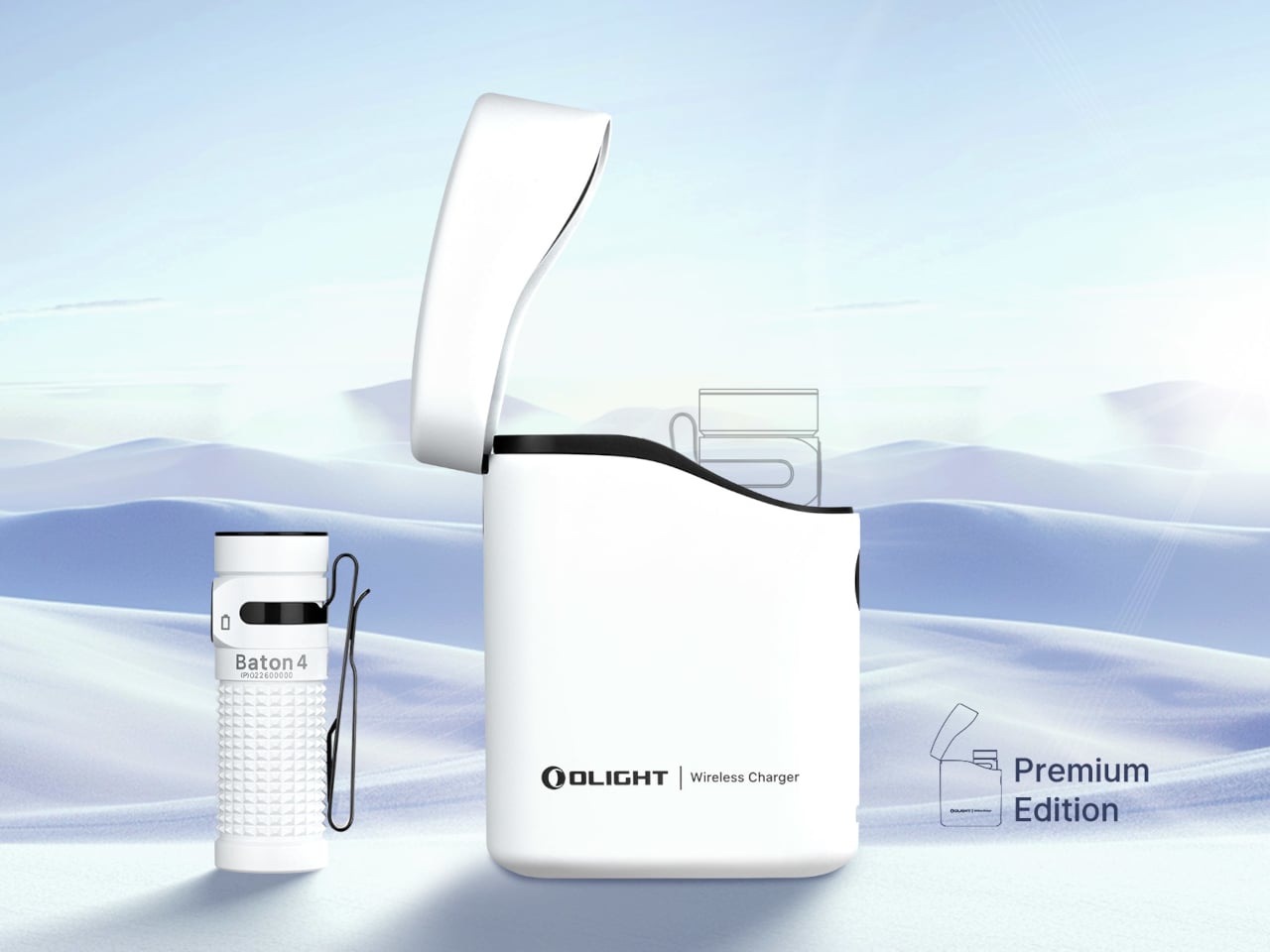
4. Olight Baton 4 with Premium Charging Case
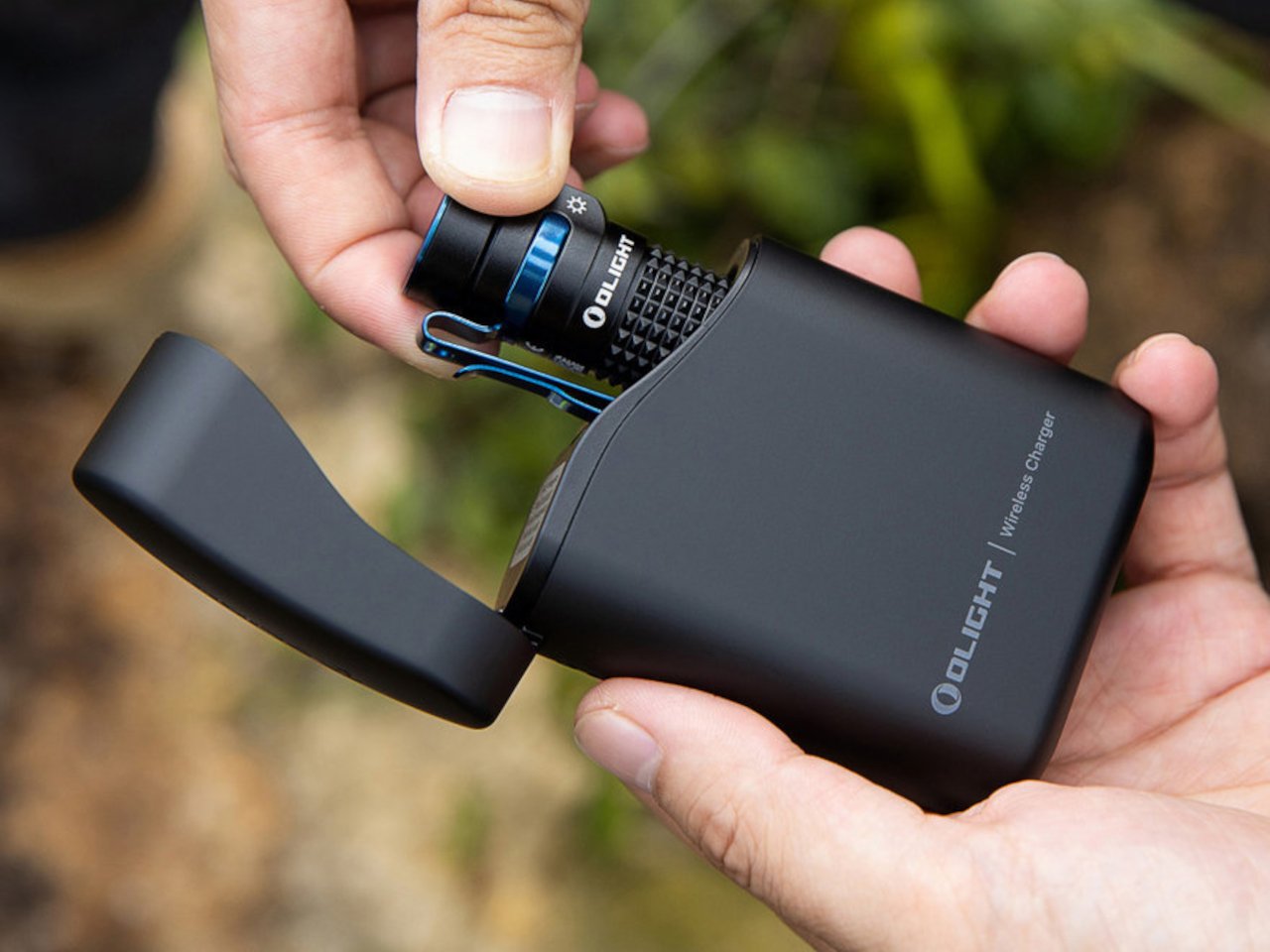
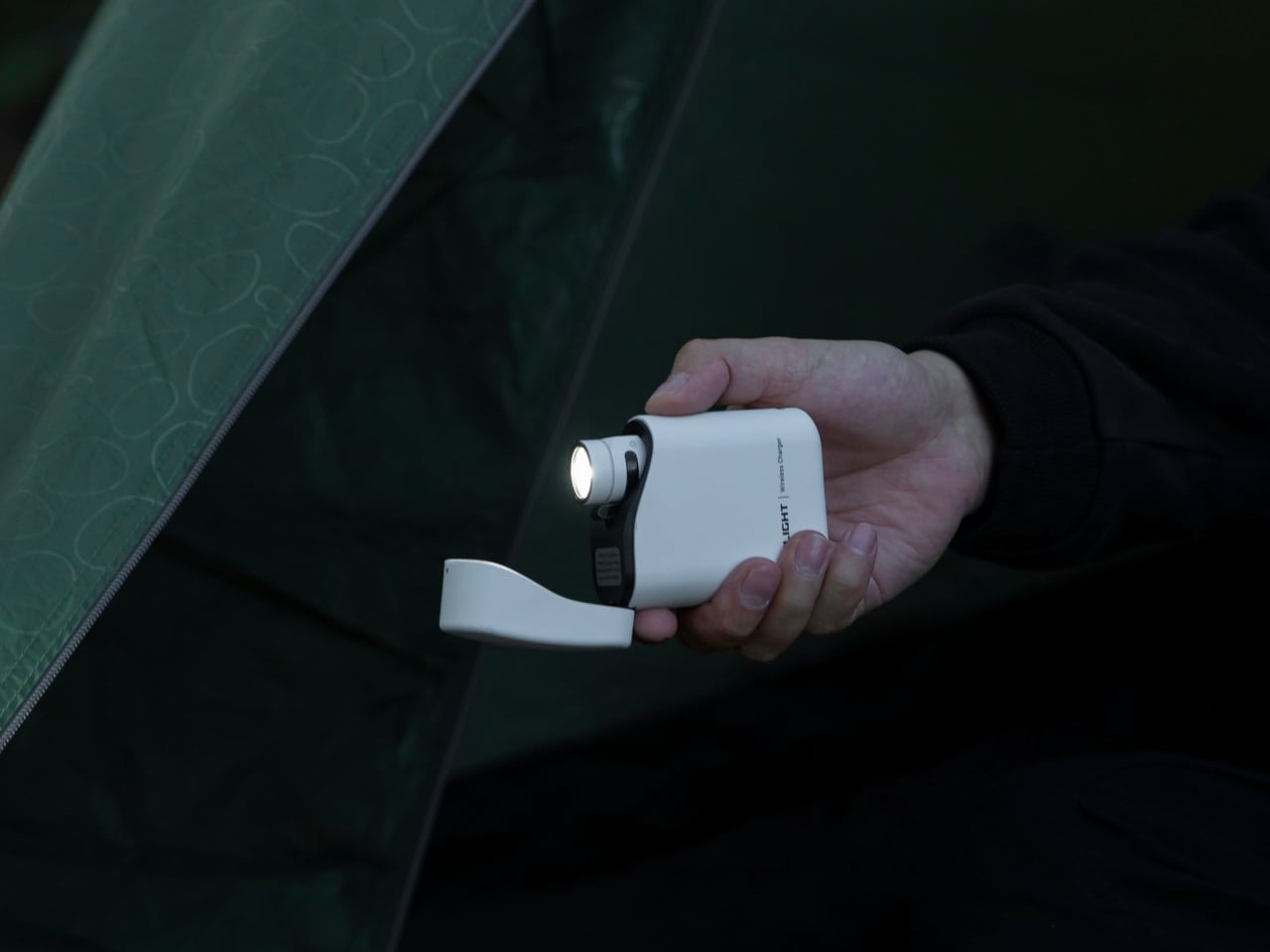
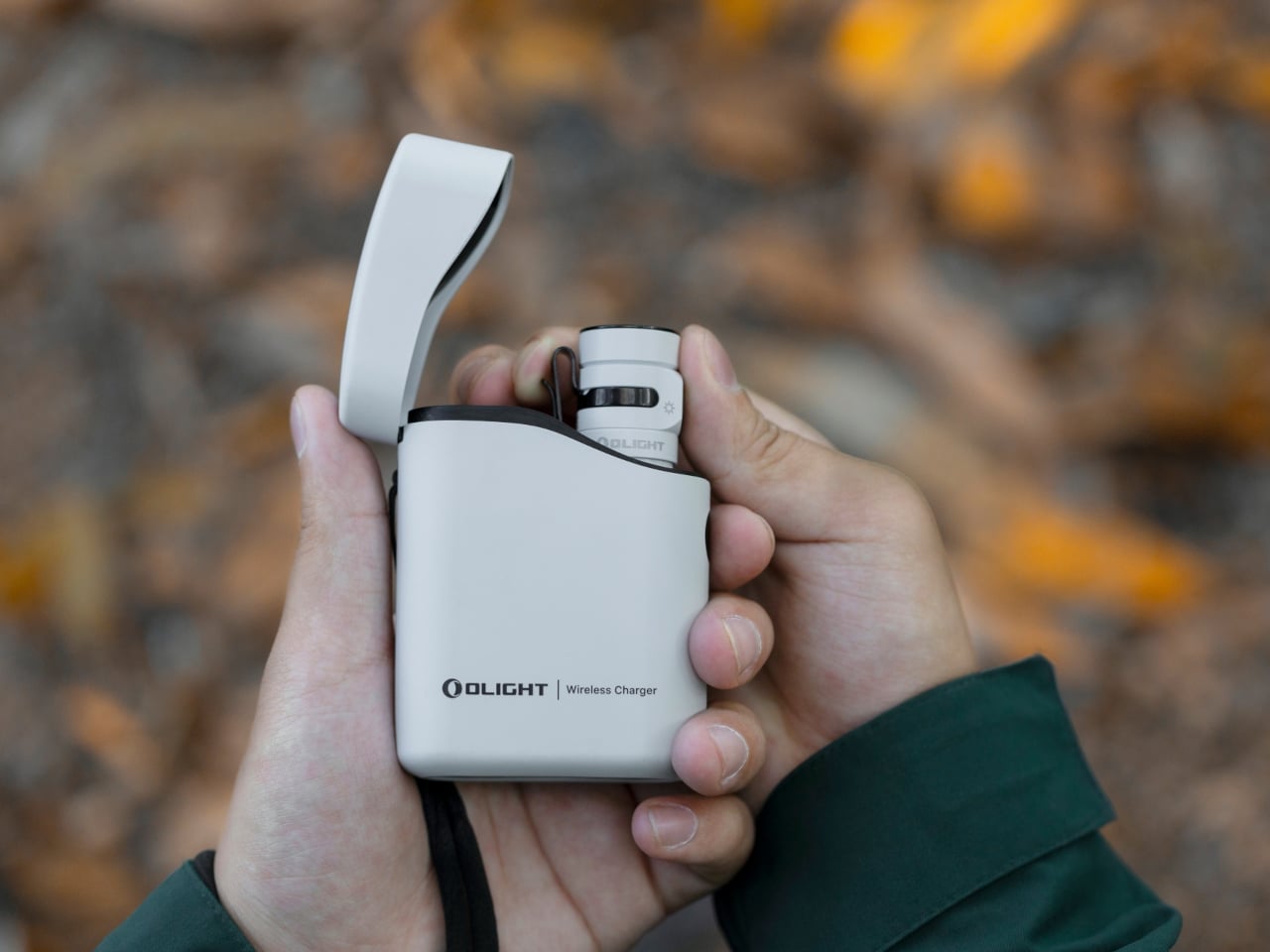
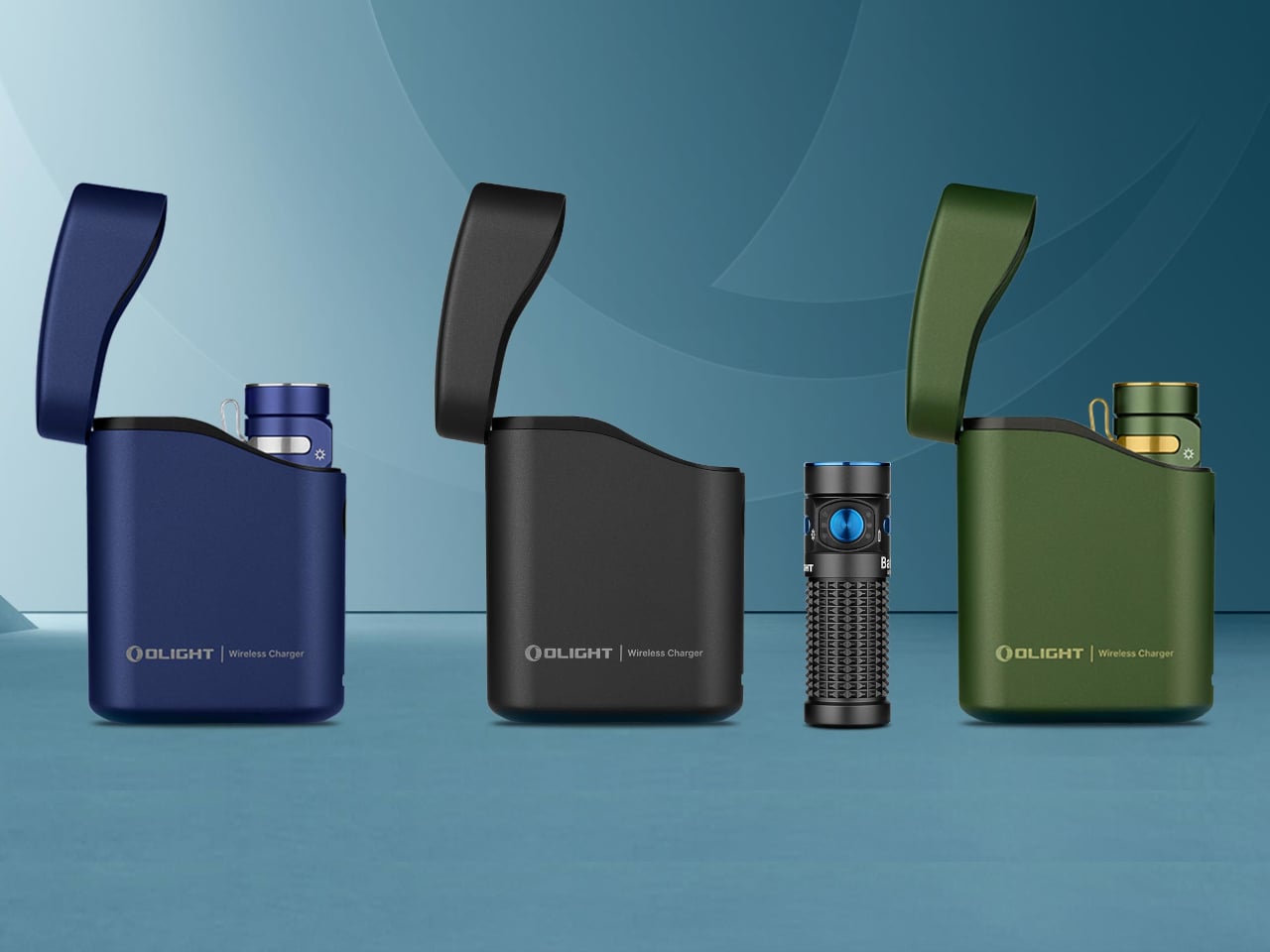
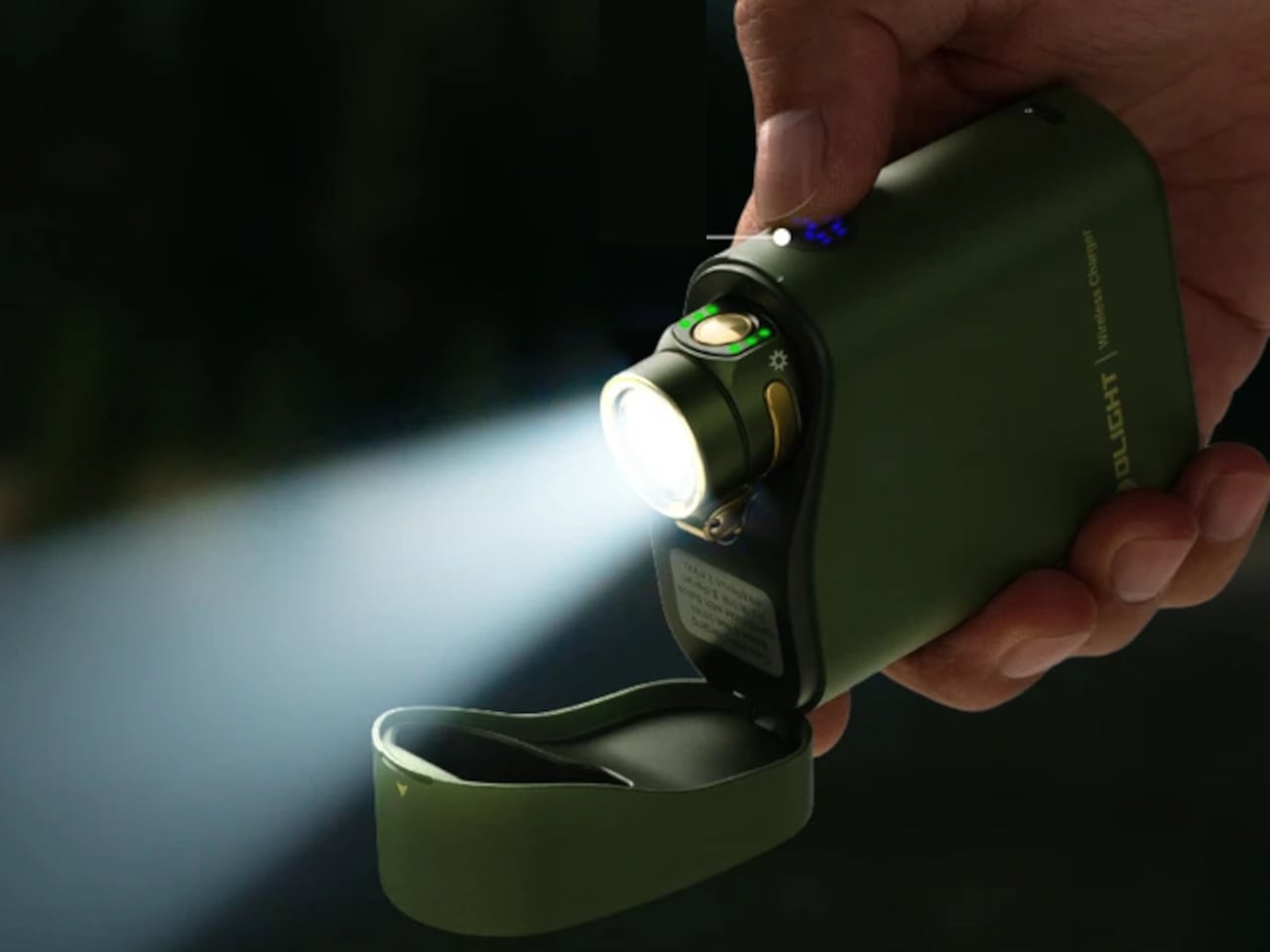
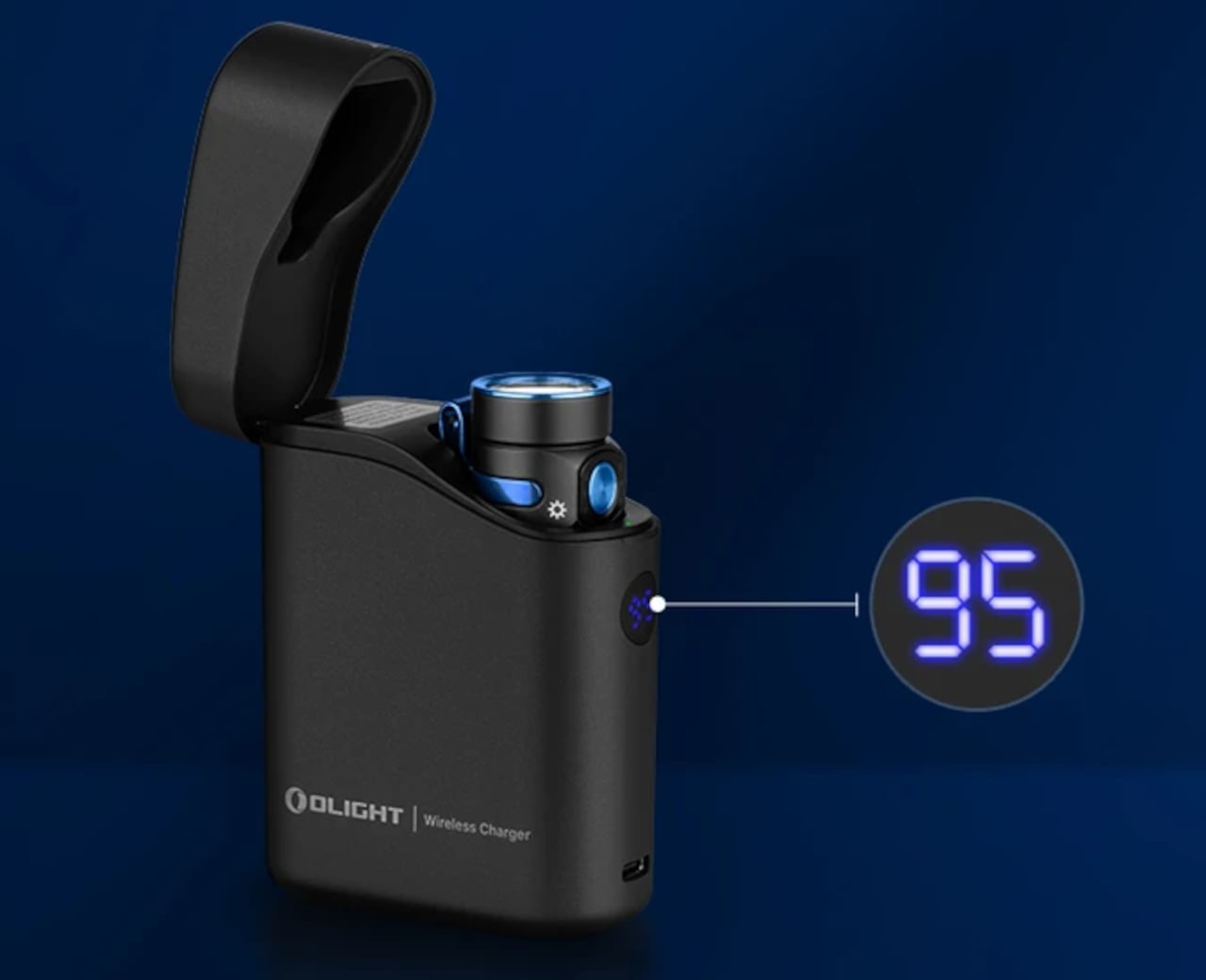
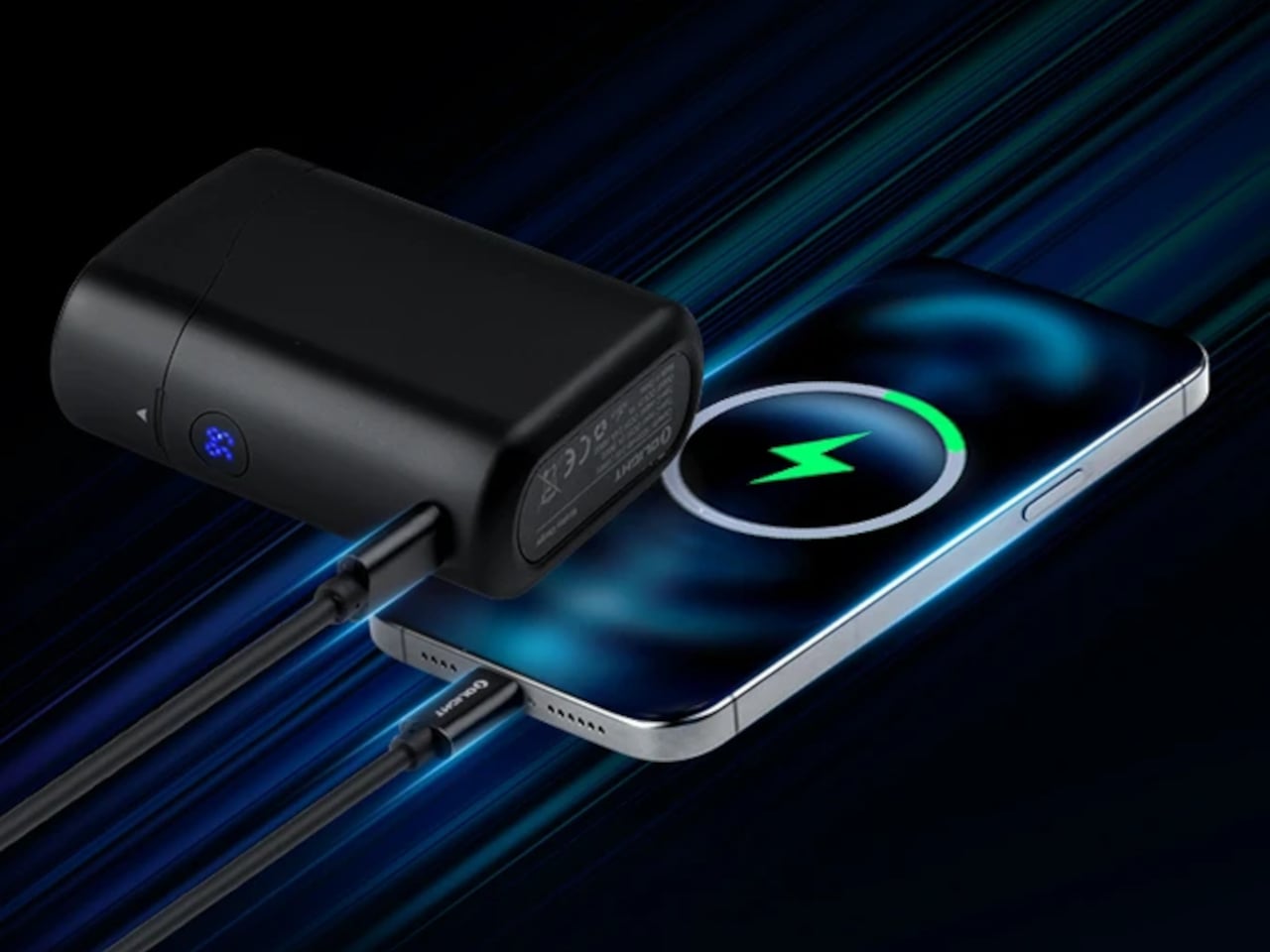
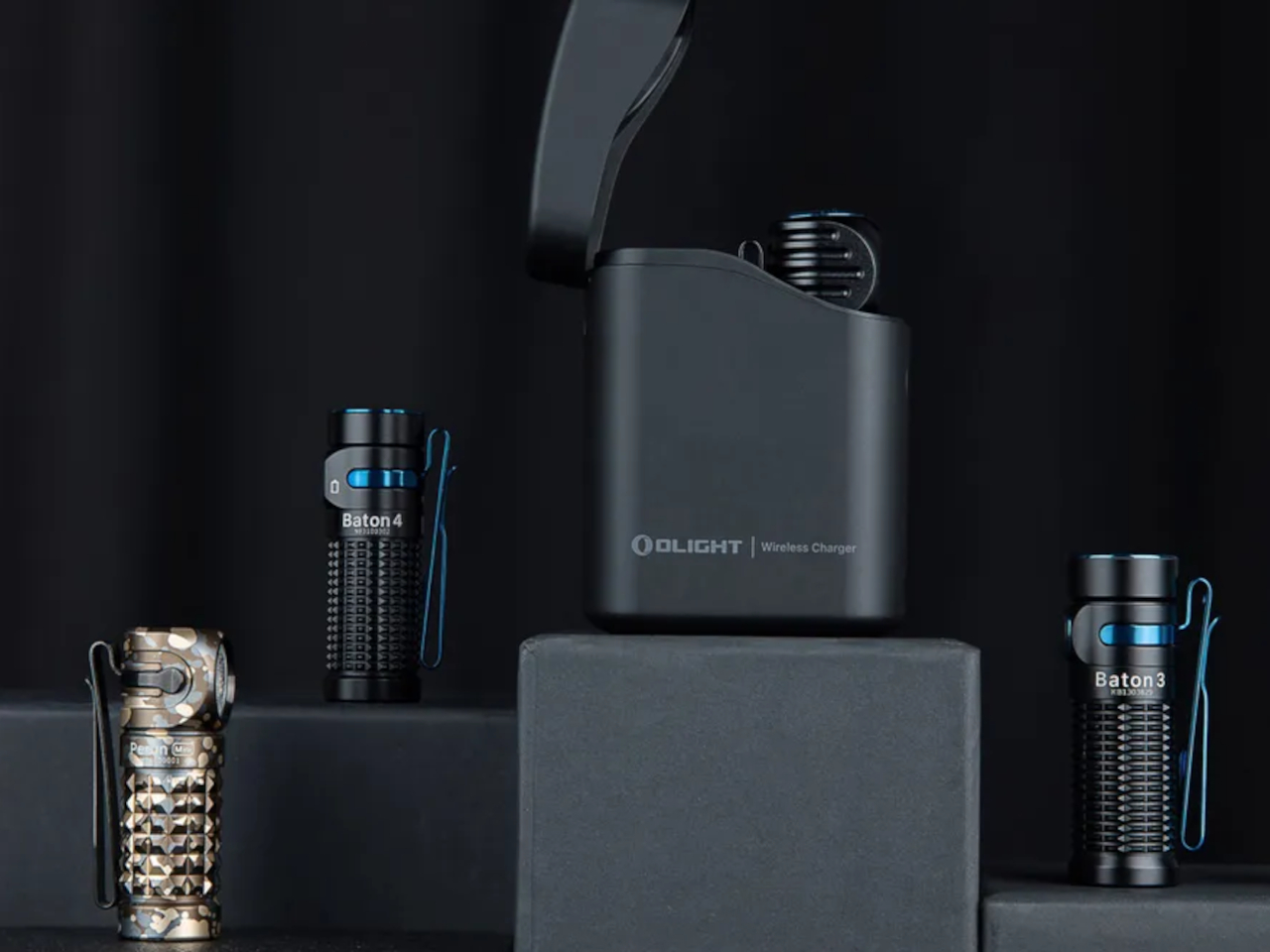
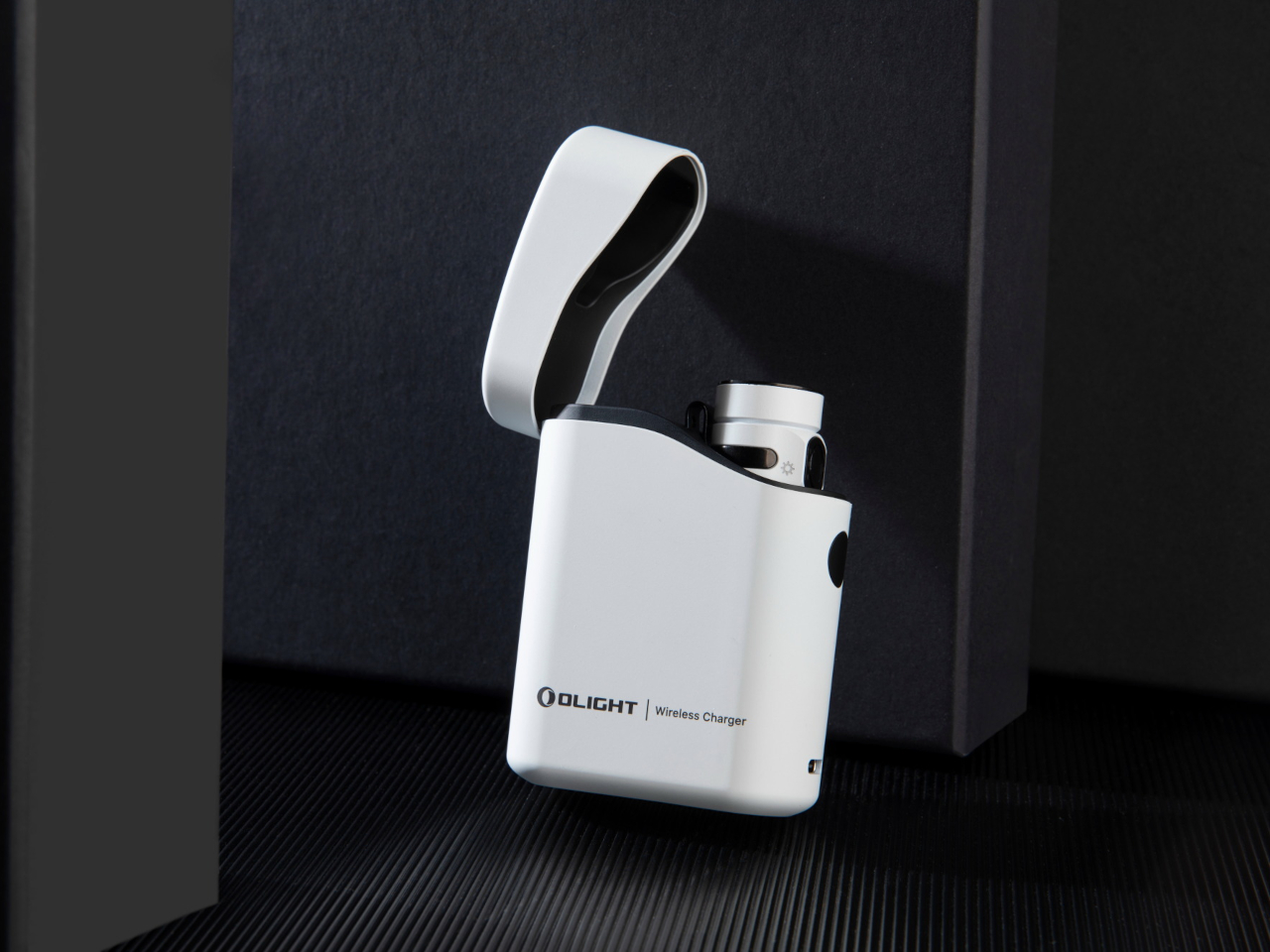
The Olight Baton 4 Premium Edition centers around its innovative 5,000mAh flip-top charging case that transforms how you interact with EDC flashlights. The case stores and charges the flashlight, but the standout feature allows you to flip open the cover, press the side button, and activate the 1,300-lumen light while it remains secured inside. This design eliminates fumbling in the darkness and speeds response time during emergencies. The charging case fits easily in jacket pockets or pack hip belts, keeping the flashlight accessible and charged simultaneously throughout your backcountry journey.
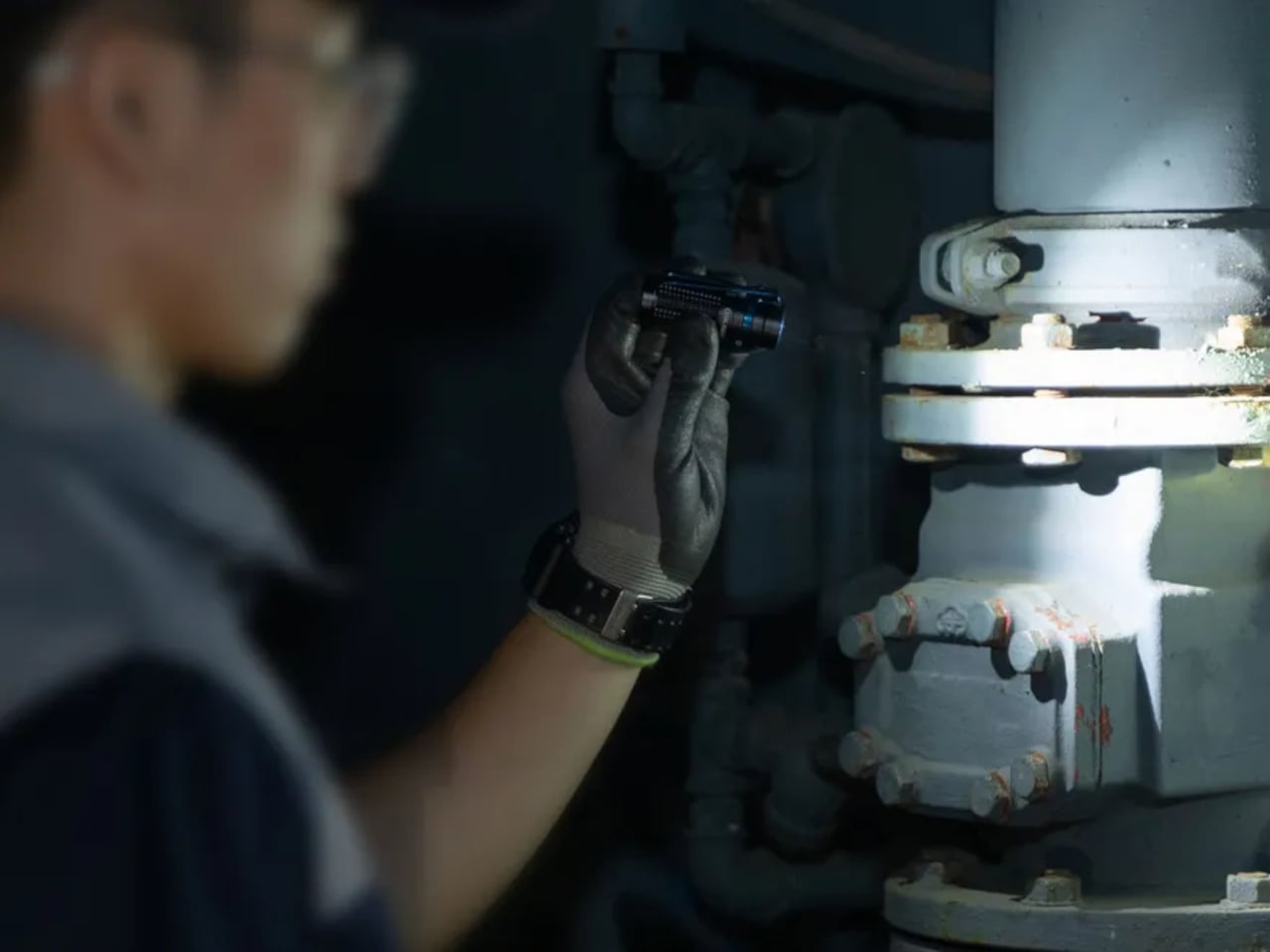
The Baton 4 flashlight itself delivers 1,300 lumens with a 170-meter throw distance in a compact cylindrical form factor. Small LED indicators display brightness level and remaining battery charge, removing guesswork about available runtime. The flashlight’s compact dimensions make it unobtrusive as an everyday carry item that transitions seamlessly into backcountry use. The charging case works with compatible Olight flashlights beyond just the Baton 4, adding value if you already own other models in their lineup. One-handed case operation means you can keep your other hand on trekking poles or maintain your grip on technical terrain.
What we like
- The 5,000mAh charging case keeps the flashlight powered for extended trips without electrical access
- Flip-top design with in-case activation speeds deployment in critical moments
- LED indicators provide clear battery status information
- The compact case design makes it practical for everyday pocket carry
What we dislike
- The 1,300-lumen output and 170-meter throw are moderate compared to higher-powered options
- The system requires carrying the case for the charging benefit to remain relevant
5. CasaBeam Everyday Flashlight
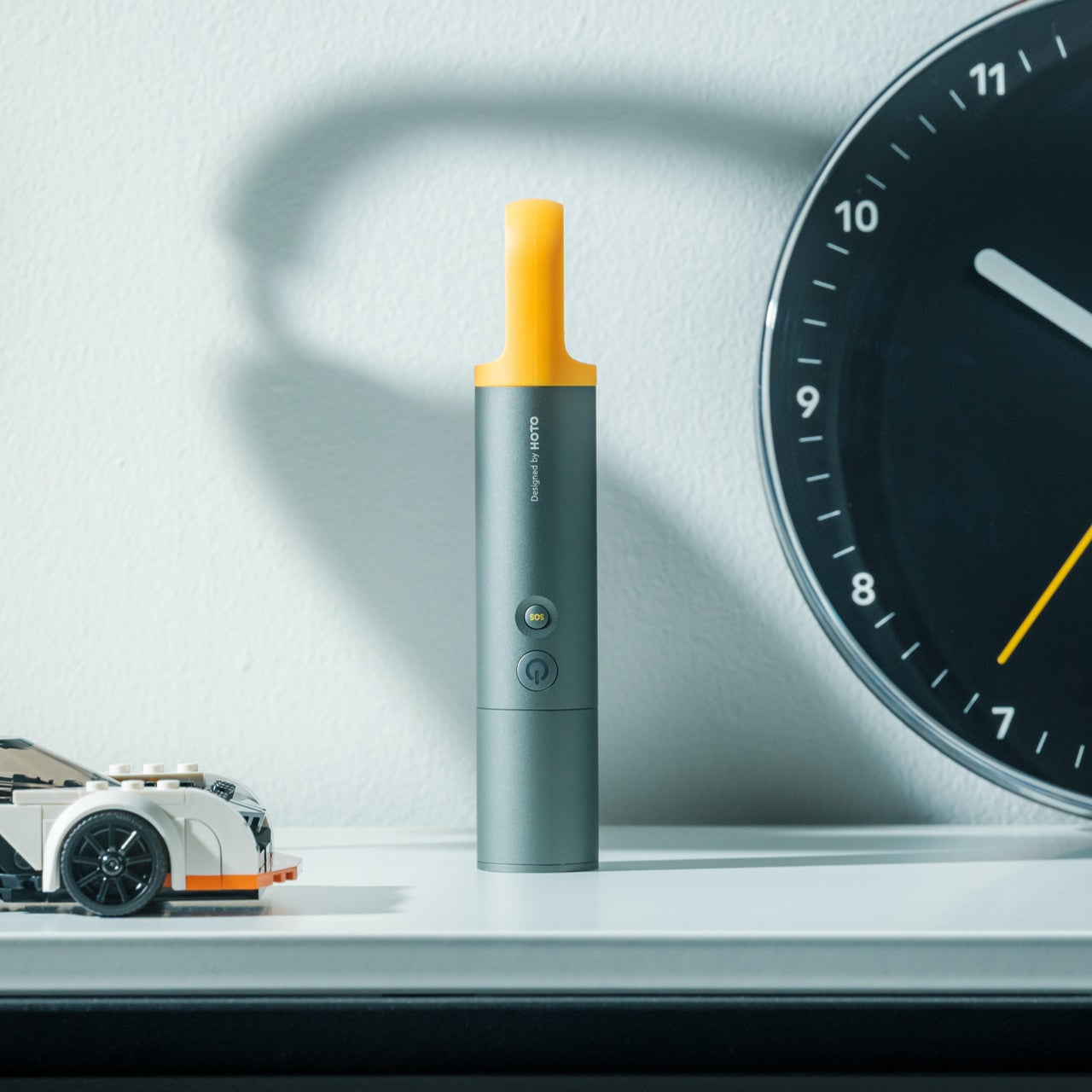
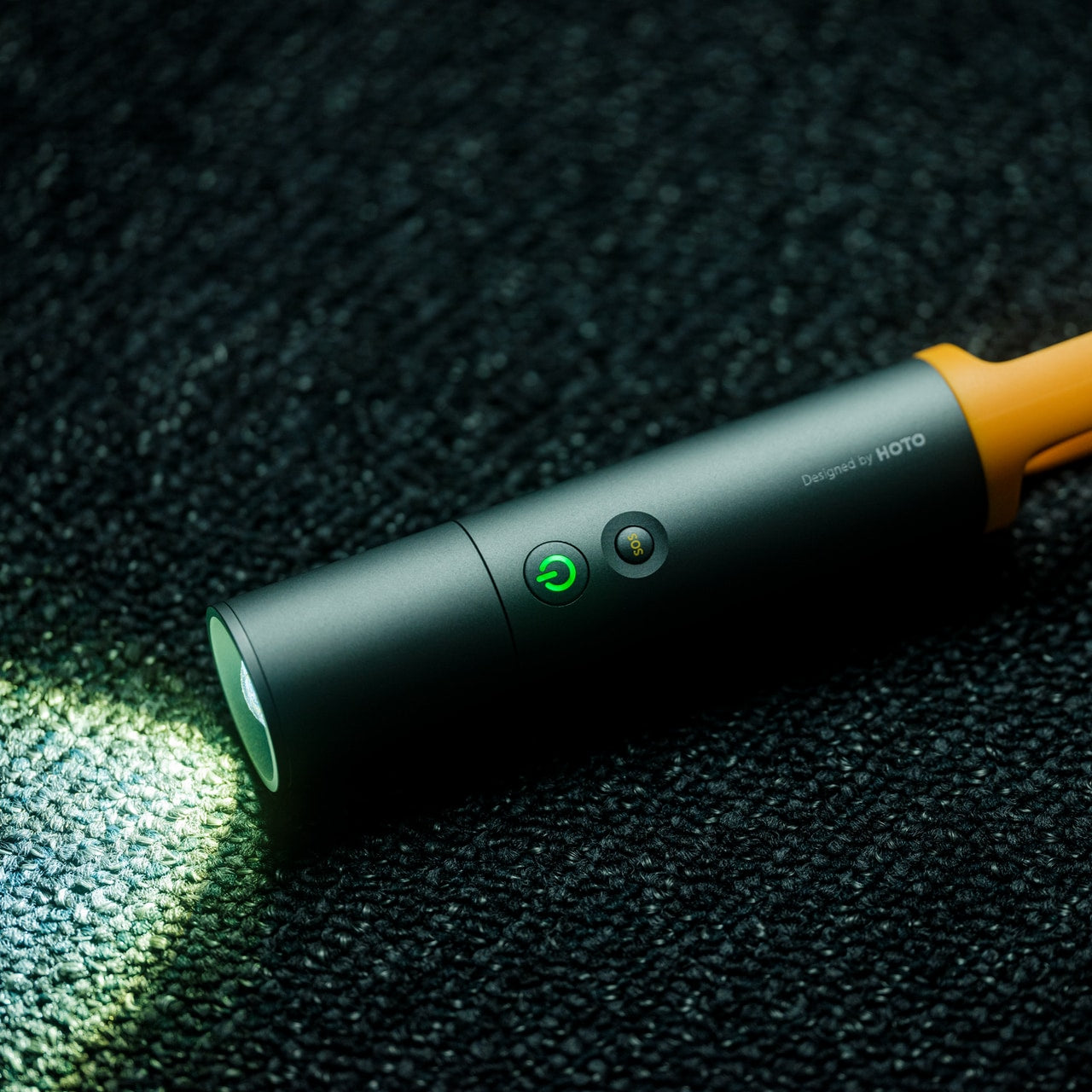
CasaBeam bridges emergency preparedness and intentional design with its 1,000-lumen beam and dual-mode functionality that converts from a handheld flashlight to an upright lantern. The minimalist form factor looks appropriate displayed on a bookshelf rather than hidden in a drawer, encouraging you to keep it accessible where you’ll actually use it. The 200-meter beam distance handles outdoor paths and large rooms with equal capability, while the twist-to-zoom front toggles between focused spotlight and wide floodlight distribution. This adaptability suits varied backcountry scenarios from distant trail scanning to close-range camp setup.
Standing the flashlight upright activates lantern mode, providing hands-free illumination for cooking, gear organization, or evening reading without rigging hanging systems. Five modes, including three brightness levels and two SOS settings, offer precise control over both light output and battery consumption. The 2,600mAh lithium-ion battery delivers up to 24 hours on low settings, rechargeable via USB-C for compatibility with solar panels and portable power banks. The charging port hides beneath the zoom head, protecting it from dust and moisture while maintaining the clean design aesthetic. A built-in yellow loop provides hanging options from tent peaks or tree branches when elevation improves light distribution.
What we like
- The dual flashlight-lantern functionality eliminates carrying separate devices for different lighting needs
- Twist-to-zoom adjustability adapts beam focus for specific tasks
- The 24-hour maximum runtime supports multi-day use between charges
- Award-winning design makes it attractive enough to keep easily accessible
What we dislike
- The 1,000-lumen output is adequate but not exceptional for long-distance visibility
- Lantern mode requires flat ground or stable surfaces to stand upright effectively
6. Portable Fire Pit Stand
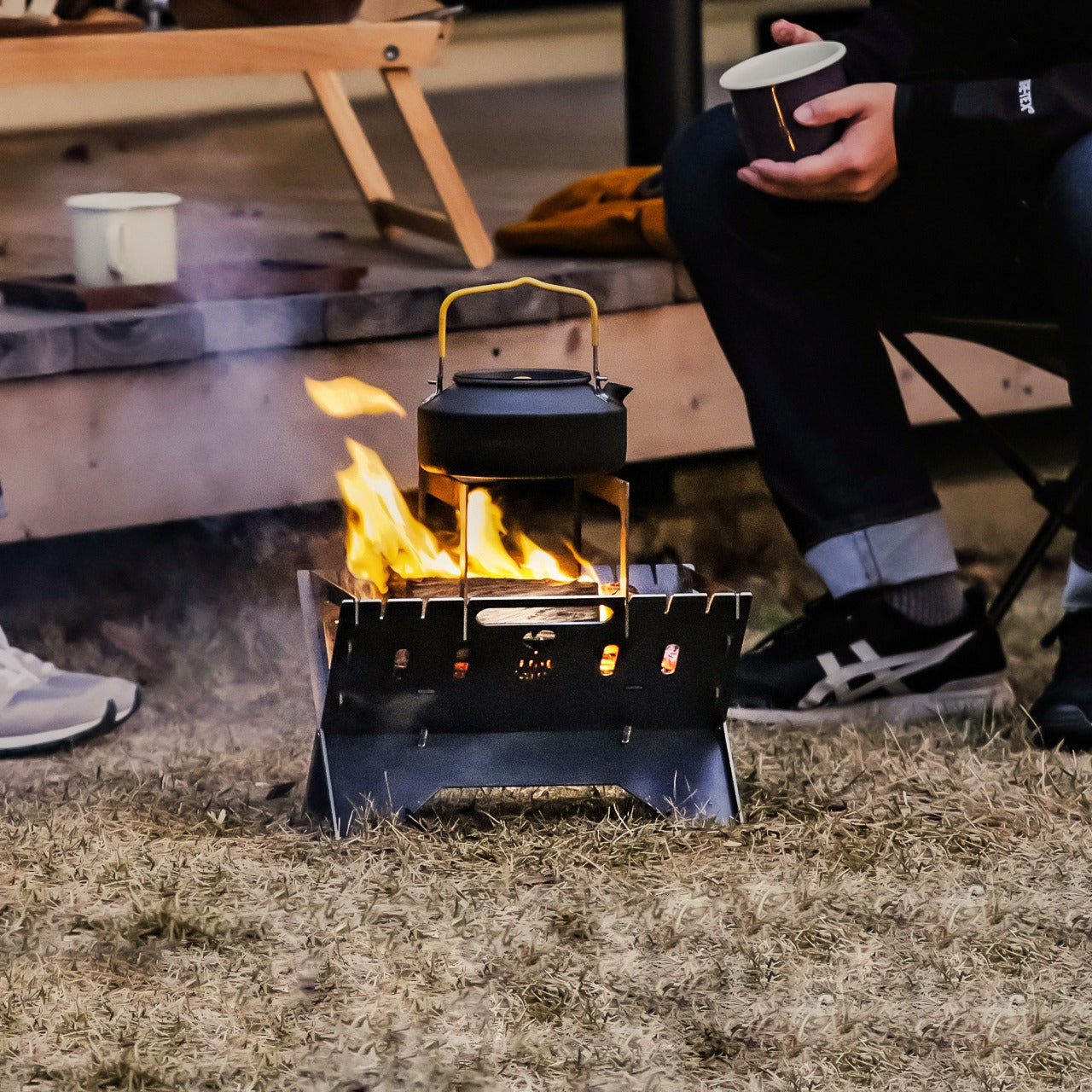

While not a traditional flashlight, the SANYO Portable Fire Pit Stand provides essential backcountry lighting through controlled fire, offering warmth and illumination simultaneously. The puzzle-like metal assembly breaks down into flat components that pack efficiently, eliminating the bulk associated with rigid fire pit designs. Special sheet metal technology prevents warping and distortion from repeated heating cycles, maintaining structural integrity across seasons of use. The distinctive industrial aesthetic comes from functional cutouts and holes that serve the dual purpose of visual interest and optimized airflow for efficient combustion.
Removable trivets expand cooking versatility beyond simple flame-based heating, supporting grilling, frying, and various preparation methods that turn the fire pit into a complete outdoor kitchen. The elevated design protects ground vegetation and reduces fire scar impact in backcountry campsites where Leave No Trace principles matter. The black steel plate construction offers durability against weather exposure and rough handling during transport. The stand’s open design allows you to monitor fuel levels and adjust burning materials easily, controlling flame size and heat output based on your lighting and warmth requirements throughout the evening.
What we like
- The disassembled flat pack design stores efficiently in backpacks or vehicle storage
- Removable trivets support diverse cooking methods beyond basic fire
- Warp-resistant steel maintains structural integrity through repeated heating cycles
- Elevated design minimizes environmental impact on backcountry campsites
What we dislike
- Fire-based lighting requires fuel gathering and appropriate weather conditions to function effectively
- Metal components add weight compared to traditional lightweight camp stoves or LED alternatives
7. Wuben G5 EDC Flashlight

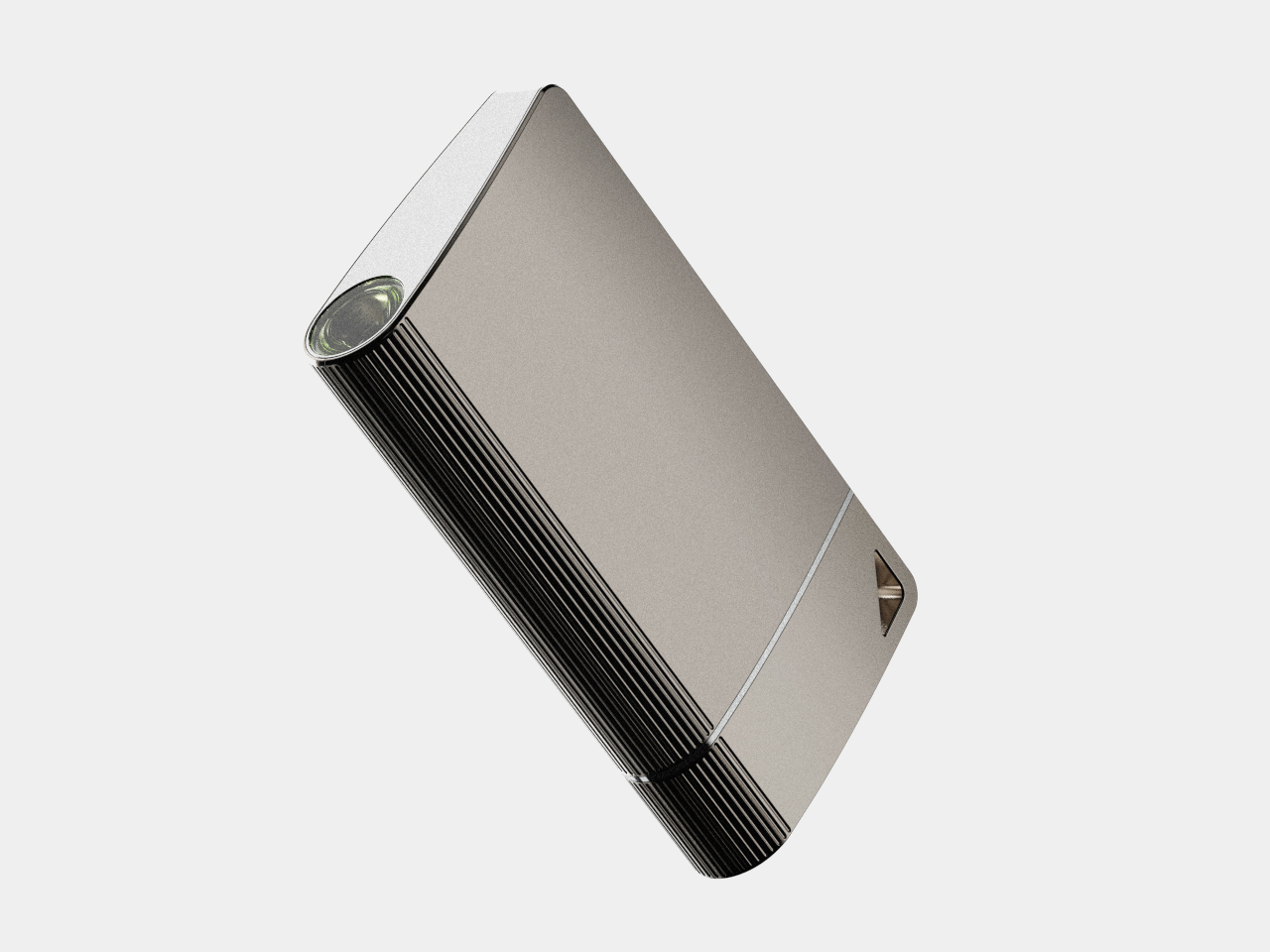
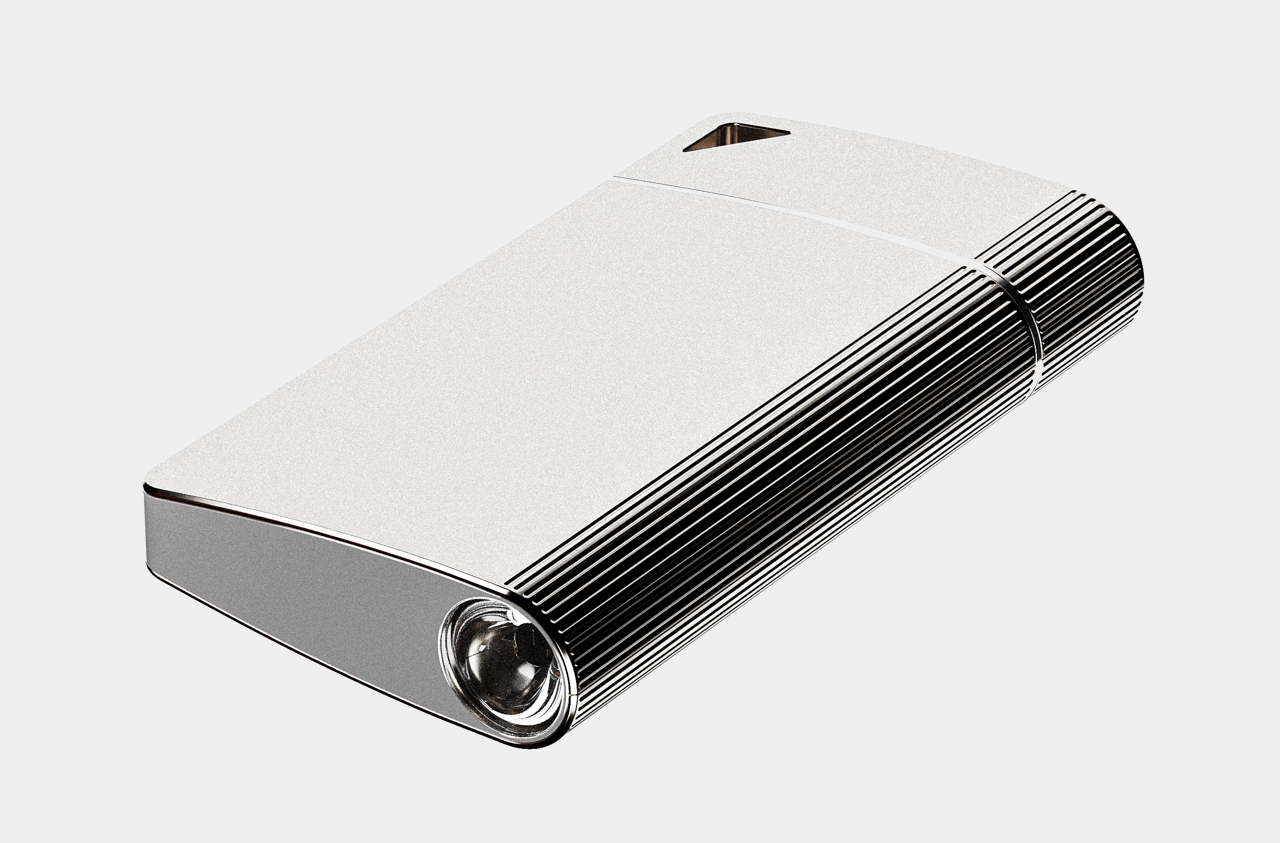
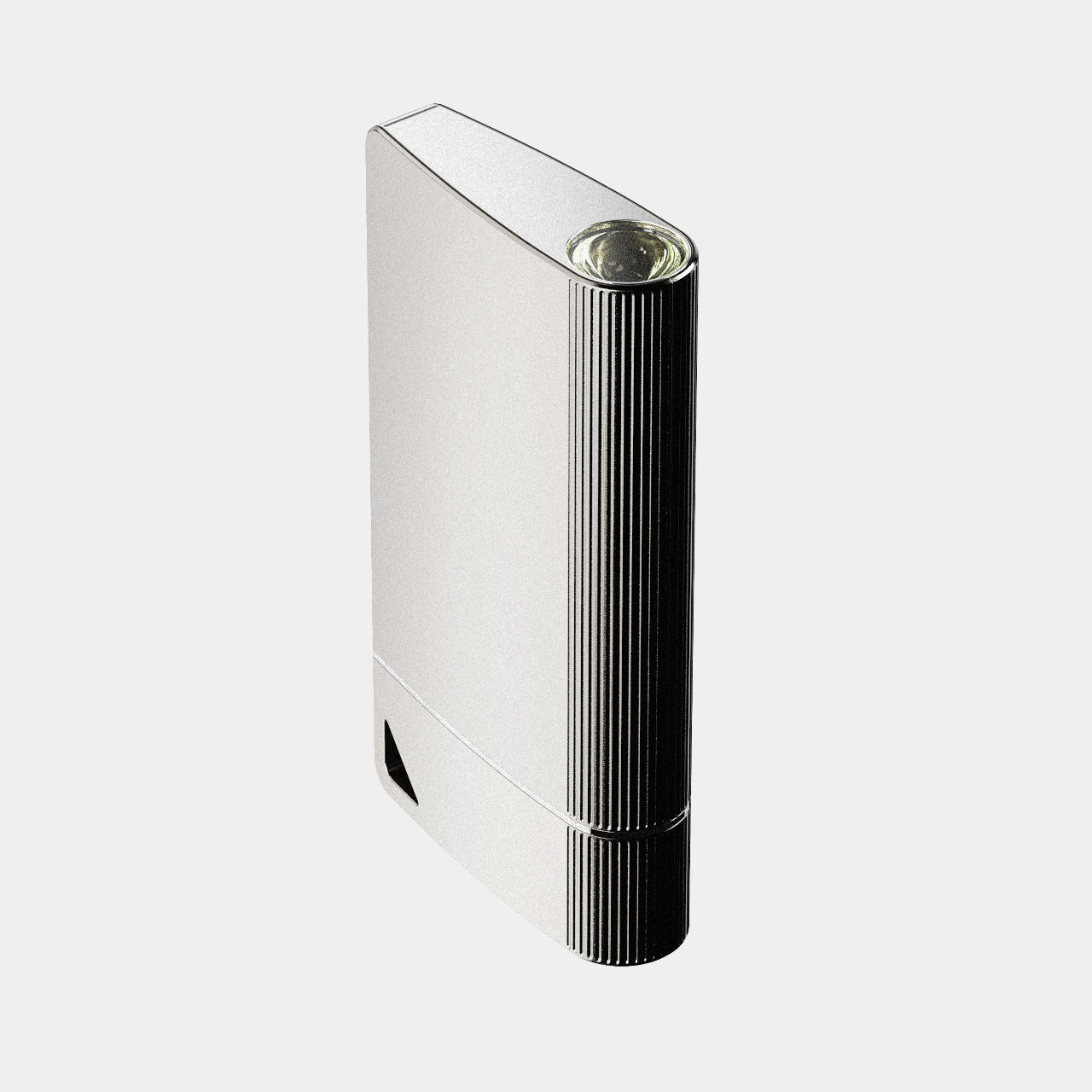
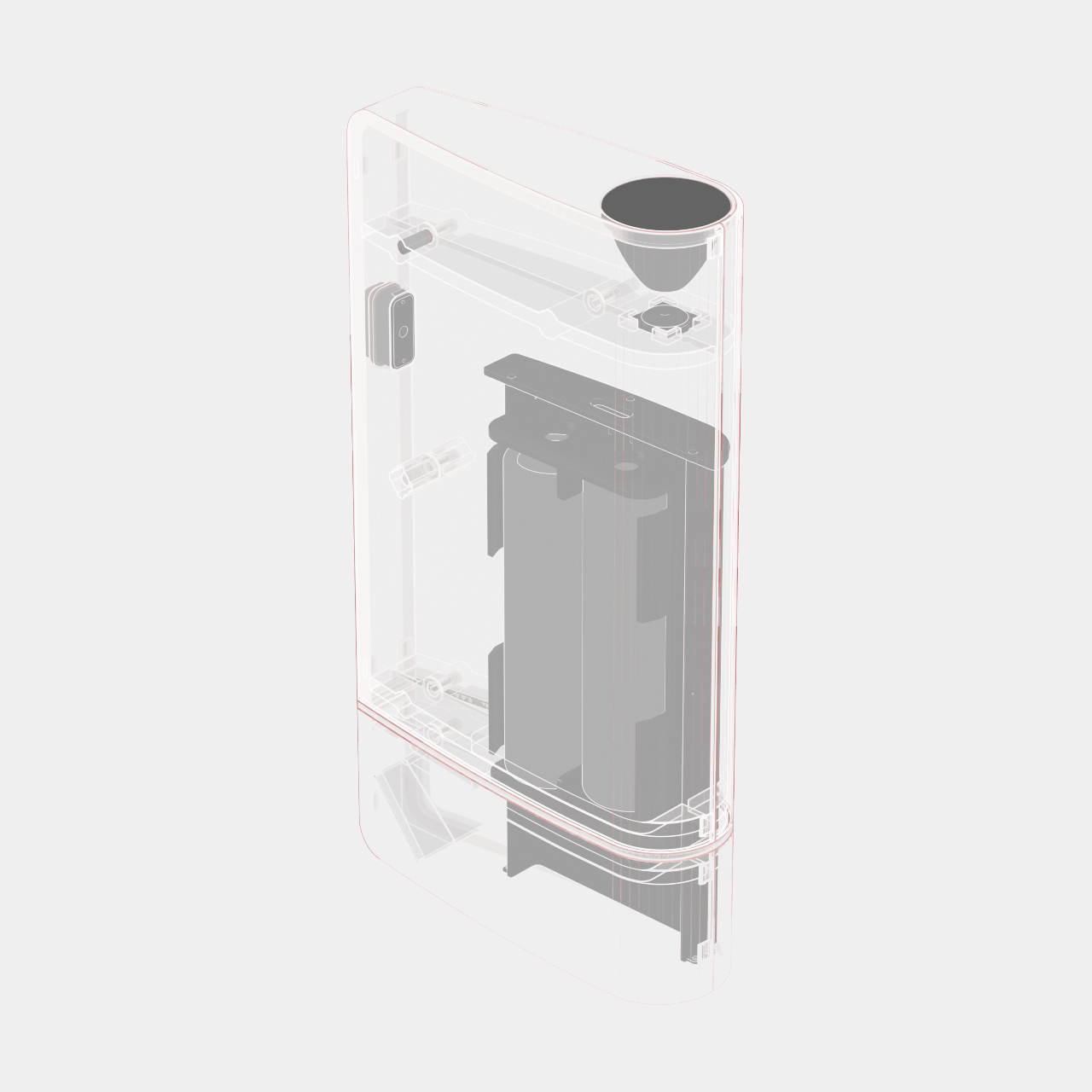
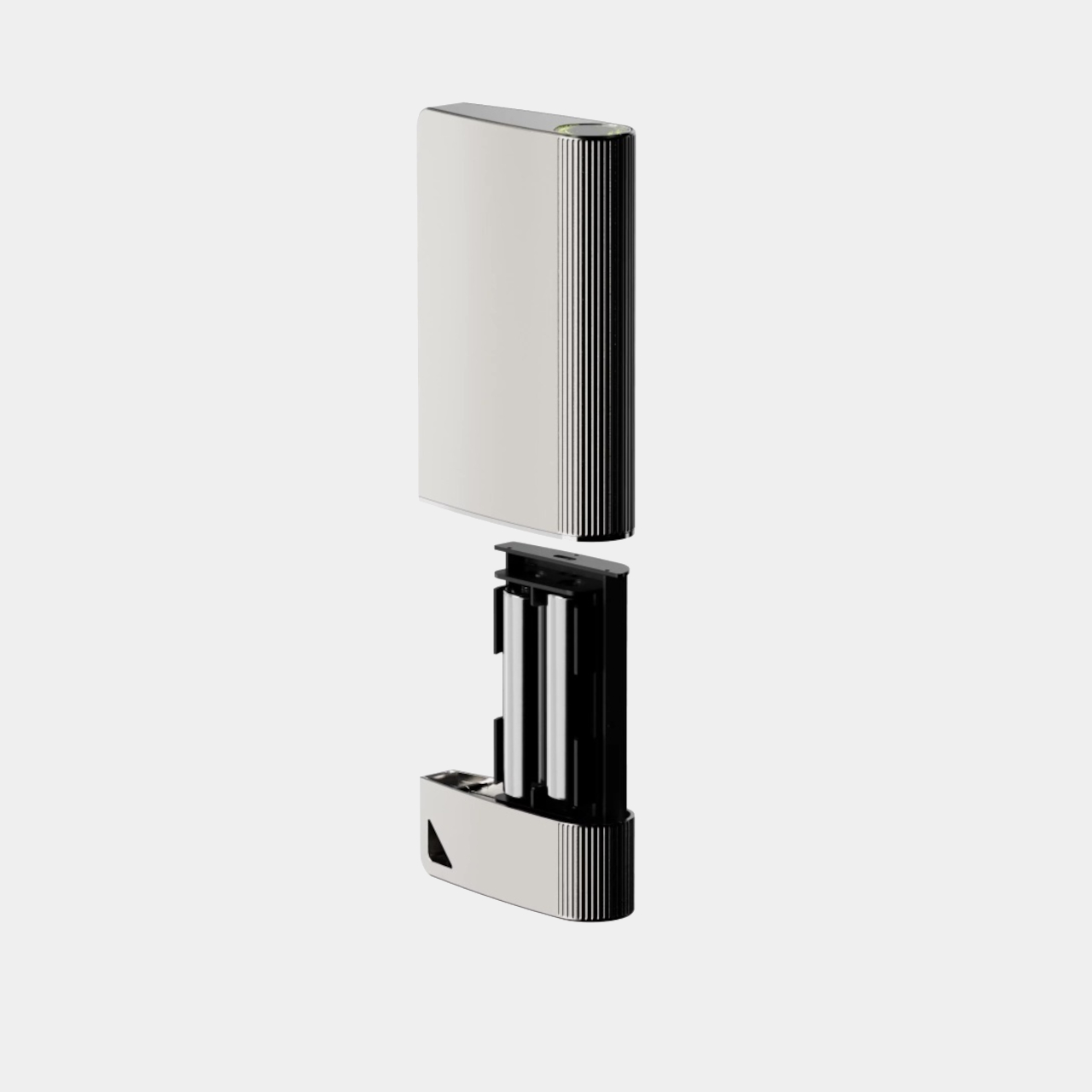
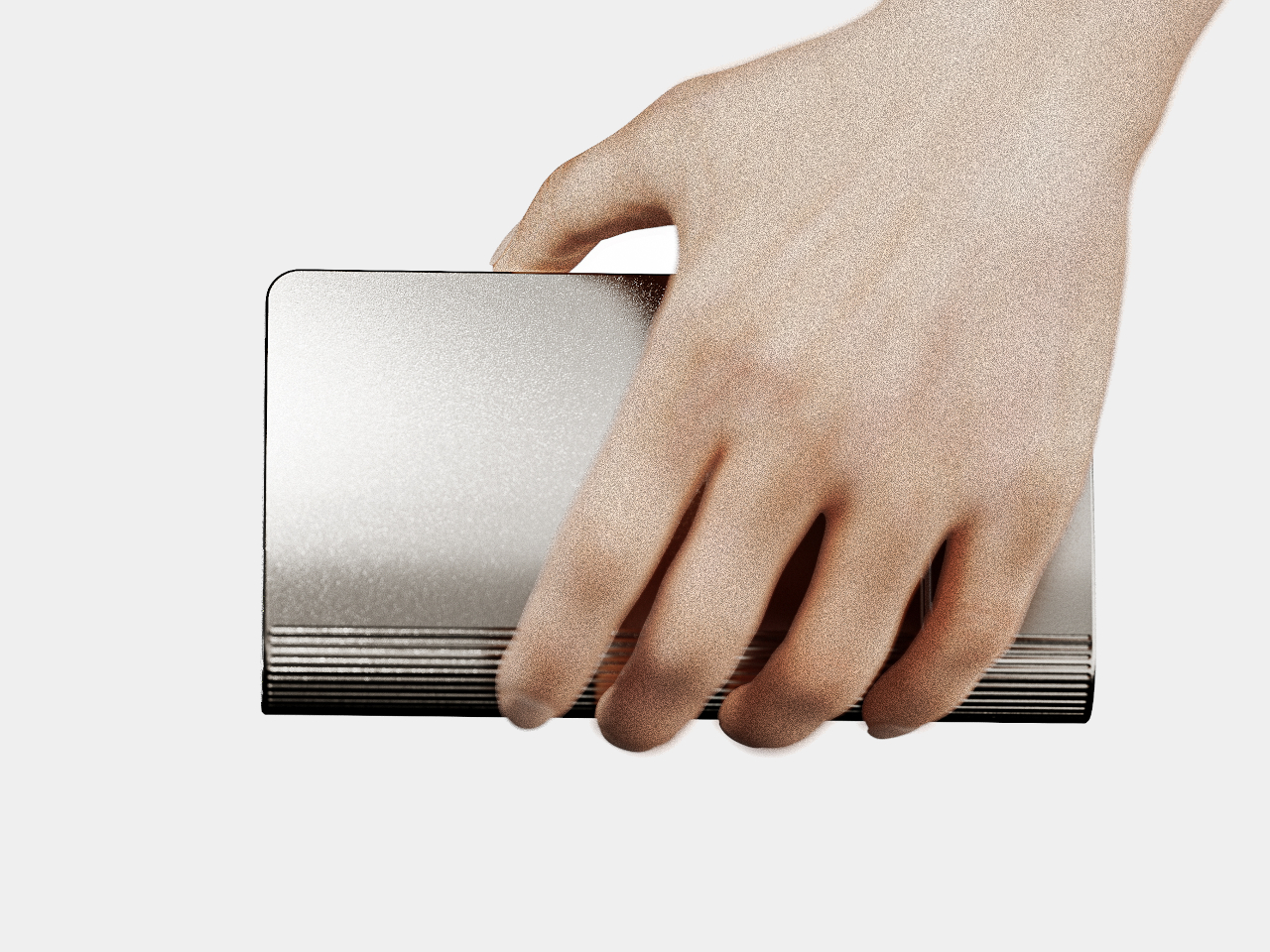
The Wuben G5 achieves remarkable portability with its lighter-sized form factor that slips into pockets without adding noticeable bulk or weight. The built-in adjustable clip and strong magnetic base provide multiple mounting options when your hands need freedom for technical tasks. You can attach it magnetically to vehicle frames, tent stakes, or cookware, positioning the light exactly where needed without constructing elaborate hanging systems. The included lanyard adds another tethering option, preventing drops during tricky maneuvers and keeping the flashlight accessible on your person.
The compact design required trade-offs compared to Wuben’s larger X2 Pro series, eliminating the sidelight feature and electronic battery display to achieve the reduced dimensions. Despite the smaller size, the G5 delivers sufficient illumination for navigation, camp tasks, and emergencies where having any light matters more than maximum brightness. The flexible clip-on mechanism adjusts to various attachment points and materials, adapting to whatever gear you need to mount it on. For minimalist backpackers and ultralight enthusiasts, the G5’s tiny footprint makes it an effortless addition that doesn’t force compromises with other essential gear.
What we like
- The pocket-sized dimensions and light weight make it genuinely unobtrusive for everyday carry
- Adjustable clip and magnetic base provide versatile hands-free mounting options
- The lanyard attachment prevents loss during challenging activities
- Compact design doesn’t demand dedicated pack space
What we dislike
- Reduced size means lower lumen output compared to full-sized flashlight options
- Eliminating the sidelight and electronic battery display removes useful features present in larger models
8. Tomori Lantern Kit
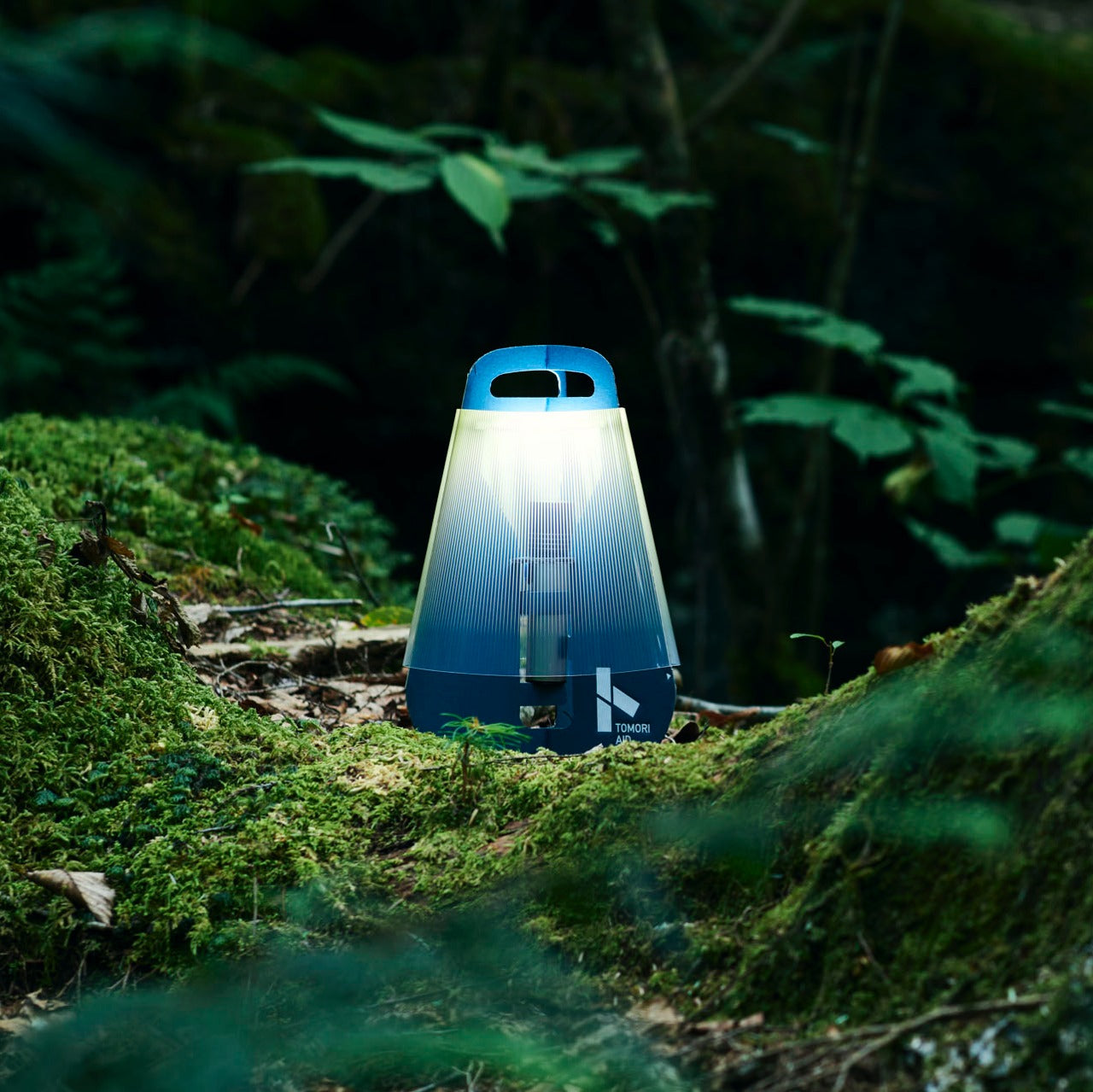
The Tomori Lantern Kit solves the storage challenge that keeps many people from maintaining emergency lighting in vehicles, offices, and multiple locations. Collapsing to A4 paper size, the kit fits into drawers, glove compartments, and backpack side pockets where bulky lanterns cannot. The sturdy cardboard base works with any standard LED flashlight that fits its clamps, eliminating dependence on proprietary bulbs or specific lamp models. This universal compatibility means you can use flashlights you already own rather than investing in dedicated lantern systems.
The polypropylene plastic cover diffuses harsh direct beams into softer, more pleasant ambient light that creates a comfortable atmosphere in tents, emergency shelters, or indoor spaces during power outages. Setup and collapse require no tools, power sources, or charging cables—you simply clamp your flashlight into the base and position the diffuser cover. The lightweight construction adds minimal weight, while the collapsed profile means you can stash multiple kits in different locations without space concerns. The included flashlight ensures the kit works immediately out of the package, though the real value comes from the ability to use it with various lights you may already carry.
What we like
- A4-sized collapsed dimensions make it practical to store in multiple locations
- Universal flashlight compatibility works with lights you already own
- Cable-free operation requires no charging or electrical access
- Lightweight cardboard and plastic construction add negligible weight to emergency kits
What we dislike
- Cardboard construction is less durable than hard-shell lanterns for repeated rough handling
- Diffused light output depends entirely on the brightness of the flashlight you insert
9. Airflow 8-Panel Fire Pit
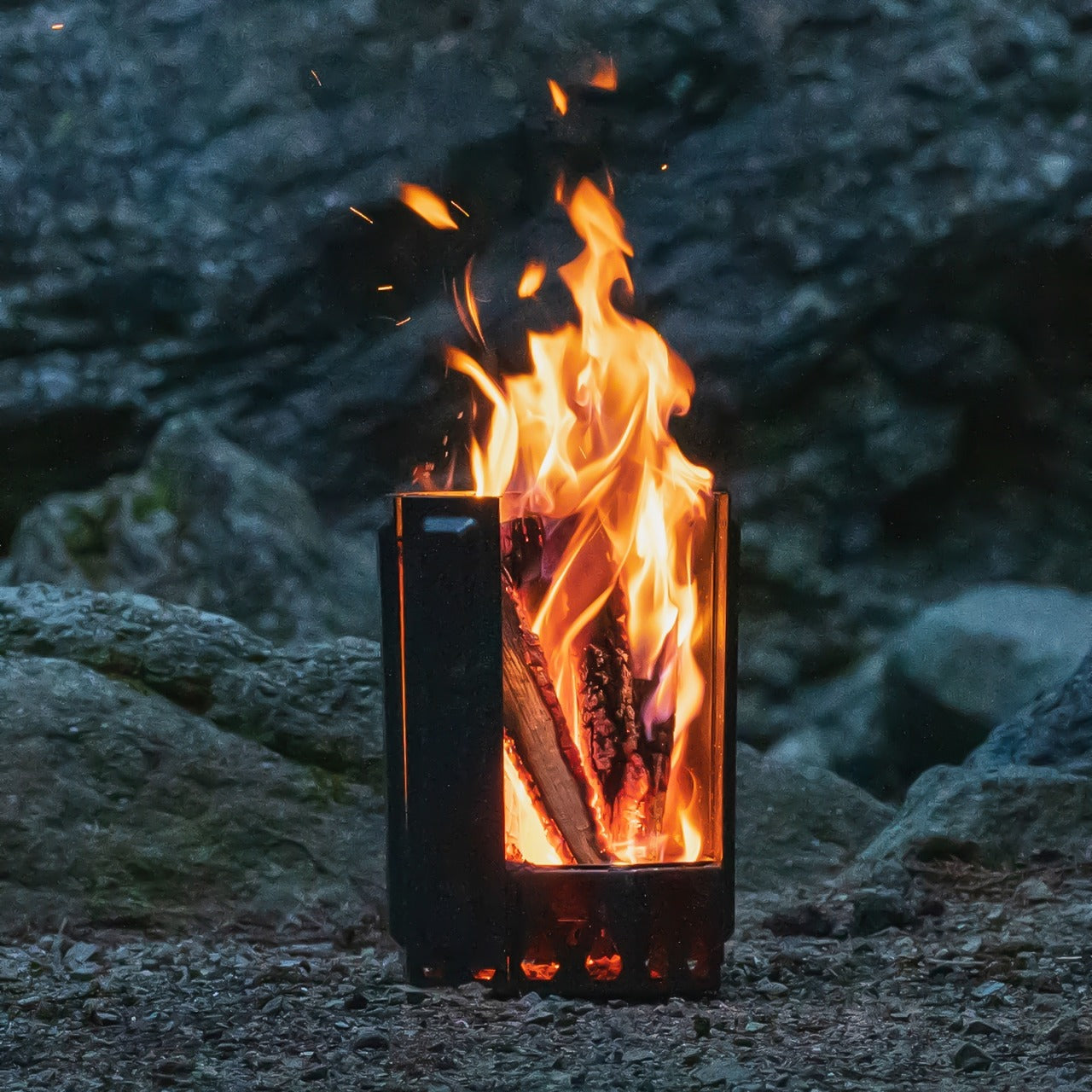
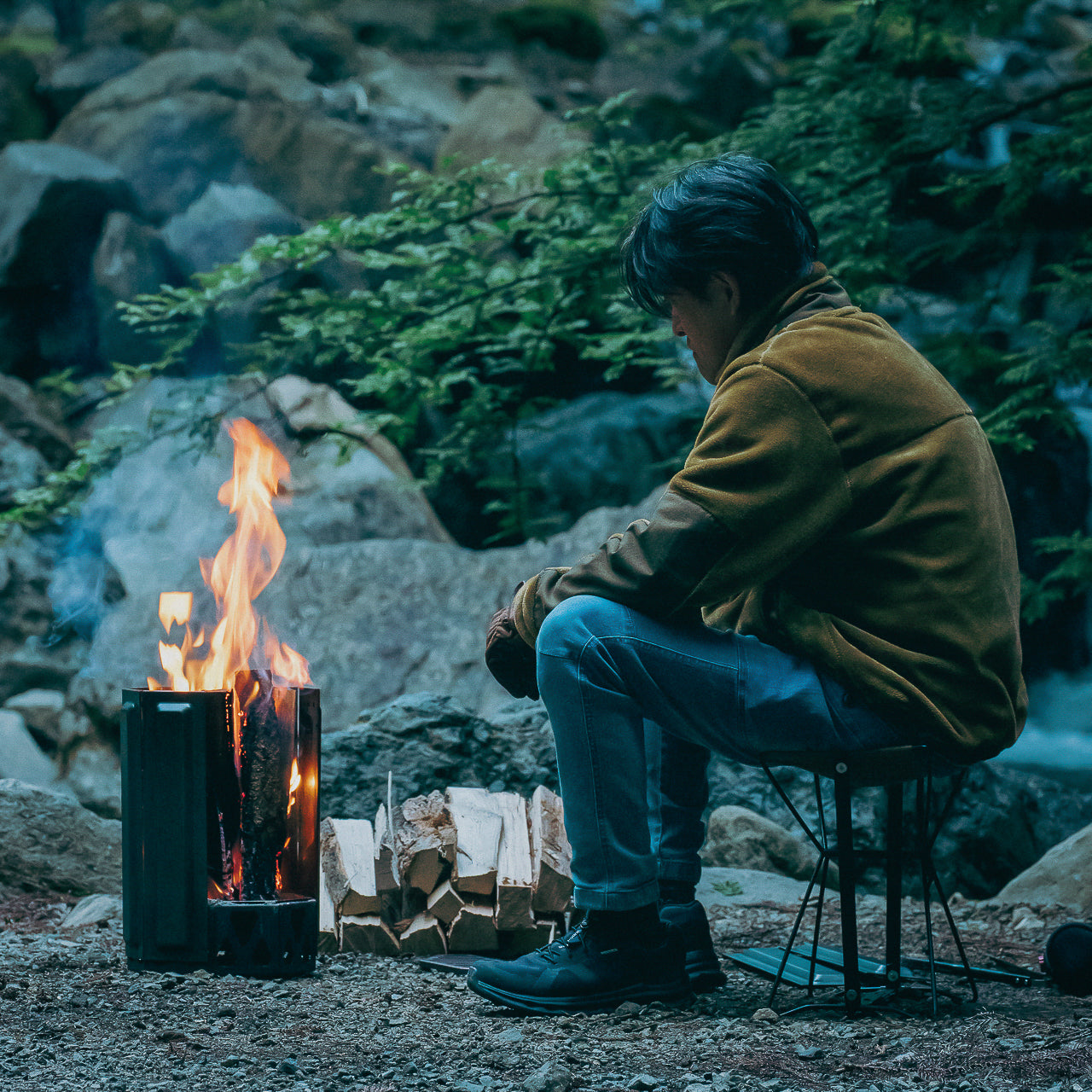
The Airflow Fire Pit brings sophisticated combustion engineering to backcountry campfires through its removable eight-panel design. The unique panel system creates an eight-sided cylinder optimized for secondary combustion, dramatically reducing smoke output while increasing heat efficiency. Strategic holes at panel bottoms channel fresh air directly to the fire base for primary combustion. As this air heats, it rises through the double-walled panel cavity and expels from the top holes, igniting gases and particulates that would normally become smoke. The result is cleaner burning that improves both air quality and nighttime visibility around your campsite.
The adjustable panel system provides unprecedented fire control. Installing all eight panels maximizes secondary combustion for high-intensity heat, ideal for cooking or cold-weather warmth. Removing panels reduces combustion intensity, creating more traditional open fire aesthetics when you prioritize ambiance over maximum heat output. This flexibility adapts to different backcountry scenarios and personal preferences throughout the evening. SANYO Works drew on extensive metal processing expertise to engineer panels that withstand repeated heating without degradation. The optimized airflow design also simplifies cleanup since more complete combustion leaves less residue and unburned material. For backcountry campers who value fire as both light source and social centerpiece, the engineering refinement elevates the entire experience.
Click Here to Buy Now: $325.00
What we like
- The secondary combustion system dramatically reduces smoke for cleaner burning
- Adjustable eight-panel design provides control over fire intensity and heat output
- Complete combustion improves efficiency and simplifies ash cleanup
- Durable engineering maintains performance across seasons of use
What we dislike
- Panel-based design adds weight and bulk compared to minimalist fire solutions
- Secondary combustion requires proper assembly and fuel management to achieve optimal results
10. HOTO Flashlight Duo
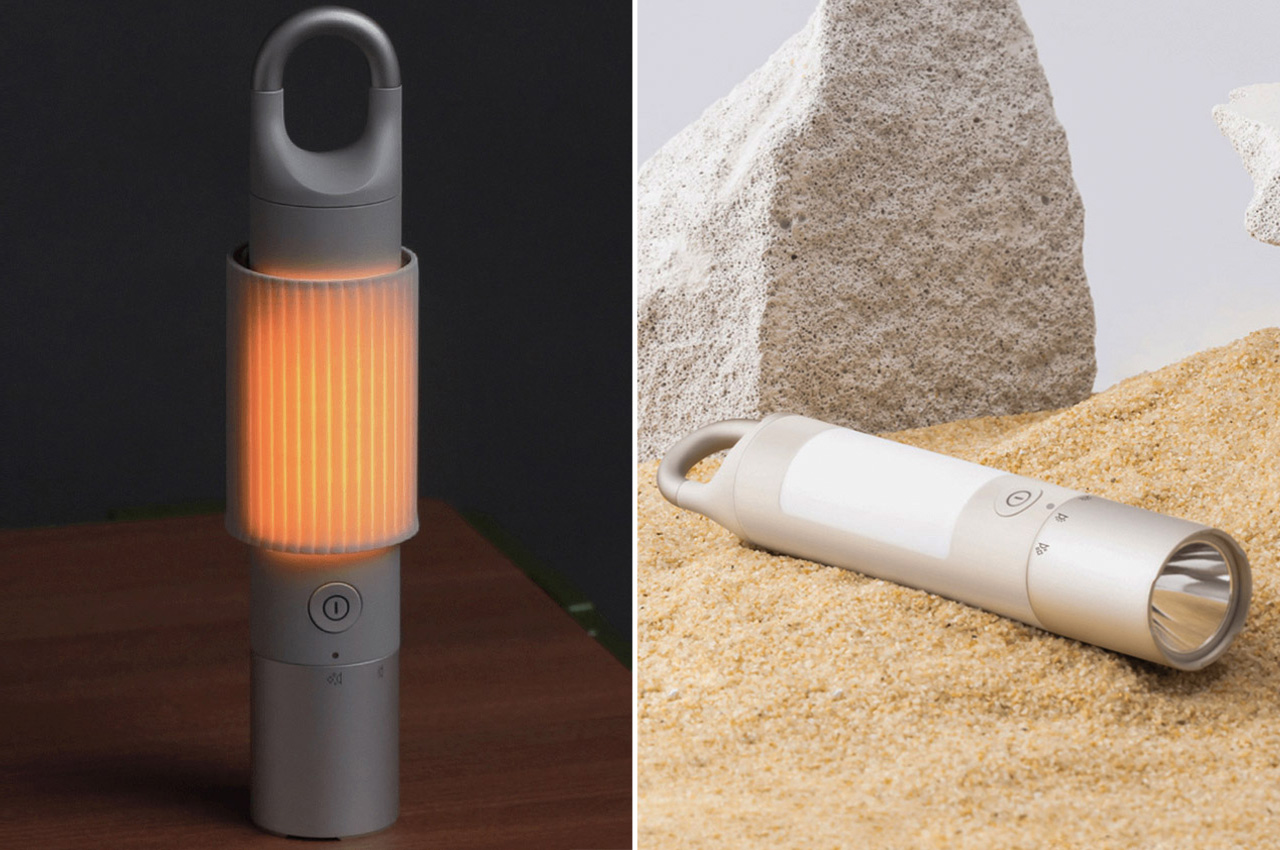
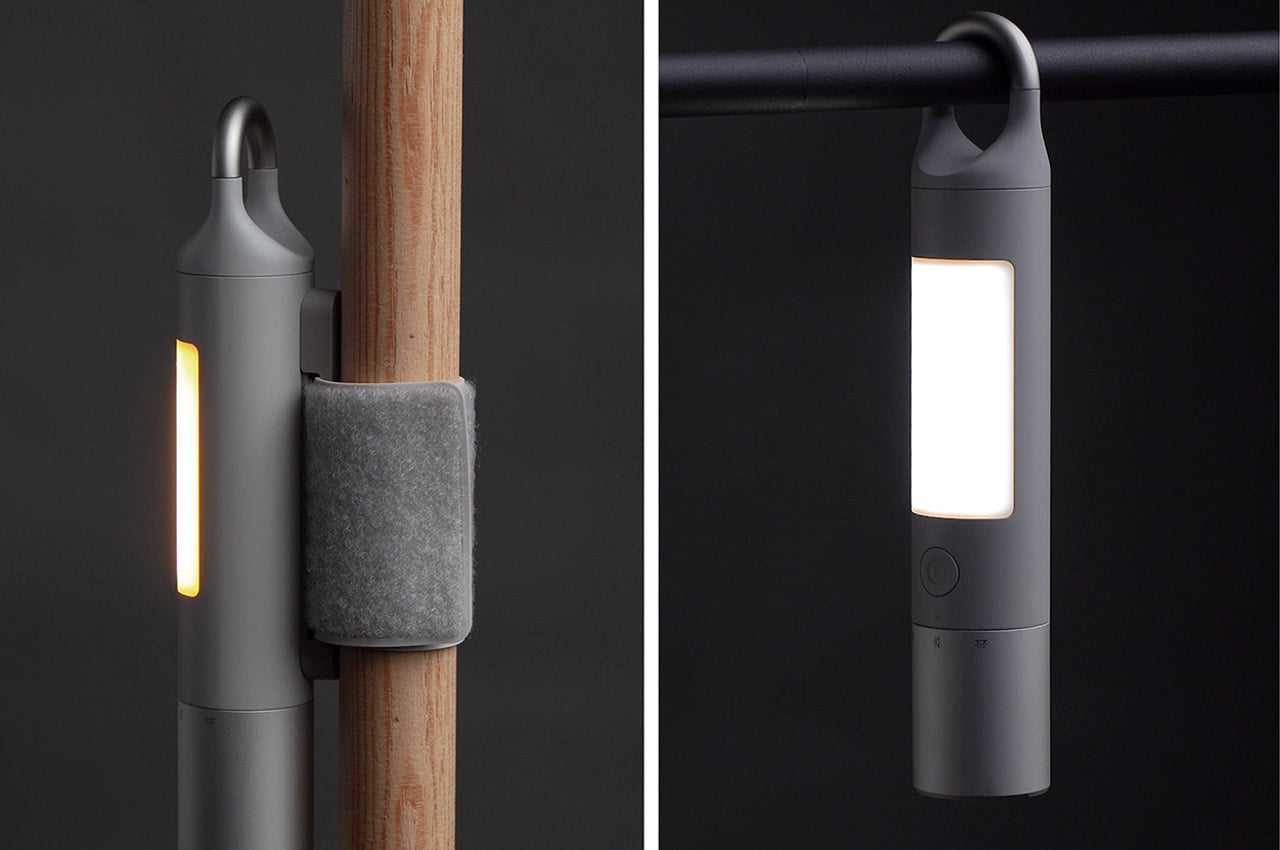
The HOTO Flashlight Duo addresses the varied lighting needs that emerge during camping through multiple modes and attachment options. A retractable magnetic hook, strap, and magnetic base ensure you can position the light appropriately for any situation without improvising precarious setups. The hands-free capability lets you focus on intricate camp tasks like tent repairs, meal preparation, or gear organization without holding a flashlight in your mouth or propping it awkwardly against unstable surfaces. Magnetic attachment to vehicles, cookware, or metal tent stakes provides secure positioning that stays put even in windy conditions.
The secondary sidelight covered in milky white plastic enables distinct lighting modes beyond the primary beam. Twisting the Mode Switching Head toggles between Mood Light, Functional Light, and Flashlight Mode, providing 13 different light combinations that adapt to specific camping needs. The simple interface using just a knob and button keeps the operation intuitive even when you’re exhausted after a long day on the trail. Mood lighting creates a comfortable evening ambiance for relaxing at camp, functional light supports task work requiring close-range visibility, and traditional flashlight mode handles navigation and distance viewing. The thoughtful design integration makes the Duo genuinely versatile rather than awkwardly multi-functional.
What we like
- Retractable magnetic hook, strap, and magnetic base provide extensive mounting flexibility
- Thirteen different light combinations through three primary modes adapt to varied camping scenarios
- Simple knob and button interface remains intuitive during fatigue or stress
- Secondary sidelight adds genuinely useful functionality beyond standard flashlights
What we dislike
- Multiple features and modes increase complexity compared to single-purpose flashlights
- The versatile design may add weight and size beyond minimalist requirements
Choosing Light for the Long Haul
Backcountry lighting in 2025 reflects a maturation of outdoor gear design where form and function converge without compromise. The flashlights and lighting solutions featured here demonstrate that portability no longer requires sacrificing power, versatility, or durability. Whether you prioritize ultralight minimalism, maximum brightness, or adaptive functionality, current offerings provide legitimate solutions rather than forcing uncomfortable trade-offs between competing priorities that matter in challenging environments.
The best lighting choice depends on your specific backcountry activities, trip duration, and personal preferences around weight versus capability. Extended expeditions far from resupply benefit from long-runtime options and dual power systems. Fast-and-light adventures reward compact EDC designs that disappear into pockets. Group camping scenarios make versatile lanterns valuable for shared spaces. Evaluating your typical backcountry patterns helps identify which features matter most when darkness falls, and reliable illumination becomes non-negotiable.
The post 10 Best Flashlights & Portable Lighting Solutions for Backcountry Adventures in 2025 first appeared on Yanko Design.