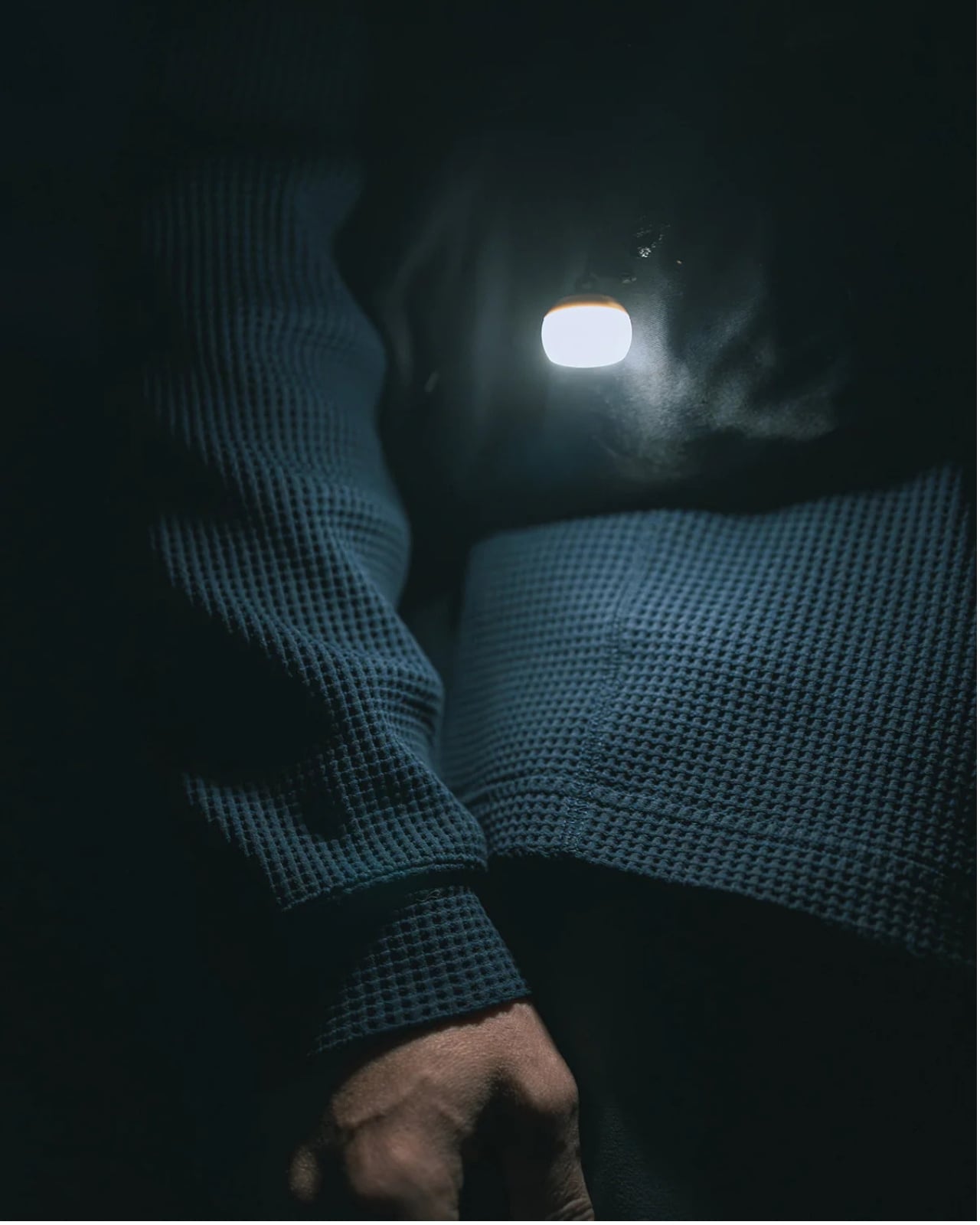
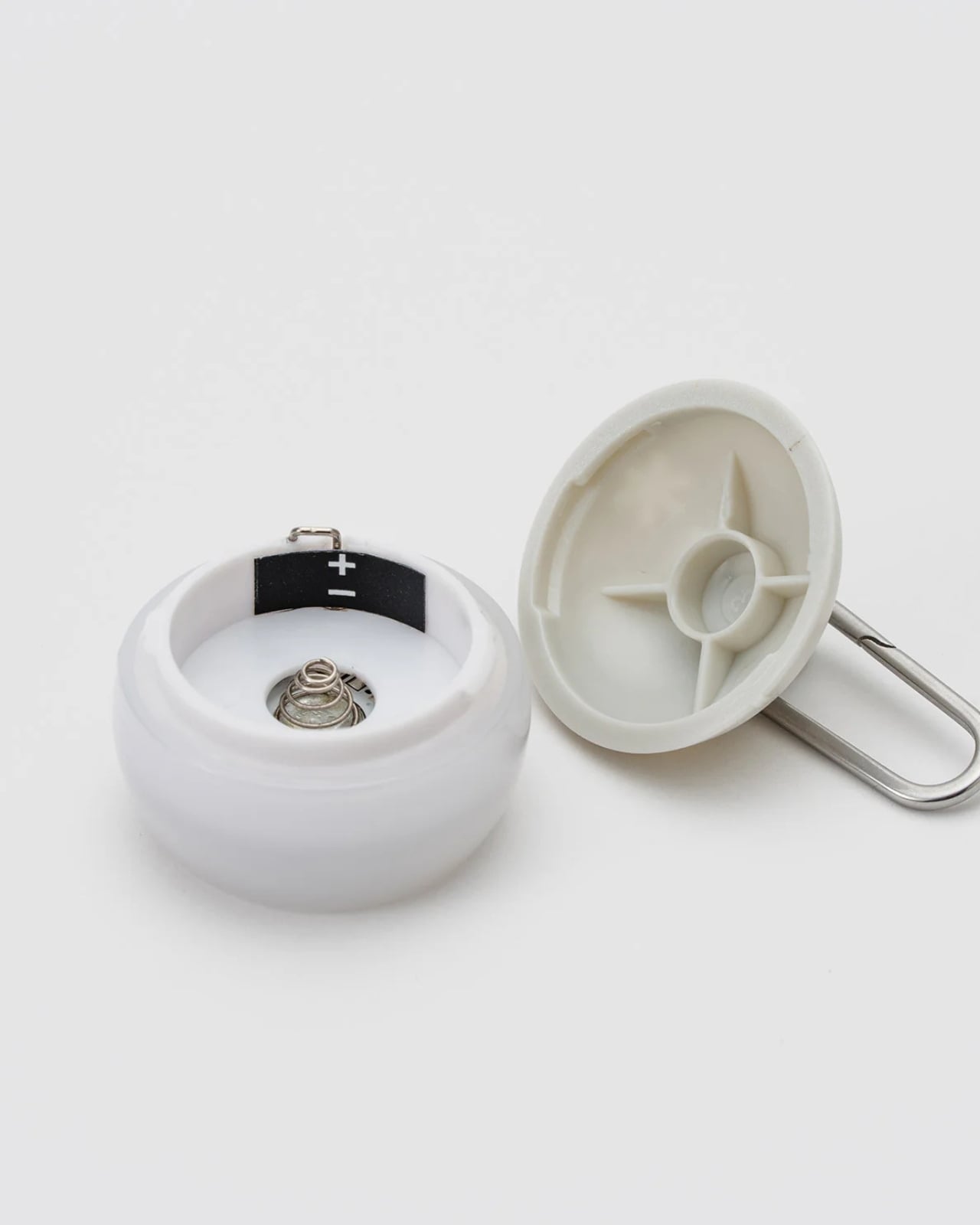
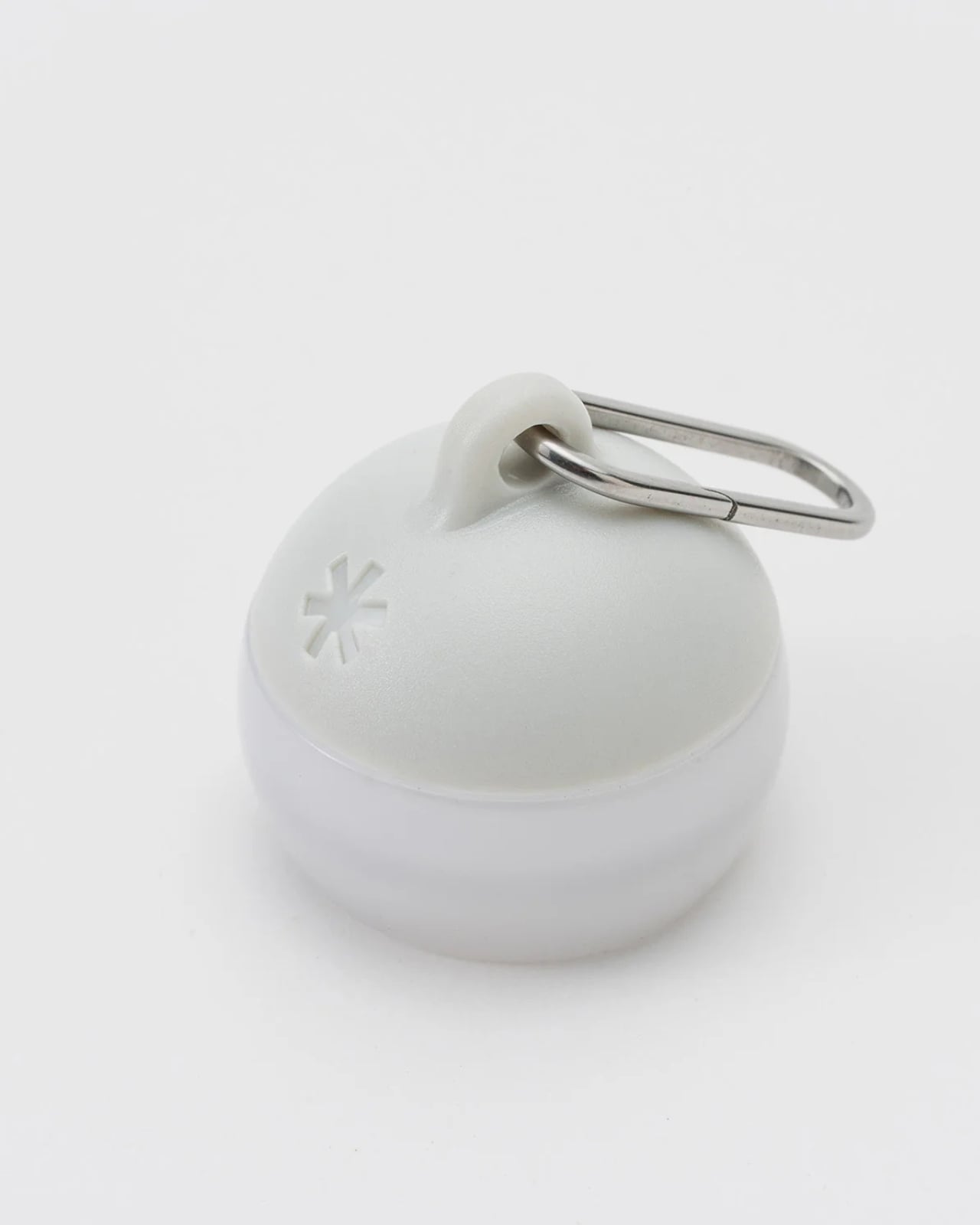
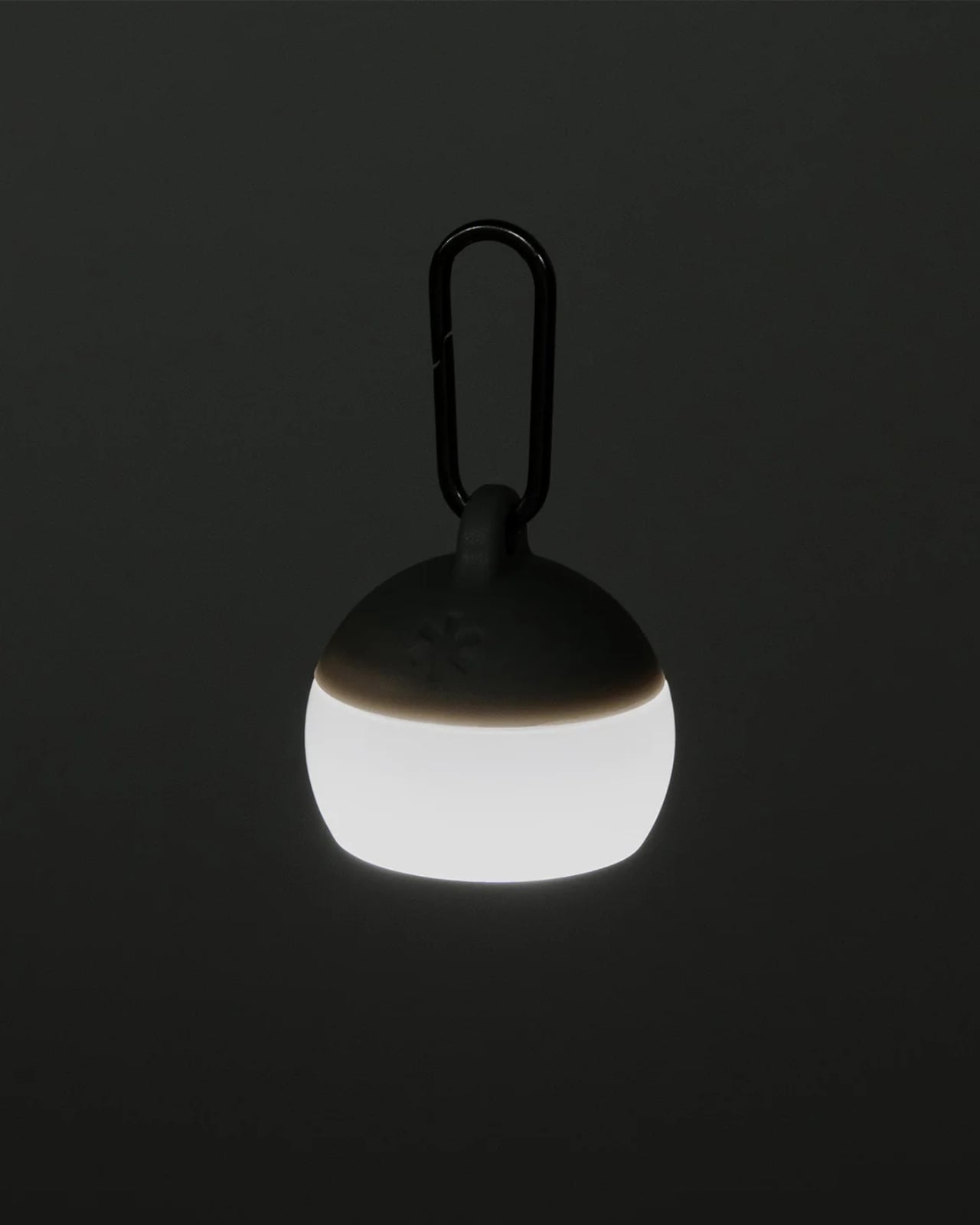
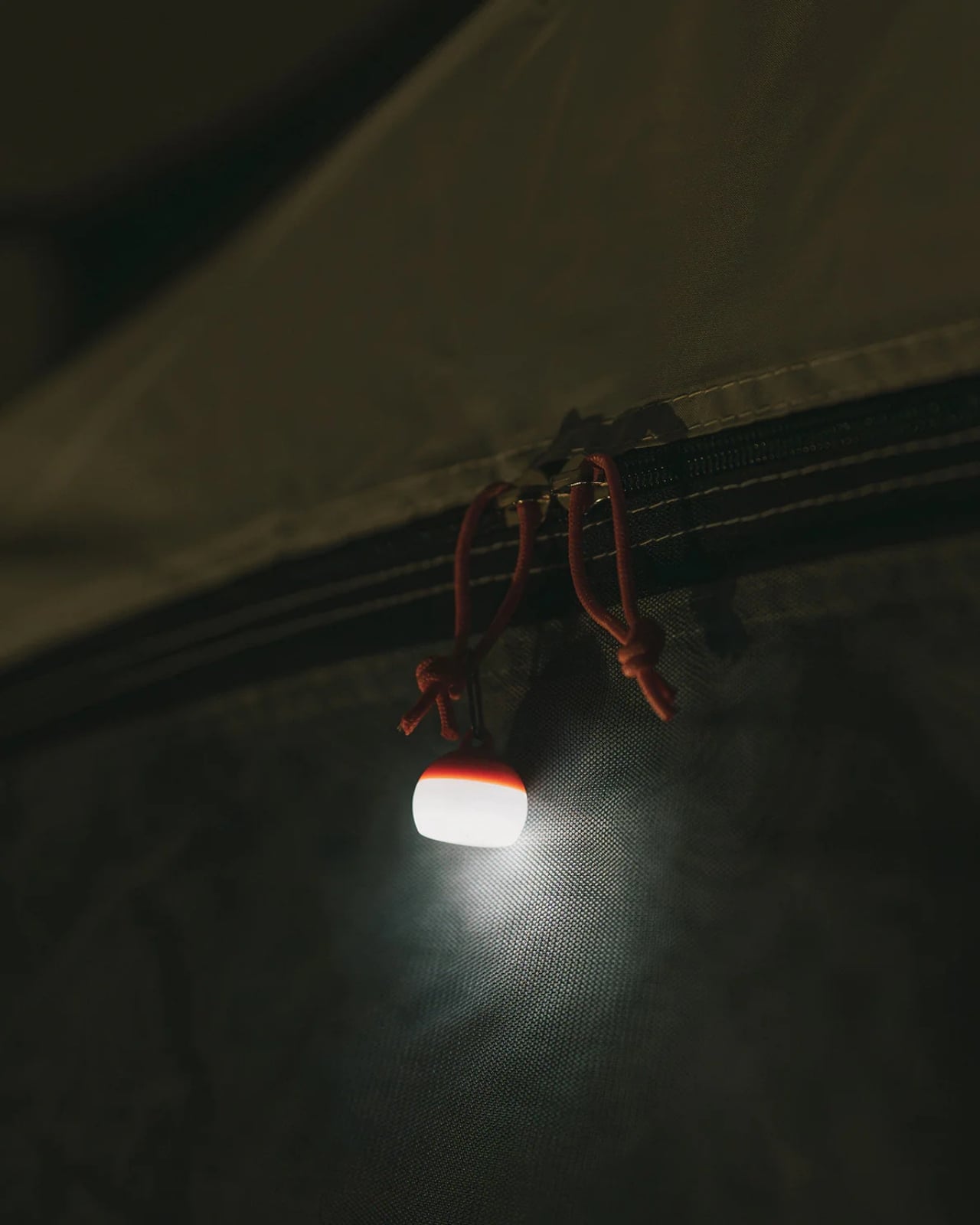
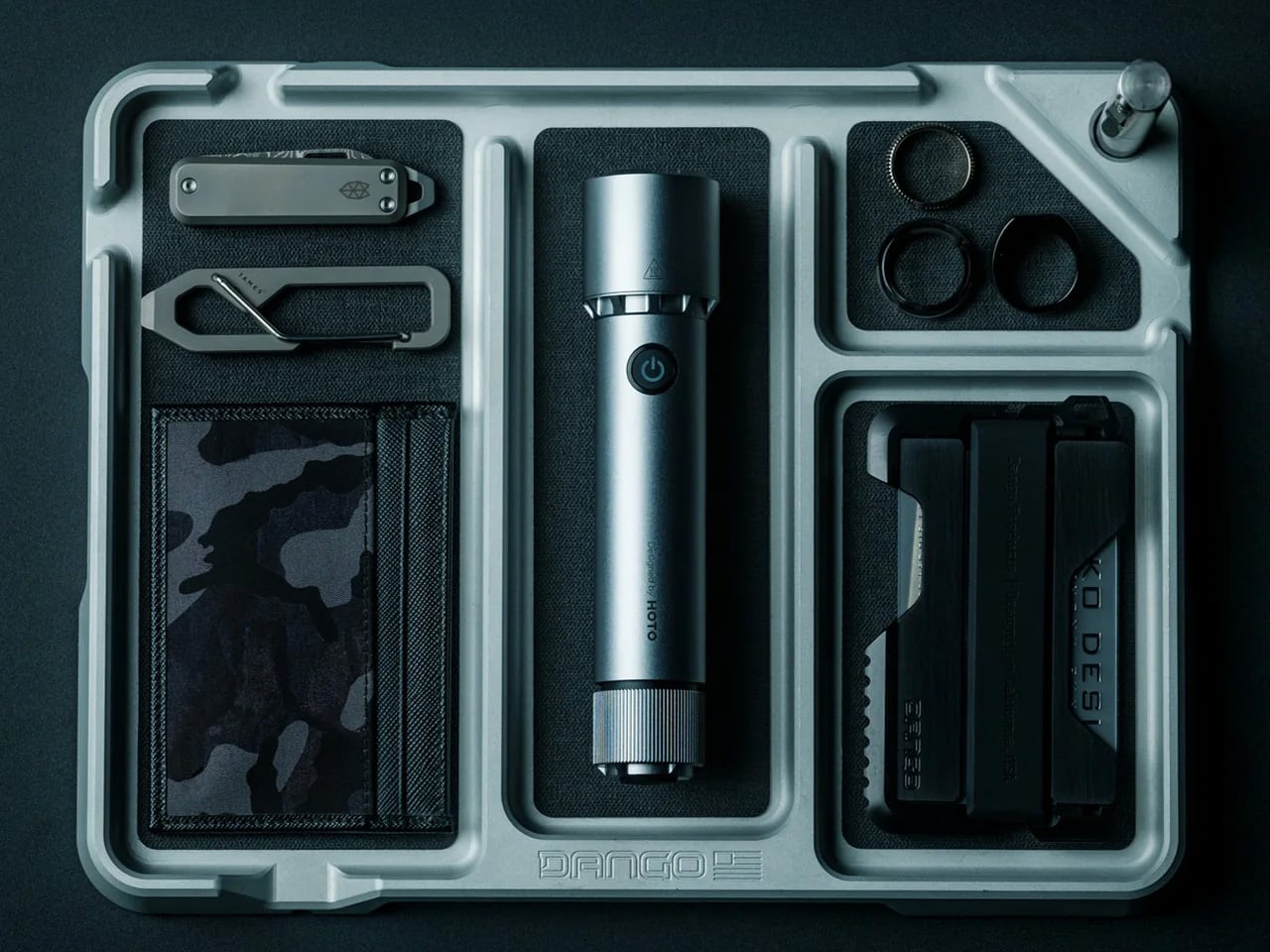
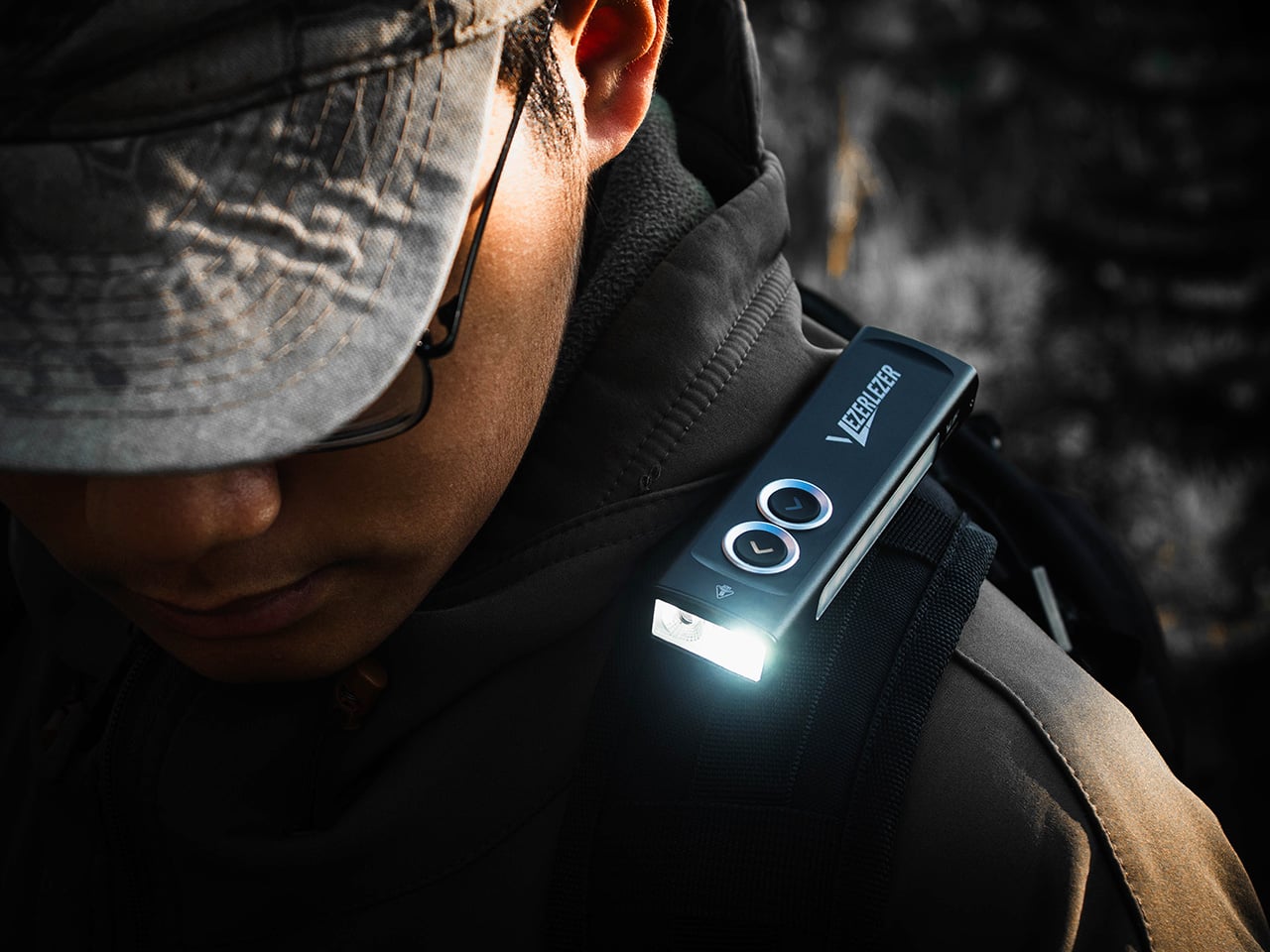
The humble flashlight is older than you probably think. The first handheld electric torch was patented in 1899, and for the better part of 127 years, the core concept barely changed: battery, bulb, switch, done. LED technology gave it a serious brightness upgrade. Rechargeable cells made it more practical. But the fundamental experience of using a flashlight, including that moment of blind faith when you click it on and hope the battery cooperated, stayed remarkably unchanged. Until now, apparently.
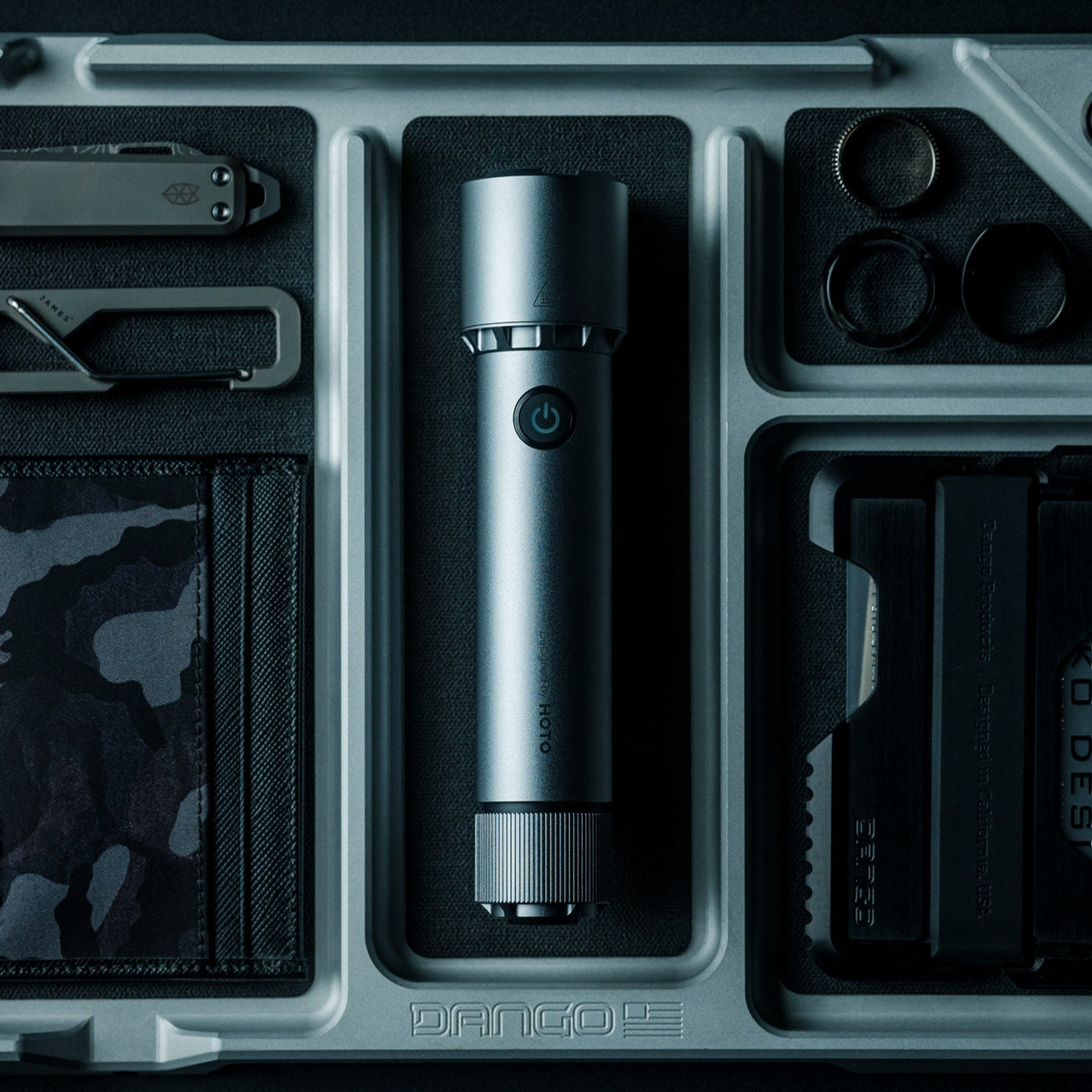
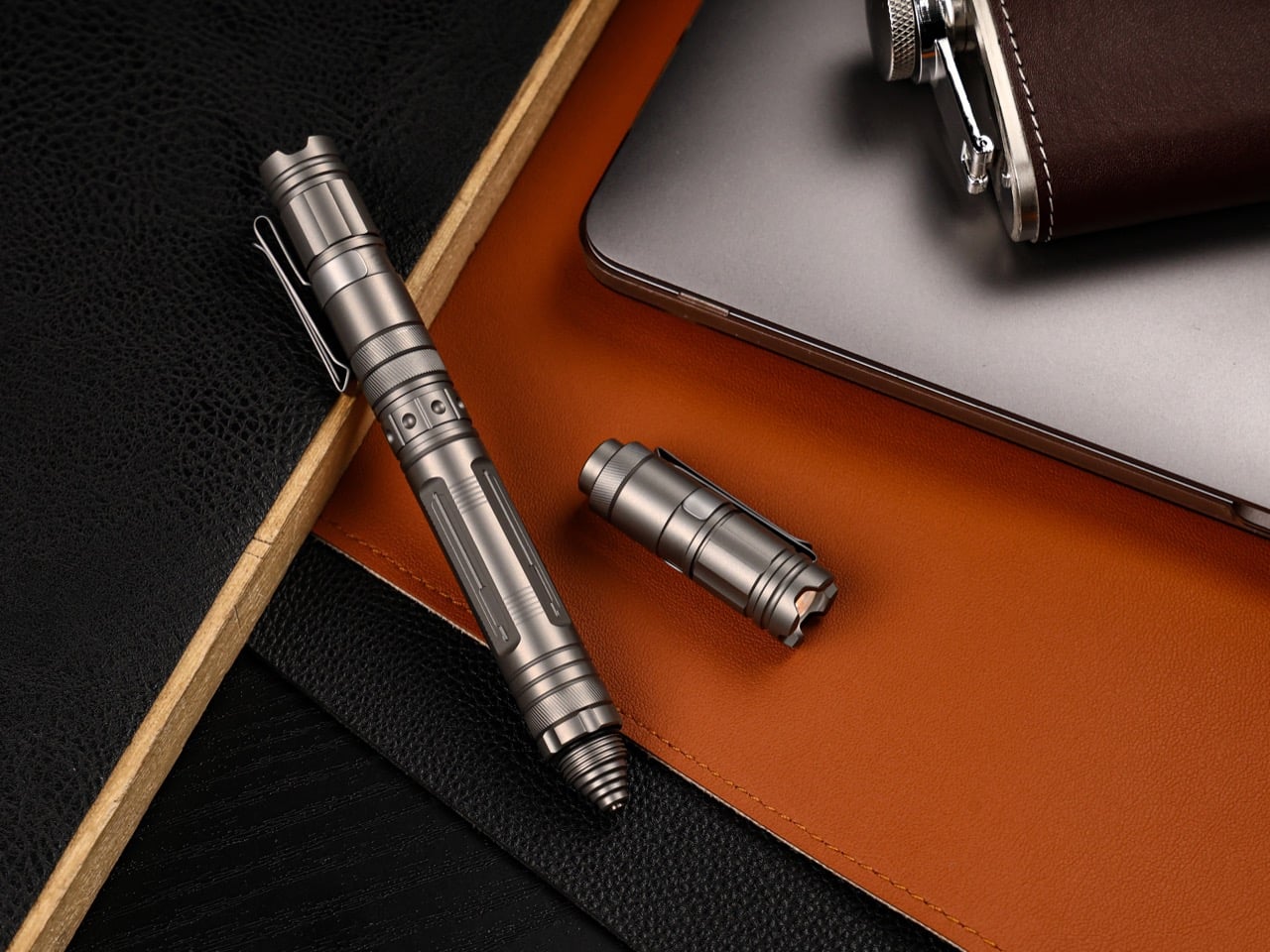
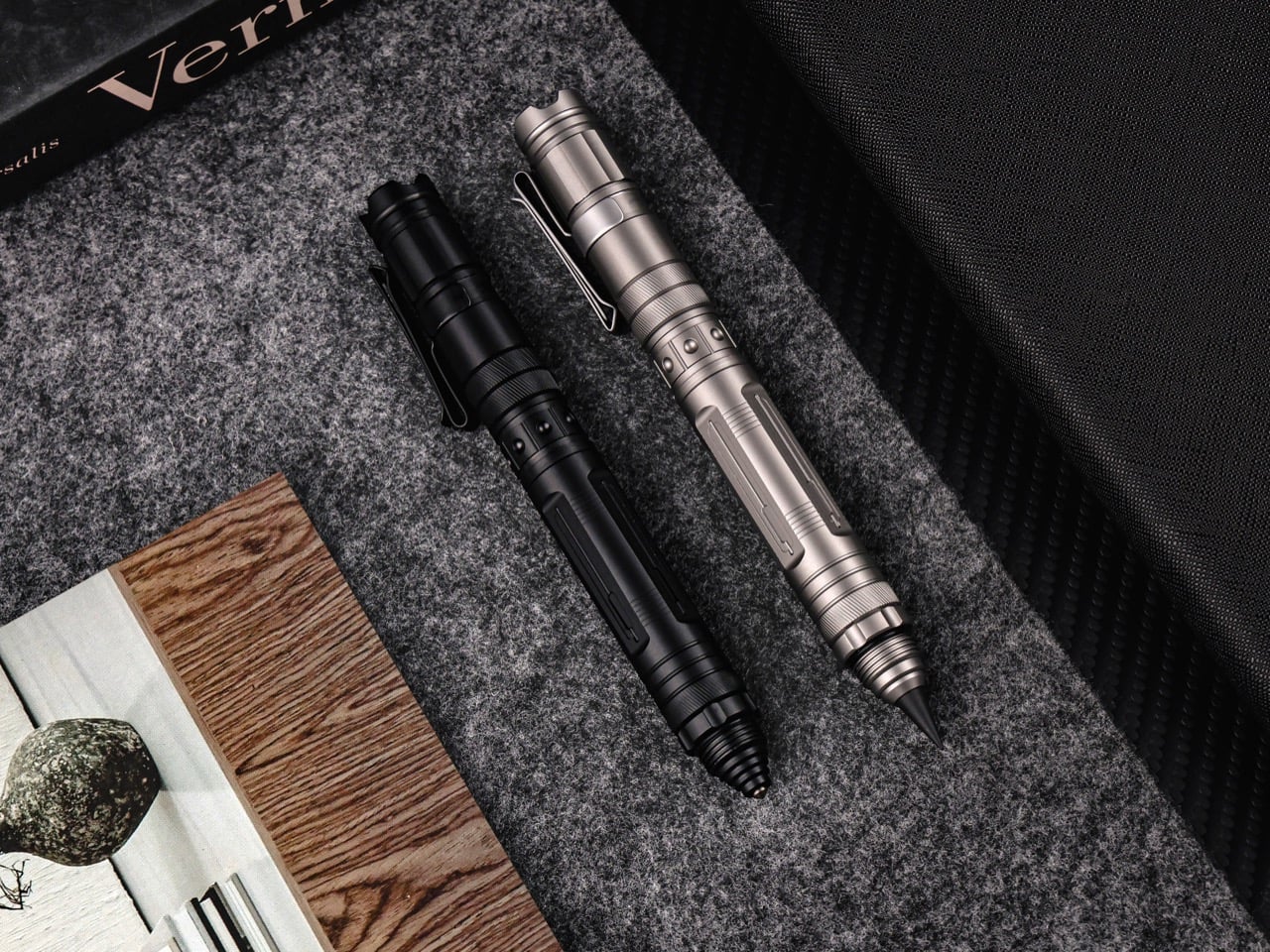
GODYGA (pronounced Go-dee-ga) has taken the flashlight’s first real swing at becoming a smart device with the TorchEye X1, a clip-on EDC light that combines a full-color smart display, precise battery management, and a laser distance measurement tool in a package that fits on a jacket lapel. It looks like something a concept designer dreamed up after spending too long staring at luxury dive watches. It also genuinely works.
The laser distance measurement is where the TorchEye X1 separates itself from your average EDC flashlight. It fires a red beam that measures distances up to 20 meters with ±1/8 inch accuracy at 20 readings per second. That’s 20 measurements in a single second. For context, a standard tape measure requires two hands, an extra person ideally, and at least one moment of mild frustration. The TorchEye? You point, you press, and the number appears on the display before you’ve had time to question your life choices. Whether you’re figuring out if that new sectional sofa will actually fit in your living room, hanging a gallery wall without eyeballing it for the fifth time, or sizing up a workspace, this is the kind of tool that quietly earns its place in your pocket. It works best indoors on lighter surfaces, a white wall reads brilliantly, while darker or highly textured surfaces outdoors will give it a harder time, so keep expectations calibrated accordingly. There’s also a front and rear reference point mode, useful depending on whether you want to measure from the tip of the device or the back.
TorchEye X1 laser version
Flashlights have never told you anything. You click one on, it works or it doesn’t, and the only feedback is the slow dimming that tells you the battery gave up three days ago. The TorchEye’s full circular smart screen changes that entirely, displaying exact battery percentage, real-time runtime estimates per brightness mode, and a charging countdown when it’s plugged in. The screen wraps around the front face of the body and it’s genuinely striking to look at, drawing obvious visual inspiration from the dial of a luxury watch. That rotating green bezel isn’t decorative either. It clicks through brightness modes with satisfying haptic feedback, the kind of tactile interaction that makes cheap flashlight buttons feel embarrassing by comparison.
Charging is via USB-C, and you can run it straight from your phone using the included USB-C to USB-C cable. The more interesting detail is what happens when you plug it in. Most high-lumen flashlights require anywhere from 10 to 20 minutes of charging before they’ll unlock turbo mode. The TorchEye hits its full 500 lumens the instant power is connected, zero delay, which is actually meaningful in an emergency rather than just a spec sheet flex. The battery system also lets you run the light while it charges, so a dead battery doesn’t strand you in the dark while you wait.
TorchEye X0 Non-laser version
The design philosophy borrows heavily from luxury watchmaking. The rotating green bezel gives satisfying haptic click feedback as you cycle through light modes, making the whole interaction feel considered and premium rather than plasticky. The front-facing button placement is intentional too. Because the TorchEye is designed primarily to be clipped onto a jacket, backpack strap, or cap brim for hands-free use, putting the controls on the front face means they’re always reachable with a single thumb, no awkward side-button fishing required. It’s one of those small ergonomic decisions that only becomes obvious once you’ve used a light that got it wrong.
Seven brightness modes on the white LED, running from Moonlight all the way up to 500 lumens with a 120-meter throw, cover essentially every situation you’d reach for a pocket light. The red LED adds a low-impact visibility option for night walks, map reading, or any context where torching someone’s retinas with 500 lumens would be socially unacceptable. The built-in 18-hole golf stroke counter lives quietly inside the interface, accessible with a short press to count strokes and a long press to advance holes, with bezel rotation letting you review the front or back nine. If golf means nothing to you, it switches off and disappears entirely.
For carrying options, GODYGA gives you three: the clip for clothing and bags, a magnetic base for sticking it to any metal surface, and a lanyard loop for wrist or bag attachment. And tucked inside the interface, almost as a delightful easter egg, is a built-in 18-hole golf stroke counter. Short press counts strokes, long press advances holes, bezel rotation lets you review front and back nine. Golfers will love it. Everyone else can turn it off and forget it exists.
The TorchEye X1, the version with laser distance measurement, is priced at $39.99 on Amazon. If the distance tool isn’t something you’ll reach for regularly, the TorchEye X0 carries all the same smart screen and lighting features for $30.59. Both are worth every dollar for what they pack in. GODYGA has built something that makes the humble pocket flashlight feel genuinely exciting again, which brings us full circle to that 1899 patent, and the very long time it took for someone to finally do this.
Most people don’t carry a flashlight, which is something they only realize when they’re already crammed under a sink, squinting at a fuse box, or trying to read a label in a poorly lit corner of a garage. Cylindrical lights are bulky, they roll off surfaces, and they feel overbuilt for the kind of everyday moments where you just need a quick, reliable beam. So they get left at home, and your phone flashlight ends up doing all the work.
The Wedge SL is a USB-C rechargeable inspection light with a sleek, modern design built to actually stay in a pocket. The ultra-thin unibody construction puts the dimensions closer to a pen than a flashlight, 5.65 inches long, 0.28 inches thick, and about 1.14 oz light, which means it doesn’t fight for space with keys and a wallet. A stainless steel injection-molded pocket clip also lets it ride on a shirt pocket or tool pouch without bouncing around.
One-handed operation was clearly part of the brief. The tail switch handles momentary or constant-on use, so one hand can hold a panel, a wire bundle, or an awkward hatch while the other hand aims the light exactly where it needs to go. TEN-TAP programmable switch lets users choose whether constant-on defaults to High or Low intensity, which means the light can match your habits rather than forcing you to cycle through modes every time you switch on.
For an inspection light, the available modes are spot on, pardon the pun. Constant-on High runs at 100 lumens for 1.75 hours, Low drops to 50 lumens for 3.5 hours, and THRO (Temporarily Heightened Regulated Output) mode pushes 500 lumens with an 80m beam when you need maximum brightness fast. THRO is activated by a 3-second press, which keeps it from firing accidentally during sustained work while still making it quick to trigger when a tight space needs a real burst of light.
The battery side holds up well. USB-C charging and a four-level LED battery status indicator with charge alerts mean you always know roughly how much is left, without deciphering blink codes. A full charge takes about four hours. The field serviceable, user-replaceable lithium polymer battery is also worth calling out, since many rechargeable lights eventually become e-waste once the cell degrades inside a sealed body.
Durability gets the same careful treatment, as the extruded aluminum alloy case comes with a Type II MIL-Spec anodized finish. The lens is also unbreakable acrylic, and the light is IPX4-rated with 1m impact resistance testing. A bite boot is also included, which lets you grip it with your teeth during two-handed work without scratching the finish or the inside of your mouth.
The Streamlight Wedge SL earns pocket space by being thin, predictable, and quick to operate instead of trying to be a tactical statement piece. A flashlight that’s actually on you is always going to matter more than one that performs better on a spec sheet but gets left on the workbench because it’s too big to bother carrying every day.
Your phone’s flashlight works fine until you’re elbow-deep in a car engine bay or fumbling with tent poles in the dark. Then you realize the limitation: you need both hands free, you need the light exactly where you’re working, and you need it to stay there without propping your $1,200 device against something greasy or precarious. The NanoB10 from Gadget On lives in that gap between “good enough” and “actually useful.”
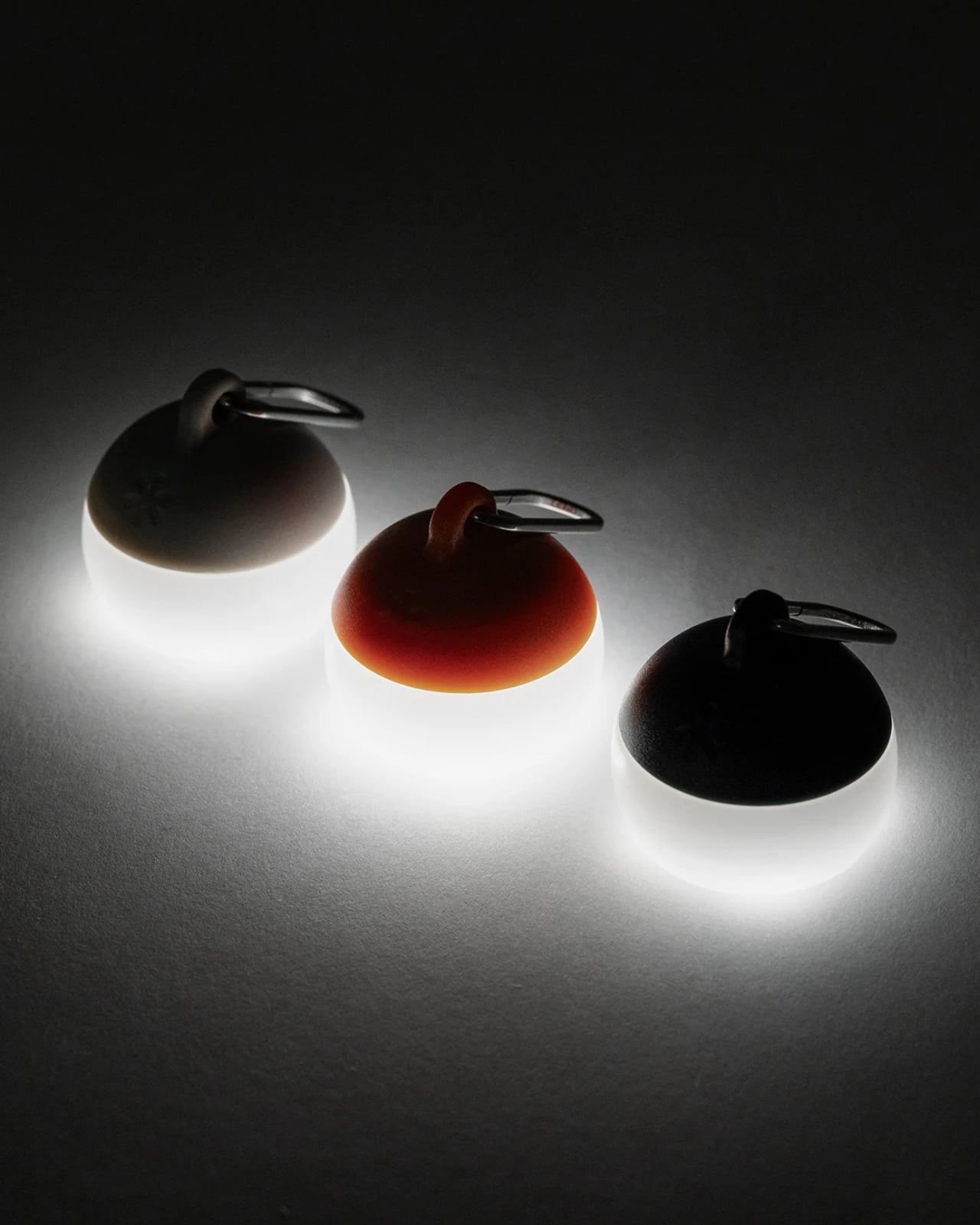
This 3cm titanium flashlight attaches magnetically to your watch strap and rotates 360 degrees once mounted. Nine lighting modes cover everything from finding your keys to emergency signaling, while the dual-magnet system means it sticks to any metal surface at the angle you actually need. The whole package weighs about 24 grams and charges via USB-C. Sometimes the best tool isn’t the most powerful one in your house, it’s the one that’s already on your wrist when you need it.
24 grams puts this roughly in the same territory as a couple of quarters or precisely 2 AirTags, which means it disappears until you remember it’s there. Anything heavier starts pulling on your watch strap in ways that make you constantly aware something’s hanging off your wrist, which defeats the whole point of EDC gear that’s supposed to integrate into your daily carry without becoming a burden. The dimensions work out to 30mm x 27mm x 13mm, slightly larger than a nickel but thinner than you’d expect given what’s packed inside. Gadget On clearly spent time solving the density problem, cramming a 60mAh rechargeable battery, nine distinct LED modes, and two separate magnet systems into a volume that fits comfortably on a NATO strap without looking like you strapped a bottle cap to your wrist.
Two separate magnets handle different mounting scenarios, and the separation between them solves a problem most magnetic lights never address. One magnet lives in the body itself, letting you slap the flashlight directly onto any ferrous metal surface like a car hood, tool chest, or steel beam. The second magnet sits in the detachable clip, and this is where the 360-degree rotation becomes useful rather than just a spec sheet number. You dock the flashlight onto the clip magnetically, then spin it to whatever angle you need while the clip itself stays fixed to your watch strap, shirt pocket, or backpack strap. You’re no longer stuck with whatever angle the metal surface happens to be at, which is the usual limitation of magnetic work lights that just stick flat against whatever you attach them to.
Most keychain lights give you one brightness level and maybe a strobe if you’re lucky. The NanoB10 delivers four white LED modes at 1 lumen for night-light use, 35 lumens for low tasks, 100 lumens for medium work, and 200 lumens when you need actual throw. Add a white strobe for emergencies, two red LED modes at 2W and 3W for preserving night vision, a red SOS mode, and a 3W UV light at 365nm that’s actually useful for spotting fluid leaks or checking security features. Runtime on the 1-lumen night-light mode hits 15 hours, which becomes relevant when you’re trying to navigate a dark campsite without waking everyone up or need sustained low-level light for reading maps without killing the battery. The 200-lumen high mode obviously drains faster, but you’re using that in short bursts anyway.
Grade 5 titanium costs more than aluminum or plastic alternatives, but you can drop this thing, step on it, or leave it rattling around in a toolbox without worrying about cracked housings or stripped threads. IPX6 water resistance covers rain and splashes but stops short of submersion, which feels like the right tradeoff for something this compact. You’re not taking this diving, but you can use it in a downpour without killing it. The stonewashed titanium finish looks substantially better than the polished options in my opinion, though that’s entirely subjective. What’s objective is that titanium doesn’t corrode, doesn’t scratch as easily as aluminum, and develops a patina over time that actually improves the appearance rather than making it look beat up.
GADGET ON debuted the NanoB9 just last year, and managed to gather consumer feedback and knock out their next variant in just months. The base got redesigned for better magnetic hold and stability, machining tolerances tightened up across the body, and they added three more finish options based on user feedback from the previous version. That’s smart evolution because the core concept already worked, it just needed polish. The one-button control includes mode memory, so the light turns on to whatever setting you used last instead of forcing you to cycle through all nine modes every single time you need the flashlight. That small detail prevents the kind of annoying behavior that makes people abandon multi-mode lights entirely.
USB-C charging completes a full cycle in approximately 30 minutes, which aligns with the small 60mAh battery capacity. You’re trading extended runtime for size, but the math works when you consider that 15 hours on low gets you through most realistic use cases before you’re near a USB port again. The charging port sits under a small rubber cover to maintain the IPX6 rating, which adds one more thing to keep track of but beats the alternative of a corroded port that stops working after six months of exposure. The cover is tethered to the body, so at least you won’t lose it immediately.
The NanoB10 comes in five finish options: Wave (blue anodized with wave pattern), Matrix (green anodized), Stone (stonewashed bare titanium), Desert (gold anodized), and Slate (natural titanium). Pricing starts at £54 for the Stone or Slate single-color versions and £66 for the anodized color options, which translates to roughly $70-85 USD depending on current exchange rates. Shipping is estimated to begin in June 2026, with the flashlight and magnetic clip sold as separate items so you can add extra mounting options if needed.
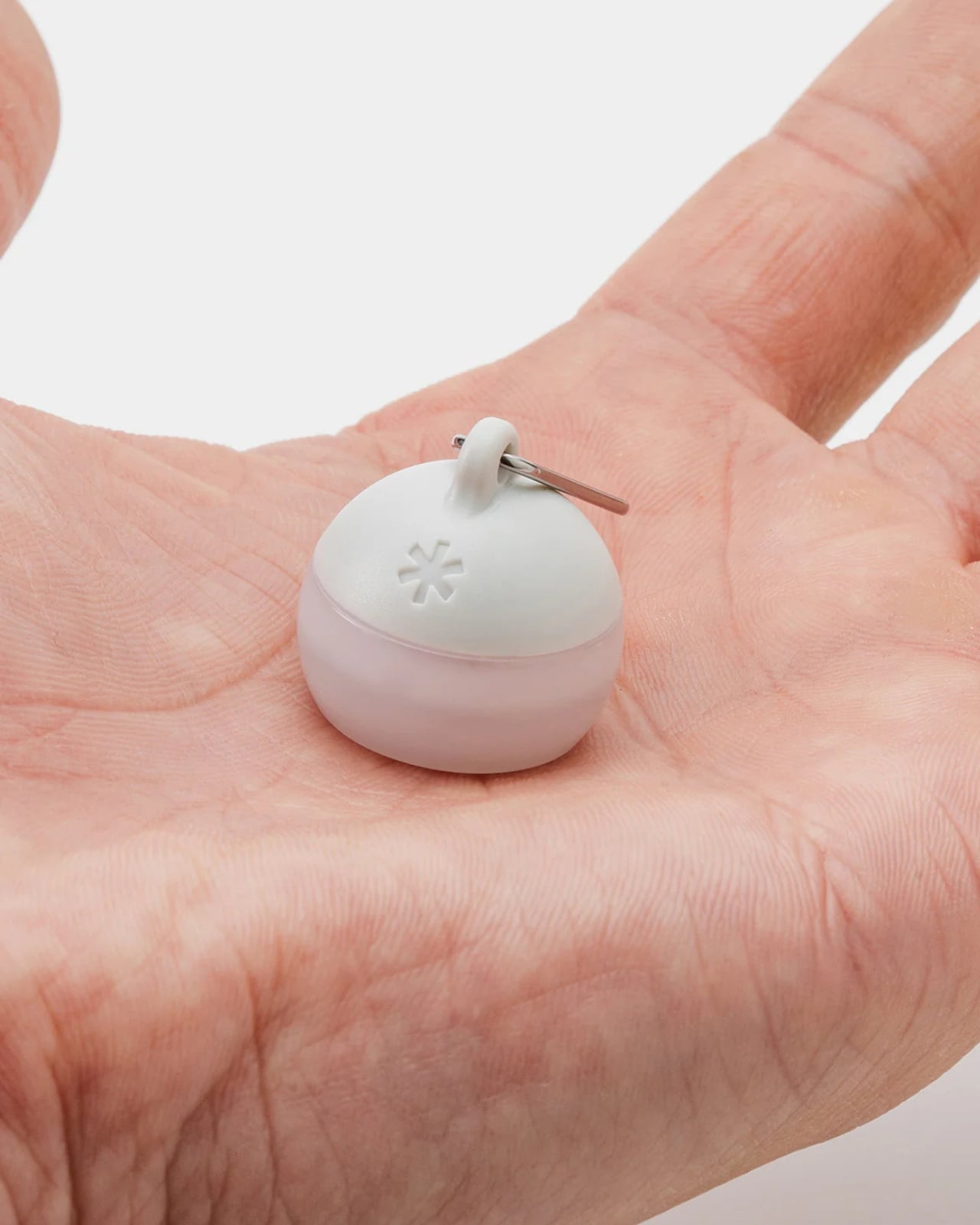
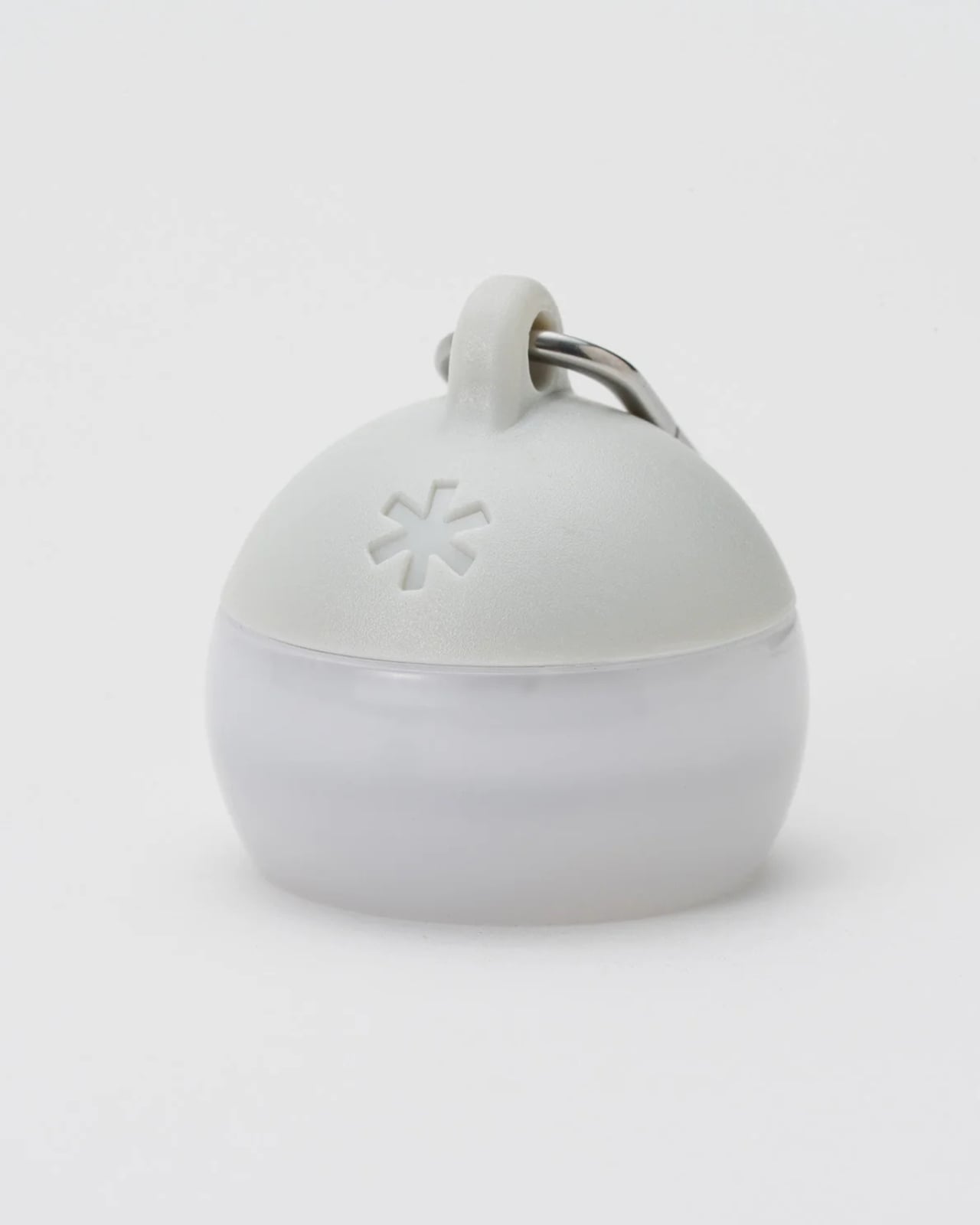
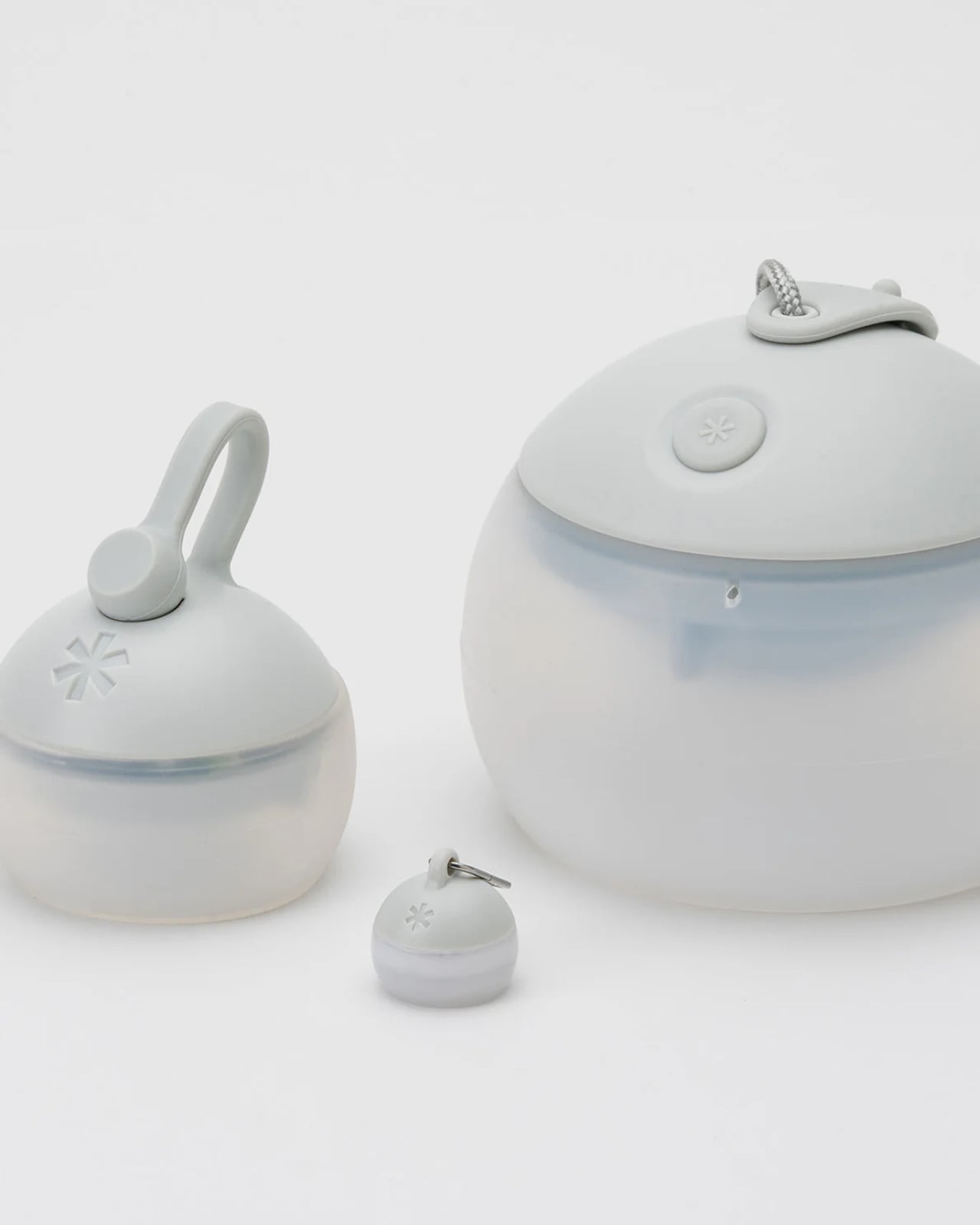
World’s smallest and world’s biggest are two phrases that never fail to grab attention, especially when they’re attached to something as utilitarian as a flashlight. This fingertip-sized rechargeable torch does exactly that, not by chasing gimmicks, but by pushing miniaturization to an almost obsessive extreme. Built as a DIY experiment by YouTube channel Gadget Industry, the flashlight shrinks a fully functional, rechargeable light source into a form factor so small it’s easy to forget it’s even there, until the moment you need it.
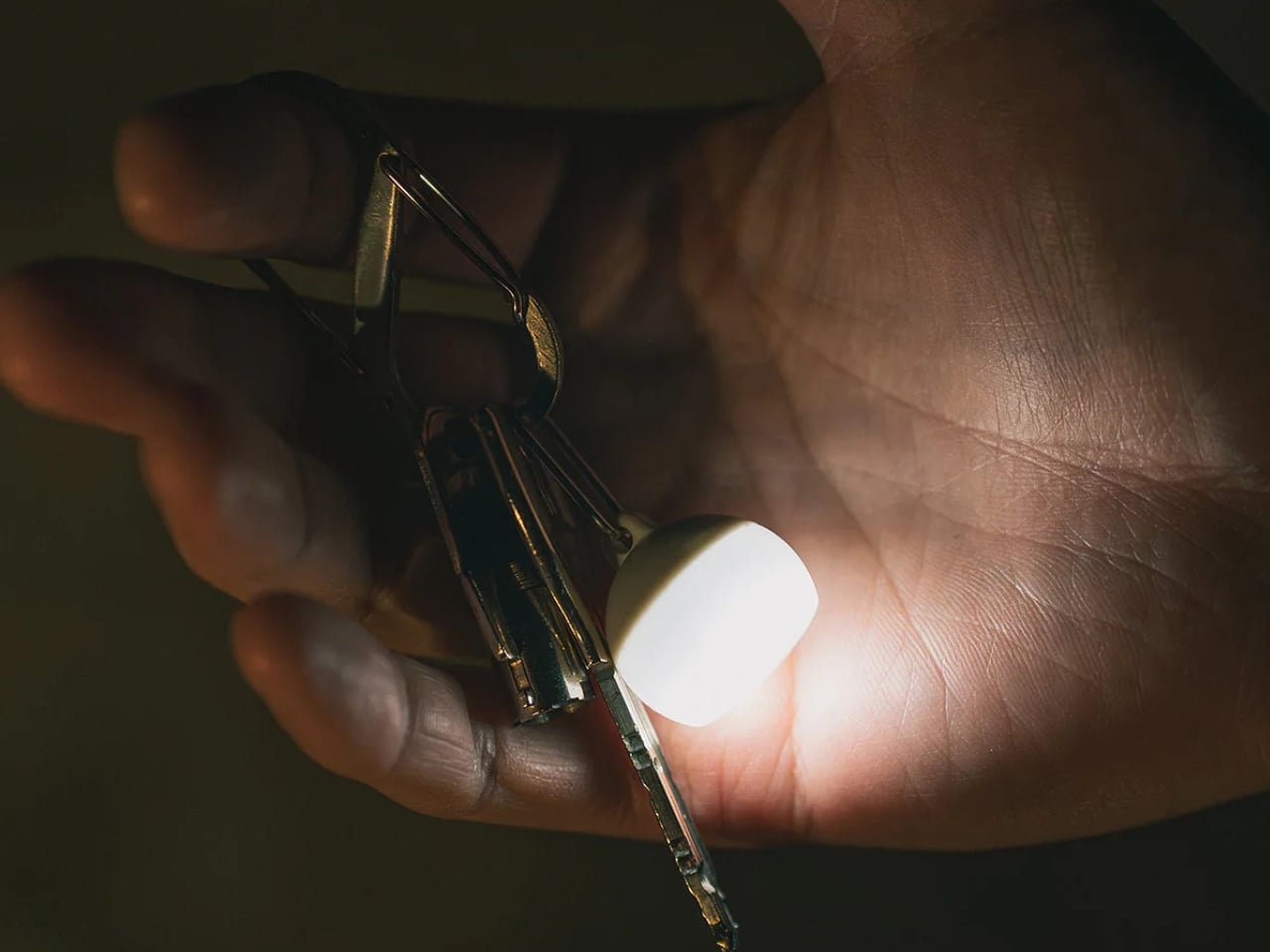
At first glance, the scale alone feels unreal. The flashlight can sit comfortably on the tip of a finger, yet it houses a lithium-polymer battery, a charging circuit, a touch-based control system, and a white LED, all sealed into a compact resin shell. It’s a reminder that innovation doesn’t always come from adding more features, but from stripping everything down to what’s essential. In a world crowded with bulky EDC gear promising extreme brightness and endless modes, this micro torch takes the opposite route, prioritizing presence and accessibility over raw power.
Designer: Gadget Industry
The build begins with a tiny 60mAh lithium-polymer battery, chosen specifically for its balance between capacity and size. To make charging possible without inflating the footprint, the maker disassembles a TP4056 USB-C charging board and integrates only the necessary components directly into the layout. A touch sensor replaces a traditional mechanical switch, working through an N-channel MOSFET to control the LED. The result is a simple, intuitive interaction: place your finger over the sensor and the light turns on, remove it and it shuts off. There’s no click, no resistance, and no moving parts to fail over time.
Encasing everything in resin serves both functional and aesthetic purposes. The hardened shell protects the delicate internals from scratches and minor impacts while allowing the flashlight to be shaped and sanded into an organic, pebble-like form. The USB-C port is carefully preserved during the casting process, making recharging as straightforward as plugging it into any modern cable. While the casing offers limited resistance to splashes, it’s clearly not designed for submersion or harsh outdoor abuse, this is a light meant for convenience, not combat.
Performance is modest but respectable given the scale. The LED provides enough illumination for close-range tasks like navigating dark hallways, peeking into tight corners, or serving as an emergency backup when nothing else is available. On a full charge, the flashlight runs for roughly half an hour, depending on the LED used, which feels surprisingly practical for something this small. Compared to commercially available keychain flashlights, there are obvious compromises in brightness and durability, but none of them detracts from the core achievement.
What makes this project compelling isn’t whether it officially qualifies as the world’s smallest rechargeable flashlight, it’s the mindset behind the craft. This build showcases the patience, precision, and restraint required to design at such a tiny scale, proving that even the most familiar objects can be reimagined when size becomes the primary constraint.
Most flashlights ask you to choose. Throw or flood. Pocket size or runtime. A simple beam or specialty features. Jetbeam’s E28 walks into the room and suggests you stop choosing altogether. This flat, brick-shaped EDC light packs dual independently controlled white beams (one flood, one throw), a 365 nm UV emitter, a 520 nm green laser, an RGB side strip with nine modes, and a 7,000 mAh power bank into a single 251-gram body. It is the sort of design that makes you wonder whether the engineers were trying to solve real problems or just win a feature-count contest.
Here’s the thing: the spec sheet sounds like overkill until you actually think about the situations where you need more than a basic beam. Checking a hotel room for cleanliness with UV. Using the laser as a presentation pointer by day and a pet toy by night. Mounting the light magnetically under a car hood while the flood beam lights your work and the throw beam spotlights a distant part number. The E28 is betting that enough people want a true multi-tool in flashlight form, and the early reviews suggest Jetbeam might be onto something.
Two 18650 cells sit inside a flat aluminum body measuring 107.6 × 48 × 26.6 mm, delivering 7,000 mAh of total capacity. That translates to 8.3 hours at 500 lumens in flood mode or 13.2 hours at 300 lumens in throw mode, which are the runtimes that actually matter when you cannot swap batteries mid-hike. Moonlight mode allegedly hits 350 hours, though nobody is realistically running a light that dim for two weeks straight. The dual-cell setup adds weight, pushing the E28 to 251 grams with batteries installed, but that heft comes with the benefit of never worrying about your light dying during an evening walk or a weekend camping trip.
Jetbeam gave each beam its own proper optics instead of cramming compromised emitters into a too-small head. The flood side uses a 7070 LED with a wide, shallow reflector, maxing out at 3,300 lumens (briefly, before stepping down to 1,500 then 1,000 as heat builds). It is a wall of light that illuminates everything within 10 meters with zero shadows, exactly what you want for close work or navigating a dark campsite. The throw channel uses a Luminus SFT-42R with a smooth, focused reflector, hitting 2,480 lumens and reaching 365 meters with a 33,375-candela hotspot. That is search-and-rescue level throw from a light you can slip into a jacket pocket. Running both channels simultaneously gives you a beam profile with bright center punch and complete peripheral coverage, which is how dual-beam lights should work but rarely do because most manufacturers cheap out on one emitter or the other.
A rotary dial handles mode switching, which immediately sets this apart from the “click seventeen times to find strobe” nonsense that plagues most multi-mode lights. Rotate to flood, throw, dual-beam, UV, laser, or RGB, then tap the side button to turn on or cycle brightness. It takes maybe ten minutes to learn and then becomes completely intuitive. You can operate it one-handed even with gloves because the dial has positive detents and the button is chunky and easy to find by feel. Jetbeam clearly spent time thinking about how people actually use lights in the field instead of just designing a UI that looks good on paper.
The UV emitter sits on one side at 365 nm, which is proper ultraviolet (not the 395 nm purple wash that cheap lights use). This wavelength makes currency security features glow, reveals pet stains on carpets, highlights HVAC leak-detection dye, and generally makes invisible contaminants visible. If you work in automotive, HVAC, or forensics, this is a tool you already carry separately. If you travel frequently and care about hotel cleanliness, same deal. For everyone else, it is a fun party trick that might come in handy twice a year. The 520 nm green laser sits opposite, useful for presentations, pointing out distant landmarks, or entertaining pets. It is low-powered enough to be safe but bright enough to be visible across a parking lot at night. The RGB strip runs along the side with nine different modes: solid colors, breathing patterns, meteor effects, rainbow flow. Red light preserves night vision when you are reading maps. Multicolor modes create ambient lighting at camp or act as fill light for photos. Solid white functions as a secondary task light. Some people will use this constantly; others will turn it on once, say “neat,” and forget it exists.
Aerospace-grade aluminum with HA III hard anodizing means the body can take scratches, drops, and general abuse without looking like it fell off a truck. The machining cuts along the flat sides double as heat fins and grip texture, which is functional design instead of just aesthetics. IPX8 waterproofing handles 2 meters of submersion, and the USB-C port hides behind a sealed rubber cover. The magnetic tail holds firm on steel surfaces even when the light is pumping out heat on high mode, making hands-free work actually practical. A removable clip mounts in either direction for cap-brim carry, backpack straps, or belt attachment, and the base plate is compatible with GoPro-style action camera mounts, so you can stick this on bike handlebars, helmets, or quick-release brackets.
The power bank function turns 7,000 mAh of onboard capacity into emergency phone charging via USB-C. You can fully charge most phones at least once, which makes the E28 useful during power outages or long days away from outlets. It is not replacing a dedicated battery bank, but as something that lives in your car or go-bag anyway, having that backup option adds real value. The RGB strip shows battery status for five seconds on power-up, cycling through colors to indicate remaining charge, which is smarter than trying to guess voltage by how bright the beam looks.
Jetbeam ships the E28 with two 3,500 mAh 18650 cells, a USB-C cable, lanyard, mounting clip, hardware, and a hex wrench, so you can use it immediately without buying accessories. Pricing lands at $87.45 with 2 color options to choose from – a tactical green, and a classic grey, which feels reasonable for a light that consolidates a flood beam, throw beam, UV source, laser pointer, and power bank into one 251-gram package. If you already carry multiple single-purpose tools, the E28 is the Swiss Army knife consolidation you did not know you needed. If your lighting needs are simple, a $25 single-beam EDC or even your phone’s flashlight will serve you fine. But for anyone who regularly finds themselves thinking “I wish I had X tool right now,” Jetbeam built exactly that.
Backcountry adventures demand gear that refuses to quit when conditions turn challenging. The right lighting solution transforms a tense moment into a manageable one, whether you’re searching for a misplaced carabiner at midnight or navigating an unexpected detour off-trail. In 2025, portable lighting has evolved beyond simple illumination, offering adaptive brightness, extended battery life, and multipurpose designs that earn their weight in any pack.
The flashlights and lighting systems featured here represent a new generation of outdoor equipment built for real-world backcountry use. From ultra-compact EDC models that clip to your gear to versatile campsite lanterns that adapt to any scenario, these designs prioritize functionality without sacrificing portability. Each brings something distinct to the table, addressing specific challenges outdoor enthusiasts face when venturing beyond cell service and reliable power sources.
1. Lumitwin DL700
The Lumitwin DL700 redefines what’s possible in a portable flashlight with its staggering 2-kilometer beam distance and dual independently-controlled barrels. This isn’t an incremental improvement over standard LED technology. The flashlight employs laser-excited phosphor modules instead of traditional LEDs, delivering a focused throw that reaches 1.24 miles into the darkness. The dual-barrel design means you can operate each light independently, switching between them based on your immediate needs while preserving battery life on the unused barrel for extended expeditions.
Built from aerospace-grade aluminum machined from a single block, the DL700 weighs 1,032 grams and handles abuse that would destroy lesser lights. The IP68 waterproof rating means complete submersion poses no threat, while the 1-meter drop rating accounts for fumbles in challenging terrain. Interchangeable color filters in red, green, and flood configurations adapt the light for hunting scenarios, search-and-rescue operations, or tactical applications. The carabiner clip integration makes it accessible without digging through your pack when darkness catches you mid-trail.
What we like
The 2-kilometer beam distance outperforms virtually every portable flashlight available for backcountry use
Dual independent barrels provide backup redundancy and operational flexibility
Swappable color filters eliminate the need to carry multiple specialized lights
Machined aluminum construction survives harsh conditions without compromising structural integrity
What we dislike
The 1,032-gram weight exceeds ultralight backpacking preferences for those counting every ounce
Premium laser-excited phosphor technology comes with a correspondingly premium price point
2. BlackoutBeam Tactical Flashlight
BlackoutBeam delivers 2,300 lumens of raw illumination with a 300-meter throw distance, making it one of the brightest handheld options for backcountry emergencies. The 0.2-second response time eliminates any lag between activation and full brightness, critical when you need immediate visibility or must signal for help. The industrial aluminum body construction balances durability with weight considerations, maintaining IP68 water and dust resistance that protects internal components from backcountry elements. Five distinct modes, including three brightness levels, strobe, and pinpoint, provide tactical flexibility for different scenarios.
The dual power system separates BlackoutBeam from single-battery competitors. The built-in 3,100mAh lithium-ion battery recharges via USB, but when you’re days from any outlet, the ability to swap in two emergency CR123A batteries ensures you’re never without light. The strobe mode works for emergency signaling or disorienting wildlife encounters, while the pinpoint mode conserves battery when you only need to check map details. The flashlight’s sleek design avoids the overtly tactical aesthetic that feels out of place on recreational backcountry trips.
The 2,300-lumen output provides exceptional brightness for search, rescue, and emergencies
Dual power options with USB rechargeable and backup CR123A batteries eliminate dead-battery anxiety
The 0.2-second response time delivers instant illumination without delay
Five different modes adapt to varied backcountry lighting requirements
What we dislike
Maximum brightness drains battery quickly, requiring careful power management on extended trips
The high lumen output may be excessive for routine camp tasks
3. TriBeam Camplight
The award-winning TriBeam Camplight brings three distinct lighting modes into one compact 135-gram package that measures just 12.8cm tall. The 3-in-1 design switches between camping, ambient, and flashlight modes with a single intuitive button, adapting from a gentle 5-lumen glow for reading in your tent to a powerful 180-lumen beam for trail navigation. The adjustable brightness range provides precise control over battery consumption, with the lowest settings delivering up to 50 hours of continuous use on a single charge. This versatility makes it equally suitable for intimate cabin evenings and technical night hiking.
The magnetic lampshade attachment transforms the beam quality instantly, softening harsh direct light into a diffused glow that creates a comfortable campsite ambiance. When navigation demands focused illumination, simply remove the magnetic shade, and the flashlight mode cuts through darkness effectively. The hidden handle tucks away seamlessly when not needed but deploys for hanging from tent loops, tree branches, or pack straps. IPX6 water resistance handles rain and splashes without concern, while the 3,100mAh lithium battery supports extended backcountry trips. USB-C charging ensures compatibility with modern power banks and solar chargers.
Three distinct lighting modes in one compact device eliminate the need for multiple lights
The 50-hour maximum runtime on low settings supports multi-day trips without recharging
Magnetic lampshade attachment and a hidden handle provide mounting versatility
At 135 grams and 12.8cm, it qualifies as truly packable gear
What we dislike
The 180-lumen maximum brightness falls short of high-output flashlights for long-distance visibility
Magnetic attachments can collect metal debris in dusty backcountry conditions
4. Olight Baton 4 with Premium Charging Case
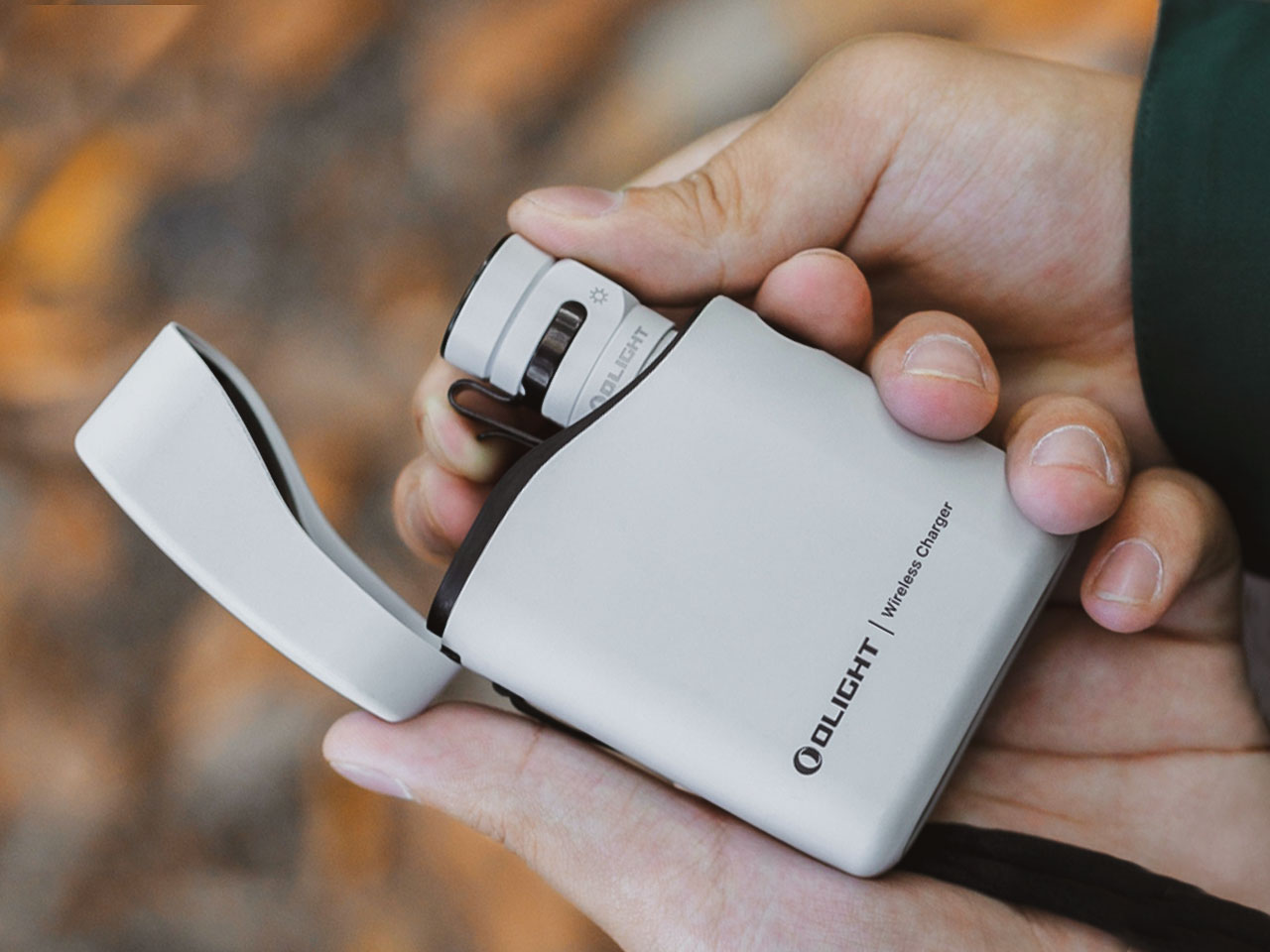
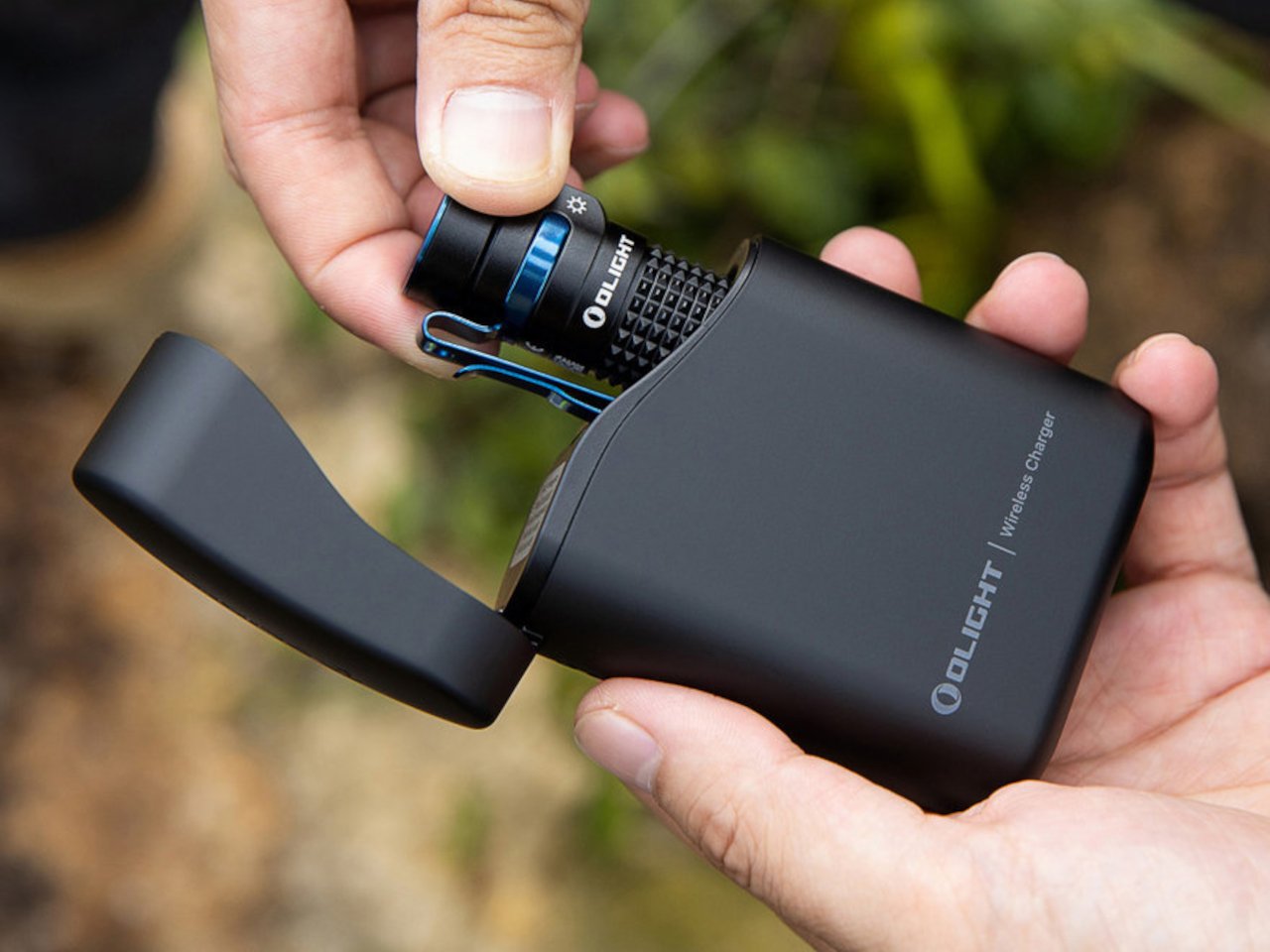
The Olight Baton 4 Premium Edition centers around its innovative 5,000mAh flip-top charging case that transforms how you interact with EDC flashlights. The case stores and charges the flashlight, but the standout feature allows you to flip open the cover, press the side button, and activate the 1,300-lumen light while it remains secured inside. This design eliminates fumbling in the darkness and speeds response time during emergencies. The charging case fits easily in jacket pockets or pack hip belts, keeping the flashlight accessible and charged simultaneously throughout your backcountry journey.
The Baton 4 flashlight itself delivers 1,300 lumens with a 170-meter throw distance in a compact cylindrical form factor. Small LED indicators display brightness level and remaining battery charge, removing guesswork about available runtime. The flashlight’s compact dimensions make it unobtrusive as an everyday carry item that transitions seamlessly into backcountry use. The charging case works with compatible Olight flashlights beyond just the Baton 4, adding value if you already own other models in their lineup. One-handed case operation means you can keep your other hand on trekking poles or maintain your grip on technical terrain.
What we like
The 5,000mAh charging case keeps the flashlight powered for extended trips without electrical access
Flip-top design with in-case activation speeds deployment in critical moments
LED indicators provide clear battery status information
The compact case design makes it practical for everyday pocket carry
What we dislike
The 1,300-lumen output and 170-meter throw are moderate compared to higher-powered options
The system requires carrying the case for the charging benefit to remain relevant
5. CasaBeam Everyday Flashlight
CasaBeam bridges emergency preparedness and intentional design with its 1,000-lumen beam and dual-mode functionality that converts from a handheld flashlight to an upright lantern. The minimalist form factor looks appropriate displayed on a bookshelf rather than hidden in a drawer, encouraging you to keep it accessible where you’ll actually use it. The 200-meter beam distance handles outdoor paths and large rooms with equal capability, while the twist-to-zoom front toggles between focused spotlight and wide floodlight distribution. This adaptability suits varied backcountry scenarios from distant trail scanning to close-range camp setup.
Standing the flashlight upright activates lantern mode, providing hands-free illumination for cooking, gear organization, or evening reading without rigging hanging systems. Five modes, including three brightness levels and two SOS settings, offer precise control over both light output and battery consumption. The 2,600mAh lithium-ion battery delivers up to 24 hours on low settings, rechargeable via USB-C for compatibility with solar panels and portable power banks. The charging port hides beneath the zoom head, protecting it from dust and moisture while maintaining the clean design aesthetic. A built-in yellow loop provides hanging options from tent peaks or tree branches when elevation improves light distribution.
The dual flashlight-lantern functionality eliminates carrying separate devices for different lighting needs
Twist-to-zoom adjustability adapts beam focus for specific tasks
The 24-hour maximum runtime supports multi-day use between charges
Award-winning design makes it attractive enough to keep easily accessible
What we dislike
The 1,000-lumen output is adequate but not exceptional for long-distance visibility
Lantern mode requires flat ground or stable surfaces to stand upright effectively
6. Portable Fire Pit Stand
While not a traditional flashlight, the SANYO Portable Fire Pit Stand provides essential backcountry lighting through controlled fire, offering warmth and illumination simultaneously. The puzzle-like metal assembly breaks down into flat components that pack efficiently, eliminating the bulk associated with rigid fire pit designs. Special sheet metal technology prevents warping and distortion from repeated heating cycles, maintaining structural integrity across seasons of use. The distinctive industrial aesthetic comes from functional cutouts and holes that serve the dual purpose of visual interest and optimized airflow for efficient combustion.
Removable trivets expand cooking versatility beyond simple flame-based heating, supporting grilling, frying, and various preparation methods that turn the fire pit into a complete outdoor kitchen. The elevated design protects ground vegetation and reduces fire scar impact in backcountry campsites where Leave No Trace principles matter. The black steel plate construction offers durability against weather exposure and rough handling during transport. The stand’s open design allows you to monitor fuel levels and adjust burning materials easily, controlling flame size and heat output based on your lighting and warmth requirements throughout the evening.
The disassembled flat pack design stores efficiently in backpacks or vehicle storage
Removable trivets support diverse cooking methods beyond basic fire
Warp-resistant steel maintains structural integrity through repeated heating cycles
Elevated design minimizes environmental impact on backcountry campsites
What we dislike
Fire-based lighting requires fuel gathering and appropriate weather conditions to function effectively
Metal components add weight compared to traditional lightweight camp stoves or LED alternatives
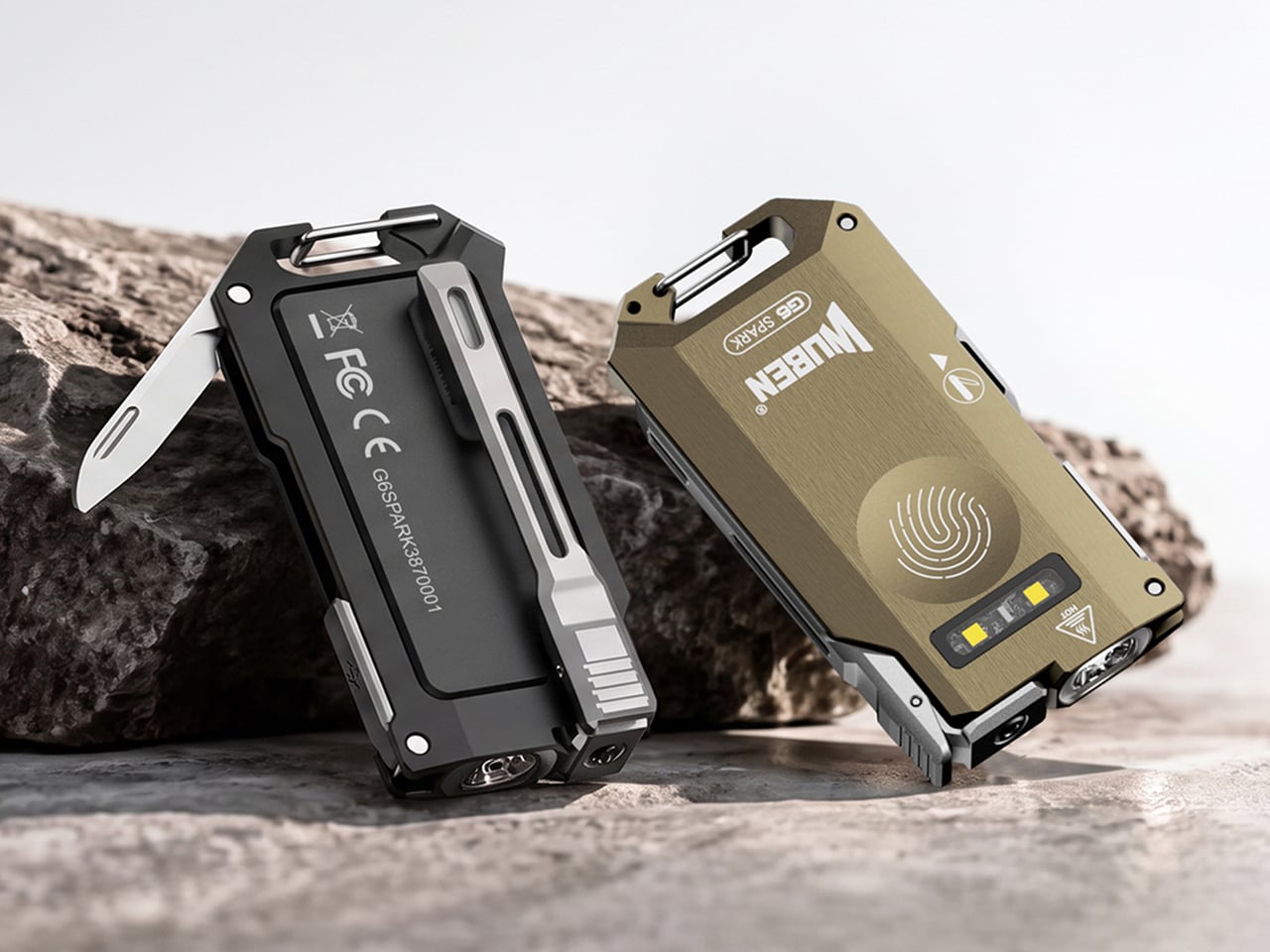
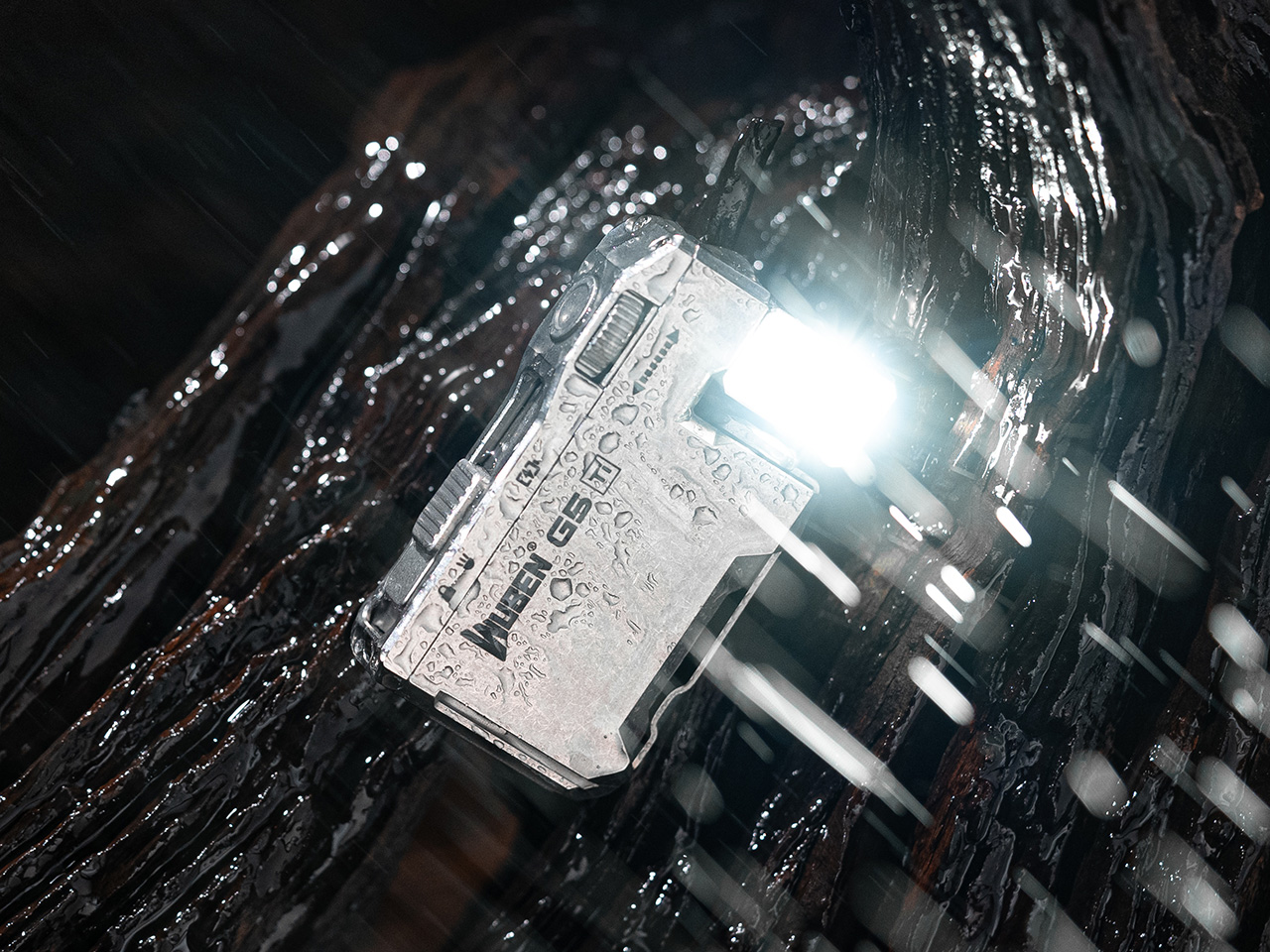
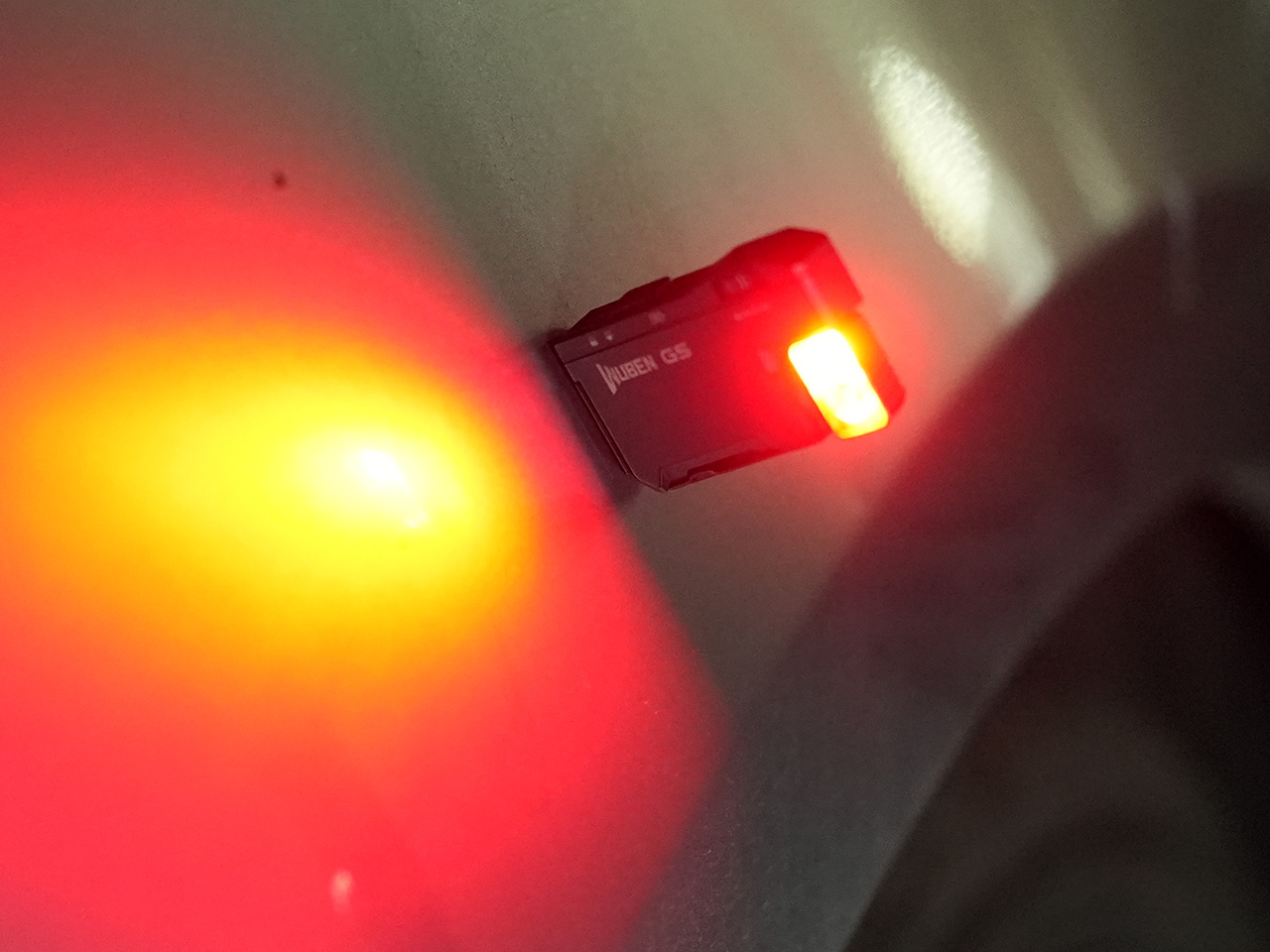
7. Wuben G5 EDC Flashlight
The Wuben G5 achieves remarkable portability with its lighter-sized form factor that slips into pockets without adding noticeable bulk or weight. The built-in adjustable clip and strong magnetic base provide multiple mounting options when your hands need freedom for technical tasks. You can attach it magnetically to vehicle frames, tent stakes, or cookware, positioning the light exactly where needed without constructing elaborate hanging systems. The included lanyard adds another tethering option, preventing drops during tricky maneuvers and keeping the flashlight accessible on your person.
The compact design required trade-offs compared to Wuben’s larger X2 Pro series, eliminating the sidelight feature and electronic battery display to achieve the reduced dimensions. Despite the smaller size, the G5 delivers sufficient illumination for navigation, camp tasks, and emergencies where having any light matters more than maximum brightness. The flexible clip-on mechanism adjusts to various attachment points and materials, adapting to whatever gear you need to mount it on. For minimalist backpackers and ultralight enthusiasts, the G5’s tiny footprint makes it an effortless addition that doesn’t force compromises with other essential gear.
What we like
The pocket-sized dimensions and light weight make it genuinely unobtrusive for everyday carry
Adjustable clip and magnetic base provide versatile hands-free mounting options
The lanyard attachment prevents loss during challenging activities
Compact design doesn’t demand dedicated pack space
What we dislike
Reduced size means lower lumen output compared to full-sized flashlight options
Eliminating the sidelight and electronic battery display removes useful features present in larger models
8. Tomori Lantern Kit
The Tomori Lantern Kit solves the storage challenge that keeps many people from maintaining emergency lighting in vehicles, offices, and multiple locations. Collapsing to A4 paper size, the kit fits into drawers, glove compartments, and backpack side pockets where bulky lanterns cannot. The sturdy cardboard base works with any standard LED flashlight that fits its clamps, eliminating dependence on proprietary bulbs or specific lamp models. This universal compatibility means you can use flashlights you already own rather than investing in dedicated lantern systems.
The polypropylene plastic cover diffuses harsh direct beams into softer, more pleasant ambient light that creates a comfortable atmosphere in tents, emergency shelters, or indoor spaces during power outages. Setup and collapse require no tools, power sources, or charging cables—you simply clamp your flashlight into the base and position the diffuser cover. The lightweight construction adds minimal weight, while the collapsed profile means you can stash multiple kits in different locations without space concerns. The included flashlight ensures the kit works immediately out of the package, though the real value comes from the ability to use it with various lights you may already carry.
A4-sized collapsed dimensions make it practical to store in multiple locations
Universal flashlight compatibility works with lights you already own
Cable-free operation requires no charging or electrical access
Lightweight cardboard and plastic construction add negligible weight to emergency kits
What we dislike
Cardboard construction is less durable than hard-shell lanterns for repeated rough handling
Diffused light output depends entirely on the brightness of the flashlight you insert
9. Airflow 8-Panel Fire Pit
The Airflow Fire Pit brings sophisticated combustion engineering to backcountry campfires through its removable eight-panel design. The unique panel system creates an eight-sided cylinder optimized for secondary combustion, dramatically reducing smoke output while increasing heat efficiency. Strategic holes at panel bottoms channel fresh air directly to the fire base for primary combustion. As this air heats, it rises through the double-walled panel cavity and expels from the top holes, igniting gases and particulates that would normally become smoke. The result is cleaner burning that improves both air quality and nighttime visibility around your campsite.
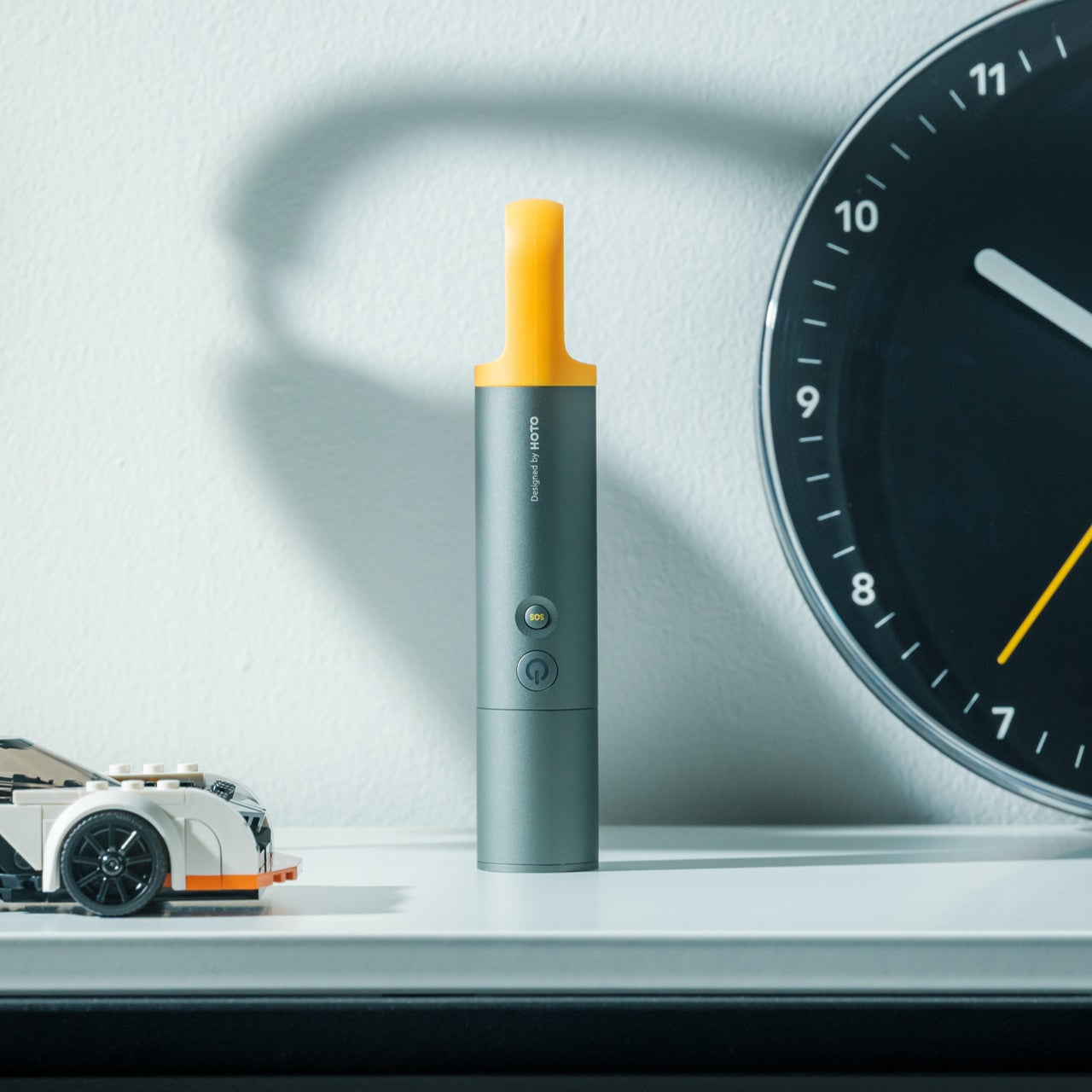
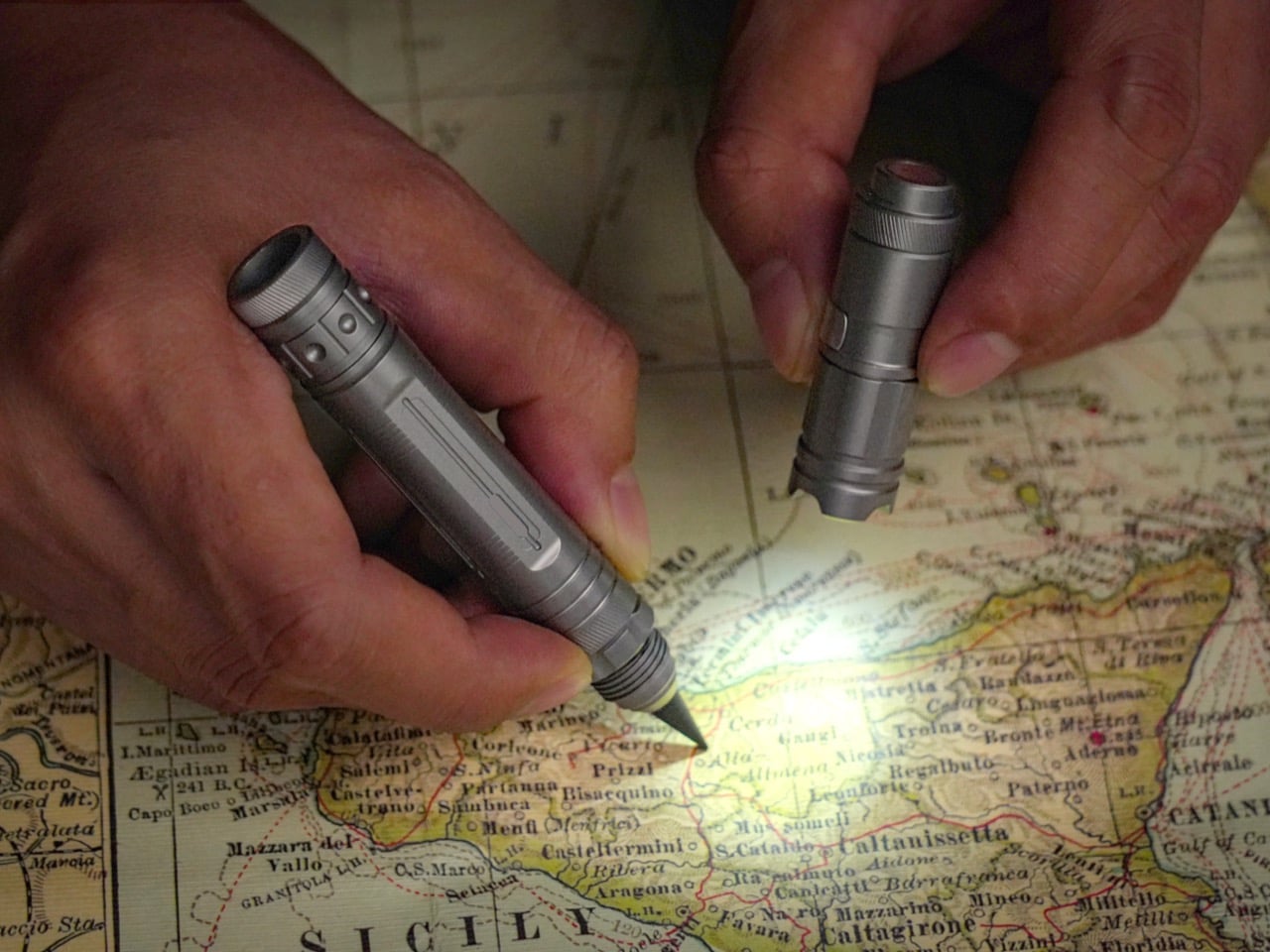
The adjustable panel system provides unprecedented fire control. Installing all eight panels maximizes secondary combustion for high-intensity heat, ideal for cooking or cold-weather warmth. Removing panels reduces combustion intensity, creating more traditional open fire aesthetics when you prioritize ambiance over maximum heat output. This flexibility adapts to different backcountry scenarios and personal preferences throughout the evening. SANYO Works drew on extensive metal processing expertise to engineer panels that withstand repeated heating without degradation. The optimized airflow design also simplifies cleanup since more complete combustion leaves less residue and unburned material. For backcountry campers who value fire as both light source and social centerpiece, the engineering refinement elevates the entire experience.
The secondary combustion system dramatically reduces smoke for cleaner burning
Adjustable eight-panel design provides control over fire intensity and heat output
Complete combustion improves efficiency and simplifies ash cleanup
Durable engineering maintains performance across seasons of use
What we dislike
Panel-based design adds weight and bulk compared to minimalist fire solutions
Secondary combustion requires proper assembly and fuel management to achieve optimal results
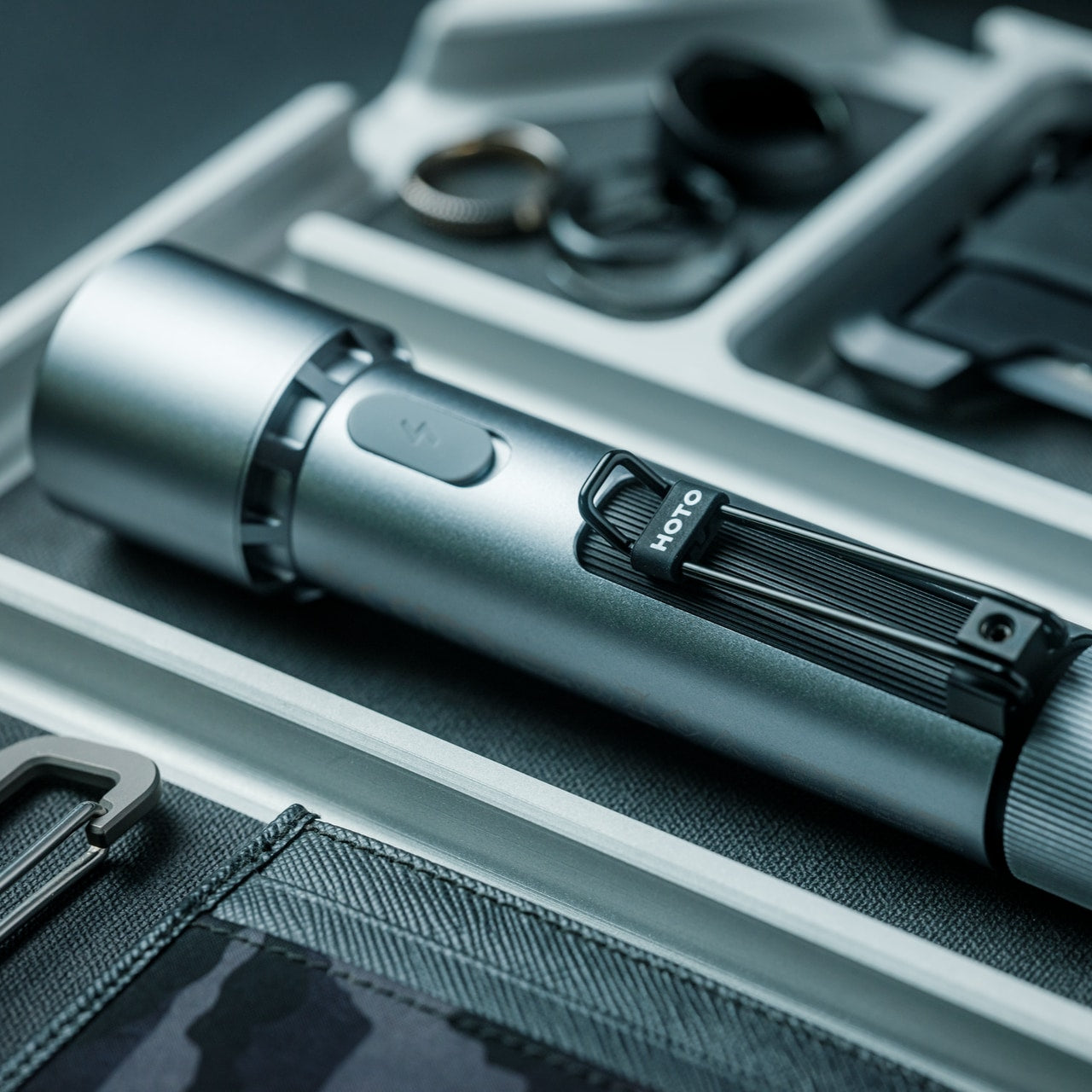
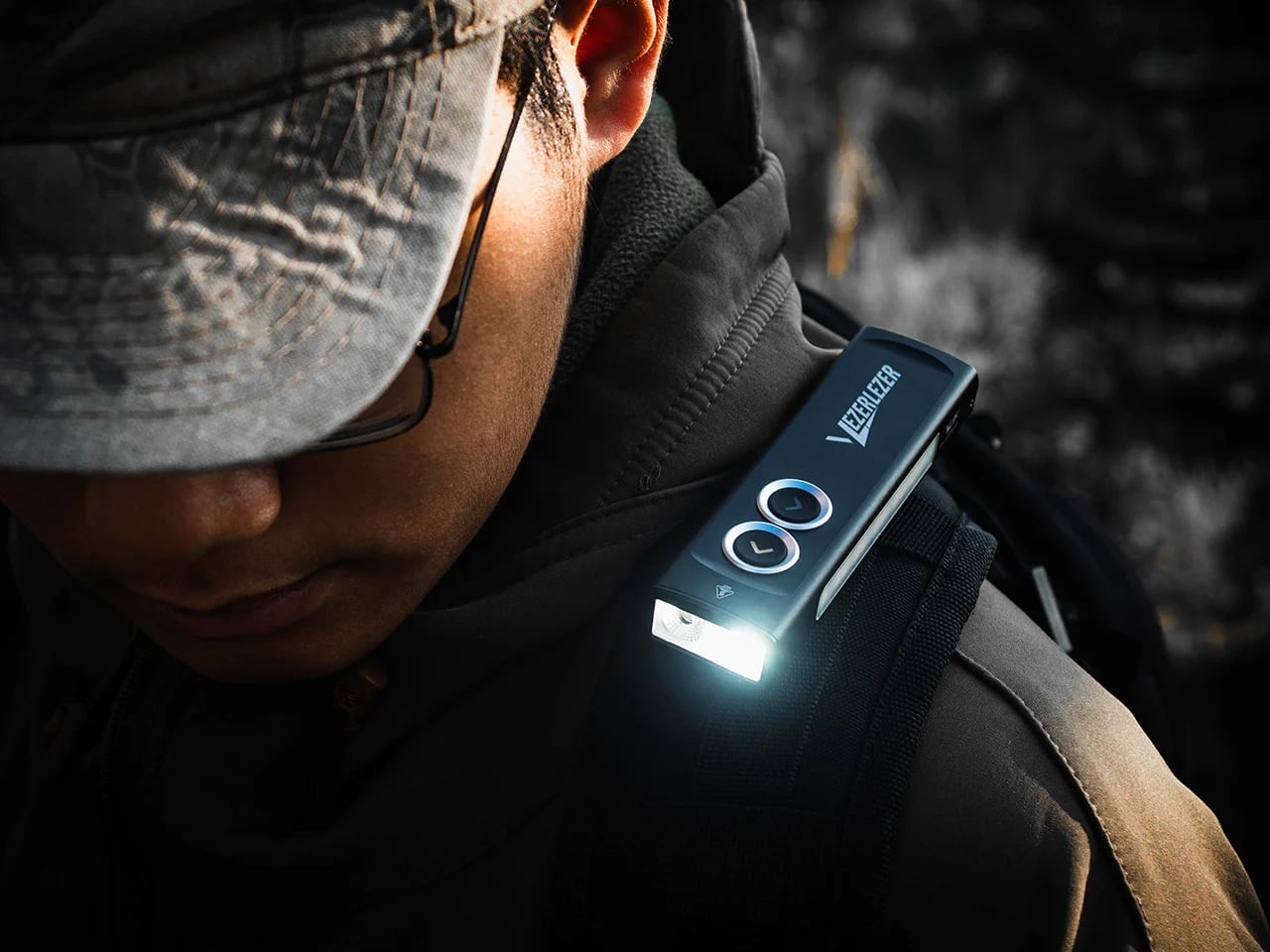
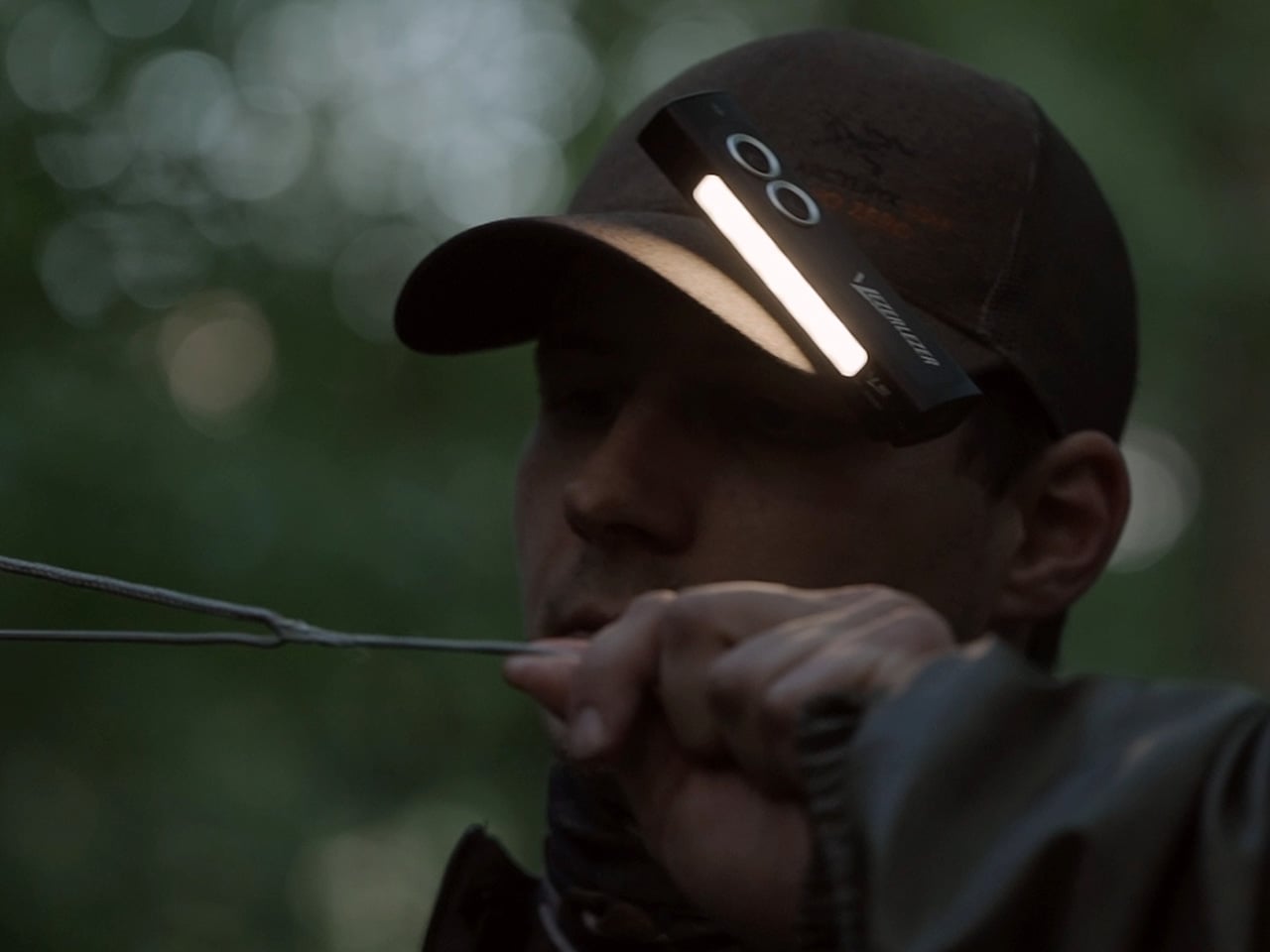
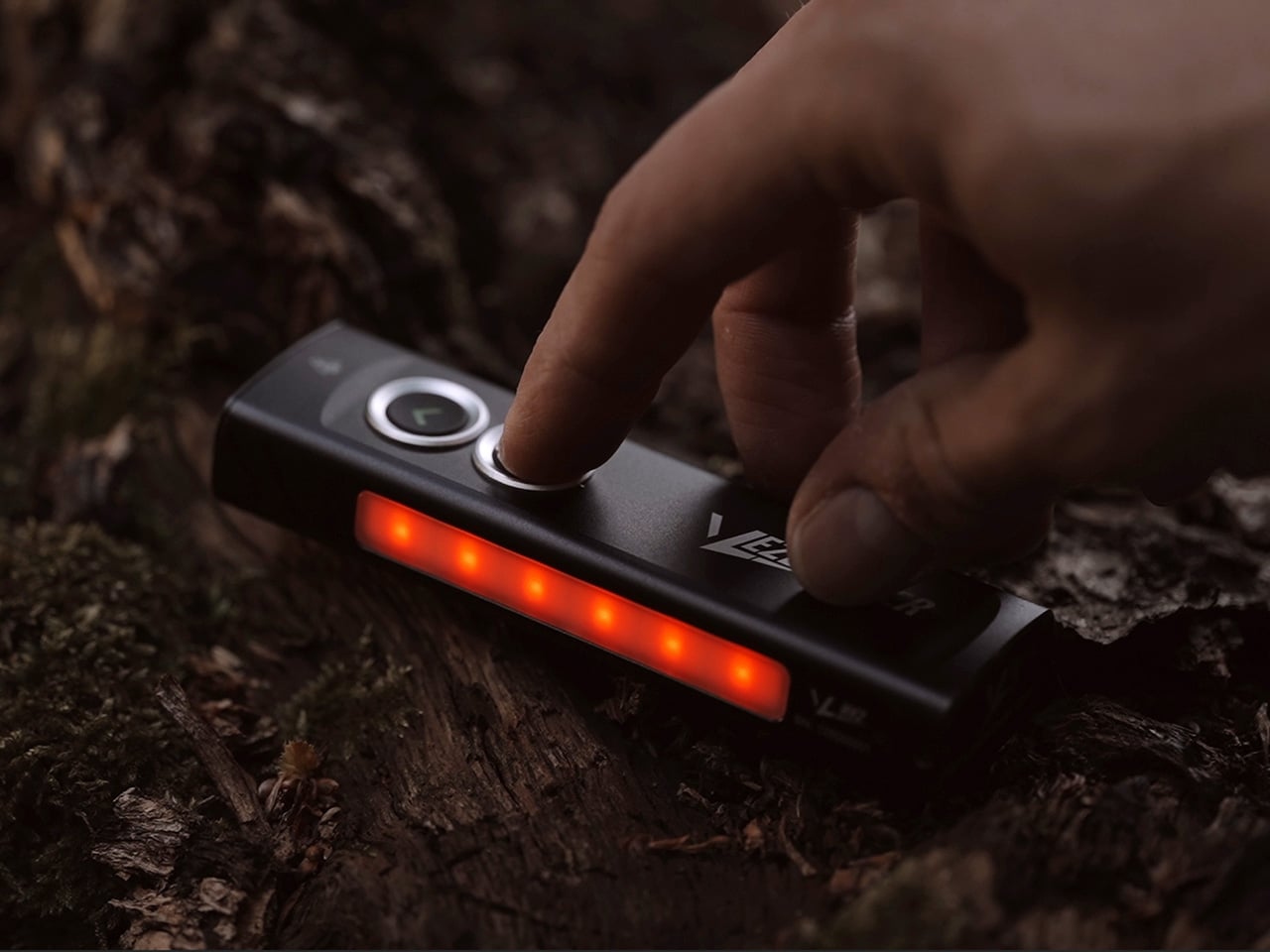
10. HOTO Flashlight Duo
The HOTO Flashlight Duo addresses the varied lighting needs that emerge during camping through multiple modes and attachment options. A retractable magnetic hook, strap, and magnetic base ensure you can position the light appropriately for any situation without improvising precarious setups. The hands-free capability lets you focus on intricate camp tasks like tent repairs, meal preparation, or gear organization without holding a flashlight in your mouth or propping it awkwardly against unstable surfaces. Magnetic attachment to vehicles, cookware, or metal tent stakes provides secure positioning that stays put even in windy conditions.
The secondary sidelight covered in milky white plastic enables distinct lighting modes beyond the primary beam. Twisting the Mode Switching Head toggles between Mood Light, Functional Light, and Flashlight Mode, providing 13 different light combinations that adapt to specific camping needs. The simple interface using just a knob and button keeps the operation intuitive even when you’re exhausted after a long day on the trail. Mood lighting creates a comfortable evening ambiance for relaxing at camp, functional light supports task work requiring close-range visibility, and traditional flashlight mode handles navigation and distance viewing. The thoughtful design integration makes the Duo genuinely versatile rather than awkwardly multi-functional.
What we like
Retractable magnetic hook, strap, and magnetic base provide extensive mounting flexibility
Thirteen different light combinations through three primary modes adapt to varied camping scenarios
Simple knob and button interface remains intuitive during fatigue or stress
Secondary sidelight adds genuinely useful functionality beyond standard flashlights
What we dislike
Multiple features and modes increase complexity compared to single-purpose flashlights
The versatile design may add weight and size beyond minimalist requirements
Choosing Light for the Long Haul
Backcountry lighting in 2025 reflects a maturation of outdoor gear design where form and function converge without compromise. The flashlights and lighting solutions featured here demonstrate that portability no longer requires sacrificing power, versatility, or durability. Whether you prioritize ultralight minimalism, maximum brightness, or adaptive functionality, current offerings provide legitimate solutions rather than forcing uncomfortable trade-offs between competing priorities that matter in challenging environments.
The best lighting choice depends on your specific backcountry activities, trip duration, and personal preferences around weight versus capability. Extended expeditions far from resupply benefit from long-runtime options and dual power systems. Fast-and-light adventures reward compact EDC designs that disappear into pockets. Group camping scenarios make versatile lanterns valuable for shared spaces. Evaluating your typical backcountry patterns helps identify which features matter most when darkness falls, and reliable illumination becomes non-negotiable.
Flashlights are one of those things you never think about until you need one, and then you spend five minutes digging through drawers looking for the cheap plastic one that barely lights up anymore. Most of them do the bare minimum, offering a single brightness setting and maybe a strobe mode you’ll never use. They’re tools, not gadgets, and they certainly don’t inspire any excitement when you’re packing them into a bag or clipping them to a keychain.
The LOOPDOT by LOOP GEAR approaches this differently. Instead of treating a flashlight as purely functional, it adds a pixel display, a mechanical fidget dial, and enough personality to make you actually want to carry it around. It’s the kind of device that makes you realize how boring most pocket lights have been, combining serious output with features that are genuinely fun to play with.
The first thing you notice is how compact it is. At roughly the size of a car key fob, the LOOPDOT slips into pockets, bags, or clips onto keychains without adding noticeable weight. The body is aluminum or titanium, depending on which version you choose, and the finish feels solid in your hand. The pixel display on the front shows twinkling stars, flowing rainbows, or animated patterns that can be changed to match your mood.
The fidget dial dominates the top of the device, a large knurled ring that rotates smoothly to adjust brightness. Unlike buttons that click through preset levels, this dial offers stepless dimming, letting you dial in exactly the amount of light you need. The tactile feedback alone makes it satisfying to spin, even when you’re not adjusting anything. Dual infrared sensors detect rotation without mechanical contacts, ensuring smoother control and longer lifespan.
LOOPDOT offers two lighting modes that switch with a simple shake. Spotlight mode throws a focused 400-lumen beam up to 100 meters, perfect for nighttime walks, finding your tent in the dark, or lighting up a path when you’re hauling groceries from the car. Floodlight mode delivers 270 lumens with a CRI of 90, creating soft, natural light that works beautifully for reading or close-up tasks.
The pixel display isn’t just decoration. It shows battery status, lighting mode, and even plays 11 mini games when you’re waiting around with nothing to do. Rolling dice, tossing coins, or watching animated patterns flow across the screen turns idle moments into something slightly more entertaining. It’s a small touch, but one that makes the LOOPDOT feel less like a tool and more like a gadget you enjoy carrying.
Battery life is respectable for something this small. The 600mAh rechargeable battery lasts up to 11 hours on the lowest setting, or about 1.5 hours on full spotlight blast. USB-C charging means you can top it up with the same cable that charges your phone, and the IPX6 water resistance rating handles rain, splashes, or accidental drops into puddles without issue.
What makes the LOOPDOT feel genuinely different is how it refuses to be boring. Most EDC flashlights are black cylinders with a button and maybe a clip. This one has animations, a fidget dial that begs to be spun, and lighting modes that adapt to whatever you’re doing. It’s the kind of thing you show to friends, not because it’s overwhelmingly practical but because it’s oddly delightful.
LOOP GEAR managed to pack all of this into a device that’s smaller than most multitools, which is almost impressive on its own. While it won’t replace a dedicated camping lantern or tactical light, it fills the gap between cheap throwaway flashlights and serious outdoor gear. For anyone who wants something that’s actually fun to carry every day, that’s probably the sweet spot worth aiming for.
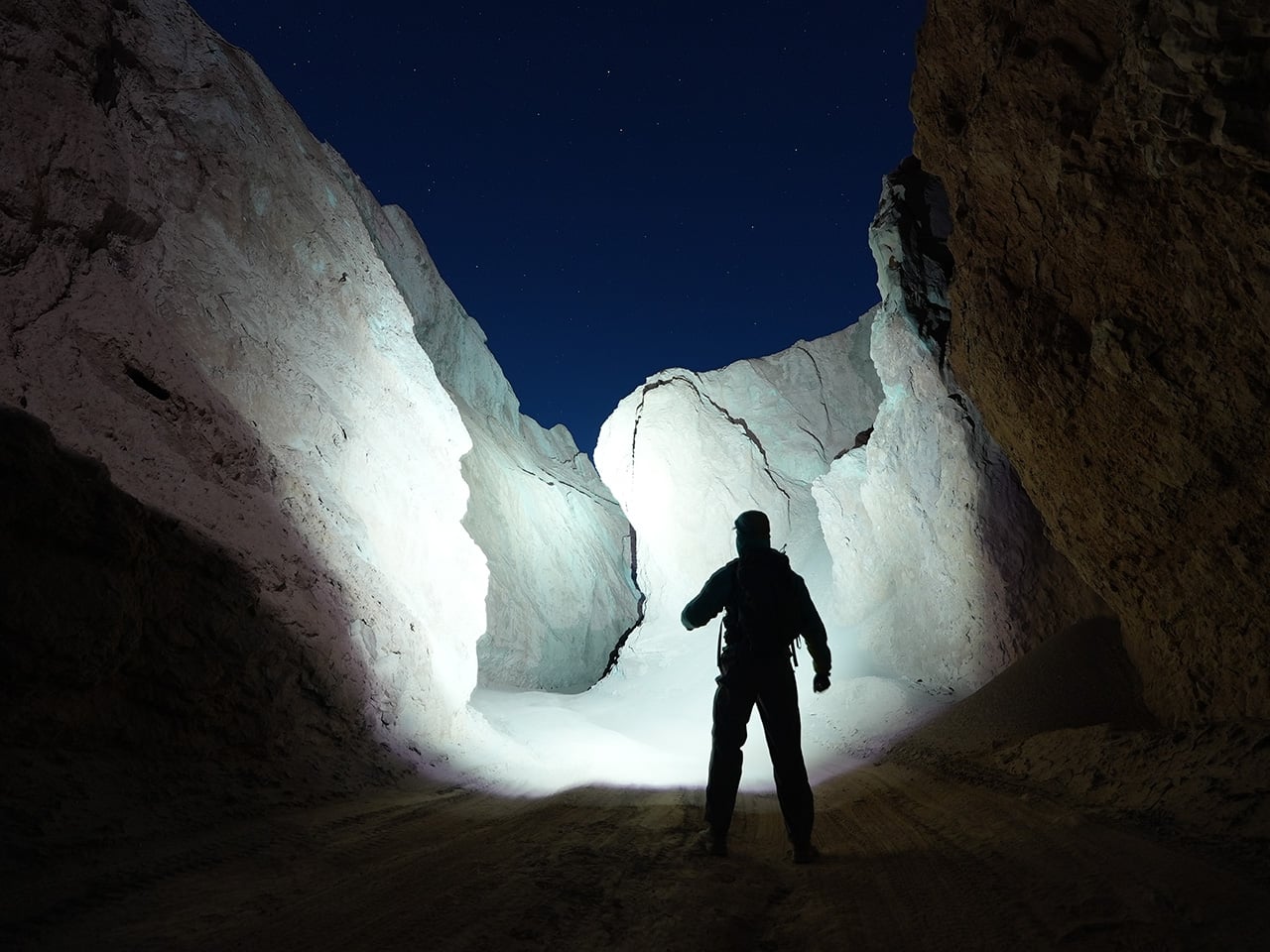
There’s something exhilarating about pushing into the wild after dark, whether you’re cycling down a forest trail, hiking a canyon, or just exploring the world beyond the city lights where streetlamps don’t reach and the natural darkness takes over. But adventure after sunset demands gear that’s as tough and adaptable as you are, and most flashlights just aren’t up to the challenge of serious outdoor use in unpredictable, demanding conditions.
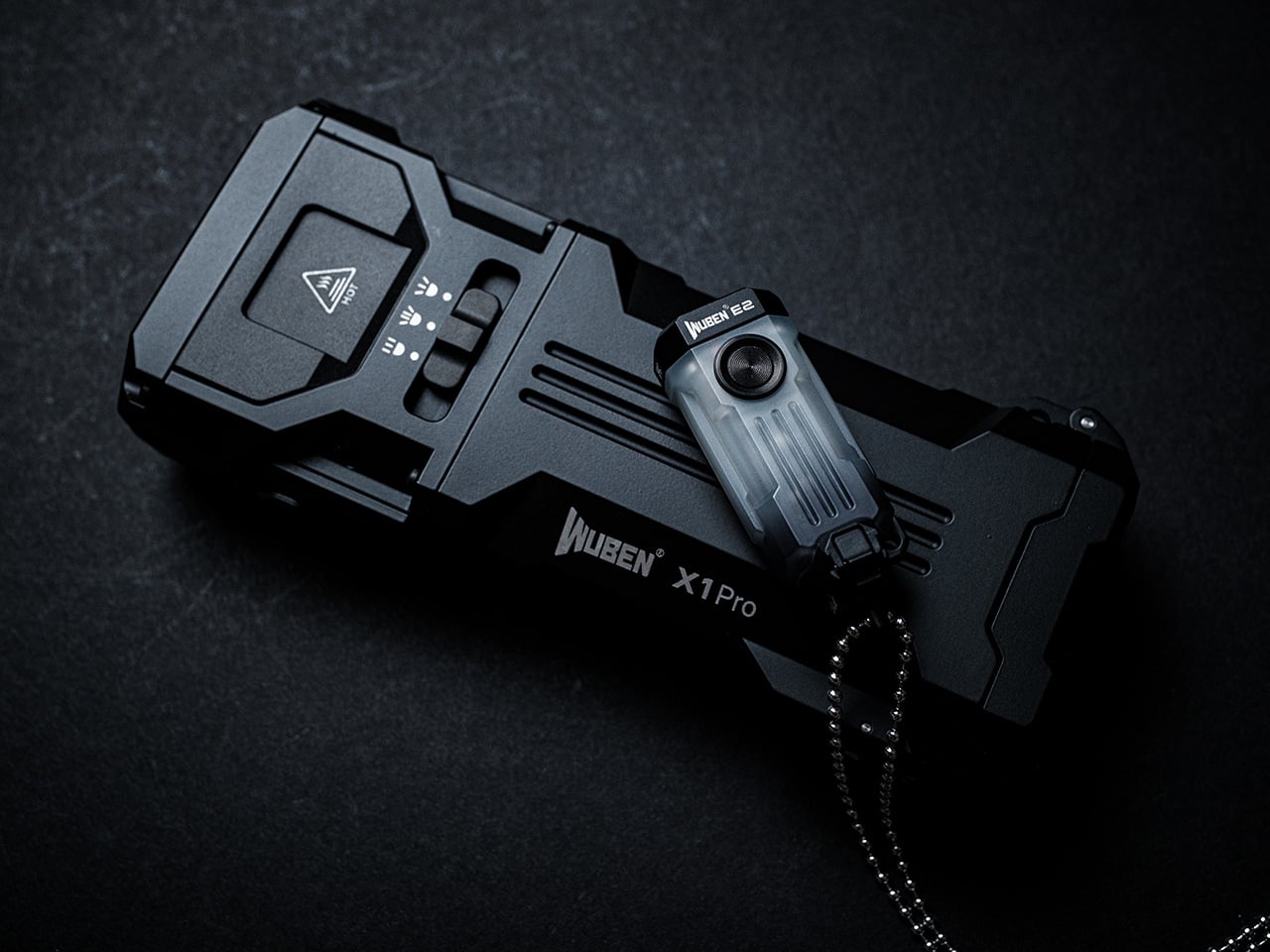
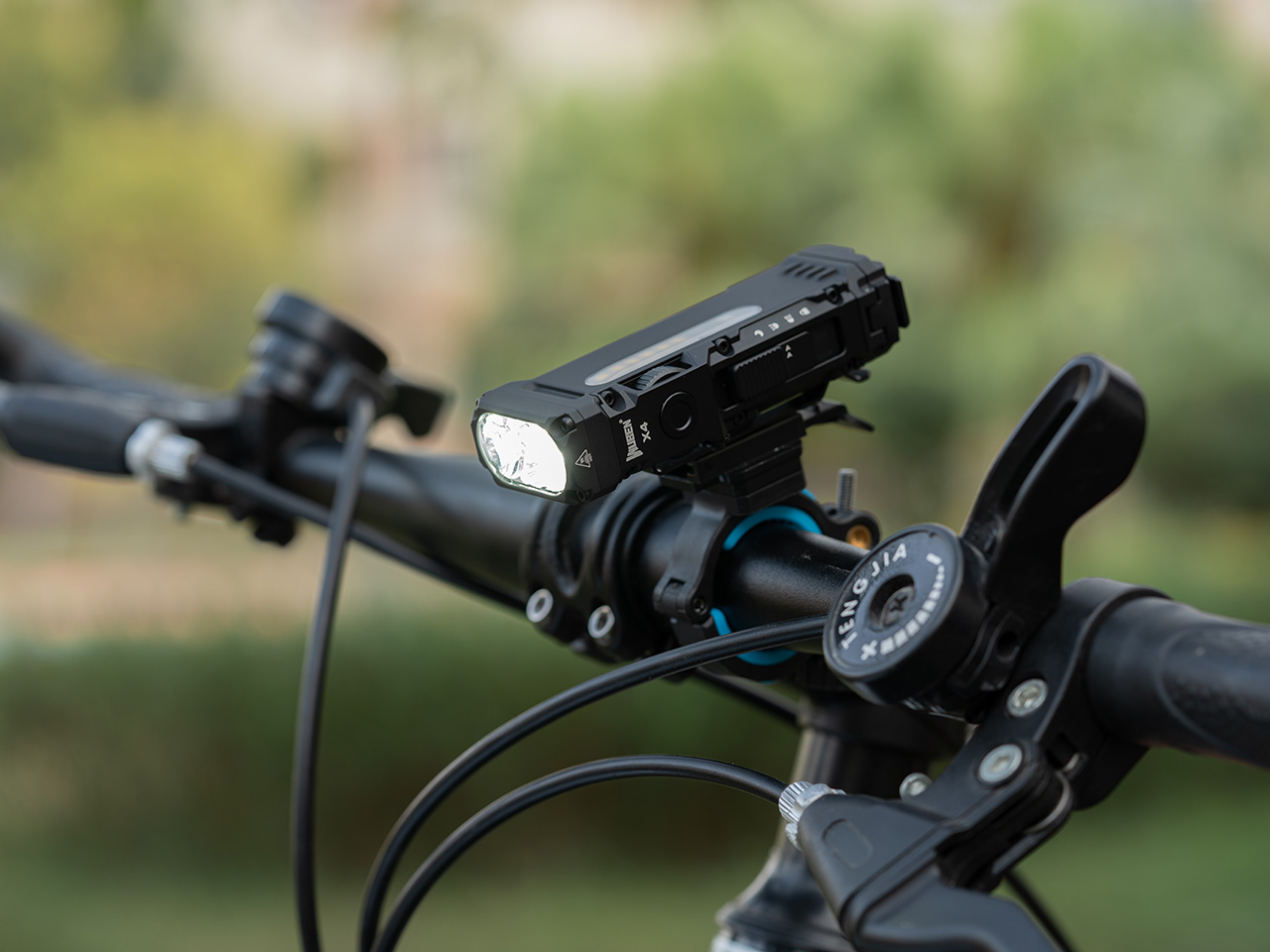
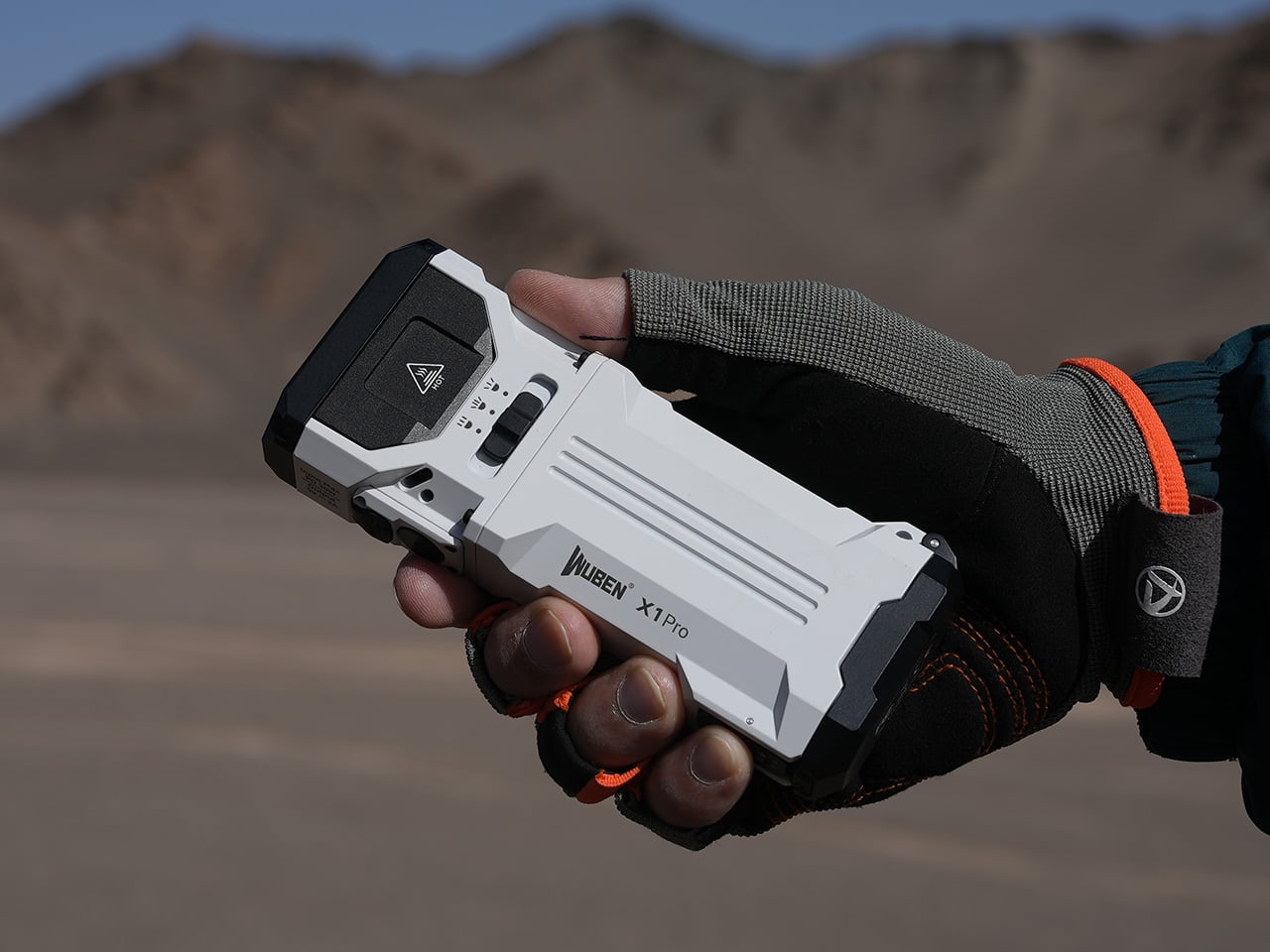
The WUBEN X1 Pro is built for explorers who want more than a basic beam and simple on-off functionality from their gear. With 13,000 lumens of combined flood and spot light, a rugged aluminum alloy body, and smart cooling to keep things running smoothly under heavy use, it’s a flashlight that’s as ready for action as you are, designed to handle whatever the night throws at you without fail.
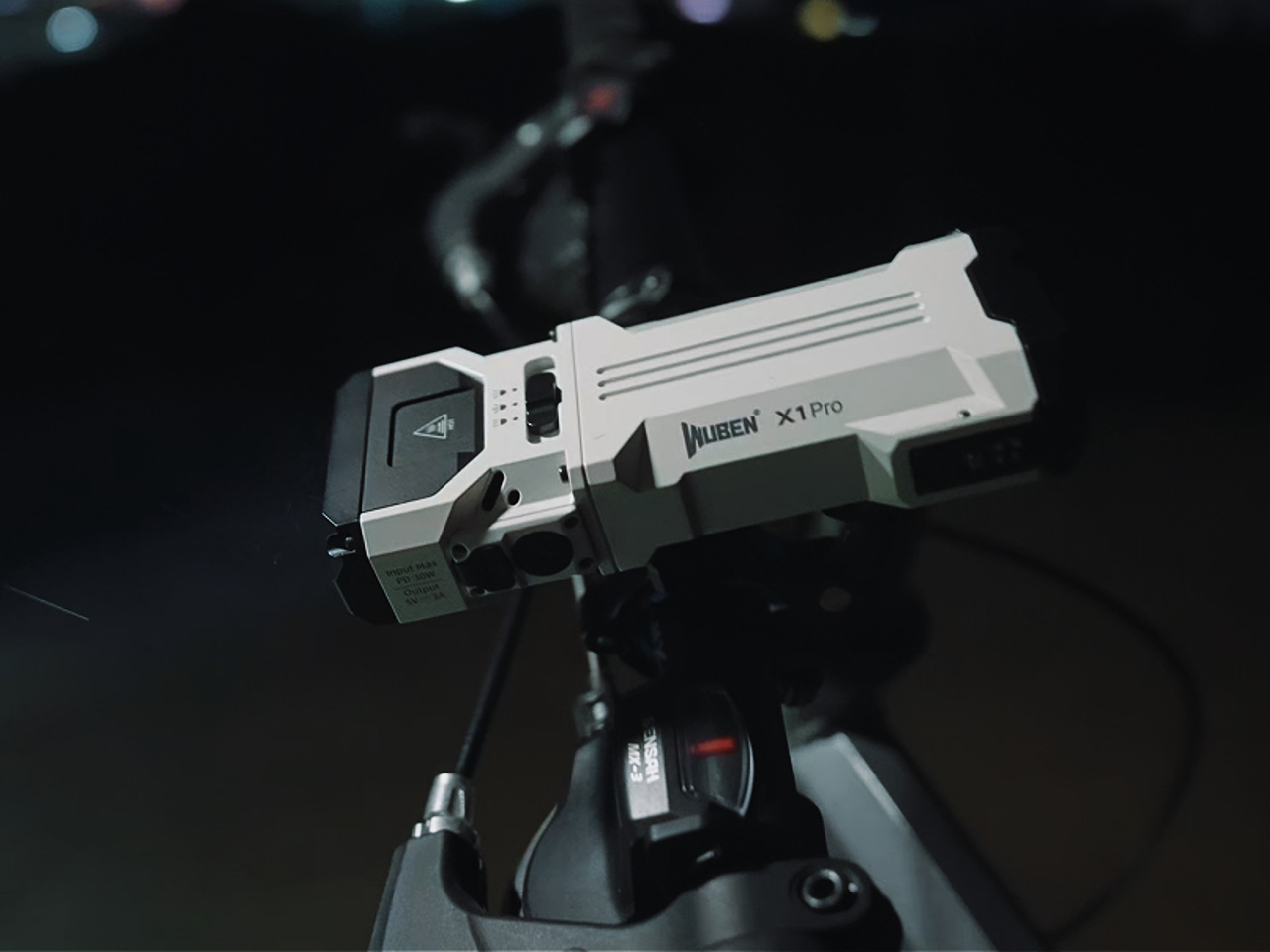
The WUBEN X1 Pro’s angular, aluminum alloy body feels solid and substantial in your hand, with sculpted lines and a one-handed grip that’s easy to hold even with gloves on during cold-weather expeditions. At 383 grams and just under 14 centimeters long, it packs serious power into a form that fits in a jacket pocket or bike bag without creating annoying bulk or weighing you down.
The minimalist button layout and matte finish look refined and purposeful, while the floating chassis and visible cooling vents hint at the engineering inside that keeps everything running at safe temperatures. It’s a flashlight that looks as good clipped to a backpack as it does on a nightstand, blending outdoor toughness with considered industrial design that doesn’t compromise aesthetics.
With three high-output LEDs arranged for both wide coverage and distance, the WUBEN X1 Pro delivers a wide, 125-degree flood for lighting up campsites or work areas and a focused spot beam that throws up to 337 meters into the distance. Switching between modes is seamless, letting you adapt to changing conditions on the fly without fumbling through complicated menu systems or awkward multi-press combinations.
Multiple brightness settings from Turbo to Eco mean you can go all out for a midnight ride through challenging terrain or conserve power for a long hike that stretches into days. The 13,000-lumen Turbo mode is bright enough to turn night into day across entire clearings, while lower settings stretch battery life for extended trips where charging opportunities are limited or nonexistent.
The WUBEN X1 Pro runs on two replaceable 21700 lithium batteries, providing a combined 9600mAh of capacity that powers hours of high-output use without fading. That’s enough juice for serious adventures, and when you need to recharge your phone or GPS device during extended trips, the flashlight doubles as a 15W power bank via USB-C output without compromising your lighting needs or leaving you in the dark.
Smart cooling keeps everything running safely without overheating or sudden performance drops during extended use. A detachable fan module and copper midframe dissipate heat efficiently, so you can use maximum brightness without worrying about thermal throttling or damage to internal components, no matter how long the adventure lasts or how demanding the conditions become during your exploration.
The X1 Pro is designed for versatile carry, with a rope hole for secure lanyards, and a redesigned bike mount for hands-free lighting on the move. The IP54 rating means it shrugs off rain and dust confidently, while the rugged aluminum build stands up to drops and rough handling during outdoor activities without showing significant damage.
Whether you’re setting up camp in complete darkness, fixing a flat tire at midnight on a deserted road, or leading a group through a dark trail where visibility matters for everyone’s safety, the WUBEN X1 Pro brings confidence and clarity to every situation. Its sculpted design, powerful dual-beam output, and clever features like replaceable batteries and power bank functionality make it a reliable companion for every adventure, big or small.
The EDC community loves two things: innovation and overkill (in the best possible way). The Lumitwin DL700 delivers both. Imagine a flashlight so powerful it throws light 2 kilometers into the distance. That’s 1.24 miles of beam reach, which is frankly absurd for something you can clip to your bag with a carabiner. This isn’t your grandfather’s Maglite. With dual independently-controlled barrels, laser-excited phosphor modules instead of LEDs, and swappable color filters for different outdoor scenarios, the DL700 reads like a wishlist from r/flashlight brought to life. At 1,032 grams, it’s substantial but purposeful – machined from aerospace aluminum and built to survive everything from torrential rain (IP68 rated) to rough handling.
Every outdoor enthusiast has been there: you’re on a night hike, and your phone’s flashlight dies. Or you’re searching for a trail marker, squinting into the darkness as your standard LED flashlight’s beam dissolves into useless scatter. The Lumitwin DL700 was born from exactly these frustrations – designed by explorers who wanted more than just bright; they wanted far, focused, and adaptable. The DL700 delivers 2,000 meters of throw distance with interchangeable red, green, and flood filters for hunting, search-and-rescue, or tactical situations. Machined from a single aluminum block and rated for 1-meter drops and IP68 waterproofing, it’s the kind of tool you grab when even your purpose-built EDC flashlight won’t cut it.
LEDs have dominated flashlight design for decades, but the Lumitwin DL700 is betting on a different light source entirely. Each barrel houses a Blue Lake NT2 laser-excited phosphor module. This is the same technology that powers high-end automotive laser headlights, where a laser excites a phosphor layer to generate intensely focused light. You’re not shooting laser beams at things (important safety distinction), but you are getting illumination characteristics that conventional LEDs simply cannot match. Traditional LED flashlights scatter their beams, losing intensity rapidly over distance. The DL700’s LEP technology creates a collimated beam that maintains coherence over extreme distances. When both barrels fire simultaneously, you get 1,100 lumens with a combined candela rating of 958,000 cd and that 2,000-meter throw distance. Switch to single-barrel alternating mode and you’re looking at 500 lumens on high with 479,000 cd, which still reaches 1,300 meters.
The dual-barrel setup isn’t just aesthetic mimicry of binoculars, though the form factor does borrow that ergonomic hollow-center grip. Each barrel operates completely independently with its own switch and brightness control. You can run both at full power for maximum illumination, use them separately to extend battery life, or set different configurations on each barrel for specific tasks. Thread-on filters for each barrel include red, green, and light-diffusing flood options. Red light preserves night vision for hunting or astronomy. Green cuts through fog and provides better contrast in dense vegetation. The flood filter transforms the focused laser beam into wider area illumination for close-up camp work or search and rescue scenarios where you need to illuminate a broader field. This modular approach gives you essentially six different flashlights in one package, and you can mix configurations. One barrel with red filter for navigation, one with standard white laser for distance spotting.
Each barrel gets its own 6,000mAh 21700 lithium-ion cell, totaling 12,000mAh across the entire unit. This explains why the alternating single-barrel mode delivers such impressive runtime. On high output with alternating barrels, you get eight hours. Drop to low output and you’re looking at 16 hours of continuous operation. Both barrels simultaneously at maximum output drain things faster at four hours on high, but that’s still respectable given the performance output. USB-C charging on both batteries means you’re not hunting for proprietary cables or dealing with annoying charging cradles.
Each unit is machined from a solid block of 6061 aerospace aluminum (the same alloy used in aircraft components and high-end bike frames) which explains both the premium feel and the 1,032-gram weight. IP68 waterproofing means submersion to 1.5 meters for 30 minutes, which translates to “drop it in a river and you’re fine.” The specs list 10-meter drop resistance, which is more than you can claim for most smartphones. The body includes integrated cooling fins and an intelligent temperature control system to maintain stable brightness without thermal throttling, which is crucial for sustained high-output use.
Dimensions come in at 7.2 inches long, 3.15 inches wide, and 1.57 inches tall. This puts it firmly in the “substantial EDC” category rather than pocket-friendly territory. You’re carrying this on a belt loop, in a bag, or via the included braided wrist strap and carabiner setup. The included hard-shell case keeps everything organized and protected during transport. For context on use cases, this level of performance targets search and rescue operations, serious hunting and expedition work, tactical applications, and outdoor enthusiasts who need reliable long-distance illumination. You’re not using this to find your keys in the dark. You’re using this to spot trail markers from a mountain ridge or illuminate a distant shoreline during night navigation.
Double the barrels but halve the price is what I imagine the folks at Lumitwin said when they launched their Kickstarter. The MSRP on the DL700 starts at an eye-watering $950, but a whopping 65% discount brings its price down to $329 for a limited time while the project accrues backers on Kickstarter. For that price you get an entire hard-shell case with the flashlight itself, two 6000mAh batteries, two floodlight filters, a red light filter, a green light filter, two replacement silicone buttons, a braided cord and carabiner for easy carrying, and finally 4 waterproof rings. The DL700 begins shipping globally starting December this year, so grab yours now and you should get it in time for Christmas, or maybe your holiday camping trip as the new year rolls in.
Small pocket-sized flashlights are a dime a dozen these days, especially in the era of EDCs or Everyday Carry bags. Many of these come in rugged designs with bright LED functionality, and most of them utilize rechargeable batteries for convenience. Of course, that implies having some sort of charger always at hand, which requires carrying yet another separate device in your kit.
This EDC tool, however, takes a cue from the now ubiquitous wireless earbuds design, providing a carrying case for the LED flashlight that also serves as its charger. Even better, you can actually use the flashlight while it’s still in its case, removing the need to fiddle with two separate devices when you’re in a hurry.
On its own, the Olight Baton 4 LED flashlight looks pretty ordinary. It has a small cylindrical body typical of tiny flashlights, though it boasts a brightness of 1,300 lumens and a throw distance of 170 meters. It has small LED indicators for its brightness level and remaining battery charge, but that’s pretty much it for the flashlight itself.
The real killer feature of the Baton 4 Premium Edition, however, is its 5,000 mAh charging case. It has a flip-top design that makes it easy to open and close with one hand. You can easily slip in any compatible Olight flashlight for charging, but there’s a special function when used with the Baton 4 or Baton 3 flashlights. You can simply flip open the cover and press the side button to turn on the flashlight while it’s still in the case, so you don’t have to lose time pulling it out and putting it back in again.
The case itself has dual charging functionality. It can charge the flashlight inside or charge a phone like a power bank. This means you don’t really need to carry a separate charger for the flashlight and your phone, as the case can do both. It might sound like a small convenience, but for people who always find themselves outdoors in the dark, intentionally or otherwise, it can be a critical space-saving feature that helps make room for more things inside their EDC bags.