Wuben’s tiny flashlight packs 500 lumens and a blade into 40 grams

My phone flashlight handles most of my after-dark chores, which is a funny confession from someone who writes about EDC gear for a living. It is always in my pocket, it is bright enough, and it asks for nothing extra. Then a job needs both hands, and suddenly the phone is clamped in my teeth, aiming at the ceiling while I squint at a breaker box. The phone flashlight is a great idea with one design flaw, which is that it comes attached to a phone. Hands-free light has always been the gap, and headlamps are too much hardware for a trip to the garage.

Wuben’s G6 SPARK is a keychain-sized answer to the teeth problem. Its clip rotates 90 degrees with distinct clicks, so you can clip it to a pocket, cap brim, or backpack strap and aim the beam where your hands are busy. The 500-lumen main light handles distance, a 100-lumen side light with red modes handles up close, and a hidden blunt-tip blade covers the odd chore. The body is 7075 aluminum, 0.34 inches (8.6 mm) thick, and 1.4 ounces (40 g or about as much as an AirPods case).

Designer: Wuben

Click Here to Buy Now: $33.99 $44.99 (24% off). Hurry, only 411/1000 left! Raised over $111,000.

Eleven credit cards thick and cut from aerospace aluminum
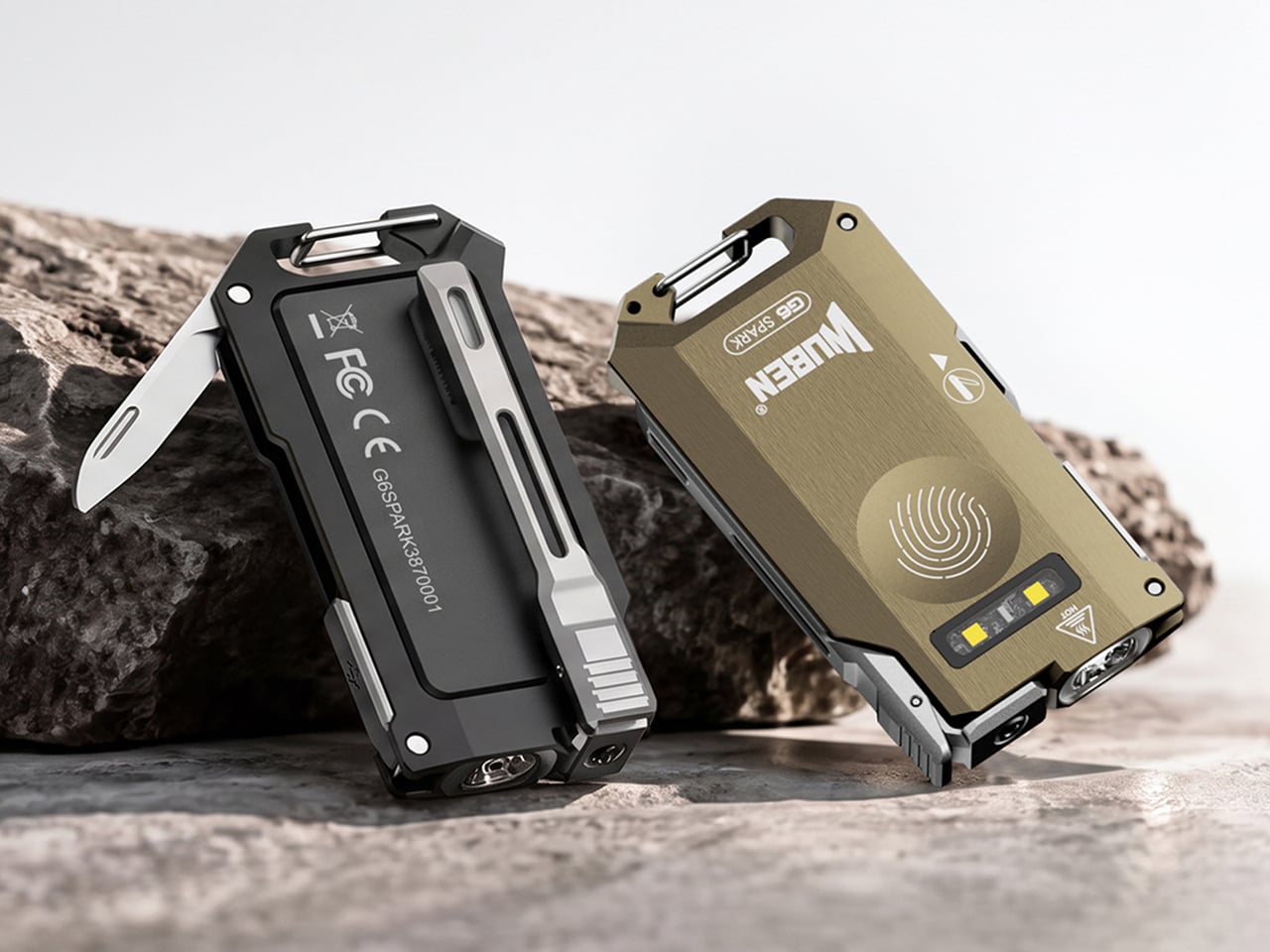
The G6 SPARK measures 2.56 by 1.35 inches and 0.34 inches thick (65 by 34.2 by 8.6 mm), and it weighs 1.4 ounces (40 g). That makes it roughly eleven credit cards thick, so it vanishes into a jeans pocket. The body is 7075 aluminum, which Wuben calls aerospace-grade, and a slab this thin needs a metal with a spine. Wuben rates it IP66 against dust and powerful water jets, with 1 meter (3.3 feet) of impact resistance, so a keychain’s daily abuse should not scare it. The USB charging port hides inside the body, which keeps the face clean and symmetrical.

7075 is the zinc-rich member of the aluminum family, and it has a reputation for being far tougher than the 6061 found in most flashlight bodies. Aircraft engineers fell for it because it is light and stiff at the same time. Stiffness is exactly what a flat flashlight needs, since a thin body that flexes is a bad day for the lens and the electronics. On a keychain, that rigidity should also help it survive a crowded pocket full of other metal. A push-release attachment lets you pop it off the ring when you want it in your hand instead of dangling off your keys.

Three lights, one button, and a click code you can learn in an evening

The main light tops out at 500 lumens with a 66 meter (217 ft) throw and a peak beam intensity of 1,089 candela. Those numbers describe a beam for the space around you, like a driveway or a campsite, rather than a hillside across the valley. Light color is 5000K, a daylight white, and the CRI of 70 means colors look decent rather than lab-accurate, which is fine for finding a dropped screw. Brightness steps are Eco, Low, Medium, and High, and you cycle them by holding the button. A double click jumps to Turbo, a triple click gives you Strobe, and mode memory remembers your last setting.

The independent side light is the one I expect to use most, since it gives a close-range pool of light at arm’s length. White comes in Low, Medium, and High, topping out at 100 lumens, which is plenty for reading a label or tracing a wire. Red adds a steady mode and a signal mode at 10 lumens, handy for saving night vision or flagging yourself on a dark road. Hold the button while the main light is off to wake the side light, and hold again to cycle the five modes. That is a lot of options on one button, though the click patterns are easy enough to learn in an evening.

A clip that aims, a blade that hides, and a cap brim that becomes a headlamp

The clip is the headline trick, rotating through 90 degrees with distinct mechanical clicks so you can feel each position. Clipped to a cap brim, it works like a minimalist headlamp, and I would happily wear it to read in a tent. Tucked into the side is a blunt-tip utility blade that handles opening boxes, slicing tape, and sharpening a pencil, and probably a marshmallow stick if you ask nicely. Fold it away and the G6 goes back to being a slab that keeps your keys company. My one wish is a tiny tactile mark near the button, so a cold thumb can find it in the dark.

Click Here to Buy Now: $33.99 $44.99 (24% off). Hurry, only 411/1000 left! Raised over $111,000.

The post Wuben’s tiny flashlight packs 500 lumens and a blade into 40 grams first appeared on Yanko Design.
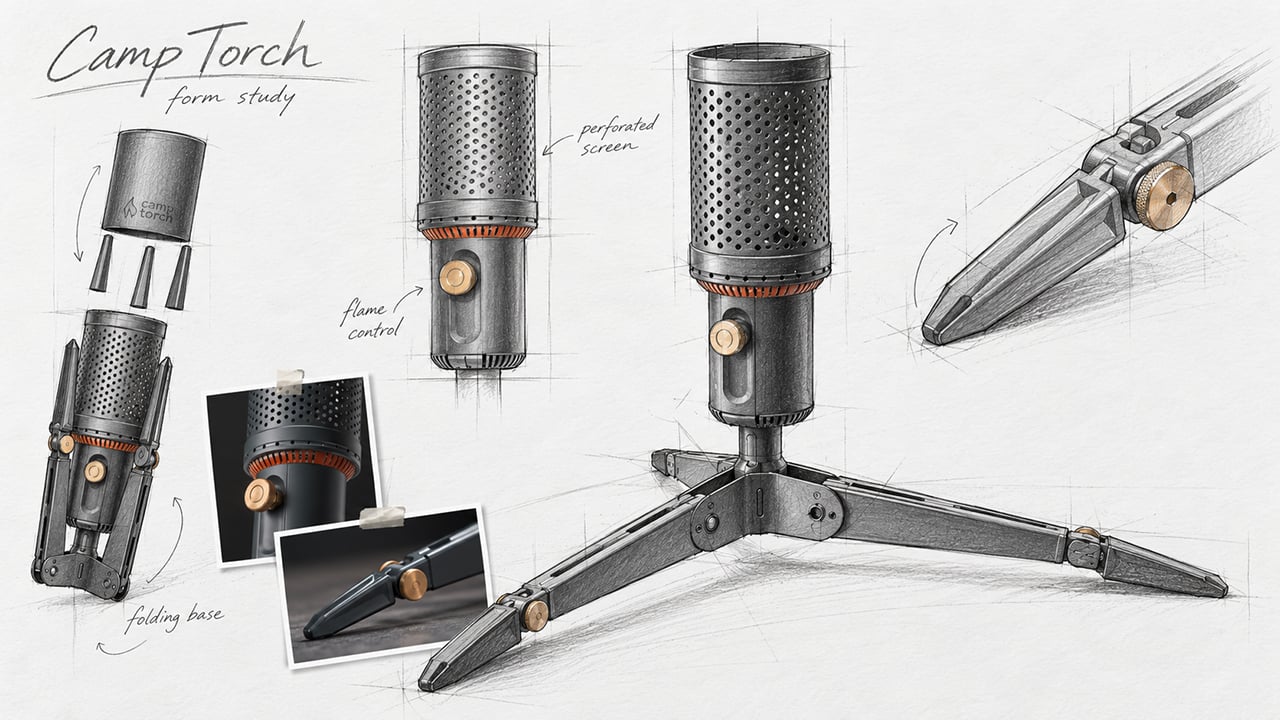
No Wood, No Ash, No Smoke: This Modular Propane Torch Turns Any Outdoor Space Into a Gathering Spot

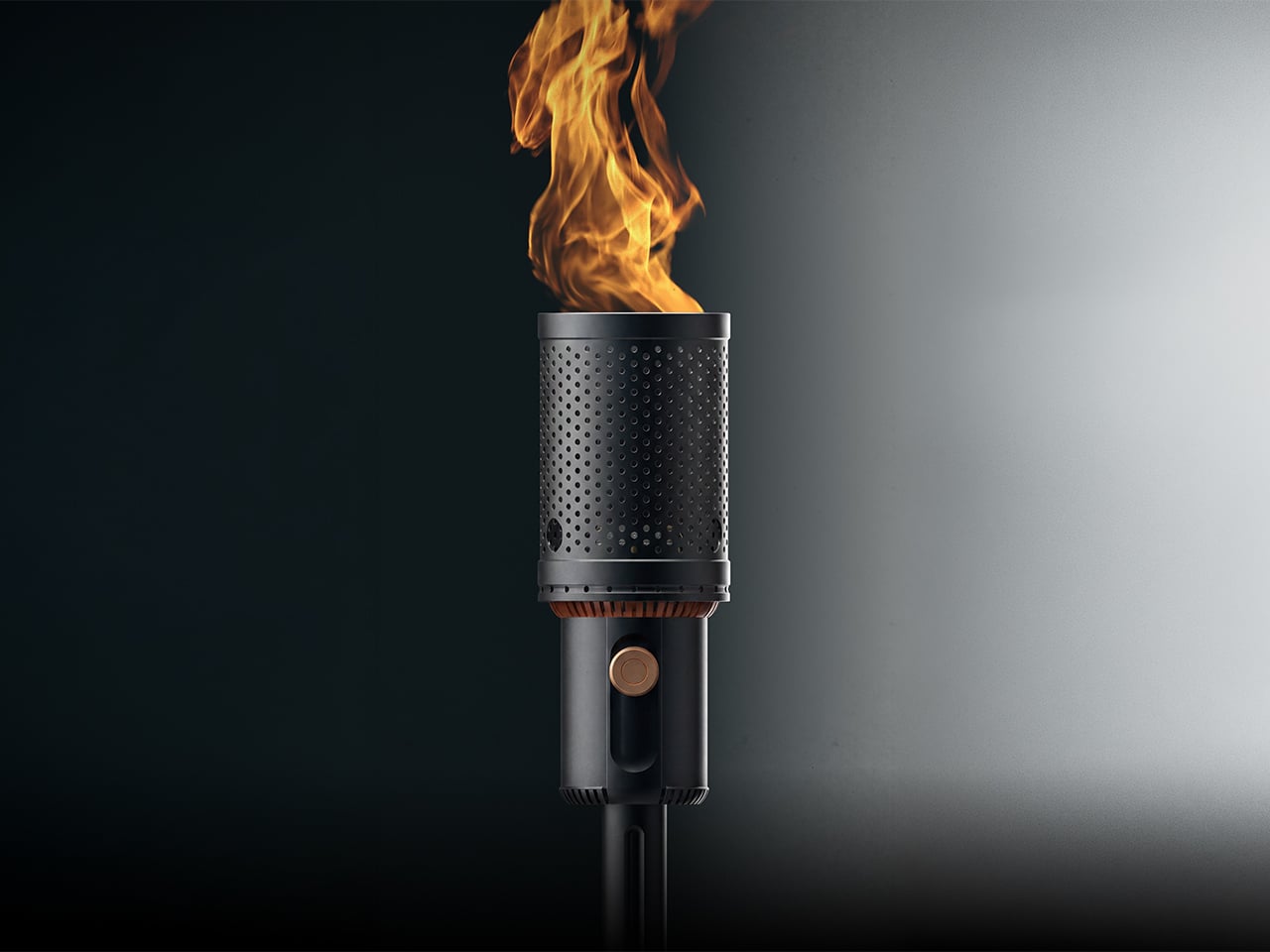
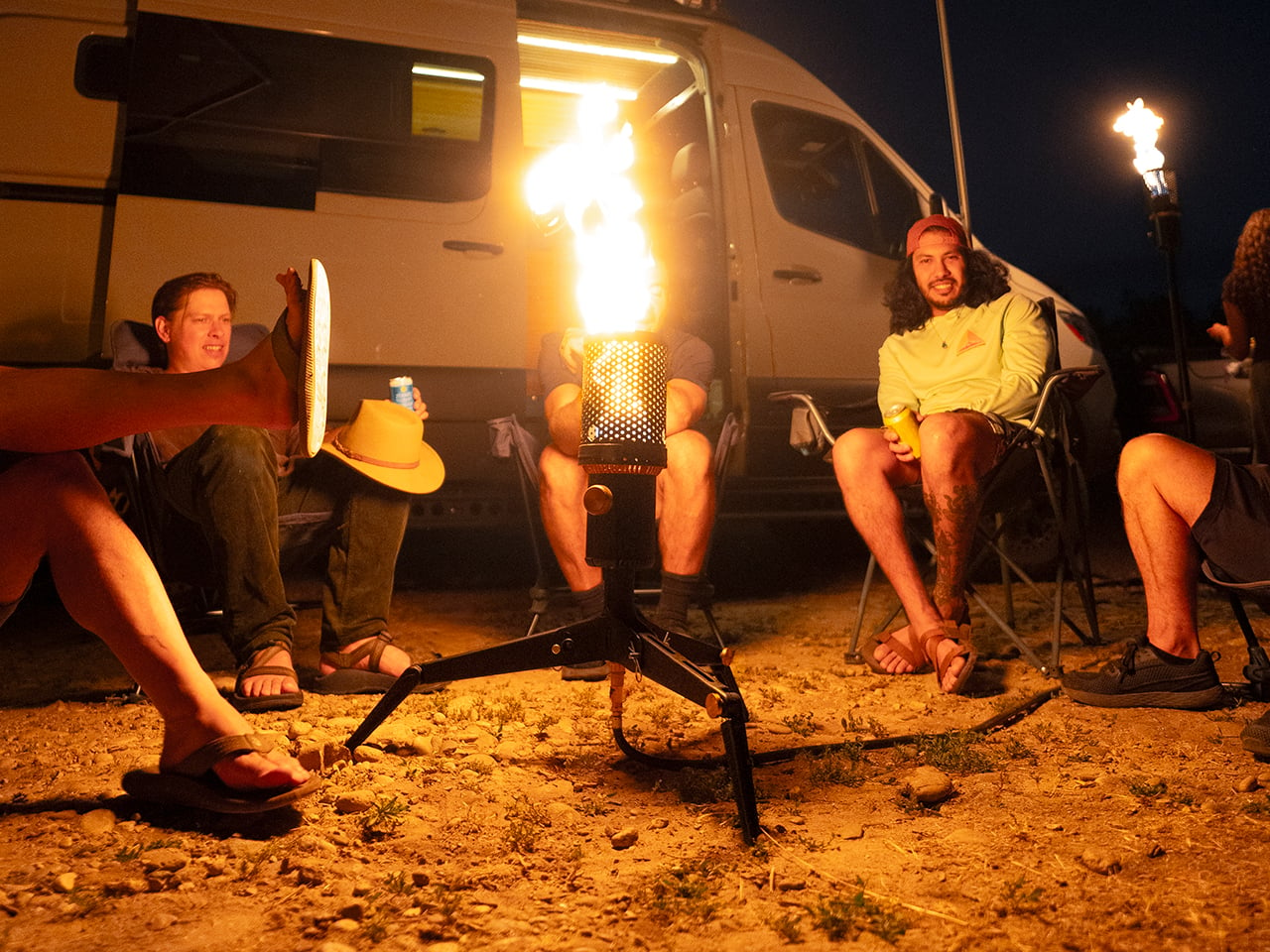
Camping gear has a habit of living in the garage for 51 weeks a year. Camp Torch, built by three friends in Boise, Idaho, took a different route: it was made for camp, then wandered onto the founders’ porch and never left. It is a modular propane torch with a flame up to four feet tall that packs down into a bag. Because there is no wood, ash, or smoke, your patio smells like a patio on Monday. One knob dials the flame from a low glow to a full blaze.

I like a product that picks one job and does it properly, and this one’s job is giving a gathering a center. Founders Prince, Jimmi, and Boyd strapped the first rough prototype to a raft and went through six prototypes before landing on this one. Some of the nights they most wanted a fire were the nights a wood fire wasn’t allowed, which is why it runs on propane, with a controllable flame and a shutoff valve. To refine it, they brought in engineers who had worked on products like Jetboil. Stack the poles and you get a 6 ft 4 in Beacon. Drop to the tripod and you get a low Campfire that pulls everyone into a circle. It runs on a standard 20 lb propane tank, so there is no proprietary fuel to hunt down.

Designer: Camp Torch

Click Here to Buy Now: $499 $599 ($100 off). Hurry, only a few left! Raised over $530,000.

A single knob controls a four-foot flame

The flame is the whole point, so it gets the simplest control possible: a knob on the side of the burner head. Turn it low for a small dinner or crank it up when the group grows and the stories get louder. At full flame the light reaches about 60 feet in every direction, enough to cook and wander around after dark without a headlamp. One tank gives about 9 hours on high and more than 20 on low. That covers a full weekend of evenings, and I suspect you’ll be the one who wants to stay up for the last one.

Height is the modular part. The poles stack into four configurations: Campfire on the bare tripod, one pole, two poles, and the full 6 ft 4 in Beacon. Campfire mode sits low and central so the warmth lands right where the circle is, while Beacon goes tall to light up the whole site. Base Camp takes it further, with three torches running off a single tank through a splitter. Put one by the table, one near the chairs, and one where everyone keeps ending up. Back home, that height adjustment earns its keep again. Drop it to Campfire beside the chairs for a quiet evening on the porch, or raise it to Beacon and let it light the whole patio when friends come over. You don’t need a trip on the calendar to pull it out, which makes the price easier to justify: the same torch rides along on the weekend and gets used again the night after you unpack.

Steel, brass, and legs borrowed from precision machinery

The base is a three-foot tripod whose legs end in Hirth-joint tips, the interlocking serrated geometry you usually find in precision machinery. Each leg micro-adjusts, so the torch can sit level on a lumpy campsite or a lawn, and the tips drive into the ground when you want it locked down. Every knob and fitting is steel, aluminum, or brass, and the structure has zero plastic. The quick-connect that joins the poles sets your height without tools and takes future accessories the same way. The entire design is patent pending. I’m a sucker for a joint that does real engineering work, and a serrated leg on a camp torch made me smile.

An anti-tip shutoff cuts the gas the moment the torch tips. Camp Torch was designed with stability in mind, and the flame control is fully manual. Rain has nothing to soak and no coals to drown, while wind moves the flame around the way it moves any fire. A precision controlled flame, no embers, and an instant valve shutoff are why it’s often allowed where a wood fire isn’t, including under many Stage 1 and Stage 2 restrictions. Stricter restrictions and full closures ban propane too, so check with your local fire authority before every trip.

Packing, setup, and what comes in the box

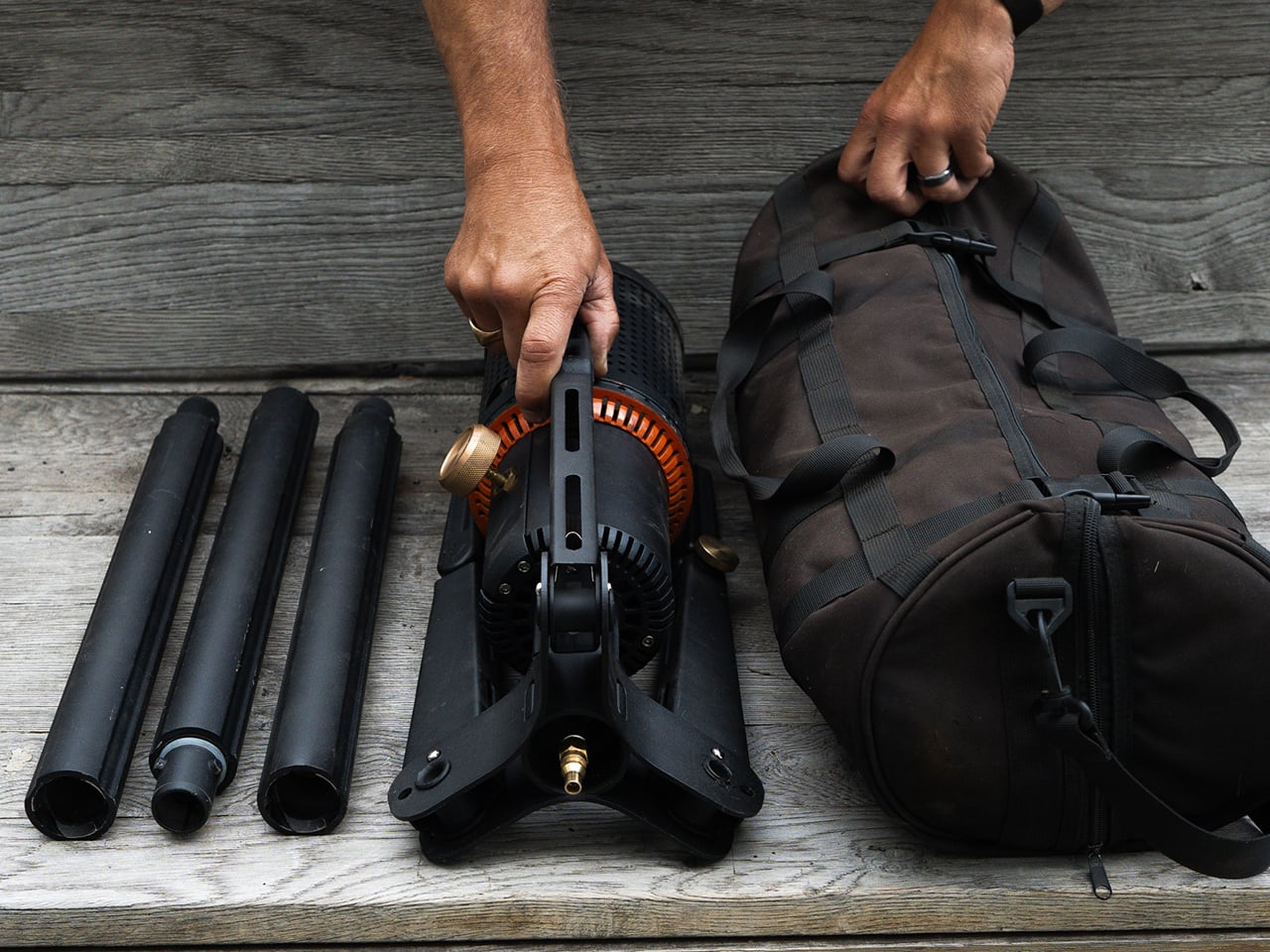
The whole system breaks down into the included 11 x 22 inch bag at about 18 lb, so it slides in behind a seat next to the cooler. Setup takes under a minute and needs no tools: level the tripod, stack the poles and connect the head and fuel line, then attach your propane tank, light it through the port, and adjust the flame. The box also holds silicone heat-resistant covers, a quick-connect regulator and hose, and handling gloves. Heat shields, patio and deck bases, and cooking accessories are in development.

Camp Torch ships to the US only, with delivery estimated for February 2027. One torch is $499 and a two-torch set is $899 at launch pricing, ahead of a planned full retail price of $599 per torch. Each torch includes the carry bag, propane hose and regulator, heat-resistant covers, and gloves, while Base Camp is the three-pack. Returns are accepted for 30 days after delivery for a full refund, with return shipping covered, and Camp Torch is backed for life: if something fails in normal use, they fix it free, usually shipping the part before you send anything back. After all that, the garage is the one place this torch won’t be spending its winters.

Click Here to Buy Now: $499 $599 ($100 off). Hurry, only a few left! Raised over $530,000.

The post No Wood, No Ash, No Smoke: This Modular Propane Torch Turns Any Outdoor Space Into a Gathering Spot first appeared on Yanko Design.

Flashlights Usually Don’t Have Personalities, Olight’s Oclip 2 Ultra Kind of Does

Flashlights do not usually have personalities. They turn on, they turn off, and that is the extent of the relationship. Olight’s Oclip line has spent a couple of generations building a reputation as the clip light people actually reach for, but even loyal users had one recurring complaint. Olight surveyed over 5,200 existing Oclip owners and found that nearly 30 percent of all feedback came down to the same frustration: the light points the wrong way, and there is no fix short of unclipping everything and starting over. Clip it to a hat brim, it shines in your eyes. Clip it to a pocket, it lights up the ceiling. The beam went where the clip decided, not where you needed it.

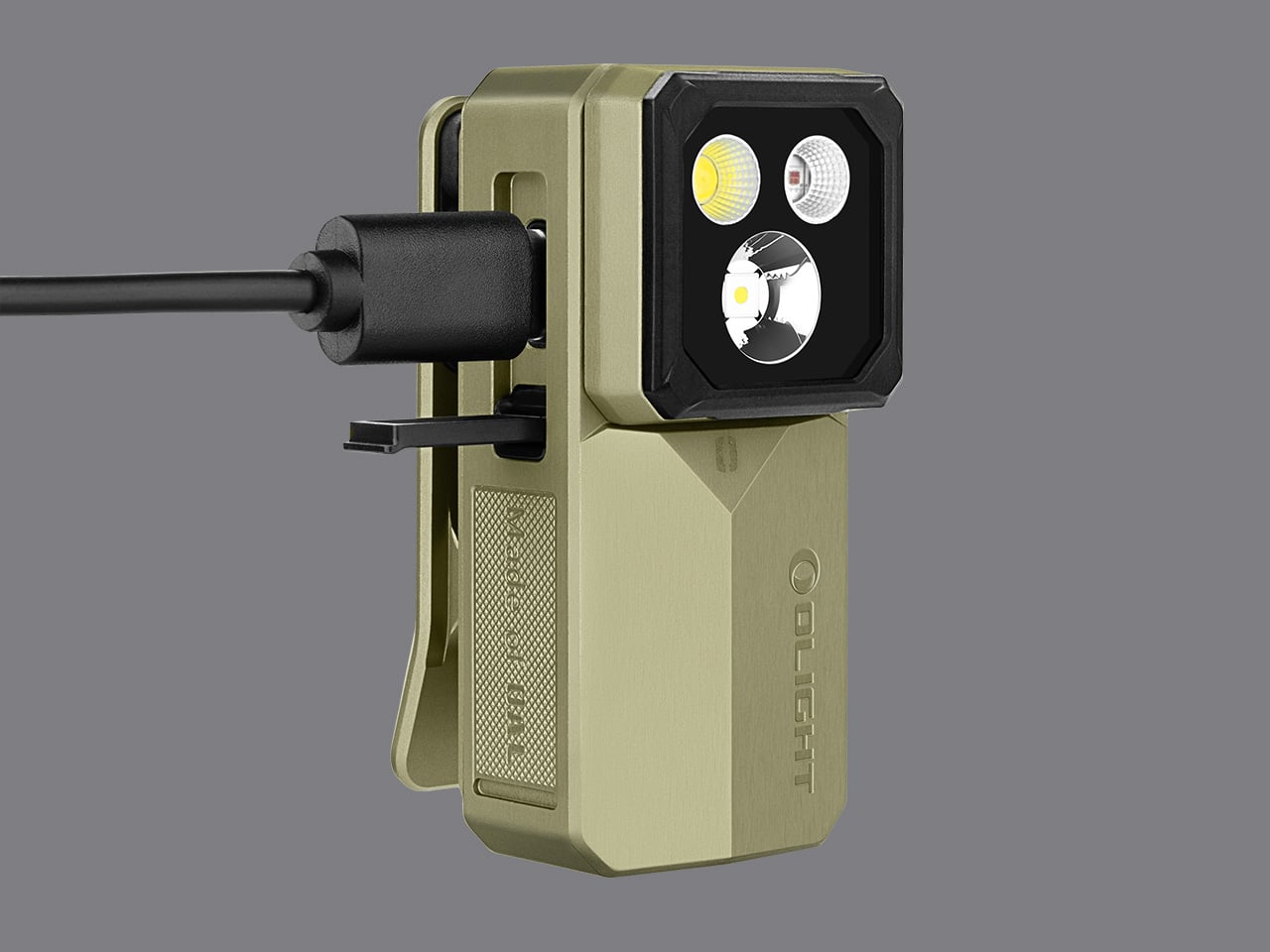
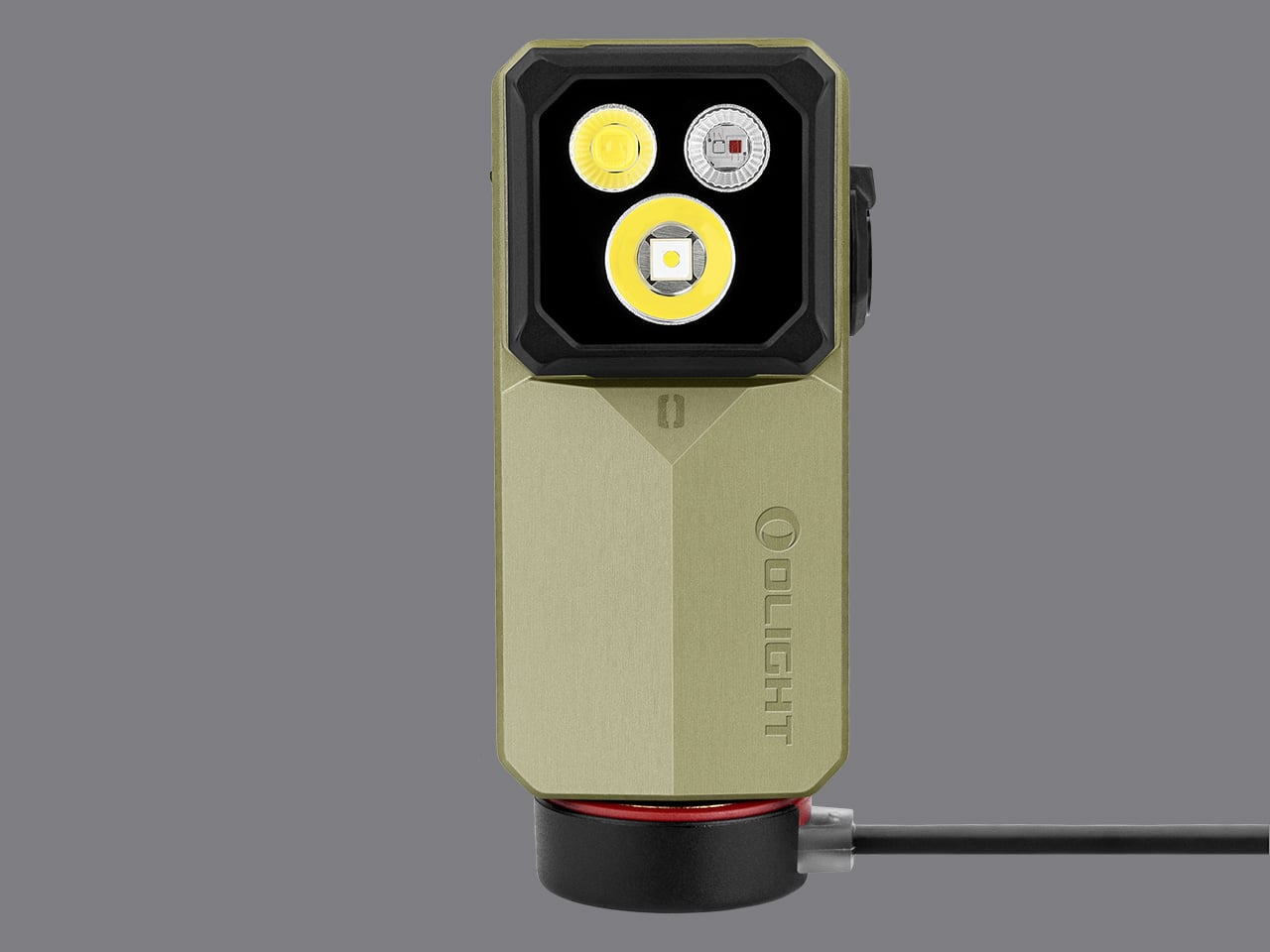
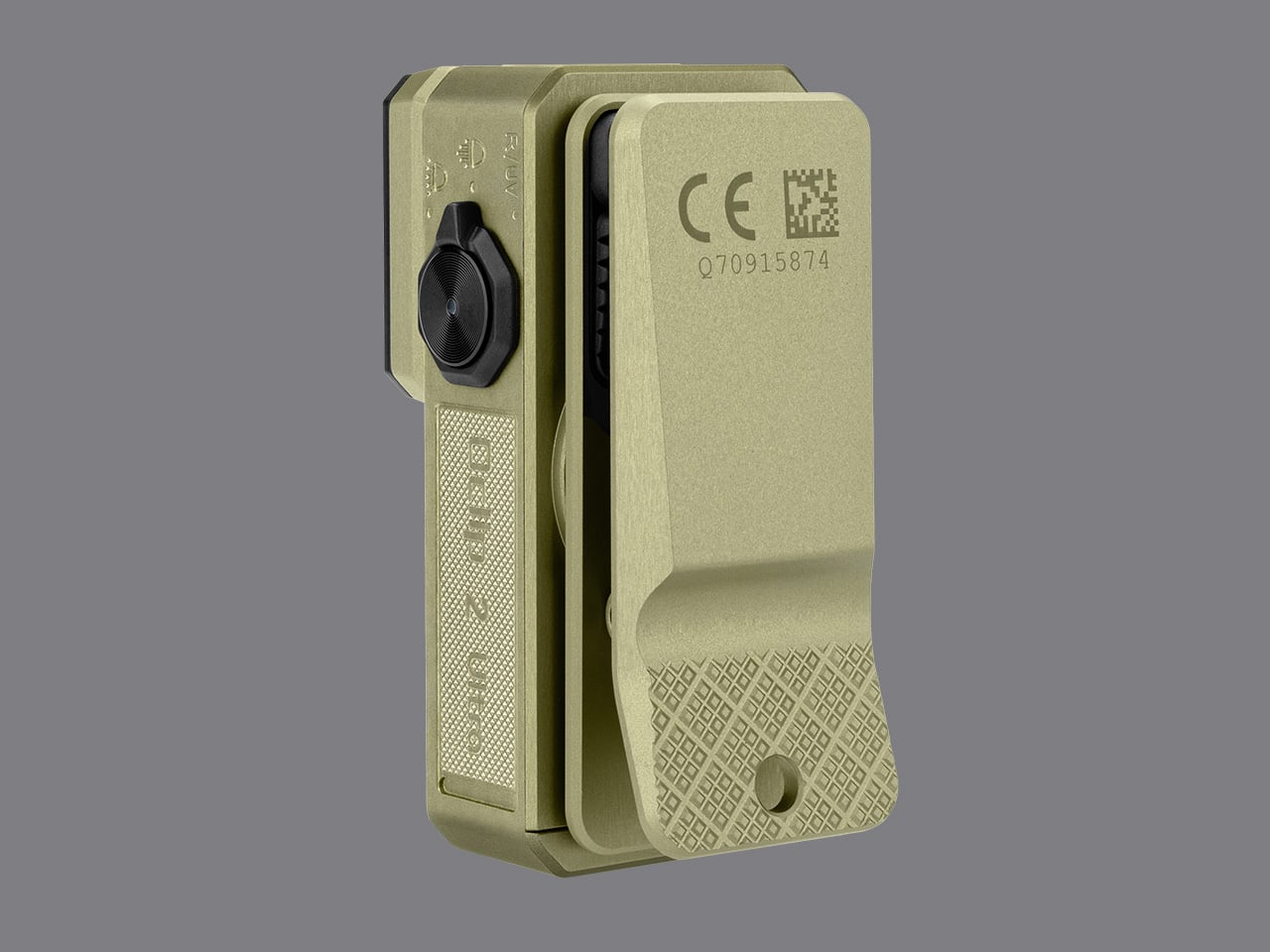
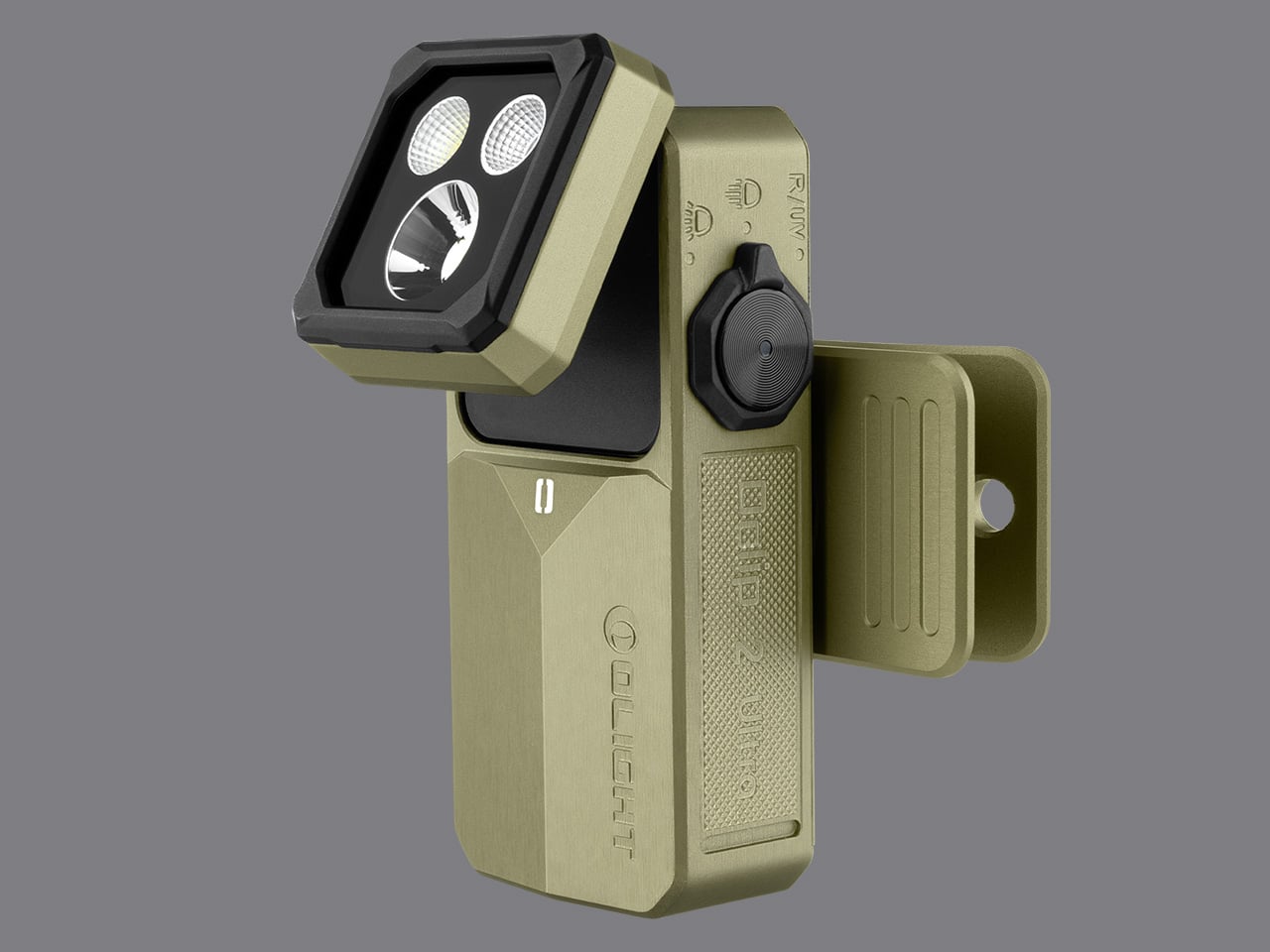
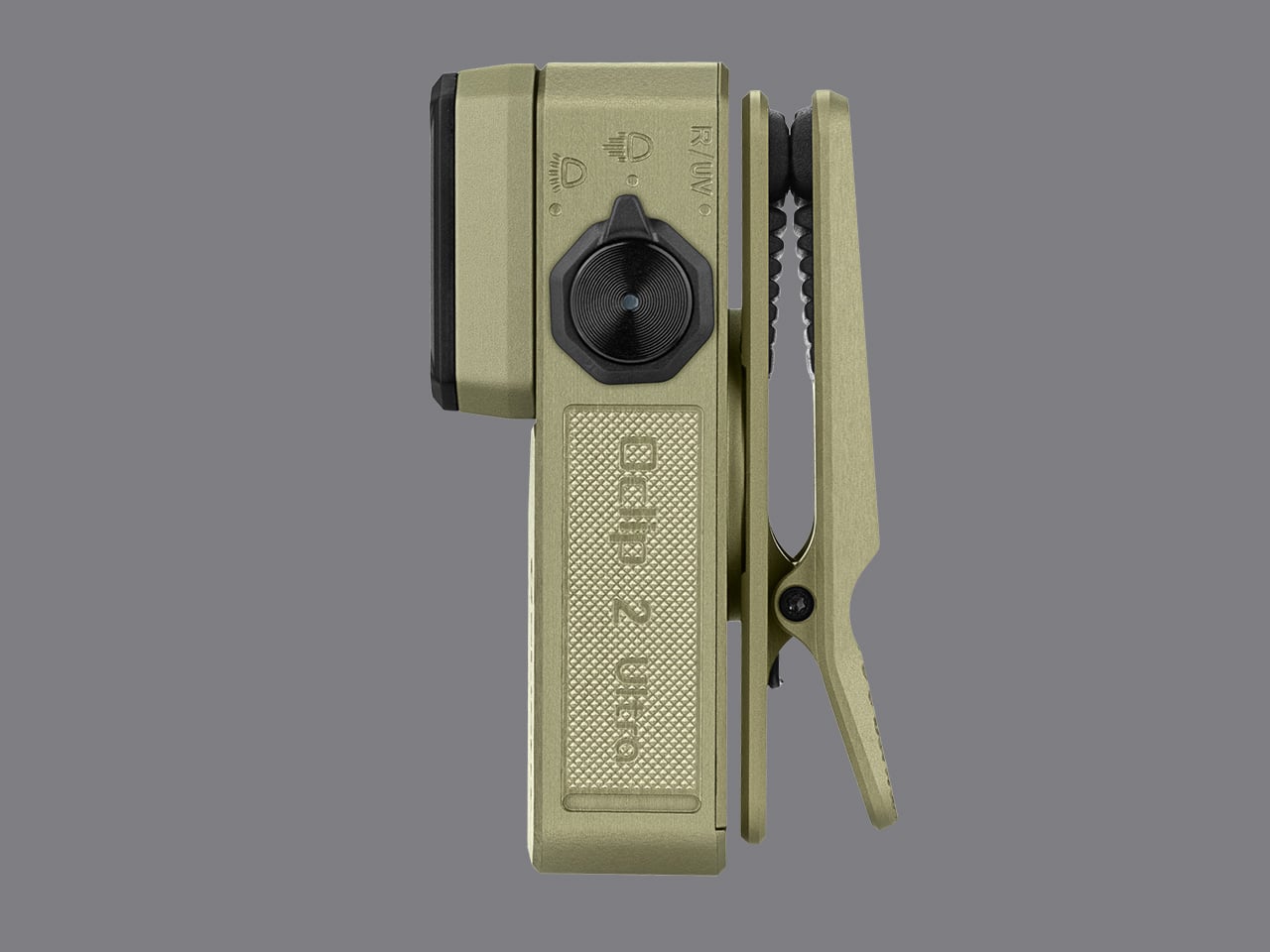
That single fix is what the Oclip 2 Ultra is built around. A 360 degree rotating clip pairs with a 115 degree pivoting head, letting you attach the clip anywhere and aim the beam exactly where the work is, without repositioning. Both axes are rated for 10,000 test cycles, so the mechanism is built to hold rather than loosen over time. The Ultra adds an OAL aluminum body, an in-house R/UV dual emitter combining red and 365nm UV, and OclipBeat, a breathing indicator that shifts color the more the light gets used. Output lands at 580 lumens with a 130 meter throw, IP66 rated, and 2 meter drop rated. It starts at $69.99, with the Premium edition adding a 1,000 mAh charging dock for $94.99.

Designer: Olight

Click Here to Buy Now: $94.99

Elbow-deep in an engine bay with the beam pointing at a hose instead of the bolt you actually need, the old Oclip left you two options: tilt your body or unclip and start over. The Oclip 2’s dual-axis mechanism takes that off the table. The 360 degree rotating clip and 115 degree pivoting head work as independent adjustments, so you can attach the light, rotate the body upright, and tilt the head directly onto the target, all while the clip stays put. The mechanism went through hundreds of light-head optimization iterations, and the result is a head that holds its angle under consistent rotational resistance. A head that drifts after positioning defeats the whole purpose of an articulating system, and Olight clearly thought about that.

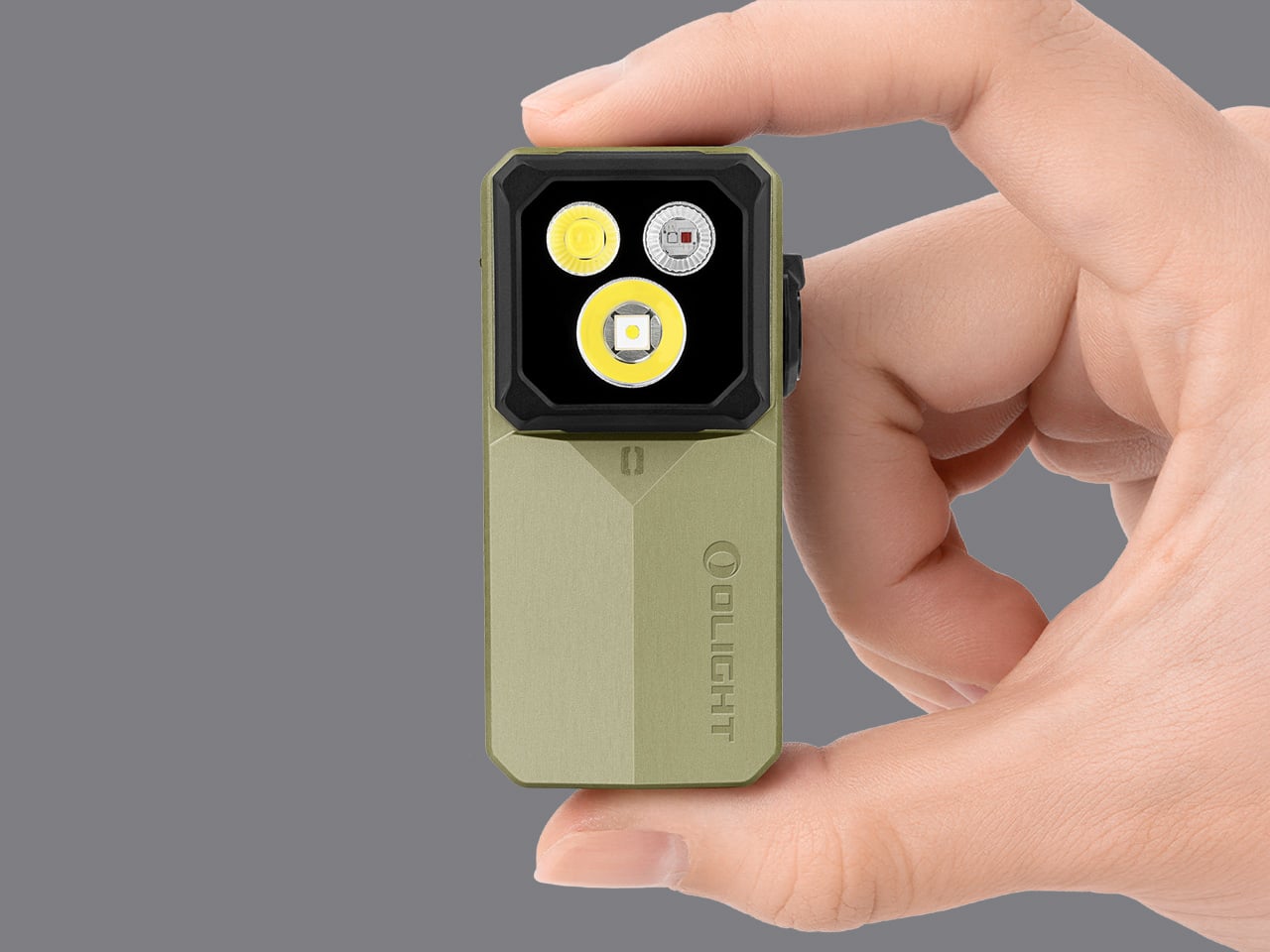
Four light sources in one body: flood, spot, or red. For even greater versatility, Oclip 2 Ultra features Olight’s industry-first, in-house-developed R/UV emitter, combining red and UV light in one compact design.. Traditional compact clip lights force a trade-off between red warning signals and UV detection, so Olight’s decision to build both into one emitter is the real technical flex here. UV output lands at up to 800 mW for quick inspections. The floodlight uses a specially designed curved light cup to produce diffuse reflection and a clean flood beam, rather than just a wide hotspot, and the spotlight throws to 130 meters at 450 lumens (the floodlight lets you hit 580 lumens). OclipBeat is the Ultra’s odd personality feature, a breathing indicator that activates when the light head rotates and shifts color based on cumulative use, delivering a unique sense of partnership on every mission; frankly not something you’d expect to find endearing in a flashlight, and yet here we are.

The clip grips objects up to 14mm thick, including collars, backpack straps, and MOLLE webbing. Magnets at the MCC tail and on the clip snap onto steel surfaces like a car hood or toolbox, making them instant mounting points without any adapter. The light can also hang overhead from a tent loop or hook, for situations where bouncing light off a ceiling works better than directing a beam. The whole system is built on the assumption that both hands should stay free, and the dual-axis head makes that viable because you can redirect the beam from wherever the light is already clipped. Three attachment modes, one articulating head, and a rotating body add up to a meaningful amount of placement flexibility in a 79.5 gram package.

USB-C, MCC magnetic charging, and the Mobile Charging Dock bundled with Premium editions give the Oclip 2 Ultra three paths to a full battery. The 1,000 mAh Mobile Charging Dock automatically tops up the light on the go, delivers up to twice the total runtime, and displays the battery levels of both the light and the dock at a glance. MCC is Olight’s proprietary magnetic connector, which snaps on without needing to locate a port in the dark. That runtime extension directly targets the 13 percent of first-gen Oclip users who flagged short battery life as their main complaint. The dock rates IPX6 while the light body holds IP66, and the combined Ultra Premium package weighs 141.5 grams with dock attached.

OAL aluminum is Olight’s proprietary alloy, high-strength and scratch-resistant, and the Ultra’s body is built from it while the clip components stay in standard AL6061. The visual difference between the two isn’t dramatic, but OAL’s scratch resistance should matter over months of daily carry where pocket wear shows up first on softer finishes. The body measures 60.2 x 28 x 35mm, and the design is 4mm smaller than the pilot-production version. IP66 protection and a 2-meter drop rating give it a durability profile that matches the automotive, outdoor, and patrol use cases Olight is targeting. The angular design language gives the Ultra a more deliberate everyday-carry presence than the utilitarian clip-light category tends to produce, and OclipBeat adds a visual layer that builds character the longer the thing stays in rotation.

The Oclip 2 series runs four SKUs: Pro ($49.99), Pro Premium ($74.99), Ultra ($69.99), and Ultra Premium ($94.99), all available now at olight.com. Premium editions at both tiers include the 1,000 mAh Mobile Charging Dock. Olight backs the lights with a lifetime warranty in Australia, China, France, Germany, and the United States, five years everywhere else, and the Mobile Charging Dock carries a separate two-year warranty.

Click Here to Buy Now: $94.99

The post Flashlights Usually Don’t Have Personalities, Olight’s Oclip 2 Ultra Kind of Does first appeared on Yanko Design.
The 2026 Olympic Torch That Knows When to Disappear

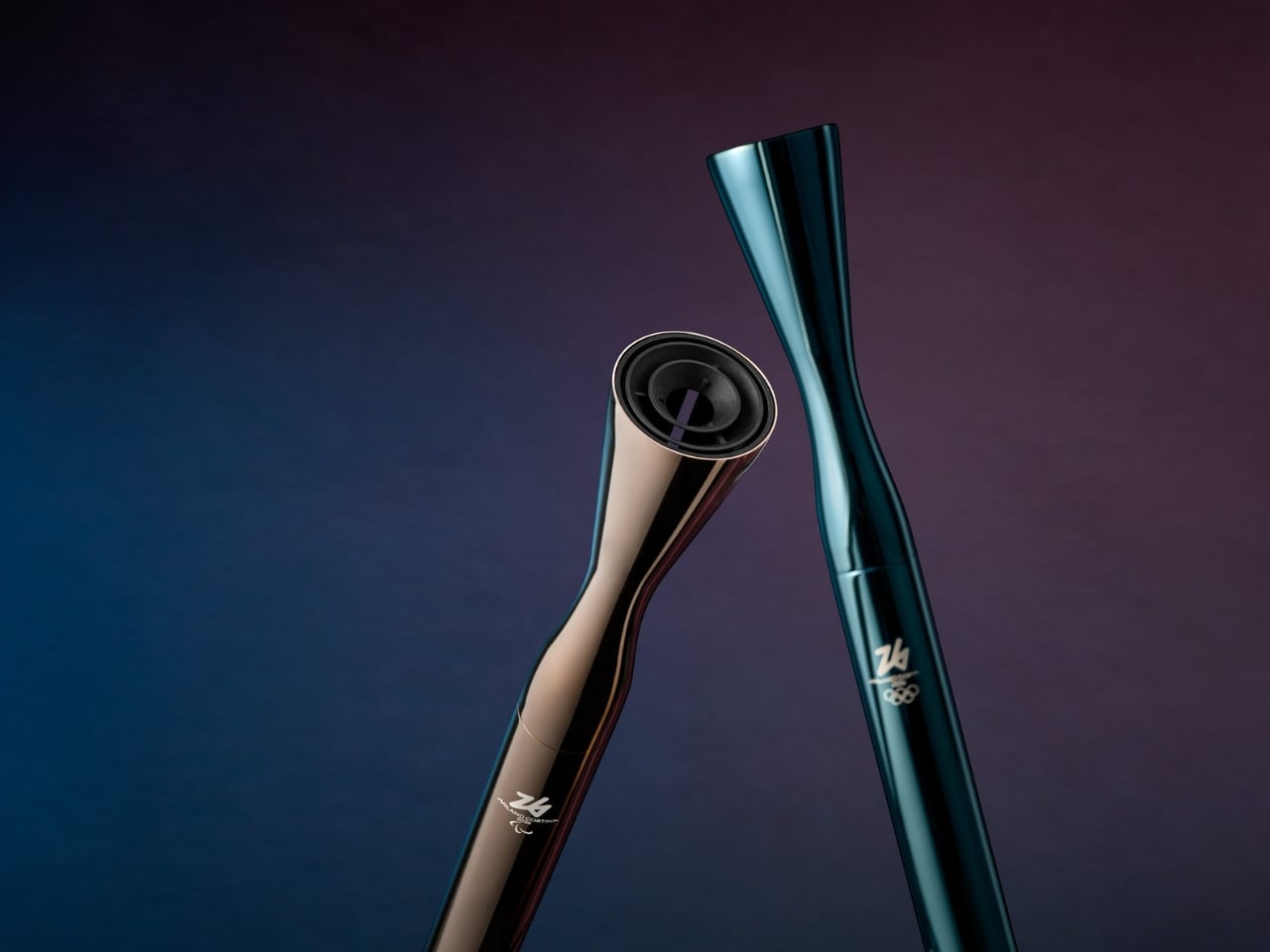
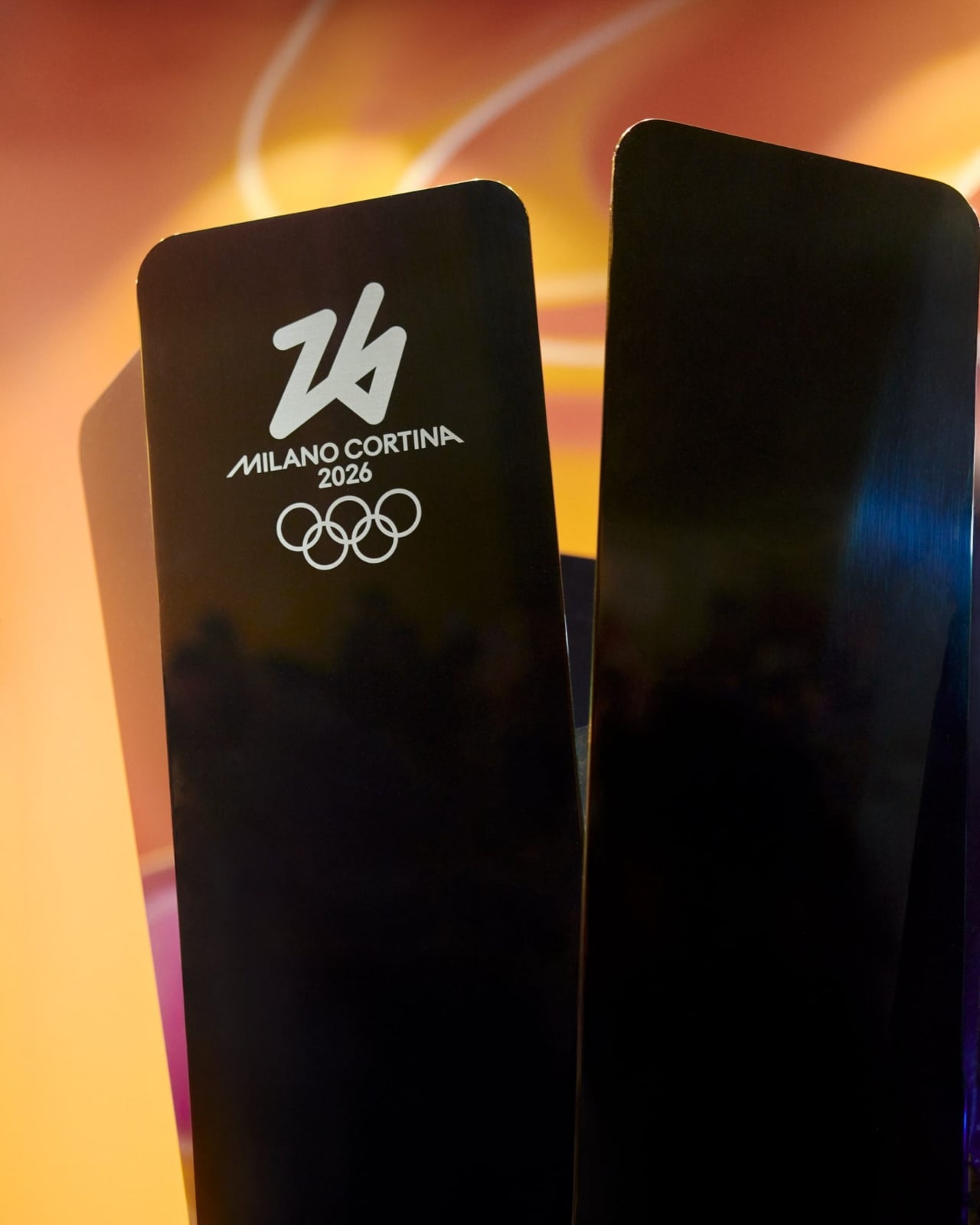
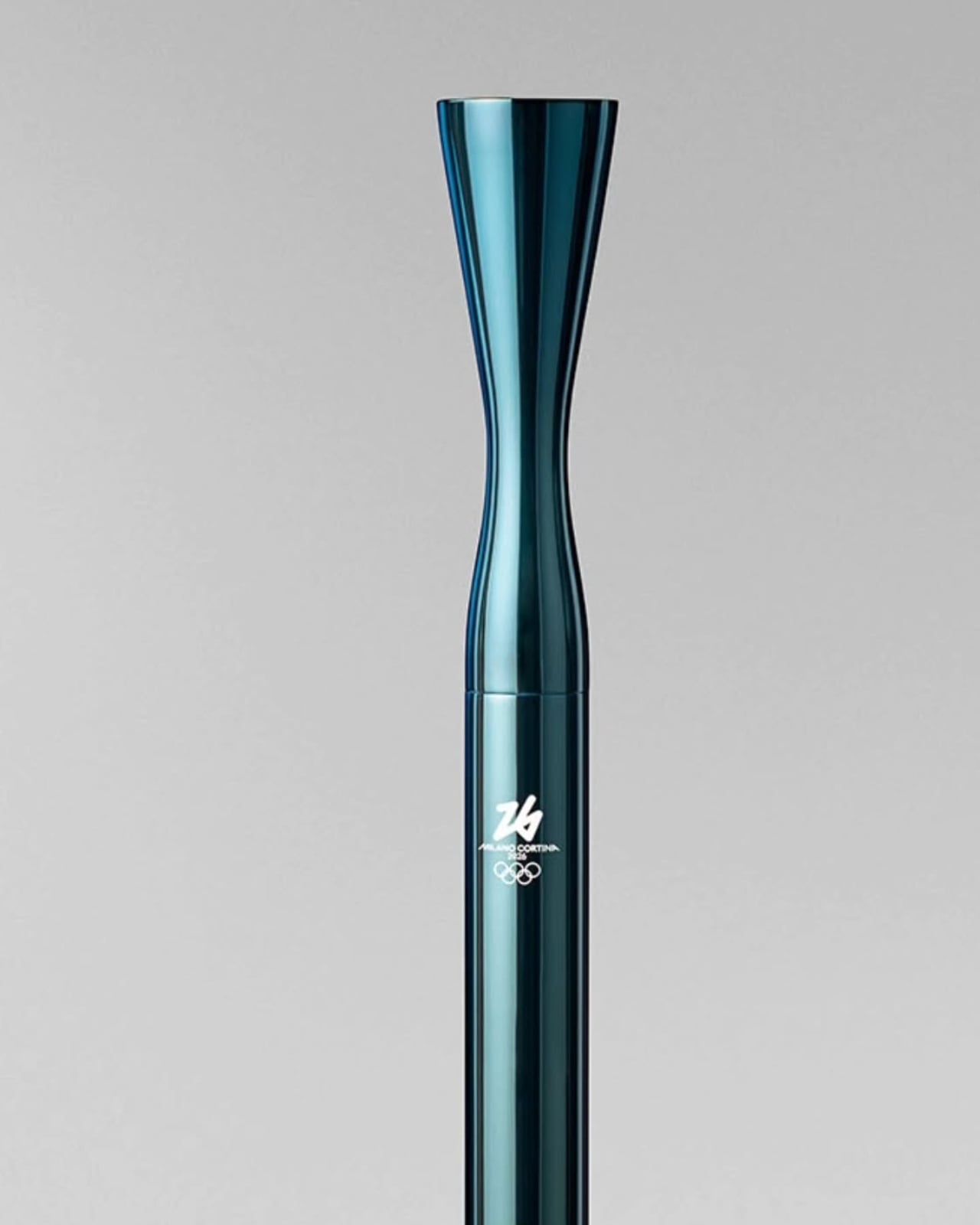
Right now, as the 2026 Winter Olympics torch relay makes its final journey through Milan toward tonight’s opening ceremony at San Siro Stadium, Carlo Ratti’s design is doing something revolutionary. It’s getting out of its own way. The MIT professor and architect didn’t set out to create another sculptural showpiece when he designed the Milano Cortina 2026 Olympic torch. Instead, he asked a question that probably should have been asked decades ago: what if the torch wasn’t the star of the show?

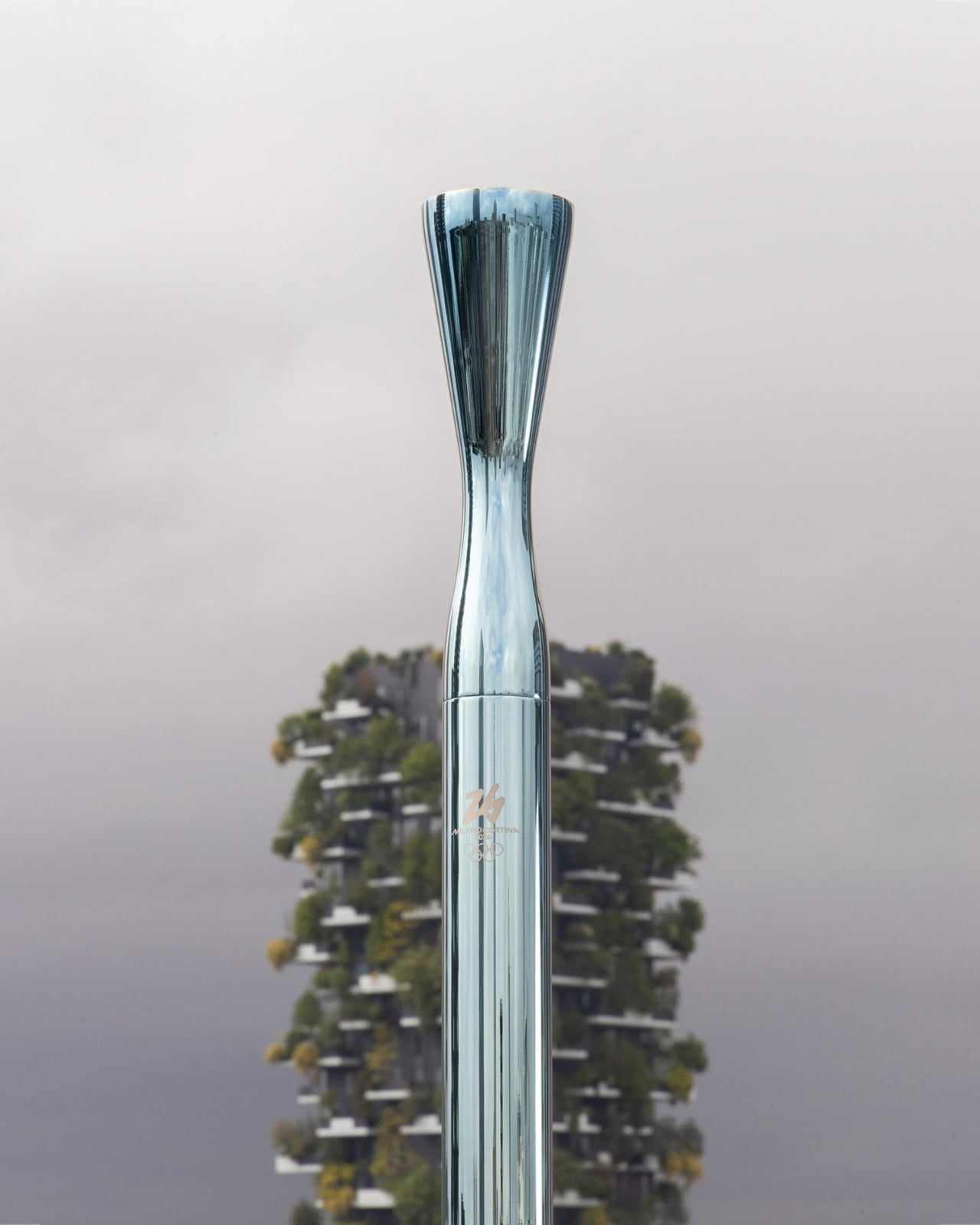
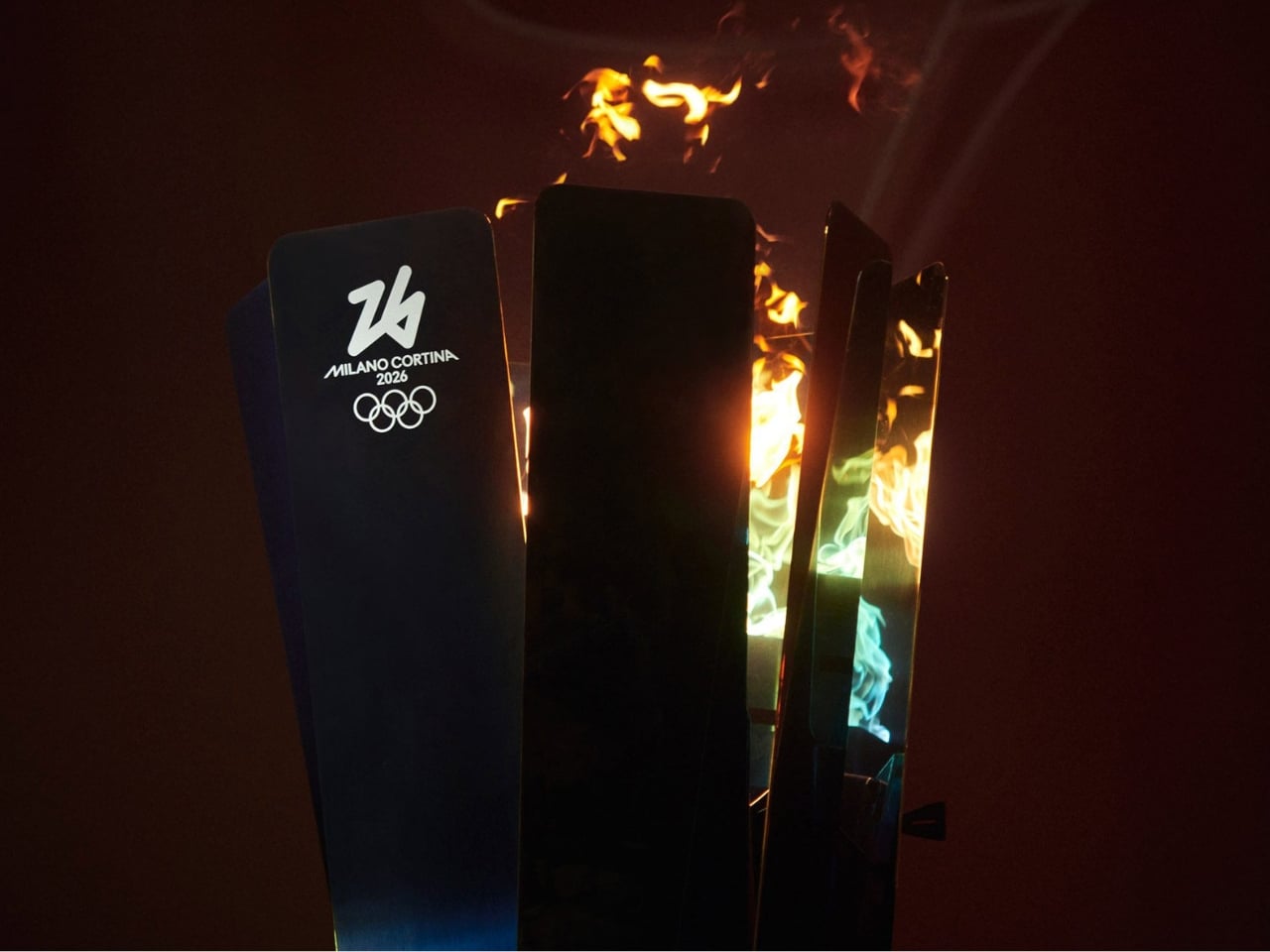
The result is something Ratti calls “Essential,” a name that feels like a manifesto. He designed the torch from the inside out, treating the flame itself as the architecture. The metal cylinder becomes a frame, almost a supporting actor, letting fire take center stage. It’s counterintuitive in a design culture that often mistakes complexity for sophistication.

Designer: Carlo Ratti

But the torch is only half the story. What makes this Olympic relay genuinely different is the mobile mini cauldron that travels alongside it, a piece of design that somehow manages to be both sculptural and invisible at the same time.

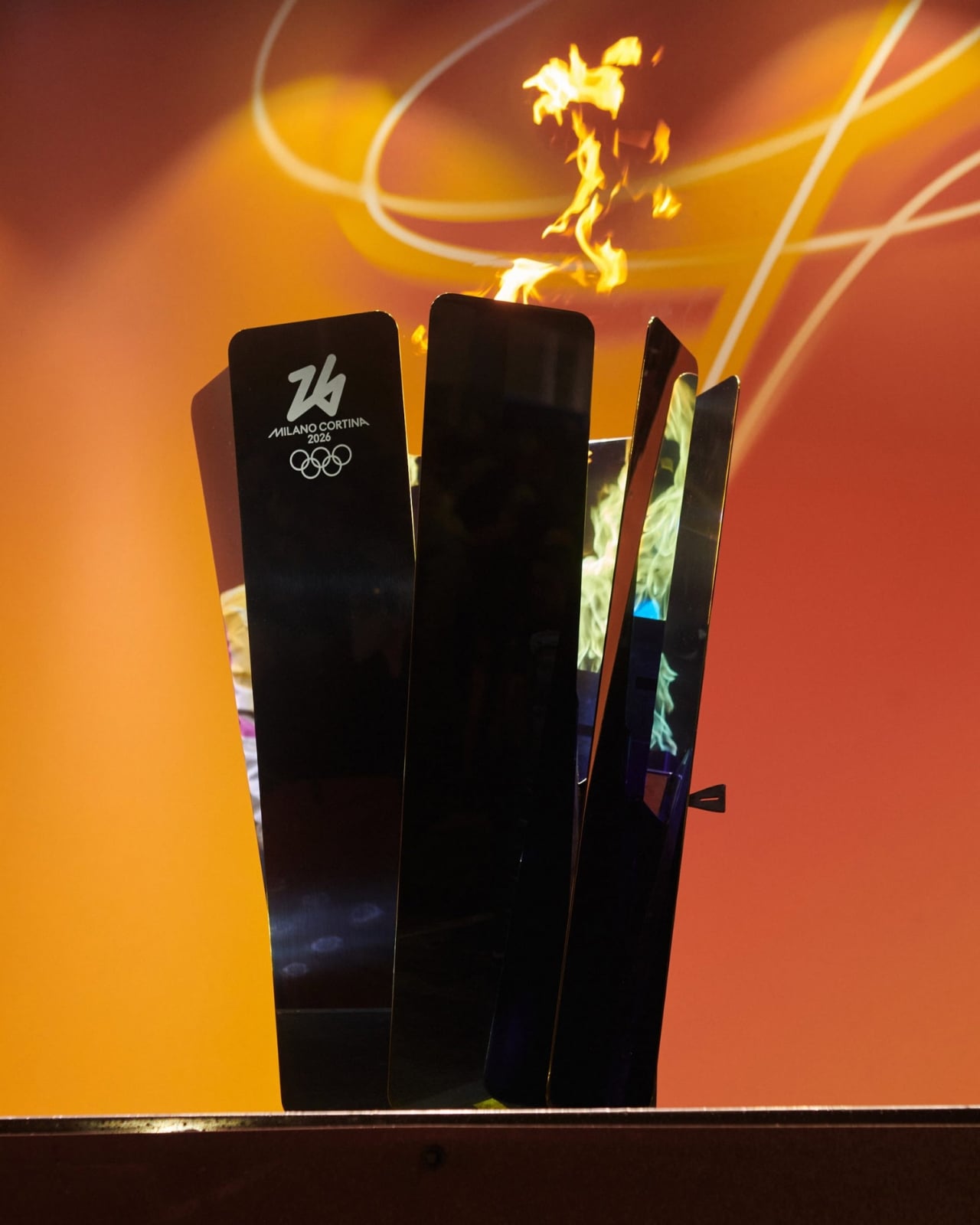
The cauldron exists to solve a practical problem: keeping the Olympic flame alive between legs of the relay. Previous Games handled this with utilitarian metal boxes, functional but forgettable. Ratti approached it differently. His studio created a transparent cylinder that transforms the flame into a vertical vortex, a twisting column of fire that appears to float in midair. The effect is hypnotic, like capturing a living piece of energy under glass.

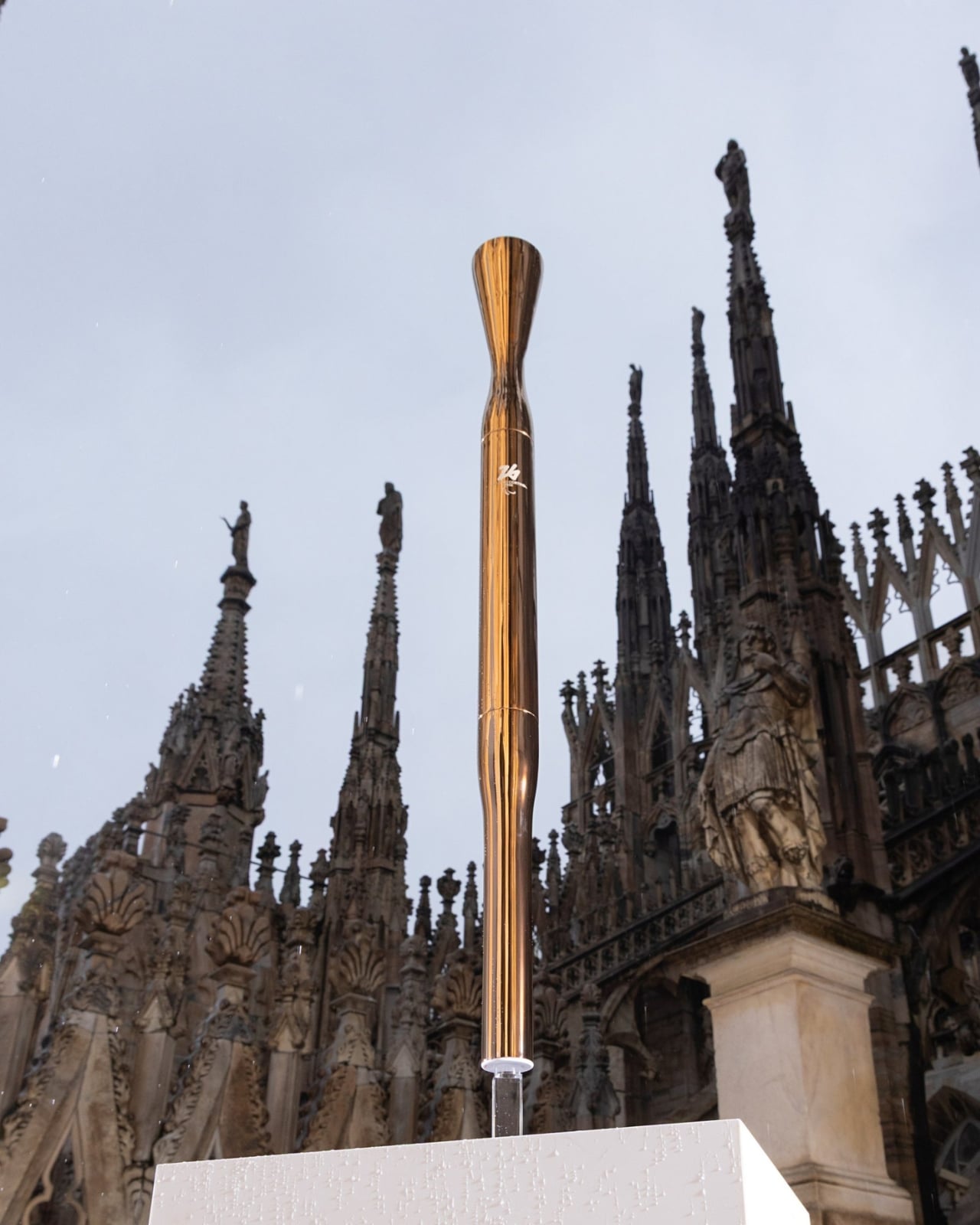
The cauldron stands on a circular base finished in the same blue-green PVD coating as the Olympic torch itself, creating visual continuity between the two objects. When the relay pauses, when torchbearers hand off their flames, when the procession needs to rest, the cauldron becomes a temporary altar. It holds the fire safely while making it visible, watchable, alive.

Ratti’s team demonstrated the cauldron against some of Milan’s most iconic backdrops before the relay began. Against the Bosco Verticale towers with their cascading vertical forests. In front of the Duomo’s Gothic spires. At each location, the vortex flame created this strange visual dialogue between ancient architectural ambition and contemporary restraint. The buildings reached upward with ornate complexity. The flame spun quietly in its transparent case. Both were spectacular, but only one knew when to shut up.

This gets at something deeper in Ratti’s design philosophy. He splits his time between Turin, New York, and MIT, and brings an academic’s rigor to questions about how objects shape human experience. His studio created the French Pavilion for Osaka Expo 2025 and has worked across scales from furniture to urban planning. The through-line in all of it is this question of when design should assert itself and when it should recede.

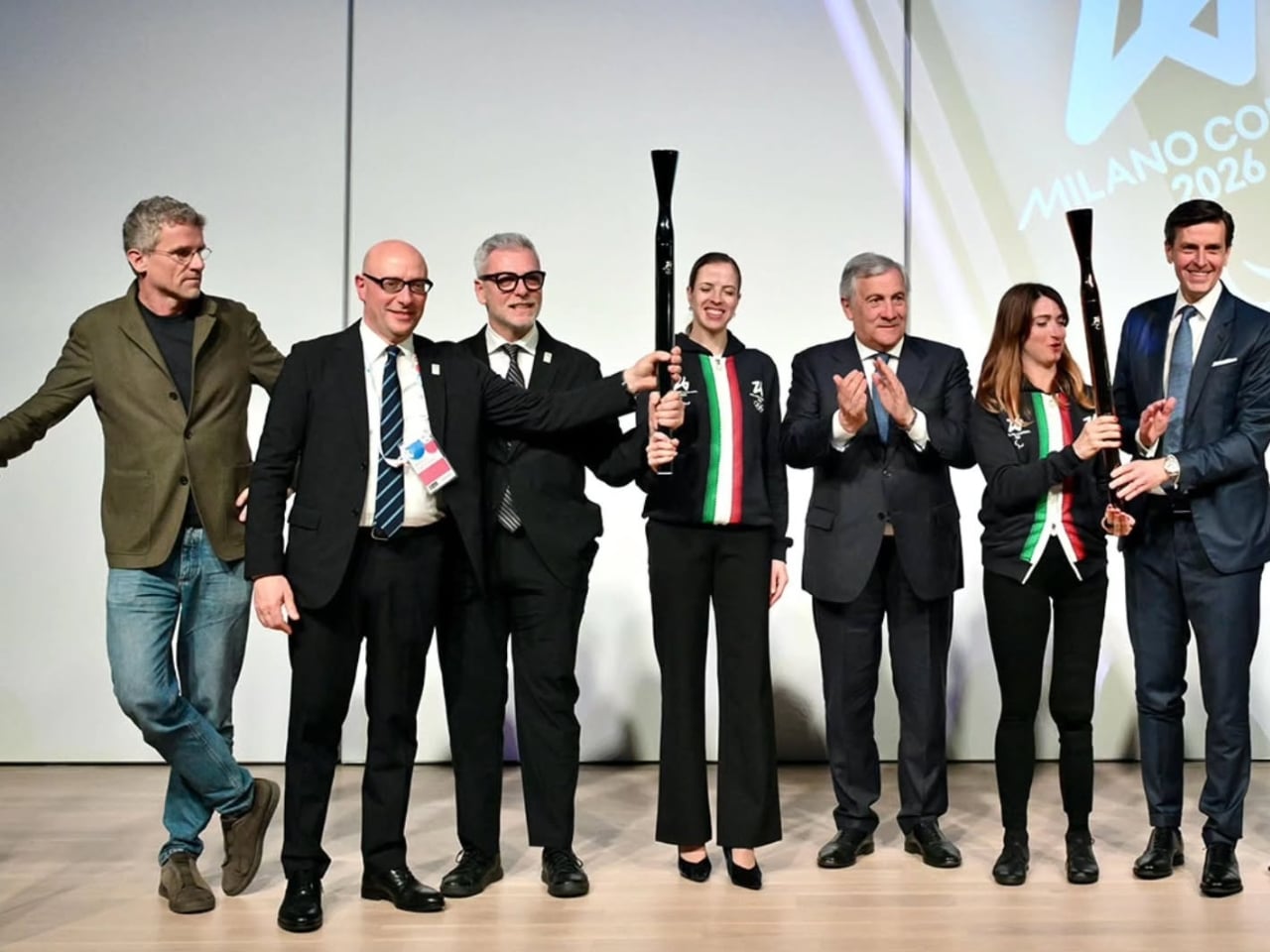
Yesterday, the torch relay reached Piazza Duomo, carried by an extraordinary mix of athletes and celebrities. Snowboarding legend Shaun White, Paralympic swimming champion Simone Barlaam, and former figure skater turned K-pop idol Sunghoon of Enhypen. Even Snoop Dogg showed up to carry the flame through Milan’s streets. The spectacle of watching these recognizable faces holding Ratti’s understated torch drove home the design’s core idea: the people and the flame matter more than the object connecting them.

Today, the relay completes its final stage through Central Station, Castello Sforzesco, Parco Sempione, the Darsena, and neighborhoods like Brera and Porta Nuova. By tonight, that flame will ignite the Olympic cauldron at San Siro Stadium, and Ratti’s torch will have fulfilled its purpose by staying out of the way.

What strikes me about this whole system, torch and mobile cauldron together, is how it refuses to pander. A lot of Olympic design leans into grandiosity, into making bold statements about national identity or technological prowess. Ratti went the opposite direction. He created objects that work beautifully because they work honestly, that earn attention by being exactly what they need to be and nothing more.

The mobile cauldron especially embodies this. It could have been a massive sculptural statement, a piece of design that competed with the landmarks it appeared beside. Instead, it became a lens, a frame for the flame itself. The vortex effect isn’t decorative flourish; it’s a way of making fire more visible, more present, more itself.

When this relay ends tonight and the Games officially begin, thousands of people will have held that torch, watched that vortex flame, felt part of something larger than themselves. What they’ll remember isn’t the objects in their hands or on that base. It’s the fire they carried, the journey they were part of, the connection they felt. The design just made space for that to happen. Sometimes the most powerful statement is knowing when to disappear.

The post The 2026 Olympic Torch That Knows When to Disappear first appeared on Yanko Design.
Hyundai’s IONIQ Pixel Toy Illuminating the Future and the Evolution of EV Design

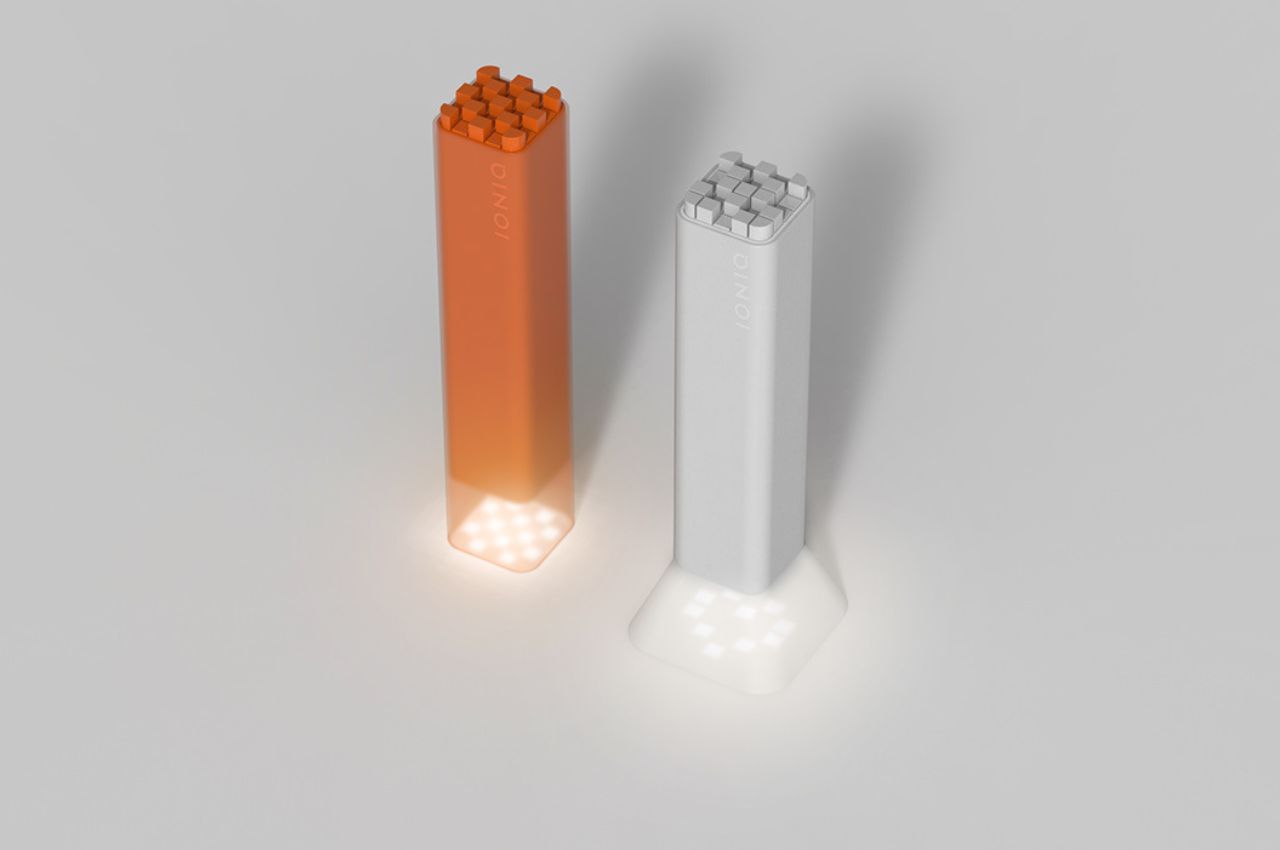
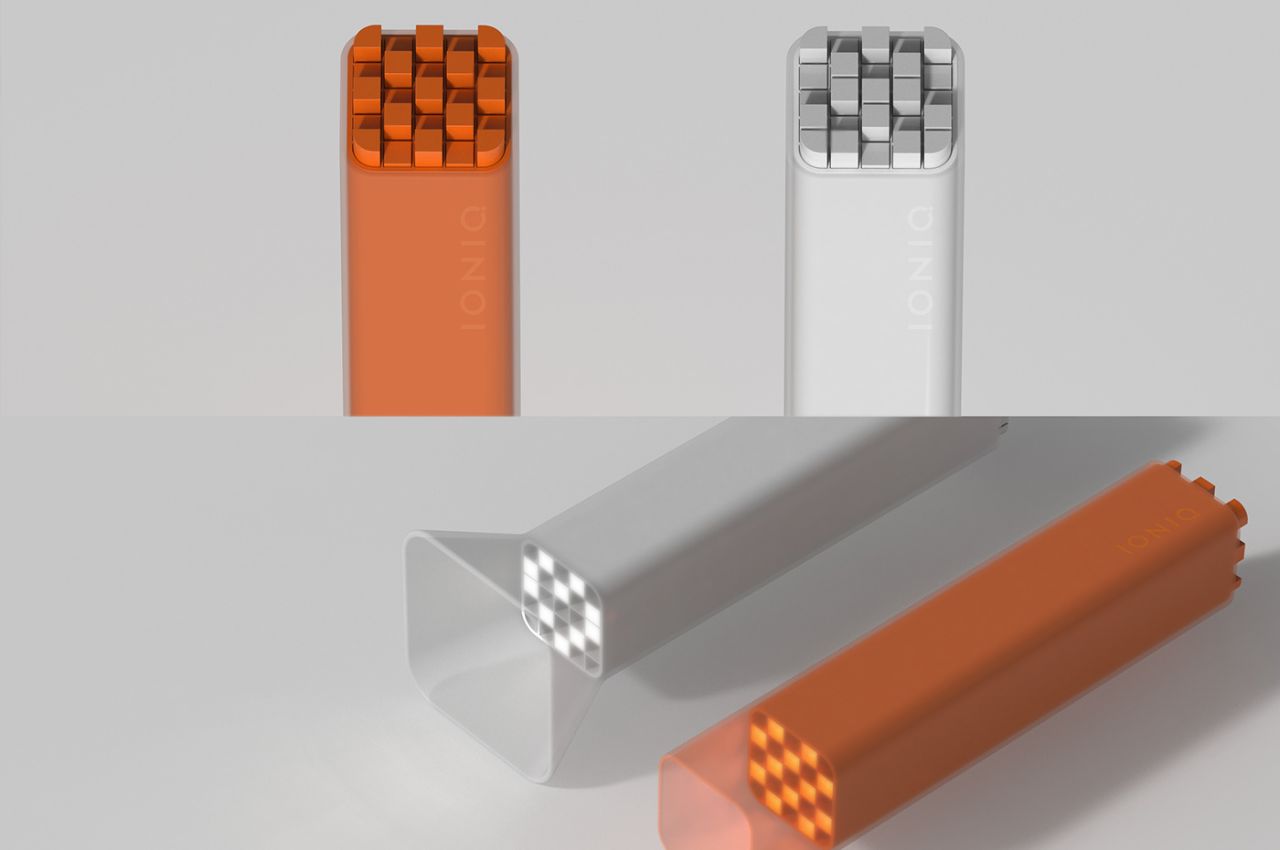
In a dynamic era of electrified mobility, Hyundai Motor Company has embarked on a groundbreaking journey with the launch of its dedicated electric vehicle brand, IONIQ. Committed to redefining the automotive landscape, Hyundai’s vision for the future is not only reflected in its state-of-the-art electric vehicles but also in the innovative and visually captivating accessories that accompany them. One such standout item is the IONIQ Pixel Toy Flashlight, a creation by Citrus that seamlessly encapsulates Hyundai’s commitment to pushing the boundaries of design and technology.

Designer: Citrus design

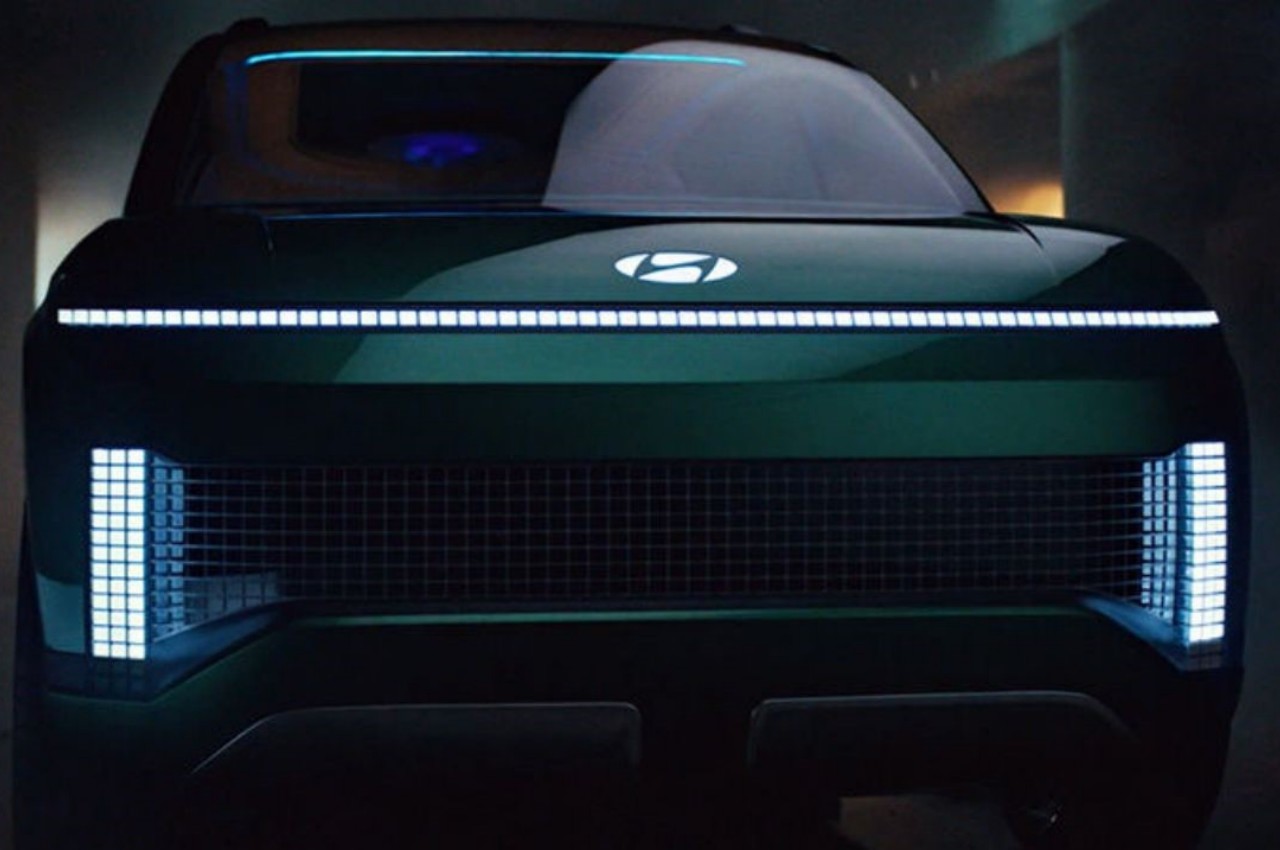
At the heart of the IONIQ Pixel Toy Flashlight lies the inspiration drawn from Hyundai’s main design theme, Pixel. The company has ingeniously utilized parametric pixel lights as a design signature across its award-winning electric vehicles. This unique design language is not just a visual delight but symbolizes a journey that connects the past (analog), present, and future (digital). This common thread is integral to Hyundai’s EV design philosophy, signifying a harmonious blend of heritage and futuristic innovation.

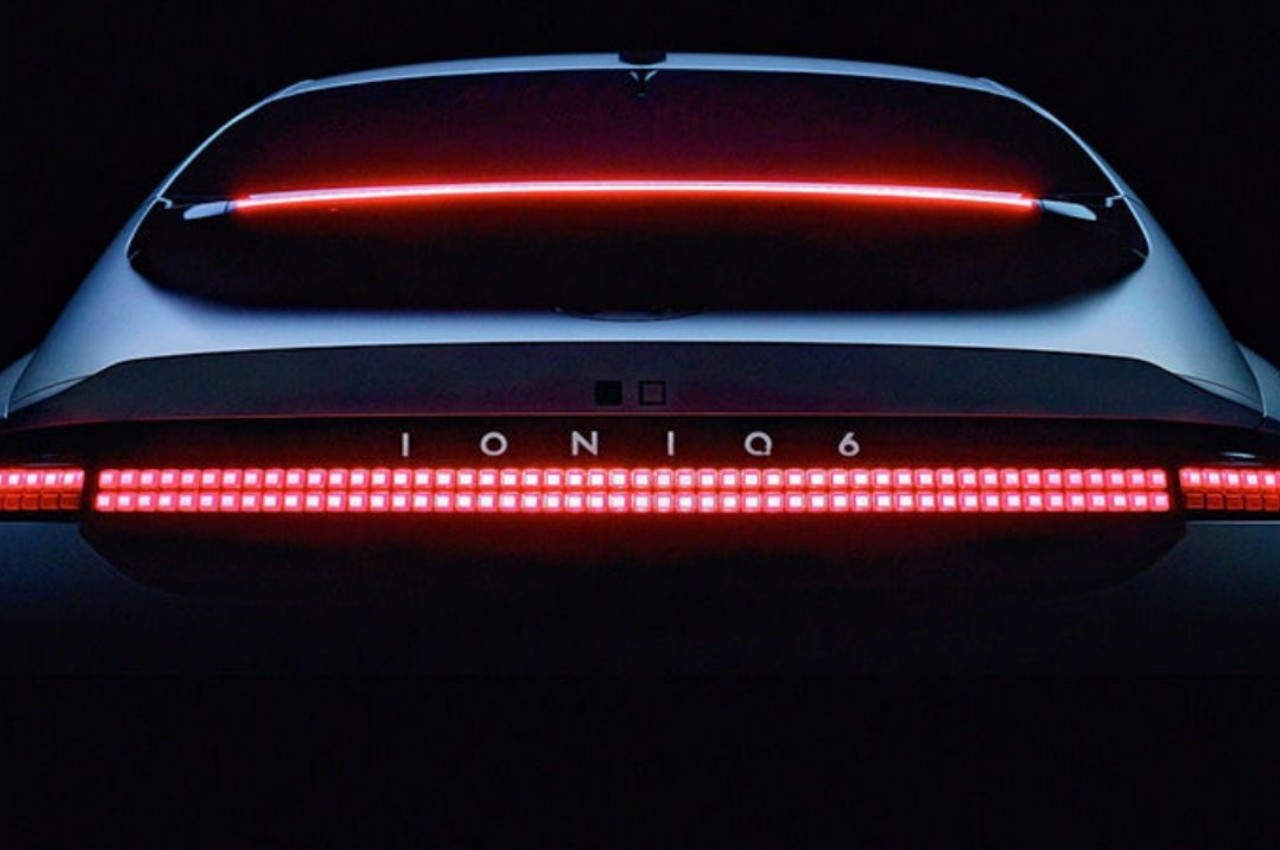
The distinctive front pixelated lights of Hyundai’s electric vehicles are not merely a design choice; they represent a unique and unmistakable signature for the IONIQ series. These small cubic light clusters showcased prominently on the ’45’ concept EV and IONIQ 5, have become synonymous with Hyundai’s commitment to innovation. These pixel lights aren’t confined to the exterior; they also make an appearance inside the charging door, providing illumination regarding the charging status and the amount of charge.

As Hyundai Motor Company continues to shape the future of electric mobility, the Pixel Toy Flashlight serves as a tangible representation of the brand’s dedication to creating a cohesive and visually stunning ecosystem around its electric vehicles.

In the world of electric mobility, Hyundai’s IONIQ Pixel Toy Flashlight stands out as more than just an accessory; it’s a symbol of innovation, design excellence, and a bridge between the past and the future. As Hyundai Motor Company continues to lead the charge in the electric vehicle revolution, the Pixel Toy Flashlight serves as a shining example of how cutting-edge design and technological advancements can be seamlessly integrated into everyday products, bringing the future of mobility into the hands of consumers.

The post Hyundai’s IONIQ Pixel Toy Illuminating the Future and the Evolution of EV Design first appeared on Yanko Design.