Humanoid Robots Don’t Fit in Store Aisles, So Robbyant Fixed That

Service robots have been making steady progress in controlled environments, but deploying them in real commercial spaces has always come down to one stubborn problem: most indoor spaces weren’t built with them in mind. Supermarket aisles, retail corridors, and home hallways run narrow, and rebuilding or widening them to accommodate a humanoid robot isn’t a cost that any business would willingly absorb just to install one.

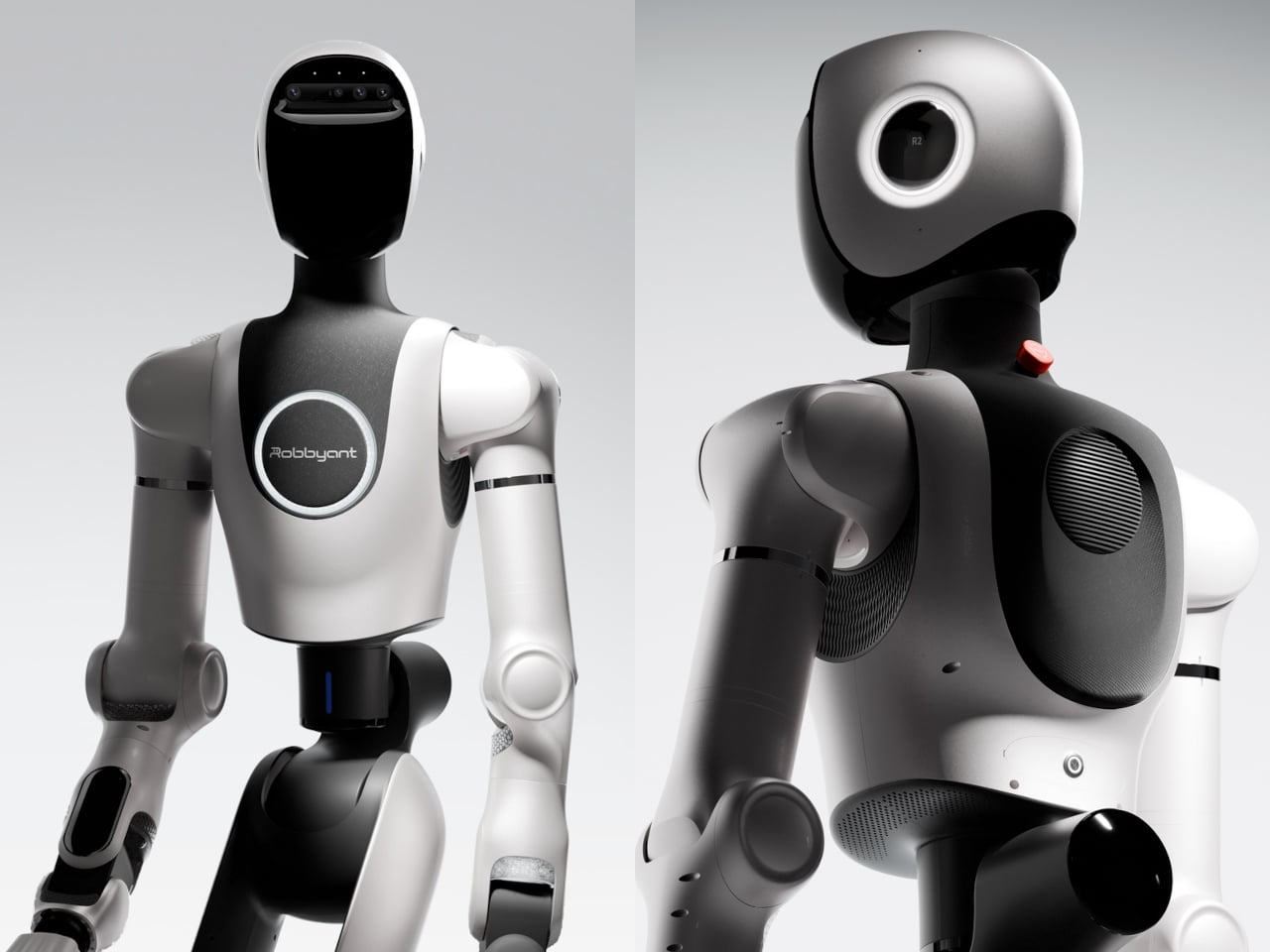
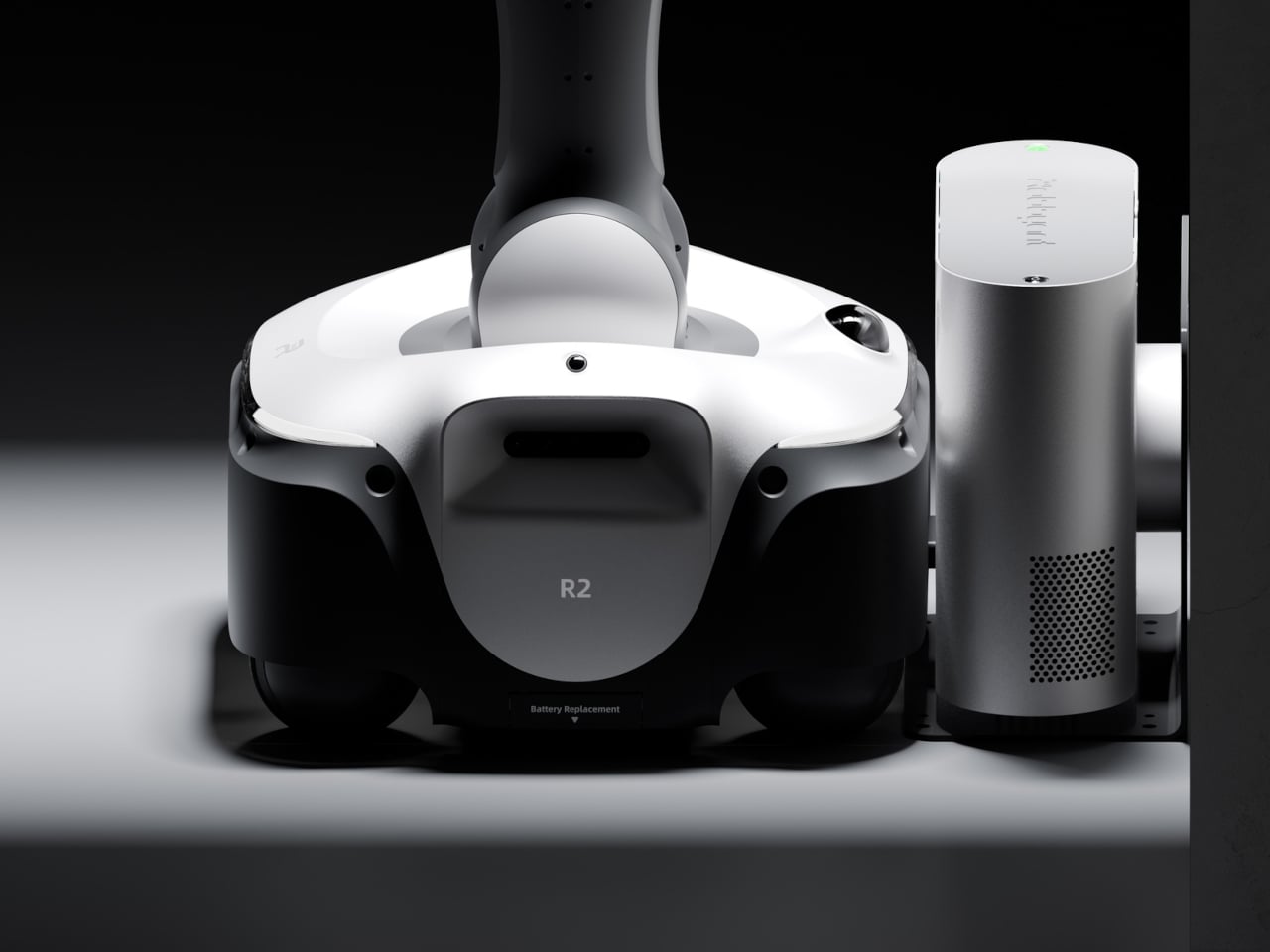
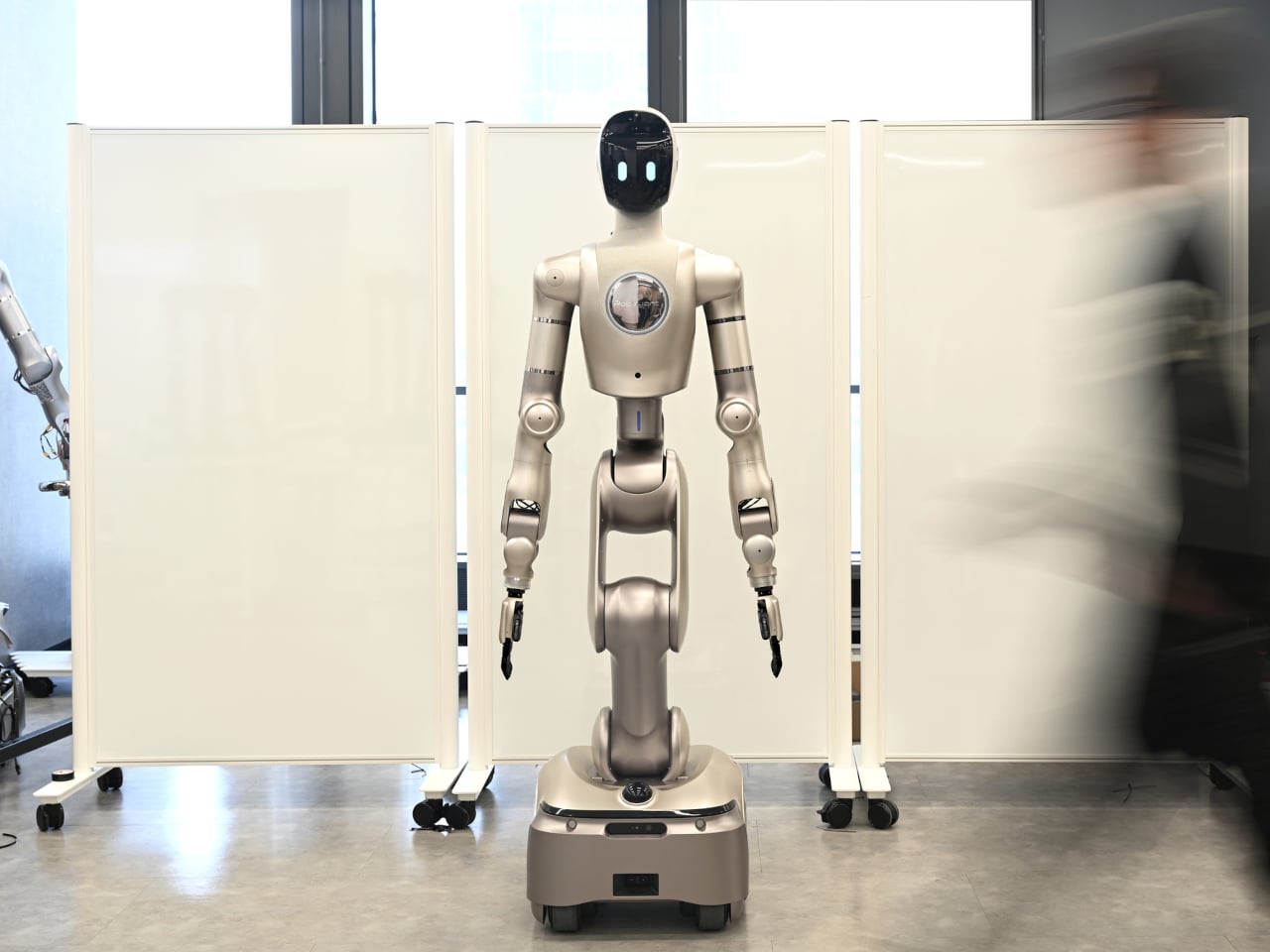
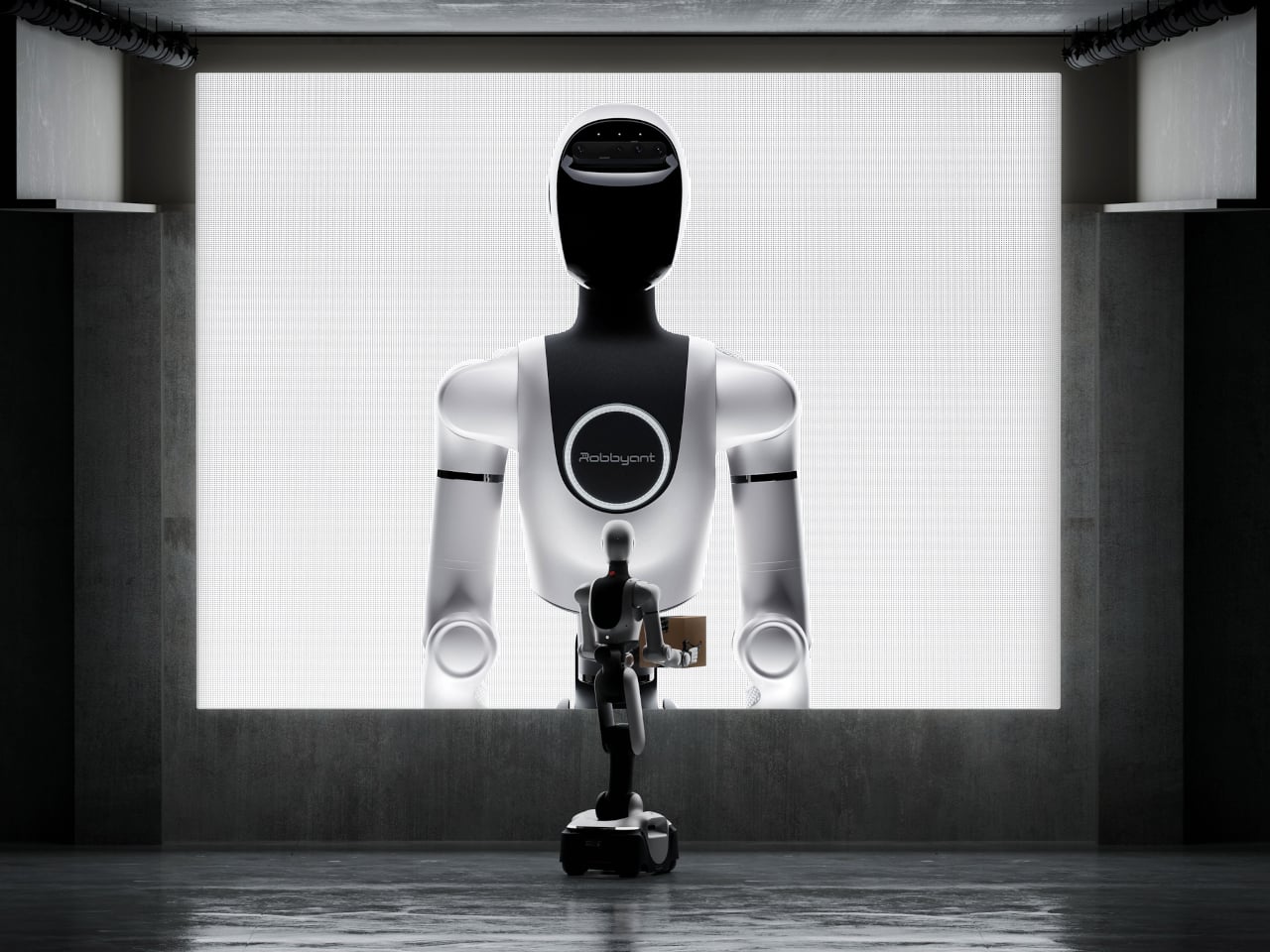
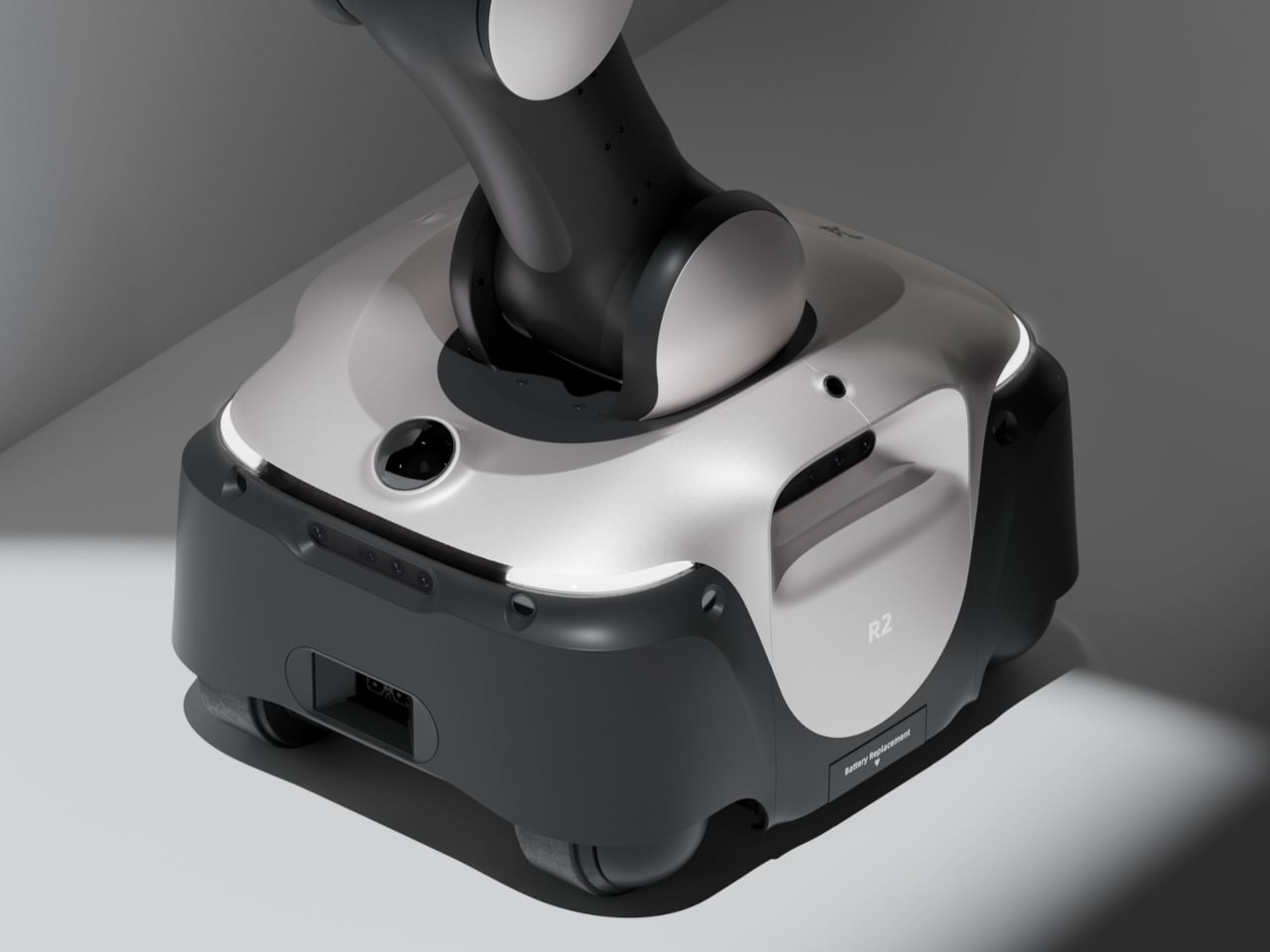
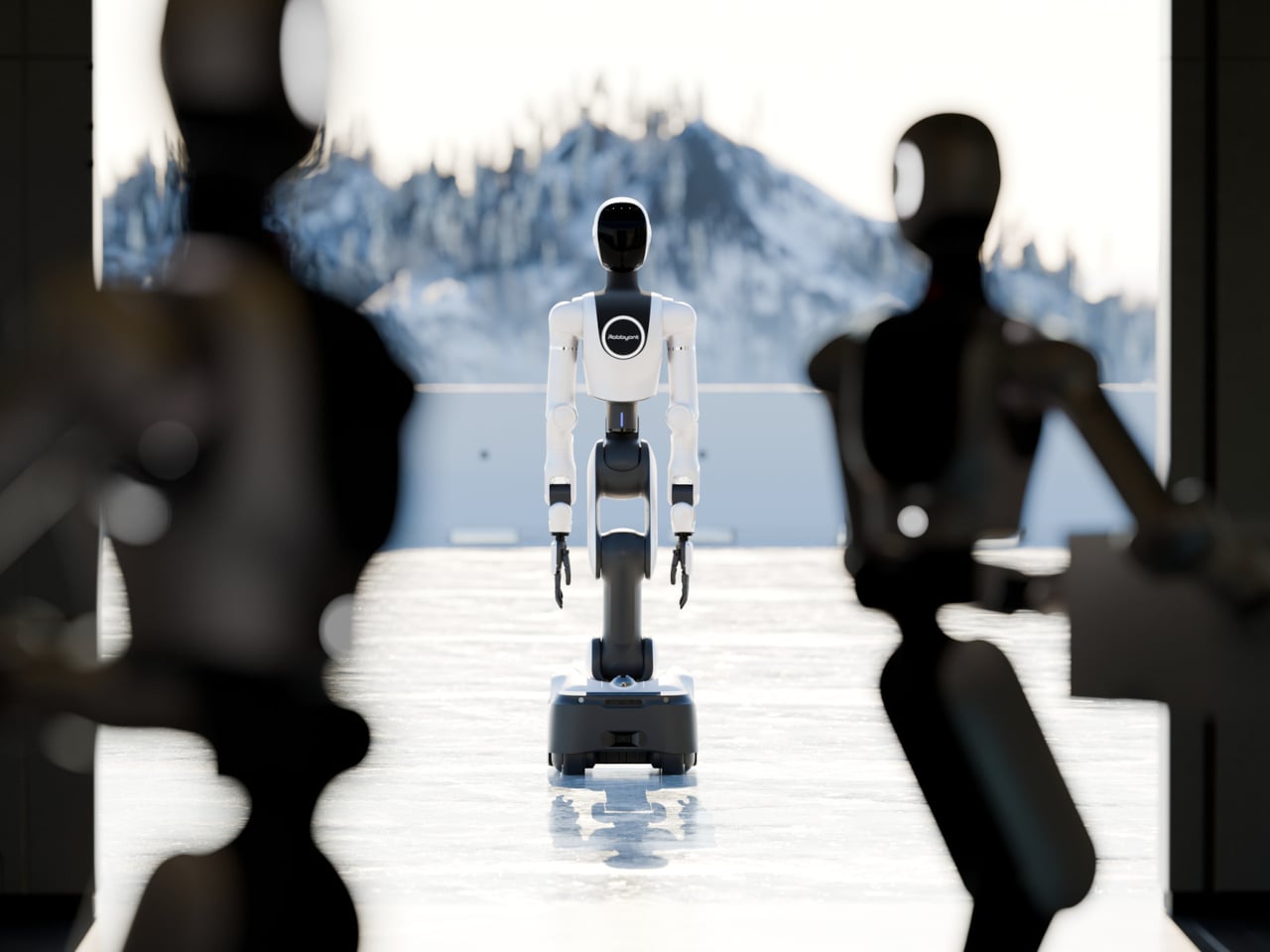
The Robbyant R2 approaches that problem from the chassis up. Built on a 455 mm rectangular base with a body width equal to human shoulder span, it can navigate 650mm aisles smoothly, making it the first wheeled humanoid robot to clear that threshold. Its 360° omnidirectional mobility and precise obstacle avoidance mean it can operate in tight commercial and residential spaces without any layout changes to the space itself.

Designers: Yupeng Hu, Mingwei Zhang, Qi Huang, Yuxuan Liu, Zhewen Wu
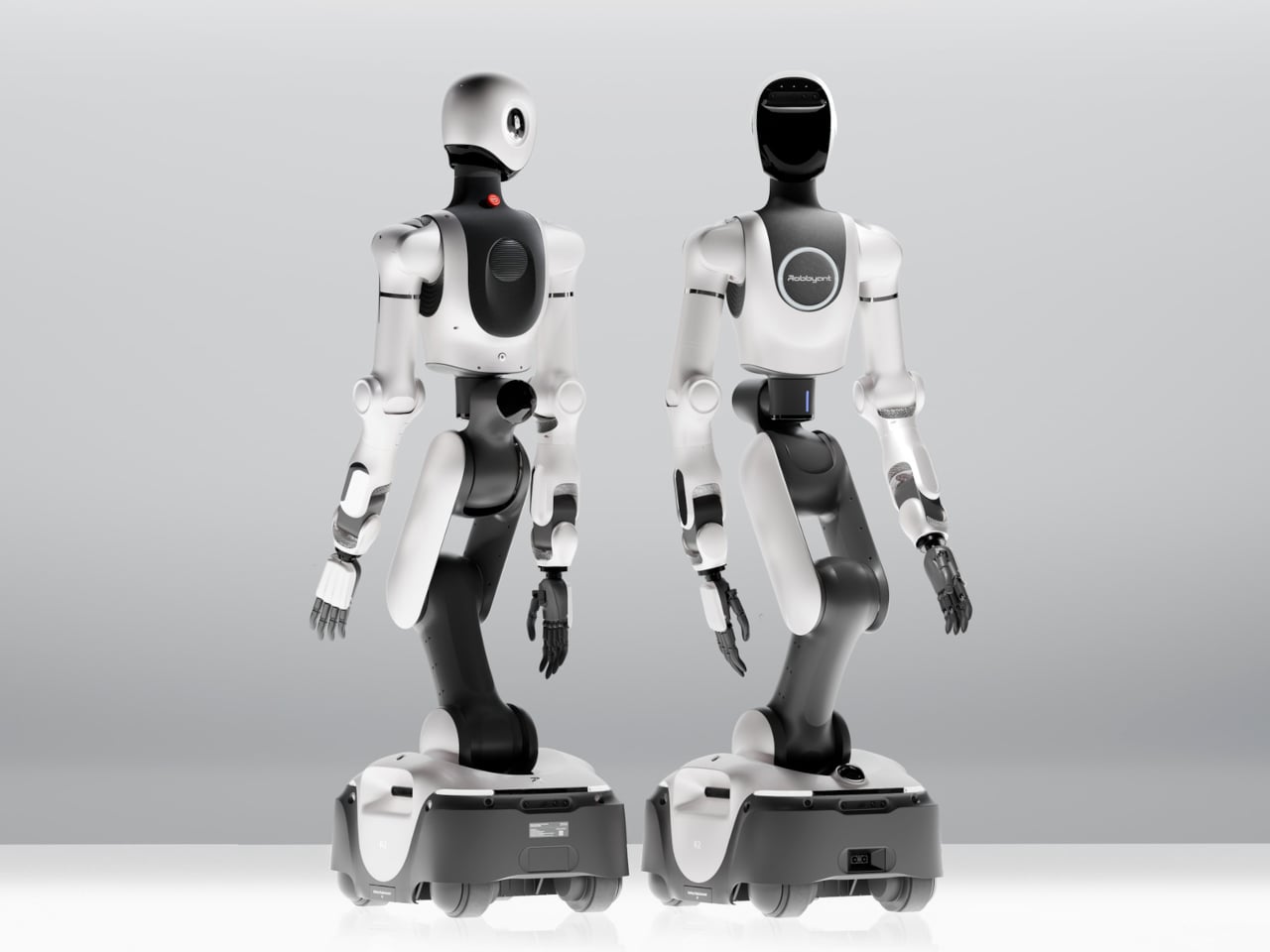
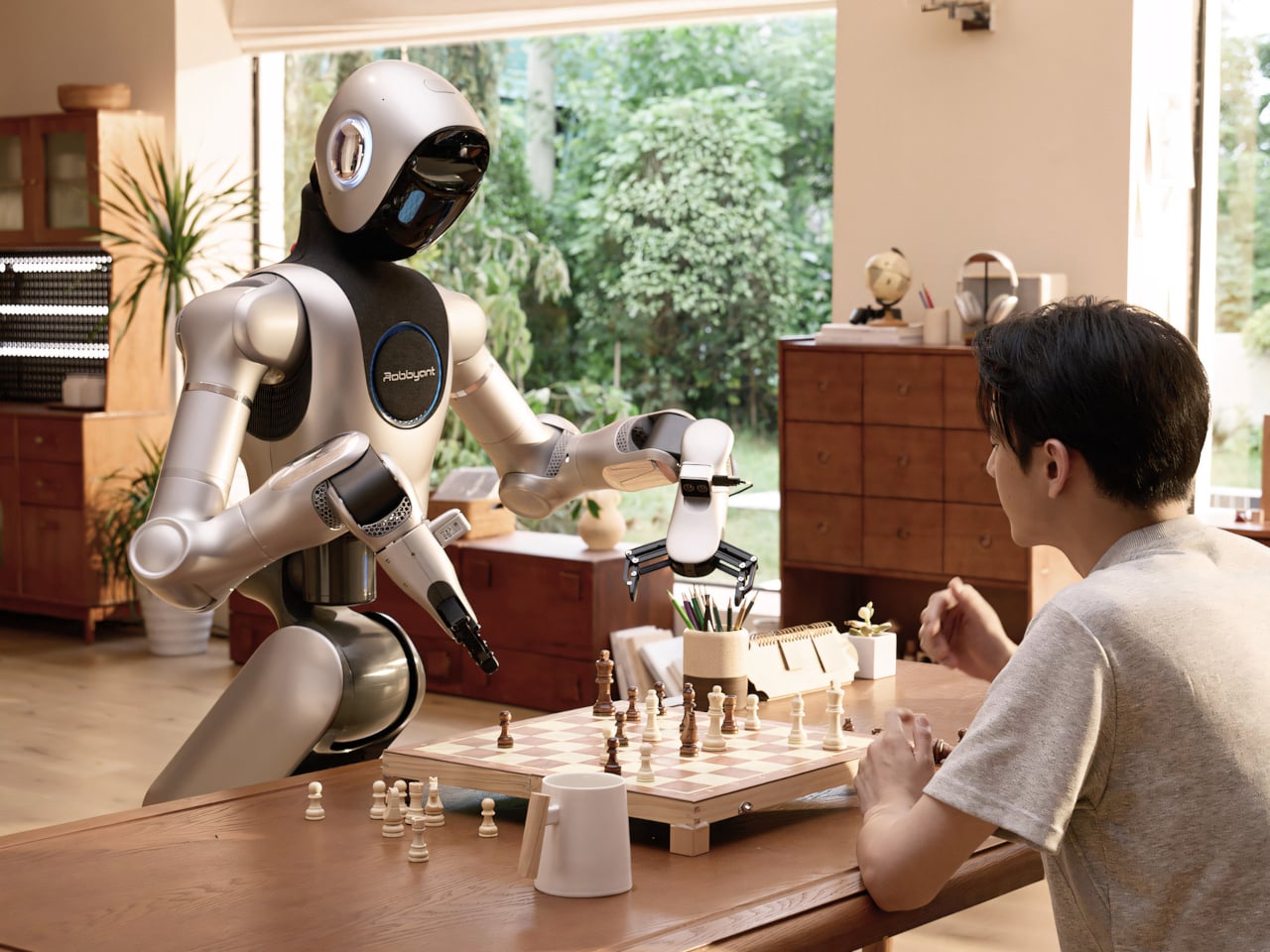
The arm system is where that compact footprint pays off most concretely. Dual arms with seven degrees of freedom, each capable of lifting up to 5kg, give R2 enough reach and dexterity for sorting stock, moving items between locations, and handling everyday objects that typically require human hands. The range of motion this unlocks is considerably closer to a natural human arm than a conventional industrial manipulator.

Working alongside people in a shared space also means communicating in ways that don’t make them uncomfortable. R2 does this through a binocular depth camera, a 360° microphone array, a speaker, and dynamic lighting that shifts in sync with its movement. Facial expressions and coordinated body language allow it to signal intent in real time, giving people around it the kind of readable cues that make shared spaces feel manageable.
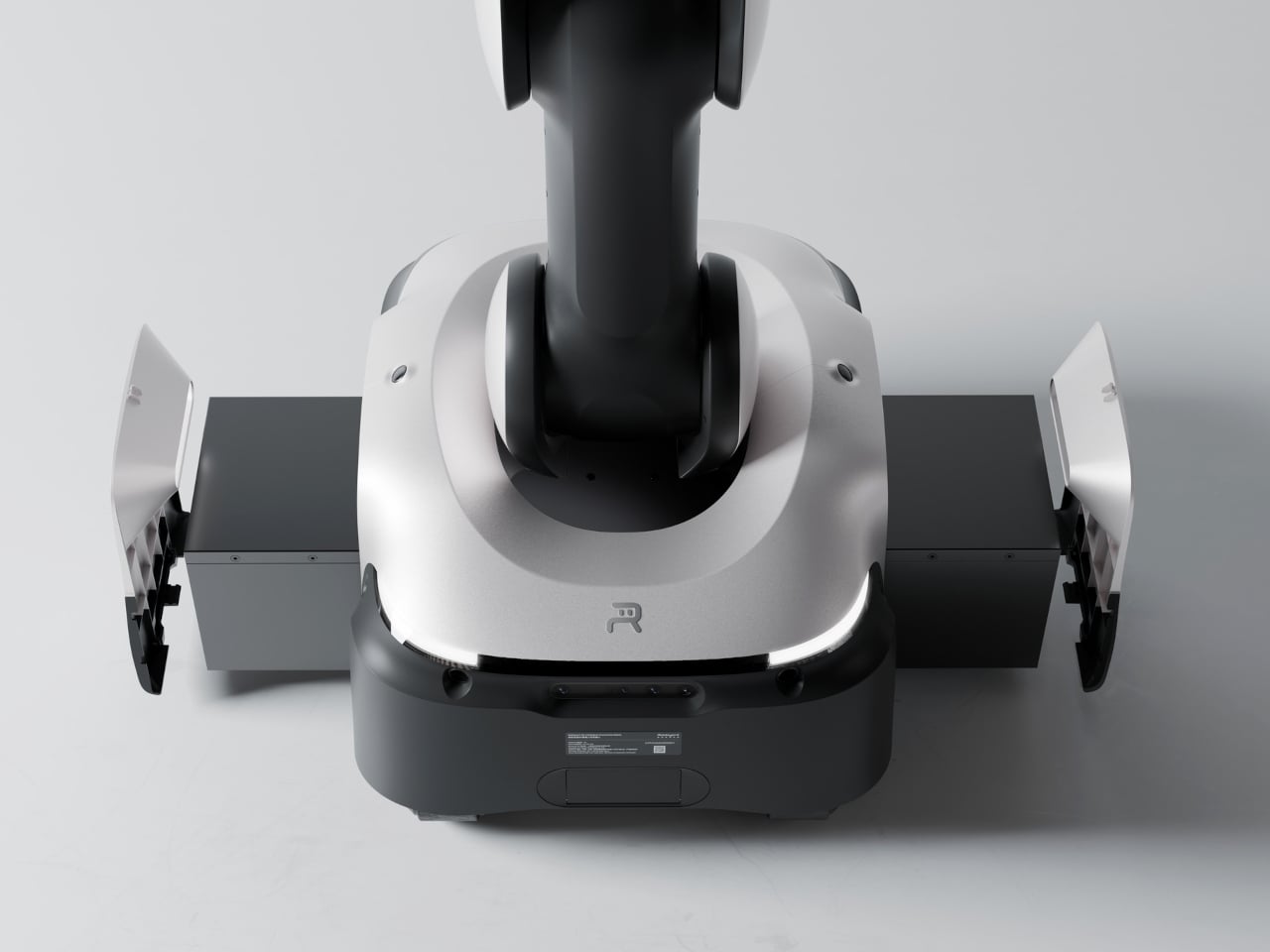
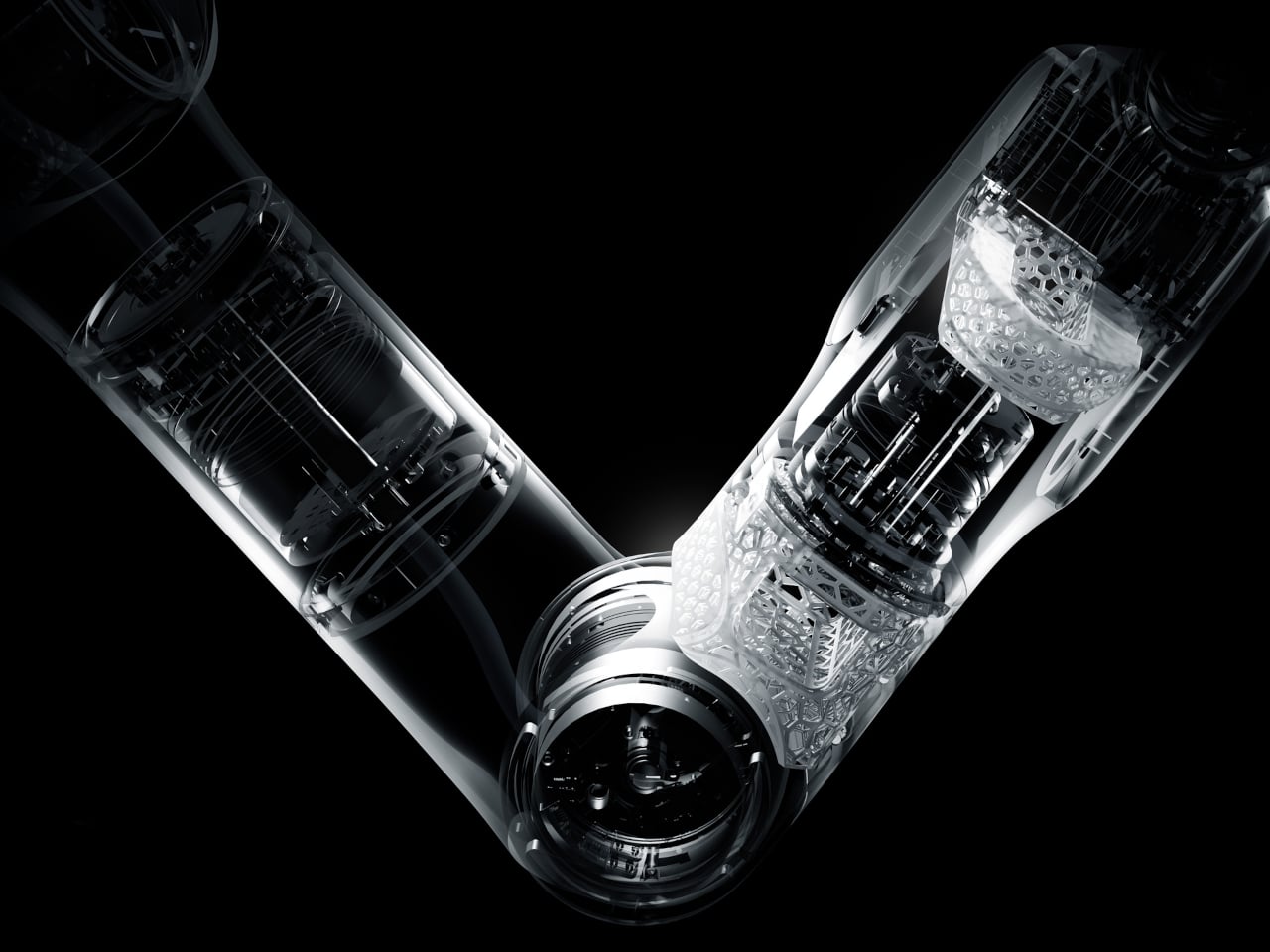
Safety is built into the physical structure rather than treated as an add-on. Flexible anti-pinch joints along the body and arms prevent fingers or objects from getting caught in moving parts without slowing autonomous operation. A honeycomb structure across the chassis handles impact buffering and heat dissipation simultaneously, and automatic locking brakes engage in emergencies to stop the robot before a situation can escalate into something worse.
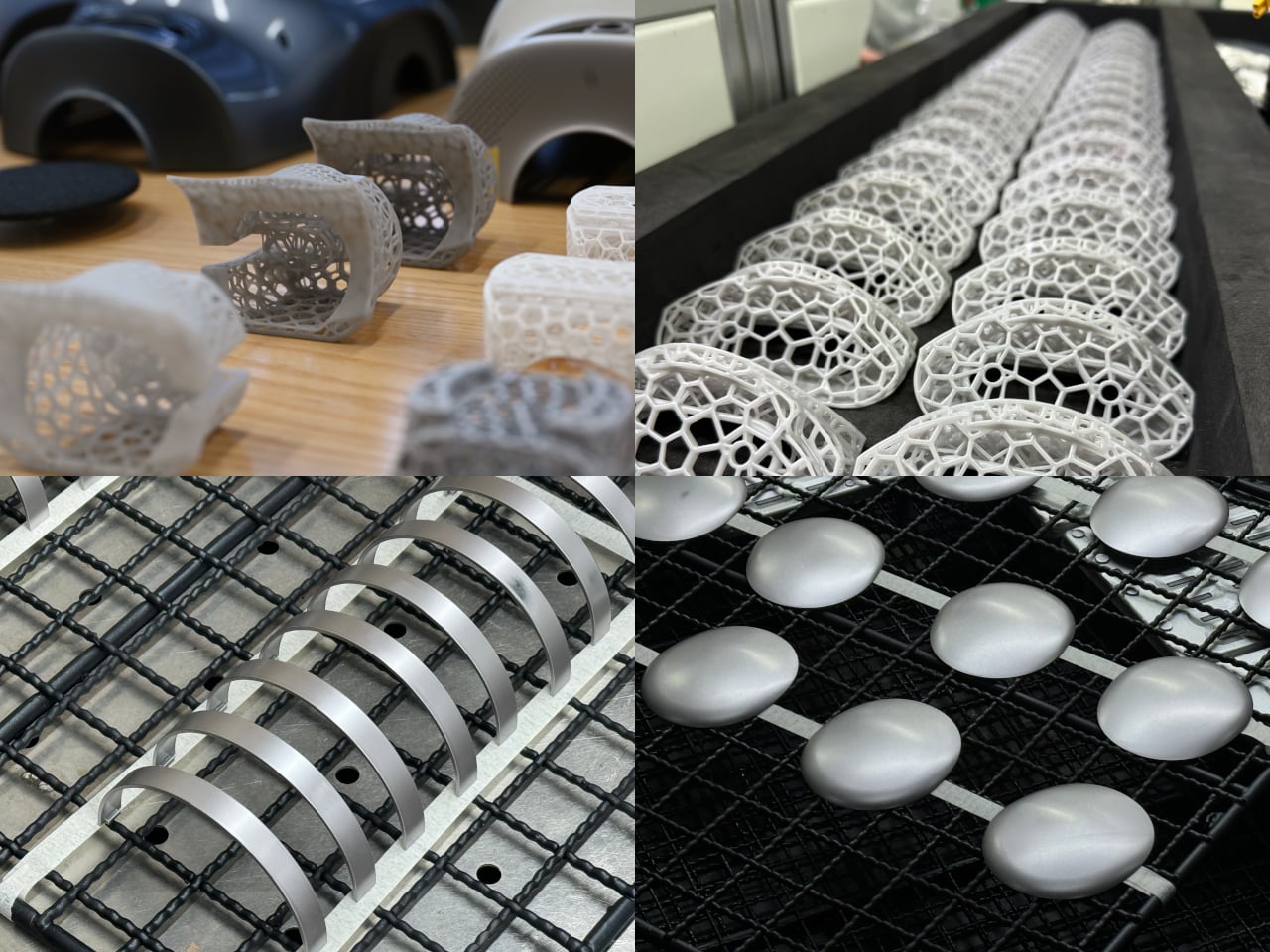
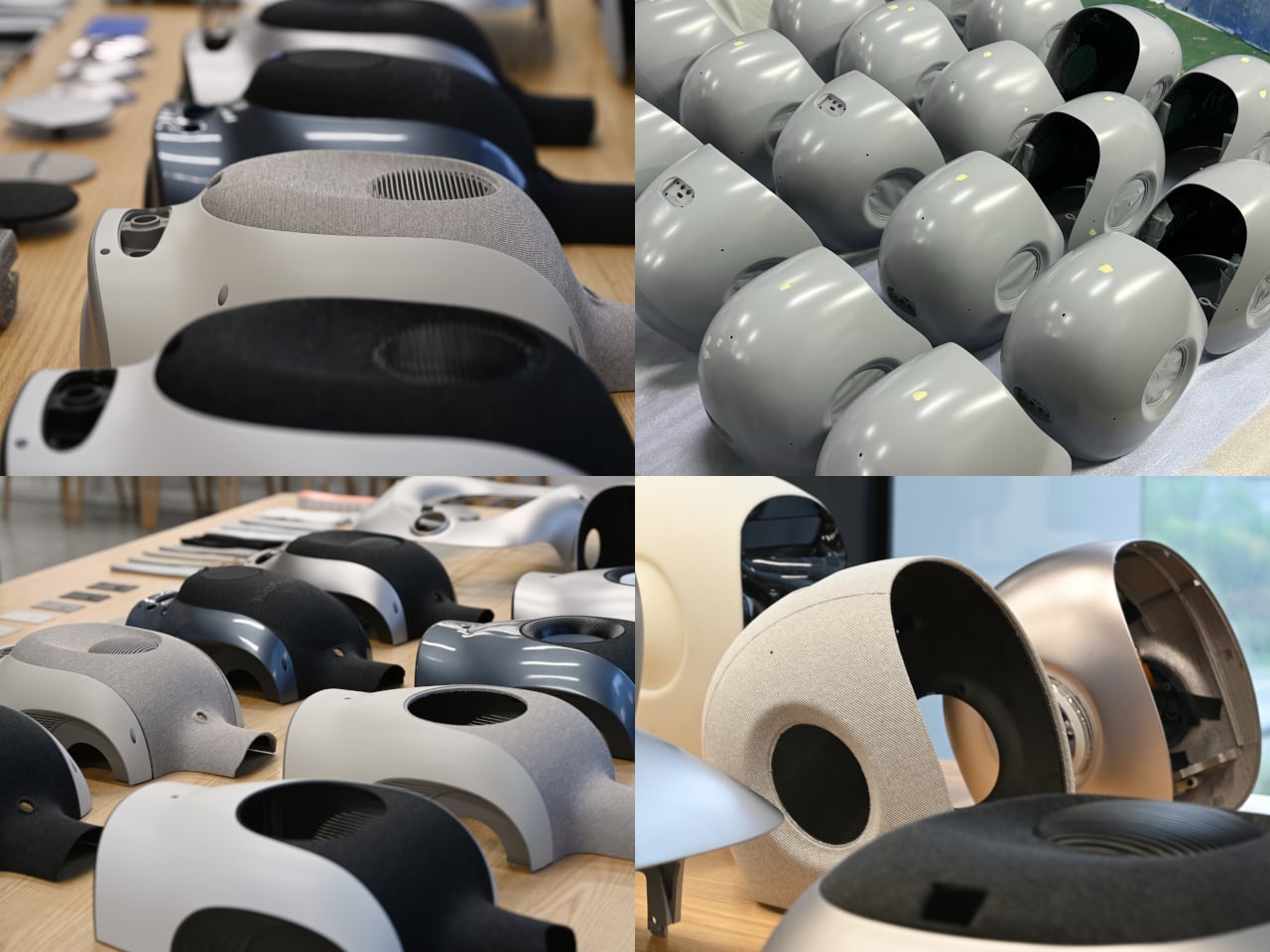
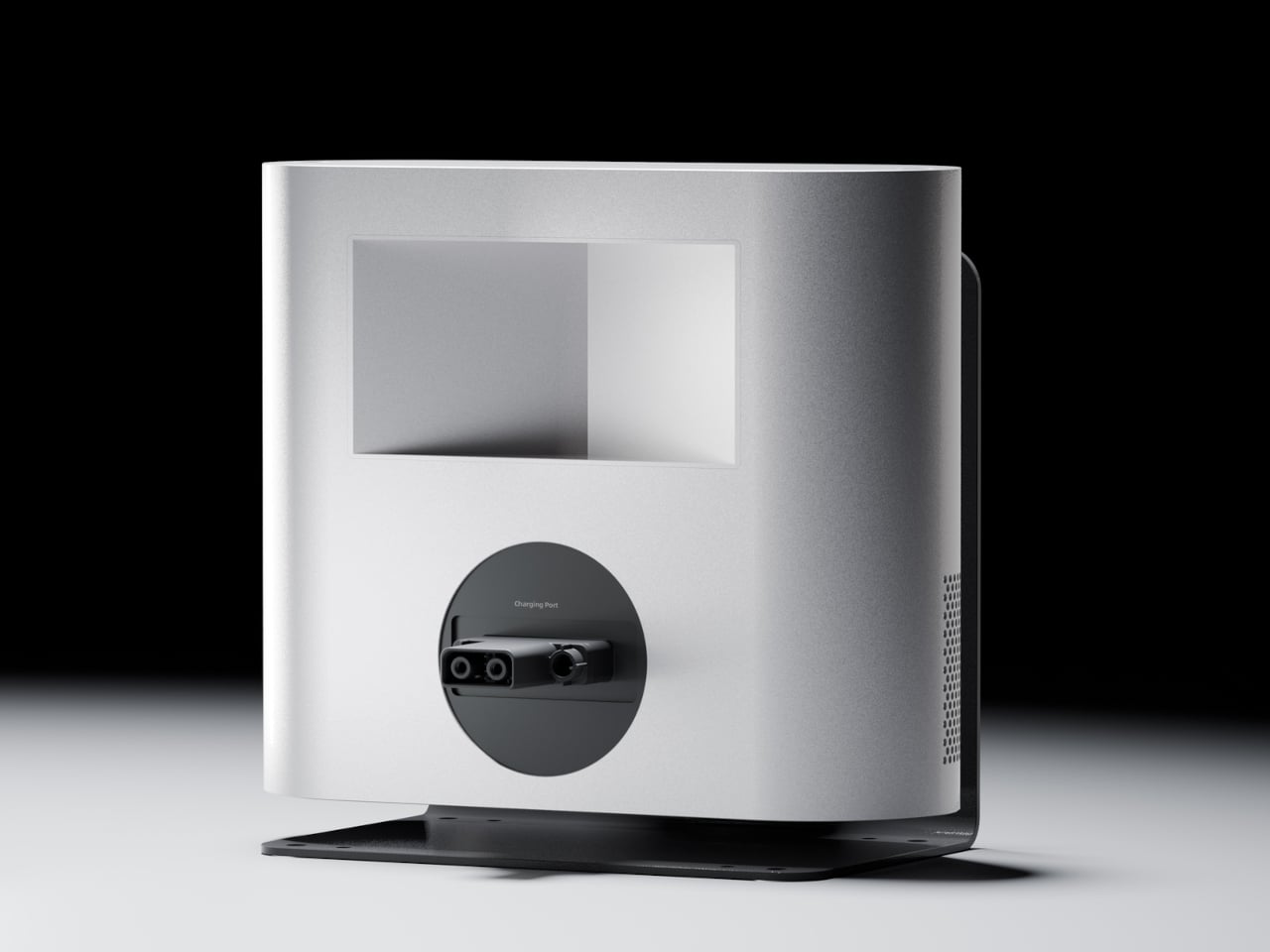
The chest houses a modular interaction platform that changes R2’s function depending on where it’s deployed. Slotting in screens, NFC readers, barcode scanners, or lighting modules lets the same hardware shift between home service, retail, and industrial settings without structural changes. Replacing individual modules instead of the entire unit keeps ownership costs lower over time and reduces the amount of electronics that gets discarded when requirements change.

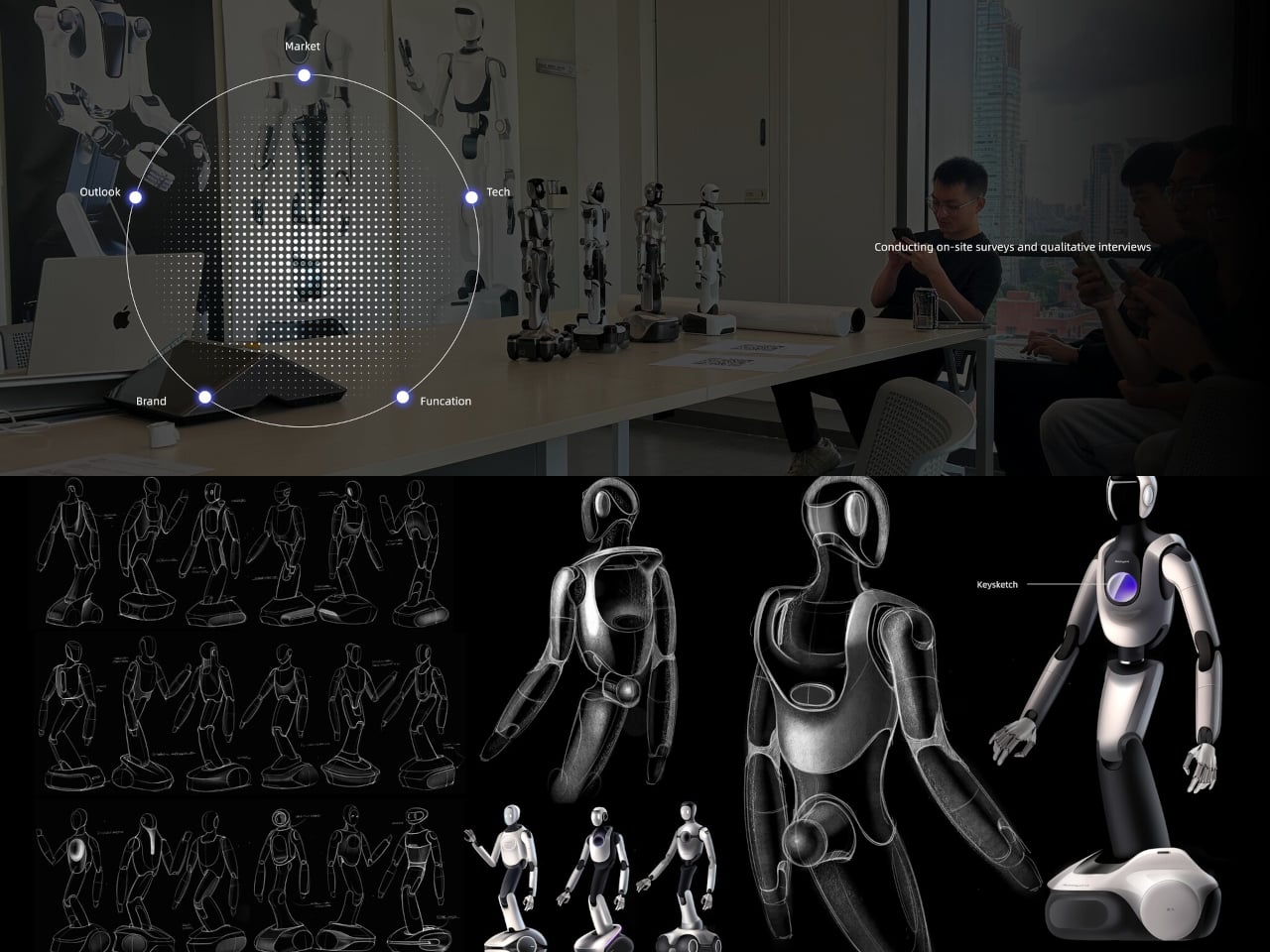
The structural logic extends to manufacturing efficiency. A symmetrical body design cuts the number of molds required in half, reducing material waste and production overhead from the start. The signature Mocha Whisper finish, soft fabric accents, and warm CMF palette give R2 a noticeably different presence from the plain white industrial shells that most service robots wear, making it less intrusive in home and retail environments where aesthetics matter.

The post Humanoid Robots Don’t Fit in Store Aisles, So Robbyant Fixed That first appeared on Yanko Design.
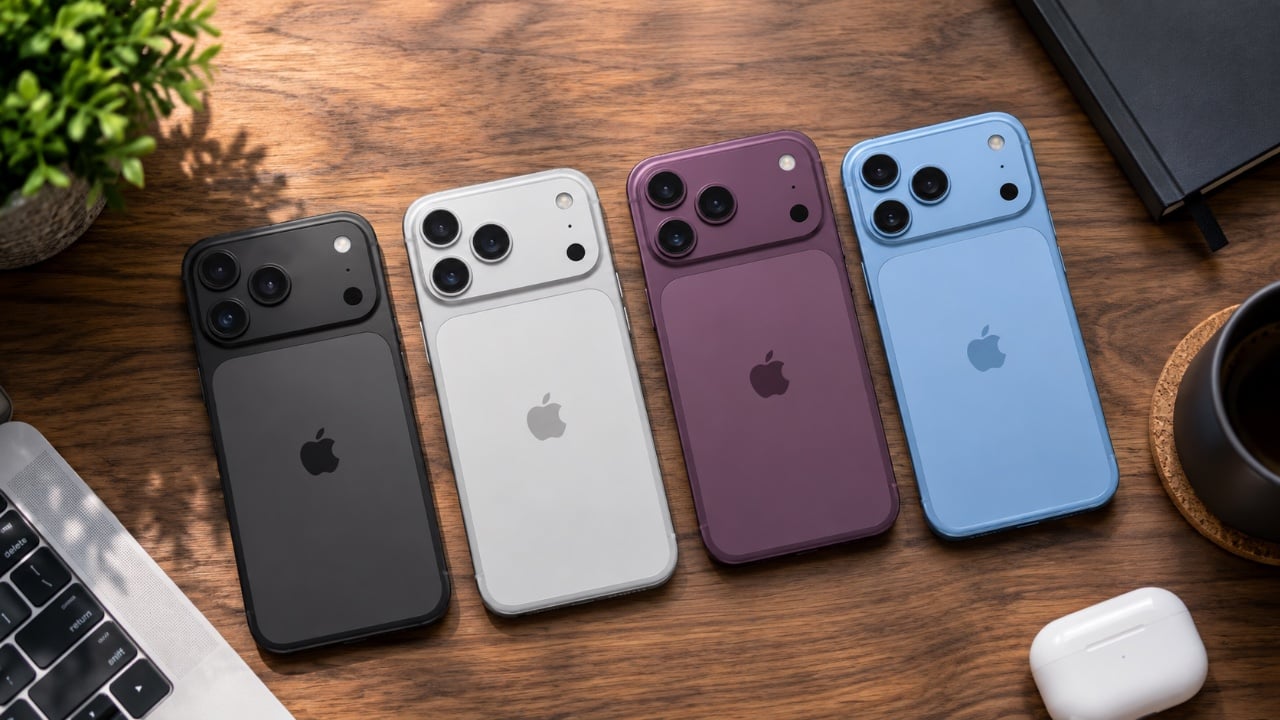

Early iPhone 18 Pro Max Leak Reveals the Upgrade We’ve Been Waiting For

Early iPhone 18 Pro Max Leak Reveals the Upgrade We’ve Been Waiting For iPhone 18 Pro Max

Apple has unveiled the iPhone 18 Pro Max, a flagship device that combines innovative technology with refined design. While maintaining the iconic iPhone aesthetic, this model introduces significant upgrades in performance, functionality, and user experience. These enhancements, however, come with a likely price increase due to the inclusion of advanced components and materials. The video […]

The post Early iPhone 18 Pro Max Leak Reveals the Upgrade We’ve Been Waiting For appeared first on Geeky Gadgets.

Posted in Uncategorized

ONEXPLAYER 3 Beats ROG Ally X with Intel Arc G3 Extreme

ONEXPLAYER 3 Beats ROG Ally X with Intel Arc G3 Extreme The ONEXPLAYER 3 handheld gaming console viewed from the front.

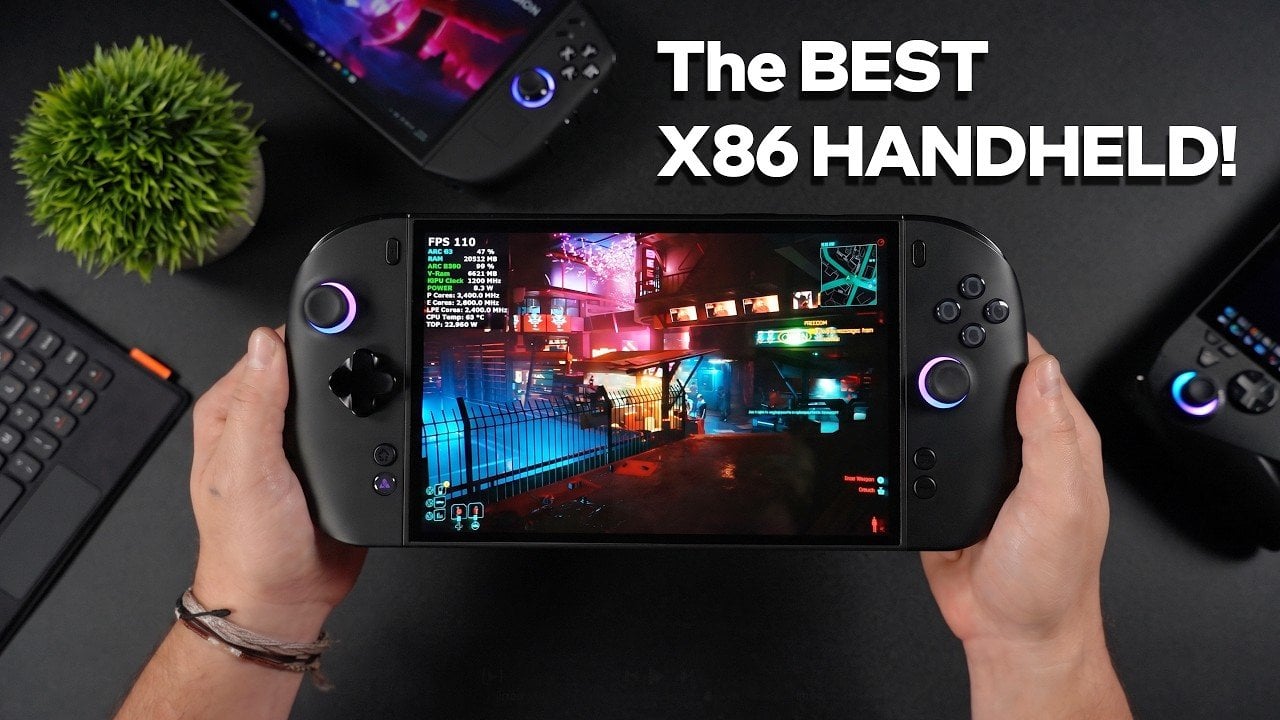
The ONEXPLAYER 3 has emerged as a noteworthy contender in the handheld gaming PC market, blending high-performance components with thoughtful design features. In a detailed breakdown, ETA Prime explores its standout capabilities, including the Intel Arc G3 Extreme CPU and an 8.8-inch OLED display with a 144Hz refresh rate. These specifications enable smooth gameplay and […]

The post ONEXPLAYER 3 Beats ROG Ally X with Intel Arc G3 Extreme appeared first on Geeky Gadgets.

Posted in Uncategorized

DIY Writing Devices Get Expensive Fast, So This One Costs Almost Nothing

The writerdeck movement has one recurring irony: devices built specifically to cut through digital distraction have a tendency to get expensive. Custom keyboards, purpose-built screens, and precision-machined enclosures can push a DIY writing build well past the cost of a regular laptop, which rather defeats the point. The more interesting entries in the space tend to be the ones that solve the accessibility problem, not just the distraction one.

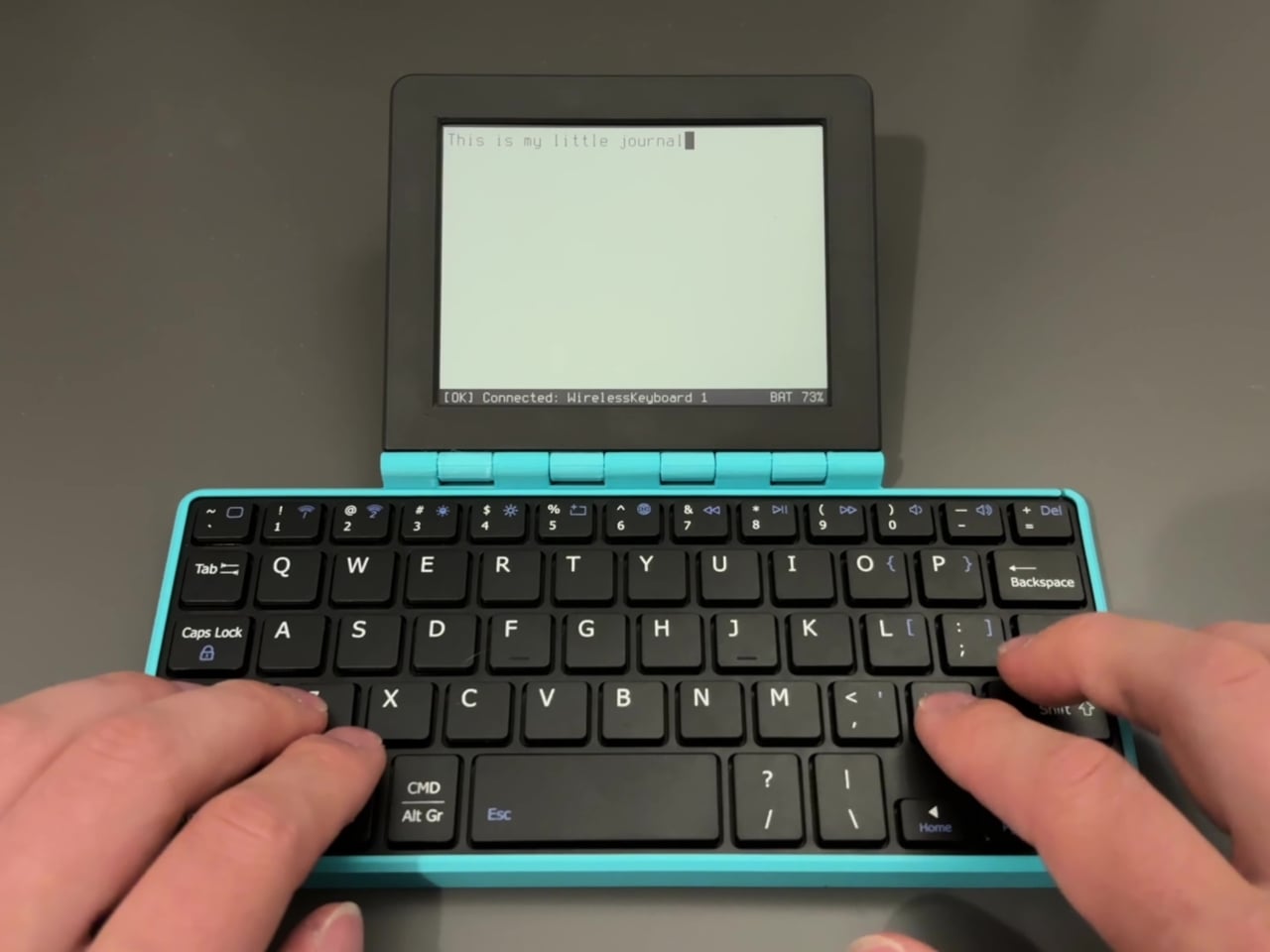
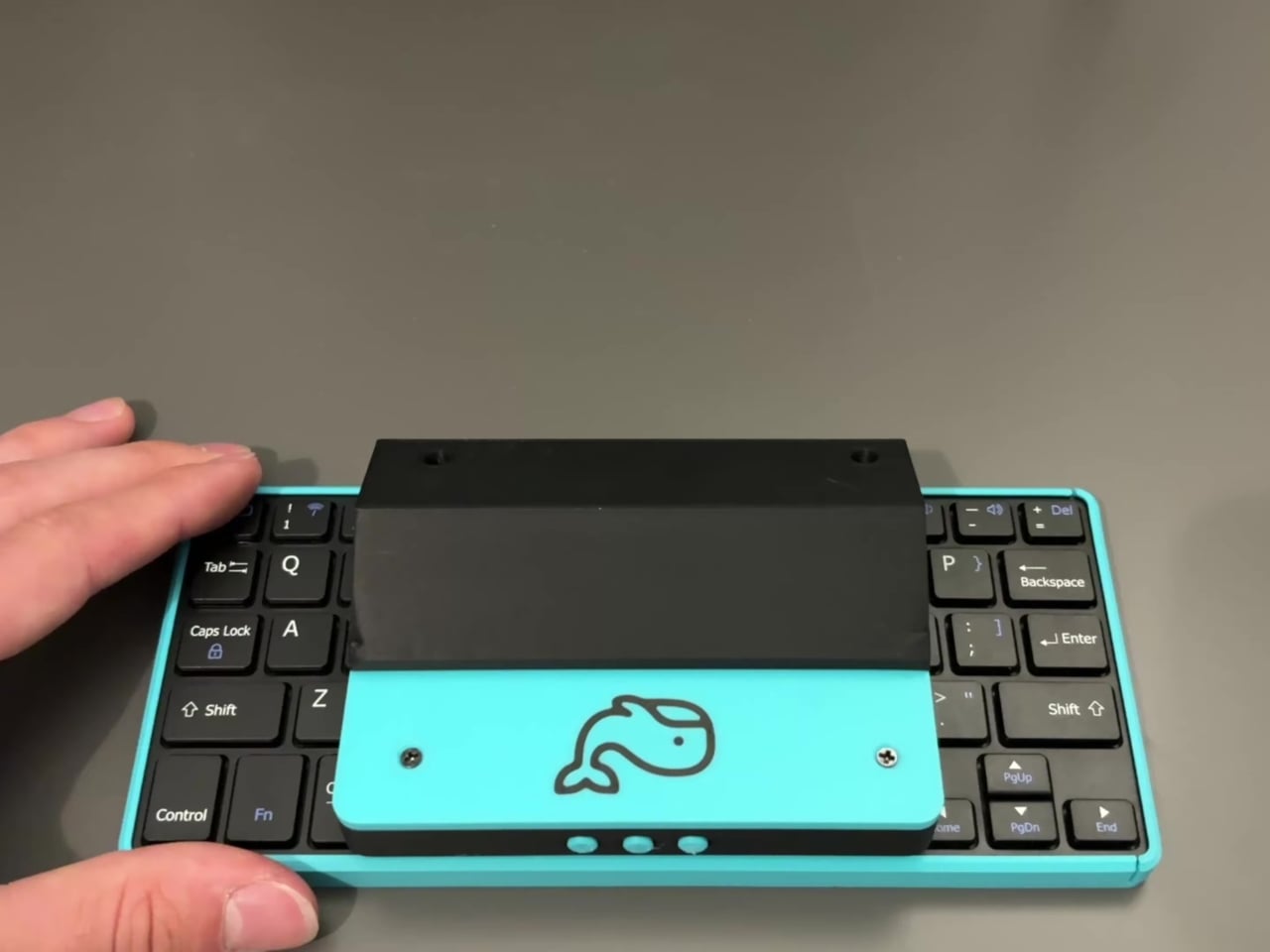
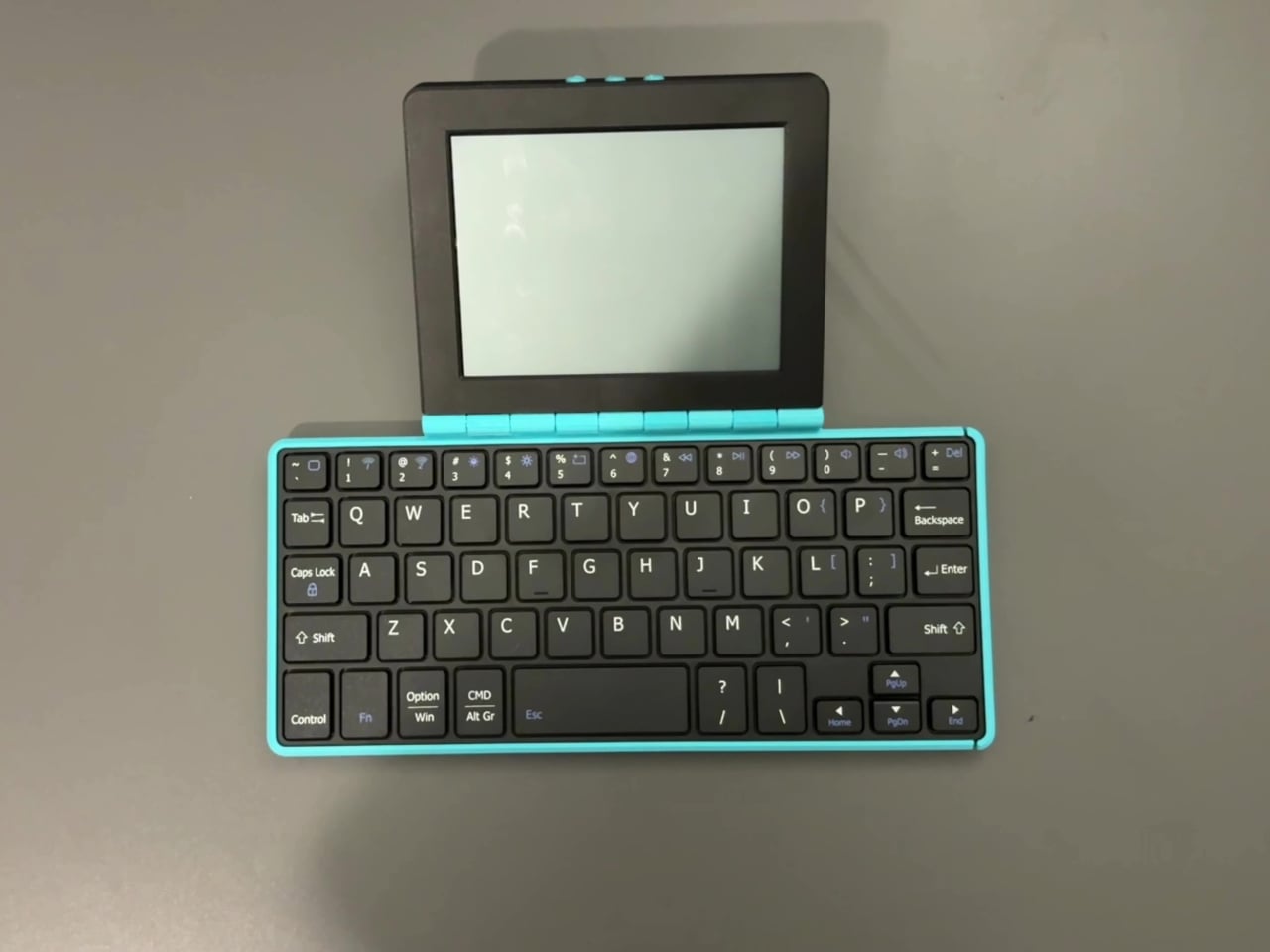
The Whale Writer is an open-source, foldable, DIY writing device designed to be as cheap and portable as possible. It’s the second writerdeck design from its creator, after Bee Write Back, built specifically to address the two most common criticisms of the first: it didn’t fold, and it cost too much. Both problems are solved here through a combination of 3D-printed parts and off-the-shelf electronics.

Designer: Simon Shimel

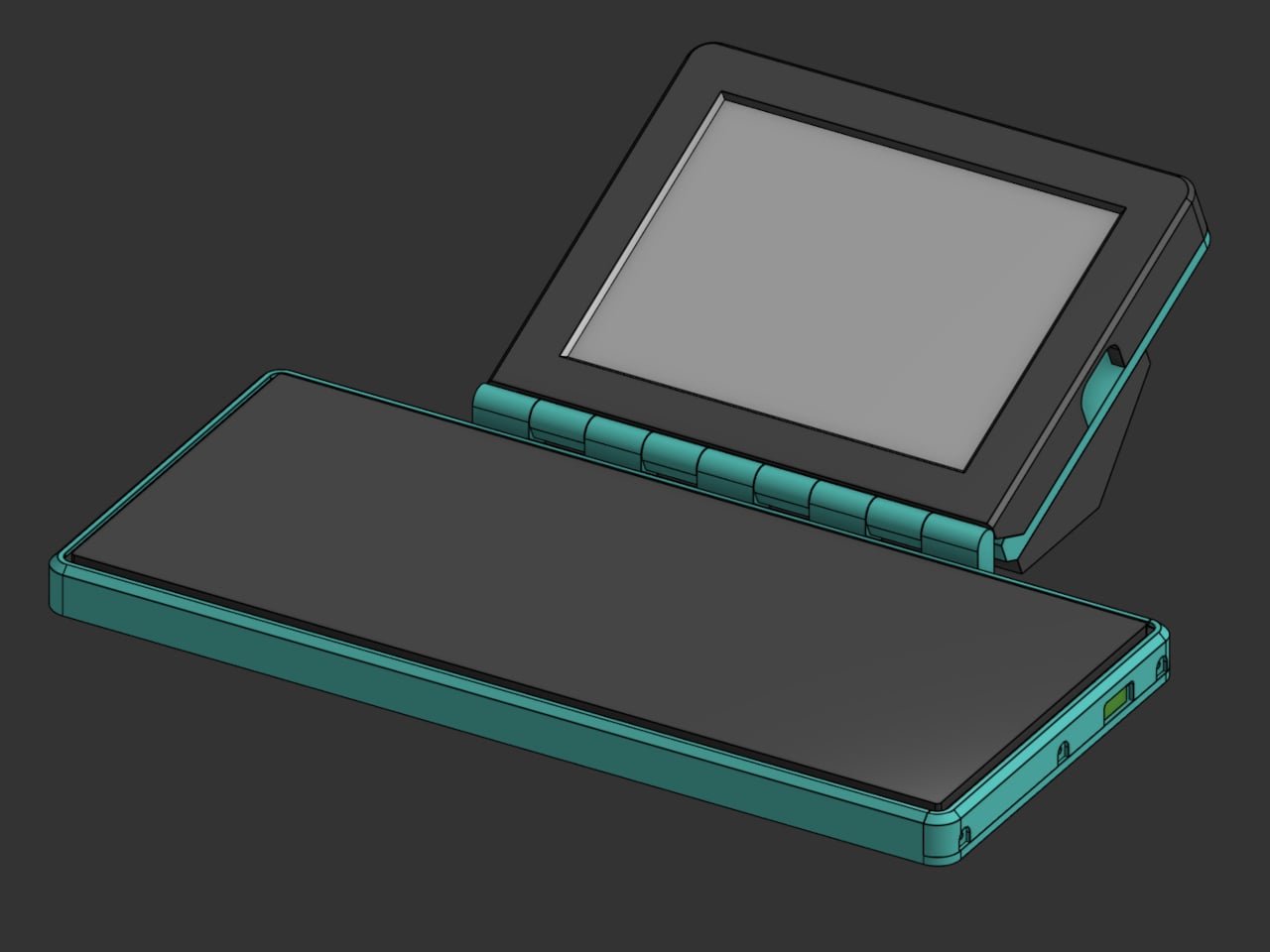
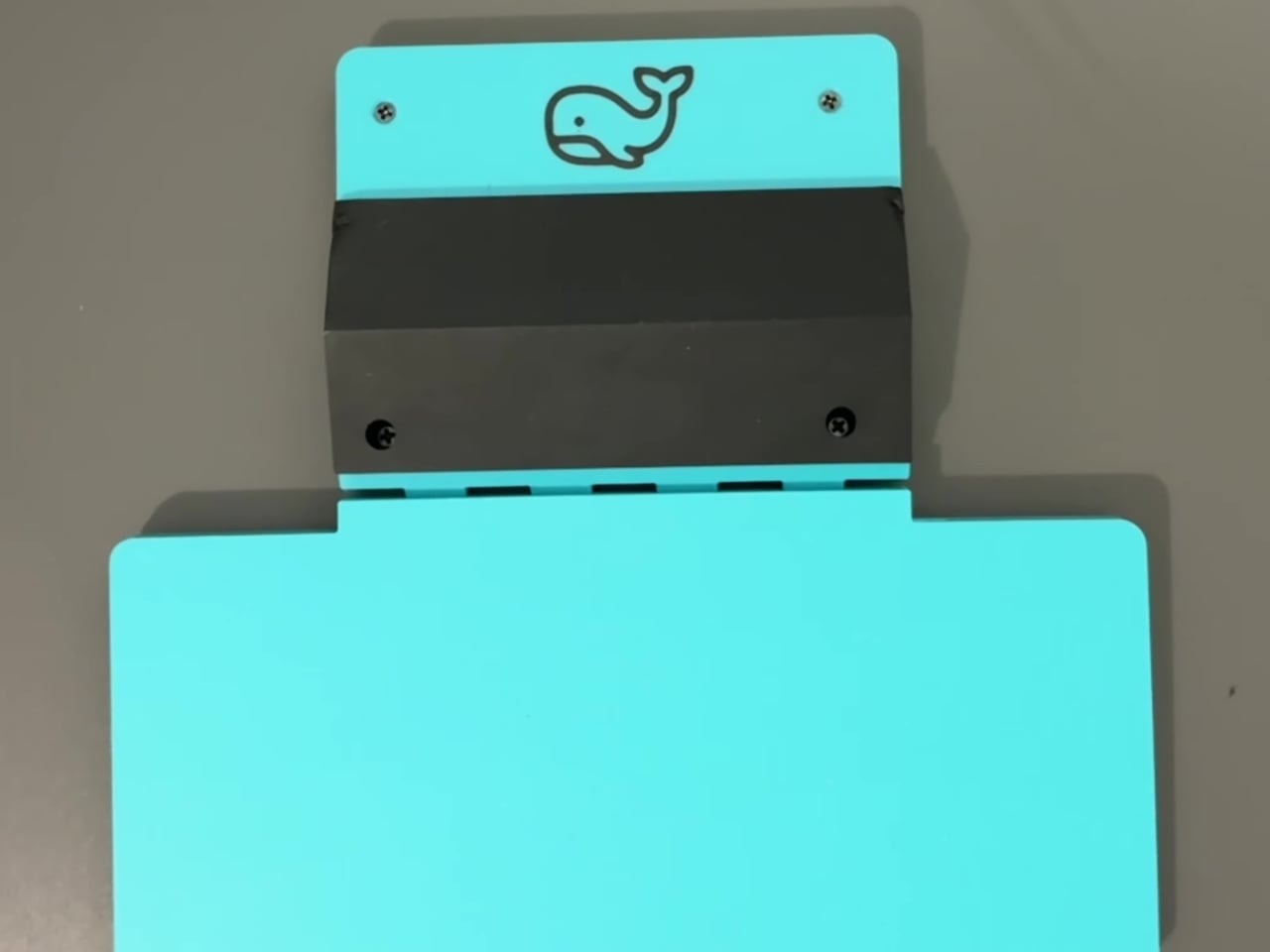
Folding is what separates this from most of the writerdeck category, where non-folding chassis designs are common. When closed, the Whale Writer flattens into a form that can travel in a bag without a full keyboard and screen sticking out at different angles. A device that sits on a café table can fold up and slide into a jacket pocket for the commute.

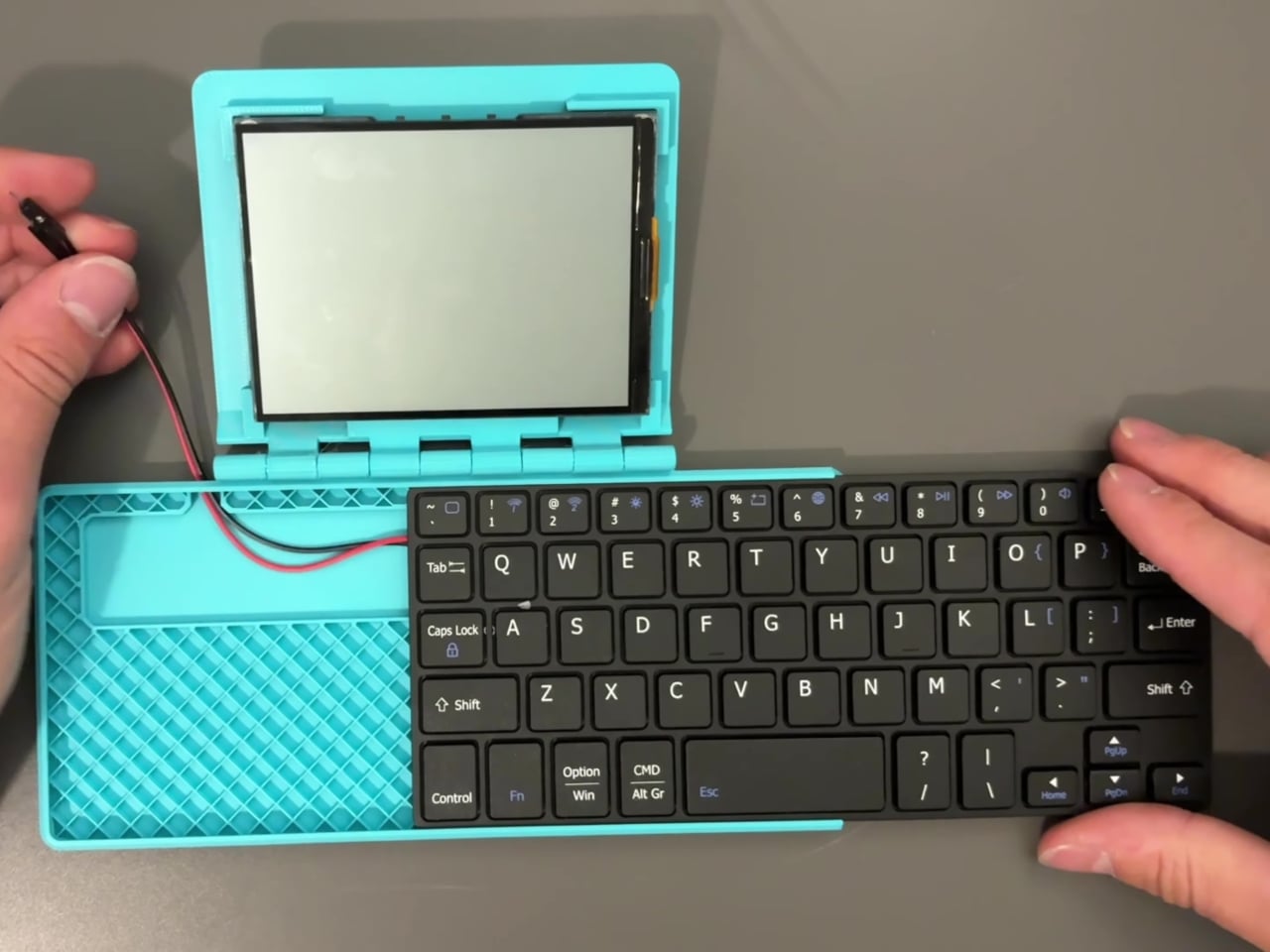
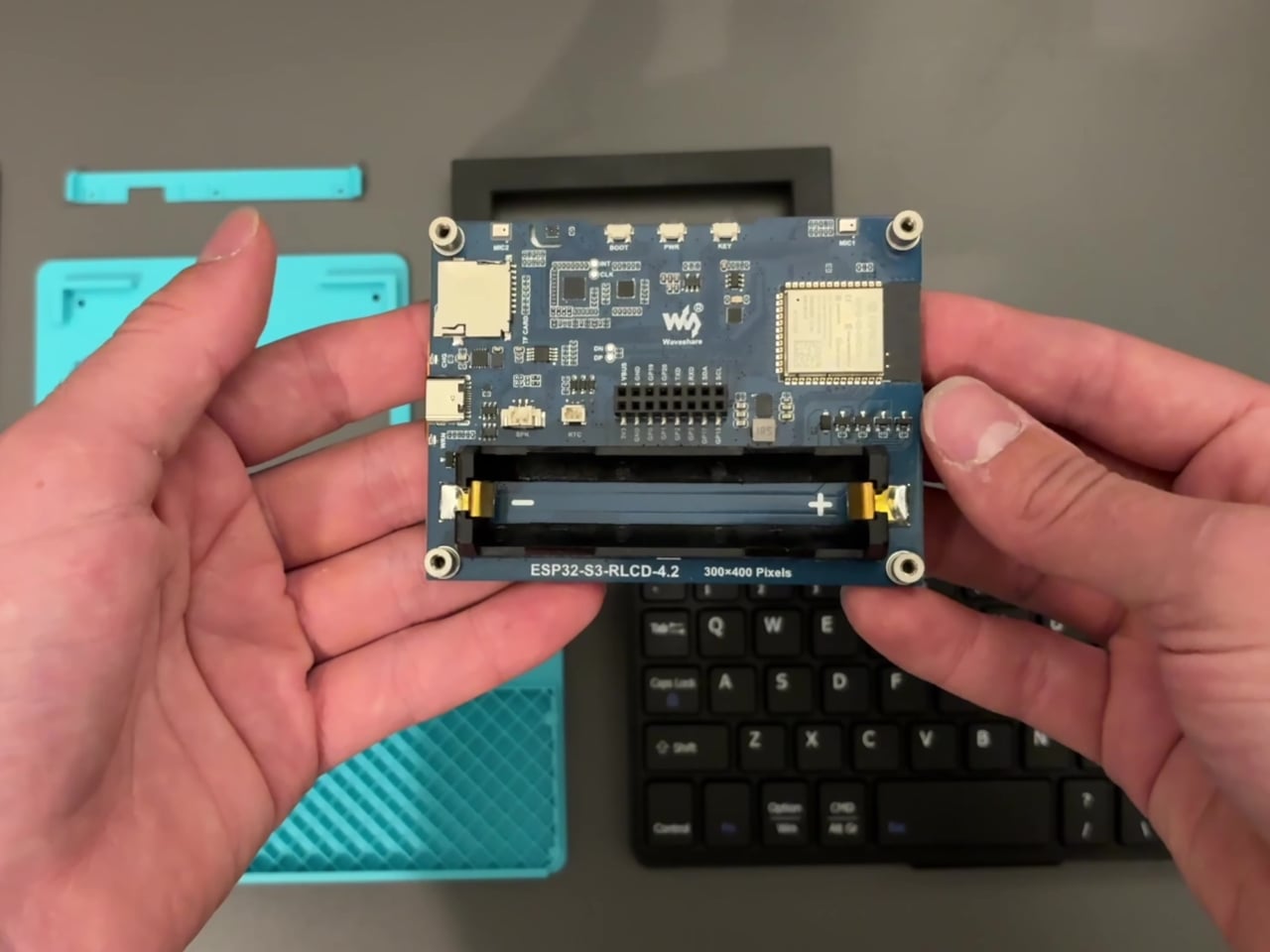
Central to the hardware is an unusual display choice. Rather than a backlit LCD, the Whale Writer uses a Waveshare RLCD, a reflective liquid crystal display that reads using ambient light instead of a power-hungry internal backlight. The result is a screen that mimics paper readability and extends battery life considerably, with an ESP32-S3 microcontroller already built into the module so no separate computing board is required.

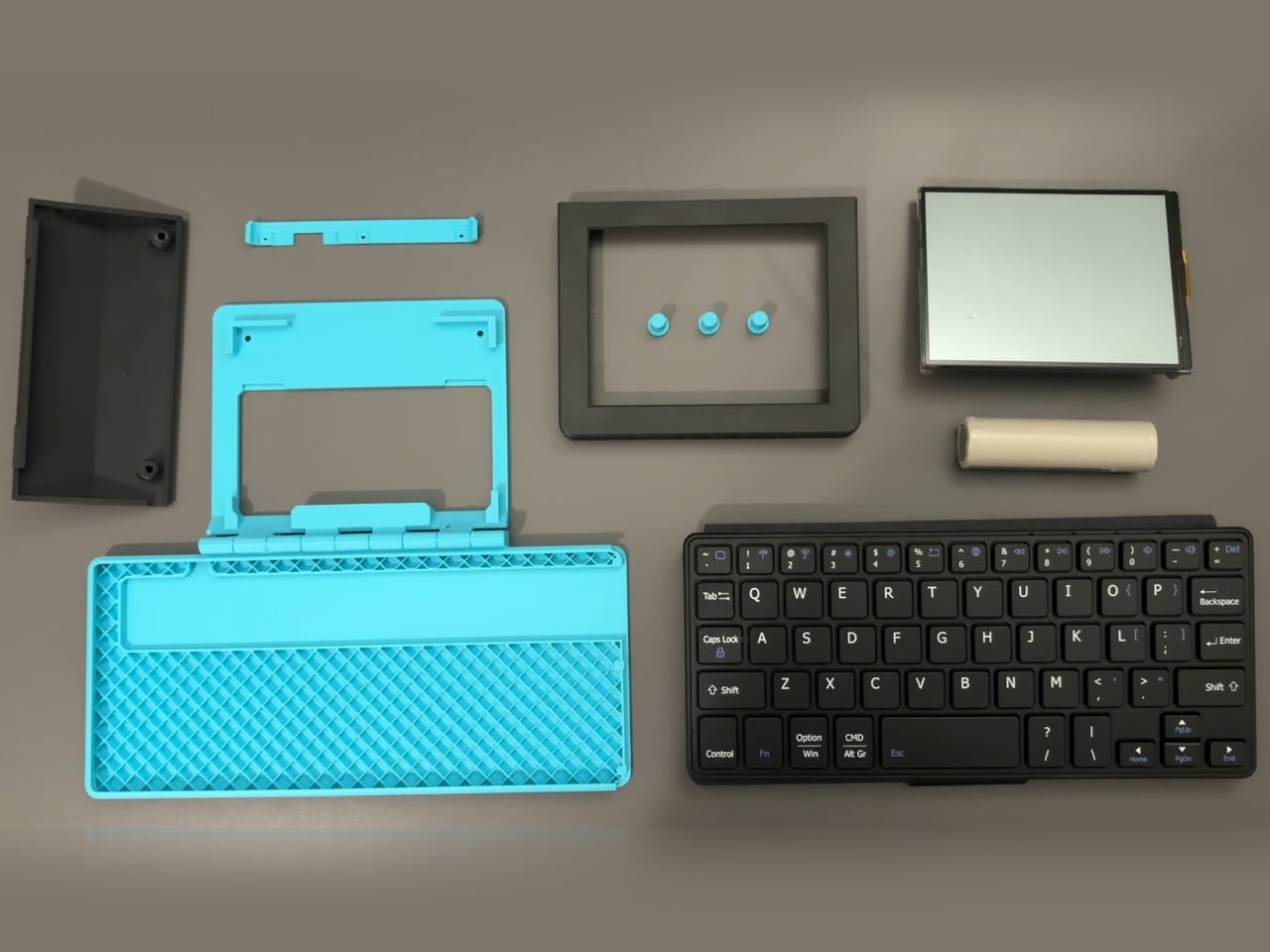
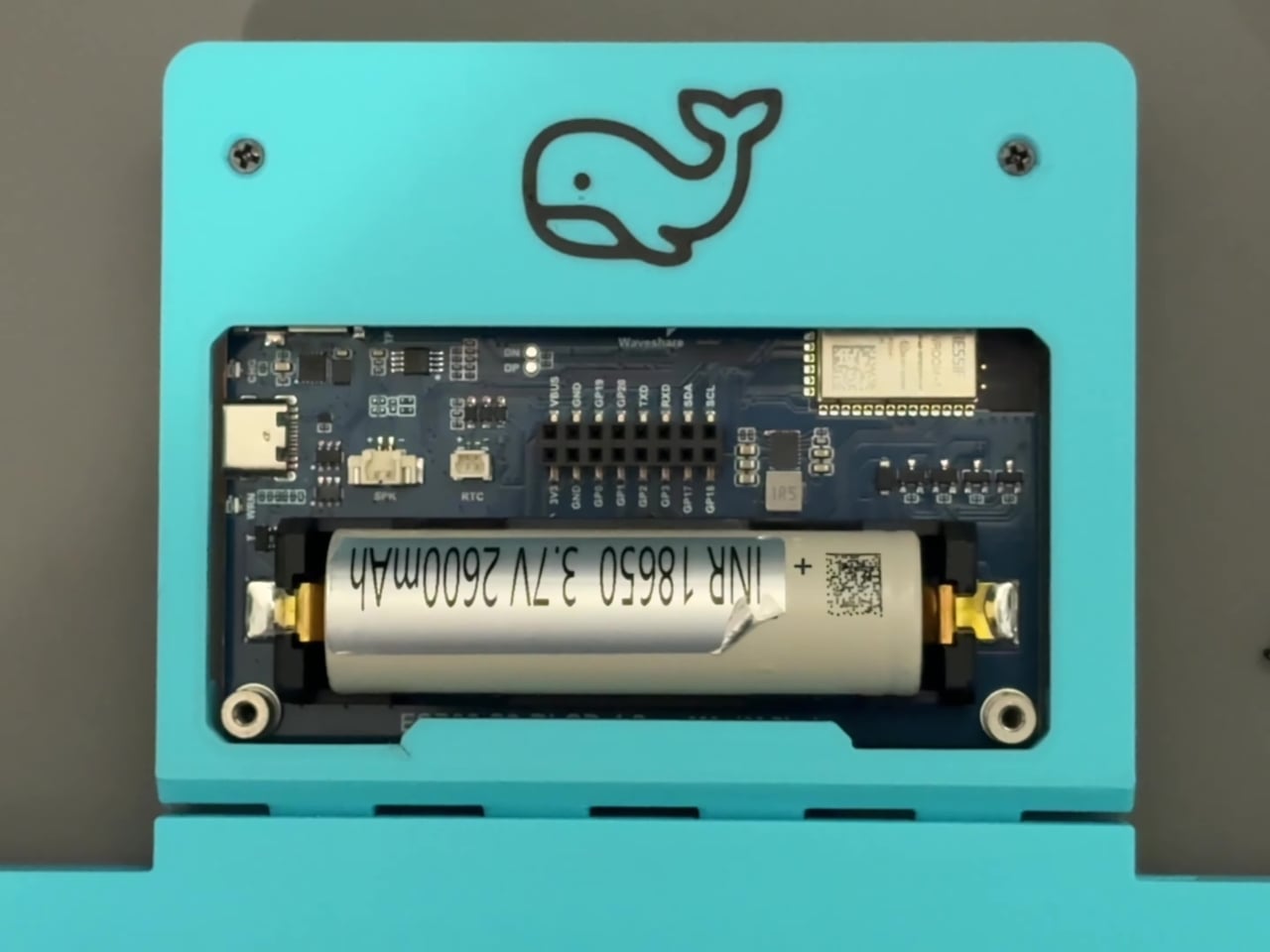
The keyboard is the most accessible component here: a standard cheap Bluetooth keyboard is fully disassembled, and its PCB, key matrix, and flex cable are repurposed inside a custom 3D-printed chassis. Four printed parts complete the build: a base plate with a print-in-place hinge, a locking plate that holds the keyboard in position, a battery cover, and a screen bezel with three button cutouts.

Power runs from an 18650 battery cell, and builders have two configurations to choose from. The simpler path keeps the keyboard’s original battery running independently from the main cell, requiring no soldering. The more involved route splices the keyboard’s power input directly to the RLCD board’s output, running everything off a single 18650, which means one battery to charge instead of two.

Software is deliberately left open. A basic word processor was built as a functionality test using an AI coding assistant, but the creator frames the Whale Writer as a hardware platform, not a finished product. The ESP32’s onboard Wi-Fi and Bluetooth leave the door open for everything from a minimal plain-text editor to a wireless draft-syncing terminal, depending on what firmware the community eventually writes.

None of what the Whale Writer does is entirely new, and it doesn’t try to suggest otherwise. The category already knows what it’s supposed to be: a device that only lets you write, without anything else competing for the same moment. What this build adds to that premise is a sincere attempt to make the experience available to people who want it but have been priced out of building one.

The post DIY Writing Devices Get Expensive Fast, So This One Costs Almost Nothing first appeared on Yanko Design.
Galaxy Z Fold 9 vs Z Fold 8: Samsung’s Next Big Foldable Upgrade Explained

Galaxy Z Fold 9 vs Z Fold 8: Samsung’s Next Big Foldable Upgrade Explained Galaxy Z Fold 9 vs Z Fold 8

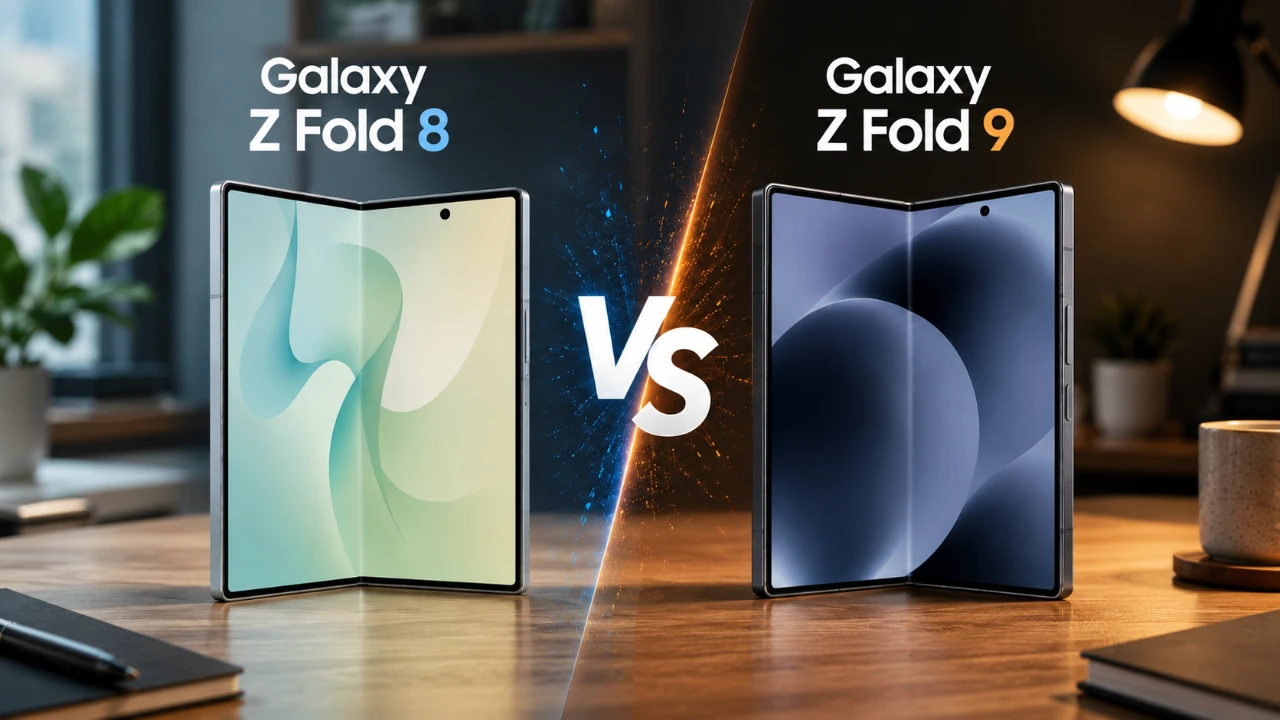
Fresh off the heels of the Galaxy Z Fold 8 launch, early leaks and rumors are already turning attention toward Samsung’s next foldable milestone: the Galaxy Z Fold 9. Building directly on the foundation laid by the newly released Fold 8, the next-generation device seeks to refine the foldable experience even further with expected performance […]

The post Galaxy Z Fold 9 vs Z Fold 8: Samsung’s Next Big Foldable Upgrade Explained appeared first on Geeky Gadgets.

Posted in Uncategorized

Viture Pro 2 Offers 1600-Nit Sony Displays for Just $299

Viture Pro 2 Offers 1600-Nit Sony Displays for Just $299 A person wearing the lightweight Viture Pro 2 glasses.

The Viture Pro 2 smart glasses stand out as a balanced mix of affordability and functionality, priced at $299. Jasmine Uniza highlights how these glasses use Sony micro-OLED displays with up to 1600 nits of brightness, making sure sharp and vibrant visuals even in brightly lit settings. Features like built-in diopters (+/-5) for vision correction […]

The post Viture Pro 2 Offers 1600-Nit Sony Displays for Just $299 appeared first on Geeky Gadgets.

Posted in Uncategorized

Leak: Apple AirPods Pro Ultra May Bring the Biggest Upgrade

Leak: Apple AirPods Pro Ultra May Bring the Biggest Upgrade AirPods Pro Ultra

Apple is reportedly preparing to unveil the AirPods Pro Ultra, a significant addition to its wearable technology lineup. This next-generation device is rumored to incorporate built-in cameras and advanced artificial intelligence (AI), aiming to redefine how you interact with your surroundings. Expected to launch as early as September, the AirPods Pro Ultra could represent a […]

The post Leak: Apple AirPods Pro Ultra May Bring the Biggest Upgrade appeared first on Geeky Gadgets.

Posted in Uncategorized