A 1.8-Inch Fire Pit Just Changed Everything About Camping

Most camping gear exists in one of two categories: either it’s practical and ugly, or it looks great and makes you sacrifice half your trunk space to bring it along. Portable fire pits have historically landed in the second camp. They fold, sure, but “fold” usually means collapsing from one large, awkward shape into a slightly less large, slightly more annoying one. The RTE FireFold from Rough Trails Equipment has a fundamentally different idea about what “portable” should actually mean.

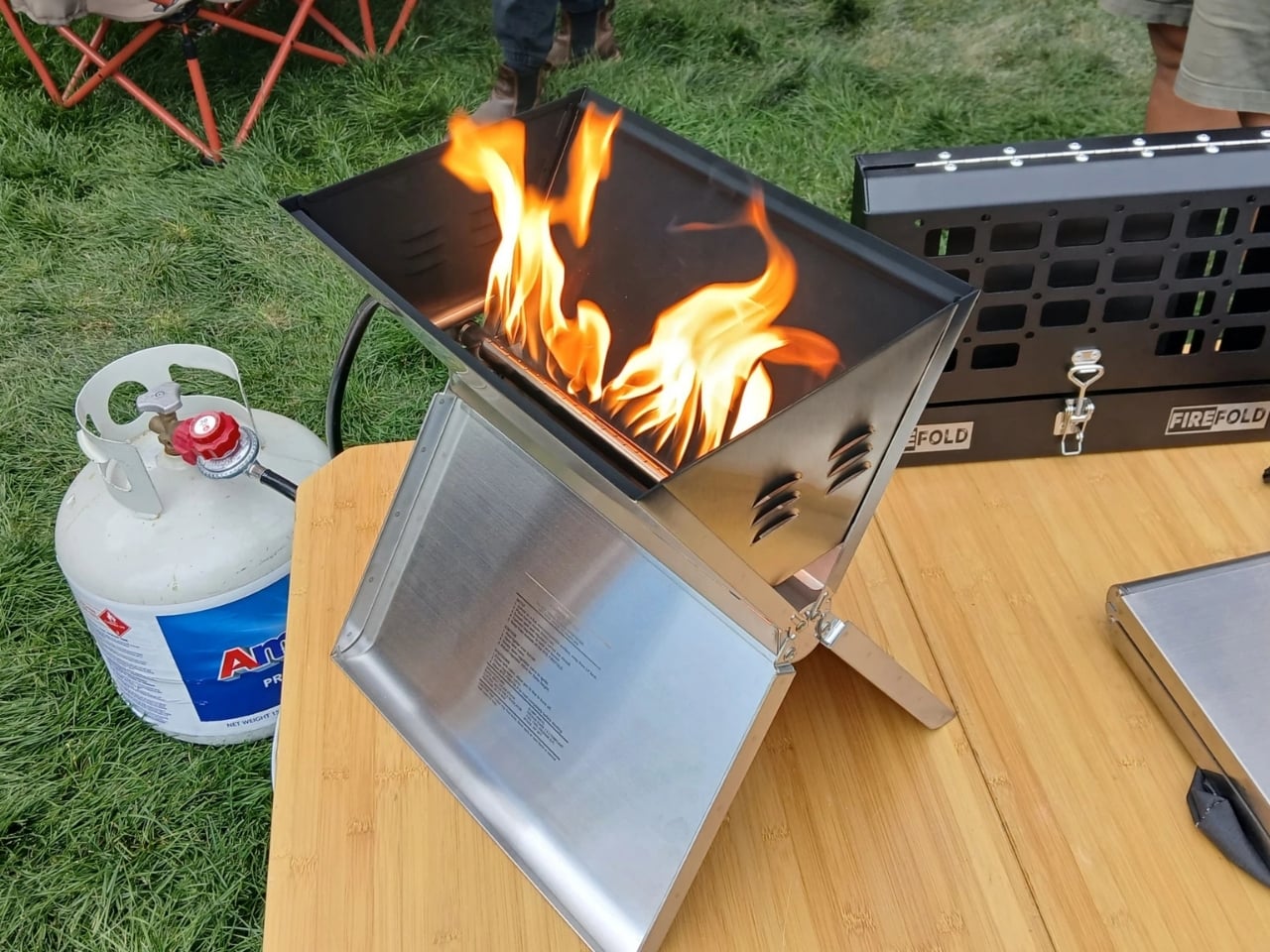
The FireFold earned its name honestly. Collapsed, it packs down to just 1.8 inches thick, the kind of flat that slides directly into the same sleeve where you’d carry a laptop. It debuted at Overland Expo Mountain West and reportedly stopped people mid-stride, which makes complete sense. A fire pit you’d walk past without recognizing isn’t exactly something the outdoor gear industry has offered before.

Designer: Rough Trails Equipment
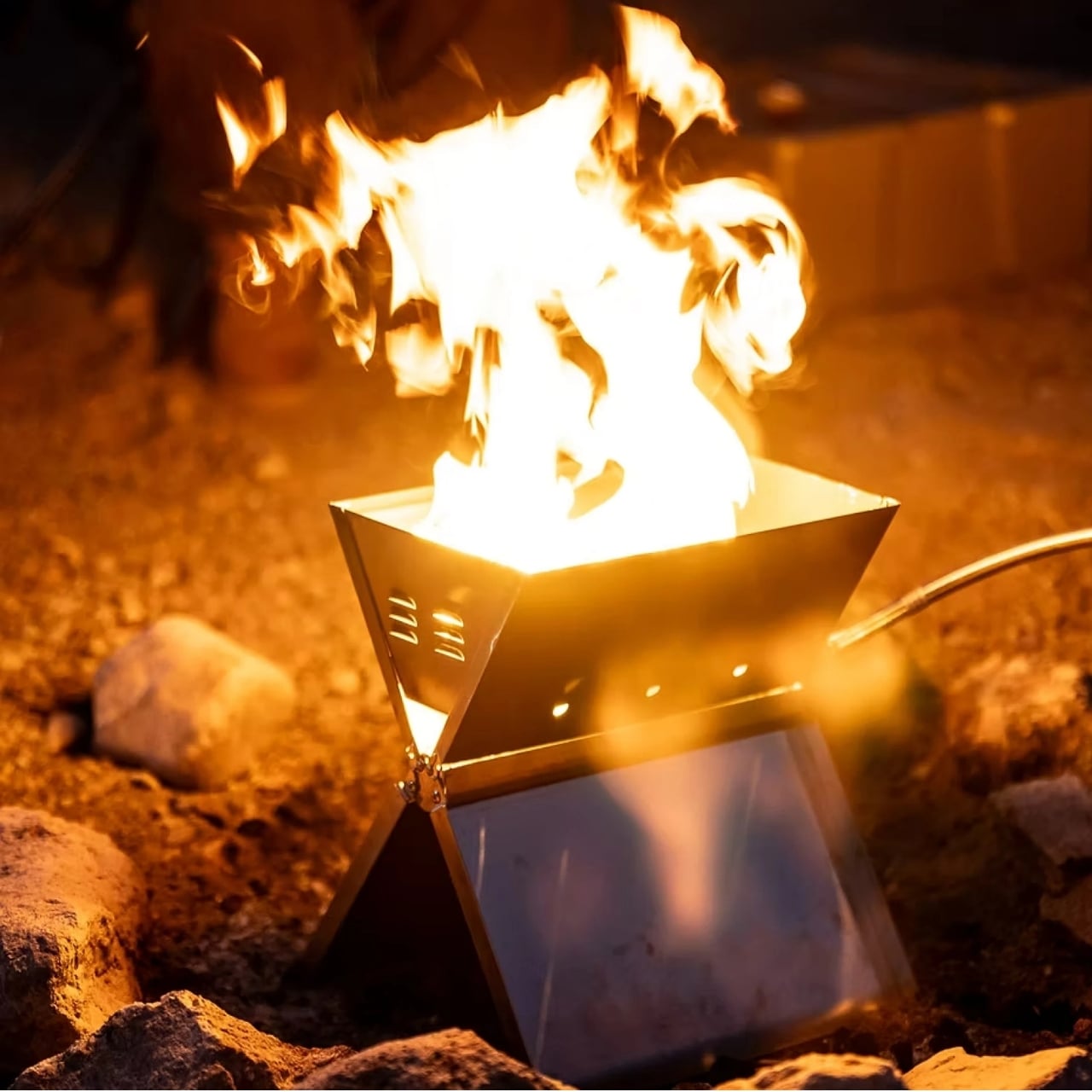
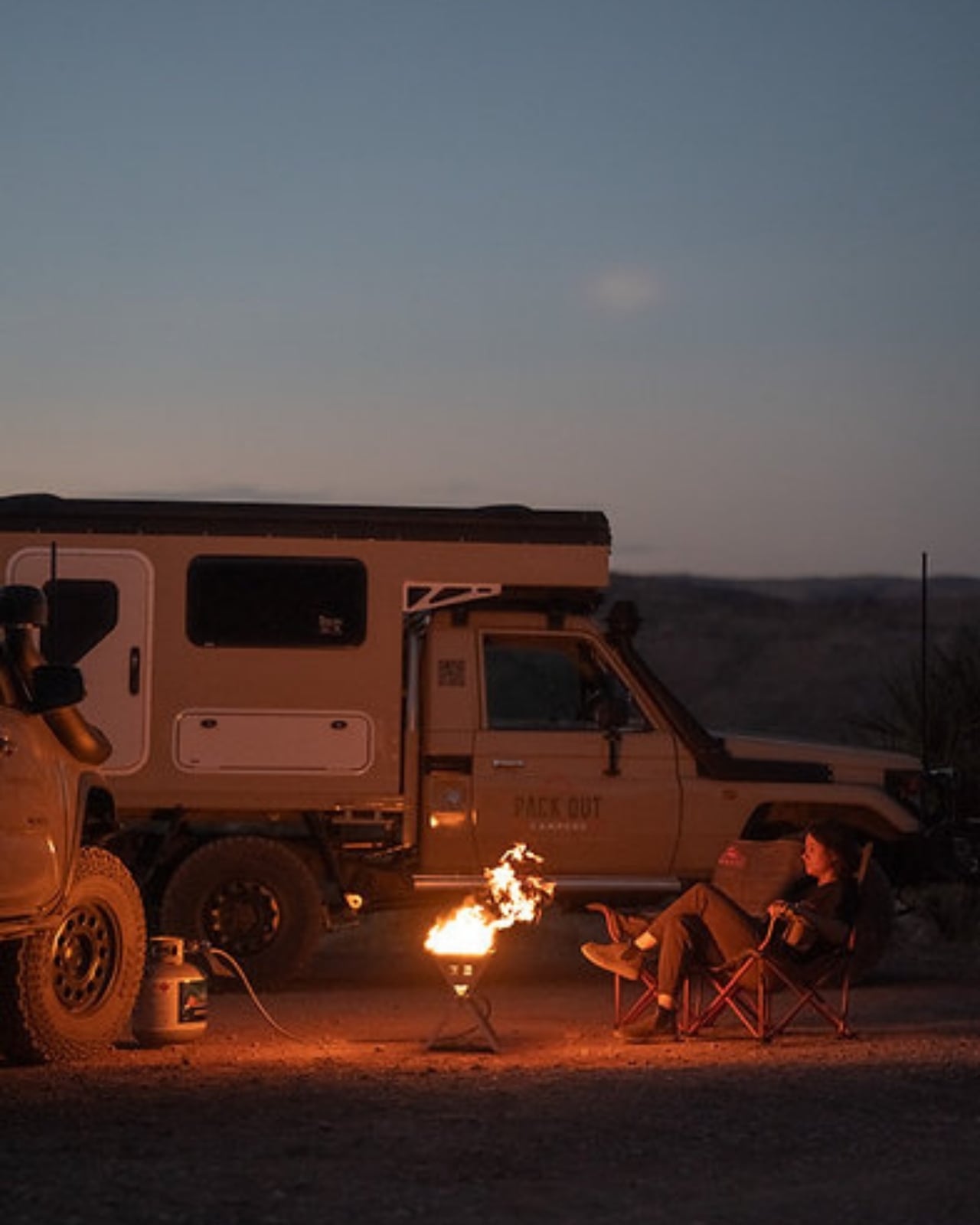
Performance numbers don’t suffer for the sake of the profile. The FireFold runs on liquid propane and delivers 320,000 BTU per hour, which is a genuinely serious output for something that stores like a piece of tech hardware. Setup takes seconds. The adjustable regulator gives you real control over the flame, not just the on-or-off binary you get from plenty of other portable options. It ships with a ripstop storage bag, the kind of small-but-telling detail that signals the designers were thinking about actual use patterns rather than just the product photo.
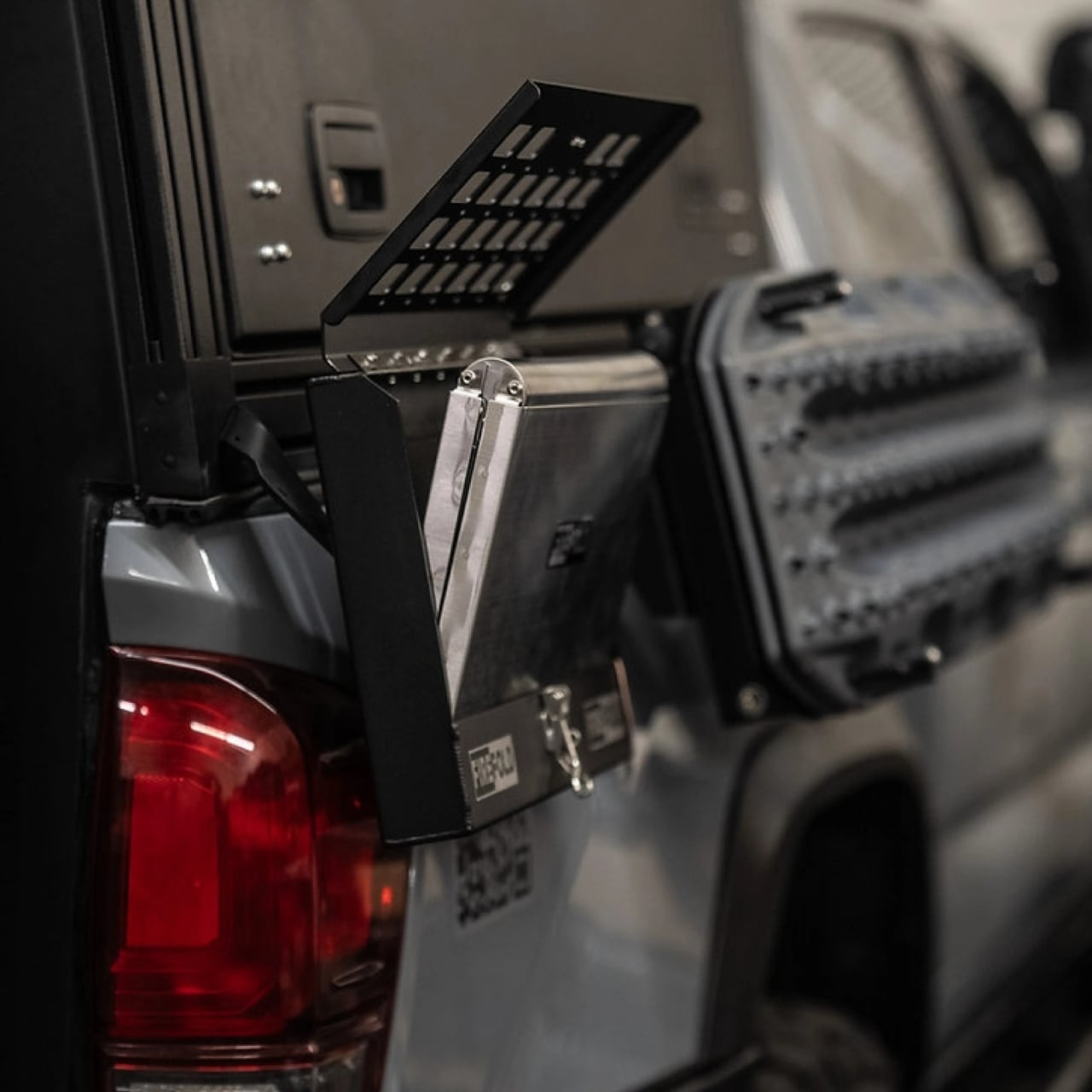
What makes the FireFold worth talking about beyond its specs is what it communicates about design priorities. Rough Trails Equipment built this specifically for overlanders and van-lifers, a community that has spent years quietly making peace with compromise. You want a campfire, but you also want room for recovery gear, food storage, sleeping equipment, and everything else a real trip demands. The FireFold removes that negotiation almost entirely. At 1.8 inches folded, it stops being a storage calculation and becomes a non-issue.
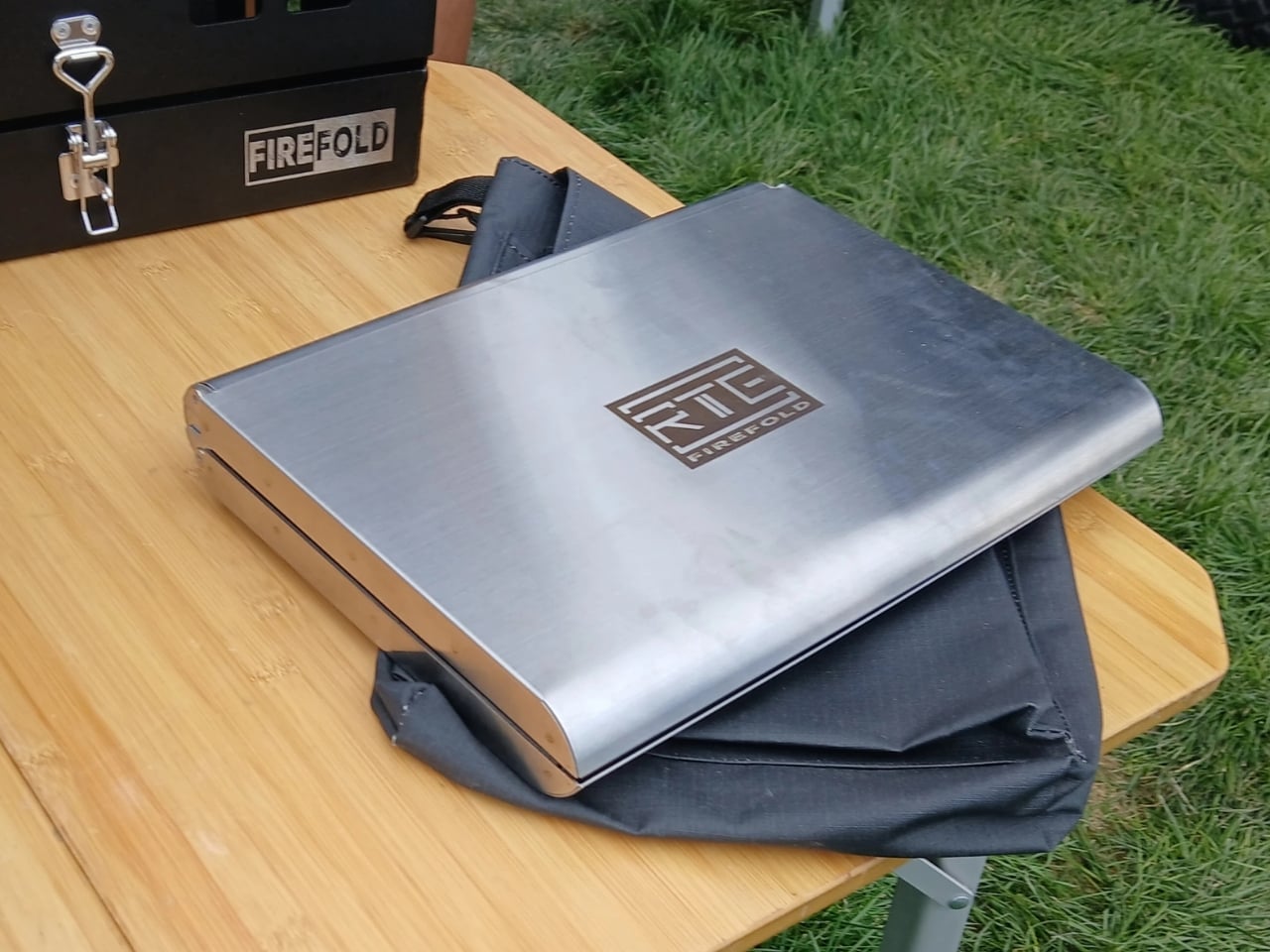
The fire ban compliance deserves more attention than it tends to get. The FireFold is certified for both Stage 1 and Stage 2 fire ban conditions, meaning it can be used in situations where traditional open fires and many other portable fire pits are outright prohibited. Anyone who has driven four hours to a campsite, arrived to a posted burn ban, and spent the evening cold in the dark understands exactly why that matters. A fire pit that works when others legally cannot isn’t a luxury feature. It’s the whole point.
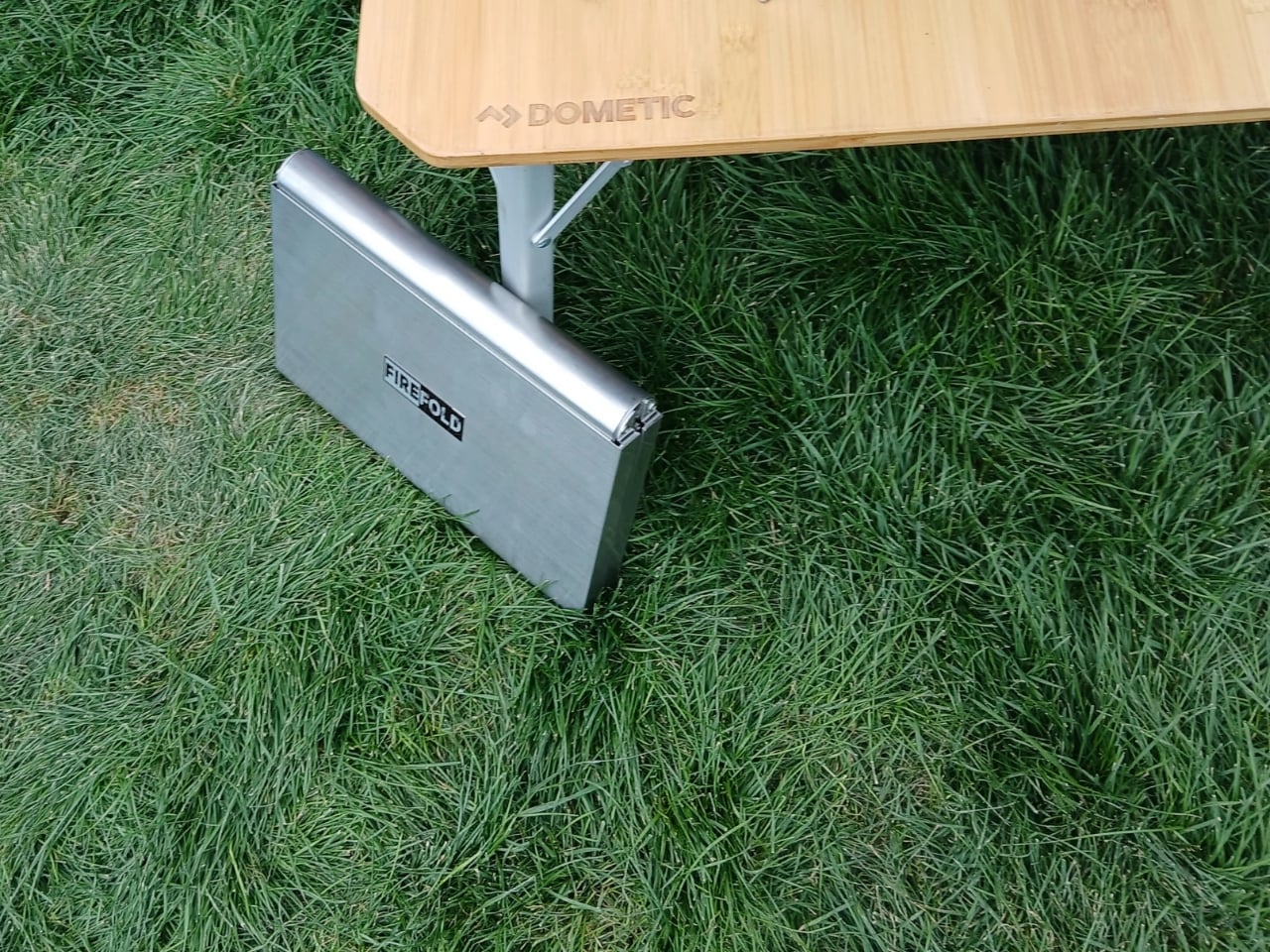
From a design perspective, the laptop comparison does a lot of work for this product, and it’s doing it intentionally. We already have a clear, embodied understanding of what “laptop-sized” means. We know that dimension. Framing a fire pit that way bridges the conceptual gap between “outdoor gear” and “something I would actually make room for.” It transforms the FireFold from a camping item into something more like everyday carry, which is a meaningful shift in how you think about bringing it along.
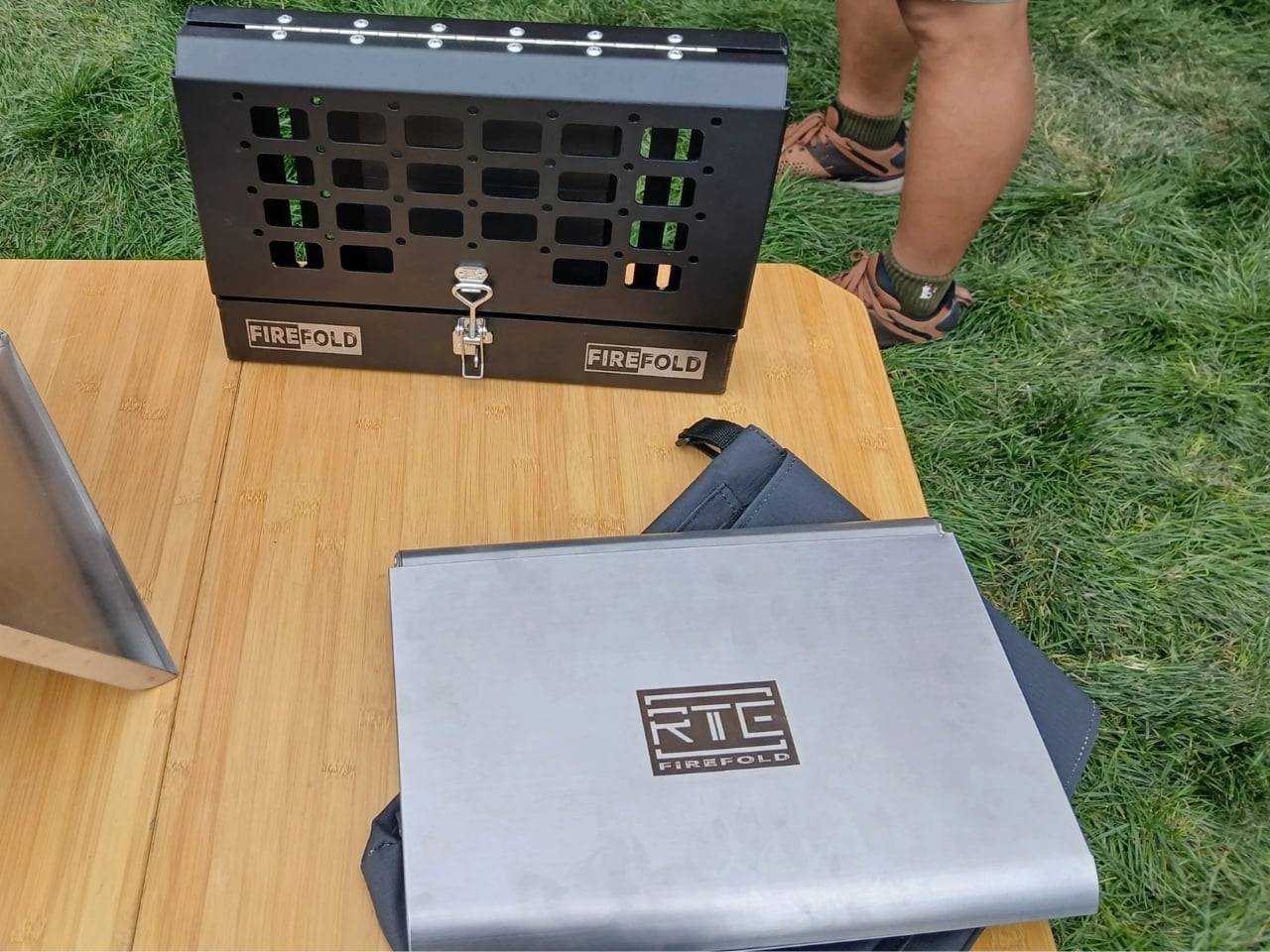
At $295, it sits at the premium end of the portable fire pit market, and that’s worth being honest about. But the counterargument writes itself: if you’re regularly leaving your fire pit at home because it’s too much to pack, or making uncomfortable trade-offs to squeeze it in, the math on $295 looks different. There’s also an optional FireFold Case at $185 for extra protection, though the included ripstop bag covers the basics without requiring an additional purchase.

Camping gear has long operated on an unspoken agreement that bulk is just the cost of doing business outdoors. The FireFold pushes back on that in a way that feels overdue. It doesn’t try to reinvent the campfire or make you download an app to use it. It just collapses flat, fits where nothing else fits, and burns when you need it to. For the overlanding crowd, that’s almost everything. For the rest of us, it’s a reminder that outdoor design has been settling for “good enough” for a long time.
The post A 1.8-Inch Fire Pit Just Changed Everything About Camping first appeared on Yanko Design.
Is the Samsung Galaxy Watch 9 Actually Worth the Upgrade?

Is the Samsung Galaxy Watch 9 Actually Worth the Upgrade? Samsung Galaxy Watch 9

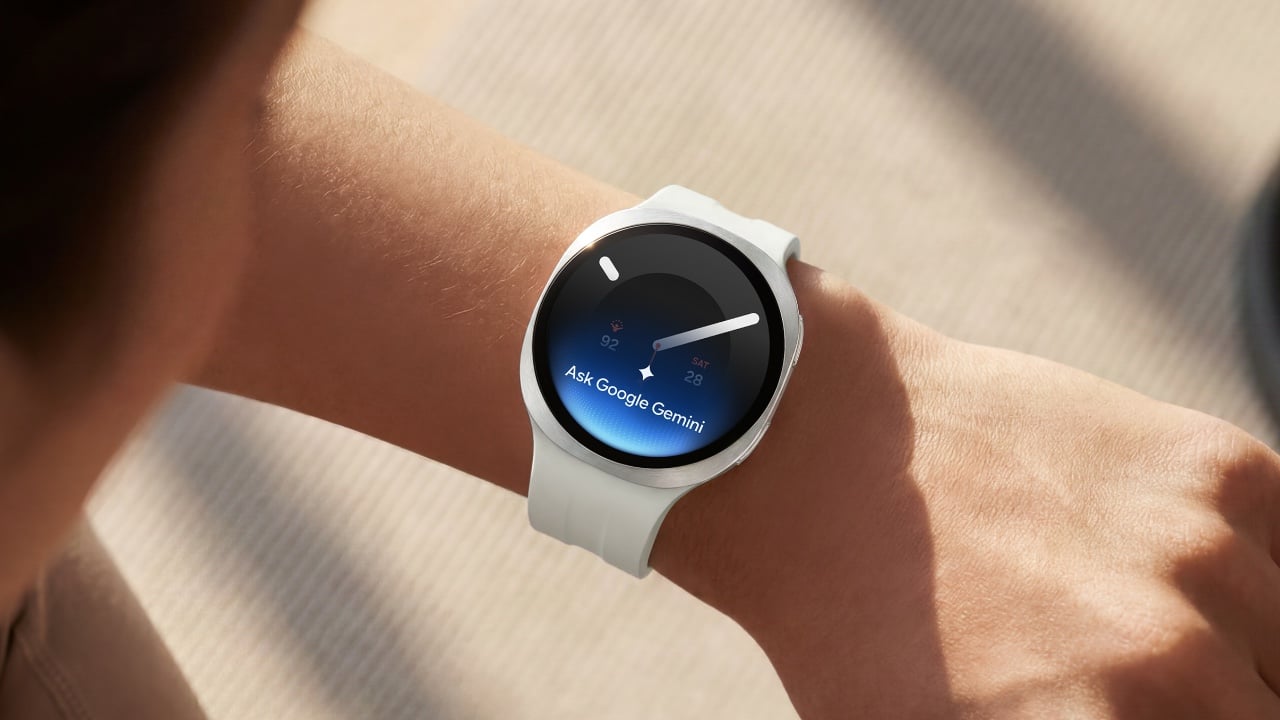
The Samsung Galaxy Watch 9 builds on the foundation of its predecessor, the Galaxy Watch 8, by offering incremental updates rather than innovative changes. With a focus on health tracking, a familiar design, and reliable performance, the Galaxy Watch 9 aims to cater to both new users and those already invested in Samsung’s ecosystem. However, […]

The post Is the Samsung Galaxy Watch 9 Actually Worth the Upgrade? appeared first on Geeky Gadgets.

Posted in Uncategorized

Garmin Fenix 9 Pro Beats Fenix 8 Pro in Map Rendering Time

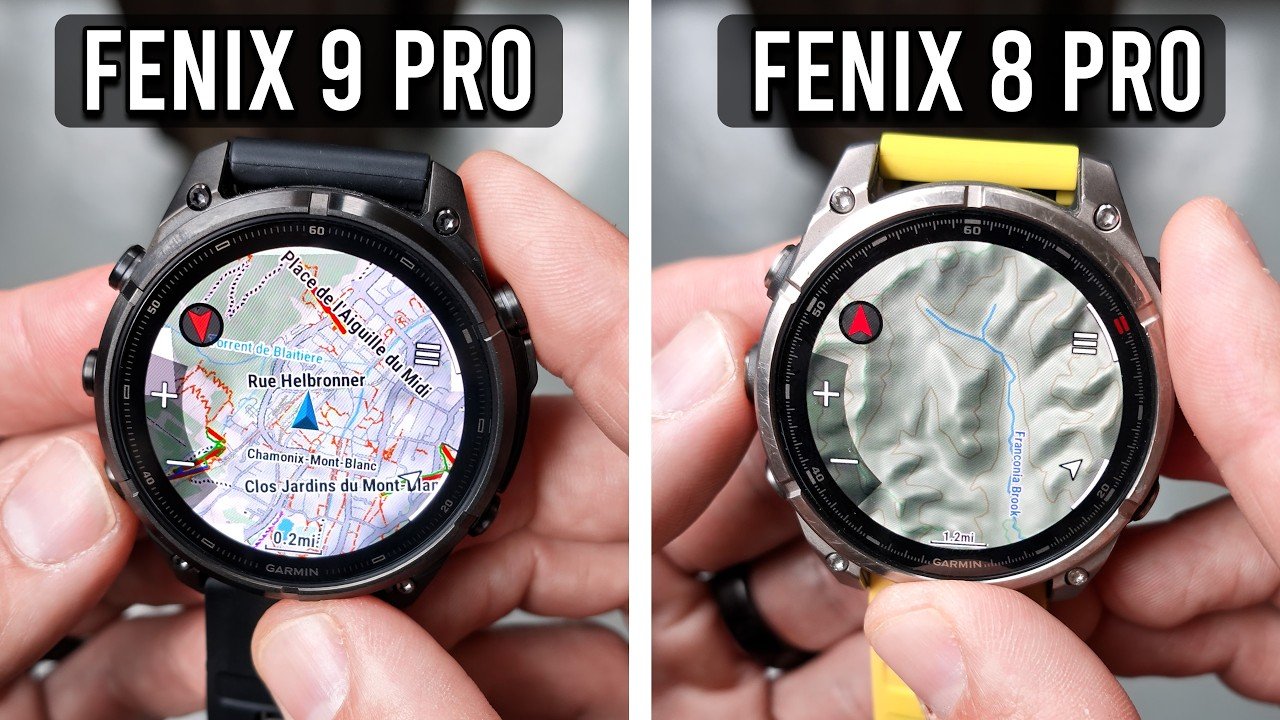
Garmin Fenix 9 Pro Beats Fenix 8 Pro in Map Rendering Time Side-by-side comparison of mapping screens on the Garmin Fenix 9 Pro and Fenix 8 Pro.

When it comes to mapping performance on multisport smartwatches, the Garmin Fenix 9 Pro and Fenix 8 Pro offer distinct experiences that cater to different user needs. In a hands-on comparison by Chase the Summit, the Fenix 9 Pro stands out for its smoother zoom animations and faster map rendering, significantly enhancing usability for activities […]

The post Garmin Fenix 9 Pro Beats Fenix 8 Pro in Map Rendering Time appeared first on Geeky Gadgets.

Posted in Uncategorized

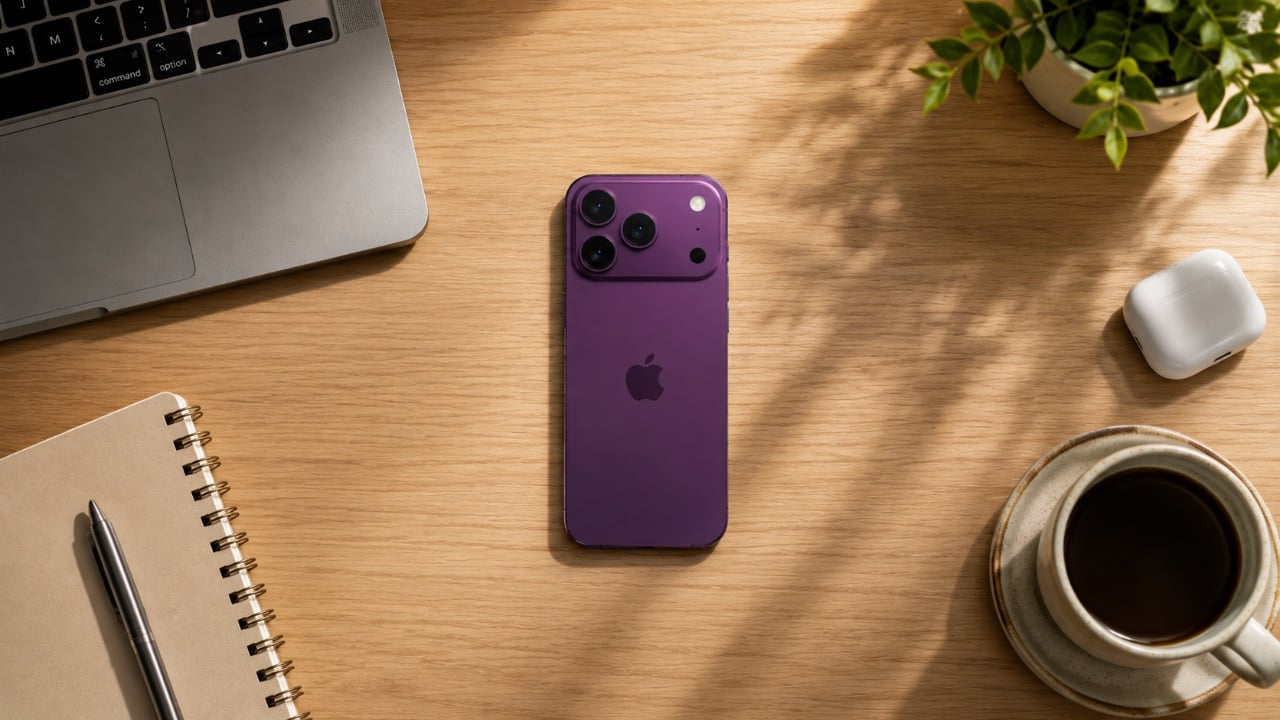
What to Expect from Apple’s iPhone 18 Pro: Design Changes, Specs, and Costs

What to Expect from Apple’s iPhone 18 Pro: Design Changes, Specs, and Costs iPhone 18 Pro

The iPhone 18 Pro is set to solidify Apple’s position as a leader in the premium smartphone market. Combining a familiar design with significant internal advancements, this device aims to deliver a seamless blend of performance, efficiency, and user-centric features. While its exterior may not deviate drastically from its predecessors, the internal upgrades promise a […]

The post What to Expect from Apple’s iPhone 18 Pro: Design Changes, Specs, and Costs appeared first on Geeky Gadgets.

Posted in Uncategorized

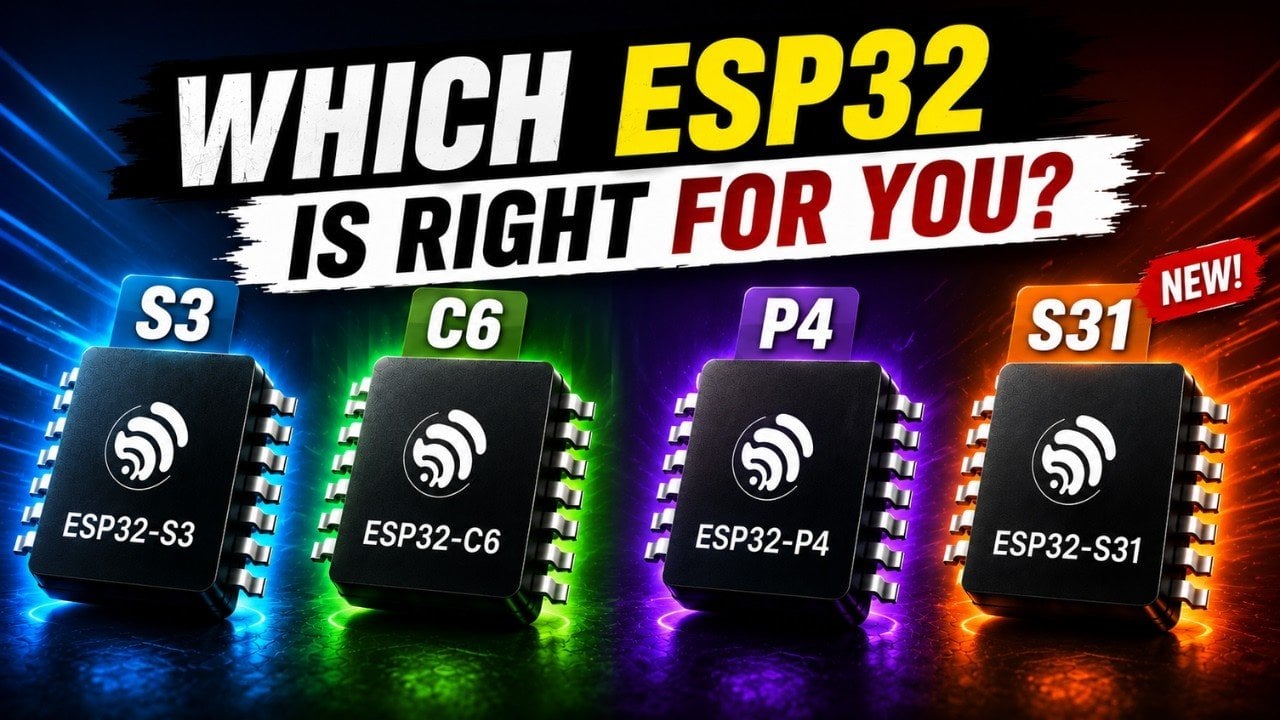
ESP32 Lineup Compared: S3 Handles AI While C6 Tackles Matter

ESP32 Lineup Compared: S3 Handles AI While C6 Tackles Matter Side-by-side comparison chart of ESP32 S3, C6, P4, and S31 chips.

The ESP32 family of microcontrollers has become a cornerstone in IoT, smart home and industrial applications, offering tailored solutions for diverse needs. In this deep dive, ToP Projects Compilation explores four prominent ESP32 models, S3, C6, P4 and S31, each designed with distinct capabilities. For example, the ESP32 S3 features a dual-core processor, Wi-Fi 4 […]

The post ESP32 Lineup Compared: S3 Handles AI While C6 Tackles Matter appeared first on Geeky Gadgets.

Posted in Uncategorized

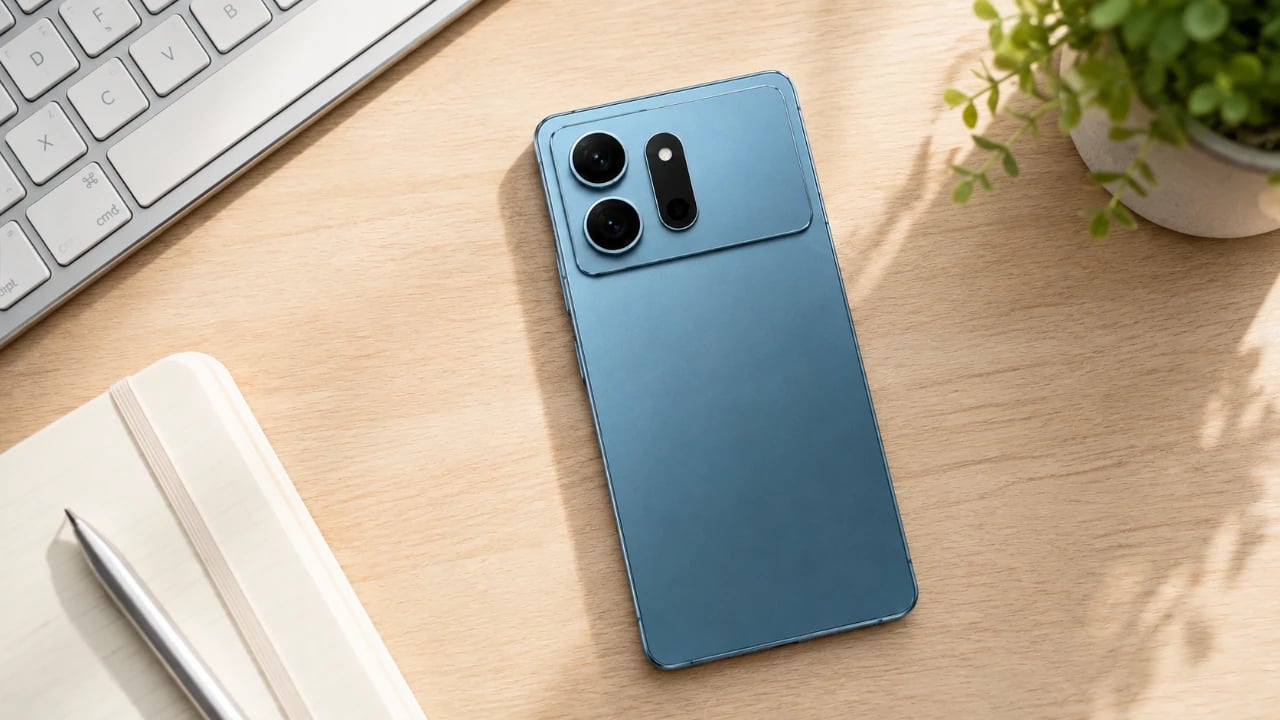
The Samsung Galaxy S27 Ultra Looks Completely Different, and That’s Good News

The Samsung Galaxy S27 Ultra Looks Completely Different, and That’s Good News Galaxy S27 Ultra

The Samsung Galaxy S27 Ultra represents a significant evolution in smartphone design, combining practicality with innovative technology to address user needs. By rethinking traditional design elements and integrating advanced features, Samsung has created a device that challenges conventional norms while enhancing usability and performance. Though some changes may initially divide opinions, they are rooted in […]

The post The Samsung Galaxy S27 Ultra Looks Completely Different, and That’s Good News appeared first on Geeky Gadgets.

Posted in Uncategorized

America’s $2 Billion Bet to Win the Quantum Computing Race Before 2028

America’s $2 Billion Bet to Win the Quantum Computing Race Before 2028 A conceptual illustration of a fault-tolerant quantum computer processor.

The unveiling of the Quantum Genesis Initiative marks a pivotal moment in the global race for quantum computing supremacy. Announced by the U.S. Department of Energy, this ambitious program aims to develop the world’s first fault-tolerant quantum computer by 2028, a feat that could transform industries ranging from healthcare to national security. Unlike classical computers, […]

The post America’s $2 Billion Bet to Win the Quantum Computing Race Before 2028 appeared first on Geeky Gadgets.

Posted in Uncategorized

Apple’s Sept. 9 Event: Foldable iPhone Ultra, Watch Series 12, and More

Apple’s Sept. 9 Event: Foldable iPhone Ultra, Watch Series 12, and More Apple Event

  Apple’s much-anticipated September 9th event, titled “Surprise and Shine,” is generating widespread excitement as rumors and leaks hint at new announcements. From foldable devices to advancements in artificial intelligence, the event is expected to highlight Apple’s latest innovations and strategic direction. Here’s a comprehensive look at what you can expect from this pivotal showcase. […]

The post Apple’s Sept. 9 Event: Foldable iPhone Ultra, Watch Series 12, and More appeared first on Geeky Gadgets.

Posted in Uncategorized

The ZWO Seestar S50 Pro Shrinks a Hardware Store Into a Camera Bag

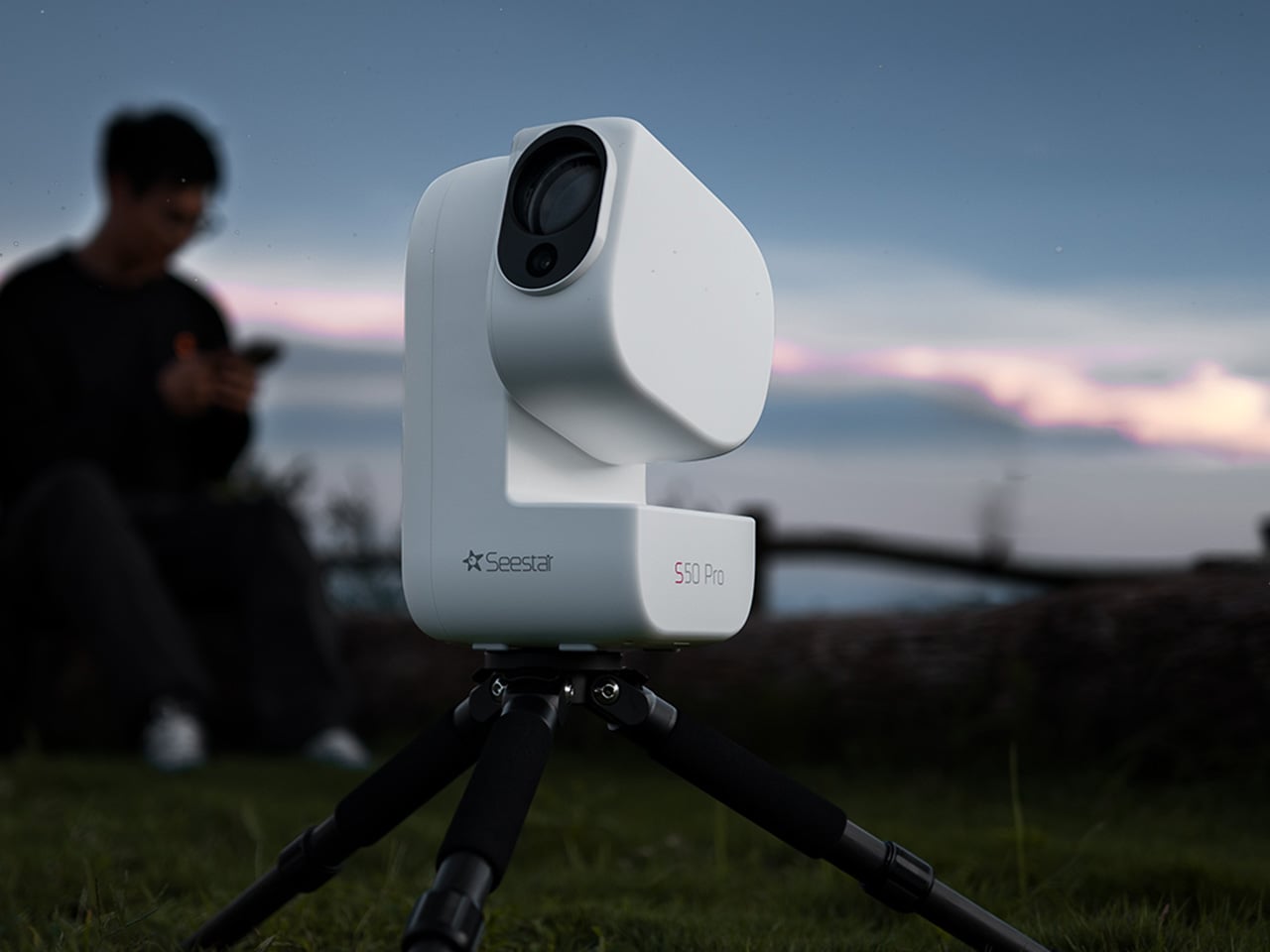
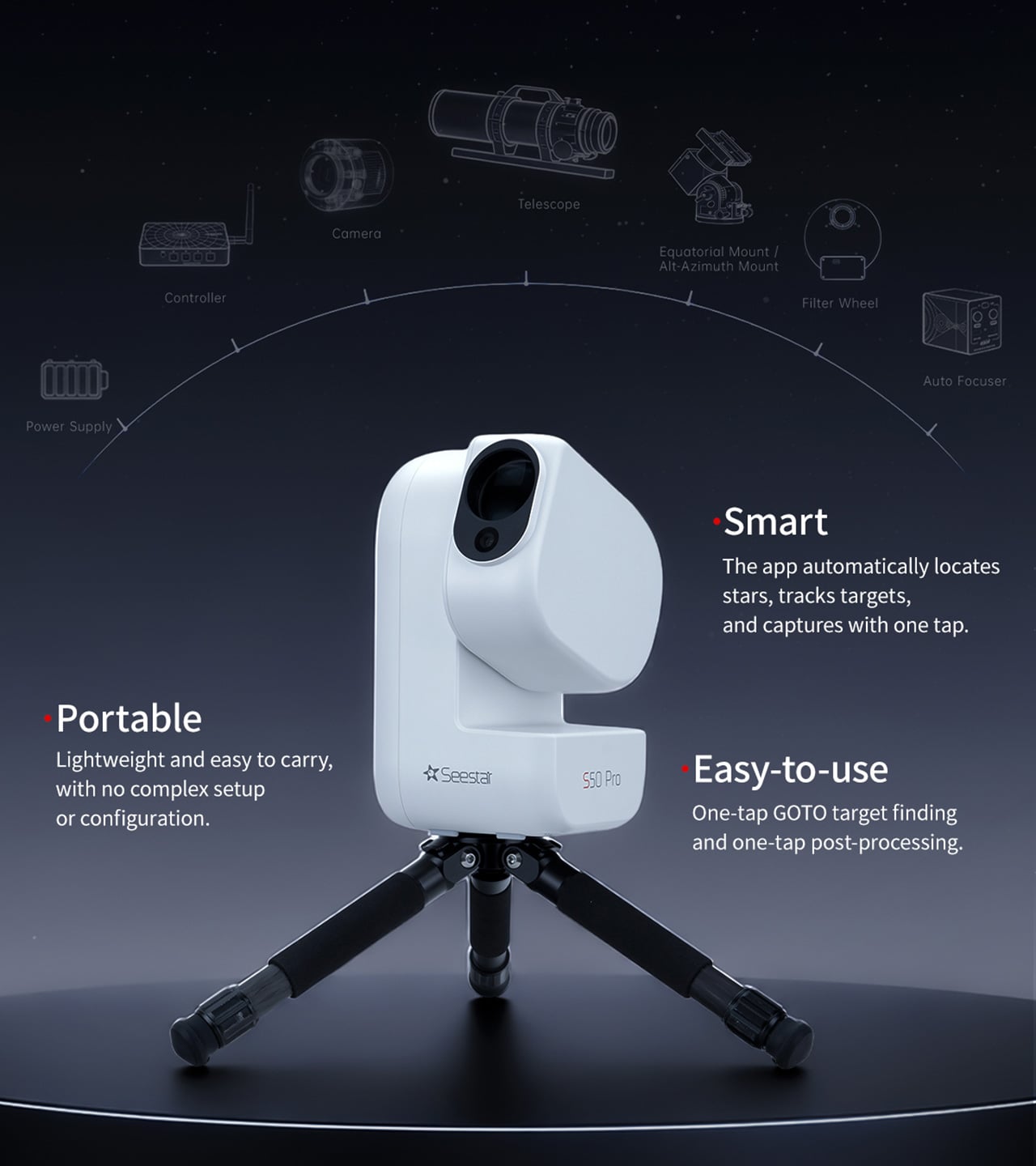
Astrophotography has always had a bit of a reputation problem. Getting a decent image of a nebula or galaxy typically means wrestling with a telescope, an equatorial mount, a dedicated camera, and enough cables to open a small hardware store. The ZWO Seestar S50 Pro changes that entirely, packing all of it into one tidy package you can carry out on a clear night.

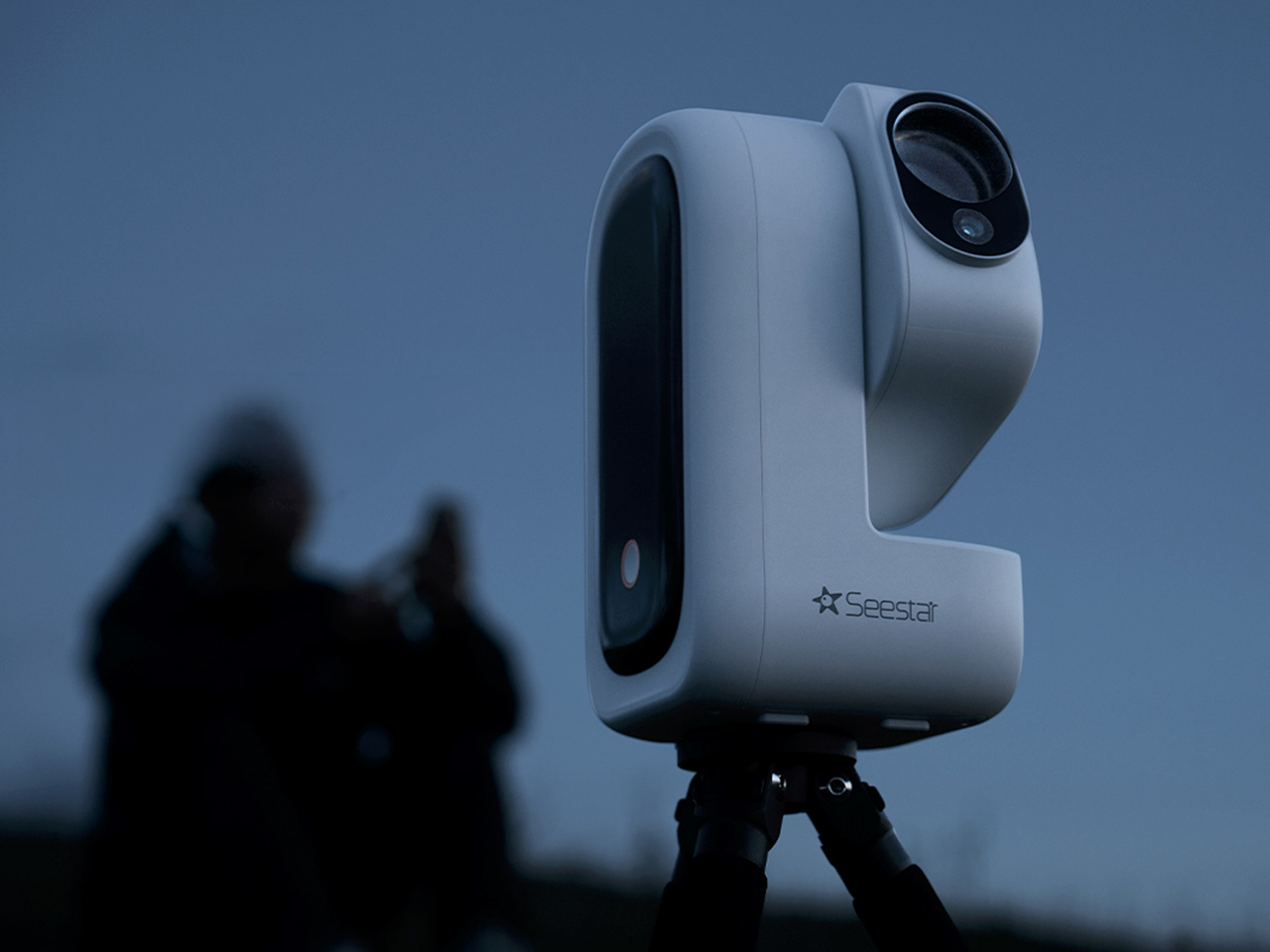
At 2.8kg and folded down to roughly the size of a small camera bag, the S50 Pro is genuinely portable in a way that traditional astronomy rigs aren’t. There are no power cables to run, no separate computer to boot up, and no star alignment ritual to sit through. You just set it down on a tripod, open the app, and you’re already looking at the sky.

Designer: ZWO Astro

Click Here to Buy Now: $899 $999 ($100 off). Hurry, deal ends in 48-hours!

The optical heart of the Seestar S50 Pro is a four-element apochromatic lens built with extra-low dispersion glass, which is a meaningful upgrade that most beginner telescopes skip entirely. That 50mm aperture gathers substantially more light than the 30mm systems typically found at this price range, which means fainter structures become visible, and star shapes stay clean and round rather than bleeding into soft halos at the edges.

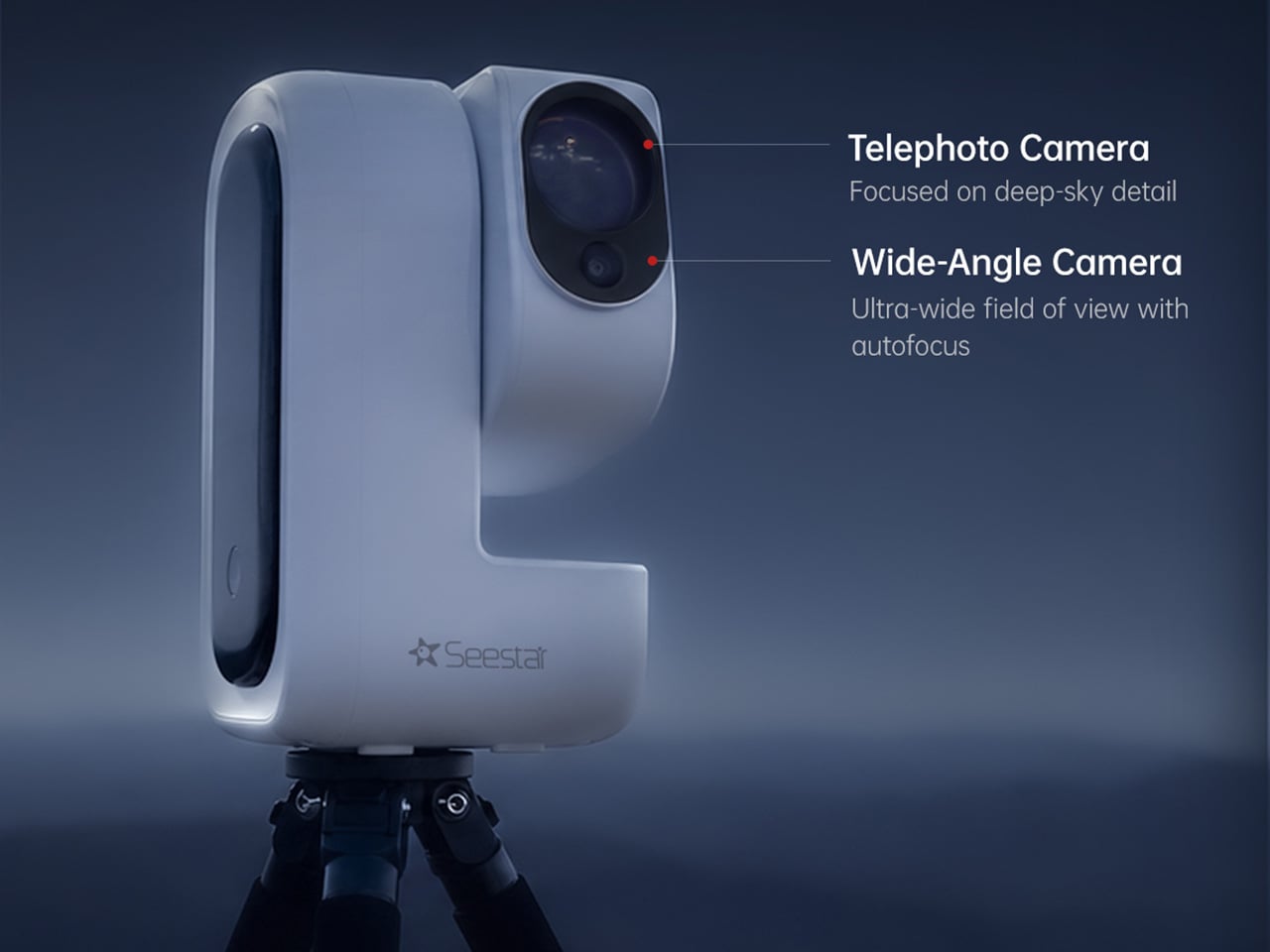
What makes the Seestar S50 Pro genuinely different from its predecessor is the dual-camera system. A telephoto camera with an 880mm-equivalent focal length sits alongside a wide-angle unit with a 63-degree field of view, and both cameras shoot at 4K resolution. The telephoto hunts for deep-sky details, while the wide-angle takes in the full sweep of the night sky above it.

That’s also where the Seestar S50 Pro makes a compelling case for shooting from cities or suburbs. A built-in triple filter system, including a dual-band light pollution filter targeting wavelengths specific to nebulae, pulls usable detail from skies that would otherwise wash everything out. A dark frame filter handles noise in longer exposures, and a magnetic solar filter handles the daytime shift.

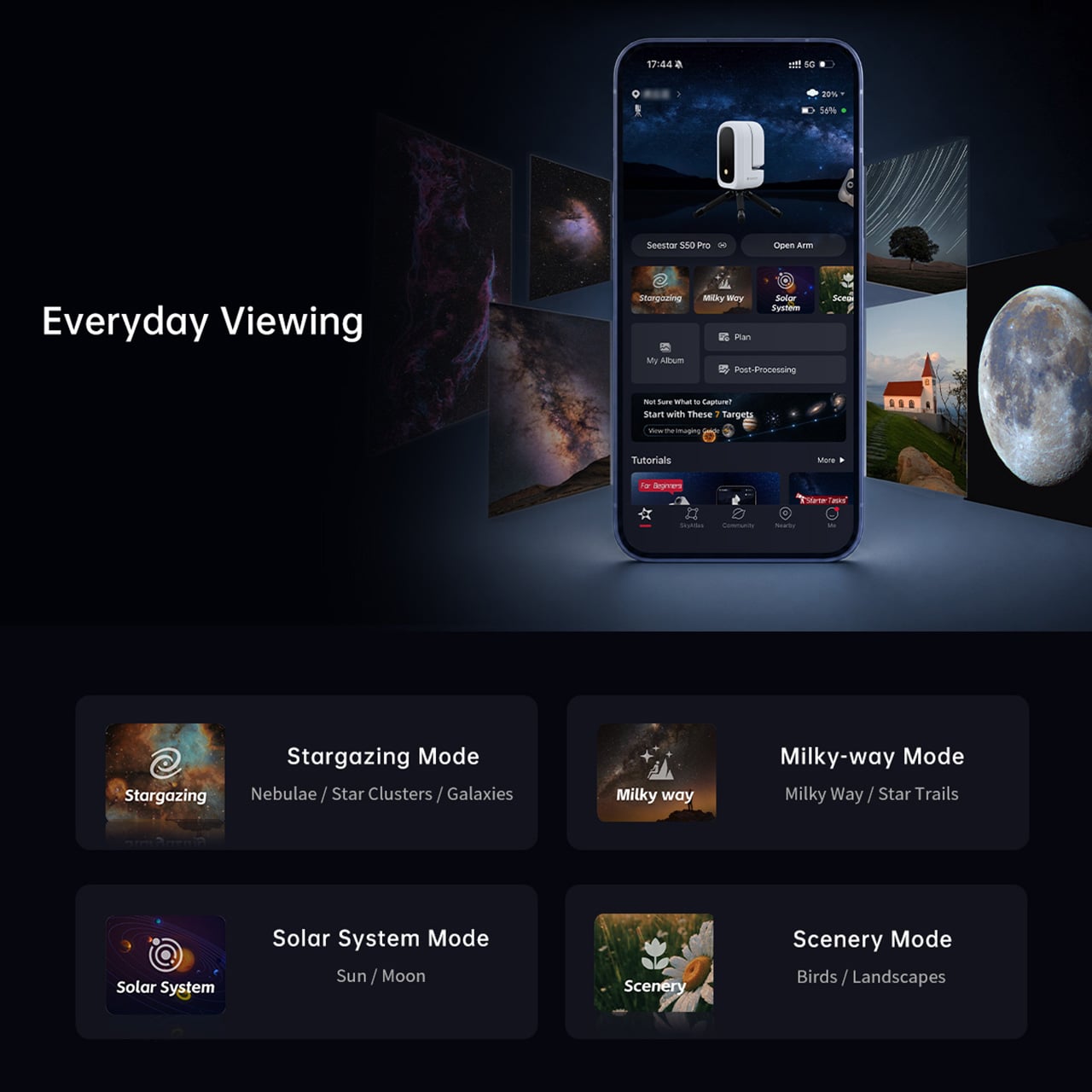
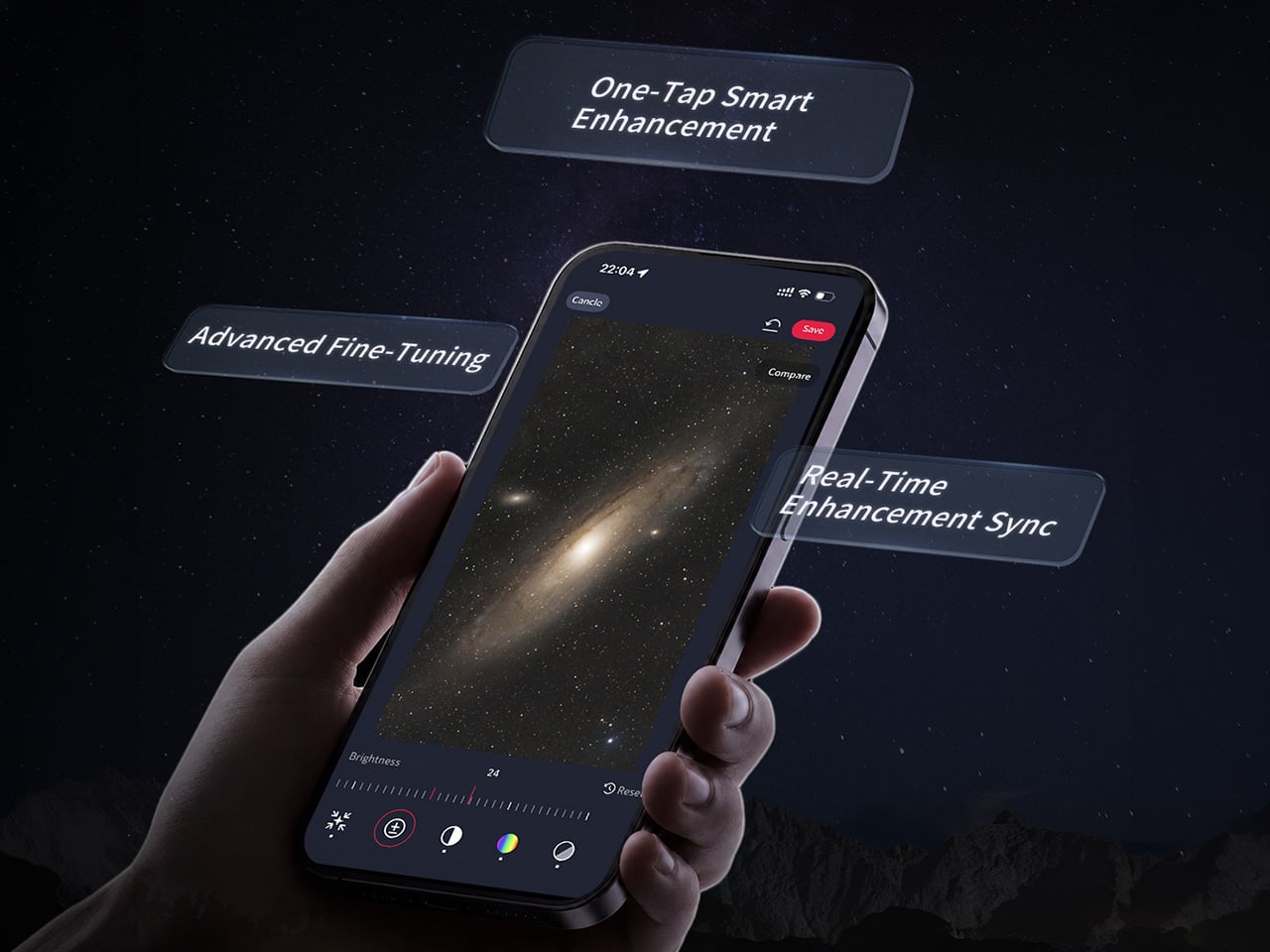
The Seestar app, which runs the whole operation, doesn’t ask you to know much astronomy to get started. You tap a target, and the telescope finds it, locks on, and begins stacking exposures automatically. There’s also an AI assistant you can simply talk to, naming the object you want to see, and it handles positioning and capture without any further input from you.

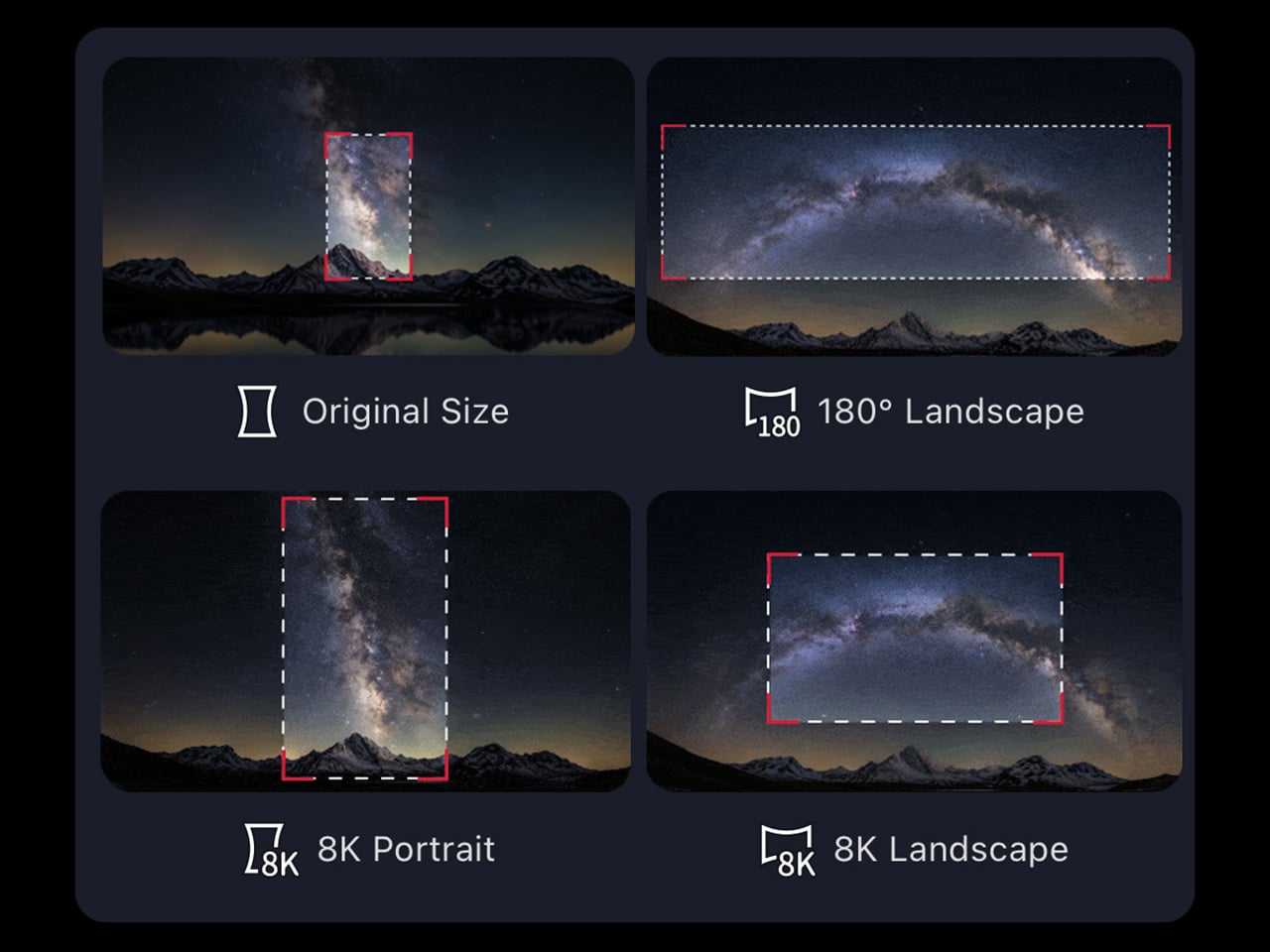
The wide-angle camera is where the more visible creative benefits live. A single tap is all it takes to stitch a complete Milky Way arch, with the device planning and capturing every frame on its own. Star trail sessions convert automatically into videos showing the sky in motion over time, and telephoto mosaic stitching can push images all the way to 8K resolution.

The S50 Pro doesn’t put itself away when the sun comes up, either. The telephoto camera, with its 880mm-equivalent reach, works just as well for birdwatching, distant landscapes, or capturing rare solar events with the included magnetic solar filter. It’s a surprisingly capable long-range daylight imaging device that transitions naturally into a serious astrophotography rig once the sky goes dark.

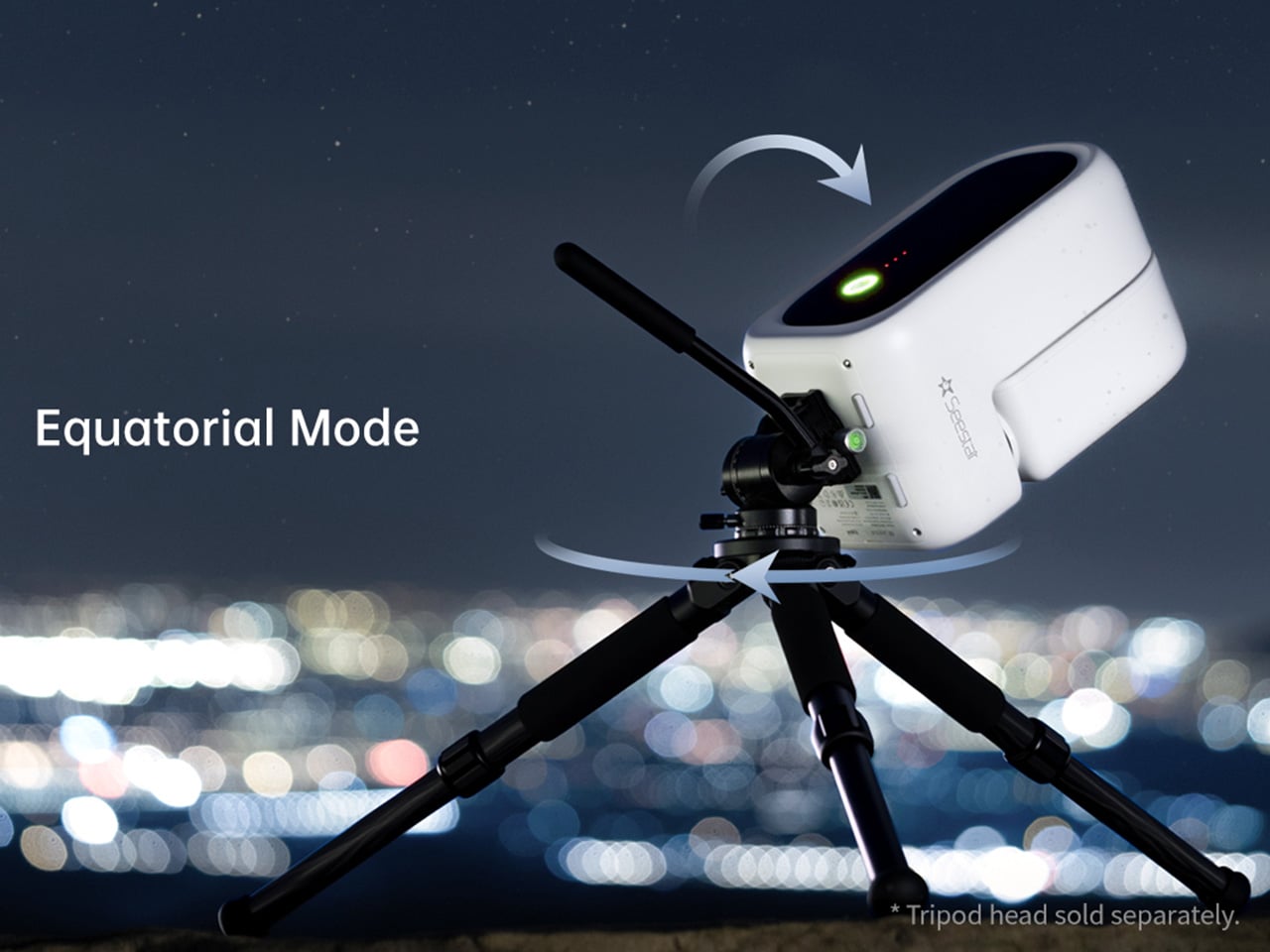
The 10,000mAh battery keeps the S50 Pro running for up to nine hours, enough to outlast most late-night sessions without a power bank nearby. Underpinning the whole tracking system is a zero-backlash precision drive that holds steady even when the wind gets involved, which is particularly useful in equatorial mode, where individual exposures can stretch to 60 seconds. The Telescope Network feature lets you control the device remotely, which means a cloudy local sky doesn’t have to end a session if the telescope is stationed somewhere clearer.

Nine hours of battery, a footprint that fits in a backpack, and no manual alignment to wrestle with before you can start shooting. That’s the version of astrophotography the Seestar S50 Pro is making a case for, and it’s a convincing one. The sky has always been worth looking at. The S50 Pro just makes it considerably harder to run out of excuses not to.

Click Here to Buy Now: $899 $999 ($100 off). Hurry, deal ends in 48-hours!

The post The ZWO Seestar S50 Pro Shrinks a Hardware Store Into a Camera Bag first appeared on Yanko Design.