This 5-in-1 EDC Flashlight Packs a 1300-Lumen Beam, UV Light, and a Green Laser For Under $20

If the Swiss Army knife became a flashlight, it would probably chase the same goal the VEZERLEZER WK2 does: fitting a surprising number of useful functions into a compact everyday carry form. Inside its slim rectangular body is a mix of tools that covers bright white light, UV illumination, a green laser, warm side lighting, and red light for situations that call for a gentler or more visible glow.

The result is a flashlight that feels designed around variety of use rather than a single headline spec. From quick household tasks and car checks to inspection work and hands-free lighting with its magnetic tail, the WK2 spreads its strengths across several small but practical moments. It is the kind of product that aims to stay close at hand because there is always another reason to use it.

Designer: VEZERLEZER

Click Here to Buy Now: $18.99 $39.99 (53% off).
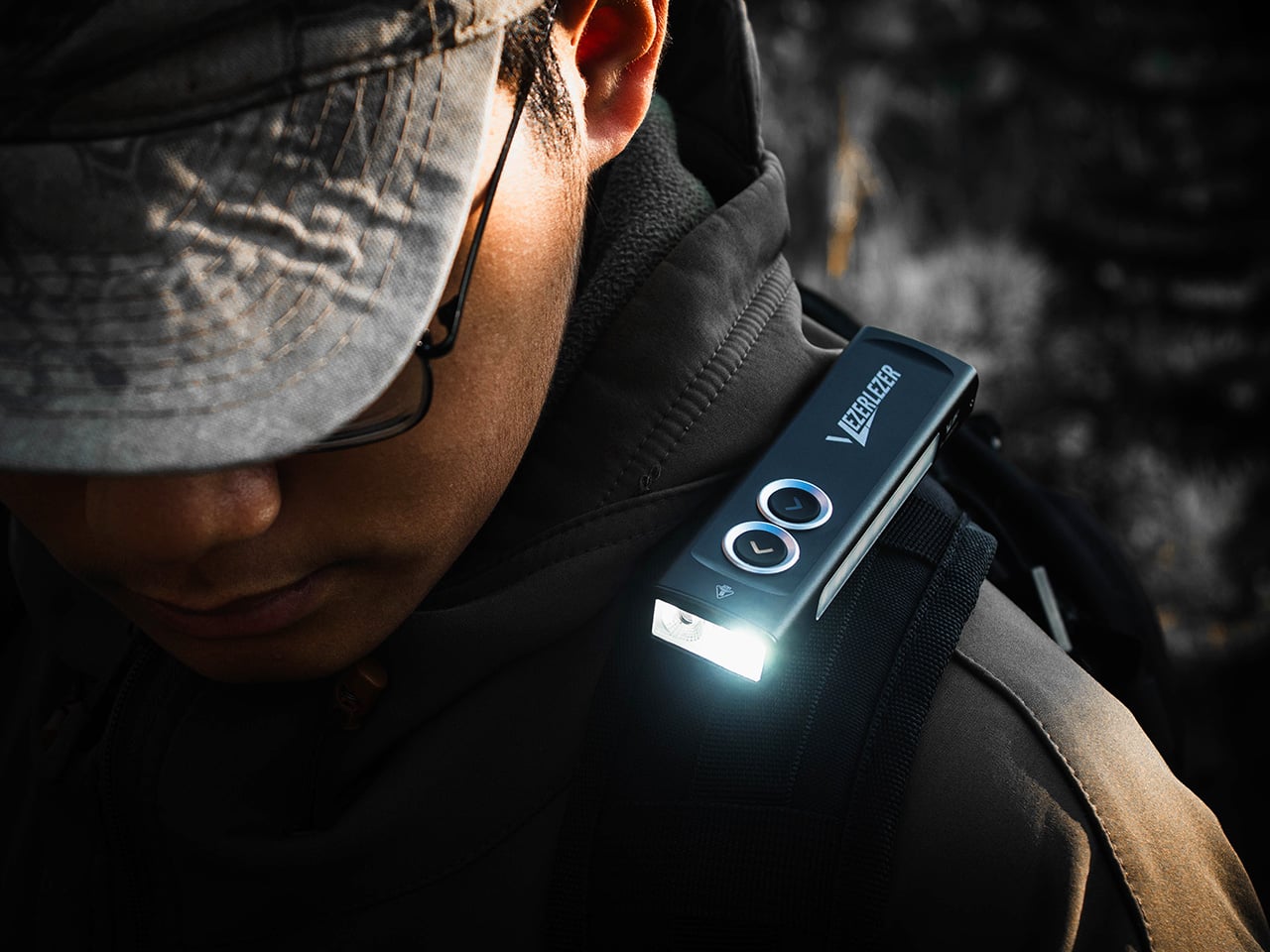
Person in a cap and dark jacket with a small rectangular device clipped to their shoulder strap, emitting a bright light at the bottom.

The front array of the WK2 houses three distinct lighting functions, each accessible independently through the dual button interface. The primary white light reaches a maximum output of 1300 lumens, enough to cover general illumination needs whether you’re navigating a dark space, searching for something in a trunk, or lighting up a work area outdoors. The 395nm UV light sits alongside it, designed for detection tasks like spotting pet stains, checking currency, verifying IDs, or inspecting surfaces that fluoresce under ultraviolet exposure. The third function is a 520nm green laser, which provides a focused pointing beam that reaches farther and with greater visibility than a red laser, making it useful for presentations, guiding attention at a distance, or marking specific areas during inspections or repairs. All three functions operate from the same front module but remain independently controlled, so switching between them happens without cycling through unwanted modes.
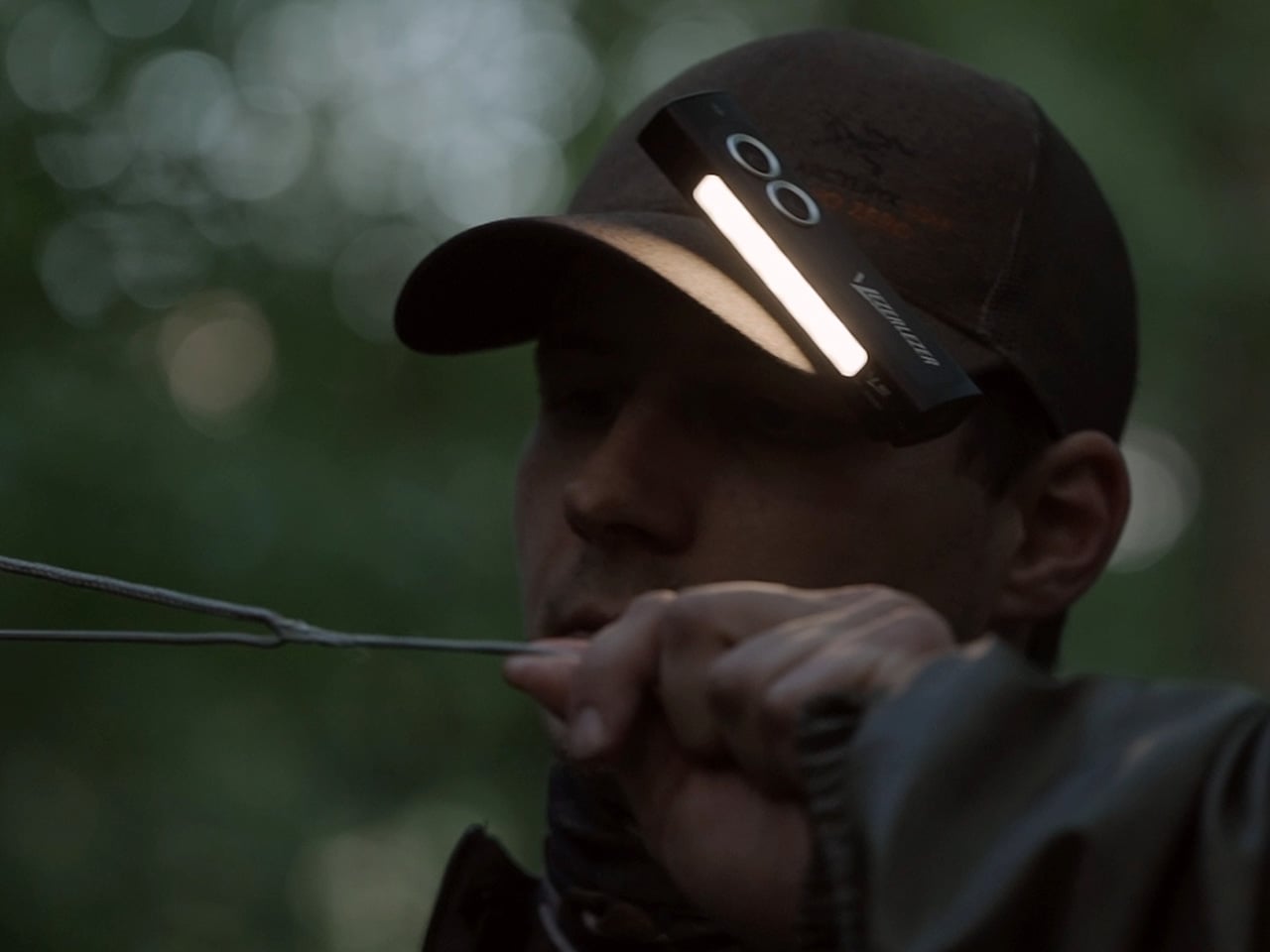
Archer wearing a cap with a mounted headlamp, drawing a bowstring in a dim forest light.

The side of the WK2 is where the design reveals its consideration for close range work and low profile visibility. A high CRI side light runs along the edge of the body, tuned to 4500K for a warmer, more comfortable color temperature that reduces eye strain during nearby tasks. Output is rampable, meaning users can select any brightness level between 0 and 200 lumens with a smooth transition rather than fixed steps. There is a shortcut to moonlight mode for instant access to the lowest output, which proves useful when preserving dark adaptation or working in tight spaces where even moderate brightness feels excessive. The red side light sits on the same edge and also offers rampable output, with its own dedicated shortcut to bypass the white light entirely. Red light has long been favored for preserving night vision, reducing glare in shared spaces, and offering a low signature option when discretion matters. The ability to jump straight to red without cycling through brighter modes makes the WK2 faster to operate in time-sensitive or situationally aware environments.
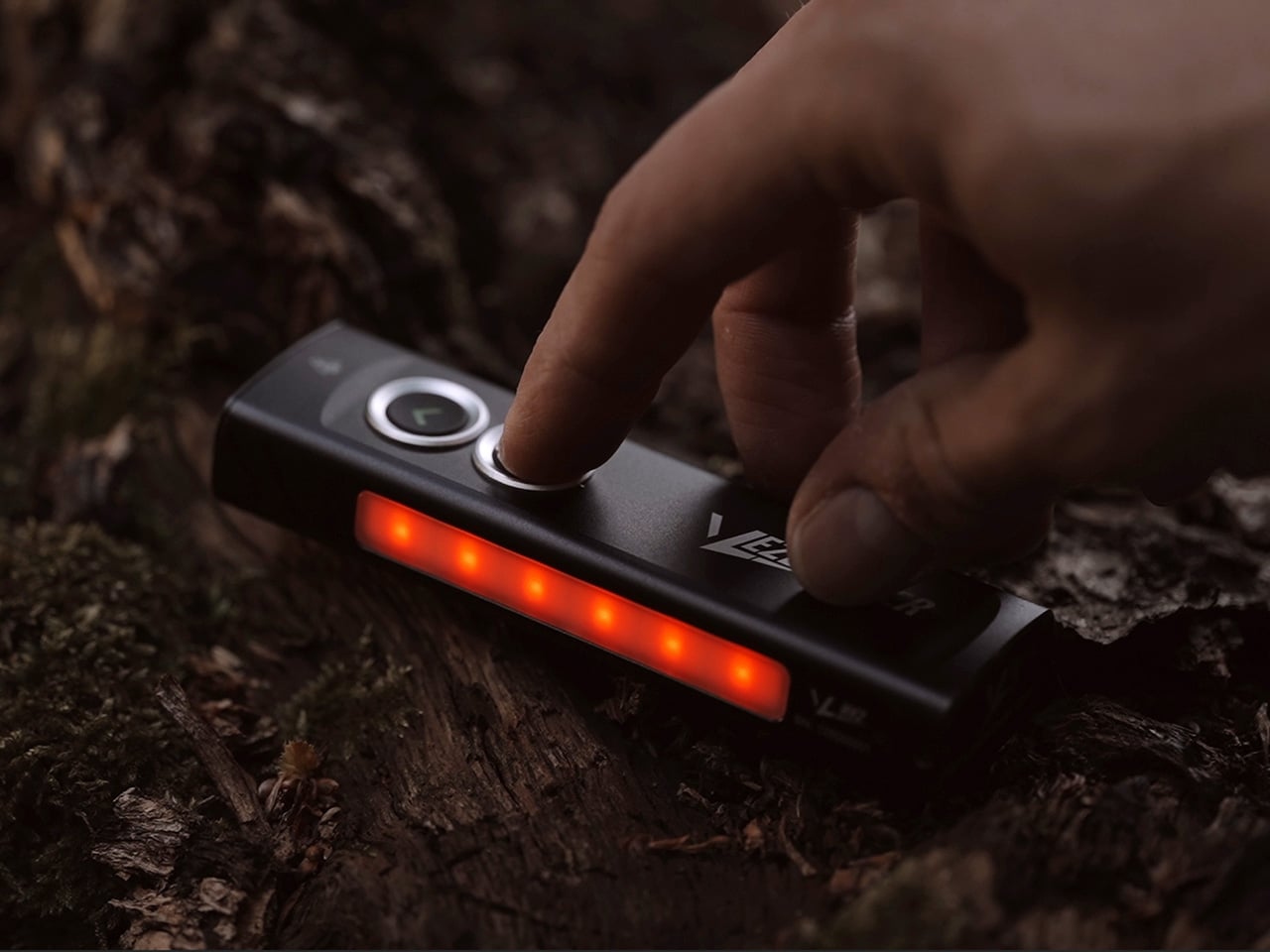
Close-up of a hand pressing a button on a small black device with a red LED bar outdoors on a log.

VEZERLEZER has given the WK2 a flat, rectangular profile that feels tailored to pocket carry and desk storage alike. The body is compact enough to slip into a front pocket or toss into a bag without creating bulk, yet wide enough to provide a stable grip when held. The dual button interface sits flush with the body but is surrounded by raised bezel rings, a design choice that prevents accidental activation when the light is loose in a pocket or bag. This physical safeguard reduces the need for frequent lockout, though lockout functionality is still present and accessible by clicking either button five or more times. If you lose count mid-sequence, simply clicking five more times completes the action, a small but thoughtful user experience detail. The deep carry pocket clip is positioned to keep the light low in the pocket, minimizing visible bulk while ensuring secure retention during movement or physical activity.
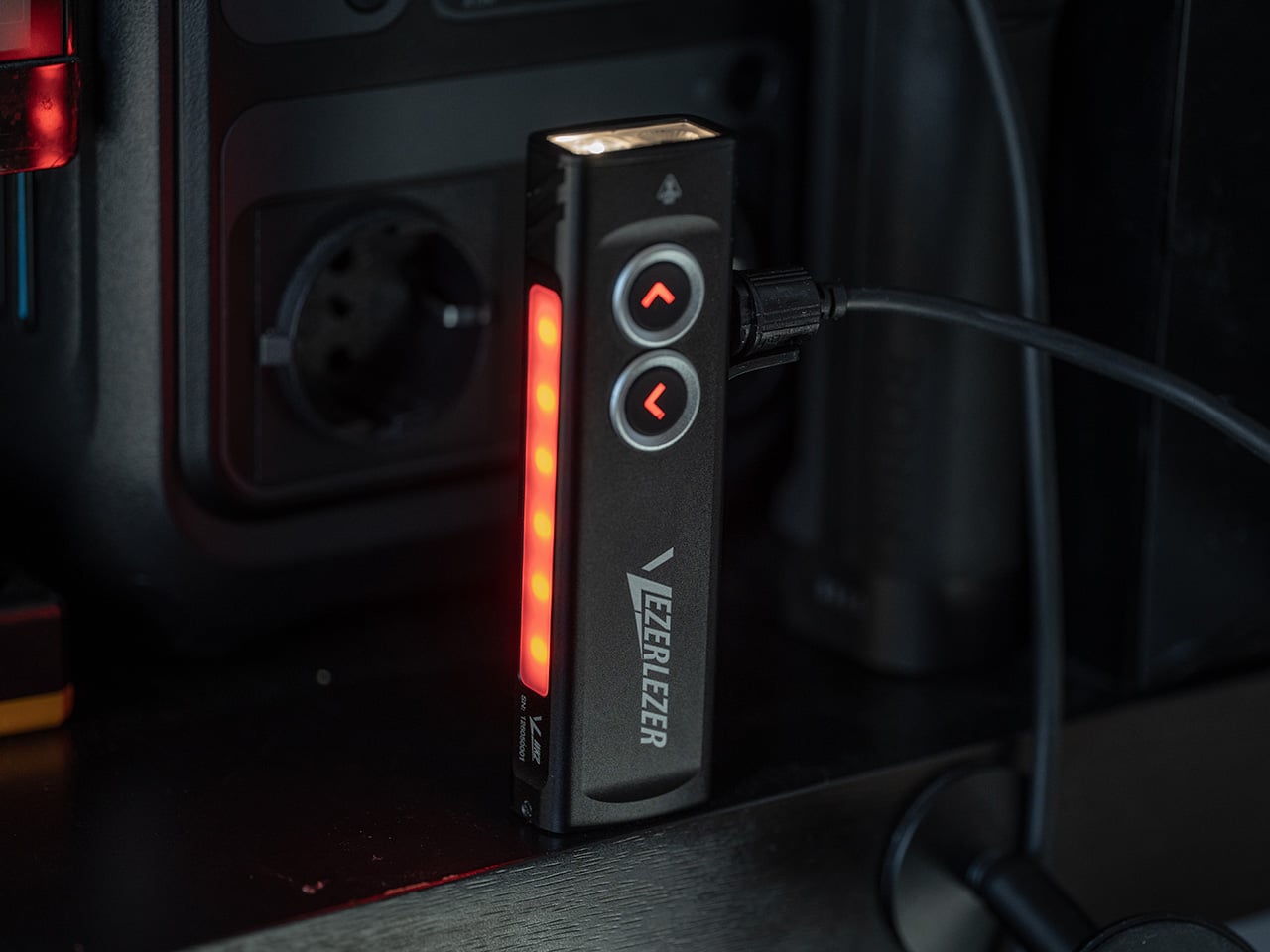
Black PC LED/fan controller with two arrow buttons and a vertical red LED bar inside a computer case.

USB C charging keeps the WK2 aligned with modern device ecosystems, eliminating the need for proprietary cables or disposable batteries. The charging port also supports pass-through power, meaning the flashlight can be connected to an external power source like a power bank or direct power supply to extend runtime indefinitely. This feature transforms the WK2 from a self-contained tool into something closer to a portable work light when tethered, opening up use cases that involve longer duration tasks like automotive repairs, camping setups, or extended outdoor activities where reliable illumination matters more than portability. The magnetic tail cap adds another layer of utility by turning any ferrous metal surface into a mounting point. The magnet is strong enough to hold the light horizontally or vertically, freeing both hands for tasks that require simultaneous lighting and manipulation. Whether stuck to the underside of a car hood, the frame of a tent, a toolbox, or a refrigerator door, the magnetic tail offers positioning flexibility that a handheld beam or headlamp setup cannot always match.
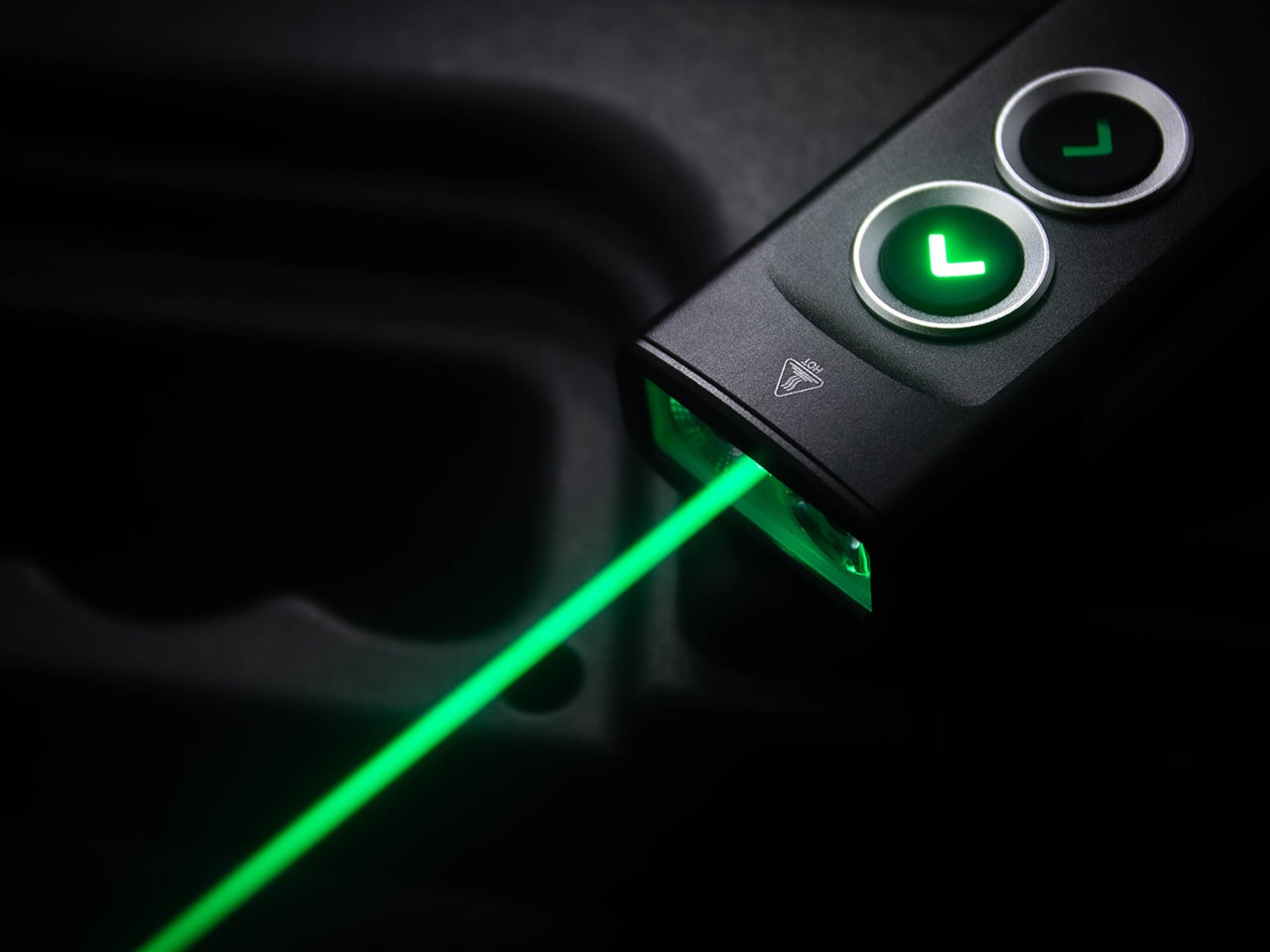
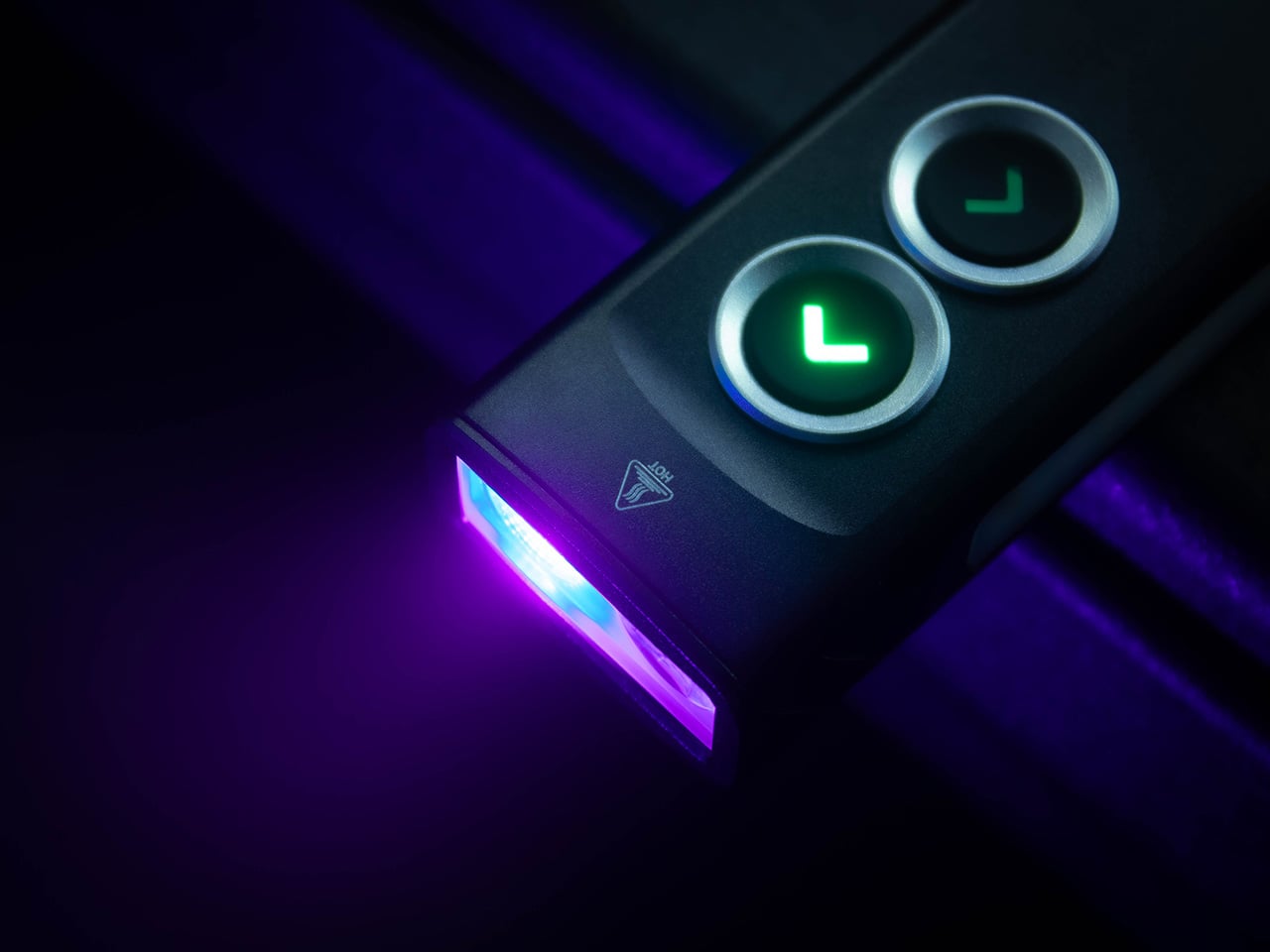
Close-up of a dark device with two circular green-lit buttons labeled L, emitting a green laser beam downward.

Elevator control panel with two circular floor buttons showing glowing green 'L' indicators; purple light shines from below.

In practice, the WK2 works best when thought of as a lighting toolkit rather than a single-purpose flashlight. The front beam handles distance and general coverage, the UV light serves niche but valuable inspection roles, the laser adds precision pointing, and the side lights provide soft, adaptable illumination for close tasks or signaling. The rampable output on both side lights is particularly useful because it removes the guesswork of preset modes. You can dial in exactly the amount of light a situation calls for, whether that is a faint glow for reading a map at night or a brighter wash for prepping a meal at a campsite. The anti-accidental activation bezel, combined with lockout functionality, ensures the WK2 stays dark when it should and lights up instantly when needed. The clip orientation and flat body mean it carries like a pen or a slim multitool, present but unobtrusive, ready to serve whenever lighting becomes the limiting factor in a task.
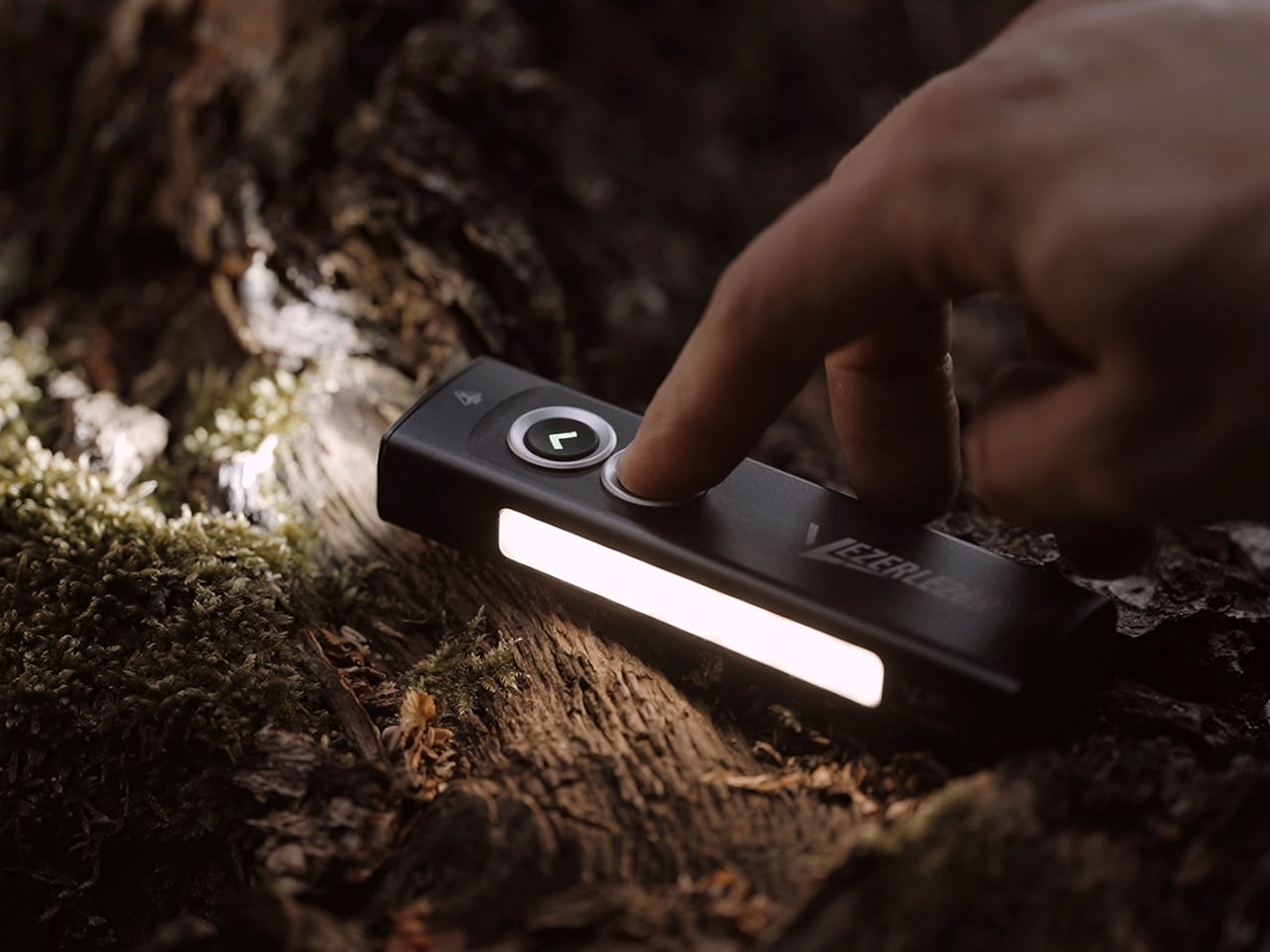
Close-up of a finger pressing a button on a small rectangular outdoor LED light resting on a mossy log in a forest.

The VEZERLEZER WK2 launches with a subscriber backer price of $17.99, 55% down from a standard retail price of $39.99. A limited flash deal offers the light at $15.99 for the first 100 units, scheduled to go live at 0700 PST on May 19th (2200 Beijing Time). Shipping is expected to begin following the campaign period, with deliveries planned for late summer 2026.

Click Here to Buy Now: $18.99 $39.99 (53% off).

The post This 5-in-1 EDC Flashlight Packs a 1300-Lumen Beam, UV Light, and a Green Laser For Under $20 first appeared on Yanko Design.

The Surya Is the Tiny House That Finally Makes Single-Level Living Worth It

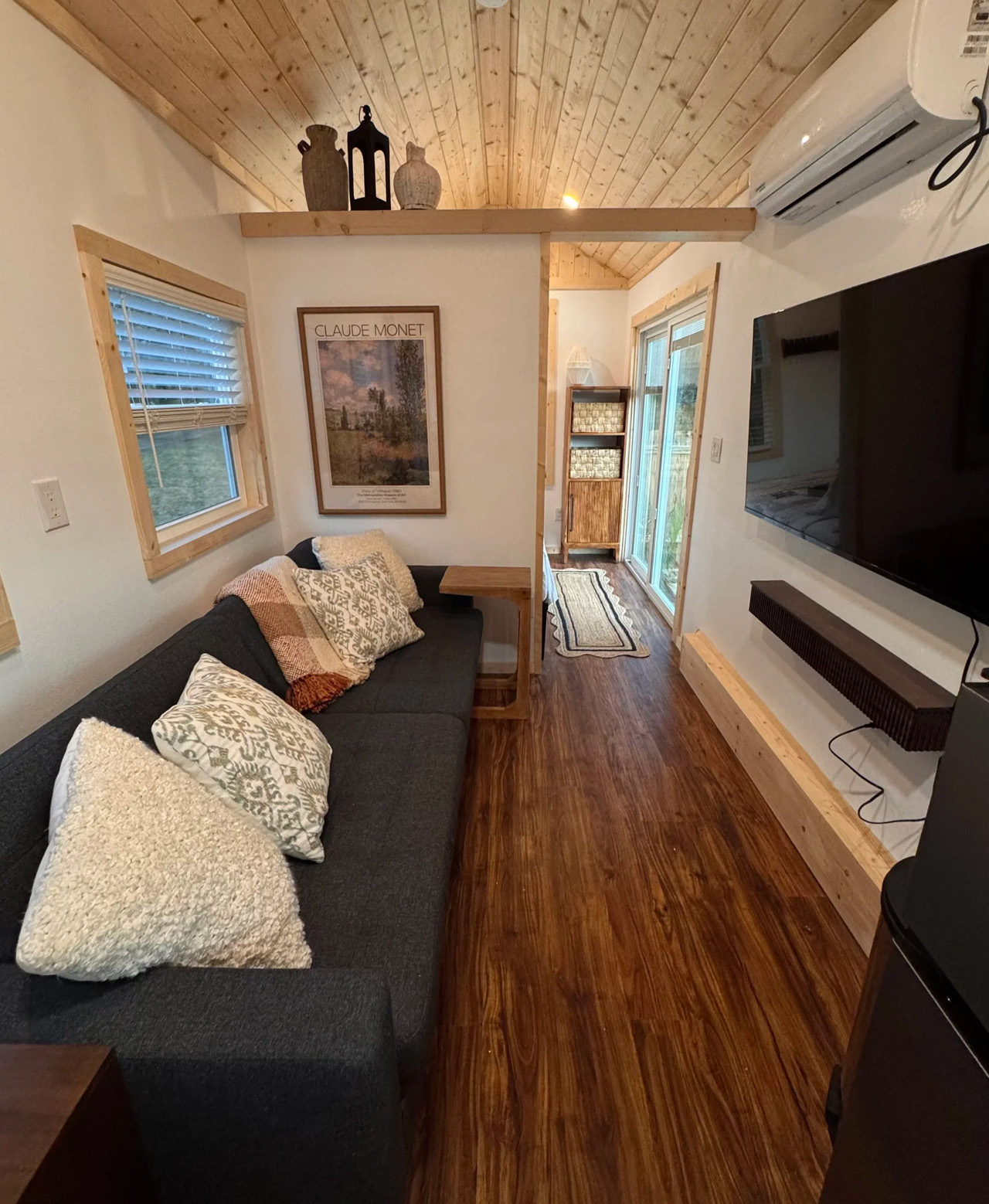
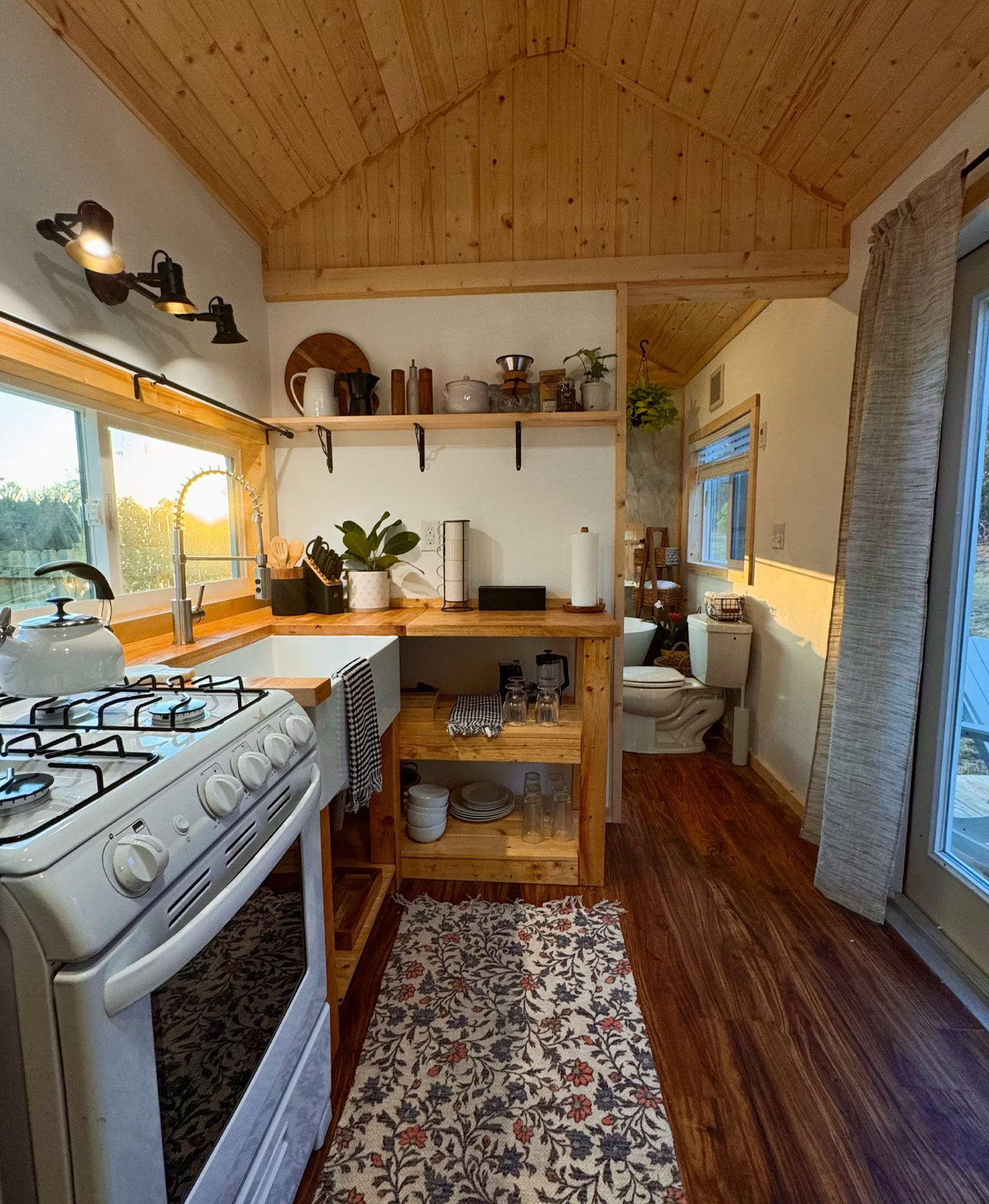
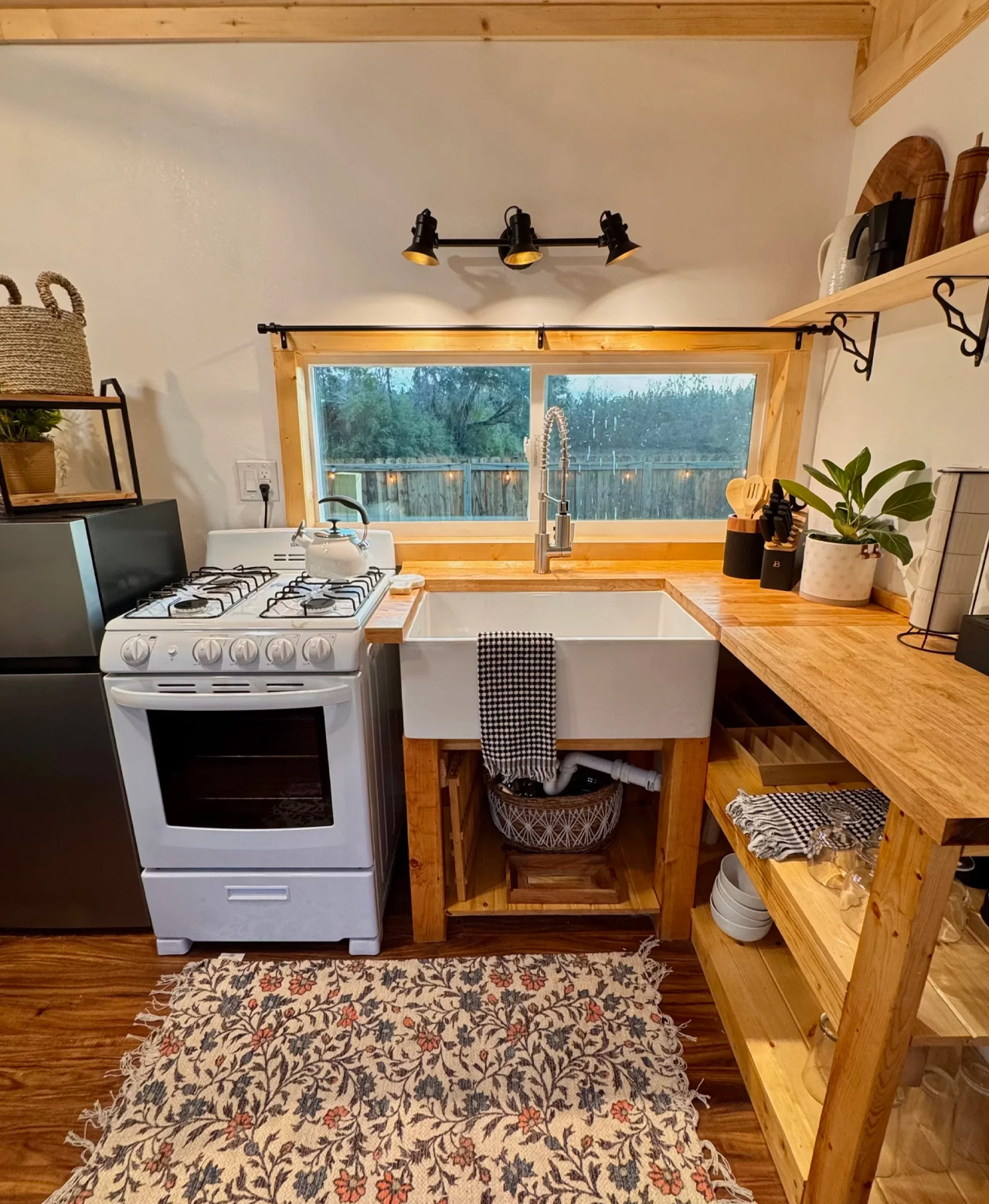
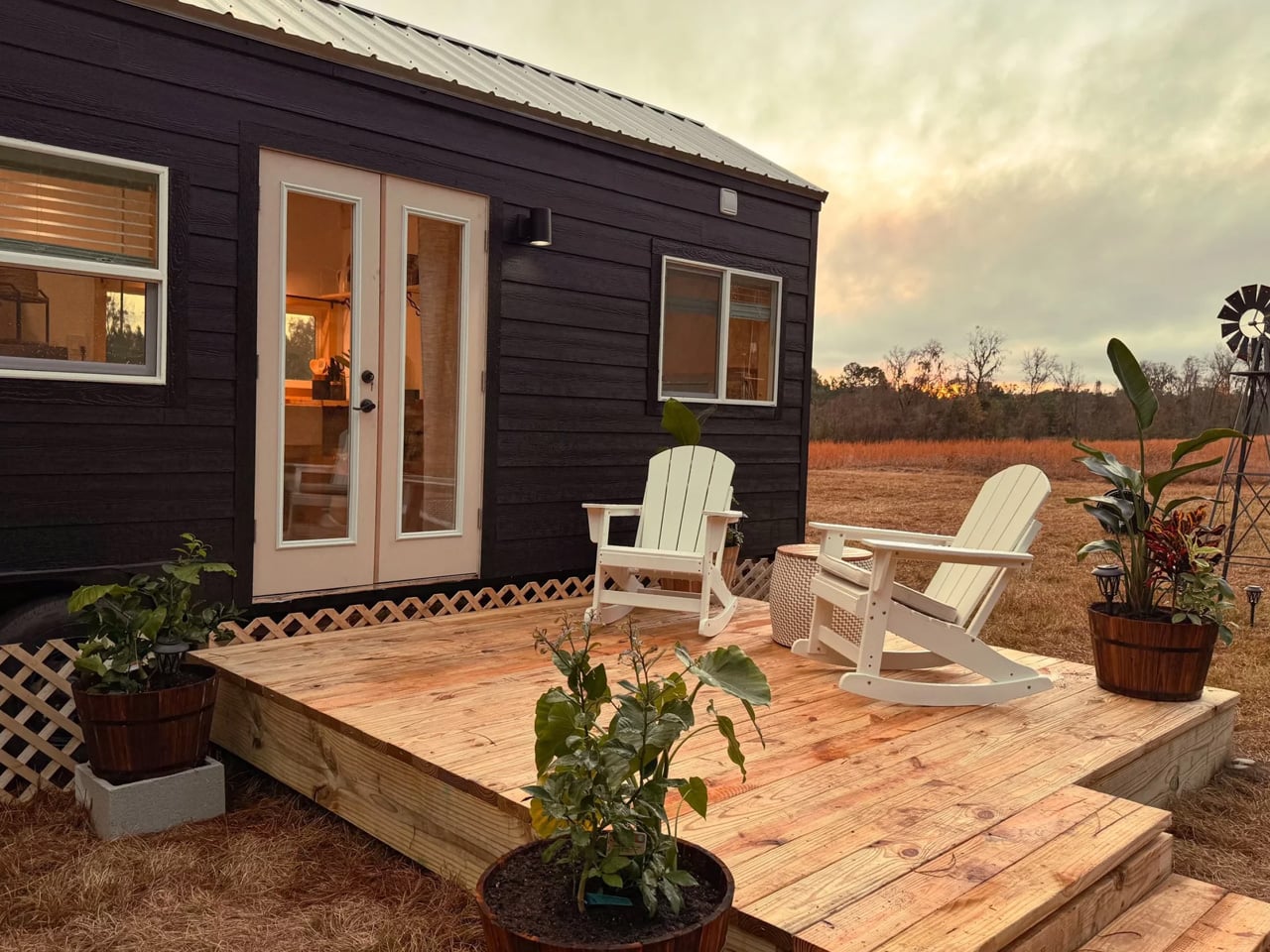
I love a home that fits everything you need into 256 square feet without making you feel like you’re compromising. The Surya tiny house by Florida-based Simplify Further Tiny Homes does exactly that — a single-level, 32-foot build that sits somewhere between a well-considered home and a design statement.

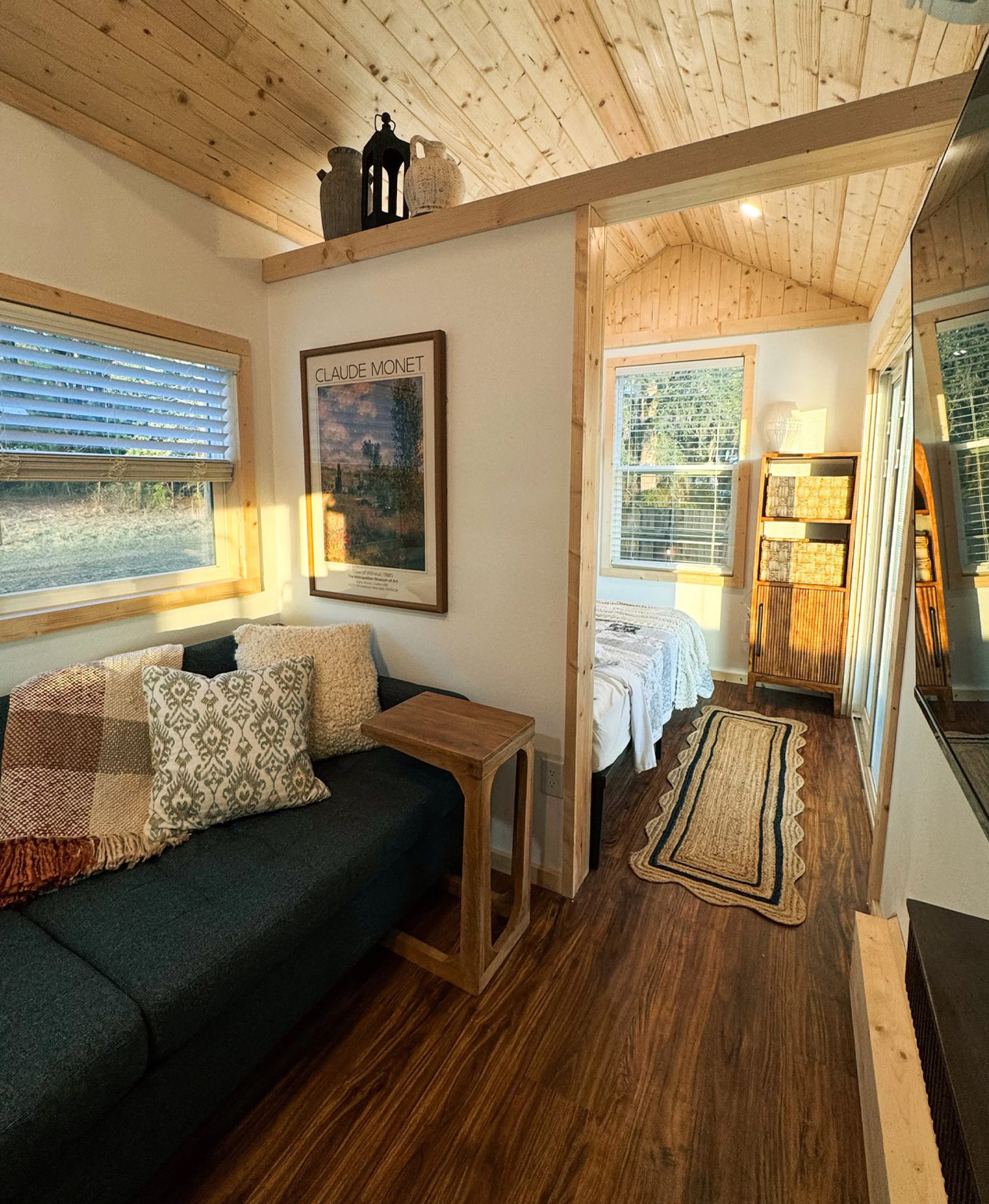
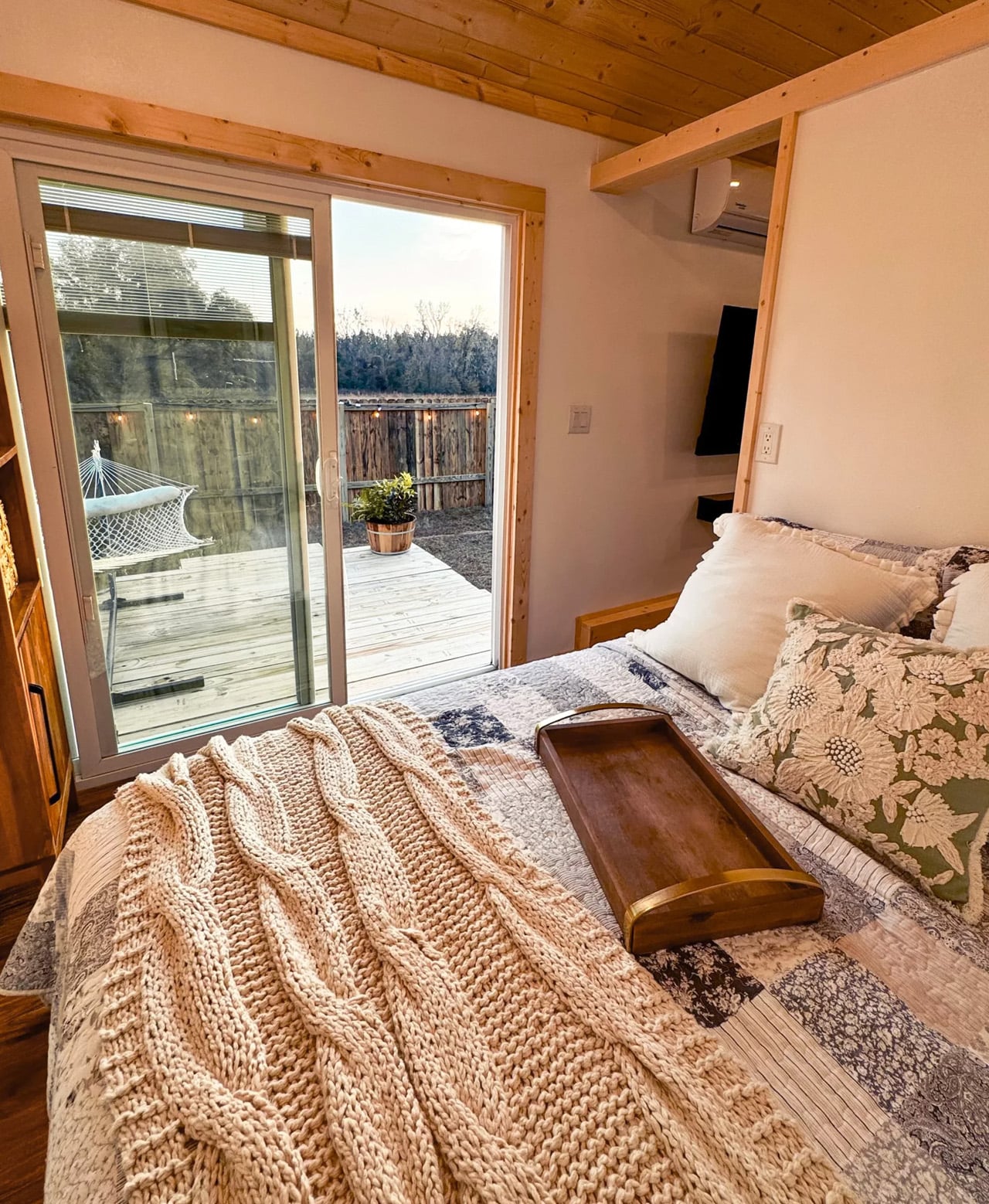
Named after the Sanskrit word for “sun,” the Surya carries that warmth through every inch of its interior. Where most tiny homes lean heavily into the loft layout, the Surya takes a different route — keeping the bedroom on the main level with enough room for a queen-sized bed. It’s a practical choice that makes the space feel less like a cleverly packed suitcase and more like an actual home you’d want to live in full-time.

Designer: Simplify Further Tiny Homes

The layout reads cleanly. A well-equipped kitchen anchors one end of the build, a full bathroom sits in the middle, and a spacious living area opens up toward the other end — offering a flexible 5×7-foot floor plan that works as a lounge, a workspace, or an extra sleeping area depending on how you configure it. There’s no loft in the standard model, though Simplify Further offers the option to add one or two for households that need the overhead real estate.

At 8 feet wide and 13.6 feet tall, the Surya is built on a bumper-pull trailer with a hand-built chassis, thick-gauge steel, double axles rated at 7,500 pounds each, trailer brakes, and DOT-approved highway lighting. It ships nationwide and carries NOAH certification as a recreational vehicle — a detail that matters when it comes to parking, financing, and insurance. Starting at $75,000, the price reflects the build quality, with a one-year limited warranty on workmanship included.

Simplify Further isn’t a newcomer to the space. The Lake Butler, Florida-based builder holds a BBB Accredited A+ rating and has taken home the Best Tiny House award at Florida’s Tiny Home Festival — not once, but twice. Their builds have also been featured across media outlets and the broader tiny home community, which speaks to a level of craft that goes beyond the spec sheet.

The Surya isn’t trying to be everything for everyone. It’s designed for couples or small households who want full-time livability, a guest house with real presence, or a short-term rental that actually converts bookings. For those drawn to the single-level lifestyle, it makes a convincing case that a smaller floor plan doesn’t have to mean less life.

The post The Surya Is the Tiny House That Finally Makes Single-Level Living Worth It first appeared on Yanko Design.

This $20 Pencil Never Needs Sharpening – and It’s Quietly Replacing Everything on My Desk

There was a time when pencils felt simple. You picked one up, wrote until the tip dulled, sharpened it, and kept going. But somewhere along the way, even that small ritual started to feel more annoying than satisfying. The point breaks. The lead snaps. The sharpener is missing when you need it. And somehow, it’s always in the one room you’re not in. The tool that’s supposed to help ideas move faster suddenly becomes one more little interruption.

It’s a small frustration, but a familiar one. A sketch paused because the tip gave out. A note-taking session interrupted by a broken point. A mechanical pencil that looks precise until the lead crumbles under the slightest pressure. We tend to think of pencils as simple tools, but most of them come with just enough maintenance to get in the way. That’s what makes the Everlasting All-Metal Pencil so compelling. It takes one of the oldest writing tools around and removes the part that has always been slightly annoying.

The $20 Pencil That Made Me Stop Thinking About Pencils

At first, I thought the Everlasting All-Metal Pencil was mostly a novelty. A sleek aluminum object with a clever hook and a name designed to make you curious. But after using it for a few days, the appeal became much more practical than gimmicky.

I stopped looking for a sharpener.

I stopped dealing with snapped mechanical lead.

I stopped apologising mid-meeting for a tool that couldn’t keep up.

And I stopped thinking about the pencil at all, which is probably the highest compliment you can give a writing tool.

That’s the strange brilliance of it. It writes like a real pencil, erases like a real pencil, and yet the tip barely seems to change. You keep waiting for the usual maintenance cycle to kick in, and it just doesn’t. The result is a writing experience that feels more fluid, more dependable, and oddly calming in its refusal to interrupt you.

“I stopped thinking about the pencil at all – which is probably the highest compliment you can give a writing tool.”

Built for the Long Haul

  • Special alloy core: Leaves graphite-like marks without wearing down the way a traditional pencil tip does.
  • No sharpening required: Eliminates one of the most persistent little annoyances in writing and sketching.
  • Aluminum body: Lightweight, durable, and more substantial than a disposable wooden pencil.
  •  Erasable marks: Works with regular erasers, so it keeps the familiar flexibility of graphite.
  • Watercolor-friendly performance: Doesn’t bleed with watercolor or water-based markers, making it especially useful for sketching and mixed media work.
  • Pocket-sized option available: Easier to carry when you want something compact but more dependable than a mechanical pencil.

This isn’t about reinventing the pencil. It’s about removing the part that never needed to be there in the first place.

Not for you if: You love the ritual of sharpening or prefer the variability of a traditional graphite line for fine art work.

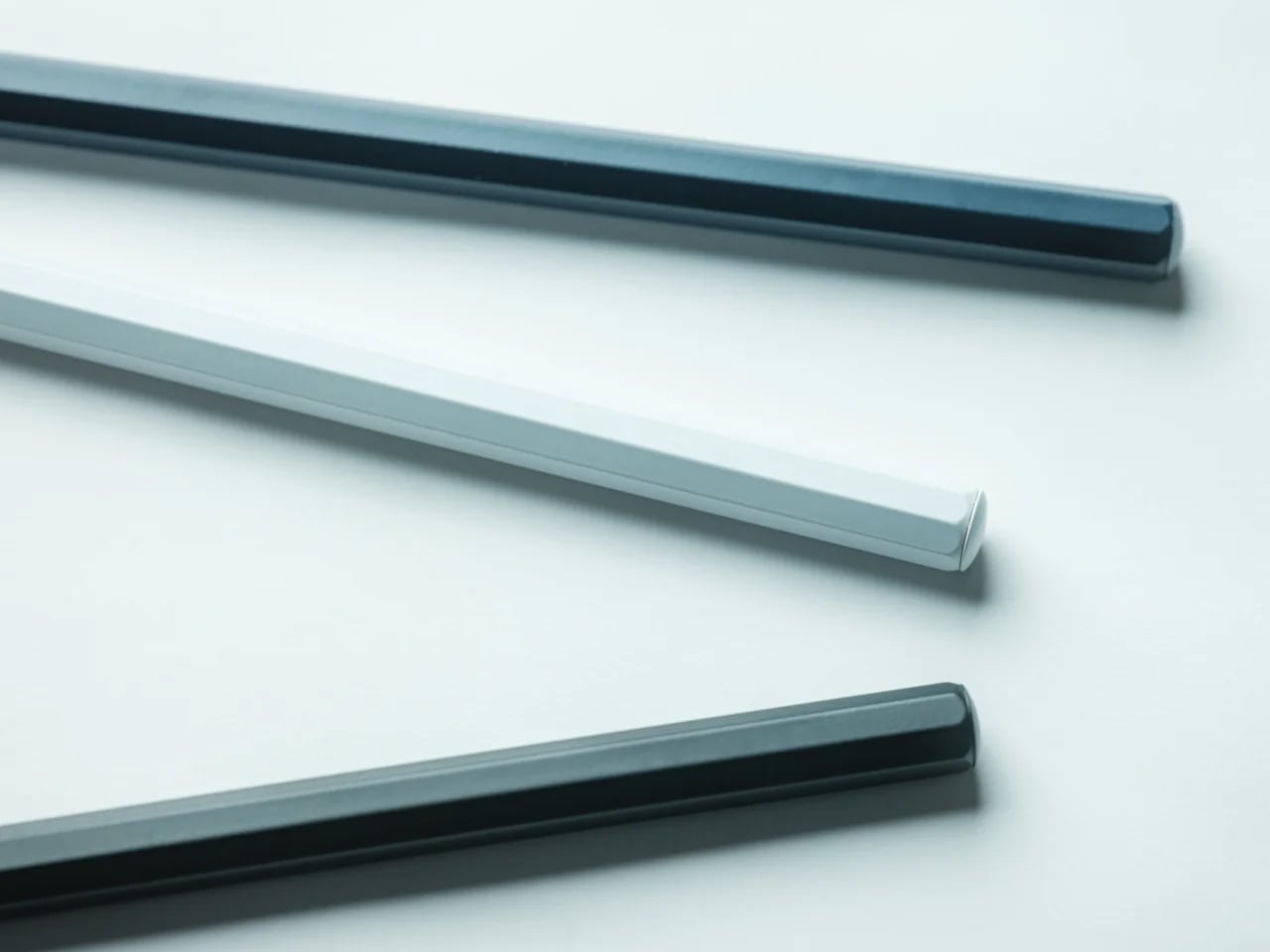
Three metal rods with rounded ends lie diagonally on a white surface (two dark gray, one light gray).

Why Simpler Tools Still Win

Every few years, a simple tool appears that makes you wonder why you ever accepted the complicated version. We live in a world full of products that promise precision through complexity. Click mechanisms, replaceable lead, backup cartridges, specialized refills. And yet some of the most satisfying tools are still the ones that ask the least from you. A pencil should be immediate. It should be ready the second a thought arrives, not after you fix, refill, or sharpen something.

The Everlasting All-Metal Pencil gets that. It keeps the familiar feel of graphite on paper, but strips away the maintenance that usually comes with it. That makes it feel less like a novelty object and more like a quiet correction to a category we stopped questioning a long time ago.

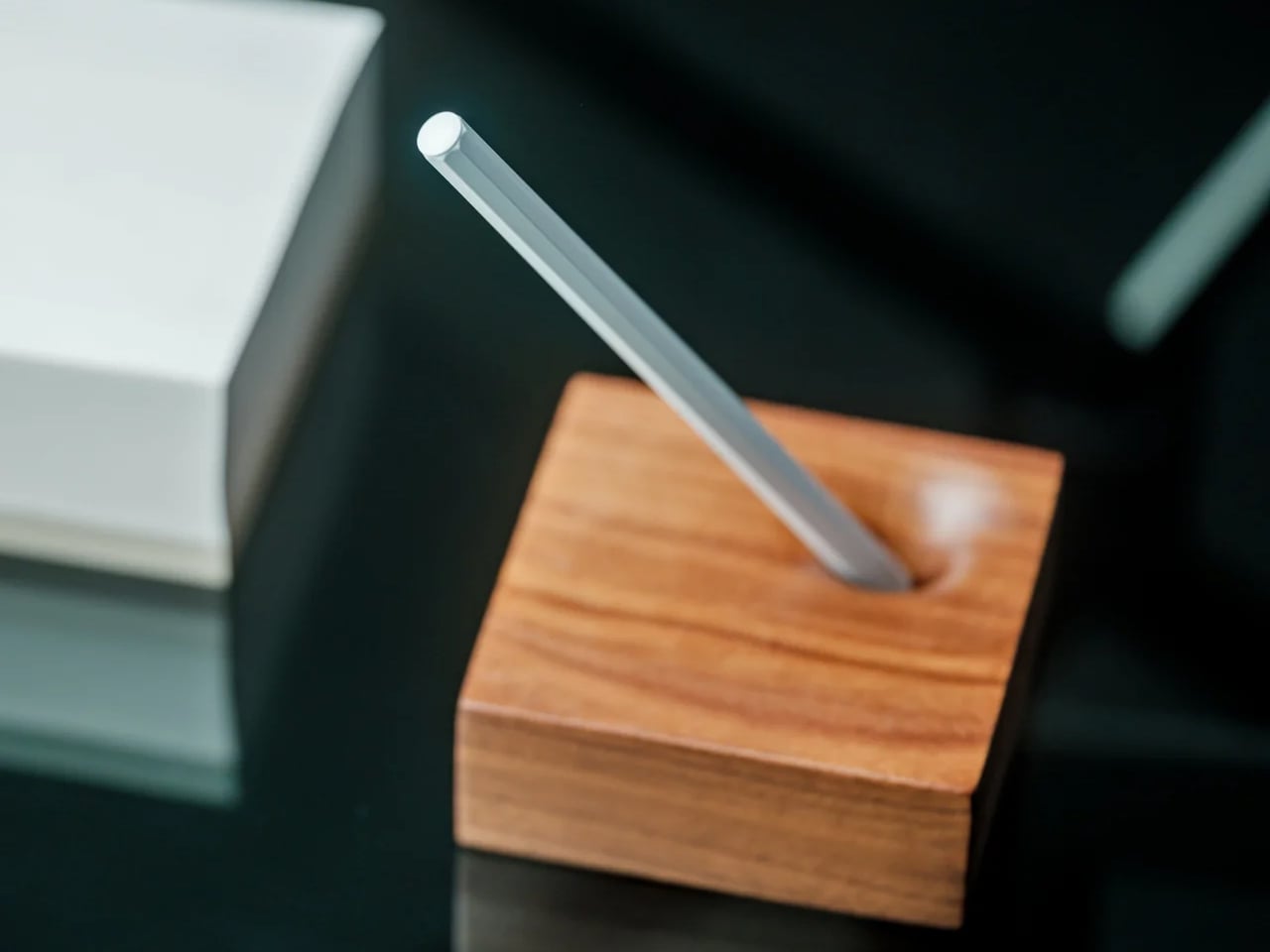
Silver metal rod inserted diagonally through a small square wooden block on a dark surface, like a desk accessory.

Design That Reflects Restraint

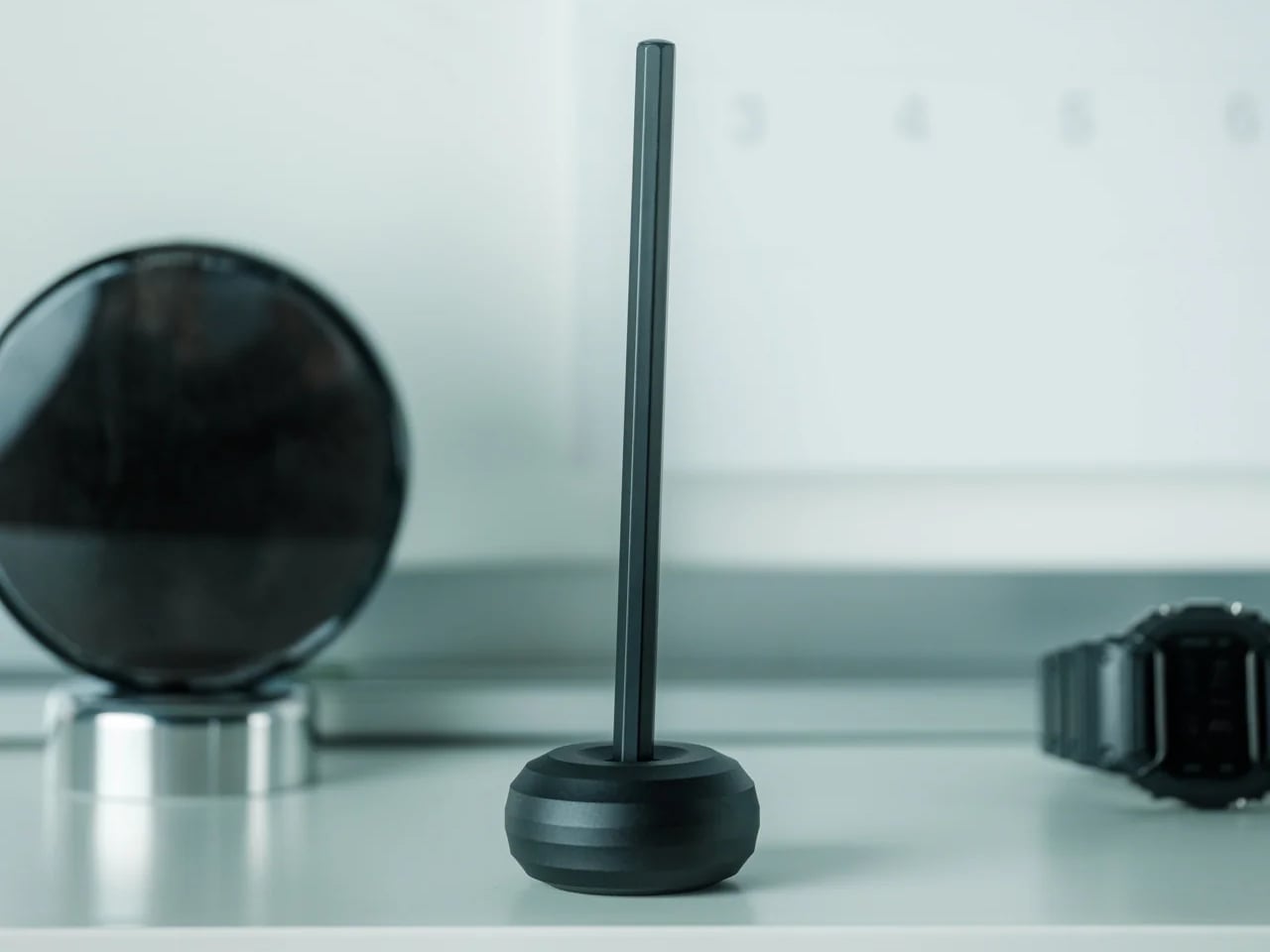
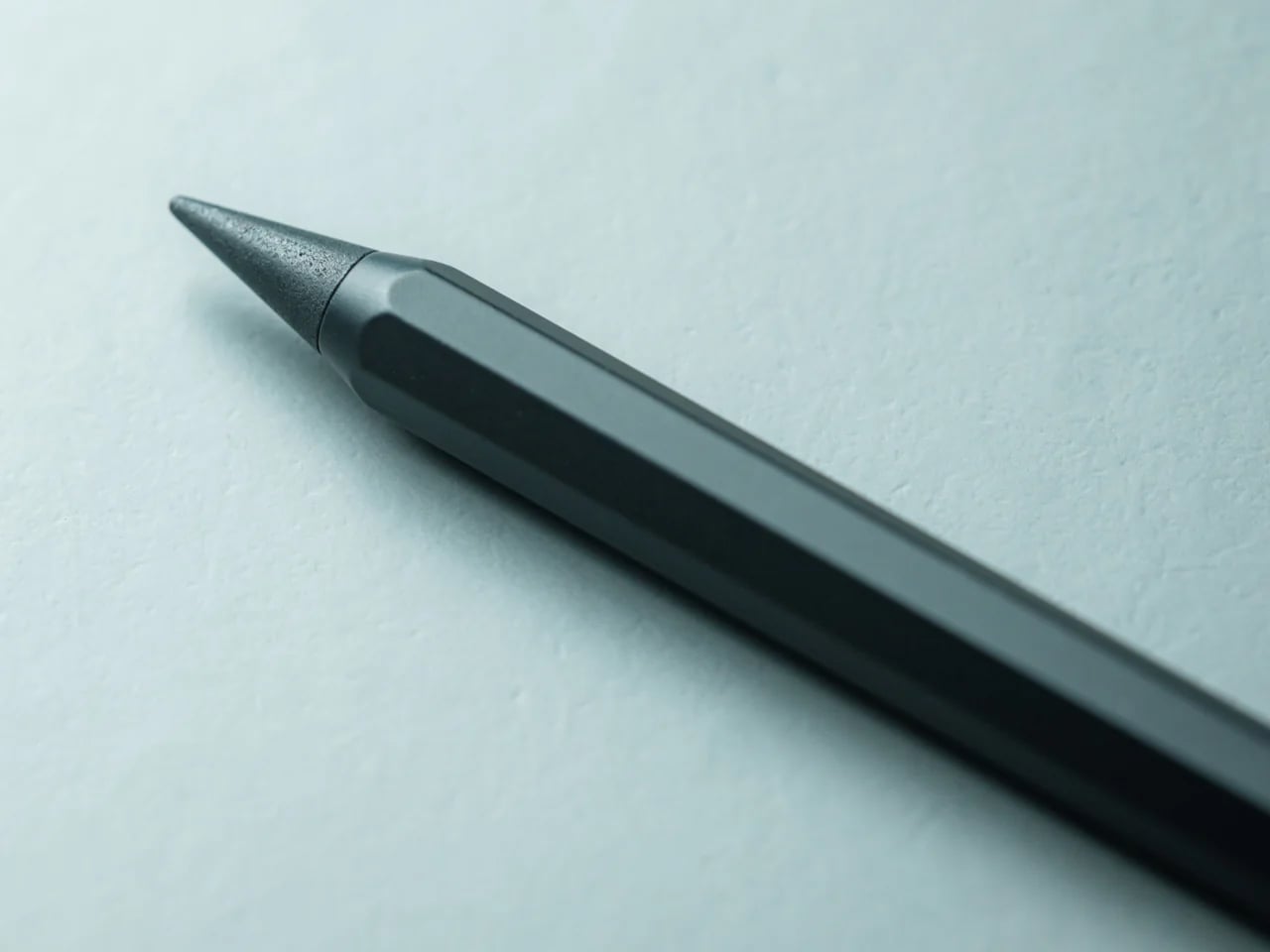
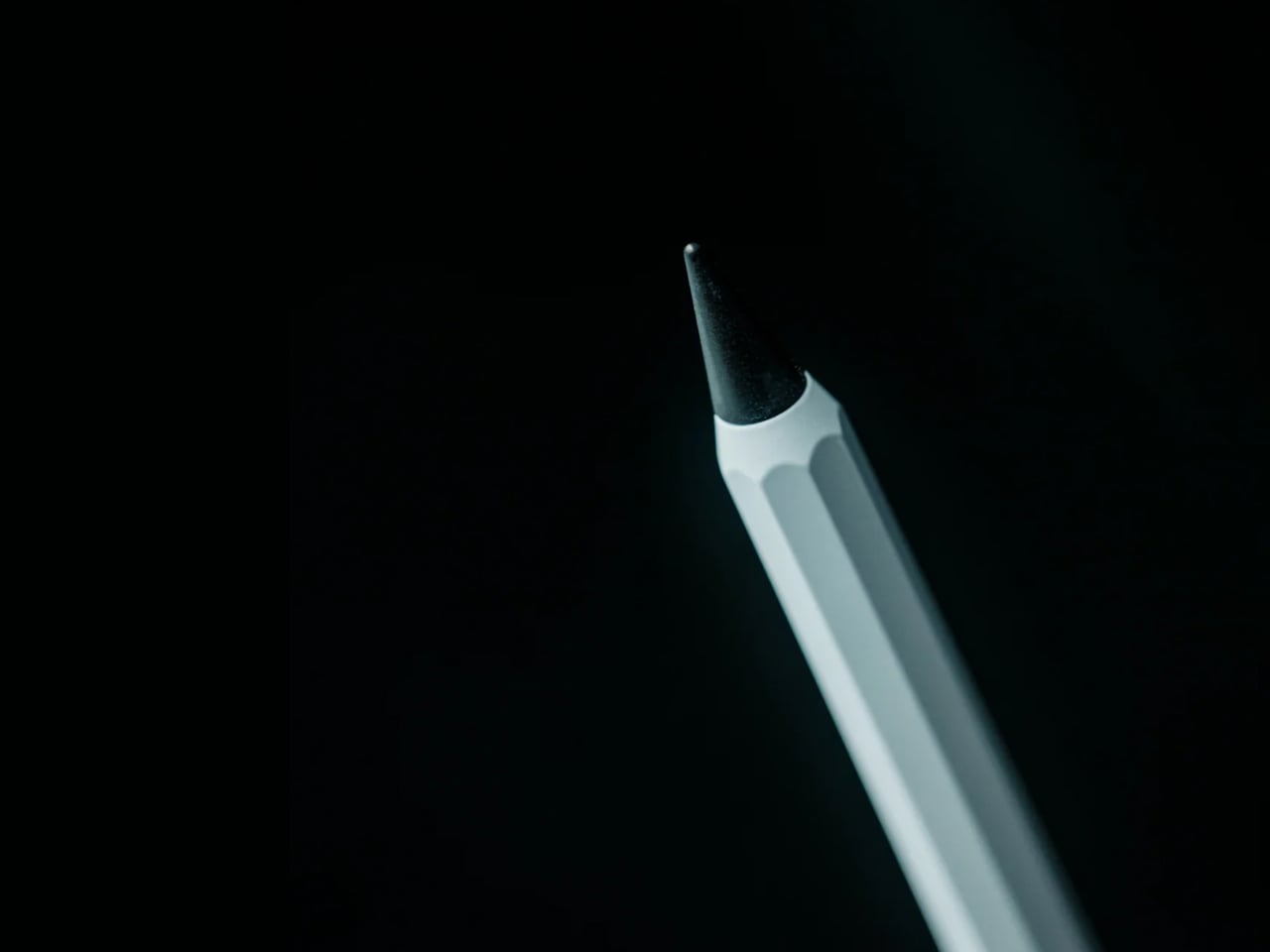
There’s a clean confidence to the Everlasting All-Metal Pencil that makes sense the longer you use it. The aluminum body gives it just enough weight to feel deliberate, while the octagonal shaft keeps it stable in the hand. Nothing about it feels decorative for the sake of it. The design is simple, compact, and resolved in the way good everyday tools tend to be.

It doesn’t try to romanticize the pencil. It just makes the experience feel more complete. That’s what gives it presence. Not flash, not novelty, just a better answer to a familiar problem.

Close-up of a dark pencil-like stylus tip on a light blue background, angled to show the pointed metal nib.

Who It’s For

  • Writers and note-takers
    A pencil that stays ready without the usual interruptions.
  • Artists and sketchers
    Especially useful for watercolor or marker work where smudging can get in the way.
  • Minimalists
    One durable writing tool that replaces the need for sharpeners, spare lead, and extra fuss.

Pencil rests on white paper beside design sketches and a roll of tape on a light desk surface

Where Writing Stays in Motion

You don’t realize how often small interruptions break your flow until one tool removes them. Most of us don’t need a smarter pencil. We need one that gets out of the way and keeps going. That’s what the Everlasting All-Metal Pencil does so well. It keeps the familiar pleasure of writing with graphite, while quietly removing the maintenance that usually comes with it.

At the end of the day, it’s still a pencil. But sometimes, the right one makes the entire act of writing feel a little less fragile.

The Everlasting All-Metal Pencil is now available for $19.95 – roughly the cost of three decent mechanical pencils that will eventually run out of lead. This one won’t.

The post This $20 Pencil Never Needs Sharpening – and It’s Quietly Replacing Everything on My Desk first appeared on Yanko Design.
Luna Band could be the first screenless fitness tracker that actually feels worth buying

If you have been following international sports, there is one thing that you will find common across players of all disciplines. It’s not anger and aggression that we can discuss another day; it’s actually a screenless band you can see on their wrists. This is a fitness tracker, in most cases it’s from Whoop, or another company, say a Hume.

Now there are two more brands that are targeting the obvious interest space of discreet, no-display fitness trackers. After the launch of the Fitbit Air from Google, the Luna company behind the Ring smart ring brand is launching the Luna Band, first showcased to the world earlier this year at the CES 2026 in Vegas.

Designer: Luna

Despite the surge of interest in screenless fitness trackers over the past couple of years, there has been one caveat that, in my opinion, has shadowed these faceless trackers behind the smartwatches. It’s the accompanying subscription charges. For the record, a Whoop Band hits you about $30 per month in subscription. The new Fitbit Air, available for preorder at $99.99, comes with a $9.99 per month subscription.

Luna targets the masses with the launch of its new band now, which the company says will require no subscription. A big advantage for those like me who don’t prefer paying every month for a fitness tracker. Luna Band is now fully official. The makers confirm it will be available for pre-order on July 4. The band will start shipping later in the month, though the date is confirmed for July 31.

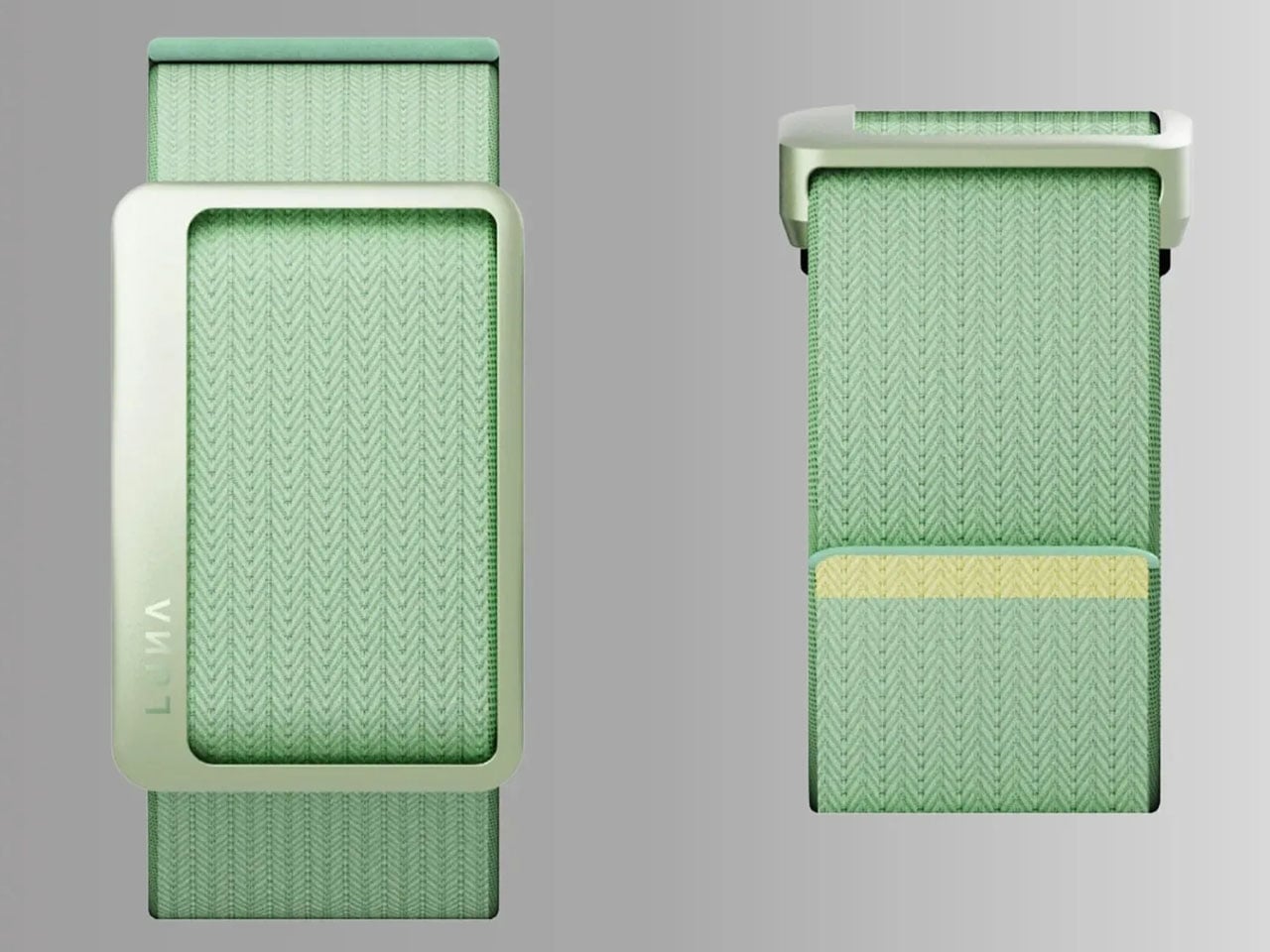
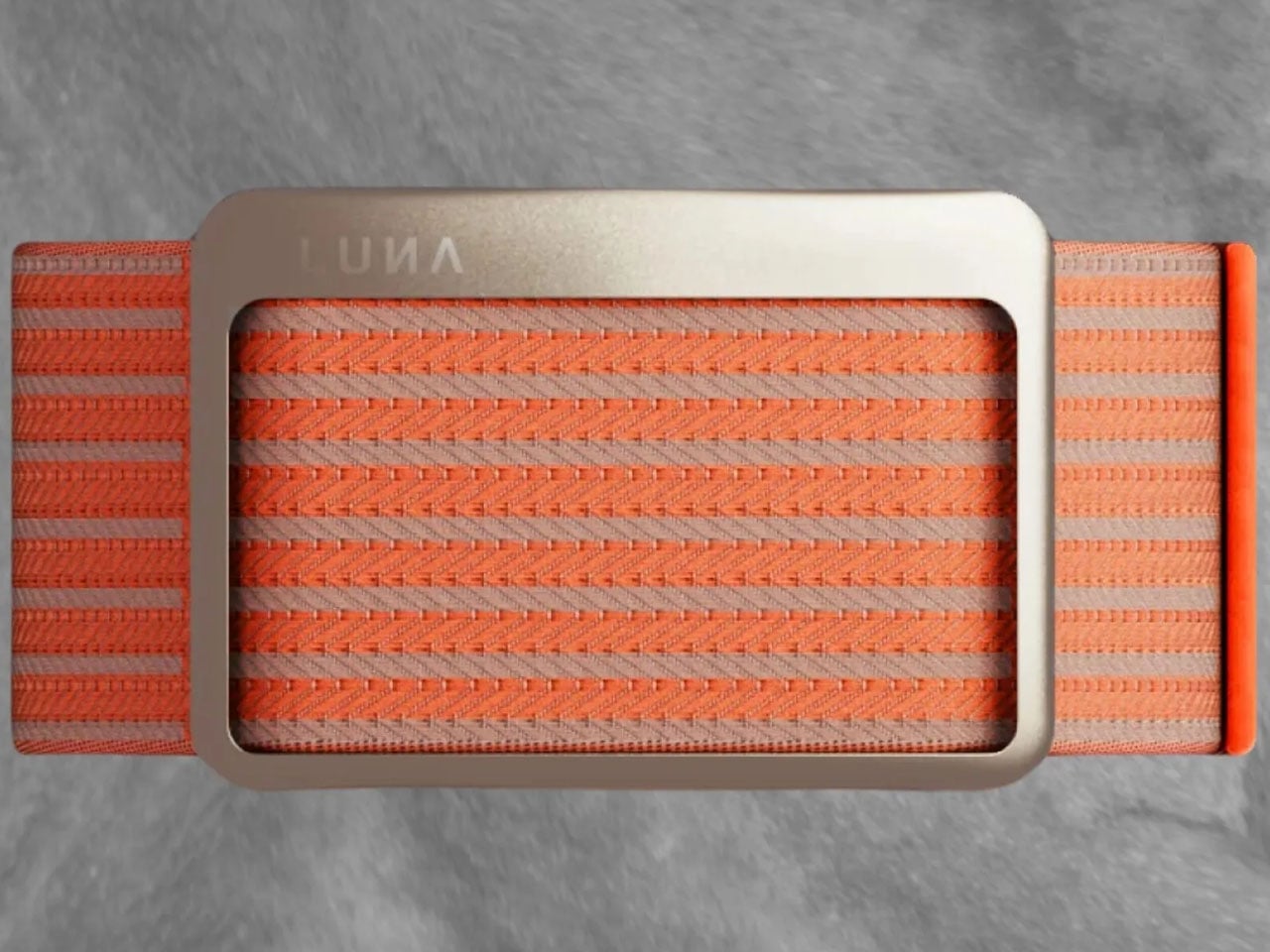
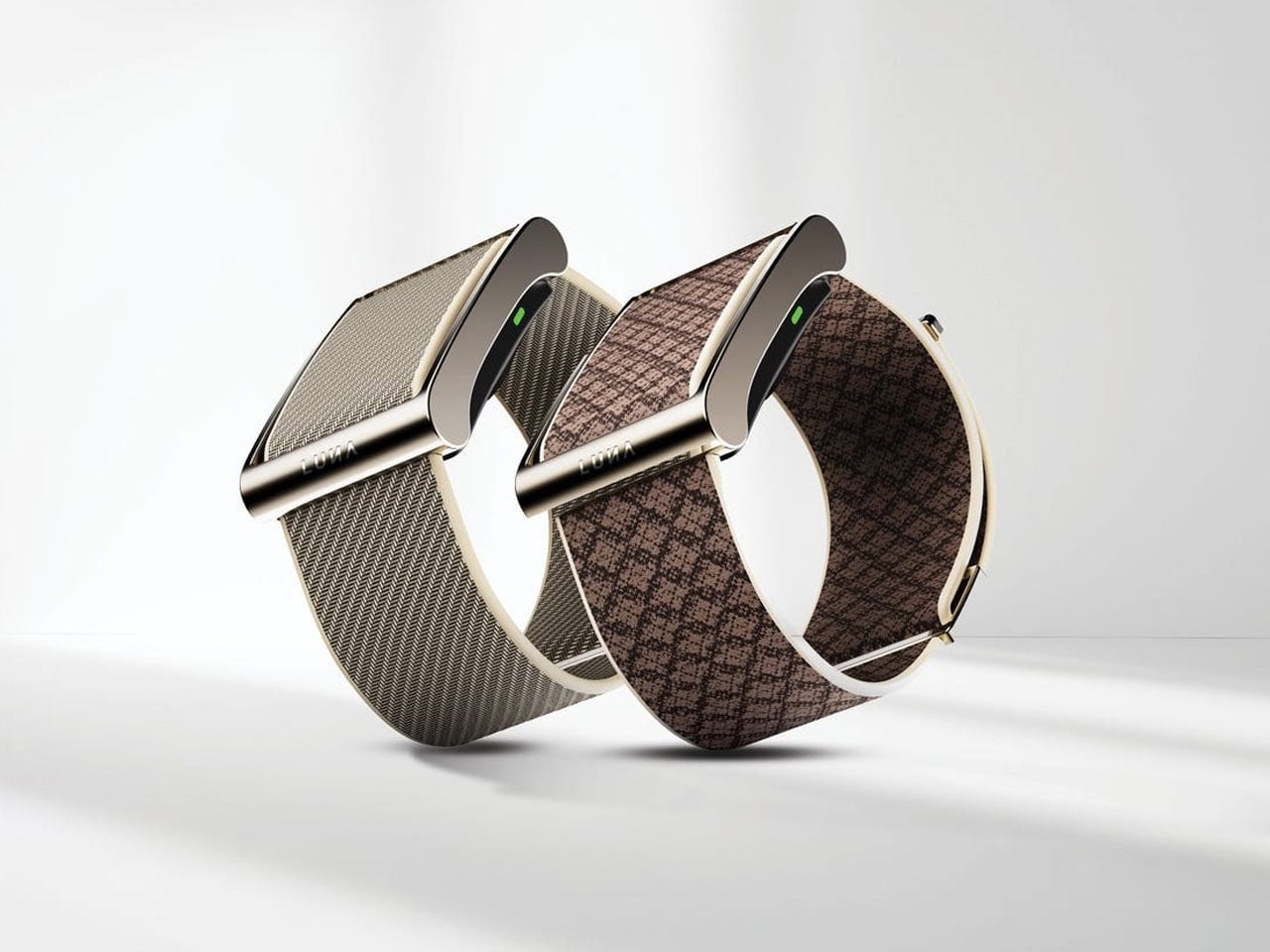
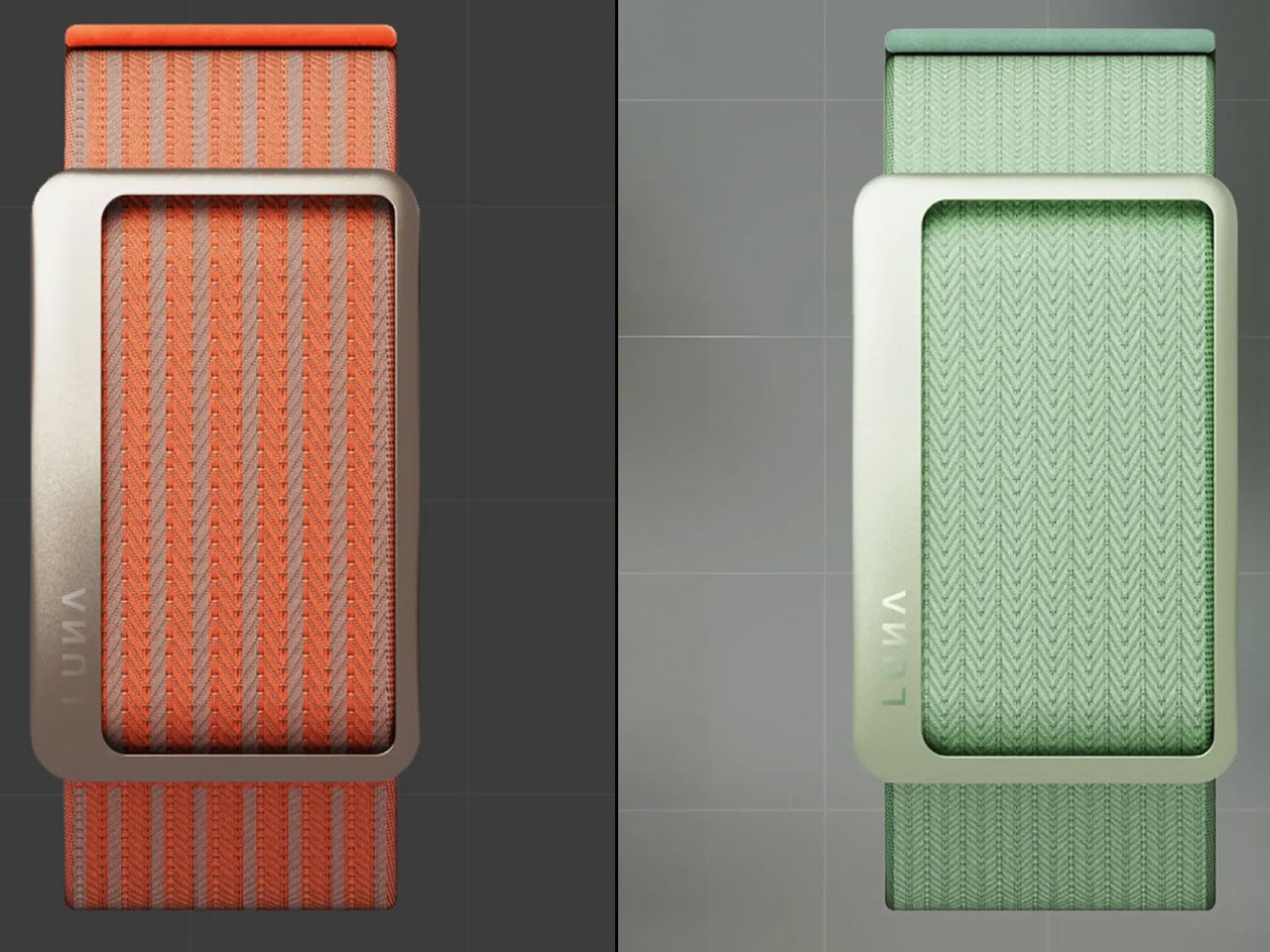
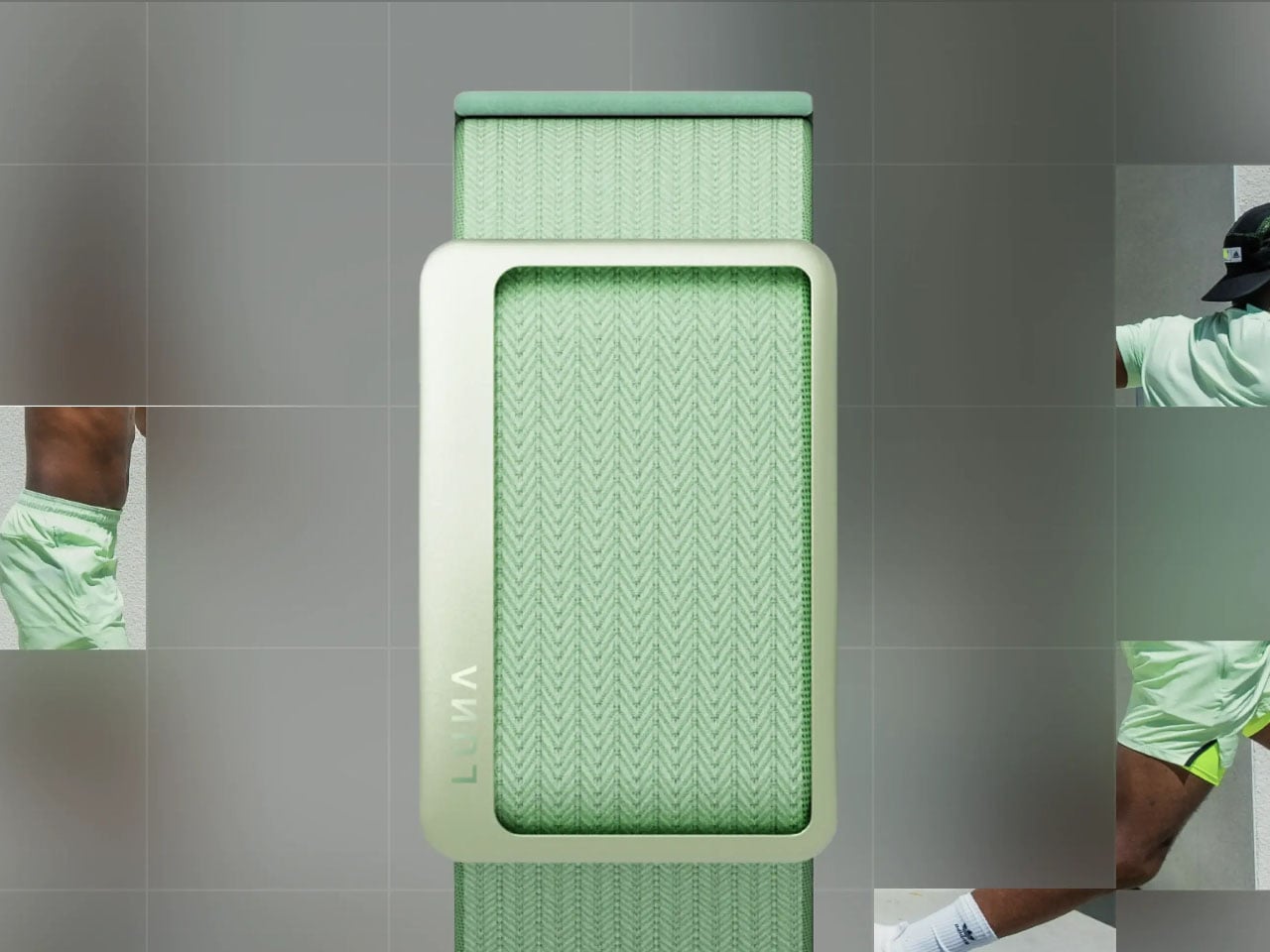
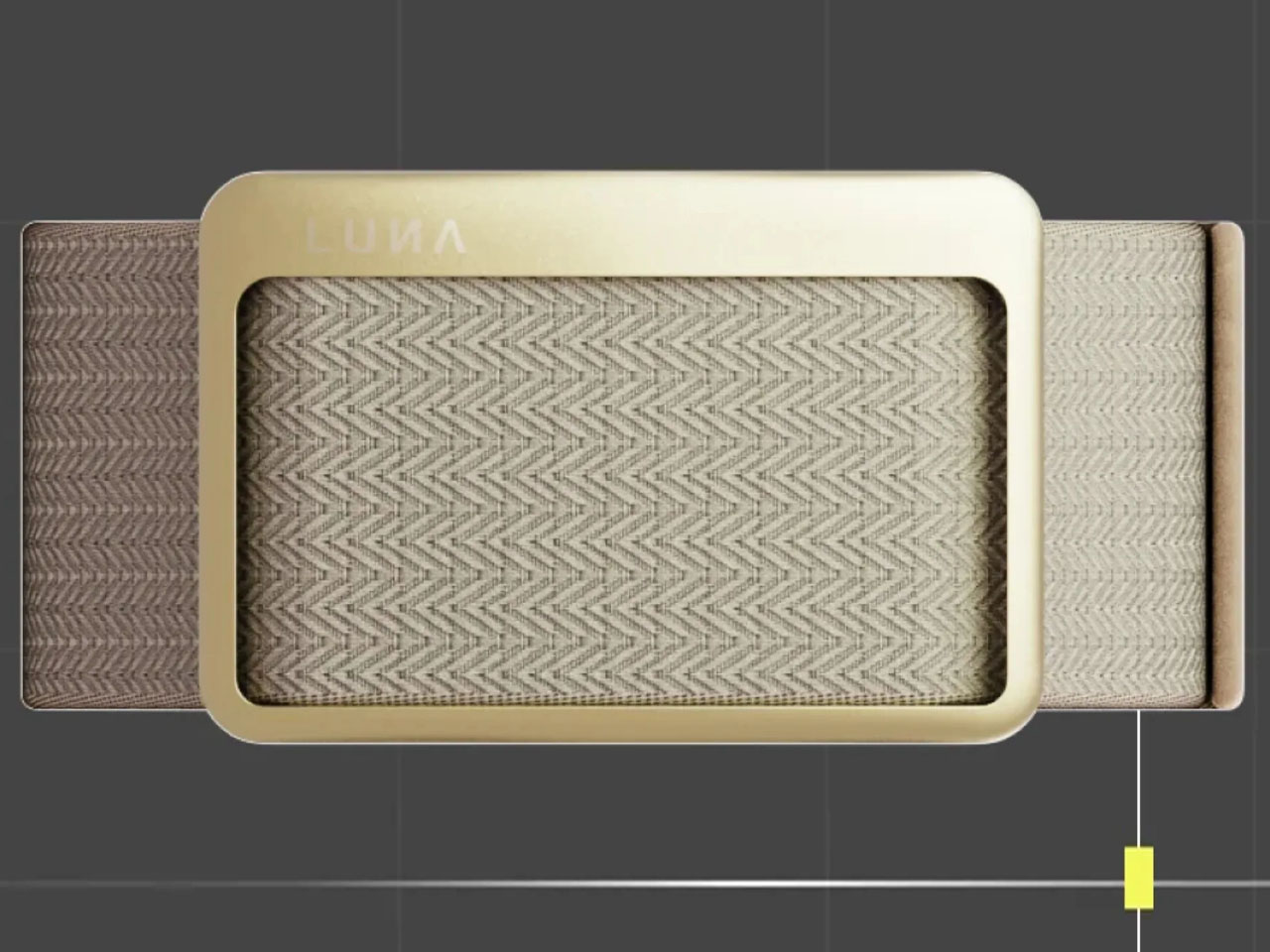
So, what are we expecting from the band? The Luna will do the basic tasks of tracking sleep and activity. It will come with Luna’s own LifeOS, which allows integration with Gemini and Siri assistants so you can take full advantage of the band via Android smartphone or iPhone. The band features a textured strap, like that of the Whoop you would have seen your favorite player wearing. It will come in a range of colors and materials, but the basic one is going to be fabric with a metal buckle.

Alongside remote access to various parameters, it’s tracking, the phone connected to the Luna Band can also allow voice-based health logging. We say it without definite confirmation, because there is no certainty, at the time of writing, whether this feature will be directly embedded in the phone with a microphone, or will it work via the phone (which is more likely to be the case). The band, additionally, early reports affirm, will log food intake, bloodwork, supplement intake, and store relevant medical data, which is new for a screenless fitness tracker.

Powered by a built-in battery, providing up to 10 days of backup, the Luna Band doesn’t have a confirmed pricing yet. Going by the features and the fact that the band will not require a subscription, we are guessing it will come for a steeper price tag than what’s prevalent for such devices in the industry.

The post Luna Band could be the first screenless fitness tracker that actually feels worth buying first appeared on Yanko Design.

This Is What a Theater Looks Like When Architecture Gets Out of the Way

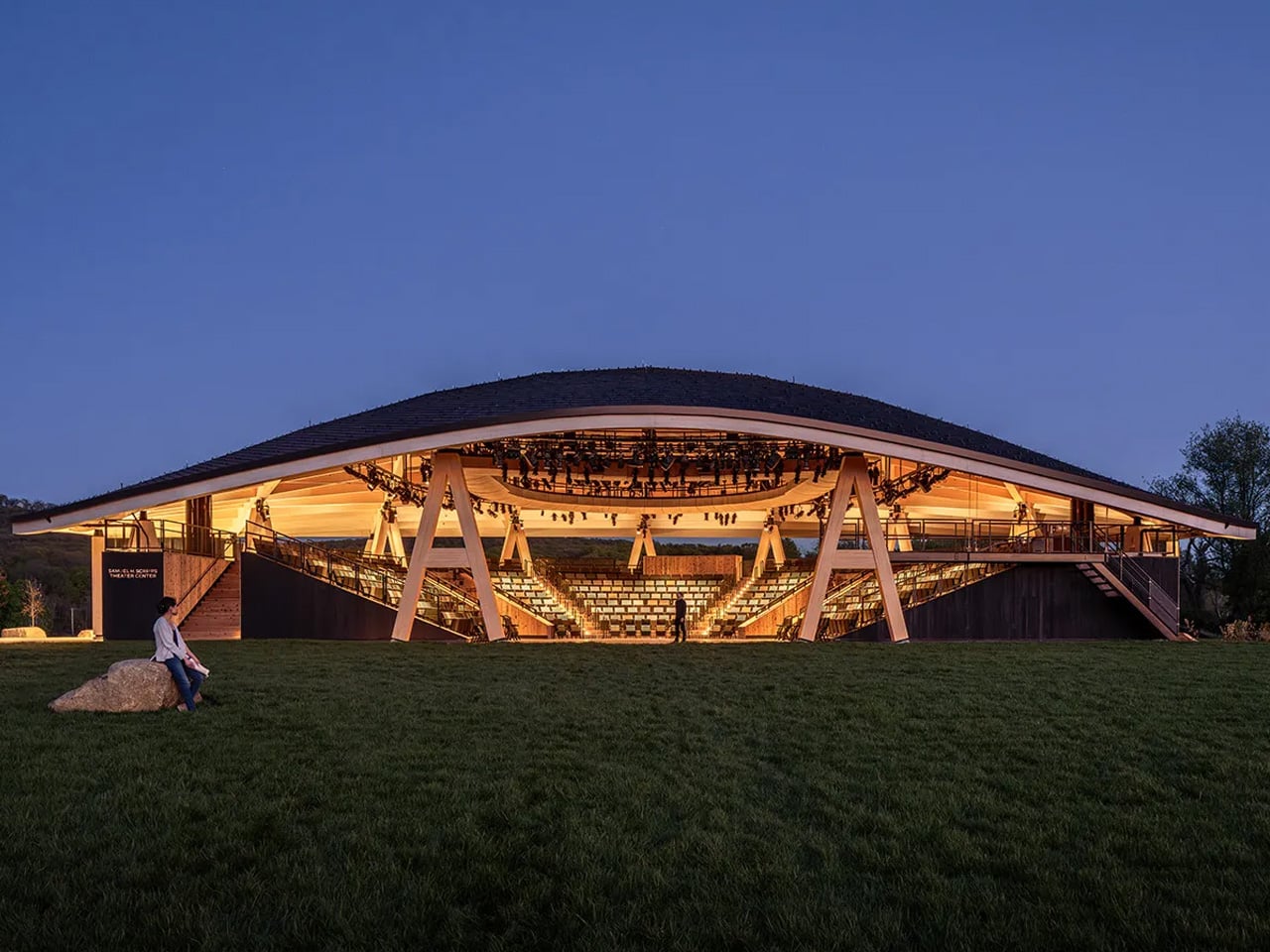
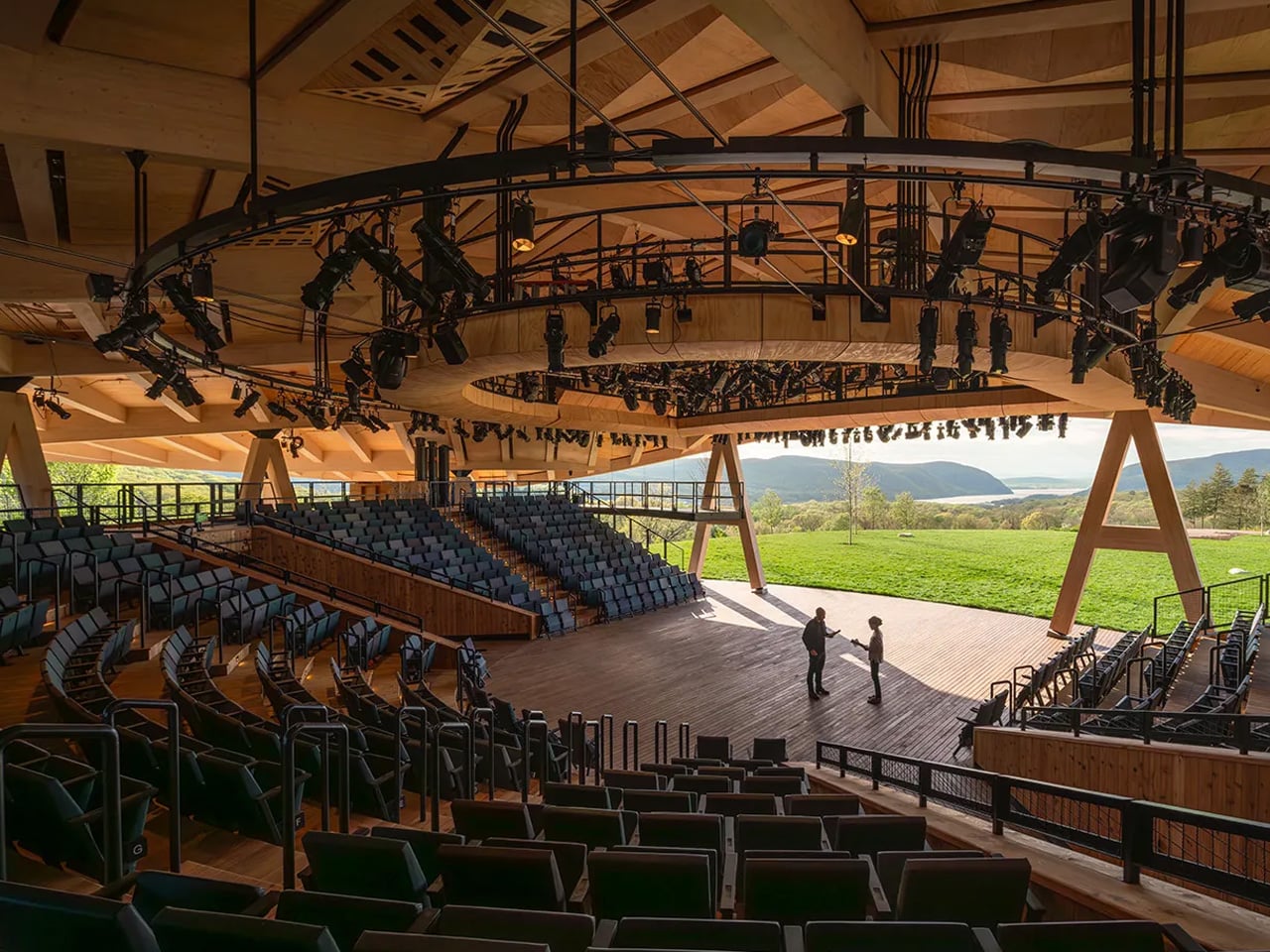
For decades, Hudson Valley Shakespeare performed under a simple tent — seasonal, transient, and entirely at the mercy of the elements. That changed this May with the completion of the Samuel H. Scripps Theater Center in Garrison, New York, designed by Studio Gang. The project marks the first-ever permanent home for Hudson Valley Shakespeare (HVS), and it delivers on every promise the setting demands.

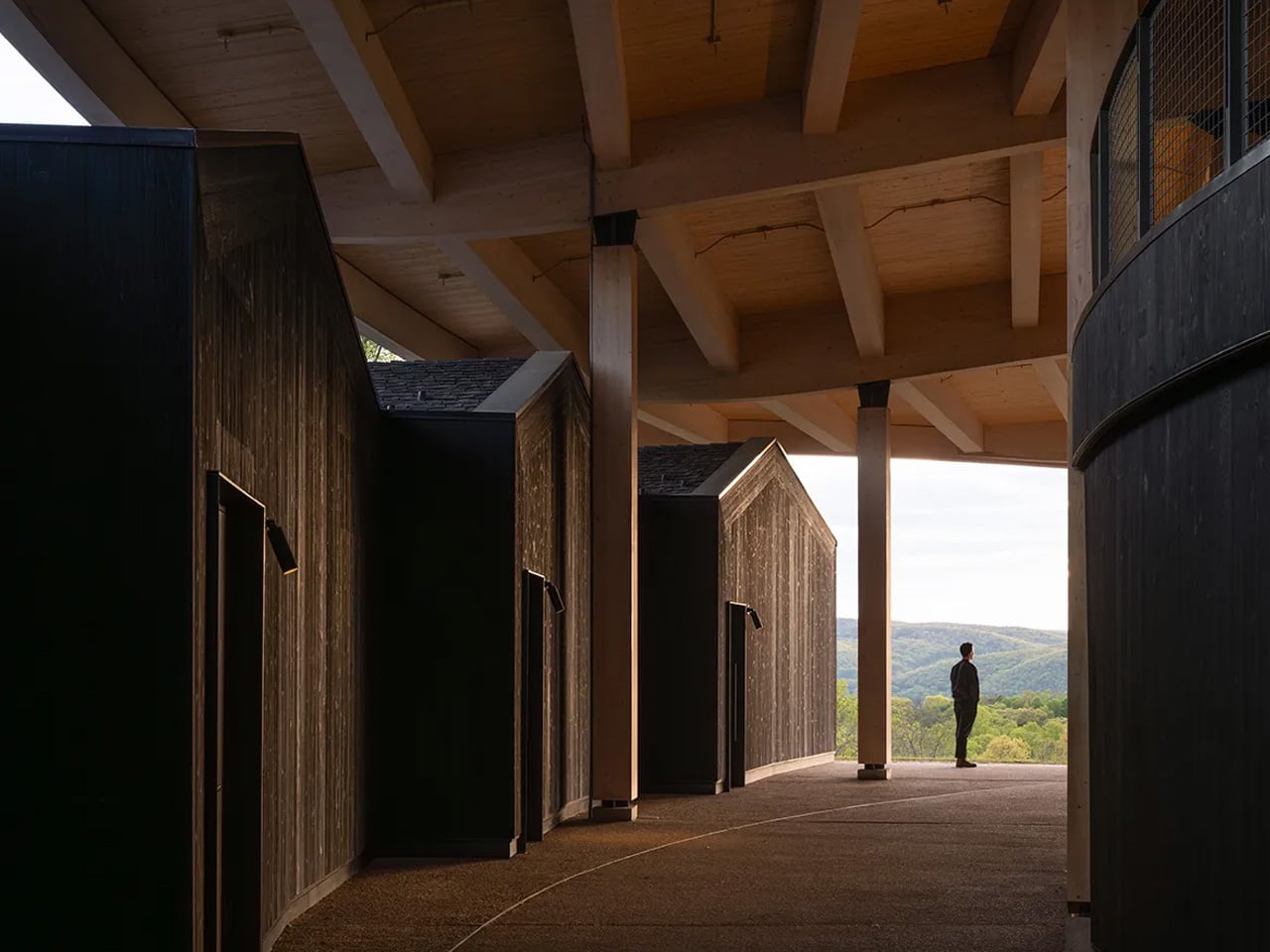
Perched on a 98-acre campus overlooking the Hudson Highlands, the theater is less a building than a landscape intervention. Studio Gang organized the design around a curved, timber-framed grid shell that encloses a 451-seat open-air auditorium. The structure is only partially enclosed, so the rolling hills of the Hudson Valley become a literal backdrop to every performance — a design move that makes the scenery non-negotiable. You don’t look past the landscape here. You look into it.

Designer: Studio Gang

The material choice is where the project becomes truly considered. The domed roof is constructed from mass timber — a prefabricated laminated-timber structure that harmonizes with the site’s natural character while sharply reducing its carbon footprint. Environmental performance was central to the entire design and construction strategy, not an afterthought. The gently curved shell reads differently depending on the hour — warm and structural at midday, almost canopy-like as the light drops. It is the kind of material that gets better with time, not worse.

Founding partner Jeanne Gang put it plainly: “The building’s curved mass timber structure harmonises with the natural beauty of the site while modelling a more sustainable future for cultural and performing arts spaces.” That word — modelling — is doing real work. The Scripps Theater isn’t just a venue upgrade. It’s an argument for what publicly facing cultural architecture can look like when sustainability and site responsiveness aren’t treated as constraints.

Beyond the main auditorium, the 14,850-square-foot venue folds in rehearsal, administrative, education, and public gathering spaces within a landscape-oriented master plan. Accessibility was expanded. The bird-safe design was factored in. Nothing feels incidental. What Studio Gang has built here is rare — a theater where the architecture earns its place in the landscape rather than competing with it. The Hudson Valley finally has a stage worthy of the view.

The post This Is What a Theater Looks Like When Architecture Gets Out of the Way first appeared on Yanko Design.
Your Pomodoro Timer Has Never Looked This Analog Cool

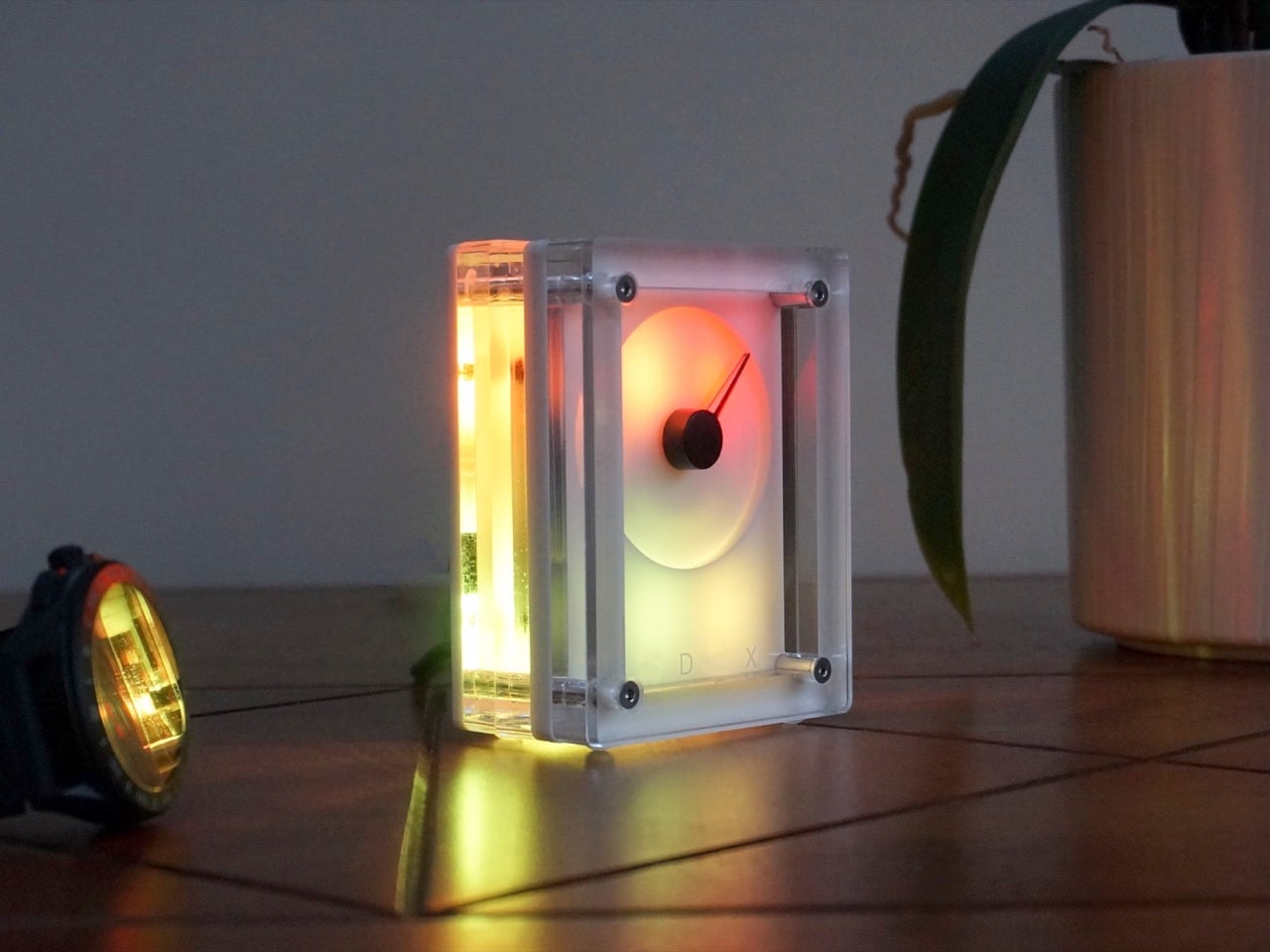
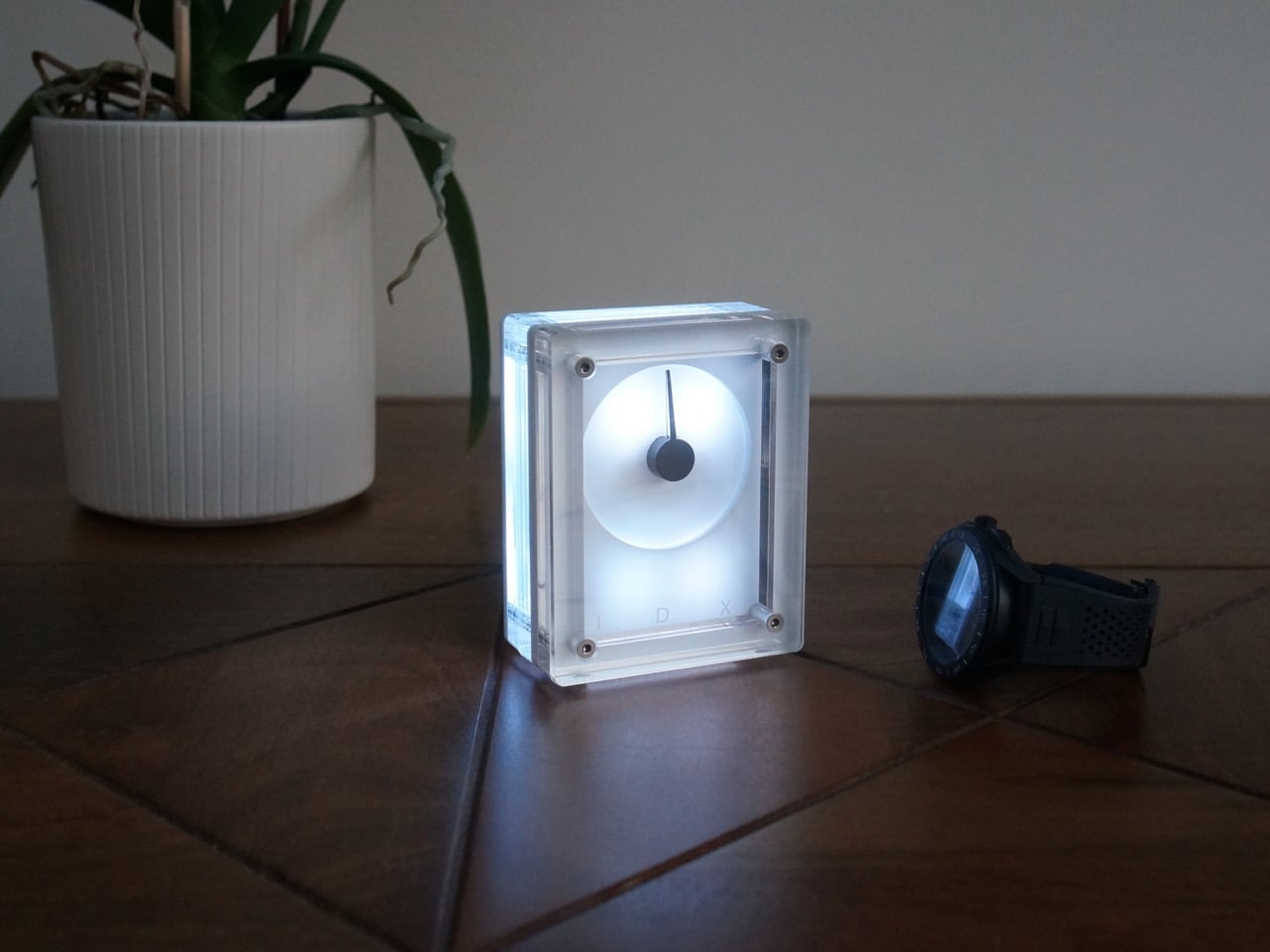
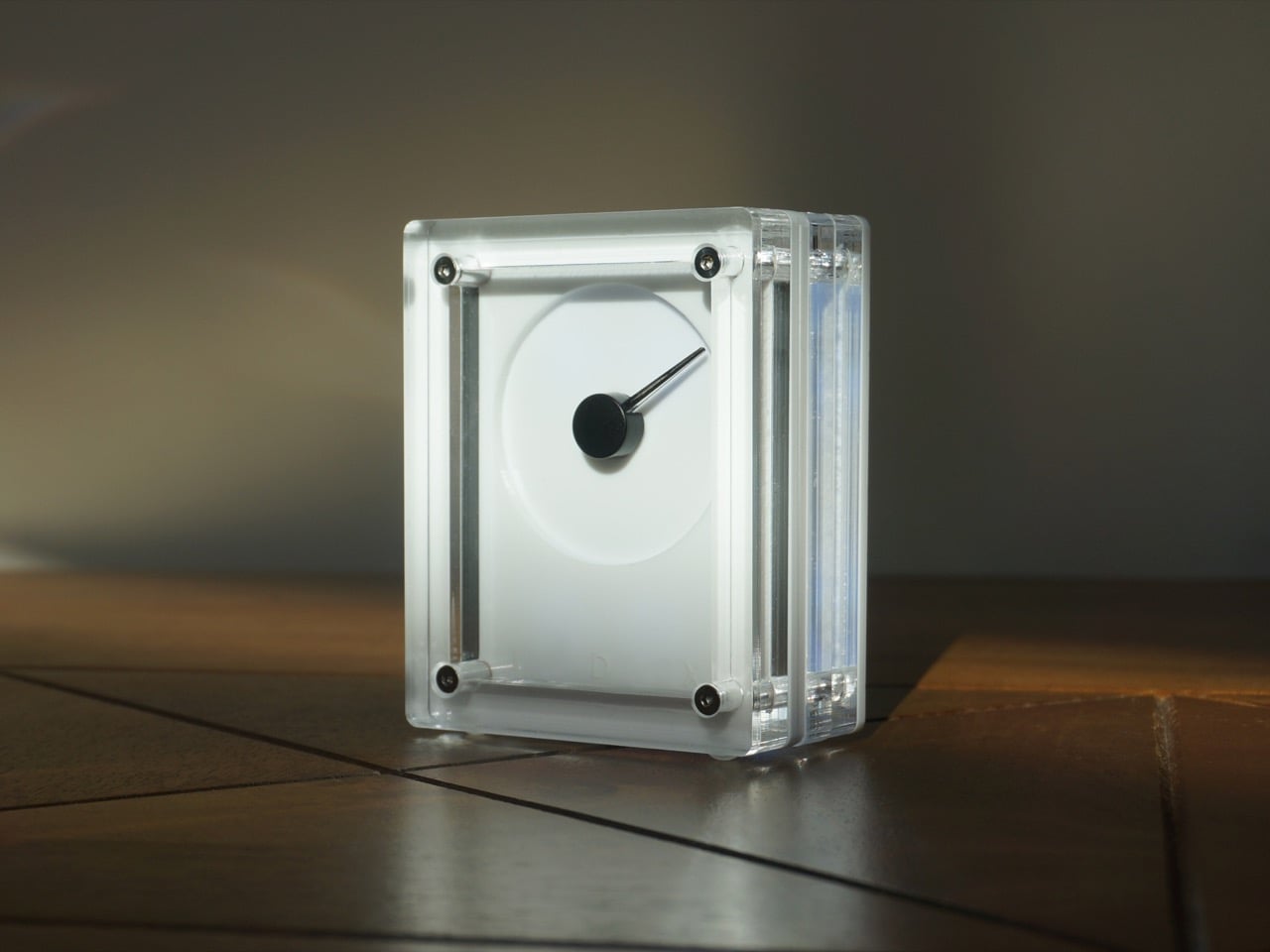
The seven-segment display has been doing the same job since the 1970s, and the LED ticker has been blinking its way across trading floors and departure boards for about as long. Both are functional. Both are also relentless. A new desk object from London’s Analogue Desk makes the case that live data can be delivered through something far more considered: a mechanical gauge needle sweeping across a frosted, unmarked dial, wrapped in a clear acrylic and stainless steel housing that looks like an object from a very good design showroom.

The IDX-1 connects via 2.4GHz WiFi and pulls live data from sources like crypto markets, stock indices, weather, and air quality readings. None of it surfaces as a digit or a scrolling value. The needle tells the story: centered means flat, a sweep right means a rise, a sweep left means a fall. For fixed-scale metrics like AQI or the Crypto Fear and Greed Index, the arc maps to a 0-100 range. There is also a Pomodoro mode, turning the gauge into a physical focus timer. Compact at around 80 x 100 x 40mm and hand-assembled in London, it is the desk piece that visitors consistently ask about.

Designer: Analogue Desk Co.

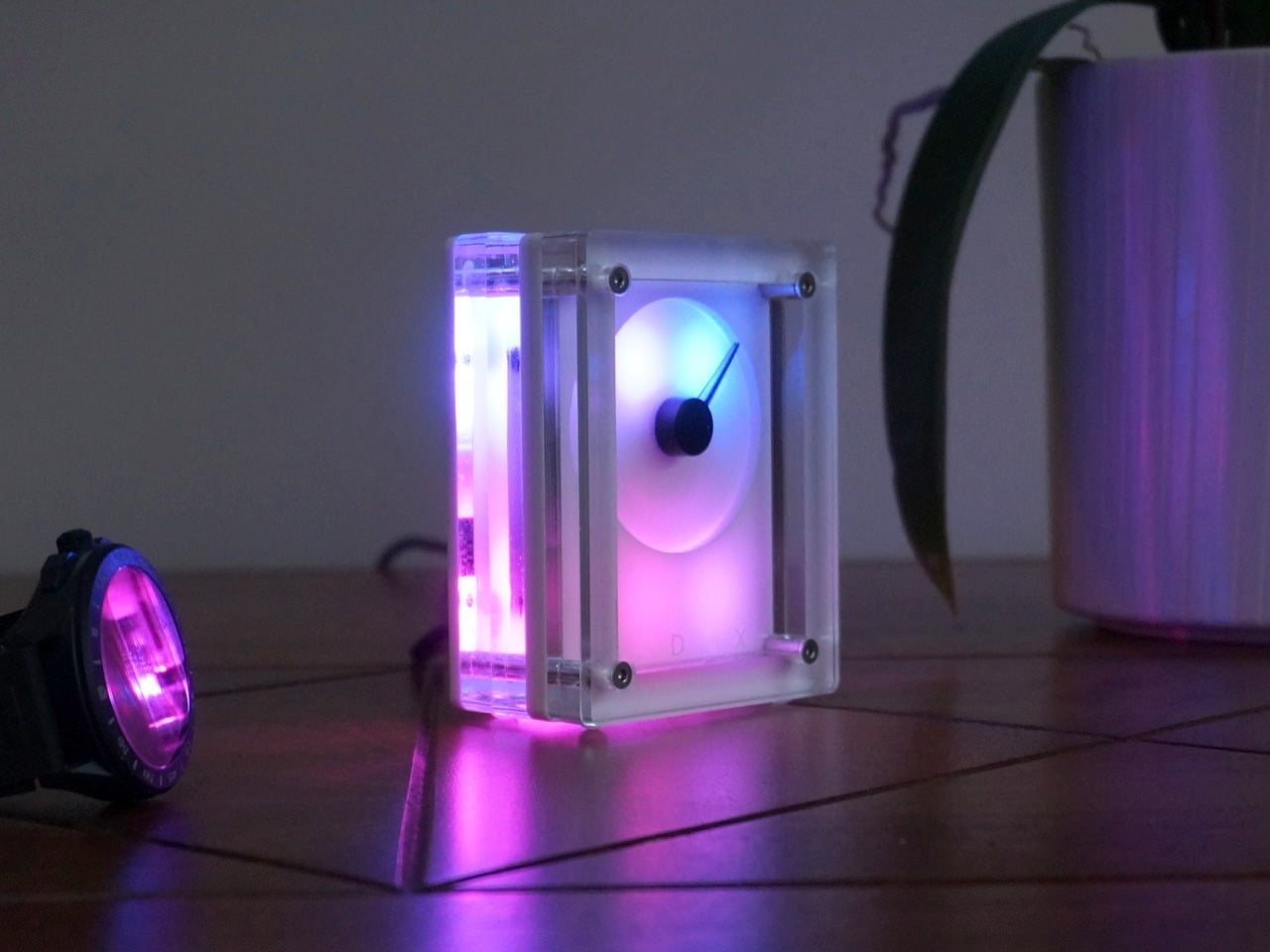
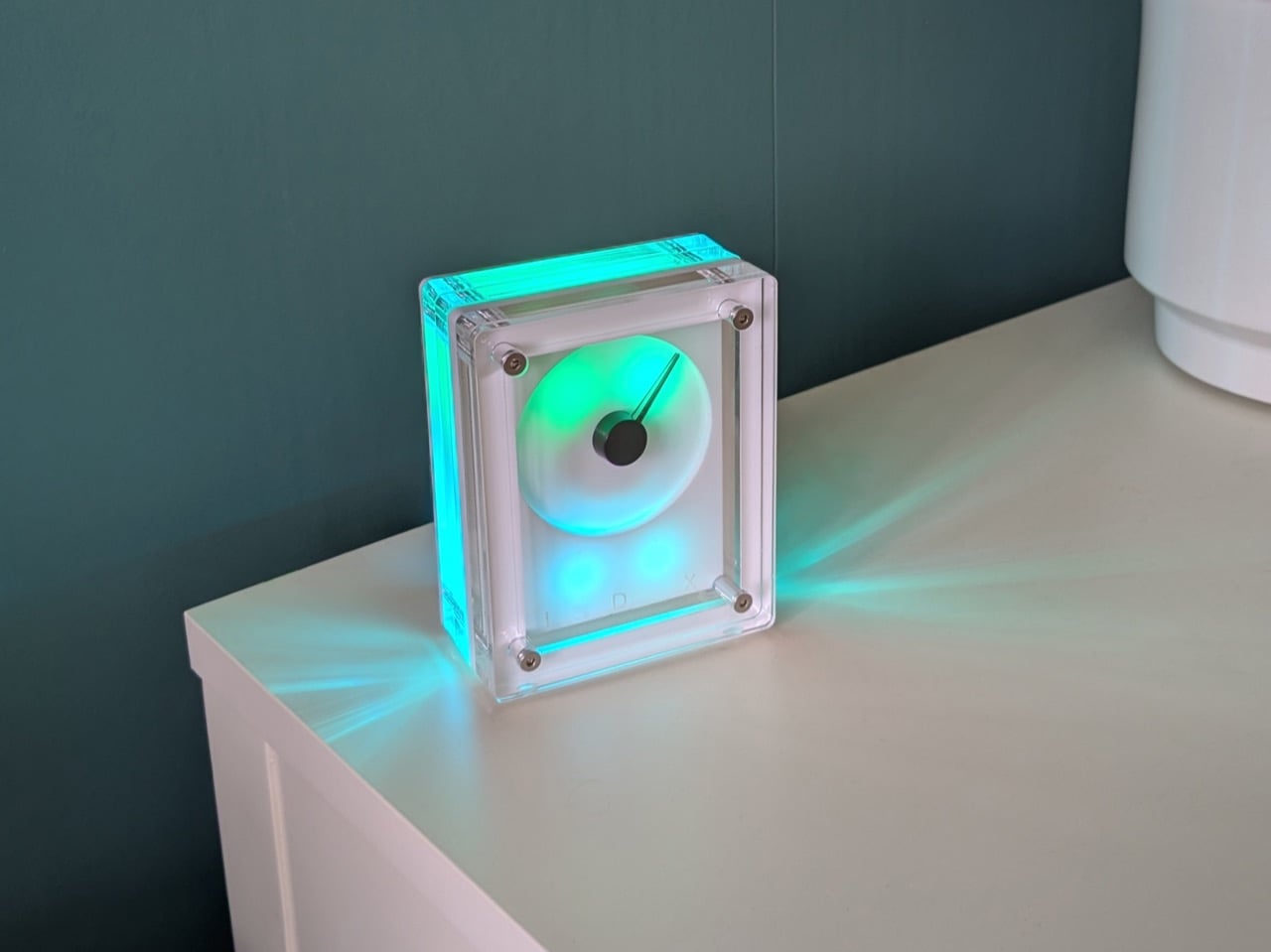
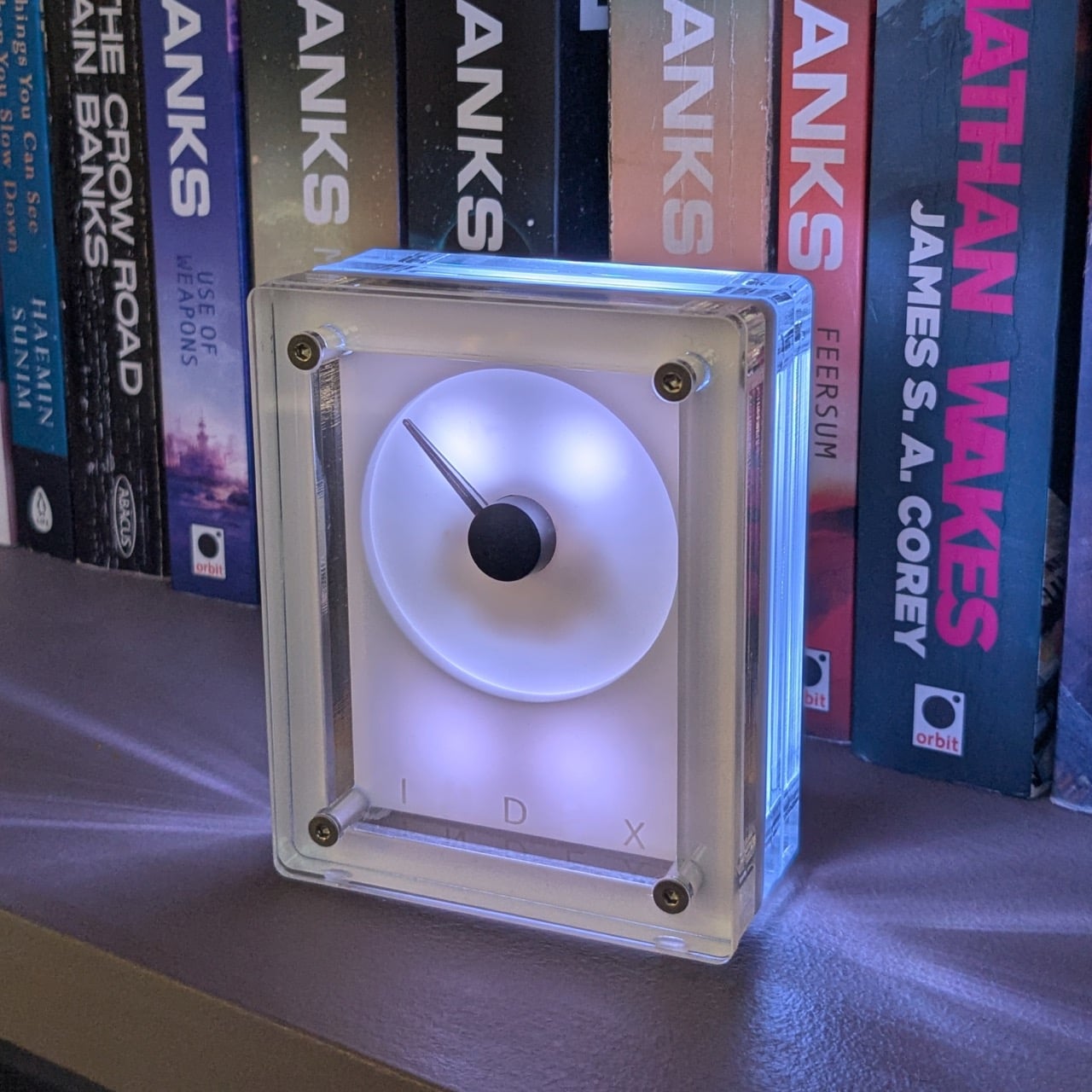
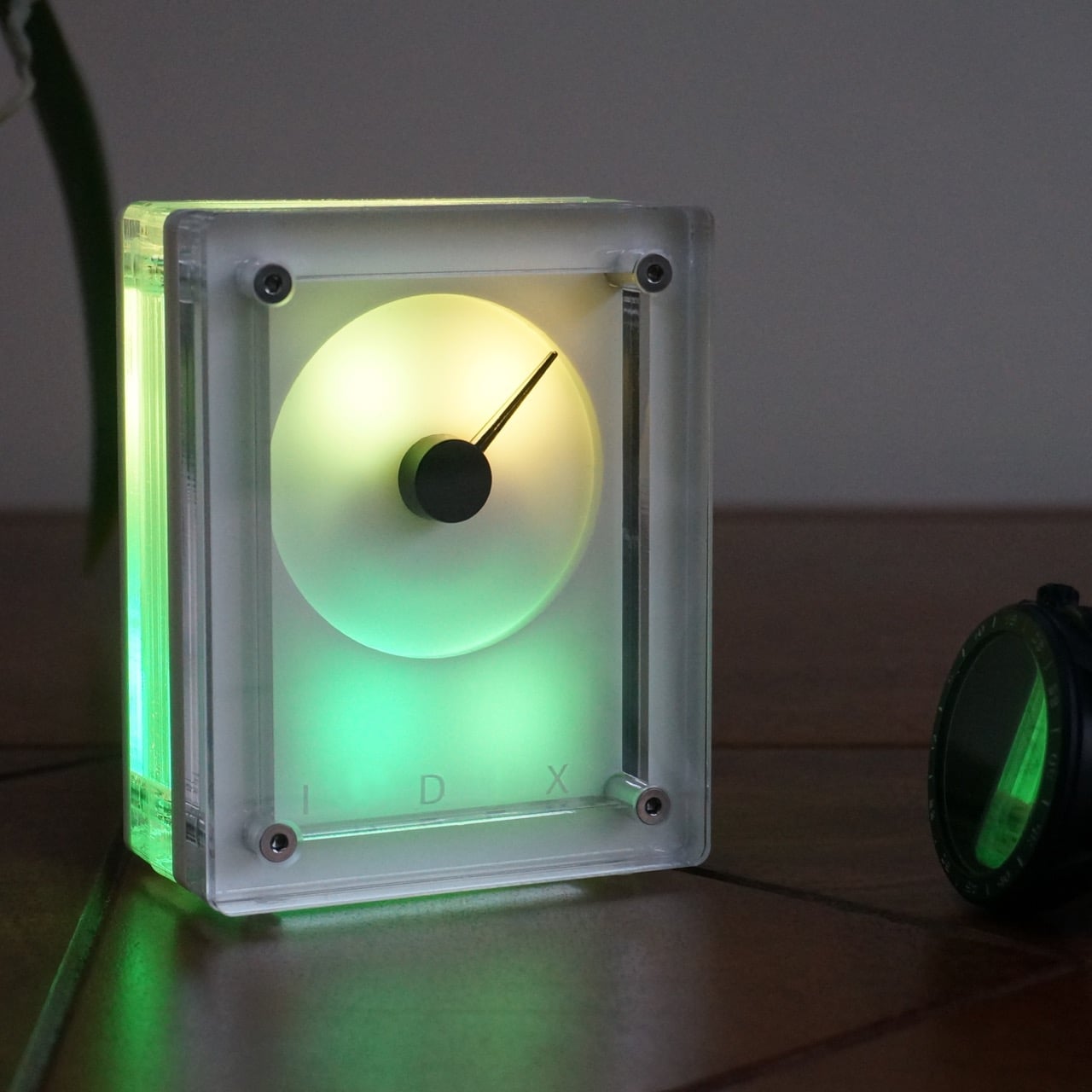
The material choices are deliberate. Cast layered acrylic forms the body, with 304-grade stainless steel across the corner hardware and screws, giving the object a physical credibility that goes beyond what most desk gadgets aim for. LEDs embedded within push light through the entire transparent enclosure, illuminating the face while also diffusing color outward across whatever surface the unit rests on. The range of lighting modes covers a lot of tonal ground: a cool clinical white, vivid cyan, warm amber-orange that pools on the desk like a sunset, and a magenta-pink that shifts the whole object firmly into ambient sculpture territory. Being a boutique product, each hand-assembled unit carries a slightly unique character. An integrated Night Mode dials the intensity down on a schedule, so the glow fits the environment rather than fighting it.
Plug in the USB-C cable (included), join the IDX-1’s temporary WiFi portal from a phone, and configure the data source and lighting preference through a browser. Three steps, no app, no account, no code. Analogue Desk also provides a developer guide alongside the open platform the hardware is built on, leaving room for custom data sources and modified behavior without any gatekeeping.

Reddit’s r/IndustrialDesign settled on “a perfectly wonderful illuminating informational kinetic sculpture” as a descriptor, which manages to be simultaneously accurate and slightly unwieldy. That response makes sense when you look at the product: a desk object that quietly absorbs live data from the internet and expresses it through the sweep of a needle, glowing with shifting color, and built from materials that reward a closer look. The concept sits squarely in the calm tech tradition, where information lives at the periphery of attention rather than demanding the centre of it. The IDX-1 lands in a gap that the seven-segment display and the LED ticker left wide open.

The post Your Pomodoro Timer Has Never Looked This Analog Cool first appeared on Yanko Design.