Huawei’s FreeBuds Neo Are Small Enough to Forget, Loud Enough Not To

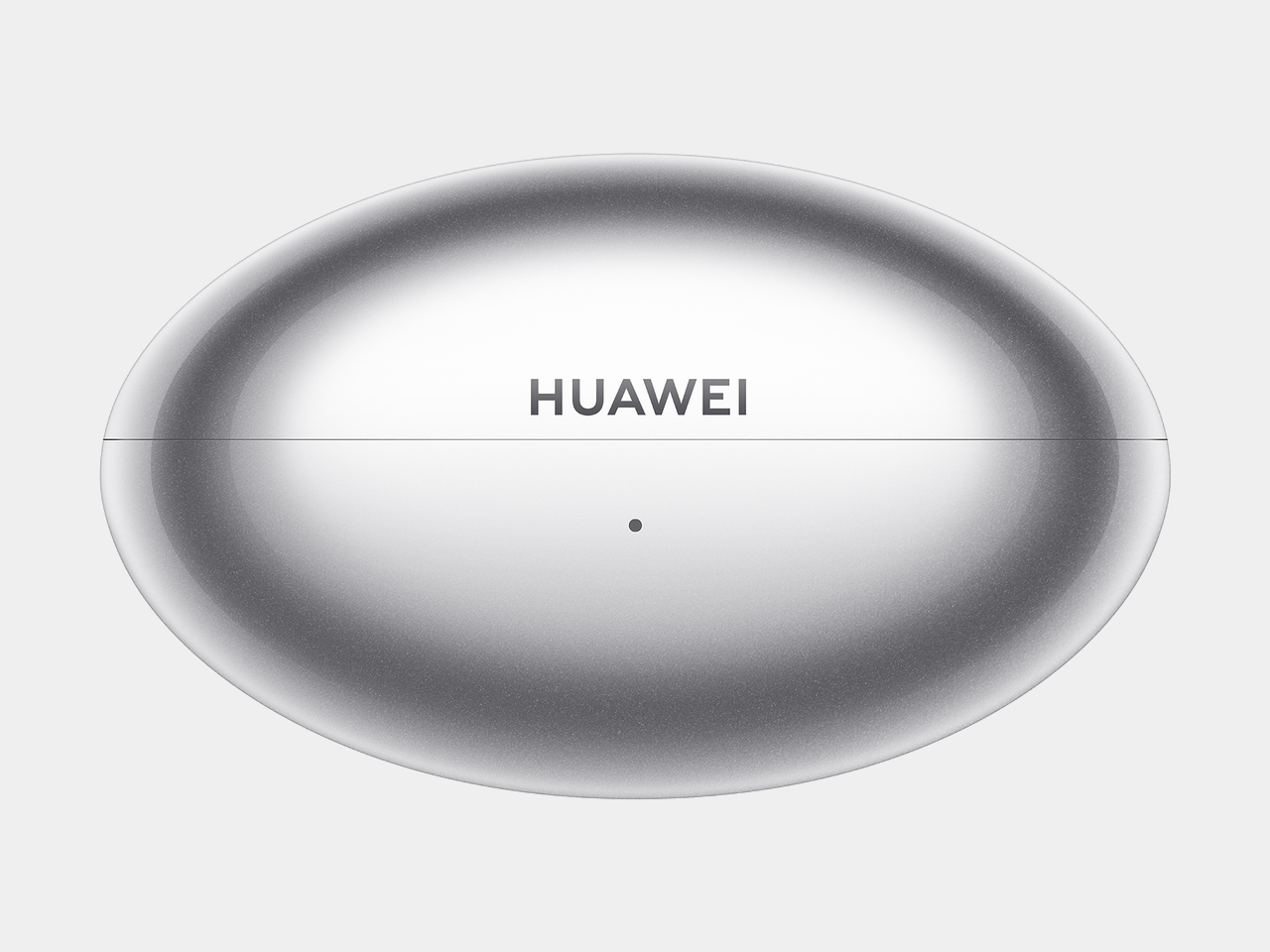
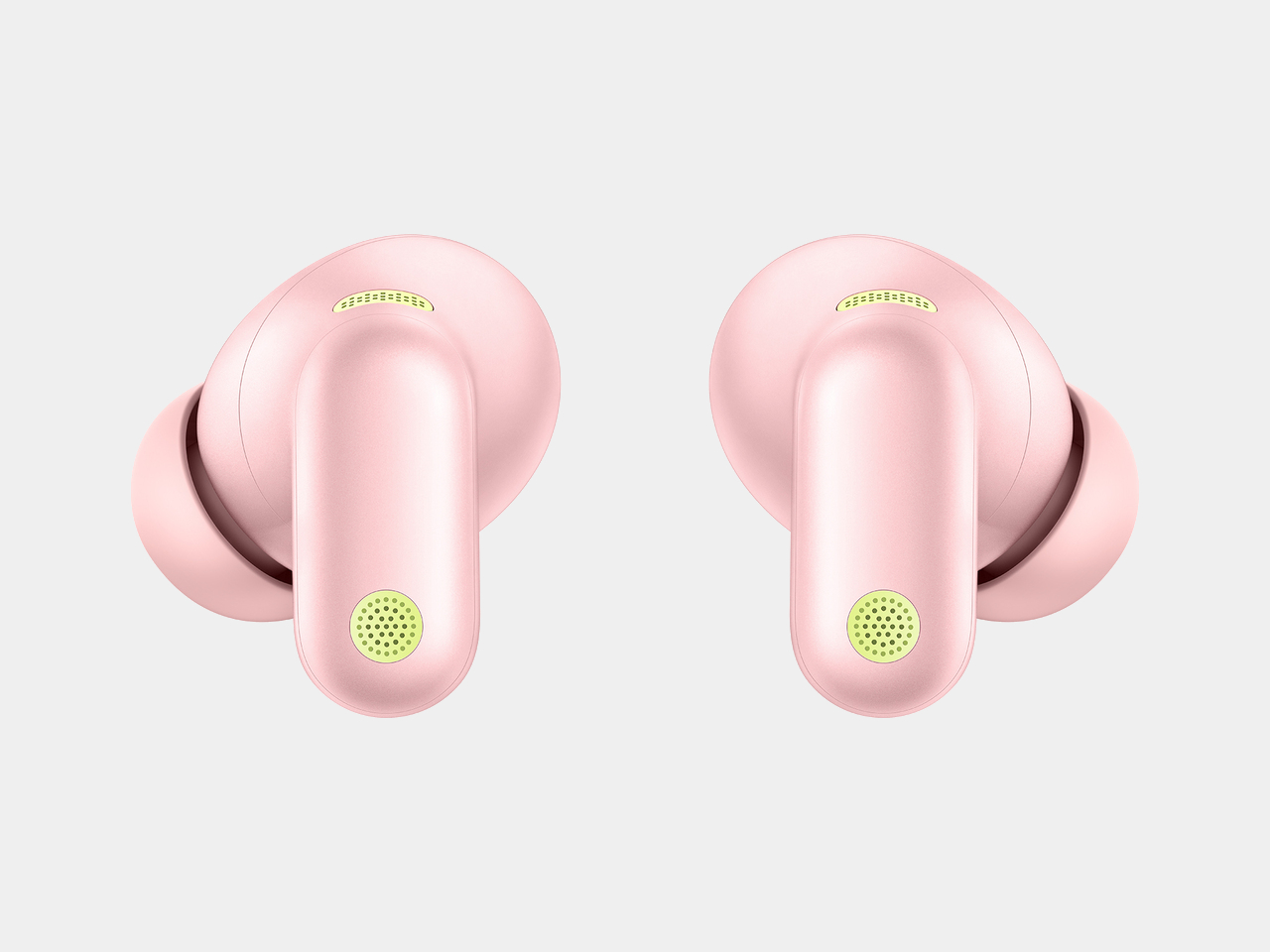
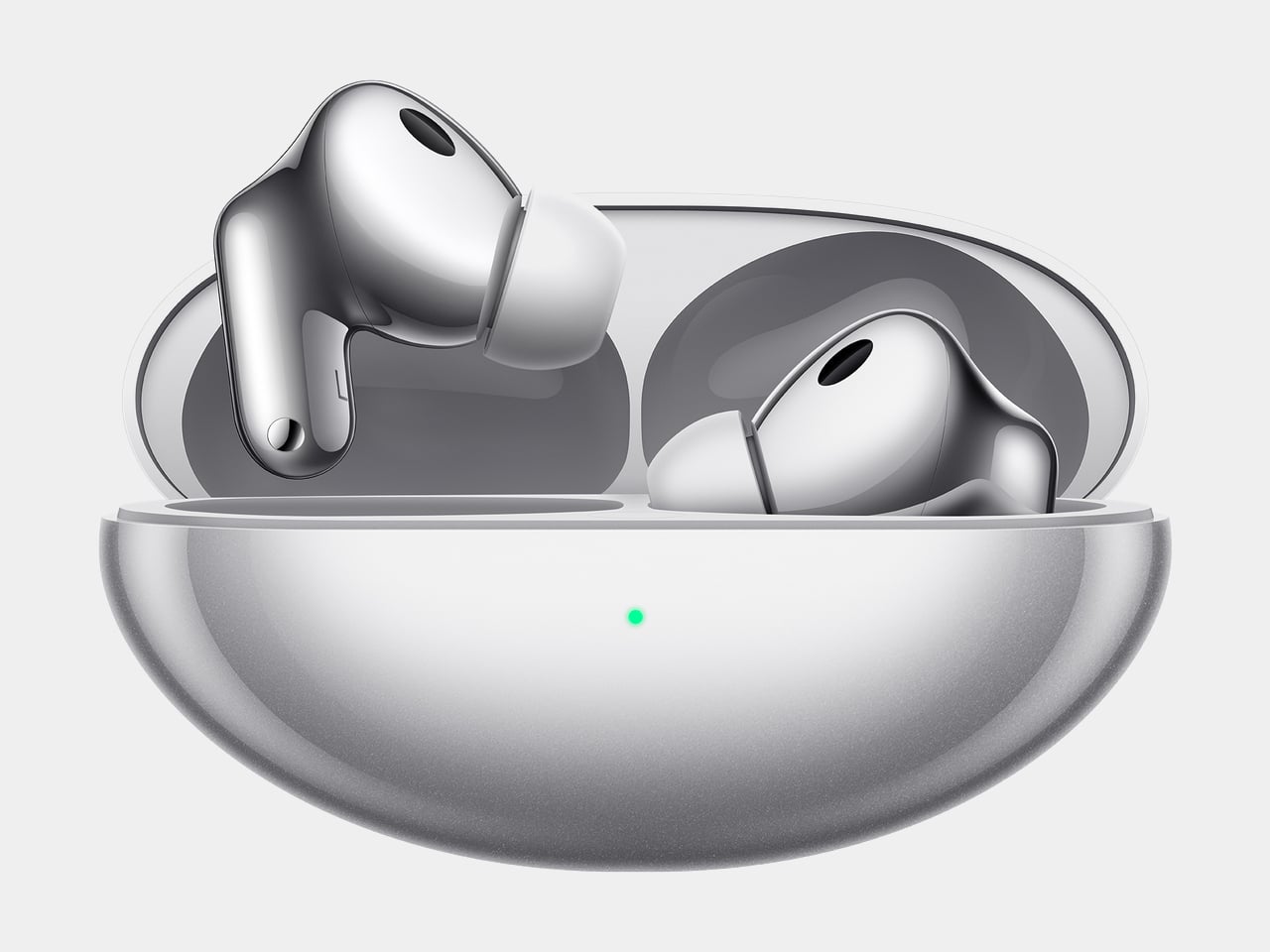
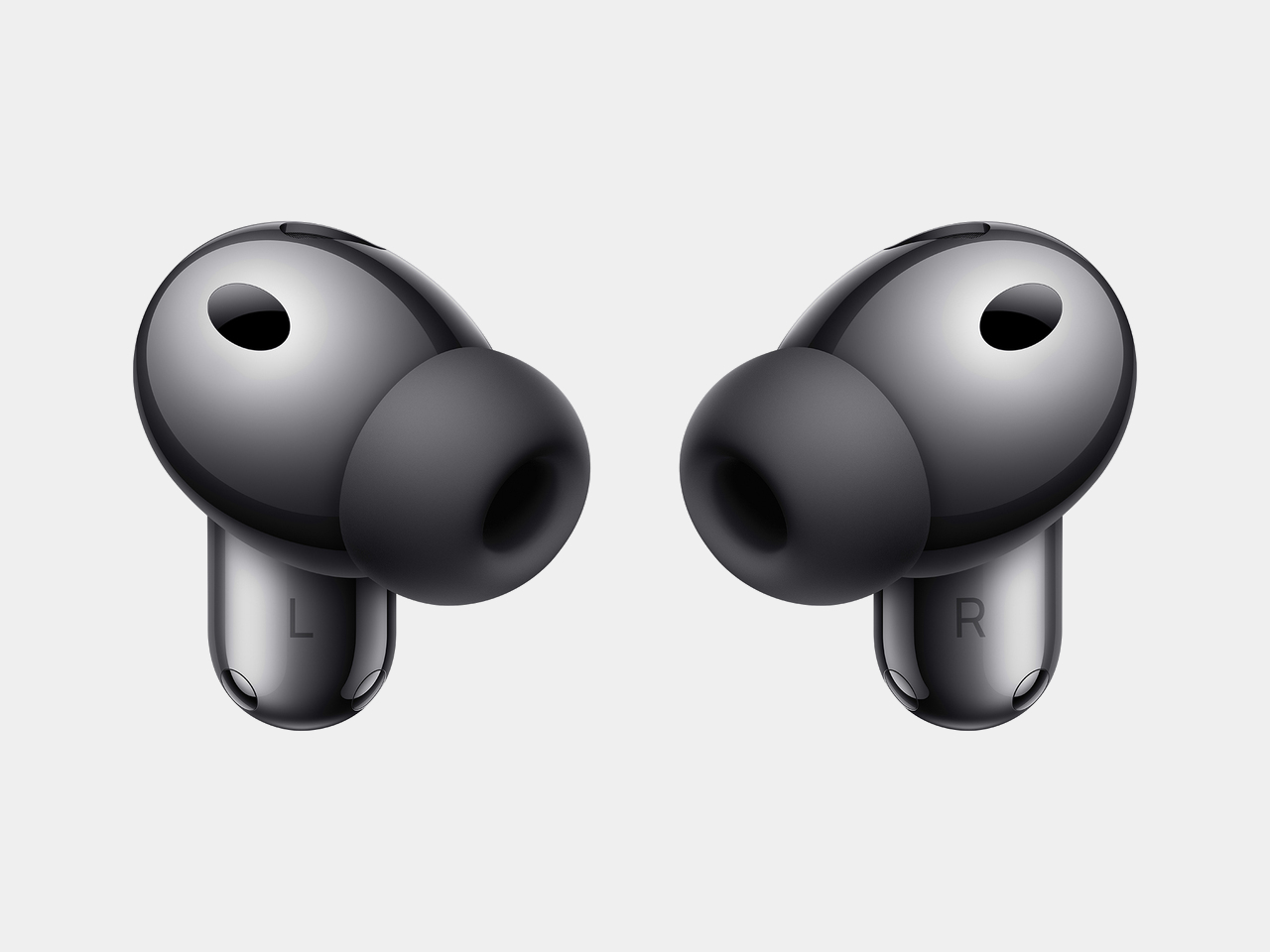
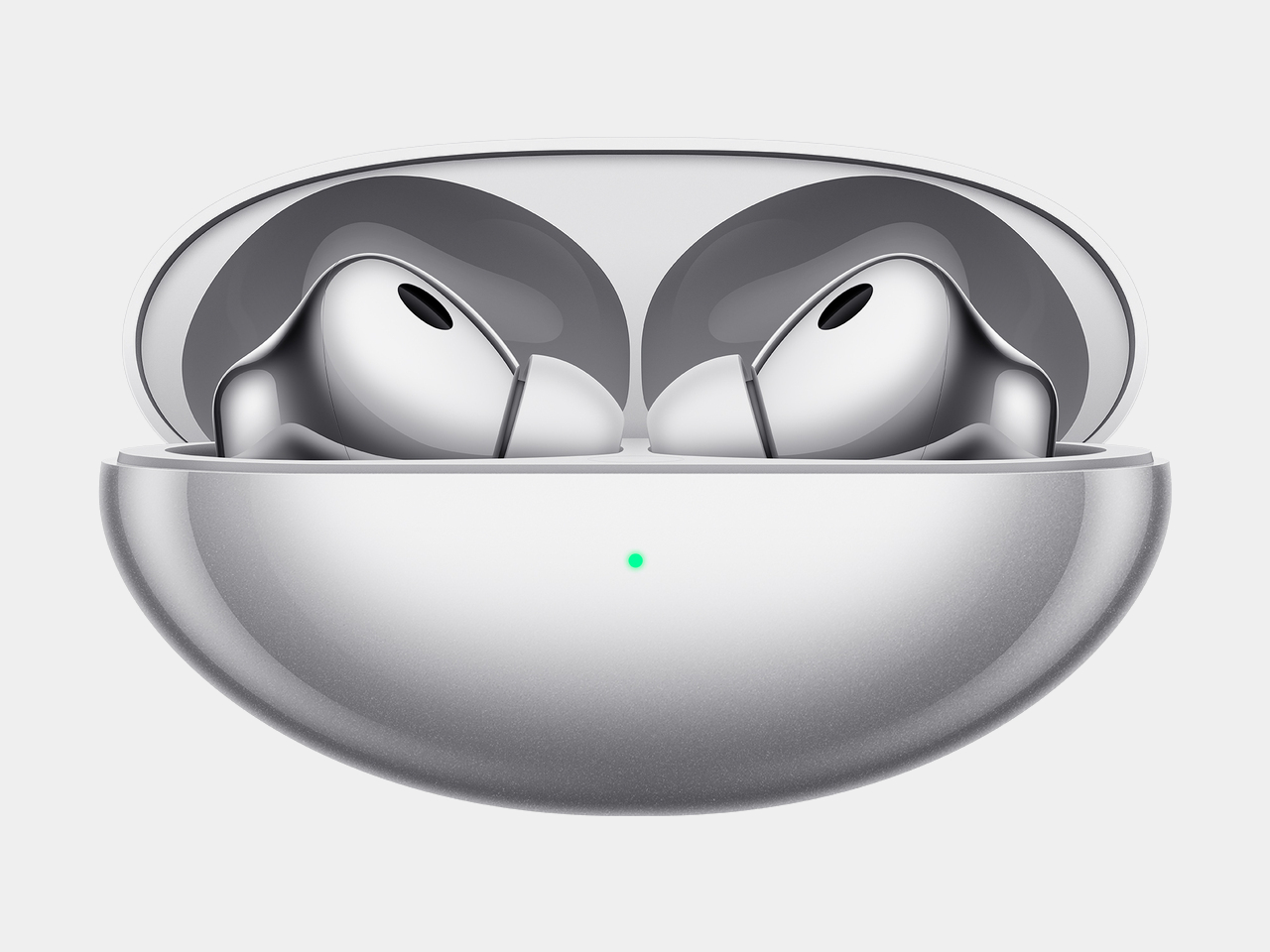
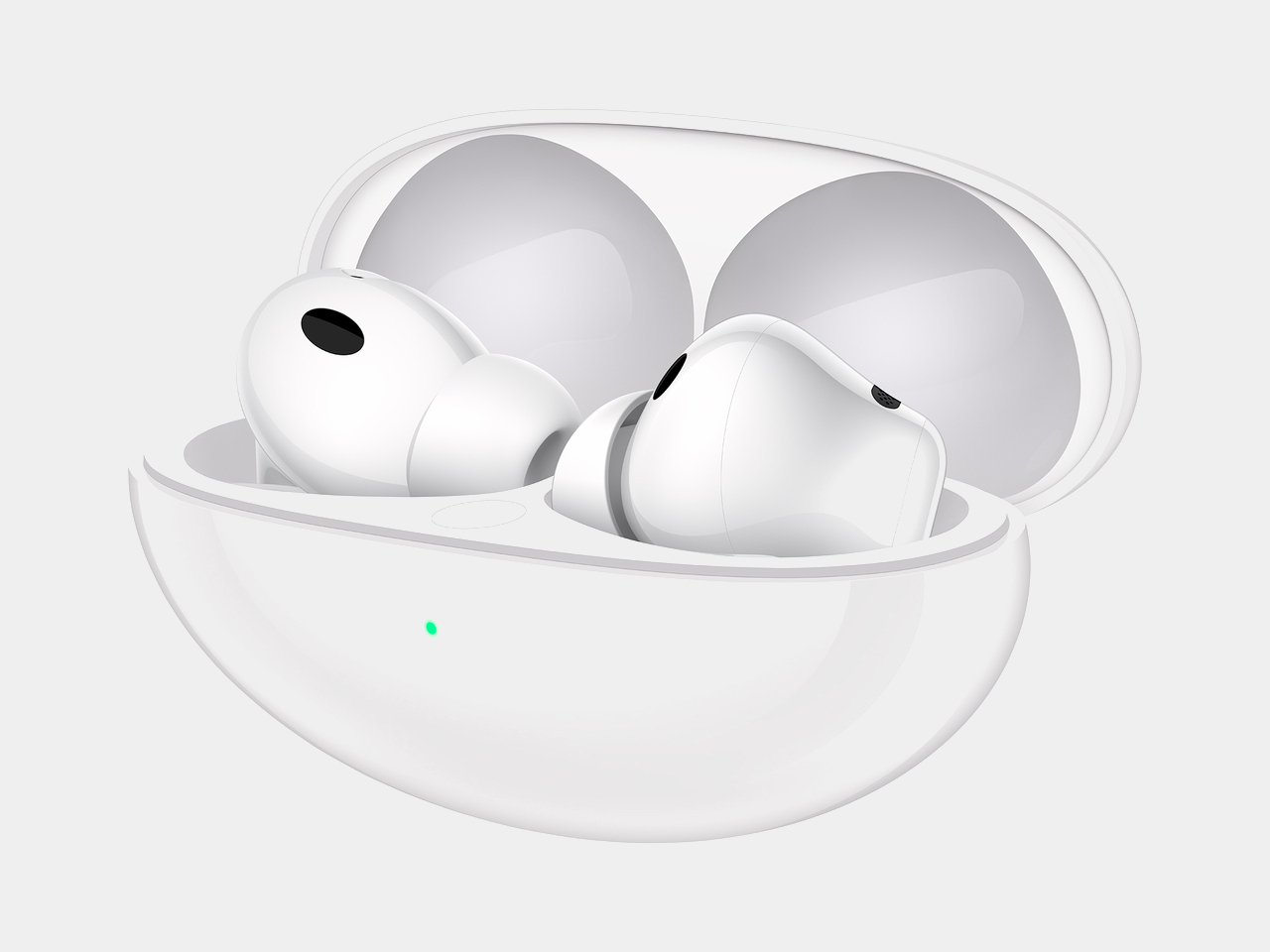
Huawei’s FreeBuds Neo makes a case for restraint, proving a pair of earbuds can shrink in size without shrinking in ambition. Announced globally to launch at IFA 2026, the FreeBuds Neo pairs noise cancellation with a shape built for long days of wear, arriving in four colorways that read more like a fashion accessory than typical tech hardware. It’s a design that treats comfort as a feature worth engineering around, not an afterthought.

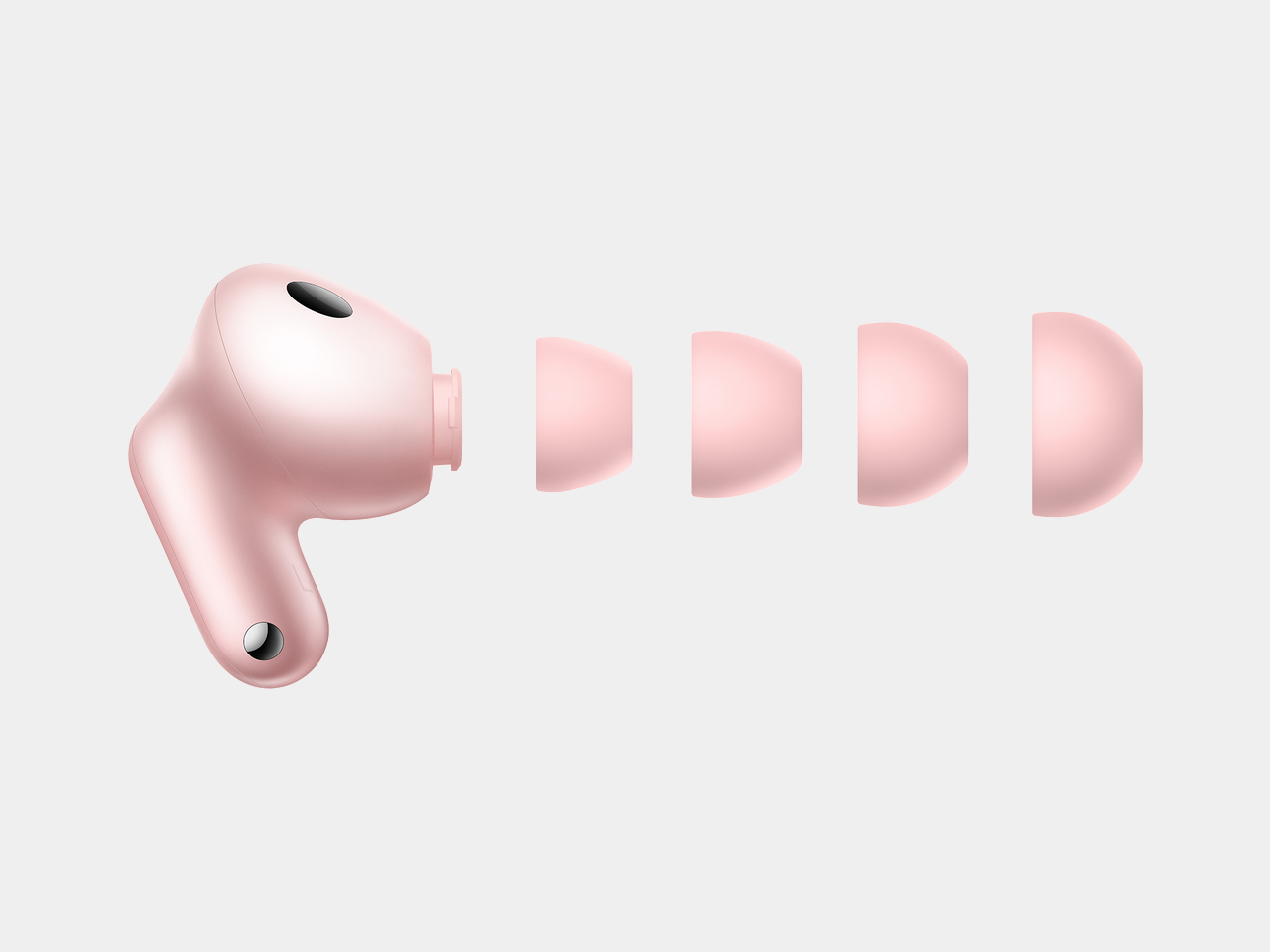
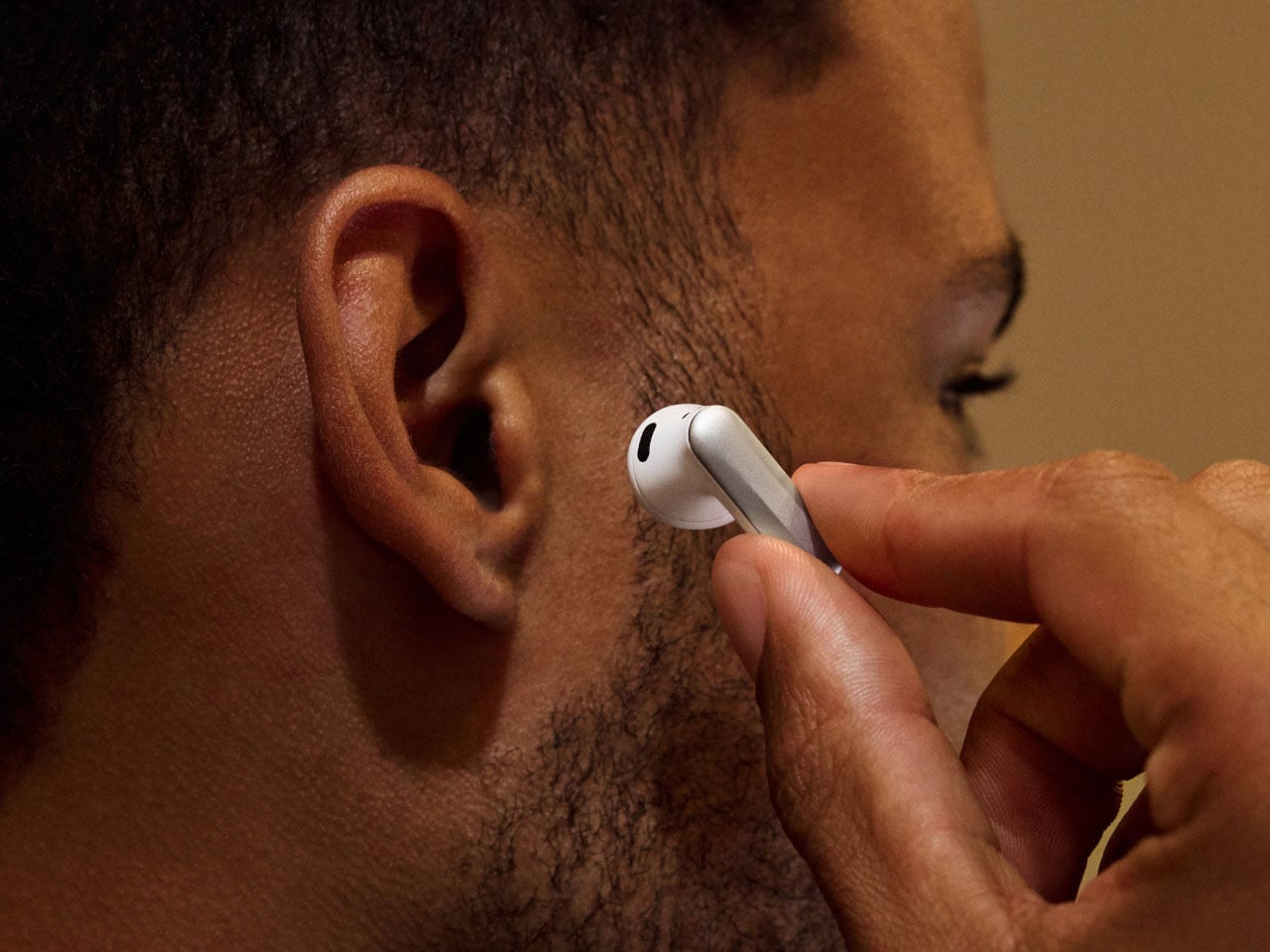
That comfort starts with the numbers. Each earbud weighs only approximately 4.8 g, and Huawei built that lightness around a significant number of real human ear feature data points, delivering an ergonomic, pressure-relieving fit that achieves even pressure distribution for pain-free long-term wear. Simulation tests replicating high-frequency movement led to design tweaks in areas prone to loosening, so the buds stay anchored through workouts, commutes, and everything in between.

Designer: Huawei

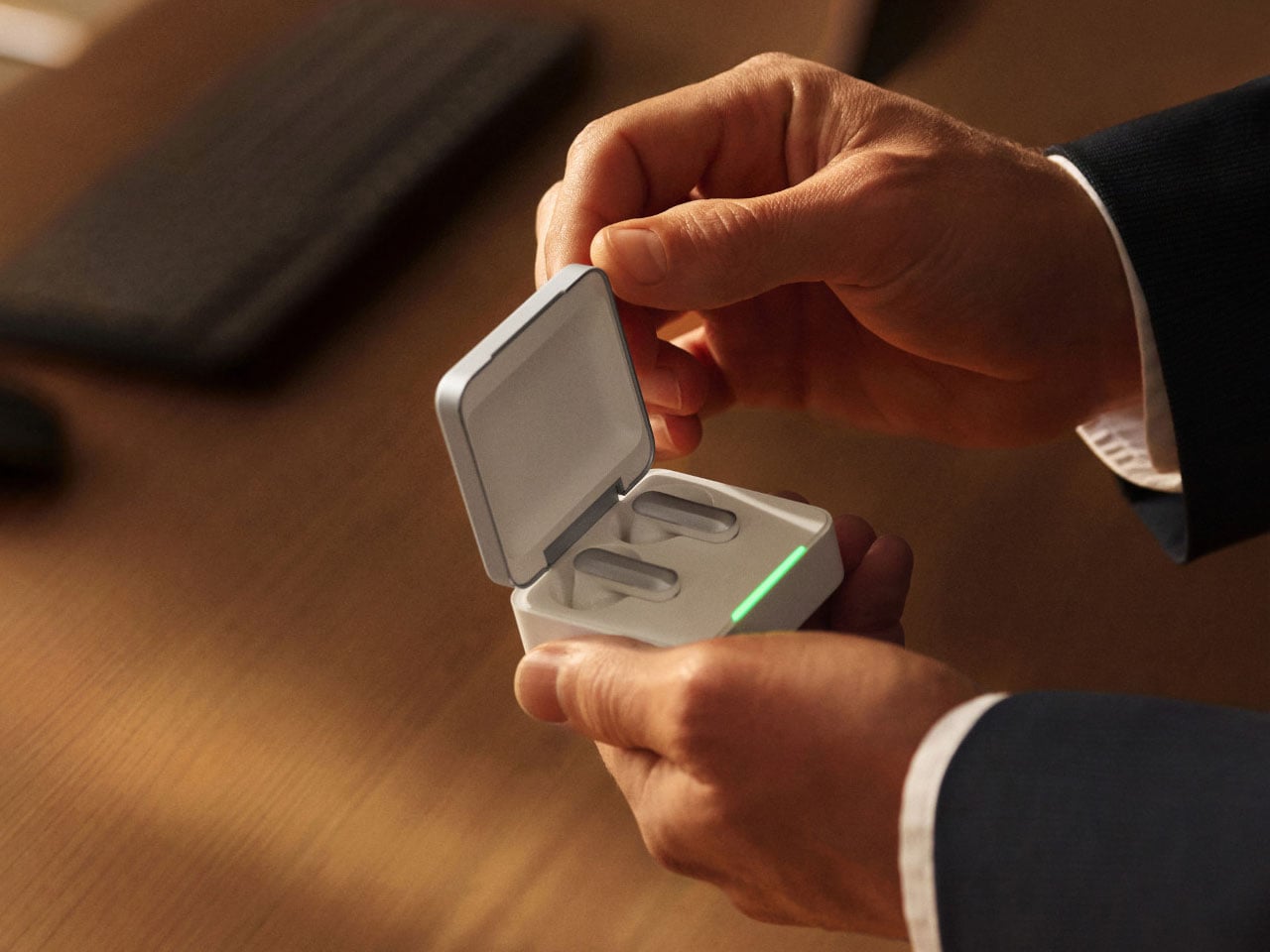
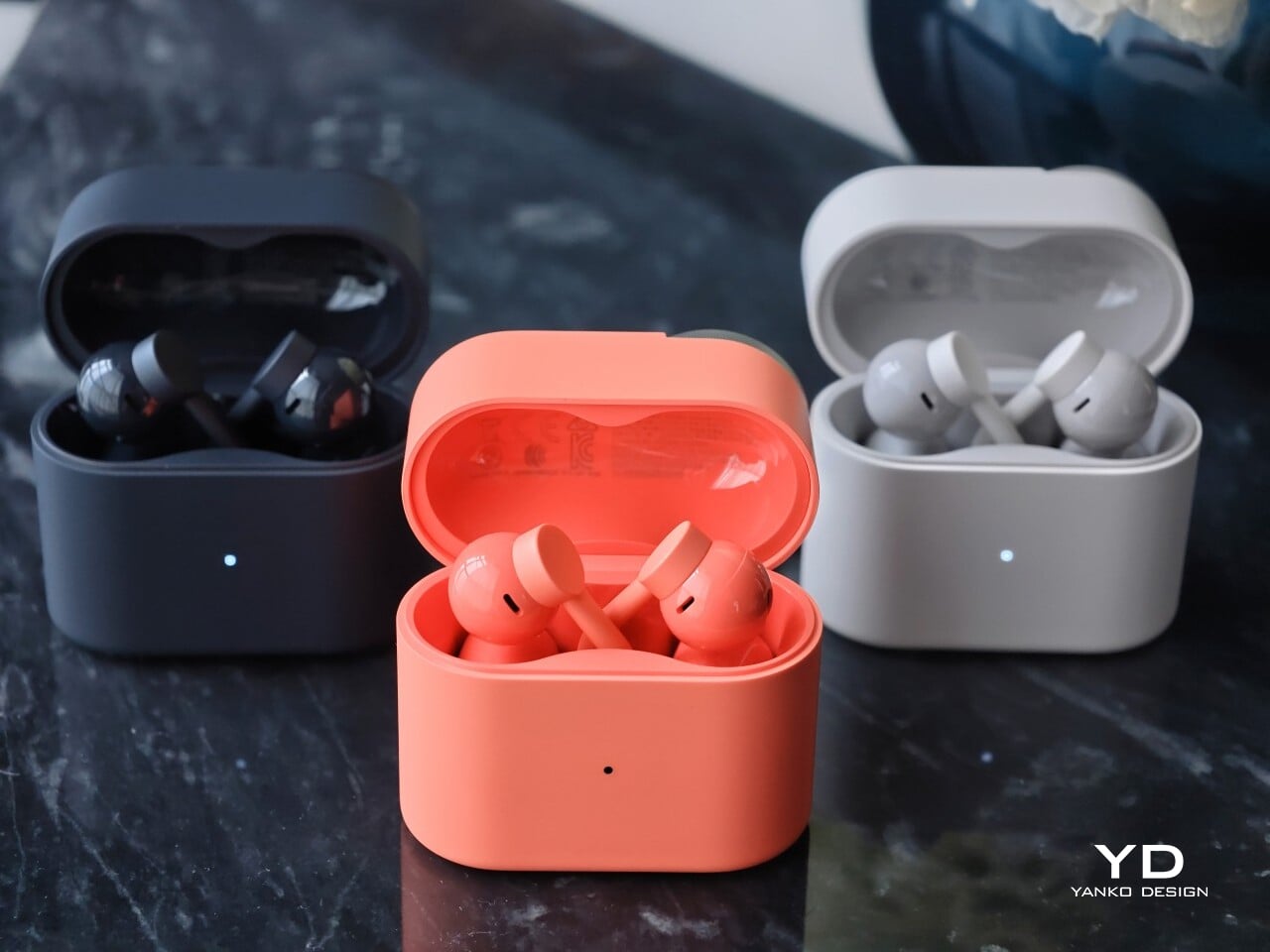
The Mini shuttle case carries that same restraint into its shape, presenting a fully curved form, with a sleek and minimalist silhouette and a lightweight body that slips into a pocket without adding bulk. Four color options, Stellar Silver, Nebula Pink, Ice White, and Starry Black, let the case double as a small style statement rather than a purely functional accessory. The Light Mini Stem carries that philosophy further, conforming to the ear’s contours for a fit that looks as refined as it feels.

Underneath that compact shell, Huawei packs a dual-channel noise cancellation architecture that optimizes sound paths, cutting down medium and high-frequency noise, like wind and ambient chatter, for a full-frequency depth of up to 30dB. A third-gen audio chip handles the heavy lifting, reacting to shifting noise within milliseconds so a subway platform one moment and a quiet office the next don’t require manually adjusting anything.

Sound quality gets its own upgrade courtesy of an all-new Turbo driver unit, stretching frequency response from 10Hz up to 48kHz. That range keeps bass hitting hard on a commute playlist while vocals and instruments stay clear during a podcast or a video call, recreating the texture of a live performance rather than a compressed streaming file. Paired with a Huawei phone, the buds support up to 2.3Mbps of lossless transmission, dropping to a still-respectable 990kbps over LDAC with other devices.

Huawei also built in unlimited spatial audio, using its own algorithms to wrap sound in a 360-degree soundstage regardless of source or device, so a movie watched on a laptop can feel as enveloping as one streamed through a dedicated app. Cross-platform support rounds out that flexibility, breaking down ecosystem barriers to work across Android, iOS, and Windows, with dual-device connections that let someone switch from a work laptop to a phone call without digging through Bluetooth menus.

Pricing lands at £119.99 (around $162) when the FreeBuds Neo arrives in the UK on 23 September 2026, positioning it as a mid-range option against pricier flagship earbuds. Between the lightweight fit, the four-color palette, and noise cancellation tuned for shifting environments, Huawei seems to be betting that people want earbuds that disappear into daily routines rather than demand constant attention.

The post Huawei’s FreeBuds Neo Are Small Enough to Forget, Loud Enough Not To first appeared on Yanko Design.

Plaud One AI Earbuds remember and summarize your conversations so you can focus on the work

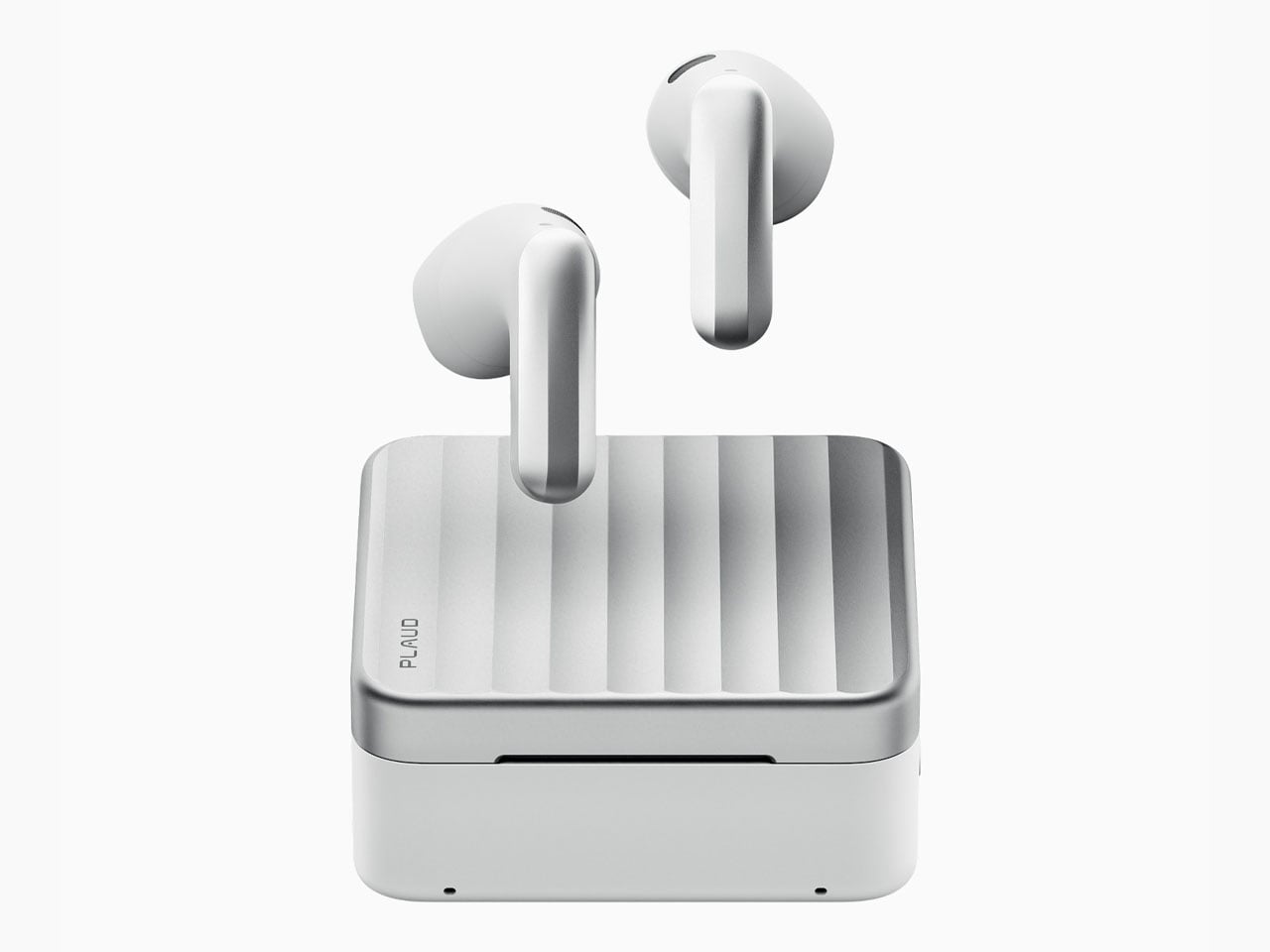
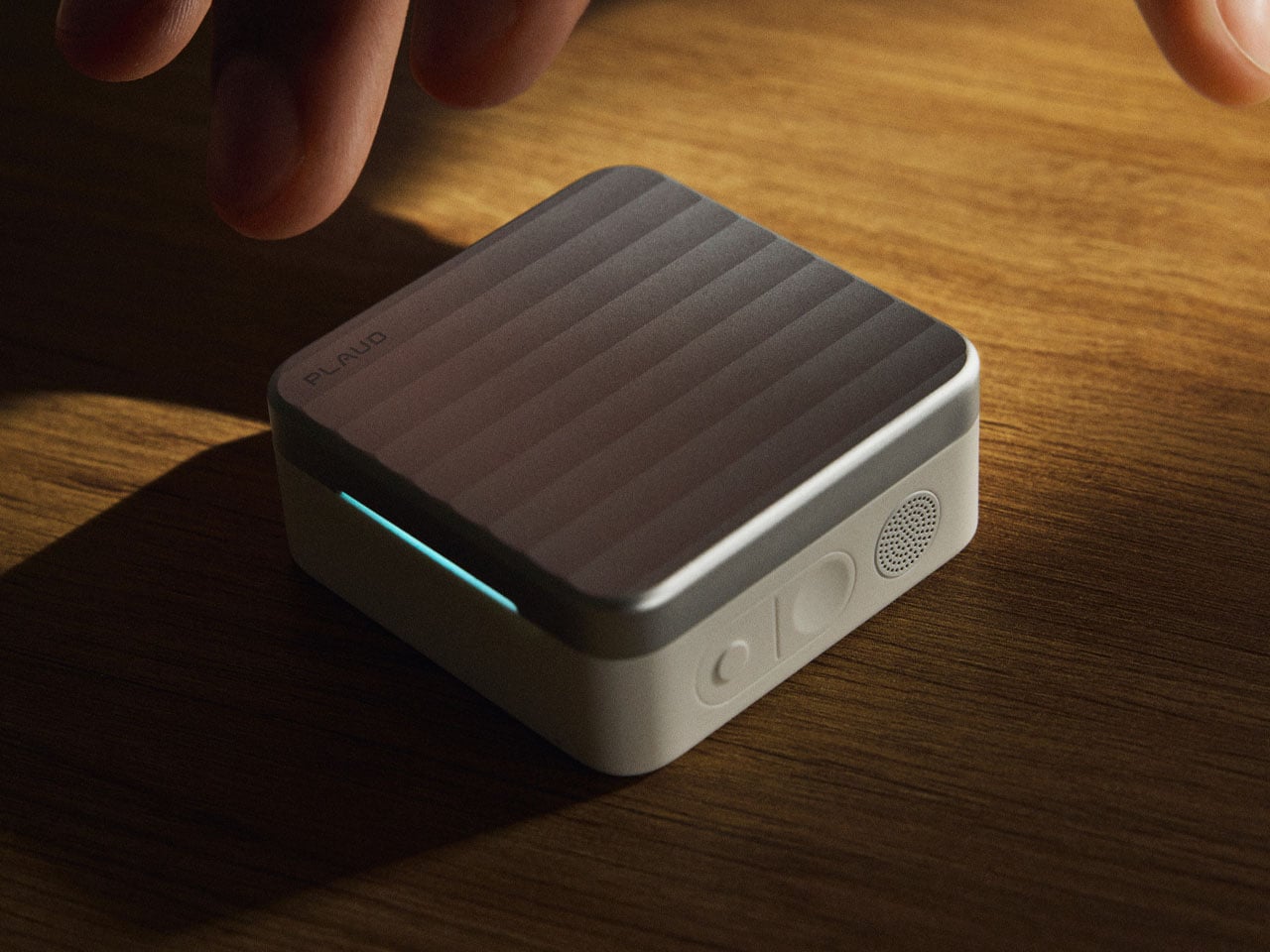
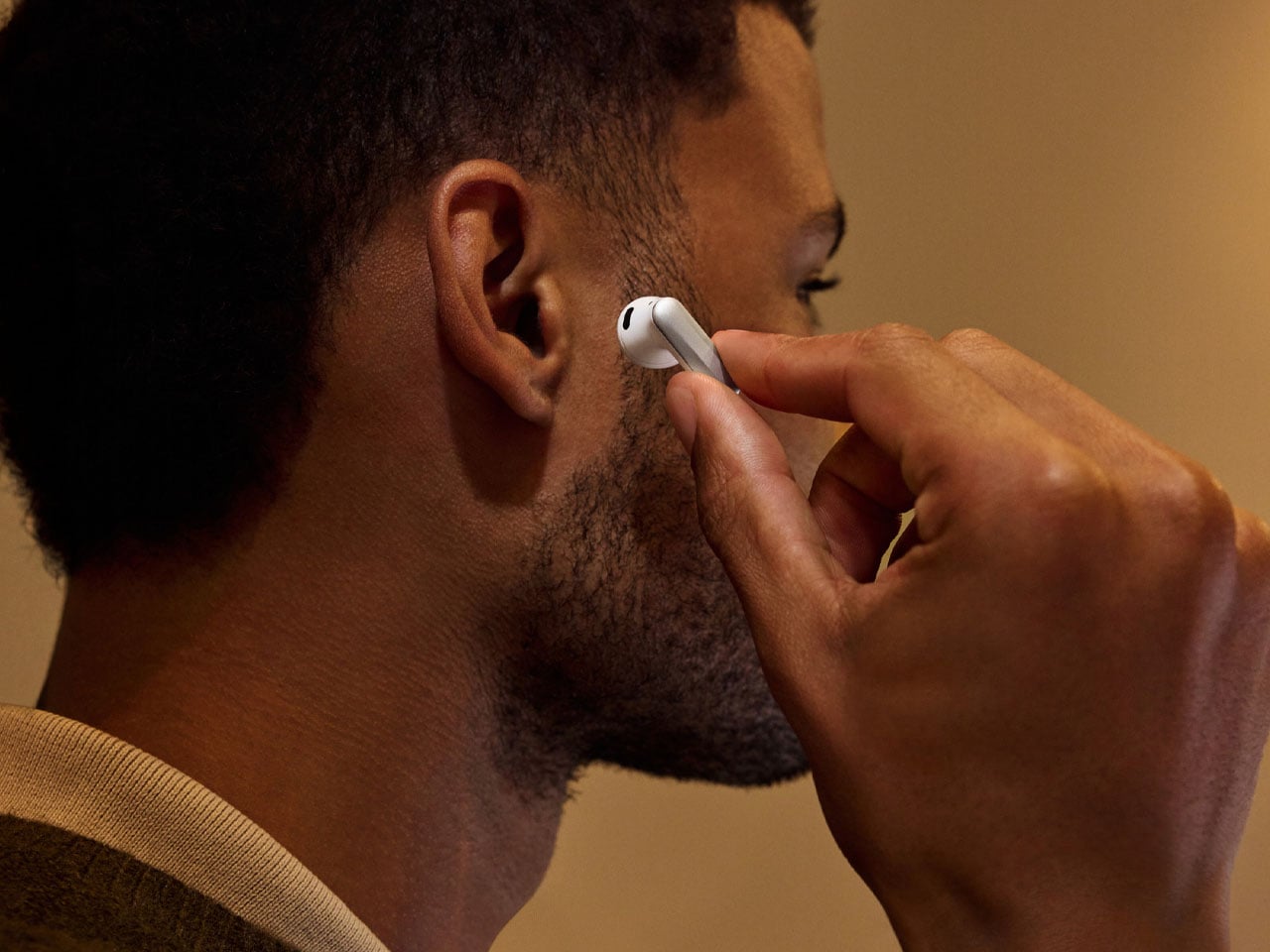
Most wireless earbuds are designed to disappear into the background while you listen to music or take calls. Plaud One is more ambitious compared to your normal buds, as it wants to remember what happens around you and then help turn those conversations into actual work.

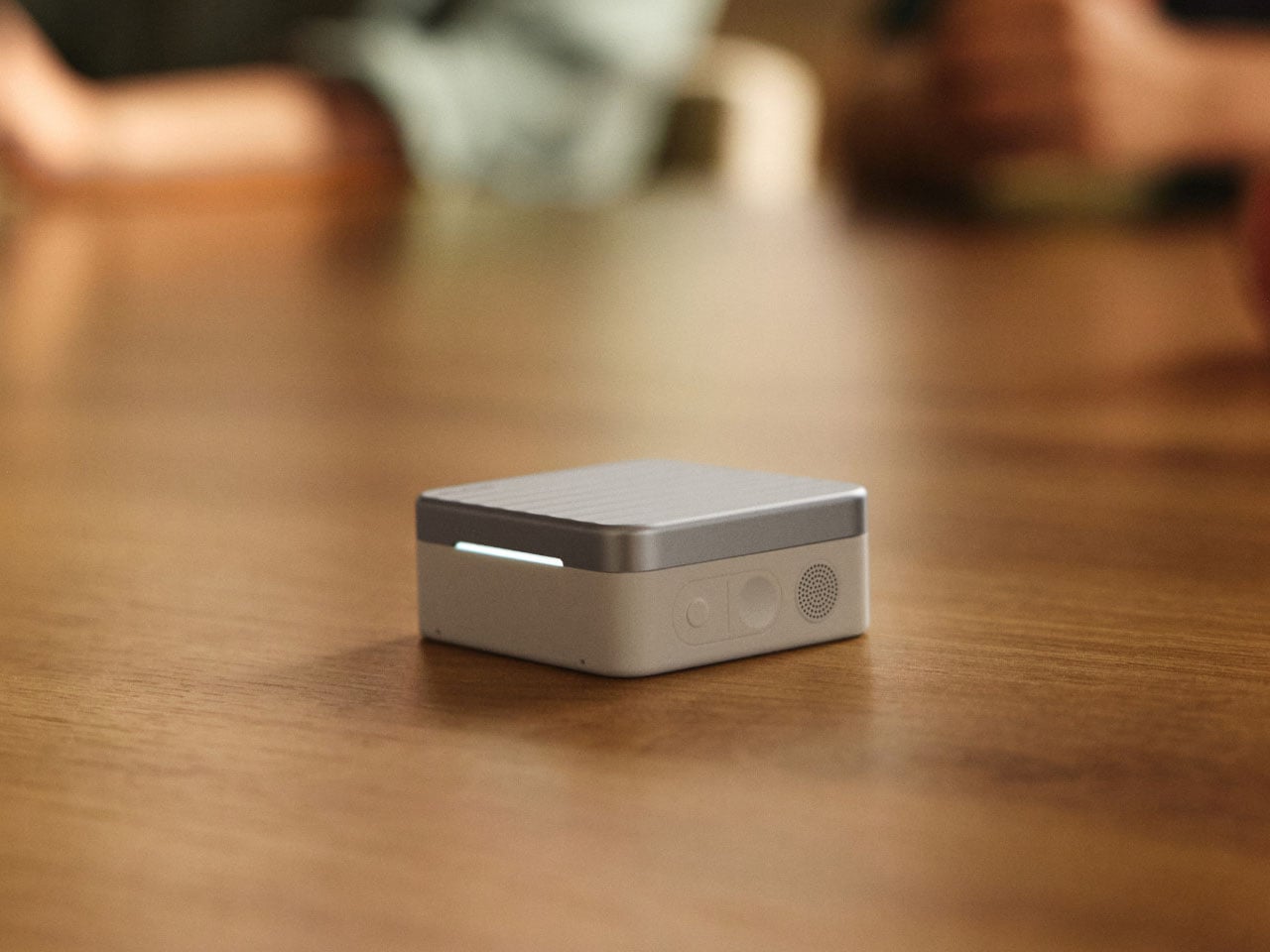
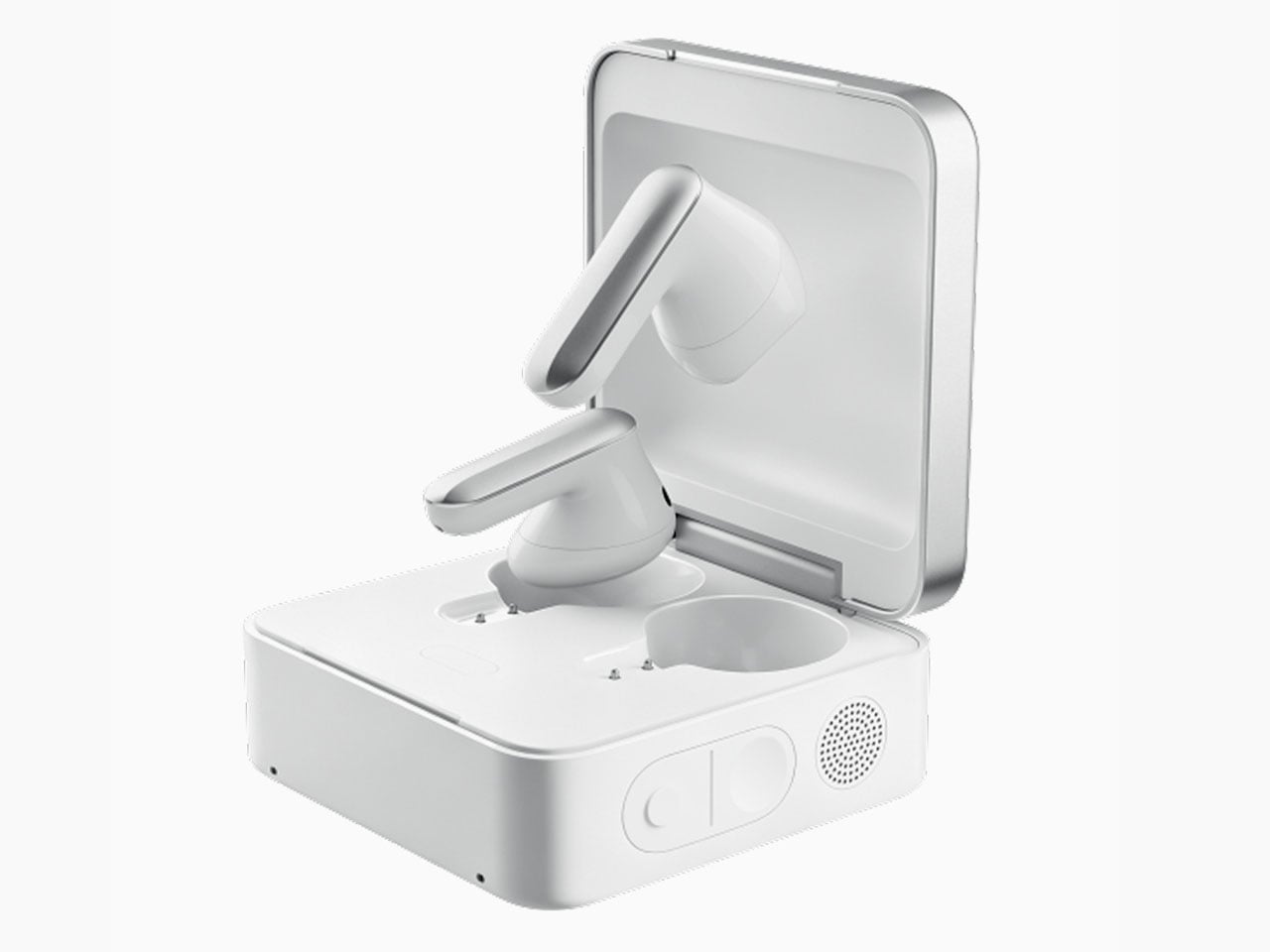
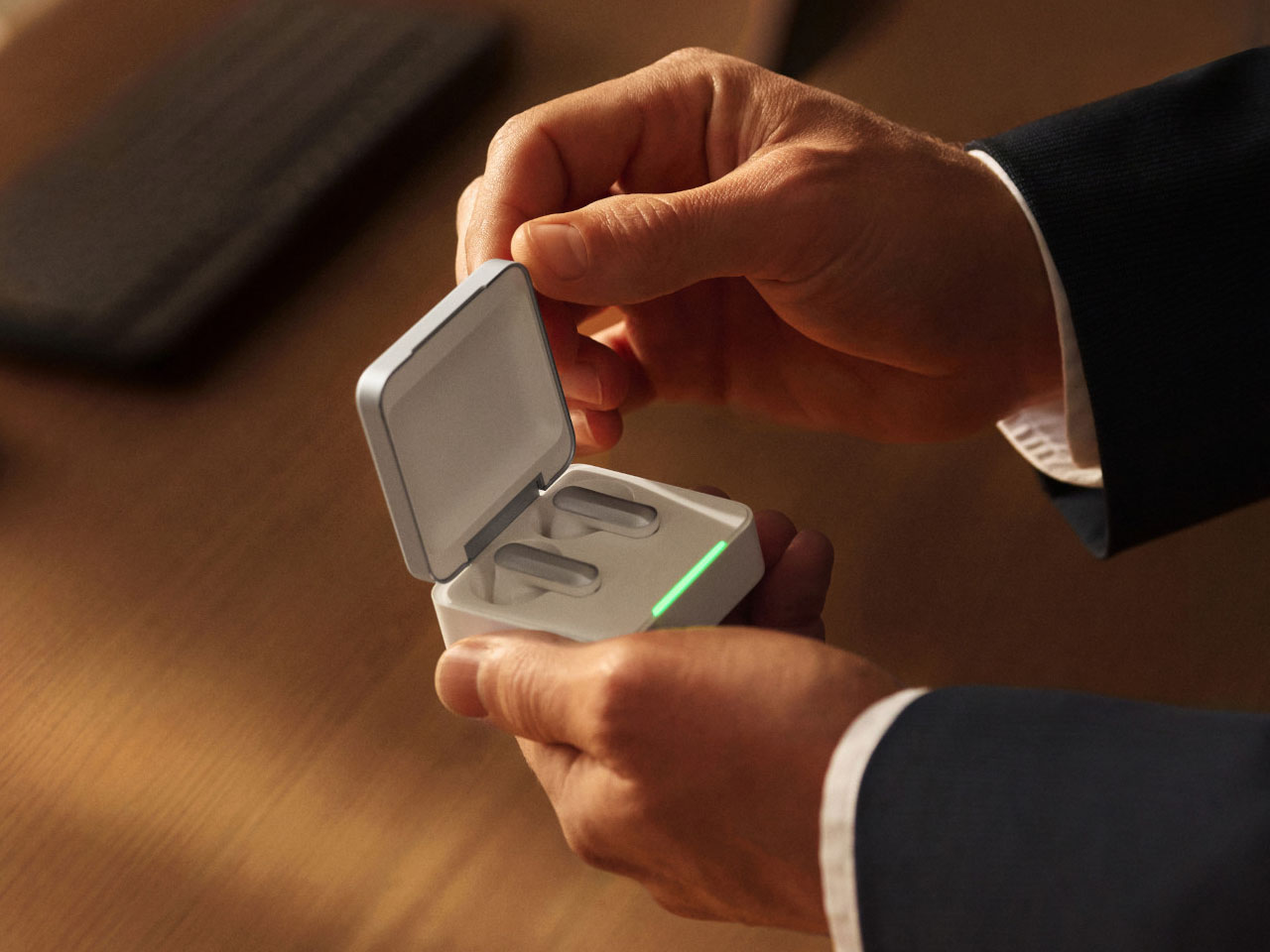
The AI earbuds can record face-to-face conversations, phone calls, or online meetings without needing to stay connected to a smartphone. That is possible because the charging case includes built-in 4G LTE connectivity through an eSIM. Plaud says it has arrangements covering more than 80 countries and regions, allowing the earbuds to upload recordings even when your phone or Wi-Fi connection isn’t nearby.

Designer: Plaud

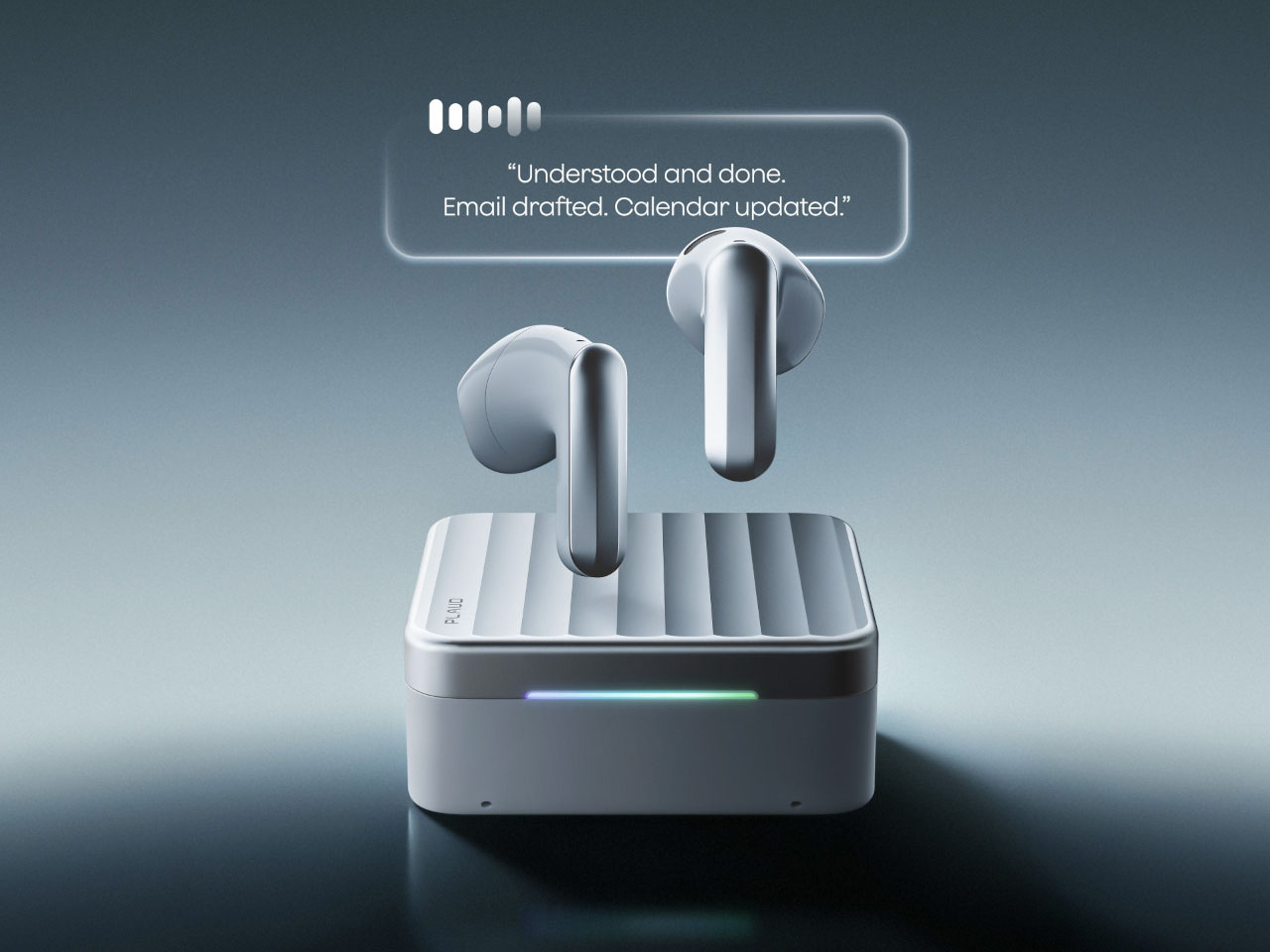
Recording isn’t limited to the earbuds, either. The case has its own microphones, allowing it to work as a standalone recorder when placed on a meeting table. Users can start recording from the earbuds, the case, or the app, while a recording indicator on the case provides a visible cue that audio is being captured. The earbuds can also natively capture audio from video-calling services such as Google Meet and Zoom. Once a conversation has been captured, Plaud’s software can transcribe it, summarize the discussion, and identify useful information. The more interesting step is what happens next. Plaud Agent is designed to use that conversational context to prepare follow-up work, such as an email, report, document or presentation.

It can connect with services including Gmail, Google Calendar, Notion and Slack, potentially allowing a meeting to produce something useful before you even return to your desk. That makes Plaud One different from an AI recorder that simply leaves you with a transcript to sort through later. The company is positioning the wearable as an AI system that can remember information across conversations and use that context to help automate workflows. You can also interact with the assistant using a voice command or the dedicated button on the case.

There is still a conventional pair of wireless earbuds underneath all this. Plaud One uses Bluetooth 5.4 with multipoint connectivity, supports SBC and LDAC codecs, and includes active noise cancellation rated for up to 40dB of reduction. The earbuds are IP54-rated for dust and splash resistance. Battery life is rated at up to six hours for music playback with ANC off, while the case adds up to 36 hours of additional listening time. Storage is built into the system as well, with 16MB in each earbud and another 512MB in the case. Plaud says the case can hold up to 30 hours of recordings. Recording endurance from the earbuds varies depending on the use, with up to six hours for in-person recording and around three hours for calls and podcasts.

The $250 Explorer Edition comes with $200 worth of Plaud Credits for its agentic AI features, but that allowance is not unlimited. Heavier transcription and AI use can require paid plans or additional credits, making the ongoing cost an important part of the product’s proposition.

The post Plaud One AI Earbuds remember and summarize your conversations so you can focus on the work first appeared on Yanko Design.

CMF Clip Pro Review: More Than Just a Pretty Case

PROS:


  • Excellent physical controls

  • Distinctive case design

  • Comfortable open-ear fit

  • Balanced, clean sound

  • Polished Nothing X app

CONS:


  • Limited base weight

  • Price feels a little high by CMF standards

RATINGS:

AESTHETICS
ERGONOMICS
PERFORMANCE
SUSTAINABILITY / REPAIRABILITY
VALUE FOR MONEY

EDITOR'S QUOTE:

With smart physical controls, a comfortable fit, and more personality than most rivals, the CMF Clip Pro proves open-ear earbuds do not have to feel purely functional.

Open-ear earbuds used to feel like a niche product made for a very specific kind of listener. They were mostly aimed at runners, cyclists, and anyone who wanted to stay aware of their surroundings, and the category was long dominated by a small group of specialist brands. For years, that made open-ear audio feel practical rather than desirable, more about function than style.

That is no longer the case. Open-ear earbuds have quickly become one of the busiest segments in personal audio, with mainstream brands now entering the space and giving the format broader appeal. CMF, Nothing’s budget-focused sub-brand, is the latest to join them with the CMF Clip Pro. As you might expect, it leans heavily on design and distinctive hardware touches to stand out, including physical controls that give it more character than most rivals. On paper, it already feels more interesting than the average pair of open-ear earbuds. The real question is whether that personality translates into a product worth buying.

Designer: CMF (Nothing)

Aesthetics

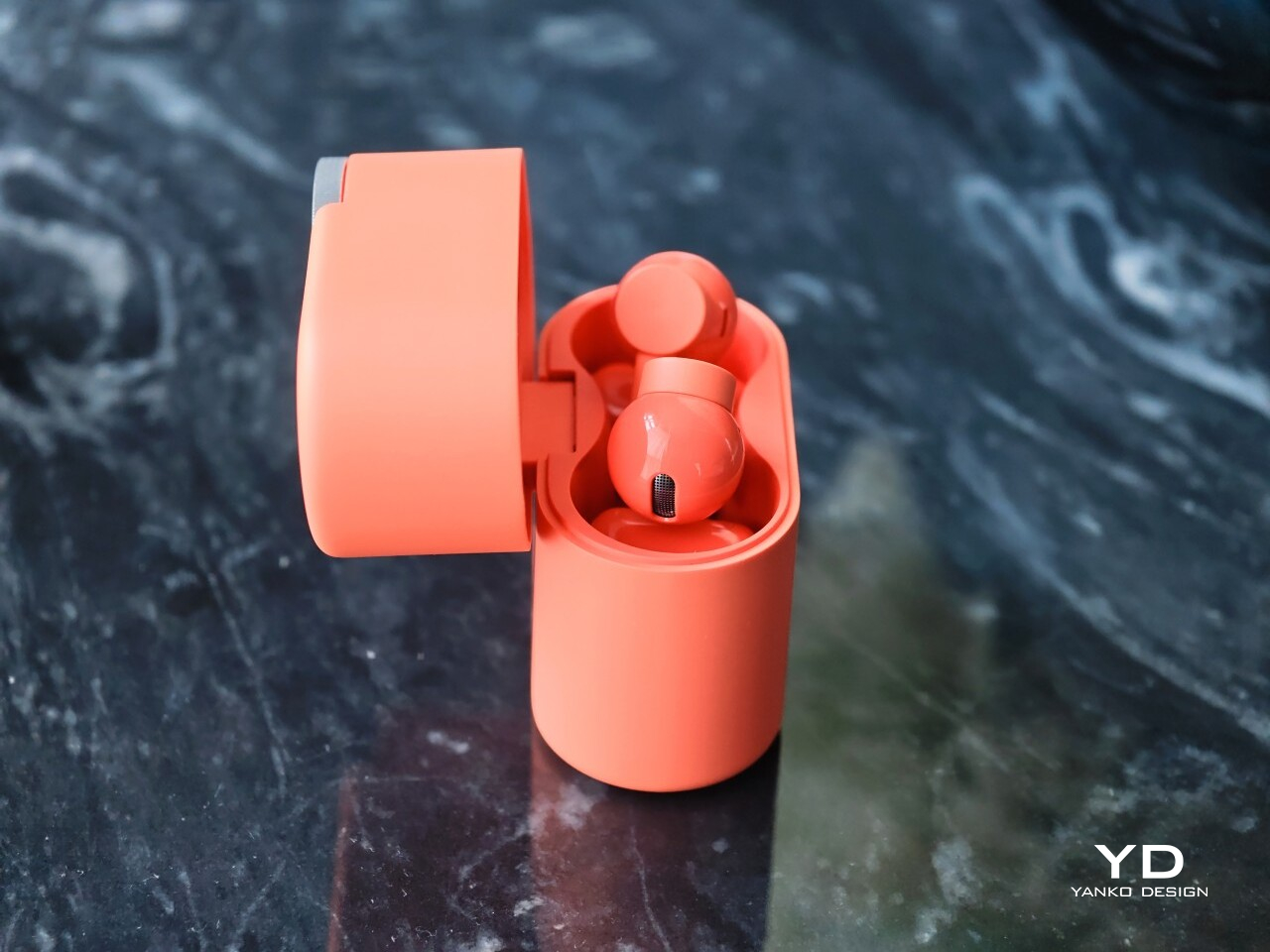
CMF Clip Pro is a good reminder that an earbud case can matter just as much as the earbuds themselves. Here, the case is not just packaging. It is a big part of the product’s identity, and one of the first things that makes the Clip Pro stand out.
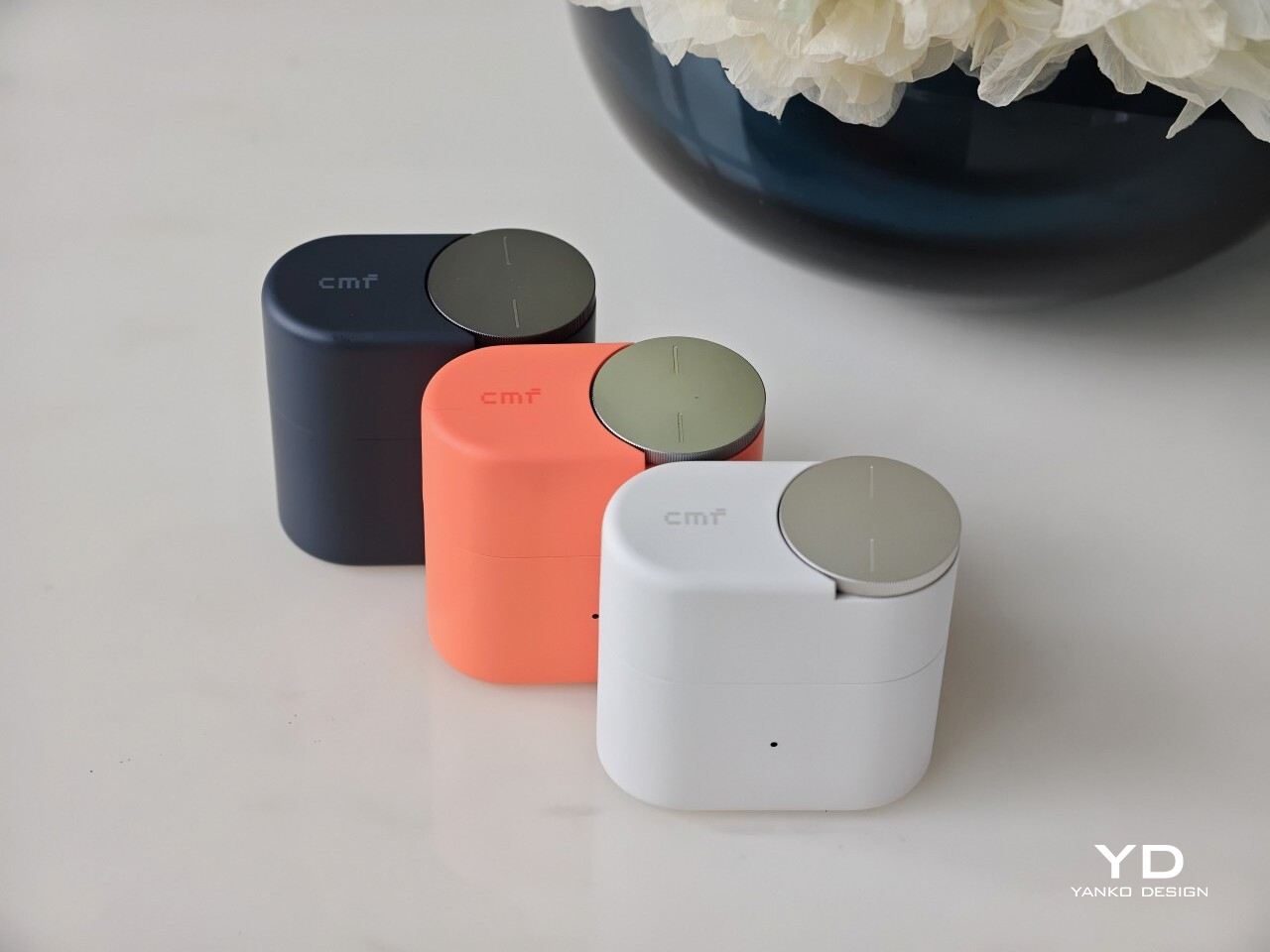
The shape is essentially a rounded rectangular pod. It is slightly chunky, but softly contoured, with curved corners, a matte finish, and a subtle rubber-like texture that feels warmer than the glossy plastic shells most earbuds still use. It also stands apart from the usual pebble-like cases, which gives it a more distinctive silhouette in the hand.

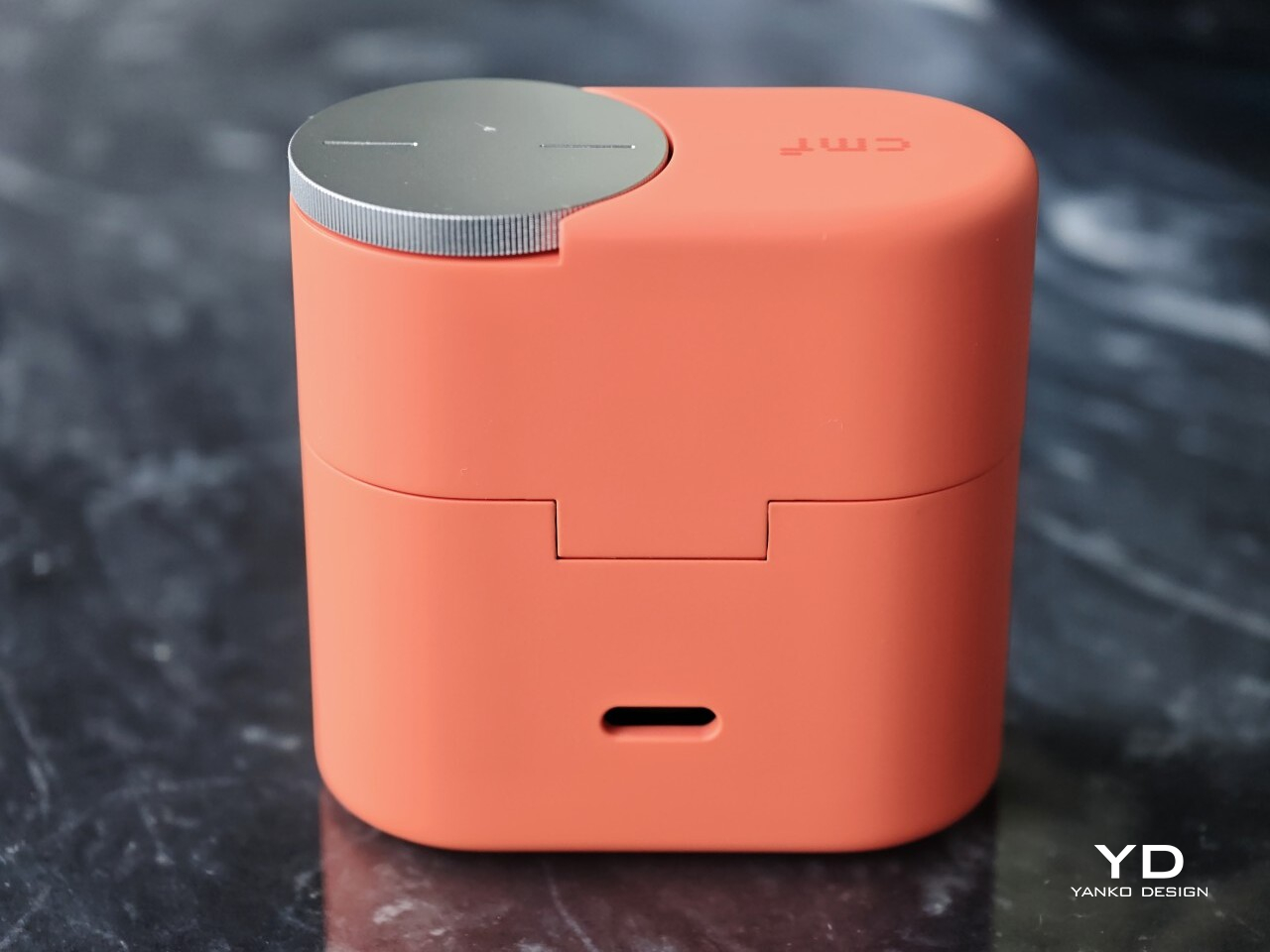
The detail that defines the whole design is the oversized circular dial at the top right corner, called Smart Dial. It immediately gives the case a focal point, but it also earns that space by being functional. The metallic finish, ridged edge, and two line markings give it a sharper, more engineered feel, which contrasts nicely with the softer body of the case.

The rest of the design is restrained. There is only a small CMF logo on top, with the status LED and USB-C port kept discreetly out of the way. That minimalism works in the case’s favor, because it lets the shape and the dial do most of the talking.
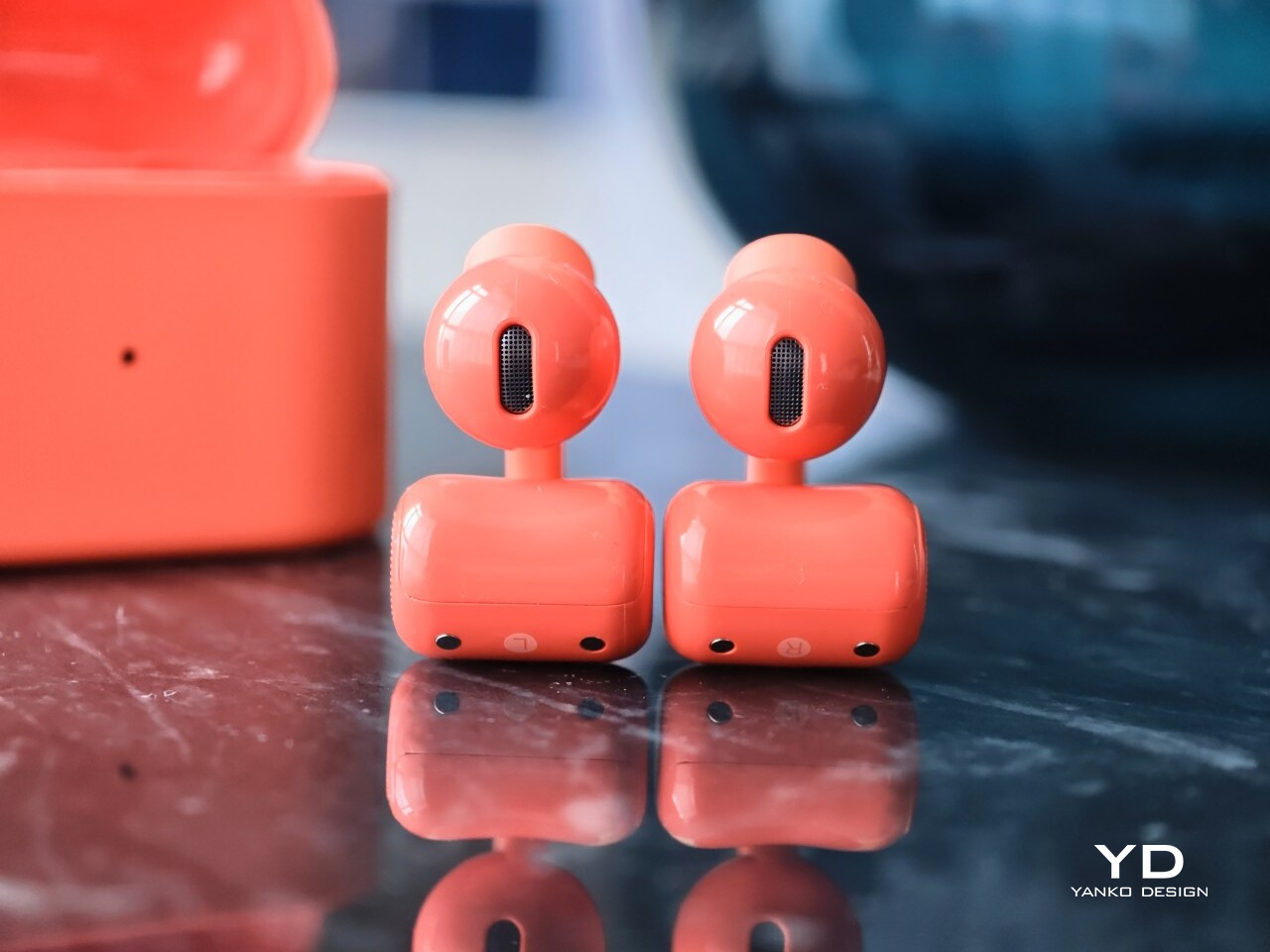
The color options reinforce that identity. Light Gray and Dark Gray are the safer choices, but Coral is the one that feels most like CMF. It is brighter, more playful, and better suited to a product that clearly wants to stand apart. Most importantly, the case feels designed with intent rather than treated as an afterthought, and that alone gives the Clip Pro an edge.

Ergonomics

The Smart Dial on the case is one of those details that immediately makes the product feel more thoughtful in hand. Each turn delivers crisp, clicky feedback, and pressing the dial has a satisfying weight to it. It feels tactile and deliberate rather than decorative, which makes everyday use that bit more enjoyable.
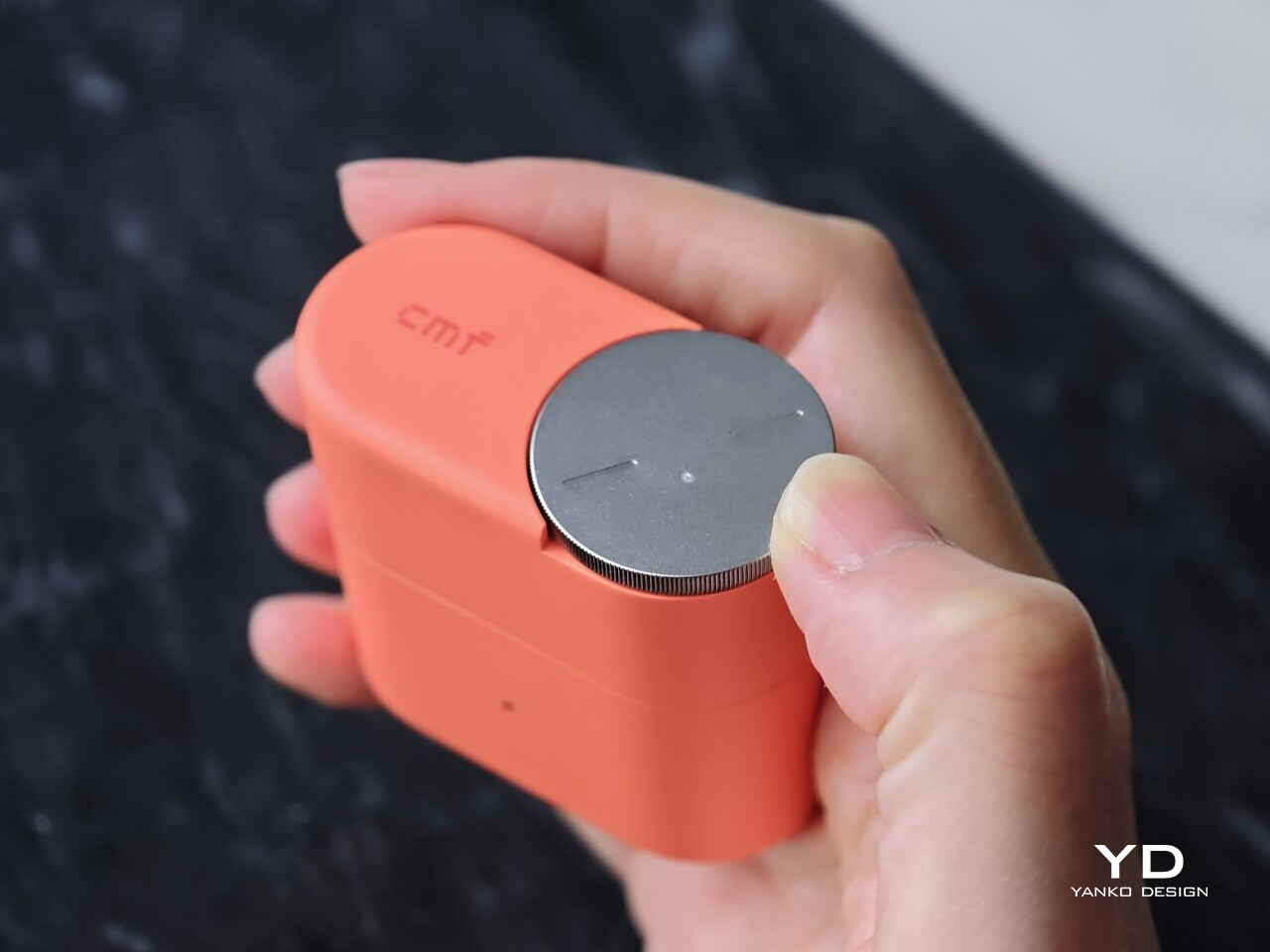
The case has a matte texture that feels soft in the hand, while the earbuds are mostly glossy. At around 52.1 x 26.7 x 51.0mm and roughly 38.8g, the case stays compact and easy to carry. I also like that it can stand upright on a surface, which is a small but practical advantage over the usual round, pebble-like earbud cases. Each earbud weighs just under 6g, and that lightness helps with long-term comfort.

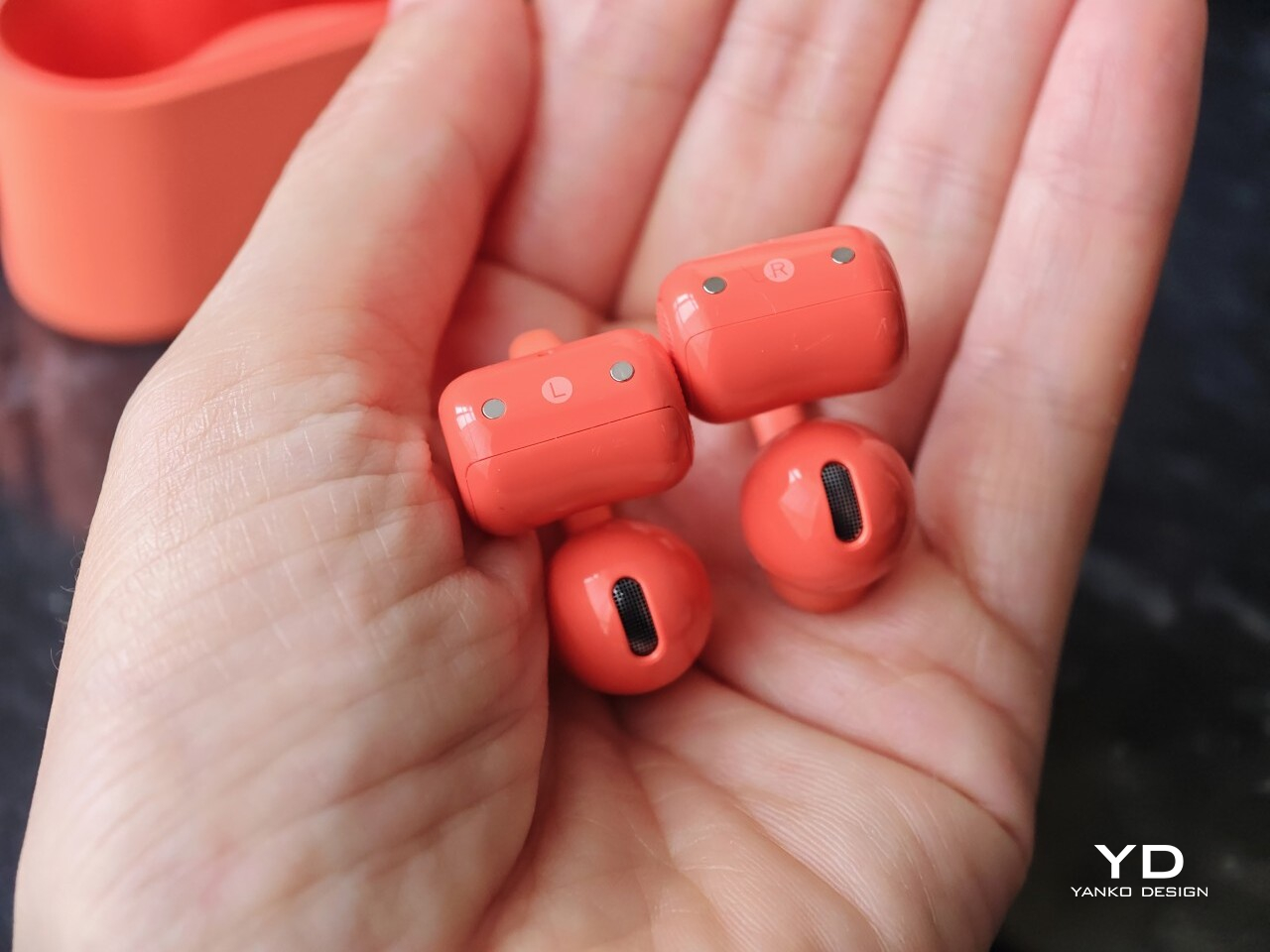
The Clip Pro is easy to wear for hours without feeling pinchy or awkward. CMF has also built physical buttons into the rear section of each earbud, where they are easy to reach without much adjustment. The earbuds do not interfere with glasses either, which is a nice touch. They can clash slightly with earcuffs depending on their position, but in my experience that is only a minor issue.

There is still a small ergonomic quirk with the charging case. Putting the earbuds back can be a little confusing at first because the left and right sides are not interchangeable. The rear section needs to sit at the bottom with the C-bridge facing inward, and until that becomes second nature, the process feels slightly less intuitive than it should.

Performance

Sound quality is always the challenge with open-ear earbuds because the format comes with clear limits. Without a seal inside the ear canal, you do not get the same bass weight, isolation, or intimacy as you would from a good pair of in-ear buds. The goal here is not to beat traditional earbuds at their own game. It is to sound full and clear enough that the open-ear tradeoff feels worthwhile.

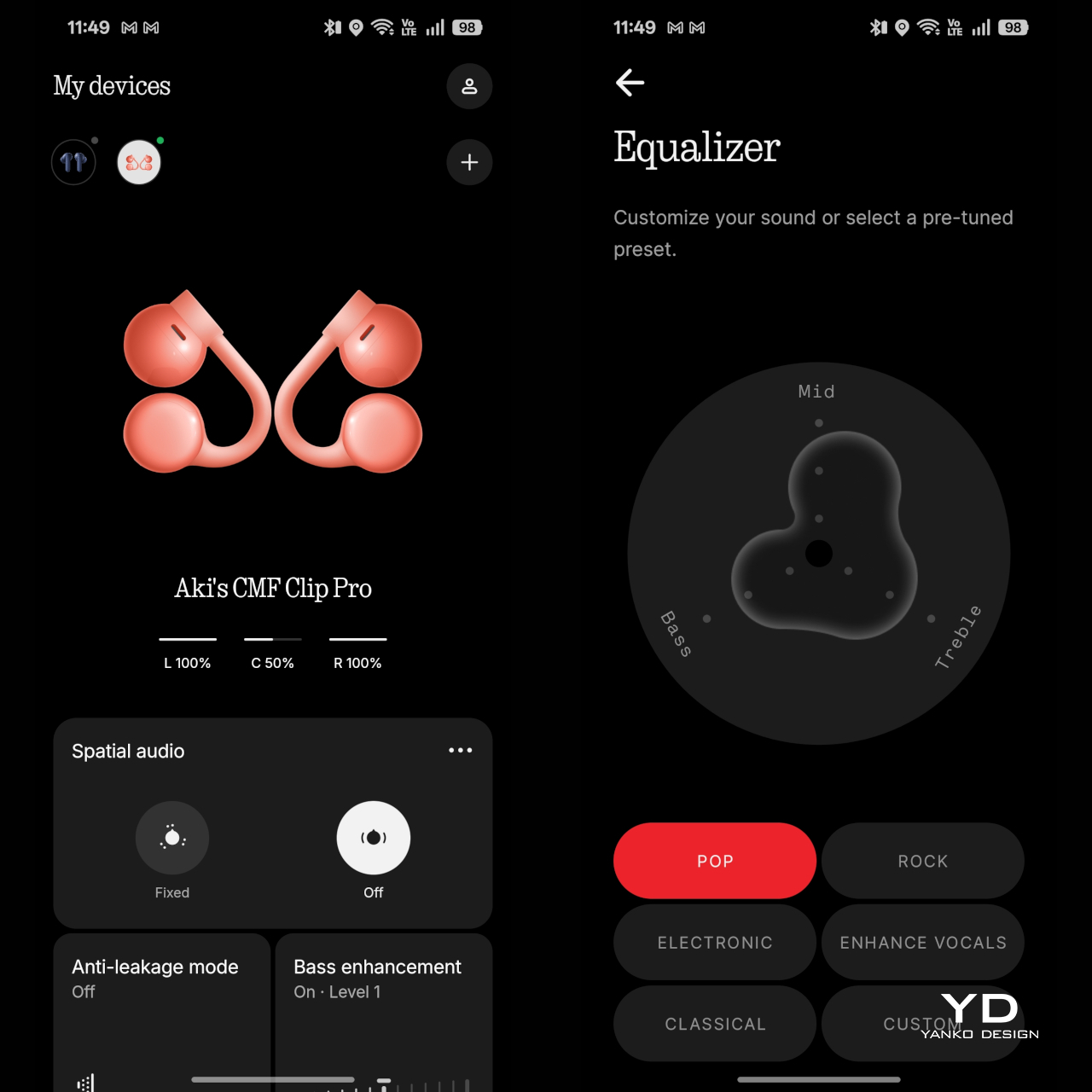
The CMF Clip Pro uses a 10.8mm dynamic driver and supports LDAC, AAC, and SBC codecs. In practice, the tuning is more restrained than on some of CMF’s other earbuds. I found the CMF Buds 2 and Buds 2 Pro I reviewed last year noticeably bass-heavy, but the Clip Pro does not lean in that direction, even with Bass Enhancement set to Level 2. Instead, it sounds more balanced, which suits this category better.
Bass still lacks the weight and punch you would get from sealed earbuds, but that is to be expected. The upside is that the sound never feels bloated or as if it is trying too hard to compensate. Clarity is decent, and the overall presentation is clean and easy to listen to. It is not especially rich or immersive, but for casual listening, podcasts, and everyday music, it works well enough.

There is no noise cancelling, and no real isolation either. Some leakage is still present, as you would expect from open-ear earbuds, but it is mild in everyday use. People nearby are unlikely to notice unless they are very close or you’re listening at high volume. CMF also includes an anti-leakage mode, but while it helps, it also makes the sound noticeably more muffled.

As for call quality, the CMF Clip Pro uses a four-mic setup, with two mics on each earbud, alongside noise reduction. It does a decent job of keeping voices clear enough for everyday calls, even in busier environments. It is reliable enough that taking calls on the go does not feel like a compromise.
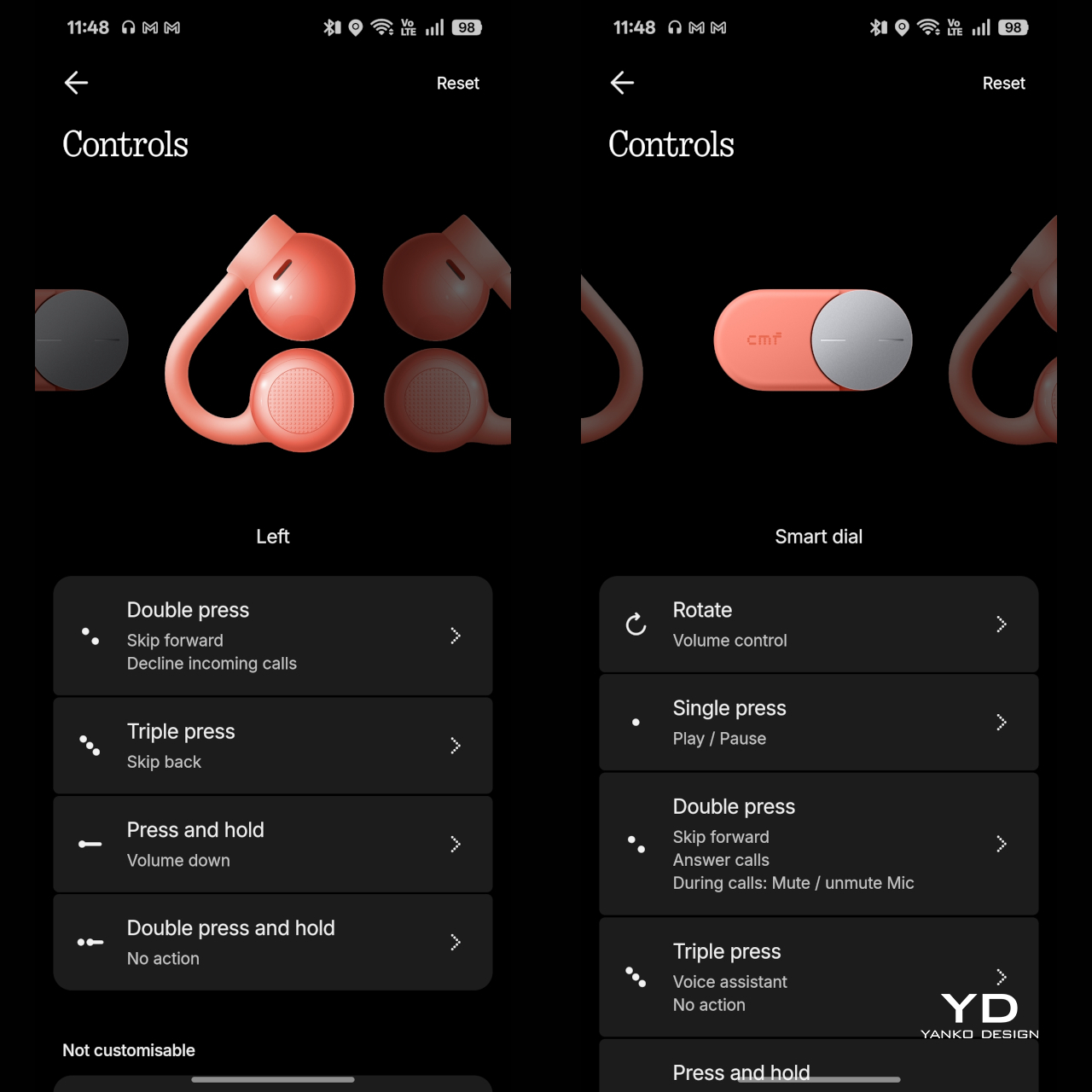
The physical controls on both the earbuds and the case are easily one of my favorite things about the Clip Pro. In a category where touch controls often feel inconsistent, CMF takes a more tactile approach that immediately helps these stand out. The buttons on the earbuds are easy to use and support a surprisingly broad range of inputs, including double press, triple press, press and hold, and double press and hold. That gives the Clip Pro a level of flexibility that feels more thoughtfully implemented than many rivals.

What really elevates the experience is the Smart Dial on the case. It handles volume through rotation, and it can also be customized for playback, track skipping, voice assistant access, low lag mode, and call controls. That makes the case feel like more than a simple charging shell, giving the product a bit of personality in everyday use. More importantly, the physical controls work very well in practice. They feel responsive and dependable, which matters far more than simply offering a long list of possible shortcuts. My only complaint is that the sound cue for volume changes can lag slightly behind the actual adjustment.

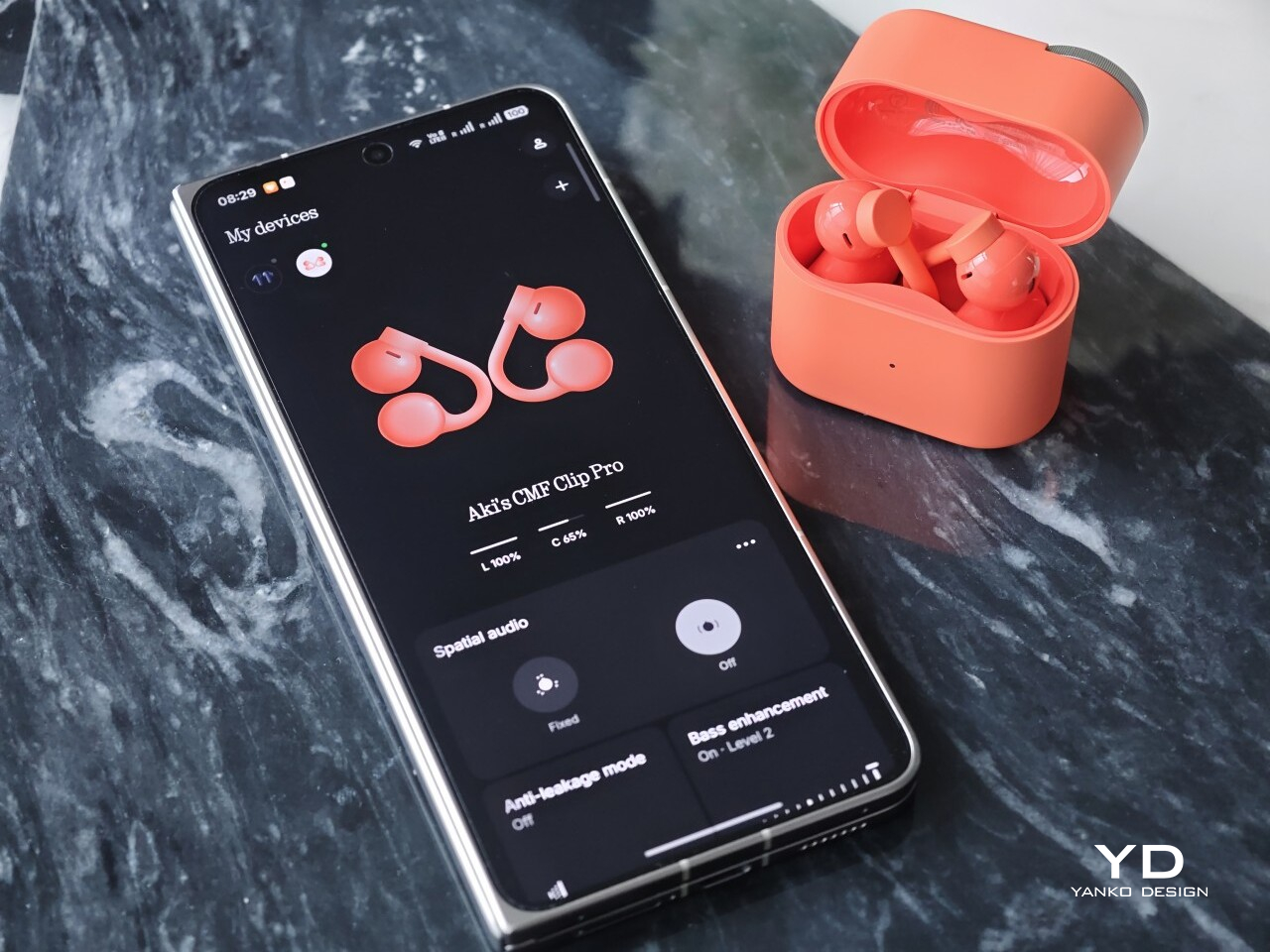
The earbuds’ controls work right out of the box, while Smart Dial has to be enabled manually in the Nothing X app. Beyond that, the app lets you adjust features like spatial audio, anti-leakage mode, bass boost, low lag mode, and dual-device pairing. There are also five preset EQ modes, plus a custom three-band equalizer that gives you a good amount of control over the sound. Nothing X is not doing anything radically new, but it remains one of the best earbud apps around. It looks great, feels intuitive, and makes it easy to tweak settings without any fuss.
Battery life is rated at up to 10 hours on the earbuds themselves and up to 32.5 hours with the case, while a Long Battery Mode pushes that to 36 hours. In my testing, which included a mix of music, video, and a 20-minute video call, the earbuds still had more than 50 percent battery left after about five continuous hours of use, so CMF’s claim appears to hold up well. CMF also says a quick 10-minute charge can deliver up to four hours of playback, which adds to the overall convenience.

Sustainability

CMF leaves a few unanswered questions here. The Clip Pro earbuds themselves are rated IP54, which adds useful protection against dust and light splashes in daily use. The case, however, is only rated IPX2, so it is best kept away from water.
There is also less clarity around environmental impact than I would have liked. Unlike Nothing’s mainline products, CMF does not seem to clearly publish details on recycled materials, carbon footprint, packaging, or manufacturing for this line. That does not necessarily mean sustainability was ignored, but it does make the product harder to assess on those terms. For a brand that puts so much emphasis on design and presentation, a little more transparency here would have made the Clip Pro feel more complete.

Value

At $99, the CMF Clip Pro sits firmly in the mid-range. That price feels a little high by CMF standards, especially for a brand that has built its reputation on strong value. Even so, the Clip Pro still manages to punch above its price in a few key ways, particularly through its design, physical controls, comfort, and overall user experience.
That said, value here depends heavily on what you want from your earbuds. If you are drawn to the look, appreciate the physical controls, like the fit, and want an affordable open-ear option from a recognizable brand, $99 can still make sense. If you are comparing purely on specifications, protection, or feature depth, this one may feel a little less convincing.

Verdict

The CMF Clip Pro does not completely redefine what open-ear earbuds can be, but it gets more right than wrong. The sound still carries the usual limitations of the format, yet it is tuned with enough balance and clarity to work well for casual listening, podcasts, and everyday music. The price also feels a touch high for a CMF product. Even so, there is a lot to like here. The design is distinctive, the fit is comfortable, the controls are genuinely excellent, and the overall user experience feels more considered than most rivals in this space.

What makes the Clip Pro stand out is that it does not rely on one gimmick alone. The Smart Dial is clever, but it is also useful. The physical buttons are unusual, but they are there because they work. Add in a polished app and solid battery life, and you end up with a pair of open-ear earbuds that feels thoughtfully put together from top to bottom. It may not be the obvious value champion in CMF’s lineup, but it is one of the brand’s most interesting products yet, and one that gets the basics right in ways that matter.
The post CMF Clip Pro Review: More Than Just a Pretty Case first appeared on Yanko Design.
JBL Tour PRO 3’s futuristic charging case can perform feats no other case can

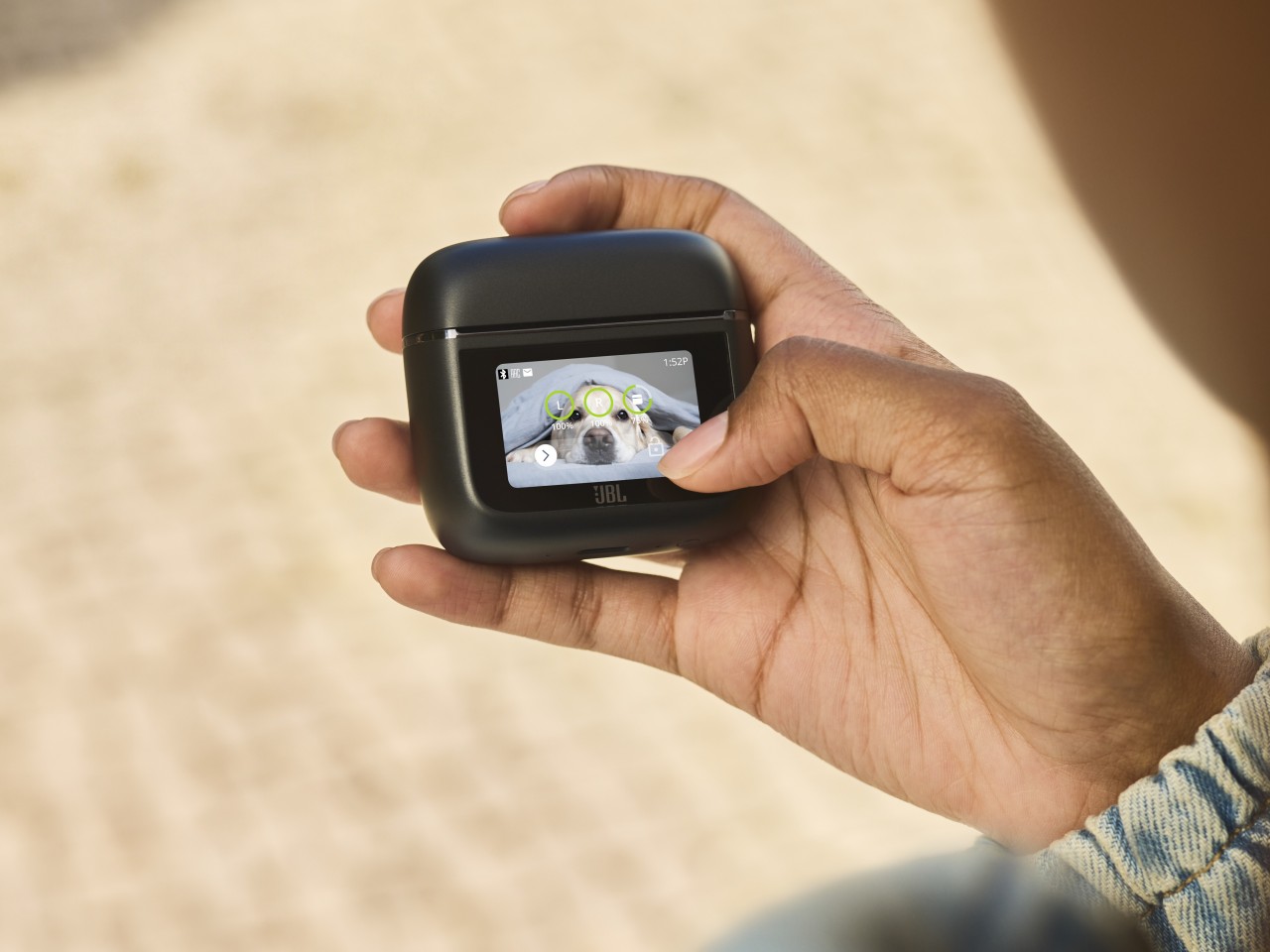
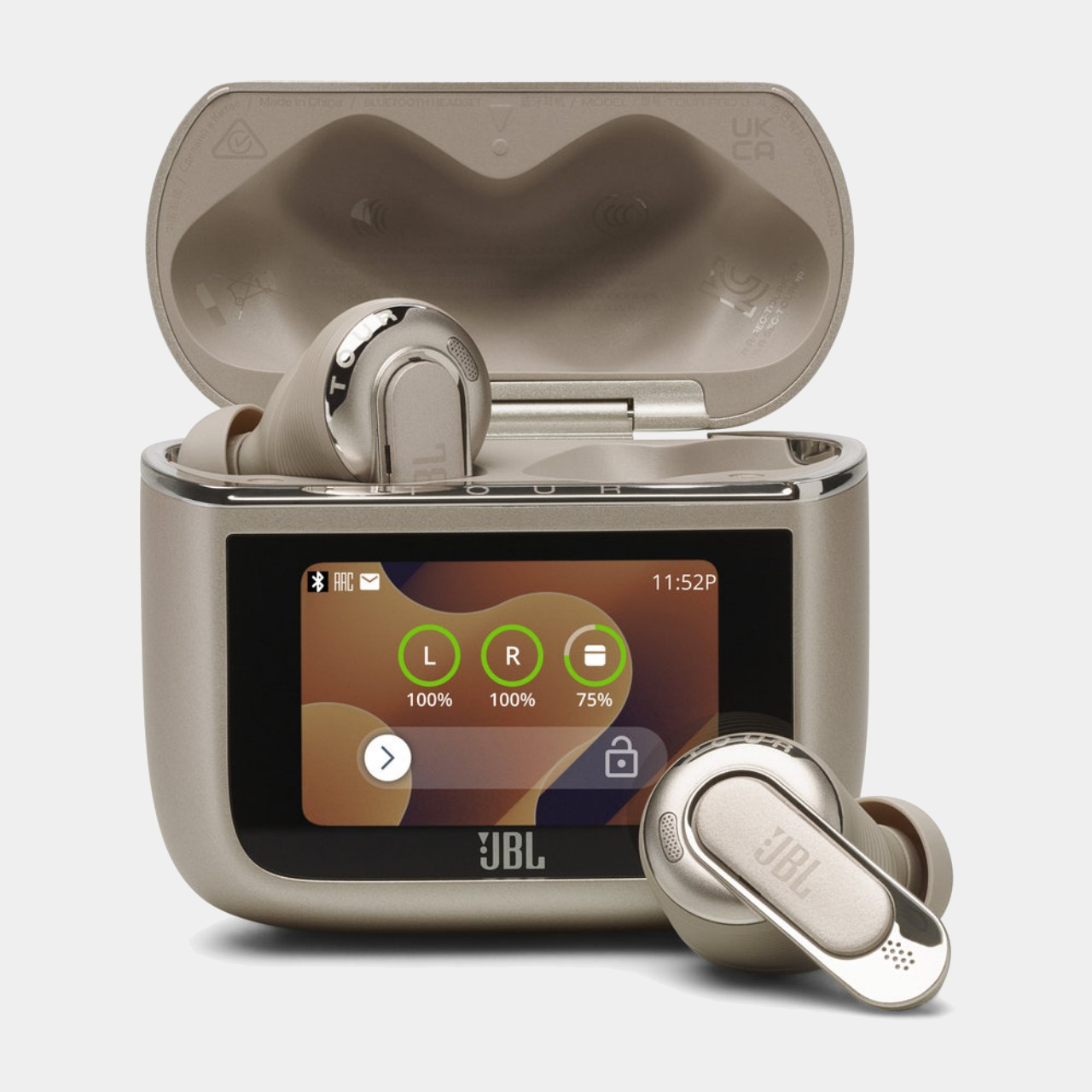
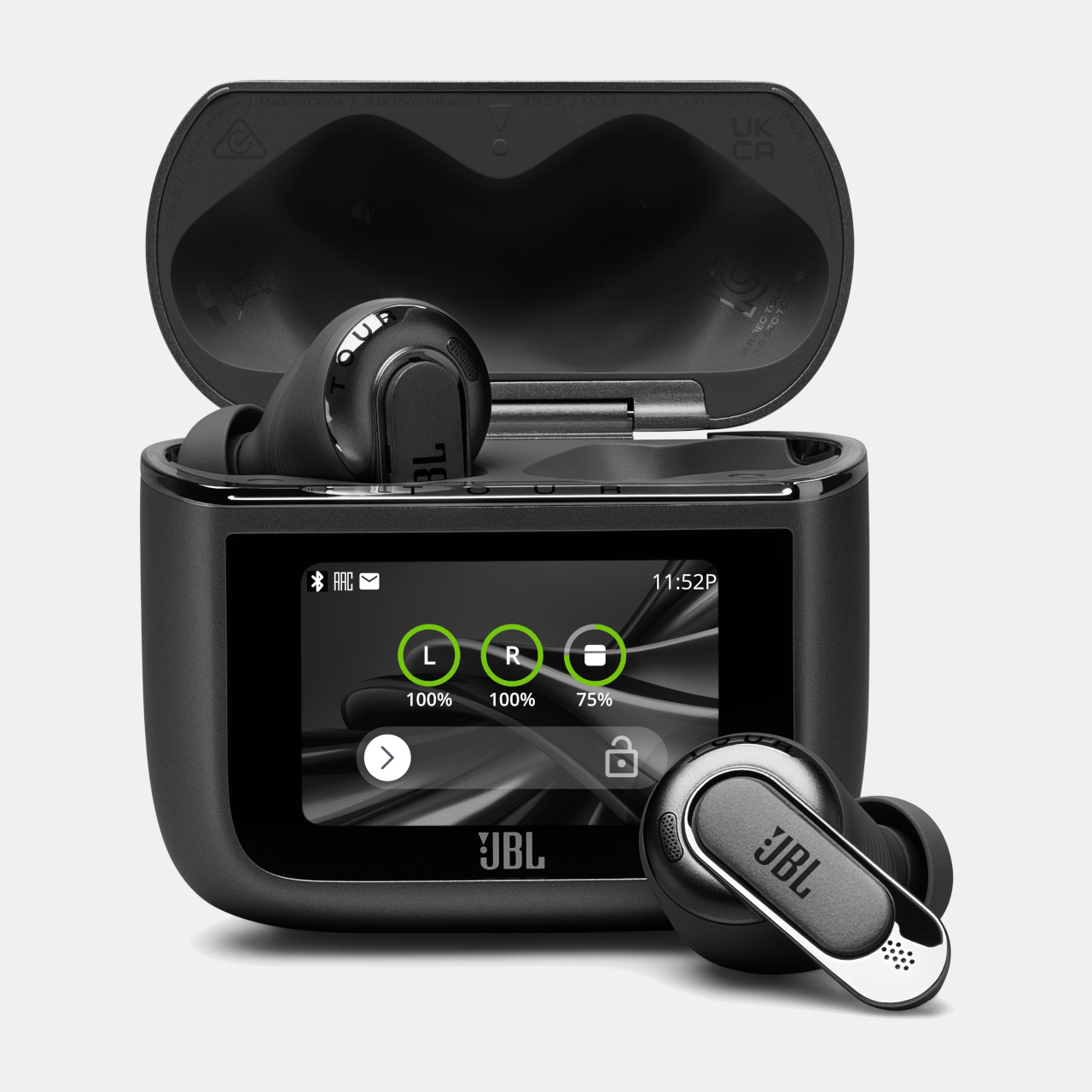
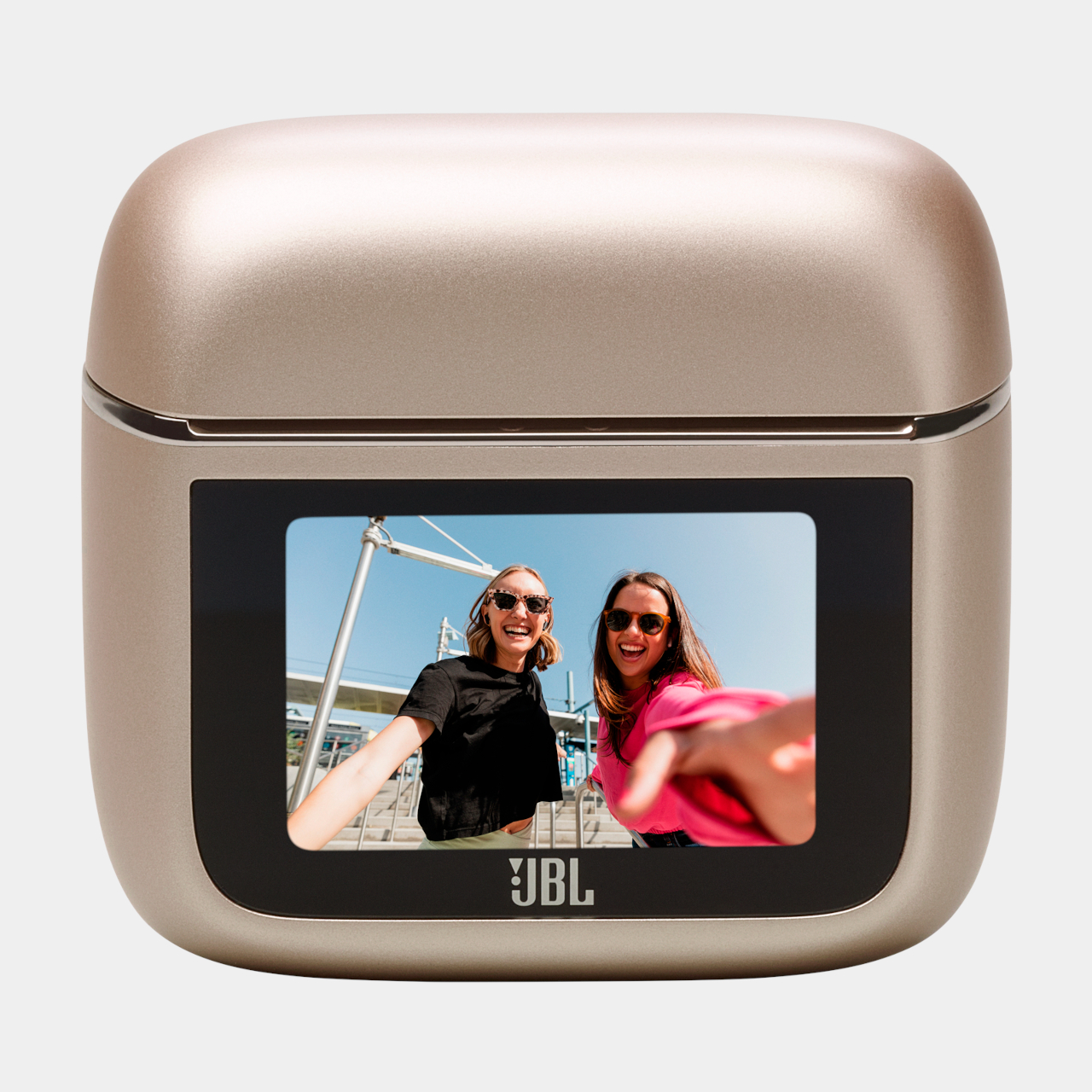
True Wireless Stereo or TWS earbuds continue to evolve every year, but their charging cases have mostly been nothing more than portable battery packs. In 2022, JBL showed that there’s so much potential in those pebble-shaped devices when it slapped a touch screen on them. That may look fancy and cool, but some might think it’s also just a gimmicky feature. It is, however, just the tip of the iceberg, because the second-gen screen-toting Smart Charging Case that comes with the new JBL Tour PRO 3 definitely offers more, proving that there’s plenty of room for improvement and creativity if you’re willing to also pay the literal price.

Designer: JBL

A touch screen on an earbuds charging case is admittedly more of a nice convenience than a killer feature. It allows you to control playback, screen calls, and view media information without having to pull out your phone. It’s definitely an eye-catching design that made JBL’s earbuds look like they’re from the future, but the capabilities of the next-gen charging case can be qualified as a necessity, especially for globetrotters and frequent flyers.

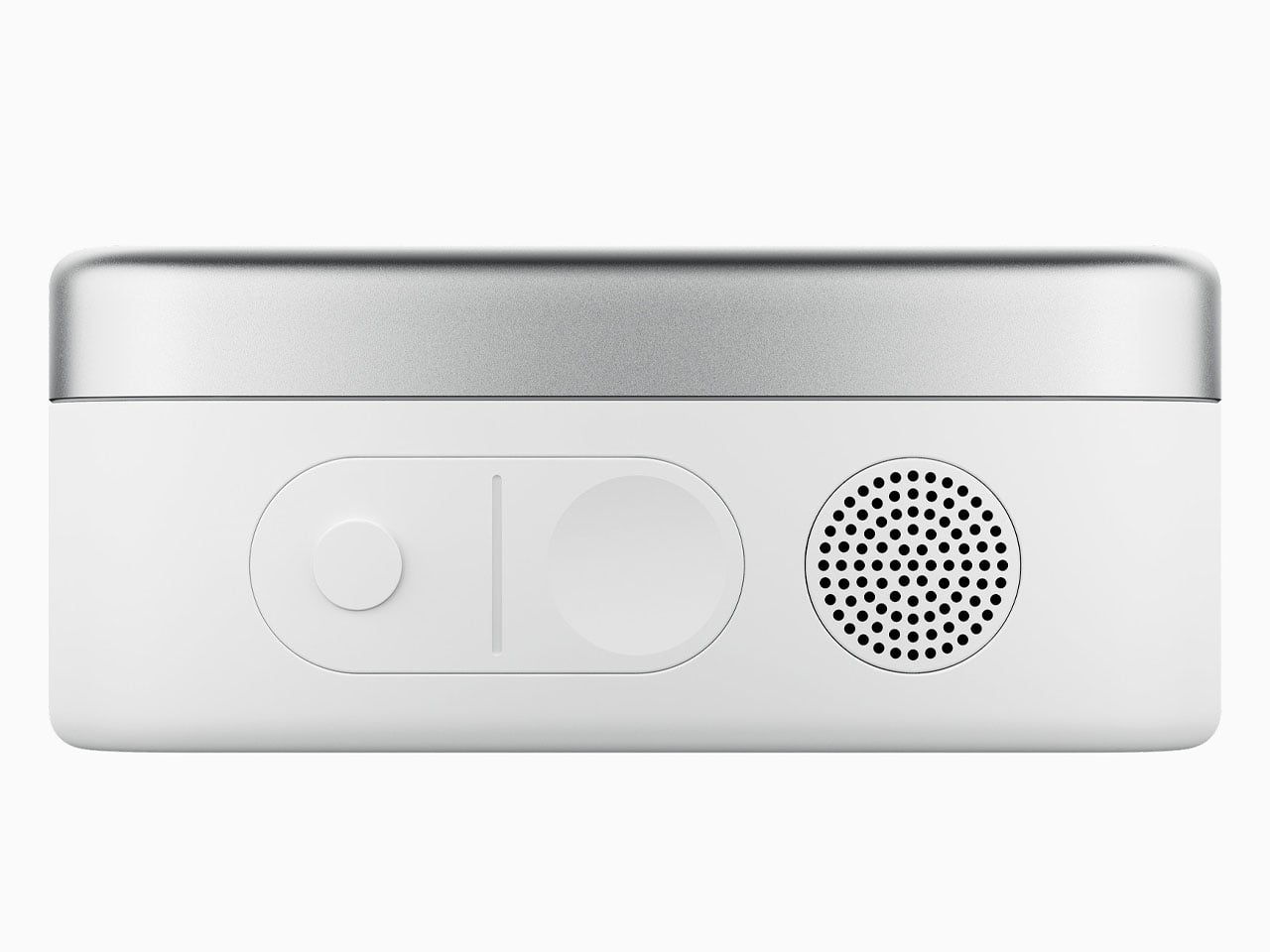
The JBL Tour PRO 3’s second-gen Smart Charging Case can function as a wireless audio transmitter, practically replacing the role of a Bluetooth dongle. Simply plug the case into a USB or analog socket and have the audio stream to the earbuds instantly and with lower latency than Bluetooth. This feature was made with in-flight entertainment systems in mind, giving travelers more flexibility and peace of mind, knowing they don’t have to rely on fickle and unstable Bluetooth dongles ever again.

The Tour PRO 3 charging case is also one of the first few to support the new Auracast technology. The case becomes the source of an audio broadcast, allowing other Auracast-compatible earbuds, earphones, and speakers to share and enjoy the same tunes. You can also join other Auracast broadcasts by tapping on the case. Of course, there’s also a measure of privacy with a password to keep random people from joining your party.

The JBL Tour PRO 3 earbuds themselves won’t be overshadowed by its charging case, boasting a new head tracking technology that makes audio sound like they’re coming from outside your head and stays fixed in place no matter how much you swing or turn your head. For all these advanced features, however, the buds will set you back around $334, which isn’t exactly a small amount. The JBL Tour PRO 3 will arrive in mid-September bearing Black and “Latte” colorways, though availability in the US has not been announced yet.

The post JBL Tour PRO 3’s futuristic charging case can perform feats no other case can first appeared on Yanko Design.

Meditation device concept hides earbuds inside to help shut off external noise

When I want to shut out the outside world and just focus, I put on a pair of noise-cancelling earphones. Sometimes I also want to meditate and since I live in an area where outside noise is constant, earphones and headphones are pretty helpful. What if you actually have a device that is primarily meant to help you meditate, relax, and get in touch with your inner self, with listening to music just being a secondary function?

Designer: Suosi Design

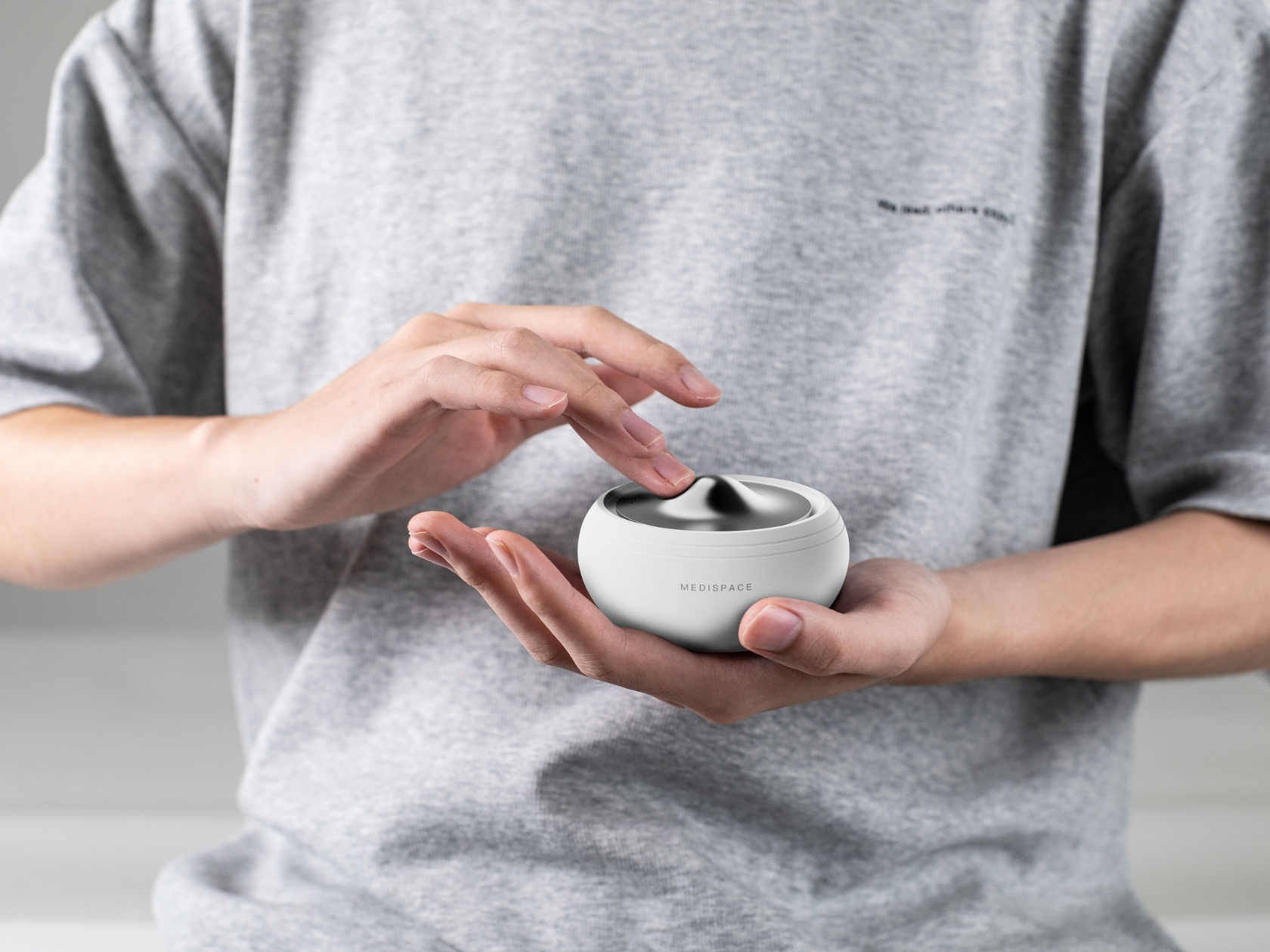
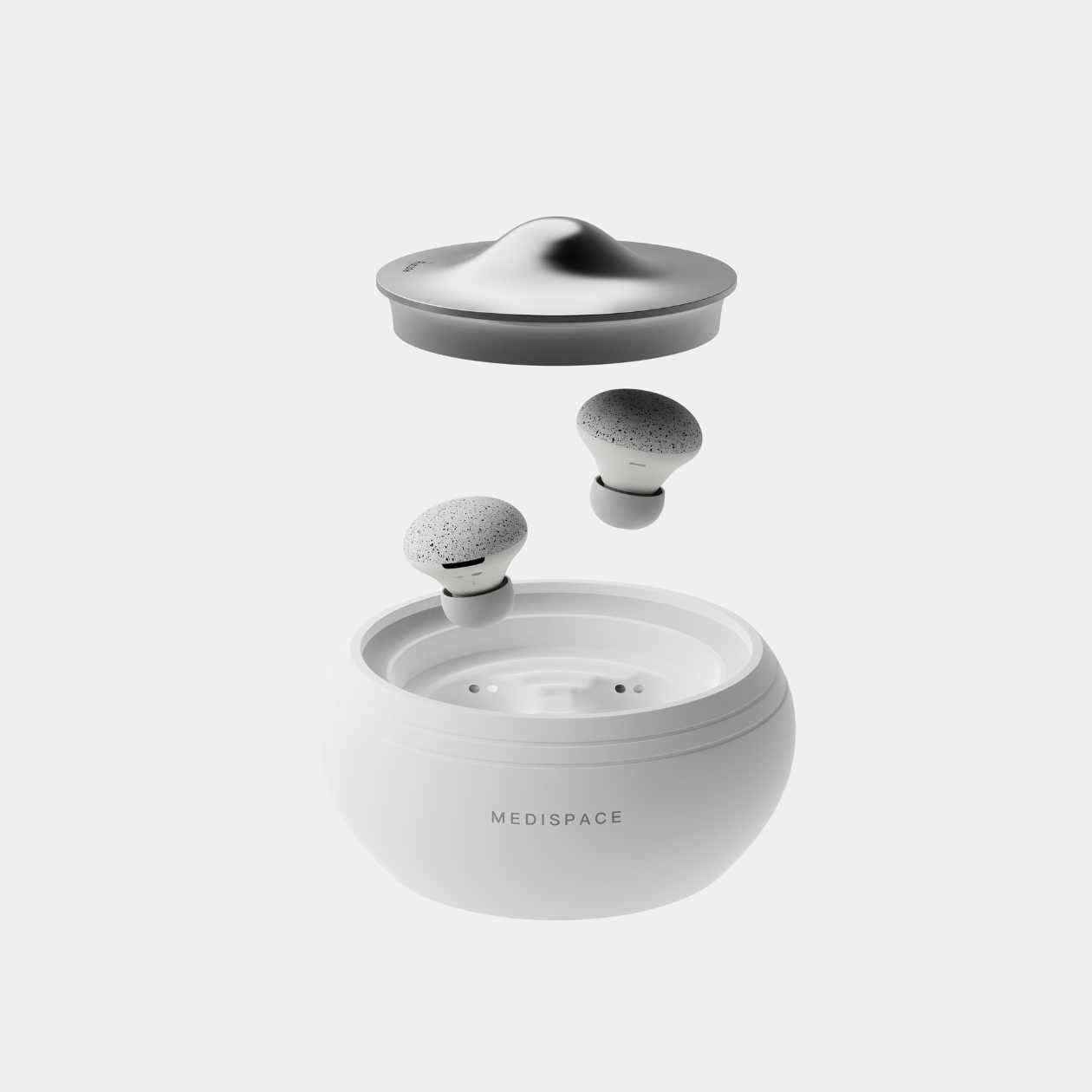
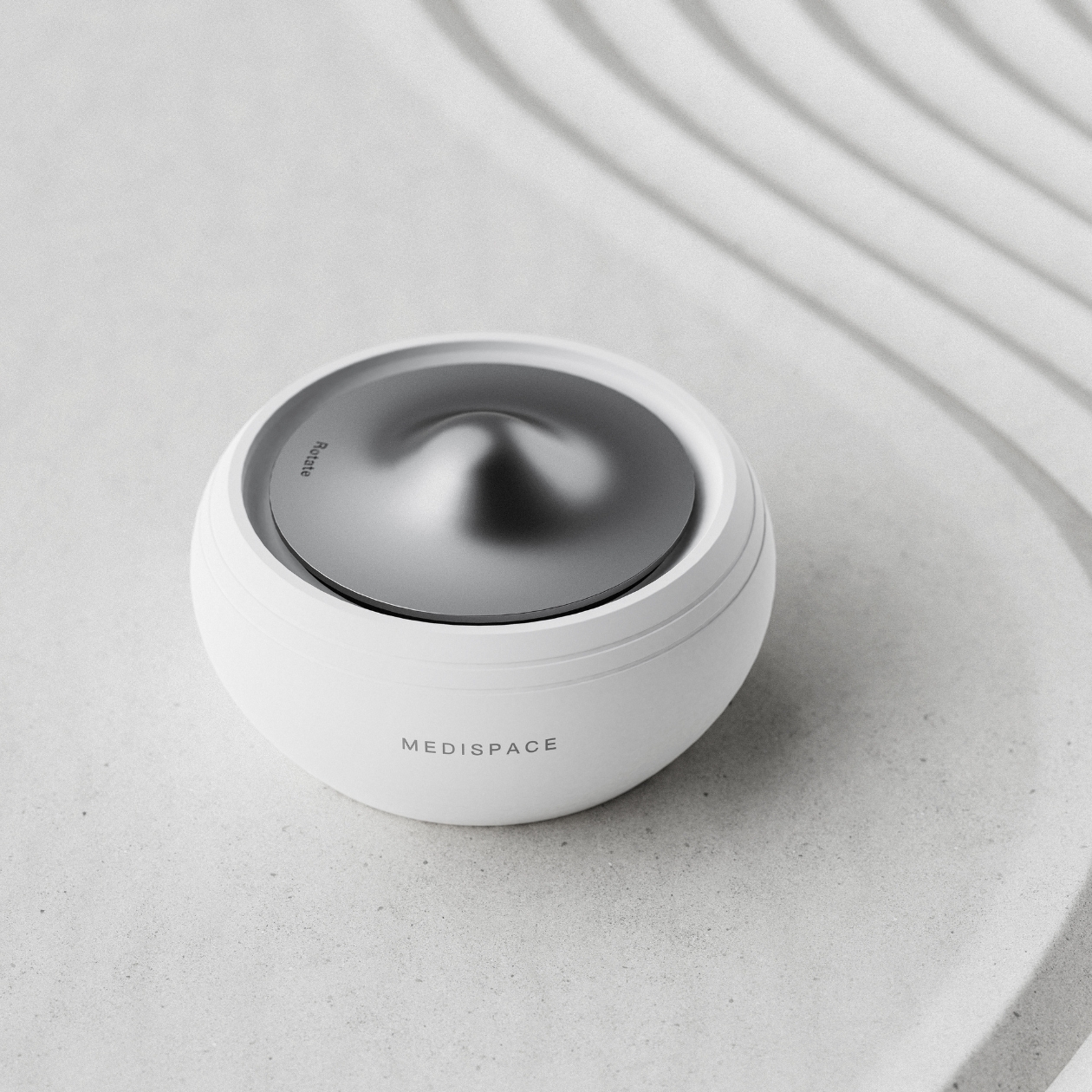
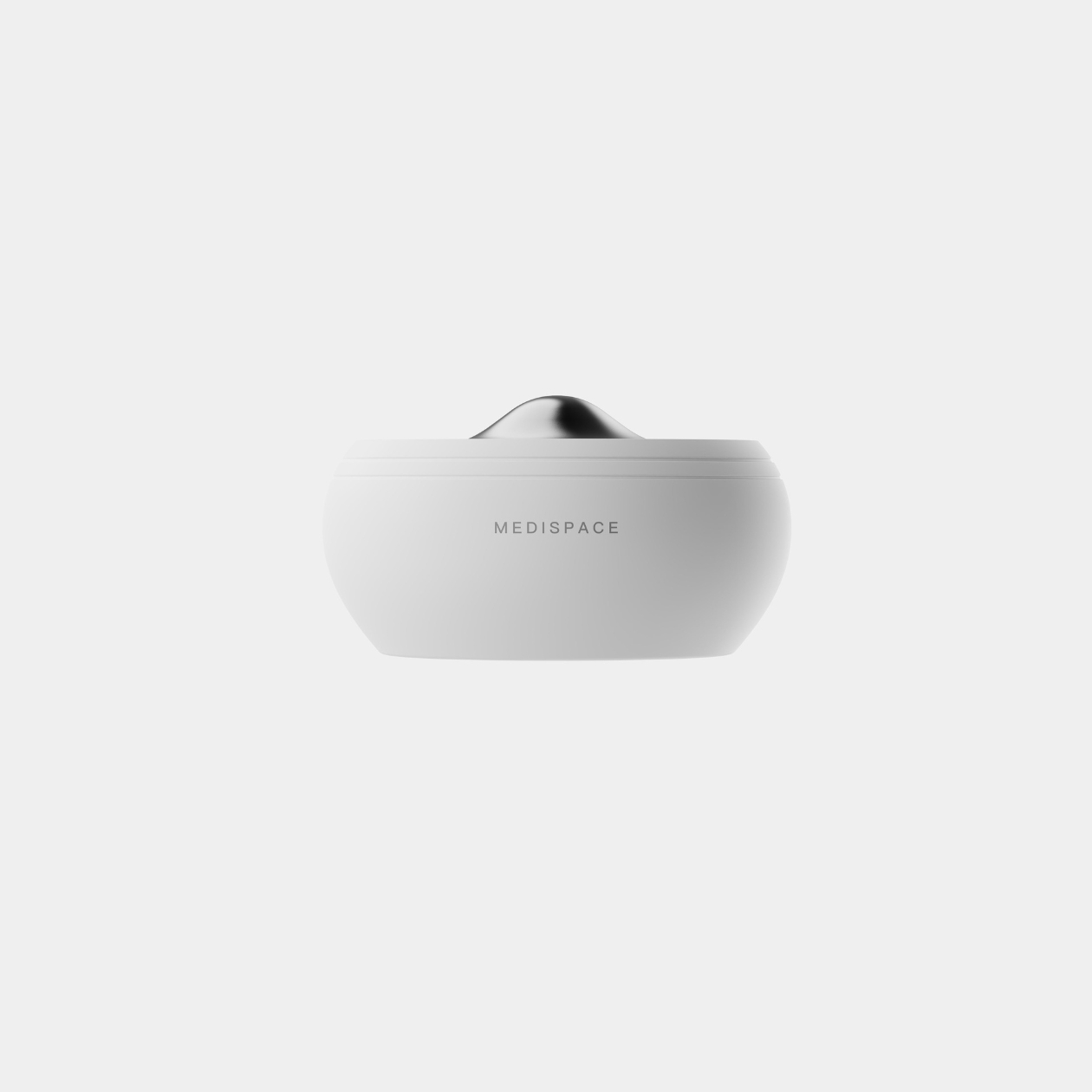
Medispace is a concept for a meditation device inspired by the singing bowls from the Himalayas. Just like the Tibetan bowls that are meant to help you relieve stress and get into your inner self by tapping and touching it, this device is meant to do that but with an urbanite twist. The device is small enough to fit into your palm so it’s easy to make it “sing” as you try to meditate. And what makes it more modern is that there are noise-canceling earbuds that you can use to fully immerse yourself in your meditation.

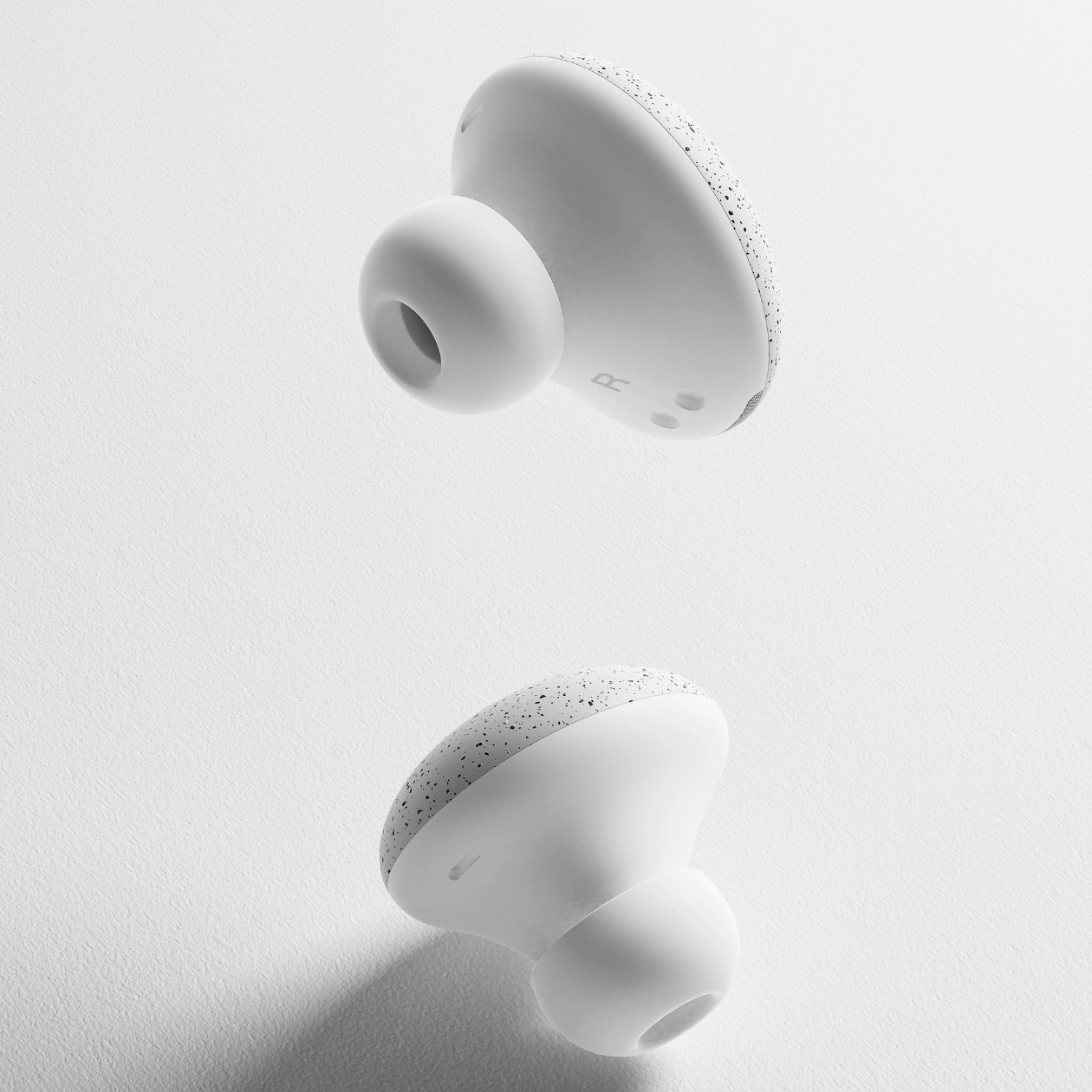
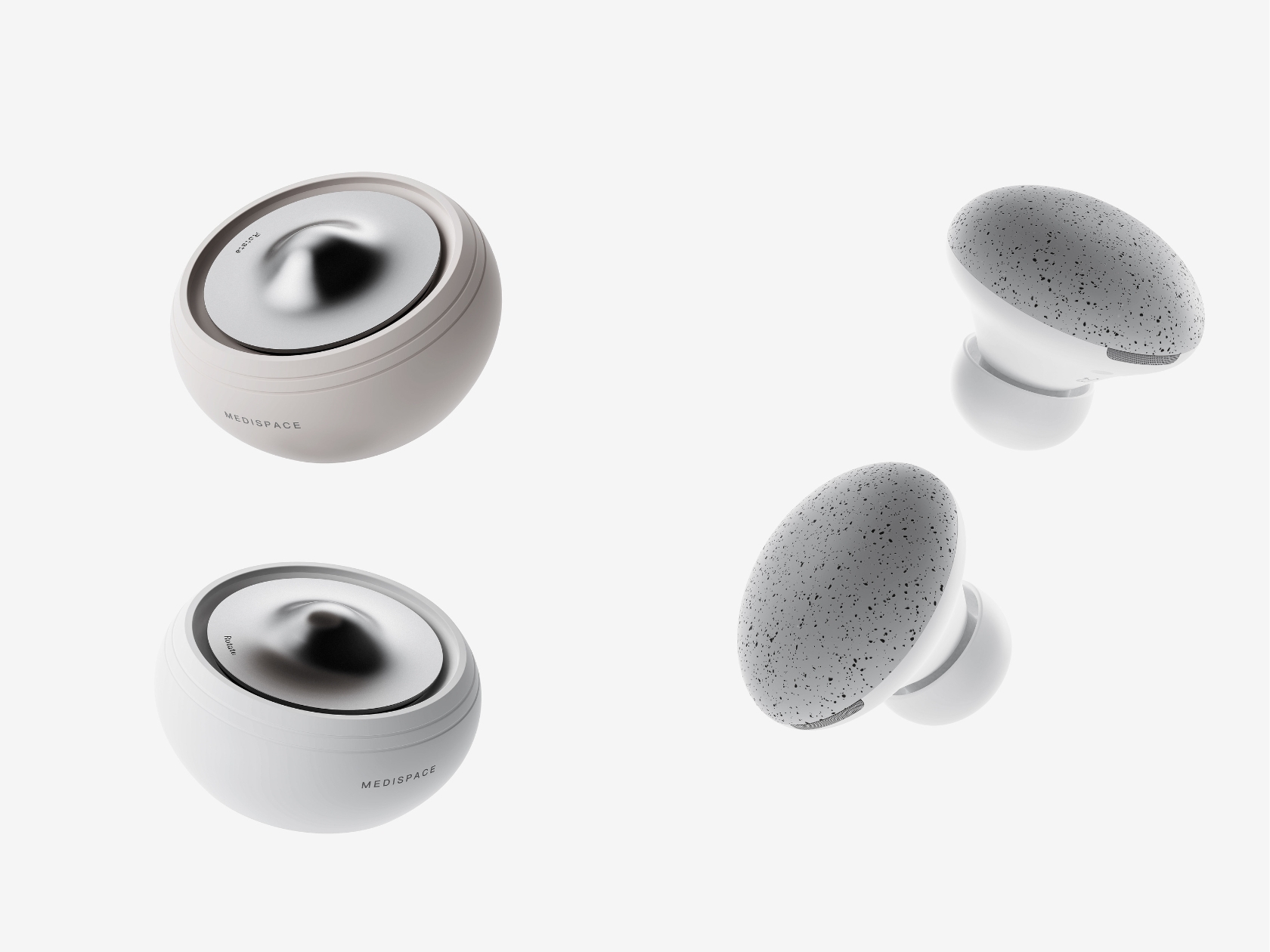
The device is able to simulate more than ten kinds of singing bowl sound changes. This makes you feel like you are actually using one of those Tibetan bowls as you touch and tap the metal disc on top of the Medispace. Inside, it functions more like a charging case for your earbuds which are part of your meditative experience. Medispace itself looks like a night cream moisturizer container which makes sense since that can also be part of your self-care routine. The earbuds look like your typical listening device but a bit bigger and with a seemingly textured/pebbled surface.

It’s an interesting concept to combine a meditative device with earbuds. But since we live in a world that offers up a lot of distractions, we need all the help we can get to shut off the outside world every once in a while and focus on things like deep breathing, meditation, and our inner lives.

The post Meditation device concept hides earbuds inside to help shut off external noise first appeared on Yanko Design.
Meditation device concept hides earbuds inside to help shut off external noise

When I want to shut out the outside world and just focus, I put on a pair of noise-cancelling earphones. Sometimes I also want to meditate and since I live in an area where outside noise is constant, earphones and headphones are pretty helpful. What if you actually have a device that is primarily meant to help you meditate, relax, and get in touch with your inner self, with listening to music just being a secondary function?

Designer: Suosi Design

Medispace is a concept for a meditation device inspired by the singing bowls from the Himalayas. Just like the Tibetan bowls that are meant to help you relieve stress and get into your inner self by tapping and touching it, this device is meant to do that but with an urbanite twist. The device is small enough to fit into your palm so it’s easy to make it “sing” as you try to meditate. And what makes it more modern is that there are noise-canceling earbuds that you can use to fully immerse yourself in your meditation.

The device is able to simulate more than ten kinds of singing bowl sound changes. This makes you feel like you are actually using one of those Tibetan bowls as you touch and tap the metal disc on top of the Medispace. Inside, it functions more like a charging case for your earbuds which are part of your meditative experience. Medispace itself looks like a night cream moisturizer container which makes sense since that can also be part of your self-care routine. The earbuds look like your typical listening device but a bit bigger and with a seemingly textured/pebbled surface.

It’s an interesting concept to combine a meditative device with earbuds. But since we live in a world that offers up a lot of distractions, we need all the help we can get to shut off the outside world every once in a while and focus on things like deep breathing, meditation, and our inner lives.

The post Meditation device concept hides earbuds inside to help shut off external noise first appeared on Yanko Design.
Earbuds with nano camera and smart AI are more than just music for your ears

Earbuds are a kind of accessory you’ll find most common in anybody’s arsenal. They isolate you from the distracting outside world and help you focus while working, exercising, commuting, or anything in between. Extending the usability of earbuds for people with vision problems or in general even the common users who like to turn on their ANC at full blast. Apart from the audio information, the eyes are the best sensors to gauge the environment.

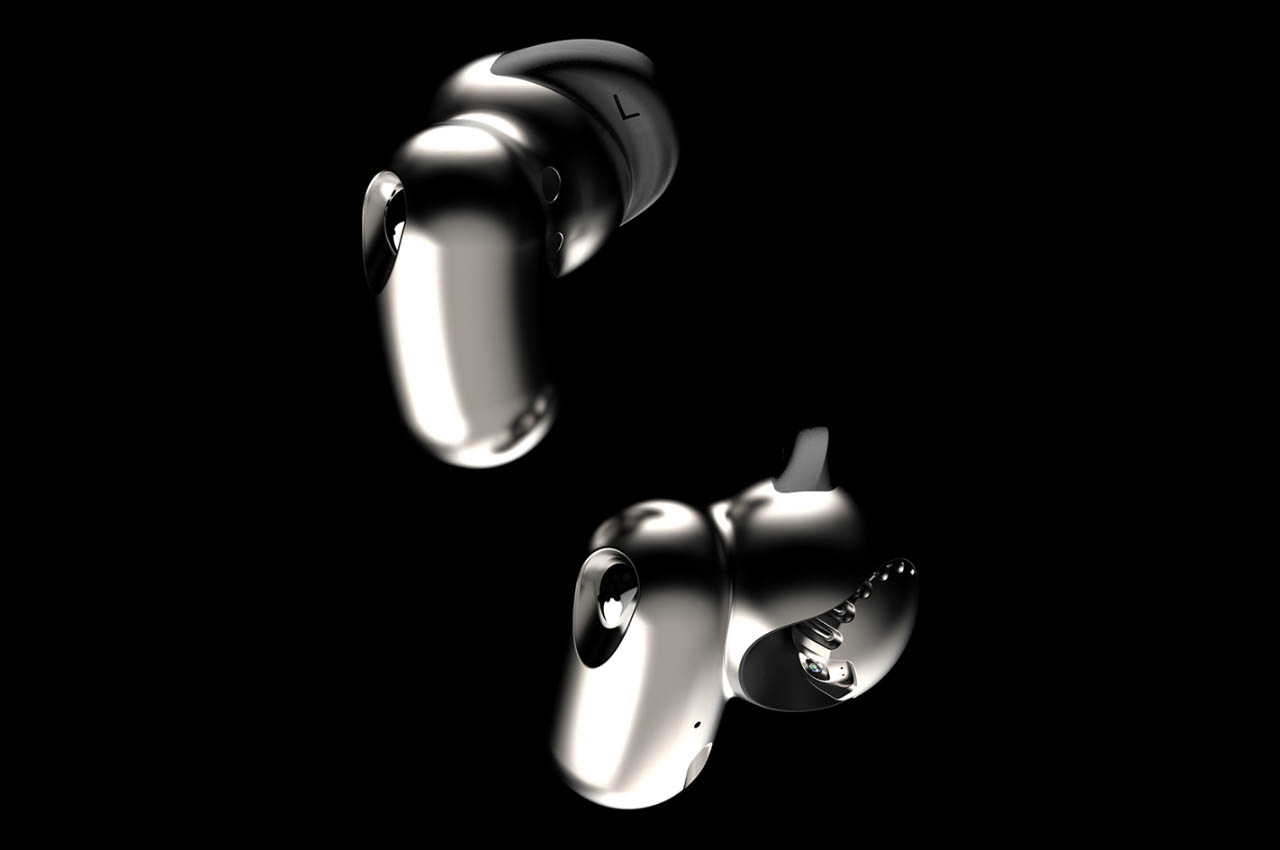
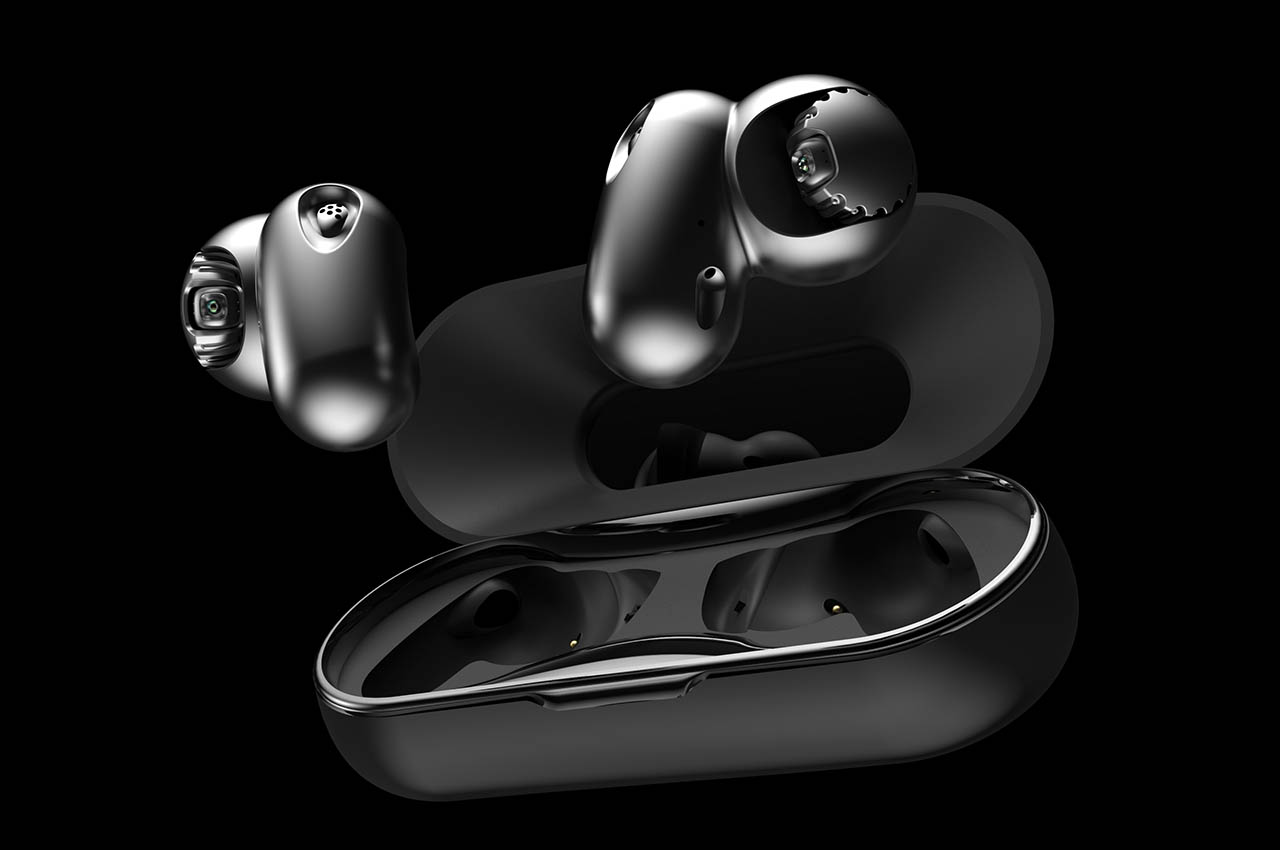
The Cell Buds are an evolution of the good old earbuds into a wearable that assists the blind in navigating crowded spaces or even being aware of what’s around them with sound cues coming from the buds equipped with nano camera units that keep track of any information that may be vital. This eliminates the need for transparency mode to be aware of the space, or even situations where you want strong ANC while being totally aware of what’s happening around in a crowded urban area, essentially making them your eyes and mind for daily life assistance.

Designer: Minwoo Kim

https://vimeo.com/user217694550

These earbuds are loaded with an ultra-compact vision cam and AI to bring all the smart features of your smartphone to this cool gadget plugged into the ears. As a part of the Samsung Design Membership course, Minwoo conceptualized this design to dramatically improve the user’s experience. The on-device AI brings personalized interaction with information available in the cloud and the compact vision cameras keep sensing the surrounding environment around you for any signs of danger or information that might be important to you. For example, an approaching motorist from the left when you are busy crossing the street.

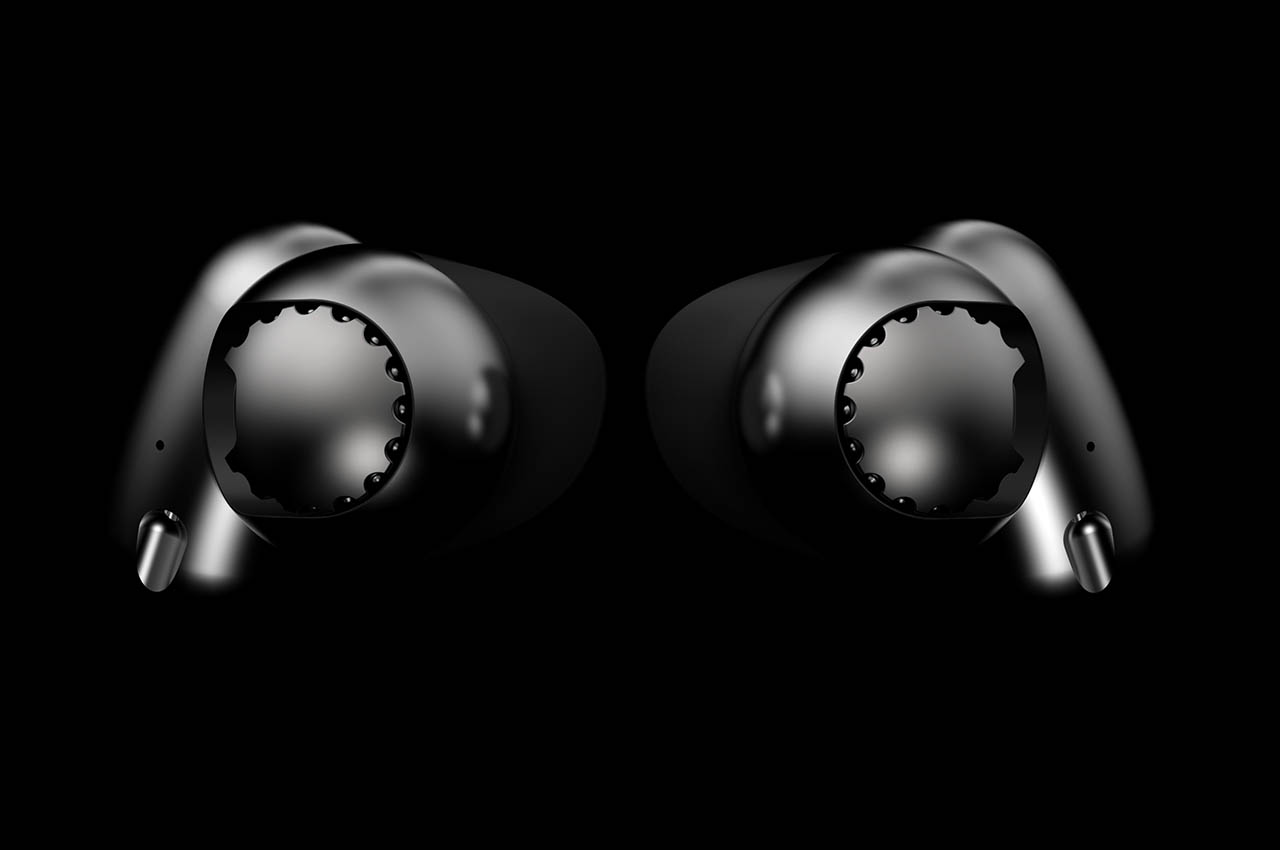
With smart AI, the wearables can be useful for frequent travelers or people with vision impairments. The hands-free personal assistance provided by Cell Buds keeps you from checking your phone, thereby curbing your digital life for good. Design and comfort are prime when it comes to the concept, as Kim has managed to fit a rotating camera unit inside the housing that houses the driver units, microphones, and the battery. According to him, the camera drive unit slightly protrudes from the ear to increase the camera’s field of view.

The post Earbuds with nano camera and smart AI are more than just music for your ears first appeared on Yanko Design.
A Groundbreaking 5-Driver Wireless Earbuds is Sweet Music to Your Ears

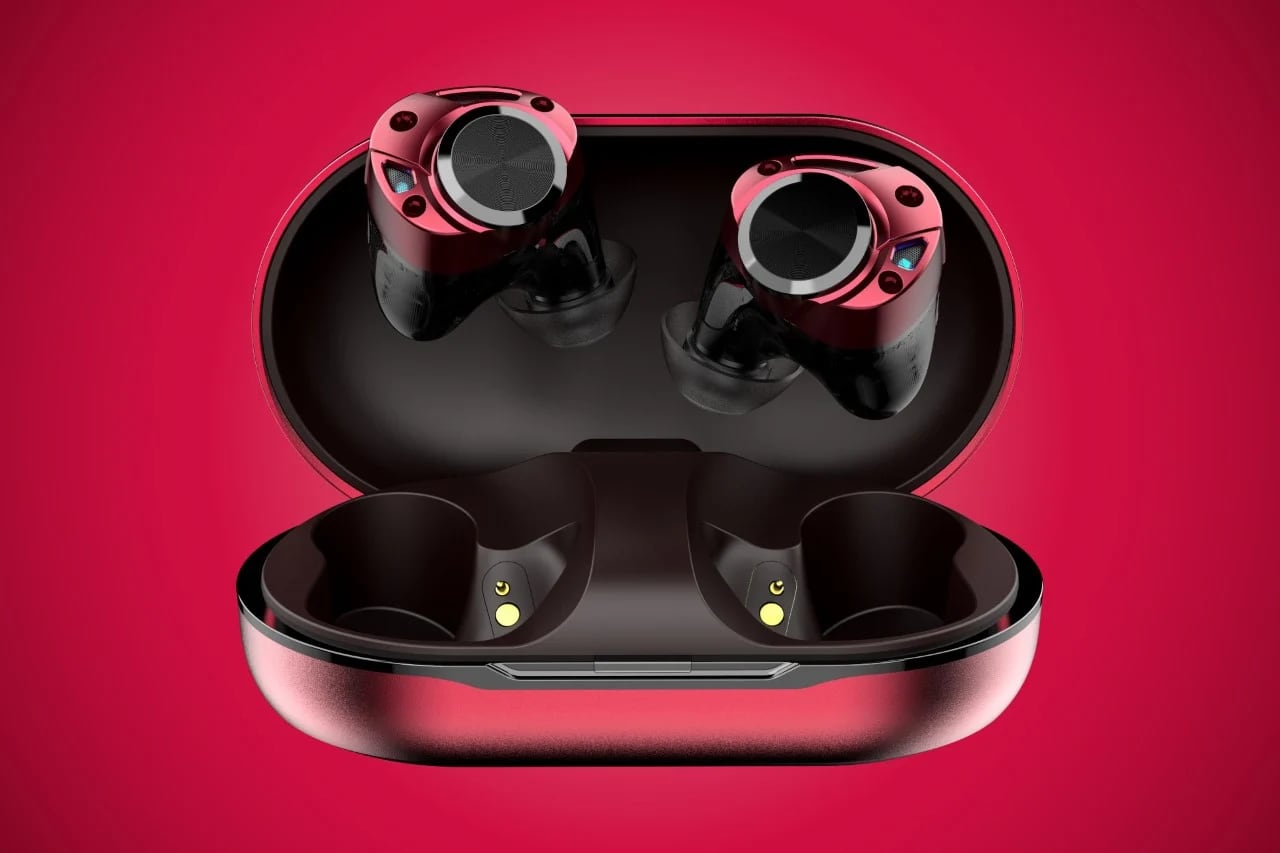
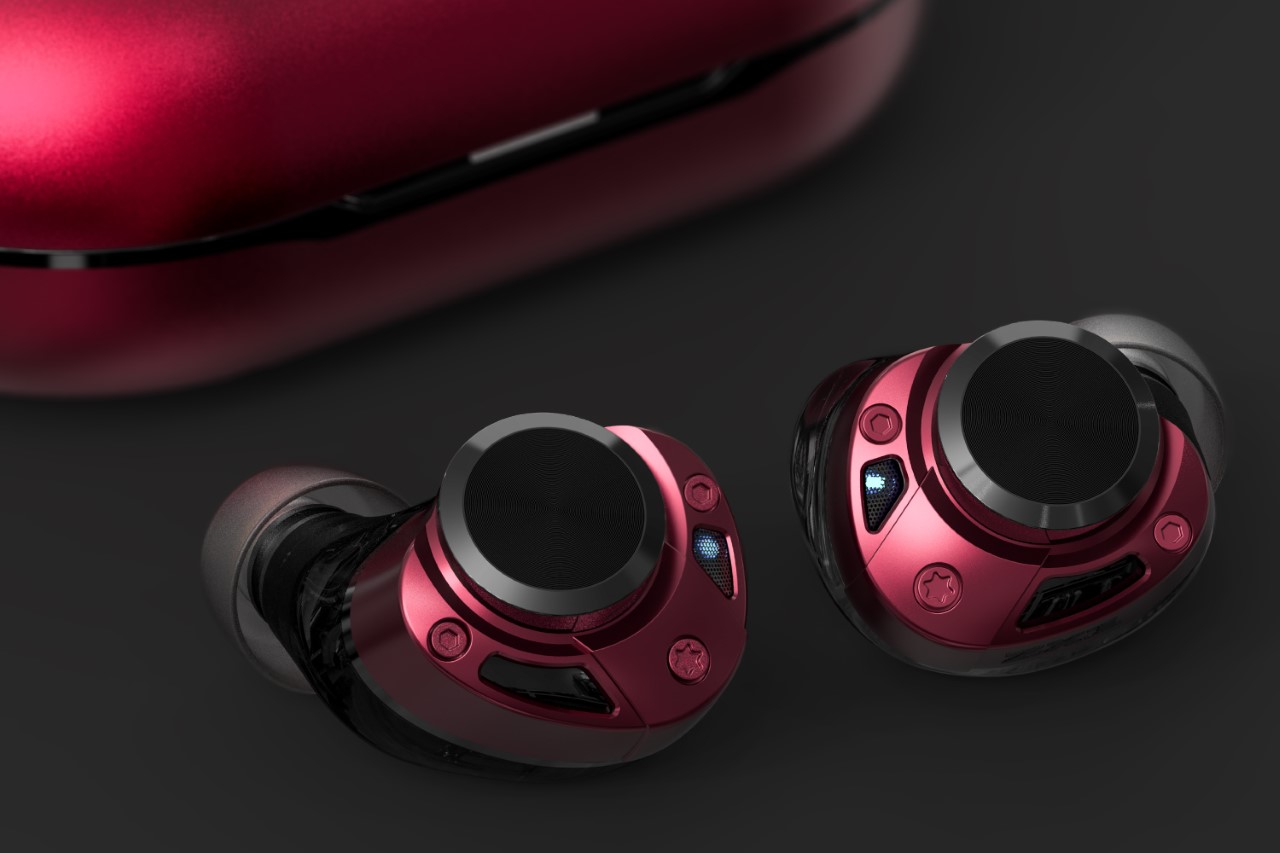
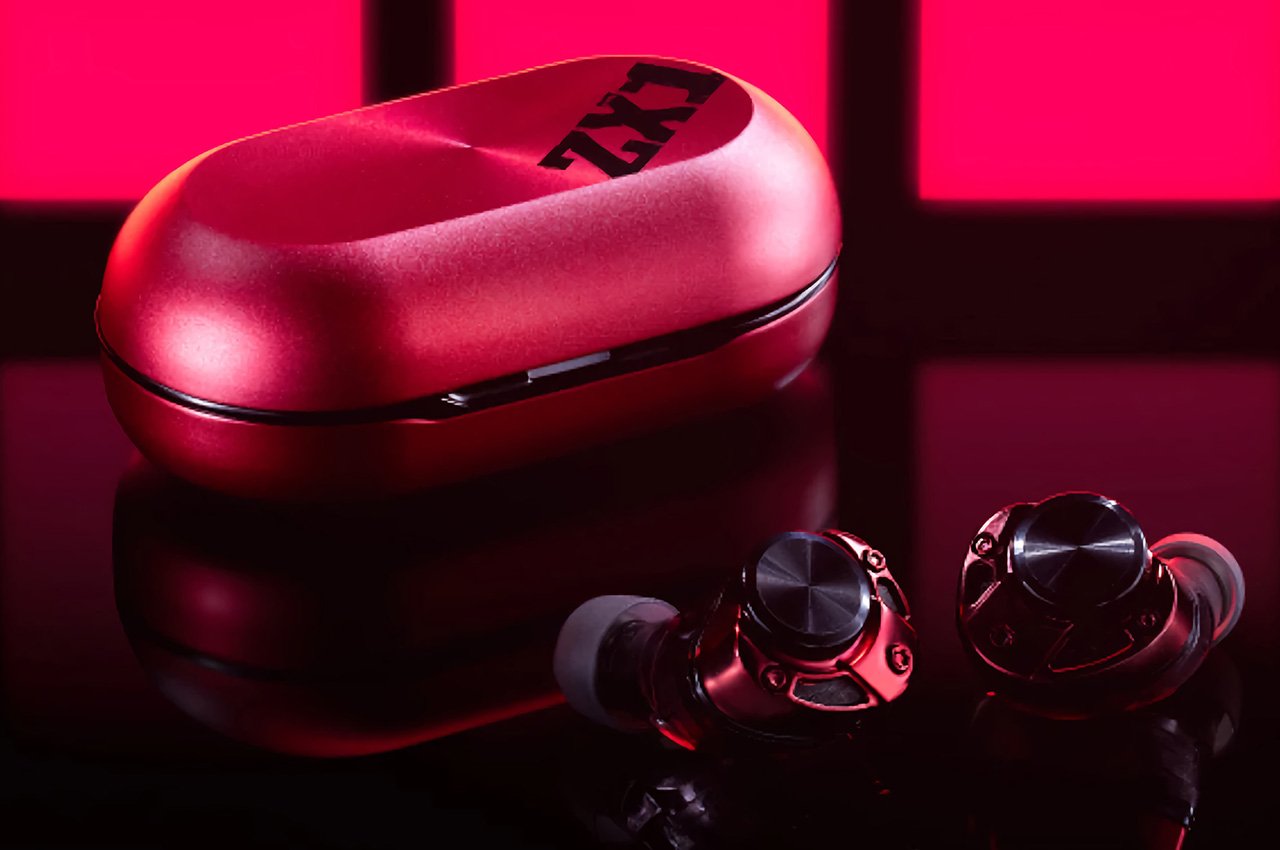
Wireless earbuds generally have no more than one driver, and it might be safe to assume that the TE-ZX1, featuring five drivers, is among the highest, if not the highest, number of drivers currently available in wireless earbuds. Having more drivers can enhance sound quality by allowing for more precise sound separation and clarity across different frequencies. According to the company’s recent update, this project is already in the mass-production stage.

If you’re an audiophile like me, you’ll appreciate the analog technology used in custom in-ear monitors (IEM). Their entry model typically starts with a 3-driver setup, designed to deliver balanced sound with a dedicated driver for lows, mids, and highs. On the high end, they offer a model with 12 drivers per ear – yes, 12! Considering this, the introduction of wireless earbuds with 5 drivers in each ear, priced under $300, is a game changer.

Designer: AVIOT

Click Here to Buy Now: $251 $335 (25% off). Hurry, only 31/100 left! Less than 72 hours to go.

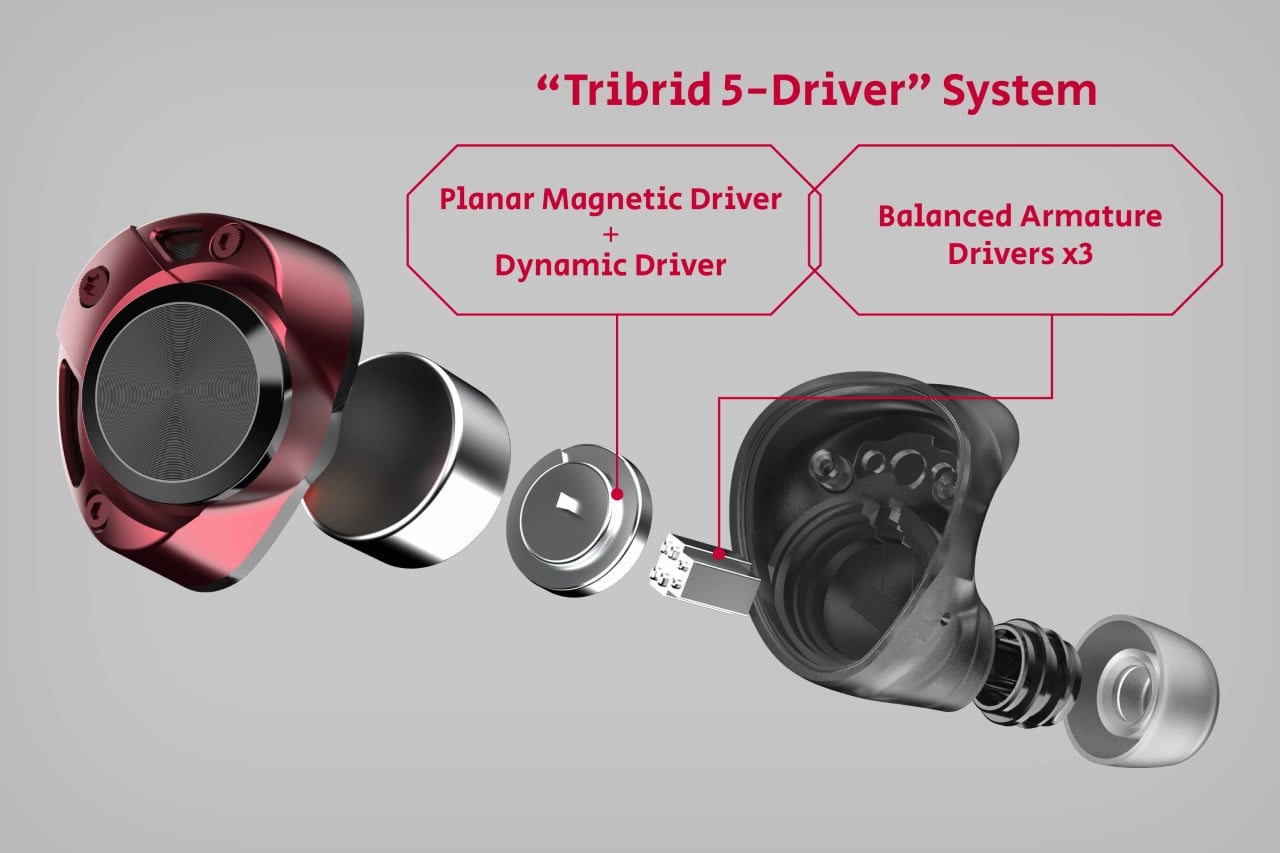
The newly developed system is known as the “Tribrid 5-Driver”. It includes a planar magnetic driver, three balanced armature drivers, and one dynamic driver. Planar Magnetic Drivers, Balanced Armature Drivers, and Dynamic Drivers each uniquely contribute to the audio quality. First, the Planar Magnetic Driver is known to produce superior sound quality, by utilizing a thin, lightweight diaphragm that’s able to cover a large surface area to deliver clear, detailed sound and excellent response times. The diaphragm’s size and thinness allow it to produce sound evenly across the frequency spectrum, contributing to a smoother, more natural sound.

Enjoy Wireless High-Resolution Audio with LDAC

Second, the three Balanced Armature Drivers are smaller and more efficient than other types. Due to their size, they are often used in in-ear headphones. These drivers can be tuned to specific frequencies, making them ideal for producing high-frequency sounds with precision. Multiple balanced armature drivers can be combined in a single earphone to cover a wide range of frequencies.

Lastly, the Dynamic Driver in the TE-ZX1 earbuds is 10mm in diameter, which contributes to superior sound quality and realistic low frequency. Dynamic drivers are known for their ability to produce strong, impactful bass and handle a wide frequency range. A significant advantage of dynamic drivers is their ability to handle a lot of power without distortion, which contributes to a louder, more powerful sound.

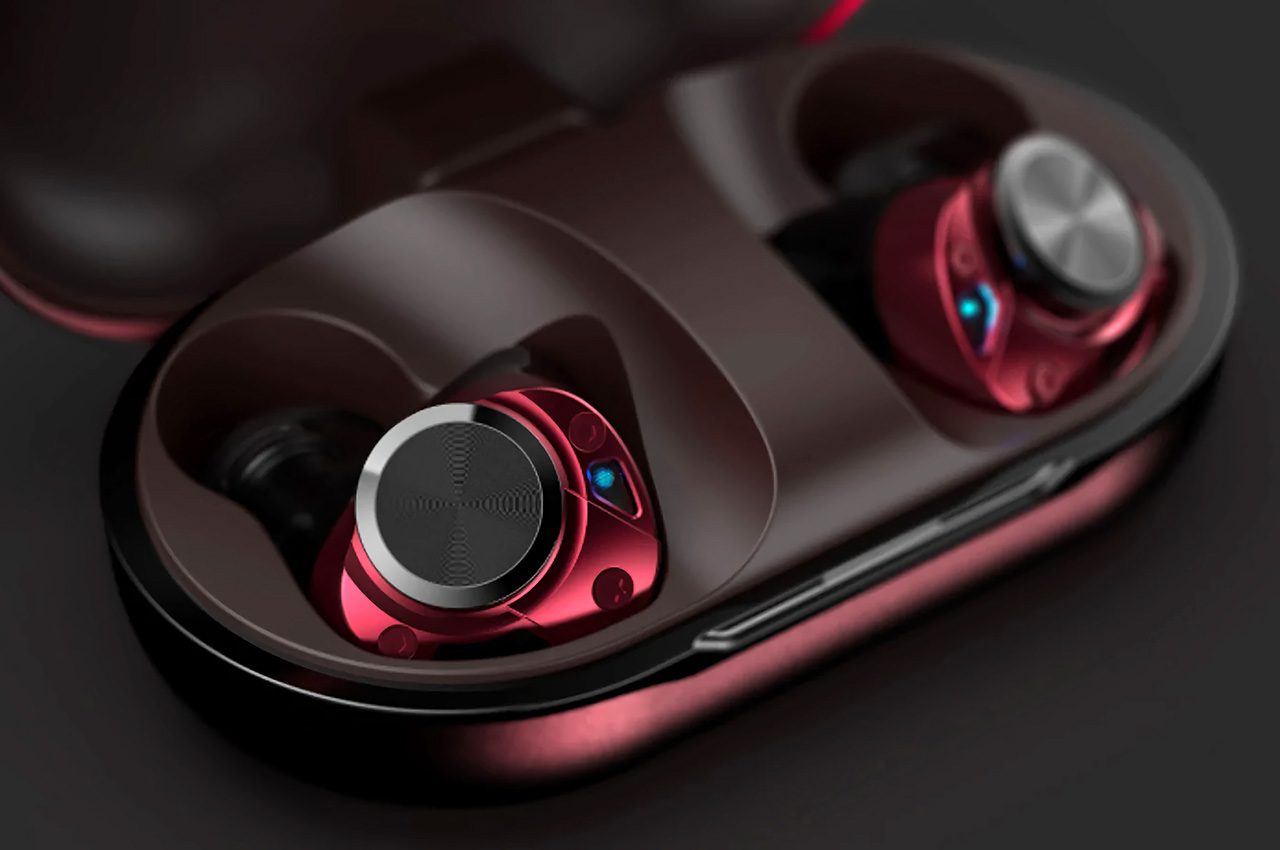
When working together, these three types of drivers should deliver dynamic and expansive sound quality across the frequency range, thanks to their complementary characteristics. I’m a big fan of in-ear-monitor (IEM) earphones, mainly because of the near-custom fit they offer. They provide a more enjoyable listening experience during long flights, extended office hours, or lengthy hiking trips. The high-speed combat ship “Swordfish II” from the hit anime series ‘Cowboy Bebop’ inspires the design, presenting a balanced yet high-tech and cutting-edge feel. When a product’s weight is distributed throughout the entire device, particularly something that sits in a compact space like your ear, it needs to feel balanced. This balance is what the designer has strived to achieve. The semi-hard case housing the earbuds is well-designed and features an integrated recharge function, providing up to 20 extra hours of listening enjoyment. The earbuds alone offer up to 8 hours of playtime and require only a 10-minute charge to gain another 60 minutes.

Regarding listening pleasure, having high-end drivers alone won’t guarantee rich sound quality without LDAC technology. Meanwhile, thanks to the 5 drivers, the use of a Digital Signal Processor (DSP) has been meticulously minimized By using LDAC – an audio coding technology developed by Sony that enables the transmission of High-Resolution (Hi-Res) Audio content, even over a Bluetooth connection. Unlike other Bluetooth-compatible coding technologies, such as SBC, it operates without down-converting the Hi-Res Audio content and allows approximately three times more data than those other technologies to be transmitted over a Bluetooth wireless network. This results in enhanced sound quality, more detailed and nuanced audio reproduction, and an overall superior listening experience.

Click Here to Buy Now: $251 $335 (25% off). Hurry, only 31/100 left! Less than 72 hours to go.

The post A Groundbreaking 5-Driver Wireless Earbuds is Sweet Music to Your Ears first appeared on Yanko Design.
Wireless earbuds concept suggests a novel and weird way to clean it

Wireless earbuds, particularly the so-called True Wireless Stereo or TWS earbuds, have now become a common sight, in no small part thanks to Apple retiring the headphone jack and pushing the AirPods as a solution. These accessories come in different shapes and sizes, but the one common design they share is that the buds are enclosed in a container that acts as their charger as well. As any user of these tiny buds has experienced by now, both the buds and their are often exposed to dirt and grime that could become a health issue over time. Cleaning the earbuds themselves might be trivial, but when that dirt gets deep inside the case, the task becomes significantly more difficult. This concept tries to solve that problem by practically overhauling the charging case design, and it takes inspiration from the weirdest source to implement the strangest cleaning method.


Designer: Seungjae Lee

For TWS earbuds that store the buds’ stems vertically like with the Apple AirPods, the charging cases have a small and deep tunnel where dirt and bacteria can get in and fester. It’s not impossible to clean but it does take some effort, requiring you to really stop and use some tools to wipe the dirt deep inside. If only you could blow the dust and dirt away quickly when you need to, just like with many other objects you might have with you.

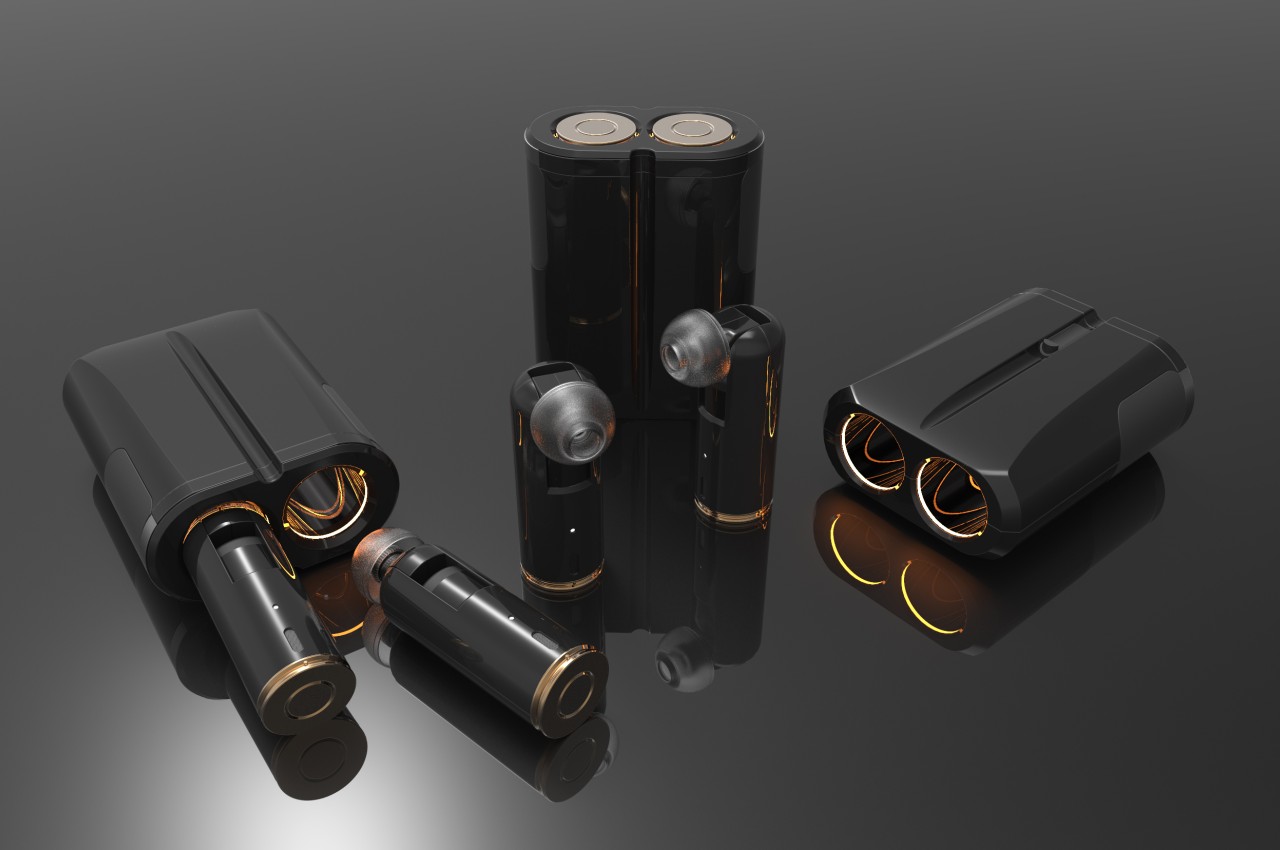
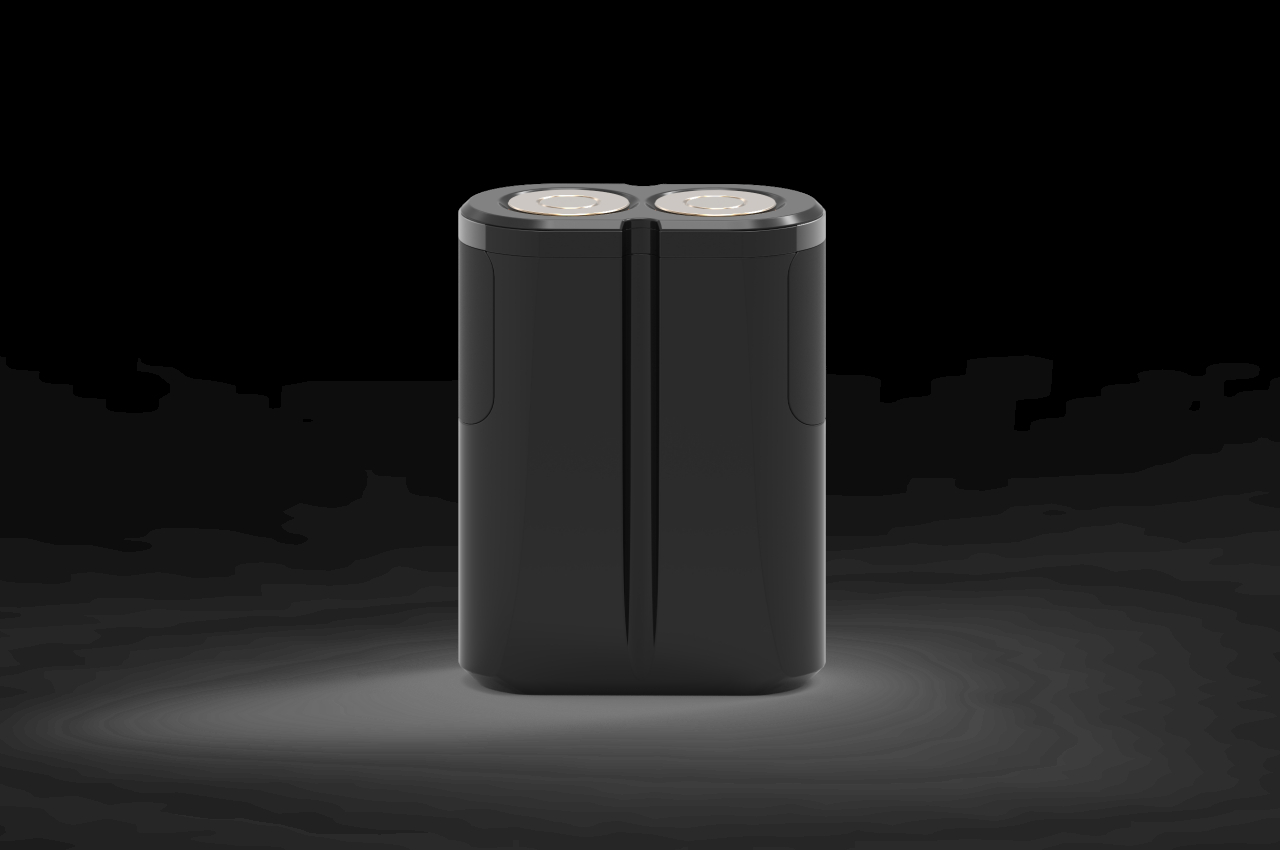
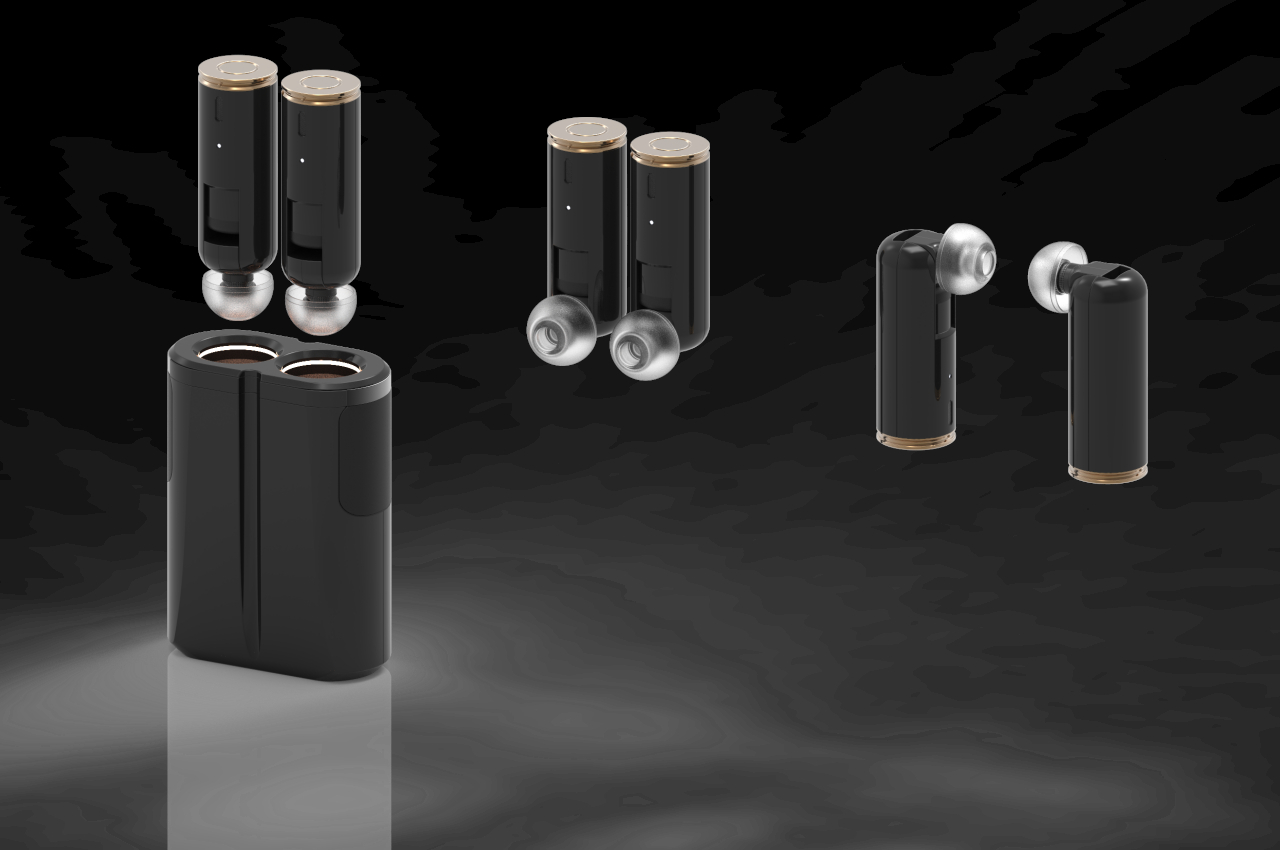
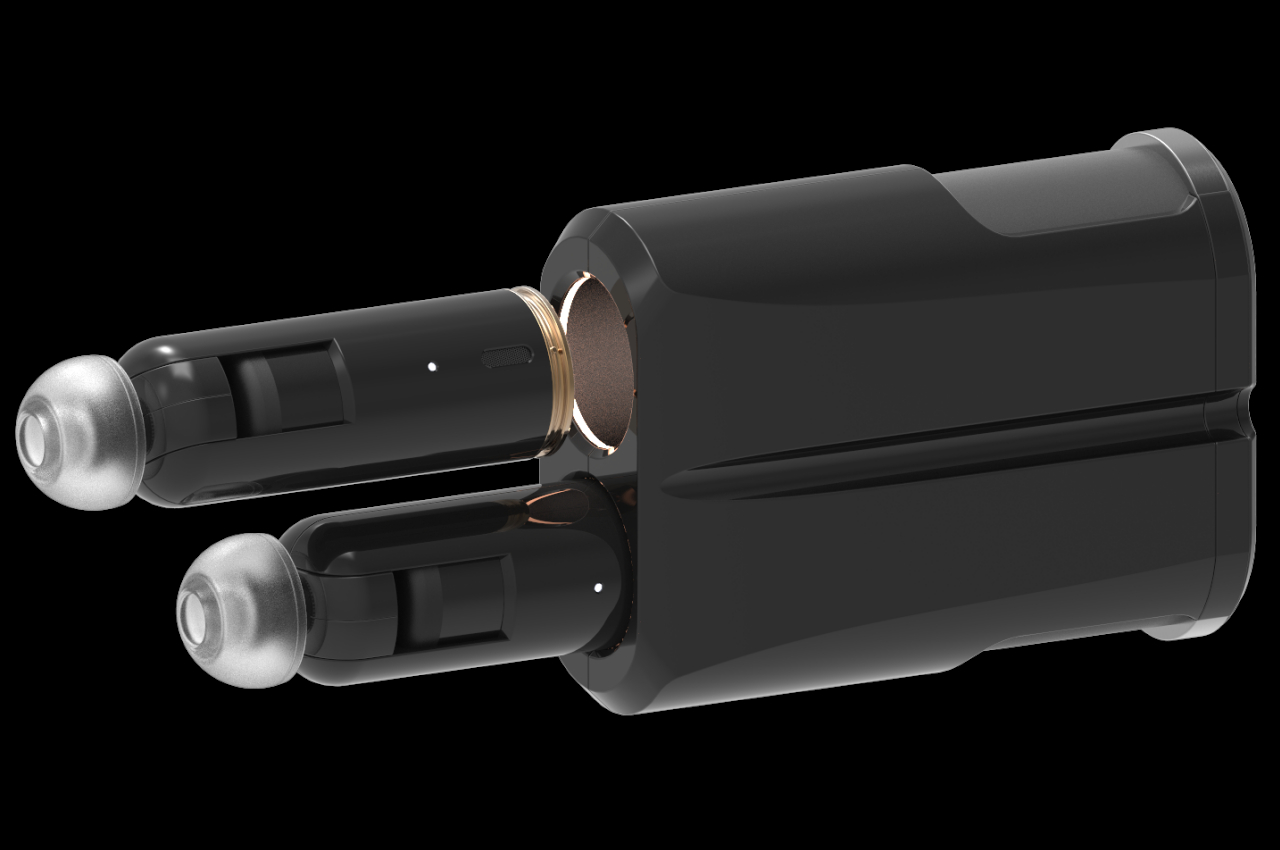
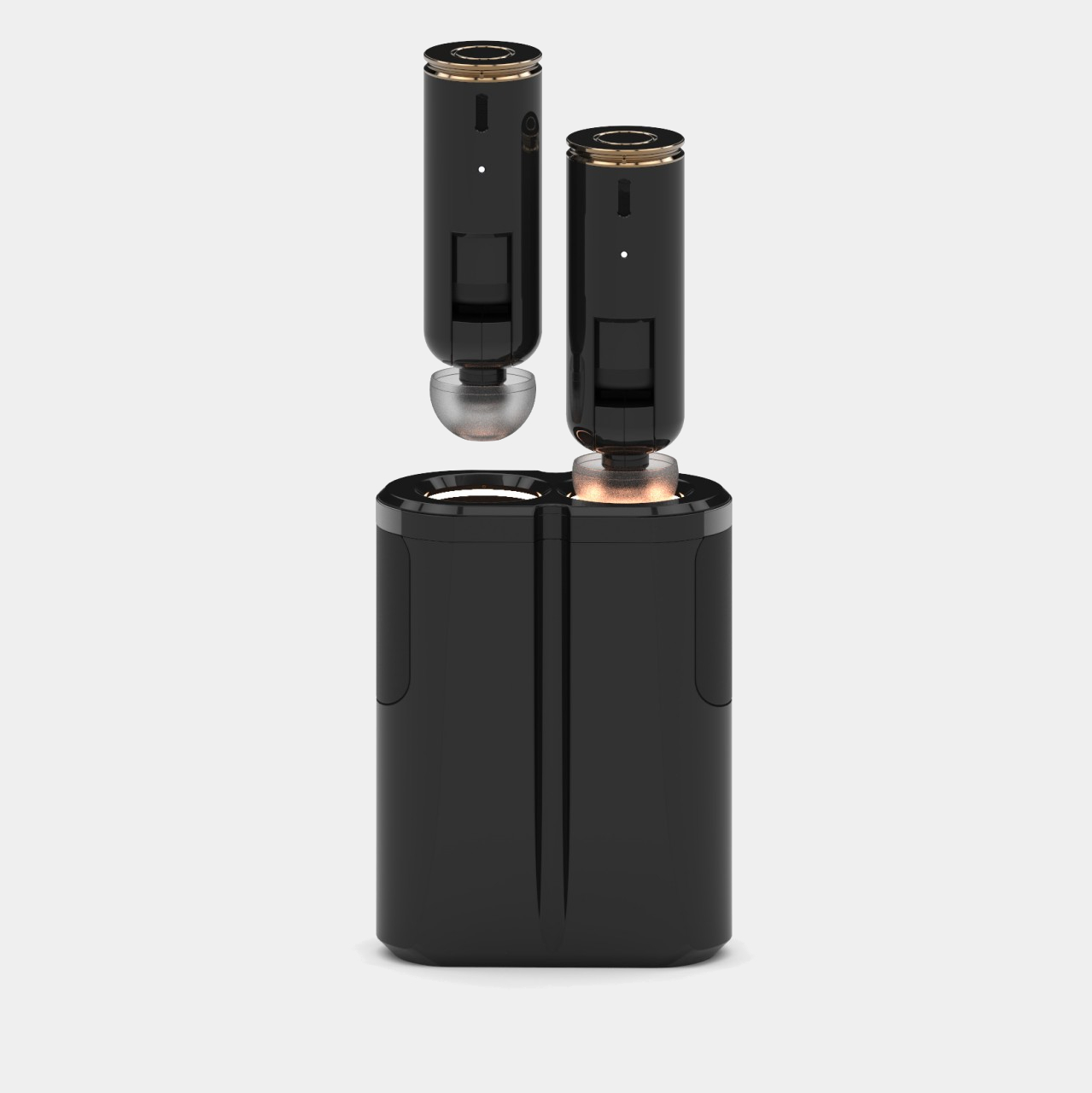
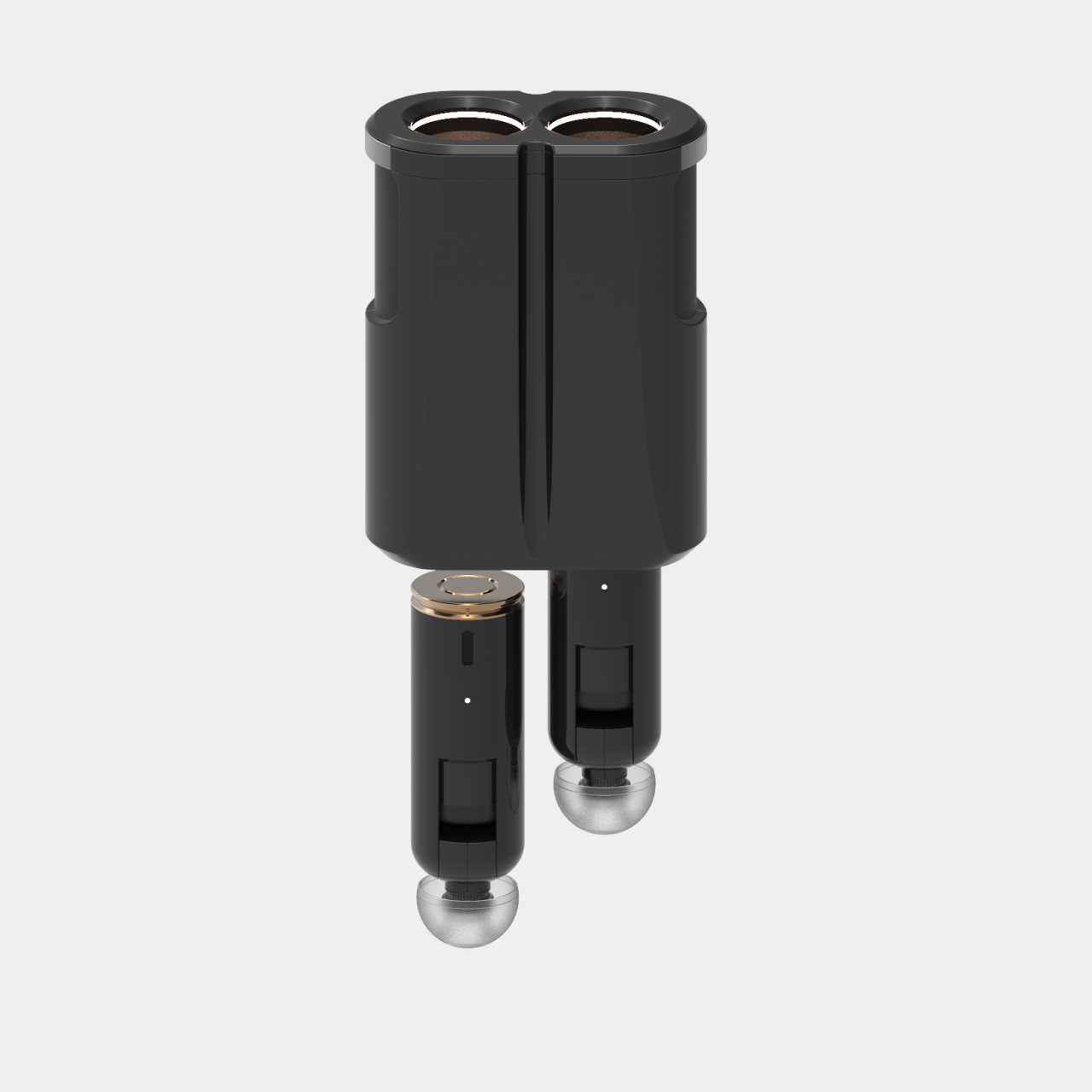
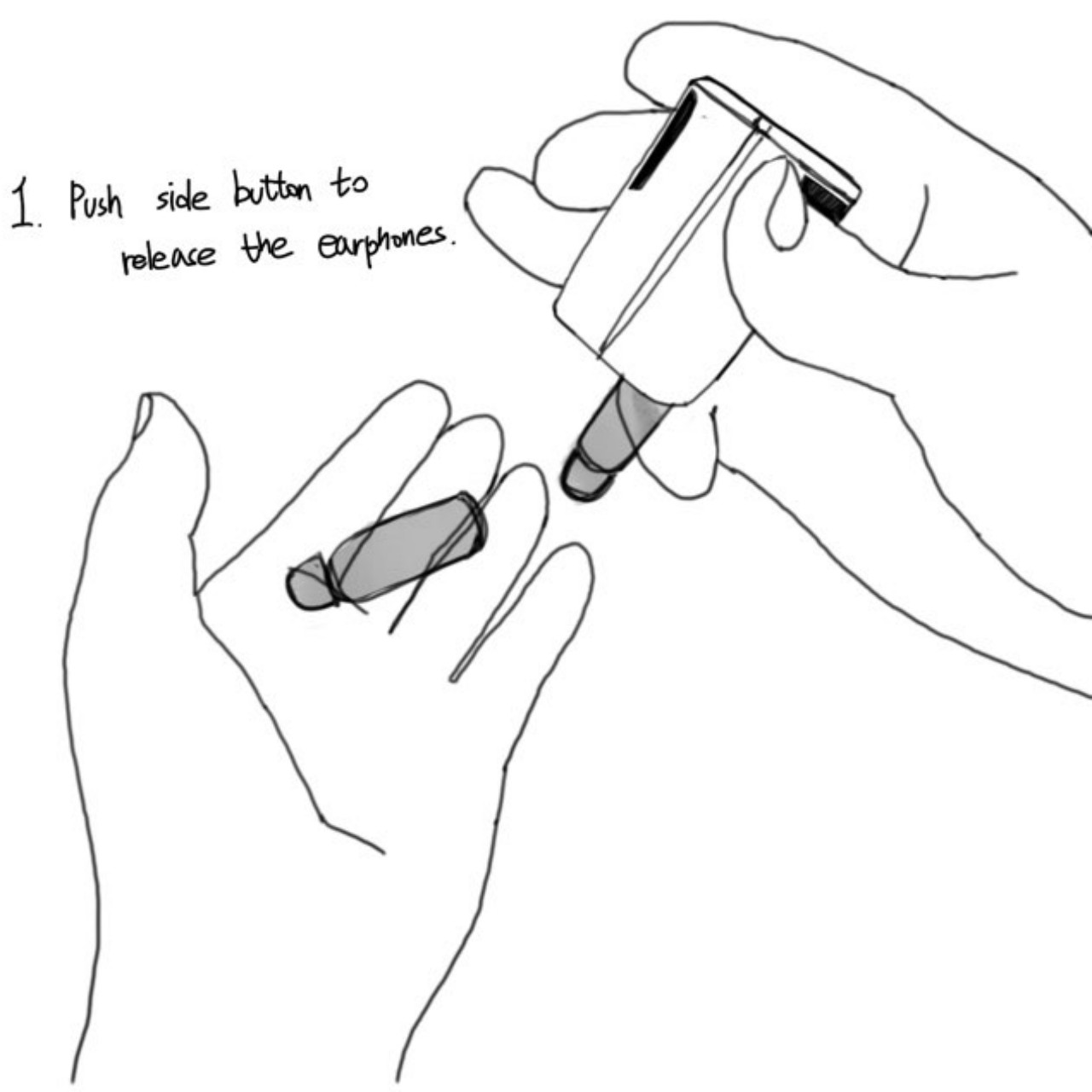
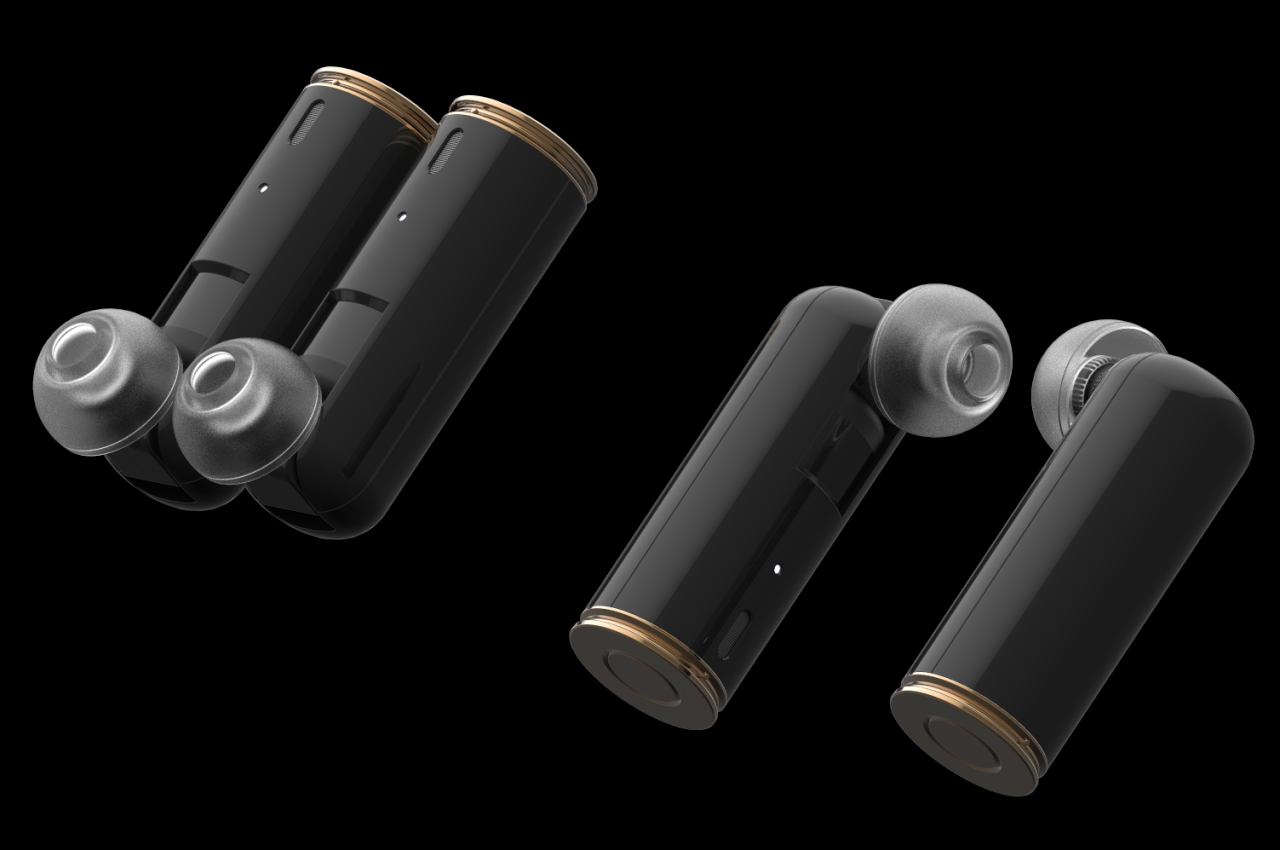
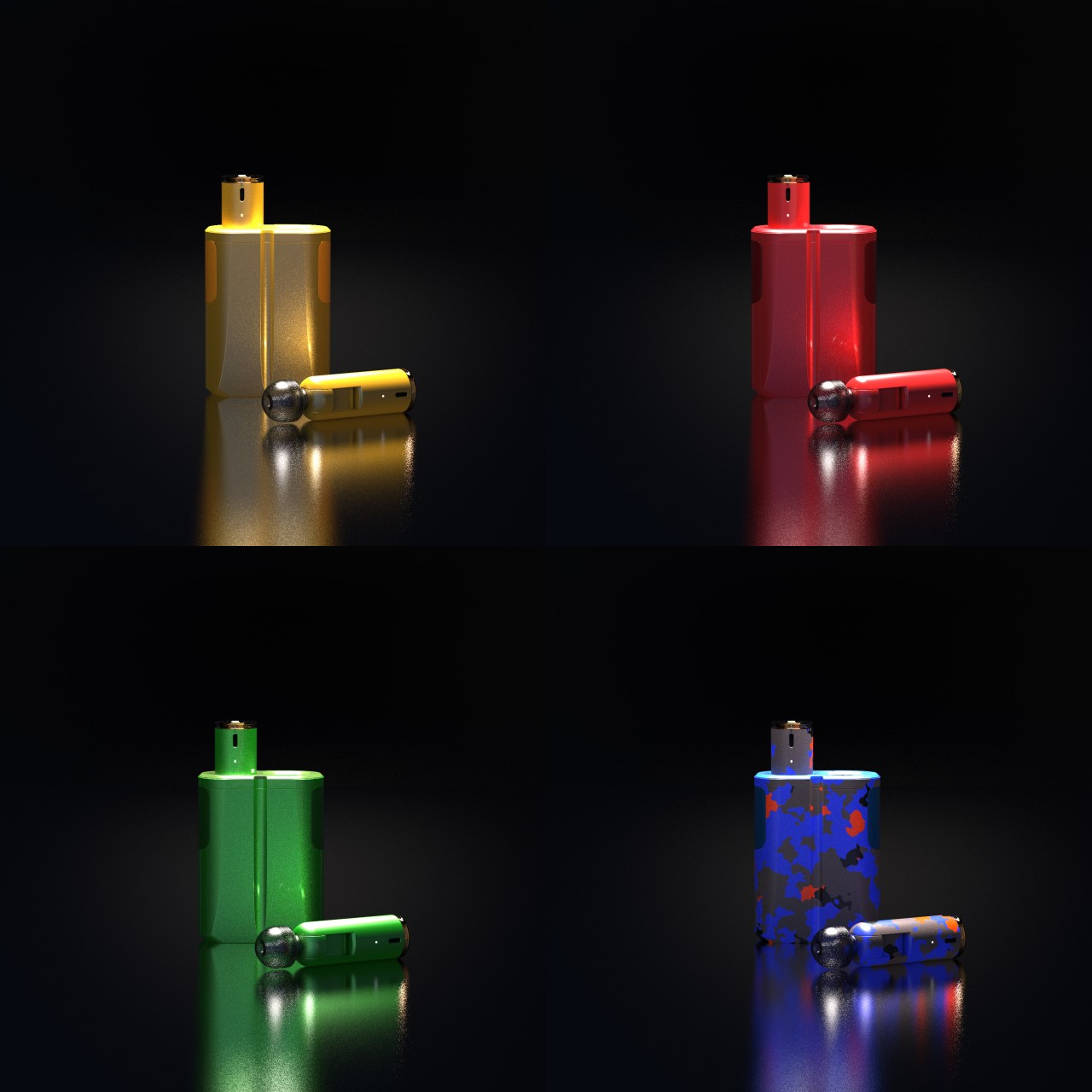
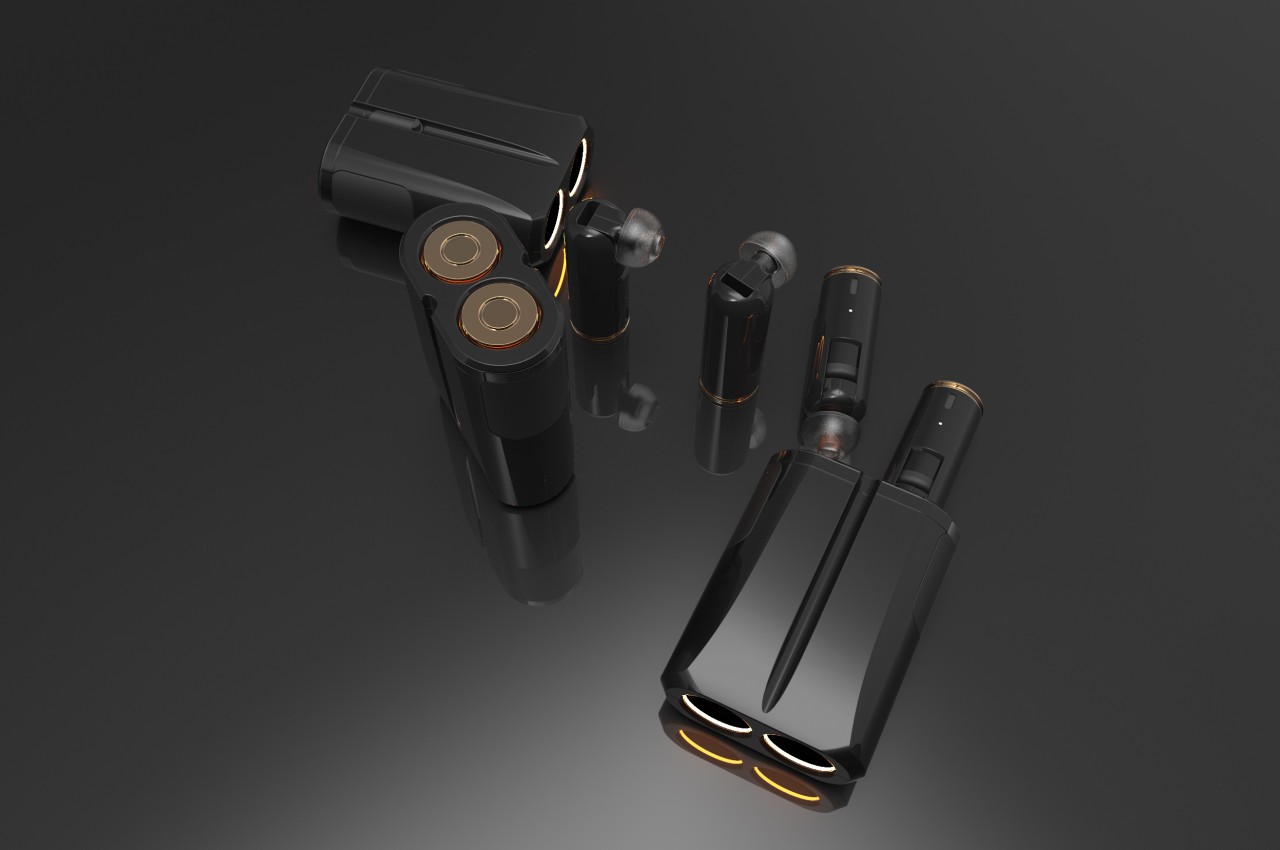
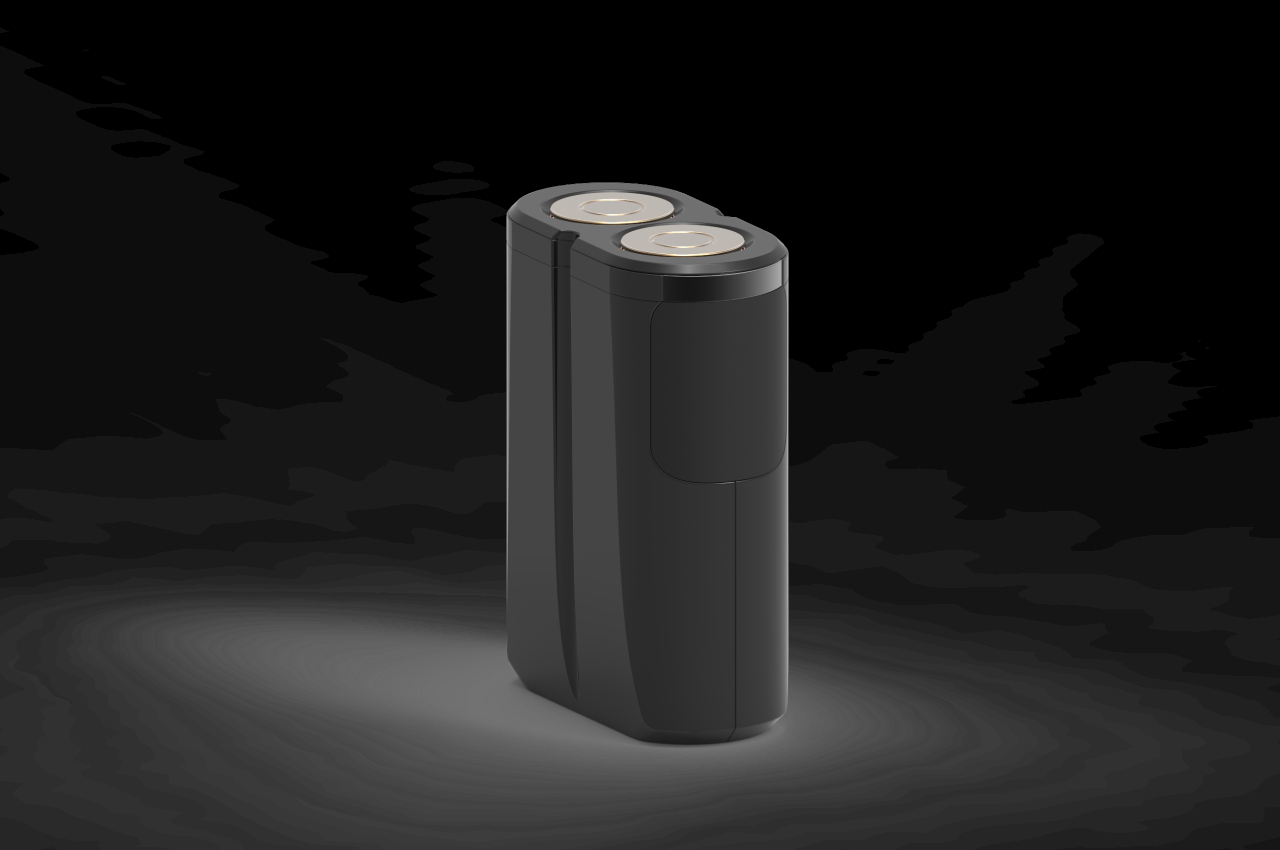
The Double Barrel Bluetooth Earbuds concept offers that convenience by turning the charging case into two hollow tubes with openings on both ends. The inspiration for this design was, apparently, a double-barrel shotgun, which is probably the last thing you’d expect to associate with non-violent wireless earbuds. As a visual embellishment, inserting and removing the earbuds would light up LEDs inside the barrel, as if you were shooting bullets.

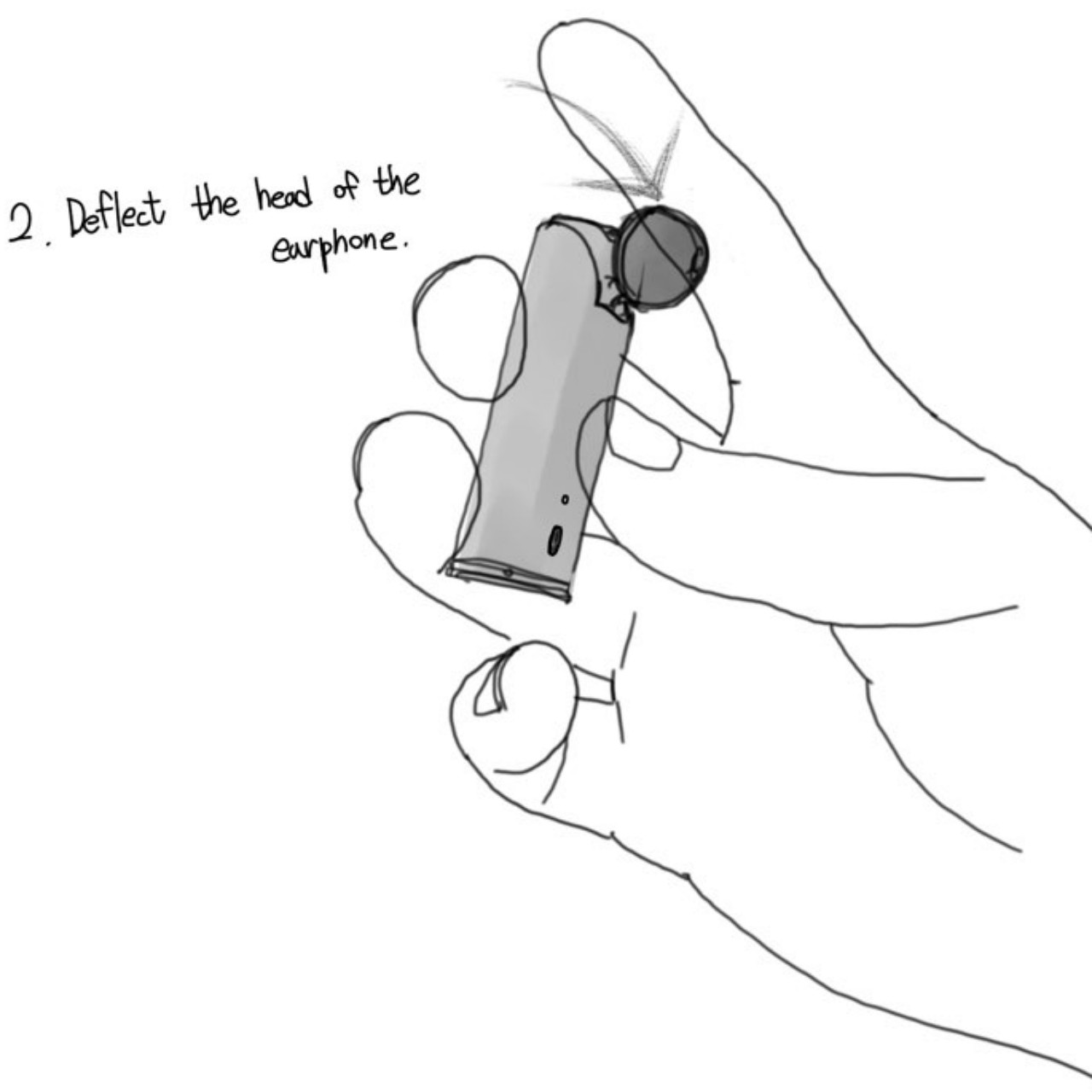
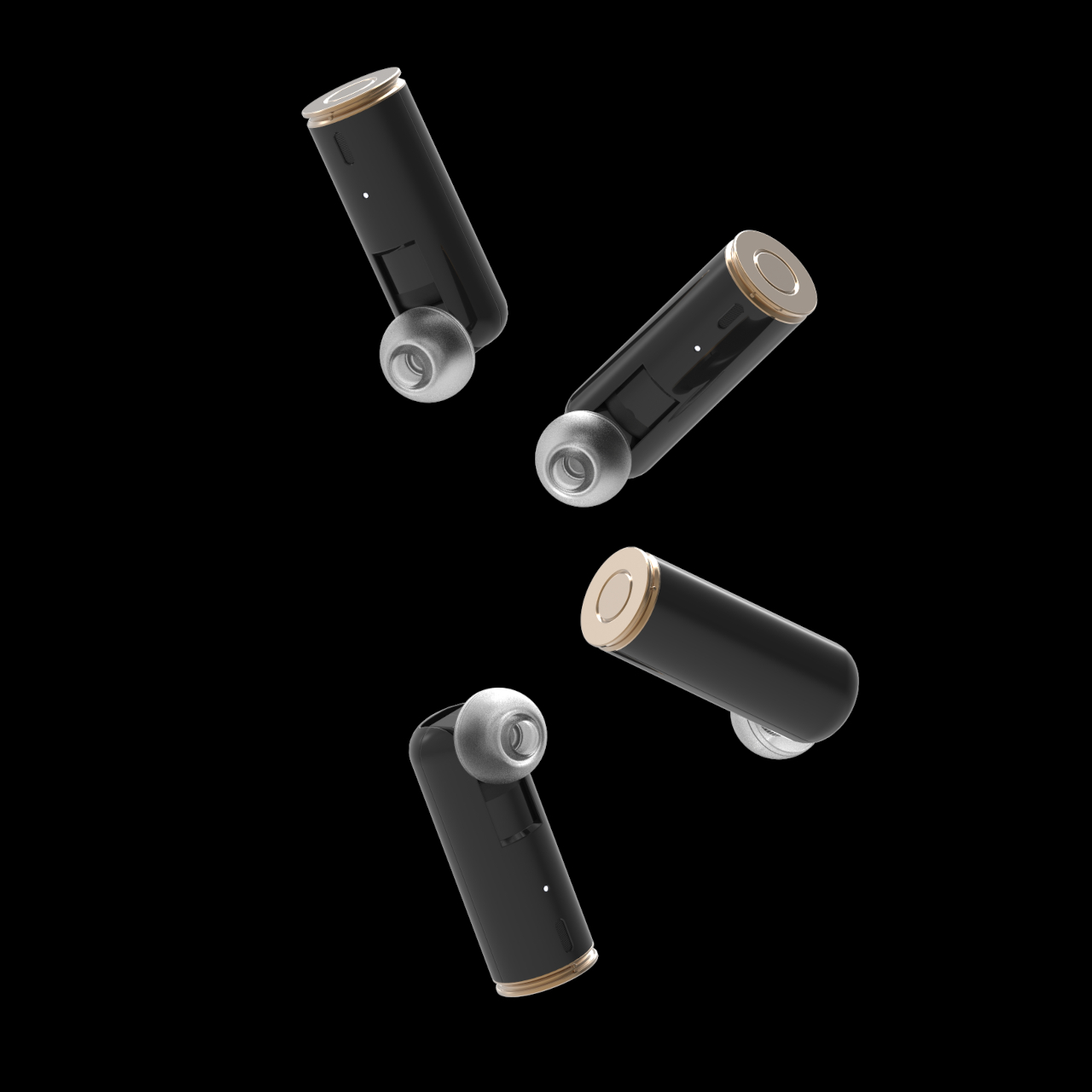
For this to work, however, the buds themselves have to be straight, which would have been awkward to wear inside our ears. The concept proposes to make the tips foldable so they would take the form of typical earbuds that you can comfortably wear in your ears. And because of the double-ended opening, you can actually put in or remove the buds in either direction.

While the concept design is definitely interesting, it is based on the rather shaky premise that cleaning the earbuds case by blowing into them is actually a smart idea. Our breaths aren’t exactly clean and, more importantly, they also carry with them small saliva particles that could damage the charging contacts inside. And by keeping both ends open, the case would actually invite even more dirt and particles inside, making regular cleaning even more of a chore.

The post Wireless earbuds concept suggests a novel and weird way to clean it first appeared on Yanko Design.