OpenAI has officially launched the highly anticipated ChatGPT 6 Astra, an AI model designed for complex professional applications. This release brings a 47% improvement in task completion speed compared to its predecessor while reducing token usage. Notable capabilities include secure code reviews and scientific data analysis, addressing needs in fields where accuracy and reliability are […]
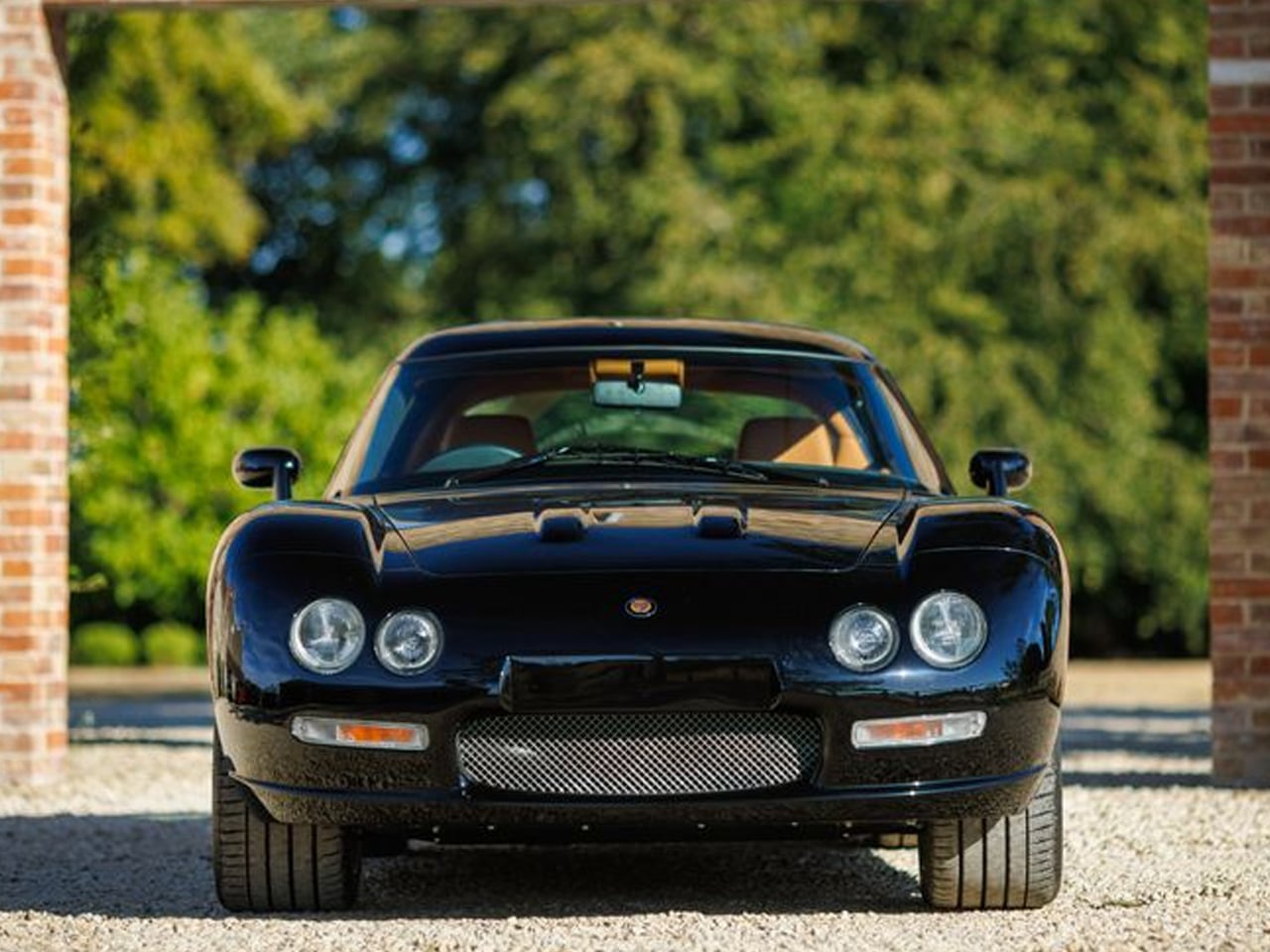
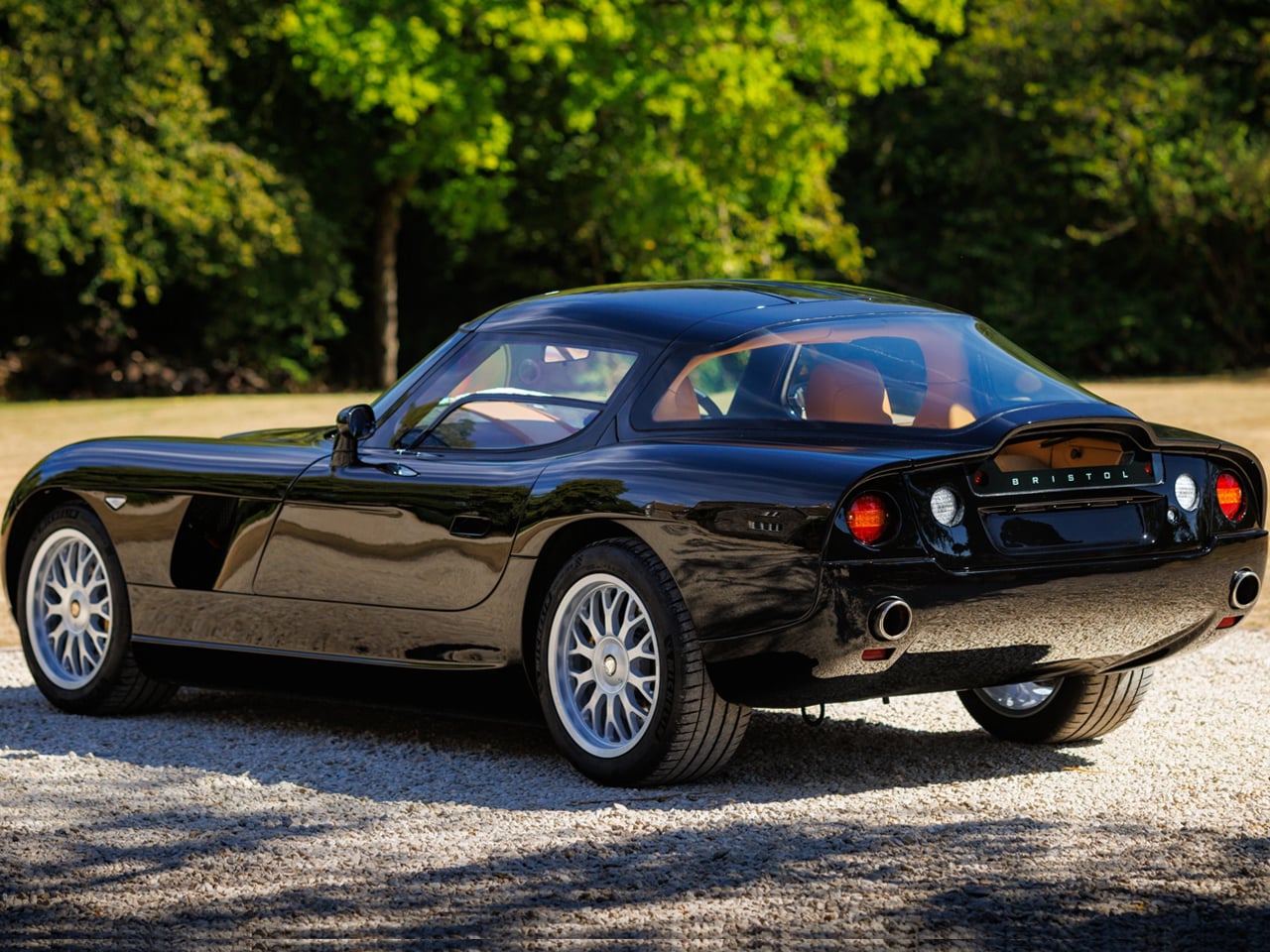
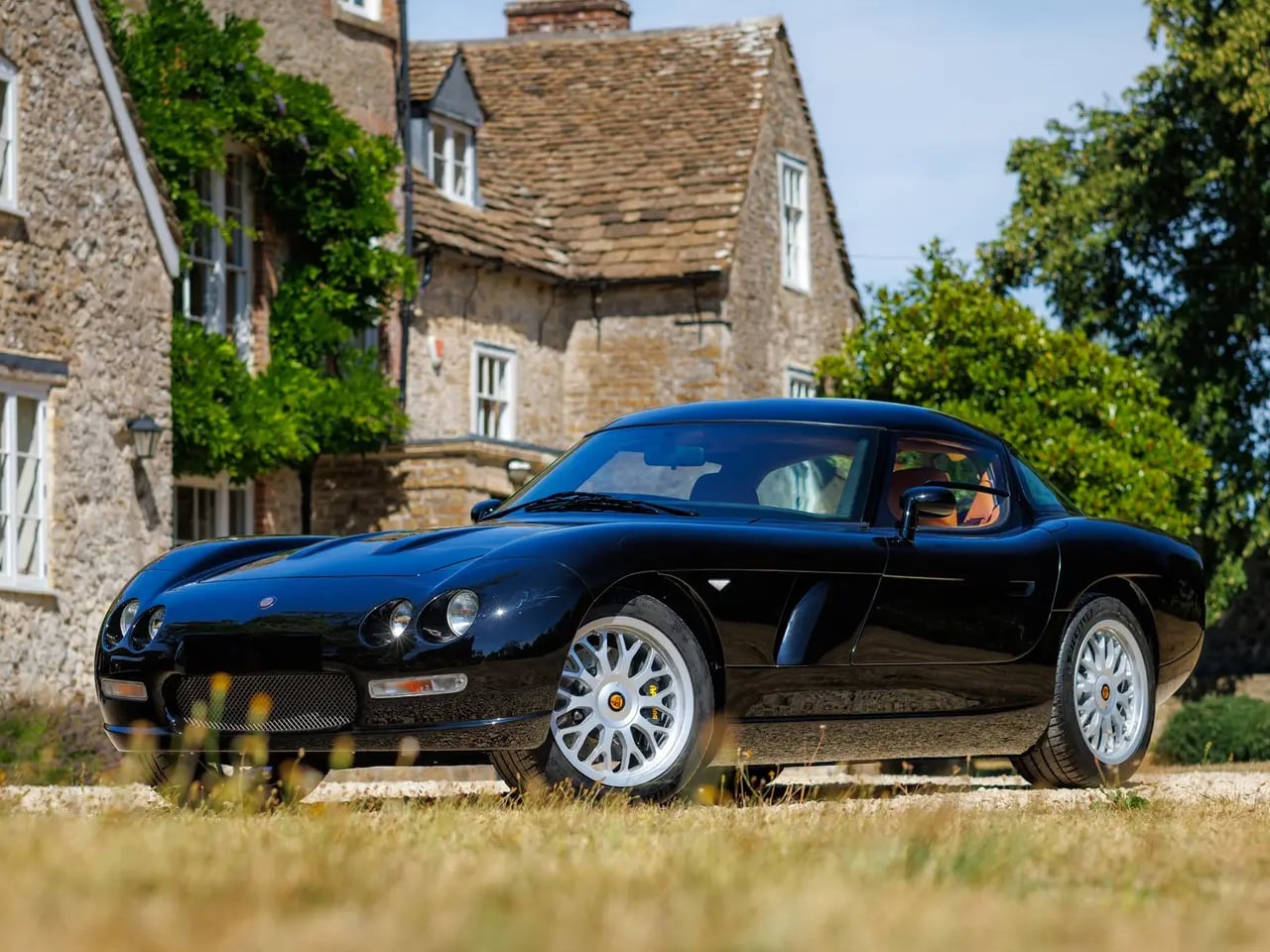
Bristol Cars has been on hiatus for almost 15 years, but now the self-proclaimed ‘enigmatic’ British brand has risen from the ashes to revive one of its most flamboyant creations. The Bristol Fighter, the last model produced by the eccentric British marque, is making a revival in modern times, and it is as exclusive as it gets.
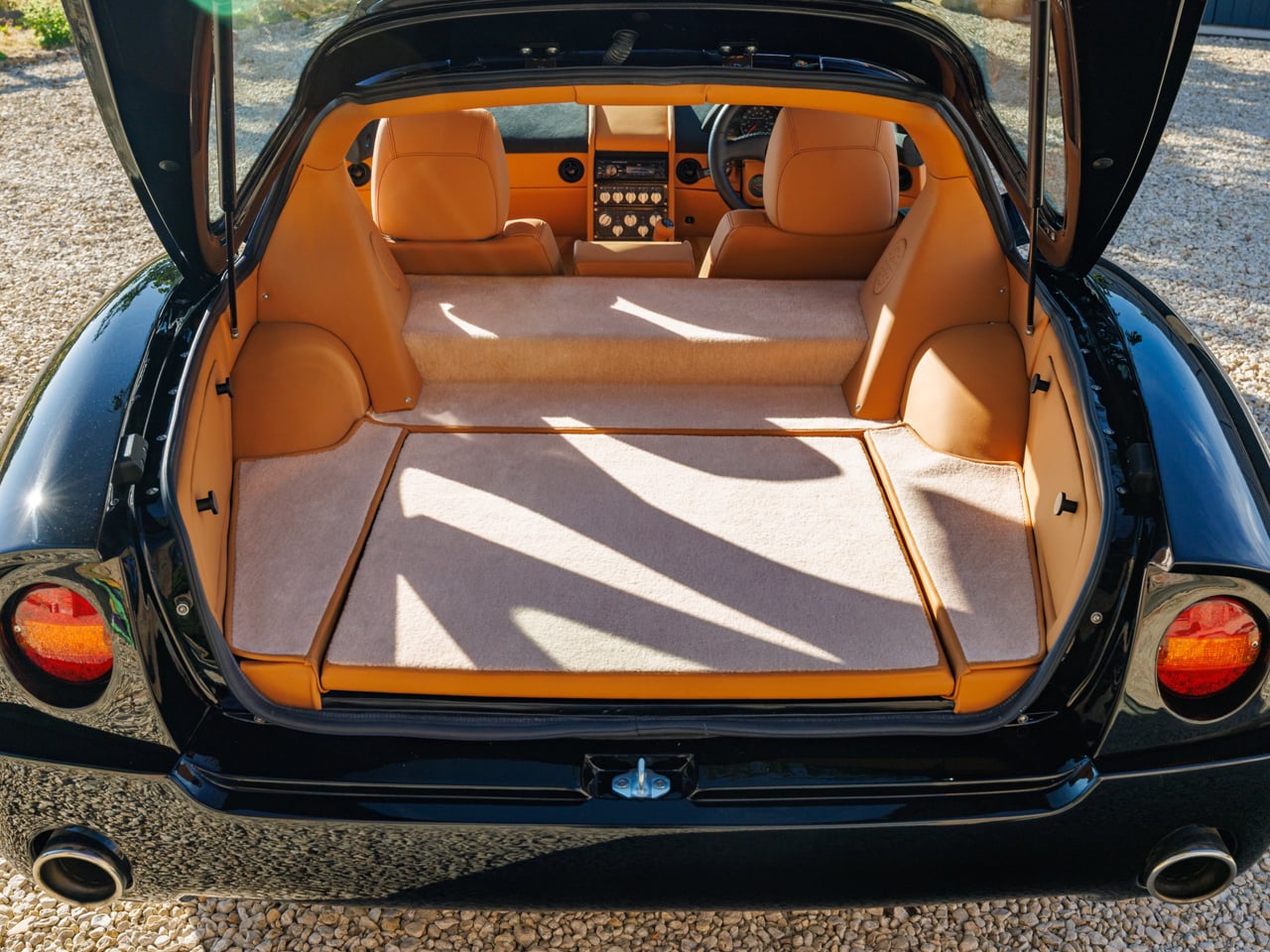
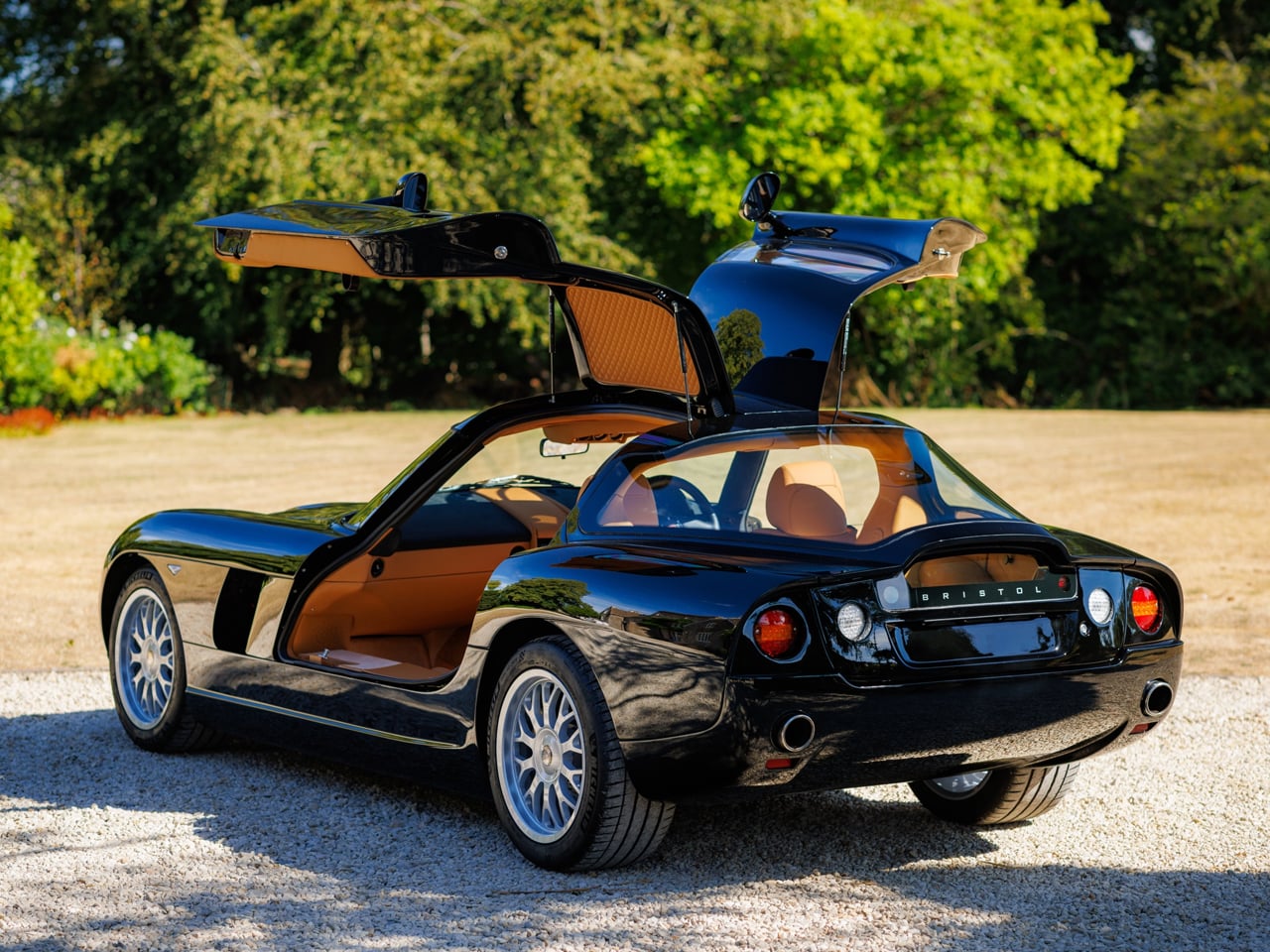
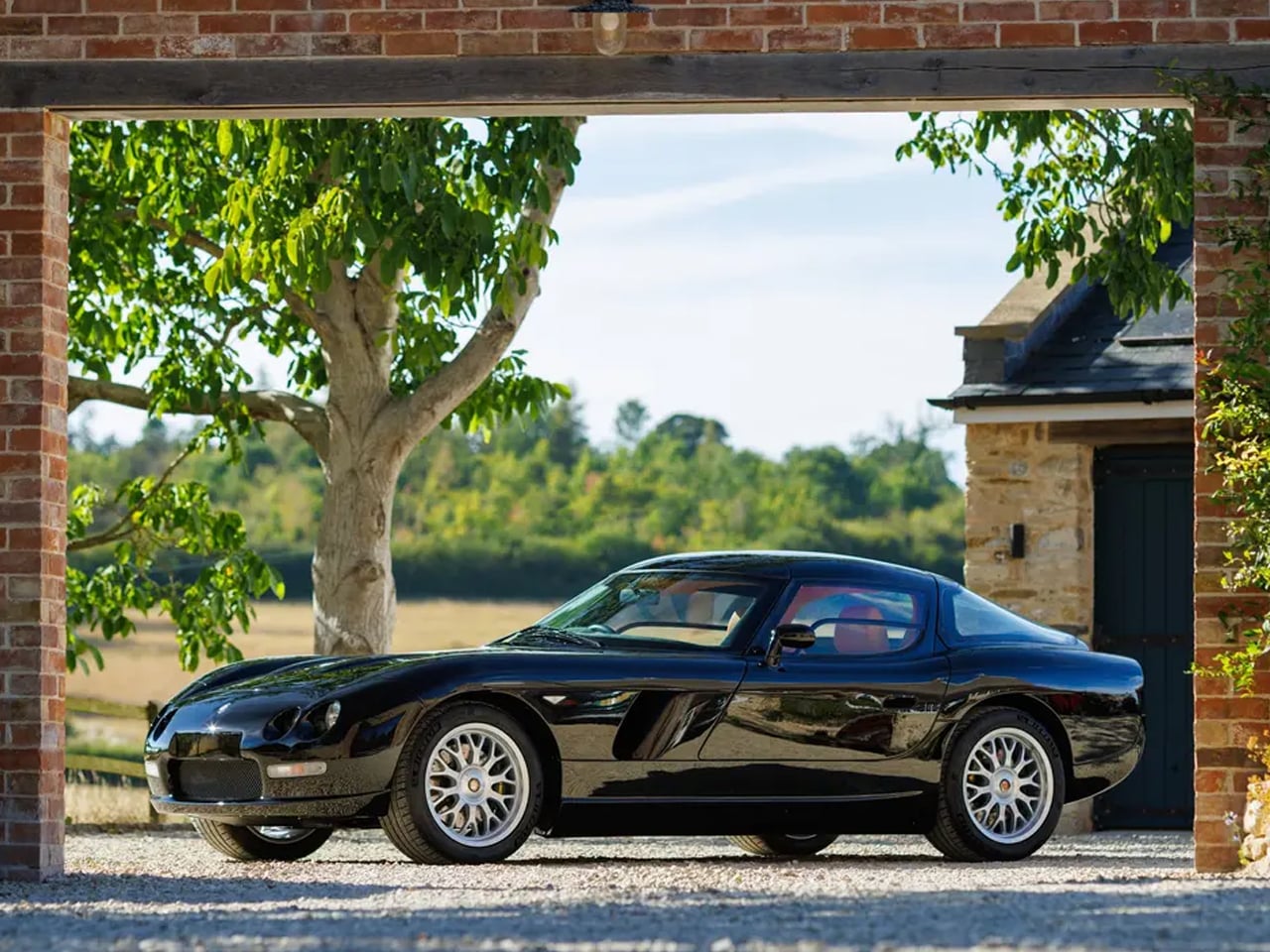
Only five of them will ever be produced, using unused original chassis that have been waiting to be completed. One of these five has already been created and will be displayed at Salon Privé at Blenheim Palace. Bristol Cars will hand-build the remaining four to commission, drawing on the original engineering drawings and parts from the handful of Fighters that survived.
According to Paul King, owner and director of Bristol Cars, the remake of the Fighter is “far more than reviving a name; it is about bringing back the spirit of a marque that has always stood apart.” For Bristol, that spirit is inseparable from its aviation and engineering roots, which have influenced the company’s cars since its formation in the aftermath of the Bristol Aeroplane Company.
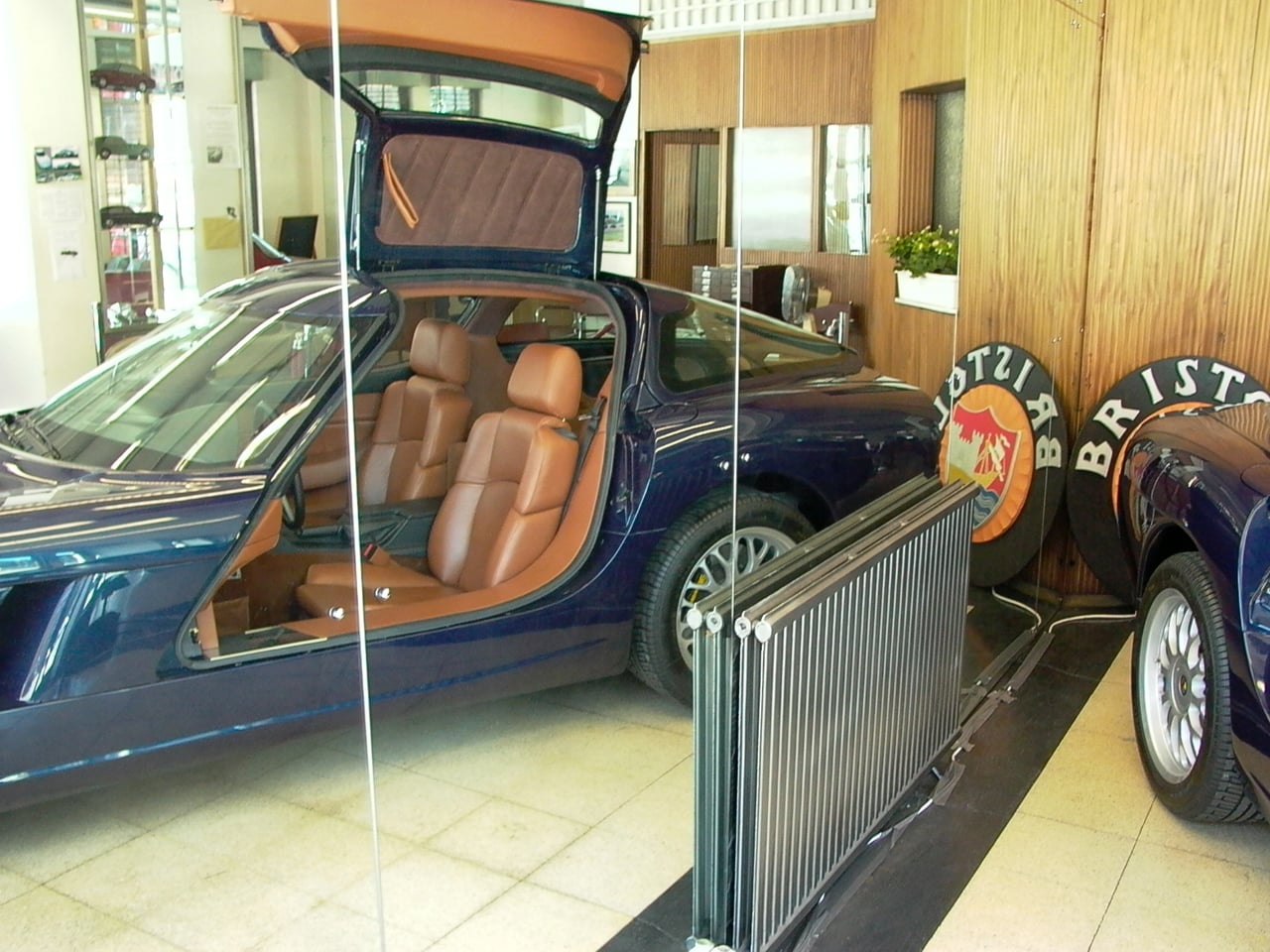
The most exciting bit is the return of the 8.0-liter V10, offered in its original 525hp specification, with a 600hp version also available. Bristol had claimed a 210mph top speed for the Fighter, making it an unusually serious grand tourer beneath its understated British exterior. The long, low body, distinctive gullwing doors and front-mid-mounted engine remain central to the design, preserving the visual character that made the original so unusual.
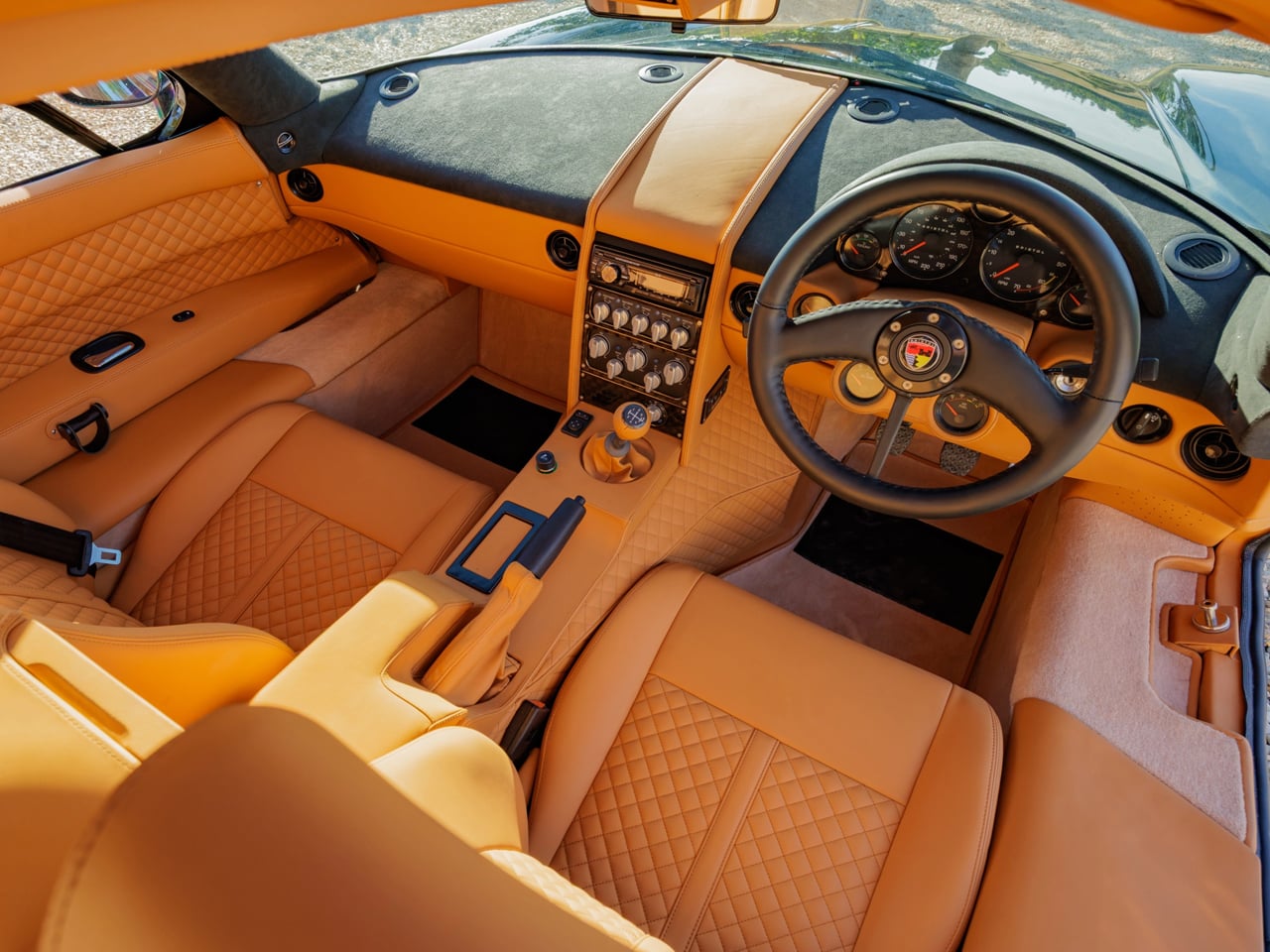
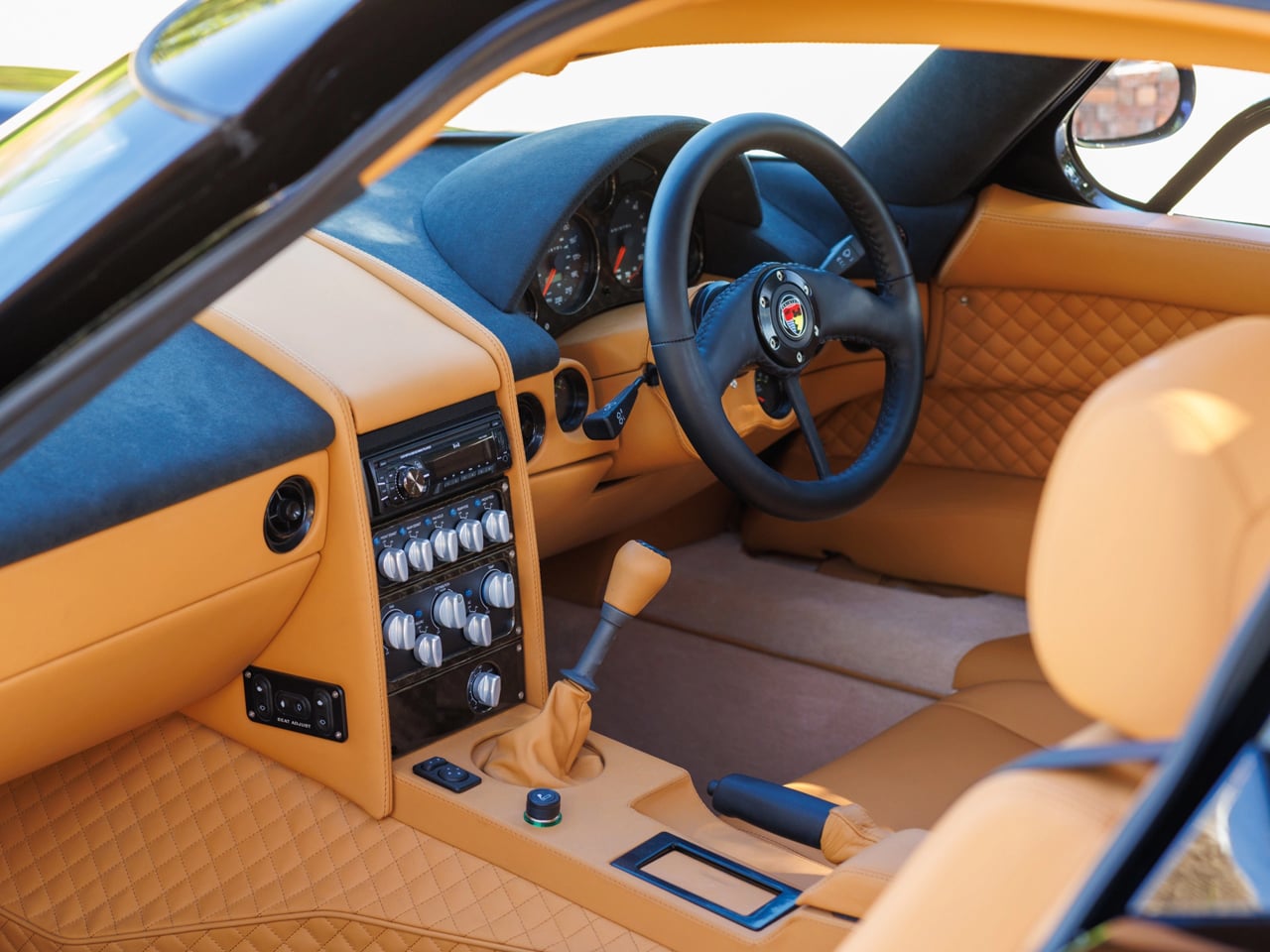
The first continuation car gets a black exterior paired with a tan cabin, creating a restrained contrast that suits Bristol’s deliberately unconventional character. The interior retains the aircraft-like detailing that distinguished the original, including an abundance of instruments and controls rather than the minimalist digital interfaces common in modern supercars. Even an engine-hours gauge was incorporated into the original cabin, reinforcing the connection to Bristol’s aviation heritage.
The Fighter was originally introduced in the early 2000s and used a V10 derived from the Dodge Viper. It was never produced in significant numbers; estimates suggest that only a small number of complete cars were built before Bristol entered administration in 2011. The new continuation series therefore serves a practical purpose as much as a nostalgic one: it allows the marque to finally complete chassis that were left unfinished when production stopped.
The remaining four cars can be commissioned in either right- or left-hand drive and will be personalised to their owners’ specifications. Bristol is working with a British manufacturing partner specialising in engineering and low-volume production, while Richard Hackett has returned as chairman after previously working alongside former Bristol boss Tony Crook.
The timing is significant, too. Bristol Cars is returning in 2026, exactly 80 years after its first production car, the Bristol 400, was completed in 1946. Rather than reinventing itself with a contemporary electric supercar or an entirely new design, the company has chosen to finish an unfinished chapter first. With only five Fighters planned, this revival is less about volume and more about restoring a very specific piece of British automotive history to the road.
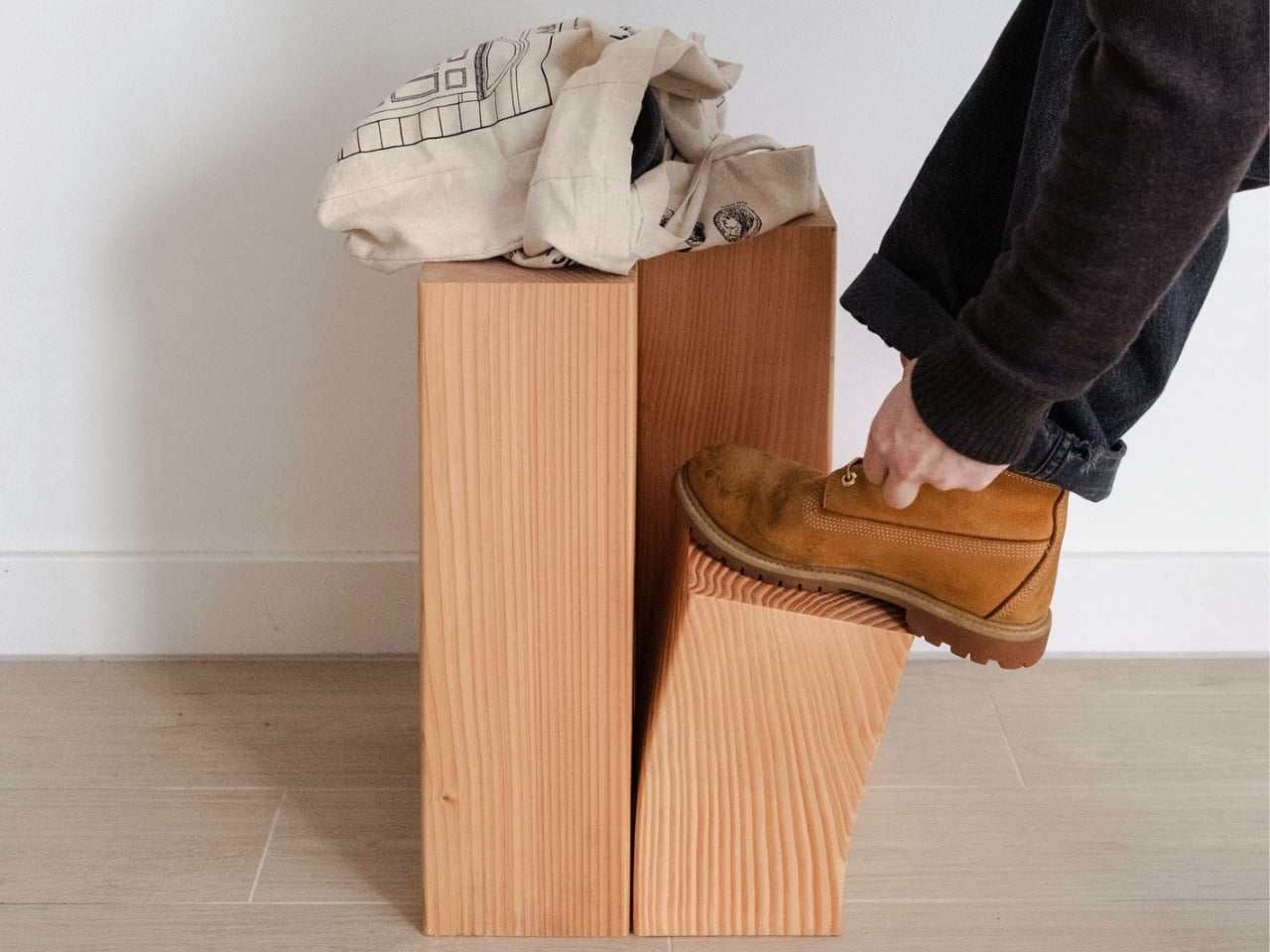
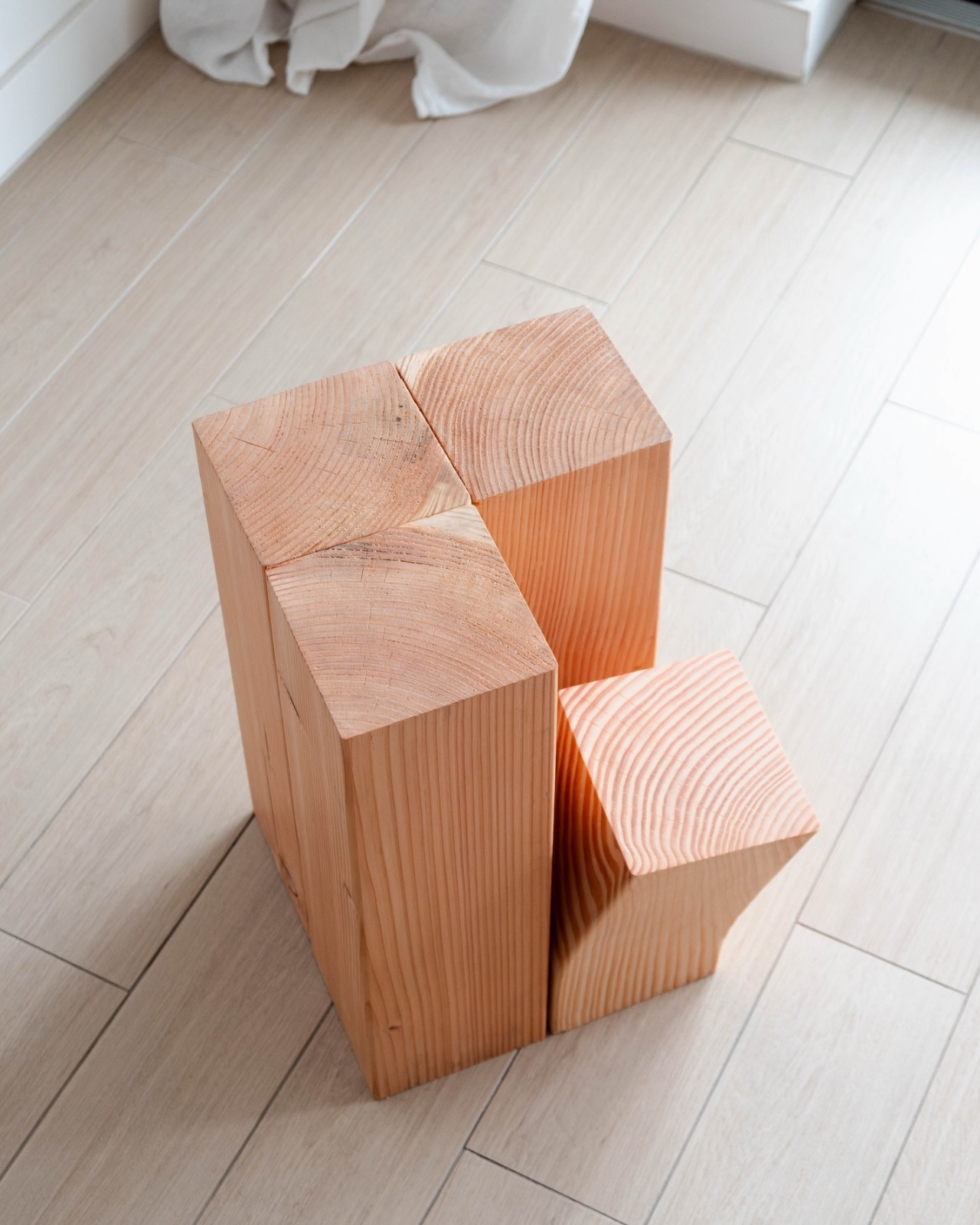
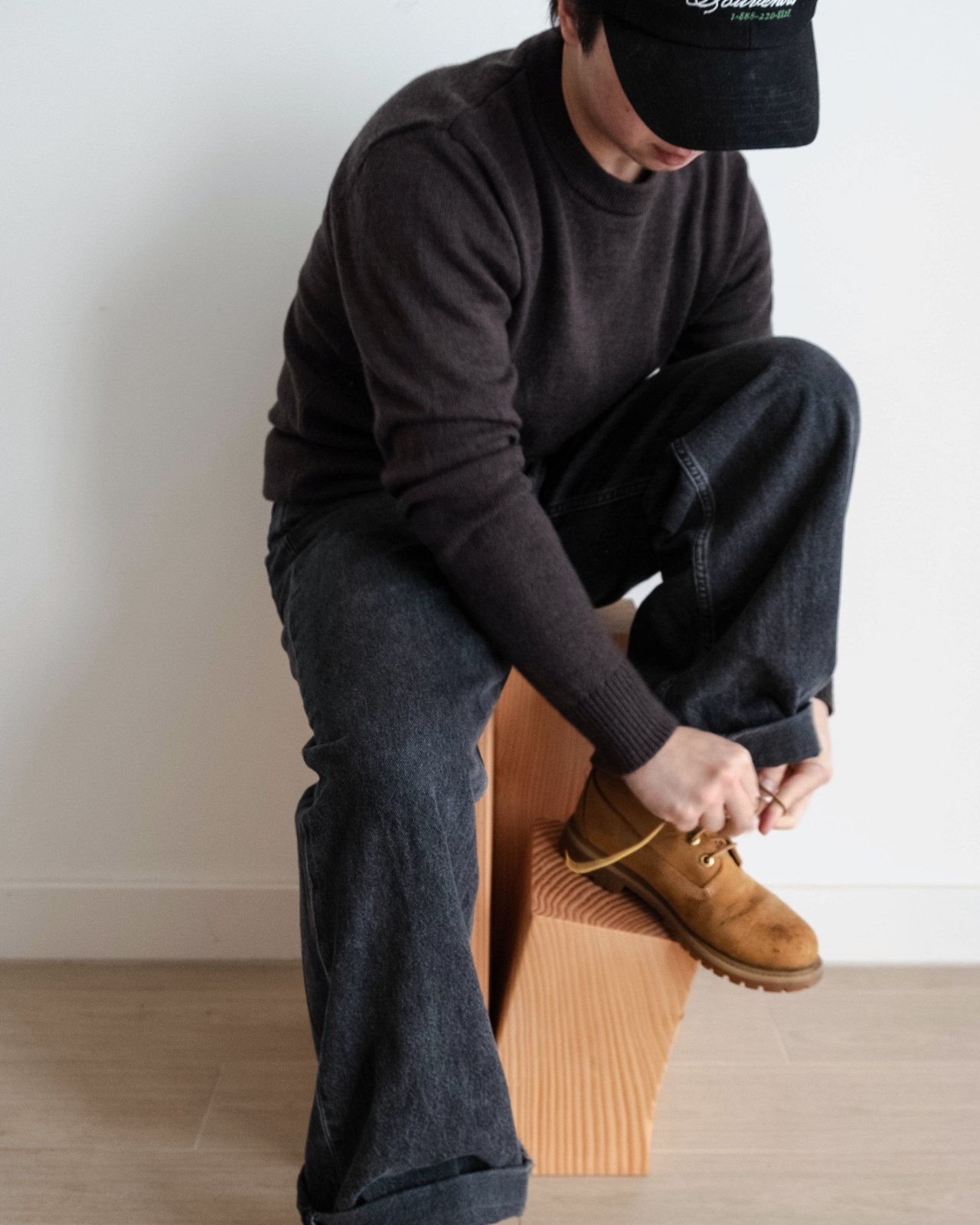
Tying your shoes in the entryway shouldn’t feel like a balance test, but it usually does. You hop on one foot, grip the doorframe or a console table that wasn’t built for that kind of abuse, and hope you don’t tip over before the laces are done. It is a tiny, daily inconvenience that most American homes have quietly accepted, because the entryway is rarely treated as a space worth designing for. Stephen Chan decided to fix that with a step stool built from Douglas Fir, one with a single offset block positioned at exactly the right height to rest a foot while you knot your laces, and it is well-crafted enough that hiding it in a closet would feel like a waste.
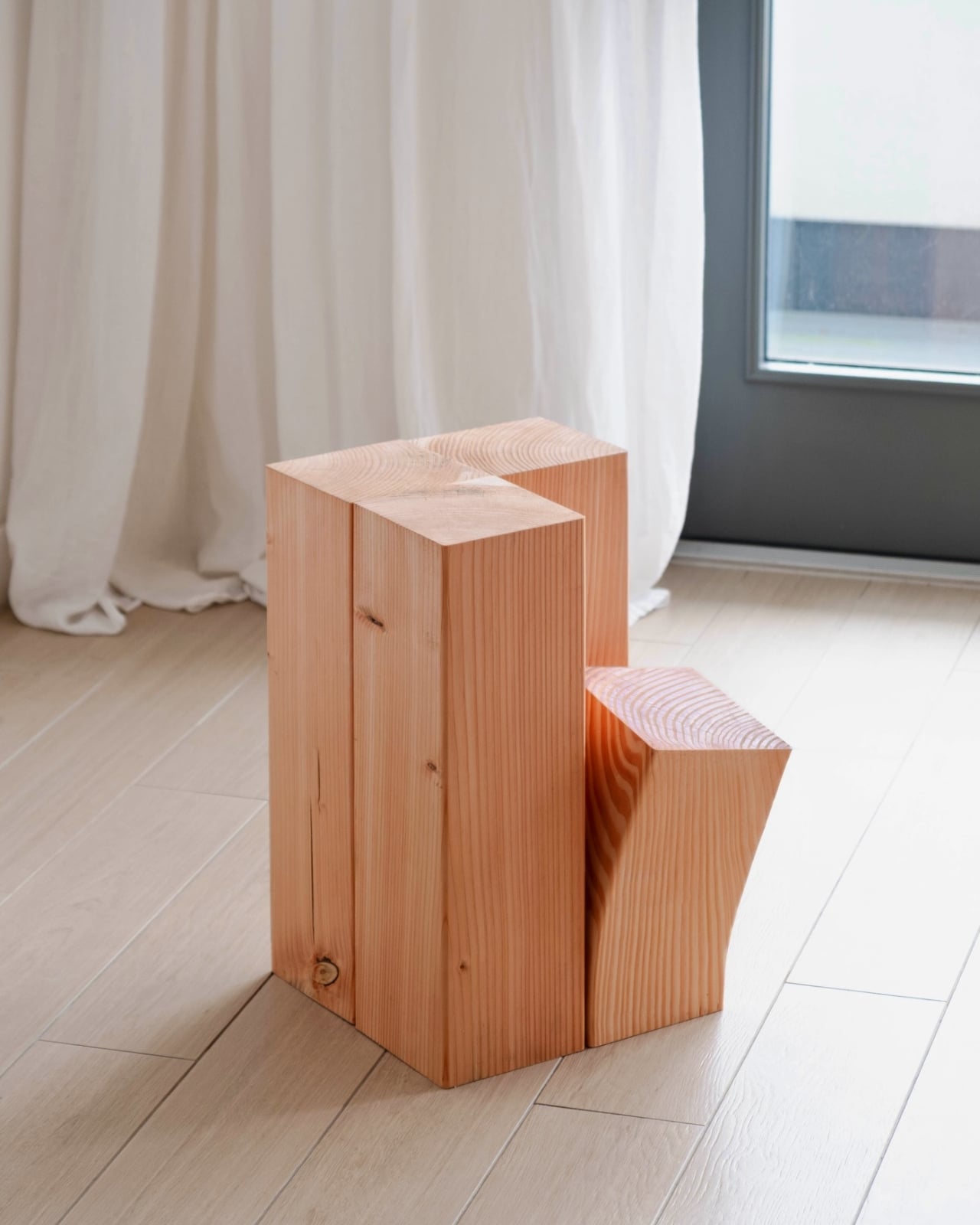
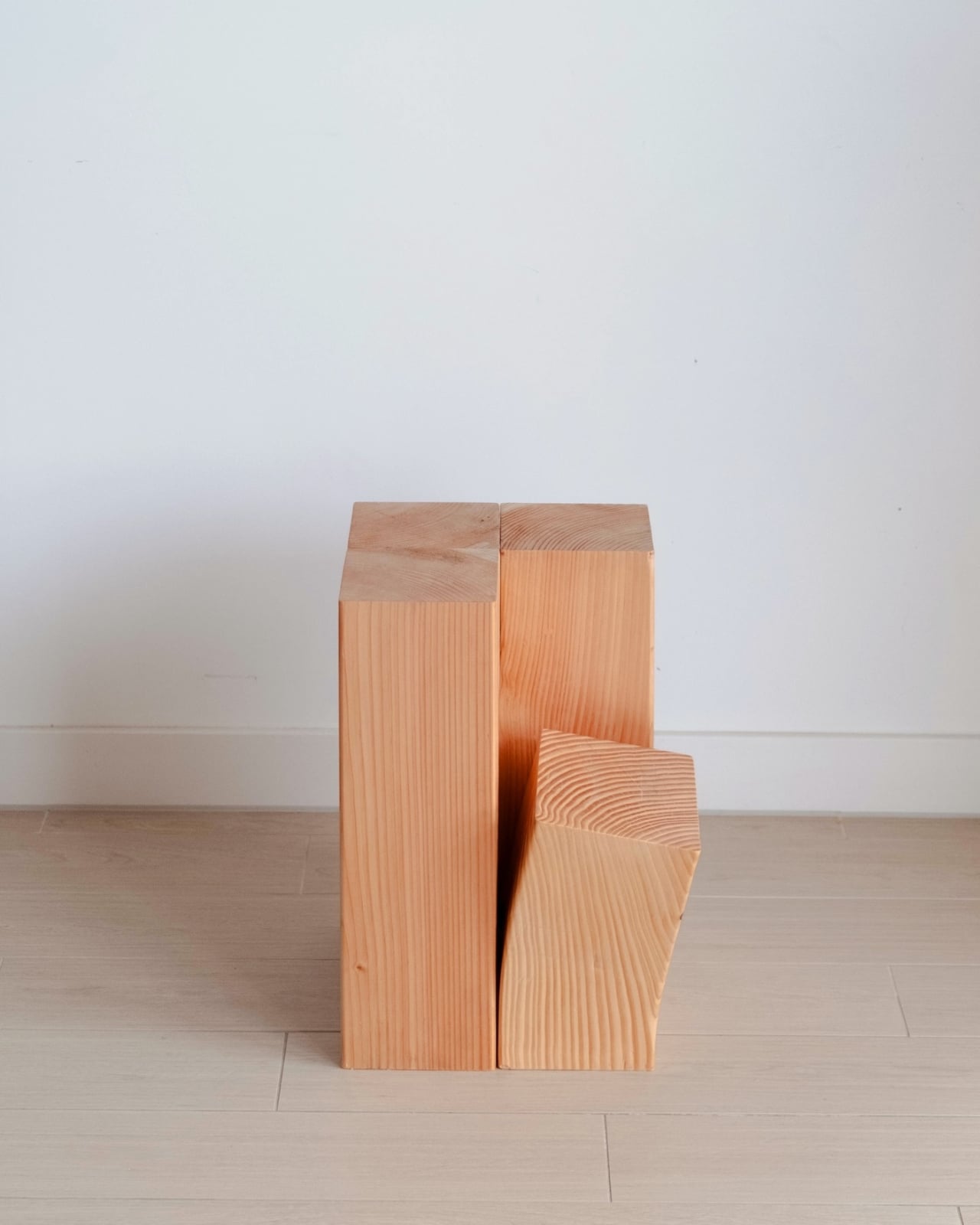
That combination is rarer than it should be. Most step stools look utilitarian by design, the kind of thing you tuck behind a door and drag out only when necessary. Chan’s version refuses that fate. The composition reads as a cluster of rectangular volumes grouped together, with one shorter block offset to one side to create a natural foot ledge. It is immediately functional without a label or instruction, and the geometry is clean enough that it reads as sculpture before it reads as utility.
The material choice matters here. Douglas Fir is a Pacific Northwest species, pale and straight-grained, and Chan finishes it in hardwax oil rather than a thick lacquer, so the surface stays matte and raw-looking rather than polished and precious. The wood still feels like wood, with the grain visible and the texture honest. At 300 by 300 by 480 millimeters, the proportions are heavy but not oversized, solid enough to trust with real weight, compact enough to fit in a New York apartment entry without dominating it.
American design right now leans into curves and soft materials, bouclé everything, rounded edges that signal comfort and approachability. Chan goes the other direction entirely. The stool is blocky and angular, closer in spirit to a Donald Judd sculpture than anything you would find at a furniture chain. That is not a criticism. The right-angle joinery is precise and the overall form has the kind of quiet confidence that does not need softening to work in a home. It earns attention without demanding it.
There is a specific context this piece fits into that Chan actually illustrates in his own photos, where he is pictured lacing up a pair of Timberland boots on it. That single image places the stool in a very familiar scene: the entryway of a house in a state with real winters, where work boots and rain boots live by the door out of necessity. Douglas Fir itself grows in that same region, so the material and the use case are quietly connected in a way that feels considered rather than coincidental.
The stool does not try to multitask. It is not a side table or a plant stand or a storage unit with a hidden compartment. It has one job and it does that job with more precision than furniture at twice the price usually offers. That kind of restraint is genuinely rare in a market that rewards versatility over specificity, where every piece of furniture is expected to justify its footprint by doing three things at once. Sometimes the better answer is an object that solves one unglamorous problem extremely well and looks good doing it.
Nobody has ever really solved the entryway stool in a way that made you want to keep it visible. Chan’s version makes the case that the reason most of them get tucked away is not the category, it is the execution. When the craftsmanship is there and the geometry is intentional, a step stool can actually belong in the room rather than hiding from it. Chan’s work is on Instagram at @stephen_____chan. If you follow design accounts, it is worth a look.
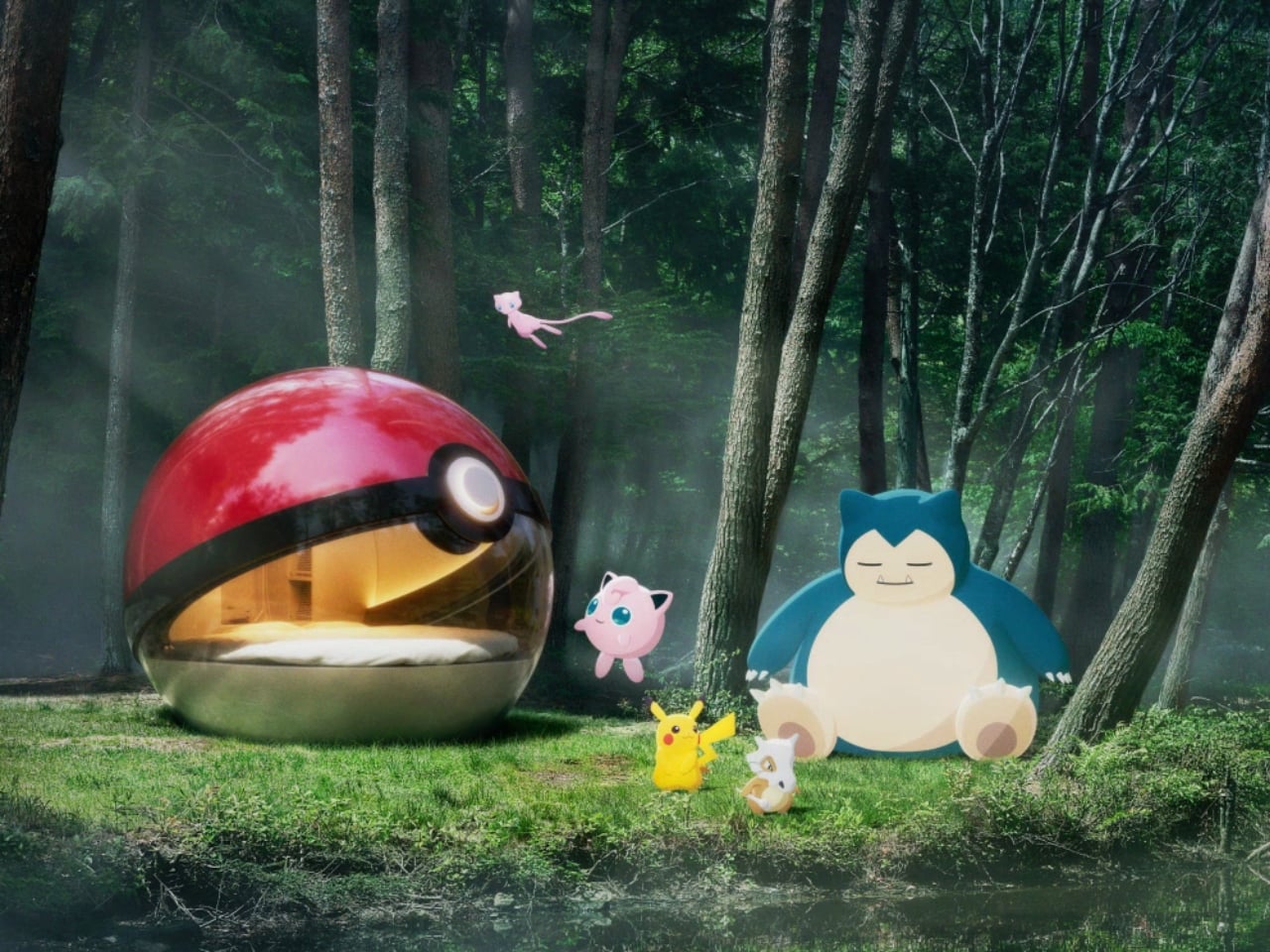
Anyone who’s a huge fan of the Pokémon universe has probably, at one time or another, dreamed about waking up inside that world surrounded by their favorite creatures, training and catching them. Sure, you’d probably turn into an animated character (unless it’s more like the live-action Detective Pikachu, which blended both worlds), but it would still be a blast to run around and try to catch ’em all.
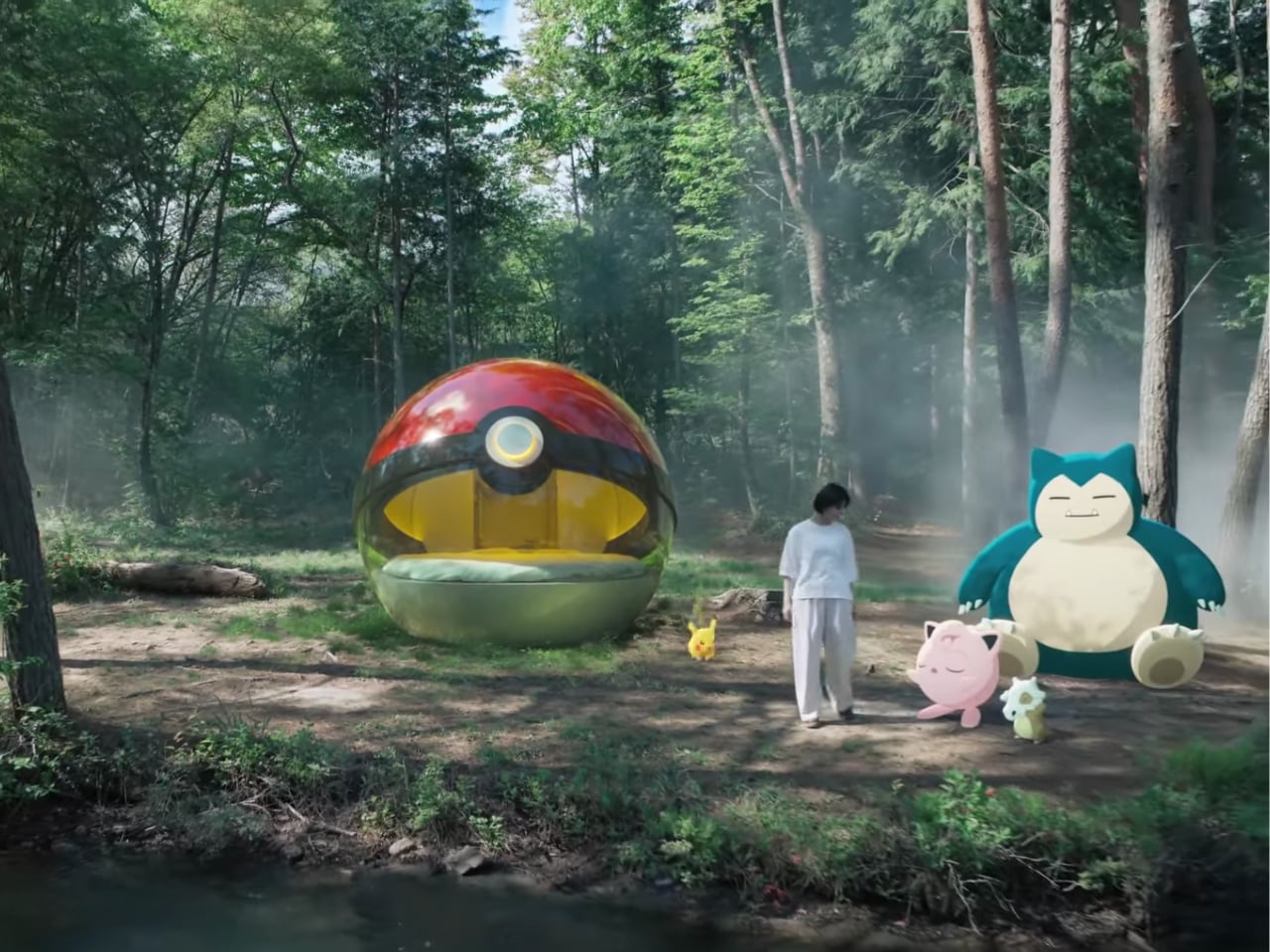
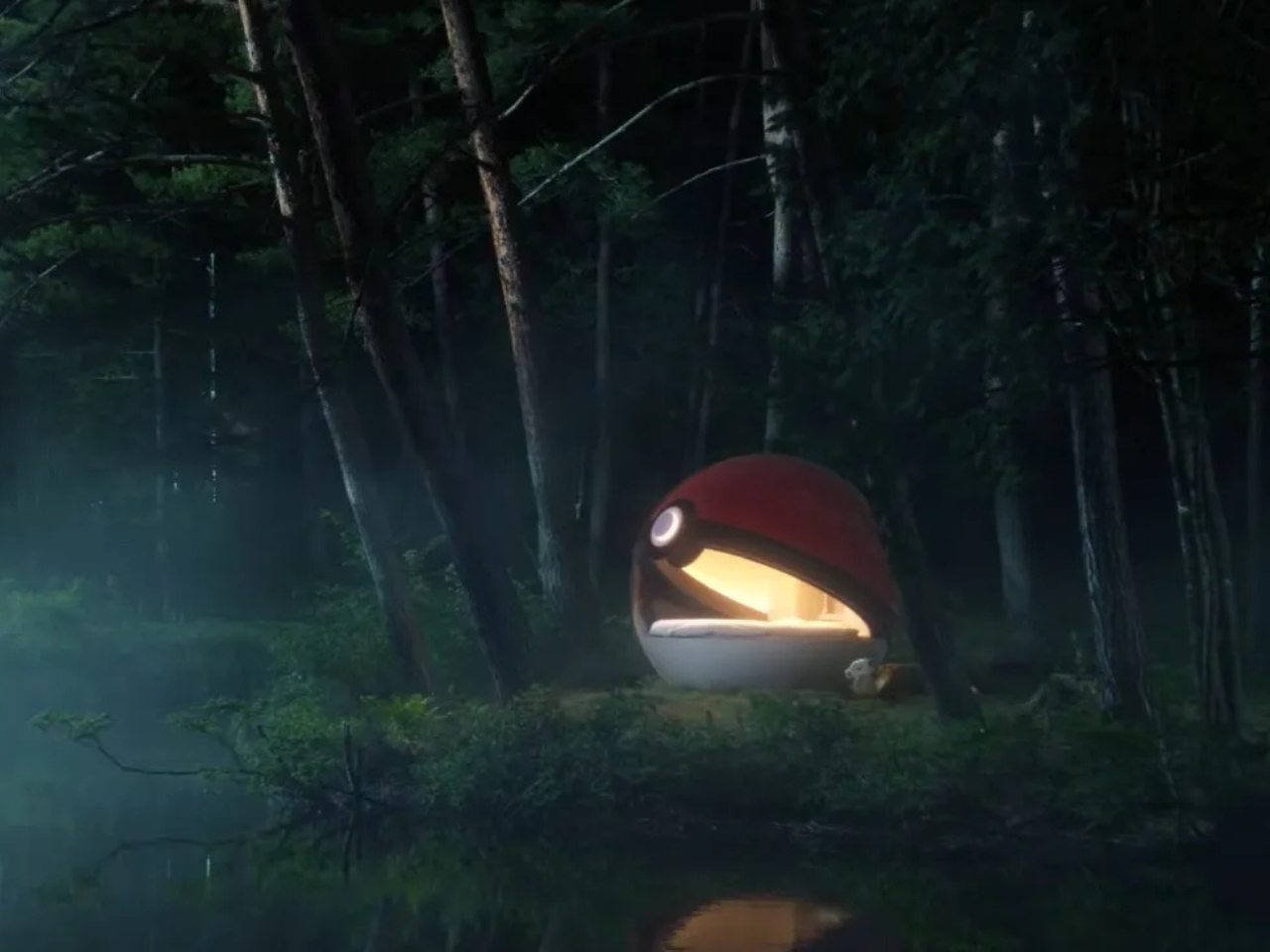
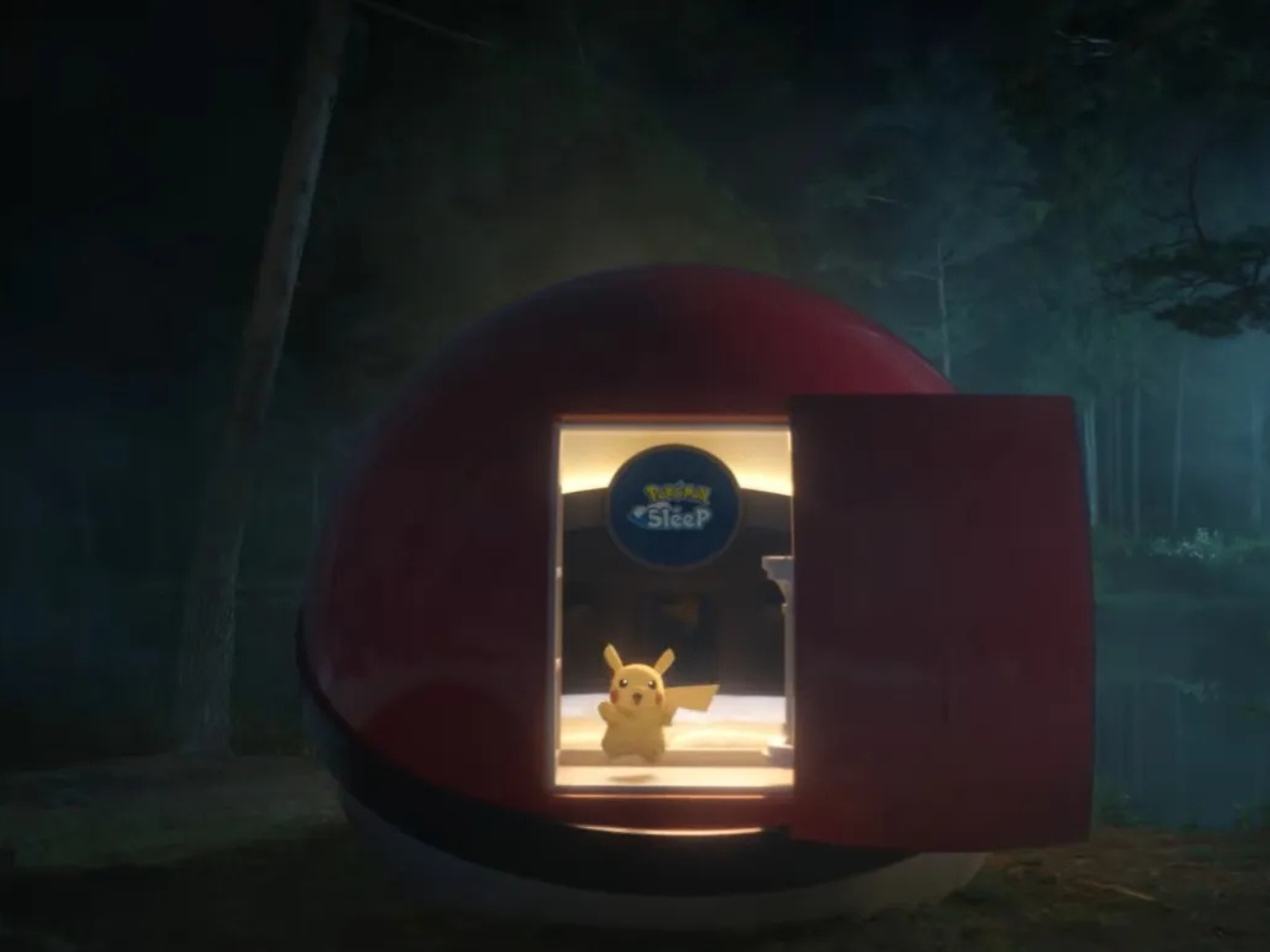
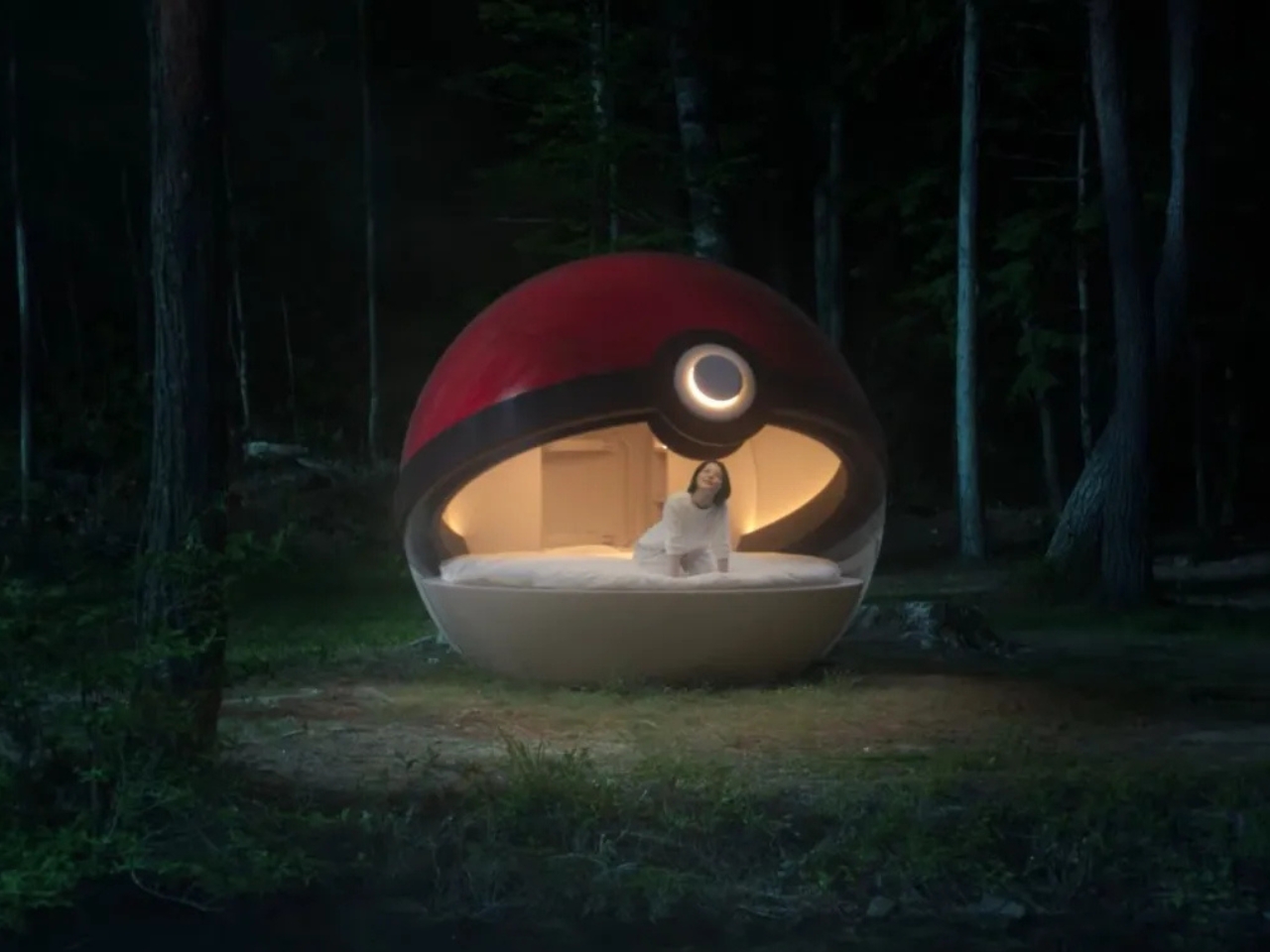
Well, your dream might just come true, to some extent. Japanese hospitality brand NOT A HOTEL has partnered with The Pokémon Company, specifically the Pokémon Sleep app, to create a Poké Ball-Themed Hotel somewhere in the forests of Hokkaido, giving fans the rare chance to spend the night inside a human-sized Poké Ball and maybe wake up imagining Snorlax and Jigglypuff wandering nearby.
Designer: The Pokémon Company x NOT A HOTEL
Usually, when a hotel offers a “themed” room, you just get some decorations and maybe a few painted walls inside an otherwise ordinary building. But this one is nothing like that. It’s a detached, freestanding spherical structure set outdoors, somewhere amid Hokkaido’s wilderness. Think of it as camping, or more accurately glamping, except instead of a tent, you’re sleeping inside a giant ball. NOT A HOTEL is known for building one-of-a-kind architectural homes rather than cookie-cutter rooms, so if anyone can pull off turning a cartoon object into a livable structure without it feeling like a cheap novelty prop, it’s them.
The collaboration is actually built around Pokémon Sleep, the mobile sleep-tracking app that just celebrated its third anniversary. The app gamifies your bedtime by “catching” Pokémon based on your real sleep data. This hotel flips that concept on its head: instead of having the creatures visit you while you sleep, you’re the one visiting their world instead. Well, sort of. Let’s just say your imagination will probably run wild the moment you check into your very own Poké Ball.
Interestingly, the project uses the international name “Poké Ball” rather than “Monster Ball,” which is what the item is officially called in Japan. That small detail suggests this experience is designed to welcome fans from all over the world, not just domestic travelers.
We don’t have a ton of details yet, but everything is set to be revealed on September 15, including how the whole thing will actually work. Based on what’s been shared so far, this won’t be a simple online booking like a typical hotel stay. It sounds like it’ll be run more like a limited, lottery-style campaign, meaning only a lucky handful of selected guests will actually get to spend the night inside. The exact location in Hokkaido is also still being kept a secret, adding an extra layer of mystery to the whole reveal.
Fair warning: whether it ends up being a paid stay, a members-only perk, or a straight-up giveaway, it’s probably safe to assume this won’t be an easy ticket to get. But honestly, that’s probably a small price to pay (literally or figuratively) to fulfill a childhood dream you never thought would actually happen. It’s a genuinely clever marketing move, one that’s perfectly engineered to hook die-hard Pokémon fans and casual travelers hunting for a one-of-a-kind experience, all at once.
At the end of the day, this is one of those rare collaborations that actually makes sense on every level. It’s not just slapping a familiar logo onto a hotel room and calling it a day. It’s a legitimate design experiment that ties directly back to the game it’s promoting, wrapped in the kind of nostalgia that makes Pokémon fans of literally every age stop scrolling. Whether or not you personally end up snagging one of the extremely limited spots, it’s still fun to imagine what it might feel like to fall asleep inside a giant red-and-white sphere, tucked away in the quiet forests of Hokkaido.
So mark your calendar for September 15. That’s when NOT A HOTEL and The Pokémon Company are expected to lift the curtain on pricing, application details, and what the inside of this thing actually looks like. Until then, all we can do is speculate, dream, and maybe rewatch a few old Pokémon episodes to get in the mood. After all, this might be the closest any of us ever get to living out that childhood fantasy of stepping straight into the Pokémon world.