Most keychains carry dead weight. A rubber tag from a hotel you forgot, a bottle opener you have used twice, a fob that only unlocks a car you no longer own. Meanwhile, the one piece of real estate you touch dozens of times a day sits completely underused, when it could be doing actual work.
The five gadgets below all fit that same small footprint but solve real problems, from finding your keys in the dark to surviving the emergency that pepper spray and good intentions cannot fix alone. Every pick here is either shipping through a verified campaign or purchasable directly, and every spec below comes straight from the maker.
1. NoxTi

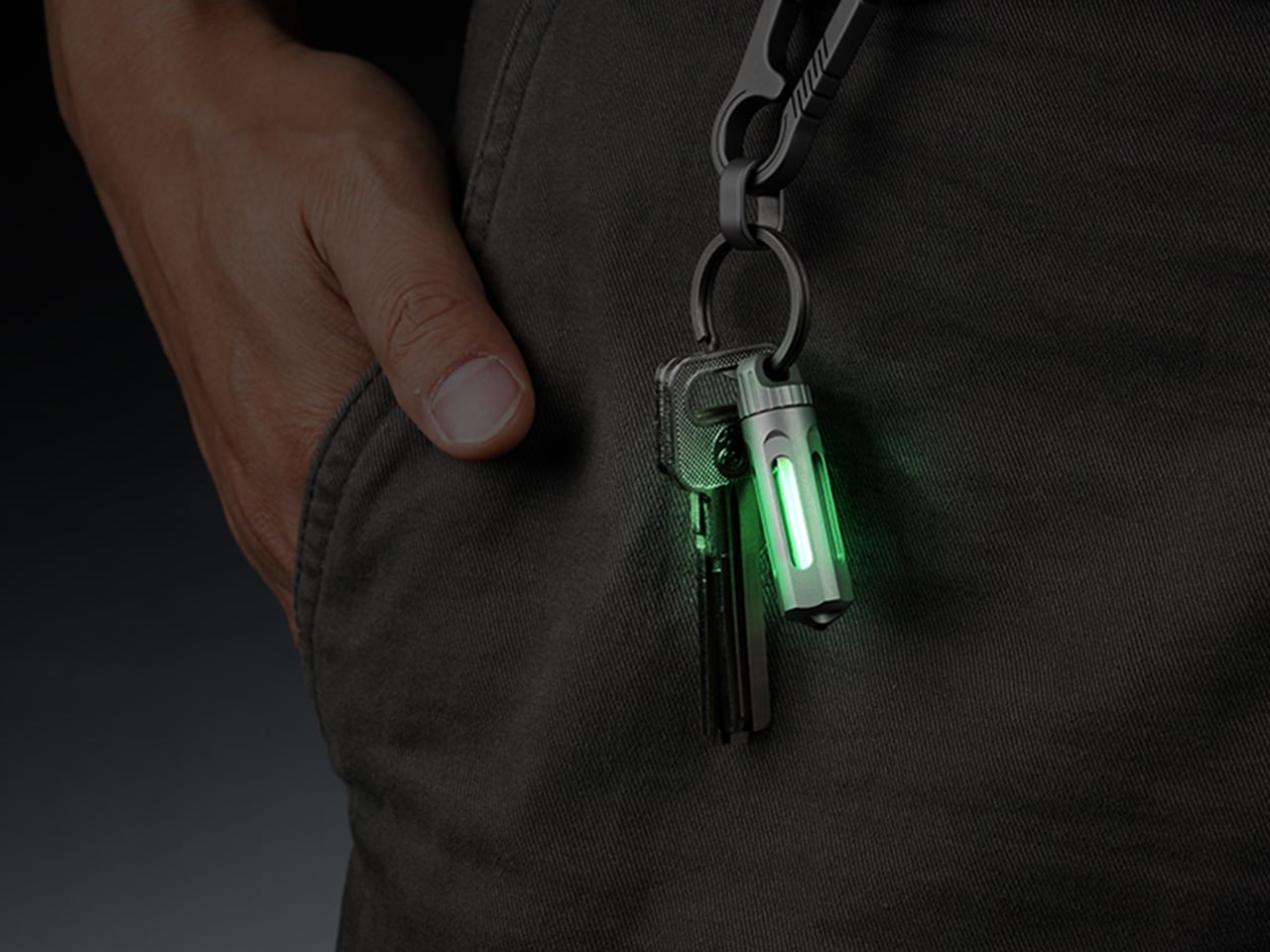
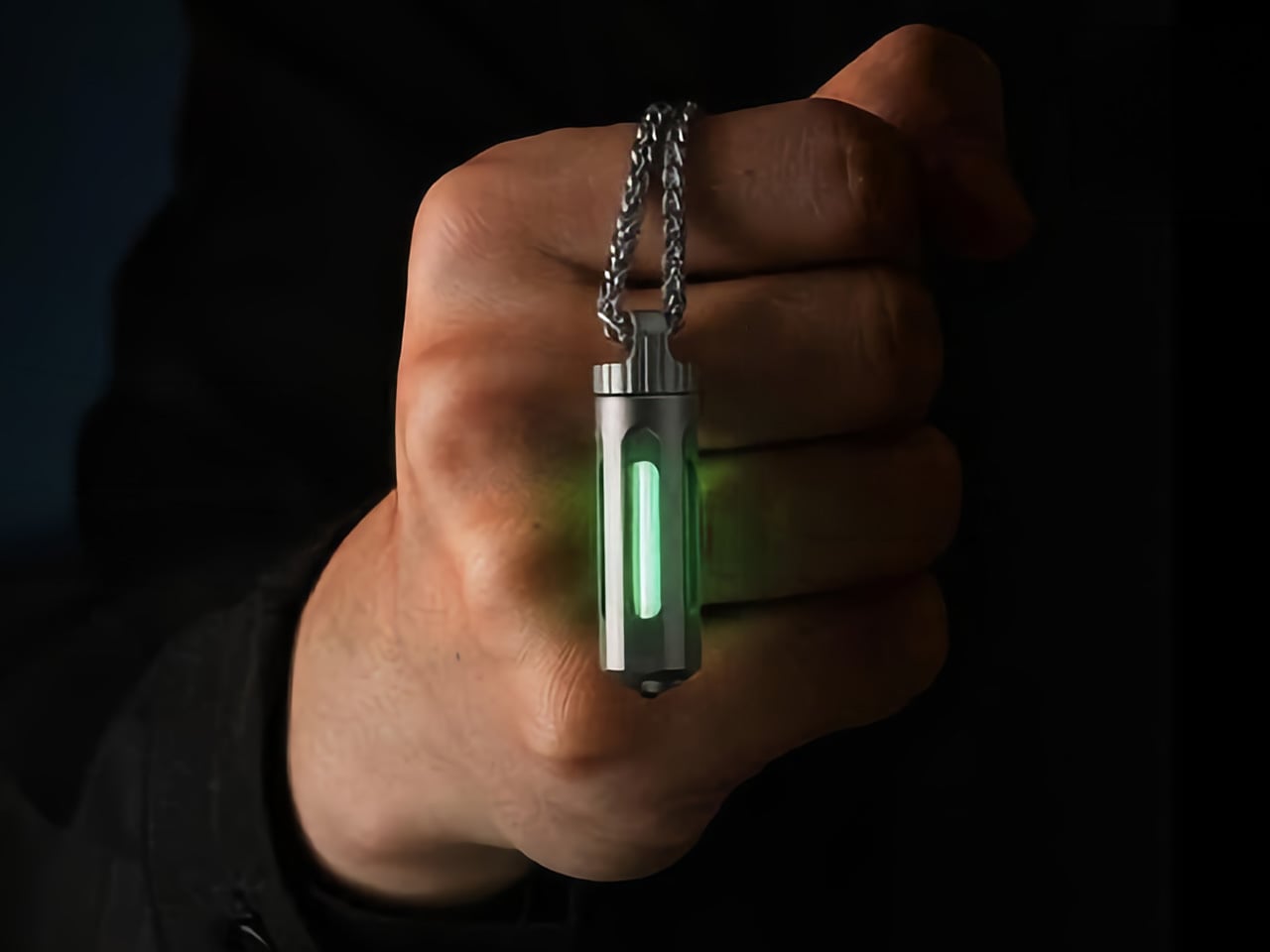
Tritium is a hydrogen isotope with a 12.3-year half-life, and as it decays, beta particles strike a phosphor coating to produce light with no electricity and no chemical reaction involved. It is the same physics behind emergency exit signs, military watches, and aviation instruments, chosen for one reason: nothing else in consumer lighting can promise 25 years of steady glow with zero maintenance. Xedge packaged that science into a 45mm titanium cylinder built specifically for keychain carry.
The tritium vial sits inside a precision quartz tube with 92 percent light transmission, wrapped in a CNC-machined Gr5 titanium body weighing just 10.7 grams. The whole thing is serviceable, so when brightness fades after two decades, you simply push the old tube out and slide a new one in. A ceramic-tipped glass breaker sits at one end for real emergencies, and the floating core glows visibly from every angle.
What we like:
- Twenty-five years of glow powered entirely by material physics, with no battery to ever die on you
- The tube is user-serviceable, meaning the titanium body outlives the glow and can be refreshed indefinitely
What we dislike:
- The glow is genuinely faint next to an LED, which is the tradeoff for zero power draw
2. Analog Capsule Camera
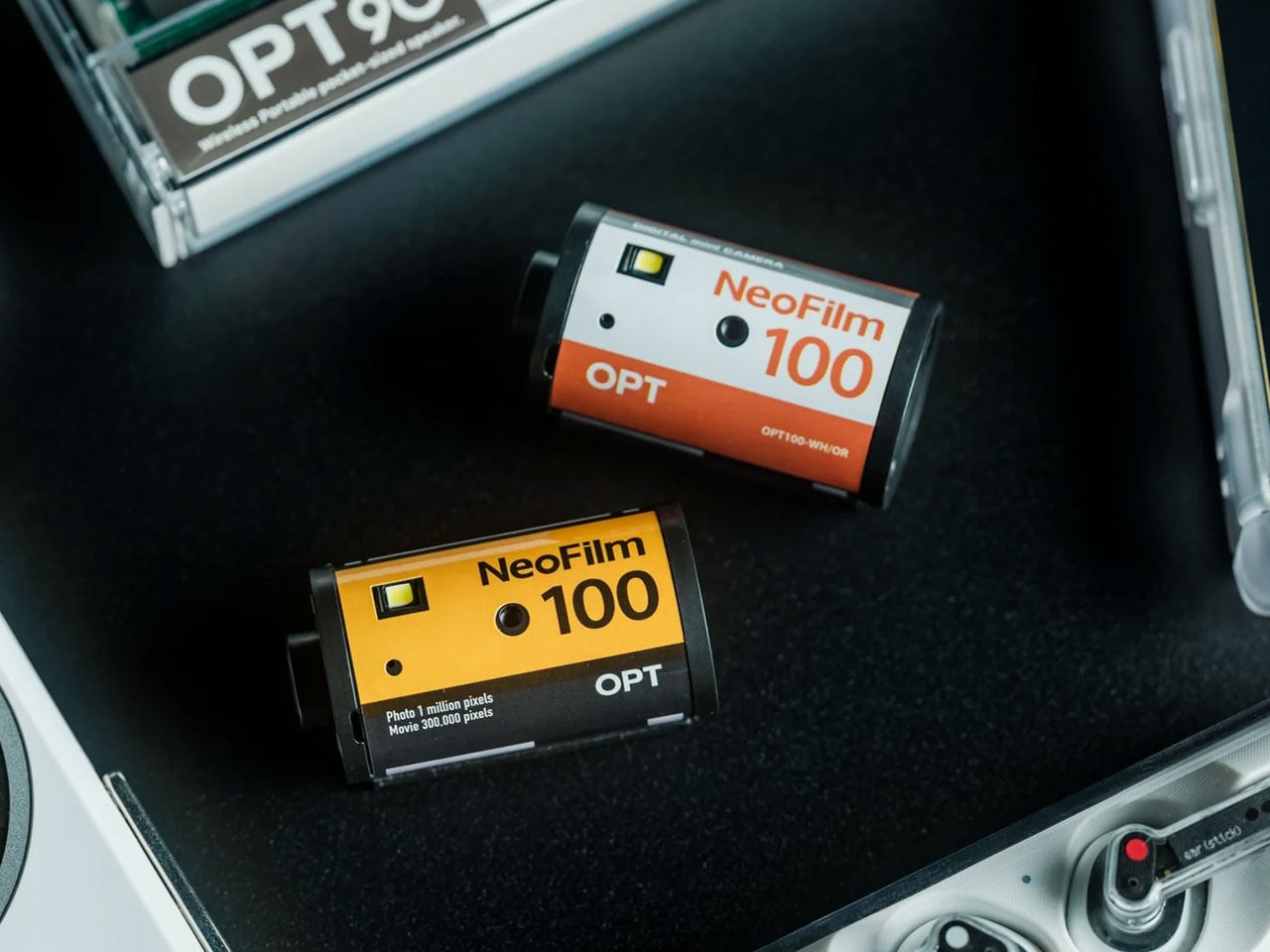
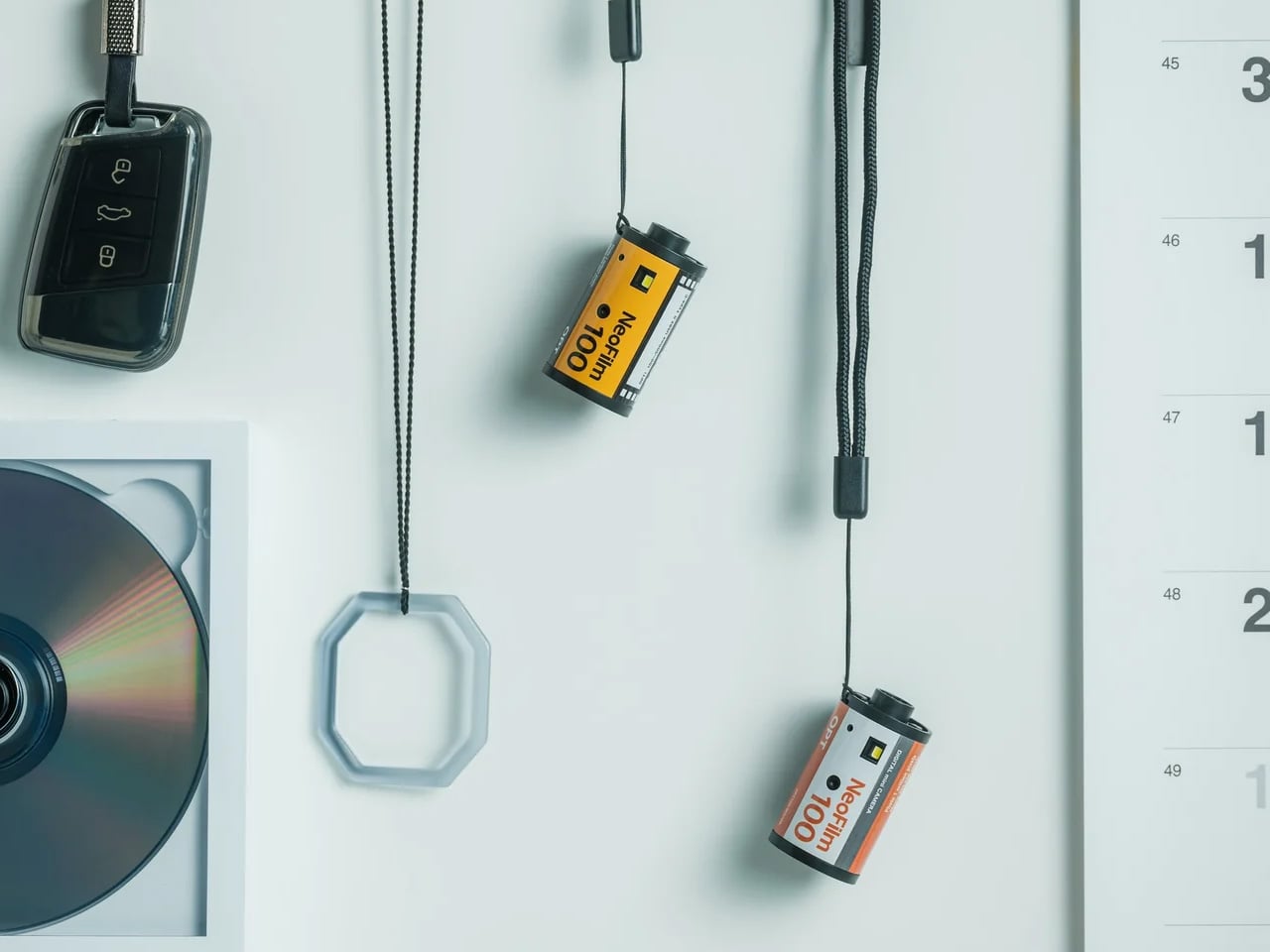
Pick up the Analog Capsule, and it looks exactly like a roll of 35mm film, right down to the box it ships in, except every part of that illusion hides a fully functional digital camera. Instead of chasing the technical perfection modern sensors are obsessed with, it leans into grain, softness, and blown highlights as features rather than flaws, giving every photo the unmistakable texture of something shot decades ago rather than seconds ago.
Its 1-megapixel CMOS sensor keeps the experience intentionally lo-fi, while built-in digital playback lets you review a shot the moment you take it. USB-C connectivity and microSD storage handle the archiving without ceremony. At just 25 grams and small enough to hang from a bag on its included strap, it is less a camera you pack and more a charm you happen to shoot with, priced at $55.
Click Here to Buy Now: $55.00
What we like:
- The film-canister disguise makes it a genuine conversation piece before a single photo is taken
- USB-C and microSD mean getting photos off the device is instant, unlike actual film
What we dislike:
- A 1-megapixel sensor is a deliberate creative constraint, not a specs win for anyone wanting sharp images
- Only four units were listed as available at last check, so stock moves fast
3. KeyMaster 3.0
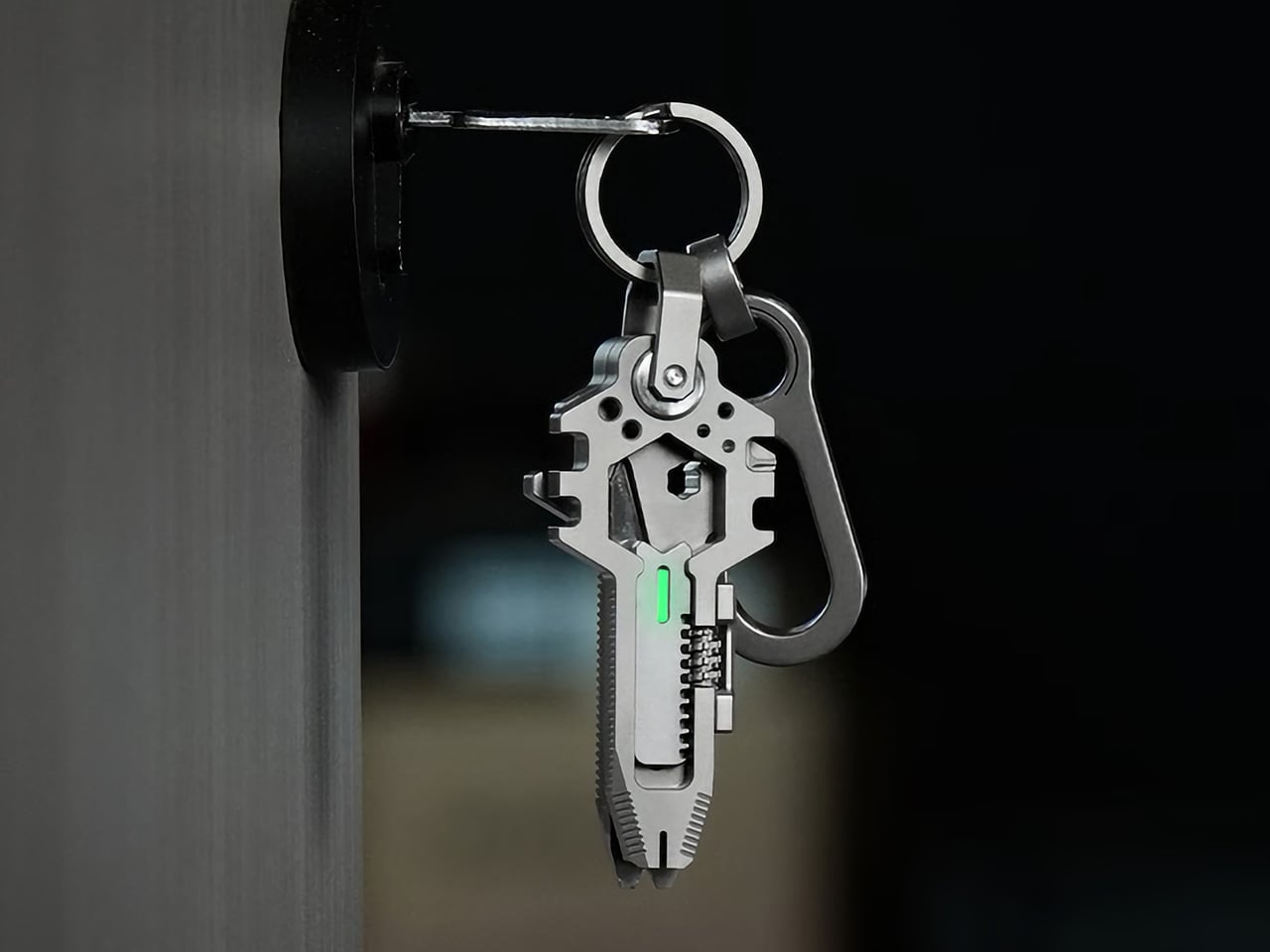

Keys are the one object nearly everyone carries with total consistency, which is exactly why EDC Monster built a multi-tool shaped like one. The original KeyMaster launched in 2023 as a 14-in-1 titanium tool; version two expanded the function count, and three years later, KeyMaster 3.0 rebuilds the concept around real adaptability rather than just adding more blades to a crowded body.
At 74.5mm and 53.7 grams of Grade 5 titanium, it sits flat on a keyring next to a car fob without adding bulk. The headline upgrade is an adjustable spanner covering 0 to 16mm, replacing six fixed wrenches with one that actually fits the bolt in front of you, paired with a magnetic bit driver that locks bits without slippage. A pry bar, screwdrivers, a mini saw, and a spoke wrench round out the twenty-plus tools.
What we like:
- The adjustable 0 to 16mm spanner solves the actual failure point of every fixed-wrench multi-tool
- Magnetic bit retention means real torque without the wobble that plagues smaller tools
What we dislike:
- Twenty-plus tools on a keychain-sized body means most people will only ever reach for a handful of them
- Kickstarter shipping is estimated for August 2026, so this is a preorder commitment, not instant gratification
4. Painless Key Ring
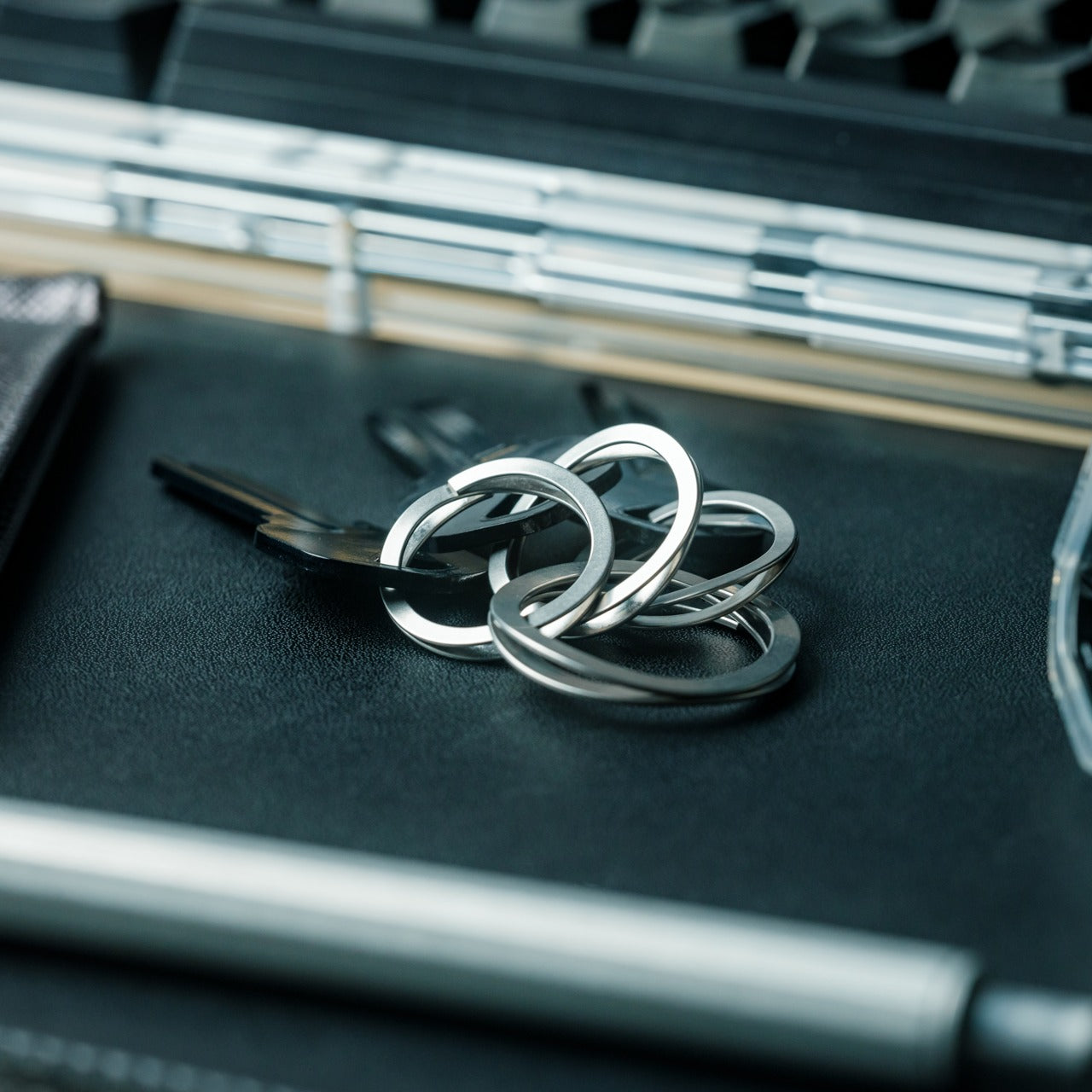

Putting a key onto a standard split ring means prying apart two tightly sprung layers with a fingernail, a tiny frustration repeated so often it barely registers anymore. Painless Key Ring exists because someone finally decided that reaction was unnecessary, changing the geometry itself so a continuous wave shape gives keys an easier point of entry, letting you slide one on without forcing anything.
The wave design was pulled from coiled wave springs used in aerospace and high-speed rail, applied here to one of the most mundane objects anyone owns. At just 3.0 grams, it weighs roughly half of a conventional ring, and its high-tension stainless spring steel carries a tensile strength of 1,750 MPa against roughly 800 MPa for a standard ring. It flexes to fit thicker keys, then snaps back to shape instead of staying stretched.
Click Here to Buy Now: $30.00
What we like:
- The wave geometry genuinely removes the fingernail-prying step that every split ring demands
- A 1,750 MPa tensile strength means it flexes for thick keys without permanently deforming
What we dislike:
- It is a single component upgrade, so it will not organize a bulky keyring the way a full holder would
- Stock was listed at only five units available at last check
5. Pebblebee Halo
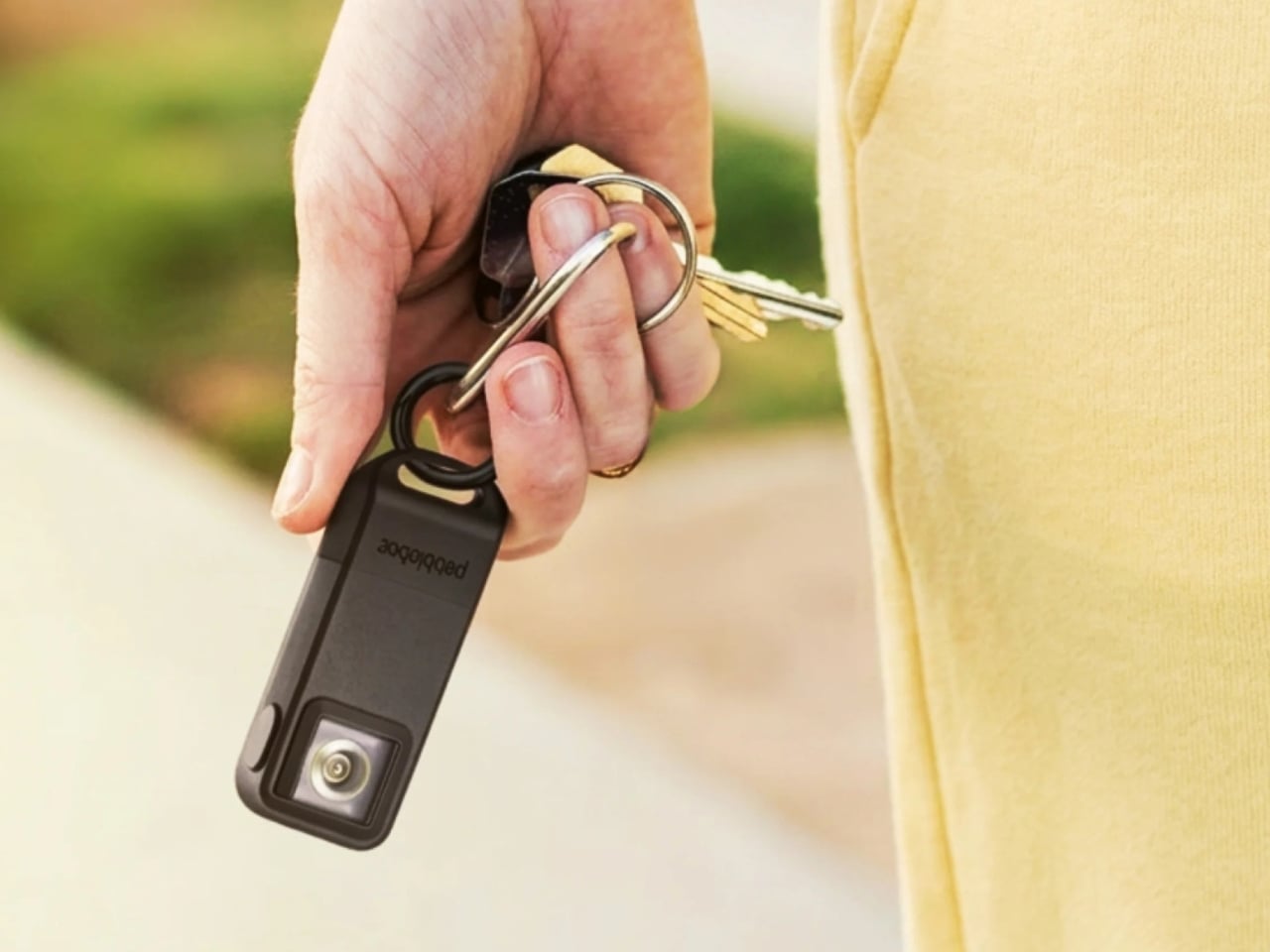
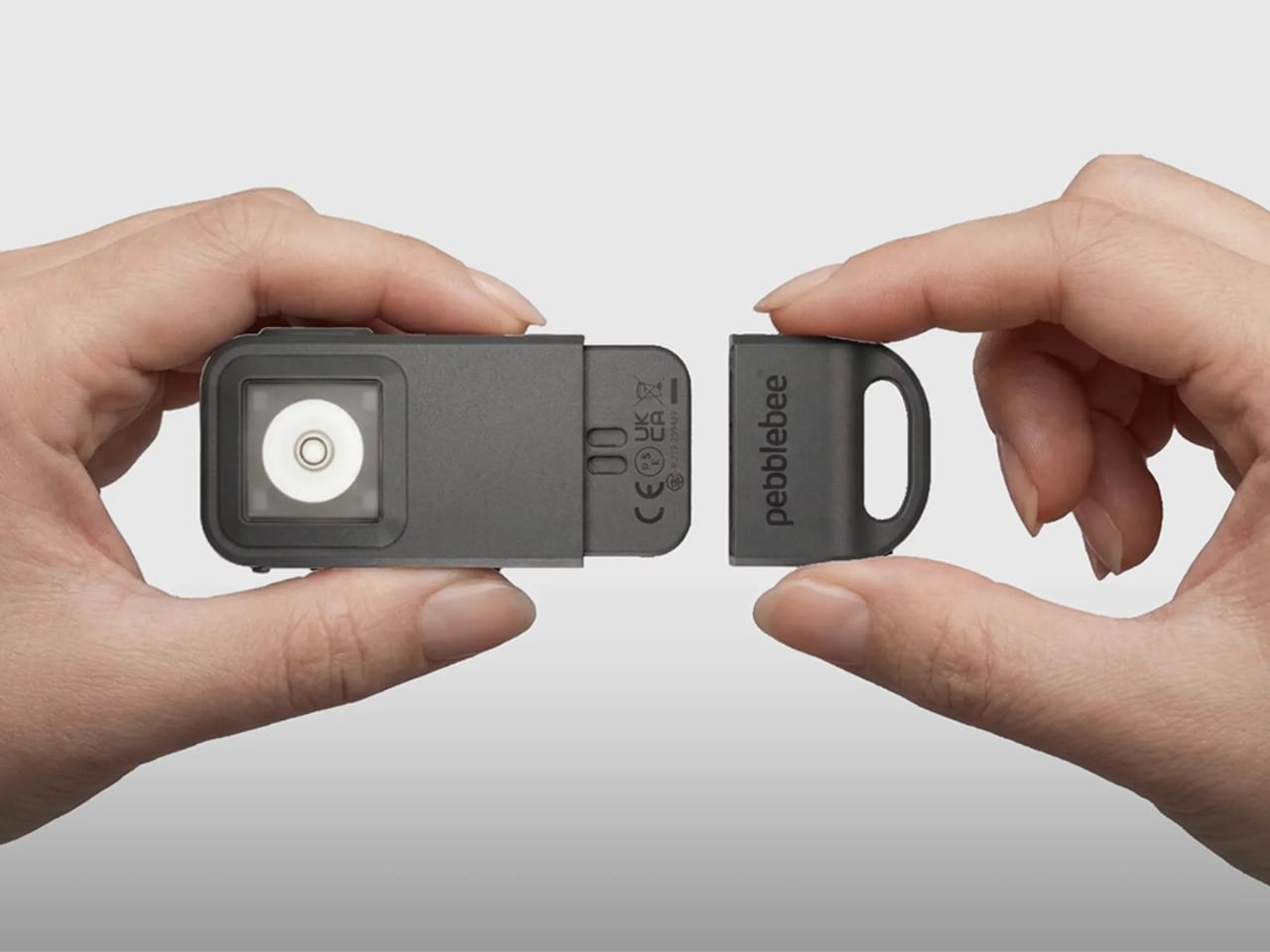
Most people run through the same mental checklist before leaving the house: phone, wallet, keys. Pebblebee is making the case for adding a fourth item, a keychain-sized device called the Halo that tracks lost items, lights up a dark parking lot, and screams at 130 decibels if something actually goes wrong. That last function is the one that separates it from the standalone alarm keychains that came before it.
Pulling the device apart triggers a 130dB siren, a 150-lumen strobe, and real-time location sharing with up to five contacts in what Pebblebee calls a Safety Circle, all through one instinctive motion rather than an app you have to fumble with mid-emergency. Rapid presses of the side button send a silent alert instead, for situations that call for discretion over noise.
What we like:
- The pull-apart trigger activates the siren, strobe, and location sharing simultaneously, with no app fumbling required
- A silent alert option exists for situations where drawing attention would make things worse, not better
What we dislike:
- Live location sharing requires the Alert Live subscription to continue past the included first year
- At one ounce, it is light, but it is still one more object competing for space on a crowded ring
Your Keychain Was Never The Limit
None of these gadgets ask you to overhaul how you carry your keys; they simply ask your keychain to start pulling its weight. A glow tube that never needs charging, a camera disguised as film, a tool shaped like the key beside it, a ring that stops fighting your fingernails, and an alarm that activates faster than you can think. Each one replaces a specific moment of friction with something quietly better.
The real test for any of these is whether you would still reach for them a year from now, past the initial novelty of owning something small and clever. Every pick here earns its spot by solving a problem you already have rather than inventing one you did not, which is the only standard that actually matters for something destined to live in your pocket every single day.
The post 5 Tiny Gadgets & Gear That Are Better Than Anything on Your Keychain Right Now first appeared on Yanko Design.