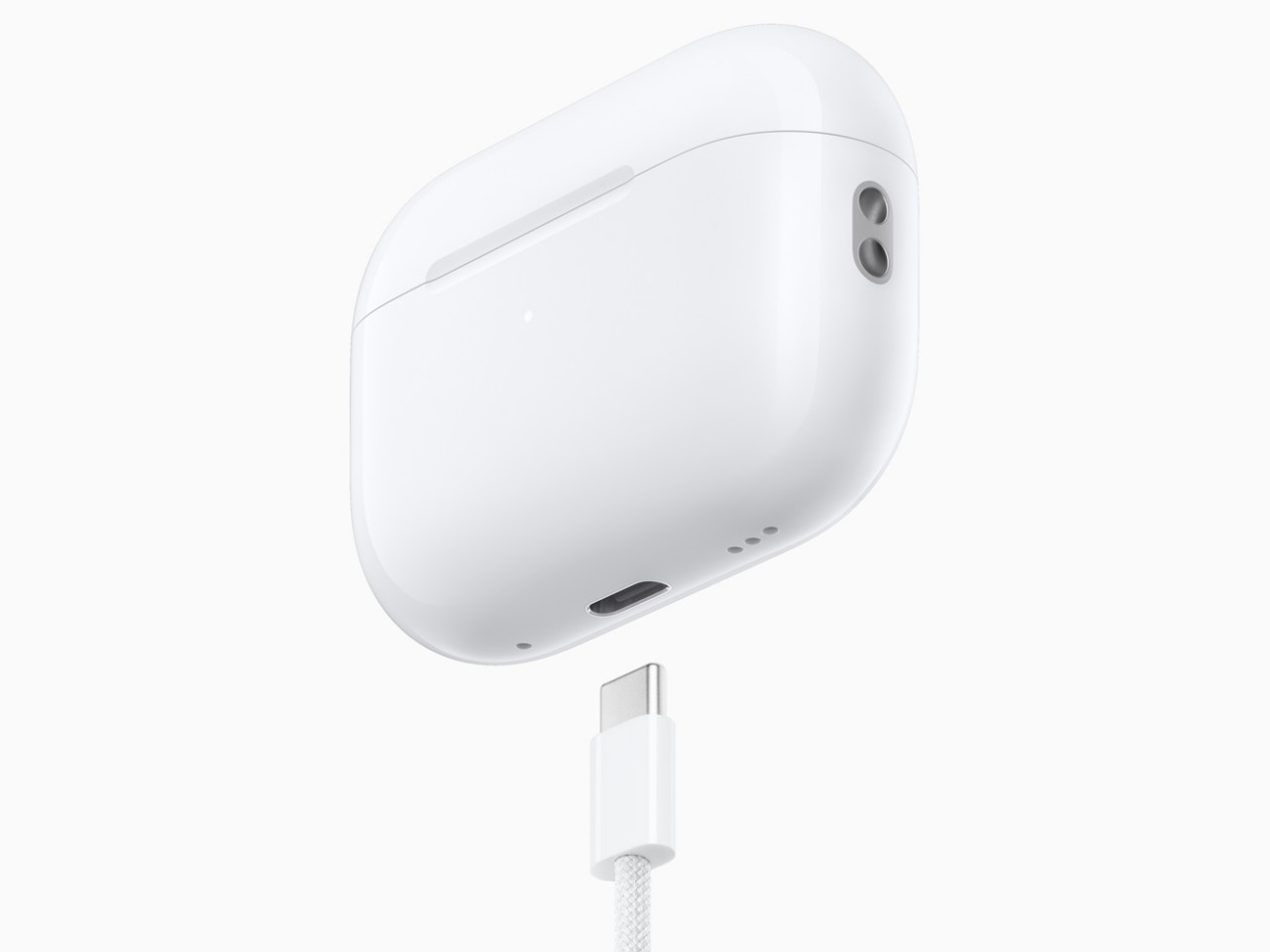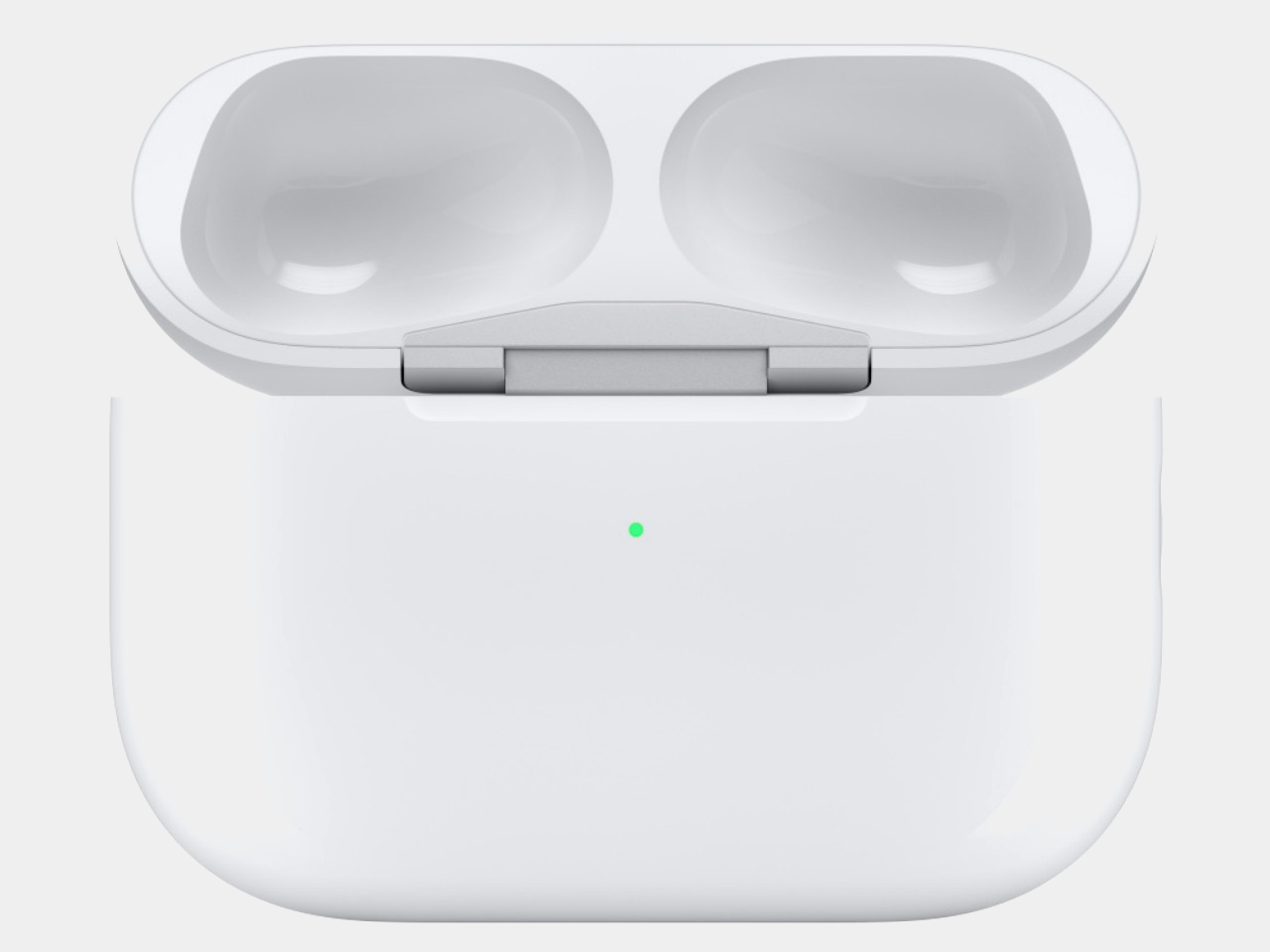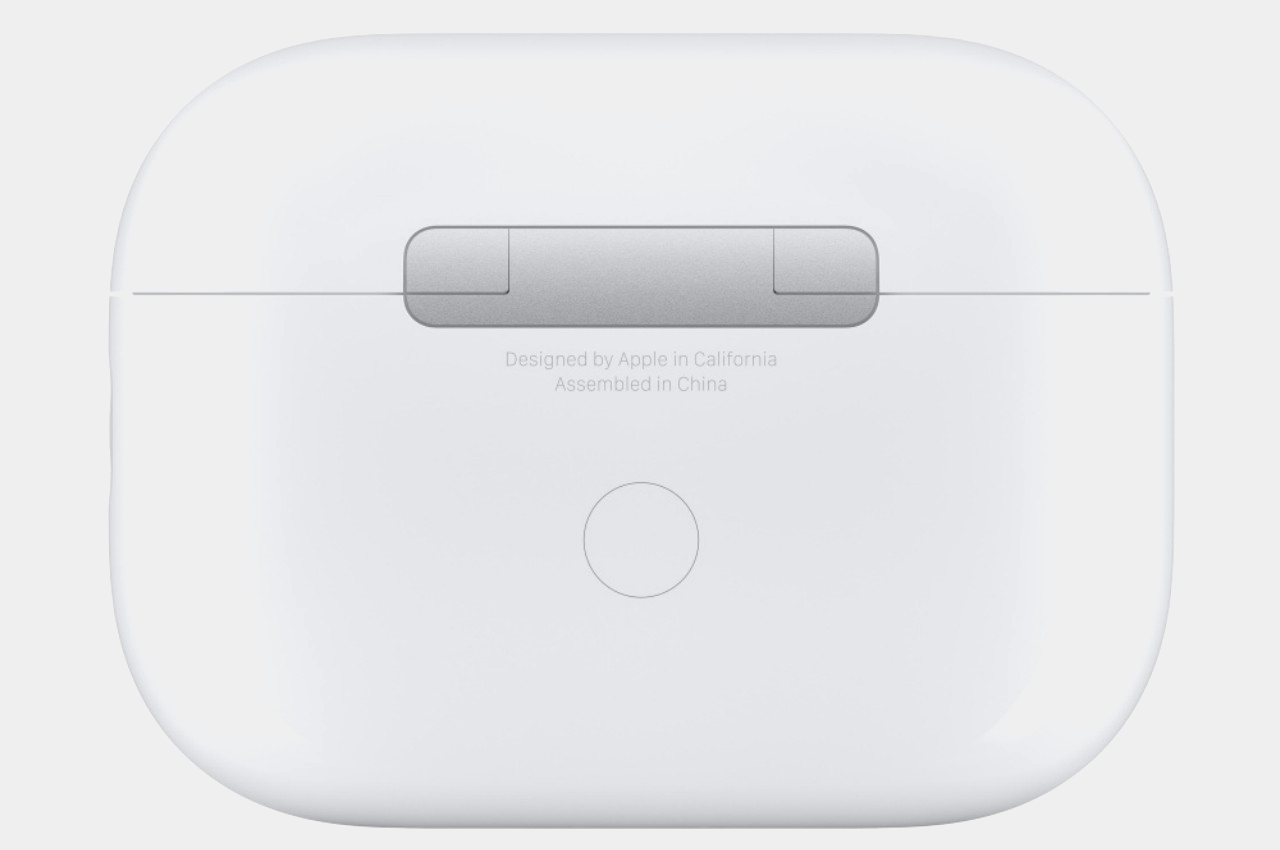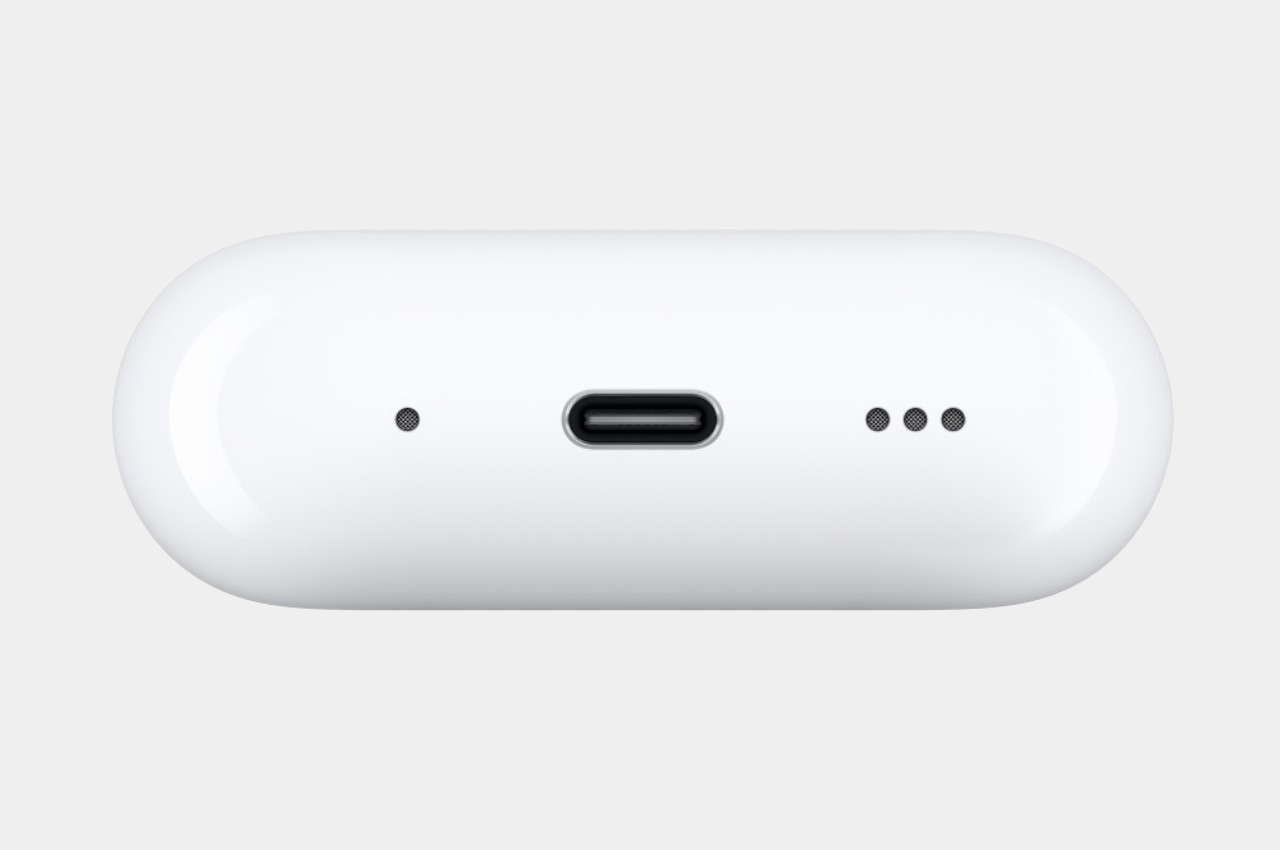
AirPods Pro 3 vs Pro 2: Should You Actually Upgrade in 2026?

Eight months after Apple shipped the AirPods Pro 3, the comparison has quietly shifted. Nobody is really debating whether the Pro 3 are good. They are. The more interesting question, the one actually driving search traffic right now, is whether the Pro 3 are worth it when the Pro 2 can be had for around $167 renewed, and when both models share the same H2 chip.

That last part matters more than it sounds. Apple’s decision to keep the H2 chip in the Pro 3 means both generations run the same core software features, including everything arriving with iOS 26. That’s not a knock against the upgrade. It’s just a useful signal about where Apple actually spent its engineering effort this cycle. The answer is the body.

Design: Apple
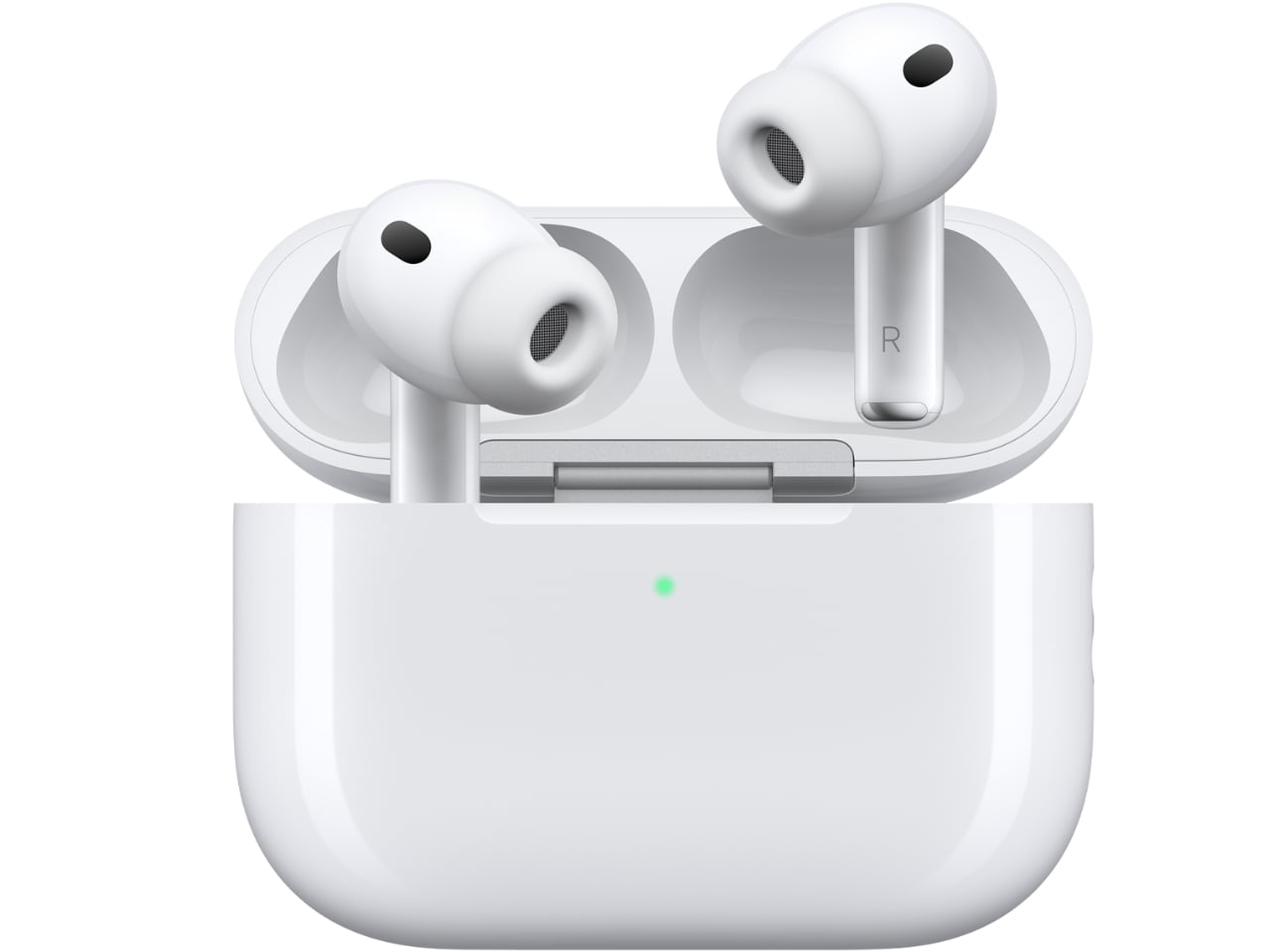
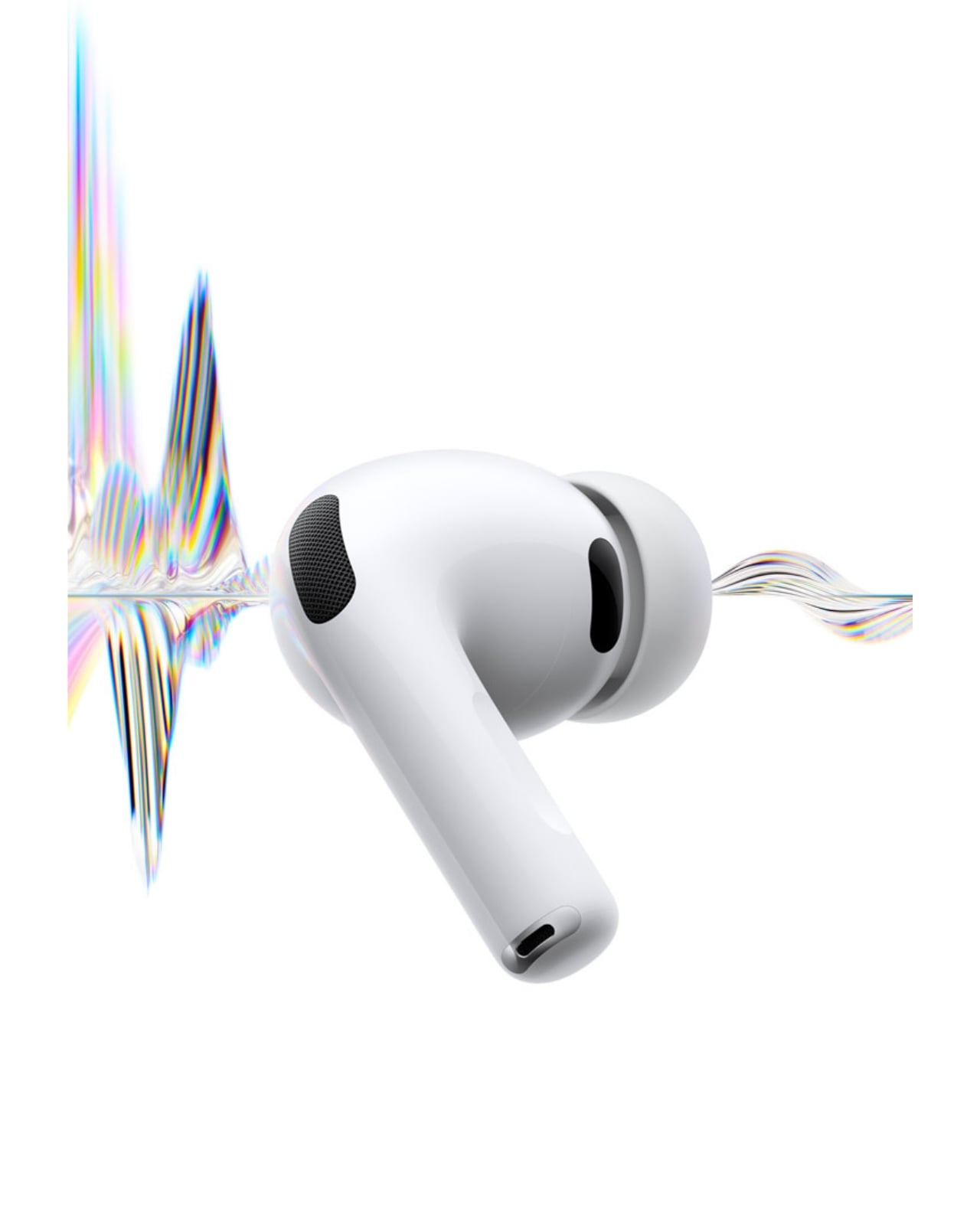
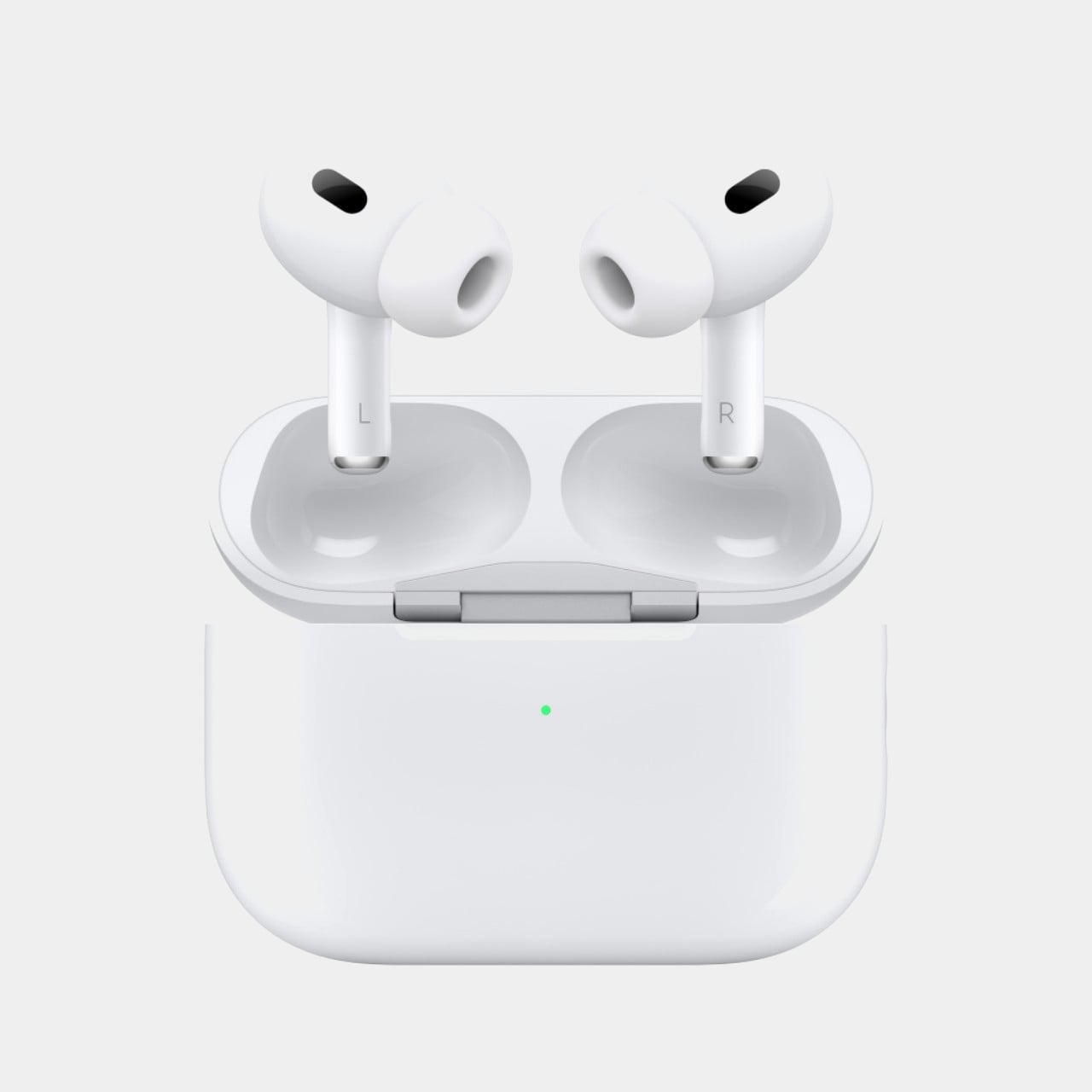
The AirPods Pro 3 ship with a redesigned fit system, adding foam-infused ear tips across all sizes and a new extra-extra-small option for a noticeably deeper seal. That revised fit is doing real work. It’s part of why independent testing from RTINGS shows the AirPods Pro 3 outperforming the Pro 2 on noise isolation, especially with street-level and mid-frequency noise. The ANC improvement is real, and most of it comes from better physics, not a completely overhauled processing stack.

Then there’s the durability jump. IP57 replaces IP54, meaning the AirPods Pro 3 can survive submersion in a meter of water for up to 30 minutes, compared to the AirPods Pro 2’s more modest splash resistance. If you work out in the rain or tend to leave things near water, that’s a quiet but meaningful upgrade. Battery life lands at eight hours with ANC on, a clear step up from the Pro 2. Worth noting, though: using the heart-rate sensor drops that figure to roughly 6.5 hours per charge, so those gains are conditional depending on how you actually use the earbuds. Which brings us to the feature doing most of the marketing heavy lifting.
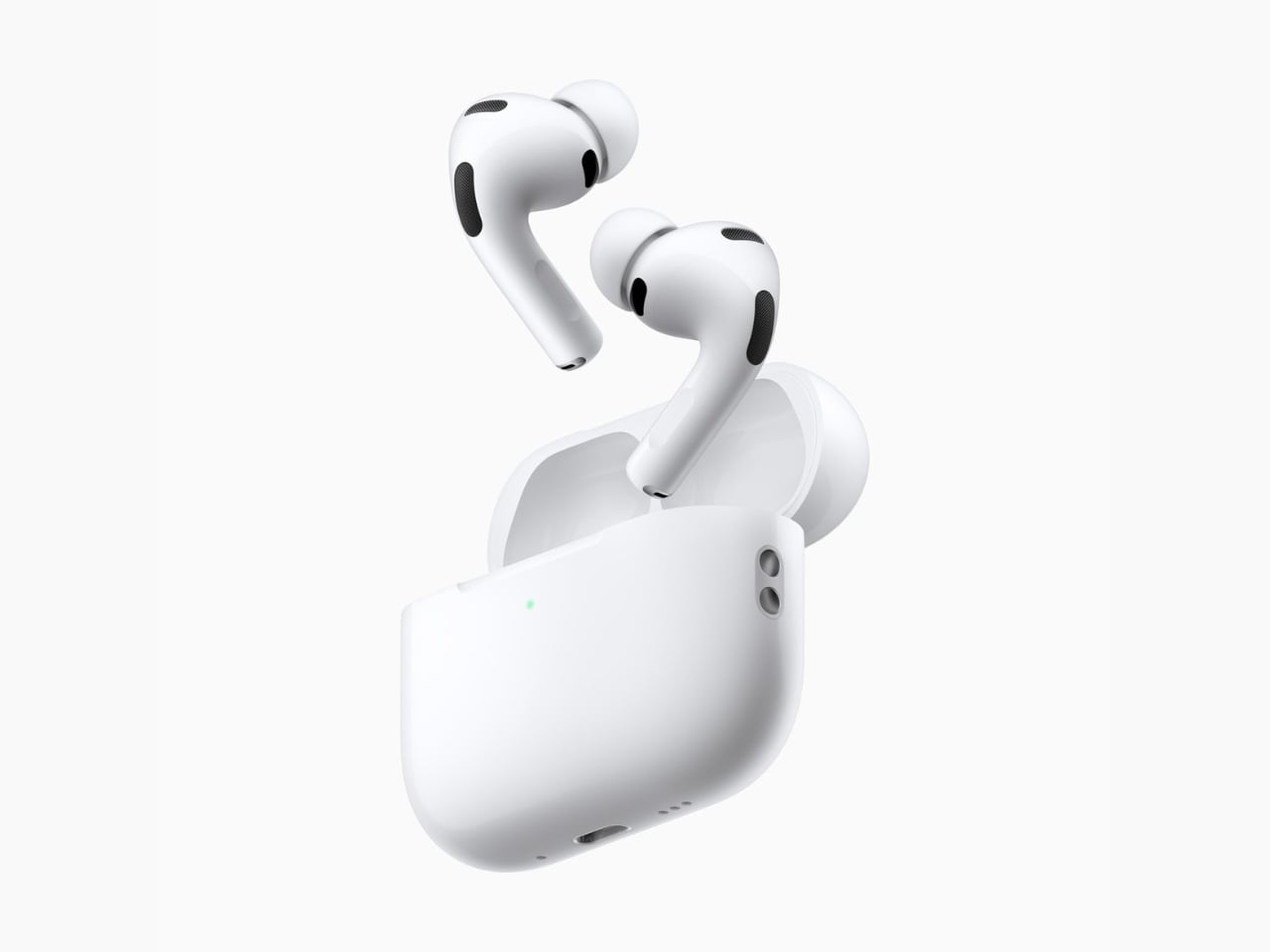
The heart-rate monitor is the AirPods Pro 3’s most discussed addition, and it’s genuinely well-implemented. You can track over 50 workout types on iPhone alone, without an Apple Watch, logging heart rate and calorie burn throughout. If both devices are present, Apple’s system pulls from whichever sensor is giving more reliable data at the time. That’s a thoughtful design call.

But here’s the thing. If you already wear an Apple Watch, the heart-rate sensor in your ears becomes a nice backup, not a reason to upgrade. The people for whom this feature is genuinely transformative are iPhone-first fitness users who aren’t wearing a watch, or people who prefer fewer devices on their body during a workout. For everyone else, it reads more like product ambition than personal necessity.

So where does the AirPods Pro 2 still hold its ground? Almost everywhere a casual listener, commuter, or Apple Watch owner actually lives. The H2 chip delivers the same spatial audio, the same call quality baseline, and the same hearing health features, including the hearing test and hearing aid mode. At $167 renewed, the Pro 2 offers a level of performance that would have been considered flagship just two years ago.

The AirPods Pro 3 are the better earbuds. They fit better, block more noise, last longer on a charge, and carry the kind of health-sensor integration that signals where Apple wants this product category to go. But better earbuds and better value are not the same thing, and in May 2026, that distinction matters.
If you don’t own AirPods Pro yet, the Pro 3 are the ones to get. If you already own the Pro 2 and they still fit and function well, this is not a compelling upgrade unless the heart-rate tracking or the improved seal solves a real problem for you. At $167 renewed, the AirPods Pro 2 remain one of the most capable earbuds at their price, chip-for-chip. Apple builds excellent products. It also builds excellent arguments for buying last year’s excellent products at a discount.

The post AirPods Pro 3 vs Pro 2: Should You Actually Upgrade in 2026? first appeared on Yanko Design.

Casetify’s new AirPods Case isn’t pocket-friendly… but it’s definitely a collector’s item

“Let me wear my AirPods…”
*proceeds to pull an Iron Man helmet out of their backpack*

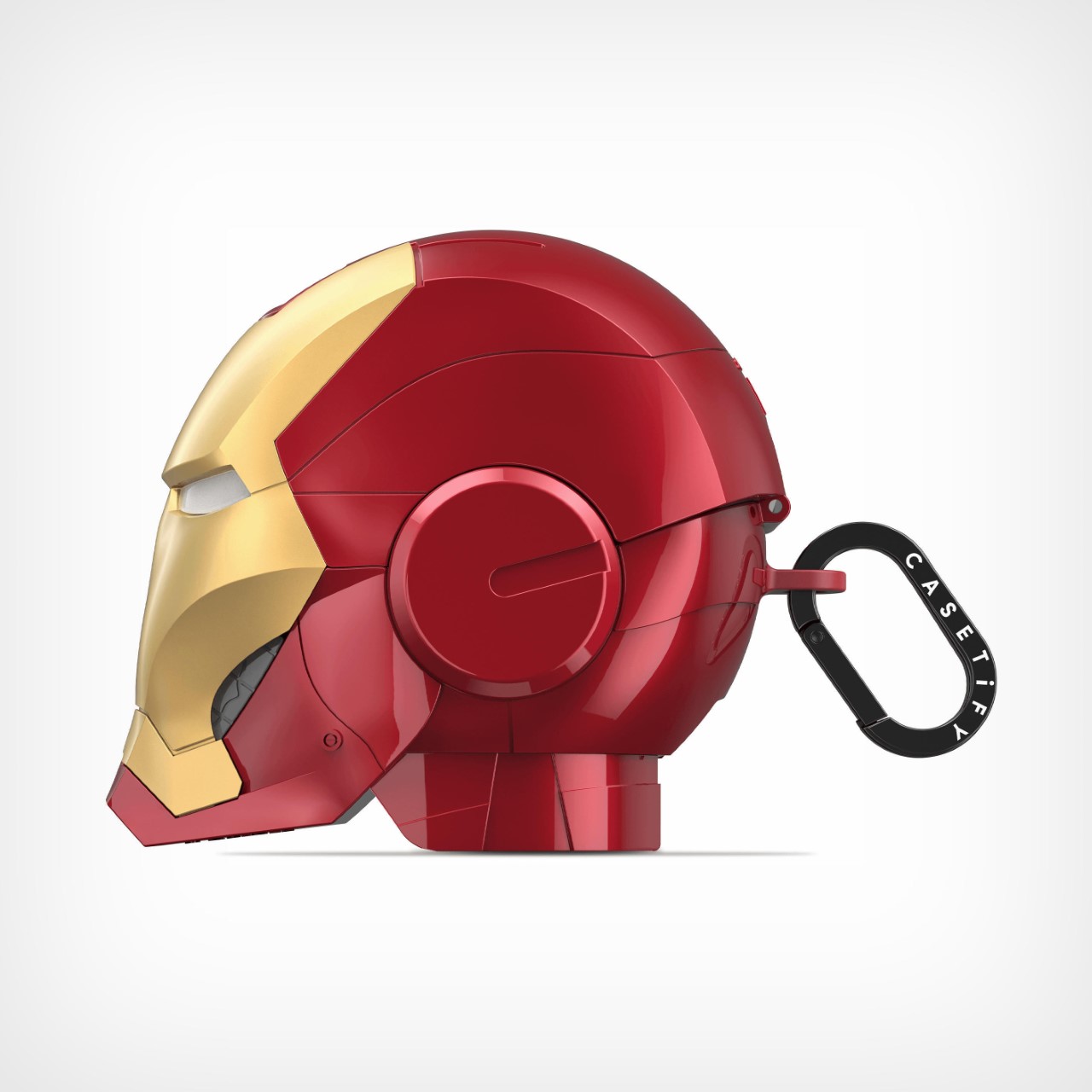
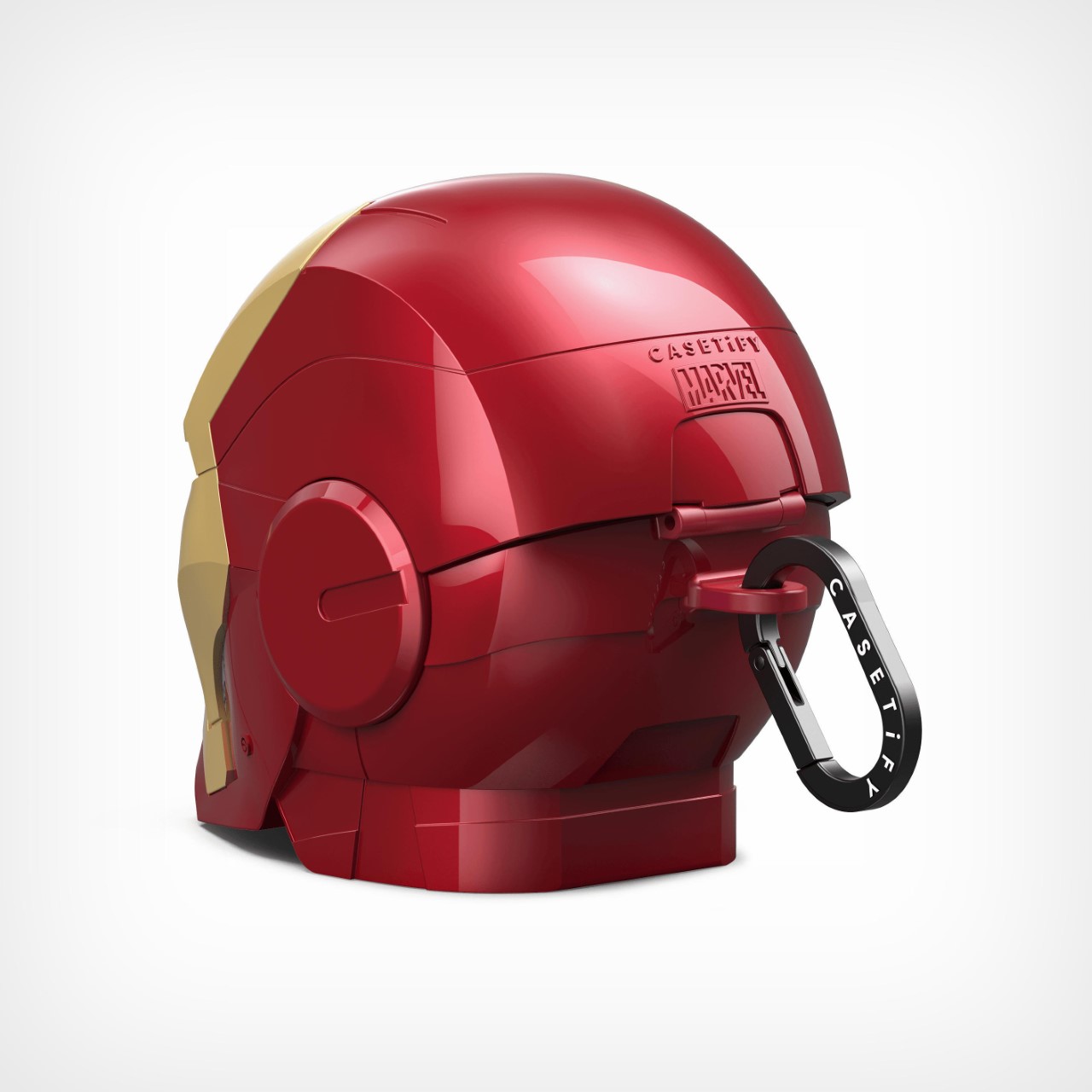
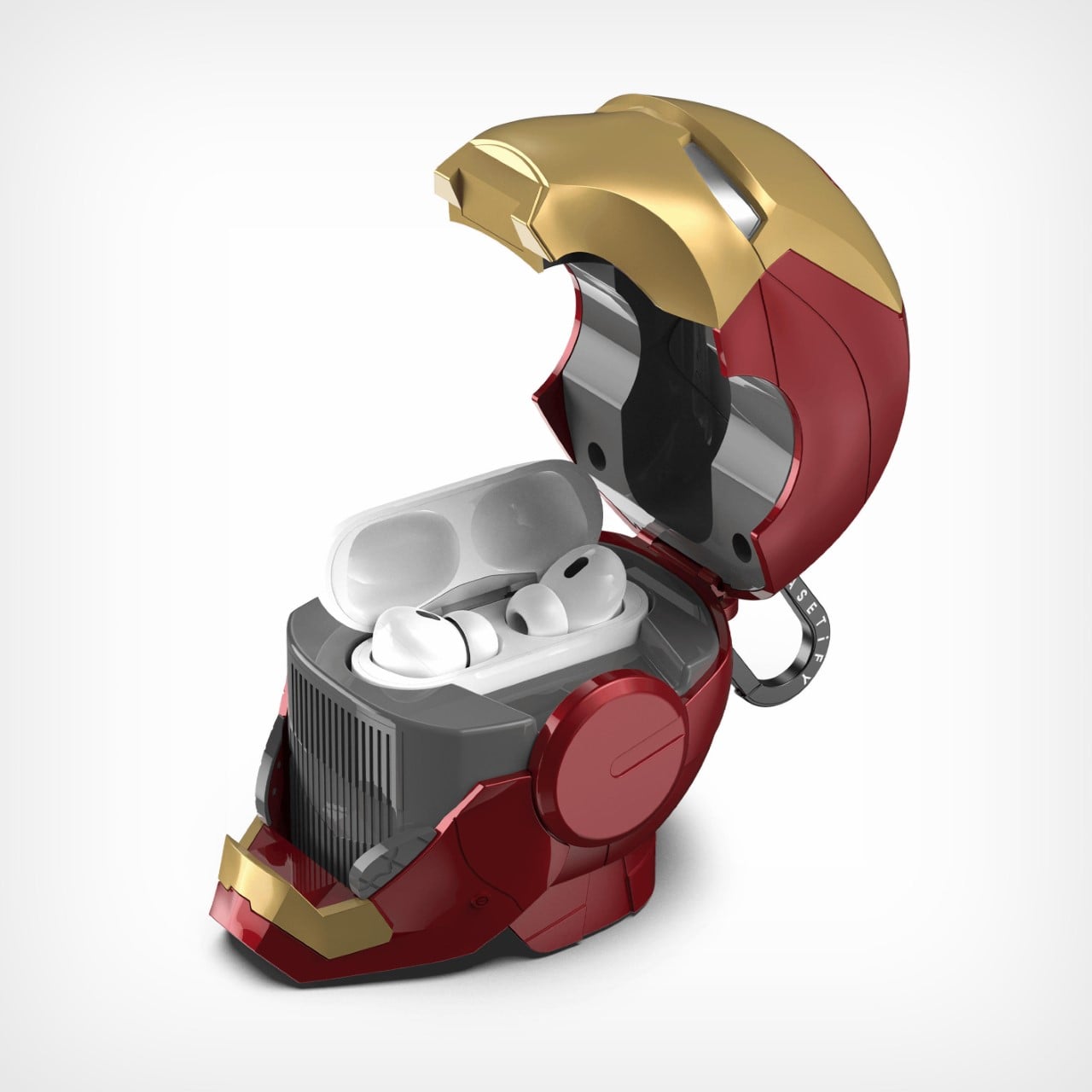
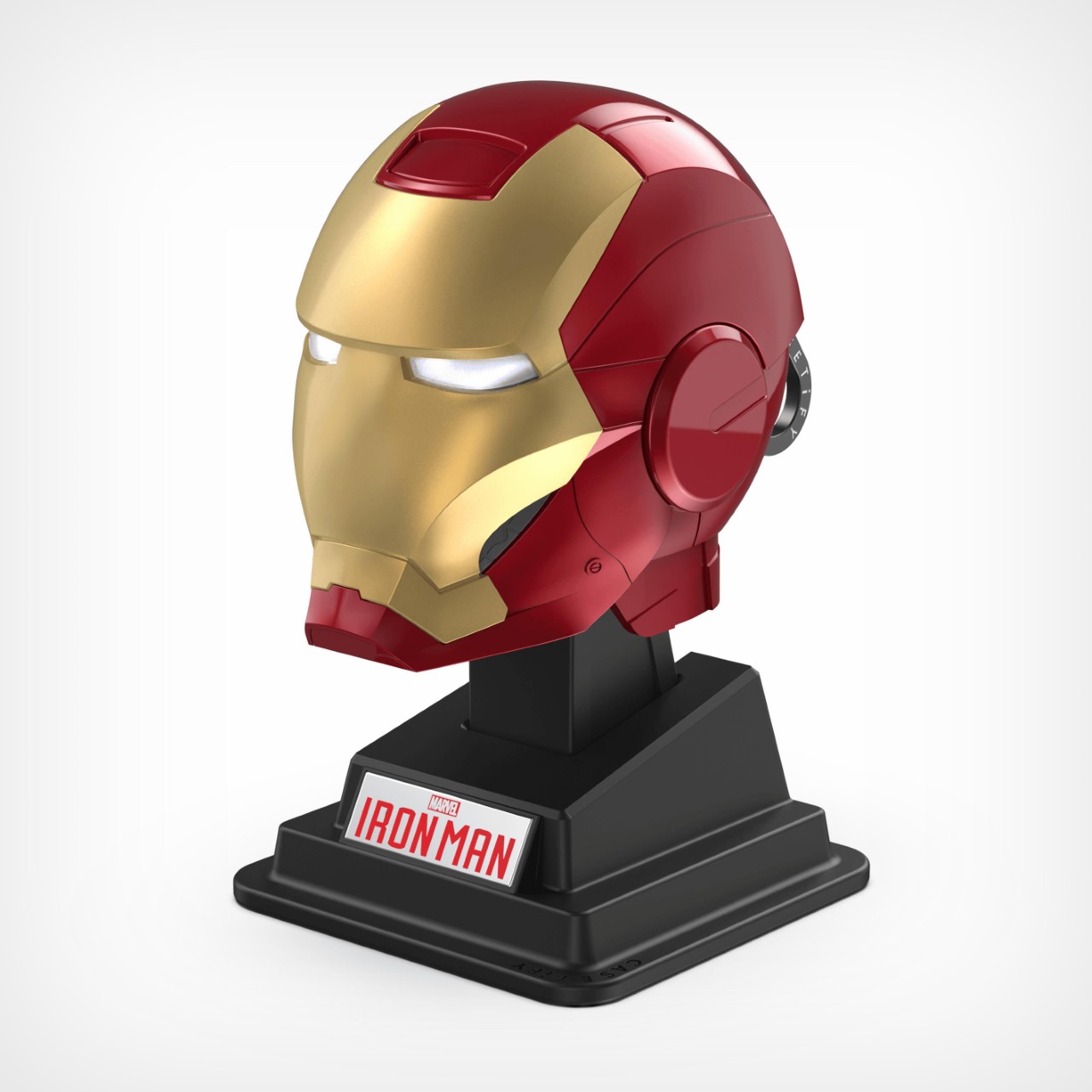
I’ll be honest – is Casetify’s latest AirPods case practical? Hell no. Is it cool? Oh absolutely. Partnering with Marvel, the company debuted a few Iron Man-themed accessories, although none as on-the-nose as their AirPods case. Designed to look exactly like an Iron Man helmet that opens up to reveal your TWS earbuds, this little number comes with a stand you can place it on a carabiner clip in case you want to strap it to your backpack… and the best part, light-up eyes that should surely grab the attention of fellow enthusiasts.

Designer: Casetify

Designed for the AirPods Pro and Pro 2, the case is roughly fist-sized, and comes with a painted plastic finish (although a chrome-plating would really seal the deal). The Iron Man head opens just the way the helmet does in the movies, although that doesn’t open the lid of the AirPods Pro case… you still need to flip the helmet open, and then flip open the AirPods case lid to get to your TWS earbuds. A bit of a hassle, sure, but heck… does it look cool.

The Tony Stark-esque holder doesn’t charge your AirPods Pro, however. It’s merely just an outer cover for storing your AirPods in, eschewing that boring white plastic exterior for something more edgy and cool. The best part, however, is the fact that the eyes actually light up. Relying on a single CR2032 coin battery, the eyes on the helmet glow in the signature blue when you shut the helmet, shining for 2 minutes before they dim out automatically.

Priced at $122, the Iron Man AirPods Pro case isn’t specifically pocket-friendly (both physically and fiscally), but it’s definitely worth adding to your collection if you consider yourself a comic-book aficionado or just a fan of the franchise. At least it’s big enough that you won’t be able to accidentally lose it, right??

The post Casetify’s new AirPods Case isn’t pocket-friendly… but it’s definitely a collector’s item first appeared on Yanko Design.
Standalone AirPods Pro 2nd-Gen USB-C charging case might not be worth the price

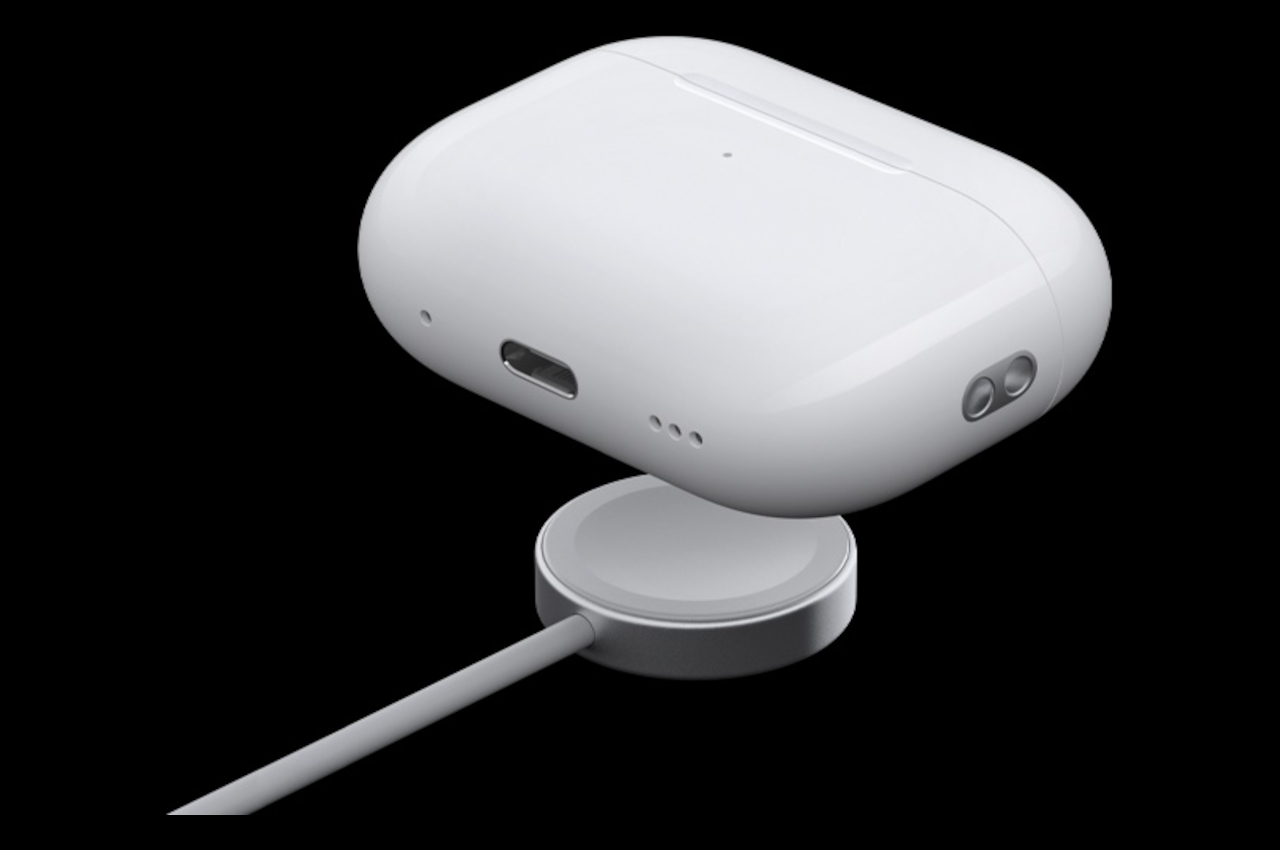
The newest iPhones have finally jumped on the USB-C bandwagon, but there are still a few Apple products that still cling to the older Lightning technology. That includes all iPhone models before the iPhone 15, older iPads, and the majority of charging cases for the AirPods. A few months back, Apple did release a version of the 2nd-gen AirPods Pro with a USB-C charging case, but you’ll have to buy the whole set to enjoy this upgrade, both earbuds and charging case. If you already have a 2nd-gen AirPods Pro that came with a Lightning charging case, however, you can now just buy the USB-C case on its own, but the price tag on this very optional accessory could have you thinking twice why you’d want to buy one in the first place.

Designer: Apple

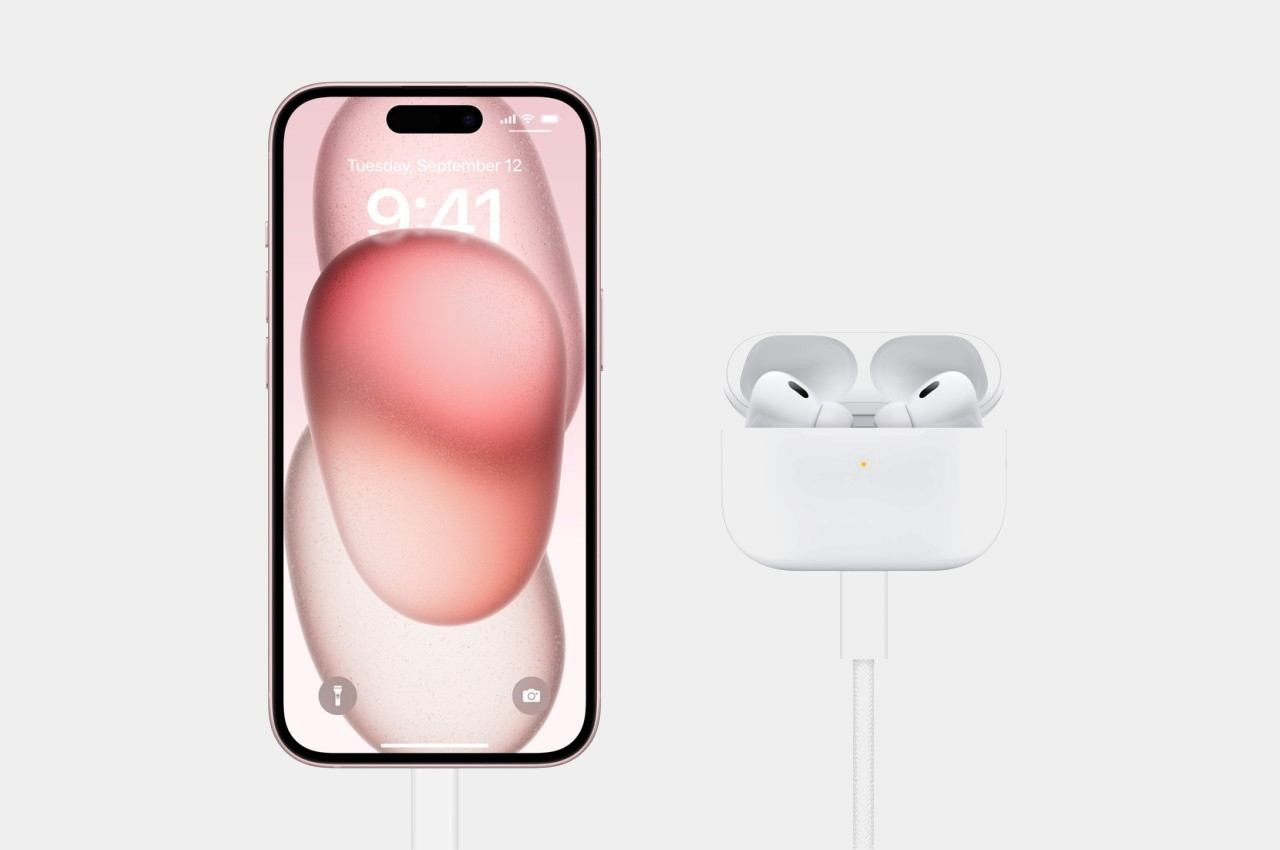
To be fair, the USB-C charging case does have a few advantages, though the biggest one would be consistency between the most recent Apple devices. You won’t have to carry a separate Lightning cable, presuming you’ve gone all-in on USB-C already. There’s also this convenient reverse charging feature where you can charge the AirPods Pro case from an iPhone 15 using a USB-C to USB-C cable. Handy in an emergency but not exactly a ground-breaking game-changer.

Given the nearly similar features, the $99 price tag on this standalone USB-C charging case for the AirPods Pro 2nd-Gen might seem a little excessive. It also only makes sense if you already have the Lightning version of these AirPods Pro and only want to enjoy the benefits of USB-C mentioned above. Otherwise, it doesn’t offer any charging speed advantages between these two models and both support the same wireless MagSafe capability.

That said, you might want to upgrade from the 2nd generation Lightning AirPod Pro to its USB-C sibling for future-proof durability and features. The USB-C AirPods Pro 2nd-Gen has an IP54 rating, up from last year’s IPX4, which means it’s better protected against dust and small particles, though it’s still only splashproof rather than waterproof. It will, however, support lossless audio when paired with the Apple Vision Pro headset, at least if you can get your hands on one next year.

The USB-C case itself is also IP54 rated, but you won’t get the dust-proofing upgrade for the earbuds just by switching cases. That makes the standalone case less appealing for the majority of AirPods owners. Then again, there will always be someone who wants a complete and consistent set of products or may have had the misfortune of losing their original charging case. Fortunately, now you won’t have to buy a new set just to replace that.

The post Standalone AirPods Pro 2nd-Gen USB-C charging case might not be worth the price first appeared on Yanko Design.
What’s Inside A Fake AirPods Pro? CT Scans Show How Counterfeit Earbuds Are Built

Just go type the word AirPods into Temu or AliExpress and you’re likely to be flooded with results of earphones that look exactly like the AirPods, but most likely are just counterfeits. The AirPods, more than being wireless earphones, are a fashion and social statement. Everyone craves being seen wearing them, and that sort of crowd response doesn’t go noticed by folks sitting in factories in Shenzhen. Counterfeit AirPods can be found across an entire spectrum. Sometimes they’re just shitty $10 earpieces stuffed into an AirPod plastic shell, other times they’re so convincingly good that they even end up fooling Apple devices into pairing with them. The trick to avoiding falling for a fake is to simply ensure you’re either buying your goods directly from Apple, or a certified Apple retailer/reseller… conversely, you could do what Lumafield did by renting incredibly expensive tomography equipment to scan your products.

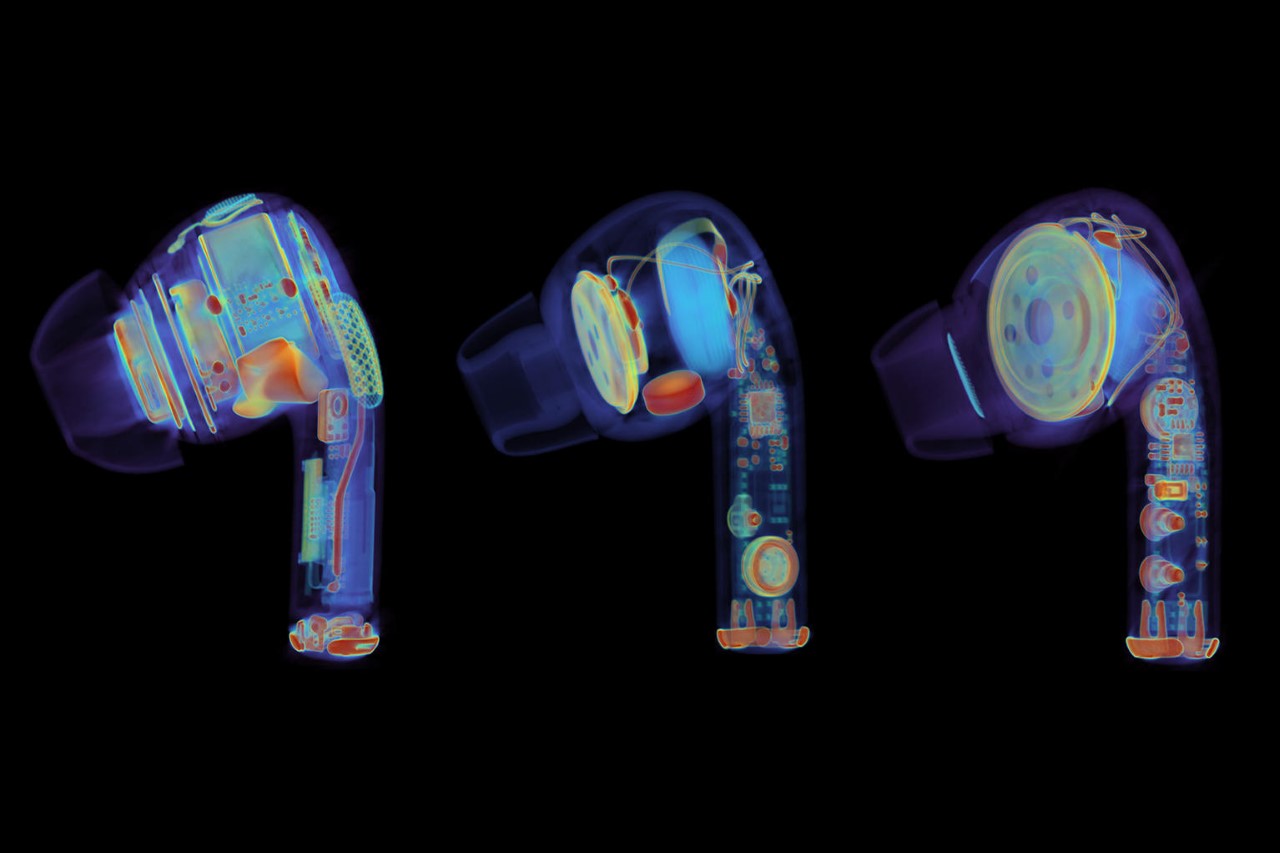
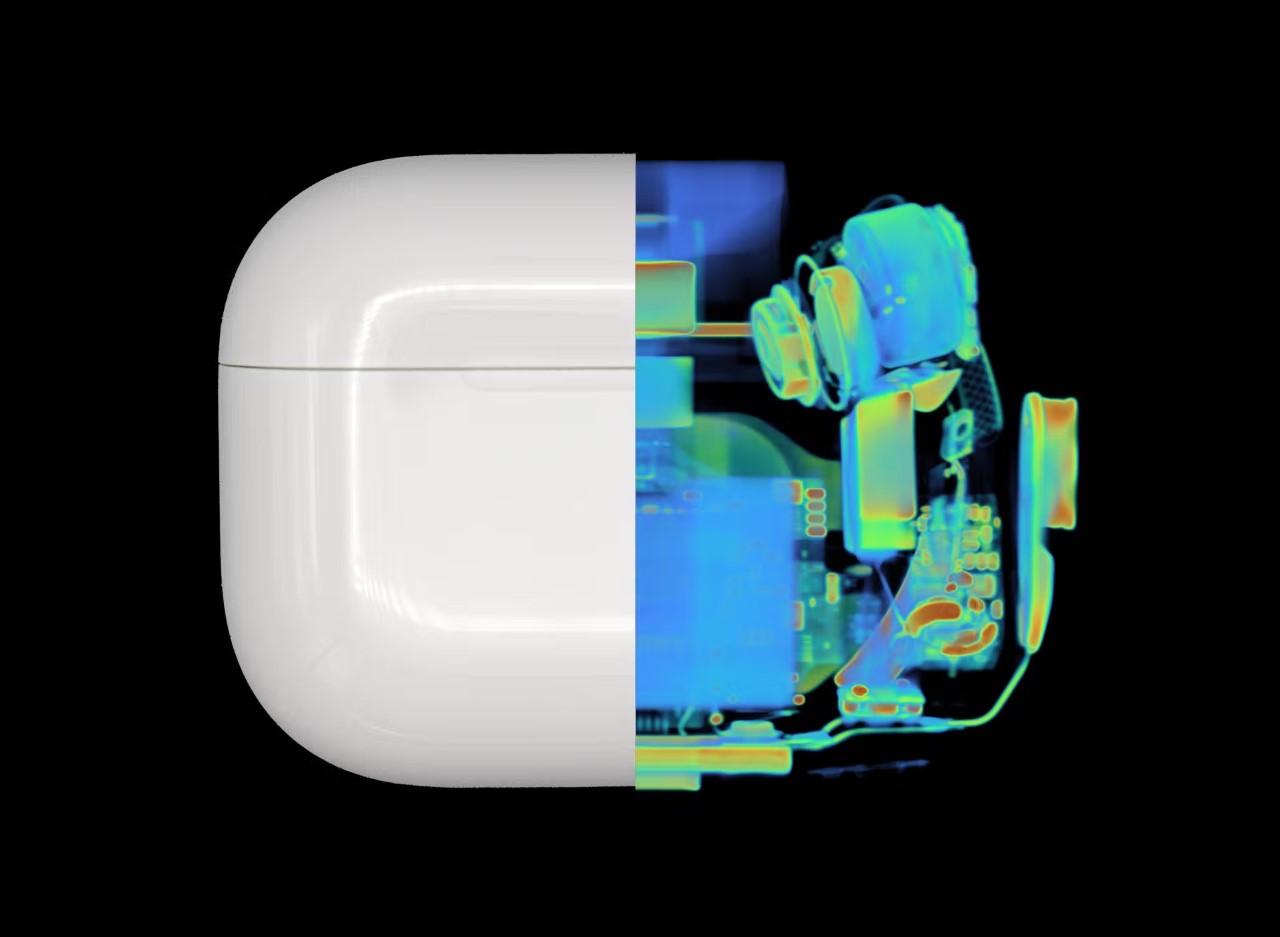
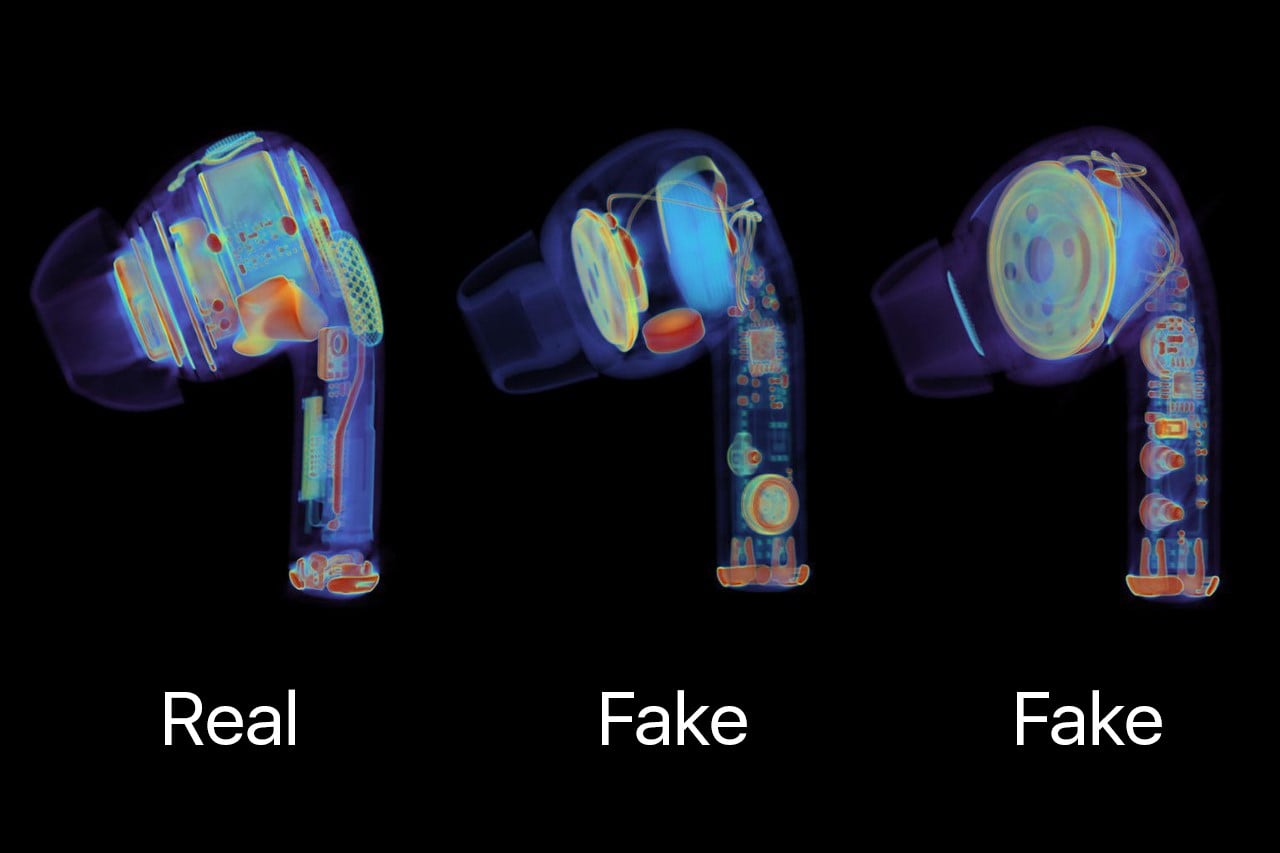
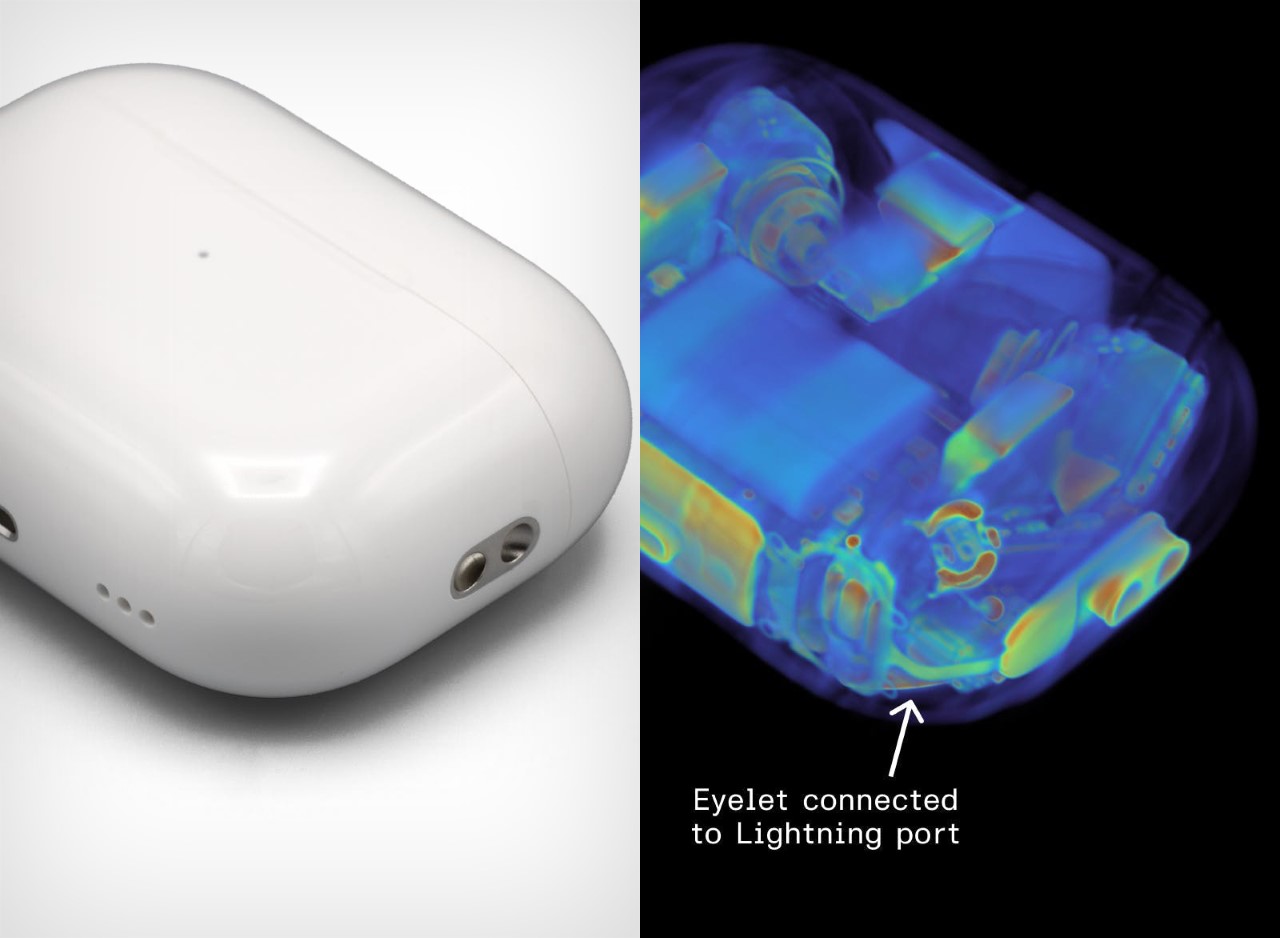
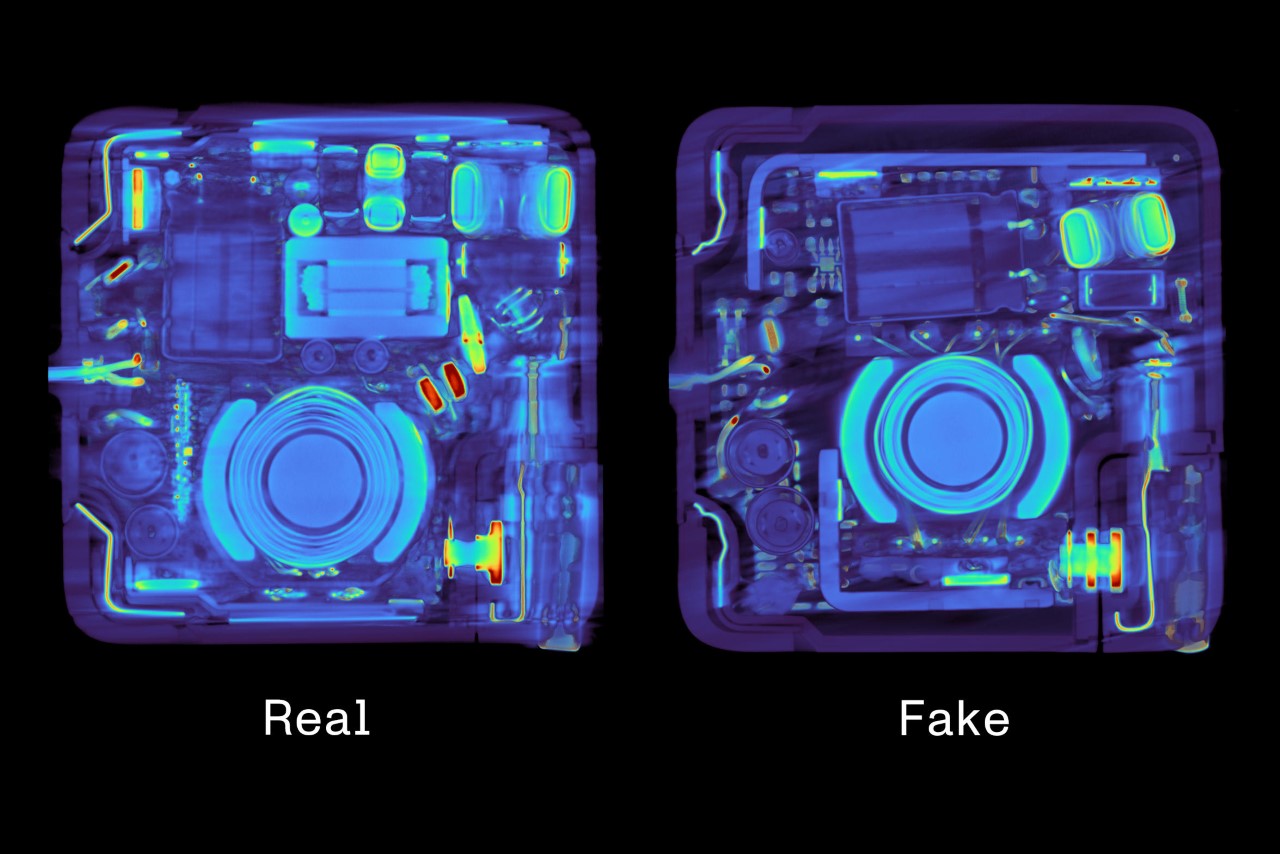
While I don’t endorse renting an Xray or an industrial scanner to look into your Apple gear, Lumafield’s endeavor has resulted in some wonderful findings. The company looked under the hood of a variety of Apple products, examining the difference between how real and fake ones were made. The findings reveal a lot of interesting trickery. Most of Apple’s products are engineered to perfection, but you won’t be able to say the same for a counterfeit. To cut costs, most counterfeits use unsafe parts, shoddy construction, unreliable circuitry, and even use metal pieces to mimic heaviness. Heck, sometimes they entirely miss components like some AirPods Pro cases not even having wireless charging to begin with. The point of the exercise, more than being an interesting comparison, was to highlight exactly how unsafe using some of these bogus knock-off products can be. A faulty product is the least of your worries when you think of larger implications like health hazards, exploding batteries, and gadgets being ruined by fake chargers.

Image Credits: Lumafield

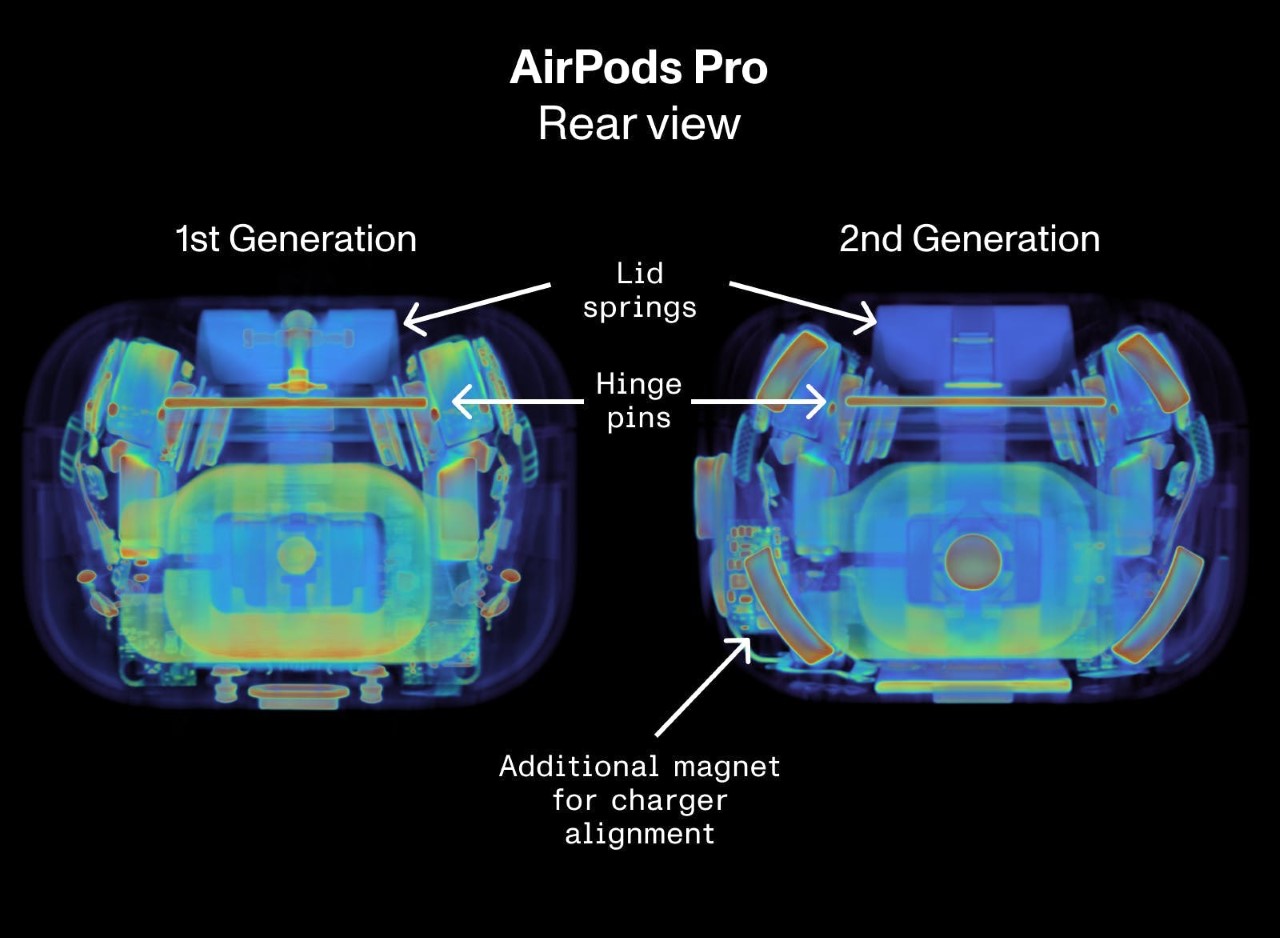
CT Scans of Fake AirPods Pro: Unsafe Components, Metal Weights for Faux Heaviness

At the heart of AirPods’ convenience lies its battery technology. The authentic AirPods boast meticulously engineered button cell batteries designed for optimal power efficiency within their compact form. Counterfeit AirPods, however, use less sophisticated lithium-ion pouch cell batteries, crammed into spaces they are not designed for, potentially posing safety risks.

The disparity continues with the internal circuitry. Genuine AirPods are a marvel of miniaturization and precision engineering, featuring a combination of rigid and flexible printed circuit boards. The fakes? They’re assembled with much simpler electronics and off-the-shelf components, leading to reduced functionality and compromised sound quality.

The overall build quality also tells a tale of two products: genuine and fake. In some fakes, wireless charging is entirely absent, and others lack the necessary magnets for proper charging. Counterfeit AirPods even use internal weights to mimic the heft of the original, a deceptive tactic compensating for poorer materials and less functionality.

Comparing Real vs. Fake MagSafe 2 Power Adapters for MacBook

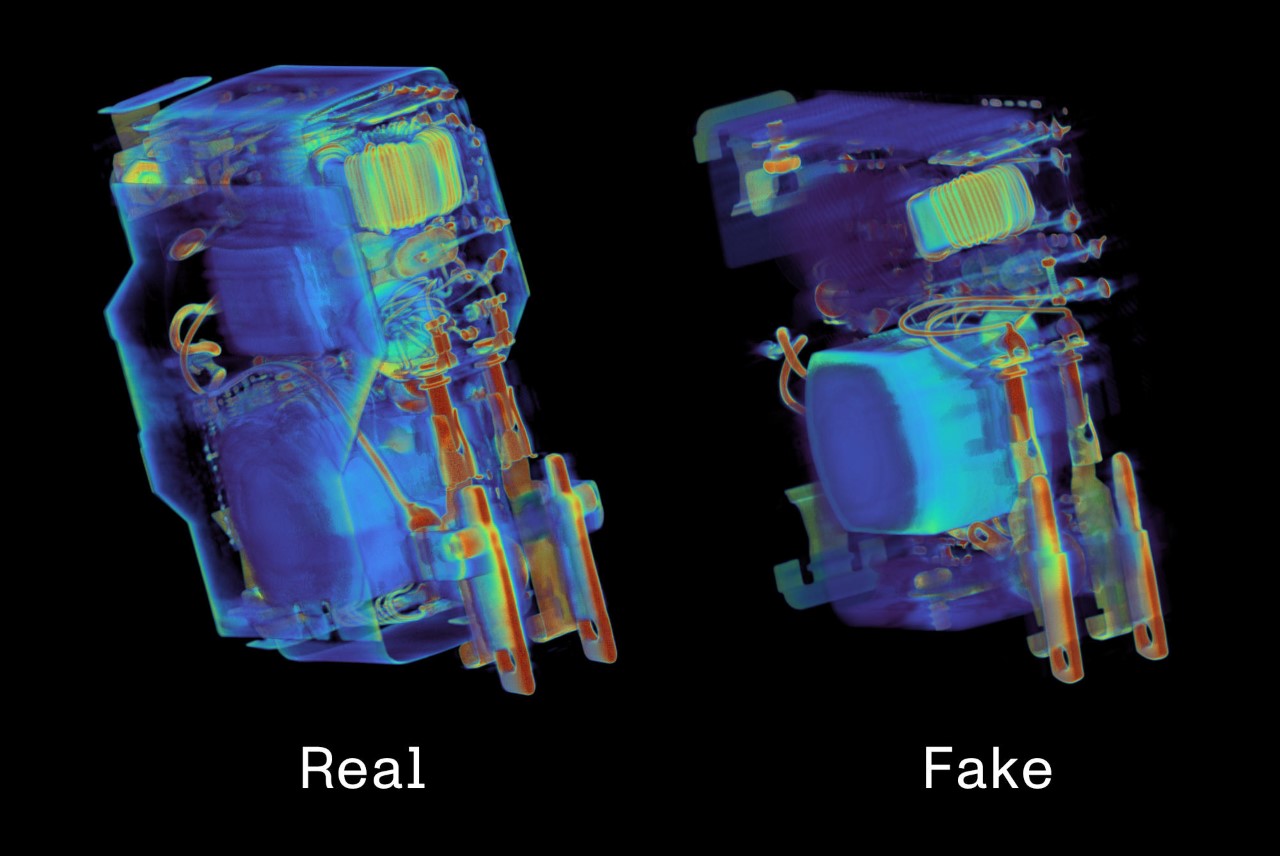
The differences aren’t limited to AirPods alone. Lumafield’s CT scans of the MagSafe 2 Power Adapter revealed a sophisticated power management system in the genuine Apple charger, absent in the counterfeit. The fake chargers lack the safety and longevity features of Apple’s design, raising performance and safety concerns.

Moreover, the heat sinks in the chargers differ significantly. Apple’s genuine charger uses a thin, complex heat sink, whereas the counterfeit opts for a heavier but simpler design. This difference could lead to dangerous hot spots in the counterfeit charger.

In the end, it’s a classic case of “you get what you pay for.” Those tempting savings might come at the cost of quality and safety. Opting for a counterfeit product isn’t just about saving costs; it’s about compromising on reliability and peace of mind. So next time you’re tempted by a too-good-to-be-true deal on AirPods, remember: the devil is in the details, and sometimes, those details are hidden deep inside.

The post What’s Inside A Fake AirPods Pro? CT Scans Show How Counterfeit Earbuds Are Built first appeared on Yanko Design.
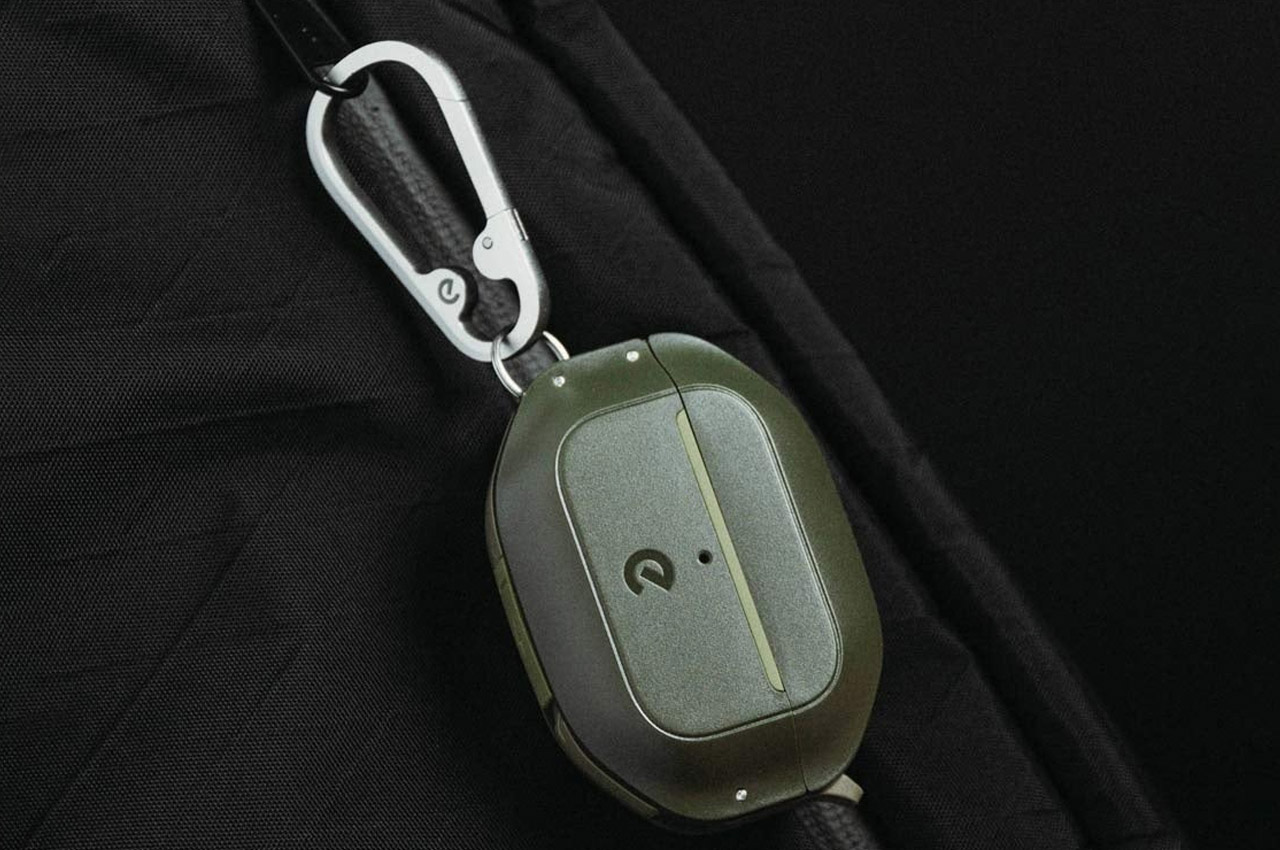
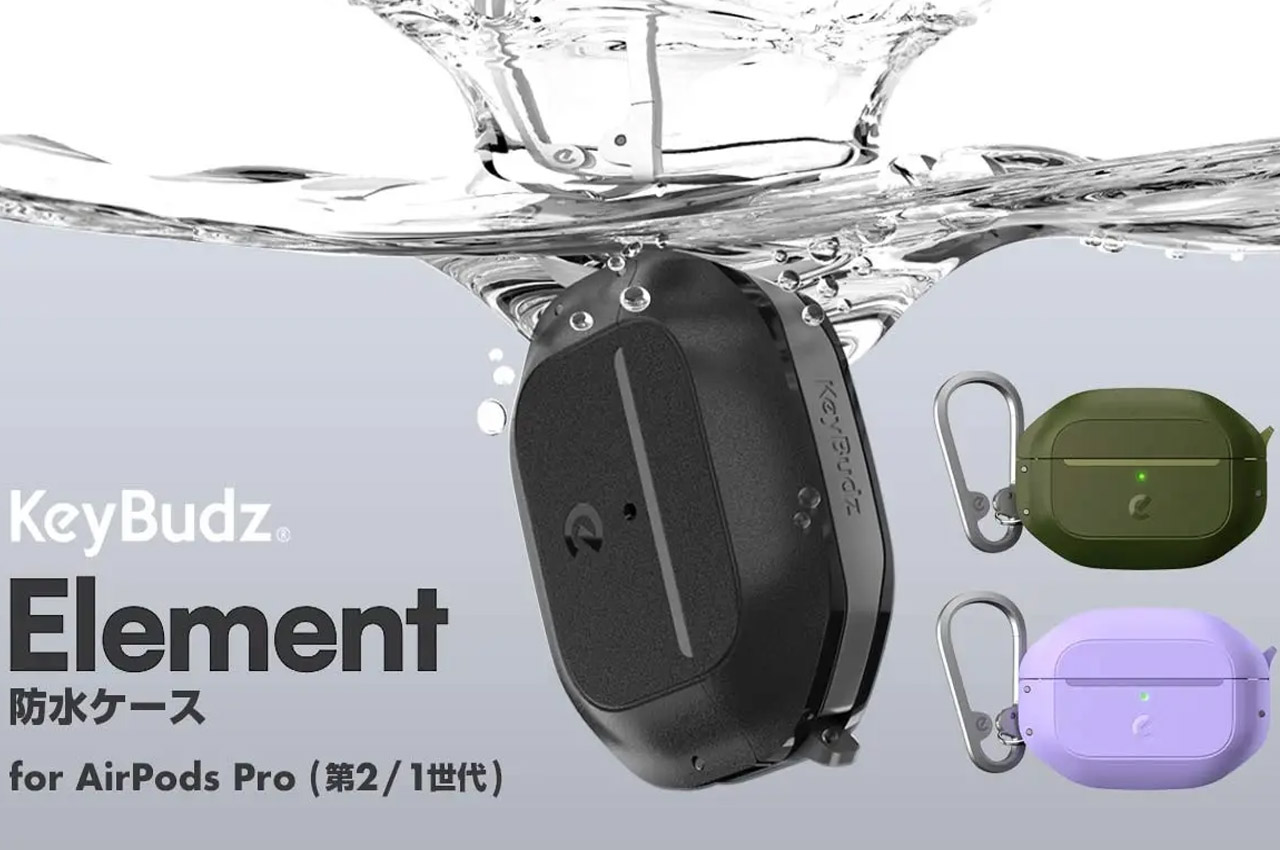
KeyBudz Element adds IP68 waterproofing and Military-grade protection to your AirPods Pro 2 case

AirPods Pro 2 stands amongst one of the best premium ANC earbuds out there, especially for the closely knit Apple ecosystem. They excel in fit, comfort and adaptive active noise cancellation algorithm, along with the stellar audio quality signature that I most like because of its closeness to the Harman Curve.

For people who love the AirPods Pro 2 because of its impressive features but are a bit disappointed when it comes to water and dustproofing, there’s an option. Those who carry their earbuds during adventure trips or are doing tough jobs in difficult terrain have no reason to fret.

Designer: KeyBudz

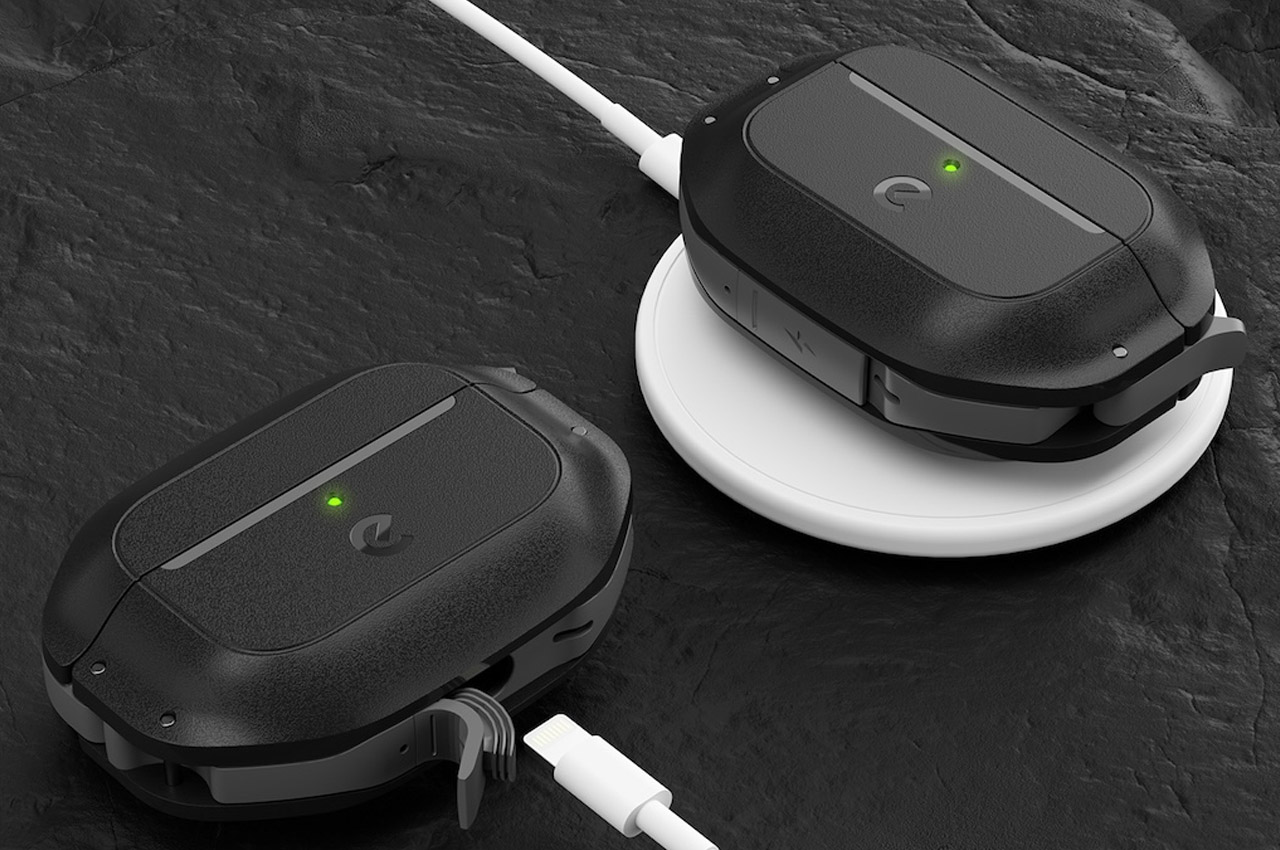
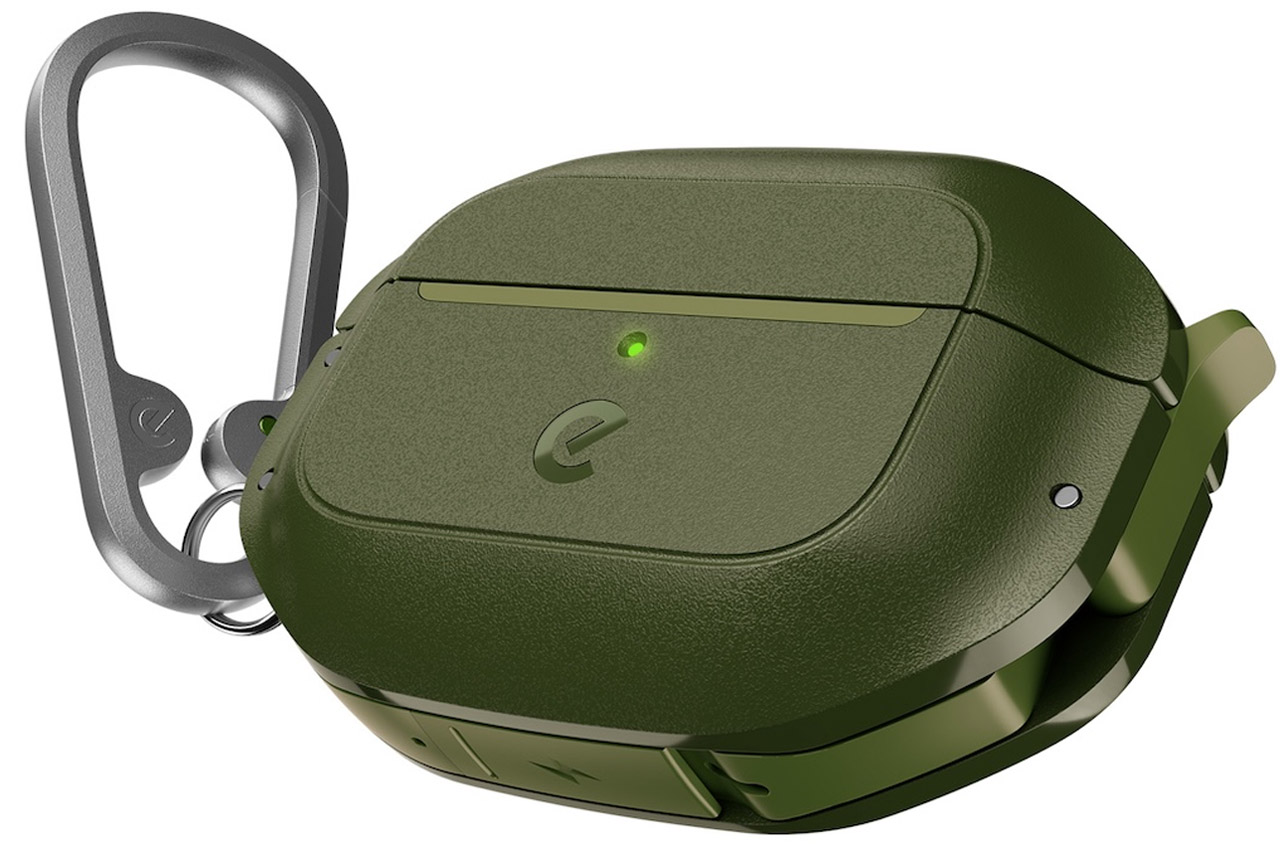
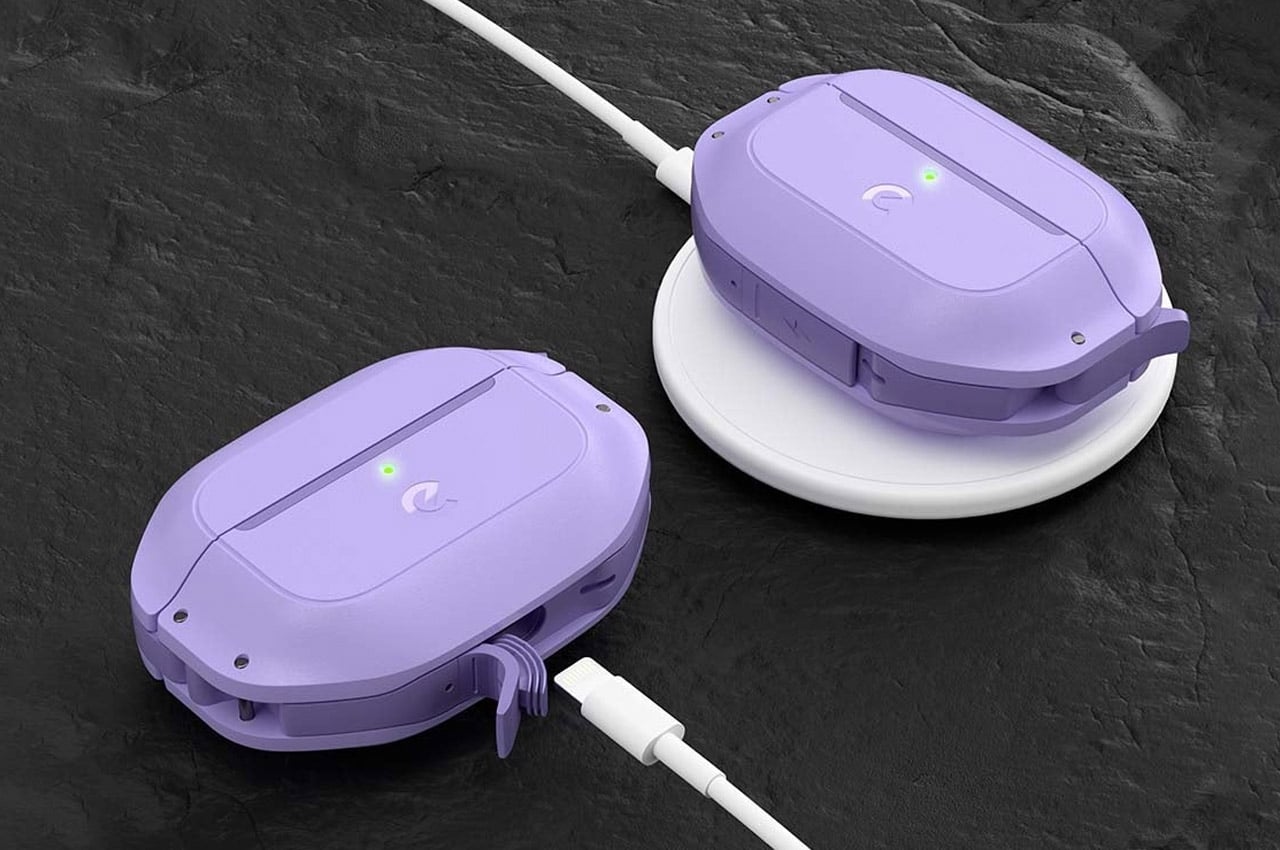
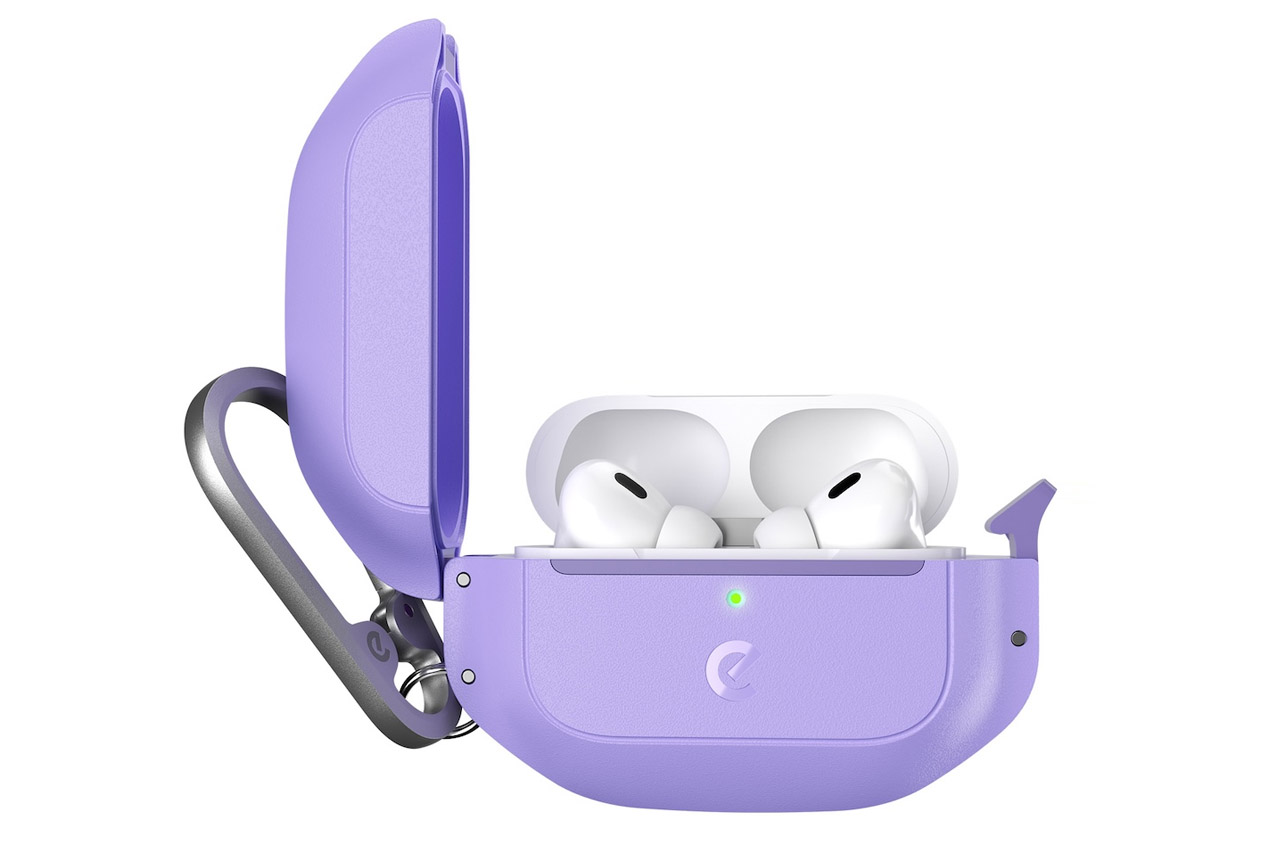
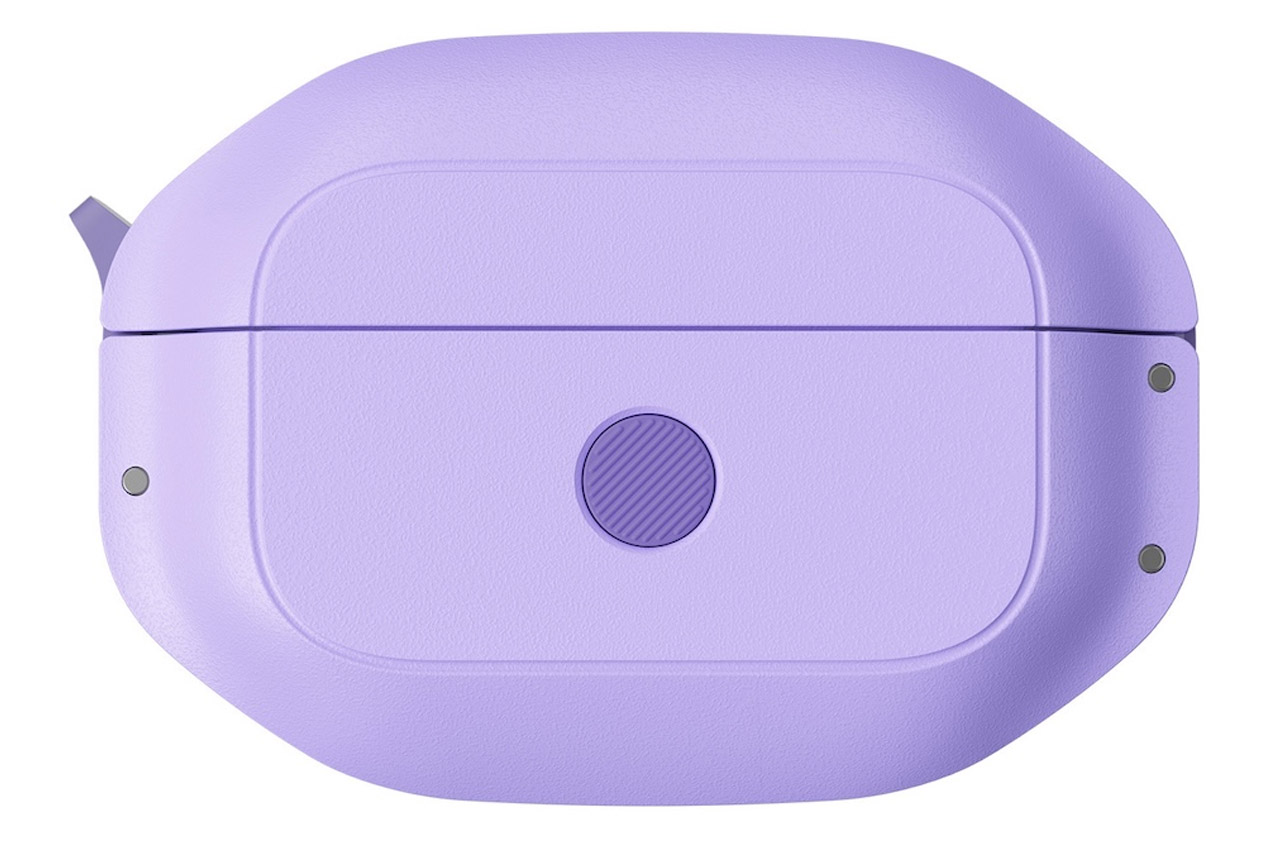
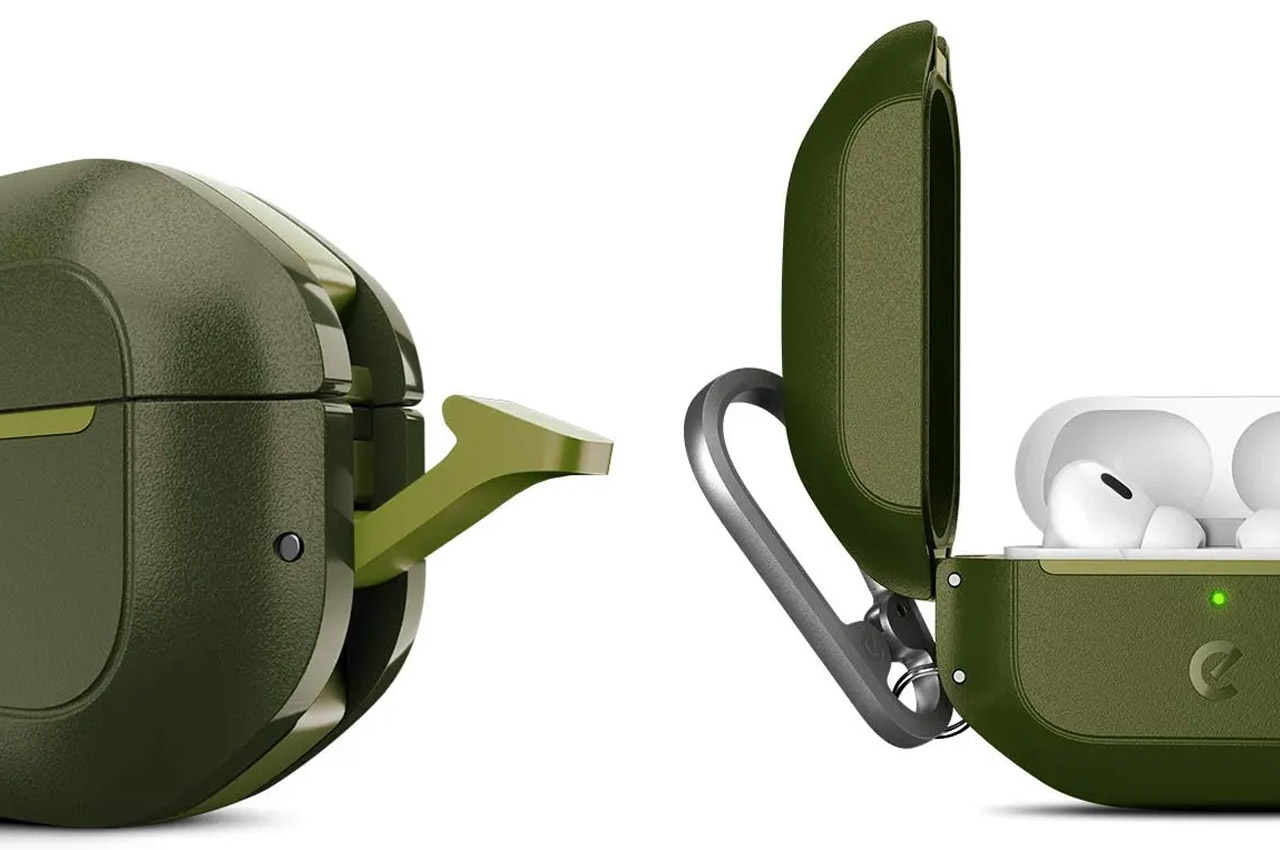
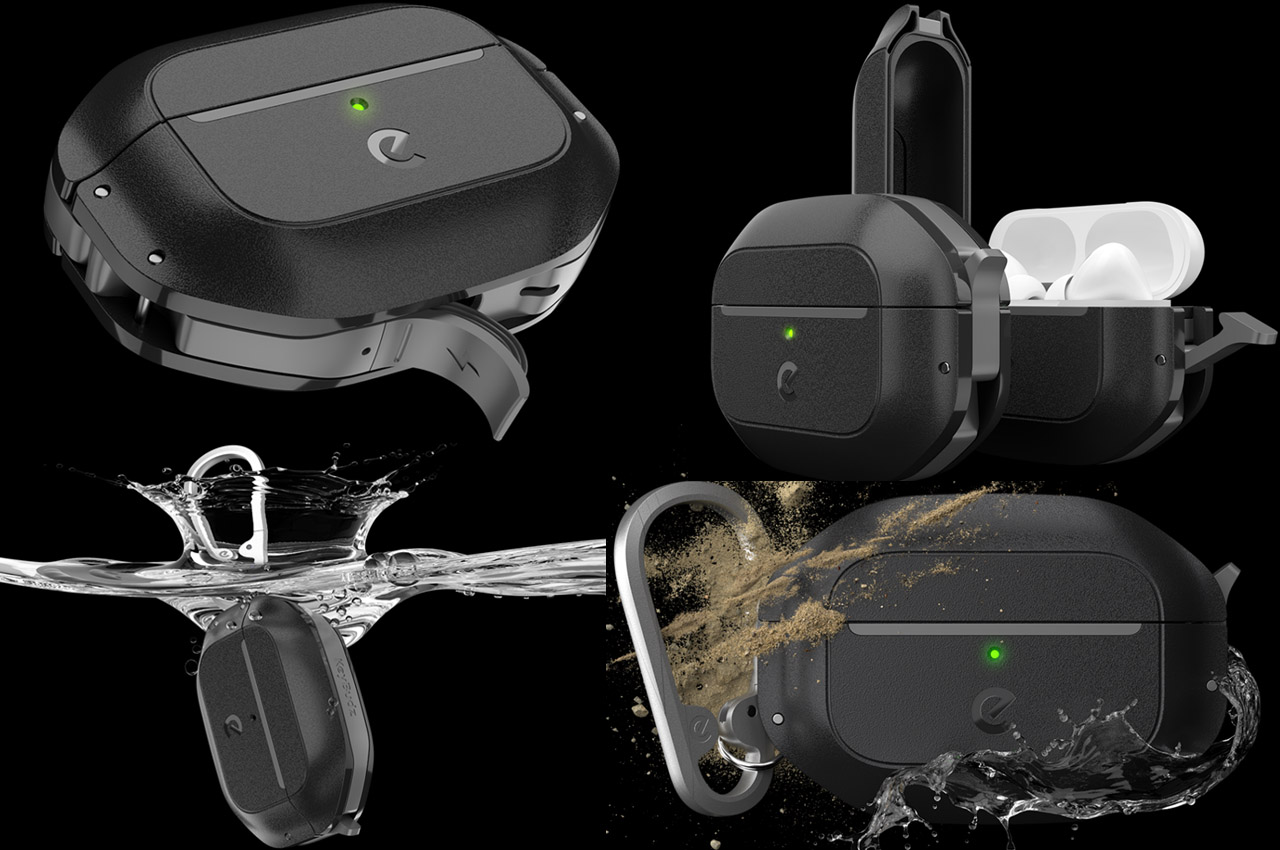
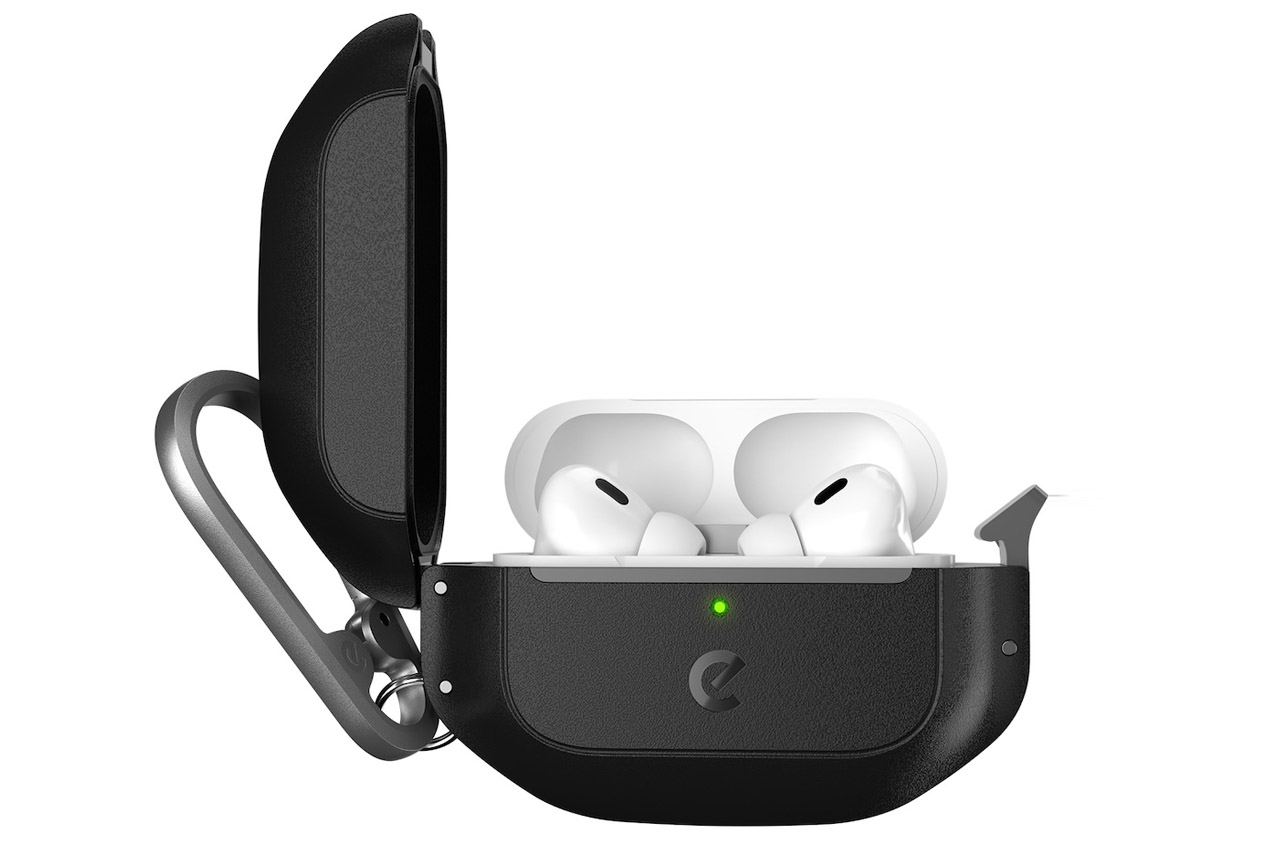
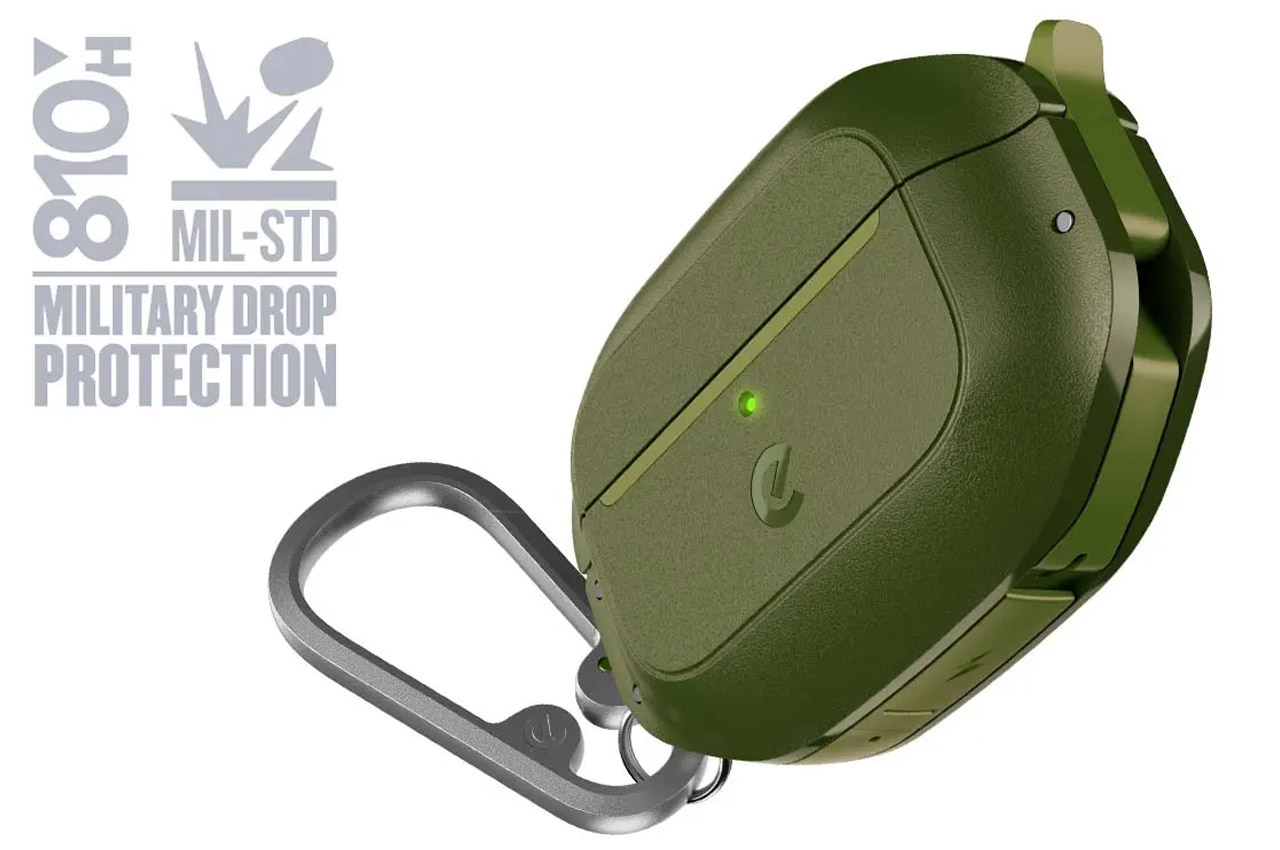
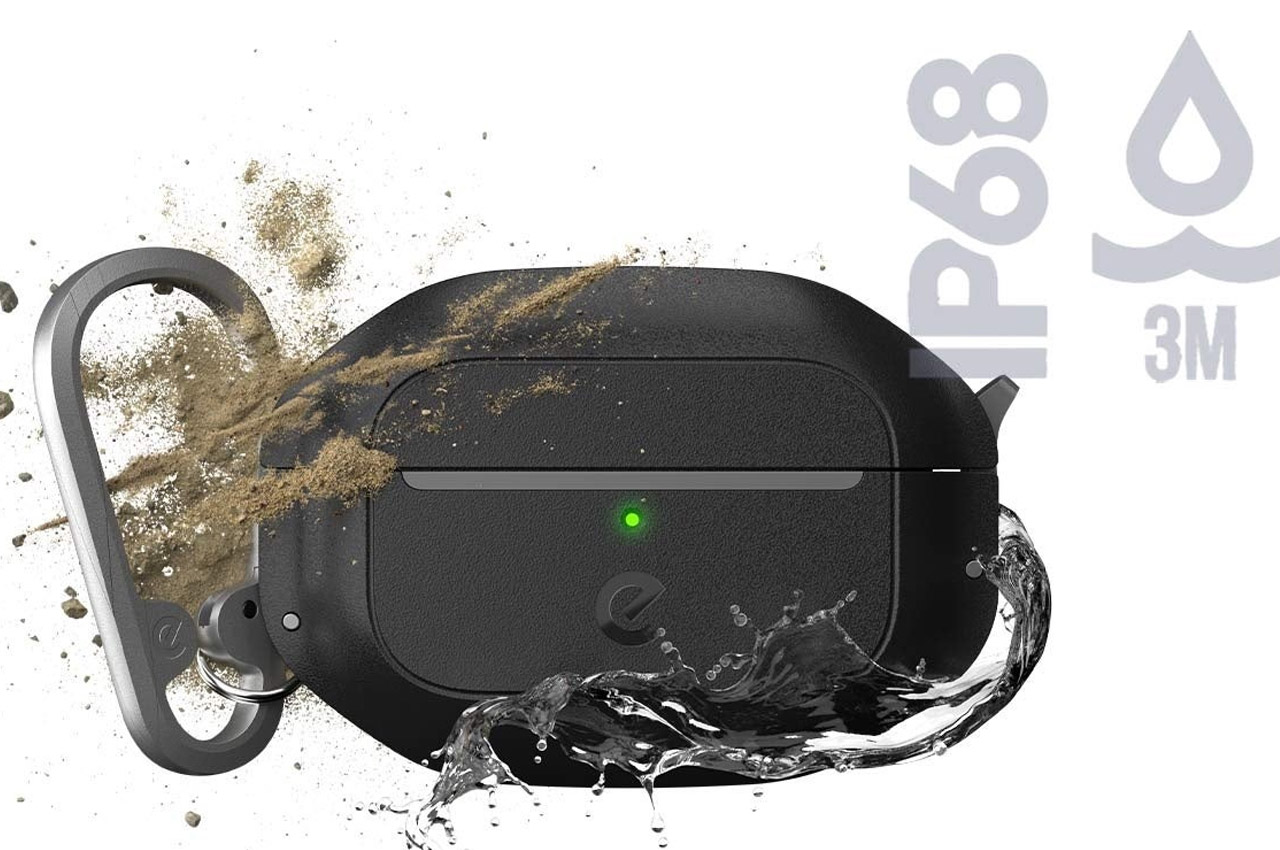
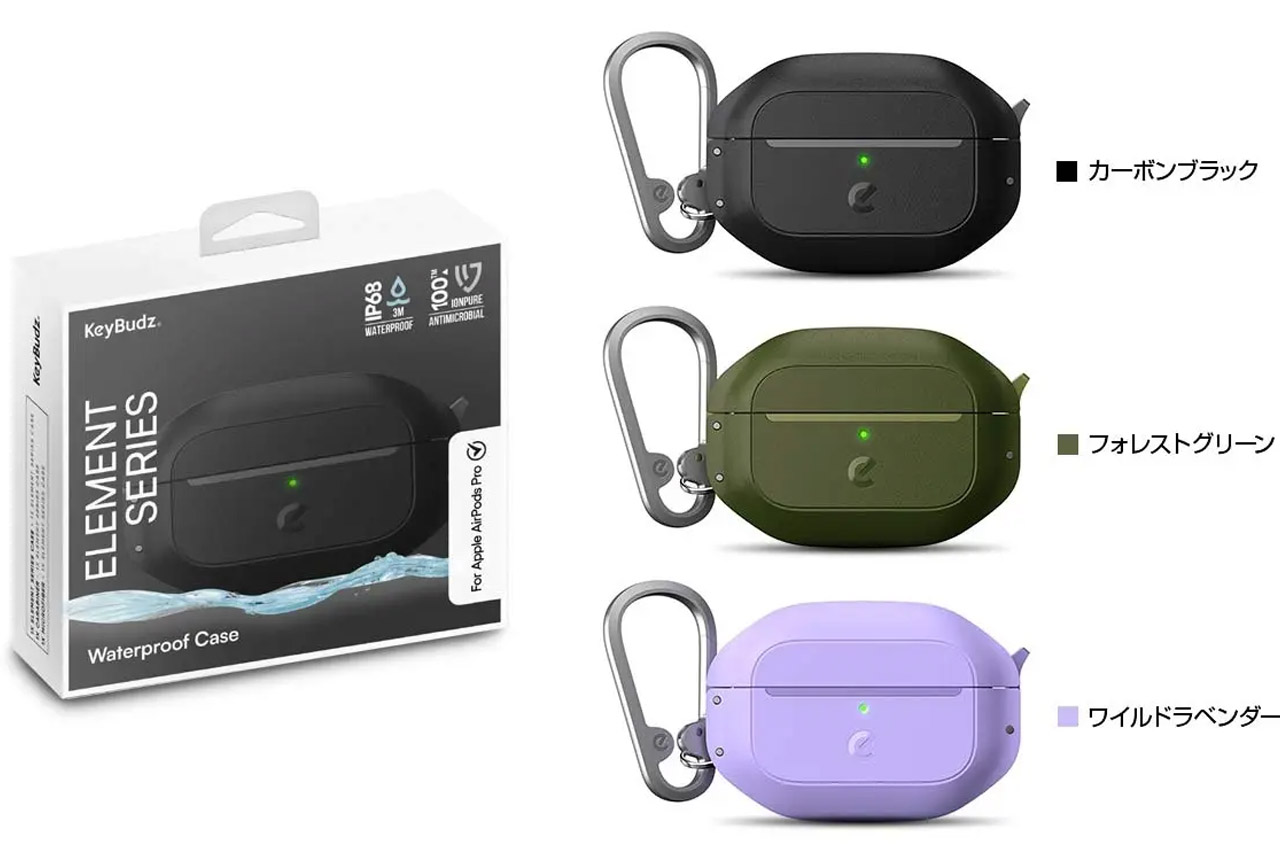
An AirPods Pro 2 case cover that enhances the earbuds with an IP68 rating for better water and dustproofing. It provides a very high level of protection from the elements as you can keep it submerged in water for up to 6 hours and protect it from a highly dusty environment without fail. Dubbed Element Waterproof Case, this accessory boasts military-grade MIL standards for shock resistance from accidental falls. In fact, the protective case is tested with the MIL standard MIL-STD-810H. So you don’t need to worry if your AirPods case hits the tarmac hard after a drop.

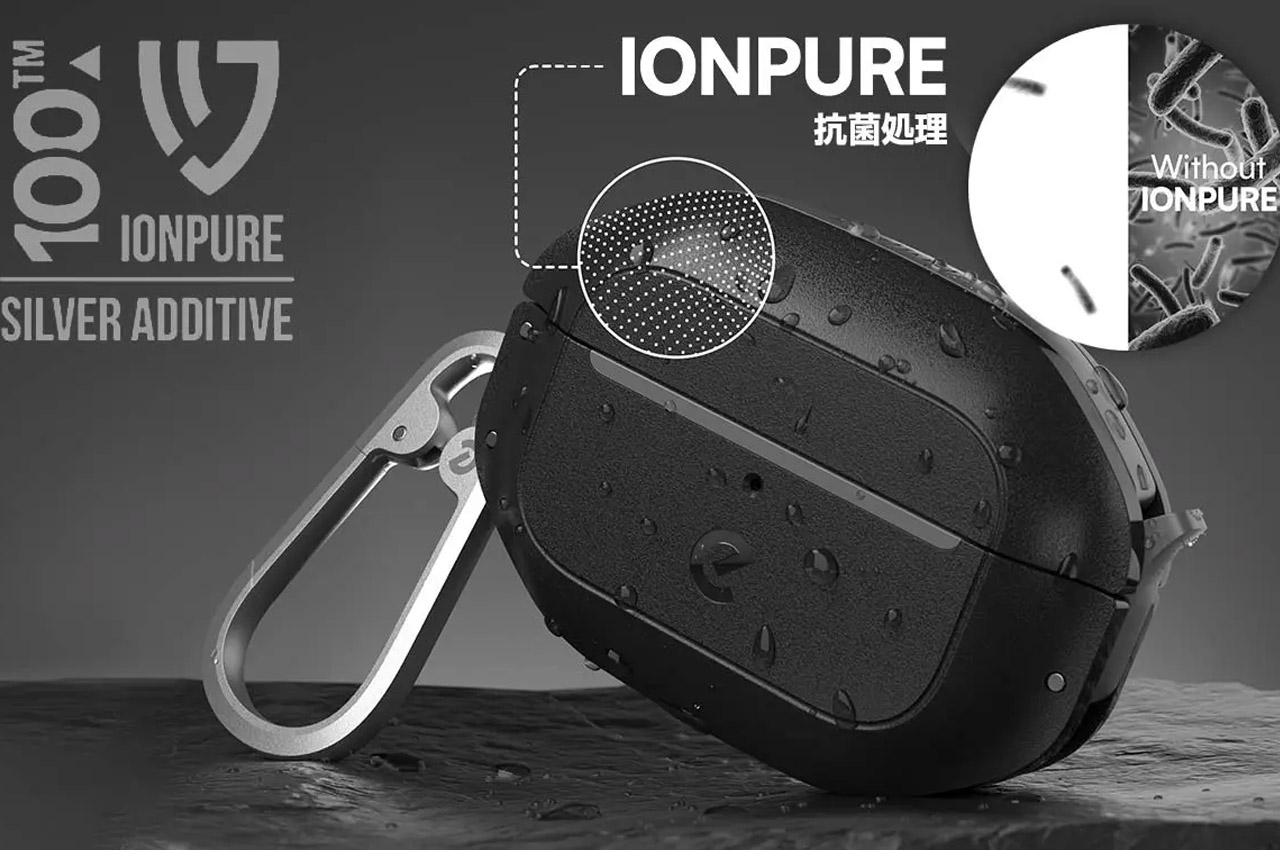
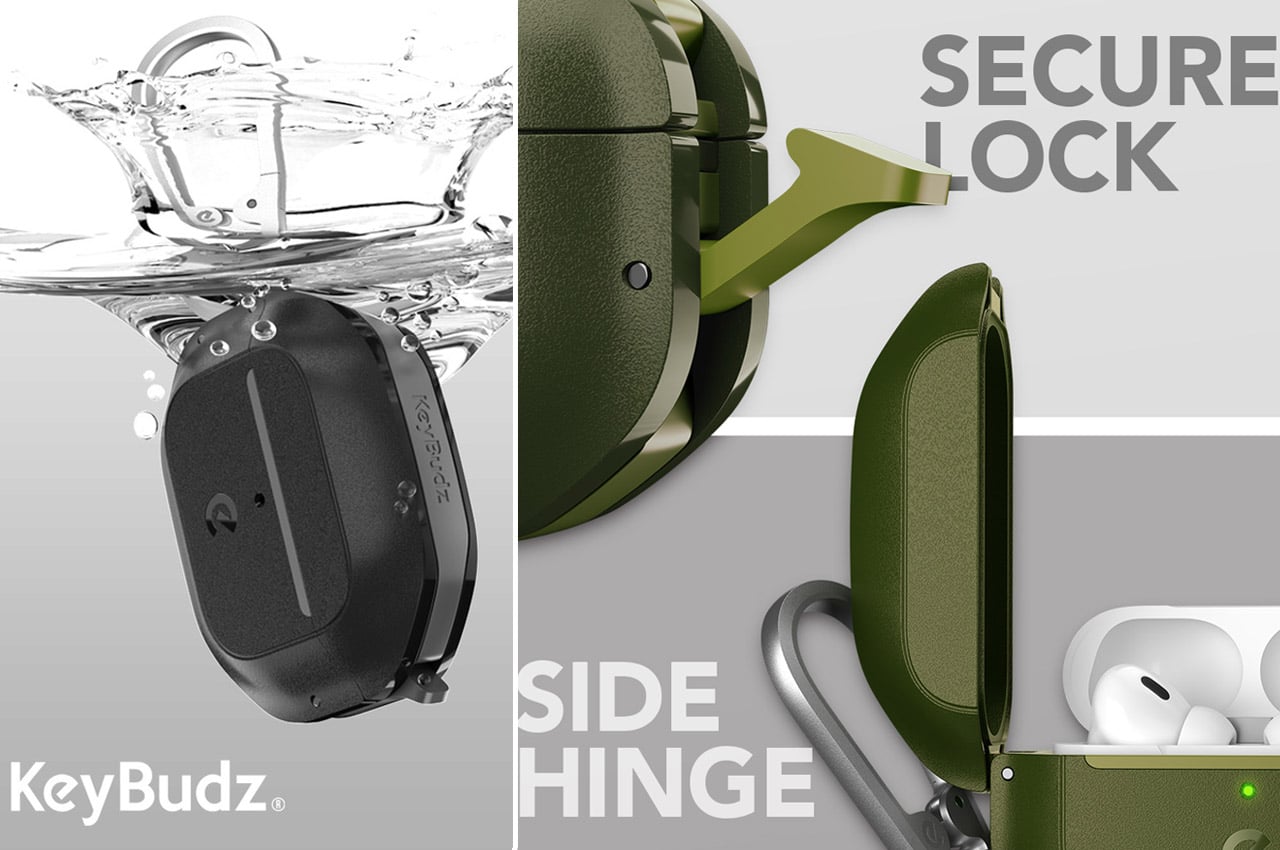
The lightweight and durable aesthetics of the case come courtesy of the A6063 aluminum alloy with an anodized finish, silicone and the use of 70% recycled polycarbonate materials. The case lid locks in place with the side-mounted latch, and the hinges facilitate smooth opening and closing of the lid with a secure locking mechanism. The internal lining of the case gets IonPure antibacterial treatment to prevent any chance of micro-organism and bacterial growth.

Pairing a new device with your AirPods is also going to be easy with the Elements case as the back buttons are designed for easy press. Also, it doesn’t interfere in any way with the wireless charging capability of the accessory. For now, the accessory will be available in Japan, and availability in other parts of the globe can be expected by the holiday season.

The post KeyBudz Element adds IP68 waterproofing and Military-grade protection to your AirPods Pro 2 case first appeared on Yanko Design.