Michigan Built a $4,000 Robot You Can Rebuild from Scratch

The Ship of Theseus is one of philosophy’s most enduring thought experiments: if you replace every plank of a ship, one by one, is it still the same ship? Researchers at the University of Michigan decided that rather than debating the question in a classroom, they’d build it. And then they’d unbolt it, swap the legs, and build it into something else entirely.

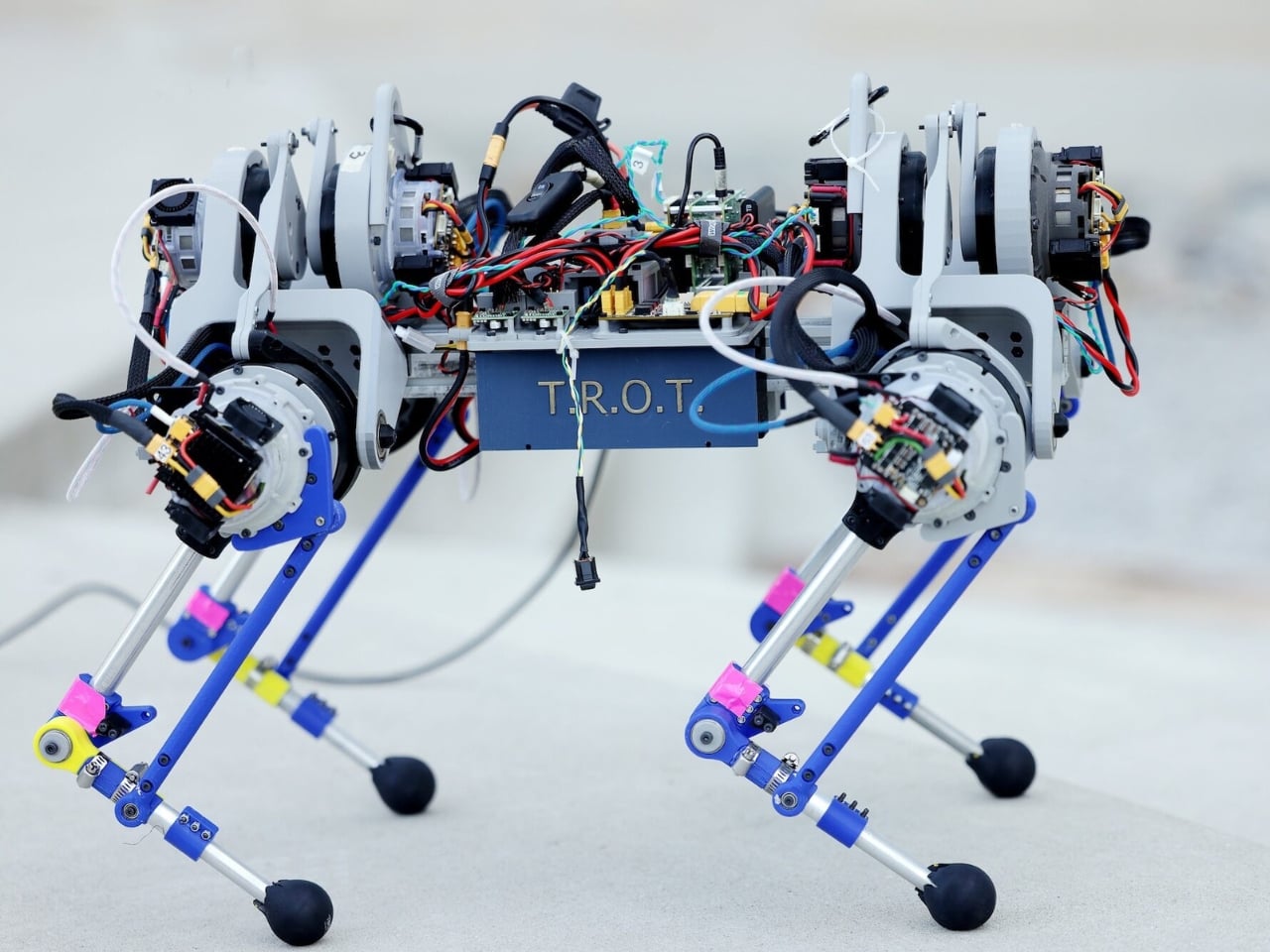
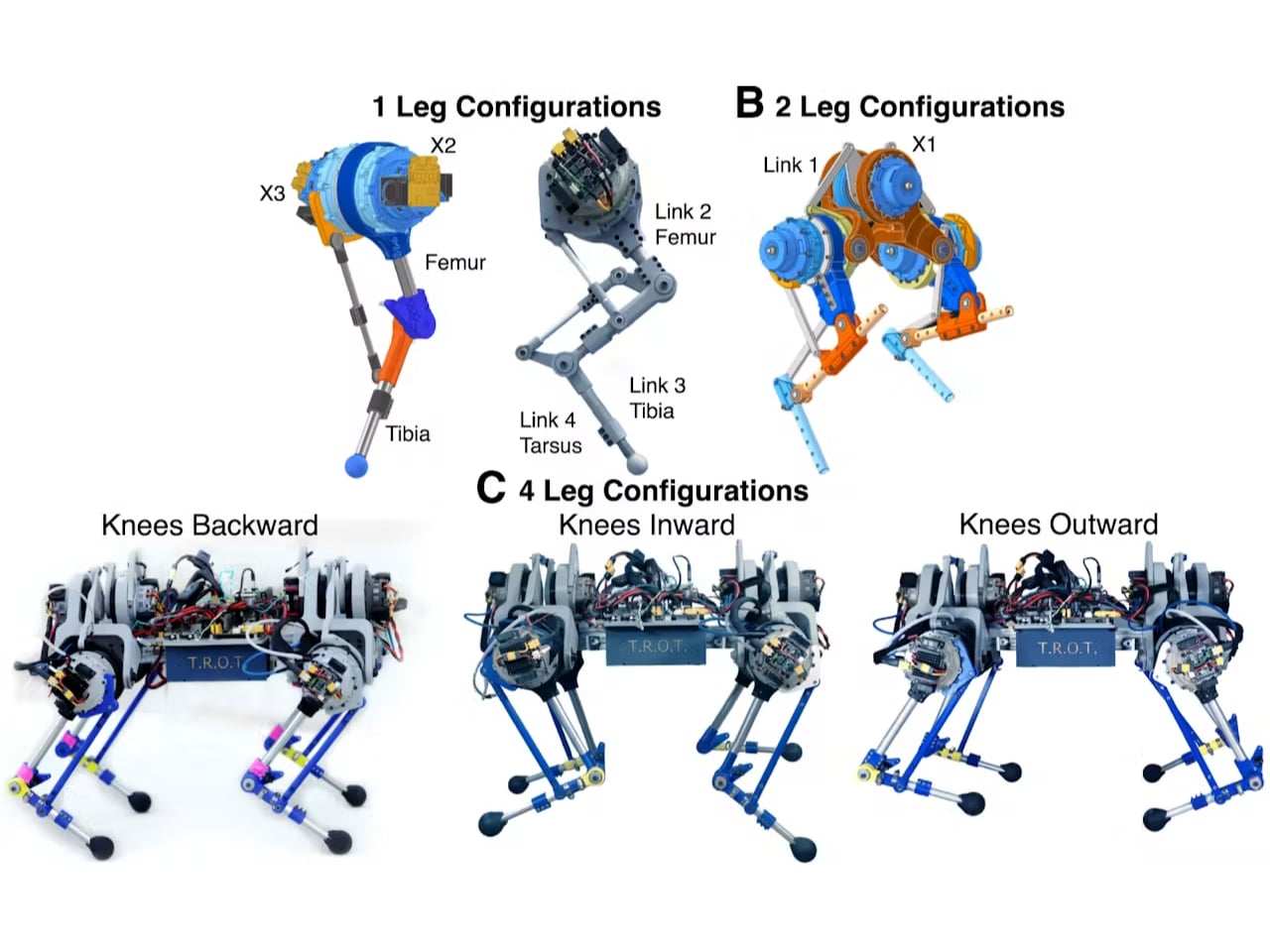
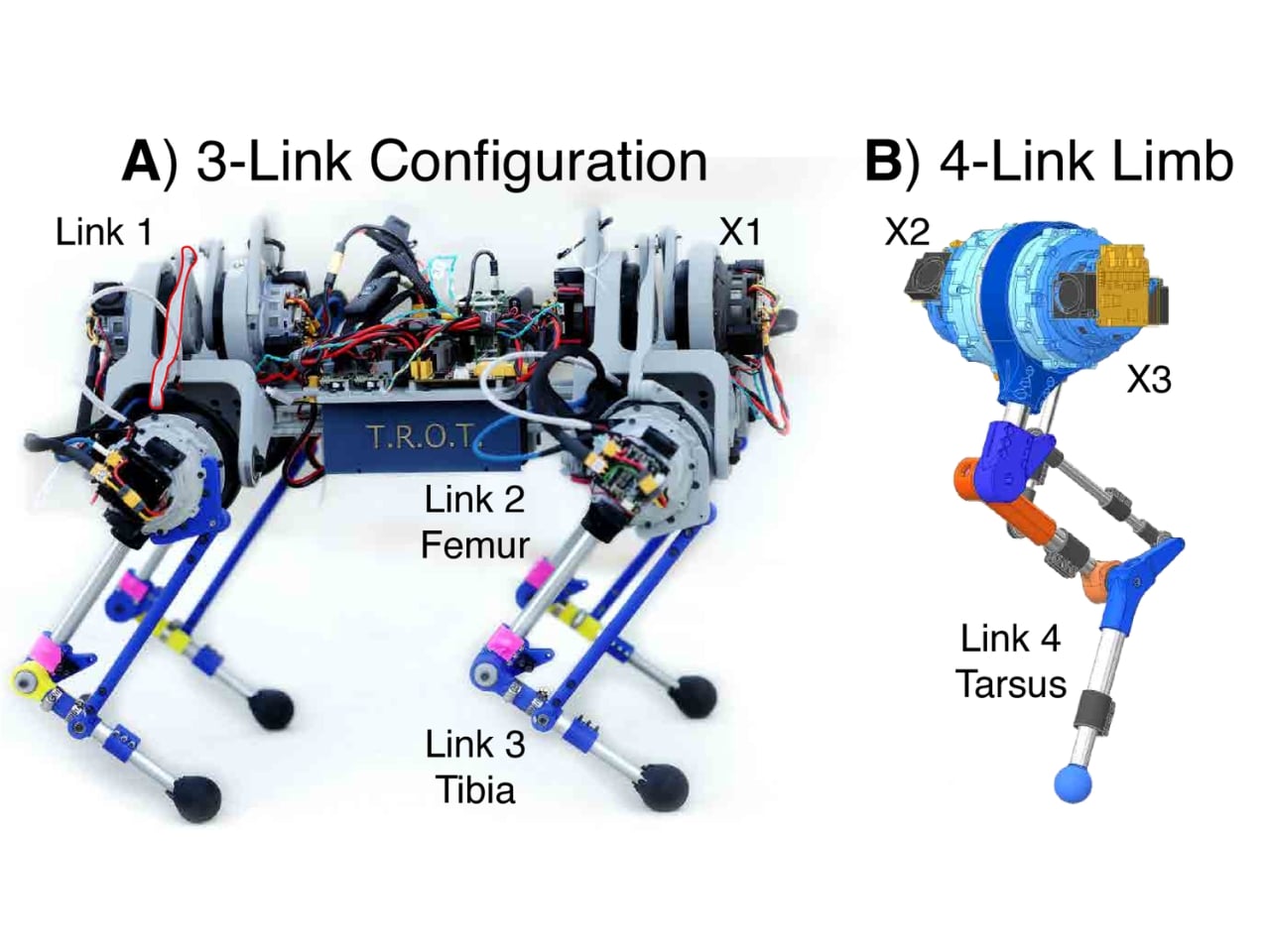
TROT (The Robot of Theseus) is a 10-kilogram, four-legged robot whose entire identity rests on impermanence. Its limbs unbolt. Its leg configurations swap between a two-link hopper, a three-link knee, and a three-link elbow orientation. You can rebuild the entire body plan over an afternoon and walk away with something that moves more like a gazelle than the dog-sized quadruped it started as. Same chassis. Same motors. About $4,000 in 3D-printed brackets and off-the-shelf parts. Its backdrivable motors even recover energy as they’re driven backward, mimicking the way tendons store and release force in a running animal.

Designer: University of Michigan
That $4,000 figure is worth sitting with. For context, Boston Dynamics’ Spot runs closer to $75,000. But TROT isn’t a budget Spot. It’s a different idea entirely. Where Spot is optimized for a fixed body plan and real-world deployment, TROT is optimized for being taken apart. It’s an experiment in the value of non-permanence, and that’s a much more interesting design brief than “make it do more things.”

The team, led by assistant professor Talia Moore, designed TROT to help biologists ask questions that physical animals can’t easily answer. What makes a cheetah fast isn’t just muscle. It’s also leg length, segment ratios, and joint geometry. Isolating those variables in a living animal is nearly impossible. But with TROT, you can swap out a femur extension, flip the knee orientation, and run the same locomotion test again the same afternoon, with consistent hardware and no ethical review board required. The robot has been used to compress roughly 60 million years of evolutionary locomotion variation into weeks of lab data. That’s the actual scientific utility, not a metaphor.

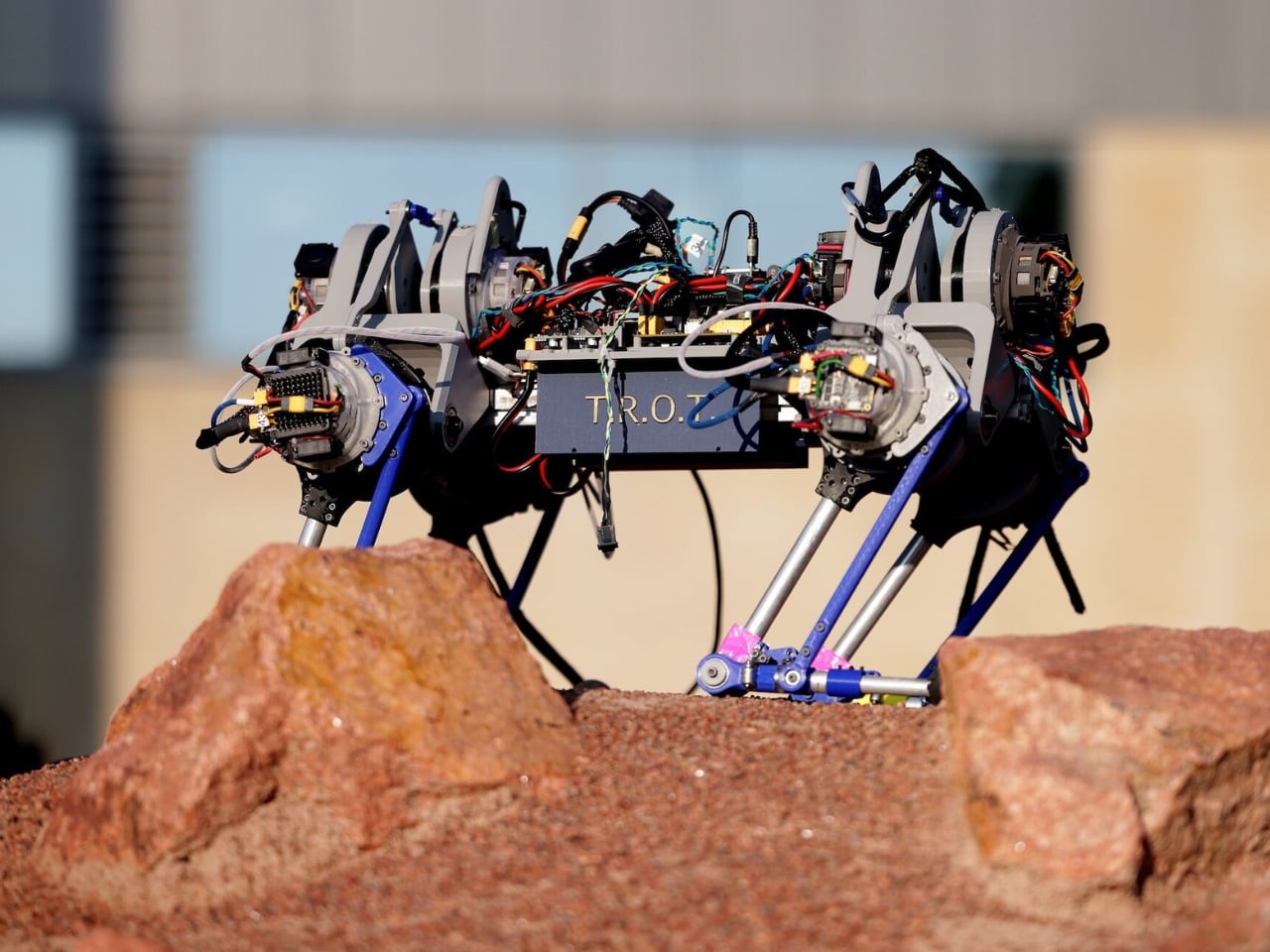
What tends to get under-reported in the science coverage is the design language itself. TROT’s visual aesthetic isn’t cleaned up or consumer-ready. You can see the 3D-print layer lines, the exposed wiring, the actuators bolted directly to the brackets. It looks like something built to be understood rather than admired, and I think that’s intentional. The exposed construction is a form of communication. It tells anyone looking at it: this is not precious. Change it. That’s a genuinely rare posture for a piece of research hardware.
The open-source dimension also runs deeper than posting a GitHub repo. The team released the CAD files, not just the control code. That’s a meaningful distinction. Code describes behavior; geometry describes intent. Sharing the brackets and print files means a biology lab at a smaller institution can reproduce TROT without needing a dedicated robotics engineering team. The knowledge transfer is embedded in the shape of the parts, and that changes who can participate in this kind of research.

TROT didn’t arrive alone. The first quarter of 2026 brought a quiet cluster of modular robotics research: Northwestern’s terrain-adapting writhers, a self-configuring quadruped paper in PNAS, and Nature’s SoftRafts, all landing within roughly eight weeks of each other. Robotin debuted a modular home robot ecosystem at CES 2026. Analysts have put the modular robotics market on track for $18.94 billion by 2029. None of this is coincidental. The field has been asking whether modularity in robotics could move past novelty. Q1 2026 looks like the answer arriving.

Most robots are designed to be finished. They ship in a fixed form, and any change is a cost: a repair, a retool, a failure. TROT is designed around the opposite logic. Its value increases each time a limb is swapped. Its usefulness is inseparable from its willingness to be reconfigured. Whether a robot that constantly changes its parts stays the same robot is still a philosophical question. Whether that approach produces better science, and better design thinking, is looking less and less like a question at all.
The post Michigan Built a $4,000 Robot You Can Rebuild from Scratch first appeared on Yanko Design.
Michigan Built a $4,000 Robot You Can Rebuild from Scratch

The Ship of Theseus is one of philosophy’s most enduring thought experiments: if you replace every plank of a ship, one by one, is it still the same ship? Researchers at the University of Michigan decided that rather than debating the question in a classroom, they’d build it. And then they’d unbolt it, swap the legs, and build it into something else entirely.

TROT (The Robot of Theseus) is a 10-kilogram, four-legged robot whose entire identity rests on impermanence. Its limbs unbolt. Its leg configurations swap between a two-link hopper, a three-link knee, and a three-link elbow orientation. You can rebuild the entire body plan over an afternoon and walk away with something that moves more like a gazelle than the dog-sized quadruped it started as. Same chassis. Same motors. About $4,000 in 3D-printed brackets and off-the-shelf parts. Its backdrivable motors even recover energy as they’re driven backward, mimicking the way tendons store and release force in a running animal.

Designer: University of Michigan

That $4,000 figure is worth sitting with. For context, Boston Dynamics’ Spot runs closer to $75,000. But TROT isn’t a budget Spot. It’s a different idea entirely. Where Spot is optimized for a fixed body plan and real-world deployment, TROT is optimized for being taken apart. It’s an experiment in the value of non-permanence, and that’s a much more interesting design brief than “make it do more things.”

The team, led by assistant professor Talia Moore, designed TROT to help biologists ask questions that physical animals can’t easily answer. What makes a cheetah fast isn’t just muscle. It’s also leg length, segment ratios, and joint geometry. Isolating those variables in a living animal is nearly impossible. But with TROT, you can swap out a femur extension, flip the knee orientation, and run the same locomotion test again the same afternoon, with consistent hardware and no ethical review board required. The robot has been used to compress roughly 60 million years of evolutionary locomotion variation into weeks of lab data. That’s the actual scientific utility, not a metaphor.

What tends to get under-reported in the science coverage is the design language itself. TROT’s visual aesthetic isn’t cleaned up or consumer-ready. You can see the 3D-print layer lines, the exposed wiring, the actuators bolted directly to the brackets. It looks like something built to be understood rather than admired, and I think that’s intentional. The exposed construction is a form of communication. It tells anyone looking at it: this is not precious. Change it. That’s a genuinely rare posture for a piece of research hardware.

The open-source dimension also runs deeper than posting a GitHub repo. The team released the CAD files, not just the control code. That’s a meaningful distinction. Code describes behavior; geometry describes intent. Sharing the brackets and print files means a biology lab at a smaller institution can reproduce TROT without needing a dedicated robotics engineering team. The knowledge transfer is embedded in the shape of the parts, and that changes who can participate in this kind of research.

TROT didn’t arrive alone. The first quarter of 2026 brought a quiet cluster of modular robotics research: Northwestern’s terrain-adapting writhers, a self-configuring quadruped paper in PNAS, and Nature’s SoftRafts, all landing within roughly eight weeks of each other. Robotin debuted a modular home robot ecosystem at CES 2026. Analysts have put the modular robotics market on track for $18.94 billion by 2029. None of this is coincidental. The field has been asking whether modularity in robotics could move past novelty. Q1 2026 looks like the answer arriving.

Most robots are designed to be finished. They ship in a fixed form, and any change is a cost: a repair, a retool, a failure. TROT is designed around the opposite logic. Its value increases each time a limb is swapped. Its usefulness is inseparable from its willingness to be reconfigured. Whether a robot that constantly changes its parts stays the same robot is still a philosophical question. Whether that approach produces better science, and better design thinking, is looking less and less like a question at all.

The post Michigan Built a $4,000 Robot You Can Rebuild from Scratch first appeared on Yanko Design.
AI artist will “train” robot dogs to do a live painting session

Spot has been a pretty busy dog, previously appearing with super group BTS a few years and just last week, getting its own costume and dancing its heart out to celebrate International Dance Day. Lest you think that it’s an actual dog though, it’s actually a robotic dog that can do more than just jump and roll over. Now it’s branching out to the art world with a new exhibit featuring the power of AI.

Designer: Agnieszka Pilat

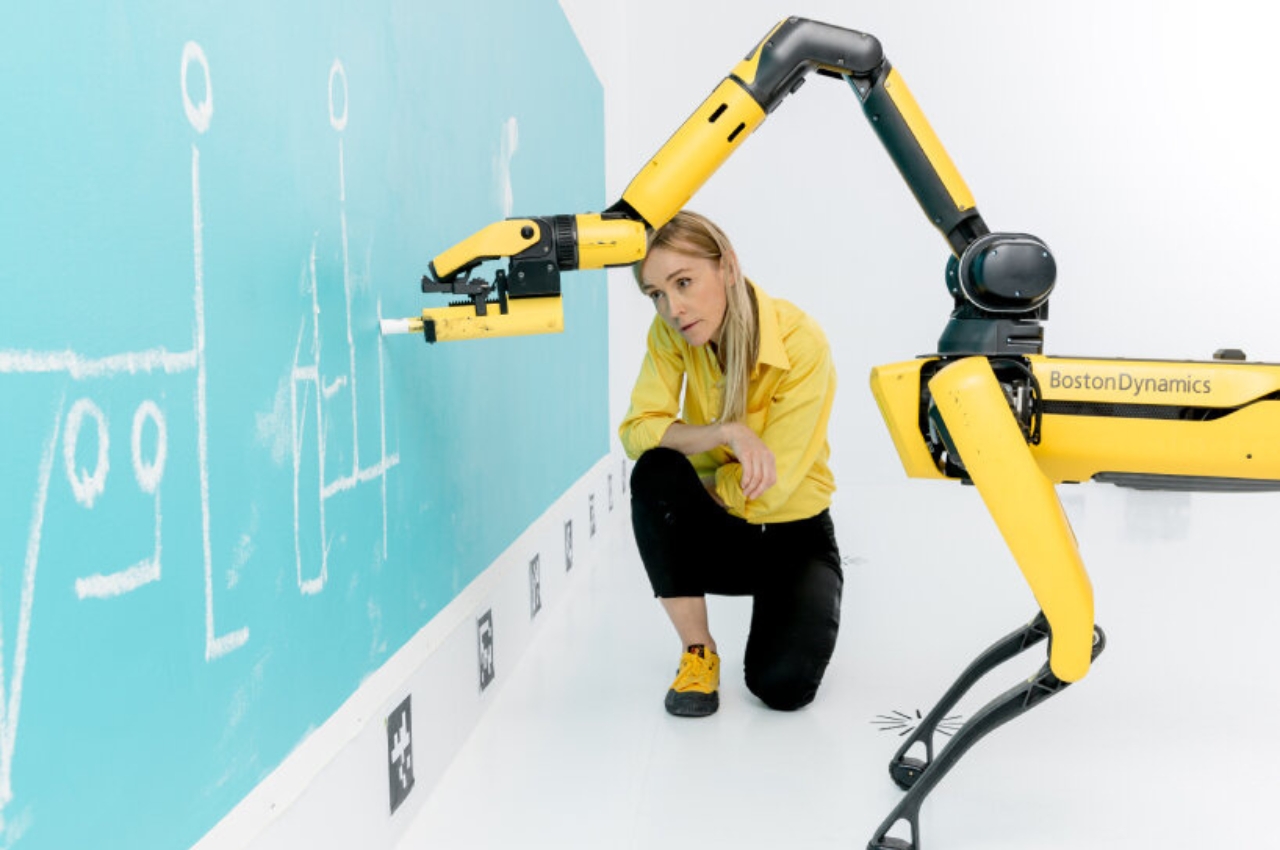
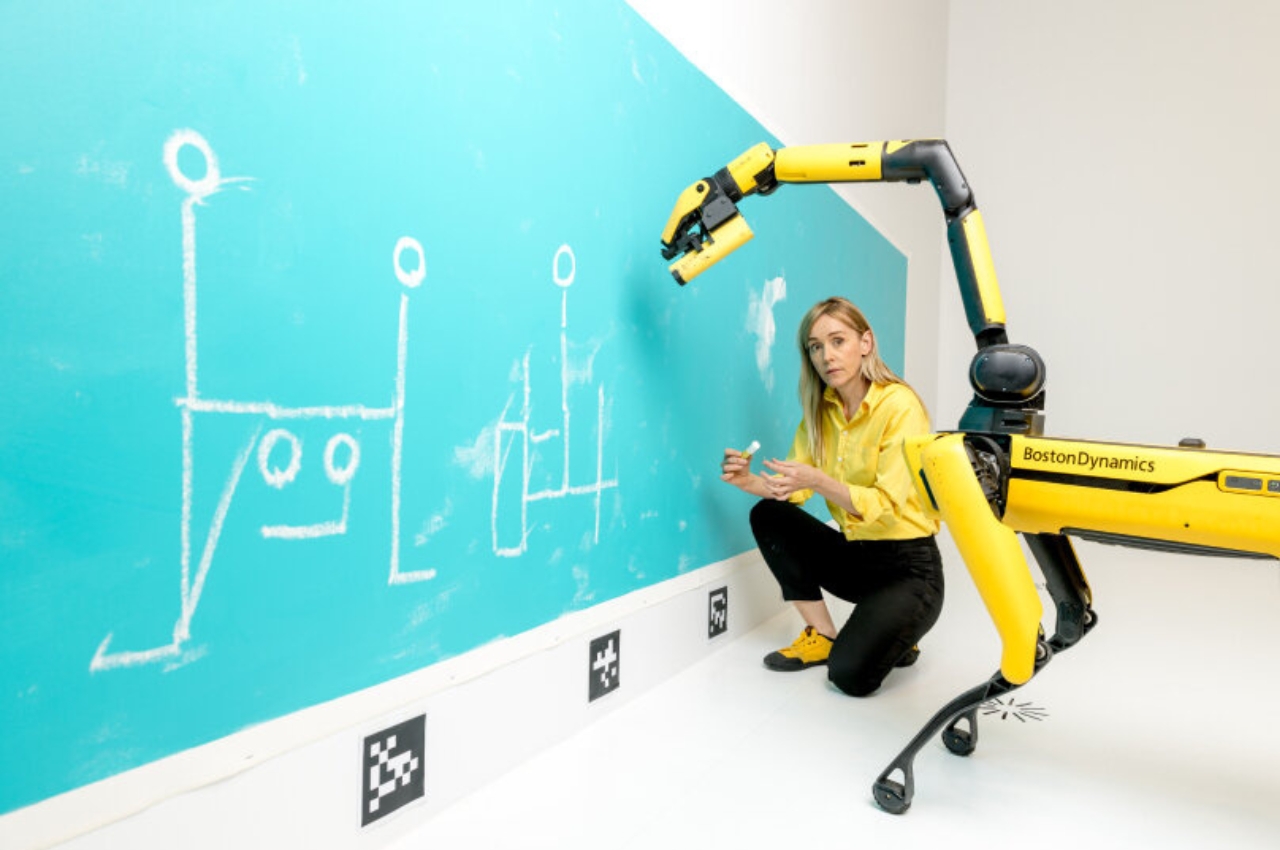
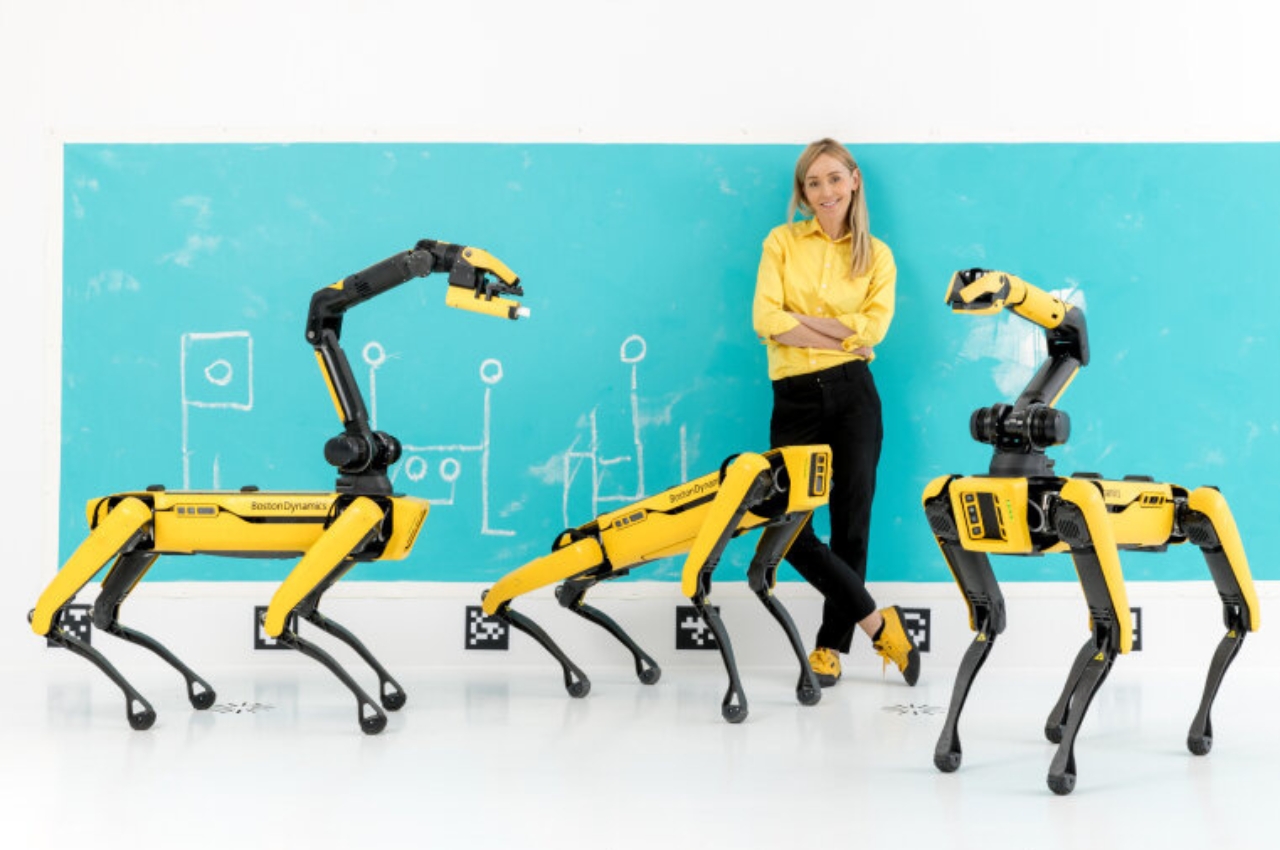
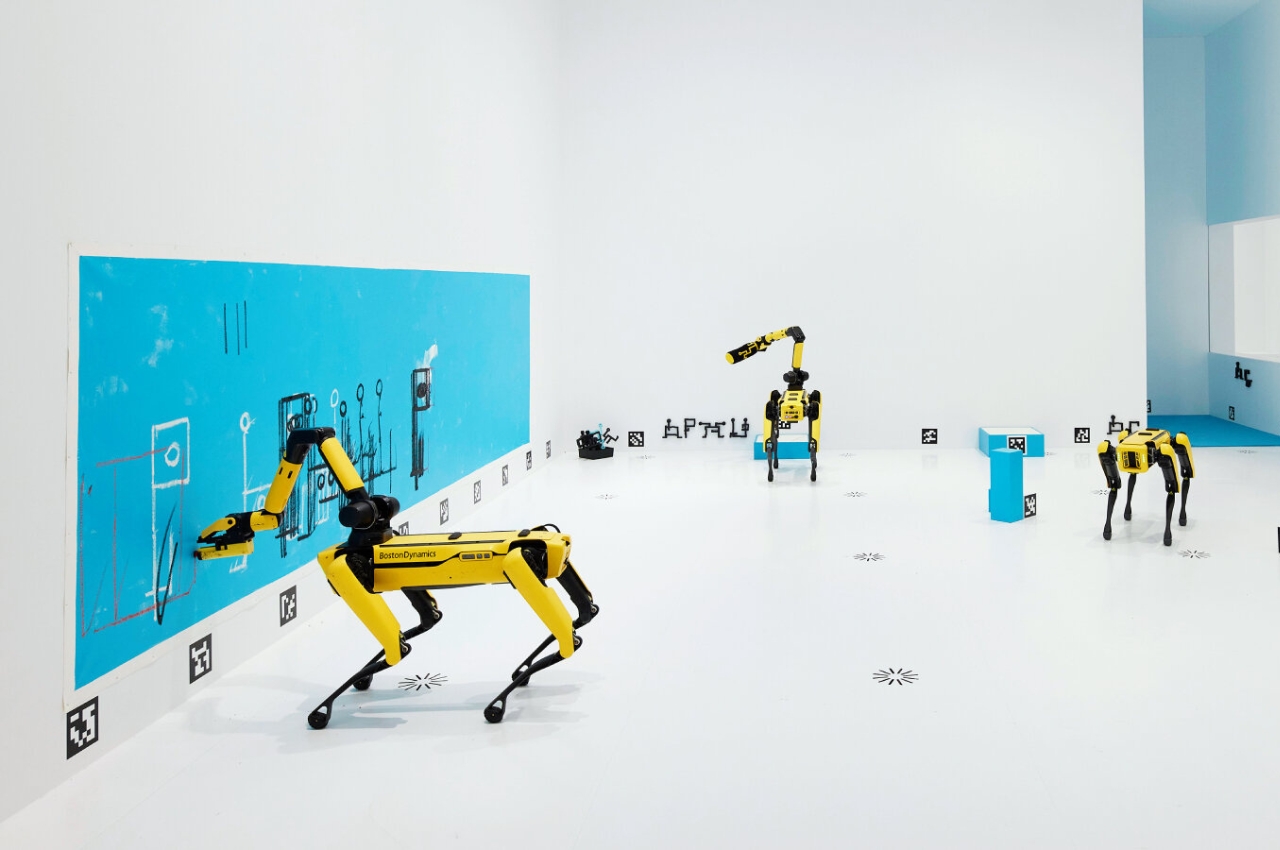
There has been a lot of heated discussions about AI and art but not all of them are always negative. While a lot have been critical, there are those that want to explore how autonomous technology and AI-generated art can aid in the democratization of art. One of those people is Polish artist Agnieszka Pilat. She has partnered with Boston Dynamics, or rather, Spot the robot dogs, for the Heterobota exhibition at the Museum of Fine Arts in Boston.

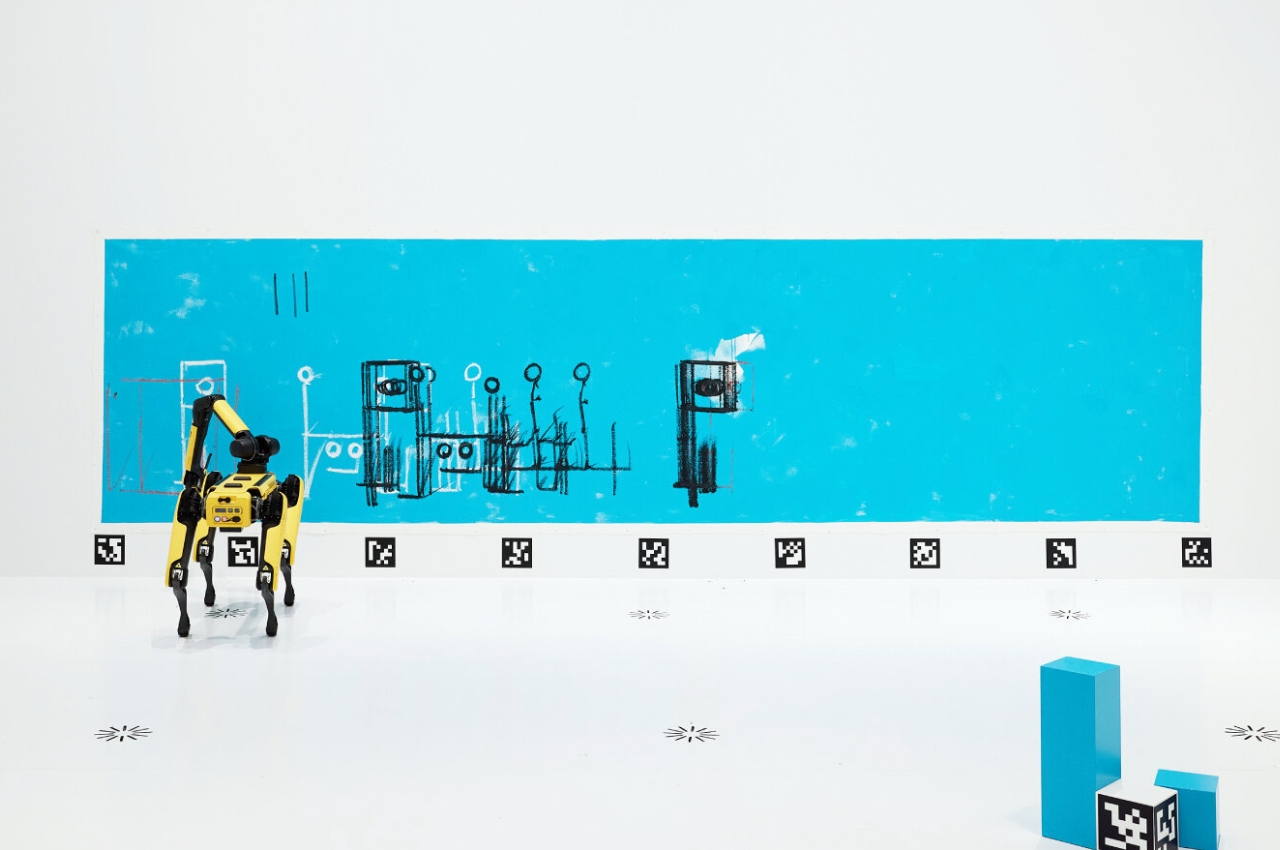
Two of the robot dogs, nicknamed Basia and Omuzana, will do a live painting demonstration in the museum on a 156 x 160 inch canvas on May 10. Pilat will be “training” the dogs to doodle and paint from 8PM to 12AM, with a little resting in between just like an actual artist would. Visitors in the museum can actually watch them live and the final work will not be displayed afterwards so your only chance to see the robot dogs in action would be during the live painting session.

Pilat says that the expected outcome is more like that of a “little kids finger-painting” since the technology is young and new, even though she has collaborated with Spot before. But it’s an interesting experiment in how humans can use AI and robots to generate art. Of course, there’s still a lot of discussion that rightly needs to be had but things like this can open up various viewpoints and opinions that can hopefully enhance the conversation.

The post AI artist will “train” robot dogs to do a live painting session first appeared on Yanko Design.
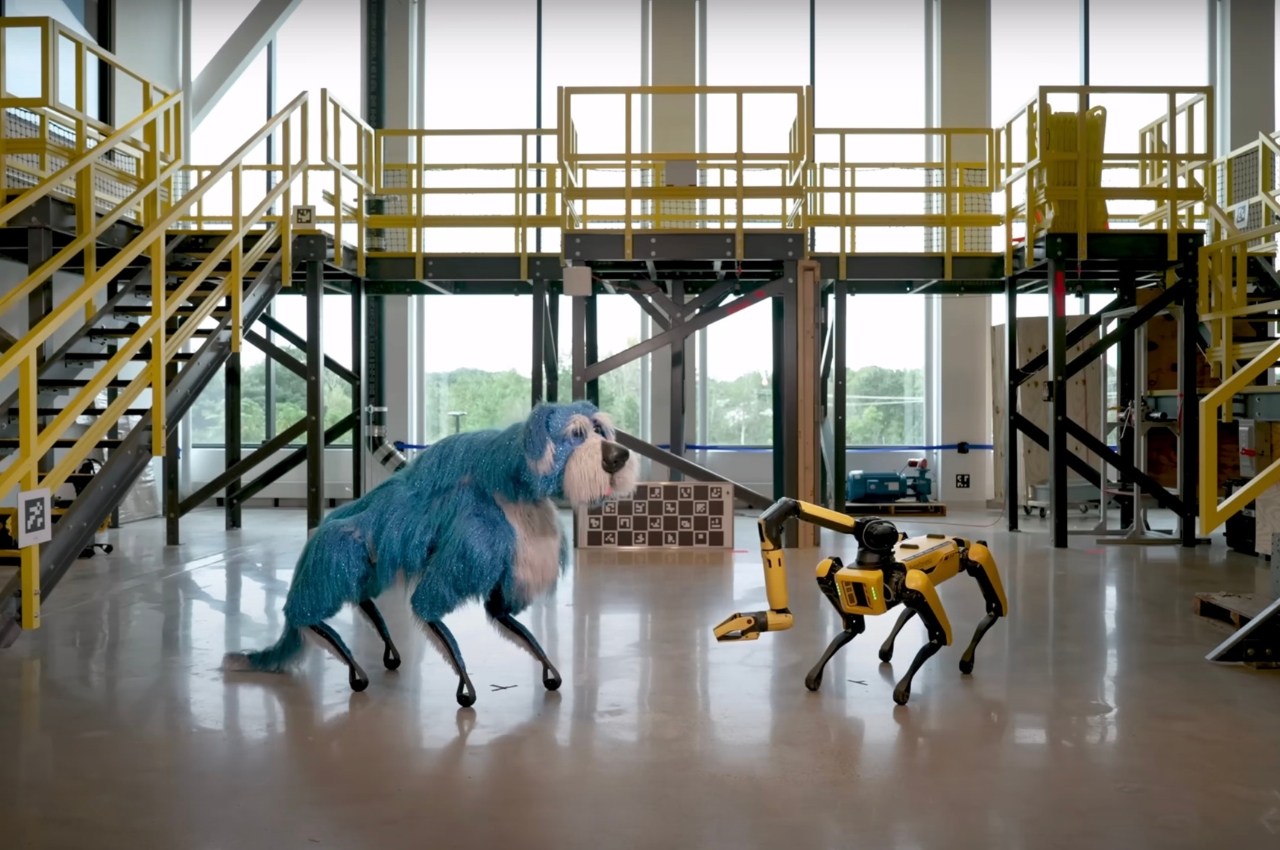
Sparkles is the Spot cosplay version to show off the Choreographer software

Aside from actual dancing people, one of the things that we love to see on the Internet is dancing animals. From penguins to monkeys to cats and dogs, we love seeing these cute animals bust a move. Of course some of these are computer-generated but if they’re cute enough, we’d still watch it. So when a furry blue dog started dancing on our screens, we probably stopped scrolling and watched, even though it was obviously not a real dog but a robotic dog.

Designer: Boston Dynamics

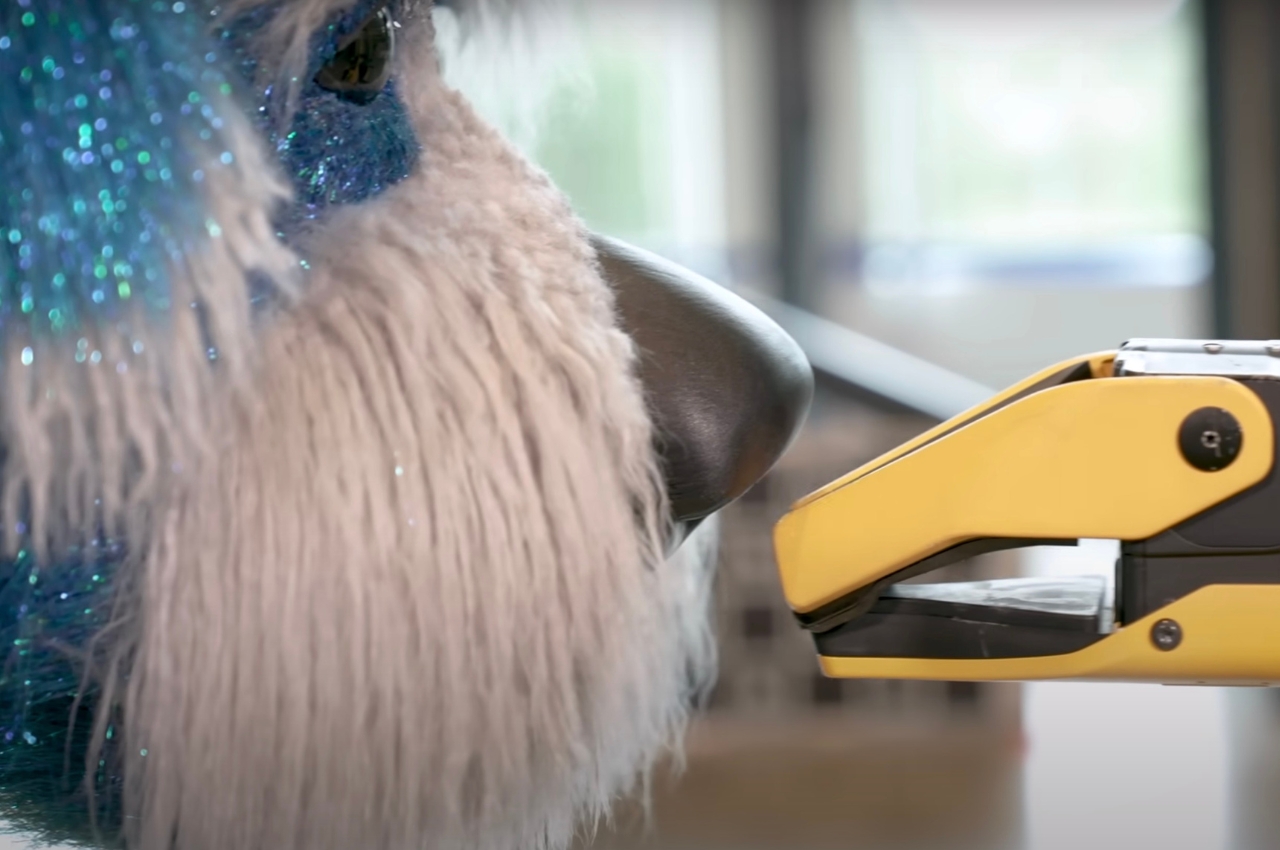
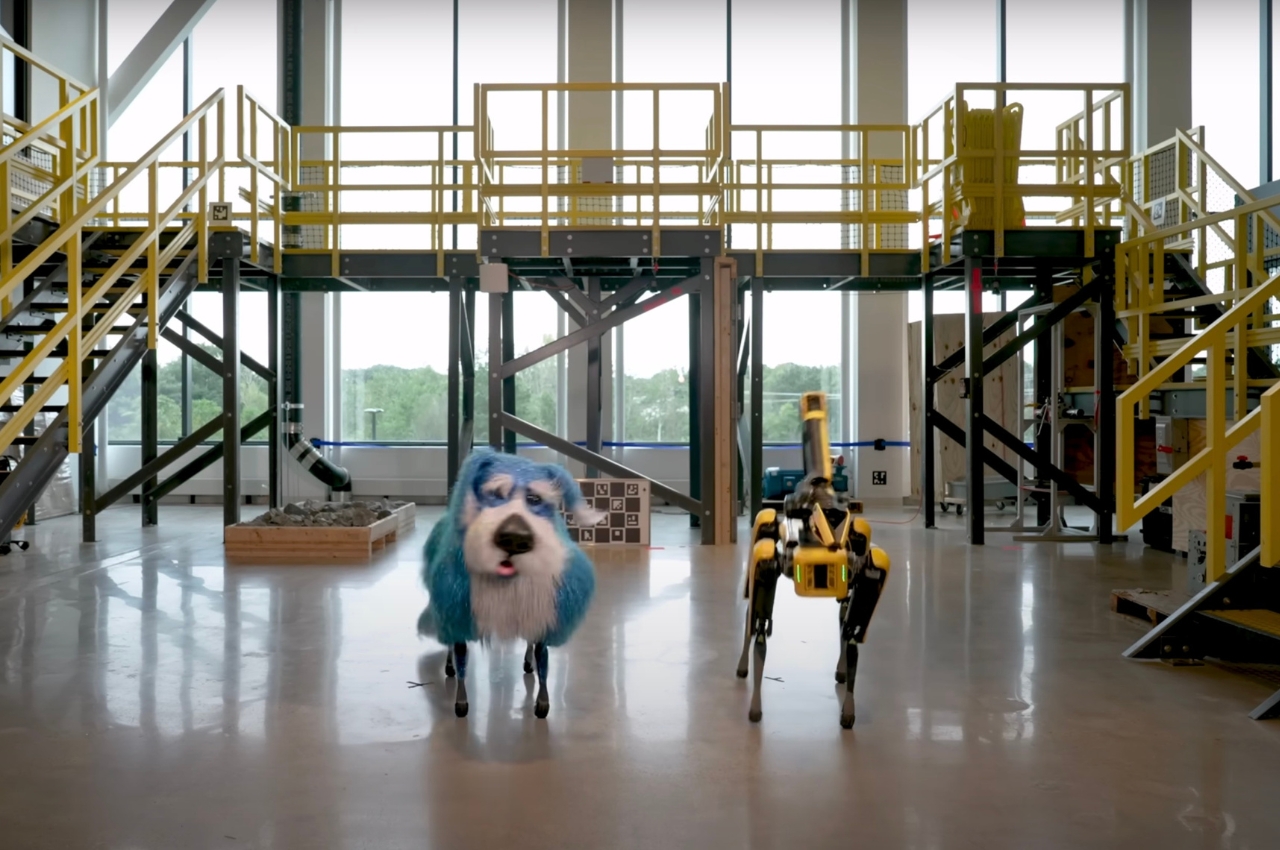
We thought that this was a new robot dog from Boston Dynamics but it was actually their trusty ole Spot but with a fluffy, blue skin. Sparkles was unleashed on the internet to celebrate International Dance day last April 29. We got a dancing duet from both Spot and Sparkles but the latter was just the former but in a costume just to make things a little more fun. This custom costume was designed so Spot the original robot dog can “explore the intersections of robotcs, art, and entertainment.”

The reason why these robot dogs danced so well is because of the Choreographer software and API that they launched a few years ago. It was created specifically for the media and entertainment customers who needed a tool that could let them train the robot dog with high-level instructions. It also allows Spot to adapt to its physical limitations and its environment when executing the moves while still prioritizing its balance.

We don’t know if Boston Dynamics plans to create even more costumes for Spot for future special occasions. Can you imagine a Halloween or Christmas themed robot dog outfit or even various pop culture cosplay setups? Of course the main point would still be to showcase Spot and the Choreographer software so it should be something cute but not too elaborate so as to hinder the robot dog’s movements.

The post Sparkles is the Spot cosplay version to show off the Choreographer software first appeared on Yanko Design.
Boston Dynamics’ Atlas robot reincarnates as an all-electric humanoid that’s more agile and good-looking

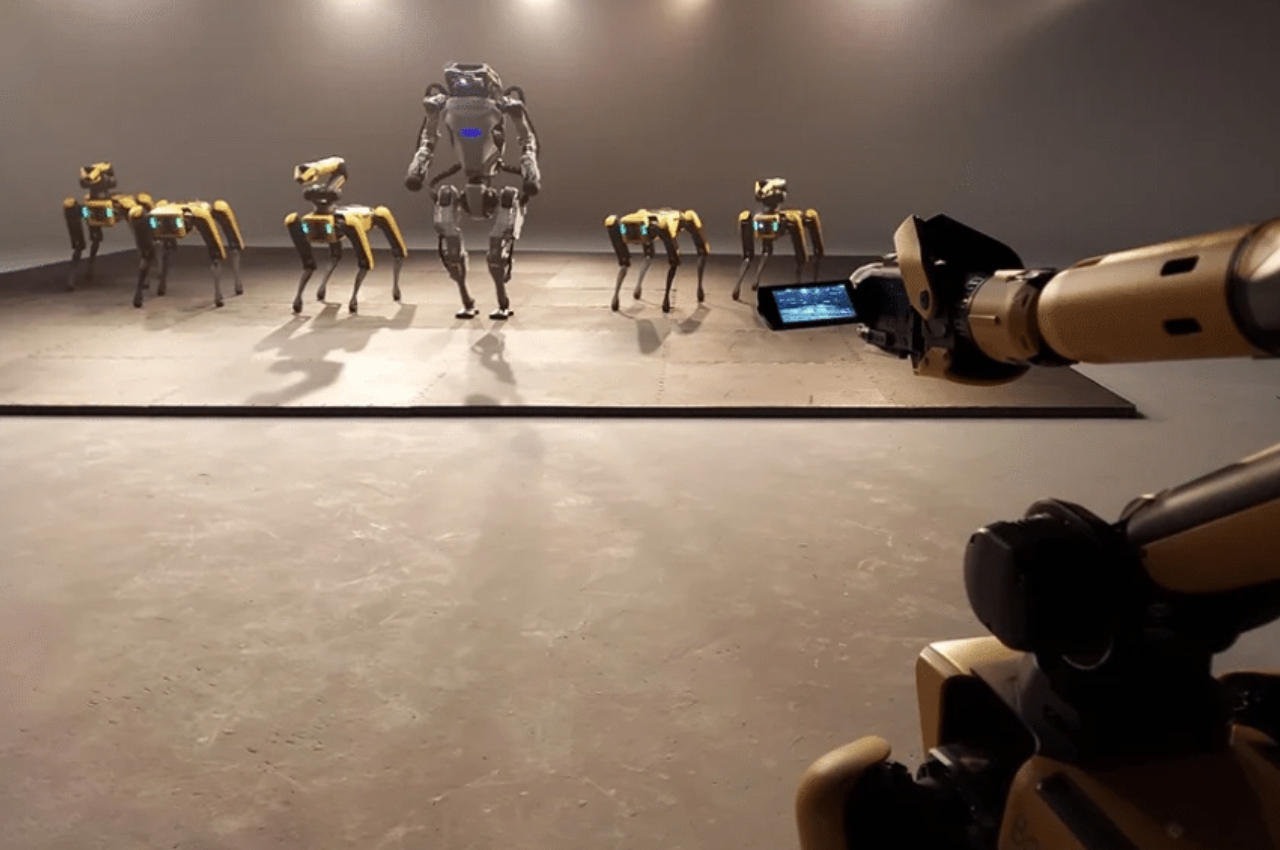
Boston Dynamics has been building a fleet of robots for decades now, and they are quite serious about it. the MIT spin-off has made a name for itself with cutting-edge innovations in robotics that serve a purpose for the future. After retiring the Atlas hydraulic robot just a day ago, now the company is looking beyond the horizon with an all-electric Atlas version which is better than the retired predecessor, both in form and physical capabilities. Plus its smartness with new AI and machine learning tools opens up new avenues of applications that we could only have imagined a decade ago.

After a resounding success with Spot the robot dog and Strech multi-purpose mobile robot, they are entering a new era with Atlas that’s more humanoid without having the limitations of a bipedal robot. The result is a super agile robot that can tackle “dull, dirty, and dangerous tasks.” According to Boston Dynamics, electric Atlas is stronger and dextrous. Even though it looks more human than ever, the machine is not limited by the inherent limitations when it comes to our range of motion.

Designer: Boston Dynamics

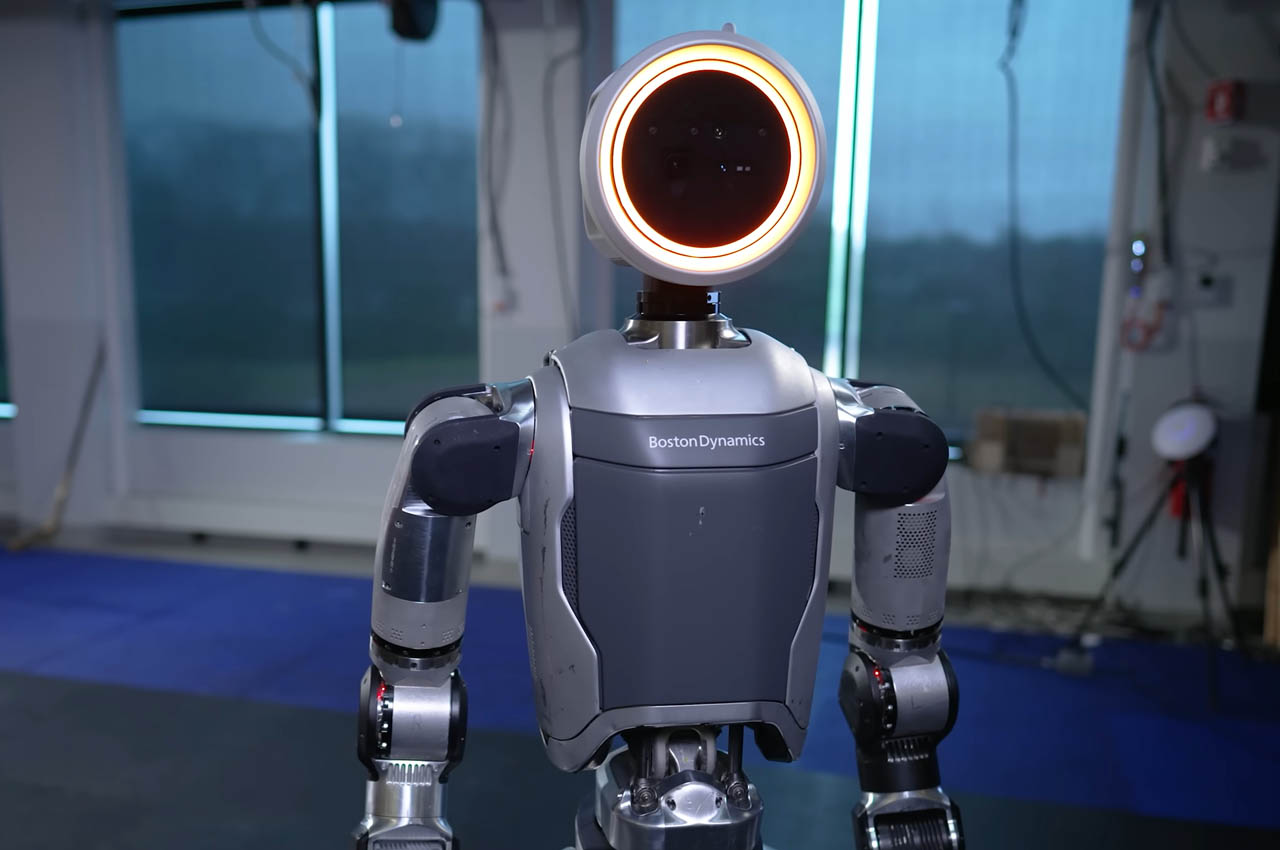
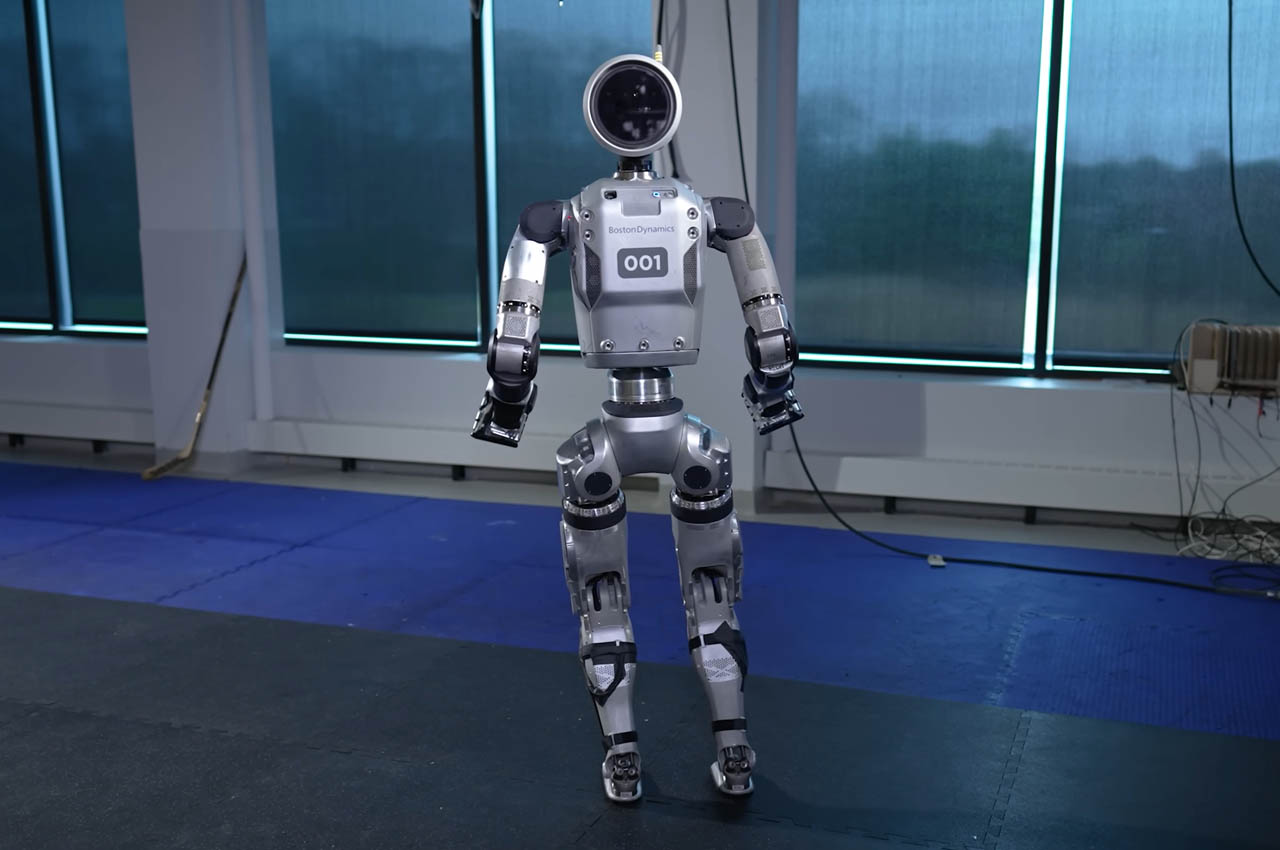
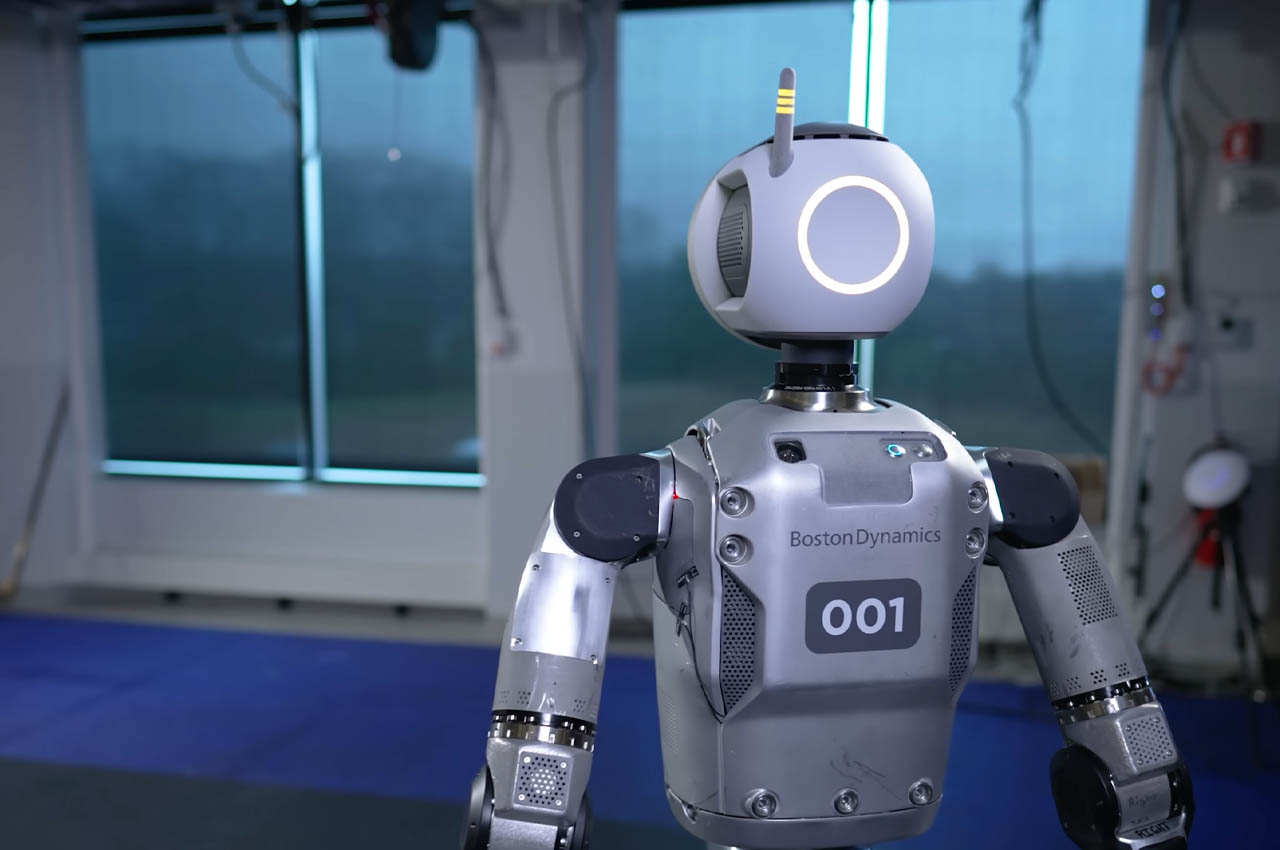
The new version has a more refined design that’s akin to a sci-fi movie character. It looks eerily close to a humanoid. The electric version has a straighter back, longer limbs, and a head that can rotate 360 degrees. It’s heartening to see all the exposed cables vanish and a face with a built-in ring light. In the teaser video, it can be seen how the Atlas swivels 180 degrees to get up and then turn to head towards the camera. According to BD, the robot “will move in ways that exceed human capabilities.” Hyundai is one of the first clients to test out the nimble robot, and its agility with the interchangeable grippers for varied tasks.

I can’t help but avoid mentioning the Pixar lamp-like head with a jittery motion reminding us all that it’s a robot at the end of the day. We can expect more information to come in about Atlas in the coming weeks, and other humanoid robots from Figure and Apptronik will have to keep a close eye on this development by Boston Dynamics.

The post Boston Dynamics’ Atlas robot reincarnates as an all-electric humanoid that’s more agile and good-looking first appeared on Yanko Design.
The Boston Dynamics Robot Dog has a $225 sibling that follows voice commands

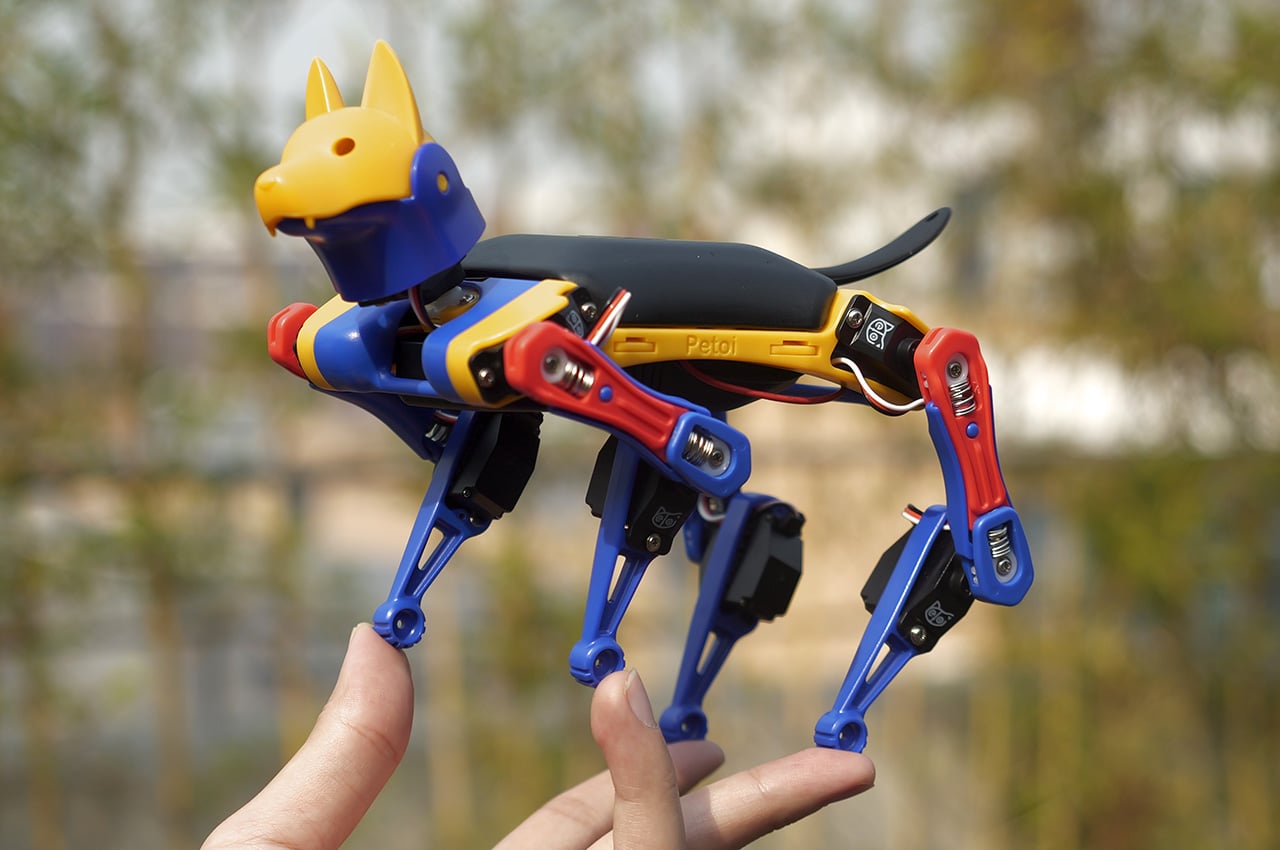
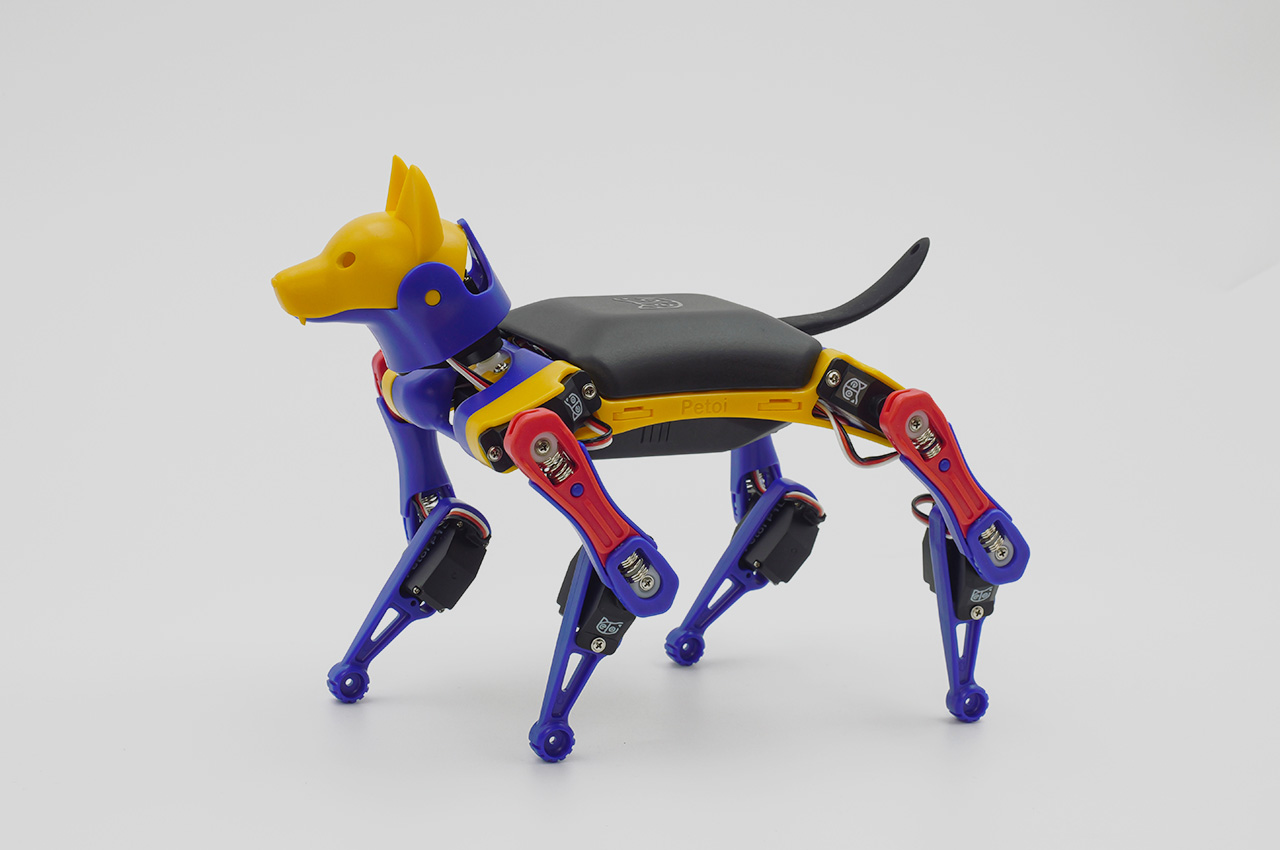
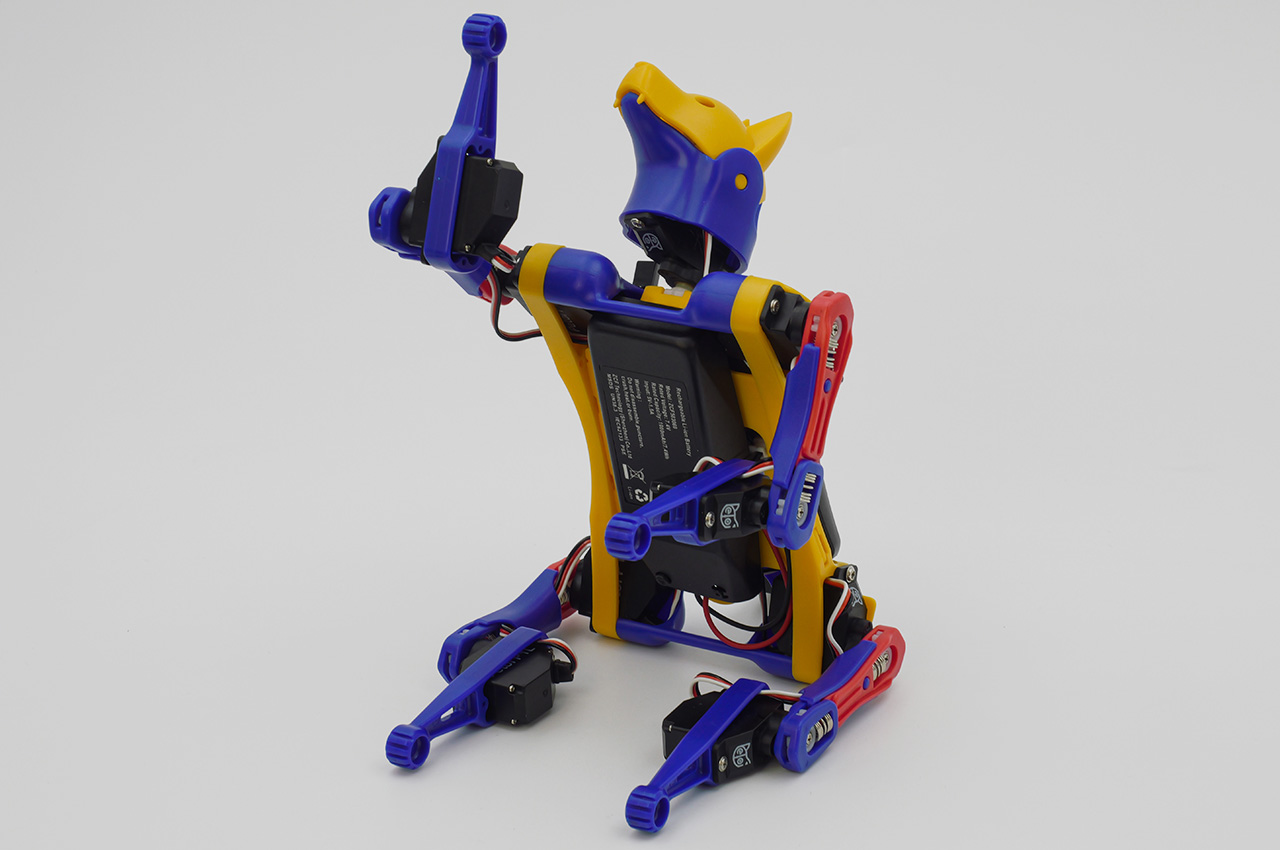
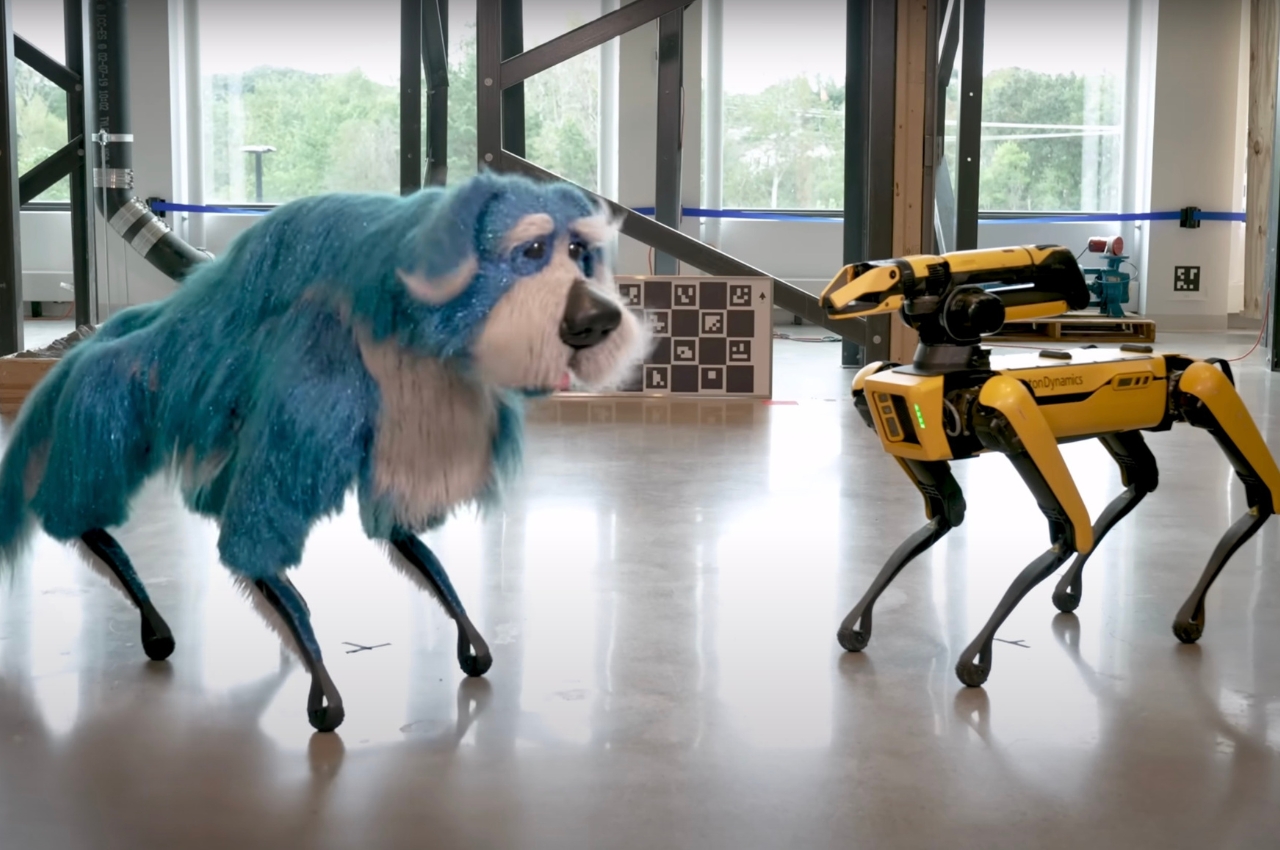
On the one hand, you’ve got incredibly capable AI that has some scary implications for the human race… but on the other hand, you have the Bittle X, an adorable toy robot dog that allows you to befriend, train, and tame technology instead of being afraid of it. A sibling to Petoi’s Bittle robot dog that debuted in 2020, Bittle X comes with a few upgrades, proving that an old dog CAN learn new tricks! Designed to resemble the Boston Dynamics robot dog, the Bittle X is a palm-sized STEM toy that’s perfect for kids, tinkerers, engineers, and people looking to experiment with coding, robotics, IoT(Internet of Things), and AI. It’s entirely open-source, runs on a block-based programming environment, has support for C++/Python programming, and comes with a few extra upgrades that the Bittle lacks, like now being able to follow voice commands, as well as record and program your own voice commands!

Designer: Rongzhong Li

Click Here to Buy Now: $225 $279 (Use Coupon Code “yanko10” to get an additional $10 off). Hurry, deal ends in 48-hours!

Easy to Develop AI, IoT and Robotics Applications for Quadruped Robot Dog

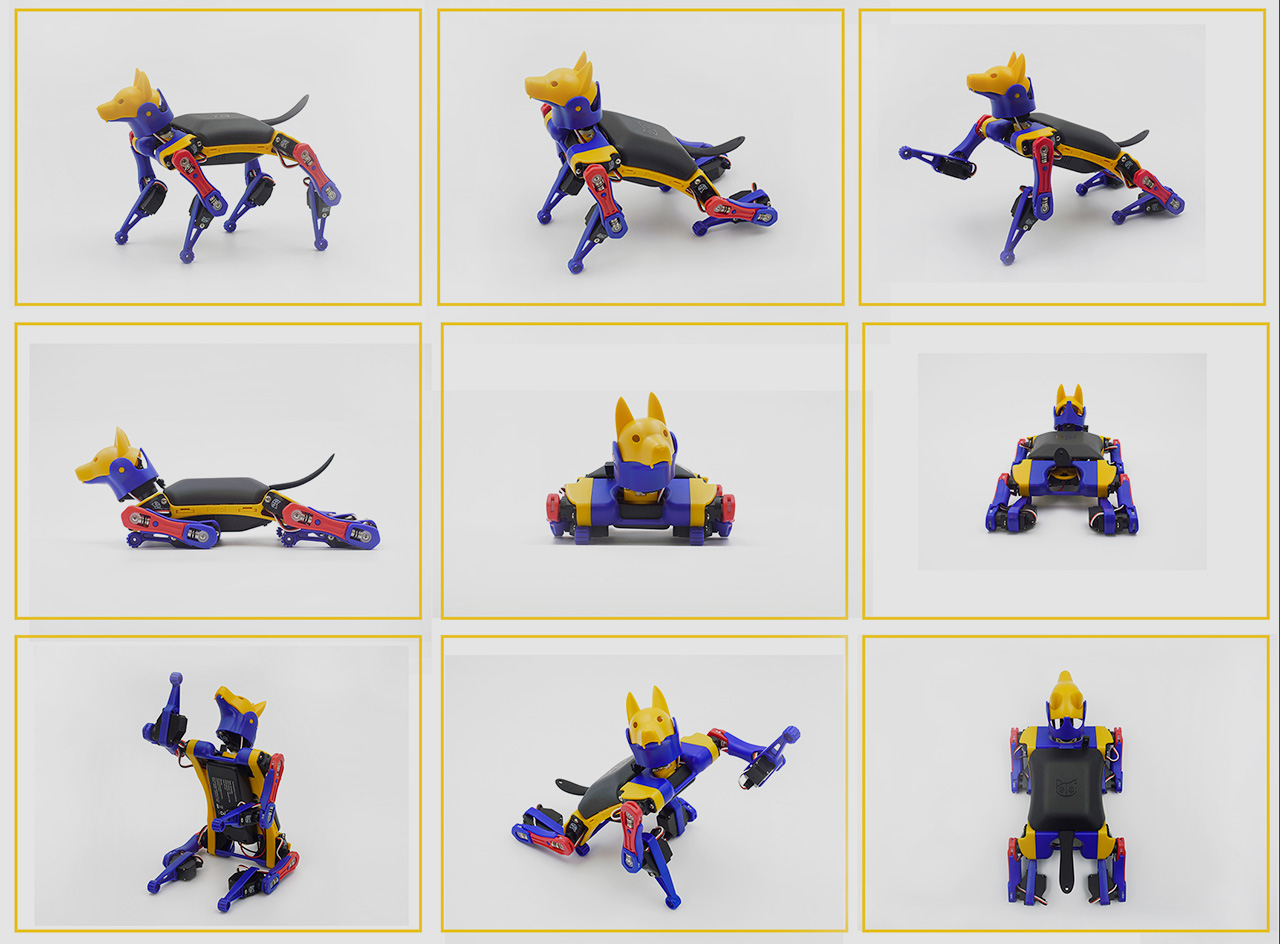
Less of a toy and more of a learning opportunity, the Bittle X was designed to make robotics more accessible to anyone looking to dive into the world of robotics. It comes with a tiny form, small enough to fit in the palm of your hand, but is designed to be incredibly articulate with multiple joints with high-performance servos that allow it to walk, sit, jump, backflip, kick, and even scratch itself like a real dog would! Moreover, its bionic leg construction gives it natural movement, allowing it to sit down, get up, recover from a flipover, and even walk across uneven terrain.

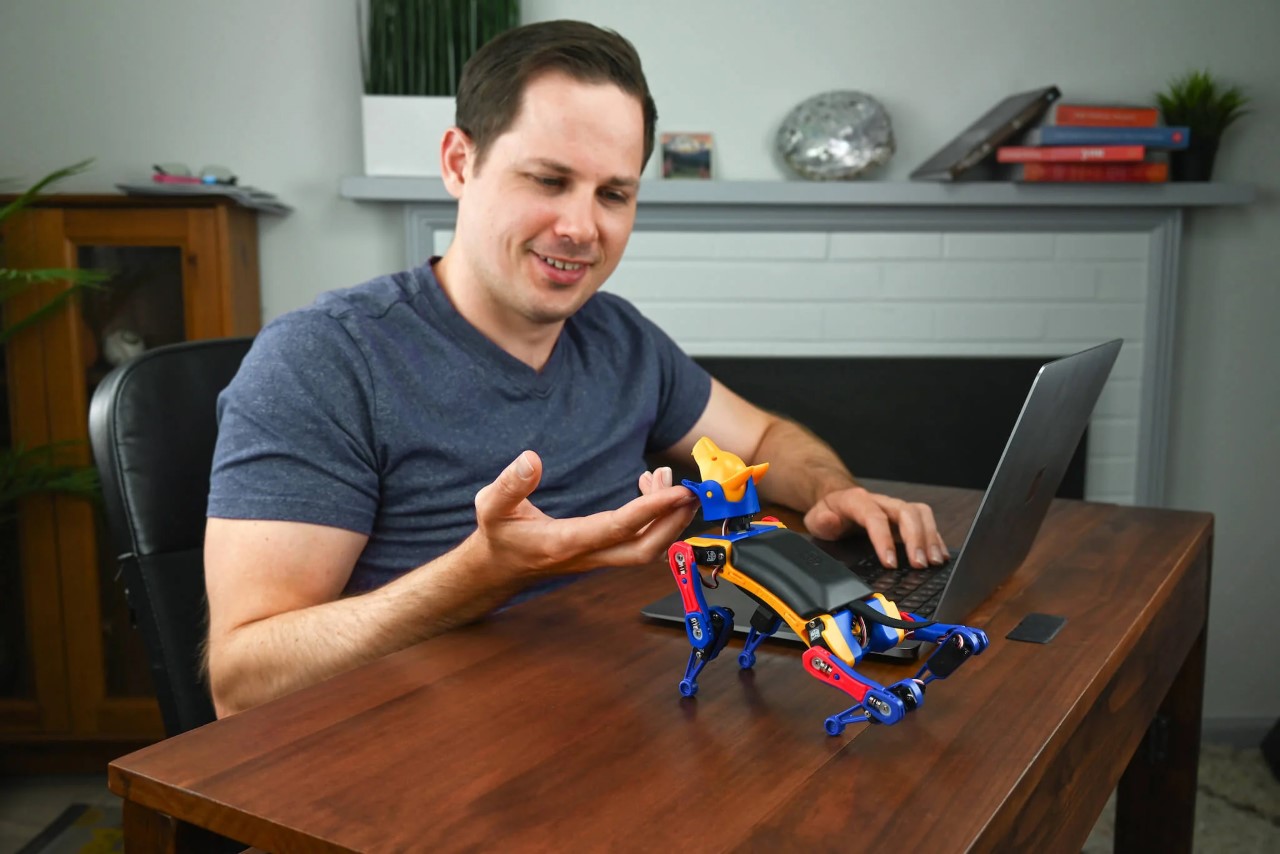
The pint-sized pooch comes in two styles – a pre-assembled kit that works right out of the box, and a construction kit that gives you the joy of being able to put together your own voice-command robot dog from scratch. Assembling the robot doesn’t require much technical knowledge, given that the plastic parts are already molded and easy to assemble with interlocking mechanisms. Once assembled, the Bittle X is ready to play/engage with you and follow your commands. A remote control lets you wirelessly operate your Bittle X, although notably, it also now has support for voice commands, allowing you to tell it to wave hello, give you a handshake, sit, crawl, dig, play dead, and even do a handstand! Right out of the box, the dog has support for 35+ voice commands, along with the ability to store 10 additional voice commands that you can program yourself.

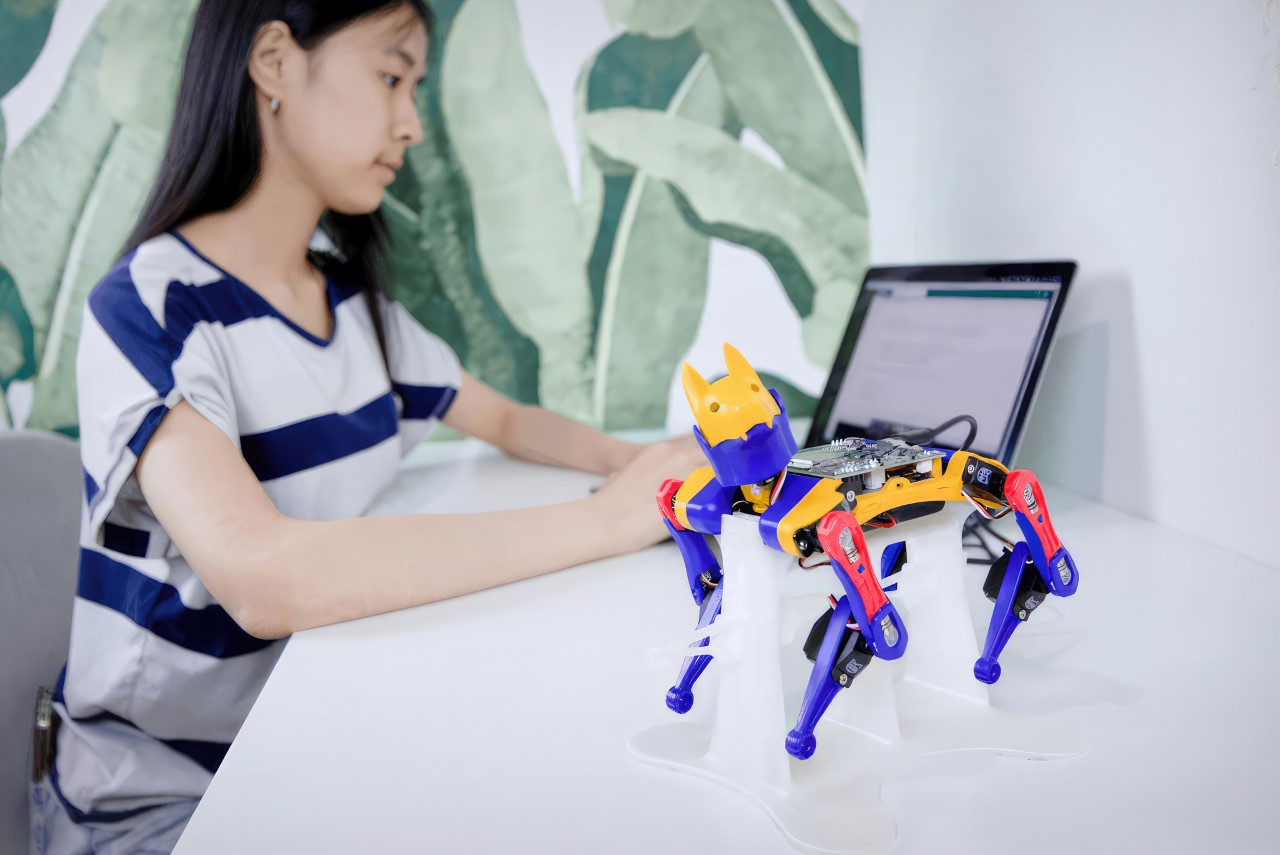
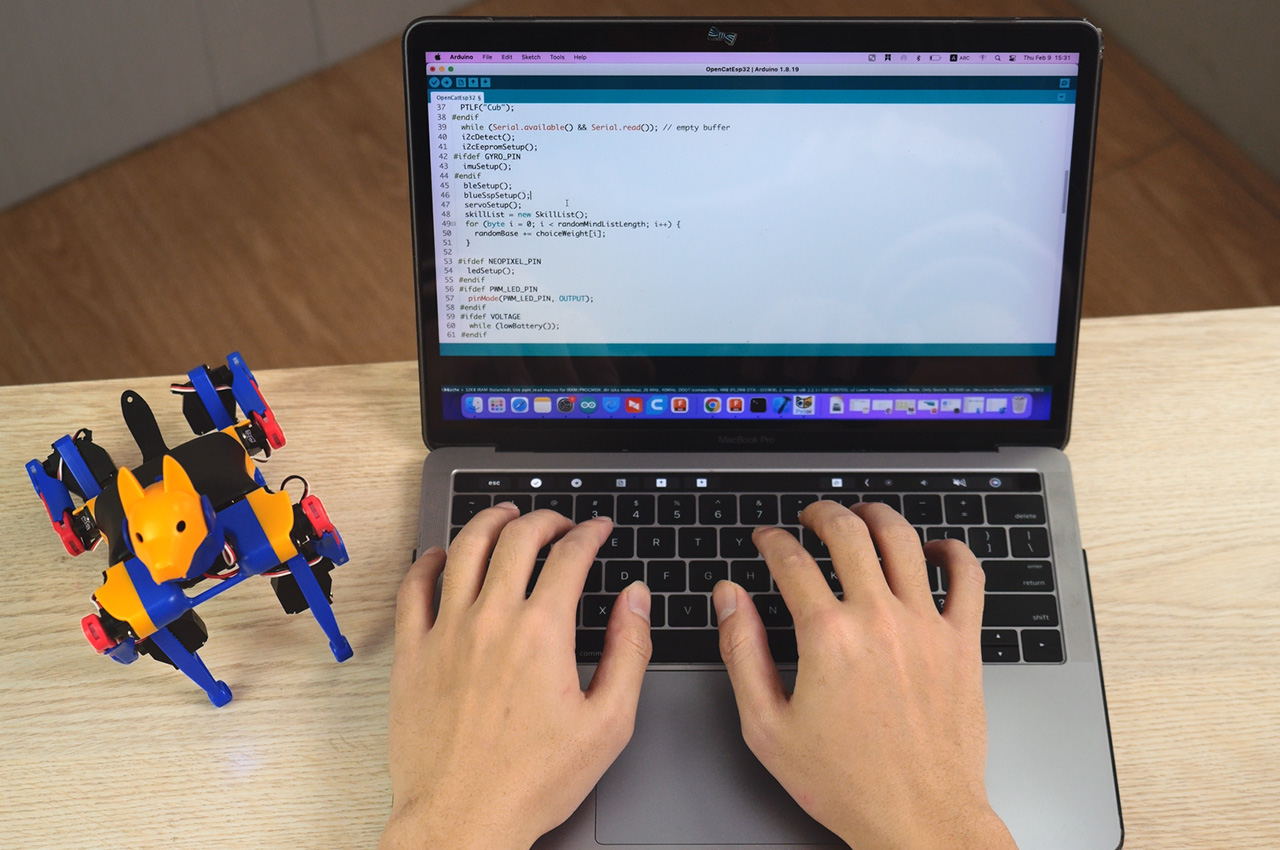
The robot operates on the OpenCat platform, offering endless programming and customization possibilities. It supports block-based programming with Petoi’s Coding Blocks, C++, and Python, making it a versatile tool for users at different learning stages. You can also use the free Petoi Desktop App – Skill Composer to visually create new robot dog skills with ease. The creators, Petoi, even further their commitment towards STEM education by providing free curriculums for anyone looking to learn how to tinker with their Bittle X (and other robot pets). You can find all the necessary resources on Petoi’s OpenCat forum, along with ideas and prompts for experimenting with your robot dogs (like orchestrating robot wars, hosting your own doggy Olympics, and performing more complex challenges like solving mazes), and even a section where Petoi showcases works from other tinkerers playing around with their Bittles.

Underneath that playful exterior, Bittle X is powered by the BiBoard, Petoi’s latest quadruped robot microcontroller, ensuring smooth, coordinated movements. The option to integrate various smart sensors, like the Petoi intelligent camera module, the motion sensor, or the distance sensor, allows you to add depth to its perception and artificial intelligence capabilities via coding, allowing for more advanced interactions, games​​, and robotics competitions. The ESP32-based BiBoard comes with Wi-Fi, Bluetooth, serial connections, and voice command support, along with its servos and Li-ion battery providing about an hour of continuous playtime​​​.

The friendly robot dog is designed for all ages above 8 (what you really need is childlike curiosity), and is sure to get along with everyone it meets! Alongside being a robot dog that learns tricks and commands, it’s also rewarding because you get to learn with it, creating a bonding experience that’s not too different from actually playing with and training real pets. The Bittle X starts at $236.99 during Petoi’s holiday sale, but YD readers can grab a nifty $10 discount, bringing the price down to $225. Grab yours now and build your army of loyal minions before the AI takes over!

Click Here to Buy Now: $225 $279 (Use Coupon Code “yanko10” to get an additional $10 off). Hurry, deal ends in 48-hours!

The post The Boston Dynamics Robot Dog has a $225 sibling that follows voice commands first appeared on Yanko Design.