From Abandoned Fishing Nets to Light That Carries the Sea

Some objects arrive in our homes with perfect surfaces and polished silence. Tides Rewoven Light does the opposite. It carries its past visibly. Its fibers remember the sea, its textures hold the marks of use, and its form tells a story of rescue rather than reinvention.

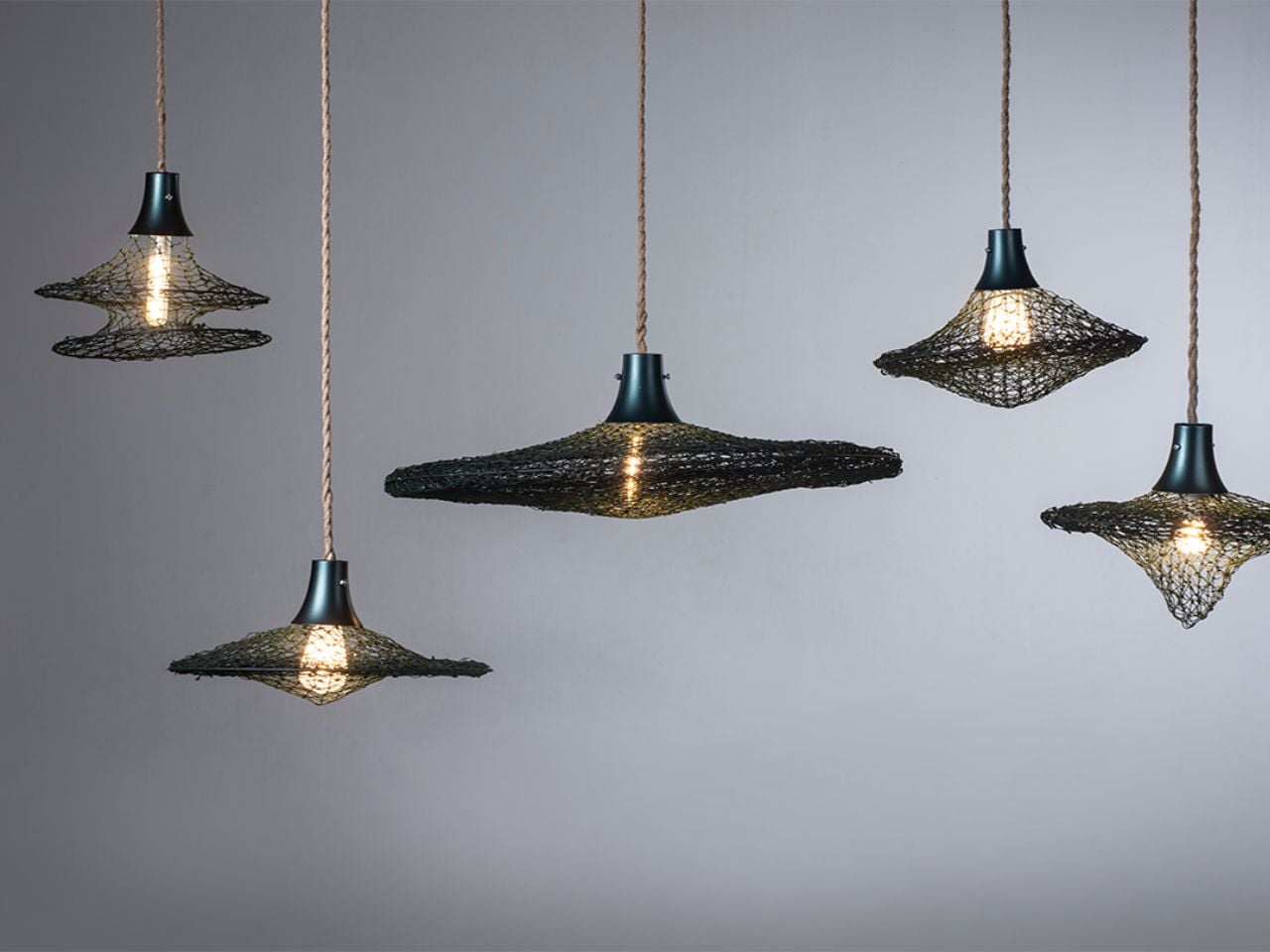
Created from abandoned fishing nets and plastic marine debris collected from Wengzi Fishing Harbor, the project transforms waste into a functional lighting object through a process of cleaning, sorting, weaving, repairing, and reshaping. But what makes the work compelling is not simply that it recycles material. It refuses to erase the material’s history.

Designer: Chih-Hsun Chang, Zi-Yi Wang, Min-Fang Xiao, Shang-You Chen, Xin-Yu Yao
Fishing nets are strangely contradictory objects. In human hands, they are flexible, useful, and finely engineered. In the ocean, once abandoned, they become ghostly hazards: trapping marine life, degrading into microplastics, and remaining painfully difficult to recover through conventional systems. Tides Rewoven Light begins exactly at this contradiction. Instead of treating discarded nets as anonymous raw matter to be crushed, melted, or chemically reprocessed, the design asks: what if the net could continue being a net, just in another life?

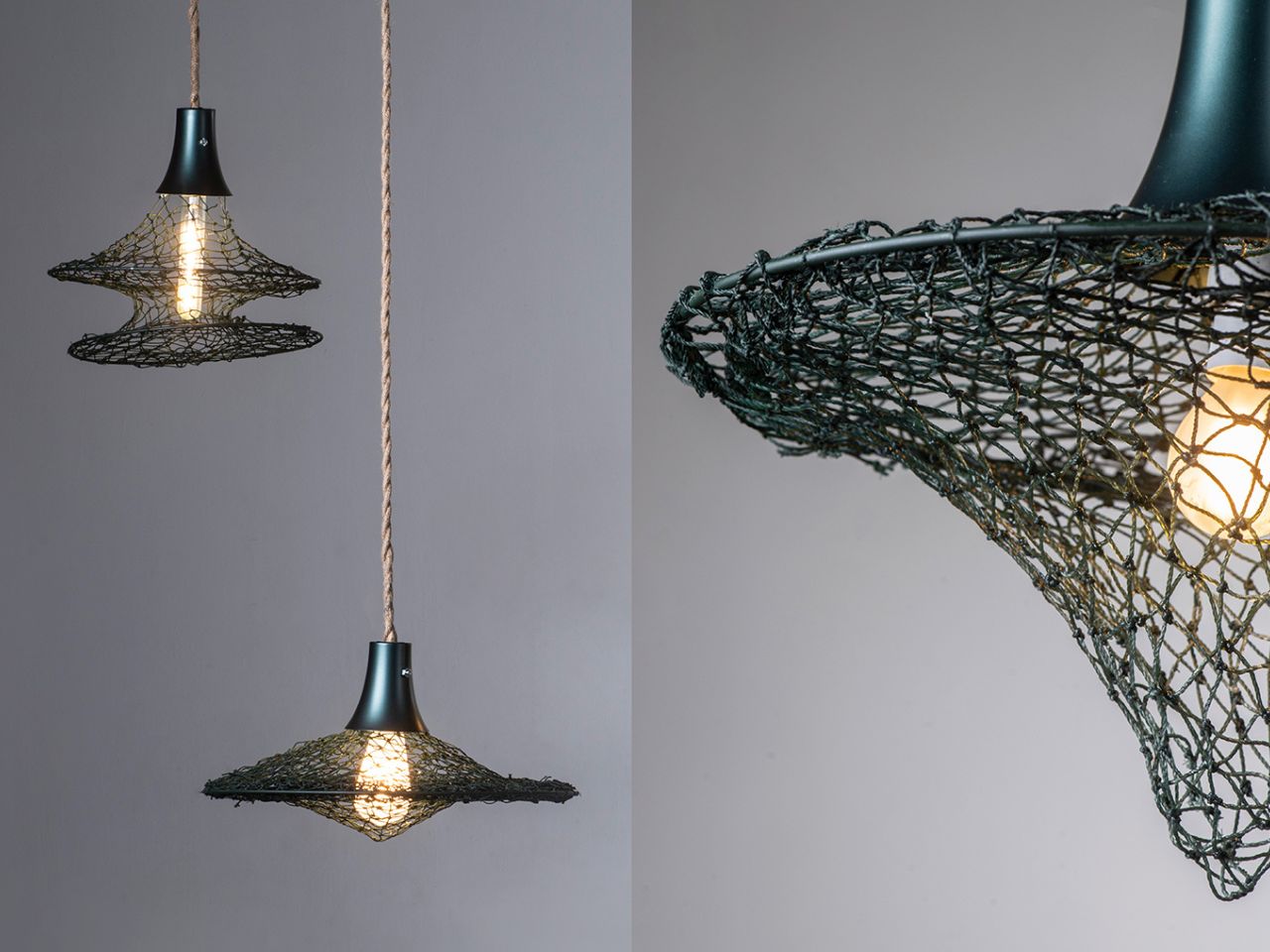
That question shapes the project’s entire circular design approach. The broken fishing nets are not hidden under a new skin. They are repaired and joined through weaving, allowing their fiber structure, flexibility, and aged texture to remain visible. Collected marine plastic is also brought into the process, not only as material, but as part of the making system itself. Plastic bowls, columnar objects, and other debris are used as molds, supported by a temporary metal framework for shaping and resin coating. Once the form is set, the framework is removed, leaving behind an object shaped by the very waste it seeks to address.

This is where the project moves beyond the familiar language of “upcycling.” Many recycled products depend on energy-intensive transformation, where waste must be broken down until it becomes unrecognizable. Tides Rewoven Light takes a quieter, more localized route. It works with the material’s existing properties instead of fighting them. The net’s flexibility becomes structure. Its knots become memory. Its weathered surface becomes an aesthetic value.
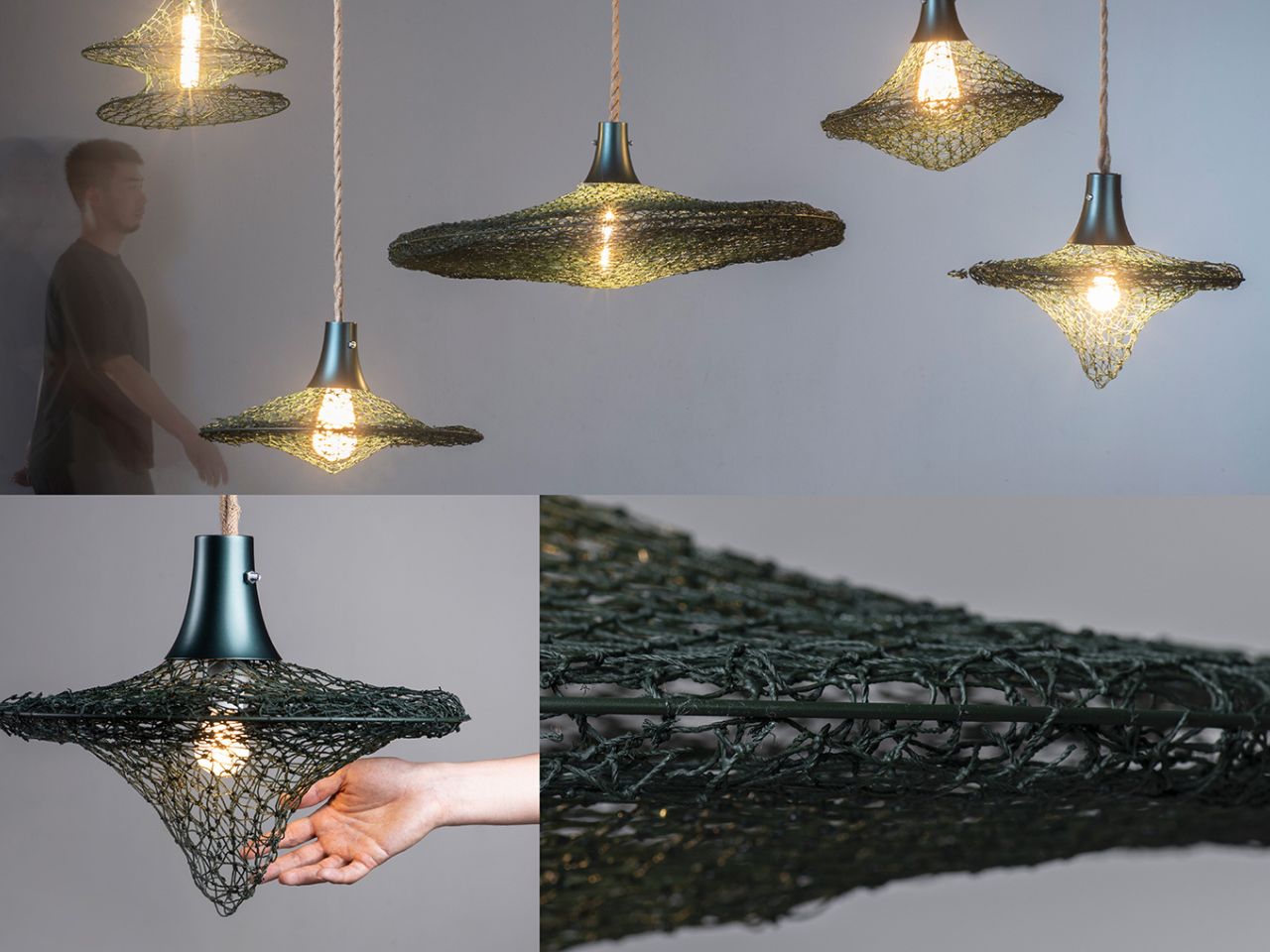
The result is not just a lamp made from marine debris, but a design argument: circularity does not always have to mean purification. Sometimes it can mean continuity. By preserving the traces of salt, labor, time, and damage, the product invites users to live with an object that still points back to the place it came from. It turns environmental crisis into domestic presence without softening the urgency behind it.

There is also something deeply poetic about turning discarded fishing nets into light. Nets are objects of capture; here, they become objects of release. They once pulled life from water. Now they diffuse light into living spaces. This shift gives the project emotional depth, making sustainability feel less like a technical checkbox and more like a cultural act of repair.

The team’s future vision strengthens this potential. By building partnerships with fishing ports and local communities, the project could become more than a single product. It could grow into a localized circular ecosystem for collecting, processing, and upcycling marine waste. Such a system would not only reduce environmental harm but also create social and economic value around materials that are usually seen as burdens.
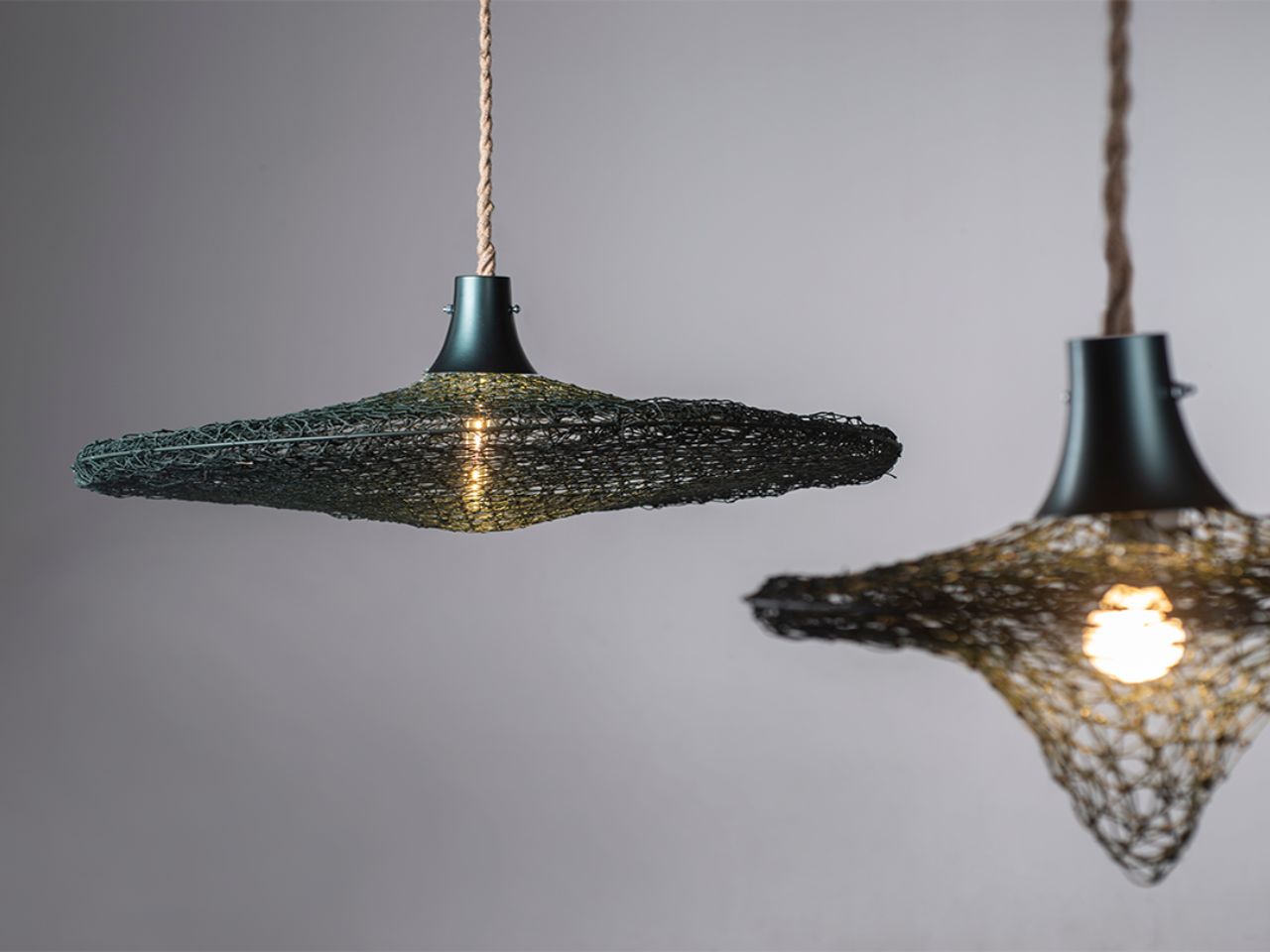
The lifecycle thinking is equally important. The object is designed with future disassembly and recycling in mind, aligning with a cradle-to-cradle philosophy where use is not the final chapter. Instead of ending in disposal, the product is imagined as part of an ongoing material cycle.

Tides Rewoven Light is powerful because it does not romanticize waste, nor does it disguise it. It lets the material speak. It shows that circular design can be local, low-energy, emotionally resonant, and materially honest. In a world often obsessed with making sustainable products look untouched, this project suggests something more interesting: maybe the most responsible objects are the ones brave enough to show where they have been.

The post From Abandoned Fishing Nets to Light That Carries the Sea first appeared on Yanko Design.
Croissant Pendant Light from Gantri adds a delicious warmth to your space

Normally, we don’t really associate food with lamp designs since they’re not really connected. But as we always say here, you can find design inspiration in the most unexpected places. We’ve seen several food-inspired accessories like fruit-shaped candles, food-decorated clocks, accessorised bottles, and a few fruit and vegetable inspired table lamps. But a bread-inspired pendant lamp may be a rarity but it is indeed interesting how you can get inspired by a piece of bread and apply the design principles to your product.

Designer: João Teixeira

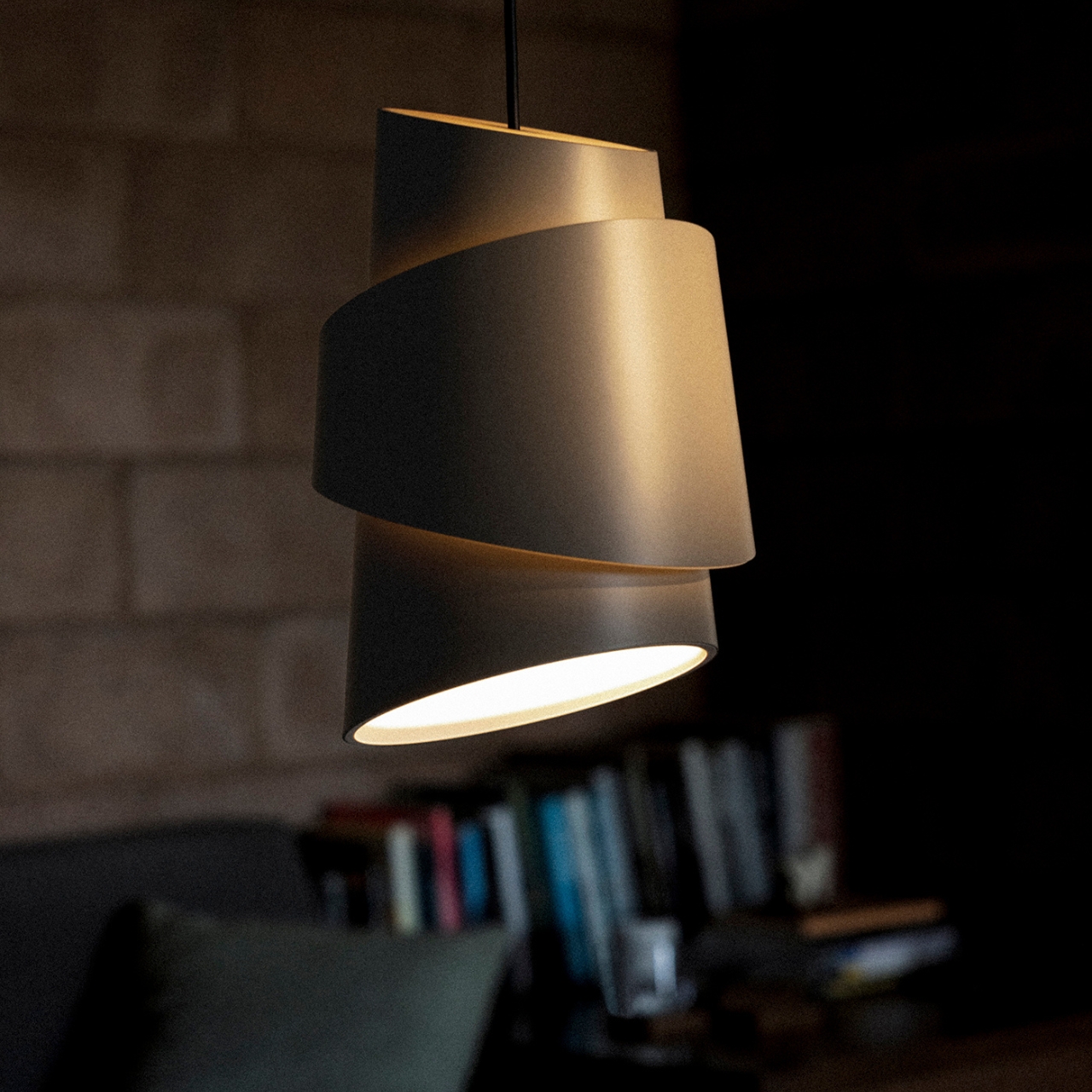
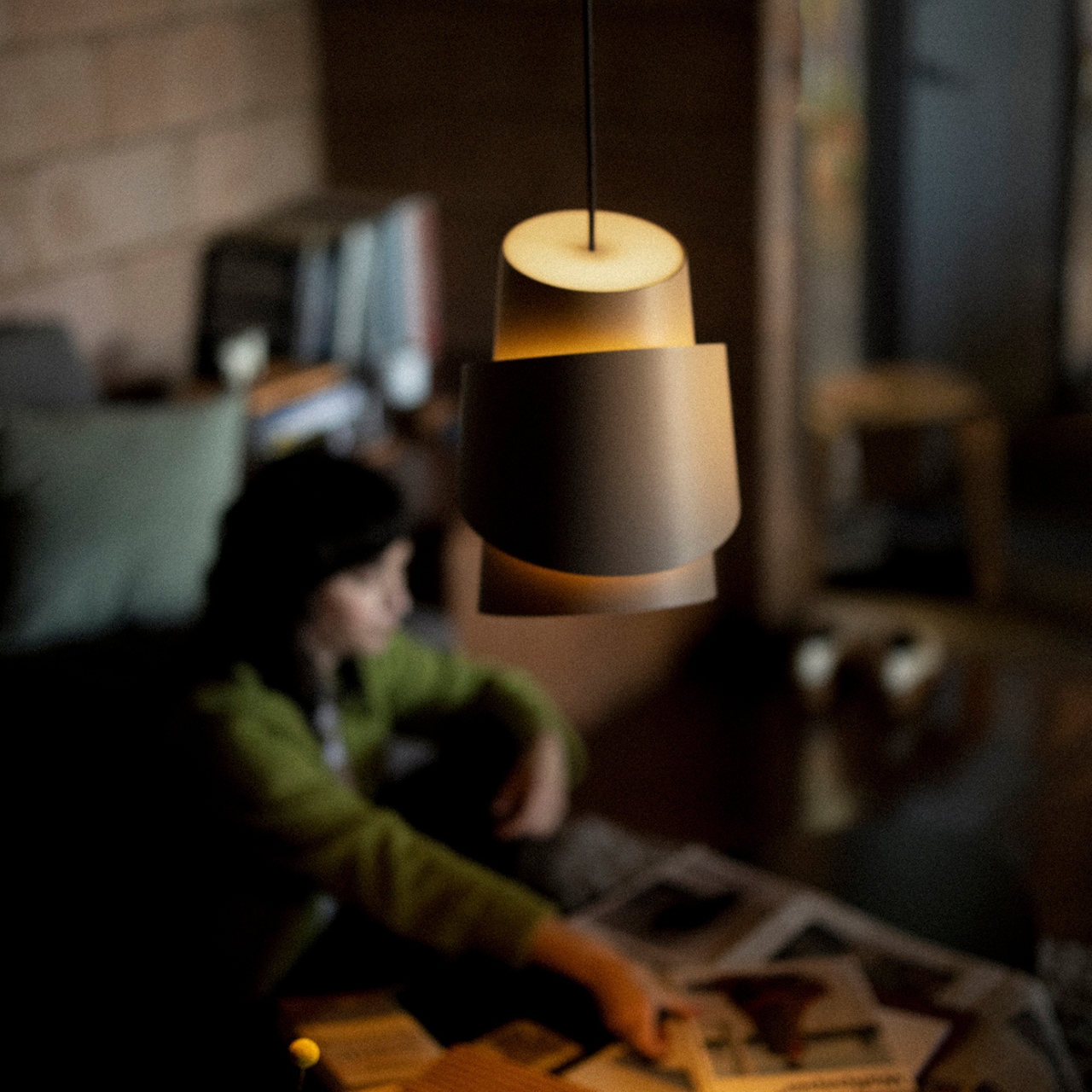
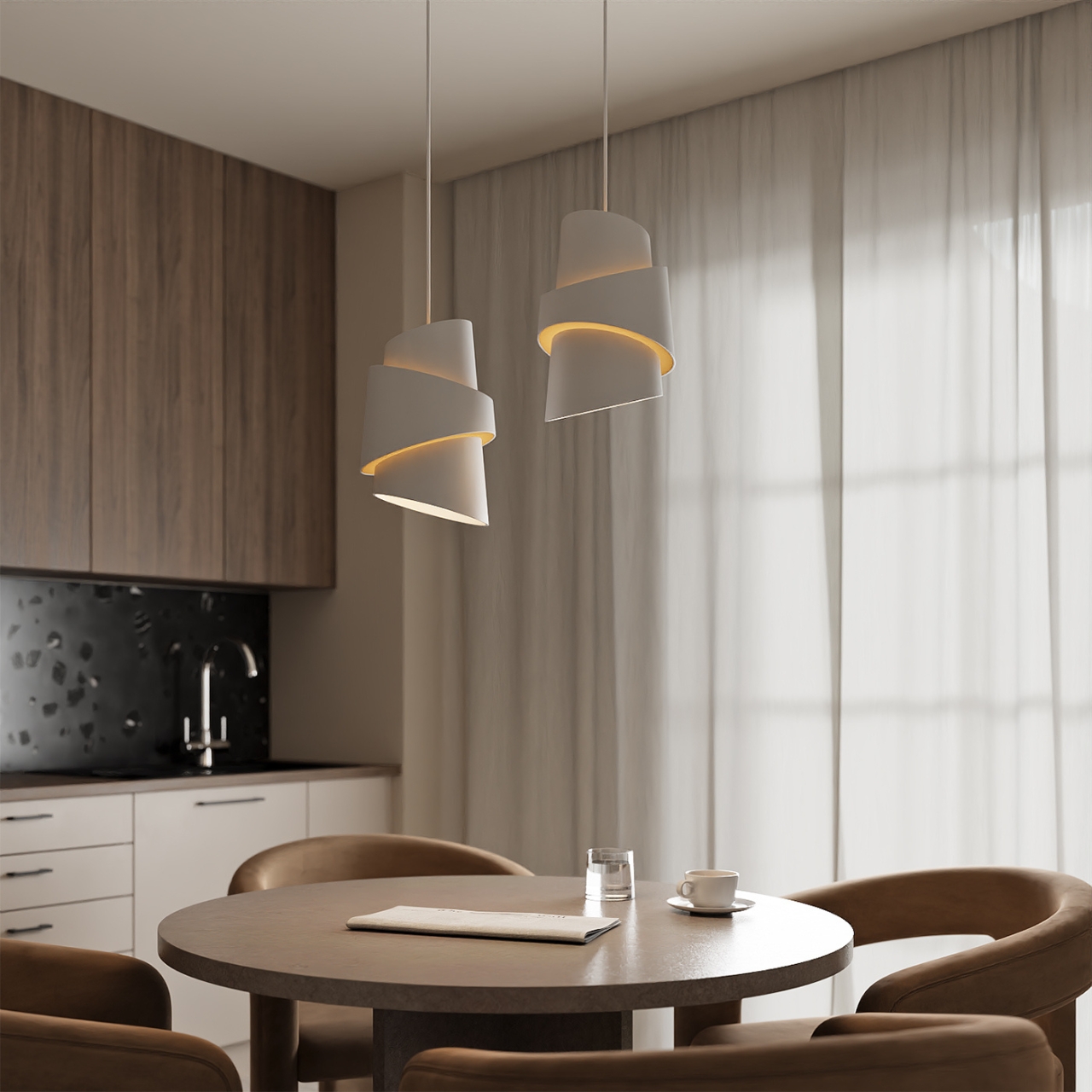
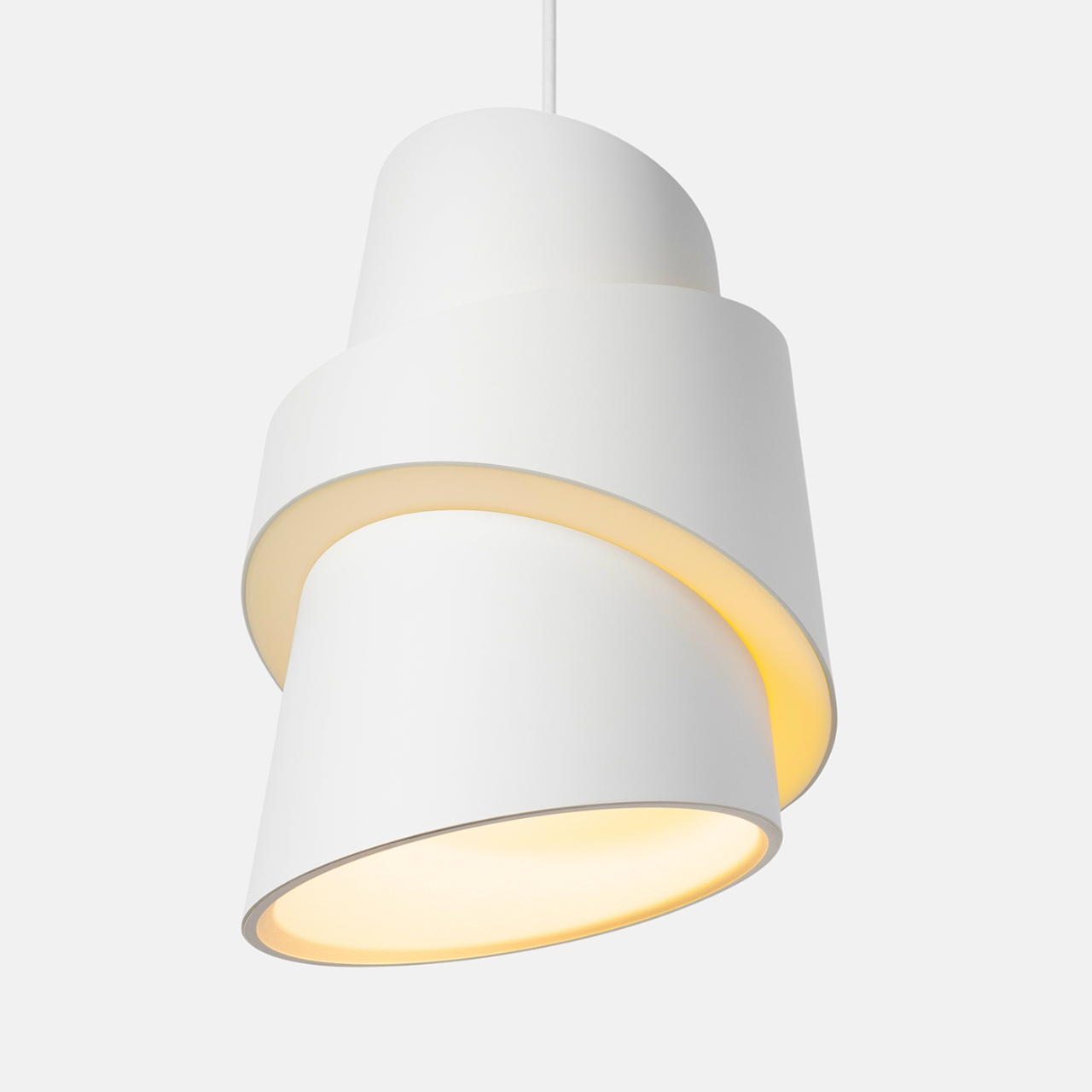
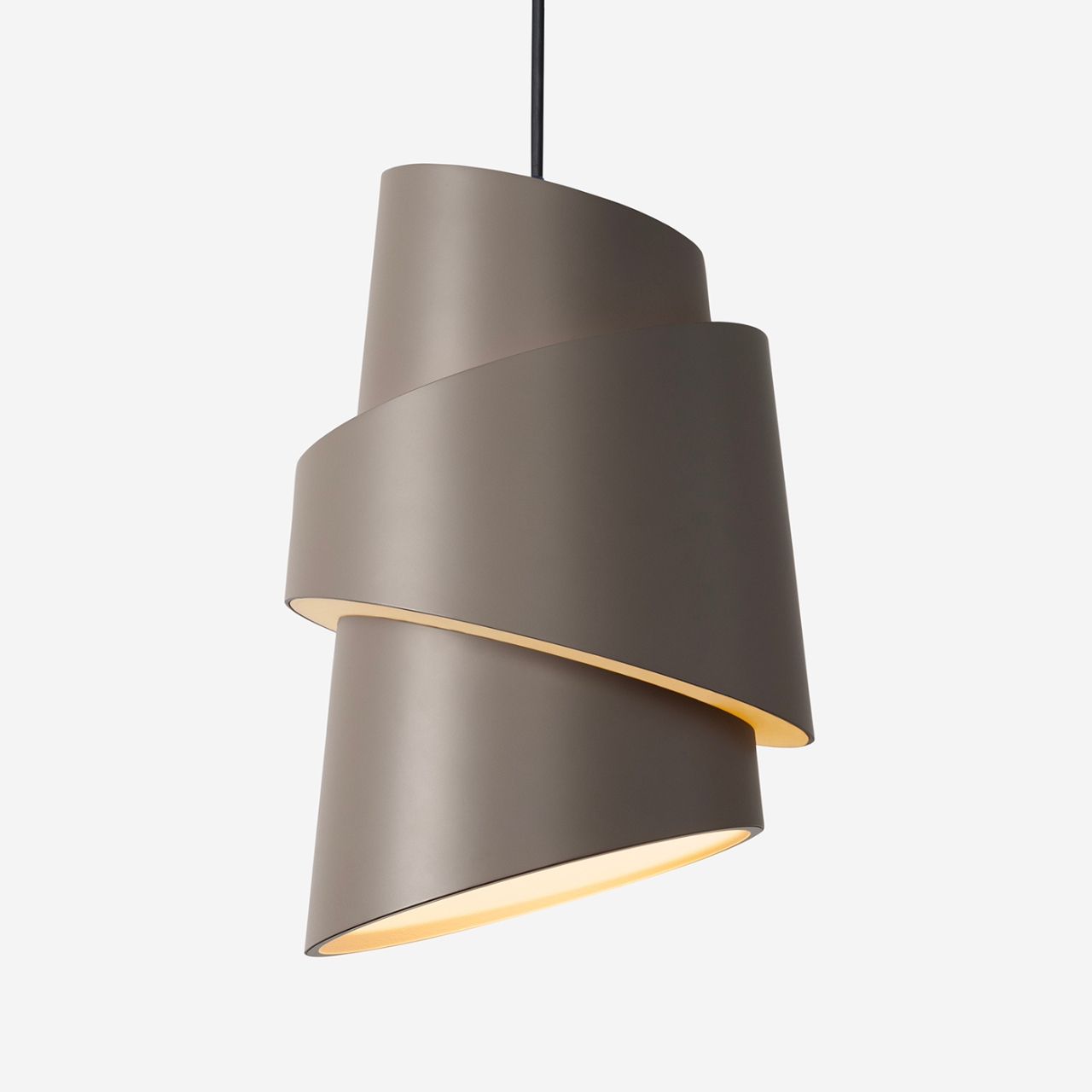
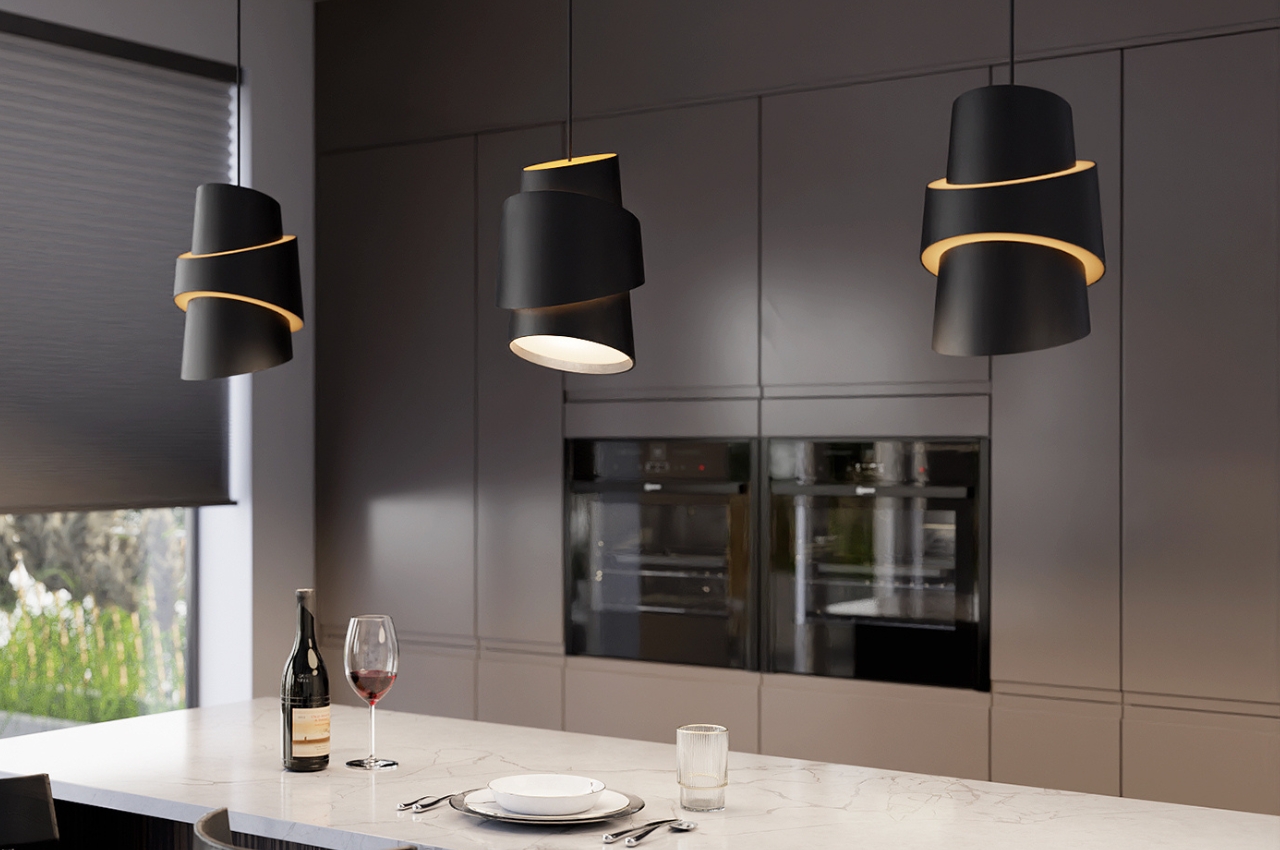
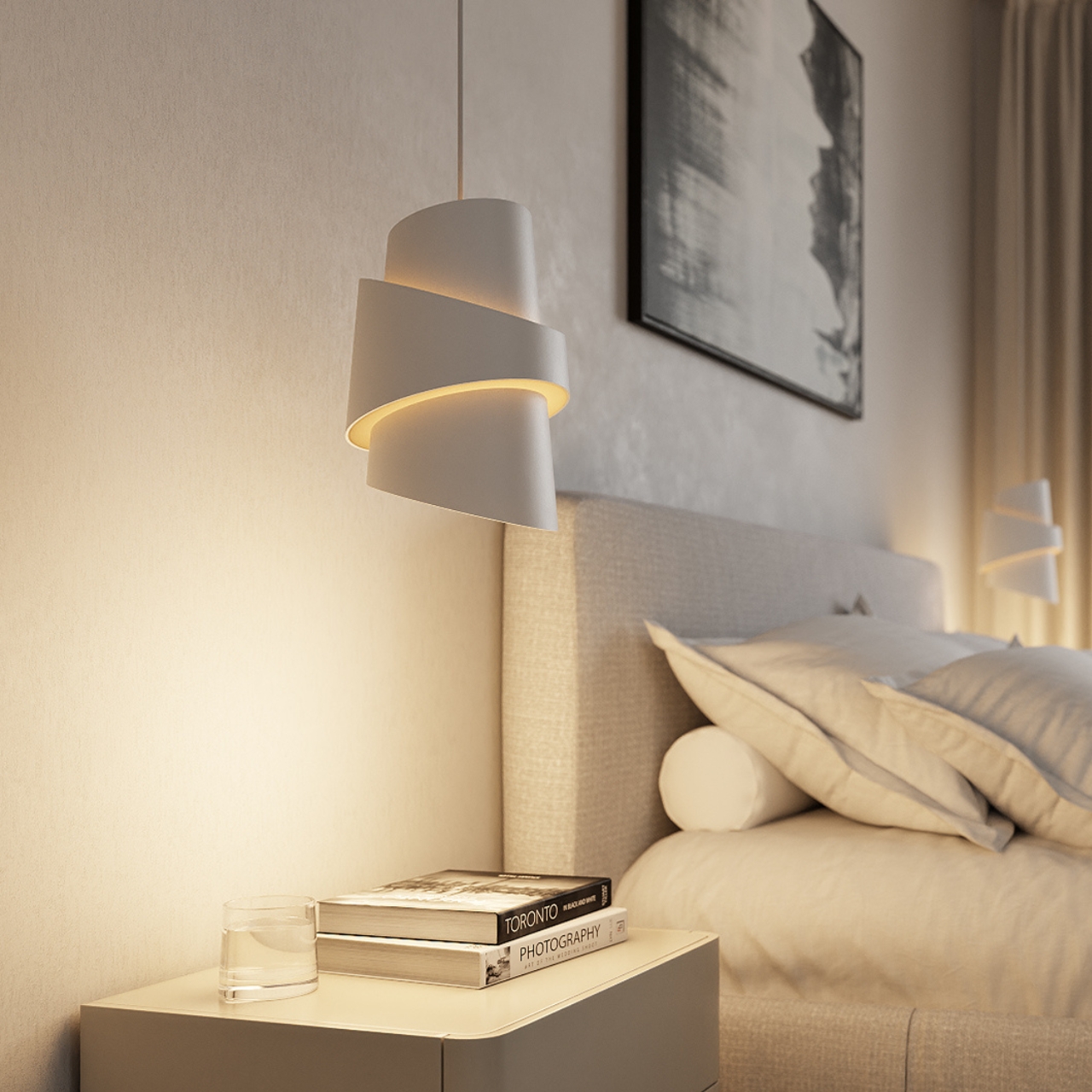
We’ve seen some cone-shaped lighting designs but the Croissant Pendant Light designed for Gantri takes it one step further by using the shape of the, you guessed it, croissant. But it’s not because they just want you to think of this savory pastry but because of the shape and the layers, the lamp is able to “cast a cozy, comforting glow” in different directions. It is created specifically for dining tables or kitchen islands but you can also use its “purposeful illumination” for other spaces in your home that may need it.

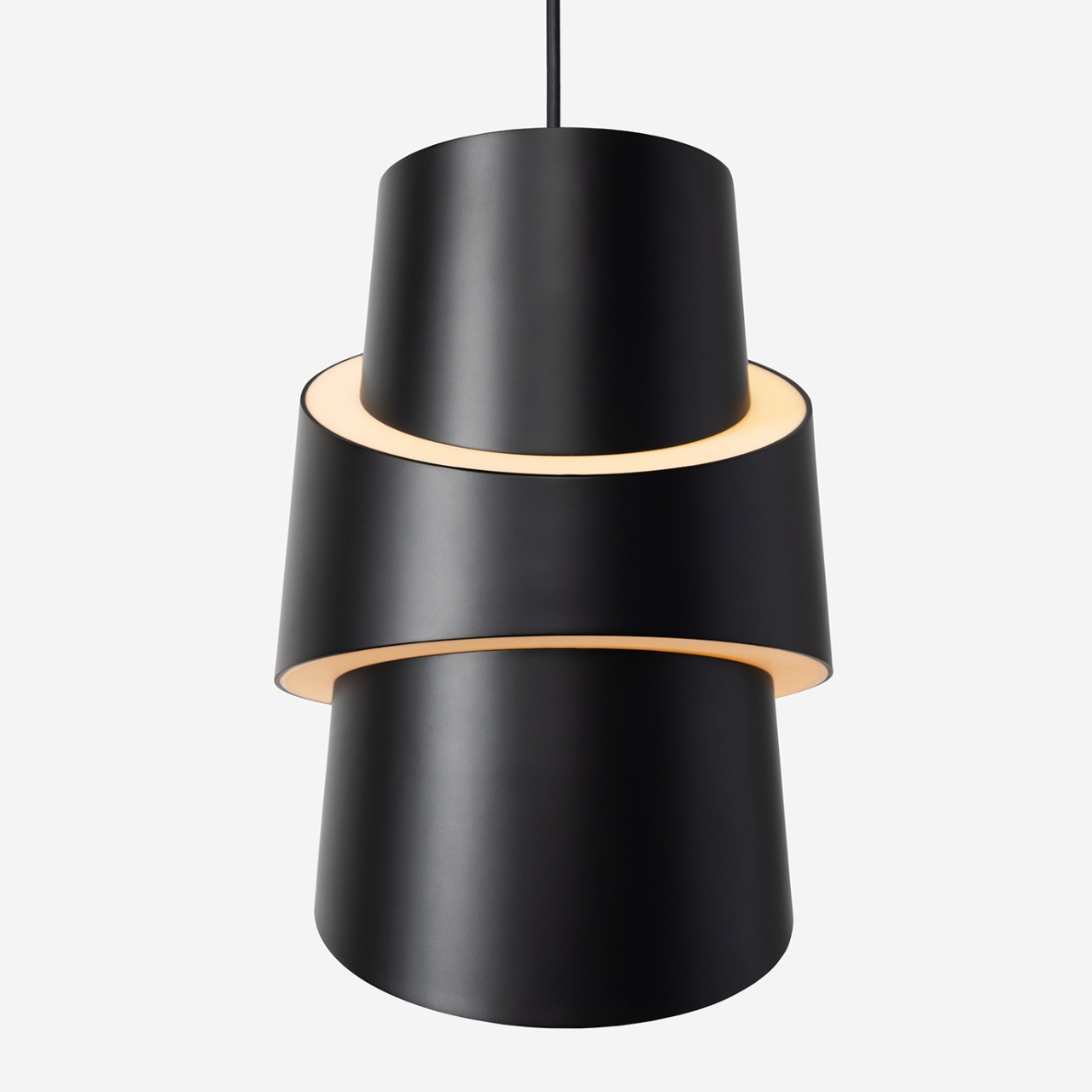
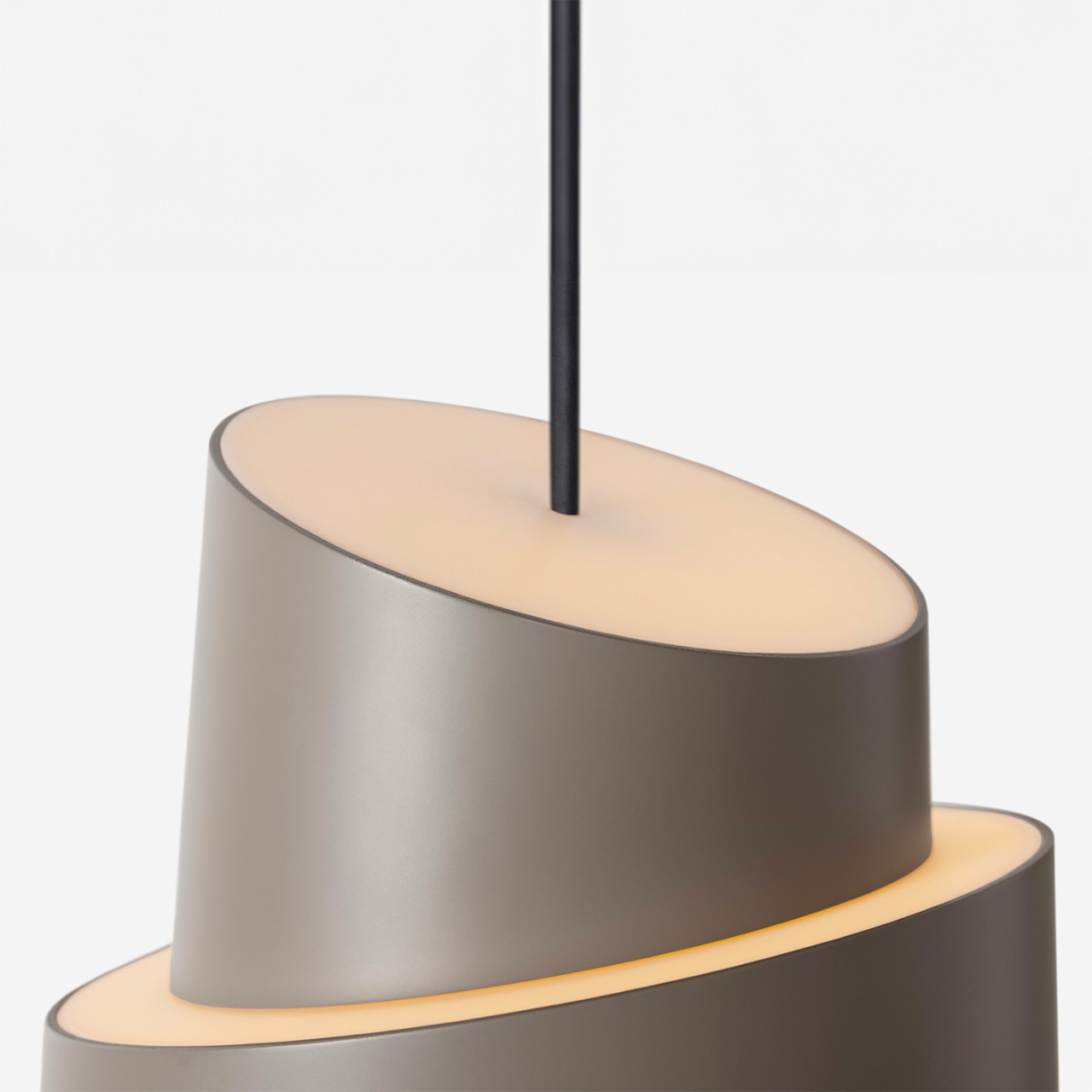
The angled shapes, sculptural layers, and lighter edges are all inspired by the croissant shape, even though we don’t really notice that when we eat the actual bread. The asymmetrical shape has two unique rings encircling the main shade, giving the lamp both a functional directed beam as well as a soft ambience in the other angles. There is an interplay of light and shadow as well because of its silhouette and the slices and curves.

The Croissant Pendant Light is available in three colors: Carbon (black), Snow (white), and Smoke (brown). There’s also an option for black or white cords so you can match it with your interiors. Because also of its unusual shape, the pendant lamp can also serve as an “art piece” of sorts for your space even when you’re not using it as a lamp. It is also pretty easy to install because of the Gantri-engineered mounting mechanism that it uses.

The post Croissant Pendant Light from Gantri adds a delicious warmth to your space first appeared on Yanko Design.
The XGIMI Aladdin is the iPhone of smart projectors…

It’s a Smart Projector, a 360° Harman Kardon Speaker, and also a Ceiling Lamp.

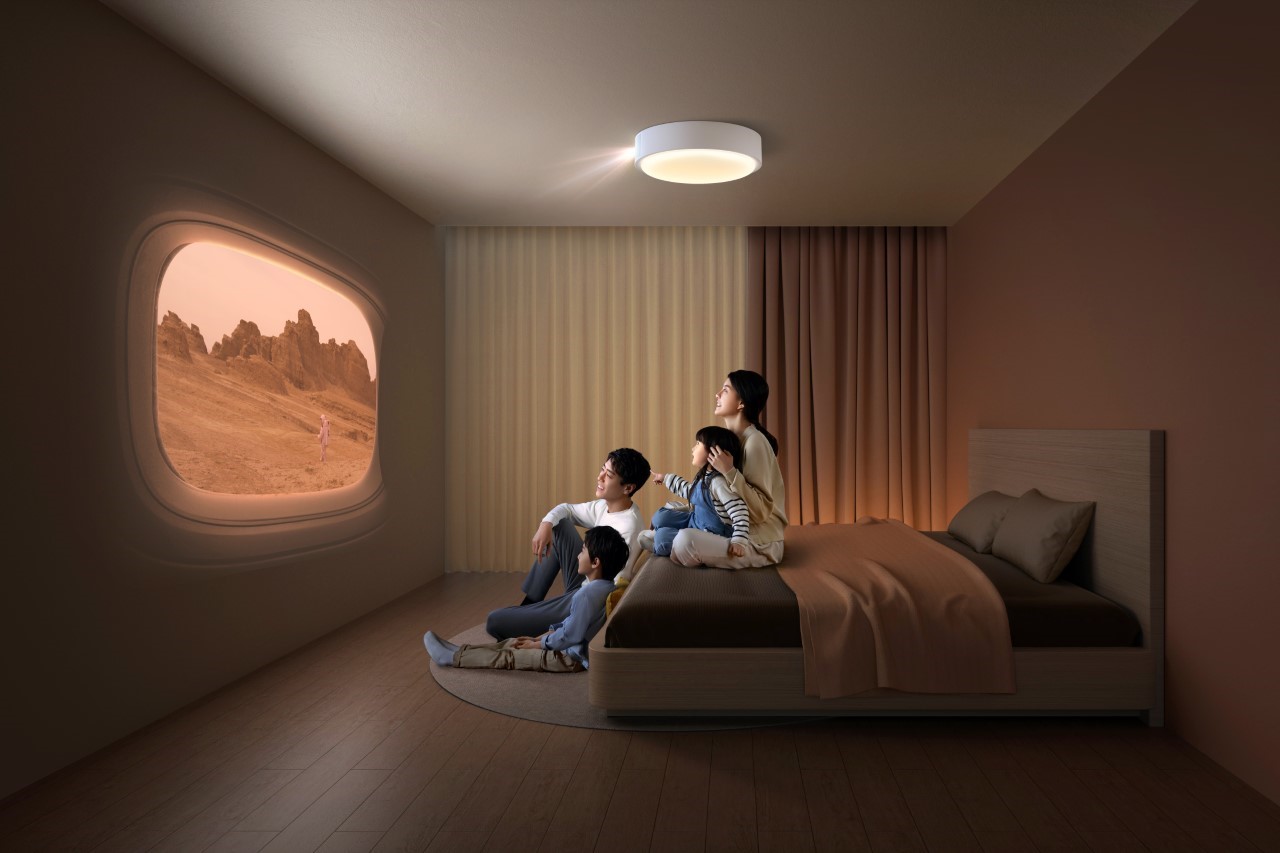
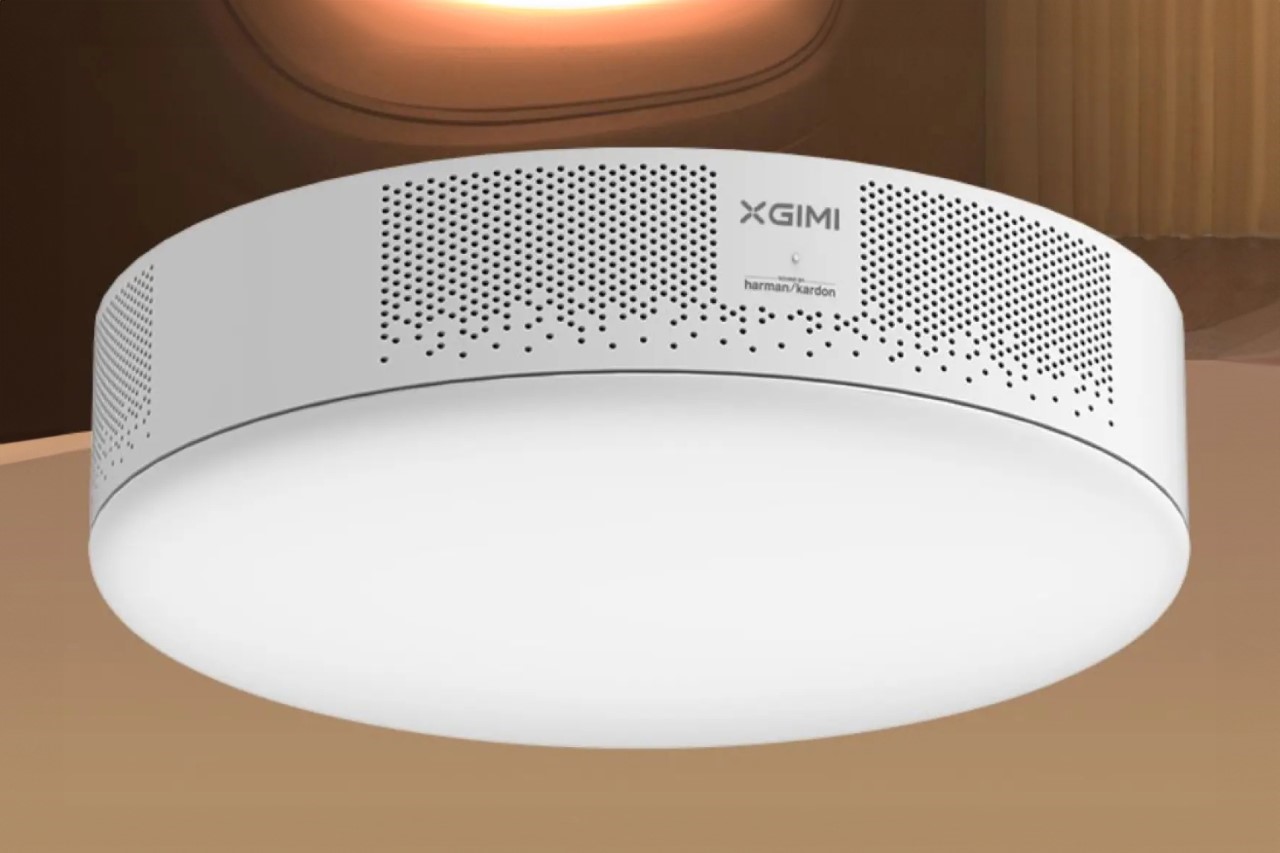
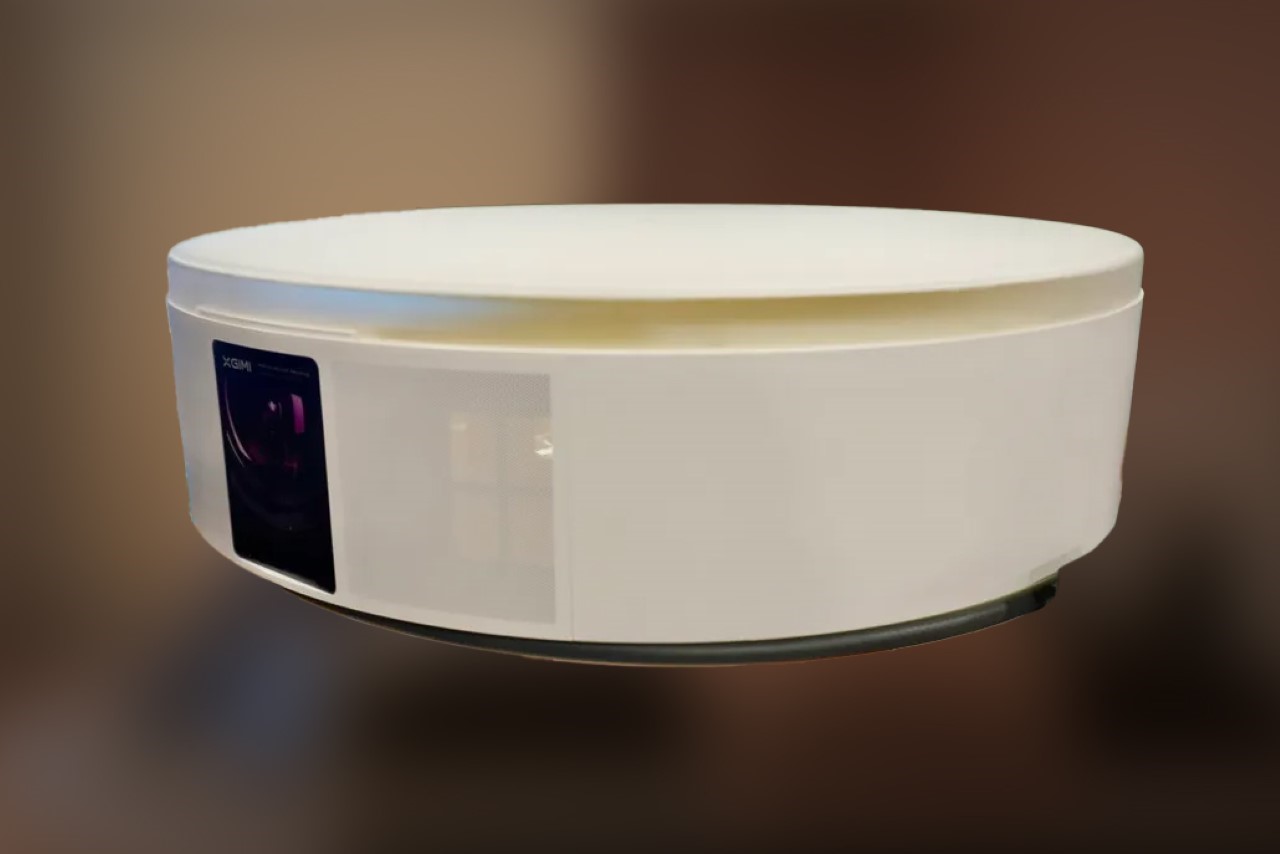
Far be it for me to throw an iPhone analogy willy-nilly, but when Steve Jobs took the stage to reveal his breakthrough device, he used a similar analogy. The iPhone was touted as three great things (a widescreen iPod with touch controls, a Phone, and an Internet communications device)… but in one small handheld package. XGIMI’s Aladdin, which was announced at CES 2024, has a similar back story. Disguised to look like a ceiling lamp, the Aladdin is, in fact, a 1080p short-throw projector capable of outputting a screen as large as 100 inches, with a more-than-capable 2.1-channel 360° Harman Kardon speaker built into its rather compact ceiling-mounted design.

Designer: XGIMI

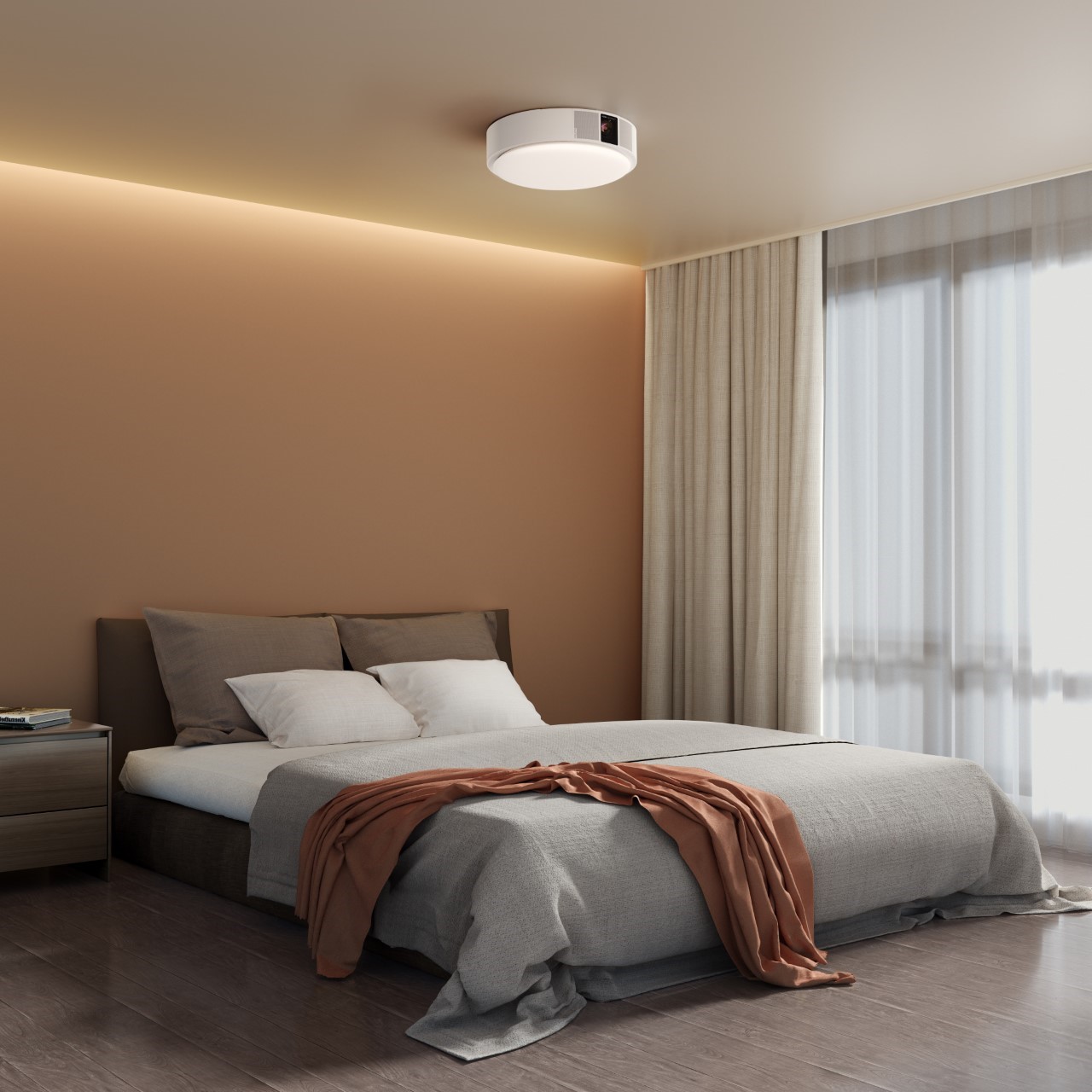
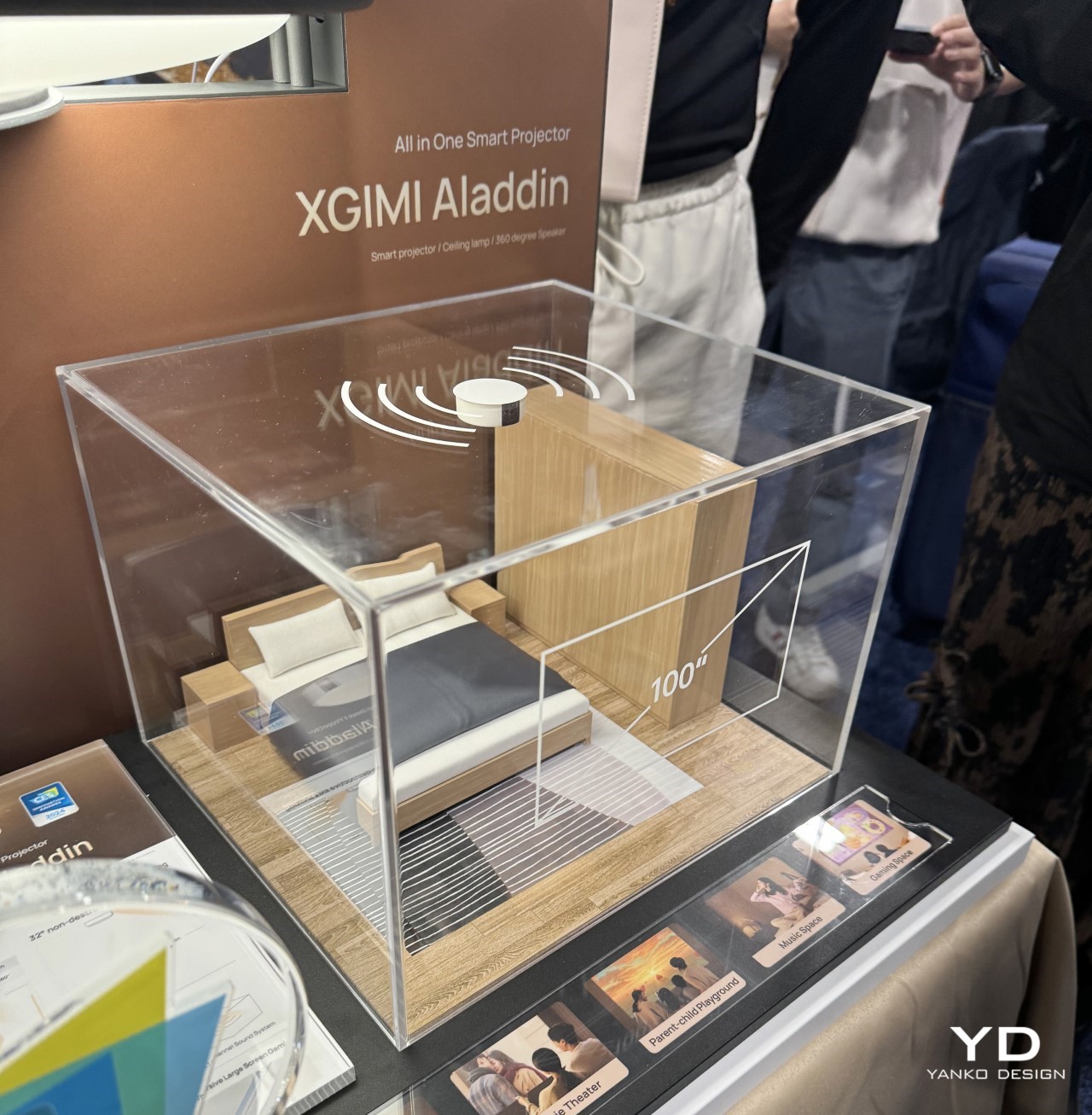
Foraying into a new format after dabbling with compact projectors and UST behemoths, the Aladdin explores an entirely new design template for XGIMI – putting a projector into a ceiling light fixture. It addresses the perennial problems of traditional projectors – bulkiness, screen blockage, and glare – with an innovative approach. By integrating a projector into a ceiling light fixture, XGIMI offers a solution that is both space-efficient and aesthetically pleasing. Imagine having a cinematic experience of up to 100 inches, projected directly from your ceiling, without sacrificing any floor space. The added benefit of it being a short-throw projector with a 0.7:1 throw ratio means that it can easily fit into small rooms, making it a perfect addition to a bedroom.

The Aladdin is a fixed-position short-throw projector, capable of casting a 1080p image that spans 100 inches, all from a mere 5.98 feet away from the projecting surface. The strategic positioning not only provides an immersive viewing experience but also prioritizes user safety by preventing direct light exposure. Moreover, once installed, the image can be adjusted and tweaked to cater to the size of your room, accounting for direction, angle, focus, and keystone.

The auditory experience with Aladdin is equally impressive. The integrated 360-degree speaker by Harman Kardon, featuring a 2.1-channel sound system, creates an immersive audio environment. This system ensures that sound seems to emanate from the screen itself, enhancing the overall viewing experience.

In terms of design, Aladdin mirrors the simplicity of installing a standard ceiling light, making it a practical choice for homes. The projector also goes beyond traditional usage, offering interactive experiences like dynamic wallpapers, interactive children’s books, and ambient sounds, adding a unique touch to everyday moments. Speaking of unique touch, the Aladdin operates entirely touch-free and without a remote, relying on voice commands that make it a breeze to operate.

Scheduled to launch in Japan in June 2024 and priced at under $1000 USD, the Aladdin is poised to make a significant impact in the market. This pricing strategy positions the XGIMI Aladdin as an accessible option for a wide range of consumers.

The post The XGIMI Aladdin is the iPhone of smart projectors… first appeared on Yanko Design.