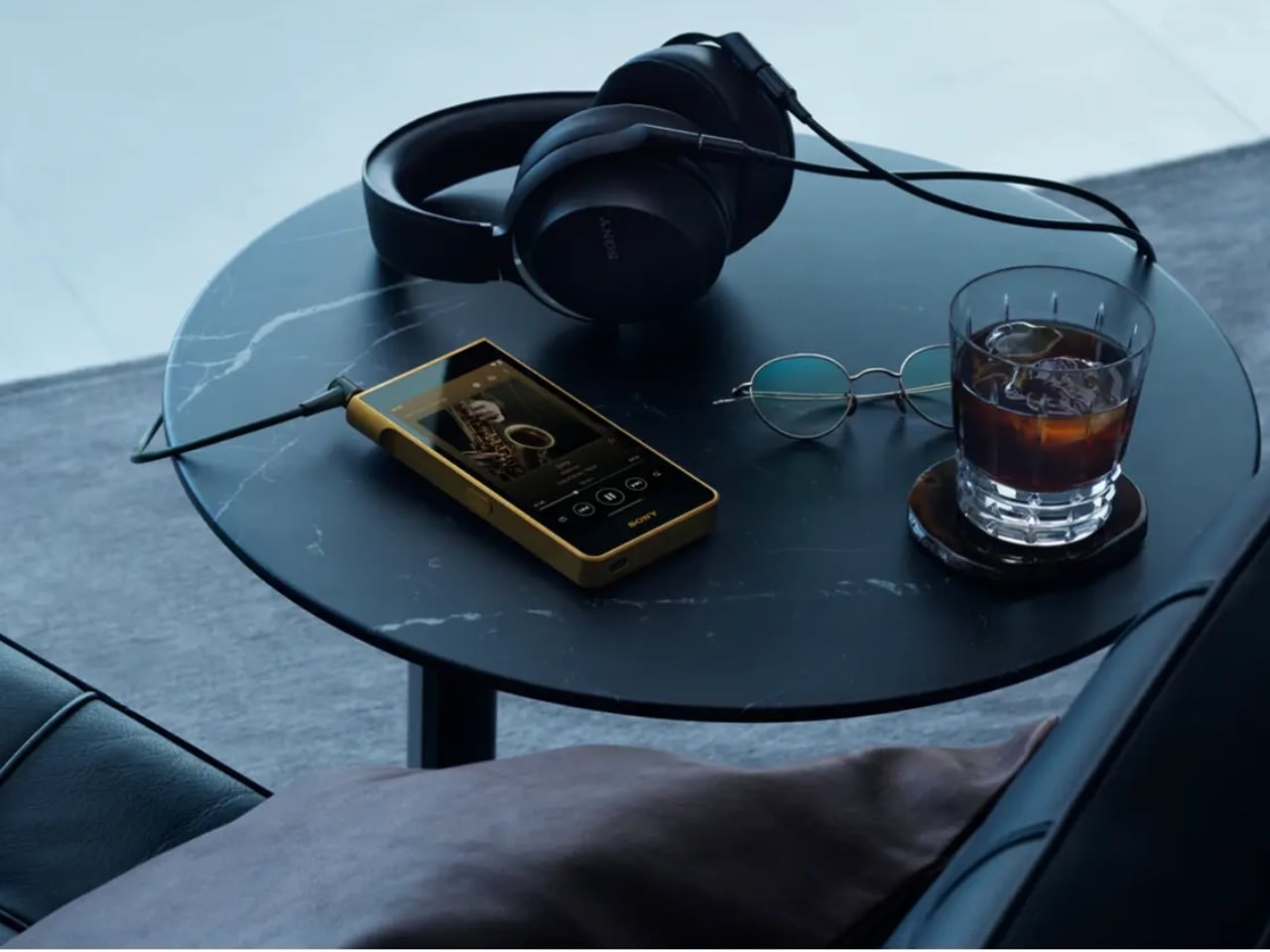
One of the things I wish I had been able to keep from “the olden days” is my cassette player, specifically my Sony Walkman. It probably wouldn’t get much use now, of course, but there are still cassette tapes around, and it’s a nostalgic bit that kids these days would get a kick out of seeing and experiencing. Most of the time, too, our music is played through our smartphones or laptops rather than dedicated music players. Well, Sony wants to say its golden piece about that.
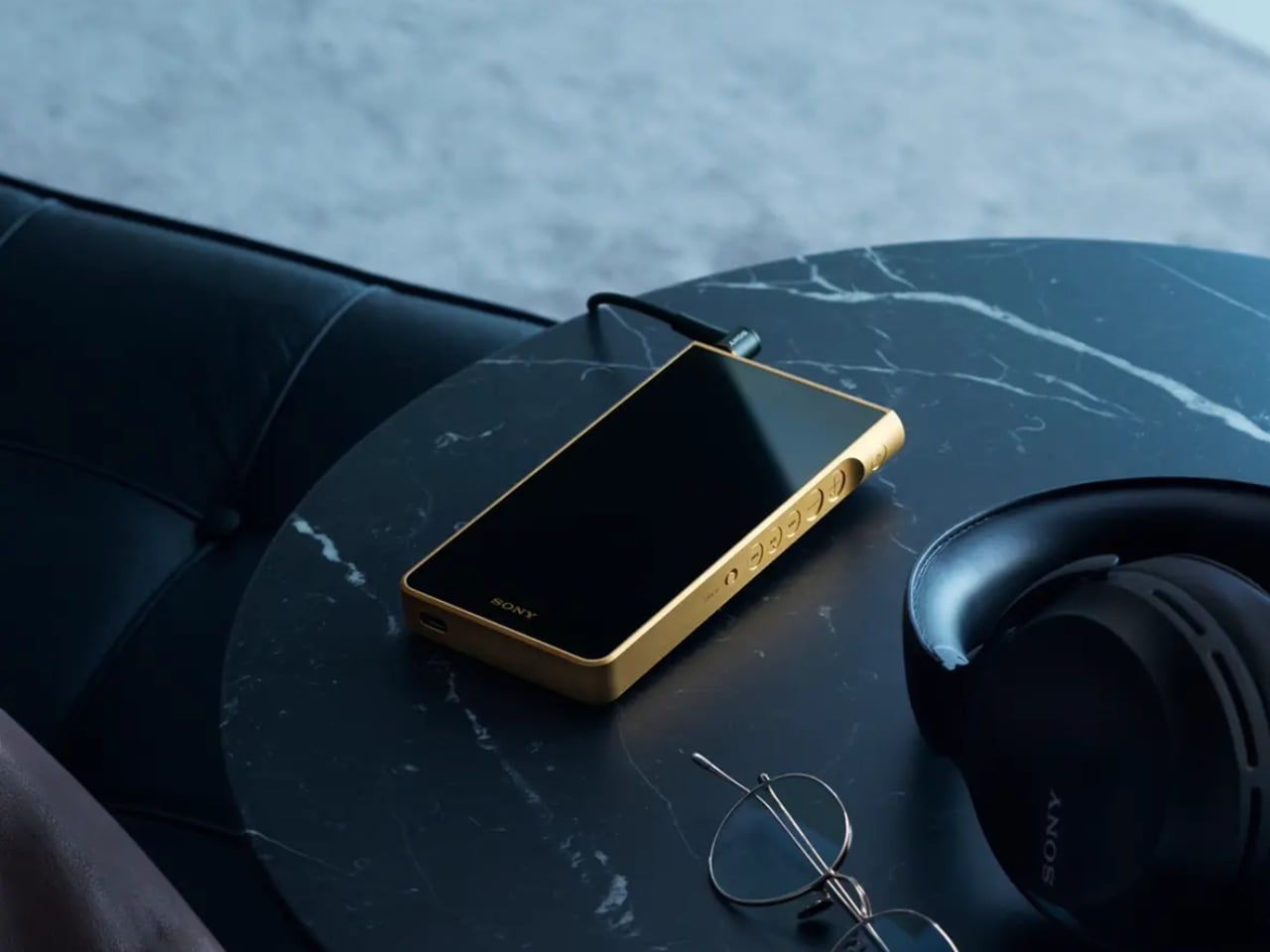
Sony announced its latest premium Walkman lineup on October 15, 2026, and the flagship device is actually gold-plated, including some of its smallest parts. The catch, though, is that it doesn’t actually play cassette tapes. Instead, the NW-WM1ZM3 is built for playing digital music through your wireless or wired headphones of choice. It’s a device for those who prefer a separate audio player and want something that looks classy and elegant. Oh, and you need almost $6,000 to spare as well. Sony’s U.S. store lists it for preorder at $5,899.99.
Designer: Sony
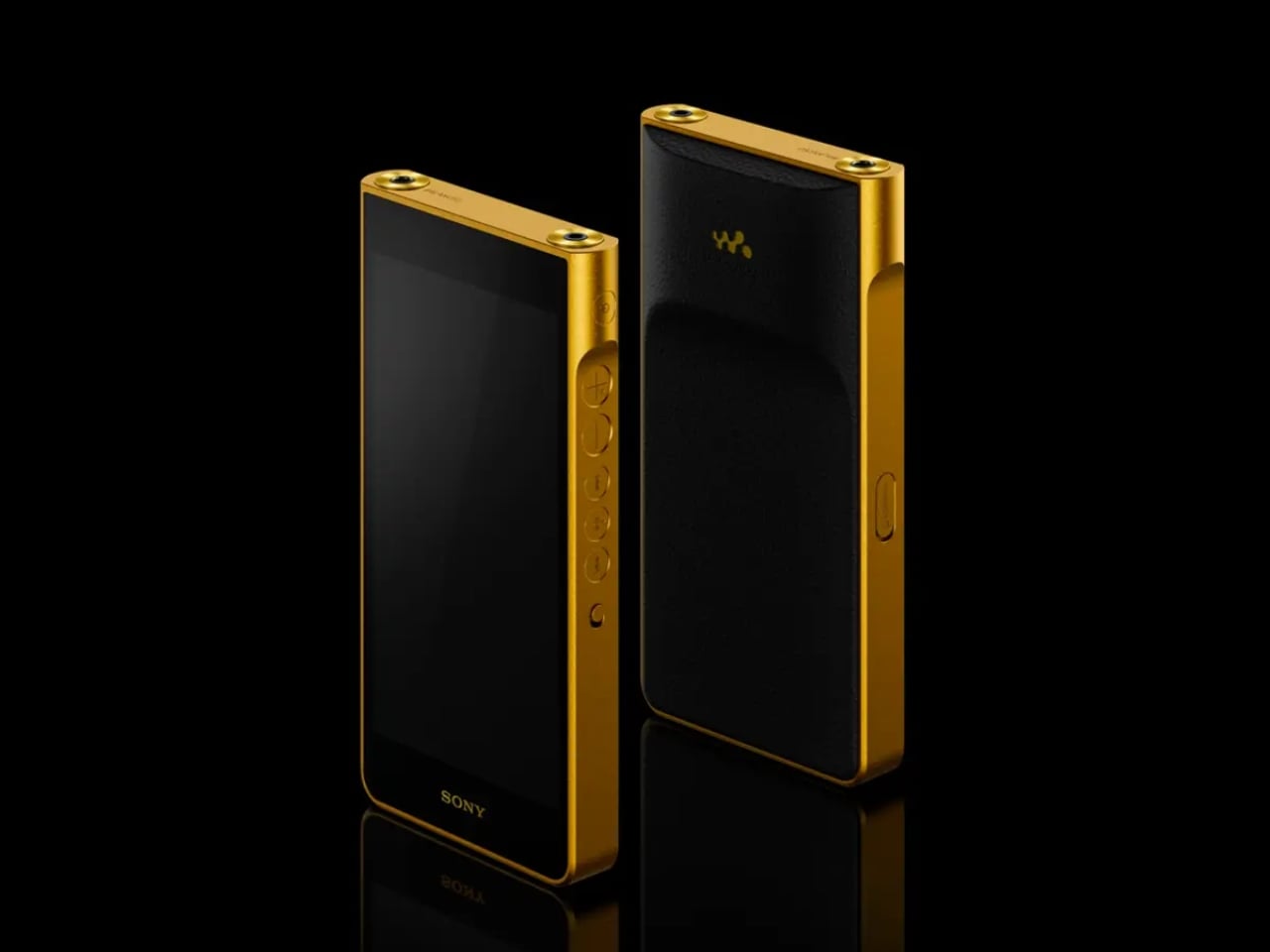
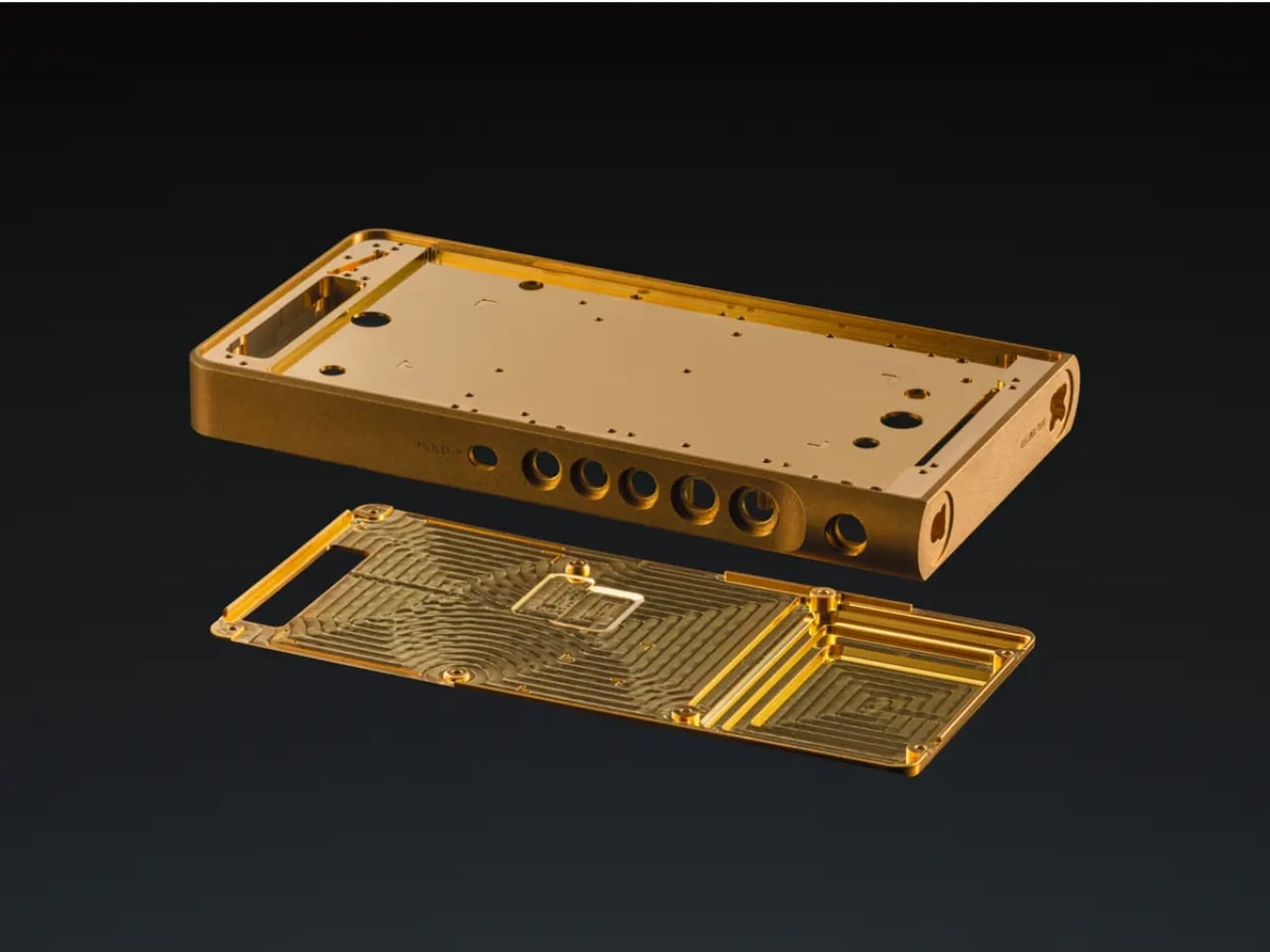
The gold finish is only part of the story. Sony precision-mills the main chassis from 99.99% pure oxygen-free copper, while the rear chassis uses 99.96% pure copper. Both receive gold plating. According to Sony, this construction contributes to audio performance, making the enclosure part of its sound-engineering approach rather than simply a decorative shell. Whether those choices produce an audible improvement worth the asking price would require independent testing.
Even the gold-plated screws have an intended purpose beyond matching the exterior. Sony says their low resistance helps maintain a stable electrical ground connection between the chassis sections. Inside, dedicated capacitors for the digital and audio sections and a machined copper shielding block continue the effort to manage electrical noise. Much of this design work remains hidden once everything is assembled.
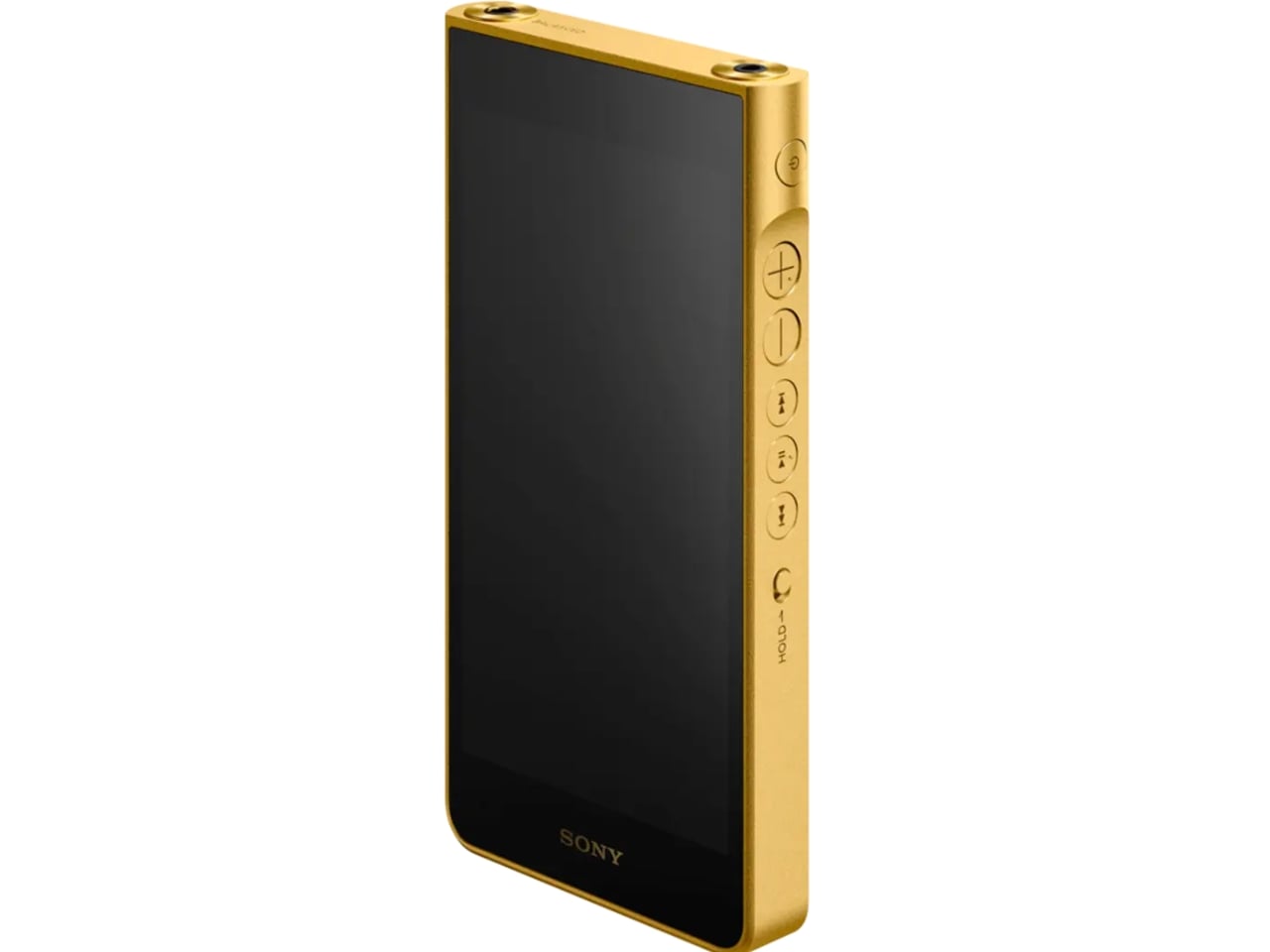
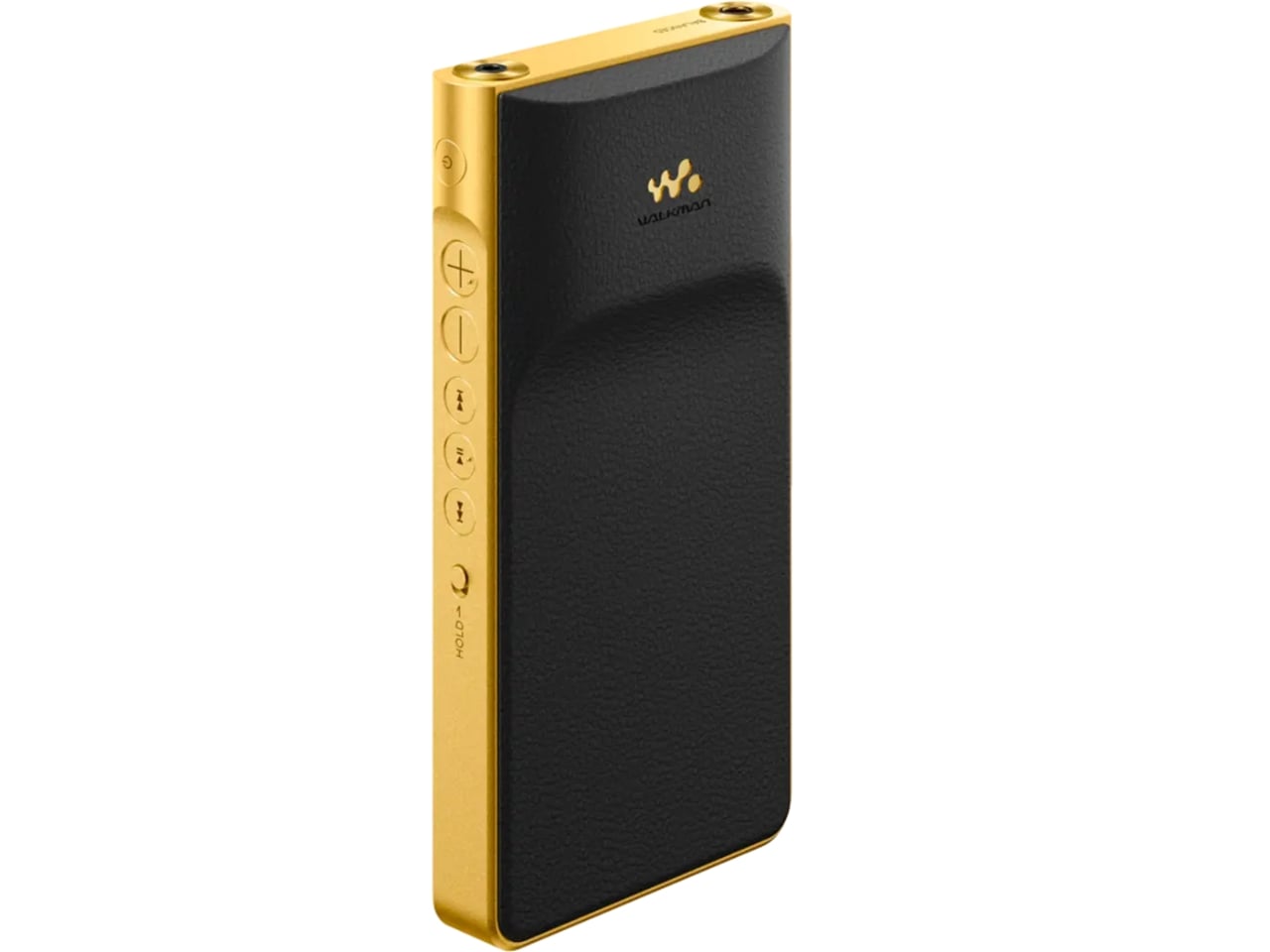
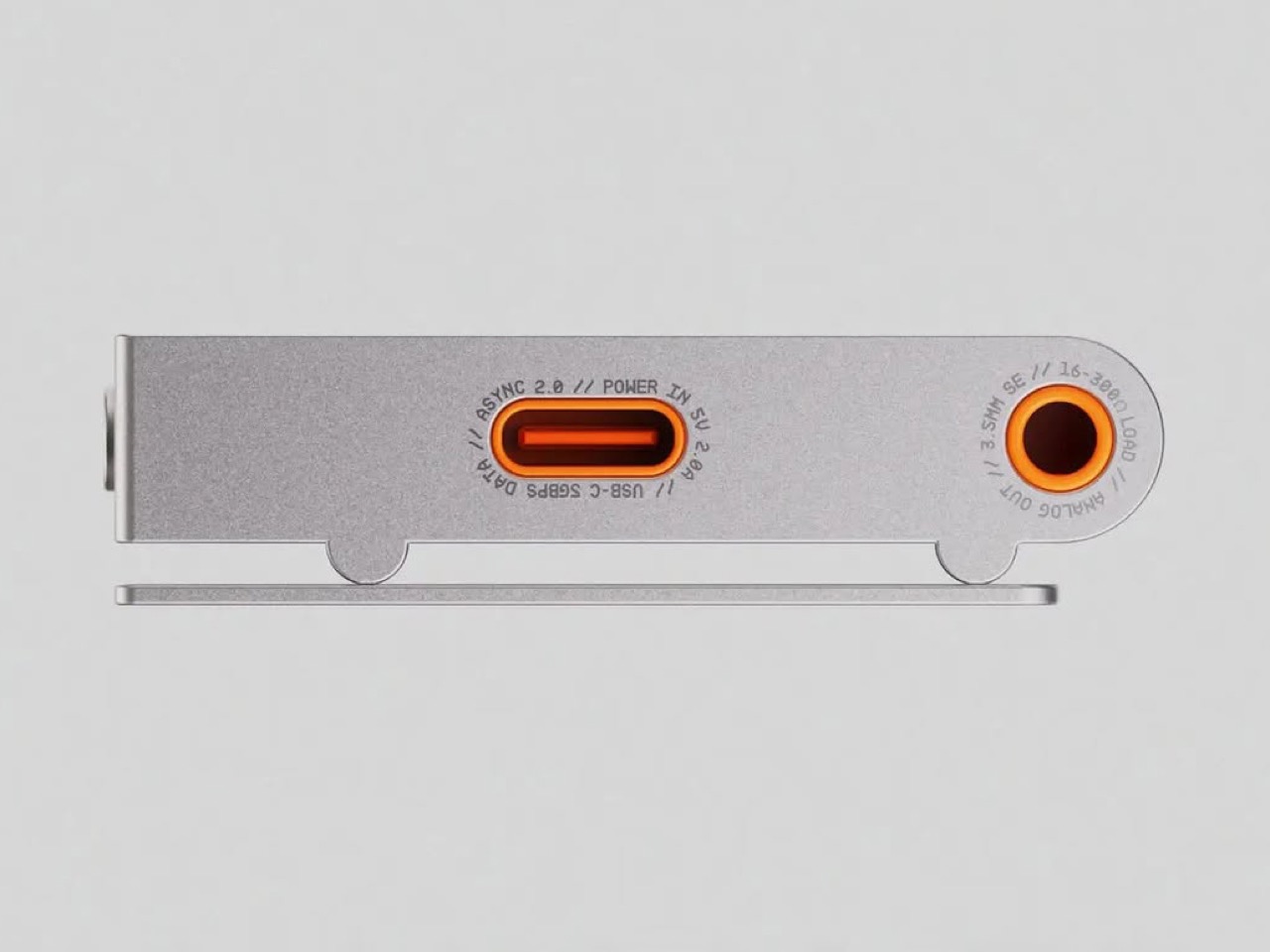
The exterior gives you more immediately noticeable details. Circular machined metal surrounds emphasize the headphone sockets, while a dark, leather-textured rear pad contrasts with the gold frame. That pad also keeps your hand from directly contacting the copper rear chassis. Visually, the dark surface gives the gold some breathing room, so the player doesn’t look like one uninterrupted block of precious metal.
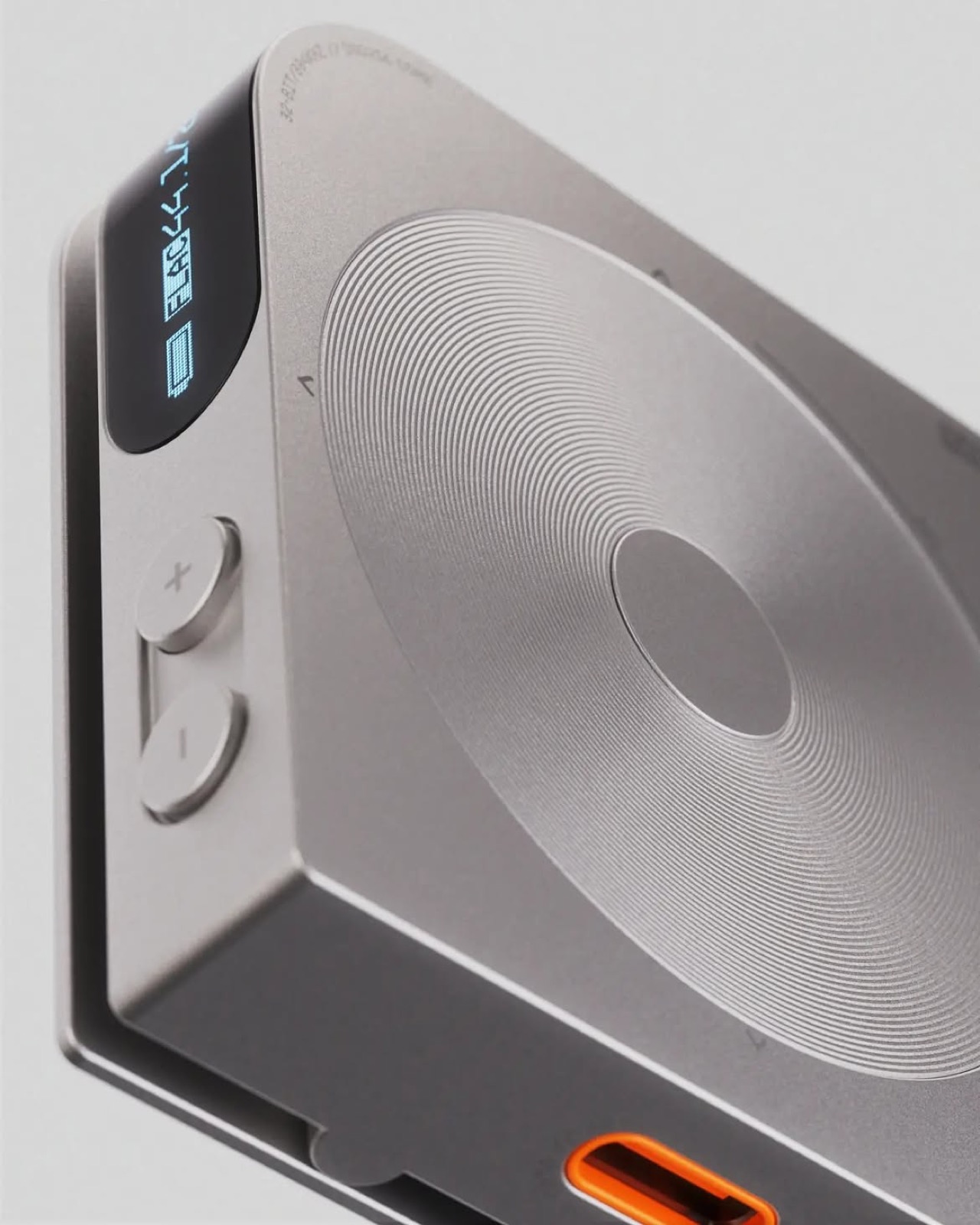
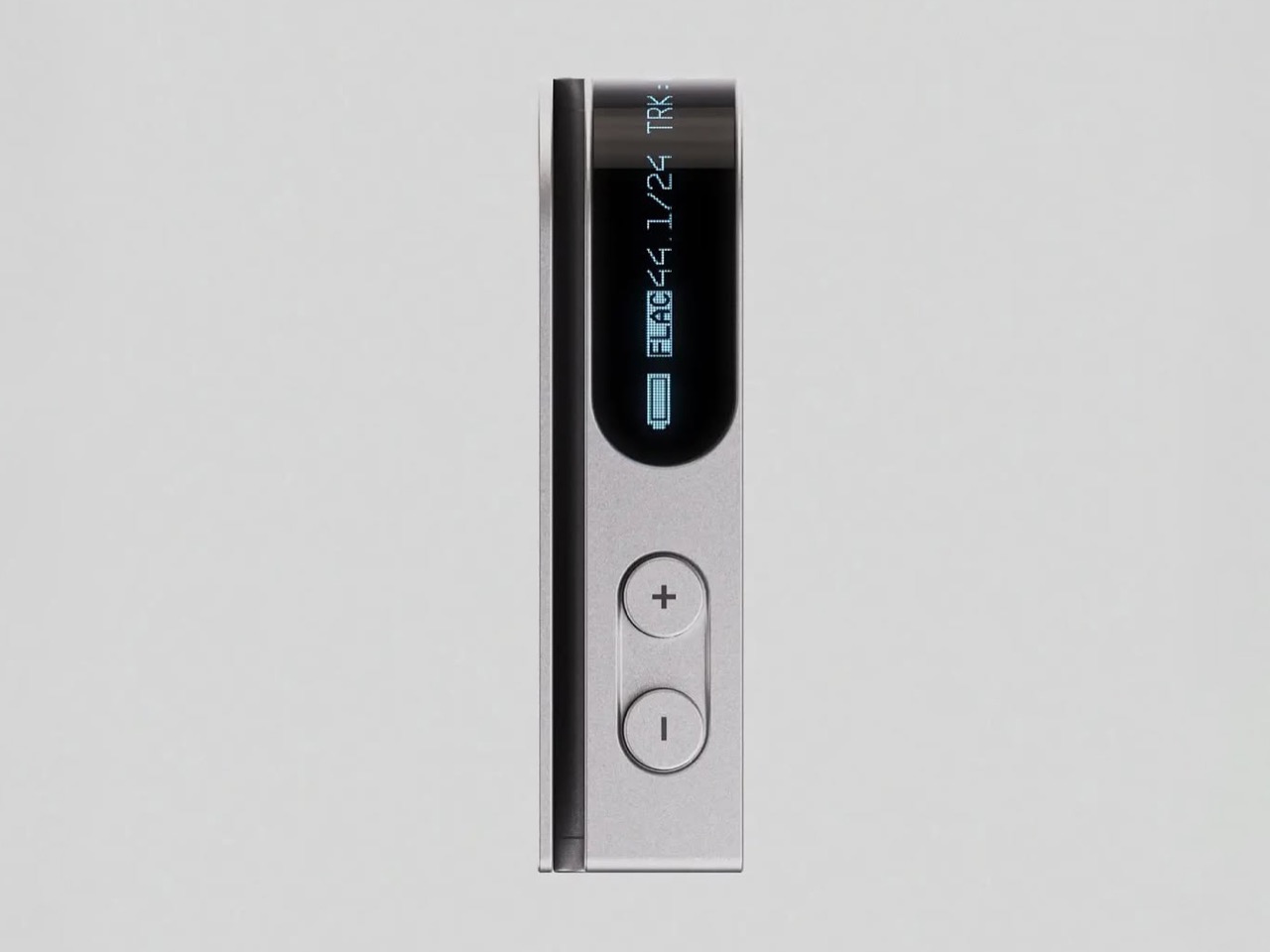
Physical side buttons sit alongside the 5.5-inch touchscreen, providing dedicated playback and volume controls rather than making every interaction depend on a menu. In Sony’s images, the circular buttons have clearly marked symbols and sit within a recessed strip. That arrangement gives the side a recognizable control area, although how easily you can operate it by touch needs hands-on testing.
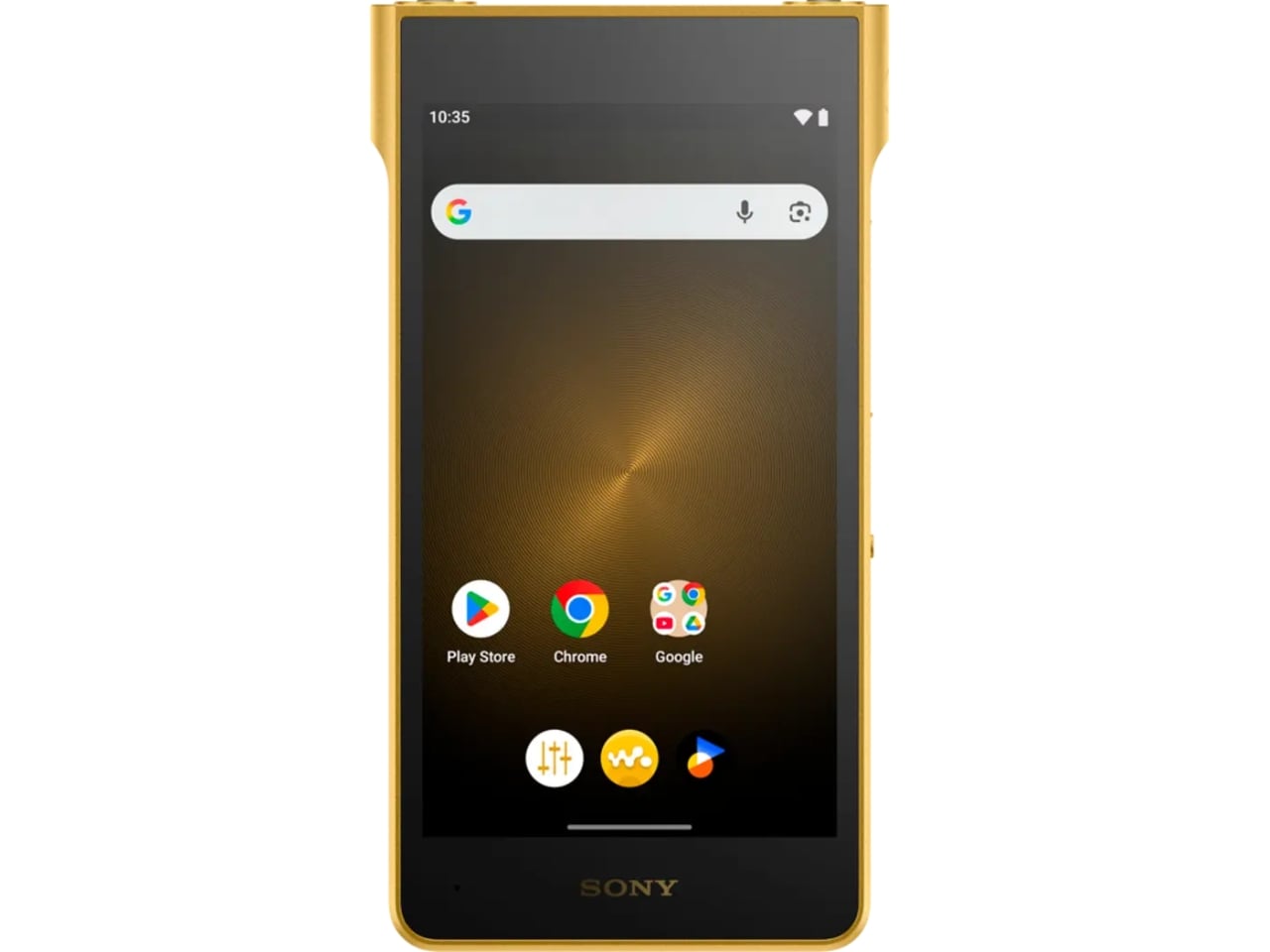
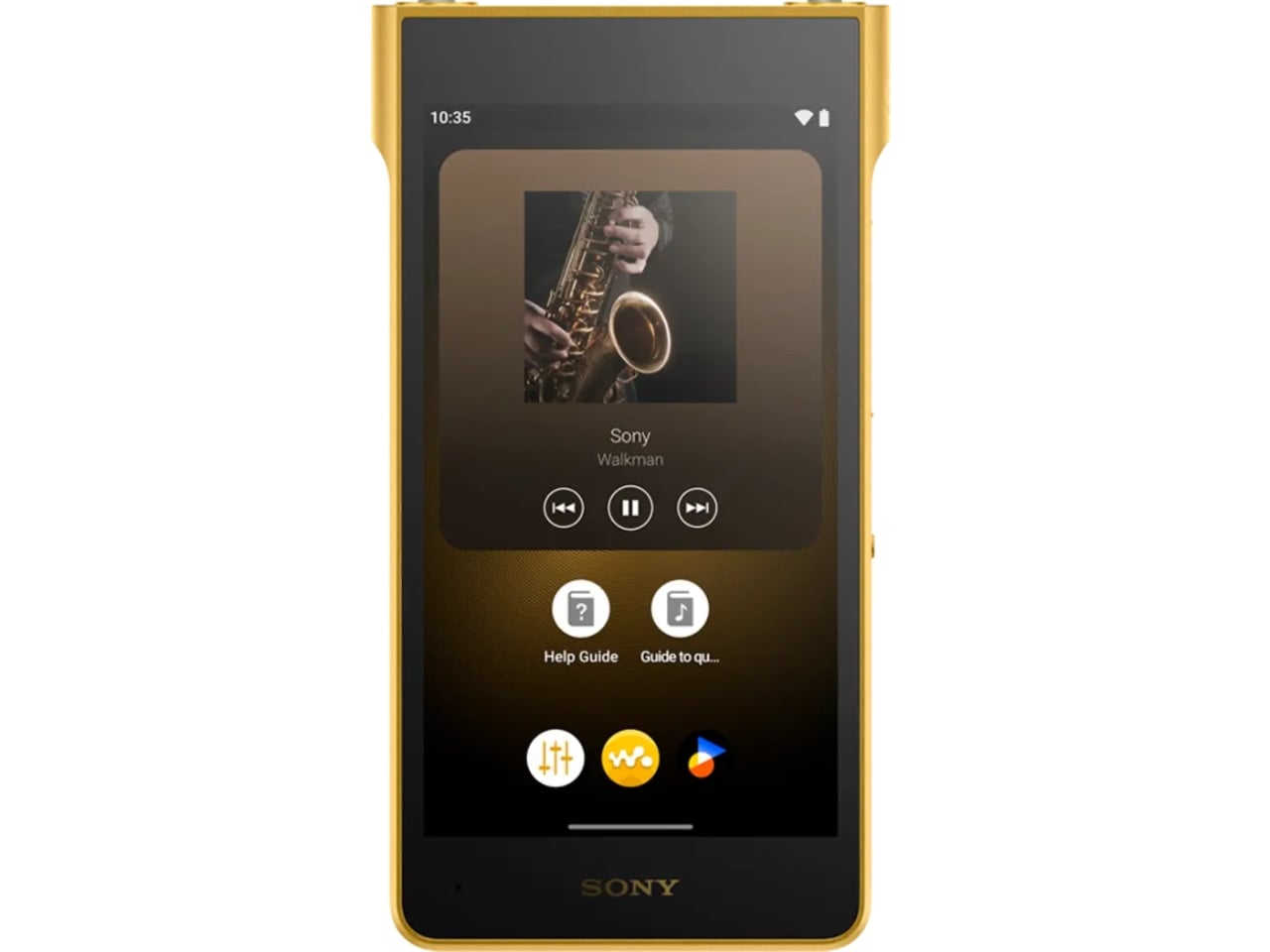
For those of us still attached to the cassette era, the interface offers a particularly nice nod. A cassette-style playback display and screensaver bring the old format onto the screen, with the cassette graphic changing according to the music’s codec. The volume interface also references analog equipment. You won’t be flipping a tape, but the visual connection is there.
There are practical reasons to keep a separate player, too. Its 256GB of storage, approximately 207GB of which is available, can house music without taking up space on your phone, and microSD expansion leaves room for more. Android and Wi-Fi support streaming alongside local files. Sony claims approximately 33 hours of 24-bit/96kHz FLAC playback in its music app under specified conditions, rather than promising the same endurance for every listening setup.
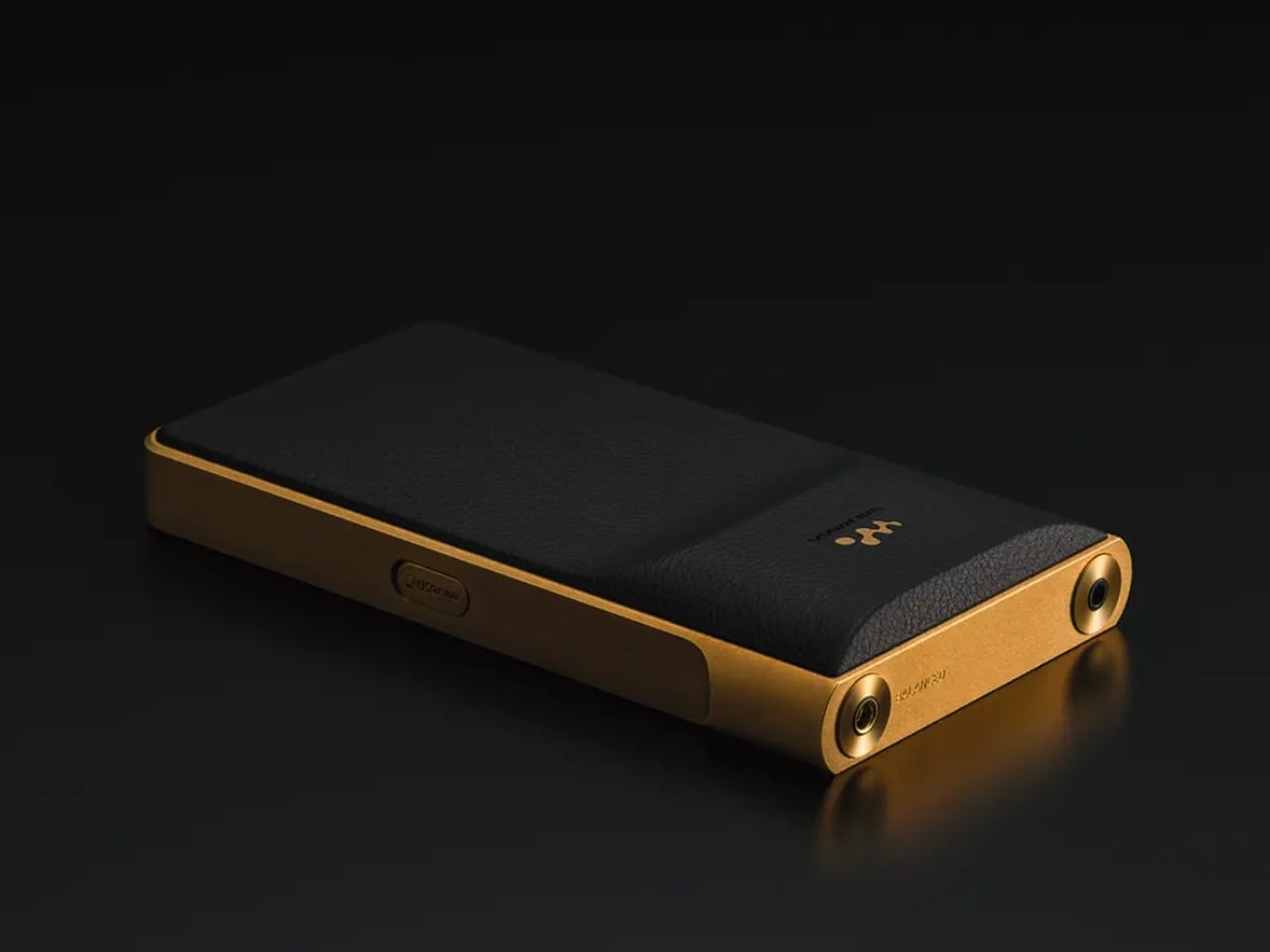
The material choices do come with a physical compromise. At approximately 670 grams, or almost 1.5 pounds, this Walkman is a substantial extra object to carry. For me, that makes its appeal easier to understand beside an armchair than tucked into a pocket on a daily commute.
I can appreciate the idea of giving music its own device again. I’m less convinced that nostalgia needs quite this much copper and gold. The physical controls and cassette interface are inviting, but the price and weight make this a very different proposition from replacing my old tape player.
The post Sony’s Gold-Plated Walkman: Cassette Nostalgia Without Tapes first appeared on Yanko Design.