5 Best Spring Break Essentials Under $100 That Every Student Actually Needs

Spring break planning tends to collapse into two extremes—either a frantic last-minute scramble or an over-packed disaster where you lug everything you own to a beach town and use about a third of it. Neither version feels great. The smarter move is knowing which objects genuinely earn their spot in your bag: the things that handle multiple jobs, hold up across unfamiliar environments, and make the week feel intentional rather than improvised. That’s what this list is built around.

What’s equally useful is that none of these will put you in the red. Every pick comes in under $100—and several sit comfortably well beneath that ceiling. These aren’t compromise buys either. They’re products with real design thinking behind them, built for actual use on actual trips by people who don’t want to carry more than they need. Whether it’s your first time packing light or your fourth attempt at getting it right, these five earn their place in the bag.

1. Side A Cassette Speaker — The Soundtrack to Every Spring Break Moment

There’s something specific that a great travel speaker needs to be: compact without feeling cheap, audible without being obnoxious, and interesting enough to sit on a shelf without looking like clutter. The Side A Cassette Speaker from Yanko Design checks all three. Designed to look and feel like a real mixtape—transparent shell, authentic Side A label, the whole aesthetic fully committed—it’s a pocket-sized Bluetooth speaker with a personality that’s genuinely hard to ignore. Pull it out at a hostel, and someone will ask about it before you’ve even pressed play.

Underneath the retro exterior, the specs hold their own. Bluetooth 5.3 delivers a clean, drop-resistant connection across a hotel room or a beach setup without the frustration of constant dropouts. The microSD playback lets you load up a playlist and stream fully offline—no signal, no Wi-Fi, no problem. Sound is tuned to lean warm and cozy, channeling the soft roundness of actual tape playback rather than the harsh brightness that plagues most compact speakers. Six hours of battery at full volume covers a full afternoon, and a two-hour recharge means it’s back in action before the next session begins. At sub-$50, it’s also one of the most effortlessly giftable objects in recent memory.

Click Here to Buy Now: $45.00

What We Like

  • The cassette form factor isn’t just a gimmick—it works as a design object and a conversation starter in any space it occupies, making it equally at home on a shelf as it is inside a bag.
  • Bluetooth 5.3, offline microSD playback, and six hours of battery together make this a genuinely capable travel speaker, not just a pretty one.

What We Dislike

  • The microSD slot supports MP3 files only, which means listeners with FLAC or AAC libraries will need to convert tracks or stay connected via Bluetooth for offline use.
  • Six hours of playback is solid for personal sessions, but starts to feel limited during an extended group hang where the speaker runs continuously throughout the day.

2. Hitch — Your Bottle and Your Coffee Cup, Finally Together

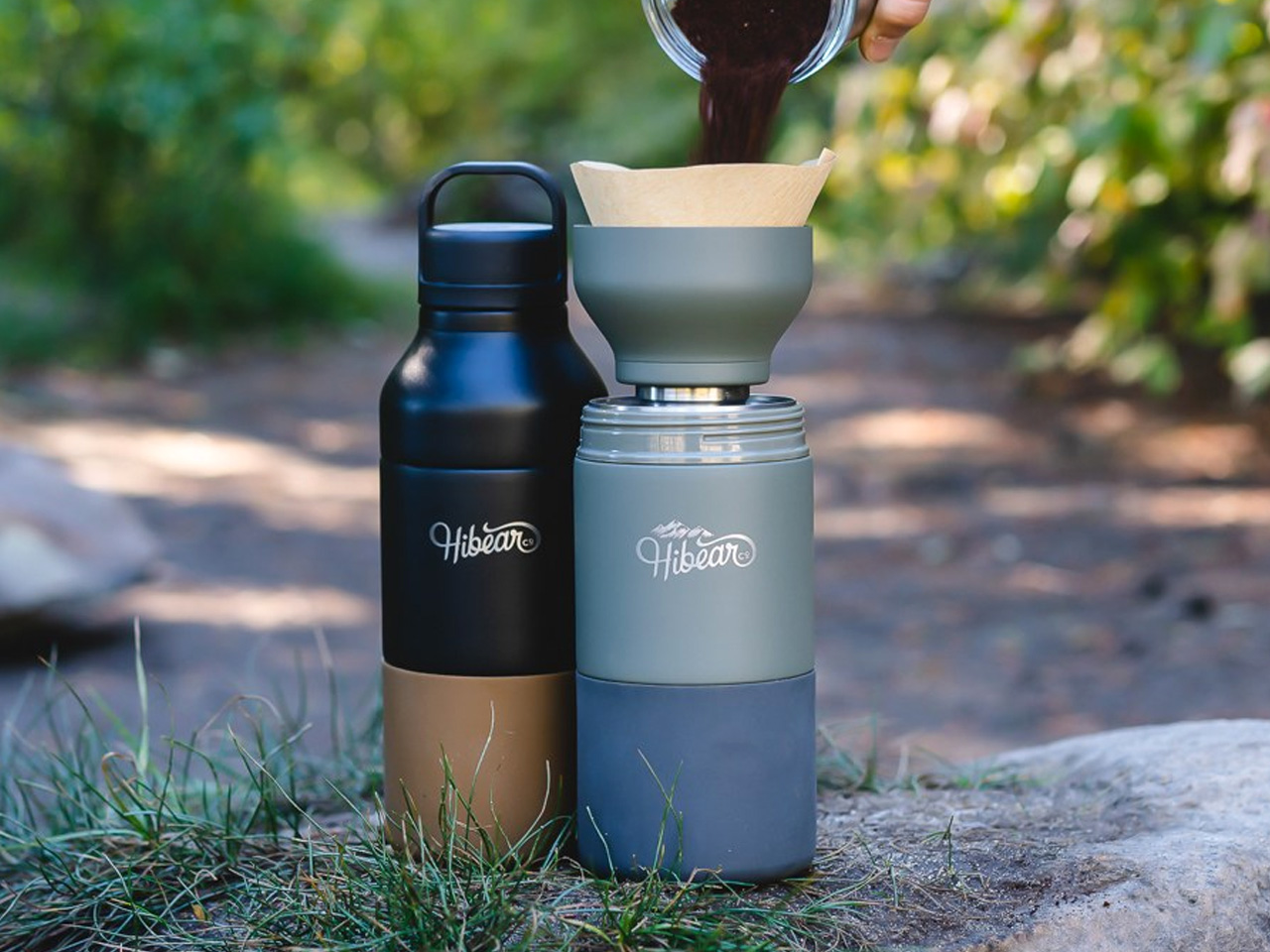
Most reusable cups live at home. Not because people don’t care about sustainability, but because carrying both a water bottle and a coffee cup is genuinely inconvenient—and convenience almost always wins. The Hitch was designed to solve exactly that friction. Its patent-pending mechanism nests a full 12oz barista-approved cup directly inside an 18oz insulated water bottle, and a single crossbar twist at the base releases the cup cleanly. The two pieces carry as one. It’s not a miniaturized compromise either; both the bottle and the cup are full-size and built for all-day use.

Every component—bottle, cup, and lid—is double-walled, vacuum-insulated, stainless steel, and certified leak-proof, which means you’re not trading practicality for the novelty of the concept. For a spring break week that bounces between airports, coffee shops, beaches, and restaurants, the Hitch becomes the single carry that handles morning hydration, midday coffee runs, and everything in between. It’s the product that makes zero-waste feel like a practical decision rather than an aspirational one, and that distinction matters when you’re moving fast and packing light.

What We Like

  • Nesting a full-size 12oz cup inside a full-size 18oz bottle is a genuinely smart design solution that addresses a real behavioral barrier to zero-waste carry without requiring a lifestyle overhaul.
  • Full vacuum insulation on both the bottle and the cup means cold water stays cold and hot coffee stays hot, without either sacrificing function for the sake of the shared form.

What We Dislike

  • The retail price sits toward the upper end of this list’s budget range, and some students may find it harder to justify compared to a standard insulated bottle at a lower price point.
  • The cup lid has drawn criticism in user reviews for its durability over time, and replacement parts have been historically difficult to source after the initial purchase.

3. HP Sprocket Portable Instant Photo Printer — Make the Memories Stick

The paradox of phone photography is that the better the camera gets, the fewer photos actually get printed. Spring break produces hundreds of shots that live in a camera roll for a few weeks before fading into algorithmic obscurity. The HP Sprocket is a direct counterargument to that cycle—a pocket-sized wireless photo printer that pairs via Bluetooth 5.2, works with iOS and Android, and prints 2×3 glossy photos in seconds. No ink cartridges, no ribbons, no subscriptions. ZINK Zero Ink technology embeds color directly into the paper, keeping the entire process clean, fast, and genuinely portable.

The free HP Sprocket app adds a layer of creative control that makes it feel like more than a glorified receipt machine. Stickers, borders, filters, and emoji overlays are all part of the package, which makes the printing process feel as social as the photography itself. One charge delivers up to 35 prints, and a personalized LED indicator signals which device is printing during multi-person sessions—so a group of four can print simultaneously without creating confusion or a queue. The sticky back on every photo means it goes straight onto a journal, a wall, a laptop, or a postcard without needing tape. These are the photos that actually get kept.

What We Like

  • ZINK Zero Ink technology eliminates cartridges and toner, making every print session as effortless as a Bluetooth connection and a single button press.
  • Multi-device simultaneous printing makes this a genuinely social accessory—it doesn’t create a line, it creates a shared moment that fits naturally into group travel.

What We Dislike

  • The 2×3-inch format is charming but small, and students hoping to print anything approaching a standard photo size will find the output limited for that specific purpose.
  • 35 prints per charge sounds reasonable in isolation, but an active group setting burns through that ceiling quickly, making planned recharging a practical necessity during longer outings.

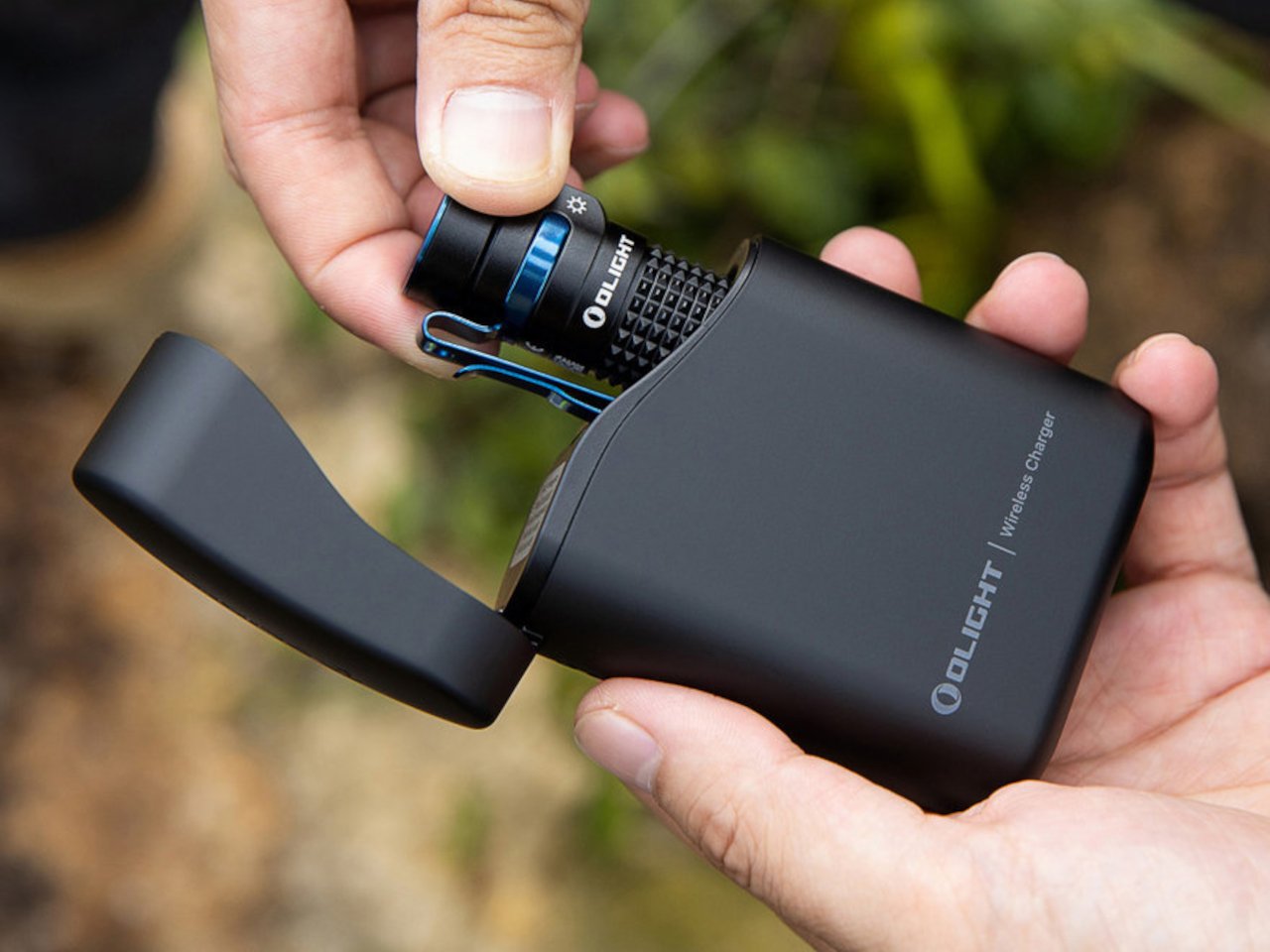
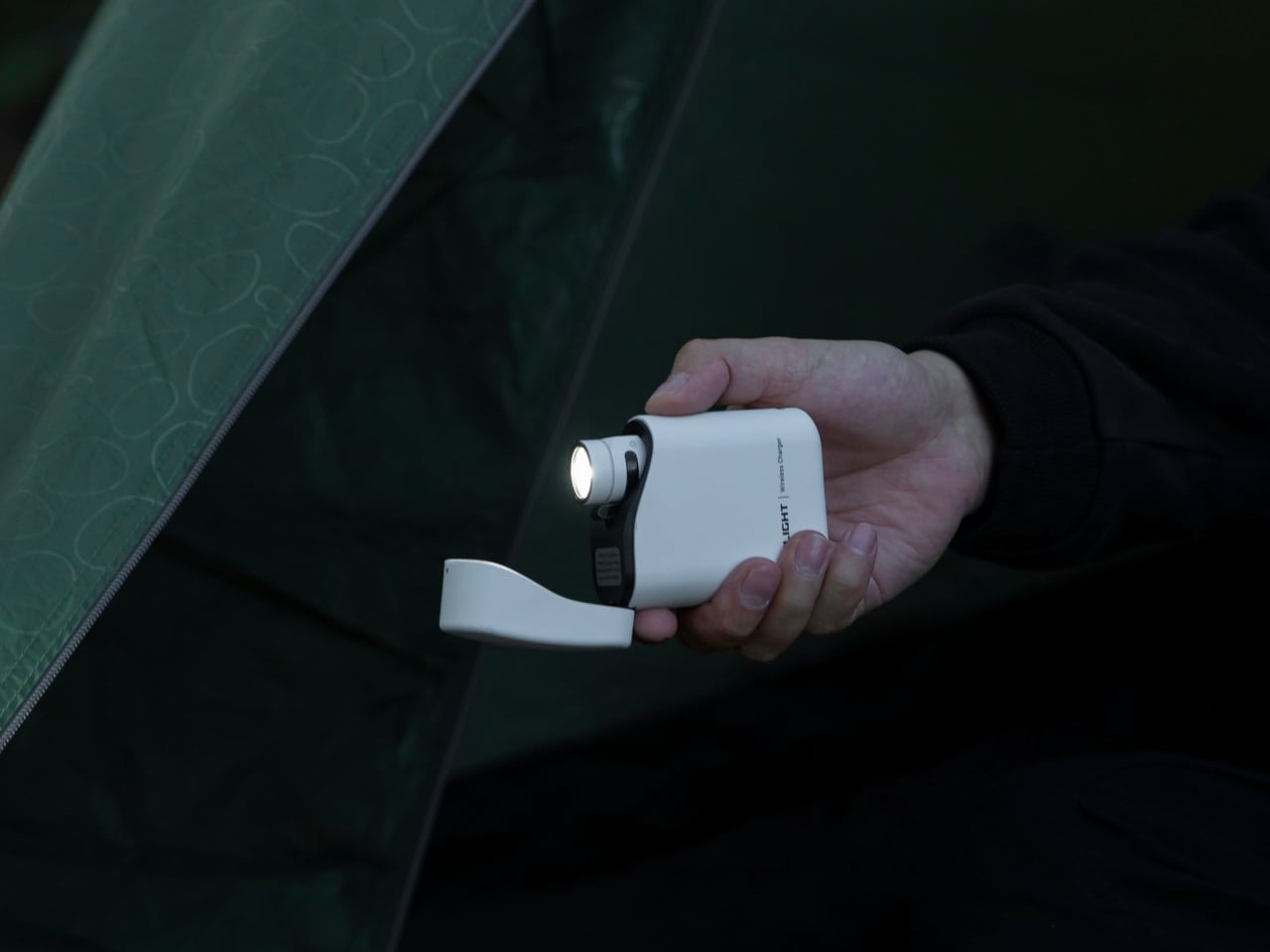
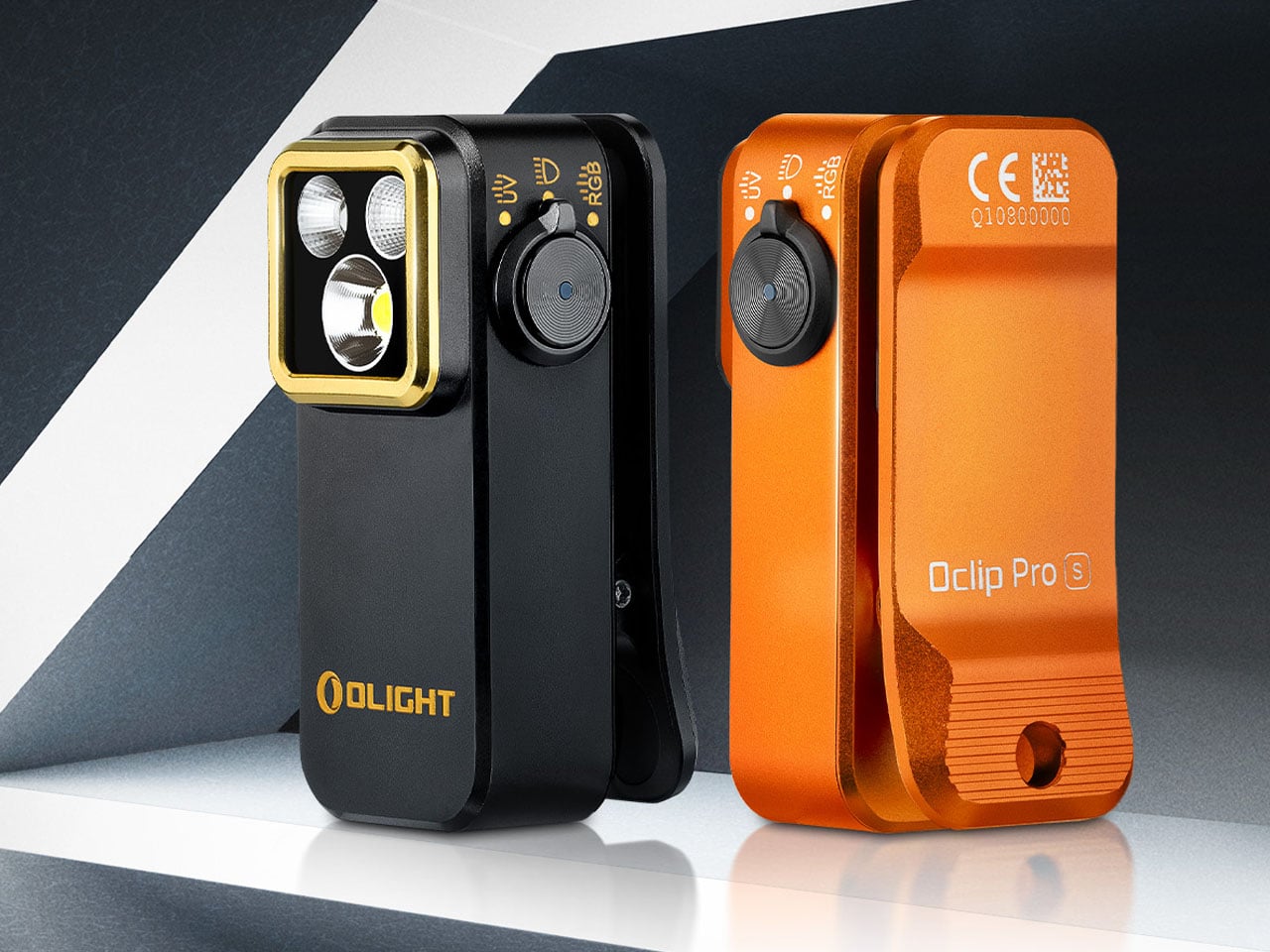
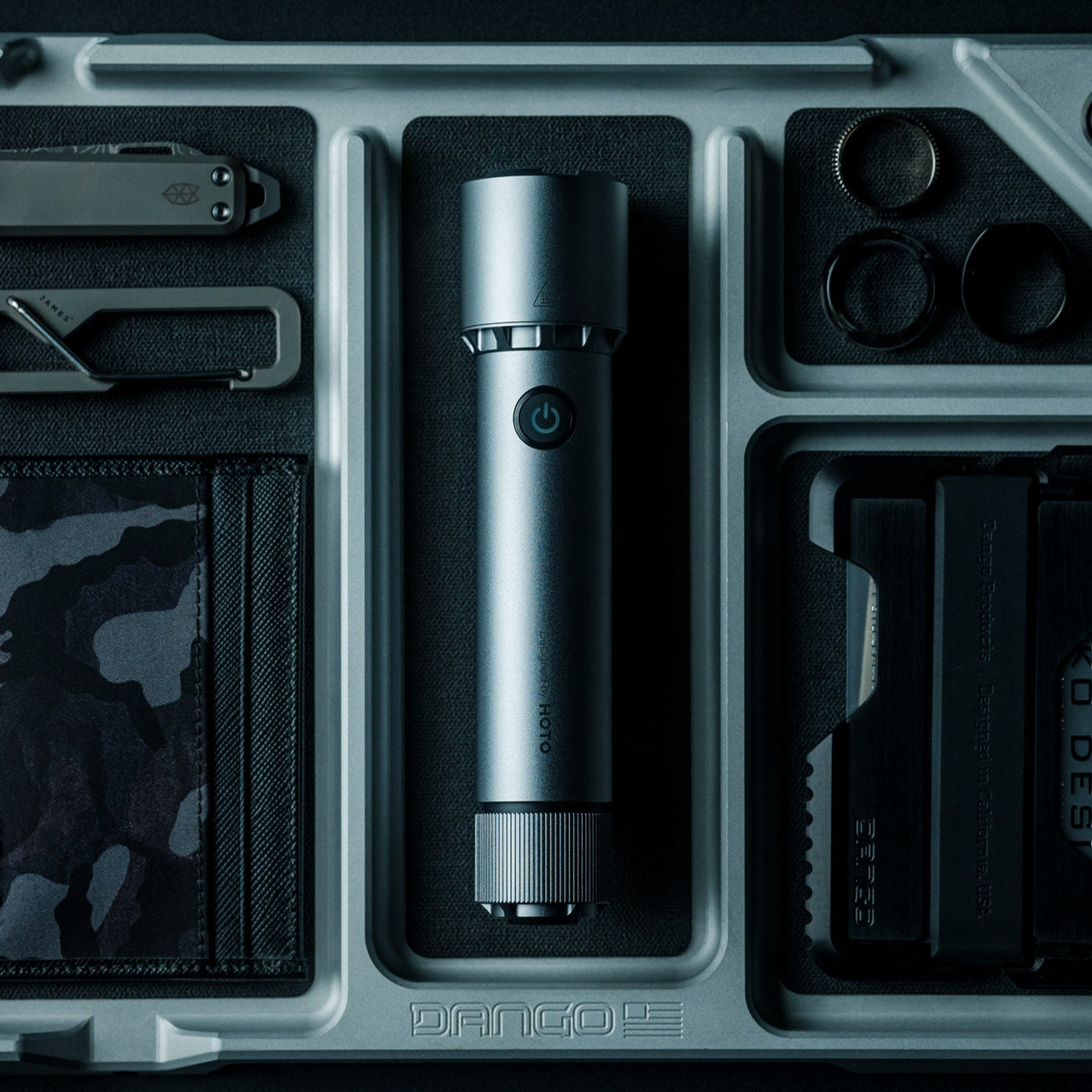
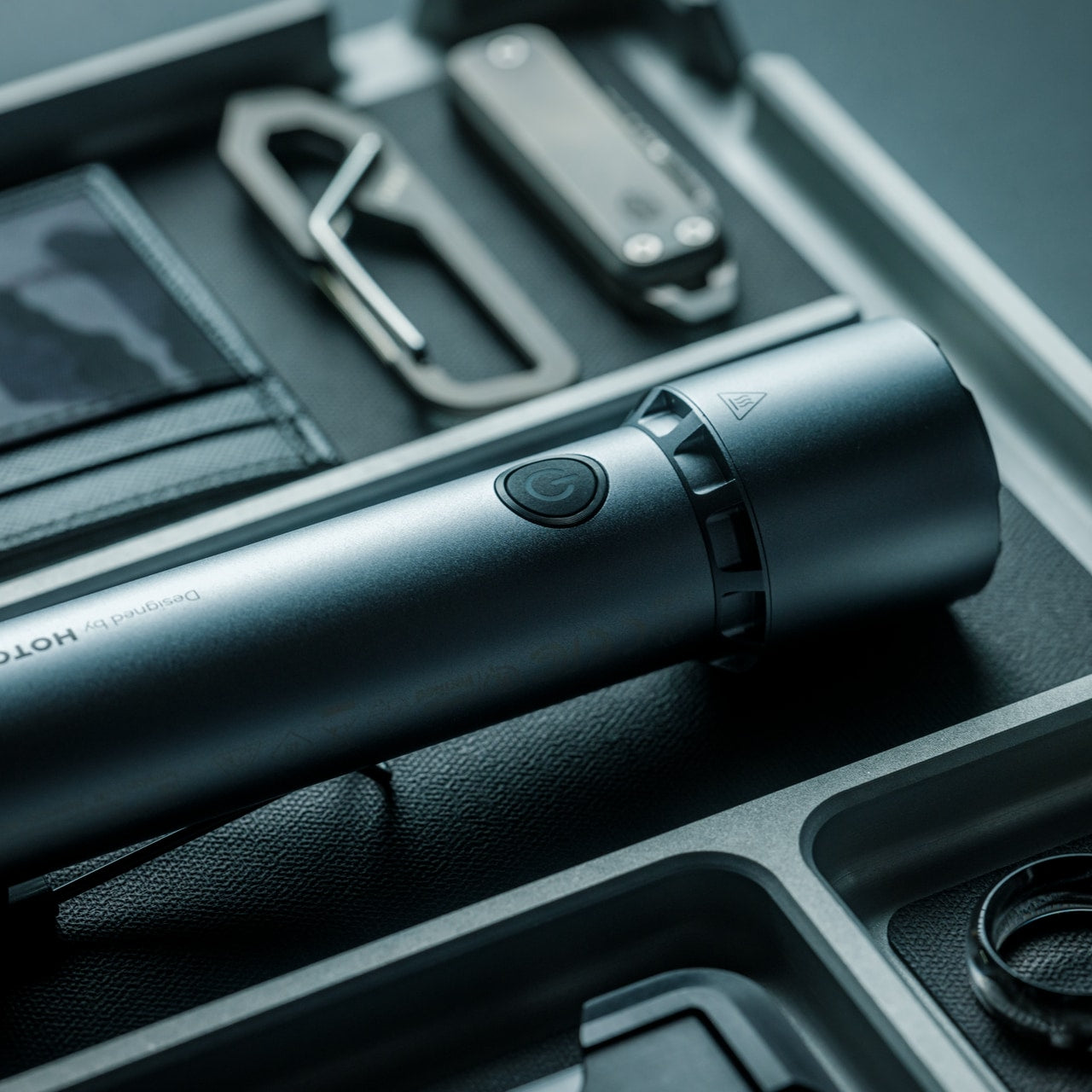
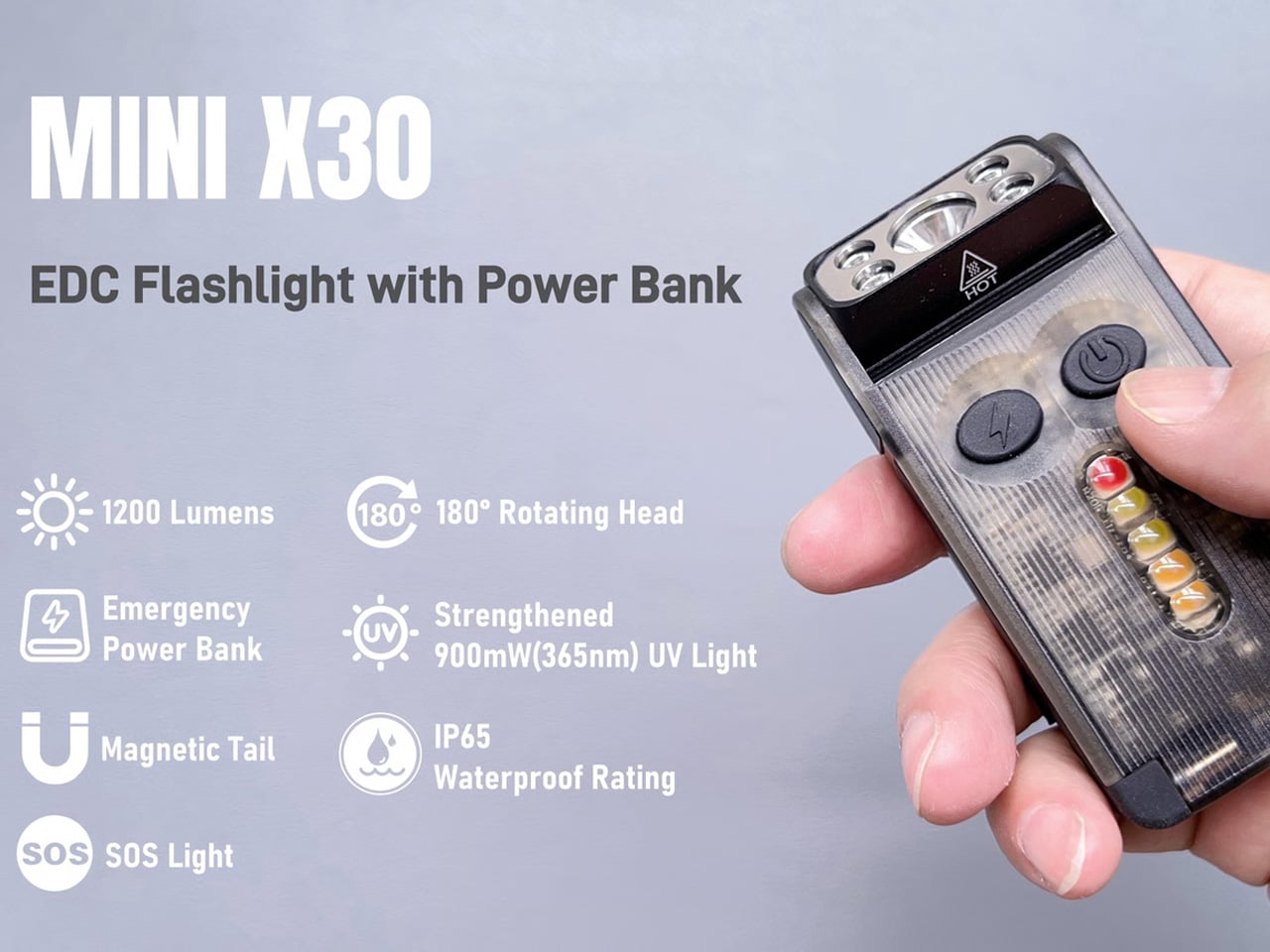
4. Mini X30 -The EDC Flashlight That Moonlights as a Power Bank

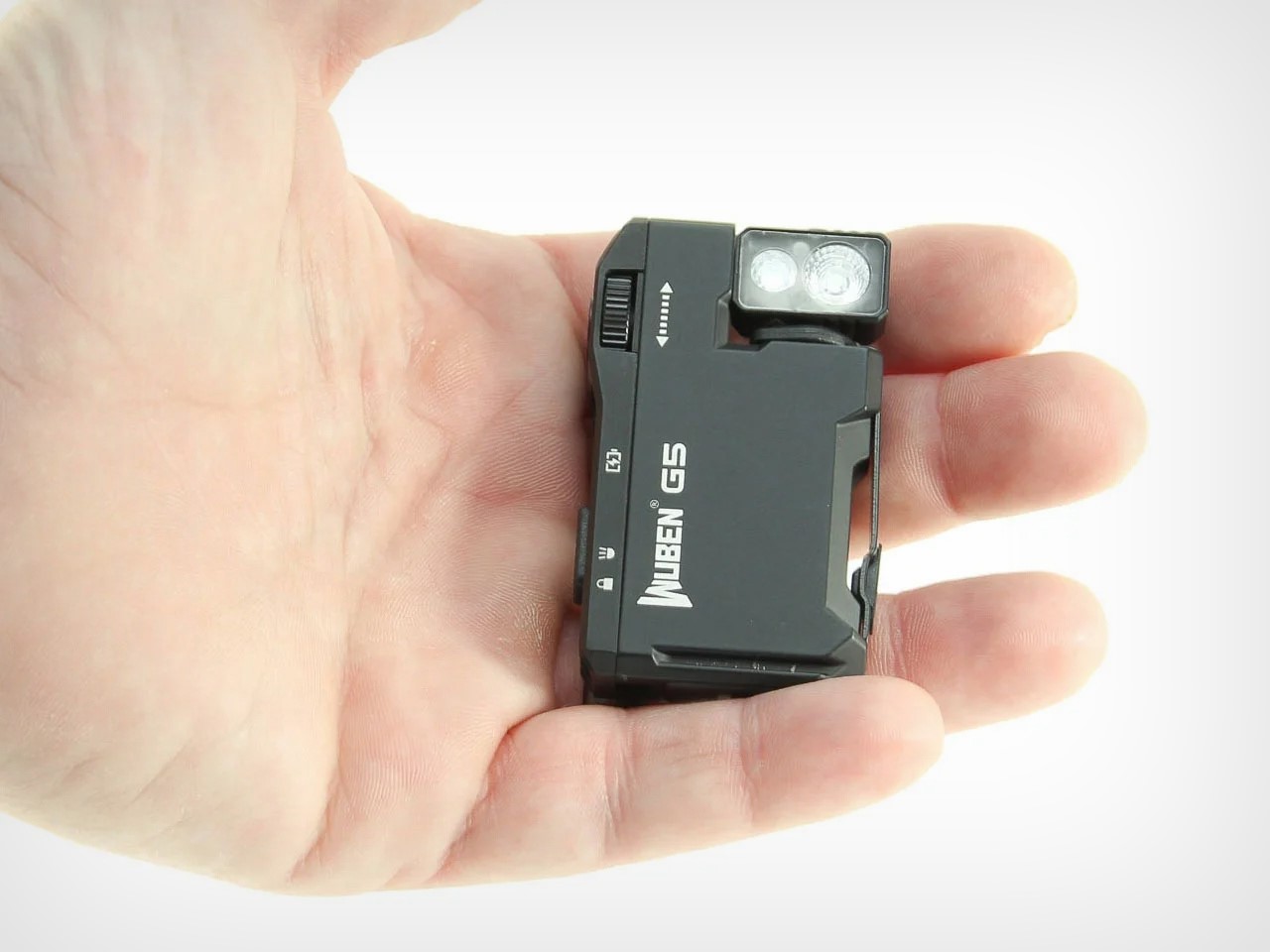
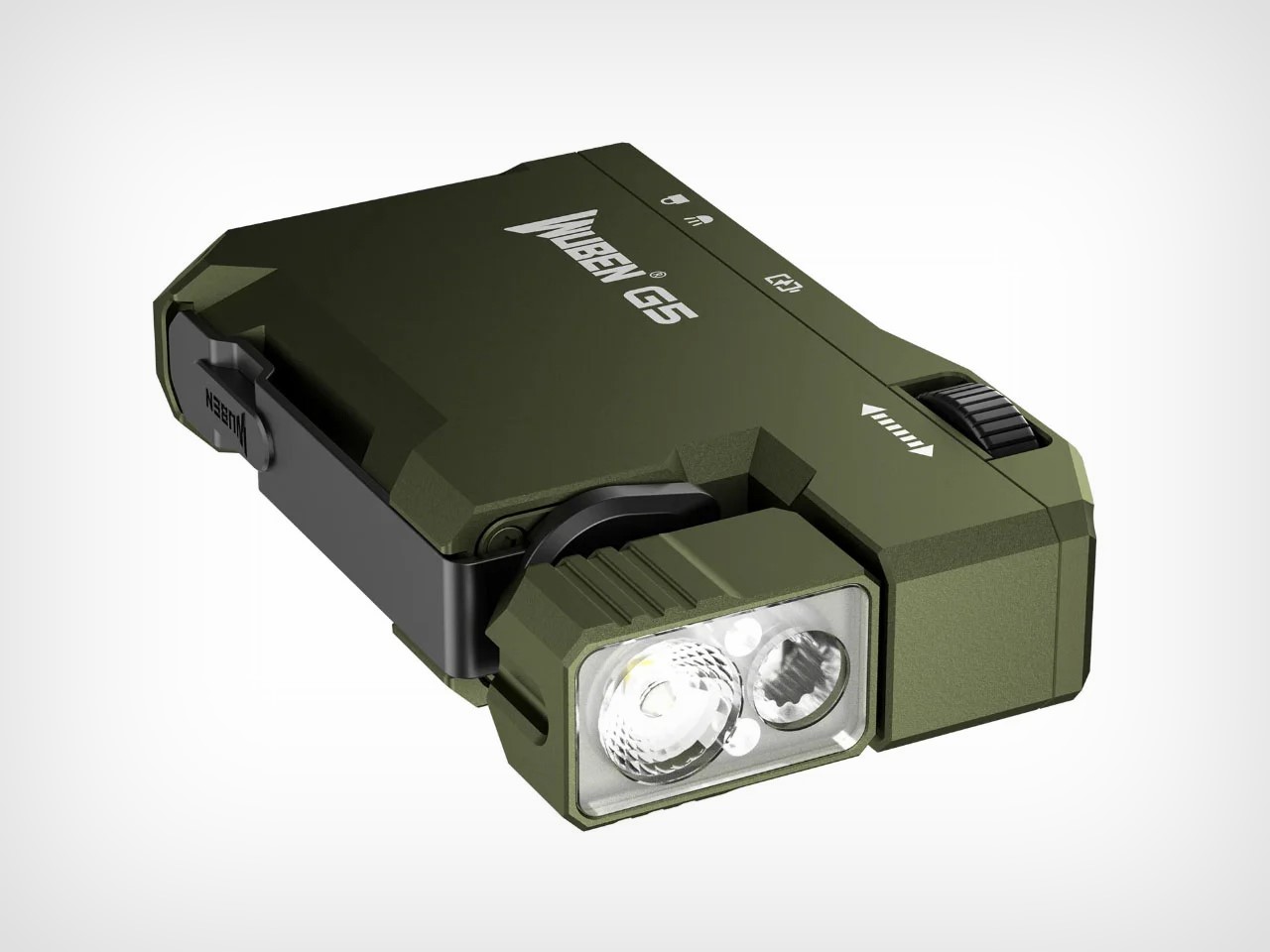
Most people don’t think about a flashlight until they desperately need one. The Mini X30 reframes that entirely by making it the kind of object you actually want to carry every day—not because emergencies demand it, but because it earns its spot before one ever arrives. Compact enough to clip onto a keychain, slide along a pocket edge, or attach to a backpack strap, it disappears into your carry until it’s needed. Then it delivers 1,200 lumens of turbo brightness with a single one-second press and hold—a level of output that handles everything from a pitch-dark campsite to a power outage in an unfamiliar city.

The built-in emergency charging function is what tips this from useful to genuinely essential for travel. When your phone battery drops at the wrong moment—mid-navigation, mid-emergency, mid-anything—the X30 steps in as a backup power source without requiring you to dig through your bag for a separate power bank you may or may not have remembered to pack. For a spring break trip that moves between outdoor adventures, late nights, and unfamiliar terrain, having light and emergency power consolidated into a single keychain-sized object is exactly the kind of redundancy that feels invisible until it saves the day.

What We Like

  • Consolidating a 1,200-lumen flashlight and an emergency phone charger into a keychain-sized EDC tool is a genuinely practical design decision that eliminates the need to carry and track two separate devices.
  • The turbo bright mode’s press-and-hold activation keeps max output immediately accessible without cycling through modes at the moment it matters most.

What We Dislike

  • As an emergency charger, the X30 is best understood as a backup rather than a primary power solution—students who rely heavily on their devices throughout the day will still want a full-capacity power bank alongside it.
  • The keychain and pocket-clip carry options are convenient for daily EDC, but attaching them to a bag strap in high-movement outdoor settings may require some deliberate adjustment to keep them secure.

5. Loop — The Only Neck Pillow That Actually Understands Your Neck

The standard U-shaped travel pillow is one of those products that’s been wrong for decades, and nobody fixed it. It props your head in a single position, falls off when you shift, and spends most of the journey doing very little. The Loop Pillow starts over entirely. Shaped more like a flexible neck noodle than a traditional pillow, it winds around your neck—loosely or tightly, depending on what you need—and provides lift exactly where your head wants to fall. It’s infinitely adjustable in a way that a fixed U-shape never could be, which means it works whether you sleep sitting upright, leaning left, tilting forward, or resting straight back.

The material behind this one is doing real work. Thermo-sensitive memory foam molds directly to the contours of your neck, which means it isn’t approximating support—it’s actually conforming to you specifically. The outer cover is moisture-wicking and breathable, keeping things dry across long hauls where temperature and comfort tend to degrade together. A clever dual-tone design distinguishes the warm side from the cool side, letting you choose your preferred surface depending on the environment. For a spring break trip that starts with a red-eye flight and ends with a bus ride back, this is the carry that makes the in-between feel significantly less punishing.

What We Like

  • The infinitely adjustable loop design accommodates every sleeping position naturally, which makes it genuinely more versatile than any fixed-form travel pillow on the market.
  • Thermo-sensitive memory foam combined with a moisture-wicking, breathable cover means both the structure and the surface of the pillow are actively working in your favor throughout the journey.

What We Dislike

  • The loop form factor is a meaningful departure from what most travelers are used to, and it may take a flight or two before the adjustment feels second nature.
  • Travelers who prefer a more structured, rigid support system may find the flexible noodle design requires more deliberate positioning than they want to manage mid-sleep.

The Right Gear Makes the Break

Spring break doesn’t require a perfect packing list, but it rewards a smart one. The difference between a trip that flows and one that frustrates almost always comes down to the things you brought—or the things you left behind, wishing you hadn’t. These five picks cover the core categories: sound, hydration, memory-making, power, and carry. Together, they handle most of what a student needs for a week away without demanding too much space, too much budget, or too much thinking. That’s the whole point of good design—it simplifies the decisions so you can get to the experience.

What’s worth noting is how naturally these work alongside each other. The Cuktech keeps your phone alive for the Sprocket prints, the Hitch keeps you from reaching for a paper cup, and the Cassette Speaker scores the whole week. The Allpa Mini holds everything else together without complaint. This isn’t a random product roundup—it’s a considered carry. Spend the money once, pack it once, and show up somewhere fully ready to be there. That’s a spring break actually worth planning for.

The post 5 Best Spring Break Essentials Under $100 That Every Student Actually Needs first appeared on Yanko Design.

5 Best Travel Essentials to Buy Before Spring 2026 Airport Chaos

Spring 2026 promises record-breaking travel numbers as airports worldwide brace for unprecedented passenger volumes. The post-pandemic wanderlust shows no signs of slowing, and savvy travelers know that the right gear makes the difference between smooth sailing and terminal meltdown. Smart packing isn’t about cramming more into your carry-on; it’s about selecting tools that adapt to chaos, keep you powered up, and maintain your sanity when delays inevitably occur.

The travel essentials market has exploded with innovation, but not all gear deserves a spot in your carefully curated kit. These five products represent the intersection of thoughtful design and genuine utility. They’re built for people who move through airports like seasoned nomads, who understand that durability matters more than aesthetics, and who refuse to compromise on the small comforts that transform grueling journeys into manageable adventures. This spring, pack smarter.

1. Nothing Power Bank

Airport terminals have become battlegrounds for electrical outlets, with travelers camping near charging stations like prospectors staking claims. The Nothing Power Bank eliminates that desperate scramble, keeping your devices alive through security delays, gate changes, and those dreaded tarmac holds that test every passenger’s patience. Nothing’s design philosophy of transparent aesthetics translates beautifully to a power bank, transforming a purely functional device into something worth pulling out of your bag.

The transparent casing reveals the entire internal architecture, with circuit boards and battery cells visible beneath the shell like a museum exhibit of modern electronics. Warm-toned LEDs distributed throughout the interior create ambient lighting that gives the power bank a cyberpunk sensibility without tipping into gimmick territory. This visual identity makes perfect sense for Nothing’s expanding ecosystem, offering loyal users another perfectly matched accessory that shares the same design language as their phones and earbuds while delivering straightforward, reliable power when flights get rescheduled and charging time disappears.

What We Like

  • The transparent design makes the power bank instantly recognizable in crowded bags and distinguishes it from generic alternatives
  • The integrated LED lighting serves dual purposes by indicating charge status while adding atmospheric illumination during evening flights
  • Nothing’s ecosystem compatibility means the power bank meshes seamlessly with existing devices for users already invested in the brand
  • The straightforward functionality strips away unnecessary features that complicate other portable chargers

What We Dislike

  • The transparent aesthetic might not appeal to travelers who prefer minimalist, understated gear
  • LED lighting, while attractive, potentially drains battery capacity faster than non-illuminated alternatives
  • The power bank lacks weatherproofing details that would make it suitable for adventure travel beyond airports
  • Pricing sits higher than budget options, making it a premium choice for brand loyalists rather than value seekers

2. AERIONN Forma Titanium Travel Case

Luxury luggage brands have long relied on aluminum to signal premium quality; however, aluminum’s reputation often exceeds its actual durability under the relentless punishment of baggage handlers and conveyor belt systems. The AERIONN Forma deploys Grade 1 commercially pure titanium as its shell material, the same strategic upgrade Apple makes when distinguishing iPhone Pro models from standard versions. This isn’t about superficial luxury; titanium fundamentally changes how luggage responds to impact, transforming a case from something that degrades into something that ages with character.

The single continuous titanium body flexes under stress and returns to its original shape rather than permanently deforming. AERIONN subjected the shell to thousands of drop tests, bending cycles, ultrasonic inspections, and dimensional verifications to ensure the material performs as promised. Titanium’s tensile strength ranges from 290 to 310 MPa under ASTM B265-15 certification standards, significantly outperforming aluminum alloys used in competing luxury cases. The material shows wear over time with rough handling, but those marks become patina rather than damage. For travelers who spend more time in airport lounges than their own living rooms, Forma represents luggage that keeps pace with their lifestyle.

Click Here to Buy Now: $499 $1799 (72%). Hurry, only 8/970 left! Raised over $978,000.

What We Like

  • Grade 1 titanium construction offers genuine durability that justifies the premium positioning
  • The material flexes and rebounds rather than denting permanently like aluminum competitors
  • Extensive testing protocols ensure reliability under real-world travel conditions that destroy lesser luggage
  • The single continuous body design eliminates weak points where traditional cases typically fail first

What We Dislike

  • Titanium construction places this case in a luxury price bracket that excludes budget-conscious travelers
  • The weight savings over aluminum, while present, remain modest compared to the substantial cost increase
  • Titanium’s natural patina develops with use, which some travelers might perceive as damage rather than character
  • Limited color options restrict personalization compared to brands offering extensive customization

3. MokaMax Portable Coffee Maker

Airport coffee represents one of travel’s most reliable disappointments, with overpriced, underwhelming brews served in establishments that exploit captive audiences. MokaMax eliminates that compromise by functioning as both a pressure brewer and an insulated travel mug in a single rigid stainless-steel cylinder. This portable coffee maker positions itself as Pipamoka’s spiritual successor, promising espresso-style extraction quality anywhere your journey takes you, from terminal gates to mountaintop campsites, without requiring a separate bag of accessories.

The distinctive ridged exterior provides a secure grip while helping MokaMax blend naturally with other rugged travel gear. Those ridges emerged from multiple design iterations that balanced tactile comfort against visual appeal, avoiding sharp edges or overly complicated profiles that would catch on other items. A flexible rope threads through the top, creating attachment points for carabiners or hooks so MokaMax can clip directly to backpack straps or dangle from campsite setups. The integrated pressure-brewing system occupies space inside the cylinder that would typically sit empty in conventional travel mugs, maximizing functionality within a compact footprint that fits standard cup holders.

What We Like

  • The dual functionality combines brewing capability and travel mug features in one compact unit
  • Pressure-brewing system produces espresso-style coffee that exceeds typical portable brewer quality
  • Ridged stainless-steel construction offers durability and a secure grip during use
  • The integrated rope attachment transforms the mug into genuinely portable gear that clips to bags and packs

What We Dislike

  • The brewing system requires learning and practice to achieve optimal extraction consistently
  • Cleaning the internal components demands more attention than standard travel mugs after each use
  • The stainless-steel construction, while durable, adds weight compared to lighter insulated bottles
  • Single-serve capacity means brewing multiple cups requires repetition rather than batch preparation

4. Peak Design Travel Tripod

Conventional tripods sacrifice portability for stability, forcing photographers to haul bulky equipment or compromise on shot quality when traveling light. Peak Design’s Travel Tripod reimagines the fundamental architecture by eliminating the hollow channel running through traditional center columns, creating a design that achieves greater strength and dramatically reduced packed dimensions simultaneously. This engineering approach transforms the tripod from awkward luggage into a legitimate travel essential that slides into carry-on bags without consuming precious space.

Carbon fiber construction keeps weight under three pounds while supporting up to twenty pounds of camera equipment, a ratio that serves both casual smartphone photographers and professionals carrying full-frame setups with telephoto lenses. Precisely machined dials and knobs make adjustments intuitive even in challenging conditions, while the aluminum ball head enables smooth positioning across all axes. The legs extend to five feet at maximum height and open to full ninety-degree angles for ground-level perspectives, offering shooting flexibility that matches stationary studio tripods. For photographers who refuse to sacrifice image quality to travel logistics, this tripod represents the rare product that genuinely improves both.

What We Like

  • The innovative center column design eliminates wasted space for unprecedented compactness when packed
  • Carbon fiber construction achieves remarkable strength-to-weight ratios that suit serious photography equipment
  • Precisely engineered adjustment mechanisms make setup and positioning genuinely intuitive
  • The ninety-degree leg spread enables low-angle compositions impossible with conventional tripods

What We Dislike

  • Premium materials and engineering place this tripod in a high price category that excludes casual users
  • The compact design requires slightly more setup time compared to quick-deploy alternatives
  • Carbon fiber, while strong, can be more fragile than aluminum under certain impact scenarios
  • The minimalist design omits accessories like smartphone mounts that some travelers expect as standard inclusions

5. LARQ Bottle

Reusable water bottles rank among travel’s most essential items, yet they’re also among the most neglected when it comes to proper cleaning and maintenance. The LARQ Bottle addresses this universal problem through integrated UVC LED technology built directly into the cap, creating the world’s first portable mercury-free purification system that keeps both bottle and water pristine without manual scrubbing. While other innovative bottles focus on features like smartphone integration, LARQ prioritizes the fundamental concern that matters most during travel: consistently clean, safe drinking water.

A simple tap activates the UVC LED light, which begins the cleaning cycle immediately and completes the process in just sixty seconds. The stainless-steel interior reflects UV light throughout the bottle’s volume, eliminating 99.9999 percent of bacteria and 99.99 percent of viruses according to independent testing. This technology transforms water quality wherever you fill up, whether from airport fountains, hotel taps, or questionable sources during backcountry adventures. The bottle requires minimal effort to maintain peak performance, automatically running cleaning cycles every two hours to prevent biofilm buildup and odor development that plague conventional bottles after days of continuous use.

What We Like

  • UVC LED technology provides genuine purification that kills bacteria and viruses in sixty seconds
  • The self-cleaning capability eliminates manual scrubbing and maintenance requirements
  • Stainless-steel construction reflects UV light for thorough interior coverage
  • Automatic cleaning cycles every two hours prevent odor and biofilm buildup without user intervention

What We Dislike

  • The integrated technology increases the cost significantly compared to standard insulated bottles
  • Battery requirements for the UVC system add charging obligations to travel routines
  • The electronic cap components require careful handling and cannot be fully submerged
  • Replacement parts for the UVC system create long-term dependency on manufacturer support

Gear Up, Stress Down

Spring 2026 will test even the most experienced travelers as airports strain under capacity and delays ripple across entire continents. The right travel essentials don’t just add convenience; they create resilience against the inevitable chaos. These five products represent thoughtful solutions to genuine problems that emerge when you spend hours navigating terminals, sleeping in departure lounges, and adapting to constantly changing circumstances that define modern travel.

The best gear fades into your routine until you need it, then performs exactly as promised without drama or disappointment. Power that keeps devices alive through marathon delays, luggage that survives baggage handler brutality, coffee that doesn’t require hunting down terrible airport cafes, photography equipment that packs impossibly small, and water that stays clean regardless of source. These aren’t luxury purchases; they’re infrastructure for anyone serious about traveling well. Pack accordingly.

The post 5 Best Travel Essentials to Buy Before Spring 2026 Airport Chaos first appeared on Yanko Design.

10 Best Camping Gadgets & Essentials to Buy Before Spring 2026 Sells Out

Spring camping season is approaching faster than you think, and this year’s gear is already creating buzz among outdoor enthusiasts. The designs hitting the market right now represent a significant leap from the bulky, single-purpose equipment that’s dominated camping for decades. These innovations combine smart solar technology, modular systems, and compact engineering to transform how we experience the outdoors.

Smart campers know the best gear disappears quickly once warm weather arrives. The products on this list have already garnered design awards, enthusiastic early reviews, and waitlists that keep growing. Whether you’re a weekend warrior or a serious backcountry explorer, these ten camping gadgets deserve a spot in your pack before they sell out for the season.

1. Solar-Powered AC Camping Tent

Sleeping comfortably in summer heat has always been camping’s greatest challenge. Traditional tents trap warmth, turning your shelter into a sweatbox by mid-morning. This Red Dot Design Award-winning tent tackles that problem through integrated solar technology that powers a built-in air conditioning system. Designers Zhong Xu, Li Baoyu, Pan Yiyuan, and Li Xueyan created something genuinely innovative by embedding power generation directly into the tent’s composite tarpaulin fabric.

The system works seamlessly because the tent material itself becomes your power source. While you sleep or explore during daylight hours, the fabric collects solar energy that feeds the cooling system. This integrated approach eliminates the need for separate panels, external batteries, or noisy generators. The tent maintains consistent temperatures without compromising portability or setup simplicity, making summer camping actually enjoyable rather than an endurance test.

What We Like

  • The composite fabric simultaneously protects from the weather while generating power for climate control.
  • The award-winning design demonstrates that innovative engineering can address camping’s most persistent comfort issues.

What We Dislike

  • Pricing details remain unclear as the product moves from concept to market availability.
  • The integrated technology likely means repairs require specialized service rather than simple patch kits.

2. RetroWave 7-in-1 Radio

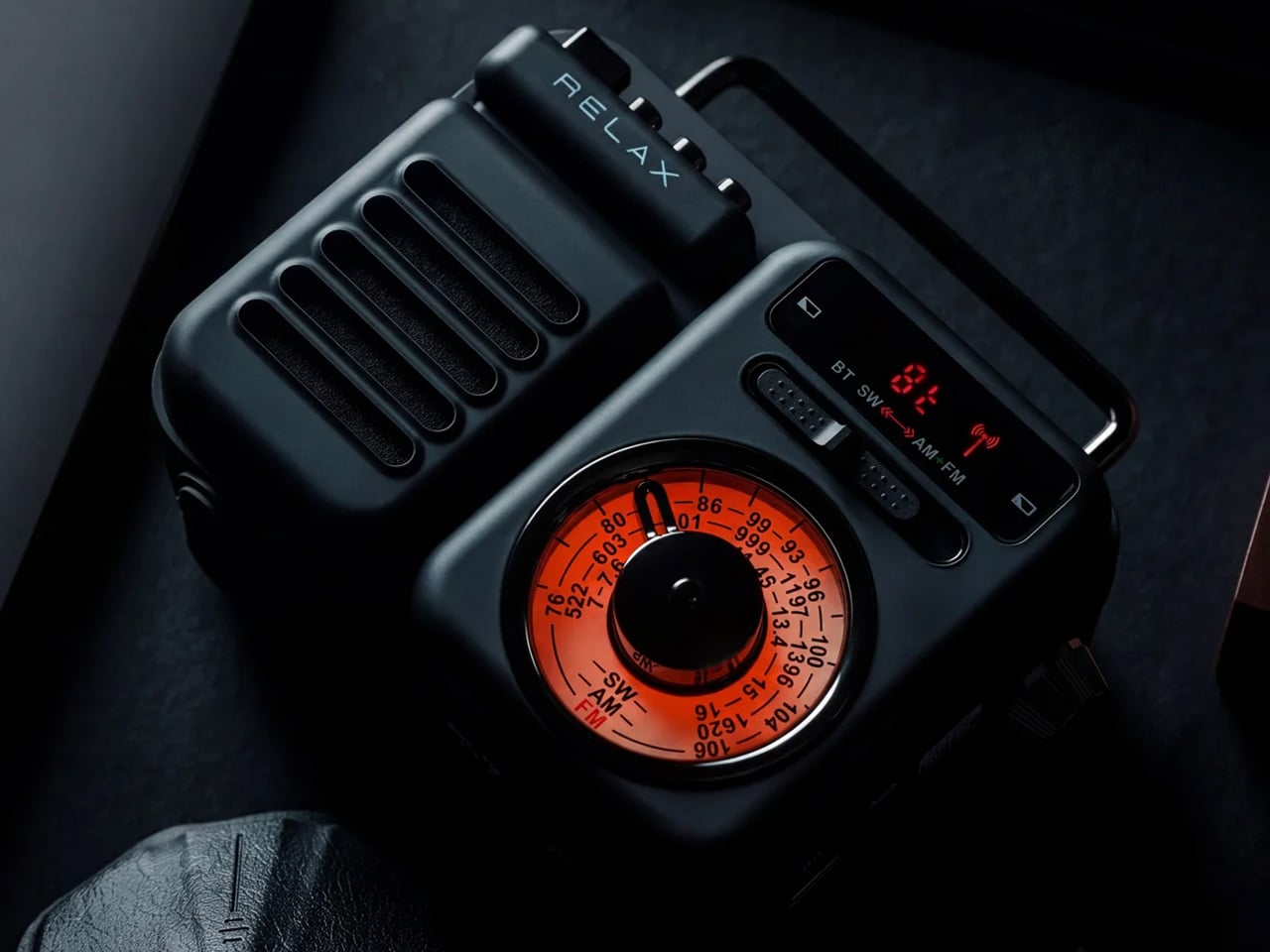
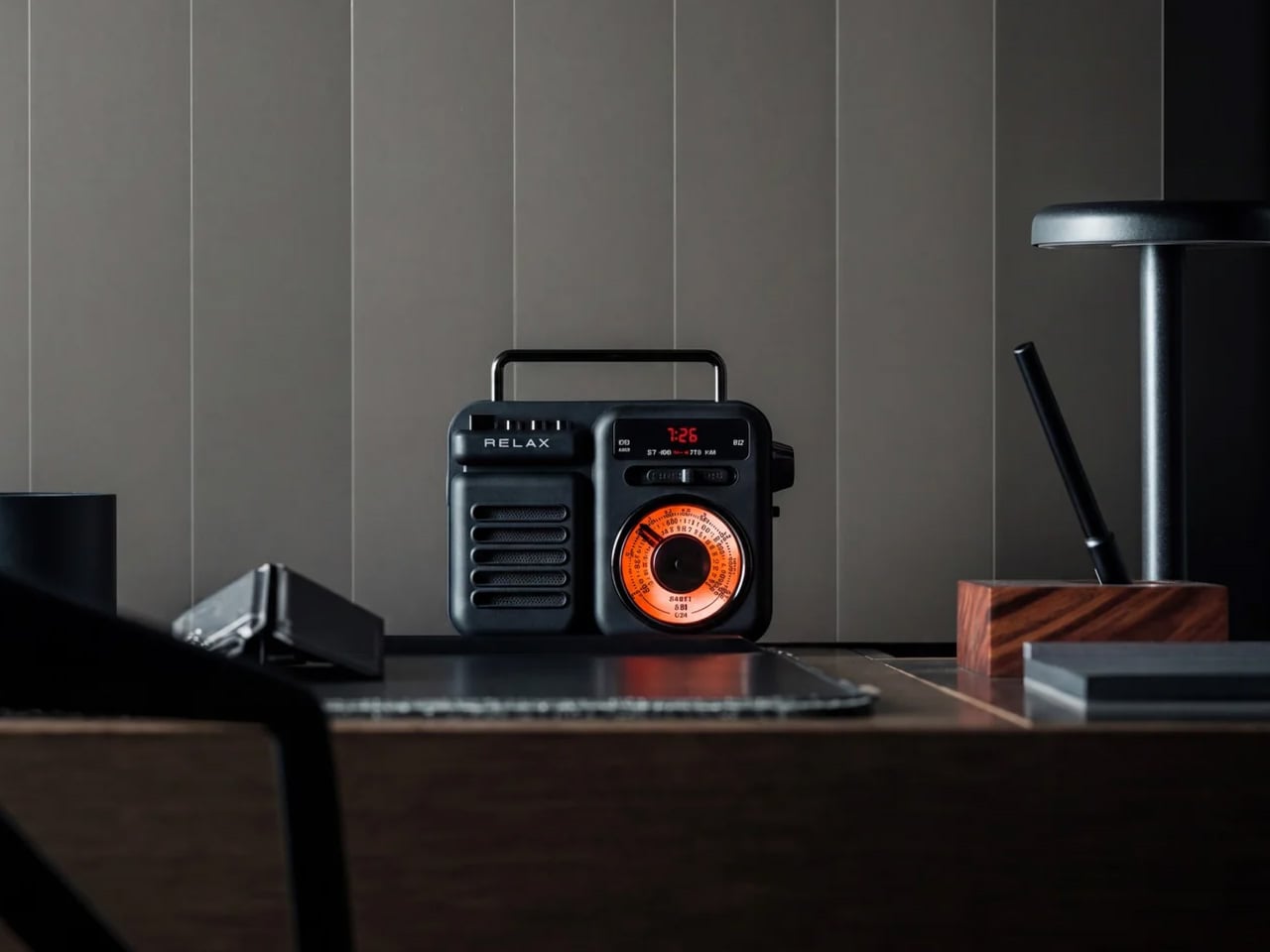
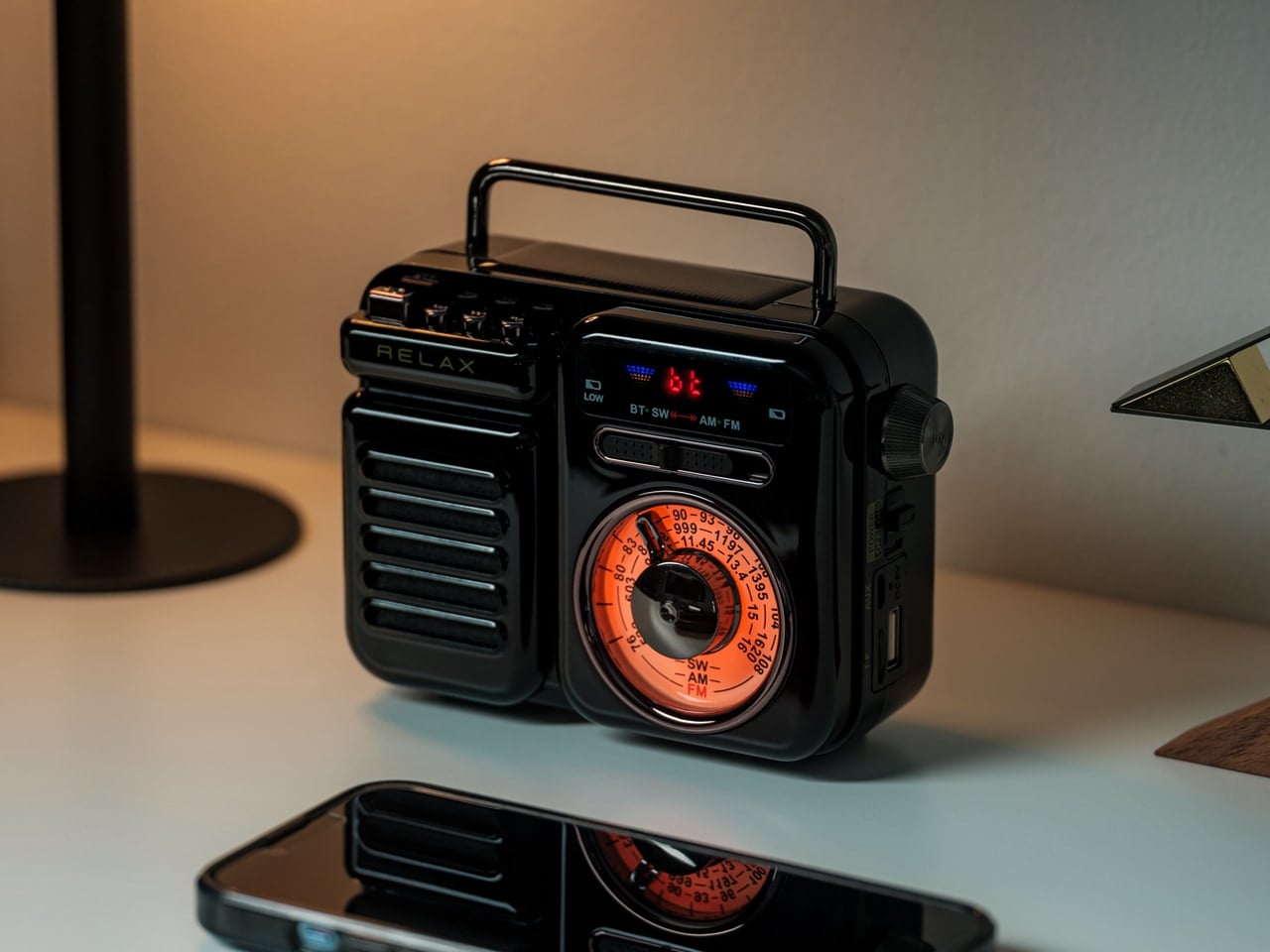
Emergency preparedness meets vintage aesthetics in this multifunctional device that refuses to be just one thing. The RetroWave combines AM, FM, and shortwave radio reception with Bluetooth streaming, creating a bridge between analog reliability and modern connectivity. Its Japanese-inspired design features a tactile tuning dial that feels satisfying to use, while the compact build ensures it fits easily into camping gear or emergency kits.

Beyond entertainment, this radio delivers genuine survival functionality through multiple power options. The built-in solar panel and hand-crank charging mean you’re never completely powerless, even when batteries die. The integrated flashlight, SOS alarm, and power bank capability transform this from a simple radio into a legitimate emergency tool. The MP3 playback via USB or microSD adds offline music options for extended trips beyond cellular range.

Click Here to Buy Now: $89.00

What We Like

  • Seven distinct functions packed into one compact device eliminate the need for multiple gadgets.
  • Multiple charging methods, including solar and hand-crank, ensure functionality during emergencies or extended off-grid adventures.

What We Dislike

  • The retro aesthetic may not appeal to minimalist campers who prefer sleek, modern designs.
  • Packing seven functions into one device means compromising on the specialized performance of dedicated single-purpose tools.

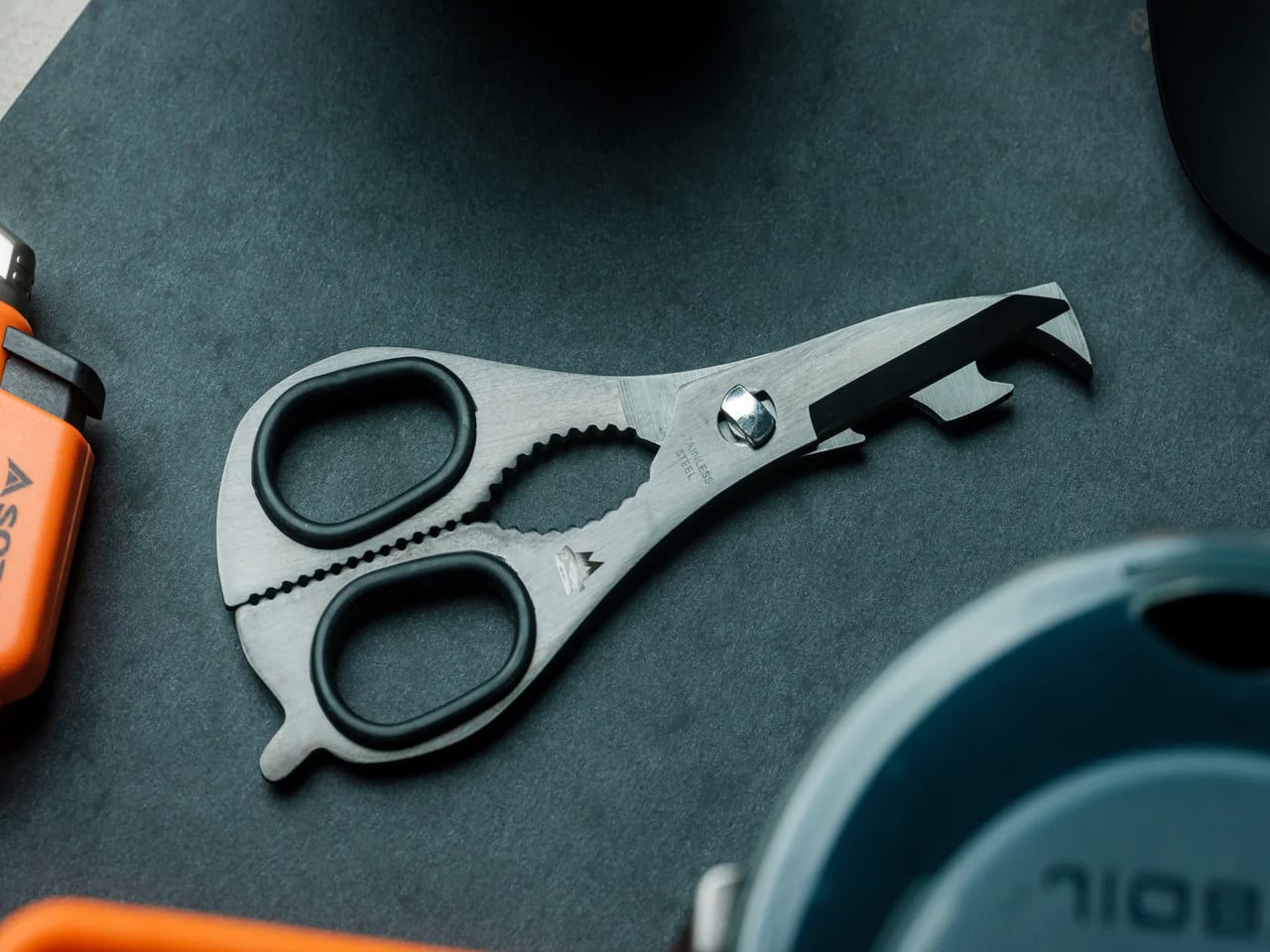
3. 8-in-1 EDC Scissors

Most multi-tools sacrifice usability for portability, but these palm-sized scissors prove that compact design doesn’t require compromising functionality. At just 13 centimeters, they deliver eight distinct tools, including scissors, a knife, and various bottle openers, within a package small enough to disappear into any pocket. The oxidation film coating provides rust resistance while creating an attractive black finish that feels premium despite the modest size.

The real genius lies in making every tool genuinely usable rather than decorative. The scissors function as proper cutting implements, not the flimsy afterthoughts found on most multi-tools. Each opener type addresses different container styles you’ll encounter while camping, from beer bottles to sealed cans. The shell splitter and degasser handle specific cooking tasks that dedicated outdoor chefs will appreciate. This tool earns its pocket space through actual utility.

Click Here to Buy Now: $59.00

What We Like

  • The compact 13-centimeter design fits comfortably in pockets without creating bulk or weight.
  • Eight functional tools provide legitimate utility rather than gimmicky additions that look good but perform poorly.

What We Dislike

  • The small size that makes it portable also limits leverage for tasks requiring significant force.
  • Rust-resistant coating eventually wears with heavy use, requiring maintenance or replacement.

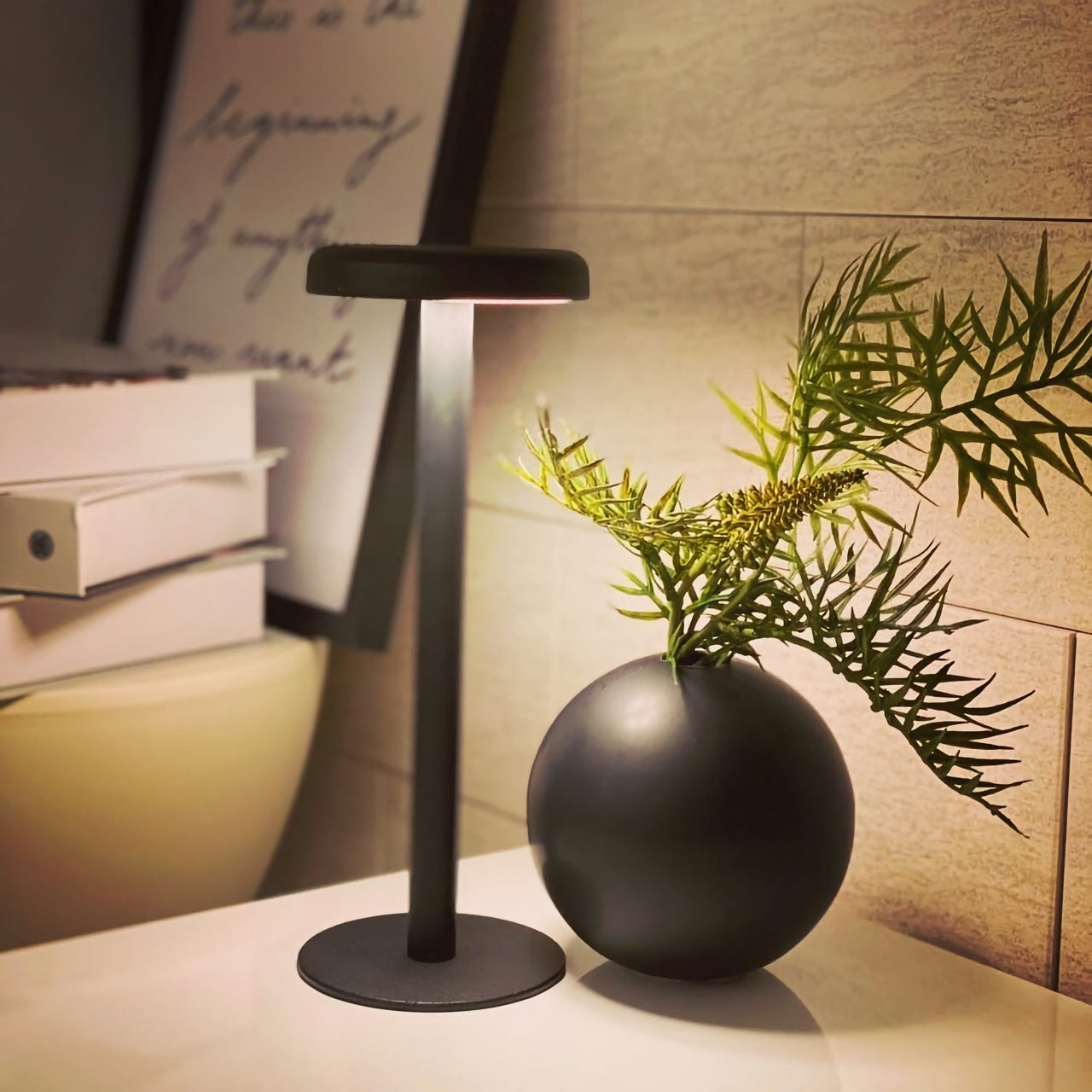
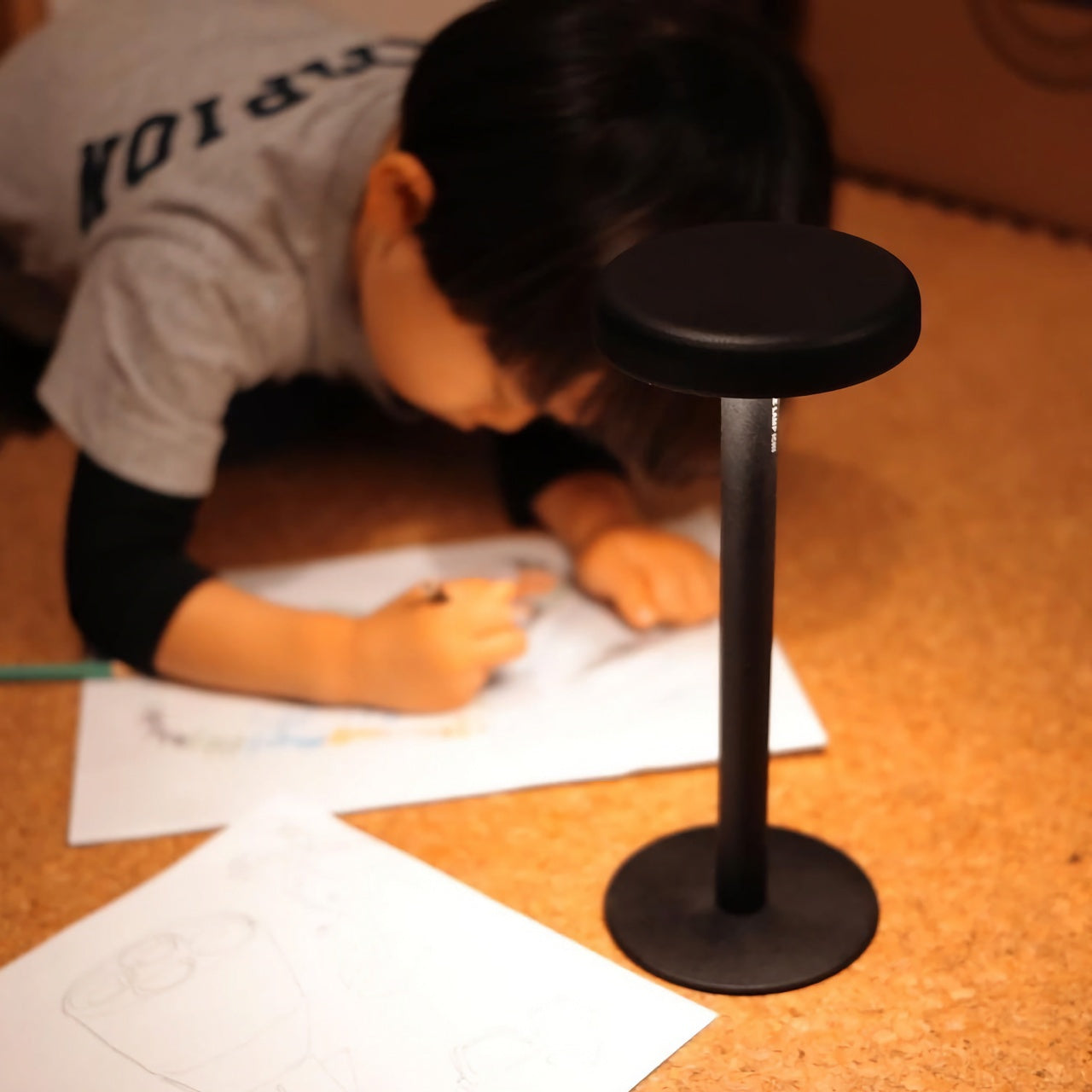
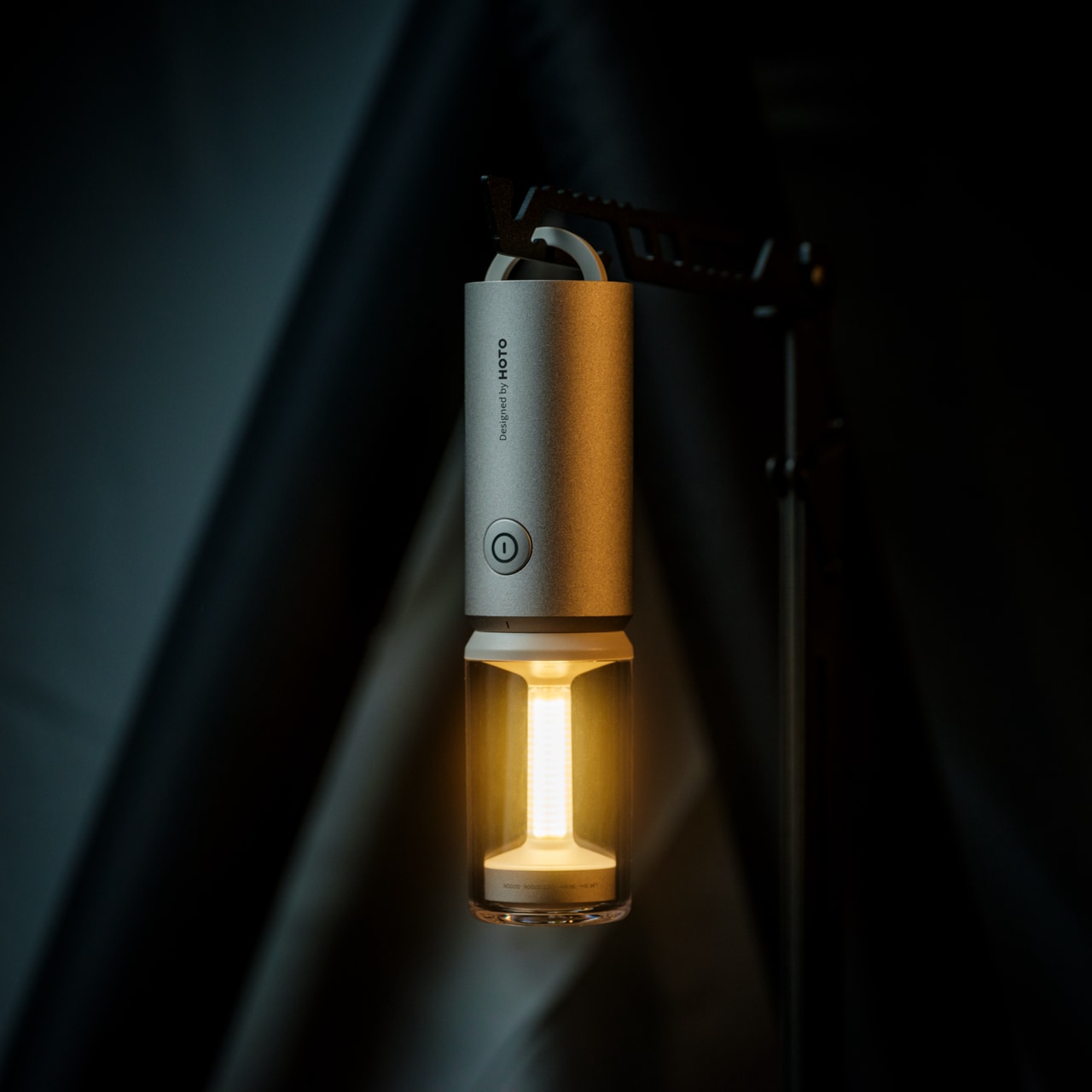
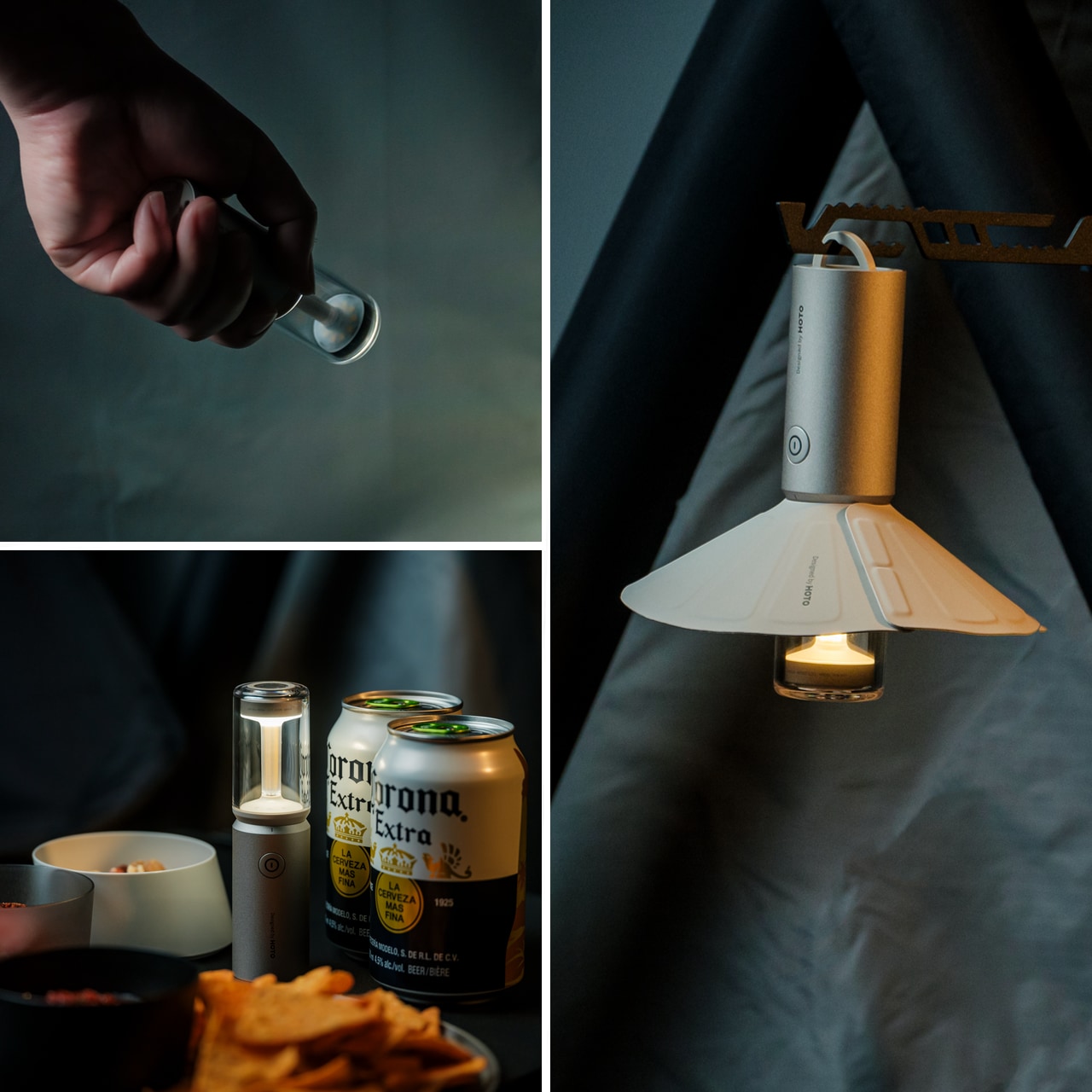
4. Anywhere Use Lamp

Mushroom-inspired design philosophy informs this minimalist portable lamp that pops up wherever you need illumination. The modular construction breaks down completely for transport, while standard AA batteries eliminate dependence on proprietary charging systems. Six high color rendering LEDs deliver warm, soft light that enhances atmosphere rather than just flooding spaces with harsh brightness. The interaction design feels intuitive, with pressing any edge of the lamp’s cap cycling through four brightness levels.

Three style options let you match the lamp to your aesthetic preferences. The standard black and white editions deliver clean minimalism, while the Industrial edition celebrates imperfection through its scratch-detailed metal base. That raw character adds personality to a design category that often feels sterile. The warm glow and haptic feedback create a sensory experience that makes adjusting brightness feel satisfying rather than purely functional.

Click Here to Buy Now: $149.00

What We Like

  • Standard AA batteries provide easy replacement anywhere, rather than requiring specific charging cables or adapters.
  • The modular design disassembles completely for efficient packing in tight spaces.

What We Dislike

  • Battery-powered operation means ongoing costs and environmental impact compared to rechargeable alternatives.
  • The four brightness levels might not provide enough granular control for users wanting precise lighting adjustments.

5. Compact Modular Grill Plate

Uneven heat distribution ruins more outdoor meals than most campers want to admit. This modular grill plate solves that fundamental problem through a three-layer steel construction that maintains consistent temperatures across the entire cooking surface. The design works equally well over unstable campfires, gas burners, or induction stoves, adapting to whatever heat source your situation provides. Interchangeable handles let you optimize for different cooking scenarios, from direct flame to stable stovetop use.

The engineering focuses on delivering proper heat conduction that keeps food juicy while achieving perfect sears. That attention to cooking science elevates outdoor meals from merely edible to genuinely delicious. Cleanup becomes simple through thoughtful design that allows complete disassembly, letting you pack everything into a compact form factor. The Basic and Special set options let you choose the configuration matching your cooking ambitions and budget constraints.

Click Here to Buy Now: $89.00

What We Like

  • Three-layer steel construction ensures even heat distribution that rivals quality home cookware.
  • Compatibility with multiple heat sources provides flexibility for different camping situations and cooking locations.

What We Dislike

  • Metal construction adds weight compared to lightweight aluminum alternatives favored by ultralight backpackers.
  • The modular system means tracking multiple components that could potentially get lost during packing.

6. EcoFlow Power Hat

Wearable solar technology finally graduates from awkward prototypes to genuinely useful outdoor gear. The Power Hat hides flexible solar panels within its wide brim, converting sunlight into charging power accessible through a discreet USB-C port in the inner band. This approach targets the specific needs of day hikers and casual campers who need backup power for smartphones and GPS devices rather than powering entire campsites or laptops.

The design philosophy prioritizes integration over showiness, making clean energy genuinely accessible through clothing you’d wear anyway. The hat functions as normal headwear while secretly operating as a personal power plant that keeps essential communication devices alive. You won’t notice the technology until you need it, which represents the ideal balance between functionality and convenience. For outdoor enthusiasts who find themselves disconnected when power matters most, this delivers reliable backup without adding extra gear to carry.

What We Like

  • Hidden solar integration provides power generation without compromising the hat’s appearance or function as normal outdoor wear.
  • The USB-C port placement makes charging convenient while remaining discreet and protected from elements.

What We Dislike

  • Power generation capacity suits small devices but won’t charge tablets or power-hungry electronics.
  • The specialized construction likely makes washing more complicated compared to standard outdoor hats.

7. Slim Fold Dish Rack

Drying dishes outdoors typically means balancing plates on rocks or draping towels across picnic tables. This collapsible dish rack transforms that frustrating process through patent-pending spring engineering that shrinks the 36-centimeter rack down to just 3 centimeters in one second. Deployment happens just as quickly, creating a full-size drying station whenever you need it. The minimalist design ensures proper ventilation and accommodates plates, utensils, and cookware of various sizes.

The collapsed form factor becomes small and light enough to fit in pockets, eliminating the storage challenges that keep most campers from bringing proper dish racks. Ventilation design accelerates drying so your tableware and cutlery are ready quickly for their next use or for packing up camp. The dishwasher-friendly construction means easy cleaning when you return home. This addresses a genuine camping pain point that most gear manufacturers completely ignore.

Click Here to Buy Now: $75.00

What We Like

  • The one-second collapse and deployment system makes setup and storage effortless through ingenious spring engineering.
  • Pocket-sized collapsed dimensions eliminate the bulk that makes traditional dish racks impractical for camping.

What We Dislike

  • The spring mechanism represents a potential failure point that could break with heavy use or rough handling.
  • Ventilation design optimized for drying might not provide enough stability for heavier cast-iron cookware.

8. All-in-One Grill

Modular cooking systems finally deliver on their promise with this comprehensive outdoor grill that handles barbecuing, frying, grilling, steaming, smoking, and traditional stew cooking. The component-based design lets you configure the setup for different cooking styles without carrying separate specialized equipment. A dedicated bottle warming module keeps mulled wine toasty, showing attention to the full outdoor dining experience rather than just basic meal preparation.

The compact tabletop size works on any stable surface without requiring dedicated outdoor kitchen setups. Assembly and disassembly happen quickly, making cleanup far less daunting than traditional outdoor cooking equipment. The system frees you from worrying about preparation logistics, letting you focus your creative energy on actually cooking memorable meals with family. Each module stores efficiently, transforming from a full cooking station to packable gear without wasted space.

Click Here to Buy Now: $449.00

What We Like

  • Modular components enable diverse cooking styles from a single portable system rather than carrying multiple specialized tools.
  • The compact tabletop format works anywhere you can set up camp without requiring permanent outdoor kitchen infrastructure.

What We Dislike

  • Multiple modules mean tracking numerous pieces that require careful packing to avoid losing components.
  • The versatility comes with complexity that might overwhelm campers preferring simple single-purpose cooking tools.

9. TriBeam Camp Light

Award-winning industrial design meets practical functionality in this three-mode lighting solution that adapts to different outdoor scenarios. The TriBeam switches between Camping, Ambient, and Flashlight modes through a single intuitive button, letting you quickly configure the perfect illumination for your current needs. Brightness adjusts from a gentle 5 lumens to a powerful 180 lumens, covering everything from cozy cabin nights to serious trail navigation.

The 50-hour runtime on a single charge eliminates anxiety about lights dying during extended trips. That exceptional battery performance comes from efficient LED technology paired with intelligent power management. The sleek, purposefully engineered design becomes part of the adventure experience rather than just utilitarian equipment. Portability remains central to the concept, creating a compact companion that packs easily while delivering versatile lighting wherever your travels take you.

Click Here to Buy Now: $325.00

What We Like

  • Three distinct lighting modes provide versatility for different situations without requiring multiple separate lights.
  • Exceptional 50-hour runtime eliminates frequent charging concerns during extended outdoor adventures.

What We Dislike

  • The single-button interface might require cycling through multiple modes to reach your preferred setting.
  • Rechargeable battery design means eventual replacement as capacity degrades over the years of use.

10. Solar-Powered Glamping System

Environmental consciousness meets elevated outdoor luxury through this comprehensive collection of independent solar-powered camping accessories. The system centers around a smokeless camping fire pit that combines genuine portability with clean-burning technology, eliminating the environmental impact of traditional wood fires. Supporting accessories, including tripod coffee brewers, elegant tableware, and hanging pendant lights, all charge during daylight hours and perform throughout evening activities.

The glamping approach elevates outdoor dining and relaxation without compromising sustainability values. Every component operates on clean energy, from ambient lighting to coffee preparation, creating sophisticated wilderness experiences with zero environmental guilt. The hanging lights provide warm illumination that transforms campsites into inviting spaces rather than purely functional sleeping areas. This proves that sustainable camping gear enhances rather than limits outdoor luxury, appealing to conscious travelers seeking refined experiences in natural settings.

What We Like

  • A comprehensive system approach means all components work together cohesively with a shared solar power philosophy.
  • The smokeless fire pit technology eliminates environmental impact while maintaining the warmth and ambiance of traditional campfires.

What We Dislike

  • The glamping focus prioritizes comfort and aesthetics over ultralight backpacking requirements.
  • Solar dependency means cloudy weather significantly impacts the functionality of the entire system.

Stock Up Before the Rush Hits

Spring camping season brings predictable inventory shortages as outdoor enthusiasts emerge from winter hibernation ready to upgrade their gear. These ten products represent the cutting edge of camping technology, combining sustainability, functionality, and thoughtful design in ways previous generations of equipment never approached. The solar integration, modular systems, and compact engineering reflect where outdoor gear is heading rather than where it’s been.

Early adoption makes sense when designs earn prestigious awards and generate enthusiastic reviews before even reaching full market availability. Waiting until peak season means competing with thousands of other campers trying to secure the same innovative gear. Smart shoppers understand that the best equipment sells out quickly, leaving latecomers stuck with previous-generation products or lengthy waitlists that extend past the prime camping months.

The post 10 Best Camping Gadgets & Essentials to Buy Before Spring 2026 Sells Out first appeared on Yanko Design.
Best Kitchen Essentials of 2025: 7 Tools Worth Adding To Your Collection

Kitchen design reached a turning point in 2025, moving beyond gadget proliferation toward thoughtful consolidation. The tools that stood out this year questioned whether we really need separate appliances cluttering our counters or if smarter design could deliver more capability in less space. From espresso machines that resemble modern sculpture to modular cooking systems that adapt to small kitchens, these innovations demonstrate that kitchen essentials can be both beautiful and highly efficient.

What makes these seven tools worth your attention is their refusal to compromise. They deliver professional capability without demanding professional-sized kitchens, embrace minimalist aesthetics without sacrificing functionality, and respect the reality that most of us cook in spaces far smaller than we’d prefer. Whether you’re drawn to all-in-one versatility or single-purpose perfection, these designs represent kitchen tools that have evolved beyond their utilitarian origins into objects worth keeping visible rather than hidden away in cabinets.

1. BØYD Espresso Machine: Minimalist Coffee Perfection

The BØYD espresso machine concept from NYZE Studio commands attention through bold geometric simplicity rather than technical intimidation. Smooth curves and pure lines create something resembling modern sculpture more than traditional coffee equipment, transforming countertop real estate into visual statement territory. The less-is-more philosophy strips away unnecessary details, leaving only what matters for making exceptional espresso. This machine invites display rather than storage.

Thoughtful ergonomics ground the aesthetic ambition in practical usability. The perfectly arched handle provides natural grip comfort, while the simplified interface eliminates button-fumbling before your first cup. Morning coffee preparation becomes intuitive rather than overwhelming, which matters when you’re operating pre-caffeine. The BØYD proves that espresso machines don’t need complexity to deliver quality, just clarity of purpose and execution that respects both the coffee and the person making it.

What we like

  • The bold minimalist form functions as a countertop sculpture while making espresso.
  • The arched handle and simple interface prioritize ergonomic comfort and intuitive operation.

What we dislike

  • The concept status means availability and pricing remain unknown.
  • The minimalist aesthetic may lack the visual warmth some prefer in kitchen appliances.

2. Concept Cooker: The All-in-One Kitchen Revolution

Vuk Dragović’s concept for Nanlong imagines replacing multiple appliances with one versatile countertop unit capable of grilling, steaming, baking, and hosting hot-pot dinners. Designed for China’s dynamic cooking culture, this all-in-one system simplifies both everyday meals and entertaining through intelligent consolidation. The clean control panel allows mode selection, temperature setting, and timer adjustment in a few taps, eliminating confusing menus and excessive knobs that plague traditional appliances.

Interchangeable accessories demonstrate the breadth of functionality. Snap-in grill racks deliver smoky finishes to meats and vegetables, steaming baskets preserve nutrients in seafood and dumplings, baking trays transform the unit into a miniature oven, and dedicated hot-pot inserts bring communal dining home. The compact footprint sits comfortably on most counters, freeing space otherwise occupied by separate grills, steamers, and ovens. Quick attachment and straightforward cleanup make the modular approach practical rather than theoretical, proving that versatility doesn’t require complexity.

What we like

  • The all-in-one design replaces multiple appliances with one compact countertop unit.
  • Interchangeable accessories enable grilling, steaming, baking, and hot-pot functionality.

What we dislike

  • The concept stage leaves questions about durability across multiple cooking methods.
  • The modular accessories require storage space when not actively in use.

3. Iron Frying Plate: Cook and Eat on the Same Surface

The Iron Frying Plate eliminates the transfer step between cooking and eating by making the frying pan your plate. This beautifully crafted cookware allows you to enjoy meals immediately after cooking them, served on the very surface that brought out their best flavors and textures. Made from 1.6mm-thick mill scale steel, the uncoated iron surface is rust-resistant, stick-resistant, and ready to use straight from the box without seasoning rituals that intimidate casual cooks.

The wooden handle attaches and detaches with one hand, transforming the pan from cooking tool to serving plate seamlessly. This design philosophy respects the reality that transferring hot food creates extra dishes and loses precious heat. Eating directly from the iron plate maintains optimal temperature while reducing cleanup to a single item. The handsome aesthetic makes tableside presentation feel intentional rather than lazy, proving that the shortest distance between stove and mouth deserves celebration rather than apology.

Click Here to Buy Now: $69.00

What we like

  • The cook-and-eat design eliminates food transfer and reduces dishes to one item.
  • The 1.6mm mill scale steel is rust-resistant and stick-resistant without coatings.

What we dislike

  • The iron construction retains heat intensely, requiring careful handling at the table.
  • The single-serve format doesn’t scale well for cooking family-sized meals.

4. Thanko Electric Bento Rice Cooker: Perfect Rice Anywhere

Rice deserves more appreciation as the global food icon that transcends cuisine boundaries and meal timing. The Thanko Electric Bento rice cooker makes this omnipresent grain literally portable, cooking single servings wherever you happen to be. The compact device cooks 6 ounces of rice in 14 to 20 minutes, with an LED indicator showing when it’s ready. Weighing just 2 pounds and fitting easily in bags, this cooker brings fresh food to offices and travel destinations without takeout compromises.

The device operates silently without releasing steam, making it discreet enough for practically anywhere. Add water, rice, and optional salt or broth for enhanced flavor, then wait while it works quietly. The best feature is eating rice directly from the cooking container, eliminating dish multiplication that usually accompanies meal preparation. This optimization suits solo diners, frequent travelers, and anyone wanting quick meals that go with everything. The included measuring cup adds convenience, proving that portable cooking doesn’t require guesswork or complicated processes.

What we like

  • The 2-pound weight and compact size make this genuinely portable for travel and office use.
  • Silent operation without steam release enables discreet cooking practically anywhere.

What we dislike

  • The 6-ounce capacity limits this to strict single-serving use.
  • The specialized function doesn’t justify the space for people with existing rice cookers at home.

5. Lehua Slow Cooker: Hawaiian Pit Cooking Reimagined

Slow cooking predates modern appliances by centuries. Hawaiian Imu underground pit cooking buried large quantities for communal feasting, creating a unique atmosphere while feeding many people. The Lehua slow cooker concept draws inspiration from this tradition, adapting lessons from pit cooking to modern lifestyles and small households. The design adds peculiar features, making the process more convenient and meaningful than standard slow cookers manage.

The actual pot separates from the cooker itself, allowing safe lifting of the hot vessel for food preparation away from the heating element. This seemingly simple feature addresses a common frustration with integrated slow cookers, where accessing food means awkward maneuvering around hot components. The Hawaiian inspiration isn’t just an aesthetic reference; it represents thoughtful consideration of how communal cooking traditions can inform contemporary appliance design. The Lehua proves that looking backward sometimes reveals better paths forward than pure technological advancement alone can offer.

What we like

  • The separate pot design allows safe lifting and food preparation away from the heating element.
  • Hawaiian Imu pit cooking inspiration brings cultural meaning to contemporary appliance design.

What we dislike

  • The concept stage leaves practical questions about capacity and cooking performance unanswered.
  • The separated pot design may reduce heat efficiency compared to integrated slow cookers.

6. Obsidian Black Precision Chopstick Tongs: Where Tradition Meets Practicality

Traditional Japanese chopsticks meet modern tong functionality in this unique utensil that handles delicate food with expert precision. Made from SUS821L1 stainless steel, these chopstick-style tongs blend elegance with practicality, offering chopstick precision combined with tong versatility. The obsidian black finish comes from special metal processing, ensuring the color never scratches or peels, preserving handsome looks indefinitely through daily use. These aren’t just kitchen tools; they’re craftsmanship designed to last years.

The design excels at picking up and turning small or delicate pieces, whether flipping sushi or handling tiny ingredients on the stovetop. There’s no wrong way to hold them, making confident use accessible regardless of chopstick skill level. The lightweight yet durable construction balances control with ease, perfect for both cooking and dining applications. The exceptional strength and corrosion resistance of the stainless steel withstand daily demands without degradation. These tongs prove that inspiration from tradition, when perfected for modern use, creates tools superior to purely contemporary designs.

Click Here to Buy Now: $25.00

What we like

  • The chopstick-tong hybrid delivers precise control for delicate food handling.
  • SUS821L1 stainless steel with black oxide processing ensures durability and lasting aesthetics.

What we dislike

  • The chopstick format may feel awkward for users accustomed to the traditional tong grip.
  • The specialized design doesn’t replace standard tongs for heavy-duty flipping and turning.

7. Magic Cube Cooking System: Modular Kitchen Efficiency

Tiny kitchens demand creative solutions beyond just buying smaller appliances. The Magic Cube Cooking System maximizes functionality and efficiency through a modular design that integrates essential cooking elements into a sleek, space-saving format. The customizable approach ensures you only get what you actually need by combining multiple crucial functions into interconnected modules. This system adapts to your specific cooking style rather than forcing you to adapt to predetermined configurations.

Available modules include open flame and induction cookers for easy fuel-type switching, integrated range hoods for clean, ventilated environments, built-in sinks for mid-cooking cleanup, and condiment storage with knife disinfection units for organization and hygiene. The modular nature allows seamless matching to maximize efficiency while enabling individual module replacement to extend overall system lifespan. Standardized dimensions mean integration into different kitchen layouts without custom fitting. This concept solves cooking-related space problems through intelligent consolidation that respects the reality of modern urban living, where kitchen square footage comes at a premium price.

What we like

  • The modular design allows customization to specific needs and cooking styles.
  • Standardized dimensions enable integration into various kitchen layouts without custom fitting.

What we dislike

  • The modular approach requires careful planning to avoid purchasing unnecessary components.
  • The interconnected system may create single points of failure affecting multiple functions.

Kitchen Tools Evolved

These seven innovations share a common philosophy that kitchen tools should adapt to our lives rather than demanding we adapt to them. They reject the assumption that capability requires counter sprawl, proving that thoughtful design can deliver professional results in compact formats. From espresso machines that double as sculpture to modular systems that transform with your needs, these tools represent evolution beyond pure functionality toward objects that enhance both cooking and the spaces where it happens.

What makes this collection particularly relevant is how each piece addresses different aspects of modern cooking life. Some prioritize portability for people who cook in multiple locations, others embrace all-in-one versatility for space-constrained kitchens, and a few perfect single functions to excellence. The common thread is respect for the people using them and the spaces they occupy. Kitchen essentials in 2025 finally acknowledged that most of us don’t have restaurant-sized kitchens, unlimited budgets, or patience for complicated equipment. These tools meet us where we actually are, and that feels worth celebrating.

The post Best Kitchen Essentials of 2025: 7 Tools Worth Adding To Your Collection first appeared on Yanko Design.
Best Kitchen Essentials of 2025: 7 Tools Worth Adding To Your Collection

Kitchen design reached a turning point in 2025, moving beyond gadget proliferation toward thoughtful consolidation. The tools that stood out this year questioned whether we really need separate appliances cluttering our counters or if smarter design could deliver more capability in less space. From espresso machines that resemble modern sculpture to modular cooking systems that adapt to small kitchens, these innovations demonstrate that kitchen essentials can be both beautiful and highly efficient.

What makes these seven tools worth your attention is their refusal to compromise. They deliver professional capability without demanding professional-sized kitchens, embrace minimalist aesthetics without sacrificing functionality, and respect the reality that most of us cook in spaces far smaller than we’d prefer. Whether you’re drawn to all-in-one versatility or single-purpose perfection, these designs represent kitchen tools that have evolved beyond their utilitarian origins into objects worth keeping visible rather than hidden away in cabinets.

1. BØYD Espresso Machine: Minimalist Coffee Perfection

The BØYD espresso machine concept from NYZE Studio commands attention through bold geometric simplicity rather than technical intimidation. Smooth curves and pure lines create something resembling modern sculpture more than traditional coffee equipment, transforming countertop real estate into visual statement territory. The less-is-more philosophy strips away unnecessary details, leaving only what matters for making exceptional espresso. This machine invites display rather than storage.

Thoughtful ergonomics ground the aesthetic ambition in practical usability. The perfectly arched handle provides natural grip comfort, while the simplified interface eliminates button-fumbling before your first cup. Morning coffee preparation becomes intuitive rather than overwhelming, which matters when you’re operating pre-caffeine. The BØYD proves that espresso machines don’t need complexity to deliver quality, just clarity of purpose and execution that respects both the coffee and the person making it.

What we like

  • The bold minimalist form functions as a countertop sculpture while making espresso.
  • The arched handle and simple interface prioritize ergonomic comfort and intuitive operation.

What we dislike

  • The concept status means availability and pricing remain unknown.
  • The minimalist aesthetic may lack the visual warmth some prefer in kitchen appliances.

2. Concept Cooker: The All-in-One Kitchen Revolution

Vuk Dragović’s concept for Nanlong imagines replacing multiple appliances with one versatile countertop unit capable of grilling, steaming, baking, and hosting hot-pot dinners. Designed for China’s dynamic cooking culture, this all-in-one system simplifies both everyday meals and entertaining through intelligent consolidation. The clean control panel allows mode selection, temperature setting, and timer adjustment in a few taps, eliminating confusing menus and excessive knobs that plague traditional appliances.

Interchangeable accessories demonstrate the breadth of functionality. Snap-in grill racks deliver smoky finishes to meats and vegetables, steaming baskets preserve nutrients in seafood and dumplings, baking trays transform the unit into a miniature oven, and dedicated hot-pot inserts bring communal dining home. The compact footprint sits comfortably on most counters, freeing space otherwise occupied by separate grills, steamers, and ovens. Quick attachment and straightforward cleanup make the modular approach practical rather than theoretical, proving that versatility doesn’t require complexity.

What we like

  • The all-in-one design replaces multiple appliances with one compact countertop unit.
  • Interchangeable accessories enable grilling, steaming, baking, and hot-pot functionality.

What we dislike

  • The concept stage leaves questions about durability across multiple cooking methods.
  • The modular accessories require storage space when not actively in use.

3. Iron Frying Plate: Cook and Eat on the Same Surface

The Iron Frying Plate eliminates the transfer step between cooking and eating by making the frying pan your plate. This beautifully crafted cookware allows you to enjoy meals immediately after cooking them, served on the very surface that brought out their best flavors and textures. Made from 1.6mm-thick mill scale steel, the uncoated iron surface is rust-resistant, stick-resistant, and ready to use straight from the box without seasoning rituals that intimidate casual cooks.

The wooden handle attaches and detaches with one hand, transforming the pan from cooking tool to serving plate seamlessly. This design philosophy respects the reality that transferring hot food creates extra dishes and loses precious heat. Eating directly from the iron plate maintains optimal temperature while reducing cleanup to a single item. The handsome aesthetic makes tableside presentation feel intentional rather than lazy, proving that the shortest distance between stove and mouth deserves celebration rather than apology.

Click Here to Buy Now: $69.00

What we like

  • The cook-and-eat design eliminates food transfer and reduces dishes to one item.
  • The 1.6mm mill scale steel is rust-resistant and stick-resistant without coatings.

What we dislike

  • The iron construction retains heat intensely, requiring careful handling at the table.
  • The single-serve format doesn’t scale well for cooking family-sized meals.

4. Thanko Electric Bento Rice Cooker: Perfect Rice Anywhere

Rice deserves more appreciation as the global food icon that transcends cuisine boundaries and meal timing. The Thanko Electric Bento rice cooker makes this omnipresent grain literally portable, cooking single servings wherever you happen to be. The compact device cooks 6 ounces of rice in 14 to 20 minutes, with an LED indicator showing when it’s ready. Weighing just 2 pounds and fitting easily in bags, this cooker brings fresh food to offices and travel destinations without takeout compromises.

The device operates silently without releasing steam, making it discreet enough for practically anywhere. Add water, rice, and optional salt or broth for enhanced flavor, then wait while it works quietly. The best feature is eating rice directly from the cooking container, eliminating dish multiplication that usually accompanies meal preparation. This optimization suits solo diners, frequent travelers, and anyone wanting quick meals that go with everything. The included measuring cup adds convenience, proving that portable cooking doesn’t require guesswork or complicated processes.

What we like

  • The 2-pound weight and compact size make this genuinely portable for travel and office use.
  • Silent operation without steam release enables discreet cooking practically anywhere.

What we dislike

  • The 6-ounce capacity limits this to strict single-serving use.
  • The specialized function doesn’t justify the space for people with existing rice cookers at home.

5. Lehua Slow Cooker: Hawaiian Pit Cooking Reimagined

Slow cooking predates modern appliances by centuries. Hawaiian Imu underground pit cooking buried large quantities for communal feasting, creating a unique atmosphere while feeding many people. The Lehua slow cooker concept draws inspiration from this tradition, adapting lessons from pit cooking to modern lifestyles and small households. The design adds peculiar features, making the process more convenient and meaningful than standard slow cookers manage.

The actual pot separates from the cooker itself, allowing safe lifting of the hot vessel for food preparation away from the heating element. This seemingly simple feature addresses a common frustration with integrated slow cookers, where accessing food means awkward maneuvering around hot components. The Hawaiian inspiration isn’t just an aesthetic reference; it represents thoughtful consideration of how communal cooking traditions can inform contemporary appliance design. The Lehua proves that looking backward sometimes reveals better paths forward than pure technological advancement alone can offer.

What we like

  • The separate pot design allows safe lifting and food preparation away from the heating element.
  • Hawaiian Imu pit cooking inspiration brings cultural meaning to contemporary appliance design.

What we dislike

  • The concept stage leaves practical questions about capacity and cooking performance unanswered.
  • The separated pot design may reduce heat efficiency compared to integrated slow cookers.

6. Obsidian Black Precision Chopstick Tongs: Where Tradition Meets Practicality

Traditional Japanese chopsticks meet modern tong functionality in this unique utensil that handles delicate food with expert precision. Made from SUS821L1 stainless steel, these chopstick-style tongs blend elegance with practicality, offering chopstick precision combined with tong versatility. The obsidian black finish comes from special metal processing, ensuring the color never scratches or peels, preserving handsome looks indefinitely through daily use. These aren’t just kitchen tools; they’re craftsmanship designed to last years.

The design excels at picking up and turning small or delicate pieces, whether flipping sushi or handling tiny ingredients on the stovetop. There’s no wrong way to hold them, making confident use accessible regardless of chopstick skill level. The lightweight yet durable construction balances control with ease, perfect for both cooking and dining applications. The exceptional strength and corrosion resistance of the stainless steel withstand daily demands without degradation. These tongs prove that inspiration from tradition, when perfected for modern use, creates tools superior to purely contemporary designs.

Click Here to Buy Now: $25.00

What we like

  • The chopstick-tong hybrid delivers precise control for delicate food handling.
  • SUS821L1 stainless steel with black oxide processing ensures durability and lasting aesthetics.

What we dislike

  • The chopstick format may feel awkward for users accustomed to the traditional tong grip.
  • The specialized design doesn’t replace standard tongs for heavy-duty flipping and turning.

7. Magic Cube Cooking System: Modular Kitchen Efficiency

Tiny kitchens demand creative solutions beyond just buying smaller appliances. The Magic Cube Cooking System maximizes functionality and efficiency through a modular design that integrates essential cooking elements into a sleek, space-saving format. The customizable approach ensures you only get what you actually need by combining multiple crucial functions into interconnected modules. This system adapts to your specific cooking style rather than forcing you to adapt to predetermined configurations.

Available modules include open flame and induction cookers for easy fuel-type switching, integrated range hoods for clean, ventilated environments, built-in sinks for mid-cooking cleanup, and condiment storage with knife disinfection units for organization and hygiene. The modular nature allows seamless matching to maximize efficiency while enabling individual module replacement to extend overall system lifespan. Standardized dimensions mean integration into different kitchen layouts without custom fitting. This concept solves cooking-related space problems through intelligent consolidation that respects the reality of modern urban living, where kitchen square footage comes at a premium price.

What we like

  • The modular design allows customization to specific needs and cooking styles.
  • Standardized dimensions enable integration into various kitchen layouts without custom fitting.

What we dislike

  • The modular approach requires careful planning to avoid purchasing unnecessary components.
  • The interconnected system may create single points of failure affecting multiple functions.

Kitchen Tools Evolved

These seven innovations share a common philosophy that kitchen tools should adapt to our lives rather than demanding we adapt to them. They reject the assumption that capability requires counter sprawl, proving that thoughtful design can deliver professional results in compact formats. From espresso machines that double as sculpture to modular systems that transform with your needs, these tools represent evolution beyond pure functionality toward objects that enhance both cooking and the spaces where it happens.

What makes this collection particularly relevant is how each piece addresses different aspects of modern cooking life. Some prioritize portability for people who cook in multiple locations, others embrace all-in-one versatility for space-constrained kitchens, and a few perfect single functions to excellence. The common thread is respect for the people using them and the spaces they occupy. Kitchen essentials in 2025 finally acknowledged that most of us don’t have restaurant-sized kitchens, unlimited budgets, or patience for complicated equipment. These tools meet us where we actually are, and that feels worth celebrating.

The post Best Kitchen Essentials of 2025: 7 Tools Worth Adding To Your Collection first appeared on Yanko Design.
Best Kitchen Essentials of 2025: 7 Tools Worth Adding To Your Collection

Kitchen design reached a turning point in 2025, moving beyond gadget proliferation toward thoughtful consolidation. The tools that stood out this year questioned whether we really need separate appliances cluttering our counters or if smarter design could deliver more capability in less space. From espresso machines that resemble modern sculpture to modular cooking systems that adapt to small kitchens, these innovations demonstrate that kitchen essentials can be both beautiful and highly efficient.

What makes these seven tools worth your attention is their refusal to compromise. They deliver professional capability without demanding professional-sized kitchens, embrace minimalist aesthetics without sacrificing functionality, and respect the reality that most of us cook in spaces far smaller than we’d prefer. Whether you’re drawn to all-in-one versatility or single-purpose perfection, these designs represent kitchen tools that have evolved beyond their utilitarian origins into objects worth keeping visible rather than hidden away in cabinets.

1. BØYD Espresso Machine: Minimalist Coffee Perfection

The BØYD espresso machine concept from NYZE Studio commands attention through bold geometric simplicity rather than technical intimidation. Smooth curves and pure lines create something resembling modern sculpture more than traditional coffee equipment, transforming countertop real estate into visual statement territory. The less-is-more philosophy strips away unnecessary details, leaving only what matters for making exceptional espresso. This machine invites display rather than storage.

Thoughtful ergonomics ground the aesthetic ambition in practical usability. The perfectly arched handle provides natural grip comfort, while the simplified interface eliminates button-fumbling before your first cup. Morning coffee preparation becomes intuitive rather than overwhelming, which matters when you’re operating pre-caffeine. The BØYD proves that espresso machines don’t need complexity to deliver quality, just clarity of purpose and execution that respects both the coffee and the person making it.

What we like

  • The bold minimalist form functions as a countertop sculpture while making espresso.
  • The arched handle and simple interface prioritize ergonomic comfort and intuitive operation.

What we dislike

  • The concept status means availability and pricing remain unknown.
  • The minimalist aesthetic may lack the visual warmth some prefer in kitchen appliances.

2. Concept Cooker: The All-in-One Kitchen Revolution

Vuk Dragović’s concept for Nanlong imagines replacing multiple appliances with one versatile countertop unit capable of grilling, steaming, baking, and hosting hot-pot dinners. Designed for China’s dynamic cooking culture, this all-in-one system simplifies both everyday meals and entertaining through intelligent consolidation. The clean control panel allows mode selection, temperature setting, and timer adjustment in a few taps, eliminating confusing menus and excessive knobs that plague traditional appliances.

Interchangeable accessories demonstrate the breadth of functionality. Snap-in grill racks deliver smoky finishes to meats and vegetables, steaming baskets preserve nutrients in seafood and dumplings, baking trays transform the unit into a miniature oven, and dedicated hot-pot inserts bring communal dining home. The compact footprint sits comfortably on most counters, freeing space otherwise occupied by separate grills, steamers, and ovens. Quick attachment and straightforward cleanup make the modular approach practical rather than theoretical, proving that versatility doesn’t require complexity.

What we like

  • The all-in-one design replaces multiple appliances with one compact countertop unit.
  • Interchangeable accessories enable grilling, steaming, baking, and hot-pot functionality.

What we dislike

  • The concept stage leaves questions about durability across multiple cooking methods.
  • The modular accessories require storage space when not actively in use.

3. Iron Frying Plate: Cook and Eat on the Same Surface

The Iron Frying Plate eliminates the transfer step between cooking and eating by making the frying pan your plate. This beautifully crafted cookware allows you to enjoy meals immediately after cooking them, served on the very surface that brought out their best flavors and textures. Made from 1.6mm-thick mill scale steel, the uncoated iron surface is rust-resistant, stick-resistant, and ready to use straight from the box without seasoning rituals that intimidate casual cooks.

The wooden handle attaches and detaches with one hand, transforming the pan from cooking tool to serving plate seamlessly. This design philosophy respects the reality that transferring hot food creates extra dishes and loses precious heat. Eating directly from the iron plate maintains optimal temperature while reducing cleanup to a single item. The handsome aesthetic makes tableside presentation feel intentional rather than lazy, proving that the shortest distance between stove and mouth deserves celebration rather than apology.

Click Here to Buy Now: $69.00

What we like

  • The cook-and-eat design eliminates food transfer and reduces dishes to one item.
  • The 1.6mm mill scale steel is rust-resistant and stick-resistant without coatings.

What we dislike

  • The iron construction retains heat intensely, requiring careful handling at the table.
  • The single-serve format doesn’t scale well for cooking family-sized meals.

4. Thanko Electric Bento Rice Cooker: Perfect Rice Anywhere

Rice deserves more appreciation as the global food icon that transcends cuisine boundaries and meal timing. The Thanko Electric Bento rice cooker makes this omnipresent grain literally portable, cooking single servings wherever you happen to be. The compact device cooks 6 ounces of rice in 14 to 20 minutes, with an LED indicator showing when it’s ready. Weighing just 2 pounds and fitting easily in bags, this cooker brings fresh food to offices and travel destinations without takeout compromises.

The device operates silently without releasing steam, making it discreet enough for practically anywhere. Add water, rice, and optional salt or broth for enhanced flavor, then wait while it works quietly. The best feature is eating rice directly from the cooking container, eliminating dish multiplication that usually accompanies meal preparation. This optimization suits solo diners, frequent travelers, and anyone wanting quick meals that go with everything. The included measuring cup adds convenience, proving that portable cooking doesn’t require guesswork or complicated processes.

What we like

  • The 2-pound weight and compact size make this genuinely portable for travel and office use.
  • Silent operation without steam release enables discreet cooking practically anywhere.

What we dislike

  • The 6-ounce capacity limits this to strict single-serving use.
  • The specialized function doesn’t justify the space for people with existing rice cookers at home.

5. Lehua Slow Cooker: Hawaiian Pit Cooking Reimagined

Slow cooking predates modern appliances by centuries. Hawaiian Imu underground pit cooking buried large quantities for communal feasting, creating a unique atmosphere while feeding many people. The Lehua slow cooker concept draws inspiration from this tradition, adapting lessons from pit cooking to modern lifestyles and small households. The design adds peculiar features, making the process more convenient and meaningful than standard slow cookers manage.

The actual pot separates from the cooker itself, allowing safe lifting of the hot vessel for food preparation away from the heating element. This seemingly simple feature addresses a common frustration with integrated slow cookers, where accessing food means awkward maneuvering around hot components. The Hawaiian inspiration isn’t just an aesthetic reference; it represents thoughtful consideration of how communal cooking traditions can inform contemporary appliance design. The Lehua proves that looking backward sometimes reveals better paths forward than pure technological advancement alone can offer.

What we like

  • The separate pot design allows safe lifting and food preparation away from the heating element.
  • Hawaiian Imu pit cooking inspiration brings cultural meaning to contemporary appliance design.

What we dislike

  • The concept stage leaves practical questions about capacity and cooking performance unanswered.
  • The separated pot design may reduce heat efficiency compared to integrated slow cookers.

6. Obsidian Black Precision Chopstick Tongs: Where Tradition Meets Practicality

Traditional Japanese chopsticks meet modern tong functionality in this unique utensil that handles delicate food with expert precision. Made from SUS821L1 stainless steel, these chopstick-style tongs blend elegance with practicality, offering chopstick precision combined with tong versatility. The obsidian black finish comes from special metal processing, ensuring the color never scratches or peels, preserving handsome looks indefinitely through daily use. These aren’t just kitchen tools; they’re craftsmanship designed to last years.

The design excels at picking up and turning small or delicate pieces, whether flipping sushi or handling tiny ingredients on the stovetop. There’s no wrong way to hold them, making confident use accessible regardless of chopstick skill level. The lightweight yet durable construction balances control with ease, perfect for both cooking and dining applications. The exceptional strength and corrosion resistance of the stainless steel withstand daily demands without degradation. These tongs prove that inspiration from tradition, when perfected for modern use, creates tools superior to purely contemporary designs.

Click Here to Buy Now: $25.00

What we like

  • The chopstick-tong hybrid delivers precise control for delicate food handling.
  • SUS821L1 stainless steel with black oxide processing ensures durability and lasting aesthetics.

What we dislike

  • The chopstick format may feel awkward for users accustomed to the traditional tong grip.
  • The specialized design doesn’t replace standard tongs for heavy-duty flipping and turning.

7. Magic Cube Cooking System: Modular Kitchen Efficiency

Tiny kitchens demand creative solutions beyond just buying smaller appliances. The Magic Cube Cooking System maximizes functionality and efficiency through a modular design that integrates essential cooking elements into a sleek, space-saving format. The customizable approach ensures you only get what you actually need by combining multiple crucial functions into interconnected modules. This system adapts to your specific cooking style rather than forcing you to adapt to predetermined configurations.

Available modules include open flame and induction cookers for easy fuel-type switching, integrated range hoods for clean, ventilated environments, built-in sinks for mid-cooking cleanup, and condiment storage with knife disinfection units for organization and hygiene. The modular nature allows seamless matching to maximize efficiency while enabling individual module replacement to extend overall system lifespan. Standardized dimensions mean integration into different kitchen layouts without custom fitting. This concept solves cooking-related space problems through intelligent consolidation that respects the reality of modern urban living, where kitchen square footage comes at a premium price.

What we like

  • The modular design allows customization to specific needs and cooking styles.
  • Standardized dimensions enable integration into various kitchen layouts without custom fitting.

What we dislike

  • The modular approach requires careful planning to avoid purchasing unnecessary components.
  • The interconnected system may create single points of failure affecting multiple functions.

Kitchen Tools Evolved

These seven innovations share a common philosophy that kitchen tools should adapt to our lives rather than demanding we adapt to them. They reject the assumption that capability requires counter sprawl, proving that thoughtful design can deliver professional results in compact formats. From espresso machines that double as sculpture to modular systems that transform with your needs, these tools represent evolution beyond pure functionality toward objects that enhance both cooking and the spaces where it happens.

What makes this collection particularly relevant is how each piece addresses different aspects of modern cooking life. Some prioritize portability for people who cook in multiple locations, others embrace all-in-one versatility for space-constrained kitchens, and a few perfect single functions to excellence. The common thread is respect for the people using them and the spaces they occupy. Kitchen essentials in 2025 finally acknowledged that most of us don’t have restaurant-sized kitchens, unlimited budgets, or patience for complicated equipment. These tools meet us where we actually are, and that feels worth celebrating.

The post Best Kitchen Essentials of 2025: 7 Tools Worth Adding To Your Collection first appeared on Yanko Design.
Best Kitchen Essentials of 2025: 7 Tools Worth Adding To Your Collection

Kitchen design reached a turning point in 2025, moving beyond gadget proliferation toward thoughtful consolidation. The tools that stood out this year questioned whether we really need separate appliances cluttering our counters or if smarter design could deliver more capability in less space. From espresso machines that resemble modern sculpture to modular cooking systems that adapt to small kitchens, these innovations demonstrate that kitchen essentials can be both beautiful and highly efficient.

What makes these seven tools worth your attention is their refusal to compromise. They deliver professional capability without demanding professional-sized kitchens, embrace minimalist aesthetics without sacrificing functionality, and respect the reality that most of us cook in spaces far smaller than we’d prefer. Whether you’re drawn to all-in-one versatility or single-purpose perfection, these designs represent kitchen tools that have evolved beyond their utilitarian origins into objects worth keeping visible rather than hidden away in cabinets.

1. BØYD Espresso Machine: Minimalist Coffee Perfection

The BØYD espresso machine concept from NYZE Studio commands attention through bold geometric simplicity rather than technical intimidation. Smooth curves and pure lines create something resembling modern sculpture more than traditional coffee equipment, transforming countertop real estate into visual statement territory. The less-is-more philosophy strips away unnecessary details, leaving only what matters for making exceptional espresso. This machine invites display rather than storage.

Thoughtful ergonomics ground the aesthetic ambition in practical usability. The perfectly arched handle provides natural grip comfort, while the simplified interface eliminates button-fumbling before your first cup. Morning coffee preparation becomes intuitive rather than overwhelming, which matters when you’re operating pre-caffeine. The BØYD proves that espresso machines don’t need complexity to deliver quality, just clarity of purpose and execution that respects both the coffee and the person making it.

What we like

  • The bold minimalist form functions as a countertop sculpture while making espresso.
  • The arched handle and simple interface prioritize ergonomic comfort and intuitive operation.

What we dislike

  • The concept status means availability and pricing remain unknown.
  • The minimalist aesthetic may lack the visual warmth some prefer in kitchen appliances.

2. Concept Cooker: The All-in-One Kitchen Revolution

Vuk Dragović’s concept for Nanlong imagines replacing multiple appliances with one versatile countertop unit capable of grilling, steaming, baking, and hosting hot-pot dinners. Designed for China’s dynamic cooking culture, this all-in-one system simplifies both everyday meals and entertaining through intelligent consolidation. The clean control panel allows mode selection, temperature setting, and timer adjustment in a few taps, eliminating confusing menus and excessive knobs that plague traditional appliances.

Interchangeable accessories demonstrate the breadth of functionality. Snap-in grill racks deliver smoky finishes to meats and vegetables, steaming baskets preserve nutrients in seafood and dumplings, baking trays transform the unit into a miniature oven, and dedicated hot-pot inserts bring communal dining home. The compact footprint sits comfortably on most counters, freeing space otherwise occupied by separate grills, steamers, and ovens. Quick attachment and straightforward cleanup make the modular approach practical rather than theoretical, proving that versatility doesn’t require complexity.

What we like

  • The all-in-one design replaces multiple appliances with one compact countertop unit.
  • Interchangeable accessories enable grilling, steaming, baking, and hot-pot functionality.

What we dislike

  • The concept stage leaves questions about durability across multiple cooking methods.
  • The modular accessories require storage space when not actively in use.

3. Iron Frying Plate: Cook and Eat on the Same Surface

The Iron Frying Plate eliminates the transfer step between cooking and eating by making the frying pan your plate. This beautifully crafted cookware allows you to enjoy meals immediately after cooking them, served on the very surface that brought out their best flavors and textures. Made from 1.6mm-thick mill scale steel, the uncoated iron surface is rust-resistant, stick-resistant, and ready to use straight from the box without seasoning rituals that intimidate casual cooks.

The wooden handle attaches and detaches with one hand, transforming the pan from cooking tool to serving plate seamlessly. This design philosophy respects the reality that transferring hot food creates extra dishes and loses precious heat. Eating directly from the iron plate maintains optimal temperature while reducing cleanup to a single item. The handsome aesthetic makes tableside presentation feel intentional rather than lazy, proving that the shortest distance between stove and mouth deserves celebration rather than apology.

Click Here to Buy Now: $69.00

What we like

  • The cook-and-eat design eliminates food transfer and reduces dishes to one item.
  • The 1.6mm mill scale steel is rust-resistant and stick-resistant without coatings.

What we dislike

  • The iron construction retains heat intensely, requiring careful handling at the table.
  • The single-serve format doesn’t scale well for cooking family-sized meals.

4. Thanko Electric Bento Rice Cooker: Perfect Rice Anywhere

Rice deserves more appreciation as the global food icon that transcends cuisine boundaries and meal timing. The Thanko Electric Bento rice cooker makes this omnipresent grain literally portable, cooking single servings wherever you happen to be. The compact device cooks 6 ounces of rice in 14 to 20 minutes, with an LED indicator showing when it’s ready. Weighing just 2 pounds and fitting easily in bags, this cooker brings fresh food to offices and travel destinations without takeout compromises.

The device operates silently without releasing steam, making it discreet enough for practically anywhere. Add water, rice, and optional salt or broth for enhanced flavor, then wait while it works quietly. The best feature is eating rice directly from the cooking container, eliminating dish multiplication that usually accompanies meal preparation. This optimization suits solo diners, frequent travelers, and anyone wanting quick meals that go with everything. The included measuring cup adds convenience, proving that portable cooking doesn’t require guesswork or complicated processes.

What we like

  • The 2-pound weight and compact size make this genuinely portable for travel and office use.
  • Silent operation without steam release enables discreet cooking practically anywhere.

What we dislike

  • The 6-ounce capacity limits this to strict single-serving use.
  • The specialized function doesn’t justify the space for people with existing rice cookers at home.

5. Lehua Slow Cooker: Hawaiian Pit Cooking Reimagined

Slow cooking predates modern appliances by centuries. Hawaiian Imu underground pit cooking buried large quantities for communal feasting, creating a unique atmosphere while feeding many people. The Lehua slow cooker concept draws inspiration from this tradition, adapting lessons from pit cooking to modern lifestyles and small households. The design adds peculiar features, making the process more convenient and meaningful than standard slow cookers manage.

The actual pot separates from the cooker itself, allowing safe lifting of the hot vessel for food preparation away from the heating element. This seemingly simple feature addresses a common frustration with integrated slow cookers, where accessing food means awkward maneuvering around hot components. The Hawaiian inspiration isn’t just an aesthetic reference; it represents thoughtful consideration of how communal cooking traditions can inform contemporary appliance design. The Lehua proves that looking backward sometimes reveals better paths forward than pure technological advancement alone can offer.

What we like

  • The separate pot design allows safe lifting and food preparation away from the heating element.
  • Hawaiian Imu pit cooking inspiration brings cultural meaning to contemporary appliance design.

What we dislike

  • The concept stage leaves practical questions about capacity and cooking performance unanswered.
  • The separated pot design may reduce heat efficiency compared to integrated slow cookers.

6. Obsidian Black Precision Chopstick Tongs: Where Tradition Meets Practicality

Traditional Japanese chopsticks meet modern tong functionality in this unique utensil that handles delicate food with expert precision. Made from SUS821L1 stainless steel, these chopstick-style tongs blend elegance with practicality, offering chopstick precision combined with tong versatility. The obsidian black finish comes from special metal processing, ensuring the color never scratches or peels, preserving handsome looks indefinitely through daily use. These aren’t just kitchen tools; they’re craftsmanship designed to last years.

The design excels at picking up and turning small or delicate pieces, whether flipping sushi or handling tiny ingredients on the stovetop. There’s no wrong way to hold them, making confident use accessible regardless of chopstick skill level. The lightweight yet durable construction balances control with ease, perfect for both cooking and dining applications. The exceptional strength and corrosion resistance of the stainless steel withstand daily demands without degradation. These tongs prove that inspiration from tradition, when perfected for modern use, creates tools superior to purely contemporary designs.

Click Here to Buy Now: $25.00

What we like

  • The chopstick-tong hybrid delivers precise control for delicate food handling.
  • SUS821L1 stainless steel with black oxide processing ensures durability and lasting aesthetics.

What we dislike

  • The chopstick format may feel awkward for users accustomed to the traditional tong grip.
  • The specialized design doesn’t replace standard tongs for heavy-duty flipping and turning.

7. Magic Cube Cooking System: Modular Kitchen Efficiency

Tiny kitchens demand creative solutions beyond just buying smaller appliances. The Magic Cube Cooking System maximizes functionality and efficiency through a modular design that integrates essential cooking elements into a sleek, space-saving format. The customizable approach ensures you only get what you actually need by combining multiple crucial functions into interconnected modules. This system adapts to your specific cooking style rather than forcing you to adapt to predetermined configurations.

Available modules include open flame and induction cookers for easy fuel-type switching, integrated range hoods for clean, ventilated environments, built-in sinks for mid-cooking cleanup, and condiment storage with knife disinfection units for organization and hygiene. The modular nature allows seamless matching to maximize efficiency while enabling individual module replacement to extend overall system lifespan. Standardized dimensions mean integration into different kitchen layouts without custom fitting. This concept solves cooking-related space problems through intelligent consolidation that respects the reality of modern urban living, where kitchen square footage comes at a premium price.

What we like

  • The modular design allows customization to specific needs and cooking styles.
  • Standardized dimensions enable integration into various kitchen layouts without custom fitting.

What we dislike

  • The modular approach requires careful planning to avoid purchasing unnecessary components.
  • The interconnected system may create single points of failure affecting multiple functions.

Kitchen Tools Evolved

These seven innovations share a common philosophy that kitchen tools should adapt to our lives rather than demanding we adapt to them. They reject the assumption that capability requires counter sprawl, proving that thoughtful design can deliver professional results in compact formats. From espresso machines that double as sculpture to modular systems that transform with your needs, these tools represent evolution beyond pure functionality toward objects that enhance both cooking and the spaces where it happens.

What makes this collection particularly relevant is how each piece addresses different aspects of modern cooking life. Some prioritize portability for people who cook in multiple locations, others embrace all-in-one versatility for space-constrained kitchens, and a few perfect single functions to excellence. The common thread is respect for the people using them and the spaces they occupy. Kitchen essentials in 2025 finally acknowledged that most of us don’t have restaurant-sized kitchens, unlimited budgets, or patience for complicated equipment. These tools meet us where we actually are, and that feels worth celebrating.

The post Best Kitchen Essentials of 2025: 7 Tools Worth Adding To Your Collection first appeared on Yanko Design.
Best Kitchen Essentials of 2025: 7 Tools Worth Adding To Your Collection

Kitchen design reached a turning point in 2025, moving beyond gadget proliferation toward thoughtful consolidation. The tools that stood out this year questioned whether we really need separate appliances cluttering our counters or if smarter design could deliver more capability in less space. From espresso machines that resemble modern sculpture to modular cooking systems that adapt to small kitchens, these innovations demonstrate that kitchen essentials can be both beautiful and highly efficient.

What makes these seven tools worth your attention is their refusal to compromise. They deliver professional capability without demanding professional-sized kitchens, embrace minimalist aesthetics without sacrificing functionality, and respect the reality that most of us cook in spaces far smaller than we’d prefer. Whether you’re drawn to all-in-one versatility or single-purpose perfection, these designs represent kitchen tools that have evolved beyond their utilitarian origins into objects worth keeping visible rather than hidden away in cabinets.

1. BØYD Espresso Machine: Minimalist Coffee Perfection

The BØYD espresso machine concept from NYZE Studio commands attention through bold geometric simplicity rather than technical intimidation. Smooth curves and pure lines create something resembling modern sculpture more than traditional coffee equipment, transforming countertop real estate into visual statement territory. The less-is-more philosophy strips away unnecessary details, leaving only what matters for making exceptional espresso. This machine invites display rather than storage.

Thoughtful ergonomics ground the aesthetic ambition in practical usability. The perfectly arched handle provides natural grip comfort, while the simplified interface eliminates button-fumbling before your first cup. Morning coffee preparation becomes intuitive rather than overwhelming, which matters when you’re operating pre-caffeine. The BØYD proves that espresso machines don’t need complexity to deliver quality, just clarity of purpose and execution that respects both the coffee and the person making it.

What we like

  • The bold minimalist form functions as a countertop sculpture while making espresso.
  • The arched handle and simple interface prioritize ergonomic comfort and intuitive operation.

What we dislike

  • The concept status means availability and pricing remain unknown.
  • The minimalist aesthetic may lack the visual warmth some prefer in kitchen appliances.

2. Concept Cooker: The All-in-One Kitchen Revolution

Vuk Dragović’s concept for Nanlong imagines replacing multiple appliances with one versatile countertop unit capable of grilling, steaming, baking, and hosting hot-pot dinners. Designed for China’s dynamic cooking culture, this all-in-one system simplifies both everyday meals and entertaining through intelligent consolidation. The clean control panel allows mode selection, temperature setting, and timer adjustment in a few taps, eliminating confusing menus and excessive knobs that plague traditional appliances.

Interchangeable accessories demonstrate the breadth of functionality. Snap-in grill racks deliver smoky finishes to meats and vegetables, steaming baskets preserve nutrients in seafood and dumplings, baking trays transform the unit into a miniature oven, and dedicated hot-pot inserts bring communal dining home. The compact footprint sits comfortably on most counters, freeing space otherwise occupied by separate grills, steamers, and ovens. Quick attachment and straightforward cleanup make the modular approach practical rather than theoretical, proving that versatility doesn’t require complexity.

What we like

  • The all-in-one design replaces multiple appliances with one compact countertop unit.
  • Interchangeable accessories enable grilling, steaming, baking, and hot-pot functionality.

What we dislike

  • The concept stage leaves questions about durability across multiple cooking methods.
  • The modular accessories require storage space when not actively in use.

3. Iron Frying Plate: Cook and Eat on the Same Surface

The Iron Frying Plate eliminates the transfer step between cooking and eating by making the frying pan your plate. This beautifully crafted cookware allows you to enjoy meals immediately after cooking them, served on the very surface that brought out their best flavors and textures. Made from 1.6mm-thick mill scale steel, the uncoated iron surface is rust-resistant, stick-resistant, and ready to use straight from the box without seasoning rituals that intimidate casual cooks.

The wooden handle attaches and detaches with one hand, transforming the pan from cooking tool to serving plate seamlessly. This design philosophy respects the reality that transferring hot food creates extra dishes and loses precious heat. Eating directly from the iron plate maintains optimal temperature while reducing cleanup to a single item. The handsome aesthetic makes tableside presentation feel intentional rather than lazy, proving that the shortest distance between stove and mouth deserves celebration rather than apology.

Click Here to Buy Now: $69.00

What we like

  • The cook-and-eat design eliminates food transfer and reduces dishes to one item.
  • The 1.6mm mill scale steel is rust-resistant and stick-resistant without coatings.

What we dislike

  • The iron construction retains heat intensely, requiring careful handling at the table.
  • The single-serve format doesn’t scale well for cooking family-sized meals.

4. Thanko Electric Bento Rice Cooker: Perfect Rice Anywhere

Rice deserves more appreciation as the global food icon that transcends cuisine boundaries and meal timing. The Thanko Electric Bento rice cooker makes this omnipresent grain literally portable, cooking single servings wherever you happen to be. The compact device cooks 6 ounces of rice in 14 to 20 minutes, with an LED indicator showing when it’s ready. Weighing just 2 pounds and fitting easily in bags, this cooker brings fresh food to offices and travel destinations without takeout compromises.

The device operates silently without releasing steam, making it discreet enough for practically anywhere. Add water, rice, and optional salt or broth for enhanced flavor, then wait while it works quietly. The best feature is eating rice directly from the cooking container, eliminating dish multiplication that usually accompanies meal preparation. This optimization suits solo diners, frequent travelers, and anyone wanting quick meals that go with everything. The included measuring cup adds convenience, proving that portable cooking doesn’t require guesswork or complicated processes.

What we like

  • The 2-pound weight and compact size make this genuinely portable for travel and office use.
  • Silent operation without steam release enables discreet cooking practically anywhere.

What we dislike

  • The 6-ounce capacity limits this to strict single-serving use.
  • The specialized function doesn’t justify the space for people with existing rice cookers at home.

5. Lehua Slow Cooker: Hawaiian Pit Cooking Reimagined

Slow cooking predates modern appliances by centuries. Hawaiian Imu underground pit cooking buried large quantities for communal feasting, creating a unique atmosphere while feeding many people. The Lehua slow cooker concept draws inspiration from this tradition, adapting lessons from pit cooking to modern lifestyles and small households. The design adds peculiar features, making the process more convenient and meaningful than standard slow cookers manage.

The actual pot separates from the cooker itself, allowing safe lifting of the hot vessel for food preparation away from the heating element. This seemingly simple feature addresses a common frustration with integrated slow cookers, where accessing food means awkward maneuvering around hot components. The Hawaiian inspiration isn’t just an aesthetic reference; it represents thoughtful consideration of how communal cooking traditions can inform contemporary appliance design. The Lehua proves that looking backward sometimes reveals better paths forward than pure technological advancement alone can offer.

What we like

  • The separate pot design allows safe lifting and food preparation away from the heating element.
  • Hawaiian Imu pit cooking inspiration brings cultural meaning to contemporary appliance design.

What we dislike

  • The concept stage leaves practical questions about capacity and cooking performance unanswered.
  • The separated pot design may reduce heat efficiency compared to integrated slow cookers.

6. Obsidian Black Precision Chopstick Tongs: Where Tradition Meets Practicality

Traditional Japanese chopsticks meet modern tong functionality in this unique utensil that handles delicate food with expert precision. Made from SUS821L1 stainless steel, these chopstick-style tongs blend elegance with practicality, offering chopstick precision combined with tong versatility. The obsidian black finish comes from special metal processing, ensuring the color never scratches or peels, preserving handsome looks indefinitely through daily use. These aren’t just kitchen tools; they’re craftsmanship designed to last years.

The design excels at picking up and turning small or delicate pieces, whether flipping sushi or handling tiny ingredients on the stovetop. There’s no wrong way to hold them, making confident use accessible regardless of chopstick skill level. The lightweight yet durable construction balances control with ease, perfect for both cooking and dining applications. The exceptional strength and corrosion resistance of the stainless steel withstand daily demands without degradation. These tongs prove that inspiration from tradition, when perfected for modern use, creates tools superior to purely contemporary designs.

Click Here to Buy Now: $25.00

What we like

  • The chopstick-tong hybrid delivers precise control for delicate food handling.
  • SUS821L1 stainless steel with black oxide processing ensures durability and lasting aesthetics.

What we dislike

  • The chopstick format may feel awkward for users accustomed to the traditional tong grip.
  • The specialized design doesn’t replace standard tongs for heavy-duty flipping and turning.

7. Magic Cube Cooking System: Modular Kitchen Efficiency

Tiny kitchens demand creative solutions beyond just buying smaller appliances. The Magic Cube Cooking System maximizes functionality and efficiency through a modular design that integrates essential cooking elements into a sleek, space-saving format. The customizable approach ensures you only get what you actually need by combining multiple crucial functions into interconnected modules. This system adapts to your specific cooking style rather than forcing you to adapt to predetermined configurations.

Available modules include open flame and induction cookers for easy fuel-type switching, integrated range hoods for clean, ventilated environments, built-in sinks for mid-cooking cleanup, and condiment storage with knife disinfection units for organization and hygiene. The modular nature allows seamless matching to maximize efficiency while enabling individual module replacement to extend overall system lifespan. Standardized dimensions mean integration into different kitchen layouts without custom fitting. This concept solves cooking-related space problems through intelligent consolidation that respects the reality of modern urban living, where kitchen square footage comes at a premium price.

What we like

  • The modular design allows customization to specific needs and cooking styles.
  • Standardized dimensions enable integration into various kitchen layouts without custom fitting.

What we dislike

  • The modular approach requires careful planning to avoid purchasing unnecessary components.
  • The interconnected system may create single points of failure affecting multiple functions.

Kitchen Tools Evolved

These seven innovations share a common philosophy that kitchen tools should adapt to our lives rather than demanding we adapt to them. They reject the assumption that capability requires counter sprawl, proving that thoughtful design can deliver professional results in compact formats. From espresso machines that double as sculpture to modular systems that transform with your needs, these tools represent evolution beyond pure functionality toward objects that enhance both cooking and the spaces where it happens.

What makes this collection particularly relevant is how each piece addresses different aspects of modern cooking life. Some prioritize portability for people who cook in multiple locations, others embrace all-in-one versatility for space-constrained kitchens, and a few perfect single functions to excellence. The common thread is respect for the people using them and the spaces they occupy. Kitchen essentials in 2025 finally acknowledged that most of us don’t have restaurant-sized kitchens, unlimited budgets, or patience for complicated equipment. These tools meet us where we actually are, and that feels worth celebrating.

The post Best Kitchen Essentials of 2025: 7 Tools Worth Adding To Your Collection first appeared on Yanko Design.

Best Kitchen Essentials of 2025: 7 Tools Worth Adding To Your Collection

Kitchen design reached a turning point in 2025, moving beyond gadget proliferation toward thoughtful consolidation. The tools that stood out this year questioned whether we really need separate appliances cluttering our counters or if smarter design could deliver more capability in less space. From espresso machines that resemble modern sculpture to modular cooking systems that adapt to small kitchens, these innovations demonstrate that kitchen essentials can be both beautiful and highly efficient.

What makes these seven tools worth your attention is their refusal to compromise. They deliver professional capability without demanding professional-sized kitchens, embrace minimalist aesthetics without sacrificing functionality, and respect the reality that most of us cook in spaces far smaller than we’d prefer. Whether you’re drawn to all-in-one versatility or single-purpose perfection, these designs represent kitchen tools that have evolved beyond their utilitarian origins into objects worth keeping visible rather than hidden away in cabinets.

1. BØYD Espresso Machine: Minimalist Coffee Perfection

The BØYD espresso machine concept from NYZE Studio commands attention through bold geometric simplicity rather than technical intimidation. Smooth curves and pure lines create something resembling modern sculpture more than traditional coffee equipment, transforming countertop real estate into visual statement territory. The less-is-more philosophy strips away unnecessary details, leaving only what matters for making exceptional espresso. This machine invites display rather than storage.

Thoughtful ergonomics ground the aesthetic ambition in practical usability. The perfectly arched handle provides natural grip comfort, while the simplified interface eliminates button-fumbling before your first cup. Morning coffee preparation becomes intuitive rather than overwhelming, which matters when you’re operating pre-caffeine. The BØYD proves that espresso machines don’t need complexity to deliver quality, just clarity of purpose and execution that respects both the coffee and the person making it.

What we like

  • The bold minimalist form functions as a countertop sculpture while making espresso.
  • The arched handle and simple interface prioritize ergonomic comfort and intuitive operation.

What we dislike

  • The concept status means availability and pricing remain unknown.
  • The minimalist aesthetic may lack the visual warmth some prefer in kitchen appliances.

2. Concept Cooker: The All-in-One Kitchen Revolution

Vuk Dragović’s concept for Nanlong imagines replacing multiple appliances with one versatile countertop unit capable of grilling, steaming, baking, and hosting hot-pot dinners. Designed for China’s dynamic cooking culture, this all-in-one system simplifies both everyday meals and entertaining through intelligent consolidation. The clean control panel allows mode selection, temperature setting, and timer adjustment in a few taps, eliminating confusing menus and excessive knobs that plague traditional appliances.

Interchangeable accessories demonstrate the breadth of functionality. Snap-in grill racks deliver smoky finishes to meats and vegetables, steaming baskets preserve nutrients in seafood and dumplings, baking trays transform the unit into a miniature oven, and dedicated hot-pot inserts bring communal dining home. The compact footprint sits comfortably on most counters, freeing space otherwise occupied by separate grills, steamers, and ovens. Quick attachment and straightforward cleanup make the modular approach practical rather than theoretical, proving that versatility doesn’t require complexity.

What we like

  • The all-in-one design replaces multiple appliances with one compact countertop unit.
  • Interchangeable accessories enable grilling, steaming, baking, and hot-pot functionality.

What we dislike

  • The concept stage leaves questions about durability across multiple cooking methods.
  • The modular accessories require storage space when not actively in use.

3. Iron Frying Plate: Cook and Eat on the Same Surface

The Iron Frying Plate eliminates the transfer step between cooking and eating by making the frying pan your plate. This beautifully crafted cookware allows you to enjoy meals immediately after cooking them, served on the very surface that brought out their best flavors and textures. Made from 1.6mm-thick mill scale steel, the uncoated iron surface is rust-resistant, stick-resistant, and ready to use straight from the box without seasoning rituals that intimidate casual cooks.

The wooden handle attaches and detaches with one hand, transforming the pan from cooking tool to serving plate seamlessly. This design philosophy respects the reality that transferring hot food creates extra dishes and loses precious heat. Eating directly from the iron plate maintains optimal temperature while reducing cleanup to a single item. The handsome aesthetic makes tableside presentation feel intentional rather than lazy, proving that the shortest distance between stove and mouth deserves celebration rather than apology.

Click Here to Buy Now: $69.00

What we like

  • The cook-and-eat design eliminates food transfer and reduces dishes to one item.
  • The 1.6mm mill scale steel is rust-resistant and stick-resistant without coatings.

What we dislike

  • The iron construction retains heat intensely, requiring careful handling at the table.
  • The single-serve format doesn’t scale well for cooking family-sized meals.

4. Thanko Electric Bento Rice Cooker: Perfect Rice Anywhere

Rice deserves more appreciation as the global food icon that transcends cuisine boundaries and meal timing. The Thanko Electric Bento rice cooker makes this omnipresent grain literally portable, cooking single servings wherever you happen to be. The compact device cooks 6 ounces of rice in 14 to 20 minutes, with an LED indicator showing when it’s ready. Weighing just 2 pounds and fitting easily in bags, this cooker brings fresh food to offices and travel destinations without takeout compromises.

The device operates silently without releasing steam, making it discreet enough for practically anywhere. Add water, rice, and optional salt or broth for enhanced flavor, then wait while it works quietly. The best feature is eating rice directly from the cooking container, eliminating dish multiplication that usually accompanies meal preparation. This optimization suits solo diners, frequent travelers, and anyone wanting quick meals that go with everything. The included measuring cup adds convenience, proving that portable cooking doesn’t require guesswork or complicated processes.

What we like

  • The 2-pound weight and compact size make this genuinely portable for travel and office use.
  • Silent operation without steam release enables discreet cooking practically anywhere.

What we dislike

  • The 6-ounce capacity limits this to strict single-serving use.
  • The specialized function doesn’t justify the space for people with existing rice cookers at home.

5. Lehua Slow Cooker: Hawaiian Pit Cooking Reimagined

Slow cooking predates modern appliances by centuries. Hawaiian Imu underground pit cooking buried large quantities for communal feasting, creating a unique atmosphere while feeding many people. The Lehua slow cooker concept draws inspiration from this tradition, adapting lessons from pit cooking to modern lifestyles and small households. The design adds peculiar features, making the process more convenient and meaningful than standard slow cookers manage.

The actual pot separates from the cooker itself, allowing safe lifting of the hot vessel for food preparation away from the heating element. This seemingly simple feature addresses a common frustration with integrated slow cookers, where accessing food means awkward maneuvering around hot components. The Hawaiian inspiration isn’t just an aesthetic reference; it represents thoughtful consideration of how communal cooking traditions can inform contemporary appliance design. The Lehua proves that looking backward sometimes reveals better paths forward than pure technological advancement alone can offer.

What we like

  • The separate pot design allows safe lifting and food preparation away from the heating element.
  • Hawaiian Imu pit cooking inspiration brings cultural meaning to contemporary appliance design.

What we dislike

  • The concept stage leaves practical questions about capacity and cooking performance unanswered.
  • The separated pot design may reduce heat efficiency compared to integrated slow cookers.

6. Obsidian Black Precision Chopstick Tongs: Where Tradition Meets Practicality

Traditional Japanese chopsticks meet modern tong functionality in this unique utensil that handles delicate food with expert precision. Made from SUS821L1 stainless steel, these chopstick-style tongs blend elegance with practicality, offering chopstick precision combined with tong versatility. The obsidian black finish comes from special metal processing, ensuring the color never scratches or peels, preserving handsome looks indefinitely through daily use. These aren’t just kitchen tools; they’re craftsmanship designed to last years.

The design excels at picking up and turning small or delicate pieces, whether flipping sushi or handling tiny ingredients on the stovetop. There’s no wrong way to hold them, making confident use accessible regardless of chopstick skill level. The lightweight yet durable construction balances control with ease, perfect for both cooking and dining applications. The exceptional strength and corrosion resistance of the stainless steel withstand daily demands without degradation. These tongs prove that inspiration from tradition, when perfected for modern use, creates tools superior to purely contemporary designs.

Click Here to Buy Now: $25.00

What we like

  • The chopstick-tong hybrid delivers precise control for delicate food handling.
  • SUS821L1 stainless steel with black oxide processing ensures durability and lasting aesthetics.

What we dislike

  • The chopstick format may feel awkward for users accustomed to the traditional tong grip.
  • The specialized design doesn’t replace standard tongs for heavy-duty flipping and turning.

7. Magic Cube Cooking System: Modular Kitchen Efficiency

Tiny kitchens demand creative solutions beyond just buying smaller appliances. The Magic Cube Cooking System maximizes functionality and efficiency through a modular design that integrates essential cooking elements into a sleek, space-saving format. The customizable approach ensures you only get what you actually need by combining multiple crucial functions into interconnected modules. This system adapts to your specific cooking style rather than forcing you to adapt to predetermined configurations.

Available modules include open flame and induction cookers for easy fuel-type switching, integrated range hoods for clean, ventilated environments, built-in sinks for mid-cooking cleanup, and condiment storage with knife disinfection units for organization and hygiene. The modular nature allows seamless matching to maximize efficiency while enabling individual module replacement to extend overall system lifespan. Standardized dimensions mean integration into different kitchen layouts without custom fitting. This concept solves cooking-related space problems through intelligent consolidation that respects the reality of modern urban living, where kitchen square footage comes at a premium price.

What we like

  • The modular design allows customization to specific needs and cooking styles.
  • Standardized dimensions enable integration into various kitchen layouts without custom fitting.

What we dislike

  • The modular approach requires careful planning to avoid purchasing unnecessary components.
  • The interconnected system may create single points of failure affecting multiple functions.

Kitchen Tools Evolved

These seven innovations share a common philosophy that kitchen tools should adapt to our lives rather than demanding we adapt to them. They reject the assumption that capability requires counter sprawl, proving that thoughtful design can deliver professional results in compact formats. From espresso machines that double as sculpture to modular systems that transform with your needs, these tools represent evolution beyond pure functionality toward objects that enhance both cooking and the spaces where it happens.

What makes this collection particularly relevant is how each piece addresses different aspects of modern cooking life. Some prioritize portability for people who cook in multiple locations, others embrace all-in-one versatility for space-constrained kitchens, and a few perfect single functions to excellence. The common thread is respect for the people using them and the spaces they occupy. Kitchen essentials in 2025 finally acknowledged that most of us don’t have restaurant-sized kitchens, unlimited budgets, or patience for complicated equipment. These tools meet us where we actually are, and that feels worth celebrating.

The post Best Kitchen Essentials of 2025: 7 Tools Worth Adding To Your Collection first appeared on Yanko Design.

Best Kitchen Essentials of 2025: 7 Tools Worth Adding To Your Collection

Kitchen design reached a turning point in 2025, moving beyond gadget proliferation toward thoughtful consolidation. The tools that stood out this year questioned whether we really need separate appliances cluttering our counters or if smarter design could deliver more capability in less space. From espresso machines that resemble modern sculpture to modular cooking systems that adapt to small kitchens, these innovations demonstrate that kitchen essentials can be both beautiful and highly efficient.

What makes these seven tools worth your attention is their refusal to compromise. They deliver professional capability without demanding professional-sized kitchens, embrace minimalist aesthetics without sacrificing functionality, and respect the reality that most of us cook in spaces far smaller than we’d prefer. Whether you’re drawn to all-in-one versatility or single-purpose perfection, these designs represent kitchen tools that have evolved beyond their utilitarian origins into objects worth keeping visible rather than hidden away in cabinets.

1. BØYD Espresso Machine: Minimalist Coffee Perfection

The BØYD espresso machine concept from NYZE Studio commands attention through bold geometric simplicity rather than technical intimidation. Smooth curves and pure lines create something resembling modern sculpture more than traditional coffee equipment, transforming countertop real estate into visual statement territory. The less-is-more philosophy strips away unnecessary details, leaving only what matters for making exceptional espresso. This machine invites display rather than storage.

Thoughtful ergonomics ground the aesthetic ambition in practical usability. The perfectly arched handle provides natural grip comfort, while the simplified interface eliminates button-fumbling before your first cup. Morning coffee preparation becomes intuitive rather than overwhelming, which matters when you’re operating pre-caffeine. The BØYD proves that espresso machines don’t need complexity to deliver quality, just clarity of purpose and execution that respects both the coffee and the person making it.

What we like

  • The bold minimalist form functions as a countertop sculpture while making espresso.
  • The arched handle and simple interface prioritize ergonomic comfort and intuitive operation.

What we dislike

  • The concept status means availability and pricing remain unknown.
  • The minimalist aesthetic may lack the visual warmth some prefer in kitchen appliances.

2. Concept Cooker: The All-in-One Kitchen Revolution

Vuk Dragović’s concept for Nanlong imagines replacing multiple appliances with one versatile countertop unit capable of grilling, steaming, baking, and hosting hot-pot dinners. Designed for China’s dynamic cooking culture, this all-in-one system simplifies both everyday meals and entertaining through intelligent consolidation. The clean control panel allows mode selection, temperature setting, and timer adjustment in a few taps, eliminating confusing menus and excessive knobs that plague traditional appliances.

Interchangeable accessories demonstrate the breadth of functionality. Snap-in grill racks deliver smoky finishes to meats and vegetables, steaming baskets preserve nutrients in seafood and dumplings, baking trays transform the unit into a miniature oven, and dedicated hot-pot inserts bring communal dining home. The compact footprint sits comfortably on most counters, freeing space otherwise occupied by separate grills, steamers, and ovens. Quick attachment and straightforward cleanup make the modular approach practical rather than theoretical, proving that versatility doesn’t require complexity.

What we like

  • The all-in-one design replaces multiple appliances with one compact countertop unit.
  • Interchangeable accessories enable grilling, steaming, baking, and hot-pot functionality.

What we dislike

  • The concept stage leaves questions about durability across multiple cooking methods.
  • The modular accessories require storage space when not actively in use.

3. Iron Frying Plate: Cook and Eat on the Same Surface

The Iron Frying Plate eliminates the transfer step between cooking and eating by making the frying pan your plate. This beautifully crafted cookware allows you to enjoy meals immediately after cooking them, served on the very surface that brought out their best flavors and textures. Made from 1.6mm-thick mill scale steel, the uncoated iron surface is rust-resistant, stick-resistant, and ready to use straight from the box without seasoning rituals that intimidate casual cooks.

The wooden handle attaches and detaches with one hand, transforming the pan from cooking tool to serving plate seamlessly. This design philosophy respects the reality that transferring hot food creates extra dishes and loses precious heat. Eating directly from the iron plate maintains optimal temperature while reducing cleanup to a single item. The handsome aesthetic makes tableside presentation feel intentional rather than lazy, proving that the shortest distance between stove and mouth deserves celebration rather than apology.

Click Here to Buy Now: $69.00

What we like

  • The cook-and-eat design eliminates food transfer and reduces dishes to one item.
  • The 1.6mm mill scale steel is rust-resistant and stick-resistant without coatings.

What we dislike

  • The iron construction retains heat intensely, requiring careful handling at the table.
  • The single-serve format doesn’t scale well for cooking family-sized meals.

4. Thanko Electric Bento Rice Cooker: Perfect Rice Anywhere

Rice deserves more appreciation as the global food icon that transcends cuisine boundaries and meal timing. The Thanko Electric Bento rice cooker makes this omnipresent grain literally portable, cooking single servings wherever you happen to be. The compact device cooks 6 ounces of rice in 14 to 20 minutes, with an LED indicator showing when it’s ready. Weighing just 2 pounds and fitting easily in bags, this cooker brings fresh food to offices and travel destinations without takeout compromises.

The device operates silently without releasing steam, making it discreet enough for practically anywhere. Add water, rice, and optional salt or broth for enhanced flavor, then wait while it works quietly. The best feature is eating rice directly from the cooking container, eliminating dish multiplication that usually accompanies meal preparation. This optimization suits solo diners, frequent travelers, and anyone wanting quick meals that go with everything. The included measuring cup adds convenience, proving that portable cooking doesn’t require guesswork or complicated processes.

What we like

  • The 2-pound weight and compact size make this genuinely portable for travel and office use.
  • Silent operation without steam release enables discreet cooking practically anywhere.

What we dislike

  • The 6-ounce capacity limits this to strict single-serving use.
  • The specialized function doesn’t justify the space for people with existing rice cookers at home.

5. Lehua Slow Cooker: Hawaiian Pit Cooking Reimagined

Slow cooking predates modern appliances by centuries. Hawaiian Imu underground pit cooking buried large quantities for communal feasting, creating a unique atmosphere while feeding many people. The Lehua slow cooker concept draws inspiration from this tradition, adapting lessons from pit cooking to modern lifestyles and small households. The design adds peculiar features, making the process more convenient and meaningful than standard slow cookers manage.

The actual pot separates from the cooker itself, allowing safe lifting of the hot vessel for food preparation away from the heating element. This seemingly simple feature addresses a common frustration with integrated slow cookers, where accessing food means awkward maneuvering around hot components. The Hawaiian inspiration isn’t just an aesthetic reference; it represents thoughtful consideration of how communal cooking traditions can inform contemporary appliance design. The Lehua proves that looking backward sometimes reveals better paths forward than pure technological advancement alone can offer.
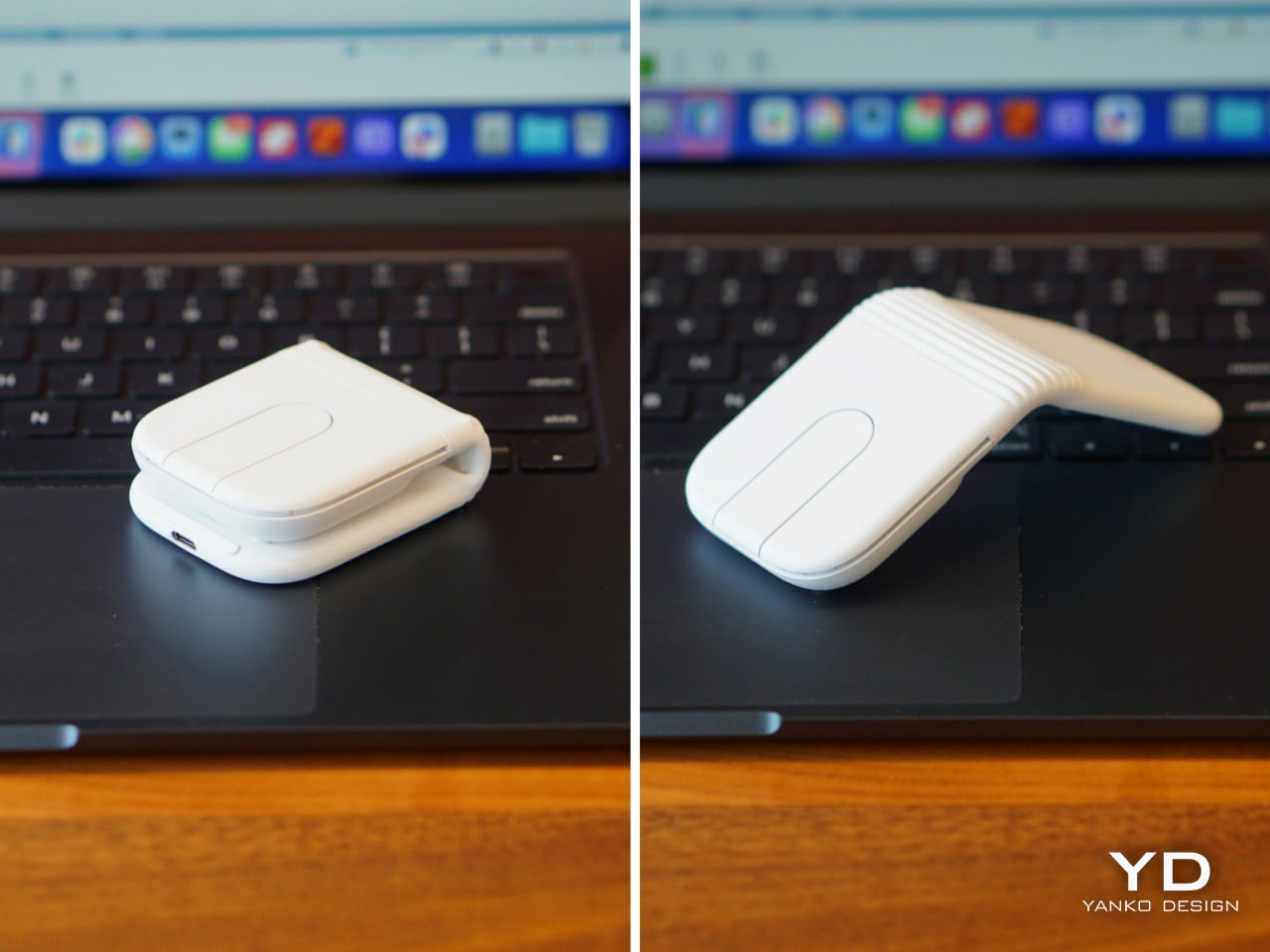
What we like

  • The separate pot design allows safe lifting and food preparation away from the heating element.
  • Hawaiian Imu pit cooking inspiration brings cultural meaning to contemporary appliance design.
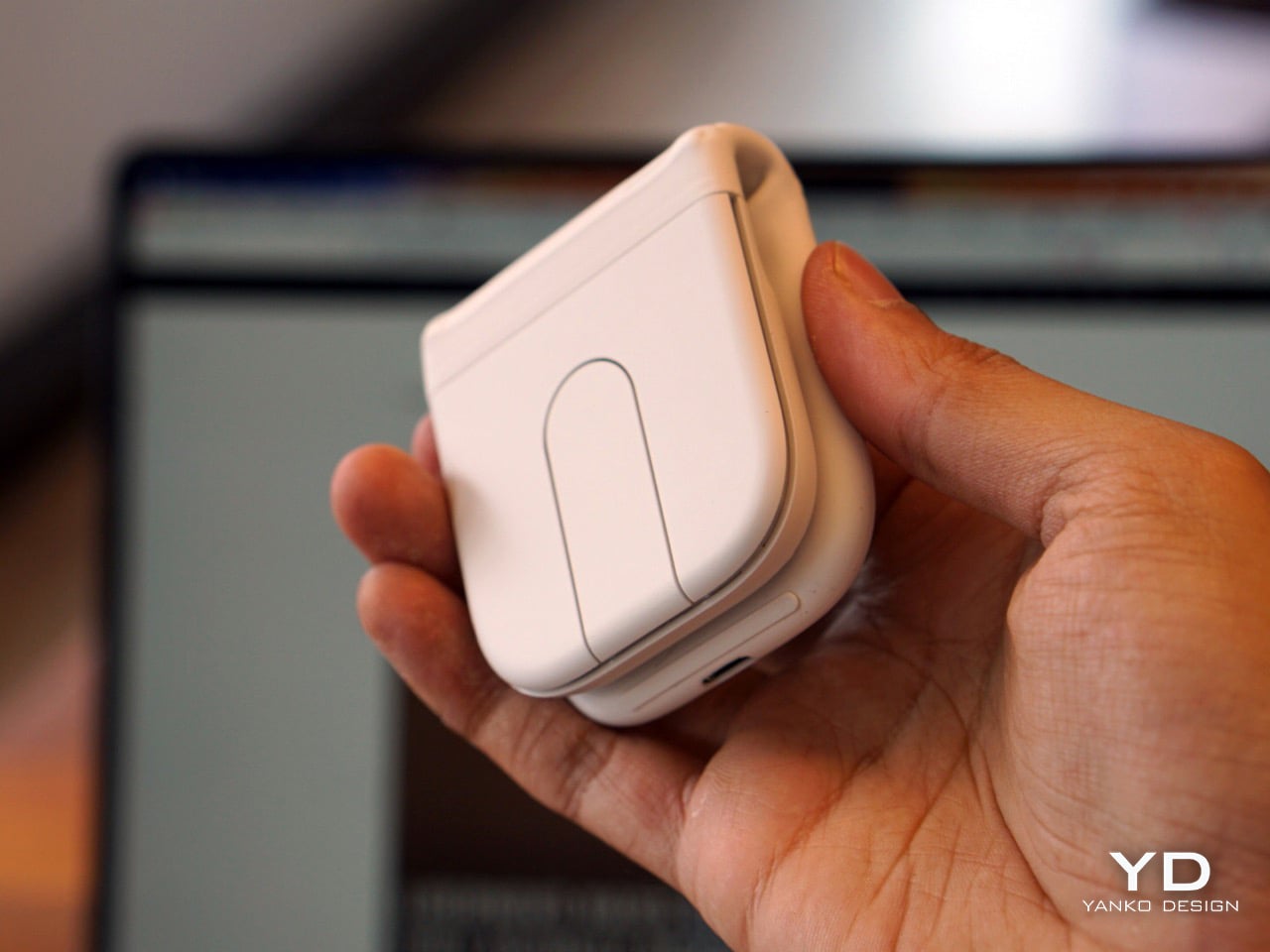
What we dislike

  • The concept stage leaves practical questions about capacity and cooking performance unanswered.
  • The separated pot design may reduce heat efficiency compared to integrated slow cookers.

6. Obsidian Black Precision Chopstick Tongs: Where Tradition Meets Practicality

Traditional Japanese chopsticks meet modern tong functionality in this unique utensil that handles delicate food with expert precision. Made from SUS821L1 stainless steel, these chopstick-style tongs blend elegance with practicality, offering chopstick precision combined with tong versatility. The obsidian black finish comes from special metal processing, ensuring the color never scratches or peels, preserving handsome looks indefinitely through daily use. These aren’t just kitchen tools; they’re craftsmanship designed to last years.
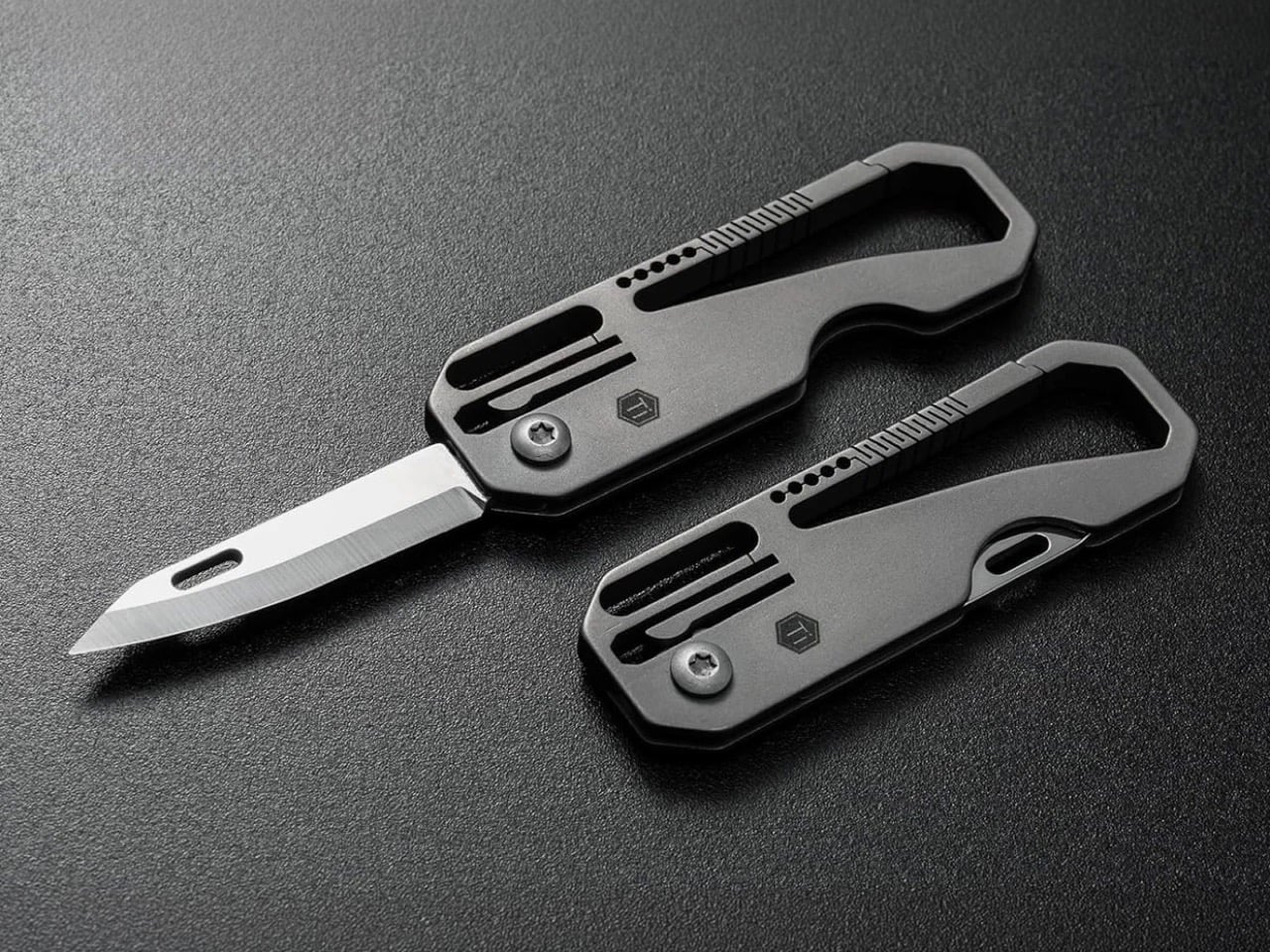
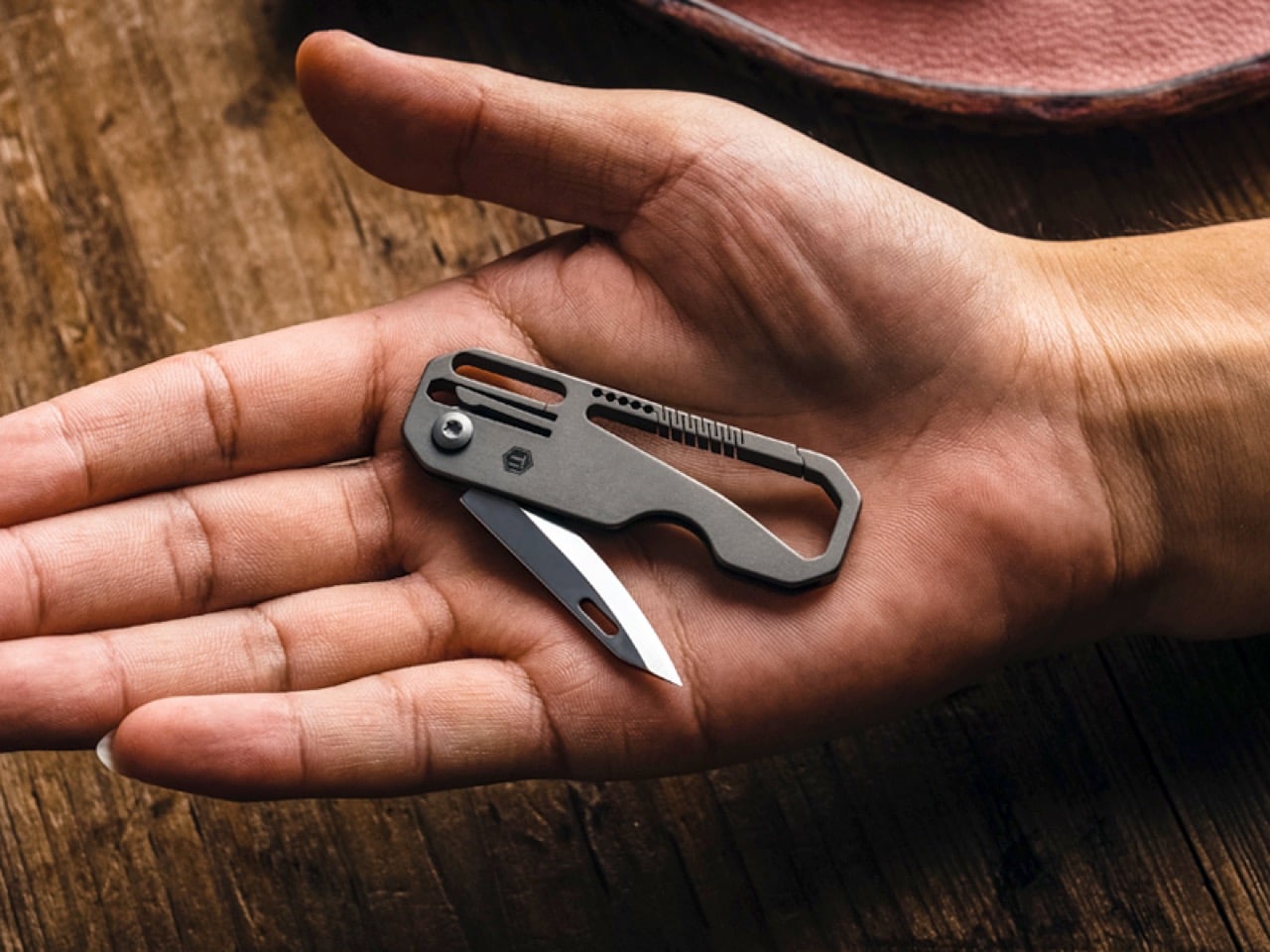
The design excels at picking up and turning small or delicate pieces, whether flipping sushi or handling tiny ingredients on the stovetop. There’s no wrong way to hold them, making confident use accessible regardless of chopstick skill level. The lightweight yet durable construction balances control with ease, perfect for both cooking and dining applications. The exceptional strength and corrosion resistance of the stainless steel withstand daily demands without degradation. These tongs prove that inspiration from tradition, when perfected for modern use, creates tools superior to purely contemporary designs.
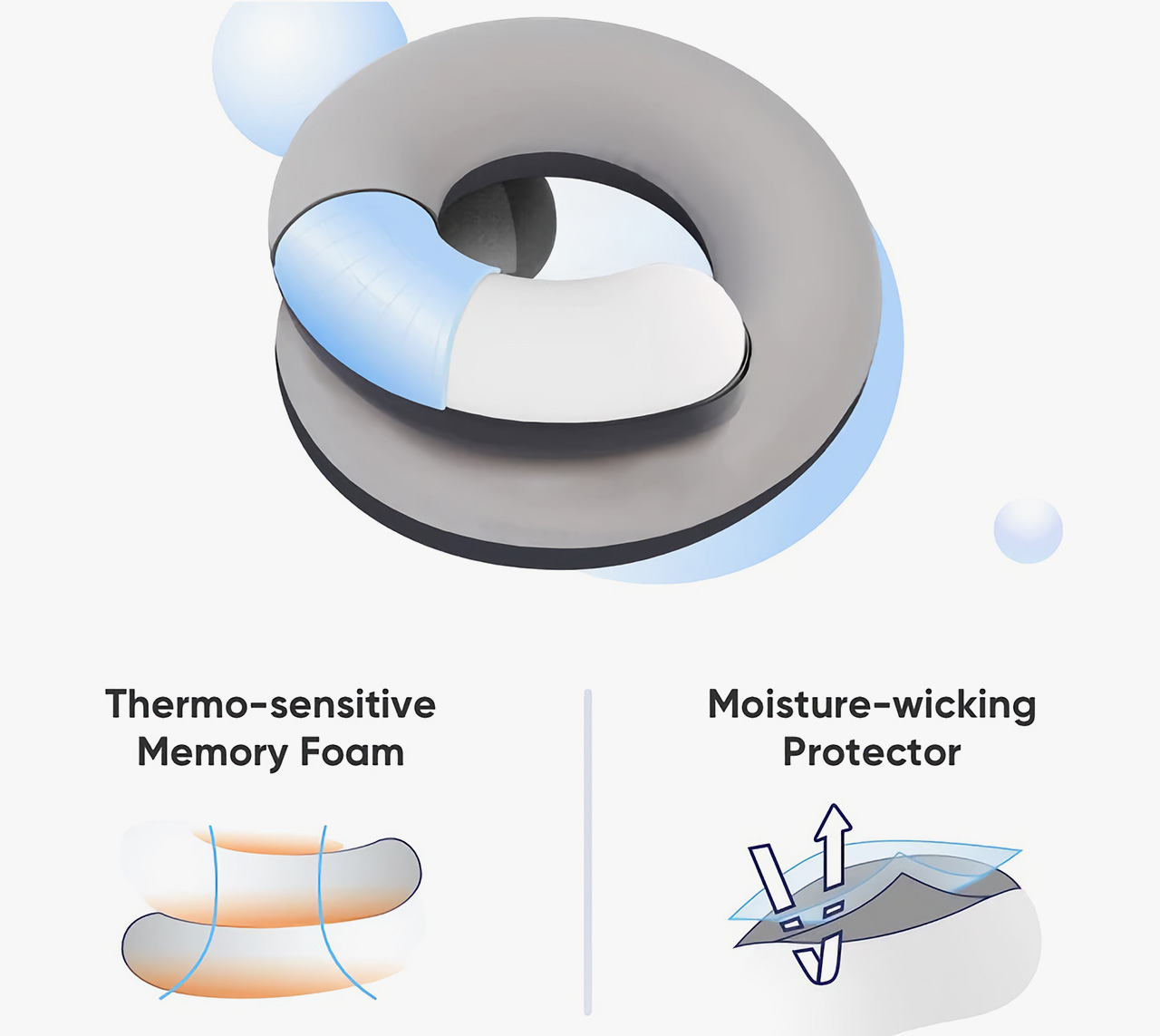
Click Here to Buy Now: $25.00

What we like

  • The chopstick-tong hybrid delivers precise control for delicate food handling.
  • SUS821L1 stainless steel with black oxide processing ensures durability and lasting aesthetics.

What we dislike

  • The chopstick format may feel awkward for users accustomed to the traditional tong grip.
  • The specialized design doesn’t replace standard tongs for heavy-duty flipping and turning.

7. Magic Cube Cooking System: Modular Kitchen Efficiency

Tiny kitchens demand creative solutions beyond just buying smaller appliances. The Magic Cube Cooking System maximizes functionality and efficiency through a modular design that integrates essential cooking elements into a sleek, space-saving format. The customizable approach ensures you only get what you actually need by combining multiple crucial functions into interconnected modules. This system adapts to your specific cooking style rather than forcing you to adapt to predetermined configurations.

Available modules include open flame and induction cookers for easy fuel-type switching, integrated range hoods for clean, ventilated environments, built-in sinks for mid-cooking cleanup, and condiment storage with knife disinfection units for organization and hygiene. The modular nature allows seamless matching to maximize efficiency while enabling individual module replacement to extend overall system lifespan. Standardized dimensions mean integration into different kitchen layouts without custom fitting. This concept solves cooking-related space problems through intelligent consolidation that respects the reality of modern urban living, where kitchen square footage comes at a premium price.

What we like

  • The modular design allows customization to specific needs and cooking styles.
  • Standardized dimensions enable integration into various kitchen layouts without custom fitting.

What we dislike

  • The modular approach requires careful planning to avoid purchasing unnecessary components.
  • The interconnected system may create single points of failure affecting multiple functions.

Kitchen Tools Evolved

These seven innovations share a common philosophy that kitchen tools should adapt to our lives rather than demanding we adapt to them. They reject the assumption that capability requires counter sprawl, proving that thoughtful design can deliver professional results in compact formats. From espresso machines that double as sculpture to modular systems that transform with your needs, these tools represent evolution beyond pure functionality toward objects that enhance both cooking and the spaces where it happens.

What makes this collection particularly relevant is how each piece addresses different aspects of modern cooking life. Some prioritize portability for people who cook in multiple locations, others embrace all-in-one versatility for space-constrained kitchens, and a few perfect single functions to excellence. The common thread is respect for the people using them and the spaces they occupy. Kitchen essentials in 2025 finally acknowledged that most of us don’t have restaurant-sized kitchens, unlimited budgets, or patience for complicated equipment. These tools meet us where we actually are, and that feels worth celebrating.

The post Best Kitchen Essentials of 2025: 7 Tools Worth Adding To Your Collection first appeared on Yanko Design.