France is shown the door, and Spain has triumphed into the final of the FIFA World Cup, now waiting patiently for either England or the favorites, Argentina. While who will make it to the final to contest for the most coveted trophy against Spain remains uncertain, at the time of writing, what’s certain is that Louis Vuitton has readied the bespoke trunk that will be used by the winners to carry the golden trophy out of the New York New Jersey Stadium on Sunday, July 19.
Like it has been doing in the last four editions, LV has unveiled its licensed 2026 FIFA World Cup Trophy Trunk to showcase and transport the most iconic cup in sports. It has previously designed trophy trunks for the 2010 edition of the FIFA World Cup in South Africa, followed by the 2014 Brazil, 2018 Russia, and 2022 Qatar editions.
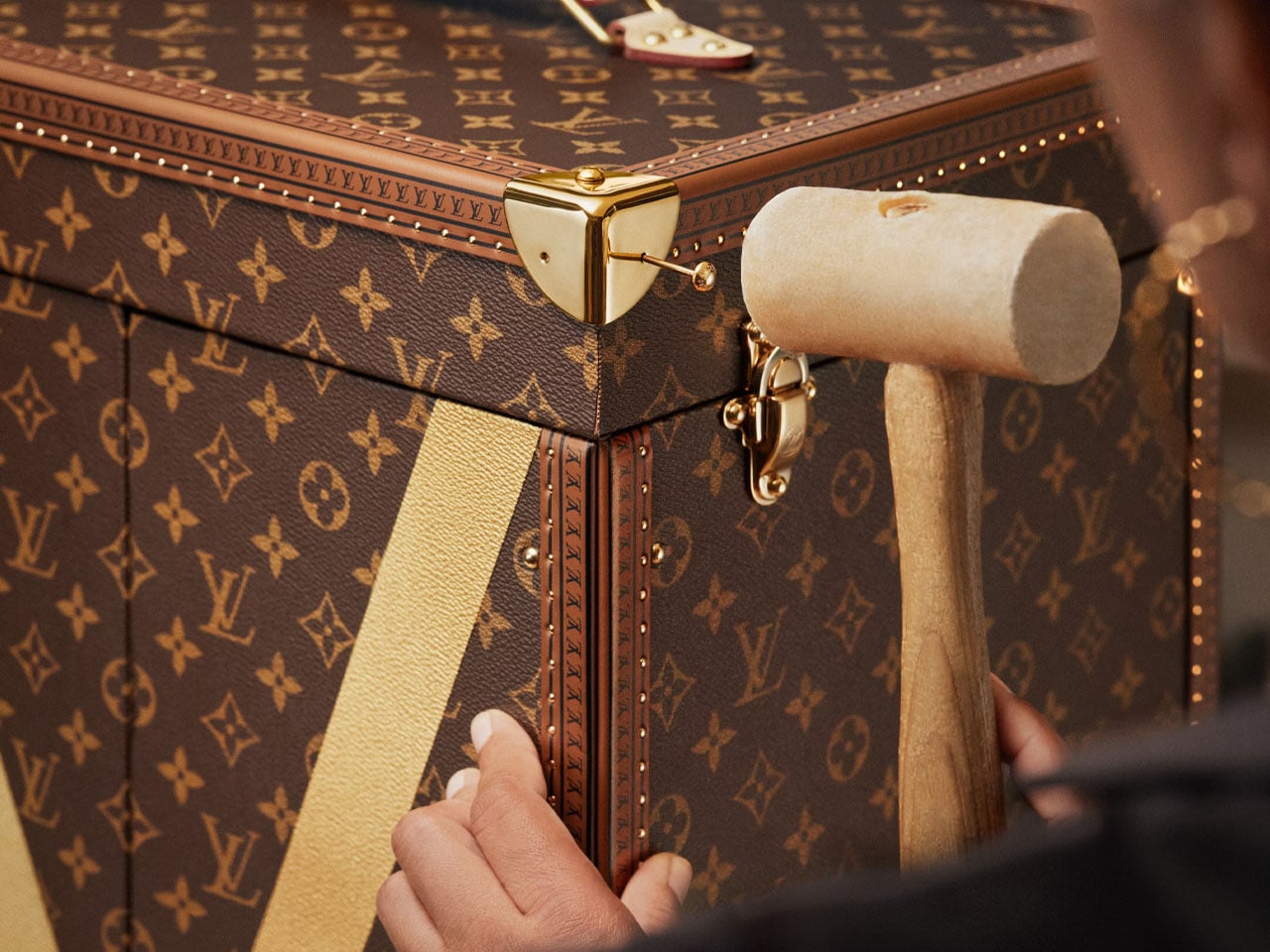
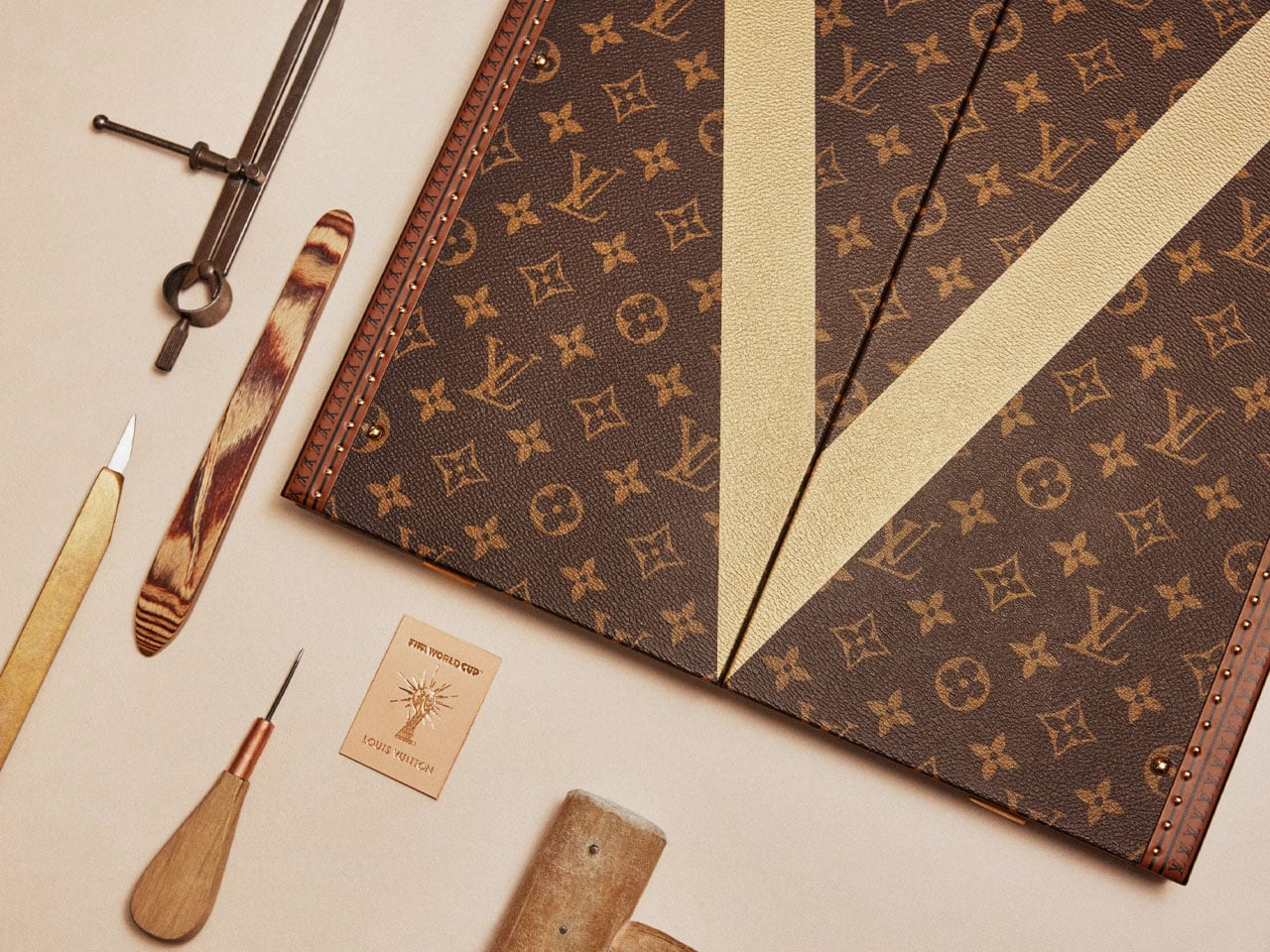
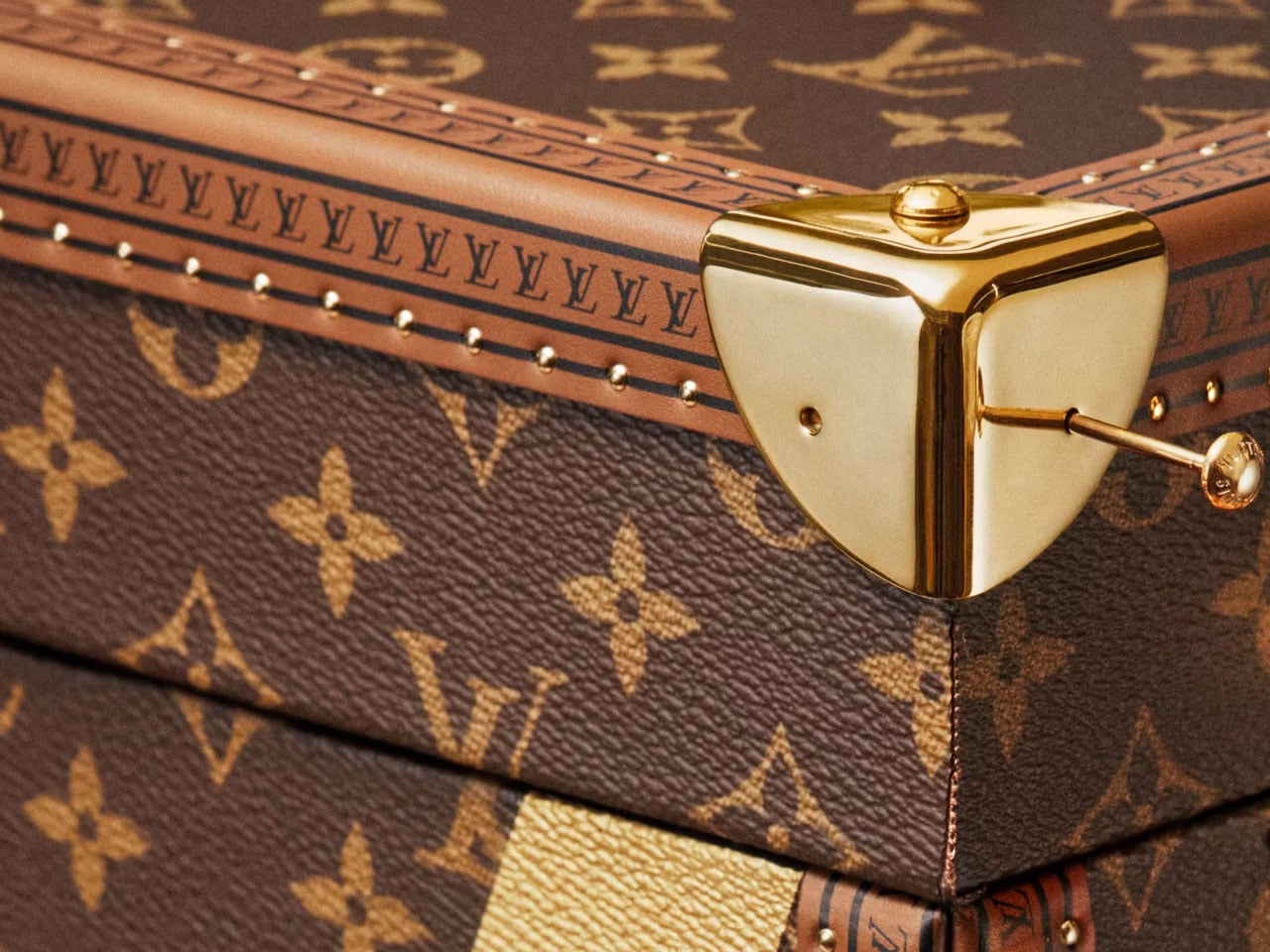
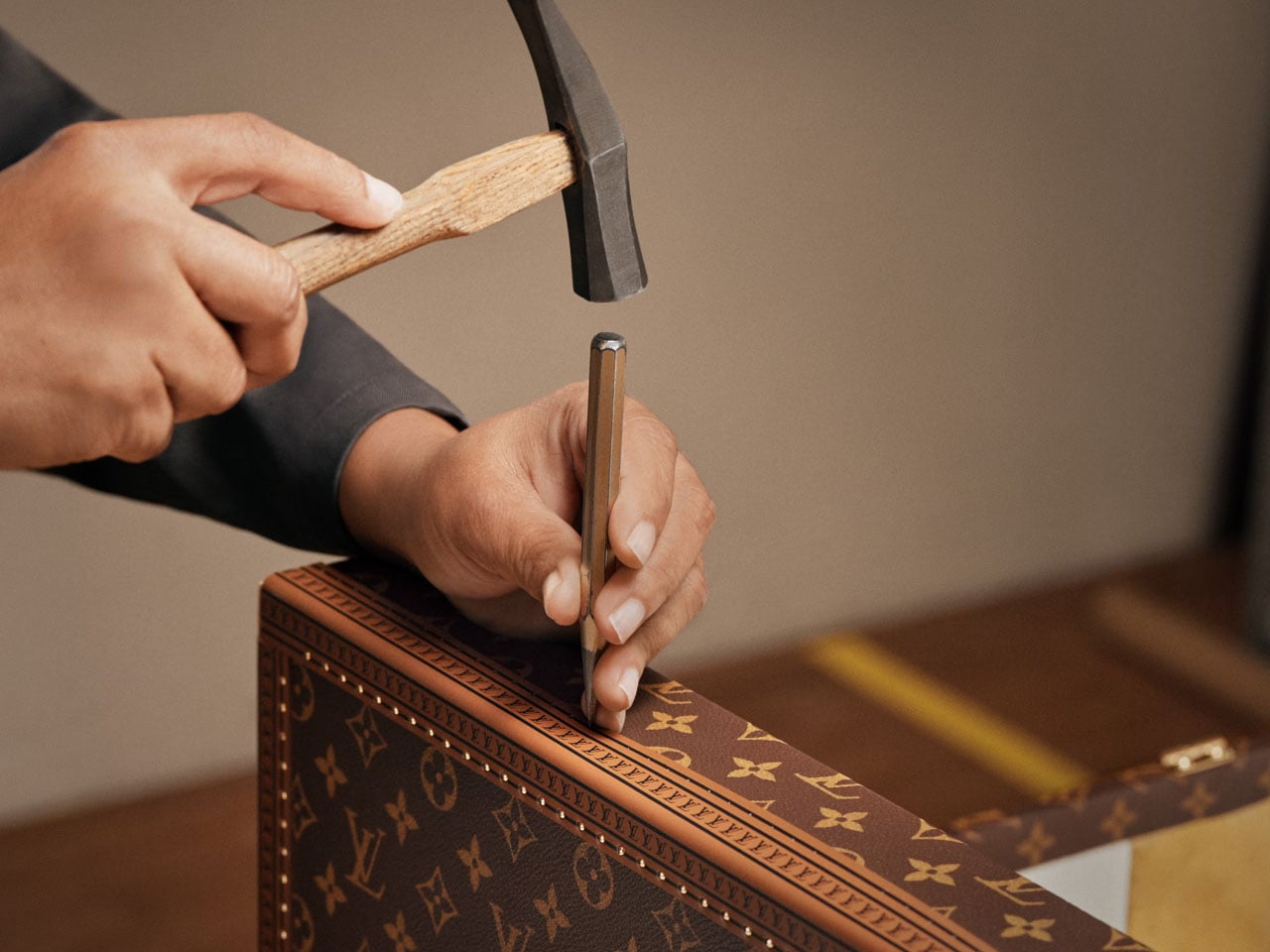
The fifth such trunk, in as many editions of the World Cup, is made by Maison’s artisans in its Asnières-sur-Seine workshops near Paris. It is meticulously covered in the iconic Louis Vuitton monogram canvas and will, for the first time, be officially disclosed at the final match of the World Cup.
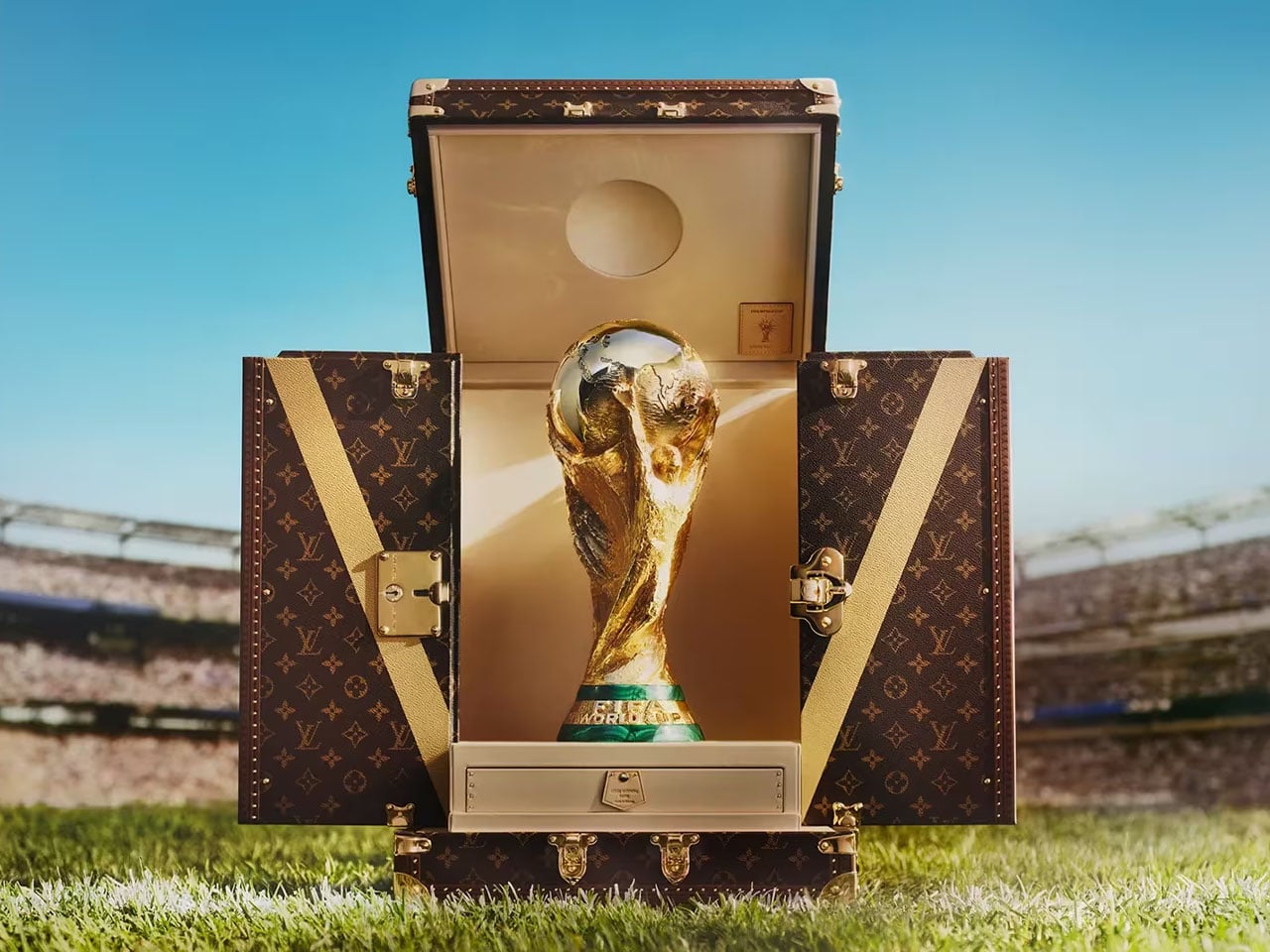
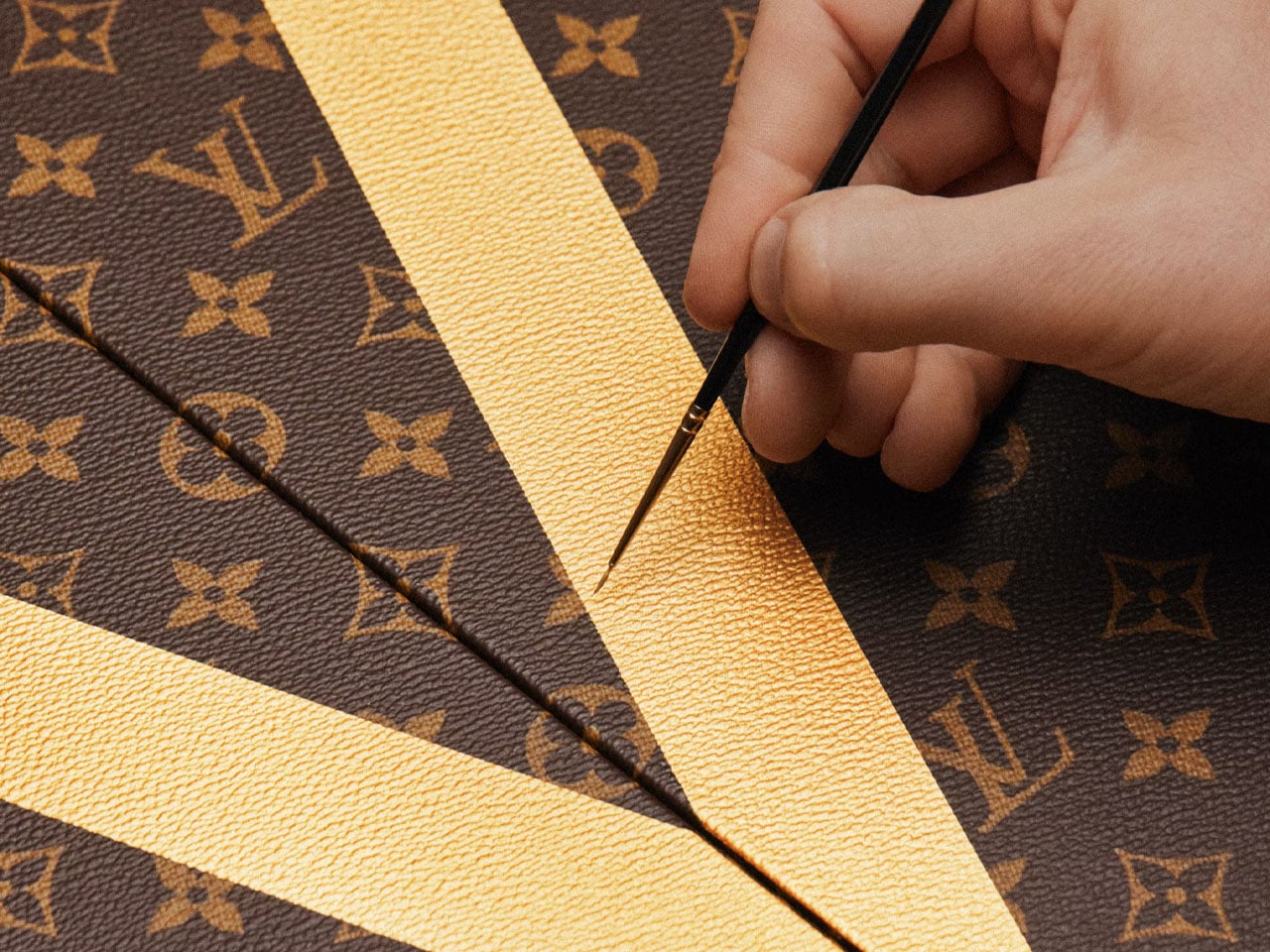
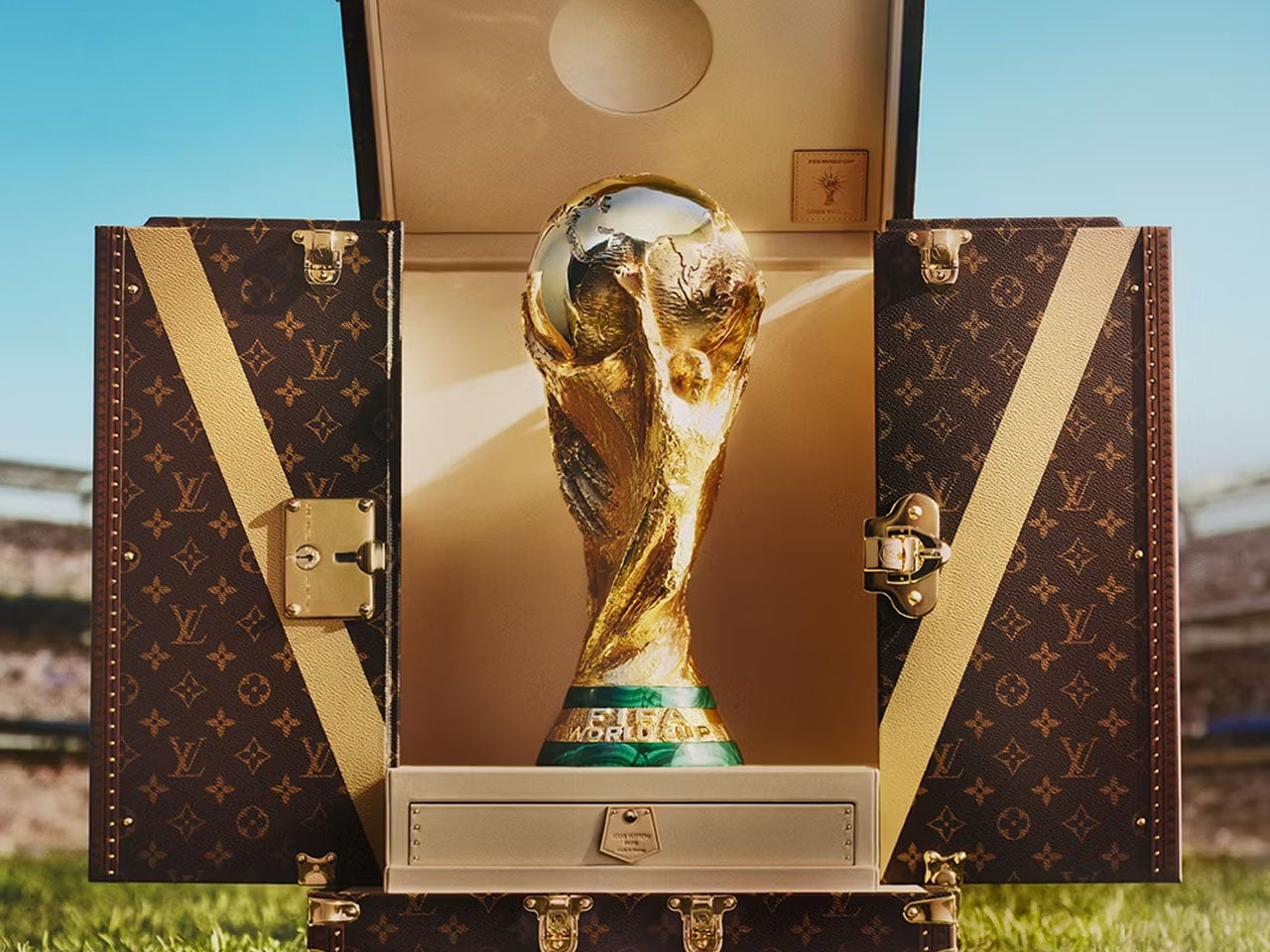
The 2026 FIFA World Cup Trophy Trunk will be brought onto the pitch for the finals ceremony and will become part of the music and entertainment programs when football’s greatest achievement is celebrated. Making its presence etched in the annals of history, the 2026 FIFA World Cup Trophy Trunk comes enclosed in an all-LV Monogram canvas cover and features a pair of front panels adorned with a golden “V,” which, according to the press statement, stands for both Vuitton and Victory.
The exterior doesn’t give out much about the official partnership. It is more reserved for the interior, which is done in light beige leather and a space in the center for the “world’s most coveted trophy—a symbol of dedication, collective ambition, and the ultimate celebration of victory.” Here, a patch on the lid is used to showcase the partnership logo between Louis Vuitton and FIFA.
Returning to the exterior, it features LV’s signature leather trim known as “lozines.” The trunk corners are protected with gold-plated brass, while clasps and a lock are used to secure the precious trophy inside. Lock and clasp design is reminiscent of those used by the maison since the 1860s.
Unless you are the FIFA museum in Zurich, Switzerland, there is no chance you can keep the trophy or the trunk. Louis Vuitton understands it better than any of us and has therefore created three look-alike limited edition trunks. Since each of these is inspired by the trunk designed for the original solid gold trophy, they feature monogram canvas, a hand-painted FIFA World Cup logo, and the golden “V”.
The first of the three iterations is the Coffret 8 Montres, made to hold eight watches; the Cotteville 16 Montres is designed for the same purpose but with the capacity to store 16 watches. Malle Courrier Lozine 110 is a different breed; it is a trunk for the purpose of carrying luggage. There is no word on how each of these will be priced, but we learn that users will have an option to personalize their purchase with their initials.
Every few years, the FIFA World Cup does what few things can: it makes the whole planet pay attention to the same thing at the same time. Brands, naturally, line up to be part of that moment. Most of them shouldn’t bother. The average World Cup campaign is either a celebrity-filled spectacle that forgets to say anything, or a half-hearted logo slap on a football kit. And then IKEA Canada goes and does something genuinely clever.
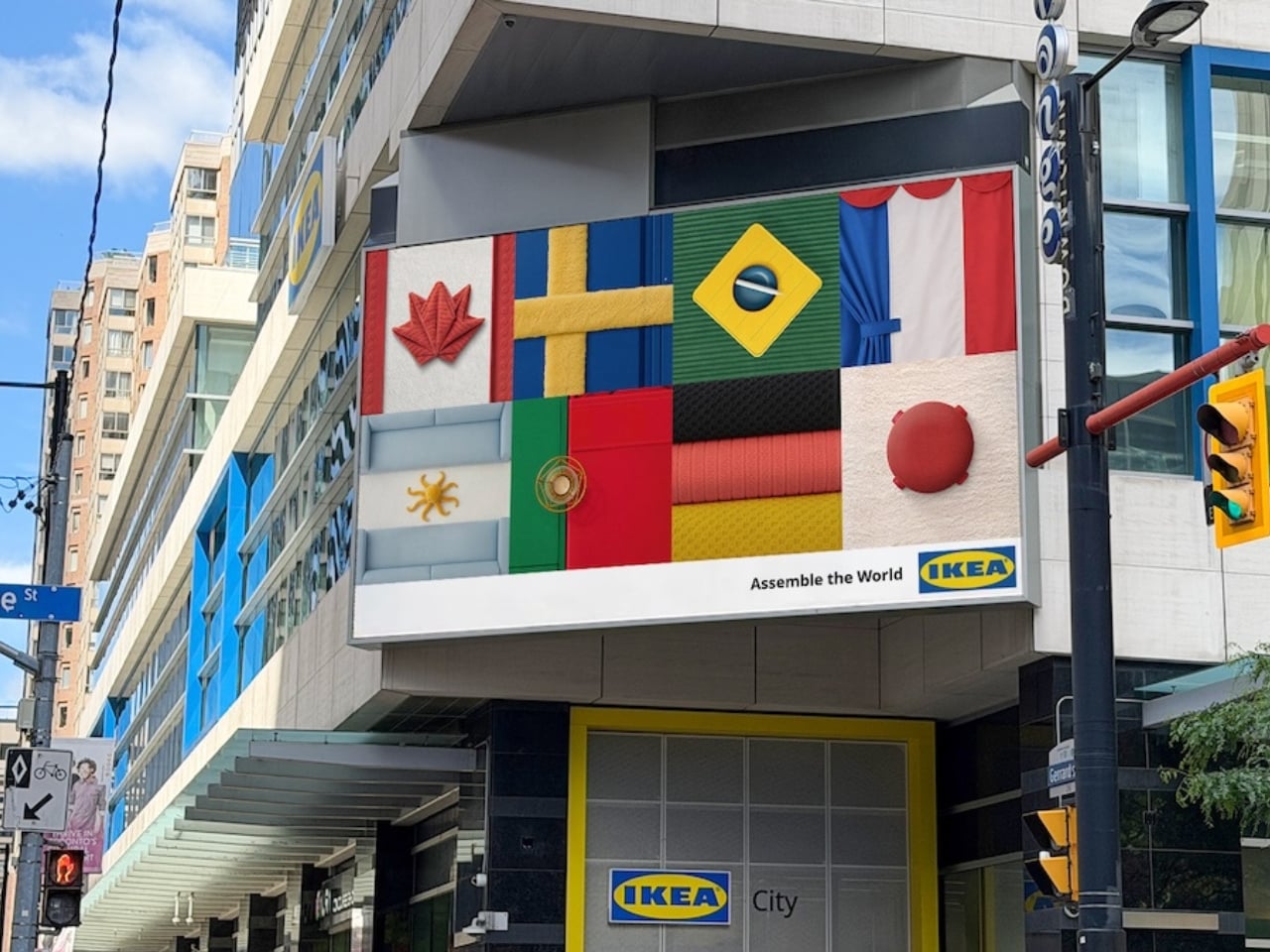
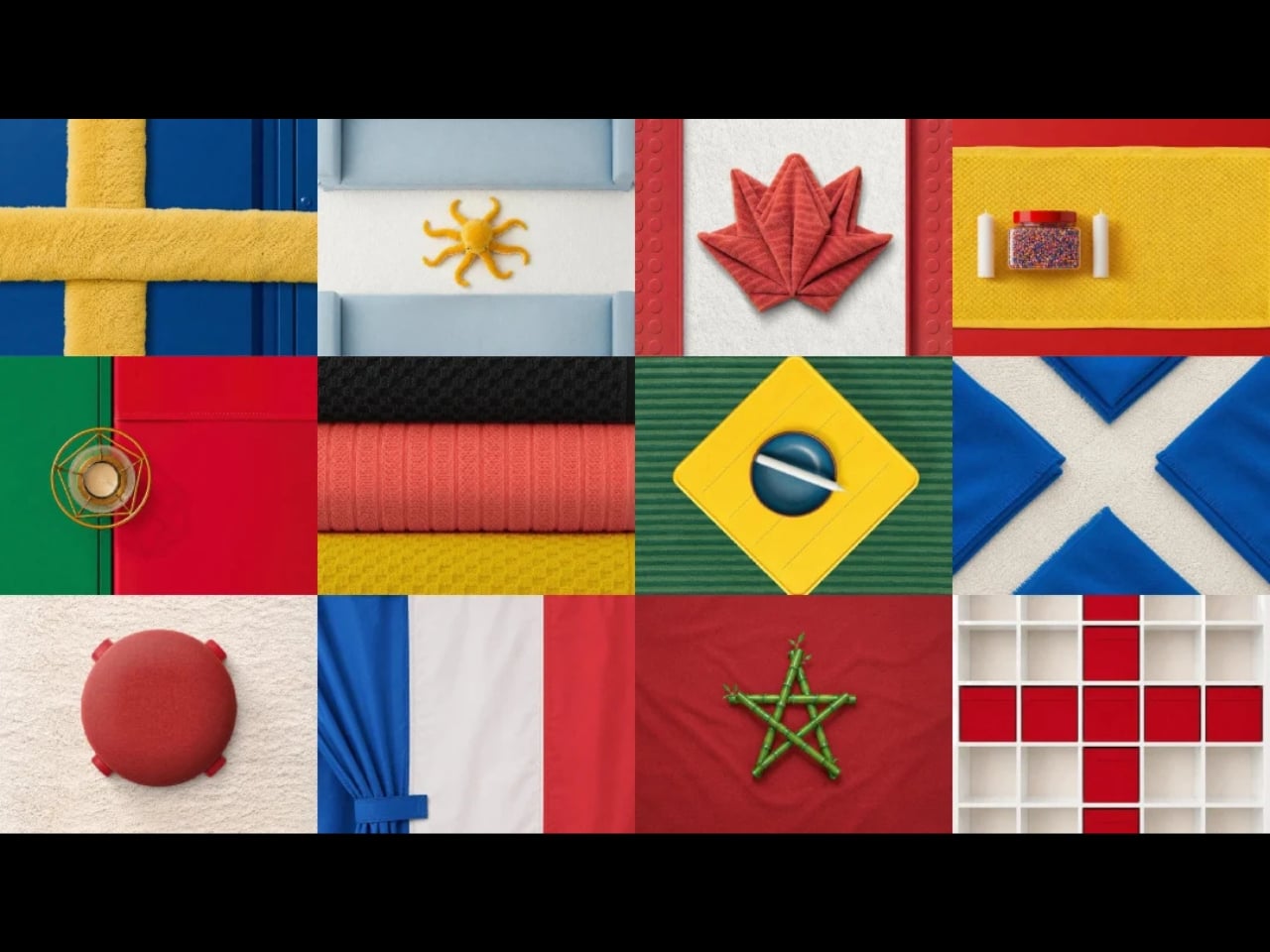
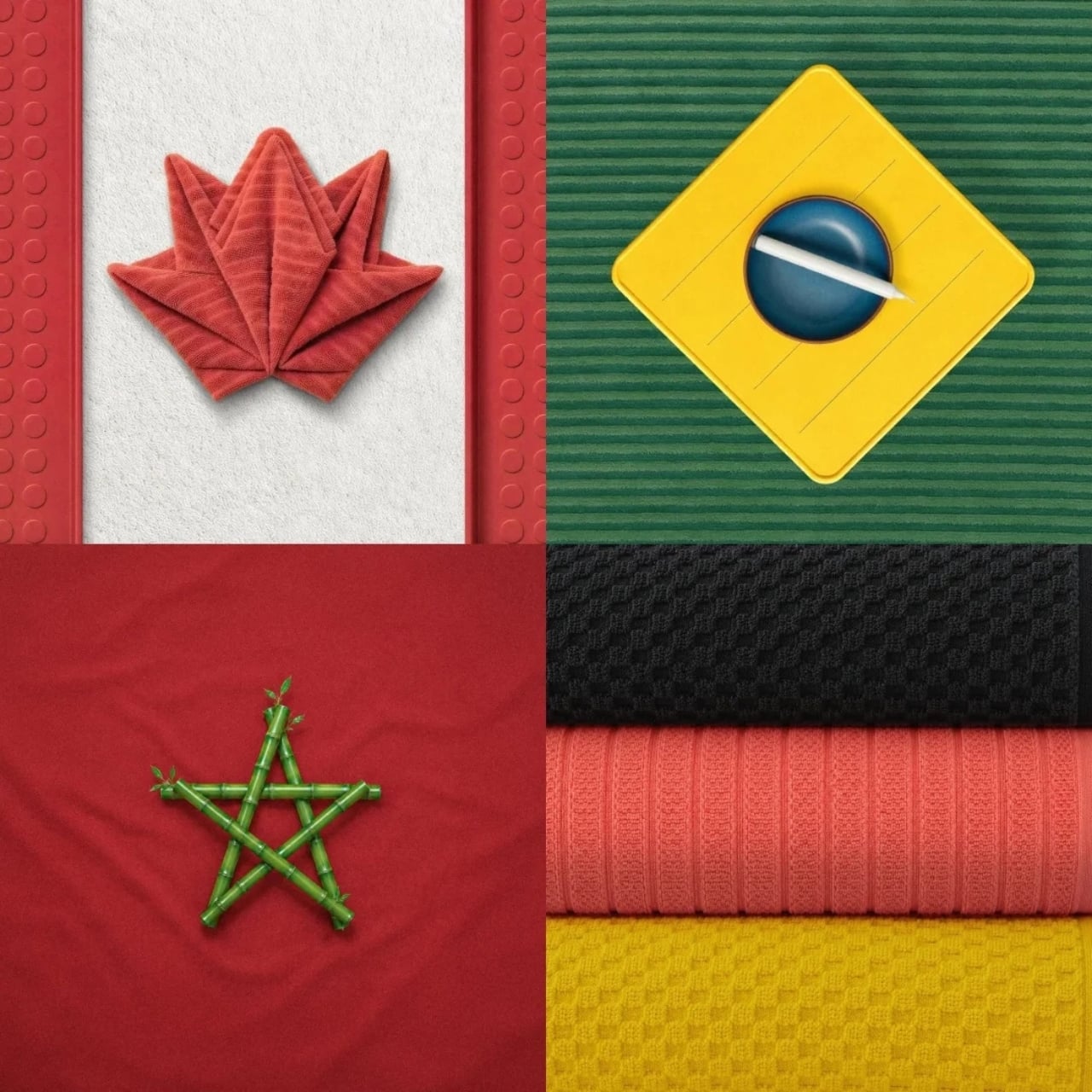
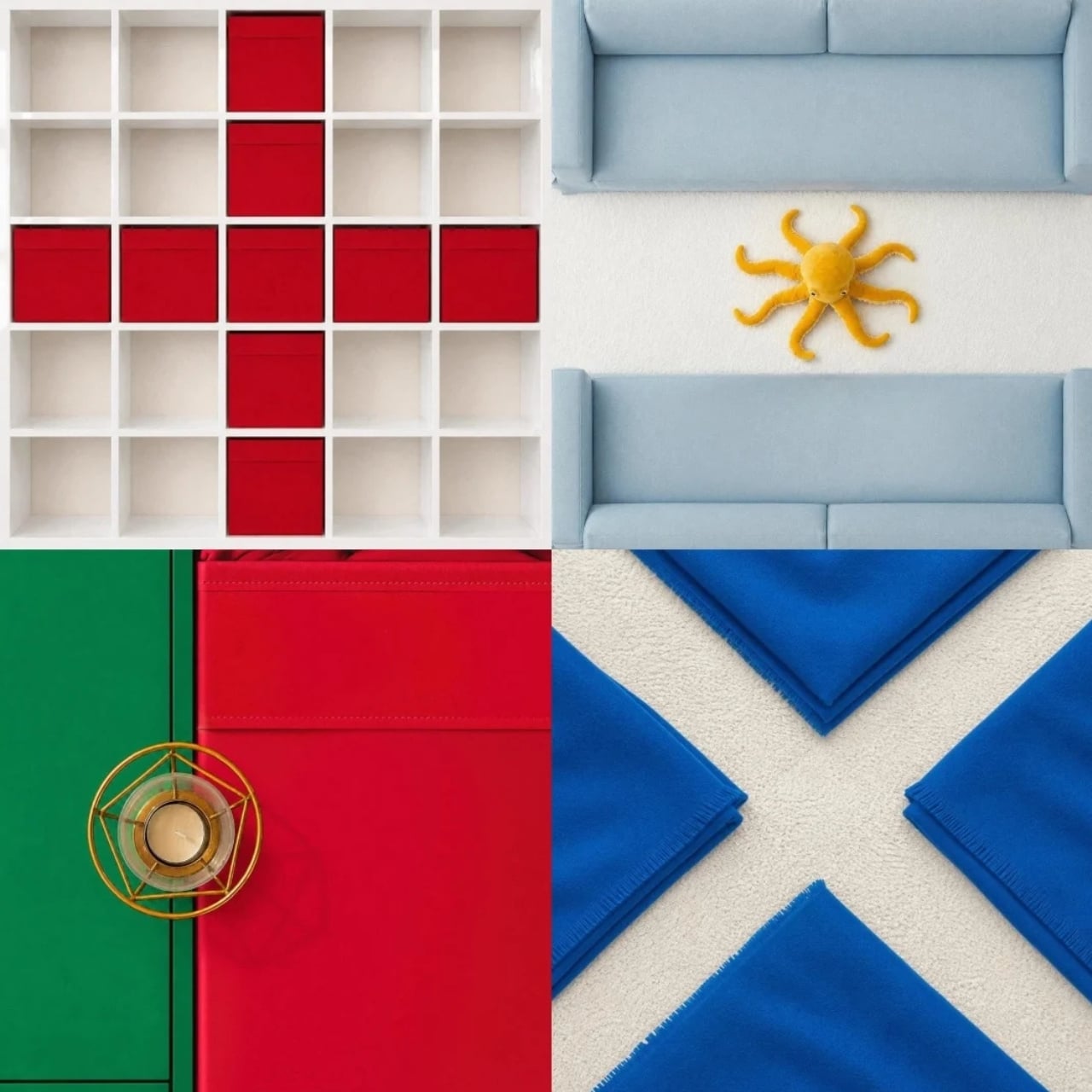
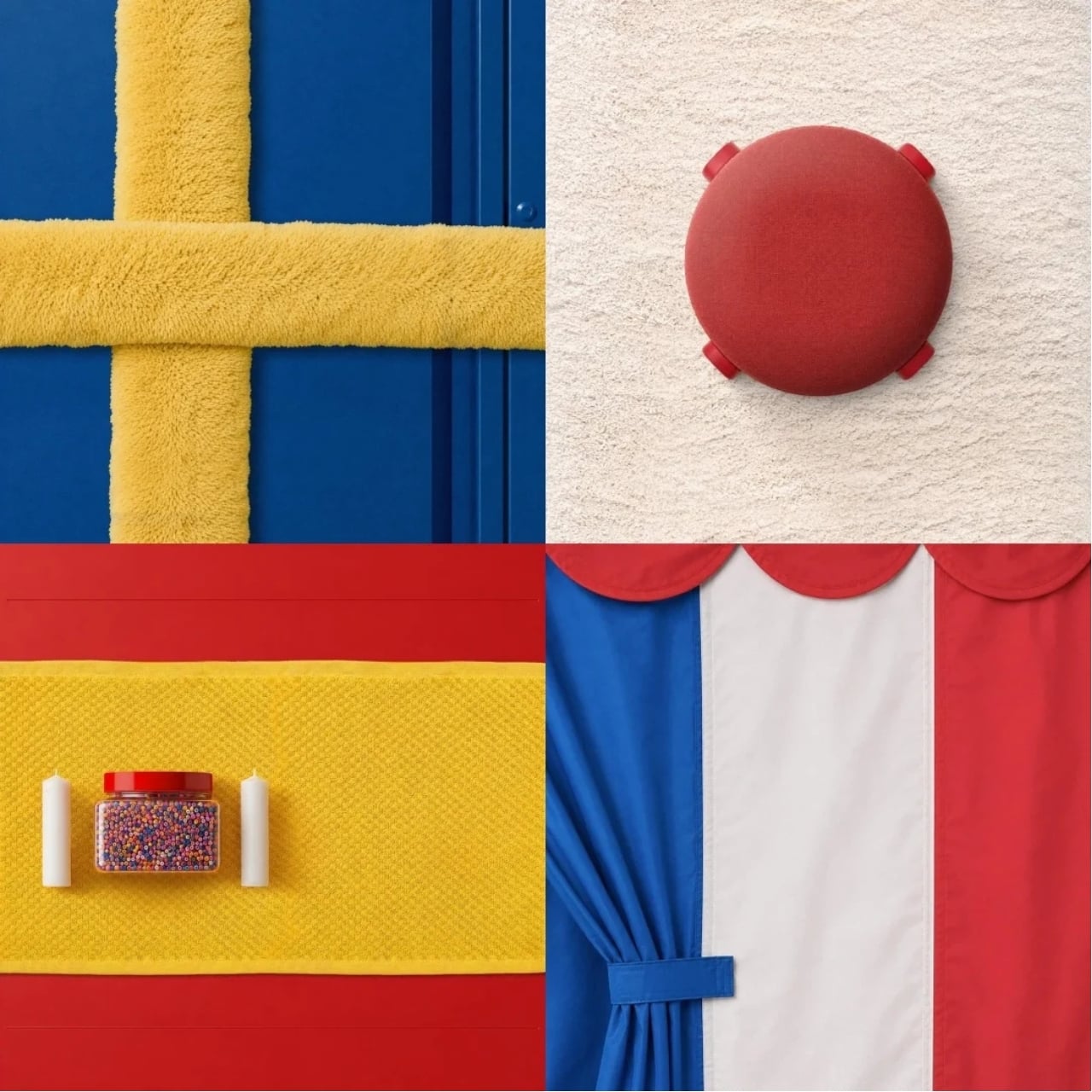
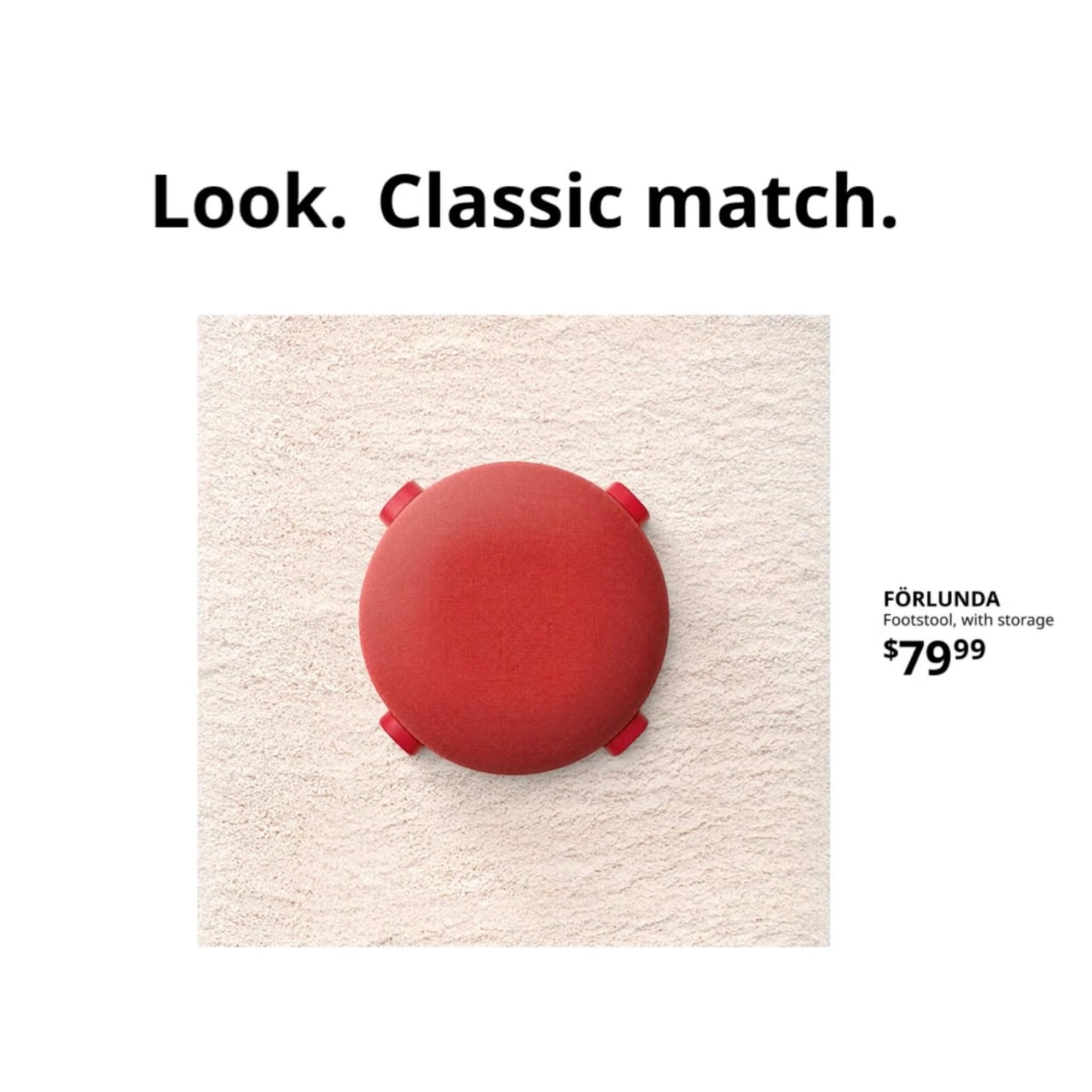
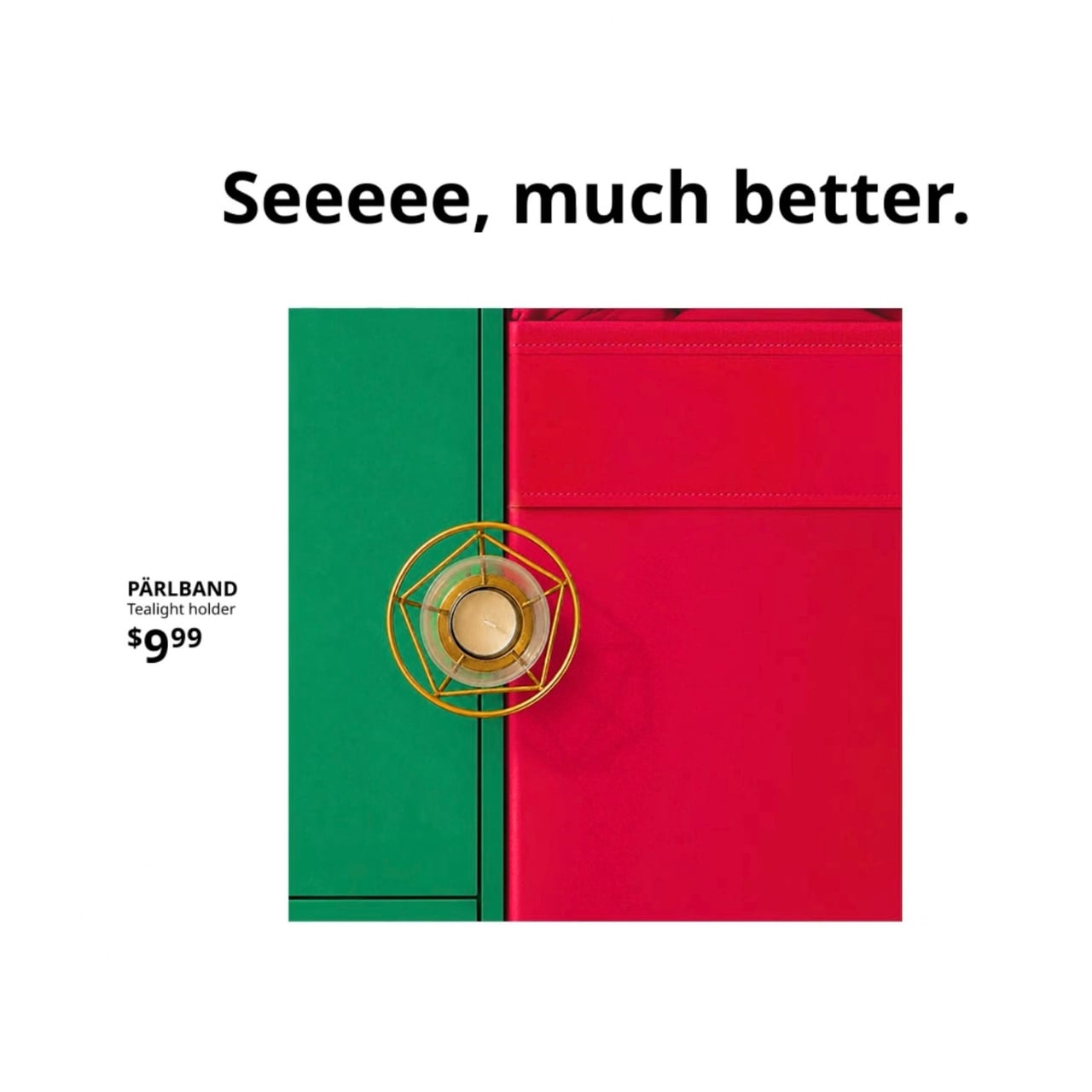
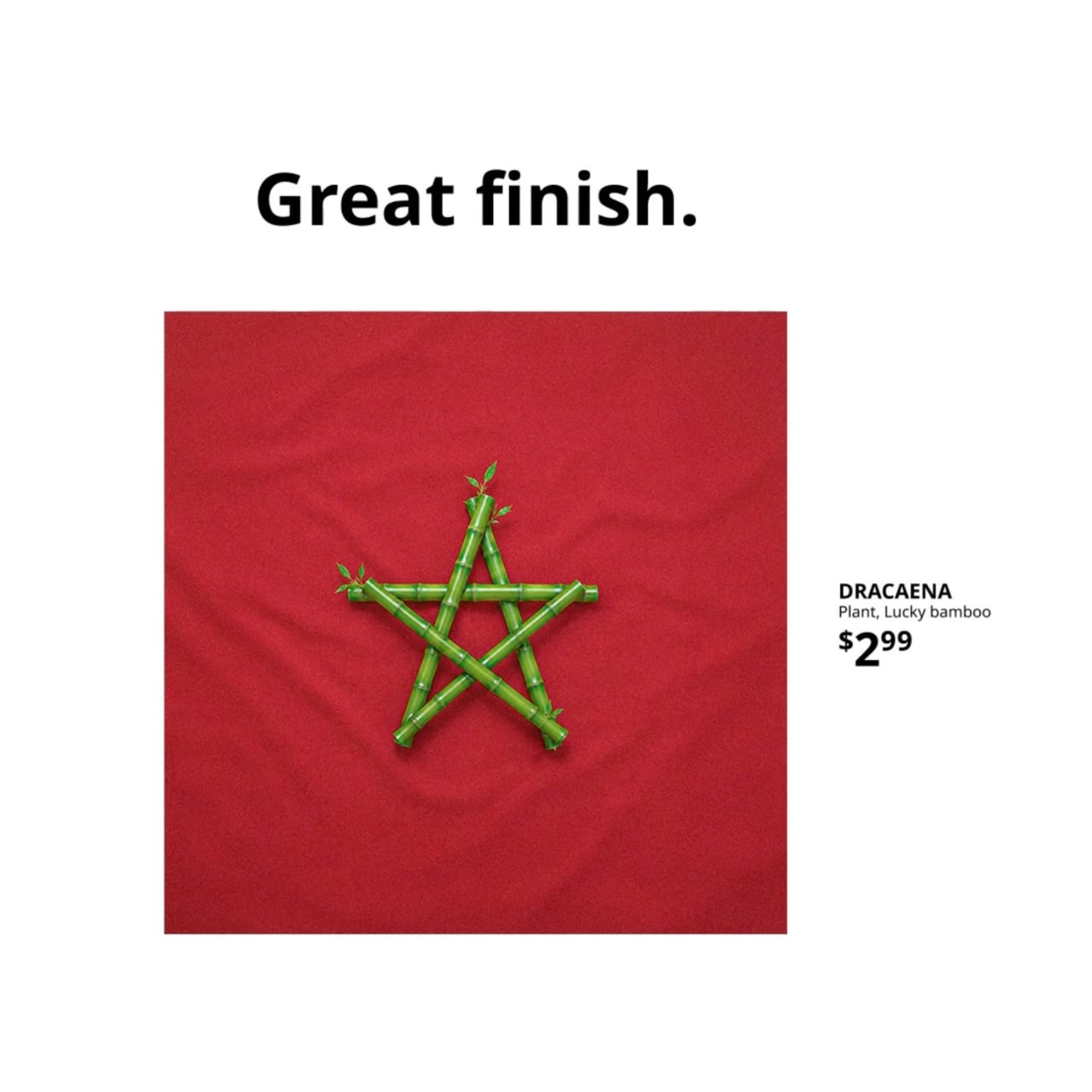
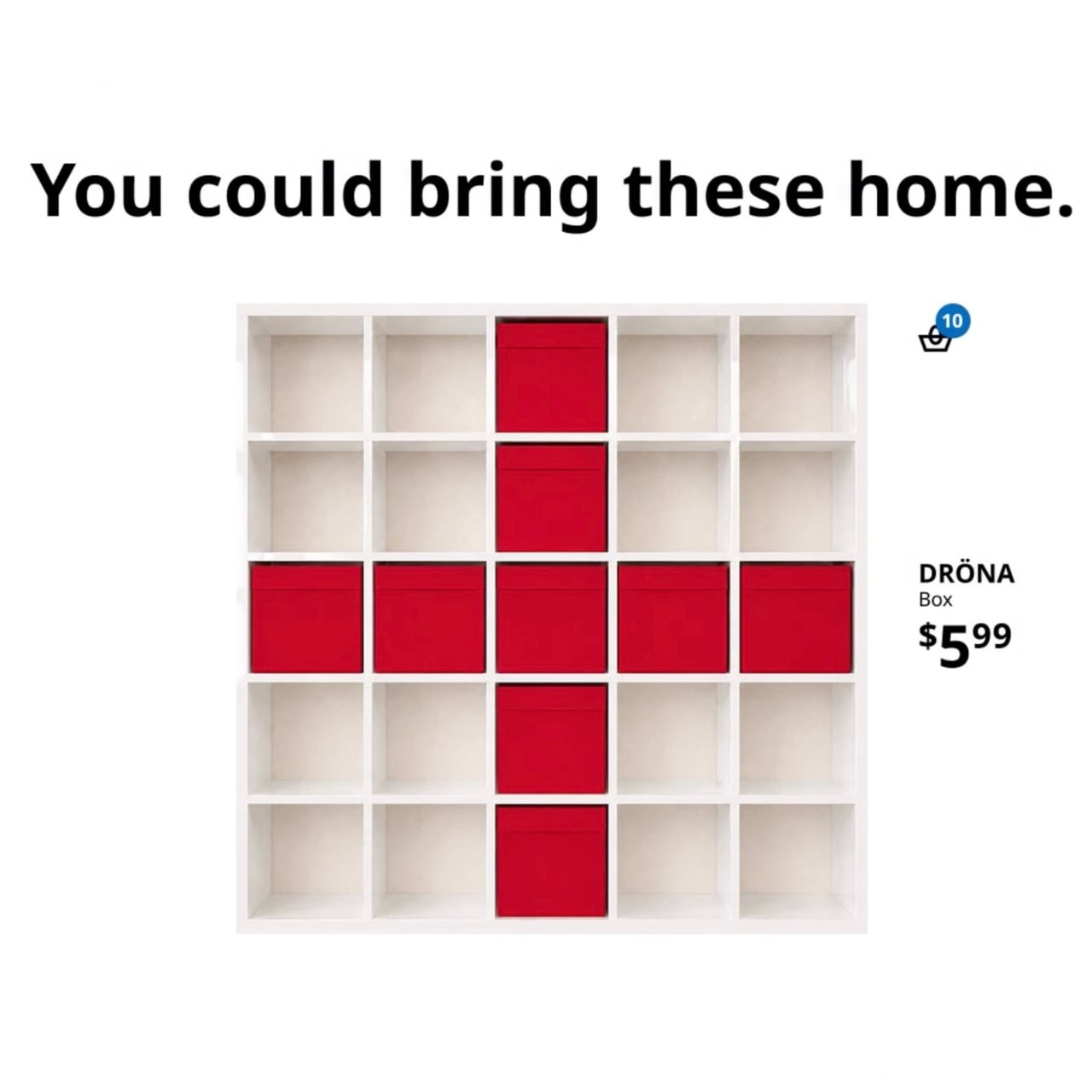
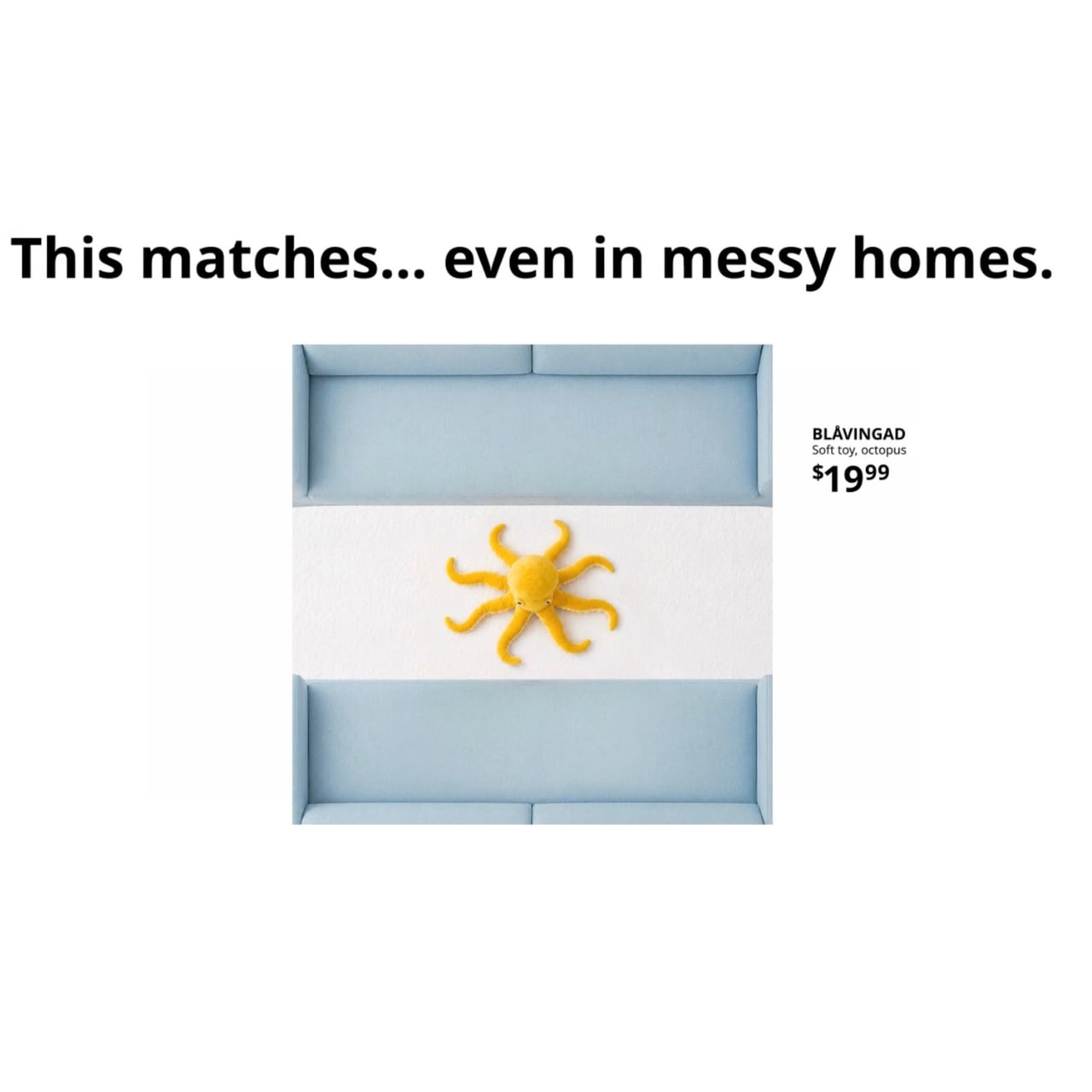
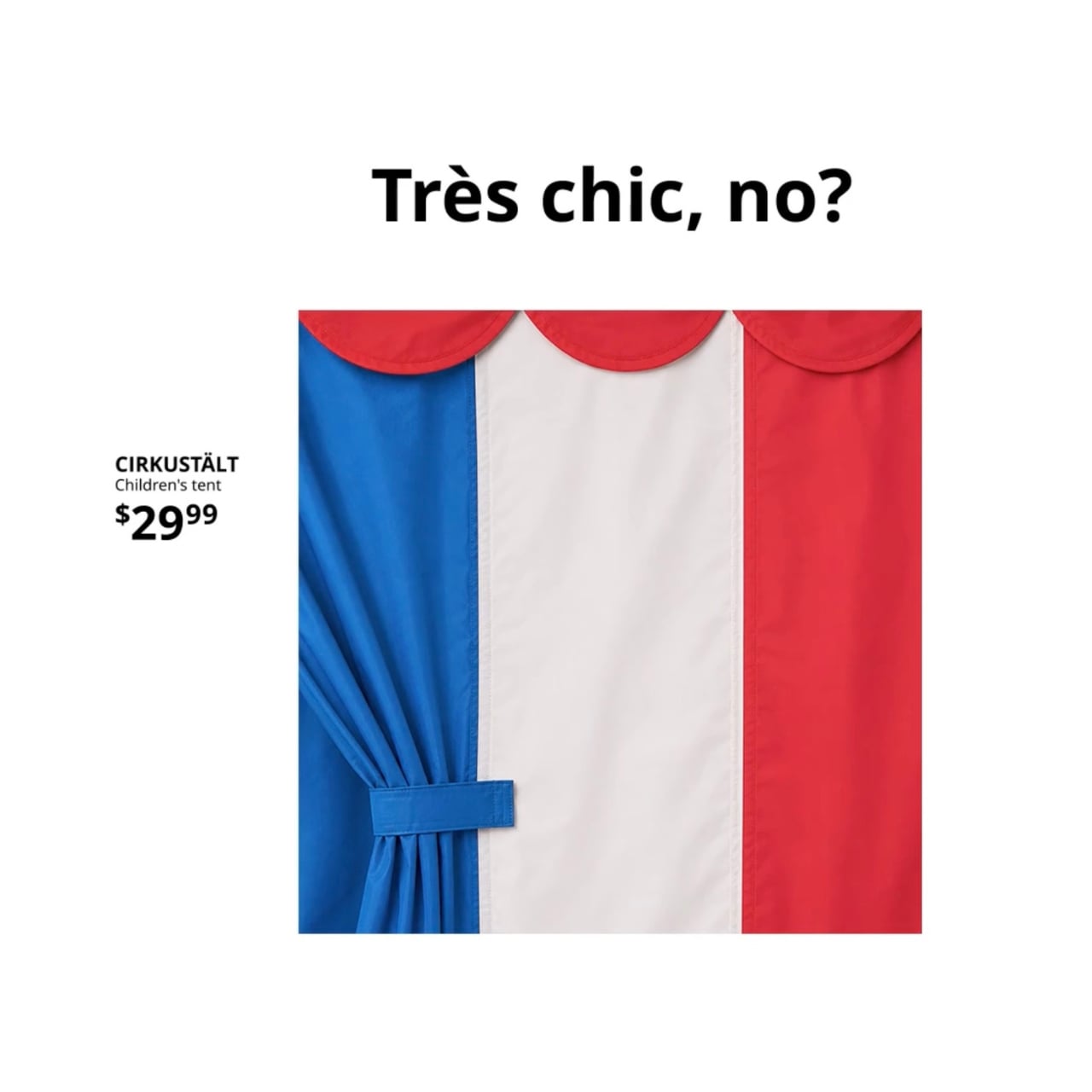
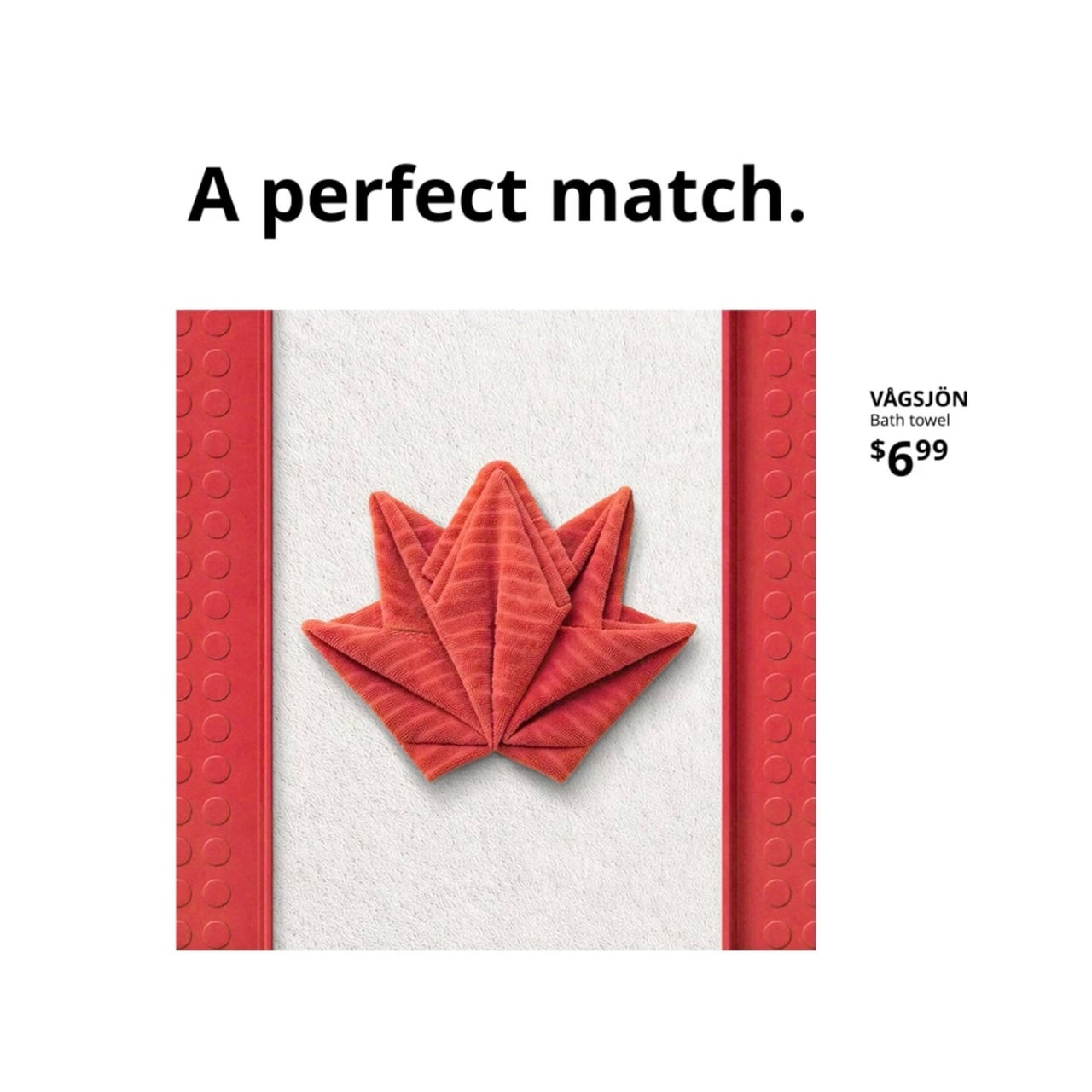
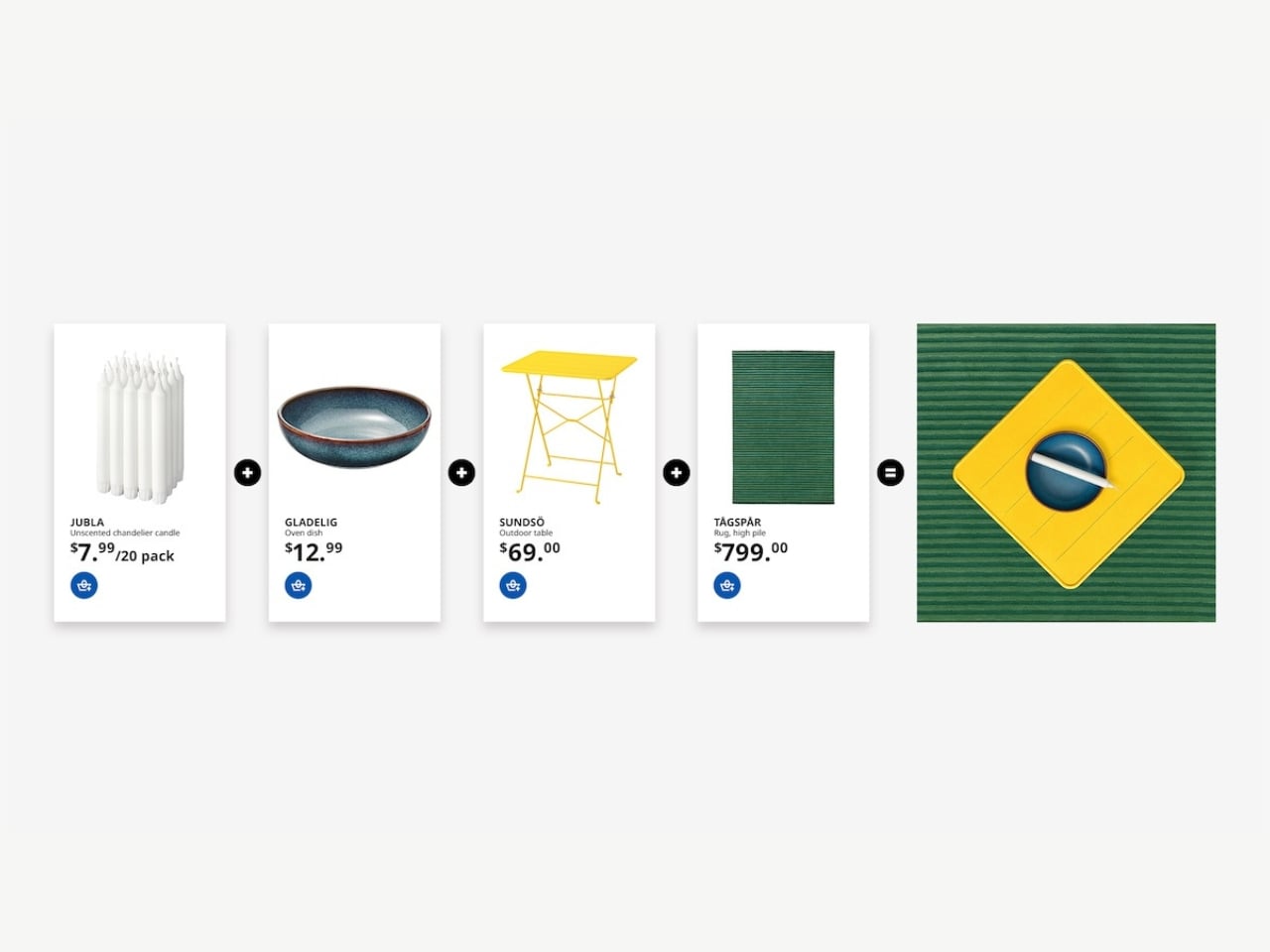
Assemble the World is a social-first campaign created with Dentsu Creative, and the premise is almost embarrassingly simple: take IKEA products and arrange them to look like national flags from competing World Cup nations. Cushions, rugs, lamps, candles, cabinets, plush toys, outdoor tables. All laid out, stacked, and styled until they read as the flag of Brazil, or Japan, or Morocco. Eighteen flags in total, each one built entirely from items you could actually buy.
Designer: IKEA Canada
The execution matters here. These aren’t mood board collages or loosely themed flat lays. The compositions are precise enough to be immediately recognizable, and playful enough to make you smile. Part of the campaign’s appeal is that you have to look closely. Each image invites you to spot the products before clicking through to shop them. It’s a scavenger hunt, a flag quiz, and a product catalogue all at once.
That last part is worth sitting with for a moment. The campaign has a shoppable component baked directly into every piece of content, which means the fun and the commerce aren’t separate experiences. They’re the same experience. That’s a much harder thing to pull off than it sounds. Most branded content either prioritizes entertainment at the expense of the product, or prioritizes the product so heavily that the entertainment evaporates. Assemble the World manages to keep both plates spinning.
What makes it land, I think, is that it doesn’t pretend to be something it’s not. It doesn’t position IKEA as a football brand or manufacture a deep emotional connection to the beautiful game. It just borrows the World Cup’s energy and applies IKEA’s own visual language to it. The result feels authentically IKEA, which is a genuinely difficult thing to achieve during a moment when every brand is trying to sound like it belongs at the stadium.
Canada is also a meaningful backdrop for this, as one of the three host country’s for this year’s edition of the World Cup. The country’s multicultural makeup is part of what the campaign quietly gestures toward, giving the flag concept a layer of relevance that goes beyond the tournament. For a lot of Canadians watching the World Cup, those flags represent personal histories, not just national teams. IKEA leaning into that feels less like a marketing angle and more like an honest observation about who their customers actually are.
The campaign runs across social media, digital channels, and outdoor advertising near IKEA store locations throughout the summer. The call to action, “Click, Buy, Wave,” is a bit cheeky, maybe a little too tidy, but it doesn’t take away from what the campaign does well overall.
Not every brand moment during a major sporting event needs to be profound. Sometimes the best thing a brand can do is show up with something that’s visually satisfying, conceptually tight, and worth two minutes of your time. Assemble the World is exactly that. It doesn’t overstay its welcome, it doesn’t overclaim, and it makes a catalogue of household items feel genuinely festive. In a summer already crowded with World Cup content, that’s no small thing. IKEA found the version of this campaign that only IKEA could do, which is the goal every brand chases and very few actually reach.
The FIFA World Cup has evolved far beyond the boundaries of sport. As one of the world’s most-watched events, it influences culture, technology, fashion, and consumer behavior on a global scale. Brands increasingly use the tournament as a platform to create products that capture the excitement, passion, and identity associated with football’s biggest stage.
From luxury collectibles and limited-edition gadgets to pet accessories and interactive merchandise, designers are finding new ways to connect fans with the World Cup experience. These products show how major sporting events inspire innovation, storytelling, and emotional engagement across multiple industries.
Global sporting events often drive demand for exclusive products that celebrate memorable moments and national pride. Designers are responding by creating collectible items that combine functionality with strong emotional appeal. These products are often produced in limited quantities, making them highly desirable among fans and collectors alike.
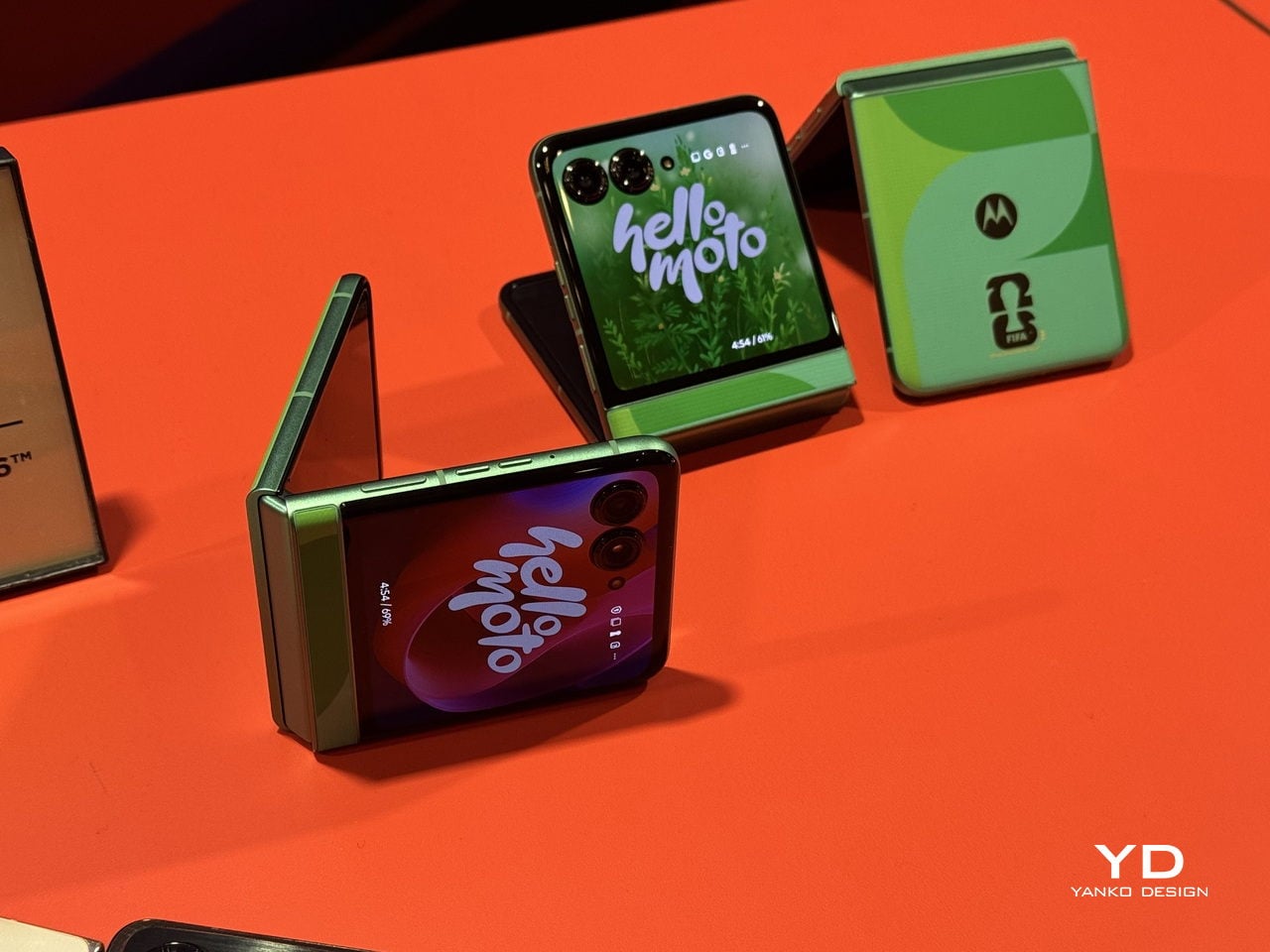
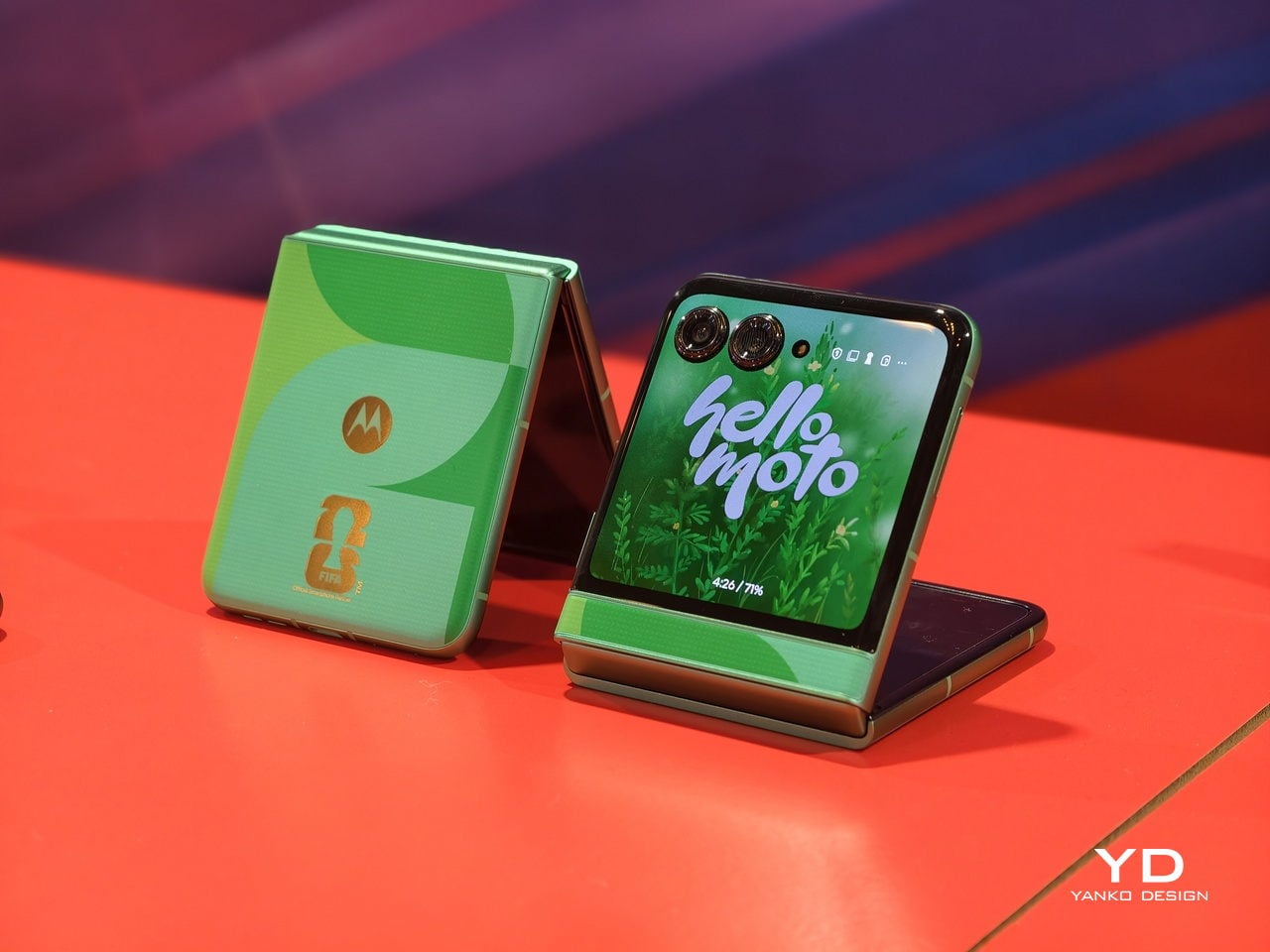
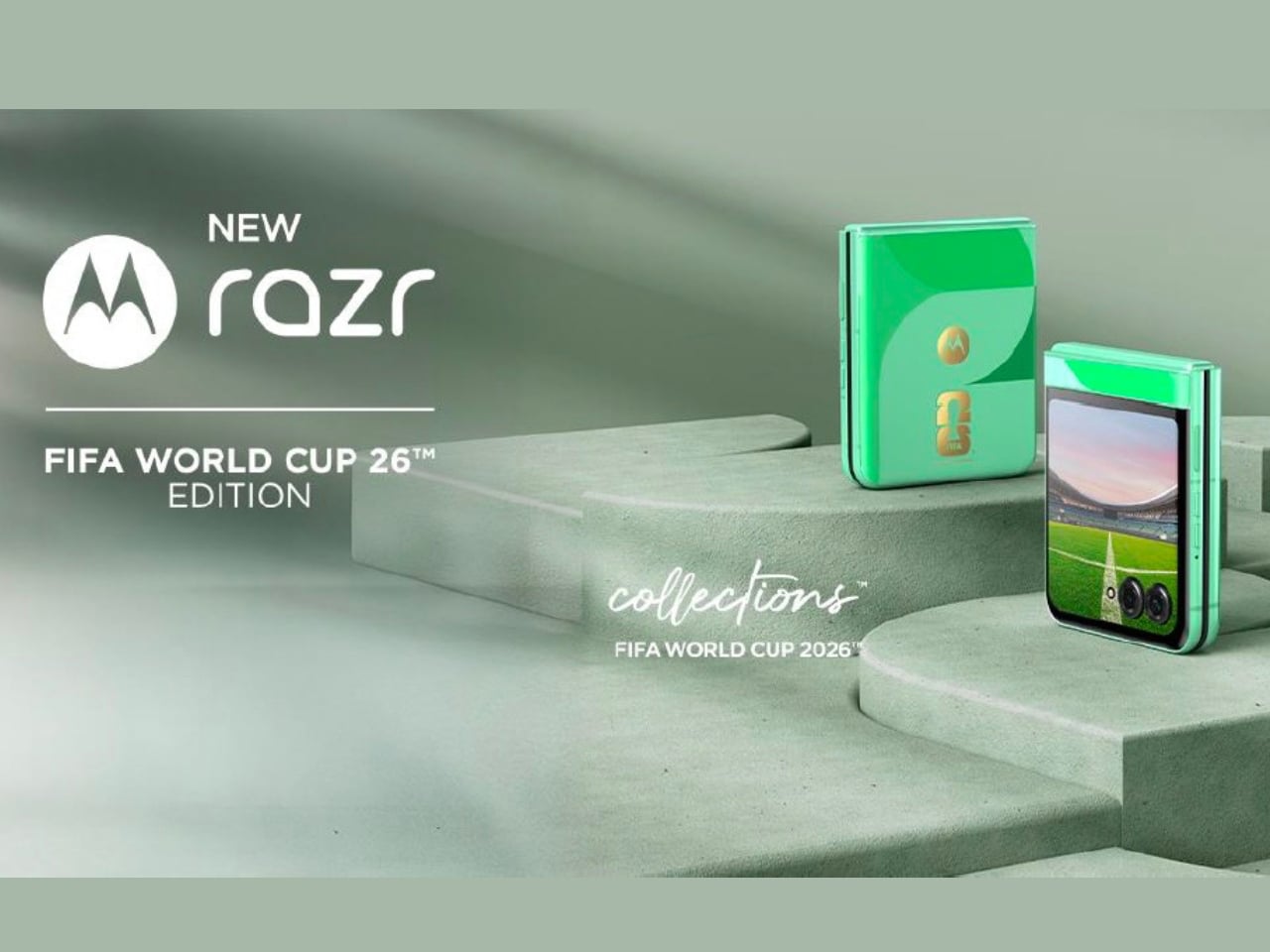
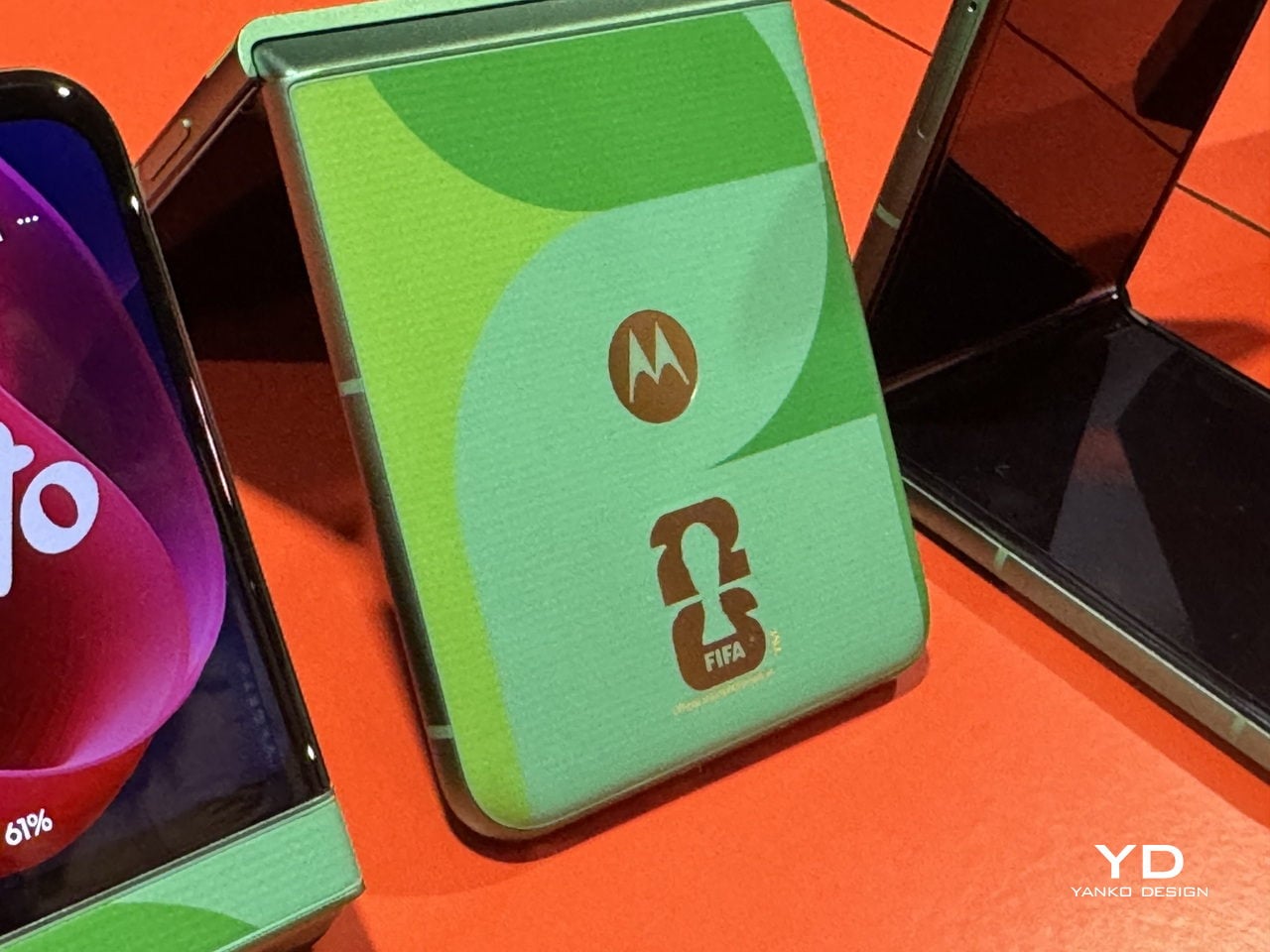
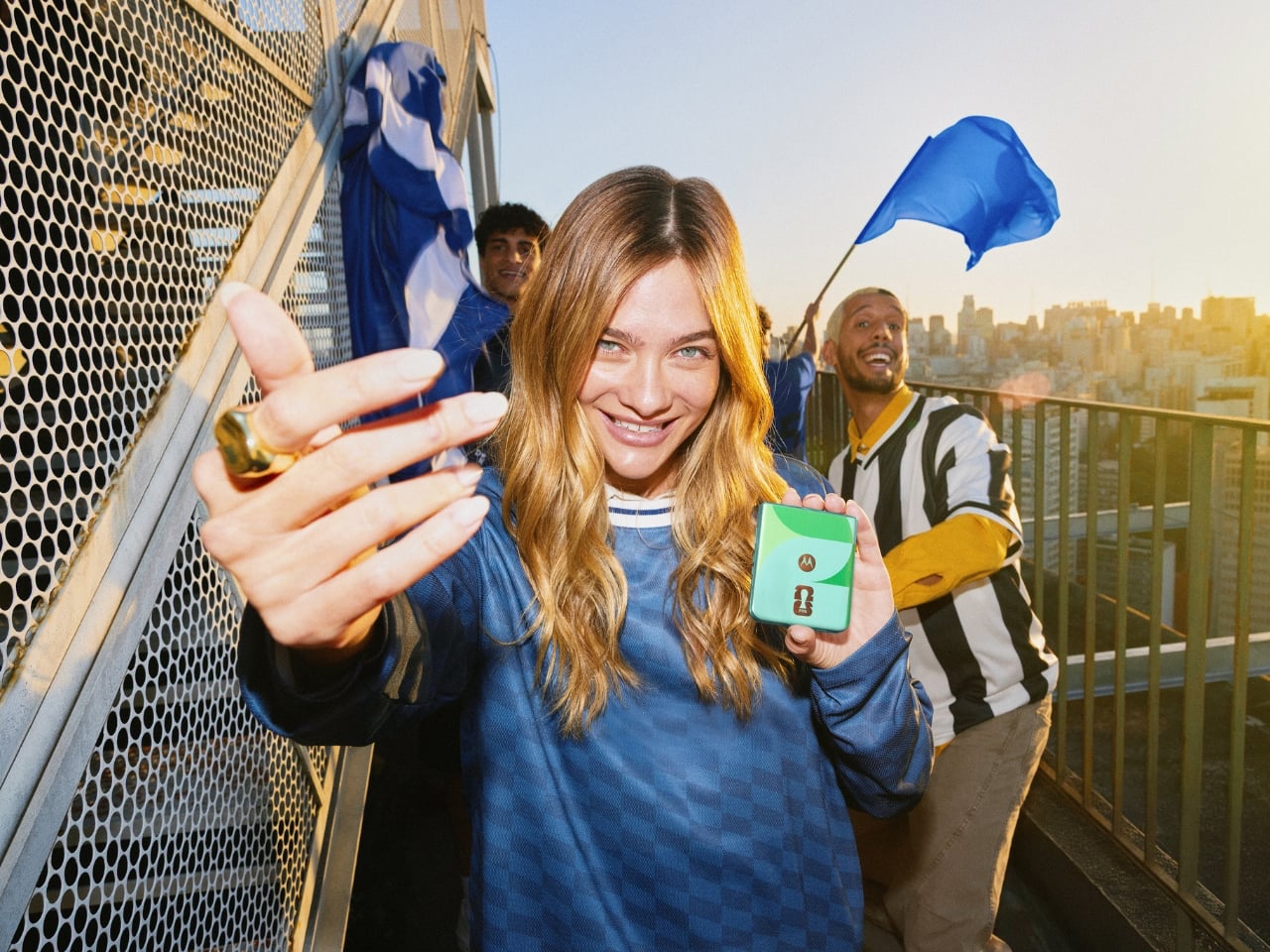
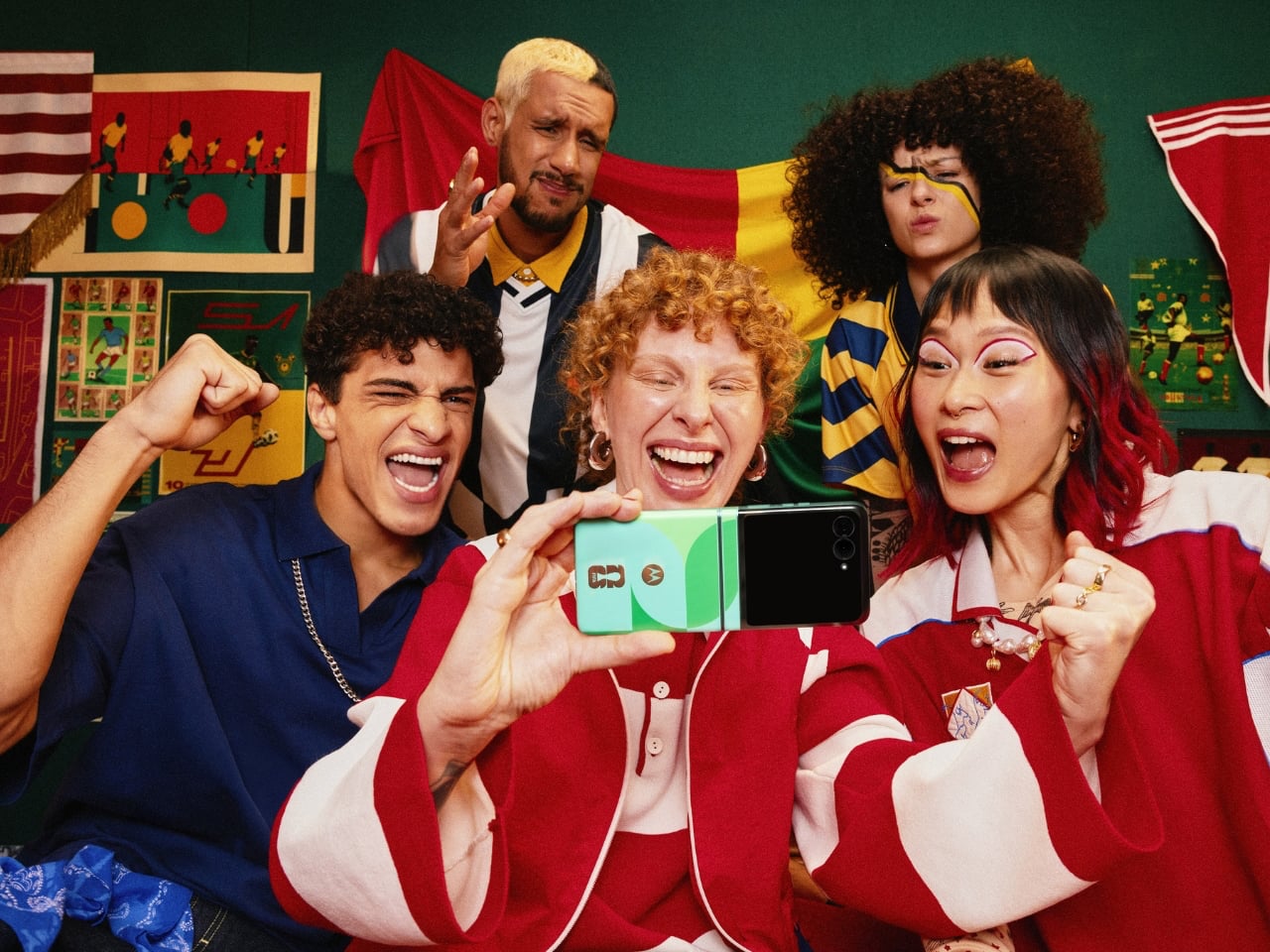
To celebrate the FIFA World Cup 2026, Motorola has introduced a special-edition Razr smartphone that blends football-inspired design with premium mobile technology. Created as a collectible device for fans of the tournament, the foldable phone features a vibrant green finish inspired by the football pitch, complemented by geometric graphics that symbolize movement, energy, and the global spirit of the World Cup. Exclusive FIFA-themed wallpapers, ringtones, and content further connect the device to the tournament, turning it into more than just a smartphone.
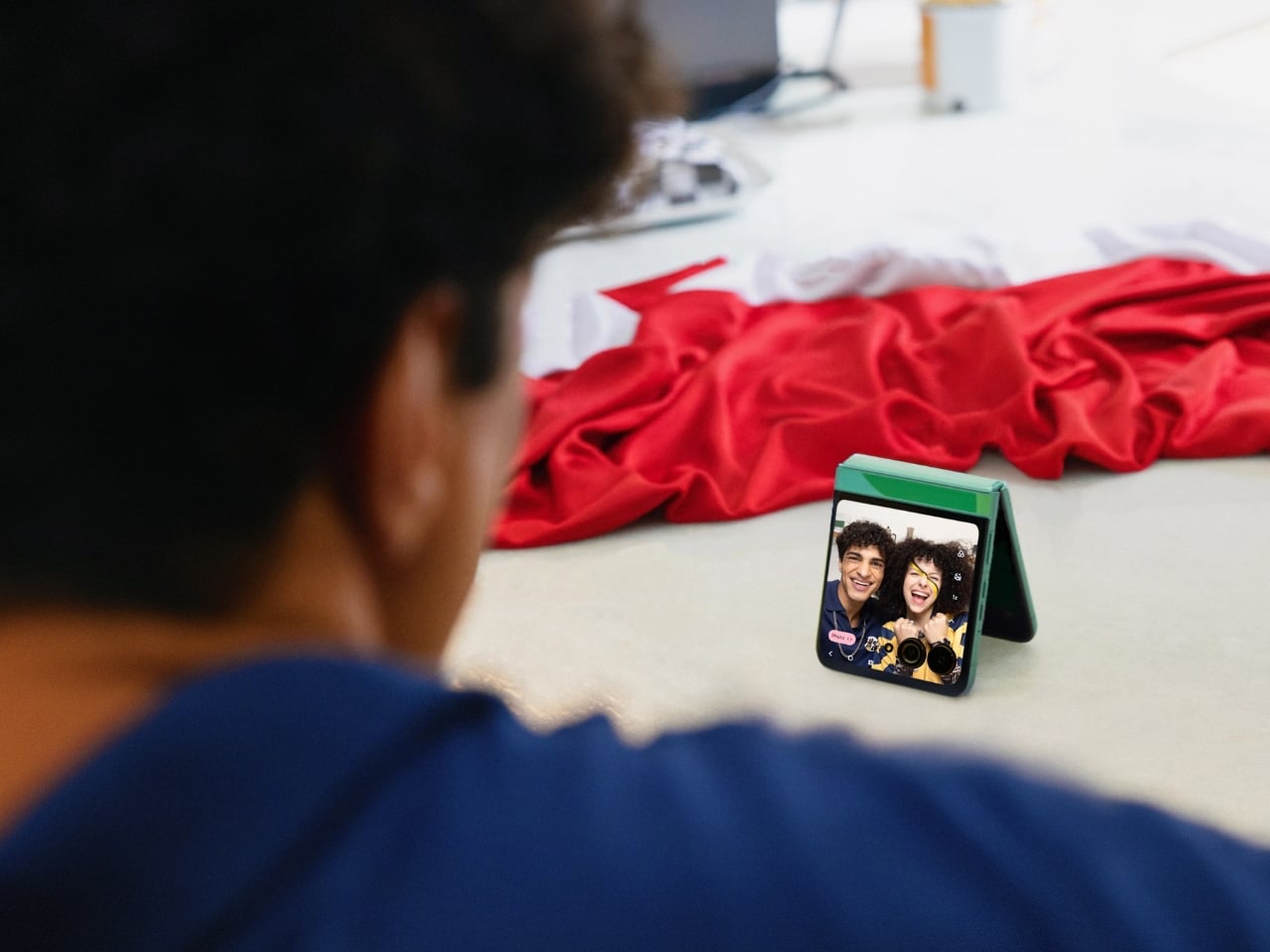
Alongside its distinctive World Cup branding, the device offers a range of features designed for modern entertainment and content creation. A large foldable AMOLED display, advanced camera system, durable construction, and long-lasting battery make it well-suited for watching matches, capturing memorable moments, and staying connected throughout the tournament. By combining cutting-edge technology with FIFA-inspired design elements, Motorola has created a product that reflects how the World Cup continues to influence consumer electronics and drive demand for limited-edition fan-focused experiences.
2. Sports-Inspired Technology Is Becoming More Expressive
Technology products are no longer designed solely around performance. Brands are increasingly incorporating sports-inspired aesthetics, symbolic forms, and tournament themes into everyday devices. This approach helps products stand out while strengthening their connection to global sporting culture.
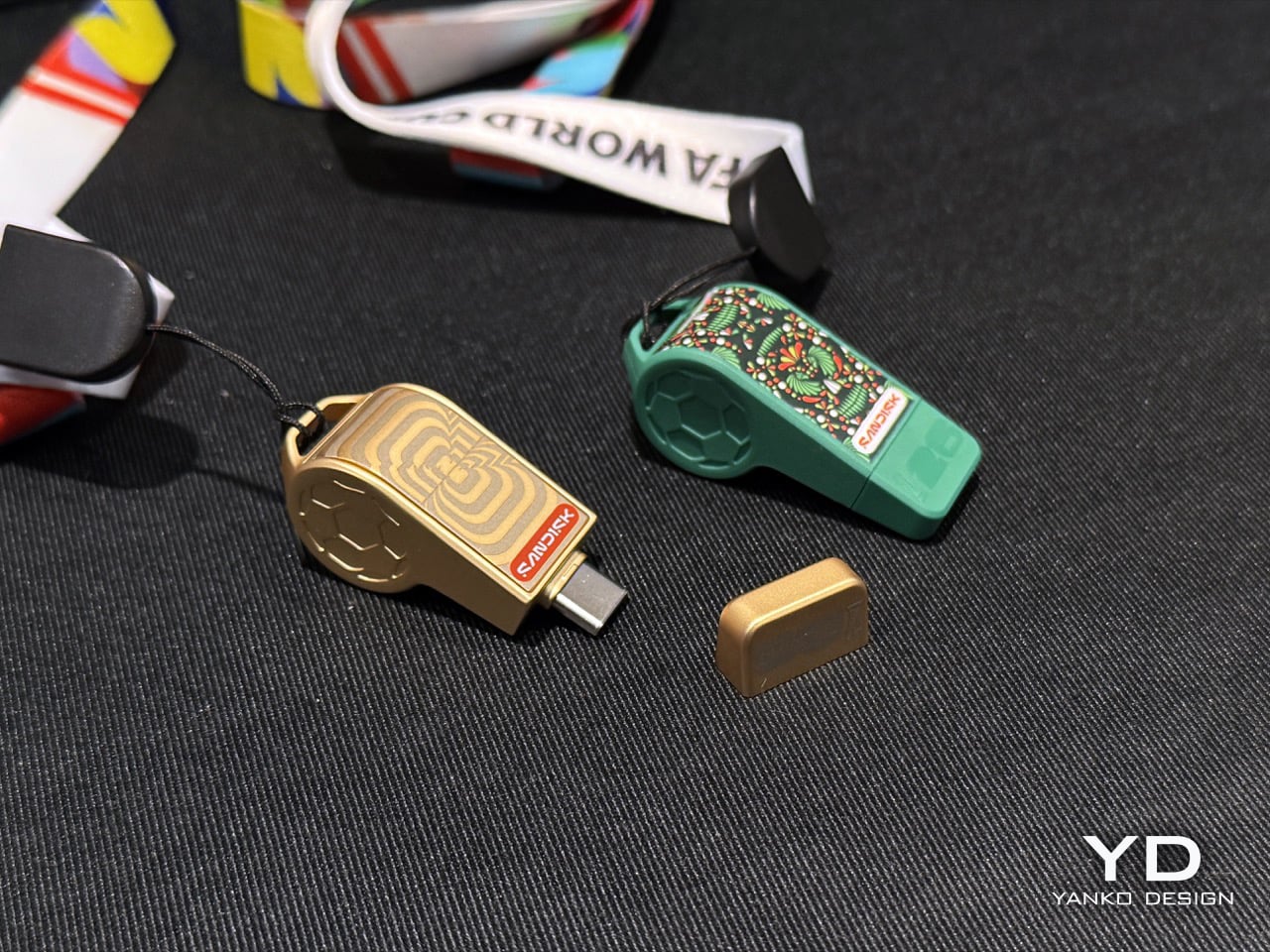
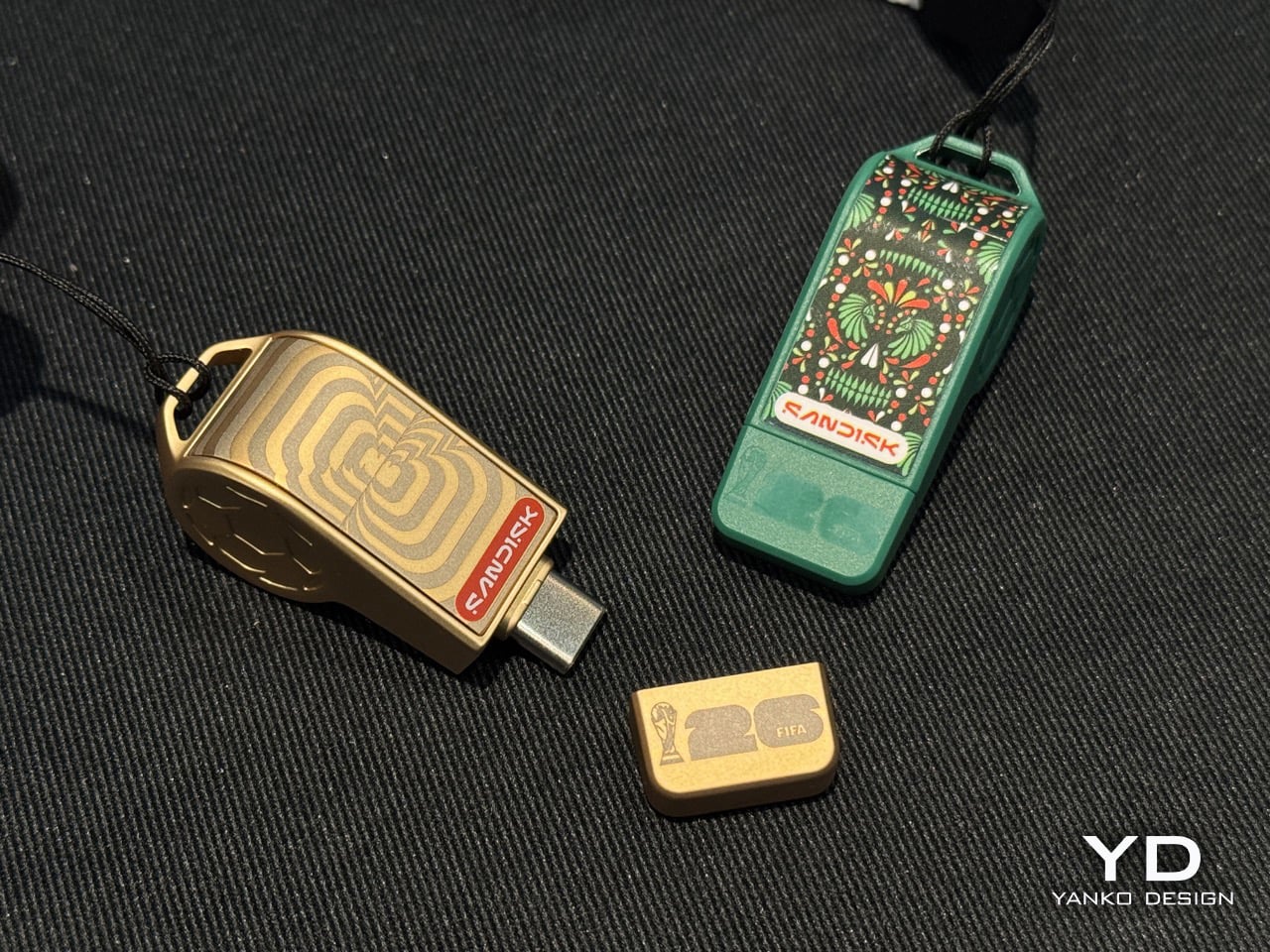
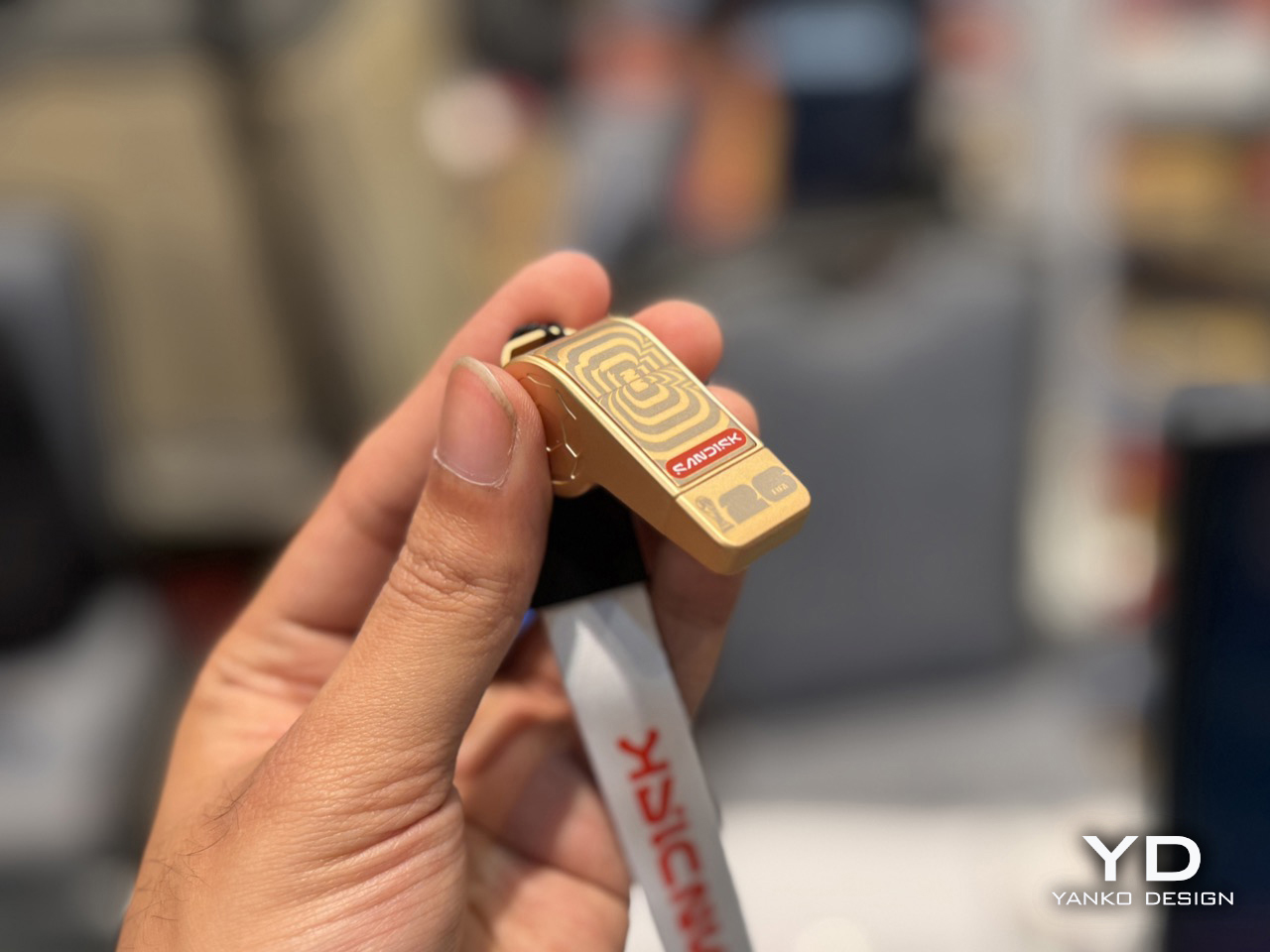
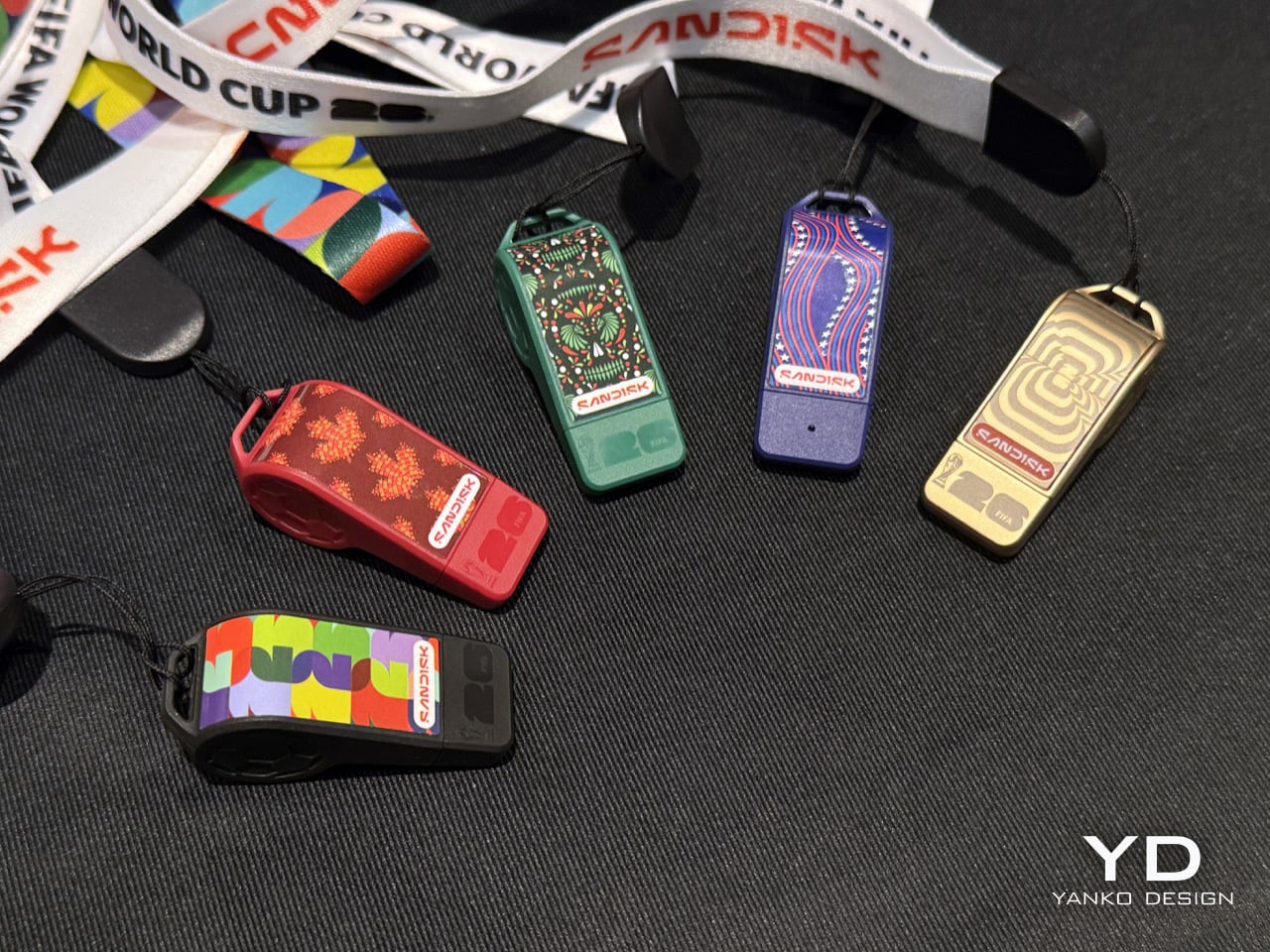
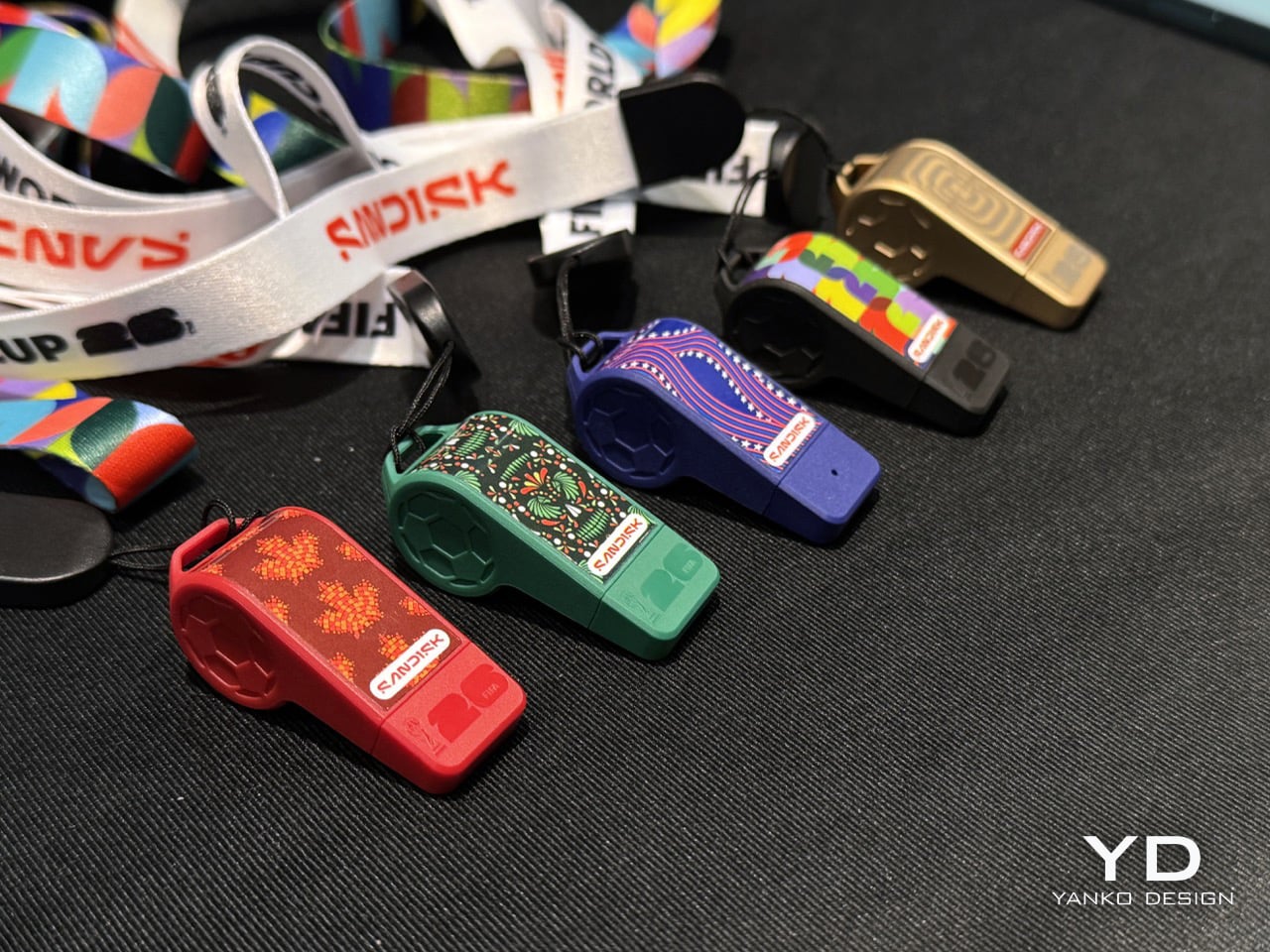
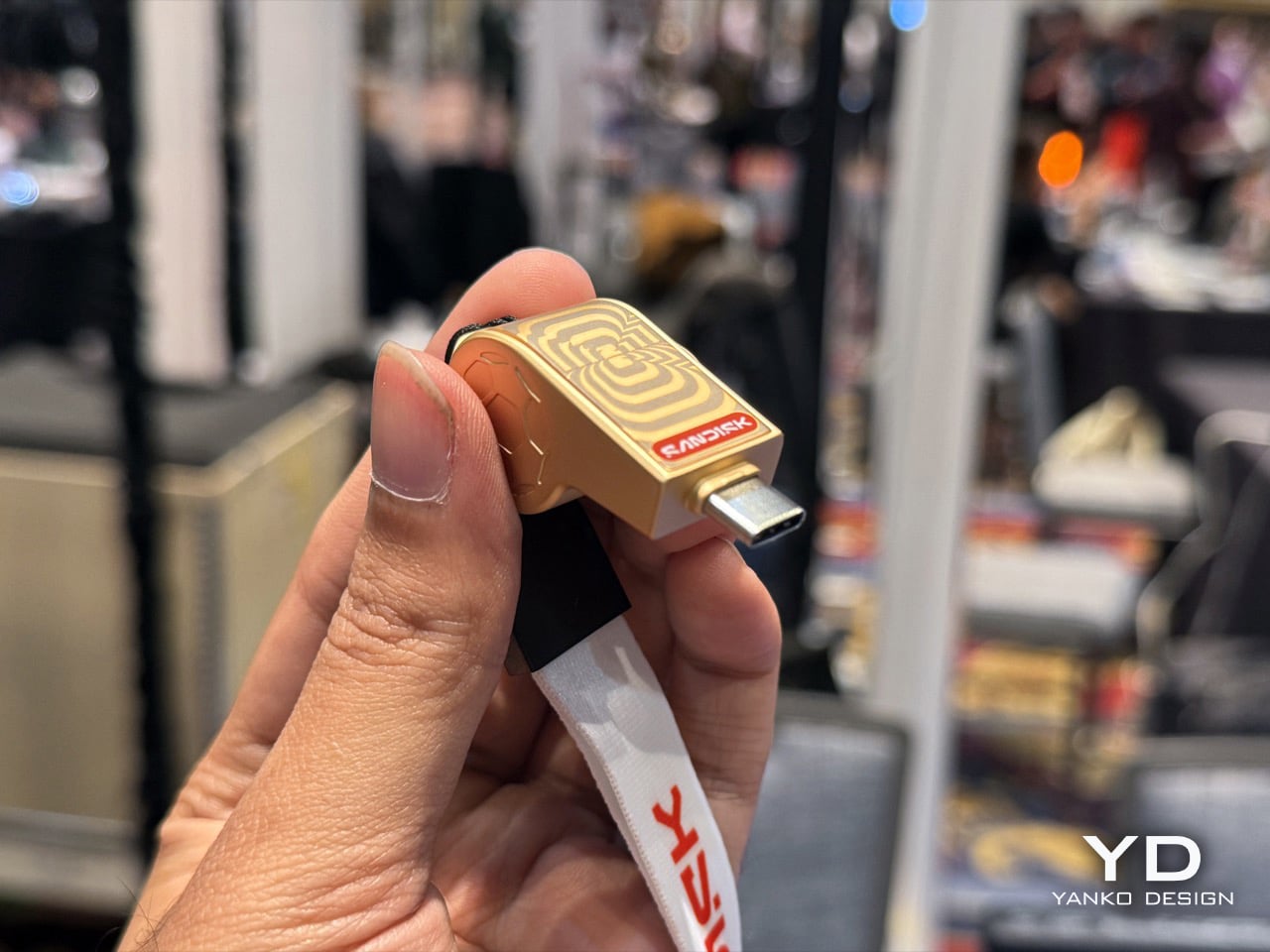
SanDisk has transformed a simple USB-C flash drive into a playful piece of FIFA-inspired merchandise with its whistle-shaped storage drive. Designed to resemble a referee’s whistle, the compact drive combines novelty and practicality, offering up to 128GB of storage in a highly recognizable form. Available in multiple colorways representing the World Cup host nations as well as universal editions for global fans, the device doubles as a wearable accessory due to its included lanyard.
Beyond its eye-catching design, the whistle drive serves as a fully functional storage solution compatible with smartphones, laptops, smart TVs, and gaming devices. The USB-C connector is cleverly concealed within the whistle body, creating a product that blends sports memorabilia with everyday technology. By disguising a flash drive as a familiar object, SanDisk has created a unique collectible that celebrates football culture while delivering practical utility for fans and tech enthusiasts alike.
3. Fan Engagement Is Driving Functional Innovation
Modern consumers want products that enhance how they experience major events. Designers are responding with practical innovations that make it easier to watch, record, share, and interact with sporting moments. Functionality is becoming a key part of fan-centered design.
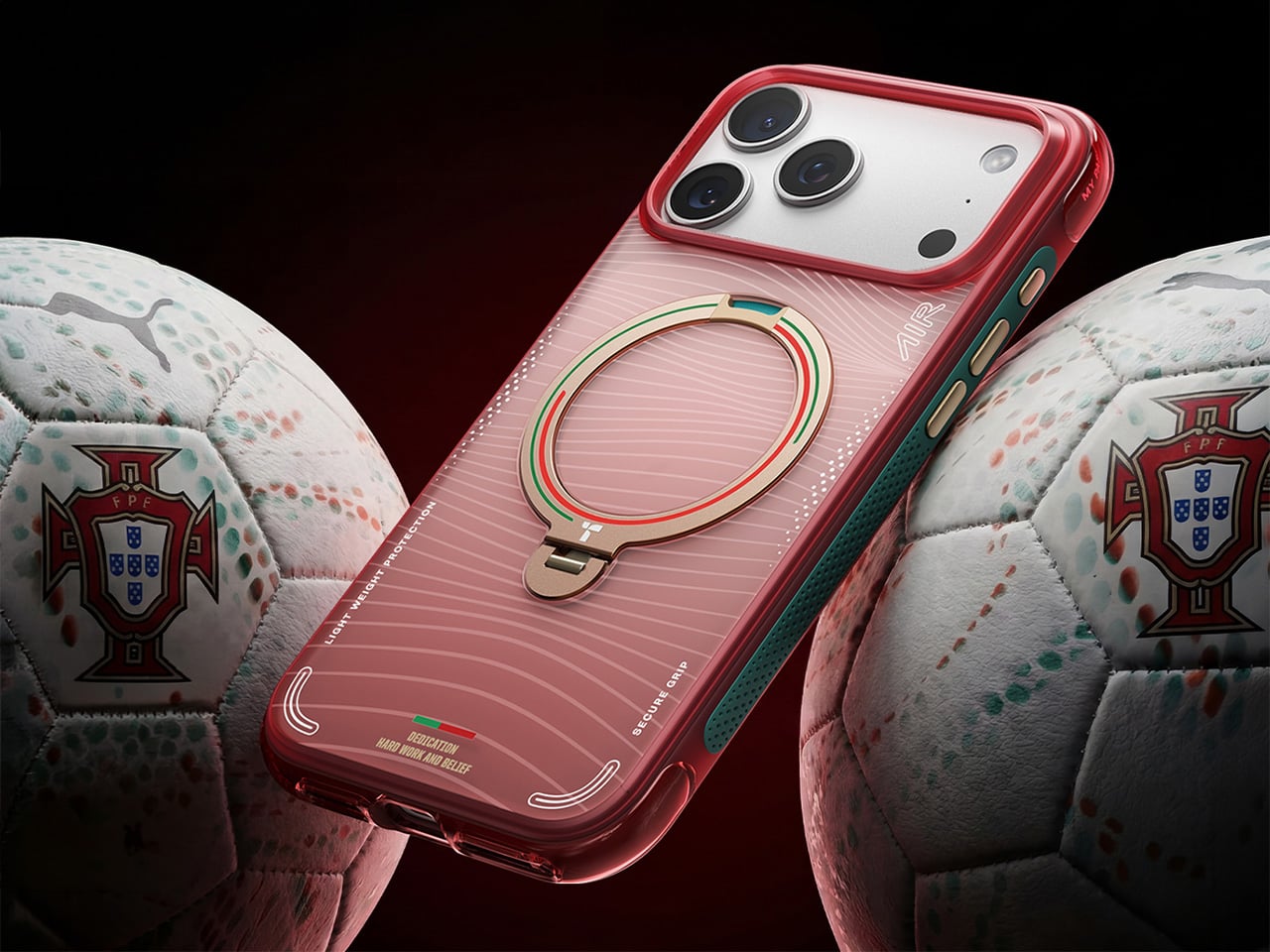
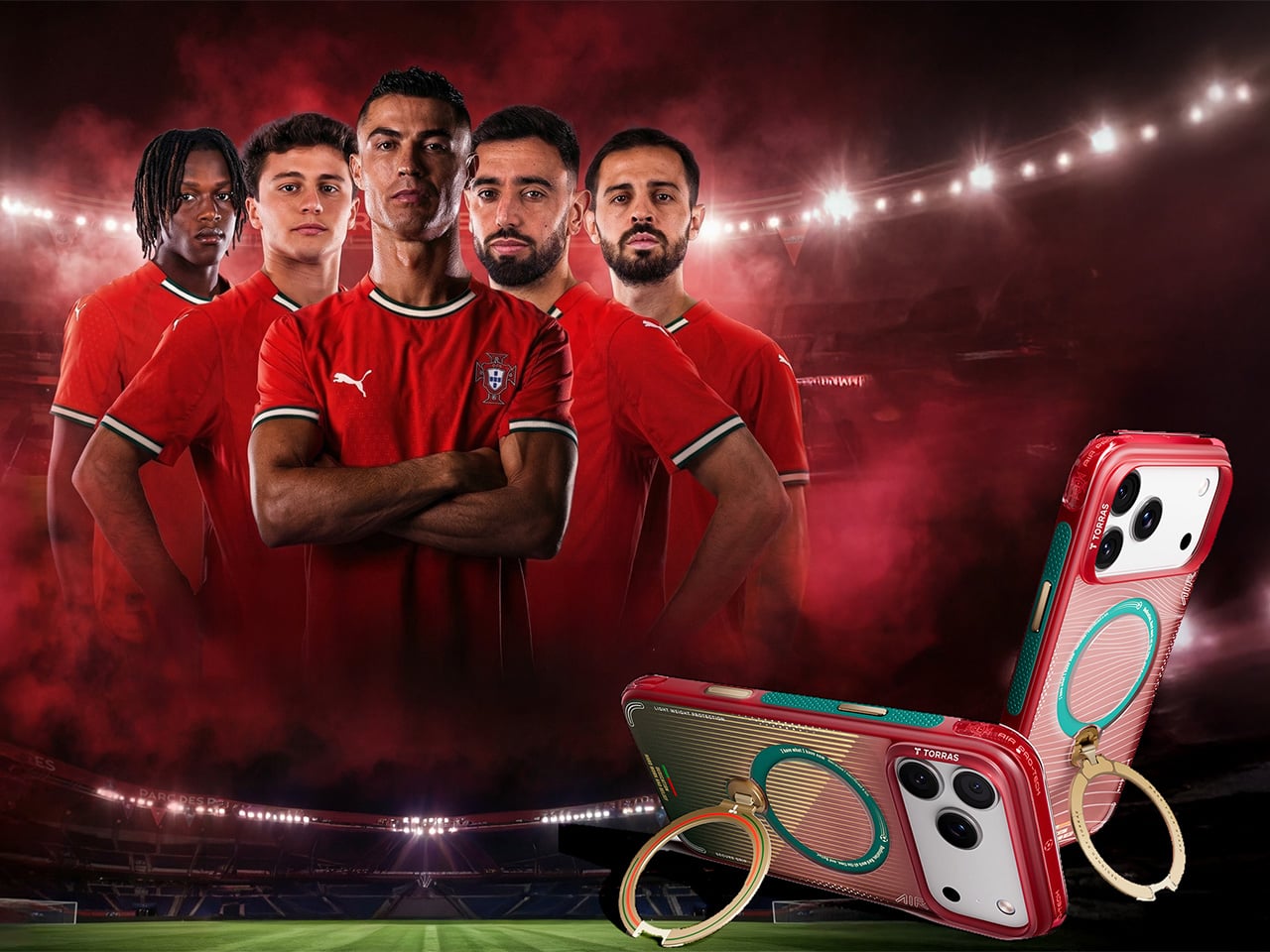
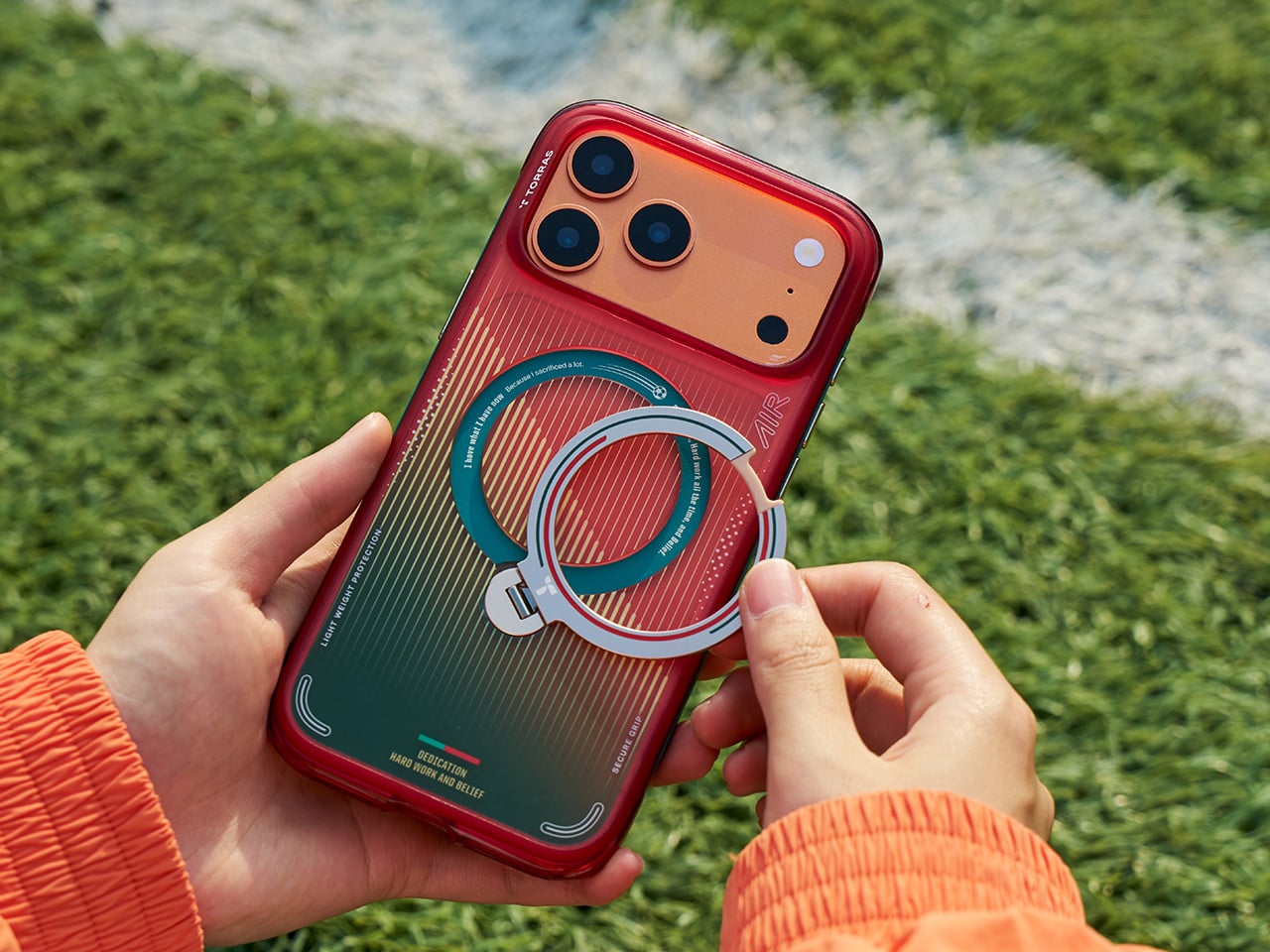
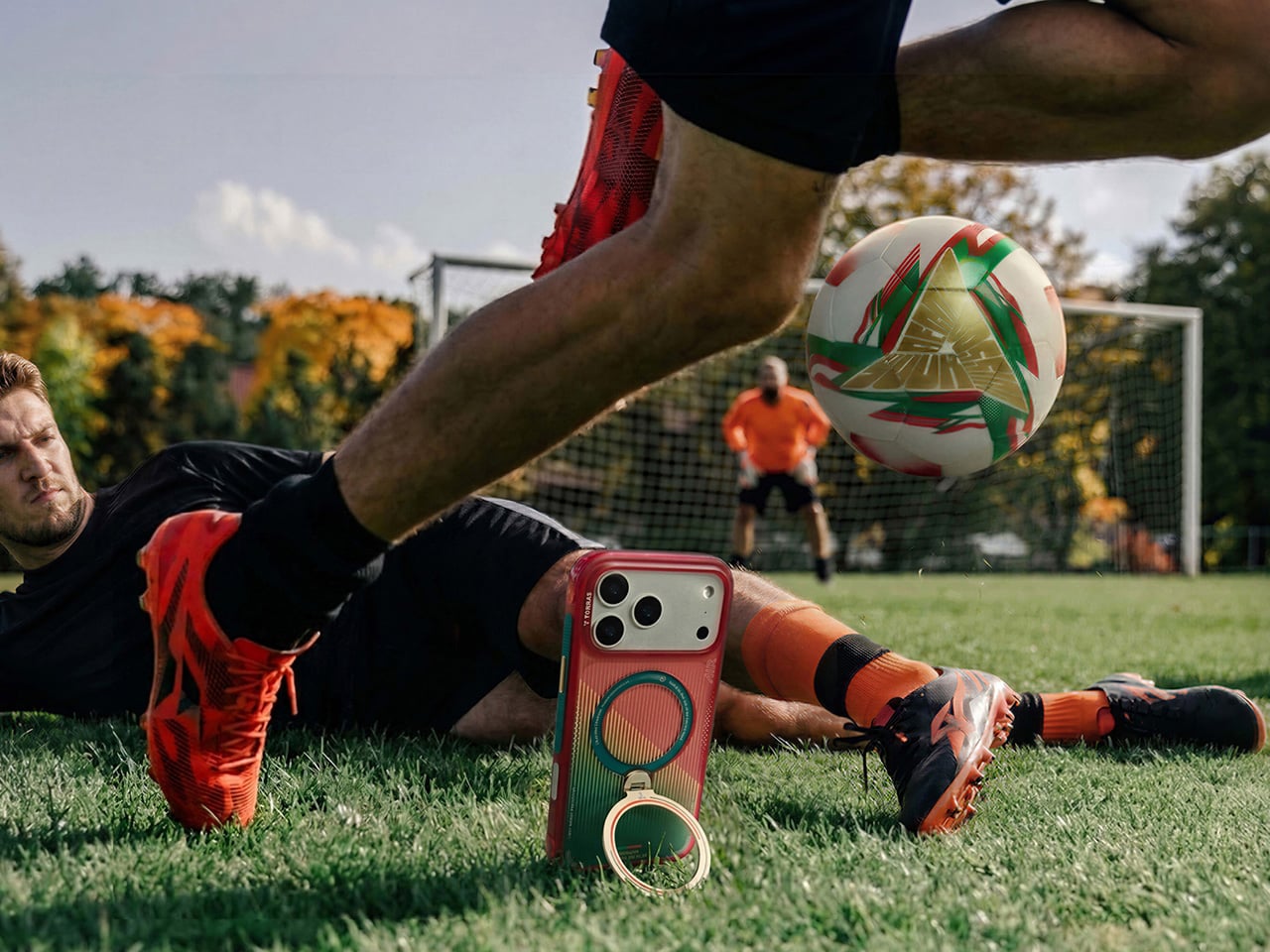
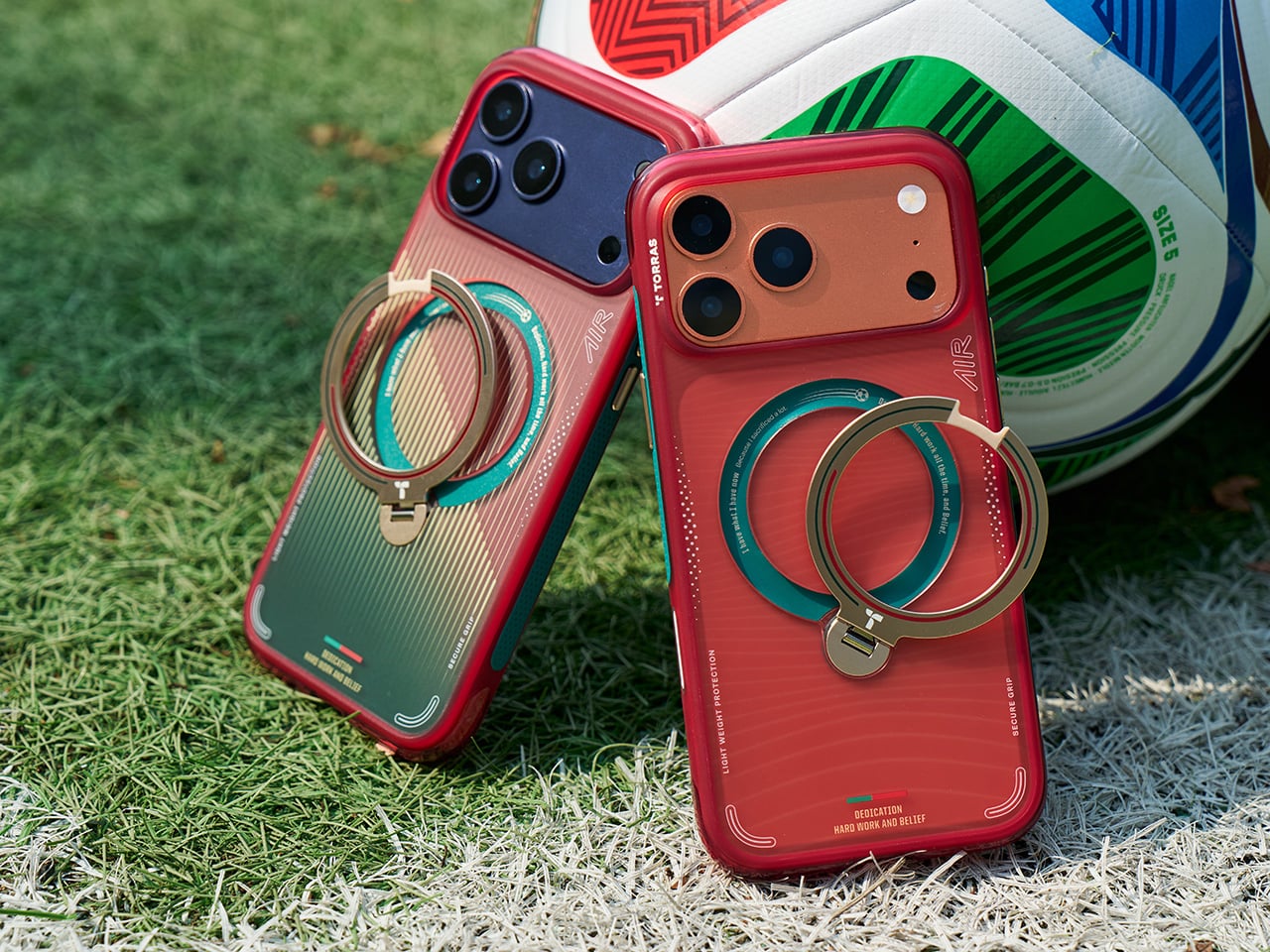
Created in partnership with the Portuguese Football Federation ahead of the FIFA World Cup 2026, the TORRAS Q3 Air Portugal National Football Team Edition transforms a smartphone case into a celebration of football culture. Inspired by Portugal’s national team colors, the case features a red-to-green gradient, gold accents, football-themed graphics, and the iconic Quinas crest. The design reflects the identity and heritage of Portuguese football while connecting fans to one of the tournament’s most anticipated teams.
Beyond its visual appeal, the case combines World Cup-inspired branding with practical functionality. It features TORRAS’ signature magnetic Ostand ring, which rotates and folds into a hands-free stand for viewing matches, recording content, or capturing memorable tournament moments. With MagSafe compatibility, military-grade drop protection, and a design tailored for football enthusiasts, the case seamlessly blends convenience, durability, and fan-focused style.
4. The World Cup Is Expanding Into Lifestyle and Pet Products
The influence of football now extends well beyond traditional merchandise. Brands are introducing lifestyle products that allow fans to express their enthusiasm in everyday settings, including products designed for pets, home environments, and personal accessories.
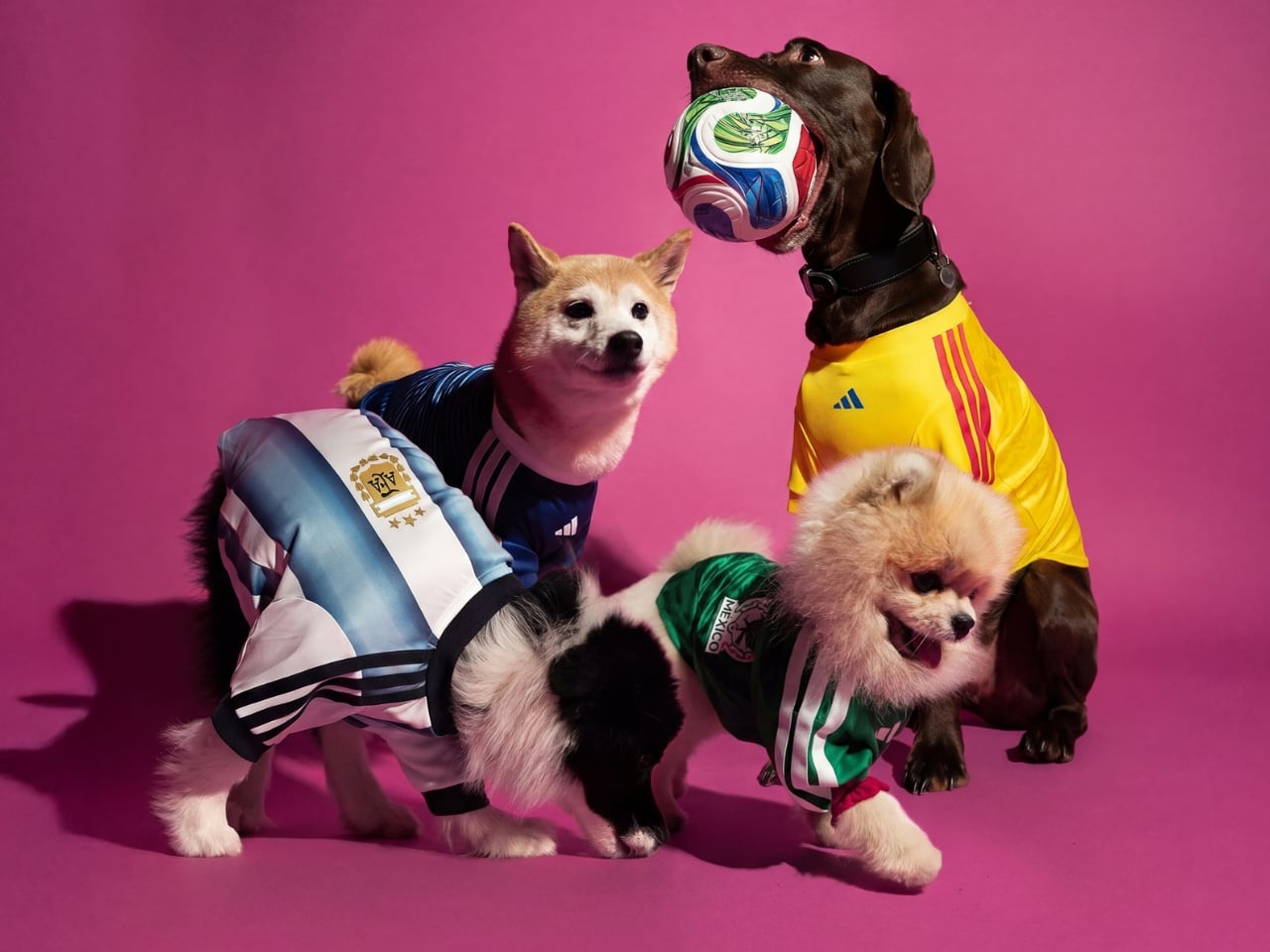
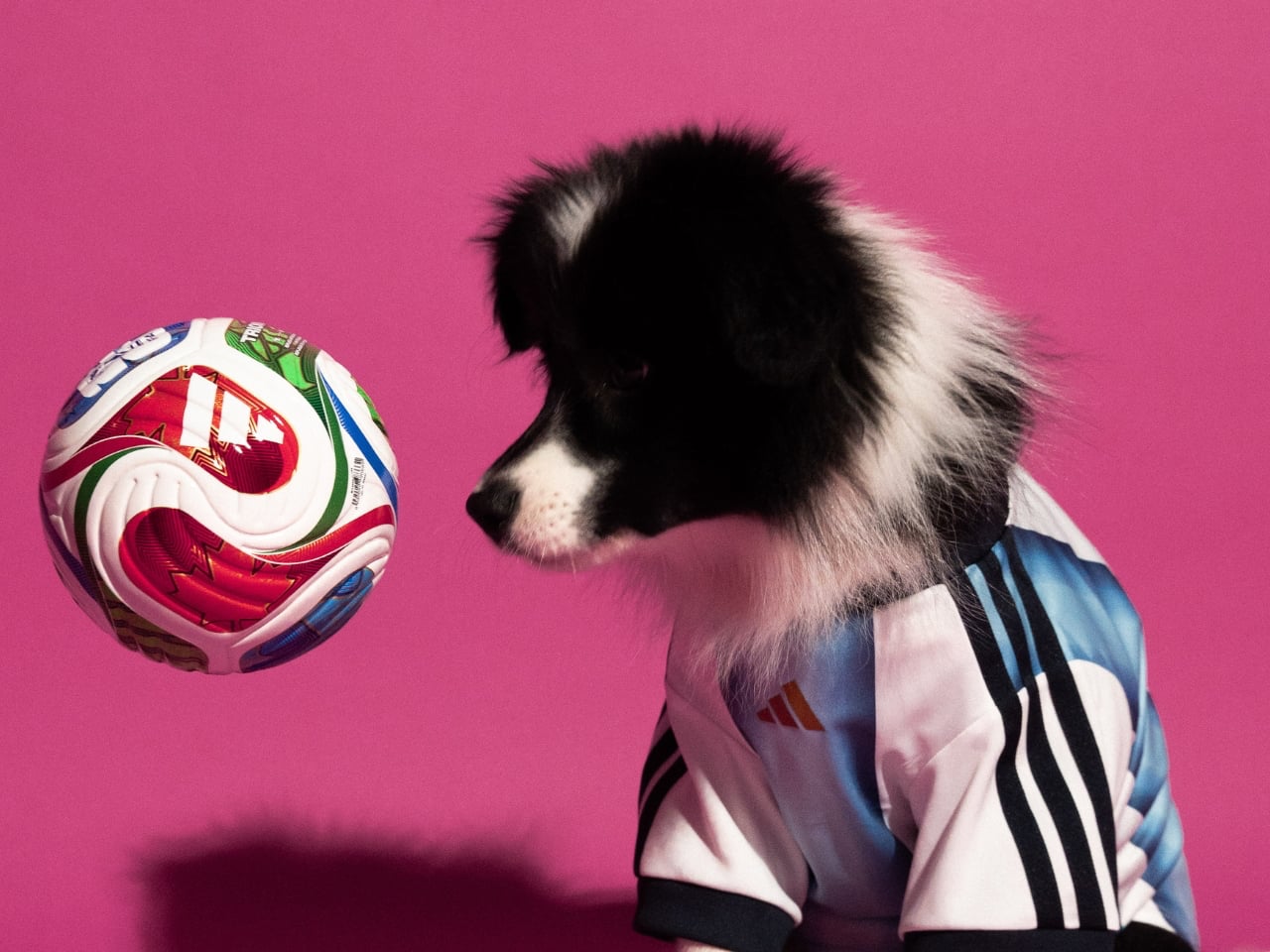
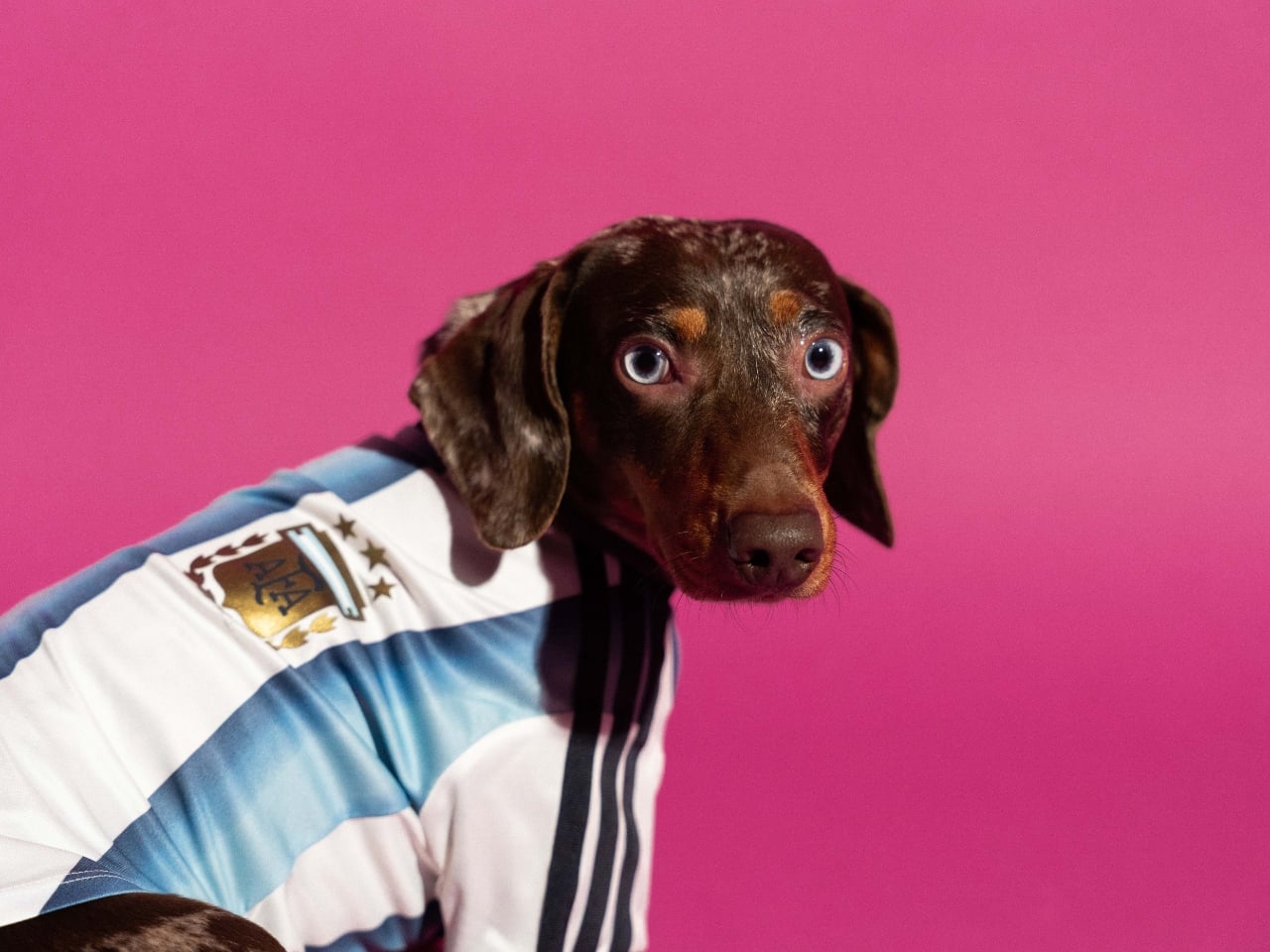
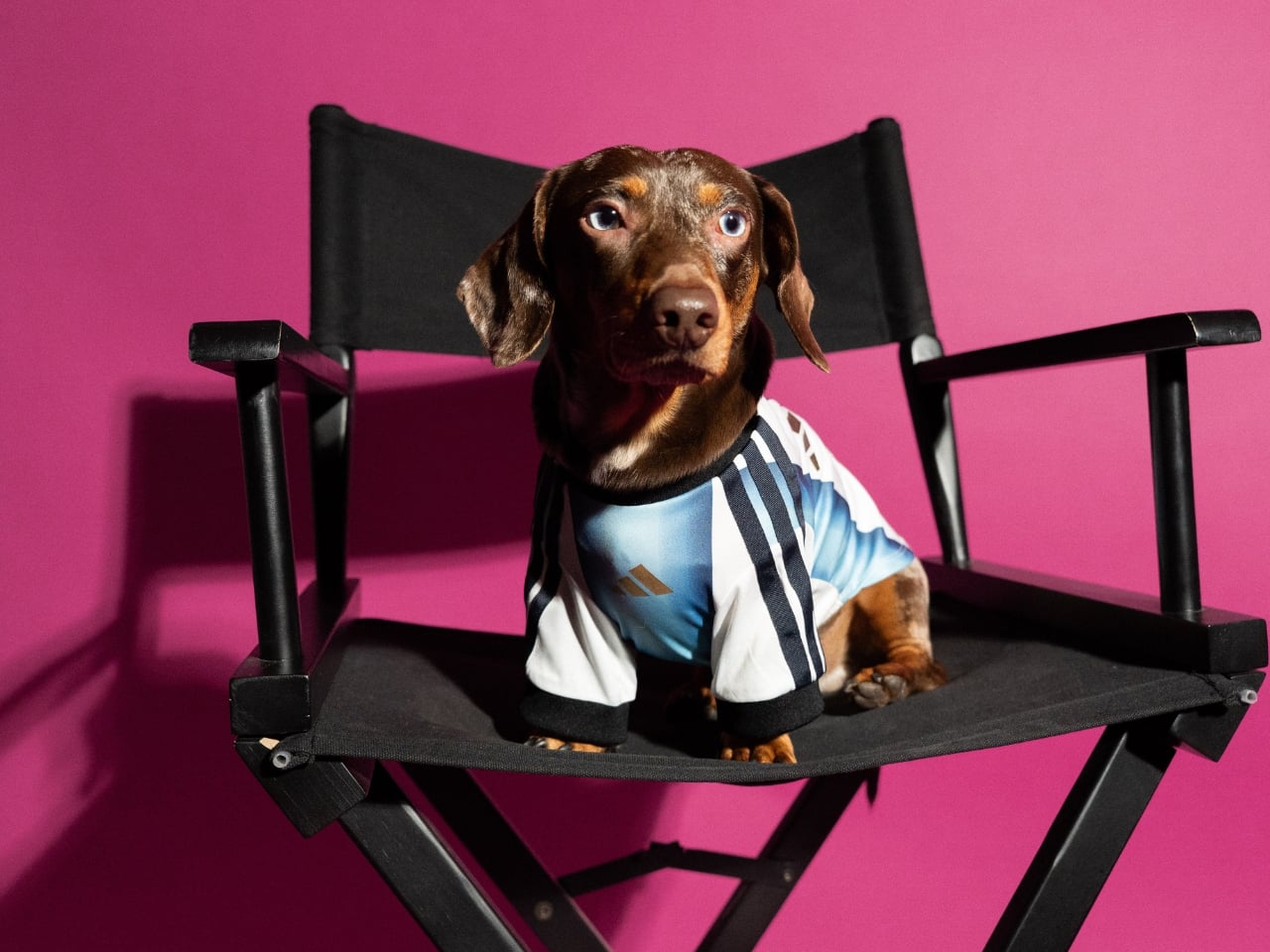
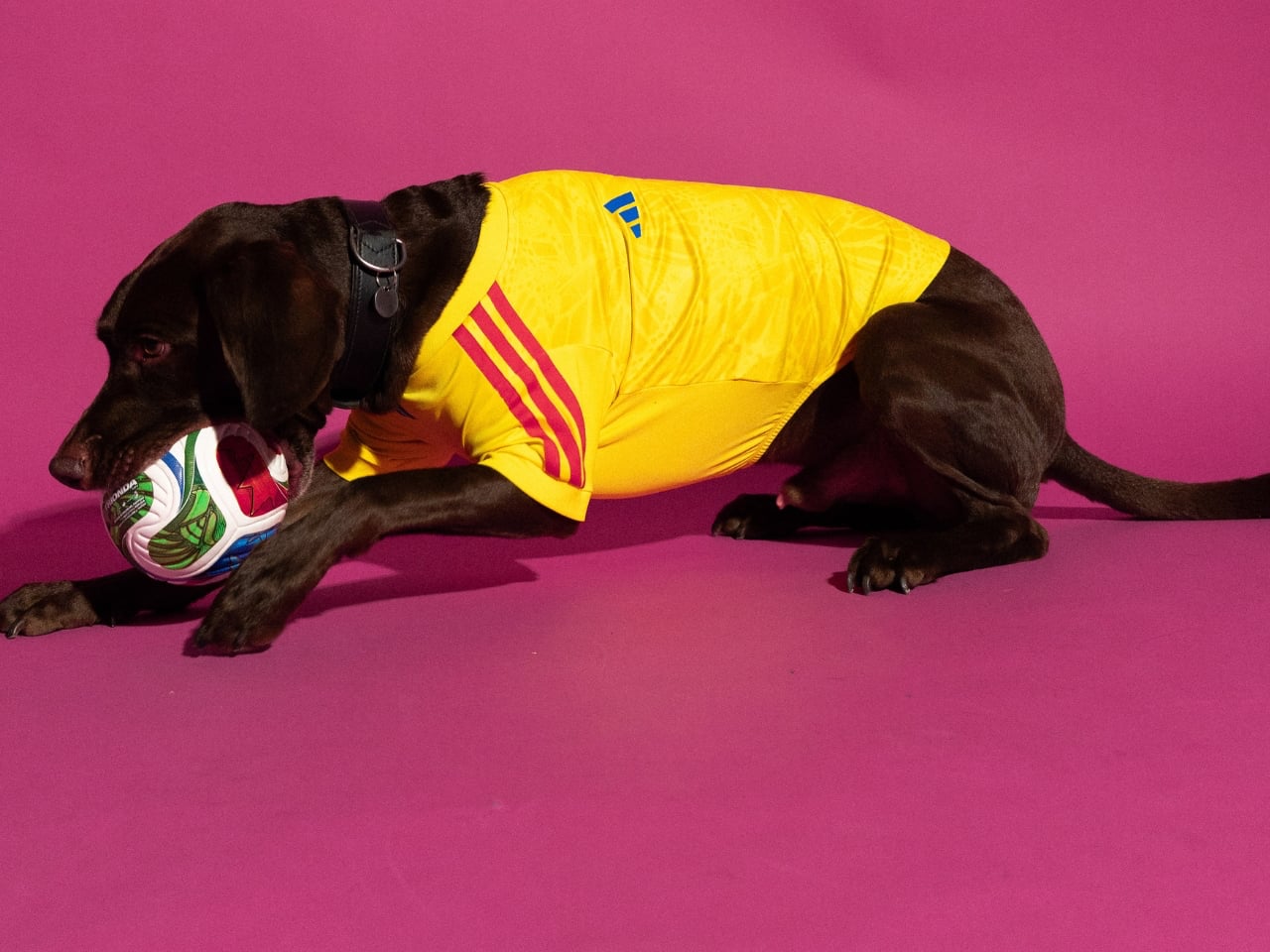
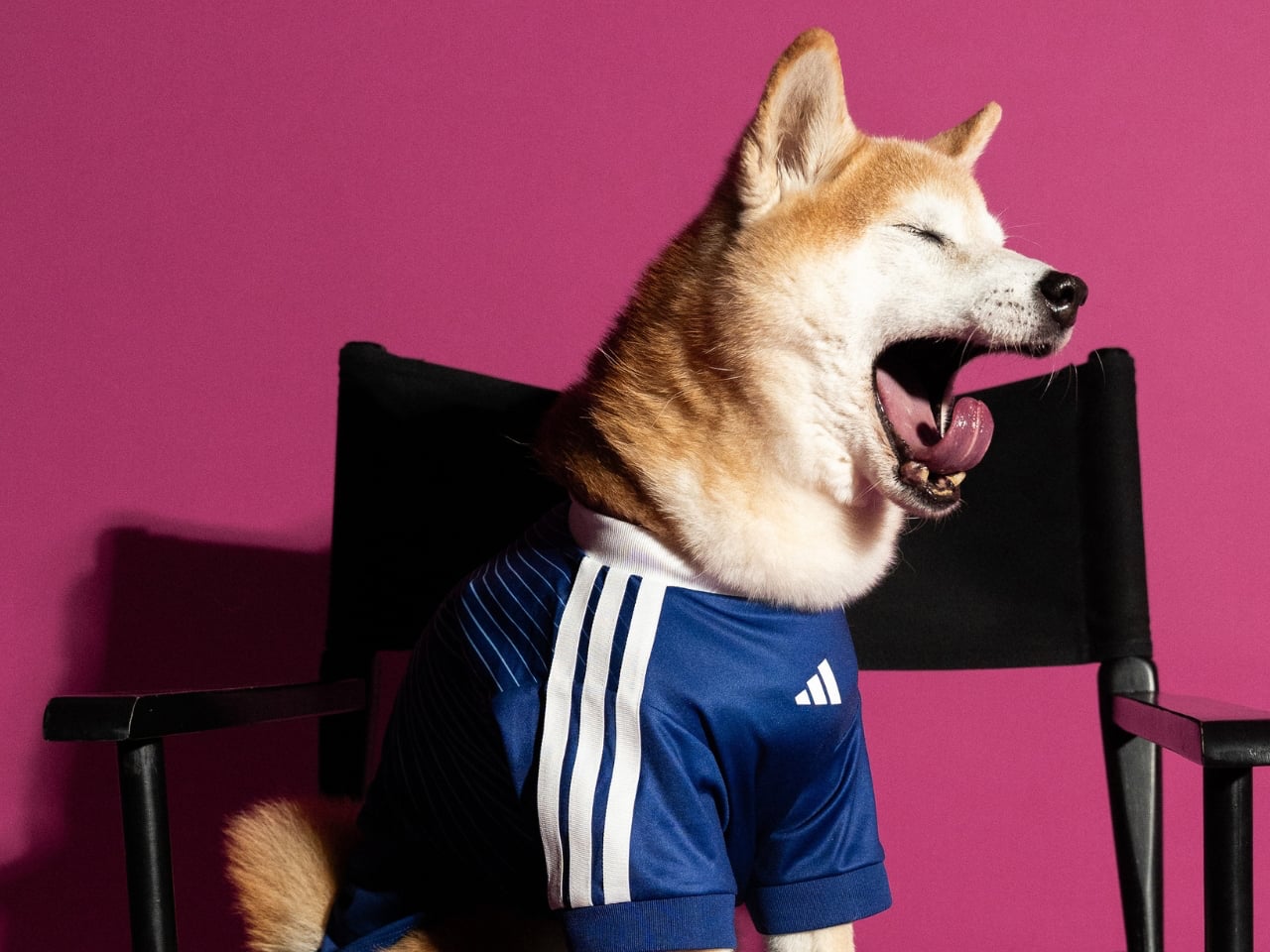
Adidas has expanded FIFA World Cup 2026 merchandise beyond traditional fan apparel with a collection of pet jerseys inspired by official national team kits. Designed for football-loving pet owners, the collection features miniature versions of the home jerseys of Argentina, Mexico, Colombia, and Japan. Each jersey incorporates recognizable team graphics, federation crests, and tournament-inspired details, allowing pets to become part of the World Cup celebration while reflecting the identity and spirit of their chosen nation.
The collection highlights how the World Cup is influencing lifestyle and pet product design, extending fan engagement into new categories. By adapting official team aesthetics for pets, adidas has created products that encourage shared experiences between fans and their companions during match-day gatherings and tournament celebrations.
5. Interactive and Experiential Products Are Growing in Popularity
Consumers increasingly seek products that offer immersive experiences instead of simple ownership. As a result, designers are creating interactive items that encourage participation, creativity, and deeper engagement with the World Cup story.
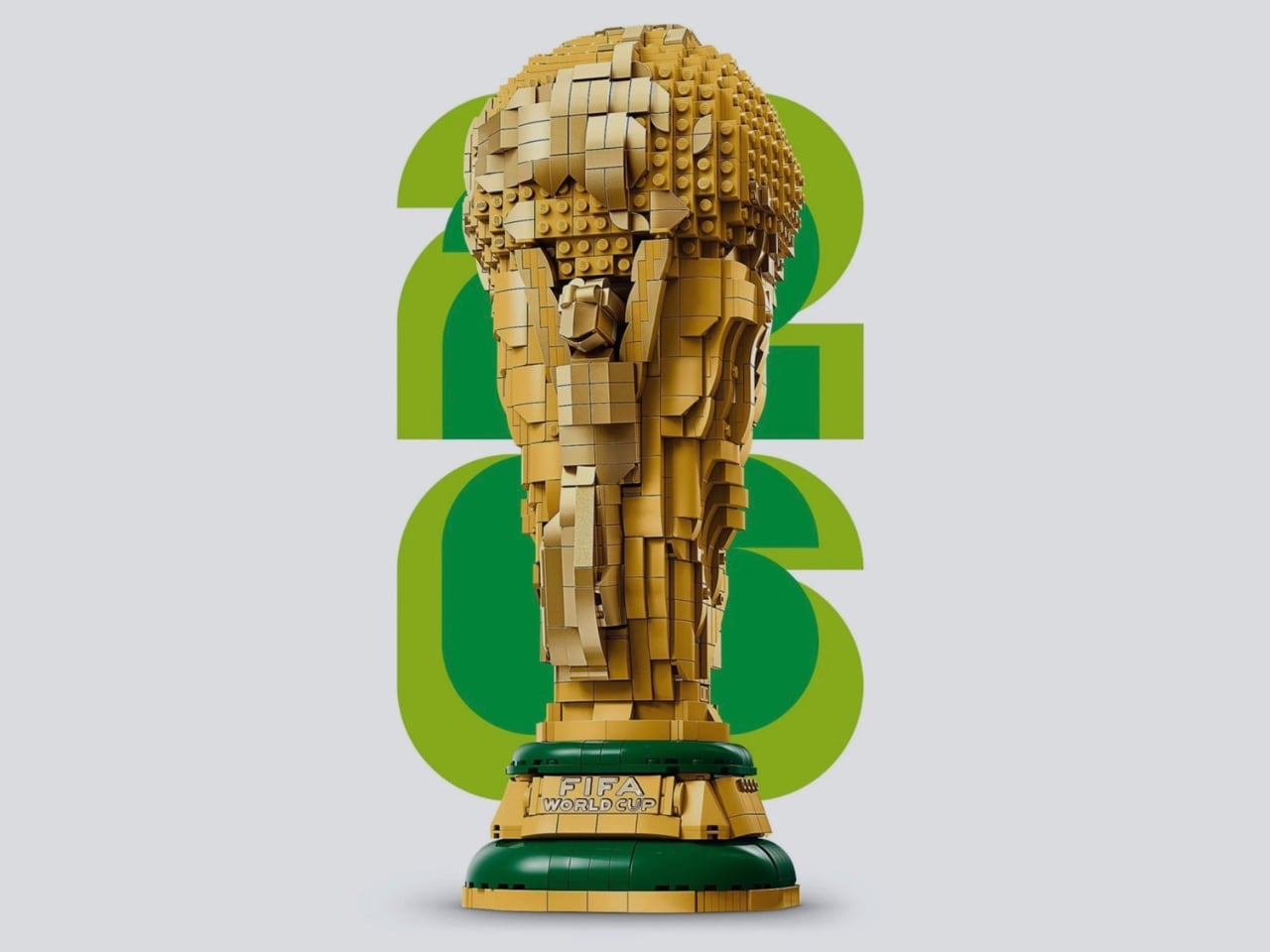
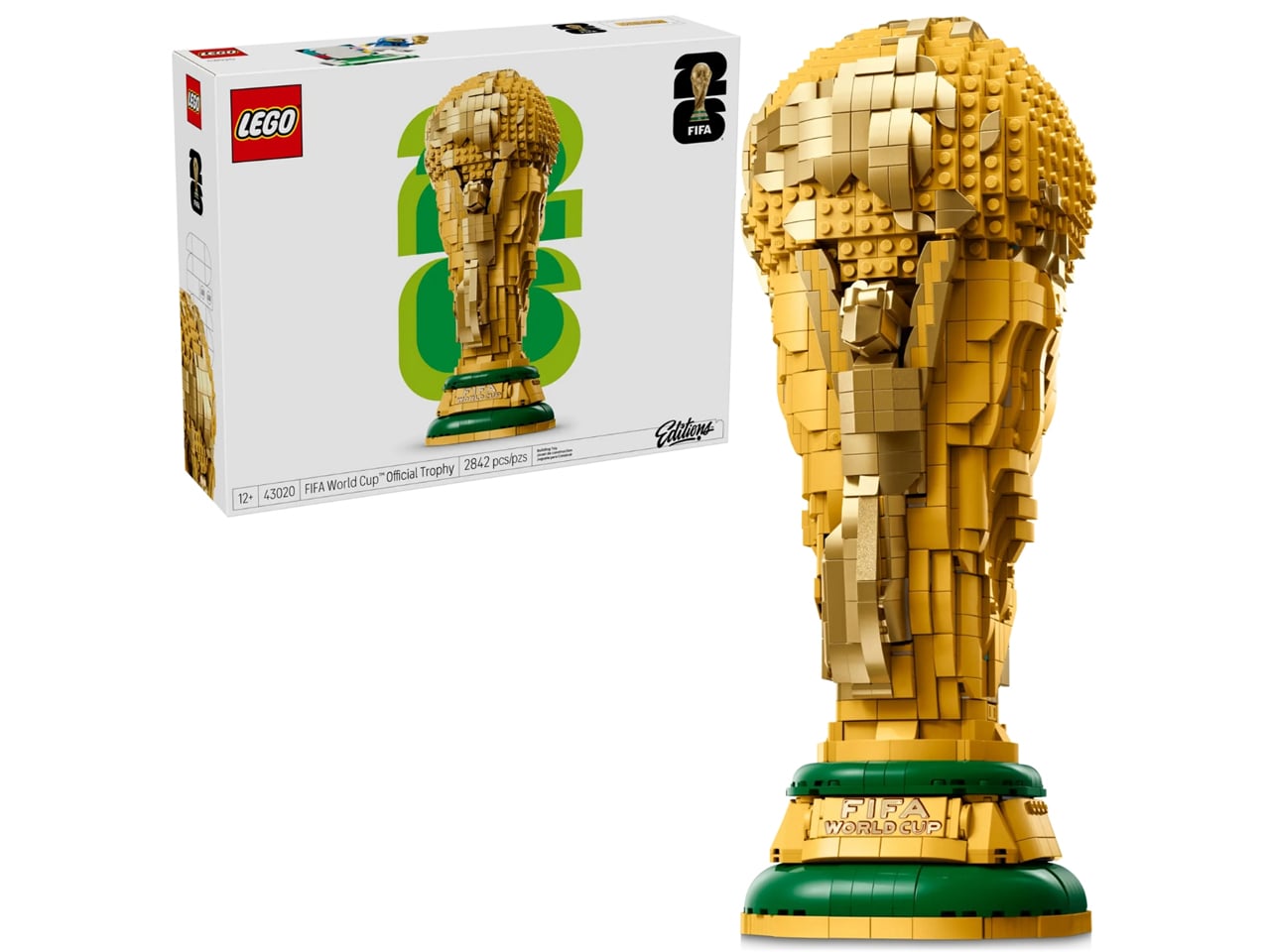
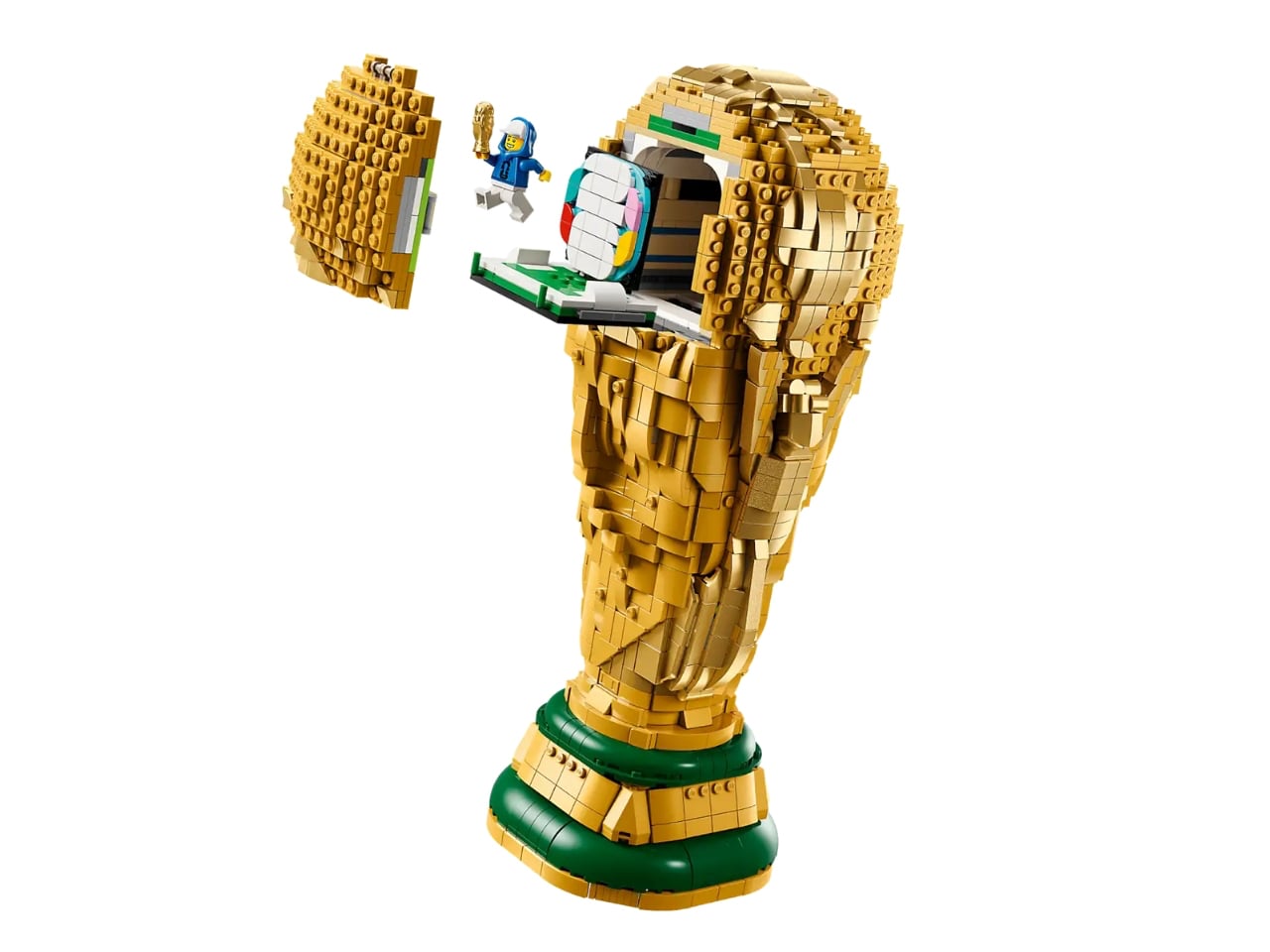
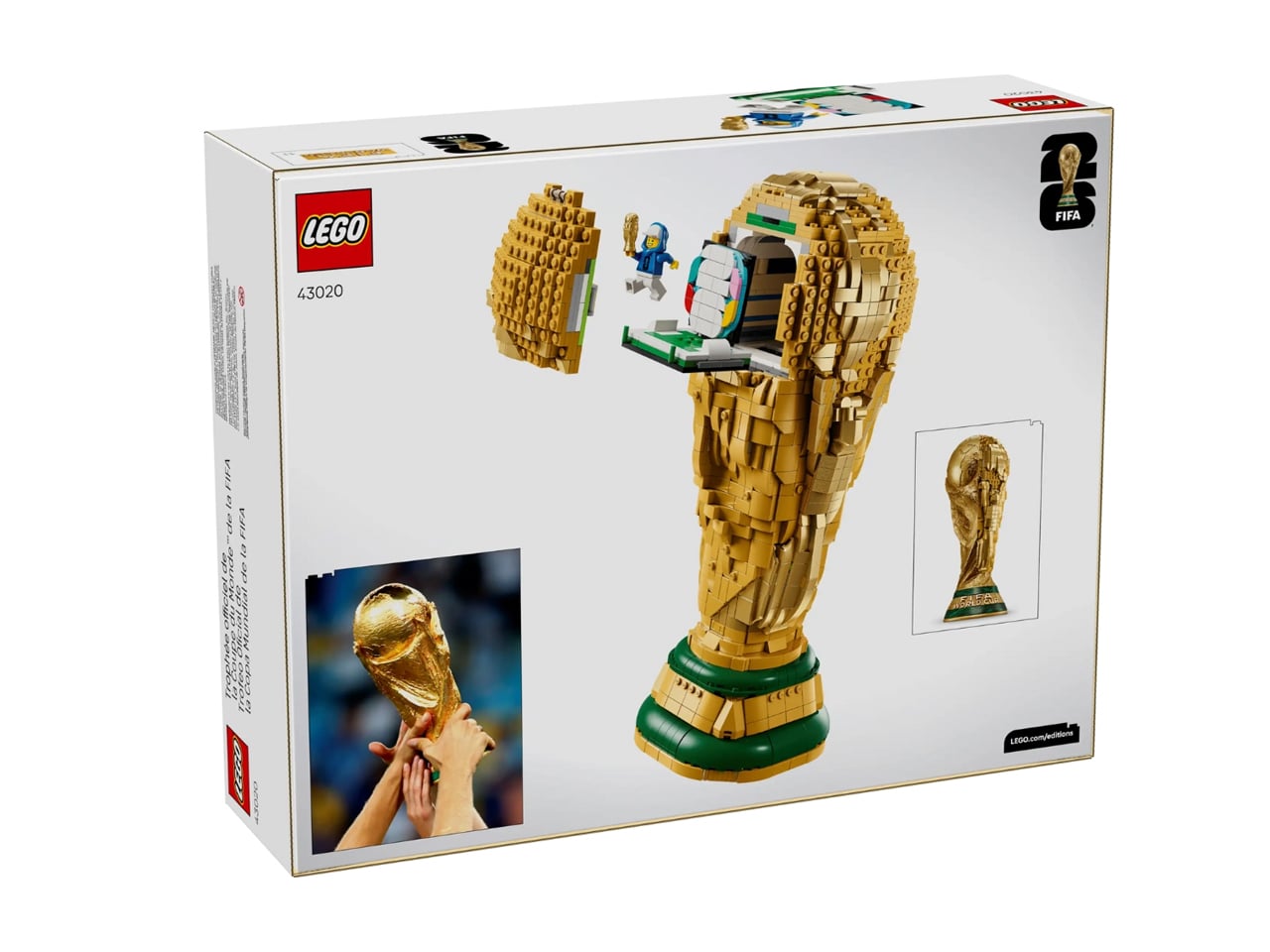
Created to celebrate the FIFA World Cup 2026, the LEGO FIFA World Cup Official Trophy set transforms one of sport’s most recognizable symbols into an immersive building experience. Consisting of 2,842 pieces, the model recreates the iconic trophy at an impressive scale, allowing football fans to own a detailed replica inspired by the tournament that will be hosted by the United States, Canada, and Mexico. Finished with gold-colored elements and authentic design details, the set captures the prestige and excitement associated with football’s biggest event.
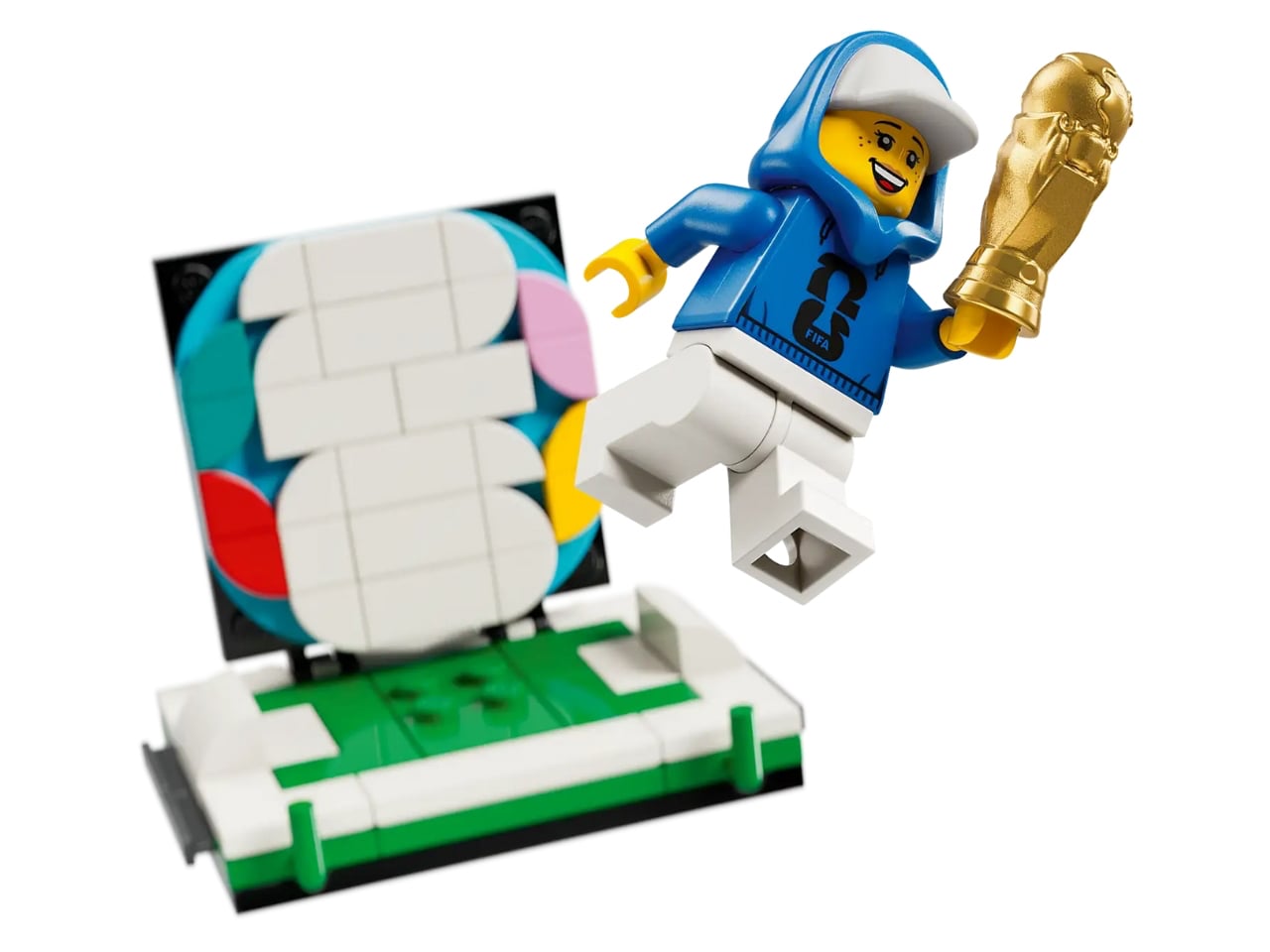
More than a display piece, the collectible combines sports fandom with interactive design. The model features commemorative details, including references to past World Cup champions and hidden surprises that celebrate the 2026 tournament. By turning the famous trophy into a hands-on construction project, LEGO has created a product that extends the World Cup experience beyond the stadium, offering fans a memorable way to engage with the tournament while creating a centerpiece worthy of any football collection.
Global Events Are Becoming Powerful Design Inspiration
The World Cup indicates how major international events can influence product design across multiple categories. Brands are using the tournament as a source of inspiration to create products that blend innovation, identity, and entertainment. As fan expectations continue to evolve, event-driven design is likely to become an even more significant force shaping future consumer products.
The FIFA World Cup is no longer just a sporting spectacle as it has become a catalyst for product innovation. From technology and collectibles to lifestyle accessories and interactive experiences, brands are leveraging football’s global appeal to create products that resonate with fans long after the final whistle.
The FIFA World Cup, the world’s biggest sporting event, is just a few months away. While there are some issues cropping up in the host countries (specifically the US and Mexico; Canada seems to be doing just fine), brand tie-ups are in full swing with global partners such as Adidas, Coca-Cola, Visa, Qatar Airways, Hyundai-Kia, etc.
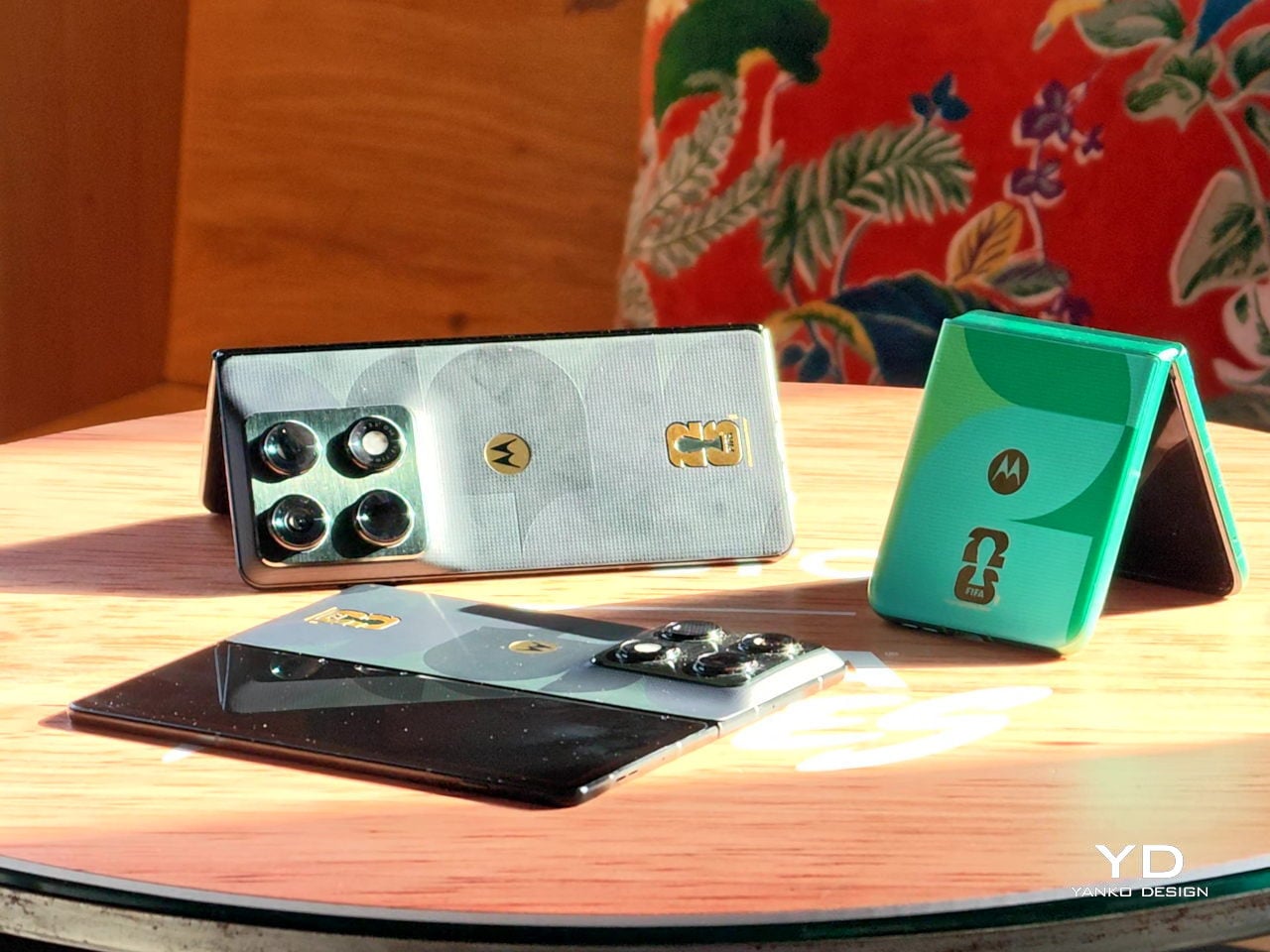
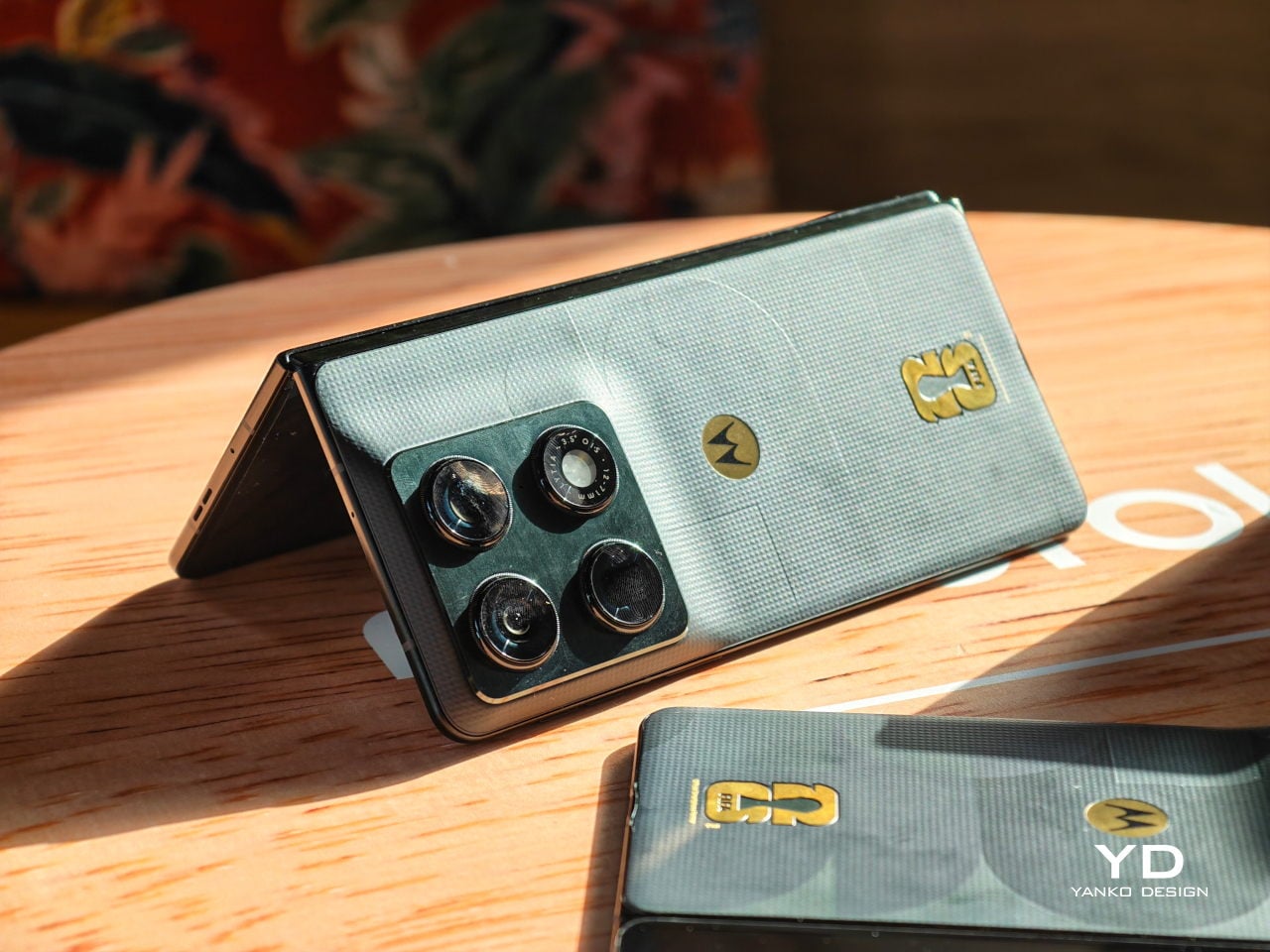
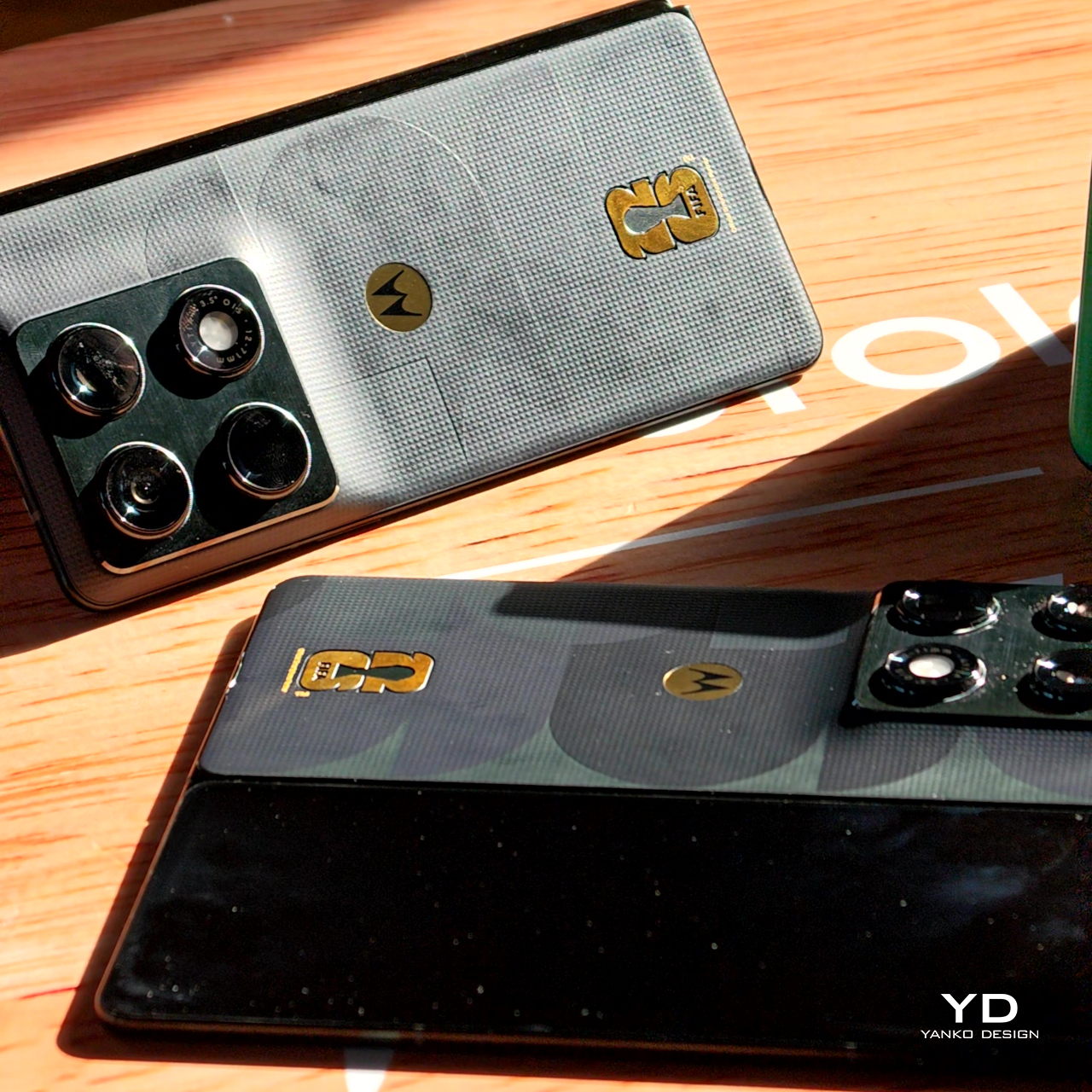
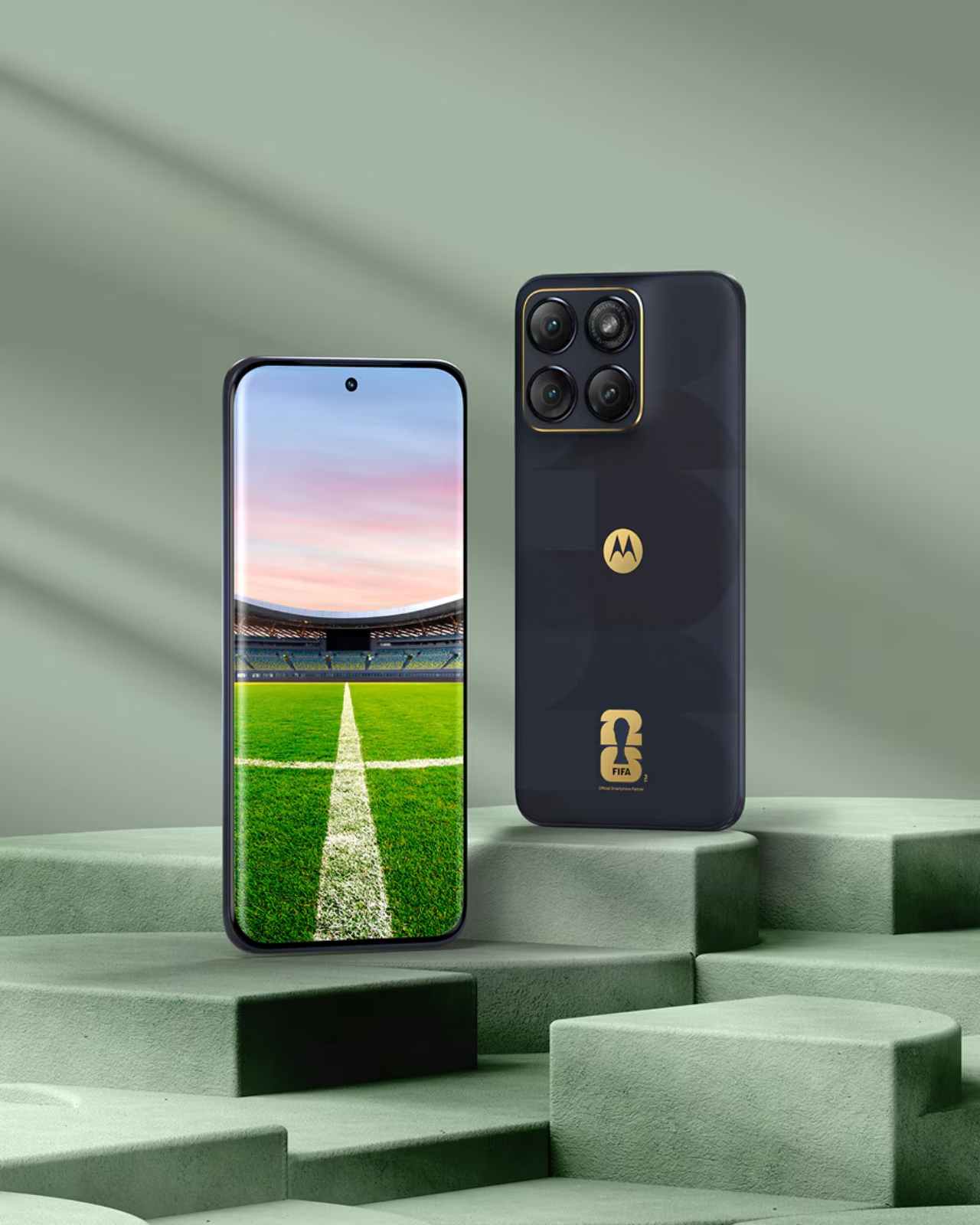
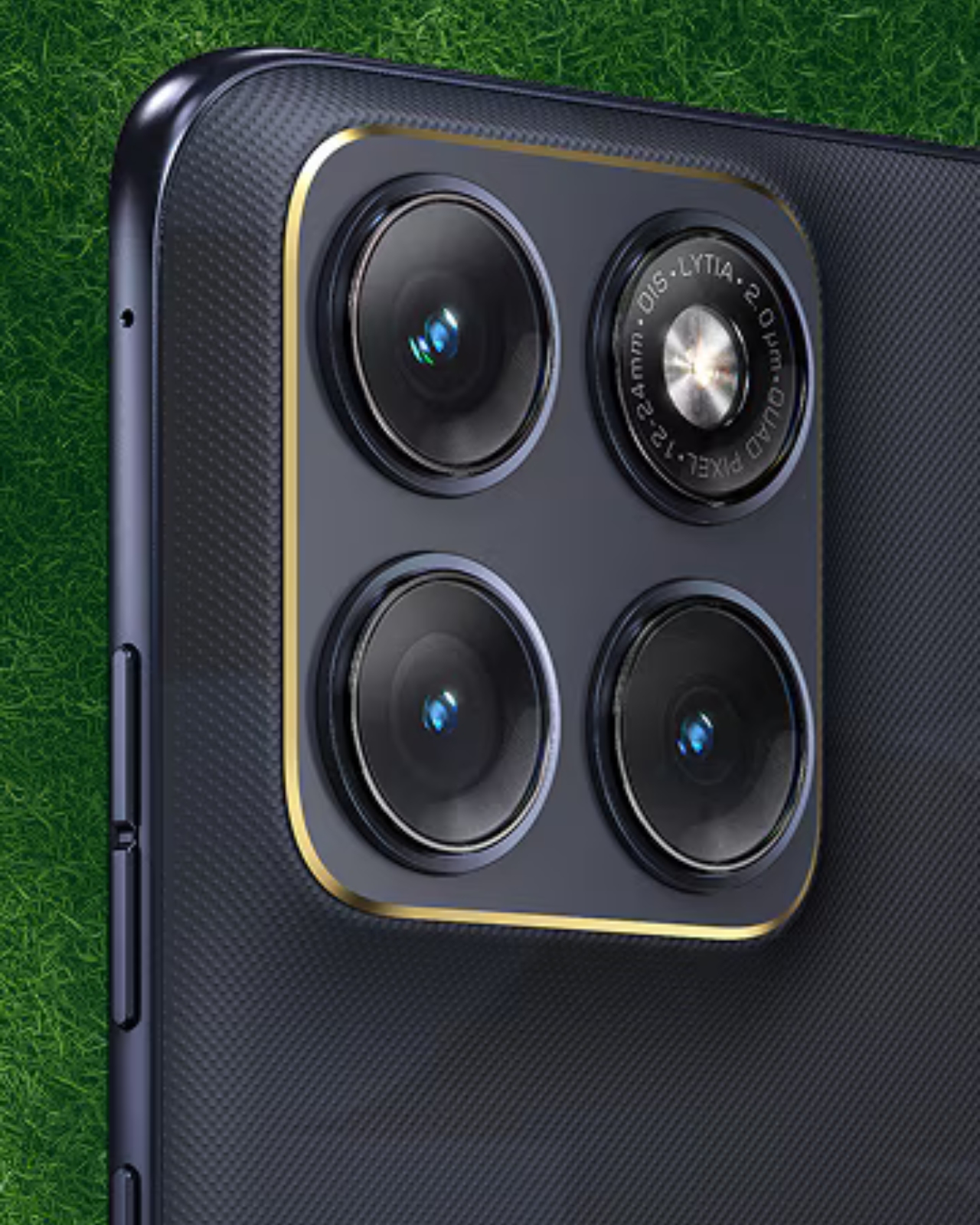
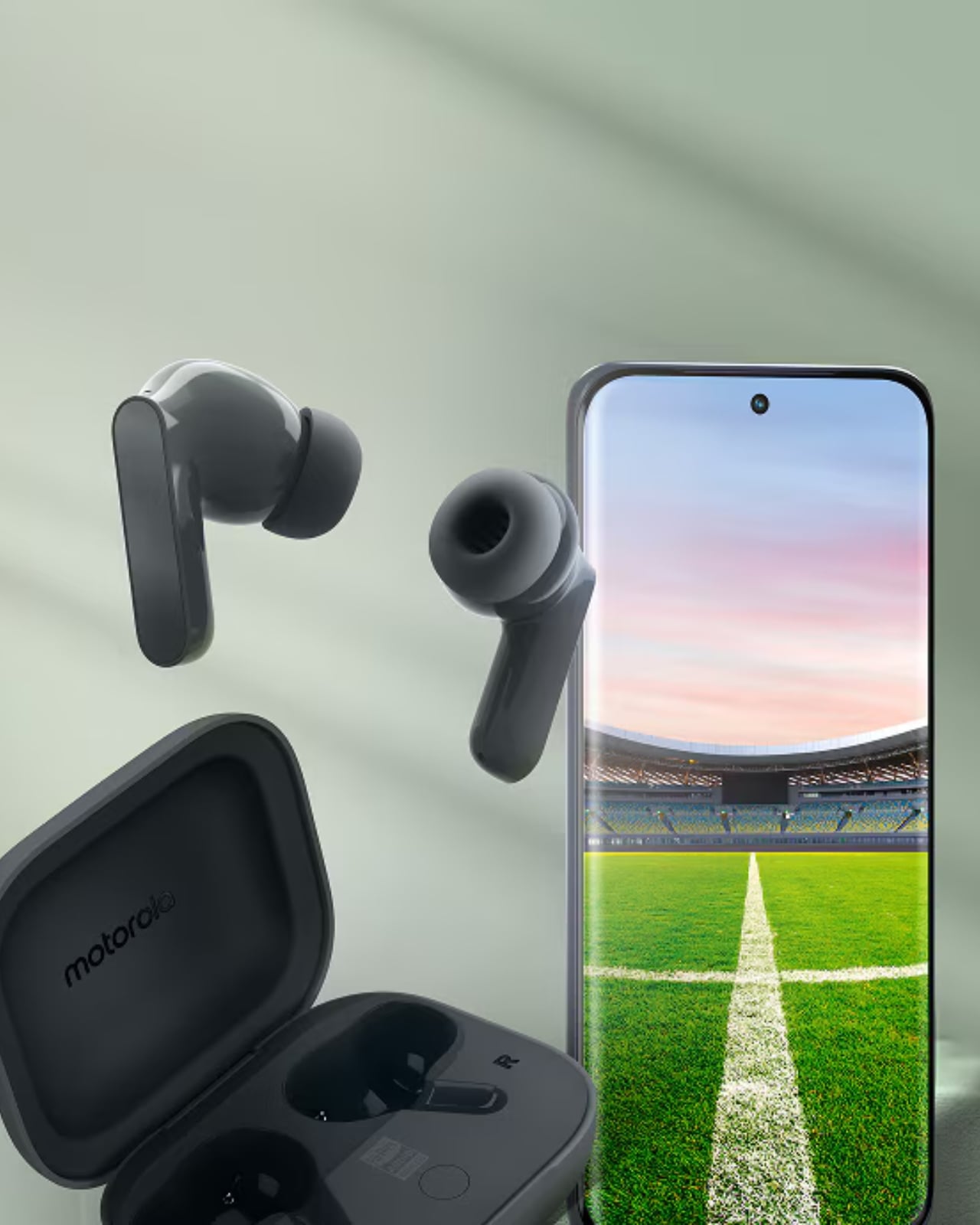
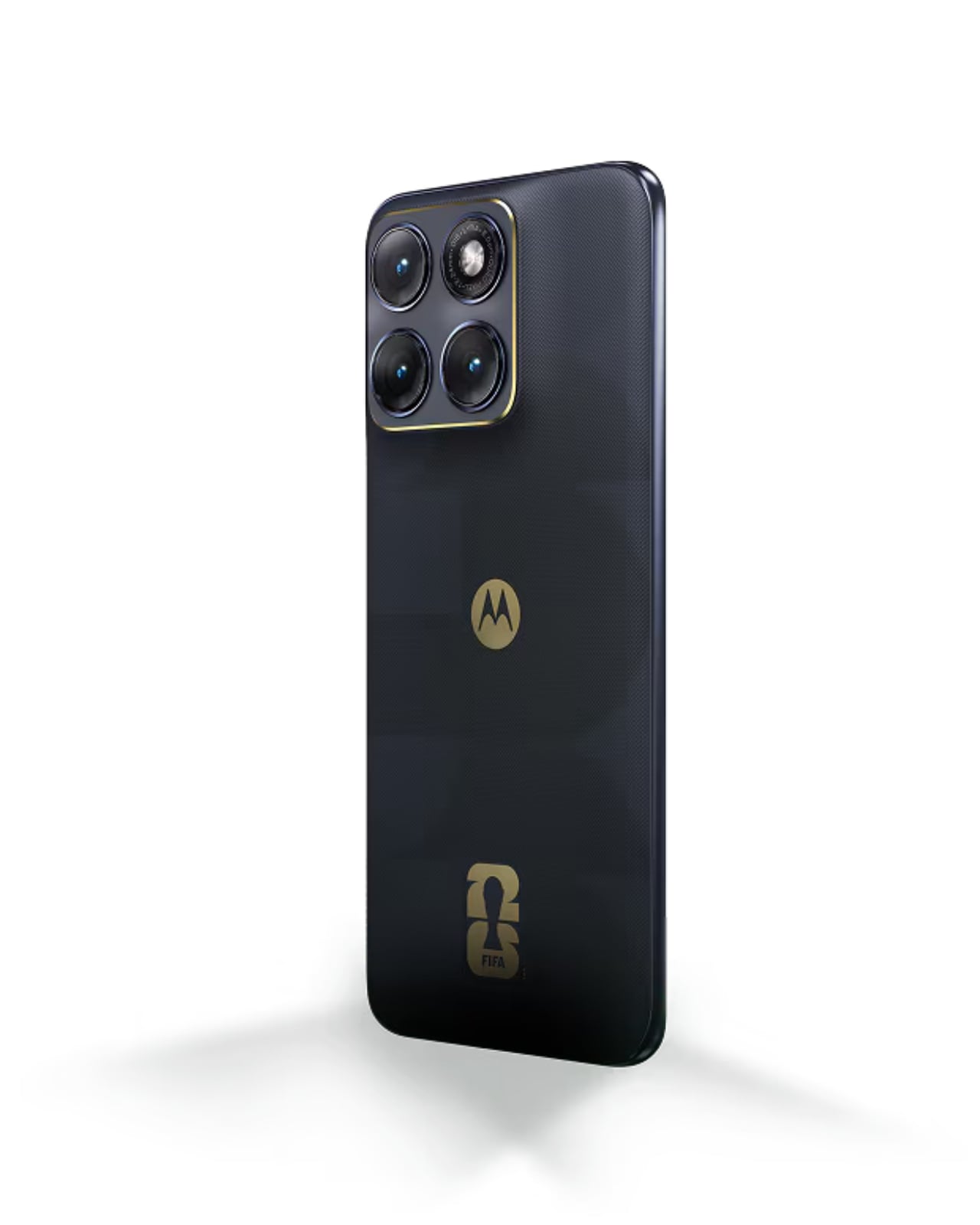
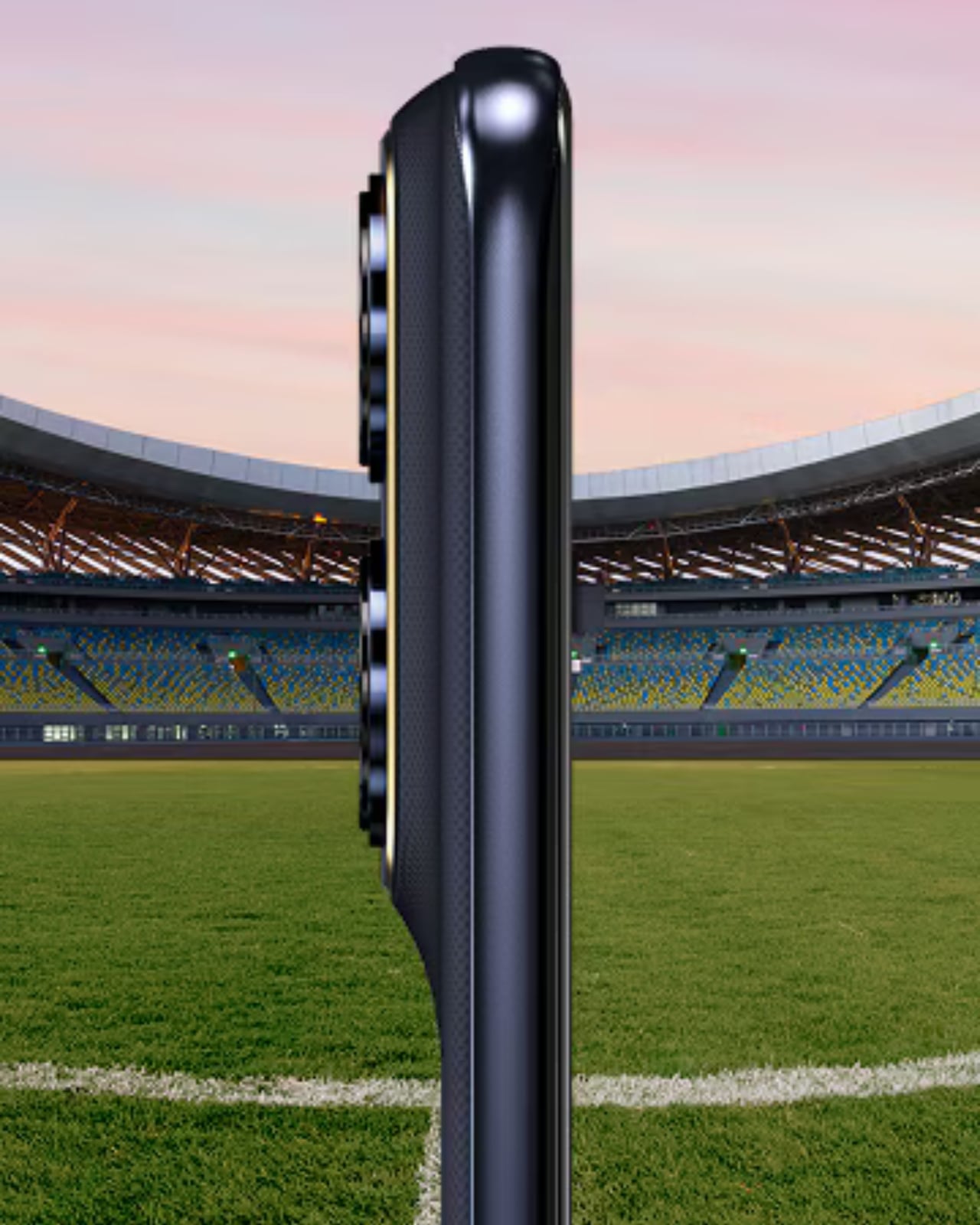
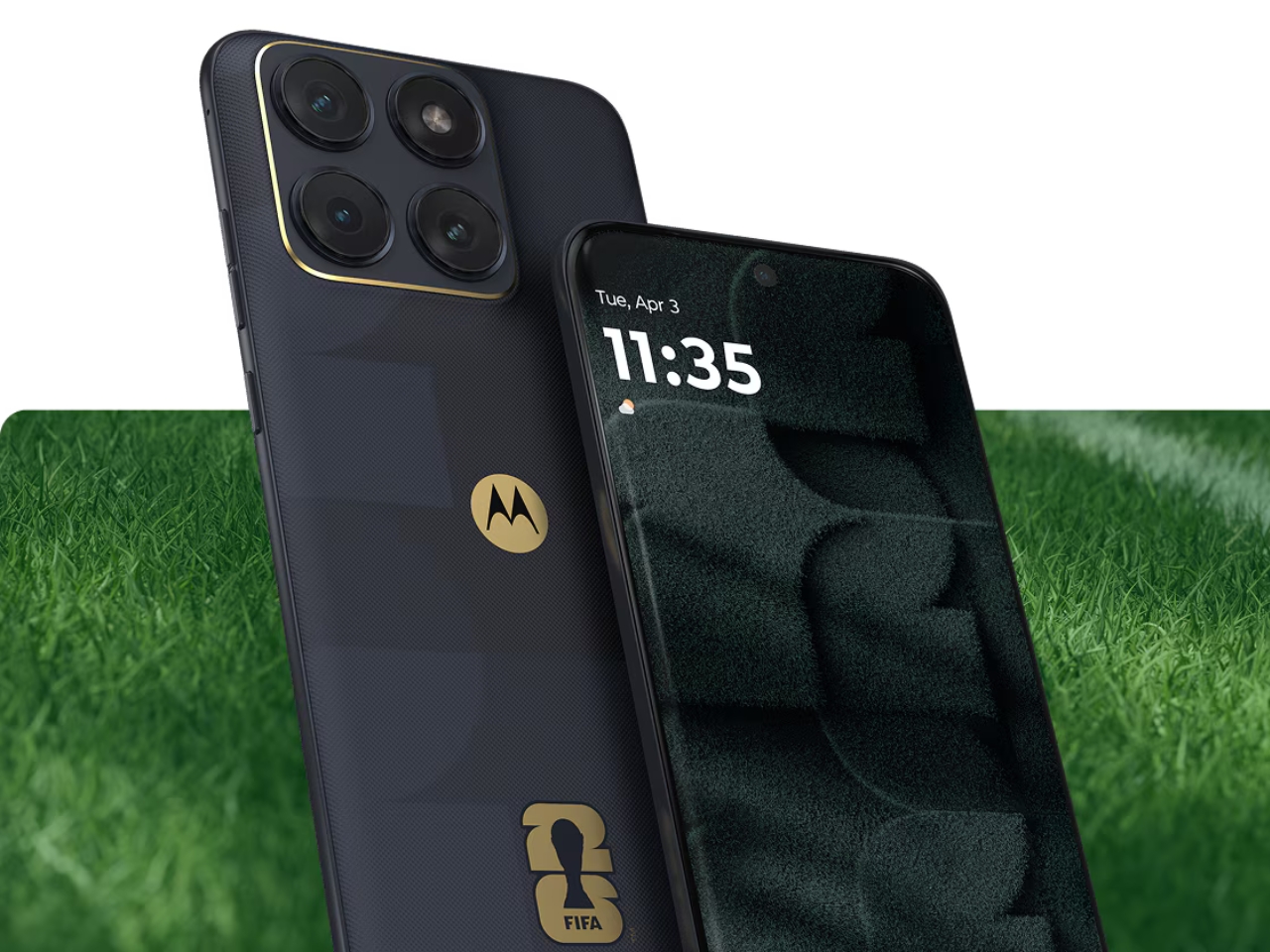
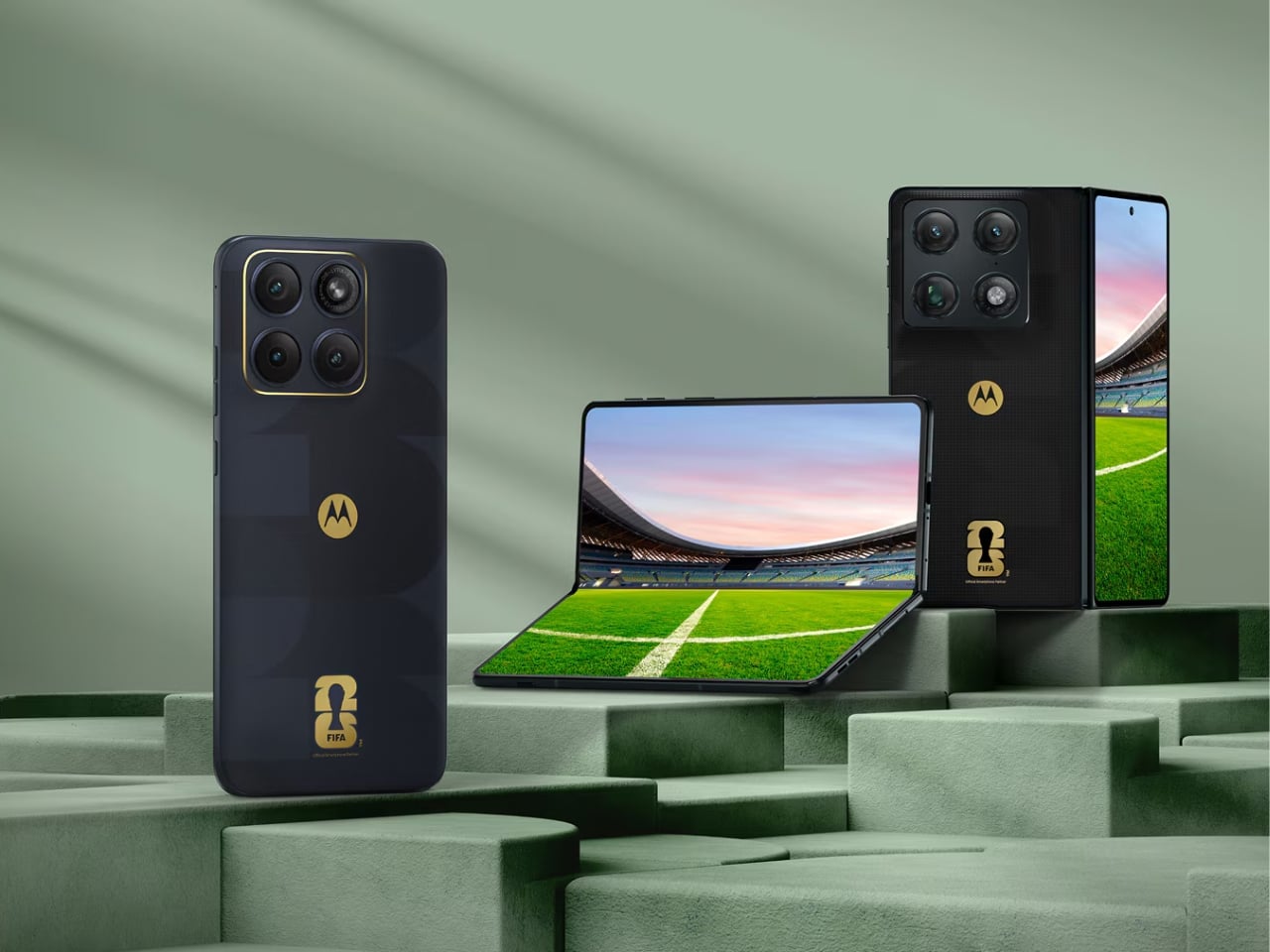
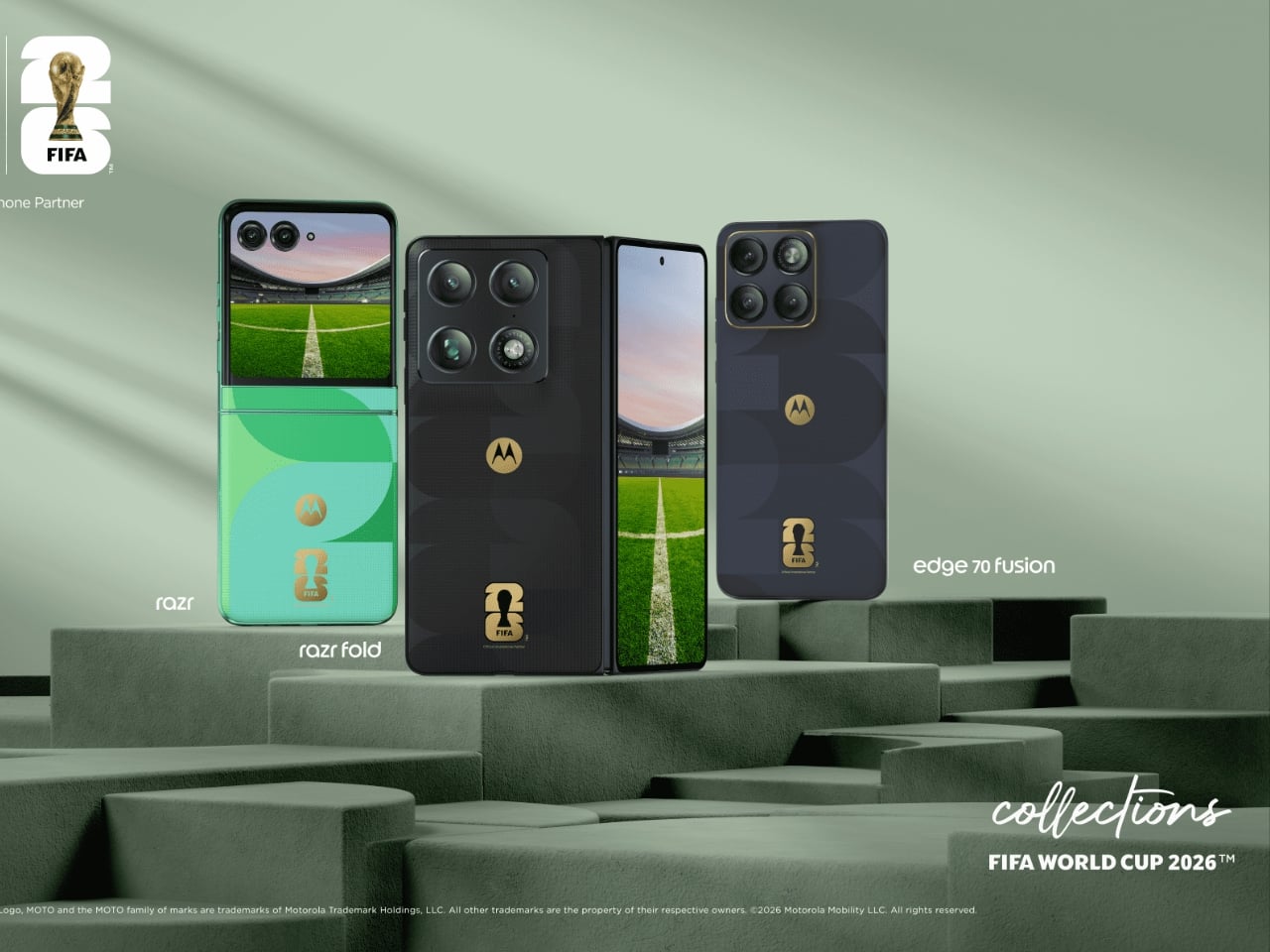
Motorola just announced two new additions to its FIFA World Cup 26 Collection, and they are exactly the kind of phones that make you stop scrolling. The Razr Fold and Edge 70 Fusion now have limited edition versions draped in football-inspired design and 24K gold accents, and whether you follow the sport or not, the craftsmanship here is genuinely worth paying attention to.
Designer: Motorola
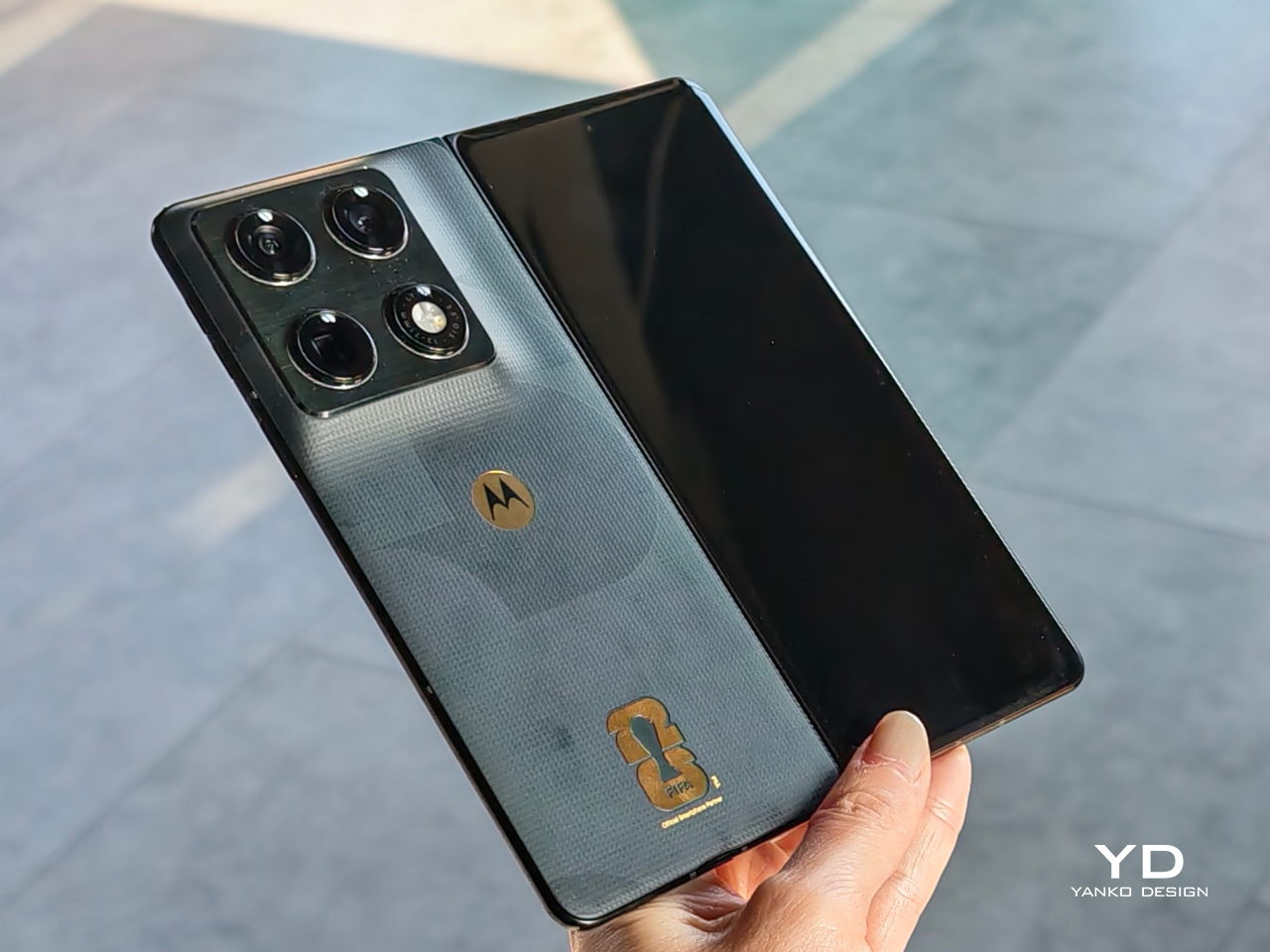
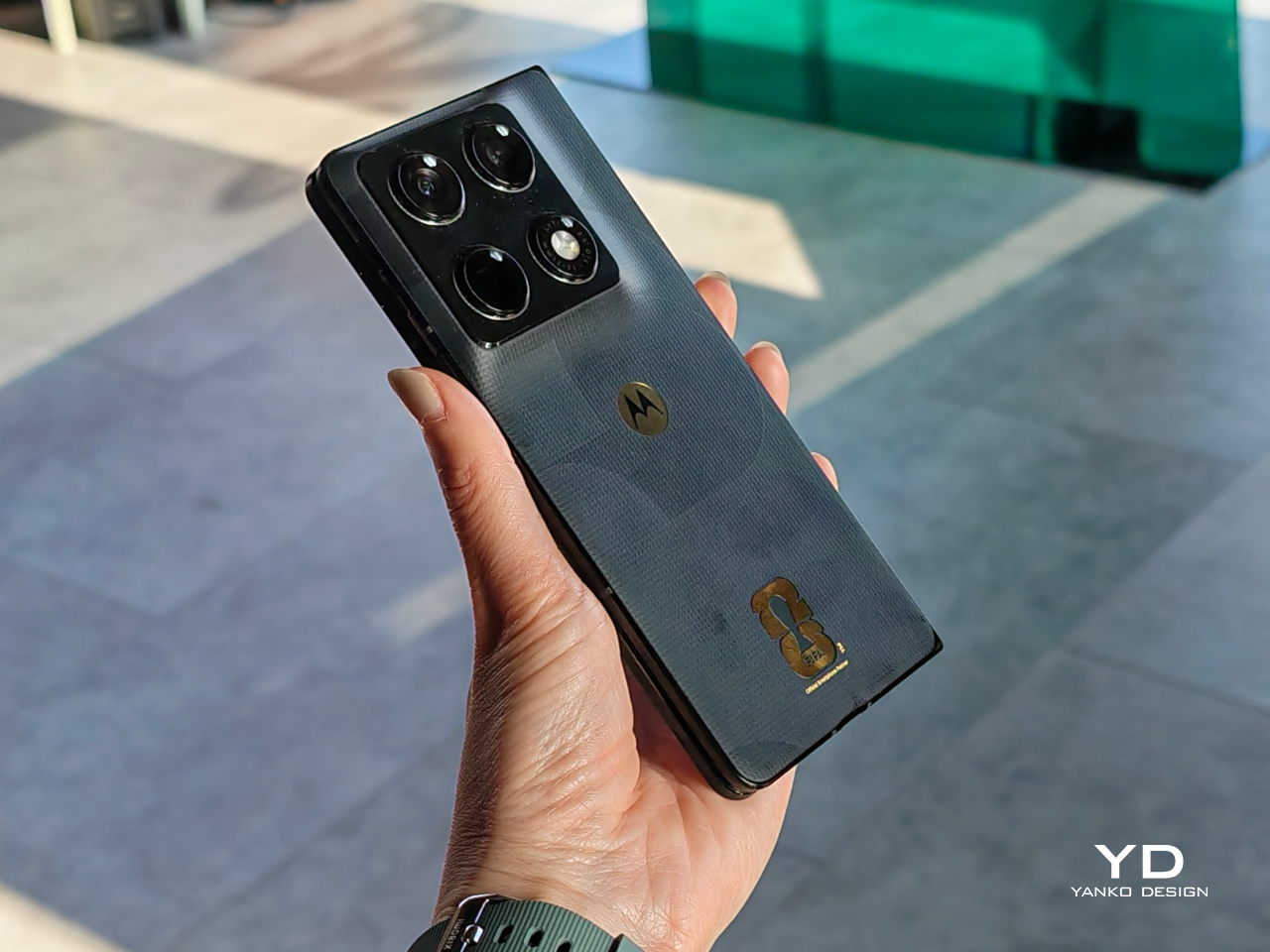
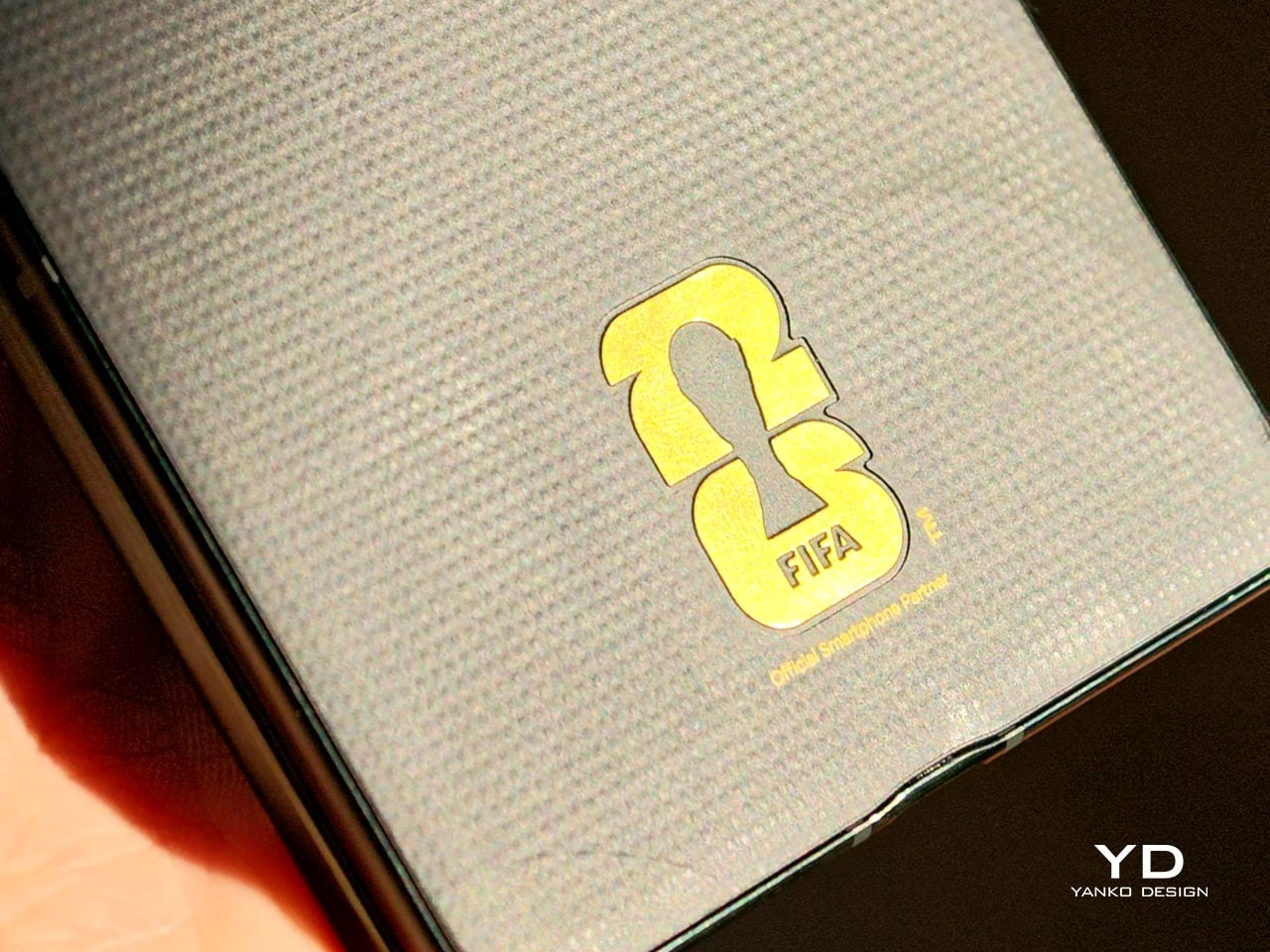
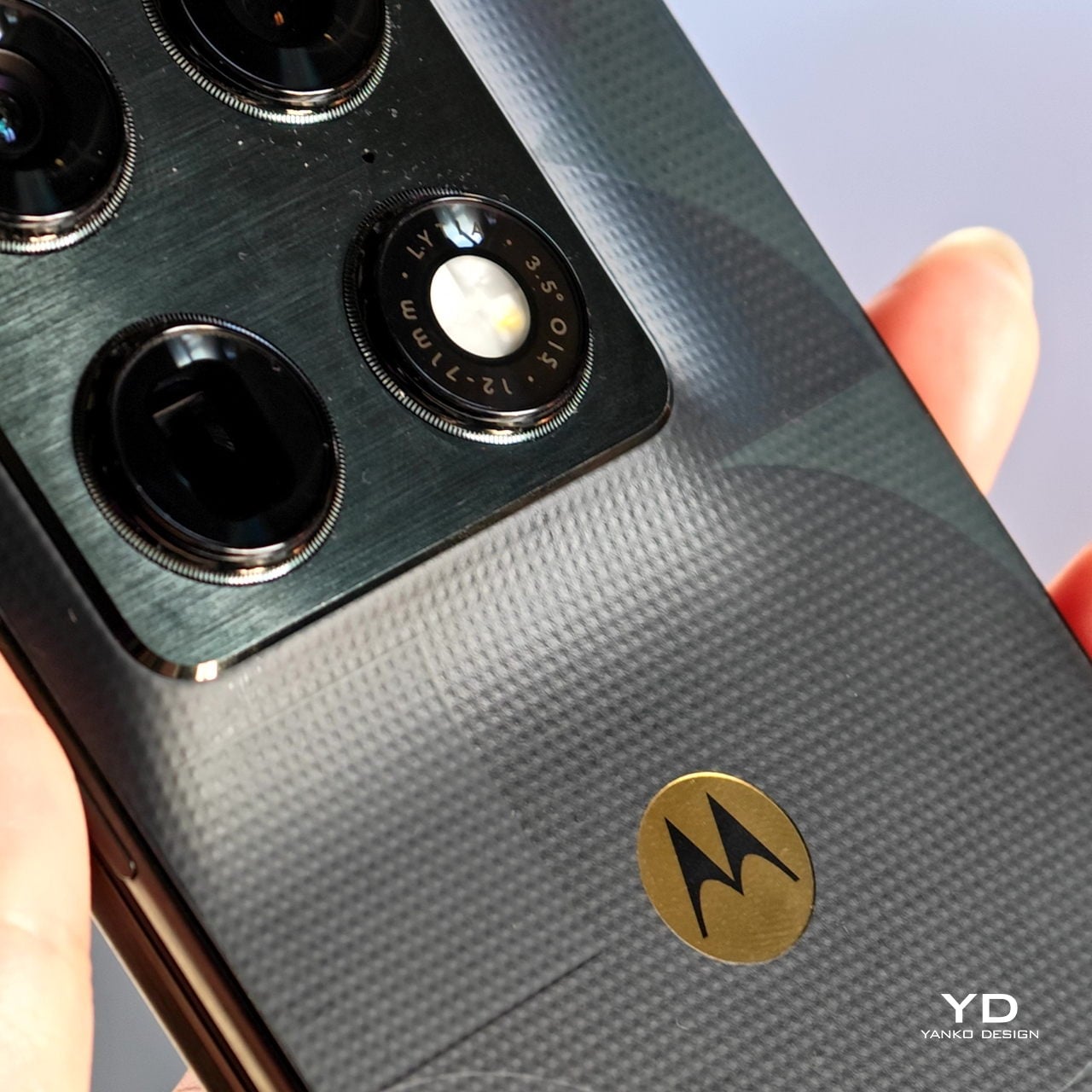
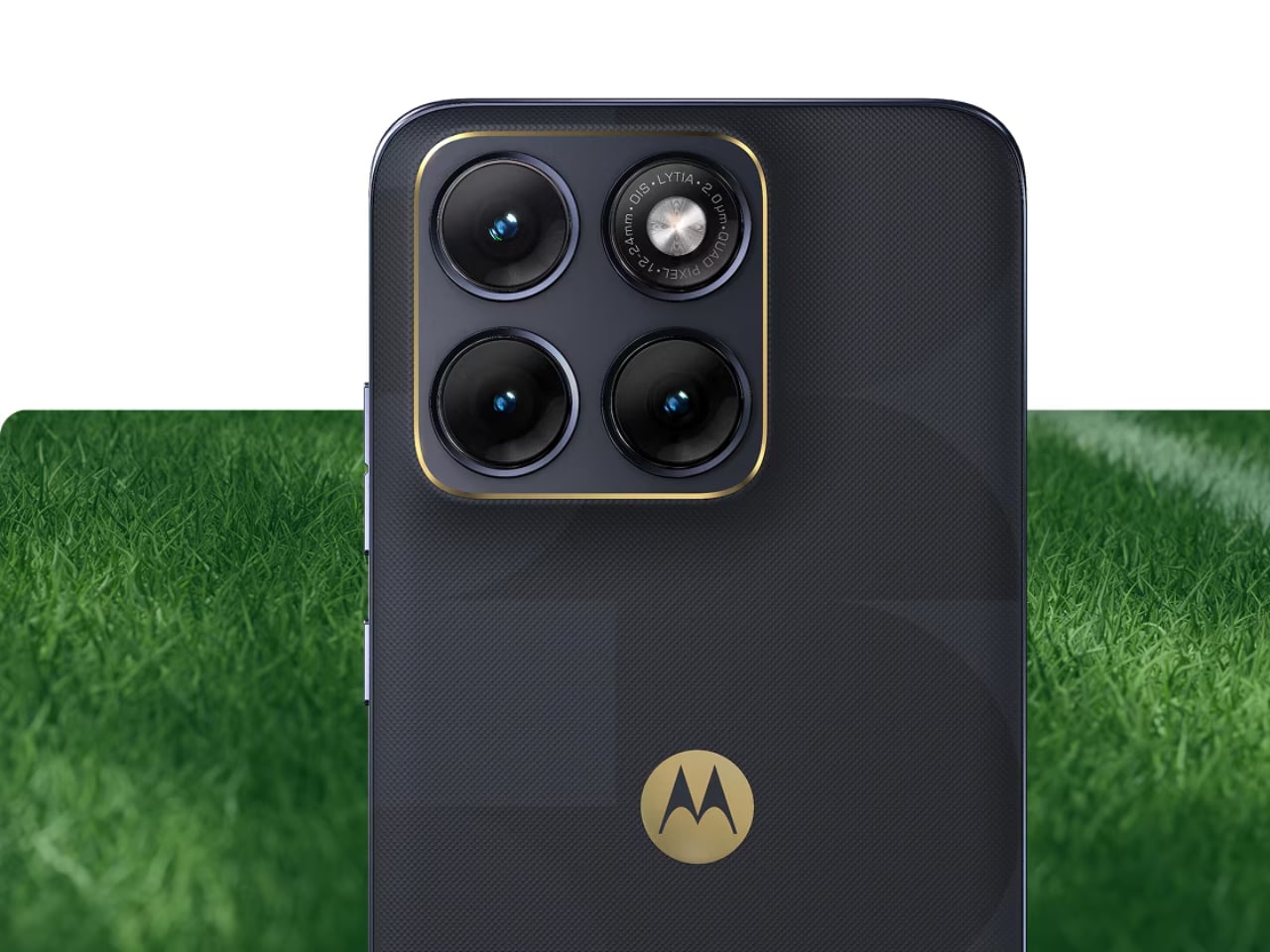
Let me start with the big one. The Razr Fold FIFA World Cup 26 Edition is Motorola’s first book-style foldable, and giving it a limited-edition treatment this early is a bold move. Motorola could have slapped a logo on the back and called it a day, but instead they went further. The back cover features a textured raised-dot pattern pulled directly from the surface of a football, giving the device a tactile quality that you actually feel in your hand. Add the glossy “26” typography cutting through that texture, and the whole thing has a collectible quality that feels deliberate rather than decorative.
The 24K gold-plated FIFA and Motorola logos push it a step further into trophy territory. Under the hood, the Razr Fold runs on a Snapdragon 8 Gen 5 chip, carries a 6,000mAh battery, and sports an 8.1-inch internal display alongside a 6.6-inch cover screen, with three 50-megapixel cameras on the back. As a debut foldable from Motorola in the book-fold format, it’s already a statement device. The FIFA edition makes that statement louder.
The Edge 70 Fusion FIFA World Cup 26 Edition takes a different approach, and it might actually be the more interesting design story of the two. Instead of the raised-dot texture, Motorola gave the Edge 70 Fusion a leather-inspired finish that replicates the iconic feel of a football’s surface. It’s a detail that sounds subtle but lands with real impact when you see it, because it turns an everyday mid-range phone into something that clearly belongs to a collection. The 24K gold accents extend around the camera island’s perimeter, which keeps the premium feel consistent without overwhelming the design. The phone runs on a Snapdragon 7s Gen 3 chip with a 6.8-inch 144Hz AMOLED display protected by Gorilla Glass 7i, and a 5,200mAh battery. As a mid-range device, the Edge 70 Fusion positions this collection as accessible, not just aspirational, which I think is the right call.
Both phones join the previously released Motorola Razr FIFA World Cup 26 Edition, forming what Motorola is calling the FIFA World Cup 26 Collection under its Collections by Motorola series. Announced at MWC 2026, the collection reflects Motorola’s role as the Official Smartphone Partner of FIFA World Cup 2026, which explains the depth of investment here. This isn’t a one-off co-branded phone. It’s a full lineup with real design thinking behind it.
Sport and technology collaborations can go either way. At their worst, they feel like a badge-slapping exercise where a logo gets placed on an otherwise unchanged product and the price goes up anyway. At their best, they create objects that hold cultural weight beyond their function. What Motorola has done here leans closer to the latter. The texture choices are thematic without being gimmicky. The gold accents are restrained enough to read as premium rather than flashy. And the fact that the design is carried across two very different form factors, a flagship foldable and a mid-range slab, shows that this is a cohesive collection, not just two isolated product moments.
Whether you’re a football fan who wants your phone to carry some of that match-day energy, or simply someone who appreciates when tech and design intersect in a meaningful way, the FIFA World Cup 26 Collection makes a case for itself. The Razr Fold and Edge 70 Fusion FIFA editions are set to arrive in select markets next month. If these end up being the kind of phones that get displayed on a shelf rather than used as daily drivers, I genuinely wouldn’t blame anyone for that decision either.
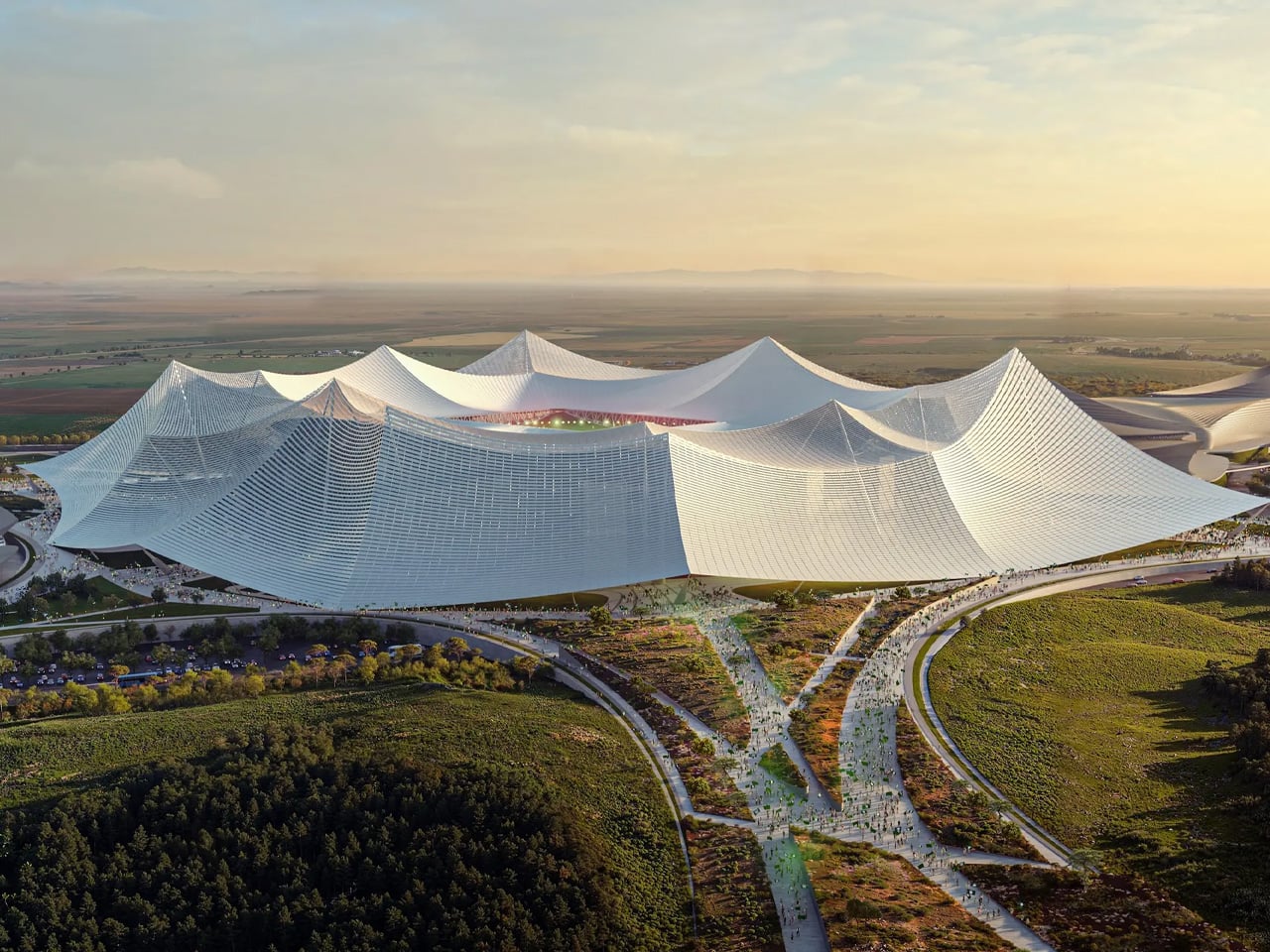
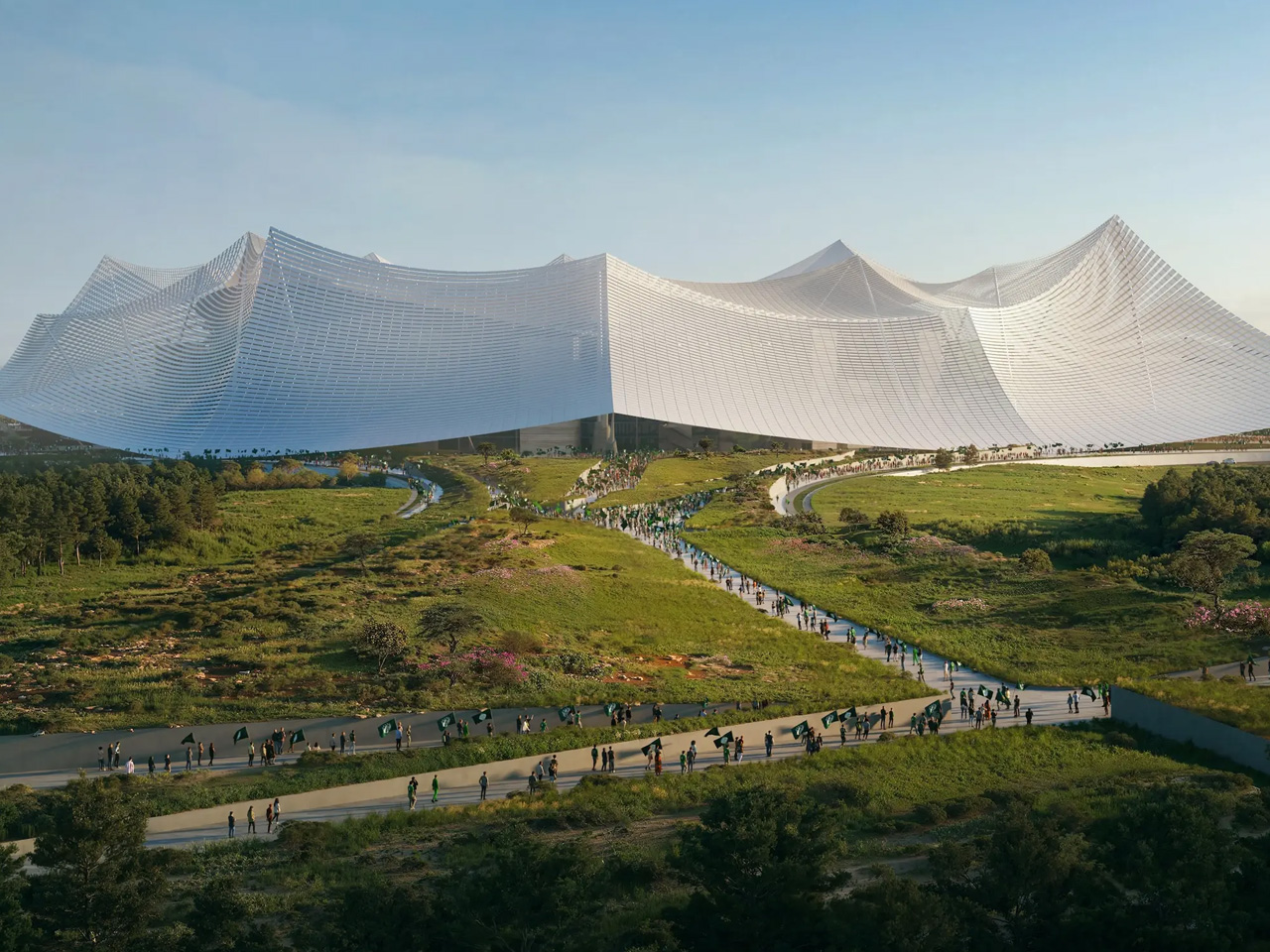
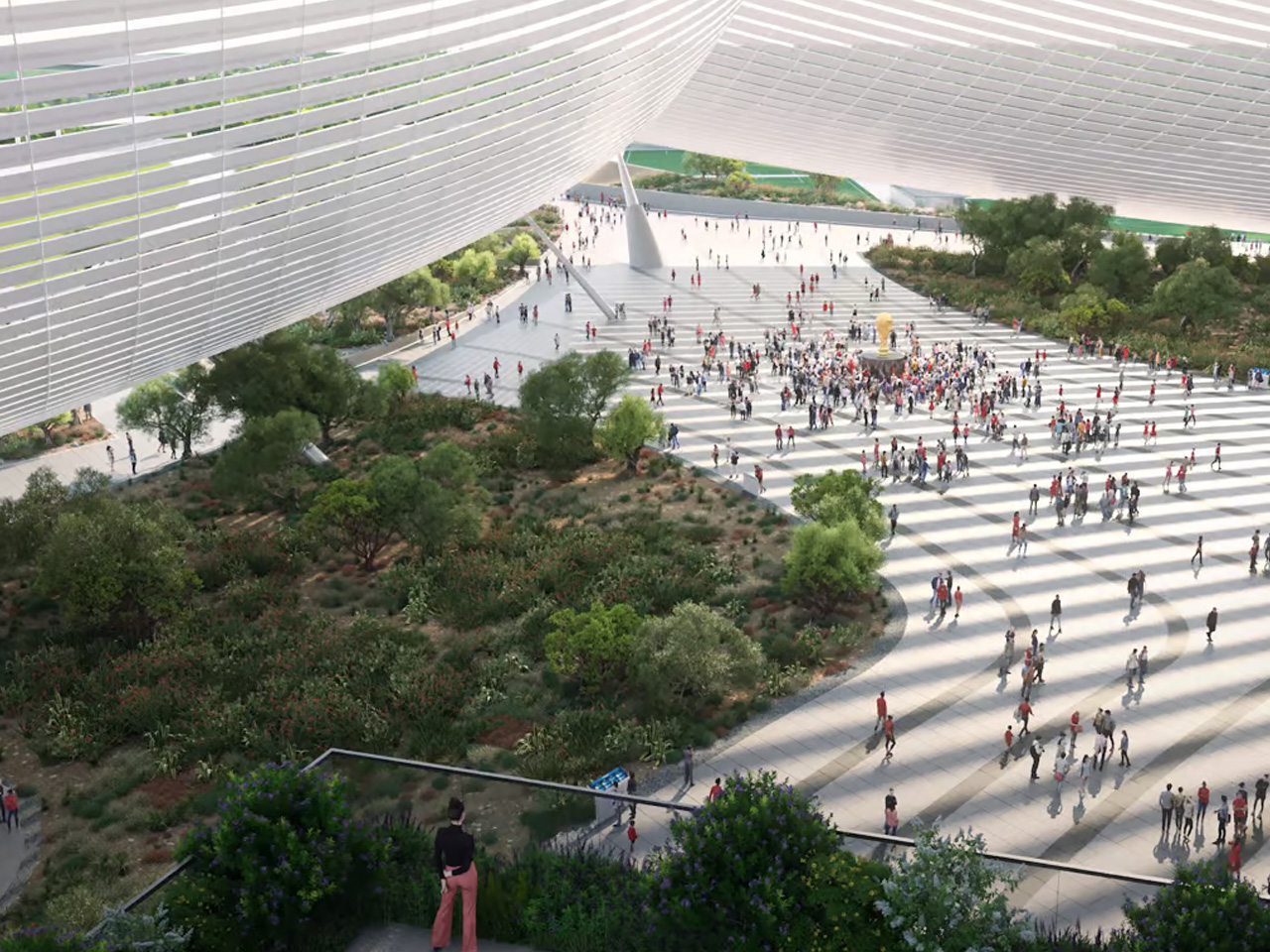
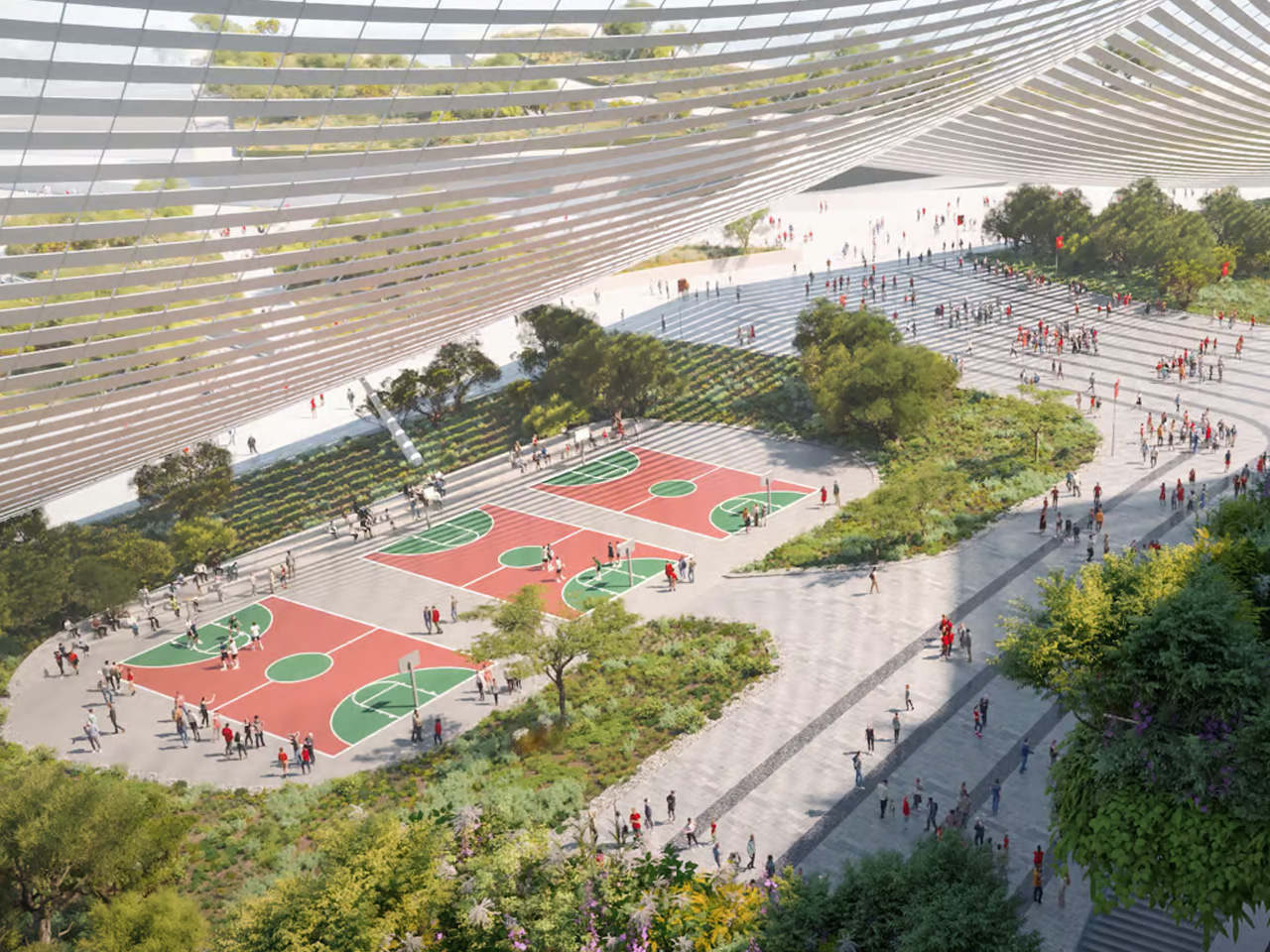
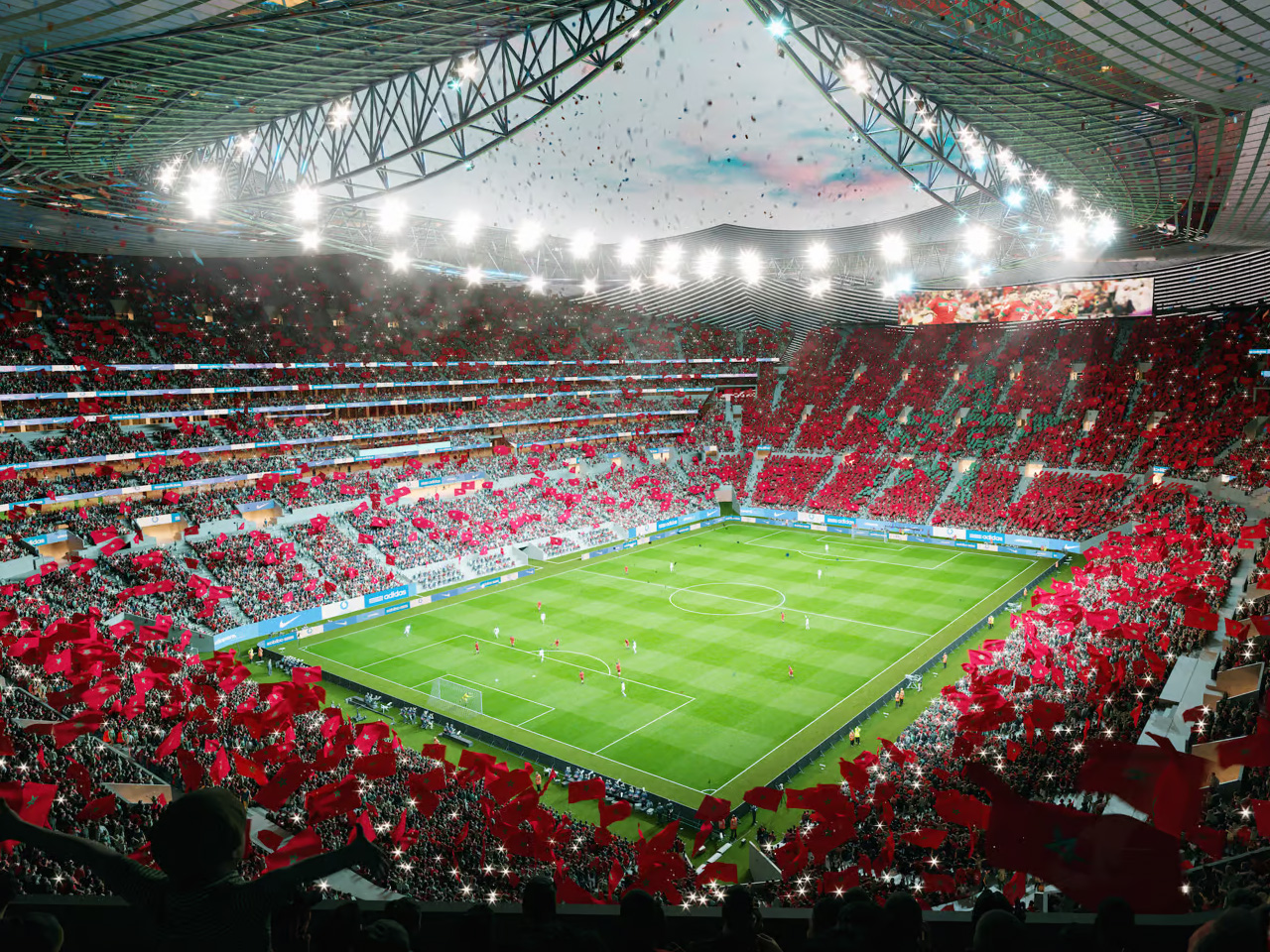
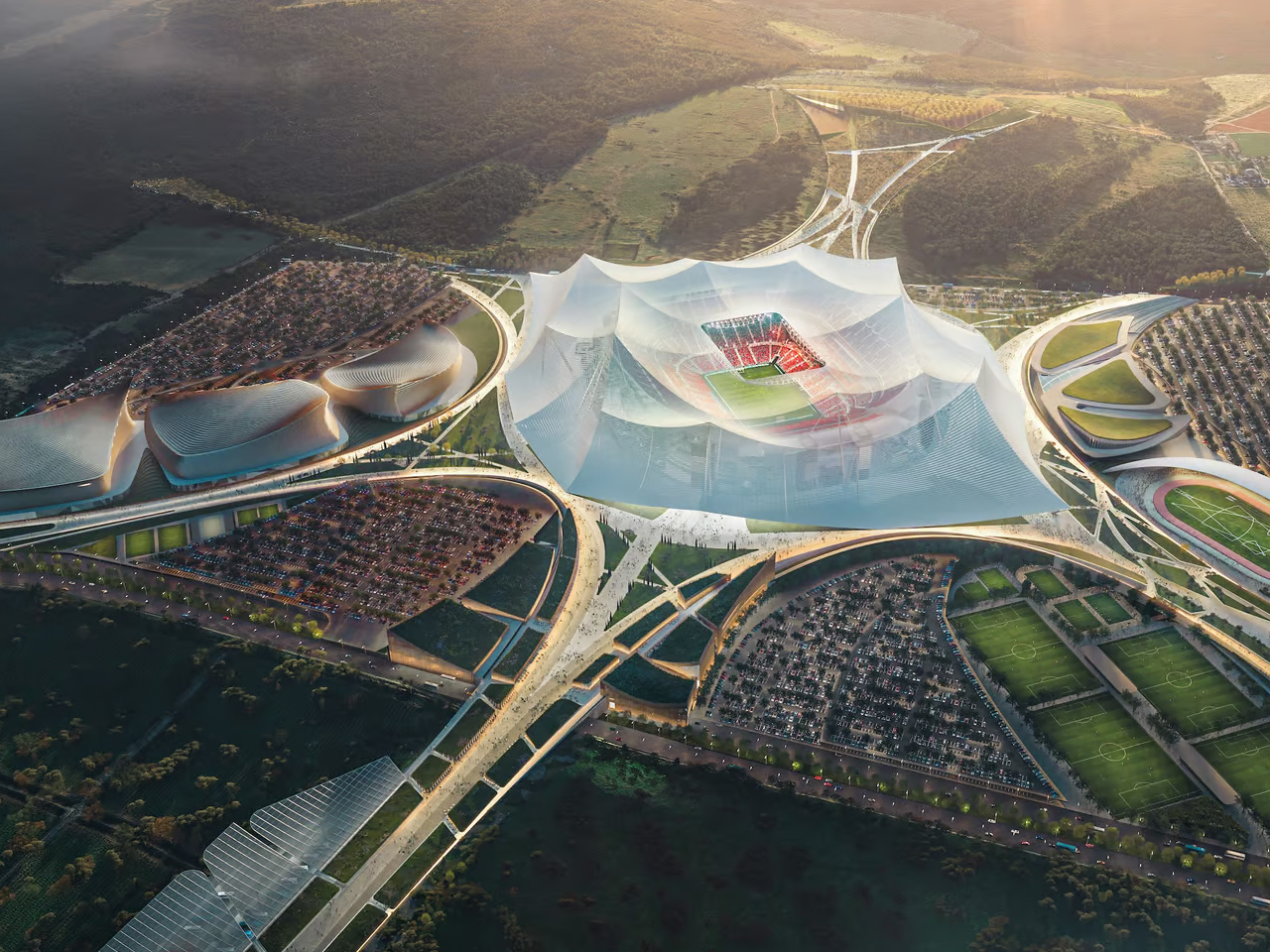
Architects Oualalou + Choi and stadium experts Populous teamed up to design a truly mindblowing new stadium that will resemble a massive tent. Dubbed the Grand Stade Hassan II, the extraordinary stadium will be built near Casablanca, Morocco, and will be deemed the largest stadium in the world! The Grand Stade Hassan II is being constructed since Morocco will be share hosting the upcoming 2030 FIFA World Cup with Portugal and Spain. The stadium is inspired by a traditional Moroccan gathering called Moussem.
The stadium will be able to hold 115,000 people, proudly making it the largest capacity soccer stadium in the world. It will be larger than the capacity of the current largest sports stadium in the US, which can hold around 107,601 sports fans. The stadium will feature a tent-like form, amped by an aluminum lattice exterior which will offer shade to the visitors, and facilitate ventilation. The landscaping will be highly focused upon, and it will include a ring of 32 stairways functioning as gateways with greenery on the raised platforms. The stadium will include botanical gardens as well and will be home to two local soccer clubs.
“The Grand Stade Hassan II is deeply rooted in Moroccan culture, with its traditions and contemporary expressions,” said Tarik Oualalou, Design Principal and founding partner at Oualalou + Choi and Lead Architect for the project. “It is rooted in ancient and primordial figures: the Moussem, the tent, and the garden, as well as the topography and landscapes of Morocco. It’s a generous space, open to the world and respectful to the nature it protects. The Grand Stade Hassan II de Casablanca is the embodiment of the great tradition of Moroccan hospitality.”
The construction prep has started on a 100-hectare site in El Mansouria, near Casablanca. We are unsure when the stadium will be completed, but it should be done by 2030.

 Collection, and they are exactly the kind of phones that make you stop scrolling. The Razr Fold and Edge 70 Fusion now have limited edition versions draped in football-inspired design and 24K gold accents, and whether you follow the sport or not, the craftsmanship here is genuinely worth paying attention to.