This $899 golf launch monitor tracks your swing in 3D and tells you how to fix it

A decent golf lesson can cost anywhere from $80 to $200 an hour, but the bigger issue usually kicks in after the lesson ends. You leave with a fix, spend the next two weeks practicing on your own, and somehow manage to rehearse the exact mistake you were trying to get rid of. Golf has a funny way of doing that. More practice does not always mean better practice. Launch monitors helped by giving everyday golfers access to shot data that used to live in pro fittings, but numbers alone can still feel like homework. NeoPace’s G10 Pro tries to close that gap by pairing launch monitor stats with an AI coaching layer that explains what happened and what to work on next.

NeoPace, based in Irvine, California, built the G10 Pro around a triple-camera system and a 24 GHz Doppler radar. Two cameras capture the impact zone at up to 480 frames per second, while a third records the full swing at 120fps. The setup feeds into what NeoPace calls TrainerIQ™, an AI system that traces a bad shot through a Body to Club to Ball chain, connecting ball flight to club delivery and then back to the body movement that caused it. That matters because most golfers do not need more raw data, they need help turning data into action. The G10 Pro also rebuilds each swing in 3D, so you can replay it from multiple angles instead of squinting at a flat video and pretending you know what your hips are doing.

Designer: Neopace

Click Here to Buy Now: $899 $1499.99 (40% off). Hurry, only 875/1000 left! Raised over $286,000.
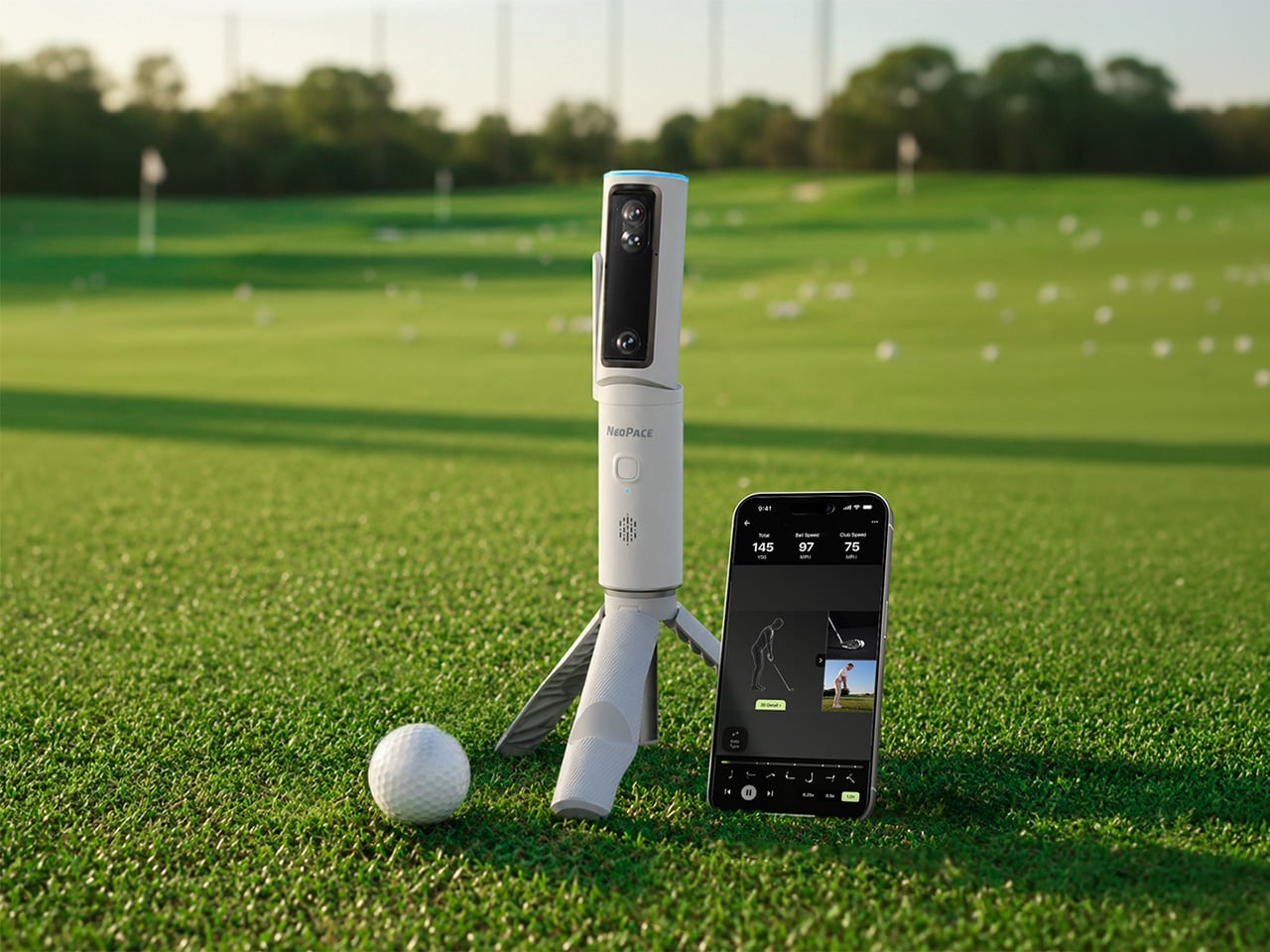
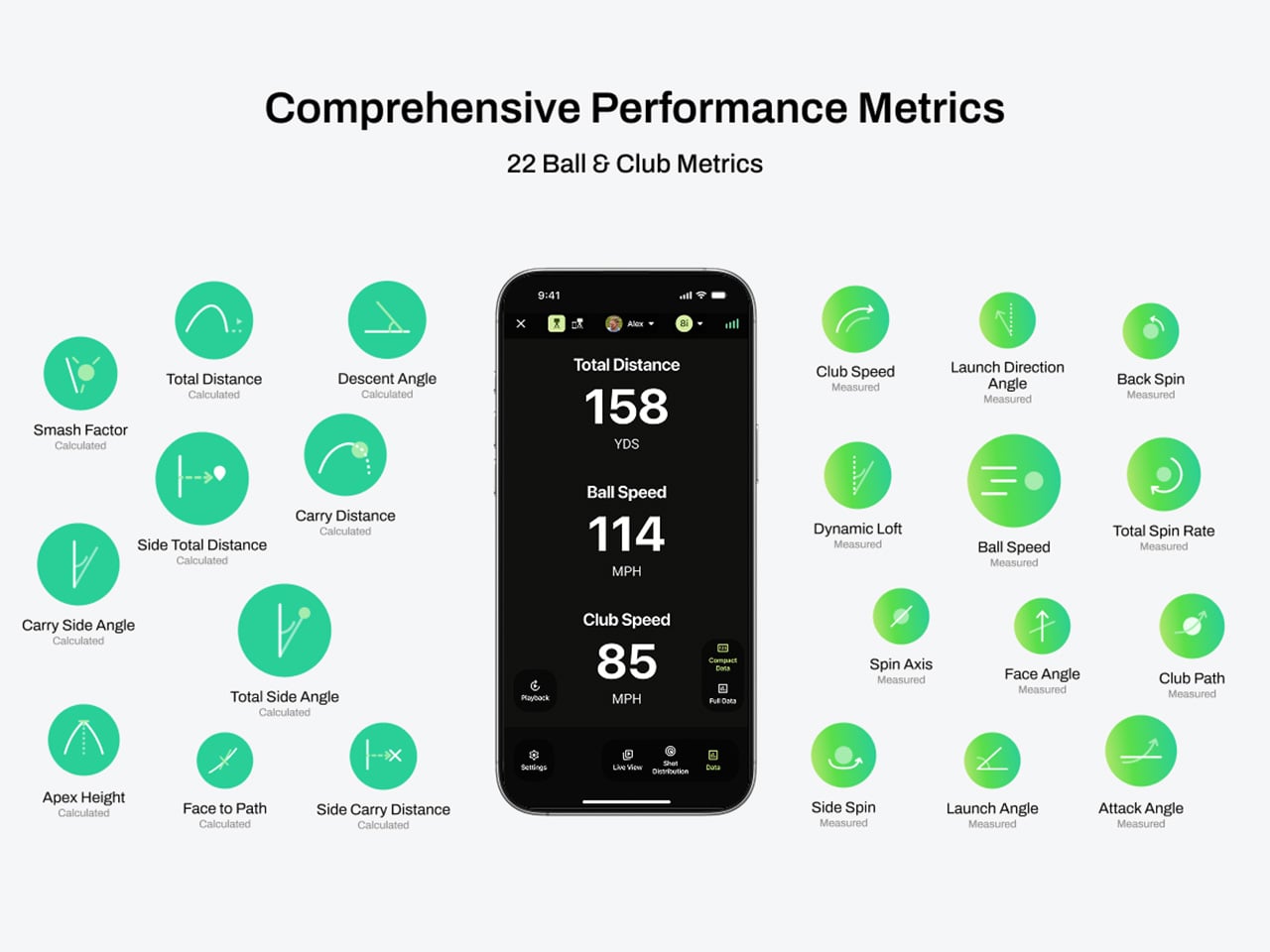
The G10 Pro tracks 22 ball and club metrics, plus 27 body-related metrics covering chest rotation, pelvis movement, wrist angles, elbow flexion, knee sway, and more. That is a pretty wild amount of information for a portable unit that costs $899, especially when most devices in this range focus mainly on ball flight and club numbers. NeoPace also made setup refreshingly simple, with auto alignment and support for both face-on and down-the-line placement. So whether you’re practicing at home, on the range, in the backyard, or sneaking in some swing diagnostics before a round, the G10 Pro feels built for golfers who want coaching-grade feedback without hauling around a tour van full of gear.

Every swing gets captured and rebuilt in full 3D, replayable from any angle, at any moment, from face-on, top-down, and down-the-line, all from a single device you placed once before you started. Most launch monitors give you flat video from a single fixed angle. The stereo camera pair locks the ball at 480 frames per second while the third follows the swing at 120fps, double the impact capture rate of most competing devices. Seeing your own swing from directly above mid-follow-through is the kind of analysis angle instructors have always wanted to show students but rarely had a clean portable way to deliver. NeoPace claims the 3D Replay™ is a first in portable consumer launch monitors at any price, and from everything visible in the current market, that claim holds up.

TrainerIQ™ analyzes your swing and body movement, identifies the likely cause of a miss, and suggests a targeted drill to help you improve. It does not just flag that the face was open at impact and leave you to figure out why. The analysis goes deeper: face 2 degrees open, heel contact, smash factor 1.35, and the root cause is that the body stopped rotating so the hands stepped in to carry the load. That kind of layered breakdown is exactly what a teaching pro walks you through after watching your swing, and the G10 Pro compresses it into automated real-time output after each shot. Golfers can also directly ask TrainerIQ™ questions about their swing and receive personalized, actionable guidance on what to work on next, which makes the system feel less like a stat engine and more like an interactive training partner. TrainerIQ™ then prescribes specific drills based on the diagnosis, closing the loop between data, understanding, and actual practice.
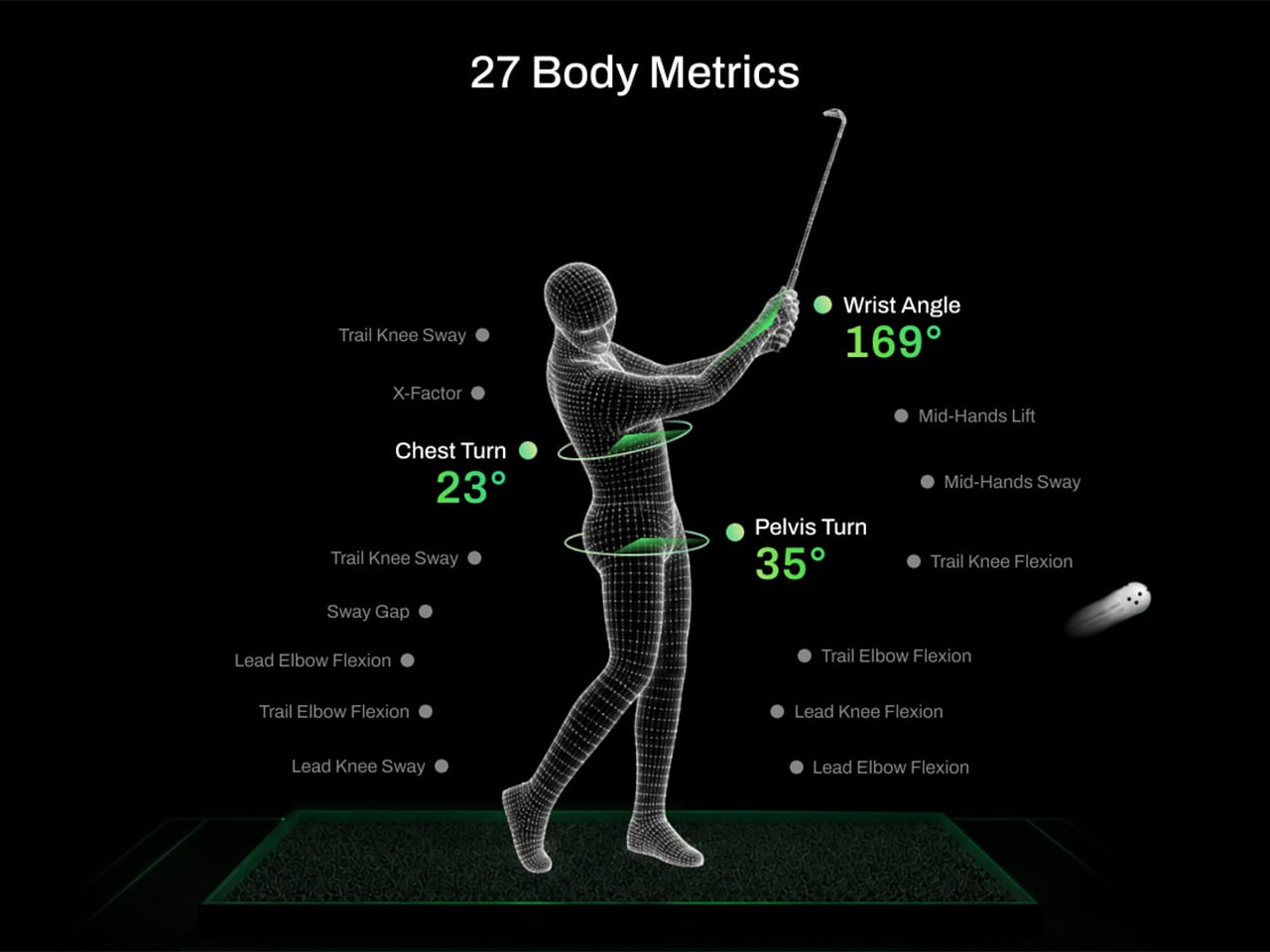
Twenty-seven body-related metrics track how your body moves through every swing, turning posture, timing, and rotation into data you can act on. The tracked parameters span the chest and pelvis in five axes each, lead and trail knee sway and flexion, mid-hands sway and lift, head movement, X-Factor and Sway Gap, lead and trail elbow flexion, wrist angle, shaft angle, and kinetic sequencing factors: Core Gain, Shoulder Gain, Wrist Gain, and Release Factor. Any coach reading that list will recognize it as the full biomechanical picture that motion capture setups in pro training facilities chase. Inside TrainerIQ™, it becomes the evidence base connecting a ball that lands 13 yards short and right to a chest that stopped rotating halfway through the downswing. That translation from raw biomechanics to actionable coaching is where the G10 Pro genuinely earns its price.

Getting the G10 Pro into a session takes three steps: set it down, auto align, and take your shot. That might sound like marketing language, but auto-alignment is a genuine quality-of-life upgrade over monitors that require precise manual positioning every single time. The pan-and-tilt gimbal covers a 120-degree pan range and a 40-degree tilt range, so near-correct placement is close enough. The unit itself measures 217.5 × 47.25 × 44.5 mm without the tripod, compact enough to slide into a range bag without reorganizing everything else in it. The 3,300mAh/7.2V battery runs for four hours with a 1.5-hour fast charge at 15W, which covers a full morning session with room to spare. For golfers who want to practice or play indoors, the G10 Pro is compatible with GSPro and Creative Golf, with additional major simulator platforms currently in development.
NeoPace also says there is no unlock fee or subscription required for simulator connectivity itself, though third-party simulator software fees may still apply. The companion app works with iOS (14.0 and above) and Android (10.0 and above) smartphones and tablets. NeoPace also says the core feature set does not require a subscription. D Swing Analysis and TrainerIQ™ Analysis share an allowance of up to 5 AI-analyzed shots per month, while Premium AI increases the shared allowance to up to 1,000 shots per month and adds features such as Ask TrainerIQ™, Performance Insights, Personalized Drills, Practice Goals, and Cloud Storage.

At $899, the G10 Pro goes toe to toe with the Rapsodo MLM2PRO, its most direct camera-based competitor at the same price. The MLM2PRO does solid work on ball flight data and video, but offers no body tracking, no 3D reconstruction, no AI coaching chain, and face-on-only placement. Stepping further up the market, ball/club/body motion analysis at this depth typically lives in systems costing several times more, usually requiring separate wearables or dedicated motion capture rigs. Honestly, the fact that NeoPace has packed 3D reconstruction, 27 body metrics, and an AI coaching brain into a $899 portable device feels like it should be harder to pull off than it apparently is, and that is the most compelling thing about the G10 Pro.

Click Here to Buy Now: $899 $1499.99 (40% off). Hurry, only 875/1000 left! Raised over $286,000.

The post This $899 golf launch monitor tracks your swing in 3D and tells you how to fix it first appeared on Yanko Design.
AI-powered self-driving golf trolley can follow you around and give you tips

It’s too easy to underestimate golf as a sport, but the ability to hit a small ball with an equally small stick and have it roll into a hole miles away is no easy feat. It requires no small amount of skill, focus, and concentration, all of which could be undone by the stress of having to mind things not directly related to playing the game, such as carrying all those golf clubs. You can always hire people to carry those for you, a.k.a. caddies, but that might not always be a feasible option. We’re at an age where not just vacuum cleaners but also cars can already drive themselves, so why not have a trolley do that as well? And with some AI magic, it can even be your golf coach, too!

Designer: Futurewave, Botronics

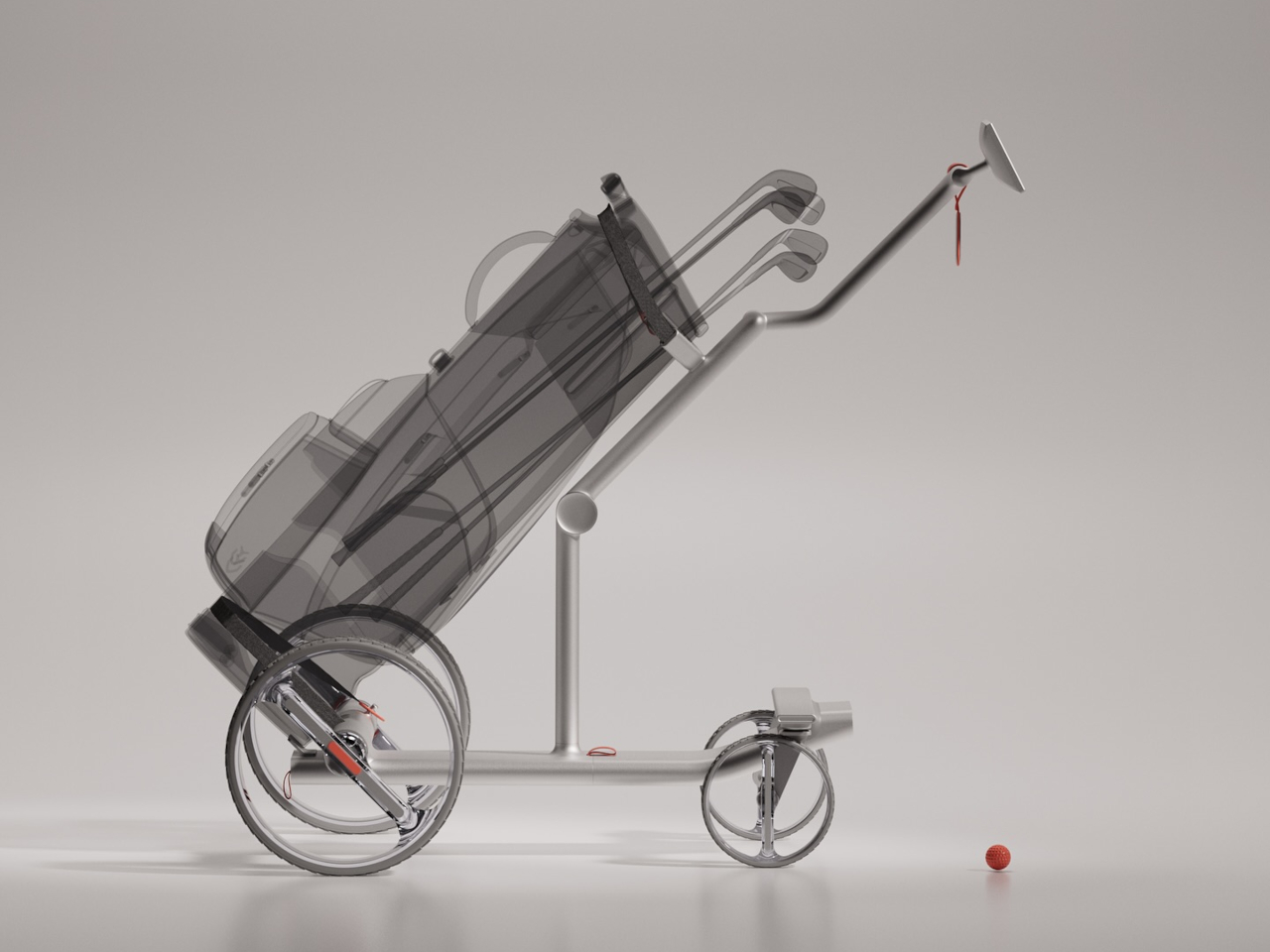
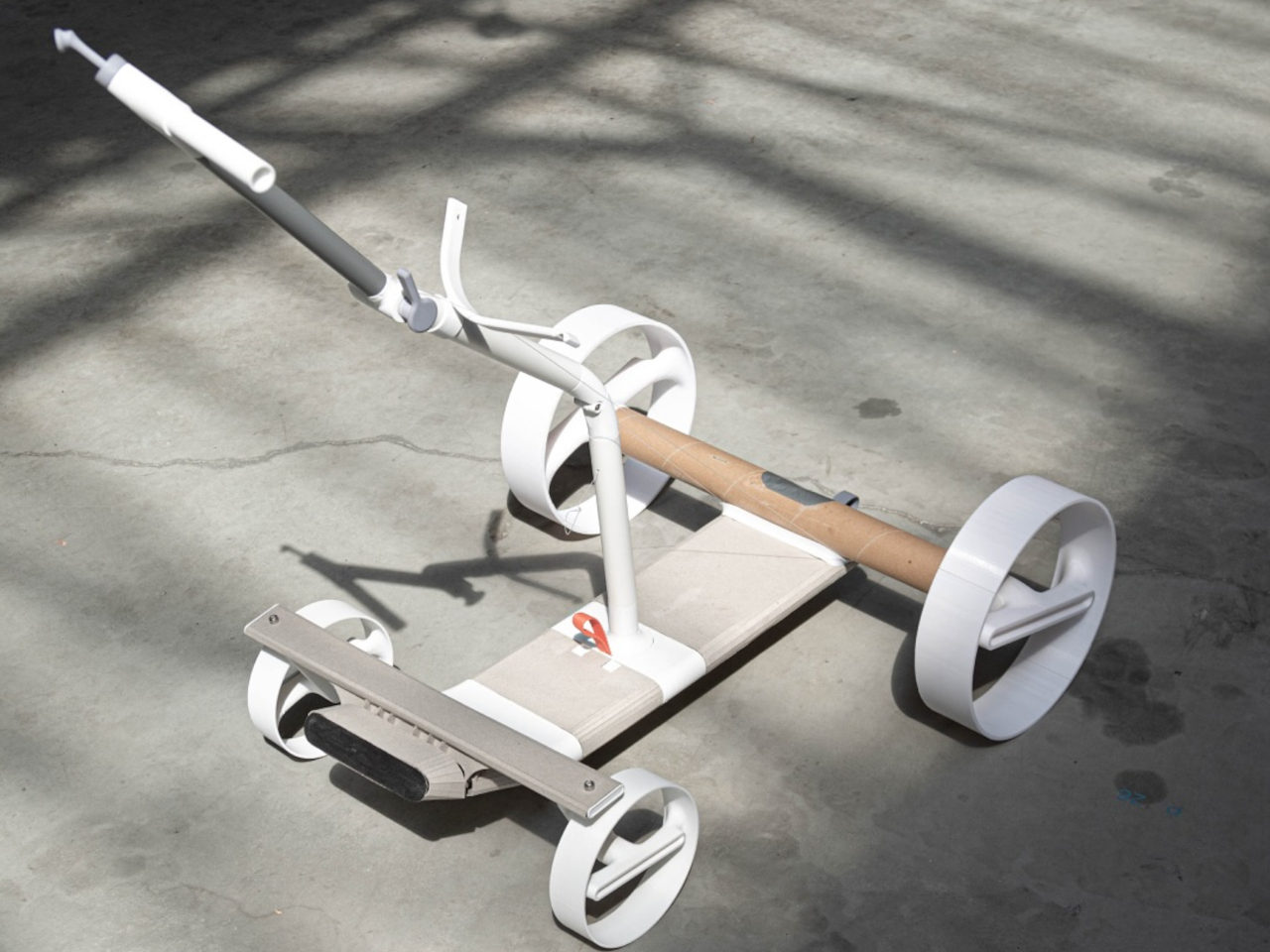
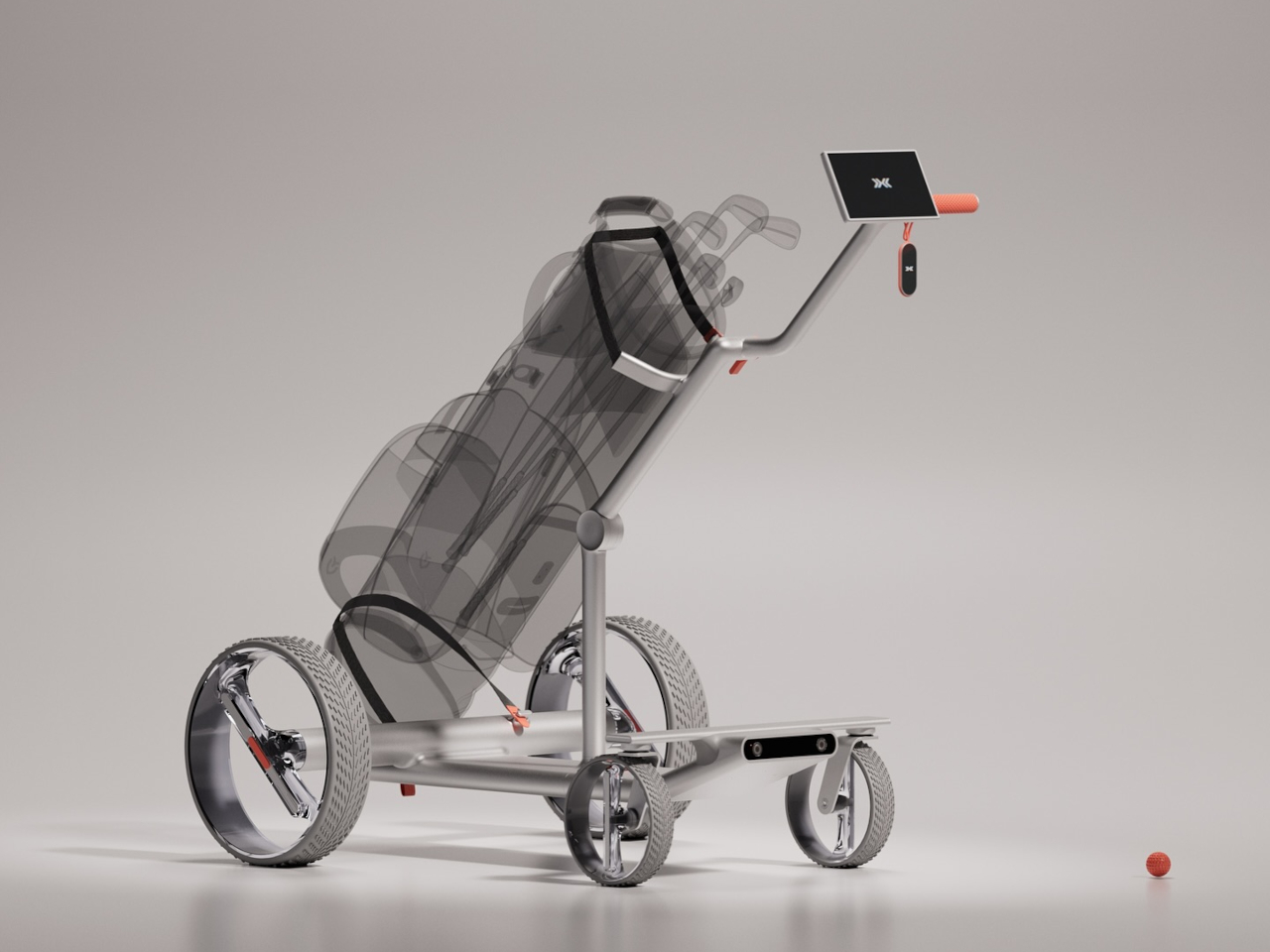
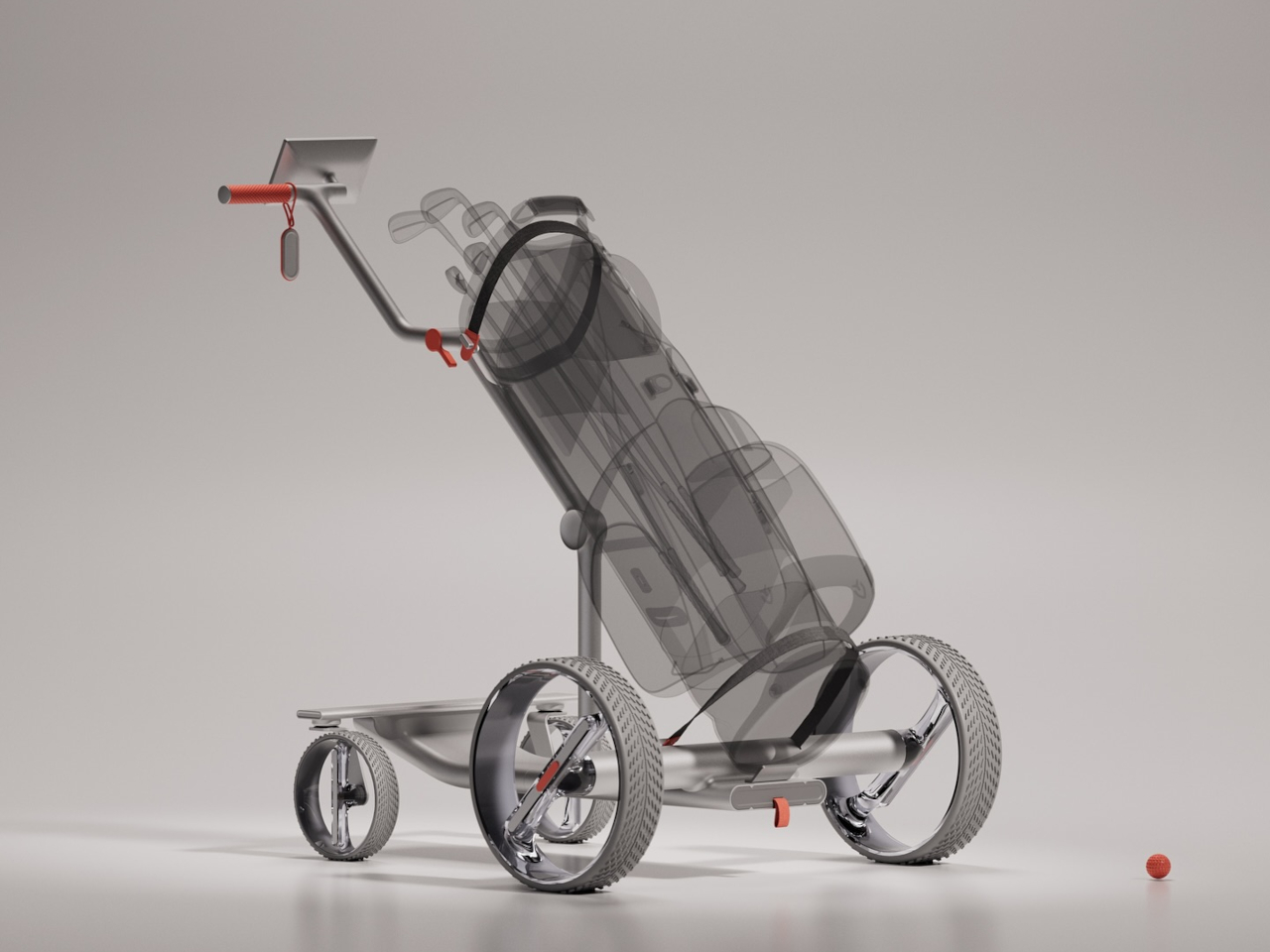
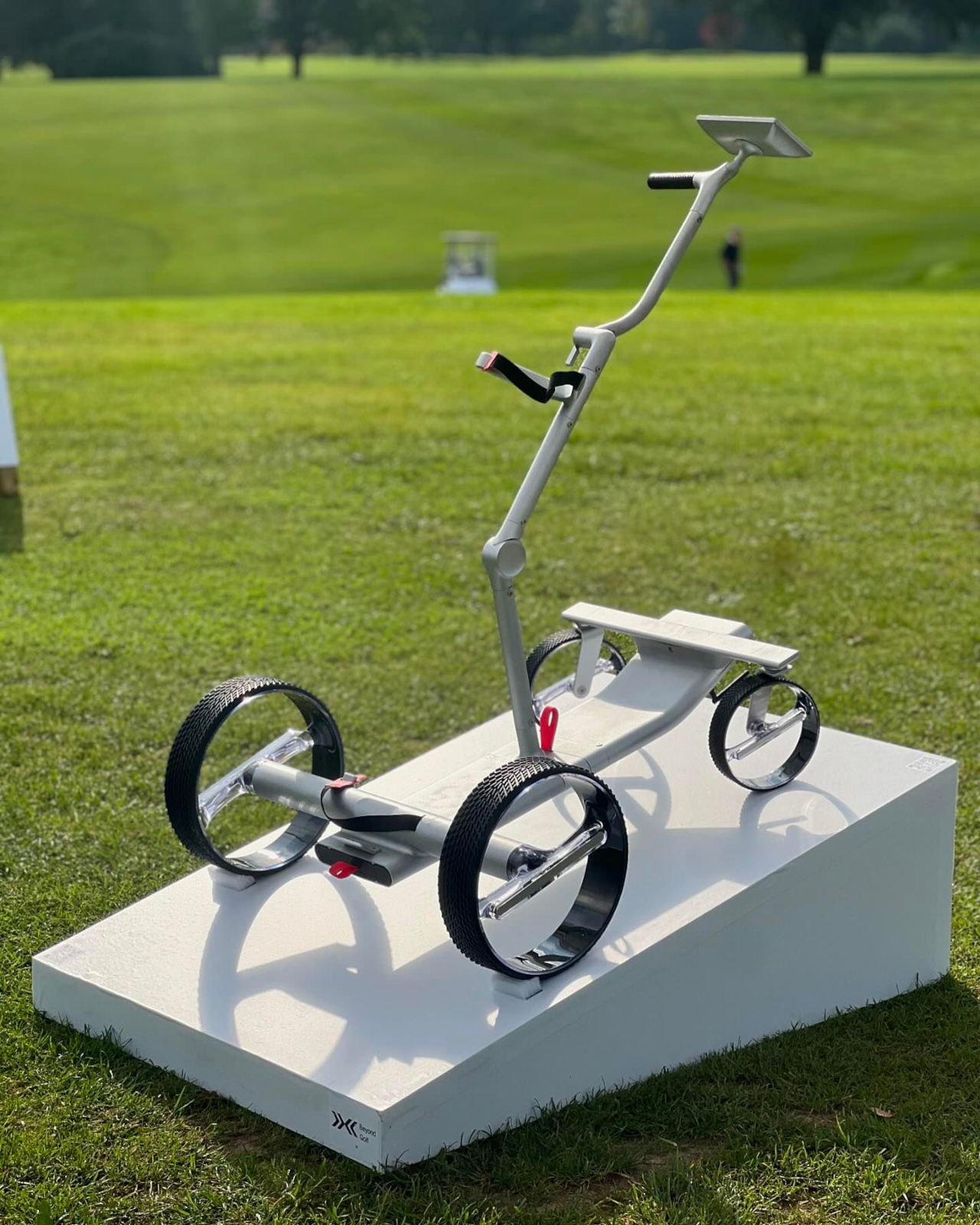
That is the kind of liberating experience that the iXi robot golf trolley is promising. It is an extremely minimalist four-wheeled robot designed to carry your bag of golf clubs and follow you wherever you go. Although it could raise concerns about the potential loss of human employment, the self-driving robot offers players more freedom of movement and convenience without having to worry about needing someone to do that work. It allows them to simply focus on the task at hand: playing golf. It’s like having your own personal caddy, without the potential source of distraction.

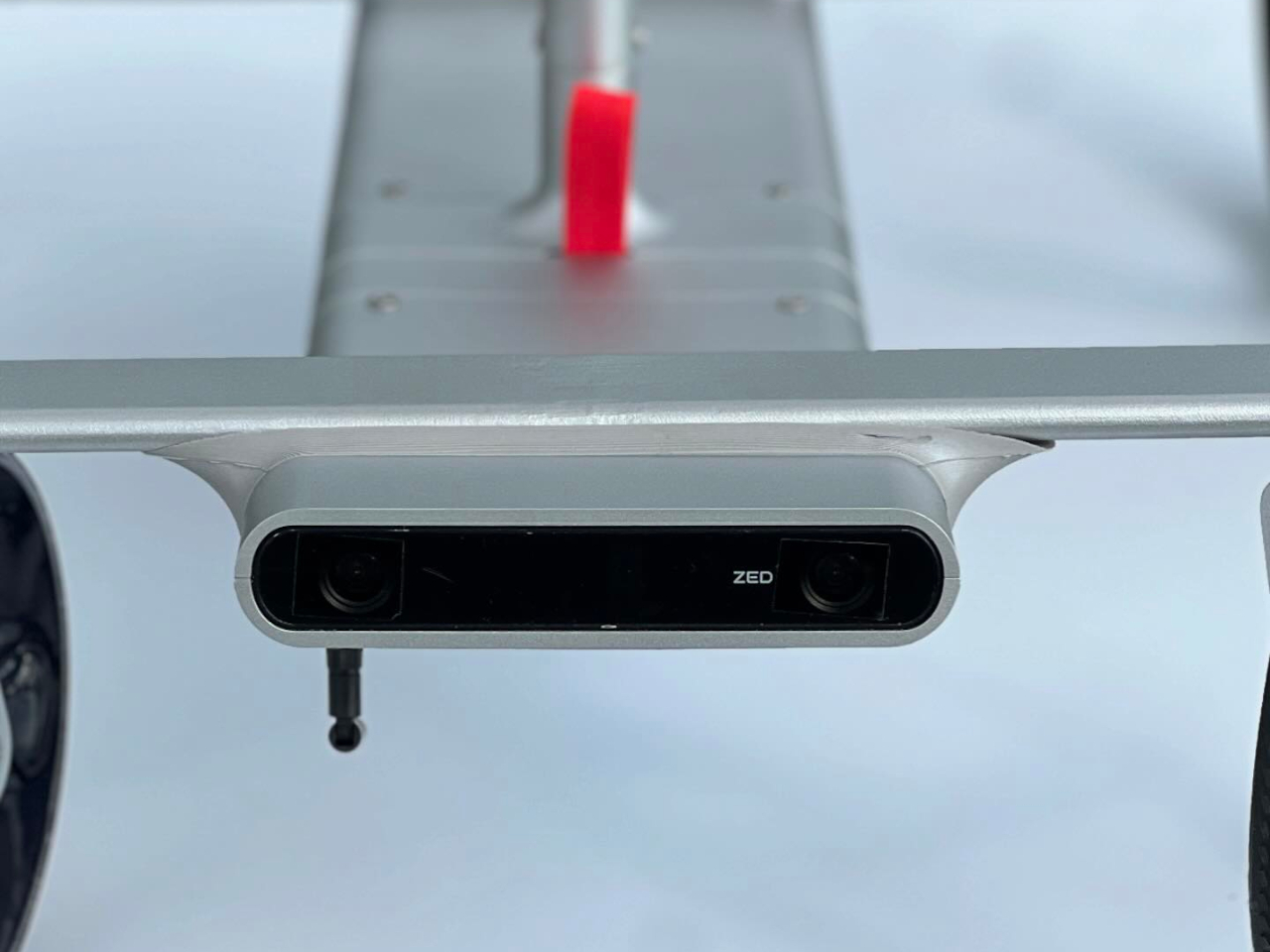
Although iXi does have sensors and intelligence to follow its human owner, its AI also serves a second purpose. It can analyze the player’s swing and offer insights that could help improve their gameplay. It’s pretty much like what those golf smartwatches try to offer, but with a better view of the player’s posture and swing thanks to cameras and sensors. Maybe someday, iXi will even be able to offer the right club to use and have it ready even before the player reaches for it.

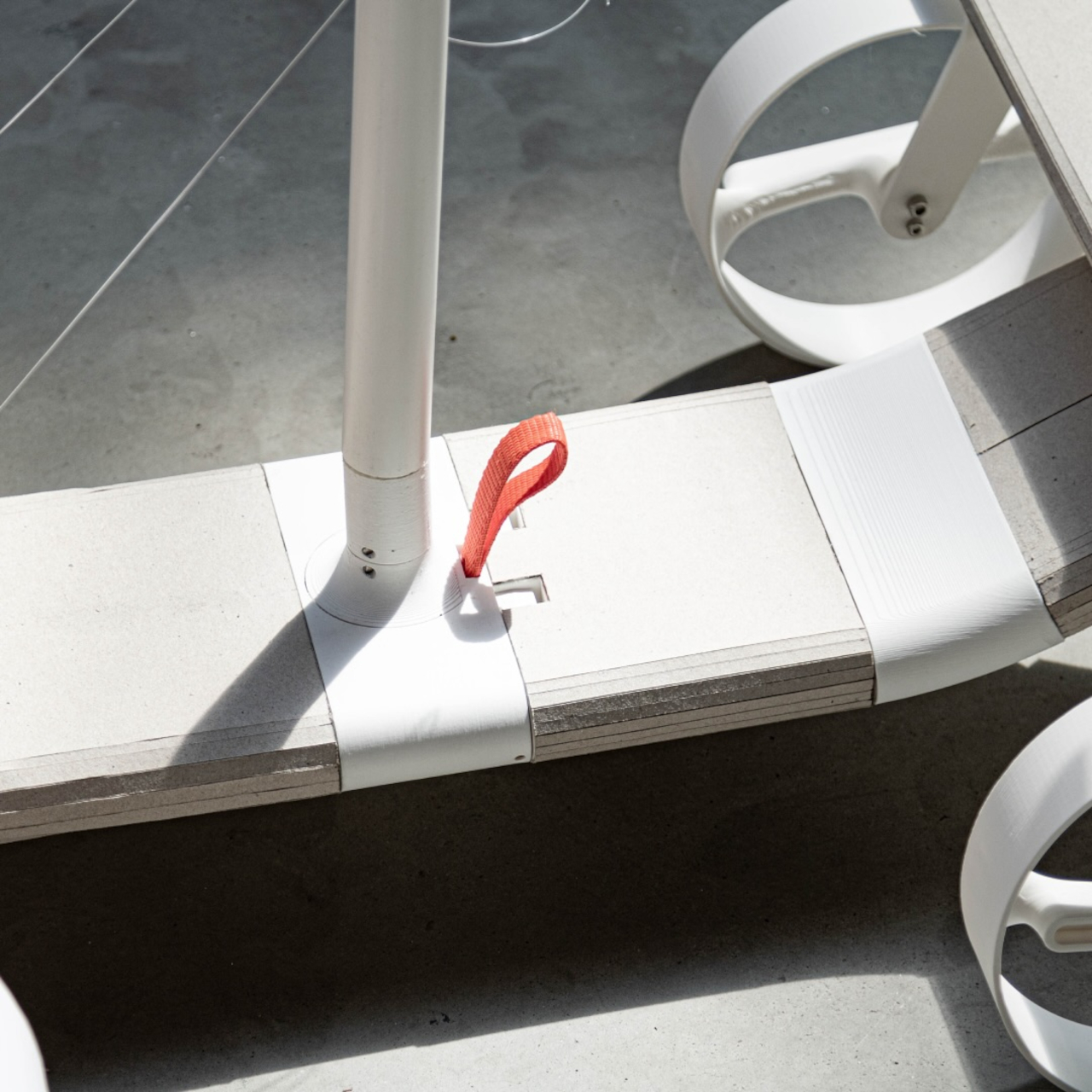
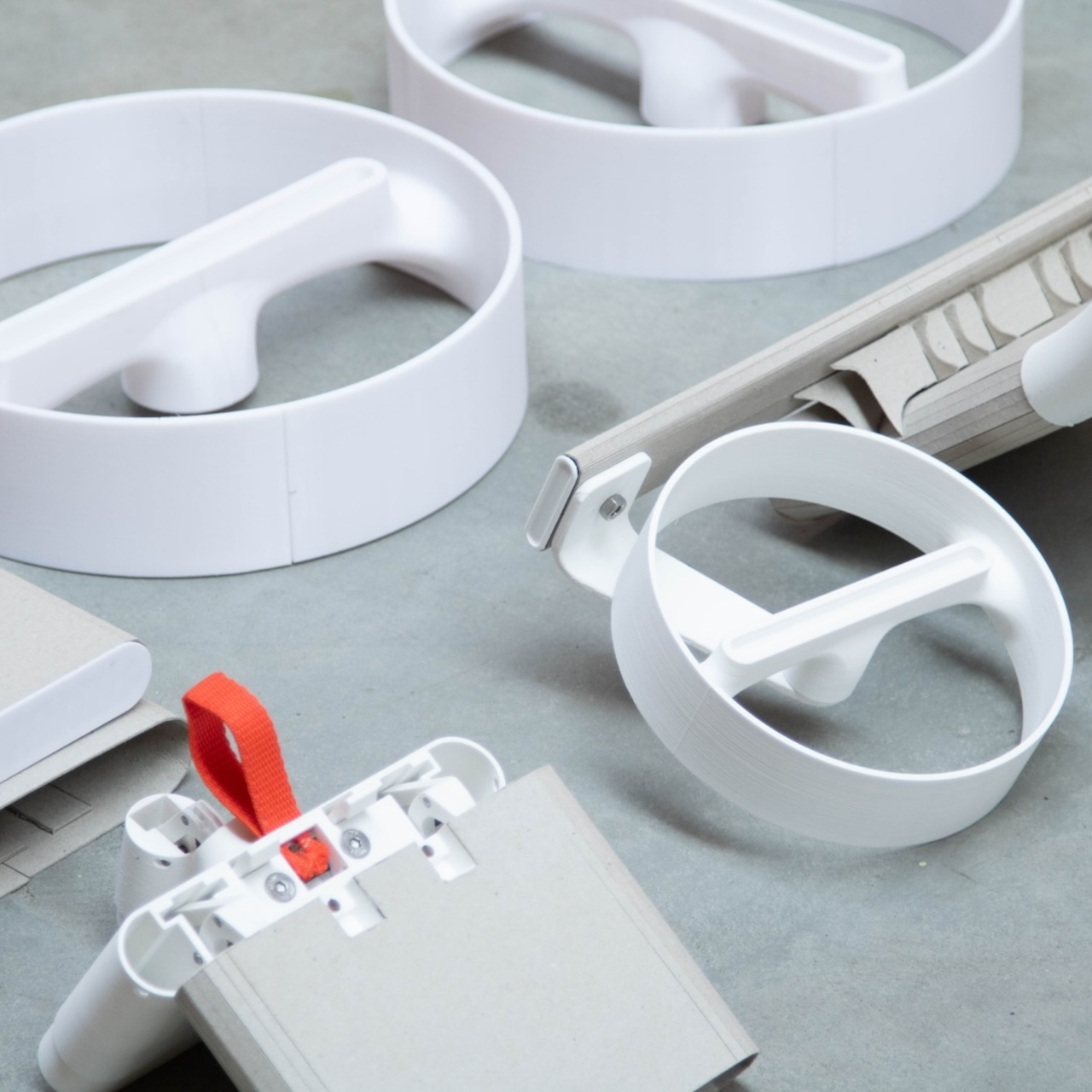
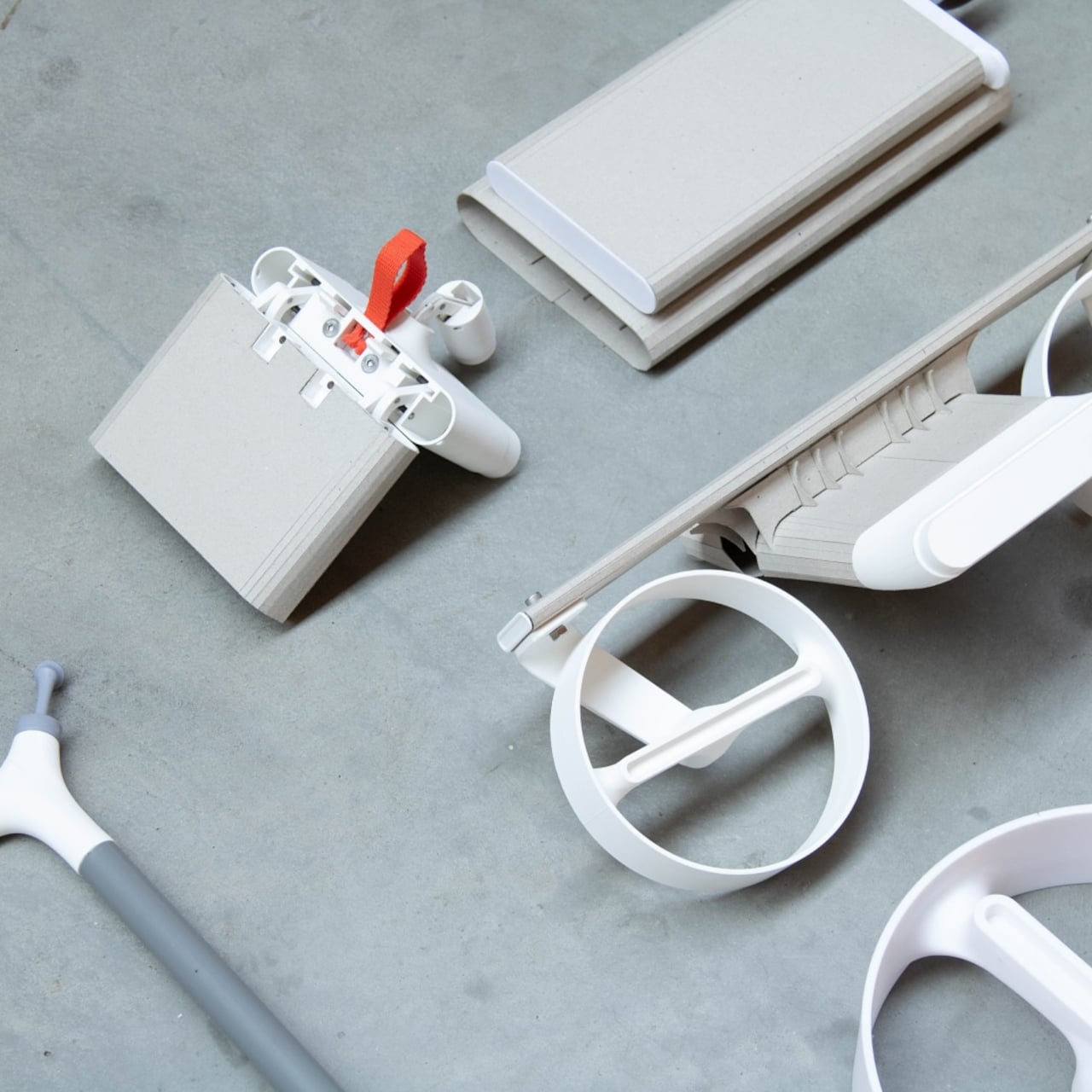
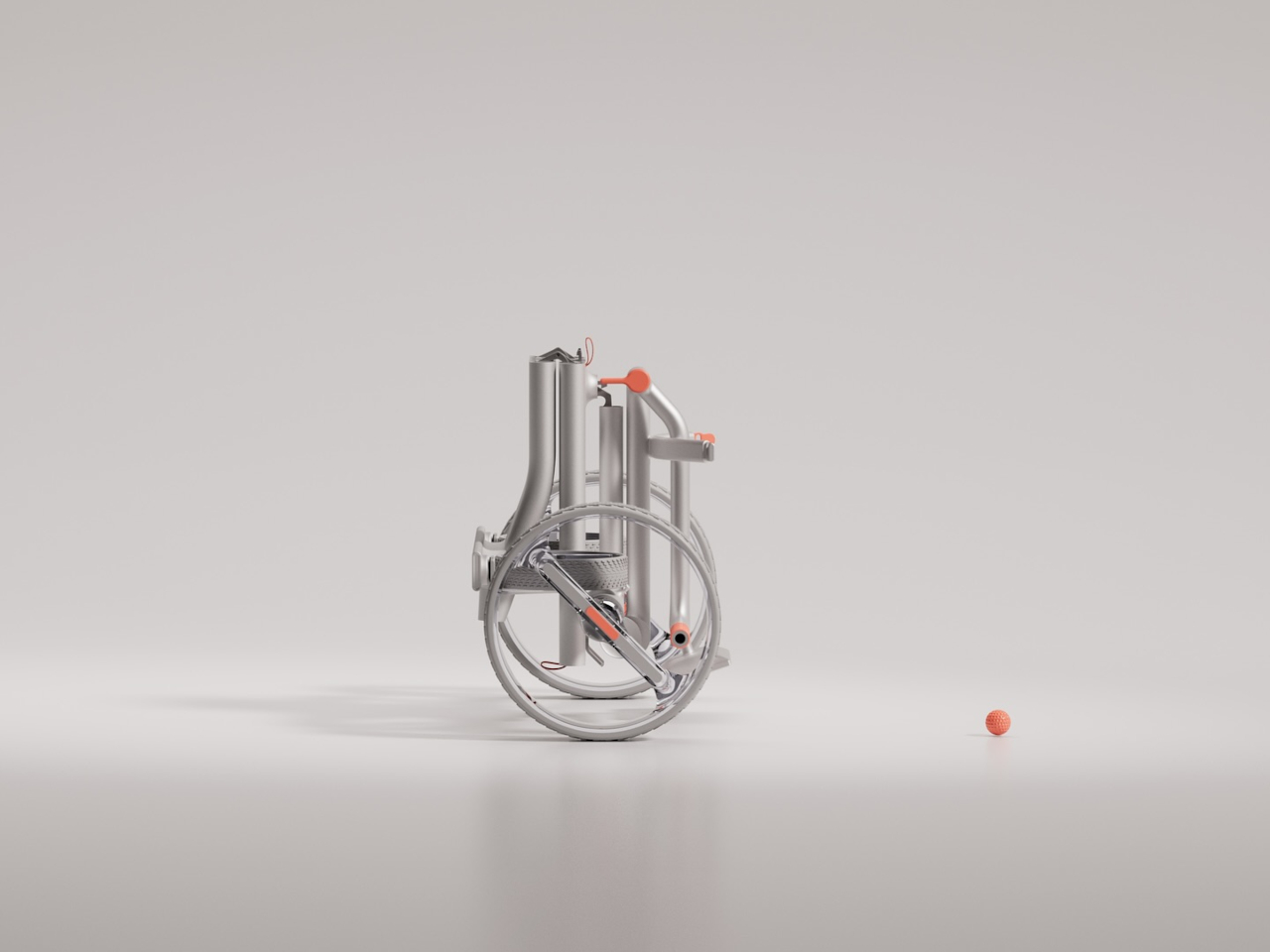
iXi’s intelligence is perhaps hidden by its extremely simple design, a platform with four wheels, a post to support a golf bag, and a handle that holds the screen controller. This design was made by choice, of course, as it makes it easy for the trolley to fold down into a compact form for easier transport. It could save you not only space but also money in the long run, without losing the peace of mind that comes with not having to carry a heavy bag of clubs on your shoulder every time you have to move to the next spot.

The post AI-powered self-driving golf trolley can follow you around and give you tips first appeared on Yanko Design.
VR hit Walkabout Mini Golf is getting a mobile edition

Walkabout Mini Golf has been filled with players ever since it launched around the same time as the Meta Quest 2. Now the multiplayer mini-golf game is making the jump to iOS devices.

The developer Mighty Coconut is currently beta testing its mobile mini-golf game Walkabout Mini Golf: Pocket Edition and plans to release a full version on the App Store on October 10.

The Pocket version may be on mobile devices but the miniature version of the mini-golf game isn’t straying away from its virtual interface. The iOS Walkabout game can be played in two different modes: “Touch-to-Putt” mode in which you use the touch screen to tap and drag your shot and “Swing-to-Putt” mode in which you hold your iPhone like a putter and take your swing the same way you would in the VR version.

Walkabout Mini Golf is one of the most popular multiplayer VR games for the Meta Quest series. The virtual mini-golf game has an extensive series of stylized courses including some based on movies, TV shows and games like Jim Henson’s Labyrinth, the puzzle game Myst and the animated clay characters Wallace & Gromit. Mighty Coconut also designed a golf course with the immersive art company Meow Wolf and a series of courses based on the works of Jules Verne.

This article originally appeared on Engadget at https://www.engadget.com/mobile/vr-hit-walkabout-mini-golf-is-getting-a-mobile-edition-214918605.html?src=rss

Golf-inspired luxury mechanical watch boasts a shapeshifting face that changes every day

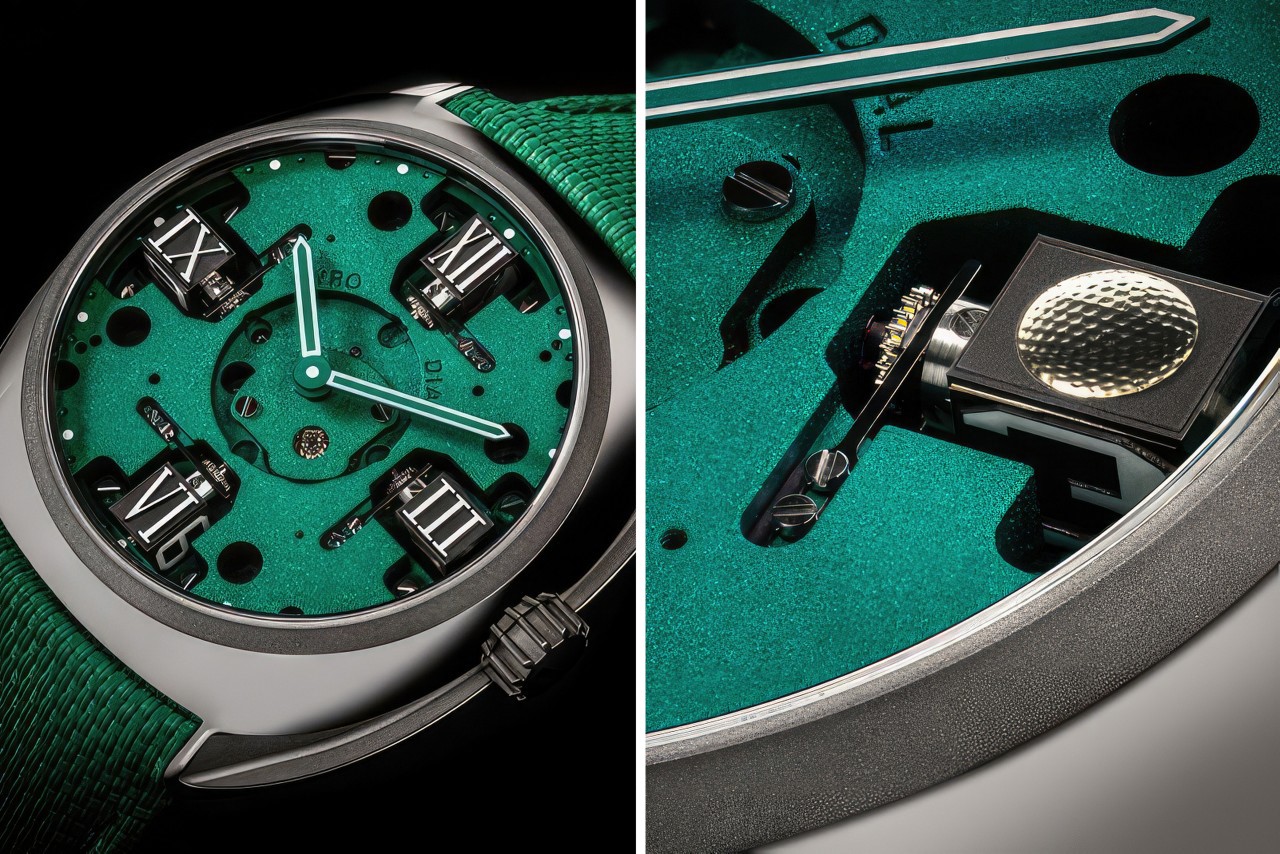
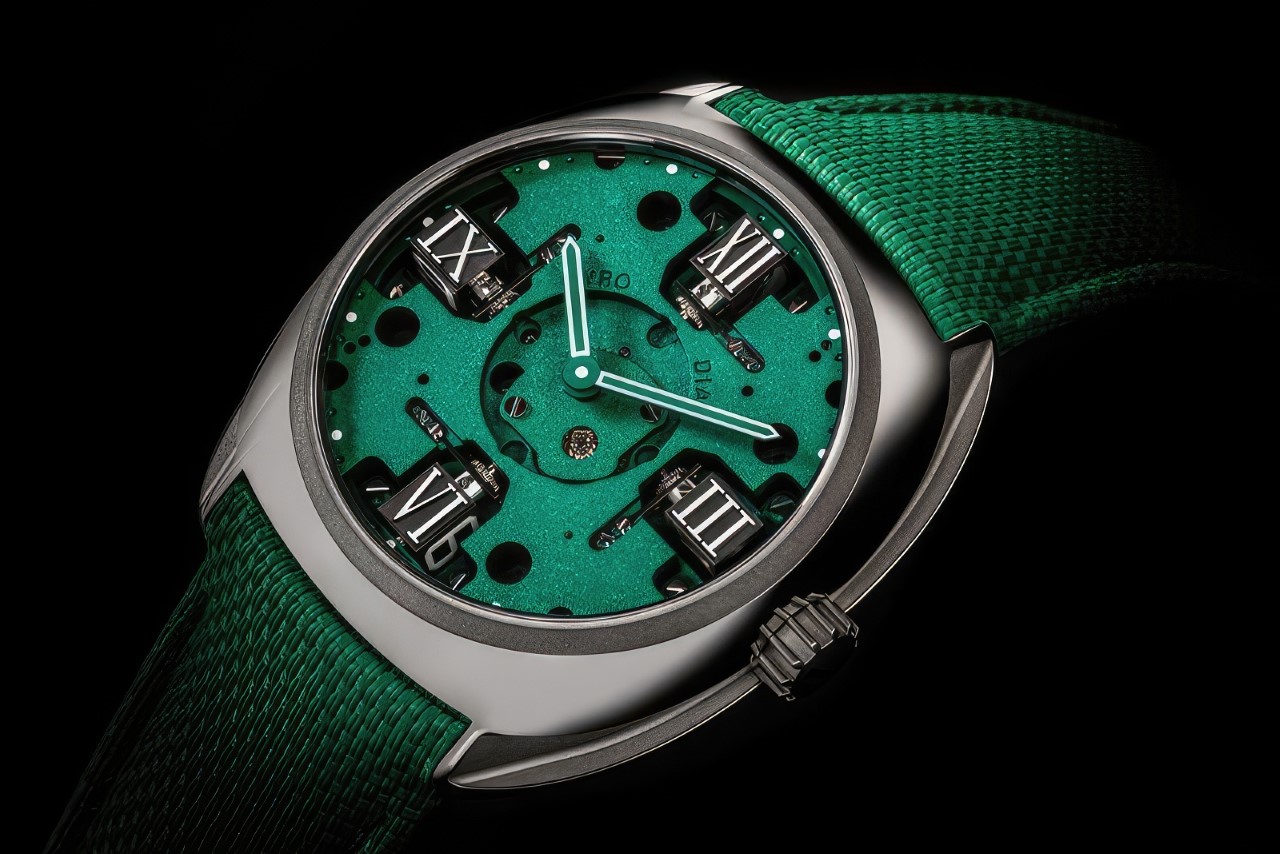
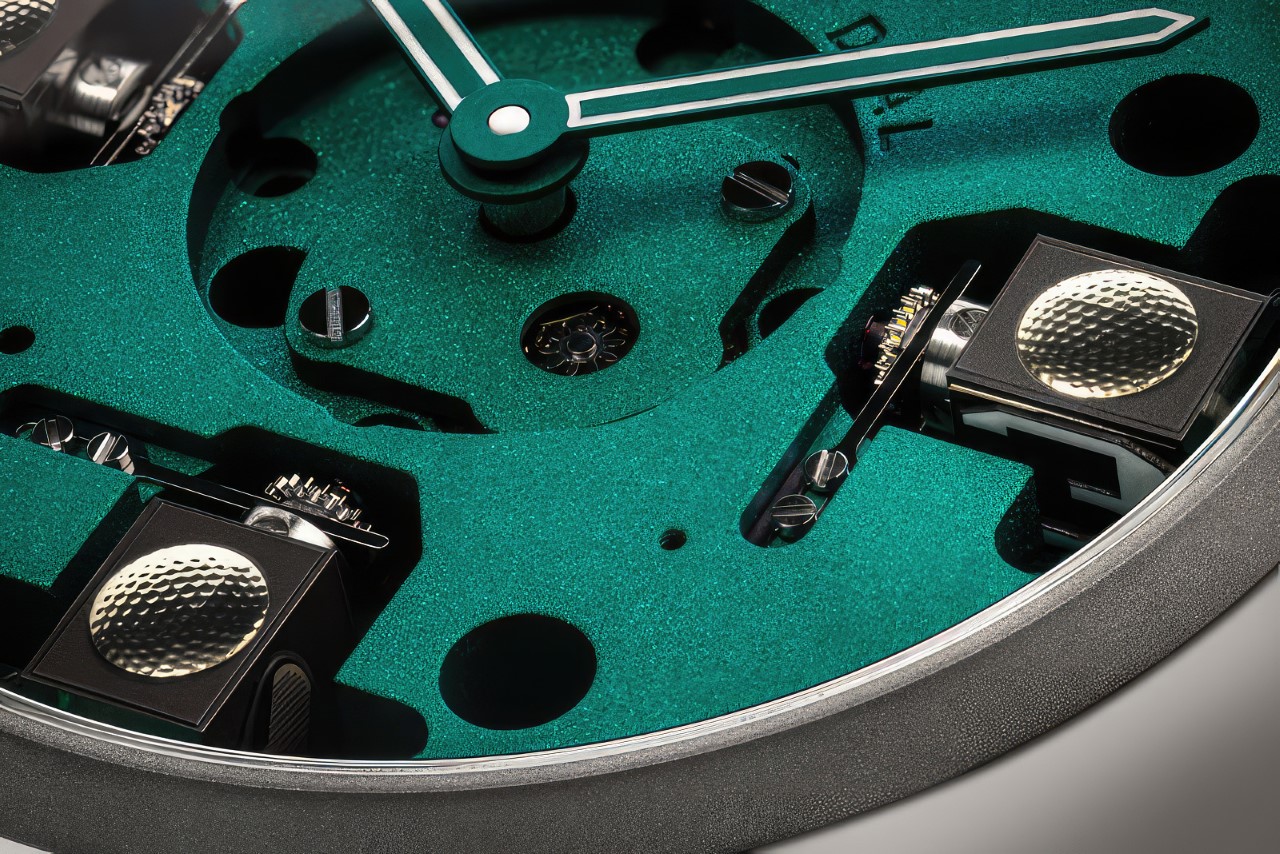
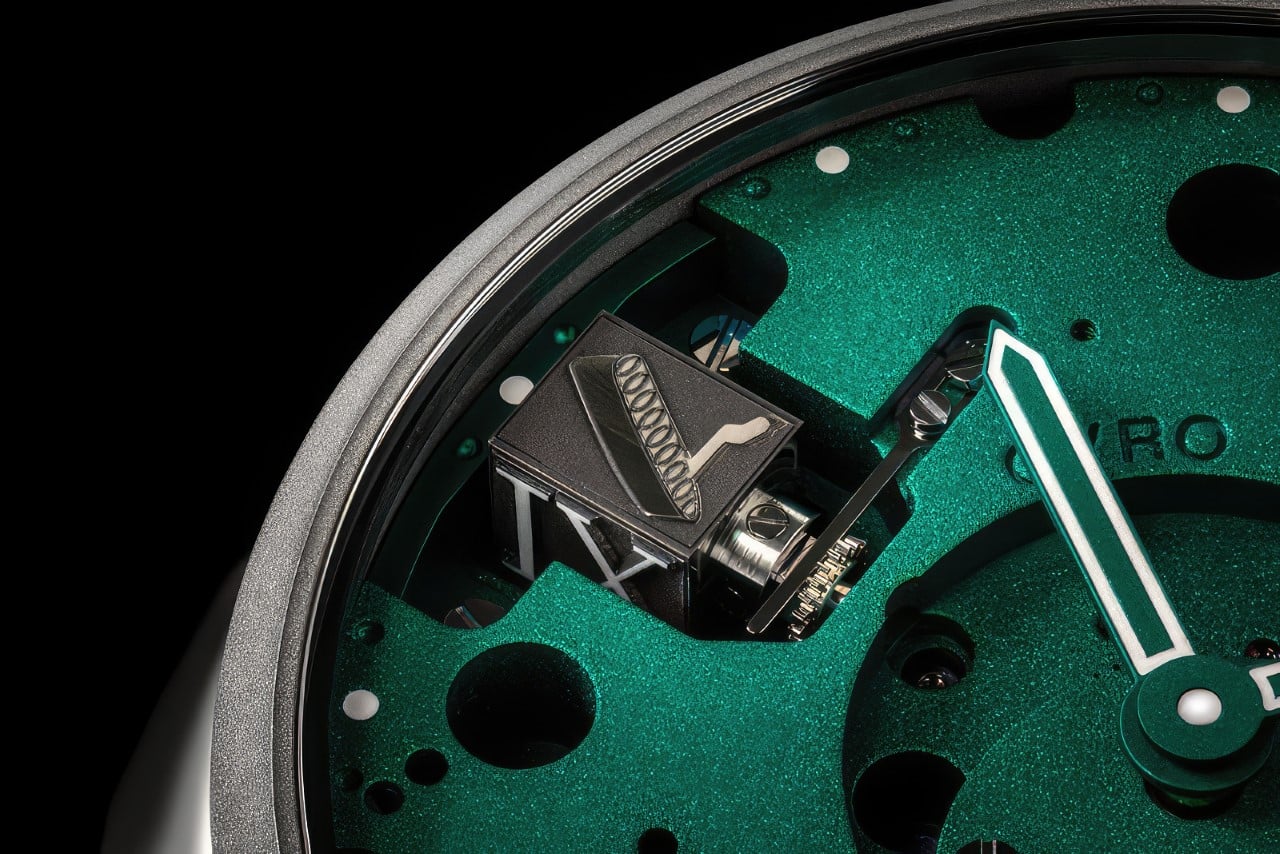
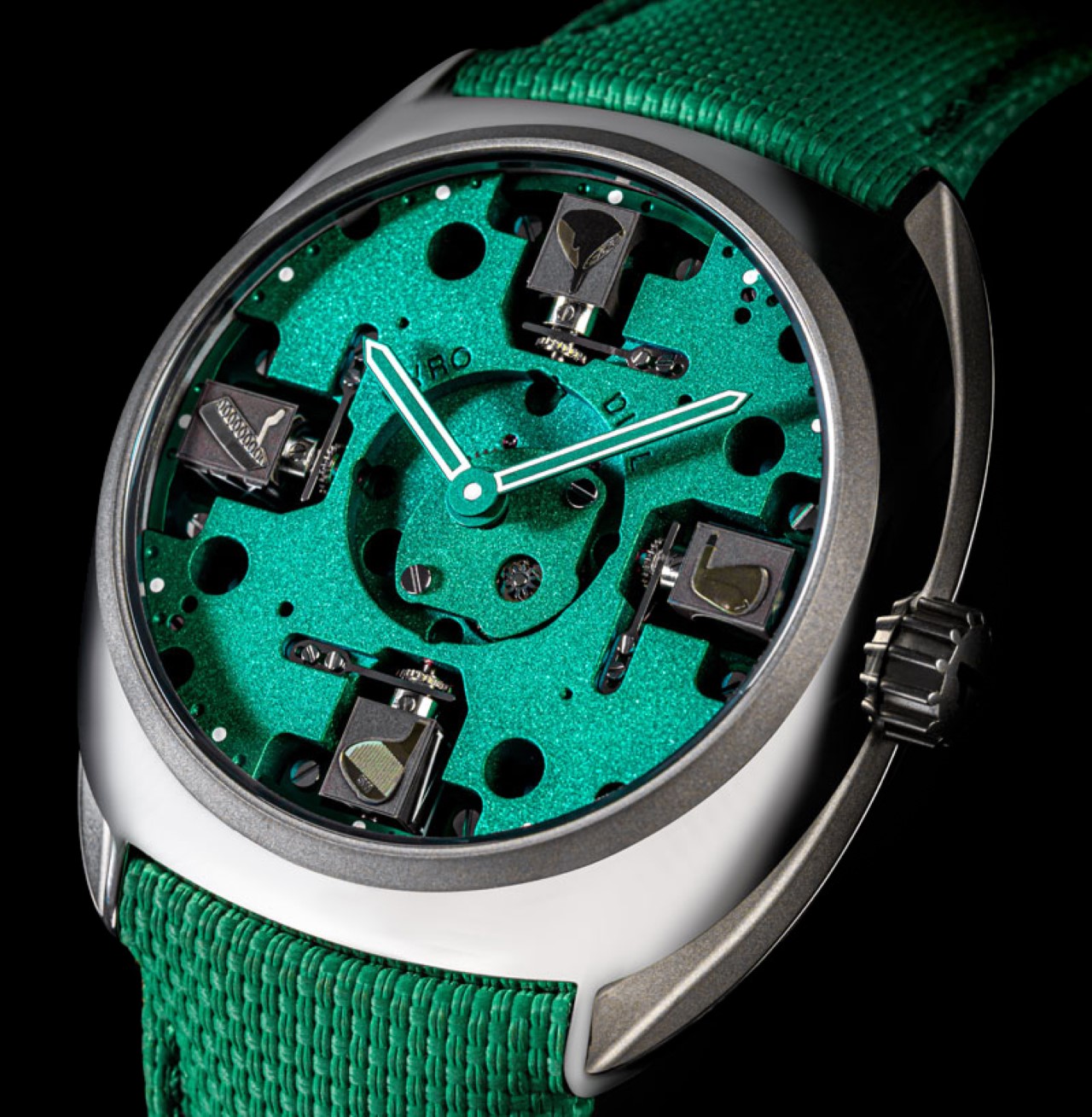
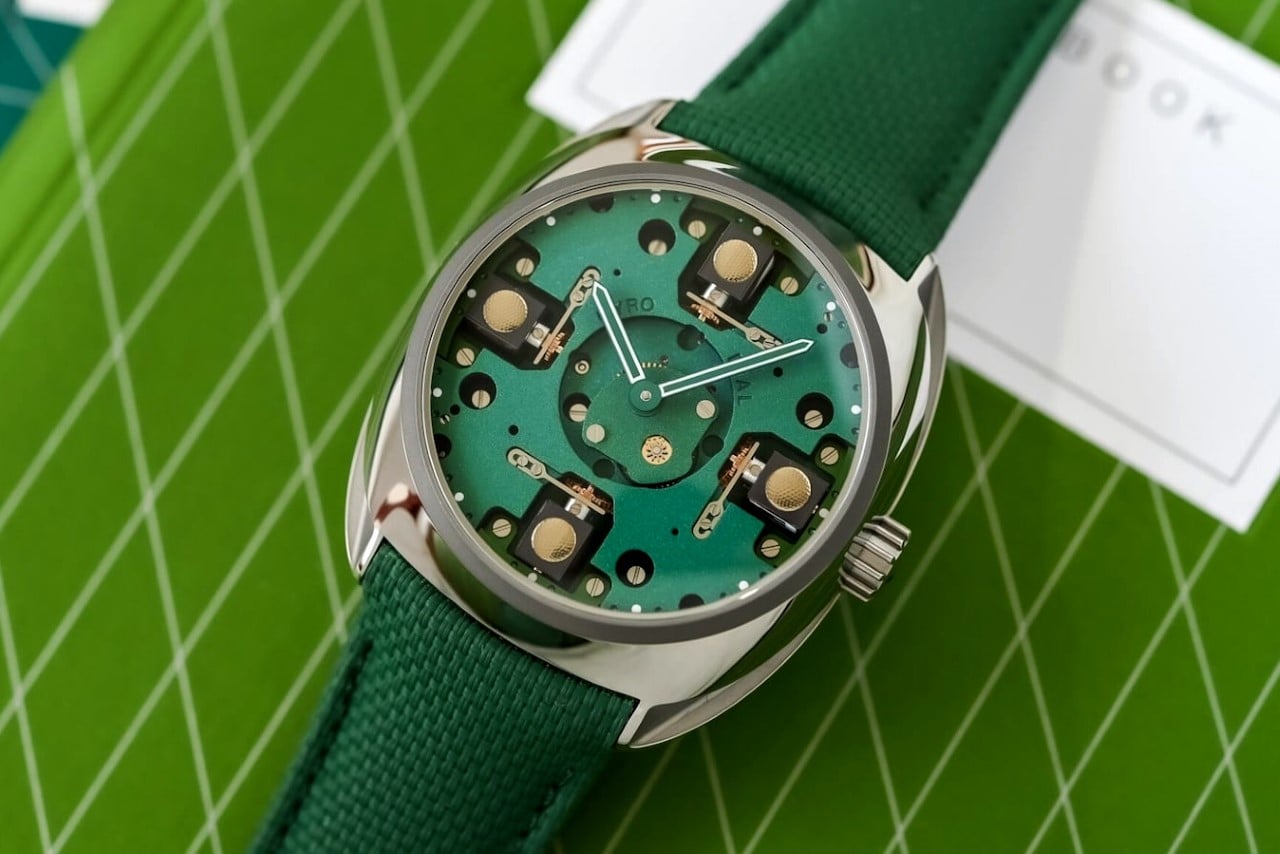
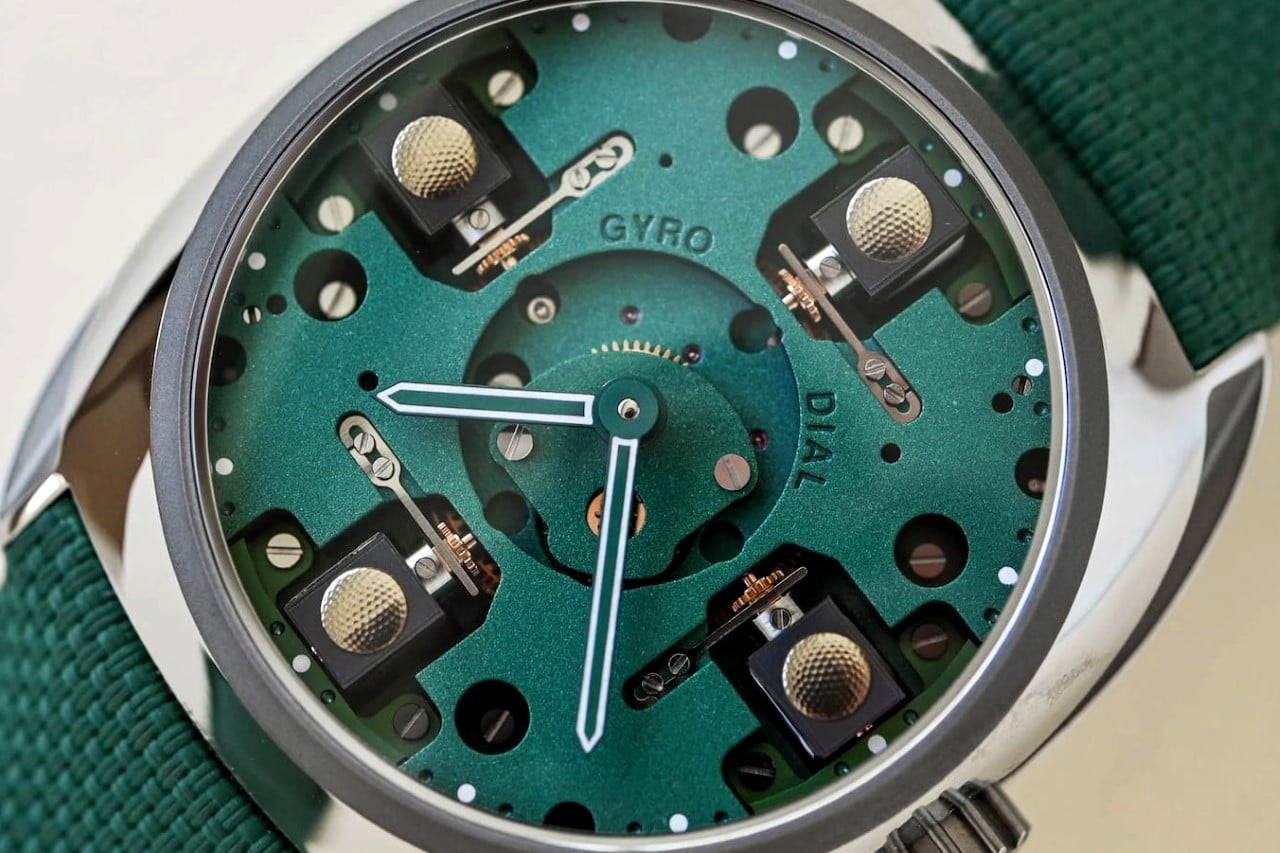
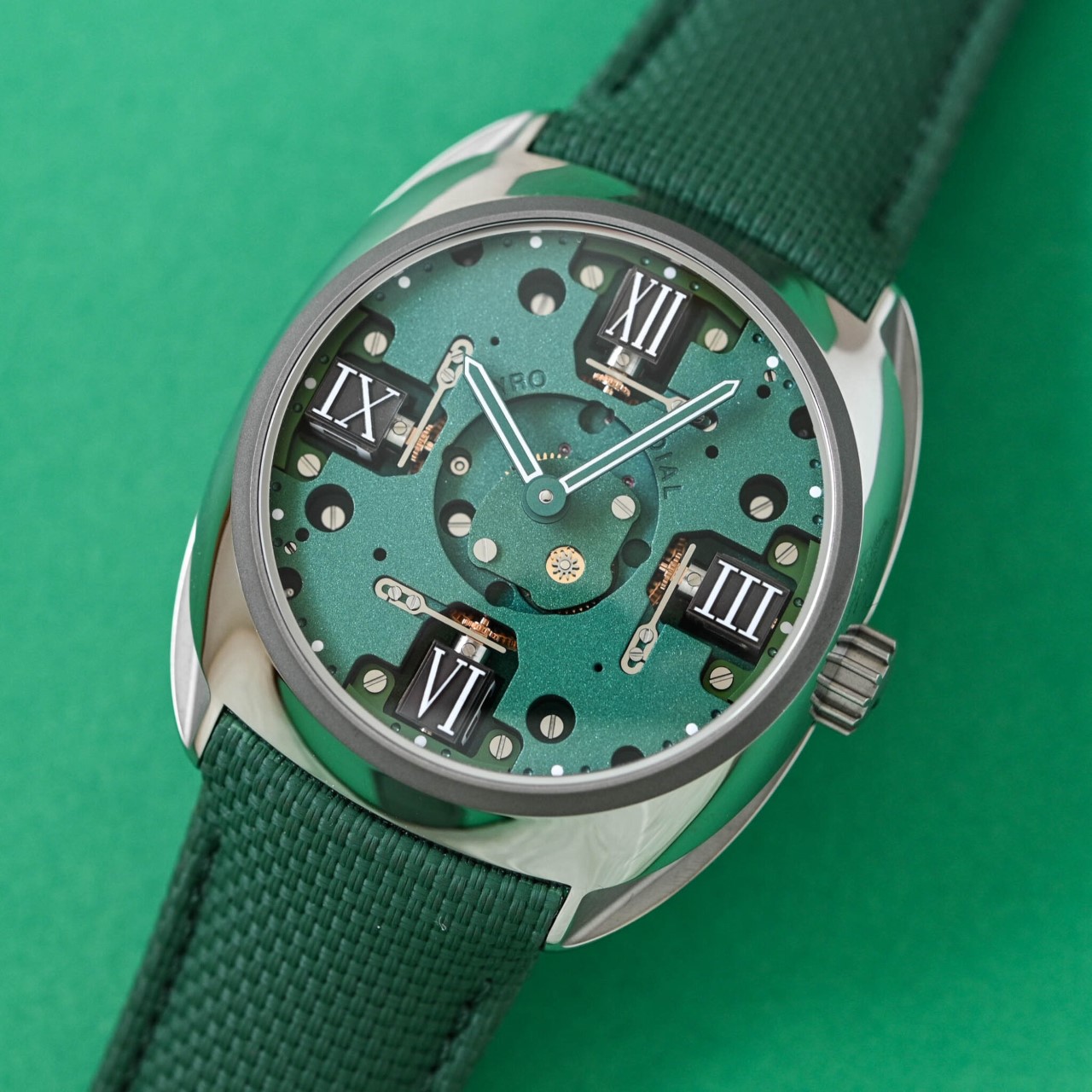
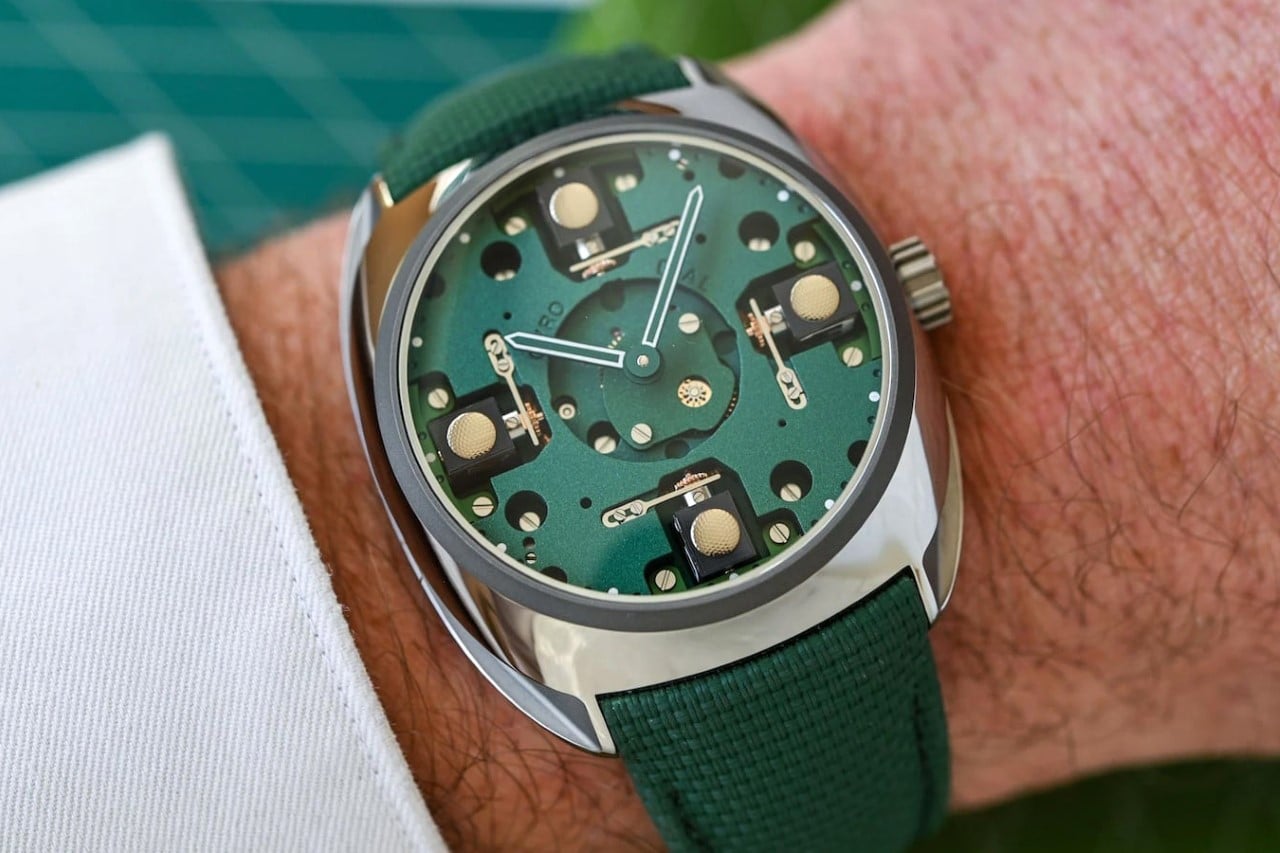
I assume that there’s a significant overlap between the watchlover demographic and the golf-playing demographic. Both of them are indicators of high-society, and people who love golf or watches don’t hesitate to flaunt their interests. Designed for specifically that intent, the Byrne Gyro Dial Golf timepiece combines the love for time and turf into one gorgeous mechanical design. The watch comes with a grassy dial, featuring a 3D watch face that tells the time while also highlighting its mechanical prowess. The dial boasts an open-worked rotor at the center, with four mechanical number cubes on the top, bottom, left, and right. As the day passes, the cubes rotate to ‘refresh’ the watch face, alternating between Roman and conventional numbers, and even replacing them with golf balls or golf clubs. Every day, the watch changes its face, giving you something new to look forward to each day, and something to brag about when you’re showing your timepiece off to your friends on the green…

Designer: Byrne

Byrne’s Gyro collection is known for its dynamic displays. Unlike conventional watches with static dials, the Gyro Dial features four rotating cubes that change faces every 24 hours, revealing new designs. The Golf edition takes this a step further by incorporating miniature golf-themed engravings on these cubes.

Imagine glancing at your wrist and seeing classic Roman numerals one day, then playful golf clubs (driver, iron, sand wedge, putter) the next. The watch even features miniature, intricately detailed golf balls with realistic dimples. For traditionalists, sporty Arabic numerals are also included in the rotation.

This unique display isn’t just about aesthetics. The rotating cubes are a feat of engineering. To accommodate the additional weight of the miniature sculptures, Byrne has refined their automatic Calibre 5555 movement. This Swiss-made marvel ensures smooth and precise daily rotations.

The Byrne Gyro Dial Golf is housed in a sleek, 41.7mm grade 5 titanium case with a green-tinted main plate that subtly references the golf course. The sapphire caseback offers a glimpse into the intricate workings of the movement, showcasing its open-worked rotor with elegant finishes.

A comfortable green rubber strap completes the sporty look. Limited to just 24 pieces, the Gyro Dial Golf has a starting price of CHF 25,000 (approx $27,500 USD).

The post Golf-inspired luxury mechanical watch boasts a shapeshifting face that changes every day first appeared on Yanko Design.
Golf Ball Case with a clever spiral-shaped design lets you TWIST to push new balls out

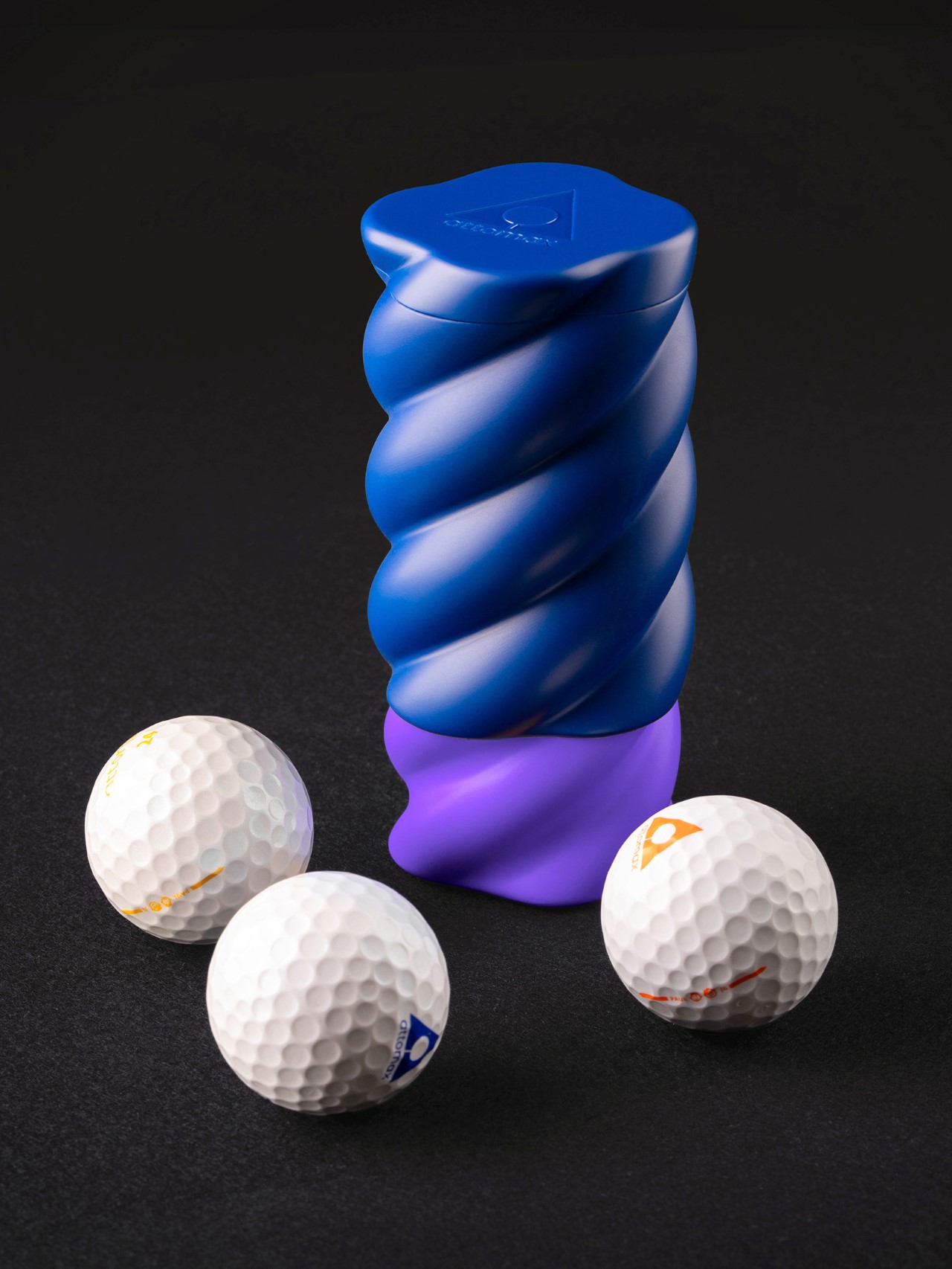
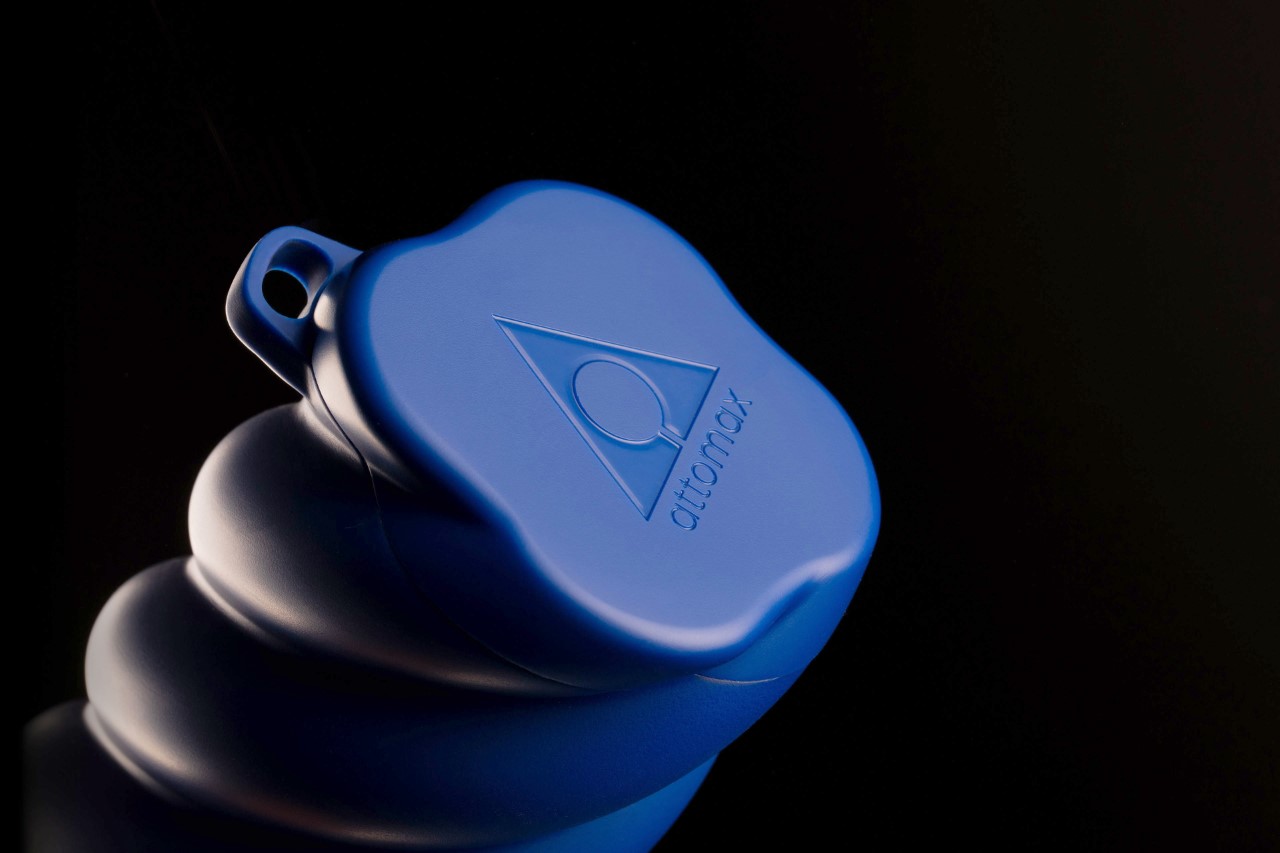
I’m not a golfer myself, but I imagine that for people who DO golf, carrying your equipment around can be quite an elaborate affair… given that you’re constantly moving from one spot to another. Golf clubs usually have their large bag that you transport them in, but as far as golf balls go, I’m not entirely sure I’ve seen any well-designed container for them. For designers at superkomma, that sounded like a perfect design opportunity – meet the Attomax Golf Pouch, a spiral hard-case that lets you store as well as deploy golf balls with ease.

Designer: superkomma

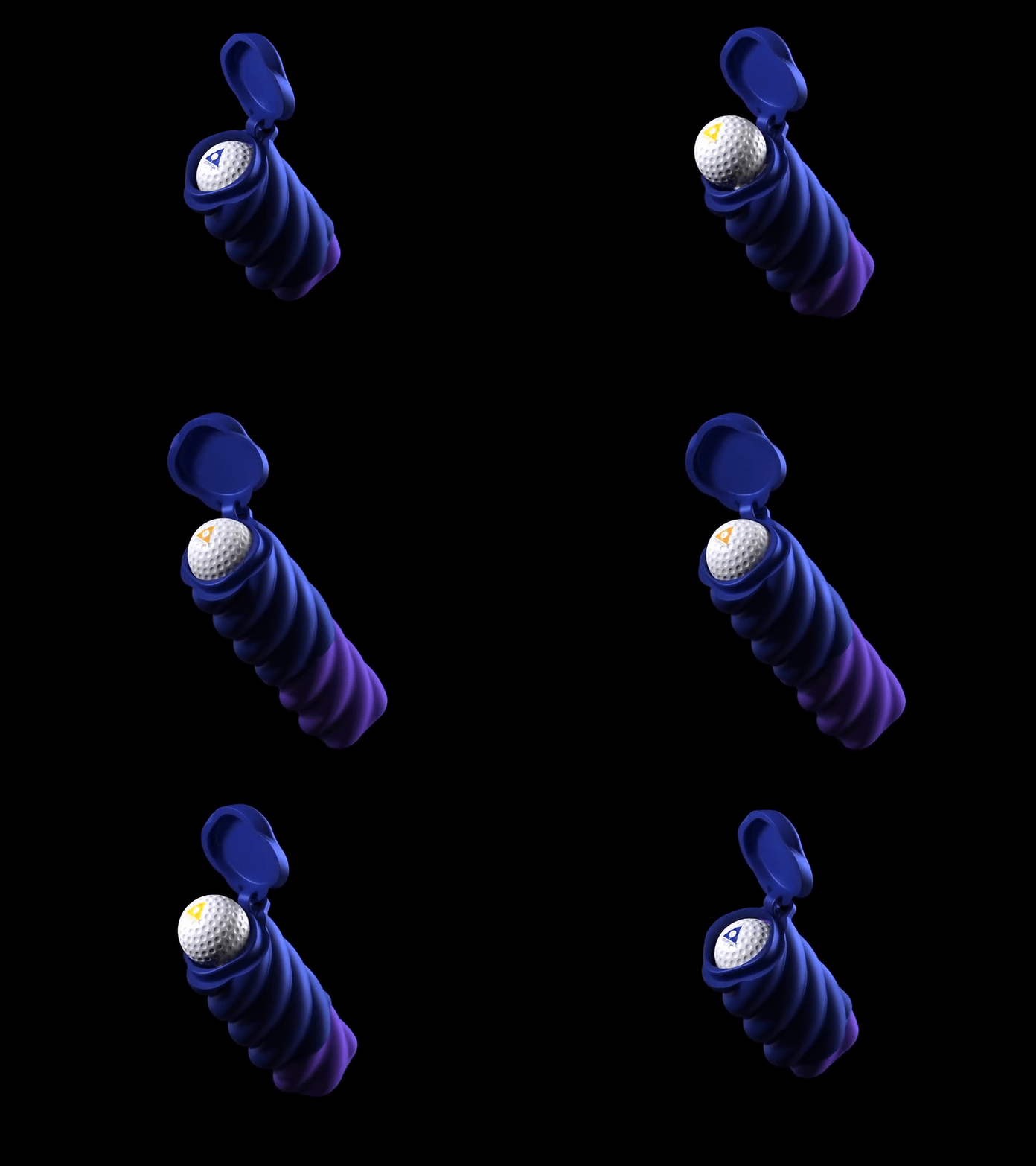
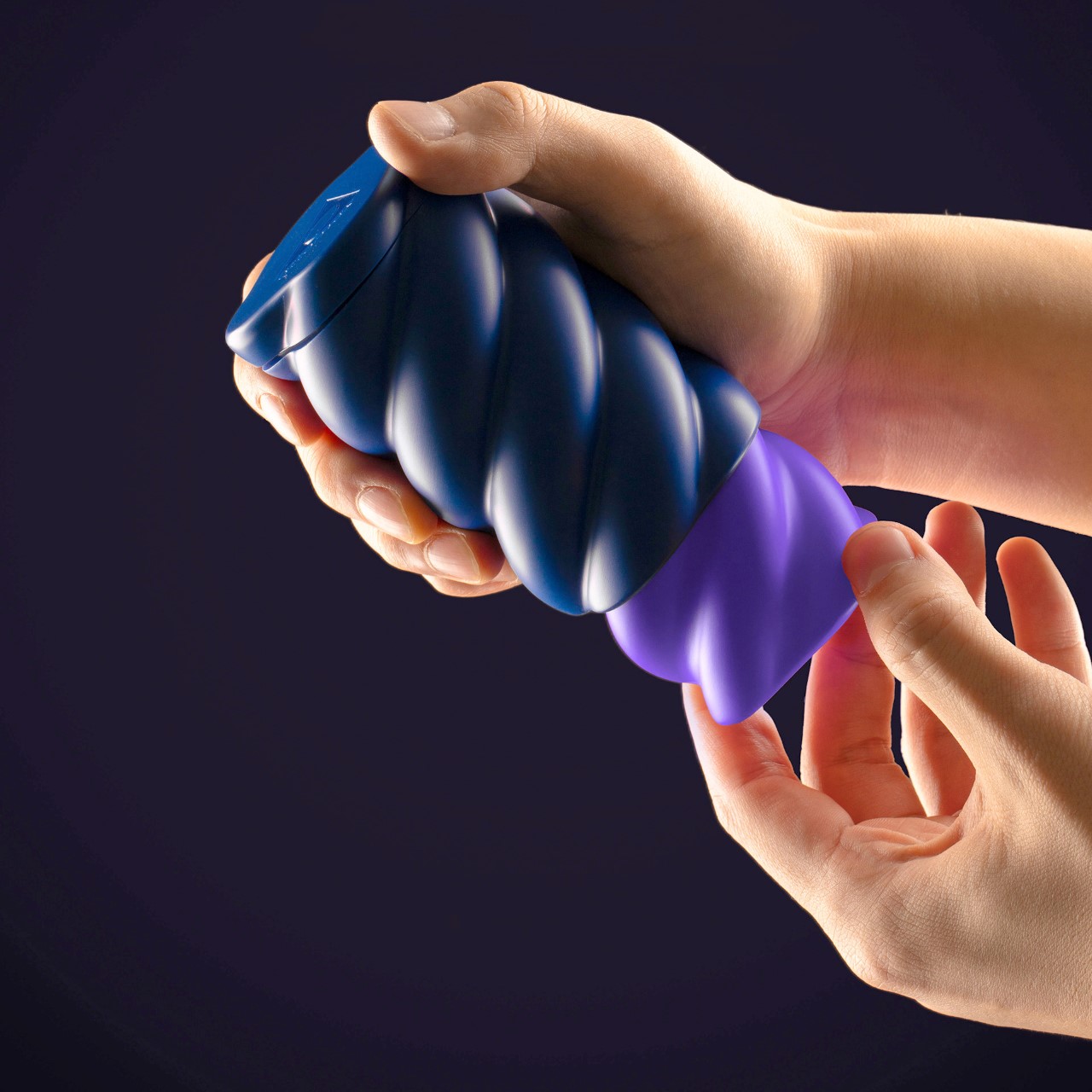
The GIF above explains everything you need to understand about the Attomax Golf Pouch. Two spiral-shaped containers thread into one another, allowing you to expand or contract the case simply by twisting and turning the lower element. Use the case to store golf balls, and every time you need a new one, simply twist to make the case shorter, allowing the golf ball at the bottom to rise to the top. It’s a simple, yet delightful user experience that serves its purpose well, is memorable, and will probably have your fellow golfers asking you where you got the pouch from!

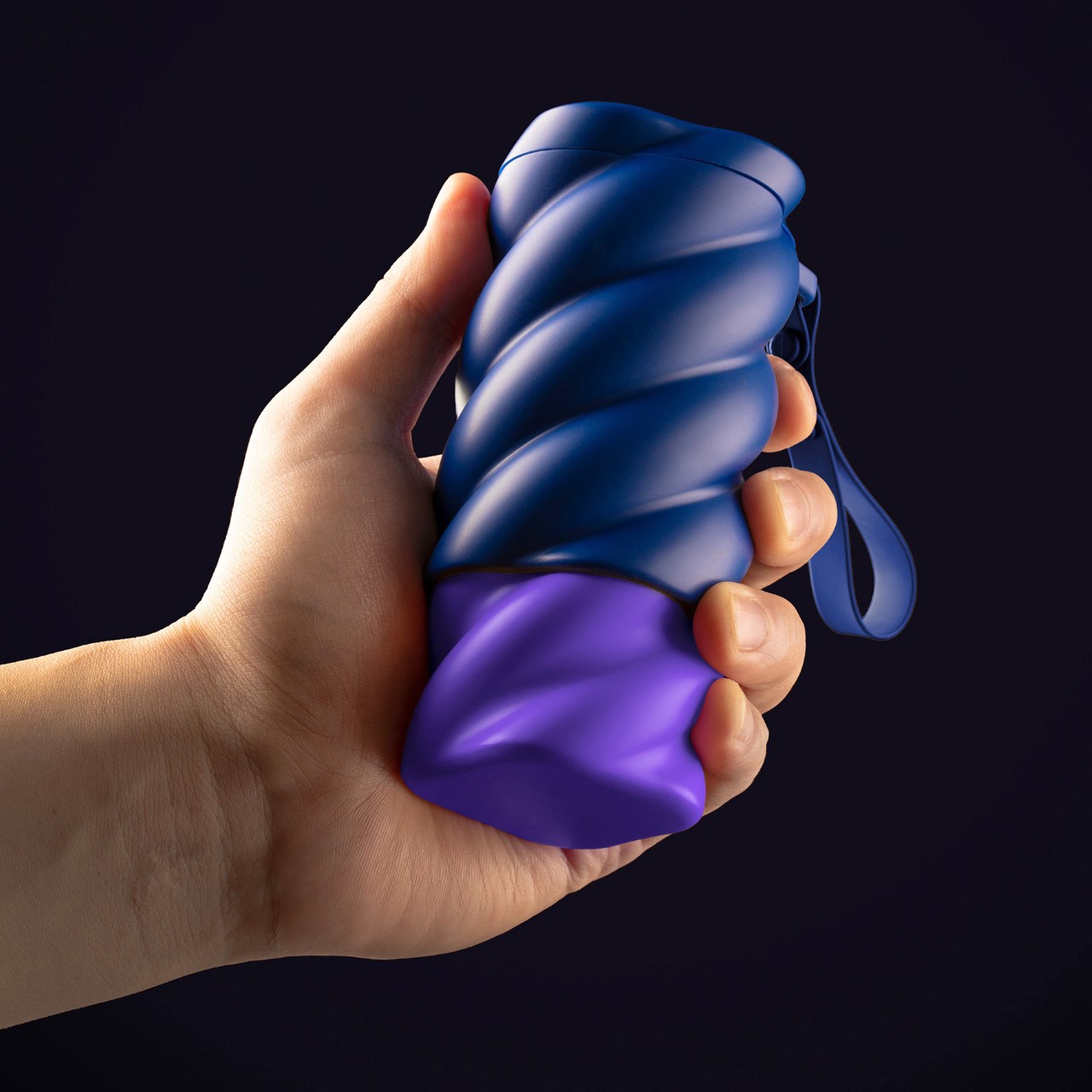
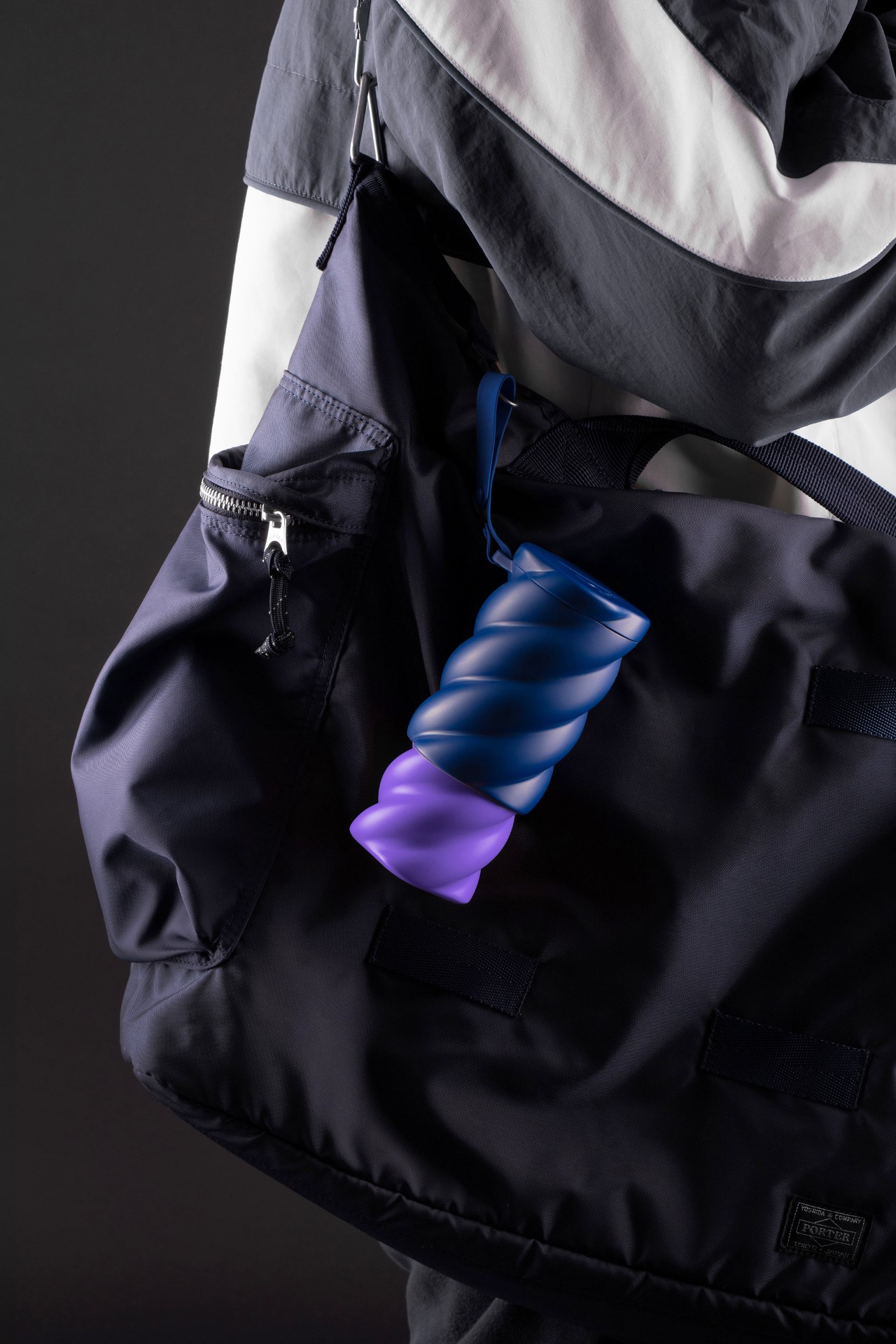
Simplicity is the name of the Attomax pouch’s game. Its form is deceptively rudimentary, relying on a basic geometric spiral that catches light beautifully, along with a two-tone container design. The pouch is compact, yet big enough to hold probably 4 golf balls at a time, although you’ll still need to carry your tees separately (those tiny skewers you perch your golf balls on before swinging). The Attomax comes with a lid to hold the balls in place (obviously), but also has a nice leash that your caddy can string around their leash so they always have the next ball ready for when you need to take a shot.

The pouch was designed for Attomax, a reputed golf brand known for making the world’s first high-density golf ball using amorphous metal alloy. superkomma pointed out that the idea of using two different colors for the container’s separate halves wasn’t just an aesthetic choice, it also helped users intuitively determine how many golf balls were inside the case simply by seeing the ‘ratio’ between the two colors based on how expanded or contracted the case was. For example, if the purple half is just as long as the blue half, the case has 4 balls. Any shorter and you’re down to three balls. If the purple half has been turned to its maximum point (where it’s barely visible), the case has anywhere from 1 to 2 golf balls.

The post Golf Ball Case with a clever spiral-shaped design lets you TWIST to push new balls out first appeared on Yanko Design.