Louis Vuitton Escale Mount Fuji Pocket Watch brings a functional landscape to life

If you’ve reached here, stop scrolling any further, and just look at that goddamn watch. Isn’t this Louis Vuitton pocket watch simply incredible? Museum-worthy, my colleague cries out! Before figuring out the entire dynamism of it and setting out to write, I looked again. Is that even a watch? It’s more of an art piece and that’s what it looks like, I told myself. And then reality struck me.

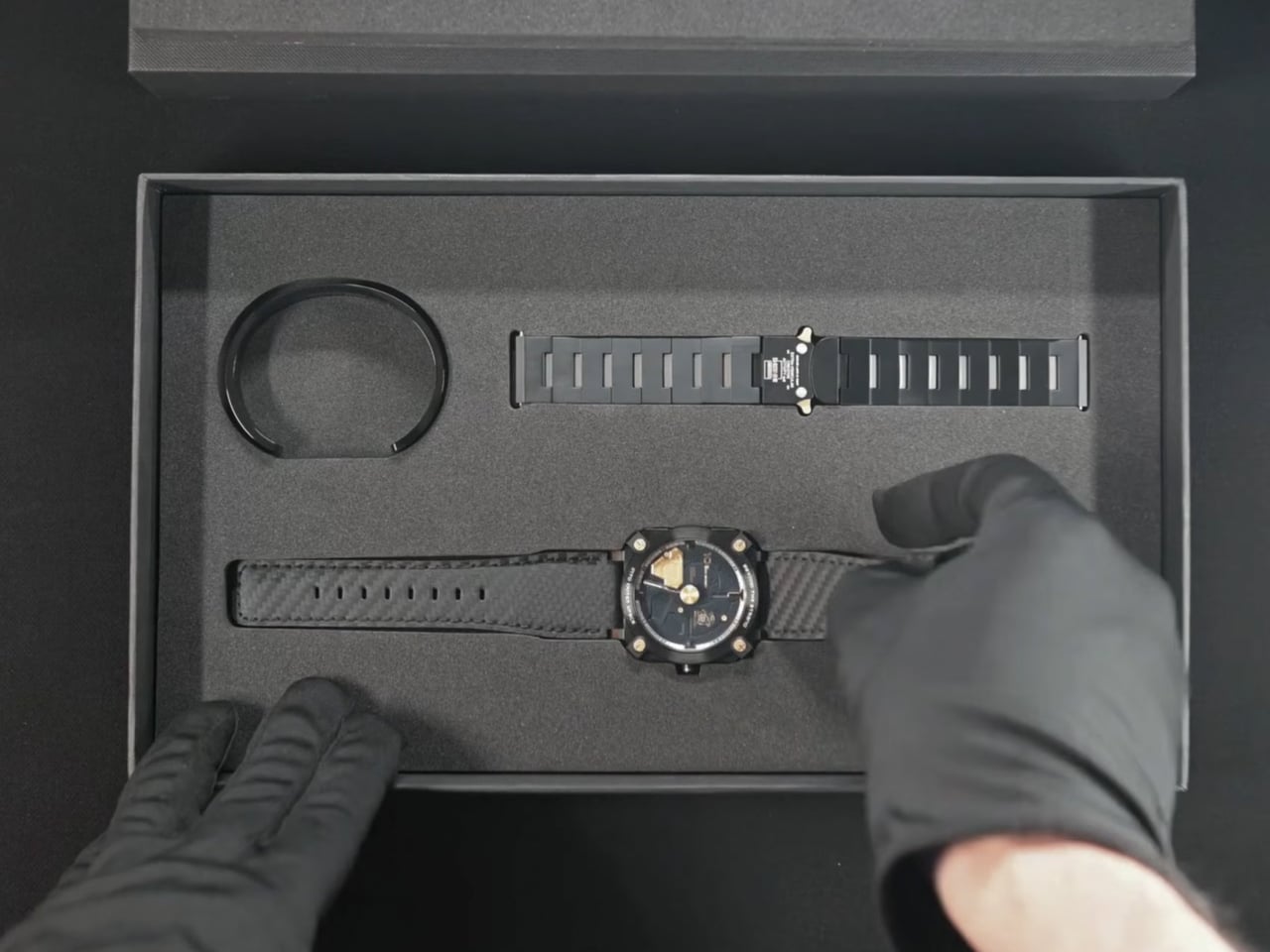
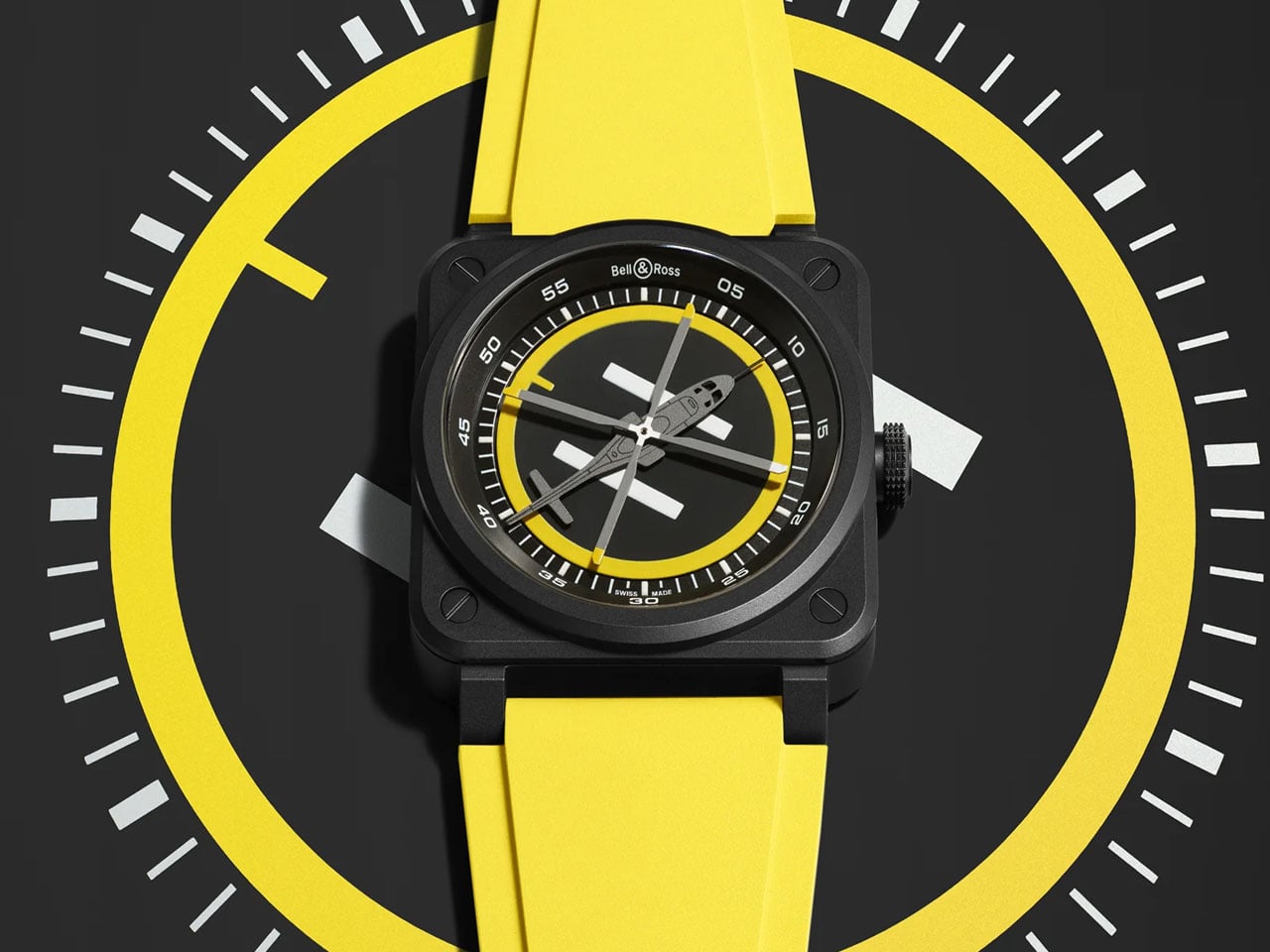
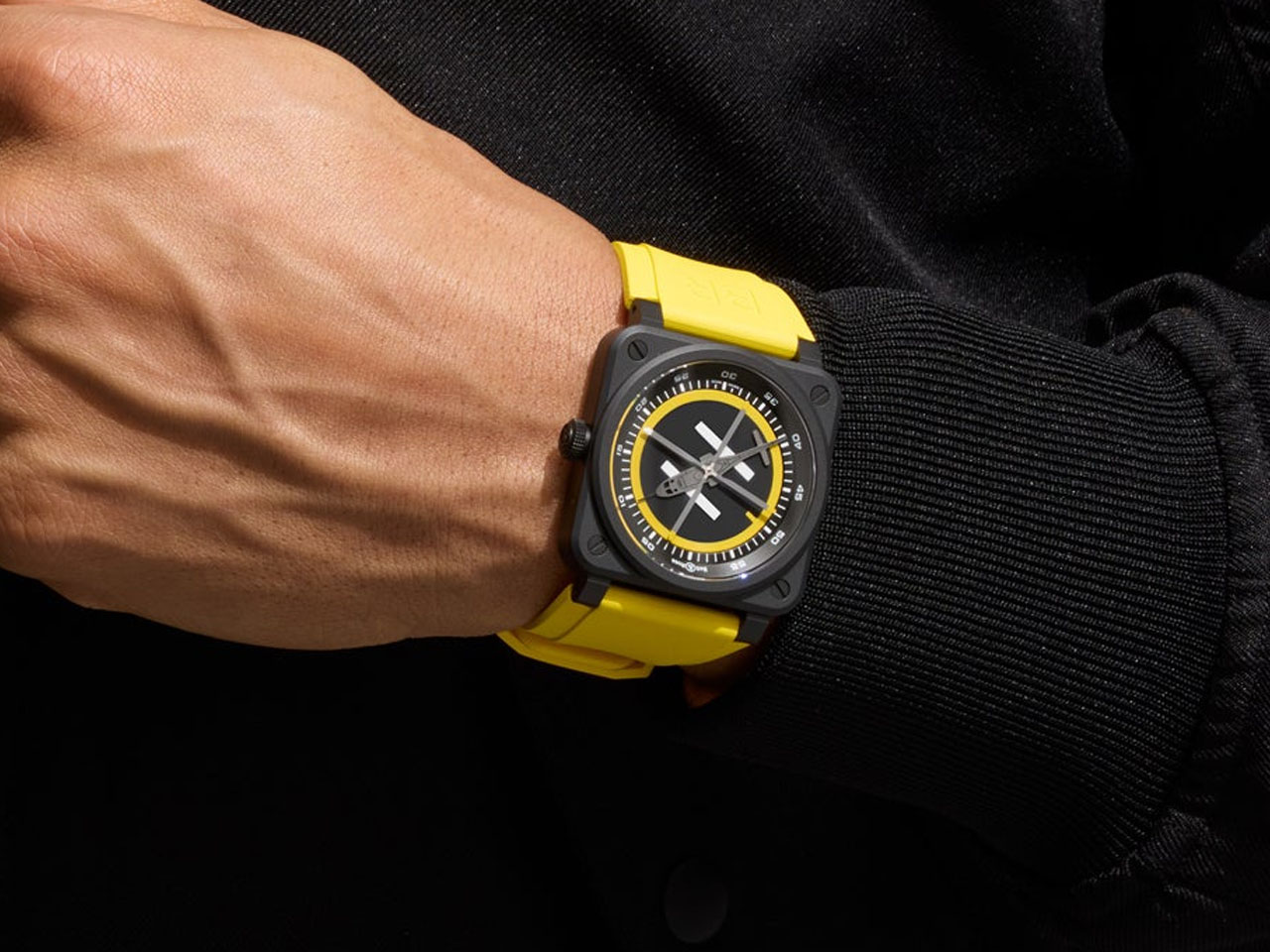
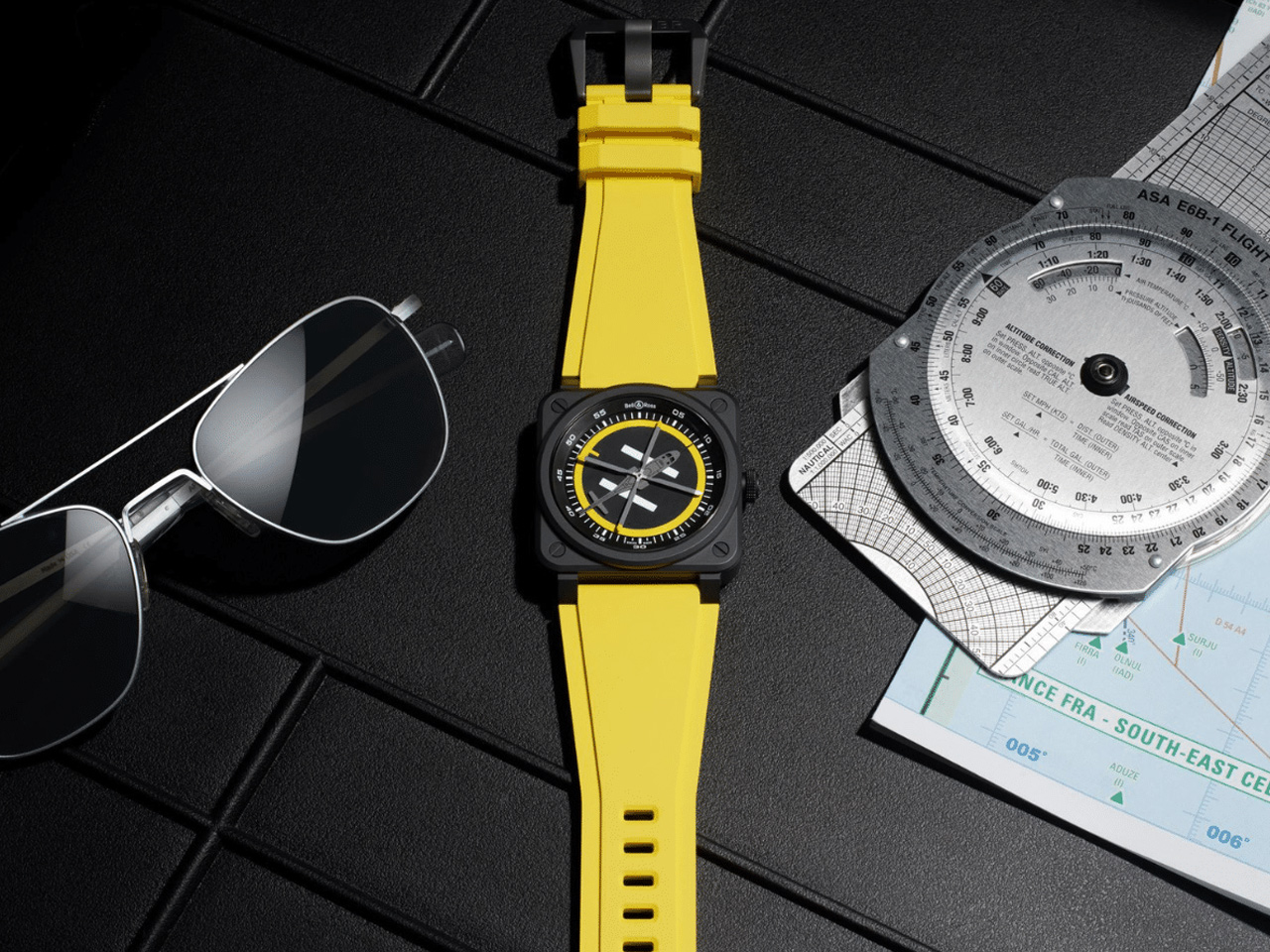
This new Escale Mount Fuji edition pocket watch is the latest from Escales Autour du Monde, LV’s collection of highly detailed pocket watches coming out of the Geneva-based La Fabrique du Temps. Honoring Japan, this one-of-a-kind, high-end pocket watch features a dial that wears the peaceful scenery of dawn over Mount Fuji with hand-engraved details on one side and the functional watch with an open-worked design on the other side.

Designer: Louis Vuitton

Capturing the spirit art and nature, the Louis Vuitton Mount Fuji edition pocket watch features a 50mm 18k white gold case, which measures about 19mm at the thickest point. The beautiful double-sided design with Philippe Dufour-level polishing quality on the openwork view of the dial with the time on one side, and handmade artwork is made to make heads turn and details speak for their craftsmanship.

The artistic side of the Mount Fuji edition is adorned at the top by a vibrant sky comprising 33 distinct colors and 300 hours of painstaking toil with art and traditional techniques. At the 12 o’clock setting, here is a gold compass rose punctuated by Louis Vuitton Monogram flowers. With Mt. Fuji in the background, a wooden fishing boat carrying mythical Ebisu, a beloved figure in Japanese folklore, abode with his emblematic fishing rod and tai sea bream is a dynamic addition.

The boat rocks right to left, the miniature Louis Vuitton trunks onboard open and close, while the compass rose spins around. The defining element still is the Sakura cherry blossoms which also sways like they would in the wind in a natural setting. The entire artistic brilliance is confined within a bezel set with 60 baguette-cut sapphires. This scene within the gradient-matching sapphires, is celebrated with the pocket watch’s Jacquemart mechanism powering the four animations.

The Escale au Mont Fuji, as it’s referred to, is powered by the manual winding LFT AU14.03 caliber which comprises 561 components and provides the pocket watch with an eight-day power reserve. The watch’s hands move to tell time while the minute repeater chimes the hours, quarters and minutes. The visible tourbillon is a fantastic sight on the watch dial that shines in its glory when you hold in your hand. For that, you would need to shell out roughly €1,300,000 (a whopping $1,500,000).


The post Louis Vuitton Escale Mount Fuji Pocket Watch brings a functional landscape to life first appeared on Yanko Design.
This wristwatch lets blind people tell time by touch, looks like any other timepiece

Around 285 million people worldwide live with visual impairment, according to the World Health Organization, and something as routine as checking the time can become a daily negotiation between independence and assistance. How do blind people tell time without relying on someone else? The traditional watch for the visually impaired has long answered that question through sound or exaggerated tactile cues. Yet many of these solutions, while functional, visibly signal that they are assistive devices. The lingering design question is simple: why can’t a watch for the visually impaired look like any other watch?

The current landscape offers a mix of approaches. Talking watches announce the time aloud at the press of a button, prioritizing clarity over discretion. The classic braille watch uses raised numerals beneath a hinged crystal cover that flips open, allowing users to feel the dial directly. Brands like Citizen have explored tactile adaptations within more mainstream aesthetics, but even these models often compromise on visual subtlety or require noticeable interaction. The tactile watch concept has existed for decades, yet many designs still feel engineered first for utility and second for style. For a wristwatch for blind people, that trade-off can unintentionally reinforce differences.

Designer: Jinkyo Han

A new concept christened “Wristwatch for the Blind,” rethinks the tactile watch for the visually impaired through restraint rather than amplification. Instead of adding bulky covers, voice modules, or overt braille markers, the designer retains a conventional analog form. At first glance, it resembles a standard minimalist timepiece with a clean dial and classic proportions. The innovation lies in the details: raised numerals and subtly ridged hands that can be read by touch. By tracing a fingertip along the dial, the wearer can feel the position of the hour and minute hands in a natural circular motion. The tactile elements are integrated into the geometry of the watch itself, allowing it to function as an accessible timepiece without announcing its purpose. It is an inclusive watch design that communicates through texture rather than technology.

That discretion is what makes the concept compelling. Inclusive design succeeds when it removes stigma instead of adding layers of accommodation. The most effective accessible products often become invisible in the best way, serving everyone without labeling anyone. An accessible watch design that mirrors mainstream aesthetics follows the same philosophy. It supports independence for users who are blind or visually impaired while preserving personal style and social ease. In doing so, it reframes assistive technology as simply good design.

The concept remains a proposal rather than a commercial product, but it points toward a future where adaptive wearables blend effortlessly into everyday life. As interest in tactile watch solutions continues to grow, there is clear room for designs that balance dignity with functionality.


The post This wristwatch lets blind people tell time by touch, looks like any other timepiece first appeared on Yanko Design.
Richard Mille RM 41-01 Tourbillon Soccer brings the passion and precision of football to your wrist

High watchmaking has always been about pushing limits, and few brands have embraced that philosophy as boldly as Richard Mille. Known for translating Formula-1 engineering, industrial designs, and pop culture athletics into wrist-borne mechanics, the brand has built its identity on transforming unlikely inspirations into technical statements. With the RM 41-01 Tourbillon Soccer, that spirit takes on one of the world’s most widely followed sports, turning the structure and rhythm of a football match into a fully mechanical narrative.

The RM 41-01 is not a cosmetic tribute. Instead of relying on team colors or decorative motifs, it integrates the intricacies of soccer directly into its functionality. Developed over approximately five years in collaboration with Audemars Piguet, the manual-winding Calibre RM41-01 is built from grade 5 titanium and composed of roughly 650 components. The highly skeletonized movement incorporates a flying tourbillon and a patented double-column-wheel flyback chronograph, delivering approximately 70 hours of power reserve while maintaining the architectural transparency that defines the brand’s modern aesthetic.

Designer: Richard Mille

What distinguishes the watch is how it interprets a match in real time. A dedicated match-phase indicator progresses logically through first half, second half, and extra time periods, advancing with each reset of the chronograph. This complication mirrors the natural flow of a game, translating sporting progression into a mechanical sequence. Complementing it are dual linear goal counters positioned on the dial, allowing the wearer to track scores for home and away teams independently. Each counter can register up to nine goals before resetting, activated through pushers integrated seamlessly into the case. The result is a watch that behaves almost like a mechanical scoreboard, yet remains rooted in traditional haute horlogerie principles.

The tonneau-shaped case measures approximately 42.9 mm in width, 51.2 mm in length, and 16.2 mm in thickness, dimensions that provide presence without overwhelming the wrist. Offered in two limited editions of 30 pieces each, the watch is crafted in Dark Blue Quartz TPT or Red Carmin Basalt TPT variants. These composite materials are formed by layering ultra-thin sheets under intense heat and pressure, producing a striated visual texture while offering exceptional resistance to shock, corrosion, and ultraviolet exposure. Water resistance is rated to 50 meters, and the watch is paired with a rubber strap secured by a folding clasp, reinforcing its sport-ready character.

Visually, the RM 41-01 Tourbillon Soccer remains unmistakable. The openworked dial exposes bridges, wheels, and chronograph components arranged in a dynamic, multi-level layout beneath a sapphire crystal. Finishing techniques such as micro-blasting, hand-beveling, and contrasting surface treatments emphasize depth and contrast. Despite the complexity, legibility remains carefully considered, ensuring that the various displays are intuitive rather than decorative.

Technically ambitious and unapologetically specialized, the RM 41-01 Tourbillon Soccer watch exemplifies the brand’s commitment to mechanical storytelling. Each color of the watch will be limited to 30 pieces with an expected price tag of $2 million.

The post Richard Mille RM 41-01 Tourbillon Soccer brings the passion and precision of football to your wrist first appeared on Yanko Design.
Urwerk 100V “LightSpeed” Ceramic limited-edition watch tracks propagation of light through space

The way life moves on earth, we often undermine the vastness of the universe and the simple fact that whatever we see in it is always already the past. Now, Urwerk has conceptualized a limited-edition timepiece that merges concepts of time and space showcasing the time light takes right from the sun to reach each planet in the solar system. The Urwerk UR-100V “LightSpeed” Ceramic is a timepiece that translates the journey of light across the solar system in a mechanical watch display.

The brainchild of Felix Baumgartner and Martin Frei, co-founders of the Swiss-watchmaker established in 1997, the UR-100V features the company’s iconic satellite display, differing in a way to display propagation of light across the solar system – telling time it takes a sunbeam to reach the eight different planets. So instead of just marking hours and minutes, this watch, with a white ceramic composite case, creates the wandering satellite display into a moving cosmic reference point.

Designer: Urwerk

“Wearing this creation (the UR-100V “LightSpeed” Ceramic) is like carrying a fragment of the universe on the wrist, a miniature vision of the cosmos scaled to human perception,” Martin Frei said about the watch measuring 43mm wide and 51.7mm long. About 14.55mm at the highest point, the UR-100V features Urwerk’s proprietary white ceramic case with silver fiberglass fabric and carbon inserts. The case with a screw-down crown offers durability to the timepiece with cosmic-inspired aesthetics.

The dial has been tweaked to achieve the latter. When the hour satellite leaves the minute track, it follows the path of light, tracing the journey of a sunbeam from the Sun toward the eight planets in our solar system. The astronomical data is converted into mechanical motion with exact scientific data points like 3 minutes required for sunlight to reach Earth or 4.1 hours it takes to reach the farthest planet Neptune.

The UR-100V LS Ceramic draws its power and finesse to pull of the celestial brilliance from the in-house calibre UR 12.02. The self-winding mechanical movement by Planetary Turbine Automatic System beats at 28,800 vibrations per hour and provides the watch with a 48-hour power reserve. Water-resistant up to 5ATM, the Urwerk timepiece features micro-blasted, DLC-treated grade 5 titanium caseback revealing a satisfying sight of a self-winding rotor inside.

The UR-100V LightSpeed Ceramic comes with two choices of strap colors. It’s a textured rubber strap in black or white color. The limited-edition watch is priced at 67,000 CHF (approx. $86,500) and is available on the company’s official website. We are not sure how many units of the watch are going to be available, but we are sure the watch will sell out really fast for its ability to track propagation of light through space.

The post Urwerk 100V “LightSpeed” Ceramic limited-edition watch tracks propagation of light through space first appeared on Yanko Design.
I Replaced My iPhone Alarm with this Literature Clock and it made my mornings 5x Stress-Free

Your phone tells you it’s 7:23 AM and cloudy. NovellaMate tells you the same information through a passage from Dickens or Neruda, transforming raw data into something you actually want to read. The difference matters more than you’d think, because most of us have forgotten that time and weather aren’t just functional details to be consumed and discarded. They’re the backdrop to our lives, the quiet constants that shape mood, memory, and even creativity. A clock that treats them like poetry instead of spreadsheets isn’t just a novelty; it’s a quiet rebellion against the way we’ve been conditioned to interact with technology.

I’ll admit, when I first heard about the NovellaMate being a smart clock, my skepticism flared up like a bad WiFi connection. Another “smart” gadget for the nightstand? Another Kickstarter darling promising to revolutionize the way we wake up? But then I watched the demo video, and something clicked. This isn’t about smarter alarms or better sleep tracking. It’s about designing an object that respects the ritual of timekeeping, that understands how deeply literature can embed itself in the mundane, and that for some people, life isn’t a routine, it’s a movie or a book being played out as the main character. The kind of thing that makes you pause mid-morning, coffee in hand, because the clock just read you a line from One Hundred Years of Solitude that somehow fits the way the light is slanting through your window. That’s not a feature; that’s an experience. And in a market flooded with devices that prioritize efficiency over emotion, an experience like the NovellaMate feels magical.

Designers: Mark Chow, Jueer Lee, Stan Lee & Natto Kang

Click Here to Buy Now: $179 $279 ($100 off). Hurry, only 142 of 150 left!

The specs, when you dig into them, reveal a product that’s been thought through with unusual care. NovellaMate’s database doesn’t just pull random quotes from a generic pool; it’s a curated collection of handpicked literary passages, each tied to a specific minute of the day or a weather condition. Rain at 3:47 PM? There’s a quote for that. Clear skies at dawn? Another. The clock doesn’t just tell you it’s 10:12 AM; it finds a way to make 10:12 AM feel like a moment worth noticing. The team behind it claims to have spent over a year compiling and categorizing these quotes, working with literary experts to ensure the selections aren’t just famous but meaningful. That’s the kind of detail that separates a gimmick from something genuinely compelling, the difference between a product that gets used for a week and one that becomes part of your daily rhythm.

NovellaMate inspires us everyday.

Unlike most smart displays that shout information at you, NovellaMate leans into subtlety. The time and weather are presented through literature, either displayed in text or read aloud in a voice that’s designed to feel more like a friend sharing a favorite passage than a robot reciting data. The audio is paired with soft, adaptive lighting and ambient music, creating a wake-up routine that’s closer to a sunrise than an alarm. NovellaMate compares it to being nudged awake by a particularly thoughtful librarian, which, let’s be honest, is a vibe we could all use more of. The physical design reinforces this ethos: walnut grain, vegan leather, a warm glow that acts as an earthy antithesis to the plastic, glass, and metal boxes we associate with IoT devices today.

NovellaMate telling the time.

Of course, the elephant in the room is whether this thing actually works as a clock. The short answer is yes, but don’t expect this to replace your Swiss Chronograph. NovellaMate does tell the time, and it does so accurately, but it’s not designed for glance-and-go utility. If you’re the type of person who needs to know the exact second to time your morning sprint to the office, this isn’t for you. The device prioritizes immersion over immediacy- that’s a deliberate choice, one that forces you to slow down, which people with tight mechanical schedules will see as a trade-off, but to the target audience, it feels like being a protagonist of a book. The weather functionality relies on an internet connection to pull local data, so if your WiFi is acting up, you might get a generic quote instead of one tailored to a sudden downpour. These aren’t dealbreakers, but they’re worth noting if you’re someone who values precision over poetry.

NovellaMate telling the weather.

And sure, with time the same quotes may just become a tad bit repetitive, which is why the NovellaMate promises to constantly add newer quotes to its vast database. The team has hinted at regular updates, with new quotes and even seasonal themes added over time, which suggests they’re thinking long-term. There’s also the quote-saving feature, which lets you build a personal collection of favorites, turning the device into a kind of interactive anthology. That’s a smart move, because it gives users a reason to keep engaging with the clock beyond the initial charm. Still, the success of this hinges on execution. If the updates are sparse or the quotes start repeating too often, the illusion shatters.

What’s most striking about NovellaMate is how it reframes the role of technology in our lives. So much of what we interact with daily is designed to optimize, to streamline, to make us more efficient. NovellaMate does the opposite. It asks us to linger. It turns the act of checking the time into an opportunity for reflection, a tiny pause in the rush of the day. Given how all our devices are constantly demanding our attention, a clock that whispers instead of shouts feels like a small act of resistance, a refreshing reminder that technology can do more than just solve problems. Sometimes, it can make life a little more beautiful.

The NovellaMate comes in across 2 variants – an 8GB one and a 16GB one, which determines how vast its internal database of quotes will be. The 8GB variant is priced at $179, while the 16GB costs $199 (just an extra 20 bucks). Each NovellaMate ships with a 1-year warranty, starting January 2026, so your new year can begin on a much more poetic note!

Click Here to Buy Now: $179 $279 ($100 off). Hurry, only 142 of 150 left!

The post I Replaced My iPhone Alarm with this Literature Clock and it made my mornings 5x Stress-Free first appeared on Yanko Design.
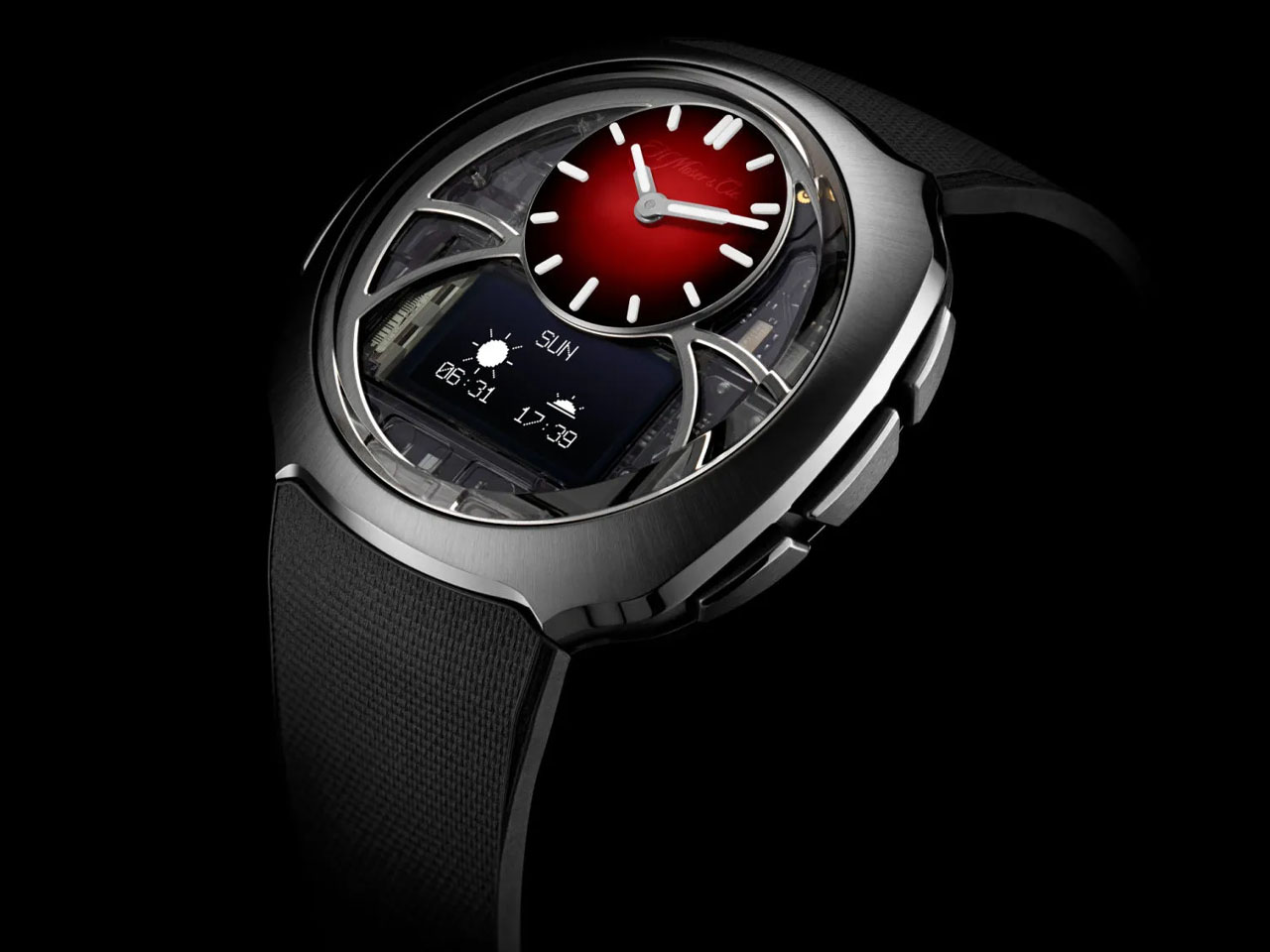
Mudita’s $553 Minimalist Watch Has No Logo, No Apps, and 300% More Peace Of Mind

Your phone tracks your steps. Your smartwatch tracks your heart rate. Your earbuds track your location. At some point, we stopped using technology and started being used by it. Mudita Radiant is a field watch for people who’ve had enough. Built in Switzerland with the same minimalist philosophy that made Mudita’s “dumbphones” award-winners, it’s a mechanical timepiece that promises exceptional legibility, everyday durability, and absolutely zero notifications. Available now on Kickstarter in five nature-inspired colors and three sizes, it’s already raised over $58,000, proof that the anti-smartwatch revolution is just getting started.

If you don’t know Mudita, here’s the quick version: they’re the Polish company founded by Michał Kiciński (yes, the CD Projekt Red guy who helped create The Witcher) that’s been championing digital minimalism through products that harmonize with your life instead of competing for your attention. Their Mudita Kompakt phone features an E Ink® display and an Offline+ switch that cuts all wireless signals at the hardware level. Their previous watch, the Mudita Element, launched on Kickstarter and hit “Fully funded” in 23 minutes. They’ve won awards from the Calm Tech Institute for respecting attention and peace of mind. Now they’re applying that same philosophy to a proper field watch.

Designer: Mudita

Click Here to Buy Now: $553 $806 ($253 off). Hurry, only 1/80 left! Raised over $58,000.

What makes the Radiant watch actually interesting is how it fits into Mudita’s broader ecosystem. Their phones use E Ink® displays, hardware-level privacy switches, and custom operating systems designed to minimize distraction. Their alarm clocks use breathing features and calming interfaces. Everything they make pushes back against the attention economy. The Radiant continues that philosophy on your wrist. It’s mechanical, so there’s no battery to charge, no software to update, no notifications to silence. You set it, you wear it. The automatic movement keeps running because you’re moving, which is a level of symbiosis that smartwatches can only simulate with step counters and haptic feedback.

The Radiant runs on a Sellita SW 200 Elaboré movement, the enhanced grade that’s regulated in three positions instead of the standard two. It beats at 28,800 vph, giving you that smooth seconds sweep, with accuracy rated at ±7 to ±20 seconds per day and a 38 to 41 hour power reserve. The movement is protected by an Incabloc shock protection system, which is exactly what you want if this watch is actually going to see daily wear. Everything is manufactured and hand-assembled by Chrono AG, a company that’s been making Swiss Made private-label watches since 1981. Their headquarters sits in a historic building from 1915 that once housed one of Switzerland’s first watchmaking schools, which feels appropriately poetic for a watch that’s trying to return to fundamentals.

The Radiant comes in 32mm, 37mm, and 40mm case diameters, all with a profile between 10 and 10.5mm. Finding a 32mm automatic field watch is nearly impossible in 2025, when most brands seem convinced everyone wants a 42mm wrist anchor. Mudita clearly designed this to actually fit different wrists, which sounds obvious until you realize how few brands bother. The case is brushed 316L surgical-grade stainless steel with different finishing techniques: circular brushing on the case top and crown, linear brushing on the sides. The brushed finish serves a practical purpose beyond aesthetics, it masks the inevitable minor scratches and fingerprints that come with daily wear. There’s also a crown guard, which protects against accidental bumps without making the watch look like it’s trying too hard to be tactical.

Given that dumbphones still have screens but watches don’t, a lot went into channeling Mudita’s minimalist philosophy into the watch’s dial. There’s no logo. None. The only branding is a small lotus carved into the crown, which you’ll feel when you wind the watch but won’t see unless you’re looking for it. The dial uses a custom Mudita typeface with a full 12-hour layout, every number present and accounted for, which makes reading the time genuinely effortless. The hands and hour markers are coated with Swiss Super-LumiNova BGW9, one of the brightest luminescent materials available. Mudita tested this thing in various lighting conditions, from bright sunlight to total darkness, and paired the lume with a sapphire crystal that has triple anti-reflective coating. The sapphire rates 9 on the Mohs hardness scale, second only to diamond, so unless you’re deliberately trying to scratch it, the crystal should stay clear for years.

The dial’s colors tell you everything about Mudita’s design ethos. Natural White like fresh snow, Sand Beige like silent coastlines, Moss Green drawn from forest trails, Baltic Blue mirroring the ocean, and Charcoal Black echoing raw charcoal texture. These aren’t vibrant, look-at-me colors. They’re muted, grounded tones that pair with the six available strap colors, which include all five dial colors plus Pebble Gray. The straps use a quick-release mechanism, so swapping straps takes seconds without tools. This matters more than it sounds because it means the watch adapts to different contexts without requiring you to own multiple watches.

Water resistance sits at 10 ATM, which translates to 100 meters. That’s enough for rain, hand washing, swimming, even a shower if you’re not fiddling with the crown underwater. It’s not a dive watch, but it’s legitimately waterproof for everyday life, which is exactly what a field watch should be. The caseback features a unique engraved number for each watch, making every Radiant technically a limited edition piece. Mudita is transparent about this being a collectible item, but they’re not using artificial scarcity as a marketing gimmick. The numbering is there because they’re making these in controlled batches, not churning out thousands.

Searches for “dumbphones” have risen over 300% in the past year. Feature phone sales in the UK reached 450,000 units in 2024. This isn’t a niche movement anymore – people are genuinely exhausted by devices that demand constant attention, and Mudita is building products for that exhaustion. The Radiant isn’t trying to replace your smartphone or compete with your Apple Watch. It’s trying to be the thing you wear when being punctual is important, nothing else. Not your fitness, not your step count, not your Slack or Teams notifications, and not someone calling you on your phone and having a buzzing sensation on your wrist. In other words, it’s trying to be what watches used to be before technology somehow convinced us it could be everything else.

The Ultra Early Bird tier sits at €479 ($556 USD), saving €220 off the planned retail price of €699 ($810 USD). There’s also a Bundle option at €879 for two watches, which saves a decent chunk off retail if you’re buying pairs. All tiers include a 14-day trial period where you can return the watch for a full refund if it’s undamaged, and all prices include taxes and duties, no surprise tariffs suddenly catching you off guard. Mudita is committing to delivering every single watch by May 31, 2026, although they’re aiming for a moonshot of delivering it just before Christmas this year. They’ve however offered backers a full money refund just in case shipping doesn’t work out pre-Christmas. Either that, or hold on to your pledge and you’ll definitely get the watch before May 31st, 2026.

Click Here to Buy Now: $553 $806 ($253 off). Hurry, only 1/80 left! Raised over $58,000.

The post Mudita’s $553 Minimalist Watch Has No Logo, No Apps, and 300% More Peace Of Mind first appeared on Yanko Design.
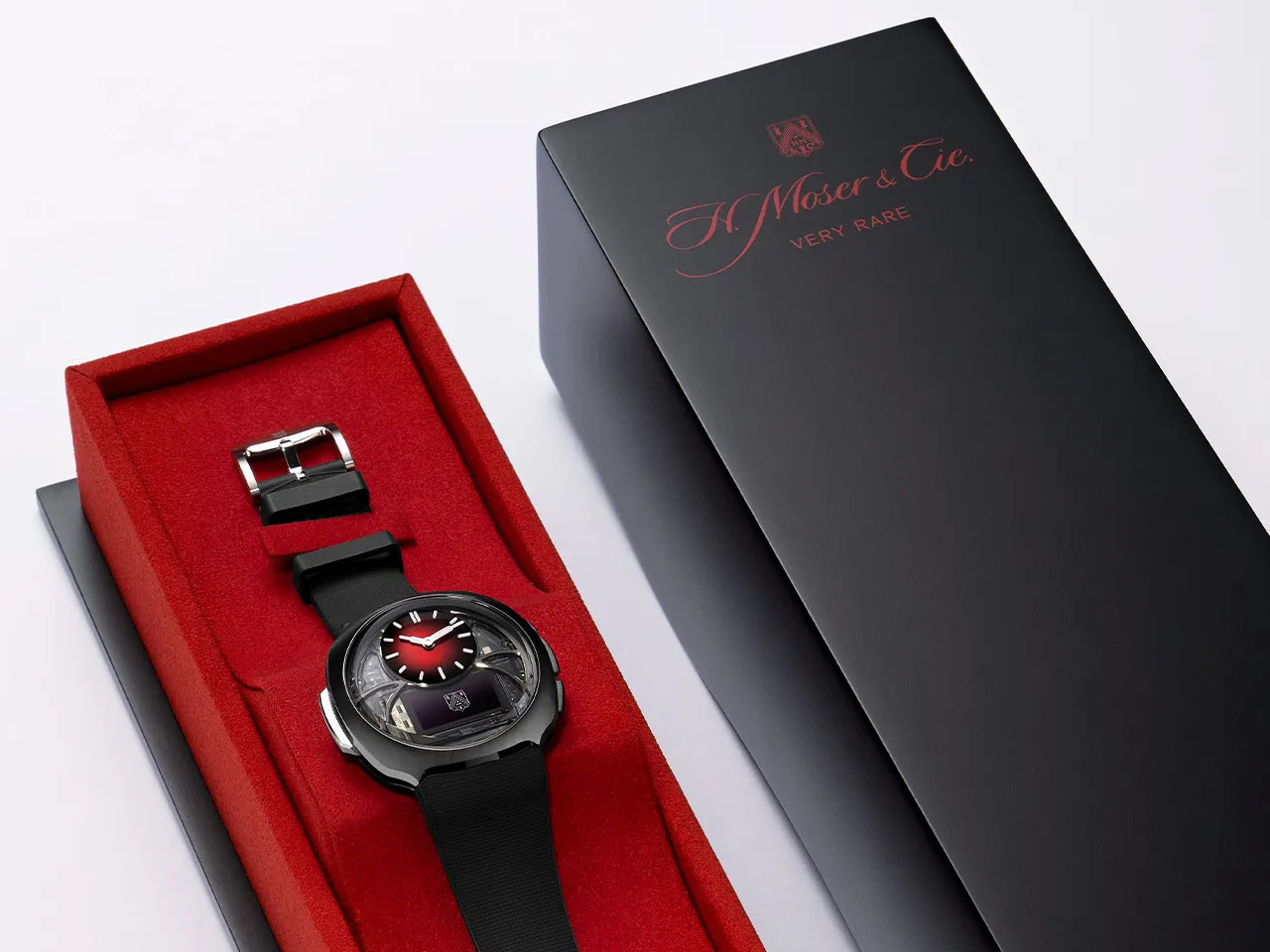
Hublot celebrates tennis legend Novak Djokovic with Big Bang Unico made from his racquets and polos

There are two interesting facts about the tennis GOAT: Novak Djokovic. He is one of the only five players in the history of the game to win all four grand slams and the Olympic gold medal in singles event. And that he is the brand ambassador of the watchmaking legacy at Hublot. The horologist has been on the wrist with the achievements of the 24-time grand slam winner Djokovic since they served the partnership ace in 2021.

Hublot is now substantiating its commitment toward the Serbian legend and honoring his achievements – including the Golden slam and Olympic medal at the gaming extravaganza in Paris – with the launch of Big Bang Unico Noval Djokovic. The watch inspired by Djokovic’s record-breaking achievements is Hublot’s attribute to the tennis great’s agility on the court and its inclination toward sustainable innovations in watchmaking.

Designer: Hublot

To that accord, the Big Bang Unico Novak Djokovic has been made from parts of his actual rackets and on-court kits. The 42mm case Hublot with Djokovic’s name, measures 14.5mm at the thickest point, and features an epoxy resin base with quartz powder reinforcement. It has been fused with the recycled fragments of 25 HEAD racquets and 32 Lacoste polos (17 dark blue and 15 light blue) that Djokovic used in the 2023 season to complete the matte blue recycled composite case and bezel of the watch.

The skeletonized dial of the watch, with yellow seconds pusher and bezel screws curved to mimic a ball, makes clever references to tennis. It rests under a tempered Gorilla glass that replaces the sapphire glass from the previous Big Bang’s. The Big Bang Unico Novak Djokovic has been created lighter than a tennis ball at just 49.5g and is powered by a PVD-finished in-house self-winding Unico manufacture chronograph movement offering up to 72 hours of power reserve.

While Djokovic fans would do anything to get this piece of historic relevance on their wrist, not all would have the pleasure of it. Hublot strictly limits production of the Big Bang Unico Novak Djokovic to 100 examples at AUD78,700 (approximately $51,000) each. If you happen to chance upon one, you will have the option to take it home on one of the four straps: elastic sweatband, Velcro strap, white rubber strap, and a Lacoste strap.

The post Hublot celebrates tennis legend Novak Djokovic with Big Bang Unico made from his racquets and polos first appeared on Yanko Design.

The RGB Tube Clock Brings Nixie Nostalgia to a New Generation – Without the Fragility

Here’s a clock that does more than keep time; the RGB Tube Clock merges vintage nostalgia with cutting-edge tech in a piece that’s part décor, part high-precision gadget. Inspired by the look of classic Nixie tubes, it mimics that retro display style but swaps out the fragile gas-filled tubes for a modern RGB spectrum. It’s a nod to mid-century tech with a fresh, colorful twist, offering the vibe of a Nixie clock without the maintenance.

The way the RGB Tube Clock works is by relying on the edge-lighting property of clear plastics like acrylic. The numbers are etched onto acrylic sheet, and as soon as a light is shone through the edge, the number glows brightly, almost as if it were illuminated. The clock has 6 channels, two for hours, minutes, and seconds, and each channel has 10 acrylic sheets stacked one behind another – one sheet for each number. The clock works by controlling which LEDs shine on which sheet, illuminating that individual number in a highly controlled fashion.

Designer: Breza

Click Here to Buy Now: $71.99 $89.99 (20% off, use coupon code “Yanko” at checkout). Hurry, deal ends in 48-hours!

Nixie tubes worked in a similar way, heating up wires that were shaped in individual numbers. However, while nixie tubes went out of fashion around the fall of the Soviet Union, they slowly became more of a historical relic (and an expensive one at that). This acrylic workaround feels like a hat-tip to that retro display technology, without any of the high power consumption, fragility, or expense. For those nostalgic for old-school Nixie aesthetics or new to the allure, the RGB Tube Clock brings an accessible version with plenty of flair.

If you’re wondering why a 24-hour clock has 10 acrylic sheets in its first channel (since it only goes up till 2), it’s because the RGB Tube Clock doubles as a stopwatch and timer too. If a timer is too tedious for you, the regular clock has an alarm function built-in, allowing you to place the RGB Tube Clock at your bedside and use it as both an alarm clock as well as an ambient night lamp. Thanks to the DS3231 clock chip—a high-precision piece of tech—it’s also reliably accurate, ensuring you stay on schedule down to the second. The clear interface means even these extra features are easy to navigate, whether you’re timing a workout or setting a reminder.

And here’s a fun touch: the clock includes a music spectrum display, so you can watch the lights dance along to your favorite tunes. It’s one of those features you didn’t know you needed until you see it in action, making it as much an interactive décor piece as a timekeeper. Plugging in with a simple USB DC 5V connection, setup is hassle-free—just plug, play, and let it enhance your space.

The clock comes with a fairly minimalist design, thanks to those transparent acrylic sheets that take away from the clock’s visual density. The entire gizmo measures just 10” x 1.8” x 2.75” making it small enough to sit on any tabletop surface. The clock weighs a little over a pound, runs off a USB cord, and can be configured using buttons on the side.

Whether you’re a retro-tech enthusiast or simply appreciate unique, stylish pieces, the RGB Tube Clock stands out. It combines the charm of Nixie tube nostalgia with all the convenience of modern RGB tech, reimagining what a clock can be in a way that’s visually stunning, interactive, and wonderfully functional.

Click Here to Buy Now: $71.99 $89.99 (20% off, use coupon code “Yanko” at checkout). Hurry, deal ends in 48-hours!

The post The RGB Tube Clock Brings Nixie Nostalgia to a New Generation – Without the Fragility first appeared on Yanko Design.
Why the Leonardo 1519 Watch Runs Backwards: A Col&MacArthur Tribute to da Vinci

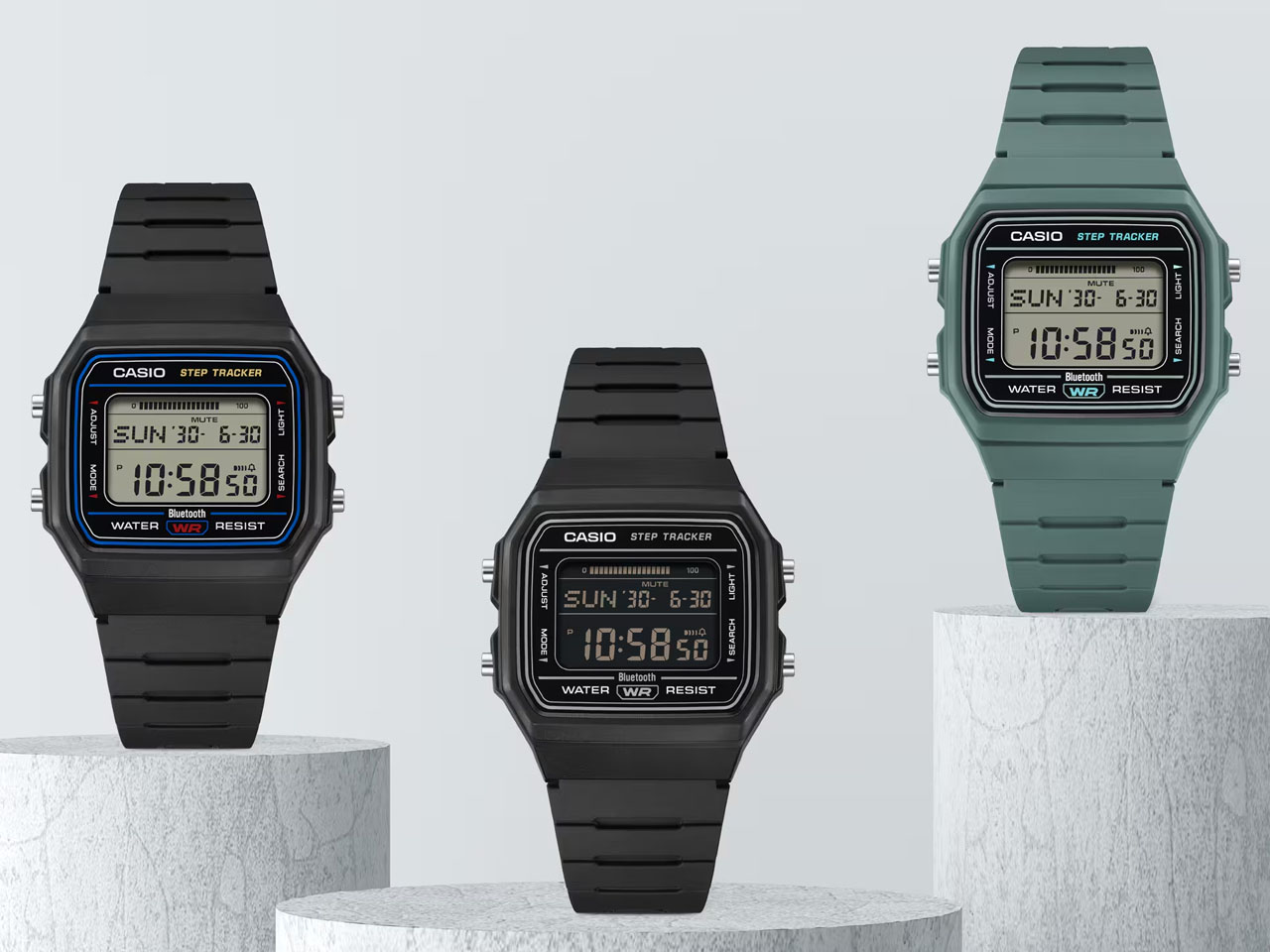
Inspired by the genius of Leonardo da Vinci, who could draw/write with both hands and also write in reverse, the folks at Col&MacArthur designed the Leonardo 1519 – a watch that, just like da Vinci’s writing, runs in reverse. An incredibly intriguing watch that pays tribute to the greatest genius of the Rennaissance, the Leonardo 1519 quite literally runs anti-clockwise, with the hands running ‘backward’ and the numbers on the watch oriented in reverse. The watch sports a few other key details that celebrate the Italian artist and creator’s life, from his artworks like the Vitruvian Man and the Battle of Anghiari, as well as concepts like the Fibonacci sequence, which da Vinci’s believed to have used heavily in his art and architecture.

Have you ever thought of why clocks move ‘clockwise’? The reason’s pretty simple if you work backward to the ancestor of the modern clock – the sundial. Invented in the northern hemisphere, sundials relied on the shadow of the sun to tell time, and as a result, the sun cast its shadow in a way that caused the dial to move ‘clockwise’. So naturally, when clocks were first engineered, they were made to mimic the movement of the shadow on the sundial. If sundials were first made in the southern hemisphere, clocks would rotate the absolute opposite of how they do today. With the Leonardo 1519, the watchmakers at Col&MacArthur are simply exploring this unique ‘reverse’ timekeeping trend while celebrating the most notable genius of the 15th century.

Designer: Col&MacArthur

Click Here to Buy Now: $325 $540 (40% off). Hurry, 10/15 left!

The name “Leonardo 1519” holds particular significance—it marks the year of da Vinci’s death. In choosing this date, the collection honors not just the man, but his enduring influence on art, science, and innovation. The year 1519 represents a turning point when the world lost a visionary, but his ideas continued to shape generations of thinkers and creators. This watch isn’t just about looking back; it’s about carrying da Vinci’s spirit of discovery into the future, making his genius relevant to today’s world.

At first glance, the reverse movement catches you off guard. It’s a direct nod to da Vinci’s mirror writing, a technique he often used in his notebooks. This unusual feature may seem like a simple design choice, but it transforms the experience of checking the time into a reflection on da Vinci’s constant challenge of conventions. The watch comes with a choice between mechanical and automatic movements – codenamed Codex and Mecanicca. You can get a variant of the watch that tells the time clockwise – just in case you’d like a time-telling tribute to da Vinci that isn’t difficult to read. However, if you want an absolute conversation starter, the Codex Reversed feels like living in the mirror dimension. The Codex Reversed model runs on a quartz Ronda movement that ticks in reverse. Reading the time definitely is a bit of  learning curve, but the watch makes up for it with clear numerals on the dial, and in just a few days it comes naturally to you. Moreover, it’s a perfect visual metaphor for people who believe in doing things differently!

For those who prefer their time to move in a more traditional direction, the Codex Classic offers the same impeccable craftsmanship with a clockwise movement. Both Codex models are encased in stainless steel, topped with sapphire glass, and backed by a two-year warranty. The collection’s flagship model, the Meccanica Classic, elevates the experience with an automatic Japanese Miyota movement, visible through an exhibition case back. Limited to 1,519 pieces, this model commemorates the year of da Vinci’s passing and makes it a rare collector’s item. Its embossed “elevato” dial design, which plays with light and shadow, adds a layer of visual complexity, reminiscent of da Vinci’s own studies on light and form.

Every detail in the Leonardo 1519 collection is steeped in symbolism. The Vitruvian Man, da Vinci’s famous drawing exploring the harmony of human proportions, is intricately etched into the watch’s dial, a reminder of the perfect balance between art and science that da Vinci so masterfully embodied. The dial also has a close-up of the soldier from da Vinci’s sketch of the Battle of Anghiari, along with his self-portrait, all masterfully blended into a collage that celebrates the man. Other features include birds depicted in flight, a tribute to da Vinci’s groundbreaking studies on aerodynamics and his Codex on Flight. The Fibonacci sequence, symbolizing nature’s mathematical harmony, is also subtly embedded, reflecting da Vinci’s fascination with the intersection of mathematics and the natural world. While the Codex models don’t come with an exhibition back, they do have an artistic depiction of the da Vinci sculpture by Marino Marini.

Col&MacArthur’s watches are museums in their own right. Previous timepieces from the brand have featured parts of the Berlin Wall, fragments of Moon dust and Mars dust, and even honored legends like Napoleon and historical events like Dunkirk. The Leonardo 1519 is just the next chapter in this series, celebrating historic times through something as befitting as time itself!

Click Here to Buy Now: $325 $540 (40% off). Hurry, 10/15 left!

The post Why the Leonardo 1519 Watch Runs Backwards: A Col&MacArthur Tribute to da Vinci first appeared on Yanko Design.
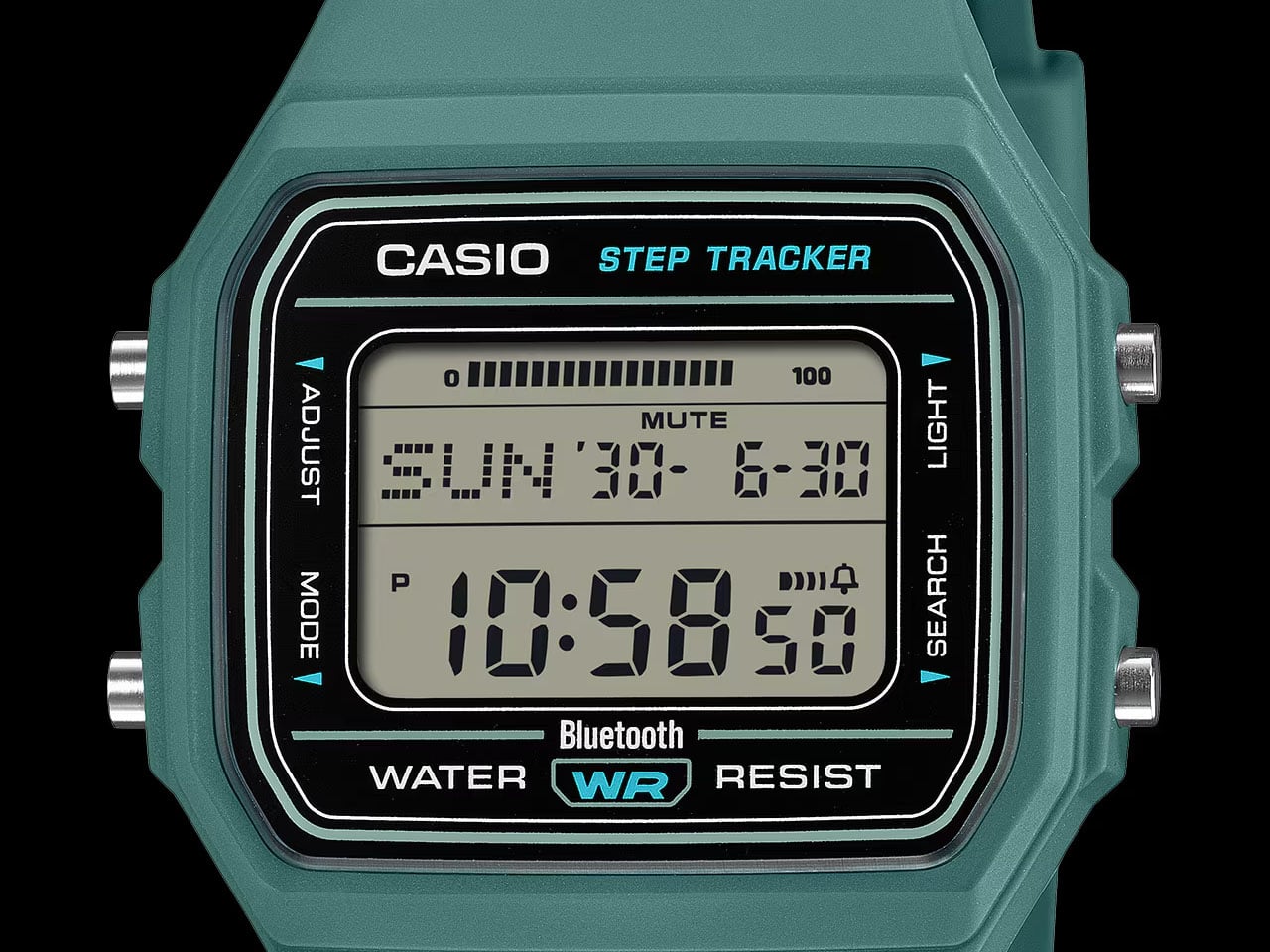
Blind Watch makes life easier for visually impaired, can be used as a hand clock

Life for the visually impaired is not easy as they have to struggle even to get done most of the simplest tasks. Thankfully inclusively designed daily gadgets and devices make their life much easier. Keeping track of time is one of the needs that blind people have to depend on others if they haven’t got the hang of talking watches like the VOICE GRUS, or find them impractical in noisier environments.

A braille watch is the next best option as we saw with the Ehsaas concept watch designed by Nikhil Kapoor. Now, yet another concept envisions the future of timepieces crafted for the visually disabled so that they can lead a normal life.

Designer: Jinkyo Han

It’s about feeling the time tick on your hand as the braille system denoted by the marking on the watch gives the blind idea of the hour and minute of the day exactly. The square-shaped dial of the watch has two overlapping knobs represented by the hours and minutes hands with precise markings to differentiate the two. The inner gear mechanism actuates the movement of these big dials to define the exact time of the day which is important for anyone with visual disability.

While the Blind Watch can be worn on the hand as a wristwatch by securing straps to the metal body, the designer proposes the use of a single strap for it to be used as a hand clock. This makes it easy for the person to carry it in the pocket or secure it around the neck to prevent it from getting misplaced. The watch is a tad bigger for the wrist and will only fit well for people with bigger hands.

The post Blind Watch makes life easier for visually impaired, can be used as a hand clock first appeared on Yanko Design.