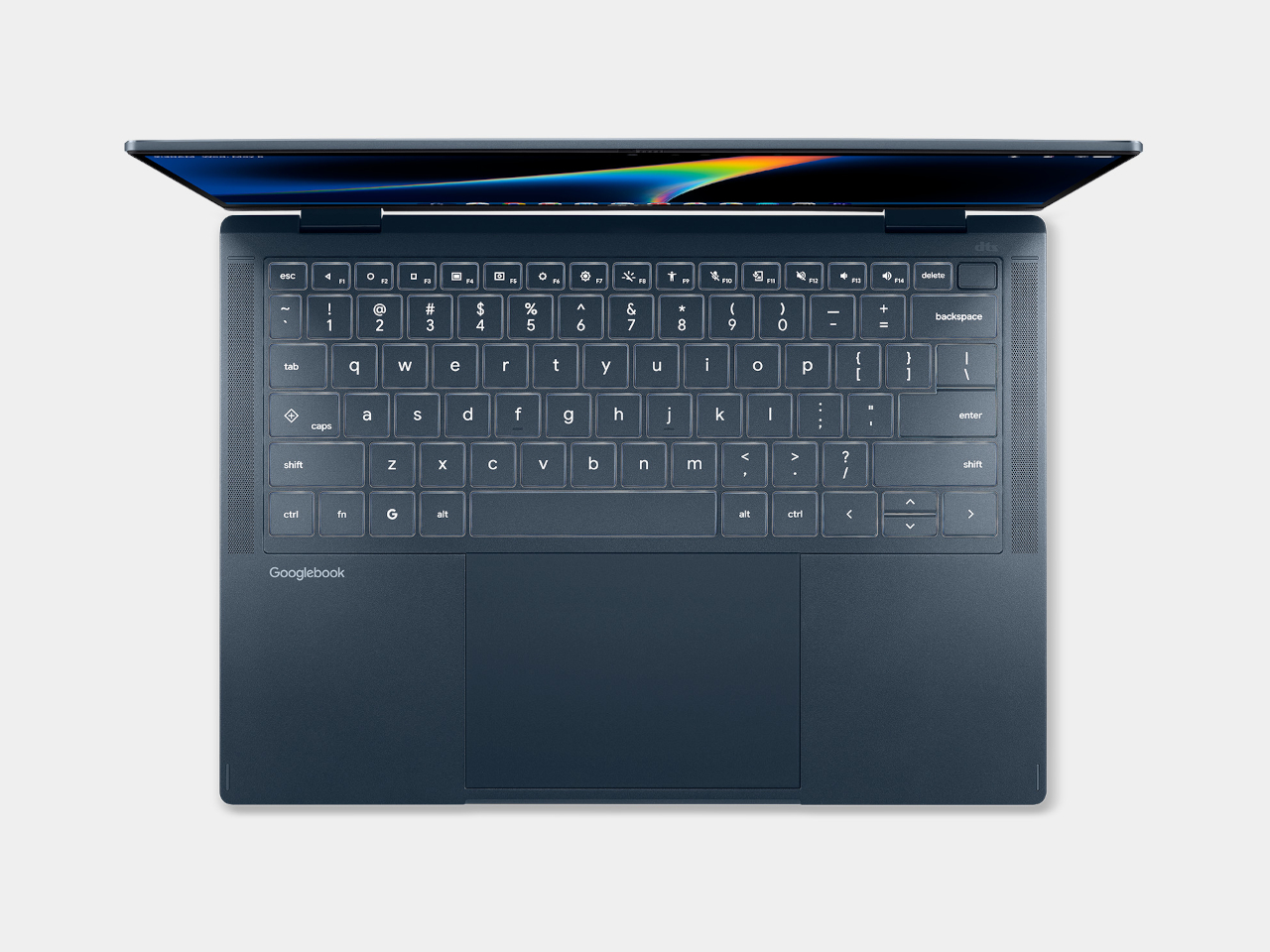
You Can Finally Pre-Order a Googlebook, Starting at $899

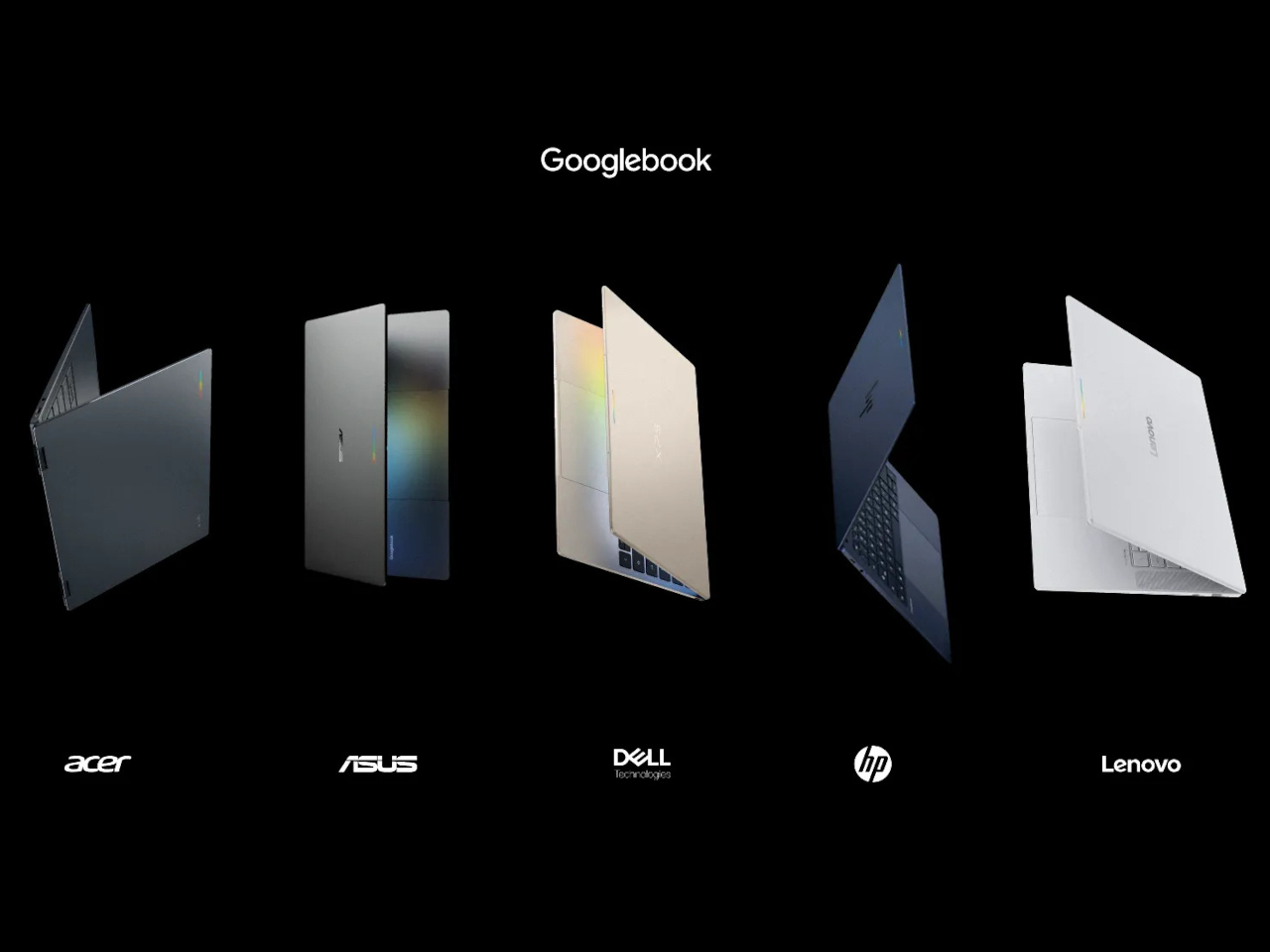
A laptop announced in May with no price, no ship date, and no way to actually buy one is easy to forget by September. Googlebook just stopped being that kind of announcement. Pre-orders opened today across five hardware partners, Acer, ASUS, Dell, HP, and Lenovo, turning a concept built around Gemini Intelligence into something arriving on shelves within two weeks, starting at $899.

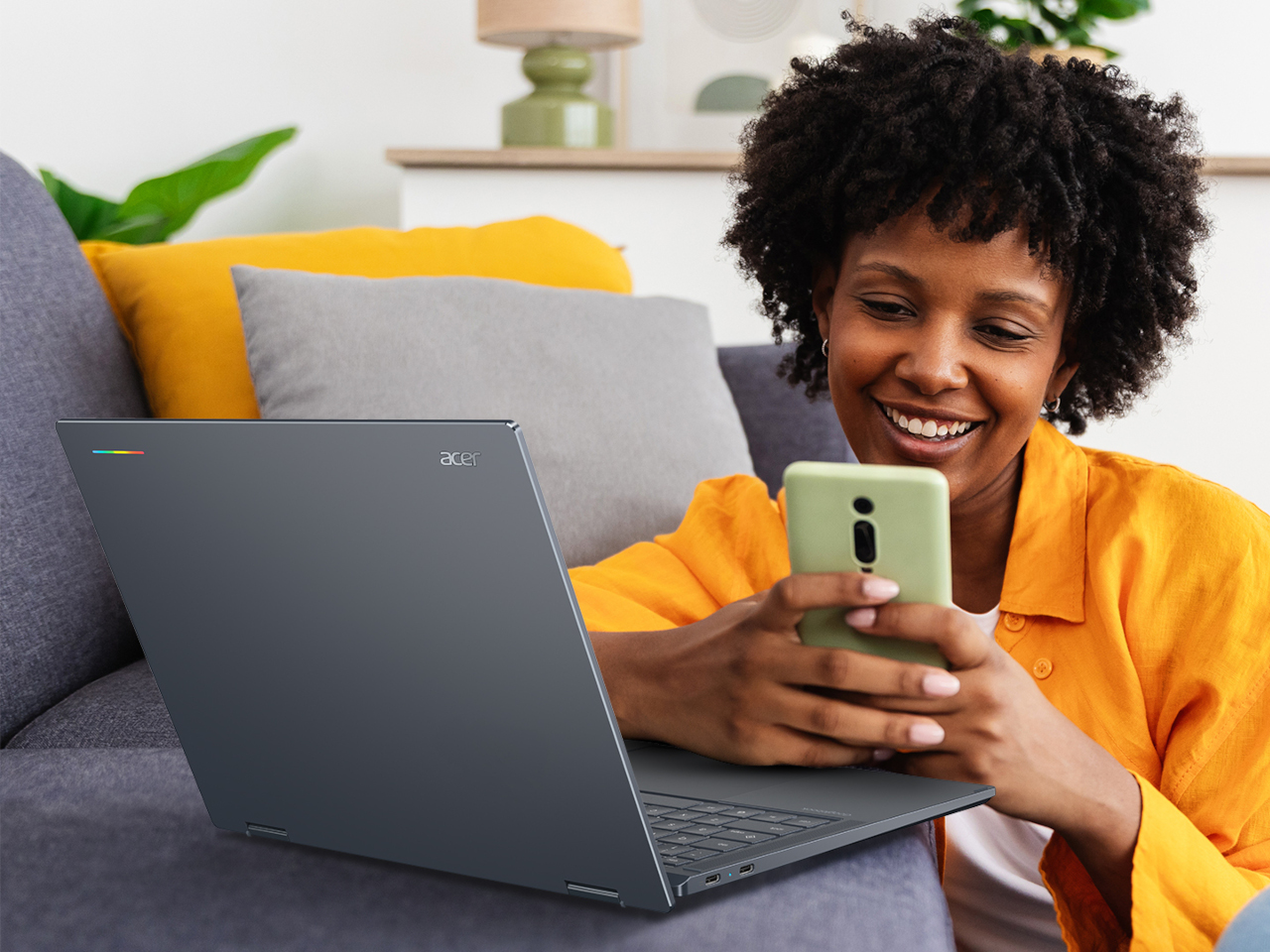
That timing matters because it answers the question a spec sheet alone can’t: what does an Android phone actually gain by having a matching laptop nearby? Continue On reopens a task straight from the phone onto the laptop’s taskbar, while a feature called Files reaches into the connected phone’s storage to pull up a photo or document without any manual transfer step in between.

Designers: Google, Acer, ASUS, Dell, HP, Lenovo
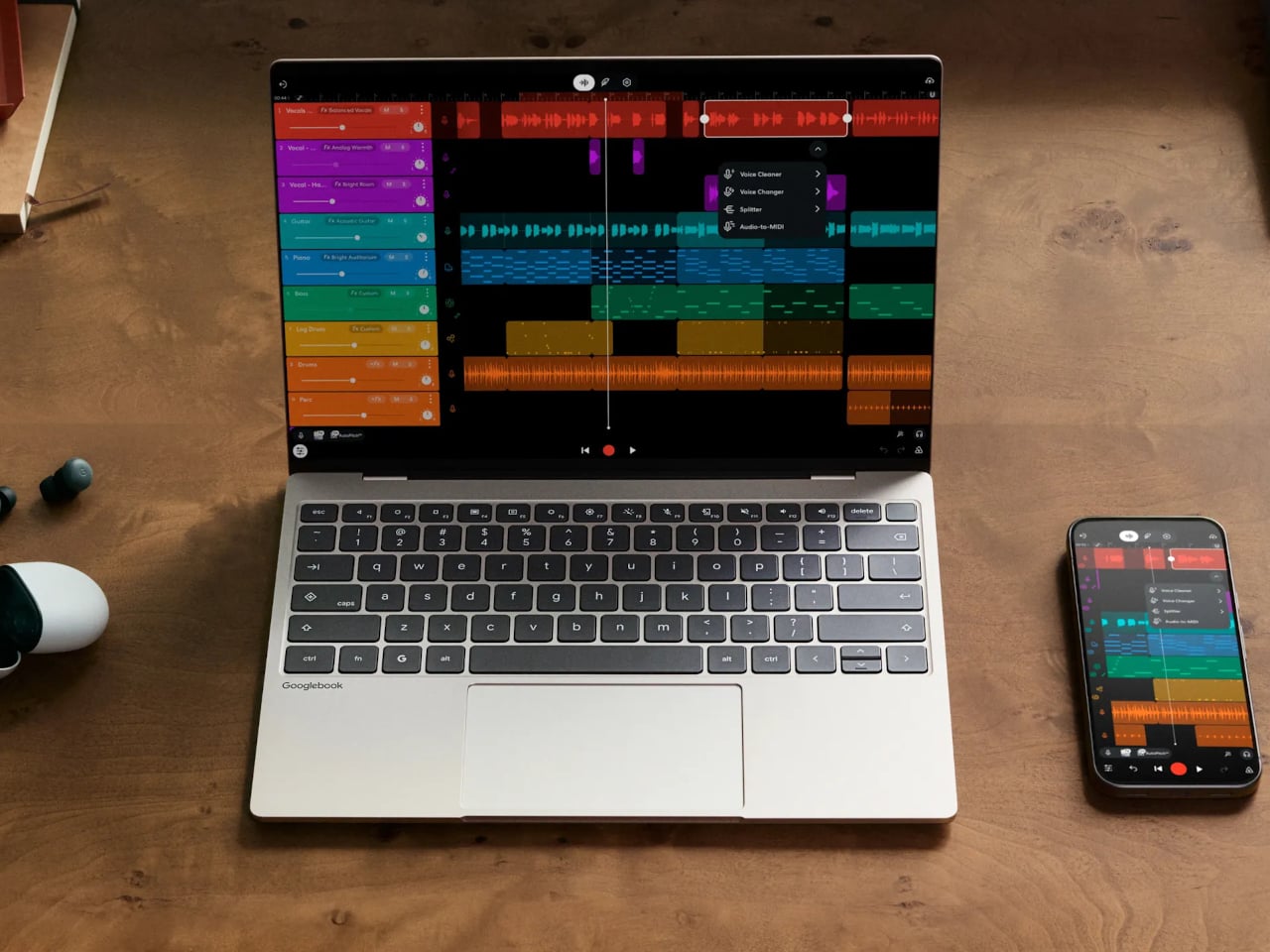
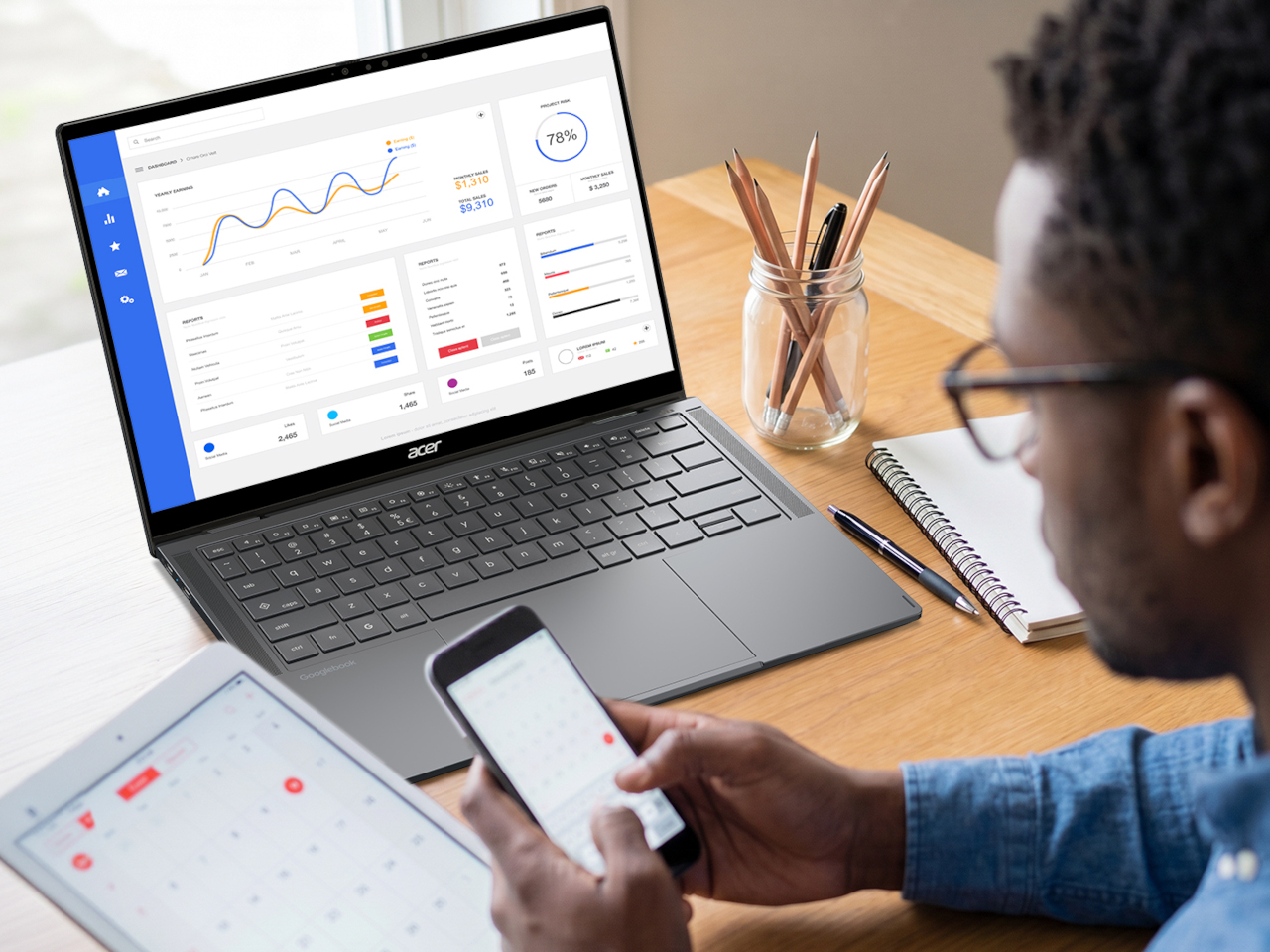
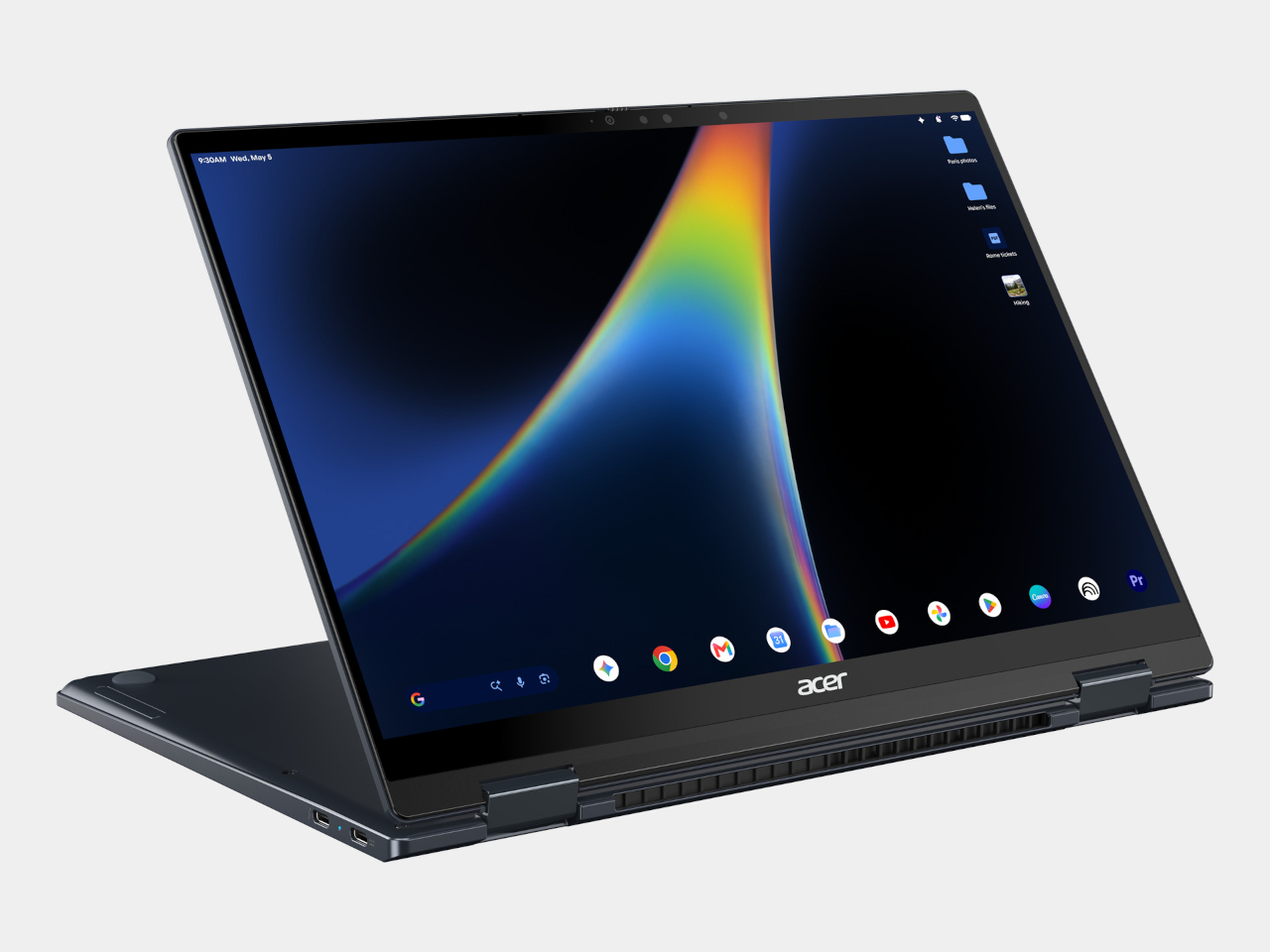
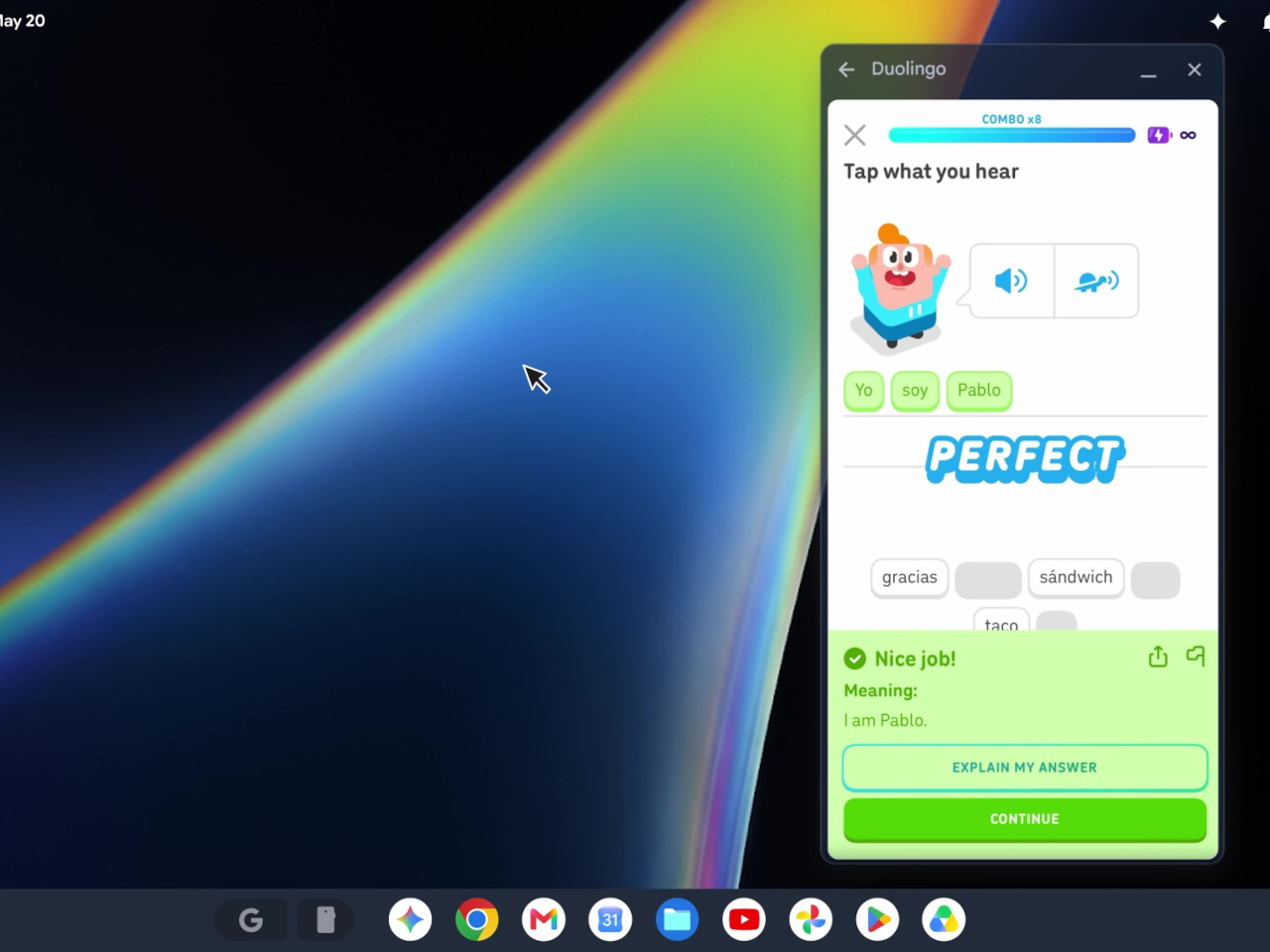
Cast My Apps pushes that further, streaming Android phone apps directly into desktop windows alongside the Chrome browser itself. An app built for a 6-inch screen suddenly runs in a resizable window next to a spreadsheet, treated as a native piece of the desktop instead of a screen mirror bolted on as an afterthought. Passwords, Wi-Fi credentials, and messages move over encrypted, without a manual re-login on either end.
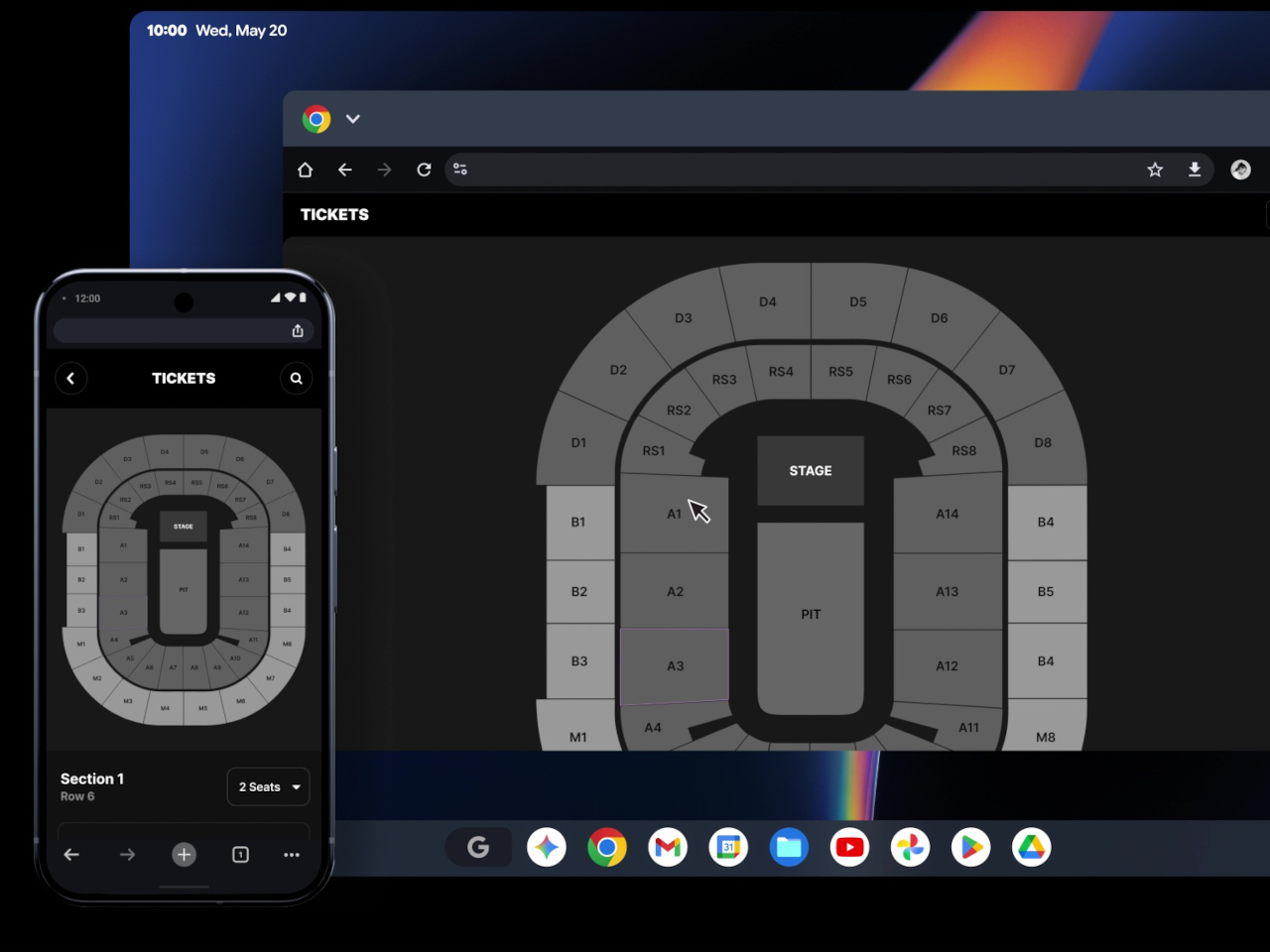
Gemini sits underneath all of it as the connective layer rather than a separate app to open. Magic Pointer turns a cursor into a contextual assistant, summoned to check an email, schedule something, or touch up an image based on whatever it’s hovering over at the moment. Rambler takes a different angle entirely, converting messy spoken notes into text organized enough to hand off without a rewrite.
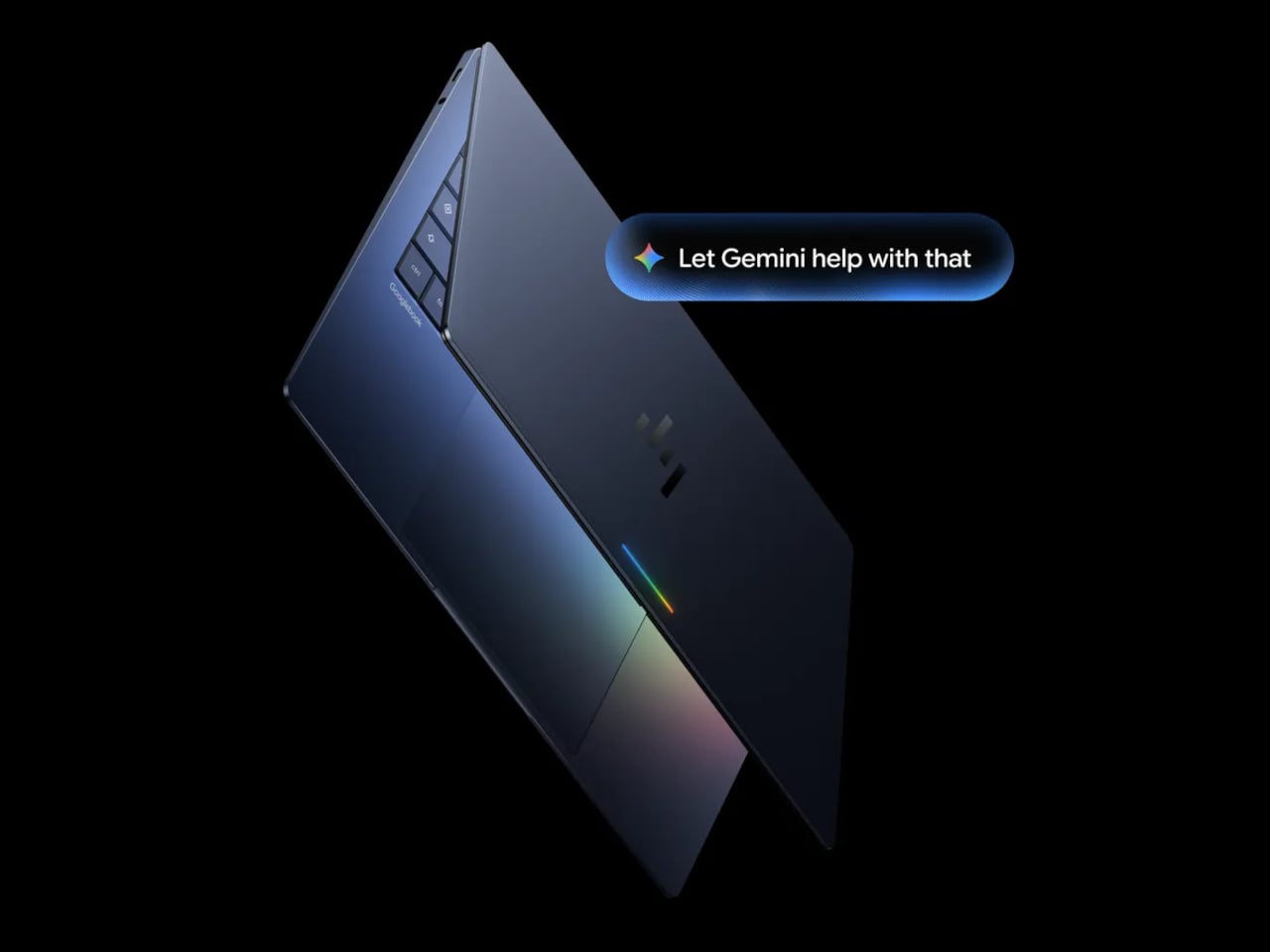
Create My Widget pushes personalization somewhere most laptops never bother going. Describing a tool in plain language builds a working desktop widget on the spot, no coding background required, no template to hunt down first. It’s a small feature with a large implication: customizing a laptop’s actual function, not just its wallpaper, becomes as easy as typing a sentence.
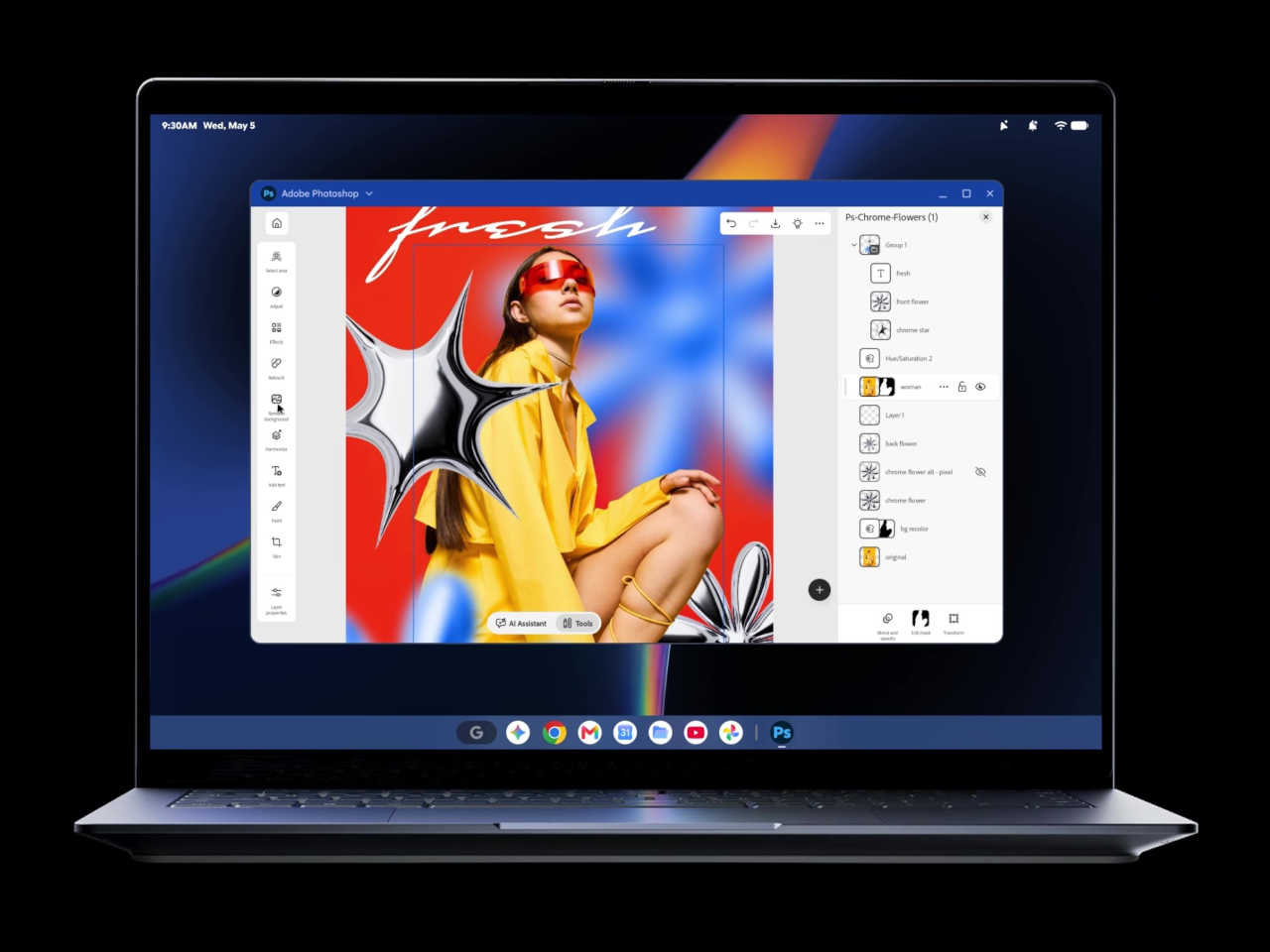
Developers get an unexpectedly serious toolkit bundled in as well. Google Antigravity ships standard, letting anyone write an app and deploy it directly onto the device without extra setup. A full Linux terminal sits underneath that, running tools like Claude Code for genuine agentic coding sessions, a level of openness rarely handed to a mainstream consumer laptop straight out of the box.
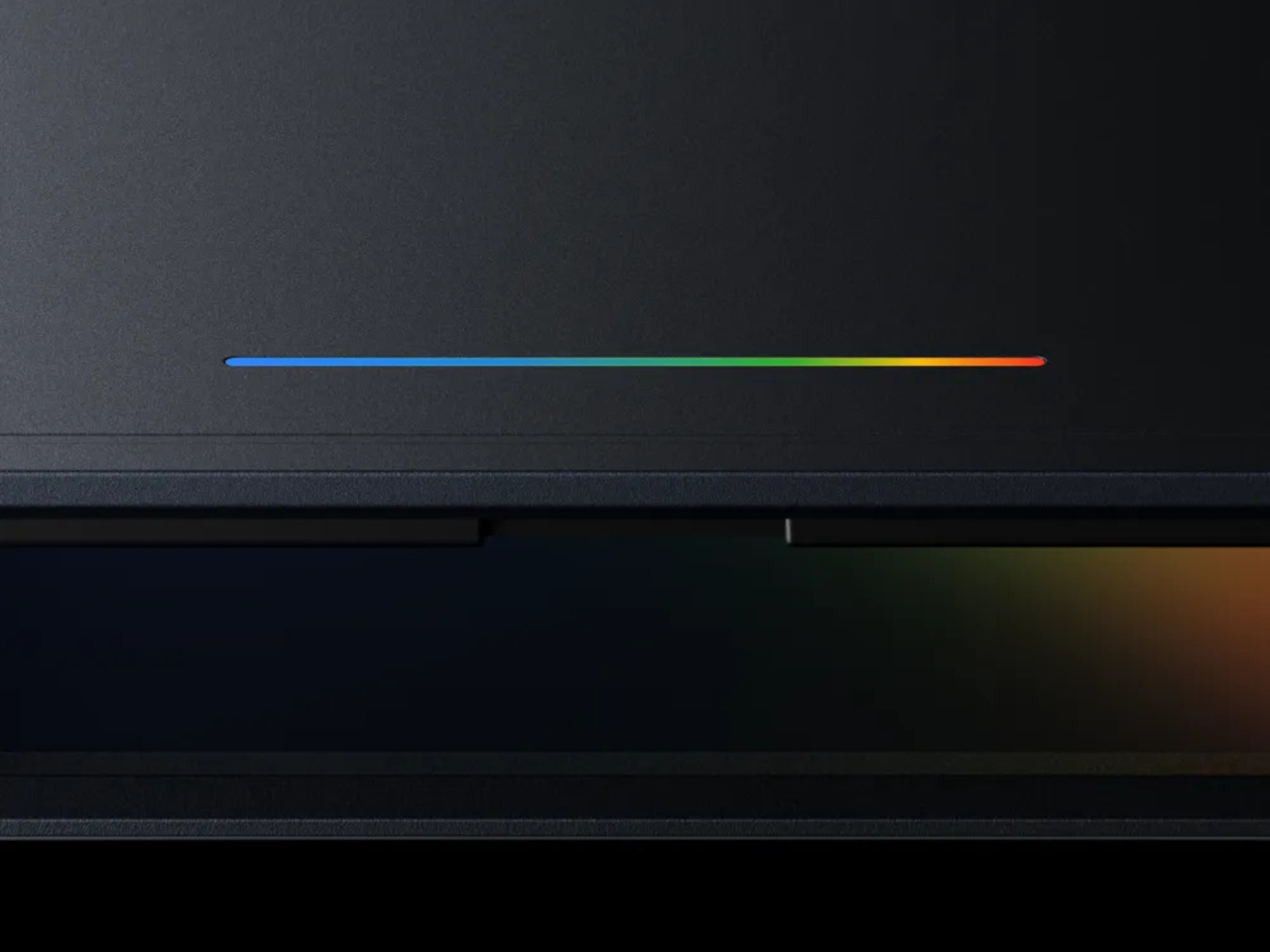
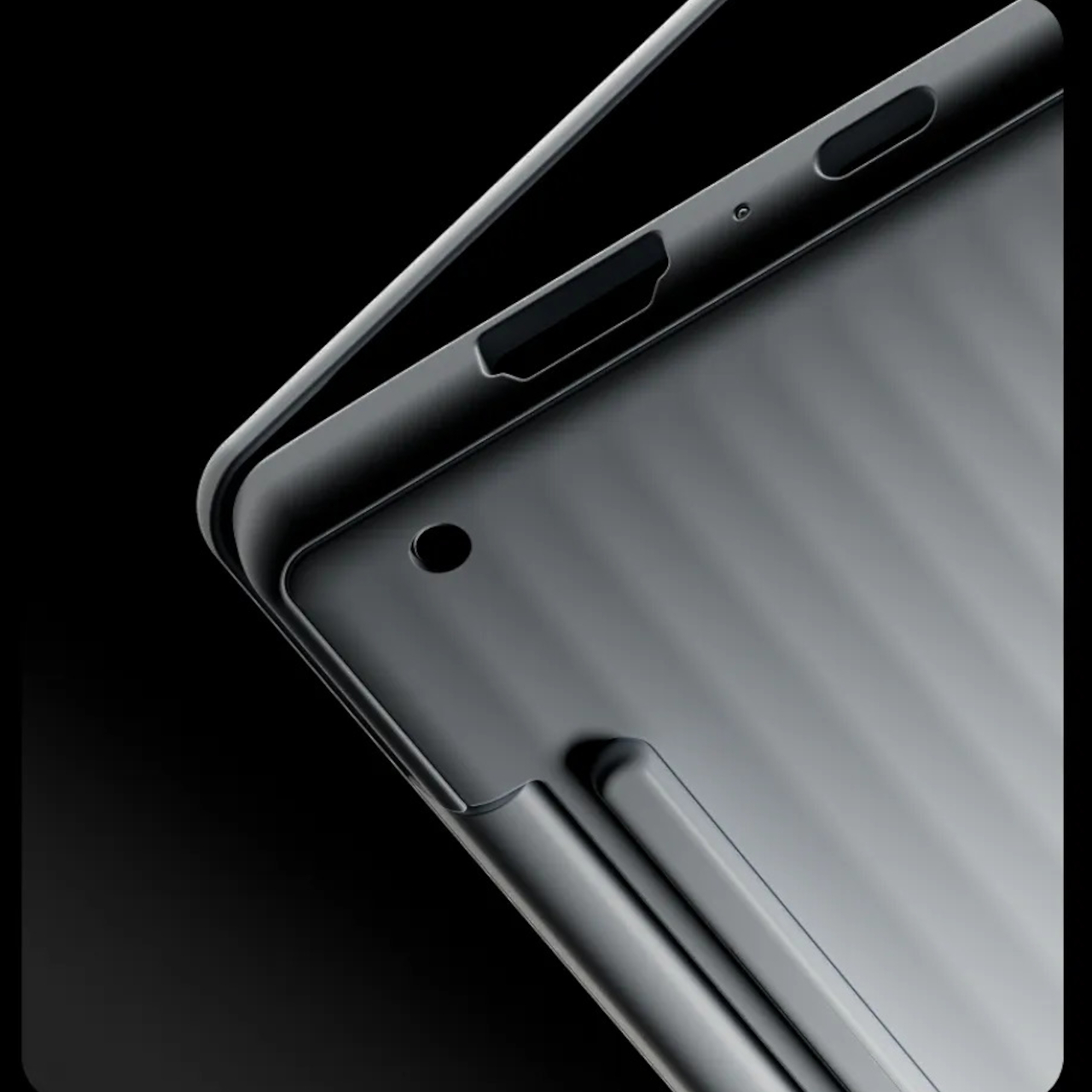
Design stays consistent across all five brands through a single shared signal: the Glowbar, a strip of light Google requires on every Googlebook regardless of who builds it. Acer, ASUS, Dell, HP, and Lenovo each bring their own chassis language and price point, yet that glowing strip functions like a shared handshake, letting someone recognize the platform before ever checking a spec sheet.
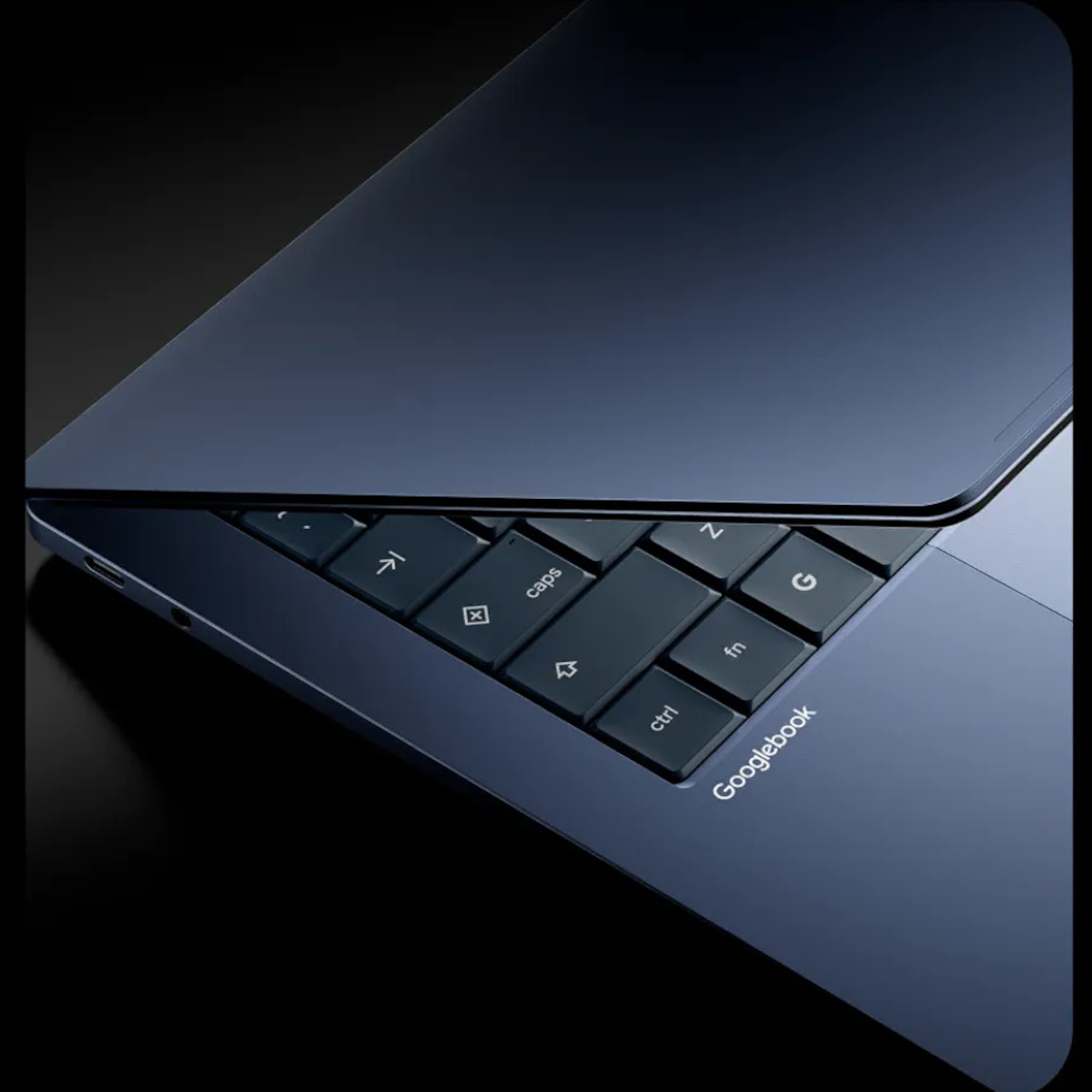
Every Googlebook also ships with 12 months of Google AI Pro, unlocking 5 TB of cloud storage and Gemini’s advanced tools alongside three months each of YouTube Premium and Adobe Photoshop. Google backed that with a commitment to feature drops and software updates for up to 10 years, treating a laptop purchase as a decade-long relationship rather than a two-year cycle before the next upgrade feels necessary.

The post You Can Finally Pre-Order a Googlebook, Starting at $899 first appeared on Yanko Design.
Acer’s Googlebook 14 Gave Its Lid a Job, Most Laptops Never Bothered

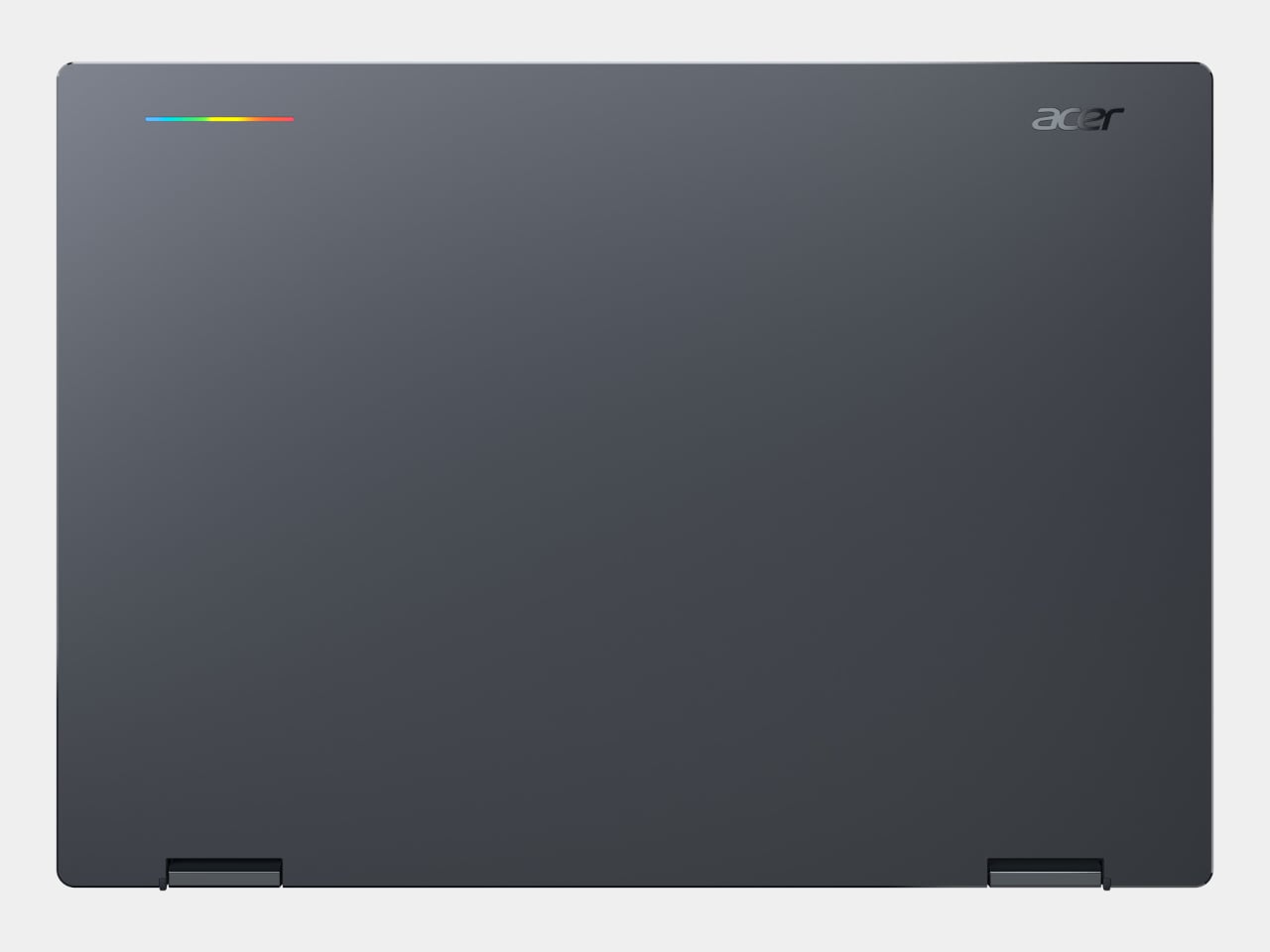
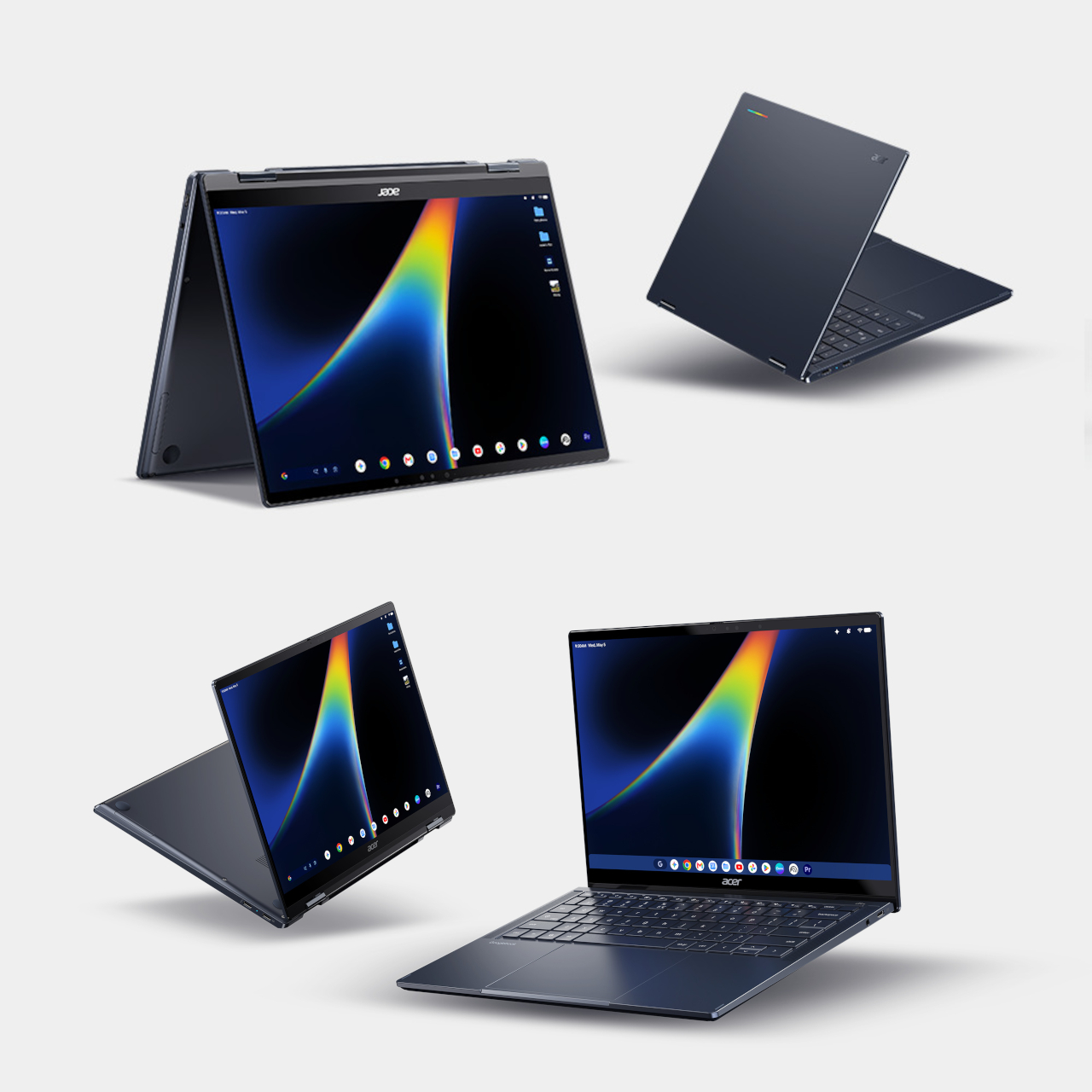
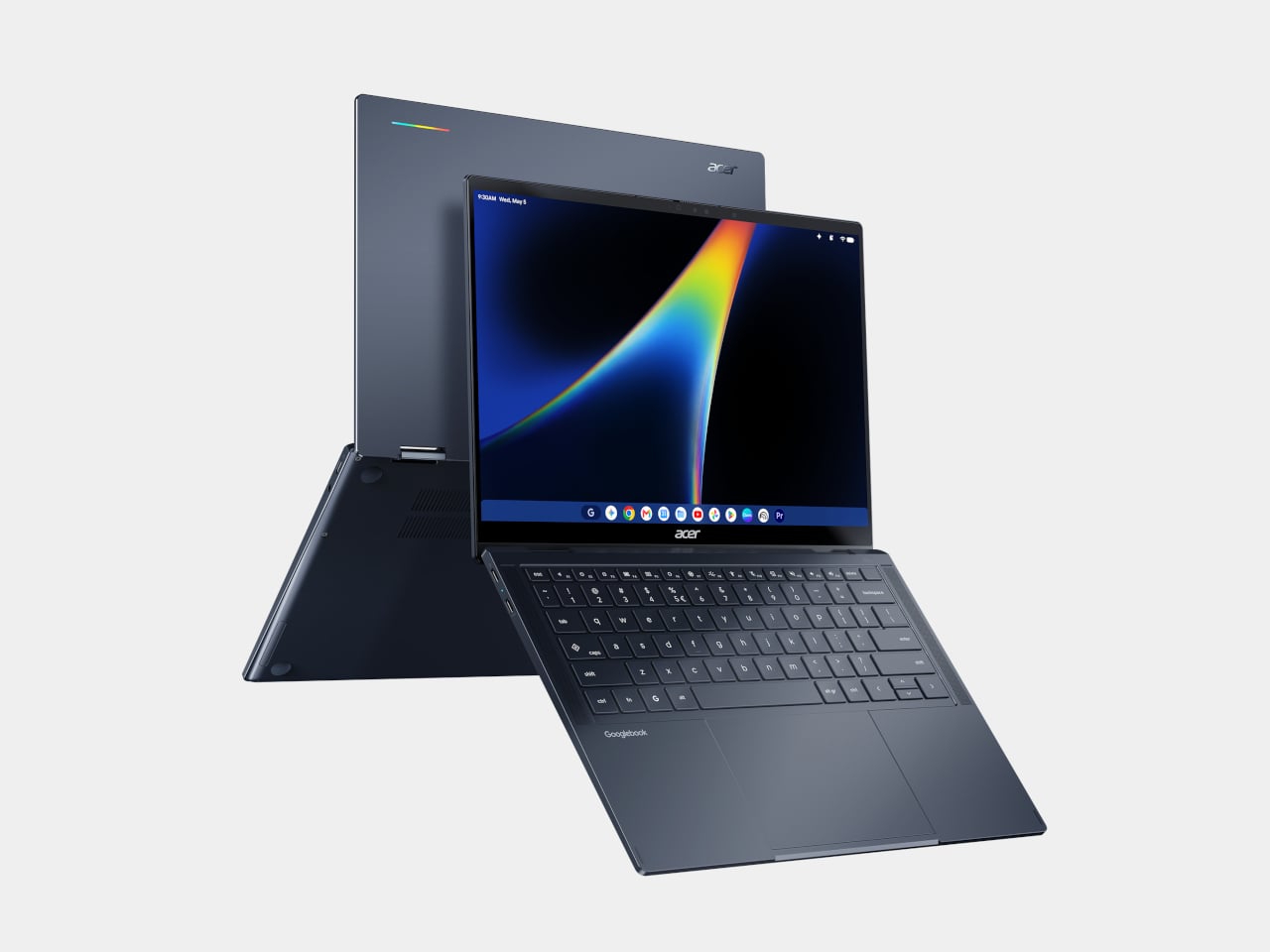
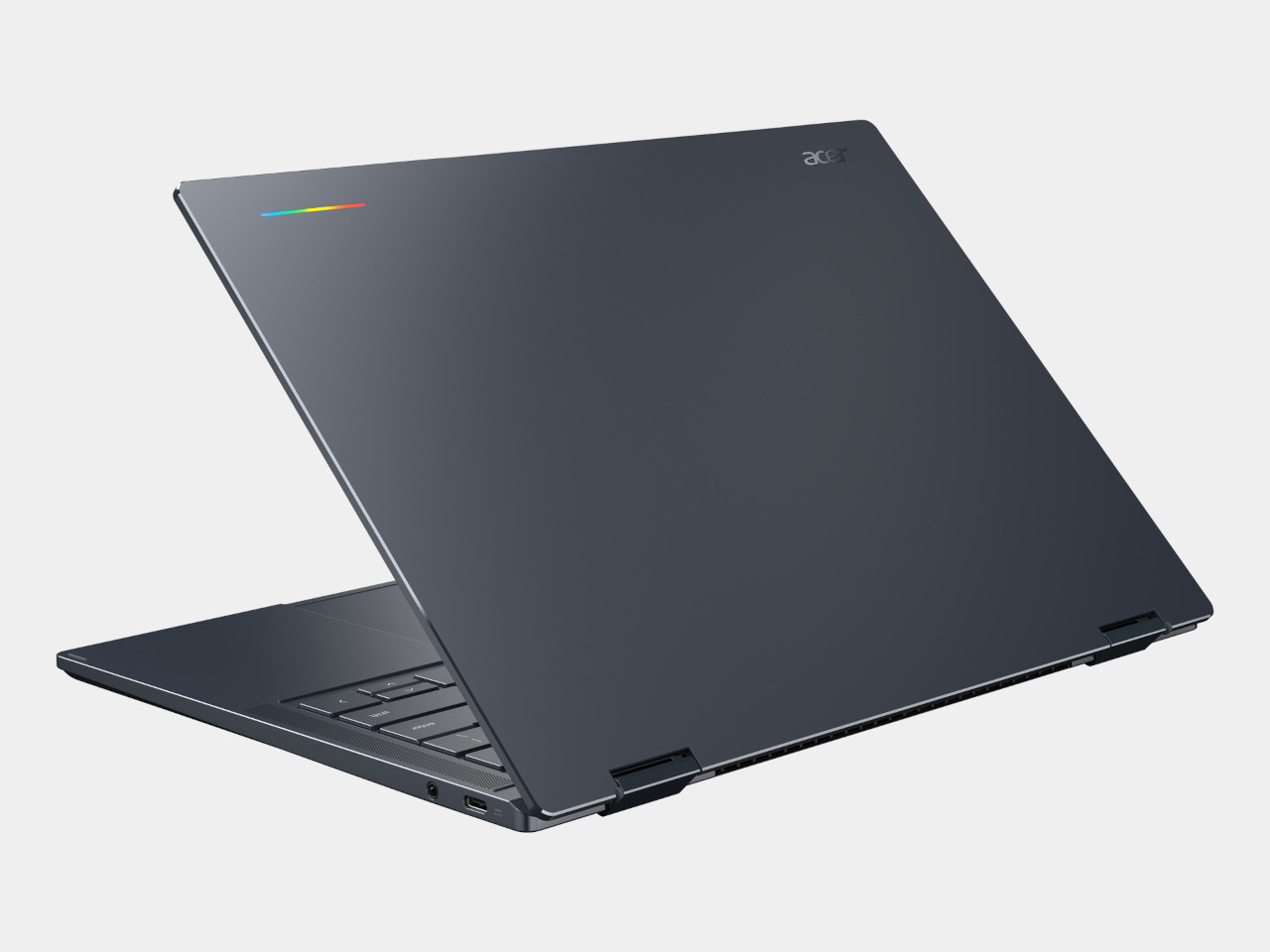
Laptop lids have carried the same boring formula for decades: a brand logo centered dead center and nothing else worth noticing. The Acer Googlebook 14 breaks that habit with a strip of light called the Glowbar, running across the top cover and shifting color and pattern to show battery life and charging status at a glance. It’s a small detail that signals a bigger shift in how this machine wants to be understood.

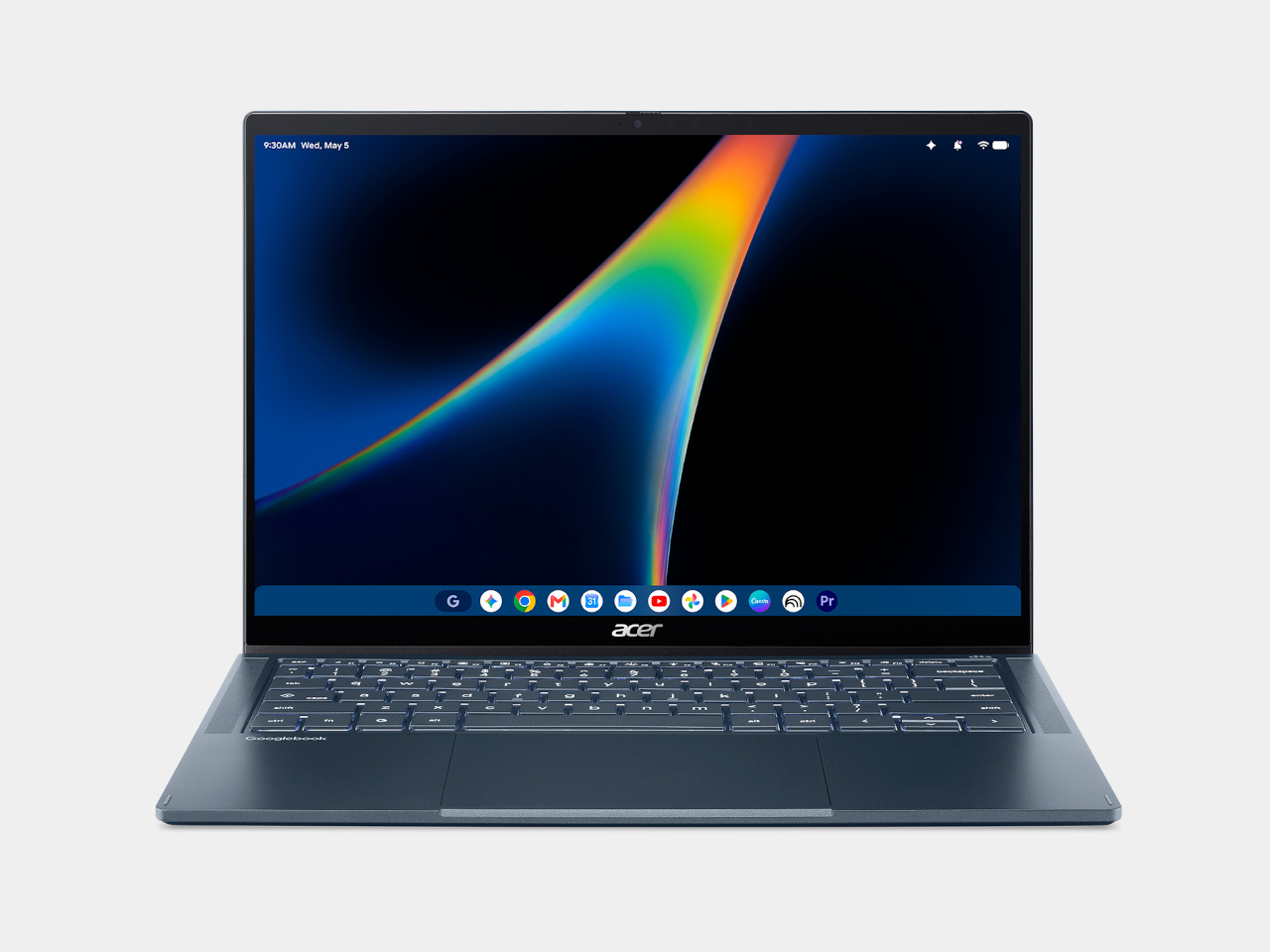
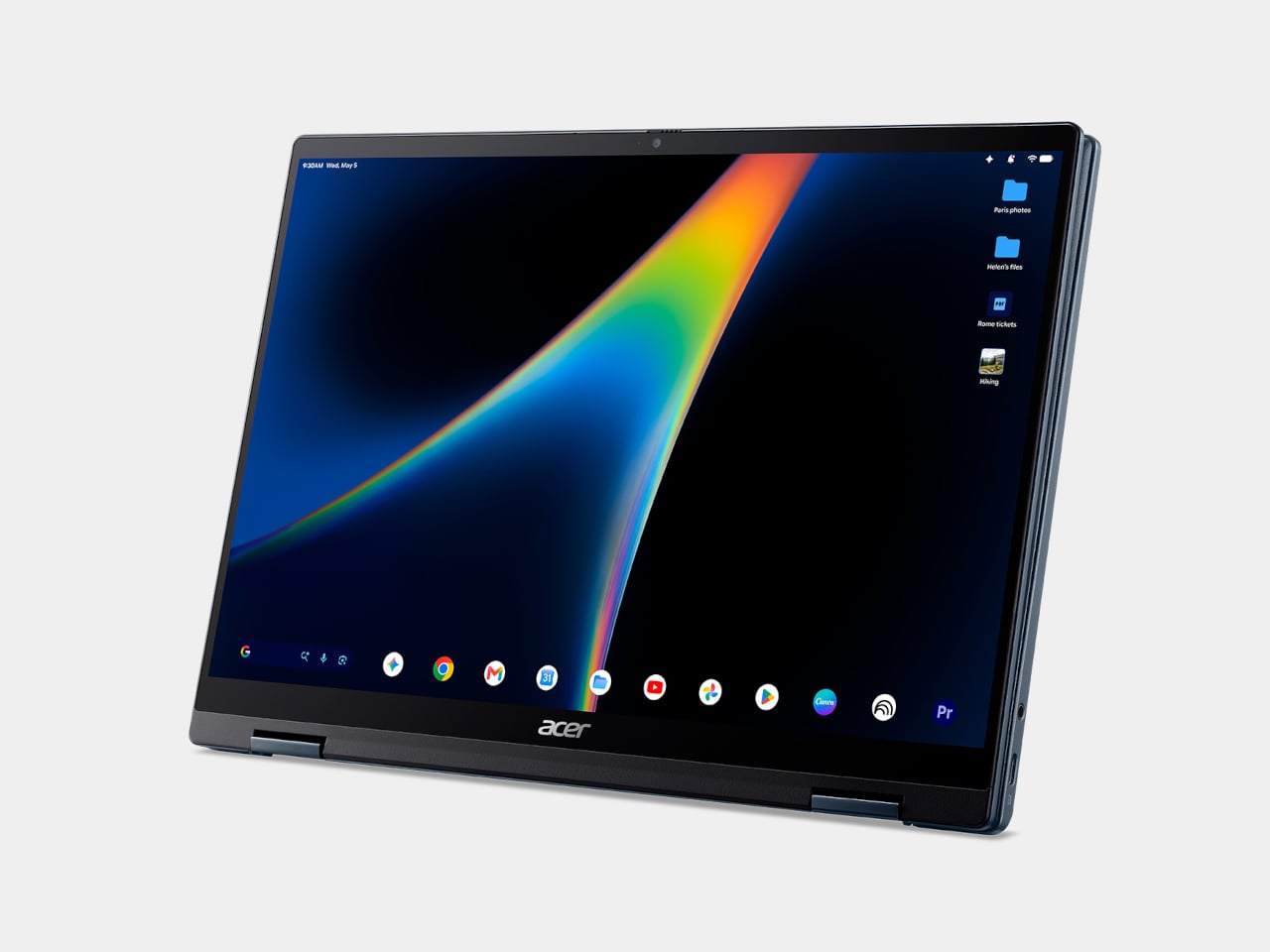
That shift centers on a brand-new category called the Googlebook, a convertible laptop built specifically around Gemini Intelligence rather than treated as an afterthought bolted onto an existing operating system. The 360-degree hinge folds into four distinct modes: clamshell for typing, tent for watching, stand for presenting, and tablet for sketching, each shift changing how the Gemini features on screen actually respond to what someone’s doing.

Designer: Acer

Say you’re drafting an email on a phone during a commute, then you sit down at a desk and pick up that exact same task on the Googlebook without retyping a word. That’s the promise behind “Continue On,” paired with a feature called Cast My Apps that pulls phone apps onto the larger screen without installing anything separately. Both lean on the same idea: work shouldn’t restart every time the device holding it changes.

Under that lid sits an aluminum-magnesium chassis finished in a shade called Elemental Blue, weighing just 2.51 lbs and measuring 0.55 inches thick, numbers that matter most in a bag rather than on a spec sheet. Acer added a soft-touch coating across the palm rest and bottom cover specifically, a detail aimed at how the machine actually feels resting against skin during a long afternoon of typing rather than how it photographs.

The 14-inch OLED panel runs at a 16:10 ratio with Gorilla Glass across the surface, useful given the screen also responds to a stylus and bare fingertips alongside a traditional keyboard. Acer tuned the display for 500 nits of brightness and full DCI-P3 color coverage, numbers that read dry until a photo edit or a video call actually needs the extra headroom to look right rather than washed out.

Power comes from Intel’s newest Core Ultra Series 3 chips, paired with a battery rated for up to 16 hours of browsing on a single charge, the kind of number that turns a full workday into a non-issue rather than a math problem involving an outlet. A fast-charging feature restores 80% capacity in about an hour, useful for anyone who forgot to plug in the night before and needs the laptop ready in the time it takes to make coffee.

Material sourcing gets equal attention here. Acer built the Googlebook 14 with 49% circular materials and shipped it in packaging that’s 99% plastic-free, backed by an EPEAT Climate+ designation and Energy Star 9.0 certification. Laser-etched labels replace adhesive stickers entirely, a choice that sounds minor until it quietly removes another layer of waste from a machine already built to last past its first owner.

Security gets built into the hardware rather than left to software alone. A fingerprint reader sits inside the power button itself, cutting login down to a single press, while a dedicated Titan-C security chip guards system integrity underneath. Alongside Wi-Fi 7 and a Thunderbolt 4 port capable of 100W power delivery, the Googlebook 14 treats fast, secure connections as a baseline expectation rather than a premium add-on.

The post Acer’s Googlebook 14 Gave Its Lid a Job, Most Laptops Never Bothered first appeared on Yanko Design.