These Musicians Turn Obsolete Tape Decks Into Living Instruments

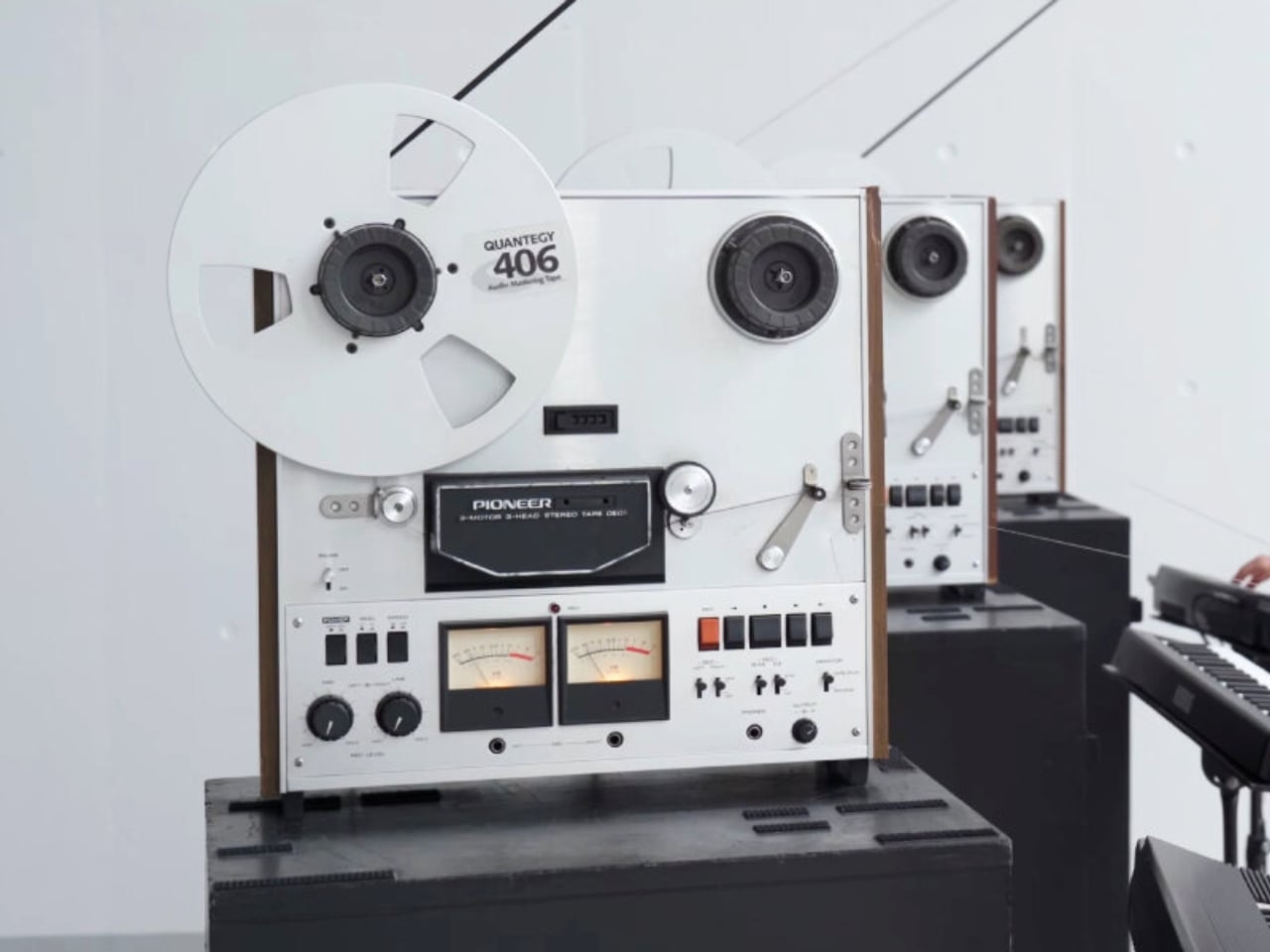
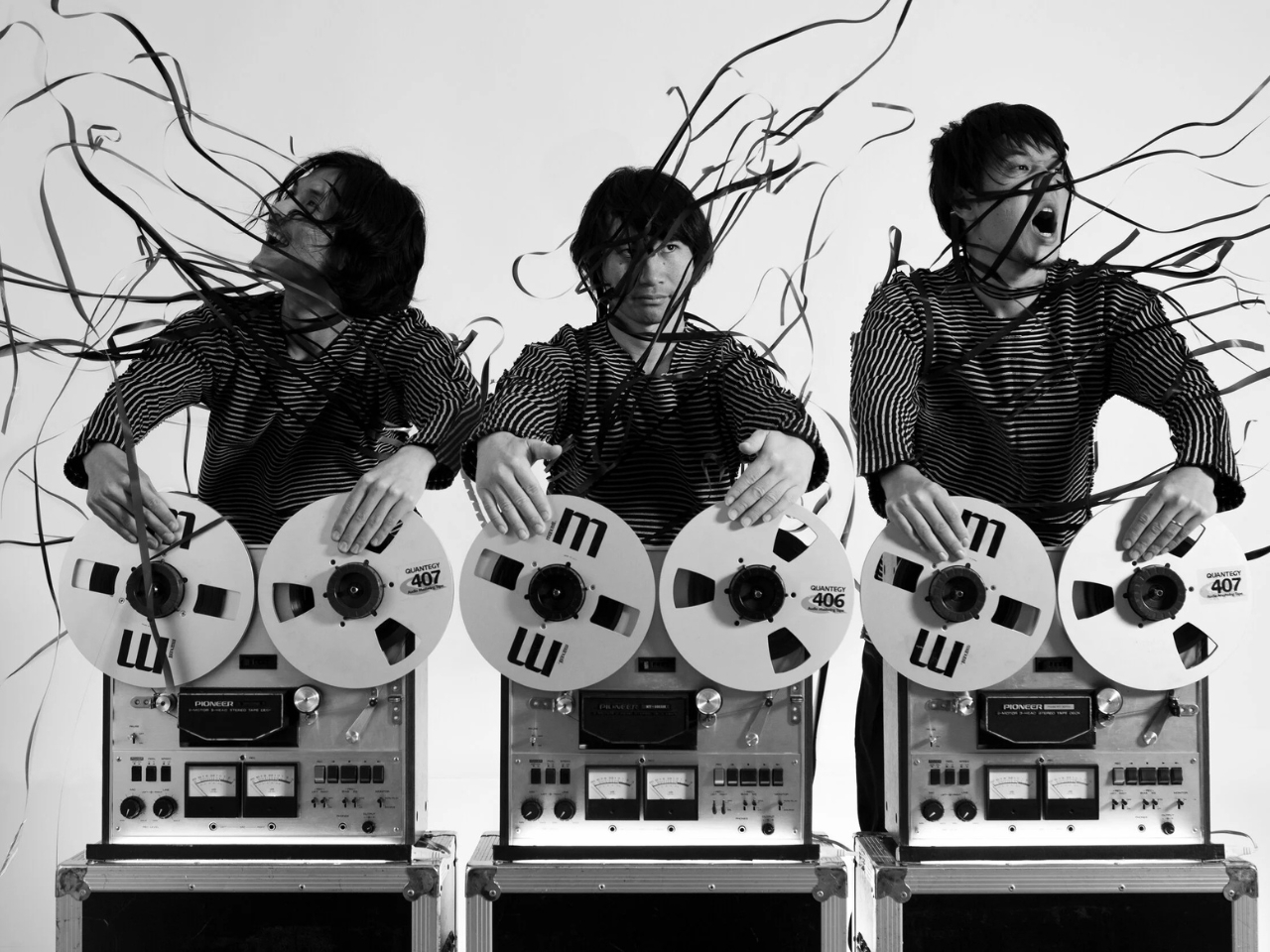
There’s something wonderfully defiant about watching three musicians hunched over dusty reel-to-reel tape recorders, coaxing haunting melodies from technology most people consider obsolete. The Japanese trio Open Reel Ensemble isn’t just playing vintage machines from the 1970s and 80s. They’re rewriting the rules of what counts as a musical instrument, one spinning magnetic tape at a time.

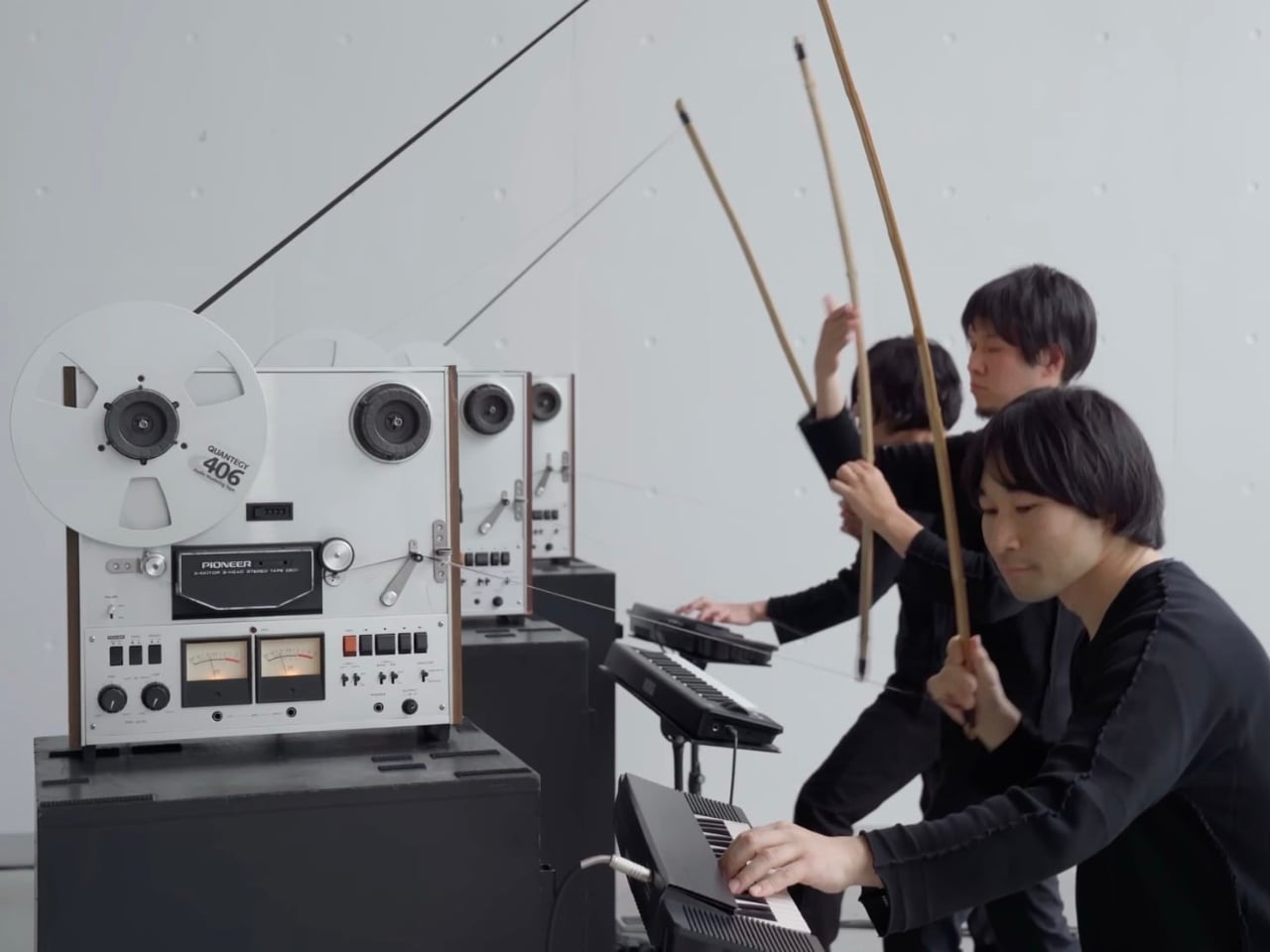
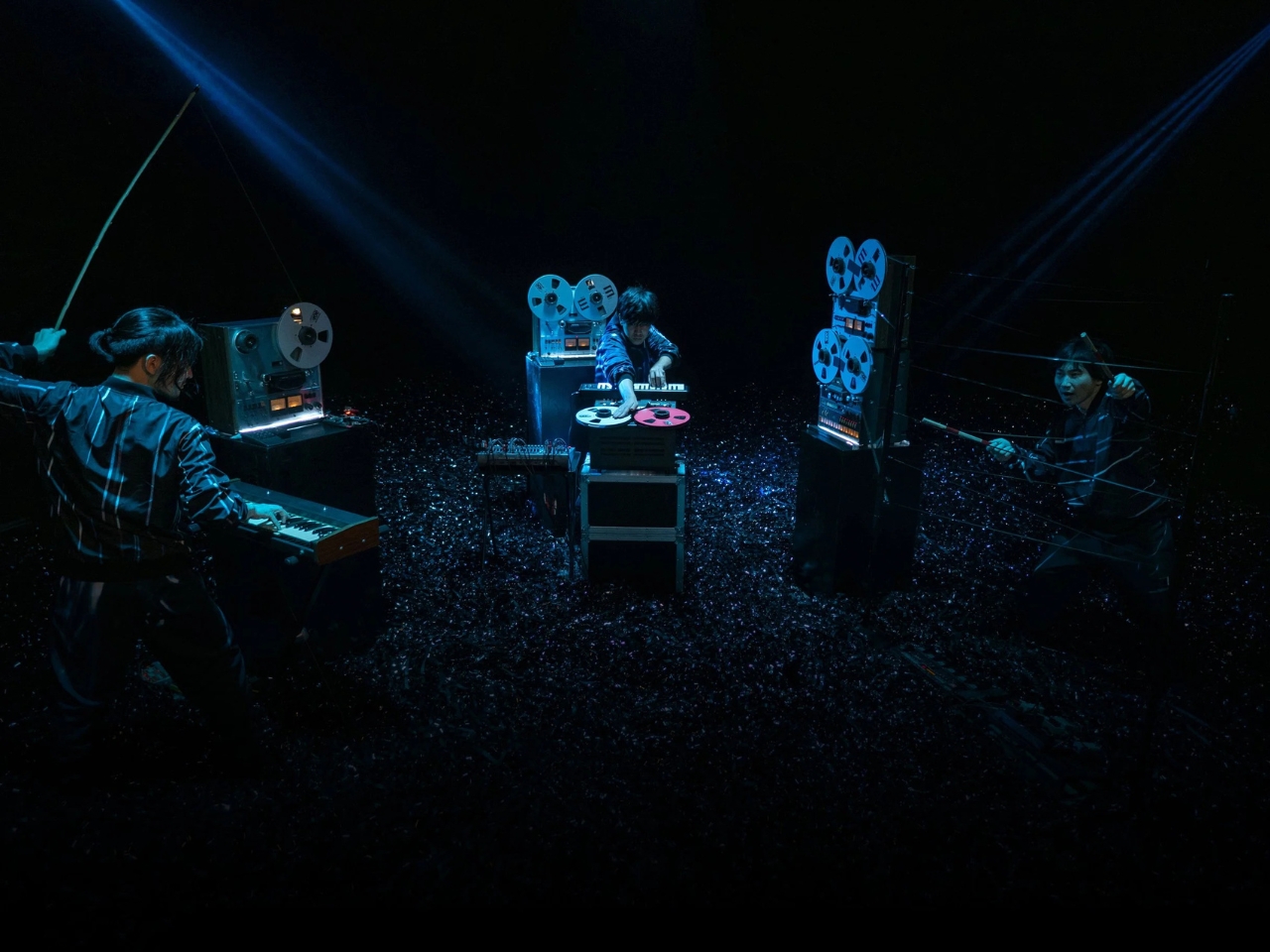
Their latest project, “Magnetic Folklore,” feels less like a performance and more like a conversation with ghosts trapped in analog media. While the rest of us stream crystal-clear audio from the cloud, these artists are literally fishing for sound waves, their hands manipulating tape loops stretched across bamboo bows in a process that looks equal parts technical wizardry and interpretive dance.

Designer: Open Reel Ensemble

The group, composed of Ei Wada, Haruka Yoshida, and Masaru Yoshida, has been perfecting what they call “magnetikpunk” for years. It’s a fitting name. Like cyberpunk imagined gritty futures through technology, magnetikpunk explores forgotten pasts through the warm hiss and physical presence of tape. The sound they create is ethereal and otherworldly, full of texture that digital production often scrubs away in pursuit of perfection.

What makes their approach truly fascinating is how they’ve turned recording equipment into live performance instruments. These aren’t simply tape playback devices. The ensemble has developed techniques to program sounds directly onto the recorders, switching individual tracks on multi-track machines on and off like notes on a guitar. They record blocks of sustained noise at various pitches, then trigger and disable them during performances to create intricate chords and melodies in real time.

One of their most striking innovations is the JIGAKKYU, which they describe as a traditional folk instrument despite being entirely invented. Picture this: magnetic tape stretched across a bamboo bow, attached to a reel-to-reel deck. As the performer draws the bow, they control how the tape moves through the machine, manipulating speed, tension, and playback in ways the original manufacturers never imagined. It looks like they’re fishing, only instead of catching dinner, they’re catching sounds that shouldn’t exist.

There’s something deeply satisfying about watching old technology get a second life. In our culture of planned obsolescence, where last year’s phone becomes this year’s landfill, Open Reel Ensemble’s work feels like a quiet rebellion. They’ve taken machines that most people hauled to the curb decades ago and transformed them into instruments capable of sounds no synthesizer can quite replicate. That characteristic warmth, the slight imperfection, the tactile relationship between performer and machine, it all adds up to music that feels genuinely alive.

The analog revival happening across creative industries isn’t just nostalgia, though there’s certainly some of that. It’s a recognition that different technologies offer different possibilities. Digital audio workstations can do things tape never could. But tape can do things digital never will. The physical limitations of the medium, the happy accidents, the way sound degrades and transforms as it passes through magnetic fields, these aren’t bugs. They’re features.

Open Reel Ensemble understands this intuitively. In interviews, Wada talks about constantly discovering new techniques, exploring “rotation and movements, and the relationship between magnetics and sound.” Each performance becomes an experiment, each machine a collaborator with its own quirks and personality.

What they’ve created goes beyond retro aesthetics or hipster fetishization of old gear. This is about expanding our definition of what music can be and where it can come from. In an era where AI can generate technically flawless compositions in seconds, there’s something powerful about three humans wrestling with finicky machines, their sounds emerging from friction and patience rather than algorithms and processing power.

The beauty of “Magnetic Folklore” lies in its contradictions. It’s experimental music that honors tradition, high-concept art that’s deeply tactile, cutting-edge performance built on discarded technology. It reminds us that innovation doesn’t always mean forward. Sometimes it means sideways, backward, or in directions we forgot existed.

For anyone fascinated by where design, technology, and art intersect, Open Reel Ensemble offers a masterclass in creative thinking. They looked at equipment everyone else had moved past and asked: what if we’re not done here yet? What stories are still trapped in these spinning reels? Turns out, quite a few. And they sound absolutely mesmerizing.

The post These Musicians Turn Obsolete Tape Decks Into Living Instruments first appeared on Yanko Design.
Magnetic instrument presents a more playful way to create music

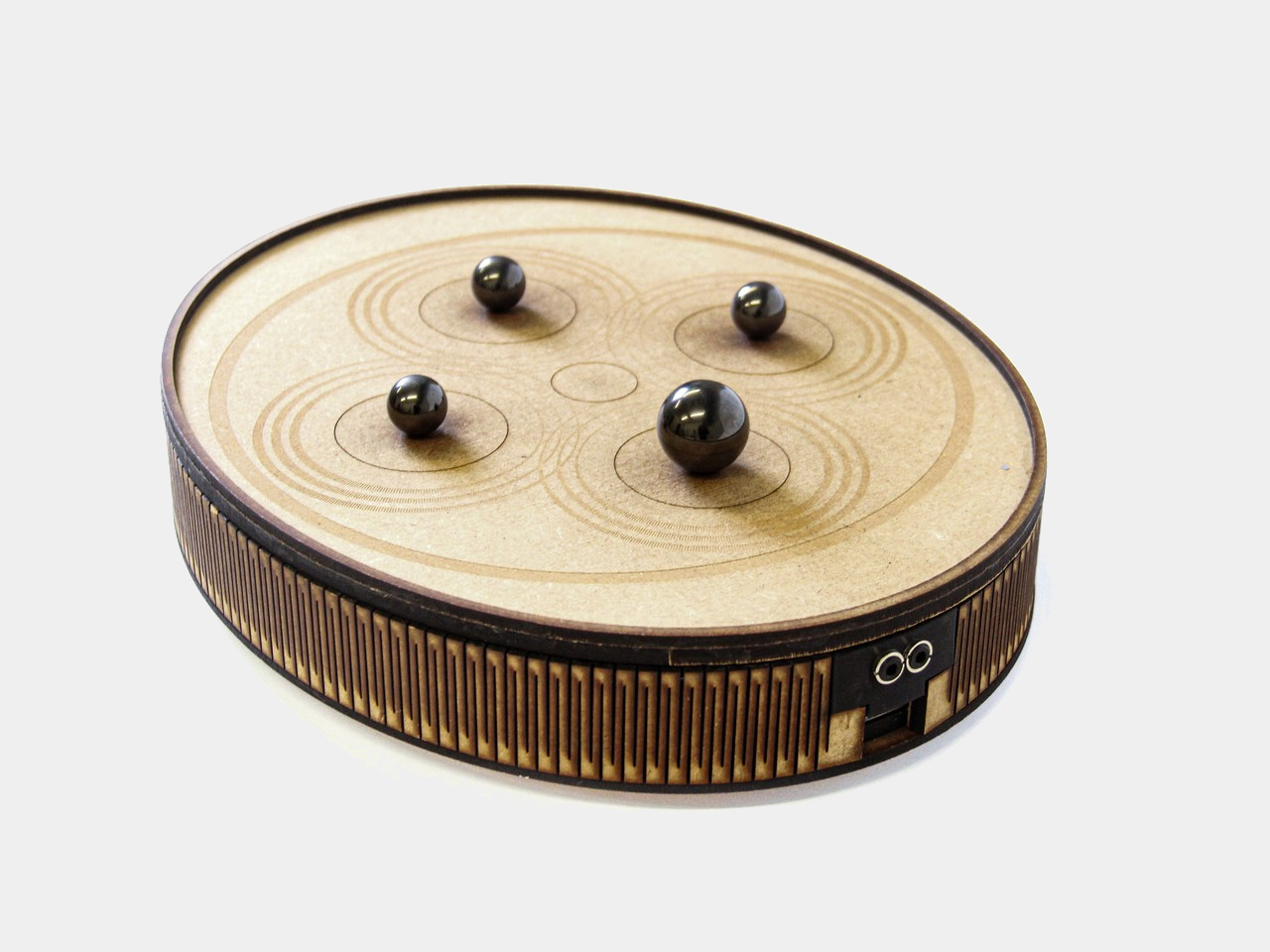
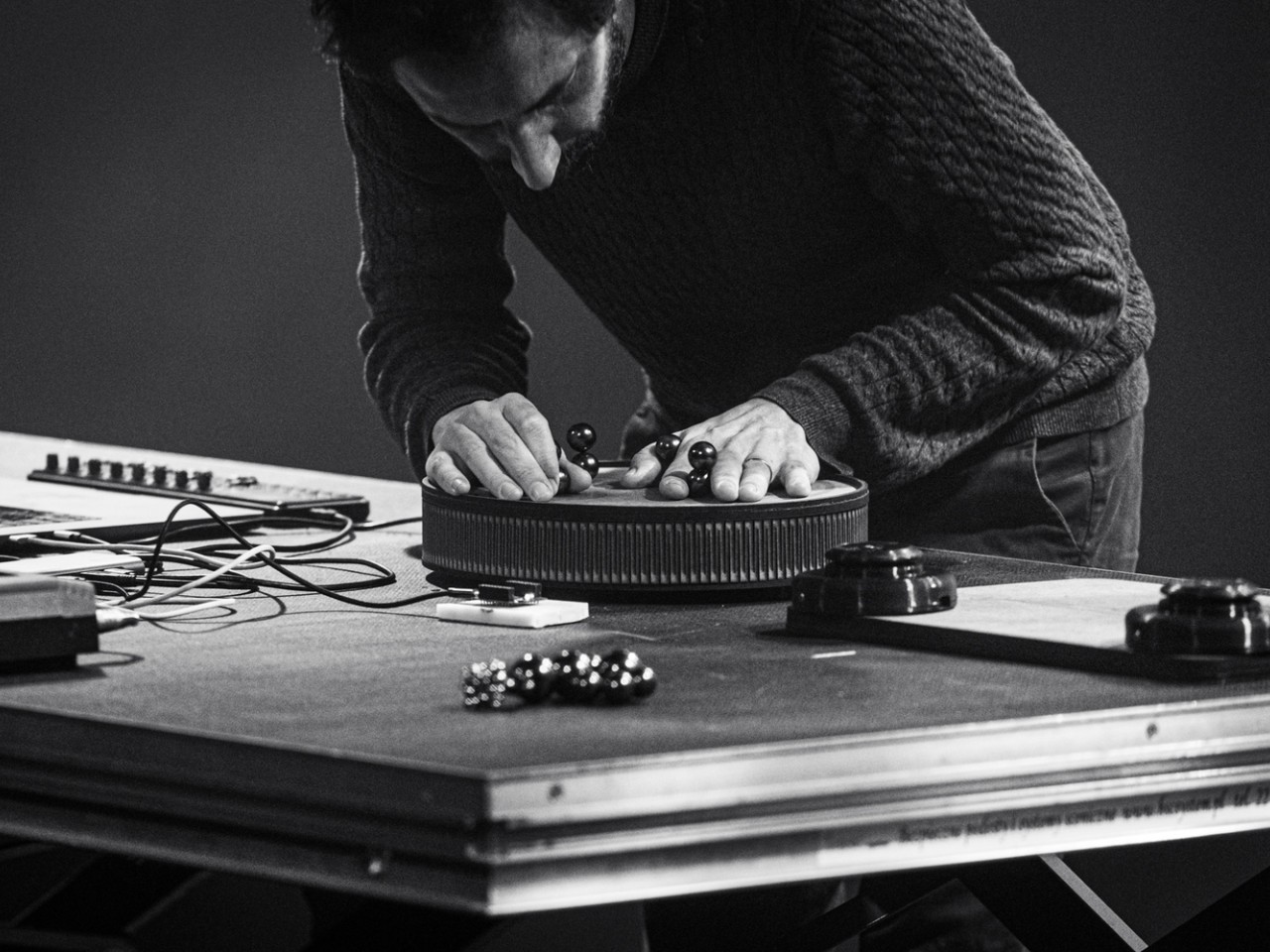
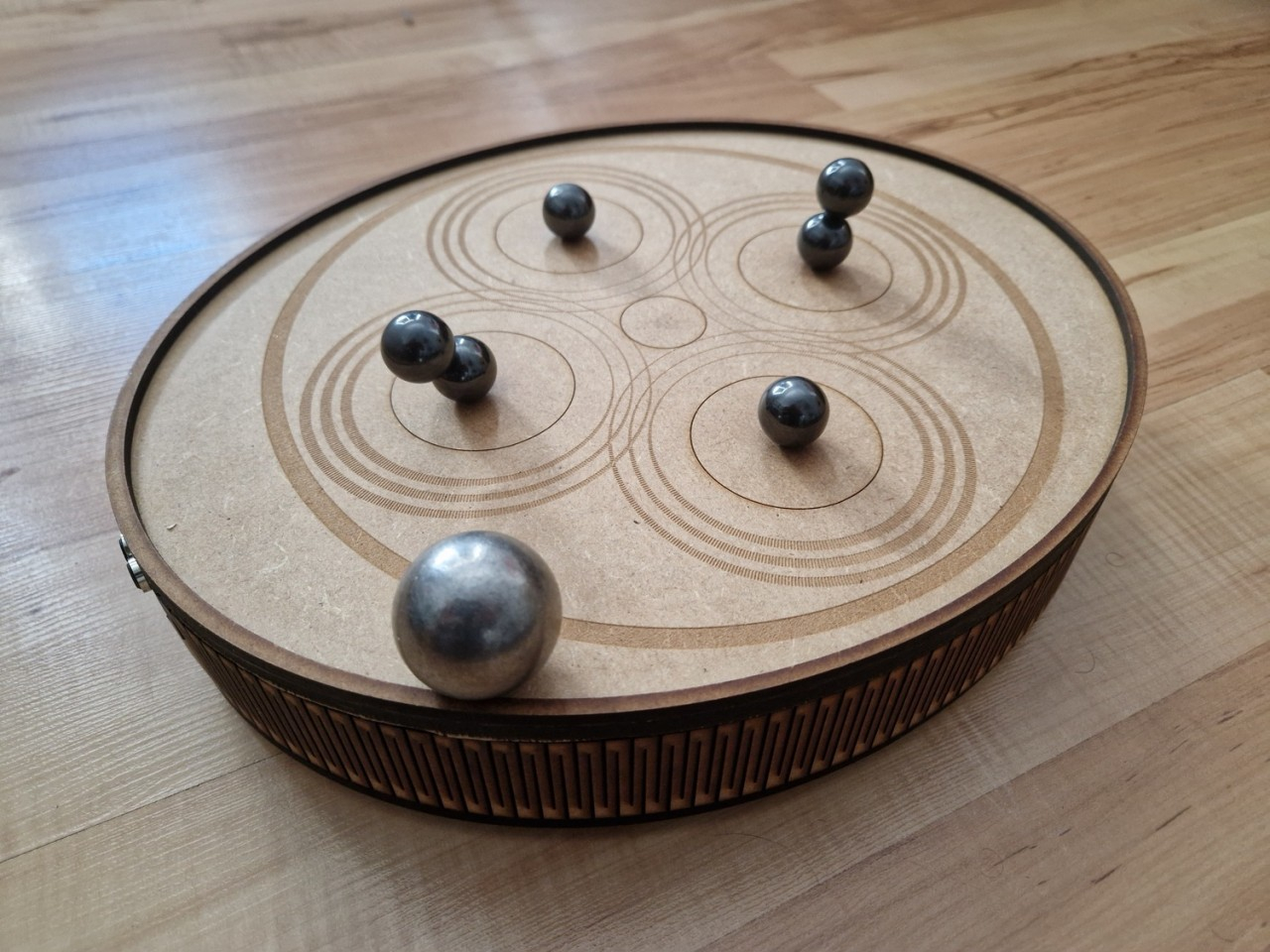
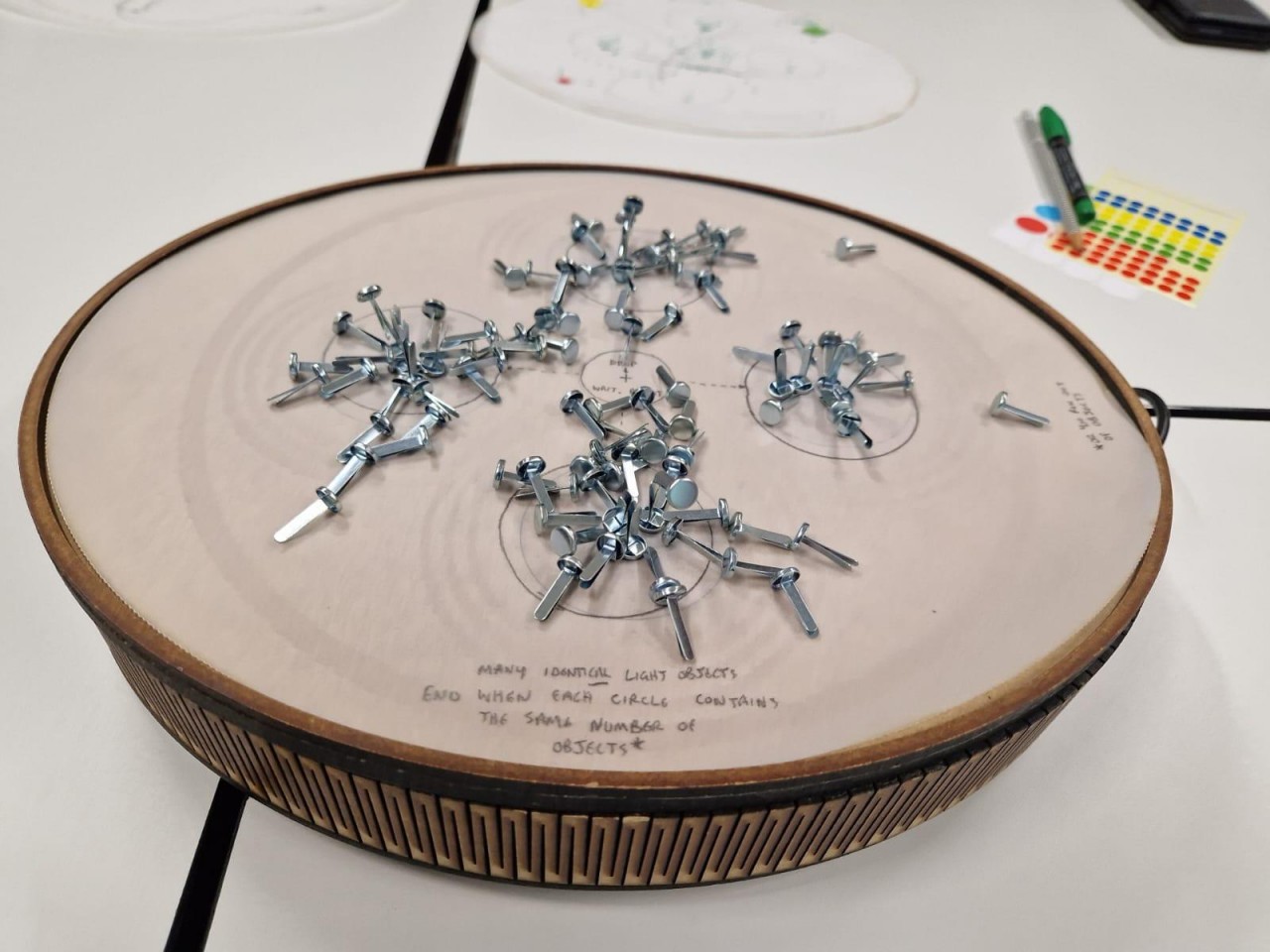
When people think of musical instruments, they most probably think first of traditional ones like guitars, pianos, and violins. These days, music can come from a wide variety of sources, sometimes generated by unexpected things, like the flow of fluids in plants. There is going to be some debate on whether these random arrangements of tones can qualify as “music,” but there will be little argument that the sequences they produce can be melodic and even pleasant. Plus, the way they’re generated can be just as interesting as the sounds they make, like this drum-like cylinder that produces a curious mix of synth tones by moving magnetic balls and objects around its surface, almost like playing with marbles and sticks.

Designers: Nicola Privato, Giacomo Lepri

Thanks to modern electronics, software, and a bit of AI, it’s nearly possible to use any phenomenon to generate different kinds of sounds and combine them in a harmonic way. This opens up a world of possibilities in how instruments can be designed, from passive sources like the biological processes of plants to more actively controlled machines with knobs and sliders. Stacco is an experimental instrument that mixes these two, using magnetic forces influenced by objects in your hands.

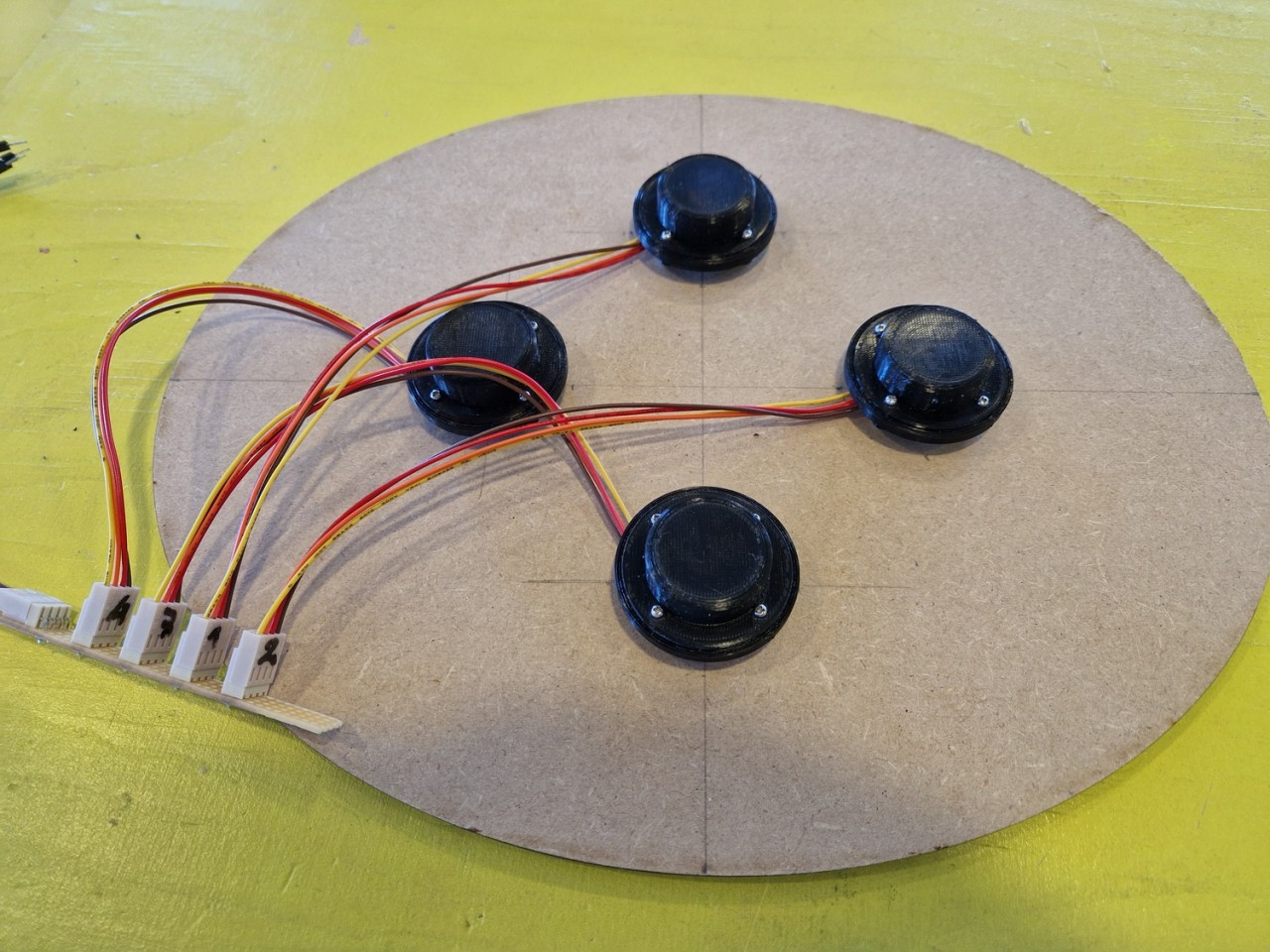
At the heart of Stacco, or rather beneath the surface, are four devices called magnetic attractors. These can detect the changes in the magnetic fields around them, which is then processed by artificial intelligence called Neural Audio Synthesis into sound or data that can further be manipulated into music, mostly of the synth type. What makes Stacco interesting is that you can use a variety of objects to affect these attractors as long as they generate some amount of magnetic field.

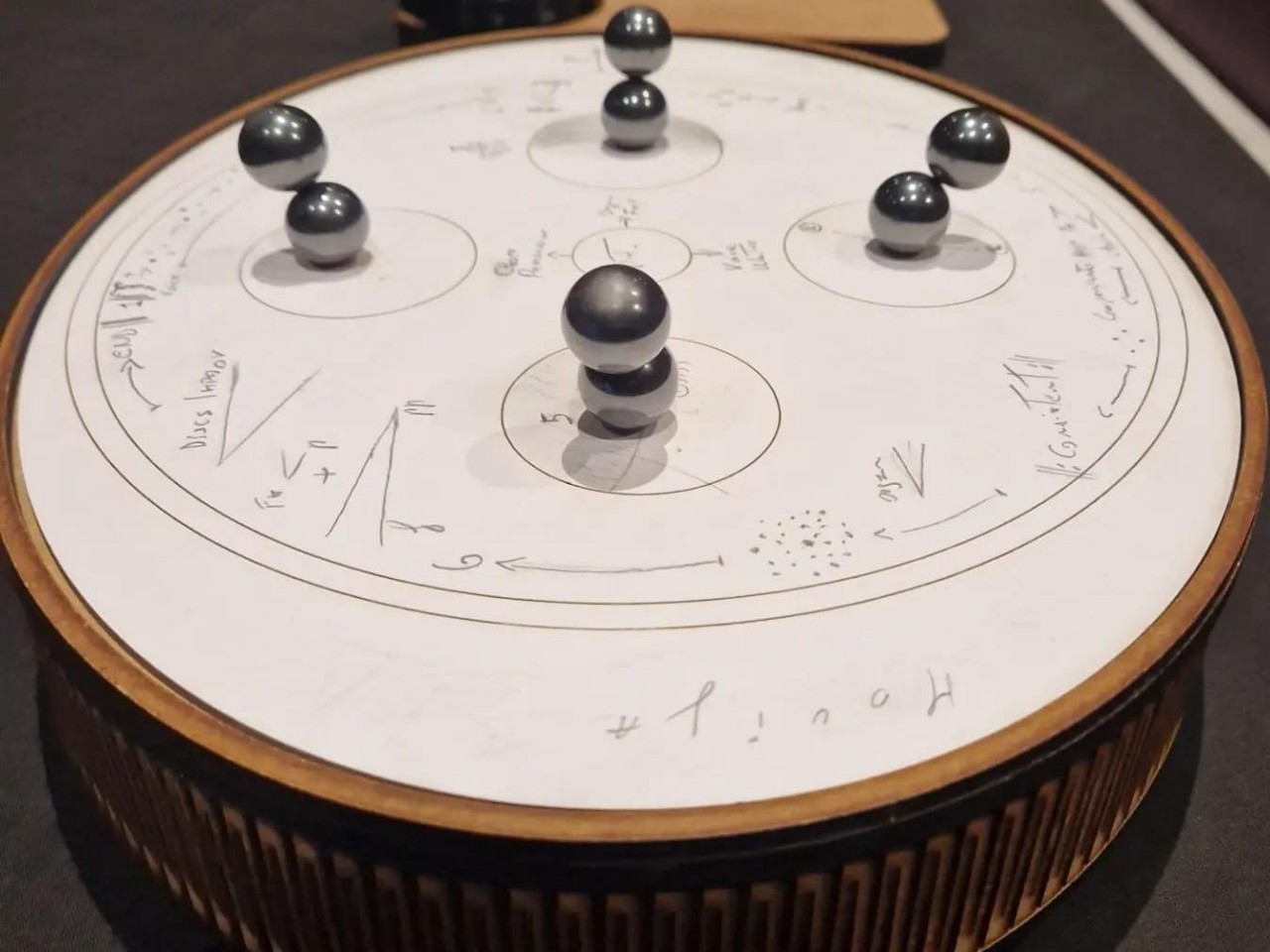
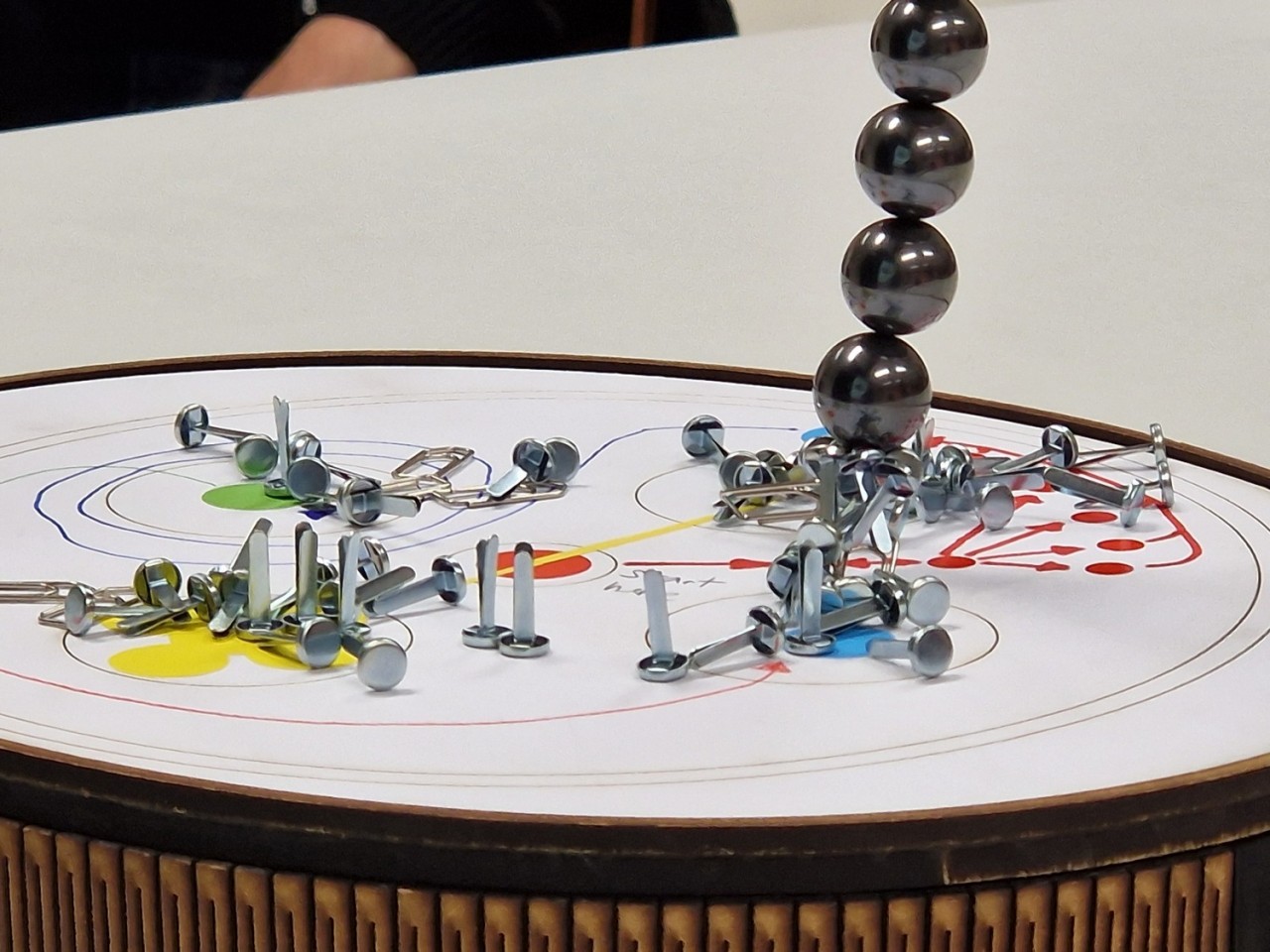
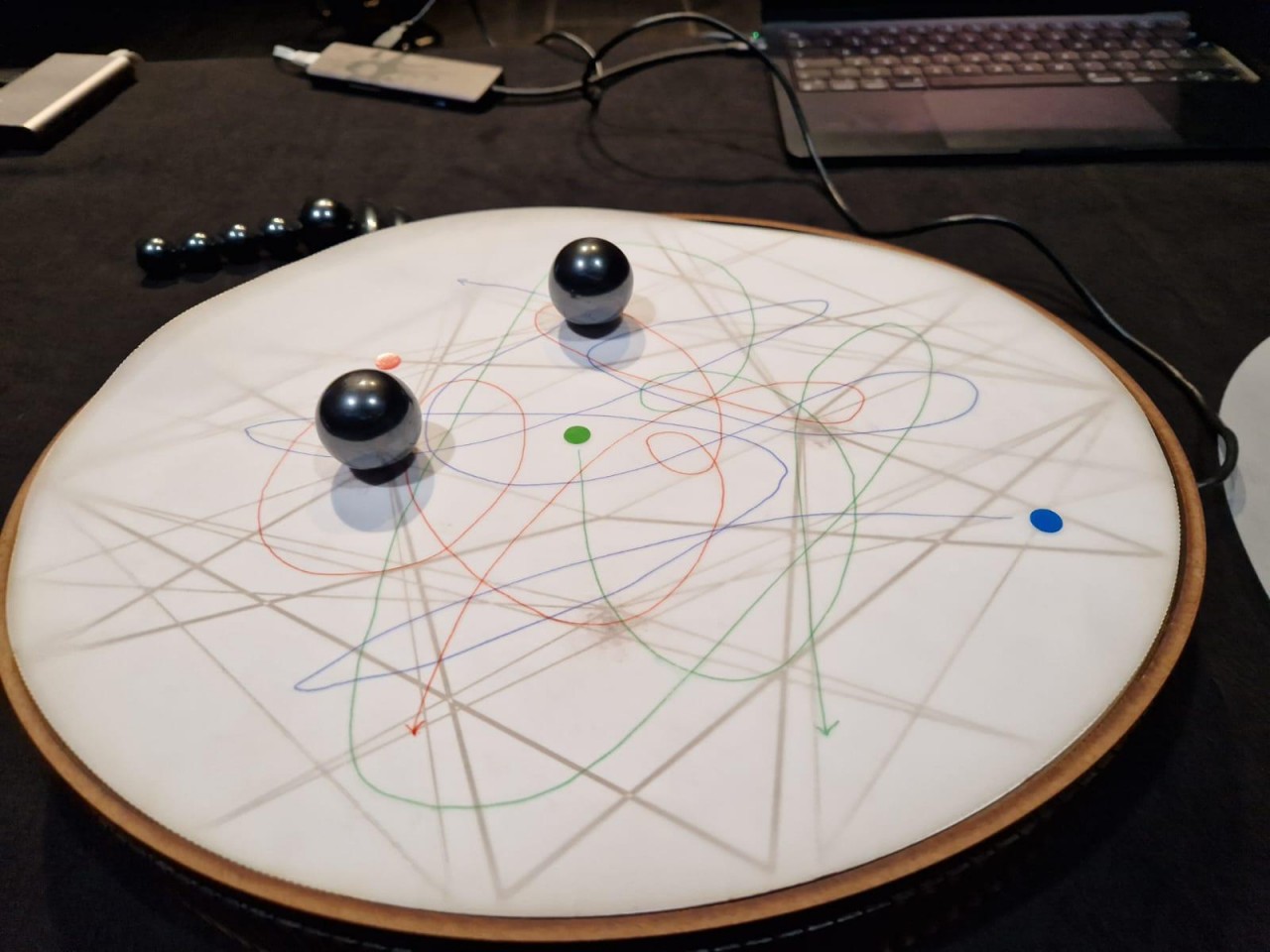
You can, for example, push or roll around four magnetic marbles to produce sound. Ferromagnetic objects like nails, rods, and rings can also be used to “push” the magnetic fields around. You’re not limited to just moving the balls on the surface of the drum-like instrument either. To some extent, you can also pick and drop objects to have the same effect, though probably on a smaller or weaker scale.

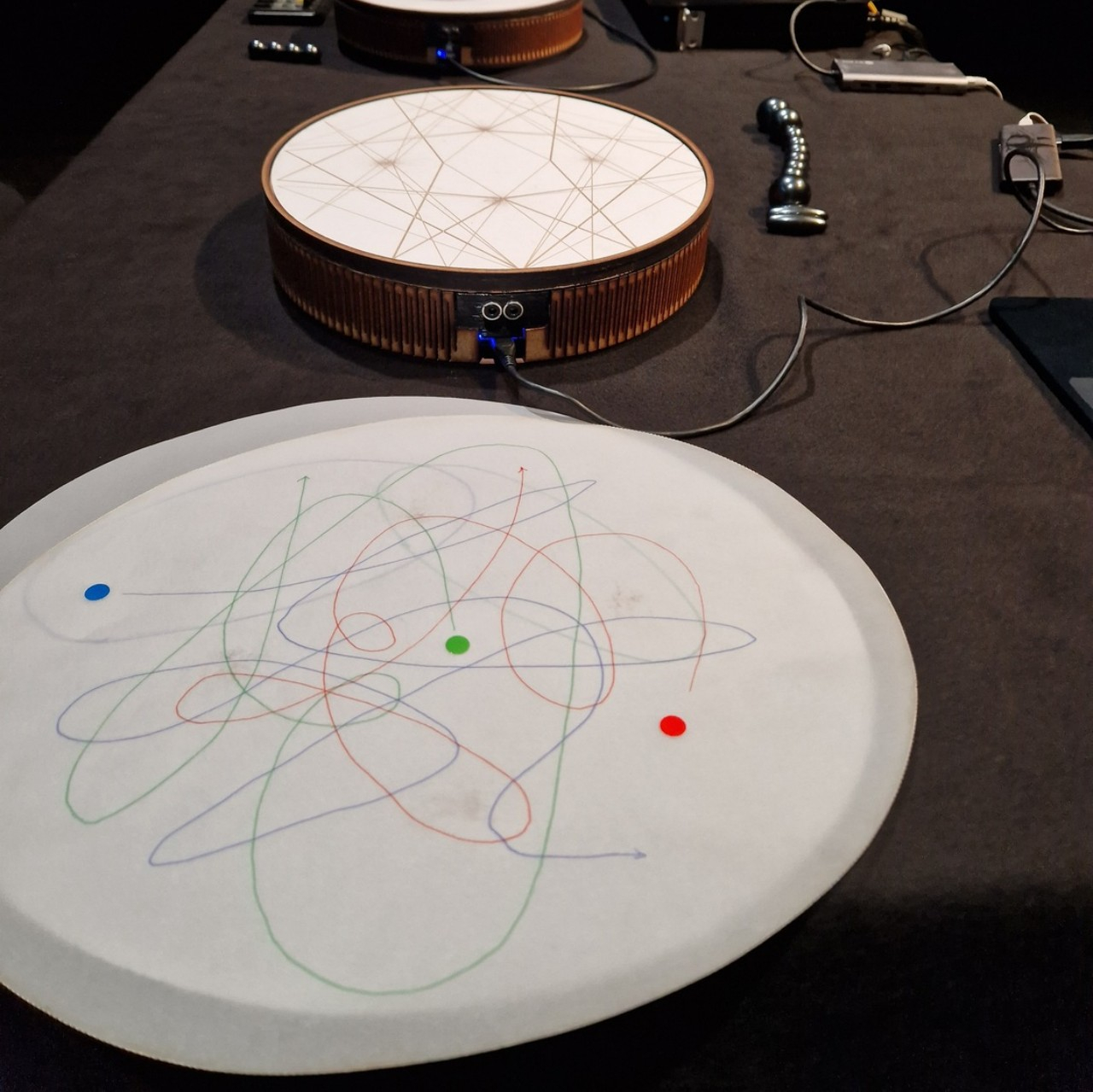
This odd musical instrument not only offers a more interactive experience, it also changes the way you can record or compose music. Since the tones are generated by moving objects across the surface, these can be noted down as lines, circles, and other figures that can result in beautiful geometric patterns. Musicians can then just simply trace those lines to recreate the same musical score or simply let it guide their hands to create variations and discover new melodies in the process.

fot. Marta ZajÄ…c-Krysiak

The post Magnetic instrument presents a more playful way to create music first appeared on Yanko Design.
Mesmerizing sculptural instrument uses water for an otherworldly musical light show

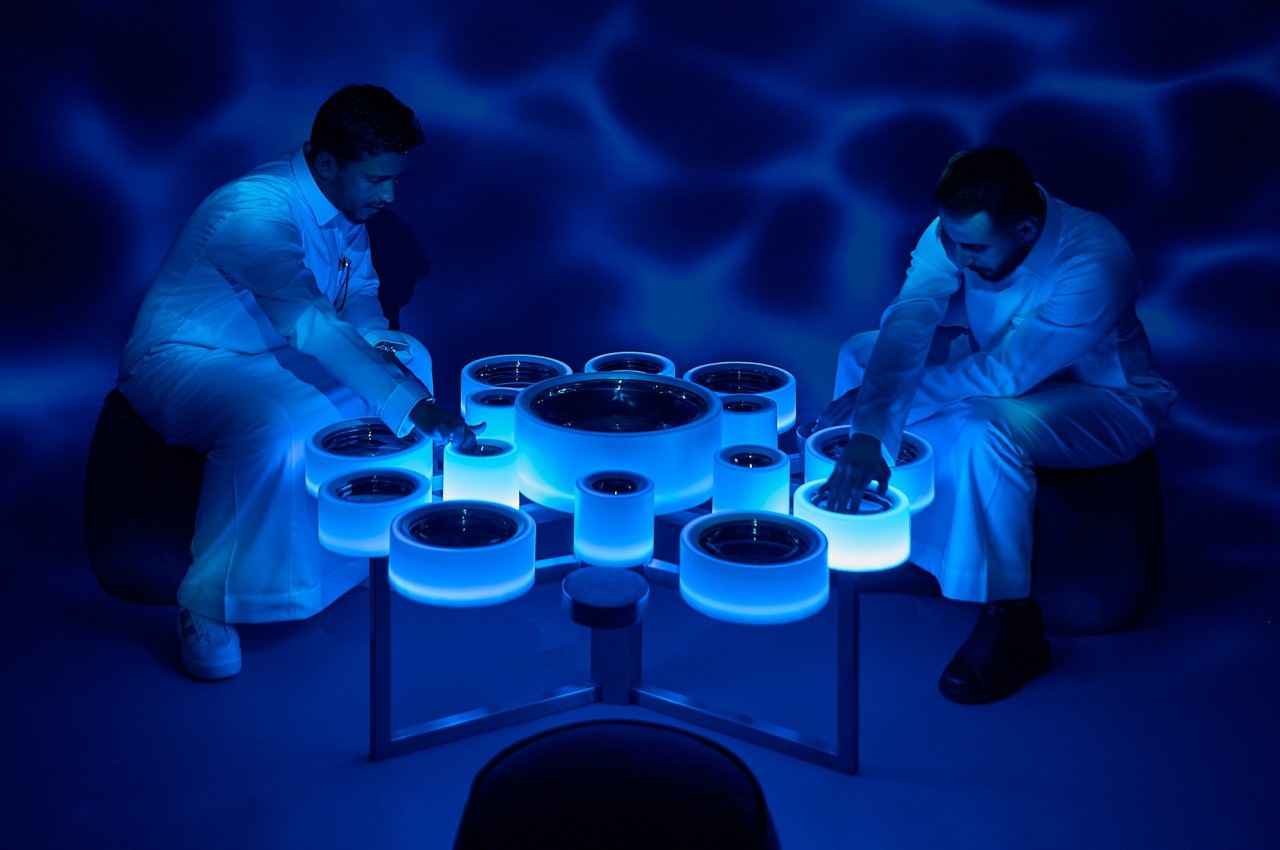
There are plenty of art installations set up around the world, but the majority of them have a “look but don’t touch” policy. After all, “art” is expected to be mostly visual and the risk of damaging a precious, one-of-a-kind masterpiece is just too high. There are, however, other art forms that require your other senses to truly have a complete experience, sometimes involving not just touch but even hearing as well. This sculptural instrument, for example, invites people to dip their hands into glowing drums of water to create a hypnotic audiovisual experience intended to raise their consciousness to higher levels.

Designer: Artur Weber

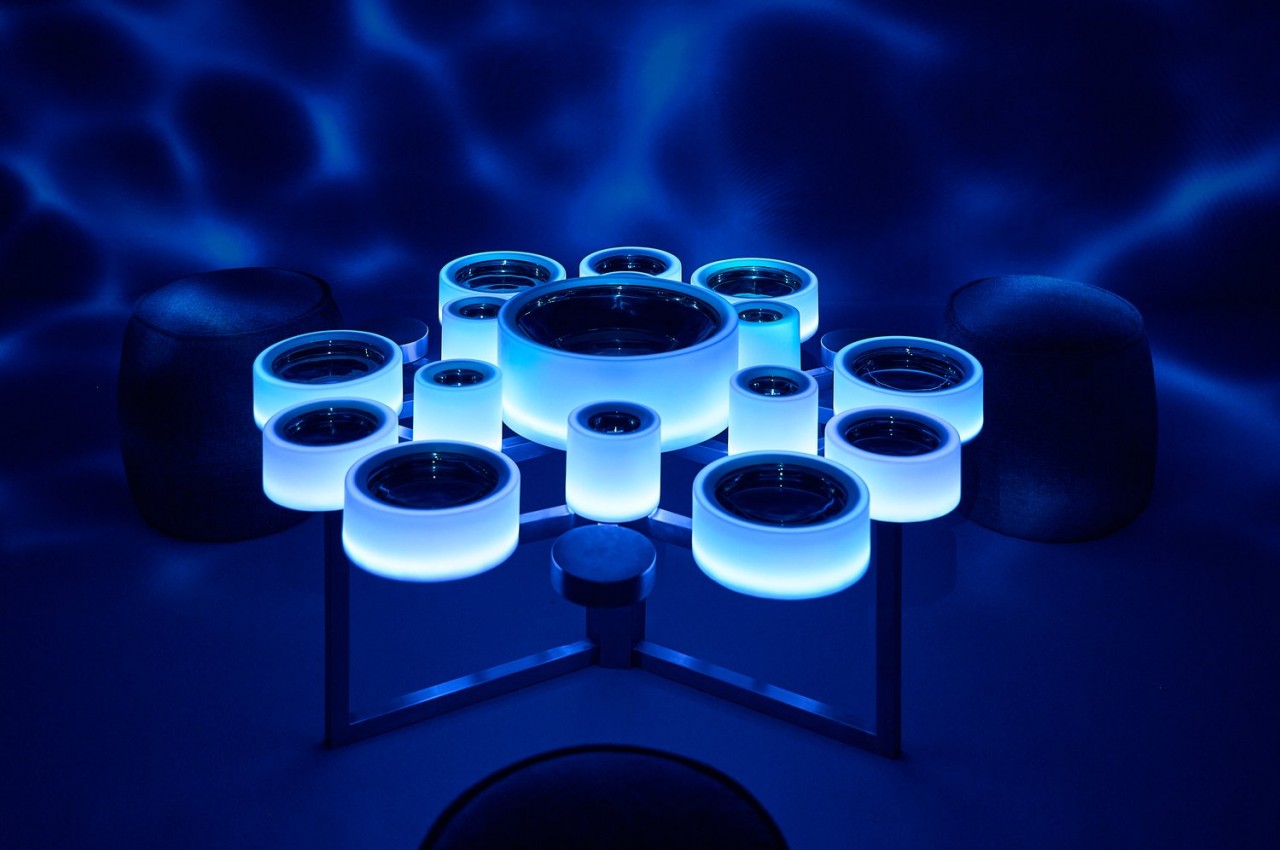
Inner Waves look nothing like any musical instrument you can think of, except probably for a drum set with too many drums arranged in an almost random fashion around the largest circle in the middle. Like their namesake, though, these are actually small container drums that can hold liquid, in this case, water. Unlike your typical water drum, however, these cylinders have a faint glow on the outside that contrasts with the darkness they hold inside.

As captivating as these eerie glowing drums might be, they’re not designed just for your eyes. After all, you can’t even appreciate the water they hold in the darkness, and so you have to make that leap of faith and plunge your hand or even just a finger inside that darkness. This act rewards you with a brighter light and an ethereal sound that is reminiscent of the tones produced by a theremin. It is also similar to the sound you make when you dip your finger inside a glass of water and then run your fingertip around the mouth of the glass.

This alien sculptural instrument is advertised to link the water inside the viewer’s body with the water within the vessel, a statement that almost has a transcendental message to it. Technically speaking, it most likely uses the vibrations caused by ripples in order to trigger the mechanism that increases the light’s intensity and produces sound. Of course, your brain might not immediately make that connection, making you think that it is indeed your body’s agency that is creating this effect. Either way, the audiovisual art installation has the intended effect of putting your mind in a more meditative state, perhaps contemplating the deeper meaning behind this intersection of art and technology.

The post Mesmerizing sculptural instrument uses water for an otherworldly musical light show first appeared on Yanko Design.