Lamp Switches Have Been Lazy for Decades, This One Uses a Magnet

Lamp switches don’t get much design attention. They’re usually a small toggle on the cord, a push button under the shade, or a touch-sensitive strip on the base that’s easy to miss in the dark. They get the job done, but they’re rarely treated as a meaningful part of the object. It’s one of those details that most lamp designers seem perfectly happy to leave to the supplier catalog.

The Strata lamp takes a different position on both counts. It’s a handmade steel table lamp that earns its name from geological rock formations, those compressed, layered bands of sedimentary stone that build up over time into something structurally dense and visually striking. The lamp translates that geological idea directly into stacked steel panels, and pairs it with a switching mechanism that makes turning a lamp on feel unexpectedly deliberate.

Designer: Aleksandr Misiukevich

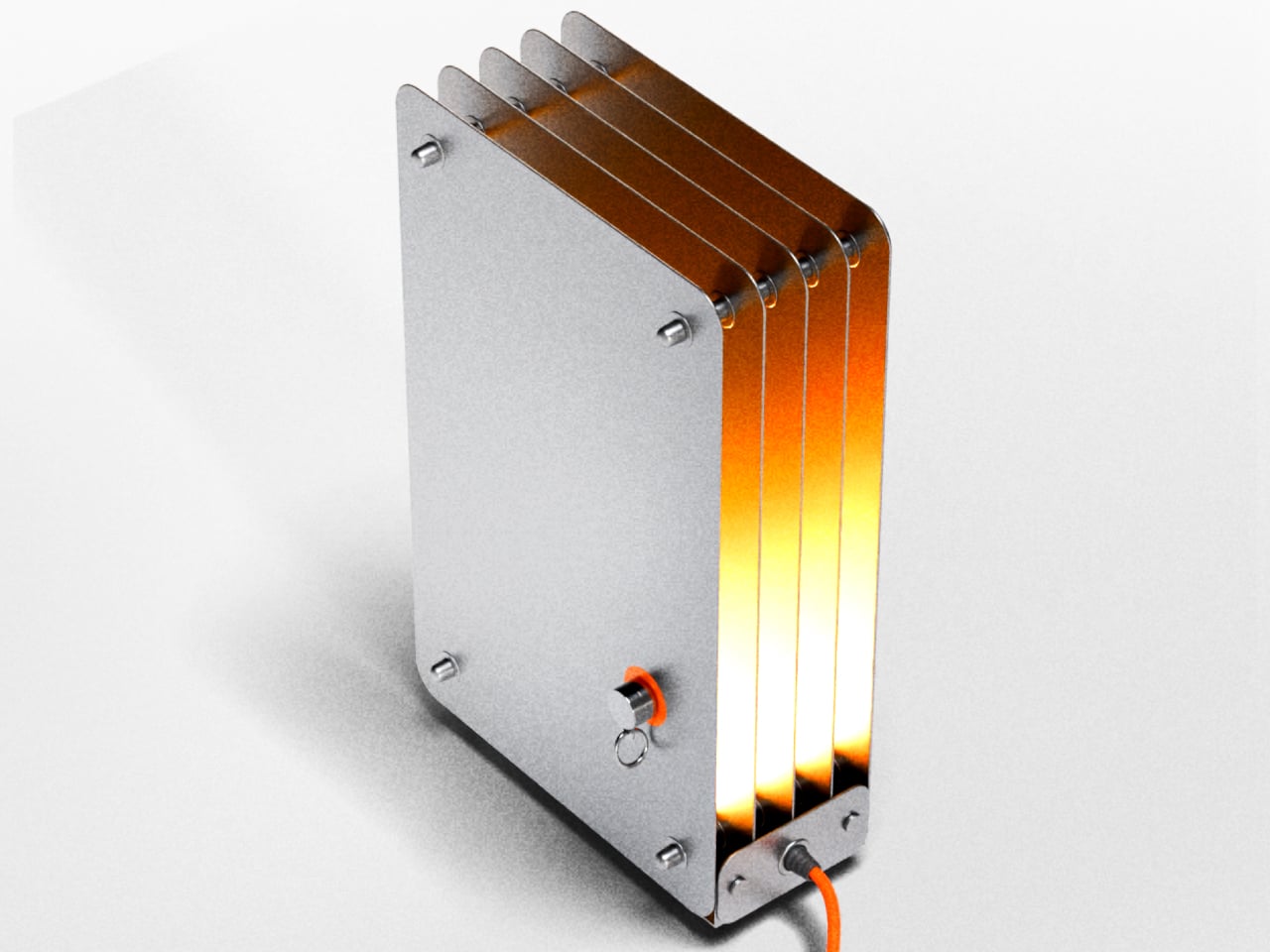
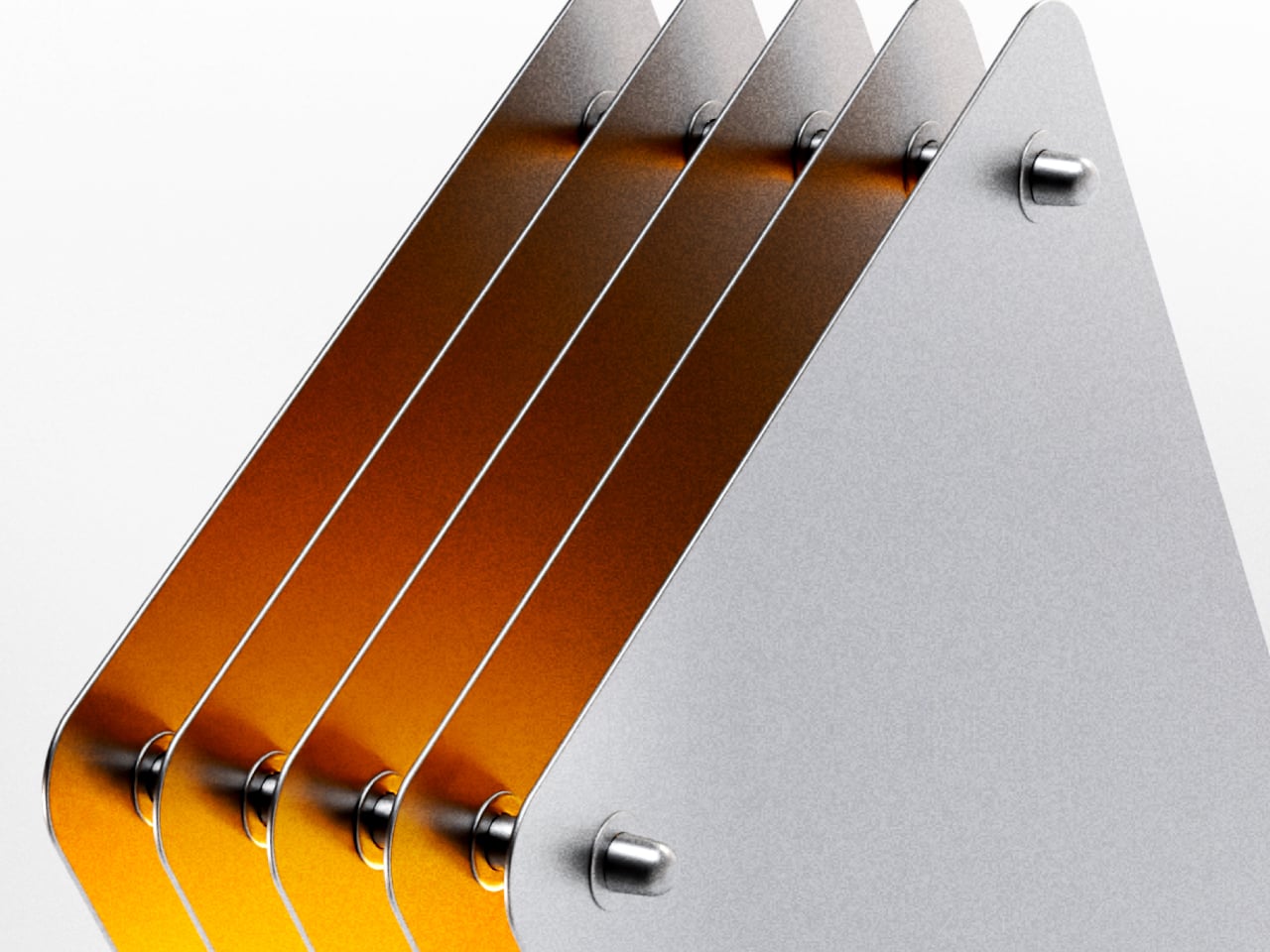
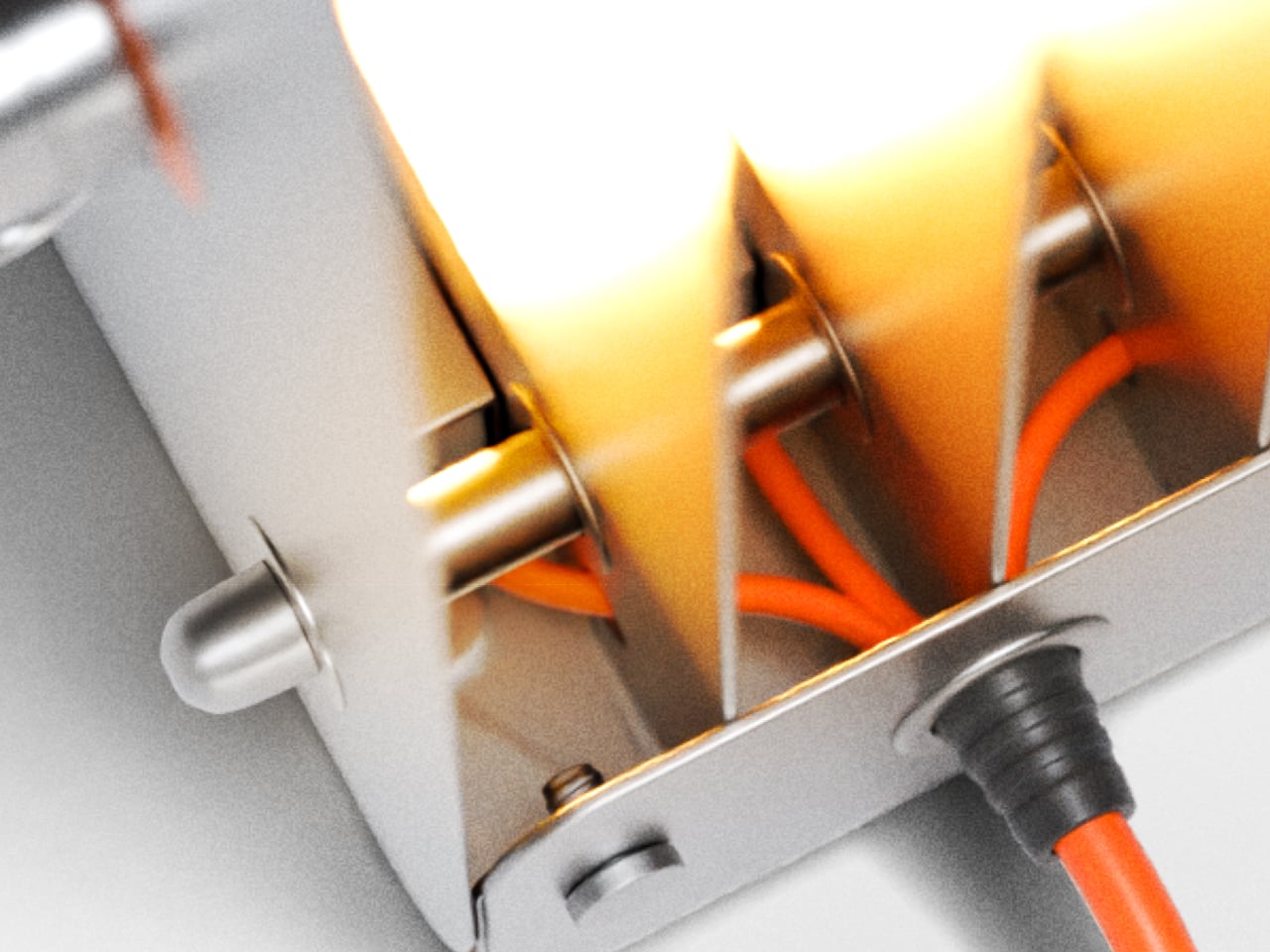
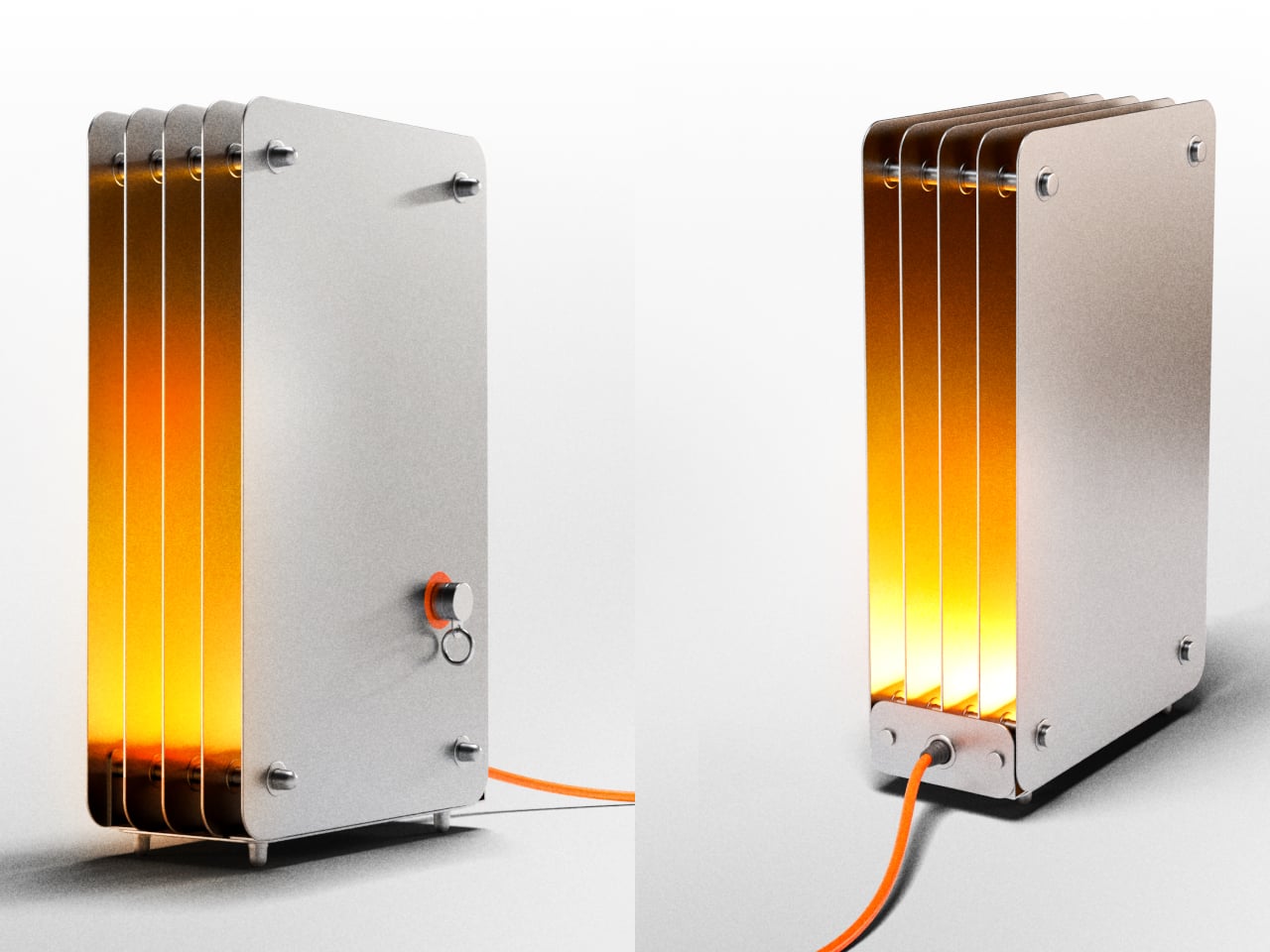
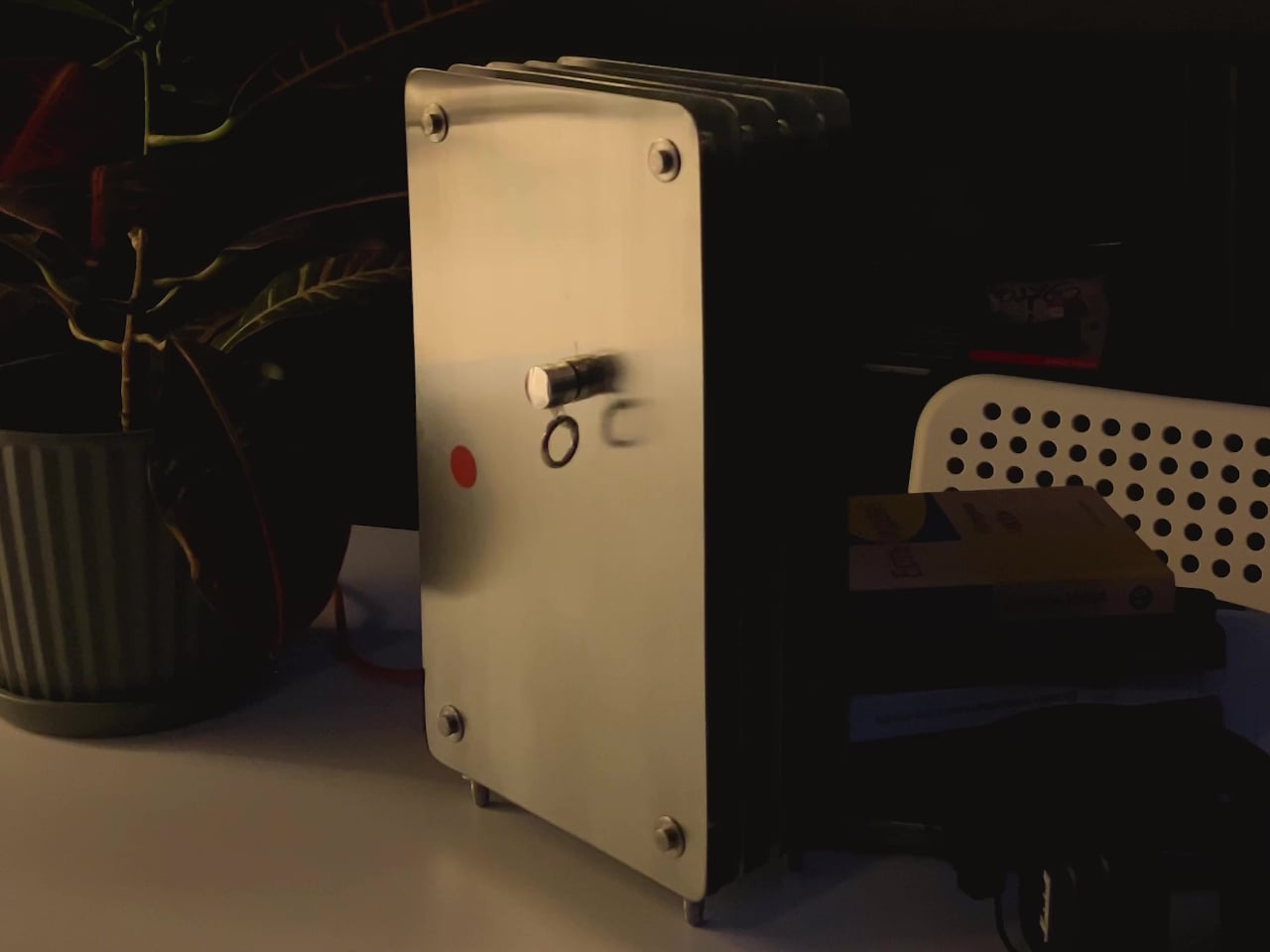
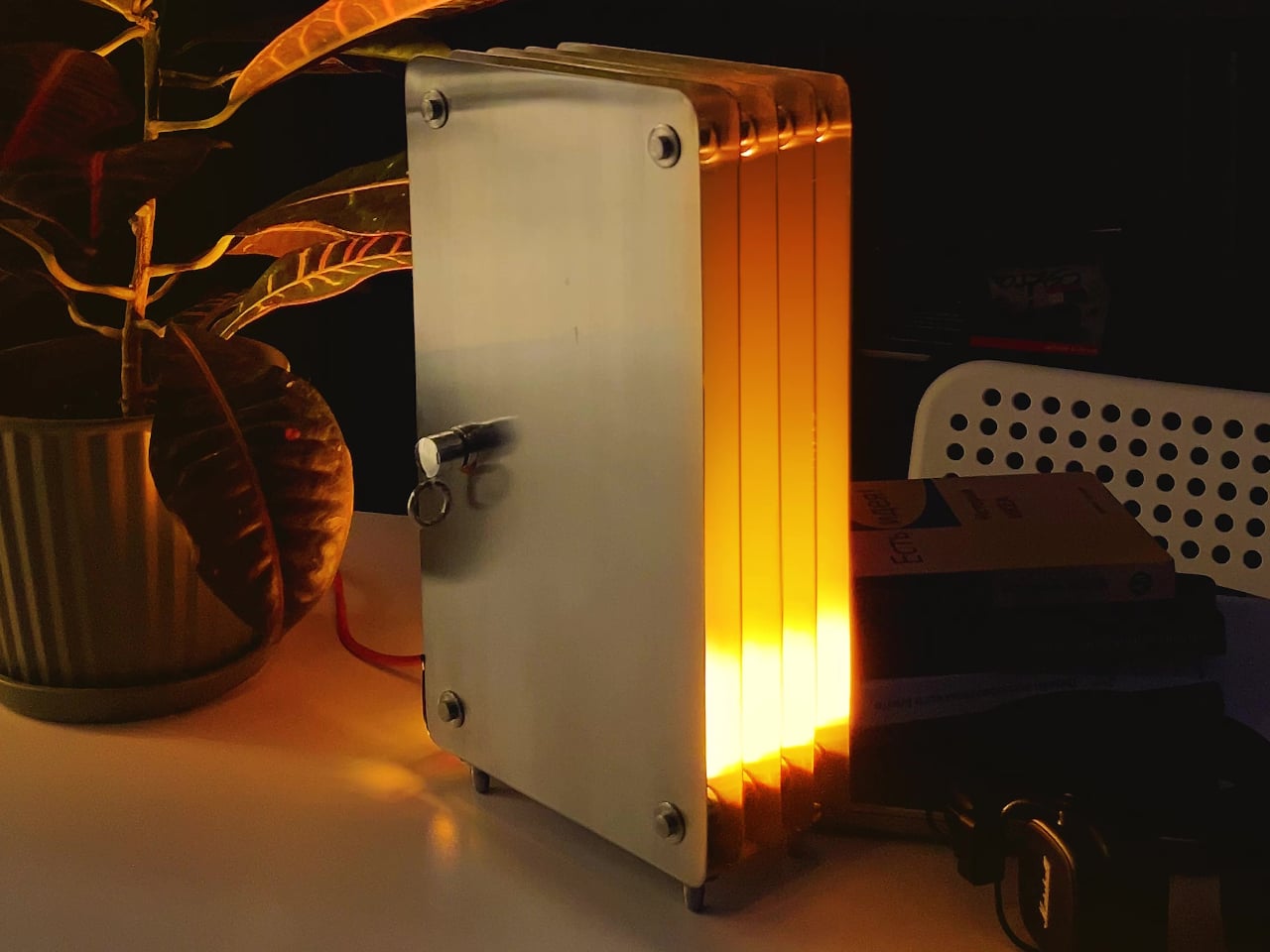
The body is built from individual steel plates with rounded rectangular corners, held in parallel by cylindrical steel standoffs at each corner and center. When lit, warm amber light radiates from the gaps between every plate and from the open front edge, creating a layered glow that shifts from deep orange near the top of the lamp to a brighter, more diffused yellow further along each inner steel surface.

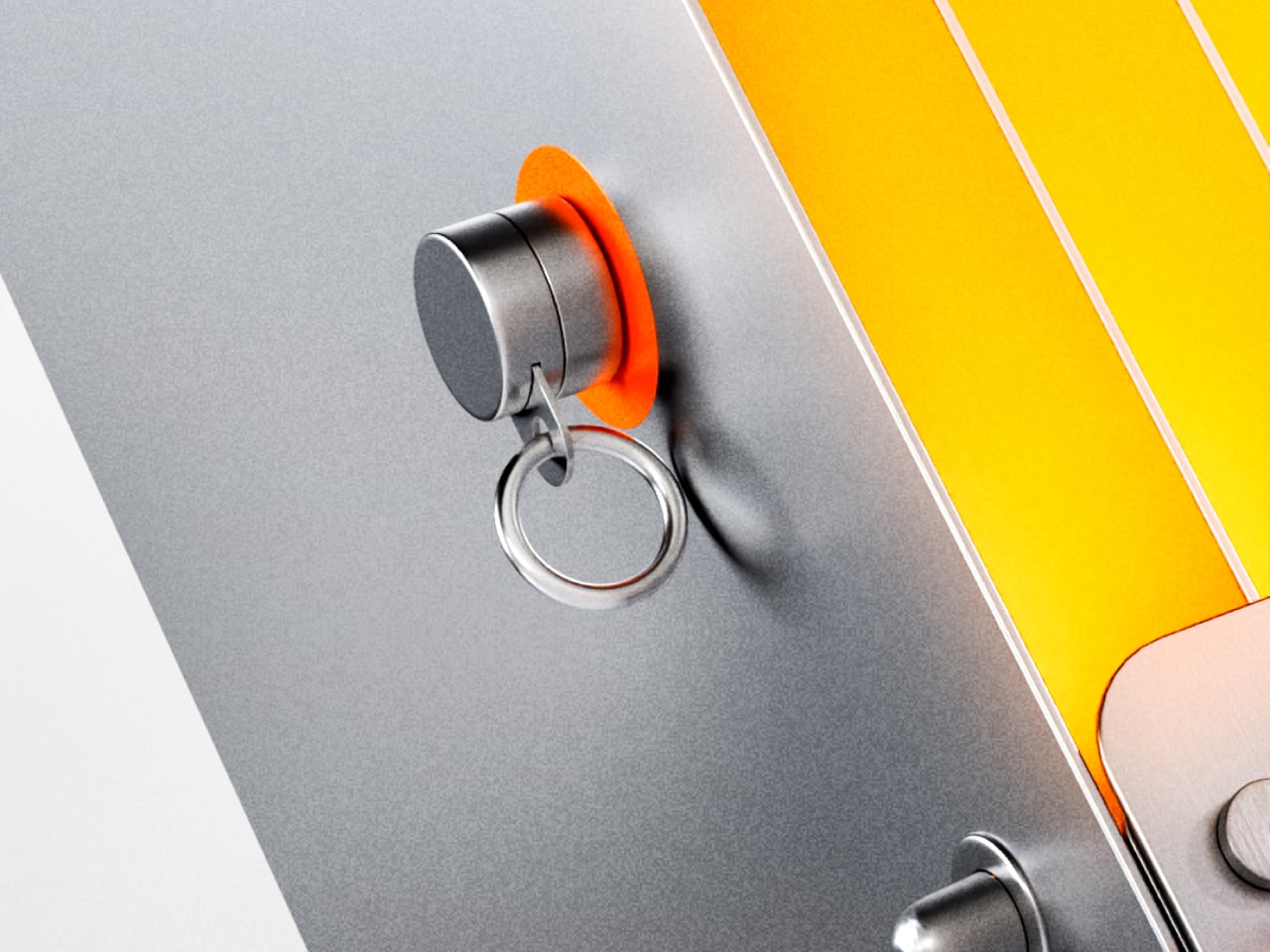
The switch is a magnetic reed switch, one of the simpler components you can put inside a lamp. A small cylindrical magnet, tethered to the body by a metal ring, acts as the key. Set it on the orange circle marked on the front panel, and the lamp turns on. Lift it away, and it turns off. The magnet parks on a small post when it’s not in use.

That interaction is a harder thing to design well than it sounds. Reed switches are decades-old technology, and the magnet-on, magnet-off logic is genuinely simple. But the way it’s set up here gives the action more weight than it would otherwise have. You’re not flipping a switch. You’re placing something intentionally, and removing it just as deliberately. It’s the kind of small habit that starts to feel like a routine.

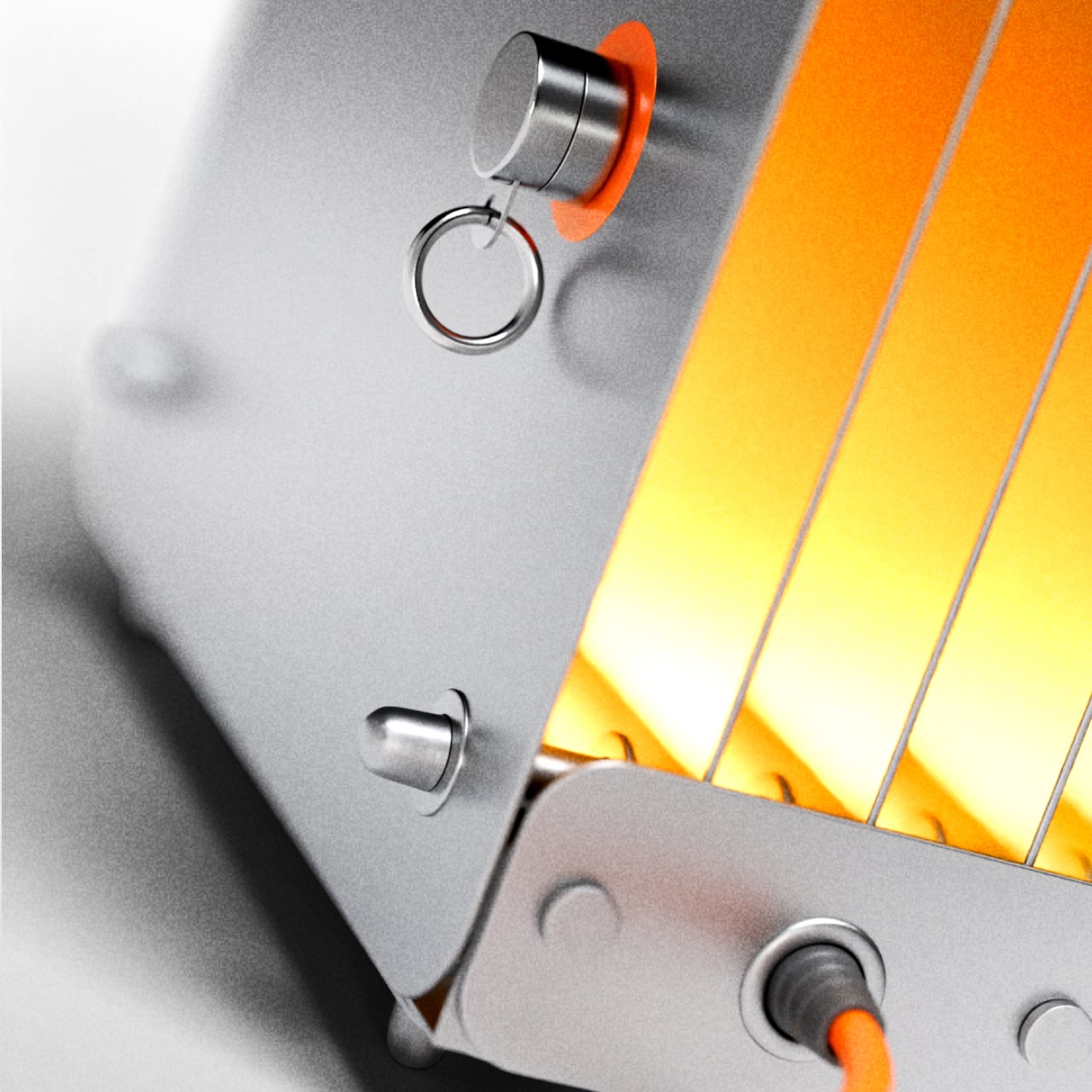
The rest of the construction follows the same thinking. The steel plates, the standoff hardware, and the small feet that lift the base all stay visible rather than concealed, and an orange power cord exits from the bottom without apology. That cord color, matched to the activation circle on the panel, is the one deliberate accent in an otherwise entirely industrial material palette of matte gray and polished steel.

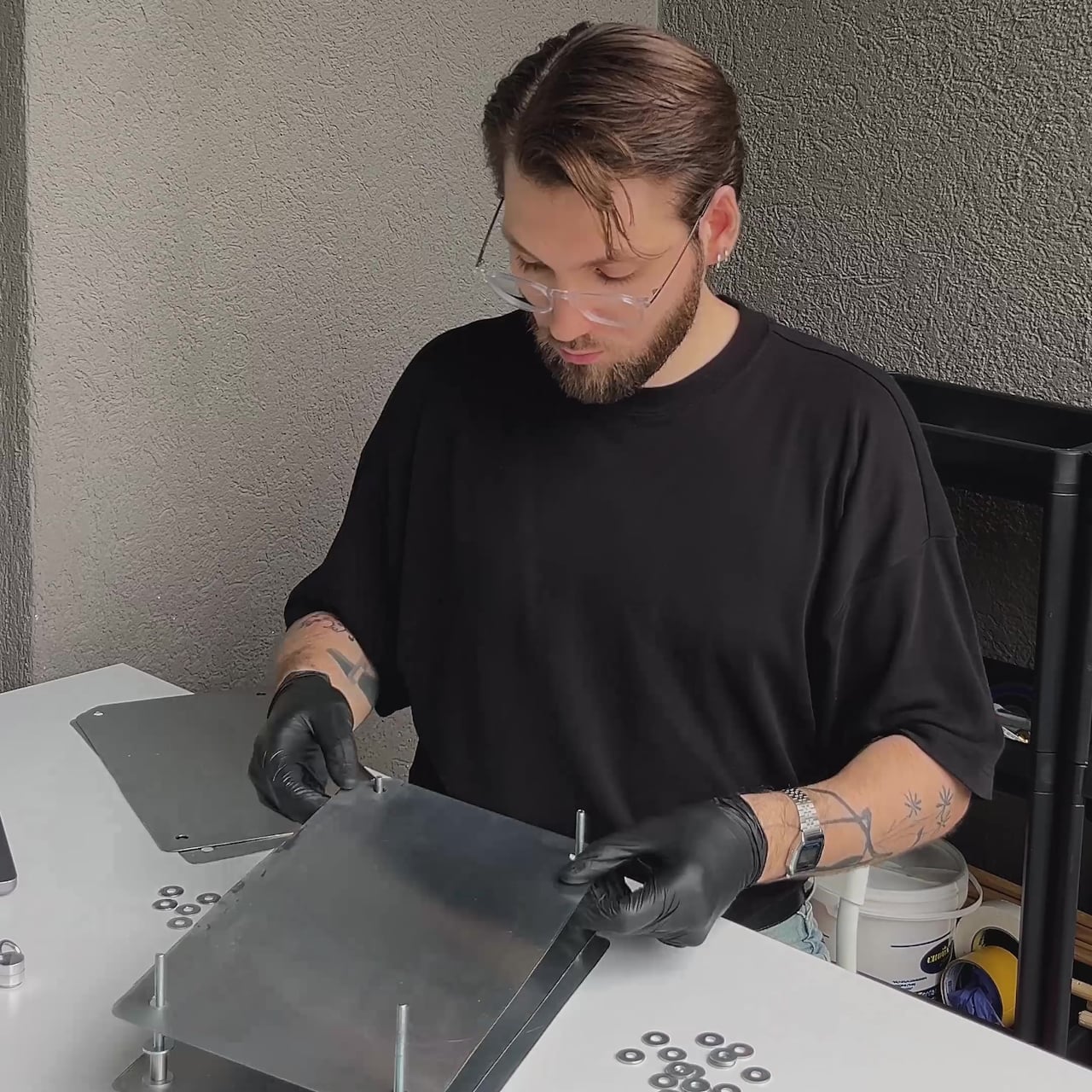
Strata was built by hand, and that’s evident in the quality of each component rather than any sense of roughness. The plates are cut cleanly, the standoffs are consistent, and the glow that fills the gaps between the sheets has a warmth that a simple LED strip wouldn’t normally produce on its own. The steel acts as both housing and reflector, which is about as economical as structural decisions get.

The post Lamp Switches Have Been Lazy for Decades, This One Uses a Magnet first appeared on Yanko Design.
Magnetic instrument presents a more playful way to create music

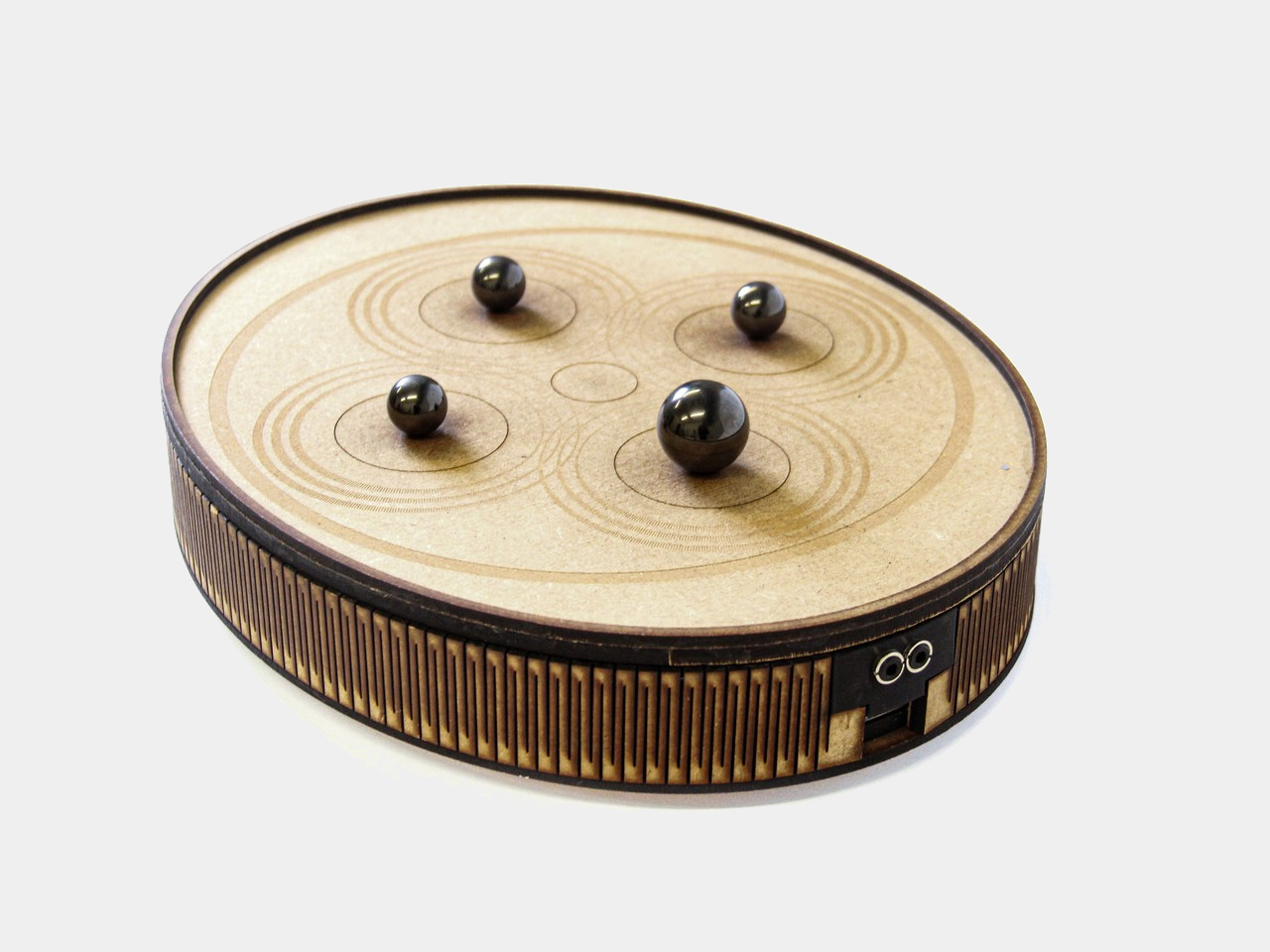
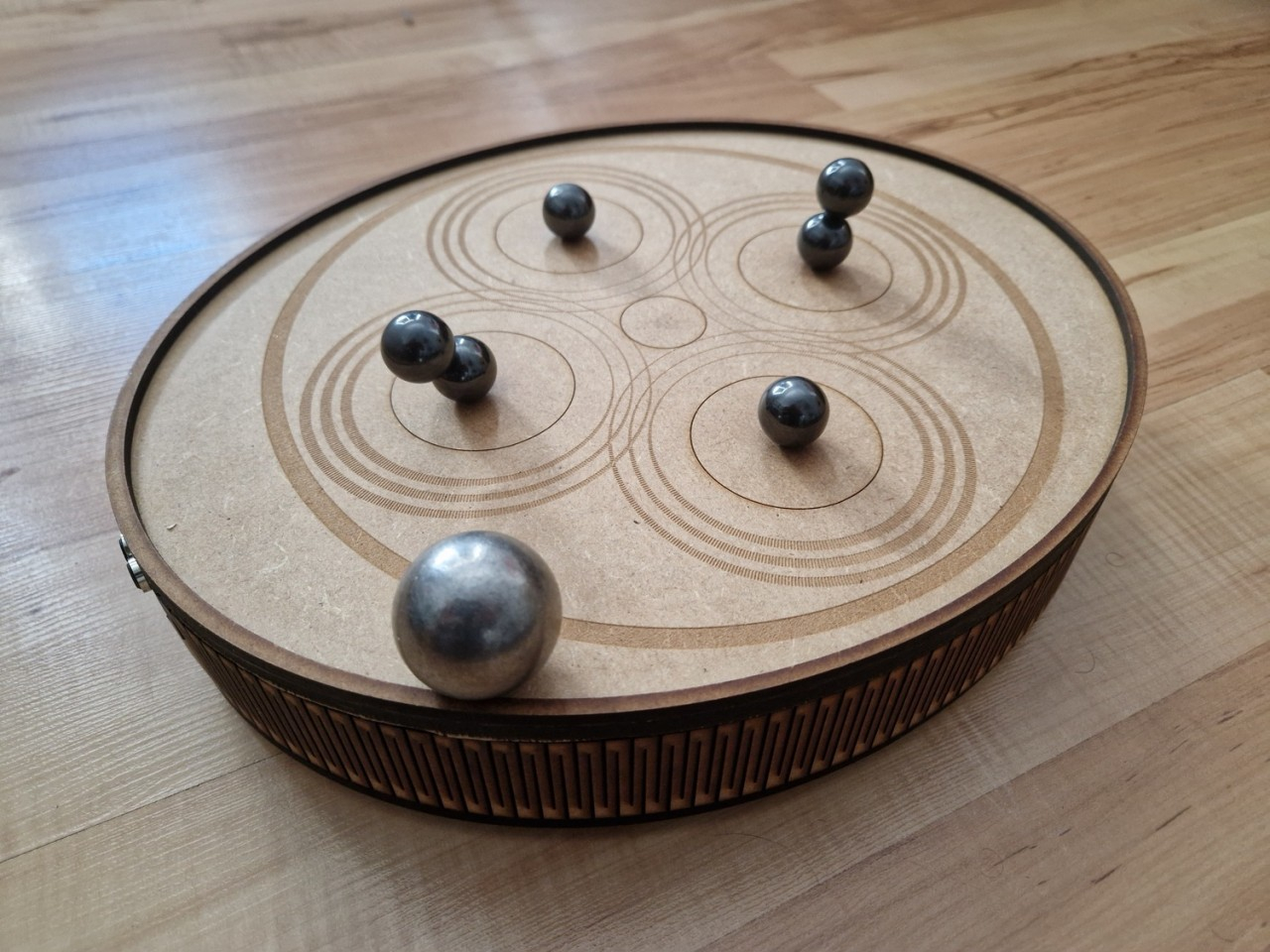
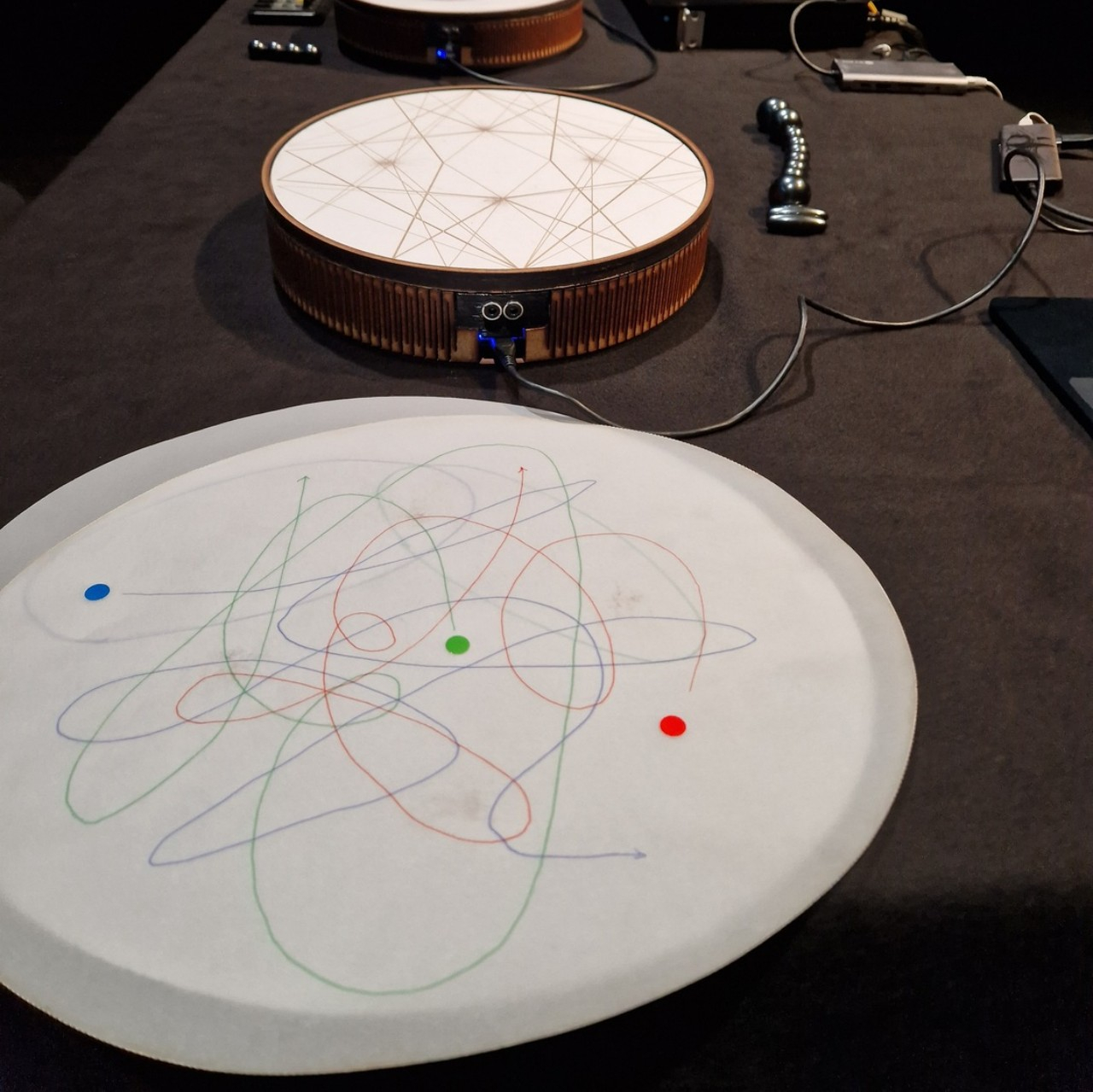
When people think of musical instruments, they most probably think first of traditional ones like guitars, pianos, and violins. These days, music can come from a wide variety of sources, sometimes generated by unexpected things, like the flow of fluids in plants. There is going to be some debate on whether these random arrangements of tones can qualify as “music,” but there will be little argument that the sequences they produce can be melodic and even pleasant. Plus, the way they’re generated can be just as interesting as the sounds they make, like this drum-like cylinder that produces a curious mix of synth tones by moving magnetic balls and objects around its surface, almost like playing with marbles and sticks.

Designers: Nicola Privato, Giacomo Lepri

Thanks to modern electronics, software, and a bit of AI, it’s nearly possible to use any phenomenon to generate different kinds of sounds and combine them in a harmonic way. This opens up a world of possibilities in how instruments can be designed, from passive sources like the biological processes of plants to more actively controlled machines with knobs and sliders. Stacco is an experimental instrument that mixes these two, using magnetic forces influenced by objects in your hands.

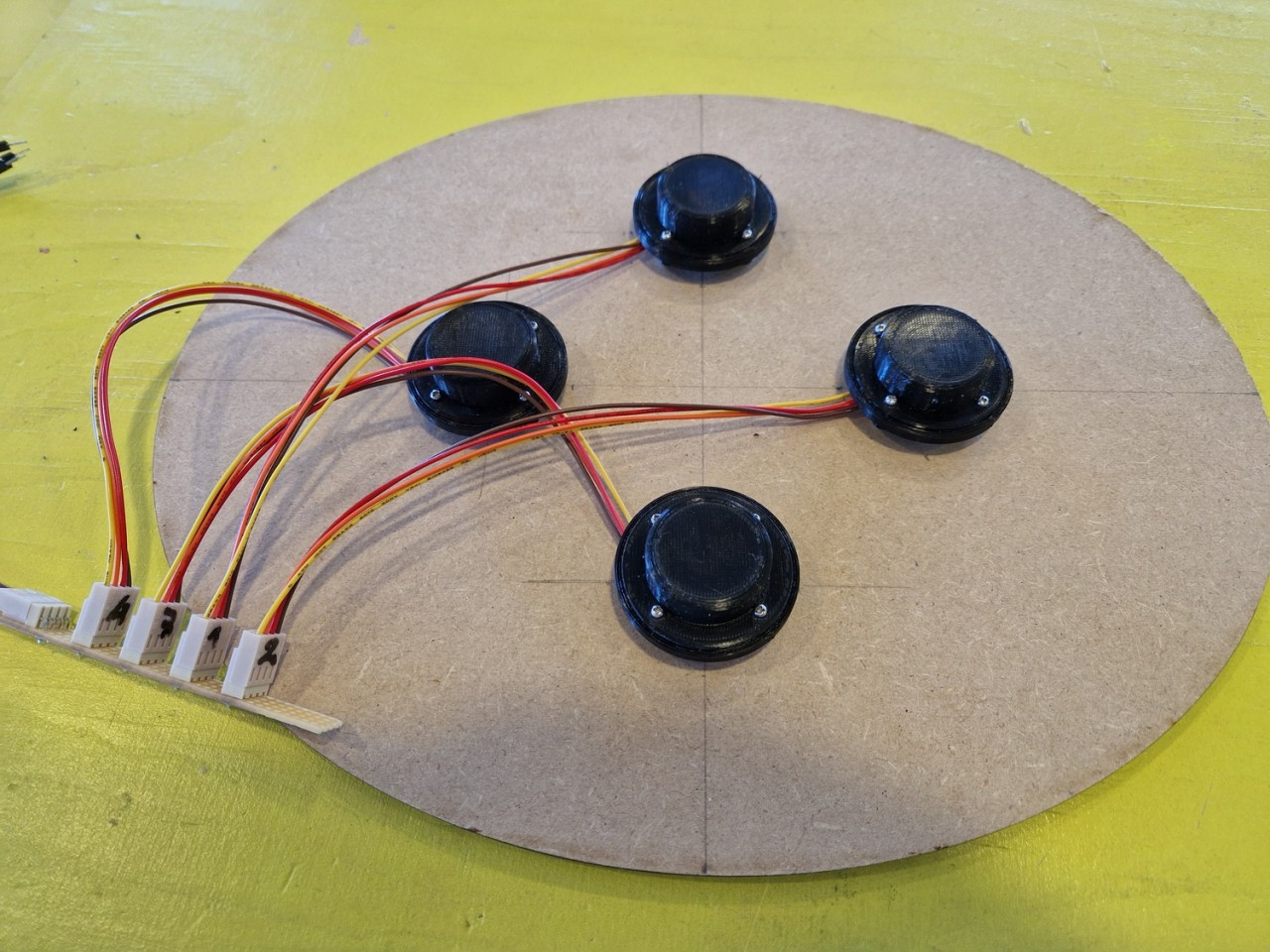
At the heart of Stacco, or rather beneath the surface, are four devices called magnetic attractors. These can detect the changes in the magnetic fields around them, which is then processed by artificial intelligence called Neural Audio Synthesis into sound or data that can further be manipulated into music, mostly of the synth type. What makes Stacco interesting is that you can use a variety of objects to affect these attractors as long as they generate some amount of magnetic field.

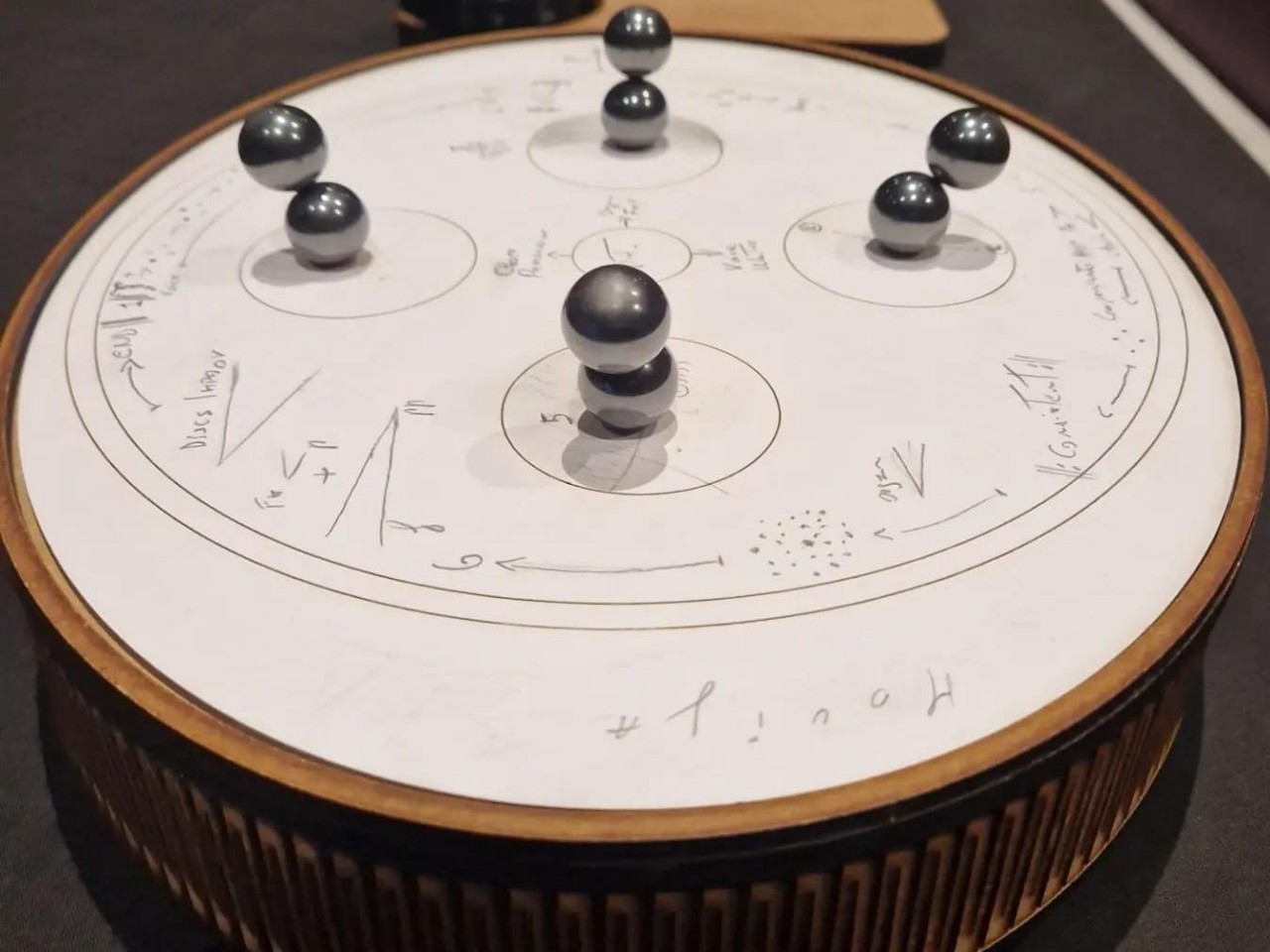
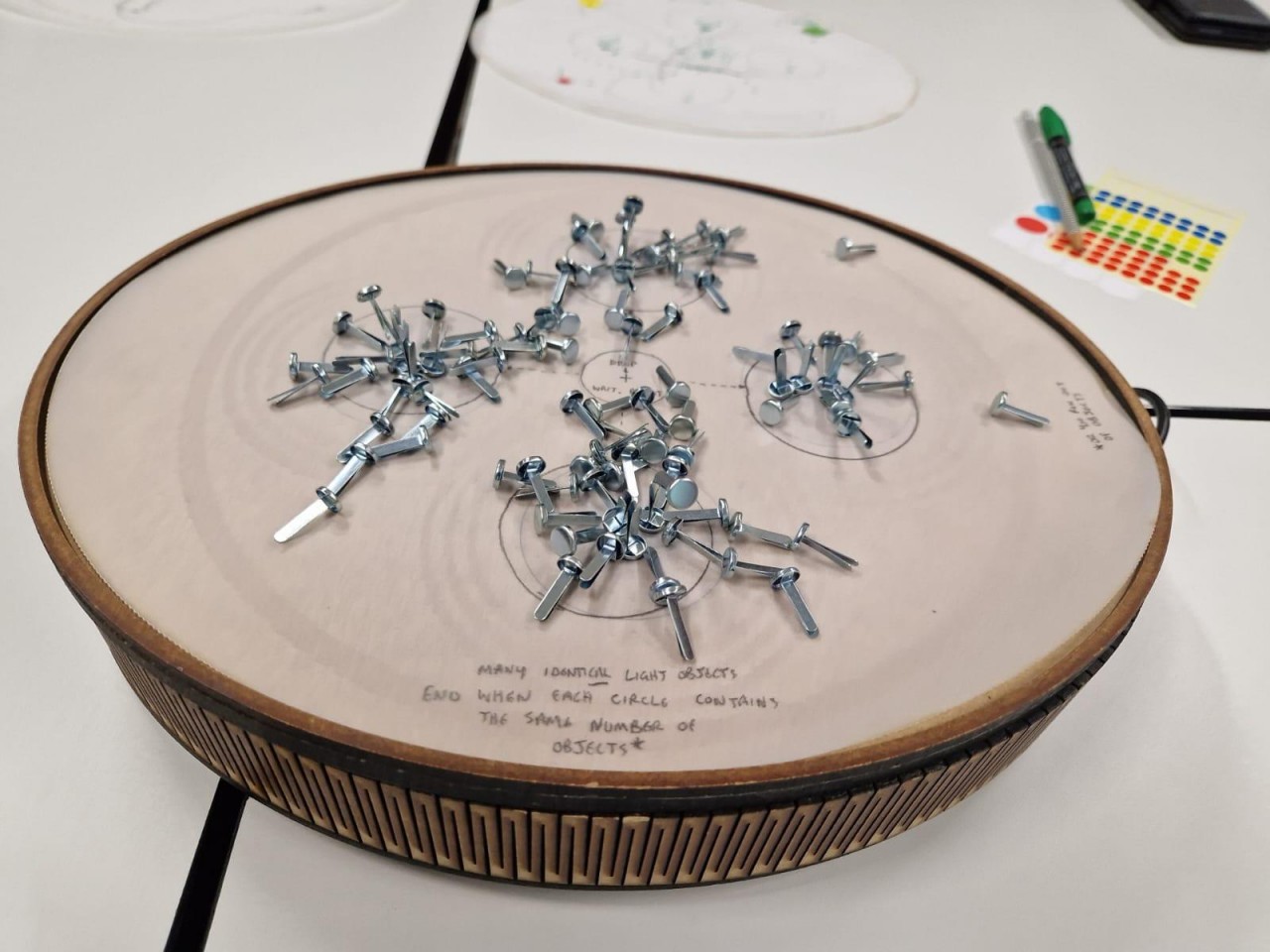
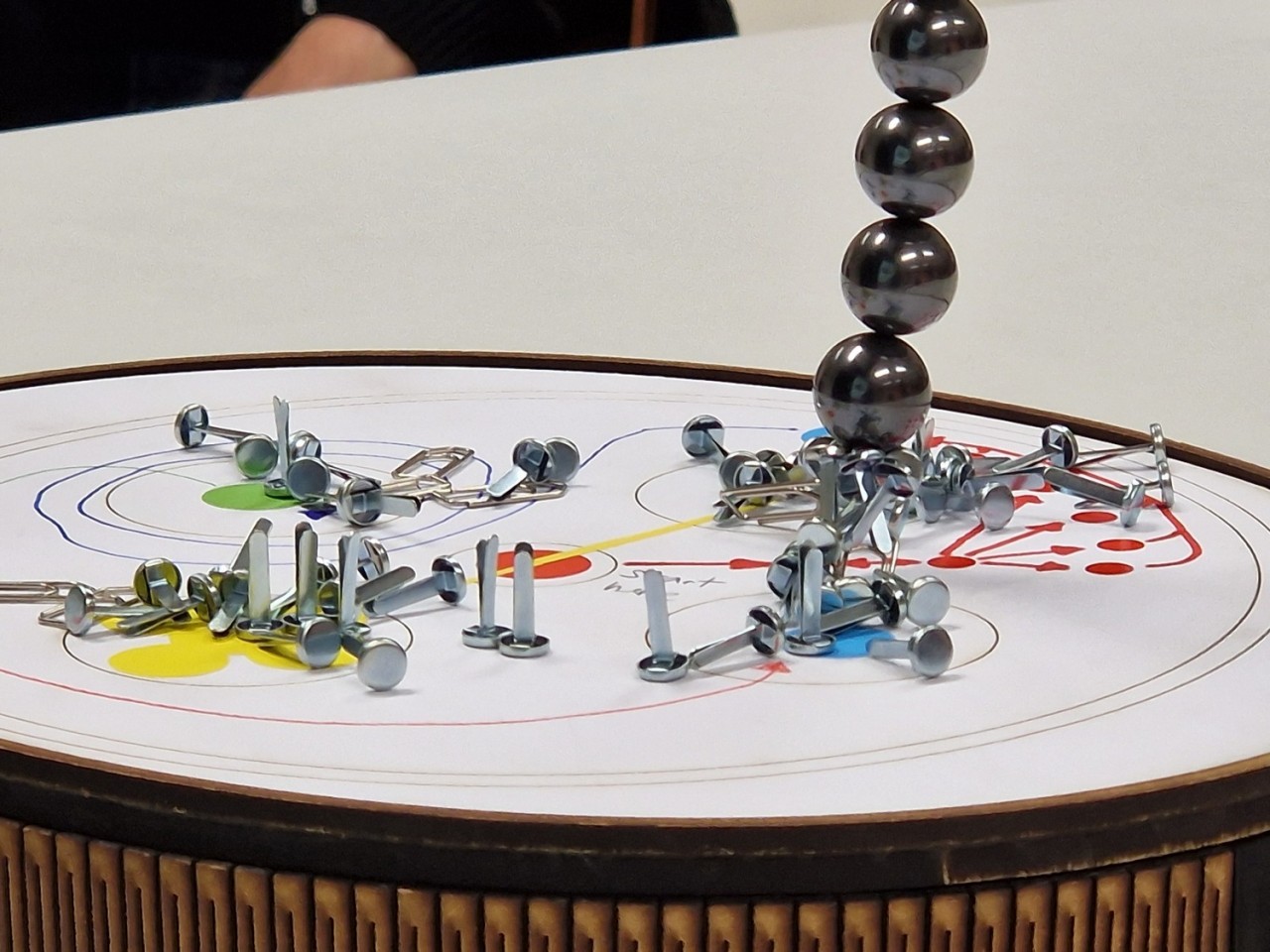
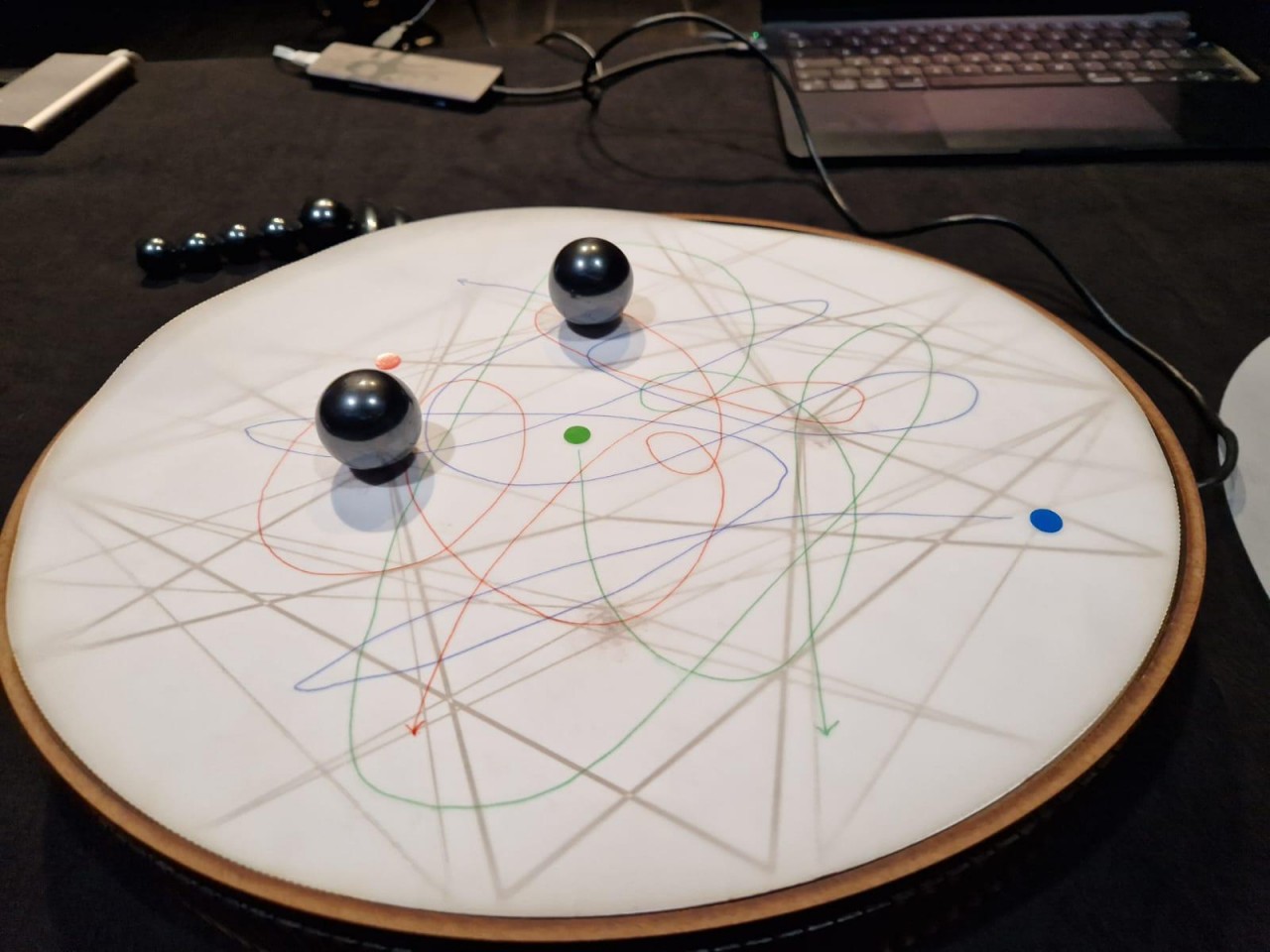
You can, for example, push or roll around four magnetic marbles to produce sound. Ferromagnetic objects like nails, rods, and rings can also be used to “push” the magnetic fields around. You’re not limited to just moving the balls on the surface of the drum-like instrument either. To some extent, you can also pick and drop objects to have the same effect, though probably on a smaller or weaker scale.

This odd musical instrument not only offers a more interactive experience, it also changes the way you can record or compose music. Since the tones are generated by moving objects across the surface, these can be noted down as lines, circles, and other figures that can result in beautiful geometric patterns. Musicians can then just simply trace those lines to recreate the same musical score or simply let it guide their hands to create variations and discover new melodies in the process.

fot. Marta ZajÄ…c-Krysiak

The post Magnetic instrument presents a more playful way to create music first appeared on Yanko Design.
Note and Sketch Anytime, Anywhere with this Magnetic-binding Clipboard

Productivity systems like GTD and the Bullet Journal have made paper notebooks all the rage again. But while it’s inspiring to see so many creative designs for notebooks and stationery, these can also get in the way when you just need to write or sketch something down. Bound notebooks might not have the right combination of grids and lines that you need, or they might have too many or too few pages. Ring binders let you add, remove, and move pages, but the rings tend to get in the way, and the holes lead to tears and unaesthetic pages. You could always make a DIY notebook combining just the sheets and designs that you need, but keeping them together can also be a hassle. If all these sound familiar to you, here’s how this simple yet ingenious clipboard removes the friction when it’s time to take notes while also letting you design your notebook your way.

Designer: Hirock Design

Click Here to Buy Now: $39 $45 (13% off). Hurry, deal ends in 48 hours!

Gather the Paper You Need and Want

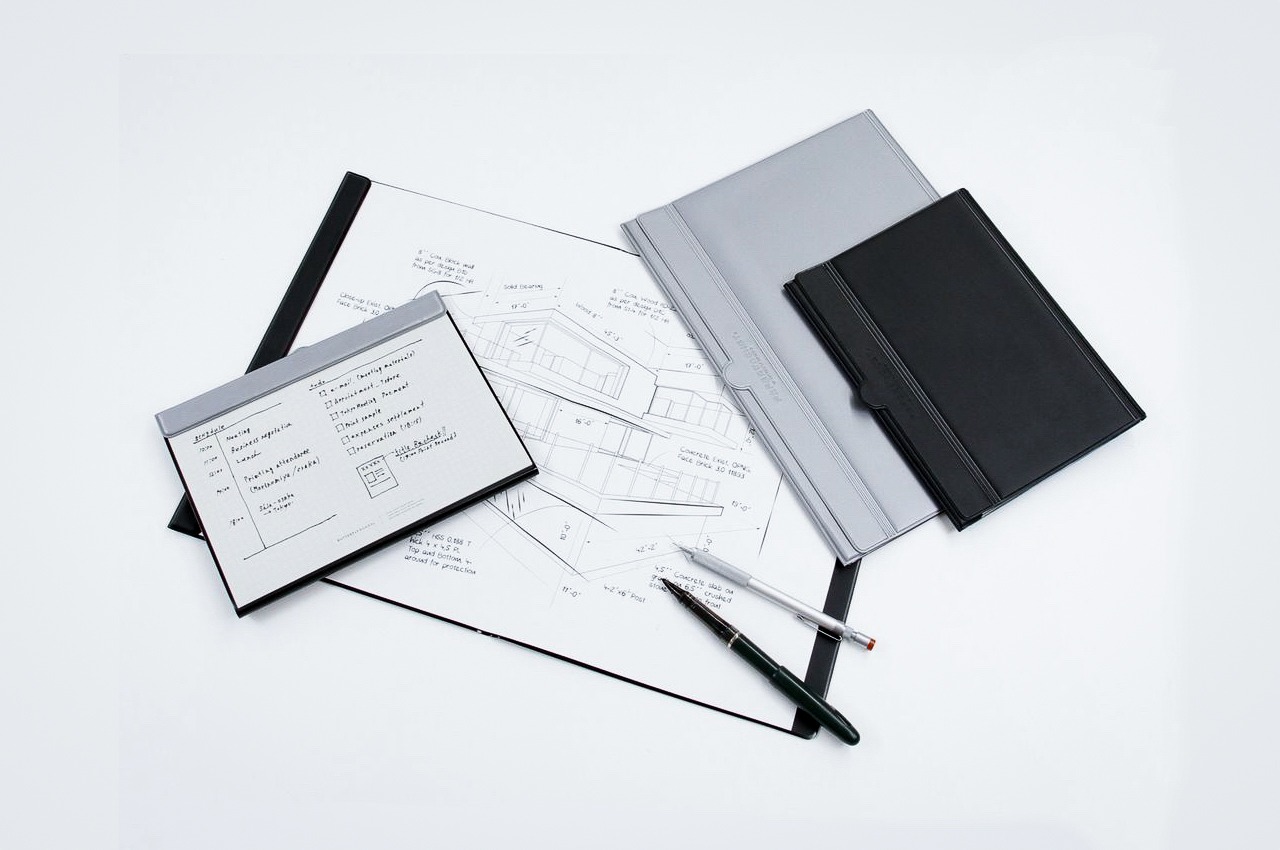
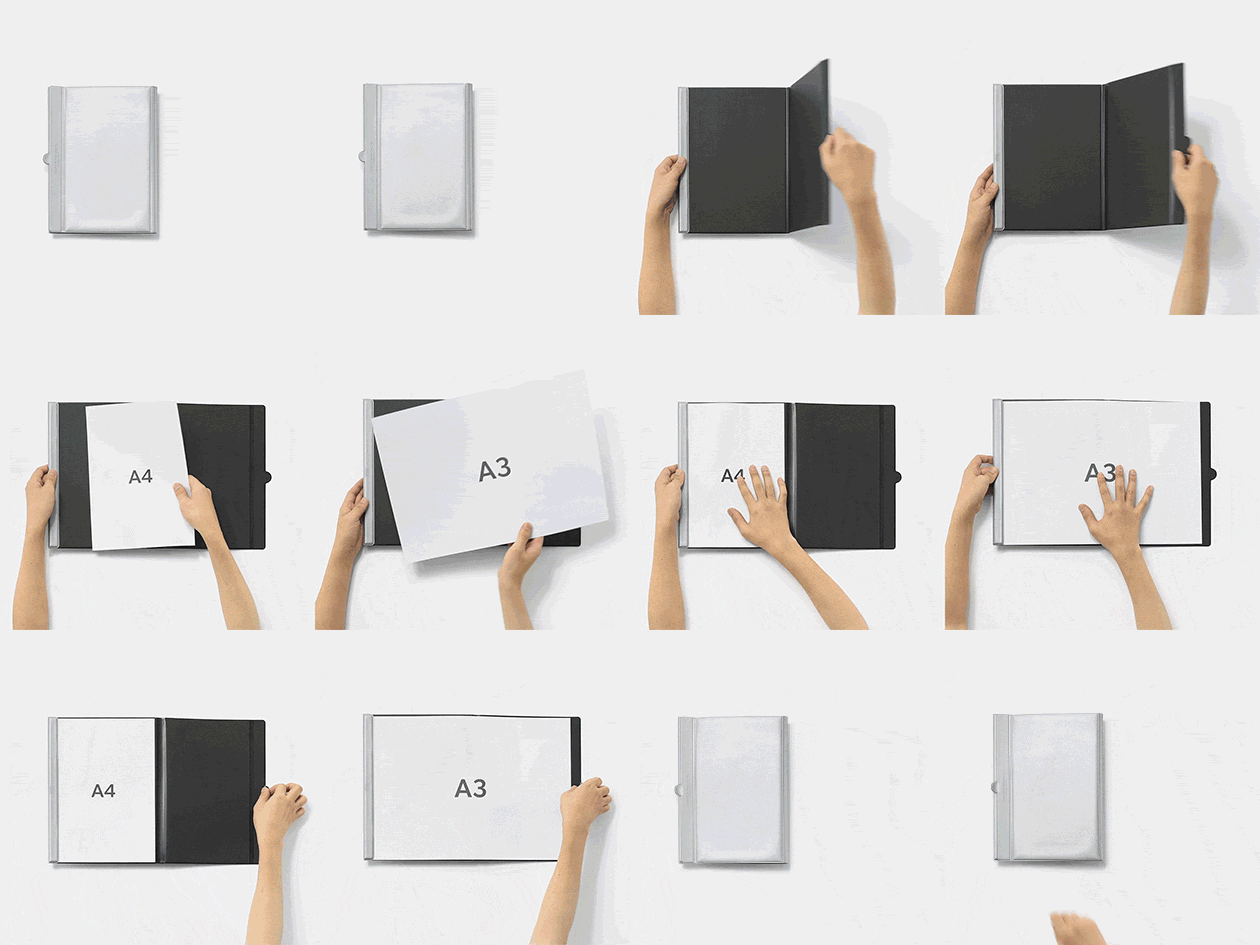
Rather than limiting yourself to the type and number of pages a notebook comes with, this clipboard lets you mix and match any kind of paper that fits inside it. An A4 jacket, for example, can hold A4 paper or A3 paper folded in half, while the A5 version can use A5 and A4 sheets in the same way. You can use unmarked blank paper, grid paper, dotted sheets, printed designs, or anything you want or need to give your thoughts a physical form.

You can really use any paper that you can write on, even those with printed text on the back. This is an excellent way to make use of those discarded sheets before they’re dumped into the bin. Even perforated or loose leaf paper with holes is fair game because they can easily be hidden inside the jacket’s “margin.”

Clip Paper Easily in Any Order

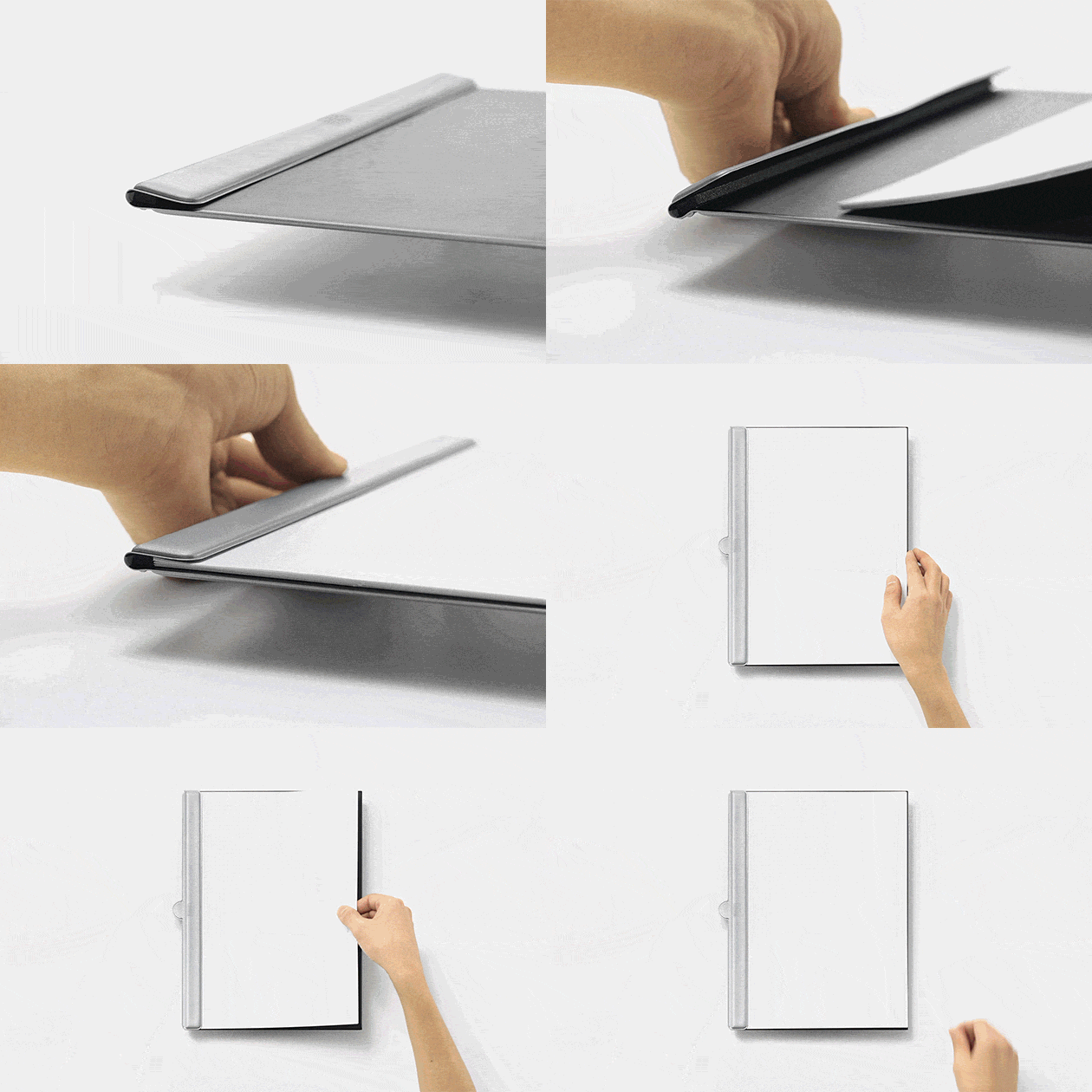
Unlike typical binders, this clipboard uses a clever Magnet x Lever mechanism to hold those loose sheets together while still letting you easily remove them as needed. Simply pushing down on the edge lifts up the clip, releasing the paper and allowing you to add or remove sheets in a snap. The clip can hold up to 30 sheets of paper, but it can secure even a single sheet if that’s all that you have left.

This deceptively simple design gives you absolute freedom in how you arrange your notes. You can always put a blank page at the top of the stack, ready to meet the tip of your pen or pencil at a moment’s notice, or you can order them according to topic or a specific flow of thought. Or you can just leave them as-is and none will be the wiser.

Take Notes Anywhere

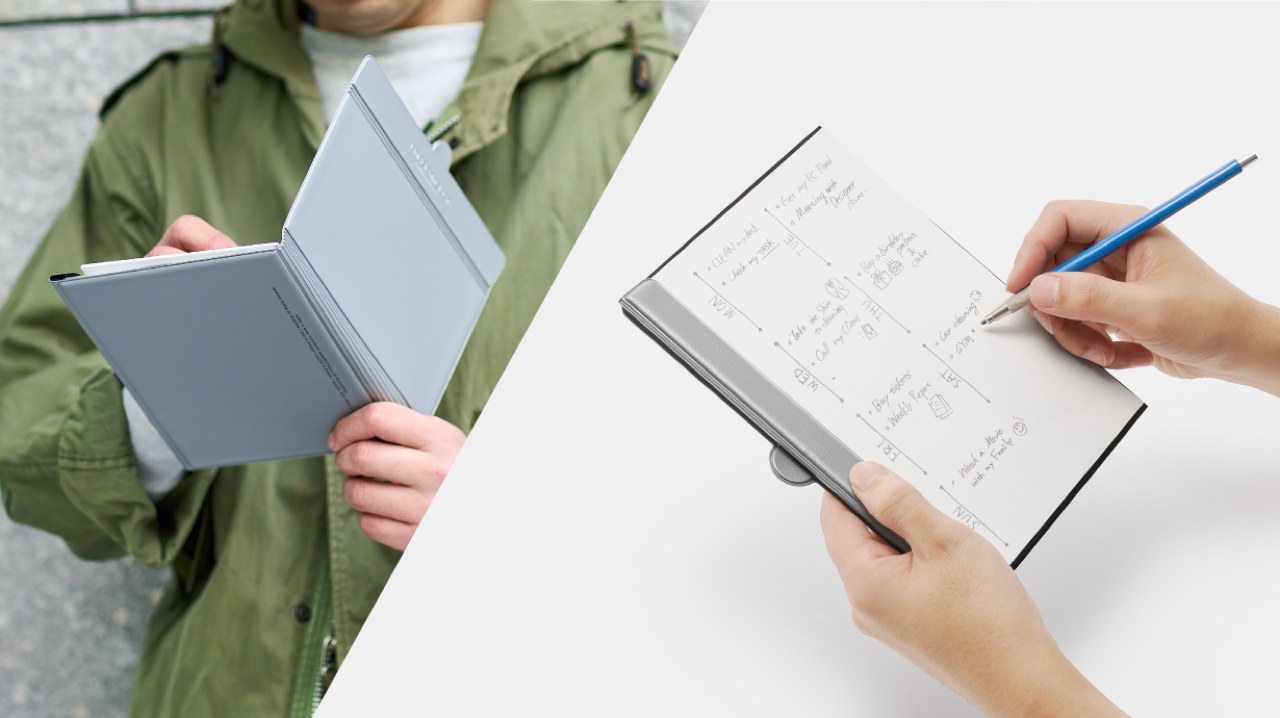
This ultra-minimalist paper notebook isn’t just easy to organize, it’s also super easy to use. Simply lift the flip tab to open the notebook and you’re good to go. You can even leave your pen inside so that it’s ready the next time inspiration strikes. The same strong magnets that keep the sheets of paper together also keep the cover from accidentally opening and exposing your precious scribbles. The jacket’s rigid hardcover and flexible angle make it trivial to fold it around and hold it in one hand, allowing you to take notes even while standing up.

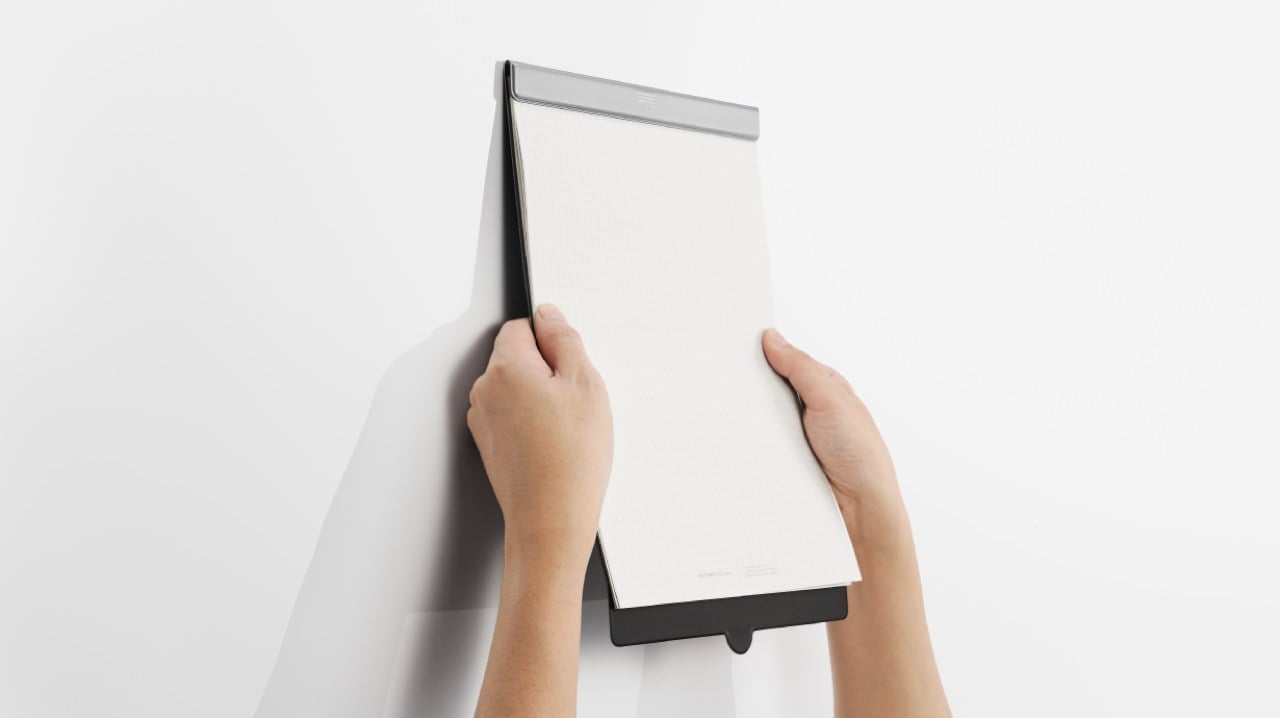
Best of all, both the inside and outside of the jacket are waterproof and you can easily wipe any drops that fall on it. This gives you the flexibility to not just take notes anywhere but also take your notes everywhere. You can even put it up on a metallic surface or whiteboard thanks to its magnetic clip. Time to ditch those pretty but inflexible notebooks and embrace the freedom that this magnetic, loose paper jacket can bring to your creativity and productivity.

Click Here to Buy Now: $39 $45 (13% off). Hurry, deal ends in 48 hours!

The post Note and Sketch Anytime, Anywhere with this Magnetic-binding Clipboard first appeared on Yanko Design.