Colorful Inhaler Case Laser-Engraves Names So Kids Aren’t Embarrassed

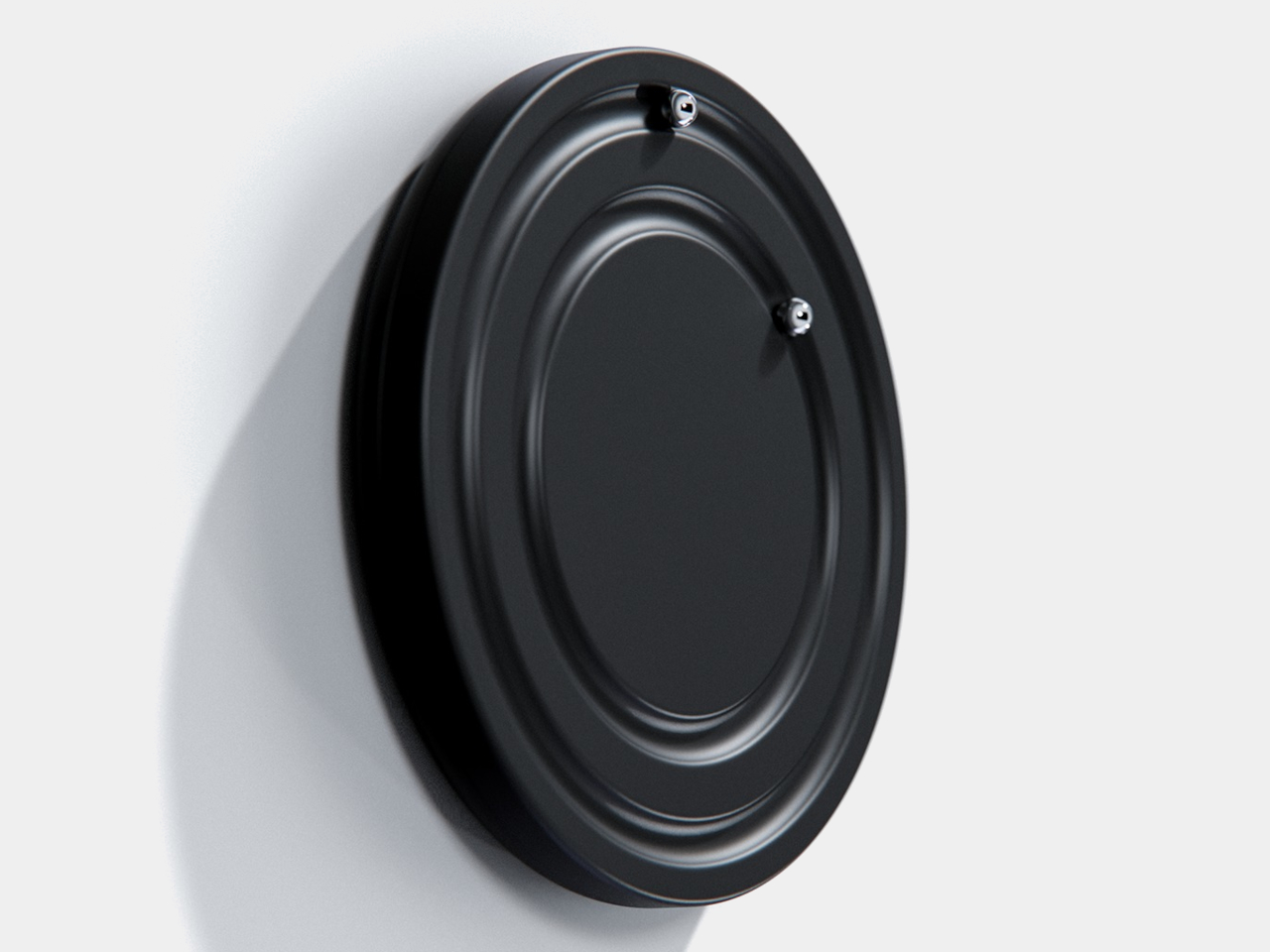
Inhalers are one of those everyday objects that millions of people carry around without ever thinking about how they look or feel. They roll around in bags, get shoved into pockets, and come out in public with all the elegance of a used tissue. Nobody designed them to be personal, and it shows. The hale Flow, a colored SLS nylon case made in the UK, wants to change that by treating an inhaler less like a clinical tool and more like something you’d actually want to pull out of your bag.

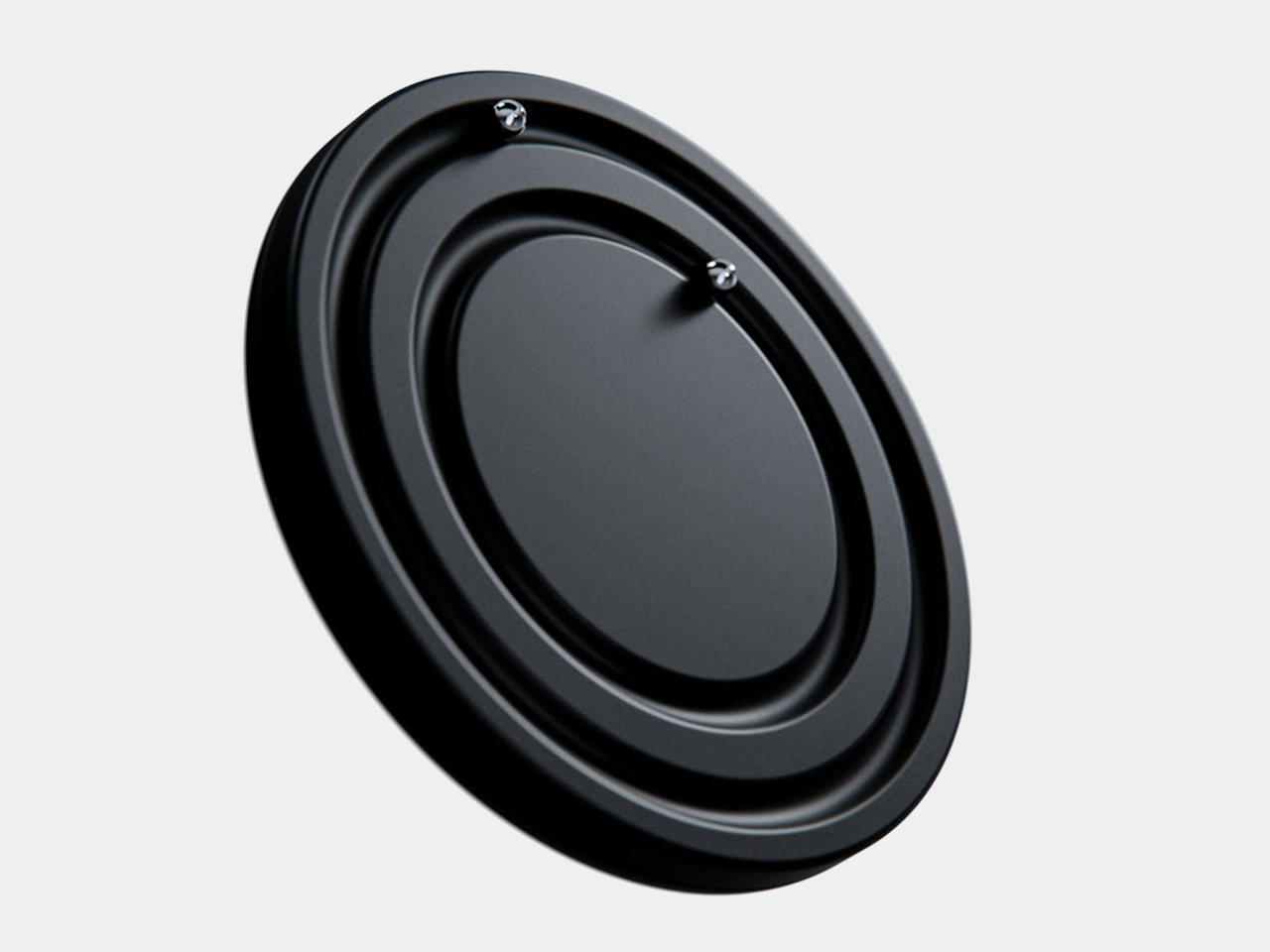
The person behind it is Matthew Conlon, who built hale from his own experience living with asthma. That starting point matters because the material choice isn’t just cosmetic. The case is made from PA12 nylon through selective laser sintering, a polymer grade found in aerospace and medical implant applications. At just 1mm of wall thickness, it wraps tightly around the Ventolin Evohaler without adding bulk, and the slightly grainy, matte surface gives it a tactile quality that immediately separates it from the cheap silicone sleeves floating around online.

Designer: Matthew Conlon

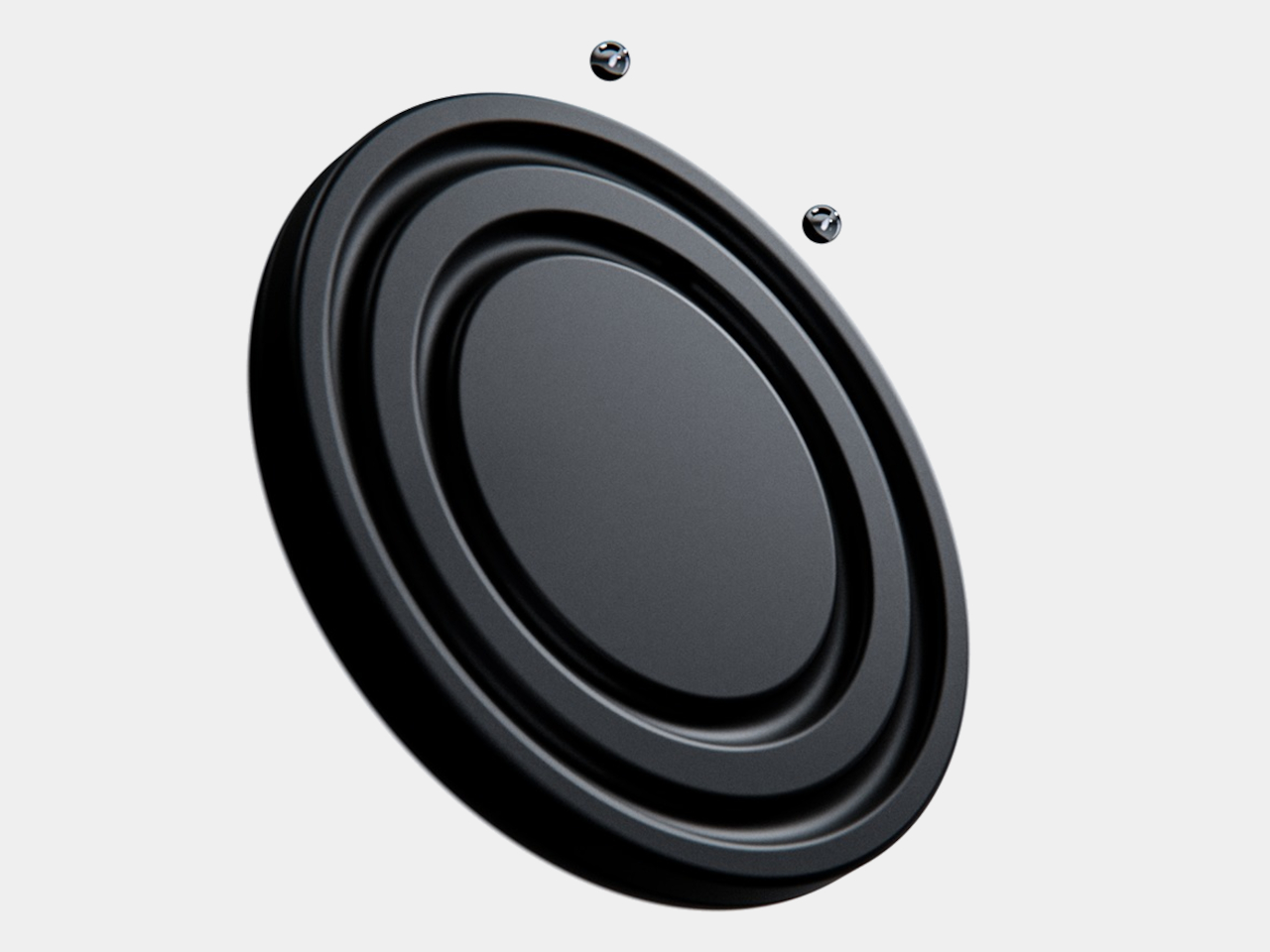
Two halves snap together through concealed magnets, each only 0.85mm thick, so there are no visible clips or latches breaking up the surface. The mouthpiece cap bonds with a small dot of adhesive, the one permanent step in an otherwise reversible setup. Subtle contours across the grip area help with one-handed use, which is the kind of detail you appreciate when you’re having a mid-asthma episode and fumbling isn’t really an option. Three colorways are available (Lemon, Pink, and Black) at £29, sitting comfortably between throwaway accessories and hale’s own aluminum Classic at £59.

What genuinely sets the Flow apart, though, is laser engraving. You can add a name or even upload a custom image, like a pet illustration, etched permanently into the nylon. For a parent buying one for a child with asthma, that turns a medical necessity into something personal, something a kid might actually feel proud pulling out of a backpack. No other inhaler accessory on the market currently offers that level of personalization at this price, which is surprising given how large the potential audience is.

The honest caveat here is compatibility. The hale Flow works exclusively with the Ventolin Evohaler, and while salbutamol remains one of the most dispensed bronchodilators in the UK, with over 22 million units in 2020 alone, millions of asthma patients rely on entirely different devices. Hale says it is exploring additional models, but for now, the design promise stops at one inhaler.

At £29, manufactured in the UK by a single founder who actually lives with the condition he’s designing for, the hale Flow sits in a category that barely existed before it showed up. Whether it can grow beyond that single compatible inhaler will determine if it remains a thoughtful niche product or turns into something with a much wider reach.

The post Colorful Inhaler Case Laser-Engraves Names So Kids Aren’t Embarrassed first appeared on Yanko Design.

These Magnetic LED Blocks Snap Together Like LEGO Lighting

Most lighting is still sold as fixed objects: a floor lamp for the living room, a task lamp for the desk, a strip for the TV, each designed for one spot and one job. That clashes with the way people actually live now, moving desks, rearranging rooms, switching from work to play in the same corner, while the lamps stay stubbornly tied to a single idea of the space.

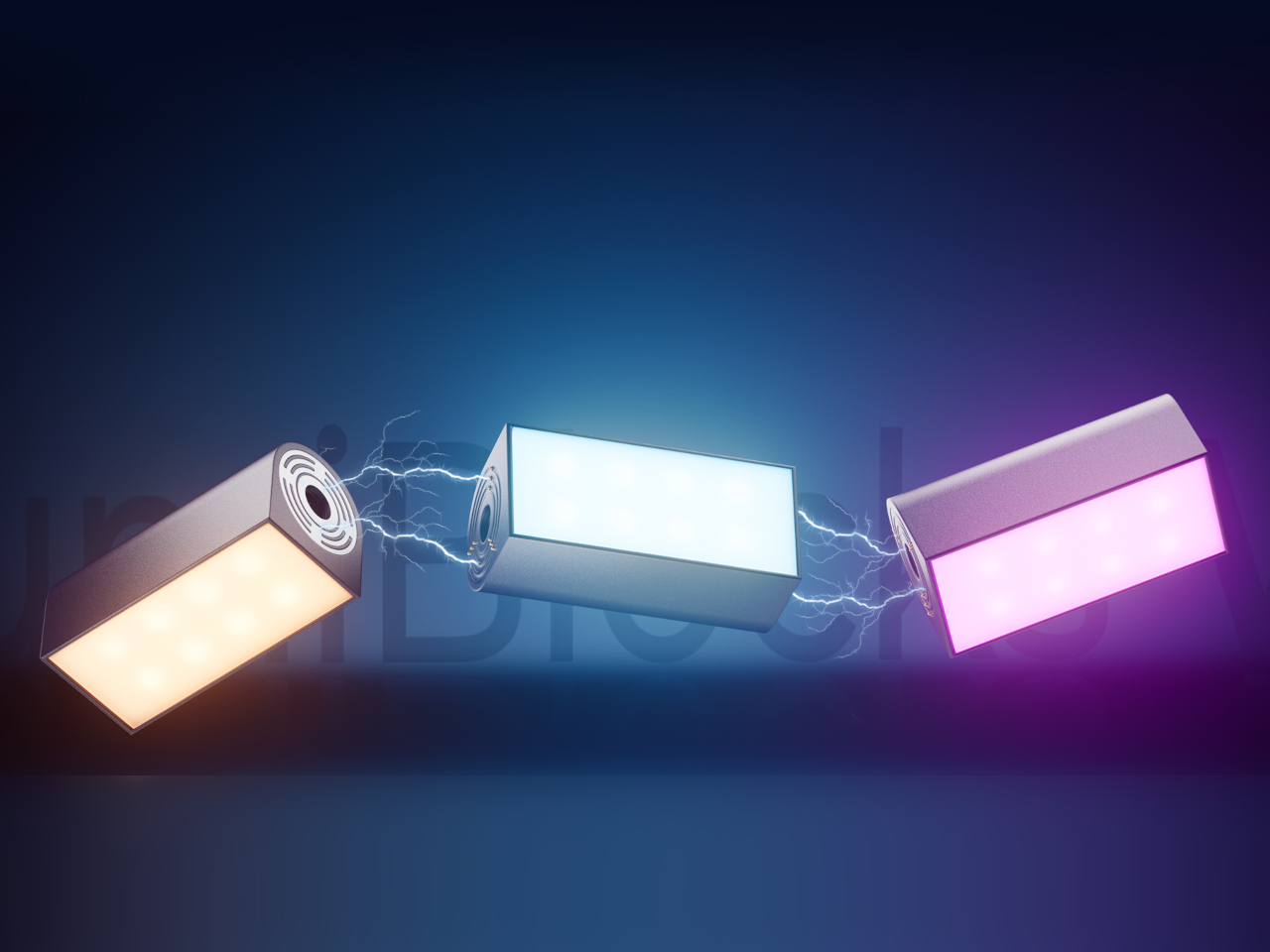
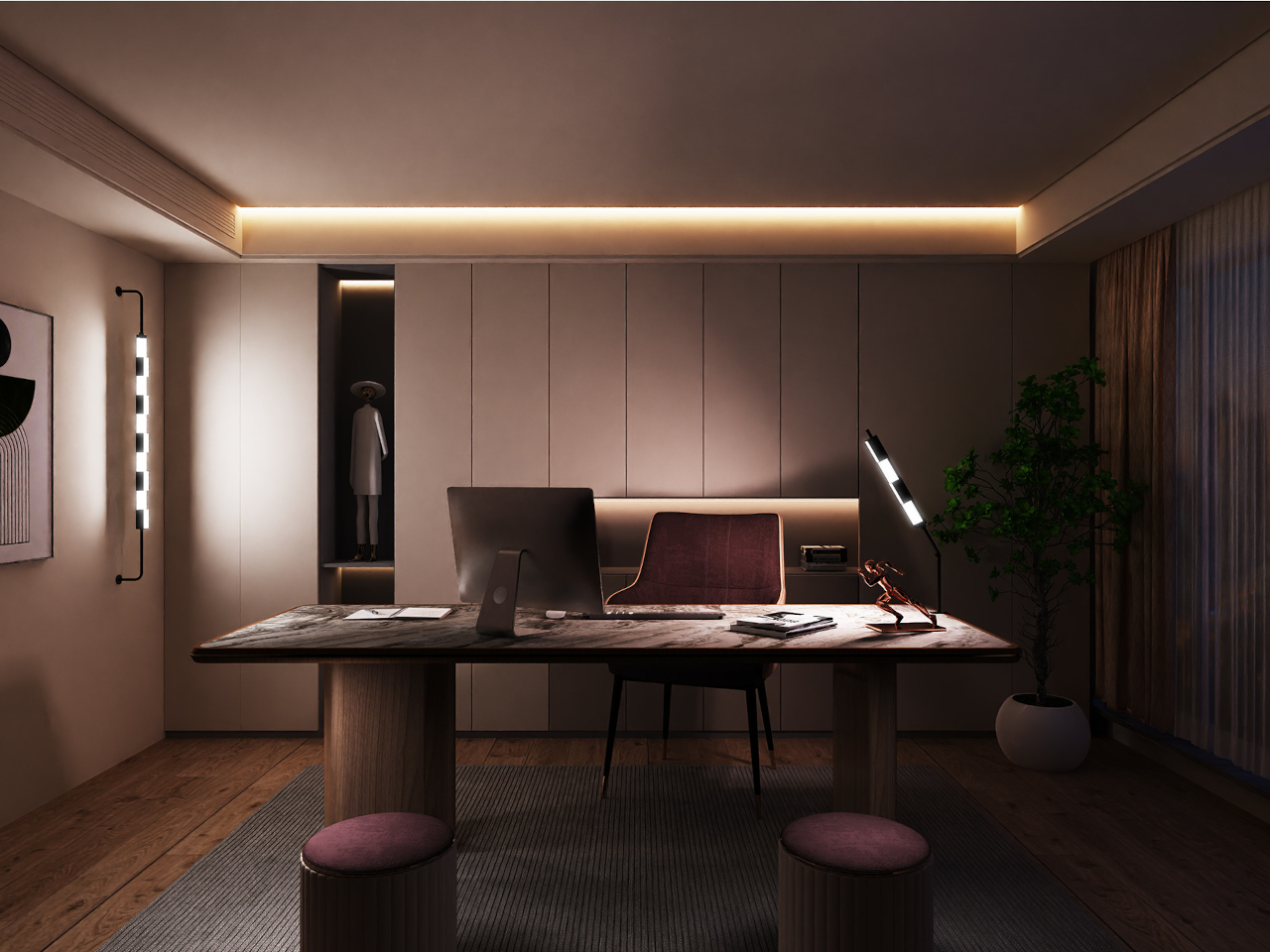
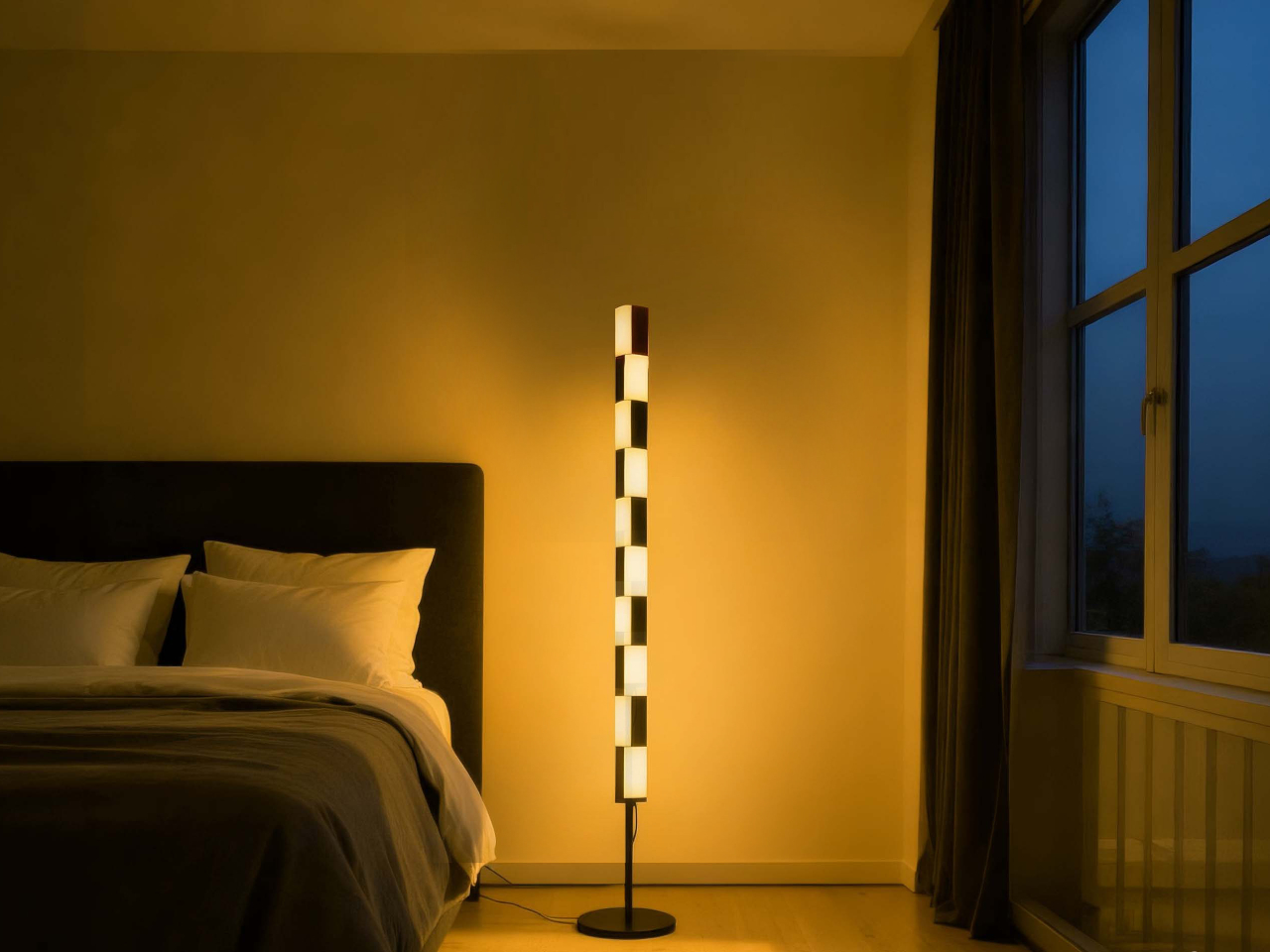
LumiBlocks V1 is a magnetic RGBCW block lamp that treats light as something you build and rebuild. Instead of one rigid bar or panel, it is made from individual light blocks that snap together magnetically, power up as soon as they connect, and can be added or removed to match the length and shape your current setup needs, whether that is a short strip behind a monitor or a longer run along a wall.

Designer: Peter Wu (Decktok)

Click Here to Buy Now: $79 $149 (47% off). Hurry, only 9/27 left! Raised over $53,000.

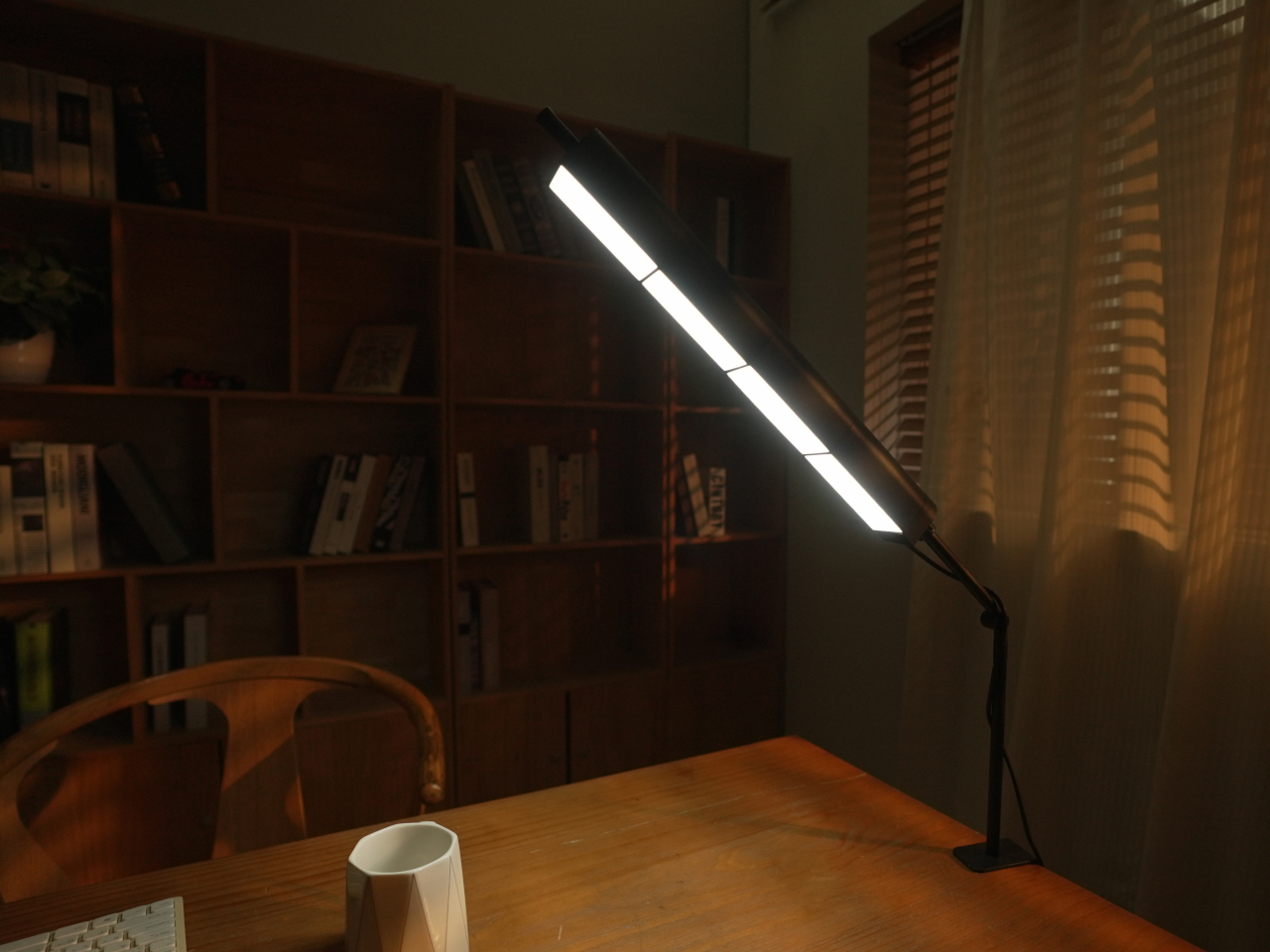
Each block can rotate a full 360 degrees, so you aren’t locked into the direction the base is pointing. You can twist segments to throw light onto a keyboard, bounce it off a wall for a softer wash, or angle a few blocks down for a reading nook while others point up for ambient glow. The magnets handle alignment and power, which turns rearranging into a quick, almost fidget-like action rather than a wiring project.

1

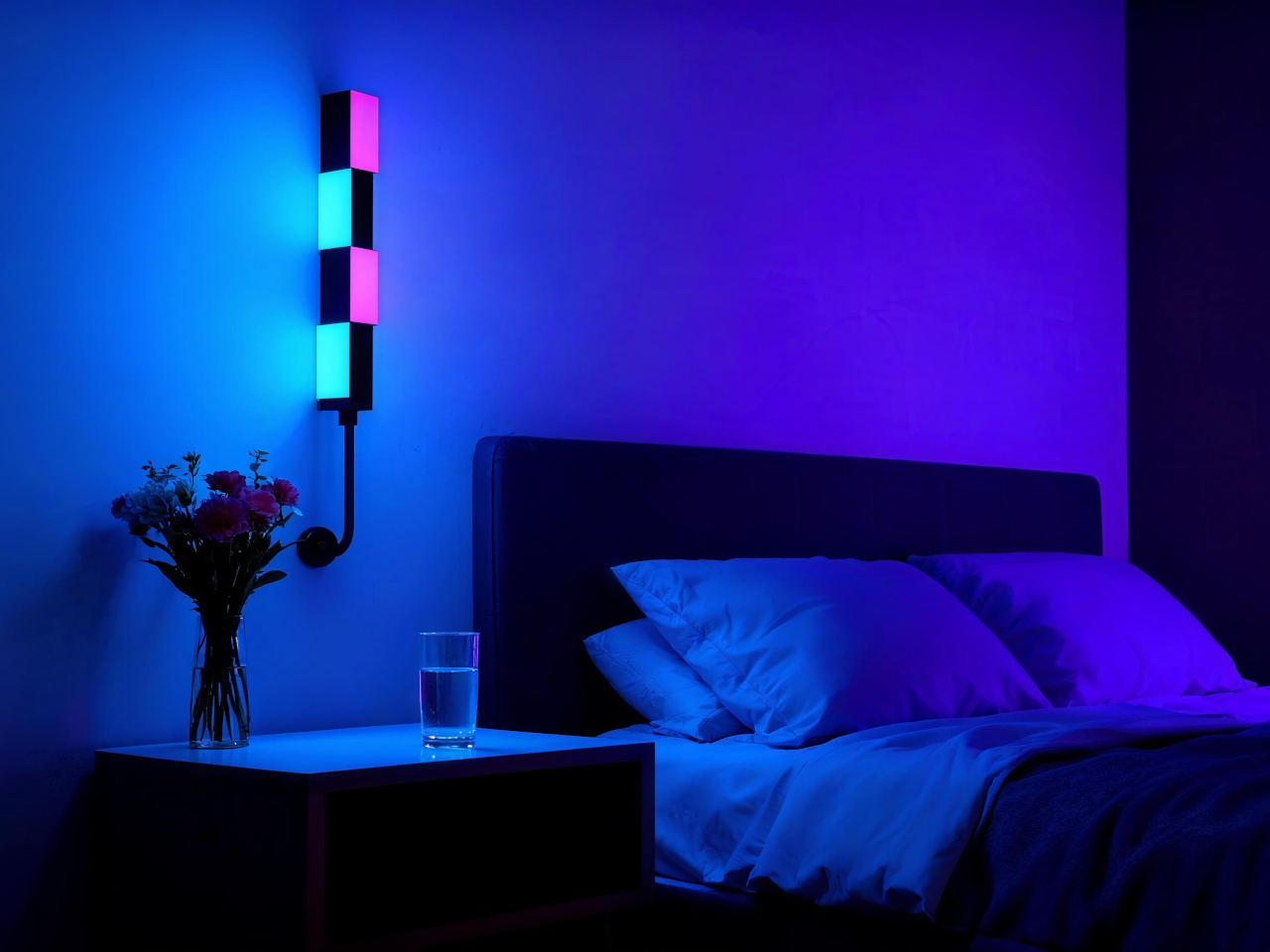
The blocks emit RGBCW LEDs that can handle both full color and practical white light. With ten blocks, you get up to 1,500 lumens, enough to light a small room, and you can tune the white from a warm 2,700 K to a crisp 6,500 K. That means the same strip can be a focused work light during the day, a neutral wash for video calls, and a low, saturated accent at night.

Control layers on top of the physical system. Simple buttons when you’re standing next to it, an app when you’re on the sofa, and voice control through Alexa or Google Home when your hands are busy. The app lets you treat each block as its own pixel, adjusting brightness and color per segment, or you can lean on the 49 built-in scenes and music-reactive modes when you just want the room to feel different with a tap.

1

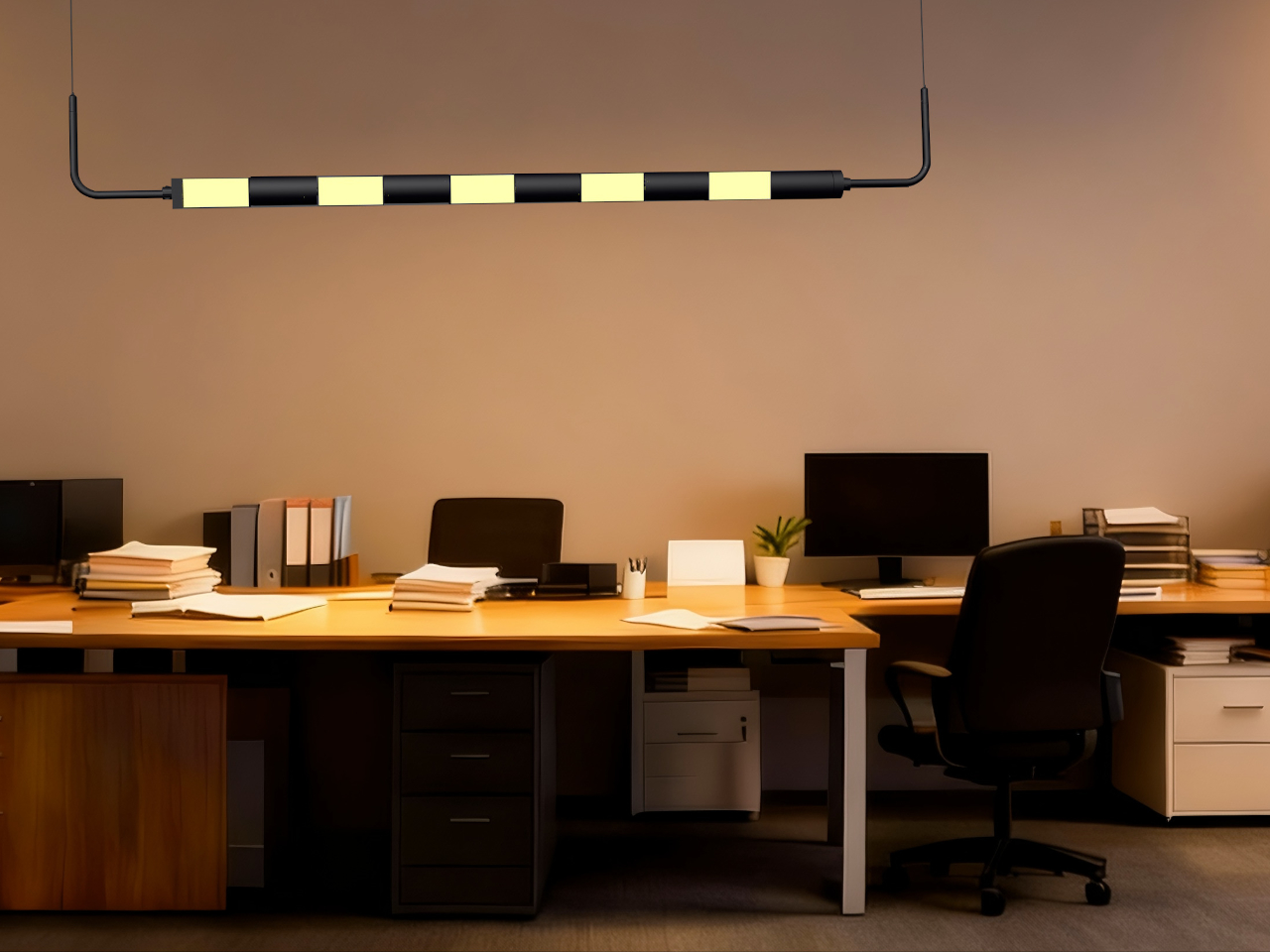
LumiBlocks V1 is not locked to one mounting style. With the right kit, the same blocks can sit on a desk as a low ambient bar, hang on a wall as a linear sconce, or drop from the ceiling as a pendant. Because the system runs on low-voltage DC and talks over Bluetooth and 2.4GHz Wi-Fi, you’re mostly thinking about where you want light, not where the original lamp designer assumed you would put it.

1

This shifts the way you think about buying lights. Instead of collecting separate fixtures for every corner, you start with a set of blocks that can follow you from apartment to apartment, desk to desk, and phase to phase. The magnetic joints, 360-degree rotation, RGBCW output, and per-block control turn LumiBlocks V1 into a kind of lighting toolkit, one that can keep up as your spaces and routines keep changing.

Modularity is not new, but LumiBlocks V1 executes it well, making the blocks easy to snap and rotate, the app intuitive enough to actually use, and the mounting options flexible enough that the same kit can cover a bedroom, office, and gaming corner without needing three separate purchases. For people who rearrange often or who want their lighting to feel as adaptable as their furniture, a system that you can literally pull apart and rebuild feels more honest than another fixed lamp pretending to be smart.

Click Here to Buy Now: $79 $149 (47% off). Hurry, only 9/27 left! Raised over $53,000.

The post These Magnetic LED Blocks Snap Together Like LEGO Lighting first appeared on Yanko Design.

This Modular Console Changes Layout With Magnetic Snap-In Controls

Modern creative desks are covered in controllers. A Stream Deck for macros, a MIDI controller for faders, a tablet for drawing, maybe a separate panel for color grading. Each tool is great at one thing but locks its layout in place, so switching from streaming to editing to design means mentally remapping controls or physically swapping gear, sometimes both when you’re already behind schedule.

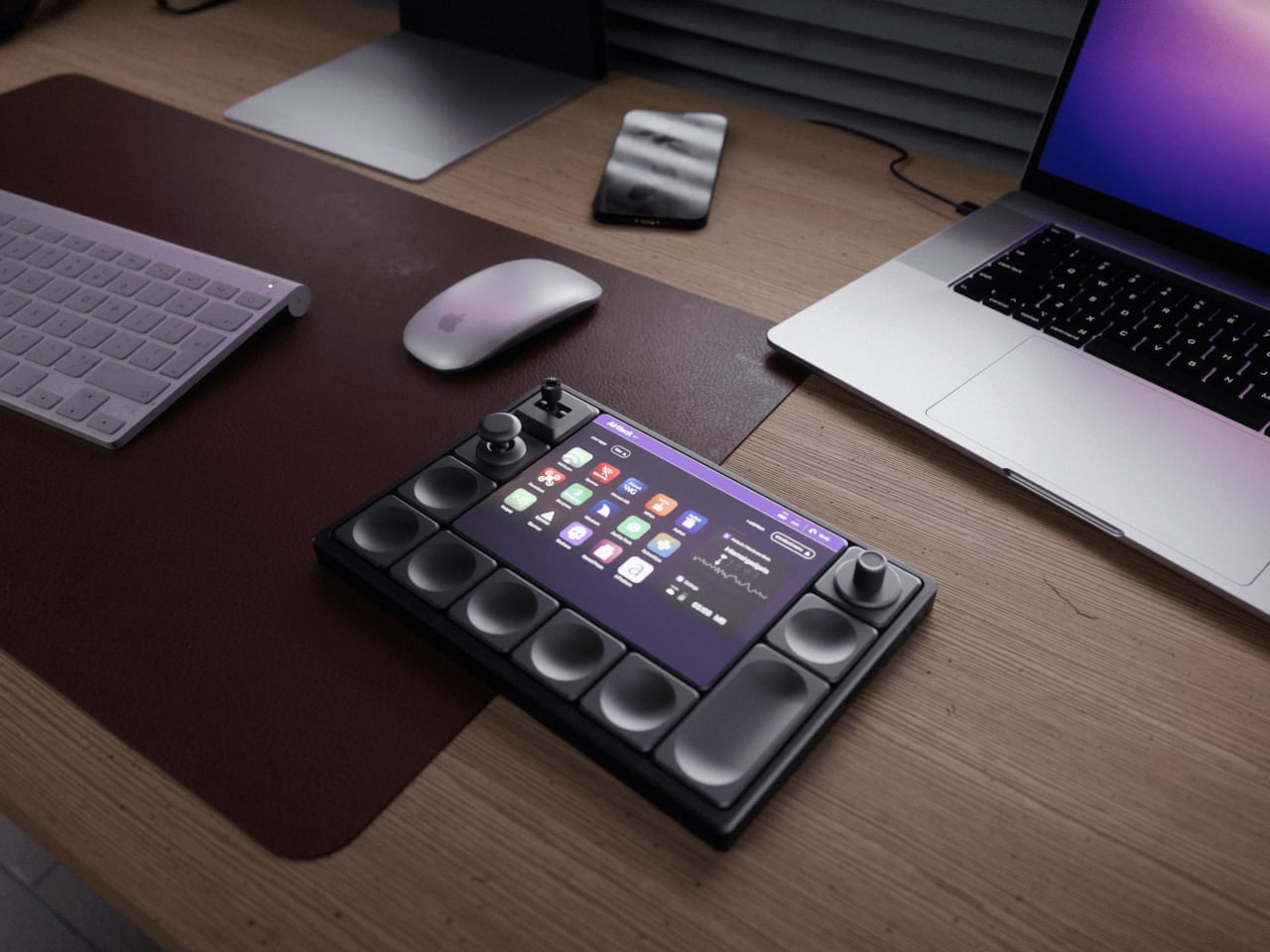
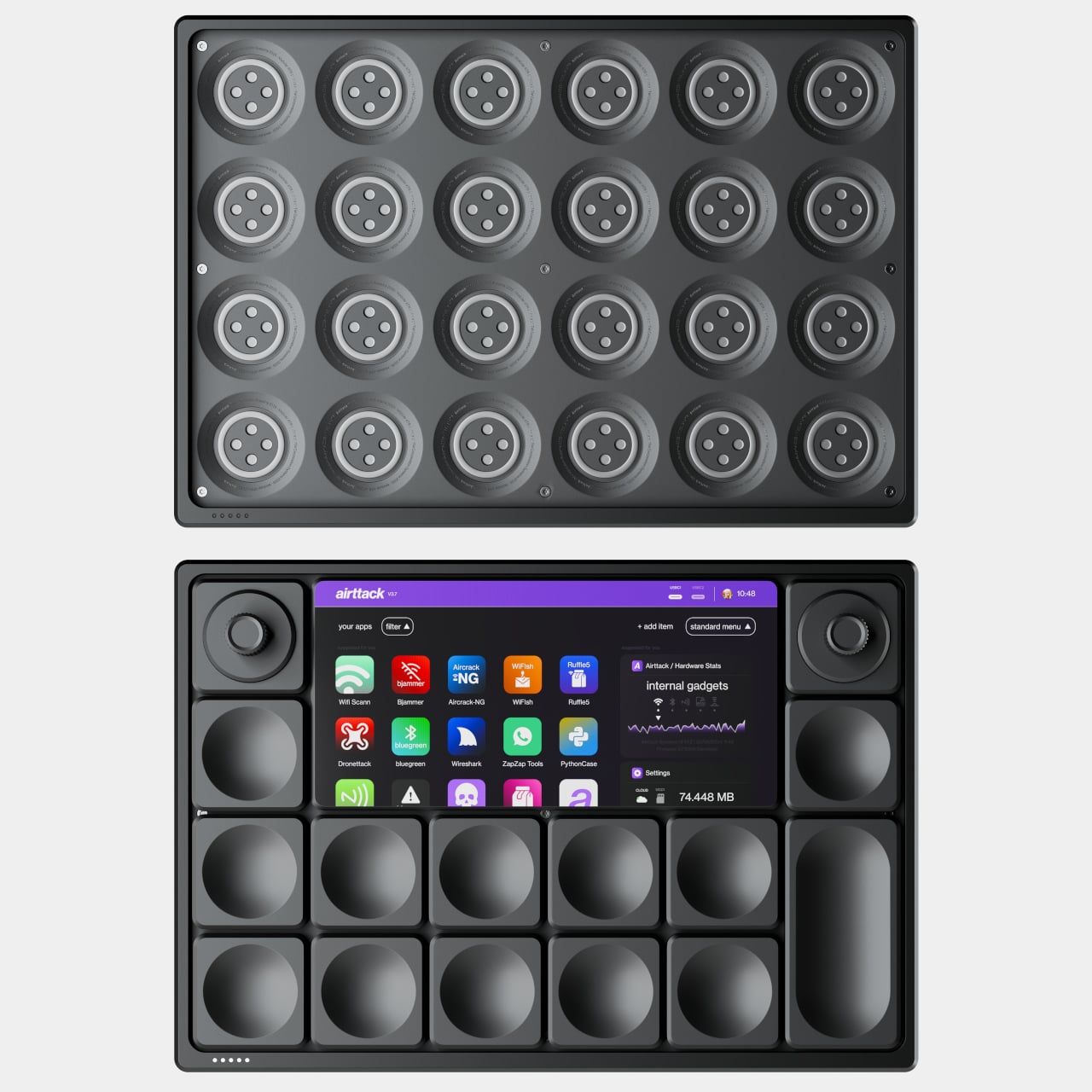
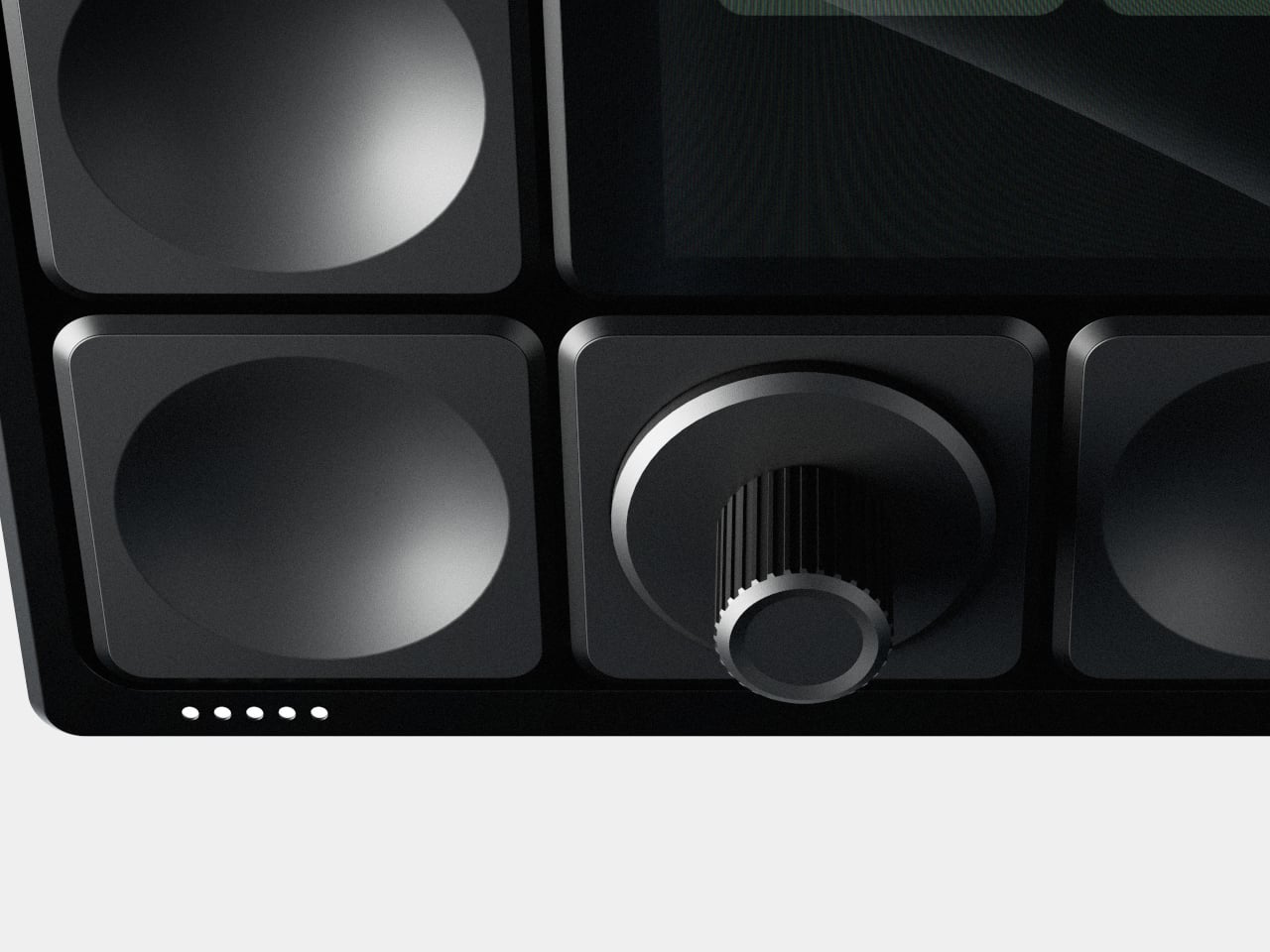
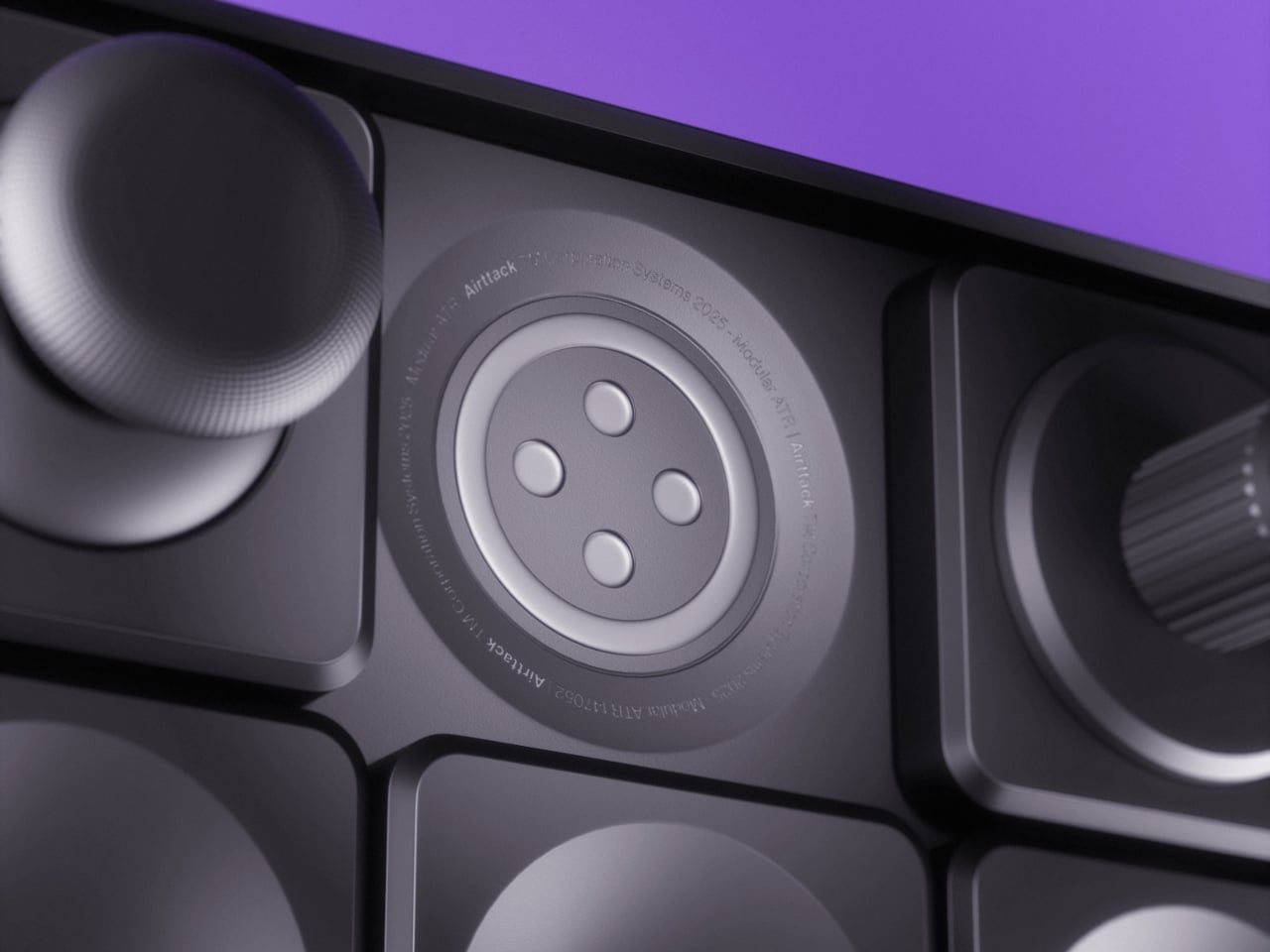
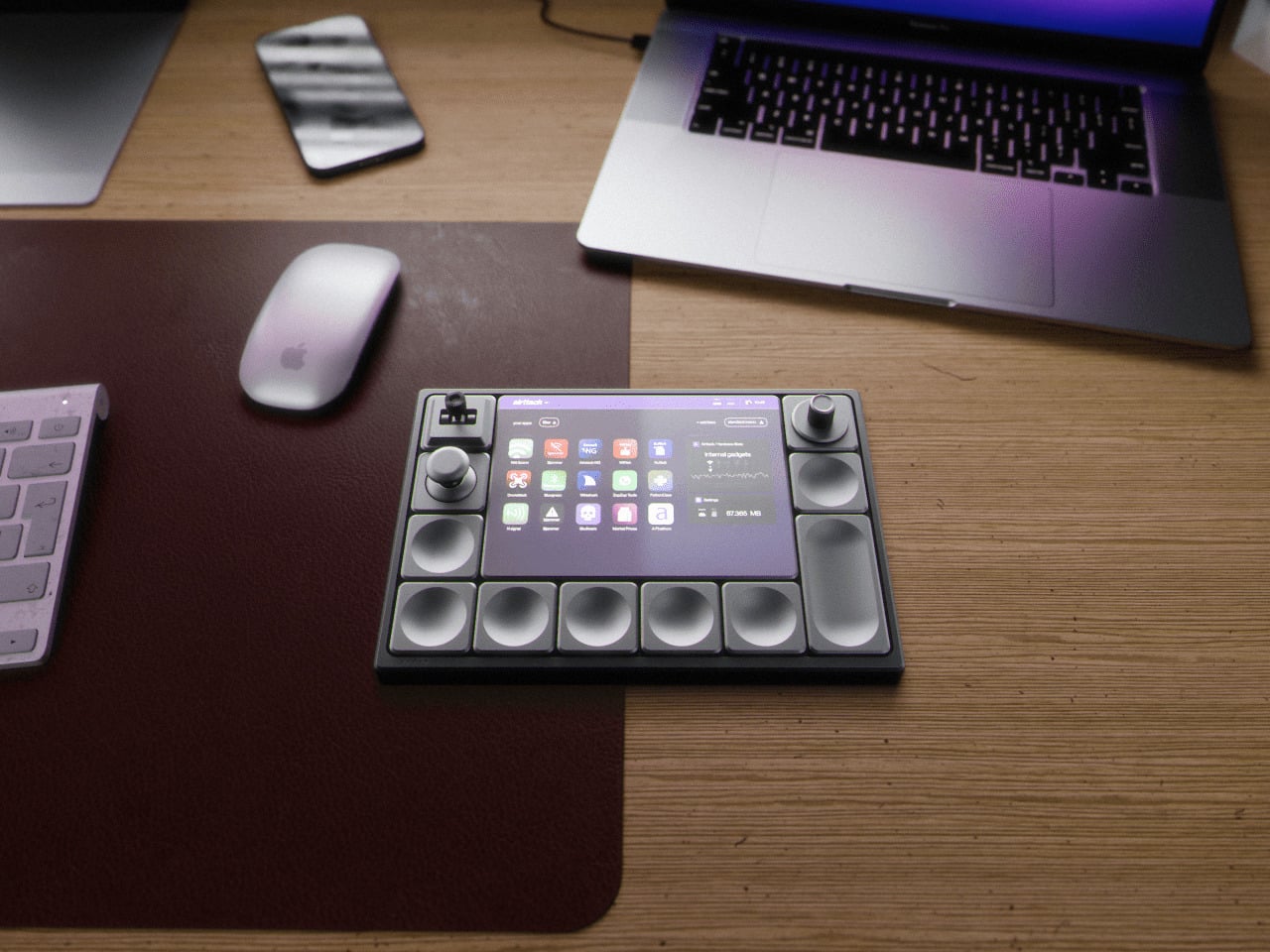
Airttack One is a concept that imagines a single, modular slab that can become any of those controllers in seconds. Described as a “modular revolution,” it’s a minimalist device with a magnetic base that accepts different hardware modules, LCD screens, knobs, joysticks, and button clusters. You rebuild the surface for the task instead of living with a one-size-fits-all grid that only makes sense for one app.

Designer: Alberto Cristino, Mateus Otto (Prosper Visuals)

The base is a grid of circular sockets with power and data contacts. You snap in modules in whatever arrangement makes sense. A streaming session might use a central screen for scenes and chat, surrounded by buttons for triggers and a fader strip for audio. A video edit later that night swaps those for jog wheels, scrub knobs, and dedicated cut keys, each magnetically locked into place without tools or software reassignments.

The software side runs on a 1500-nit touchscreen that stays readable under studio lights. An iOS-inspired interface shows a grid of apps, and a third-party store extends what the hardware can do, from streaming overlays to DAW controllers to brush panels. Each app can push its own layout to the modules, so the same physical knobs and screens behave differently in Resolve, Ableton, or Blender without manual mapping.

Dual cameras with a LiDAR sensor hint at depth-aware capture, AR previews, or motion-tracked controls. The concept also references radio and network tools, which in creative terms could mean wireless camera management, multi-device streaming, or interactive installations. The hardware isn’t locked to one discipline. It’s a blank, magnetic canvas for whatever combination of inputs your project needs.

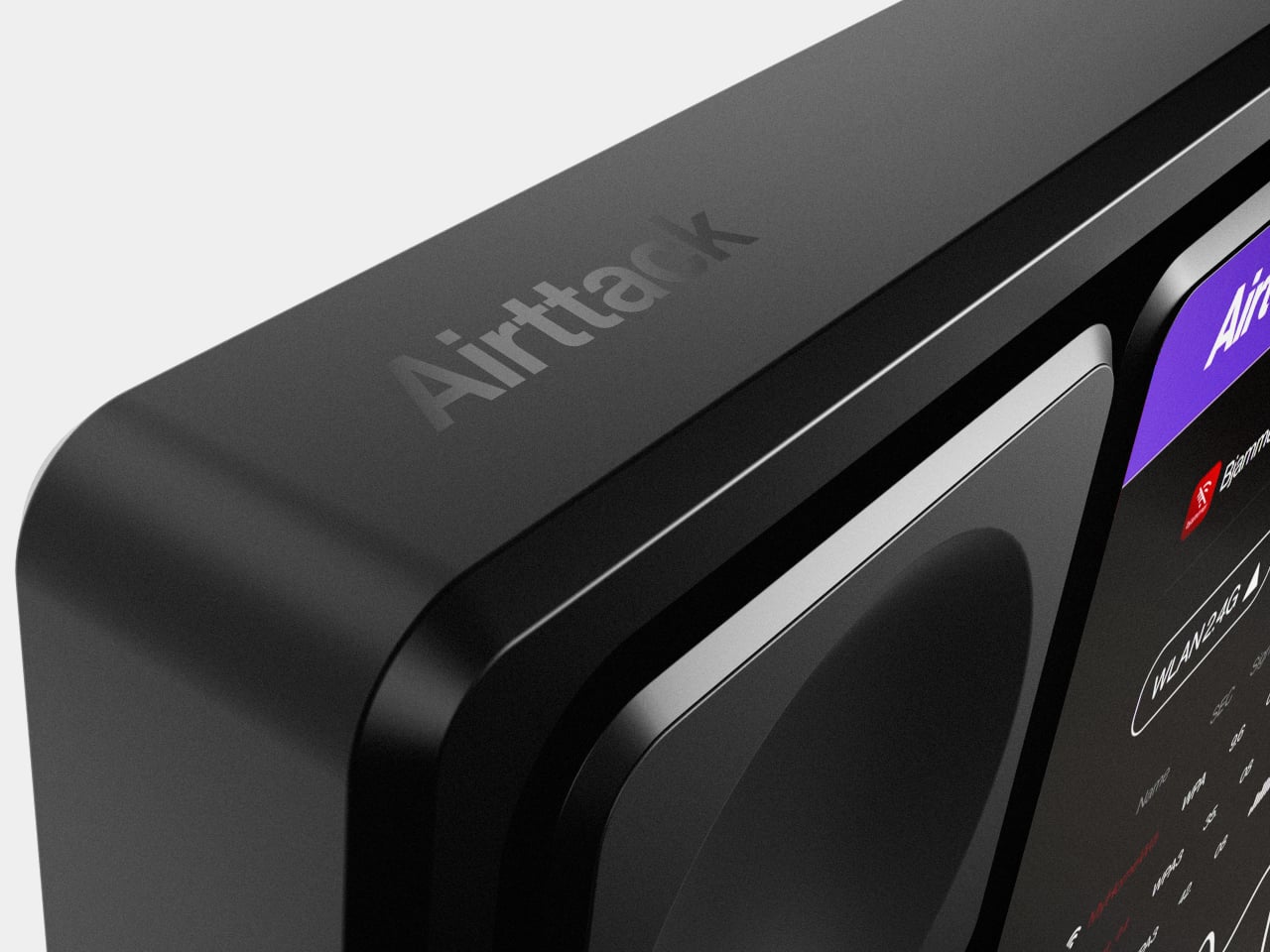
Airttack lives on a desk as a control surface during the day, then drops into a bag with different modules for an on-site shoot or live event. The industrial design stays low-profile and discreet, with metallic textures and magnetic connectors hidden under a clean grid, so it reads as a serious tool even when the layout is playful, full of knobs and joysticks for a VJ set or game stream.

Airttack One imagines hardware catching up to the way creative software already works: modular, layered, and context-aware. Instead of buying a new controller every time your workflow evolves, you rearrange the same base, load a different app set, and keep going. Whether or not this exact device ships, the idea of a shape-shifting creative console that molds itself to your projects feels overdue when most of us already juggle three controllers that could have been one.

The post This Modular Console Changes Layout With Magnetic Snap-In Controls first appeared on Yanko Design.

This $39 Pill Organizer Is Designed to Stay Out, Not Hide in Drawers

Most pill organizers still look like something from a hospital drawer, translucent plastic strips with tiny lids that feel clinical and easy to hide. That aesthetic does not help when you are trying to build a daily wellness routine around vitamins, supplements, or medication. Maybe the problem is not people forgetting, but tools that feel like they belong in a cabinet instead of in everyday life, making it harder to stay consistent.

The modobloom M7 pill organizer is a weekly system designed for vitamins, supplements, and meds that is meant to live where you actually are, on a counter, desk, or nightstand. It uses seven magnetic Tritan tubes, one for each day, and a compact foldable case that can display them or tuck them away. The goal is to make your routine visible and calm, not something you only interact with when you are already stressed or running late.

Designer: modobloom

Click Here to Buy Now: $39 $59 (34% off). Hurry, 57/1600 left! Raised over $196,000.

The modobloom M7 is designed to stay in sight, because out of sight often means out of mind. You fill the tubes once at the start of the week, then let them sit in the foldable case where you will see them, simplifying your daily rhythm. The internal compartments are sized for real supplement routines, not just a couple of tiny tablets, so you are not fighting the container every time you add a new capsule to your stack.

1

The seven tubes work as a modular set at home and as individual pieces when you leave. The embedded magnets let them snap together in a neat row, then detach smoothly when you want to take a single day with you. A tube can slip into a work bag, gym tote, or carry-on without rattling around, so your bedside routine and your on-the-go life share the same system instead of needing separate containers.

1

1

The material choices are Tritan from Eastman USA for the tube bodies, a BPA-free, FDA-compliant plastic used in premium water bottles and baby products, and food-grade silicone for the soft caps. The matte privacy finish keeps contents discreet, while color-coded lids and day labels keep things clear. The silicone cap opens to about 90 degrees and is tuned for one-hand operation, making it easy to open, pour, and close even when you are half-awake.

The modobloom M7 might sit next to a coffee machine as you take morning vitamins, or a single tube might live in a gym bag holding pre- and post-workout supplements. Another could be on an office desk as a quiet reminder in the middle of a busy day. The organizer becomes part of your daily rhythm, not a separate chore, and its soft-touch finishes and curated colors help it blend into a home rather than stand out like medical gear that you would rather not advertise.

A weekly pill organizer might seem like a small thing until you need it every day. When the object you rely on feels cold or embarrassing, it is easy to shove it in a drawer and forget. When it feels considered, safe, and a little bit warm, it is easier to keep it in view and let it support the habits that keep you well. The modobloom M7 treats wellness as something you live with, not something you hide, turning a mundane task into a small, calm ritual that quietly earns its place on your counter.

Click Here to Buy Now: $39 $59 (34% off). Hurry, 57/1600 left! Raised over $196,000.

The post This $39 Pill Organizer Is Designed to Stay Out, Not Hide in Drawers first appeared on Yanko Design.
Hexagon Board Game Trays Make Perfect Magnetic Desk Organizers

Most of us end up using whatever is at hand as a catch-all: coffee cups, candle lids, random bowls, and that works until you actually need to find a specific SD card or binder clip. A lot of the best small organizers are hiding in other categories, and these magnetic hexagon token trays, sold as board game accessories, are really just well-designed hexagonal dishes with magnets and dividers.

Each tray is a hexagon with magnets hidden in its edges so it snaps to its neighbors in a honeycomb. You can build a cluster that fits the corner of a monitor stand or the space in front of a keyboard, then peel one off and move it closer when you need it. The magnets keep the layout coherent instead of letting dishes drift apart over time, which is a small but meaningful improvement over loose containers.

Designer: BoardGeekFox

Each unit is a two-part organizer, a black magnetic base, and a colored insert that drops in. The insert ships with two dividers, a straight one that splits the tray into two sections and a Y-shaped one that splits it into three. You can run it as one big bin, two equal compartments, or three wedges, depending on whether you are holding paper clips, sticky-note flags, or three different pen nibs.

The color options for the inserts let you treat the trays as a visual system. You can assign colors to categories, blue for tech bits, yellow for writing tools, red for things that need attention, or just build a small rainbow that makes the corner of your desk feel more like a layout than a pile. The black bases keep everything grounded, so the color reads as an accent, not chaos.

The trays are 3D-printed in PLA with embedded magnets, which keep them light but give them a satisfying snap when they connect. On a smooth desk, that matters, a cluster of loose bowls tends to slide and separate, while a magnetic cluster holds its shape when you nudge things around. The slight texture of printed PLA also keeps small items from skittering around inside each compartment, especially paper clips and staples.

The modularity plays nicely with shifting work modes. On a heavy project day, you can build a larger honeycomb and park it next to your main work area, each tray handling a different set of parts. On quieter days, you can break the set into smaller clusters and spread them across a shelf, a secondary desk, or a nightstand. The hexagon footprint is compact enough that a single tray works as a bedside catch-all for rings and earbuds.

These trays sit in a sweet spot between rigid drawer inserts and random containers, structured enough to keep things sorted but flexible enough to reconfigure when your habits change. For anyone who likes their desk to feel a little more like a considered layout and a little less like a junk drawer, a handful of magnetic hexagons with dividers is a surprisingly simple way to give every small object a place to land, while keeping the option to rebuild the whole composition whenever the mood or the project shifts.

The post Hexagon Board Game Trays Make Perfect Magnetic Desk Organizers first appeared on Yanko Design.

Hexagon Board Game Trays Make Perfect Magnetic Desk Organizers

Most of us end up using whatever is at hand as a catch-all: coffee cups, candle lids, random bowls, and that works until you actually need to find a specific SD card or binder clip. A lot of the best small organizers are hiding in other categories, and these magnetic hexagon token trays, sold as board game accessories, are really just well-designed hexagonal dishes with magnets and dividers.

Each tray is a hexagon with magnets hidden in its edges so it snaps to its neighbors in a honeycomb. You can build a cluster that fits the corner of a monitor stand or the space in front of a keyboard, then peel one off and move it closer when you need it. The magnets keep the layout coherent instead of letting dishes drift apart over time, which is a small but meaningful improvement over loose containers.

Designer: BoardGeekFox

Each unit is a two-part organizer, a black magnetic base, and a colored insert that drops in. The insert ships with two dividers, a straight one that splits the tray into two sections and a Y-shaped one that splits it into three. You can run it as one big bin, two equal compartments, or three wedges, depending on whether you are holding paper clips, sticky-note flags, or three different pen nibs.

The color options for the inserts let you treat the trays as a visual system. You can assign colors to categories, blue for tech bits, yellow for writing tools, red for things that need attention, or just build a small rainbow that makes the corner of your desk feel more like a layout than a pile. The black bases keep everything grounded, so the color reads as an accent, not chaos.

The trays are 3D-printed in PLA with embedded magnets, which keep them light but give them a satisfying snap when they connect. On a smooth desk, that matters, a cluster of loose bowls tends to slide and separate, while a magnetic cluster holds its shape when you nudge things around. The slight texture of printed PLA also keeps small items from skittering around inside each compartment, especially paper clips and staples.

The modularity plays nicely with shifting work modes. On a heavy project day, you can build a larger honeycomb and park it next to your main work area, each tray handling a different set of parts. On quieter days, you can break the set into smaller clusters and spread them across a shelf, a secondary desk, or a nightstand. The hexagon footprint is compact enough that a single tray works as a bedside catch-all for rings and earbuds.

These trays sit in a sweet spot between rigid drawer inserts and random containers, structured enough to keep things sorted but flexible enough to reconfigure when your habits change. For anyone who likes their desk to feel a little more like a considered layout and a little less like a junk drawer, a handful of magnetic hexagons with dividers is a surprisingly simple way to give every small object a place to land, while keeping the option to rebuild the whole composition whenever the mood or the project shifts.

The post Hexagon Board Game Trays Make Perfect Magnetic Desk Organizers first appeared on Yanko Design.
Xteink X4 is a wallet-sized eReader That Snaps Onto Your Phone

You buy a Kindle or Kobo, load it with books, then leave it on a nightstand while your phone follows you everywhere. Reading apps on phones compete with notifications and social feeds, so you end up doomscrolling instead of finishing that novel you downloaded. Xteink’s X4 tries to solve that by becoming a tiny, magnetic e‑ink sidekick that literally rides on the back of your phone, going wherever it goes.

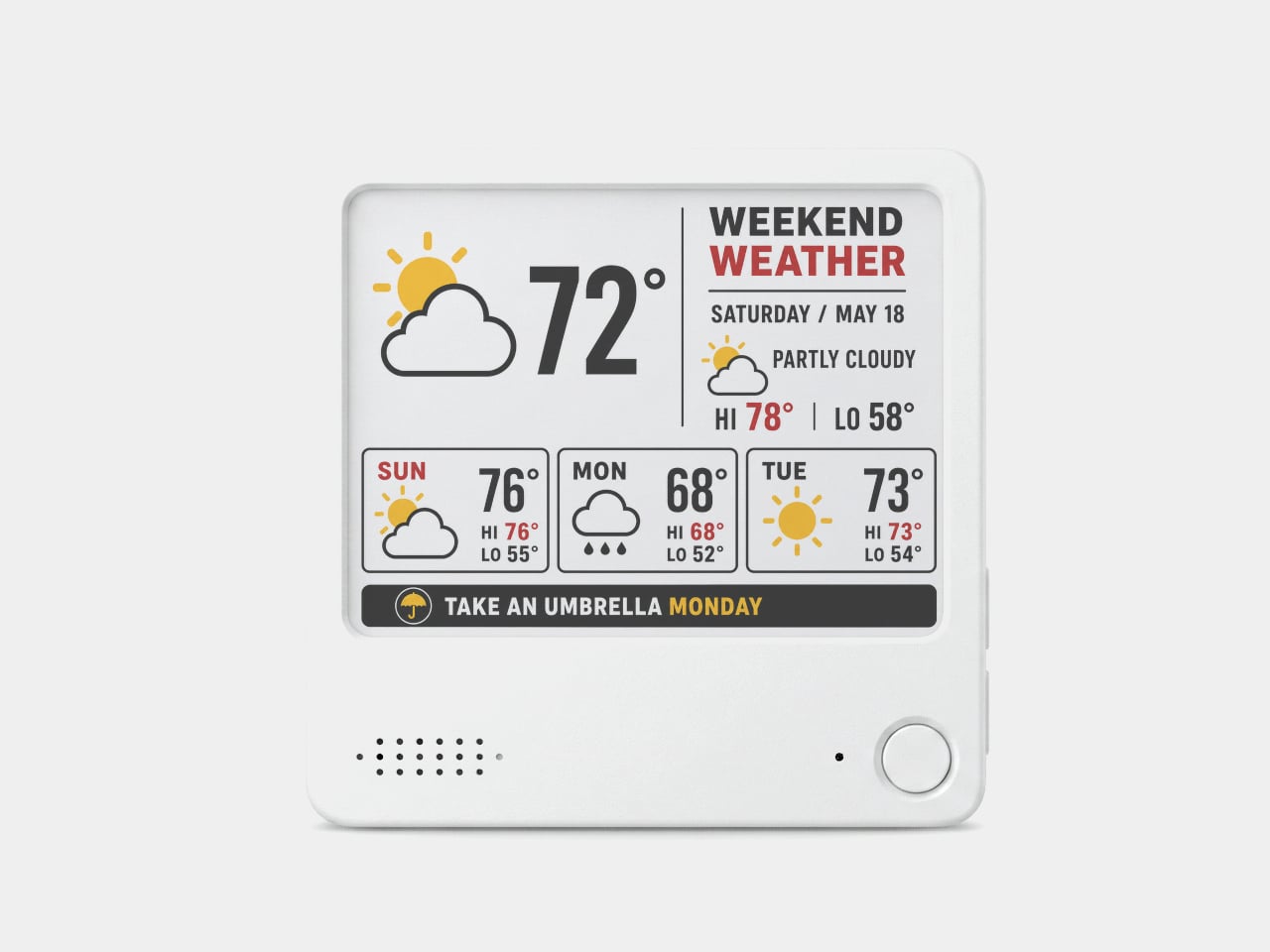
The Xteink X4 is an ultra-thin magnetic back eReader with a 4.3-inch e‑ink screen and a footprint closer to a deck of cards than a tablet. At 114 by 69 by 5.9 millimeters and just 74 grams, it snaps onto MagSafe or Qi2 compatible phones, or onto any handset using the included adhesive magnetic ring, turning your phone into a dual-screen reading machine without much extra bulk.

Designer: Xteink

The 220 ppi e‑ink display is not as sharp as a Paperwhite, but it is perfectly fine for text at this size. There is no touchscreen and no frontlight, just physical page turn buttons and a power key, so it behaves more like a tiny paperback than a gadget. You need ambient light to read, but in return, you get a very focused, distraction-free surface that does not glow or buzz at you.

The internals are minimal: an ESP32 processor, 128 megabytes of RAM, and a bundled 32GB microSD card with support up to 512GB. The 650mAh battery lasts up to fourteen days with one to three hours of reading per day. It charges over USB-C and connects via 2.4GHz Wi‑Fi and Bluetooth for file transfers, so you can grab books wirelessly or just swap the microSD card.

The X4 only supports EPUB and TXT for documents, plus JPG and BMP for images, and does not run third-party apps or connect to any bookstore. You sideload everything, either over Wi‑Fi or by copying files to the card. For people tied to Kindle or Google Play, this is a hurdle, but for readers with DRM-free libraries, it feels refreshingly simple and vendor-neutral, just you and your files.

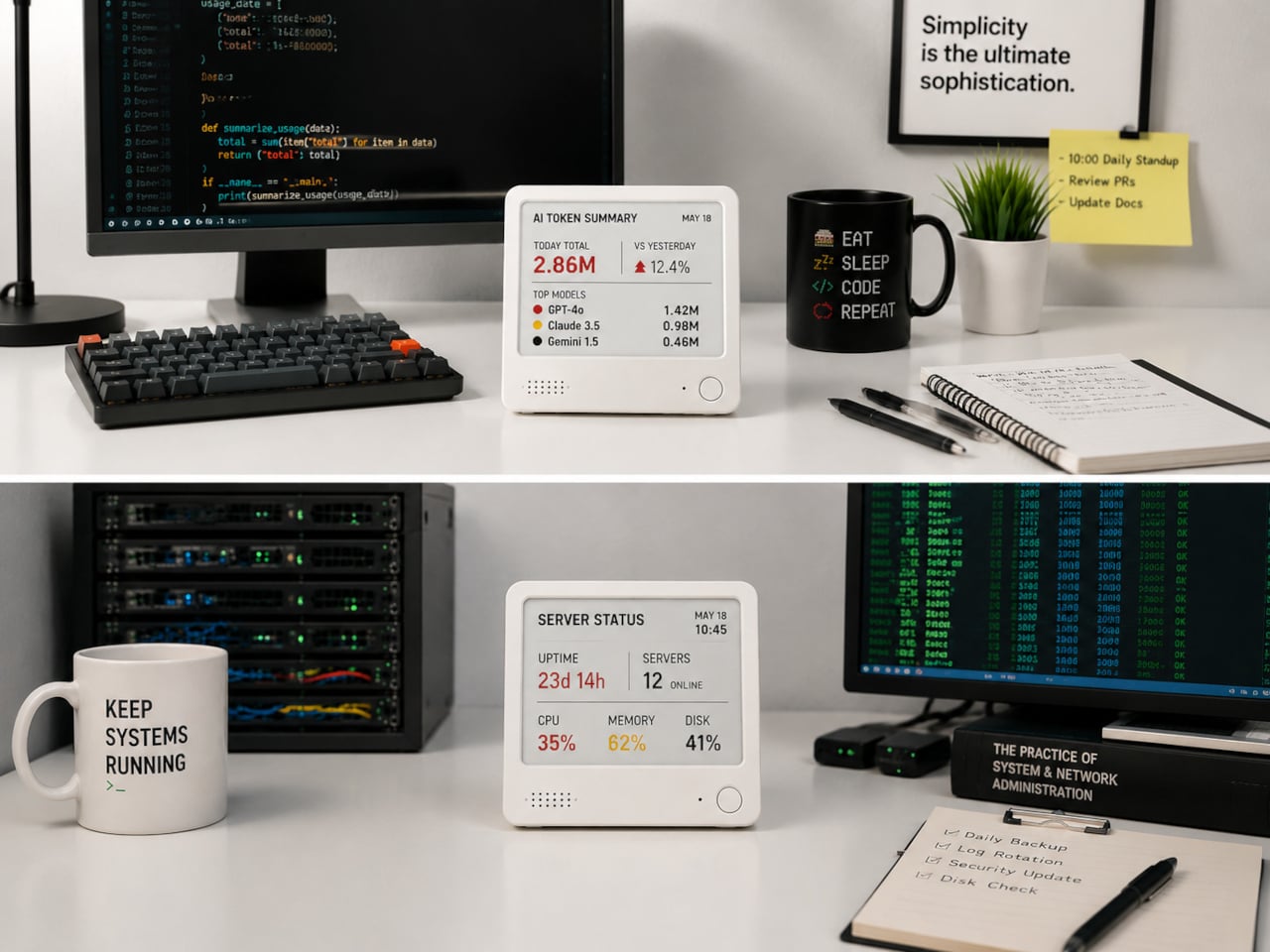
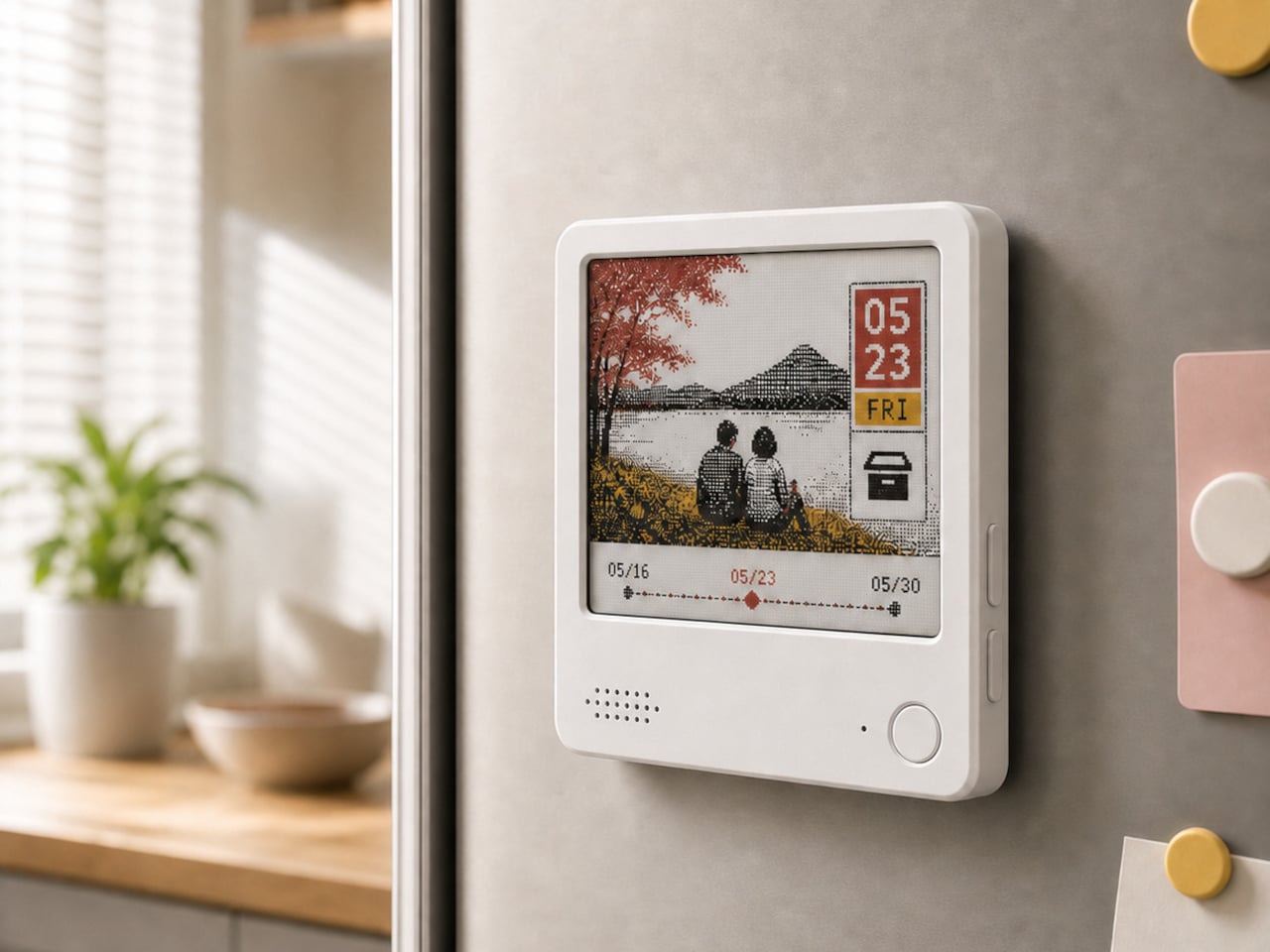
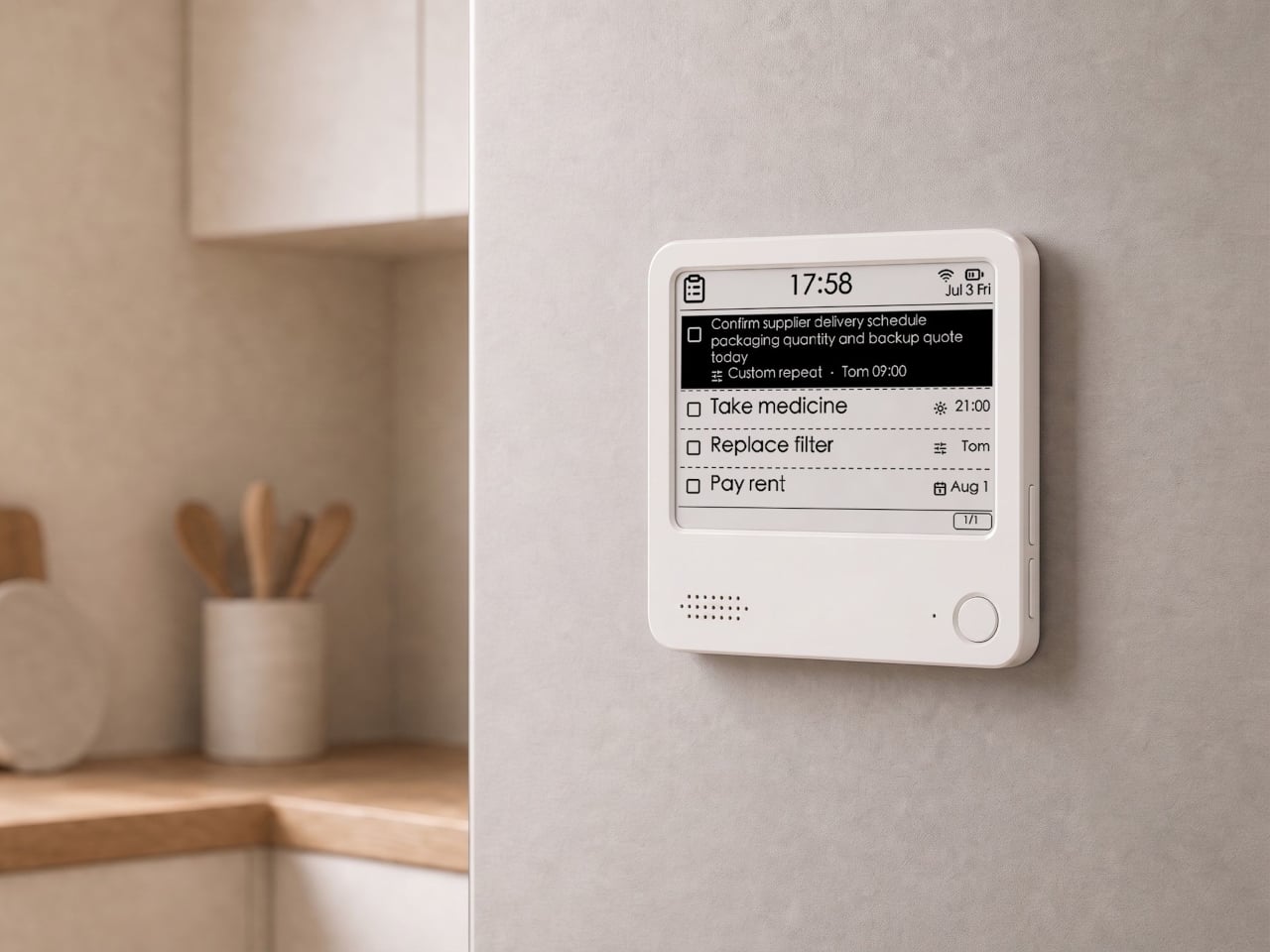
Xteink markets it as “More Than a Reader,” suggesting you use the X4 as a digital business card, a tiny calendar, a film production workflow board, or a reference screen for notes and checklists. Because it displays static images and text, it doubles as a little always-on panel you can stick to a monitor, fridge, or phone, not just a book page. The magnetic back makes those experiments feel natural and reversible.

The X4 is really for minimalists, tinkerers, and people who like the idea of a dedicated reading screen that goes everywhere their phone does. It is quirky, with no light, no touch, and no store, but those constraints are the point. It is a tiny reminder to read instead of scroll, thin enough to forget until you need a page instead of a feed, and cheap enough at $69 that the experiment feels worth trying even if you already own a proper eReader gathering dust at home.

The post Xteink X4 is a wallet-sized eReader That Snaps Onto Your Phone first appeared on Yanko Design.

SKEGIC MagCable Snaps Into a Coil, Never Tangles in Your Bag Again

Charging cables snake across desks, tangle in bags, and turn car consoles into nests of rubber that wrap around shifters and cupholders. We buy nicer desks, stands, and chargers, but the cable itself usually remains the same cheap afterthought that sprawls everywhere. If anything deserves a design rethink, it is the thing we touch every time we plug in, yet most solutions still involve separate clips or Velcro ties you have to remember to use.

SKEGIC’s MagCable tries to solve that mess from the inside out. It is a USB-C to USB-C cable that hides magnets along its length, so it can coil itself neatly and snap into a compact ring or stack instead of sprawling. It still behaves like a proper 100W charging cable with data transfer up to 480 Mbps and support for CarPlay, which means it works for phones, tablets, and smaller laptops without compromising on spec.

Designer: SKEGIC

The embedded magnets let the cable hold a shape, whether that is a tight coil on a desk or a loop clipped to a bag. You are not adding clips or Velcro; the cable itself becomes the organizer. SKEGIC calls it a “magnetic anti-tangle design,” and it makes it easy to pull out just the length you need while the rest stays coiled. When you are done, a quick wrap snaps it back into place without hunting for a tie.

On a desk, the MagCable lives next to a charger as a tidy stack until you unroll a few loops to reach a laptop or phone. In a car, the same cable avoids wrapping around the shifter and still keeps a phone connected for CarPlay without the usual tangle behind the console. For travel, it can sit in a pocket or hang from a bag strap without turning into a knot by the time you reach your destination.

SKEGIC uses reinforced nylon braiding, which helps the cable withstand wear and gives it a more textile feel than glossy plastic cords. The metal USB-C housings carry the SKEGIC logo and make it feel closer to a piece of gear than a disposable accessory. At one meter long, it is rated for universal charging of mobile devices, from phones to tablets and smaller laptops within the 100W envelope.

The trade-offs are modest. This is still a one-meter cable, not a retractable reel, and the magnets add a bit of stiffness and weight compared to a basic cord. Data transfer is rated up to 480 Mbps, which handles syncing phones and accessories but is not aimed at heavy file shuffling to fast external drives. It is a quality-of-life upgrade rather than a spec breakthrough, meant to keep things neat rather than push performance boundaries.

MagCable is the kind of quiet design fix that makes sense once you live with it, the difference between a desk that always looks slightly chaotic and one that feels finished. For people who care about how their workspace, car, or bag looks and functions, a cable that organizes itself starts to feel less like a gimmick and more like how these things should have worked all along, one less small annoyance to manage while everything else demands attention.

The post SKEGIC MagCable Snaps Into a Coil, Never Tangles in Your Bag Again first appeared on Yanko Design.
Satechi 7-in-1 Hub Retracts Its Cable and Sticks Magnetically

Travel adapters and USB hubs have always been a necessary evil for anyone working on the go. You need the ports, but you definitely don’t want the mess of cables tangling in your bag or the clunky rectangle of plastic taking up desk space. Most hubs solve the functionality problem while creating new ones, giving you dongles that dangle awkwardly or adapters so bulky they block adjacent ports. Heck, some of them are so ugly you’d rather hide them under your laptop than let anyone see what you’re working with.

Satechi’s OntheGo 7-in-1 Multiport Adapter takes a different approach, packing seven essential ports into a compact, round design that actually looks like something you’d want to carry around. The real trick is how it handles cables and portability. Instead of a short, rigid cable that forces the hub to sit awkwardly next to your device, this one uses a coiled, braided USB-C cable that retracts neatly around the base when not in use, keeping everything tidy and tangle-free.

Designer: Satechi

The adapter itself is a matte black puck measuring just 2.6 inches across and one inch thick, small enough to fit in your pocket next to an AirPods case. Subtle Satechi branding sits embossed on the top, while the edges feature knurled grips that make it easy to handle. The ports wrap around the perimeter, including HDMI for displays up to 4K at 60Hz, gigabit Ethernet for reliable wired connections, two USB-A ports running at 5Gbps, and slots for both SD and microSD cards supporting UHS-I speeds up to 104MB/s.

Of course, there’s also USB-C Power Delivery that accepts up to 100W input and delivers up to 80W output, so you can charge your laptop while using all the other ports. That’s particularly useful when you’re working from a coffee shop or airport lounge and need to plug in everything at once without running out of power halfway through your tasks.

What makes the OntheGo adapter feel genuinely clever is the magnetic mounting. It snaps directly onto MagSafe iPhones, or you can stick the included adhesive ring onto the back of any tablet or laptop to create a magnetic surface. That means the hub stays attached to your device when you pack it away, eliminating the usual hunt through your bag for a missing adapter. It’s a small detail, but one that makes the whole experience feel more intentional.

At $59.99, the OntheGo sits between cheap adapters that barely work and premium options that cost twice as much. For anyone tired of tangled cables and bulky hubs cluttering their bag, that’s a reasonable price for something that actually fits how people work these days. The fact that it magnetically sticks to your devices and stores its own cable means you might actually stop losing dongles in the depths of your backpack for once.

The post Satechi 7-in-1 Hub Retracts Its Cable and Sticks Magnetically first appeared on Yanko Design.
$28 Power Bank Has 55W Wired, 15W Wireless, and a Display

Most power banks are either too bulky for a pocket or too slow to keep up with today’s fast-charging phones that demand high wattage for quick top-ups. If you’re tired of carrying bricks that weigh down your bag or waiting ages for a recharge during short coffee breaks, finding a power bank that’s both genuinely slim and powerful enough for modern devices can feel impossible in the current market.
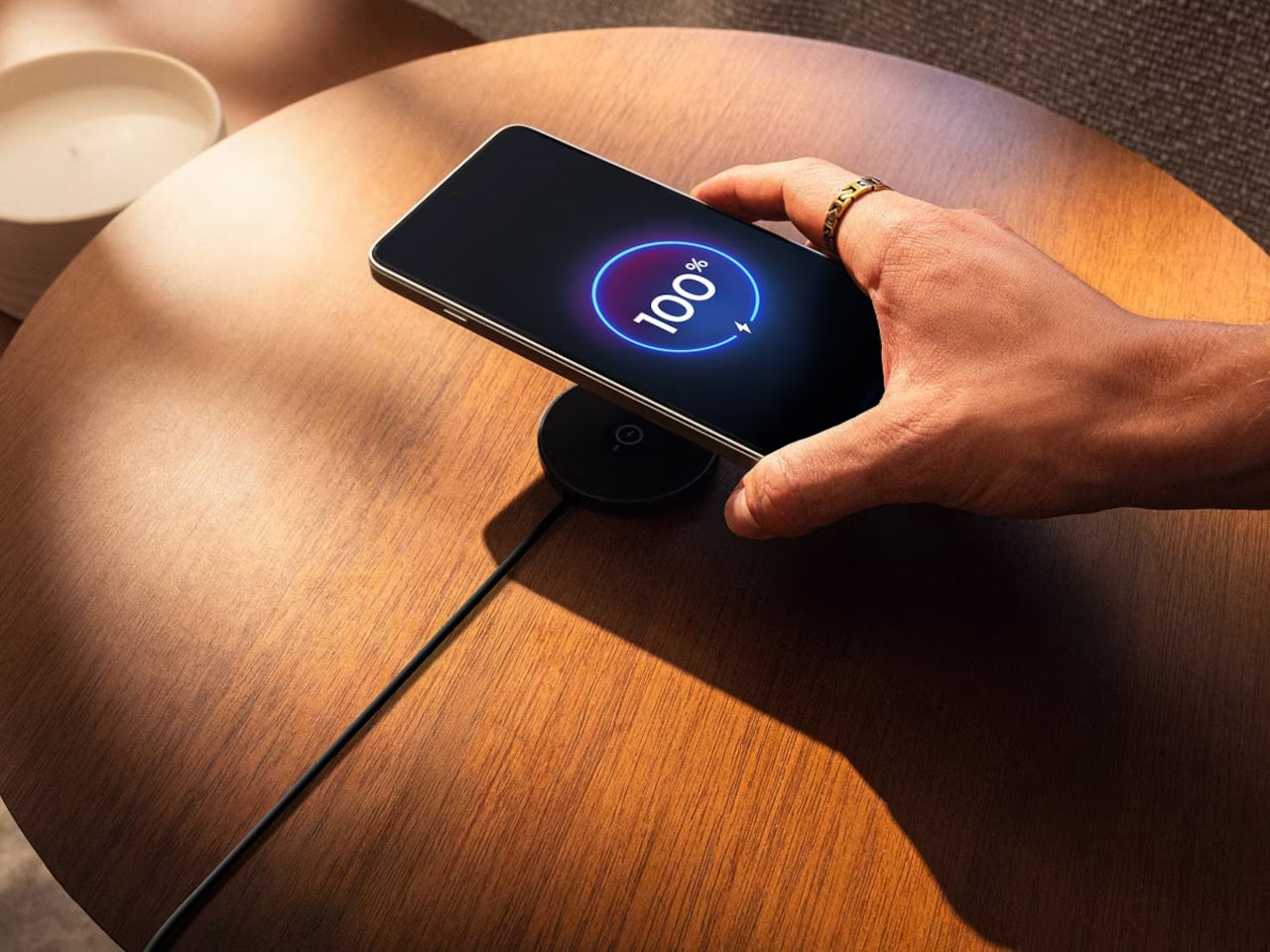
The Cuktech 10 Air offers a fresh take on portable charging for everyday carry without compromise. With a 10,000mAh capacity, 55W wired fast charging, 15W magnetic wireless charging, and a built-in display, it’s designed to slip into your pocket and keep your phone powered up quickly. At just 1.3 centimeters thick and CNY 199 (about $28), it packs premium features into an affordable package.

Designer: Cuktech (via NotebookCheck)

At just 1.3 centimeters thick, the 10 Air is as slim as many modern smartphones, making it easy to stack with your device magnetically or slide into a bag without creating annoying bulk or weight. The magnetic pad attaches securely to MagSafe-compatible phones for cable-free charging on the go, while the smooth, rounded shell comes in silver or gold for a modern, minimalist look that complements any device.

The built-in TFT display is a standout feature that sets the 10 Air apart from generic power banks cluttering the market. It shows real-time battery percentage, charging status, and power mode, so you’re never guessing about your next top-up or wondering if your device is actually charging properly. The transparency is refreshing compared to blind LED indicators that most competing power banks use without context.

Inside, the 10 Air uses two 5,000mAh cells for a total of 10,000mAh, rated at 5,800mAh and 38.5Wh due to voltage conversion losses. Wired charging delivers up to 55W through the USB-C port, enough to get a Xiaomi 17 Pro to 67 percent in just 30 minutes, or an iPhone 17 to nearly 70 percent in the same timeframe without overheating.

Wireless charging offers 15W for MagSafe devices, perfect for quick top-ups without fumbling for cables when your hands are full or you’re on the move. The self-storing USB-C cable measuring 13cm adds convenience by keeping everything together in one package, while support for PPS, PD, and other protocols ensures compatibility with a wide range of devices from different manufacturers worldwide.

Cuktech’s OPC 2.0 worry-free charging system manages temperature intelligently, automatically stops charging when full, and protects battery health over time through smart algorithms and hardware monitoring. Hardware-level safeguards prevent overcharging, overheating, and short circuits, so you can leave your phone charging overnight without worry or anxiety. The power bank is airline-compliant at 38.5Wh, making it ideal for frequent travelers who cross borders regularly.

Whether you’re commuting, traveling internationally, or just need a slim backup for your phone during long days away from outlets, the Cuktech 10 Air fits naturally into modern life. The combination of genuine slimness, fast dual charging modes, magnetic attachment, and real-time display transparency makes it a compelling choice for anyone tired of bulky, outdated chargers.

The post $28 Power Bank Has 55W Wired, 15W Wireless, and a Display first appeared on Yanko Design.