Kokuyo Made a Paperweight for People Who’ve Run Out of Hands

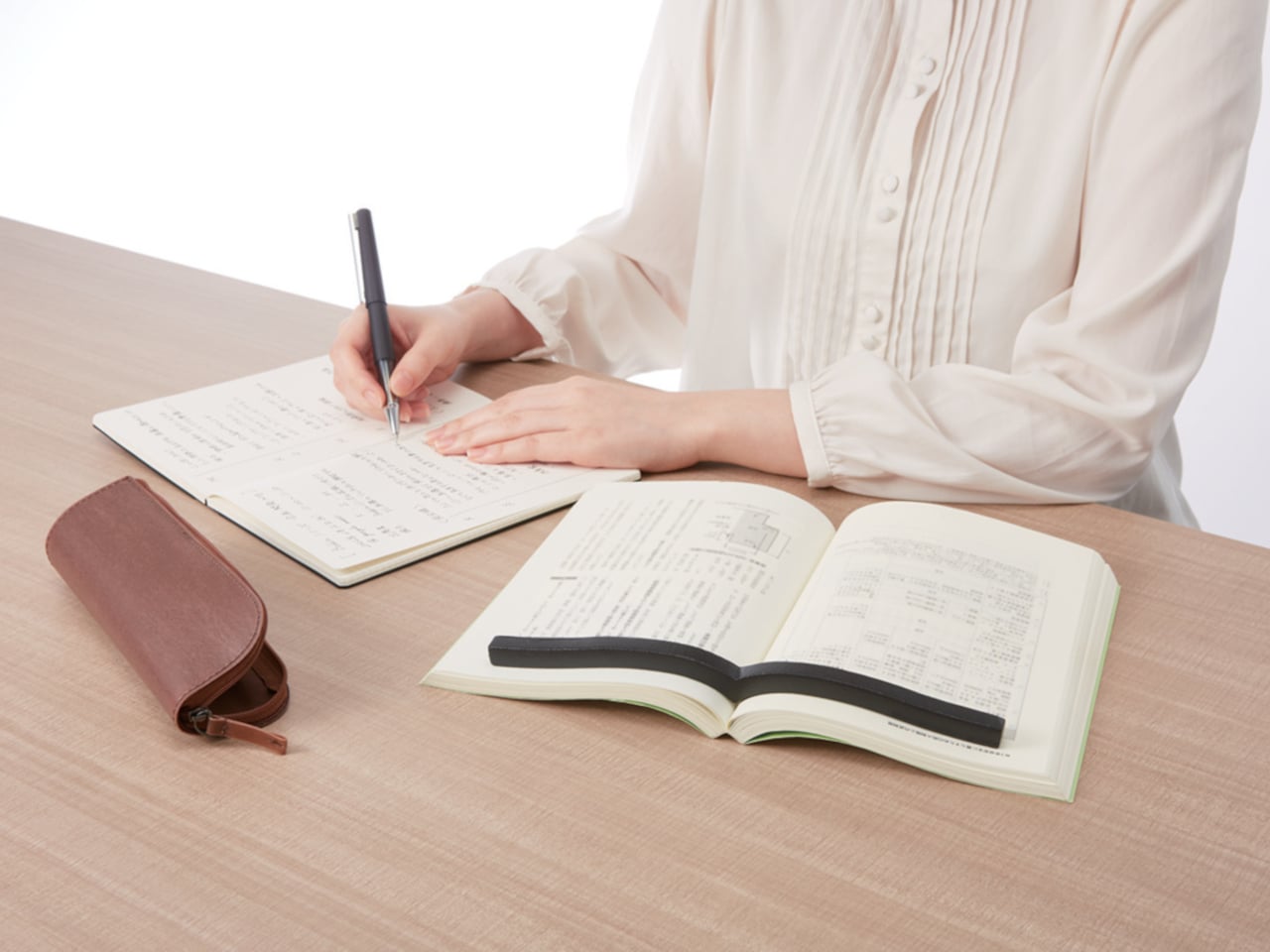
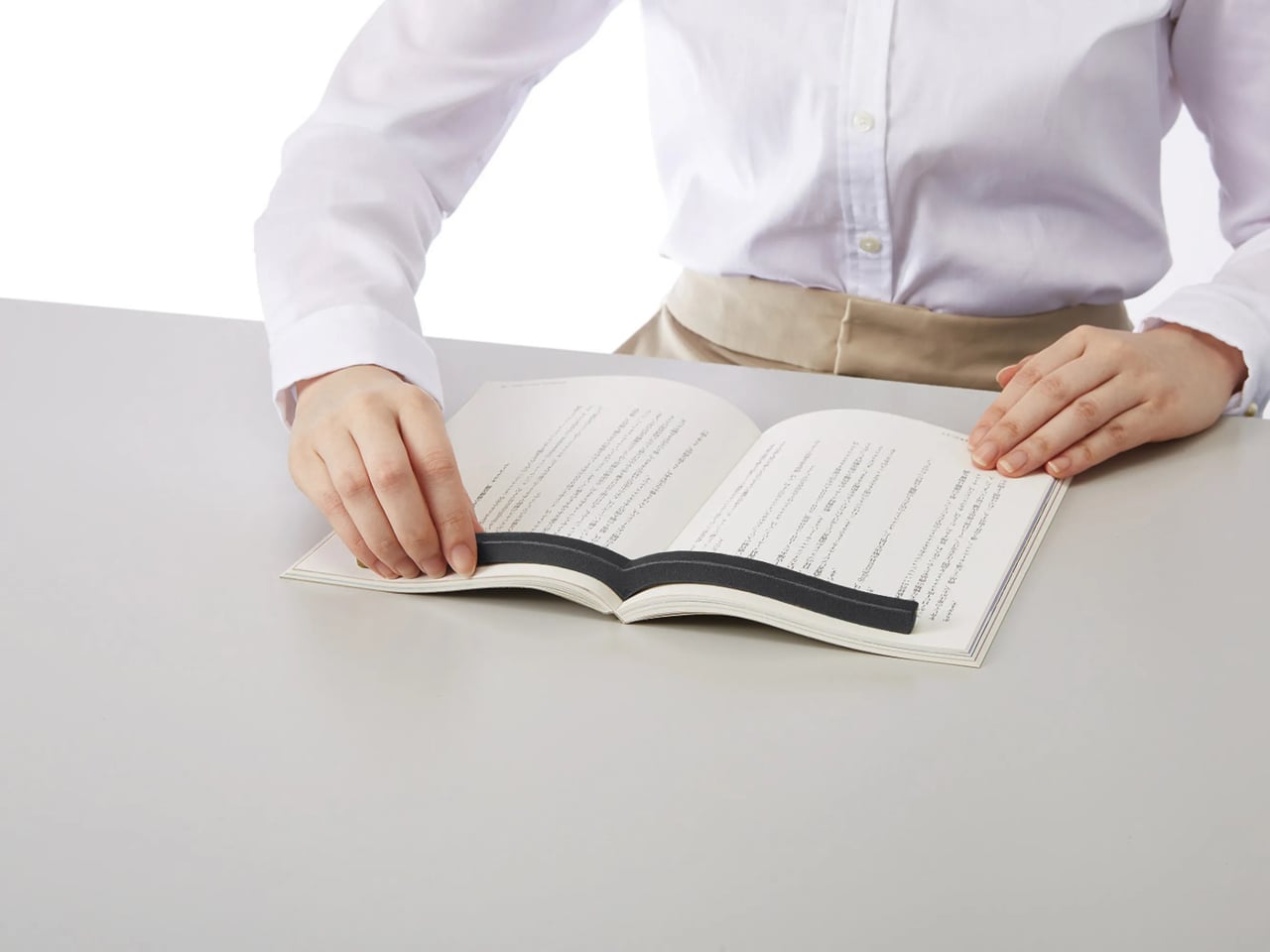
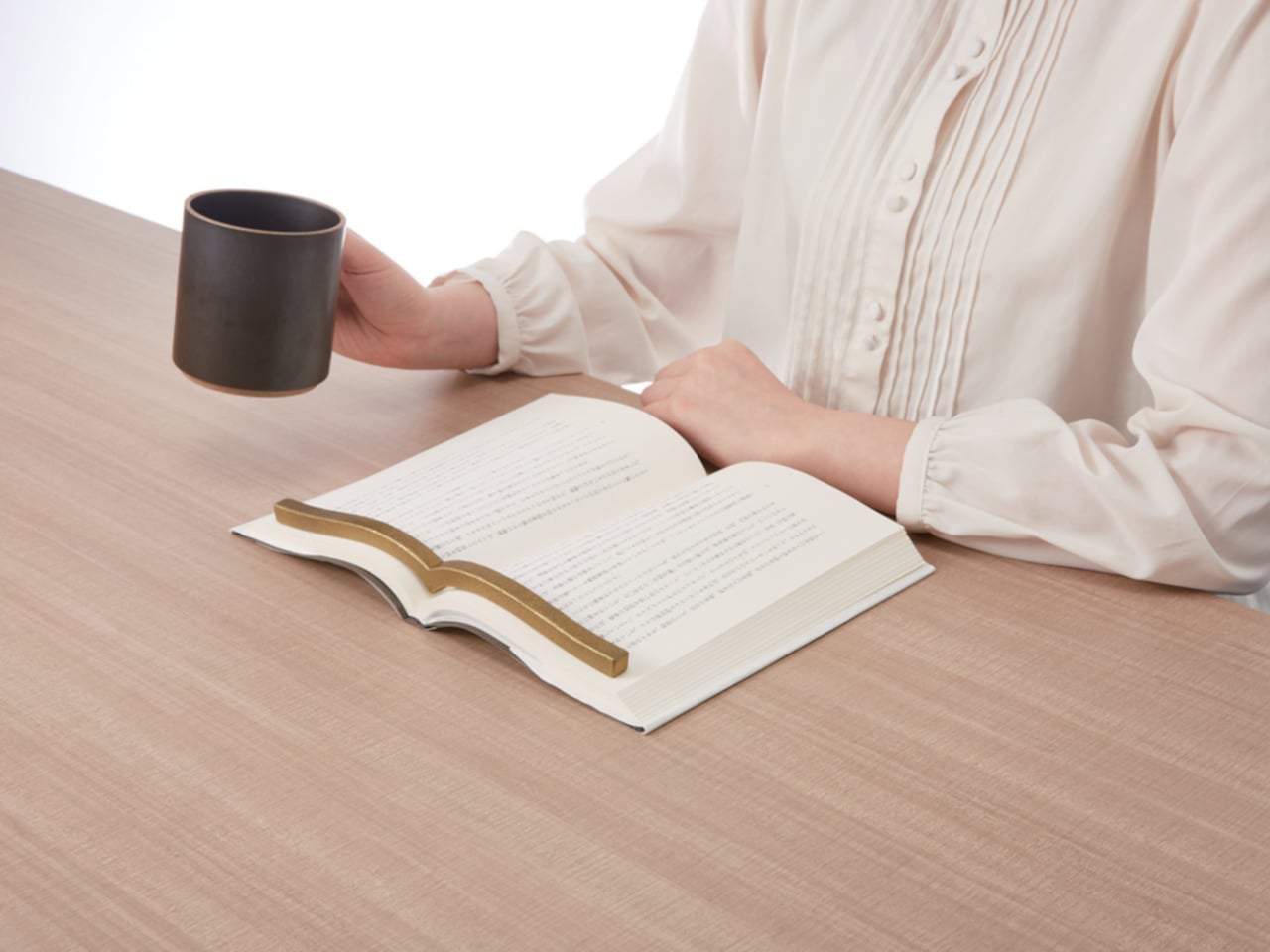
A book rarely stays open when you’re trying to copy a passage or check a diagram. One hand holds the paper down while the other writes, and the page starts curling the moment you let go. Kokuyo’s Book-Hugging Paperweight answers that familiar annoyance with a curved metal bar that rests across both pages, keeping your reference in place without clipping anything.

That sounds like something any paperweight could do, until you try balancing a straight one over the raised center of an open book. A flat bar might touch the pages in only a couple of spots, leaving them free to curl elsewhere. Clips can grip more firmly, but moving them every time you turn a page becomes its own interruption.

Designer: Kokuyo
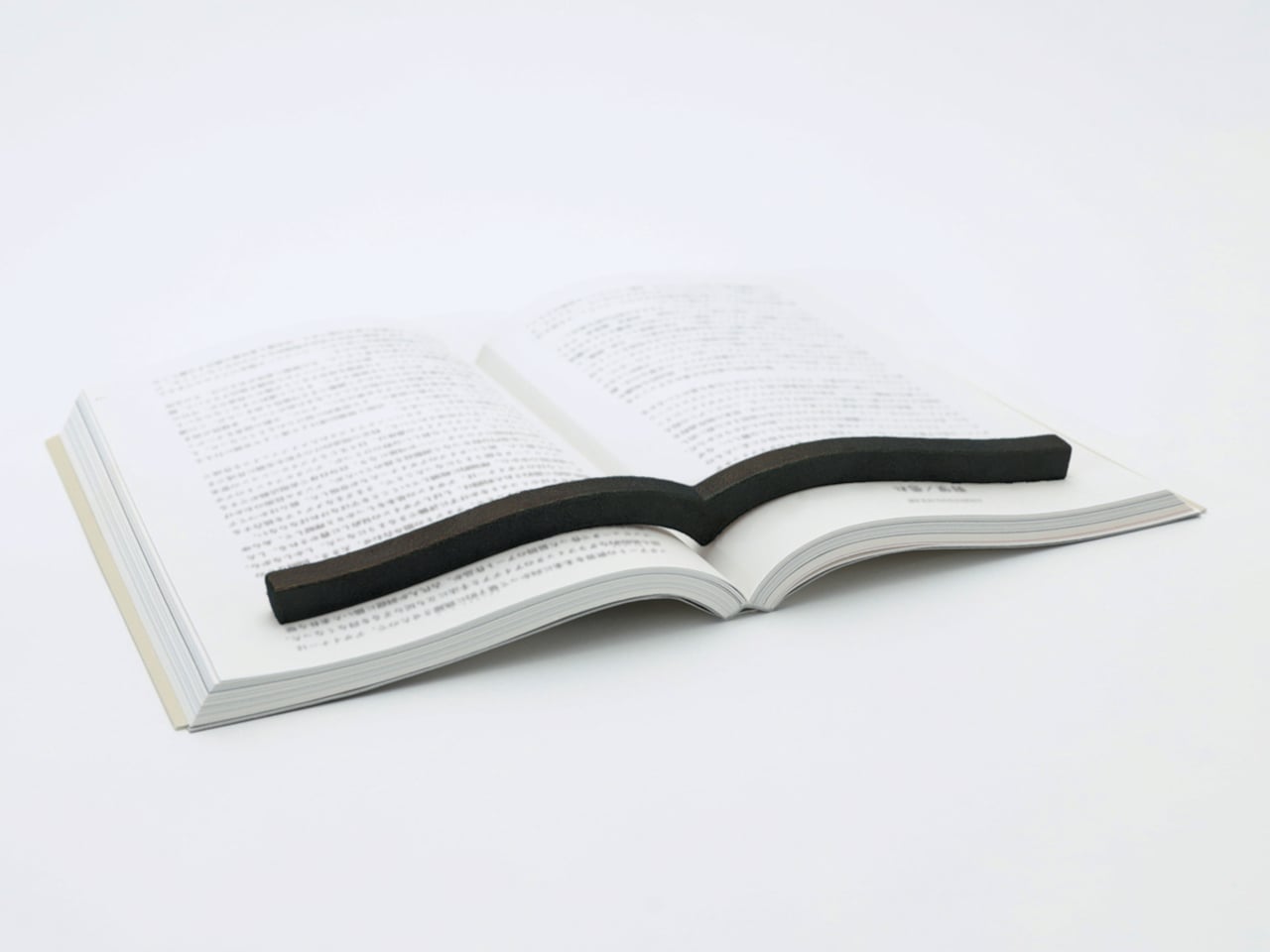
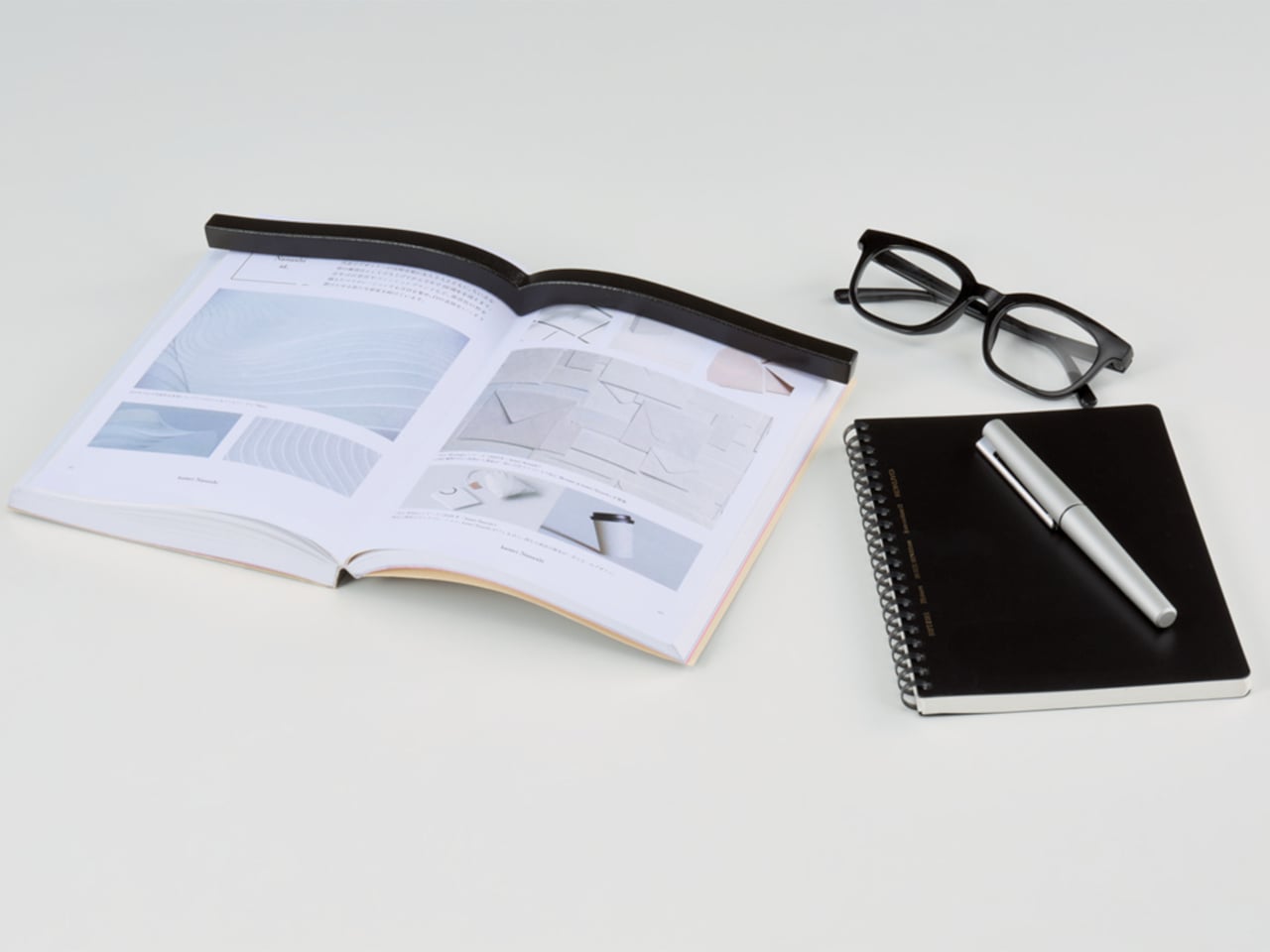
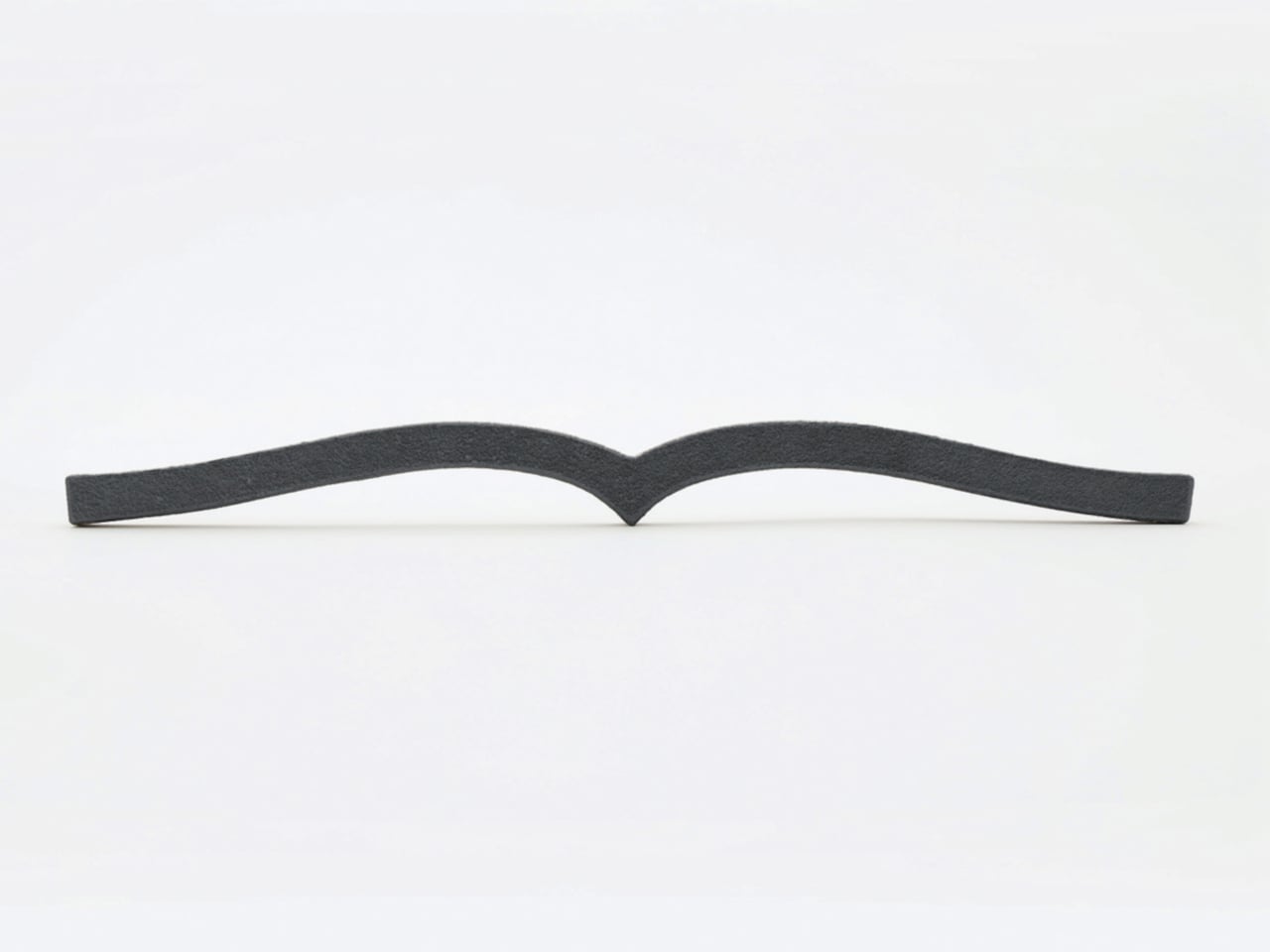
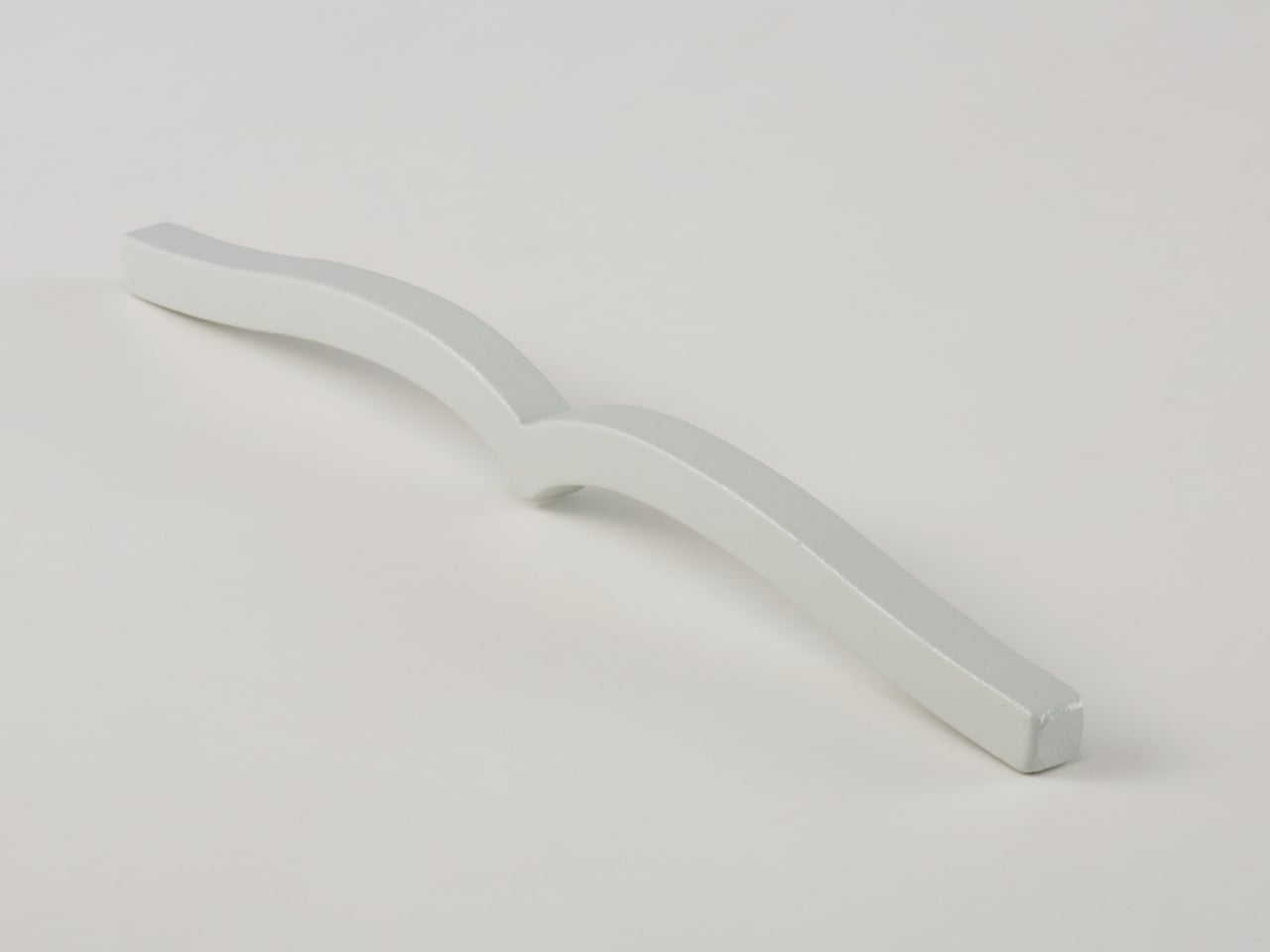
Kokuyo bends the bar to follow the shallow valley between the pages and the gentle rise on either side. The shape spreads its weight along the open spread instead of concentrating pressure near the edges, while the notch in the middle settles above the binding. It’s subtle shaping, but it allows a simple object to fit something as irregular as a book.

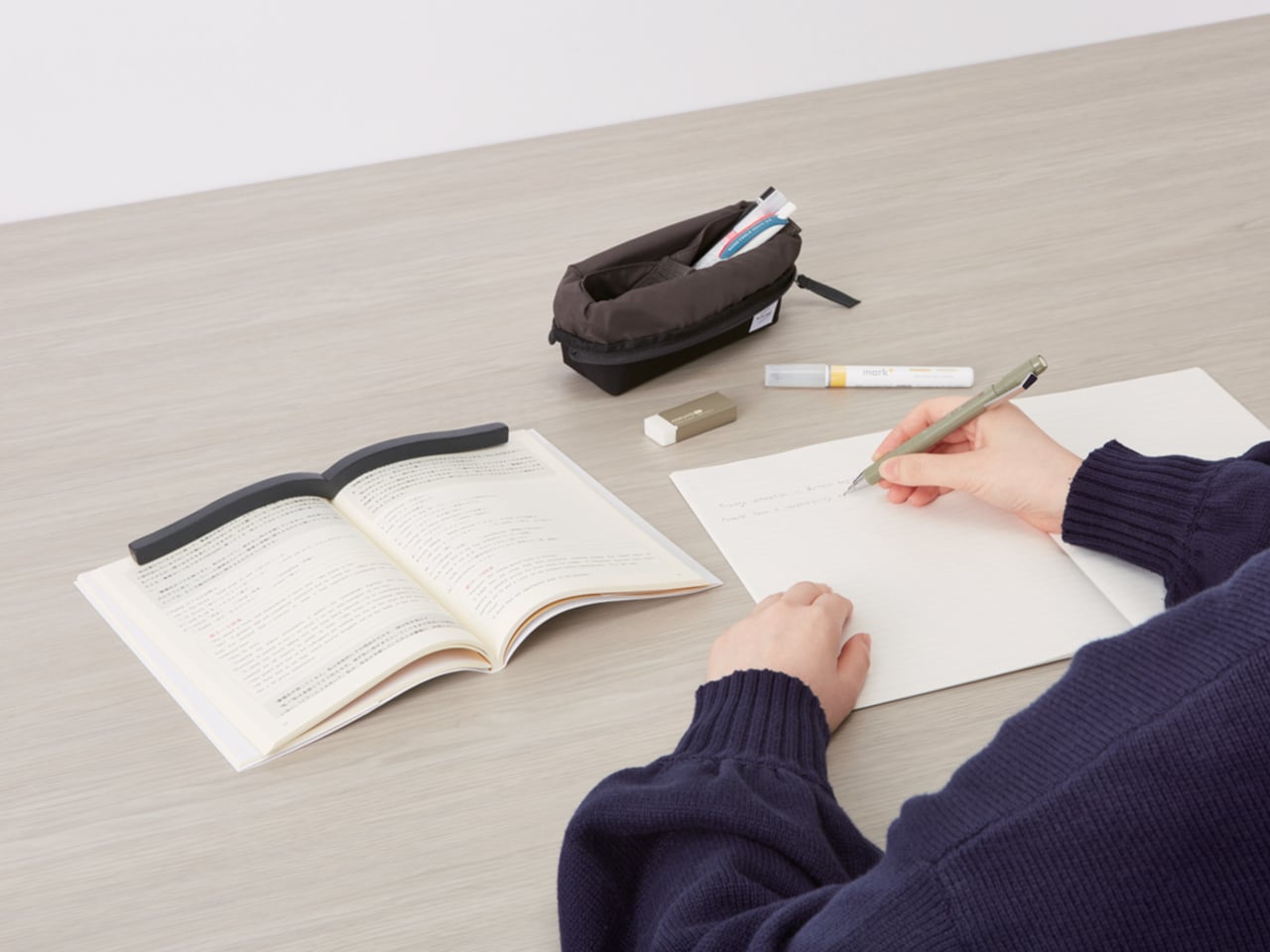
When you’re studying, that means you can leave a textbook open beside your notebook and use both hands to take notes. You can stop pinning a thumb to the margin as you work through a paragraph. Once it’s time to move on, lift the weight, turn the page, and set it down again, without wrestling a clamp off the paper.
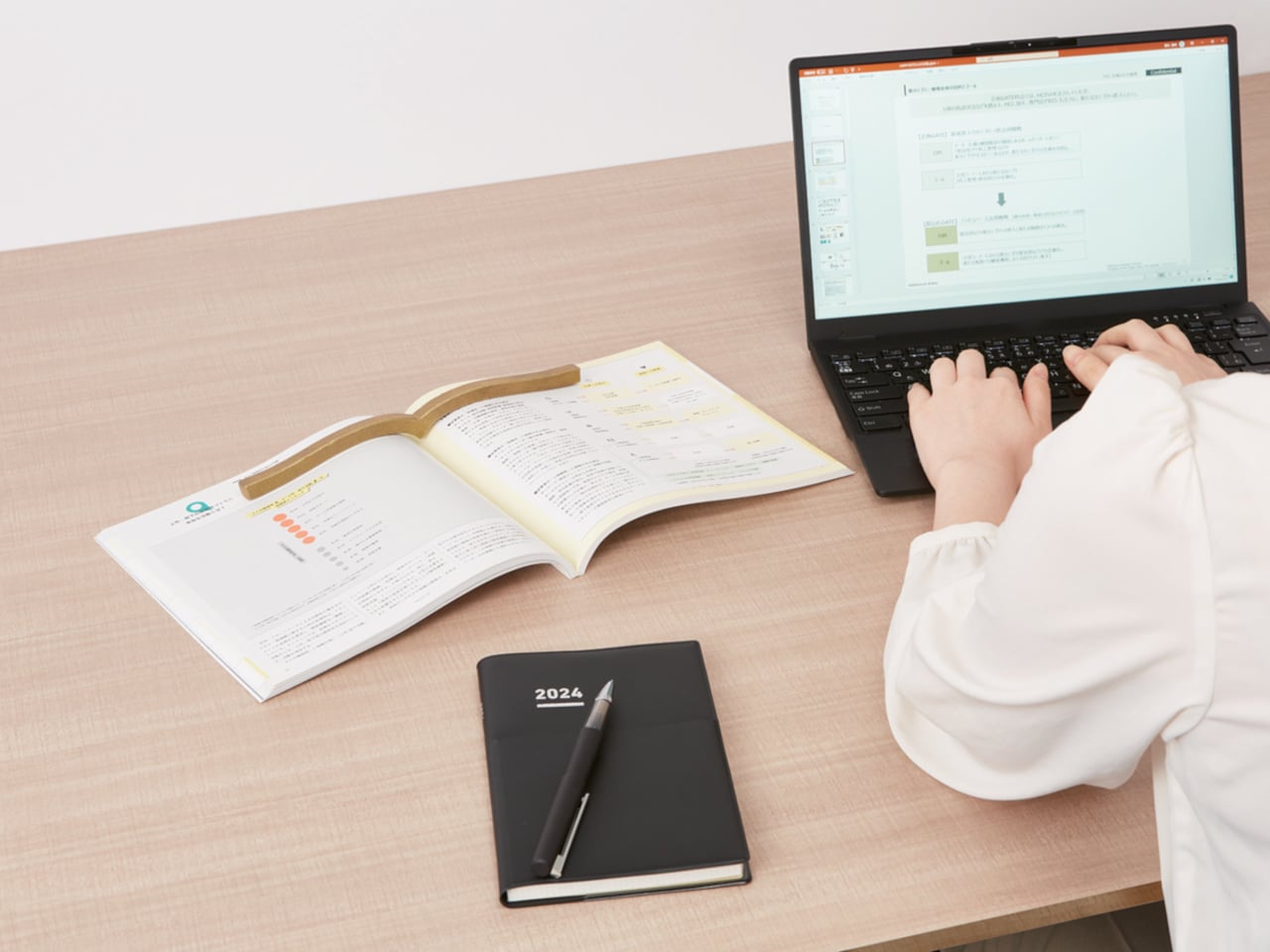
It also helps when a book shares your desk with a laptop. You can glance at a reference, type some lines, then look back without finding that the pages have closed on you. Since the bar sits on top, it doesn’t pinch the paper or attach to the cover, which makes it a gentler companion for books you don’t want to mark.

The brass version weighs about 7.4 ounces, enough heft to do its job without a spring or moving parts. Its warm finish also gives a familiar desk object a little character. Kokuyo offers iron versions in black and gray that weigh about 6.9 ounces, so you can opt for a quieter look while keeping the same curved approach to holding pages open.
Not every book asks the same thing of a paperweight. An art book spreads wider than a slim workbook, and its pages can be stubborn near the spine. Kokuyo has a larger iron version weighing about 11.1 ounces for those bigger volumes. The extra weight won’t magically make every binding lie flat, but it gives larger pages a better chance of staying where you left them.

It’s easy to overlook the effort involved in keeping a book open until you have a pen in one hand and the other pinned to the page. This little bar takes over that job without asking you to fold a spine backward or fasten anything to a page. When the reading stops, it can stay on the desk, ready for the next chapter, diagram, or stubborn textbook.
The post Kokuyo Made a Paperweight for People Who’ve Run Out of Hands first appeared on Yanko Design.
Kokuyo Made a Power Strip You Actually Want to Look At

The power strip is, without a doubt, one of the most aesthetically defeated objects in modern life. You hide it behind your desk, stuff it under furniture, and pray that visiting friends won’t notice the tangle of cords trailing from it like electrical spaghetti. We’ve accepted this ugliness as a condition of modern productivity. Until now, maybe.

Kokuyo, the Japanese office furniture and stationery company that has been quietly improving the objects on your desk since 1905, has released a power strip called the Energy Line, and it is genuinely, legitimately beautiful. Not “beautiful for a power strip” beautiful. Just beautiful. It looks more like a sleek architectural detail than something you’d plug your laptop into.

Designer: Kokuyo

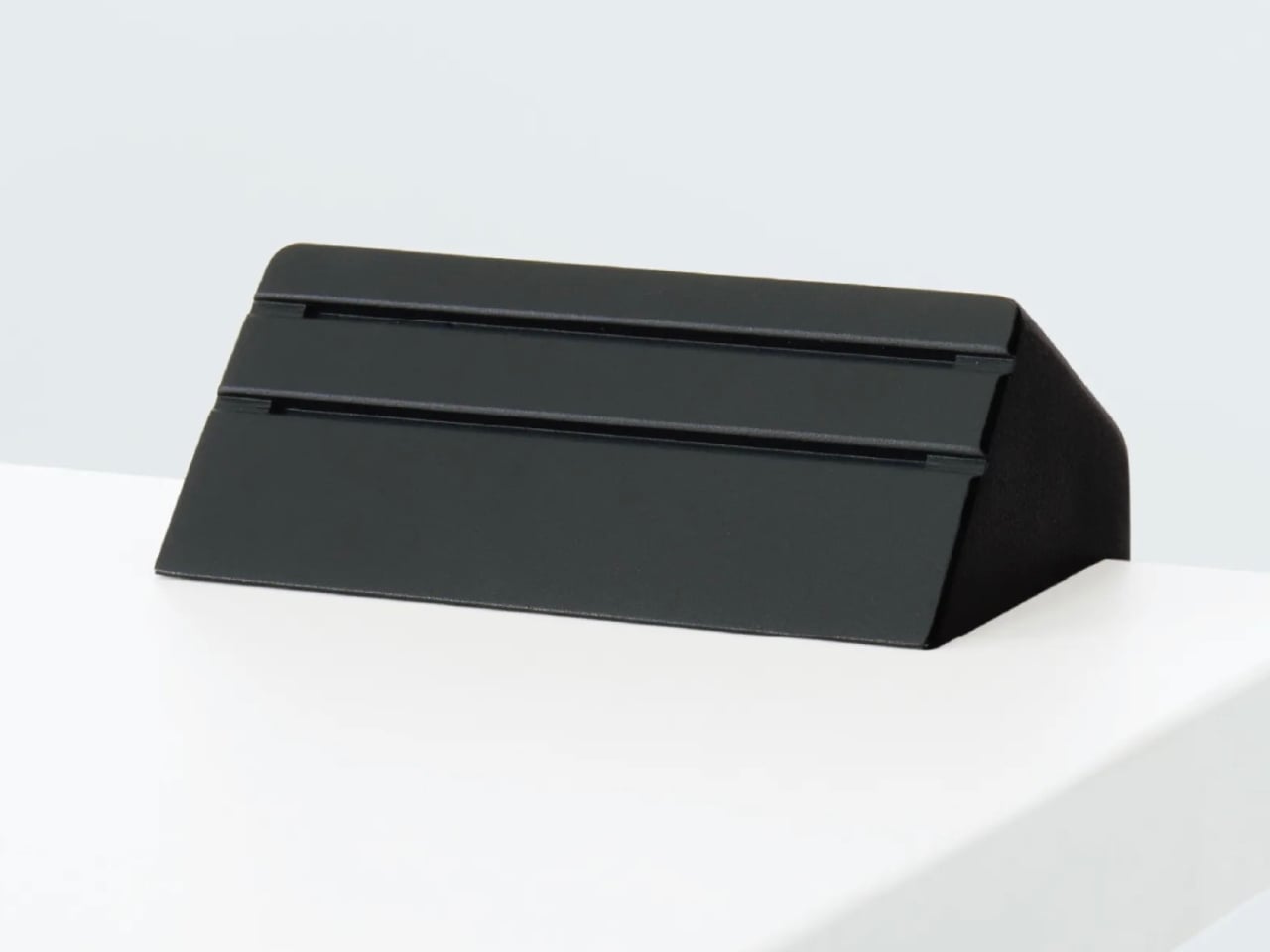
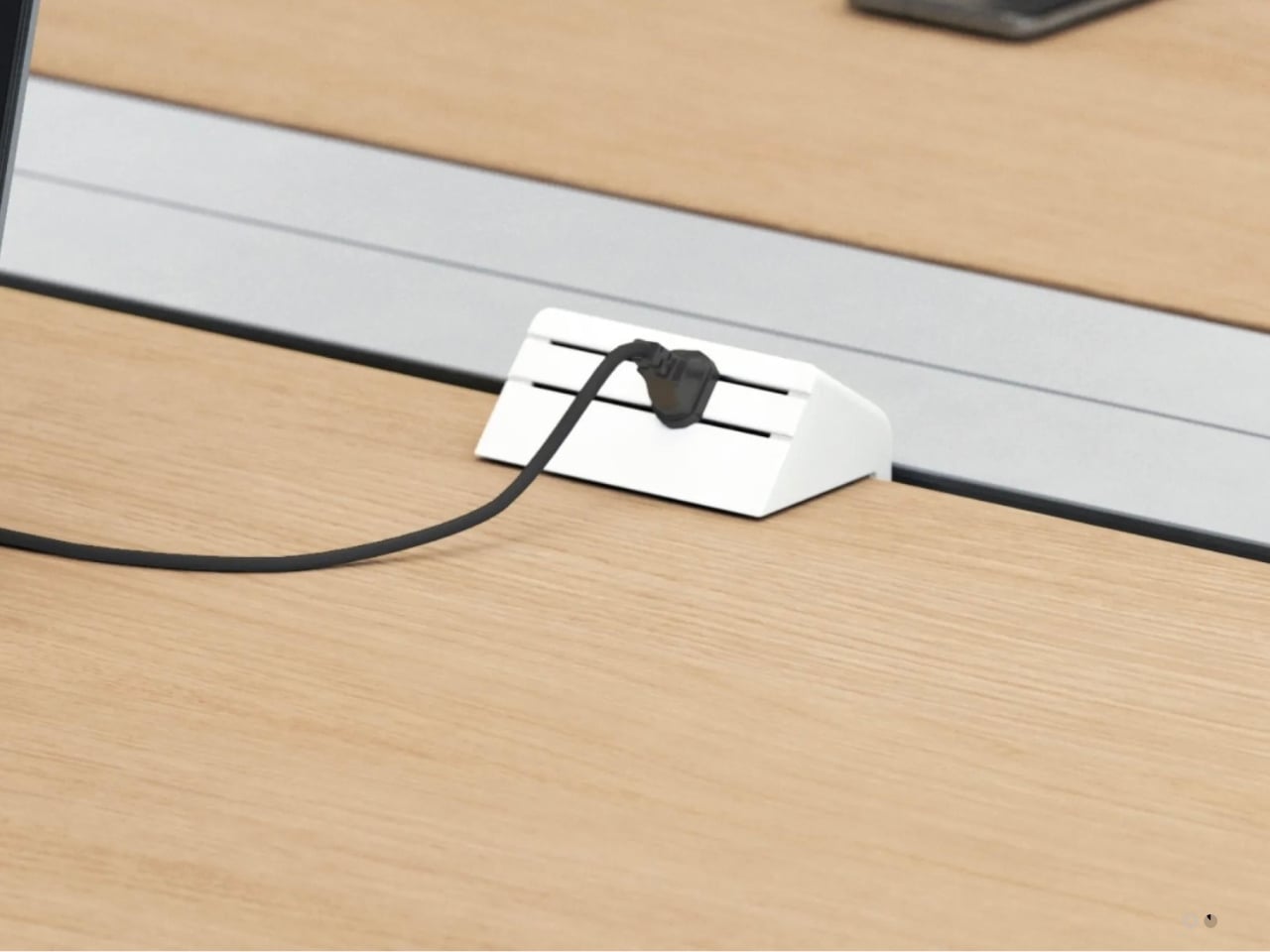
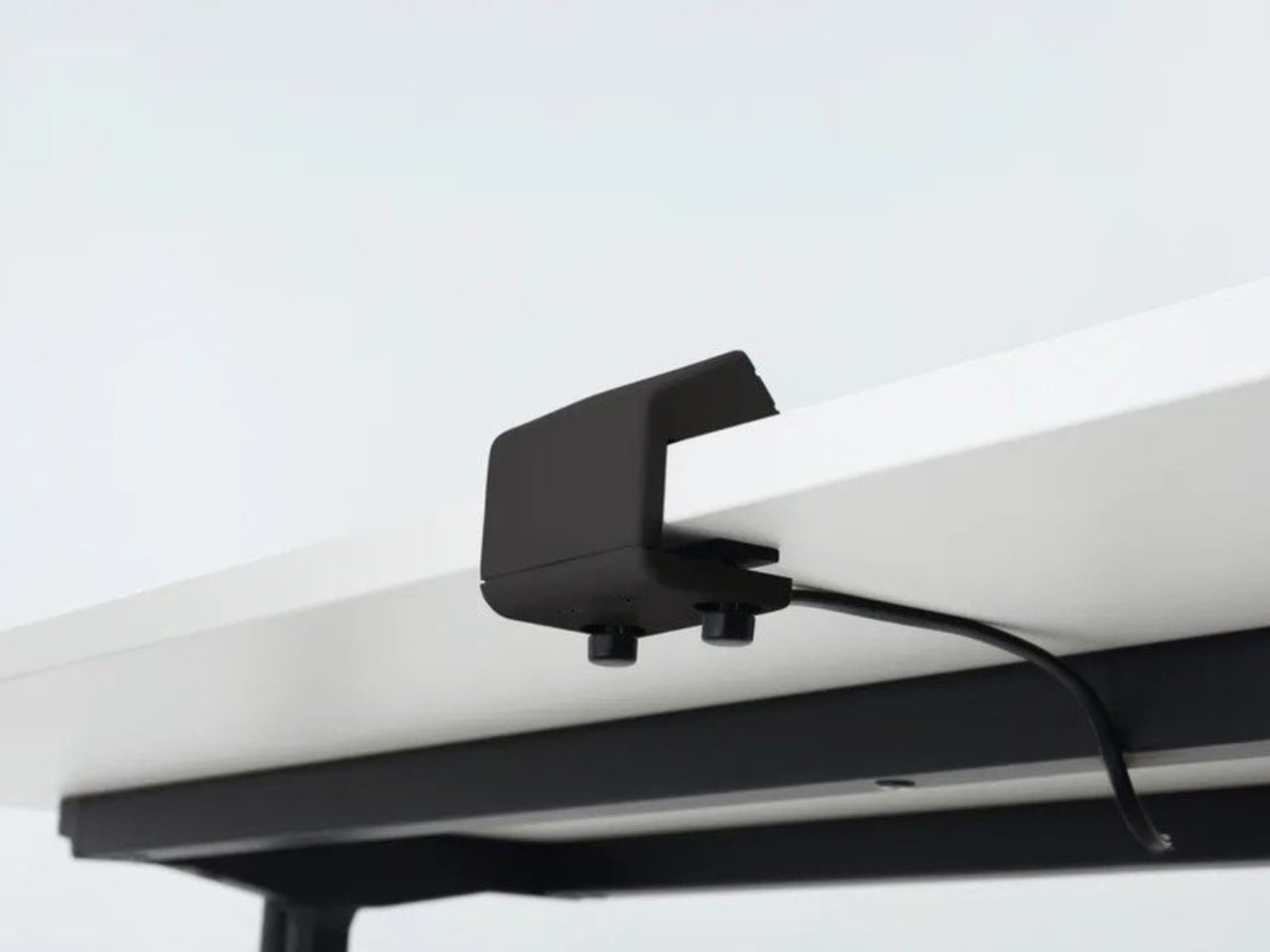
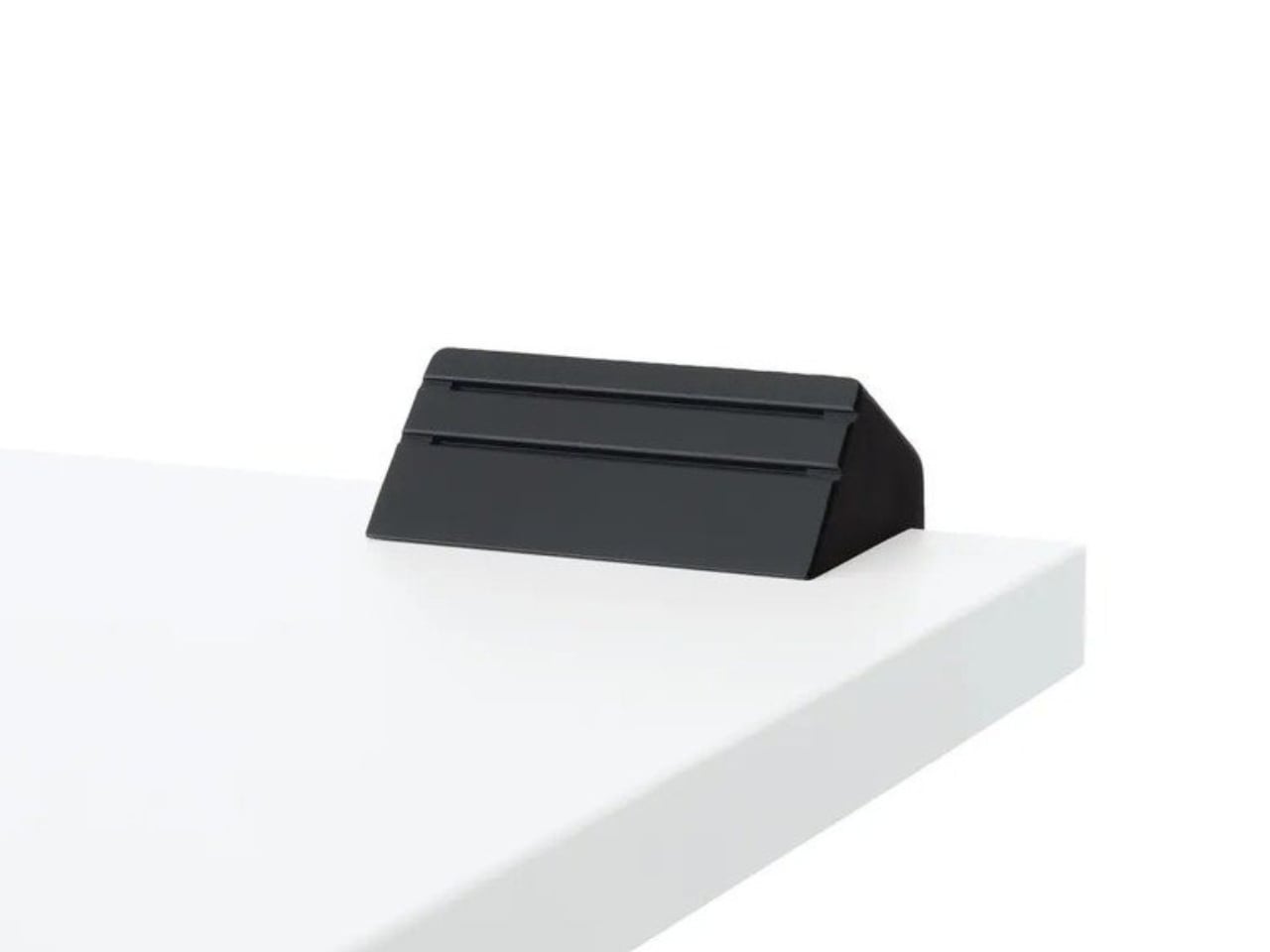
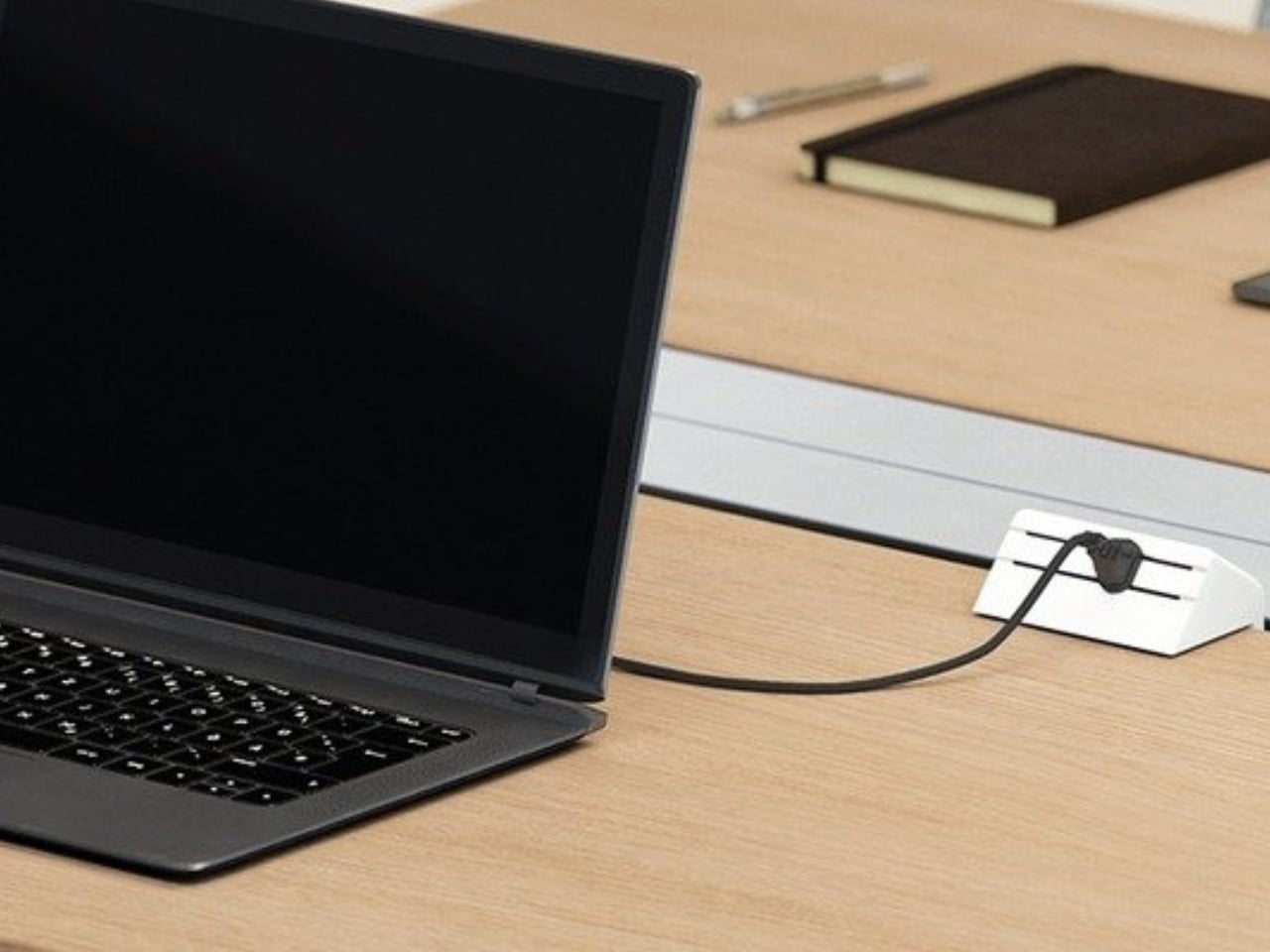
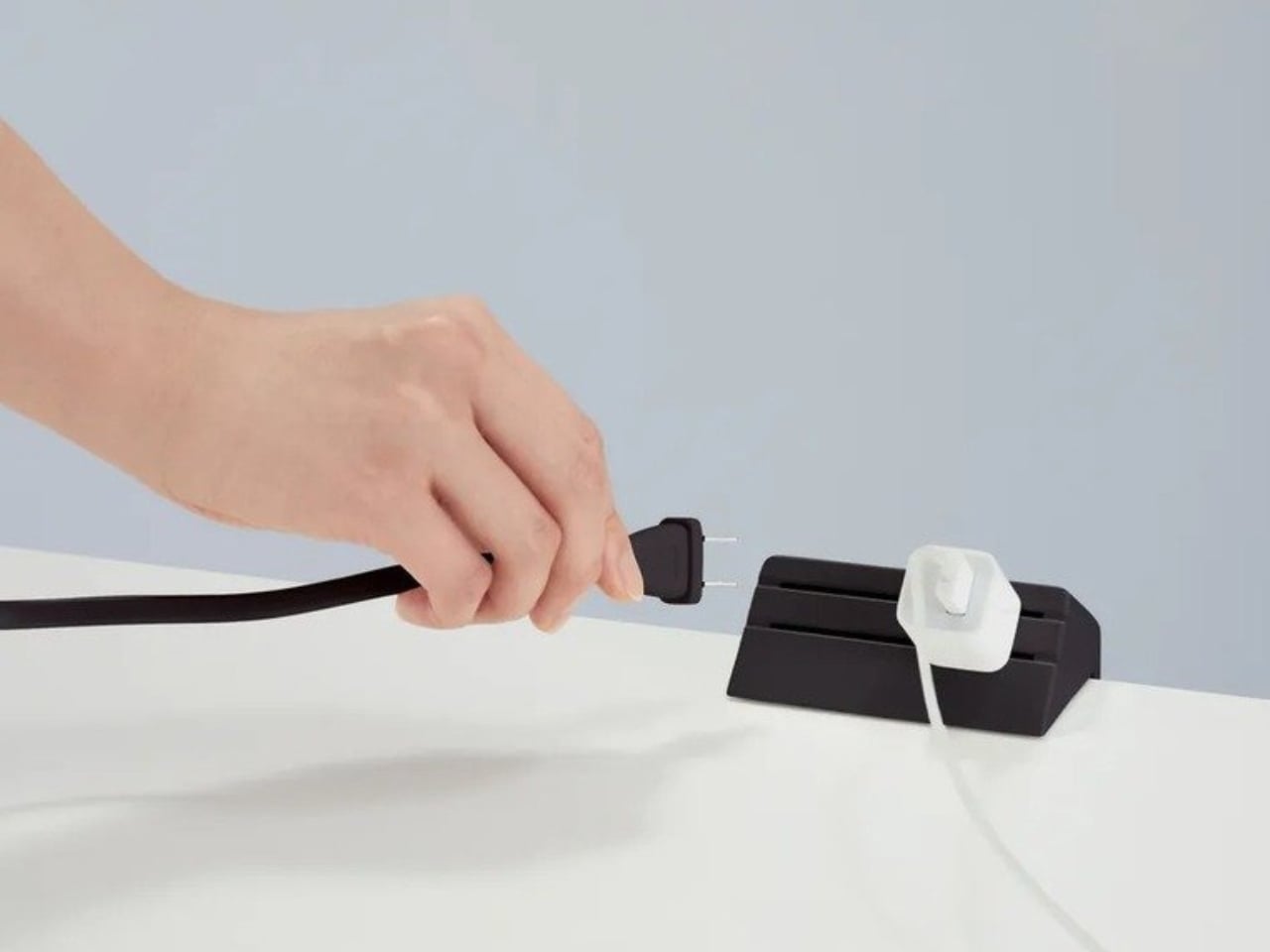
The design is deceptively simple. The Energy Line clamps to the edge of your desk, flush and low-profile, and features a linear row of slits running across its face. Those slits accept up to five two-pronged plugs at any position along the line. No discrete individual sockets, no chunky plastic bumps, no visual noise. Just a clean, flat surface with a continuous slot. From a distance, it reads as part of the desk itself rather than an accessory bolted onto it.

There is a caveat worth knowing: the Energy Line is designed for two-pronged plugs only, meaning it’s built for laptops, monitors, desk lamps, and peripherals rather than heavier appliances. For a modern desk setup, that’s rarely a dealbreaker. Most of what lives on a work surface runs on two prongs anyway.

But here’s where my opinion deviates slightly from pure admiration. The limitation does ask something of you: before purchasing, you’d need to audit your desk setup and confirm that nothing with a grounded, three-prong plug needs to stay on top. If you use a Mac with a standard power adapter, a monitor, maybe a desk lamp and a fan, you’re likely covered. If your setup is more eclectic, it’s worth a moment of honest inventory.

That said, the design philosophy behind this product feels deeply, specifically Japanese, and I mean that as a compliment. Kokuyo has a 120-year history rooted in the conviction that even ordinary, utilitarian objects deserve to be thought through completely. They started by making covers for account ledgers. They went on to design notebooks so beloved that students across Asia still buy them today. Their founding spirit, as they describe it, is “to enrich the world through our products.” The Energy Line is a natural expression of that. It takes a problem everyone has, cords everywhere, nowhere good to put them, everything looking chaotic, and solves it without announcing itself loudly.

The broader cultural moment around this kind of design is real and worth acknowledging. Desk setups have become genuinely personal statements. People spend real money on monitor arms, cable management systems, and custom desk mats to achieve a workspace that feels intentional, curated, even beautiful. A power strip, more than almost any other desk accessory, has historically been the stubborn hole in that aesthetic. The one thing you couldn’t really fix. Kokuyo just fixed it.

It’s also worth noting that this comes from an office furniture company, not a consumer electronics brand trying to go premium. Kokuyo makes desks, chairs, storage systems. They think about workspaces at an architectural scale. Designing a power strip that integrates with a desk rather than just sitting on or under it makes sense coming from that perspective. The Energy Line isn’t a gadget playing at being furniture. It’s furniture thinking that got applied to a gadget.

Whether you’re the kind of person who obsesses over every detail of your workspace or someone who just wants a cleaner desk without thinking too hard about it, the Energy Line is hard to dismiss. It doesn’t ask you to care about design. It just rewards you if you do. It’s genuinely rare that a product this utilitarian solves a problem this old in a way that feels this obvious in hindsight.

The post Kokuyo Made a Power Strip You Actually Want to Look At first appeared on Yanko Design.