5 Red Dot Award Winning Designed to Change the World: Submission Closes January 16, 2026

The world’s most prestigious design competition is back, and this year it’s bigger and more exciting than ever. Starting September 15, 2025, the Red Dot Award: Product Design 2026 has officially opens its doors to designers, manufacturers, and innovators worldwide who are ready to showcase their exceptional creations on the global stage.

For over 70 years, the Red Dot Award has been the ultimate benchmark for design excellence, celebrating products that push boundaries and redefine what’s possible. This year’s competition promises to be particularly thrilling, with exciting new developments that reflect our rapidly evolving design landscape.

What’s New for 2026: Gaming & Streaming Takes Center Stage

Perhaps the most exciting addition to this year’s competition is the brand-new Gaming & Streaming category. Recognizing the explosive growth of this industry that now reaches millions worldwide, Red Dot is giving these innovative products the dedicated recognition they deserve. From cutting-edge gaming peripherals to revolutionary streaming equipment, this category acknowledges that gaming and streaming have become key drivers of product innovation in our digital age.

Whether you’ve designed the next game-changing controller, a revolutionary streaming setup, or an immersive VR headset, this new category provides the perfect platform to showcase your work to an international audience of design professionals and enthusiasts.

Click Here to Submit your design to the prestigious Red Dot Award: Product Design 2026!

Drawing Inspiration from Excellence: Here’s our Top 5 picks of 2025

Participation in the Red Dot Award holds significant value for designers seeking to elevate their careers and expand their influence in the design community. Winning this internationally recognized award makes creative skills visible to a global audience, as award-winning products are presented across multiple prestigious platforms including the Red Dot Design Museum Essen, worldwide exhibitions, the Red Dot Design Yearbook, and extensive online and social media channels.

For emerging designers, the recognition can be transformative – supporting product launches, opening doors to new opportunities, and expanding professional networks within the international design industry. The comprehensive visibility and credibility that comes with a Red Dot Award provides designers with a powerful tool to distinguish their work in an increasingly competitive market, while affirming their commitment to excellence in design innovation and quality. To understand what makes a Red Dot winner, let’s look at the ingenious designs that captured hearts and minds in 2025.

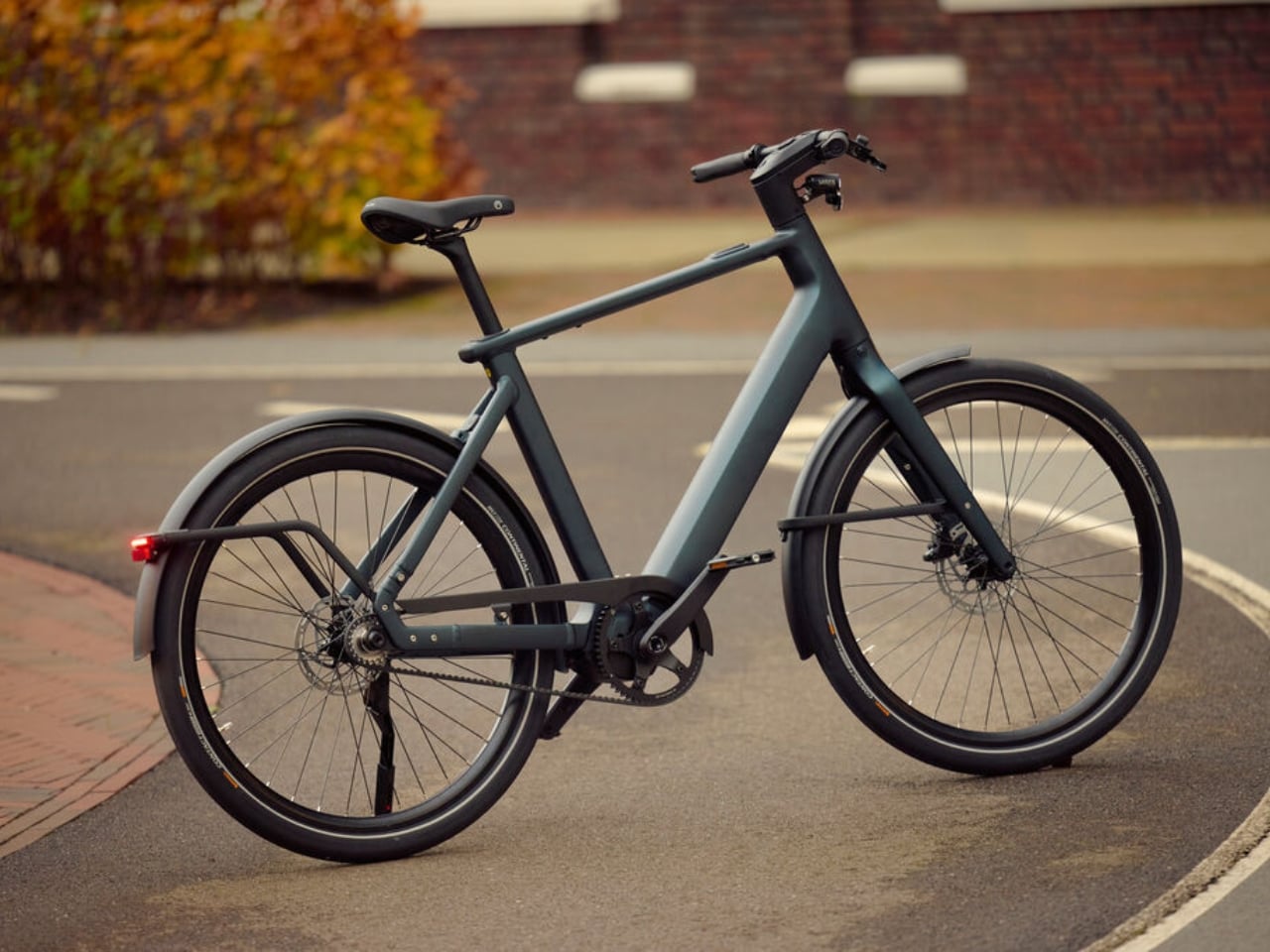
Cayo by Koninklijke Gazelle
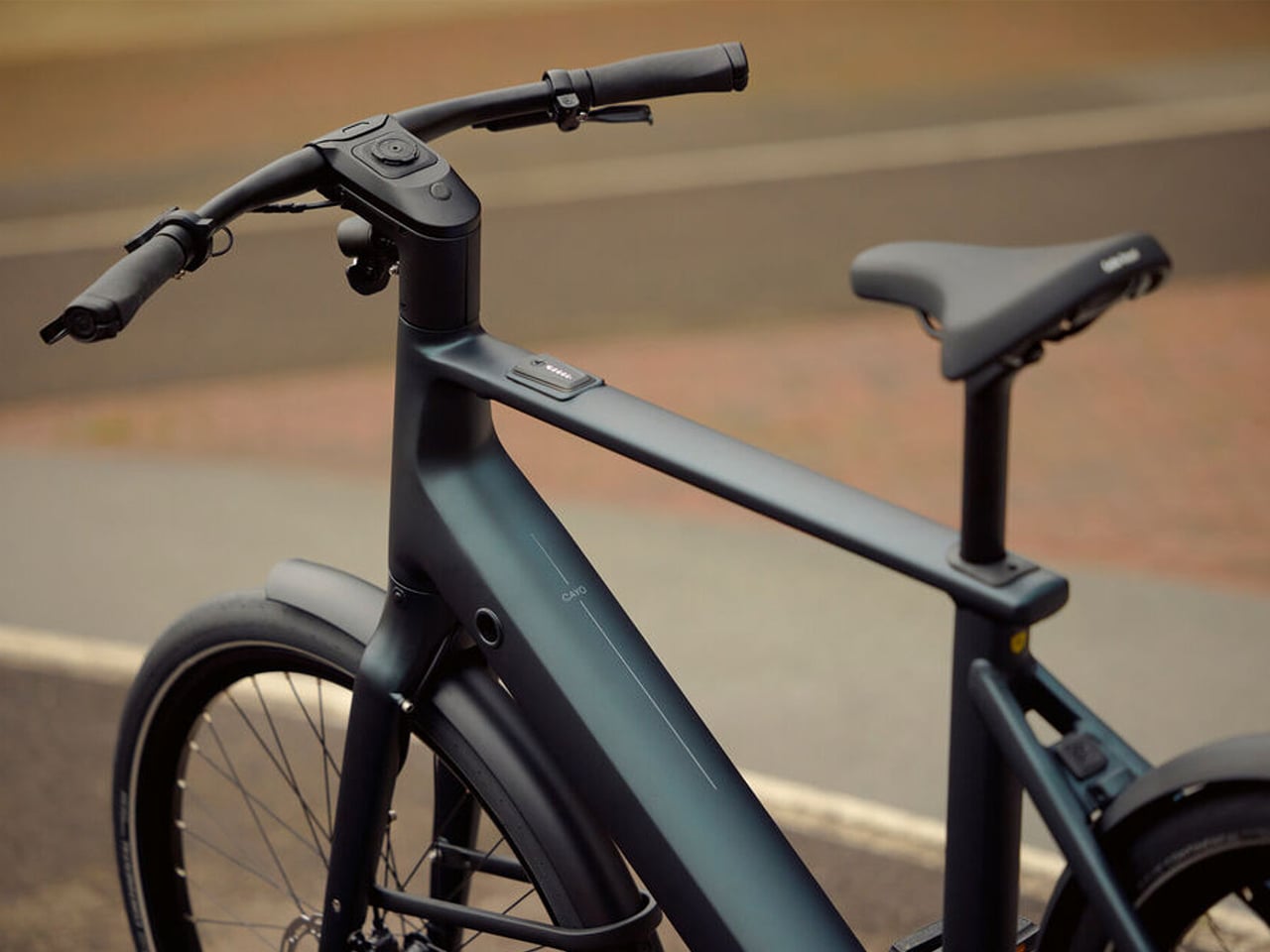
This Dutch e-bike combines minimalist aesthetics with advanced technical innovation, seamlessly integrating all components into a clean, timeless design characterized by clearly defined lines and the absence of superfluous elements. The Cayo bridges traditional cycling culture with the future of urban mobility, proving that everyday transportation on two wheels can embody both urban elegance and cutting-edge technology.

Paper Stick by YONWOO
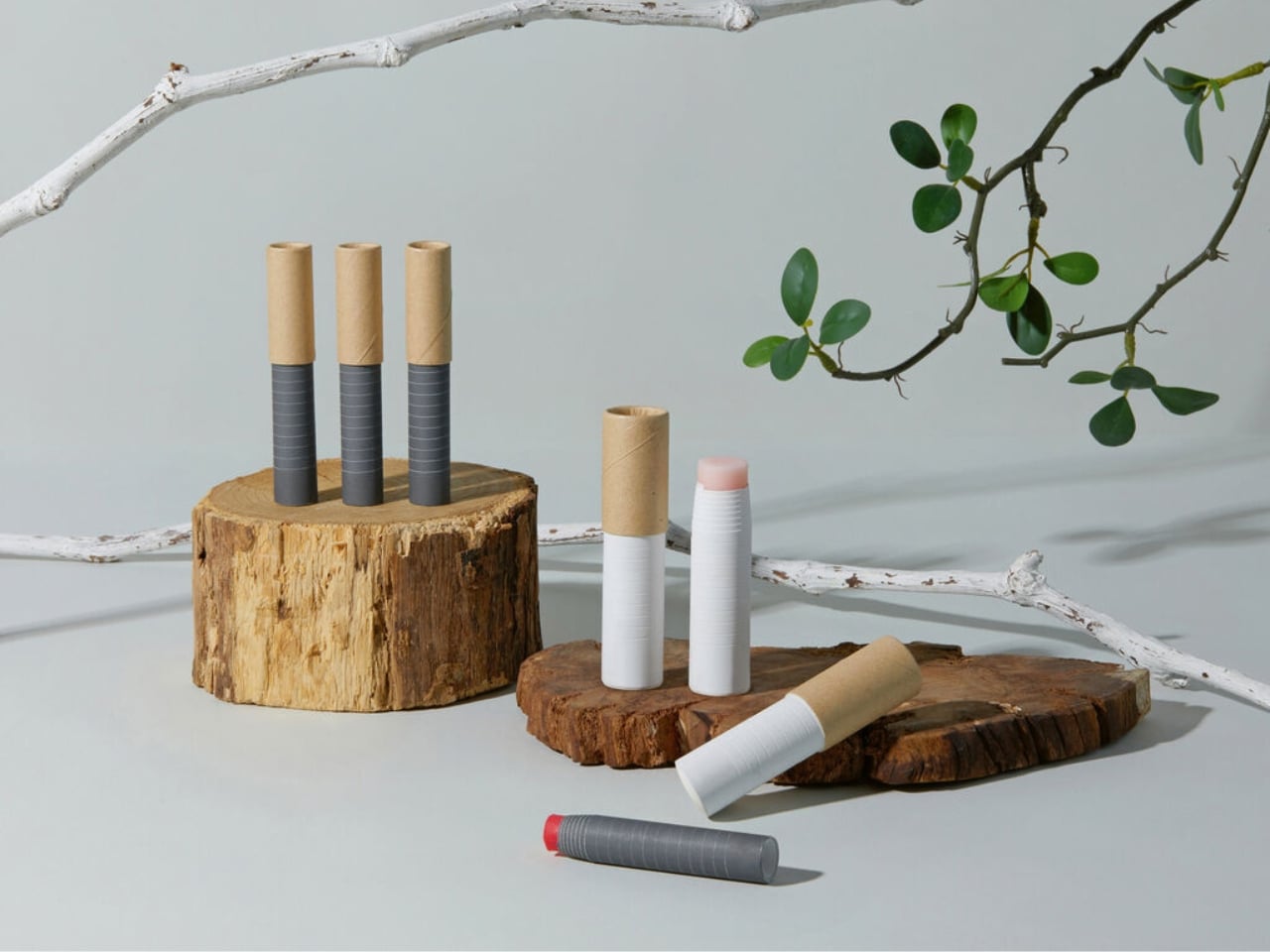
This revolutionary sustainable packaging solution for stick-form cosmetics eliminates plastic entirely by using moisture-resistant mineral paper made from quarry stone waste that users simply peel off in a spiral motion. The innovative design achieves clean tear-off edges through precision die-cutting while offering manufacturers extensive branding opportunities through customizable printing, hot foil stamping, and various paper types for different tactile experiences.

nwm ONE by NTT sonority, 83Design Inc.
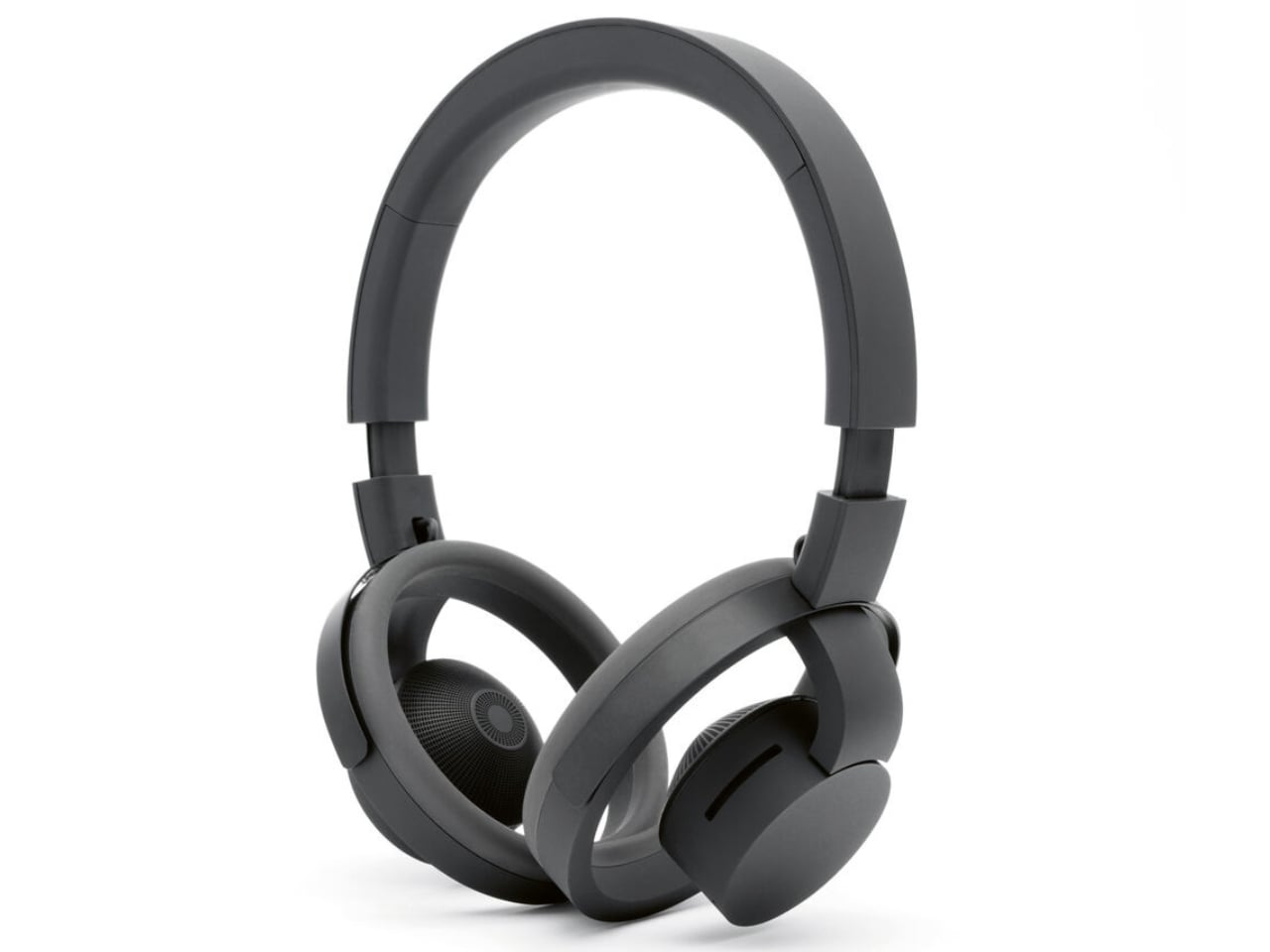
These groundbreaking open-ear headphones strip away traditional cushions and sealing, instead floating around the ears while using proprietary PSZ (Personalised Sound Zone) technology with inverse phase waves to prevent sound leakage. The minimal ring-shaped design features pivoting speaker units that deliver optimized audio directly into the ear canal without physical contact, creating an invisible bubble of sound that only the wearer can hear while staying fully aware of their surroundings.

iA Notebook by Information Architects Inc.

Originally designed as a gift for customers of their text and presentation software, this meticulously crafted notebook employs a lay-flat binding that allows writers to use entire double-page spreads without binding interference. Packaged in a wooden box with an embossed sleeve cover, every detail expresses appreciation for the written word through simple elegance and exceptional craftsmanship that required iterative prototyping to perfect.

VITILITY ID Walking Cane by MIXED.Industries BV
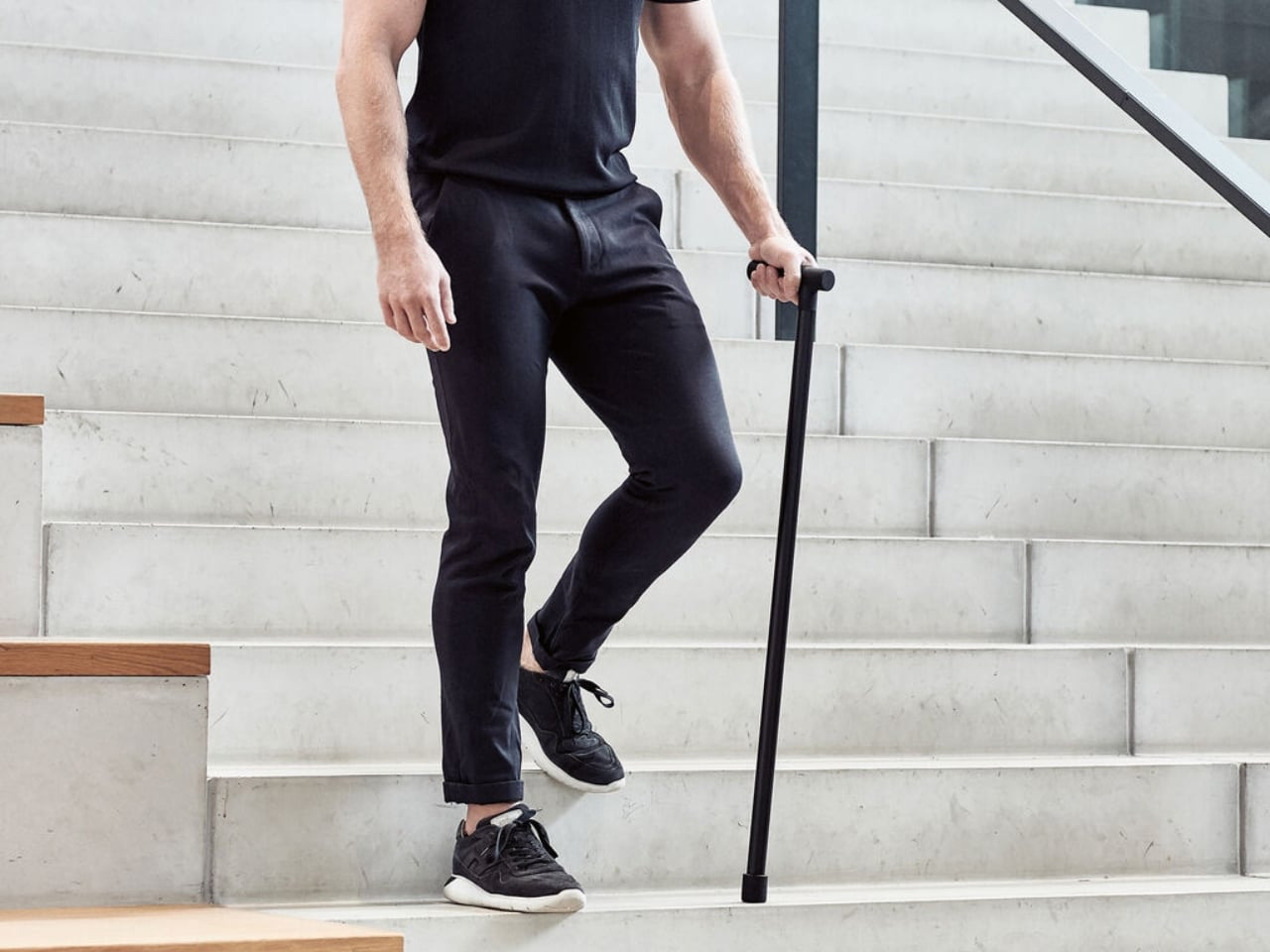
This mobility aid makes a conscious statement against the stigma of aging and physical limitations by combining clear, elegant design with functional excellence that proves good design can change social perceptions. The walking cane allows users who depend on mobility assistance to feel independent and style-conscious, transforming a traditionally stigmatized object into a character-defining accessory.

The Evaluation Process: Where Excellence Meets Expertise

Your submitted products will face scrutiny from approximately 40 international experts representing diverse fields and perspectives. This distinguished jury follows the evaluation philosophy established by Professor Dr. Peter Zec, Red Dot’s Founder and CEO, assessing each entry based on function, aesthetics, ease of use, and responsibility.

The jury awards two levels of distinction: the coveted “Red Dot” award and the prestigious “Red Dot: Best of the Best” for truly exceptional designs that set new standards in their categories.

Important Dates to Remember

Registration Period: September 15, 2025 to January 16, 2026

Jury Evaluation: Spring 2026

Award Ceremony: July 7, 2026
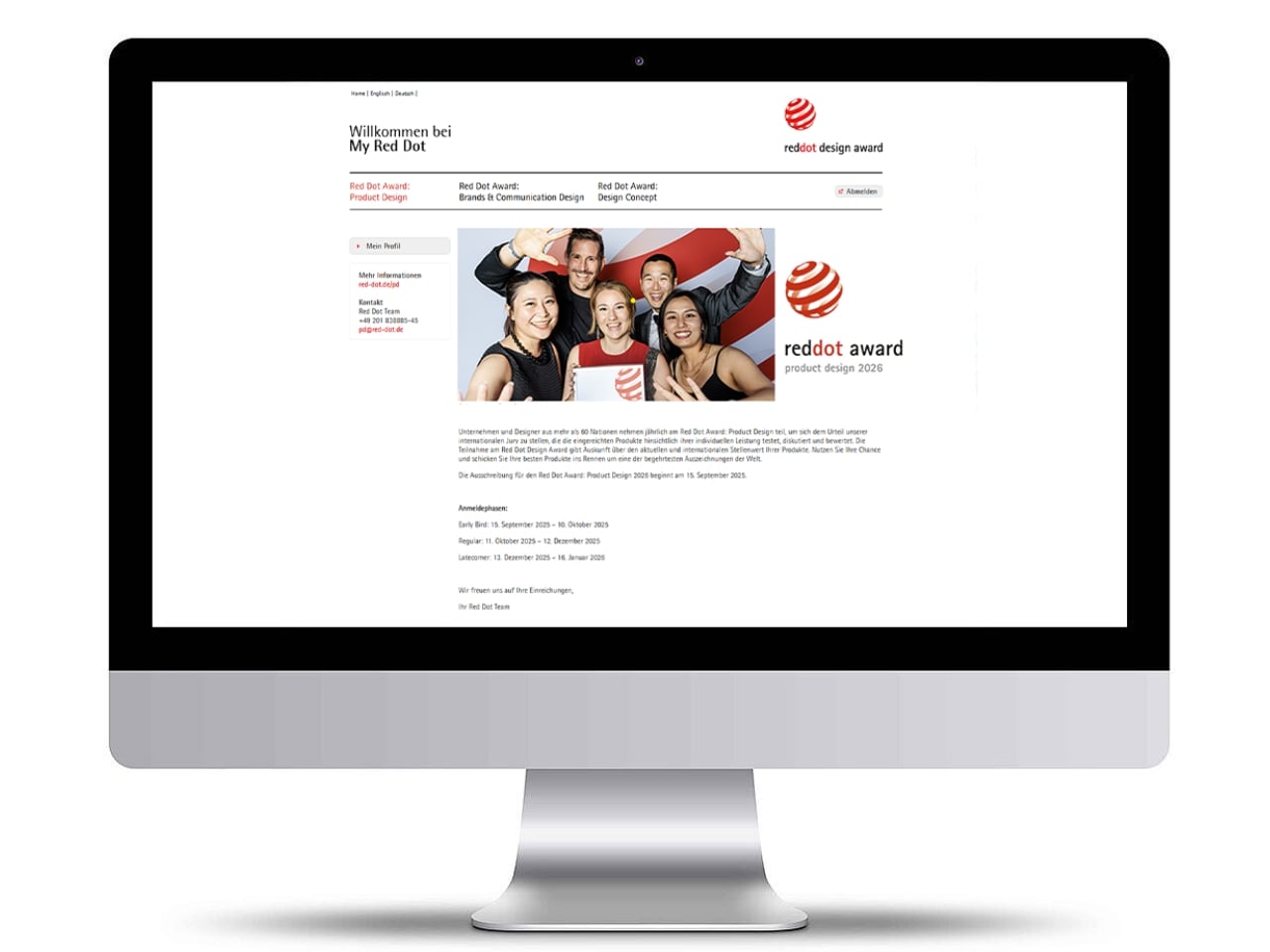
Your Path to Global Recognition

Winners don’t just receive an award. They gain access to a comprehensive platform for showcasing their achievements. Award-winning products are featured in the Red Dot Design Museum Essen, international exhibitions, the prestigious Red Dot Design Yearbook, and across digital platforms reaching design enthusiasts worldwide.

The celebration culminates at the glamorous Red Dot Gala on July 7, 2026, in Essen, where winners are honored before an international audience. For those unable to attend in person, the event will be livestreamed globally, ensuring maximum exposure for your innovative designs.

Ready to join the ranks of design excellence? Visit www.red-dot.org/pd to submit your groundbreaking products and compete for one of the most respected accolades in the design world. The Red Dot Award: Product Design 2026 isn’t just a competition. It’s your gateway to global recognition and design immortality.

The post 5 Red Dot Award Winning Designed to Change the World: Submission Closes January 16, 2026 first appeared on Yanko Design.
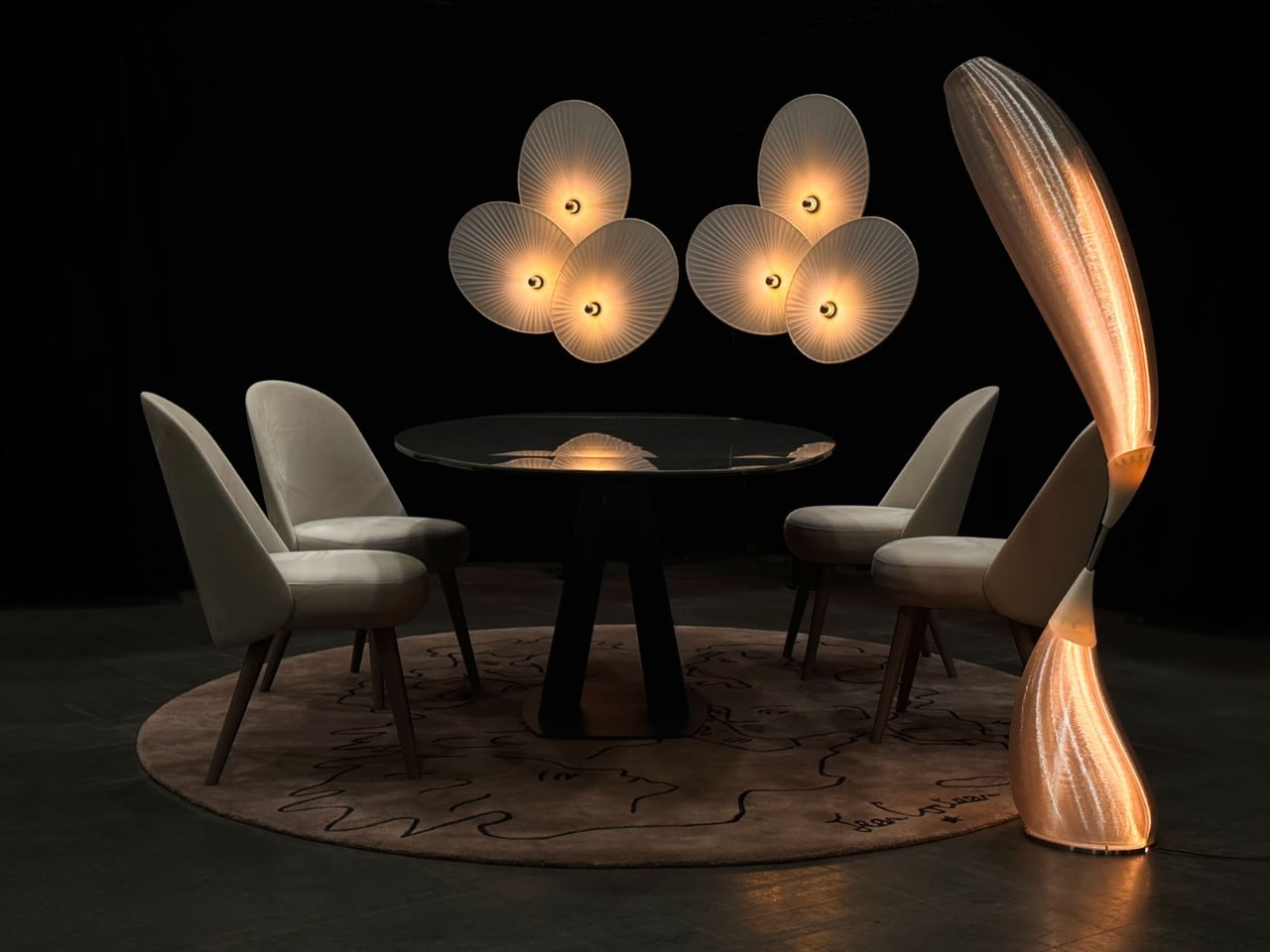
This 3D-Printed Lamp Was Designed to Feel Like Mom’s Hug

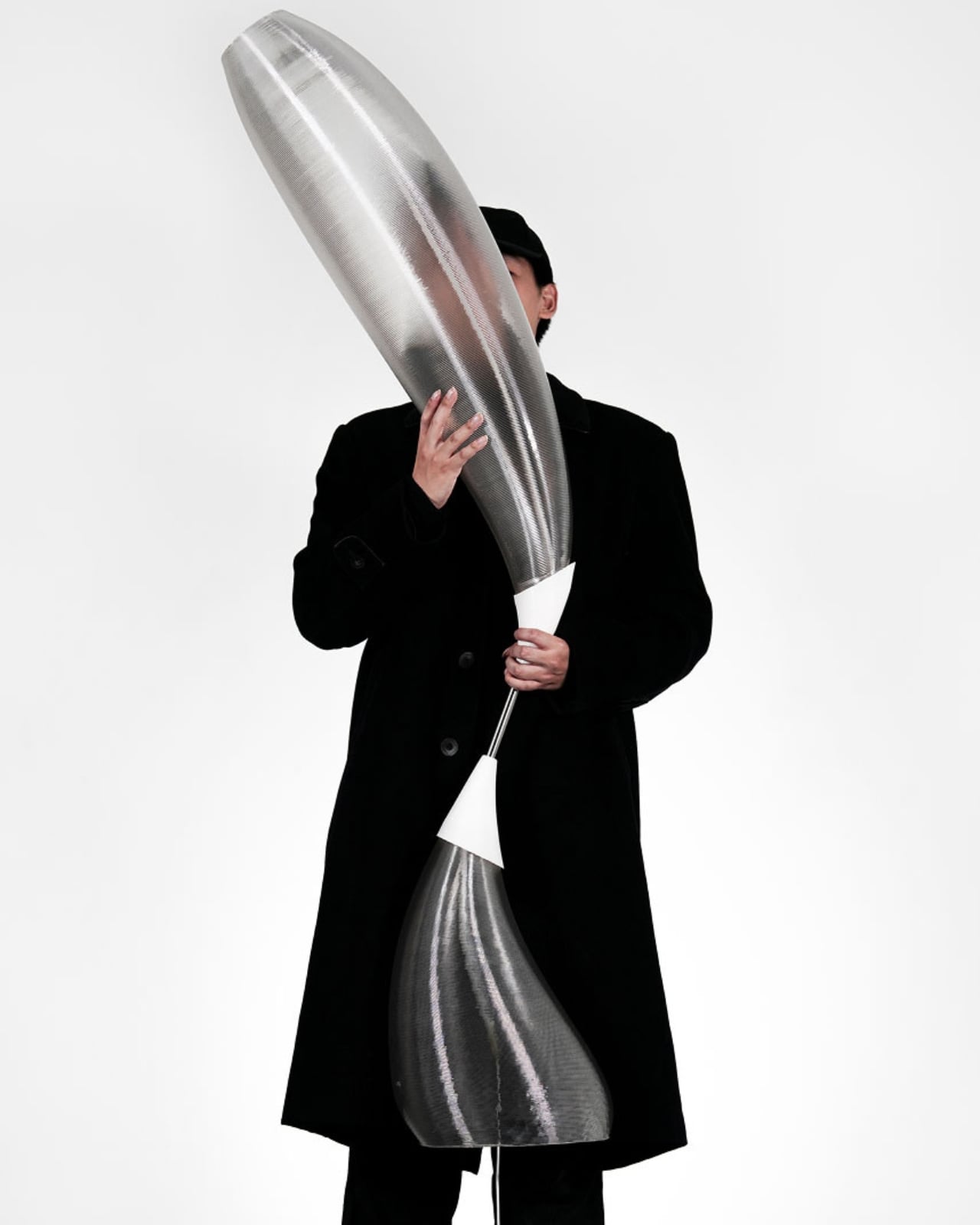
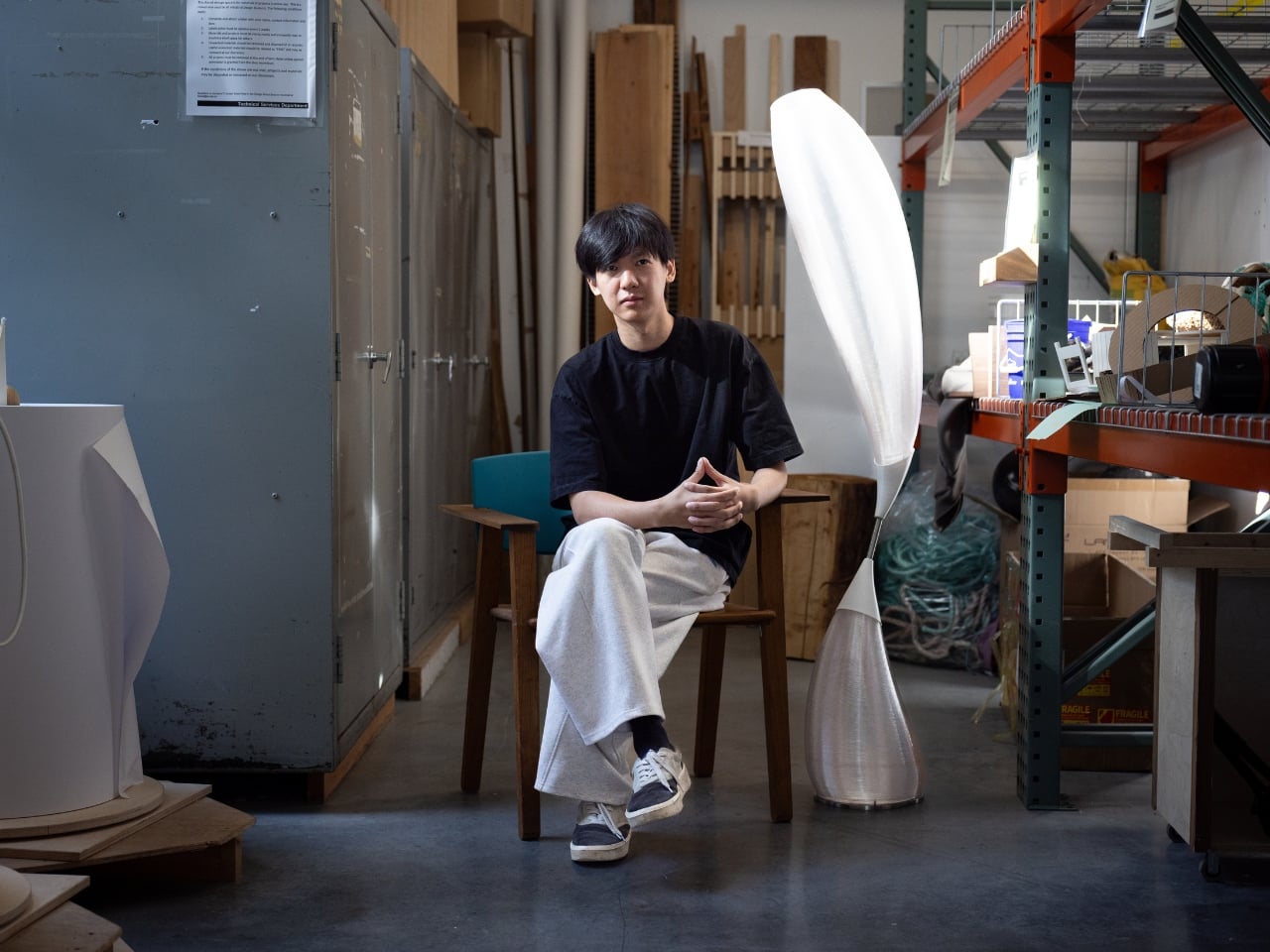
There’s something quietly revolutionary happening in design right now, and it doesn’t involve flashy colors or radical shapes. Instead, it’s about something far more intimate. Hu Yuanlin’s HER Floor Lamp proves that the most innovative designs often emerge from the most personal places, bridging the gap between cutting-edge technology and deep emotional resonance.

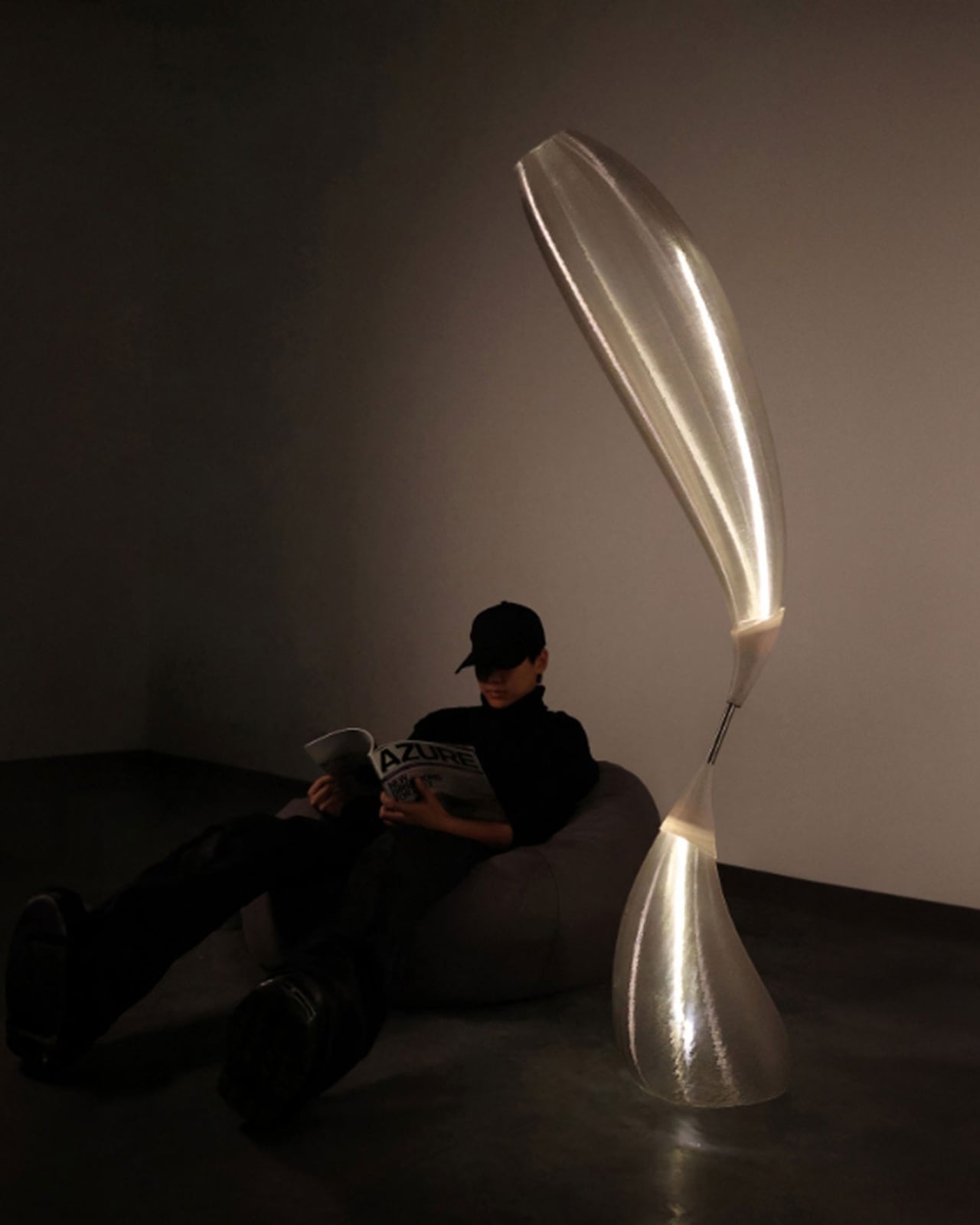
The story behind HER is achingly simple yet profoundly universal. While studying abroad, Hu found himself missing his mother’s presence, that comforting silhouette that represents home and safety. Rather than simply enduring that longing, he transformed it into something tangible. The lamp’s gracefully curved form echoes the protective stance of a maternal figure, creating what he calls a “quiet emblem of safety and peace at home”. It’s a reminder that the objects we surround ourselves with can do more than illuminate rooms or look aesthetically pleasing. They can hold memories, evoke emotions, and provide companionship.

Designer: Hu Yuanlin

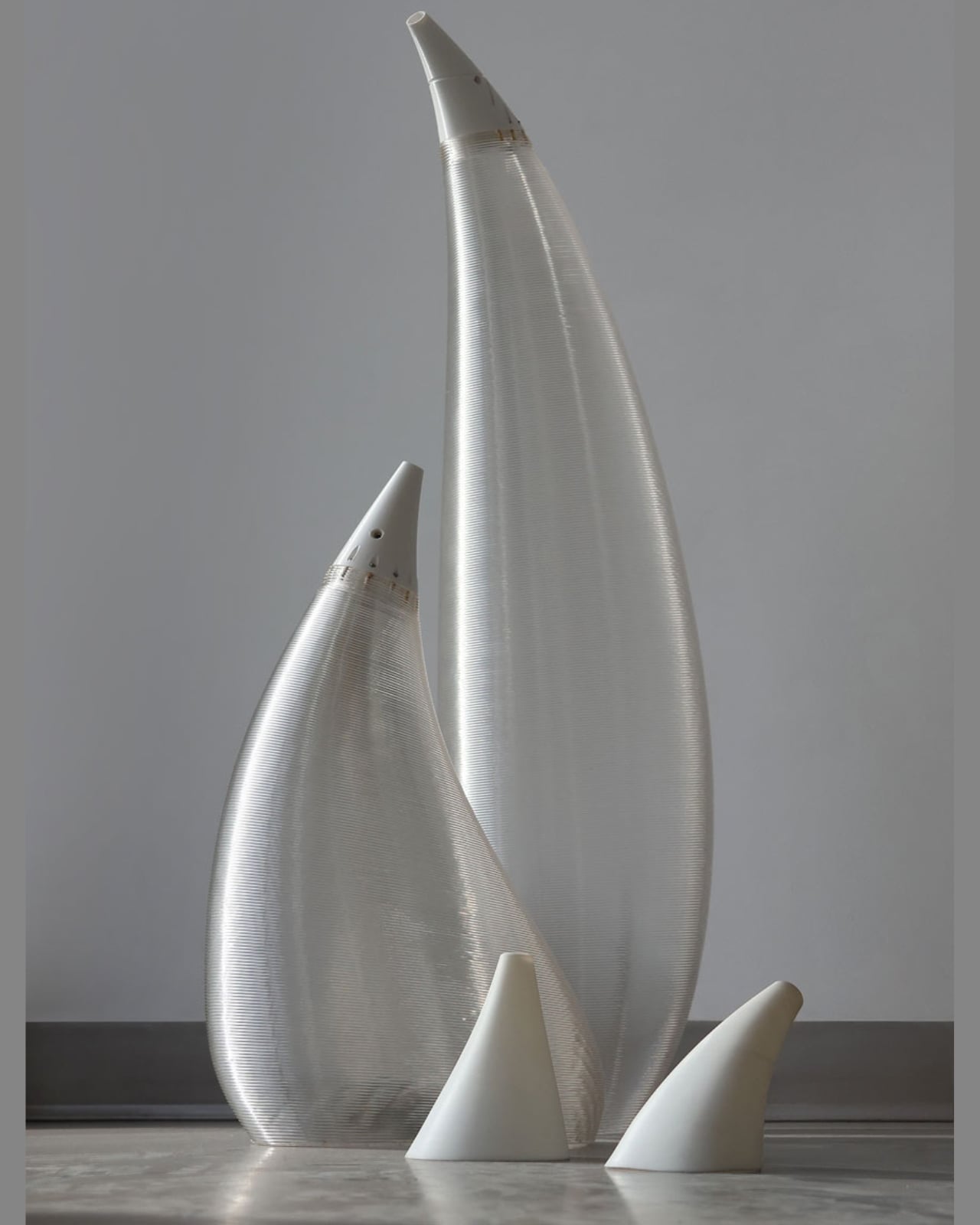
What makes HER particularly fascinating is how it marries this emotional depth with technological innovation. The lamp isn’t just symbolically sustainable through its emotional longevity. It’s literally made from recycled materials, with its segmented lampshade 3D-printed from recycled PETG sourced from old eyeglass frames and disc cases. This choice transforms what might have become waste into something beautiful and functional, proving that sustainability and design excellence aren’t mutually exclusive.

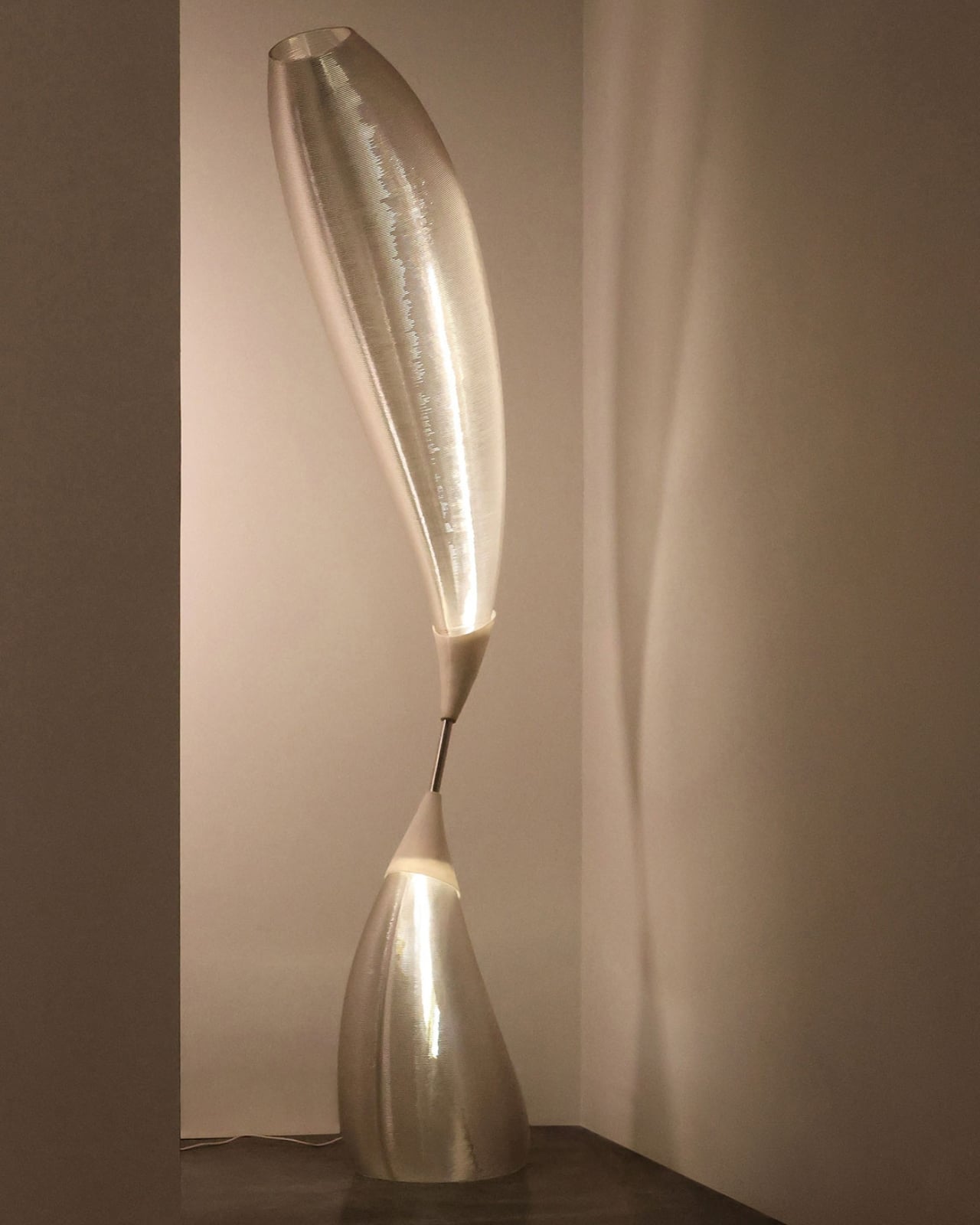
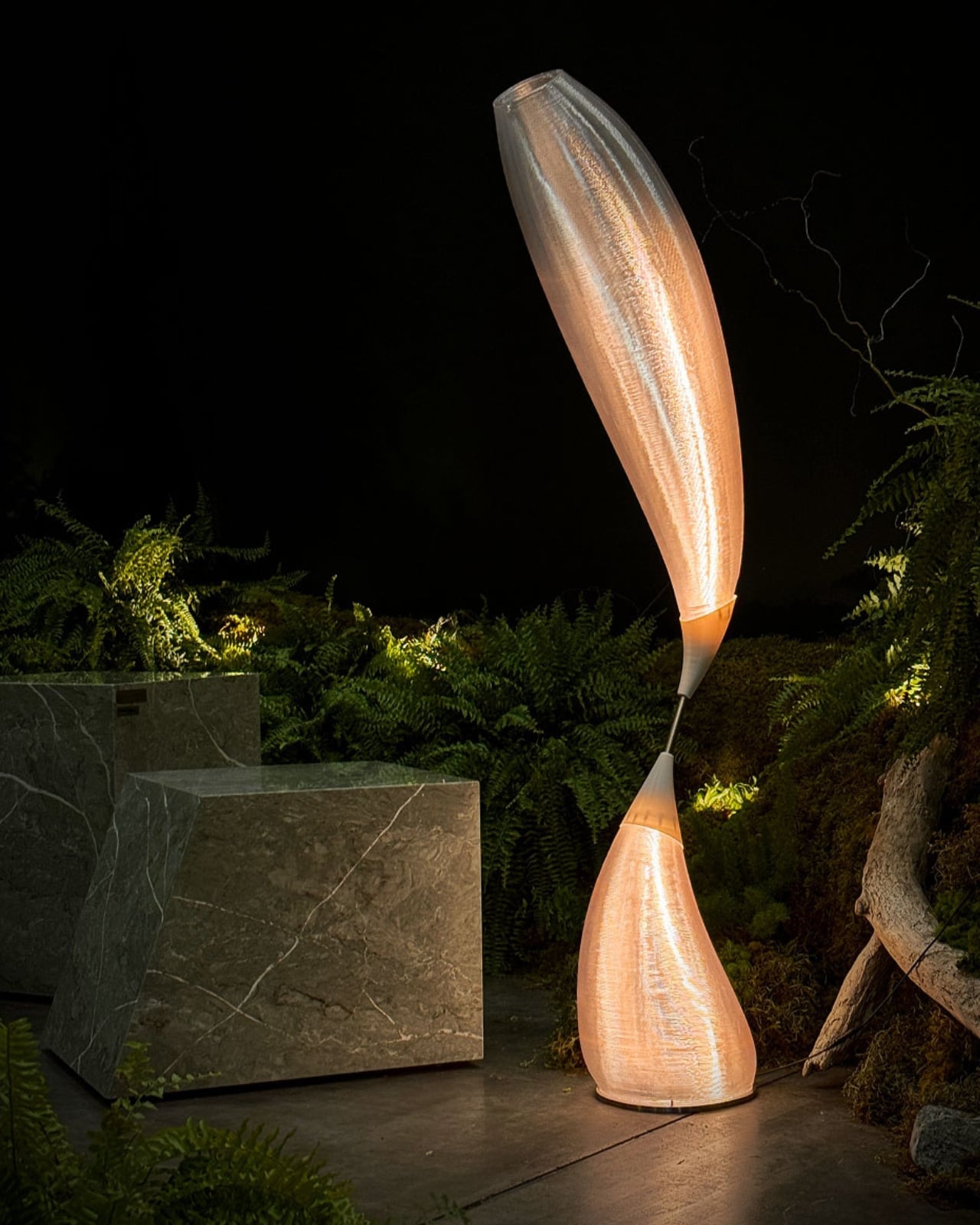
The technical execution deserves attention too. The crystal-clear shade refracts light in ways that create flowing shadows and an atmosphere of serenity. It’s not harsh or clinical despite its modern manufacturing method. Instead, the lamp combines streamlined structural design with organic, leaf-like details that express natural vitality within a minimalist framework. This balance between the organic and the technological, between warmth and precision, feels distinctly contemporary.

HER has already garnered significant recognition in the design world. The lamp won a 2025 Red Dot Design Award, one of the most prestigious accolades in the field, while Hu was still a student. That’s no small achievement. It signals that the design community is hungry for work that doesn’t just look good in a portfolio but carries genuine meaning and innovative thinking about materials and manufacturing.

The timing feels right for a design like this. We’re living in an era where people increasingly crave authenticity and connection, where the sterile perfection of mass-produced items often feels empty. Meanwhile, technology like 3D printing has matured to the point where it can produce objects with both technical sophistication and artistic nuance. HER exists at this intersection, using advanced manufacturing to create something that feels handcrafted and personal.

There’s also something poignant about a lamp designed to evoke maternal presence. In our hyper-connected yet often isolated modern lives, especially for those living far from family, objects that provide emotional anchoring become increasingly valuable. HER doesn’t just light a room. It occupies space with a presence, standing sentinel like a protective figure. It’s the kind of design that transforms a house into a home, that makes a lonely apartment feel less empty.

What Hu has achieved with HER suggests exciting possibilities for the future of product design. As 3D printing technology becomes more accessible and sustainable materials more refined, designers have unprecedented freedom to create forms that would be impossible through traditional manufacturing. More importantly, they can create limited runs or even custom pieces that maintain deeply personal narratives without sacrificing quality or sustainability.

The lamp has already been exhibited at events like TCT Asia 3D Printing and Shanghai Design Week, introducing it to broader audiences and manufacturing partners. It’s moving from student project to commercial reality, which means more people might soon have the opportunity to bring this piece into their homes and lives. HER Floor Lamp reminds us that great design doesn’t need to shout. Sometimes the most powerful statements are quiet ones, standing in the corner of a room, casting gentle shadows, and making us feel a little less alone.

The post This 3D-Printed Lamp Was Designed to Feel Like Mom’s Hug first appeared on Yanko Design.
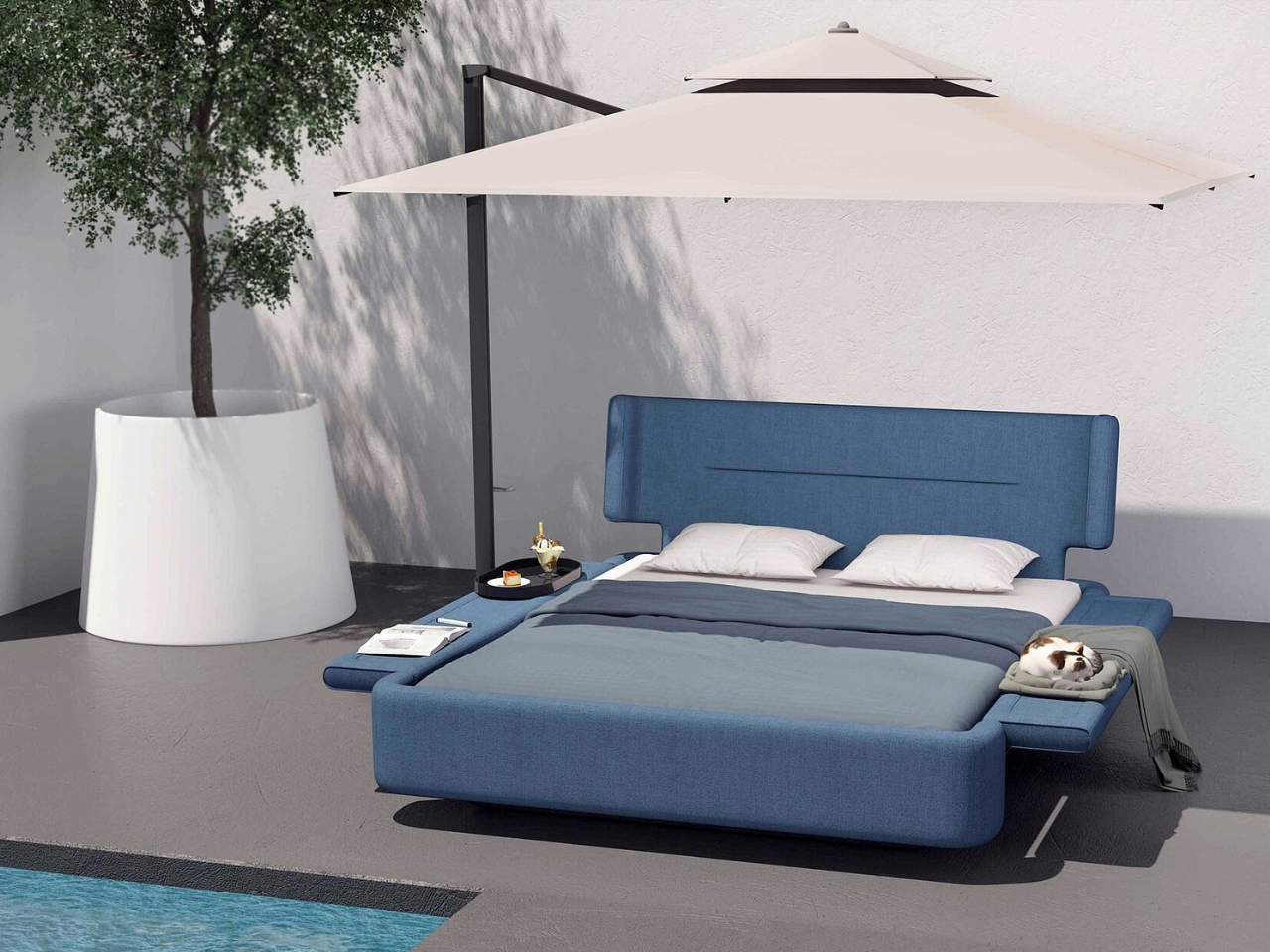
This Whale Bed Goes From Bedroom to Poolside in Seconds

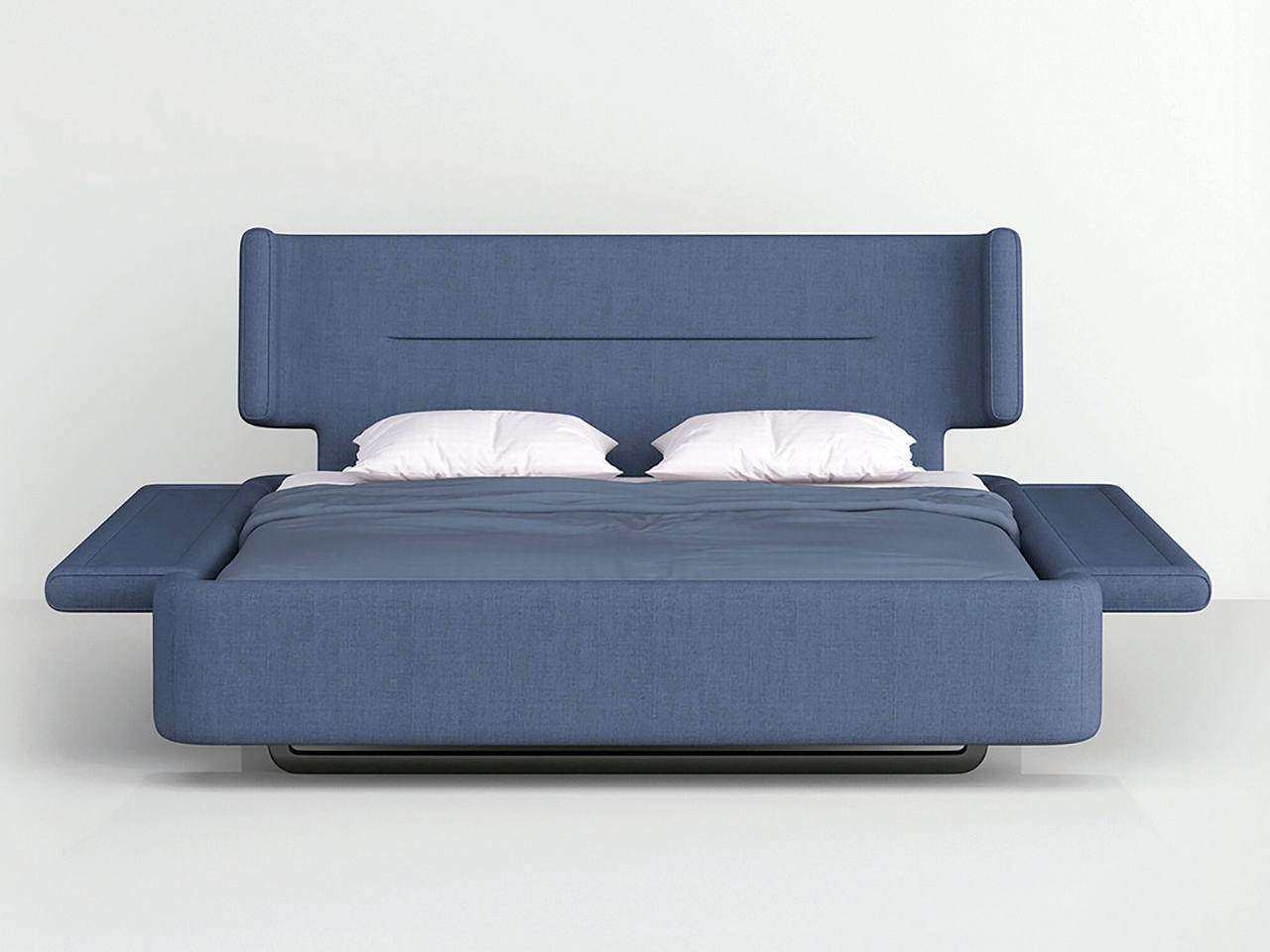
There’s something absolutely magical about furniture that makes you do a double take, and the Whale Bed by designers Zeng Haojie and Chen Zhe is exactly that kind of piece. At first glance, you might wonder if you’re looking at a luxurious lounger or an art installation, but this Red Dot Award-winning design is actually both and so much more.

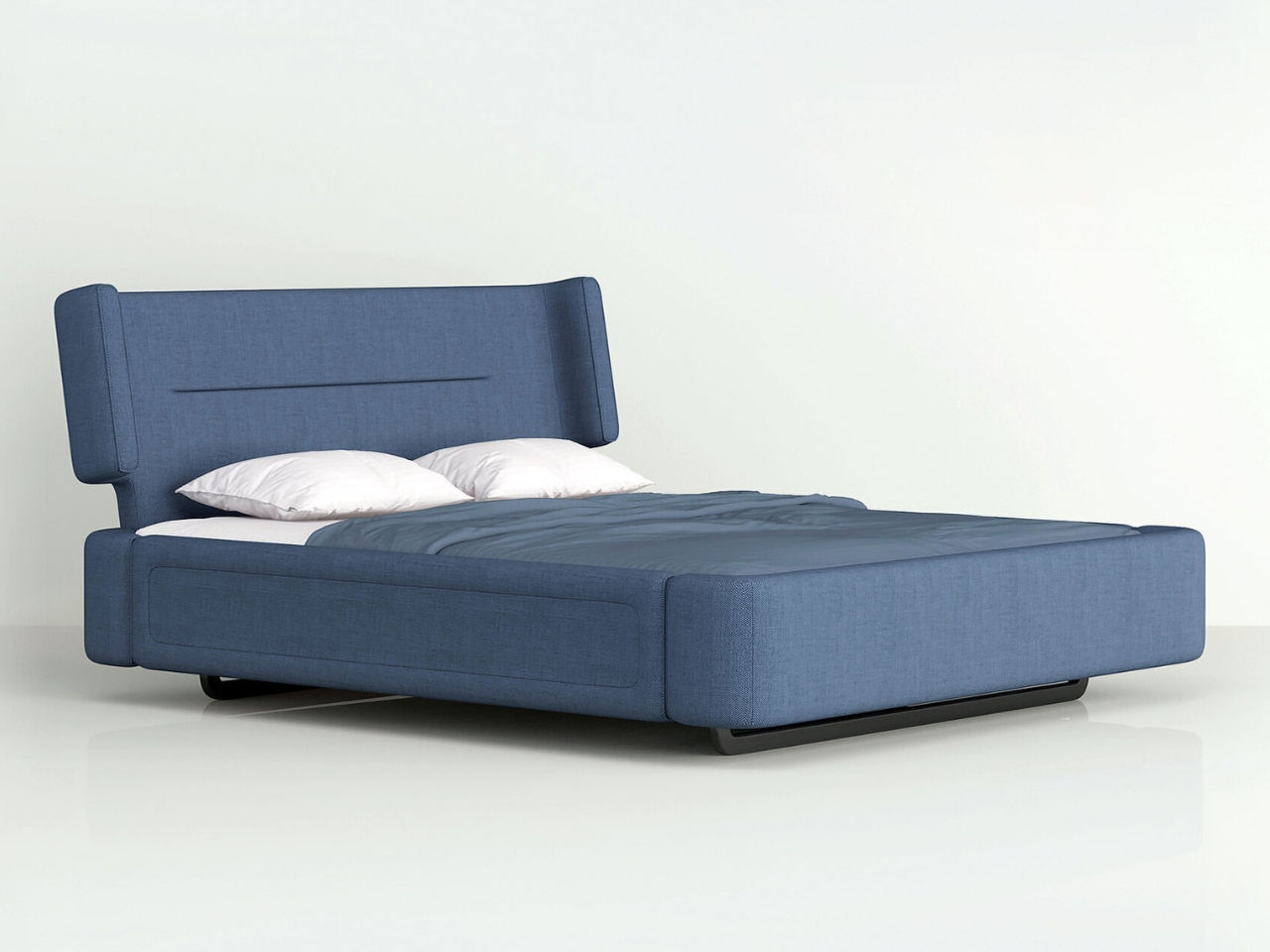
Picture this: a bed that looks like a gentle whale gliding through calm waters, complete with fin-like panels extending from both sides. It’s the kind of piece that makes you want to immediately redesign your entire space around it. But beyond its striking ocean-inspired silhouette, the Whale Bed represents something we desperately need more of in the design world: thoughtful innovation that doesn’t sacrifice style for sustainability.

Designers: Zeng Haojie, Chen Zhe

What makes this design so clever is how it manages to pack multiple functions into one sleek package without going overboard on materials. The adjustable backrest is a game changer, letting you shift between different positions whether you’re reading, scrolling through your phone, or settling in for a Netflix marathon. It’s like having a bed, a lounge chair, and a reading nook all wrapped into one streamlined piece.

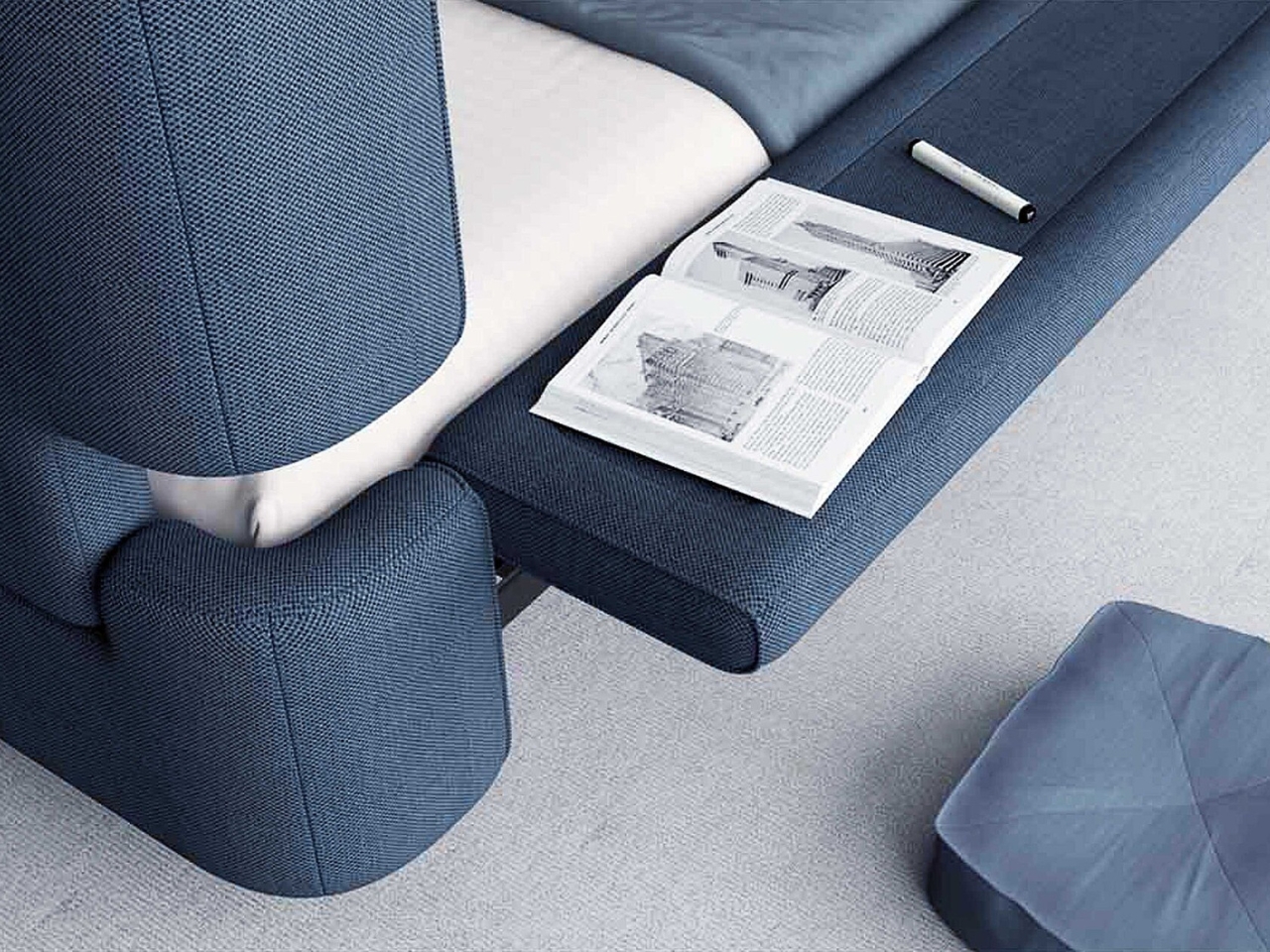
Those fin-like panels aren’t just there to complete the whale aesthetic (though they absolutely nail that vibe). They serve as practical side extensions that give you extra surface area for whatever you need. Morning coffee? Check. Favorite book? Done. Laptop for those work-from-anywhere days? You got it. It’s the kind of multipurpose thinking that makes small spaces feel more livable and large spaces feel more intentional.

But here’s where things get really interesting. The Whale Bed is crafted from environmentally friendly plant fiber material, which means you can take this beauty from your bedroom to your backyard without worrying about weather damage or environmental impact. Imagine lounging poolside on this stunning piece, or creating an outdoor sanctuary in your courtyard where the lines between indoor comfort and outdoor freedom completely blur. We’re now increasingly conscious about our carbon footprint and the lifecycle of the products we bring into our homes so the Whale Bed’s approach to reducing material consumption is refreshing. The designers didn’t just slap an eco-friendly label on it and call it a day. They actually reimagined the structure itself to minimize waste during production. That’s the kind of innovation that moves the industry forward.

The color shown in the images, a sophisticated ocean blue, feels like an obvious choice that somehow still surprises. It’s calming without being boring, bold without being overwhelming. You can easily imagine it working in a minimalist Scandinavian-inspired bedroom, a boho outdoor oasis, or even a contemporary loft space. That versatility is part of what makes this design so compelling. What really strikes me about the Whale Bed is how it challenges our assumptions about what furniture should be. We’re so used to pieces being designated for one specific room or purpose. A bed stays in the bedroom. Patio furniture stays outside. But why? The Whale Bed asks us to think differently about how we use our spaces and how our furniture can adapt to our lives rather than the other way around.

There’s also something wonderfully playful about the whole concept. In a design landscape that can sometimes take itself too seriously, a bed inspired by the largest creatures in our oceans brings a sense of wonder and whimsy. It reminds us that sustainable design doesn’t have to be austere or preachy. It can be joyful, imaginative, and utterly desirable. For anyone who’s been watching the intersection of sustainability and design, pieces like the Whale Bed represent where we’re headed. It’s not about choosing between beautiful design and environmental responsibility anymore. The best designers are proving we can have both, and they’re doing it with creativity and innovation that makes us excited about the future of our living spaces.

The post This Whale Bed Goes From Bedroom to Poolside in Seconds first appeared on Yanko Design.