This Fire Extinguisher Might Actually Make You Want One at Home

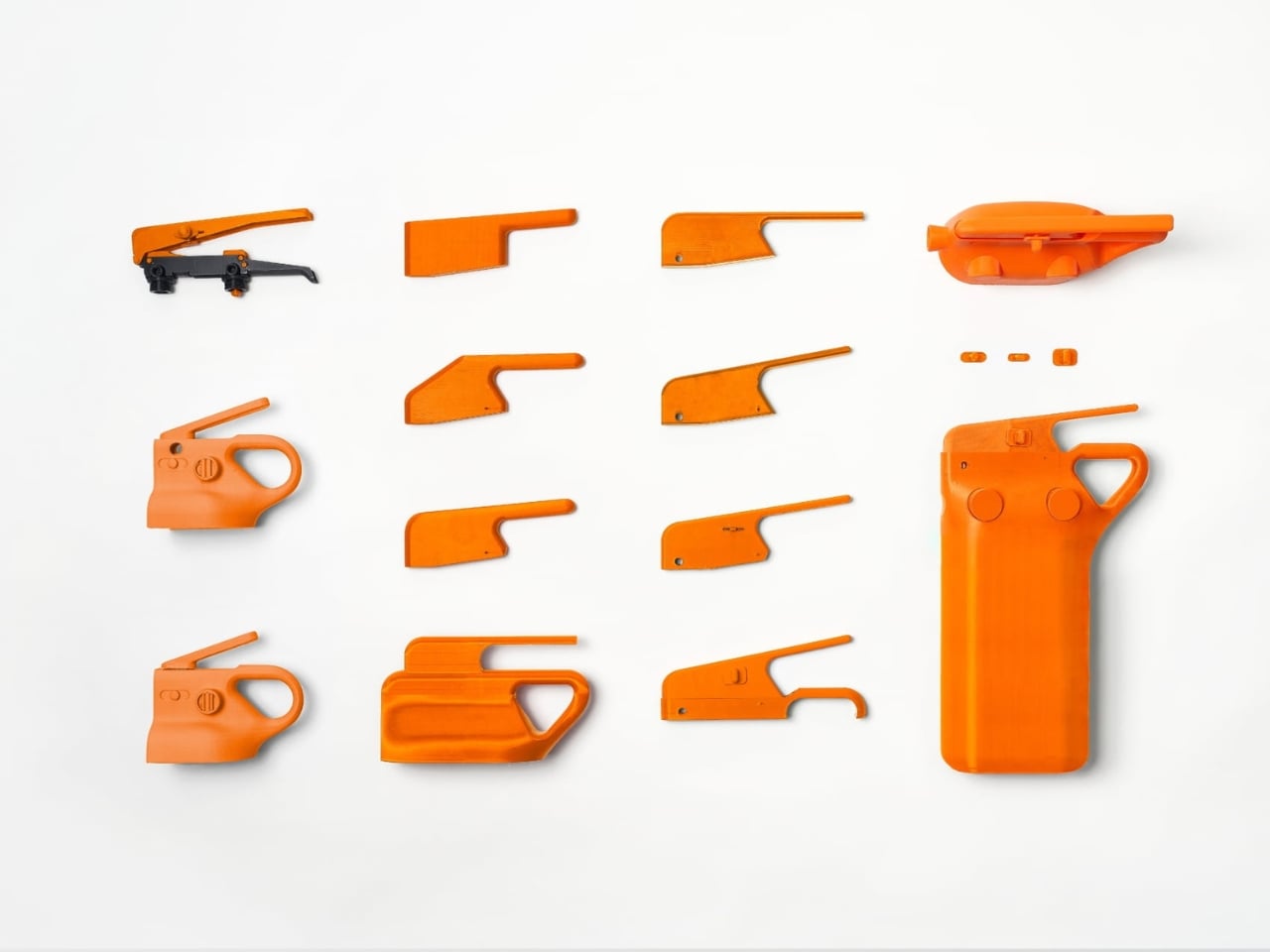
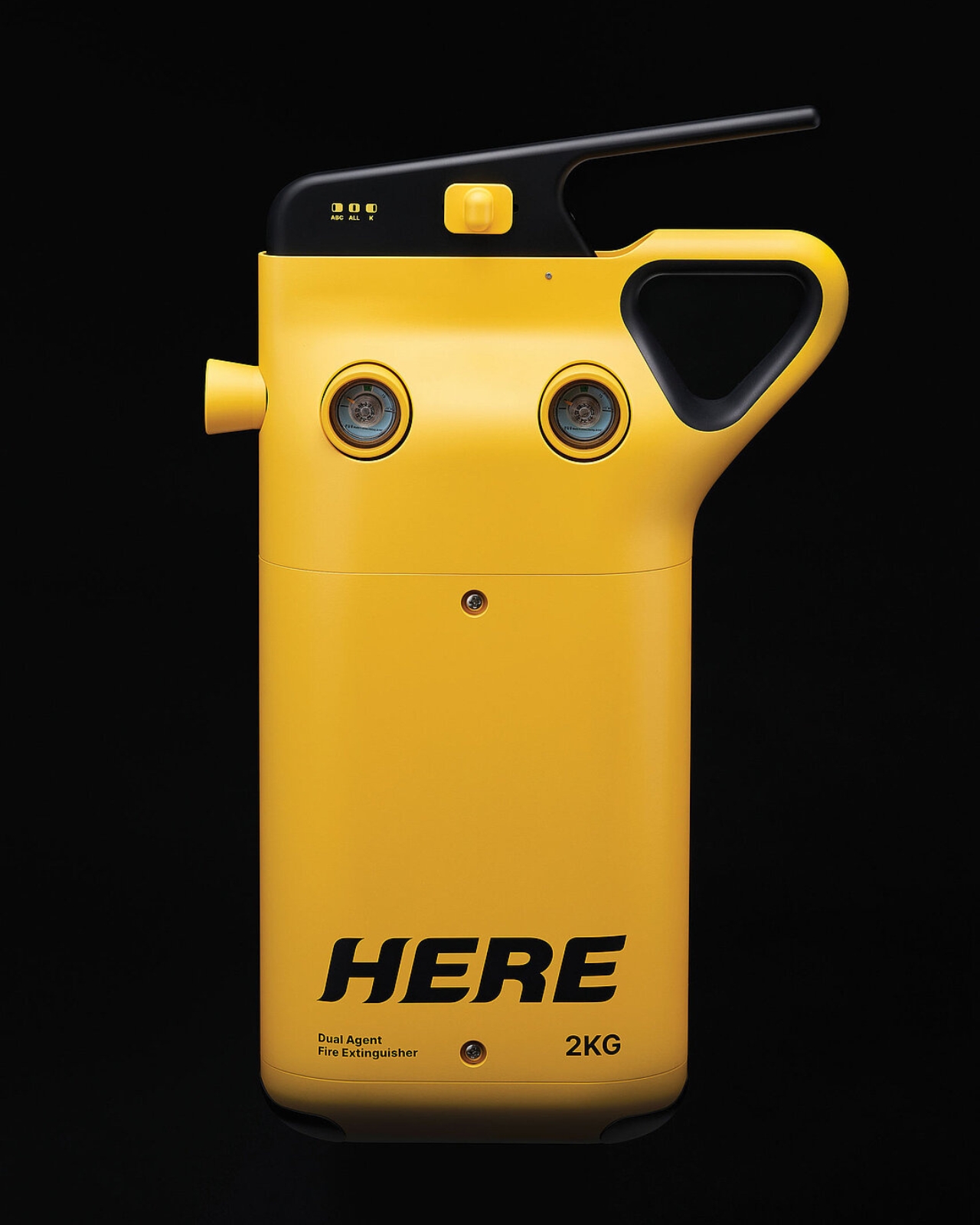
Let’s be honest, fire extinguishers are one of those things we know we should have but rarely think about until we actually need one. They’re bulky, confusing, and usually tucked away somewhere collecting dust. But what if a fire extinguisher could be both smarter and easier to use? That’s exactly what designers Song Kyuho and Kim Jungu set out to create with HERE, a dual-agent fire extinguisher that’s rethinking safety equipment for modern life.

The problem with traditional fire extinguishers is pretty straightforward. That standard red canister sitting in your hallway might work great for a paper fire, but it could be completely useless against a kitchen grease fire. Different fires need different solutions, which technically means you should have multiple extinguishers throughout your home. But realistically, who does that? It’s expensive, takes up space, and adds another layer of complexity when you’re already panicking because something’s on fire.

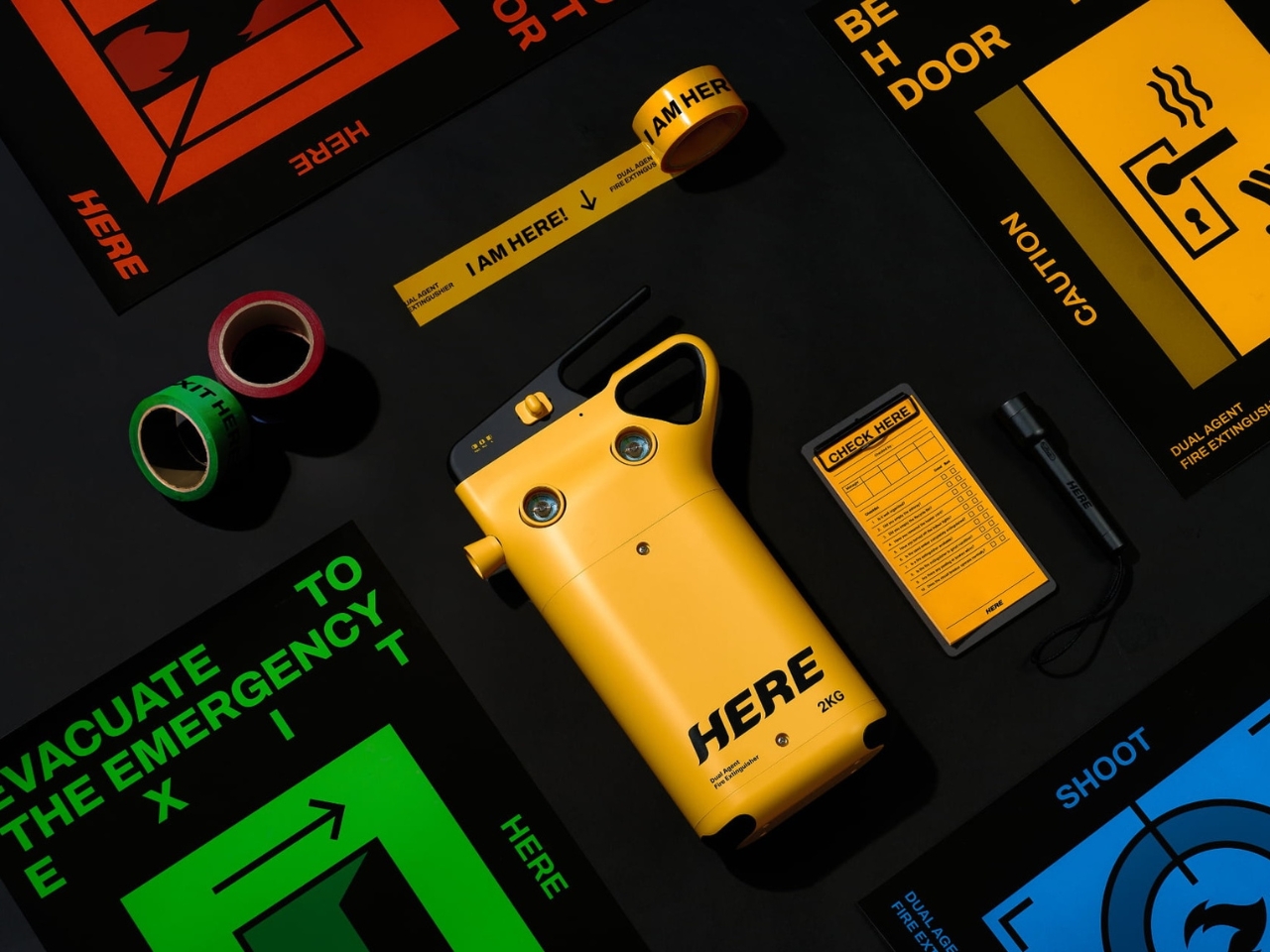
Designers: Song Kyuho and Kim Jungu for Found Founded

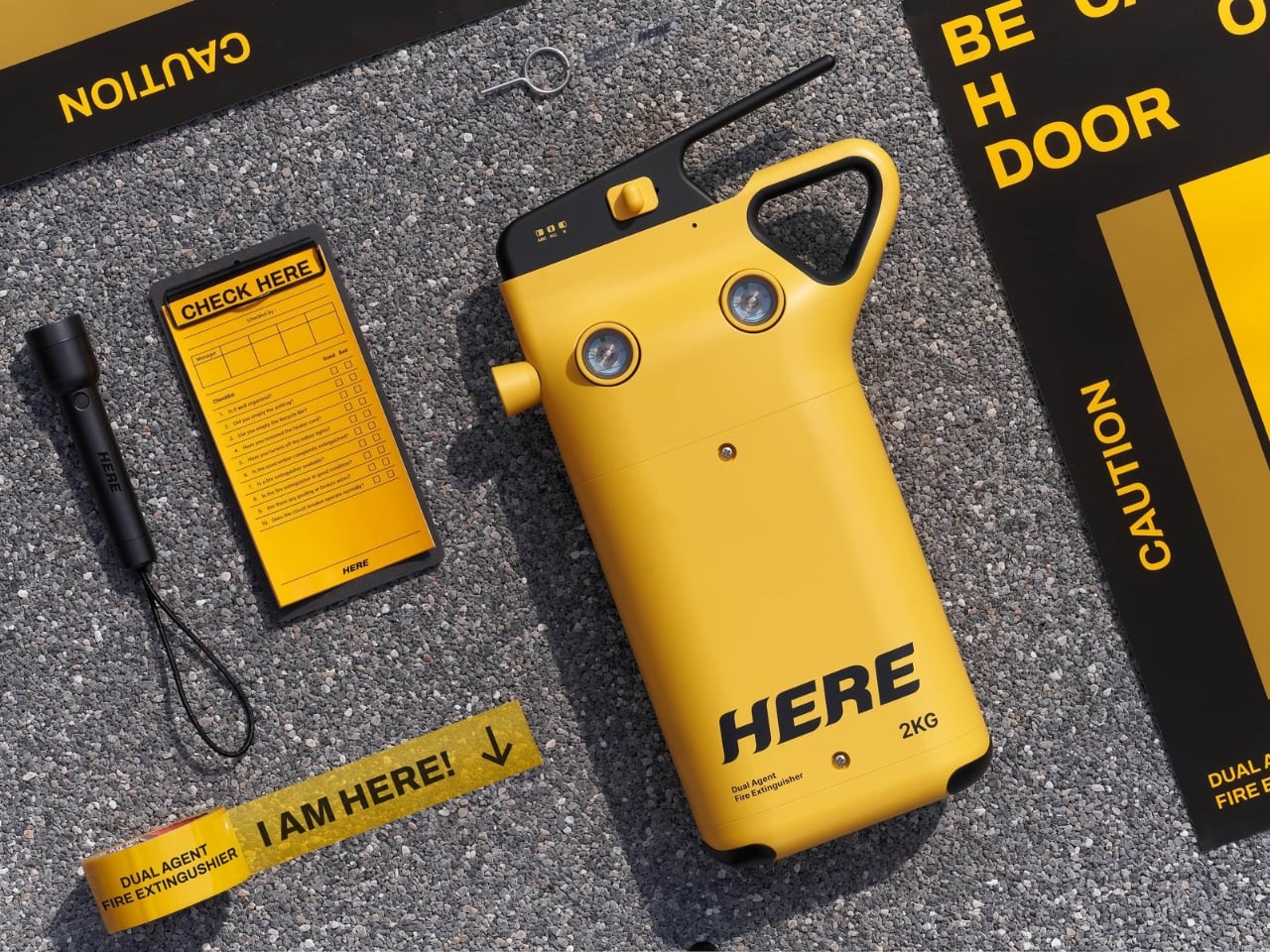
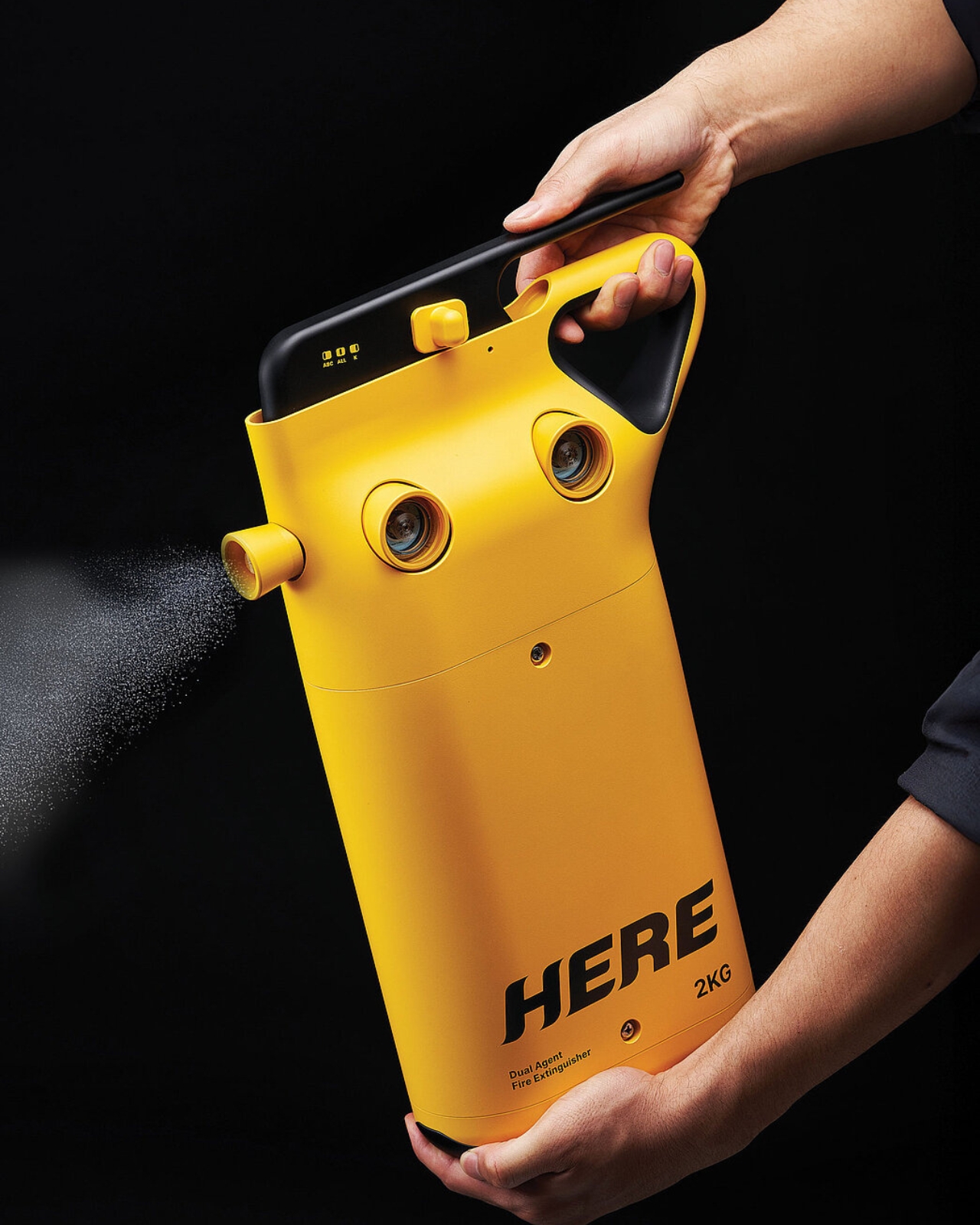
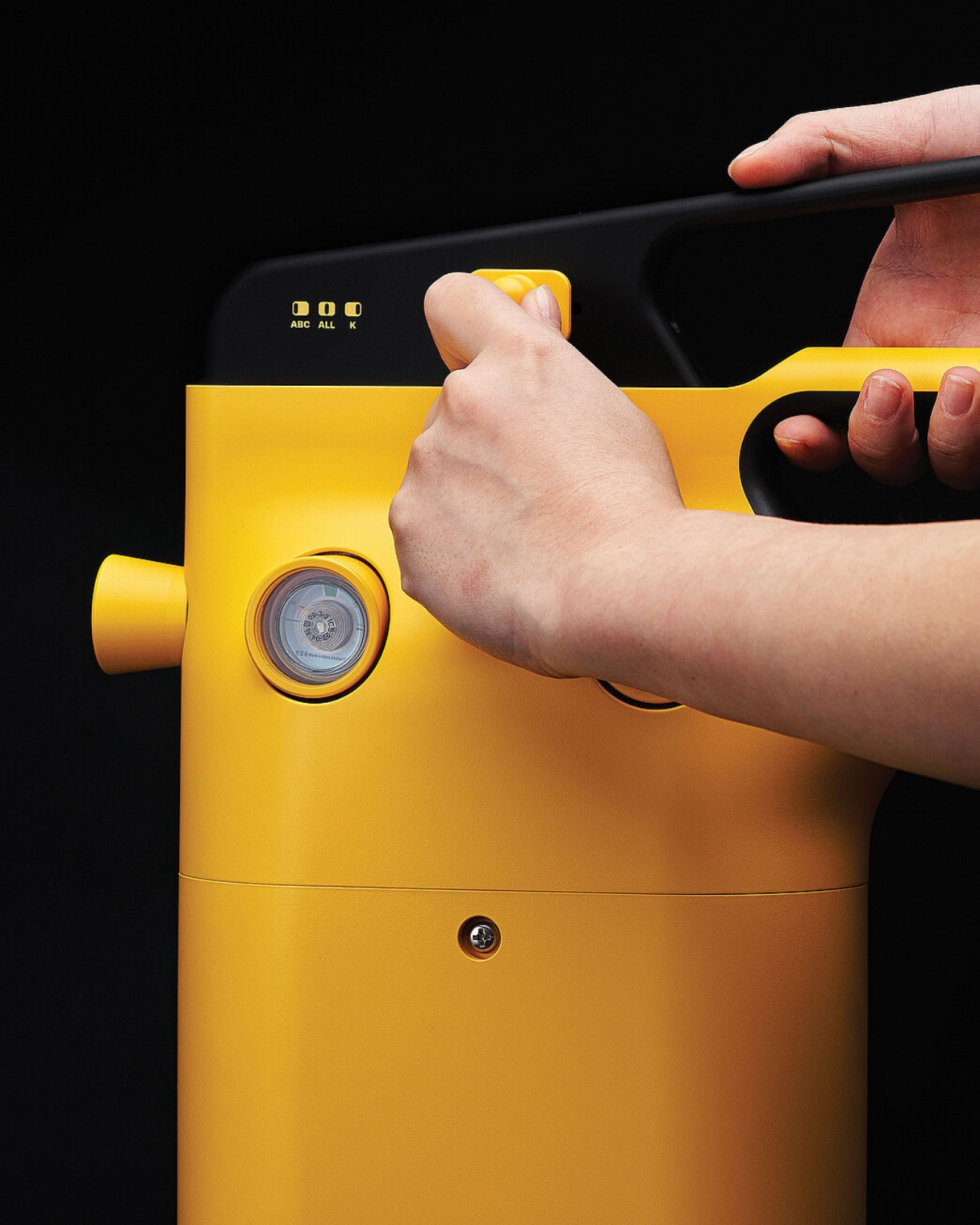
HERE tackles this head-on with an ingenious dual-chamber design. Inside this single unit, you’ve got ABC powder for general fires like wood, paper, and electrical blazes, plus a liquid agent specifically designed for kitchen fires involving cooking oil. Think about how much safer that makes your home. When that pan of oil overheats, you’re not stuck frantically trying to remember which extinguisher works for which fire type. You’ve got both options literally at your fingertips.

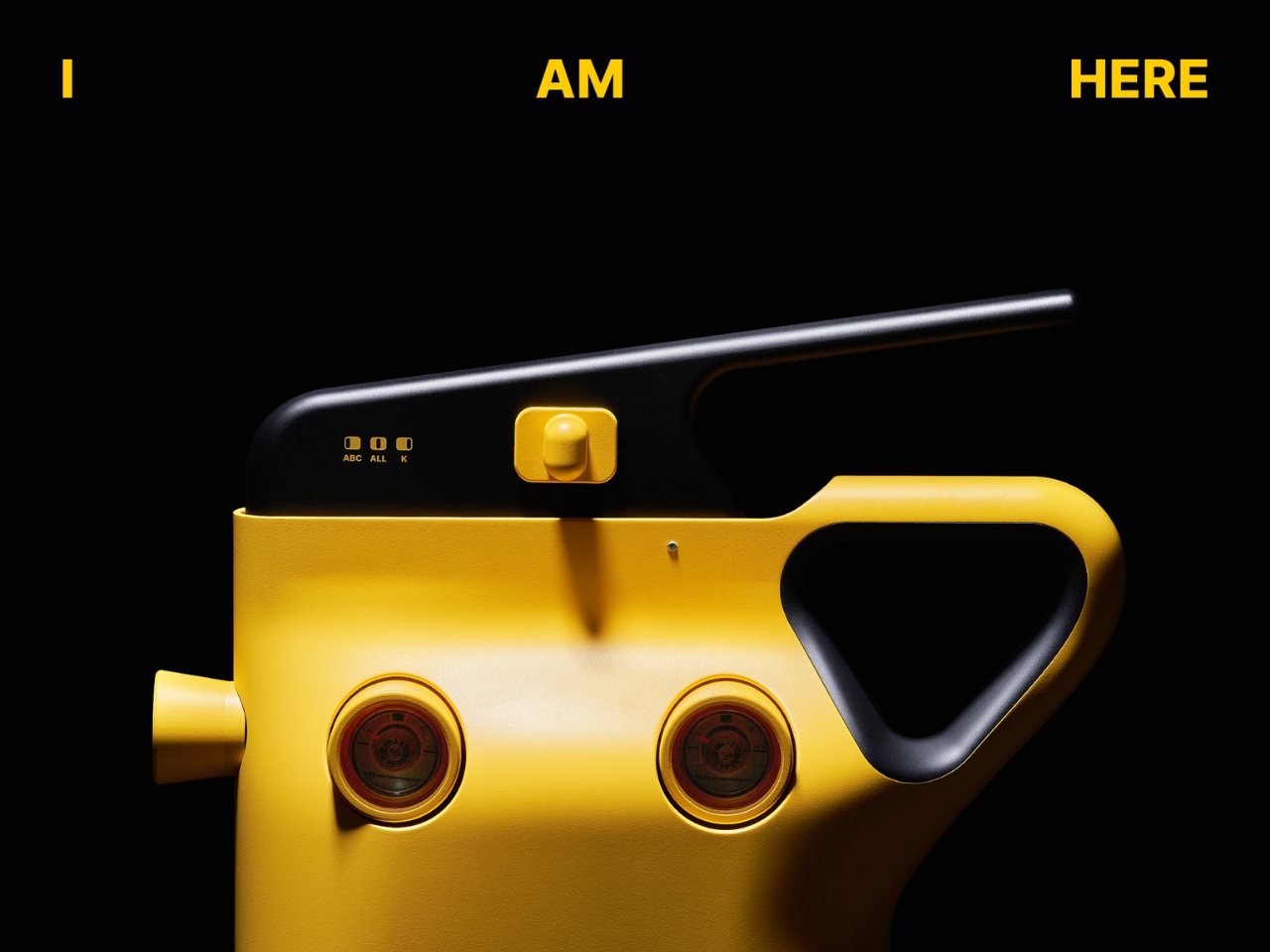
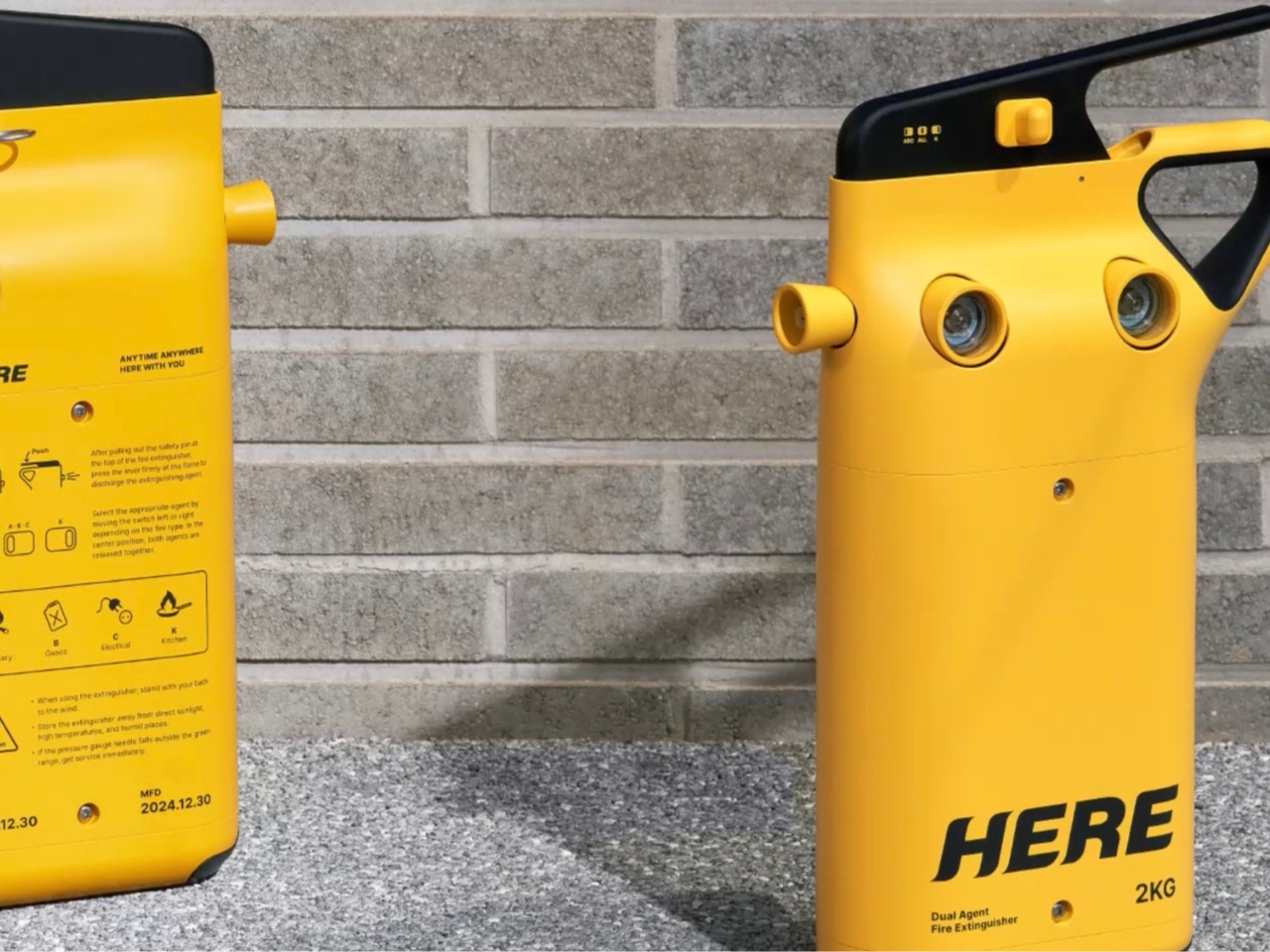
What really stands out is how intuitive the whole system is. There’s a single lever operation, but you can choose which agent to deploy or use both simultaneously. Small indicator lights labeled ABC, ALL, and K make it crystal clear which option you’re selecting. In an emergency situation, that kind of clarity matters. You’re not reading lengthy instructions or second-guessing yourself. You grab it, select what you need, and go.

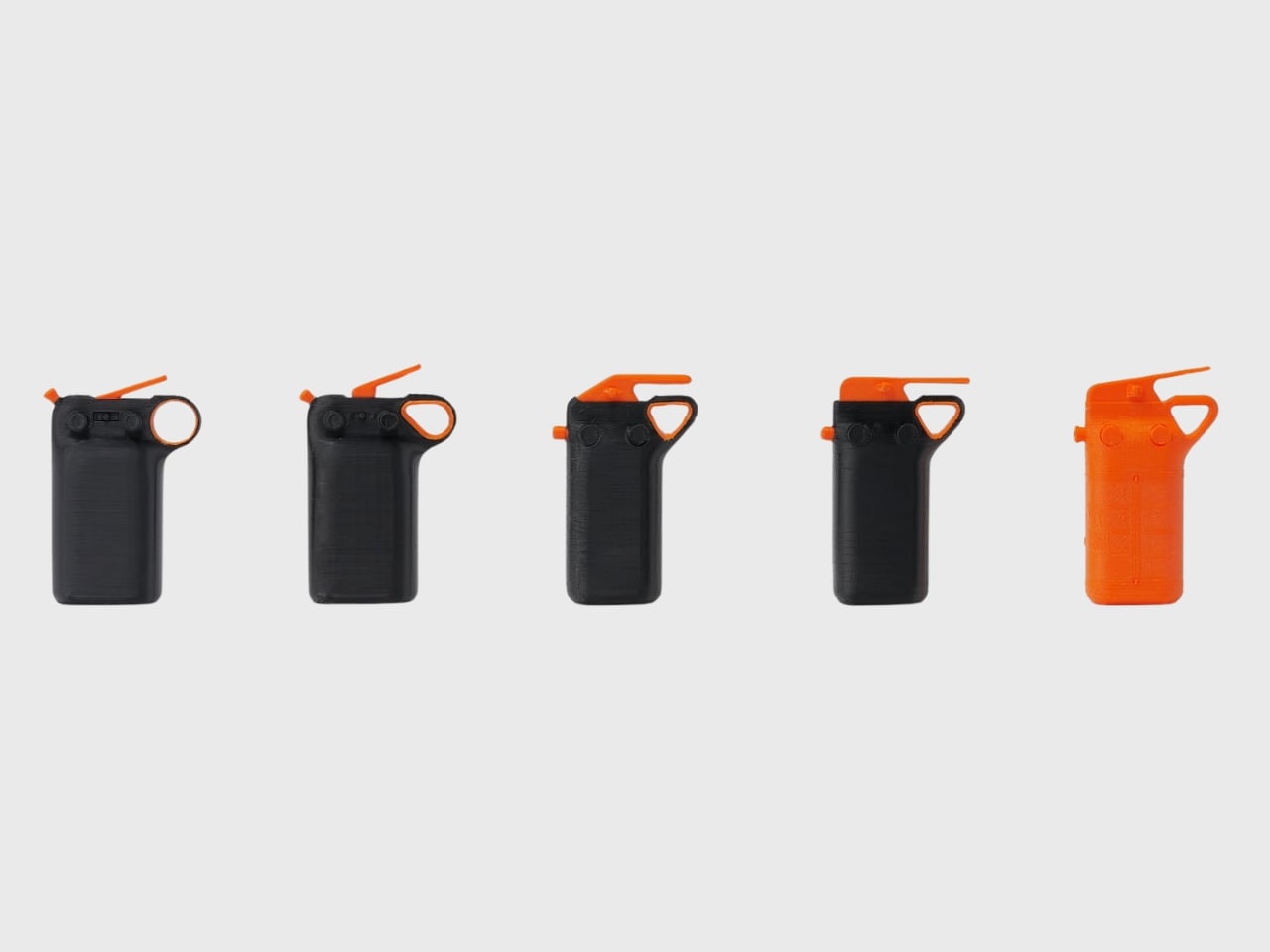
But here’s where the design gets really interesting. Anyone who’s ever handled a fire extinguisher knows they’re not exactly user-friendly. They’re heavy, awkward to grip, and honestly kind of intimidating. The designers didn’t just solve the dual-agent challenge, they completely reconsidered how we interact with these devices. That distinctive triangular grip you see wrapping around the canister? That’s the result of extensive usability testing with 30 different people.

The testing revealed something important. When you’re dealing with a required minimum of 2 kilograms of extinguishing agent, the weight becomes a serious usability issue. Traditional designs put all that strain on your wrist and back. The ergonomic handle on HERE distributes the weight more naturally, making it genuinely easier for anyone to use, regardless of their size or strength. It’s the kind of thoughtful detail that separates good design from great design.

Let’s talk about the aesthetics too, because they matter more than you might think. Fire extinguishers have traditionally been designed to be noticed in emergencies, hence the bright red. But that often means they’re eyesores you want to hide. HERE takes a different approach with its vibrant yellow body and sleek, almost gadget-like appearance. It looks modern, approachable, and honestly pretty cool. The bold branding and clean lines give it a contemporary tech product vibe rather than industrial safety equipment.

Those two circular gauge windows on the front add a touch of personality while serving a practical purpose, letting you monitor the pressure levels at a glance. The overall form is surprisingly compact considering it houses two separate agent systems. It’s the kind of object you might not mind keeping visible in your kitchen or hallway. This project earned recognition at the Red Dot Design Awards, and it’s easy to see why. It represents exactly the kind of innovation we need in everyday safety products. The designers identified real pain points (multiple extinguisher types, difficult operation, poor ergonomics) and delivered solutions that make the product genuinely better without overcomplicating it.

Since we’re at the time now where we’re constantly redesigning everything from doorknobs to kitchen appliances, it’s refreshing to see safety equipment getting the same thoughtful treatment. HERE proves that even something as utilitarian as a fire extinguisher can be smarter, more beautiful, and more human-centered. It’s a reminder that good design isn’t just about aesthetics or clever features. It’s about making things work better for real people in real situations, especially when those situations might save lives.

The post This Fire Extinguisher Might Actually Make You Want One at Home first appeared on Yanko Design.
This New Bone-Healing Patch Turns Broken Bones Into Superpowers

Anyone who’s spent time around a child with a broken bone knows the drill. There are the doctor visits, the X-rays, the anxious waiting to see if everything is healing properly. And for kids? The whole experience can be genuinely frightening. But what if medical monitoring could look less like intimidating equipment and more like something a superhero might wear?

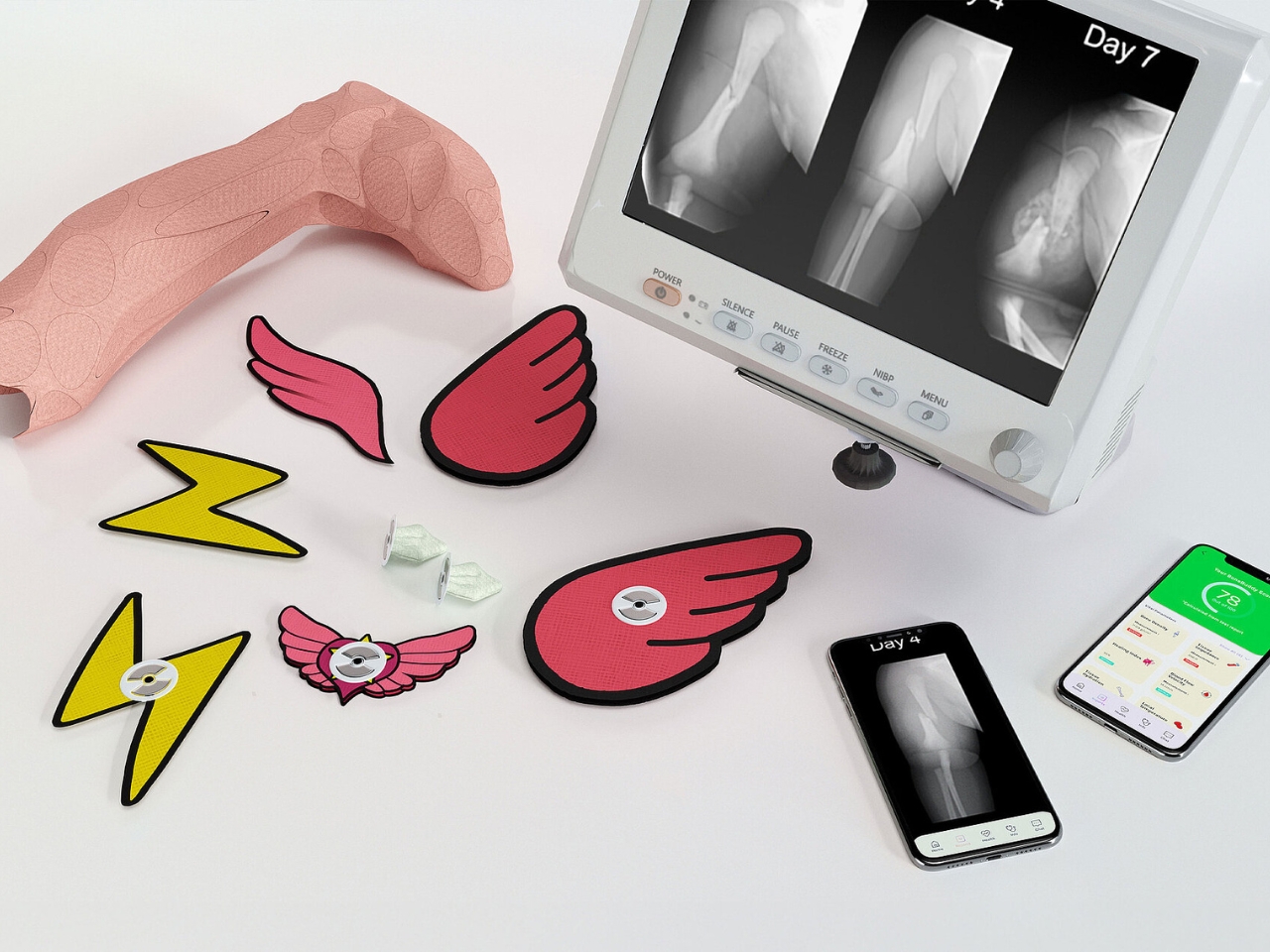
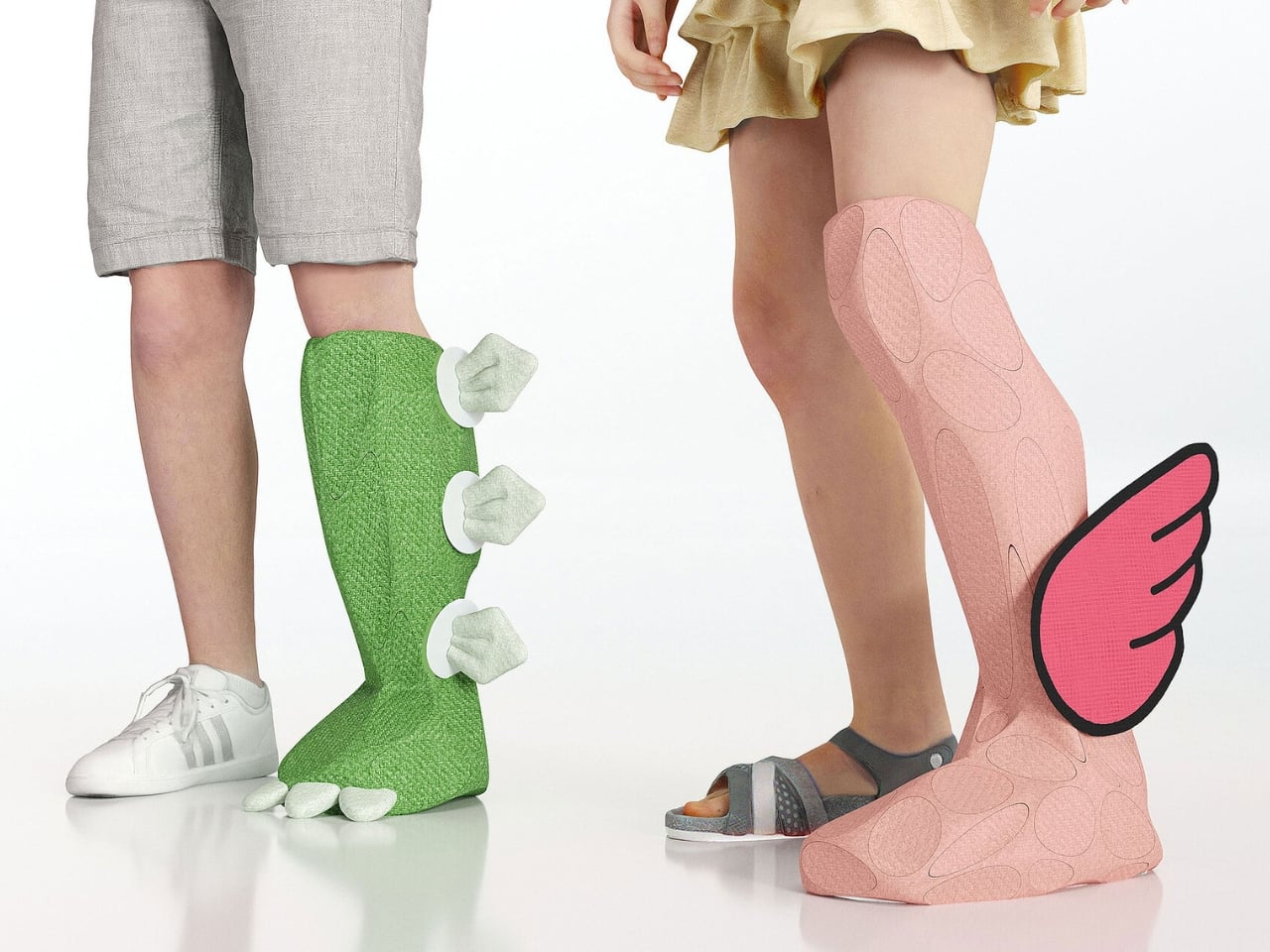
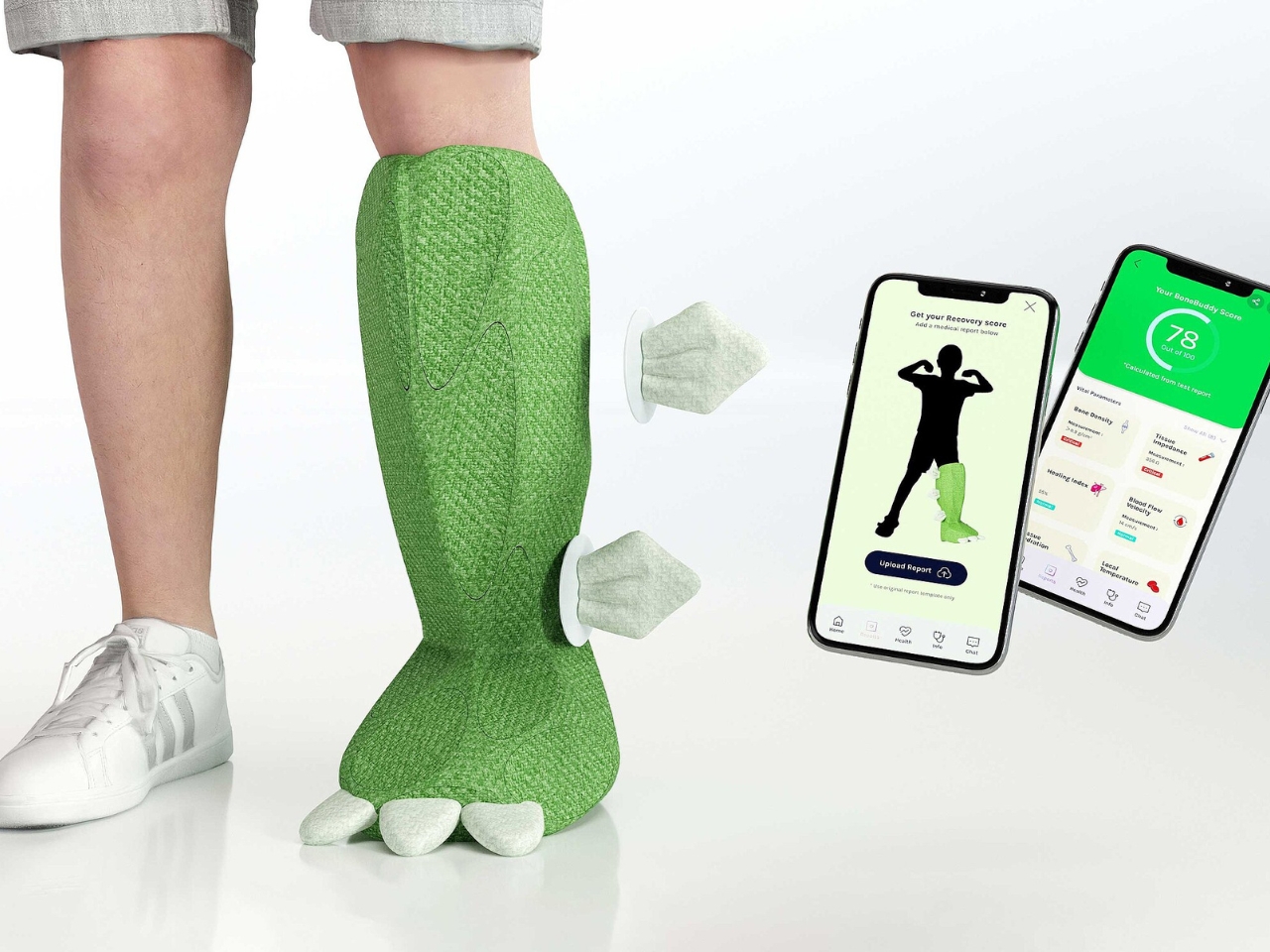
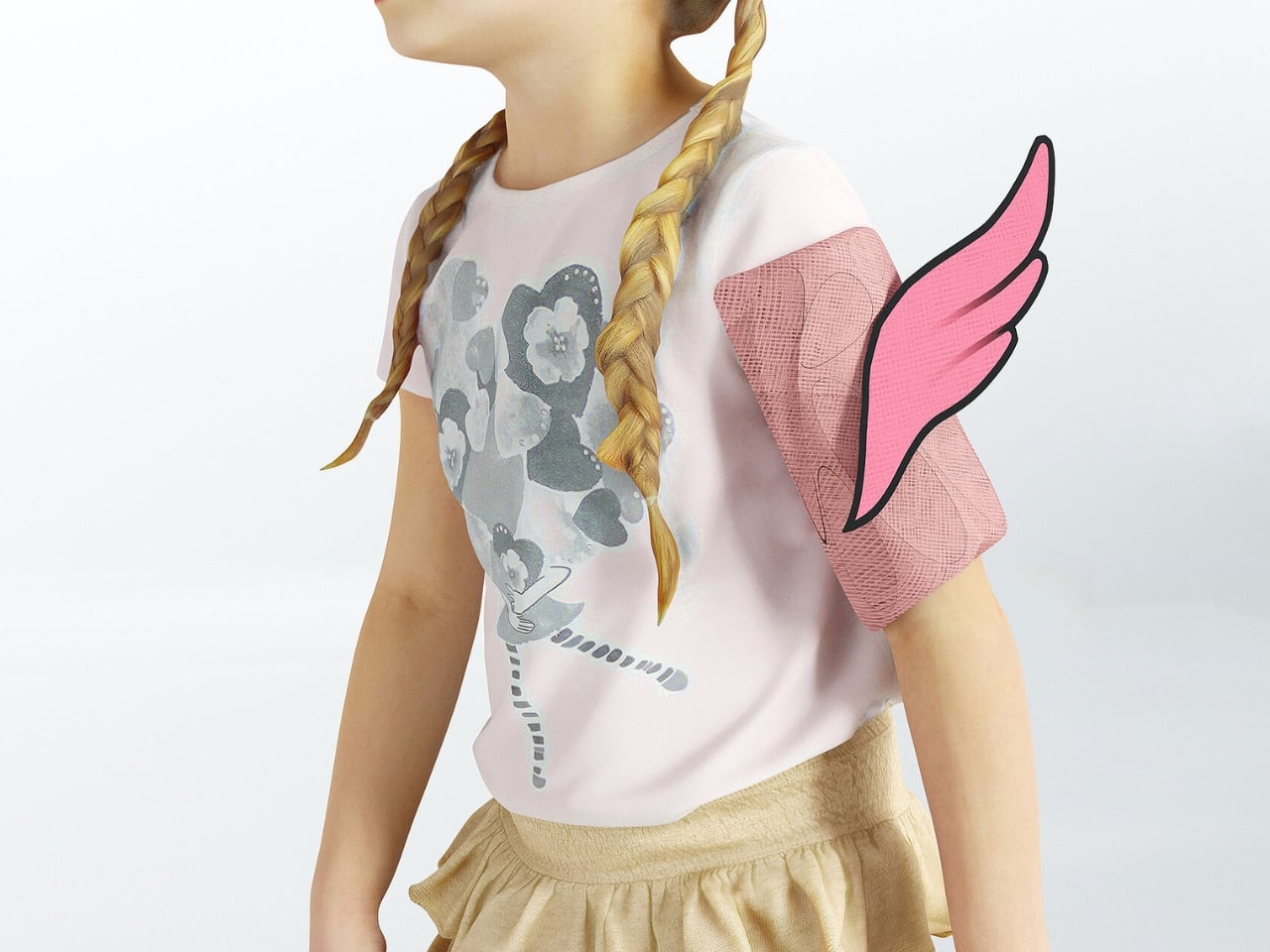
That’s exactly what designer Xu Yudian had in mind with BoneBuddy, a wearable medical device that’s rethinking how we approach pediatric care. At first glance, it looks like the kind of accessory you’d find in a cartoon. There are bright colors, playful shapes, and customizable patches featuring lightning bolts and wings. But underneath that cheerful exterior is some seriously sophisticated technology.

Designer: Xu Yudian

BoneBuddy uses bioelectrical impedance technology to monitor bone recovery in real time. If that sounds complicated, here’s the simple version: it sends low-frequency electrical currents through bones and tissues to measure impedance, which gives doctors valuable insights into bone density and how tissues are changing during the healing process. All of this data gets transmitted wirelessly to a mobile device, so parents and healthcare providers can track recovery without constant trips to the hospital.

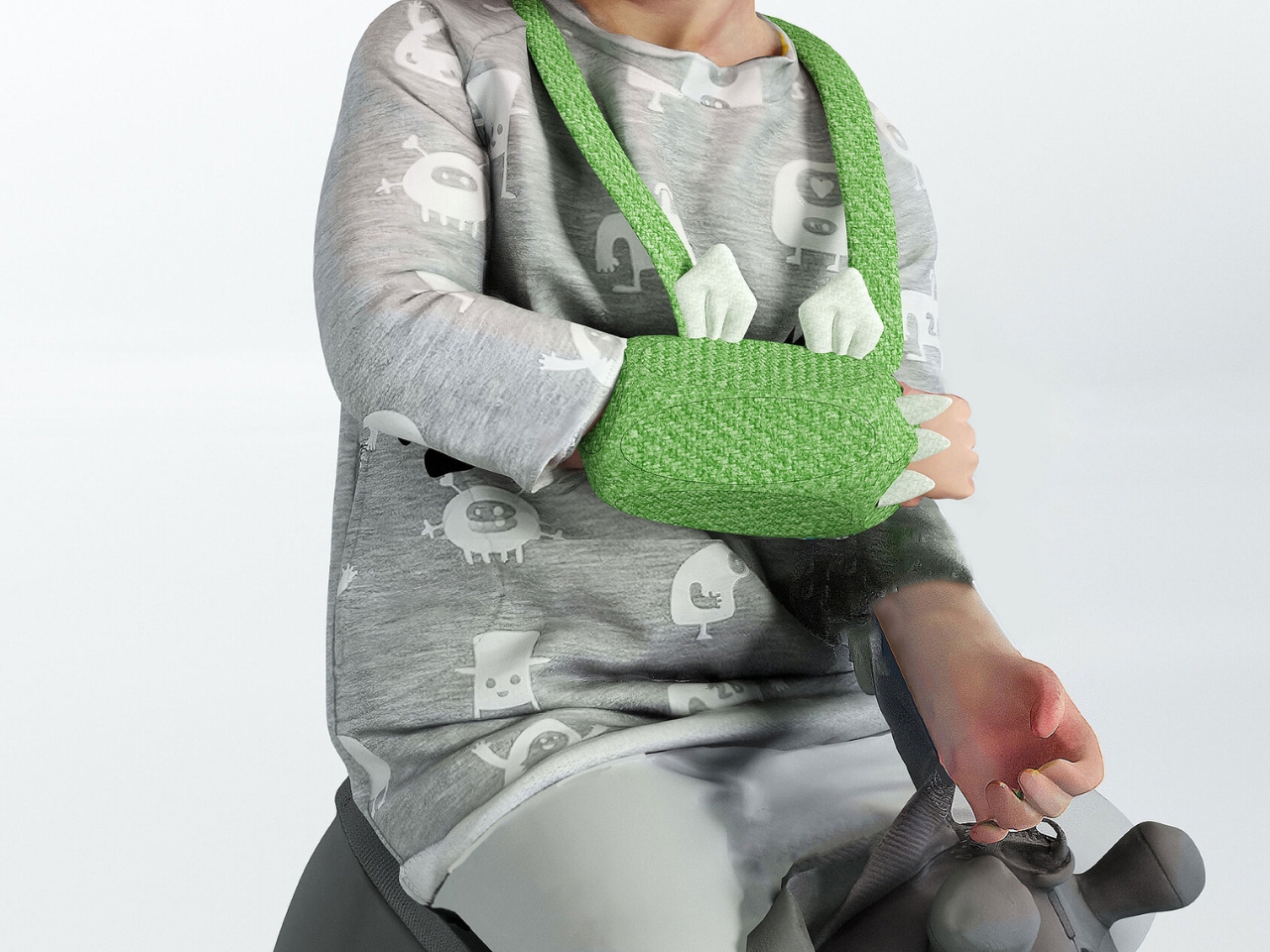
The genius here isn’t just in the tech itself but in how it’s been packaged. The device comes in a soft, hypoallergenic patch that wraps around injured limbs. Instead of looking clinical and scary, it’s available in vibrant greens and pinks. Kids can personalize their BoneBuddy with velcro accessories shaped like wings or lightning bolts, essentially turning their medical device into a fashion statement. Suddenly, monitoring bone recovery becomes something a child might actually want to wear rather than something they’re forced to endure.

This kind of thoughtful design matters more than you might think. Medical anxiety in children is a real issue that can affect treatment compliance and overall recovery. When kids are scared of their medical equipment, they’re less likely to wear it consistently or cooperate with monitoring. By making BoneBuddy feel more like a toy than medical equipment, Xu Yudian has addressed a psychological barrier that traditional healthcare devices often ignore.

The design has already earned recognition from the Red Dot Awards, one of the most prestigious international design competitions. But what makes BoneBuddy particularly notable is how it represents a broader shift in medical device design. For too long, pediatric medical equipment has essentially been adult devices scaled down or made in “kid-friendly” colors. BoneBuddy takes a different approach by starting from scratch with children’s needs and preferences at the center.

The wireless connectivity adds another layer of convenience that modern parents will appreciate. Instead of relying solely on scheduled appointments to check healing progress, caregivers can monitor data continuously through a connected app. This means potential issues can be spotted earlier, and doctors can make more informed decisions about treatment adjustments without requiring the child to sit through another round of X-rays.

What’s particularly clever is how the device manages to be both high-tech and low-stress. The soft materials make it comfortable enough for all-day wear, and the fun design elements give kids a sense of ownership over their recovery process. They’re not just passive patients anymore. They’re active participants with cool gear that tracks their progress. This project also highlights an important truth about good design: it’s not just about aesthetics or even functionality in isolation. It’s about understanding the complete user experience, including the emotional and psychological dimensions. A medical device that works perfectly but terrifies children isn’t actually working perfectly at all.

As wearable technology continues to evolve and become more integrated into healthcare, projects like BoneBuddy show us what’s possible when designers think beyond technical specifications. The best innovations don’t just solve problems. They solve problems in ways that make people’s lives genuinely better and easier. For kids recovering from bone injuries, BoneBuddy represents something more than just another piece of medical equipment. It’s a companion in their healing journey, a conversation starter, and proof that medical care can be both effective and kind. And in a world where healthcare can feel impersonal and intimidating, especially for the smallest patients, that’s no small achievement.

The post This New Bone-Healing Patch Turns Broken Bones Into Superpowers first appeared on Yanko Design.
This Whale Bed Goes From Bedroom to Poolside in Seconds

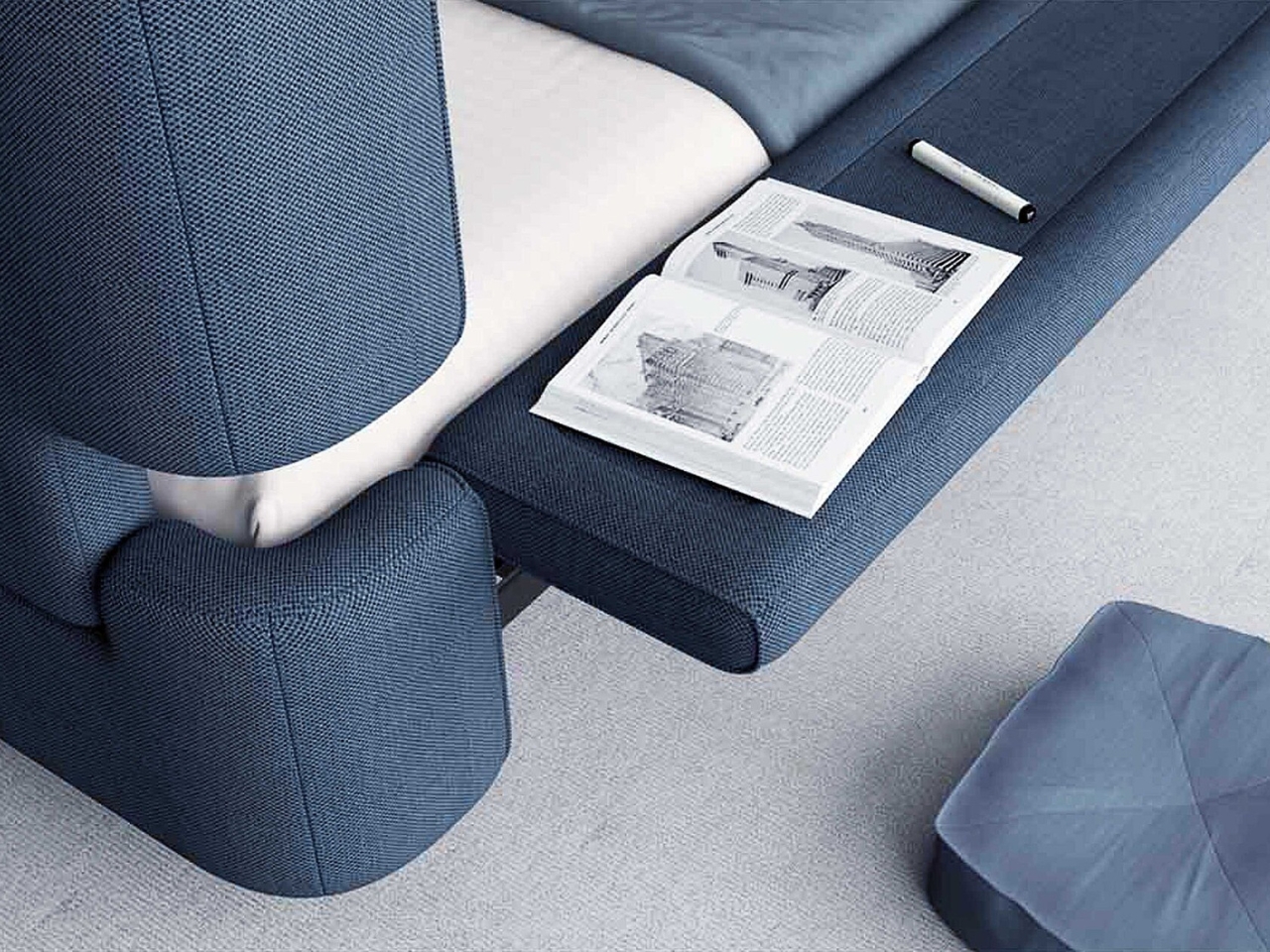
There’s something absolutely magical about furniture that makes you do a double take, and the Whale Bed by designers Zeng Haojie and Chen Zhe is exactly that kind of piece. At first glance, you might wonder if you’re looking at a luxurious lounger or an art installation, but this Red Dot Award-winning design is actually both and so much more.

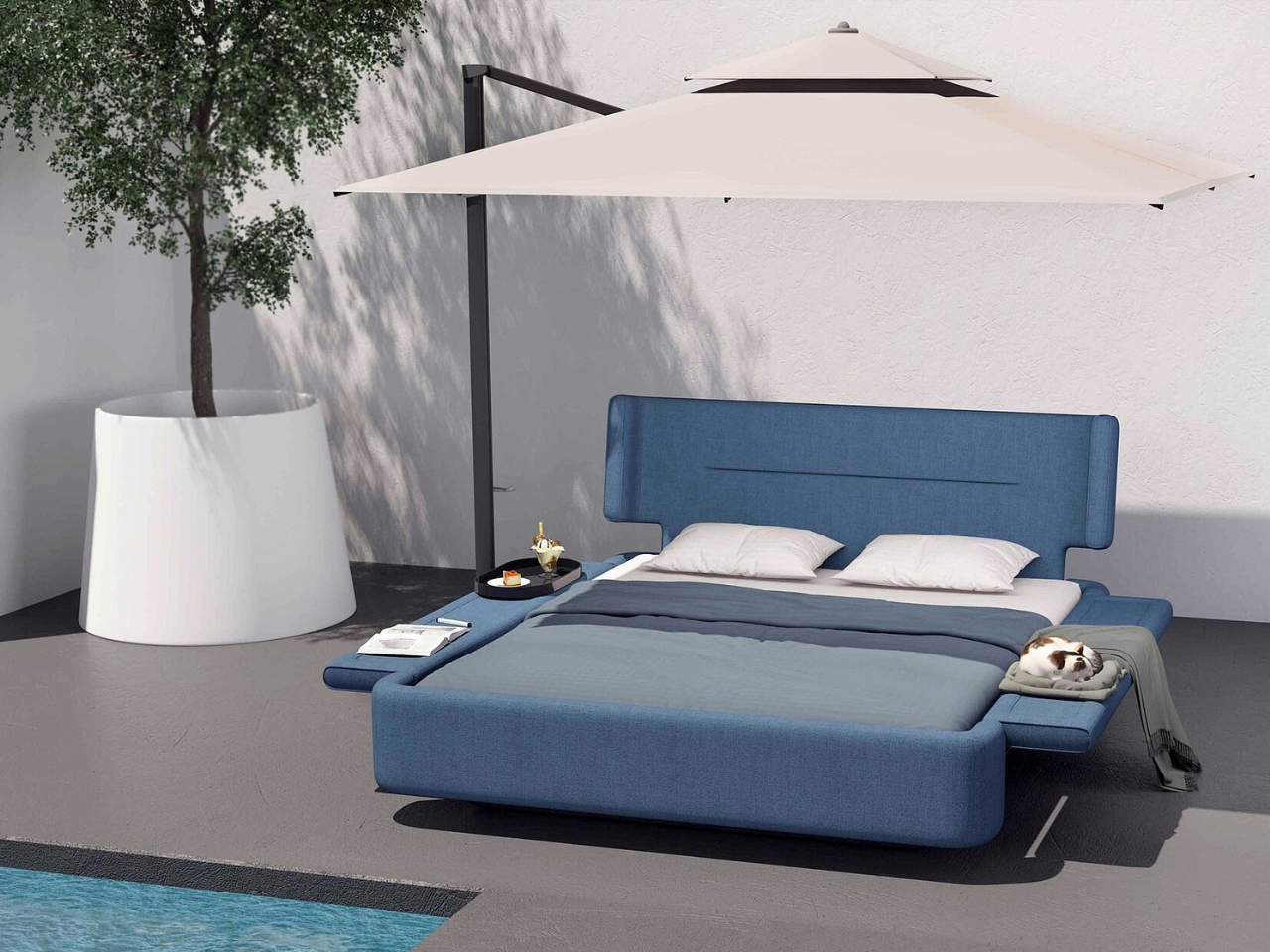
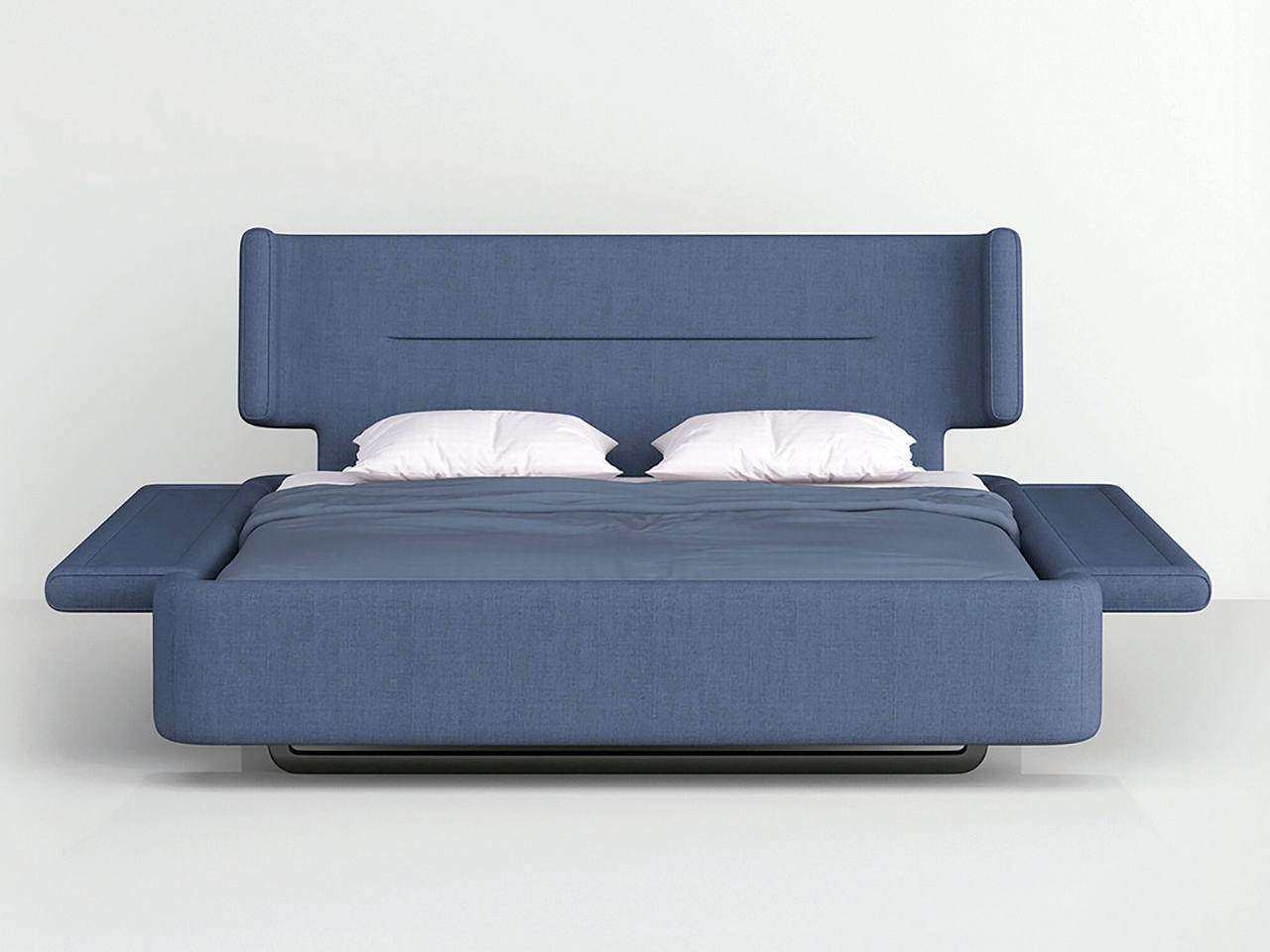
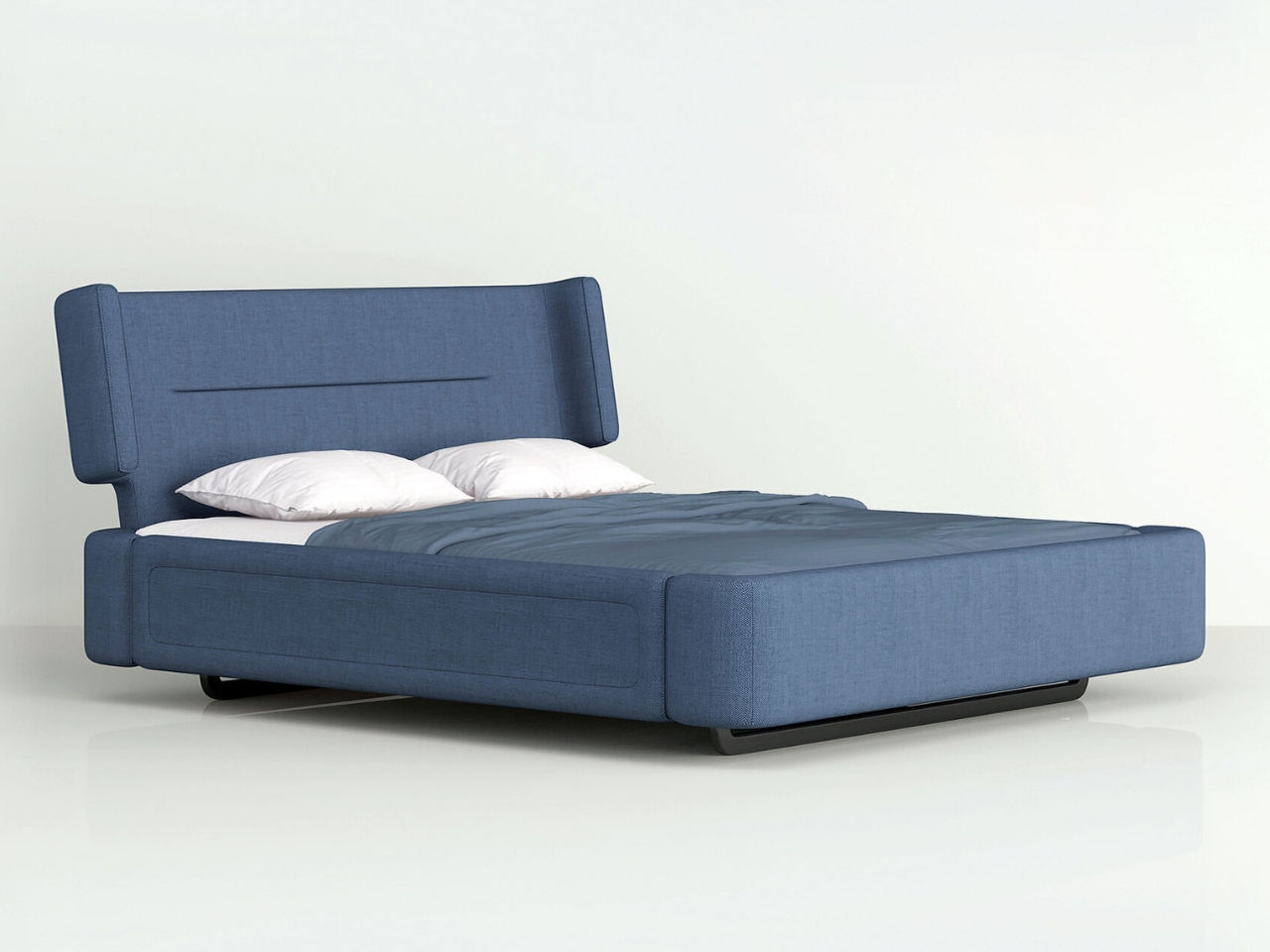
Picture this: a bed that looks like a gentle whale gliding through calm waters, complete with fin-like panels extending from both sides. It’s the kind of piece that makes you want to immediately redesign your entire space around it. But beyond its striking ocean-inspired silhouette, the Whale Bed represents something we desperately need more of in the design world: thoughtful innovation that doesn’t sacrifice style for sustainability.

Designers: Zeng Haojie, Chen Zhe

What makes this design so clever is how it manages to pack multiple functions into one sleek package without going overboard on materials. The adjustable backrest is a game changer, letting you shift between different positions whether you’re reading, scrolling through your phone, or settling in for a Netflix marathon. It’s like having a bed, a lounge chair, and a reading nook all wrapped into one streamlined piece.

Those fin-like panels aren’t just there to complete the whale aesthetic (though they absolutely nail that vibe). They serve as practical side extensions that give you extra surface area for whatever you need. Morning coffee? Check. Favorite book? Done. Laptop for those work-from-anywhere days? You got it. It’s the kind of multipurpose thinking that makes small spaces feel more livable and large spaces feel more intentional.

But here’s where things get really interesting. The Whale Bed is crafted from environmentally friendly plant fiber material, which means you can take this beauty from your bedroom to your backyard without worrying about weather damage or environmental impact. Imagine lounging poolside on this stunning piece, or creating an outdoor sanctuary in your courtyard where the lines between indoor comfort and outdoor freedom completely blur. We’re now increasingly conscious about our carbon footprint and the lifecycle of the products we bring into our homes so the Whale Bed’s approach to reducing material consumption is refreshing. The designers didn’t just slap an eco-friendly label on it and call it a day. They actually reimagined the structure itself to minimize waste during production. That’s the kind of innovation that moves the industry forward.

The color shown in the images, a sophisticated ocean blue, feels like an obvious choice that somehow still surprises. It’s calming without being boring, bold without being overwhelming. You can easily imagine it working in a minimalist Scandinavian-inspired bedroom, a boho outdoor oasis, or even a contemporary loft space. That versatility is part of what makes this design so compelling. What really strikes me about the Whale Bed is how it challenges our assumptions about what furniture should be. We’re so used to pieces being designated for one specific room or purpose. A bed stays in the bedroom. Patio furniture stays outside. But why? The Whale Bed asks us to think differently about how we use our spaces and how our furniture can adapt to our lives rather than the other way around.

There’s also something wonderfully playful about the whole concept. In a design landscape that can sometimes take itself too seriously, a bed inspired by the largest creatures in our oceans brings a sense of wonder and whimsy. It reminds us that sustainable design doesn’t have to be austere or preachy. It can be joyful, imaginative, and utterly desirable. For anyone who’s been watching the intersection of sustainability and design, pieces like the Whale Bed represent where we’re headed. It’s not about choosing between beautiful design and environmental responsibility anymore. The best designers are proving we can have both, and they’re doing it with creativity and innovation that makes us excited about the future of our living spaces.

The post This Whale Bed Goes From Bedroom to Poolside in Seconds first appeared on Yanko Design.
This First-Response Drone’s Bladeless Design Could Change Emergency Rescue Forever

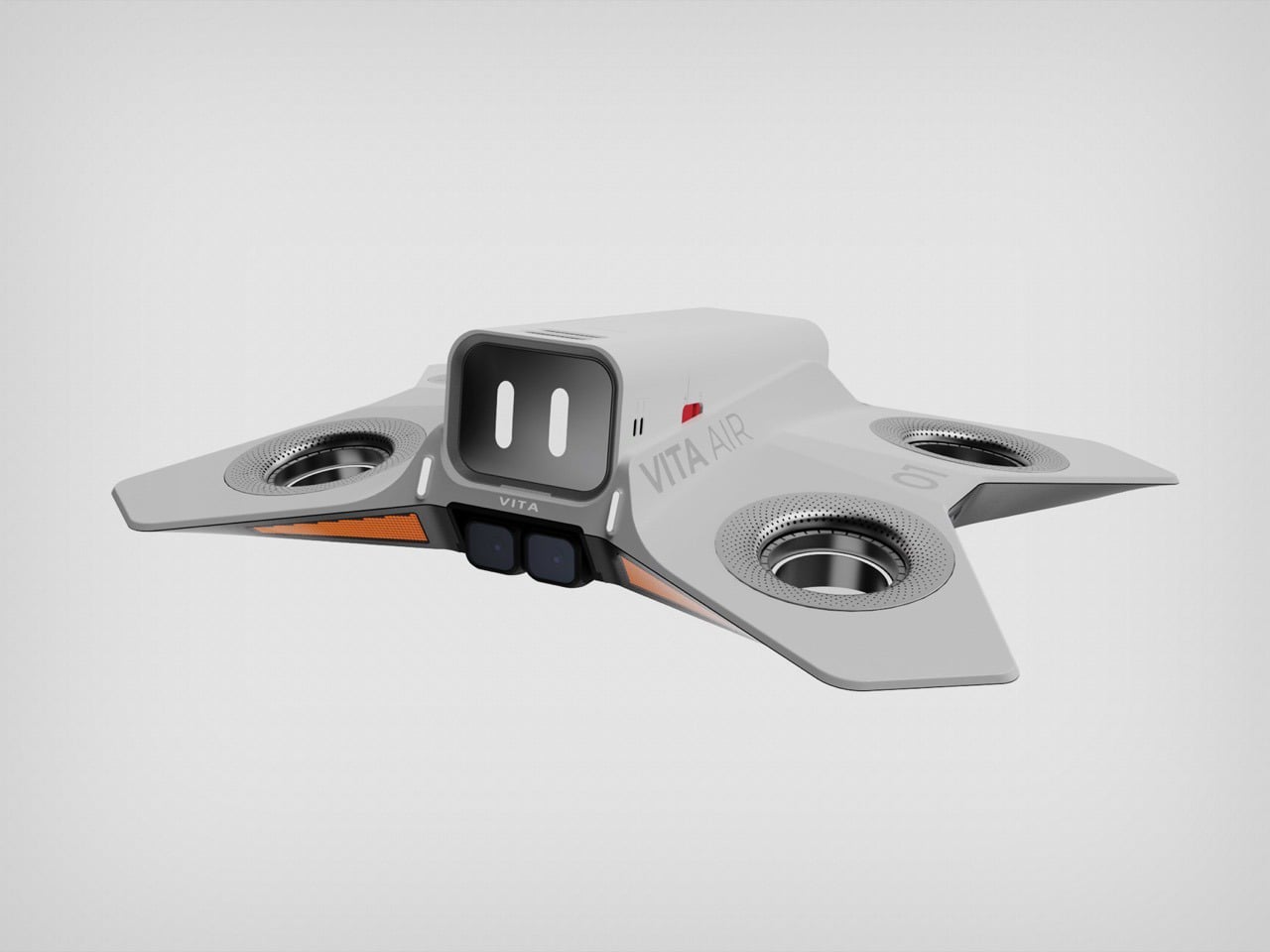
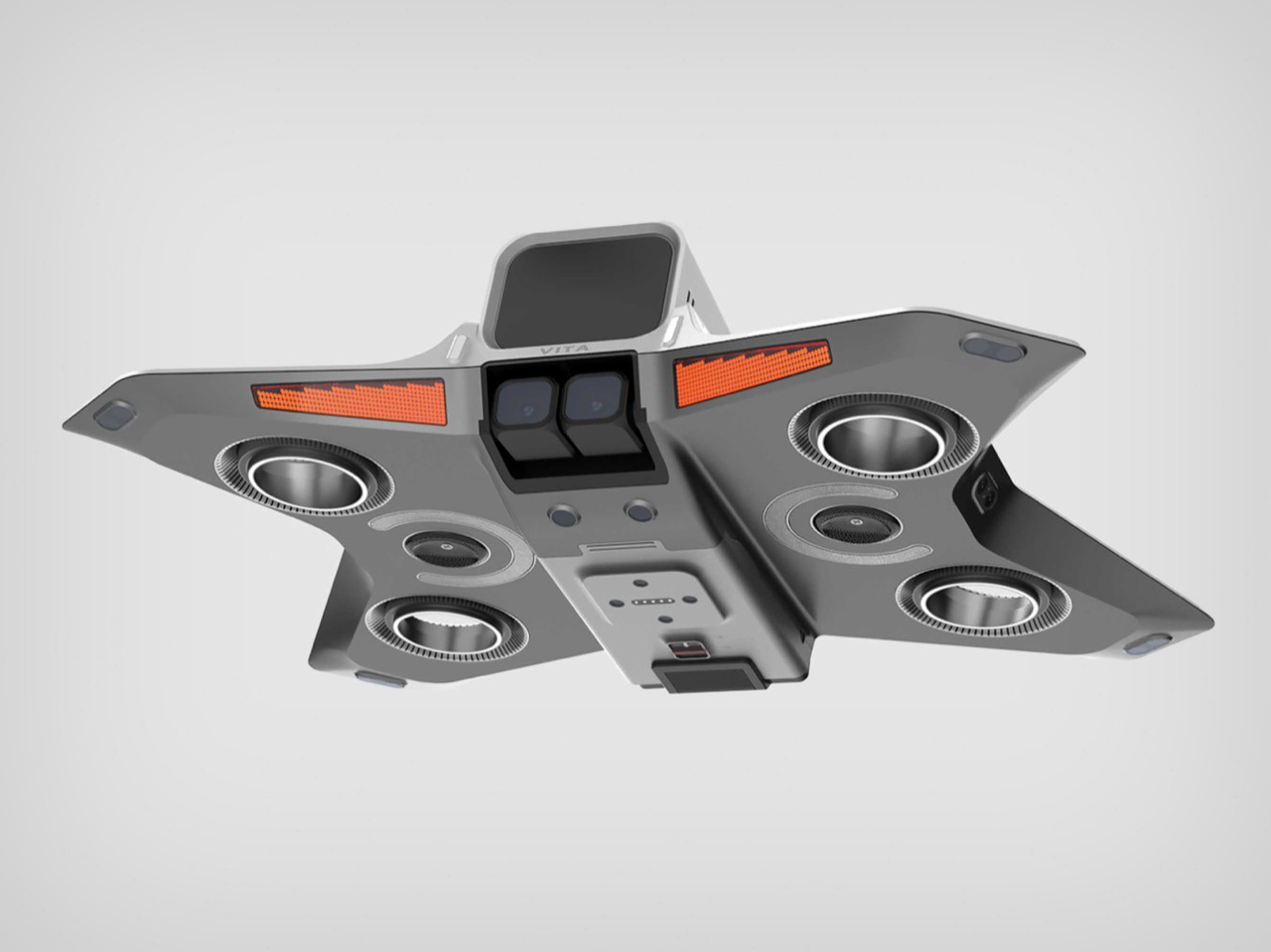
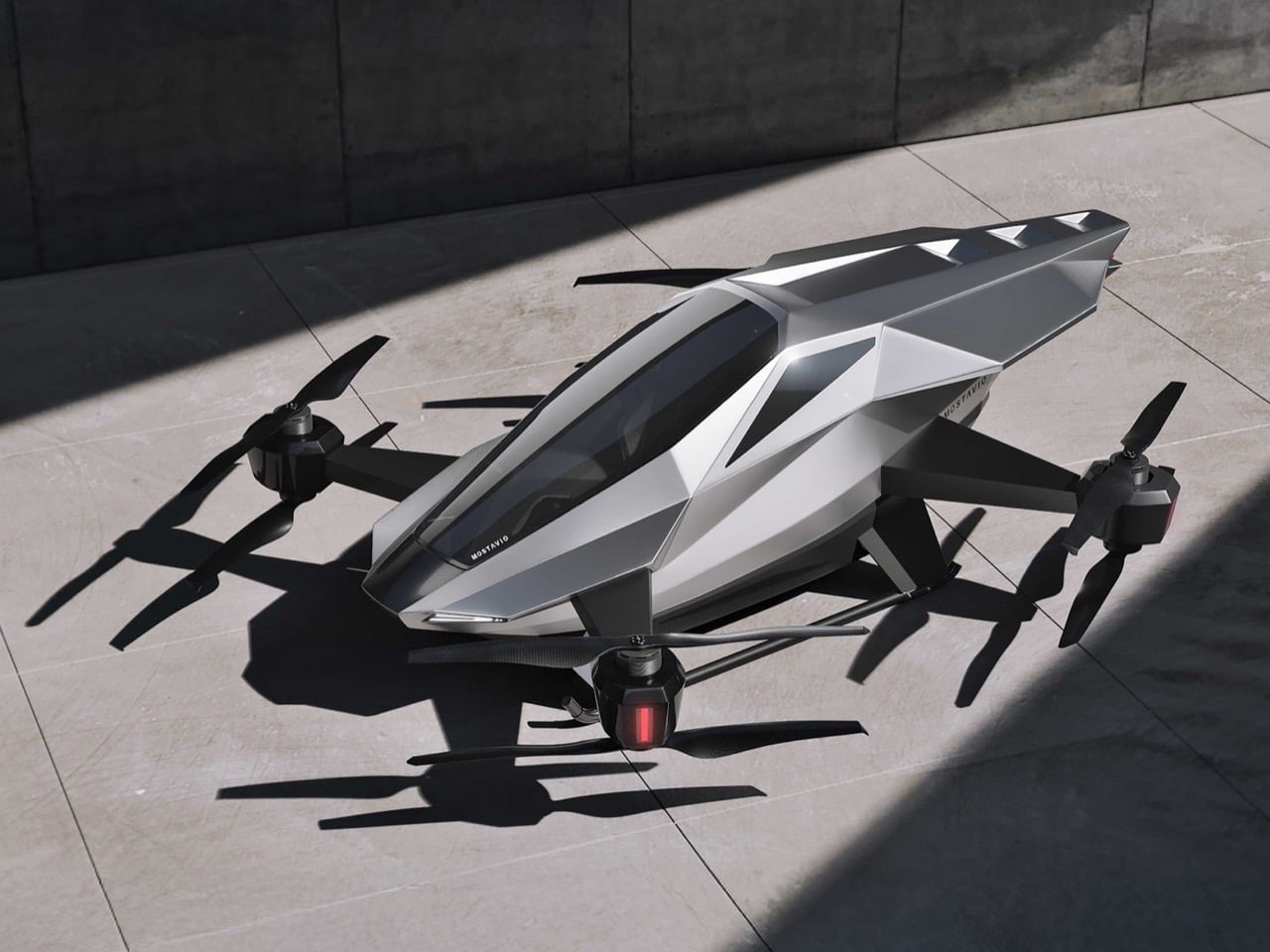
You know, we see a lot of drone concepts float across our screens, and most of them look like they were designed by either the military or an insect. They’re all sharp angles, matte black paint, and an unnerving number of sensors. Then you see something like VITA, an EMS drone that just won a Red Dot award, and the first thing you notice is that it has a face. A simple, friendly, almost disarming little face.

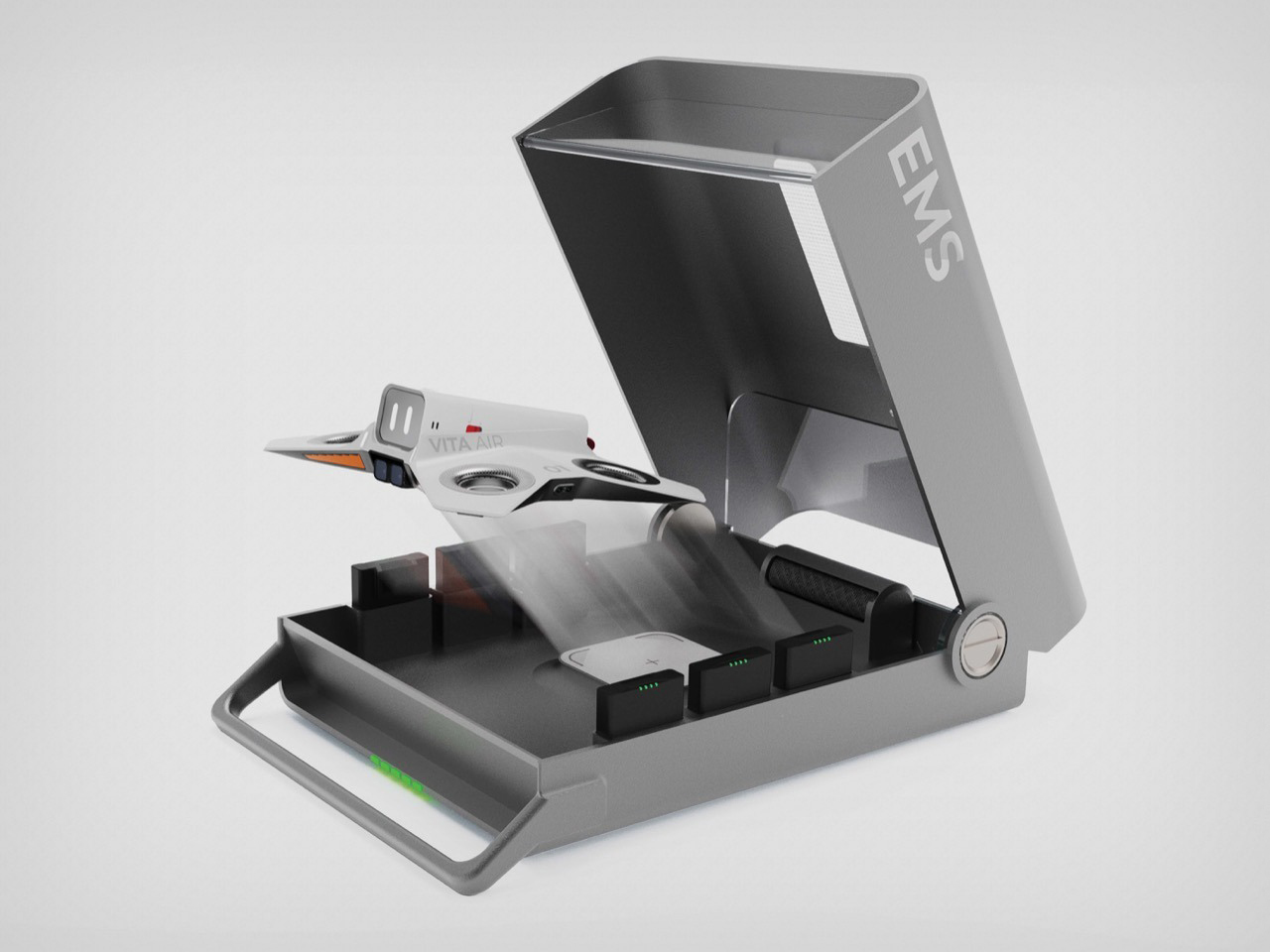
And that’s the whole point. It’s literally user-centric, given that this drone was designed as a first-responder aerial unit. If this thing is going to land at a chaotic accident scene, the last thing it should do is add to the panic. The designers clearly thought about the human side of the equation. It’s a little detail that tells you everything you need to know about the project’s philosophy: this is about making high-tech emergency care feel helpful, not hostile.

Designer: Hongyi Sun

That friendly face is doing some heavy lifting. Imagine you’re at the scene of an accident; you’re disoriented, maybe hurt, and suddenly a machine descends from the sky. If it looks like a weaponized hornet, your instinct (fueled by hundreds of sci-fi movies) is to back away. But if it looks like a helpful little robot from a movie, you’re far more likely to approach it. This is functional empathy built right into the industrial design. The goal is to get people on the ground to trust it instantly, so they can follow instructions from a remote paramedic or grab the life-saving equipment it’s carrying without a second thought.

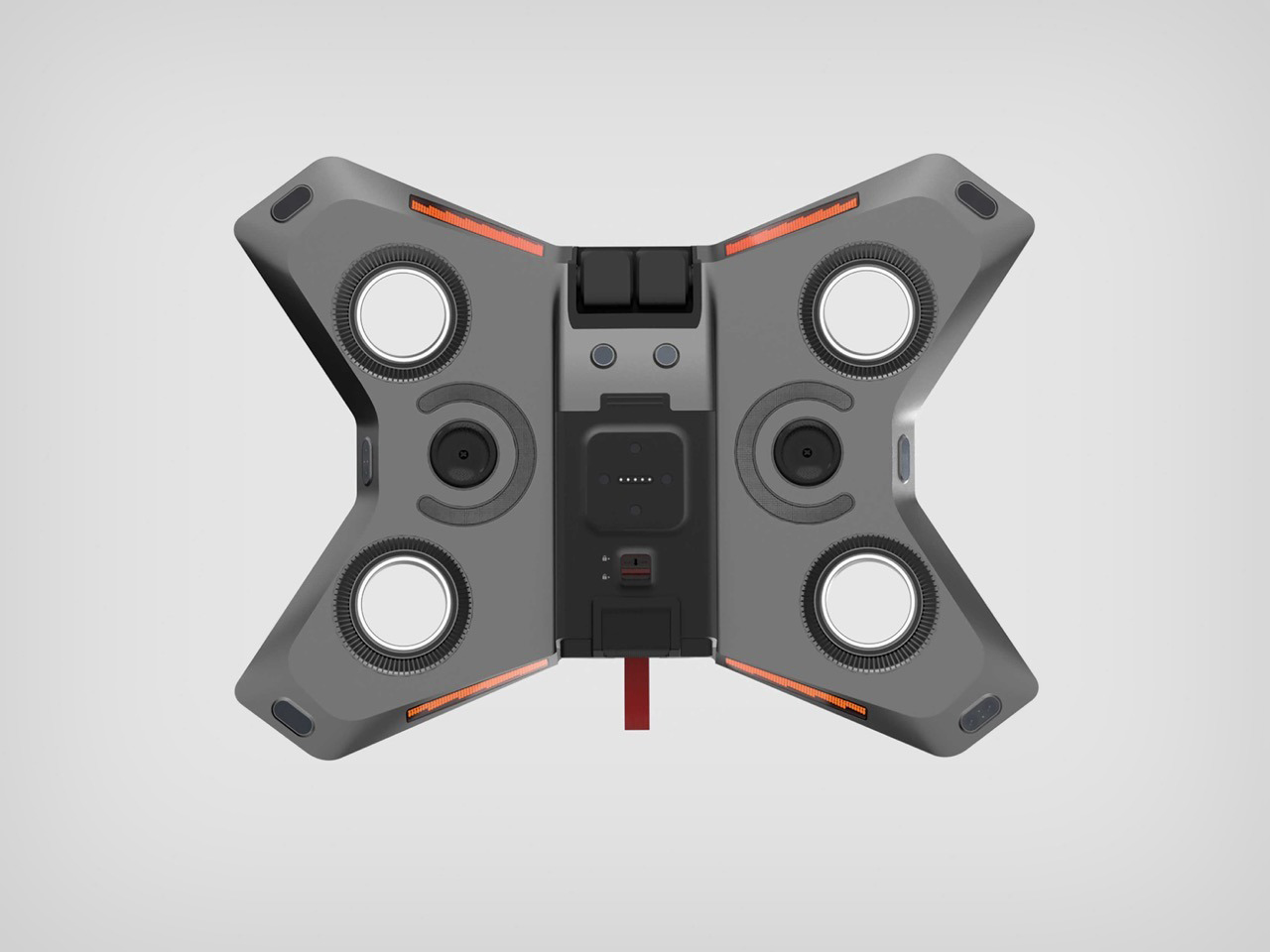
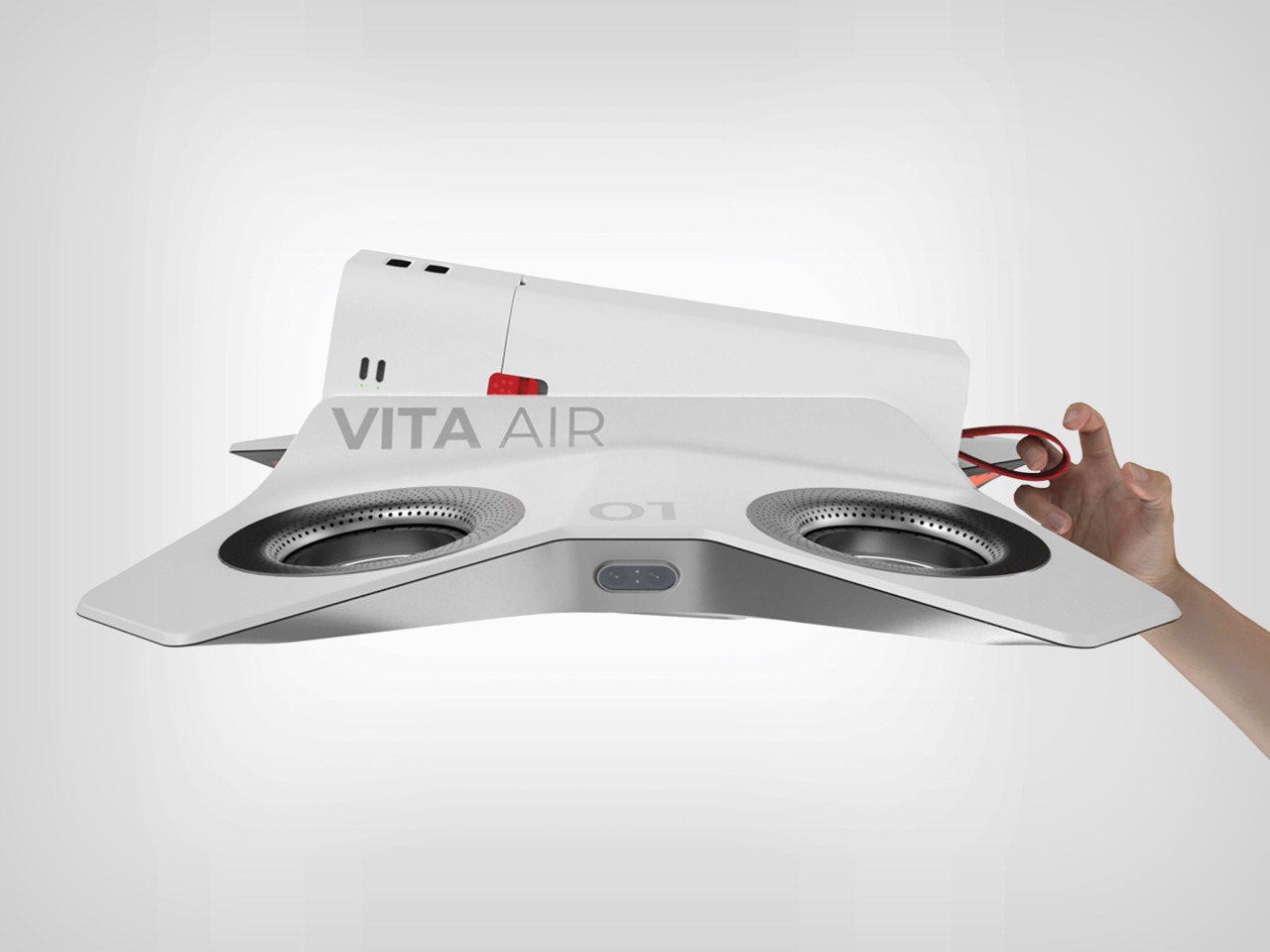
The cleverness doesn’t stop at the surface. The design backs up that friendly promise with some serious safety engineering. VITA uses ducted fans instead of the exposed, spinning blades we see on nearly every consumer drone. This is a massive deal. It means you, or a first responder, or even a child, could walk right up to it without the risk of getting seriously injured. In the unpredictable environment of a crash site, where people are moving around and debris is everywhere, eliminating that obvious hazard is a non-negotiable feature. It’s the kind of practical, real-world thinking that separates a cool render from a viable concept.

When you see the renders showing VITA being held in one hand, it all clicks into place. This isn’t some huge, intimidating aircraft; it’s a nimble and accessible tool. It’s small enough to get into tight spaces between cars and light enough for anyone to handle. Every element, from the approachable face and safe rotors to its compact size and clear markings, works together to serve one mission: delivering critical aid as quickly and safely as possible. VITA isn’t just another concept for a delivery drone; it’s a cohesive vision for how we can design automated systems to work with us, not just for us, especially when it matters most. That’s what makes it stand out.

The post This First-Response Drone’s Bladeless Design Could Change Emergency Rescue Forever first appeared on Yanko Design.
Is This The Most Ergonomic Mouse Ever Designed Or Just Another Ambitious Idea?

Memory foam mattresses have continuously been pitched as the most ergonomic surfaces to sleep on. The way they work is by being a standard shape, but contouring to your body when you lie down on them, adapting exactly to your profile. It’s a brilliant example of a cookie-cutter product that is truly ergonomic for almost everyone. Somehow consumer tech didn’t get the memo on this…

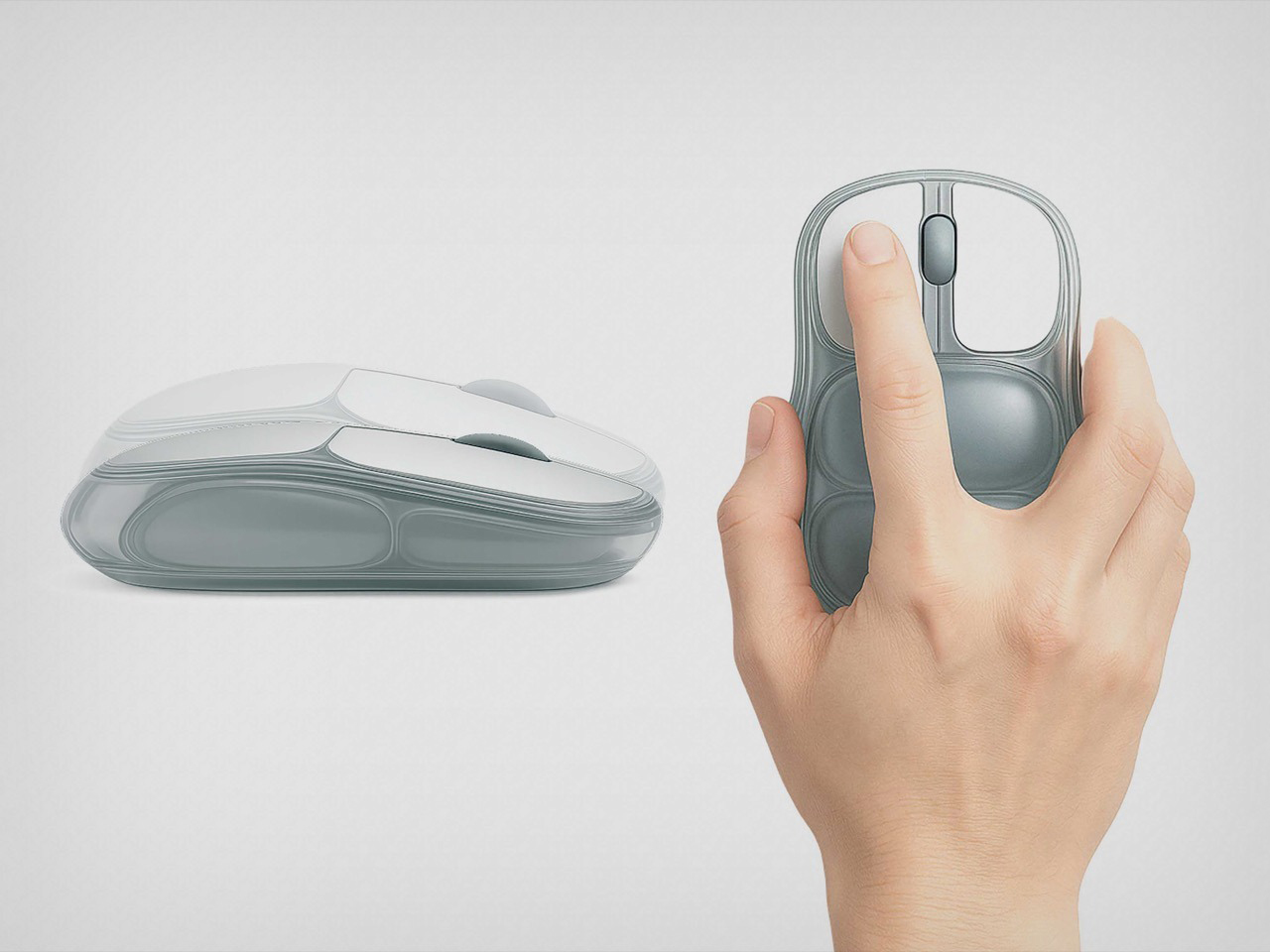
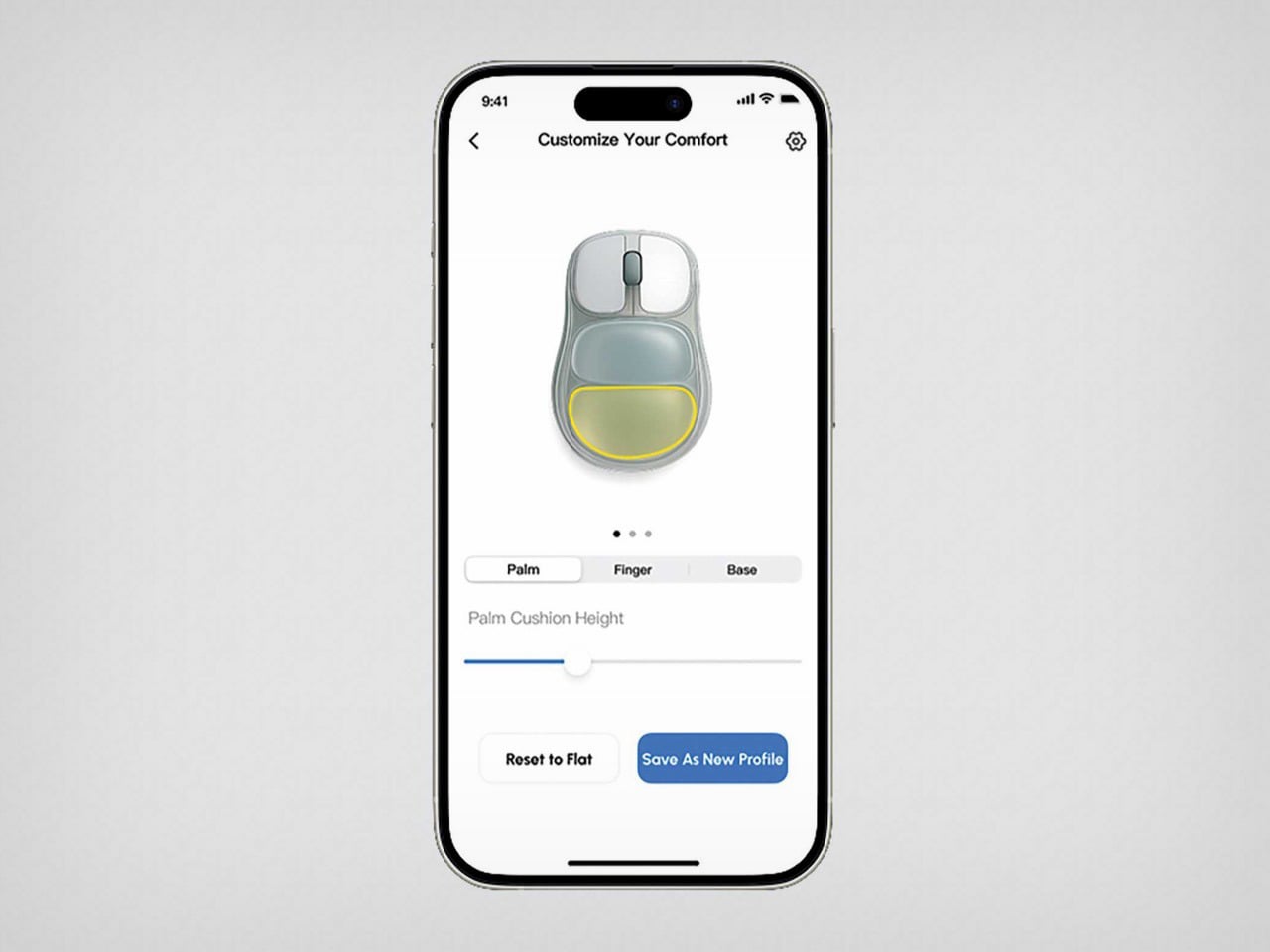
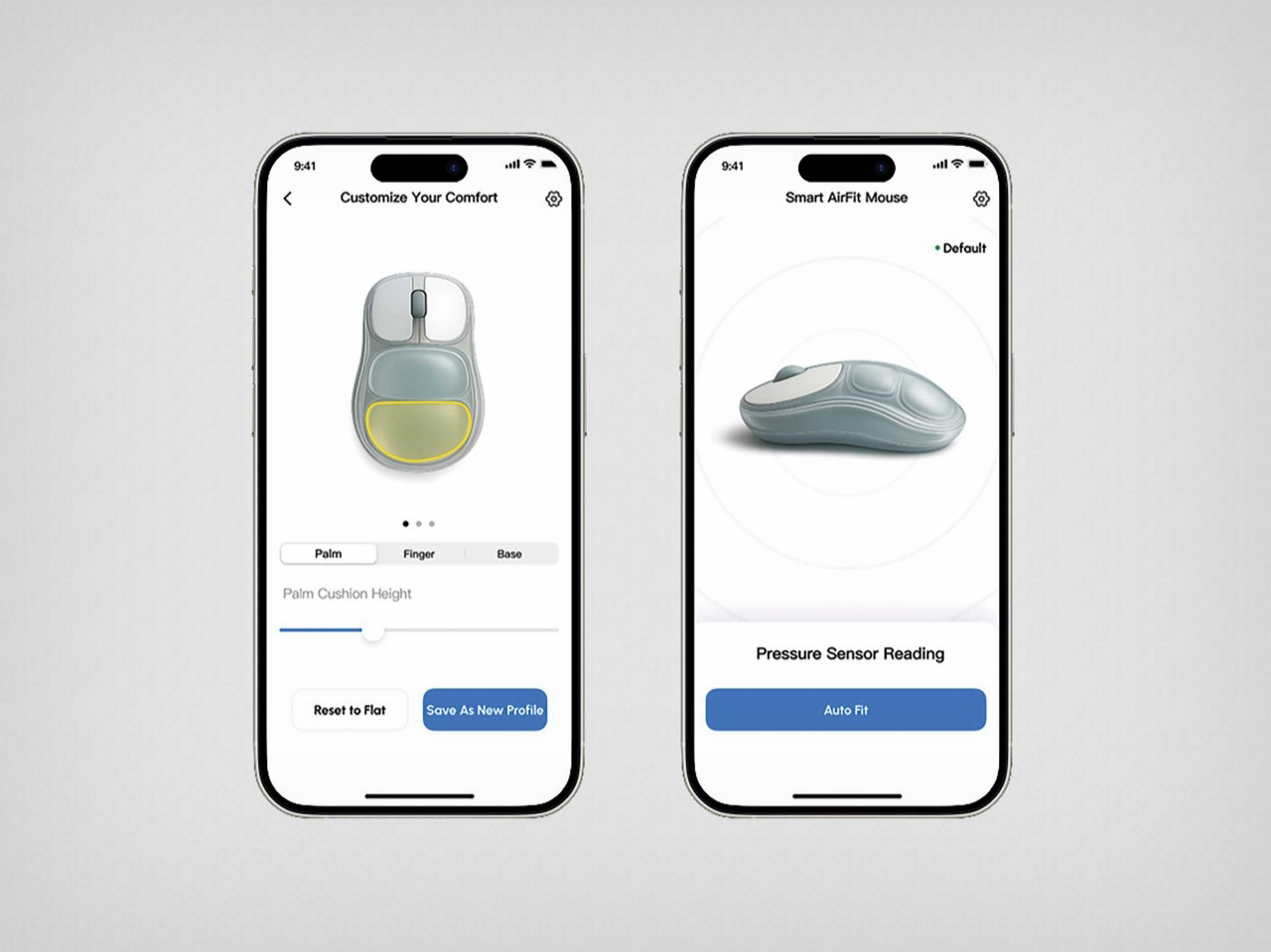
Last week I covered this ‘hideous but comfortable’ ergonomic mouse, designed using play dough and 3D printing. The problem with such a mouse is that it took ergonomics too seriously, and still resorted to a rigid 3D printed outer shell. But what if you just applied memory-foam-style ergonomics to consumer tech? What if you could make a mouse that just fits to the shape of your hand rather than the other way around? This Red-Dot Award-winning ergonomic mouse proposes something pretty clever – a computer peripheral with an inflatable body that you can ‘adjust’ to the shape of your palm. Two cushions, both independently adjustable, give you a mouse that’s made for YOU, not a mouse that touts ergonomics but may or may not work for your hand shape, wrist flexibility, or finger size.

Designer: iRest Health Science and Technology Co., Ltd.

The mouse, designed by iRest Health Science and Technology, is just a concept for now, but it does make a fairly radical proposal that a lot of companies could consider for breaking the mold on ergonomic devices. The mouse looks standard at first, but the palm rest features two air-filled cushions that can be adjusted via a smartphone app. Increase or decrease their size through the app, and the shape of the mouse inherently changes, fitting your palm just the way you need it. The result is a mouse that’s calibrated to YOUR hand.

Admittedly, the idea is fabulous but the execution is a little janky. This mouse would effectively need air pumps to intake or release the air, which would result in a severe drain on batteries while complicating the build. The immediate solution is to not use air at all, but rely on something more convenient. In-ear monitors rely on silicone gel implants for a bespoke fit, but those are administered by medical professionals. However, imagine a mouse with a silicone outer shell that can be molded to your hand. Or perhaps a series of mechanical parts that can be adjusted to shape the mouse based on palm height, etc – sort of like how you adjust parts on an ergonomic chair.

For now, this is just a concept, but it proposes a fairly new idea as far as ergonomic tech is considered. For too long, we’ve seen ergonomic tech that is painstakingly designed for the 95th percentile, but seldom is as comfortable as something that is truly tailor-made FOR you. We’ve covered inflatable mice before, funnily enough, and those concepts were manually inflated, which also sounds like a fairly good option. I wouldn’t mind someone actually building a prototype!

The post Is This The Most Ergonomic Mouse Ever Designed Or Just Another Ambitious Idea? first appeared on Yanko Design.
Pininfarina’s Foldable Trailer Homes combine Electric Mobility and Off-Grid Luxury Living

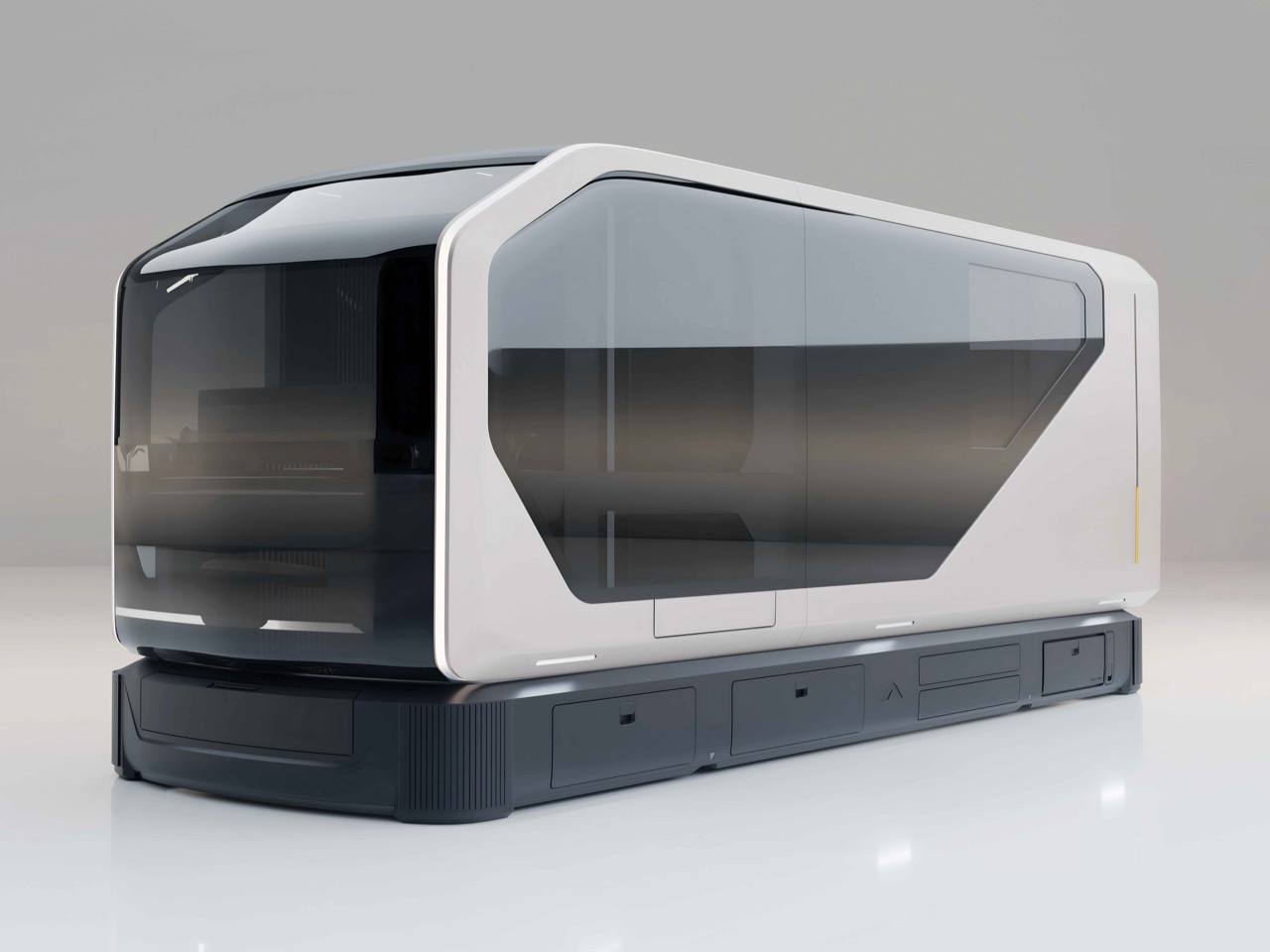
Pininfarina’s design legacy spans eight decades of automotive excellence, but the firm has increasingly turned its attention to spaces people inhabit rather than just vehicles they drive. The AI Transformer Home series marks the studio’s most ambitious exploration of that territory yet: modular, expandable dwellings that treat mobility as a core feature instead of an afterthought. Working with AC Future, Pininfarina applied its signature approach to proportion, surface treatment, and user experience, creating homes that look equally compelling whether compressed for travel or expanded for living.

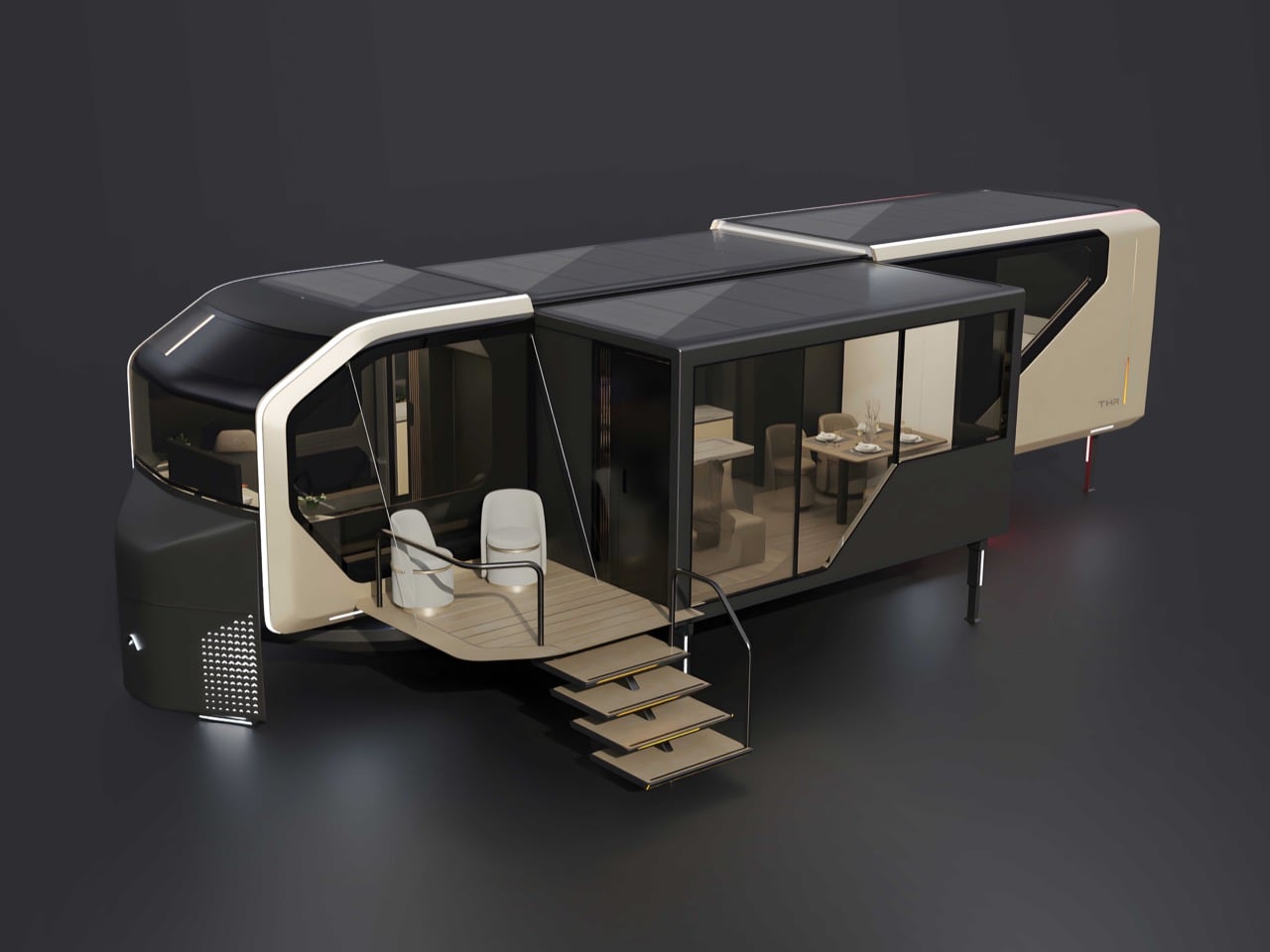
The three models share a flexible platform but serve distinct use cases. The AI-THu functions as a 400-square-foot smart ADU, ideal for backyard installations or temporary deployments. The AI-THt eliminates the driving cabin entirely, relying on patented expansion technology to maximize interior volume when towed to a destination. The AI-THd combines both worlds, offering self-contained mobility with EV or diesel power and three-sided expansion that converts a compact motorhome into a surprisingly spacious residence. All three earned the 2025 Red Dot Design Concept Award, validating their blend of engineering innovation and aesthetic refinement.

Designer: Pininfarina for AC Future

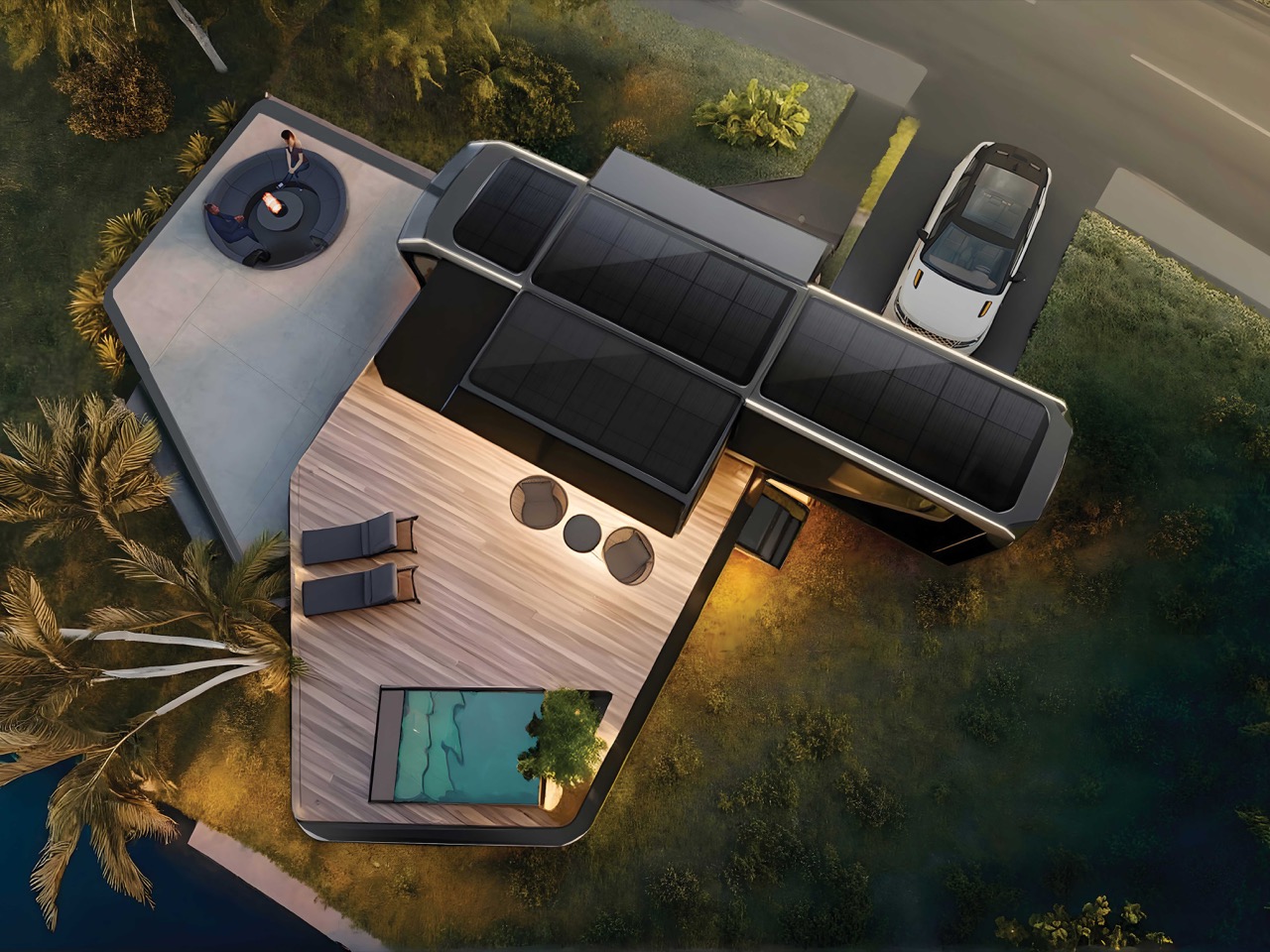
That drivable AI-THd is the one that really grabs your attention, because it’s a direct shot across the bow of the entire luxury RV market. The specs are wild. It expands on three sides to create a 400-square-foot living space from a vehicle that starts at 26 feet long. AC Future is quoting a starting price of $328,000, which puts it in direct competition with high-end Class A motorhomes and premium Airstream trailers. The key difference is that a traditional RV’s slide-outs give you a few extra feet of width, while this thing nearly doubles its physical footprint. Its cockpit even converts into a separate room, a clever use of space that most motorhomes completely waste once parked.

This whole concept hinges on the expansion mechanism, which is far more sophisticated than a simple slide-out. The AI-THt trailer, without a cab to worry about, is the purest expression of this technology. It’s a 24-foot towable box that unfolds into a legitimate small apartment. You are seeing a level of mechanical articulation that feels more like something from a sci-fi movie than a product you can actually reserve. The engineering challenge is immense: you have to manage plumbing, electrical, and structural integrity across moving walls and floors. AC Future’s patented system seems to have solved this, creating a rigid and fully insulated living space that deploys in minutes.

Beyond the mechanical wizardry, the off-grid capability is what pushes this into a new category. The homes are equipped with solar awnings that deploy during expansion and an atmospheric water generation system that literally pulls drinking water from the air. An onboard AI manages these resources, learning your habits to predict power and water needs, so you aren’t constantly checking gauges. This is true self-sufficiency, allowing for extended periods off-grid without sacrificing the comforts of a modern home, like a full-size kitchen and dual-zone climate control. It’s a closed-loop living system on wheels.

So who is actually buying this? The price tag puts it out of reach for the average van-lifer, and its high-tech complexity might intimidate the traditional RV crowd. AC Future is likely targeting a niche market of affluent digital nomads, tech entrepreneurs, and design aficionados who want a mobile base of operations that reflects their aesthetic and technological values. This is less a vehicle for visiting national parks and more a statement piece for living and working wherever you want. It’s a halo product, designed to showcase what’s possible when you fuse automotive design with smart architecture, pushing the entire industry to think beyond the beige fiberglass box.

The post Pininfarina’s Foldable Trailer Homes combine Electric Mobility and Off-Grid Luxury Living first appeared on Yanko Design.
This Massive Robot Wants To Replace An Entire Restaurant

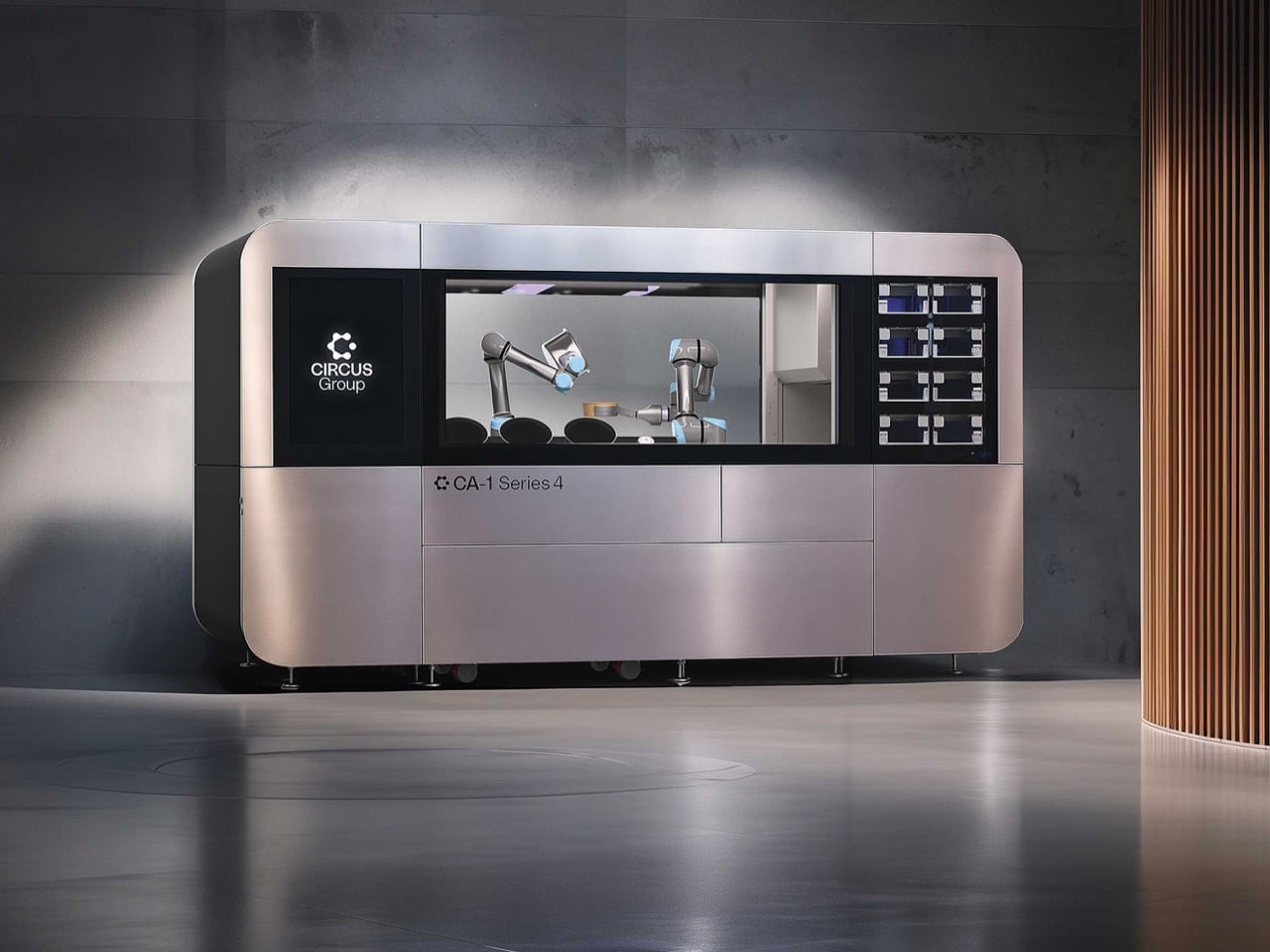
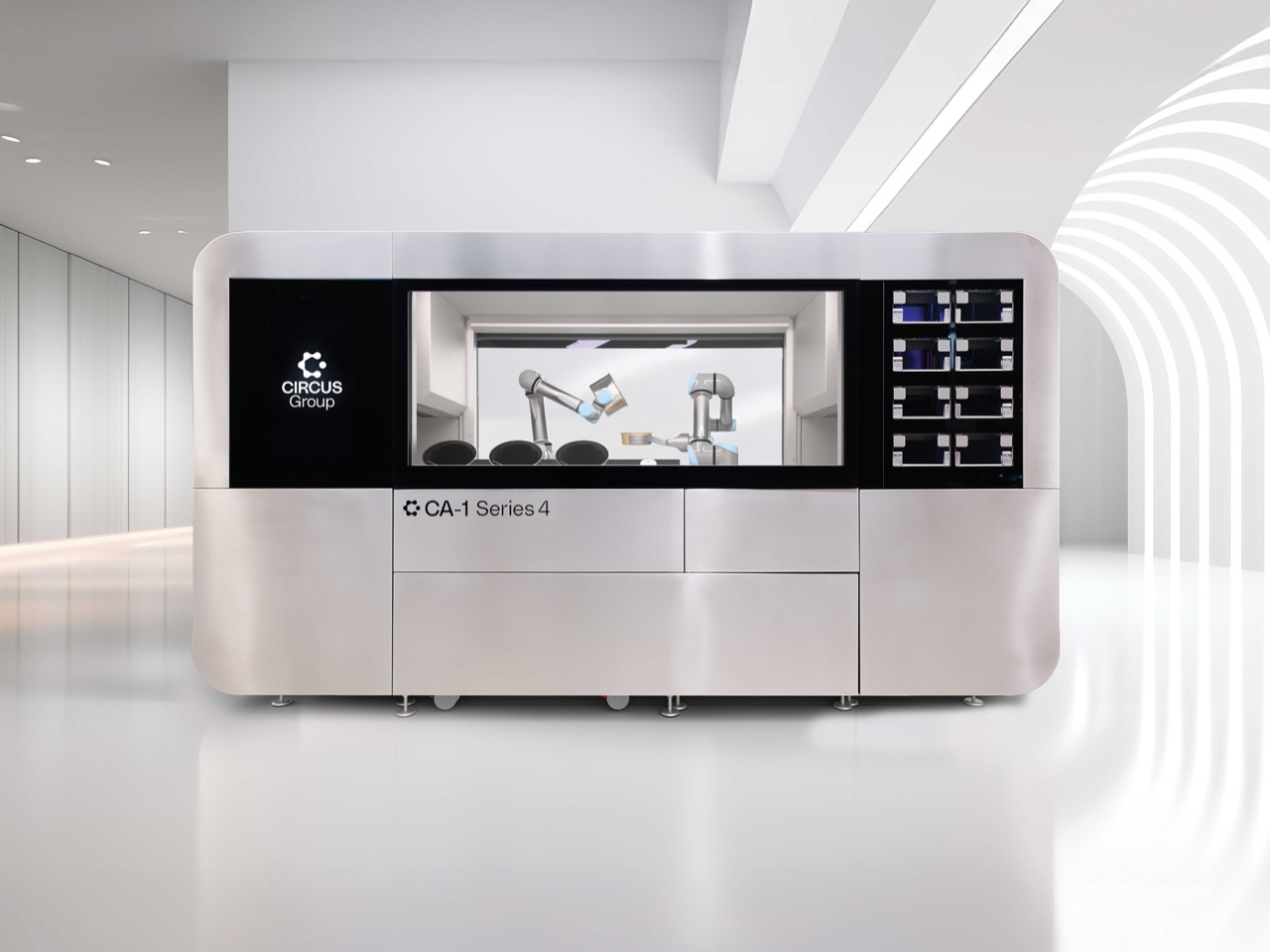
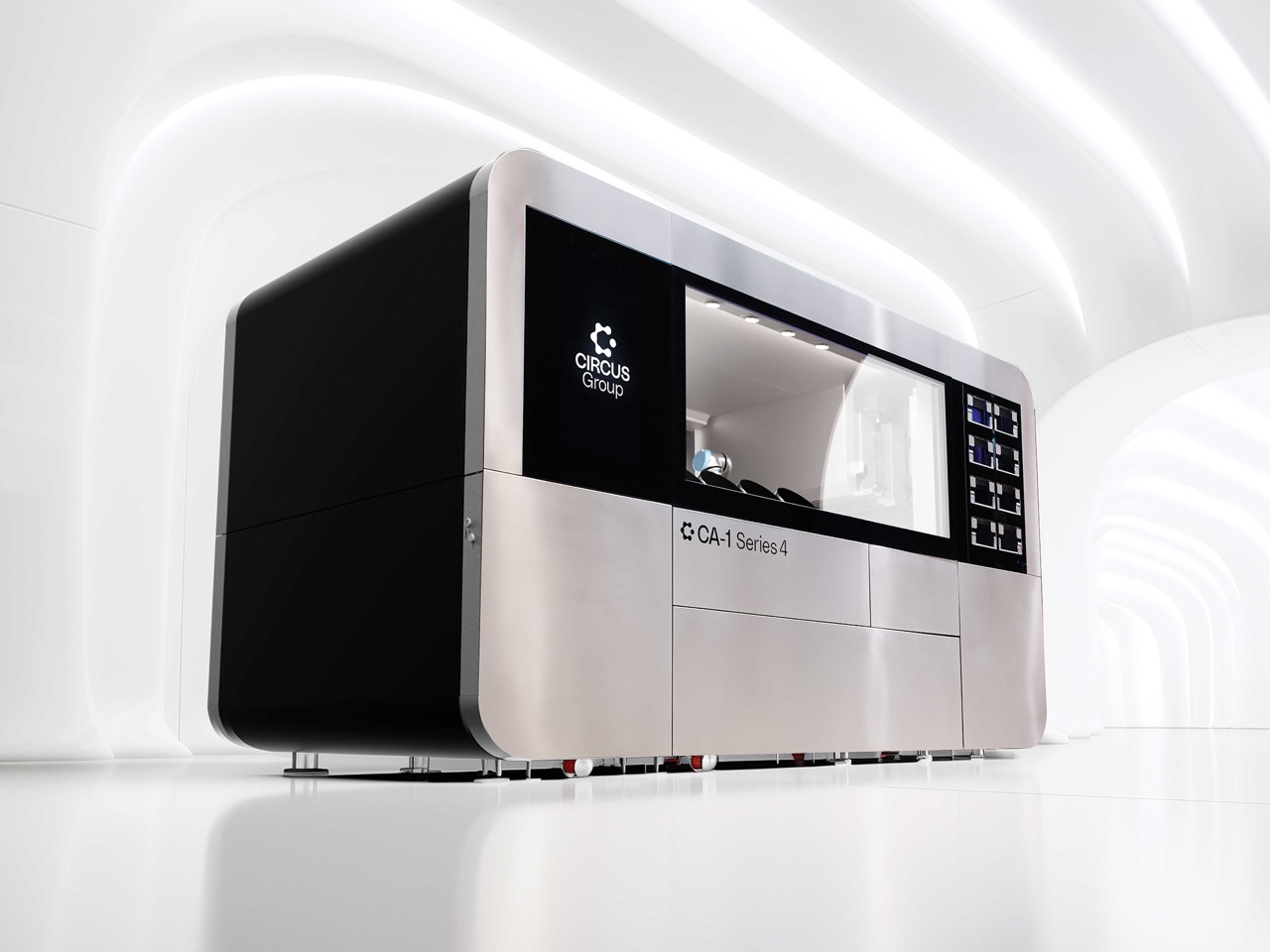
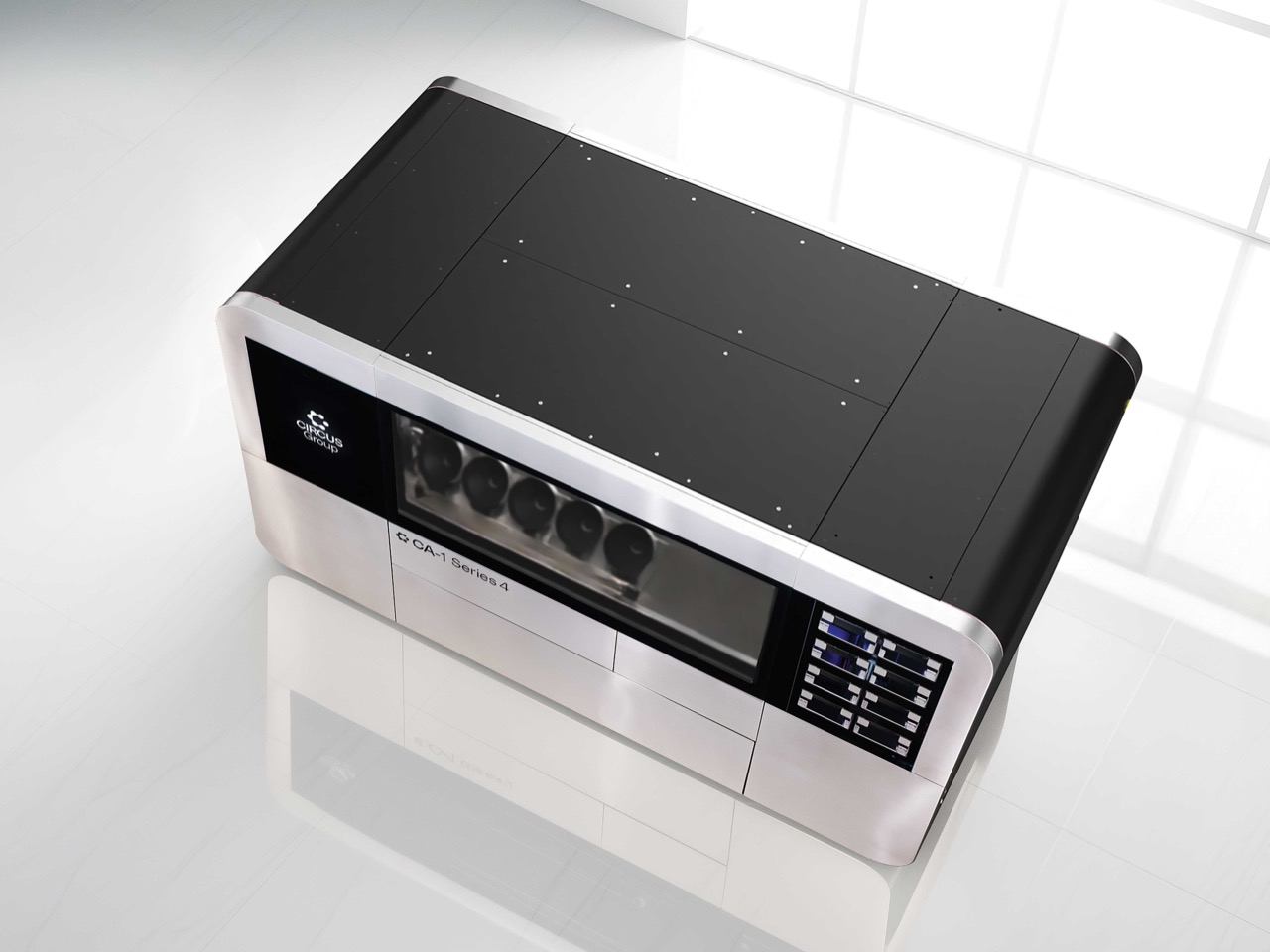
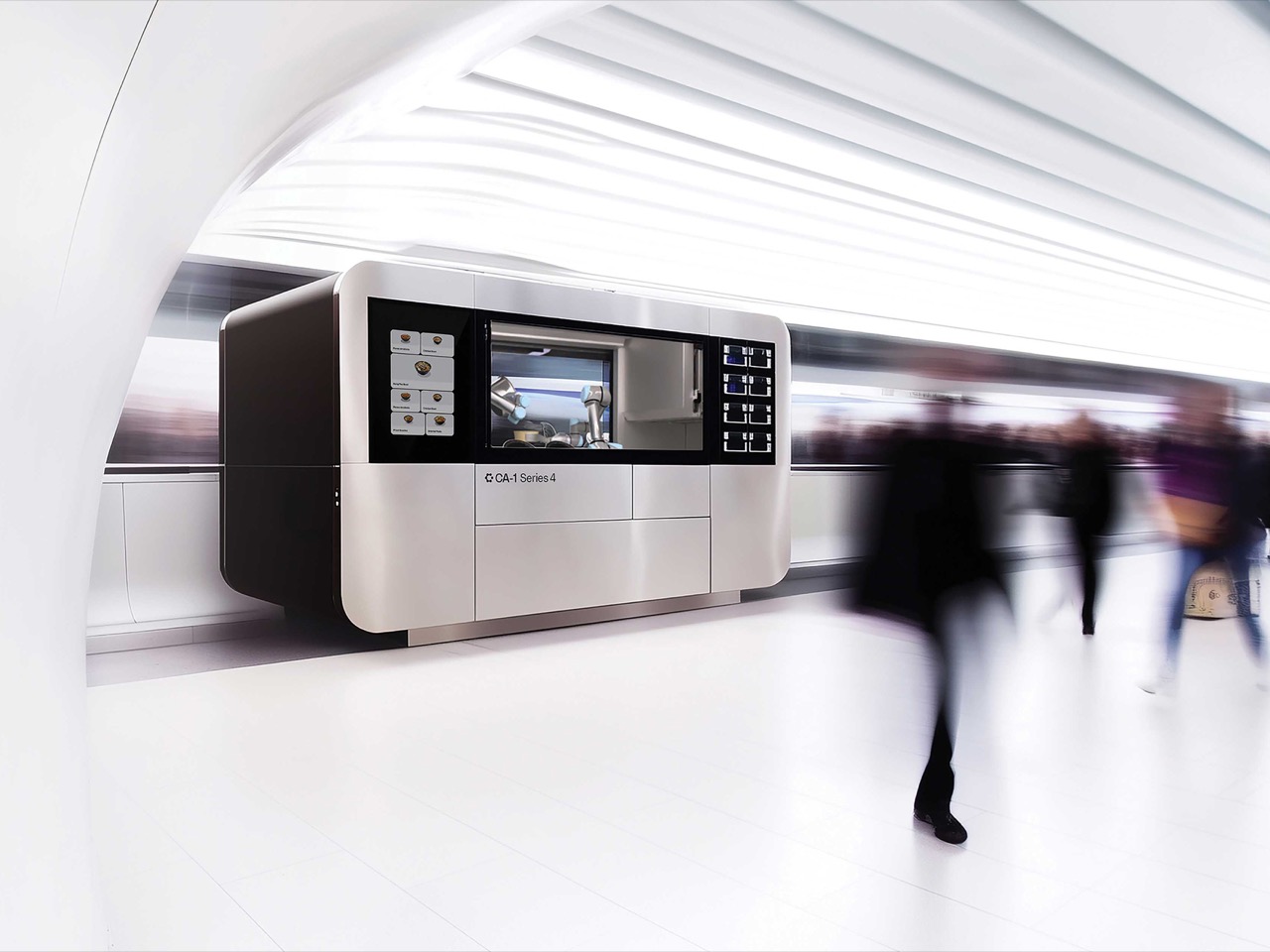
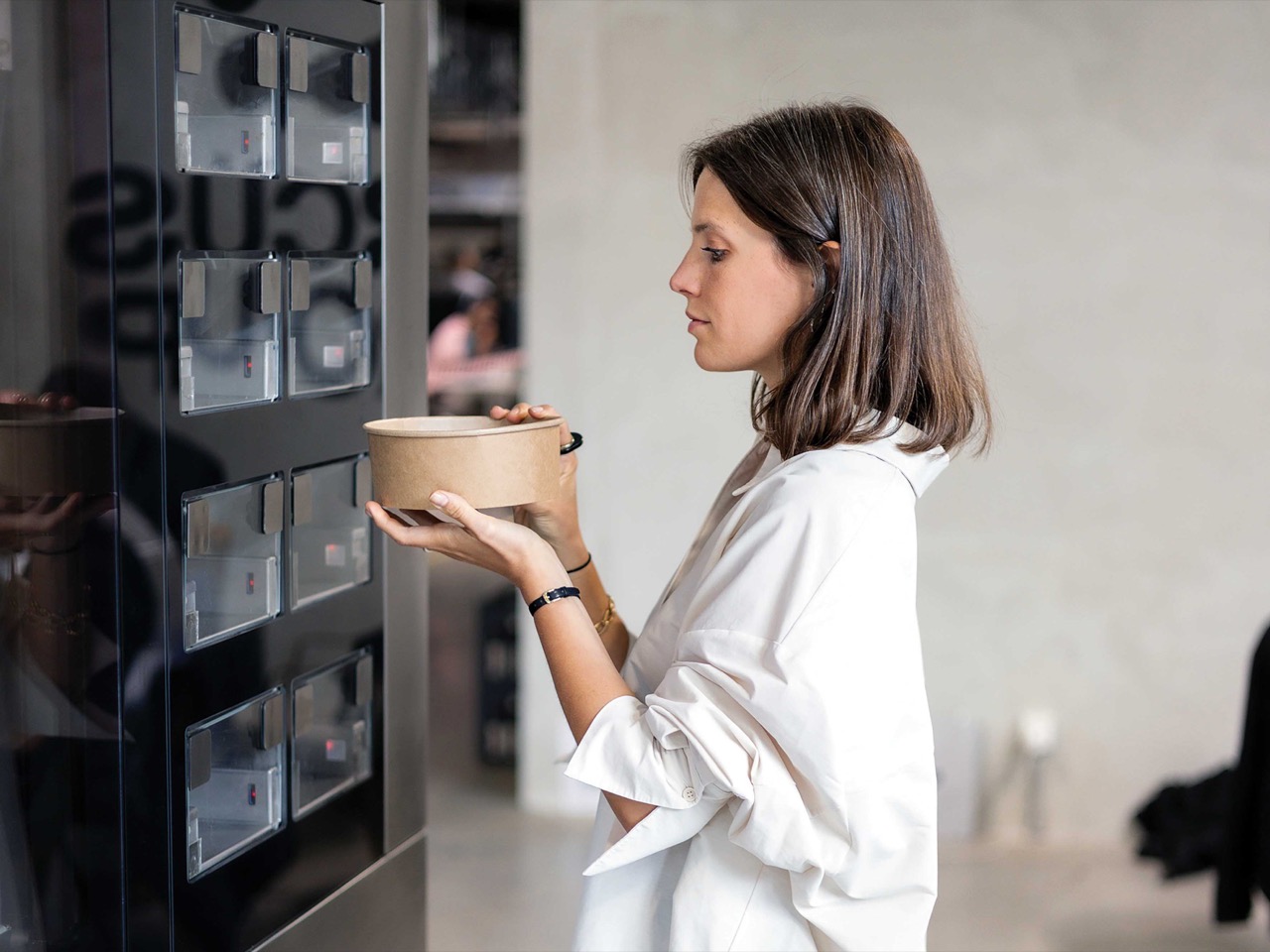
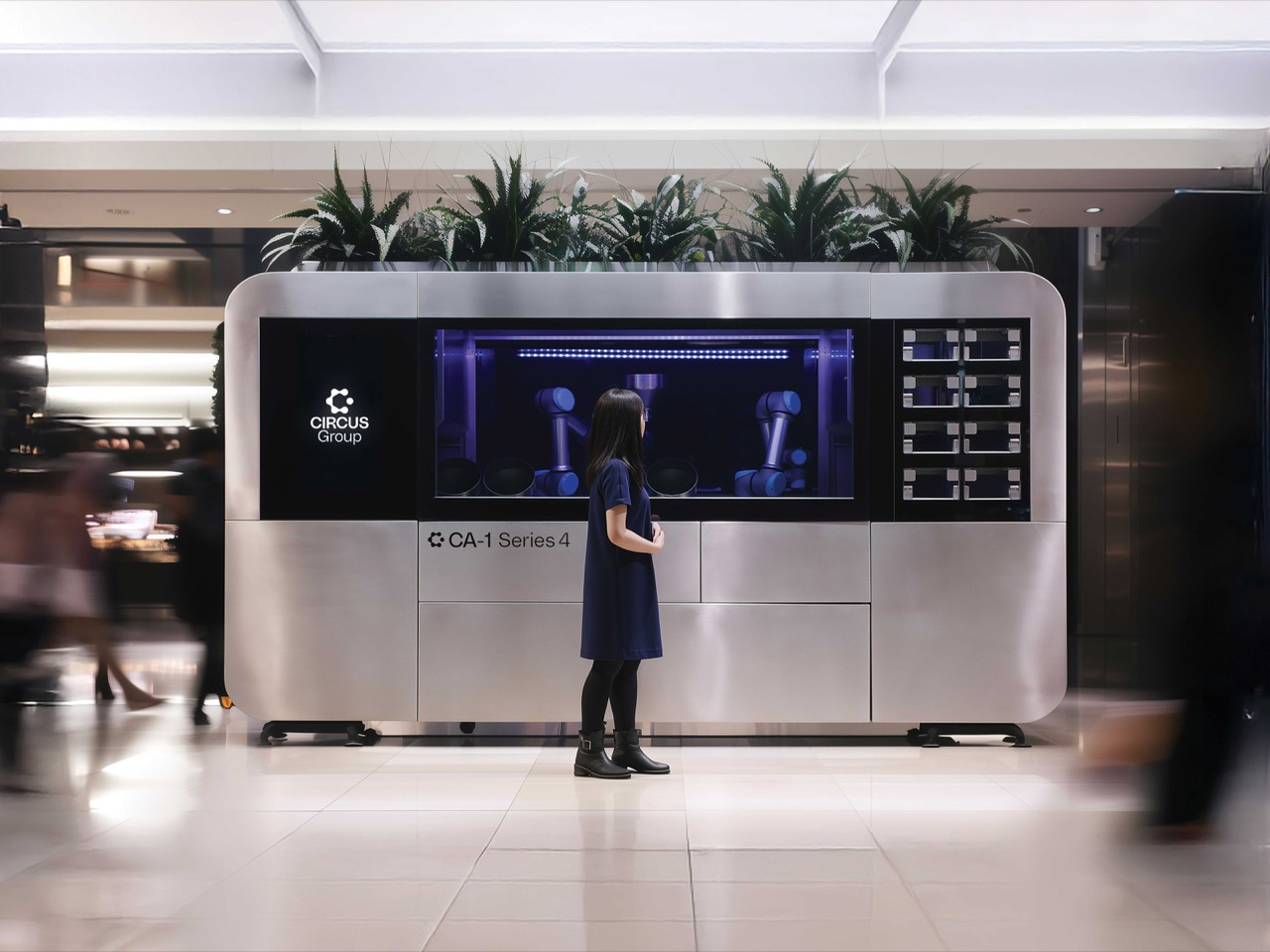
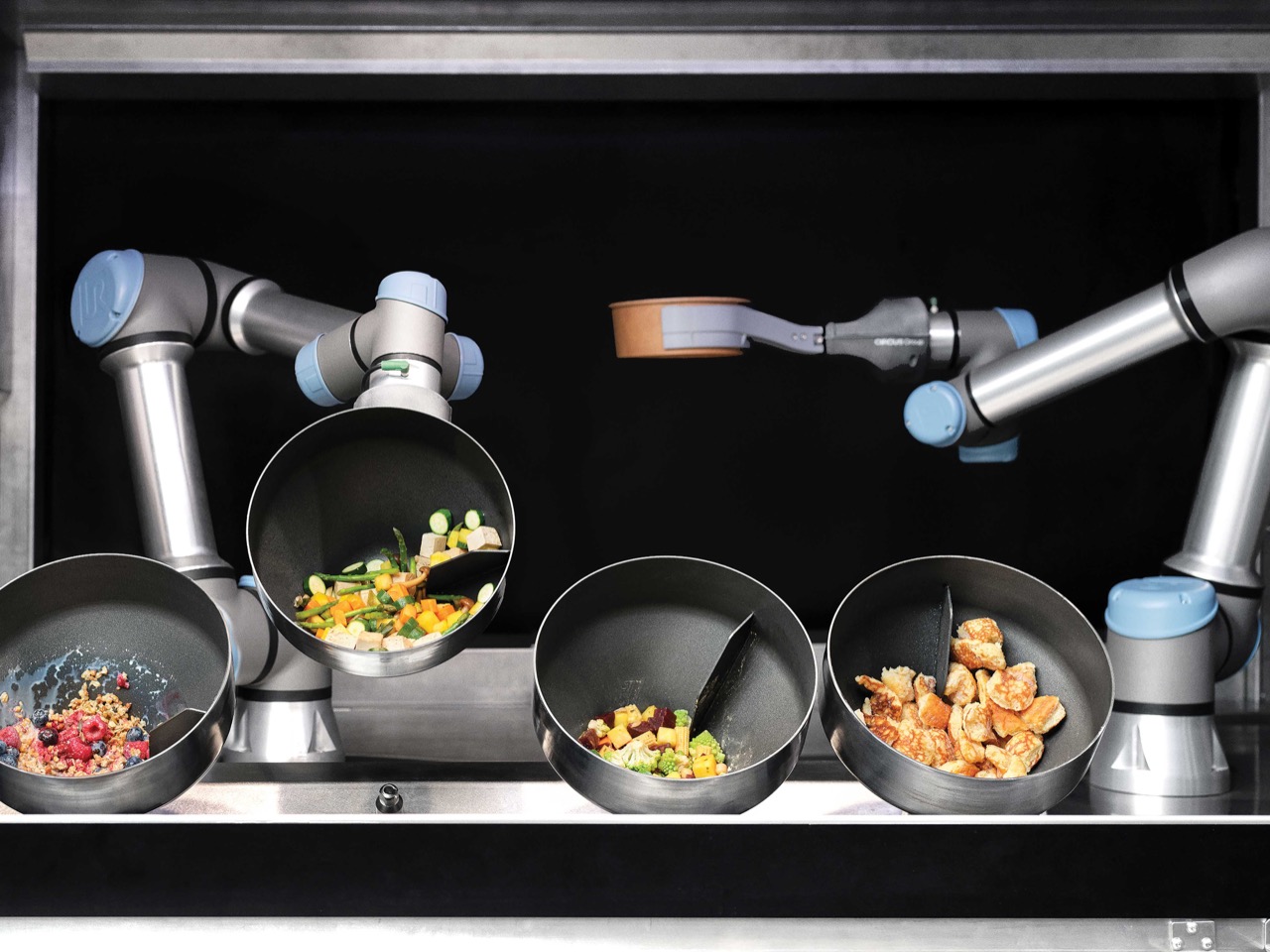
Inside a seven-square-meter glass enclosure, two robotic arms move with startling precision. One retrieves ingredients from climate-controlled silos, another works over a heating element, and within minutes, a perfectly assembled, hot meal is delivered to a collection window. There are no chefs, no line cooks, and no human intervention whatsoever. This is the Circus Autonomy One, a robot designed with a single, ambitious goal: to automate every step of the food production process, from inventory management to cooking and even cleaning. It’s not a kitchen assistant; it is a full-stack replacement, and it represents one of the boldest attempts yet to redefine what a restaurant can be.

The company behind this, Munich-based Circus SE, is pushing the narrative that this solves labor shortages and boosts efficiency. They are not wrong, but that is an incredibly sanitized way of looking at what is essentially a job-elimination machine. The CA-1 is a marvel of industrial design, a self-contained unit powered by a proprietary AI called CircusOS that makes adaptive decisions in real time. With its pilot program already running in German REWE supermarkets, this isn’t some vaporware concept sitting in a lab. It is a commercially deployed system that is actively taking orders and feeding people, and that means we need to talk about what it is actually doing.

Designers: Gustavo Kemmerich and Circus SE Team

Seven square meters is the entire footprint. You could barely fit a decent-sized walk-in closet in that space, yet the CA-1 can pump out 120 dishes an hour from it. That breaks down to a meal every 30 seconds, a rate of production that most human-staffed kitchens would struggle to match without breaking a sweat. The whole operation is a sterile, closed loop of logic. Ingredients are tracked and stored in smart silos, the robotic arms handle the assembly and cooking, and an integrated Winterhalter commercial dishwasher cleans up after. From an engineering perspective, it is a cold, hard box of ruthless efficiency designed to extract maximum value from minimum space.

You do not achieve that level of optimization without a body count, metaphorically speaking. Forget the sanitized PR about “solving labor shortages.” The CA-1 is designed to eliminate labor, period. It replaces the prep cook, the line cook, the expeditor, and the dishwasher in one fell swoop. This is not a collaborative robot, or “cobot,” built to assist a human worker. It is a fully autonomous system engineered from the ground up to make a whole class of kitchen staff obsolete. For every one of these units installed in a supermarket, hospital, or university, a handful of jobs simply evaporate. The efficiency it provides comes at a direct and obvious cost.

So what we are really looking at here is a ghost kitchen in a box, a blueprint for the future of automated food service. Its successful deployment in a major European supermarket chain is a powerful proof of concept, and you can bet that fast-food executives and large-scale catering operators are paying very close attention. Circus SE even lists the defense sector as a potential market, which is its own can of worms. This machine is a stark reminder that automation doesn’t ask for permission. The CA-1 is a brilliantly engineered answer to a question that maybe we shouldn’t be so eager to ask.

The post This Massive Robot Wants To Replace An Entire Restaurant first appeared on Yanko Design.