A Teen Bedroom Has 4 Jobs, the Hasuit Corner Bed Handles All of Them

A teenager’s bedroom has to do the work of four rooms at once: a place to sleep, a place to study, a place to charge every device they own, and a place to stash the clutter that inevitably piles up. The Hasuit Twin Corner Bed with Desk and Storage Bookcase tackles that problem by refusing to separate any of it, folding a bed frame, a desk, a bookcase headboard, and a charging station into one L-shaped footprint that claims a corner instead of a wall.

That corner-hugging shape is the real trick here. Rather than lining a bed and a desk up against separate walls and losing floor space to the gap between them, the frame wraps around the room’s dead corner, turning an awkward, often-wasted angle into the single most productive spot in the bedroom. At 97.1 inches long and 47.5 inches wide, it claims real estate efficiently rather than sprawling across it.

Designer: Hasuit

The desk sits at the foot of the bed rather than off to the side, wide enough for all your study needs: homework on one half, a laptop on the other. Three desk-side organizer pockets keep pens, cables, and notebooks within arm’s reach without cluttering the actual work surface, while a top storage shelf and matching headboard shelf give a spot for whatever needs to sit somewhere other than the floor.

Behind the headboard, six built-in bookshelves replace what would otherwise be a separate bookcase bought and assembled on its own. Add two under-bed drawers and two movable fabric storage bins, and the frame ends up handling the job of a dresser as much as a bed, all without eating into the room’s remaining walkable space.

A built-in charging station puts two AC outlets and two USB ports directly onto the bed frame itself, closing the gap between where a teenager sleeps and where their devices actually charge overnight. No more dragging an extension cord across the floor or reaching over the side of the mattress to find an outlet in the dark.

RGB lighting rounds out the package, offering more than 60,000 color options controllable through either a physical button or a companion app, with dedicated music, microphone, and timer modes layered in. It’s the kind of feature that reads as a gimmick until you remember how much a bedroom’s mood depends on lighting, especially for someone who treats their room as a study space, a hangout spot, and a bedroom all at once.

Engineered wood panels and metal slats hold the whole structure together, rated to support up to 600 pounds without a box spring required underneath. That combination of steel-reinforced practicality and genuinely useful built-in features is what separates this from a bed frame with accessories bolted on as an afterthought.

The post A Teen Bedroom Has 4 Jobs, the Hasuit Corner Bed Handles All of Them first appeared on Yanko Design.
The Children’s Bed Adults Keep Wishing Came in Their Size

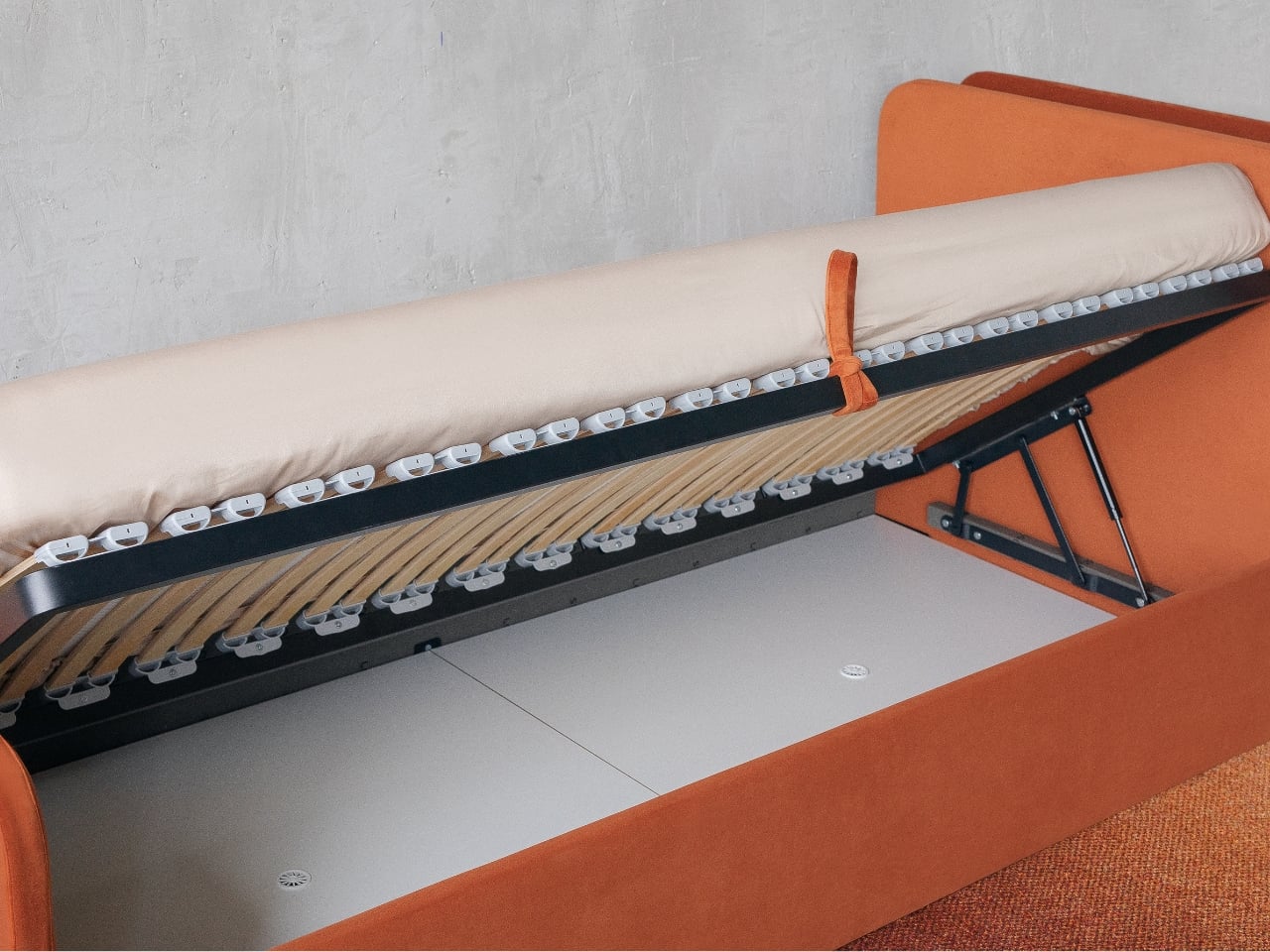
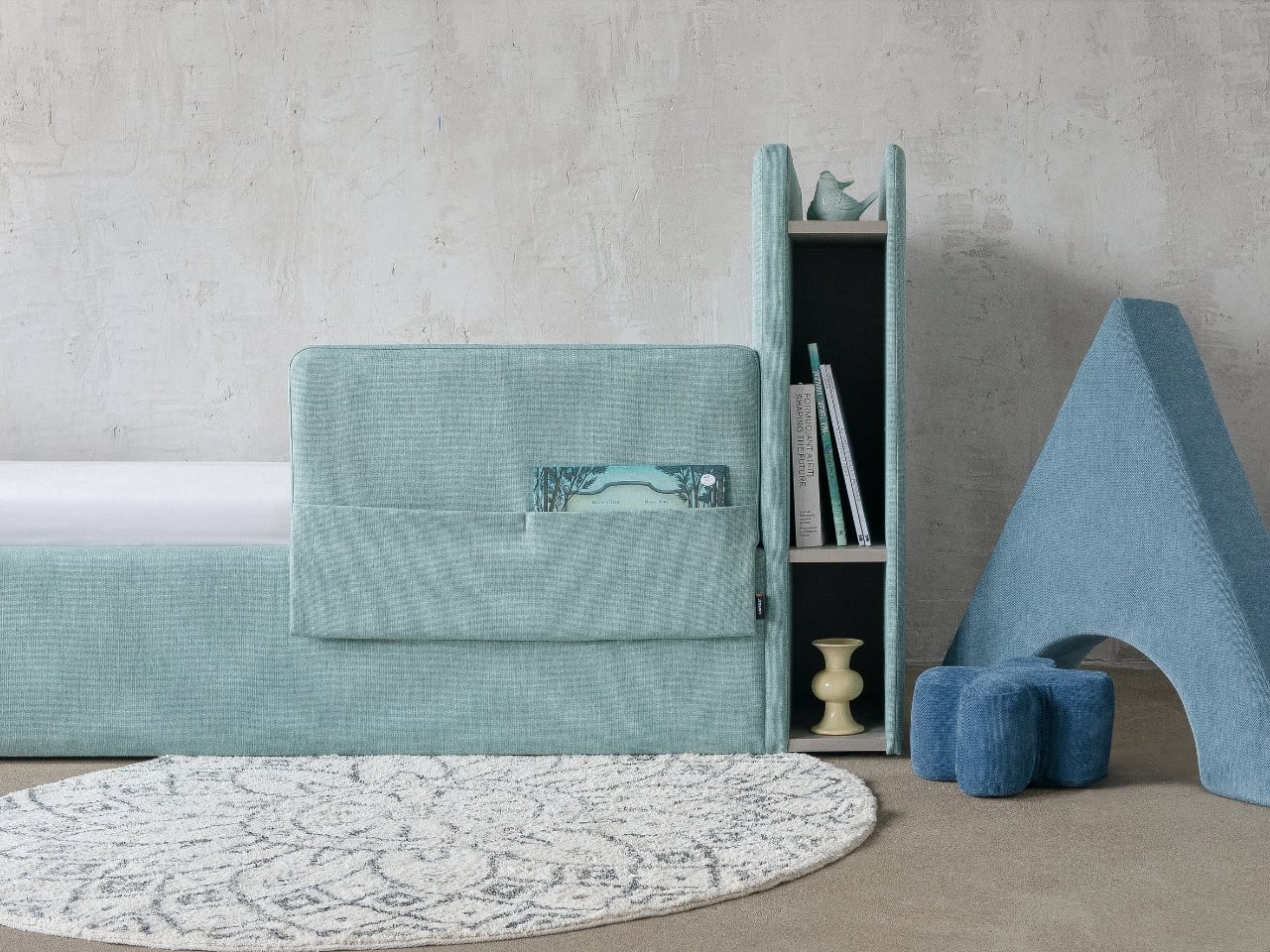
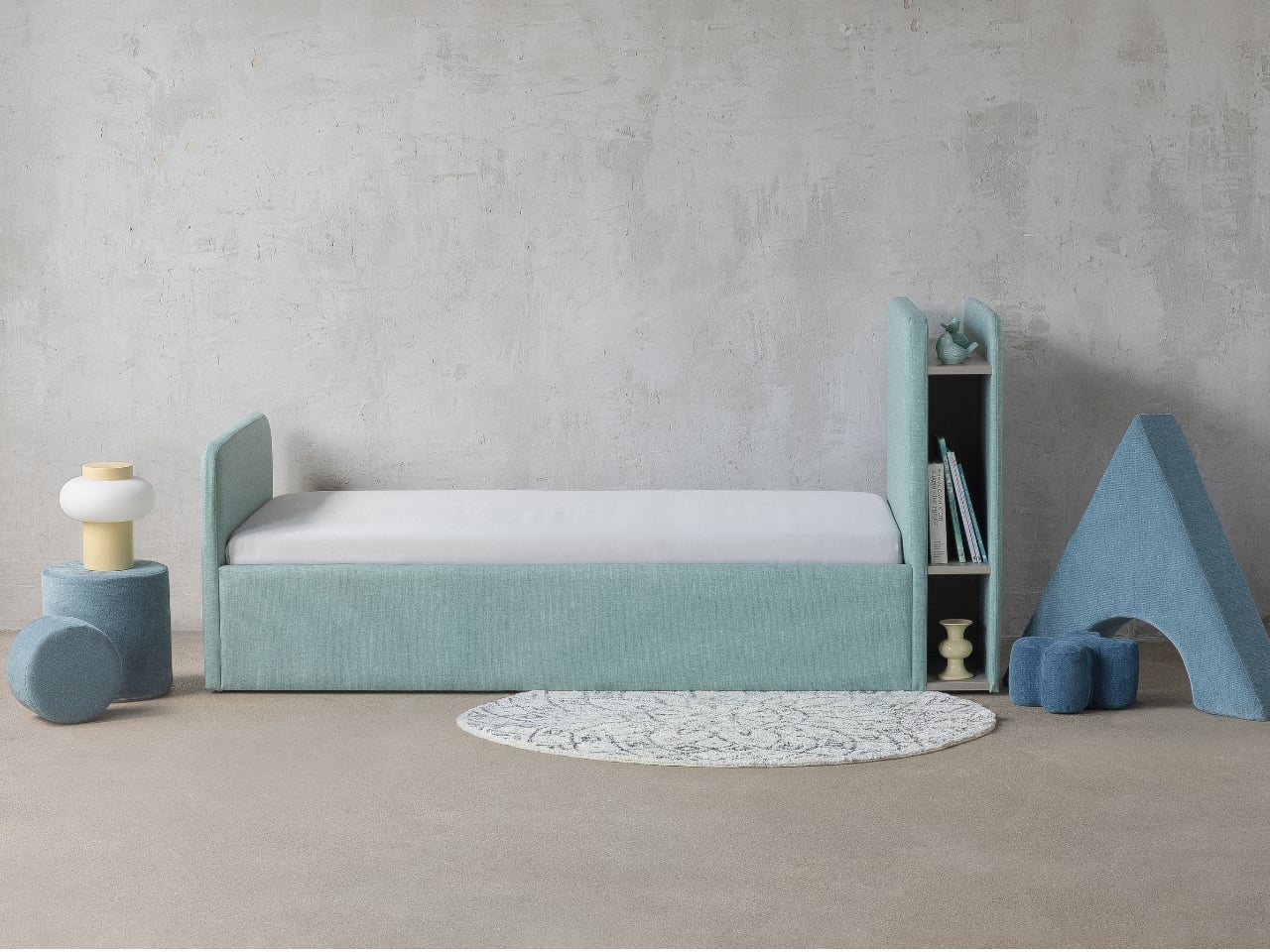
Most children’s furniture falls into one of two camps: purely practical pieces that look like they belong in a hospital ward, or aggressively themed designs slathered in cartoon characters that parents quietly regret within a year. Gaudutė Žilytė, a product designer based in Vilnius, Lithuania, had no patience for either when she created the SAULUTĖ bed, and the result is the kind of children’s furniture that adults actually covet.

The name nods to Saulė, the Baltic sun goddess and one of the most enduring symbols in Lithuanian folk culture, representing life, warmth, and protection. It’s an apt reference for a bed designed with a child’s comfort and safety at its center, though what makes SAULUTĖ remarkable is that it earns that reference without leaning on it. The design does the heavy lifting.

Designer: Gaudutė Žilytė

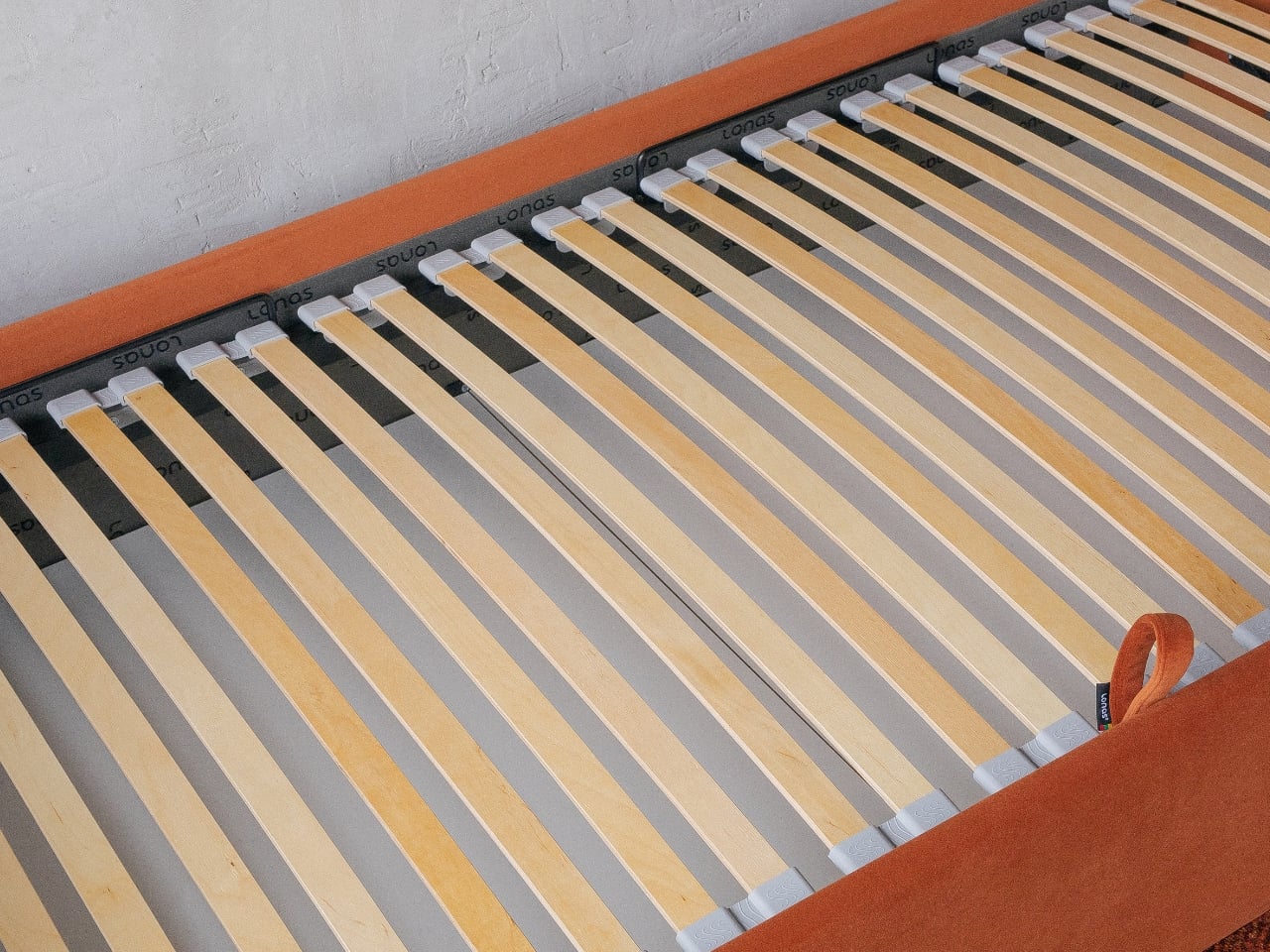
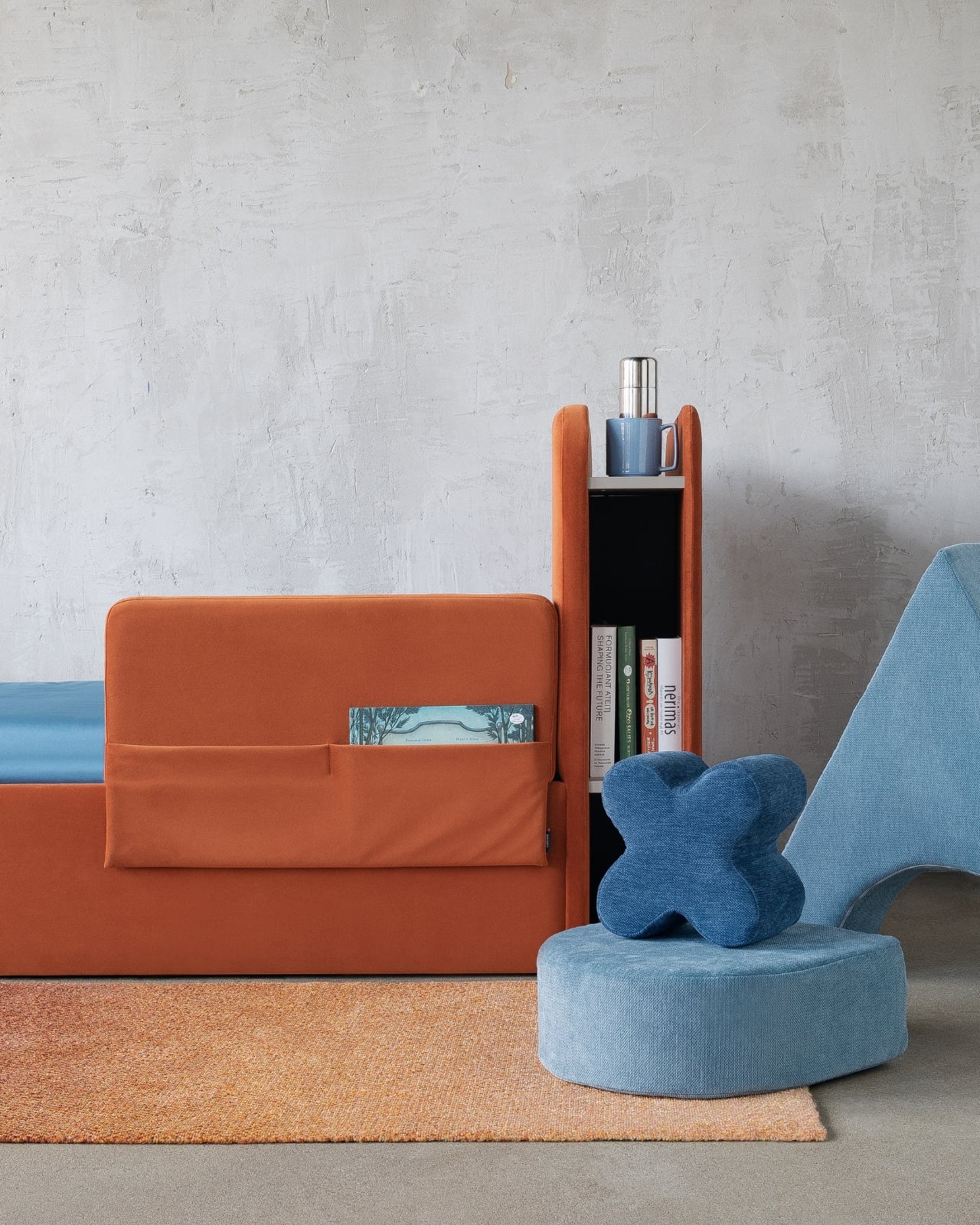
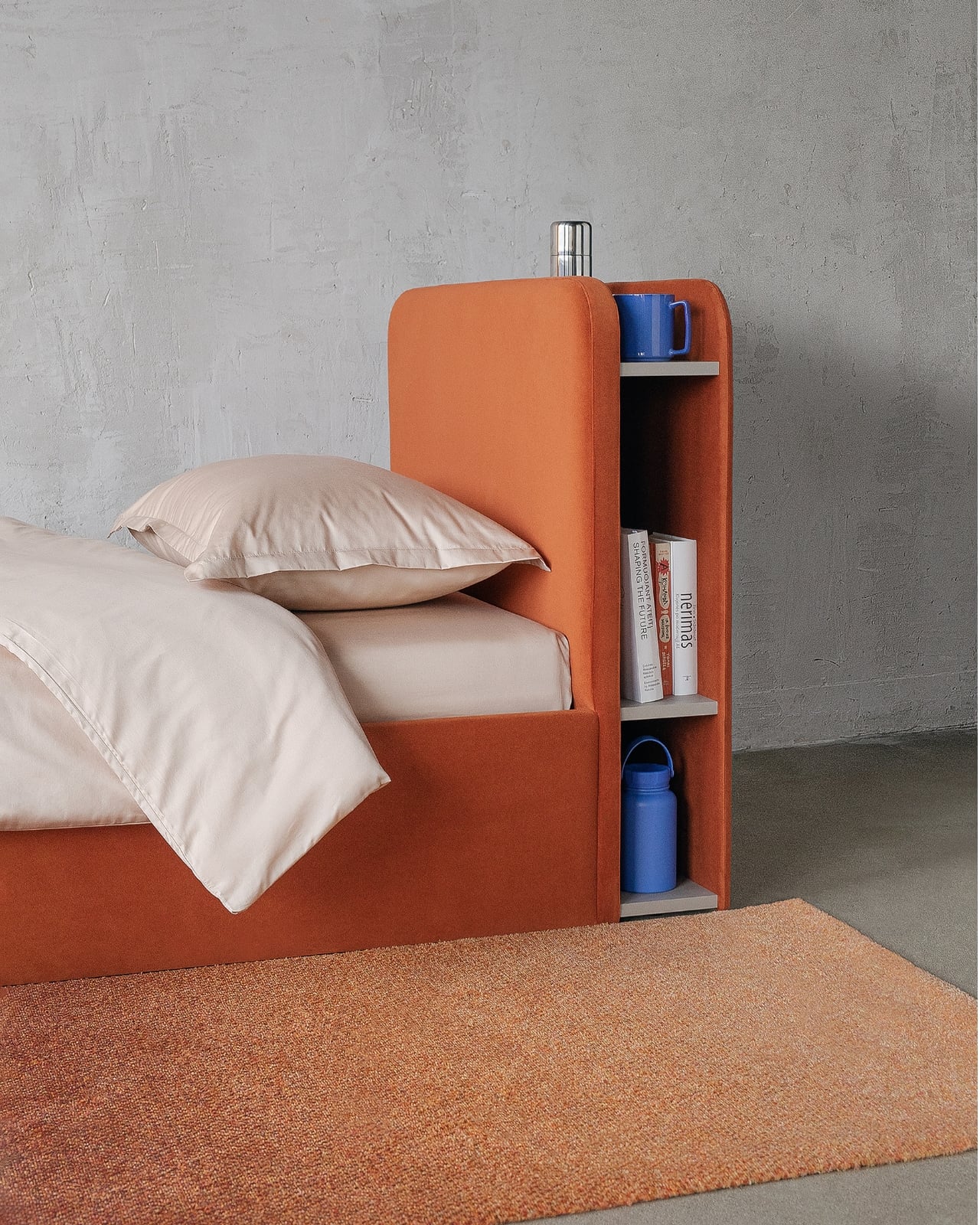
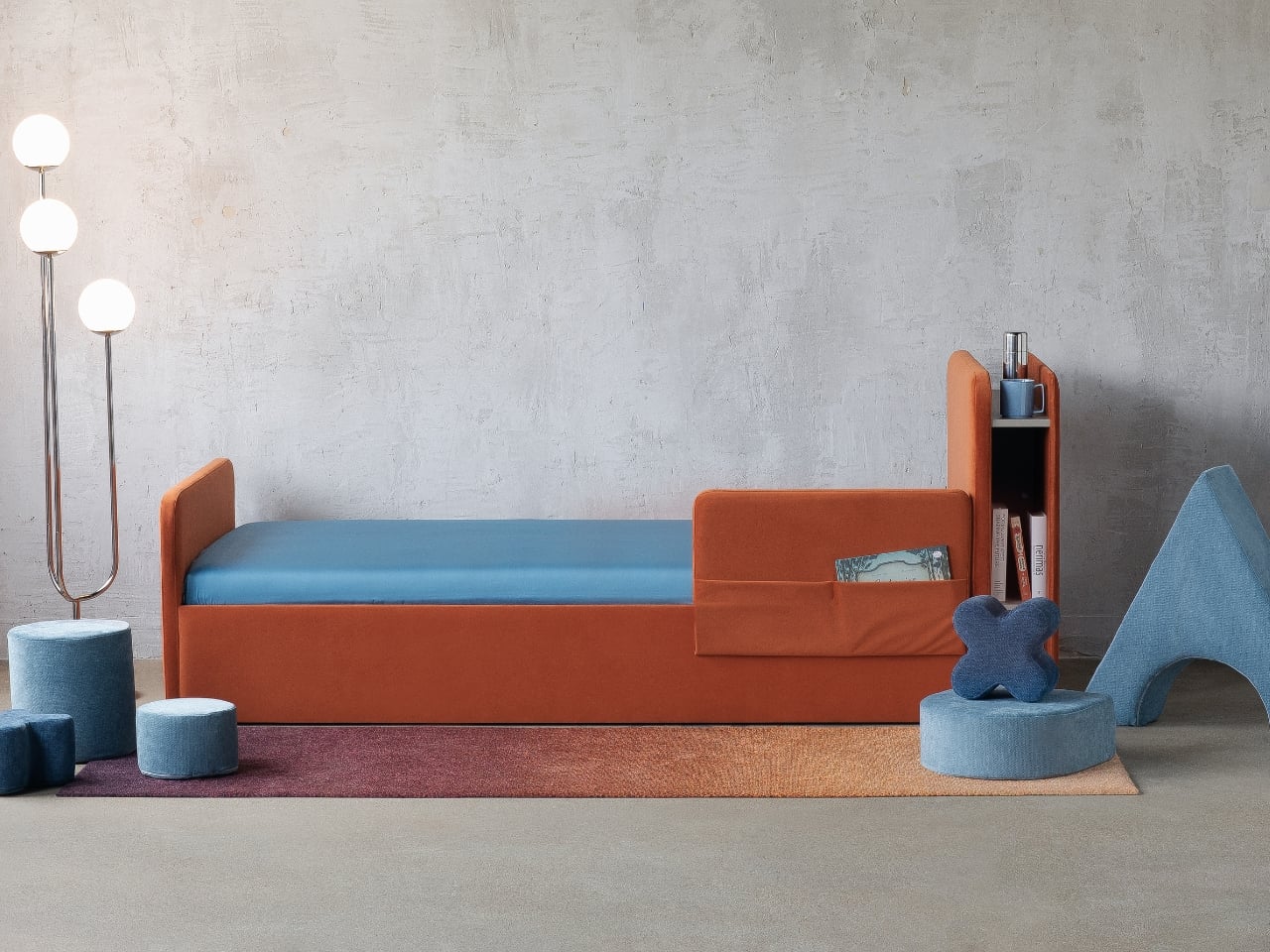
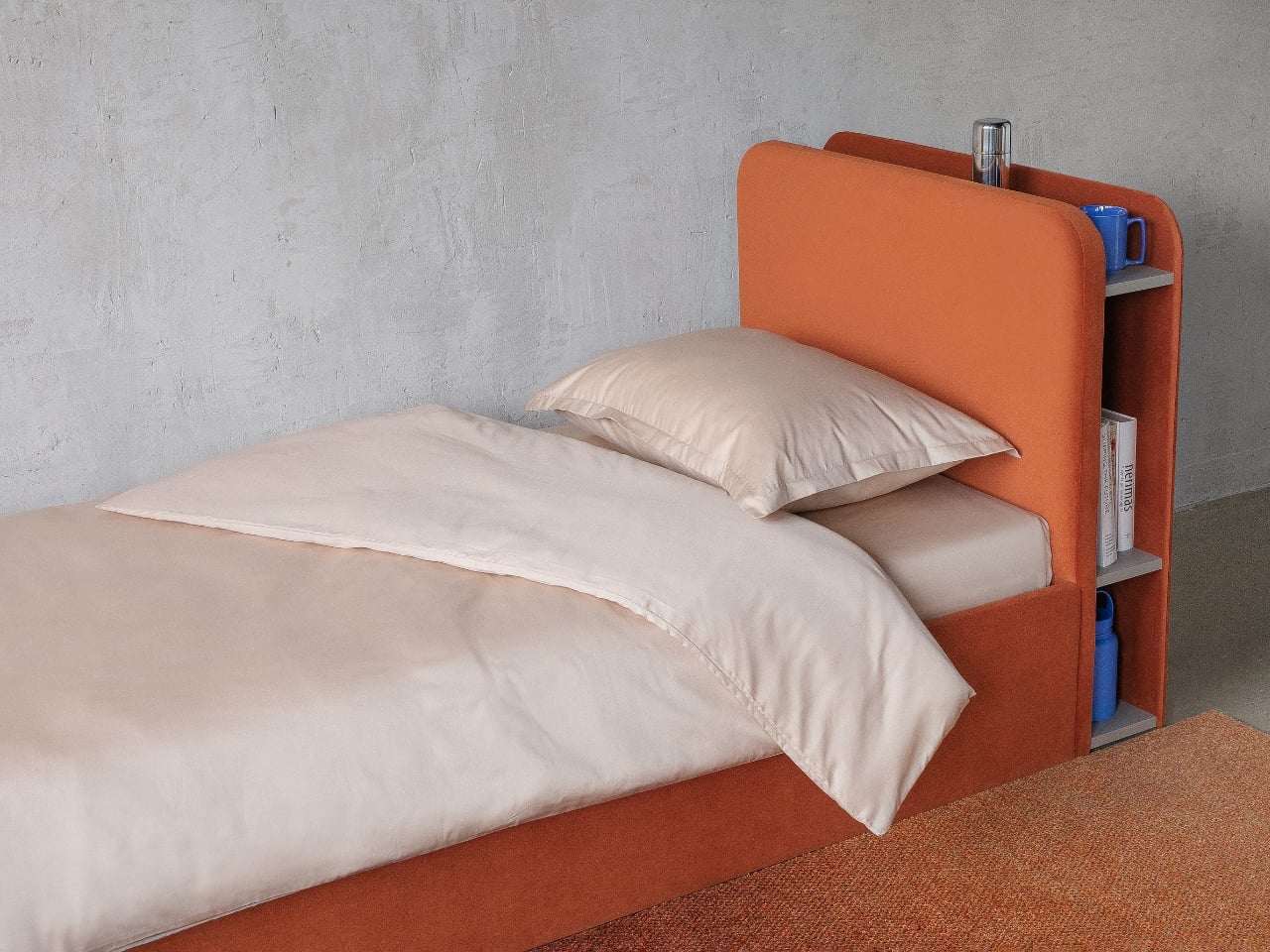
The first thing you notice is the color. A rich terracotta orange upholstery wraps the entire frame, paired with a cooler blue mattress surface that creates a contrast that feels deliberately considered rather than randomly cheerful. It reads warm without being sugary. The palette is one of those design decisions that ages well, which matters a lot when you’re buying furniture for a child who will spend most of a decade in the same room.

The silhouette is low and grounded, almost daybed-like in its proportions, giving the piece a visual lightness that typical beds don’t have. The overall form is soft and rounded at the edges, a shape that reads as playful without resorting to novelty. Žilytė describes the design as playful and minimalist, and that combination is harder to pull off than it sounds. Minimalism has a tendency to go cold. Playfulness has a tendency to go chaotic. SAULUTĖ sits neatly at the intersection of both without tipping into either.

The real intelligence, though, is in the functionality. A built-in shelf sits integrated into the headboard, designed to hold books, a nightlight, or whatever small objects make a child’s bedtime feel like theirs. This is not a decorative gesture. It replaces the need for a separate nightstand in rooms where space is almost always limited, and it keeps the essentials within arm’s reach without cluttering the floor. In a child’s room, that kind of spatial thinking matters enormously.

Then there’s the protective side wall, a guardrail built into the design that keeps younger children safe during sleep without looking institutional or industrial. A lot of safety additions to children’s furniture read as afterthoughts, bolted-on solutions that disrupt the visual integrity of the piece. Here, the guardrail is absorbed into the overall form. It looks like it belongs. It looks like it was always supposed to be there.

What Žilytė has understood, and what a surprising number of furniture designers miss when it comes to children’s spaces, is that function and form are not competing priorities. The shelf is functional, yes, but it also breaks up the headboard in a way that makes the overall silhouette more interesting. The protective wall adds safety, but it also frames the sleeping area, giving the bed a sense of enclosure that children intuitively find comforting. Every practical decision contributes to the design rather than fighting against it.

SAULUTĖ is available in two sizes, which means it works for both younger children and teenagers, a lifespan that most children’s beds never manage to cover. The design is deliberately neutral enough to grow with the child, which is a courtesy to both the family budget and the environment. Furniture that lasts longer is, by default, furniture that performs better.

Few things in furniture design are as genuinely satisfying as a piece that has clearly been thought through from every angle. Not just aesthetically, not just practically, but both at once. SAULUTĖ manages to be a beautiful object that also happens to serve a child’s actual daily life. That’s not a low bar. In children’s furniture, it’s almost revolutionary.

The post The Children’s Bed Adults Keep Wishing Came in Their Size first appeared on Yanko Design.
Forget the Spare Room. The Box Is Here Now.

The spare room is a luxury. Most of us know this, even if we pretend otherwise. We squeeze guests onto pull-out sofas, loan them our beds and sleep on the couch ourselves, or simply apologize and point them toward the nearest hotel. It’s one of the quiet embarrassments of modern city living, that for all our carefully curated interiors, we often can’t offer the people we love a dignified place to sleep. French designer Thélonious Goupil and Italian brand Campeggi would like to change that, and they’ve done it with what is essentially a box.

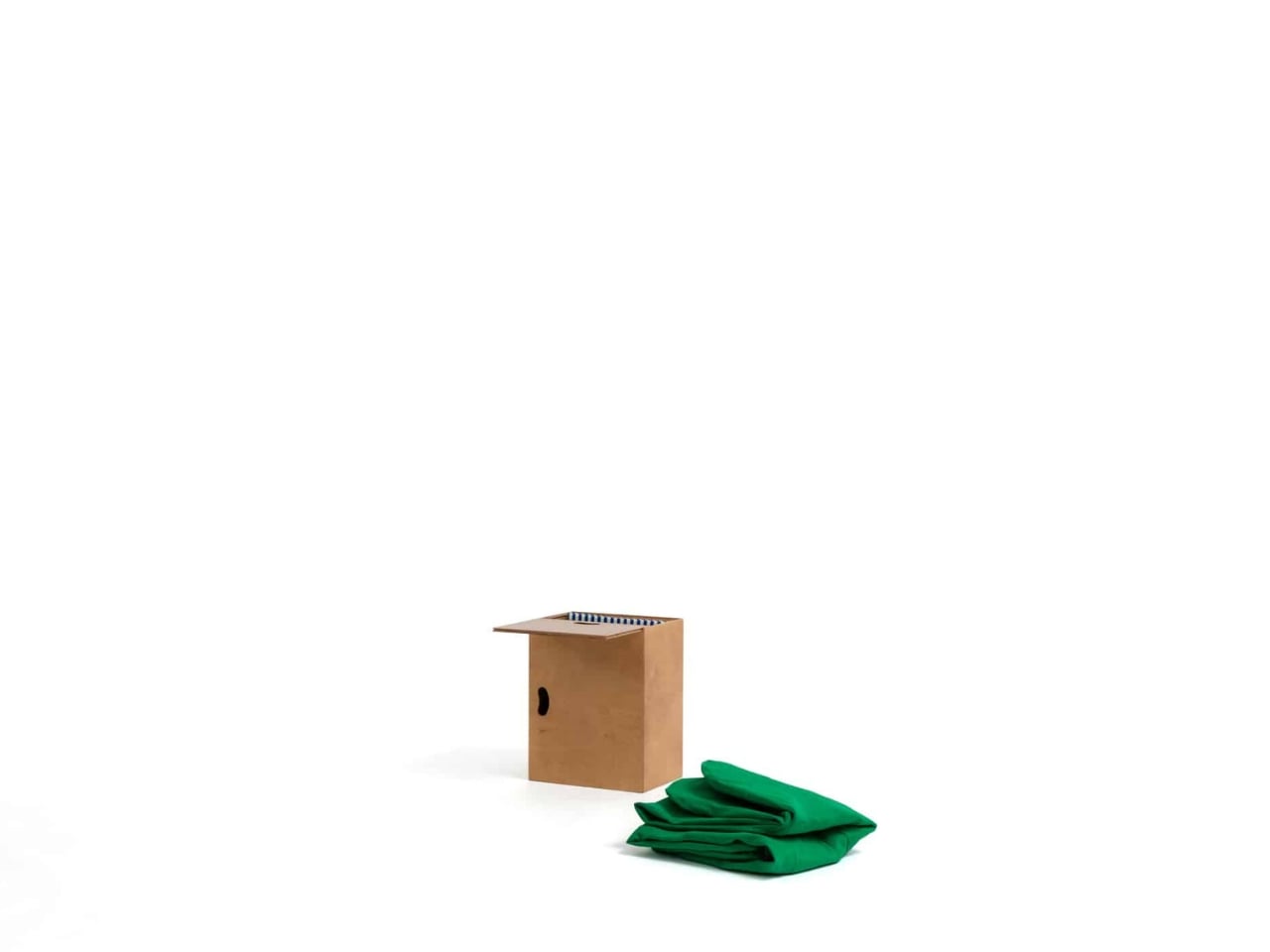
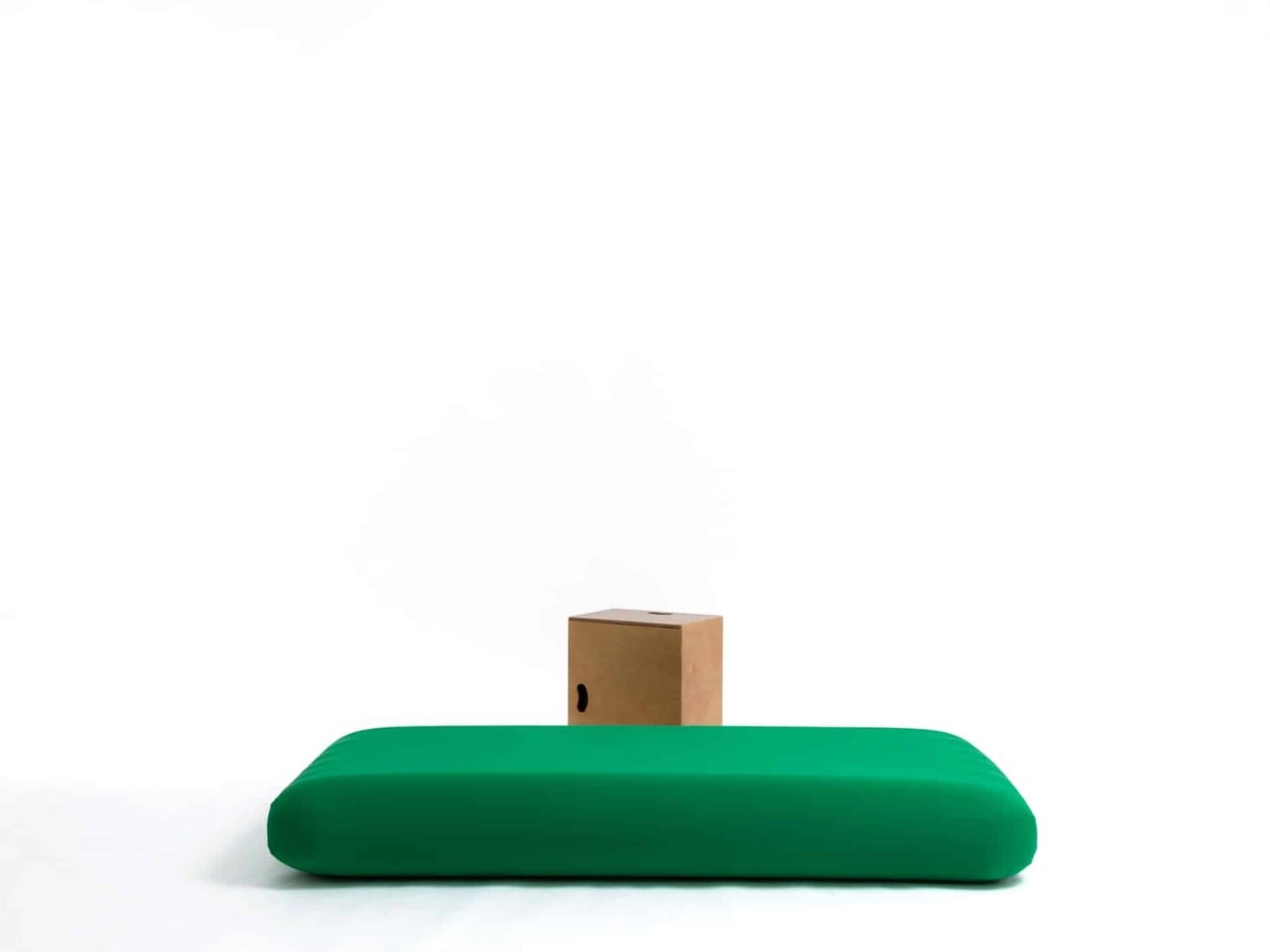
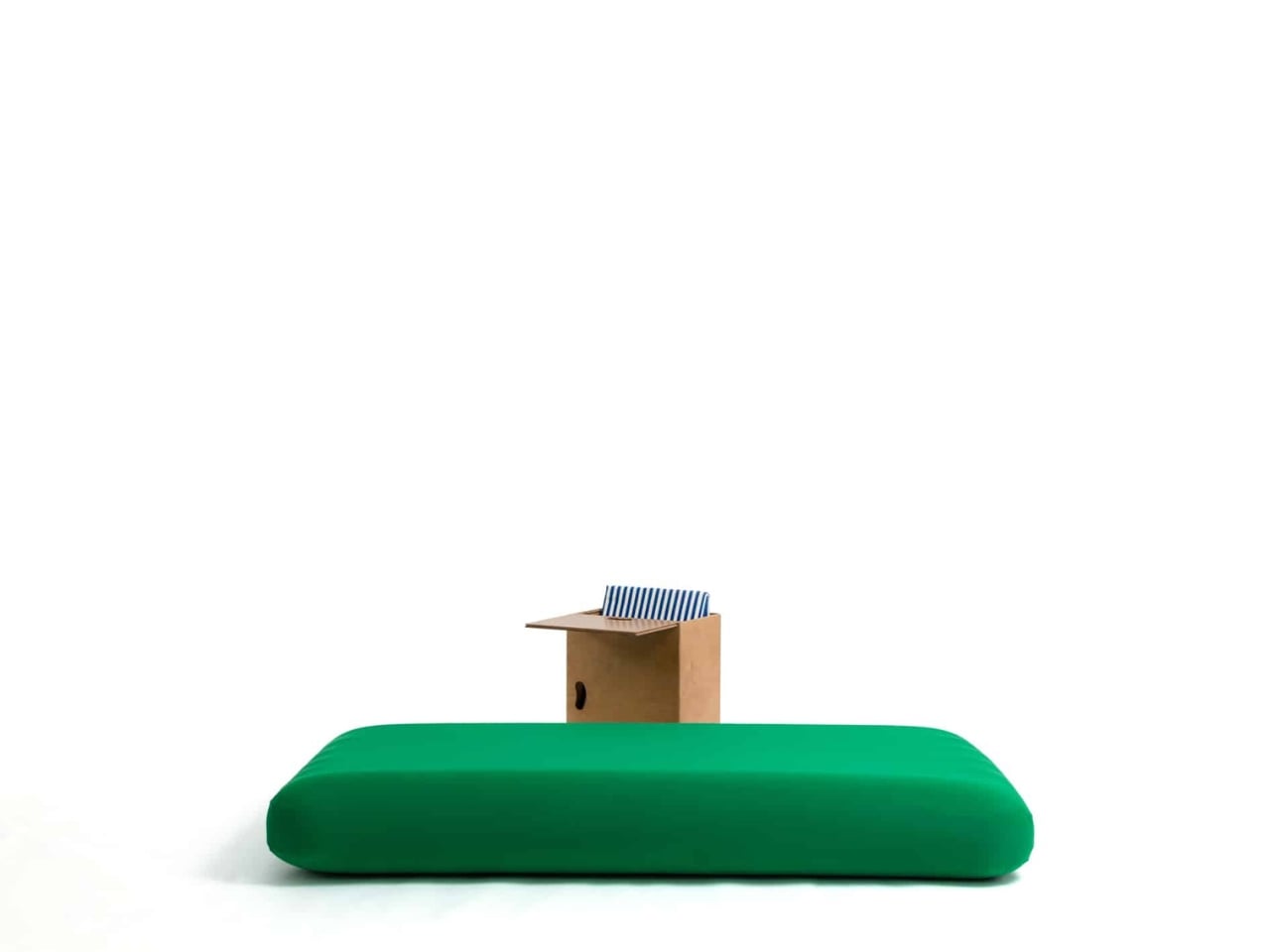
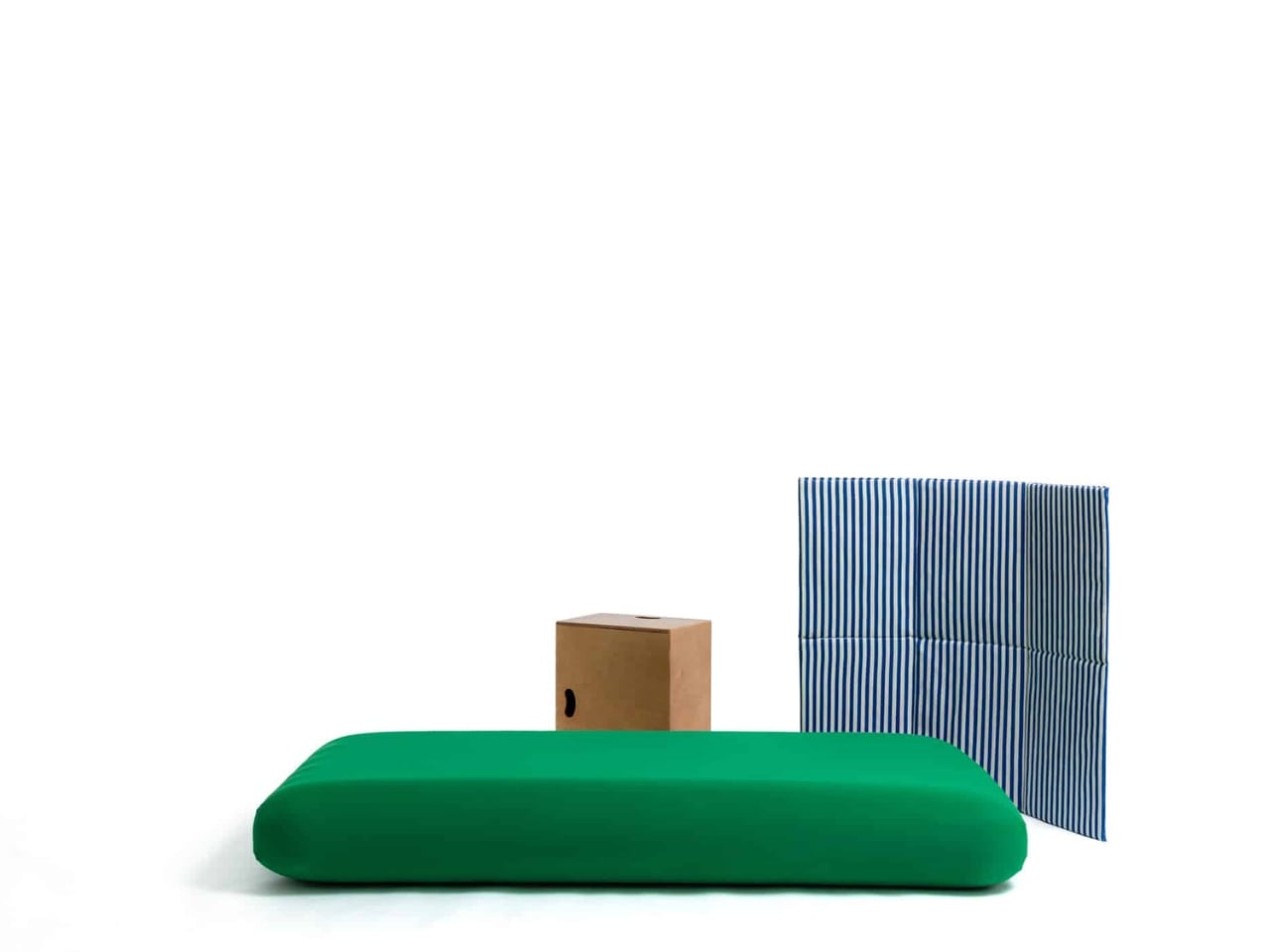
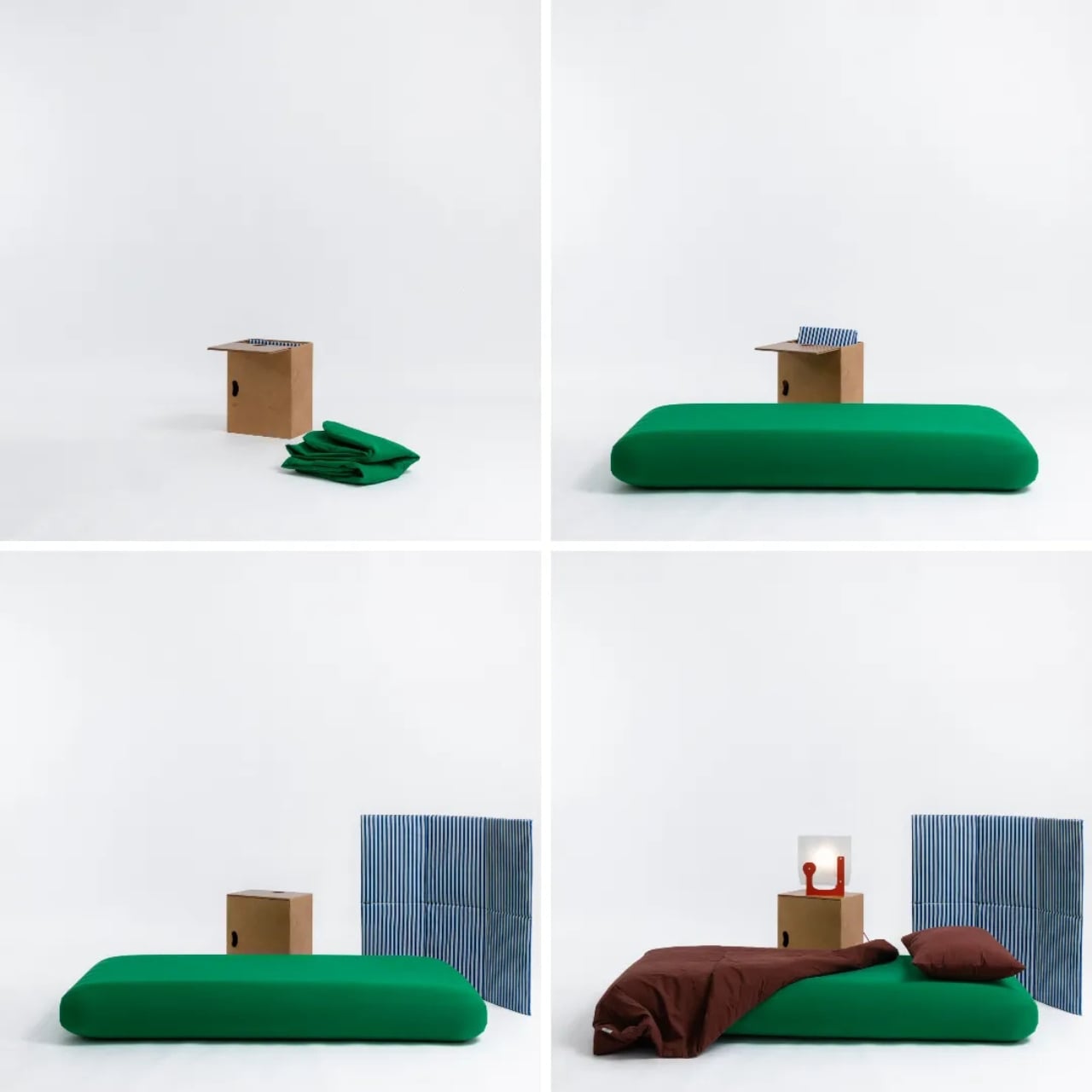
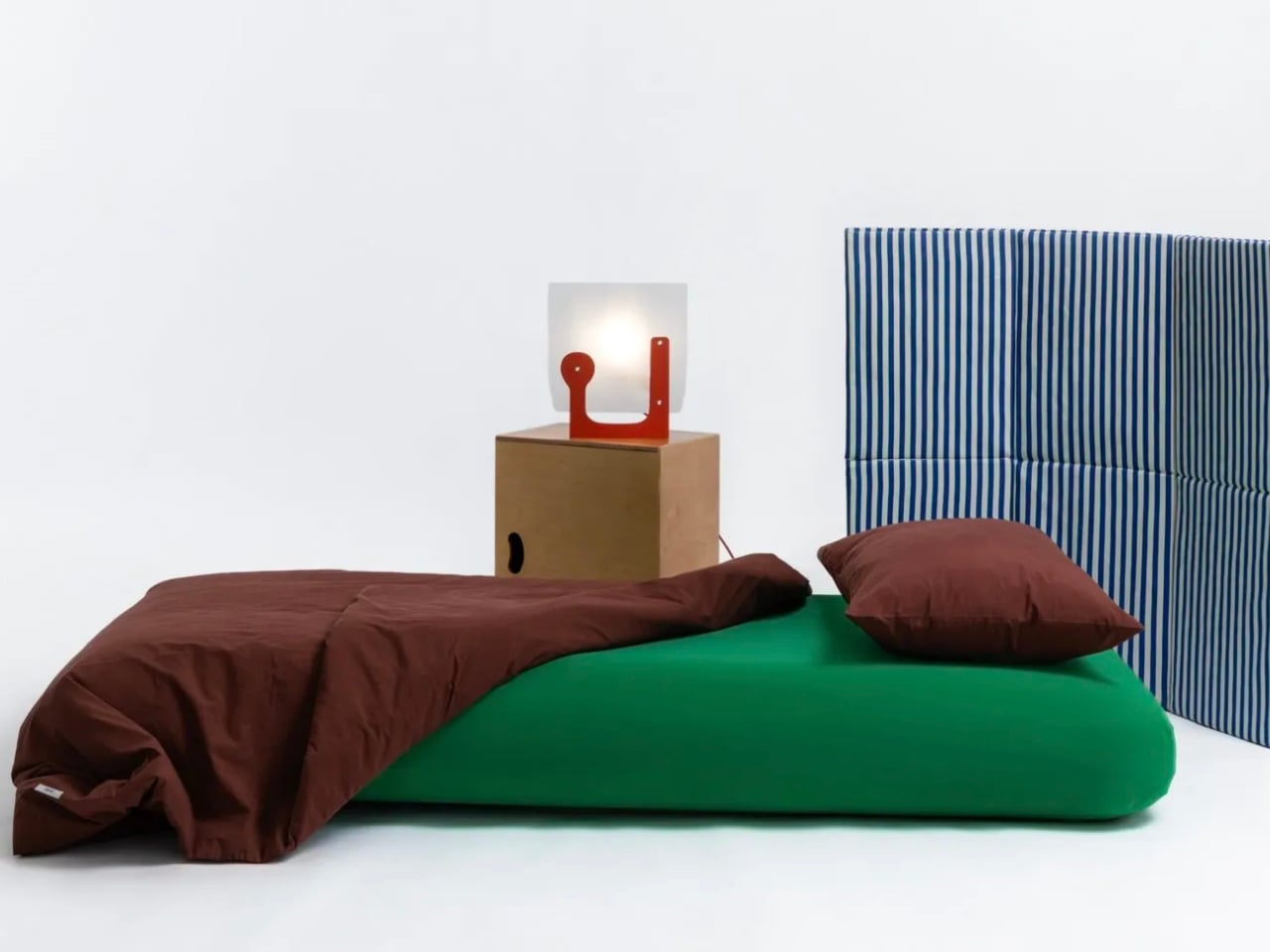
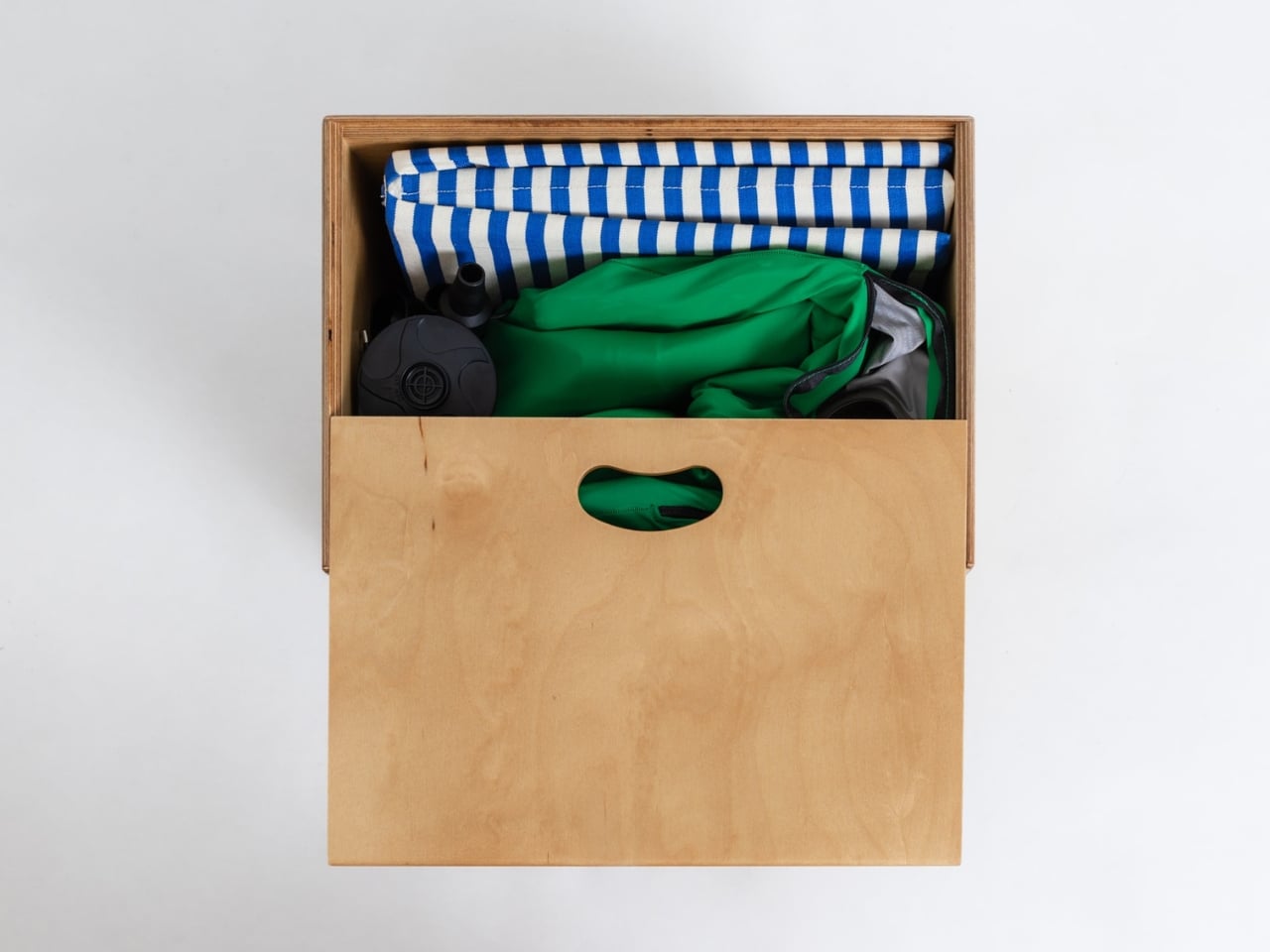
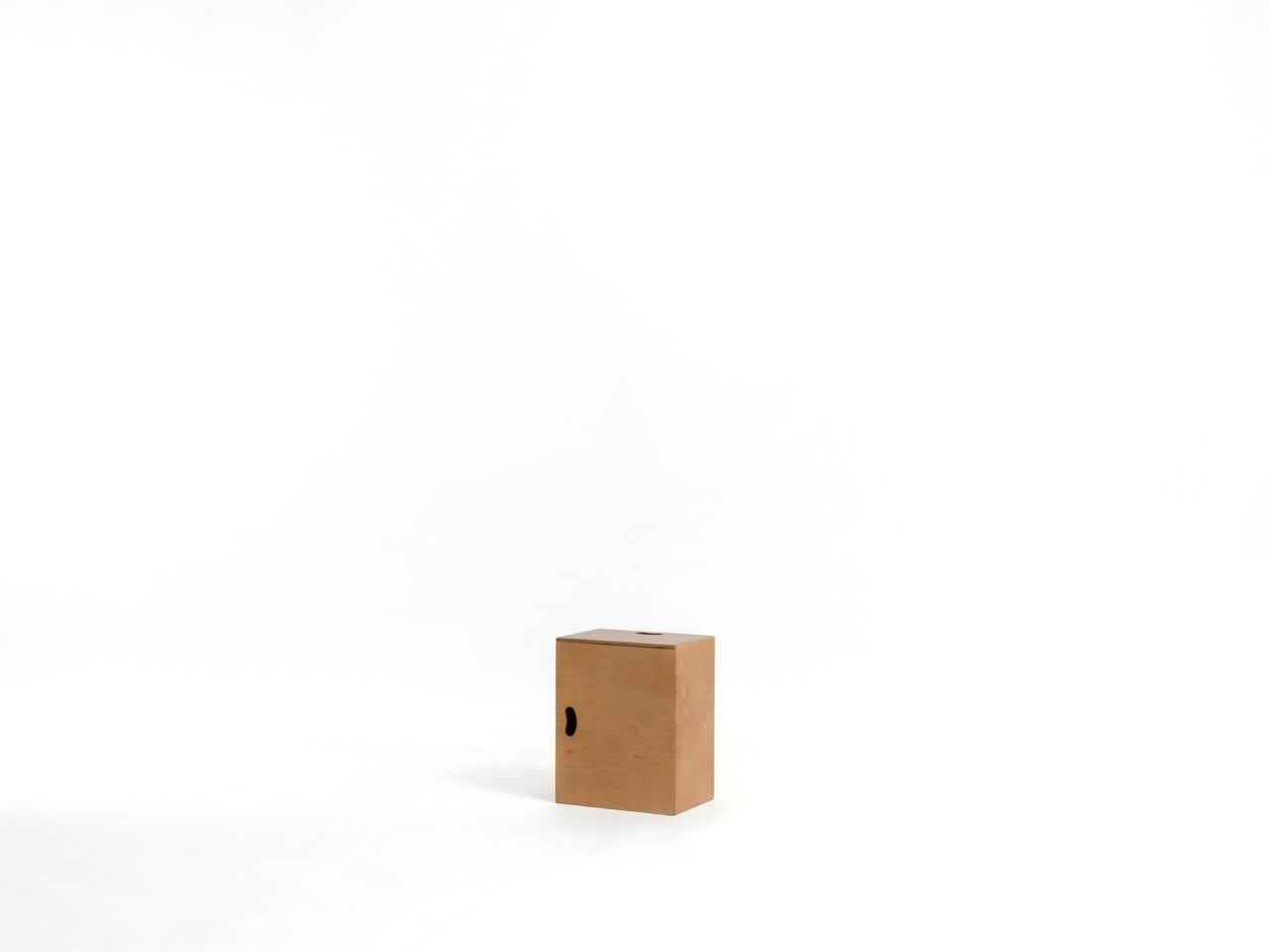
Bienvenue, which debuted at Salone del Mobile 2026 in Milan, is a compact shell made from stained birch plywood. In its resting state, it doubles as a stool or a side table, sitting quietly in a corner, minding its own business. Open it up, however, and it reveals an inflatable mattress 25 centimeters thick and a foldable headboard. Pull everything out and unfold it, and what you have is a proper sleeping space, a micro-architecture of hospitality that Campeggi describes as a temporary room rather than just a piece of furniture.

Designers: Thélonious Goupil and Campegg

The name says everything. Bienvenue means “welcome” in French, and the choice feels intentional in a way that most product names rarely manage to be. The object is literally called welcome. It is not a storage unit that also sleeps two. It is not a sofa with a hidden secret. It is, from the beginning, defined by its purpose: to receive someone well.

Goupil, who is based in Paris and trained at the studios of Ransmeier Inc. and Jasper Morrison before founding his own practice in 2018, has built a reputation around objects that are, in his own words, “expressive and freed from conventional ideas of beauty.” Bienvenue fits that ethos without breaking a sweat. The birch plywood is humble but warm. The construction is honest, without pretension. And the whole thing, when folded back up, doesn’t announce itself as a bed or scream “I have compromised here.” It simply exists as furniture, unassuming and well-made.

The collaboration with Campeggi makes obvious sense. The Italian brand has spent decades perfecting the art of transformable furniture, particularly around sleeping and hospitality, and they understand that the best multifunctional objects are the ones that don’t look desperate to be two things at once. Bienvenue succeeds because it commits to each of its forms fully. As a stool, it’s just a stool. As a guest room, it’s actually a guest room, not a sorry approximation of one.

I’ll admit that my first reaction to seeing this was skepticism. We’ve all encountered the promises of space-saving design before: the folding chair that’s awkward to use, the Murphy bed that requires a contractor to install, the loveseat that technically converts but does so in a way that makes everyone involved feel slightly ashamed. Bienvenue doesn’t feel like any of those things. The approach is genuinely straightforward: store the hospitality, deploy it when needed, pack it back up when it’s done. No apologies, no assembly instructions, no three hours of confused labor at midnight.

What makes this piece feel relevant right now is not just the engineering, clever as it is. It’s the acknowledgment that the way we live has changed and that good design should keep pace with that reality. Apartments are smaller. Lease agreements restrict renovations. Nomadic lifestyles mean that home is sometimes only a temporary address. Against all of that, Bienvenue offers a quiet kind of generosity: the ability to welcome someone properly, regardless of what your floor plan has to say about it.

Furniture has always been a reflection of how we want to live. A dining table says something. A bar cart says something. A compact plywood box that unfolds into a guest room says that you still believe hospitality matters, even when space doesn’t cooperate. Right now, that feels like exactly the right thing to be arguing for.

The post Forget the Spare Room. The Box Is Here Now. first appeared on Yanko Design.
This Whale Bed Goes From Bedroom to Poolside in Seconds

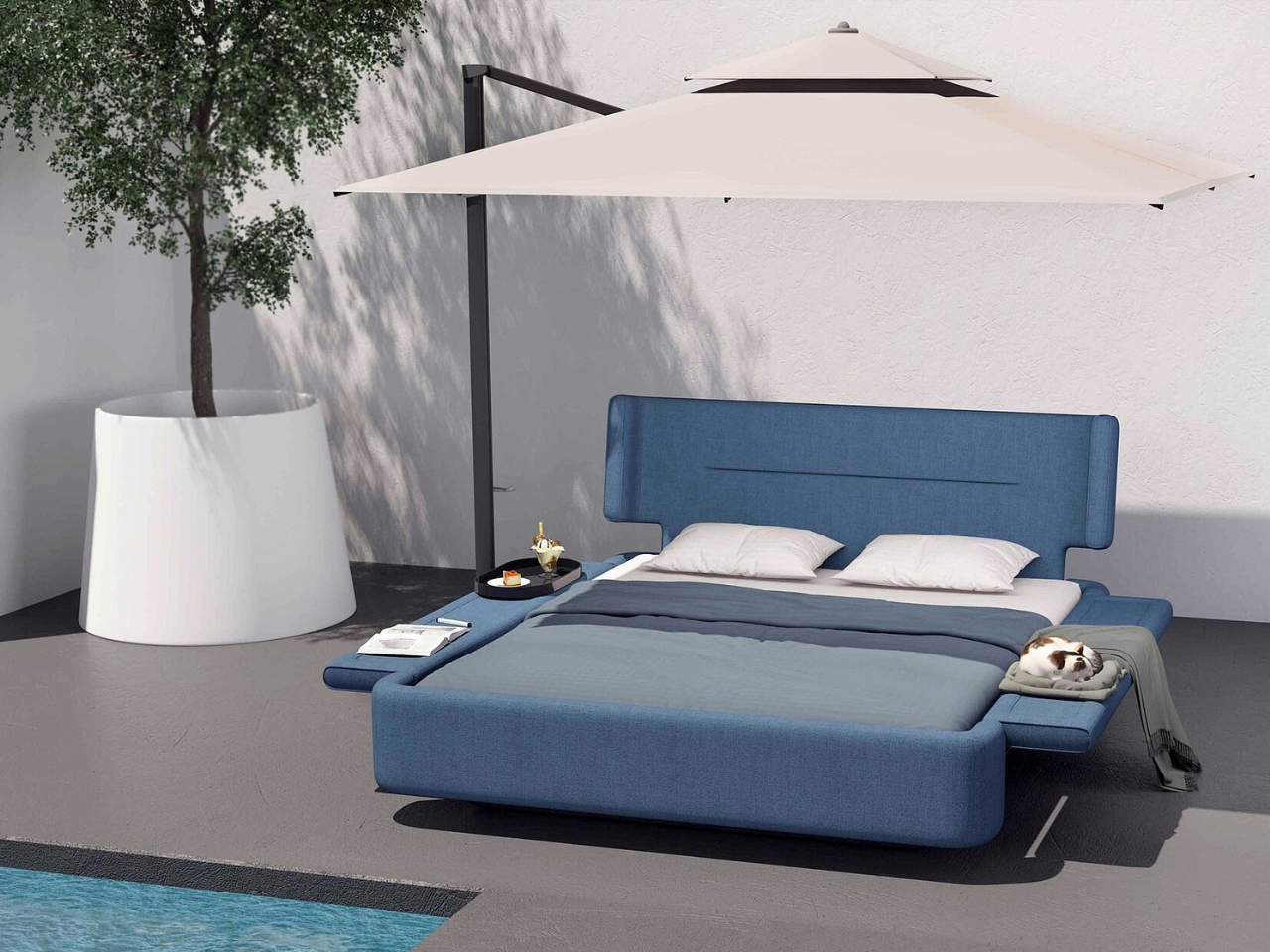
There’s something absolutely magical about furniture that makes you do a double take, and the Whale Bed by designers Zeng Haojie and Chen Zhe is exactly that kind of piece. At first glance, you might wonder if you’re looking at a luxurious lounger or an art installation, but this Red Dot Award-winning design is actually both and so much more.

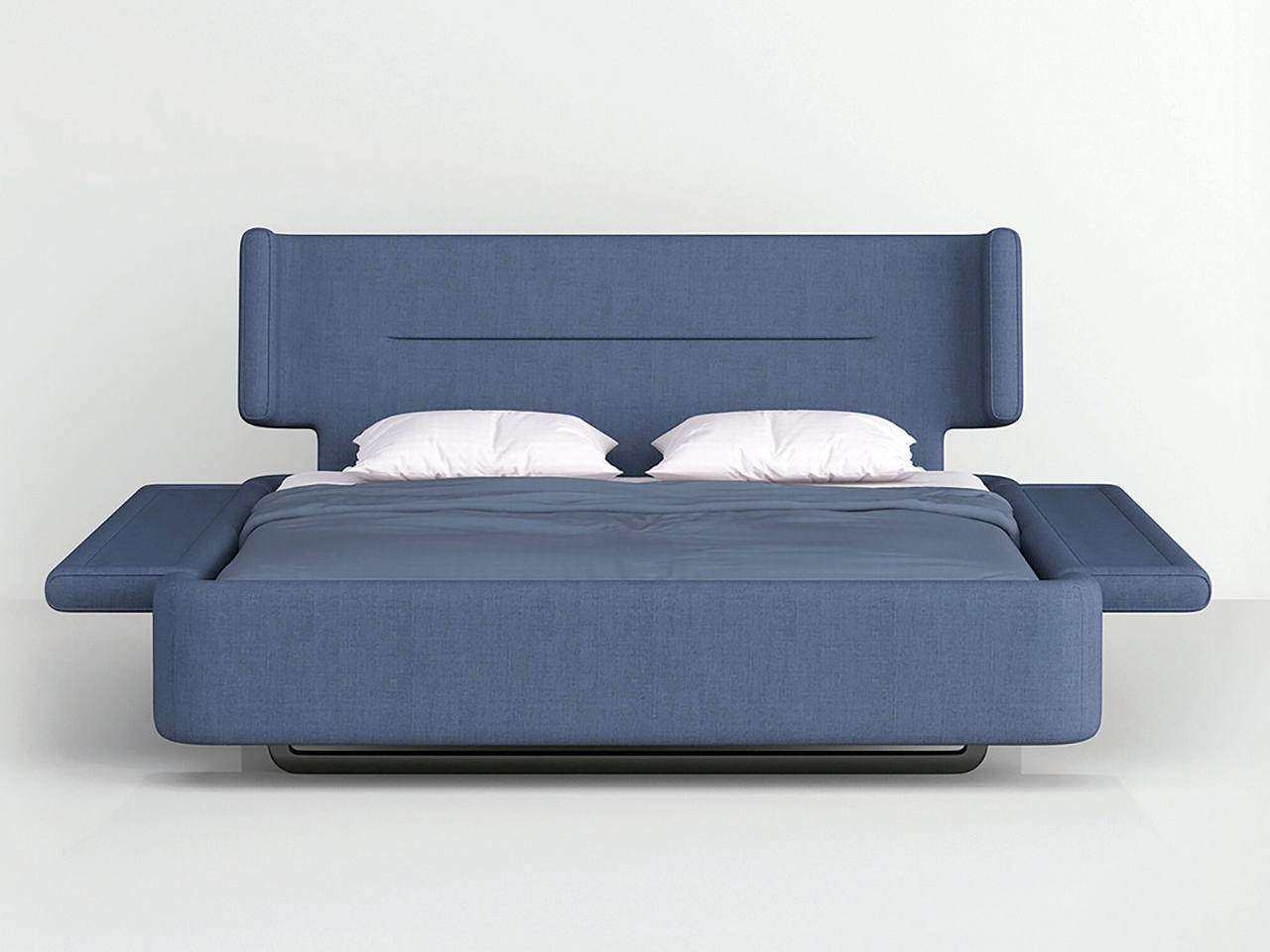
Picture this: a bed that looks like a gentle whale gliding through calm waters, complete with fin-like panels extending from both sides. It’s the kind of piece that makes you want to immediately redesign your entire space around it. But beyond its striking ocean-inspired silhouette, the Whale Bed represents something we desperately need more of in the design world: thoughtful innovation that doesn’t sacrifice style for sustainability.

Designers: Zeng Haojie, Chen Zhe

What makes this design so clever is how it manages to pack multiple functions into one sleek package without going overboard on materials. The adjustable backrest is a game changer, letting you shift between different positions whether you’re reading, scrolling through your phone, or settling in for a Netflix marathon. It’s like having a bed, a lounge chair, and a reading nook all wrapped into one streamlined piece.

Those fin-like panels aren’t just there to complete the whale aesthetic (though they absolutely nail that vibe). They serve as practical side extensions that give you extra surface area for whatever you need. Morning coffee? Check. Favorite book? Done. Laptop for those work-from-anywhere days? You got it. It’s the kind of multipurpose thinking that makes small spaces feel more livable and large spaces feel more intentional.

But here’s where things get really interesting. The Whale Bed is crafted from environmentally friendly plant fiber material, which means you can take this beauty from your bedroom to your backyard without worrying about weather damage or environmental impact. Imagine lounging poolside on this stunning piece, or creating an outdoor sanctuary in your courtyard where the lines between indoor comfort and outdoor freedom completely blur. We’re now increasingly conscious about our carbon footprint and the lifecycle of the products we bring into our homes so the Whale Bed’s approach to reducing material consumption is refreshing. The designers didn’t just slap an eco-friendly label on it and call it a day. They actually reimagined the structure itself to minimize waste during production. That’s the kind of innovation that moves the industry forward.

The color shown in the images, a sophisticated ocean blue, feels like an obvious choice that somehow still surprises. It’s calming without being boring, bold without being overwhelming. You can easily imagine it working in a minimalist Scandinavian-inspired bedroom, a boho outdoor oasis, or even a contemporary loft space. That versatility is part of what makes this design so compelling. What really strikes me about the Whale Bed is how it challenges our assumptions about what furniture should be. We’re so used to pieces being designated for one specific room or purpose. A bed stays in the bedroom. Patio furniture stays outside. But why? The Whale Bed asks us to think differently about how we use our spaces and how our furniture can adapt to our lives rather than the other way around.

There’s also something wonderfully playful about the whole concept. In a design landscape that can sometimes take itself too seriously, a bed inspired by the largest creatures in our oceans brings a sense of wonder and whimsy. It reminds us that sustainable design doesn’t have to be austere or preachy. It can be joyful, imaginative, and utterly desirable. For anyone who’s been watching the intersection of sustainability and design, pieces like the Whale Bed represent where we’re headed. It’s not about choosing between beautiful design and environmental responsibility anymore. The best designers are proving we can have both, and they’re doing it with creativity and innovation that makes us excited about the future of our living spaces.

The post This Whale Bed Goes From Bedroom to Poolside in Seconds first appeared on Yanko Design.
Louis Vuitton’s Bed Trunk gets contemporary update by Nicolas Ghesquière and Pharrell Williams

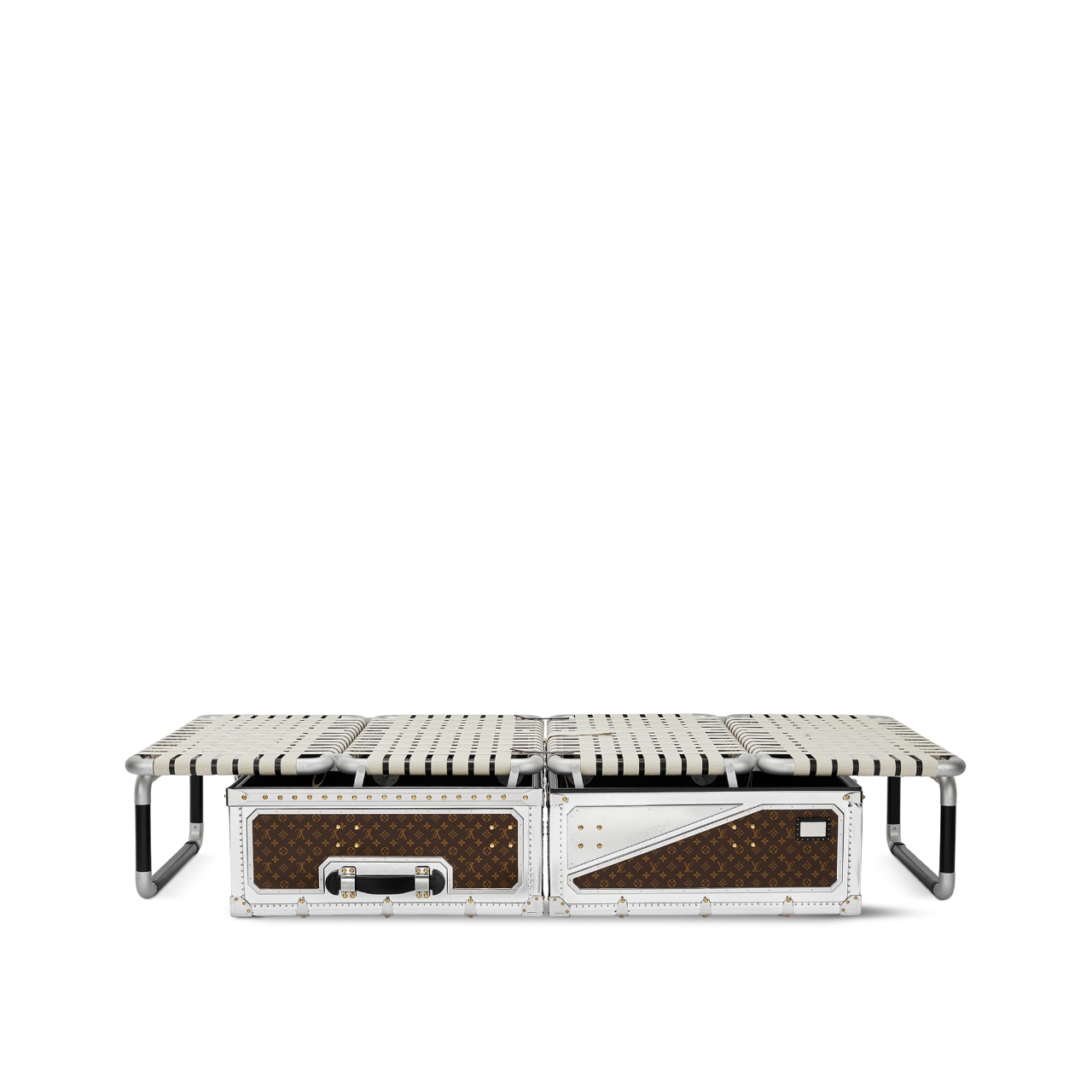
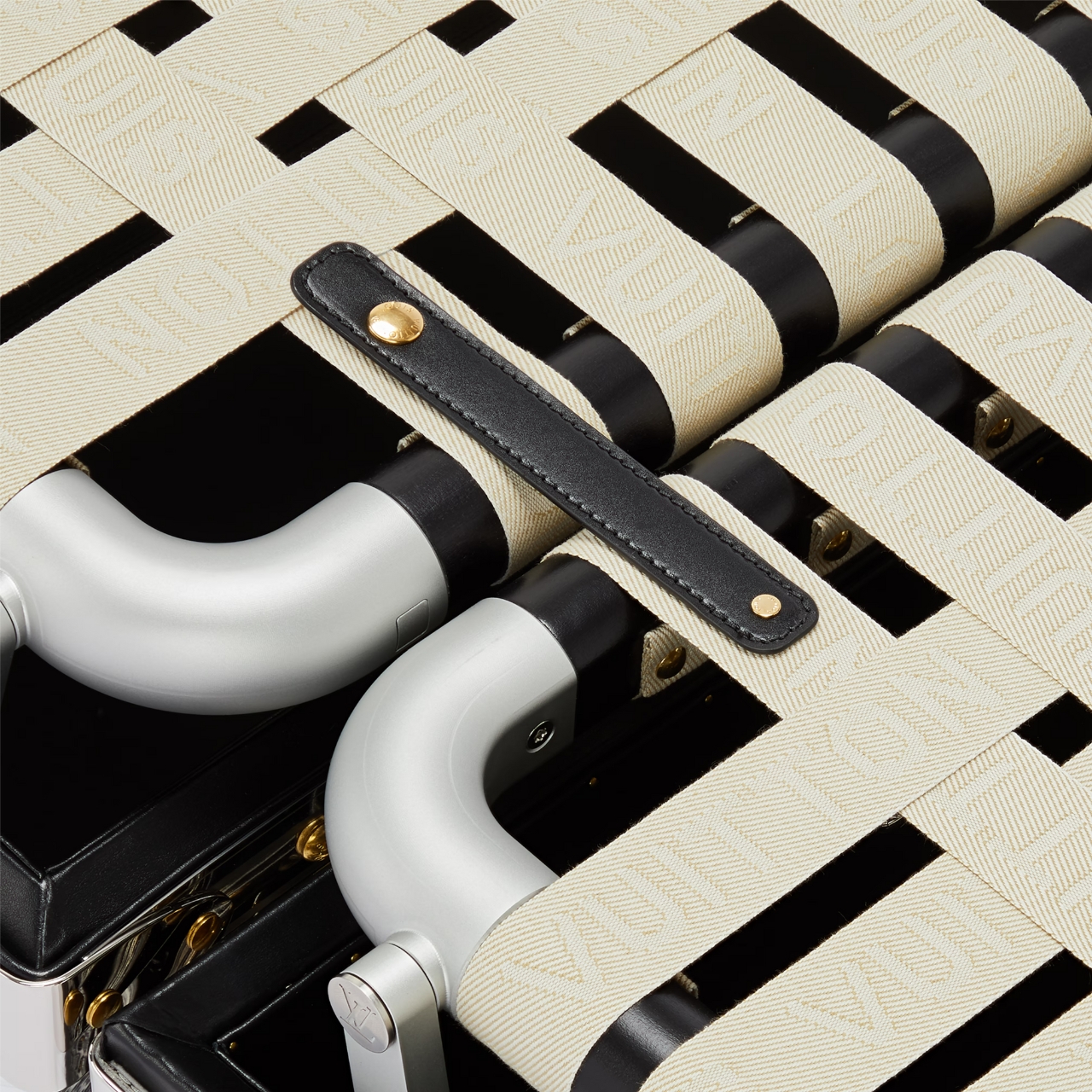
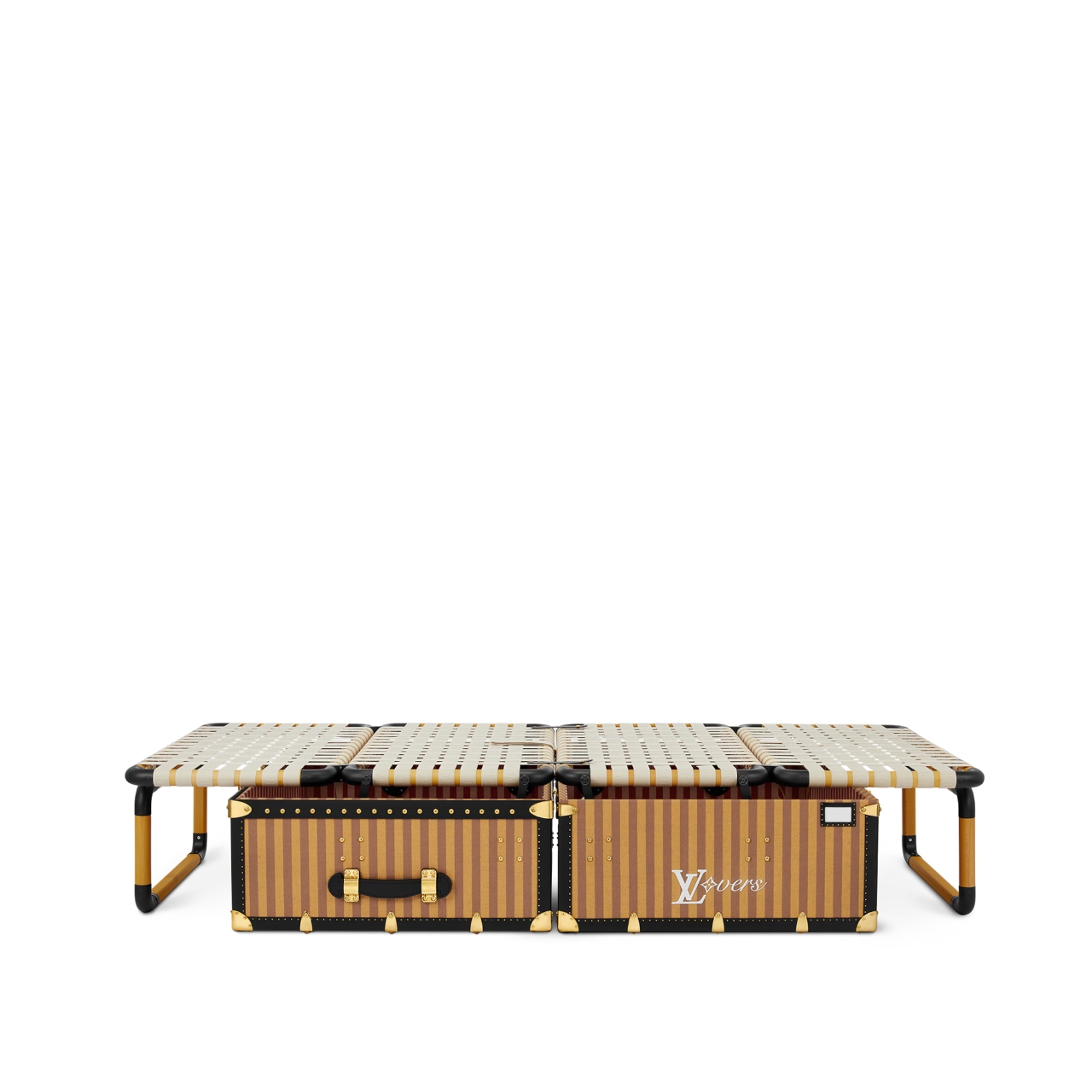
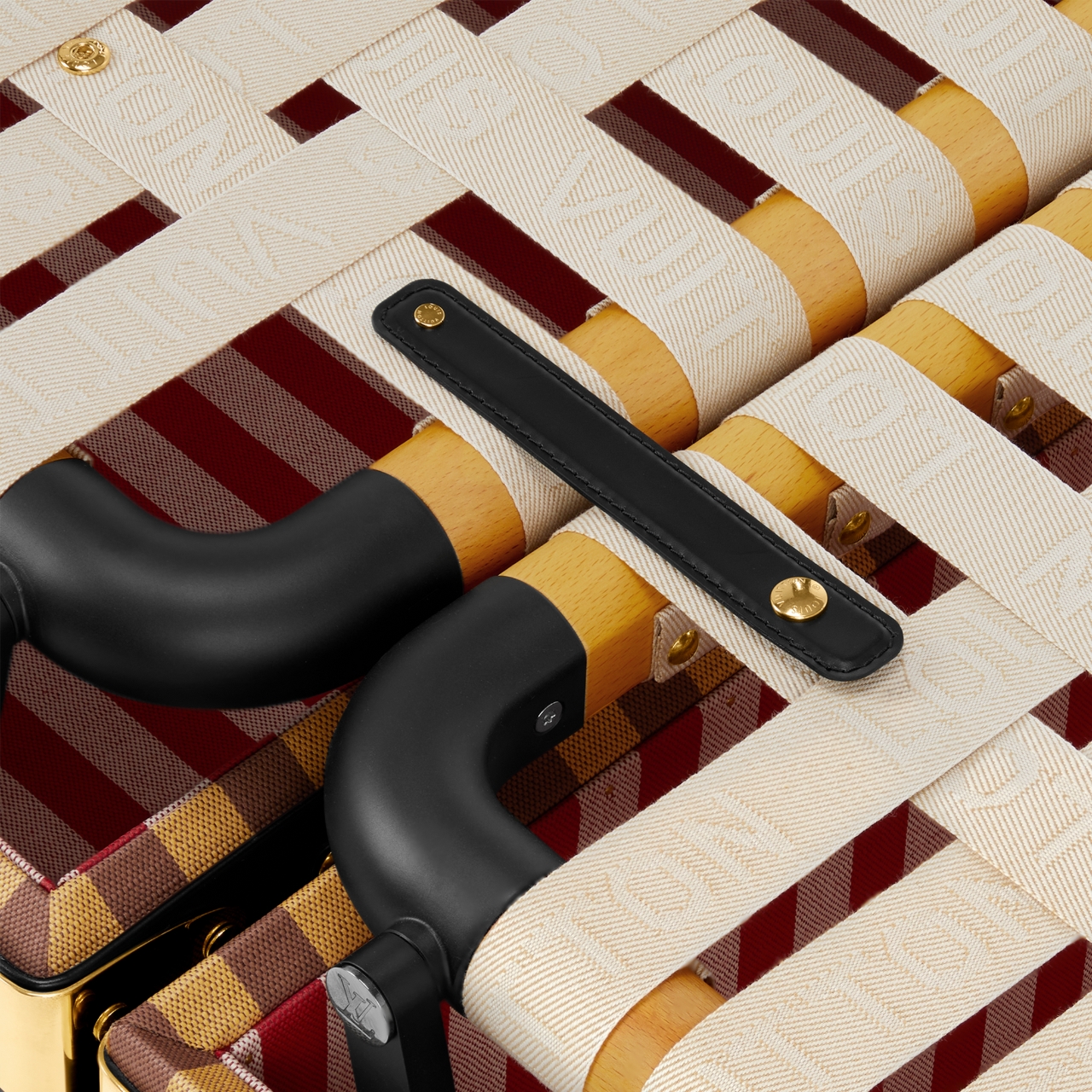
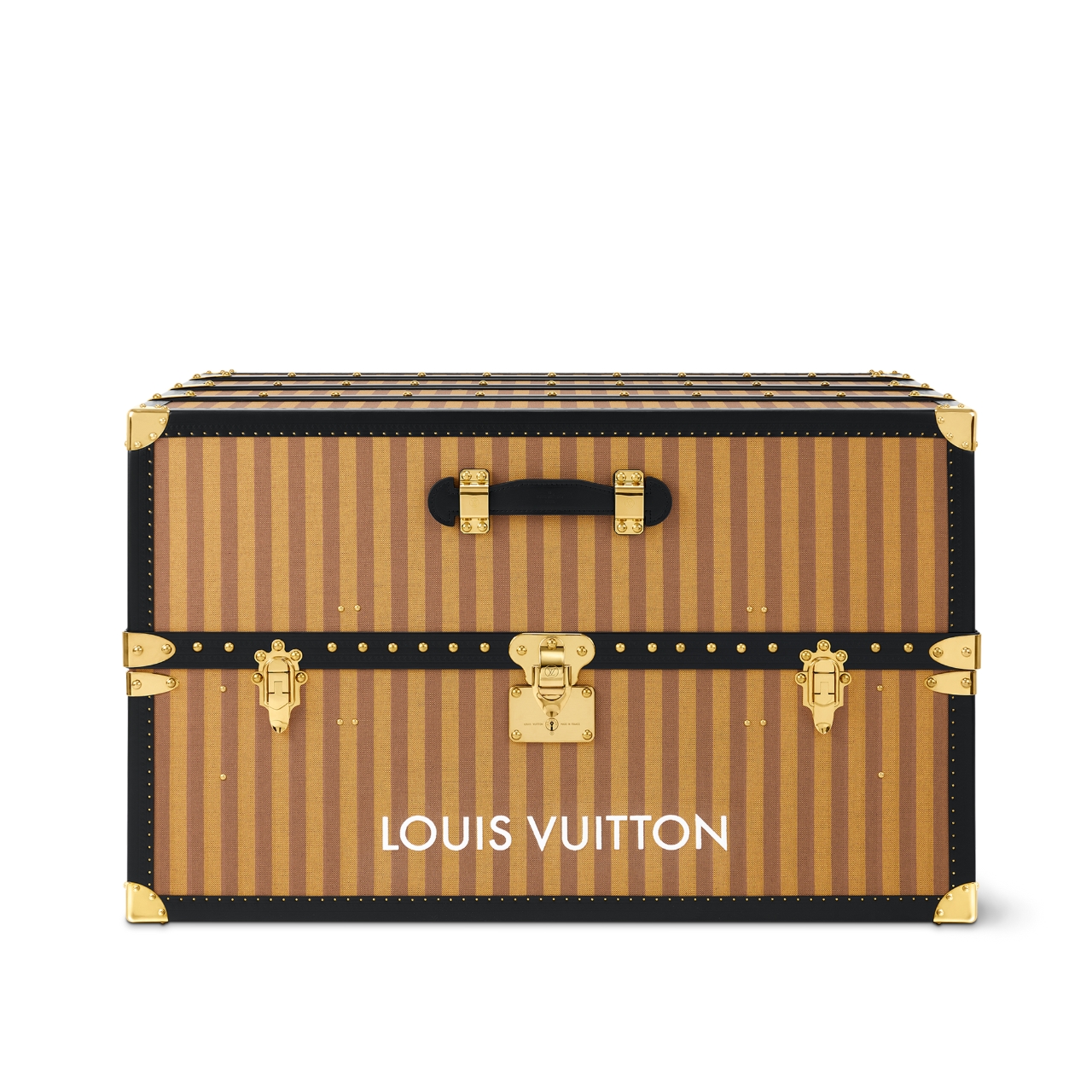
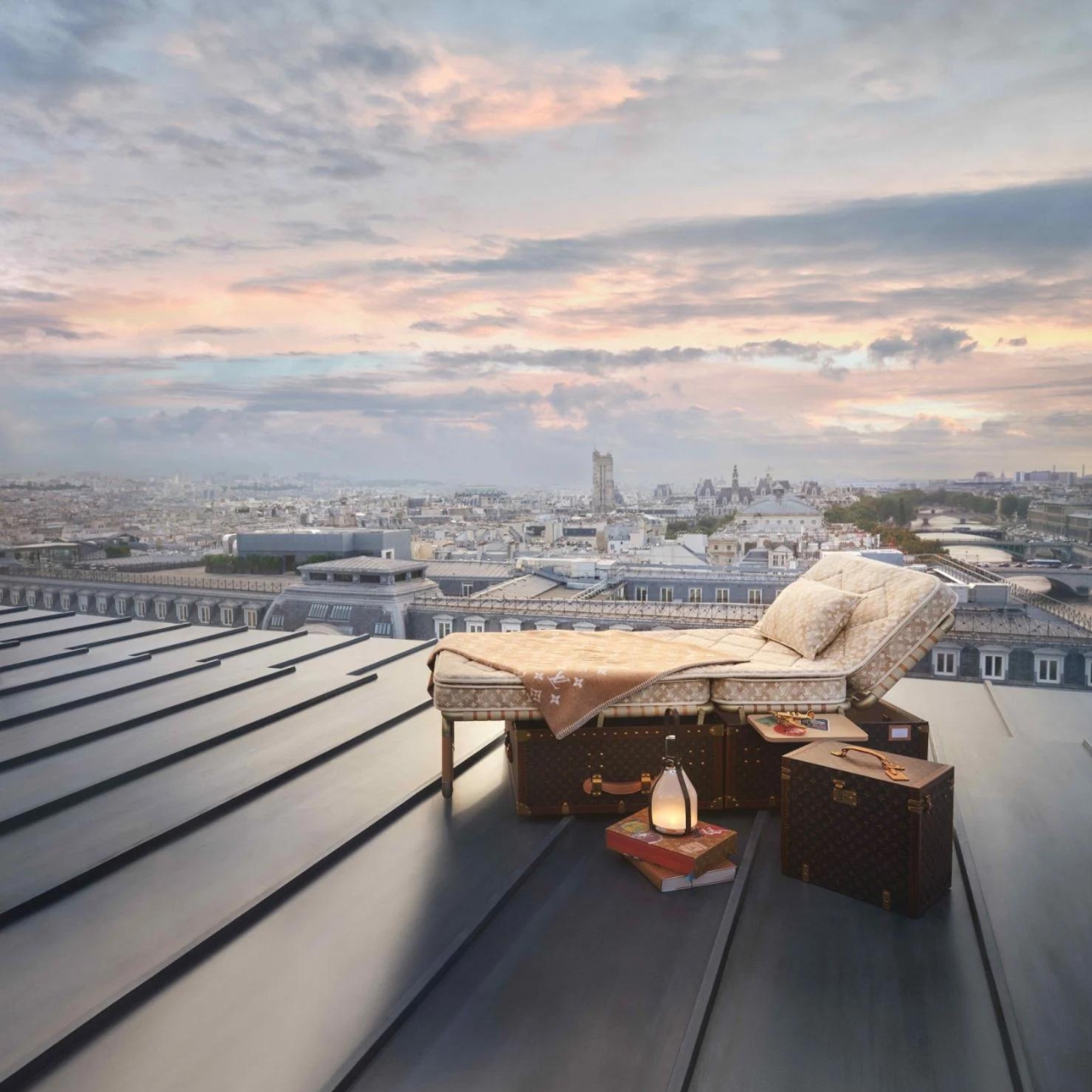
When you see the words “globetrotting explorers” now, you probably think of rich people hopping on and off airplanes and moving from one luxurious hotel to another. But back in the 19th century, Louis Vuitton thought of a portable bed that still had some creature comforts for frequent travelers and even military officers that were always on the go. Thus the iconic Malle Lit or Bed Trunk was born. Now it has been updated with a modern touch by two of LV’s artistic directors.

Designers: Nicolas Ghesquière and Pharrell Williams

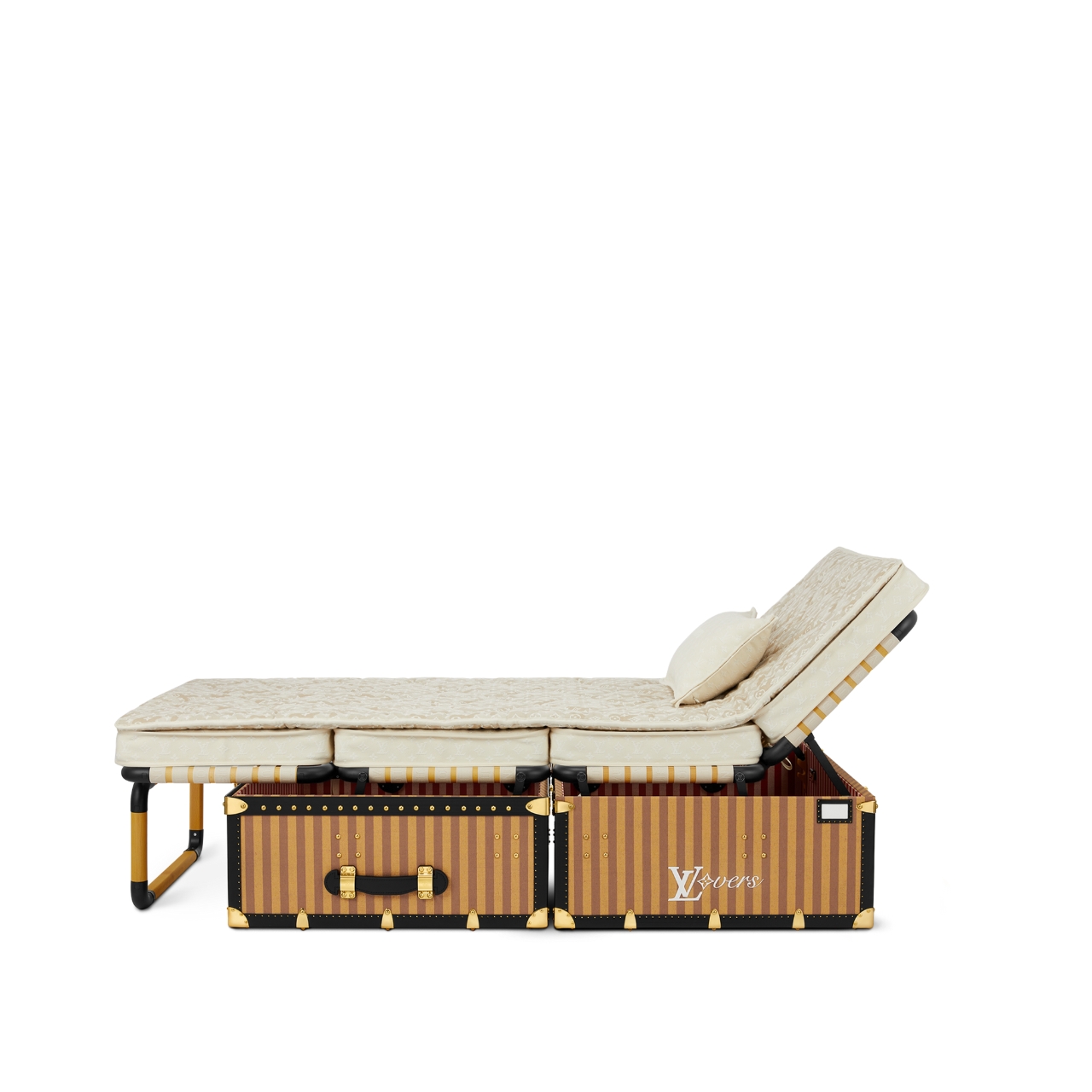
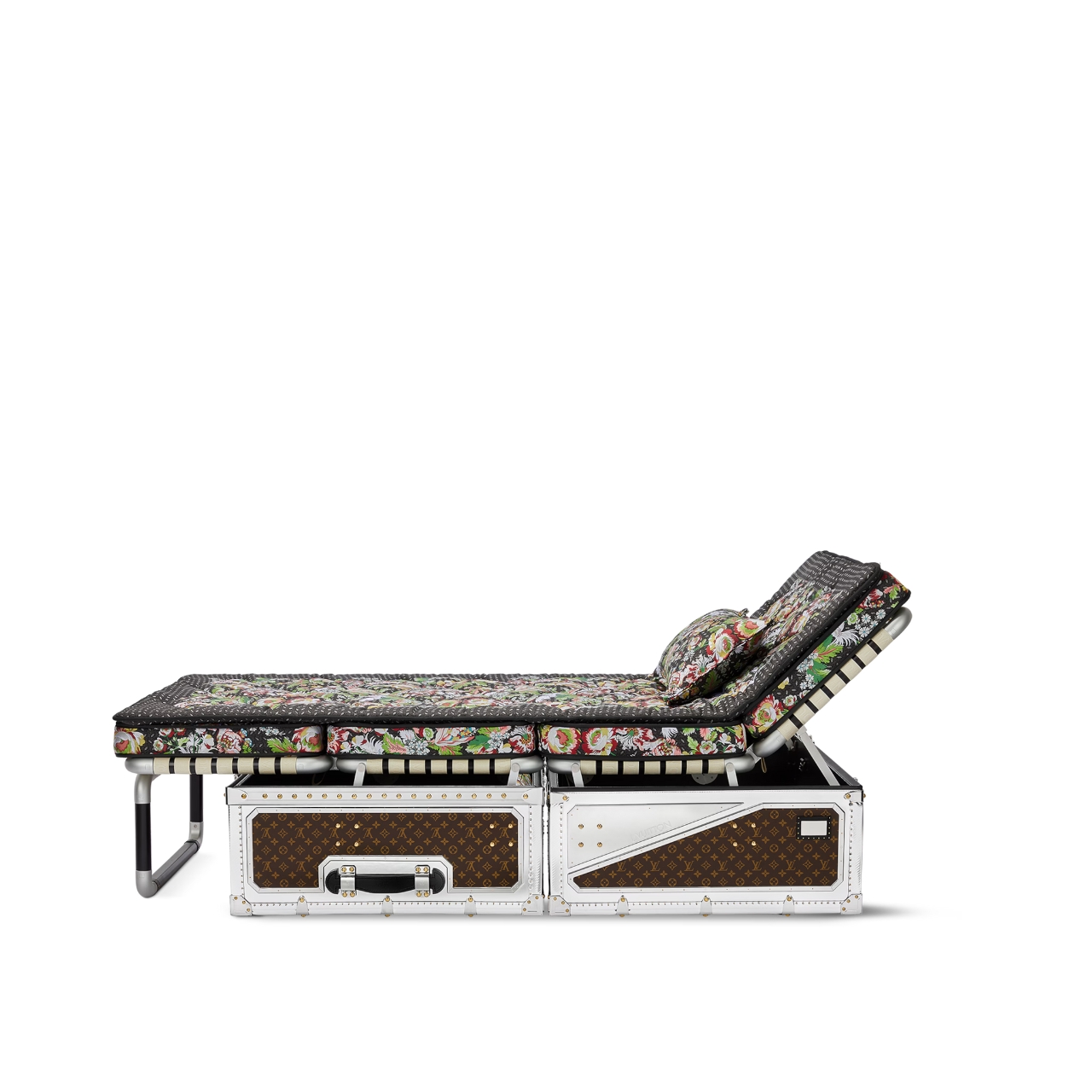
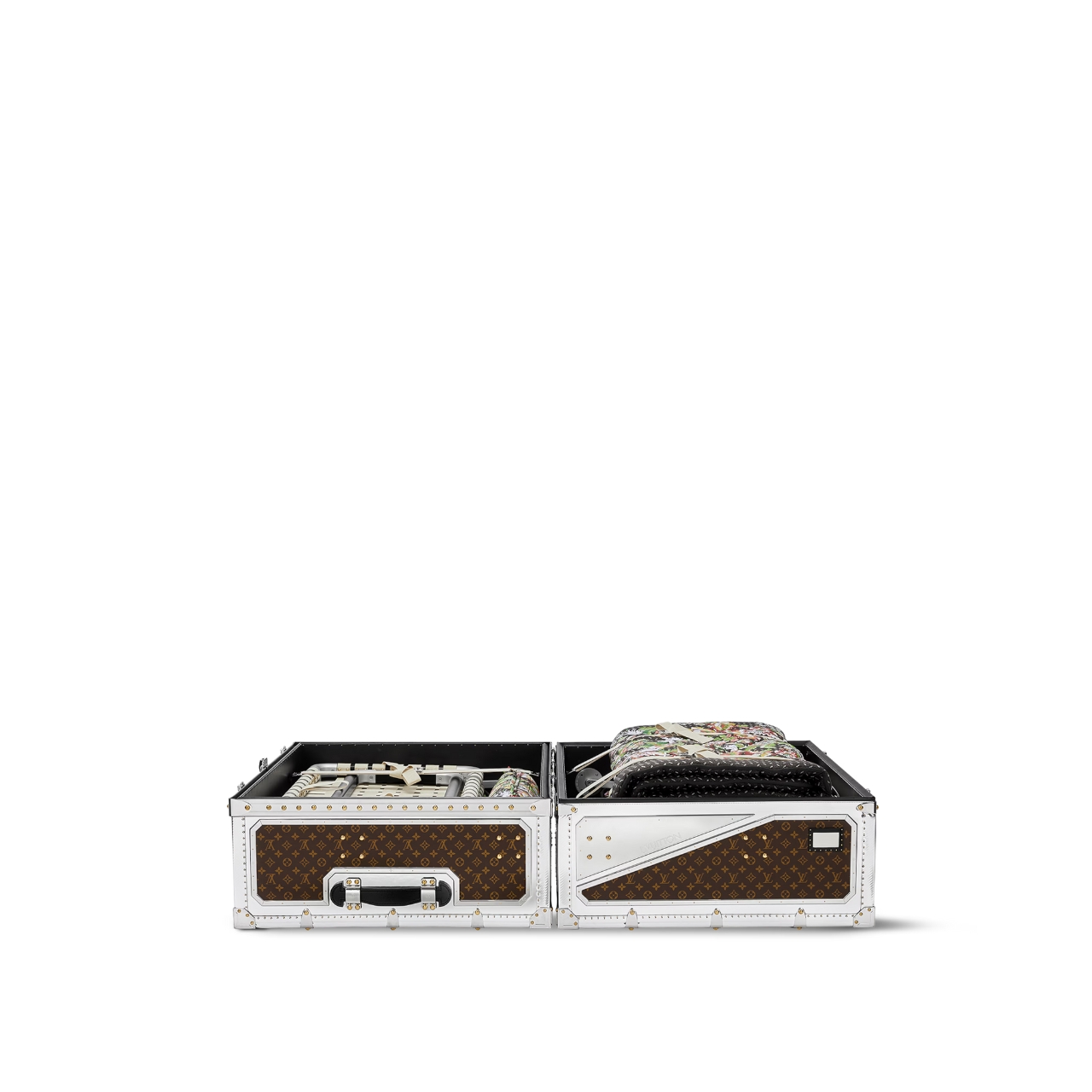
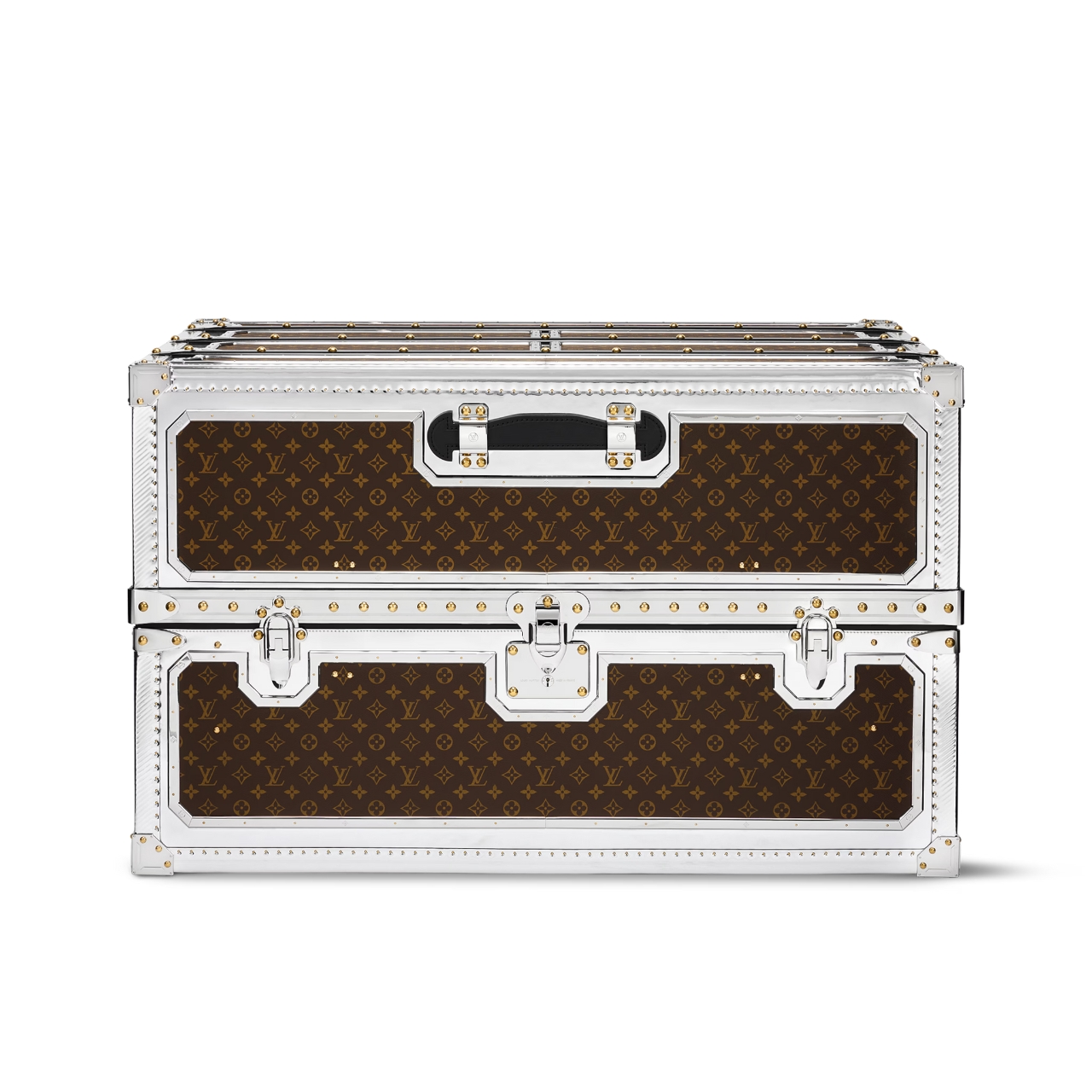
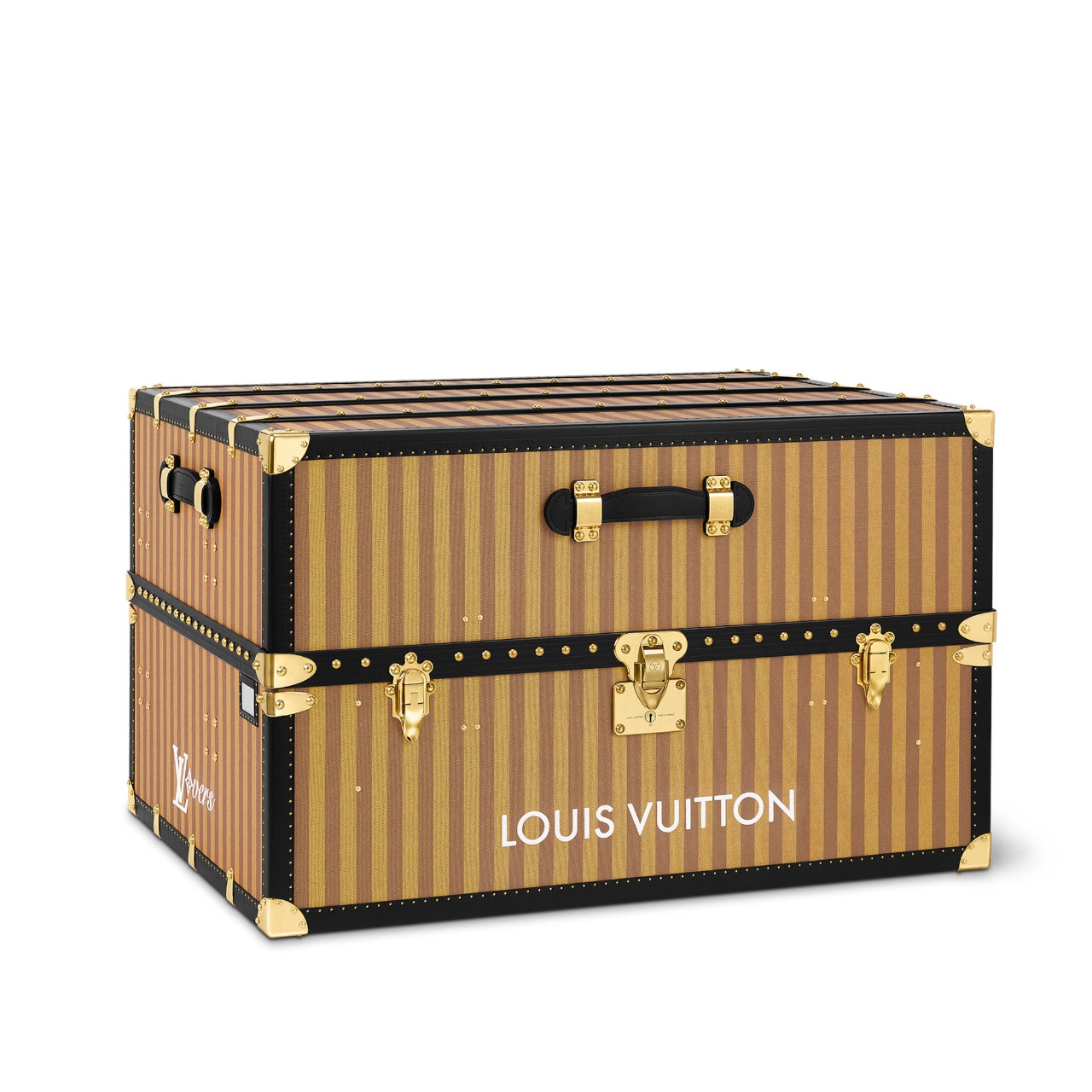
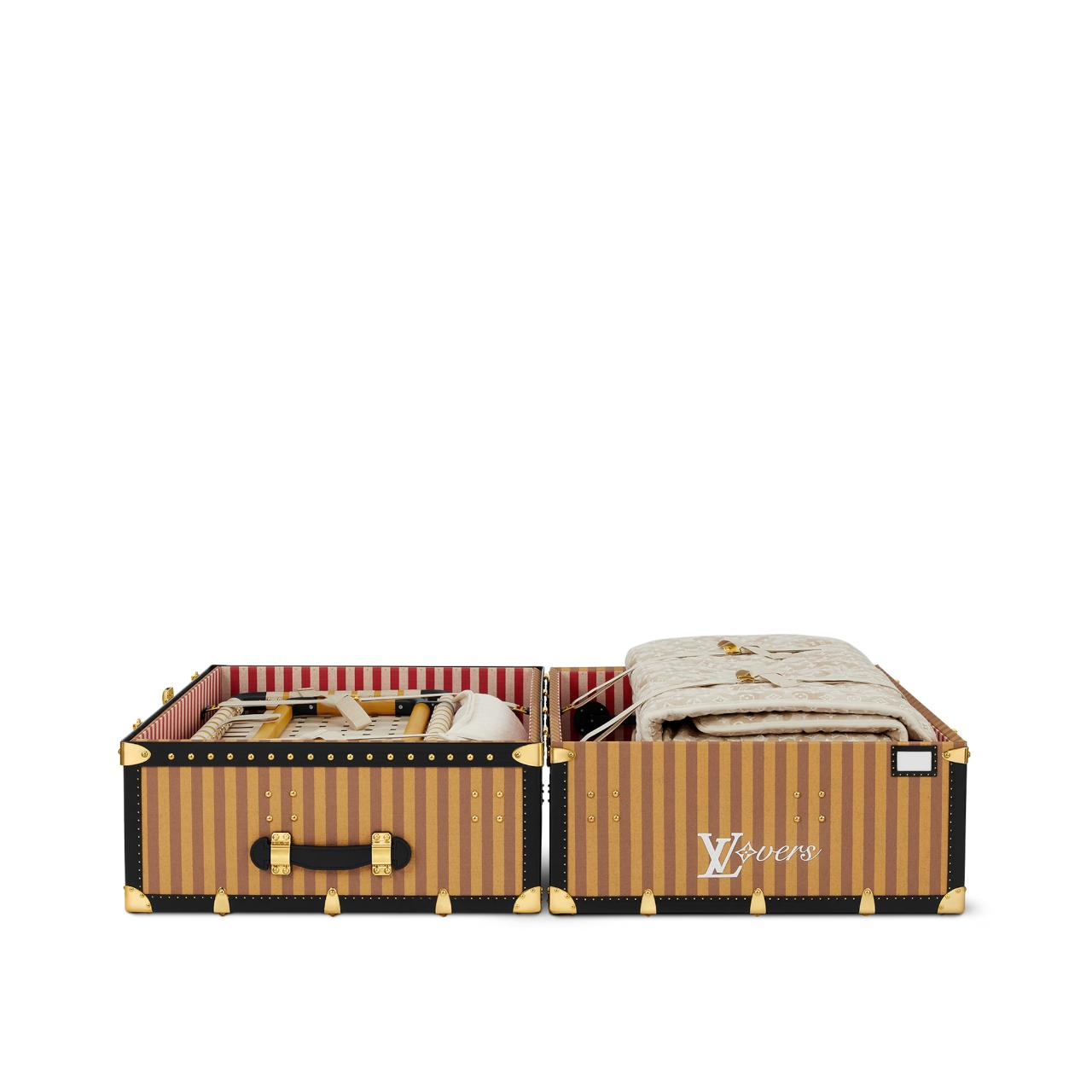
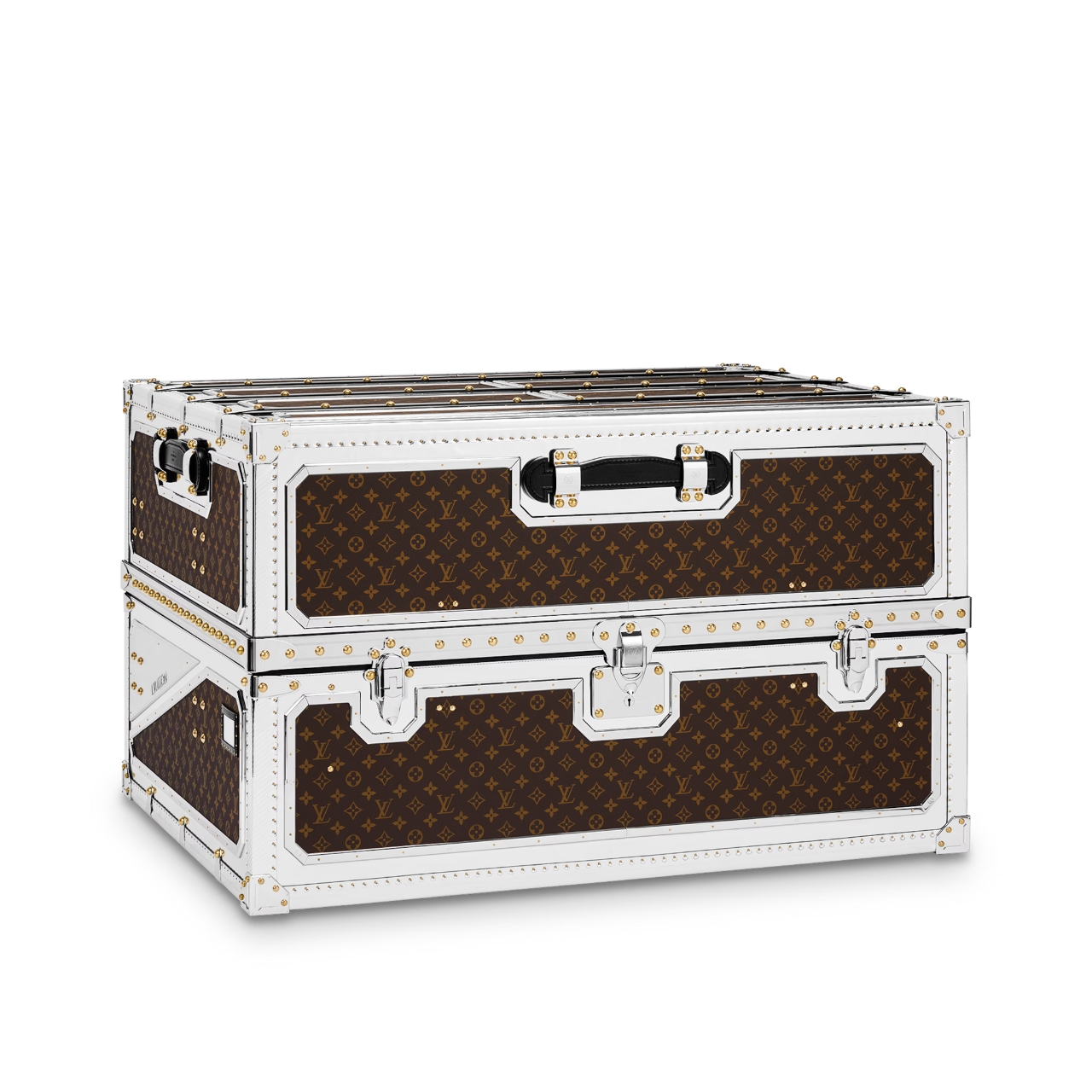
A few months ago, the Bed Trunk was re-introduced to a new generation of Louis Vuitton fans and was meant to be a supplementary bed or a daybed in the living room. Even though the use of it may have evolved already, the updated version still retains some aspects of this traveling trunk, like the foldable aluminum and beech wood structure as well as the internal mattress and mattress cover elements. Aesthetically though, and maybe purpose-wise, it has been elevated so to speak to more contemporary standards. And of course, expect the price tag to be astronomical.

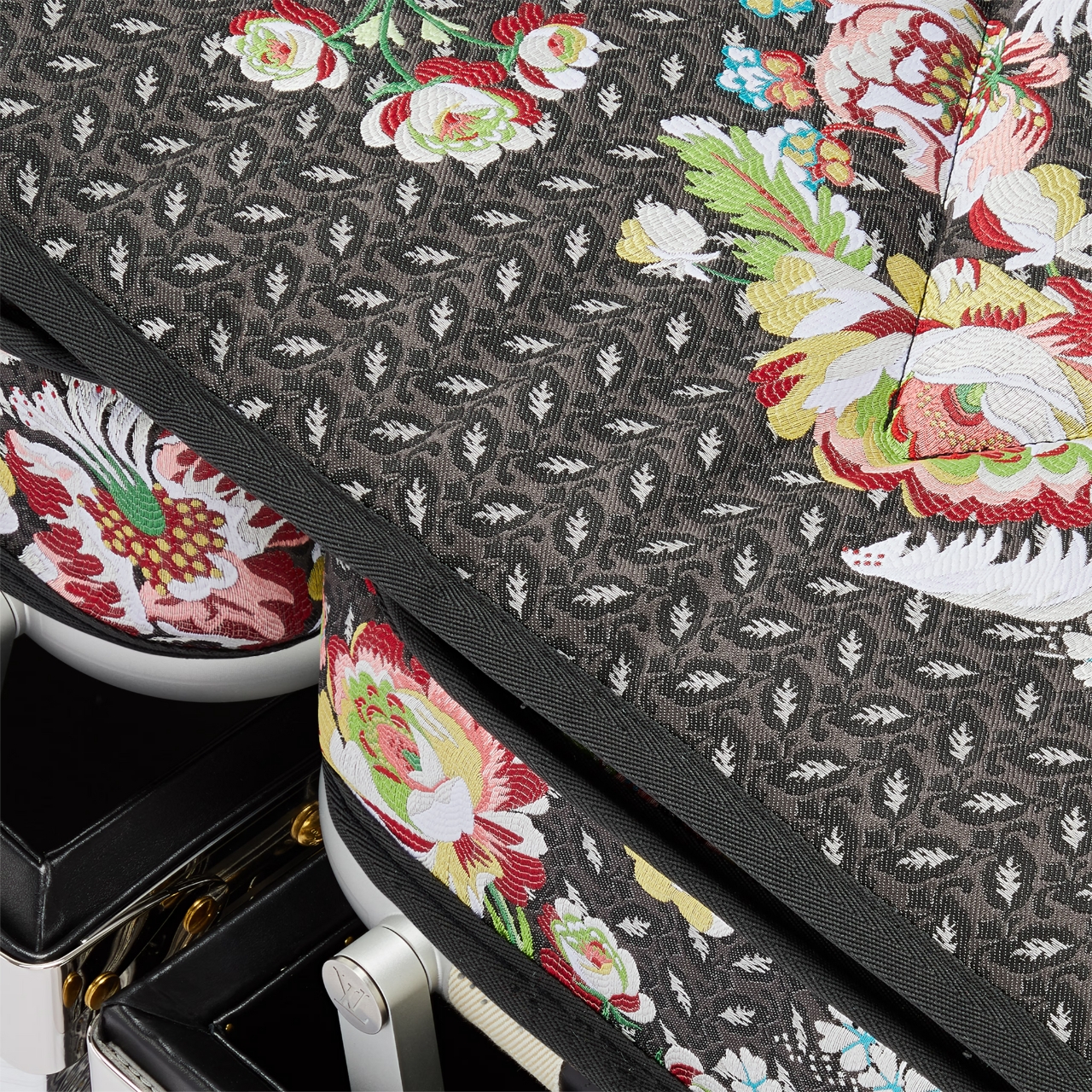
Nicolas Ghesquière, the women’s creative director, has a more futuristic take on the iconic bed, adding engrave metal plates, modernized corner pieces, and an outer shell that is inspired by the 2023 Cruise collection. But inside the trunk, you get a floral-patterned mattress which is actually a version of a jacket from the 2018 Spring/Summer collection.

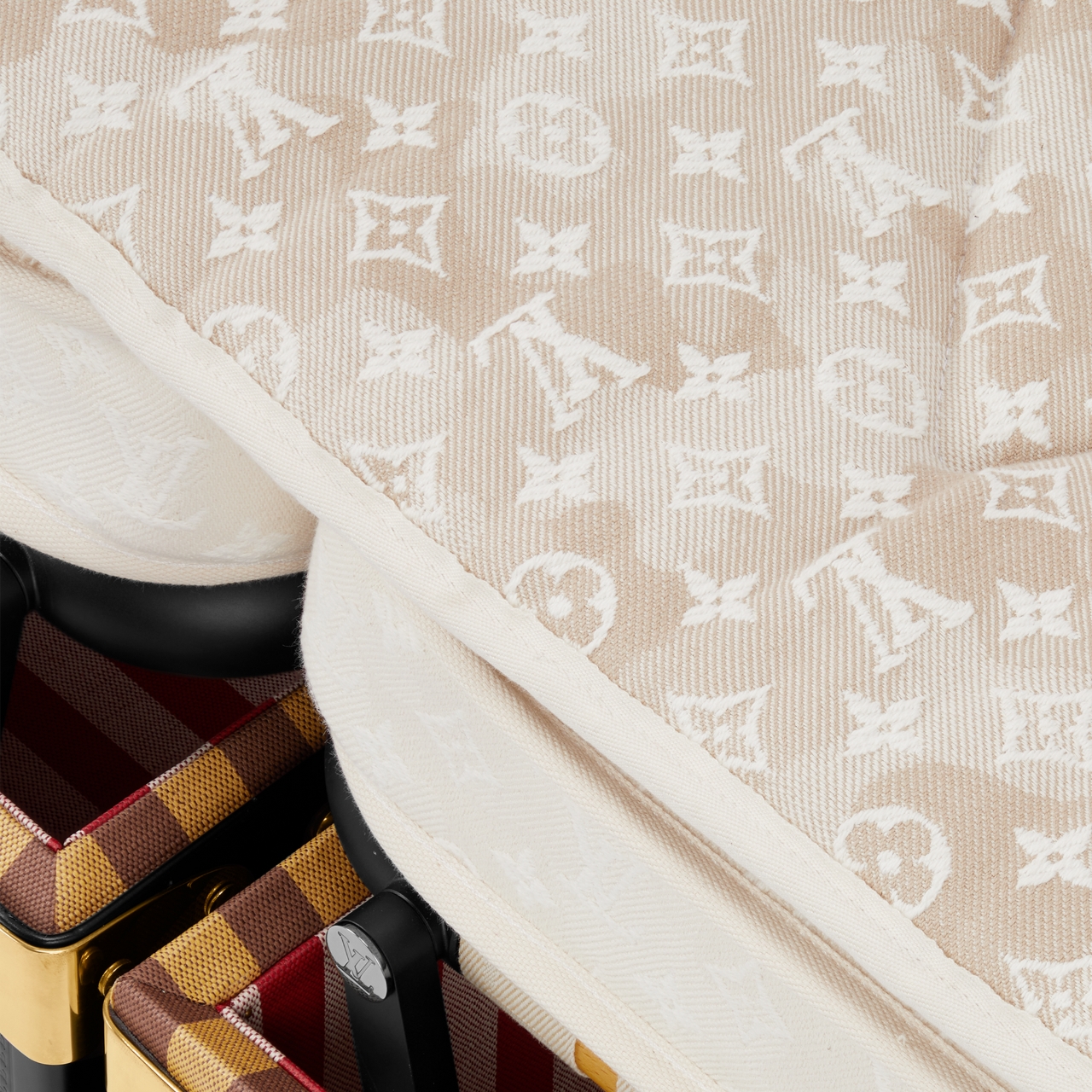
Renowned musician Pharrel Williams, who is also the Men’s Creative Director for LV, was inspired by the classic Bed Trunk designs, putting distressed striped paterns on the outside and red and white stripes on the inside. He has his LV Lovers brand embroidered on the jacquard mattress and pillow and put on blond wood elements and black aluminum hardware to show ooff the contrast.

The post Louis Vuitton’s Bed Trunk gets contemporary update by Nicolas Ghesquière and Pharrell Williams first appeared on Yanko Design.
Turn your sleeping area into your office with this rotating furniture

If you’re living in a small space, you’d want to have furniture that can serve multiple purposes. Modular and multi-functional designs have been dominating the scene the past few years especially during the pandemic when the line between work and private life blurred all the more. Sometimes I wake up in the morning and start working from my bed, thinking maybe I should have a desk built in there or have my desk nearer to my bed for a smooth transition.

Designer: Expand Furniture

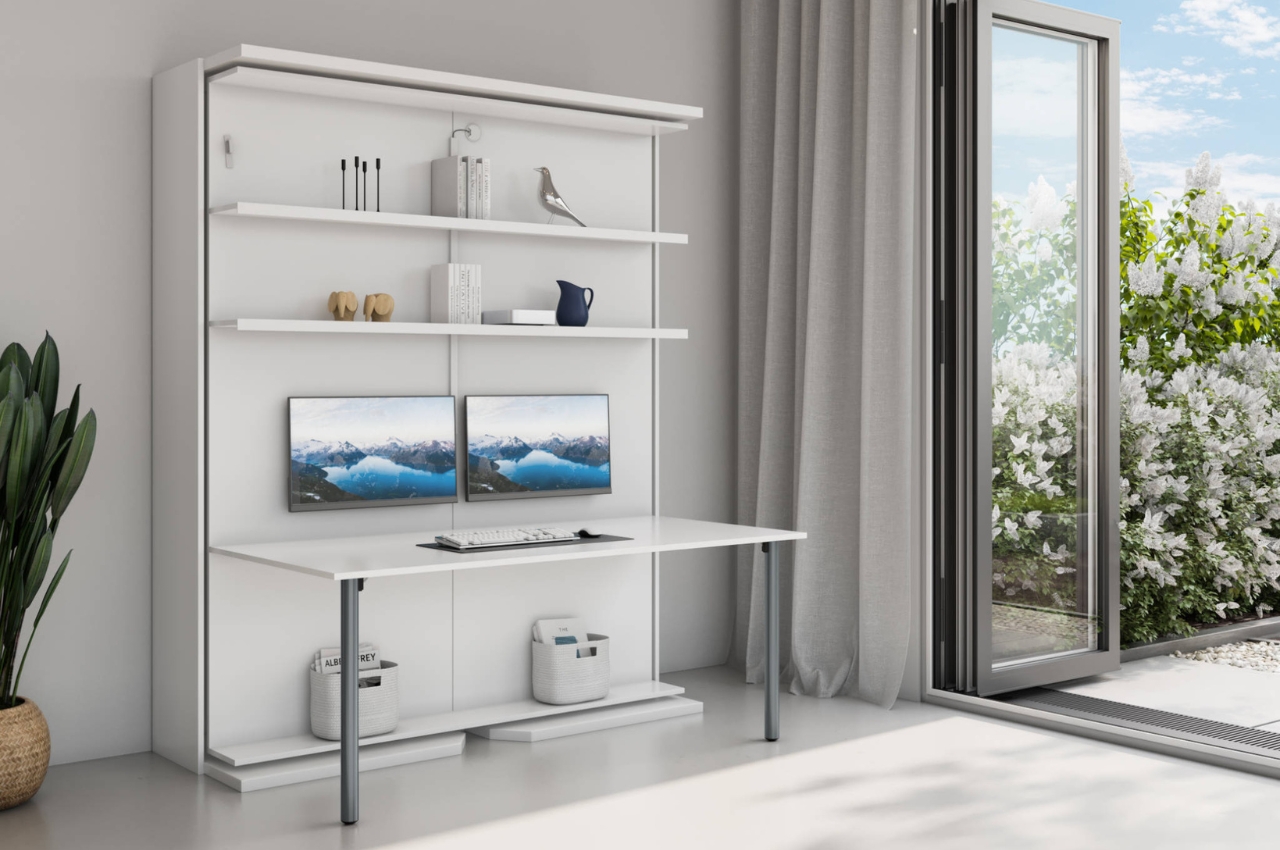
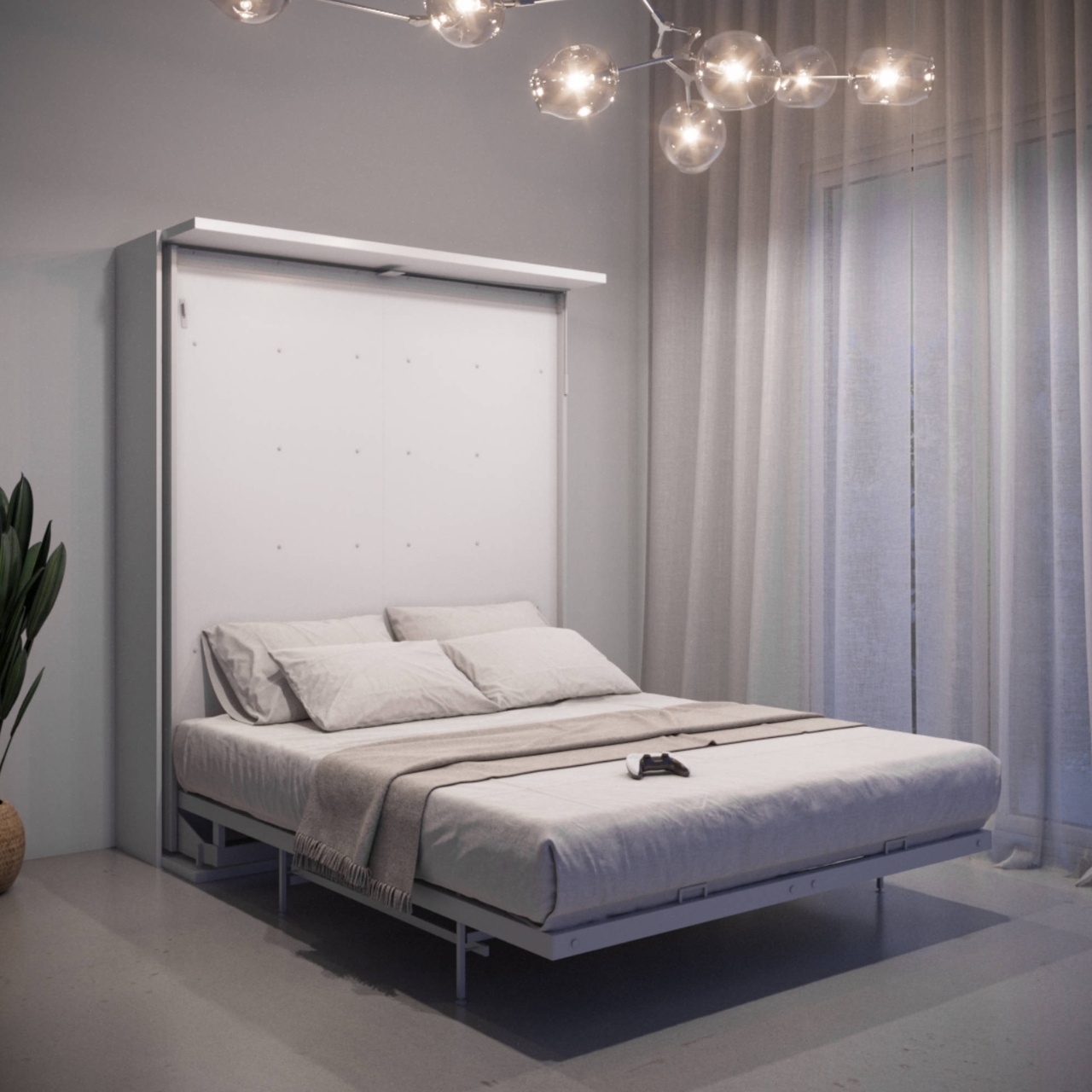
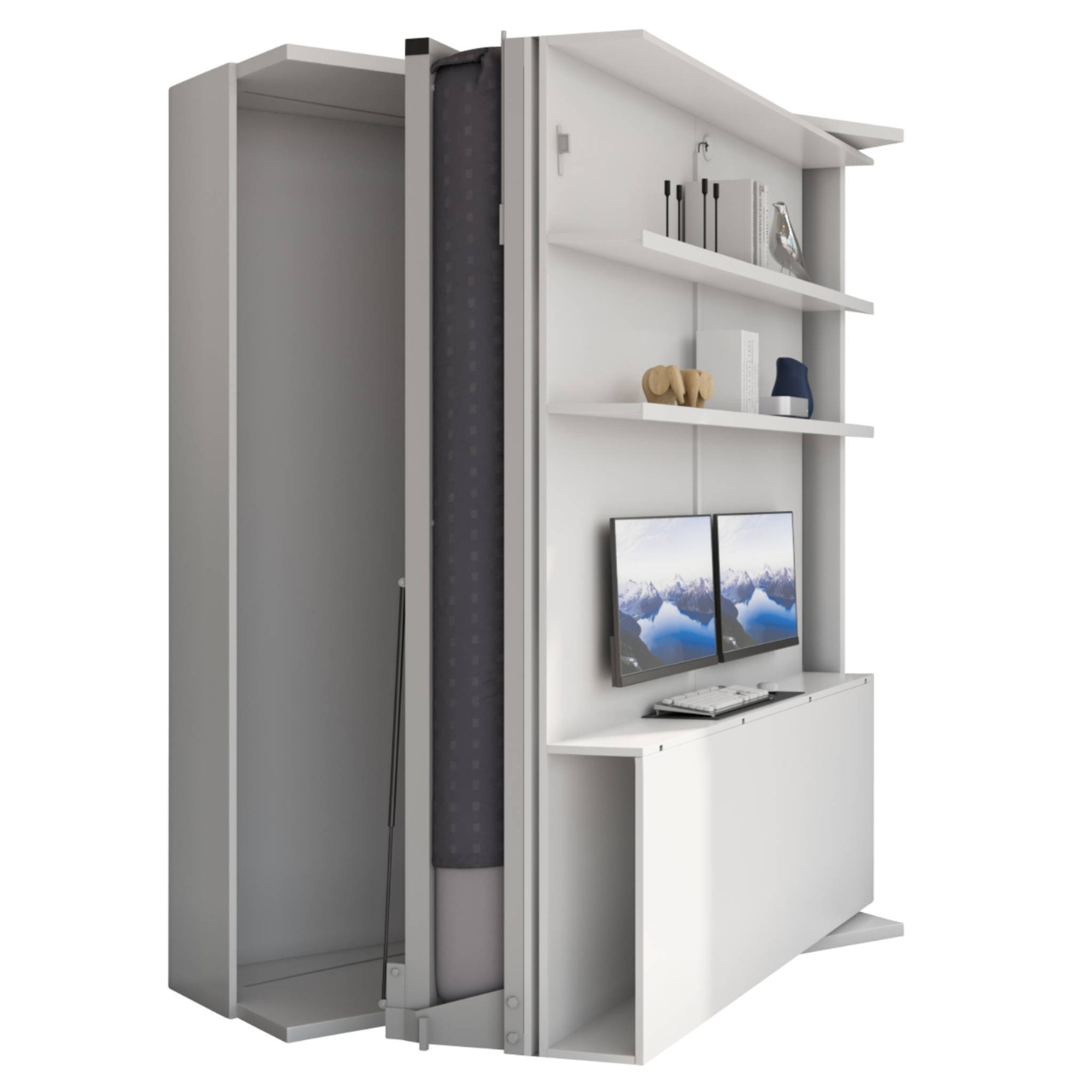
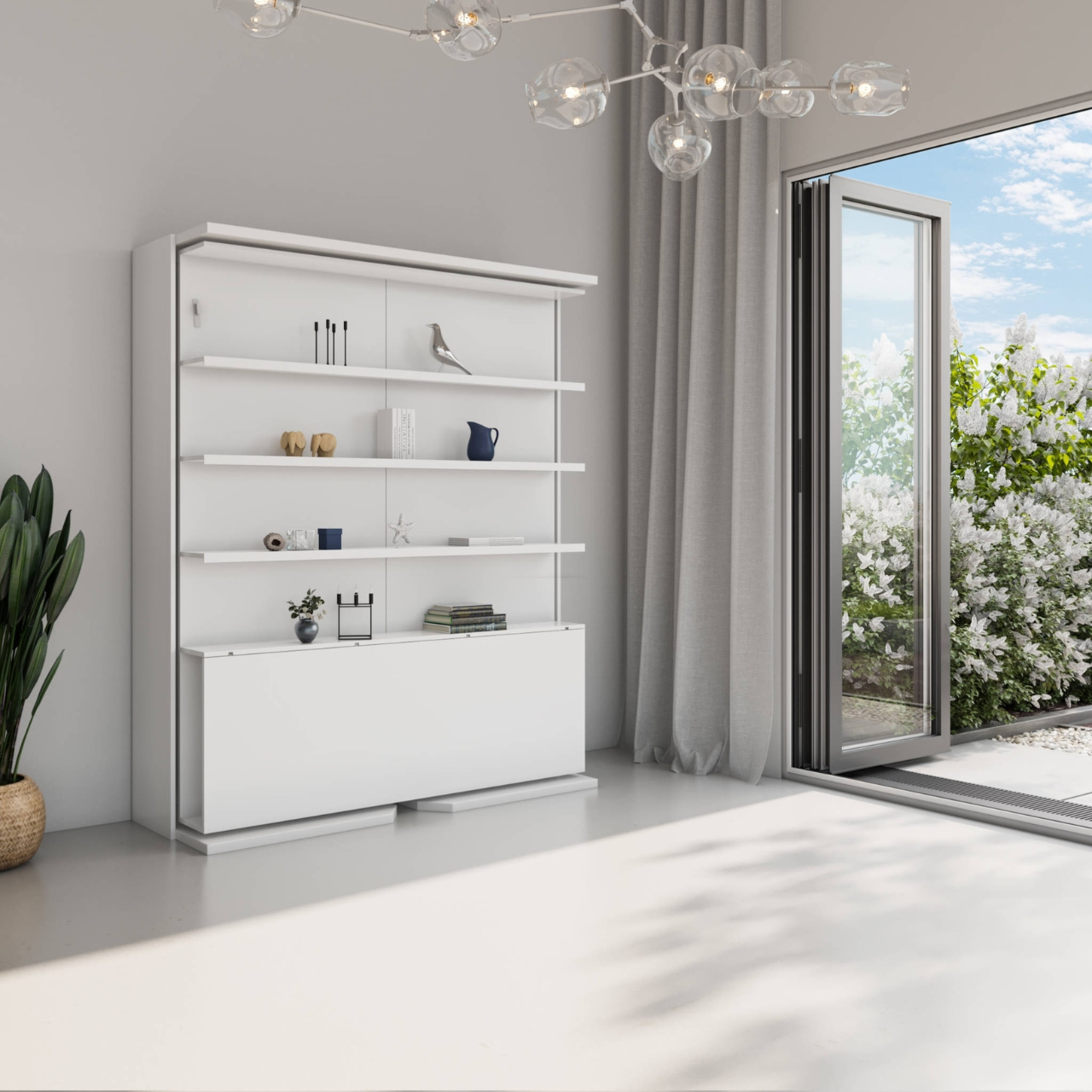
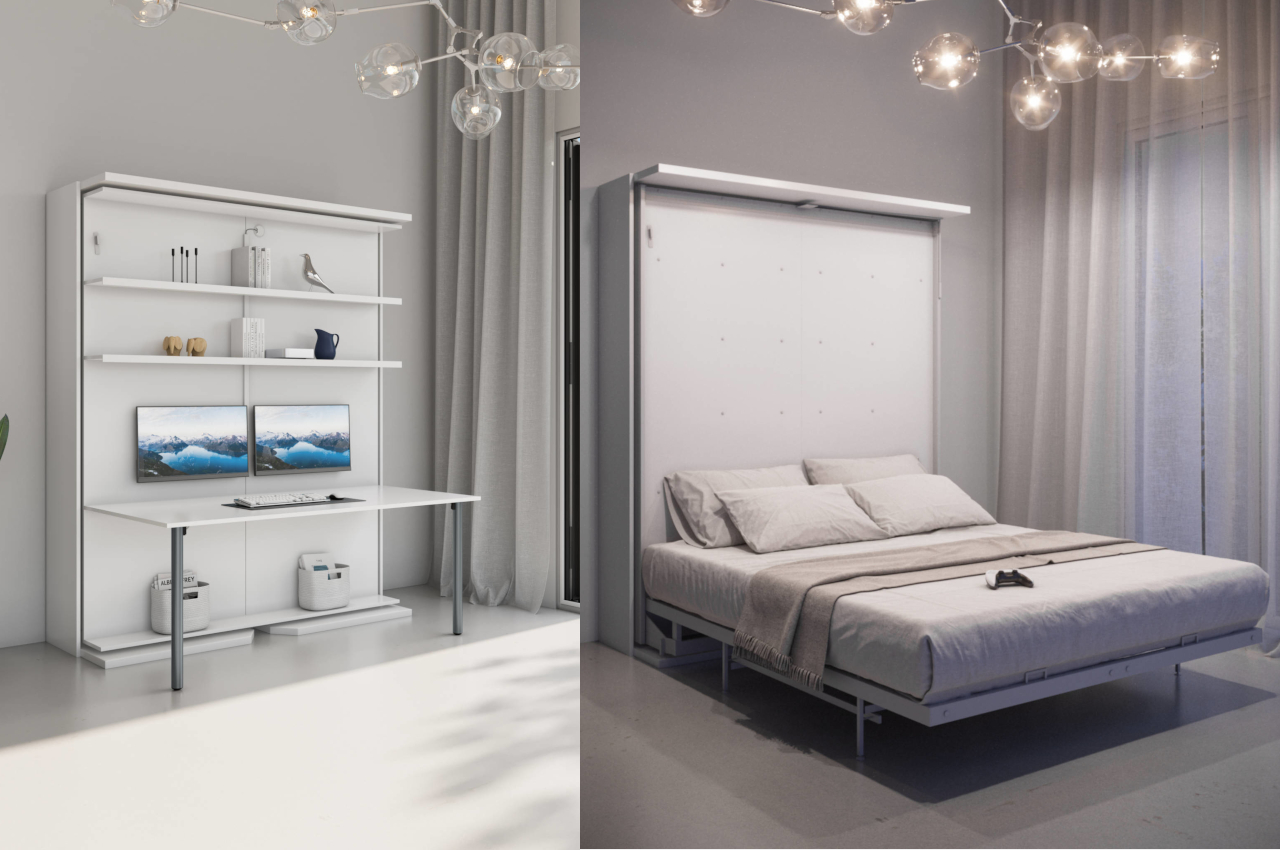
This wish comes true with the Compatto Rotating Office Murphy Bed with Desk which is literally a bed that can be turned into a working area and even a multimedia space. And when you’re ready to pack it all up at the end of the day (or the middle), you just have to fold it away, turn it all around (literally) and rest in your Murphy bed with the Queen Italian memory foam mattress.

Of course the highlight of this piece of furniture is the fact that you can quickly turn it into a workspace with a few rotations and push and pulls. The wide desk can fit in things like dual monitors, a TV screen, all-in-one iMacs, and small computers. There is also space for file storage, decorations, books, and other knick knacks. There is also adequate places and openings for all kinds of power cords and wires to power your devices.

You will have to assemble everything yourself though as this is a DIY install. But this seems to be a pretty interesting piece of furniture to have if you can manage to put everything together. I will probably have some anxious moments thinking that I will be displacing my office stuff when I’m sleeping but at least I will have a really cool bed and work station in one.

The post Turn your sleeping area into your office with this rotating furniture first appeared on Yanko Design.
This reversible mid-high bed concept can grow with your child

Buying furniture as adults can already be quite a stressful endeavor, but buying one for kids doubles or even triples the difficulty. Not only do you have to consider safety and comfort, but you also have to consider how they can grow up fast and make those products useless in just a year or two. That’s why parents might sometimes be tempted to buy more affordable furniture that they can either dispose of, resell, or give away quickly, which is a practical solution but not a smart one. It would be better if the furniture could actually change and adapt to the child’s growing needs, like this mid-high bed design concept that still be used by the same kid after they’ve grown a bit.

Designer: A Su (PUPUPULA)

It might be surprising to learn that there is a lot more variety when it comes to kids’ bed designs. Some types are better for certain ages, while others provide room for more than one person. Like most beds, however, these are often designed with a singular target audience in mind, which means they easily outgrow their use and their charm in just a few years. That wouldn’t be much of a problem if not for the expense and waste that comes with replacing those beds again and again.
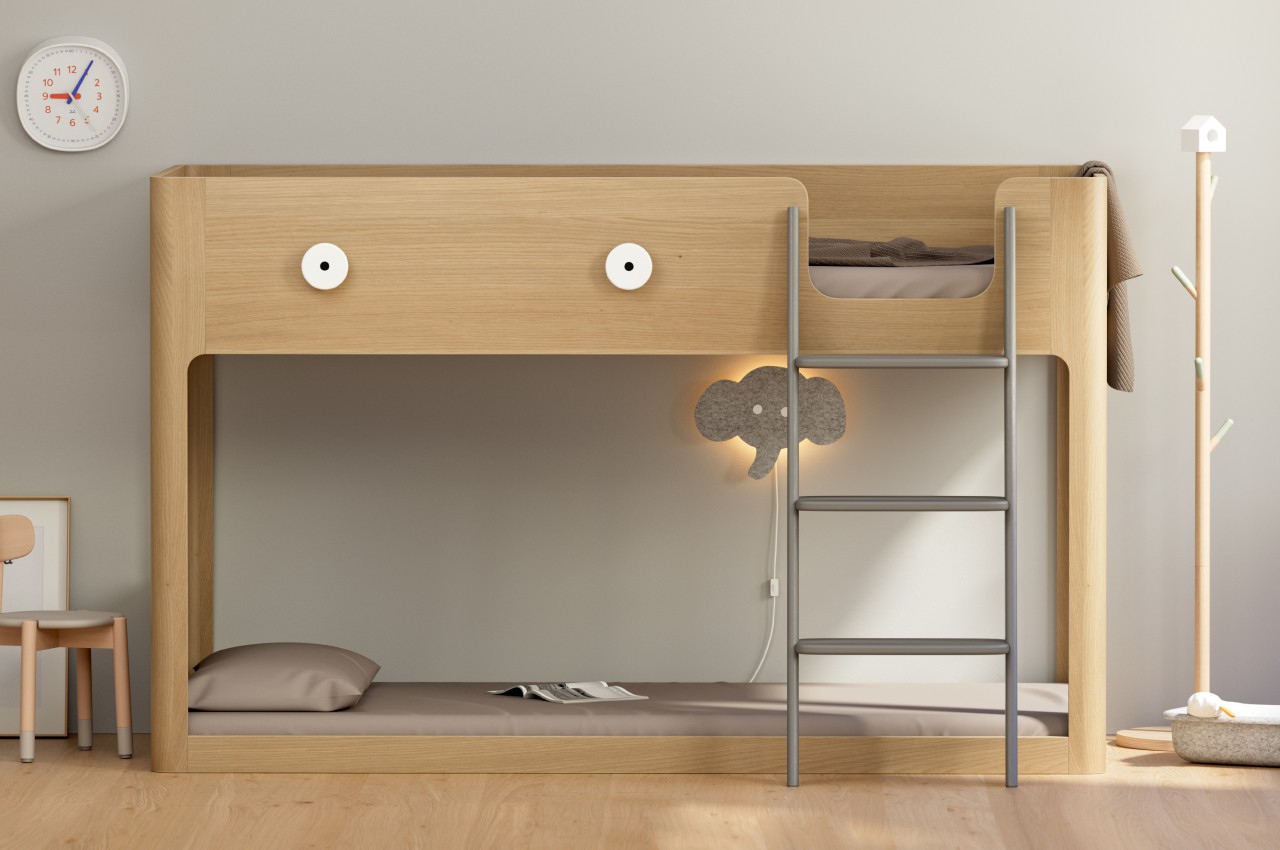
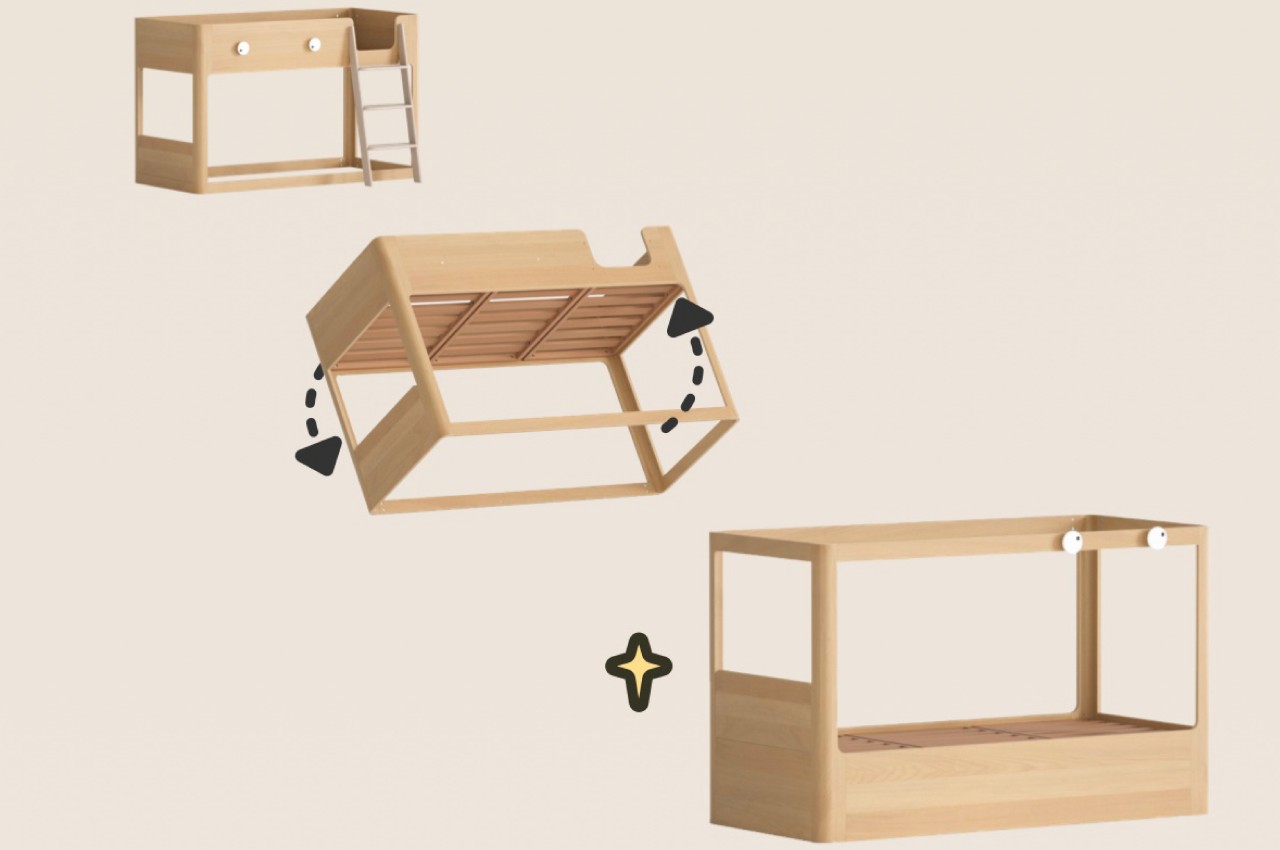
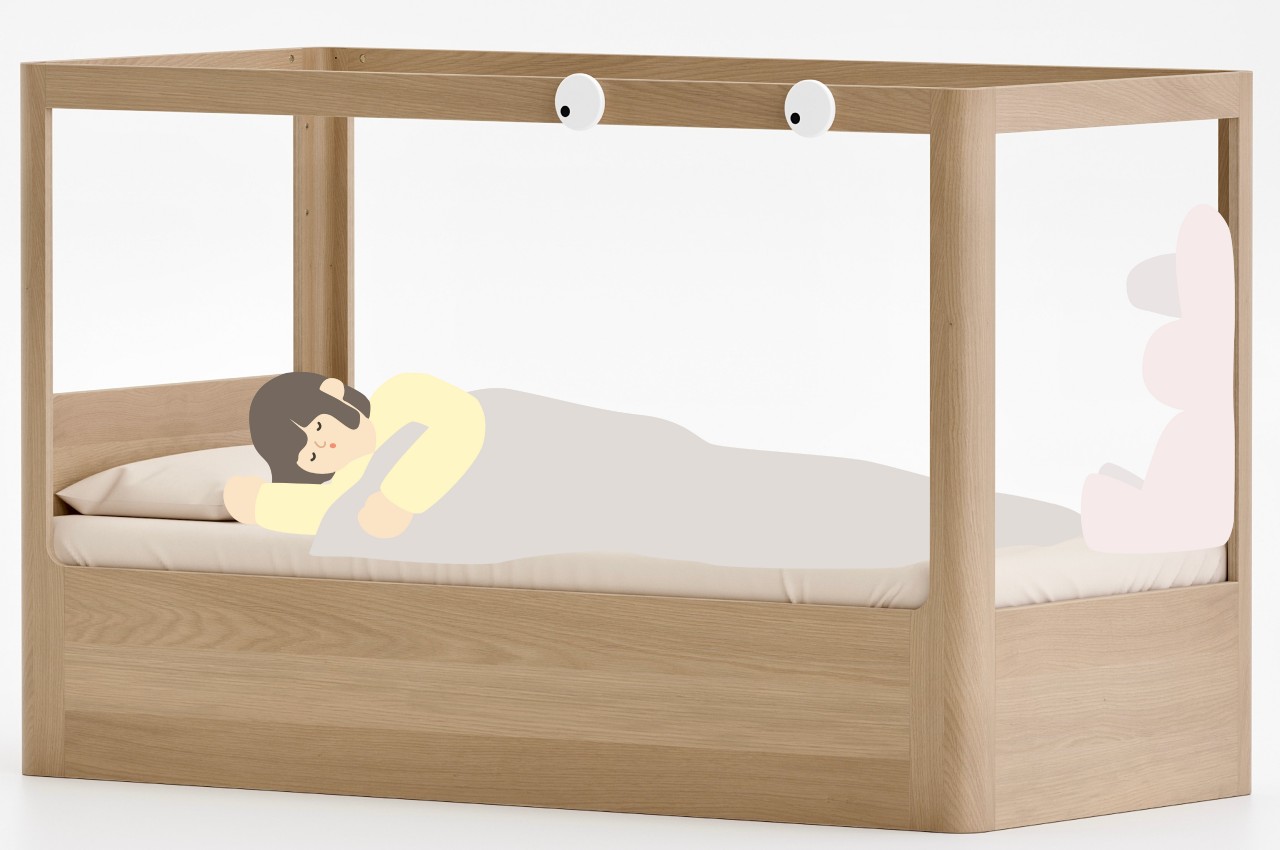
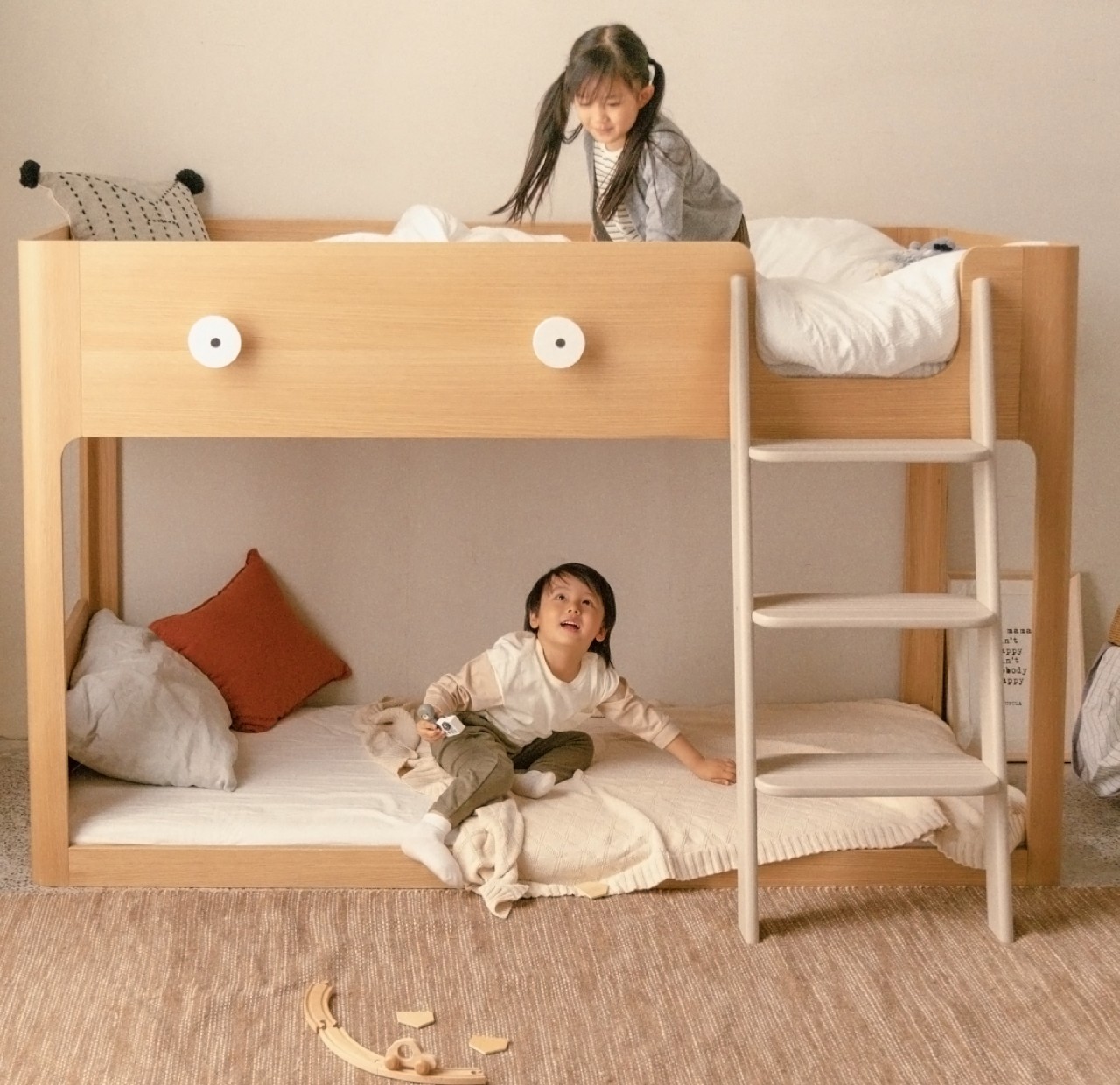
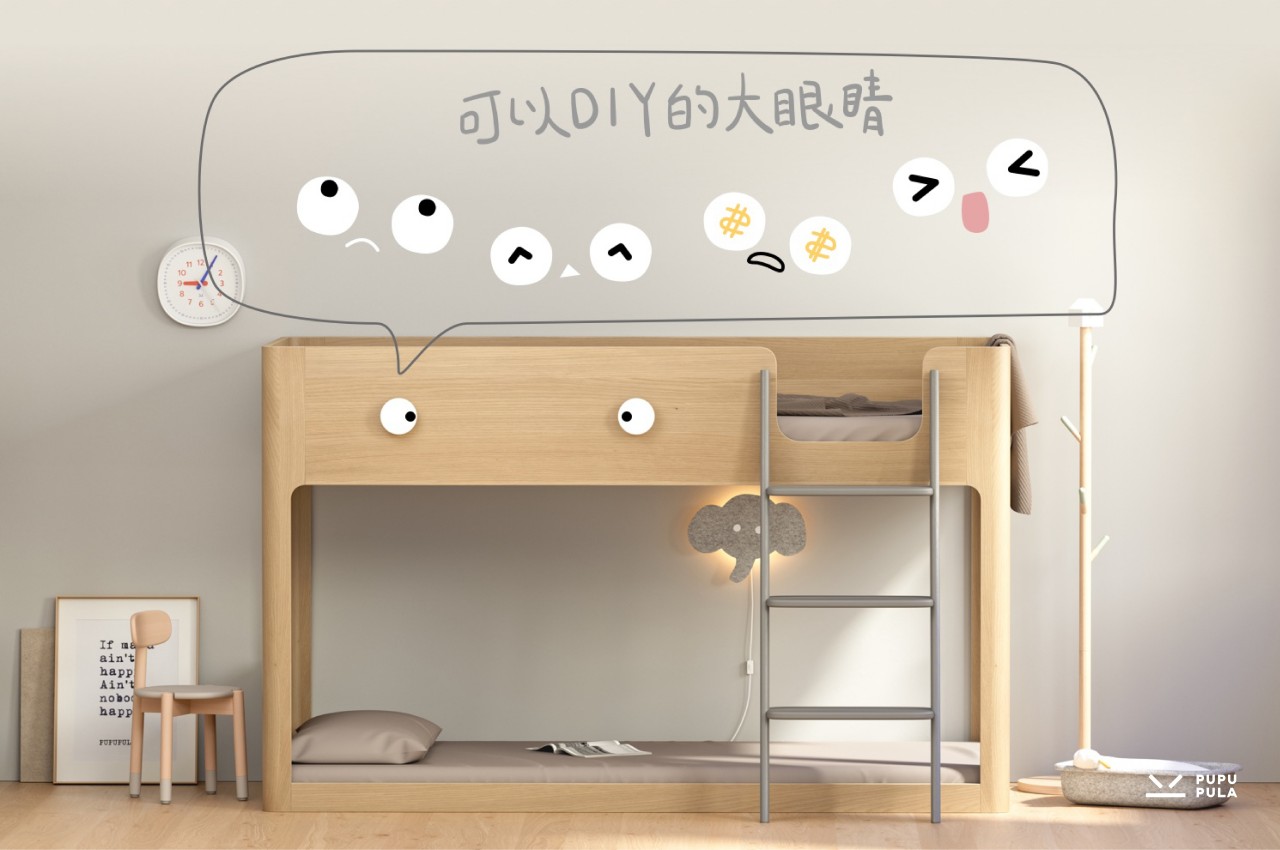
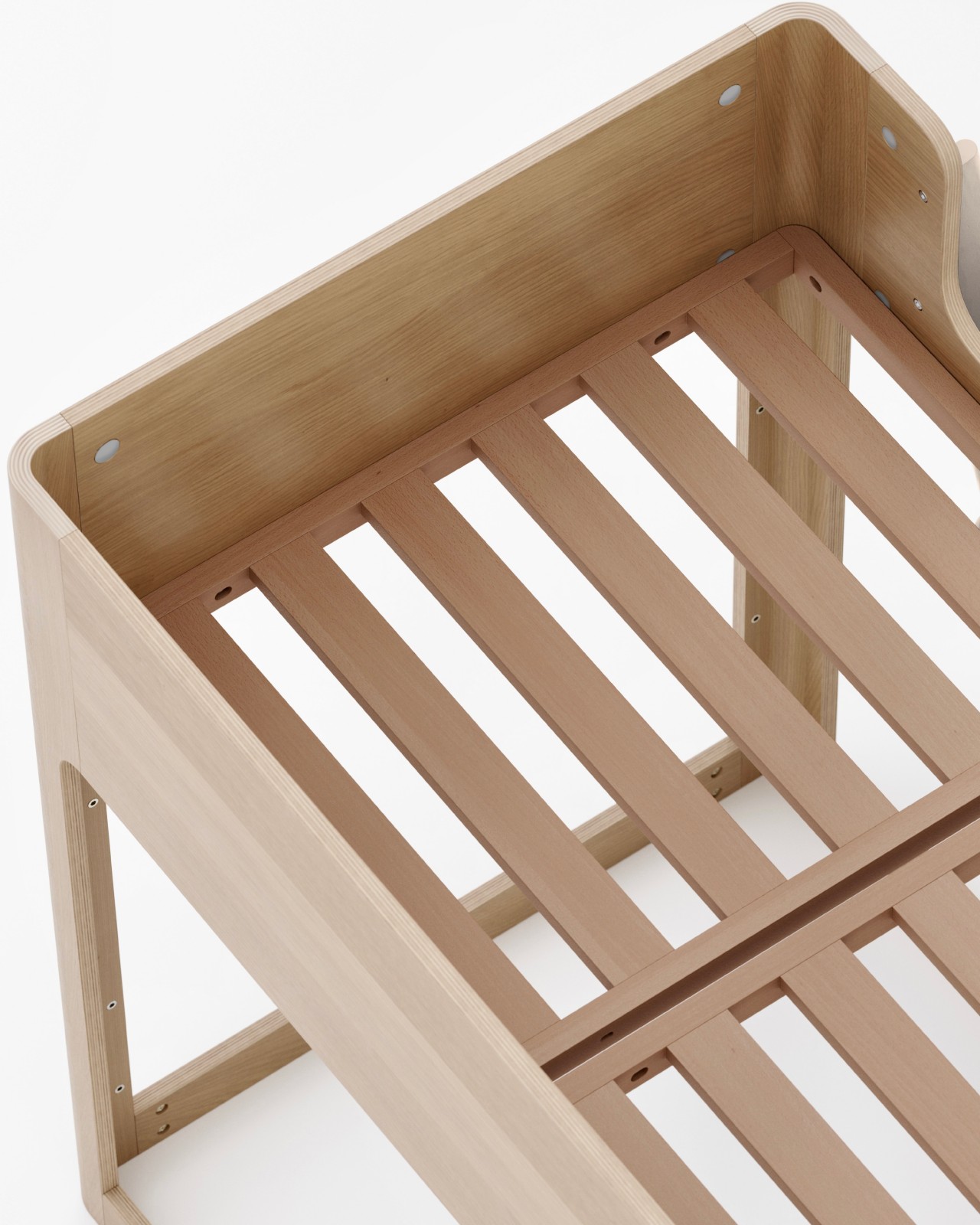
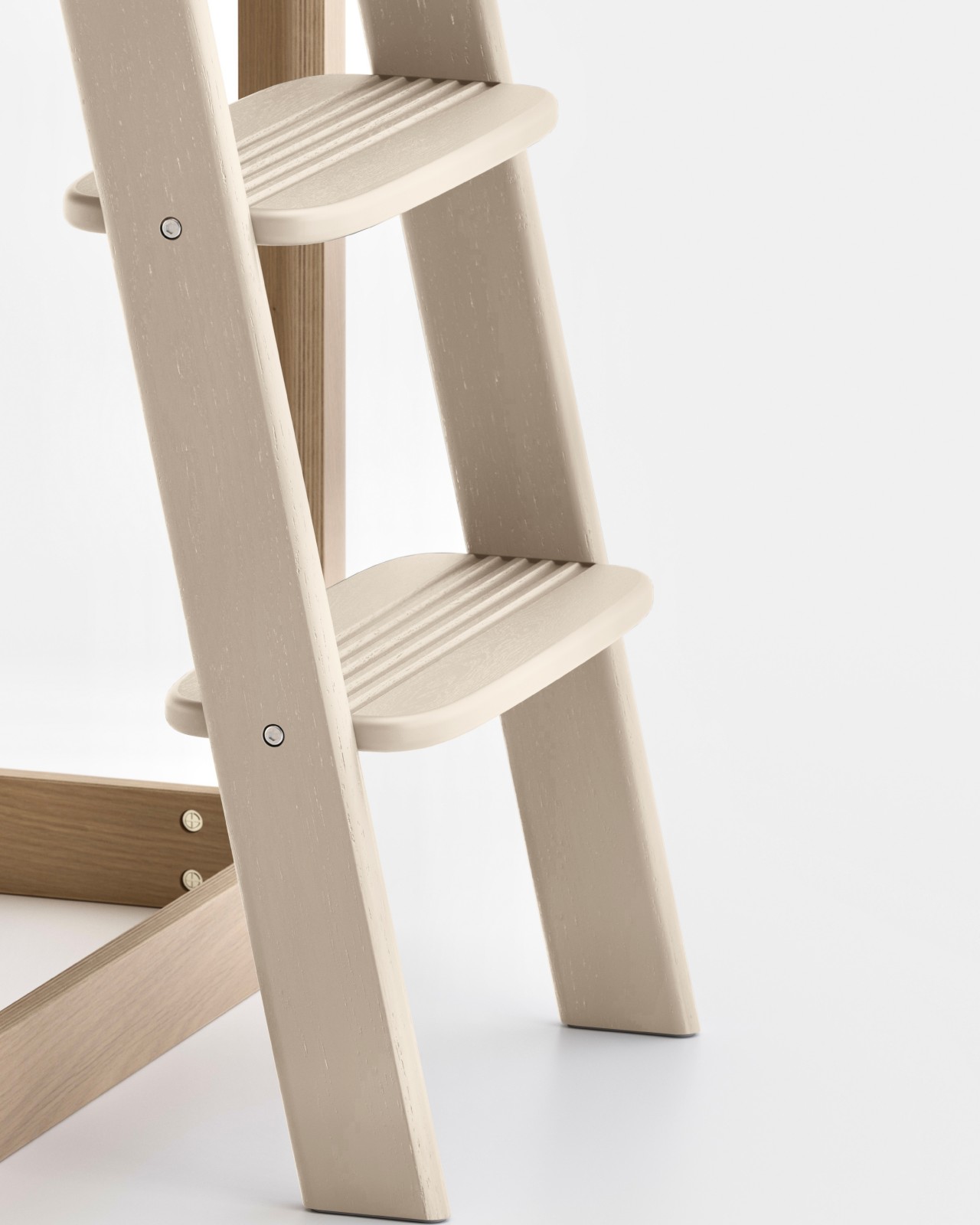
The Big Eyes bed concept solves that problem by employing a design that can change its purpose depending on the number or age of its owners. And it doesn’t employ complicated tricks like modular or moving parts that could actually be dangerous for a toddler. Instead, you can simply flip it over to change it from a mid-high bed to a basic bed and vice-versa.

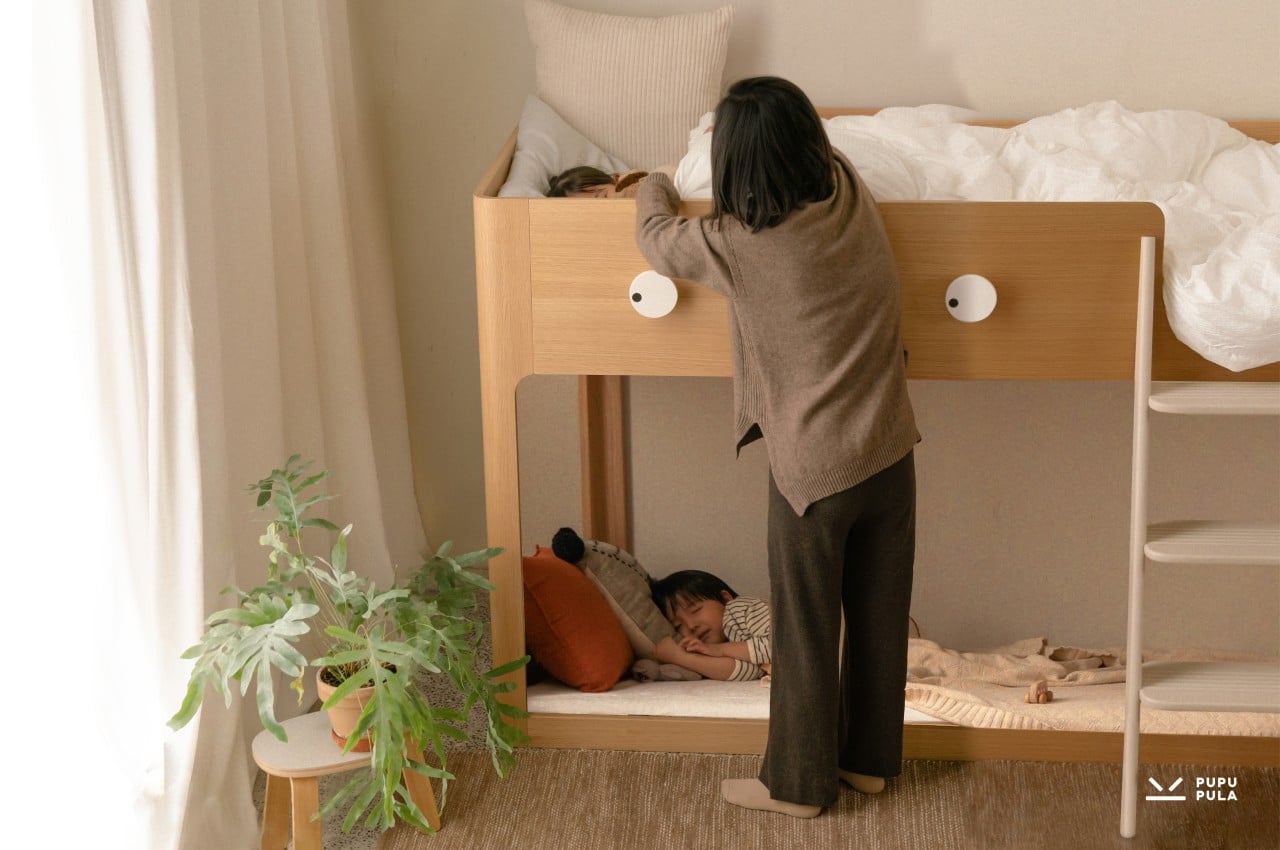
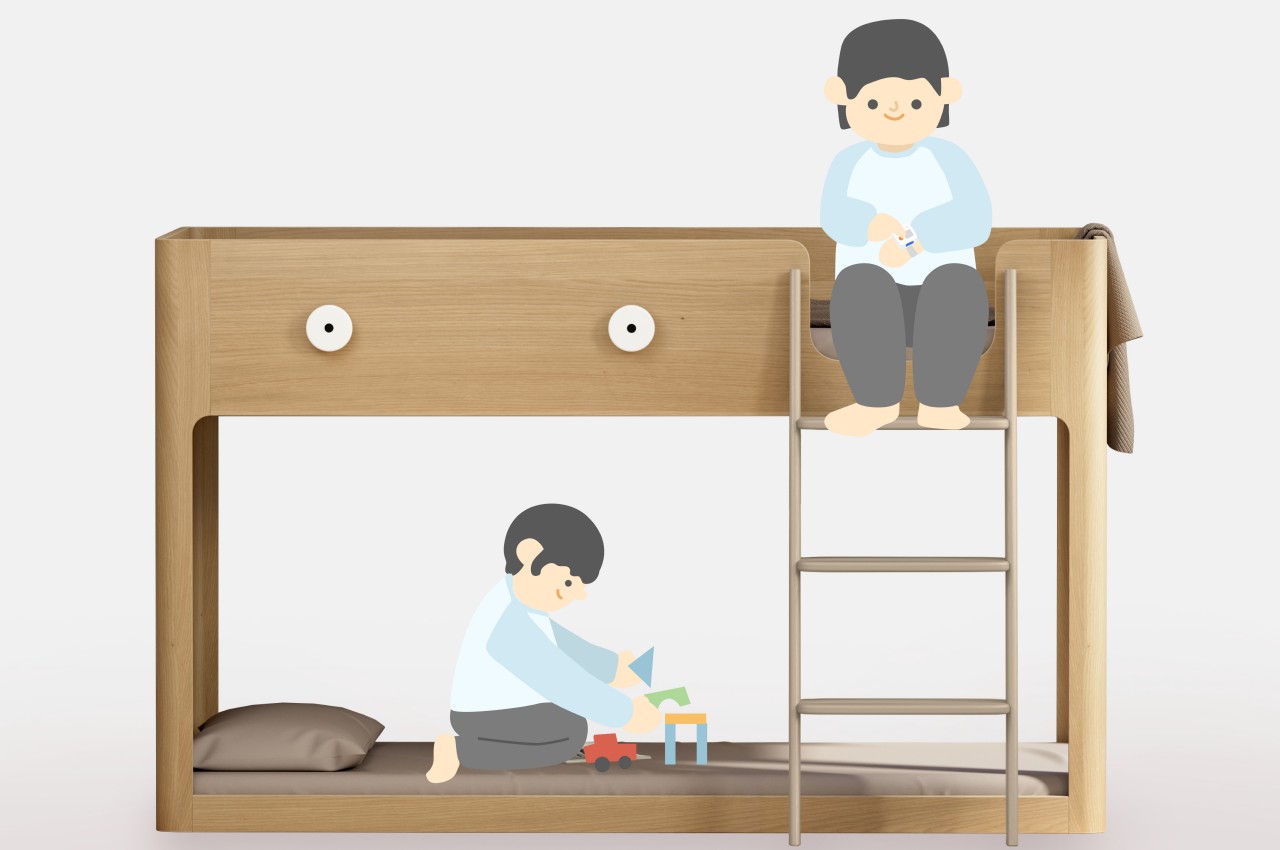
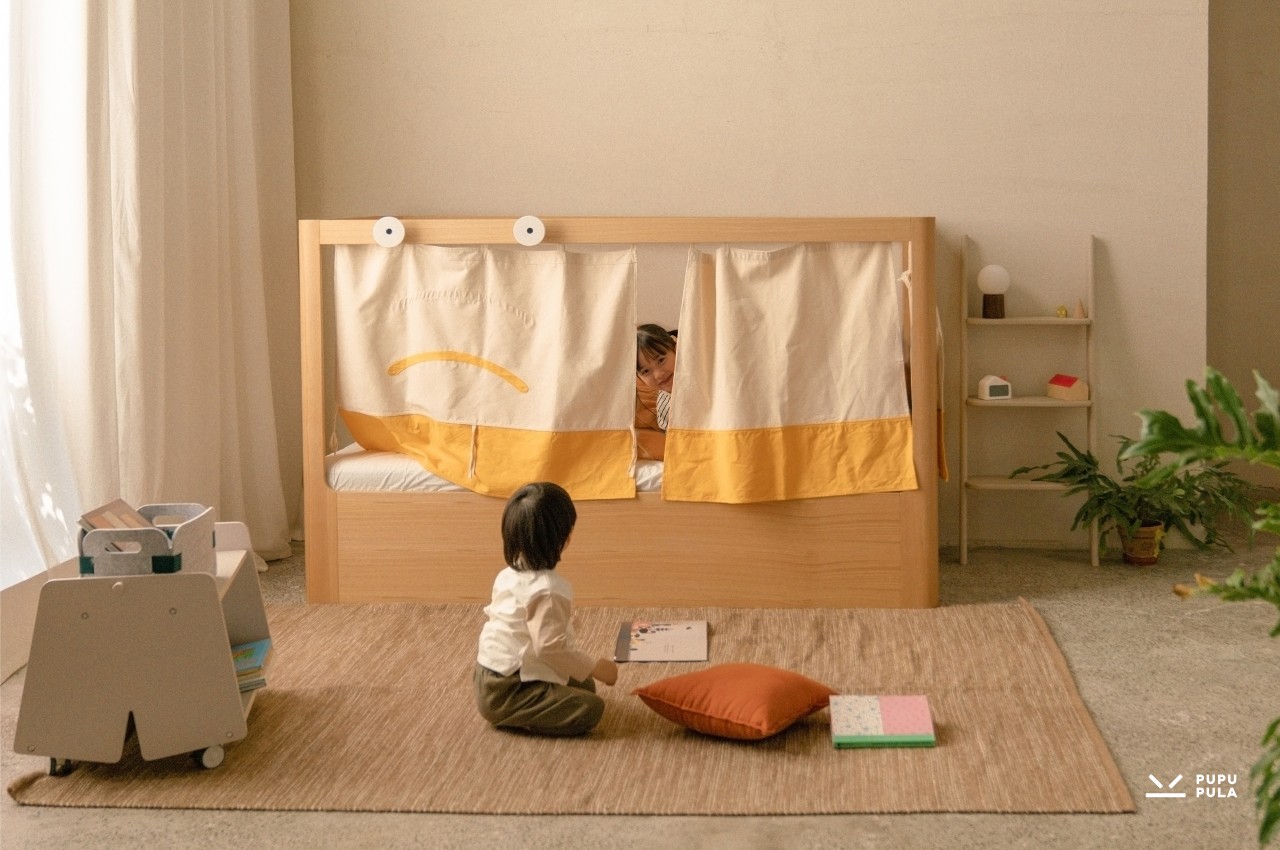
The mid-high bed position is perfect for younger kids or siblings who need to share the same bed space. The top bunk is the main bed, while the bottom space can act as a secondary bed or a spacious play area. Once the child grows up a bit, however, removing the ladder and turning the bed over changes the story completely, with the bottom now acting as a basic bed and the top frame as a place to hang cotton canvas play curtains for some privacy.

Big Eyes is made of birch plywood, which gives the bed a warm, welcoming tone. There are no moving parts or hidden compartments, making it easier to turn the bed over as needed. The bed’s design is actually quite minimalist, leaving the freedom of decoration and personalization to parents and kids. That same simple design, however, is also its strength, allowing it to have that reversible functionality you won’t be able to pull off on more sophisticated designs.

The post This reversible mid-high bed concept can grow with your child first appeared on Yanko Design.