Lotte E&C Just Turned 5 Eggs Into the Welcome Gift You’ll Use

There’s something refreshing about a company that doesn’t just slap their logo on a tote bag and call it customer appreciation. SWNA Office’s Earth’s Hatch kit for Lotte E&C proves that welcome gifts can be more than forgettable tchotchkes collecting dust in a drawer. This is design that actually thinks about the person receiving it, and what they might genuinely need in their daily life.

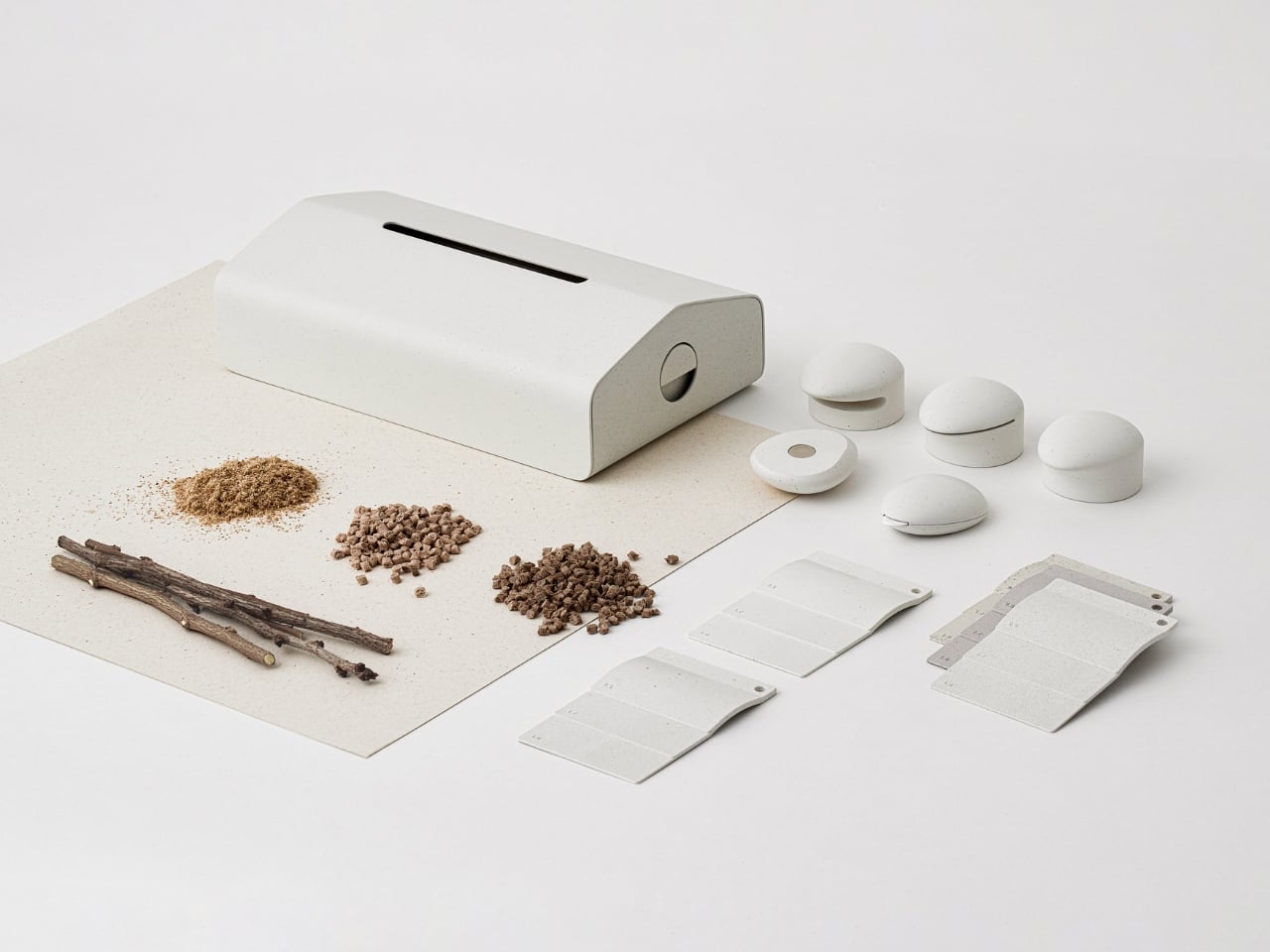
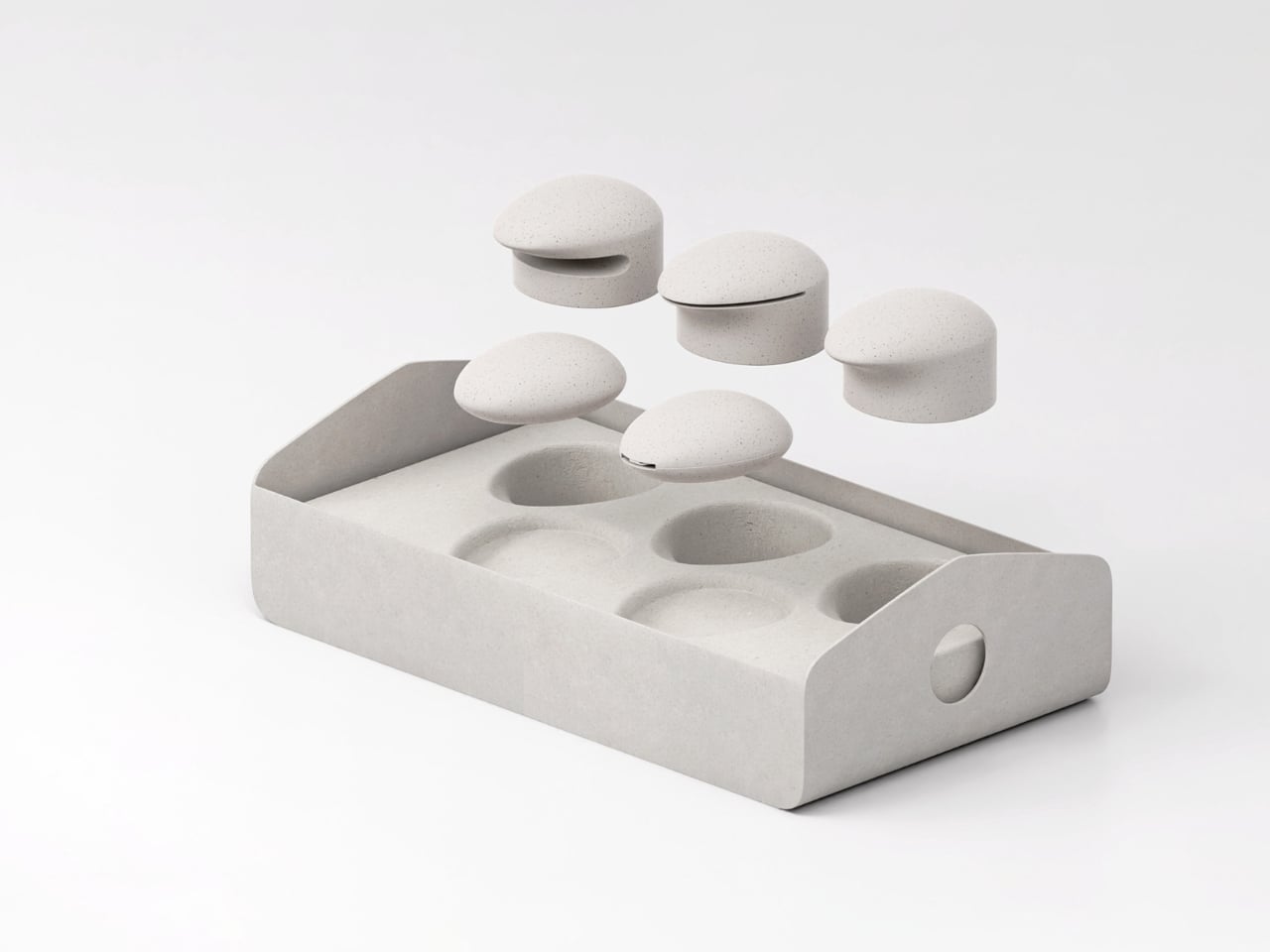
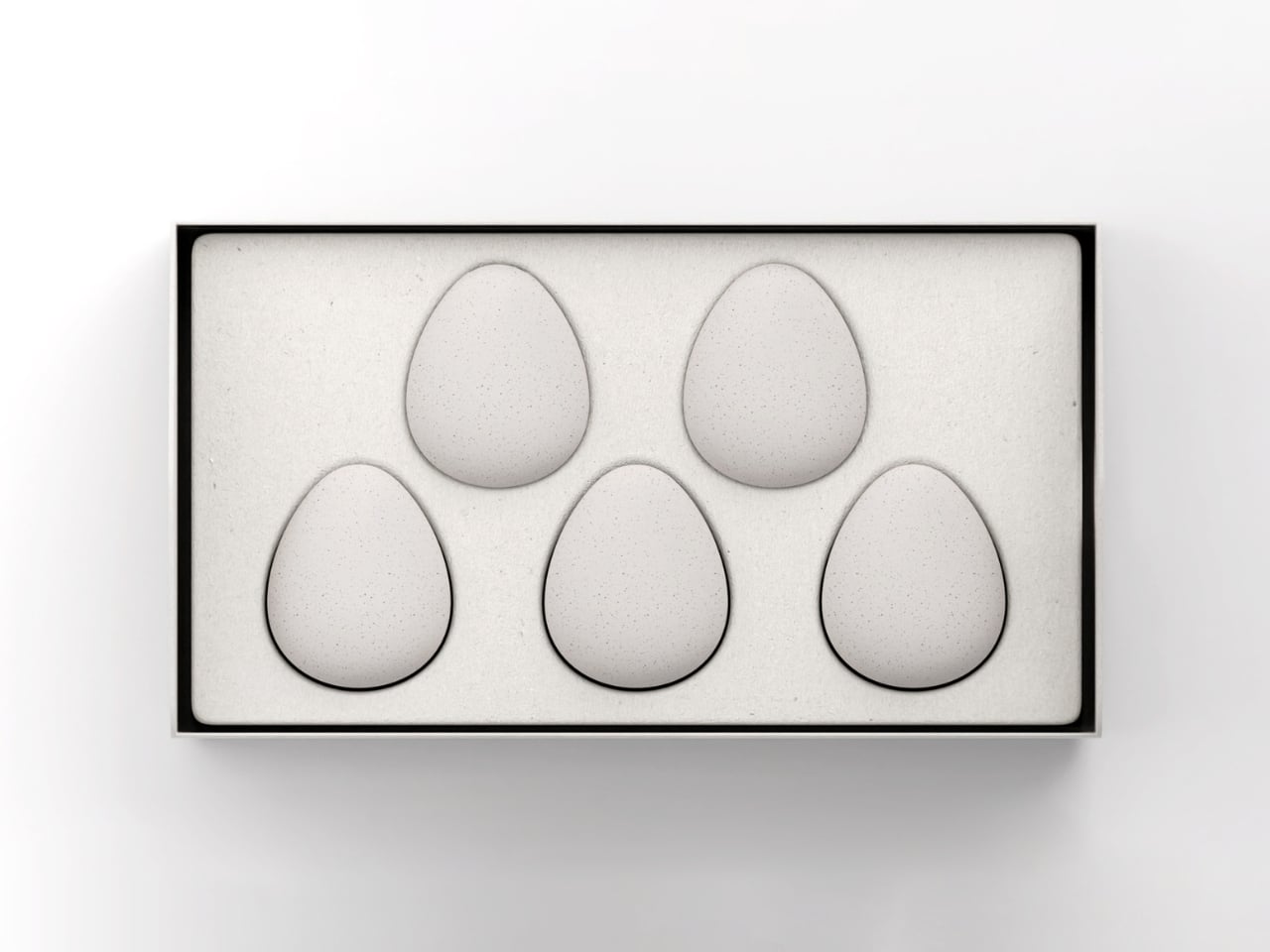
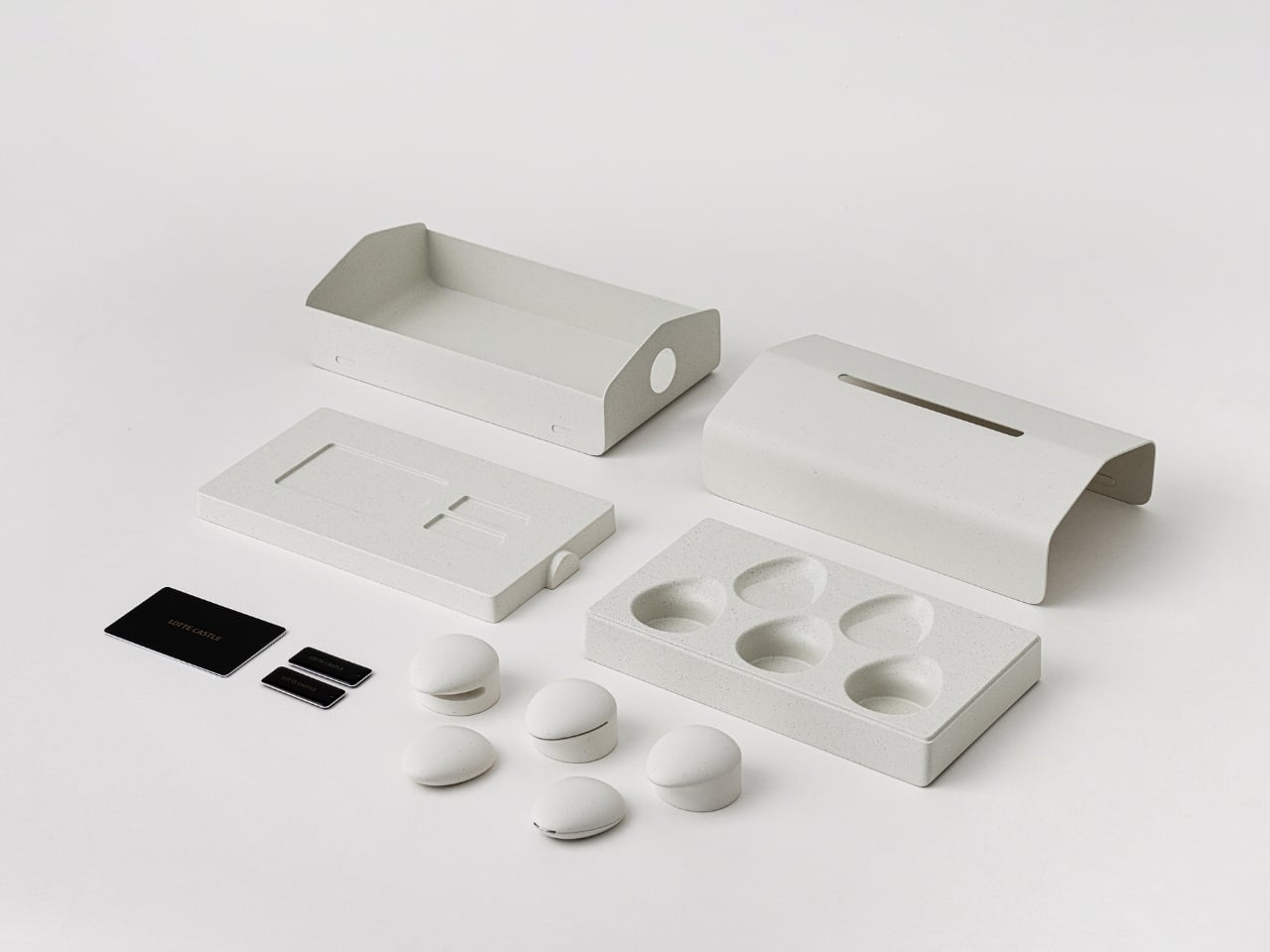
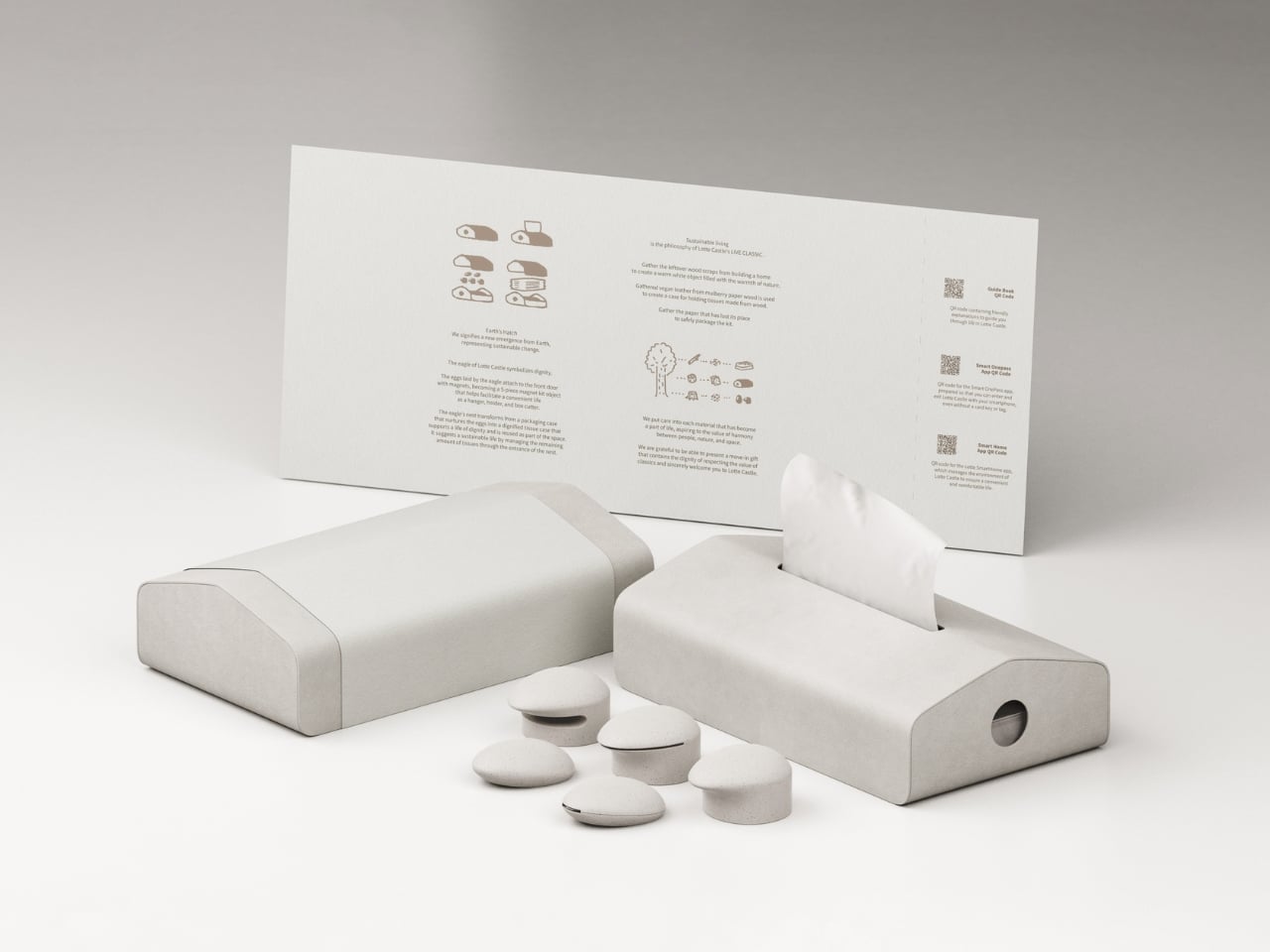
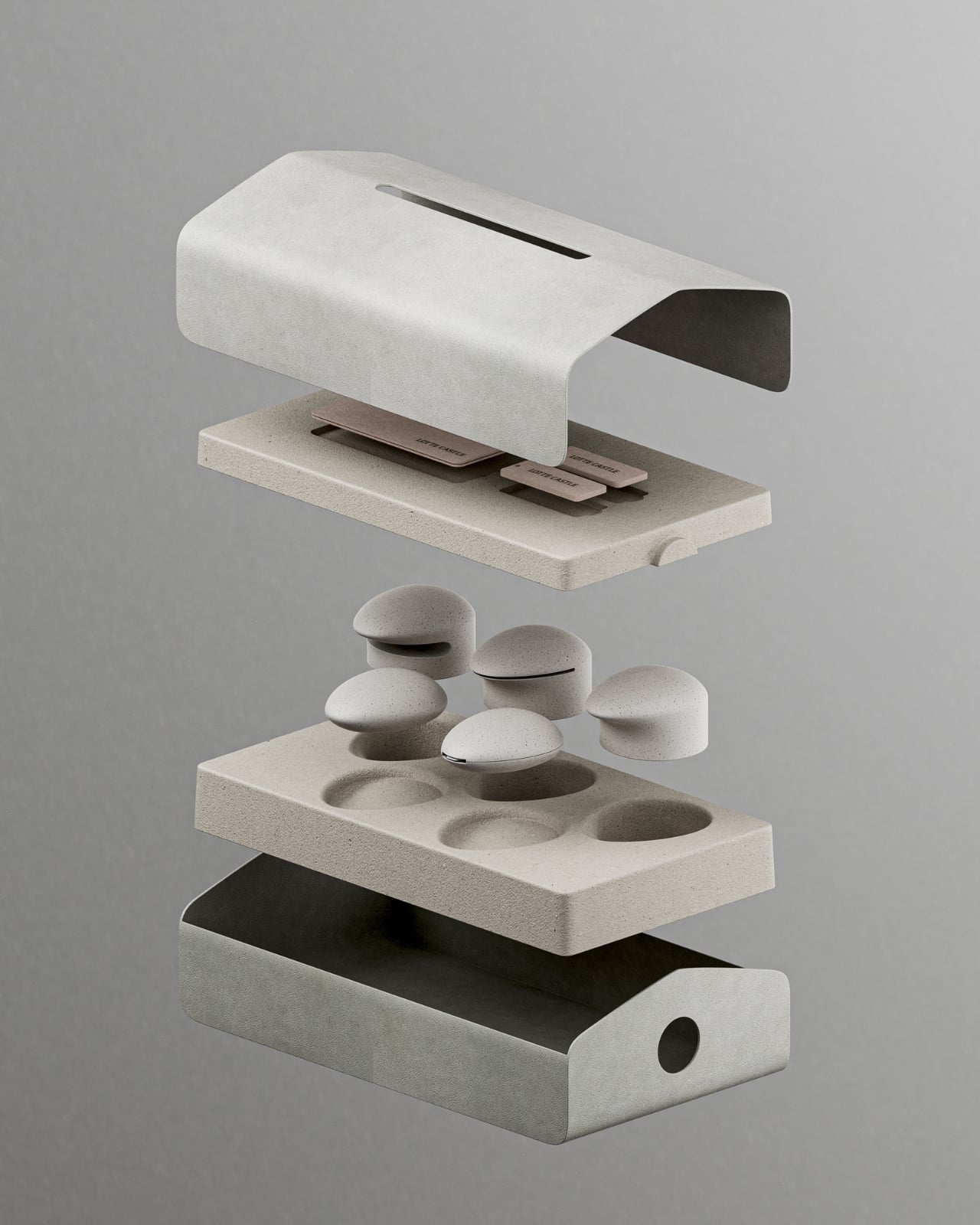
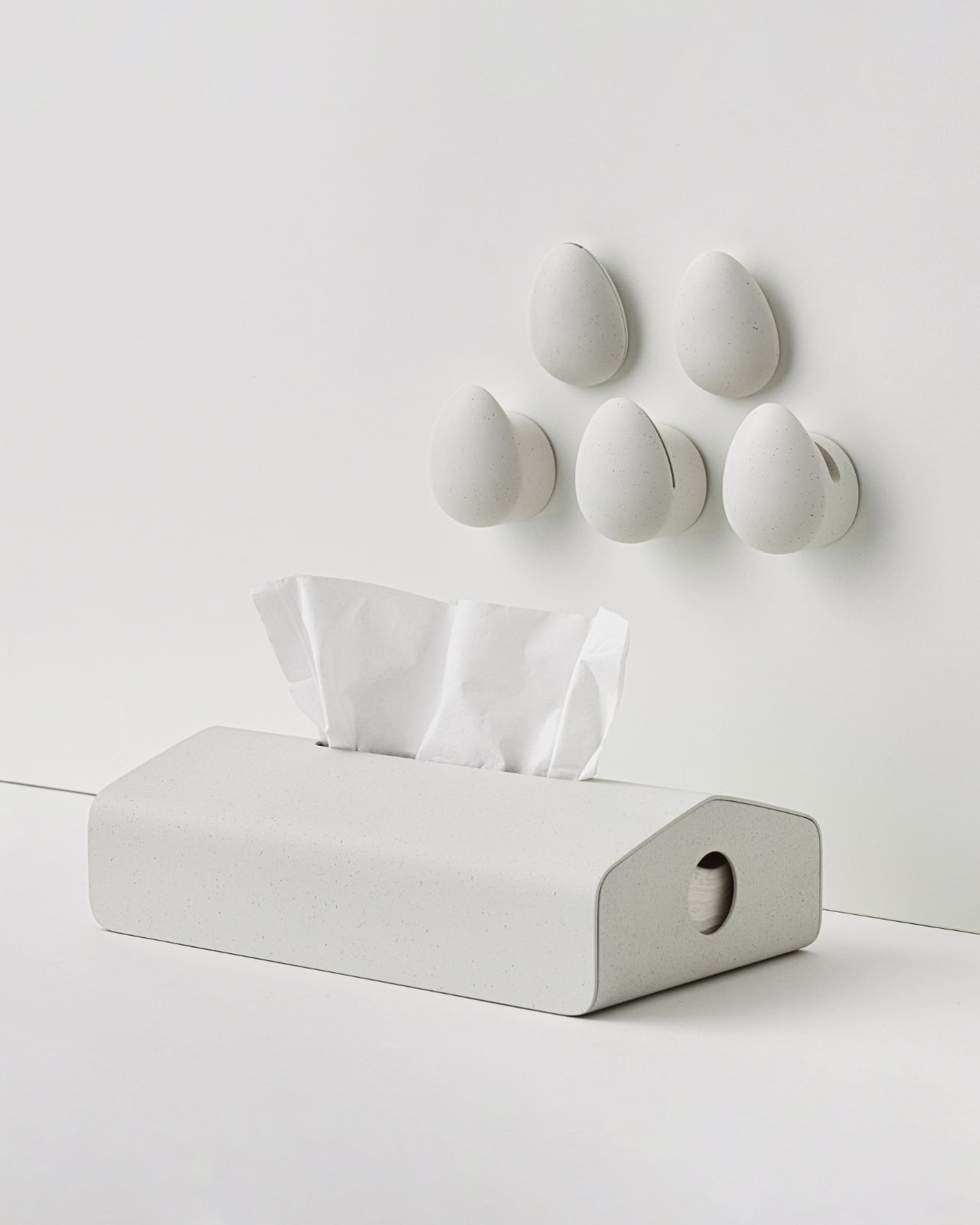
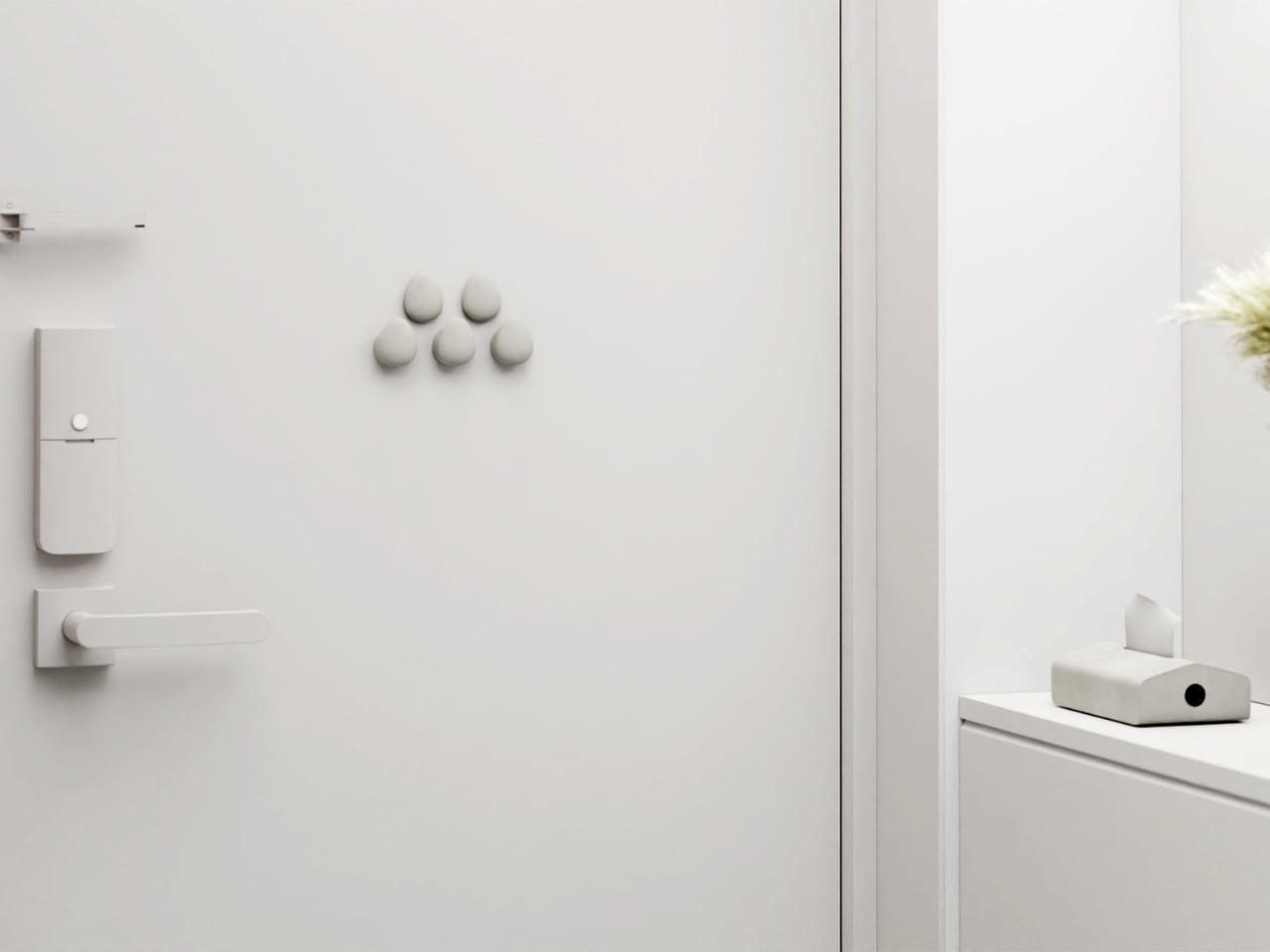
The kit arrives in a birdhouse-shaped package made from pulp paper, the kind that feels substantial in your hands. Strip away the paper band, and inside you’ll find five egg-shaped magnetic objects nestled in protective pulp packaging. The whole experience feels deliberate, like opening something that was designed to be opened, not just shipped.

Designer: SWNA Office

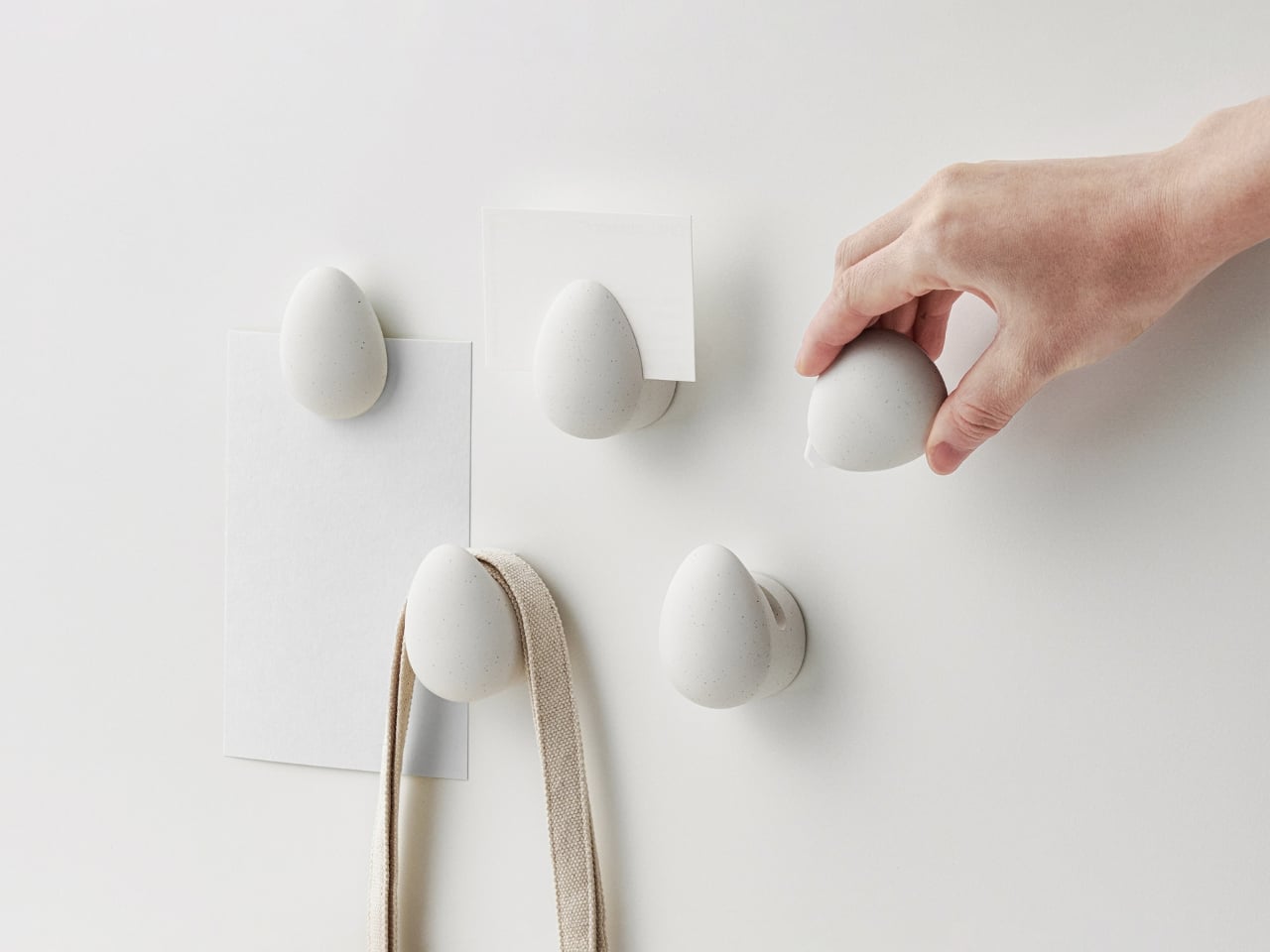
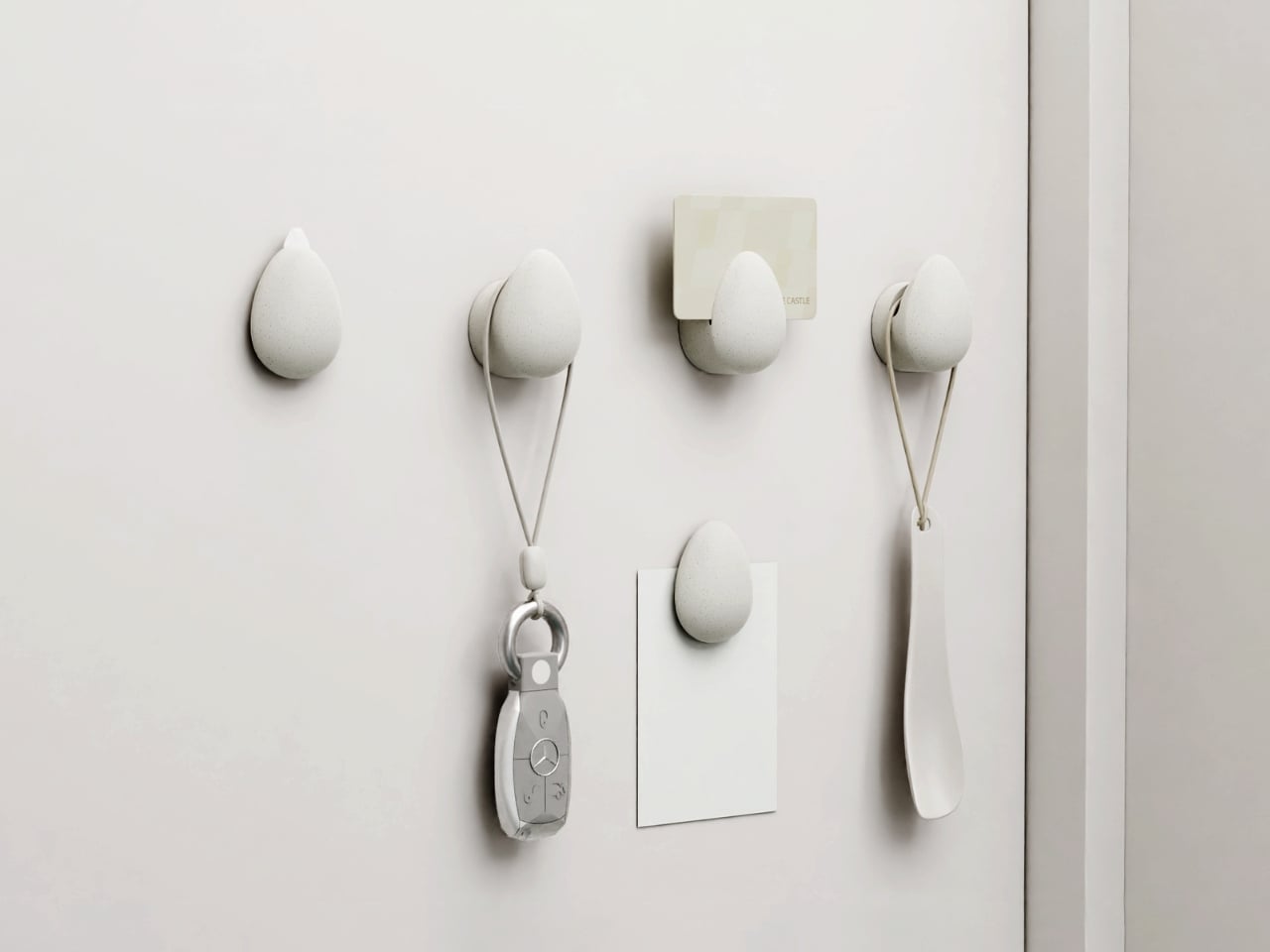
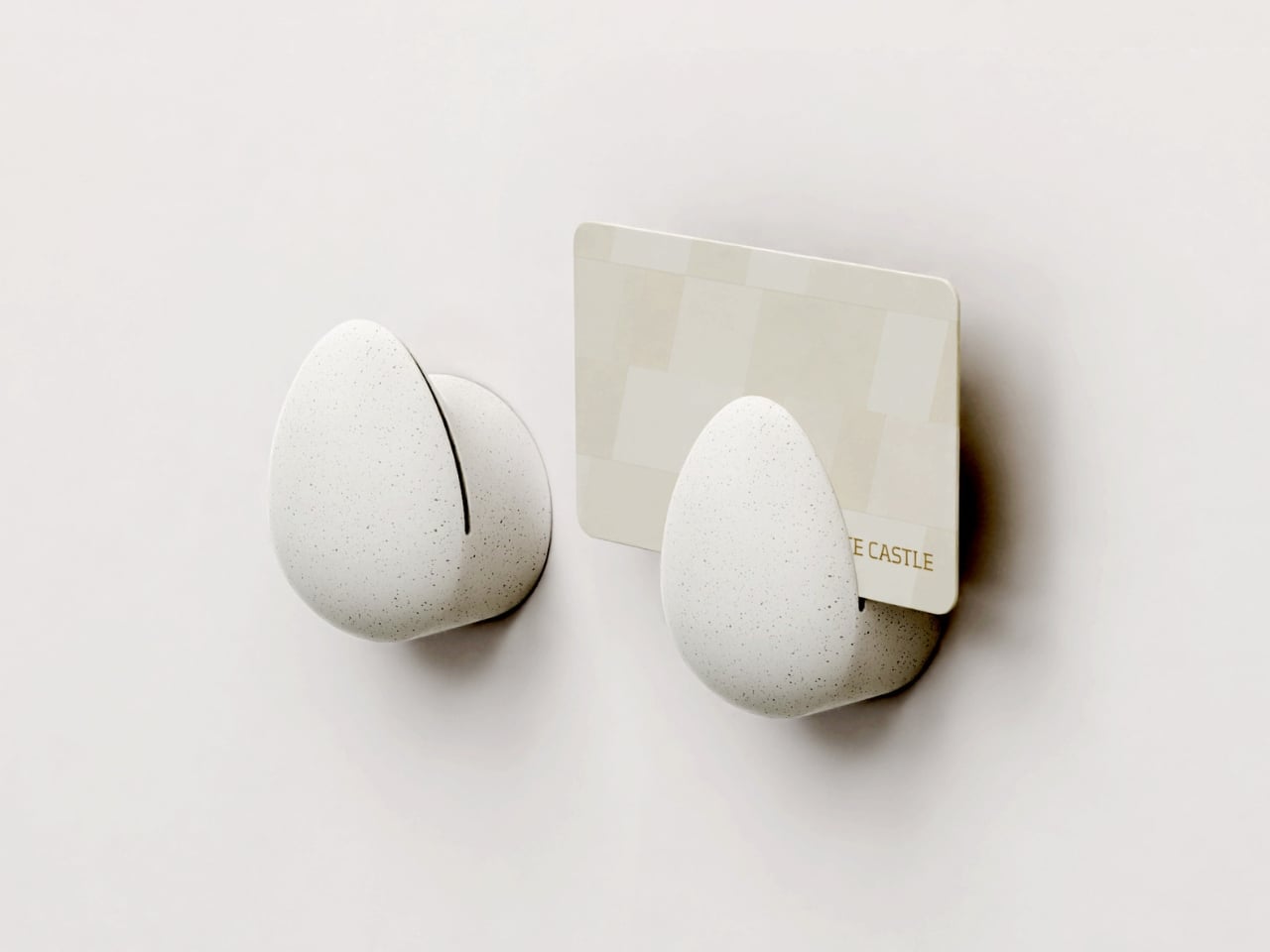
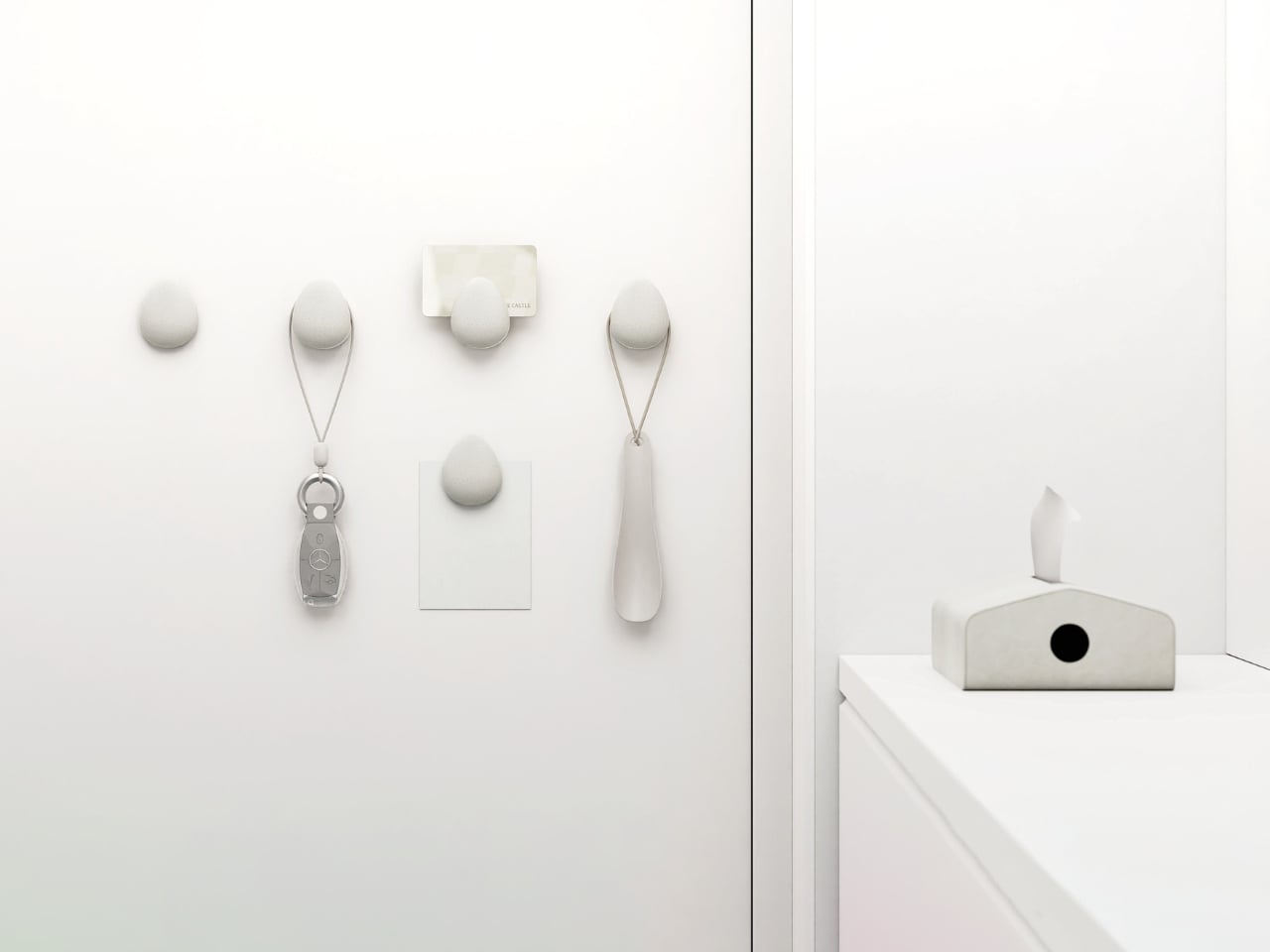
But here’s where it gets interesting. Those five eggs aren’t just decorative items you’ll stash away and forget. Each one serves a specific purpose at the threshold of your home, that chaotic zone where packages pile up and keys mysteriously vanish. One egg contains a ceramic-blade box cutter for safely slicing through Amazon deliveries. Others function as magnetic hooks and holders, perfect for hanging access cards, food waste sorting tags, car keys, or that shoehorn you’re always hunting for when you’re already late.

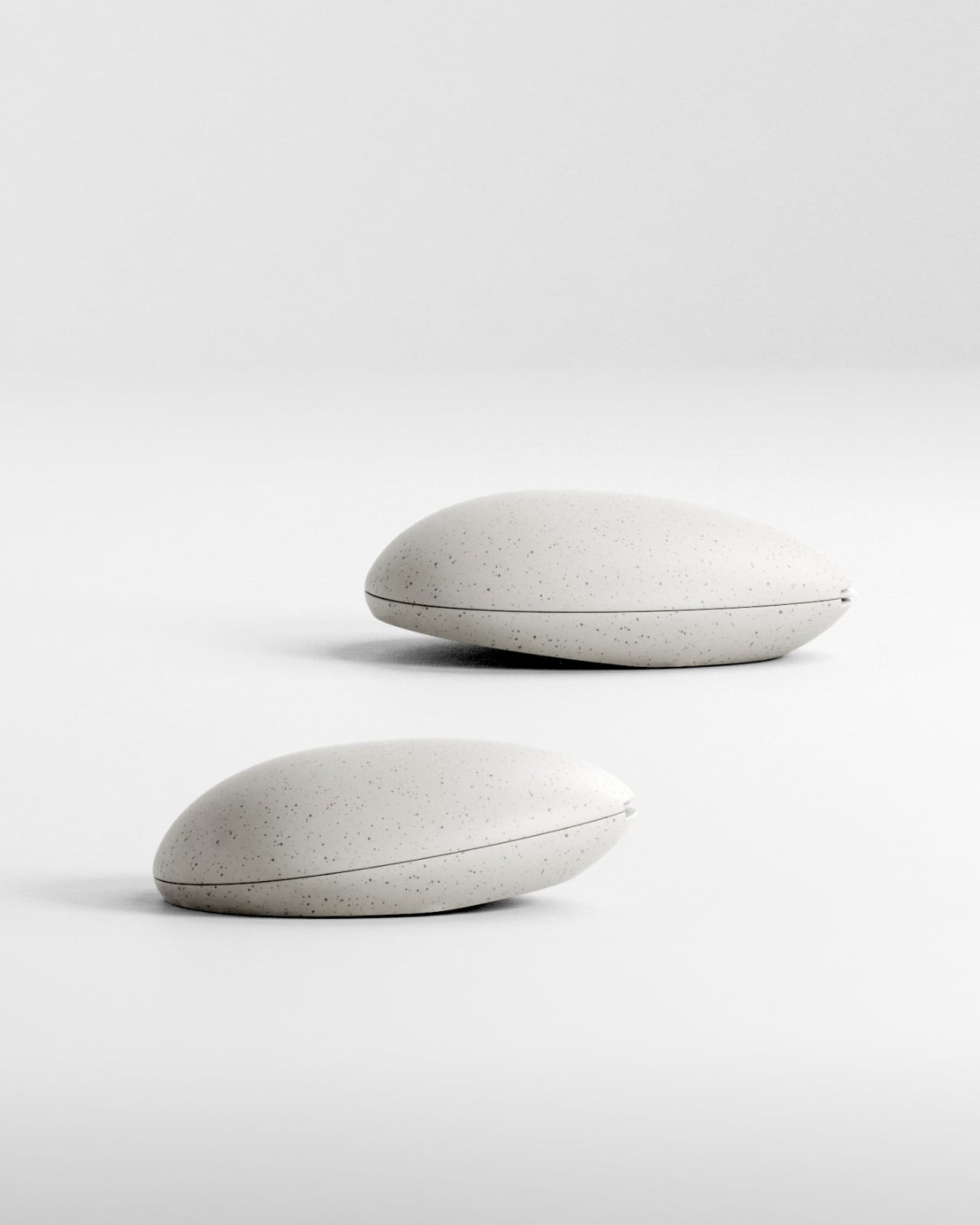
The egg shape itself is surprisingly smart from a user experience perspective. It’s soft and rounded, fitting comfortably in your palm. The scale feels just right, not so small that it’s fiddly, but not so large that it dominates your door. There’s a gentle familiarity to holding an egg, even one made from recycled plastic. It’s a form we all understand instinctively.

The birdhouse package transforms into a refillable tissue holder after you’ve unpacked everything. The circular opening on the side isn’t just aesthetic; it’s functional, letting you see at a glance when you’re running low. Made from vegan leather, it brings a soft contrast to the stone-like texture of the eggs. The eagle motif threading through both the eggs and the “nest” creates visual continuity that feels intentional rather than gimmicky.

What makes this project worth paying attention to is how it handles sustainability without being preachy. Sure, the eggs are made from recycled plastic and the case uses vegan leather, but the kit doesn’t stop at material choices. It’s designed to make eco-friendly living more manageable. That box cutter with the ceramic blade helps you break down boxes properly for recycling. The sorting tools encourage proper waste management. The kit isn’t just made sustainably; it helps you live more sustainably.

This is where corporate gifting usually fails. Most welcome packages are essentially branded advertising that recipients tolerate. Earth’s Hatch flips that script by centering utility. The magnetic feature is particularly clever because it solves a real problem. How many times have you frantically searched for your keys or access card? Now they have a dedicated spot right by your door, held by these smooth, tactile objects that are actually pleasant to interact with daily.

The name itself, Earth’s Hatch, captures what Lotte E&C seems to be going for with their “safe planet project.” It’s about emergence, about something new coming into being. The eagle egg symbolism reinforces that idea of potential and care. Eagles are protective of their eggs, just as we should be protective of the planet. It’s a bit poetic for a construction company, but that’s precisely what makes it memorable.

SWNA Office managed to create something that works on multiple levels. At first glance, it’s a beautiful object with its muted, speckled surface that photographs gorgeously in that minimalist product photography style we’ve all become accustomed to. But it doesn’t rely solely on aesthetics. The design holds up in actual use, which is rarer than it should be.

What this project really demonstrates is that thoughtful design can elevate even something as mundane as organizational tools and tissue holders. By connecting form, function, and meaning, Earth’s Hatch becomes more than a welcome kit. It’s a physical manifestation of a company’s values, something recipients will actually use and remember. That’s the kind of design that deserves attention.

The post Lotte E&C Just Turned 5 Eggs Into the Welcome Gift You’ll Use first appeared on Yanko Design.

This 3D-Printed Lamp Was Designed to Feel Like Mom’s Hug

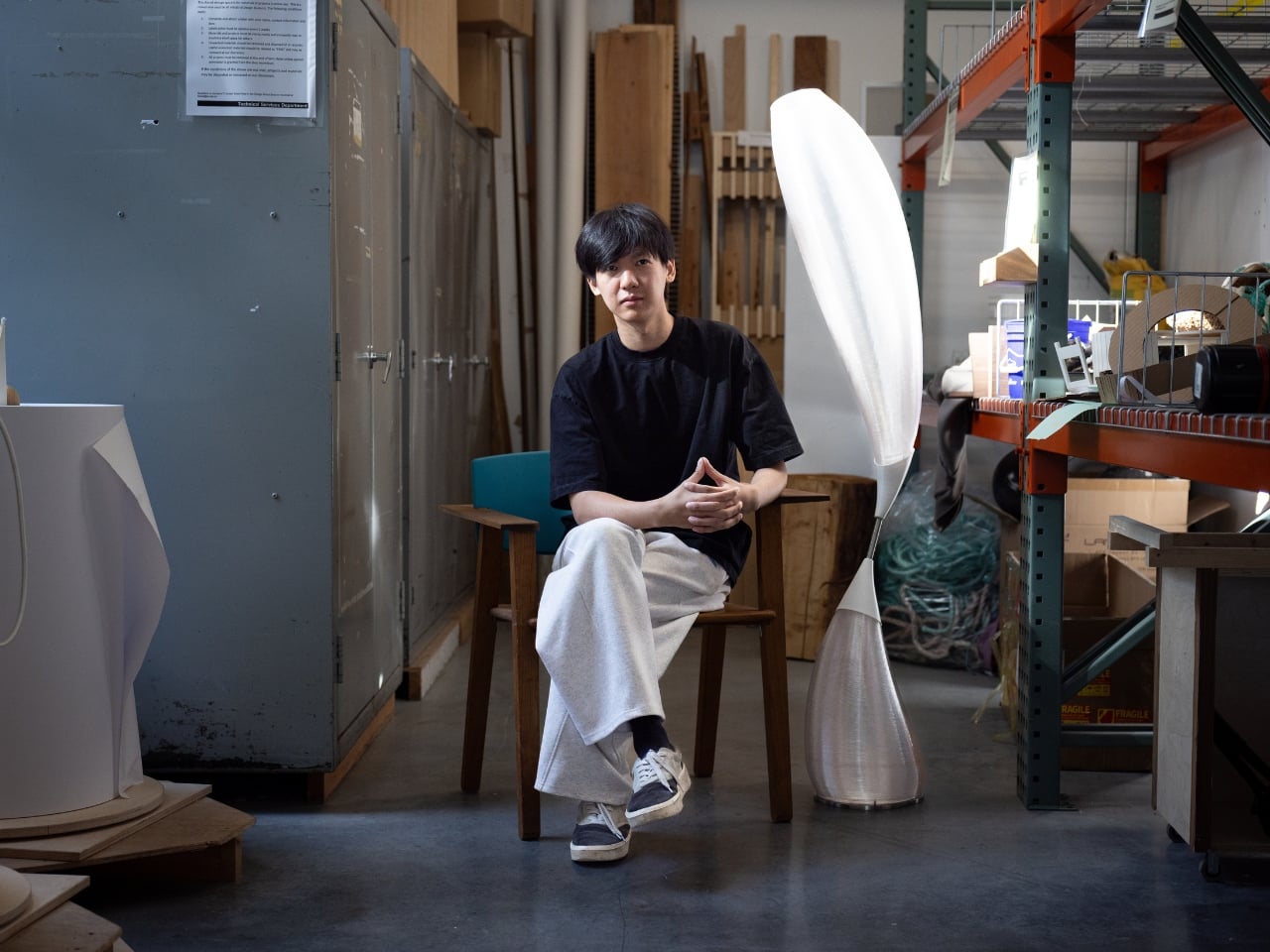
There’s something quietly revolutionary happening in design right now, and it doesn’t involve flashy colors or radical shapes. Instead, it’s about something far more intimate. Hu Yuanlin’s HER Floor Lamp proves that the most innovative designs often emerge from the most personal places, bridging the gap between cutting-edge technology and deep emotional resonance.

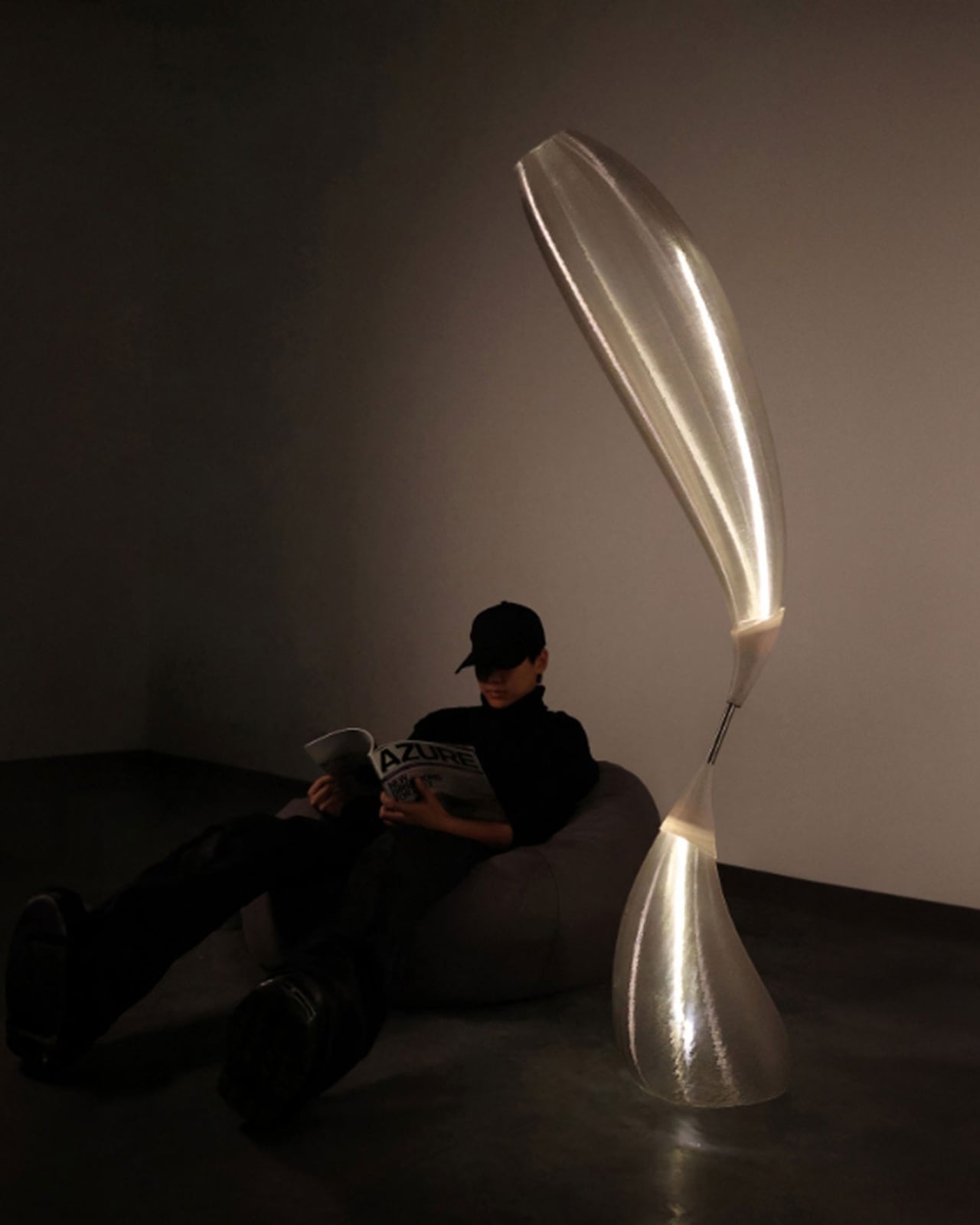
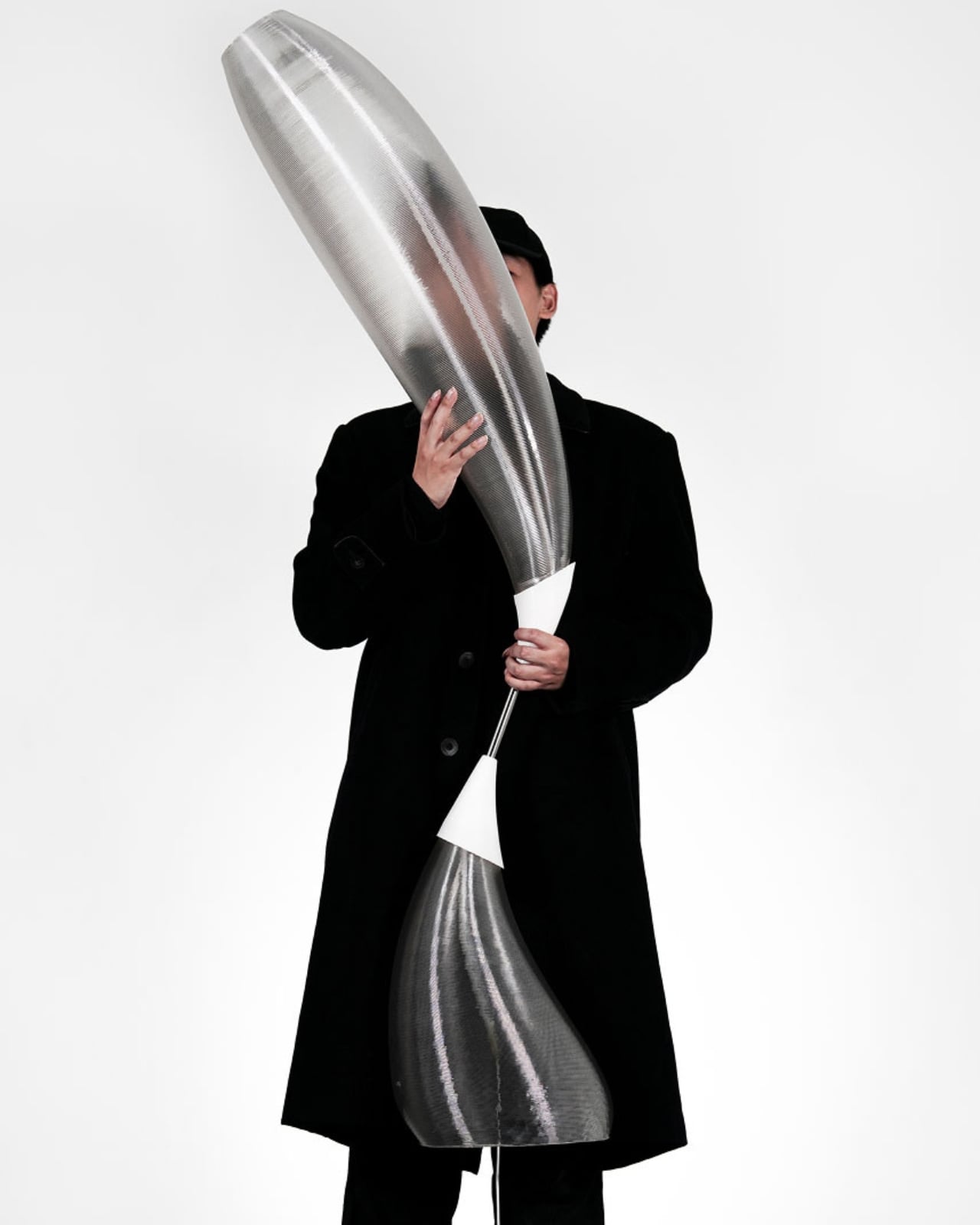
The story behind HER is achingly simple yet profoundly universal. While studying abroad, Hu found himself missing his mother’s presence, that comforting silhouette that represents home and safety. Rather than simply enduring that longing, he transformed it into something tangible. The lamp’s gracefully curved form echoes the protective stance of a maternal figure, creating what he calls a “quiet emblem of safety and peace at home”. It’s a reminder that the objects we surround ourselves with can do more than illuminate rooms or look aesthetically pleasing. They can hold memories, evoke emotions, and provide companionship.

Designer: Hu Yuanlin

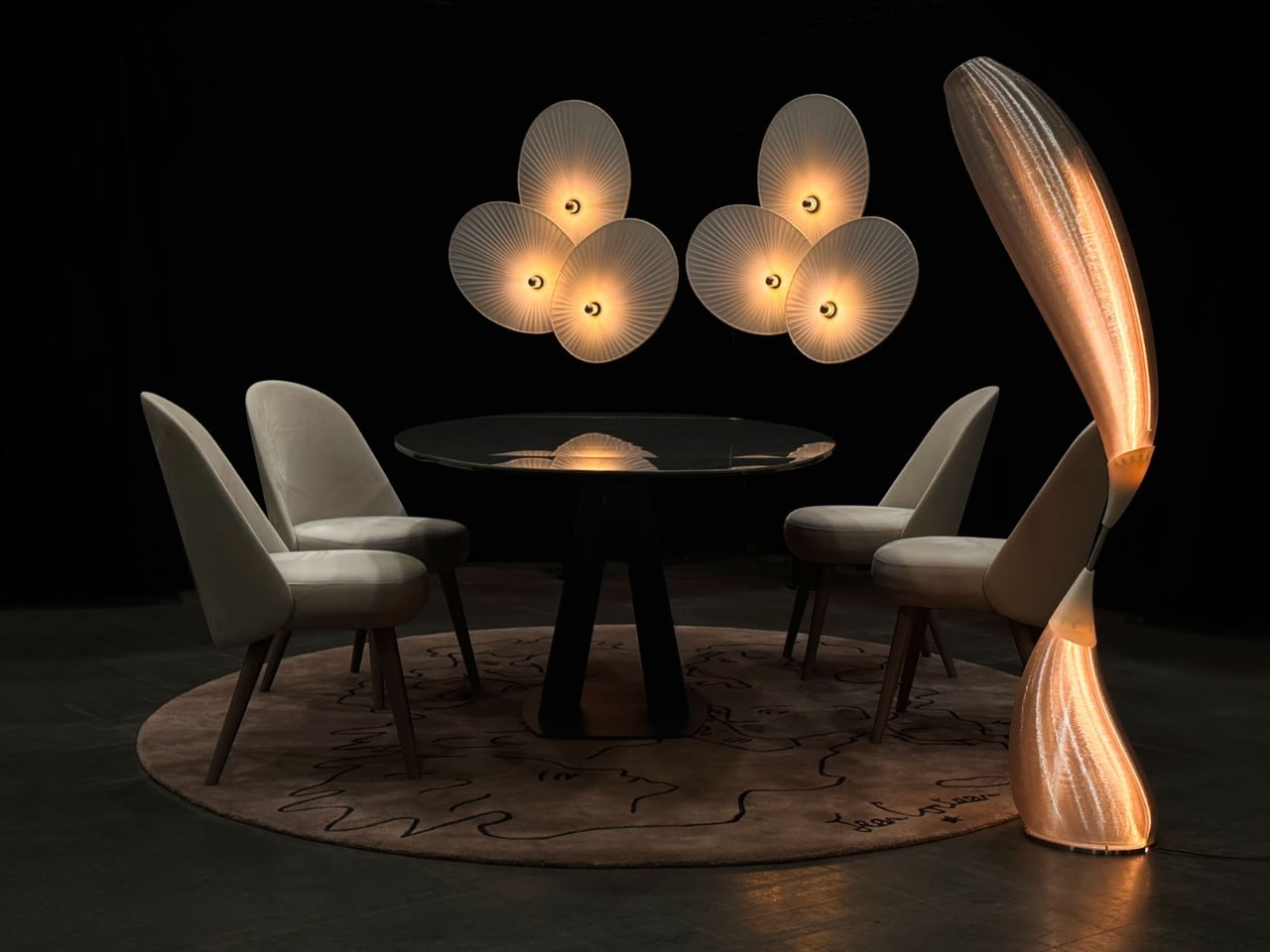
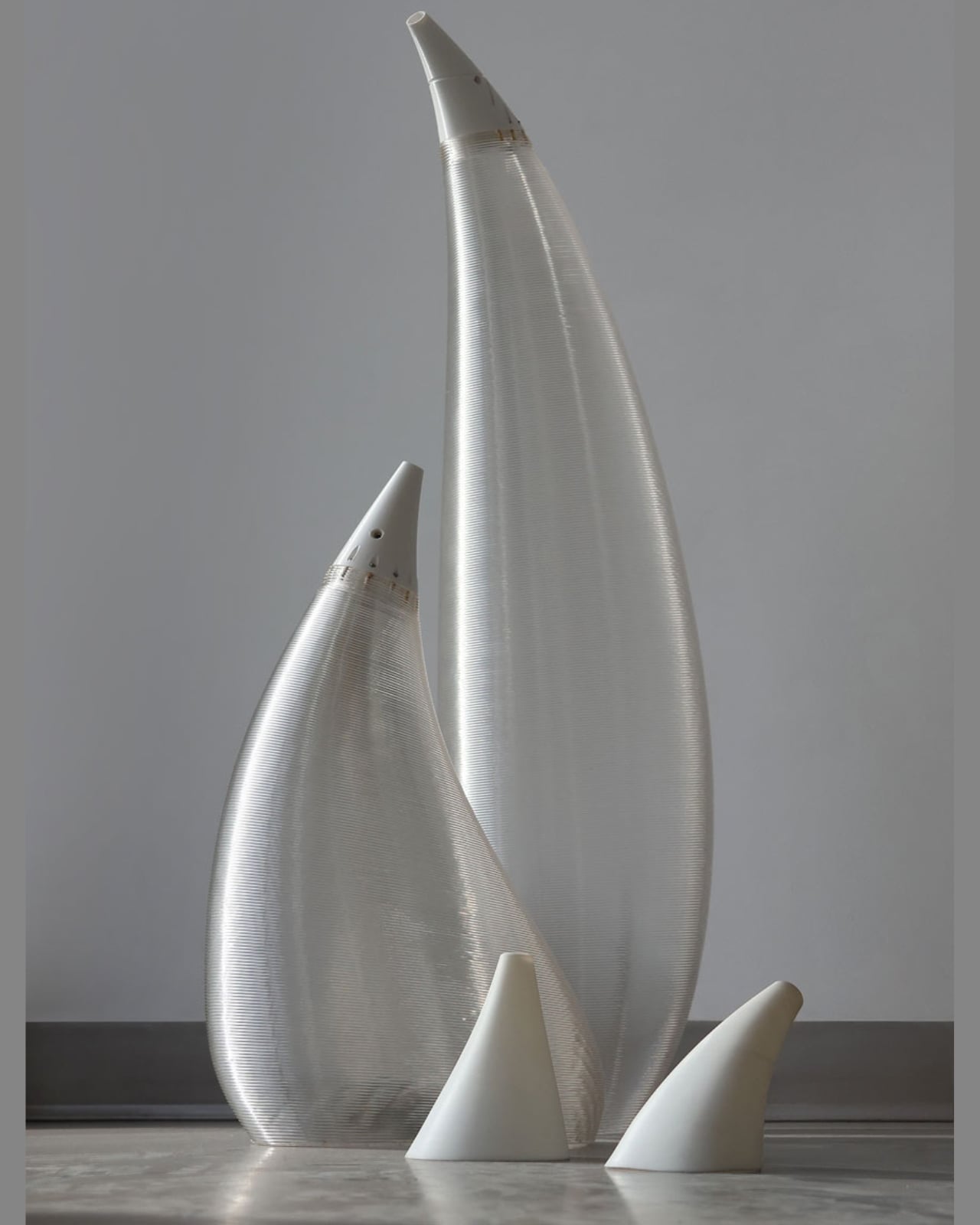
What makes HER particularly fascinating is how it marries this emotional depth with technological innovation. The lamp isn’t just symbolically sustainable through its emotional longevity. It’s literally made from recycled materials, with its segmented lampshade 3D-printed from recycled PETG sourced from old eyeglass frames and disc cases. This choice transforms what might have become waste into something beautiful and functional, proving that sustainability and design excellence aren’t mutually exclusive.

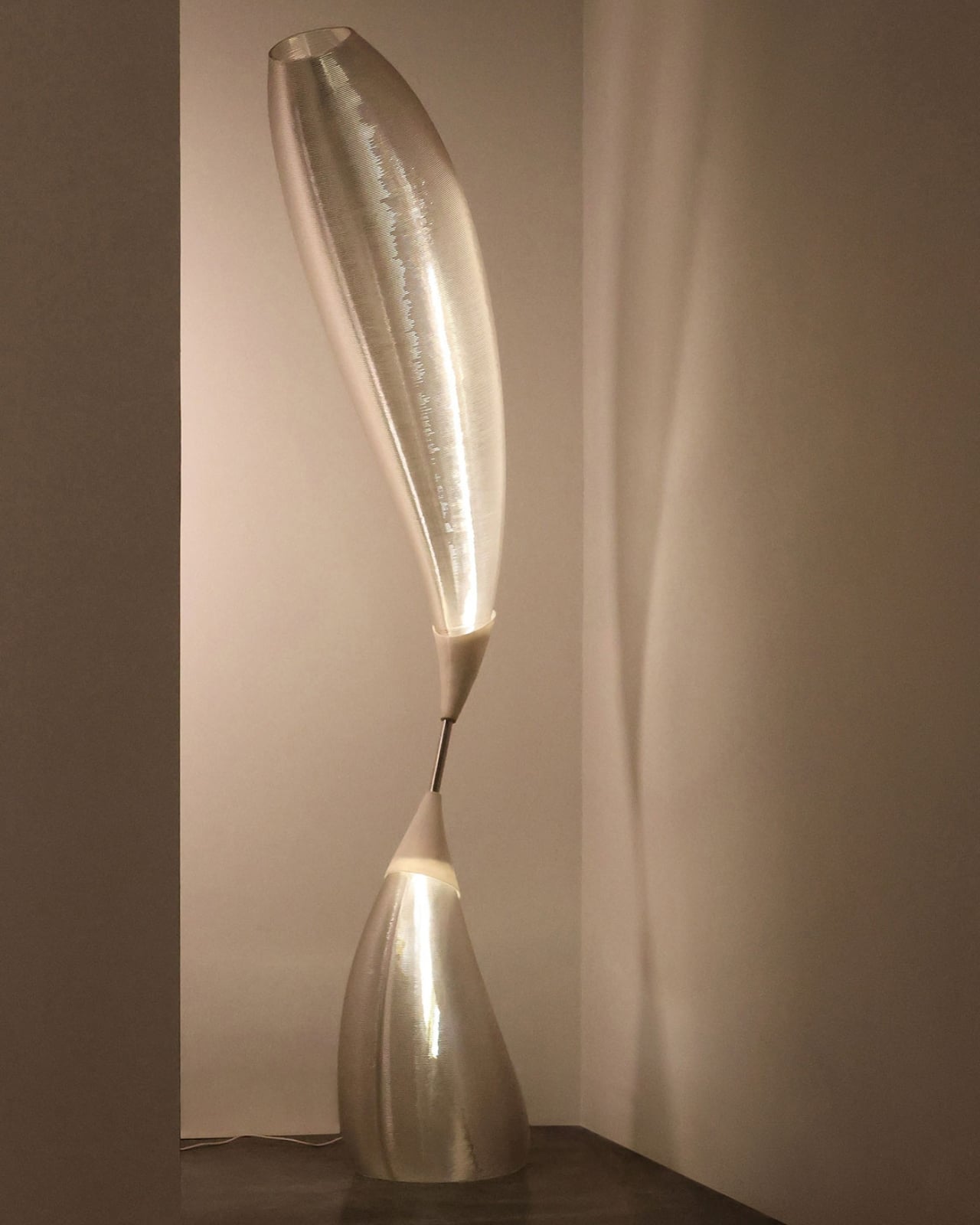
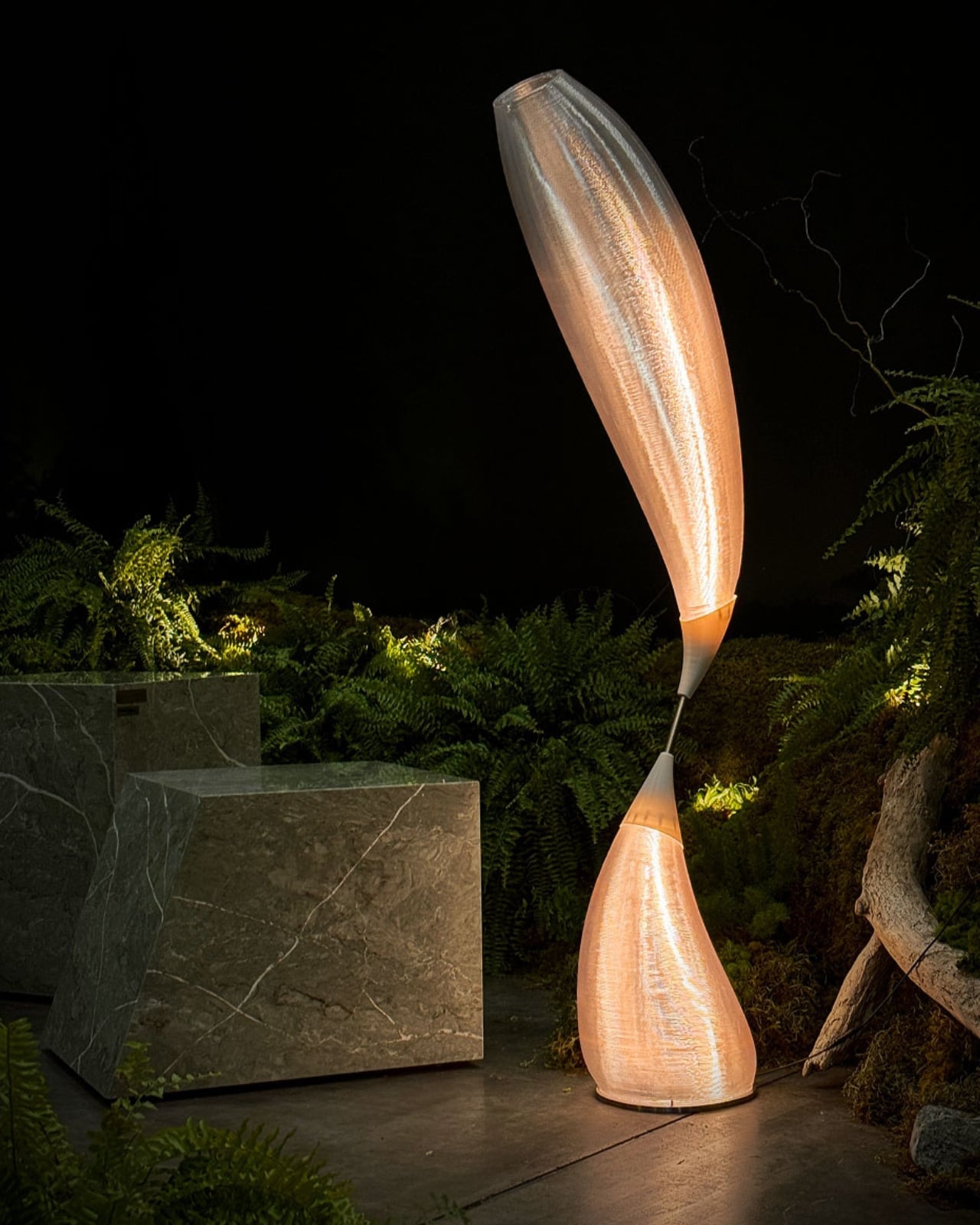
The technical execution deserves attention too. The crystal-clear shade refracts light in ways that create flowing shadows and an atmosphere of serenity. It’s not harsh or clinical despite its modern manufacturing method. Instead, the lamp combines streamlined structural design with organic, leaf-like details that express natural vitality within a minimalist framework. This balance between the organic and the technological, between warmth and precision, feels distinctly contemporary.

HER has already garnered significant recognition in the design world. The lamp won a 2025 Red Dot Design Award, one of the most prestigious accolades in the field, while Hu was still a student. That’s no small achievement. It signals that the design community is hungry for work that doesn’t just look good in a portfolio but carries genuine meaning and innovative thinking about materials and manufacturing.

The timing feels right for a design like this. We’re living in an era where people increasingly crave authenticity and connection, where the sterile perfection of mass-produced items often feels empty. Meanwhile, technology like 3D printing has matured to the point where it can produce objects with both technical sophistication and artistic nuance. HER exists at this intersection, using advanced manufacturing to create something that feels handcrafted and personal.

There’s also something poignant about a lamp designed to evoke maternal presence. In our hyper-connected yet often isolated modern lives, especially for those living far from family, objects that provide emotional anchoring become increasingly valuable. HER doesn’t just light a room. It occupies space with a presence, standing sentinel like a protective figure. It’s the kind of design that transforms a house into a home, that makes a lonely apartment feel less empty.

What Hu has achieved with HER suggests exciting possibilities for the future of product design. As 3D printing technology becomes more accessible and sustainable materials more refined, designers have unprecedented freedom to create forms that would be impossible through traditional manufacturing. More importantly, they can create limited runs or even custom pieces that maintain deeply personal narratives without sacrificing quality or sustainability.

The lamp has already been exhibited at events like TCT Asia 3D Printing and Shanghai Design Week, introducing it to broader audiences and manufacturing partners. It’s moving from student project to commercial reality, which means more people might soon have the opportunity to bring this piece into their homes and lives. HER Floor Lamp reminds us that great design doesn’t need to shout. Sometimes the most powerful statements are quiet ones, standing in the corner of a room, casting gentle shadows, and making us feel a little less alone.

The post This 3D-Printed Lamp Was Designed to Feel Like Mom’s Hug first appeared on Yanko Design.

This Sculptural Bench Captures Sardinia’s Sea in Recycled Resin

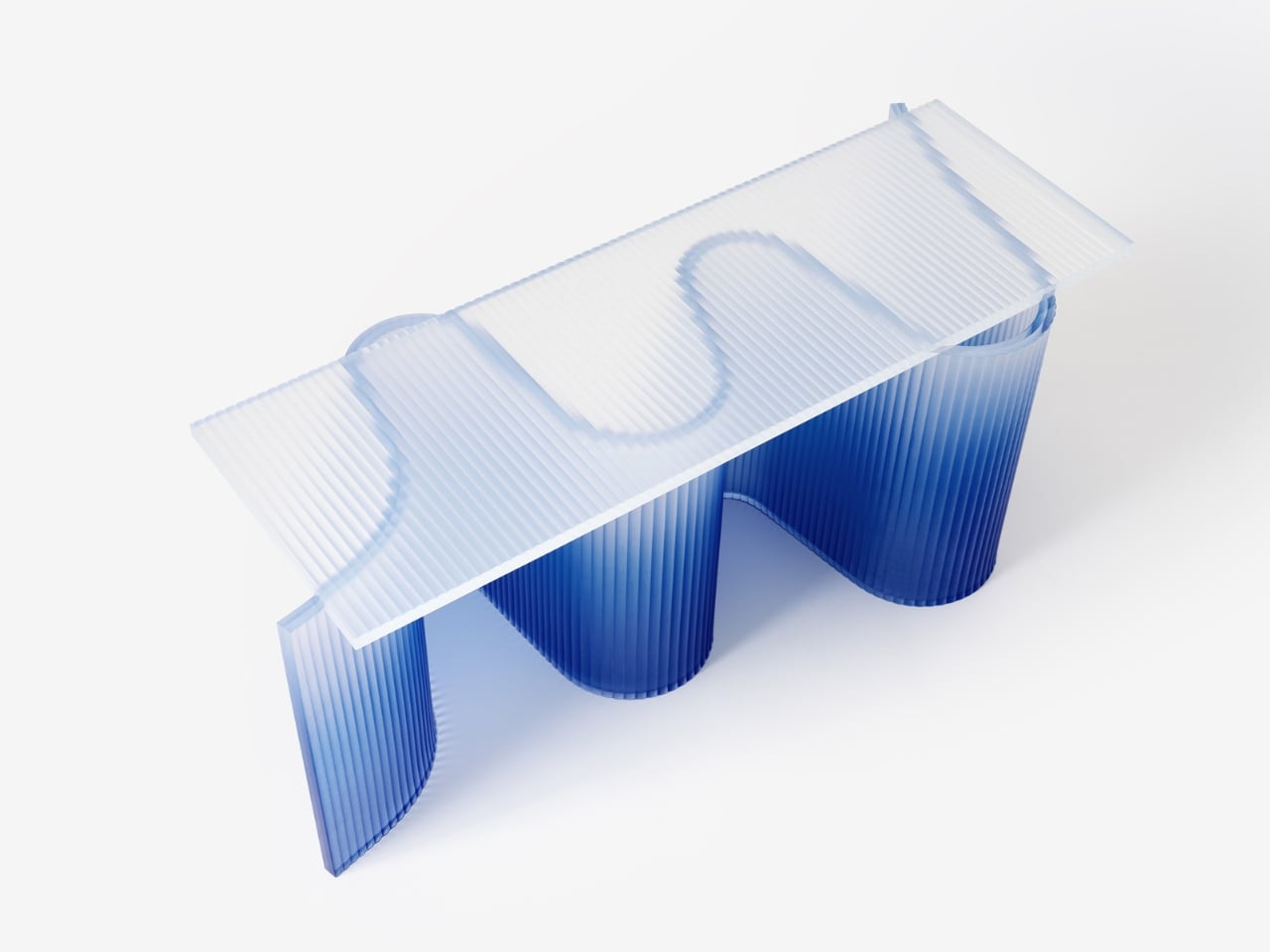
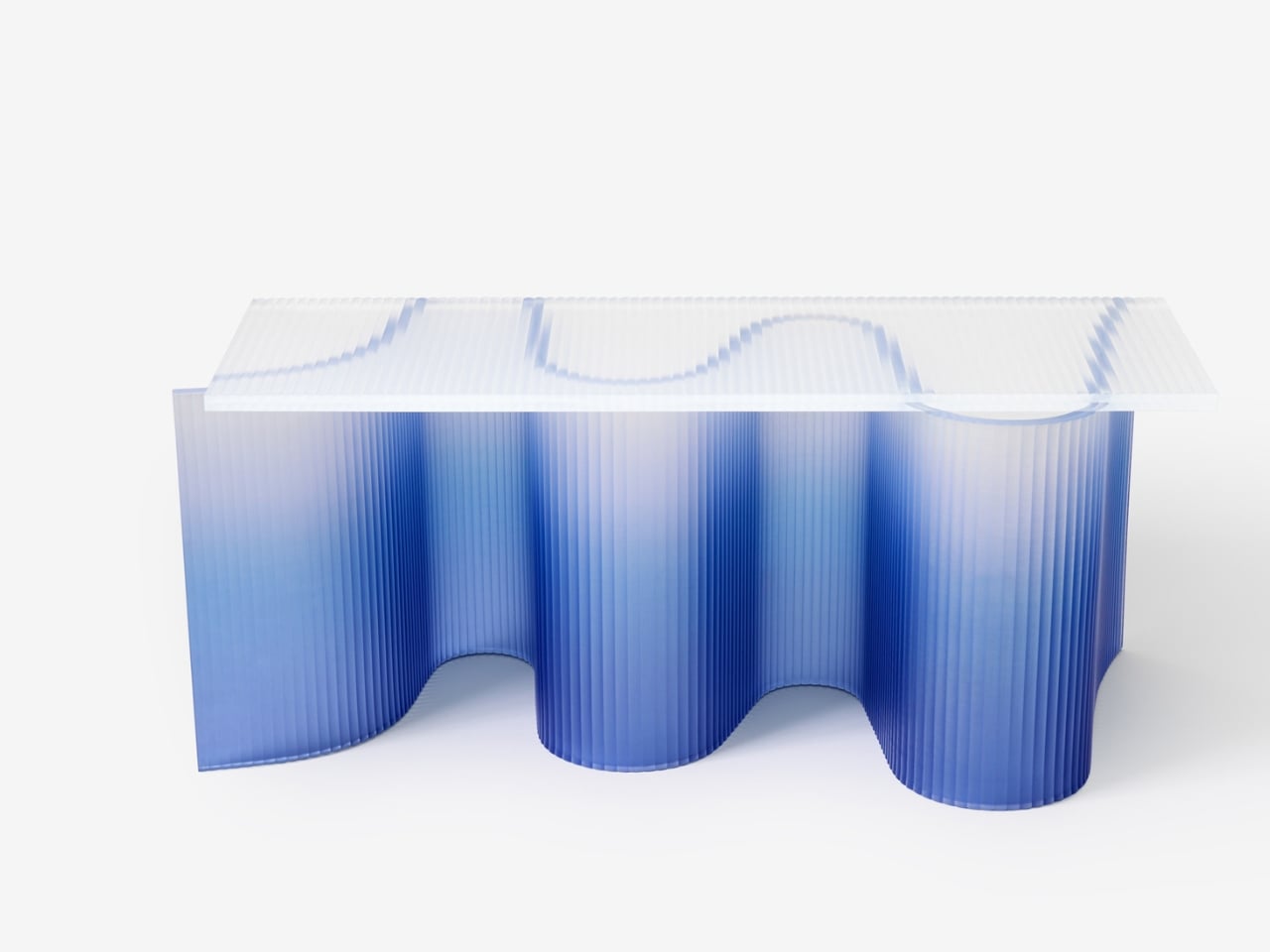
You know that moment when you’re standing at the edge of the ocean, watching waves roll in with that hypnotic rhythm that makes everything else fade away? Designer Andrea Ponti wanted to bottle that feeling, and honestly, I think he nailed it with Cresta, a sculptural bench that looks like it was pulled straight from the Mediterranean and frozen in time.

Cresta, which means “crest” in Italian, is more than just a place to sit. It’s a love letter to Sardinia’s coastline, where Ponti grew up surrounded by the kind of natural beauty that gets under your skin and never really leaves. The bench captures that raw, untamed energy of water in motion, translating it into something you can actually touch and experience in your own space. And the best part? It’s made entirely from recycled plastics, proving once again that sustainability and stunning design don’t have to be mutually exclusive.

Designer: Ponti Design Studio

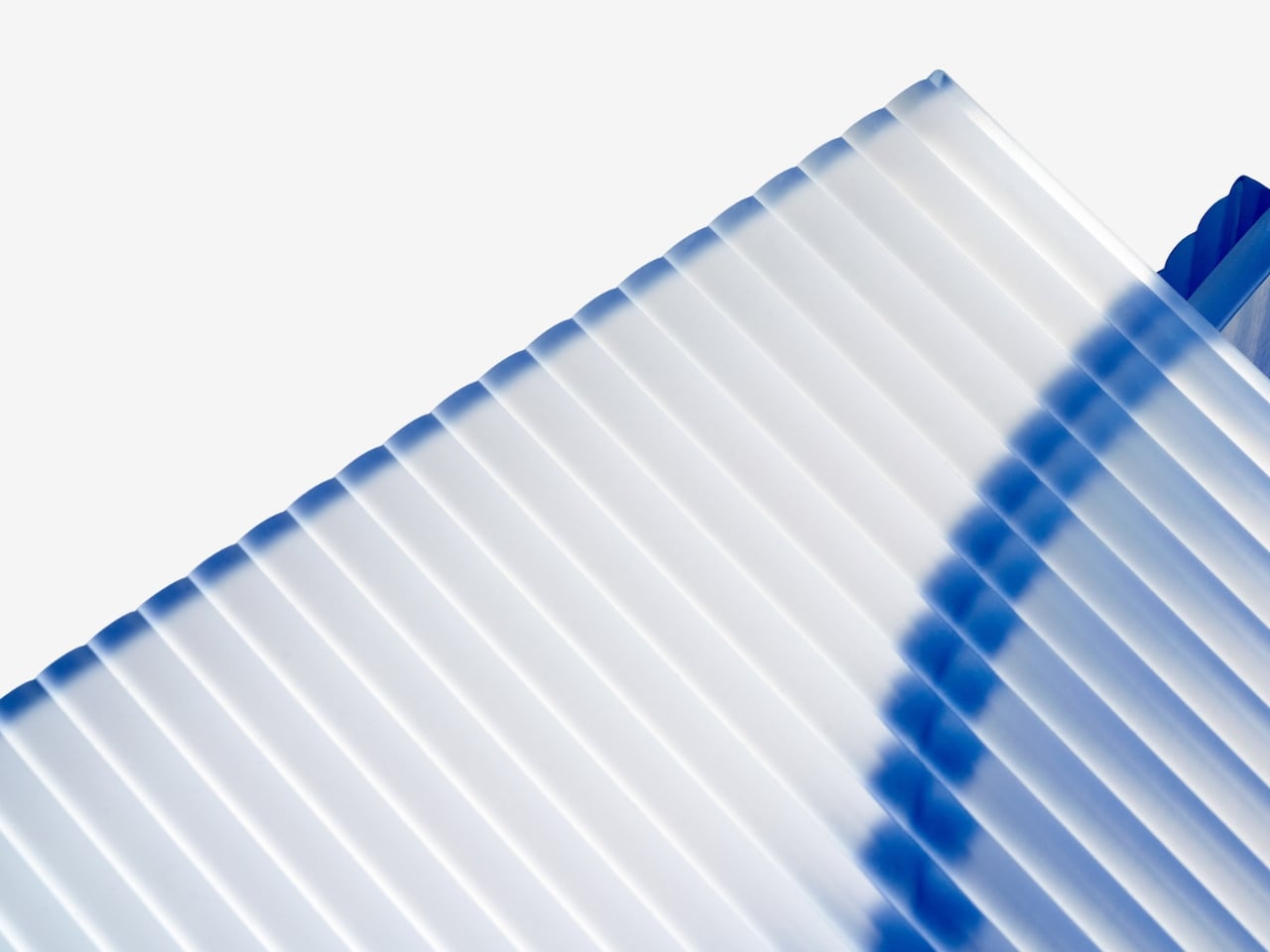
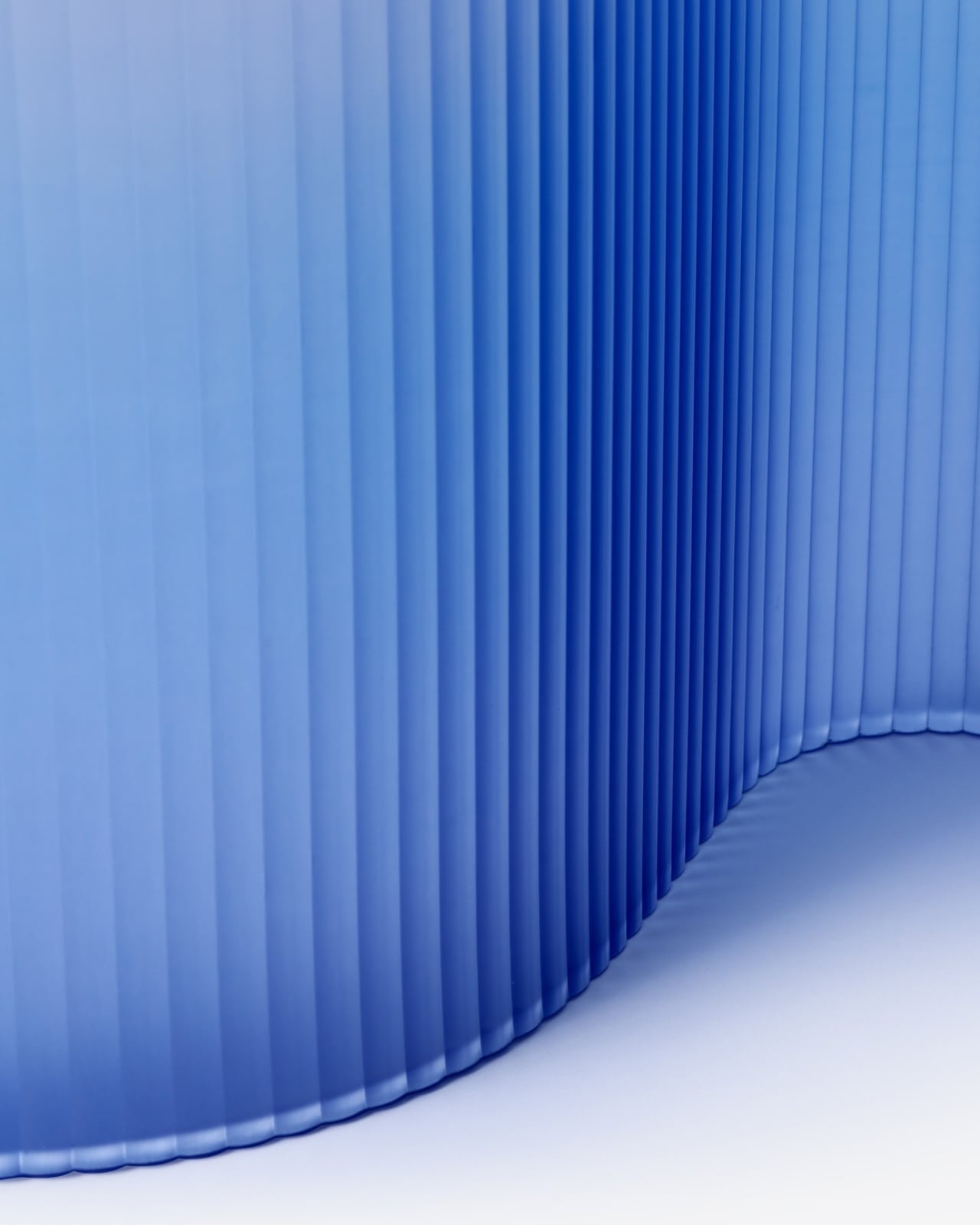
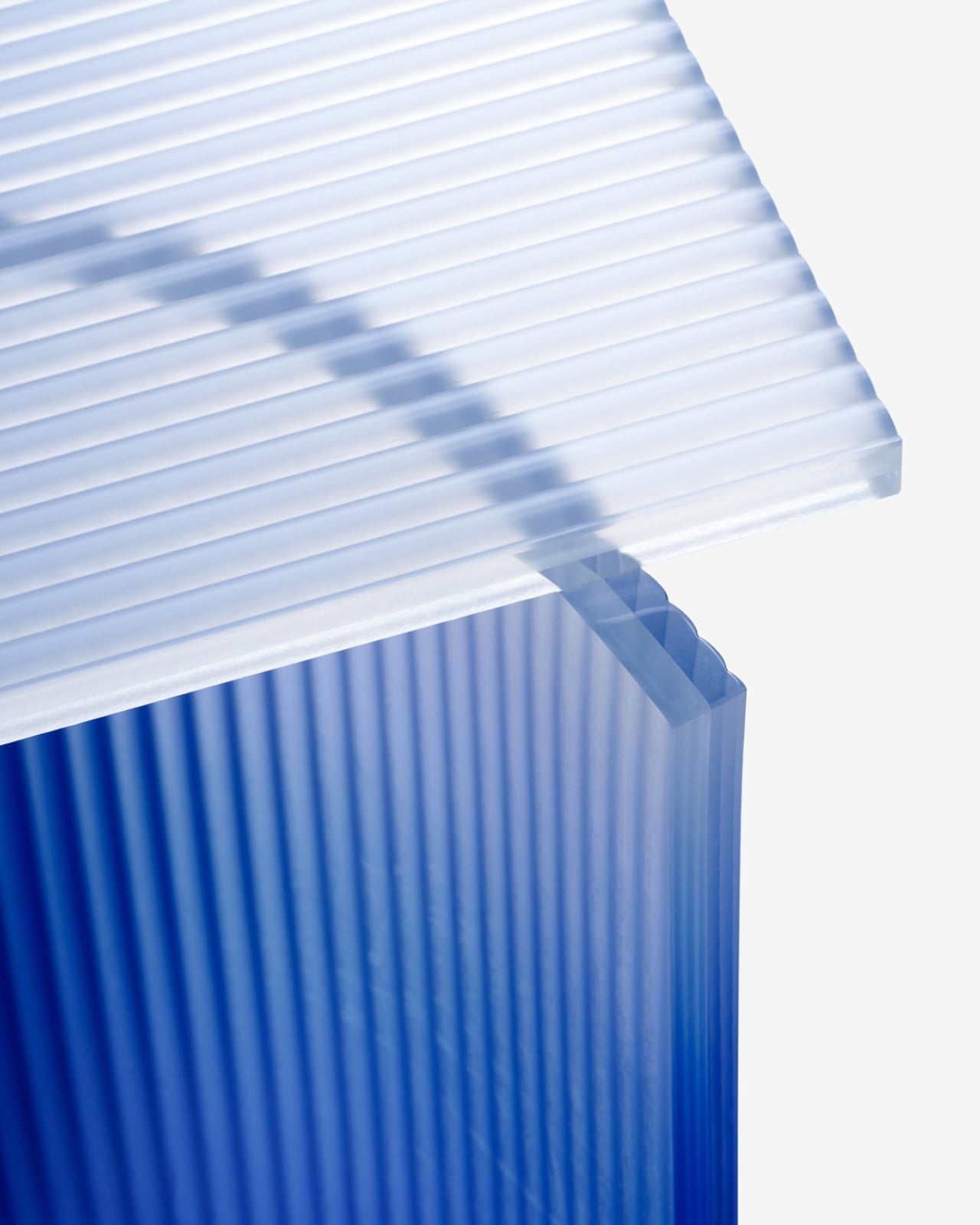
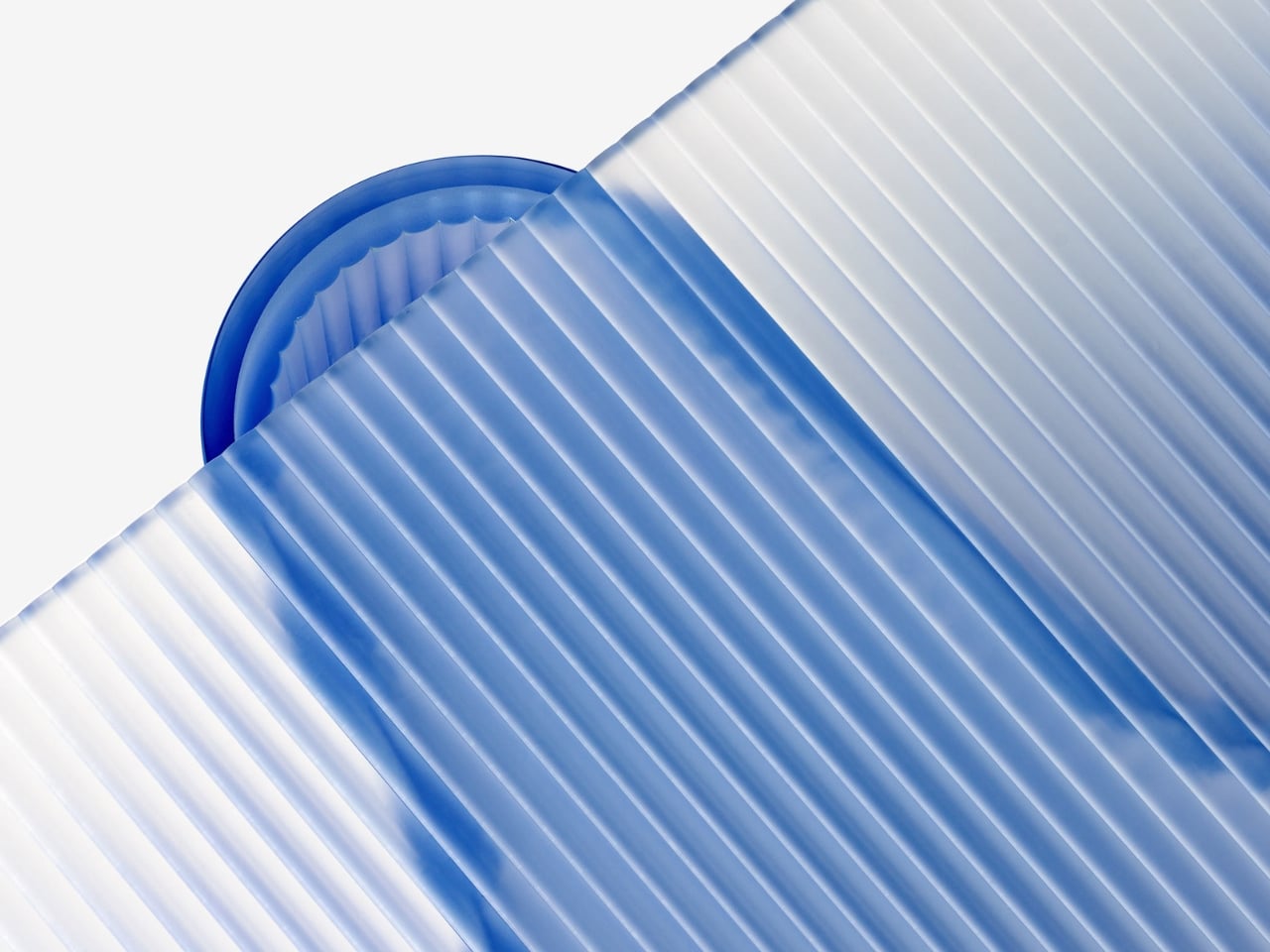
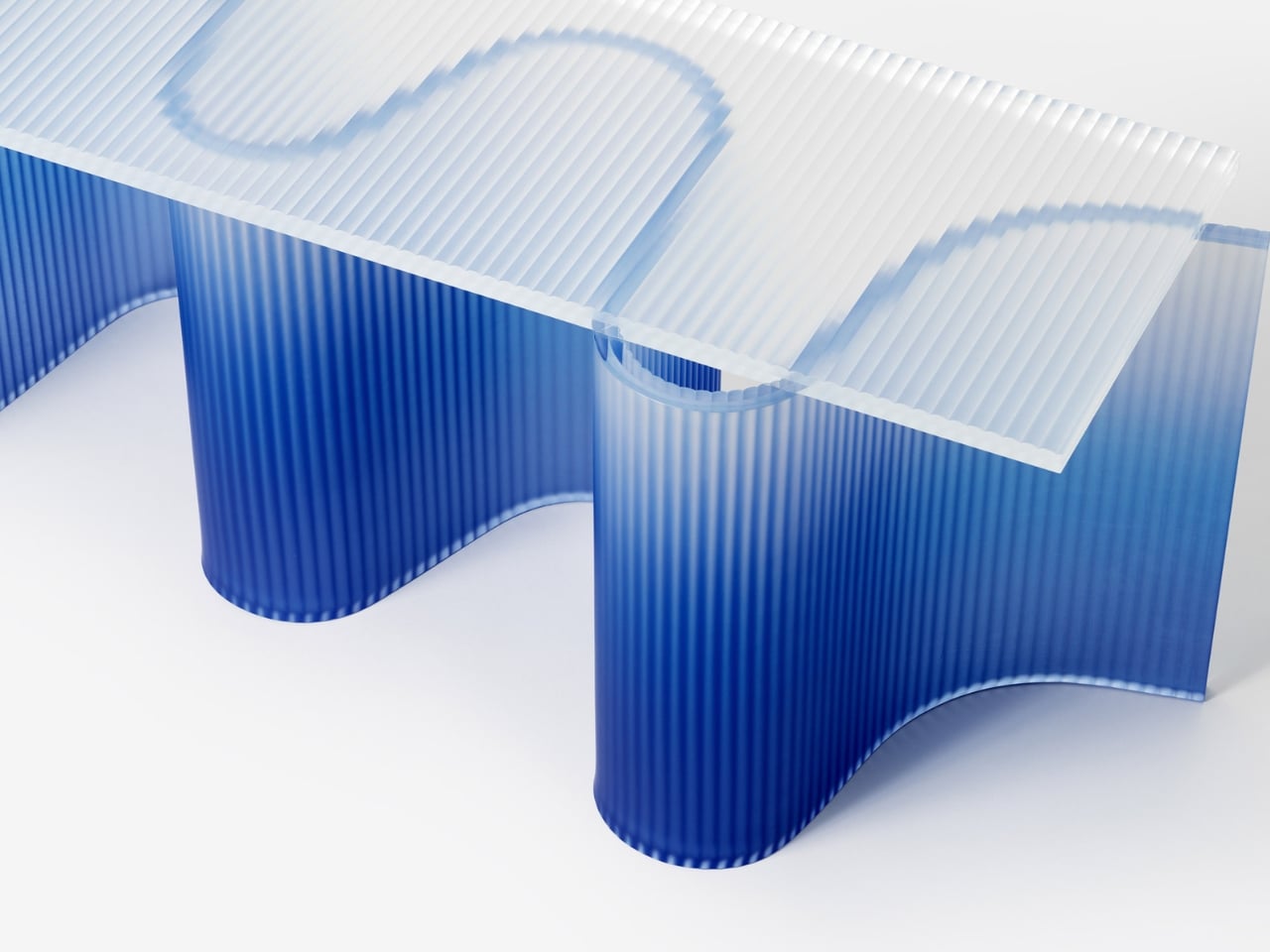
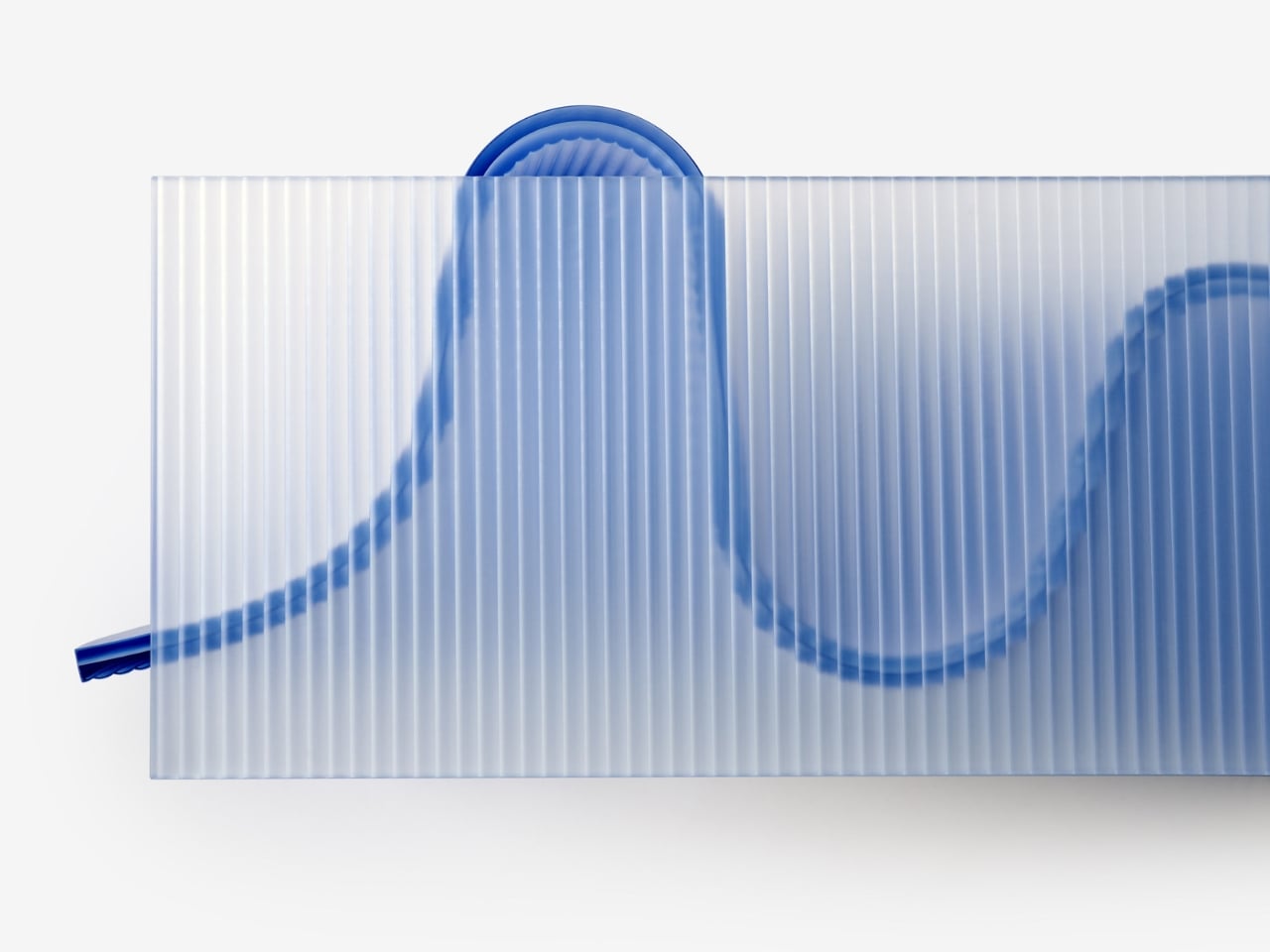
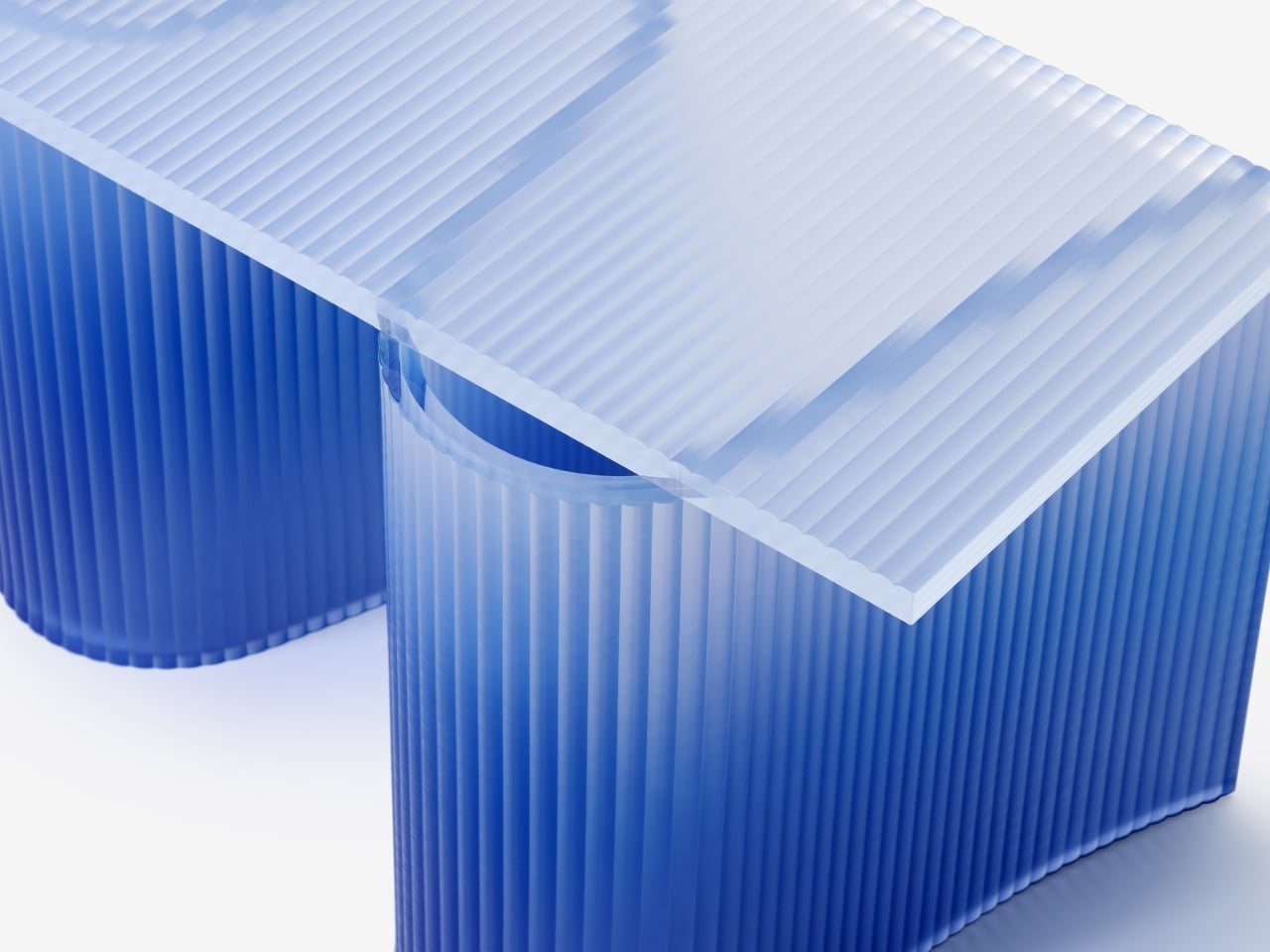
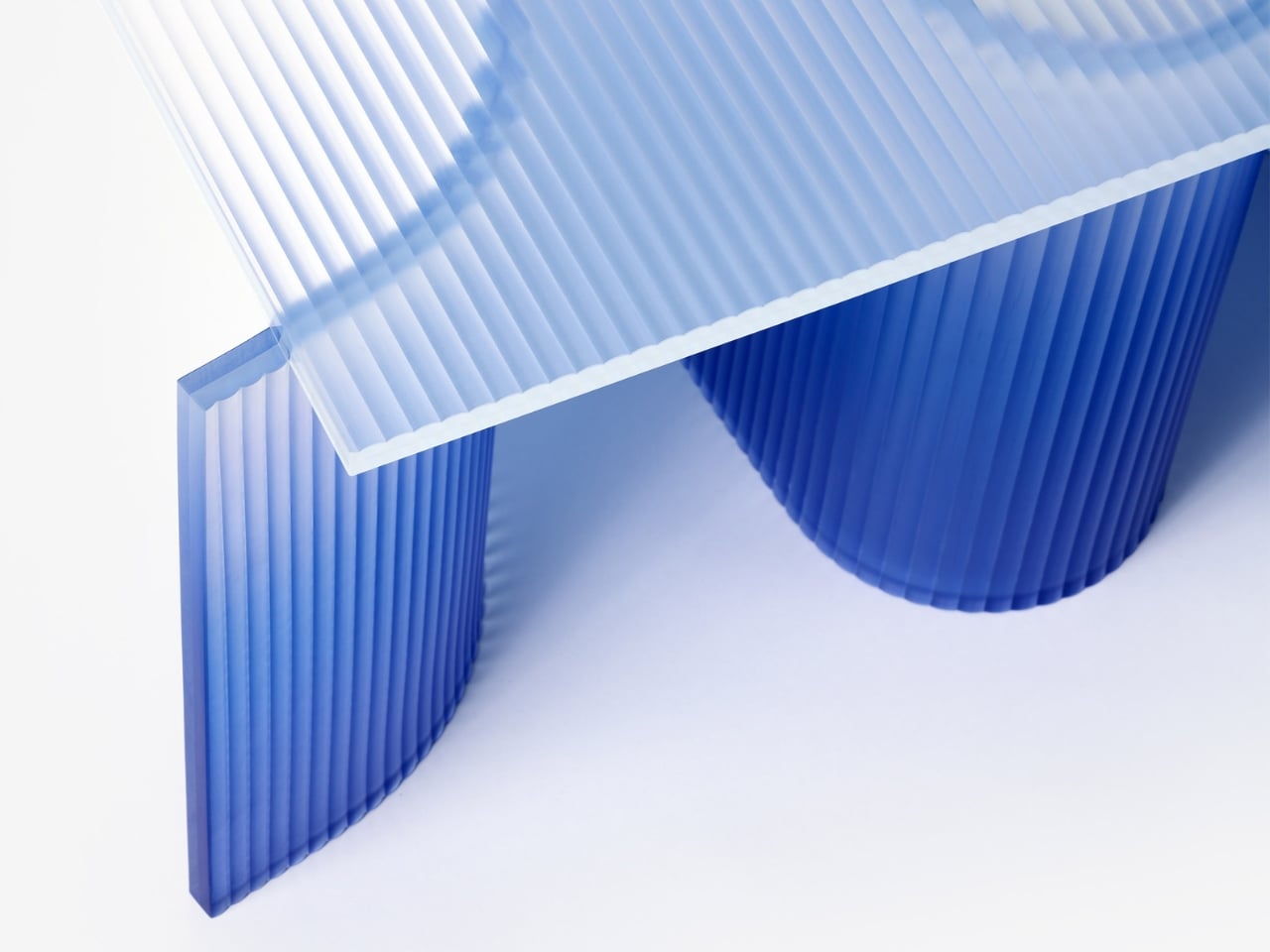
Let’s talk about what makes this piece so visually striking. The color alone is enough to stop you in your tracks. Cresta features a gradient that flows from deep ocean blue at the base to crystal-clear transparency at the top, mimicking the way sunlight filters through water. It’s the kind of detail that makes you want to walk around the piece from every angle, watching how the light plays through the material and creates new patterns depending on where you’re standing.

The texture adds another layer of intrigue. Those fine vertical lines running through the resin give it a tactile quality that invites you to reach out and touch it. From certain angles, it almost looks like the surface is rippling, as if the bench is caught in a perpetual state of movement. It’s a clever trick that keeps the piece feeling alive rather than static.

What really sets Cresta apart is its structure. The bench is composed of two distinct elements that work together to create its distinctive character. The top section is designed for comfort, providing seating for two people. But it’s the bottom that steals the show. That wave-like base isn’t just visually dramatic, it’s the heart of the design, giving Cresta its sculptural identity and making it feel less like furniture and more like a piece of contemporary art that happens to be functional.

Now, about that sustainability angle. Ponti and his team at Ponti Design Studio didn’t just slap some eco-friendly marketing on this project and call it a day. They carefully curated a blend of recycled plastics, including PMMA (acrylic), PET (the stuff in water bottles), PC (polycarbonate), and PS (polystyrene). These materials would otherwise end up in landfills or, ironically, polluting the very oceans that inspired this piece. By transforming waste into something beautiful and functional, Cresta makes a quiet but powerful statement about what’s possible when we rethink our relationship with discarded materials.

This approach feels particularly relevant right now. We’re all drowning in conversations about plastic waste and environmental responsibility, and sometimes it can feel overwhelming and abstract. But when you see something like Cresta, it suddenly clicks. Recycled materials don’t have to look recycled. They don’t have to sacrifice beauty or craftsmanship. In fact, they can become something that people actively want in their homes and public spaces.

The bench would be right at home in a contemporary gallery, a modern office lobby, or even a stylish outdoor space where it could echo the natural environment it celebrates. Its clean aesthetic and sculptural form give it versatility, while that unmistakable wave-inspired silhouette ensures it never fades into the background. What I find most compelling about Cresta is how it manages to be both minimal and dramatic at the same time. There’s nothing extraneous about the design. Every curve, every gradient shift, every textured line serves the larger vision. Yet the overall effect is bold and memorable, the kind of piece that makes people stop and ask questions.

In a world where so much furniture blends together into beige sameness, Cresta stands out as something genuinely different. It’s a reminder that good design can tell a story, honor a place, and push us toward better environmental choices, all while looking absolutely stunning. Andrea Ponti took his memories of Sardinian seas and transformed them into something tangible, something that lets the rest of us experience a little bit of that coastal magic, no plane ticket required.

The post This Sculptural Bench Captures Sardinia’s Sea in Recycled Resin first appeared on Yanko Design.
Atlanta Airport Has Chairs Made From Campus Trash. They’re Gorgeous

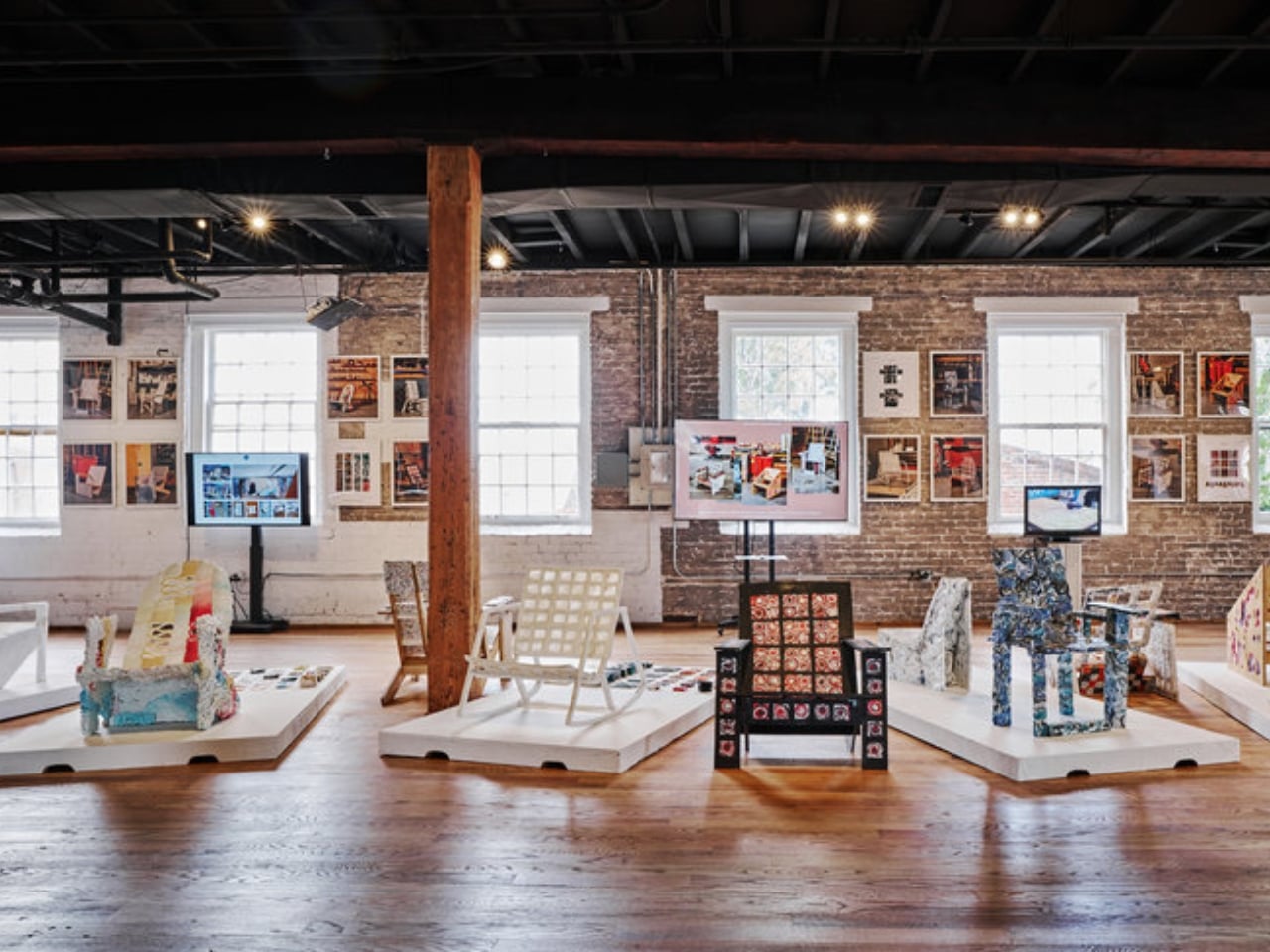
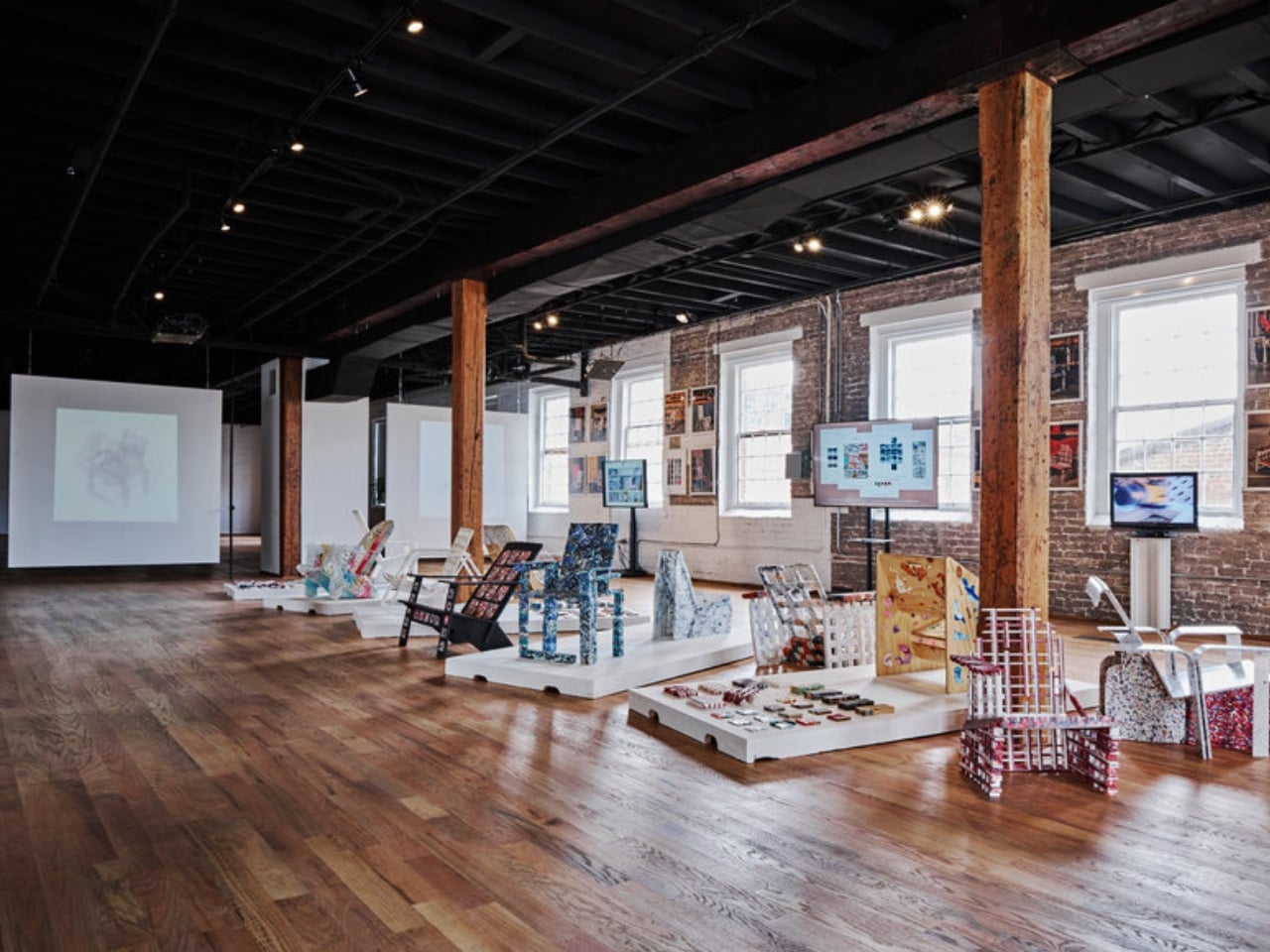
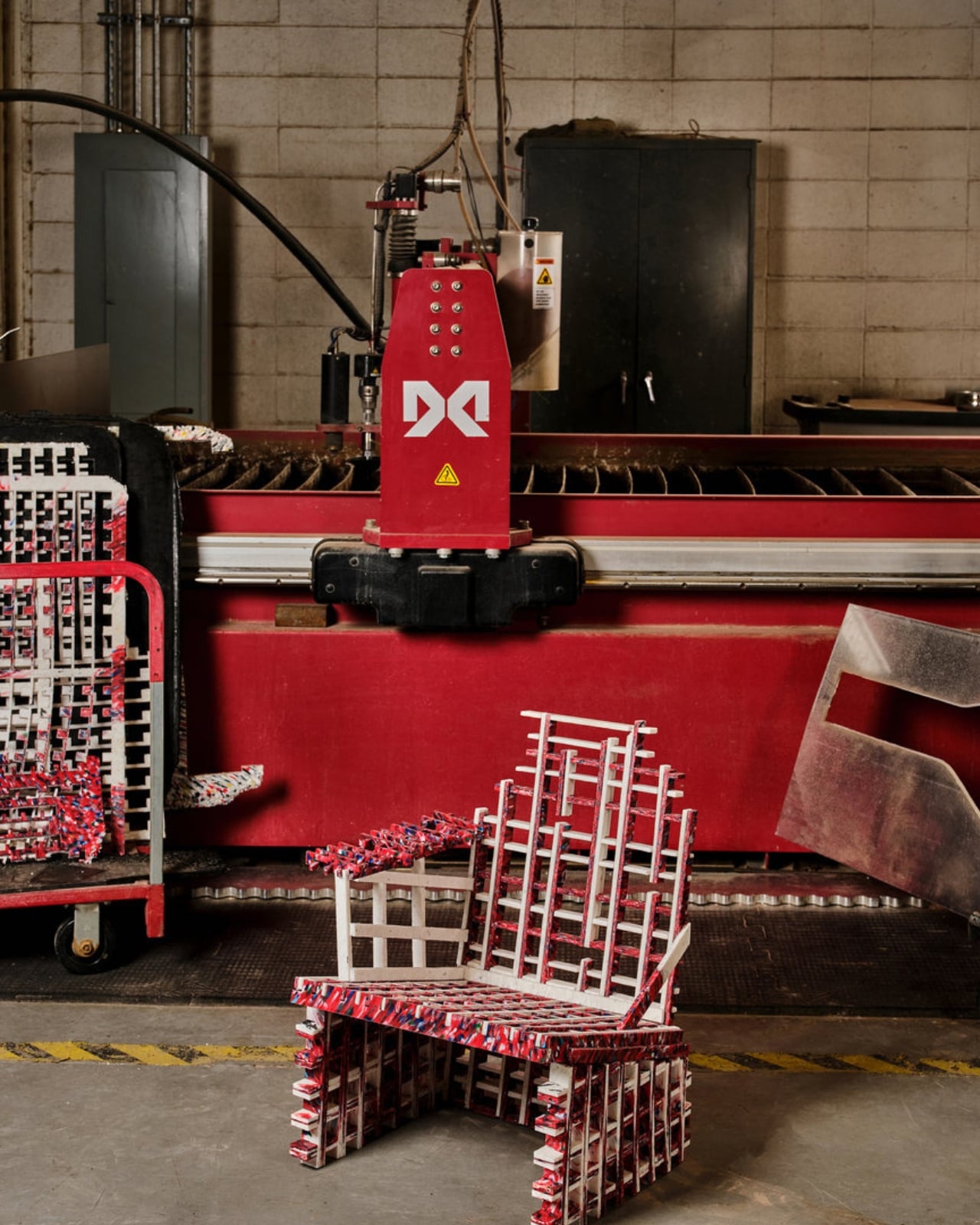
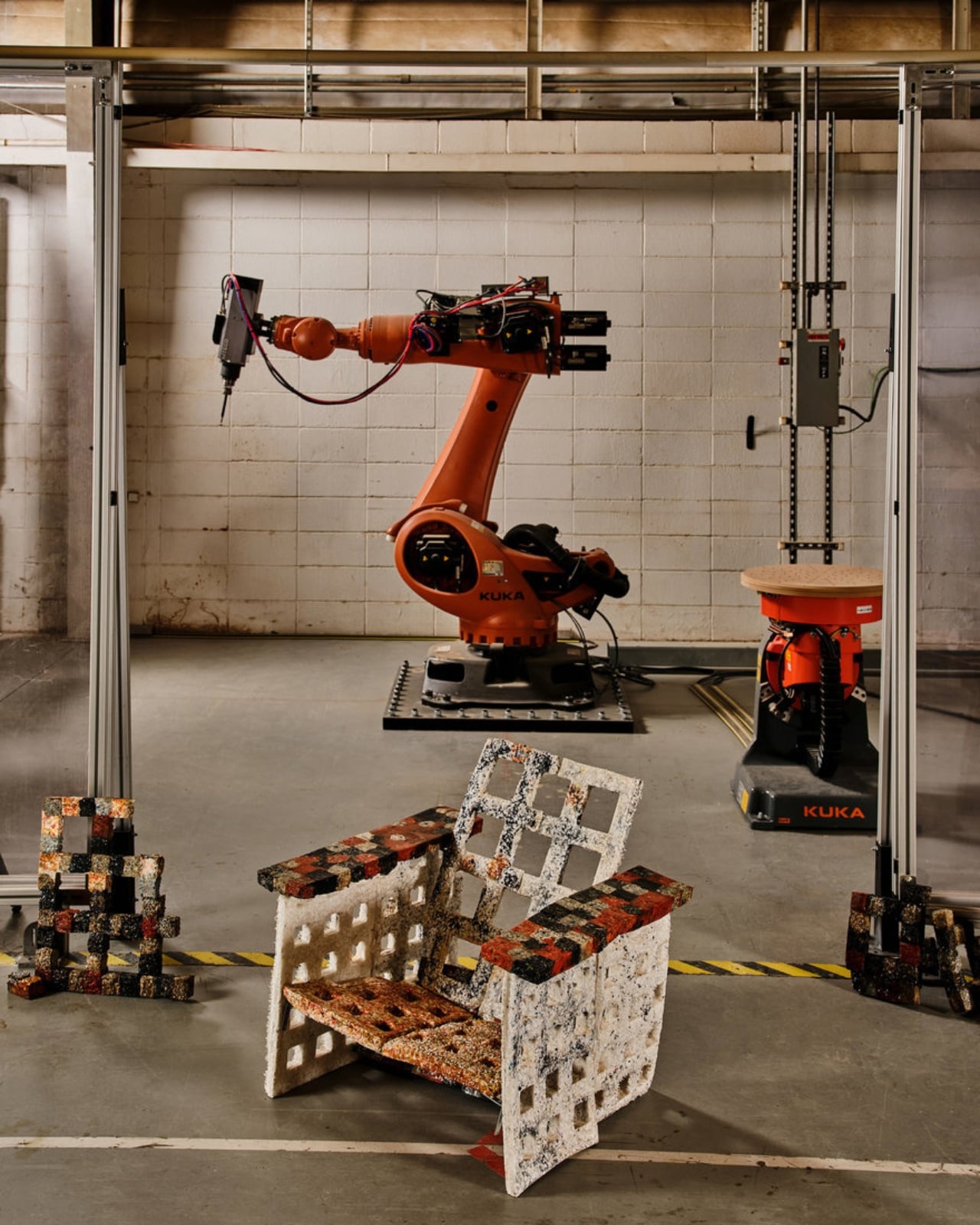
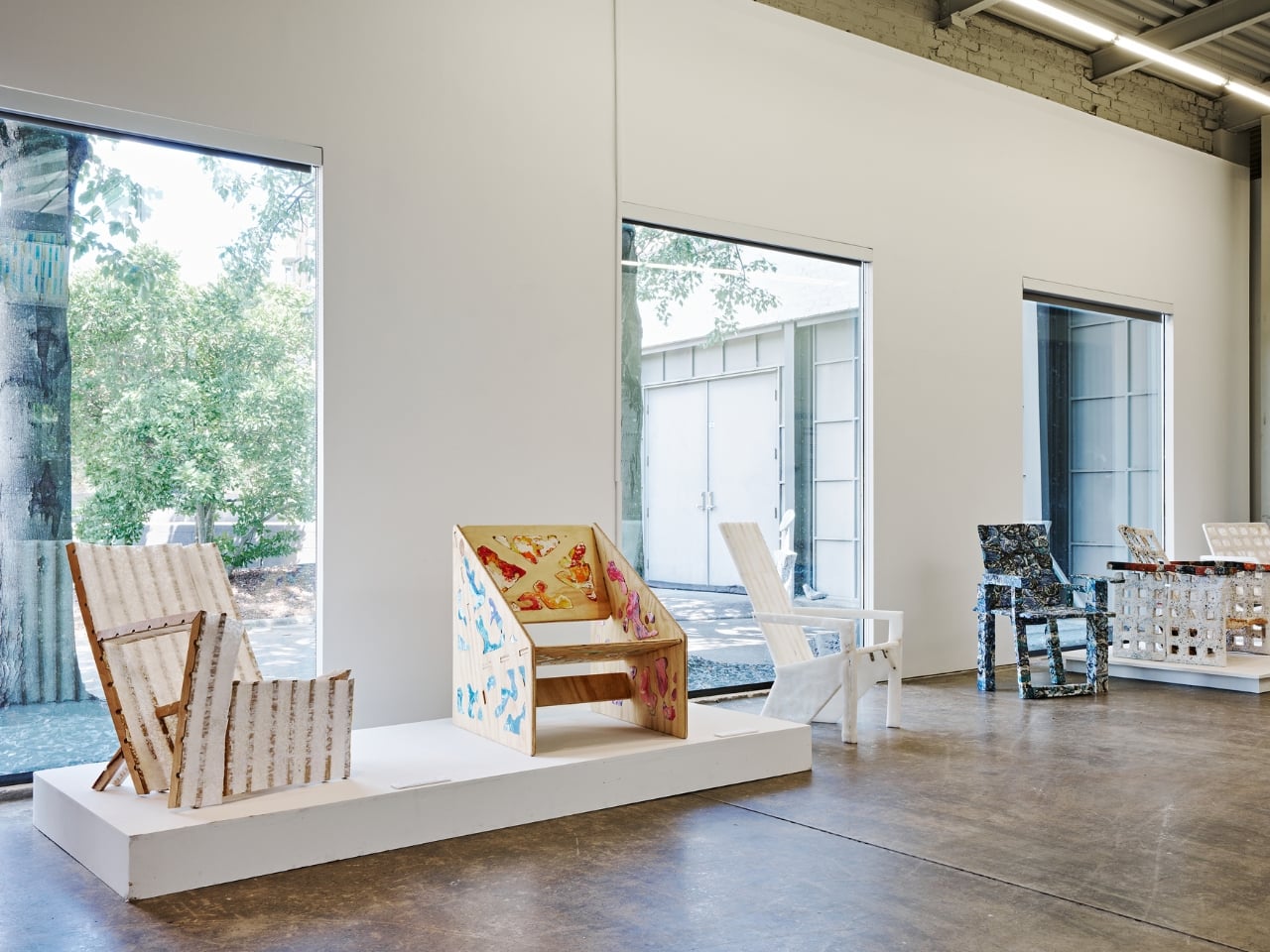
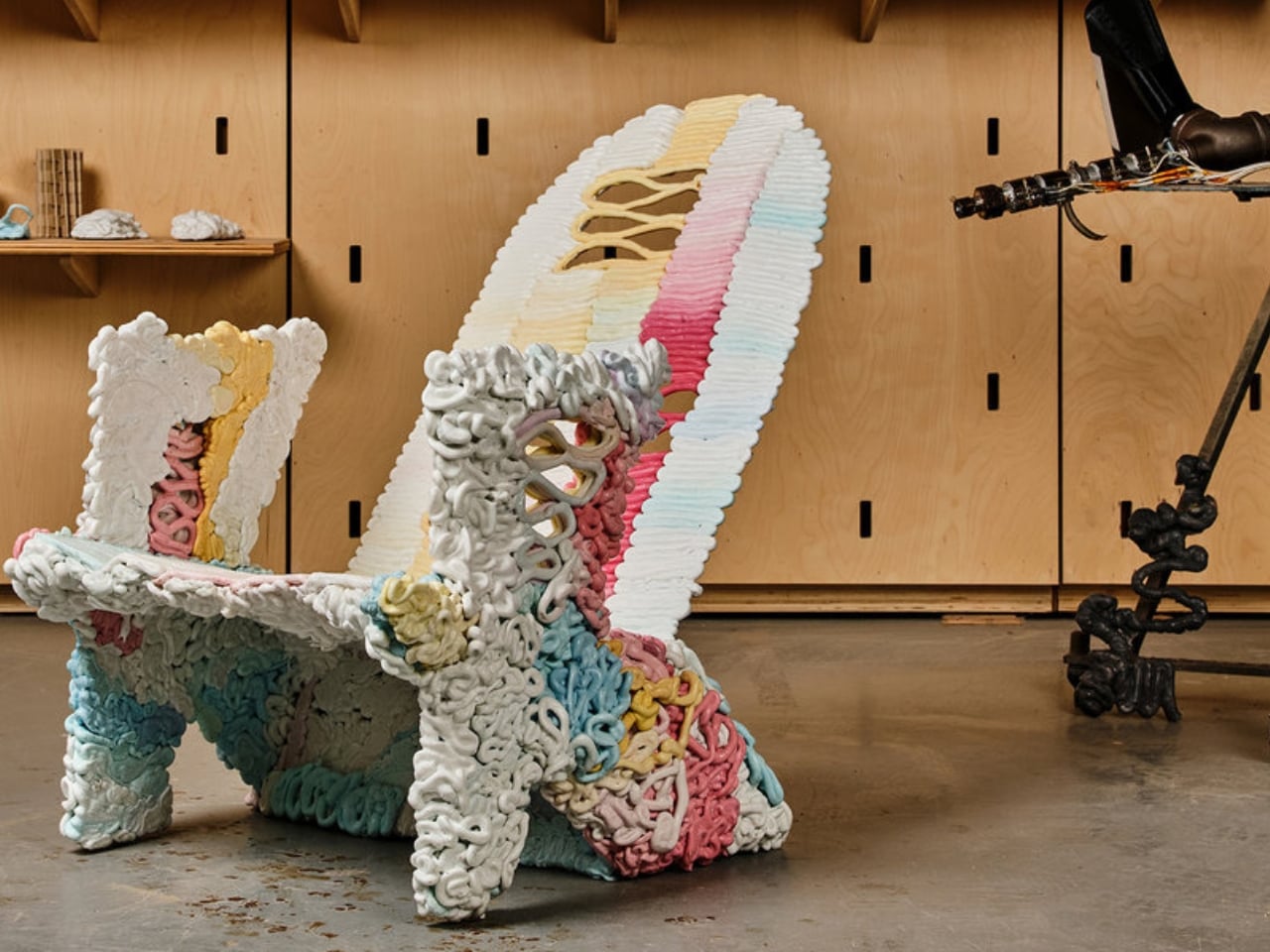
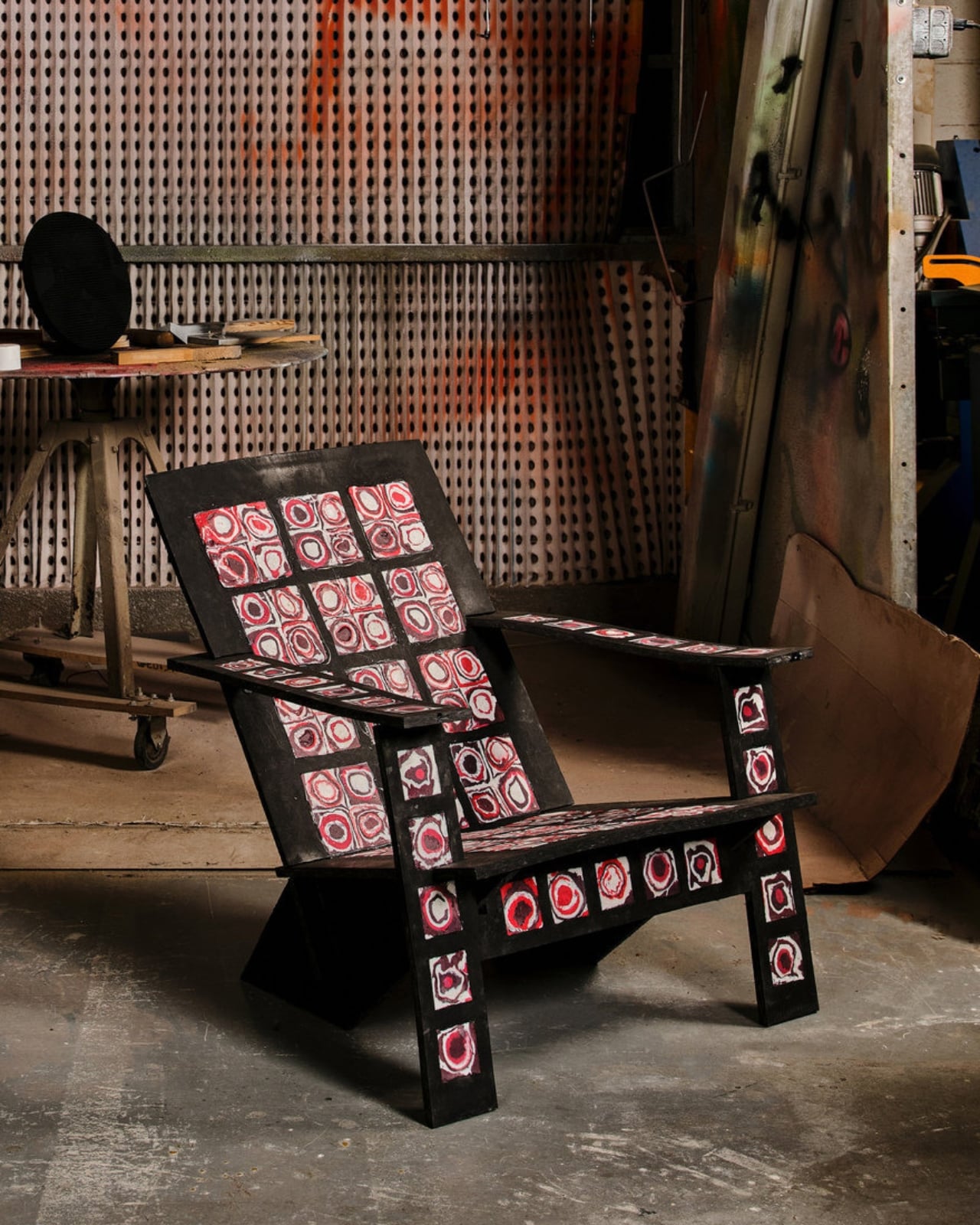
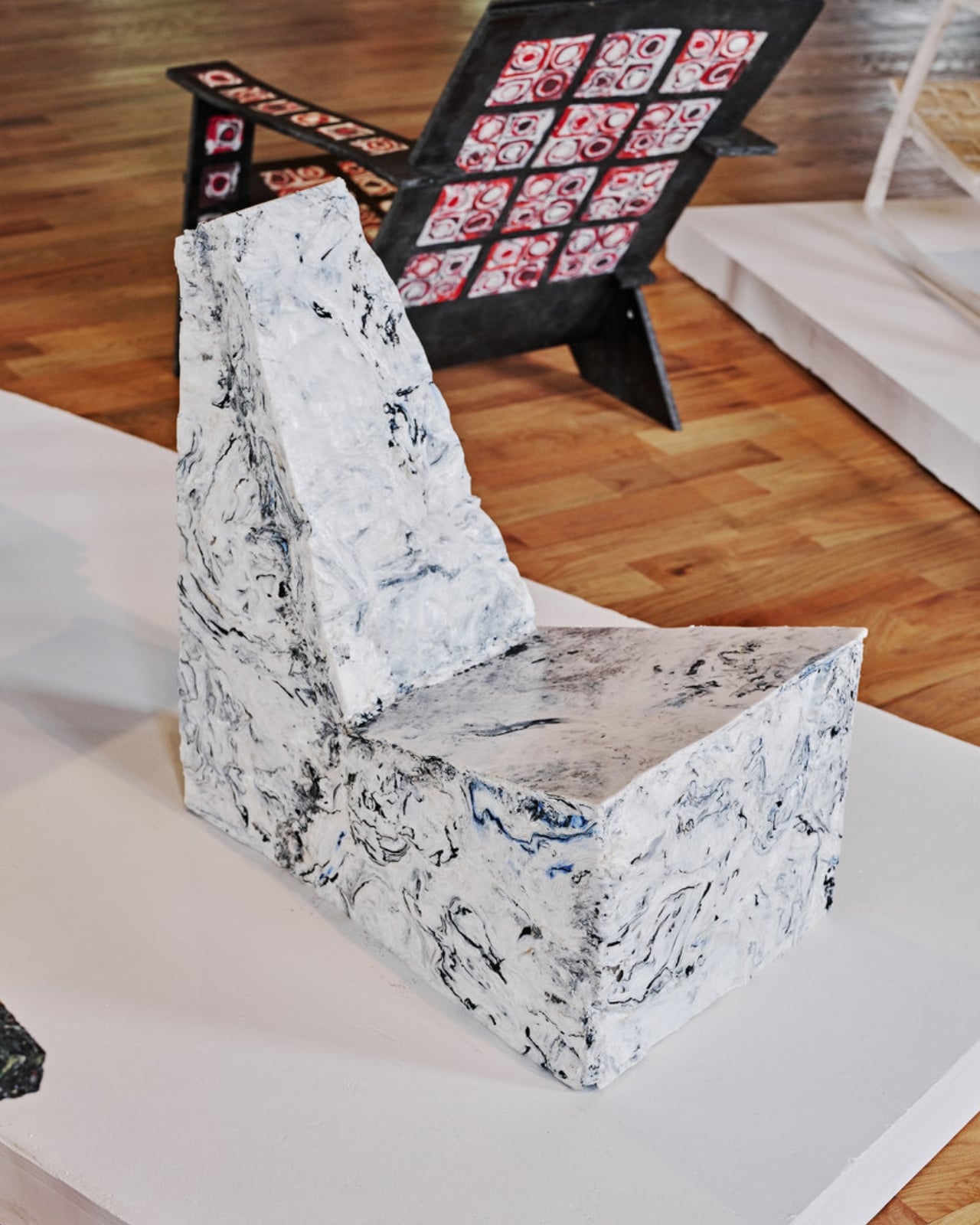
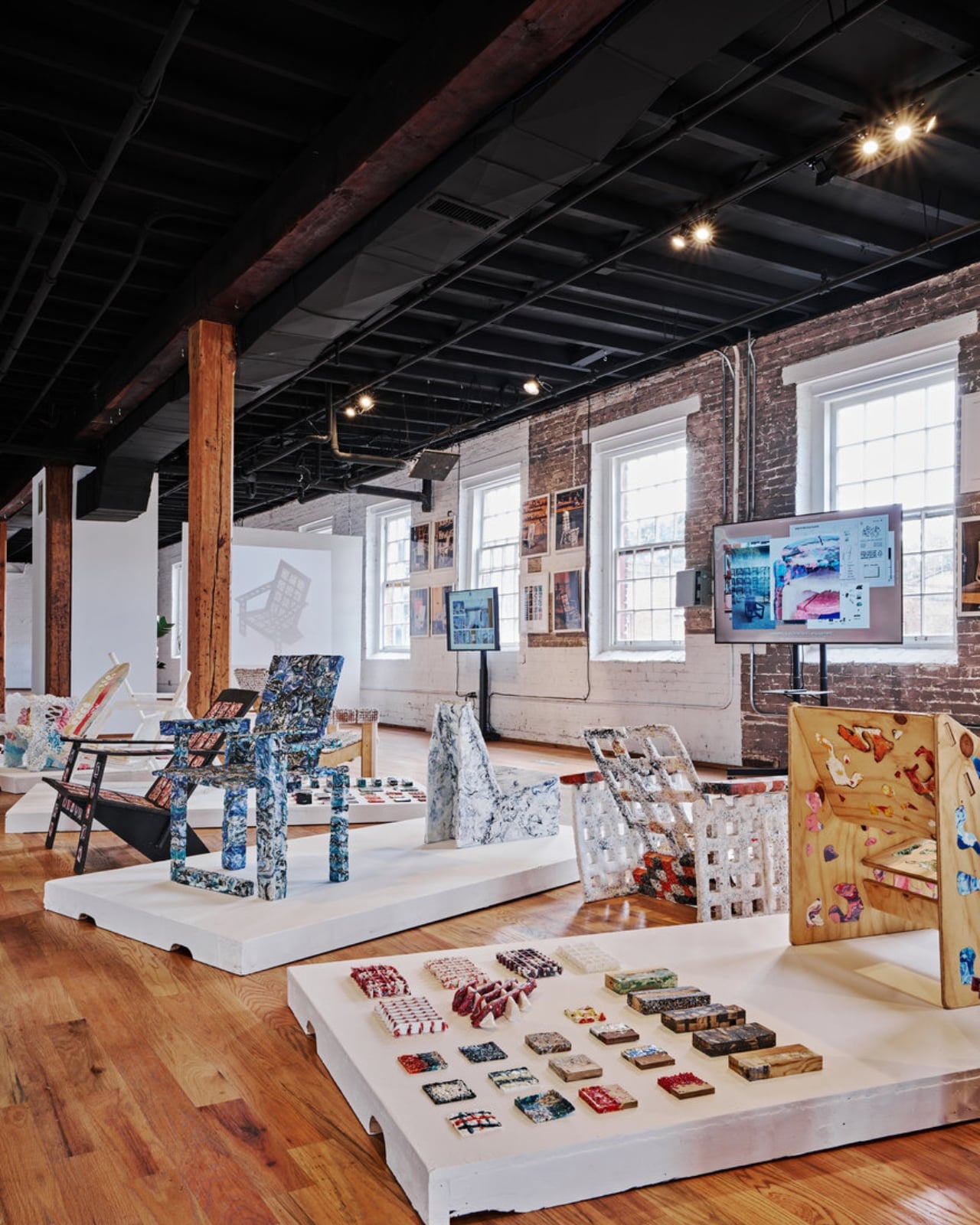
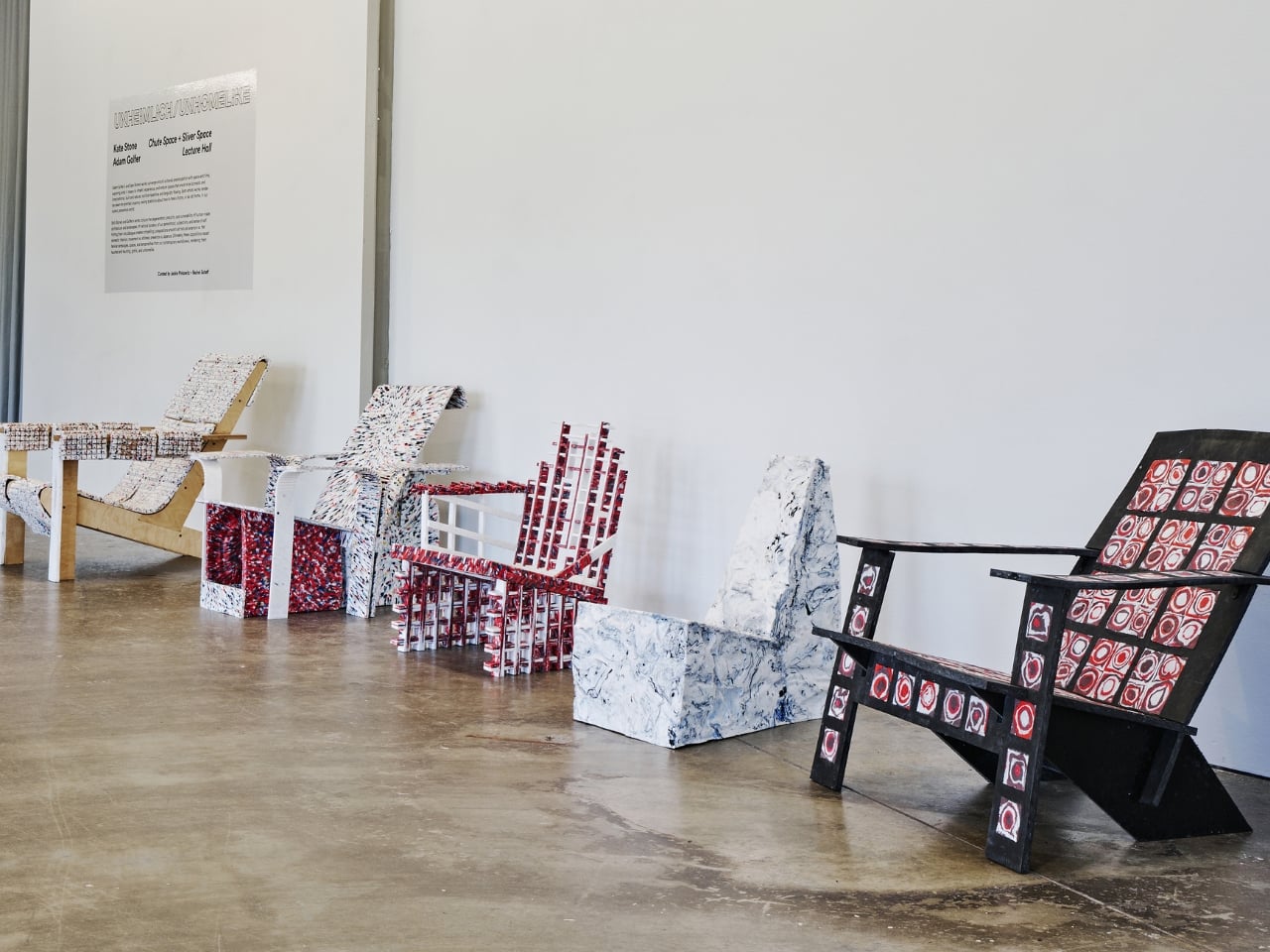
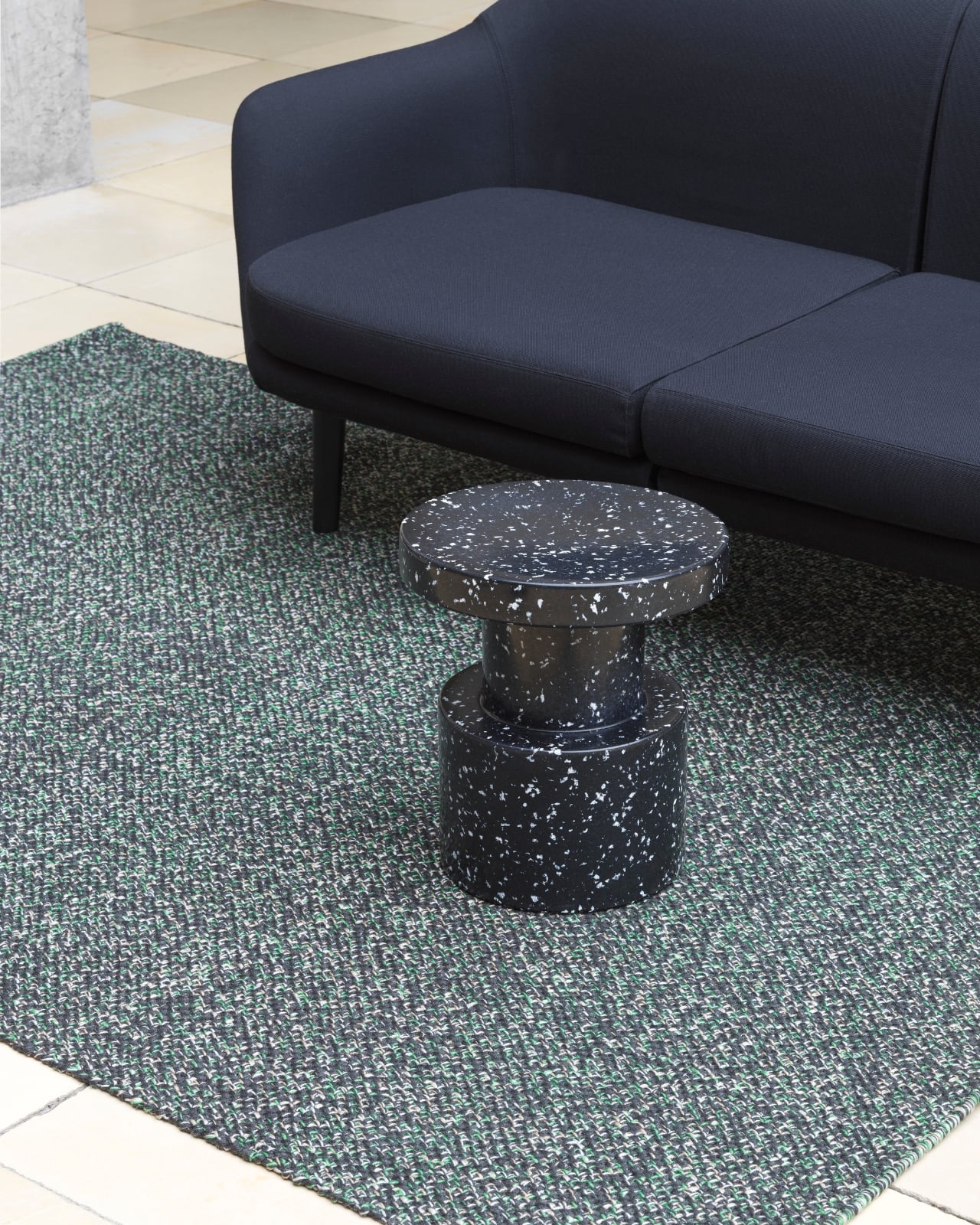
There’s something quietly radical about sitting in a recycled Adirondack chair while you’re waiting for your flight at the world’s busiest airport. Plastic Reimagined transforms locally sourced plastic waste into full-scale seating prototypes, bridging design education, material research, and civic infrastructure at Hartsfield-Jackson Atlanta International Airport, and honestly, I can’t stop thinking about how clever this is.

Here’s what happened. Assistant Professor Hyojin Kwon, founder of the research-oriented practice Pre– and Post–, developed this through a graduate design research studio at Georgia Tech’s School of Architecture, where students took a very practical question and turned it into something beautiful. What if all that plastic waste from campus could actually become something useful again?

Designer: Hyojin Kwon (curator and instructor)

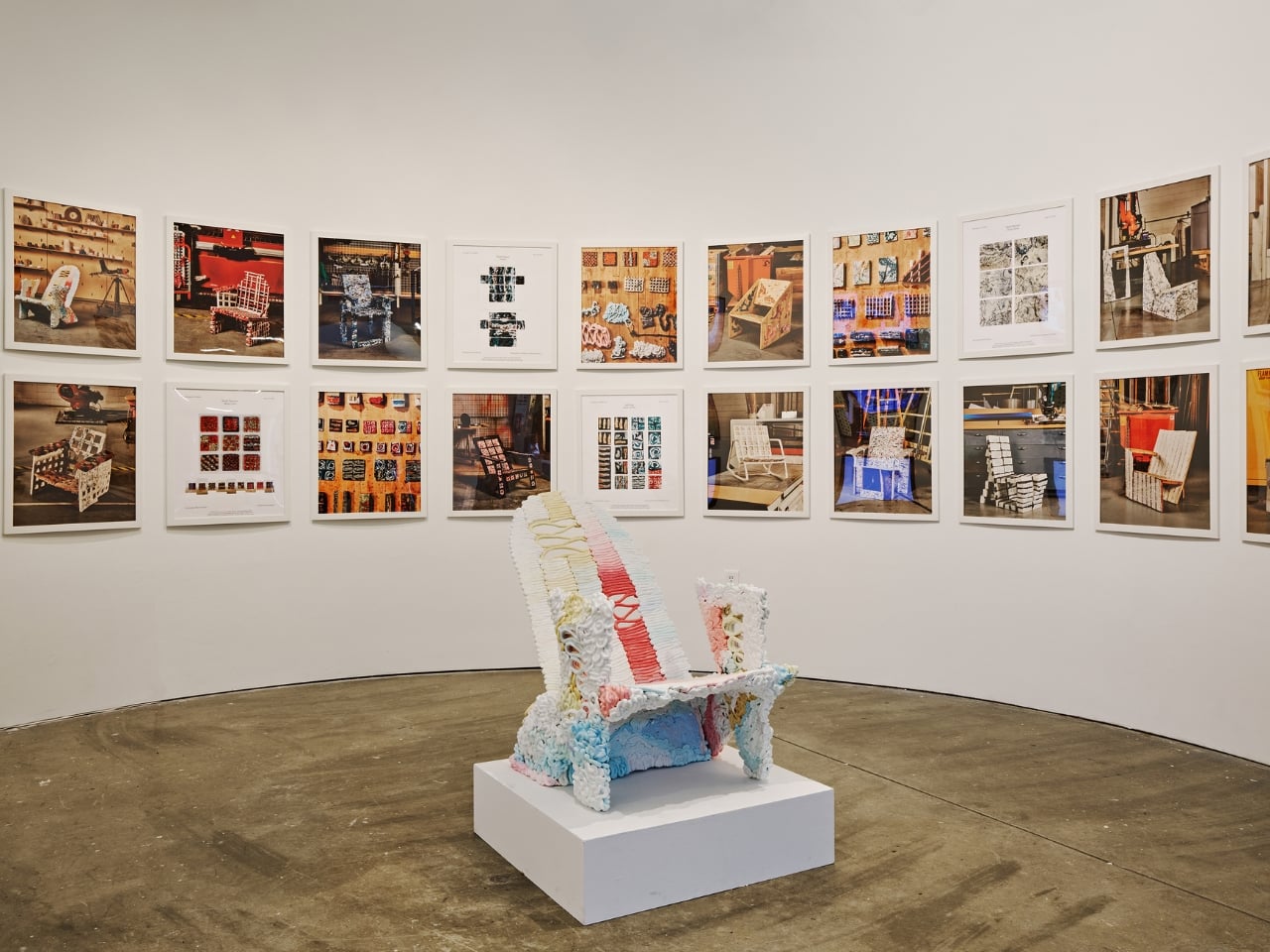
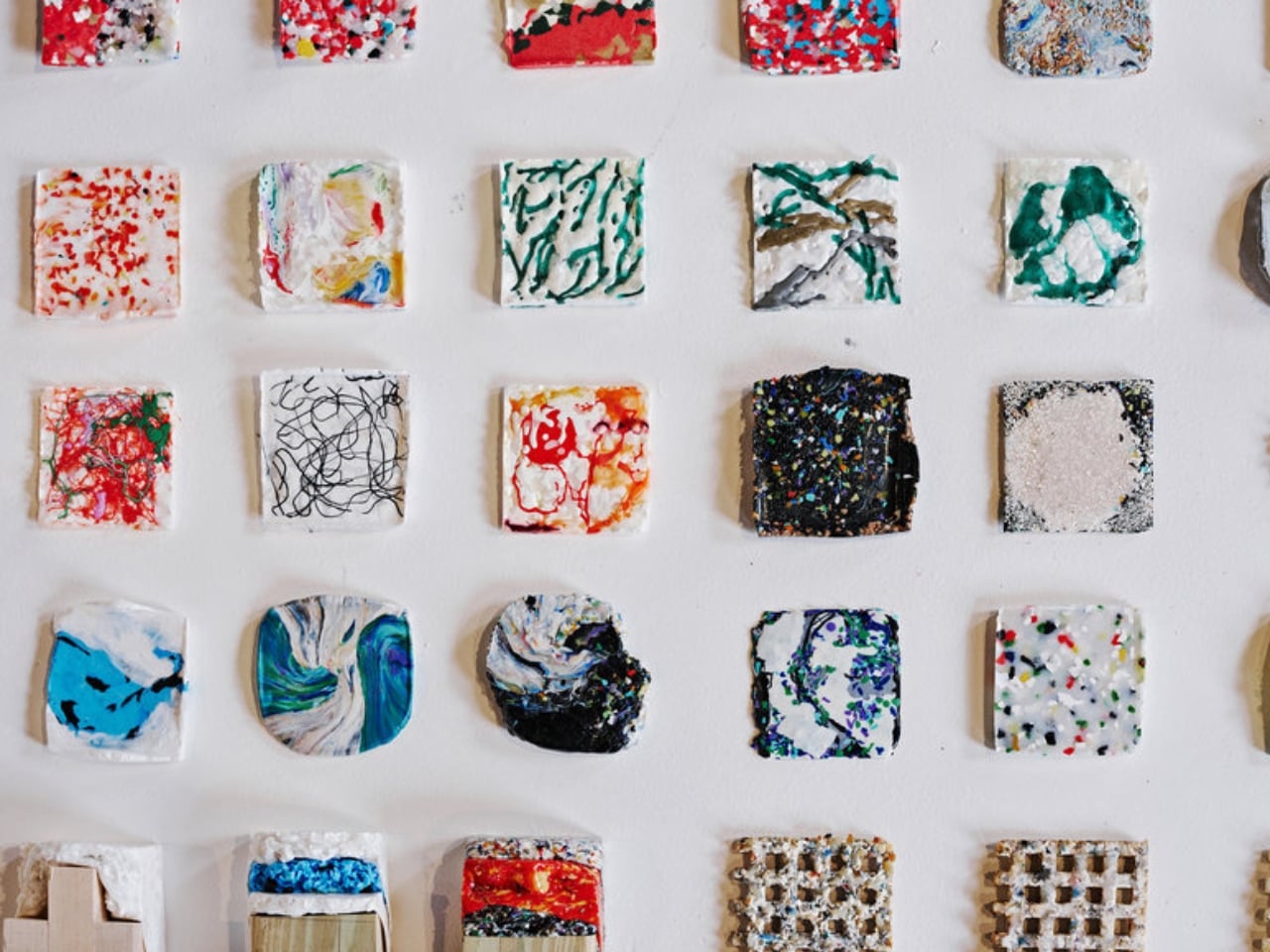
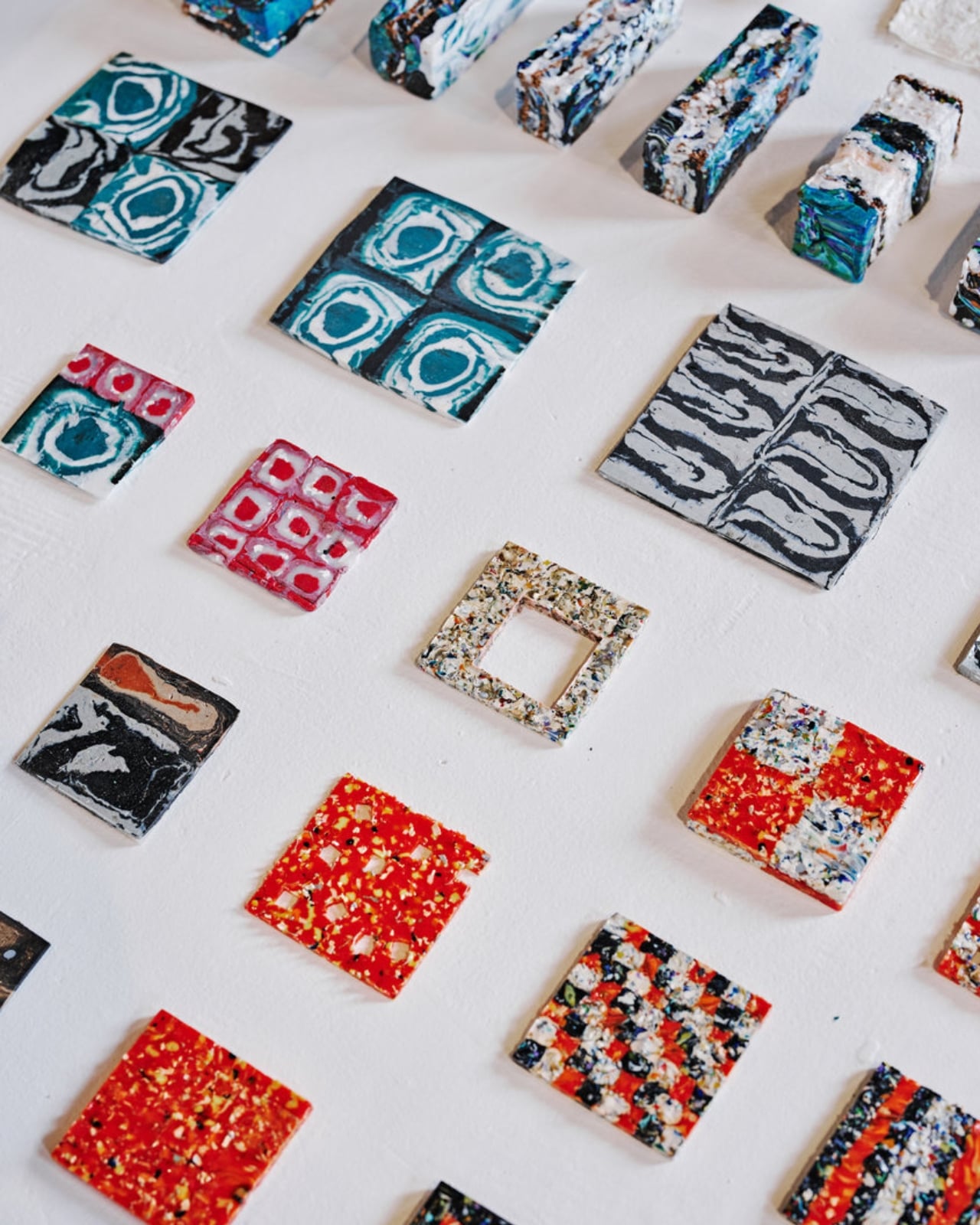
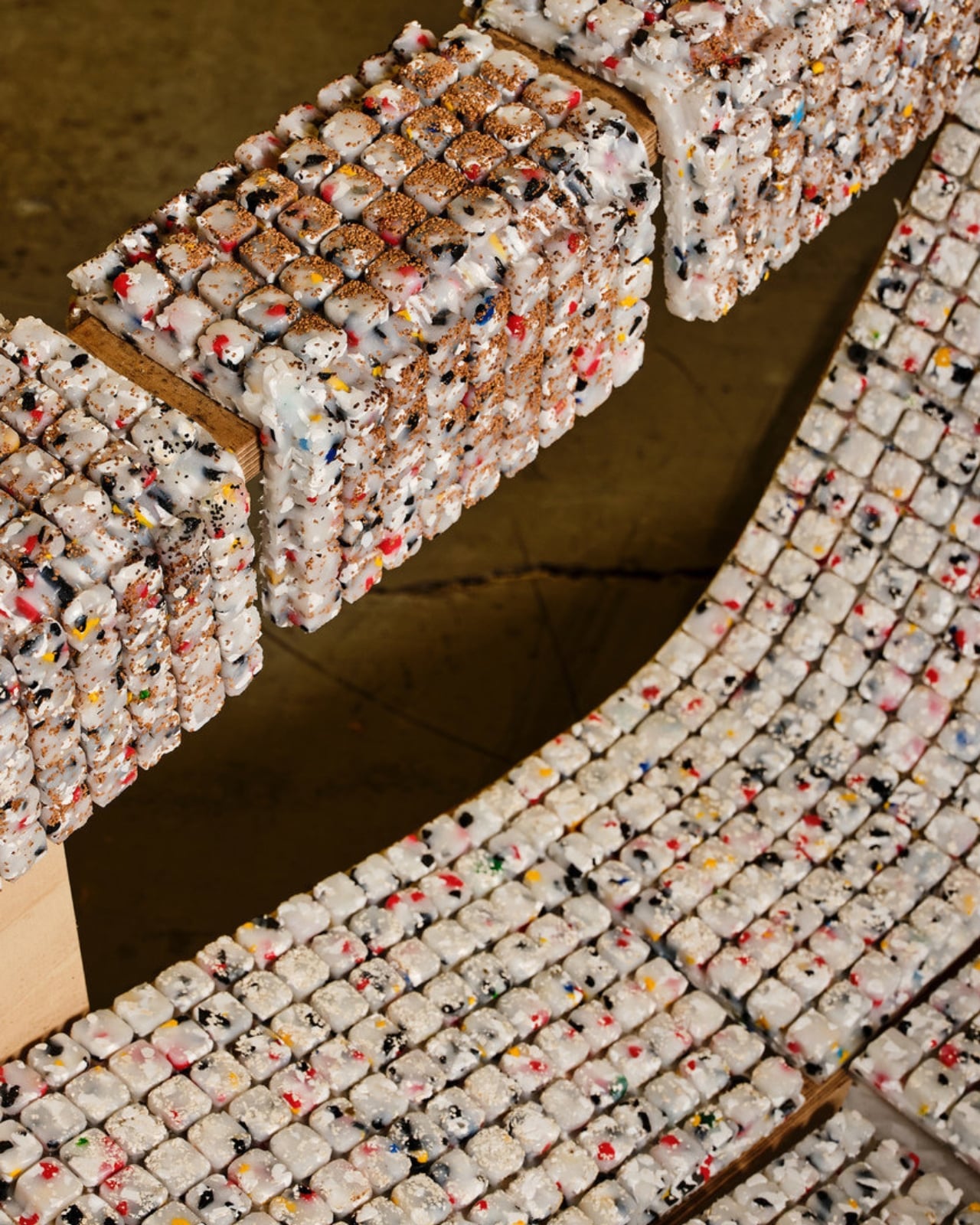
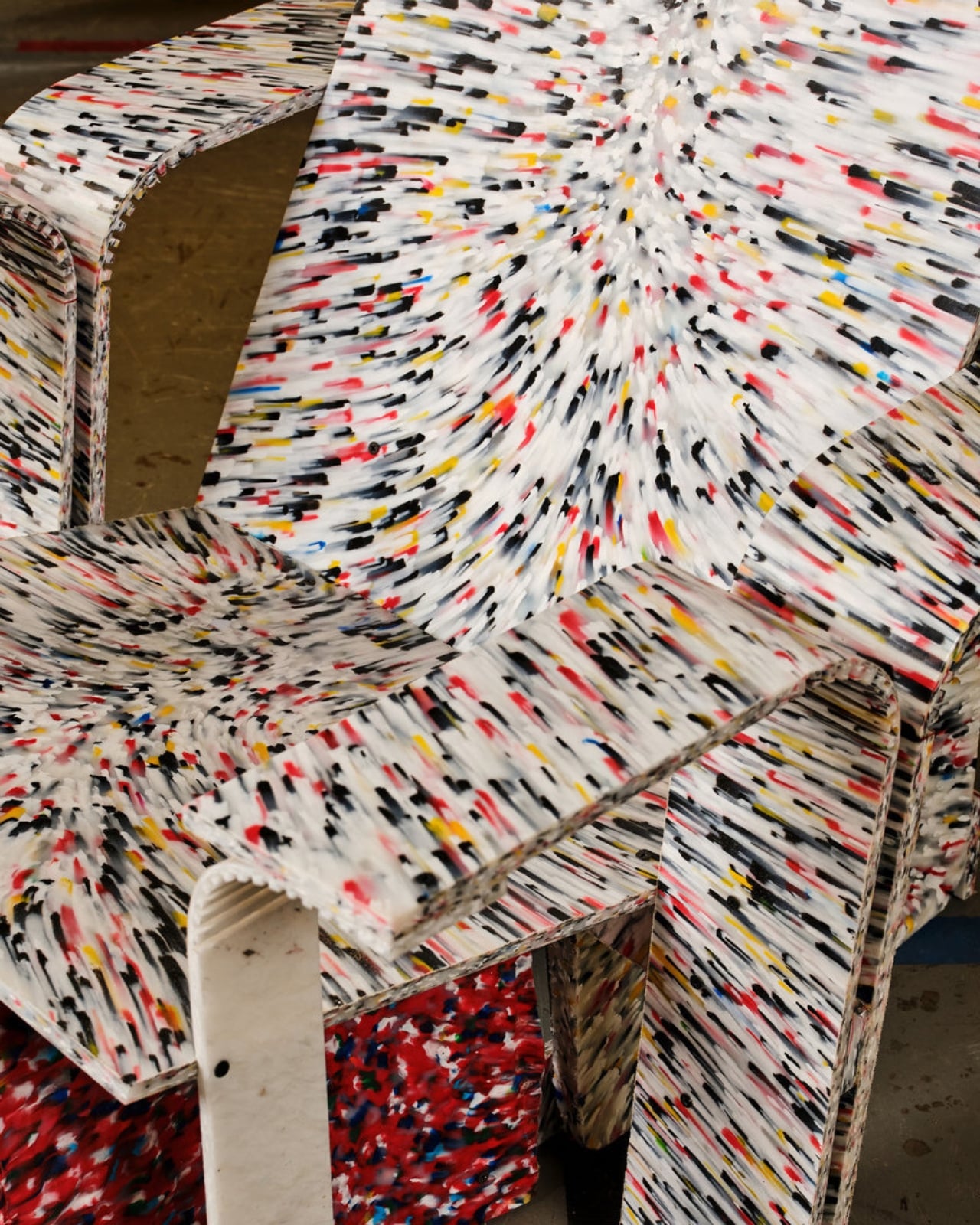
Graduate students collected post-consumer HDPE and PLA from campus makerspaces, waste collection streams, and local recycling facilities. Think about that for a second. The plastic cups from the student union, 3D printing scraps from late-night projects, all that everyday campus detritus that usually ends up in a landfill. Instead of being tossed, the materials were shredded, pressed into sheets, milled with CNC routers, or cast into volumetric forms.

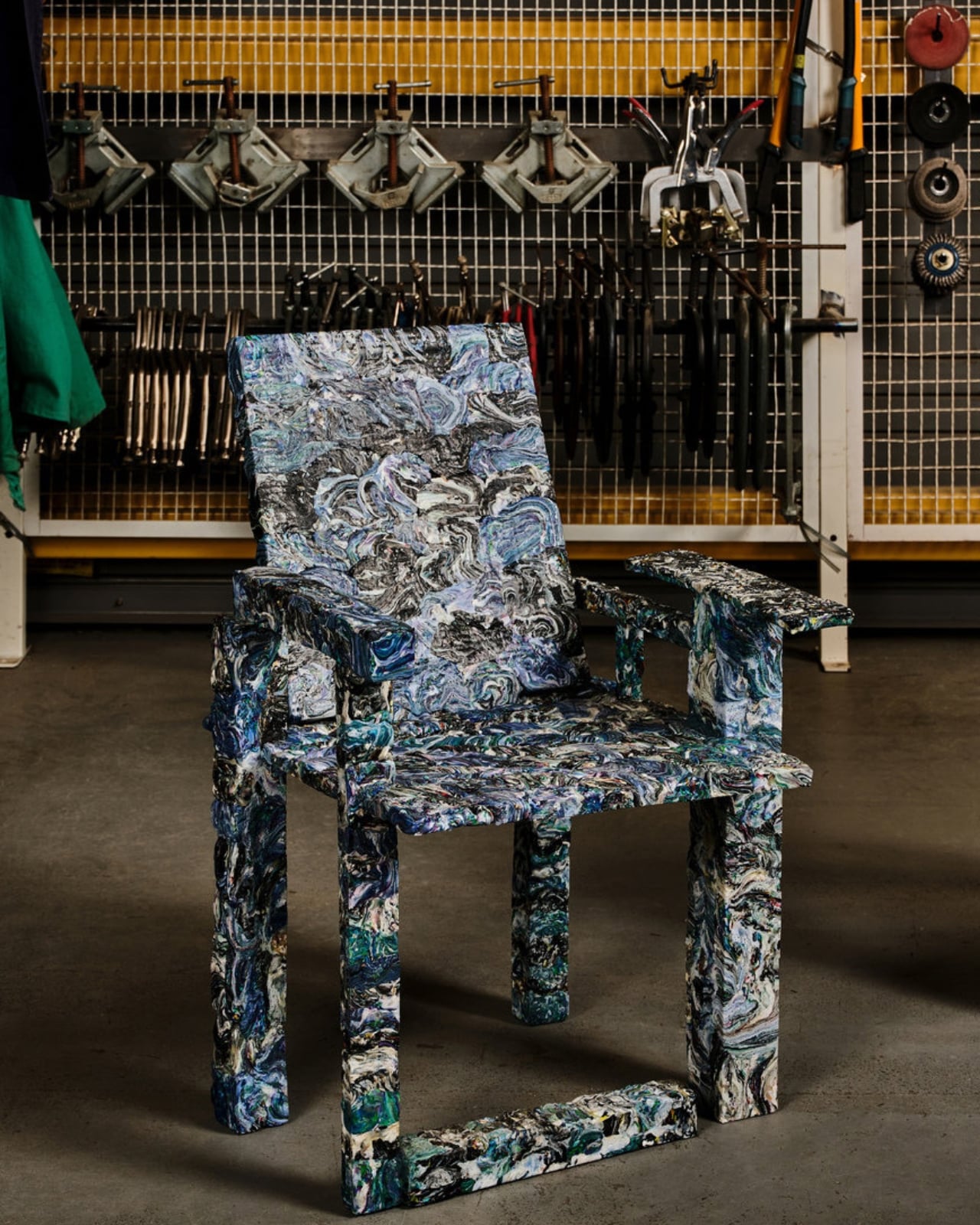
What I love most is that they didn’t try to hide the recycled nature of these pieces. Surface variations, including marbled color patterns and irregular textures, were retained as integral elements of the final designs, so each chair has this gorgeous, swirly aesthetic that screams “I used to be something else.” The imperfections became the personality.

The project started modestly enough. It was first exhibited at Atlanta Contemporary from June to September 2025, where a series of Adirondack chairs and collective seating elements were presented as both design artifacts and material propositions. But then it went public in a bigger way. During SITE 2025 at the Goat Farm Arts Center, the chairs were installed across the 12-acre property during a one-night arts festival and encountered by over 4,000 visitors who could actually sit on them, touch them, use them in the wild.

Now comes the really exciting part. Plastic Reimagined transitioned into a long-term civic setting as part of TRANSPORT | Transform | TRANSCEND, a year-long exhibition partnership between Georgia Tech Arts and Hartsfield-Jackson Atlanta International Airport, installed in Terminal T and on view through November 2026. That means millions of travelers from around the world will see these chairs, and maybe pause long enough to wonder about their own relationship with plastic waste.

As Kwon noted, “These post-consumer materials were coming from our campus, our students’ everyday life. By repurposing them, we created meaningful research outcomes.” There’s something deeply satisfying about that circularity. The students created the waste, then figured out how to give it a second life as functional furniture that other people can actually use.

The individual pieces have names and personalities. There’s Vincent, with its hand-shaped forms and marbled surfaces. There’s Modu-Chair, built from cubic modules that echo quilting patterns. And Framework, a translucent lattice structure that reimagines what an Adirondack chair can even be. Each one asks the same question in a different way: what if we stopped seeing plastic as garbage and started seeing it as potential?

Across its transitions from gallery to festival to global transit hub, Plastic Reimagined argues for sustainability as infrastructural literacy rather than aesthetic signaling. This isn’t performative environmentalism. It’s practical, tangible, and sitting right there in the airport terminal where anyone can plop down and rest their feet.

This project proves something I’ve always believed: the best design solutions come from constraints, not abundance. When you have to work with what’s already there, you get creative in ways you never would with unlimited resources. These Georgia Tech students turned their campus waste stream into a civic contribution, and now their work is literally supporting weary travelers at one of the planet’s busiest crossroads.

The post Atlanta Airport Has Chairs Made From Campus Trash. They’re Gorgeous first appeared on Yanko Design.
Gomi Phone Case Is 100% Recycled, and No Two Look Exactly the Same

Phone cases change often. New phone, new case, new colour, and those old cases quietly pile up in drawers or end up in landfill. The accessory industry treats cases as fast fashion, even though the phone inside is already a major environmental hit. Gomi is a small Brighton studio trying to slow that churn down with a different promise, a case that can be repaired forever and remoulded when you upgrade.

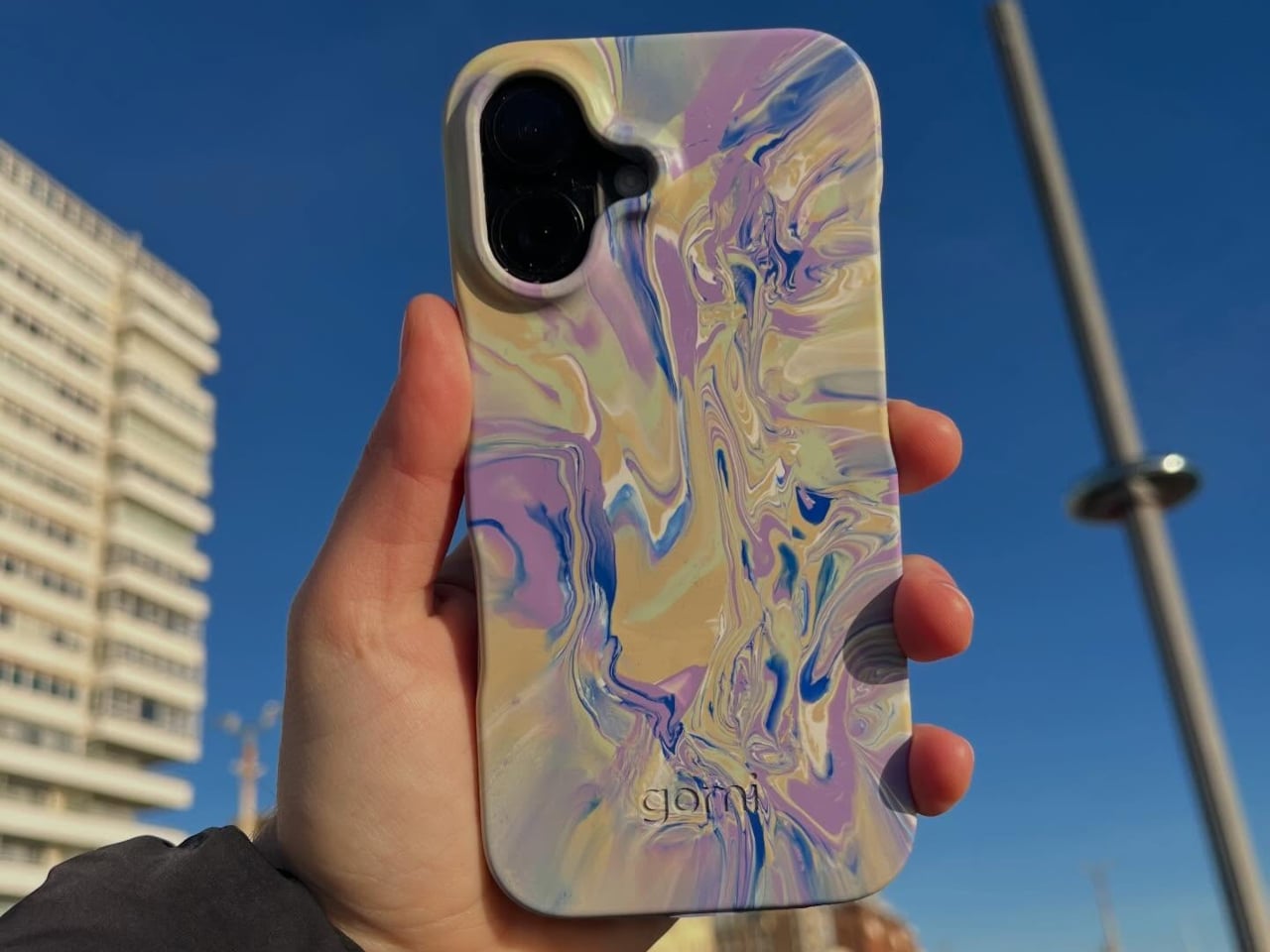
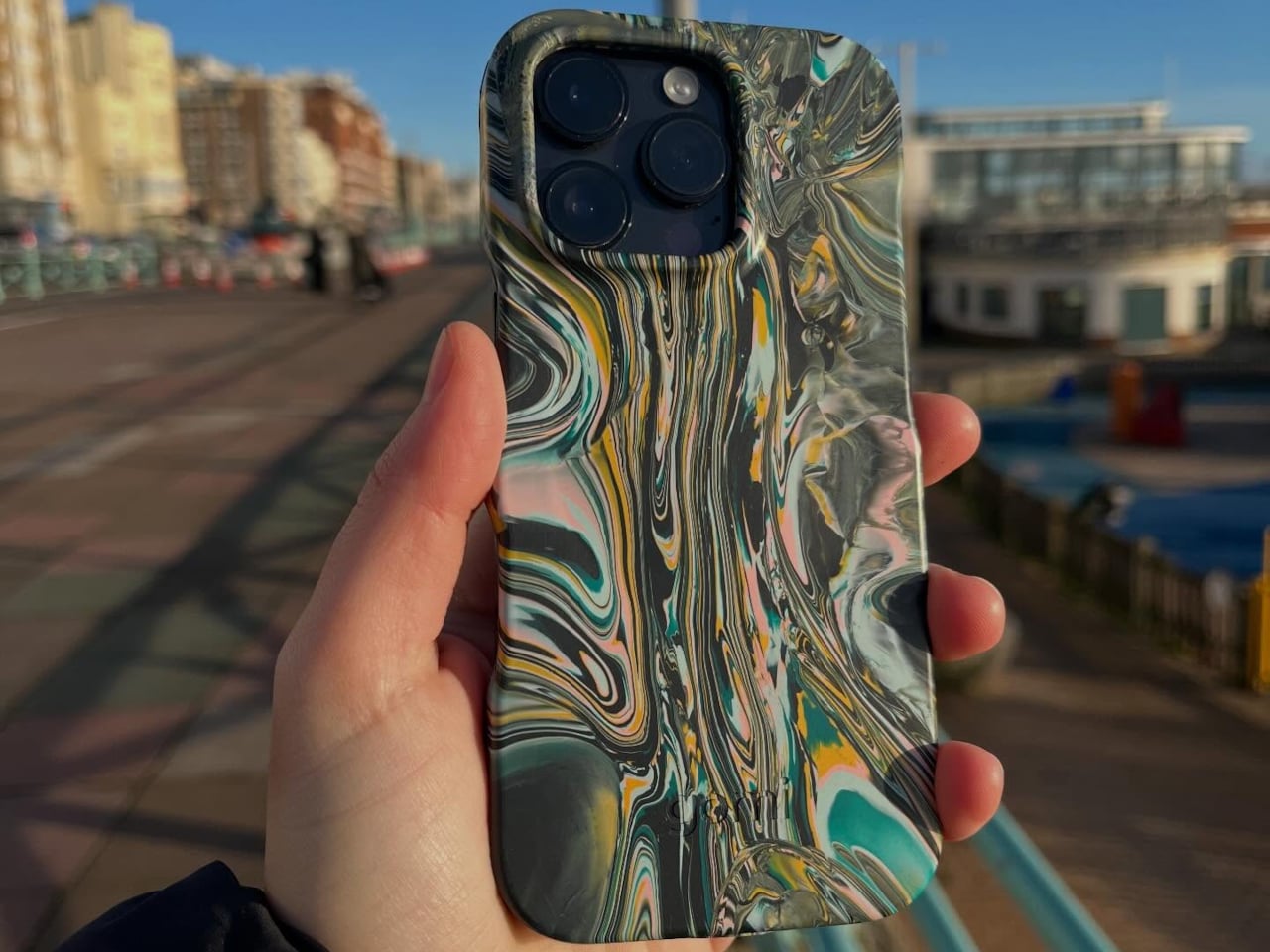
The forever phone case is handmade from 100% recycled plastic, backed by a simple guarantee, free repairs for life, and a £20 (around $28) upgrade when you get a new phone. Instead of buying a new case every upgrade cycle, you send the old one back, and they remold the same material into a new form factor, turning the case into something closer to a subscription on the material itself rather than another piece of disposable gear.

Designer:
Gomi

The case is made from recycled plastic that can be reheated and reshaped, so chips and cracks can be repaired, and whole cases can be melted down into new ones. There is no such thing as an end of life in their model; the material either becomes another case or another Gomi product. That circular loop is the core idea, not just the fact that the plastic came from waste in the first place.

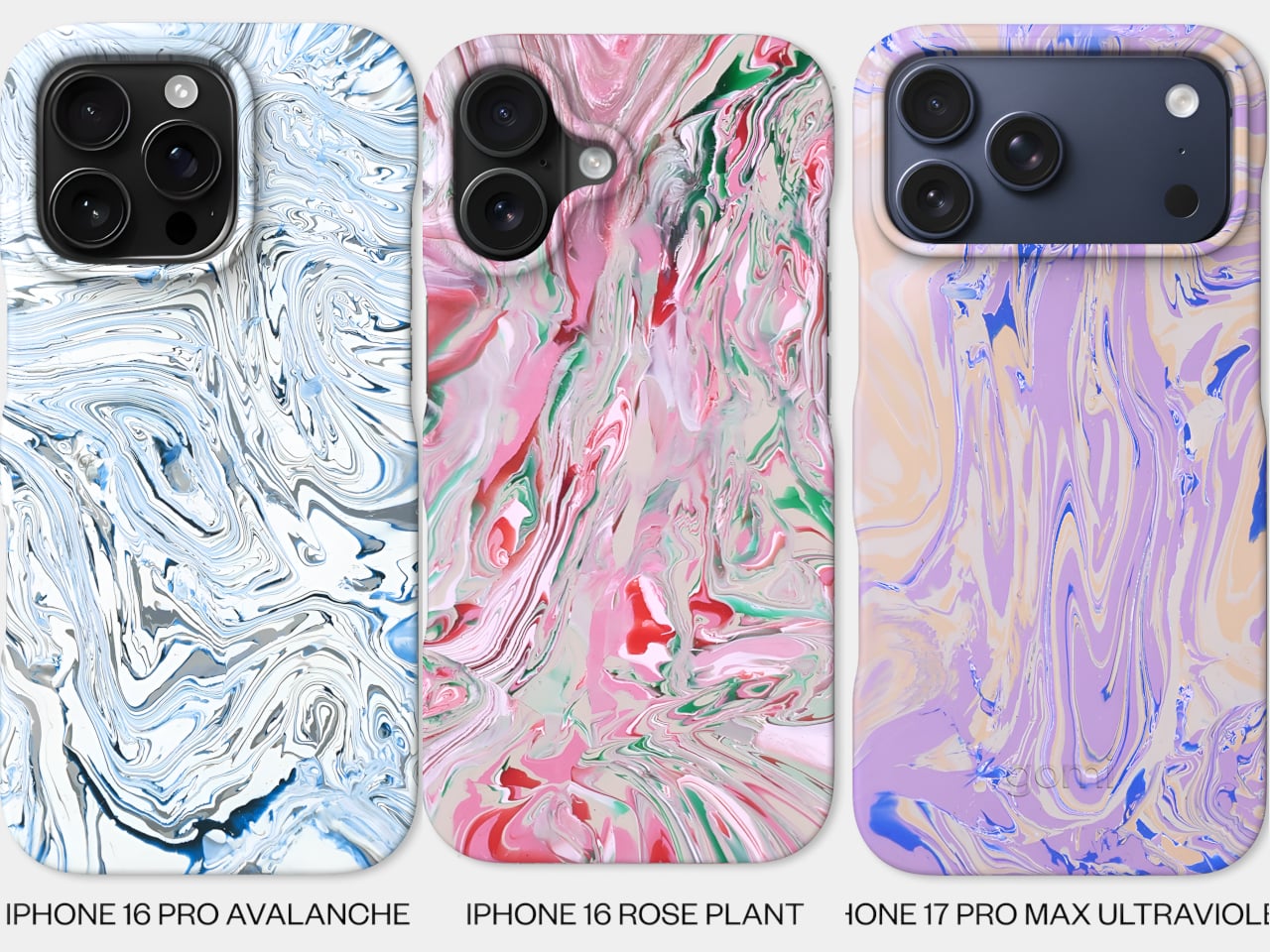
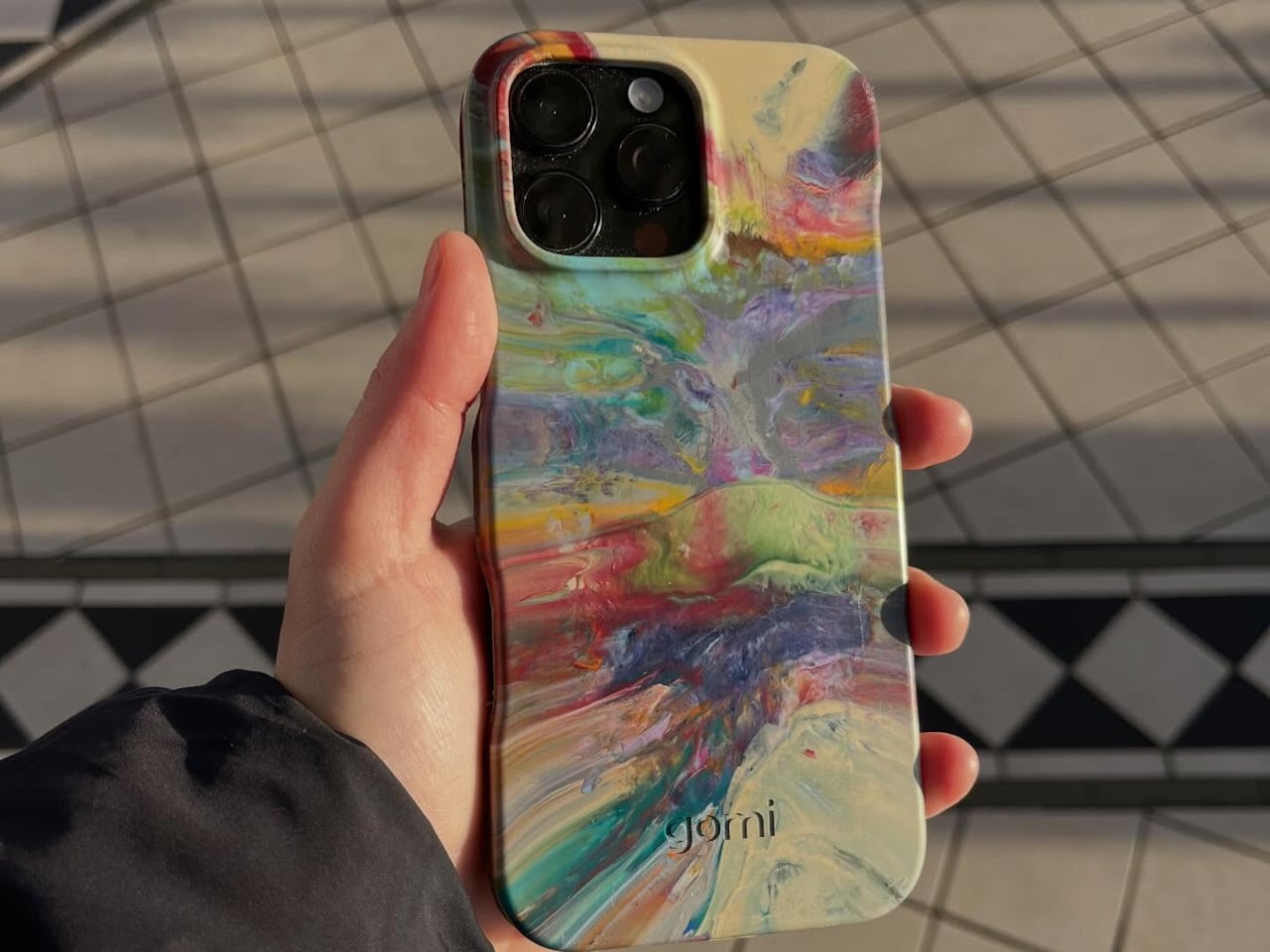
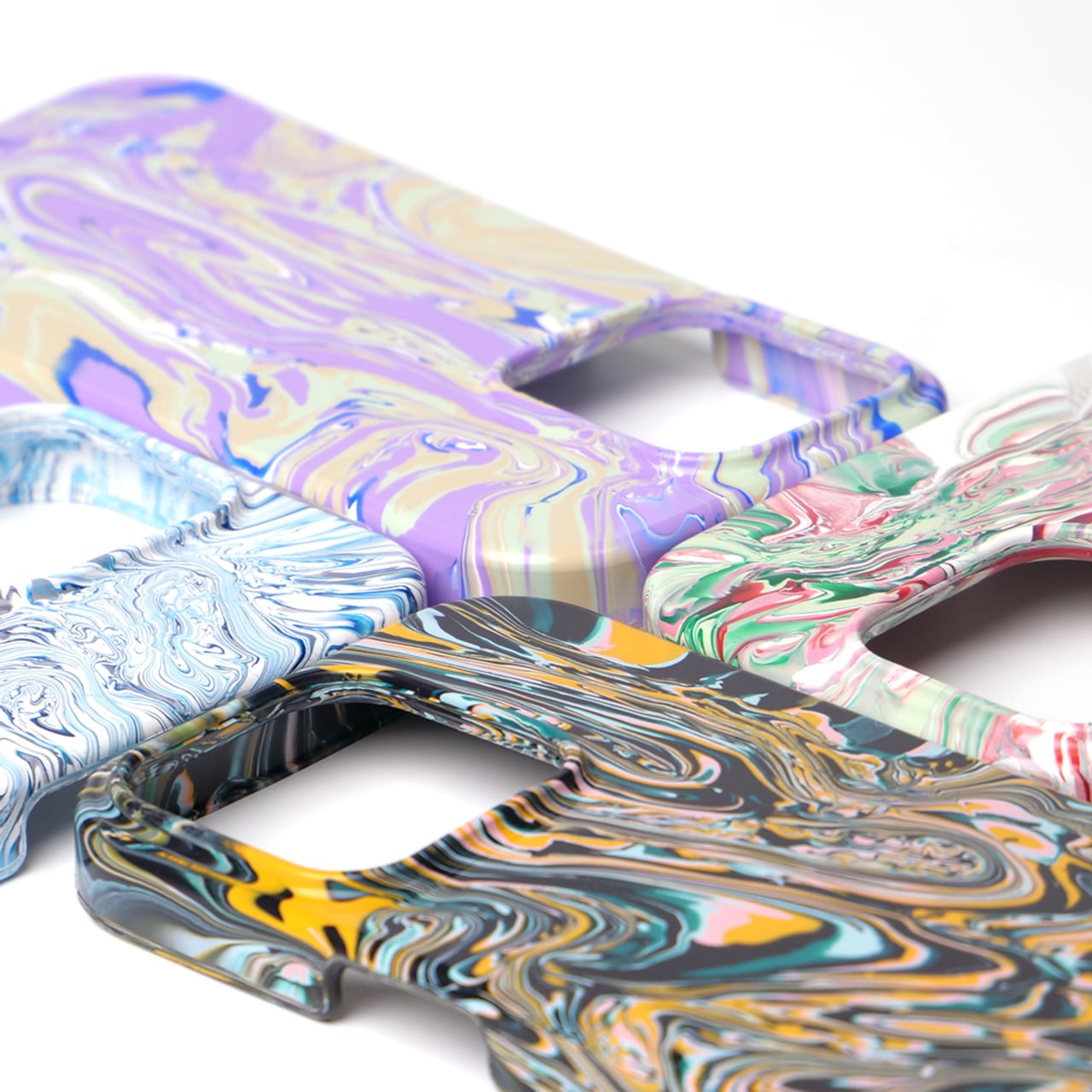
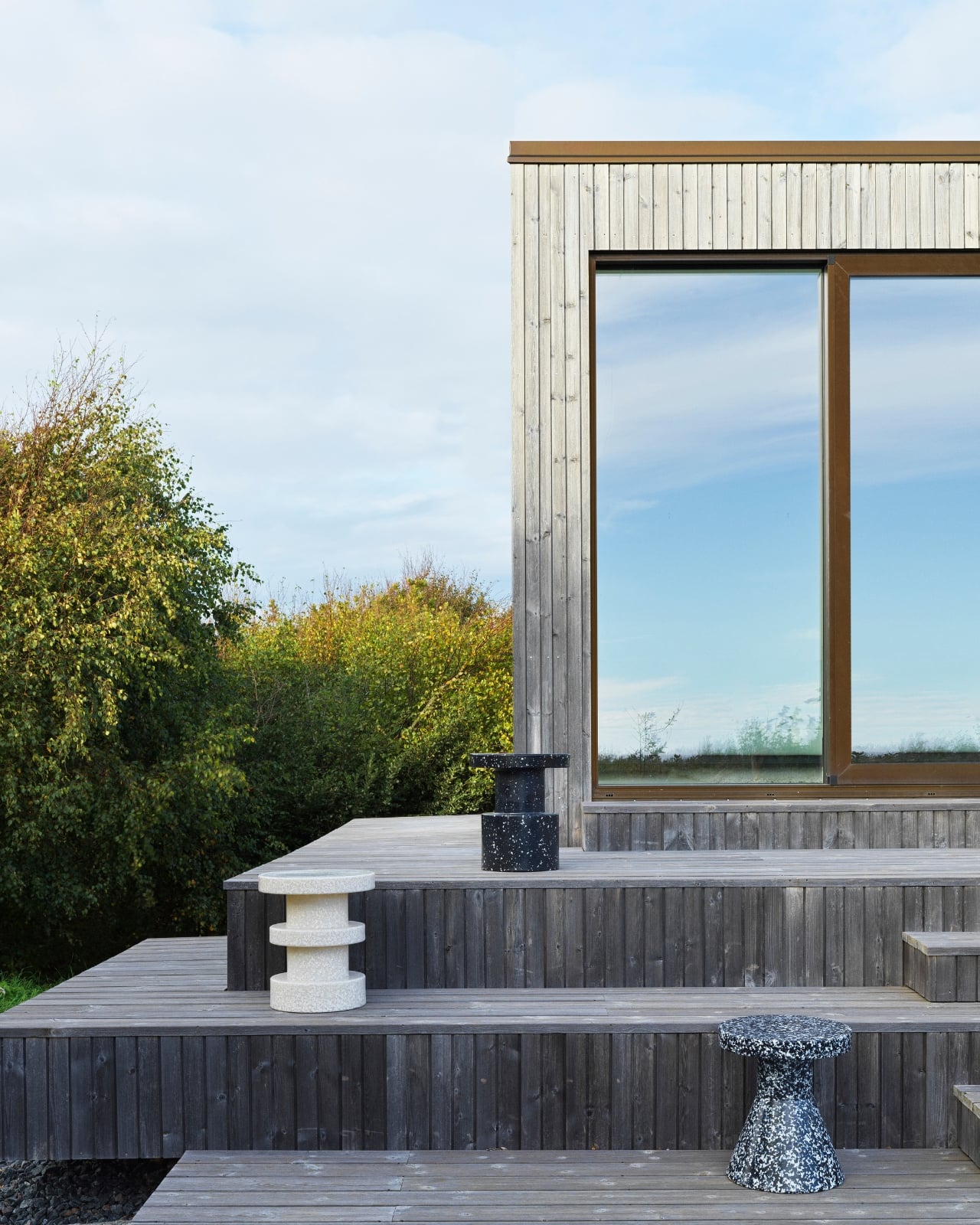
Each case is pressed from mixed plastic, creating a marbled pattern that cannot be repeated. No two cases are the same, which makes the randomness part of the appeal rather than a defect. Colourways like Panther or pastel mixes become loose guidelines rather than exact prints, and the result is a one-of-one object that looks like a tiny slab of recycled terrazzo wrapped around your phone, and no one else has the exact pattern.

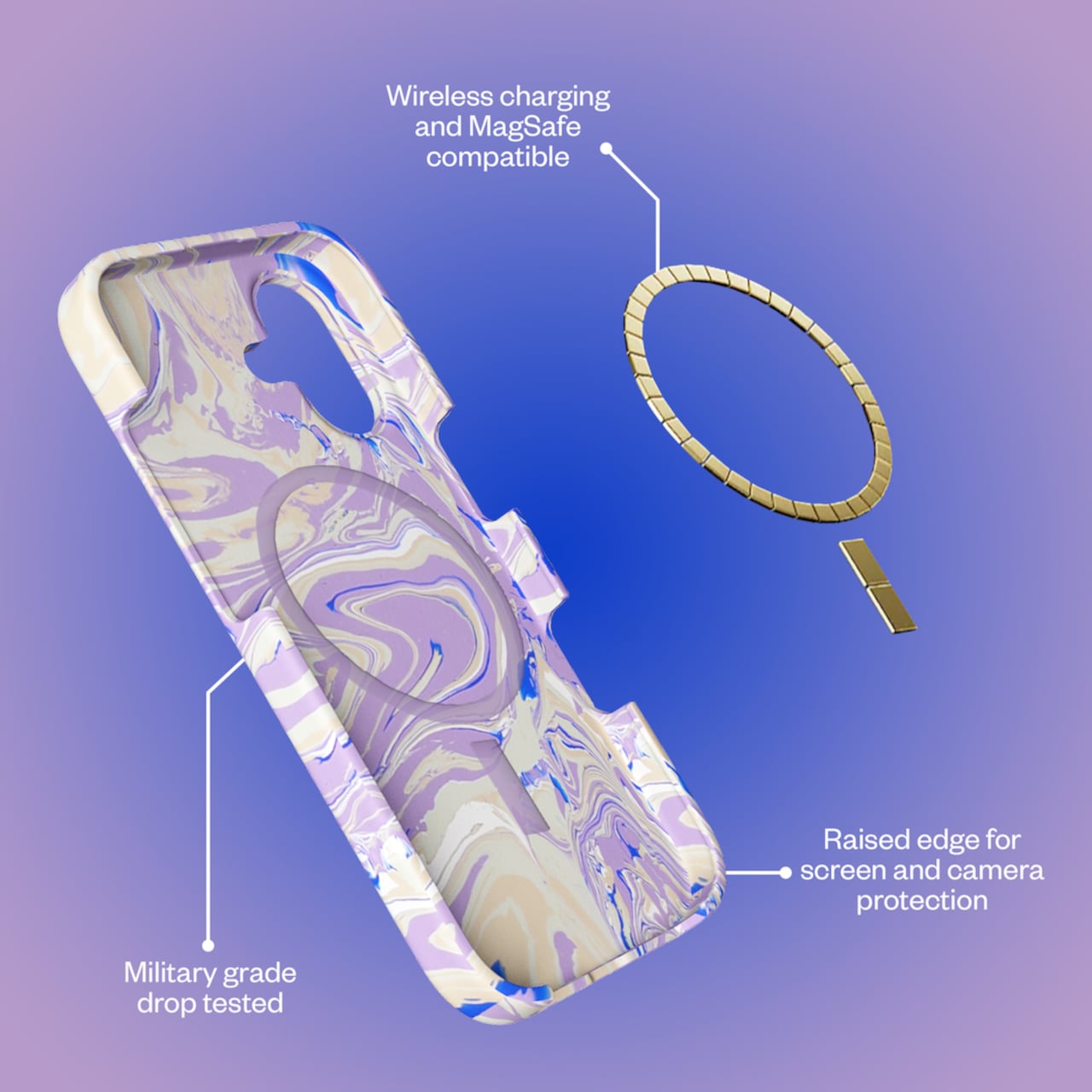
The practical side covers raised edges for screen and camera protection, a snug fit, and drop testing to what Gomi calls military grade. You can add MagSafe compatibility as an option, which means a ring of magnets inside the case to keep chargers, wallets, and docks aligned. If you do not use MagSafe accessories, you can skip it, but the option keeps the case compatible with modern iPhone habits and workflows.

Every case is handmade in Brighton, UK, by a small independent team, and buying one supports that workshop rather than a faceless factory. The brand leans into that, promising free delivery across the UK, EU, and USA, and a 30-day money-back guarantee. It is a small detail, but it reinforces the idea that this is a long-term relationship, not a one-off impulse buy you forget about when the next design trend arrives.

The forever case quietly asks you to think about your phone differently. The device may still change every few years, but the material wrapped around it does not have to. A case that can be repaired, remoulded, and upgraded for a small fee instead of being replaced entirely is a modest shift, yet in a category built on disposability and seasonal colour drops, it starts to feel like a surprisingly radical one.

The post Gomi Phone Case Is 100% Recycled, and No Two Look Exactly the Same first appeared on Yanko Design.
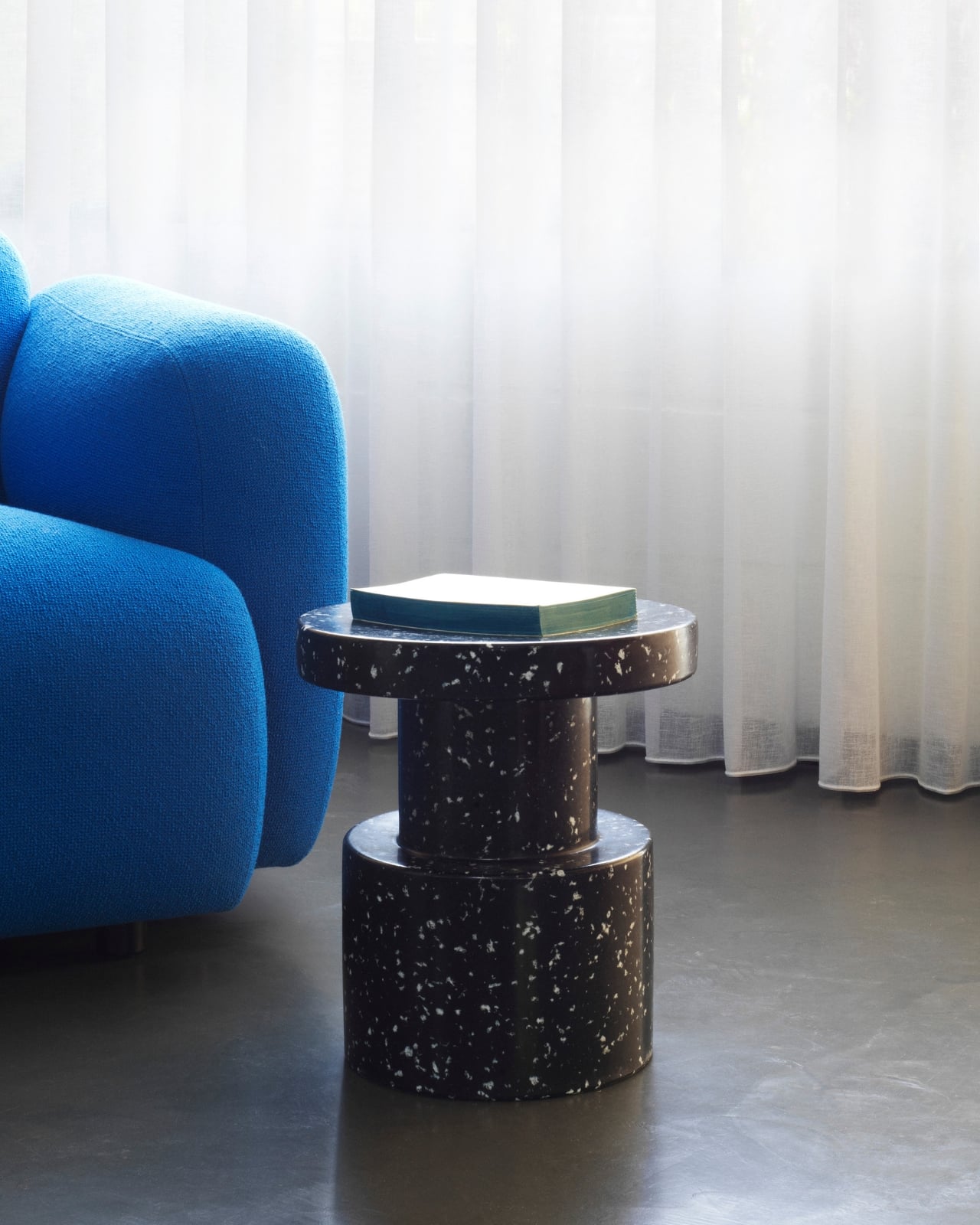
This 3D-Printed Modular Power Strip Is Made From Recycled Plastic

Carefully curated desks always have one ugly secret hiding underneath them. Power strips are black plastic bricks with tangled cables, even in the most beautifully designed workspaces. You need the outlets and USB ports, but nobody wants to look at the usual tangle of cords and generic housings. The bFRIENDS Power Module treats power access as something that deserves the same design attention as pen cups and storage trays.

The bFRIENDS Power Module is a family of 3D-printed desk power hubs designed by Pearson Lloyd for Bene. It’s part of the broader bFRIENDS collection, which uses recycled bioplastic and additive manufacturing to create desk accessories. That same language now extends into sockets and USB chargers, turning a power strip into a small, modular object that sits proudly on the desk instead of hiding on the floor or under a cable tray.

Designer: Pearson Lloyd for bene

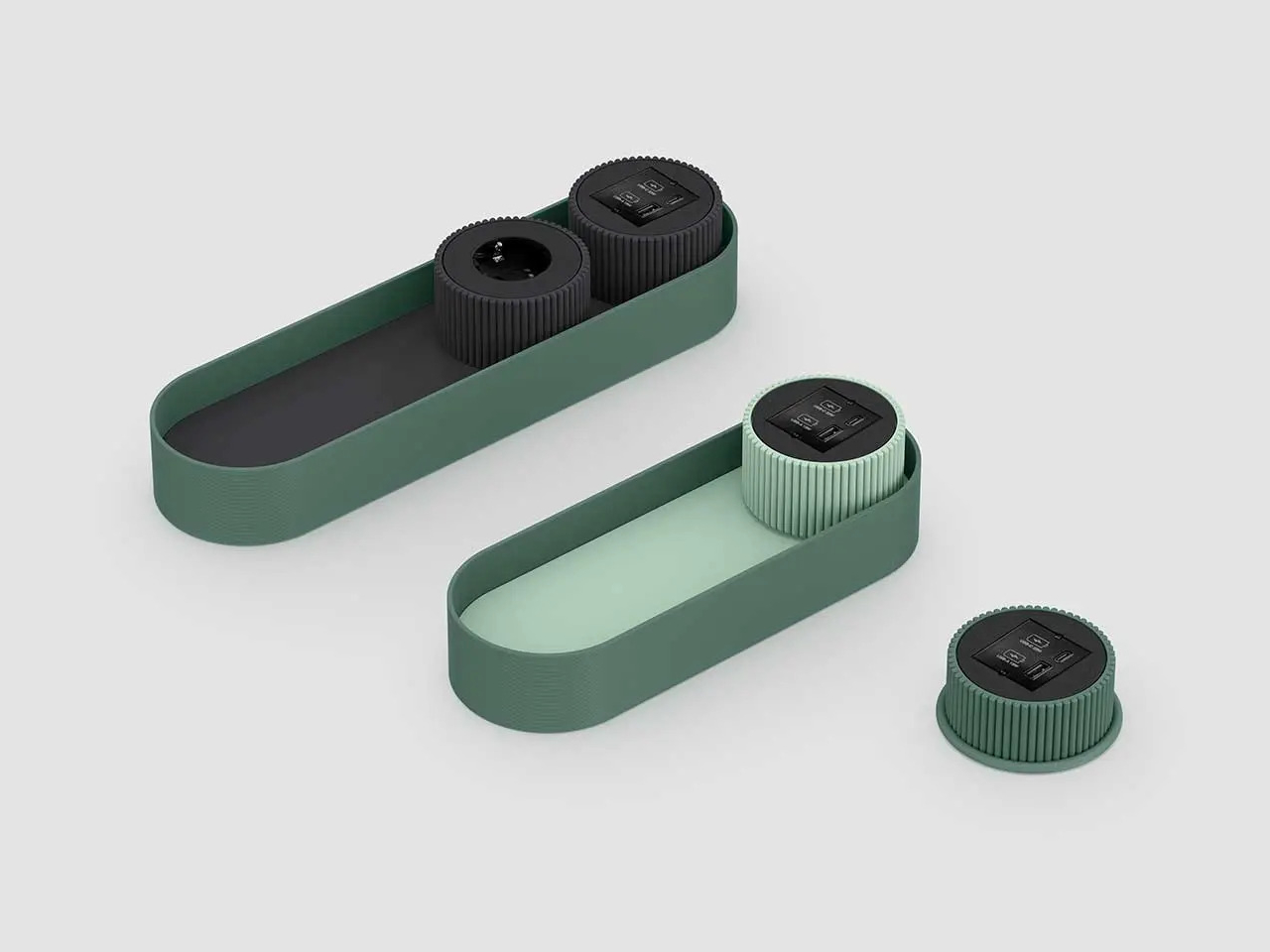
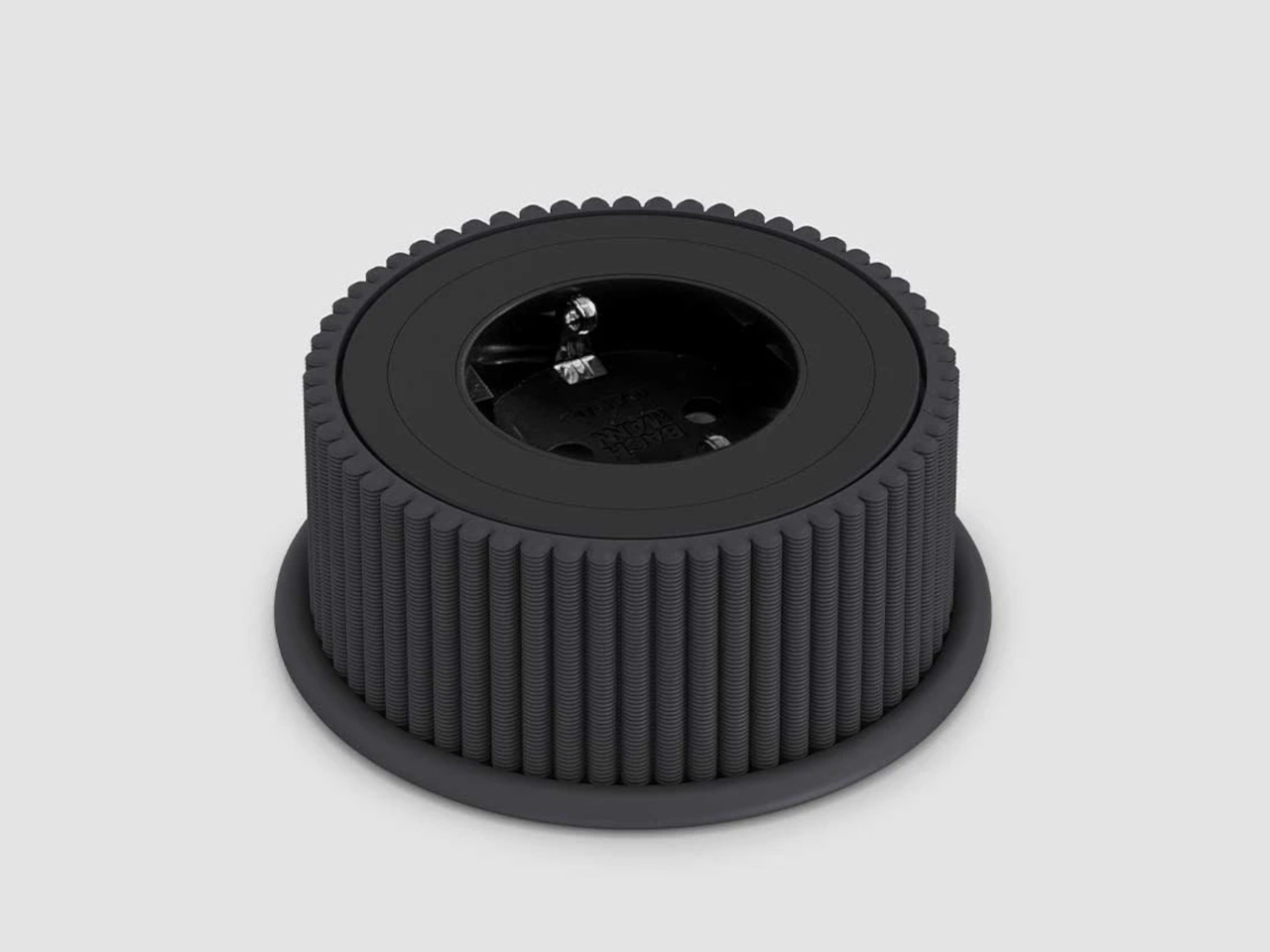
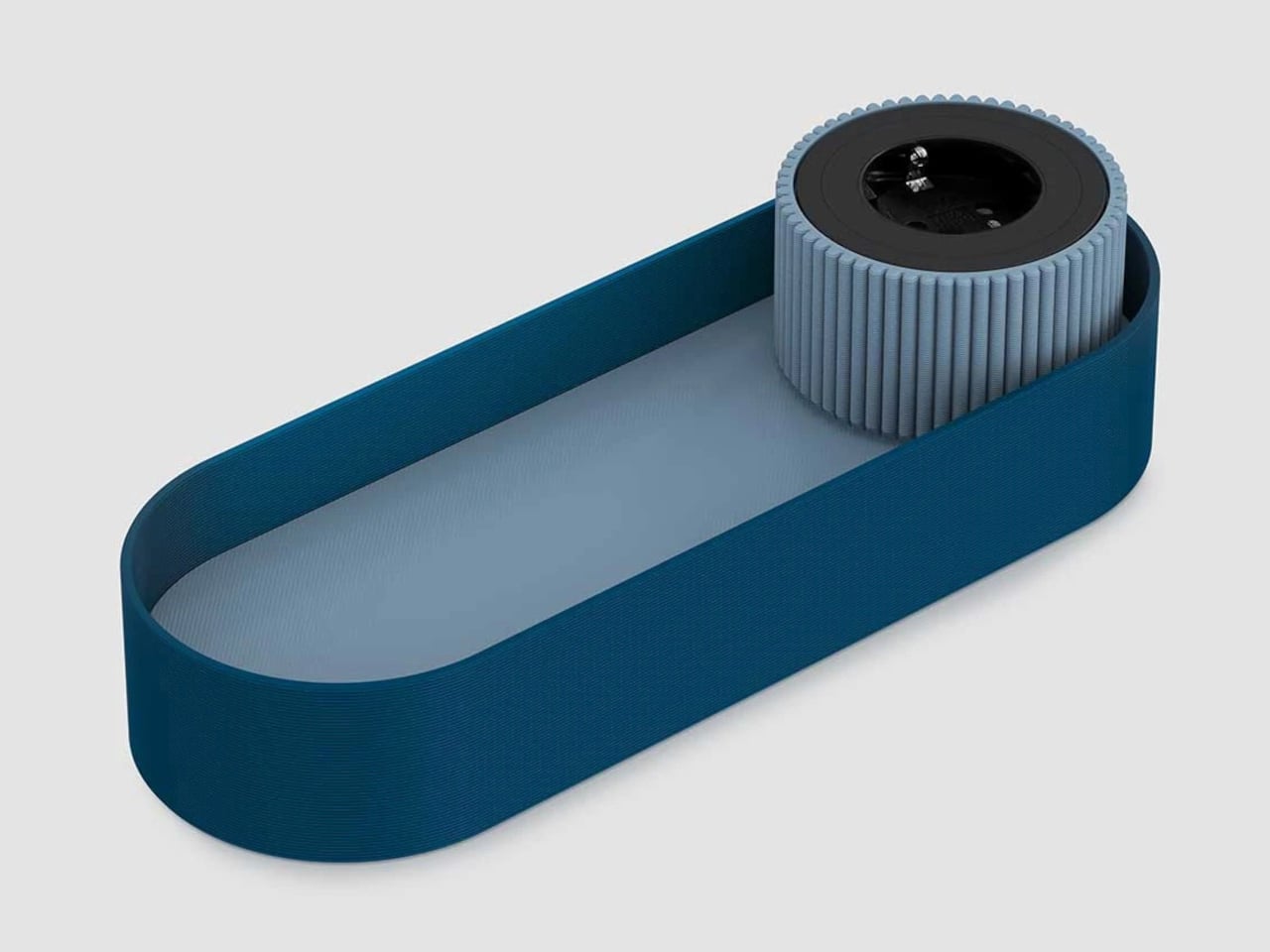
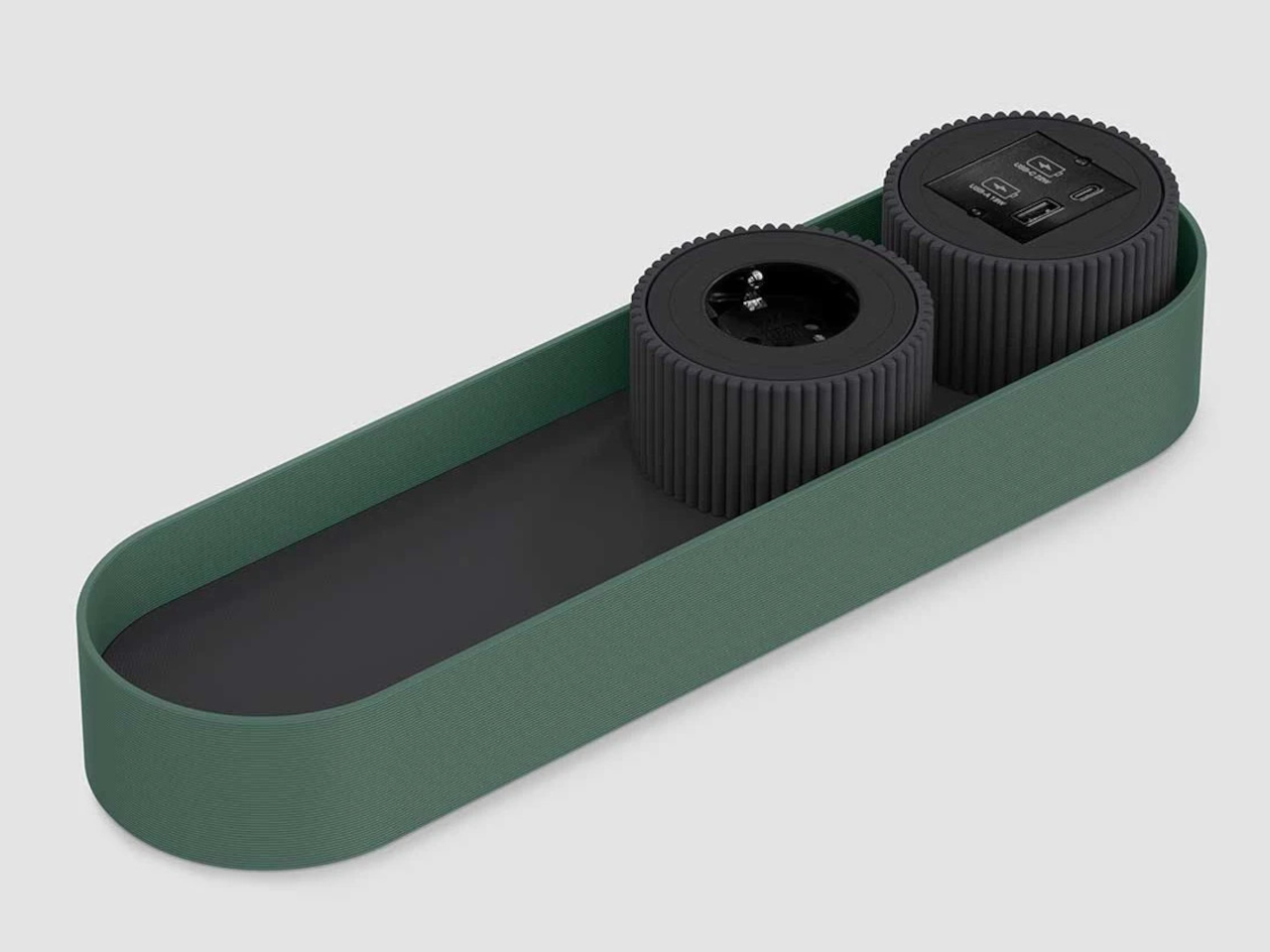
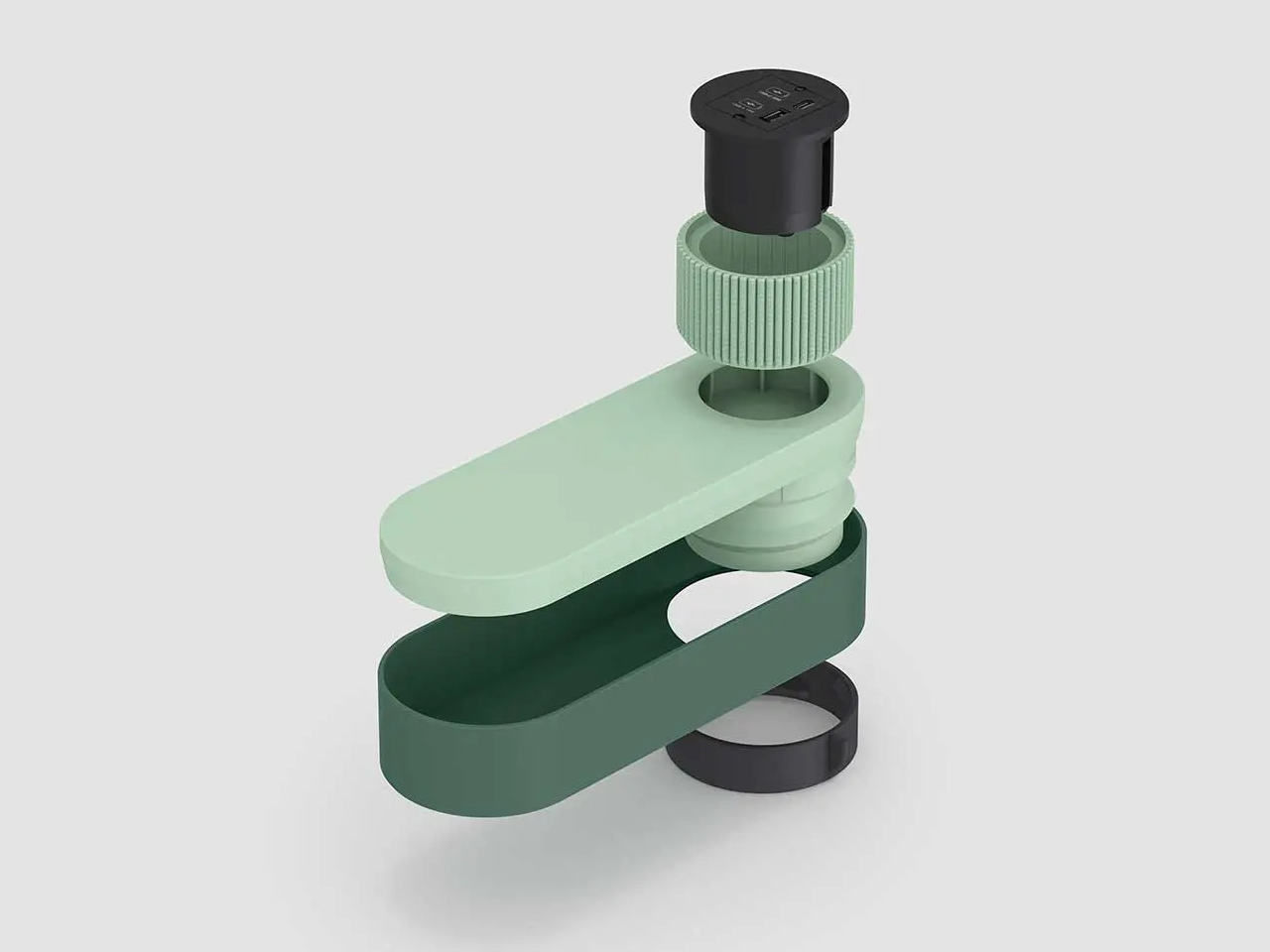
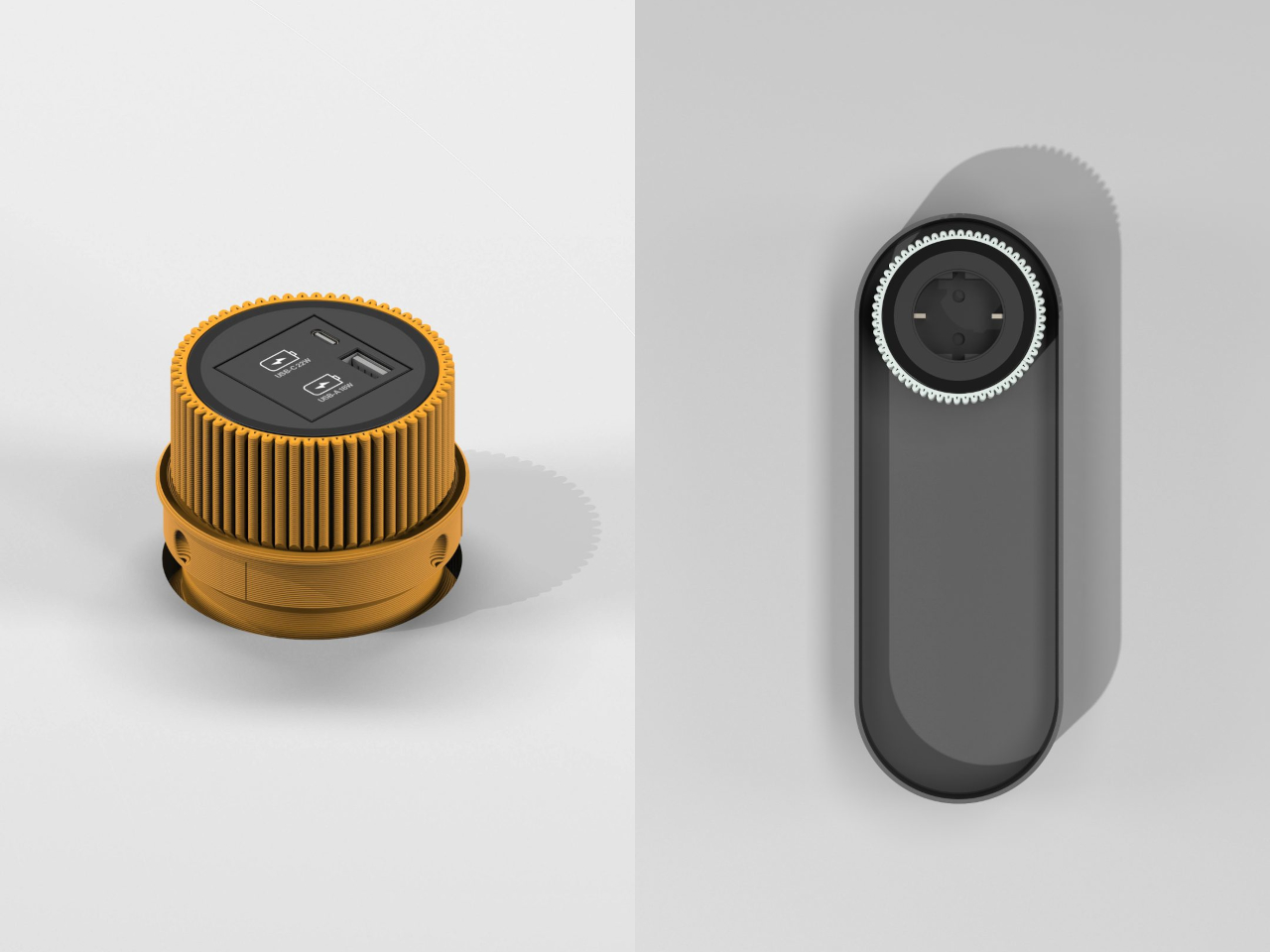
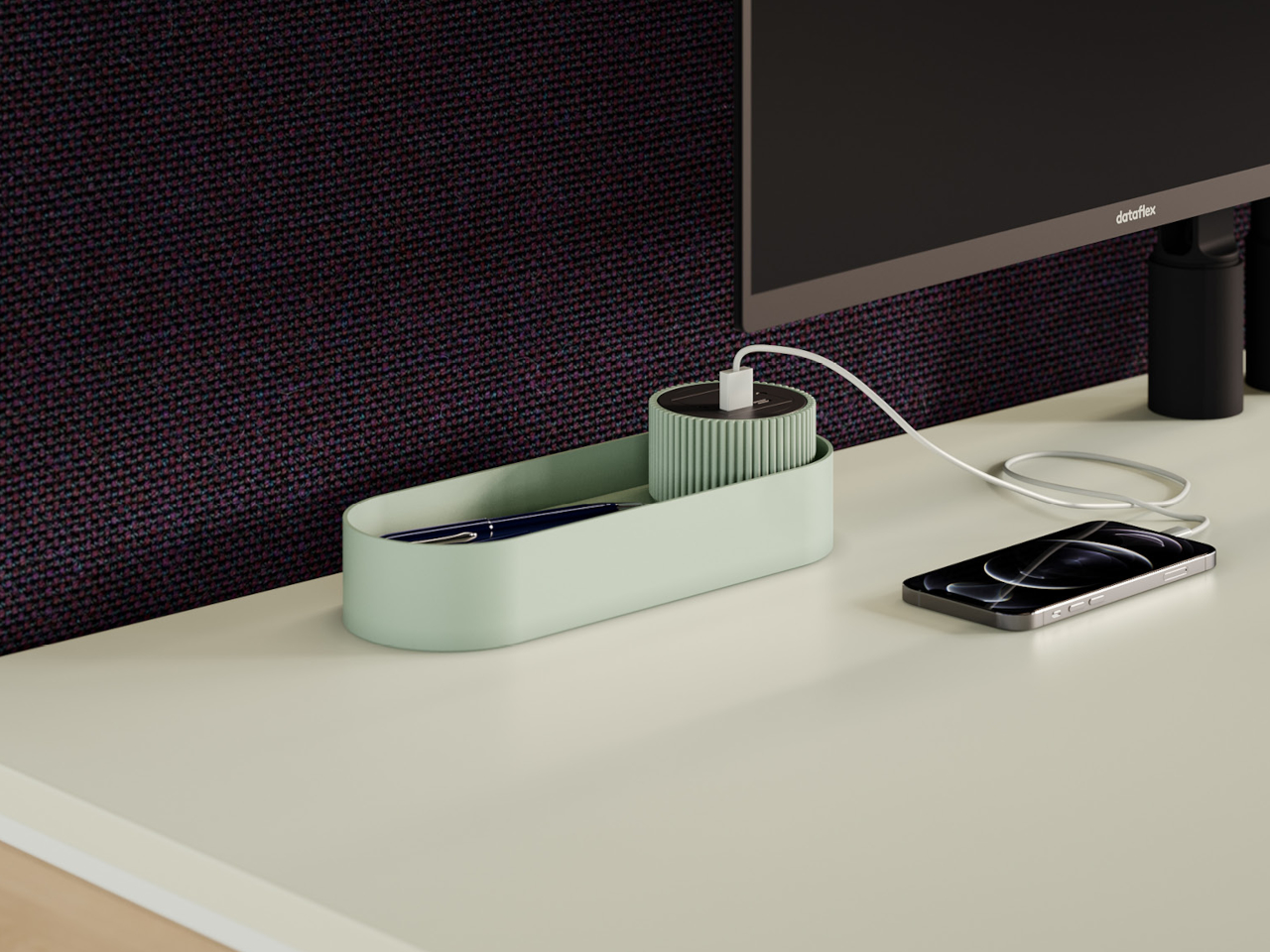
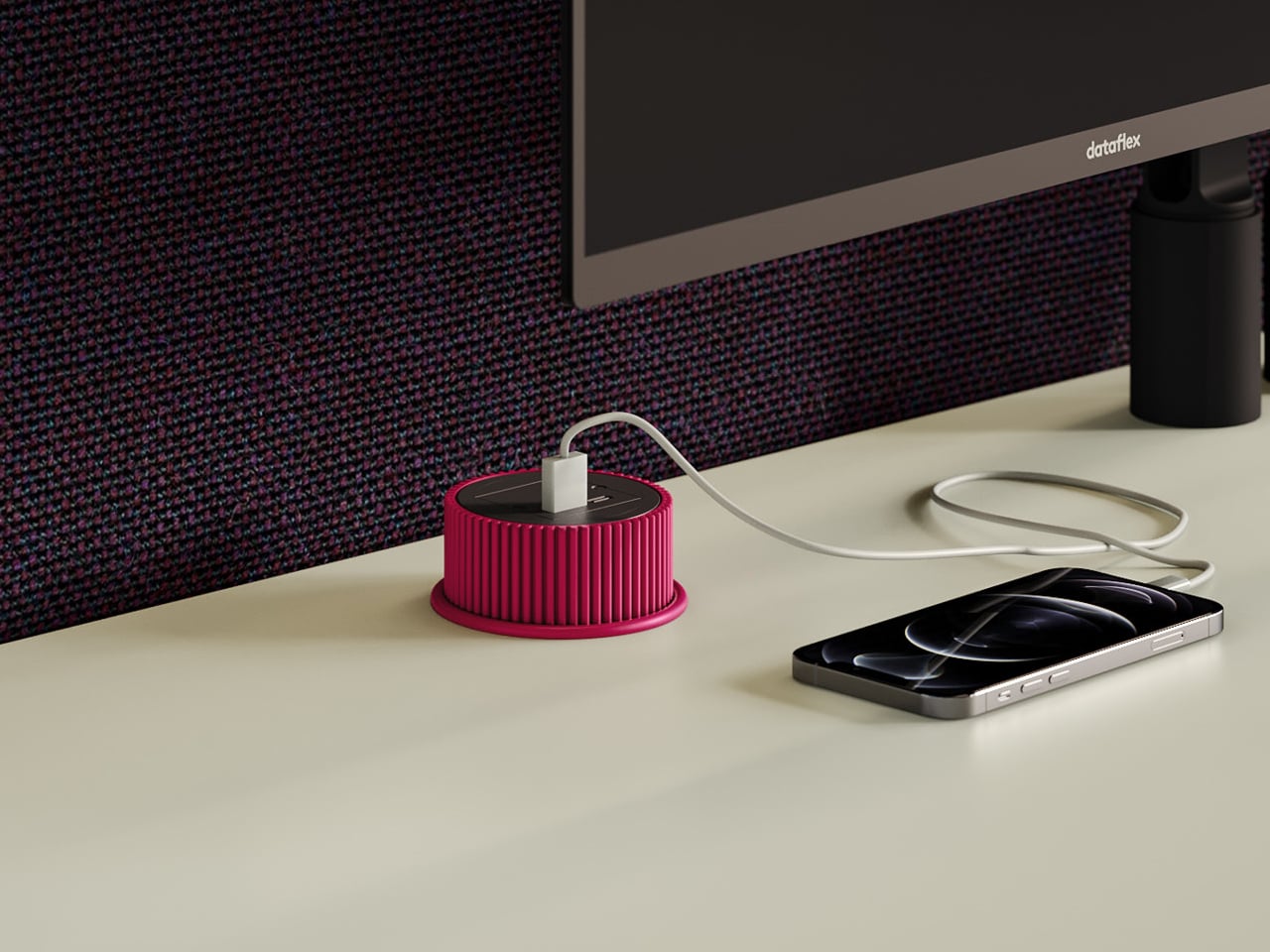
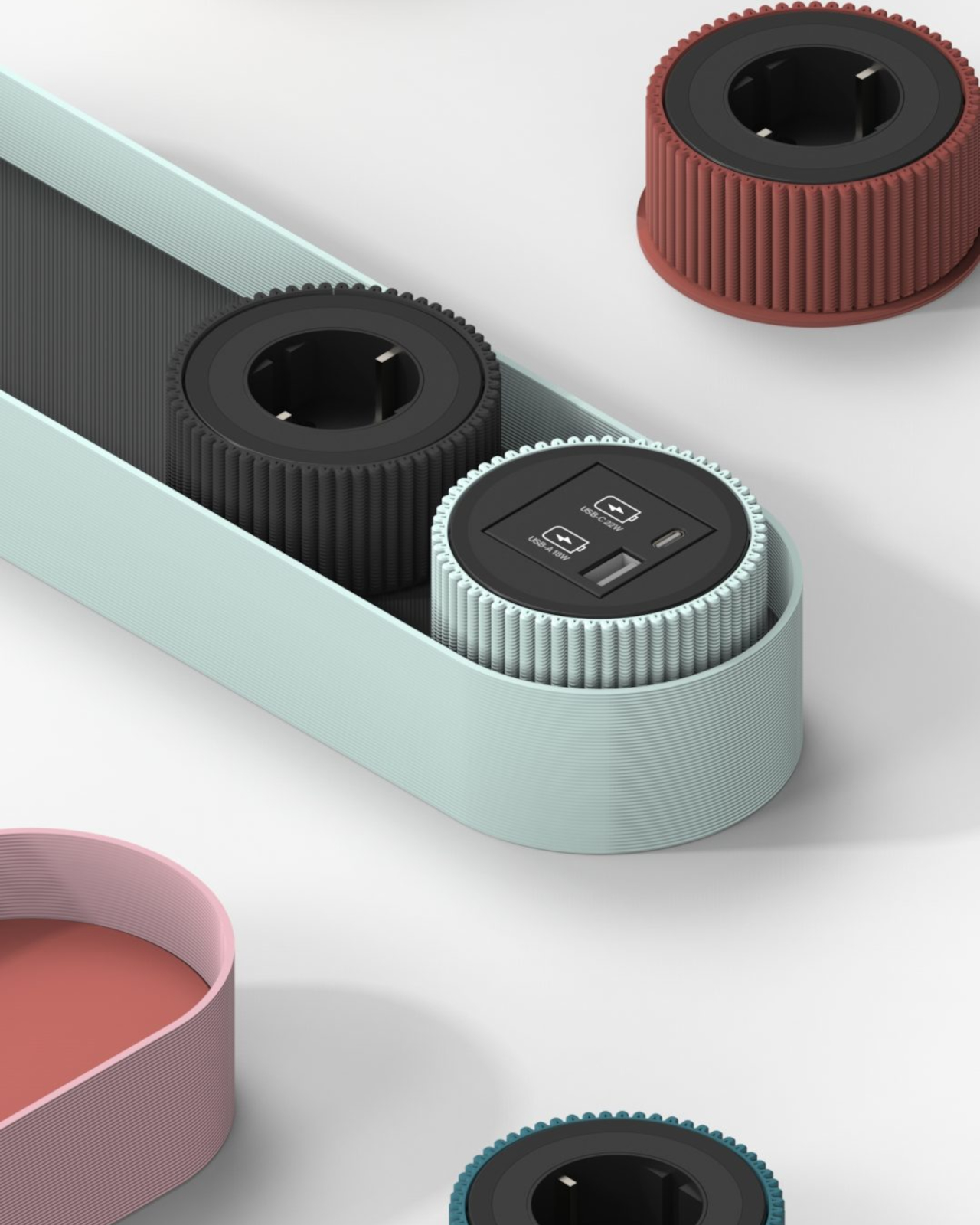
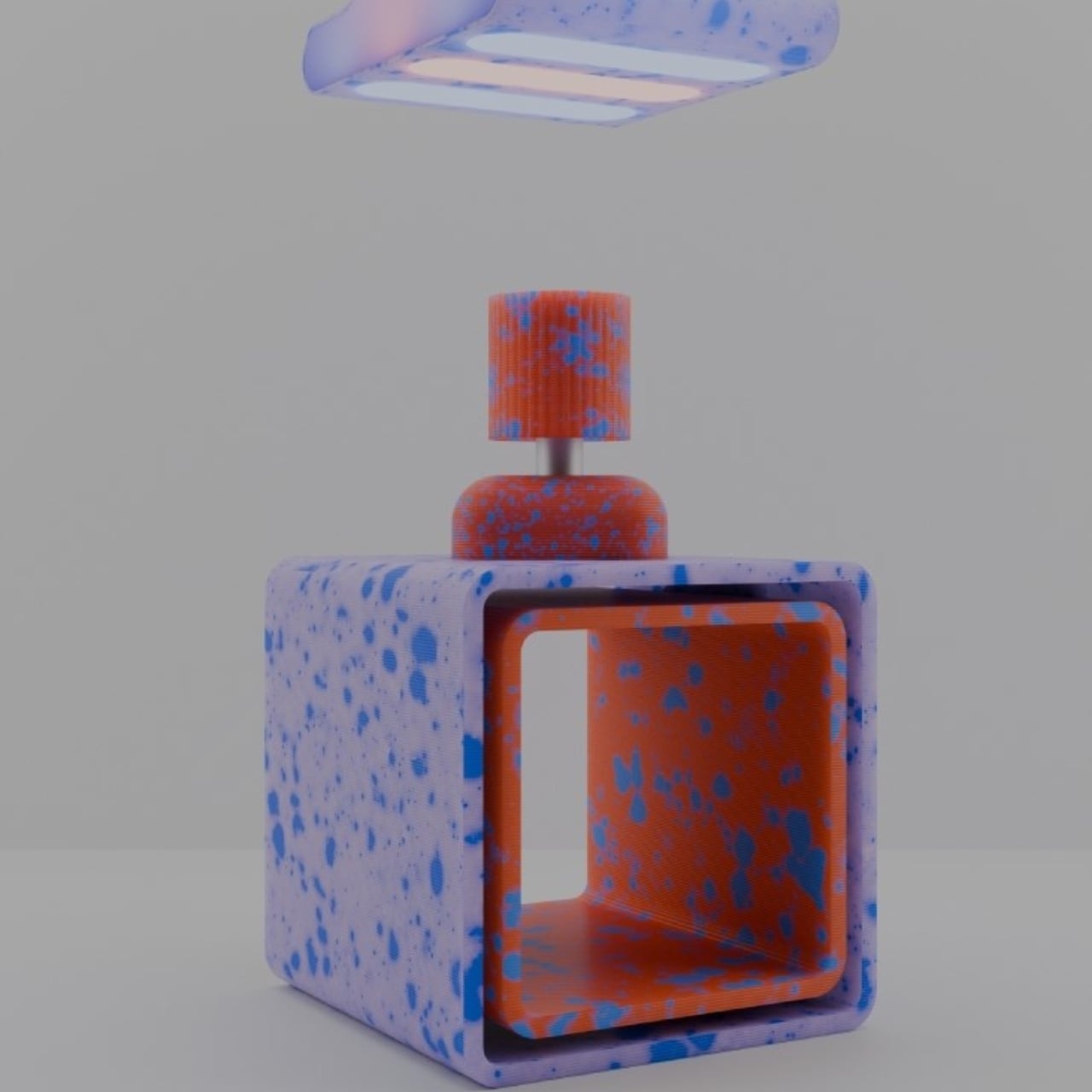
The basic form is a low, rounded tray with one or two ribbed cylinders that dock into it. The cylinders hold either a mains socket or a USB charger, while the tray doubles as a shallow organizer. Module S offers a single power point in a compact footprint. Module M adds one cylinder plus a shelf for pens and small items. Module L fits two cylinders and a wider storage area for more devices and desk clutter.

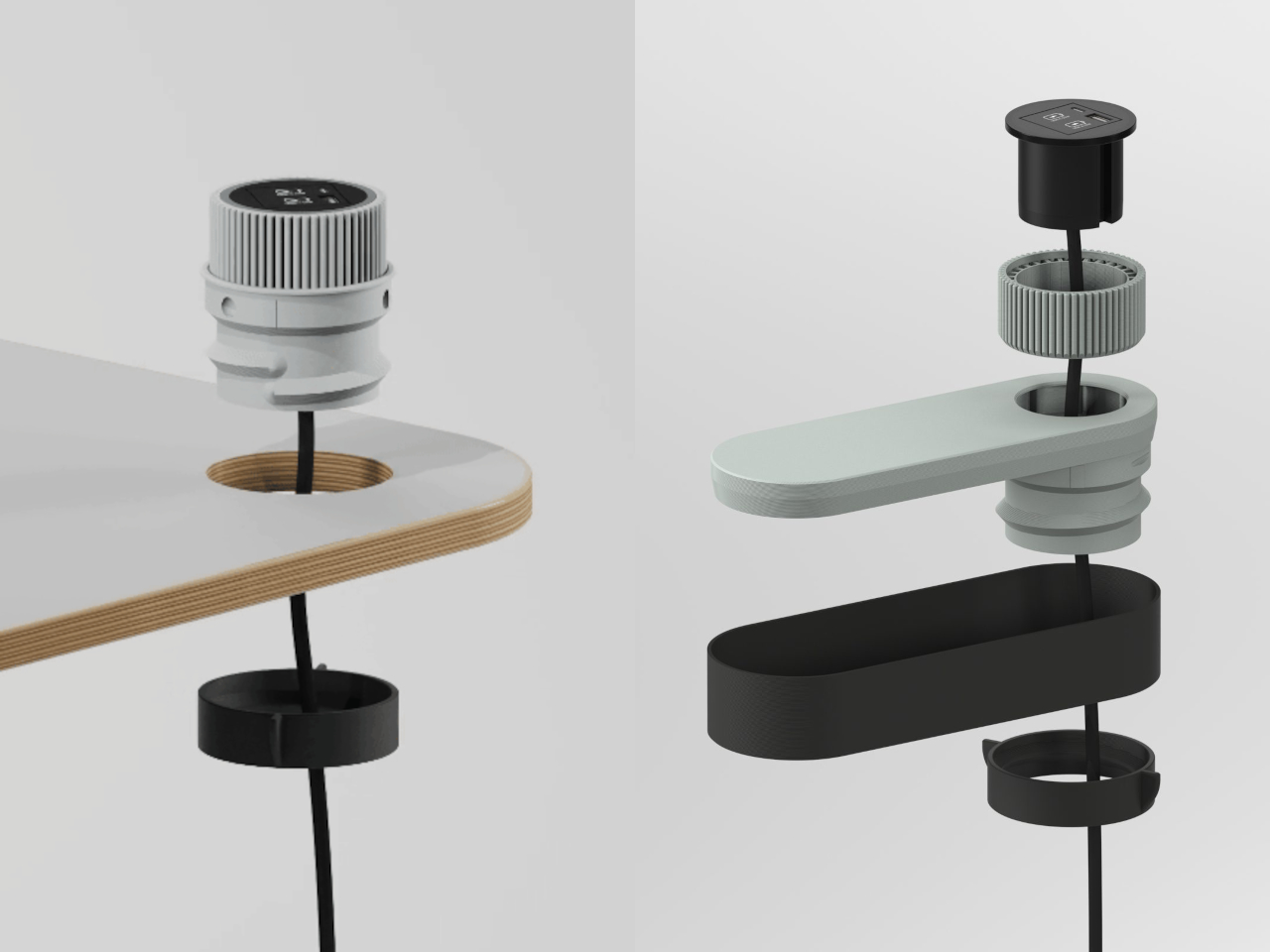
The modules are designed to be modular beyond their size. The cylinders can be specified with different country sockets or USB chargers, and the threaded sub-assembly simplifies swapping them out. Colour is also part of the system. The tray, cylinder body, and top insert can be mixed from the full bFRIENDS palette, so you can match brand colours, interior schemes, or other accessories instead of defaulting to anonymous black plastic.

The Power Module uses the same recycled bioplastic as the rest of bFRIENDS, sourced from food packaging waste diverted from landfill. Pieces are 3D-printed locally on demand, which eliminates injection-mould tooling and reduces warehousing and transport. That agile manufacturing approach makes it easier to offer many colour combinations and evolve the range without the usual constraints of mass production and minimum order quantities.

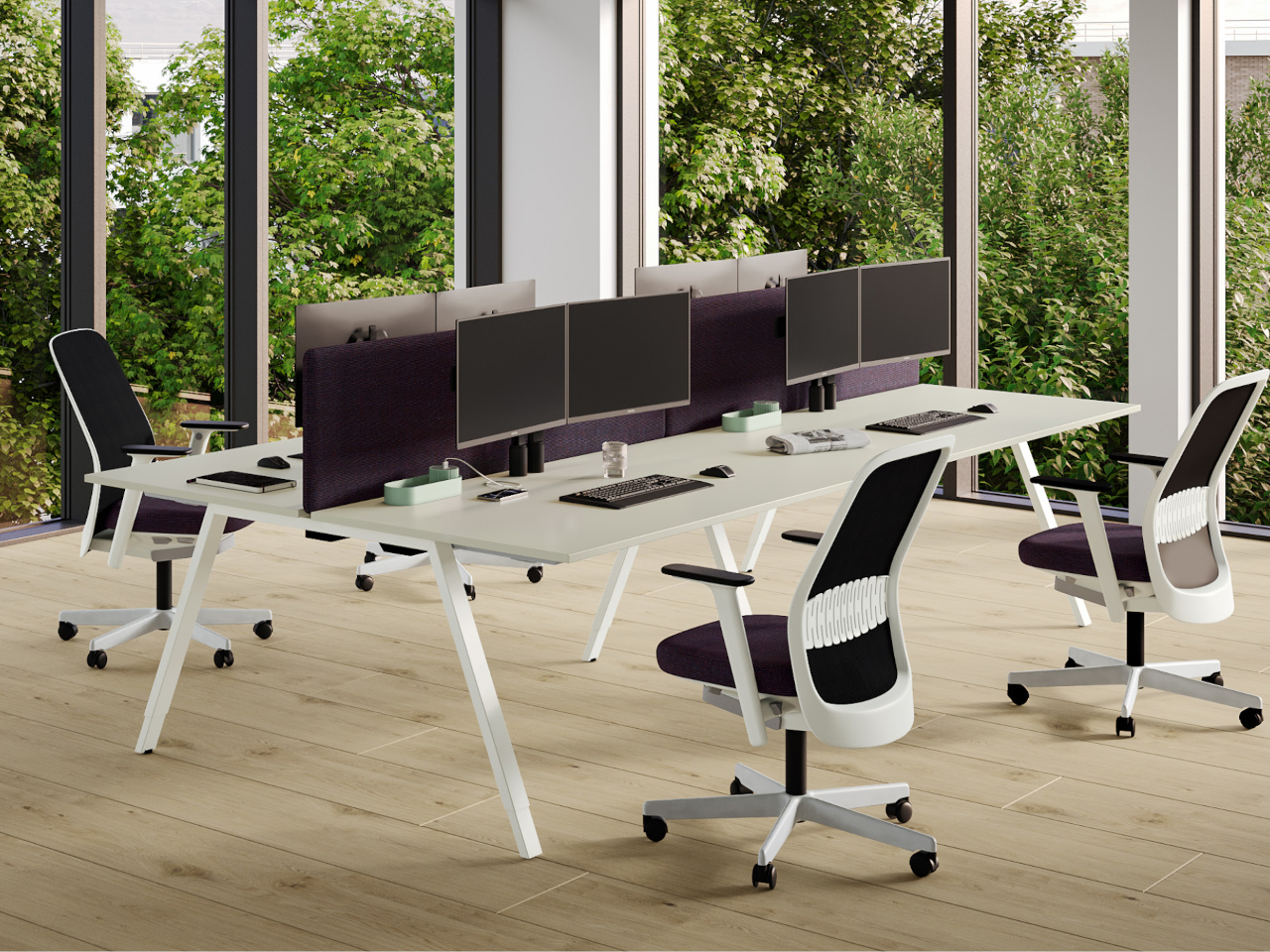
The combinations and uses are practically endless. For example, a Module M or L can rest against a fabric privacy panel, with the tray holding a phone and stationery while the cylinder powers a monitor or laptop. By bringing sockets and USB up onto the desk, the module makes plugging in less of a reach and turns cable management into part of the overall desk composition rather than an afterthought you hide under a grommet.

The bFRIENDS Power Module shows what happens when designers look at the boring parts of the office. By combining power, storage, recycled materials, and colour in a single object, it makes the everyday act of plugging in feel a bit more considered. It’s not trying to reinvent electricity, just the way it shows up on your desk, turning something functional into something you might actually want visible in your workspace.

The post This 3D-Printed Modular Power Strip Is Made From Recycled Plastic first appeared on Yanko Design.
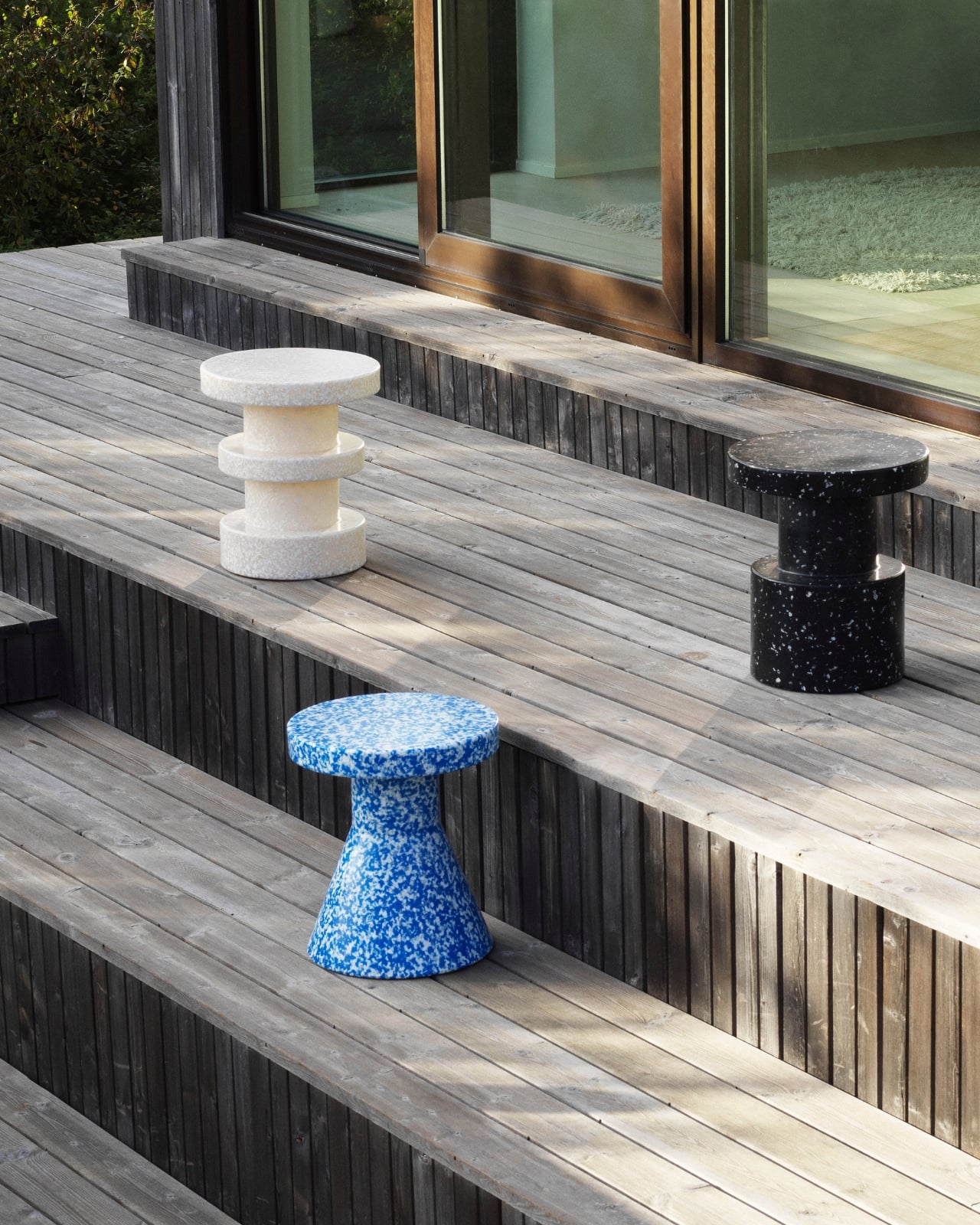
3D-printed chairs are made from 100% recycled plastic from donation program

3D-printed furniture is still not as common as regular furniture but we’re seeing a lot of movement when it comes to designs and concepts. Aside from the fact that it’s easy to adapt this in actual production, it can also be sustainable and eventually impactful. Most of these 3D-printing concepts try to create something that’s recyclable or made from recycled materials therefore making it more sustainable than regular furniture.

Designer: Ethan Solodukhin

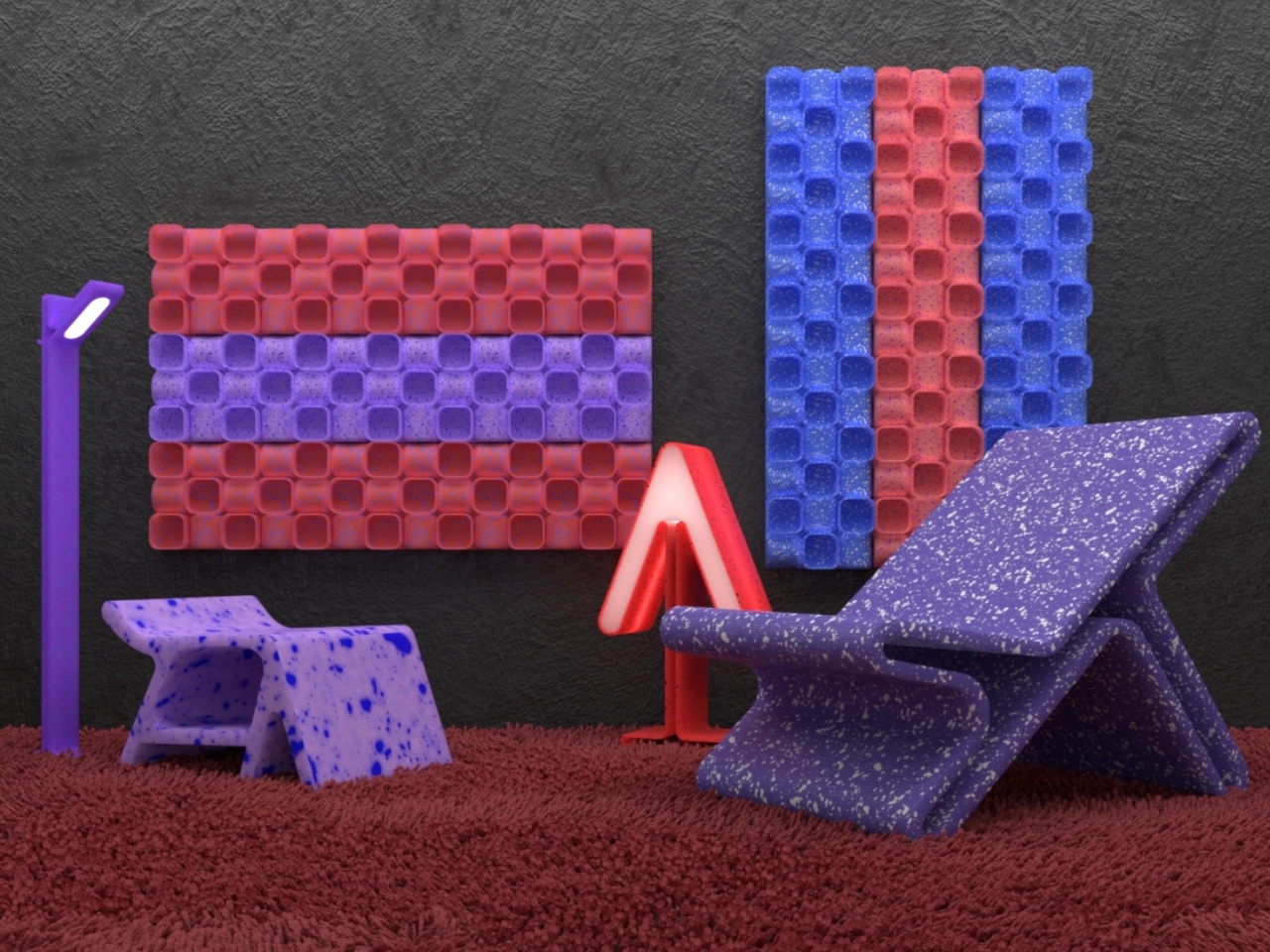
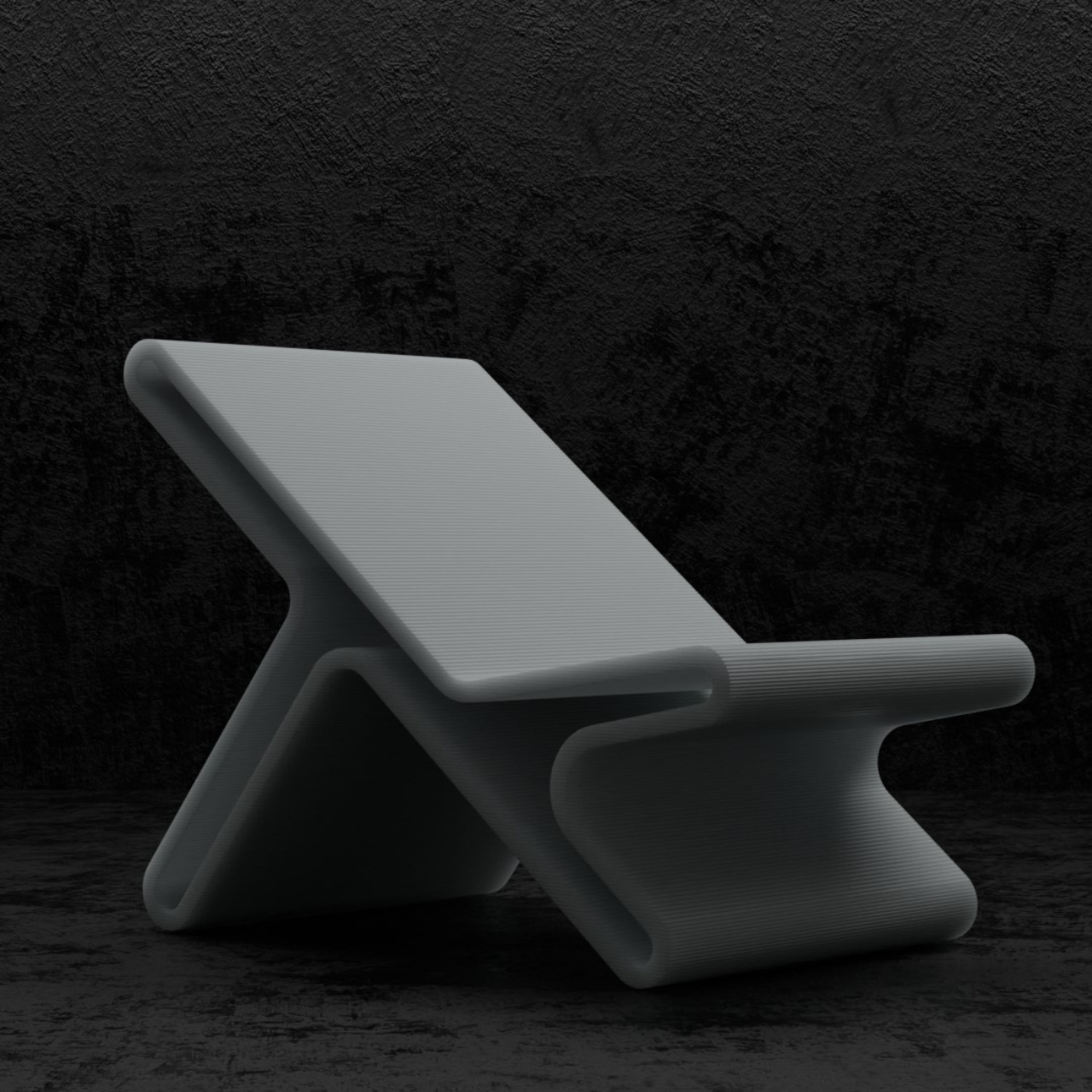
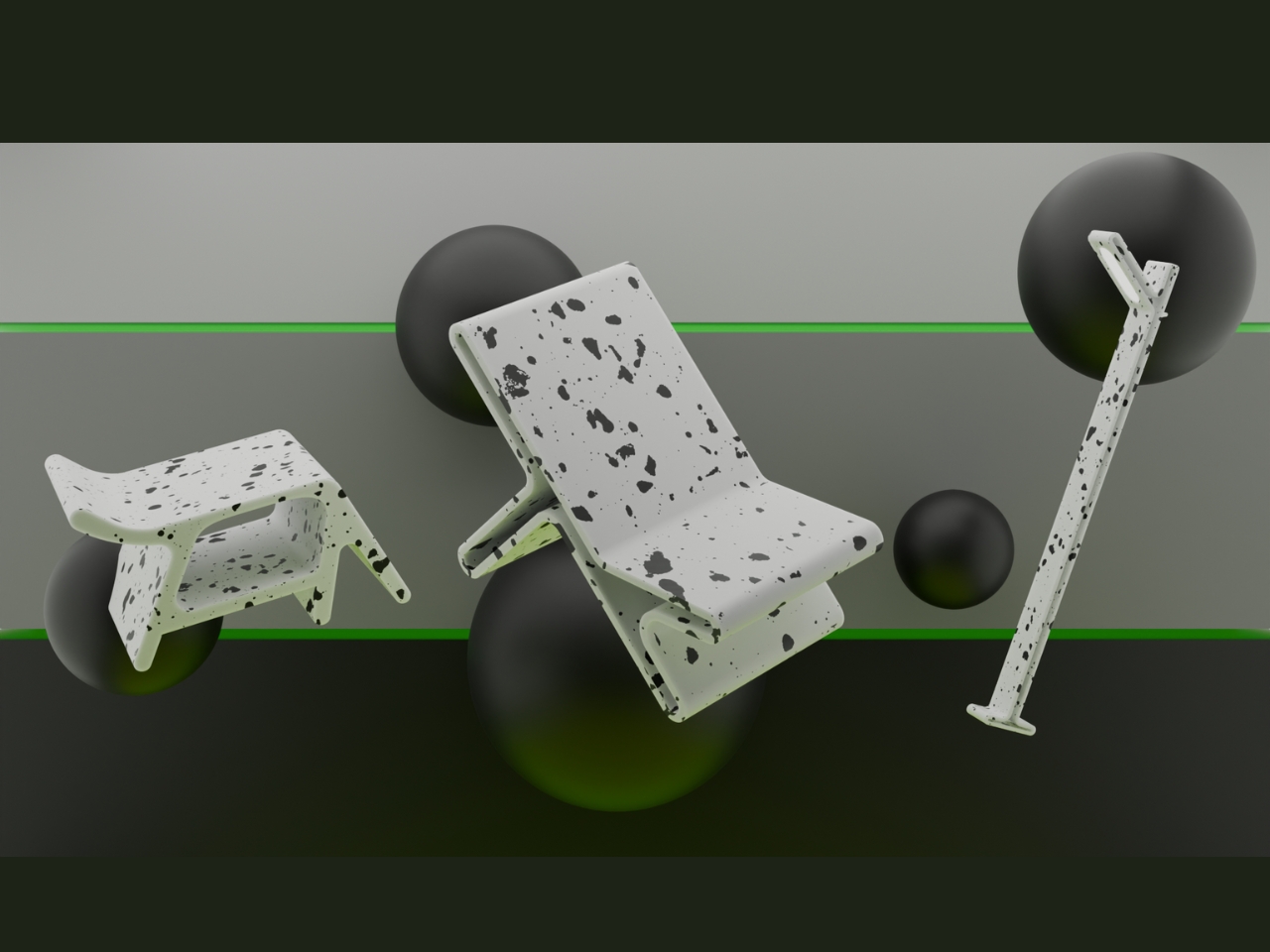
The Revo Chair Concept, with Revo meaning “revolutionary”, is a collection of 3D-printed furniture and is powered by the PlastiVista Atelier program. The program actually encourages homes, schools, and communities to donate their plastic waste and those that can be used for 3D printing converted into filament. The collection includes the Revo Chair and the Stoool (yes that’s not a typo). They are made from 100% recycled plastic.

The Revo Chair uses a single-piece design and it can serve as both an actual chair but when used with a different orientation, it can also serve as storage. The photos show it’s a box-like storage although it’s not really shown how it can be turned into that although the surfaces can be something you can place objects on. The Stoool meanwhile just serves as a seat with its compact surface, although you can probably also use it as a side table if you want to.

The renders of these chairs reminds me of those small, plastic phone holders that you can get for cheap. The question of course for these 3D-printed chairs would be if they are durable enough and comfortable enough for people to sit in for a long period of time.

The post 3D-printed chairs are made from 100% recycled plastic from donation program first appeared on Yanko Design.
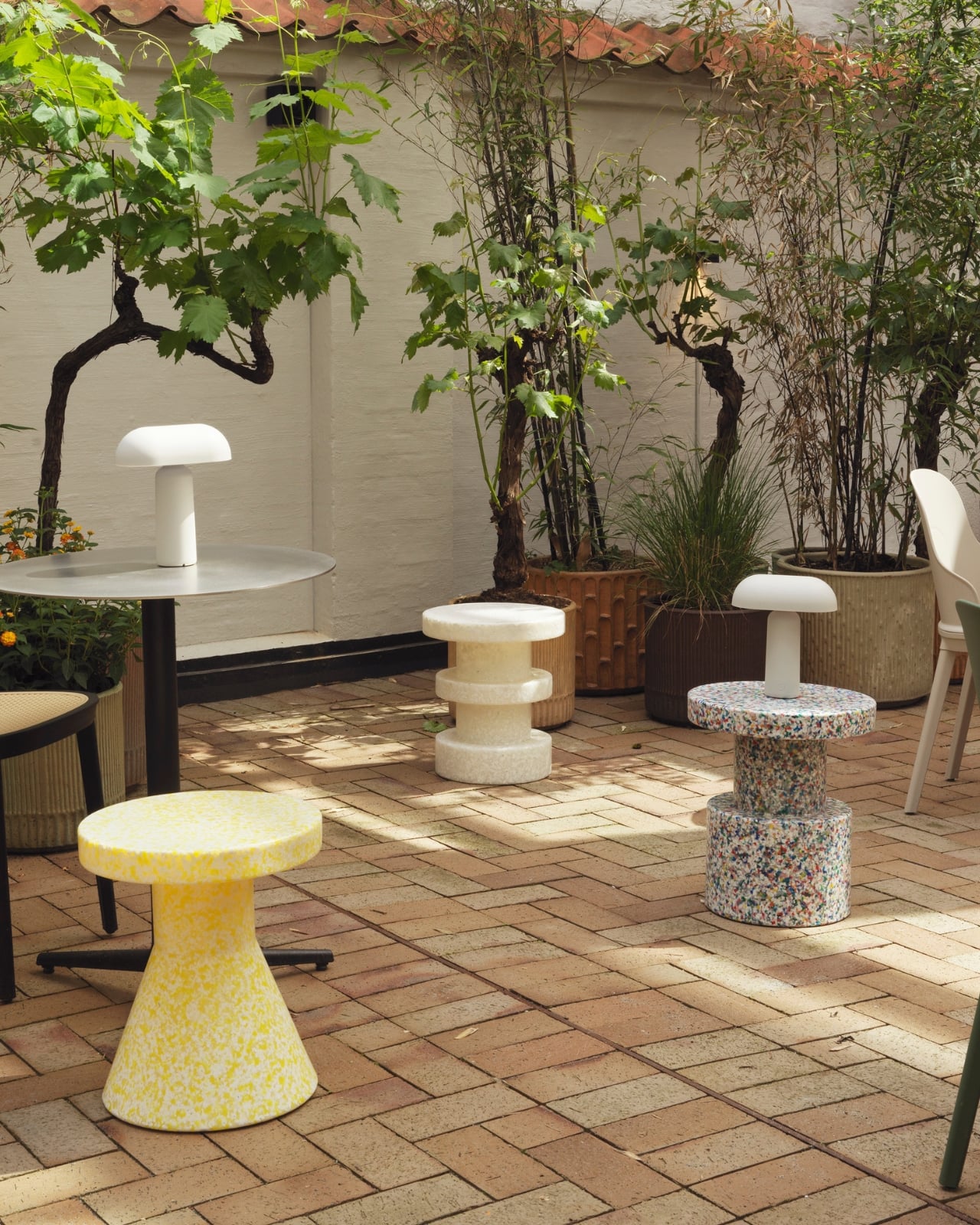
Recycled plastic becomes stone-like sheets for sustainable furniture designs

We all know how bad plastic is for the planet, but no one will deny its versatility and affordability. Until we’re able to create a truly sustainable replacement that’s just as cheap to make, all we can do is take measures to reduce their impact on the environment. That might mean using bio-plastics, or it may mean reusing and recycling plastic into some other form.

Transforming plastic into new materials isn’t exactly new, but this innovation puts a new spin on that idea. Not only does it recycle plastic without using binders or glue, it also makes the resulting material almost as strong and as beautiful as stone. The result: striking furniture made almost 100% from plastic.

Desingers: Jared Seifert, Lauren Copping (Design Declassified)

There are plenty of ways to recycle plastic, but unlike wood or paper, the process involves a lot of water and energy. They also usually involve mixing some sort of binder or glue to keep the new material together, which ironically can make the new recycled plastic product less sustainable. And there’s also that distinct “recycled” aesthetic that may sometimes be seen as an advantage but can also be considered a flaw.

Design Declassified has developed a new kind of material that’s 100% made from recycled post-consumer and post-industrial thermoplastics without adding glue, resins, or even coloring to the mixture. This means that, after many years, the sheets can be recycled again for other purposes.

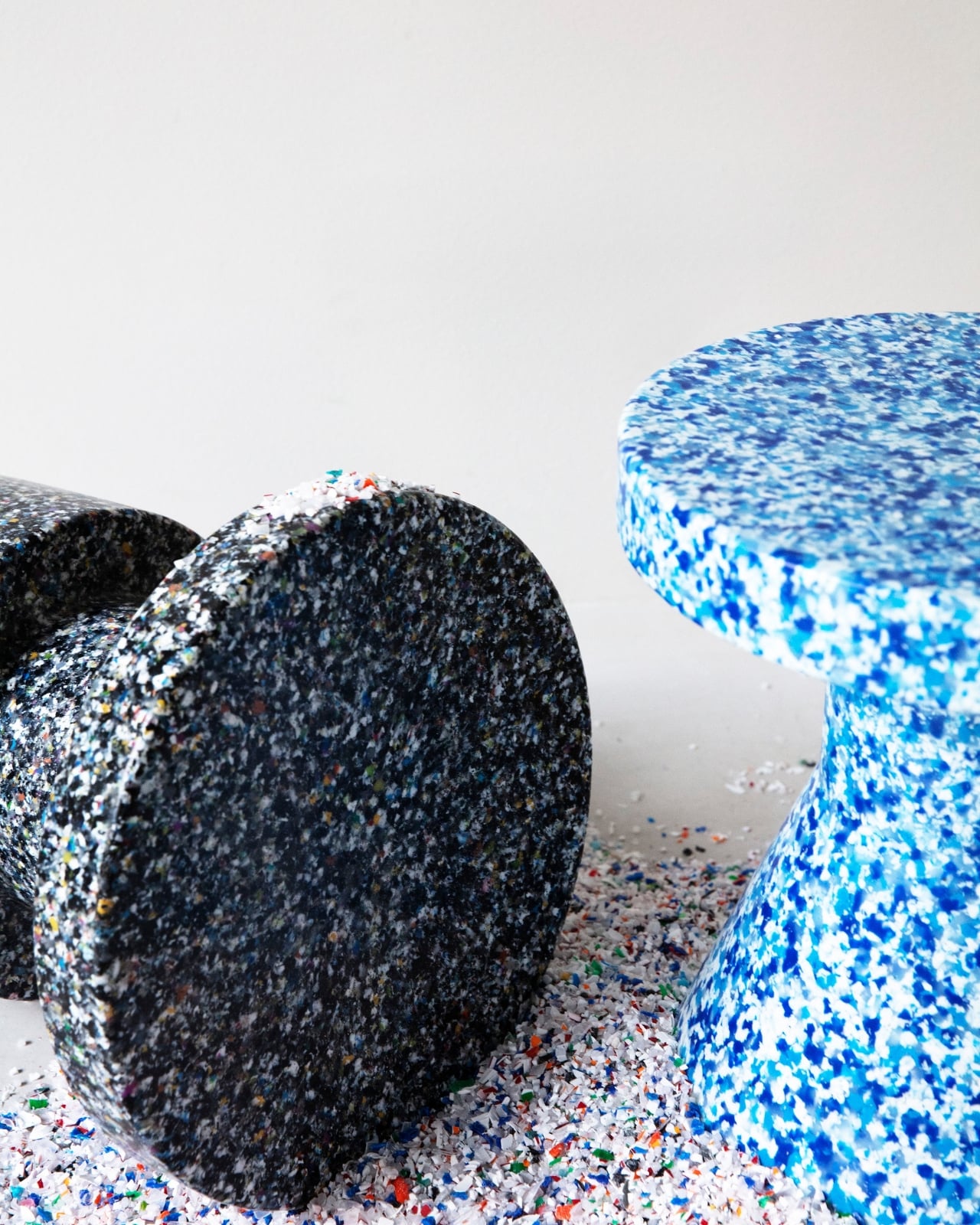
The recycled plastic sheets also come with a natural appearance not unlike marble or terrazzo, giving the material a unique character that looks nothing like your stereotypical recycled plastic. Available colors at the moment include Salt and Pepper, Moonlight, Mint, and Sea Moss, blends that you’d see in actual stone designs.

The material is durable as well, though definitely not as strong as marble or ceramic. In exchange, it retains its lightweight properties that make it easy to move around. It’s easy to cut into different shapes and forms as well, making it quite suitable for furniture like furniture, tiles for floors and walls, lighting, and even art installations.

Design Declassified is definitely an interesting solution to the plastic waste problem, especially if it can be mass-produced in an equally sustainable way. Although it doesn’t exactly reduce our reliance on plastic, it could at least help lessen the need to produce virgin plastic, especially if a more beautiful but equally versatile alternative is made available more easily.

The post Recycled plastic becomes stone-like sheets for sustainable furniture designs first appeared on Yanko Design.
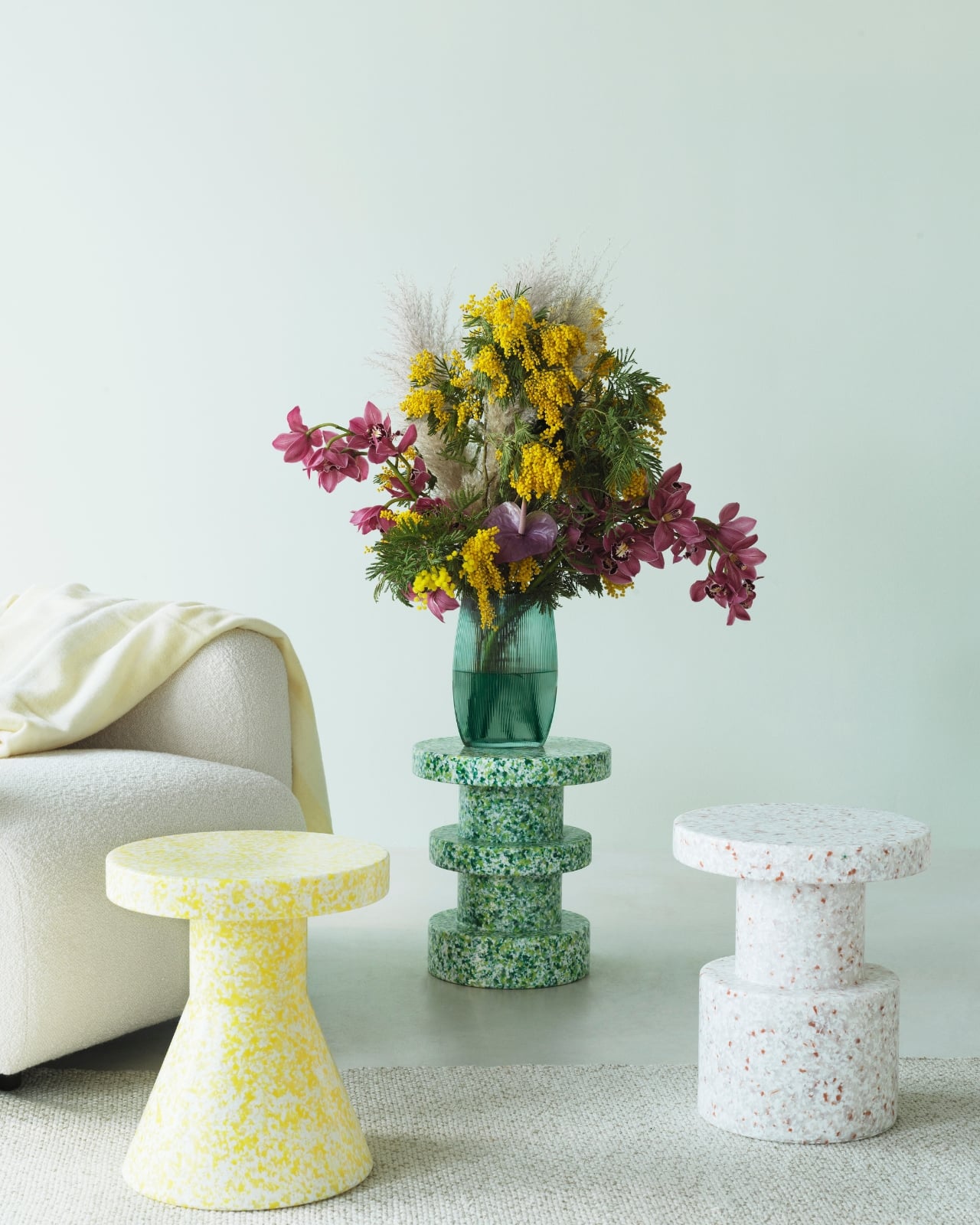
Who Knew A Desk Organiser Could Help Increase Productivity?! The Sustainable Daizo Does!

Sustainability is becoming a crucial part of our daily lives nowadays, and Daizo stands at the forefront of eco-friendly innovation. With their focus on sustainable design and materials, Daizo brings us the Daizo Desk Organizer, a product that not only helps keep your workspace tidy but also supports the planet.

Designer: Mohit Joshi

The Daizo Desk Organizer is a shining example of how single products together can shape a sustainable future at large, made from recycled plastic PLA, a biodegradable and renewable resource. By using eco-conscious materials like recycled plastic bottle caps and cork, Daizo ensures that each organizer contributes to reducing landfill waste and minimizing the demand for virgin resources.

One of the standout features of the organizer is its compact yet highly functional design. Created to optimize small desk spaces, this organizer boasts a unique jigsaw puzzle structure with customizable sections, allowing users to arrange their desk tools in shapes that fit their needs. This flexibility transforms an ordinary desk into a more personalized, clutter-free environment, enhancing both productivity and creativity.

And as every desk warrior knows, coffee is an essential part of a productive workday. Daizo has thoughtfully integrated a built-in coaster, ensuring your coffee or drink has a designated spot while protecting your desk from spills. It’s a small but crucial detail that shows Daizo understands the real-world needs of its users.

Beyond its eco-friendly credentials, the organizer is a powerful tool for boosting productivity. A clean and organized workspace reduces distractions, helping you stay focused on the task at hand. It also promotes creativity, as a clear desk can lead to a clear mind, giving you the freedom to brainstorm and solve problems without feeling overwhelmed by clutter.

Moreover, the Daizo Desk organizer encourages healthy work habits. Maintaining an ergonomic setup and keeping your workspace clean, can prevent common issues like poor posture, eye strain, and general discomfort that often arise from cluttered, disorganized desks.

Many professionals today face challenges in keeping their workspaces organized. Limited desk space, combined with the need to store essential items, often results in clutter that hinders productivity. Daizo addresses this problem head-on with a product that is not only compact but also aesthetically pleasing. Unlike other desk organizers, which often sacrifice functionality or design, Daizo strikes a perfect balance between both.

In addition to keeping your desk in order, the Daizo Desk Organizer makes a positive impact on the environment. By using recycled plastic from bottle caps and crafting it into something both beautiful and practical, Daizo contributes to reducing landfill waste. But sustainability doesn’t end there, at the end of its life, the organizer can be recycled again, supporting the circular economy and further minimizing its carbon footprint. Daizo desk organizer is an investment in a healthier planet and a more organized, productive workspace.

The post Who Knew A Desk Organiser Could Help Increase Productivity?! The Sustainable Daizo Does! first appeared on Yanko Design.
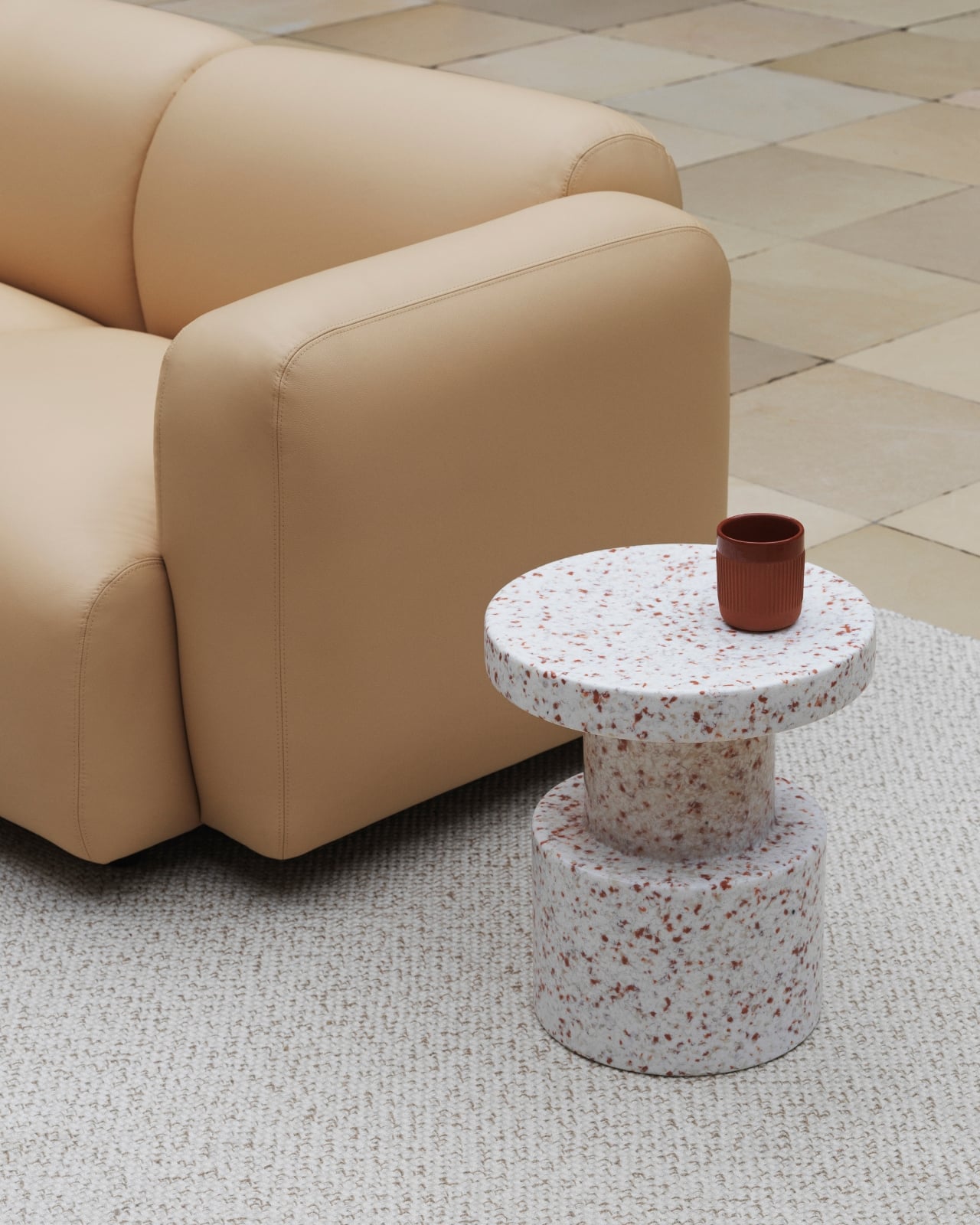
The Beluga Chair Is A Stylish Revolution in Sustainable Living by POLIMAIR

The Beluga Chair is a symbol of hope in the landfills flooding with plastics. It’s crafted from recycled fishing nets sourced in France, embodying POLIMAIR’s commitment to environmental responsibility. Designed by Arthur Gaudenz, this innovative chair represents a paradigm shift in furniture design, being the first chair in kit form crafted entirely from 100% recycled plastic.

Designer: POLIMAIR

At its core, the Beluga Chair embodies the ethos of sustainability and durability. Its mono-material construction utilizes discarded fishing nets sourced and recycled in France, eliminating the need for additional materials such as steel screws, glues, or wood. This not only reduces waste but also minimizes CO2 emissions, paving the way for a more eco-conscious future.

POLIMAIR’s visionary approach recognizes the evolving role of plastic—from a durable substitute for ivory in billiard balls to one of the most pressing ecological challenges of our era. In response, the design team advocates for a return to the essence of plastic as a material designed to last. The Beluga Chair stands by this philosophy, embodying four foundational pillars that prioritize sustainability in furniture production.
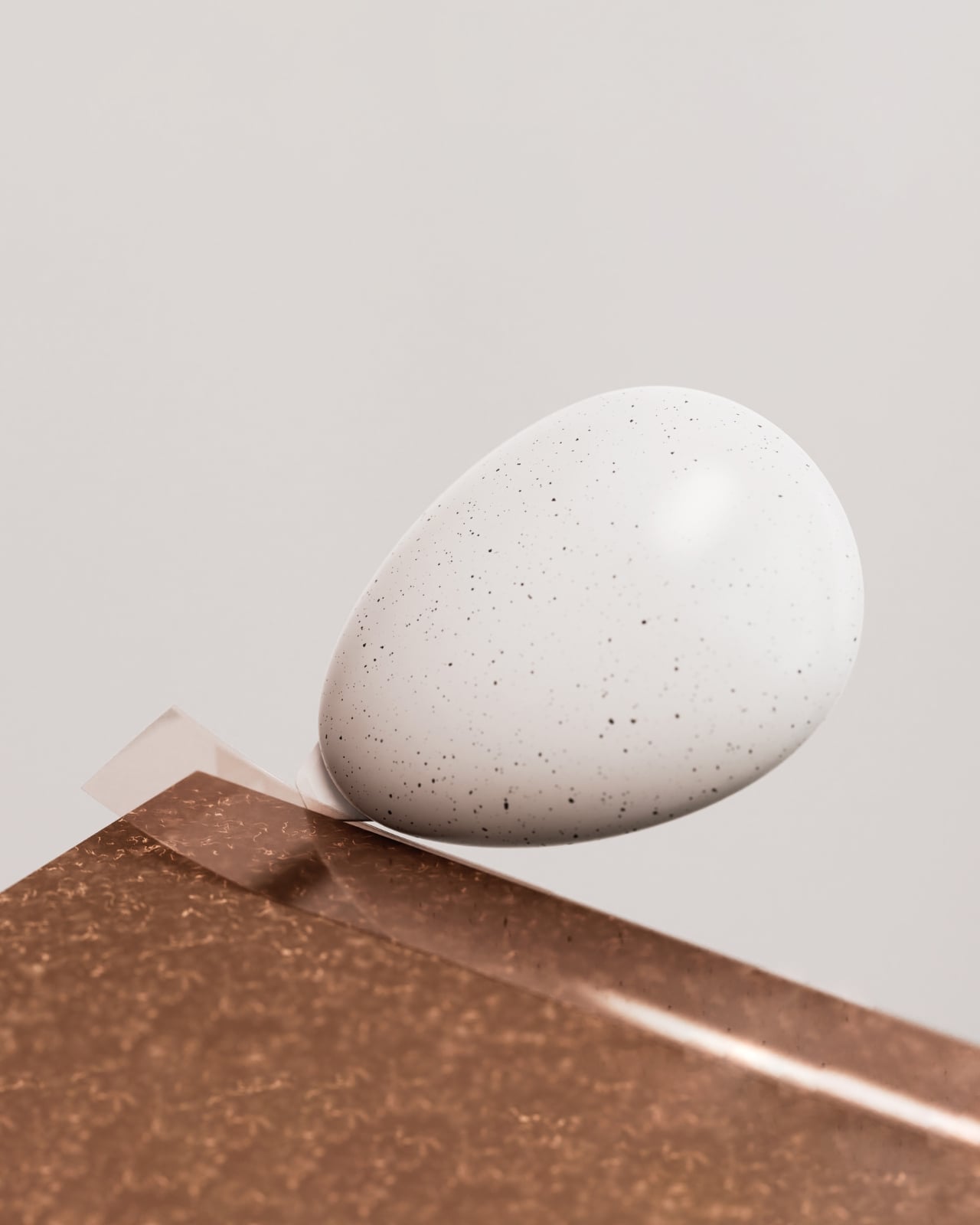
Central to POLIMAIR’s ethos is the commitment to local craftsmanship and environmental responsibility. From the design conception in Paris to the raw material sourcing from coastal regions such as Brittany, Normandy, Provence, and Occitania, every step of the production process integrates local expertise and promotes sustainable practices. The label “100% Made in France” not only ensures quality but also reinforces the company’s dedication to supporting local communities.
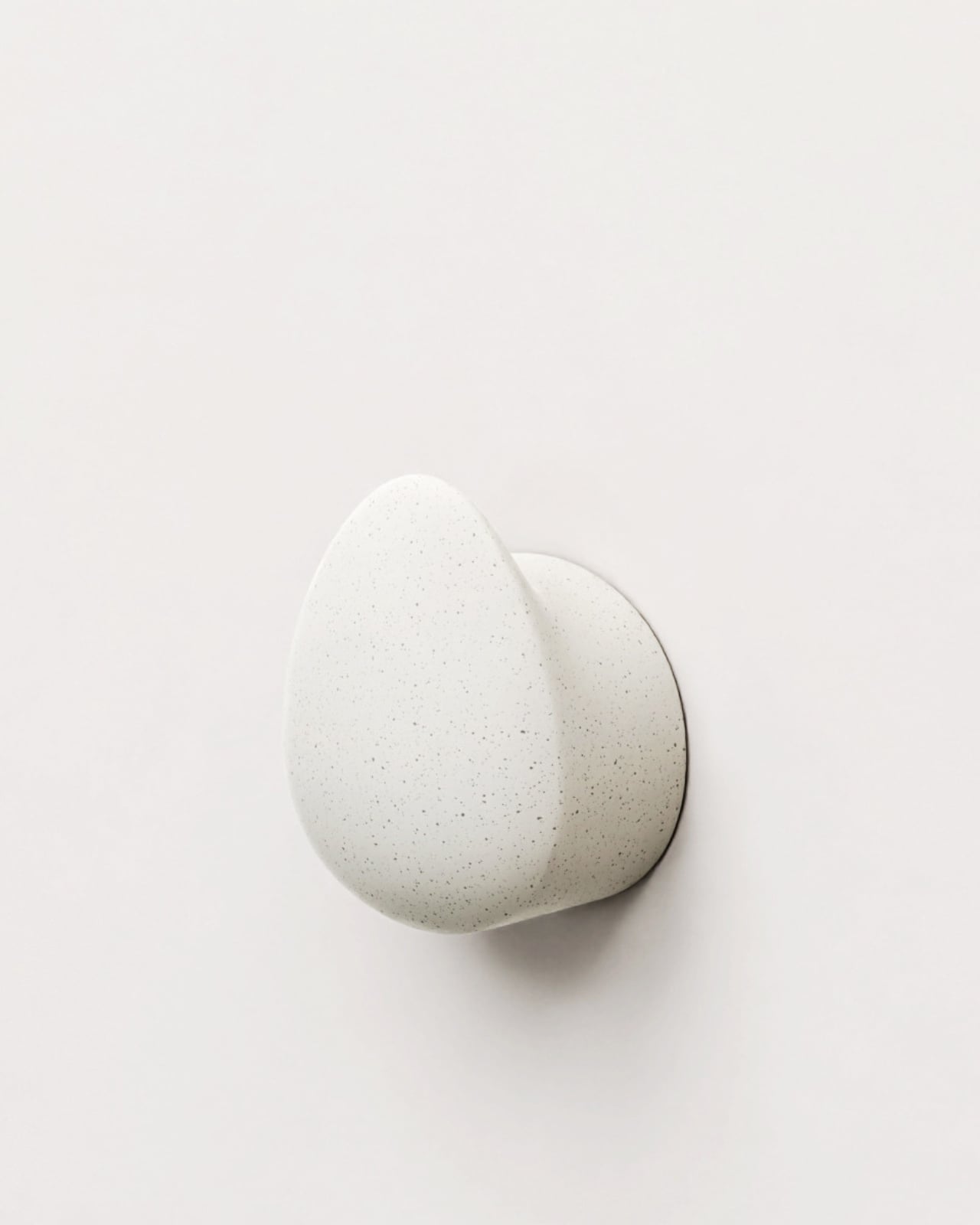
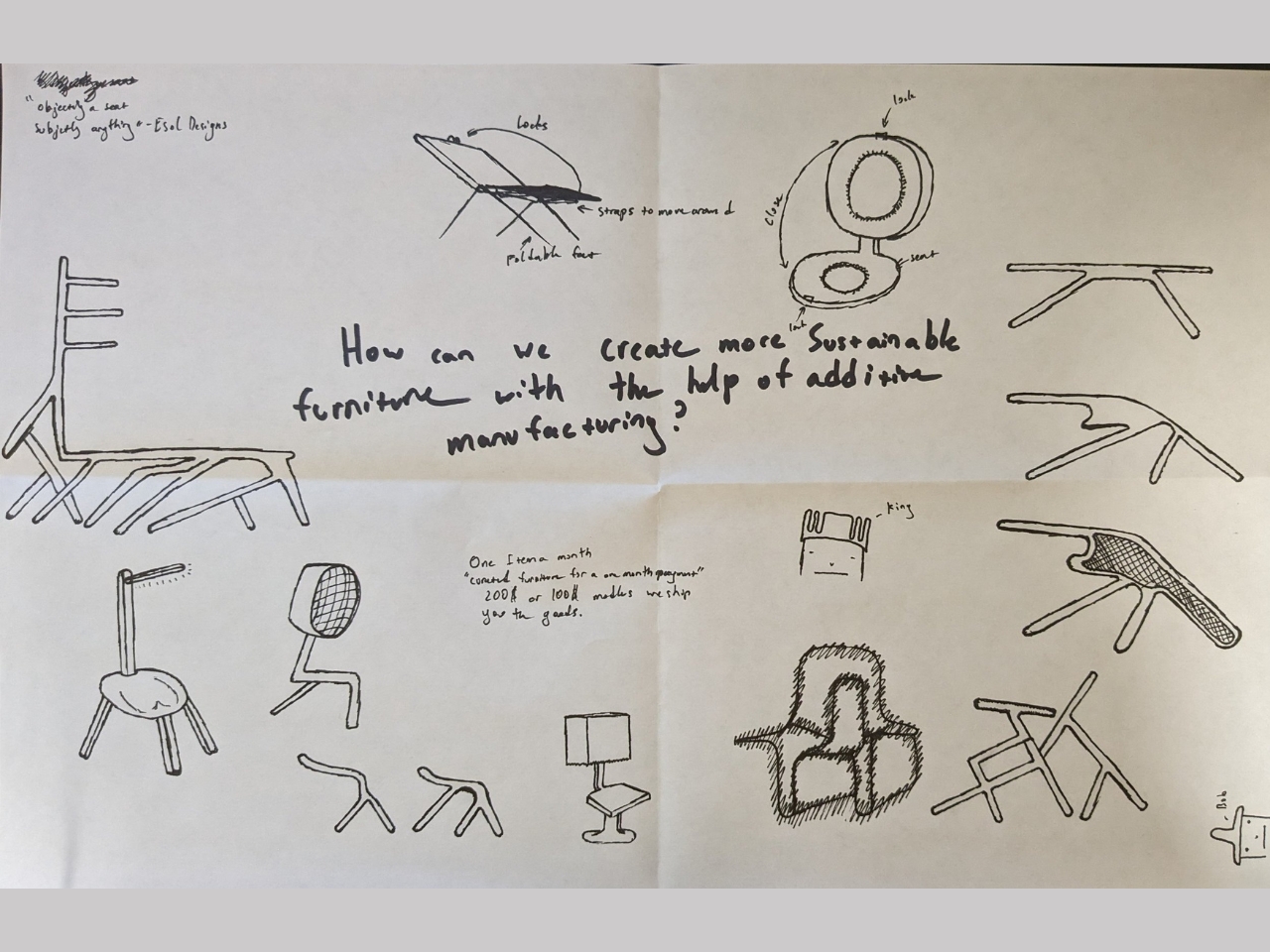
One of the most innovative features of the Beluga Chair is its 100% life guarantee, a testament to its durability and longevity. With the kit format, any damaged part can be easily replaced, ensuring that the chair remains functional for a lifetime. This commitment to product longevity aligns with the company’s mission to prevent its furniture from ending up in landfills. Furthermore, the option for customization allows users to tailor the design to their individual preferences, enhancing the personal connection between the product and its owner.

By embracing the aspects of DIY assembly and customization, it elevates the value of the Beluga Chair beyond mere functionality. It fosters a sense of ownership and creativity, empowering users to actively engage with the product and participate in its lifecycle. This not only enhances the user experience but also underscores the chair’s status as a sustainable lifestyle choice.

The Beluga Chair’s versatility extends beyond its environmental benefits, making it a suitable choice for various interior design aesthetics. Whether paired with a rustic farmhouse table or a sleek modern desk, its minimalist yet elegant design seamlessly integrates into any setting. Furthermore, its vibrant color options add a touch of personality to spaces like studies, libraries, or foyers, where it can serve as a statement piece. Whether opting for bold hues to accentuate contemporary décor or choosing more subdued tones for a classic ambiance, the chair offers endless possibilities for customization, allowing individuals to express their unique style while promoting sustainability.

The post The Beluga Chair Is A Stylish Revolution in Sustainable Living by POLIMAIR first appeared on Yanko Design.