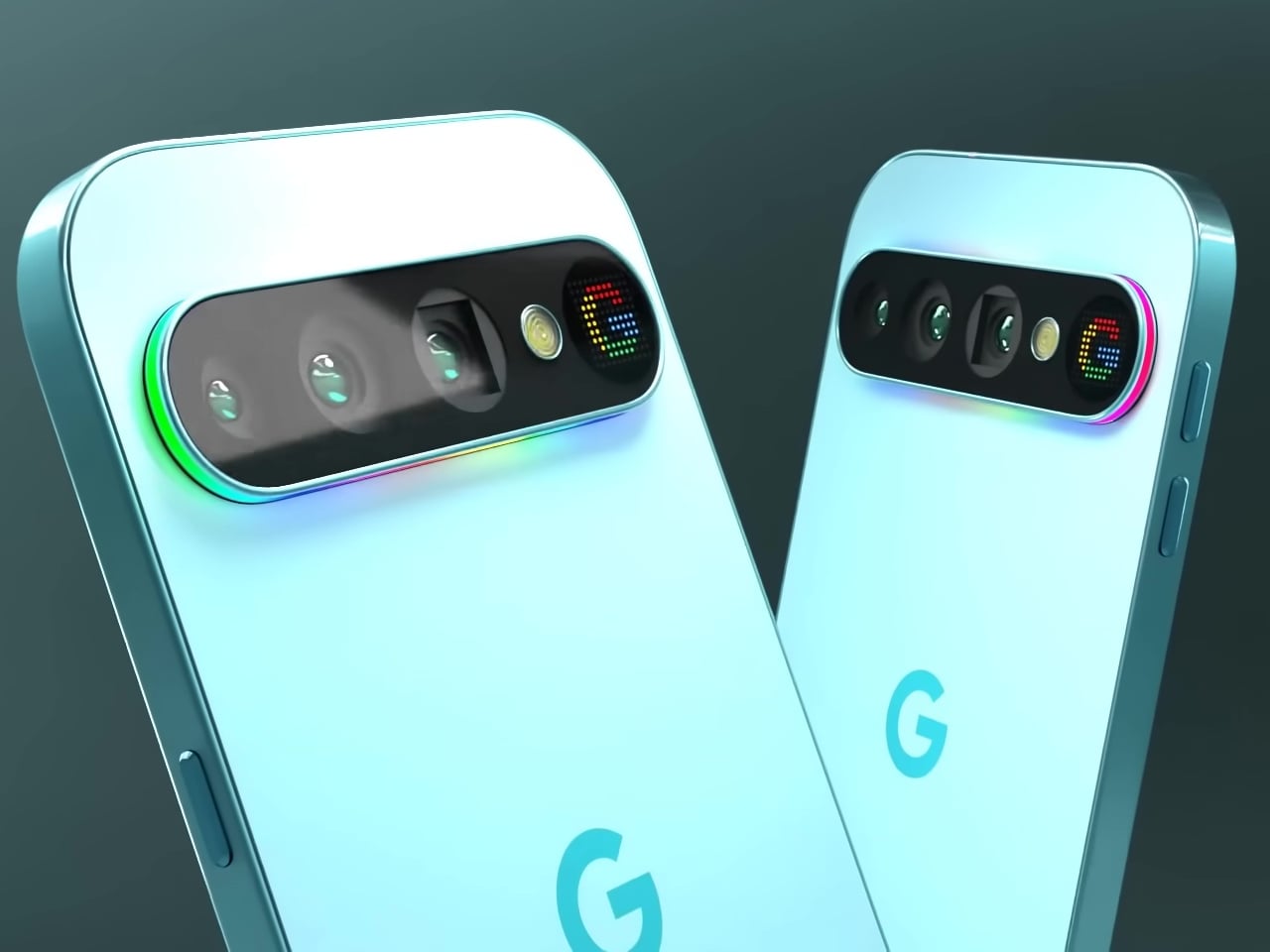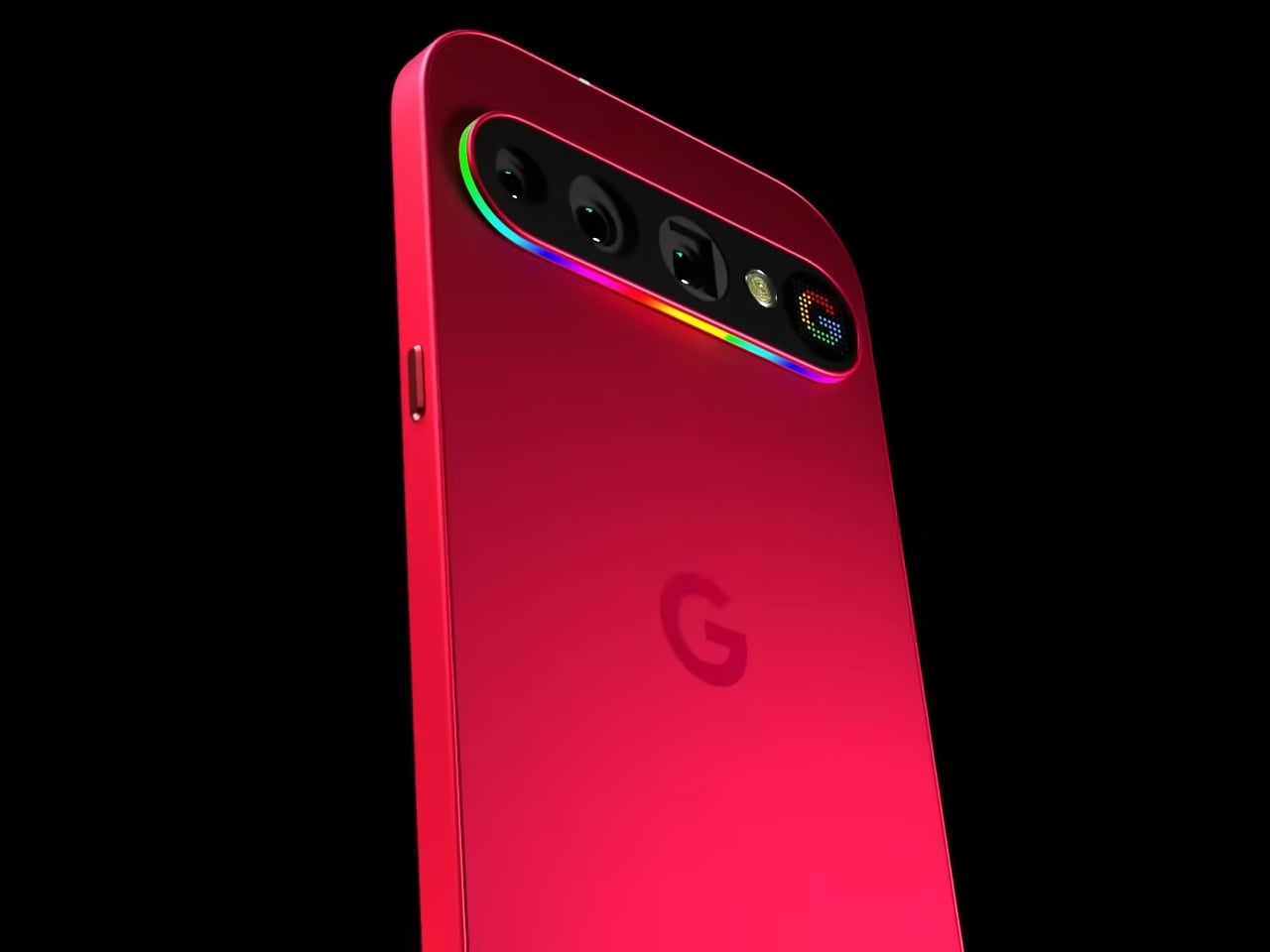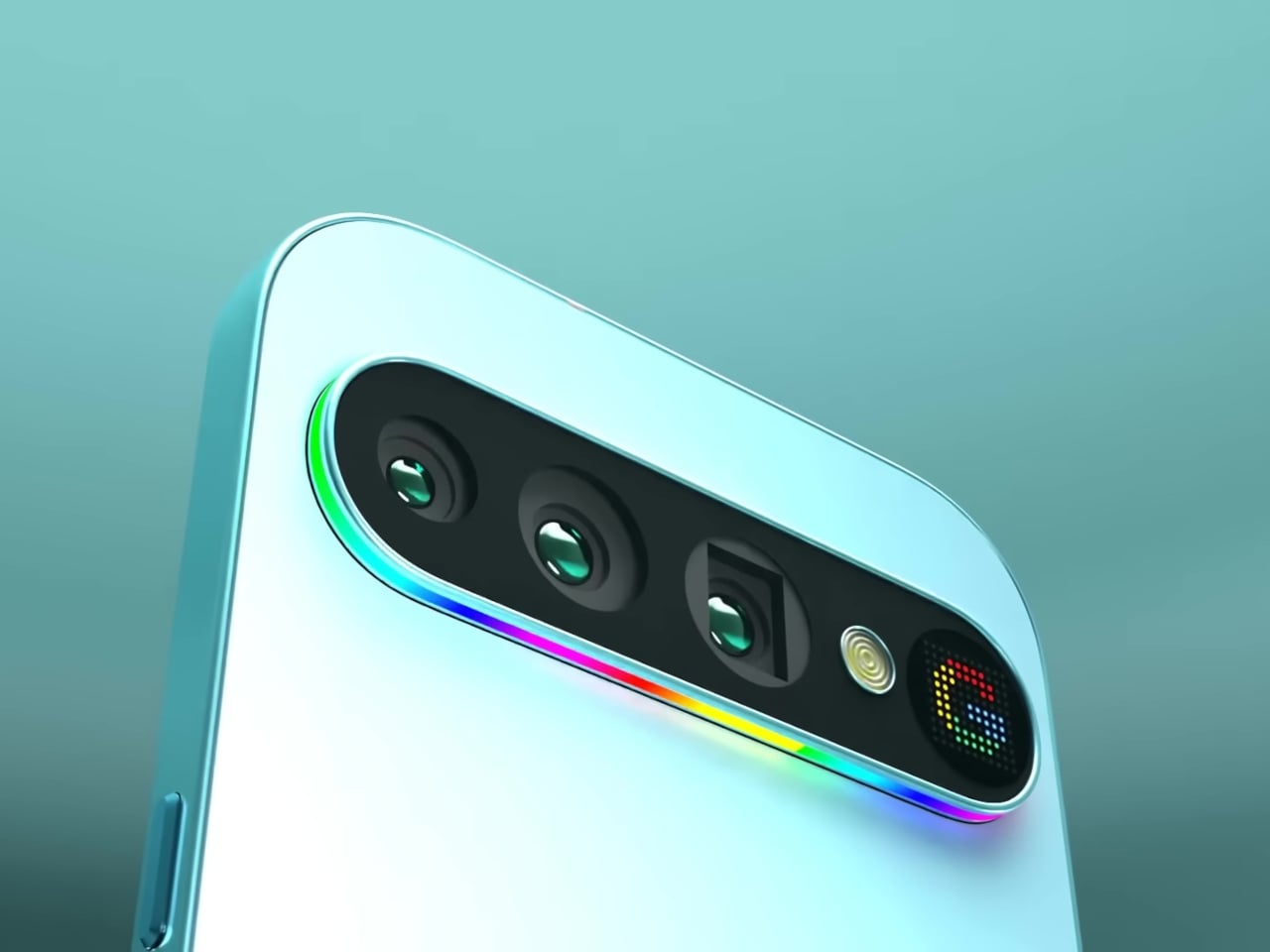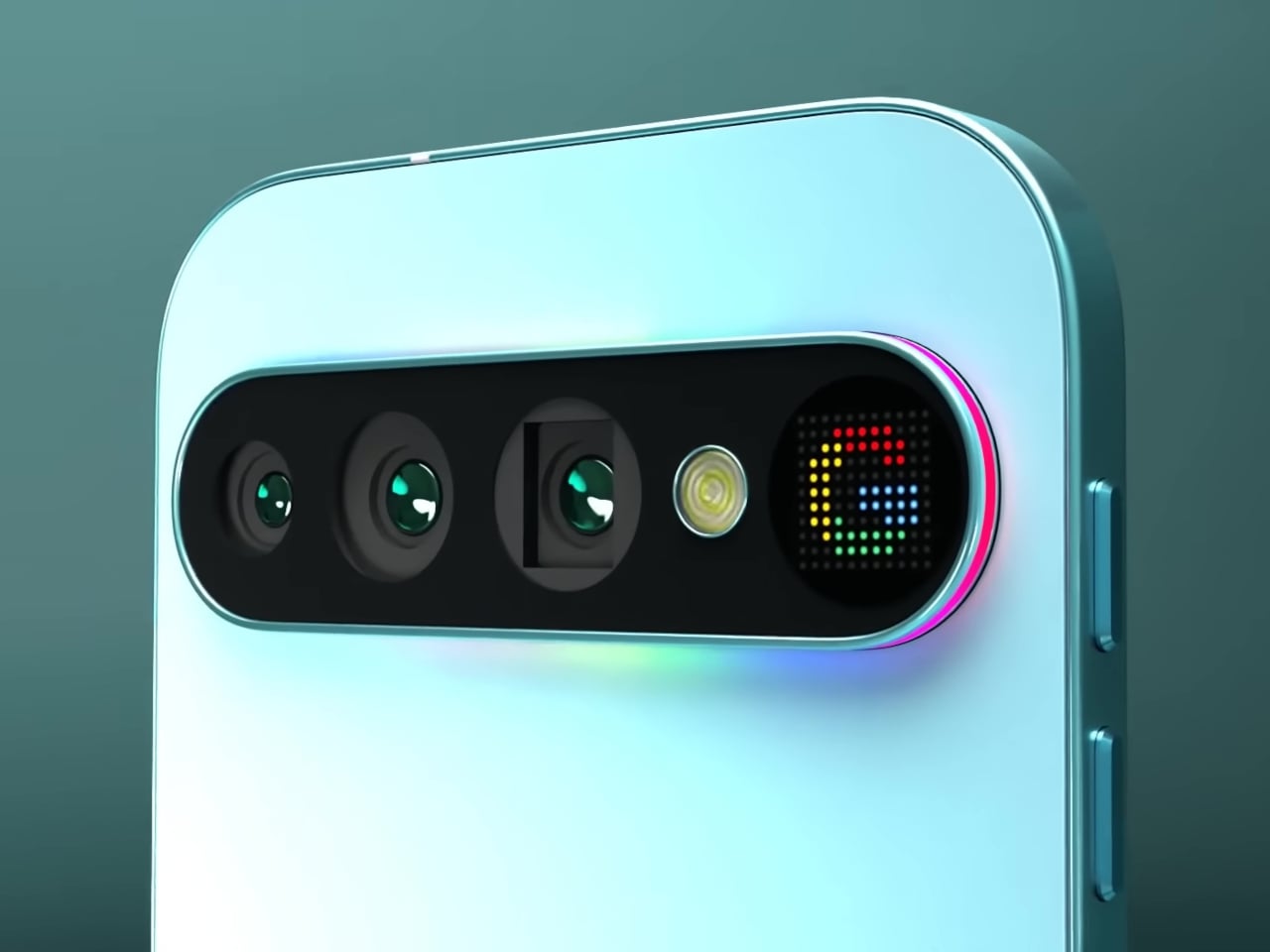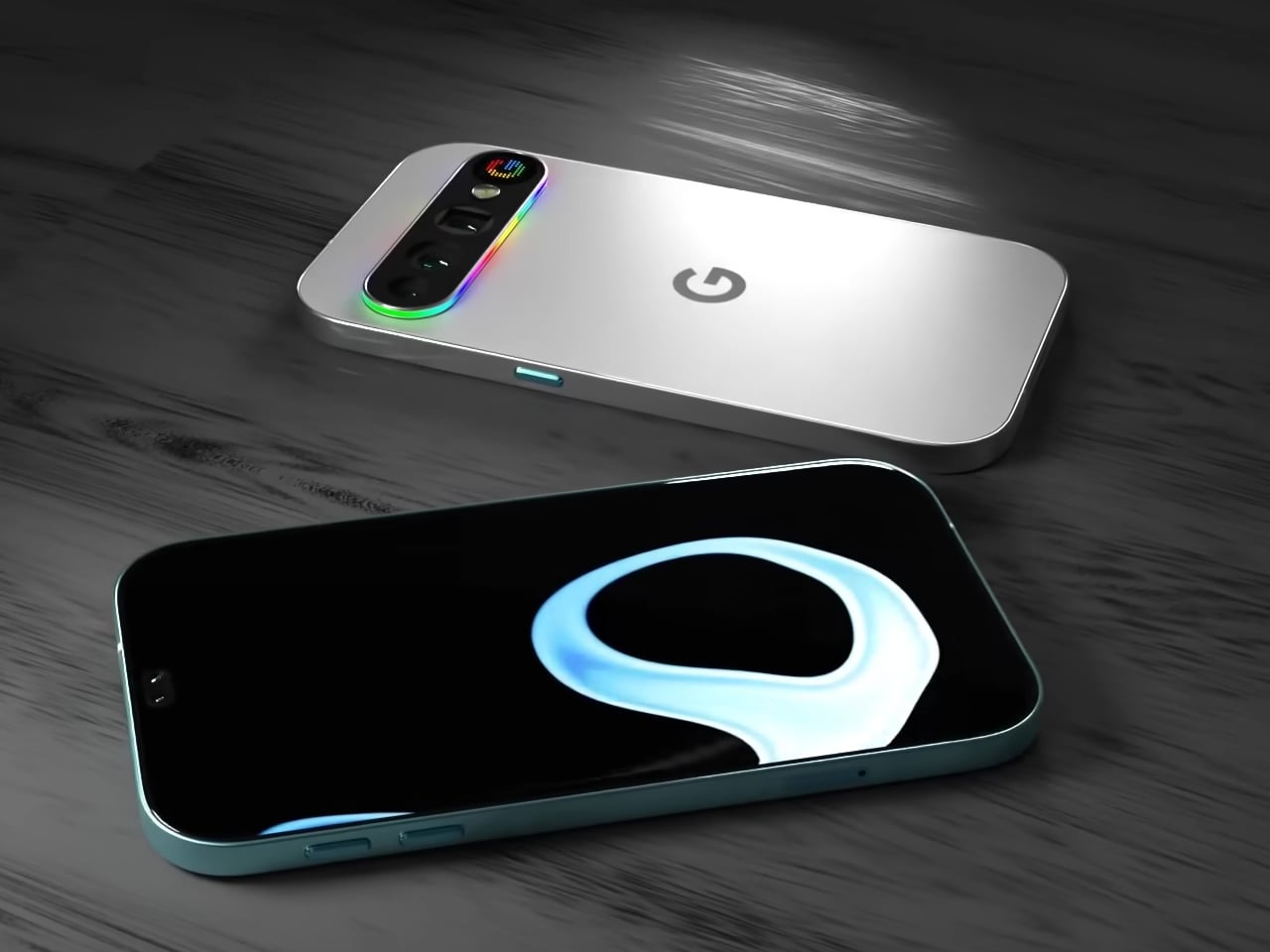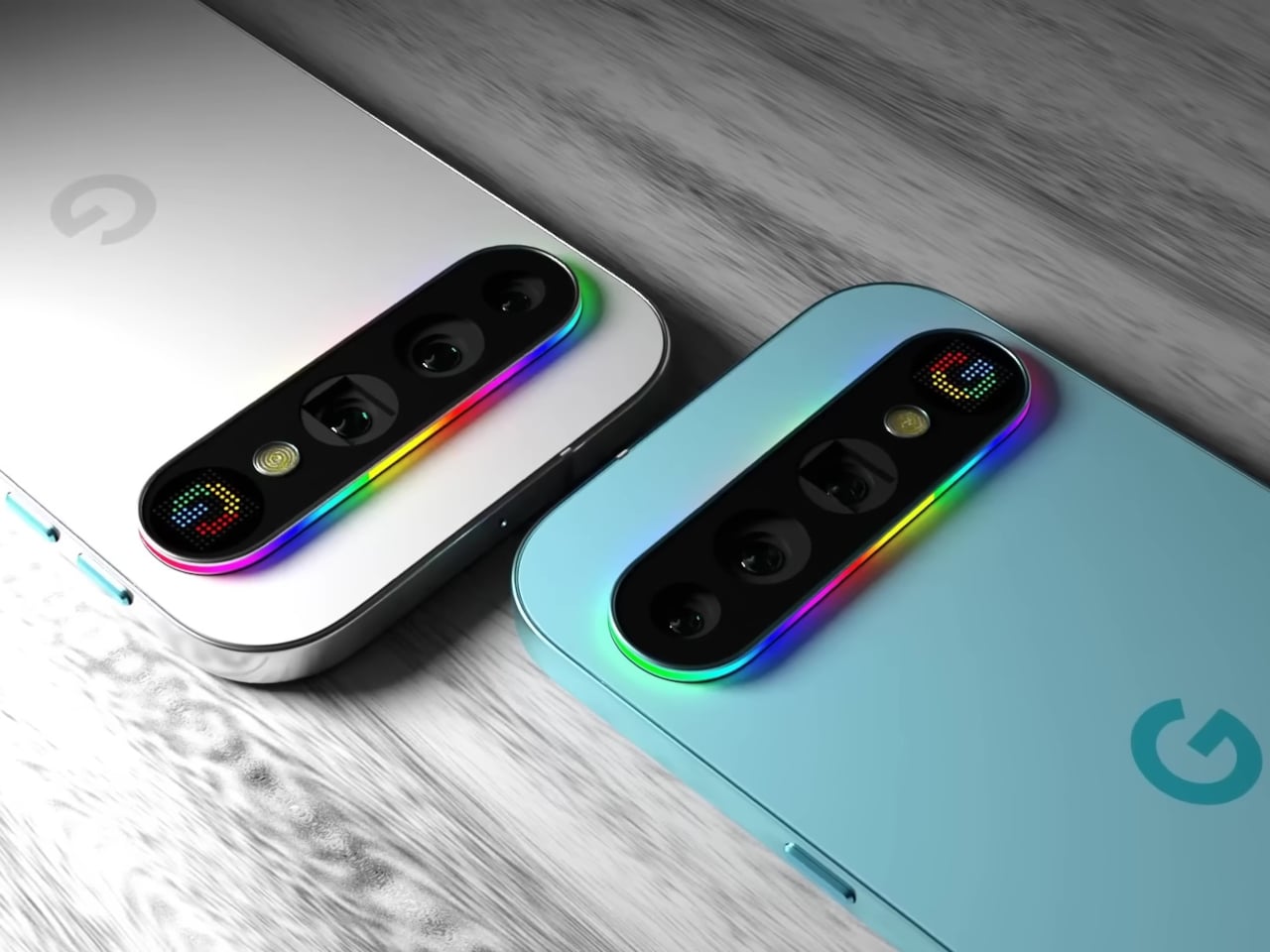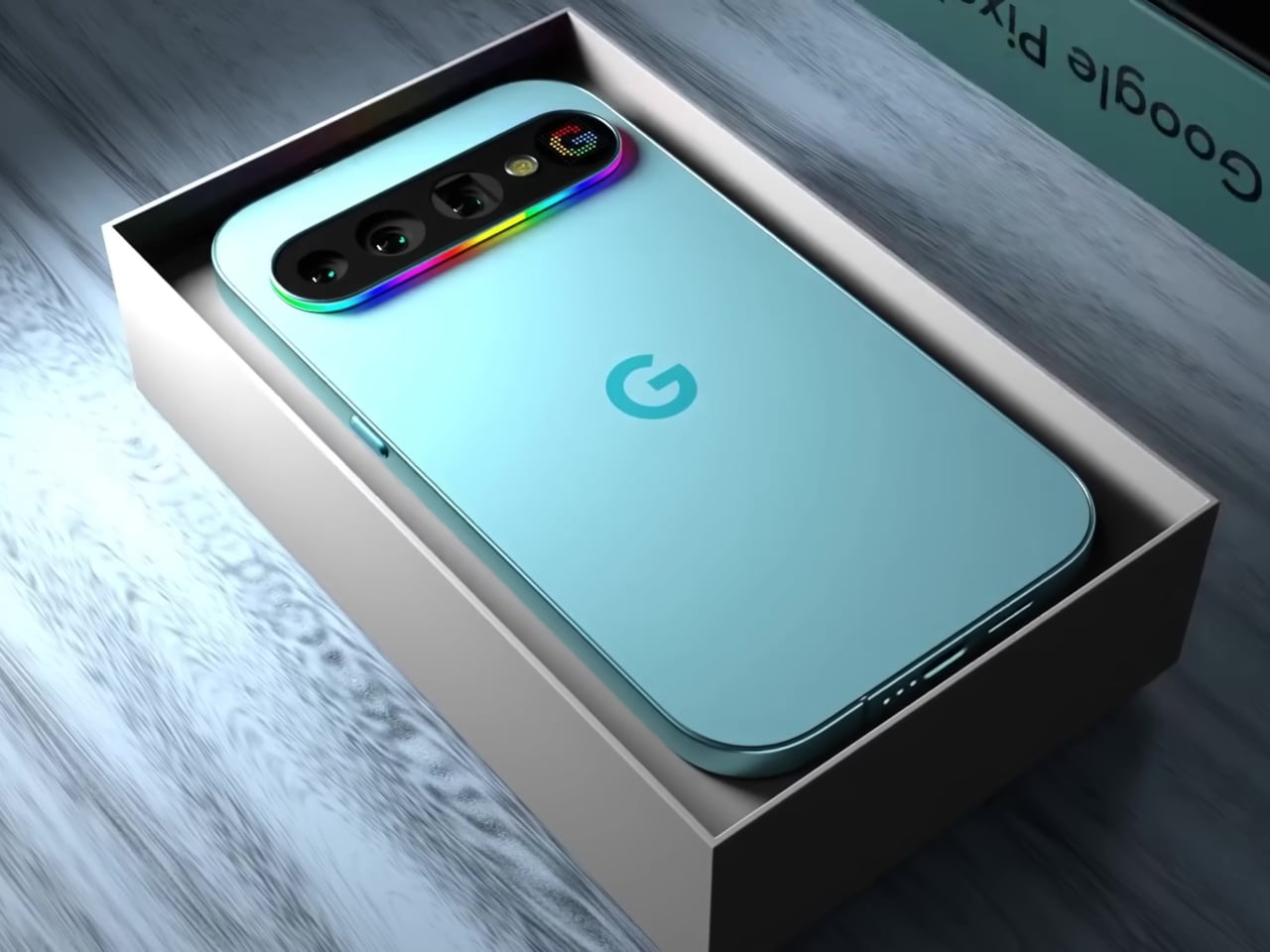
Pixel 10a Just Proved a Smartphone Color Can Actually Mean Something

Smartphone colors have become one of the more formulaic aspects of mobile design. Most brands cycle through the same soft pastels and stone-inspired neutrals, year after year, with names like Moonstone, Fog, and Porcelain doing most of the heavy lifting. It’s a safe approach that generally works, but there’s rarely any real meaning behind these choices. A color is just a color, and that’s often where the story ends.

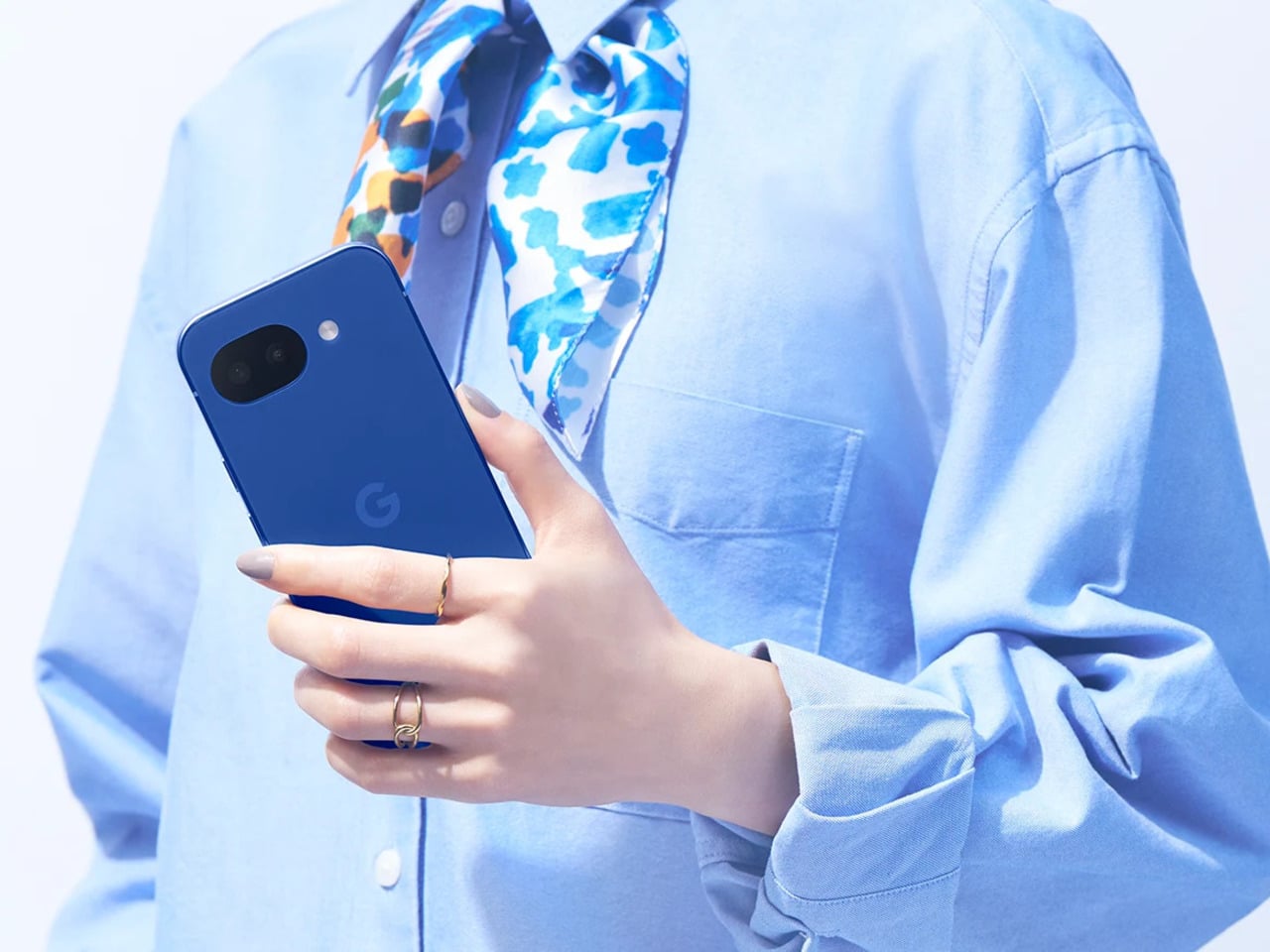
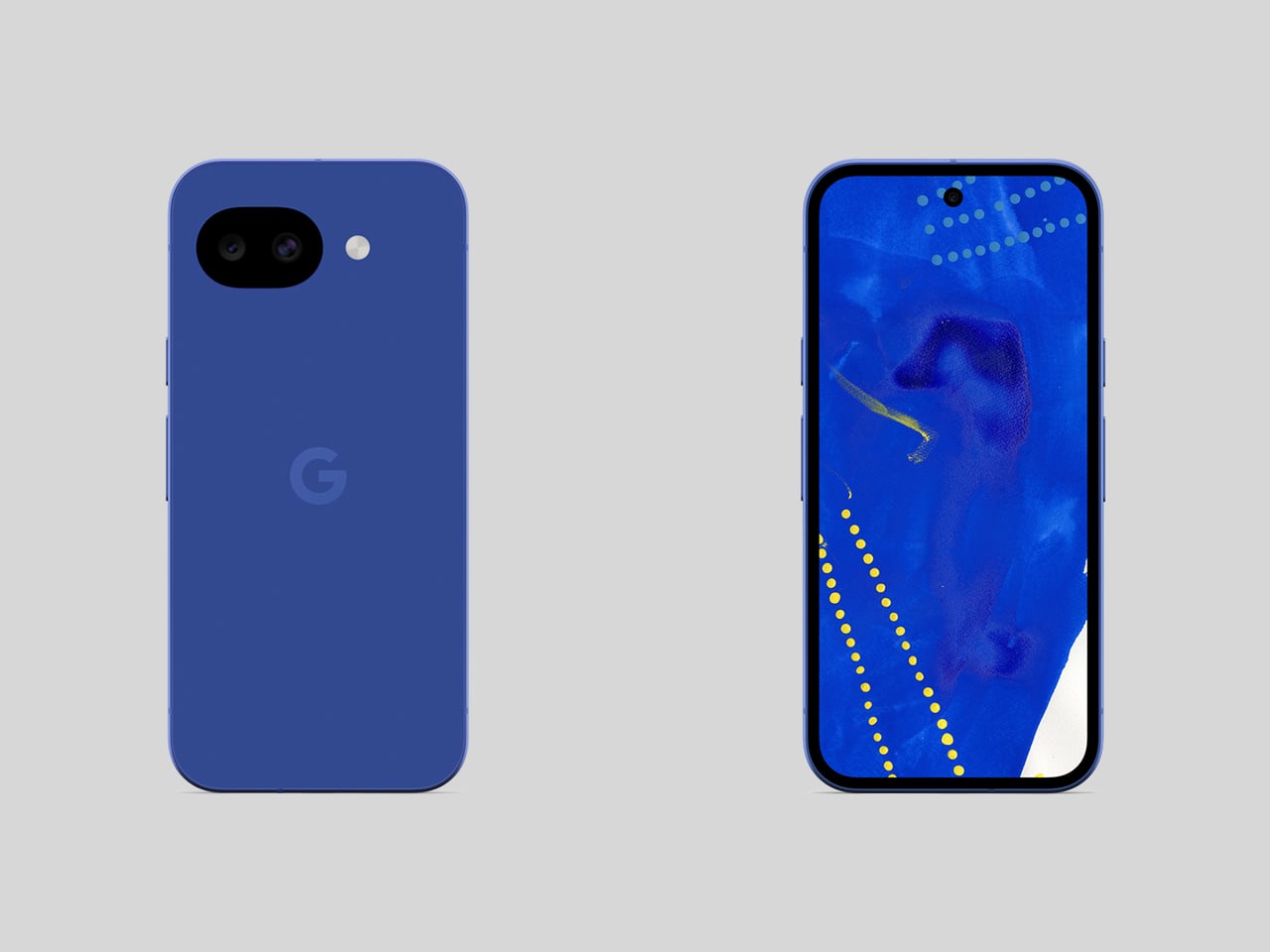
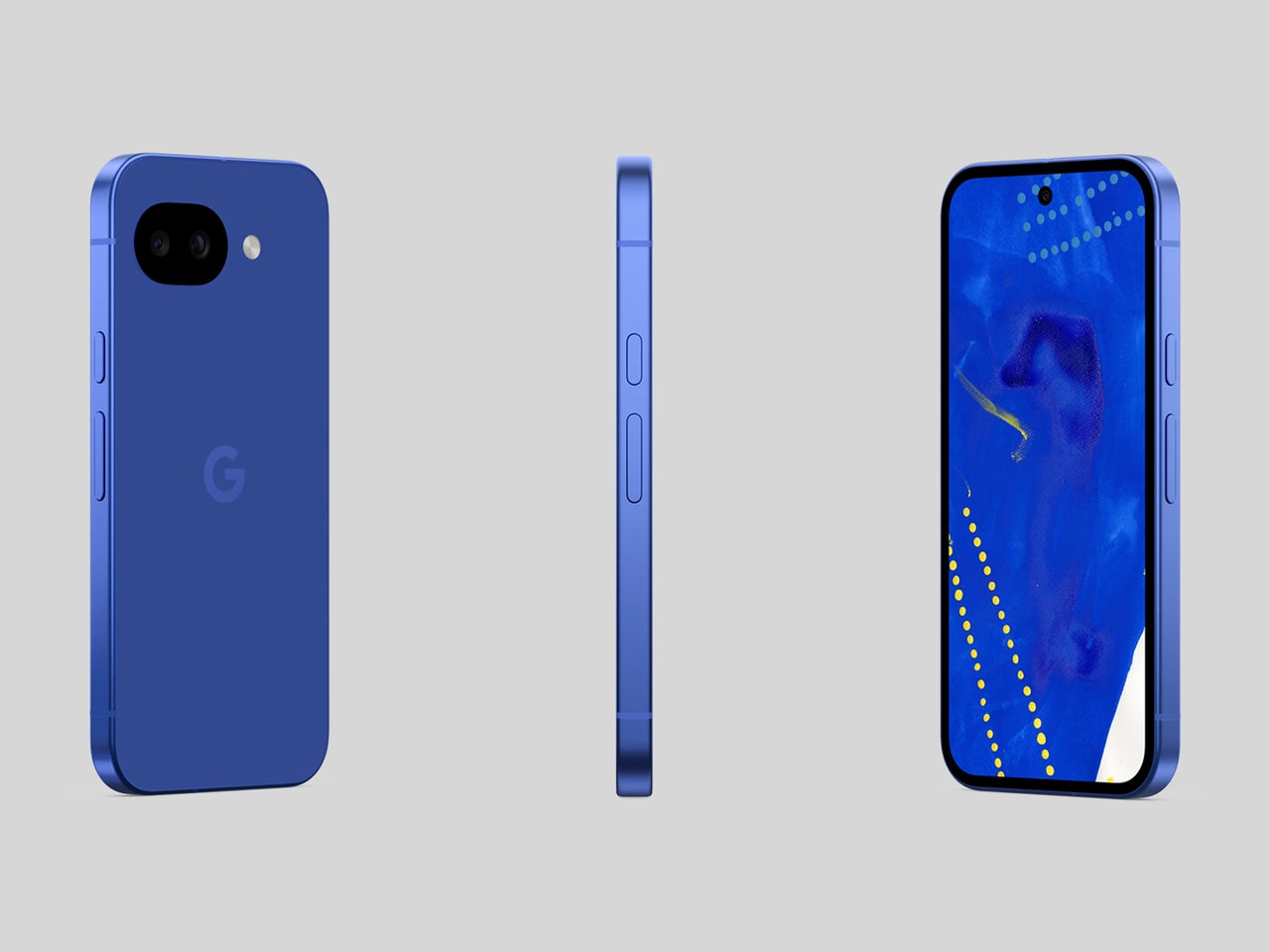
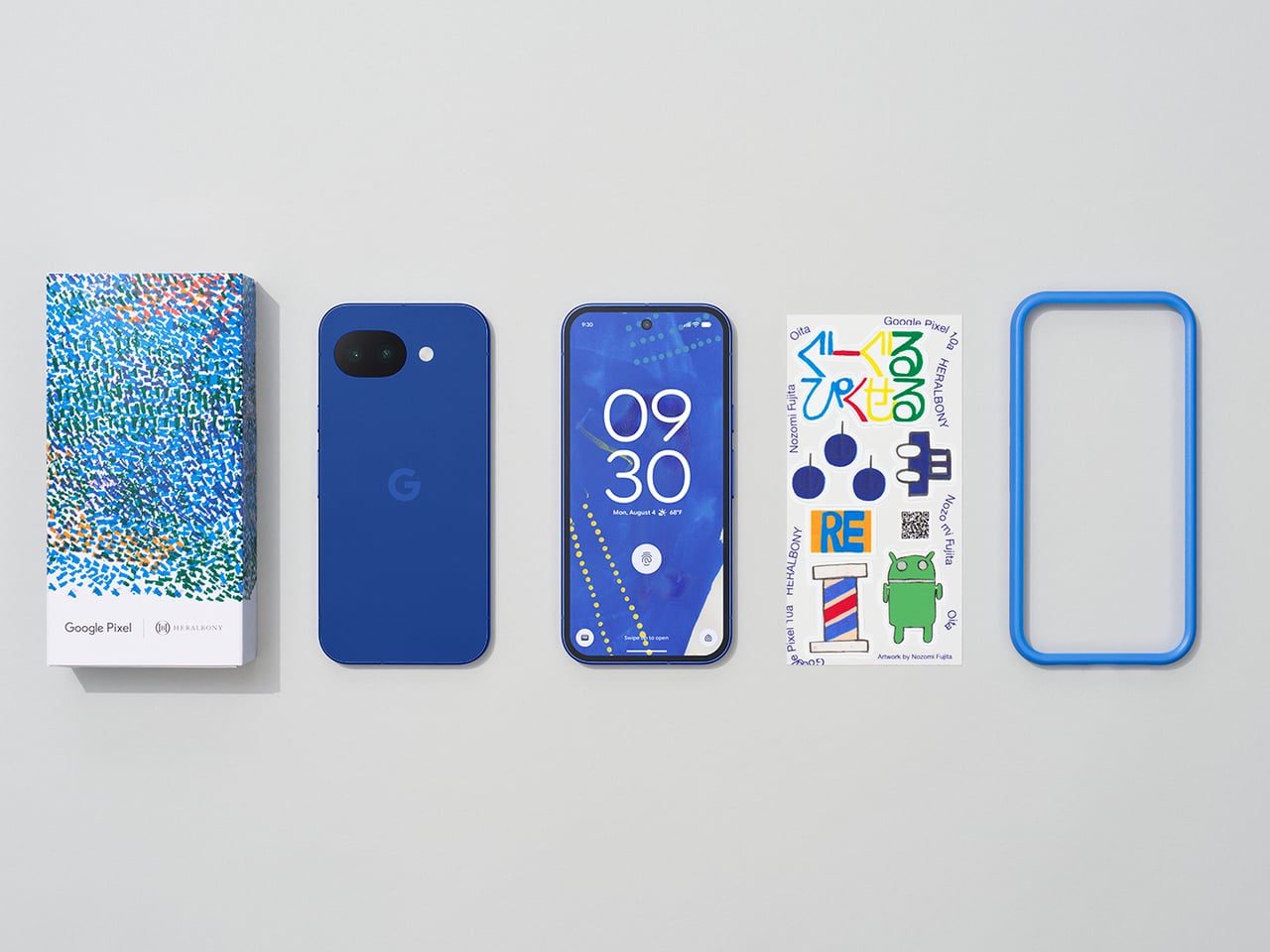
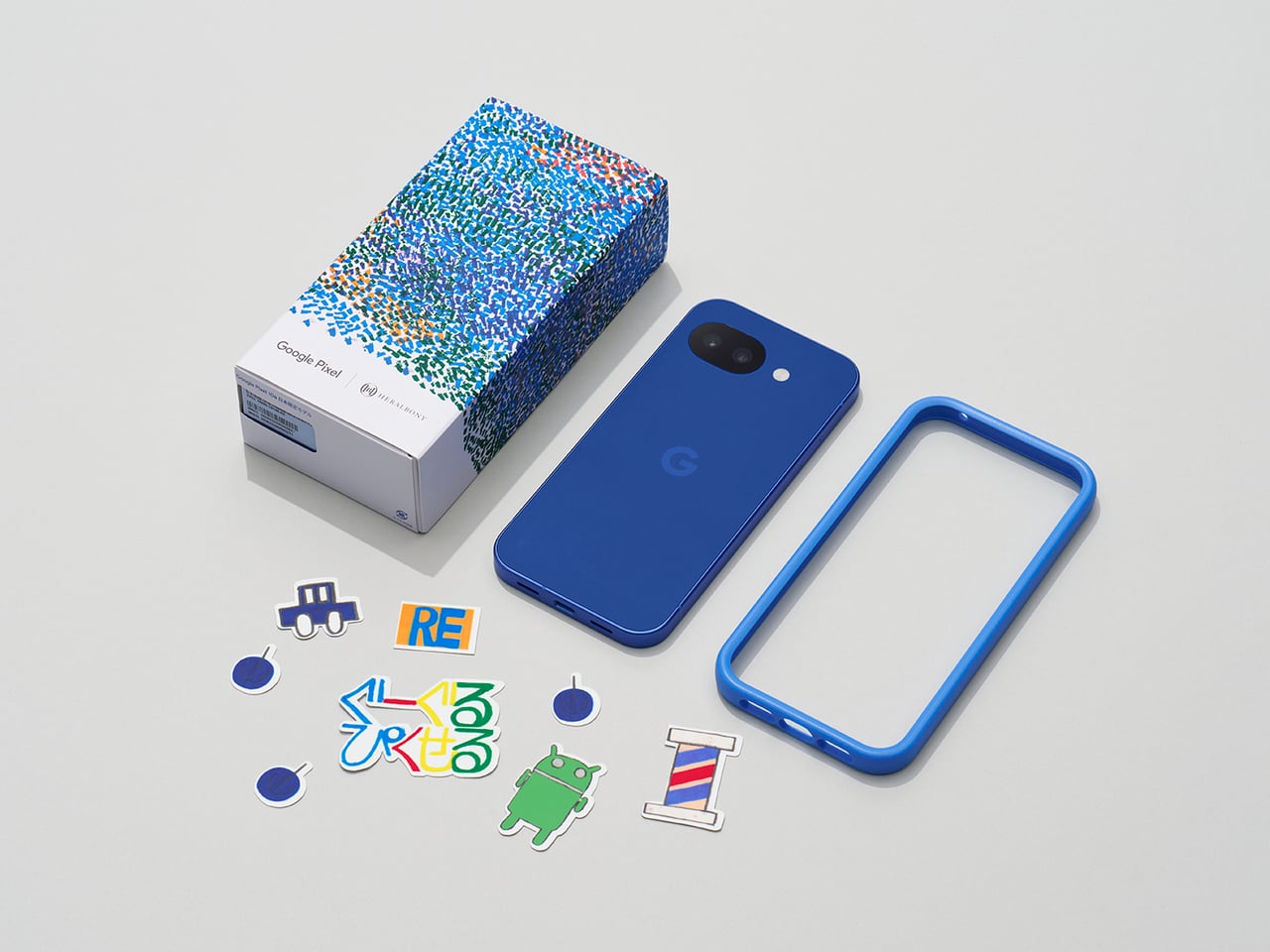
Google seems to have had the same thought, at least for Japan. The Pixel 10a Isai Blue is a Japan-exclusive model developed in collaboration with Heralbony, a creative company that works with artists with disabilities to produce new forms of cultural expression. It celebrates a decade of Pixel phones, and rather than simply marking the occasion with a new shade, Google made the color itself worth talking about.

Designer: Google x Heralbony

Japan didn’t get the Pixel 10a when it first launched globally in February, which was a bit of an odd omission given how well the A-series has performed there. The country has quietly grown into one of Google’s stronger Pixel markets, so the wait wasn’t really a sign of indifference. Returning to Japanese fans with something made specifically for them says a lot more than a straight regional rollout would.

The name alone sets this apart from anything Google has done before. “Isai” translates to unique and unparalleled individuality, and this is actually the first time a Pixel color has been given a Japanese name. Most Pixel colors borrow from the natural world, but Isai Blue is built around something more conceptual: a deep navy shade tied to Heralbony’s own brand identity and its mission to celebrate human difference.

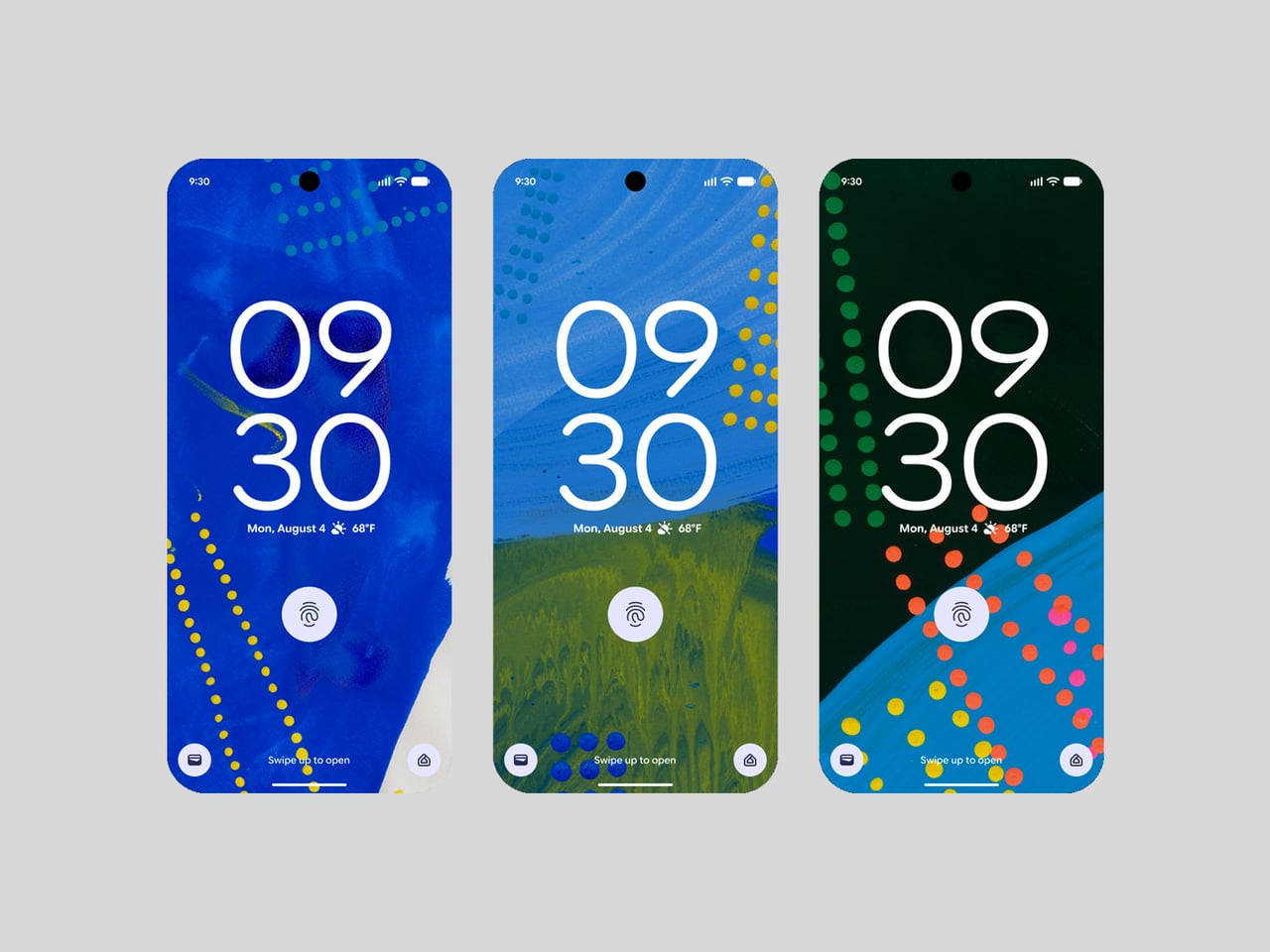
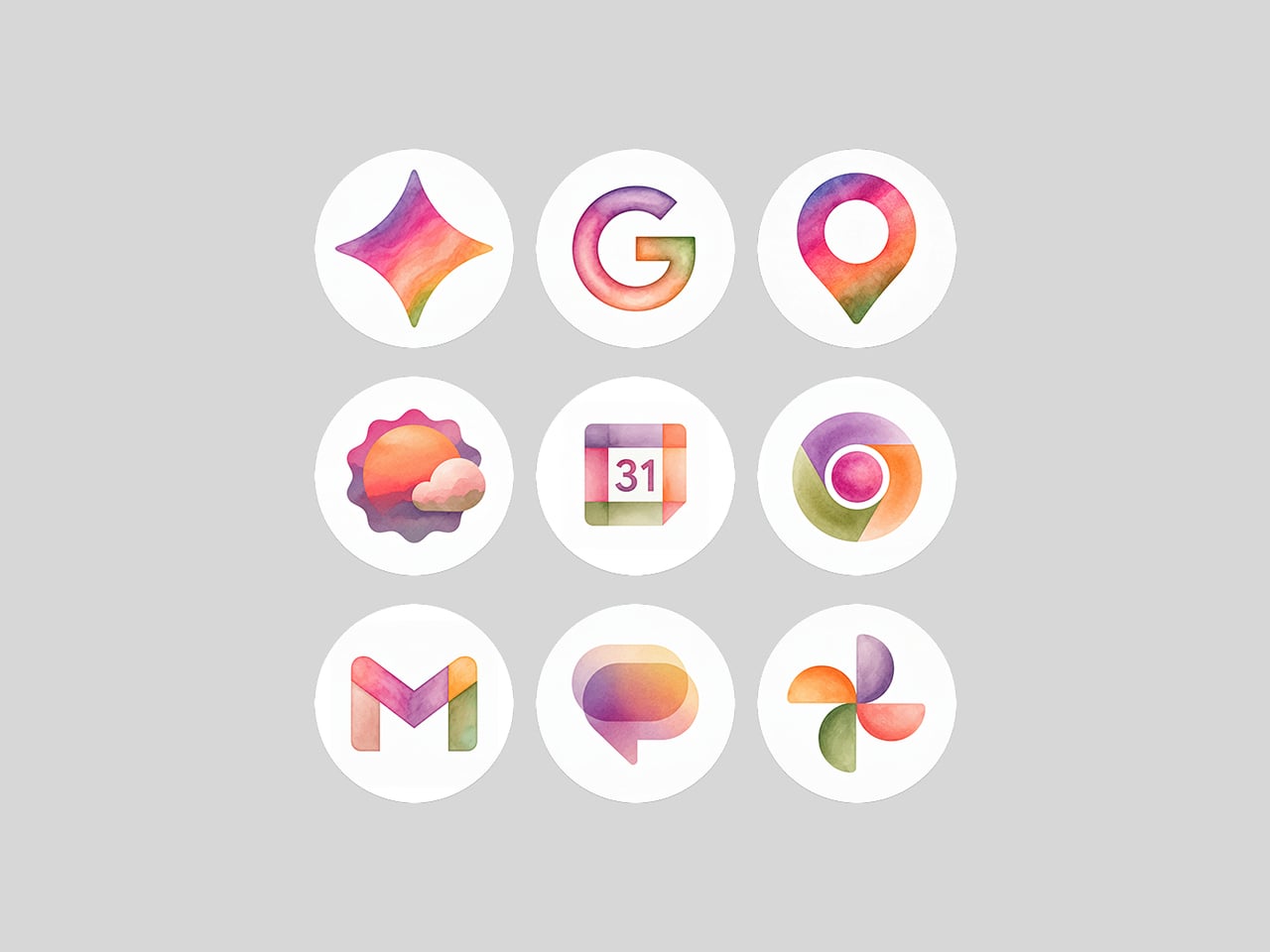
That philosophy runs all the way through to the software, too. Three Heralbony-contracted artists, Shigaku Mizukami, Midori Kudo, and Kaoru Iga, each contributed original designs that became exclusive wallpapers on the device. Pick one of the nine available artworks, and Material You automatically reshapes the phone’s icon colors and styling to match. It’s the kind of visual cohesion you don’t usually get with a phone at this price.

Of course, the collaboration doesn’t stop at the screen. Every unit comes bundled with an exclusive bumper case designed around the Pixel 10a’s completely flat back, which does away with any camera protrusion and makes the phone far easier to set down. Original stickers are also included, and the box sleeve carries artwork by Midori Kudo, so the whole unboxing feels deliberately curated.

The Isai Blue comes in a single 256GB configuration, priced at ¥94,900 (roughly $594) and available for pre-order in Japan ahead of its May 20 sale date. It’s only available while supplies last, which fits for something that was never really meant to be a mass-market offering. Google took the time to make this feel like a genuine gesture rather than a routine launch, and Japan has every reason to feel appreciated.

The post Pixel 10a Just Proved a Smartphone Color Can Actually Mean Something first appeared on Yanko Design.

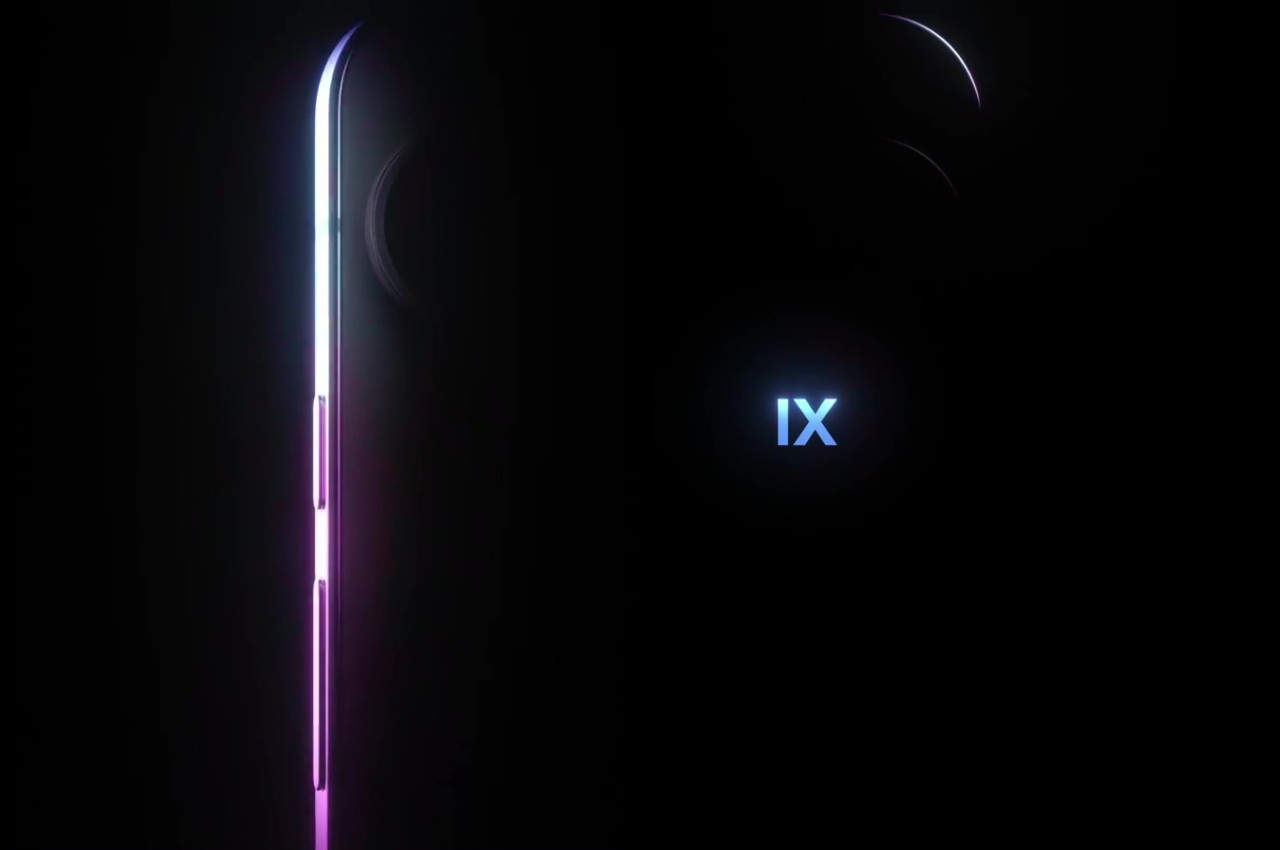
Google Pixel 11 Renders Suggest Its Cleanest Design Before a Redesign

Smartphone design has been converging on a single, almost universal ideal: more screen, less frame. Brands across the spectrum have spent the last few years shaving down bezels, flattening camera bumps, and chasing a kind of visual minimalism that would have seemed impossible a decade ago. The race to the thinnest, cleanest slab has become almost as competitive as the spec war, and no brand is immune to that pressure.

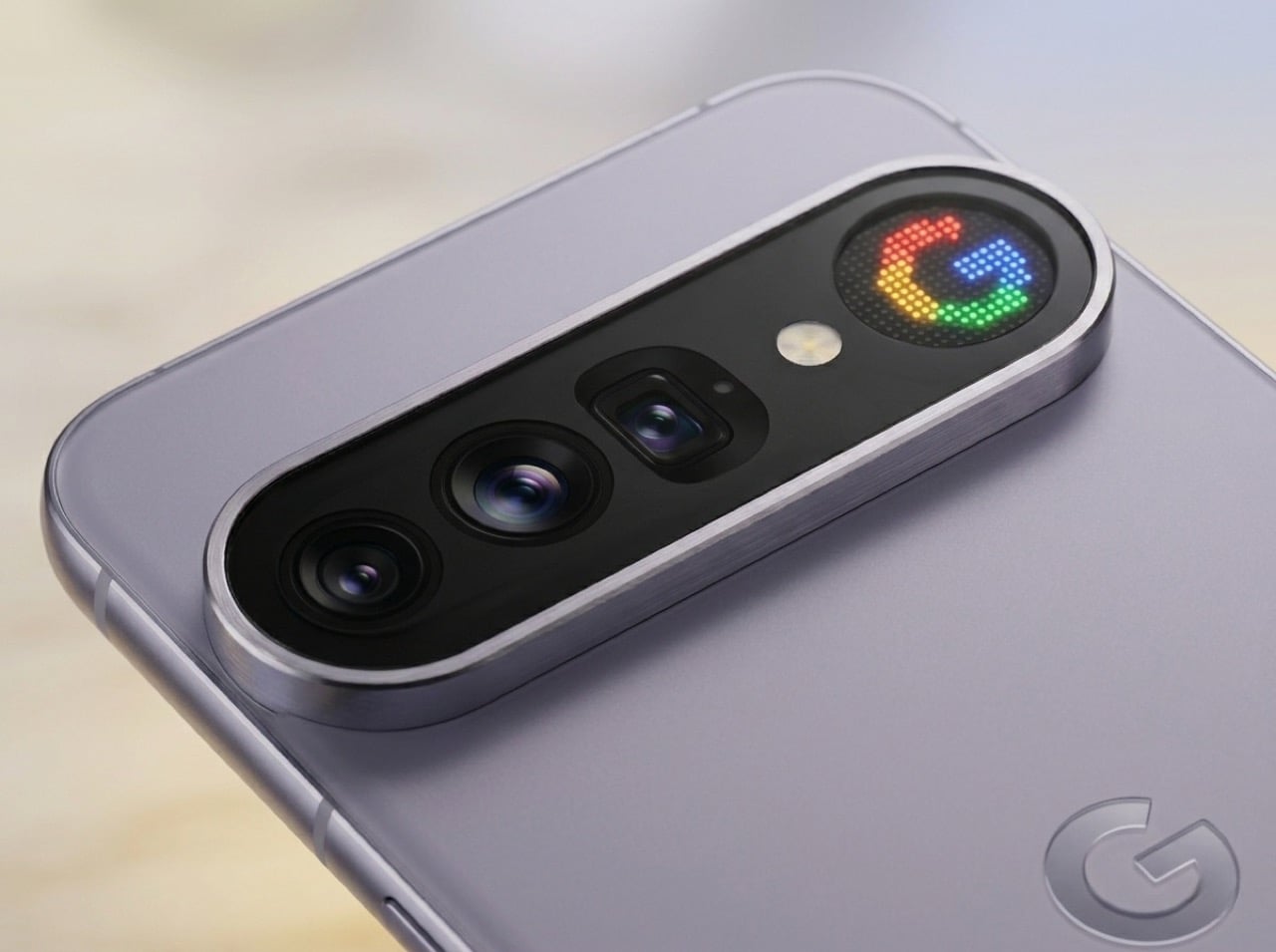
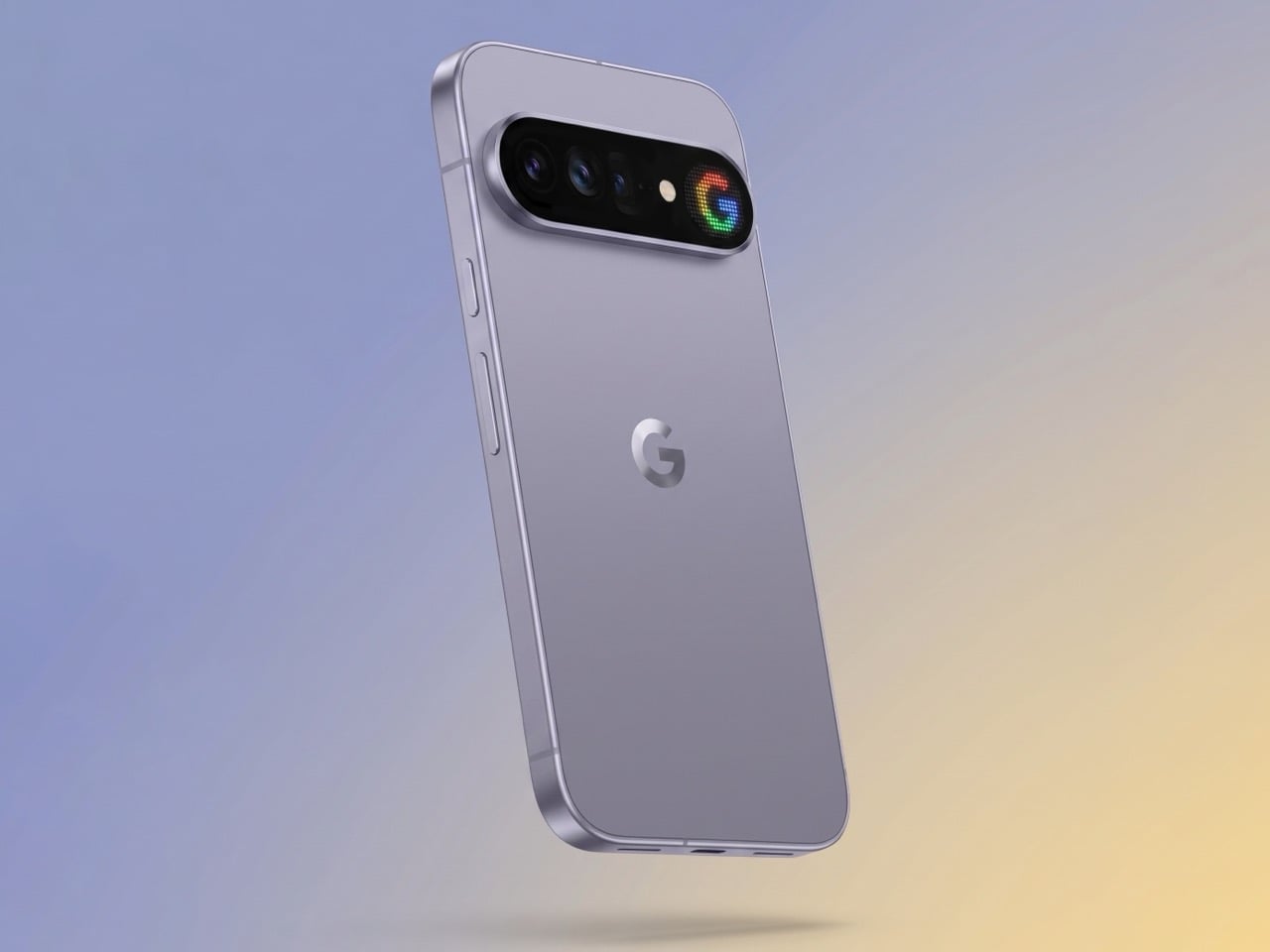
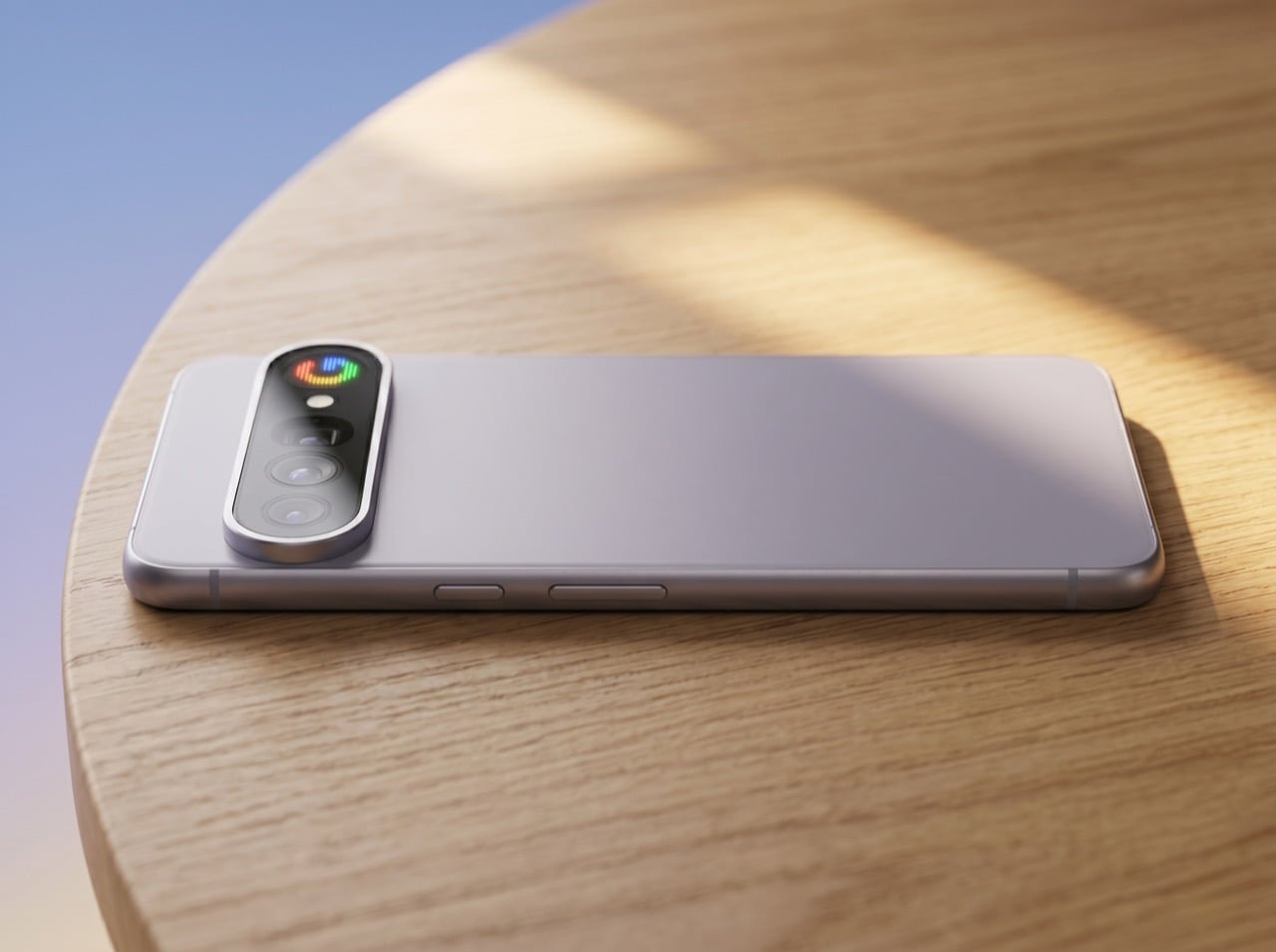
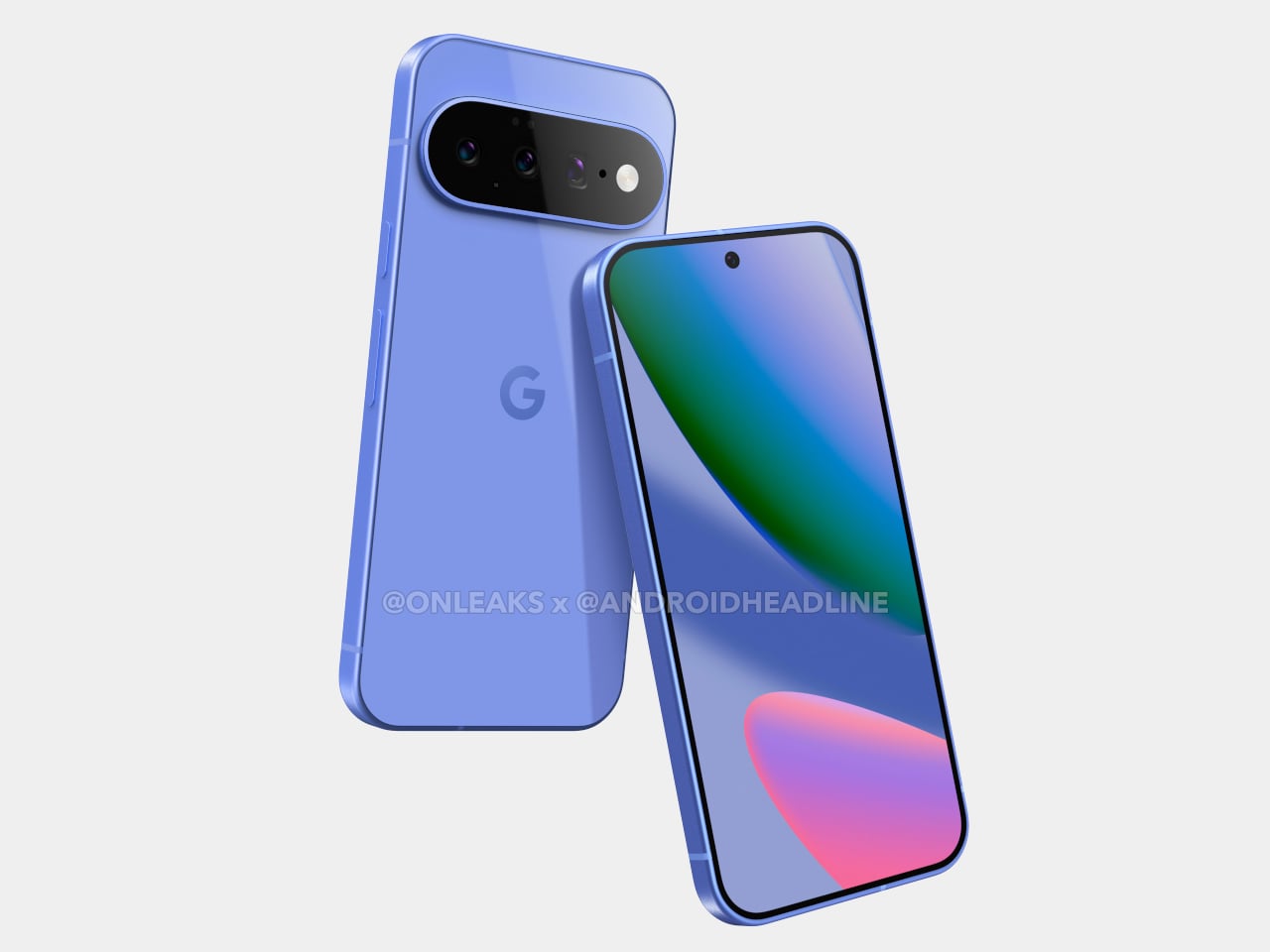
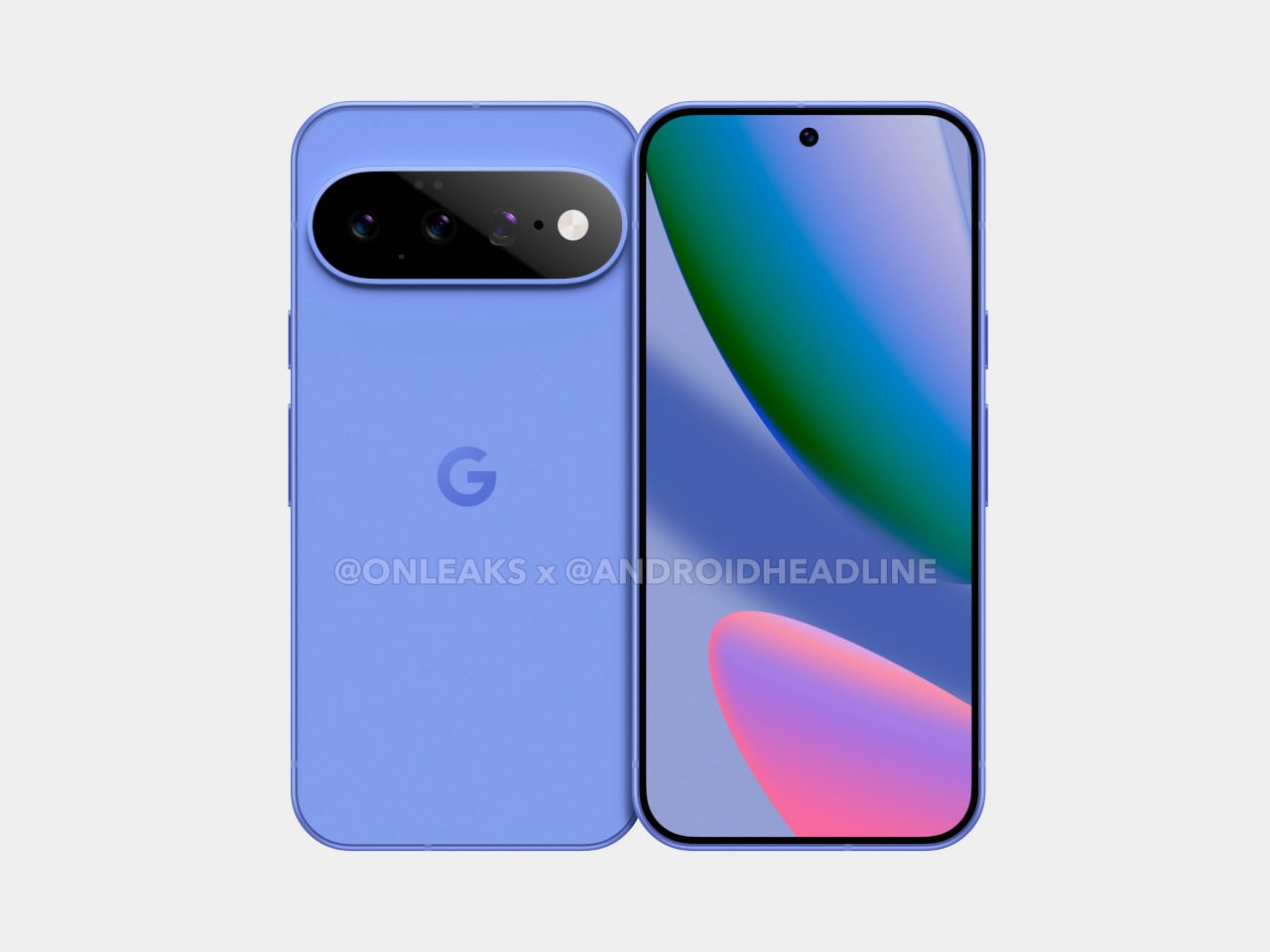
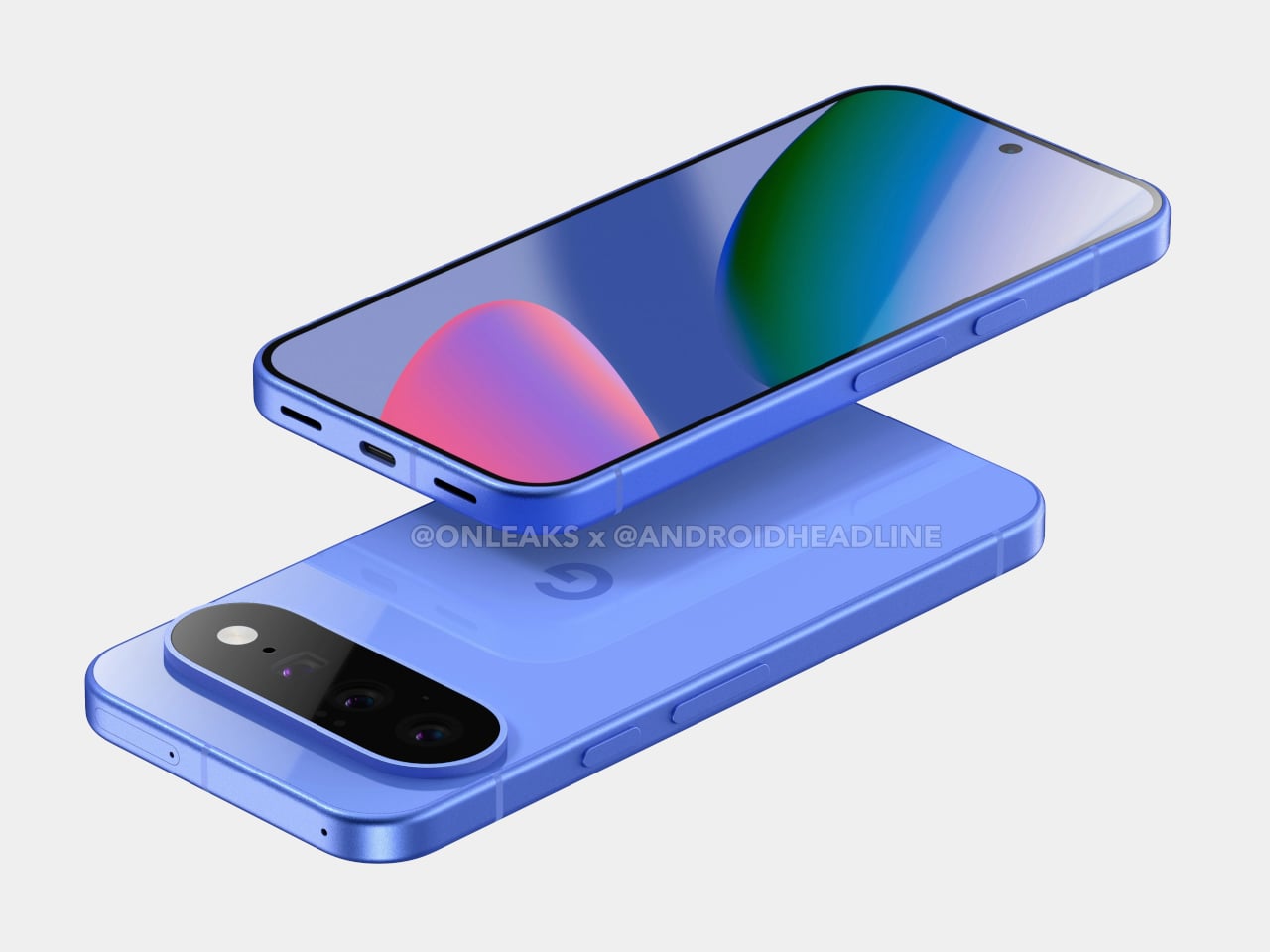
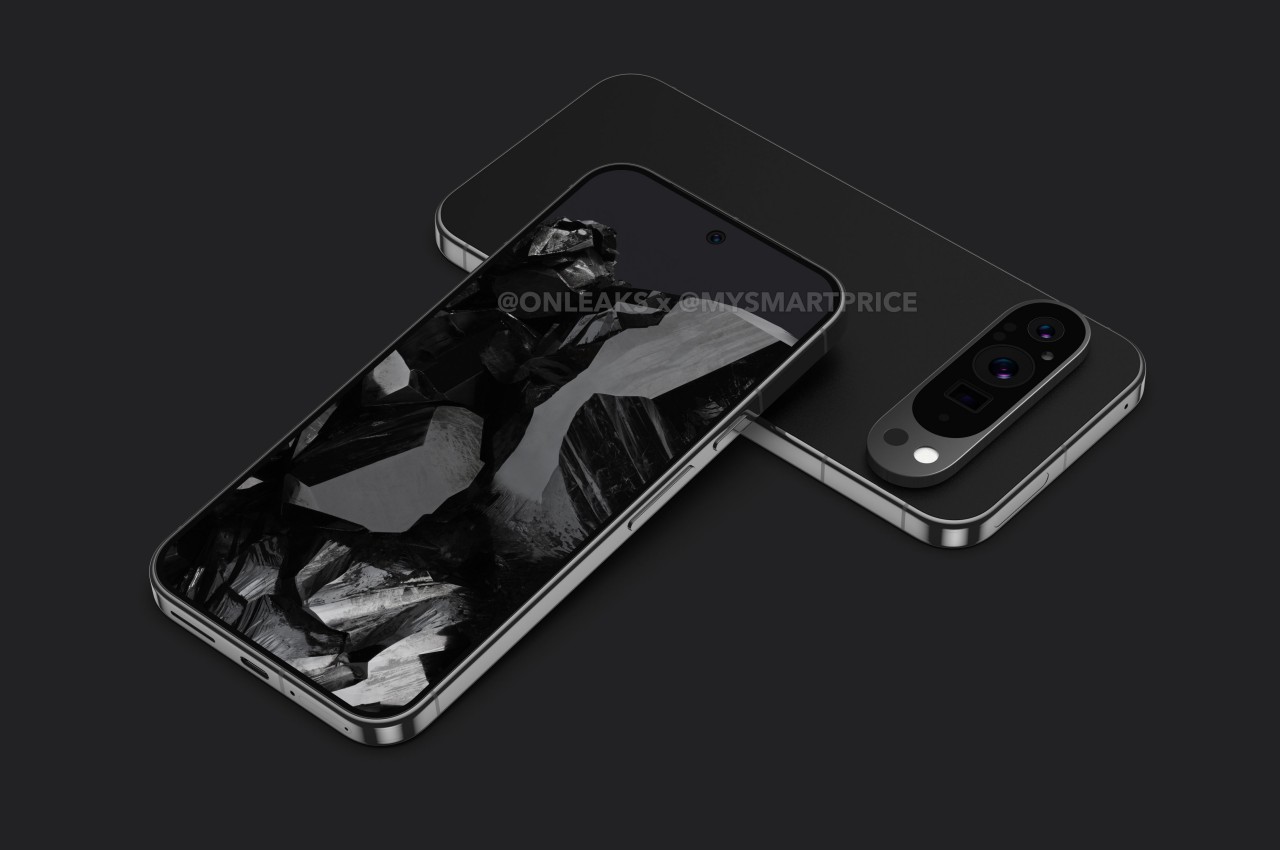
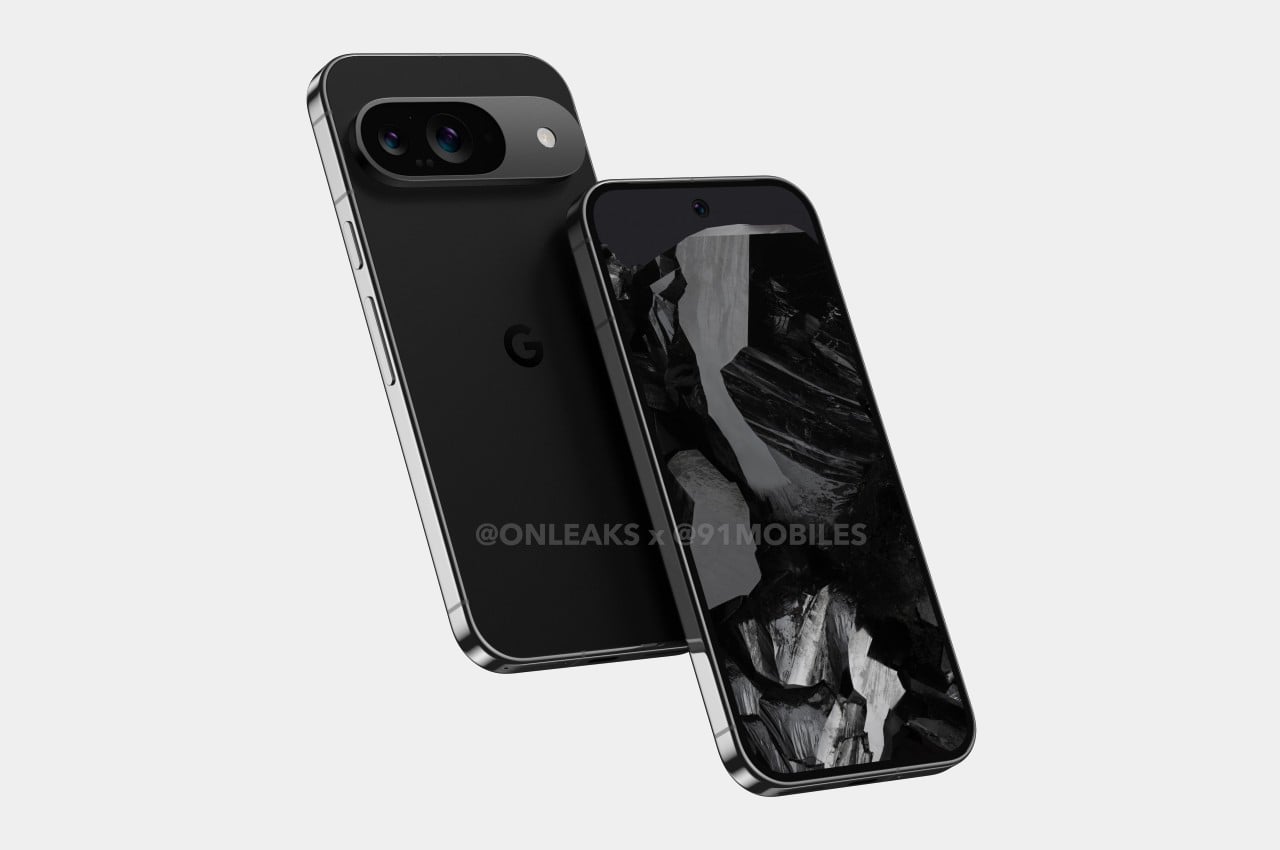
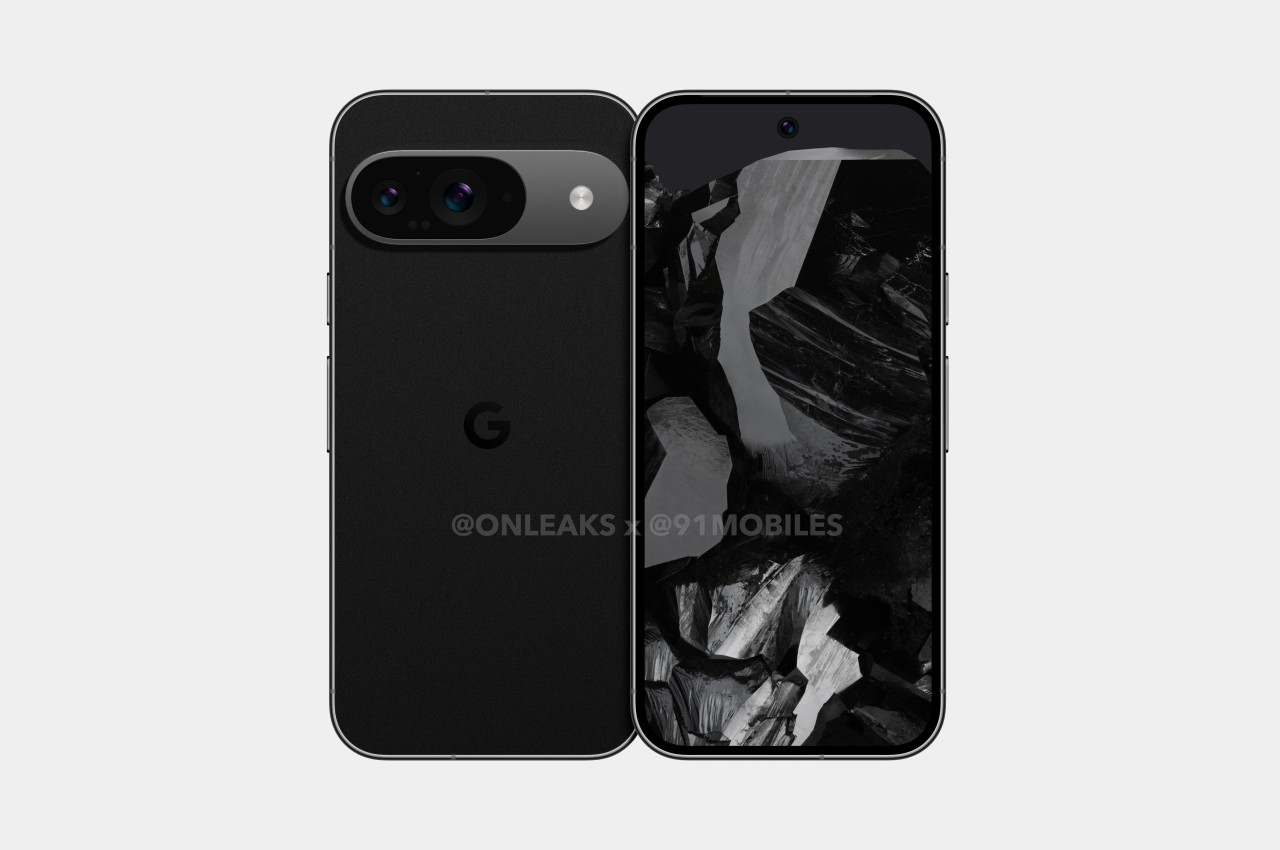
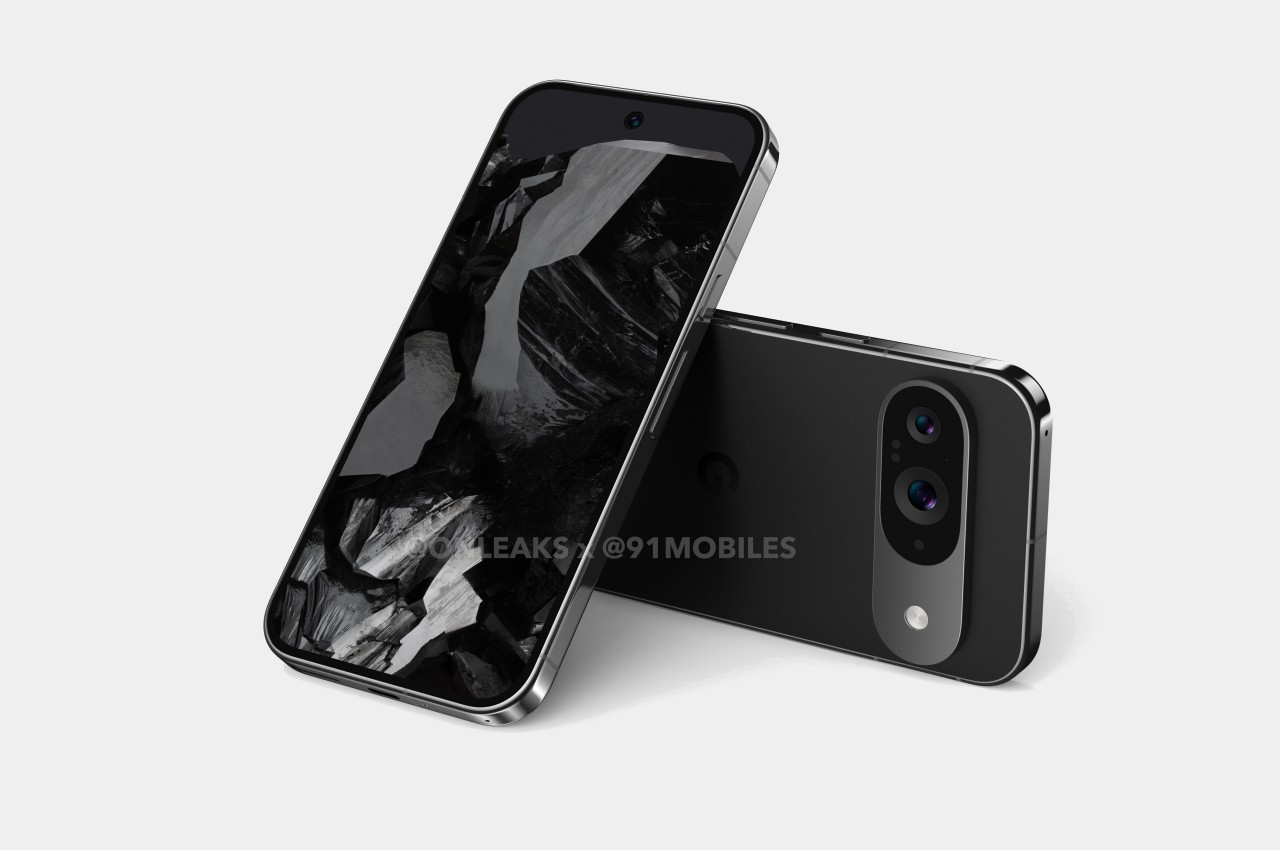
Google’s Pixel lineup has never exactly followed the crowd. Since the Pixel 9, the brand has committed to a distinctive horizontal camera bar across the upper back of the phone, making it one of the most recognizable Android devices on the market. Early CAD-based renders of the upcoming Pixel 11 suggest that Google isn’t letting go of that identity but is quietly refining it.

Designer: Steve Hemmerstoffer/OnLeaks (Renders) via AndroidHeadlines

This marks the third year in a row that Google is expected to stay in the same design family introduced by the Pixel 9, though the horizontal camera island design actually started with the Pixel 6’s “visor” in 2021. The company has previously said it aims to redesign its phones every two to three years, making the Pixel 11 feel like the closing chapter of this particular look. These changes aren’t accidental refinements; they’re something closer to a farewell lap.

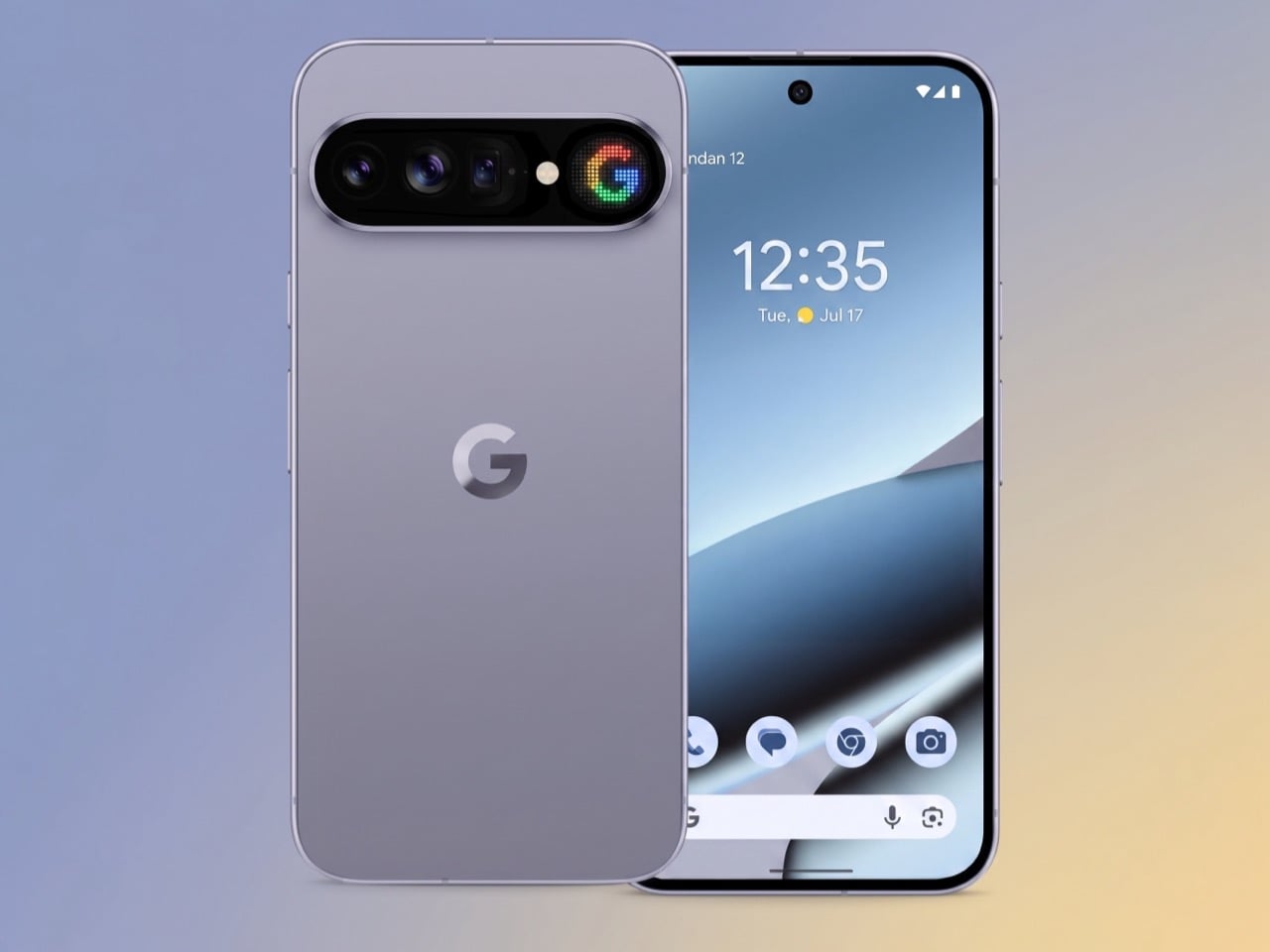
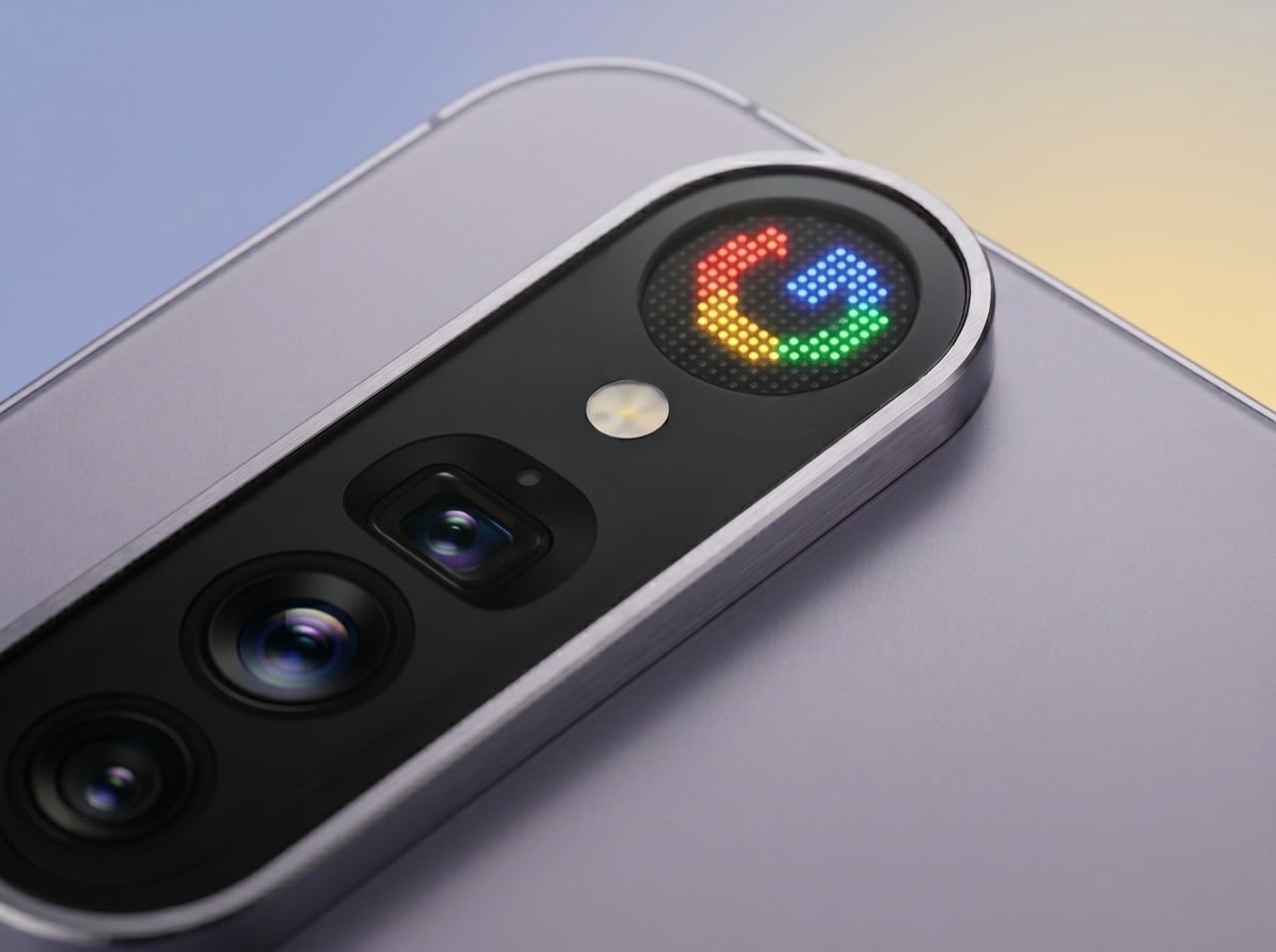
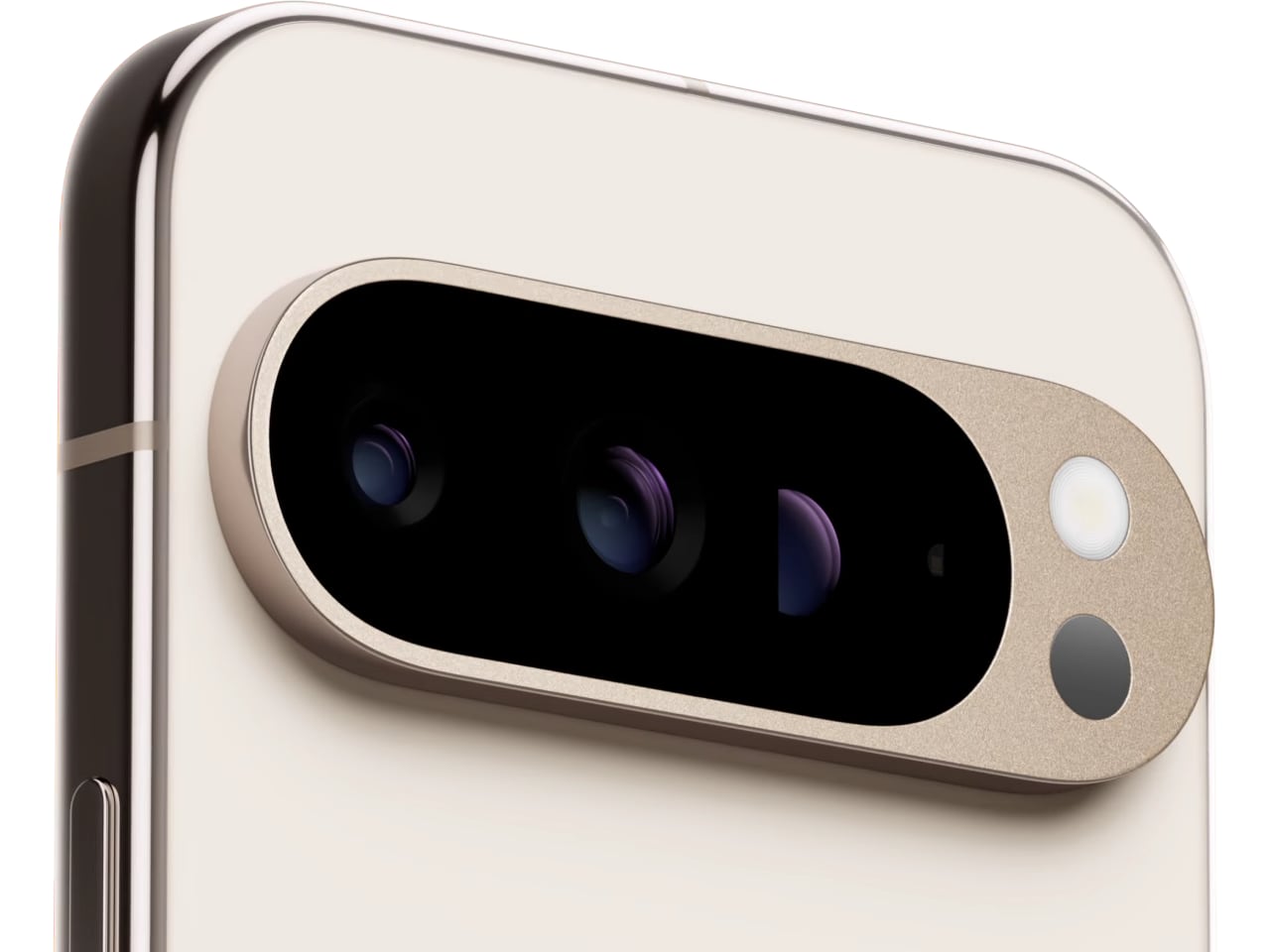
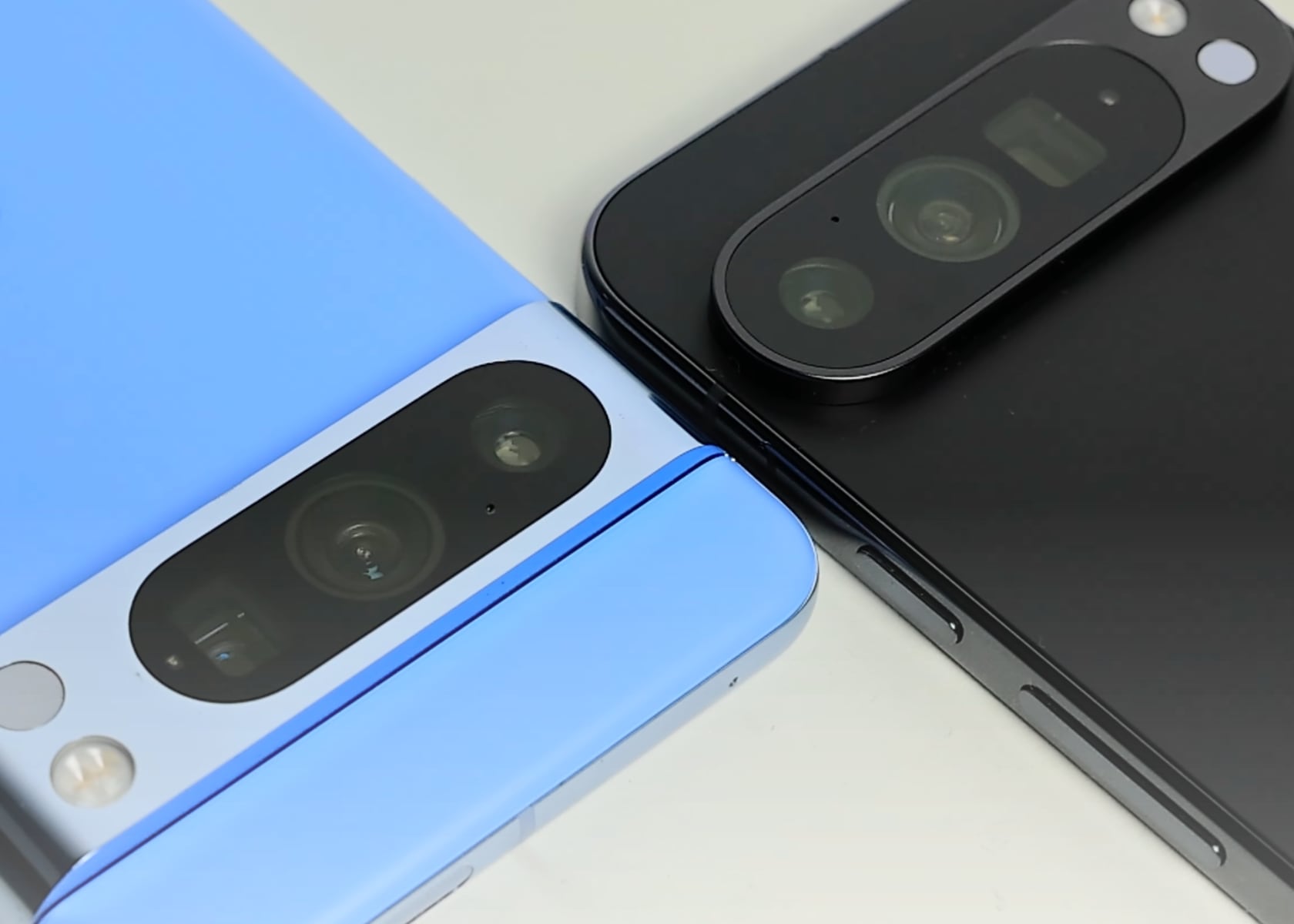
The most notable of those tweaks is the camera bar itself. On the Pixel 9 and Pixel 10, the phone’s body color would wrap around the flash and sensors inside the bar, creating a two-tone look that was bold for some and cluttered for others. The Pixel 11 drops that entirely, going with a uniform black finish across the whole housing for a cleaner, more composed result.

Google Pixel 10

Google Pixel 10

The bar is also expected to sit lower on the phone’s back, with less protrusion than the Pixel 10. That’s the kind of thing you don’t notice until the phone snags on a pocket lining or wobbles on a table, and then you notice it constantly. A thinner overall profile, rumored at 8.5mm, will keep the phone from feeling like it’s outgrown its own design.

The front of the phone appears to have gotten some attention, too. Bezels are reportedly thinner on all four sides, which means more screen real estate when you’re reading or watching something on that commute home. It’s a concession to a criticism that’s followed the Pixel series for a couple of years, and it goes a long way toward making the phone look more of its time.

Under the hood, the Pixel 11 is expected to run on Google’s Tensor G6 chipset, paired with 12GB of RAM and at least 128GB of storage. The 5,000mAh battery is the kind of capacity that should see most people through a full day without a second thought, even with a heavier workload. The overall footprint stays essentially the same as the Pixel 10, measuring 152.8 x 72 x 8.5mm.

All of this comes with the standard caveat: these are early, unofficial CAD-based renders, and finer details like exact bezel dimensions could shift before the phone hits shelves. That said, the broader strokes have a strong track record with this kind of source. Google is expected to announce the Pixel 11 in August 2026, giving it a few more months to land exactly where it looks like it’s headed.

The post Google Pixel 11 Renders Suggest Its Cleanest Design Before a Redesign first appeared on Yanko Design.

Pixel 9 Pro and Pixel 9 Pro XL Review: AI Future Today

PROS:


  • Distinctive, premium, and sleek design

  • Strong sustainability effort

  • Good camera output with software processing

  • Seven years of software support

CONS:


  • Gets mildly hot under intense use

  • Pixel 9 Pro: Slow 27W charging

  • Base storage starts at a measly 128GB

  • Some AI features still feel a bit gimmicky

RATINGS:

AESTHETICS
ERGONOMICS
PERFORMANCE
SUSTAINABILITY / REPAIRABILITY
VALUE FOR MONEY

EDITOR'S QUOTE:

With a premium and elegant design and impressive photography performance, the Google Pixel 9 Pro offers a glimpse into a future where AI makes lives easier and more meaningful.

In the beginning, Google was content to let its hardware partners shape people’s impressions of the Android mobile platform. With the launch of the first Pixel phone in 2016, however, it started to reveal its own vision for Android, not just in terms of software but for the overall user experience. Of course, visions and priorities change over time, and so do the focus and design for Pixel phones. With everything these days revolving around AI, it’s no surprise that Gemini, Google’s own AI platform, is at the heart of the new Pixel 9 series. But are these phones just vehicles for Gemini or do they have more to offer? With the smaller Pixel 9 Pro and the extra-large Pixel 9 Pro XL in our hands, we give Google’s latest smartphones a spin to see what all the fuss is about.

Designer:

Aesthetics

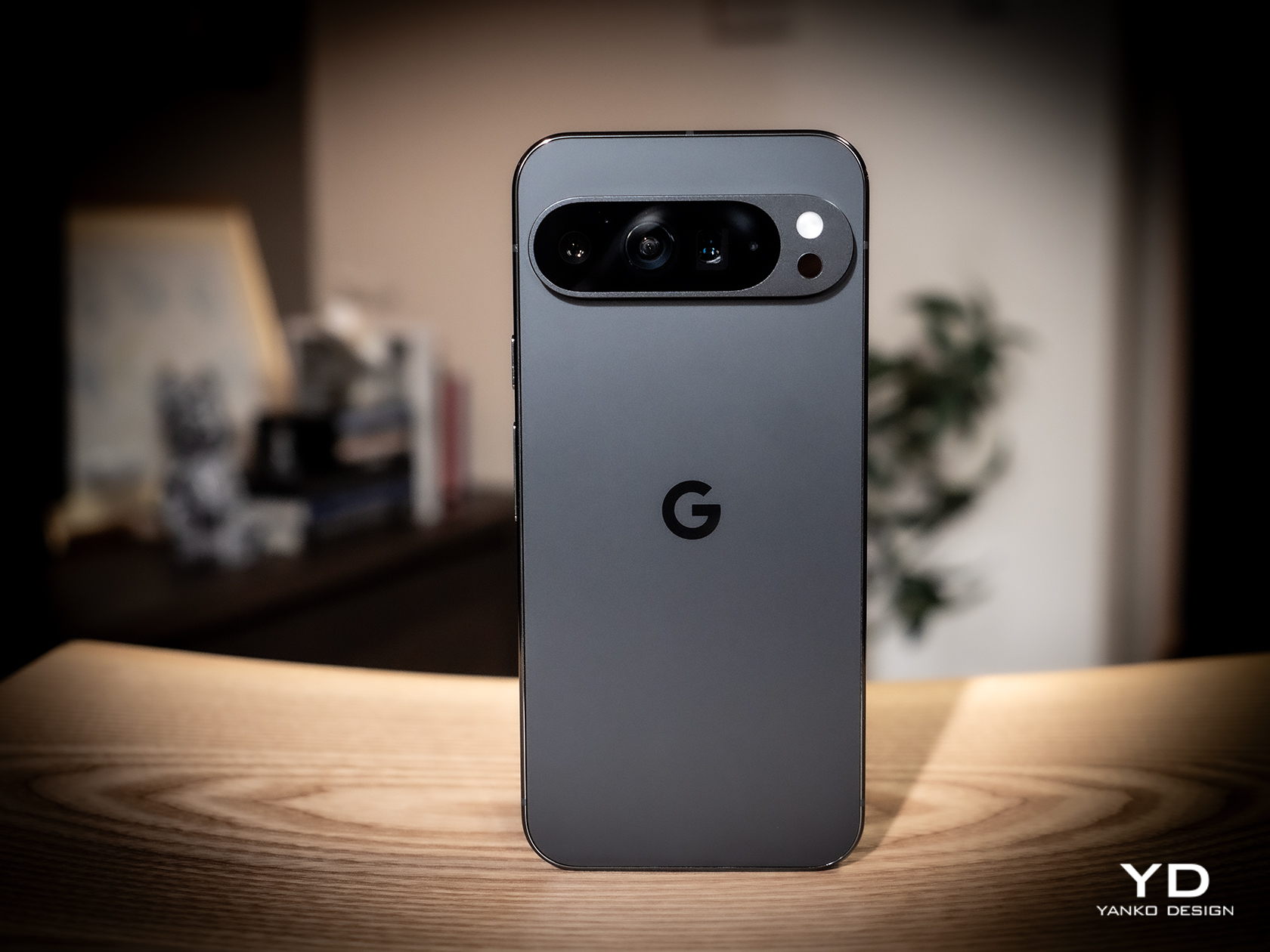
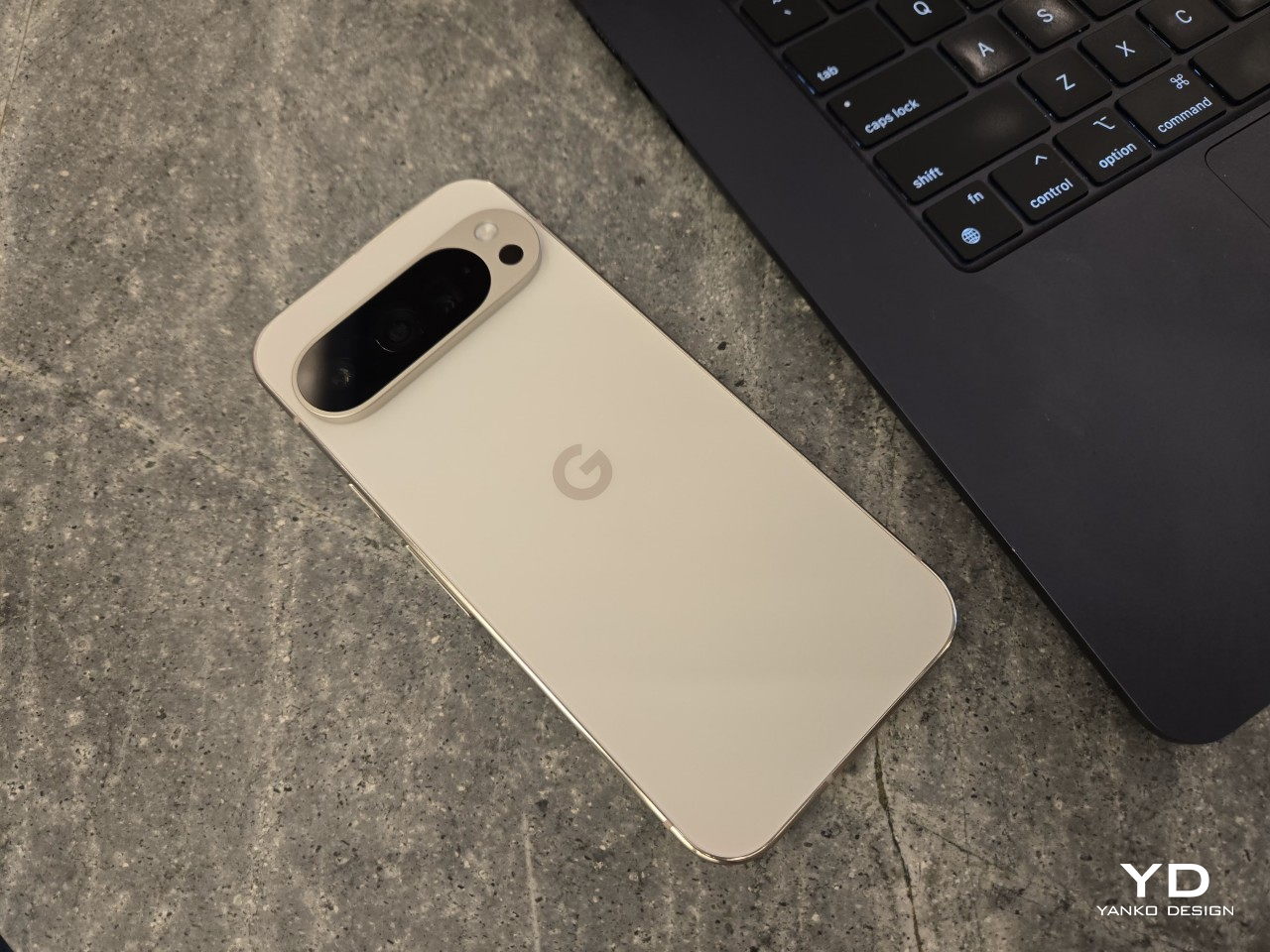
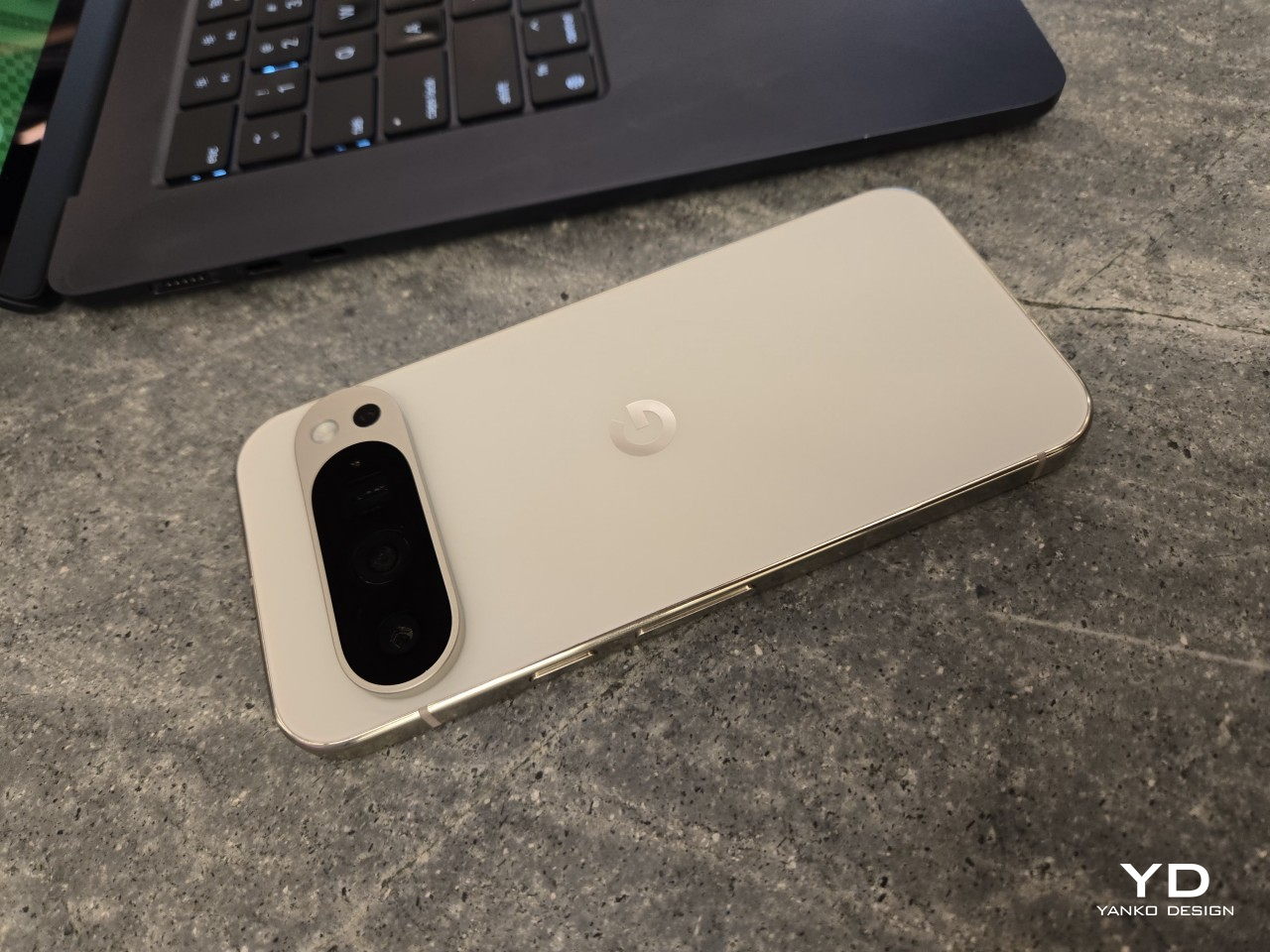
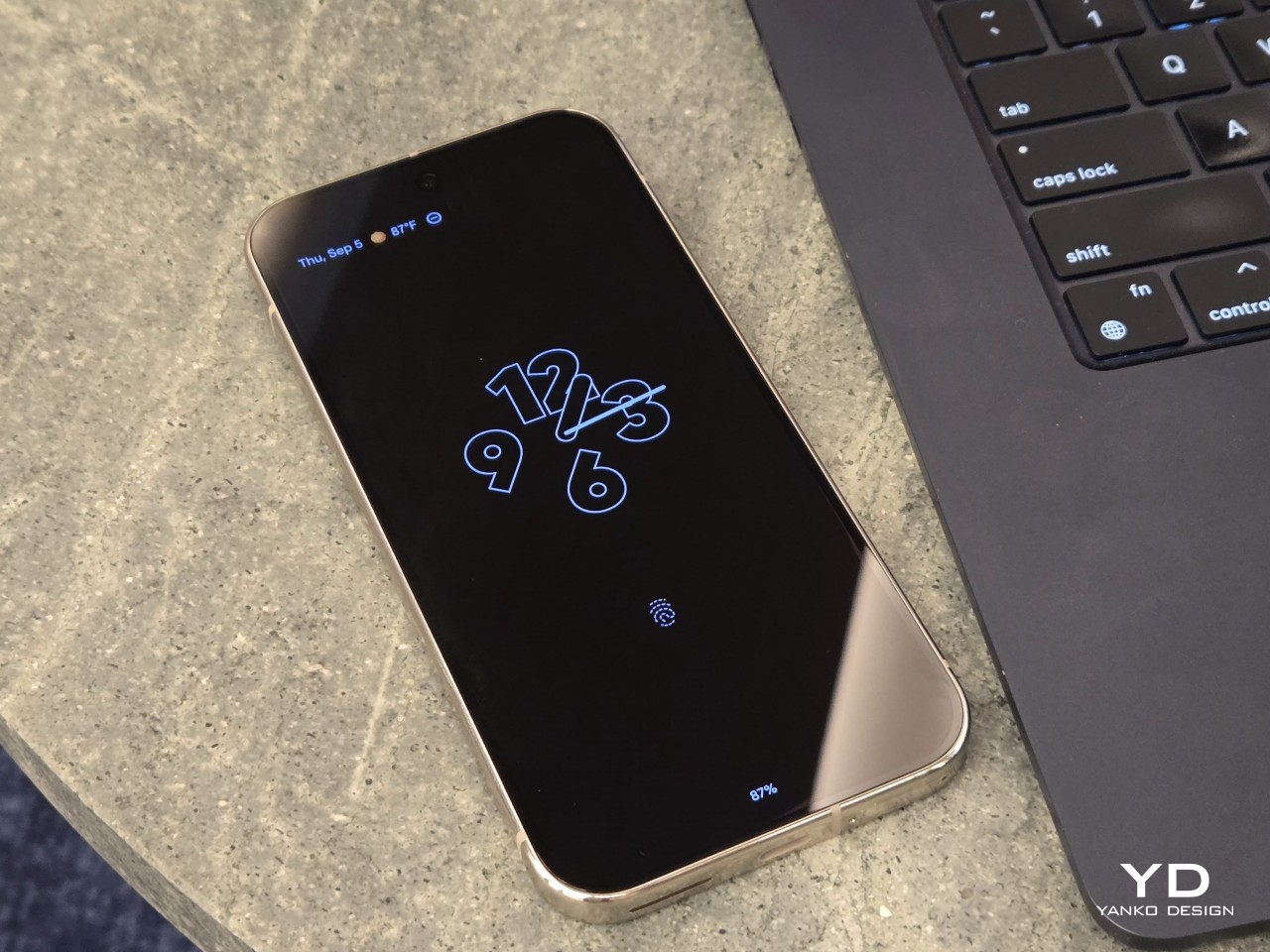
Remember the “Panda Phone,” a.k.a. the Google Pixel 2 XL? Pixel phones have always had rather distinctive designs bordering on being playful and fun. But as the phone line matured, so did their designs. Compared to the very first Pixels, the Pixel 9 Pro is more mellow, subdued, and grown up. Even the colors are a bit muted compared the last year’s selection. And it’s actually all for the best.
Google Pixel 9 Pro
Google Pixel 9 Pro
Google Pixel 9 Pro

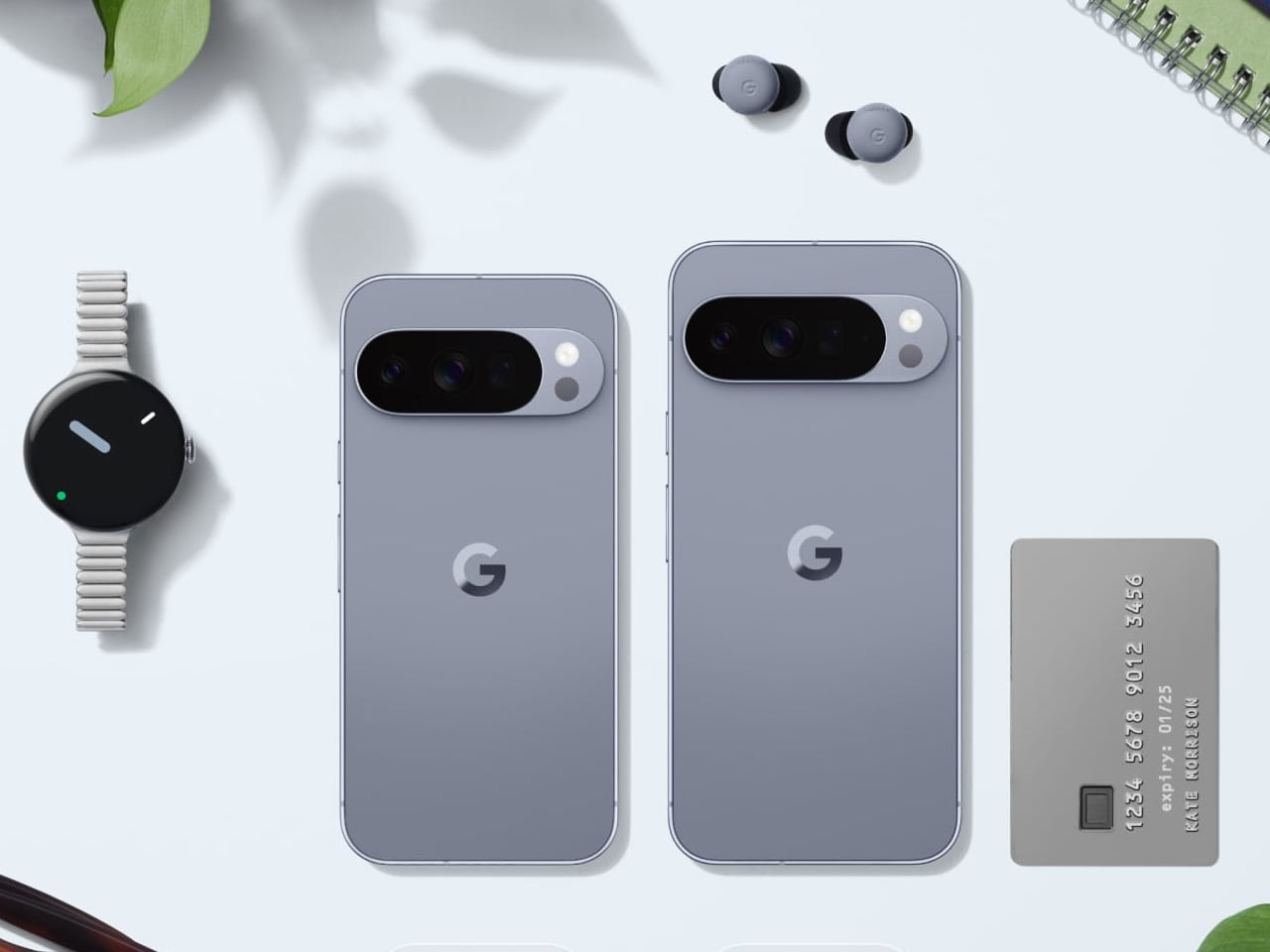
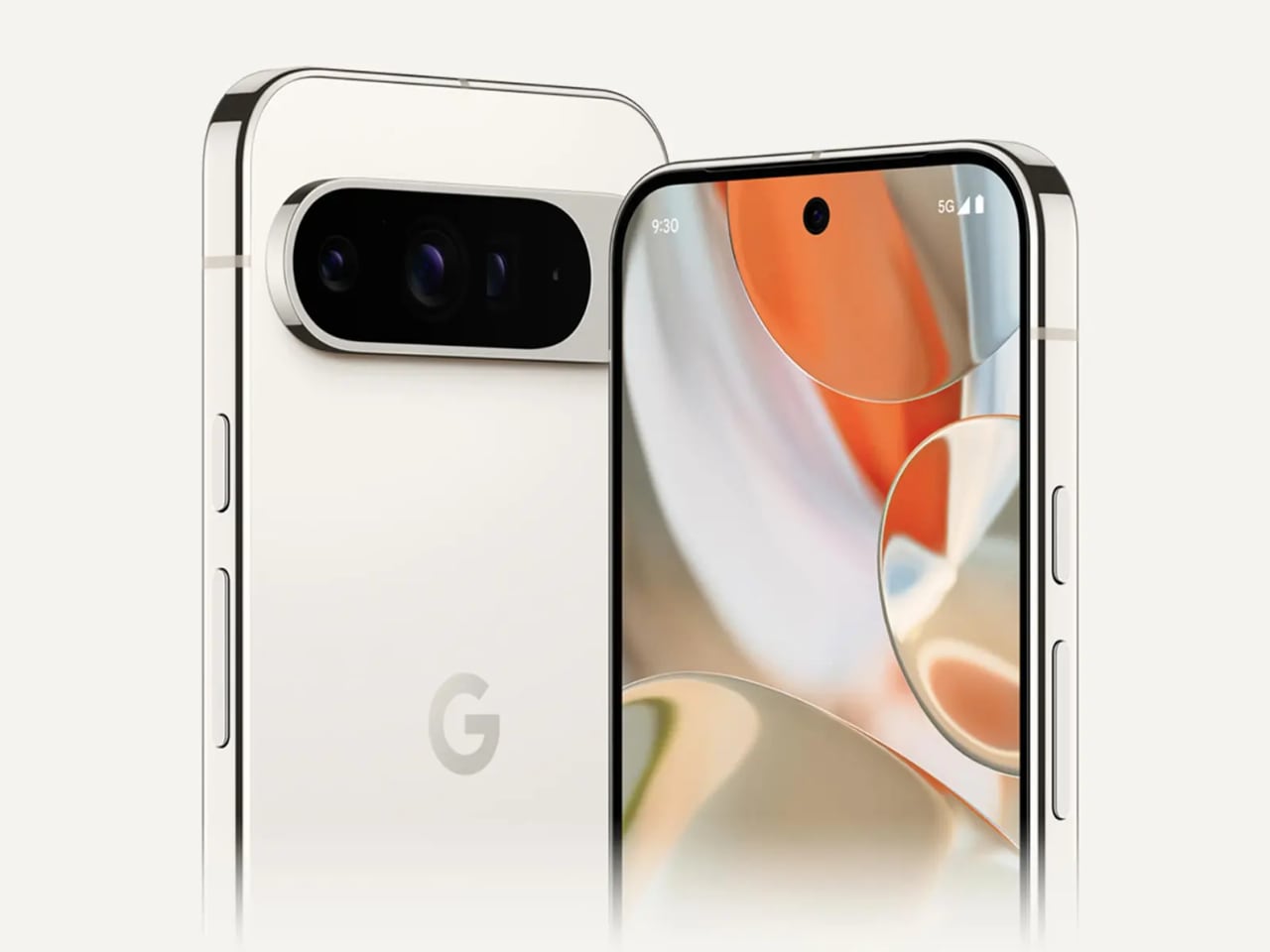
The Pixel 9 Pro now competes in a market where the previously young generation are now young adults and budding professionals. Tastes and needs change, and product design needs to adapt. Gone is the distinctive but divisive “visor” camera bar, now with an equally eye-catching but more modern-looking pill. It still sits across the width of the phone but leaves some space at the sides. While this gives the Pixel 9 Pro a more unified and mature appearance, it also makes the past dual-tone color combinations impossible to implement, at least not without some superficial gimmick.

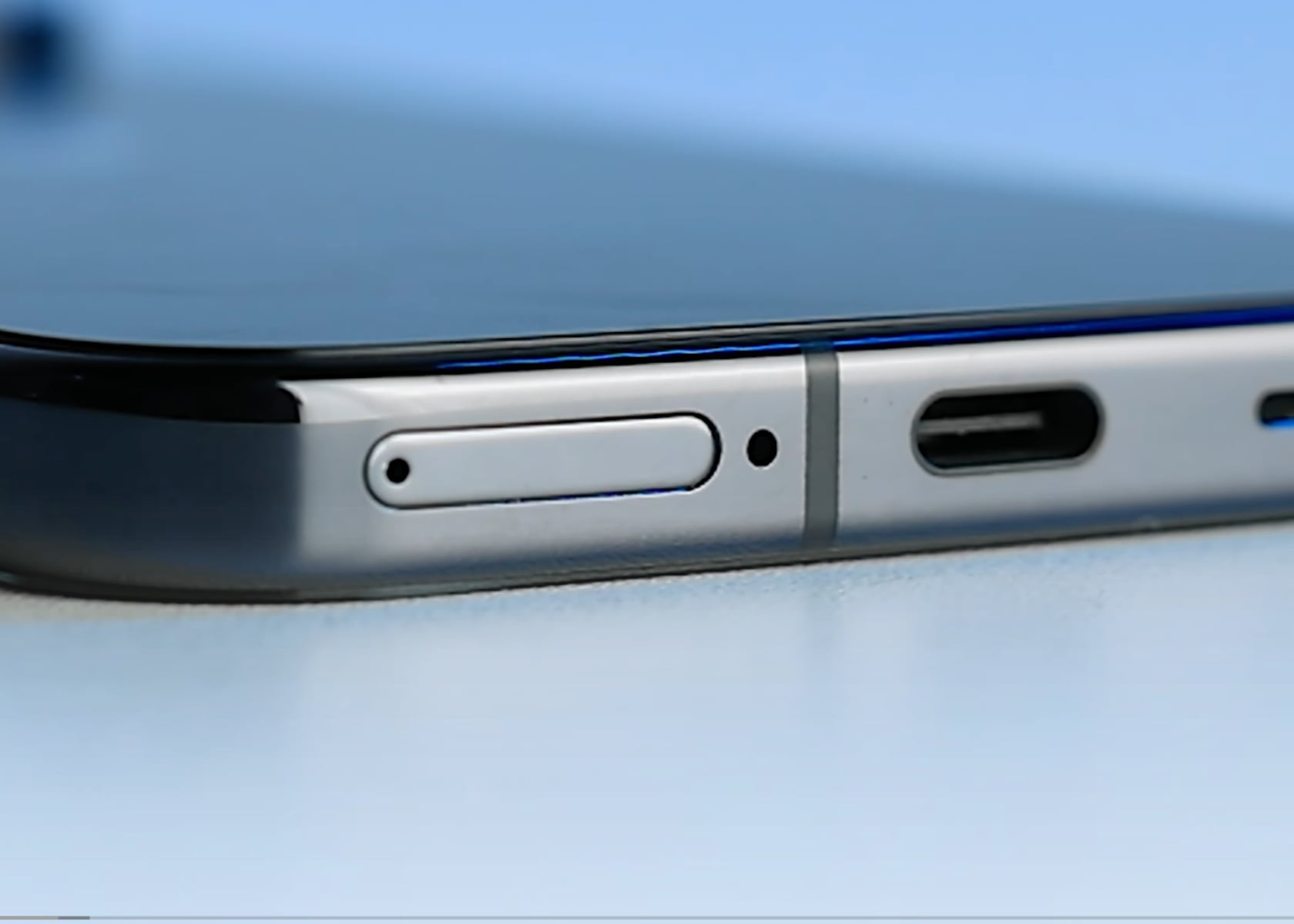
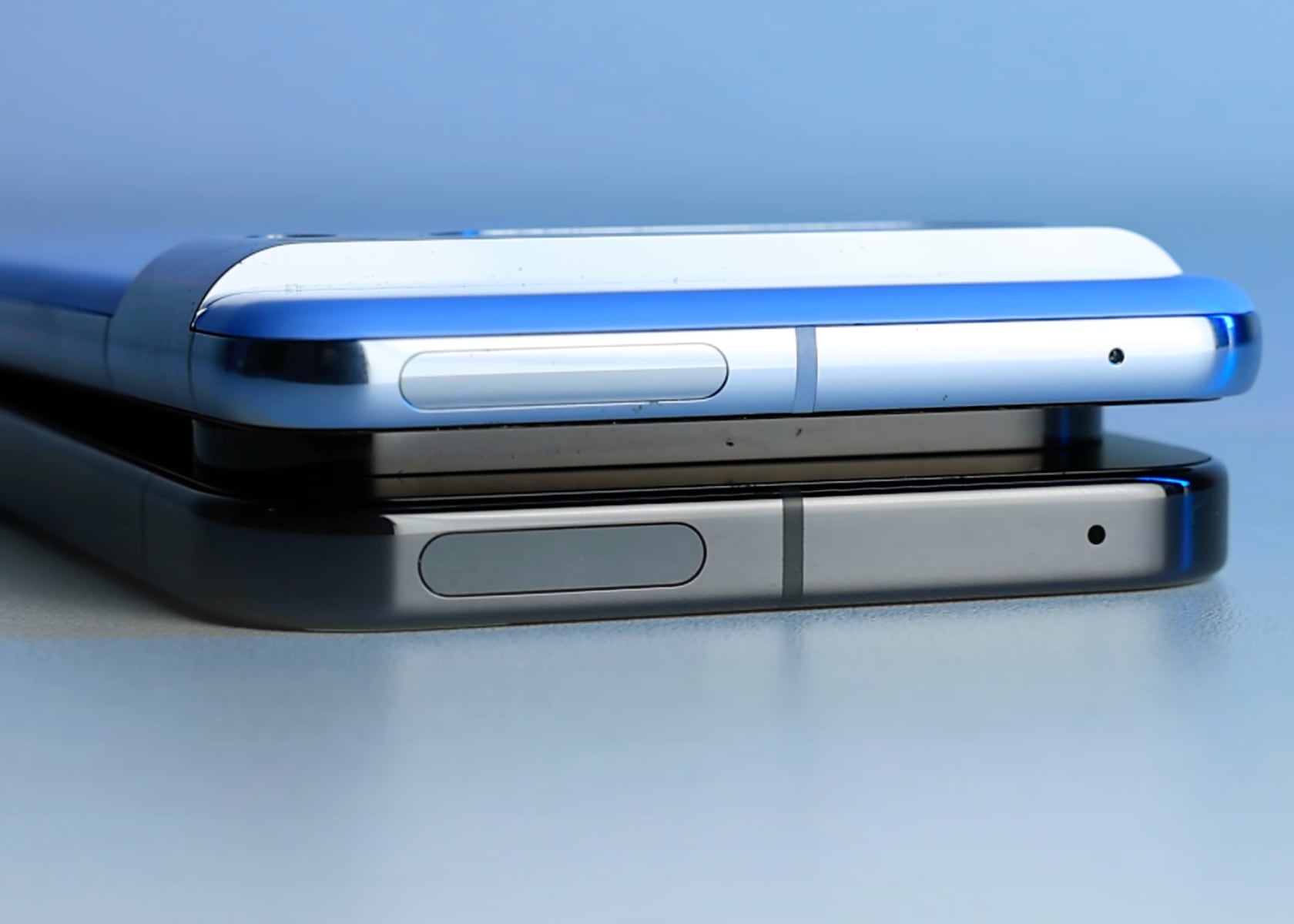
The change in camera design also frees the Pixel 9 Pro to finally adopt what is now regarded to be a more contemporary convention: flatness all around. The edges are flat and, at long last, so is the back. There will be many that will disagree, definitely, but it’s a change that’s a long time coming either way. The four corners are still very much curved, of course, but this pillow design not only softens the appearance of the Pixel 9 Pro a bit but also literally softens the feel in your hand. One curious detail is that the SIM card tray at the bottom is also curved to follow the contour of the phone’s corner. It shows an attention to detail you might have come to expect from a certain fruity company but not from Google.
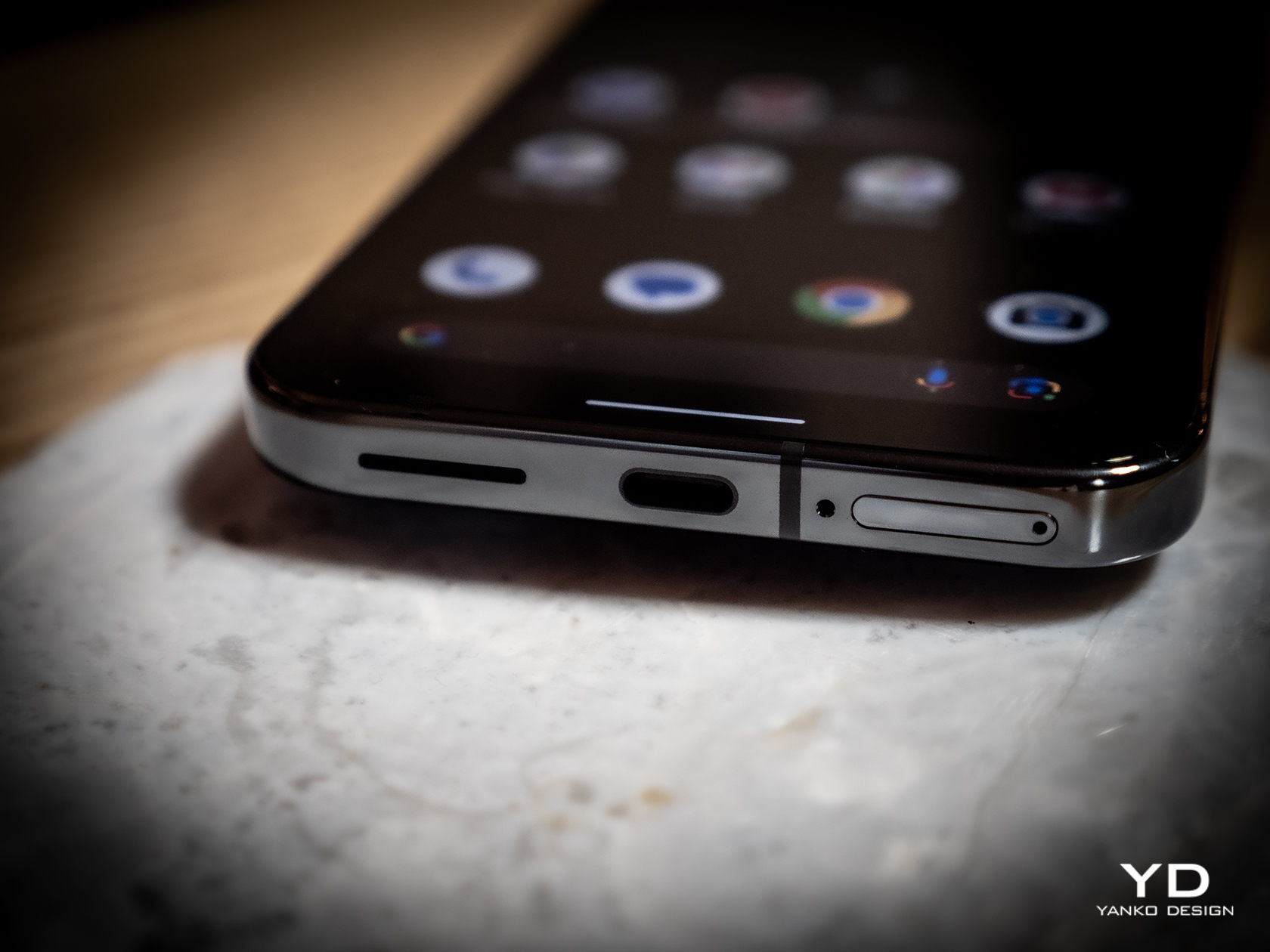
Overall, the Pixel 9 Pro gives off an aura of professionalism, maturity, and subtle elegance. It highlights the premium materials that Google has always been using but now feels more noticeable. Yes, it’s still playing up some of the fun things you can accomplish with the phone, especially with generative AI, but that is now a function of the user experience rather than the phone’s aesthetics. It’s almost as if Google wanted to show that, yes, the Pixel 9 Pro is now all grown up so you don’t have to feel shy about taking it out in the boardroom or in galas.

Ergonomics

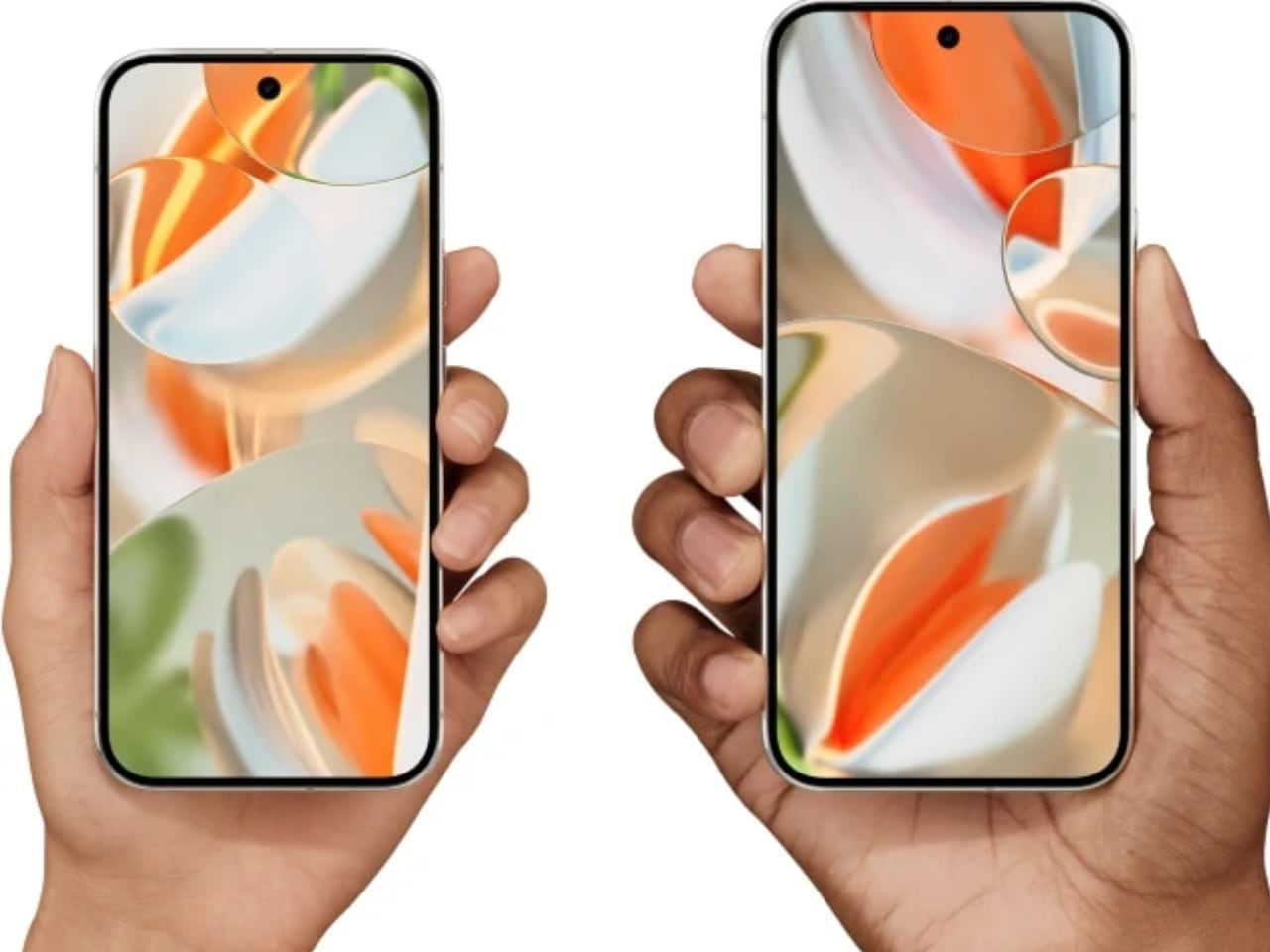
Disregarding their foldable sibling, the Pixel 9 series this year comes in three models but only two sizes. Both the “plain” Pixel 9 and Pixel 9 Pro come with 6.3-inch screens while the Pixel 9 Pro XL enjoys a much larger 6.8-inch screen. Except for the rather large $200 price difference, there almost isn’t any significant reason to go for the non-Pro model when the Pixel 9 Pro comes in that same handy size but also offers a lot more, well, pixels.

And handy it truly is, making the Pixel 9 Pro easier to hold and operate, even with one hand. The premium materials, particularly the matte glass finish, offer a good grip, and those flat edges sink better into your hand than curved ones. And for good measure, that horizontal camera island gives your index finger a good resting spot, almost like a built-in grip. That camera “pill” design also has one advantage when the phone is laid on a table: it doesn’t wobble.
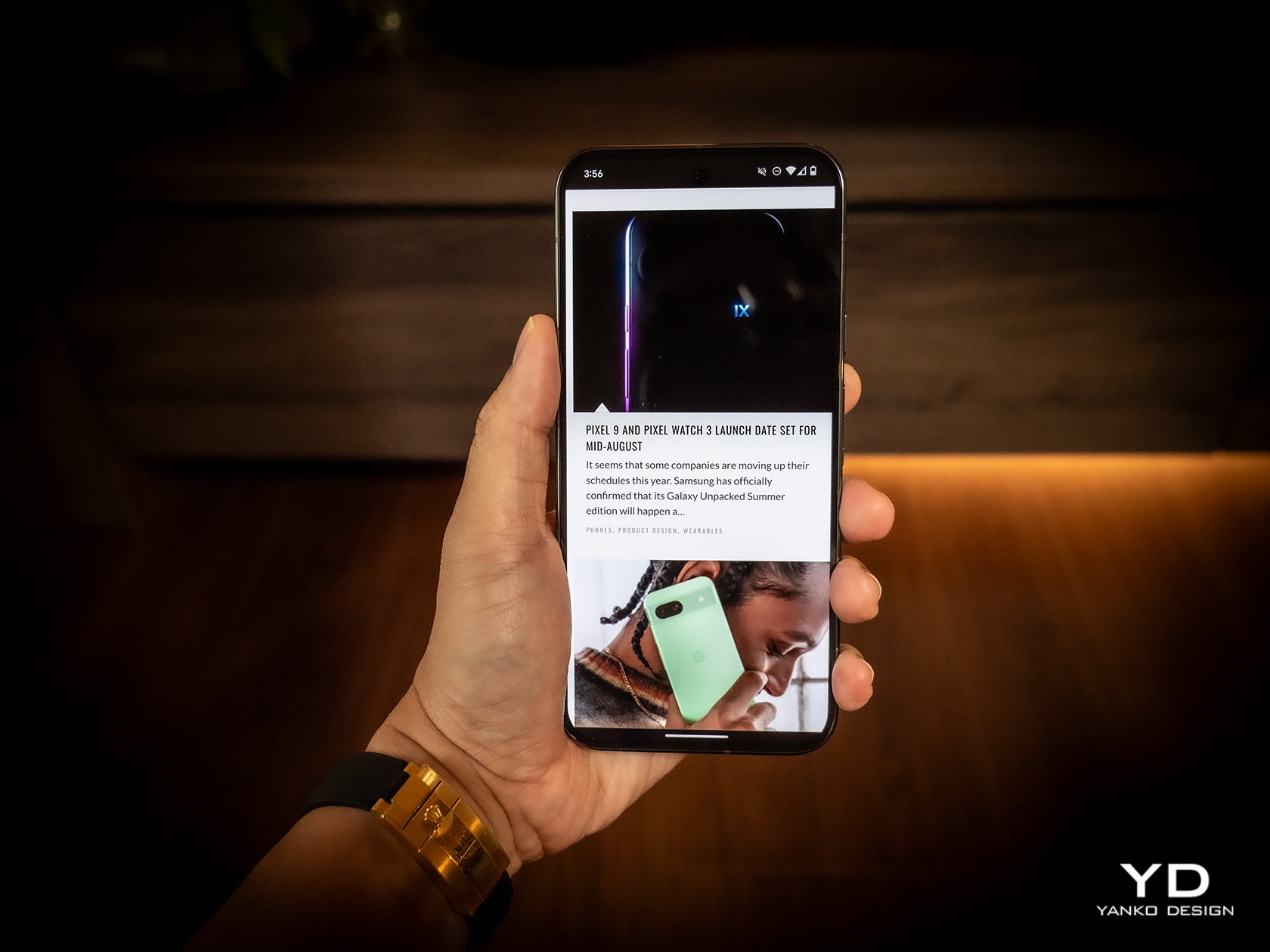
In that context, the Pixel 9 Pro XL is obviously harder to handle, but that’s the price you’ll have to pay for a much larger screen. In terms of materials and design, it’s equal to the smaller Pixel 9 Pro, but unless you have very large hands, chances are, you will be gripping the phone harder than normal, at least if you’re holding it with one hand only. It could lead to a bit of strain and tiredness in the long run and a bit less confidence in holding the phone overall.

Performance

The Pixel 9 series also debuted Google’s fourth-gen self-made silicon, the Tensor G4. From the very beginning, these processors were made with AI and machine learning in mind, hence the name, and it definitely shows here, for better or worse. If you will be judging solely by benchmarks, you might come off pretty disappointed. It definitely lags behind the latest Qualcomm Snapdragon 8 Gen 3, let alone Apple’s new A18, but don’t let those numbers fool you. The Pixel 9 Pro and Pro XL perform quite well in real-world scenarios, and even better when AI is involved, to no one’s surprise.
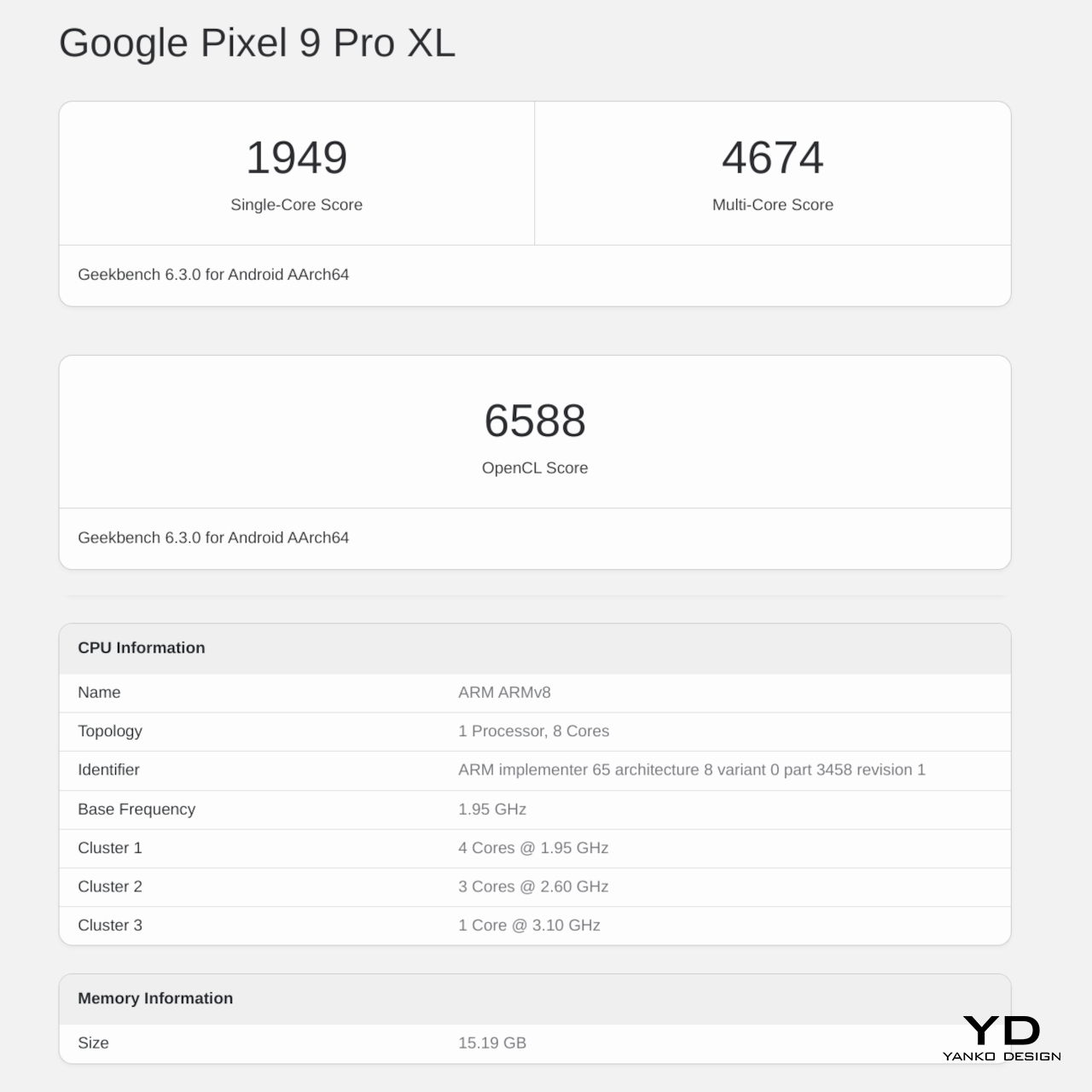
If there’s one actually unfortunate aspect of the Tensor G4, it would be its continuing thermal woes. It doesn’t get burning hot, mind you, but the Pixel 9 gets noticeably warm sometimes even under moderate load. This is even more pronounced in the smaller Pixel 9 Pro, perhaps due to its smaller size. More than just some discomfort, this could affect performance, especially in graphics, where the Tensor G4 is forced to throttle sooner to lower the temperature faster.
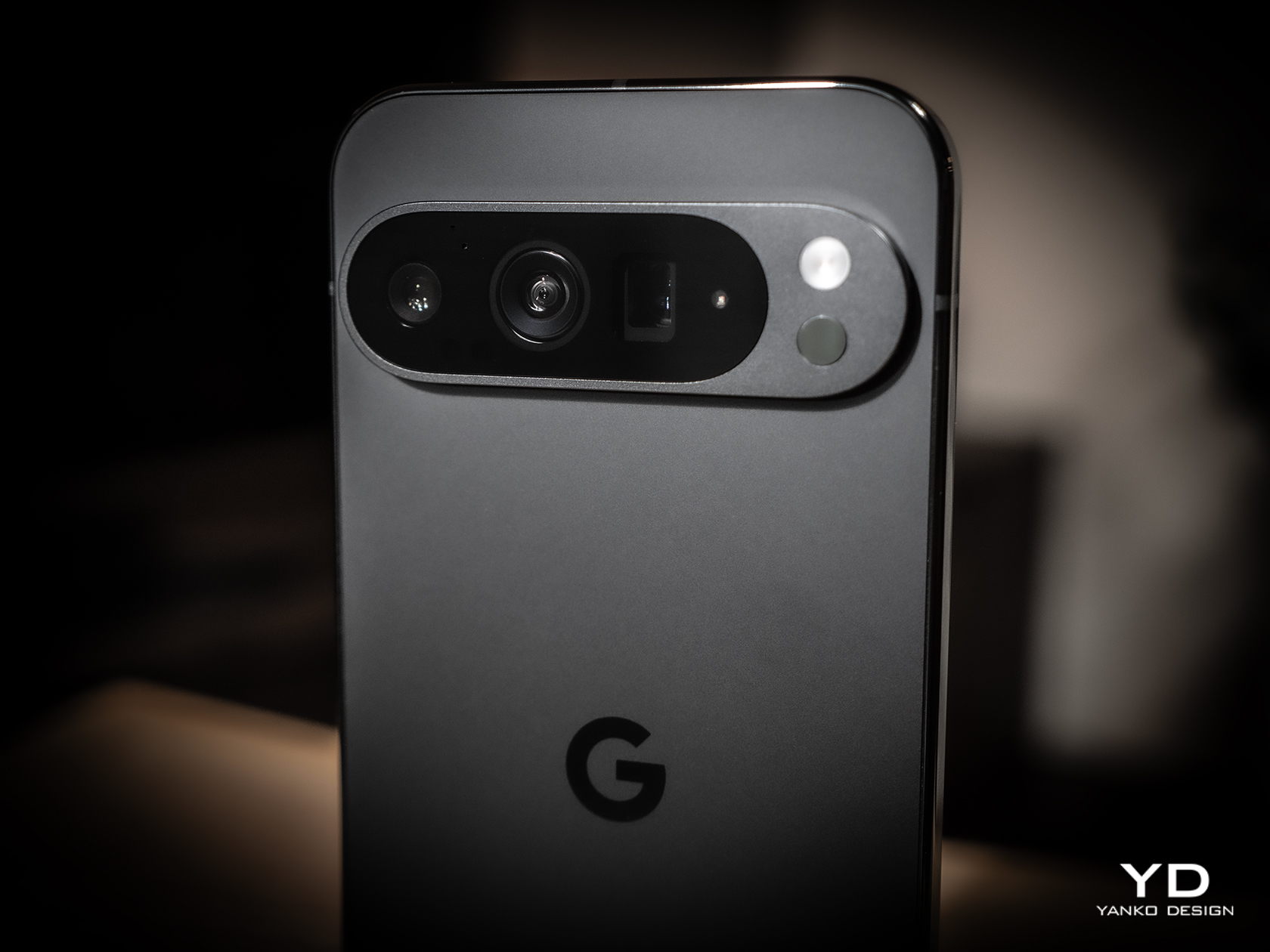
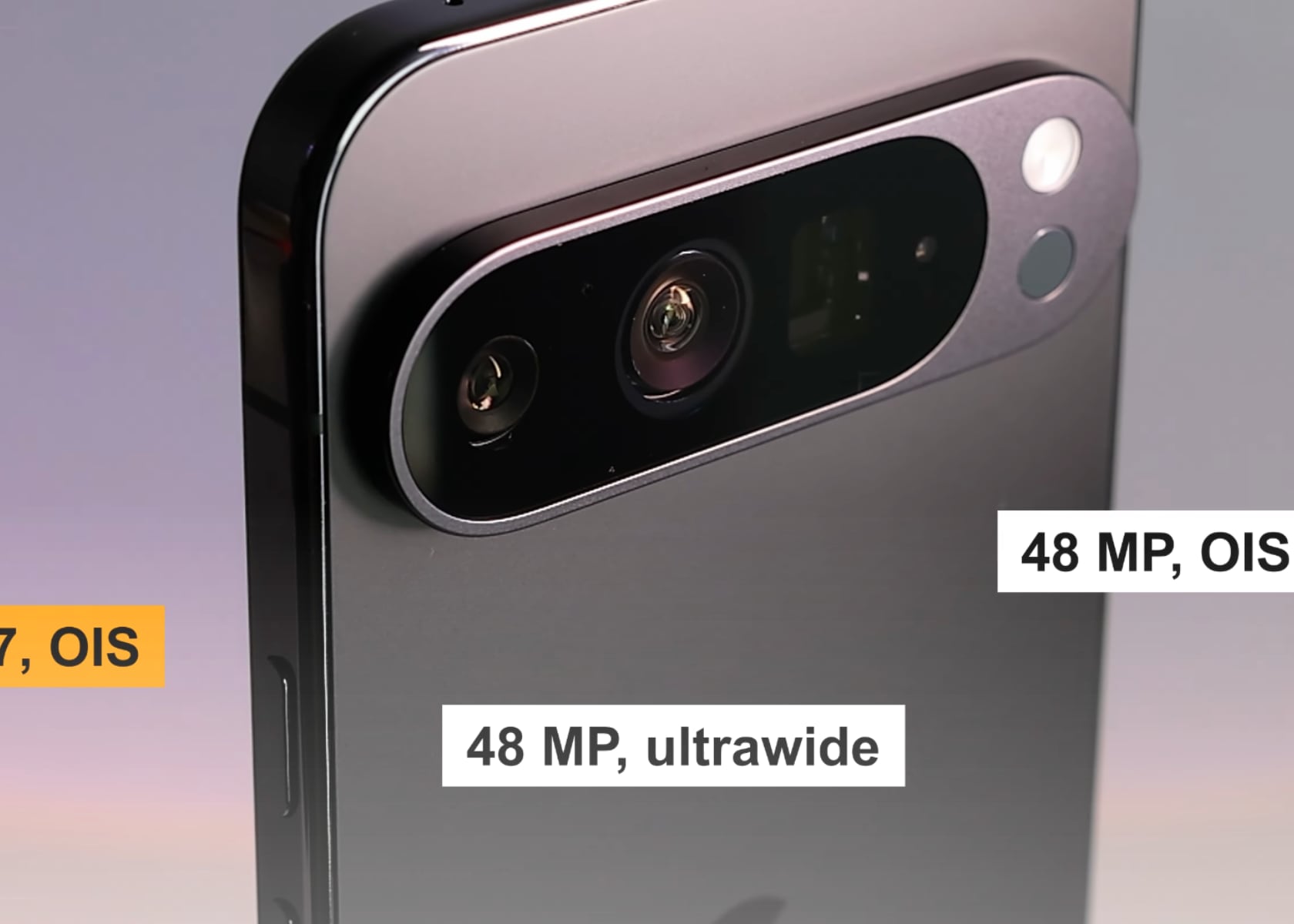
Pixel phones have always been great in photography, and not always because they have great camera hardware. From the very beginning, Google has relied on computational photography to do more with less, and it has been quite successful at that. This year, it didn’t even skimp on the hardware, giving both Pixel 9 Pro and Pixel 9 Pro XL the same powerful trio of cameras: a 50MP main camera with OIS, a 48MP periscope telephoto camera with 5x optical zoom and OIS, and a 48MP ultra-wide shooter.


As you can probably guess, the combination of decent hardware and even more advanced software results in rather impressive photos and videos. Details are rich, colors are accurate, noise is low, and even a 10x “hybrid” zoom results in decent captures. That’s true even when the lighting isn’t perfect, though there are times when you can catch that the Pixel 9 did a little too much processing to compensate. Of course, there are also plenty of AI features at work here, and that’s also when things can get a bit spotty. Zoom Enhance might sound and look great on CSI, but you might end up catching the wrong person if you rely on the Pixel’s sometimes erroneous guesswork.


AI is, of course, the bread and butter of the Pixel 9 Pro, almost to the point that you could say that it is its raison d’être. Gemini Advanced and Gemini Live, in particular, take center stage in any Pixel 9 discussion, and it is where the phone both shines and, to some extent, fails. No, it’s not that it flops in performance or believability. In fact, it’s scary good that you might even start to worry about the future of humanity. The problem lies in what can be considered really useful and what is just fluff, and, in the final analysis, whether the Pixel 9 Pro has any value without those.

The Pixel 9 Pro is naturally overflowing with AI features. Gemini Live ventures into uncanny valley with its natural sounding voices and conversational capabilities, though you might want to always fact-check before driving to a recommended restaurant that closed years ago. Call Notes is going to be a lifesaver for people who always find themselves in online meetings, and thankfully Gemini openly declares its presence to let other people know there’s an invisible participant. There are also the basics like summarize for long articles and, of course, translate.


And then there are the AI features for more “creative” activities, like Magic Editor’s Reimagine which lets you replace the sky or the ground with other elements, basically a photo-bashing tool on your phone. Pixel Studio is Gemini’s version of text-based image editor everyone’s raving or ranting about, except it can’t or won’t generate images of people. And then there’s Add Me, which lets you compose yourself or any other person into the shot by taking two versions. Useful for when you have nobody around to take a group photo and fun for the first few times.

Some of these features can be quite useful, while others feel more like gimmicks to flex Gemini’s AI muscles. And others still feel like they need a few more iterations to become reliable, presuming you’ll even use them in the future. And for all of those features, Gemini takes up a 3GB chunk of the Pixel 9 Pro’s 16GB RAM, whether you use it or not.

Sustainability

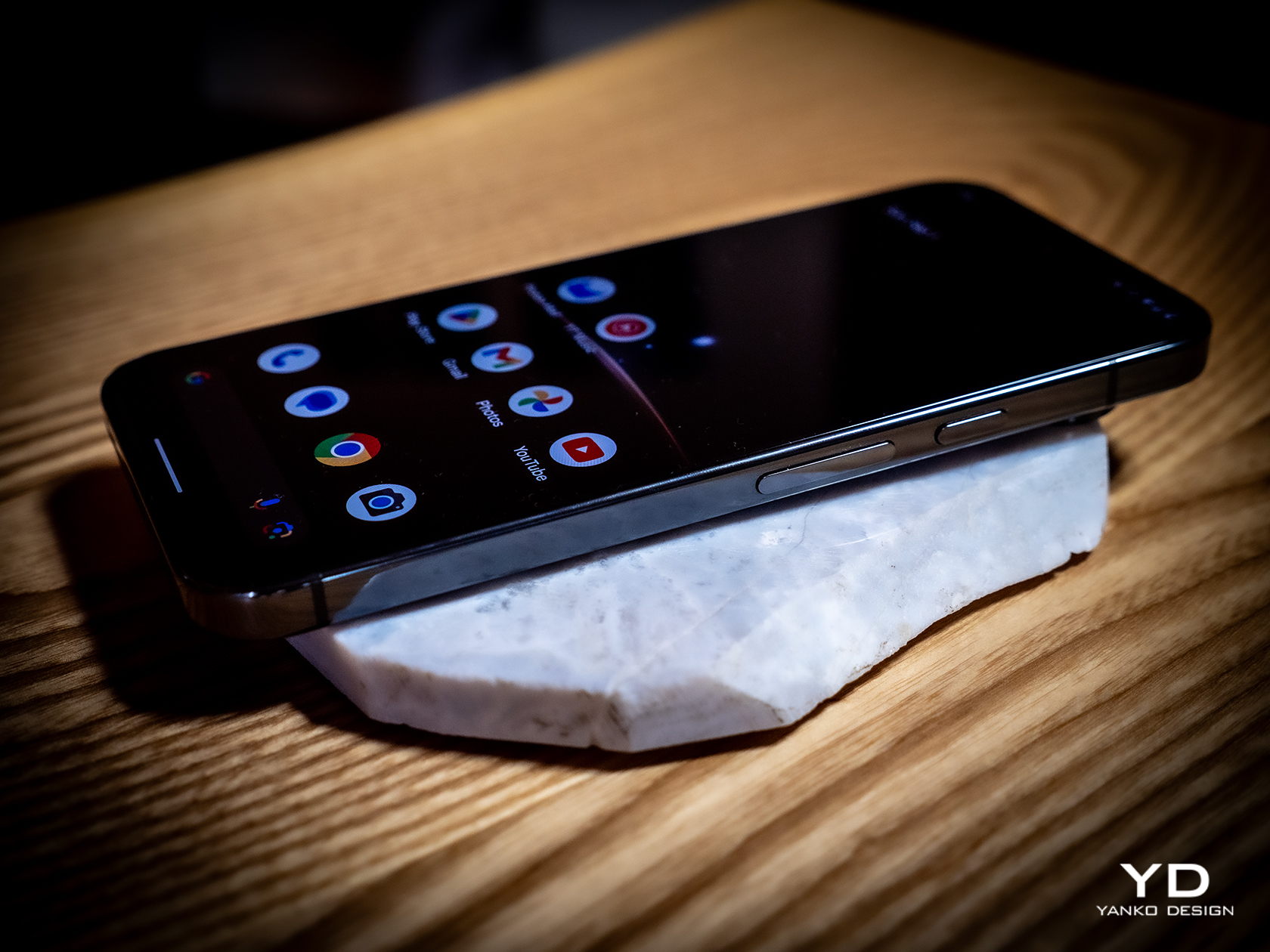
Google has clearly set itself apart from other Android phone manufacturers, not just in design or in how it presents Android, but also in how it ensures the health of the planet for every Pixel made. Every year, it steps up its efforts to use more sustainable materials, like how the Pixel 9 Pro frame is made from 100% recycled aluminum and how its packaging is 100% plastic-free.

And there’s the effort to ensure the longevity of the Pixel 9 Pro, both in hardware and software. Google has committed to serving seven years’ worth of software updates, so the Pixel 9 is guaranteed to remain fresh until 2031 at least. That hopefully also means that kinks in Gemini’s results will also be ironed over time and pushed to the Pixel 9 Pro. Google is also working with iFixit to add the Pixel 9 to the self-repair list, providing instructions and official replacement parts. It won’t be a comprehensive selection, but still better than zero.
Value

Now comes the hard part, determining whether the Pixel 9 Pro and Pixel 9 Pro XL are worth their weight in gold. That “gold” is actually $999 and $1,099 for the Pixel 9 Pro and Pro XL, respectively, and the price gives you the base model with 16GB of RAM and 128GB of storage. Yes, you only get 128GB of internal storage that you can never expand, at least not physically. Of course, Google wants you to use its cloud storage for almost everything, but that paltry capacity is really stingy. And then there’s the hidden cost of Gemini Advanced, which will be a $20 monthly subscription after the first free year runs out. But if people won’t migrate to a paid subscription for those AI features, what will be left of the Pixel 9 Pro?

Without AI, the Pixel 9 Pro is a pretty OK Android phone, but it’s really just a little above average. Yes, the cameras are great and don’t rely on Gemini to produce great results, but they’re not the best in class either. Performance outside of AI is pretty mediocre, and mobile gamers will be left unsatisfied with the results. The Pixel 9 Pro really shines brightest when you take into account AI and Gemini, and there might not be any better vehicle for Google’s AI. But if you’re not part of that crowd, there might be little reason to reach for a Pixel 9 Pro for now or upgrade from a Pixel 8 Pro that will be getting some of those AI features soon anyway.

Verdict

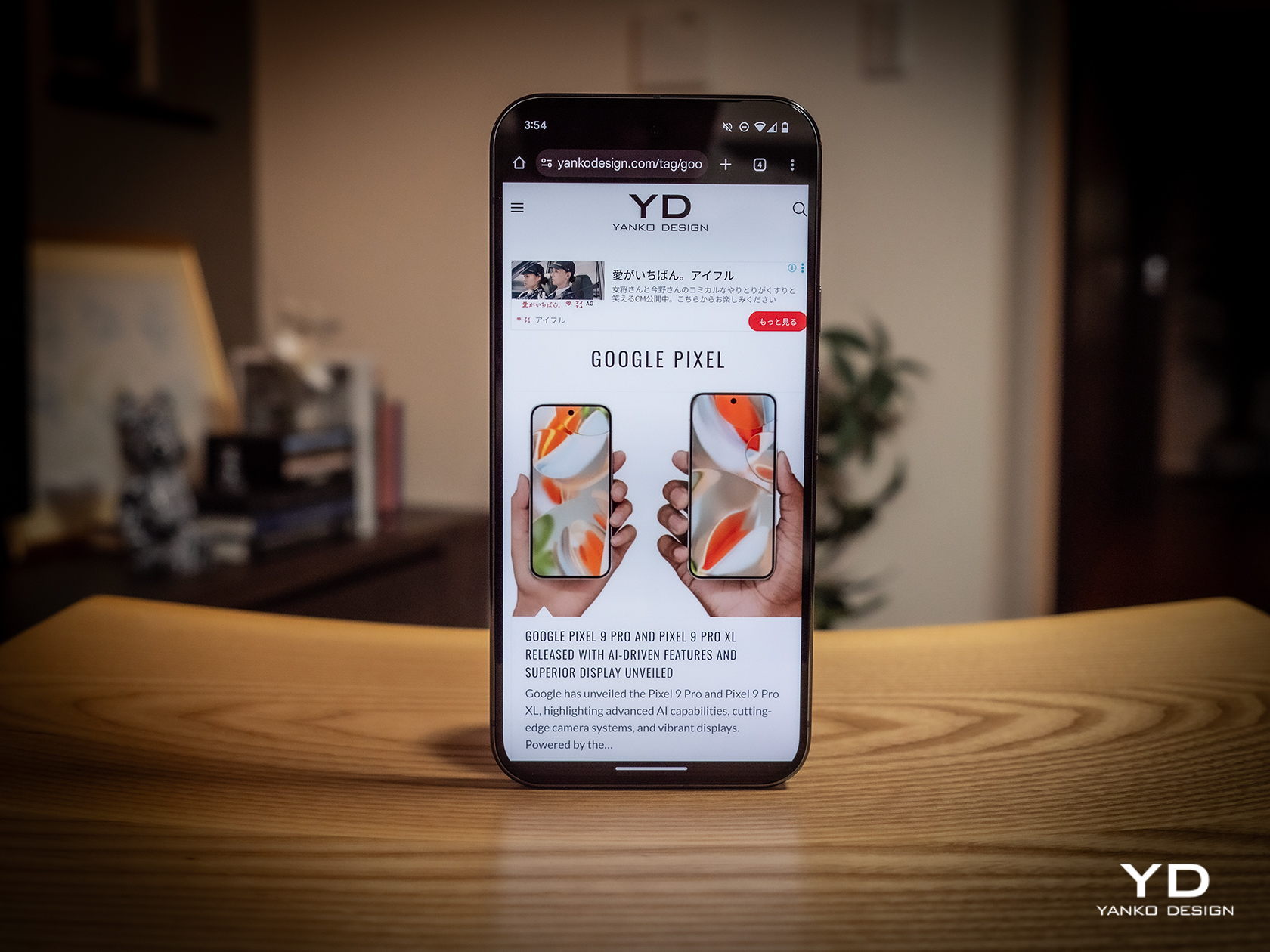
The Google Pixel is finally all grown up. From a frivolous youth, it has now become a rather dashing and elegant smartphone with a design that can stand proud beside the biggest players in the market. It retains its impressive camera performance thanks to a combination of contemporary camera hardware and improved imaging algorithms. There are some hardware choices that make little sense in this day and age, such as the 128GB base storage and 27W charging for the Pixel 9 Pro. Its focus on AI, however, is both its strength as well as its weakness. Gemini’s capabilities are impressive and sometimes downright frightening, but not everyone is completely sold on it, especially with a $999 price tag that will have a $20 recurring monthly cost. There might come a time when these AI features will become standard, but that is still in the near future. That makes the Pixel 9 Pro a bit of a harder sell today, no matter how beautiful it has finally become.
The post Pixel 9 Pro and Pixel 9 Pro XL Review: AI Future Today first appeared on Yanko Design.
Google Pixel 9 Pro and Pixel 9 Pro XL Released with AI-Driven Features and Superior Display Unveiled

Google has unveiled the Pixel 9 Pro and Pixel 9 Pro XL, highlighting advanced AI capabilities, cutting-edge camera systems, and vibrant displays. Powered by the Tensor G4 chip, these devices offer improved performance and functionality. Built with durability and sustainability in mind, they feature recycled materials and plastic-free packaging.

Designer: Google

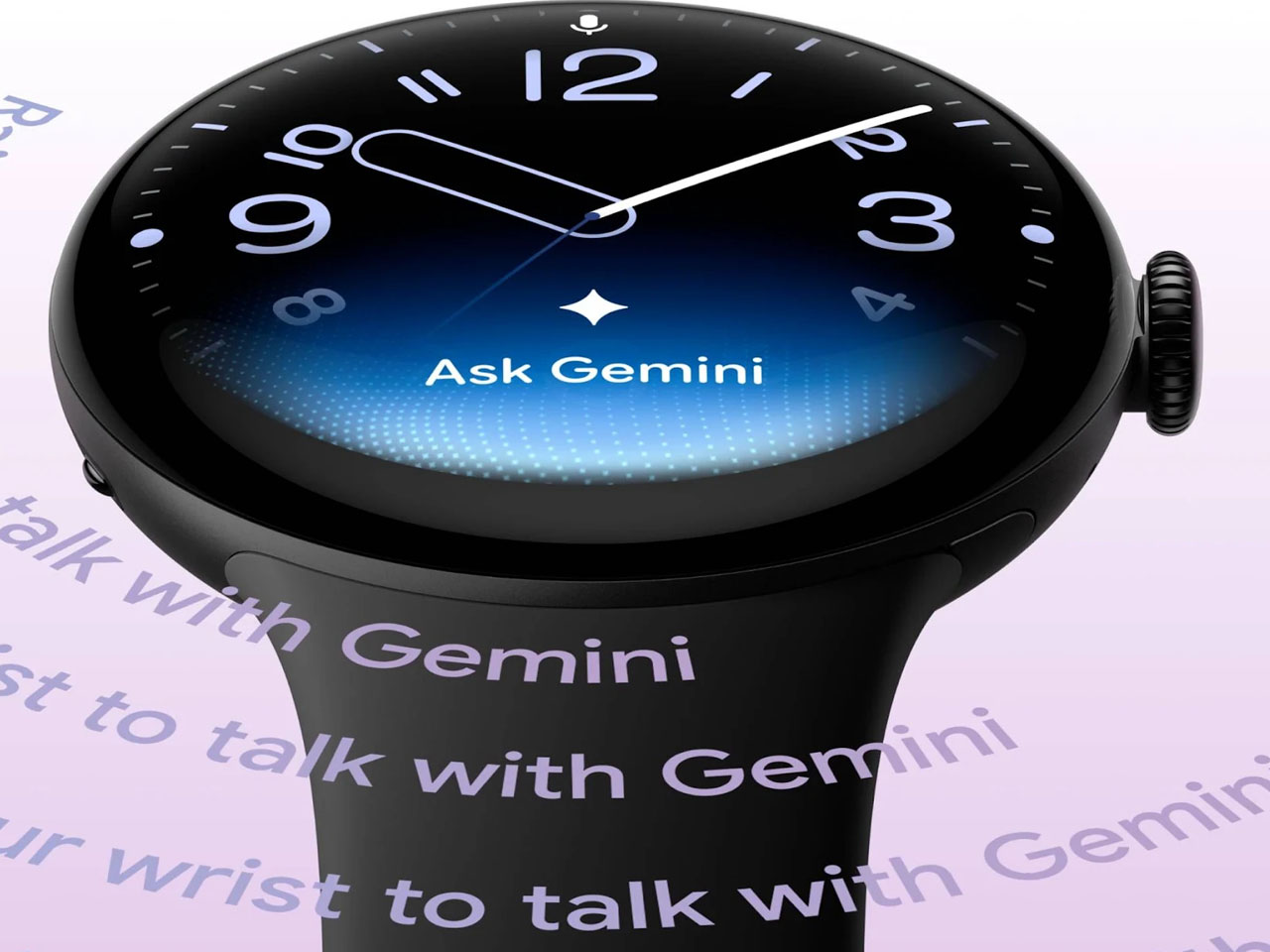
The Pixel 9 series is powered by the new Tensor G4 chip, which brings advanced AI capabilities to the forefront. With Gemini Nano’s Multimodality, the phones can effortlessly understand text, images, and audio, providing a more seamless AI experience. One of the standout features is Gemini Live, which lets you have natural, flowing conversations with your phone or Pixel Buds, perfect for planning events or brainstorming ideas. Plus, handy tools like Pixel Screenshots help you keep track of important information, and the improved Pixel Weather app delivers accurate, AI-powered weather updates to help you plan your day.

Design and Display

The Pixel 9 Pro and Pixel 9 Pro XL feature a sleek, sculpted design with the iconic camera bar taking center stage. Both phones are crafted with a silky matte glass back and polished metal sides, offering a premium feel. The Pixel 9 Pro, with its 6.3-inch Super Actua display, measures 6 inches in height (152.4 mm), 2.8 inches in width (71.12 mm), and 0.3 inches in thickness (7.62 mm), and weighs 7 ounces (198.4 grams). It’s compact yet powerful. Meanwhile, the Pixel 9 Pro XL offers a larger 6.8-inch Super Actua display, measuring 6.4 inches in height (162.56 mm), 3 inches in width (76.2 mm), and 0.3 inches in thickness (7.62 mm), with a weight of 7.8 ounces (221.1 grams), providing a bigger screen for those who prefer more display real estate.

The displays are some of the brightest and most vivid in their class. The Pixel 9 Pro boasts a 6.3-inch LTPO OLED display with a resolution of 1280 x 2856 pixels and 495 PPI, capable of reaching up to 2000 nits in HDR and 3000 nits peak brightness. The Pixel 9 Pro XL features a 6.8-inch LTPO OLED display with a resolution of 1344 x 2992 pixels and 486 PPI, offering the same brightness capabilities. Both displays support a smooth refresh rate of 1-120Hz and feature Corning Gorilla Glass Victus 2 for enhanced durability.

Performance and Battery

The Google Tensor G4 chip powers both models, which were developed in collaboration with Google DeepMind. This processor is optimized for running advanced AI models, enabling faster app launches, seamless browsing, and enhanced AI-driven features. The Pixel 9 Pro and Pixel 9 Pro XL come with 16 GB of RAM and storage options ranging from 128 GB to 1 TB, ensuring ample space for all your needs.

Battery life is robust. The Pixel 9 Pro houses a typical 4700 mAh battery, providing over 24 hours of usage and up to 100 hours with Extreme Battery Saver mode. The Pixel 9 Pro XL, with its larger 5060 mAh battery, offers similar endurance. Both models support fast charging, achieving up to 55% and 70% charge, respectively, in about 30 minutes using the Google 45W USB-C charger, sold separately. Wireless charging and Battery Share features add further convenience.

Camera Capabilities

The Pixel 9 Pro and Pixel 9 Pro XL share a pro triple rear camera system that sets a new standard for smartphone photography. The setup includes a 50 MP wide camera with an ƒ/1.68 aperture, a 48 MP ultrawide camera with Macro Focus, and a 48 MP telephoto lens offering 5x optical zoom and up to 30x Super Res Zoom. These cameras are equipped with advanced features like optical and electronic image stabilization, a multi-zone LDAF sensor, and a spectral and flicker sensor to ensure crisp and clear images in any condition.

Cameras: 50 MP wide with ƒ/1.68 aperture, a 48 MP ultrawide with Macro Focus, and a 48 MP telephoto lens with 5x optical zoom and up to 30x Super Res Zoom

The front camera is a 42 MP Dual PD selfie camera with an ƒ/2.2 aperture and a 103-degree ultrawide field of view, designed for sharper and brighter selfies, even in low light.

Video capabilities are equally impressive, with the rear camera capable of 8K video recording at 30 FPS, powered by Video Boost, and 4K video recording at up to 60 FPS. The front camera supports 4K video at 30/60 FPS. Features like Night Sight Video, Super Res Zoom Video, and various stabilization options ensure high-quality video capture.

Pixel Studio is a unique feature that allows users to create images from scratch on their phone, powered by a diffusion model and the Imagen 3 text-to-image model. The camera system includes advanced features like Add Me, which ensures no one is left out of group photos, and Magic Editor’s Reimagine and Auto Frame tools for enhanced editing capabilities.

Comparison with Pixel 8 Pro and Pixel 8 Pro XL

The improvements are clear when comparing the Pixel 9 Pro and Pixel 9 Pro XL to the Pixel 8 Pro and Pixel 8 Pro XL. The Pixel 9 series offers a brighter and more vibrant display, enhanced by Super Actua technology, with significant camera resolution and feature upgrades. The new Tensor G4 chip provides faster and more efficient processing compared to the previous generation Tensor G3 chip.

In terms of design, the Pixel 9 series adopts a more refined and durable build, featuring Gorilla Glass Victus 2 and increased use of recycled materials. The battery life has also seen improvements, offering longer usage times with faster charging capabilities.

Overall, the Pixel 9 Pro and Pixel 9 Pro XL present a significant step forward, offering users a powerful, feature-rich smartphone experience. These enhancements make the new Pixel 9 series a compelling choice for those seeking cutting-edge technology with a focus on sustainability and performance. With prices starting at $999 for the Pixel 9 Pro and $1,099 for the Pixel 9 Pro XL, both models provide a range of options to suit different preferences and needs.

The post Google Pixel 9 Pro and Pixel 9 Pro XL Released with AI-Driven Features and Superior Display Unveiled first appeared on Yanko Design.
Made by Google Event 2024: Pixel 9 Fold, Buds Pro 2, and Watch 3 Launch Details

Happy Mobile Monday! We’re thrilled you’ve taken the time to visit us today. As we look forward to tomorrow’s Made by Google event, excitement fills the air for tech enthusiasts and Google fans alike. The tech giant plans to unveil its latest lineup of Pixel products, which promise to dazzle with hardware specs and redefine user interaction through cutting-edge software and AI enhancements. This year, Google aims to enhance how its hardware works with intelligent software, creating experiences beyond basic functionality.

Designer: Google

Tomorrow, Google’s Mountain View campus will buzz with activity as the company reveals the Pixel 9 series, Pixel Buds Pro 2, and the Pixel Watch 3. Each device is expected to incorporate Google’s latest innovations, showcasing the company’s dedication to improving the user experience through design and intelligent software. However, the real star of the show might be Google’s AI capabilities, integrated across these devices to create a seamless and intuitive experience.

A New Era of Pixel Phones

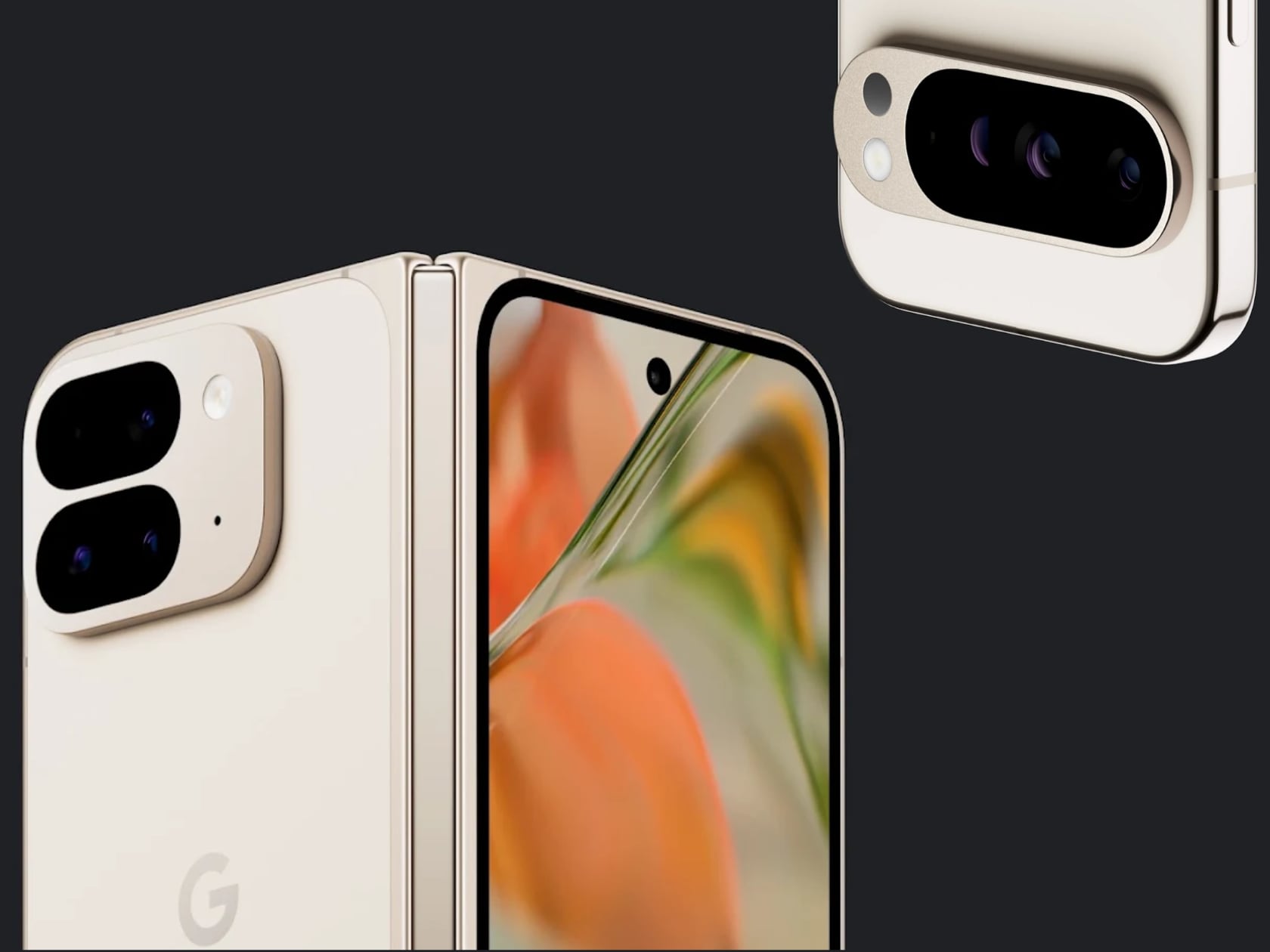
The Pixel 9 series will likely be the centerpiece of tomorrow’s announcements. This year’s lineup includes the Pixel 9, Pixel 9 Pro, Pixel 9 Pro XL, and the Pixel 9 Pro Fold, all powered by the latest Tensor G4 chip. These phones promise impressive specs and deeper integration with Google’s AI, transforming how users interact with their devices. Features like enhanced photo processing, real-time language translation, and AI-powered predictive text are just the beginning.

Pixel 9 Pro Fold

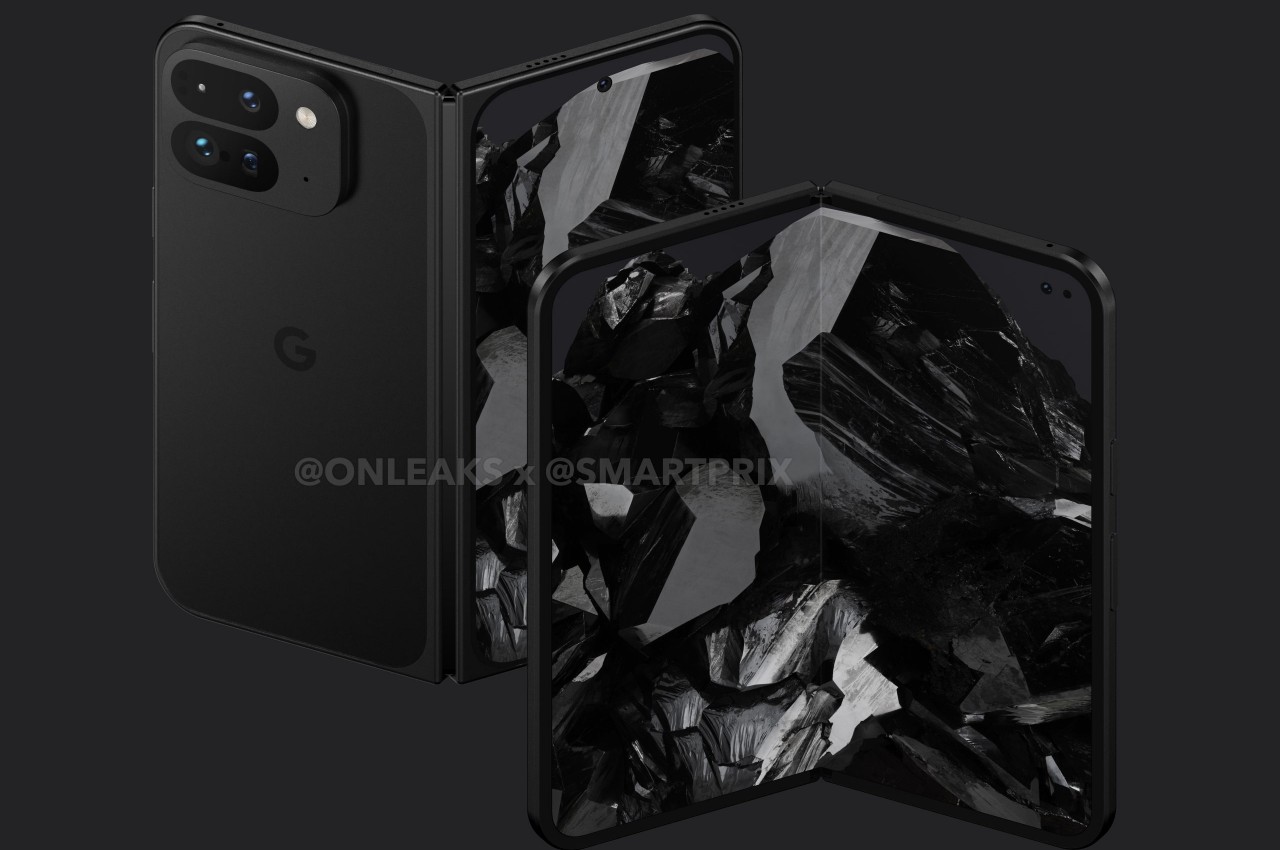
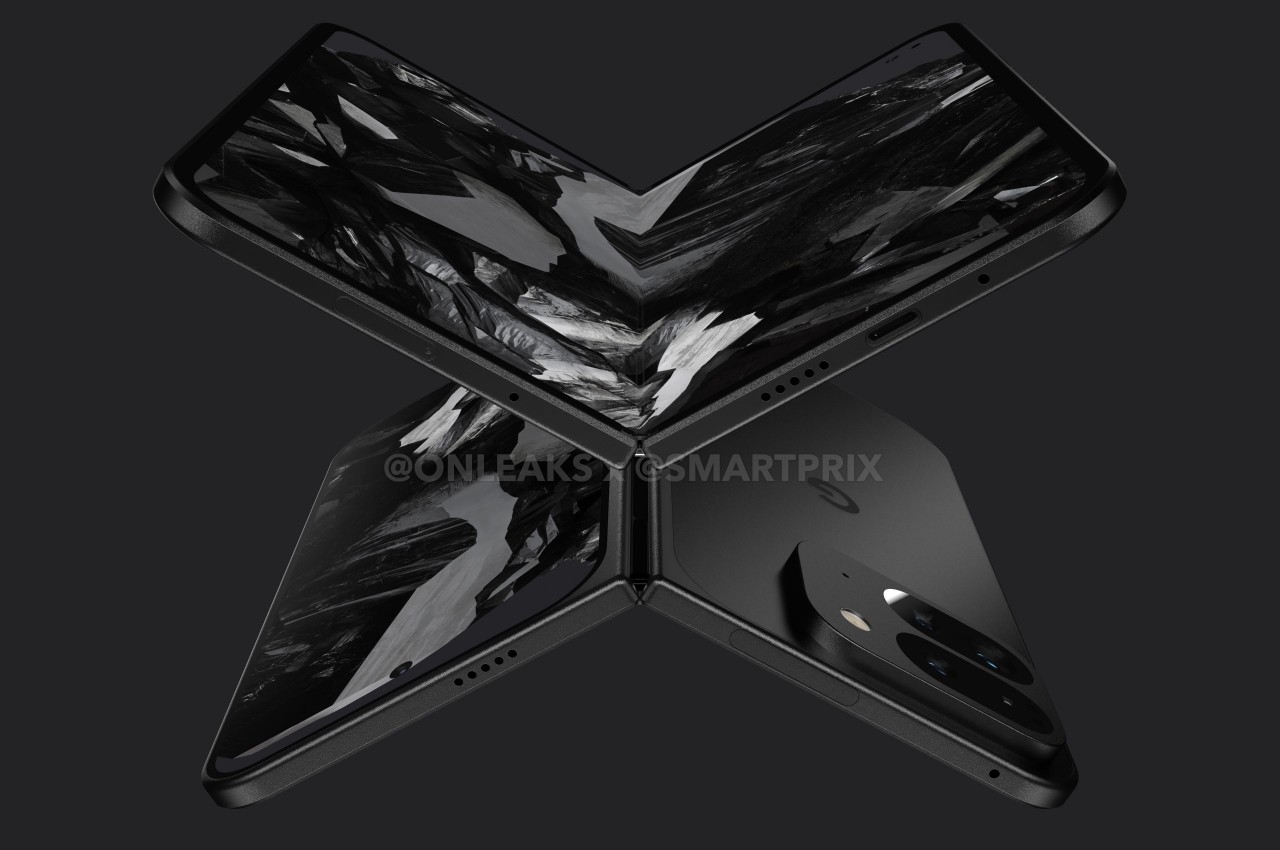
The Pixel 9 and its Pro variants are expected to come with advanced camera systems, making photography a key focus. Rumors suggest improvements in low-light performance, better optical zoom, and new software features that leverage AI to improve image quality and editing capabilities. The Pixel 9 Pro Fold, a significant leap from the previous Pixel Fold, is expected to offer enhanced multitasking capabilities with its larger screen real estate, making it ideal for power users.

Pixel 9 Pro

Next-Level Audio with Pixel Buds Pro 2

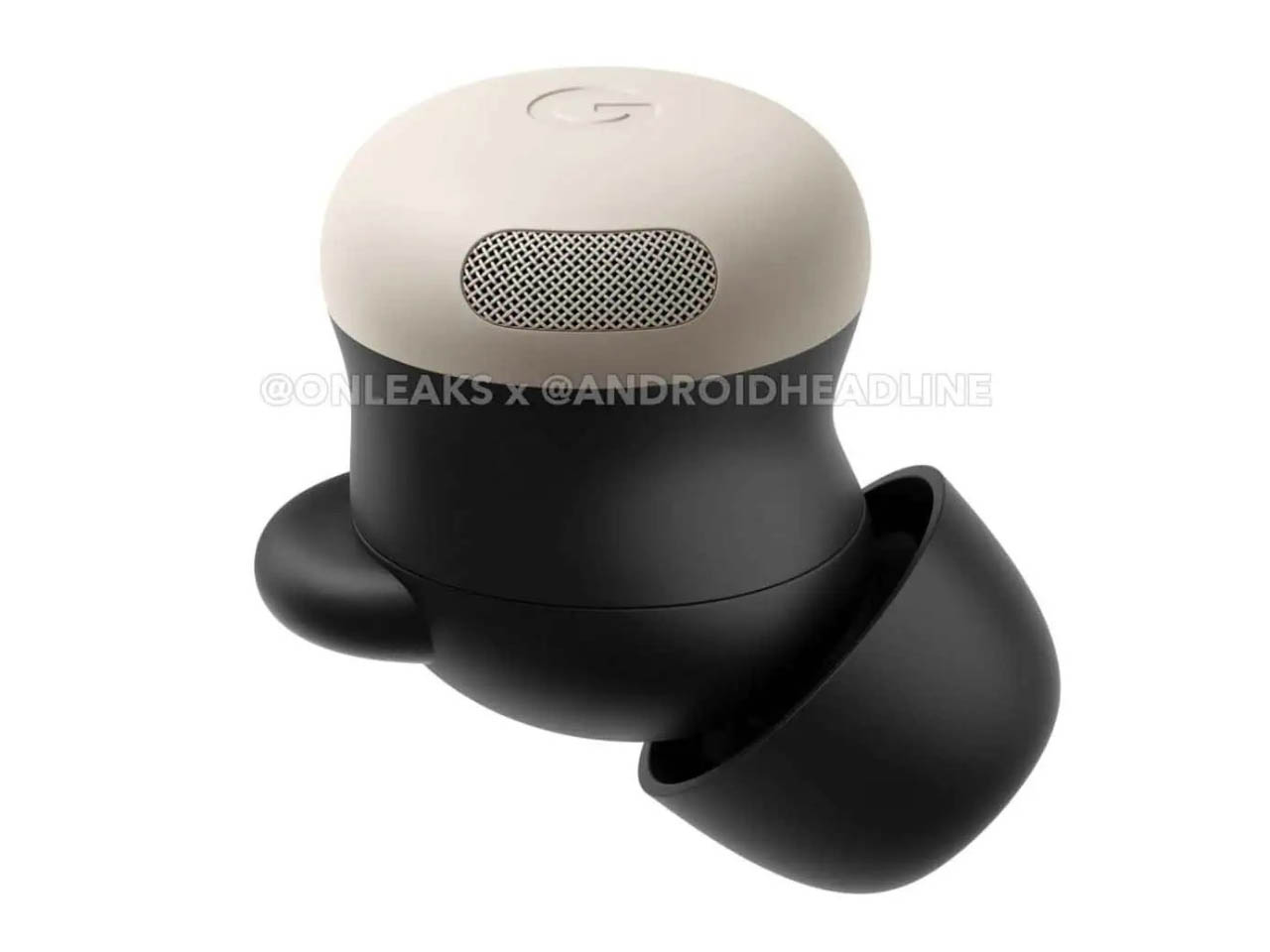
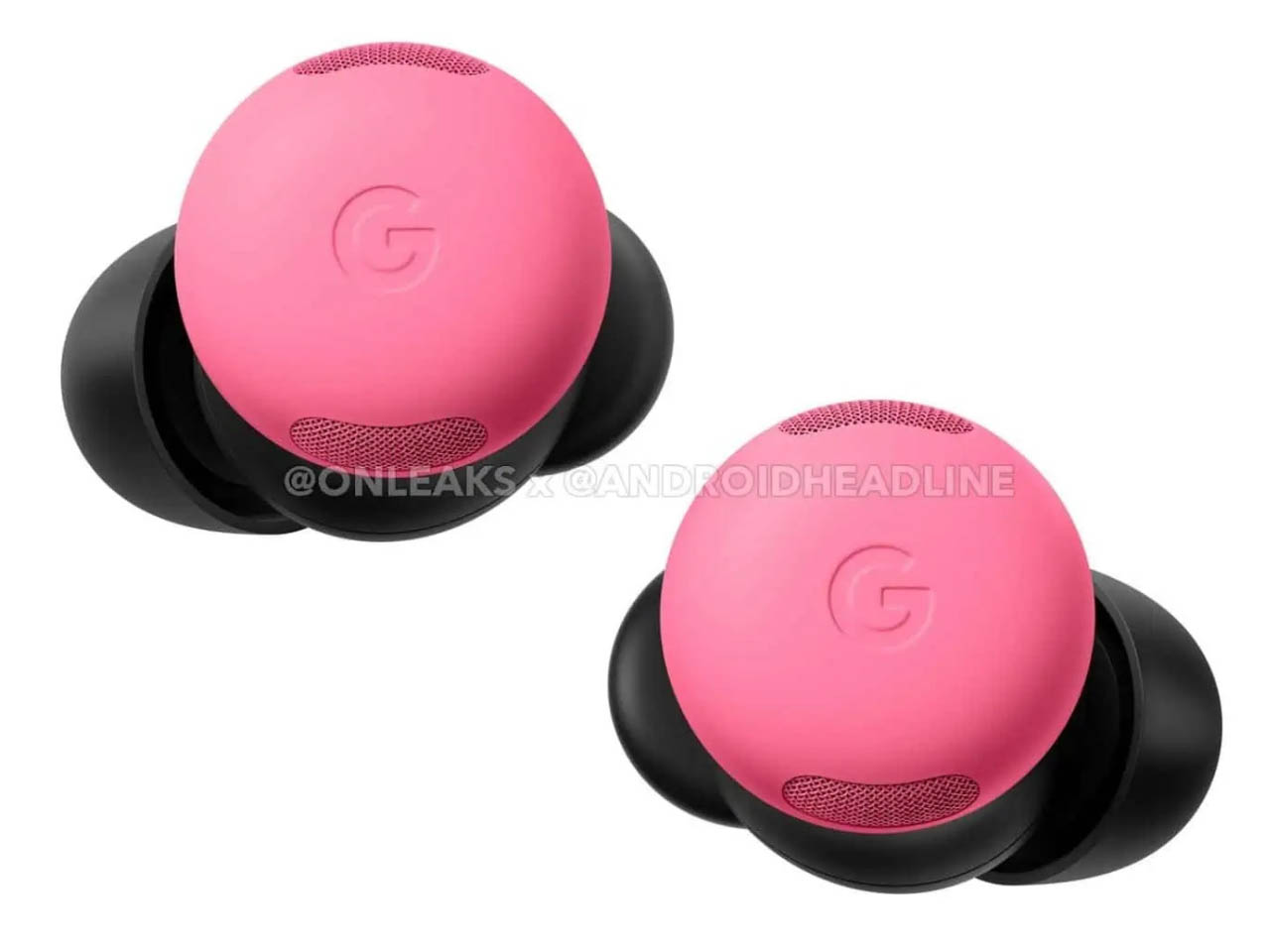
Google’s new Pixel Buds Pro 2, debuting at the Made by Google event, promises to be a noteworthy addition to the Pixel ecosystem. According to numerous leaks and rumors, the earbuds will feature wings for a secure grip, maintaining the stemless aesthetic of the current generation, unlike the Galaxy Buds 3 Pro, which has adopted a stem design similar to AirPods. The Pixel Buds Pro 2 display unit has already appeared at a Reddit user’s store, offering a glimpse into the upcoming model.

Google Pixel Buds Pro 2

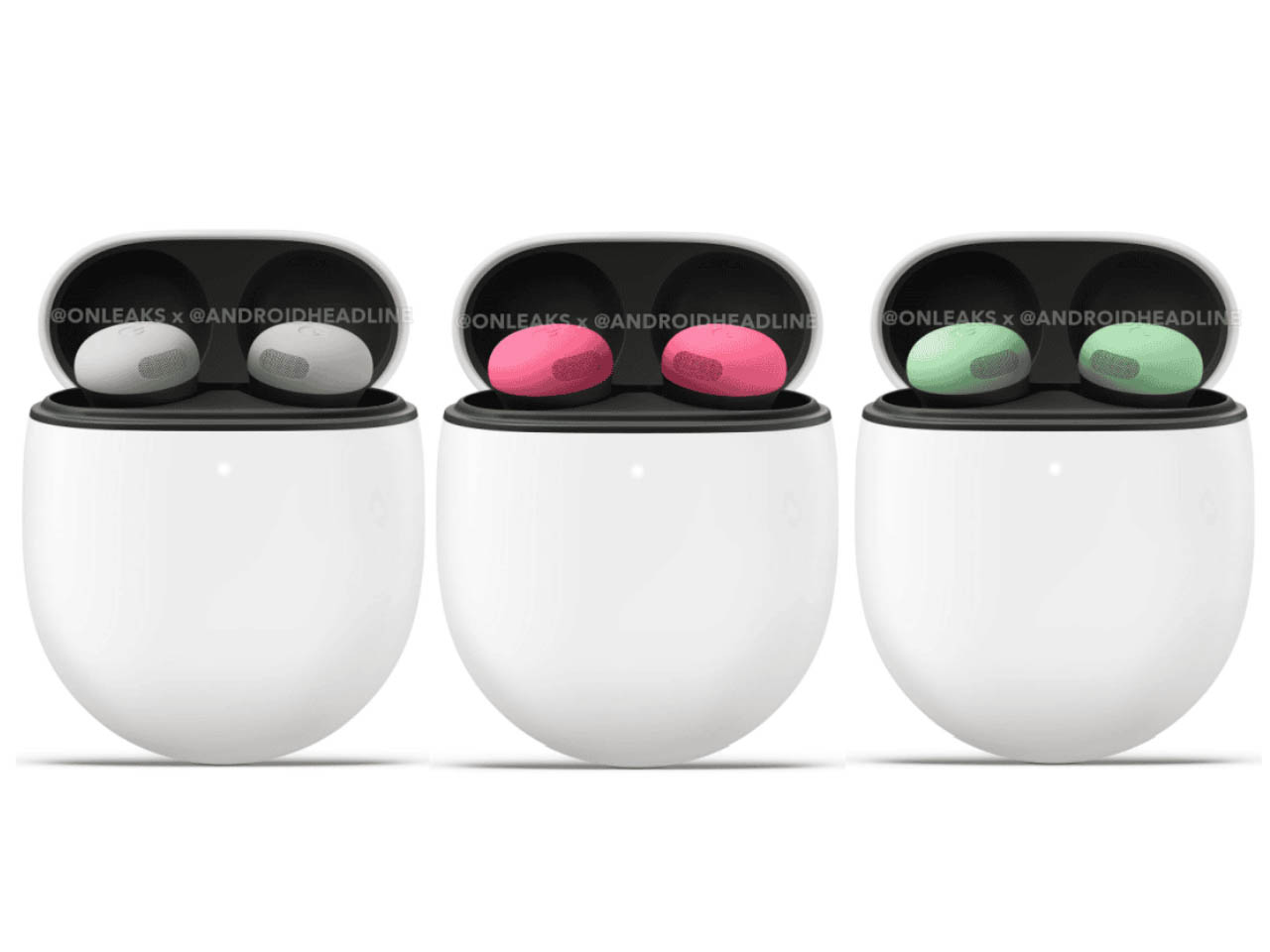
The new earbuds will be a subtle upgrade to the previous version, with improvements that keep them competitive with options like the Sony WF-1000XM5 and Bose QuietComfort Earbuds II. They will be smaller than the current Pro model, making them comfortable for those with small ears, and the wingtip is slightly larger for a more secure fit. This new design will also be color-matched with options including Raspberry, Mojito, Porcelain, and Haze.

Additionally, the case will be smaller, making it easier to carry in a pocket. A small speaker mesh at the bottom likely supports the Find My Device feature, ensuring you can locate them quickly if misplaced. These earbuds are expected to integrate seamlessly with Pixel devices, enhancing features like real-time language translation and hands-free control via Google Assistant. The new Tensor A1 audio chip will double the active noise cancellation capabilities, providing a significant upgrade in audio quality for users who need to block out ambient noise.

Wearable Tech: Pixel Watch 3

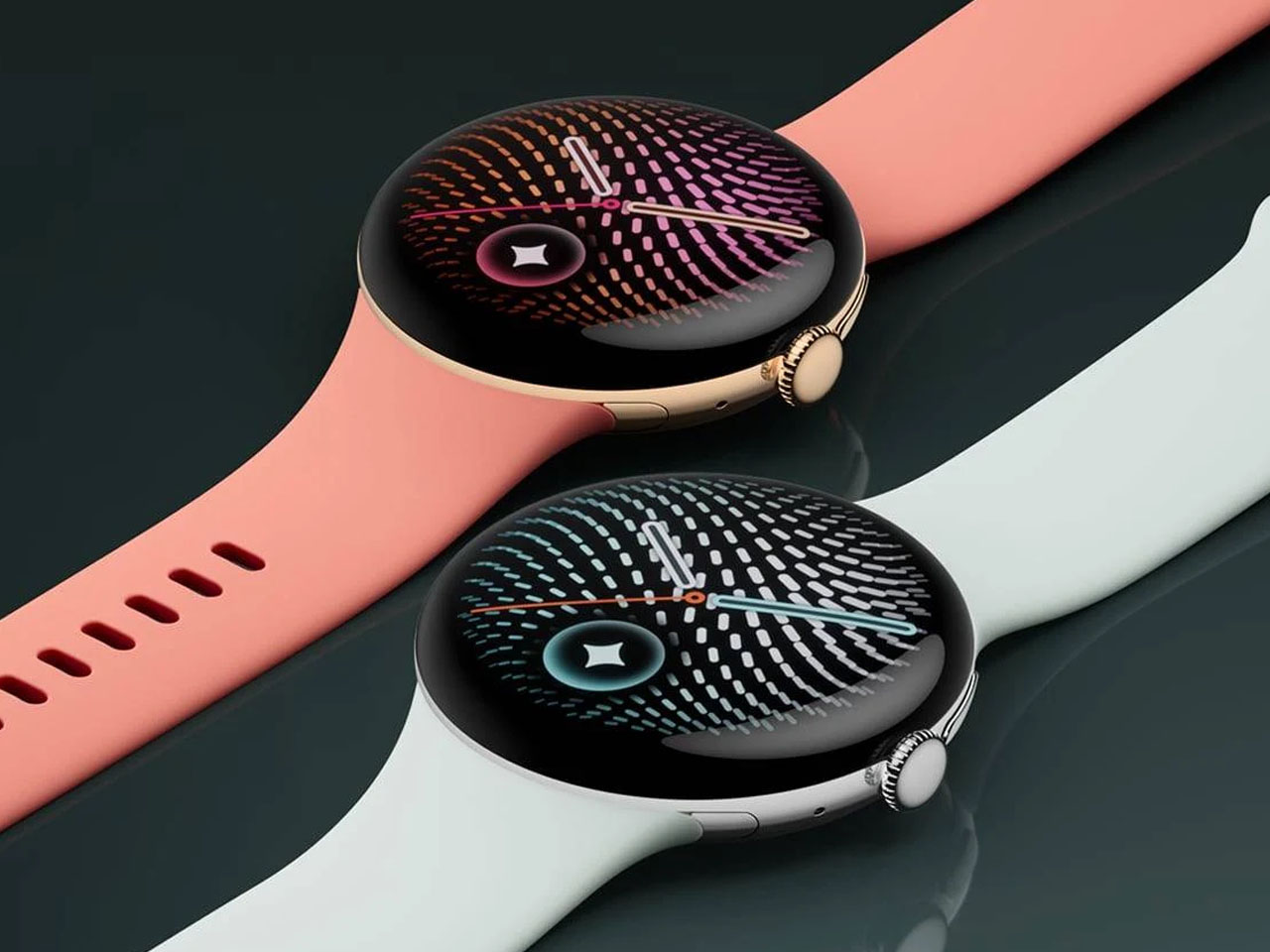
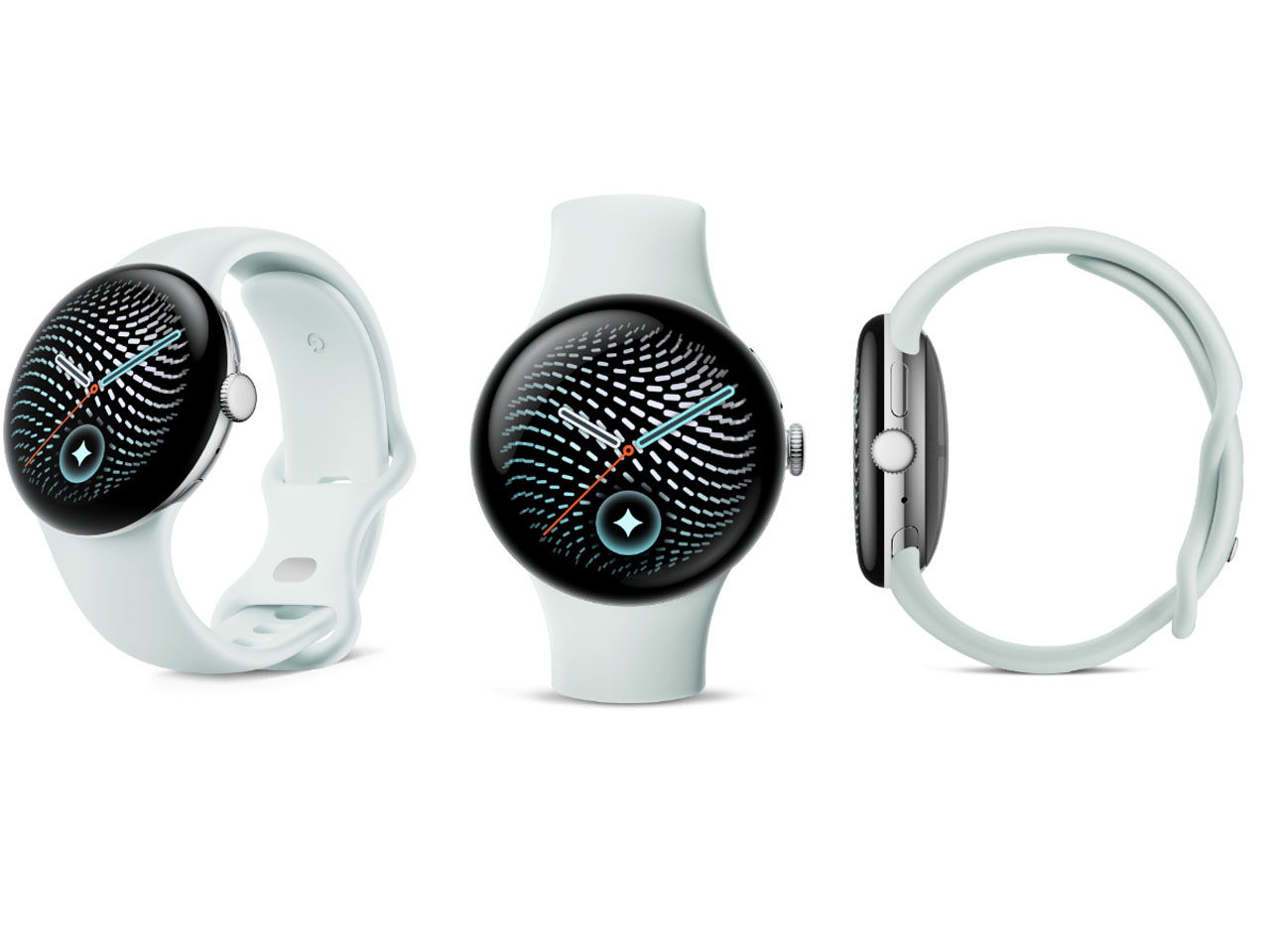
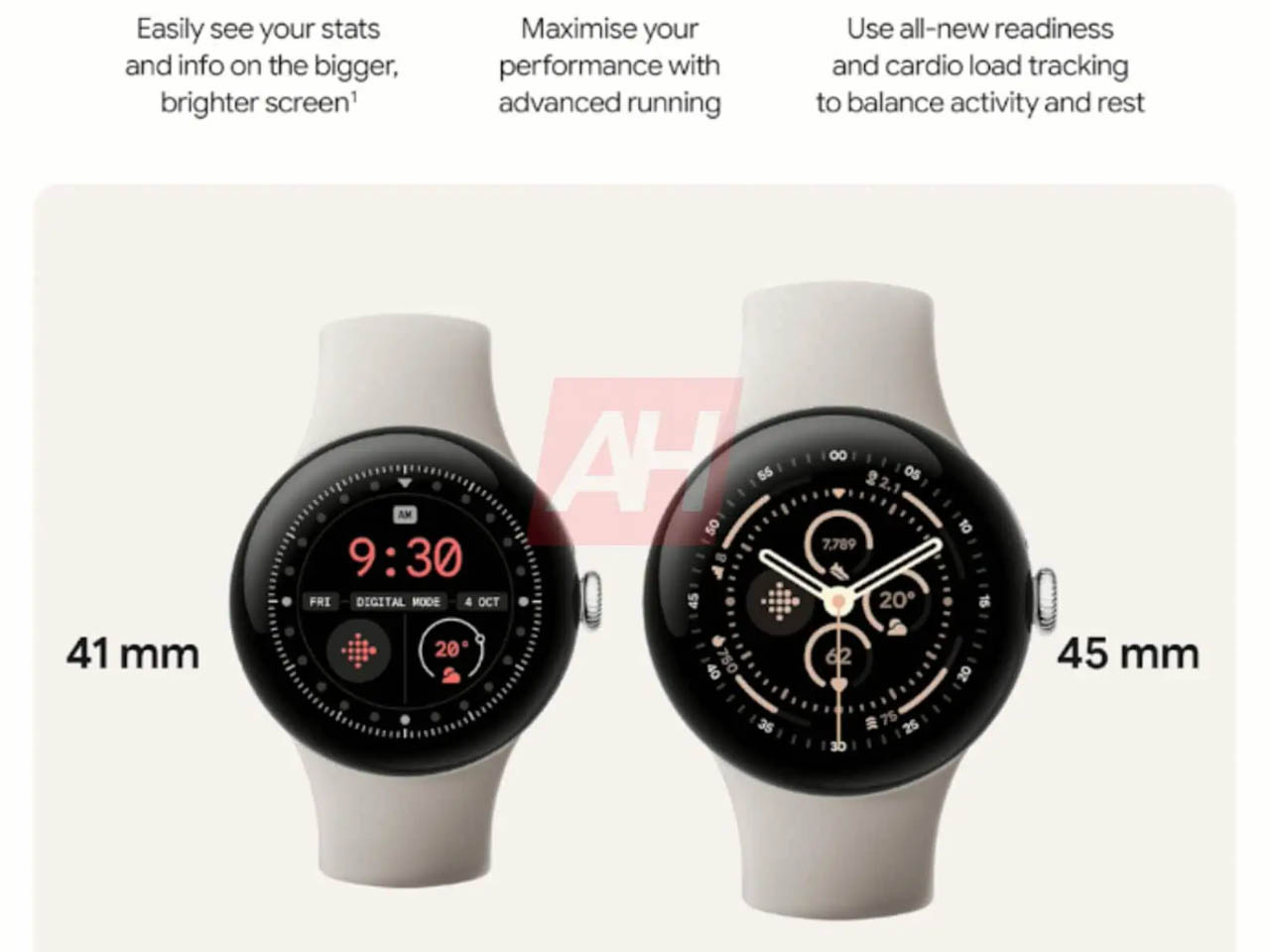
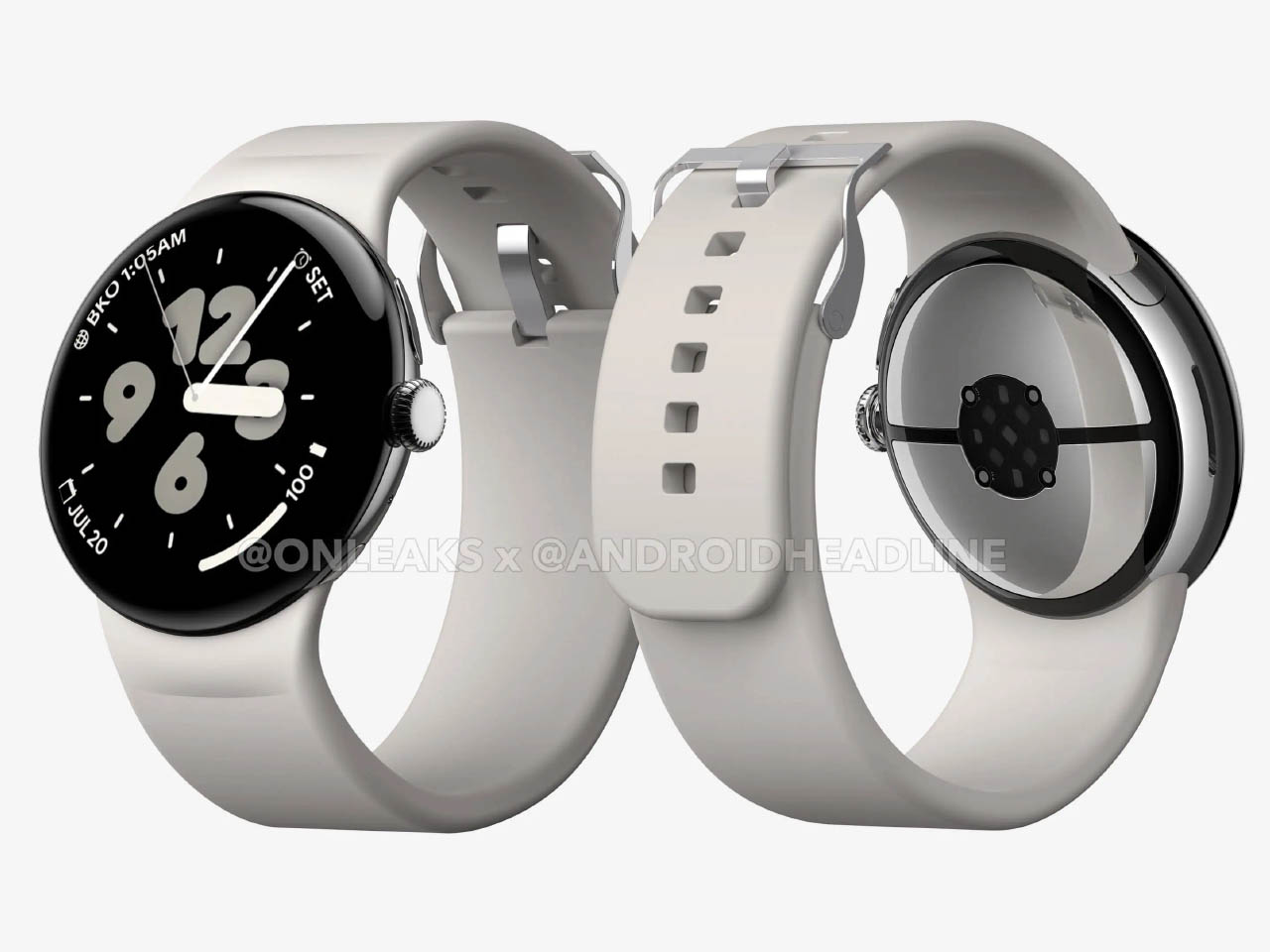
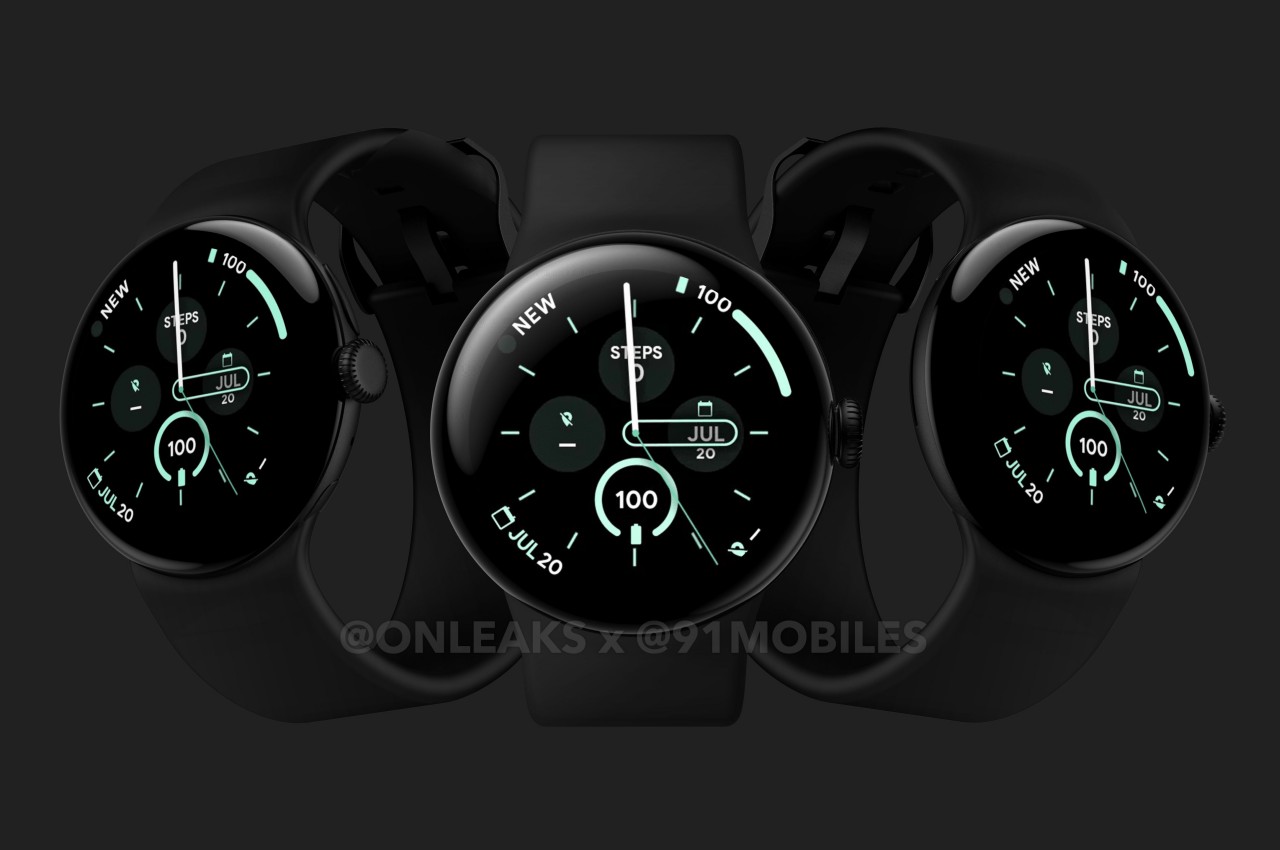
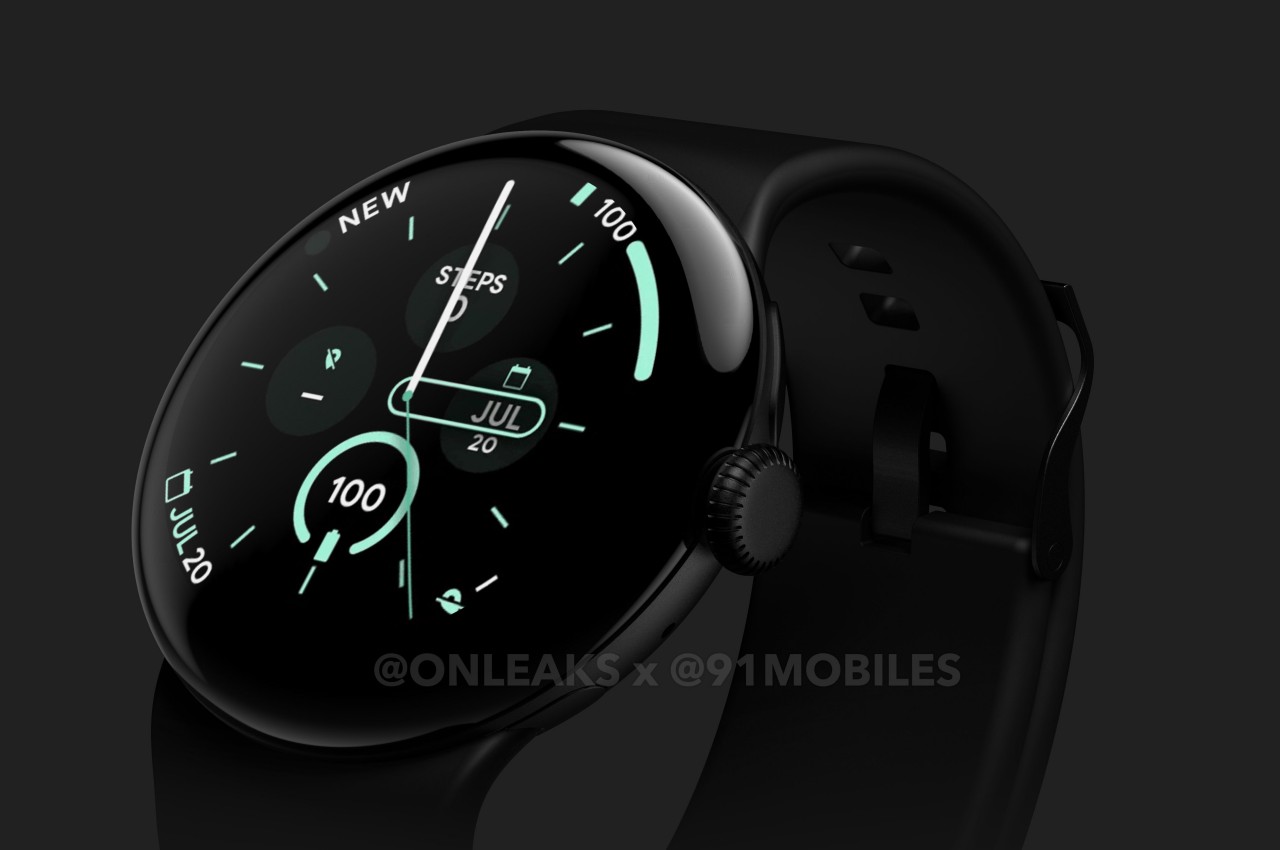
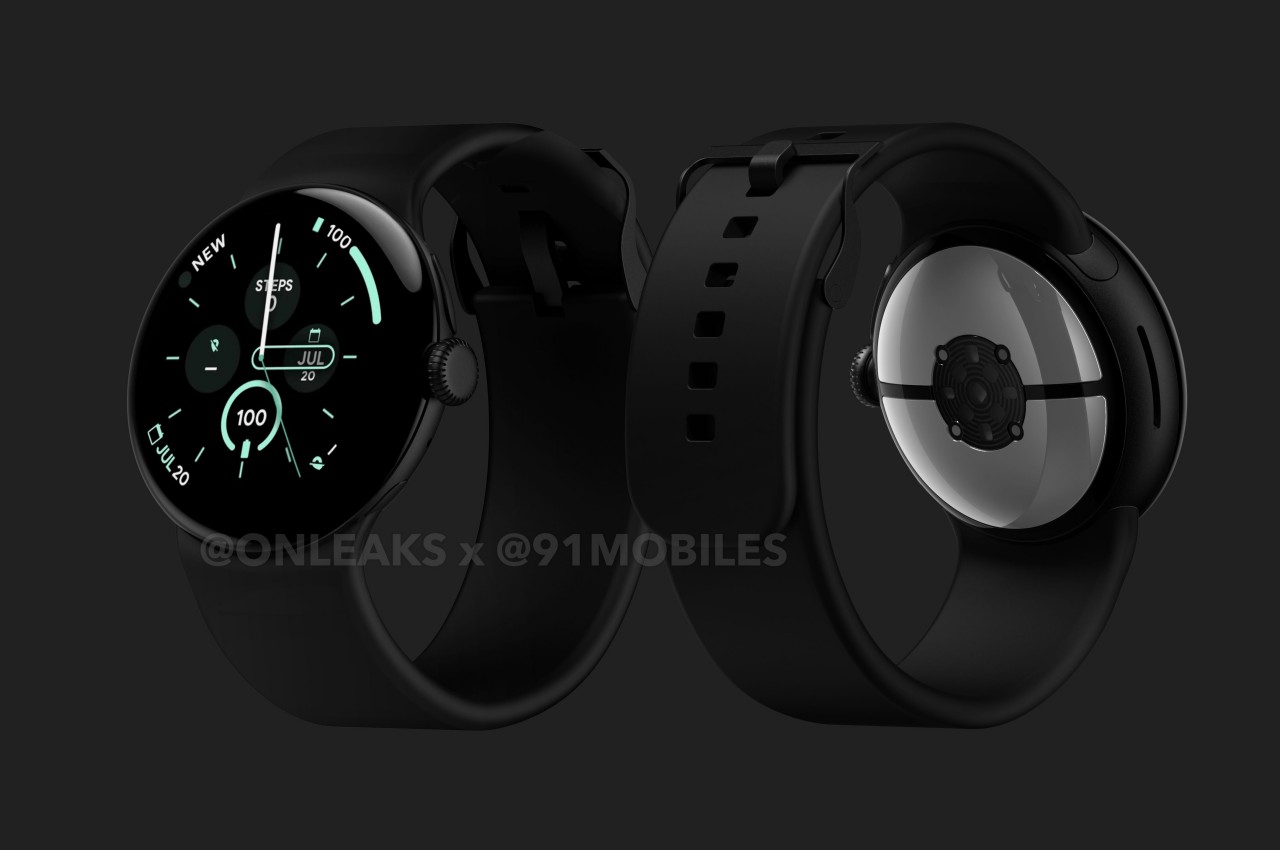
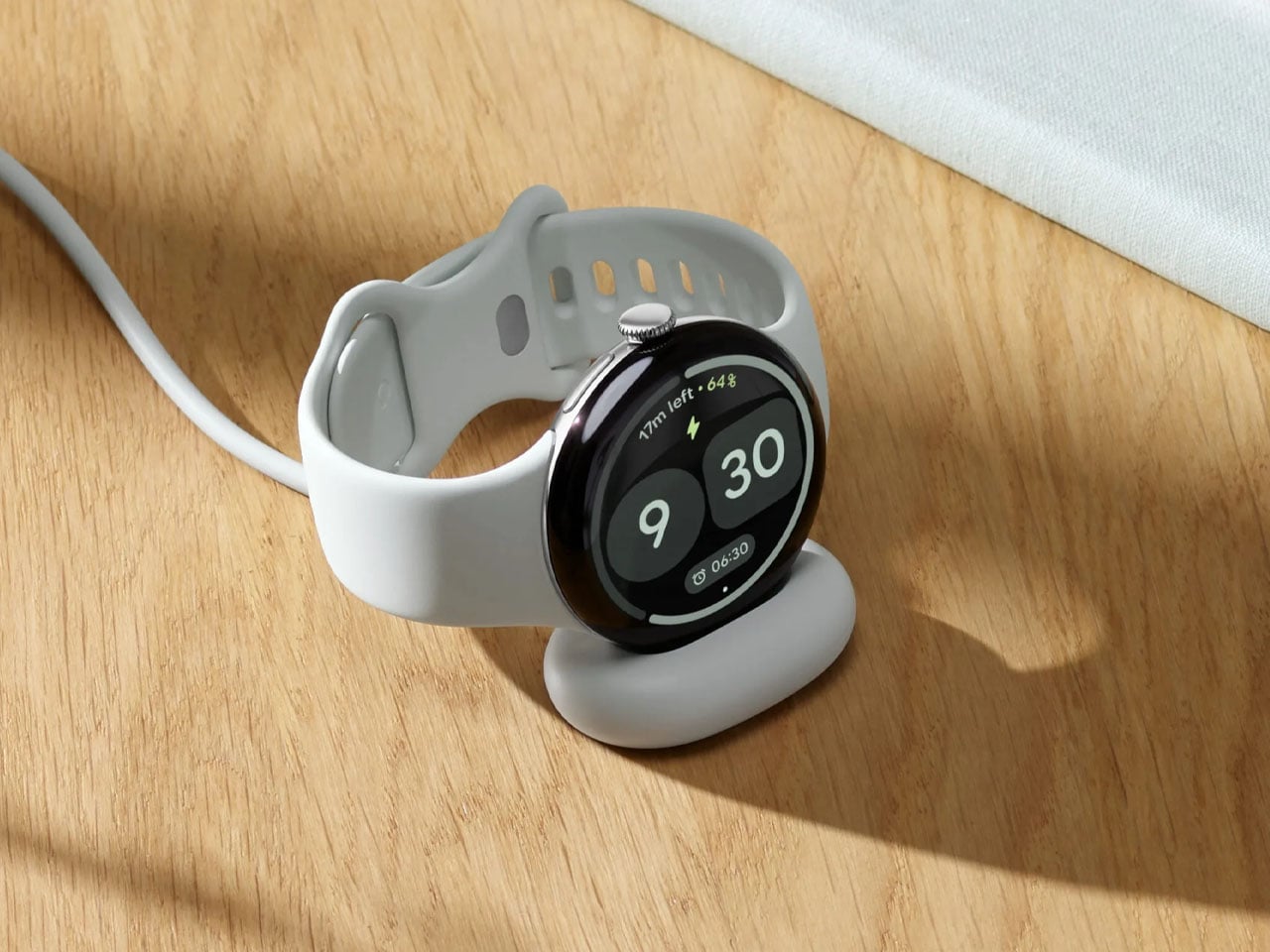
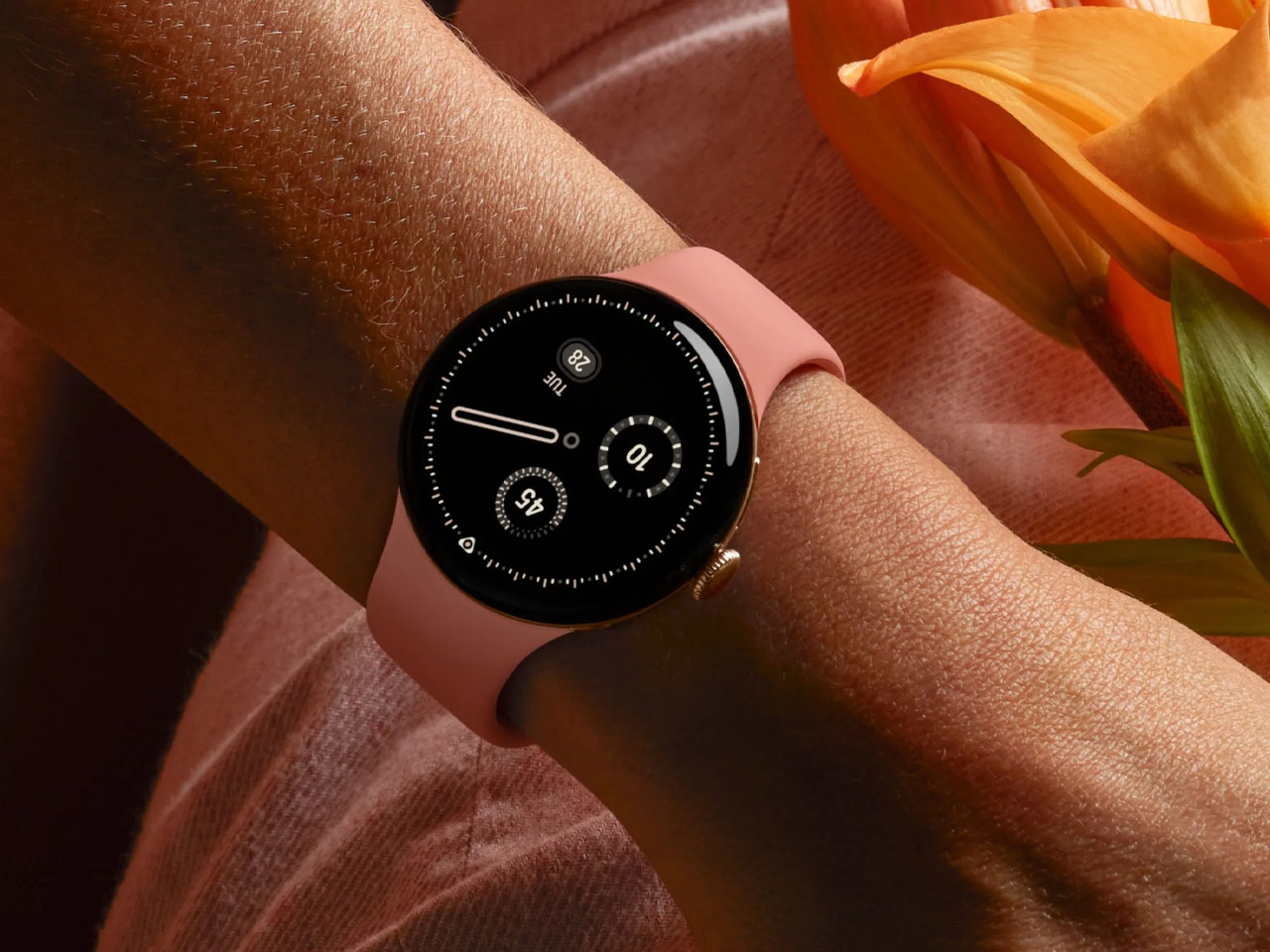
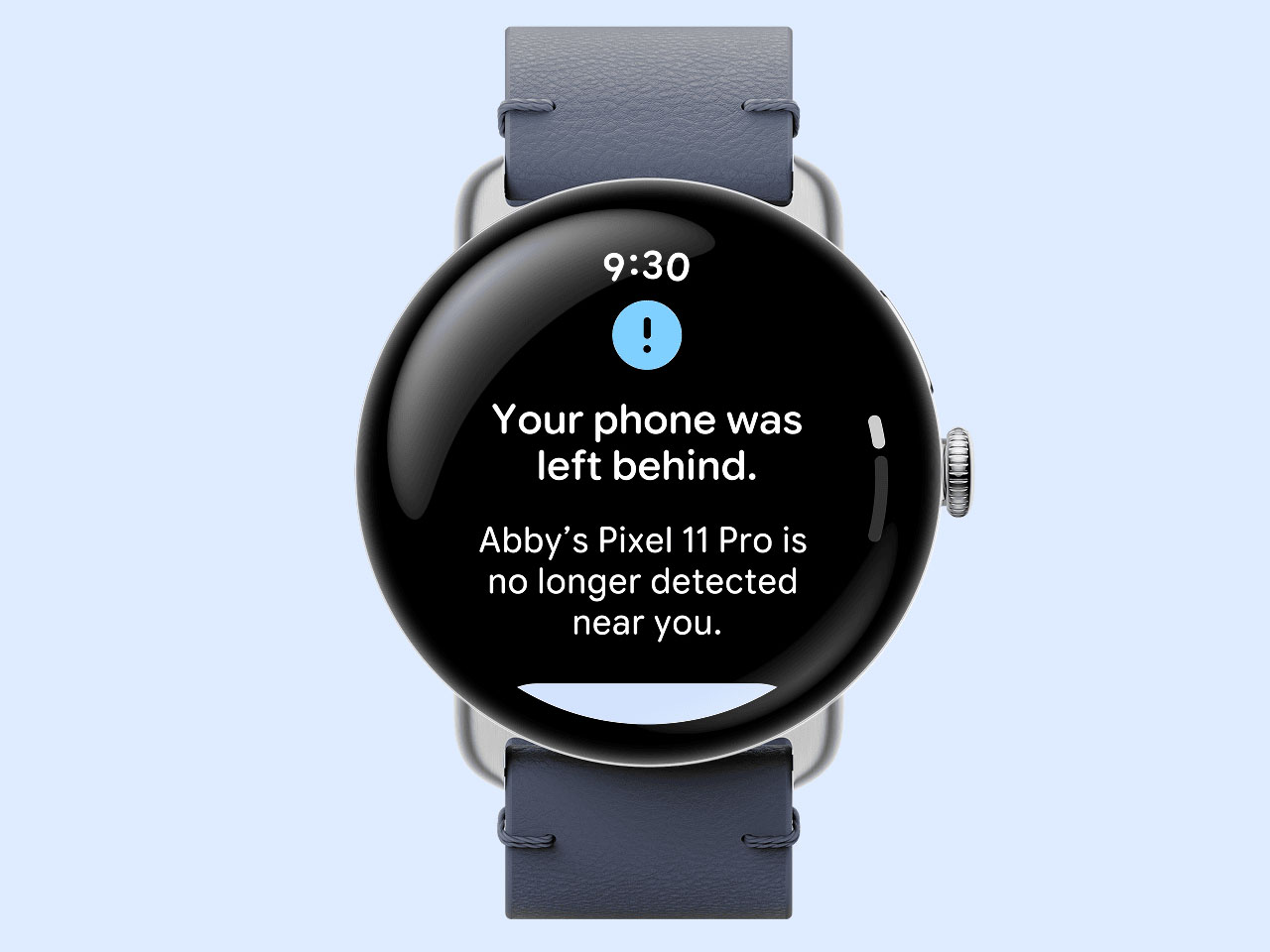
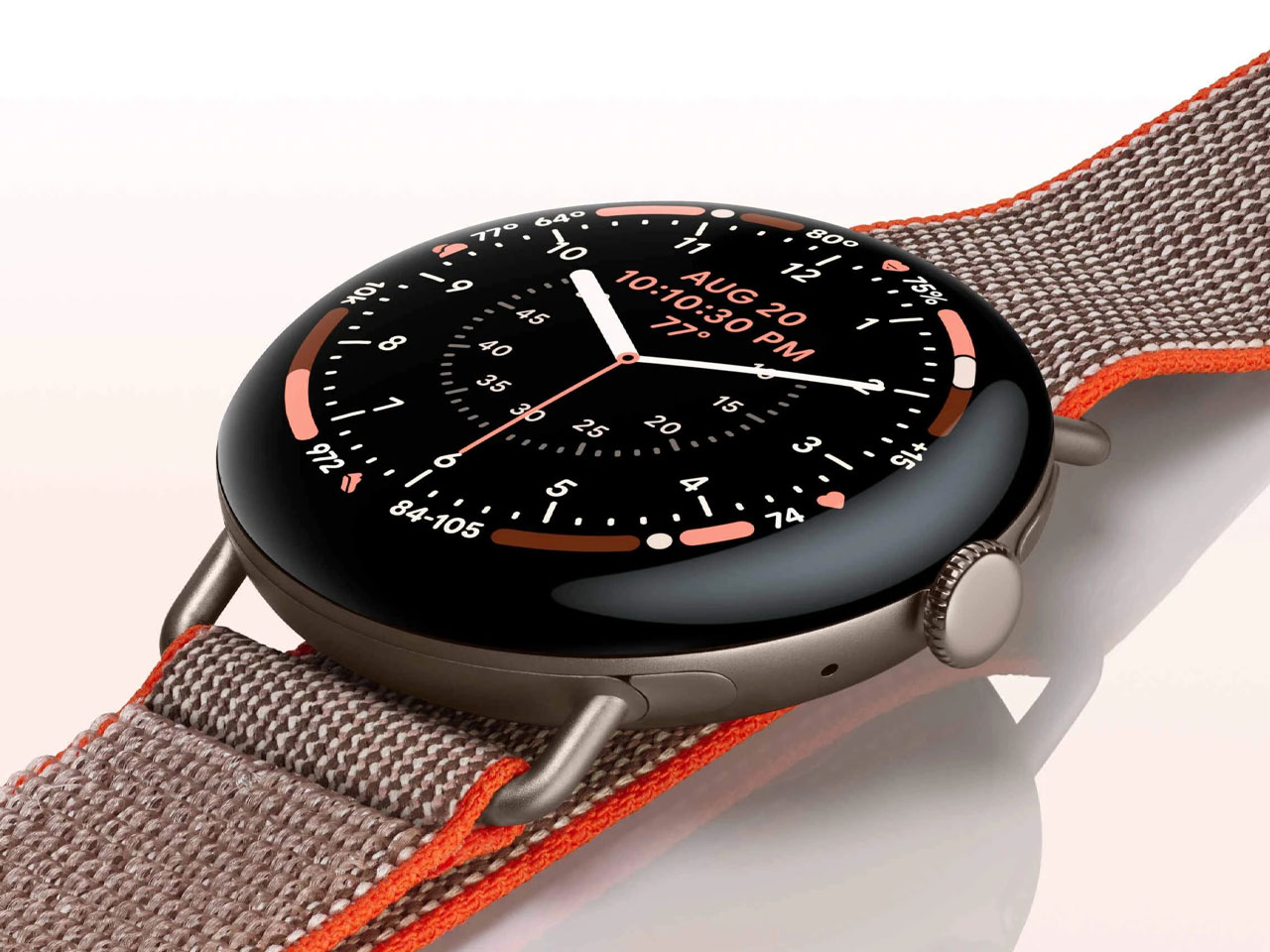
The Pixel Watch 3 will also debut, offering users a refined wearable experience. This iteration is rumored to introduce a larger XL model to accommodate users who prefer a bigger display. The watch is expected to feature a brighter display, improved battery life, and ultra-wideband (UWB) technology support, enhancing features like precise device tracking.

The Pixel Watch 3 aims to build on its predecessor’s health and fitness capabilities, possibly integrating new fitness features developed in tandem with the Pixel Buds Pro 2. Users can look forward to a more comprehensive suite of health monitoring tools, making it a valuable companion for those who prioritize wellness.

Google AI: The Real Game Changers

While the hardware is undeniably exciting, the software and AI advancements will steal the show. Google plans to introduce Android 15, which includes features designed to enhance security and privacy, such as Private Space and Theft Detection Lock. These features highlight Google’s focus on safeguarding user data while offering new functionalities that make devices smarter and more responsive.

Google’s AI initiative, Gemini, will be showcased with new tools that integrate seamlessly into the Pixel ecosystem. These tools, branded under “Google AI,” will include innovative features like “Add Me,” which allows users to add faces to group photos, and “Pixel Screenshots,” which extract information from screenshots. Integrating AI across devices will create a unified user experience, allowing smoother transitions between tasks and more intuitive interactions.

As Google continues to push the boundaries of what’s possible with AI, these advancements are set to redefine user expectations and establish new benchmarks in the industry. The focus on AI reflects a broader trend in tech, where companies increasingly leverage intelligent systems to deliver more personalized and efficient services.

Join Us for the Excitement

The Made by Google event is an exciting moment for the company as it showcases its latest technology. With the launch of the Pixel 9 series, Pixel Buds Pro 2, and Pixel Watch 3, Google is introducing products designed to make everyday life easier and more connected. As we look forward to these announcements, it’s evident that the future of technology is about creating devices and software that work together effortlessly to improve our daily experiences.

Join us to see these exciting new products up close. The event will be streamed live on Google’s official website and YouTube channel at 10 a.m. PST (1 p.m. EST) on August 13. Yanko Design will be covering the event, bringing you the latest news and insights on Google’s innovations. Don’t miss the opportunity to watch how Google is shaping the future of technology.

The post Made by Google Event 2024: Pixel 9 Fold, Buds Pro 2, and Watch 3 Launch Details first appeared on Yanko Design.
Google Pixel 9 Pro XL Leaked Hands-on: A First Look at Its Stunning New Design and Features

The Google Pixel 9 Pro XL is generating buzz even before its official release. Thanks to a lucky break, a YouTuber on Andro-News.com managed to get their hands on one early. While we might wonder how they pulled it off, the real excitement comes from seeing the device in action. My initial impression? The design is quite impressive.

Designer: Google

The Pixel 9 Pro XL marks a significant shift for Google in aesthetics. The flat edges, reminiscent of the iPhone, give it a sleek, modern look that sets it apart from previous models with rounded edges. This change makes the phone look more streamlined and sophisticated. The polished metal frame feels premium, although it might be prone to scratches like the iPhone 13 Pro Max. The back of the phone is made of Gorilla Glass Victus 2 with a matte finish, combining durability with a refined appearance. The phone is also IP68 certified, protecting against dust and water.

Another highlight is the 6.8-inch LTPO display on the Pixel 9 Pro XL. With a resolution of 1344×2992 pixels and a 120 Hz refresh rate, the screen offers vibrant colors and excellent contrast, perfect for watching videos and browsing photos. The flat screen, a departure from the 2.5D curved edges of earlier models, enhances the device’s sleek and modern look. HDR10+ support ensures that the visual experience is top-notch.

One of the Pixel 9 Pro XL’s most talked-about features is its camera system. The camera bump houses three lenses: a 50 MP wide-angle, a 48 MP ultra-wide with autofocus, and a 48 MP periscope telephoto with 5x optical zoom and optical image stabilization. Additional elements like a temperature sensor, flash, extra microphone, and a white balance sensor enhance its photographic capabilities. The front camera has been significantly upgraded to a 42 MP sensor, promising sharper selfies and video calls.

Under the hood, the Pixel 9 Pro XL runs on Google’s Tensor G4 chip, offering a 15% performance boost over the previous generation and emphasizing energy efficiency. While it might not compete directly with the latest Snapdragon chips in sheer power, the Tensor G4 ensures smooth performance for everyday tasks. The battery is confirmed to be 5,050 mAh, improving efficiency for more prolonged use between charges.

The Pixel 9 Pro XL ships with Android 15 and will receive updates for seven years, ensuring long-term support and security. AI features like the Pixel Screenshot function use artificial intelligence to provide contextual information based on user screenshots. Additionally, the device includes a one-year subscription to Gemini Advanced, offering advanced language models, cloud storage, and document analysis tools.

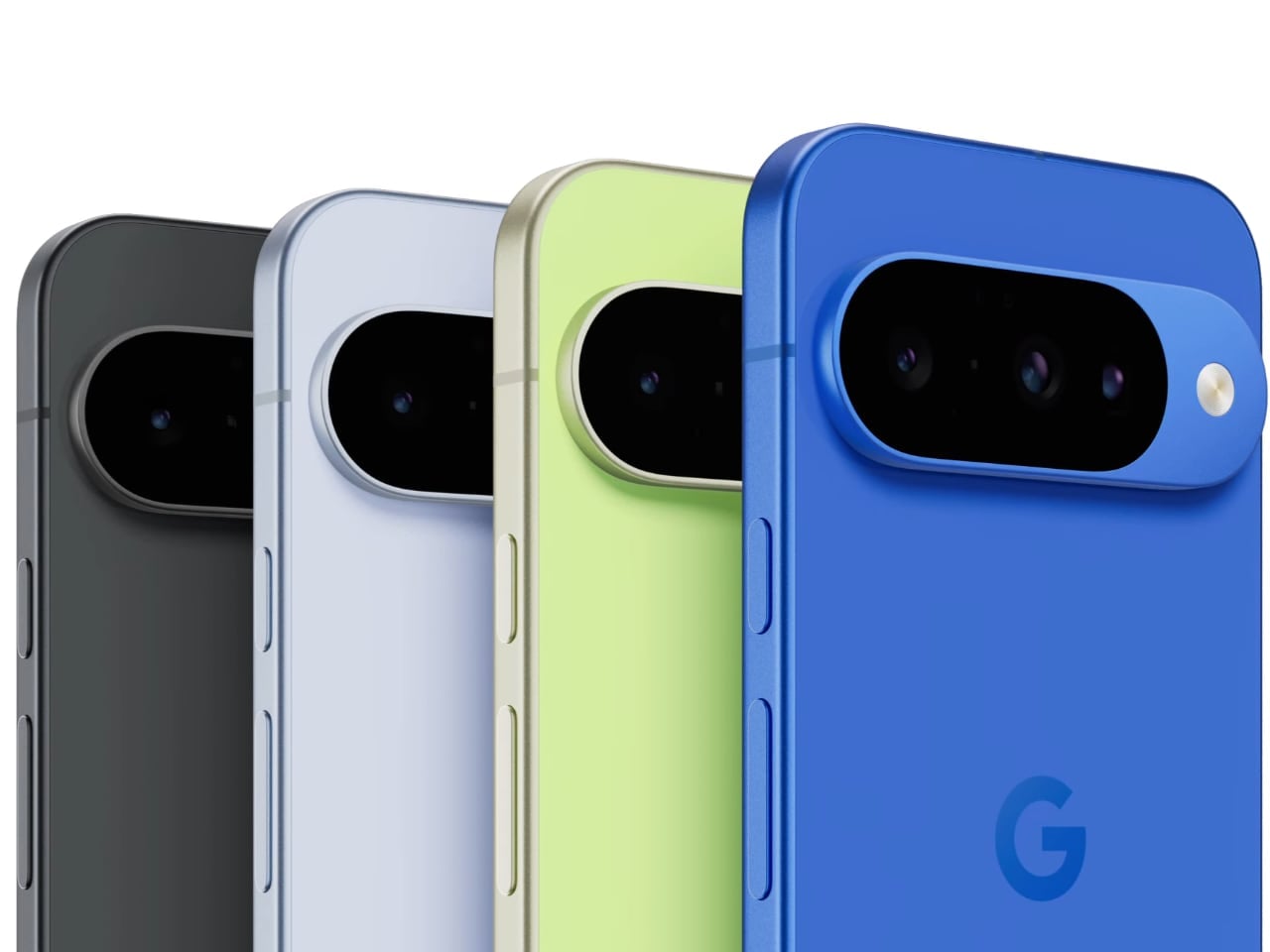
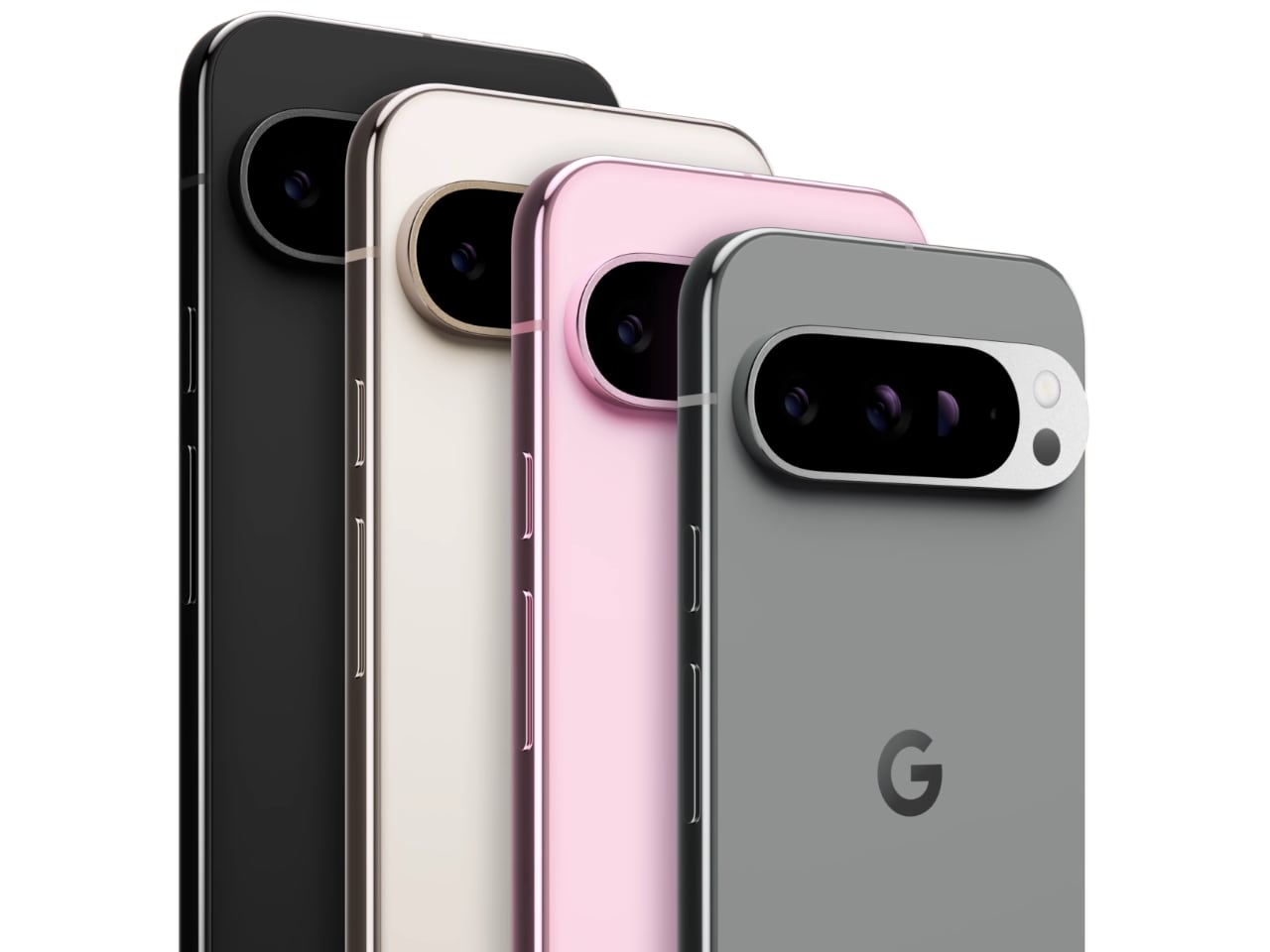
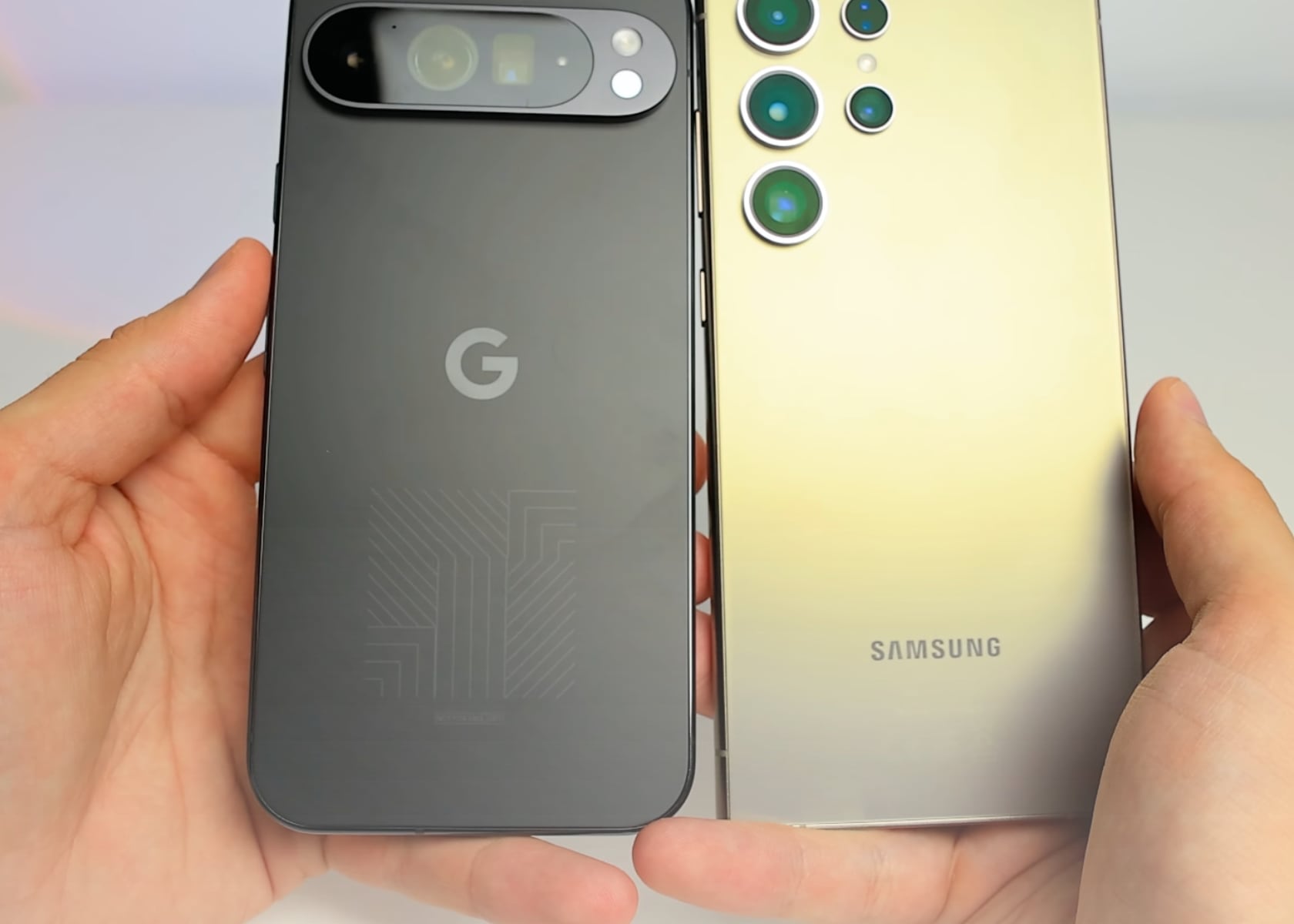
The Pixel 9 Pro XL holds up well compared to the iPhone 15 Pro Max and Galaxy S24 Ultra. It offers a comfortable grip with dimensions similar to the iPhone 15 Pro Max but is slightly taller. The flat edges might appeal to users who prefer a less sharp-edged device compared to the Galaxy S24 Ultra. The new color options — black, gray, pink, and porcelain — offer more personalized choices.

Overall, the Google Pixel 9 Pro XL impresses with its sleek design, solid performance, and innovative AI features. While it might not lead in raw processing power, its focus on energy efficiency, excellent cameras, and long-term software support make it a compelling choice in the flagship smartphone market. The various memory options and colors offer a premium experience that caters to a wide range of users.

The post Google Pixel 9 Pro XL Leaked Hands-on: A First Look at Its Stunning New Design and Features first appeared on Yanko Design.
Pixel 9 and Pixel Watch 3 launch date set for mid-August

It seems that some companies are moving up their schedules this year. Samsung has officially confirmed that its Galaxy Unpacked Summer edition will happen a few weeks earlier compared to last year’s event, setting the date for the 10th of July. Google, however, isn’t going to be outdone and is actually taking an even earlier date, more than two months in advance, in fact. Although details are still a bit scant at the moment, Google has more or less announced that its next product launch is being held in August instead of October, enough reason for fans to be excited and, at the same time, perhaps a bit perplexed at the sudden change in cadence.

Designer: Google

Pixel 9 Pro XL render

Picking a launch window for a product is actually a very complicated process. Companies have to take into consideration multiple factors, including the timeline of component manufacturers, their own previous products, as well as the movements of their rivals. For a few years now, Google has traditionally made October its stronghold while Samsung picked late July or early August and Apple has consistently used September for its own purposes.

Pixel 9 renders

Now Google is seemingly throwing caution to the wind and will launch its next new products on August 13th, two months earlier than usual. There are a few theories being pushed forward as to why the tech giant decided on such a drastic change, including how there won’t be significant hardware upgrades that would require waiting for components to arrive first. The favorite speculation, however, is that Google wants to put a heavy focus on AI just as it did at I/O 2024 last May. Not only will it need to get the word out early, it also needs to do it before Apple’s own “Apple Intelligence” iPhone debut in September.

Pixel Fold 2/Pixel 9 Pro Fold renders

Regardless of the reason, Google’s product lineup is expected to be packed this year with no less than three Pixel 9 models, four if you include the Pixel 9 Pro Fold, formerly known as the Pixel Fold 2. Google’s own teaser pretty much confirms the big design change that will happen this year, with the iconic visor giving way to a rounded rectangle bar across the width of the phone’s back. It will definitely be a divisive change, just as the visor design itself proved to be controversial despite being quite distinctive.

Also expected to land next month are new Pixel wearables, including the Pixel Watch 3 and a long overdue Pixel Buds Pro successor. Based on rumors, the Pixel Watch 3 will not have any big design changes compared to its previous two predecessors, while details on the design of the Pixel Buds Pro 2 are almost non-existent. Either way, it seems that these two device lines haven’t made inroads in the design department, leaving a few Pixel fans probably a bit less enthusiastic about upgrading to them.

The post Pixel 9 and Pixel Watch 3 launch date set for mid-August first appeared on Yanko Design.
Google Pixel 8a official: A more affordable way to experience Google’s AI

Even before AI and machine learning became buzzwords, Google was already utilizing these technologies behind the scenes to power services like Search and Google Assistant. In line with recent trends, however, it has started applying and advertising AI for anything and everything, especially for its Pixel devices. AI features, however, are normally accessed through online services, which incurs security and privacy issues, or on the device itself, which requires powerful hardware that’s often available only on more expensive flagships. That’s the kind of situation that the new Google Pixel 8a is trying to change, offering a more accessible device to access Google’s AI-powered features and services for years on end.

Designer: Google

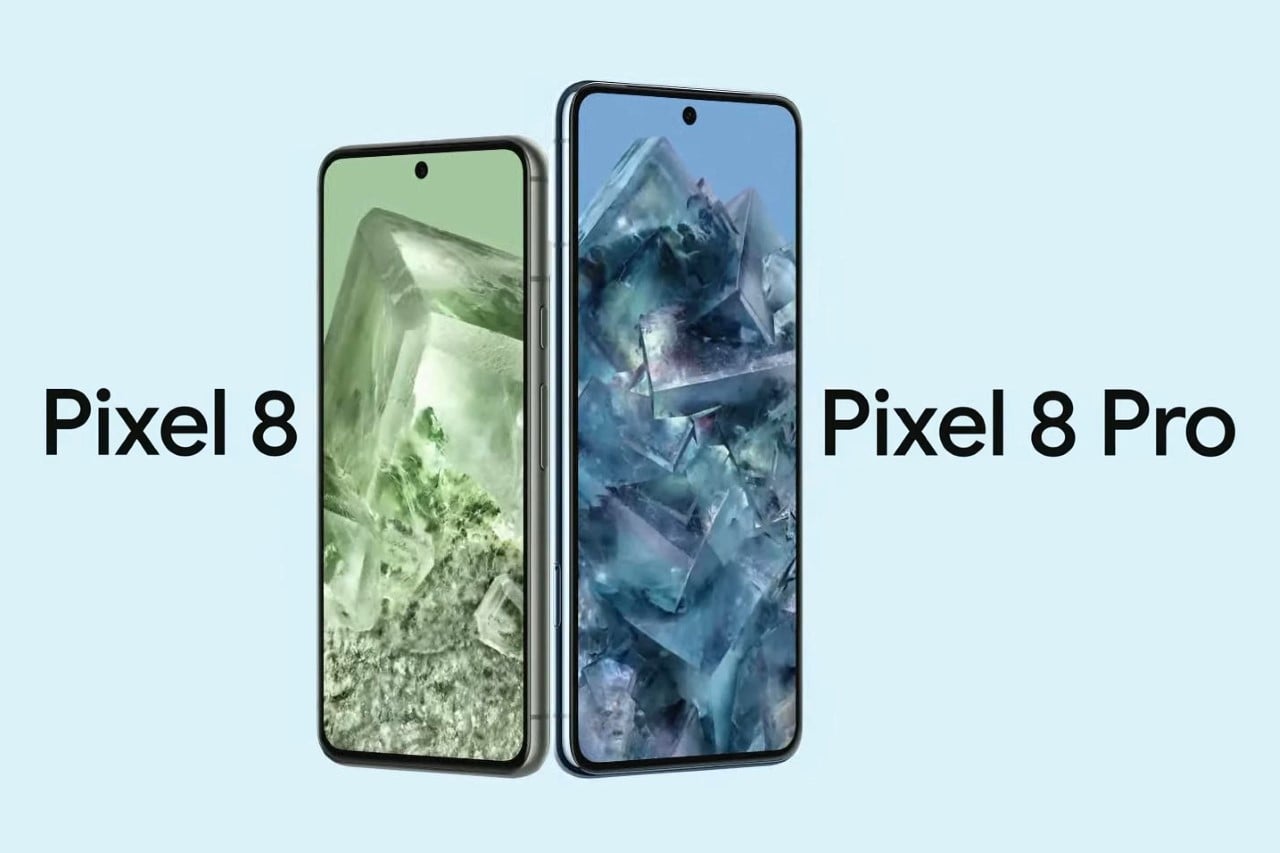
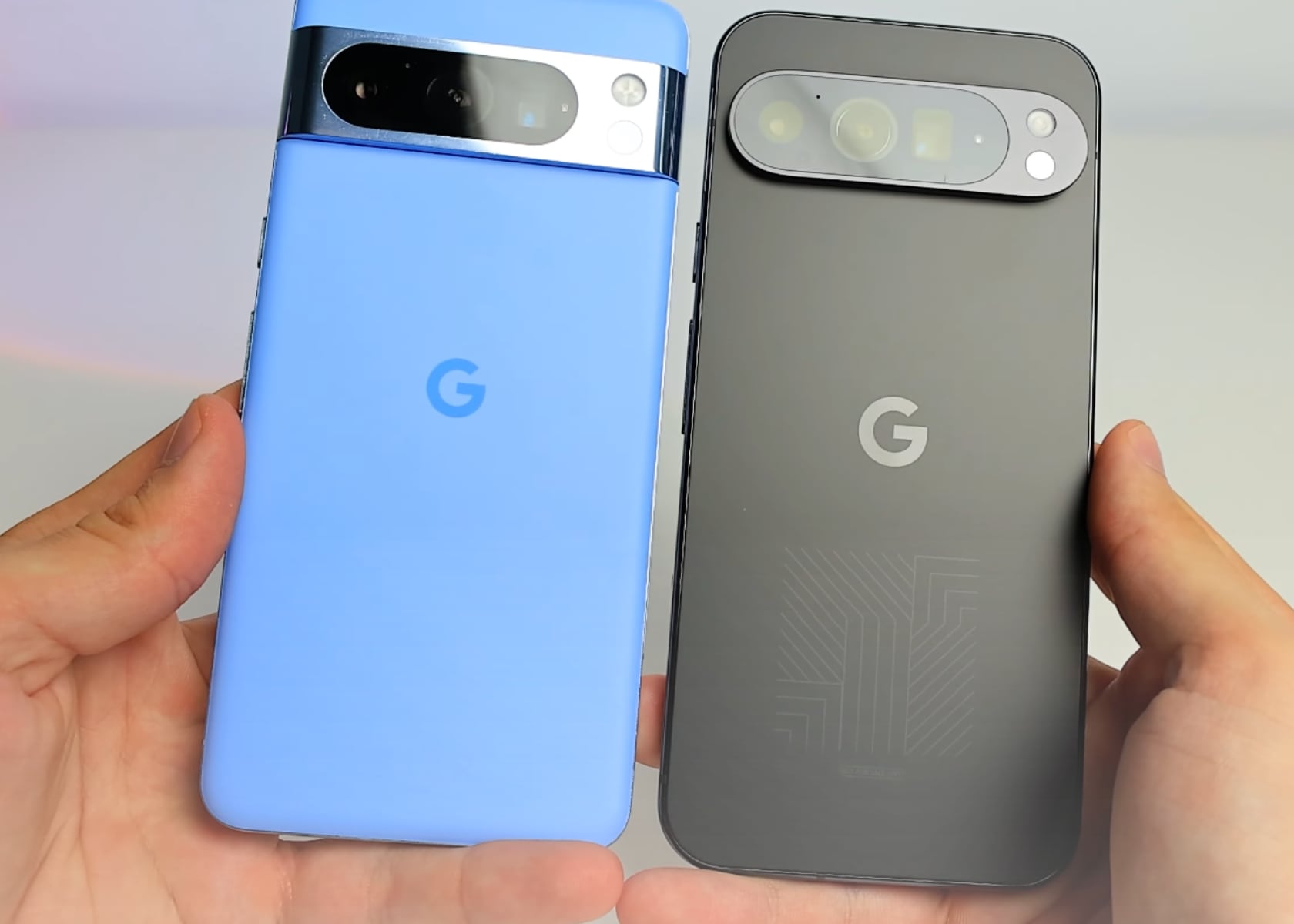
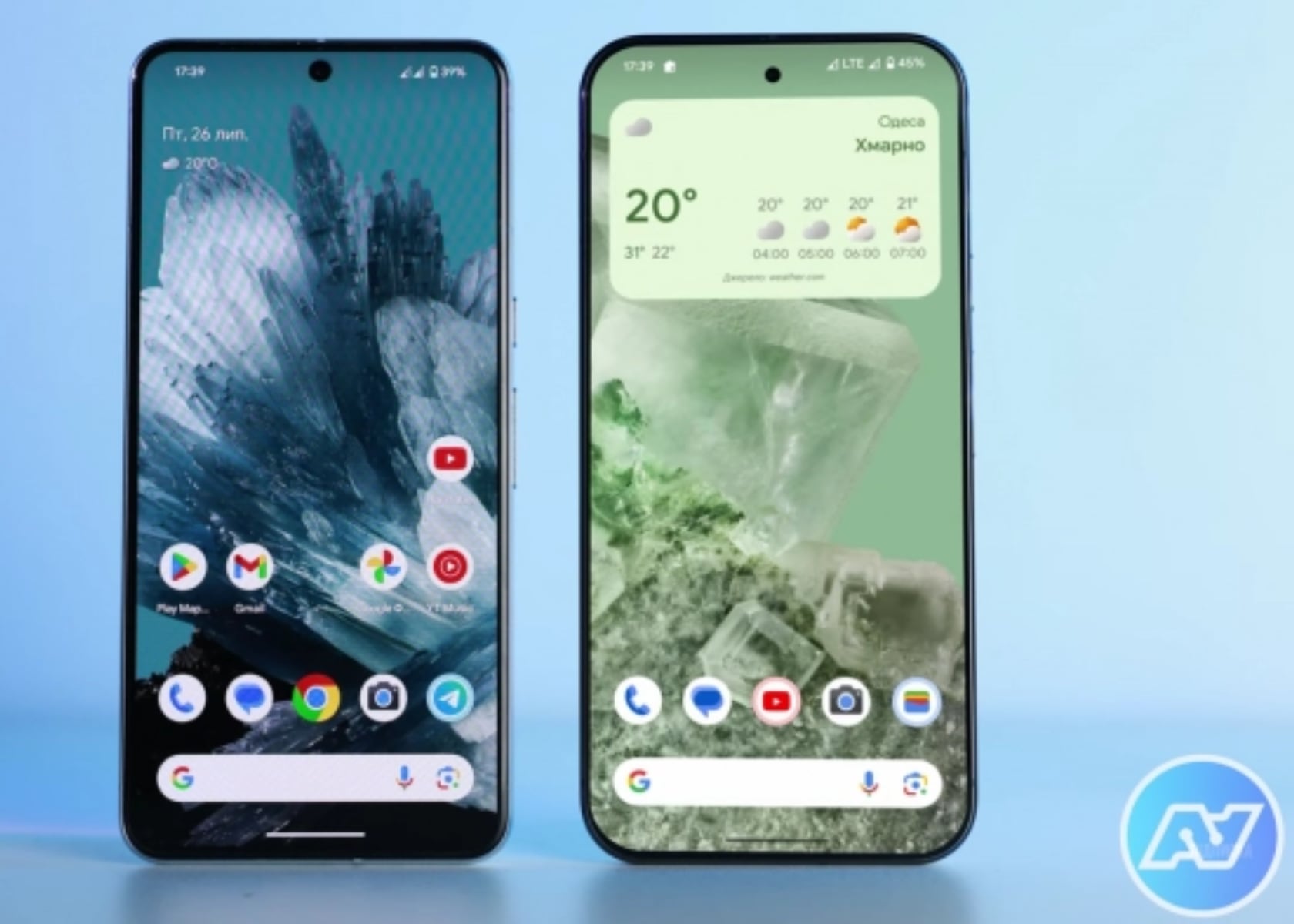
The Pixel 8a is practically the Pixel 8 in both design and spirit. It has the exact same appearance, though in a slightly smaller size and one important change in materials. The back of this newer Pixel phone is a matte composite instead of the Pixel 8’s glass rear. The color options available are also slightly different, with the Pixel 8a leaning more towards fun and saturated hues like Aloe green and Bay blue. Otherwise, the two are almost exactly identical, which some Pixel fans have grown pretty fond of.

The Pixel 8a even shares the same Tensor G3 processor as the current flagship, though we won’t be surprised if we find out later that it has been dialed down a bit. That said, it still has enough power to support almost all of Google’s AI features on the Pixel, from Circle to Search to Gemini assistant for summarizing pages or notes to removing background noise from recorded video. There will still be some features exclusive to the Pixel 8, of course, but you can already enjoy most of what’s available on the Pixel 8a, especially when it comes to photography.

It will definitely need it because one of the biggest corners that Google had to cut was the camera system. Neither the 64MP main camera nor the 13MP ultra-wide has autofocus, and both have slightly lower specs than the Pixel 8. In other words, the Pixel 8a will rely more heavily on AI and algorithms to compensate for the camera hardware’s limitation. There are also some other key differences, like a slower (but still fast) 18W charging speed.

All in all, you’re getting nearly the same Pixel 8 experience for $200 less, with the Pixel 8a going for $499 for 128GB of storage and $549 for the first-ever 256GB option for a Pixel “a” series. Aside from the camera, none of the “downgrades” are deal-breakers, making the Pixel 8a a very worthwhile investment for the future, especially since the phone will also be getting Android updates for seven years.

The post Google Pixel 8a official: A more affordable way to experience Google’s AI first appeared on Yanko Design.
Google Pixel 8a: News, Rumors, Price, and Release Date

Google’s annual developer conference is fast approaching, and with it comes announcements of new devices that will showcase the company’s software for years to come. The Google Pixel Fold 2, which may be known as the Google Pixel 9 Pro Fold, is already making headlines and becoming the center of attraction, but it is hardly the only mobile device expected to be unveiled this month. As part of the more affordable “a” series, the Pixel 8a may sound uninteresting at first glance, but a few leaks and rumors paint a more curious picture of the Google Pixel 8a, making it a feasible candidate to be your 2024 purchase.

Designer: Google

Google Pixel 8a: Design

For those terribly disappointed by rumors of the changes that the Pixel 9 series will be making to a distinctive design, the Google Pixel 8a will offer a refuge. It still bears the same aesthetics of its namesake, namely a rounder and gentler appearance coupled with the “visor” camera design that Google’s phones have been using for three generations now. That said, the Pixel 8a will bring its own twist, making it perhaps even more interesting than its predecessor.

Image courtesy of: SmartPrix

For one, there are clues showing a matte surface for the phone’s rear rather than the traditional glass. This not only improves the grip of the device but also a bit of visual embellishment. This material change could go hand in hand with the “fun” colors that will be available for the phone, which might include Blue and Red, though those could also just be new official cases.

Image courtesy of: TechDroider

Perhaps a bit more interesting is the information provided by Evan Blass, a.k.a. evleaks, about the sustainability story of the Pixel 8a. There’s mention of the use of recycled materials, which could refer to either the back panel, the aluminum frame, or both. It will definitely be a huge design win if the Pixel 8a turns out to be Google’s most sustainable phone, especially considering how long it will be supported.

Google Pixel 8a: Specs and Software

In line with its current practice, we don’t expect to see a huge difference when it comes to the Pixel 8a’s hardware. It will be borrowing the same Tensor G3 as the Pixel 8a, but perhaps a bit watered down in performance. The display will be a new 120Hz panel, up from the Pixel 7a’s 60Hz, with an even brighter 1400 nits. The same trio of cameras that’s on the Pixel 7a will make its way to this year’s budget phone, so don’t expect a world of difference in terms of image output. What’s new is a 256GB storage option, which also shakes the pricing up a bit.

In other words, the Pixel 8a will be a very incremental update to the Pixel 7a and a step down from the Pixel 8. It’s not a surprising state of affairs, as it gives Pixel fans an option to grab the Google experience without burning a hole through their wallets. What will make all these worthwhile, however, is the software that runs on the device, and that one is expected to be fresh and new, at least compared to the hardware.

The Pixel 8a will naturally run Android 14 at launch, with updates to Android 15 immediately coming. More importantly, however, it will be running parts of Google’s Gemini AI suite, with tons of AI-powered features for search, photography, and more. Google is also promising 7 years of software updates, quite a feat in the mobile world, though it’s not clear how many of those will be actual Android upgrades versus security patches.

Google Pixel 8a: Price and Release Date

With Google I/O set for May 14, the timeline for revealing new devices is just around the corner. There are rumors that the Pixel Fold 2/Pixel 9 Pro Fold will be announced a few days earlier, but there’s no reason to expect the Pixel 8a to get special treatment. If Google doesn’t break from traditions, orders for the phone will start on that day as well.

As for the price, Google is thankfully keeping the figures the same, at least for the base model. For 128GB of storage, the Pixel 8a will go for $499, or the same launch price as the Pixel 7a. This year, however, a 256GB model is supposedly in the works, and that will go for $599. They’re not exactly “cheap,” but they’re still well below the usual $800 to $1,000 that consumers pay for with a brand-new flagship.

Google Pixel 8a: Final Thoughts

It’s not really strange that smartphone companies and their marketing engines tend to focus on the more expensive high-end products. After all, those are what make the most profits and also have the biggest expenses. That’s not to say they’re always the best, and definitely not for all people. The Google Pixel 8a, despite the stigma of being a “cheaper” version of a flagship, seems to be shaping up to be one interesting design and could be more worth your money in the long run.

The post Google Pixel 8a: News, Rumors, Price, and Release Date first appeared on Yanko Design.
Google Pixel Tablet Relaunch: News, Rumors, Price, and Release Date

Google isn’t exactly known for its love of tablets. Android 3.0 Honeycomb was the first version to support large-screen devices, but it was mostly seen as a quick stopgap measure to curb the growing number of tablets modifying an experience that was meant for phones only (looking at you, Samsung and HTC). The release, however, was considered to be so rushed and so bad that Android 4.0 Ice Cream Sandwich was released half a year later. Google didn’t seem keen to make its own Android tablets either, be it the old Nexus brand or the short-lived Pixel C, but that’s not to say its own fans haven’t been clamoring for an official Google tablet for years. That finally happened nearly a year ago with the Pixel Tablet, which painted this large device as something different from an iPad or a Samsung Galaxy Tab. Rather than launch a new Pixel Tablet 2 this year, however, Google is apparently making the rather unorthodox move of relaunching the existing model, and it seems like it will be a mixed bag based on what we’re hearing so far.

Designer: Google

Google Pixel Tablet: Design

The most important thing about this “relaunch” is that there is no word on any major internal or external changes to the Google Pixel, and that’s not entirely a bad thing. There are some whispers about a new and darker color option, but that seems unlikely at this point. The Pixel Tablet’s design is largely driven by Google’s vision of what the tablet really is for, which all boils down to a device that’s meant more to stay at home than accompany you wherever you go.

The Google Pixel Tablet’s aesthetics are simple, homey, and a bit traditional. Unlike the flat and sharp edges of the likes of the current Apple iPads, Google’s design has curved sides and a gentler demeanor. It’s not something you’ll flaunt outdoors but will be perfectly at home inside the house. That’s primarily because Google’s purpose for its tablet isn’t on-the-go productivity or entertainment but as pretty much a portable smart display for controlling your smart devices, making video calls, or playing music. The fact that you can only buy the Pixel Tablet with its charging speaker dock pretty much drives home that identity.

This will be the exact same Pixel Tablet that Google is said to be “relaunching” in just two weeks but with a slight twist. The accessories for the tablet are being changed, and this speaker charger will no longer be bundled with the Pixel Tablet by default. Although it’s only the accessory lineup that will change, it also subtly changes the message that the product will be sending. Strangely enough, the design will also remain the same, so it’s not a complete overhaul of its identity either.

Google Pixel Tablet: Specs and Software

We’re unlikely to see any internal changes either, which means we’ll be seeing the same 2022-era specs like a Tensor G2 processor and 8GB of RAM, for starters. Truth be told, the Pixel Tablet hardware was plenty fine for what it was made for and can even support a bit of gaming on the side. Whether that holds true in 2024 and beyond is a bit uncertain, however, especially with Google opening up the device to new use cases that may demand more from the hardware.

What is basically changing is that Google will no longer ship the Pixel Tablet with the Charging Speaker Dock, which has important ramifications as far as pricing goes. More importantly, however, it is rumored to introduce new accessories, namely an official Google stylus as well as a keyboard for the tablet, most likely a keyboard cover like those sold for the Galaxy Tab S9, for example. Unfortunately, there are no leaks on the design that these products will take, but given the design of the official Pixel Tablet Case, we’re expecting something that will match the tablet’s aesthetics as well.

Samsung Galaxy Tab S9+

Samsung Galaxy Tab S9 Ultra

Samsung Galaxy Tab S9 Ultra

Designer: Samsung

Of course, the Pixel Tablet has had support for a wide range of styluses implementing the USI 2.0 standard as well as the myriad Bluetooth keyboards in the market. But having Google’s official stamp pretty much sends the message that the Pixel Tablet is also good for creativity and productivity, whether it’s making art, scribbling notes, or typing documents. The keyboard case even makes a case (pun intended) for bringing it out of your home and setting up an ad hoc office in a cafe somewhere. The Pixel Tablet’s hardware could still be up to the task, but more resource-hungry apps could hit a wall easily with this configuration.
As for the software, the Pixel Tablet will still be running Android 14 by the time it launches, but we’re expecting to see more AI-related features drop through updates. Circle to Search, in particular, will be easier to do with a stylus, and Google’s NotebookLM AI-powered app will be more useful if you can quickly type with a keyboard. The Google Pixel Tablet will be growing up from being a homebody to a digital nomad, allowing you to enjoy and utilize Google’s services anywhere you go and on a larger screen.
Google Pixel Tablet: Price and Release Date

Google’s new pricing strategy will be a mixed bag. On the one hand, you will finally be able to buy a Pixel Tablet on its own without having the Charging Speaker Base forced on you. Presuming the standalone base still costs $129, then the solo Pixel Tablet could be made available for only $379, hopefully a bit lower. This makes the tablet more accessible, especially for people who have better-sounding speakers anyway.

On the other hand, all accessories will have to be purchased separately, and the price tags might be hard to swallow. According to the rumors, the Pixel stylus and keyboard could amount to around $100 each, setting you back $579 for the complete mobile office package. A total of $699 if you also want a home base at, well, home. Granted, the Apple Pencil is already $120, but that’s normal for an Apple product. One can only hope that these figures are ballpark estimates instead.

As for when all these will drop, signs point to a May 10 “relaunch” for the Pixel Tablet. That’s a pretty odd strategy given that Google I/O 2024 will be taking play on May 14. The only way this will make total sense is if there’s a new Pixel Tablet 2 or even Pixel Tablet Pro being announced there, but that will immediately make the Pixel Tablet relaunch dead on arrival unless the accessories are 100% compatible with the new Google tablet.

Google Pixel Tablet: Final Thoughts

Although it might not launch a new tablet, it’s actually encouraging to hear that Google is continuing to support its only tablet not just with software updates but new accessories as well. These are accessories it could have launched on day one, however, but that would have probably muddled the message it was trying to send. It tried to set the Pixel Tablet apart from the iPads and Galaxy Tabs of the market by focusing on its benefits at home. Now it’s sending a different message, one that says it’s finally safe to go out.

At the same time, however, it does make the Pixel Tablet feel old and stale, which is a bit worrying considering Google’s history with Android tablets. It won’t kill off its tablet line immediately, but not having an immediate successor makes one wonder if Google will simply milk the existing model dry and then call it quits. Then again, Google has also been notorious for killing off successful products after a few generations, so the Pixel Tablet’s fate will always be in the air anyway.

The post Google Pixel Tablet Relaunch: News, Rumors, Price, and Release Date first appeared on Yanko Design.