Fin Fixes Five Tape Dispenser Problems You’ve Accepted as Normal

The tape dispenser has been sitting on desks for decades without anyone seriously reconsidering it. It slips when you pull, it tips unless you hold it down, and it leaves tape edges ragged enough that finding the end again becomes a small recurring ritual. For something used constantly in homes, classrooms, and offices worldwide, it carries a surprisingly stubborn set of unresolved frustrations.

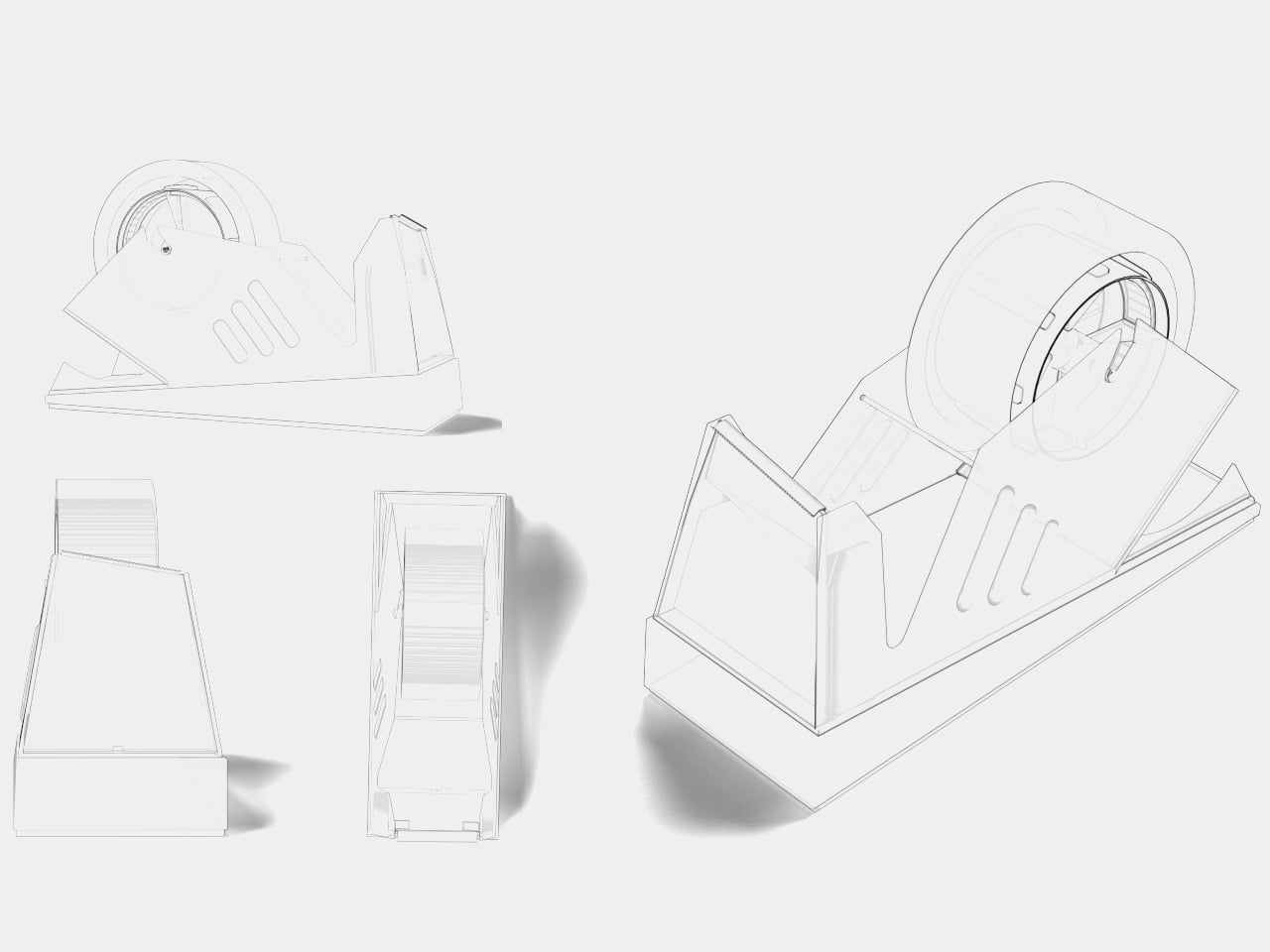
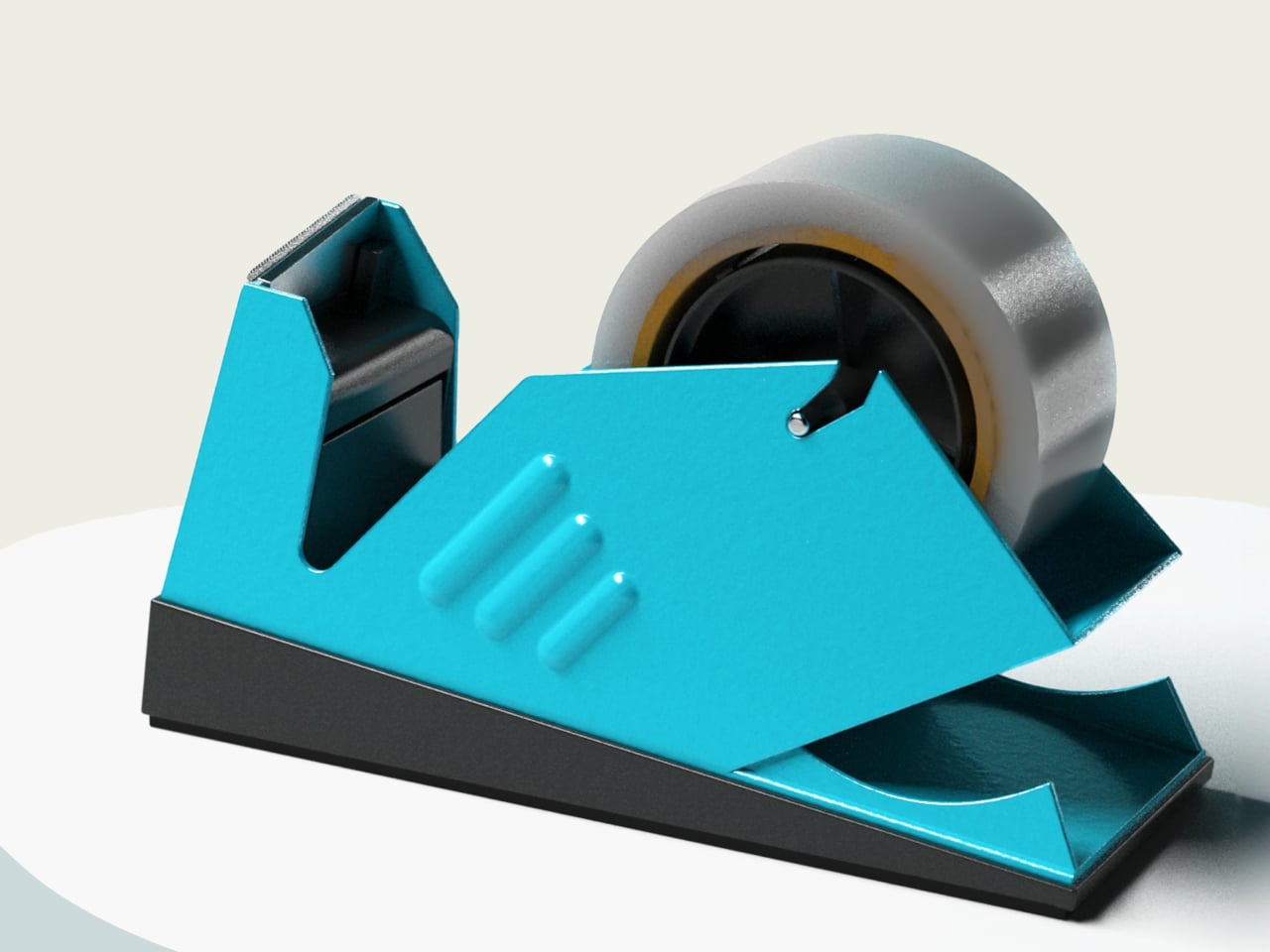
One designer decided to document those frustrations rather than assume them. He observed 49 people all performing the same simple task and cataloged five recurring problems with standard dispensers. The result is Fin, a concept built around solving each one through deliberate engineering. There’s nothing here for decoration. Every choice traces back to something that was genuinely broken and worth fixing properly.

Designer: Abhishek Sharma
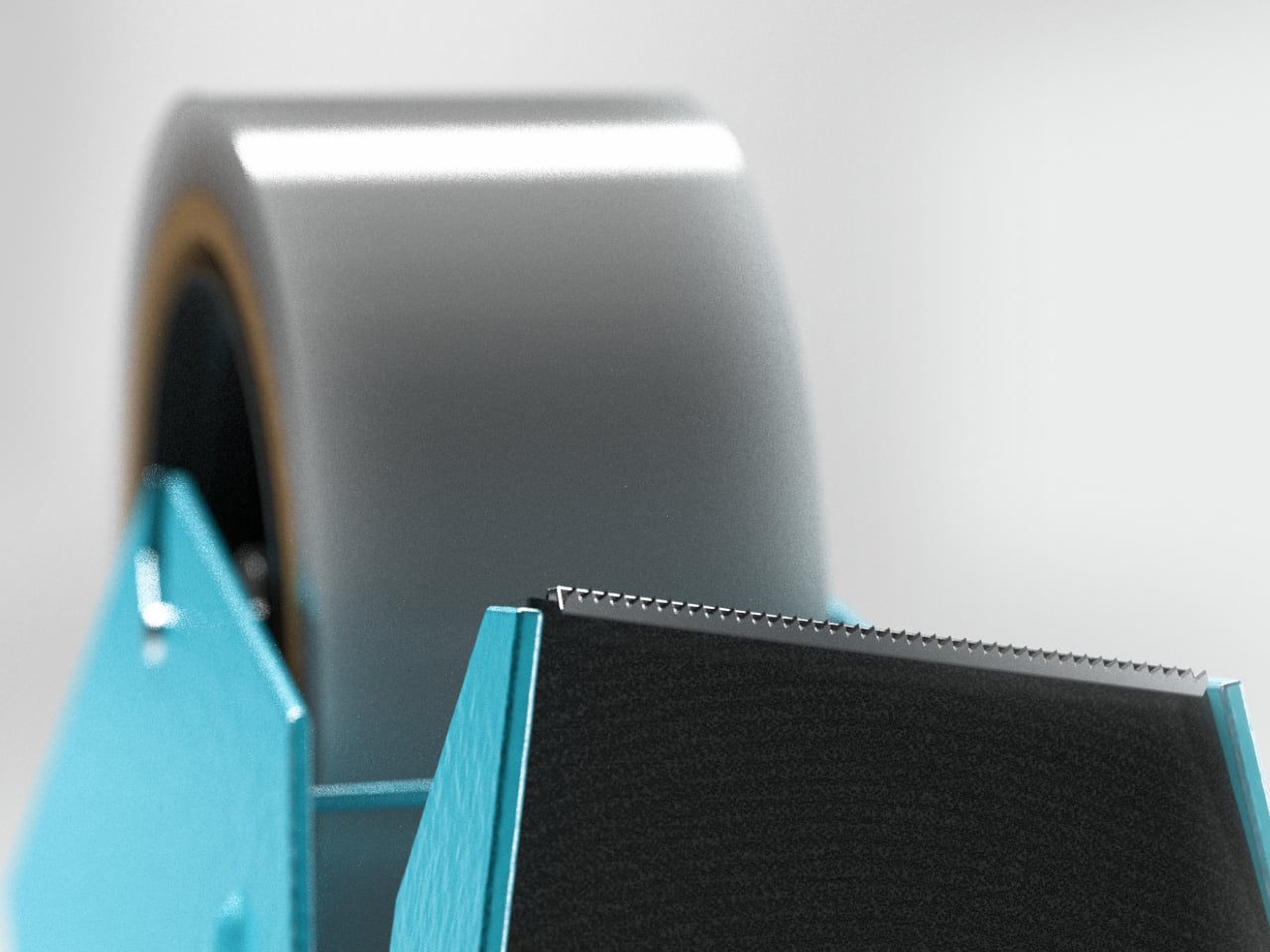
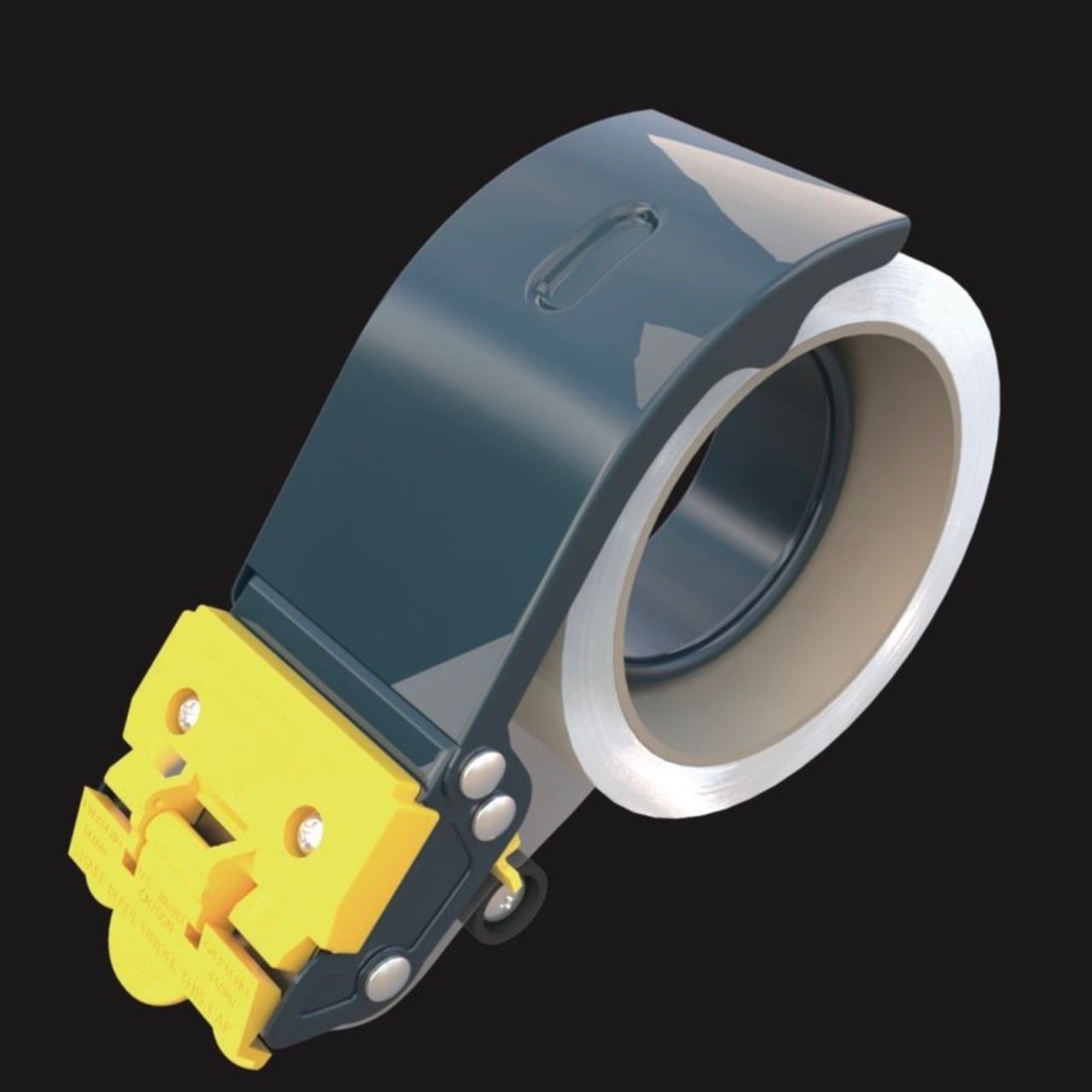
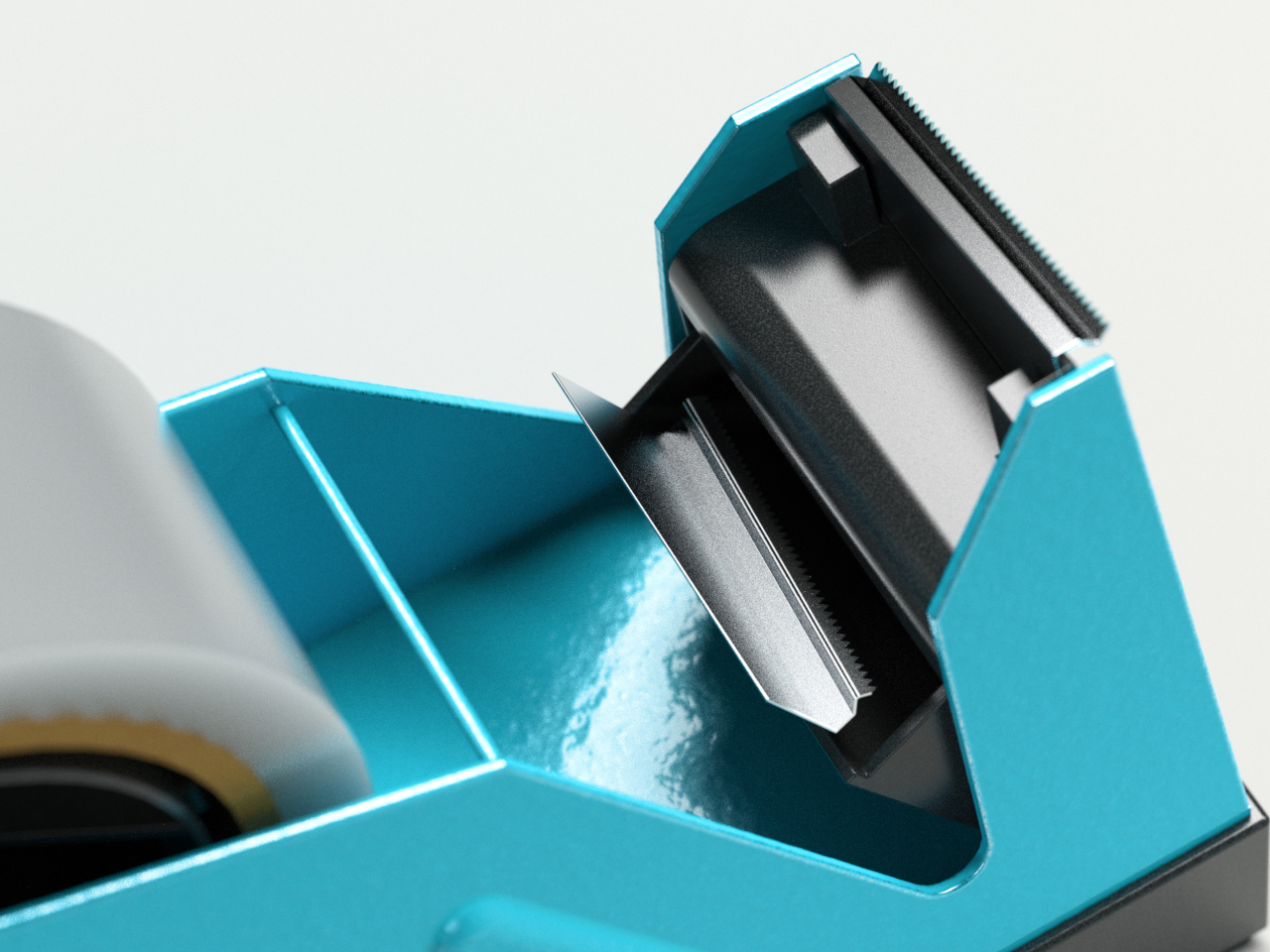
The most immediate change is at the cutting blade. Rather than lying flat, Fin’s blade tilts at 10 degrees. That angle concentrates pressure to a single point, so even when tape is pulled straight down, the cut starts cleanly, and the break travels through without resistance. The ragged edge that forces you to stop and peel back the tape before using it simply stops happening.
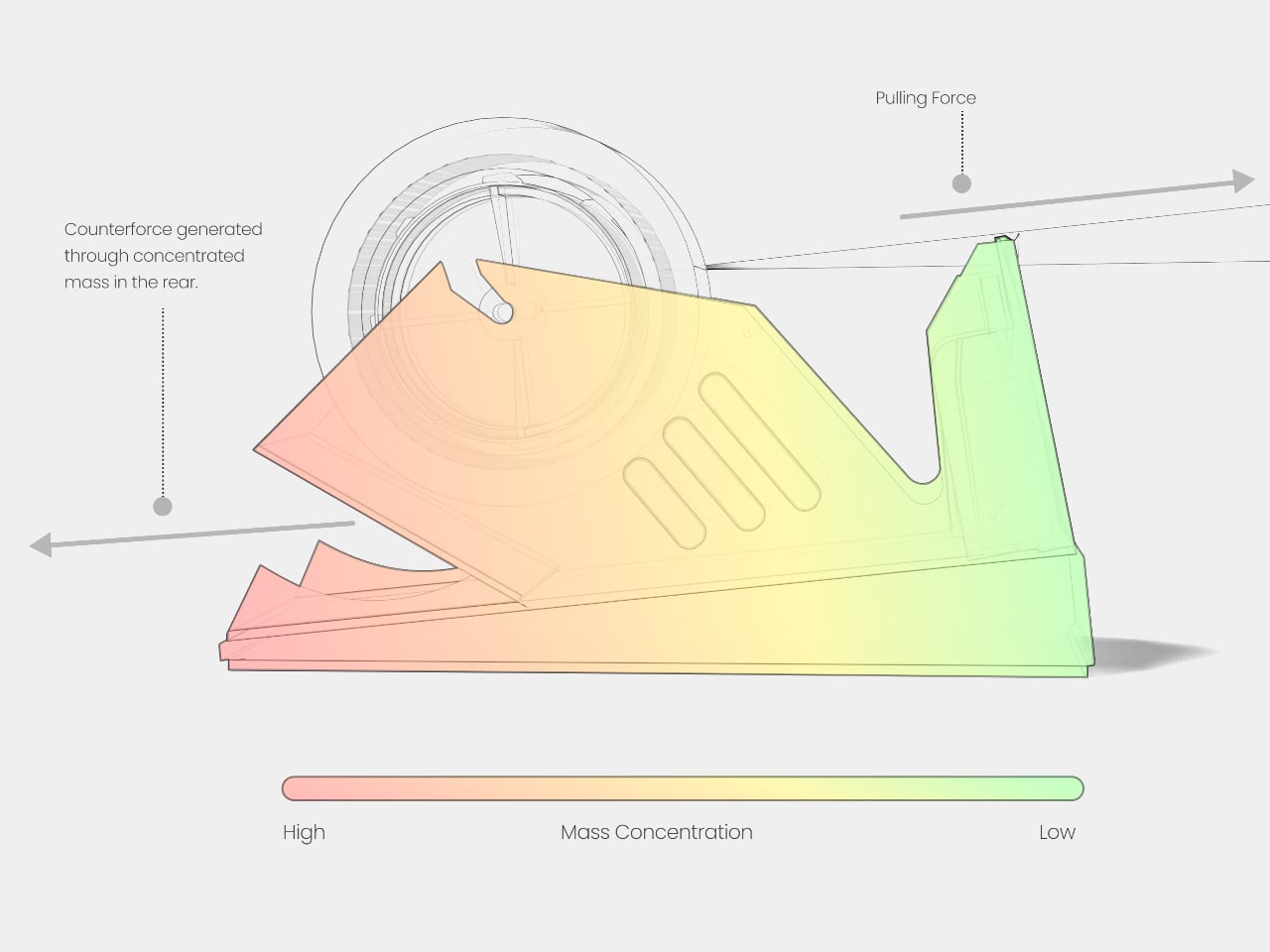
Slipping is addressed without adding bulk. Fin concentrates ballast at the rear through uneven weight distribution, creating a pivot point that resists horizontal movement when you pull tape. The front stays light, so repositioning is still easy when needed. Stability is selective, which turns out to be a more elegant answer than just making the whole dispenser heavier and harder to move.
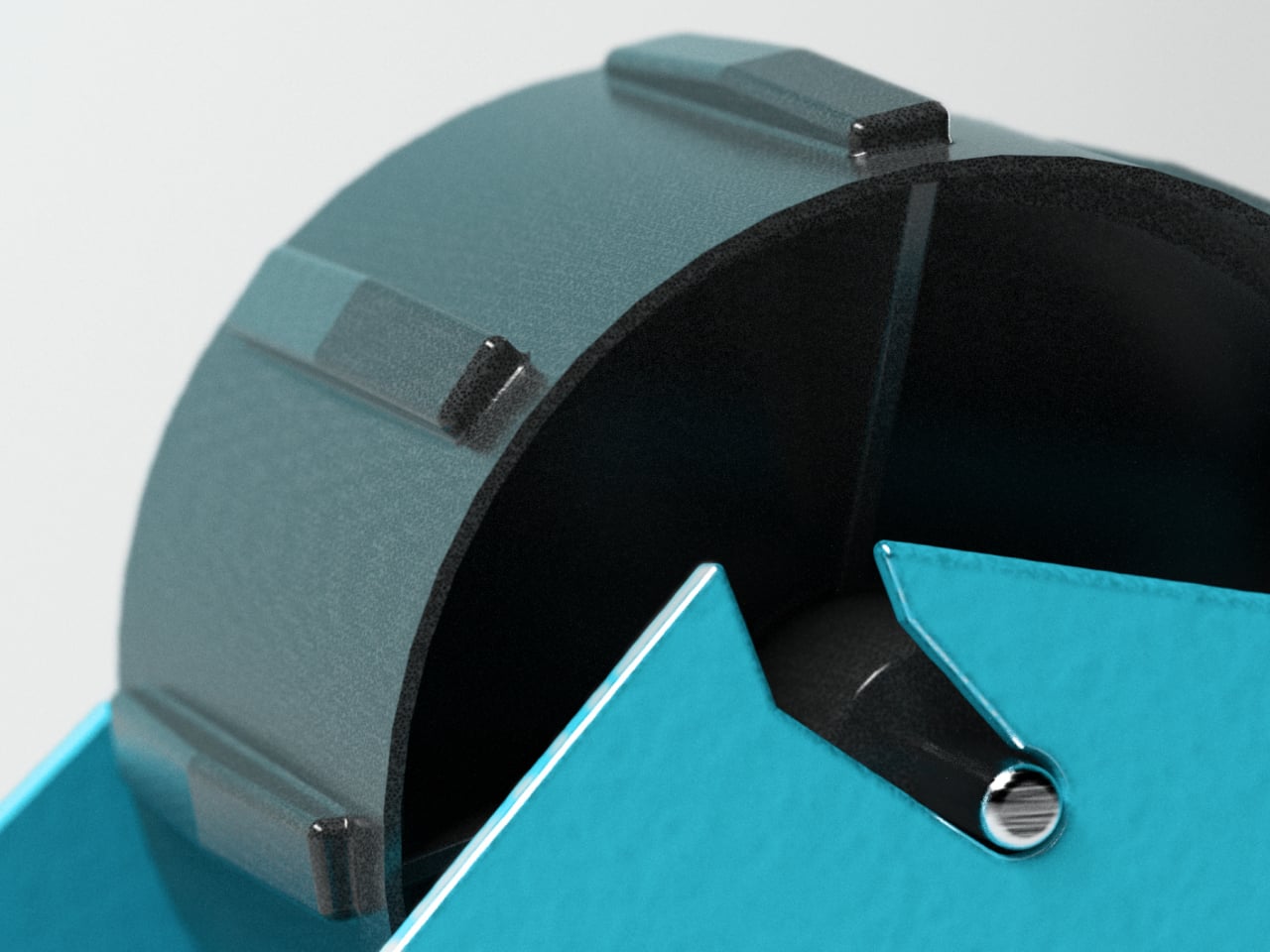
Two more irritants disappear just as quietly. Angled supports inside the tape cradle automatically stabilize narrow rolls so they don’t wobble regardless of tape width. A retention bar holds the tape edge after every cut, so the next time you reach for it, the end is right where you left it. That small predictability adds up across a day of repeated use.
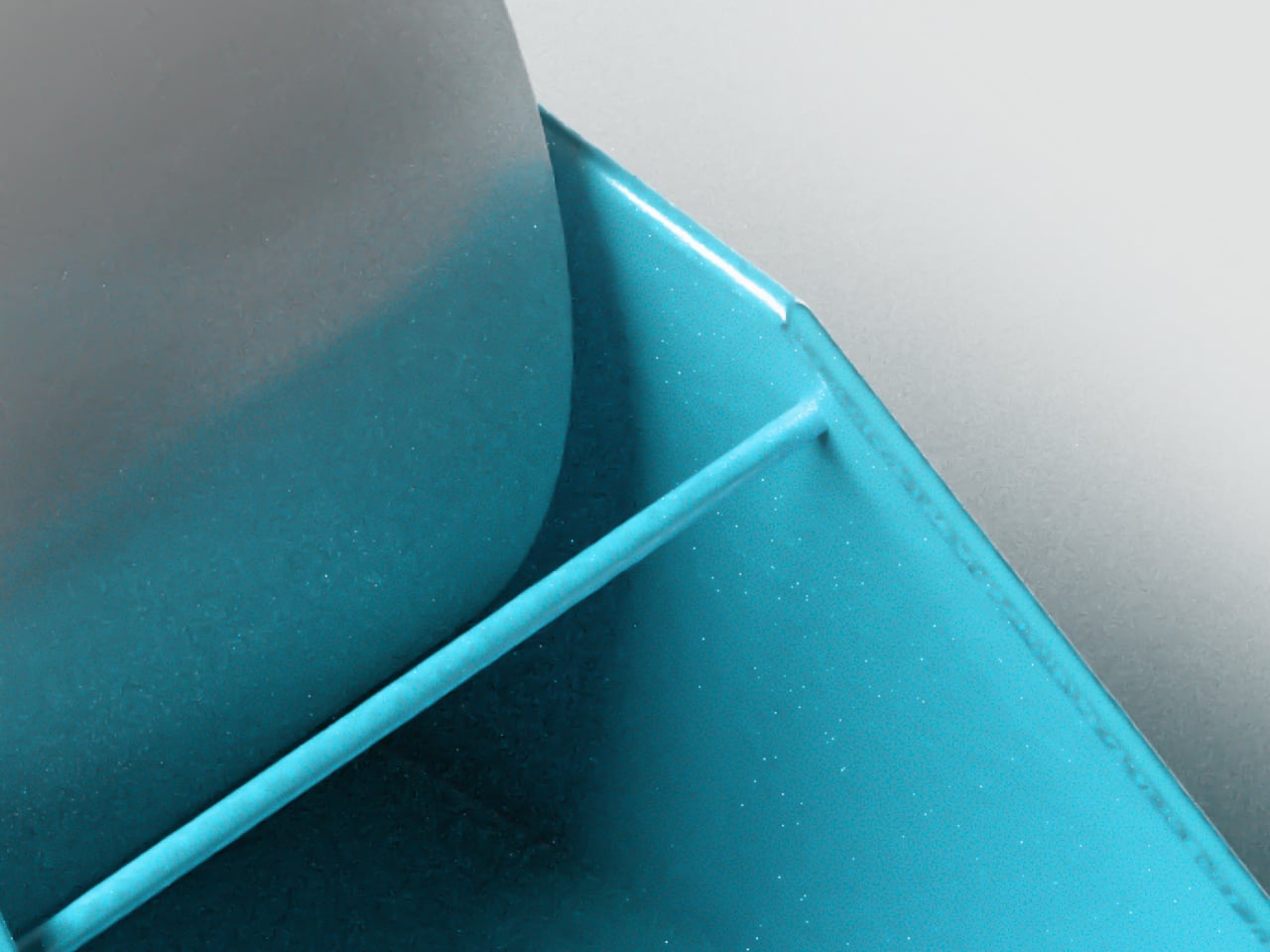
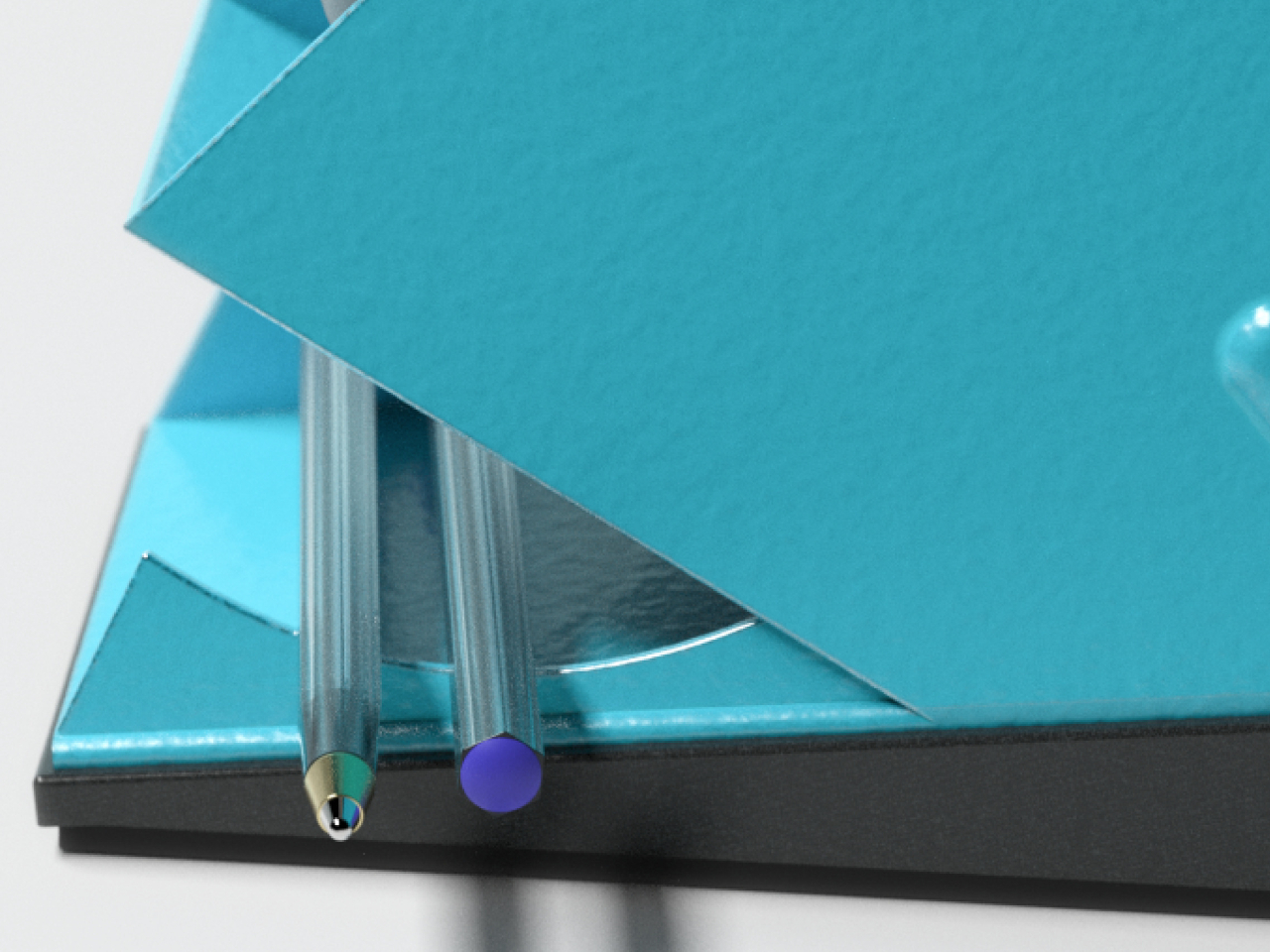
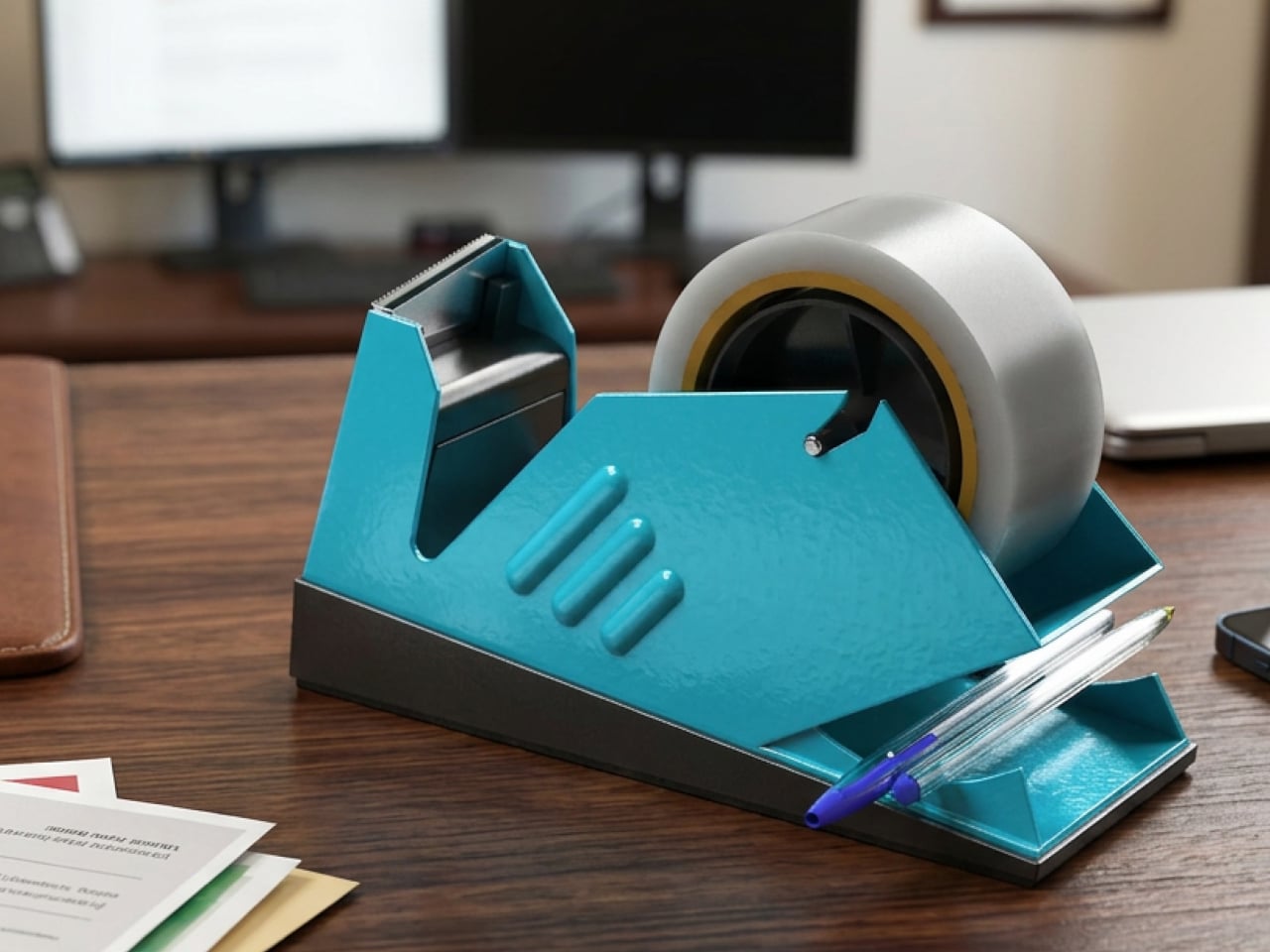
The research also revealed that tape is rarely used alone. Scissors come out, pens get grabbed, and clips end up nearby. Sharma designed a storage compartment into the base, turning the dispenser into a compact workspace hub rather than a standalone tool. Replacement blades sit inside the cutting mechanism itself, where they’ll be found when inevitably needed rather than lost somewhere in a desk drawer.
The tapered form that gives Fin its name isn’t incidental. Narrowing toward the front reduces grip surfaces and gently nudges users toward one-handed operation, discouraging the two-handed approach that keeps standard dispensers tipping. The shape wasn’t decided until every functional requirement had already settled it. What you’re left with is an object that looks like a design statement but is really just engineering made visible.
Fin is still a concept, not a product you can put on your desk yet. As a design exercise, it makes a solid argument for what happens when someone watches a problem carefully before trying to solve it. Tape dispensers have gone largely unexamined for a very long time, and this concept makes it genuinely difficult to use the one on your desk the same way.
The post Fin Fixes Five Tape Dispenser Problems You’ve Accepted as Normal first appeared on Yanko Design.
A Tape Dispenser Concept Finally Worth Keeping in Plain Sight

The standard tape dispenser holds one roll, cuts tape, and sits on a desk. It hasn’t changed much in decades, and it doesn’t need to because it does its job reliably. The problem is that it looks exactly as utilitarian as it sounds, and the design conversation around it has mostly been limited to making that single-function object look slightly more attractive without actually adding anything.

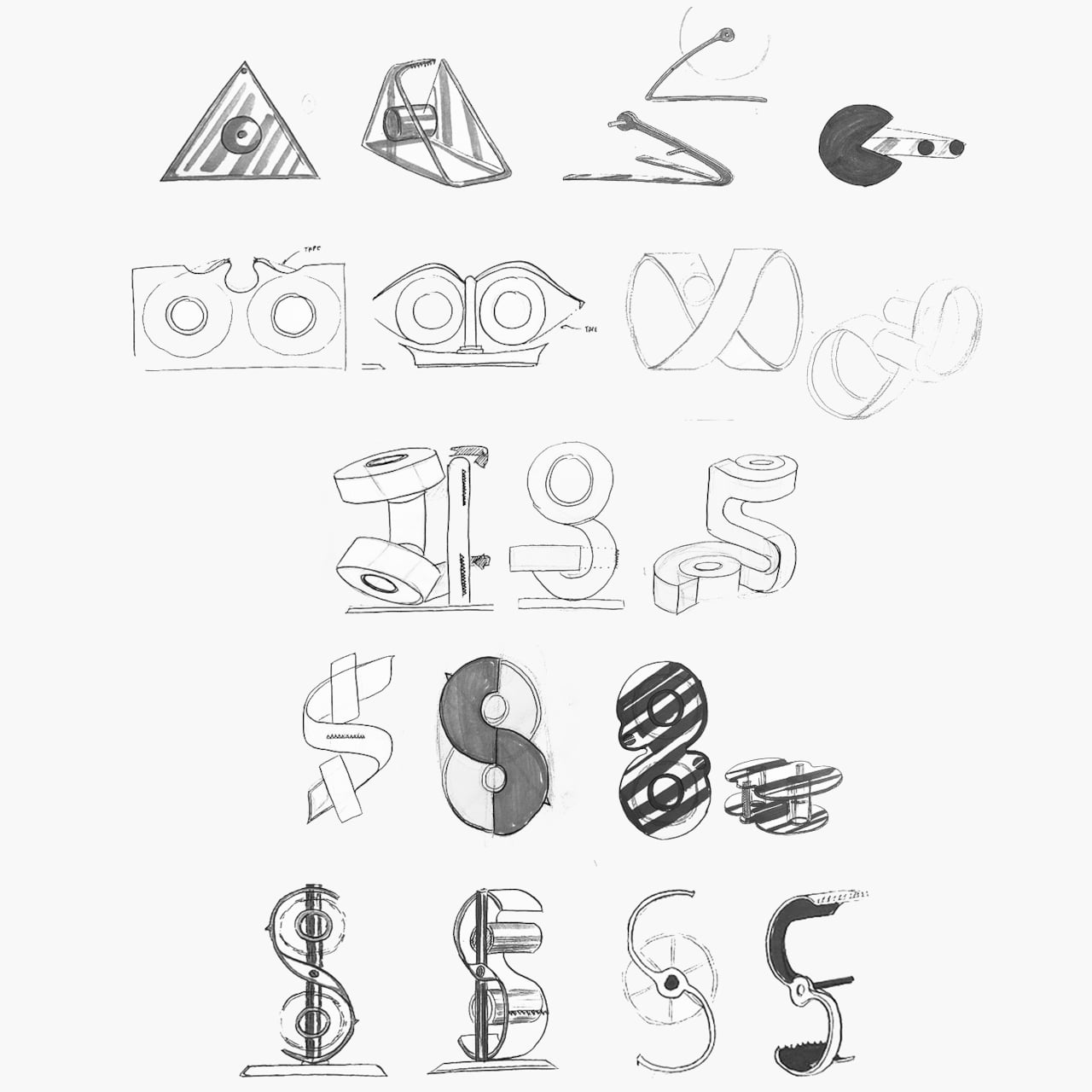
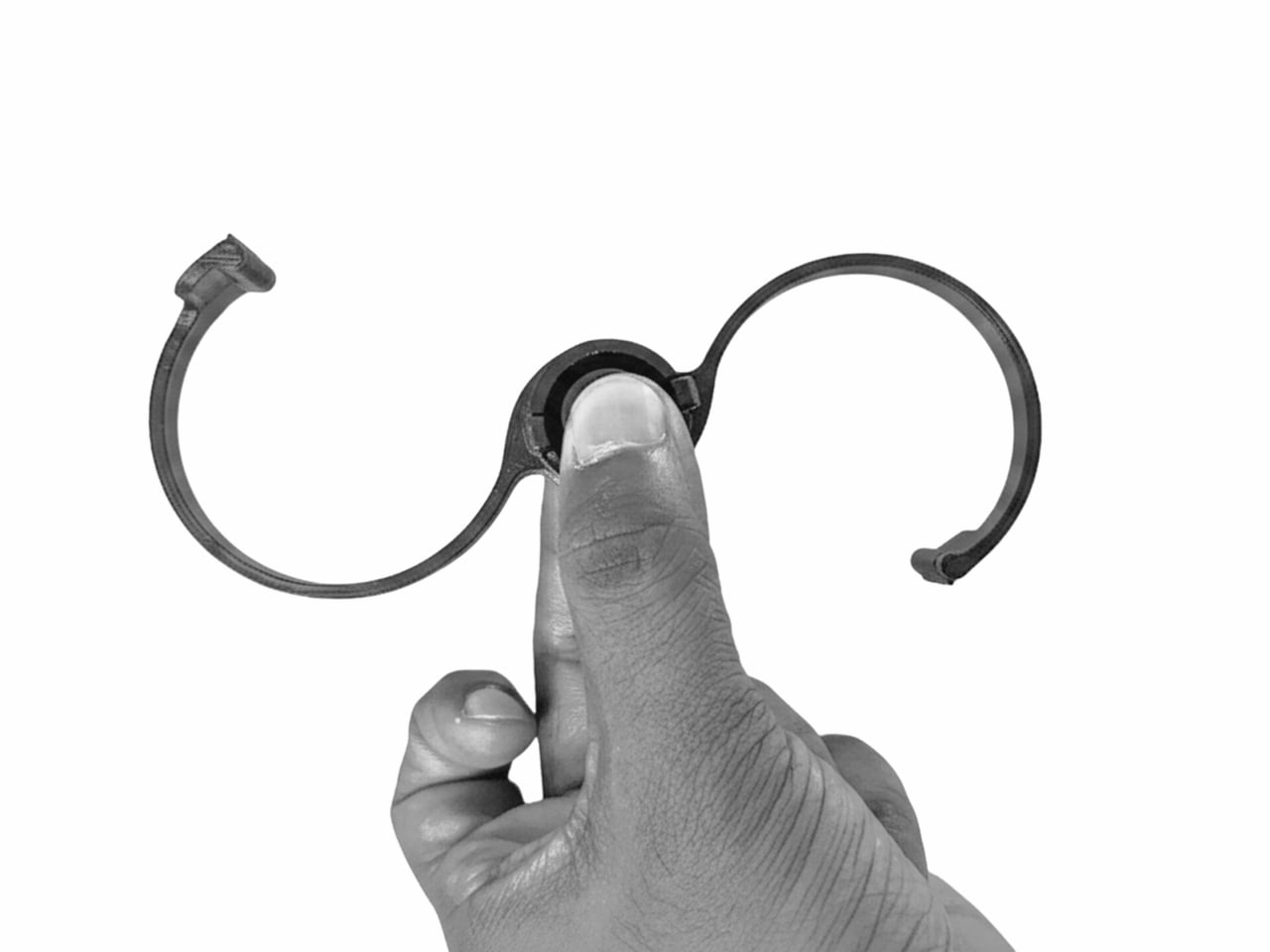
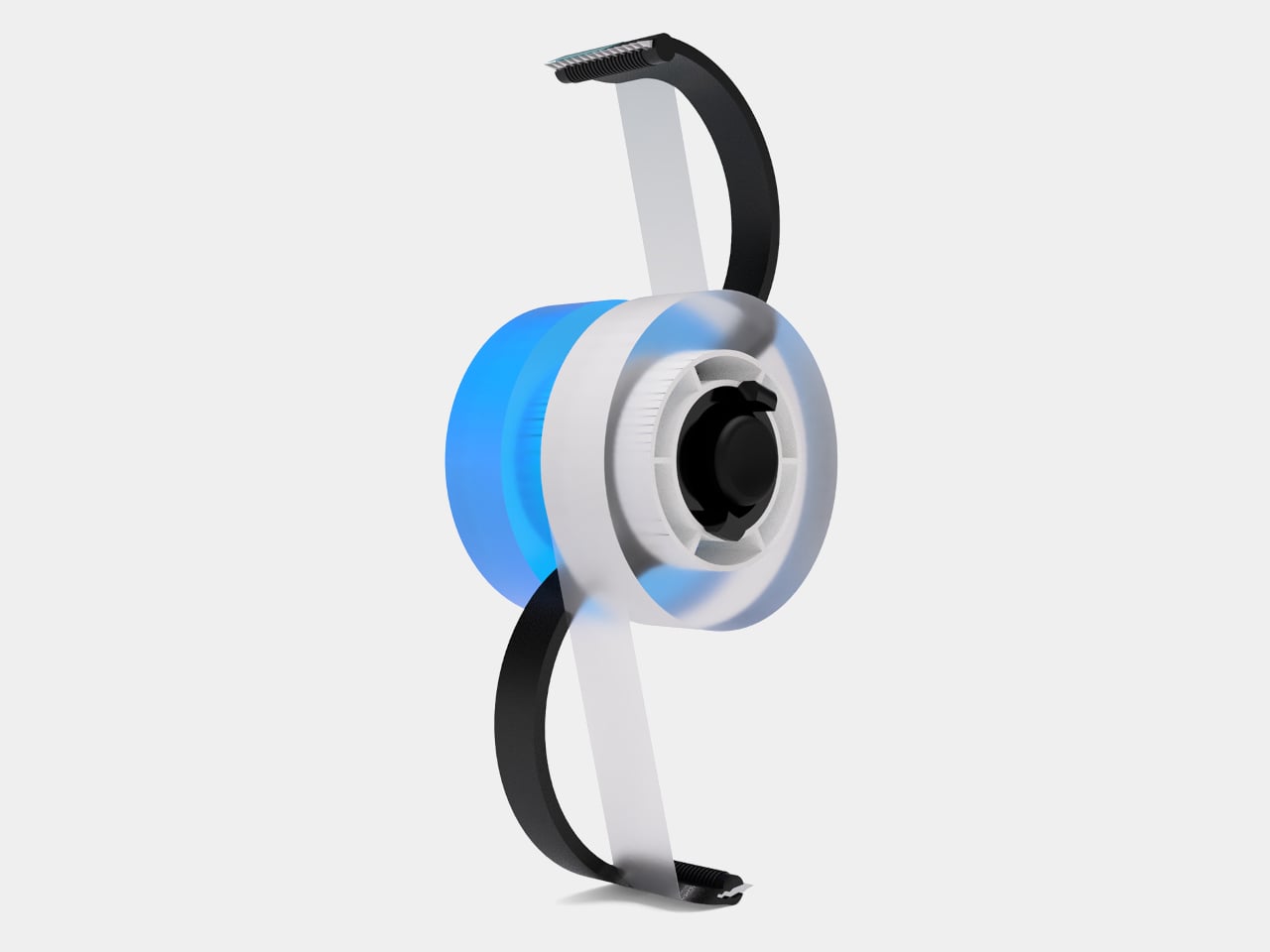
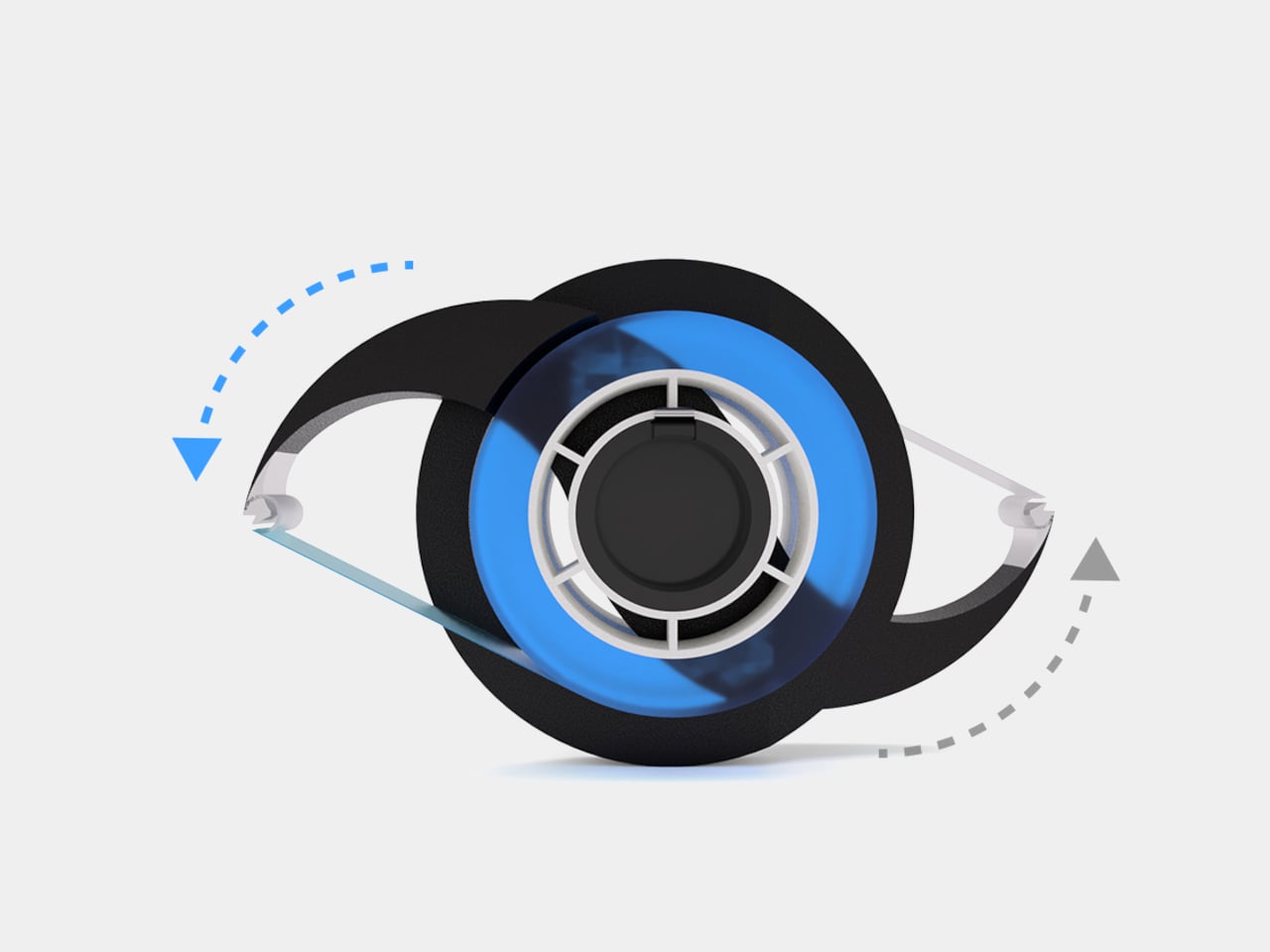
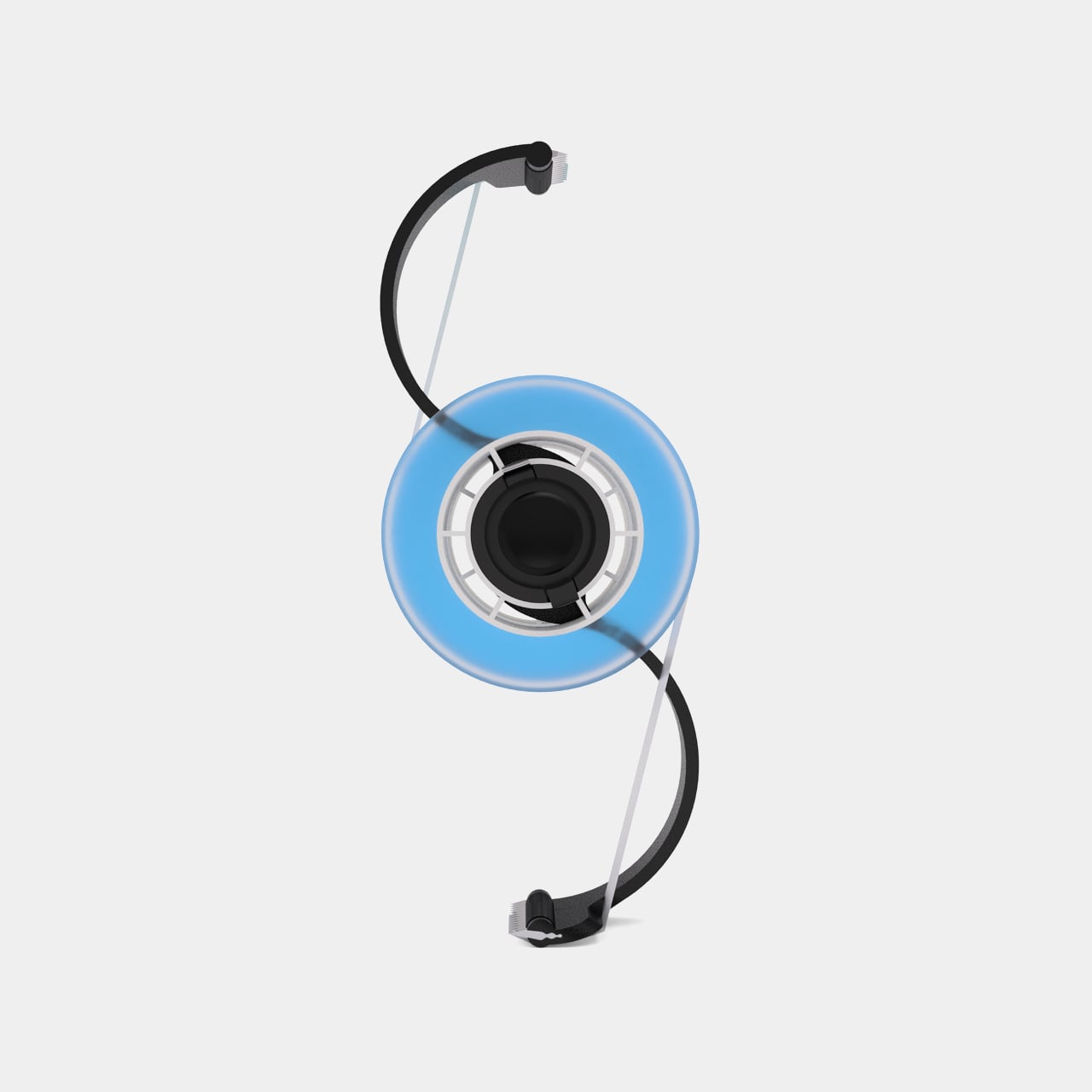
This concept takes a different approach. Instead of polishing the existing formula, the Dual Tape Dispenser starts from the premise that holding two rolls is more useful than holding one, and that a more sculptural form can make the whole interaction better. The result is an object built from flowing arches that feels different to use and looks different sitting on your desk when you’re not using it at all.

Designer: Sai Divakar Boddeti

The design rests on its own curves, so it can sit in different orientations depending on what’s most convenient. Two circular tape housings connect through flowing arches that also serve as natural hand guides, directing the grip toward the tape without any conscious adjustment. The whole motion feels more intuitive than reaching over a rigid, weighted box, which is how most interactions with a standard dispenser tend to go.

The dual-roll format addresses something familiar in most working studios and offices. Having two different tapes in one object, whether clear and masking or two different widths, means one less thing to hunt for mid-task. It’s a modest improvement in isolation, but the kind of friction it removes adds up across a busy day, and a single compact form keeps the desk considerably tidier overall.

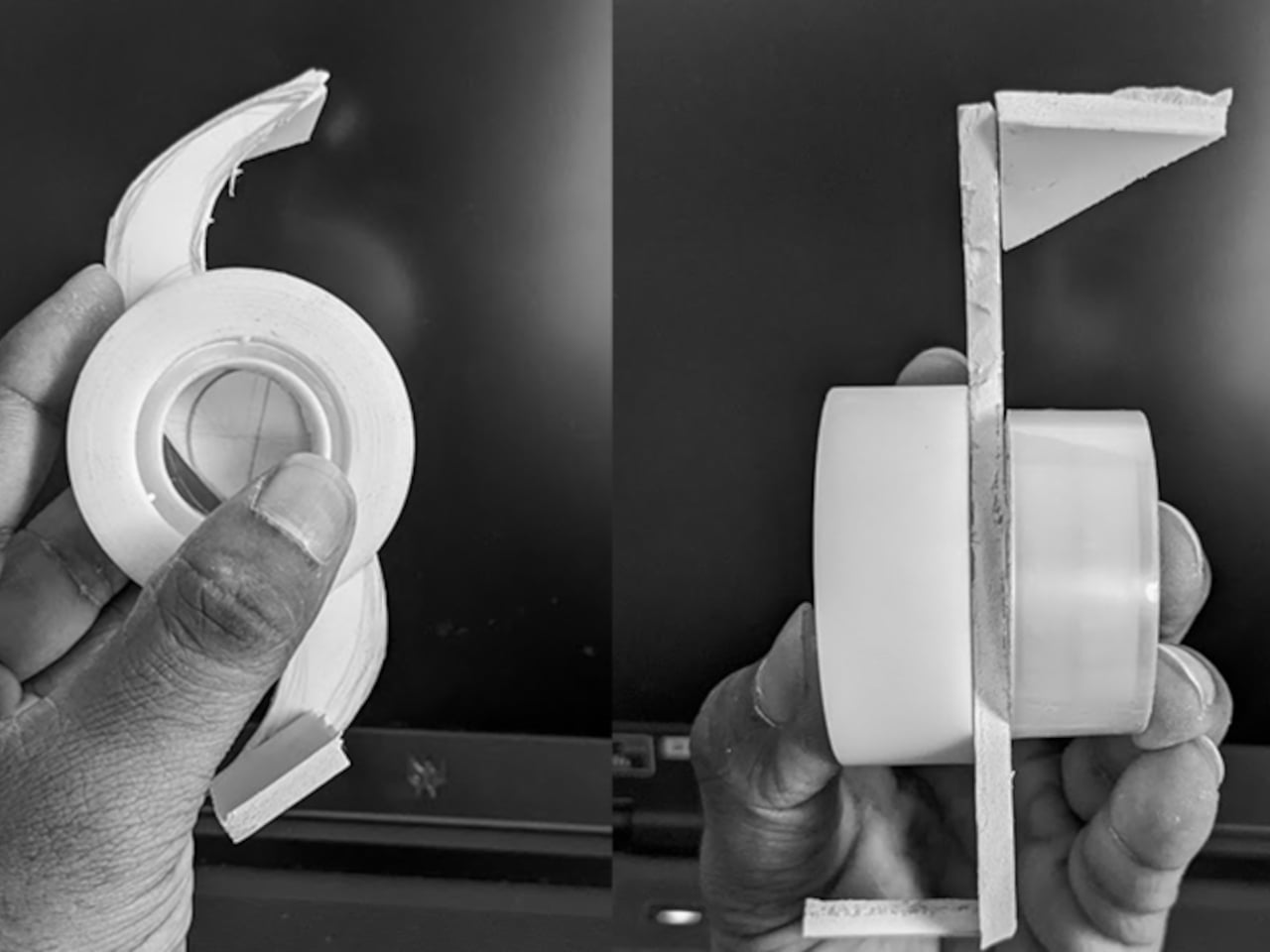
Getting to that form wasn’t straightforward. Early explorations of the concept were bulkier and more complex, with feedback pushing the design toward something stronger, less cumbersome, and more restrained. The final form emerges from that iterative process, minimal in part count and clean in its assembly logic, which also points toward something that could be manufactured without excessive complexity if the concept moved into production.

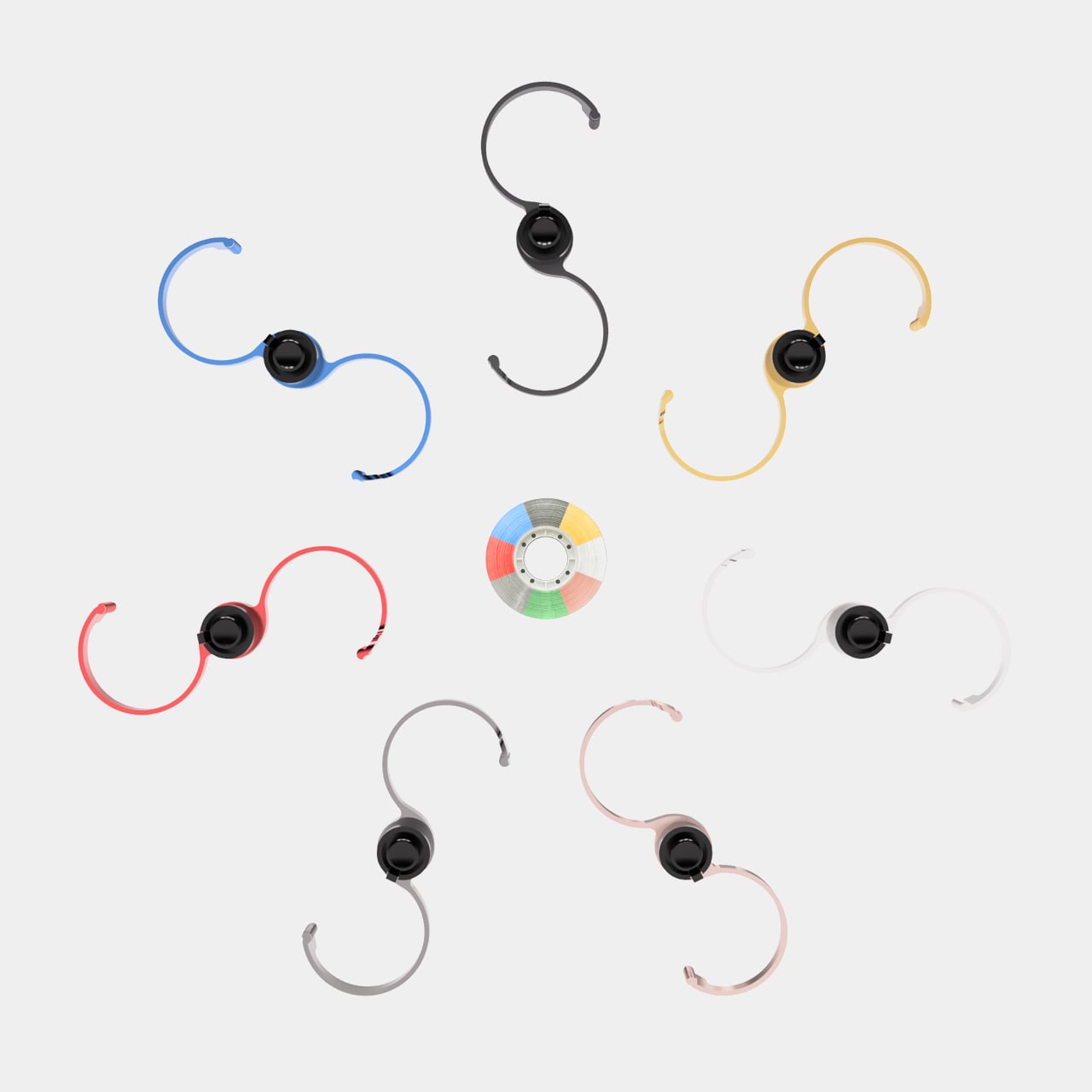
The dispenser can be made available in multiple colors, giving it a range that spans from understated neutrals to more vivid options, depending on how much you want it to stand out on a desk. The soft circular geometry and balanced proportions keep it from feeling imposing, which is a real consideration for something that might end up between a monitor and a coffee mug. It’s visible without being demanding.

That quality is something the design leans into deliberately. The brief treats the dispenser as an object that could be a conversation starter as much as a practical tool, and the sculptural arch form supports that without overclaiming. A tape dispenser doesn’t need to draw attention to itself, but there’s no rule saying it can’t, and this one makes a reasonable case that it could do both at once.

The post A Tape Dispenser Concept Finally Worth Keeping in Plain Sight first appeared on Yanko Design.
The Tape Dispenser That’s Too Smart to Be This Simple

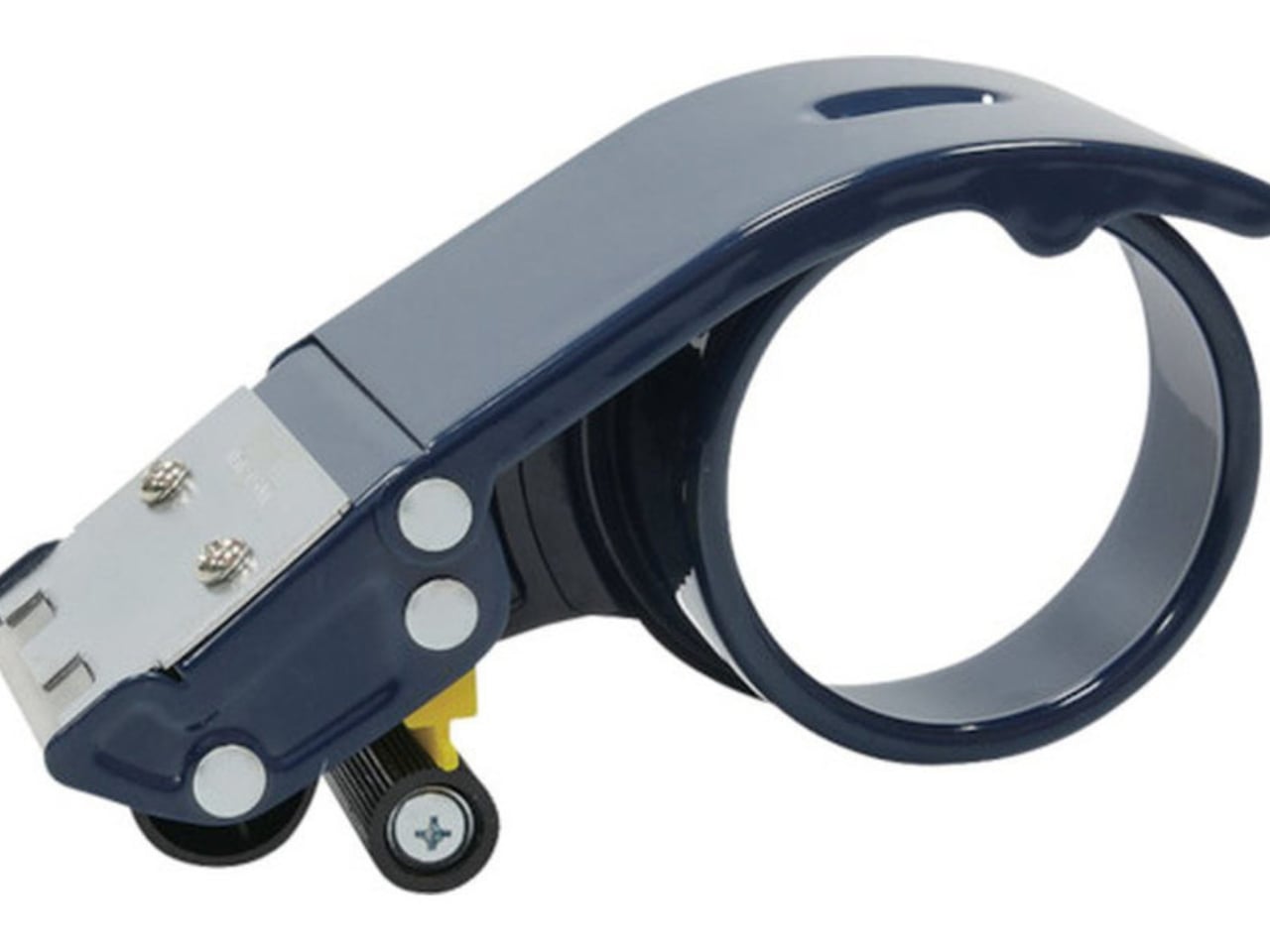
You know that dusty tape dispenser sitting on your desk right now? The one with the wobbly base and serrated blade that’s dull as a butter knife? Yeah, TRUSCO looked at those sad excuses for office supplies and decided there had to be a better way.

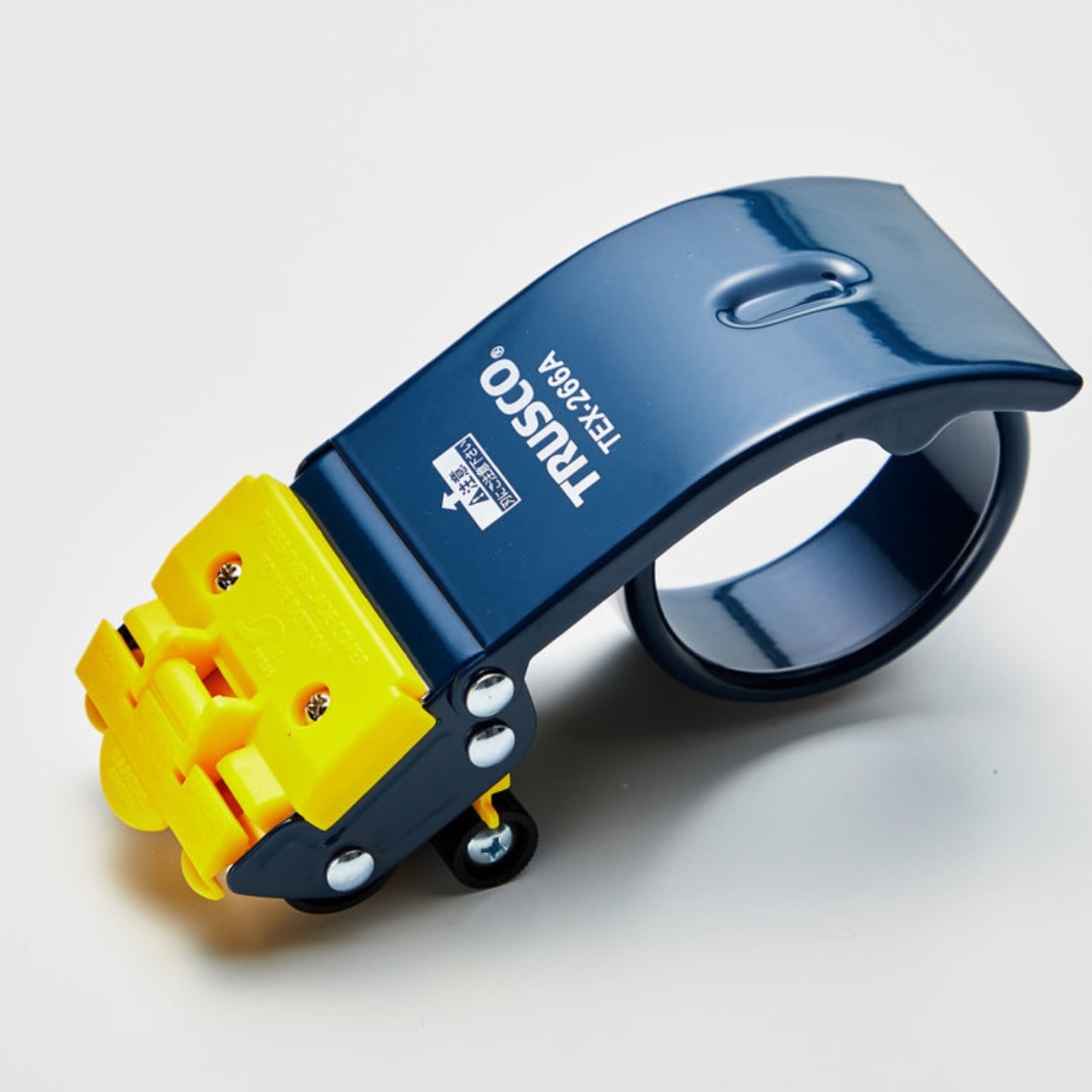
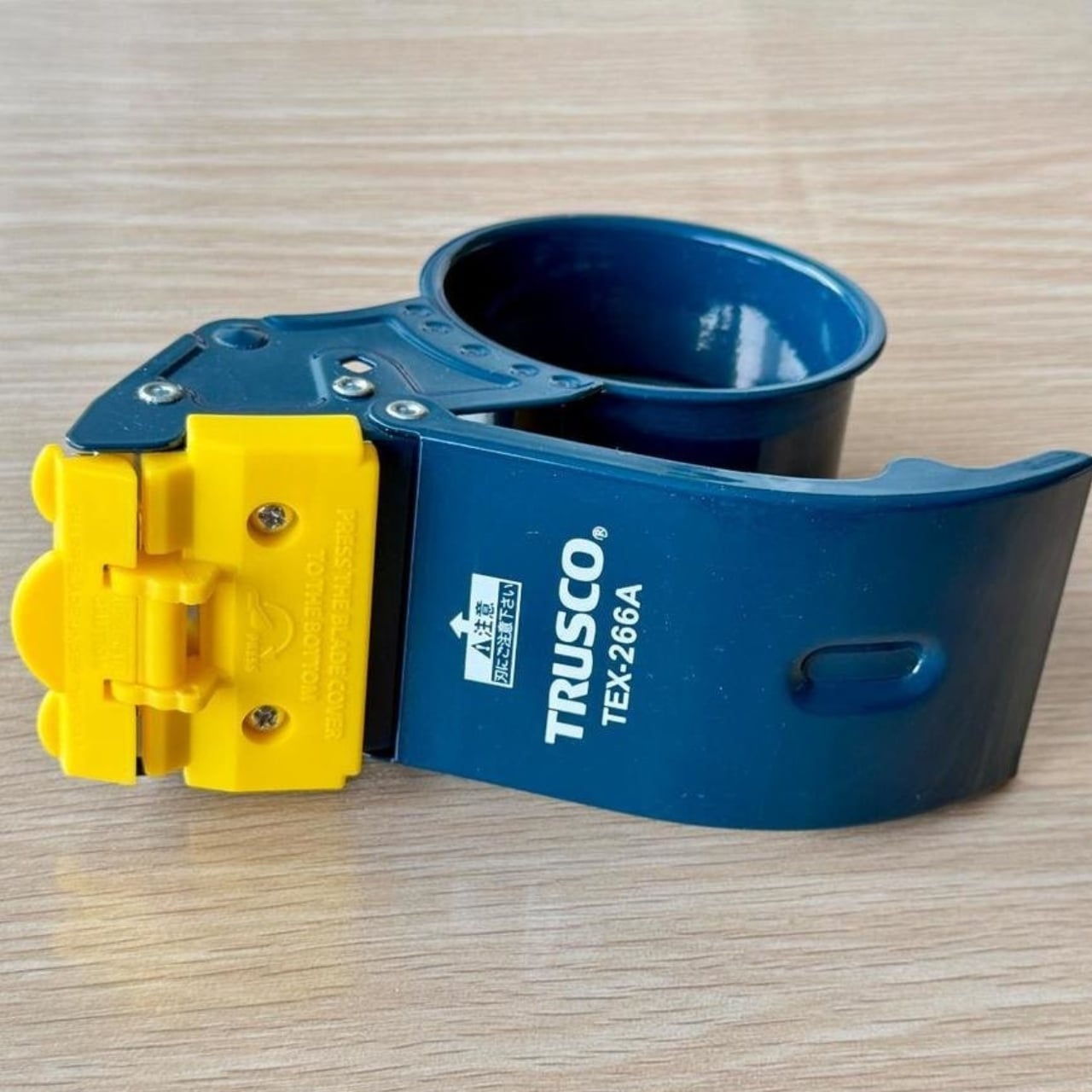
The Japanese company’s TEX-266A tape cutter is what happens when someone actually thinks about how people use tape instead of just churning out another plastic widget. It’s one of those products that makes you wonder why nobody figured this stuff out decades ago.

Designer: TRUSCO

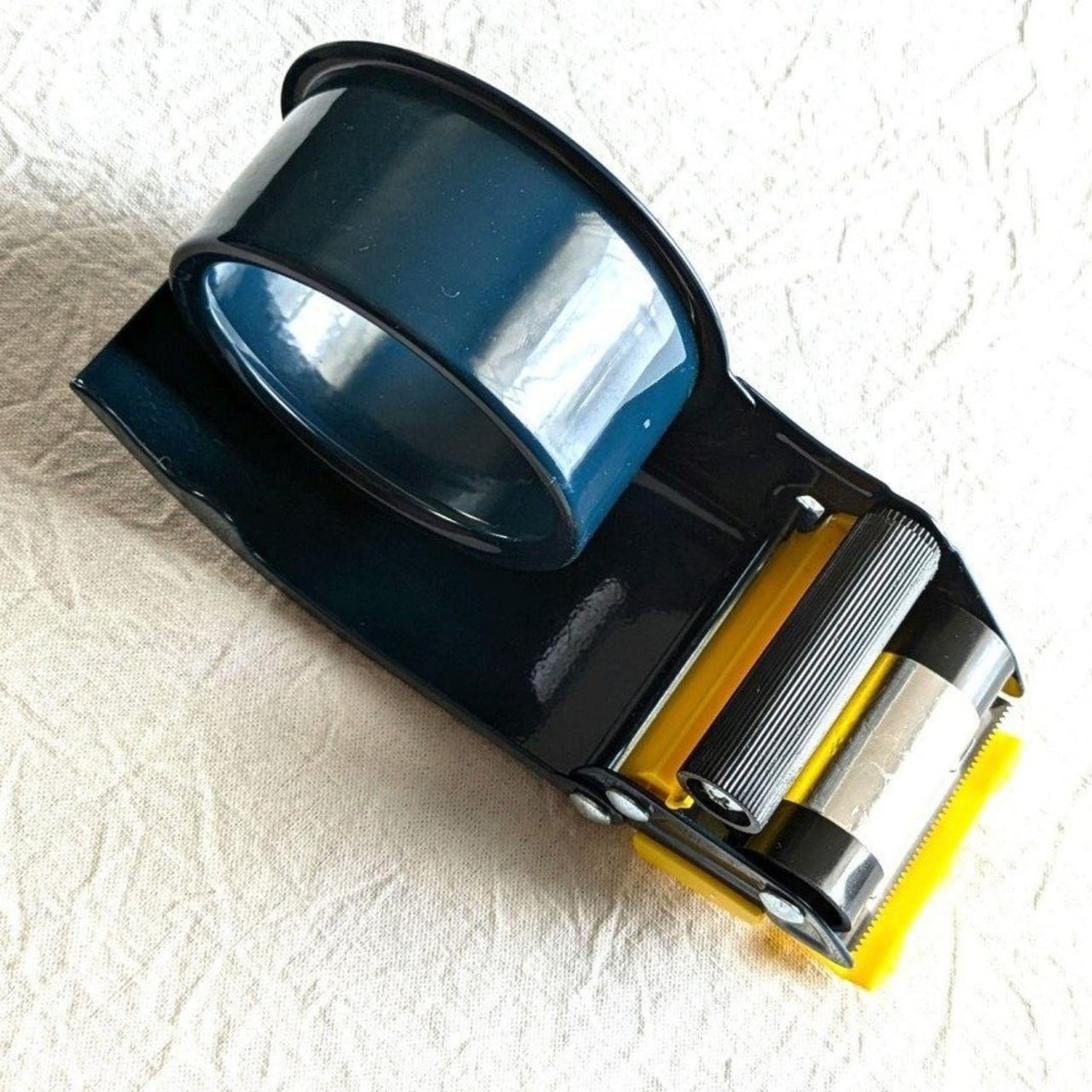
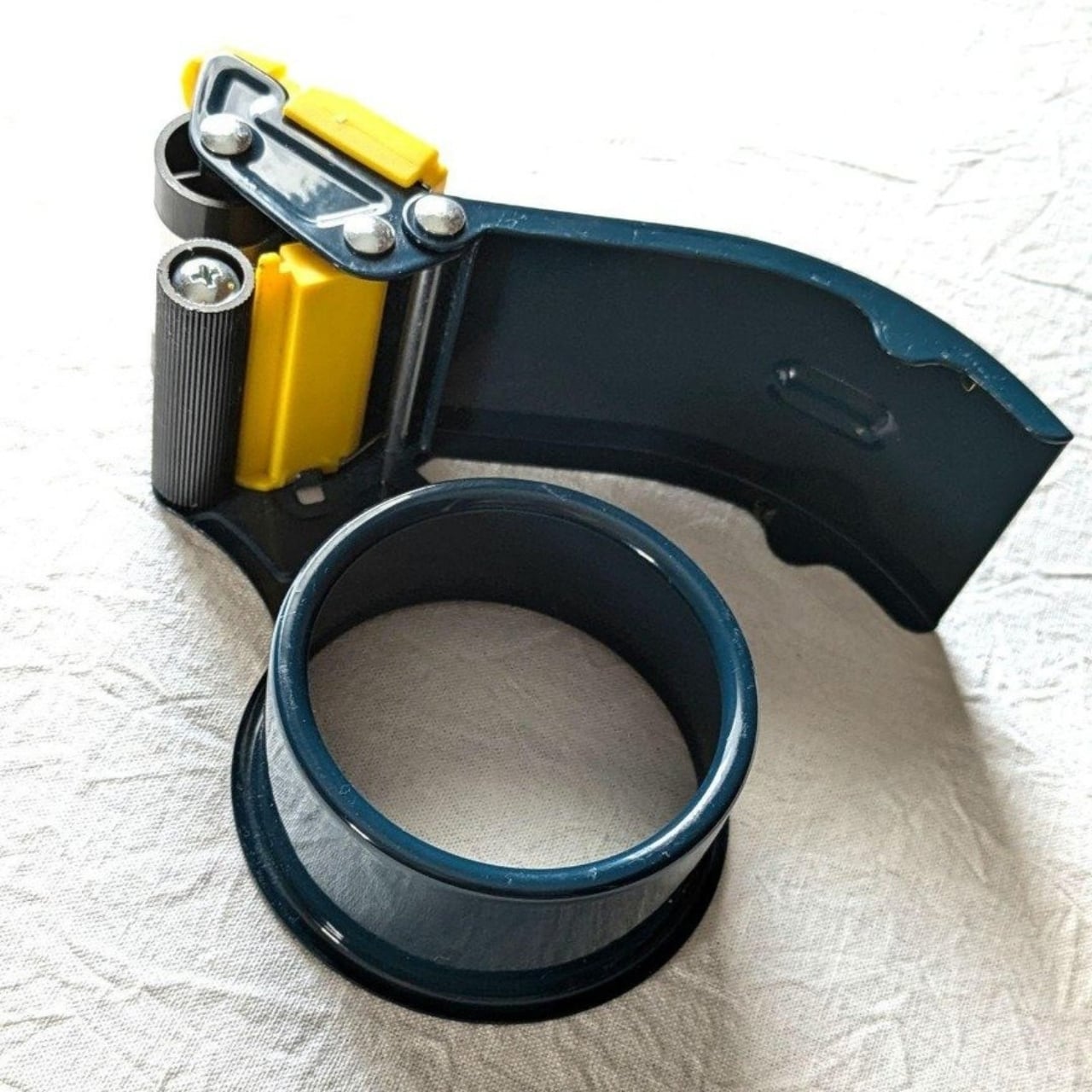
Let’s start with the most frustrating part of using regular tape dispensers: that moment when your tape curls back onto itself and you’re stuck there, desperately picking at the roll with your fingernails like some kind of office goblin. TRUSCO solved this with an anti-backflow stopper. It’s such a basic feature, but try finding it on your average tape dispenser. This thing prevents the tape from rewinding itself back onto the roll, which means you can actually grab the end when you need it.

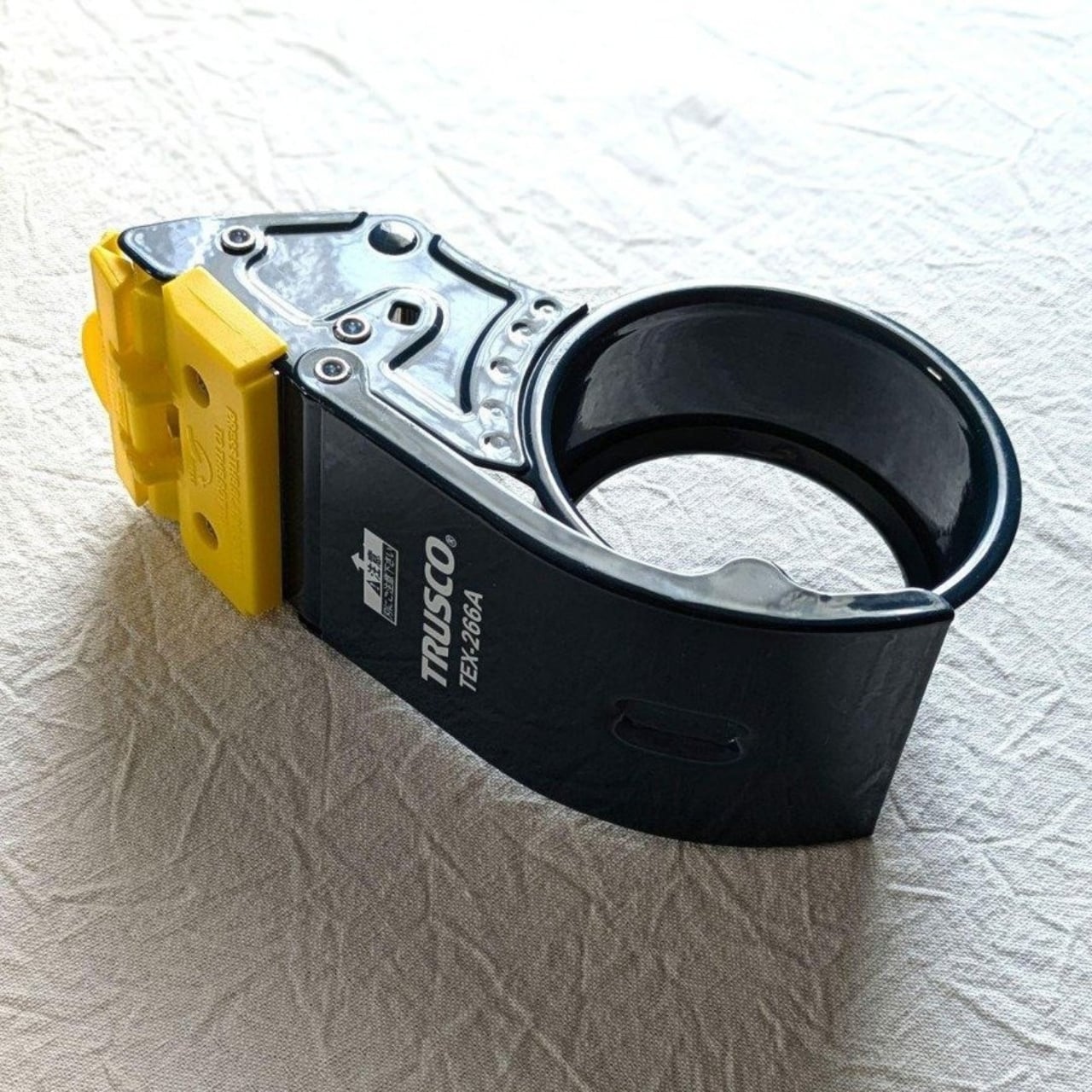
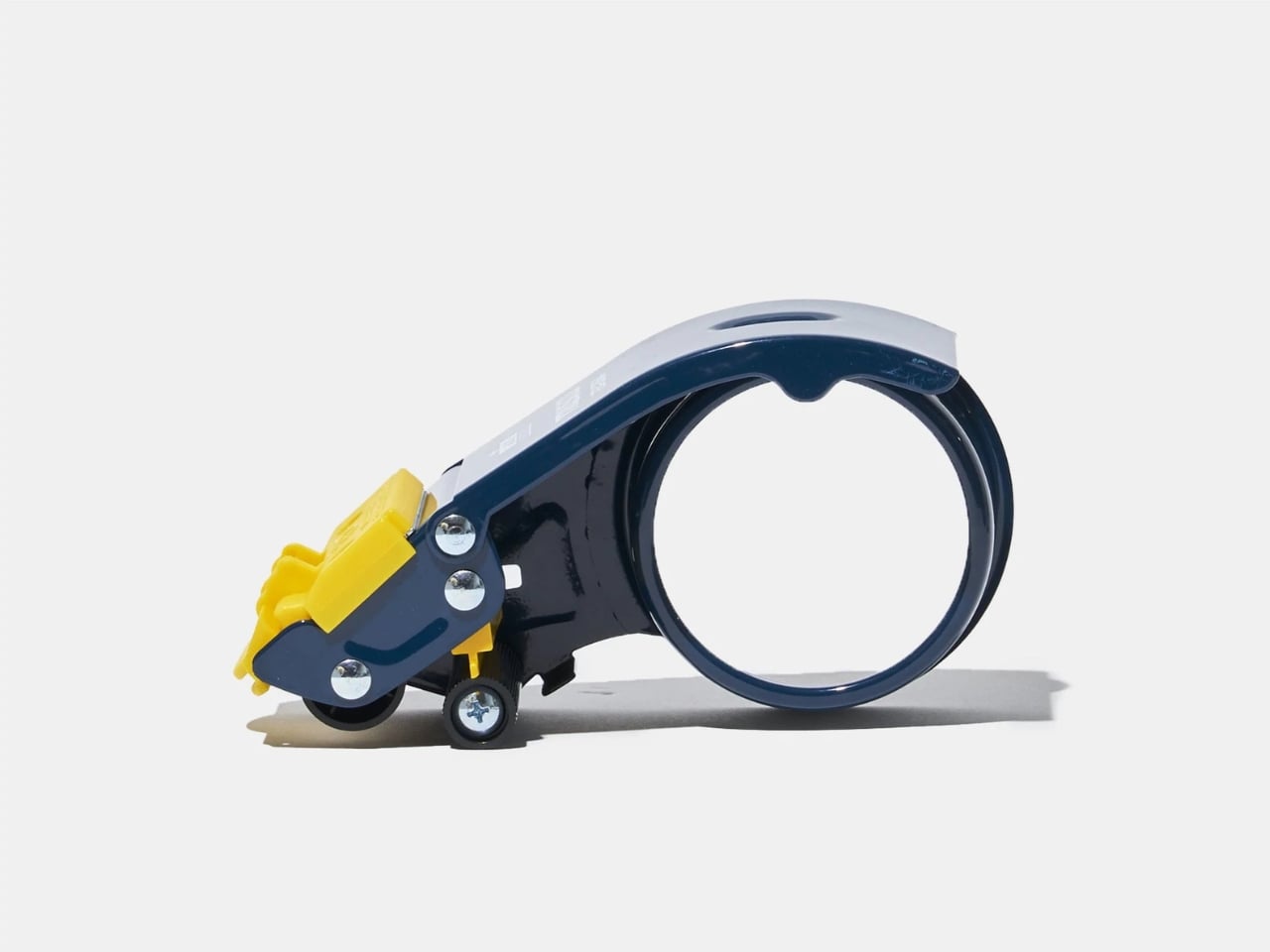
The design also includes two rollers, and here’s where it gets clever. One of these rollers has a 360-degree static cling strip. This helps guide the tape smoothly and keeps it from twisting or bunching up as you pull. If you’ve ever dealt with cloth tape or craft tape that seems to have a mind of its own, you’ll appreciate this detail. The TEX-266A can handle OPP tape, cloth tape, and craft tape up to 50mm wide.

Now, about that blade. Most tape dispensers have these exposed serrated edges that are genuinely dangerous. You’re basically waving your fingers near a row of tiny teeth every time you tear off a piece of tape. TRUSCO said “absolutely not” and added a safety cover over the stainless steel blade. The blade itself is made from SUS420 stainless steel, which stays sharp enough to cut cleanly through various tape types without requiring you to saw back and forth like you’re trying to escape from prison.

There’s also a side guard on the roll cover, which is one of those features you don’t think about until you realize how annoying it is when tape rolls go sliding off their spindle. It’s these tiny frustrations that TRUSCO seems to have catalogued and systematically eliminated.

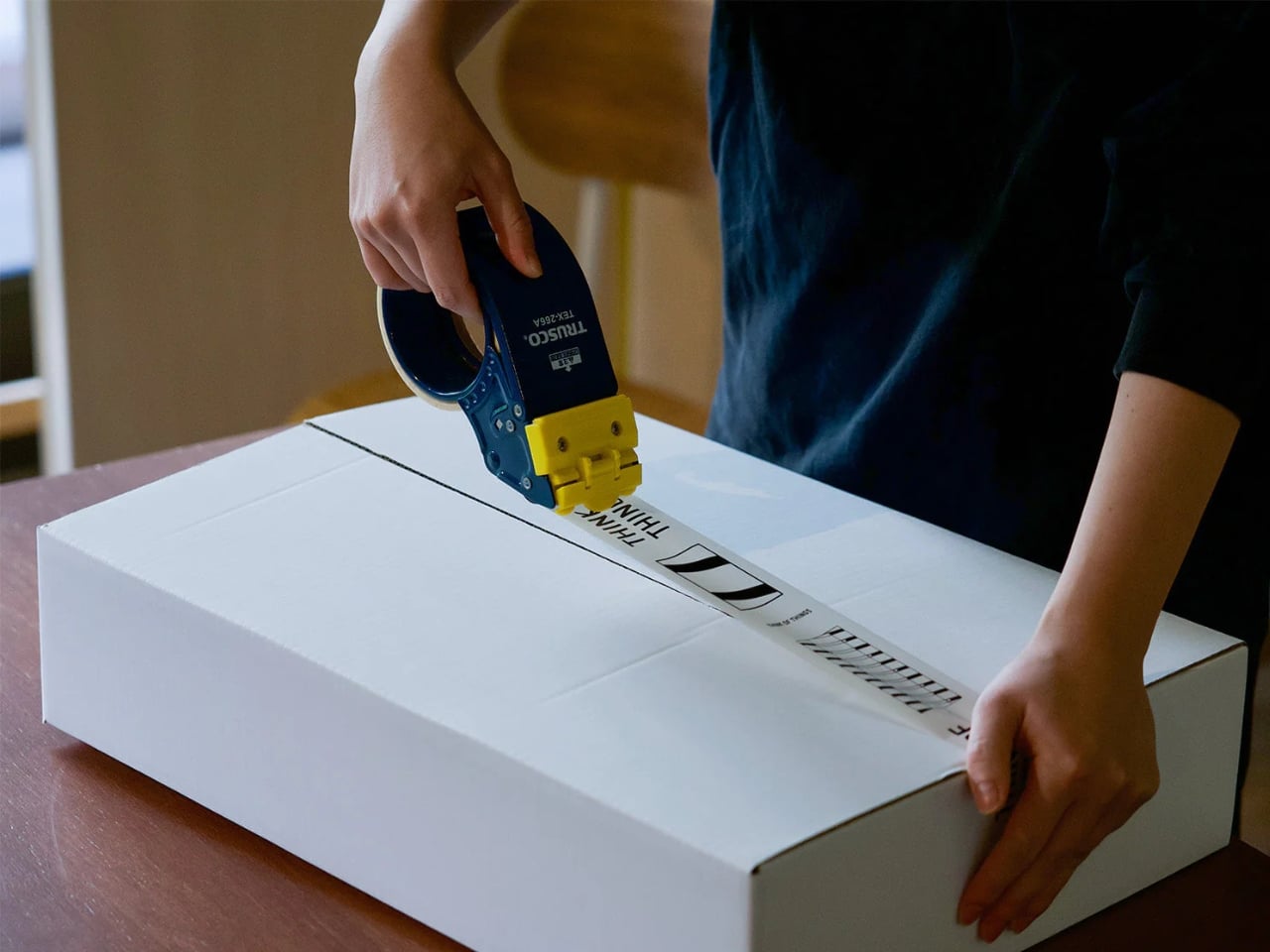
The body is made from steel, not flimsy plastic, which gives it enough heft (about 0.31 kilograms) to stay put on your desk when you’re pulling tape. That might sound heavy compared to those lightweight dispensers, but that weight is actually the point. You want something that doesn’t skitter across your workspace every time you use it. Customer reviews mention that this moderate weight makes it perfect for sealing cardboard boxes without having to hold the dispenser down with your other hand.

TRUSCO NAKAYAMA is a specialized trading company that supports Japan’s manufacturing industry, and you can tell this dispenser was designed for people who actually work with their hands. It’s built for 3-inch paper tubes, which is the standard size for most packing and shipping operations.

The whole thing measures about 10.47 x 0.63 x 2.83 inches, so it’s substantial but not bulky. Users who sell on flea market websites and other e-commerce platforms have called it a game-changer for their packing routines. Once you understand the setup (and yes, there are instructions), it becomes one of those tools you reach for automatically.

What makes the TEX-266A interesting from a design perspective is that it’s not trying to reinvent tape dispensers. It’s not flashy or overly complicated. Instead, it takes all the small annoyances that make tape dispensers frustrating to use and methodically addresses them. The anti-backflow mechanism, the safety cover, the weighted body, the dual rollers with that static cling strip. These are solutions to real problems that people actually experience.

It’s the kind of thoughtful industrial design that doesn’t always get attention because it’s not sexy or trendy. But it’s the difference between a tool that works with you and one that fights you every step of the way. And if you’ve ever been in the middle of packing twenty boxes and your tape dispenser decides to have a meltdown, you know that difference matters.

The post The Tape Dispenser That’s Too Smart to Be This Simple first appeared on Yanko Design.
Minimal bent tape dispenser is made from a single piece of steel

There’s a meme that says one of the things that you’ll never find when you need it is the tape dispenser. You may own one (or maybe even several) but the moment you actually need it, it disappears. So maybe you need something that’s permanently attached to your work space or also something that’s not so difficult to use since I’ve “destroyed” several out of frustration.

Designer: CW&T

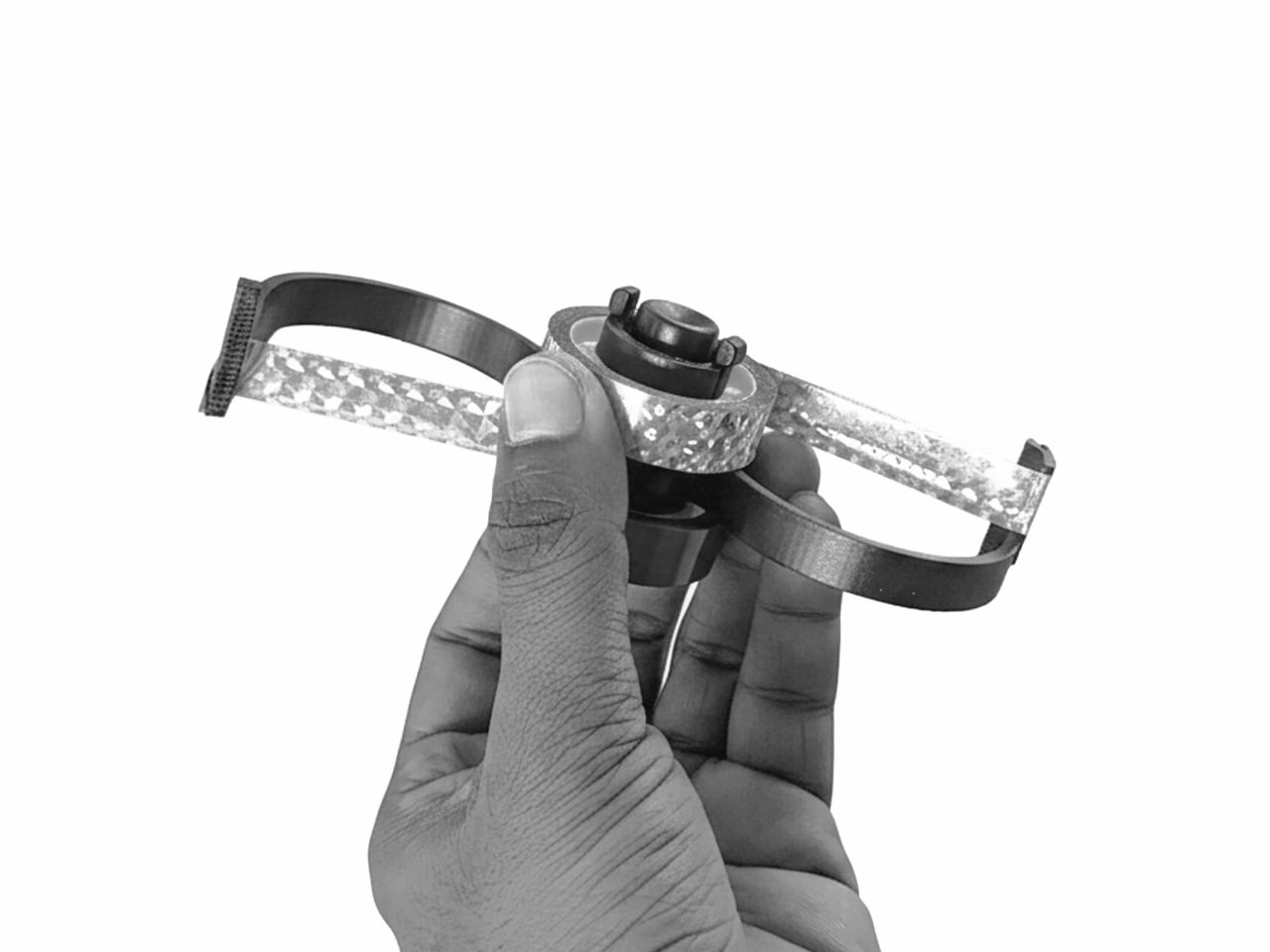
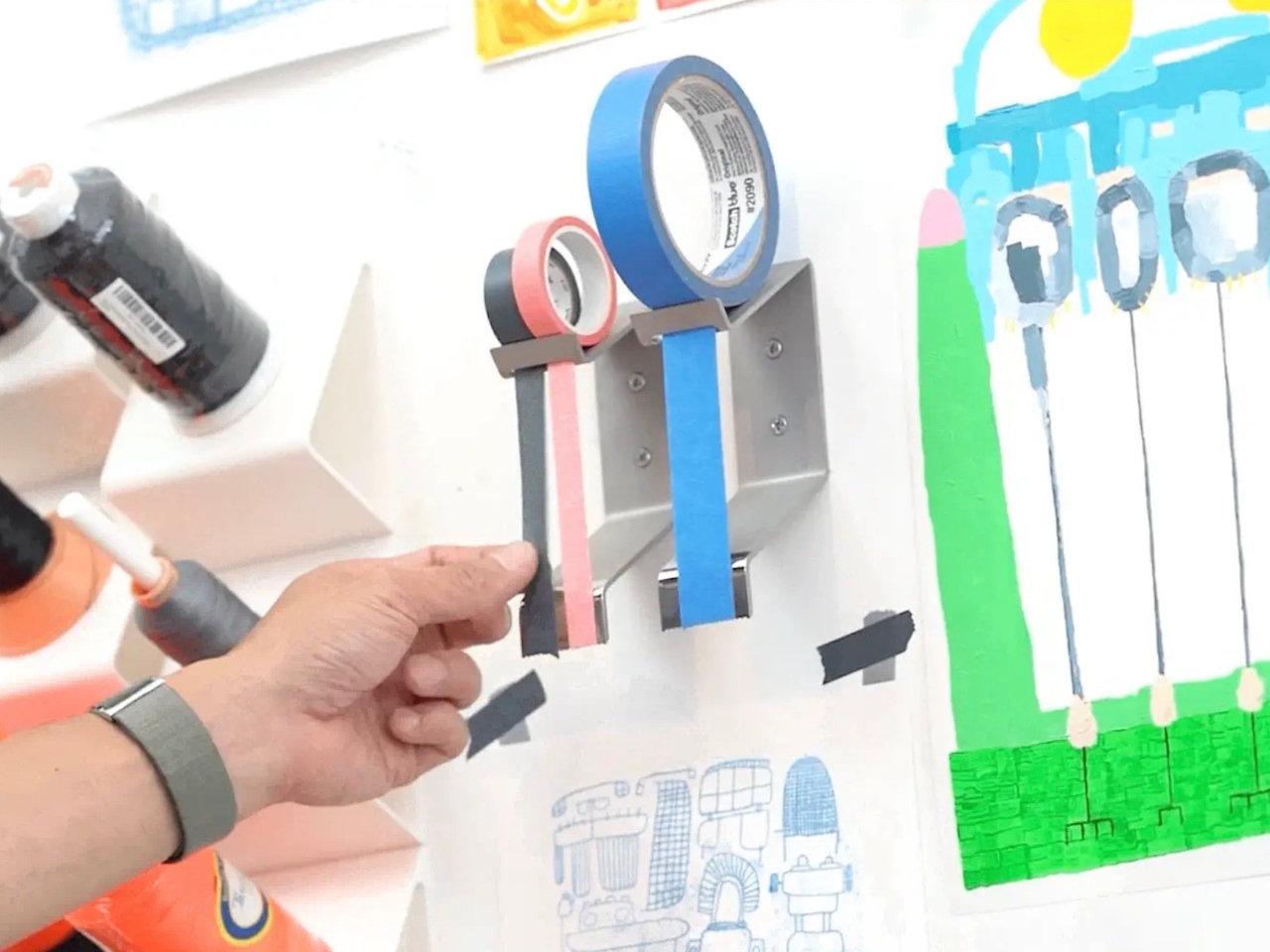
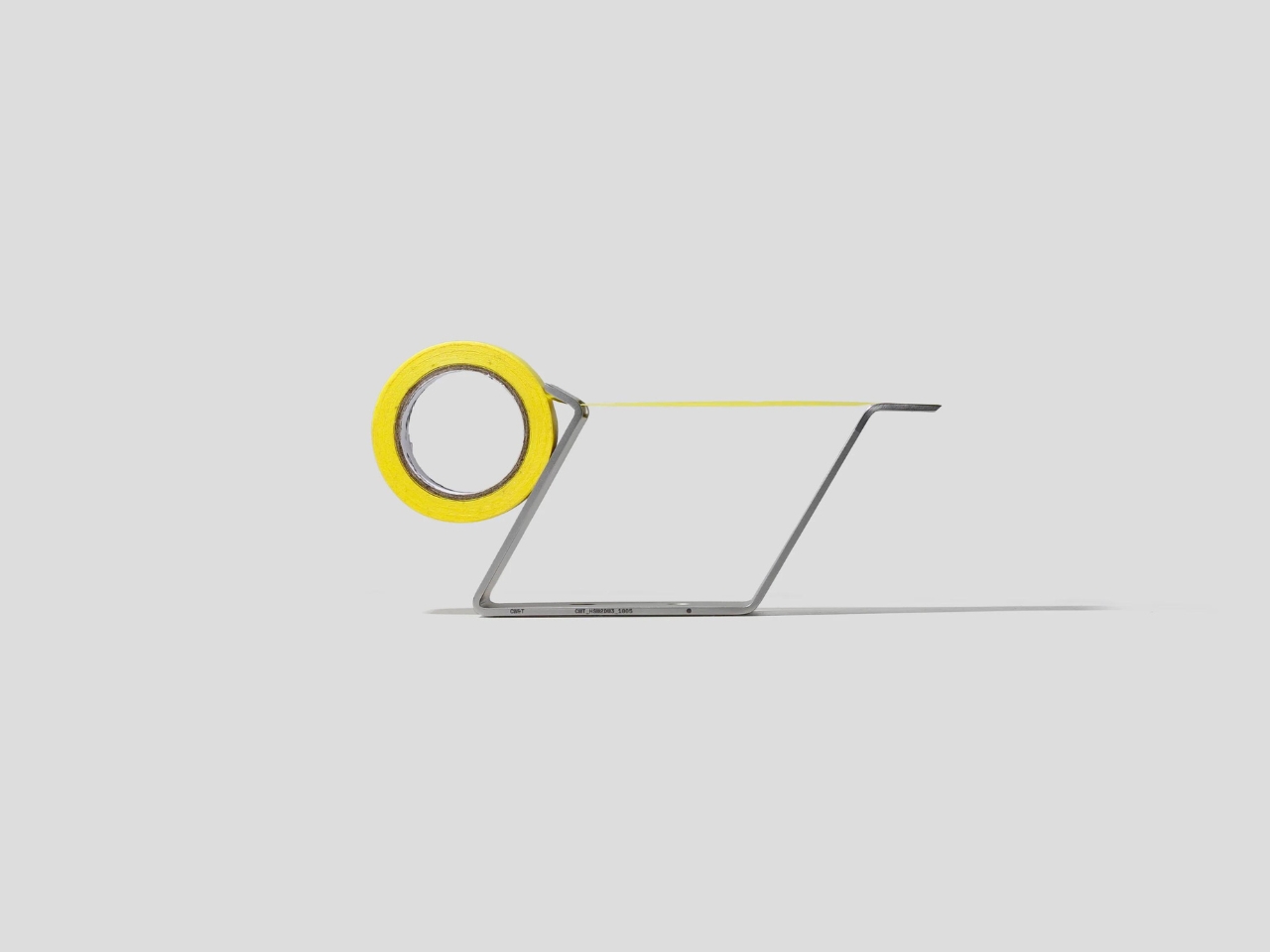
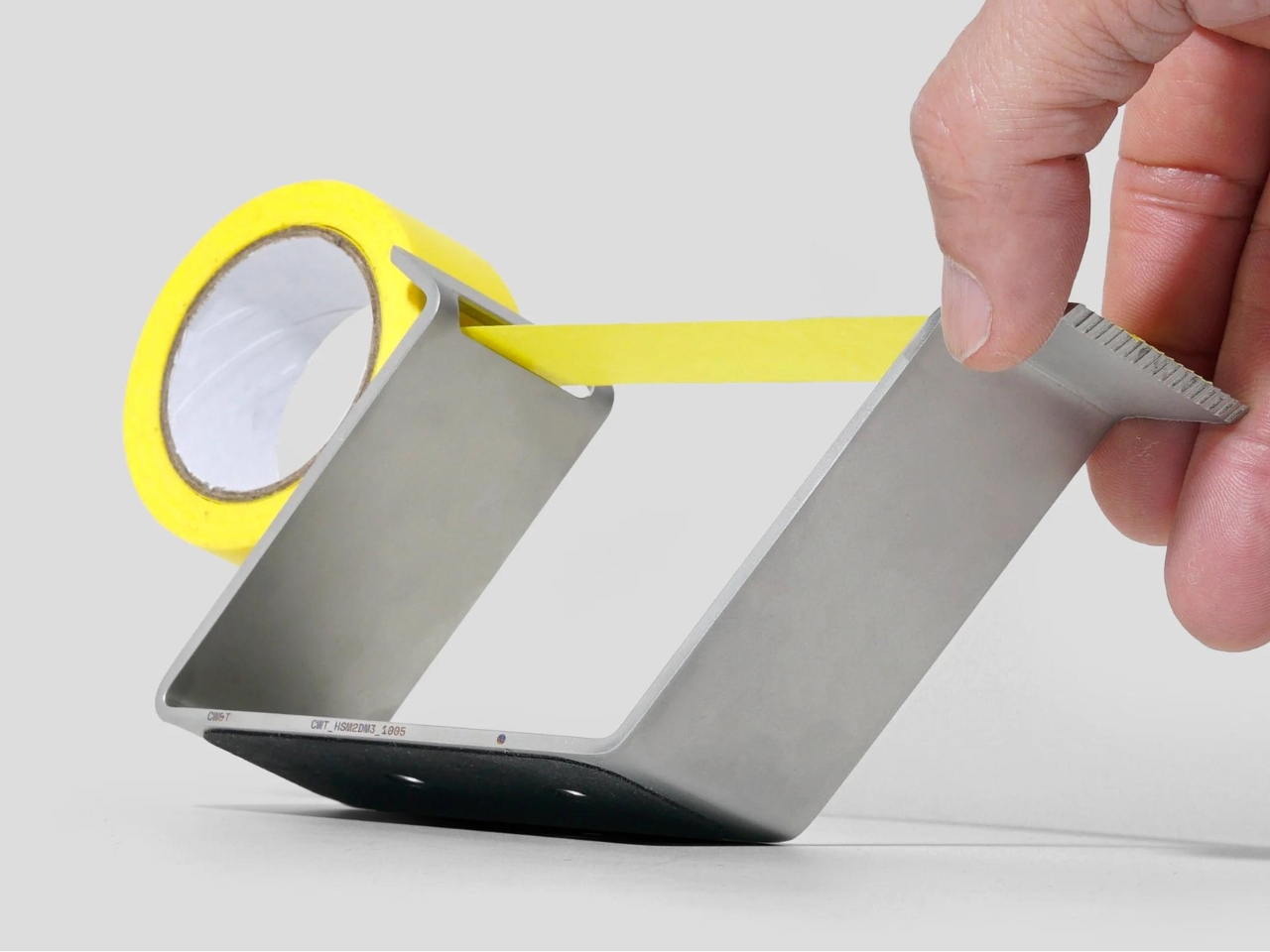
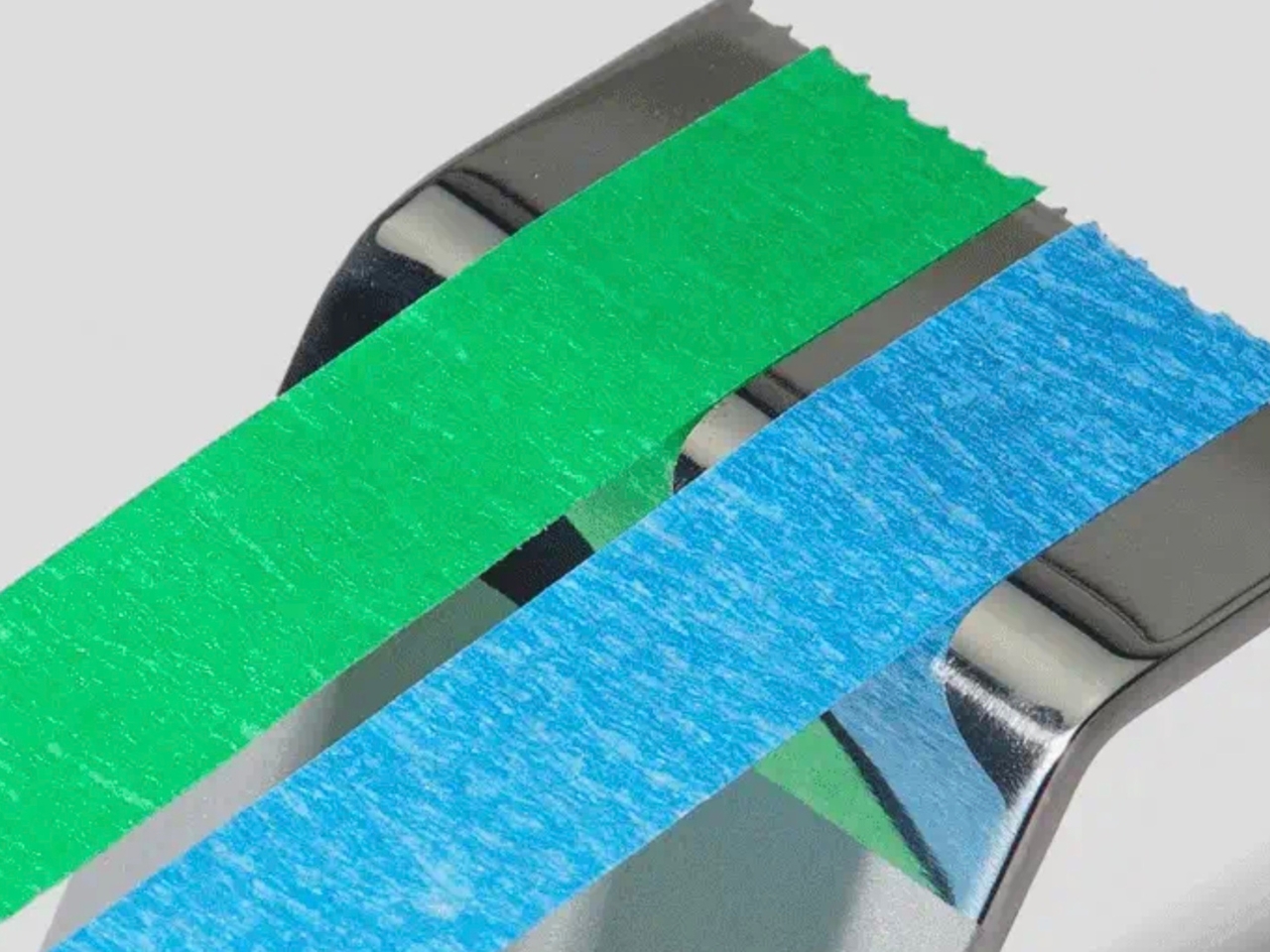
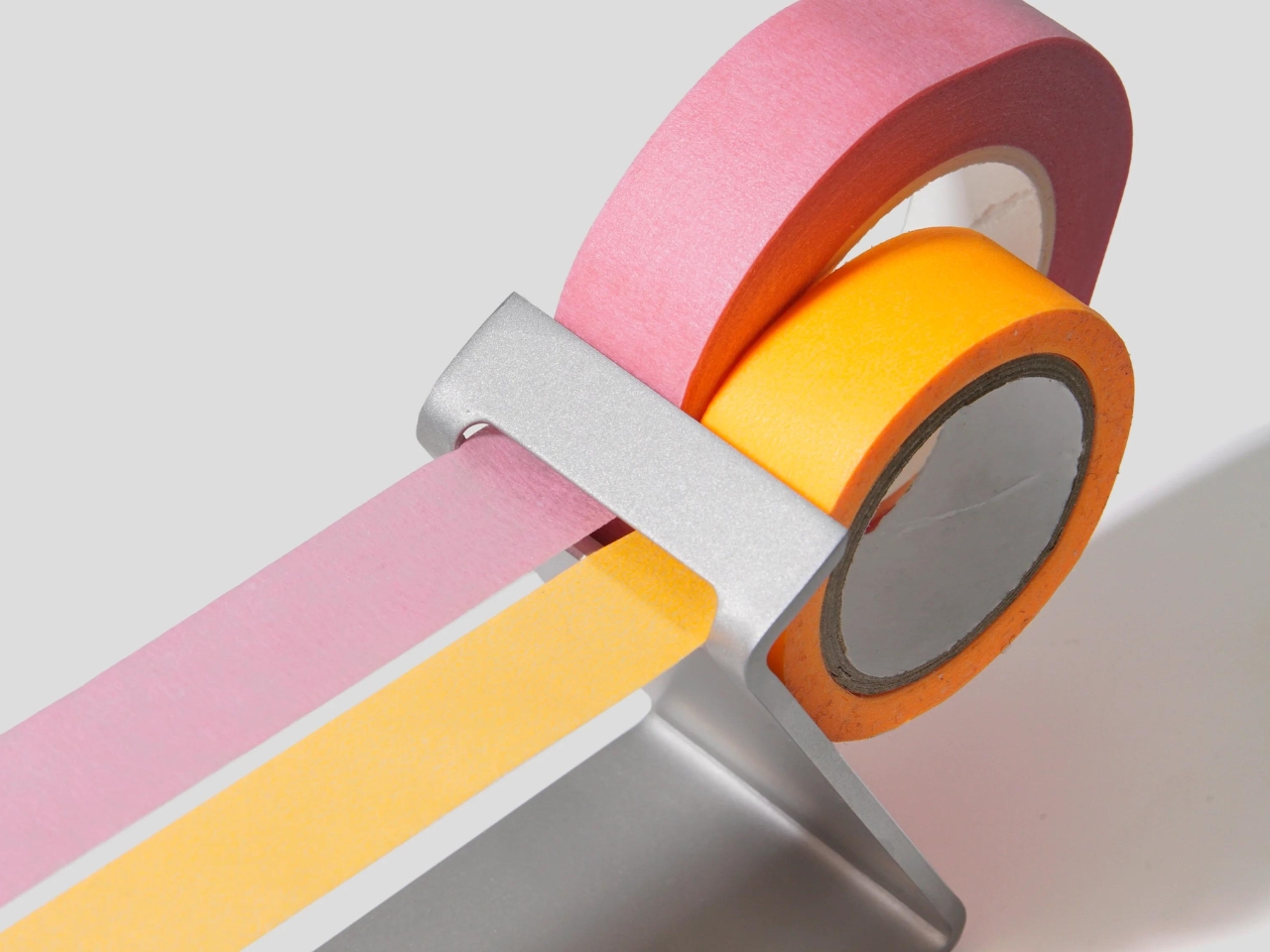
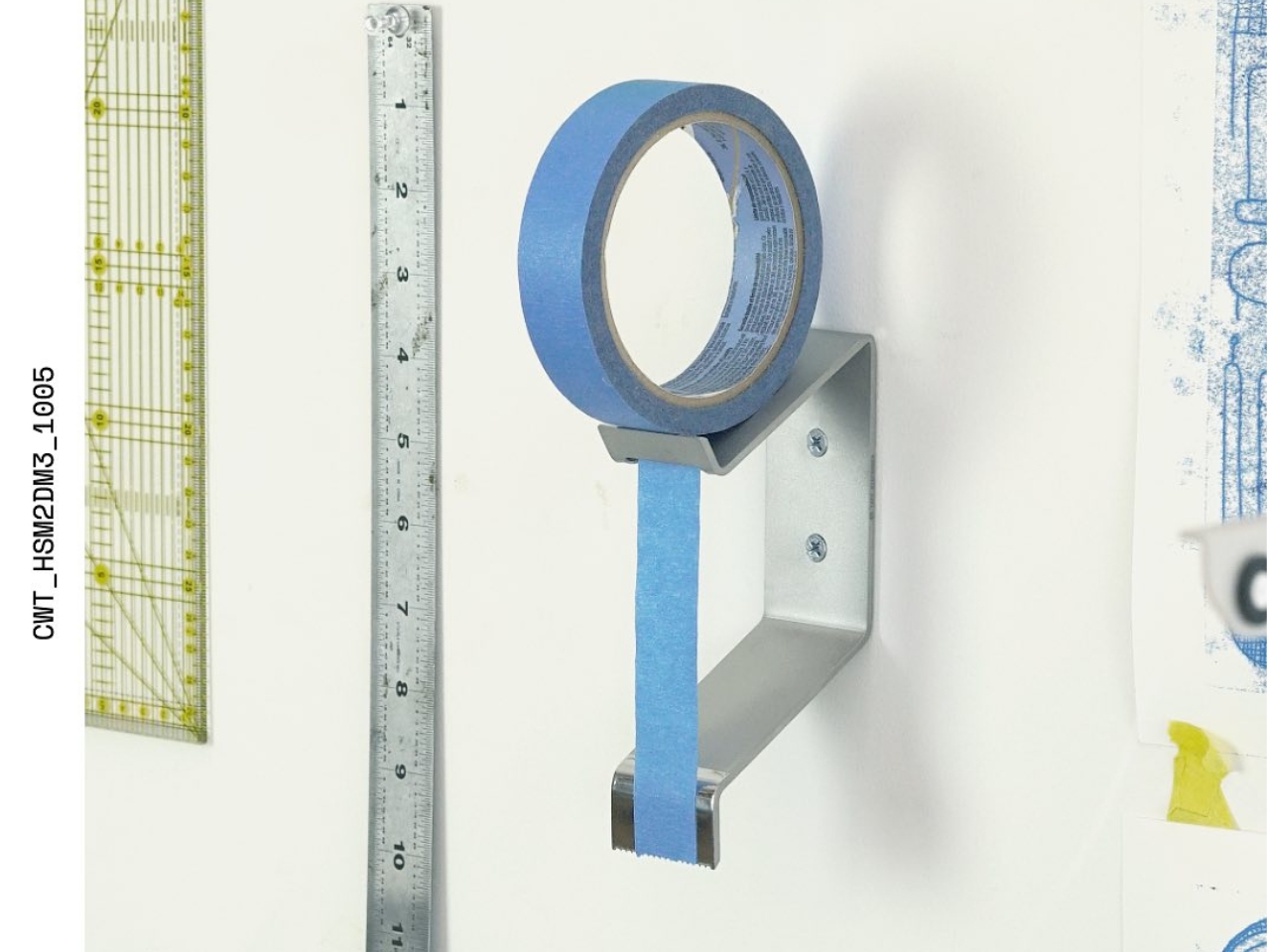
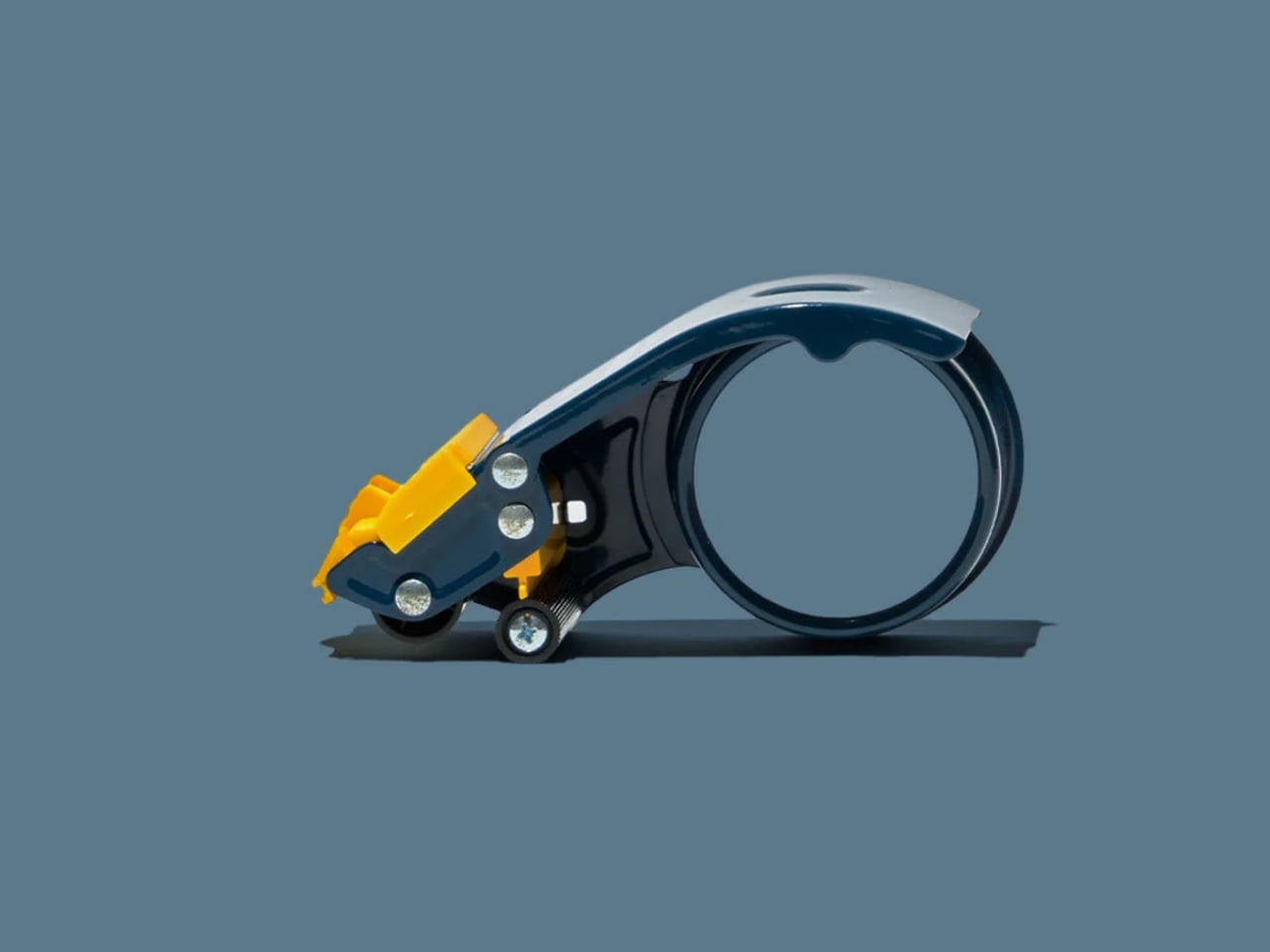
As a stationery lover, I like those simple and minimalist items that are both highly functional but also but also well-designed pieces. The M.R Tape Dispenser is one such item that I’ll welcome on my desk. It is a multi-radius tape dispenser that can hold one or multiple rolls of tapes of different sizes. It uses tension to hold and dispense these pieces of tapes.

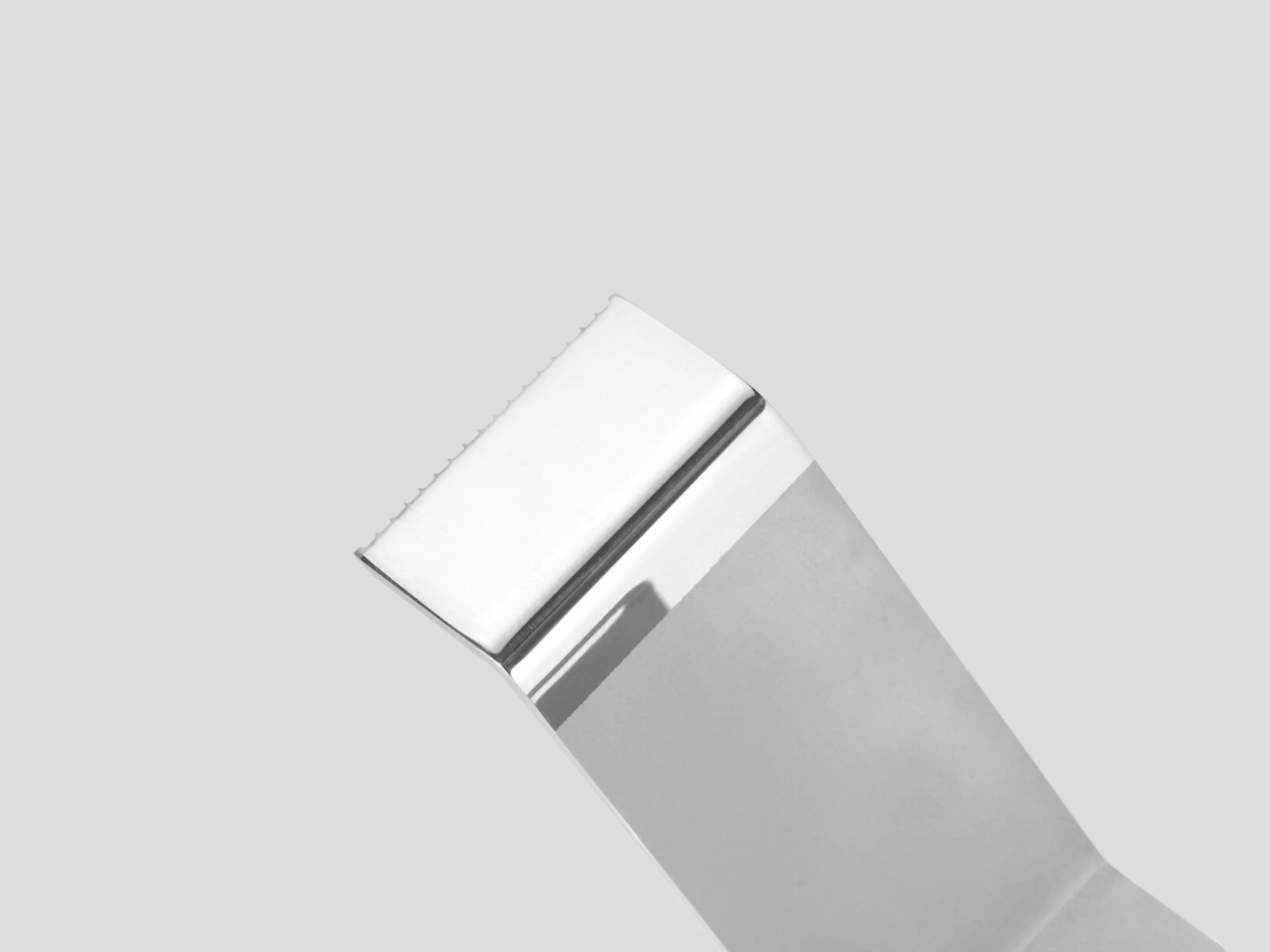
The dispenser is made out of just one piece of machined and bent stainless steel. The tape is then fed through an opening and then cut into a polished surface. In order to get maximum adhesion, the space where the tape is held and teared off has a mirror polished finish. The dispenser itself has a rubber bump-on pad on its base so it can grip on to your surface. You can attach it to your wall or to your desk.

It’s a pretty simple piece of stationery but because the designers thought long and hard about it, you get something that’s pretty functional. Hopefully you don’t lose it since it’s a pretty expensive piece of tape dispenser.

The post Minimal bent tape dispenser is made from a single piece of steel first appeared on Yanko Design.