DJI FPV Goggles Concept Uses Foldable Antenna Panels to Fix Signal Reception

FPV flying is phenomenally fun and almost completely non-transferable. You’re seeing through the aircraft’s perspective, feeling every input through the video lag, reading the environment in ways that only make sense when you’re in the feed. But to everyone around you, you’ve just put on a box that makes you unavailable for the next however-long. They can’t see what you’re seeing unless you’ve brought extra gear specifically for that purpose. Flying becomes this weirdly solitary activity even when you’re surrounded by people, which is partly why FPV remains niche despite being objectively amazing.

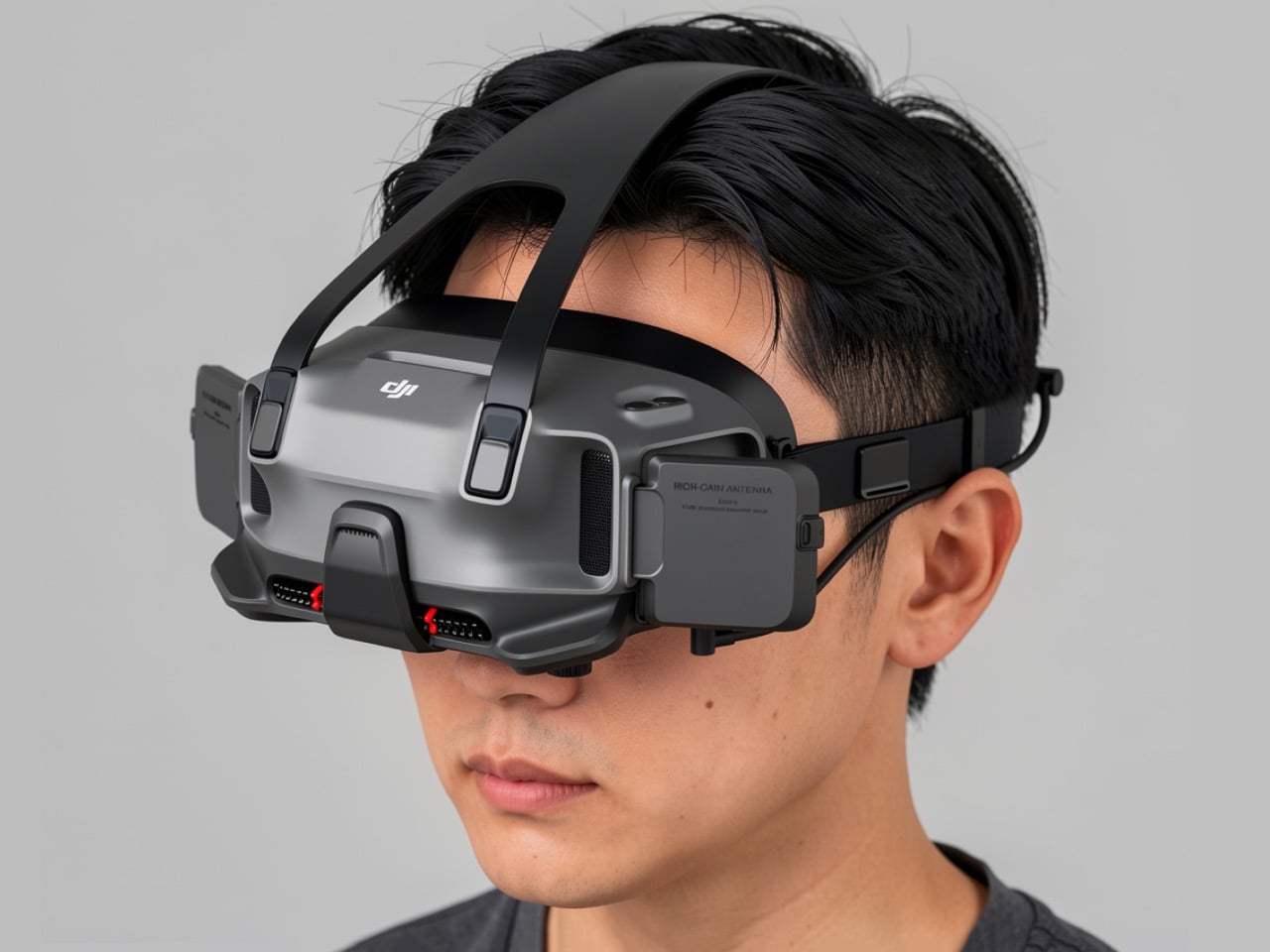
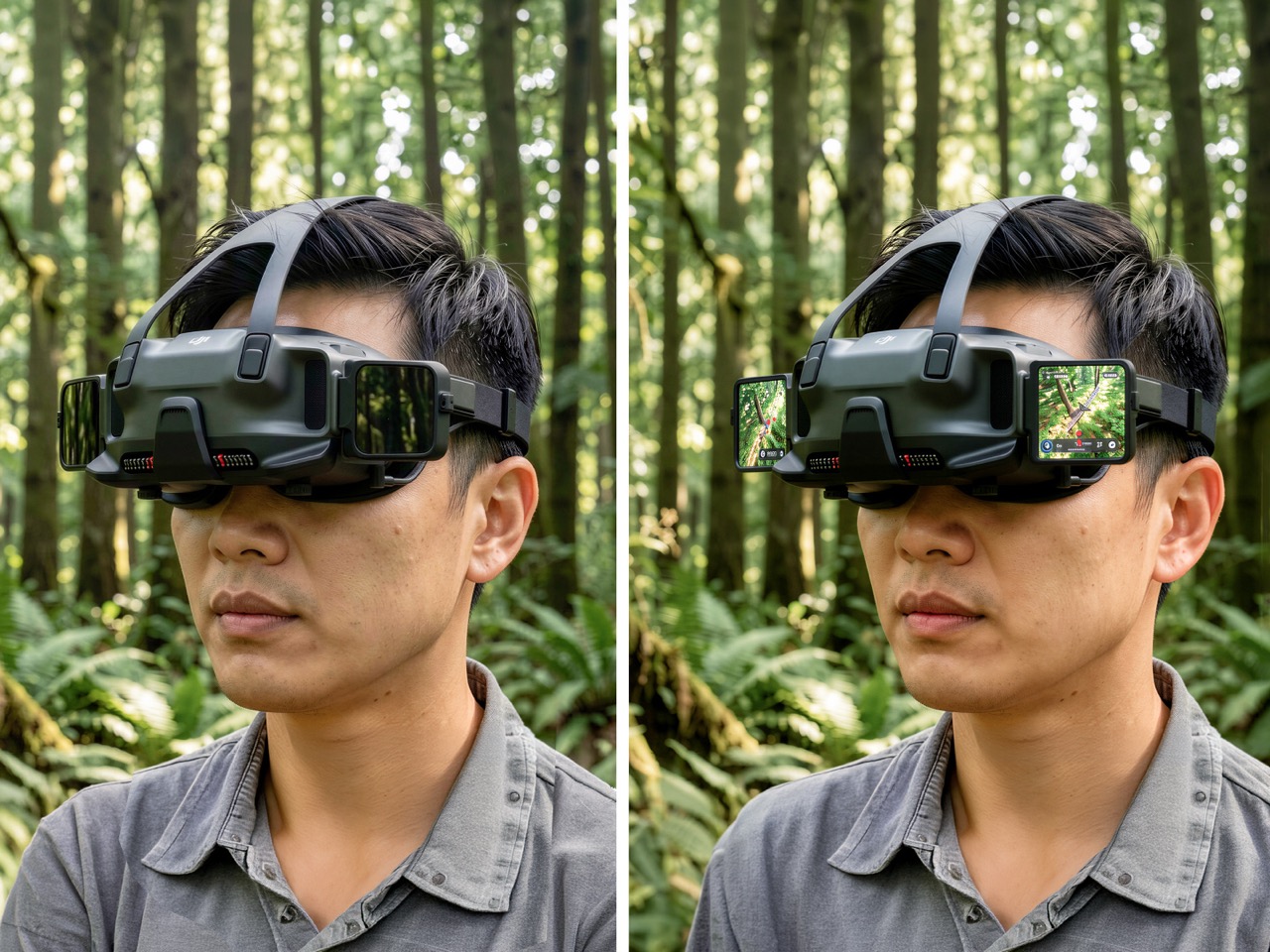
This concept headset tackles radio frequency challenges first and foremost. Those fold-out panels house high-gain antennas that deploy for better signal reception and fold flush for transport, following DJI’s industrial design language closely enough to suggest these could be internal explorations for future Goggles iterations. But one variant shown in the forest shots takes things further: outward-facing displays embedded in those same antenna panels, broadcasting the pilot’s FPV feed to anyone standing nearby. It’s the kind of feature that transforms the headset wearer from someone who’s checked out into the center of a shared experience, addressing one of FPV’s biggest adoption barriers while solving legitimate antenna placement problems.

Designer: Baozi Brother
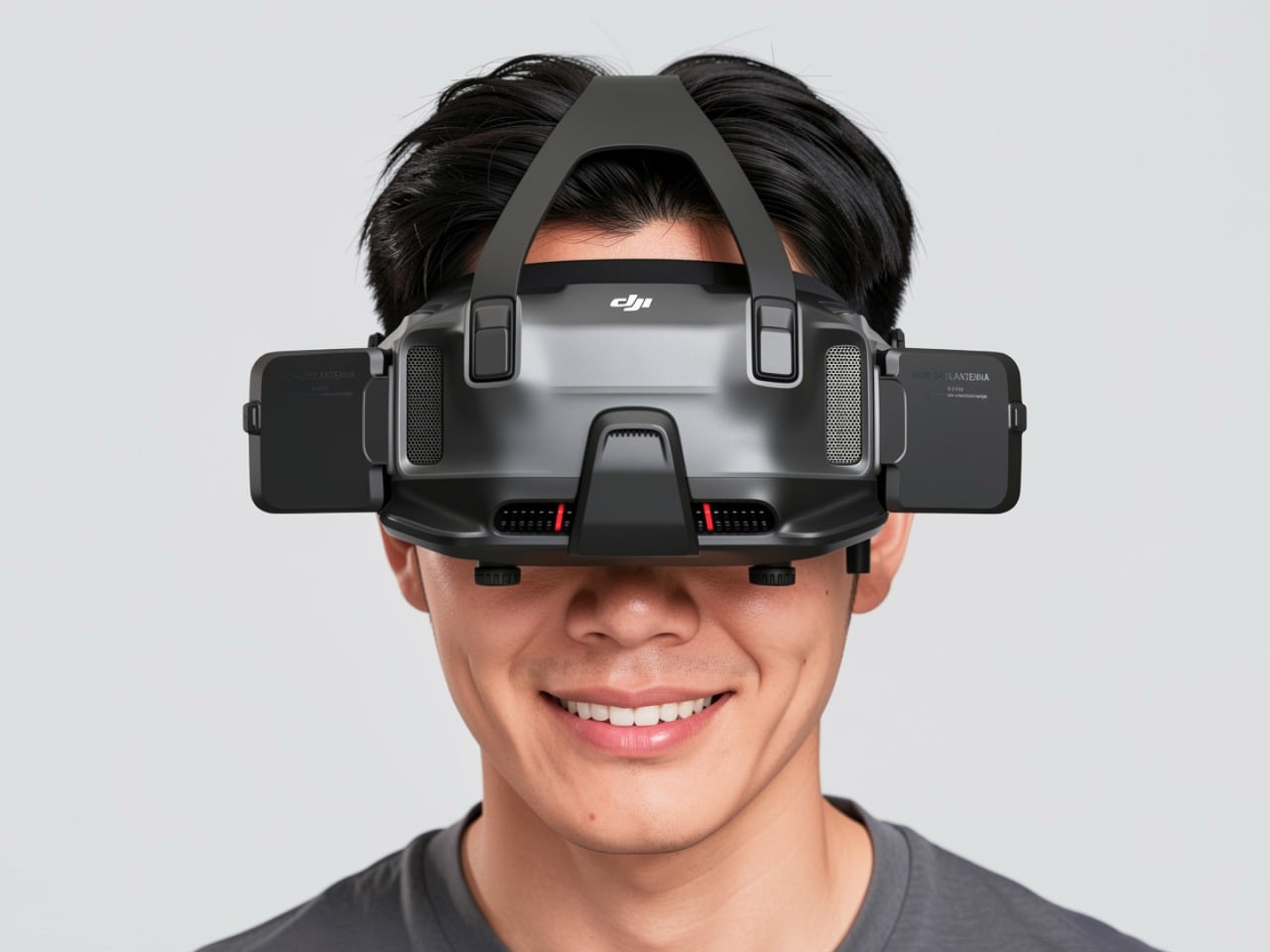
Radio frequency propagation operates on physics that industrial designers can’t negotiate with. The 5.8GHz band used for FPV video transmission behaves predictably but unforgivingly. Obstacles attenuate signal. Distance degrades quality. Antenna polarization and orientation determine whether you get clean video or digital snow. DJI’s early FPV Goggles buried antennas inside the housing for clean aesthetics and struggled with reception compared to competitors running external stick antennas that looked awkward but performed better. The Goggles V2 improved things. The Goggles 2 and Integra finally achieved competitive range by respecting rather than fighting antenna requirements, but they still used conventional mounting approaches that pilots have relied on for years.
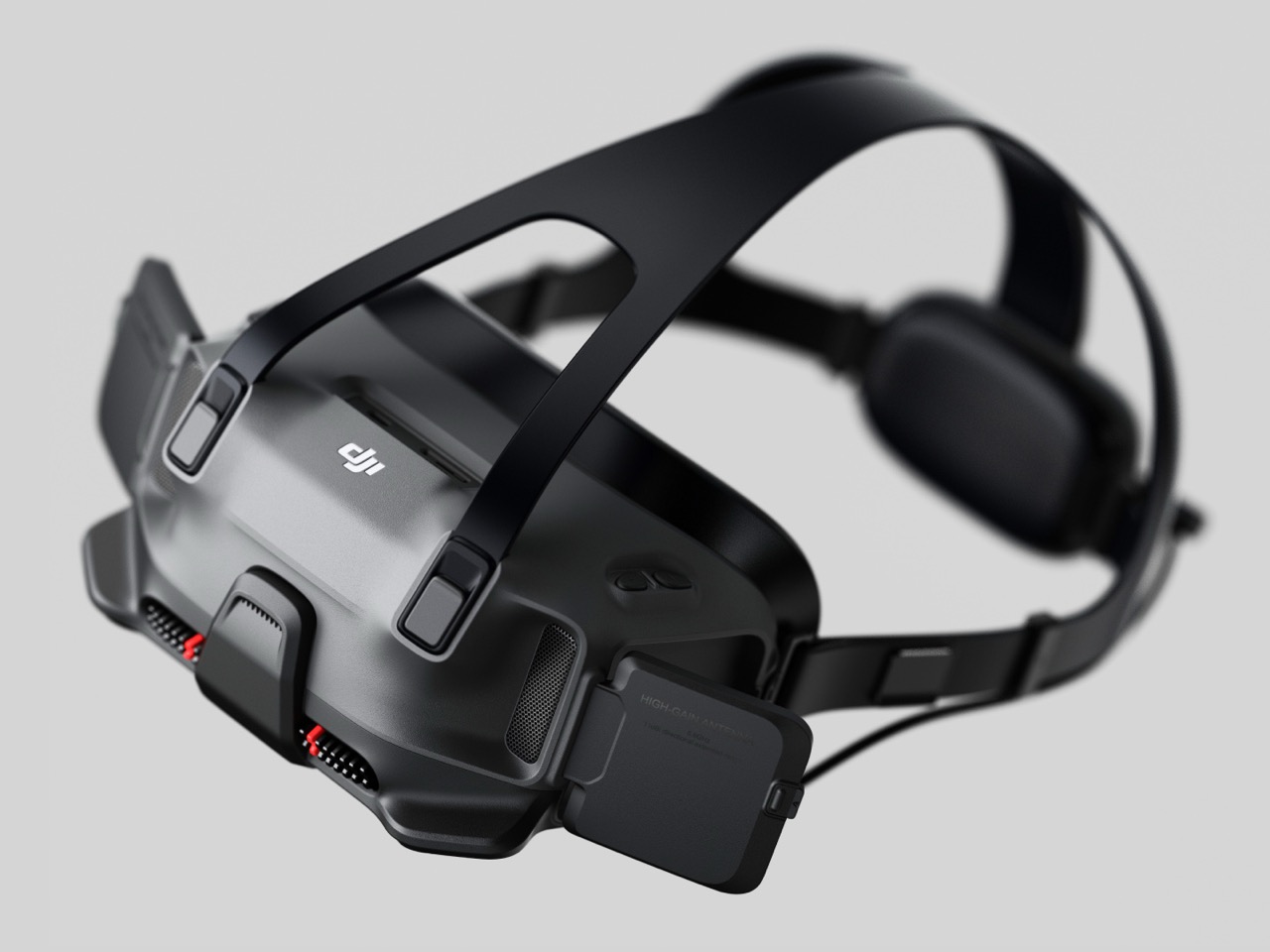
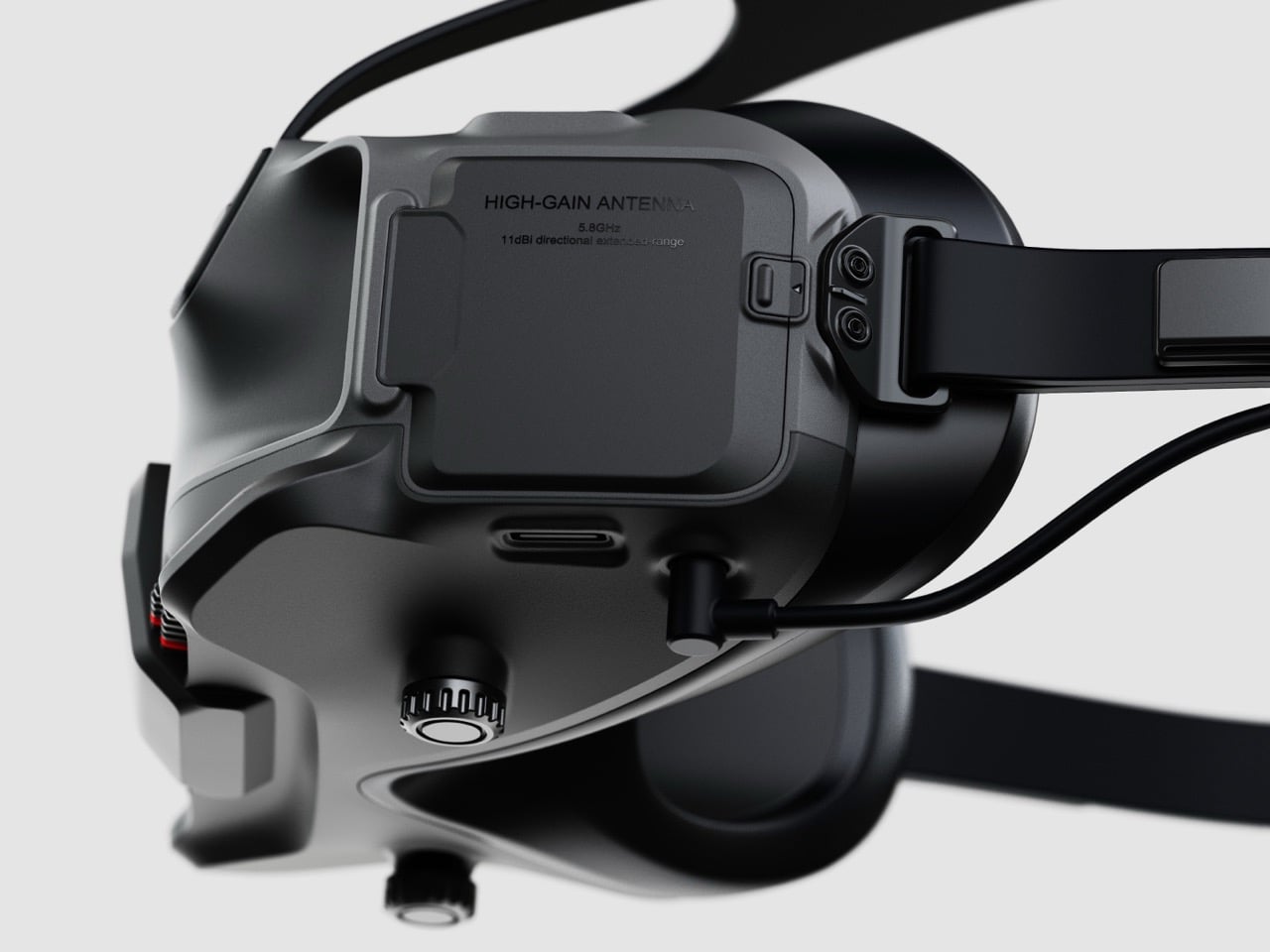
Baozi Brother’s concept makes antenna placement the core organizing principle rather than a constraint to work around. Those wing-like panels extending from either side create physical separation between antenna elements, which matters tremendously for diversity reception. When one antenna’s signal weakens due to aircraft orientation or obstacles, the receiver switches to whichever antenna currently has the stronger feed. Spacing them wide apart on opposite sides of the headset maximizes the likelihood that at least one maintains clean line of sight to the aircraft, even during aggressive maneuvers or when flying behind structures.
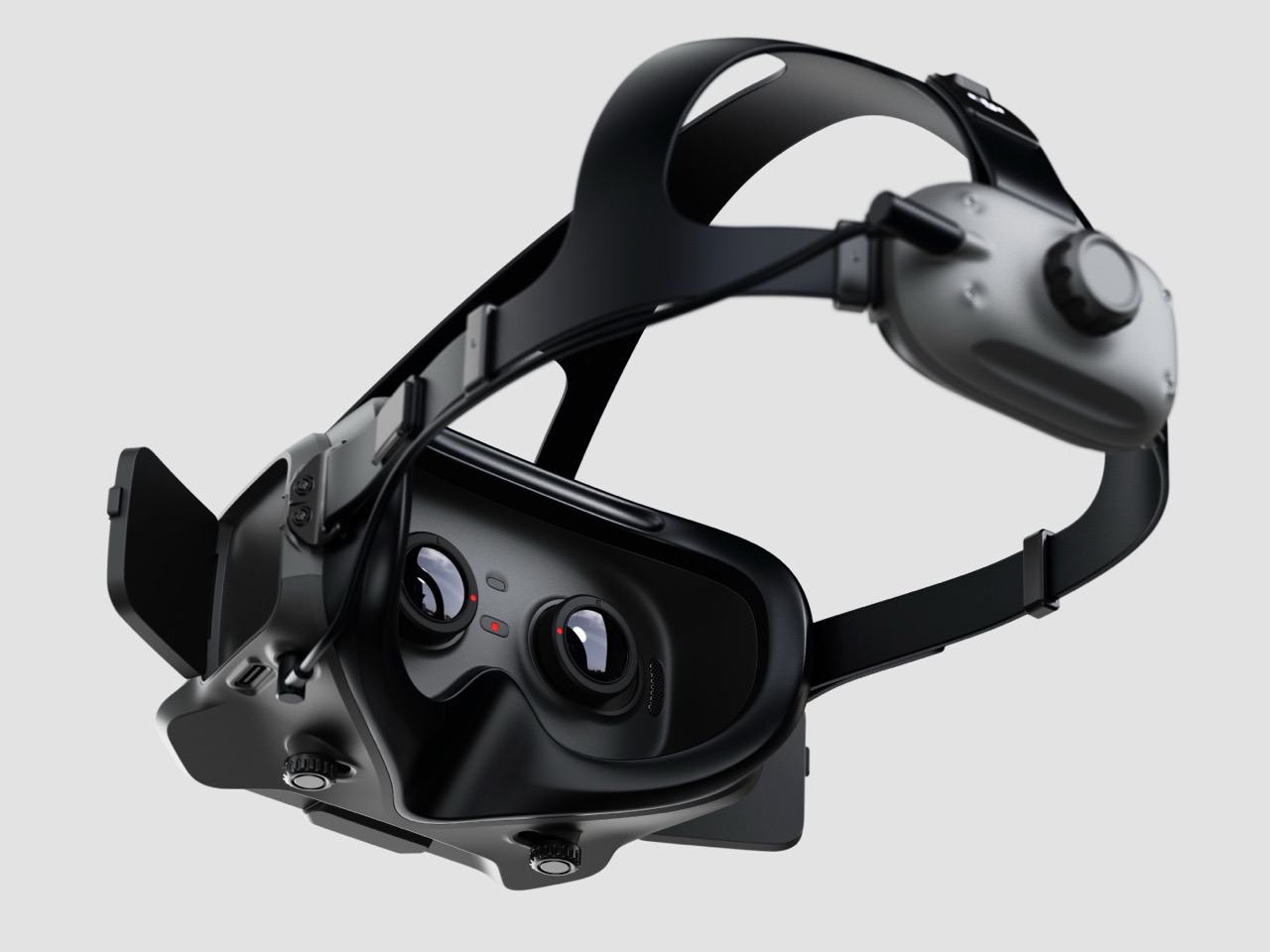
The mechanical deployment system uses what appears to be a friction hinge with detents, letting pilots snap the panels into position without tools or fumbling with locks. When folded, the headset’s profile stays compact enough for standard gear bags. When deployed, the panels extend at roughly 45 degrees, positioning antennas away from the head and creating better unobstructed reception angles than current goggles achieve. DJI’s design vocabulary runs throughout: gunmetal gray housing, matte black elastomer padding, sculpted ventilation channels. A BOA-style micro-adjustment dial handles head strap tension at the rear. Port placement on the right side shows USB-C, likely HDMI, and what might be an audio jack.
Now about those screens. The variant shown in the forest environment embeds displays on the outward-facing surfaces of the antenna panels. When deployed, they broadcast the pilot’s FPV feed to spectators, instructors, or anyone nearby. Your instructor watches your training flight without needing separate gear. Your friends see why you’re excited about that gap you just threaded. Content creators capture genuine reactions without additional equipment. Whether PUXIANG moves this beyond rendering remains unclear, but as far as rethinking FPV headset architecture around actual RF performance while making the experience more accessible, this gets closer than most attempts at reinventing goggles.
The post DJI FPV Goggles Concept Uses Foldable Antenna Panels to Fix Signal Reception first appeared on Yanko Design.
This Nothing-Inspired XR Headset Displays Your Status So People Know When Not to Interrupt

Fundamentally, spatial computing has evolved at a considerable pace: both in terms of tech and (some would argue) in design as well. However, in both cases, the basic focus has been on creating the most immersive experience for the user, thinking little about the environment around. There is little focus on considering how the user interacts with the world outside of the VR/AR headset.

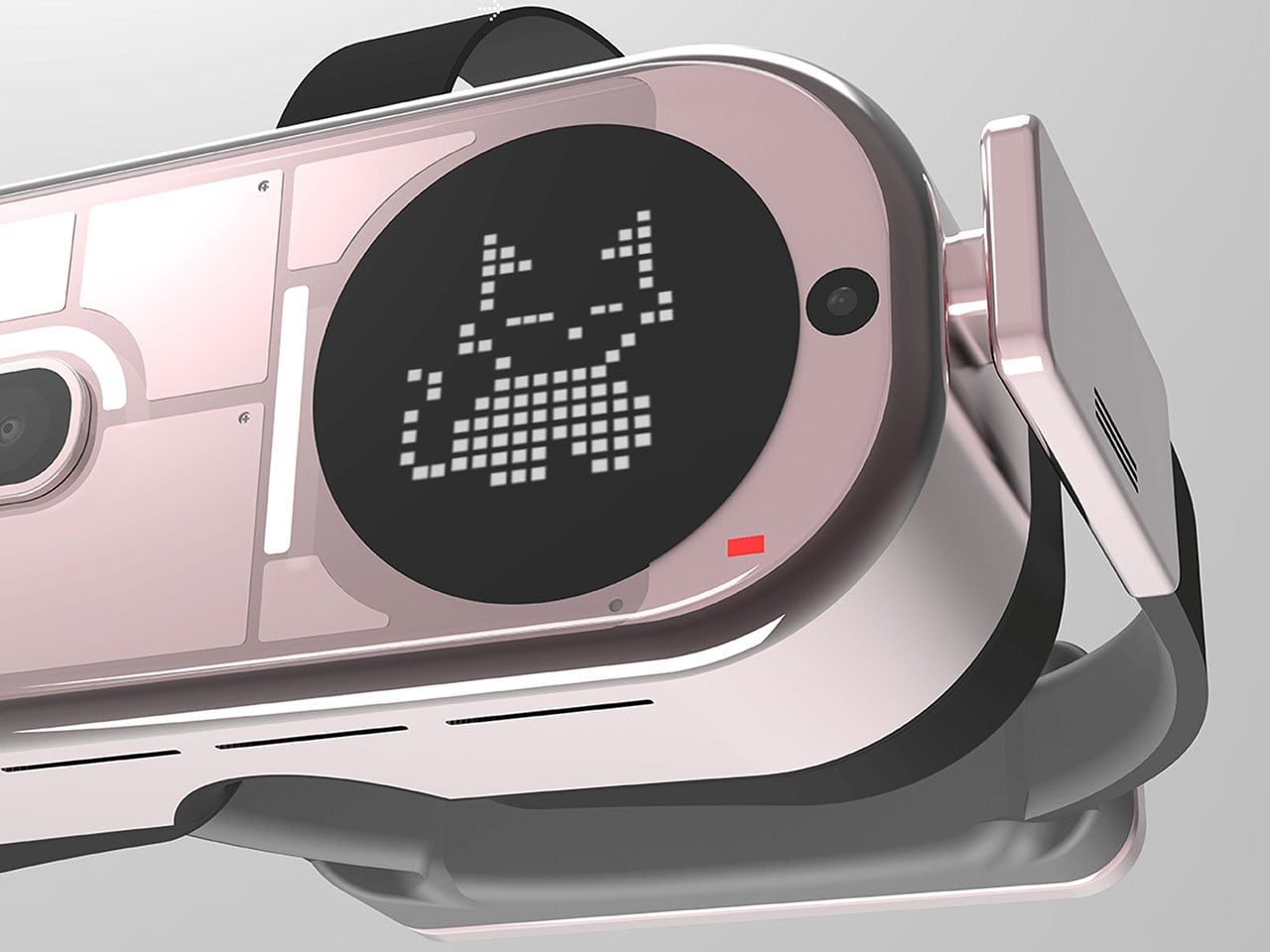
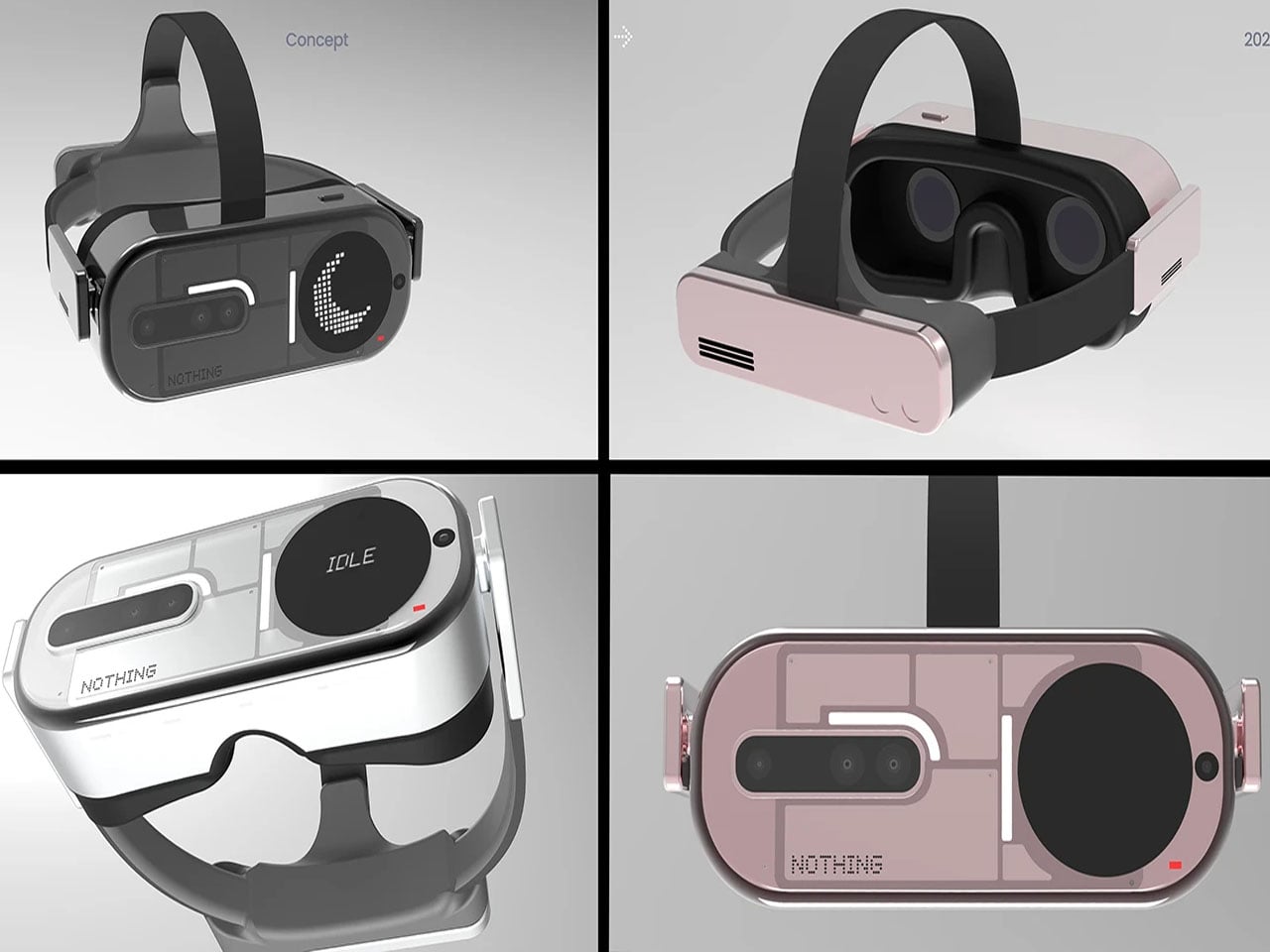
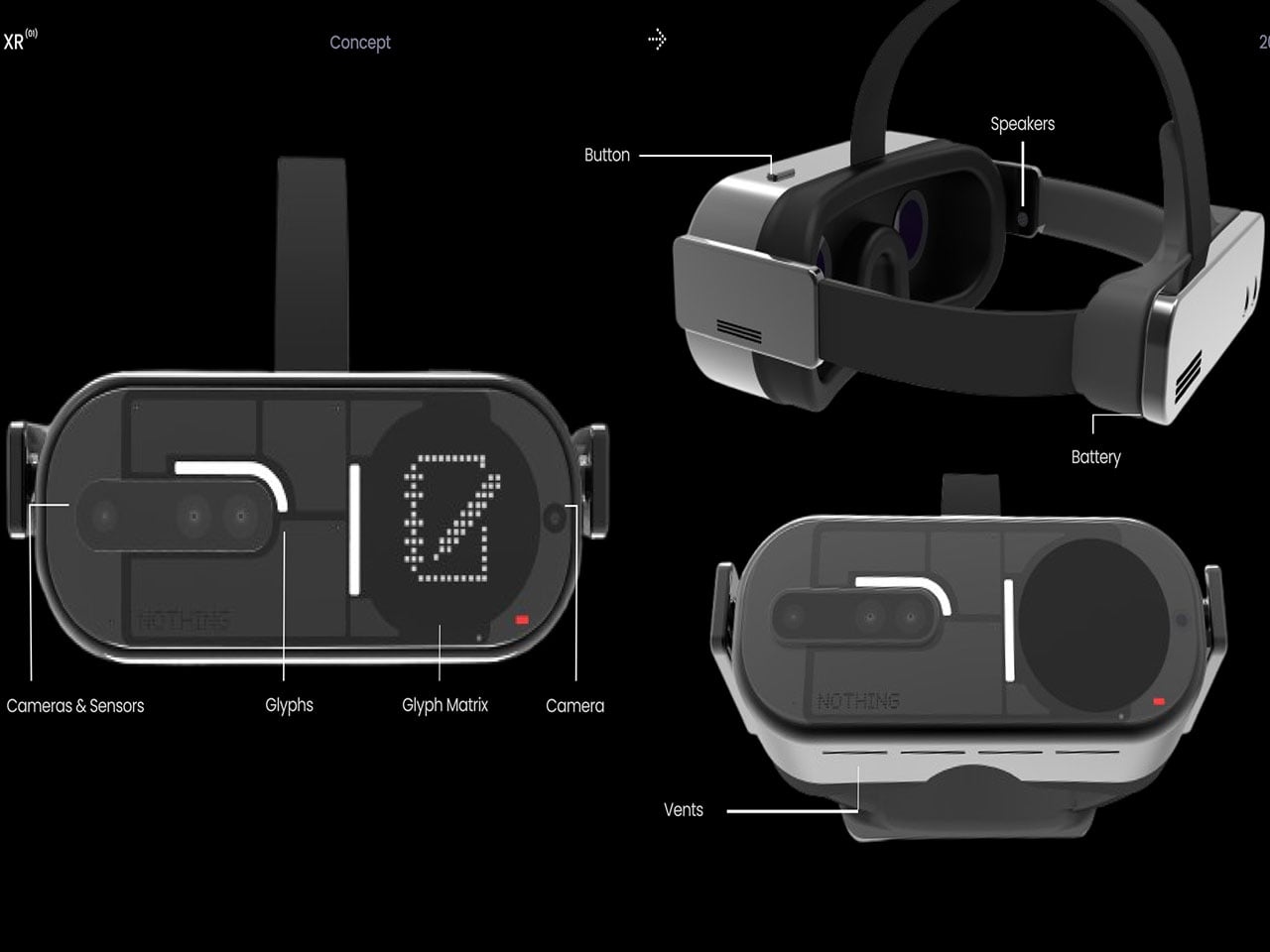
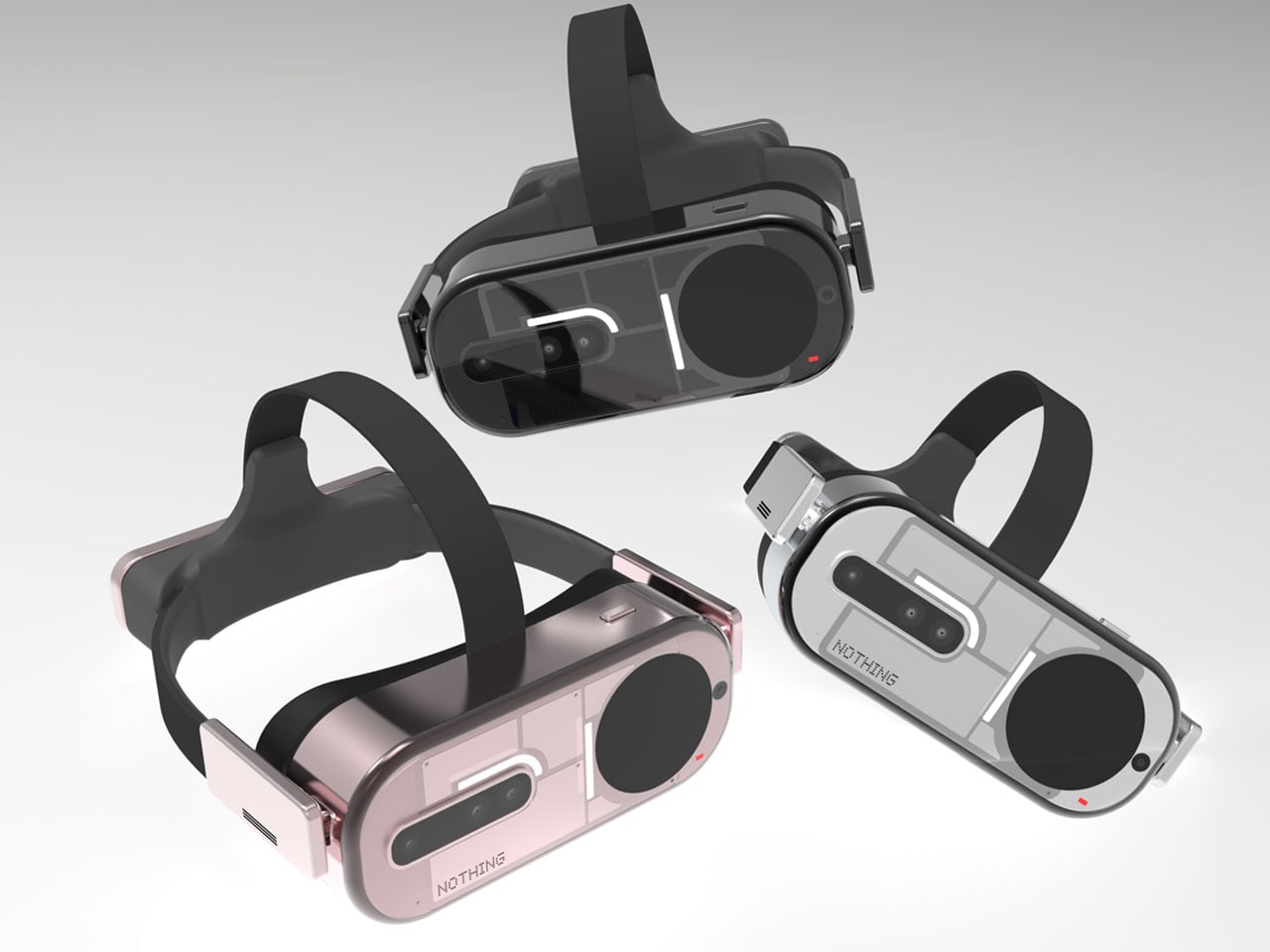
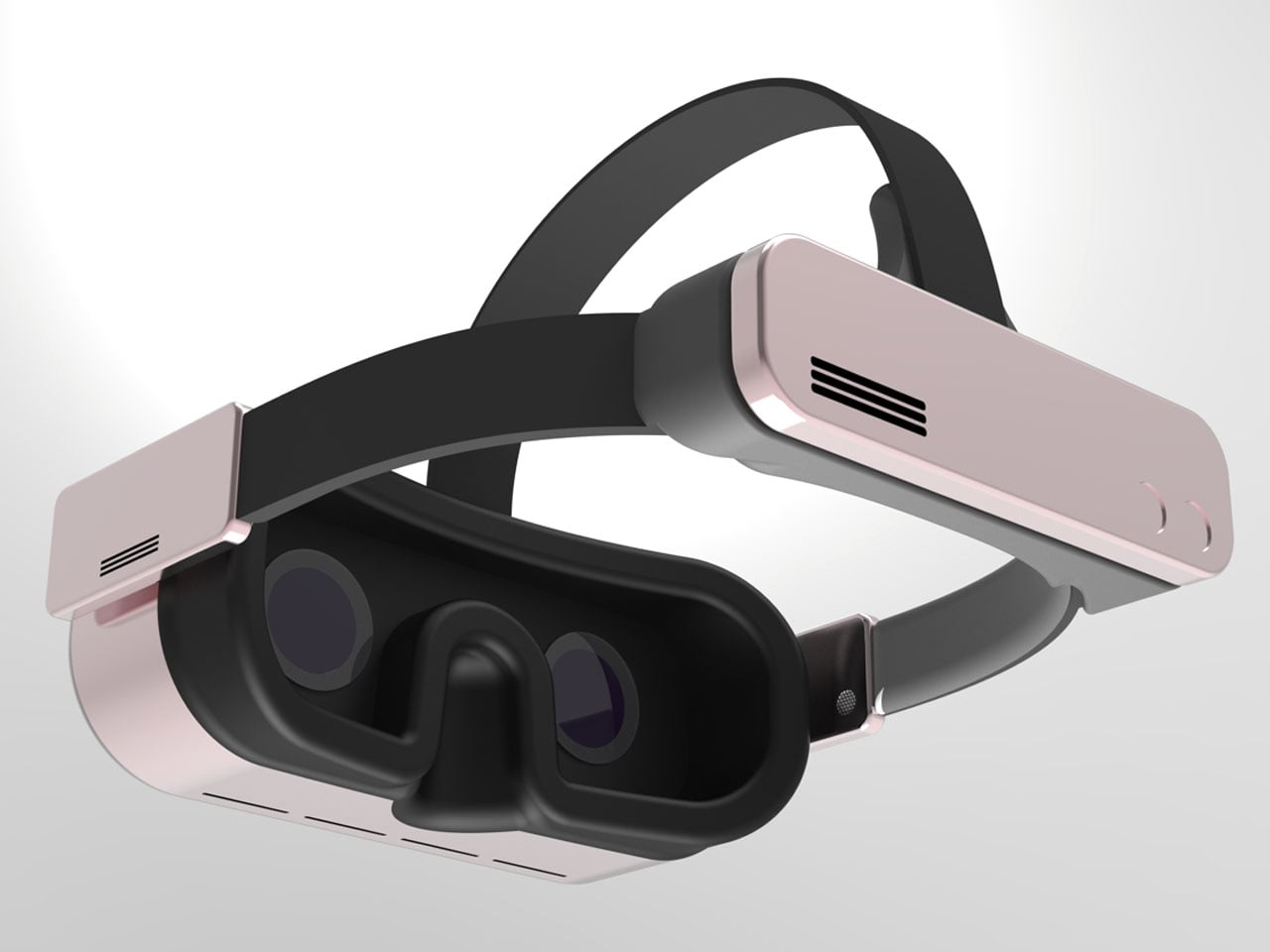
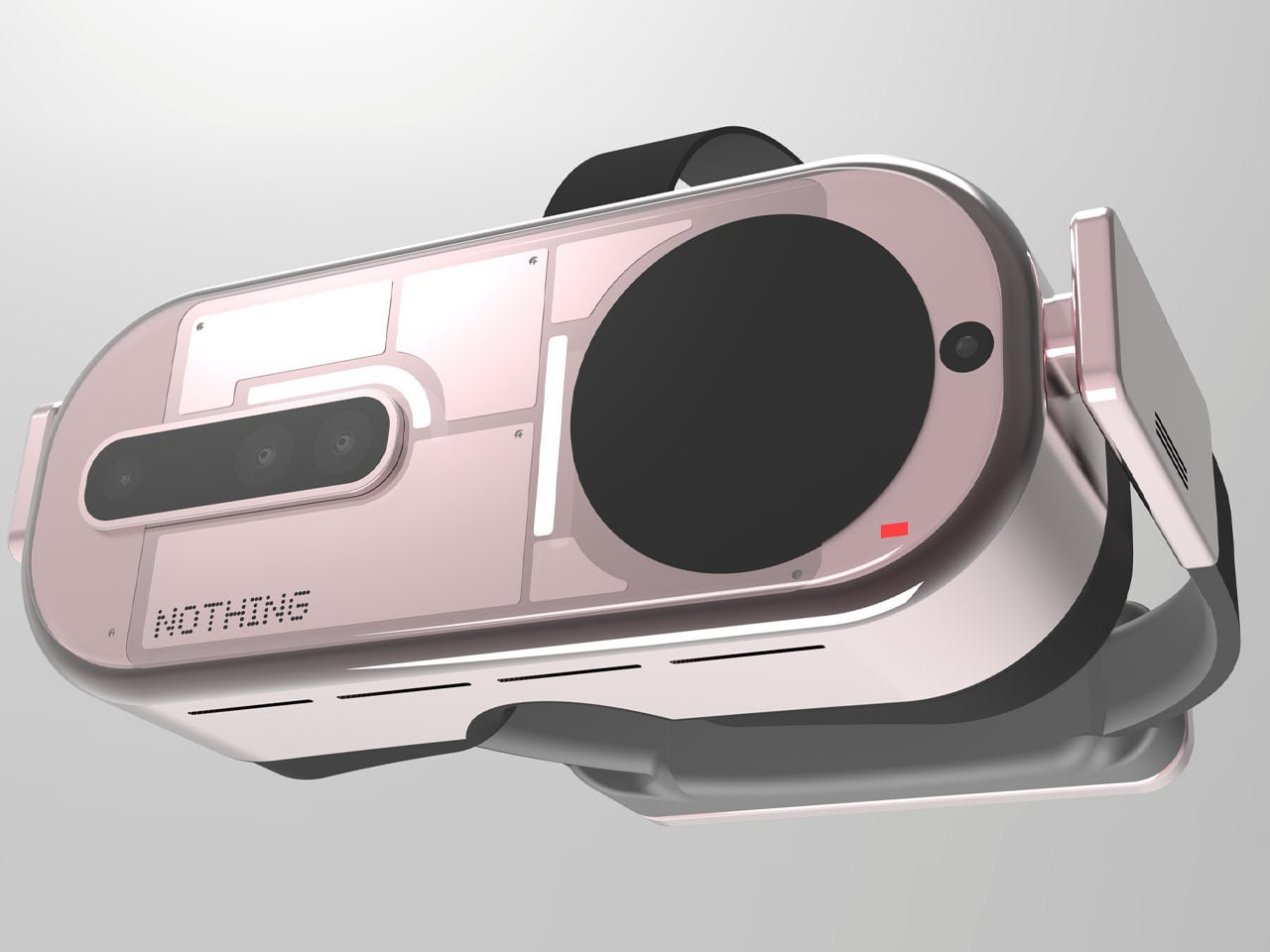
That stands to change with the idea of the Nothing XR(01), a spatial computing headset that puts a dot matrix glyph system over one eye to display users’ states like available, engaged, DND, or idle, while it’s worn. The concept is simple: to let people nearby understand your status at a glance. When you’re wearing the headset, others in the real world can quickly tell whether you’re available for discussion or too engaged to be interrupted.

Designers: Rishajit Prakash and Shashwat Pandey

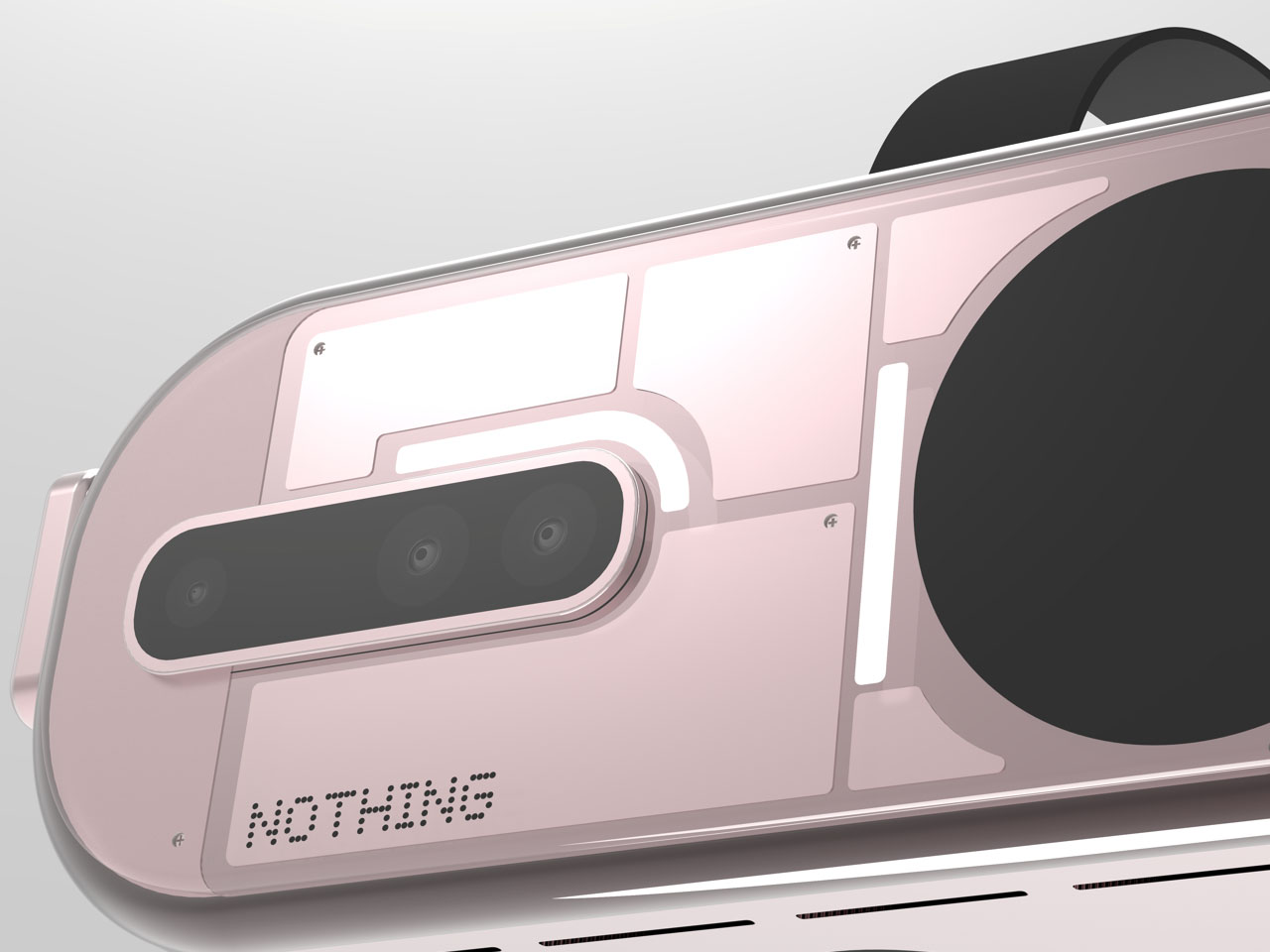
The young designer duo has based the concept on Nothing’s signature design language. It may have its roots in the headsets that’ve been released and not released in the past years, but the idea of the nifty Nothing XR(01), which shifts the discussion toward often ignored real world situation, cannot be overlooked. Its design allows people around to understand the wearer’s intent instantly, without interrupting their experience.

Creatives working in shared environments are often interrupted accidentally by their peers, just because they have no evident clues of when the wearer is available for conversation. By creating a concept for social transparency in an immersive environment, XR(01) has the potential of being the next big idea in extended reality. It is a simple way that allows people around to interact with those engrossed in the digital world.

Designed as a headset concept that communicates without words, the Nothing XR(01) allows the wearer to communicate their social boundary (to the people present outside the immersive space) through four different states DND – do not disturb; Engaged: fully immersed in the task; Available: open to interactions; and Idle: passively present. So instead of isolating you from the world, this concept allows you to be unavailable, while being available; by expressing your state on the front-facing glyph interface.

Now, in shared creative spaces and offices, you can be more engrossed in your immersive world, while those outside read your state from the headset itself. The headset, which has a very Nothing-inspired sensor and camera array over one eye and the glyph matrix on the other. For now, Nothing XR(01) is just a fan-made concept. Whether it will find its way onto the Nothing assembly lines is anybody’s guess. But we think the idea deserves consideration, and presumably Nothing should fast-track it before Meta, Apple, or someone else takes the leap of faith.

The post This Nothing-Inspired XR Headset Displays Your Status So People Know When Not to Interrupt first appeared on Yanko Design.
TikTok’s Parent Company ByteDance is launching a Mixed Reality Headset to battle Meta

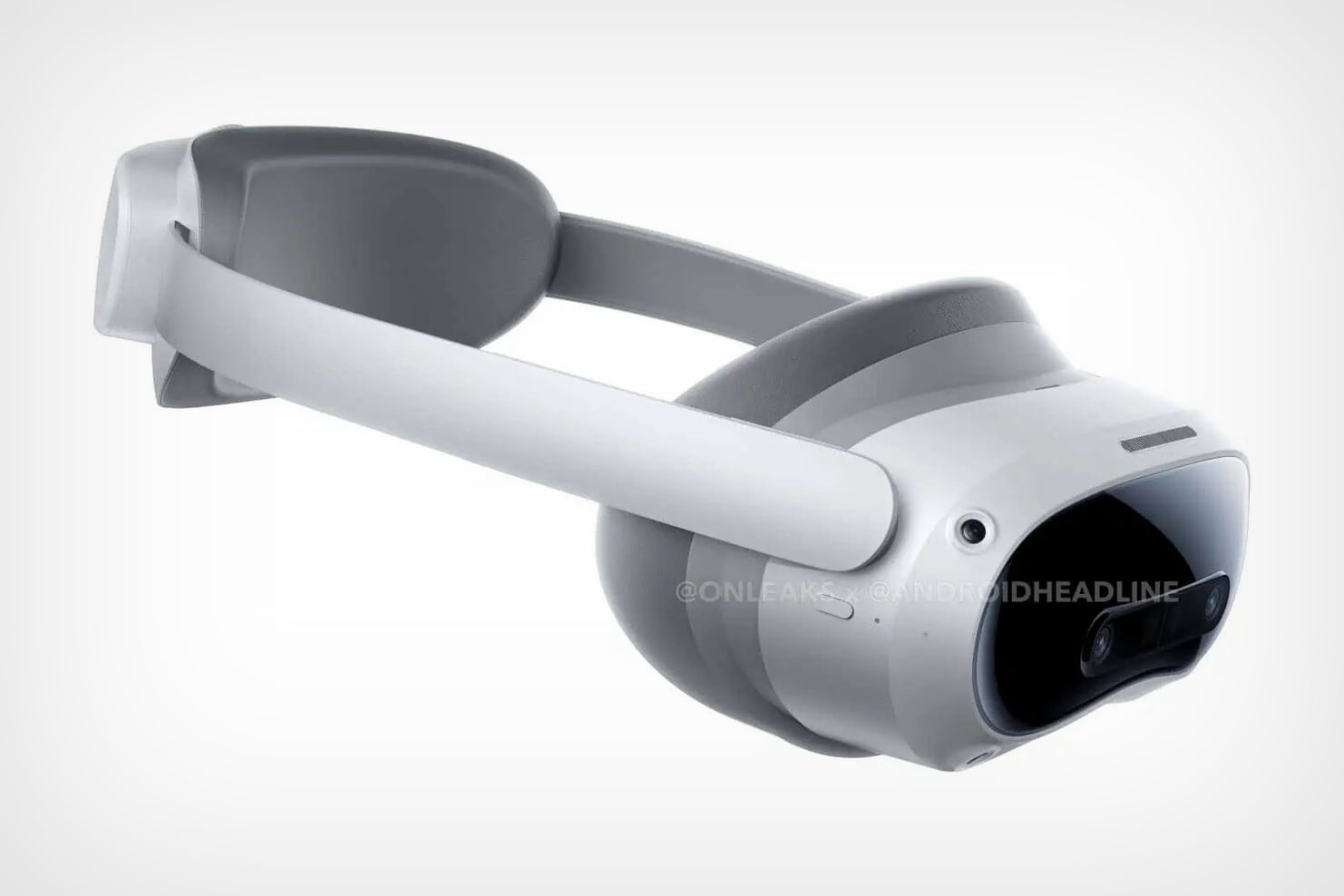
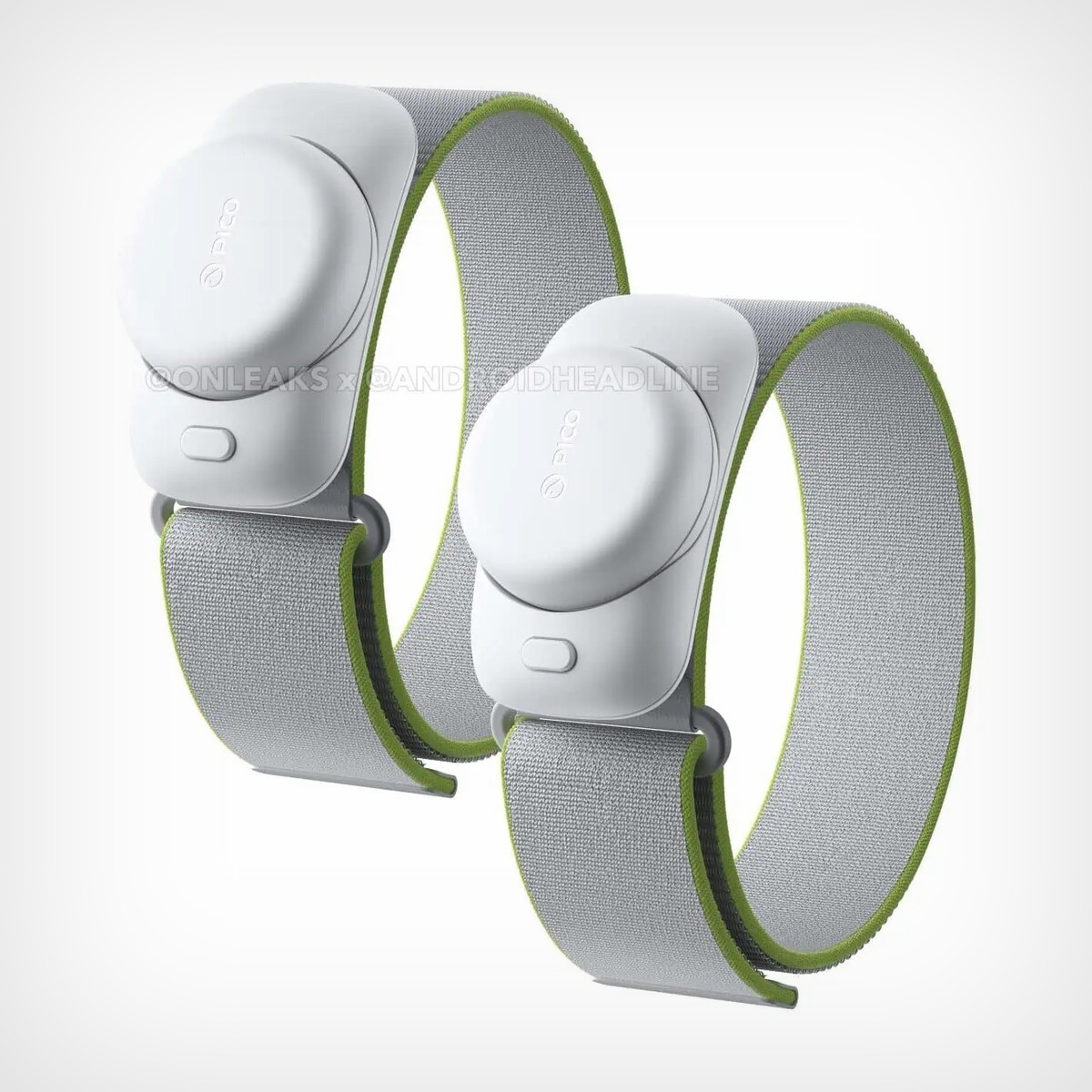
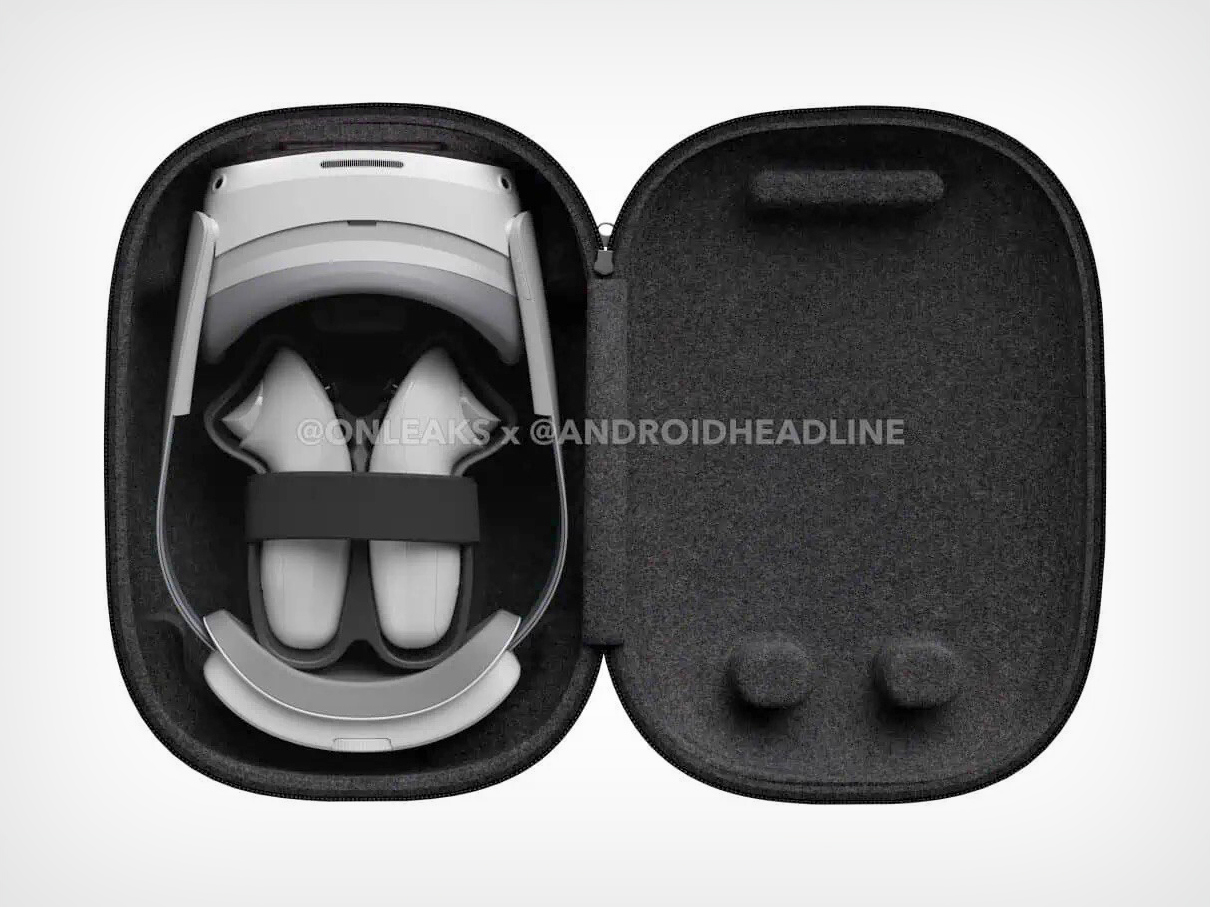
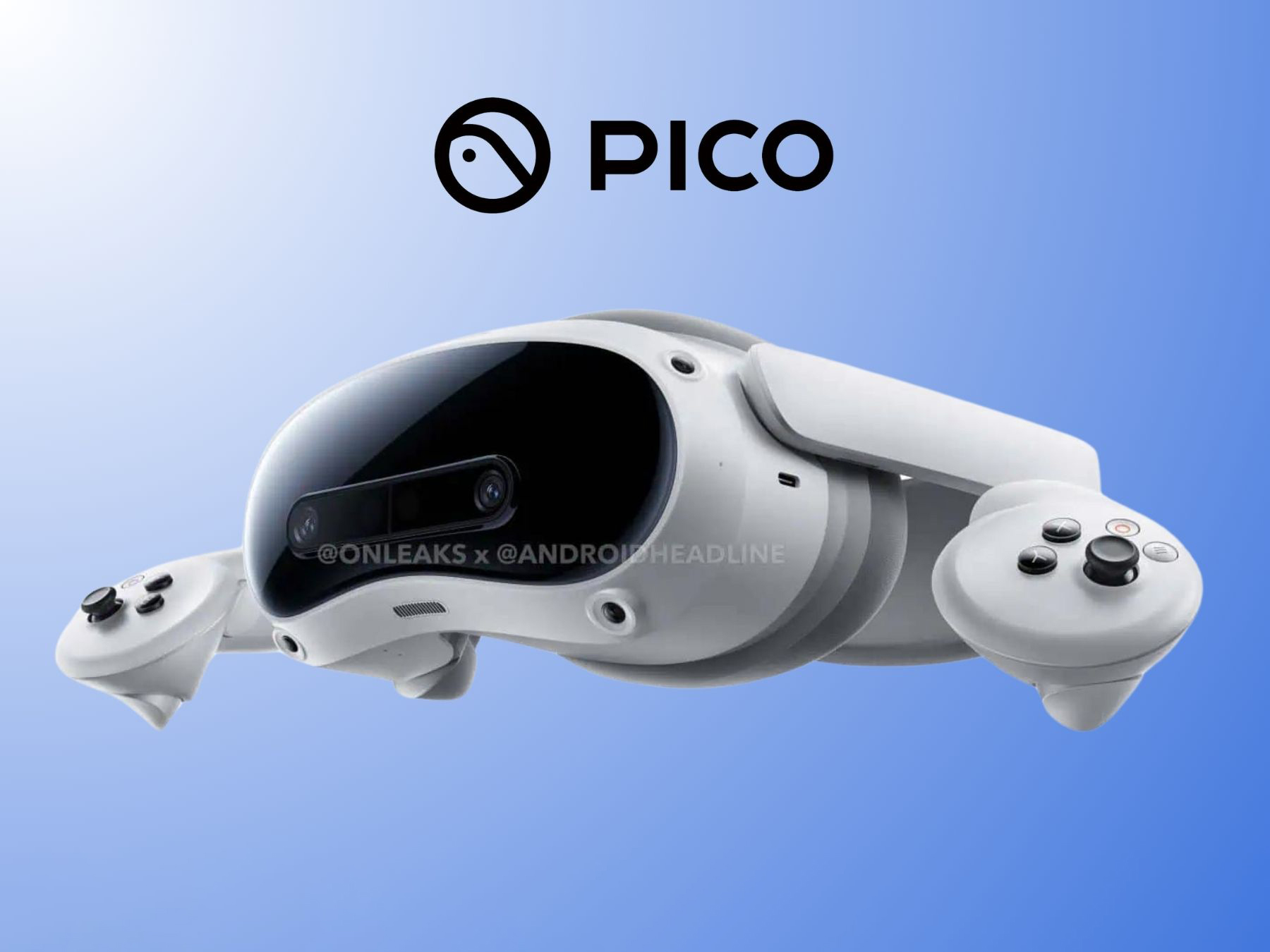
Meta has a monopoly on both social media as well as virtual reality headsets, but not for long because TikTok’s parent company ByteDance is coming to the hardware space with its first mixed reality headset too. The creator behind the world’s most popular (and even polarizing) social media app just acquired XR company Pico, and is planning on launching a headset under its newly acquired sub-brand. The Pico 4S (or 4 Ultra in some countries) is an upgraded version of its predecessor, notably with pronounced pass-through cameras on the front of the headset, redesigned controllers, and a pair of wearable wrist-band sensors for non-controller hand tracking. How the Pico 4S ties into ByteDance’s broader approach towards cornering the VR market is unclear, but then again, Spatial Computing was a total rage last year. Does it mean TikTok could turn more immersive? Or maybe ByteDance has other plans…

Designer: ByteDance

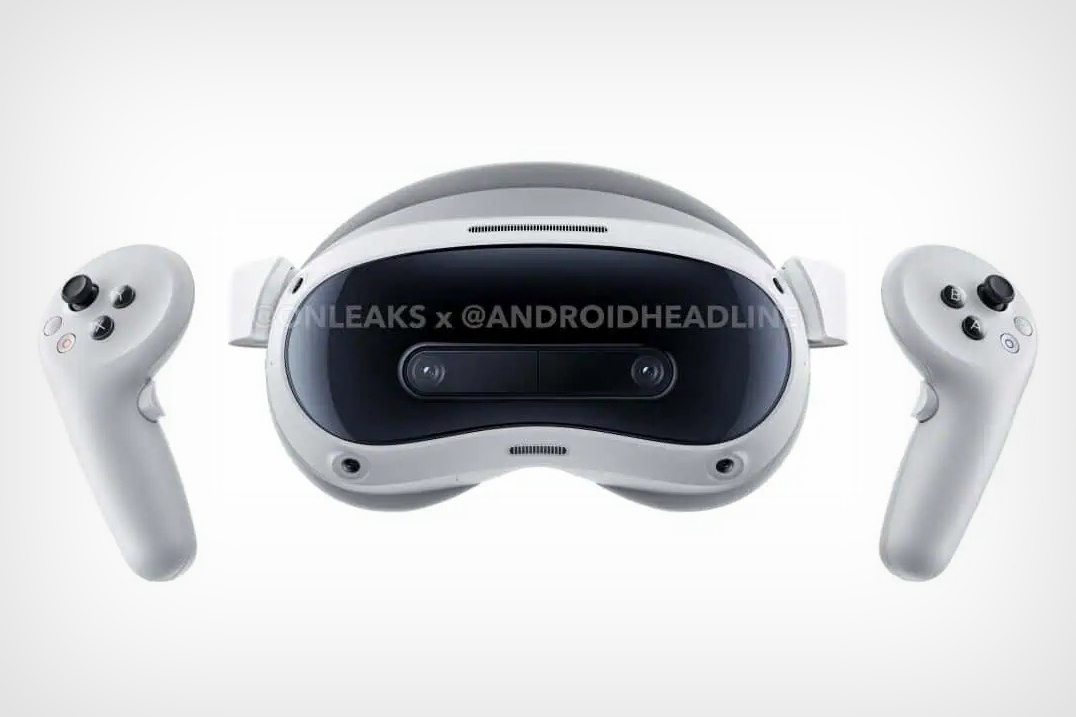
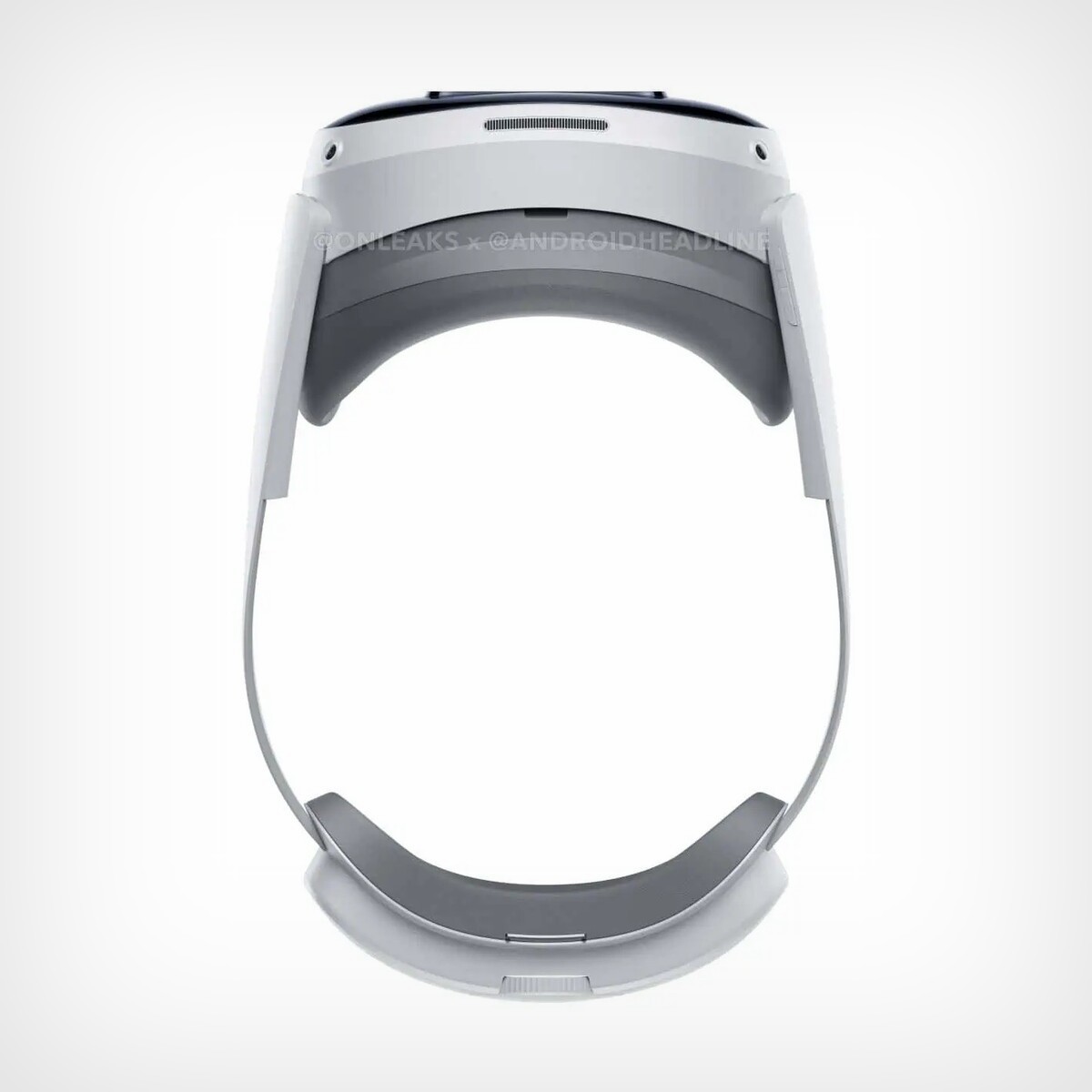
One of the most significant changes in the Pico 4S is the inclusion of a stereoscopic pair of cameras at the front. This upgrade is likely to enhance the pass-through experience, allowing for a more immersive and responsive mixed-reality interaction. The cameras are positioned within a slightly revised front glass design, which still retains the familiar look of the Pico 4. The rear-mounted battery, a feature praised for improving weight distribution and comfort during extended use, remains a part of the design. This thoughtful approach to ergonomics, combined with the new camera system, shows ByteDance’s commitment to refining user experience without drastically altering what worked well in the previous model.

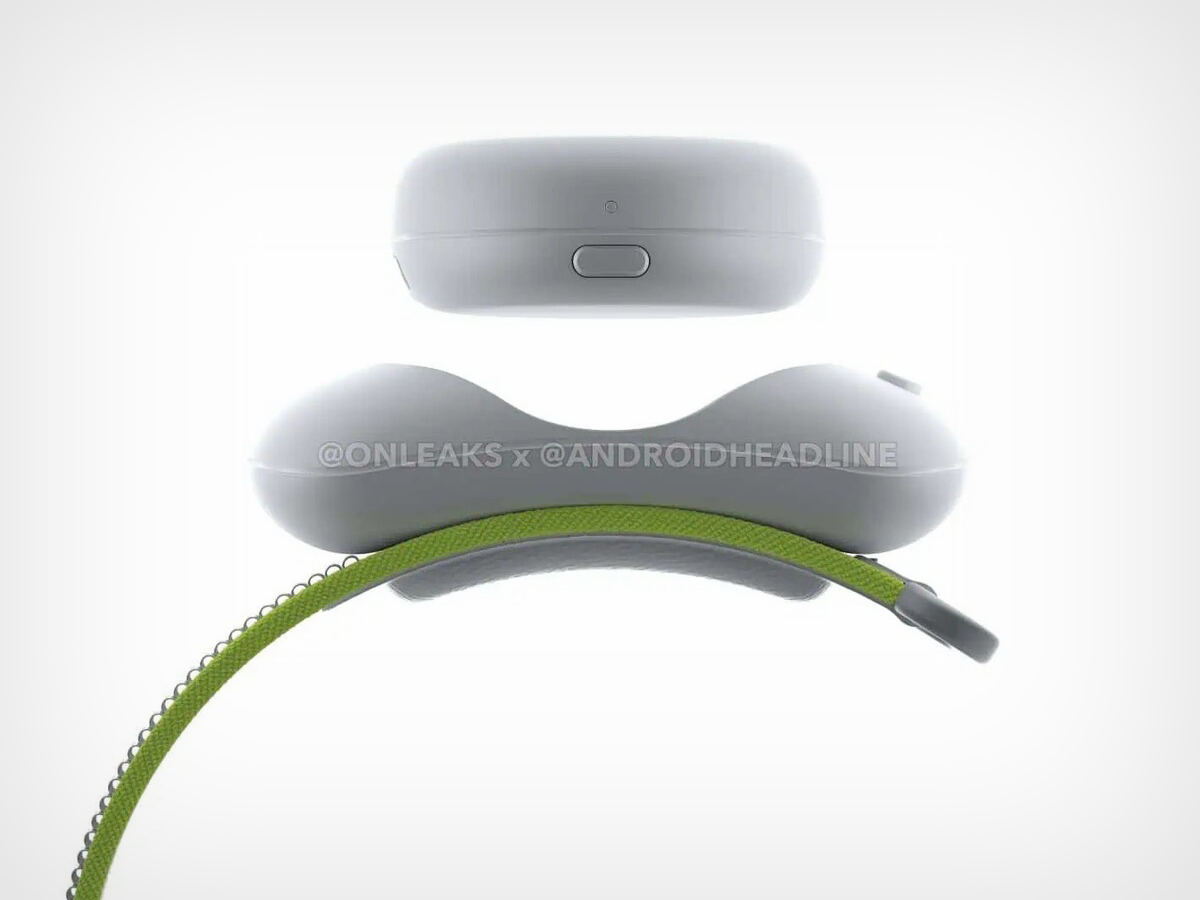
Another addition to the Pico 4S is the set of two wrist straps designed to enhance hand tracking. These straps, equipped with sensors, are expected to offer greater flexibility and precision in scenarios where handheld controllers may not be necessary or desirable. The wrist straps, which appear to be detachable, add a new dimension to the device’s versatility. This feature, coupled with the ring-less controllers that closely resemble those of the Pico 4, suggests that the Pico 4S will be well-suited for a wide range of applications, from gaming to more professional mixed reality tasks.

Under the hood, the Pico 4S is rumored to be powered by the Snapdragon XR2 Gen 2 chipset, the same processor found in the Meta Quest 3. This is a notable upgrade from the Snapdragon XR2 Gen 1 used in the Pico 4, promising improved performance and efficiency. Paired with 12 GB of RAM, the Pico 4S is expected to handle demanding mixed reality experiences with ease. The display specifications, likely to mirror those of the Pico 4, include dual 2.56-inch 2160 x 2160 LCD screens with a refresh rate of up to 90 Hz. The motorized inter-pupillary distance adjustment, a feature that simplifies customization for individual users, is also expected to make a return, further enhancing the user experience.

Despite these advancements, the overall form factor of the Pico 4S remains compact and lightweight, ensuring that it will continue to be a comfortable device for extended sessions. The inclusion of spatial audio via in-built speakers and the continuation of motorized inter-pupillary distance adjustment are features that contribute to the headset’s user-friendly design. While the Pico 4 initially faced limited availability outside of Europe and East Asia, its positive reception and expanded availability suggest that the Pico 4S may also see a broader release, possibly entering the competitive US market.

The Pico 4S is poised to challenge the Meta Quest 3 (and even the rumored Quest 3s) with its combination of refined design, enhanced technical capabilities, and thoughtful features aimed at improving user comfort and interaction. As the mixed-reality market continues to grow, the competition between these two headsets will likely drive further innovation, ultimately benefiting consumers looking for more immersive and accessible mixed-reality experiences.

Images via OnLeaks & AndroidHeadline

The post TikTok’s Parent Company ByteDance is launching a Mixed Reality Headset to battle Meta first appeared on Yanko Design.