Goodbye, Cutouts: How the iPhone 20 Hides the Camera and Face ID for Good

Goodbye, Cutouts: How the iPhone 20 Hides the Camera and Face ID for Good Diagram showing Face ID and selfie camera placed under the display instead of a top cutout.

The iPhone 20, expected to launch in 2027, is already sparking widespread anticipation with rumors of innovative features and advancements. From a bezel-free design to next-generation battery technology, this device could represent a significant leap forward in smartphone innovation. If you’re eager to explore the future of mobile technology, the iPhone 20 might just set […]

The post Goodbye, Cutouts: How the iPhone 20 Hides the Camera and Face ID for Good appeared first on Geeky Gadgets.

Posted in Uncategorized

The Oversight Board says Meta needs new rules for AI-generated content

The Oversight Board is once again urging Meta to overhaul its rules around AI-generated content. This time, the board says Meta should create a separate rule for AI content that's independent of its misinformation policy, invest in more reliable detection tools and make better use of digital watermarks among other changes. 

The group's recommendations stem from an AI-generated video shared last year that claimed to show damaged buildings in the Israeli city of Haifa during the Israel-Iran conflict in 2025. The clip, which racked up more than 700,000 views, was posted by an account that claimed to be a news outlet but was actually run by someone in the Philippines.

After the video was reported to Meta, the company declined to remove it or add a "high risk" AI label that would have clearly indicated the content had been created or manipulated with AI. The board overturned Meta's decision not to add the "high risk" label and says the case shines a light on several areas where the company's current AI rules are falling short.

"Meta must do more to address the proliferation of deceptive AI- generated content on its platforms, including by inauthentic or abusive networks of accounts and pages, particularly on matters of public interest, so that users can distinguish between what is real and fake," the board wrote in its decision. Meta eventually disabled three accounts linked to the page after the board flagged "obvious signals of deception."

One of the board's top recommendations is that Meta create a dedicated rule for AI-generated content that's separate from its misinformation policy. The rule, according to the board, should include specifics about how and when users are required to label AI content as well as information about how Meta penalizes those who break the rule. 

The board was also highly critical of how Meta uses its current "AI Info" labels, noting that the way they are applied is "neither robust nor comprehensive enough to contend with the scale and velocity of AI-generated content,” especially in times of conflict or crisis. “A system overly dependent on self-disclosure of AI usage and escalated review (which occurs infrequently) to properly label this output cannot meet the challenges posed in the current environment.”

Meta, the board said, also needs to invest in more sophisticated detection technology that can reliably label AI media, including audio and video. The group added that it was "concerned" about reports that the company is "inconsistently implementing" digital watermarks on AI content created by its own AI tools. 

In a statement, Meta said it “welcomed” the decision and that it would also take action “on content that is identical and in the same context” when “it is technically and operationally possible to do so.” The company has 60 days to formally respond to its recommendations. 

The decision isn't the first time the board has been critical of Meta's handling of AI content. The group has described the company's manipulated media rules as "incoherent" on two other occasions, and has criticized it for relying on third-parties, including fact checking organizations, to flag problematic content. Meta's reliance on fact checkers and other "trusted partners" was again raised in this case, with the board saying that it had heard from these groups that Meta "is less responsive to outreach and concerns, in part due to a significant reduction in capacities for Meta’s internal teams." Meta, the board writes, "should be capable of conducting such assessments of harm itself, rather than rely solely on partners reaching out to them during an armed conflict."

While the Oversight Board's decision relates to a post from last year, the issue of AI-generated content during armed conflicts has taken on a new urgency during the latest conflict in the Middle East. Since the start of the US and Israel's strikes on Iran earlier this month, there has been a sharp rise in viral AI-generated misinformation across social media. The board, which has previously hinted that it would like to work with generative AI companies, included a suggestion that would seem to apply to not just Meta. 

"The industry needs coherence in helping users distinguish deceptive AI-generated content and platforms should address abusive accounts and pages sharing such output," it wrote.

Update, March 10, 10:53AM ET: This story was updated to reflect Meta’s response to the Oversight Board.

This article originally appeared on Engadget at https://www.engadget.com/social-media/the-oversight-board-says-meta-needs-new-rules-for-ai-generated-content-100000268.html?src=rss

TikTok can continue its operations in Canada after agreeing to enhanced security measures

TikTok doesn’t have to close its offices in Canada after all. The country will allow TikTok to keep its business operational after a national security review, Minister of Industry Mélanie Joly has announced. This is a complete 180 of the country’s decision back in 2024 to order TikTok to shut down its operations, citing unspecified “national security risks” posed by the company and its China-based parent ByteDance. Canadian authorities said back then that their decision was based on evidence collected by the country’s security and intelligence community.

As Bloomberg notes, the order was paused shortly after Mark Carney replaced Justin Trudeau as Prime Minister in early 2025. Carney was the first Canadian PM to visit China in years and had a discussion with President Xi Jinping about tariffs. Joly said TikTok will be allowed to operate in Canada with new enhancements in data security and regulatory oversight. To start with, it will have to implement privacy-enhancing technologies to reduce the risk of unauthorized access that compromise Canadians’ personal information. It will also have to add enhanced protections for minors and ensure transparency by letting an independent third party “audit and continuously verify data access controls.”

“…this decision will protect Canadian jobs, ensuring that TikTok Canada maintains a physical presence in Canada, with commitments to invest in its cultural sector,” Joly said in a statement. “TikTok Canada will support the growth of Canadian creators, artists and cultural organizations, while strengthening the production and accessibility of Canadian cultural content in both official and Indigenous languages across the country.”

This article originally appeared on Engadget at https://www.engadget.com/apps/tiktok-can-continue-its-operations-in-canada-after-agreeing-to-enhanced-security-measures-095239399.html?src=rss

Donut Lab Solid-State Battery Self-Discharge Test : 97.7% Retention in 10 Days

Donut Lab Solid-State Battery Self-Discharge Test : 97.7% Retention in 10 Days Line chart showing Donut Lab cell charge retention reaching 97.7% after 10 days at room temperature.

Donut Lab’s latest solid-state battery prototype has undergone its third round of testing and the results have sparked a mix of optimism and concern. In this evaluation, the battery demonstrated 97.7% charge retention over a 10-day period, highlighting its potential for stable energy storage. However, this performance falls short when compared to established technologies like […]

The post Donut Lab Solid-State Battery Self-Discharge Test : 97.7% Retention in 10 Days appeared first on Geeky Gadgets.

Posted in Uncategorized

The Titanium Killer: Is SamsungSwitching to CFRP for the Z Fold 8?

The Titanium Killer: Is SamsungSwitching to CFRP for the Z Fold 8? Render-style image showing a wider Galaxy Z Fold 8 layout with a larger inner display and slimmer bezels.

Samsung is poised to reshape the foldable smartphone market with the highly anticipated Galaxy Z Fold 8 Ultra 5G. This next-generation device is expected to bring significant advancements in design, performance, and functionality. For users like you, it aims to seamlessly combine the portability of a smartphone with the versatility of a tablet, setting a […]

The post The Titanium Killer: Is SamsungSwitching to CFRP for the Z Fold 8? appeared first on Geeky Gadgets.

Posted in Uncategorized

Galaxy S26 Ultra Dex Outputs up to 4K on External Displays

Galaxy S26 Ultra Dex Outputs up to 4K on External Displays Galaxy S26 Ultra running Samsung Dex with a keyboard and mouse on a large monitor in a desktop layout.

The Galaxy S26 Ultra combines smartphone portability with desktop-level functionality. Equipped with a Snapdragon 8 Elite Gen 5 chipset and up to 16GB of RAM, it supports Samsung Dex, a feature that enables a desktop-like experience when connected to an external display. As demonstrated by ETA Prime, this setup allows users to work with a […]

The post Galaxy S26 Ultra Dex Outputs up to 4K on External Displays appeared first on Geeky Gadgets.

Posted in Uncategorized

Carriers Want This BlackBerry-Style Phone – I Tried It at MWC

When Clicks unveiled the Clicks Communicator at CES 2026, the device immediately stood out in a sea of look-alike smartphones. It pairs a physical QWERTY keyboard with a communication-first philosophy that feels intentionally different from the current slab phone crowd. Clicks also shared several specifications at the time, yet it did not confirm exactly when the phone would launch.

At a Mobile World Congress (MWC) off-site event in Barcelona, Clicks offered a clearer update on where the Communicator stands today. The company used the event to signal that the project is progressing beyond the early reveal phase. It positioned the Communicator as moving steadily toward launch.

Designer: Clicks
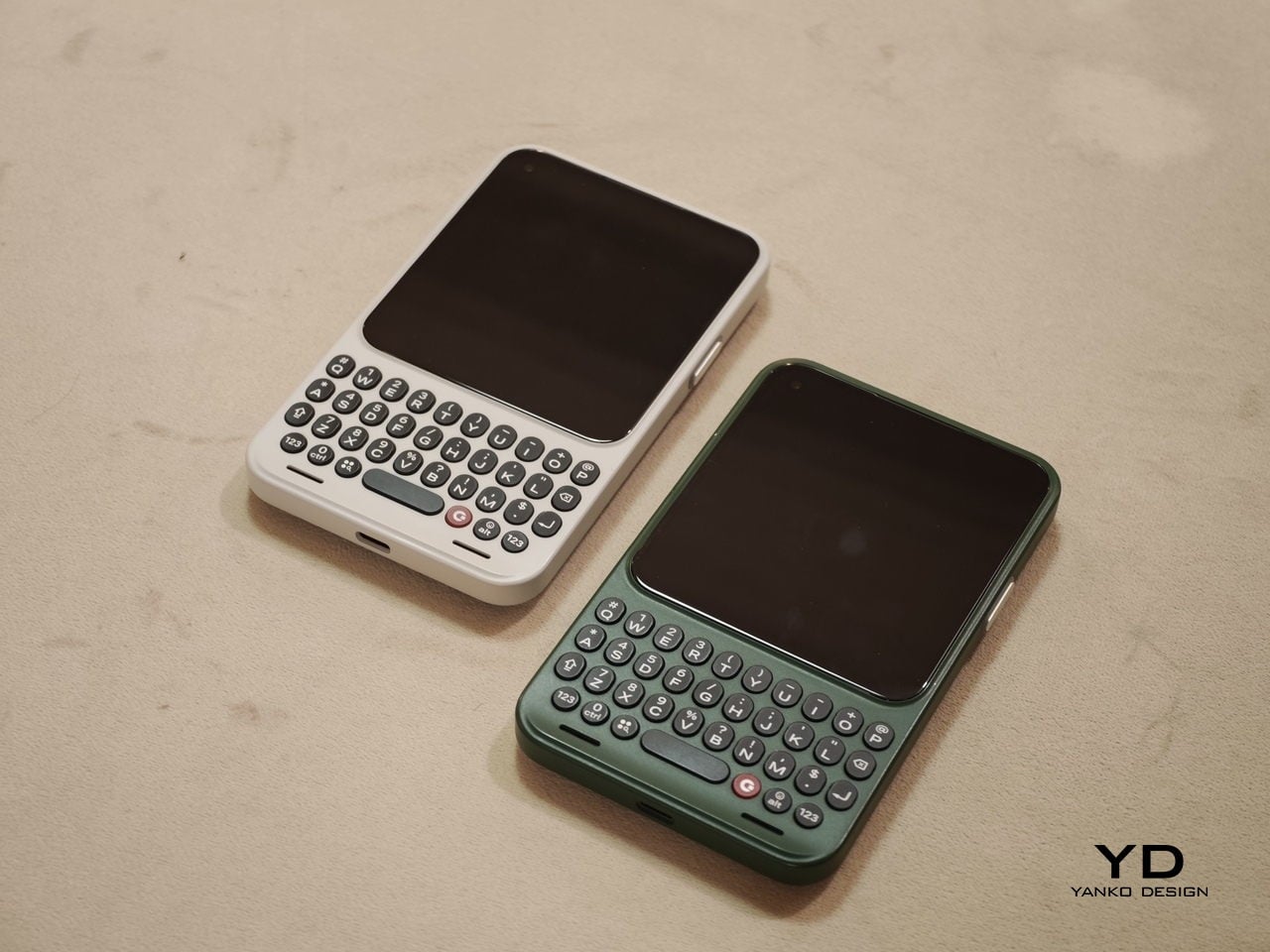
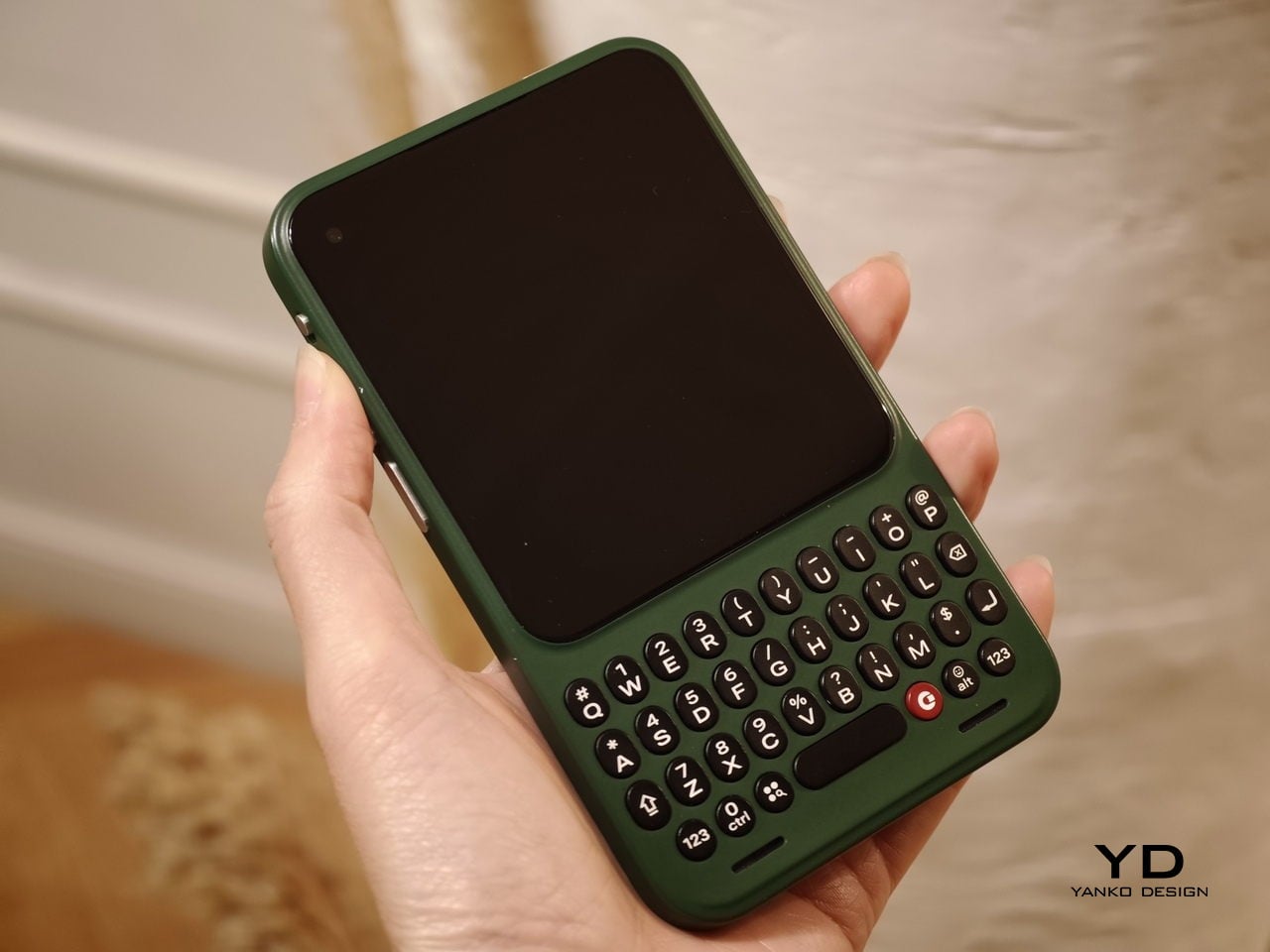
Clicks showcased the Communicator to media and potential partners, and I had the opportunity to briefly go hands-on with the device. The unit on display was still a mockup rather than a final production model. Even so, it offered a useful glimpse at how the hardware direction is taking shape.

In hand, the Communicator feels nice and compact, and it sits comfortably in the palm. The balance feels considered, and the overall shape makes it easy to grip without feeling slippery or awkward. Typing also felt comfortable during my short time with it, which is the “make or break” moment for any keyboard phone.
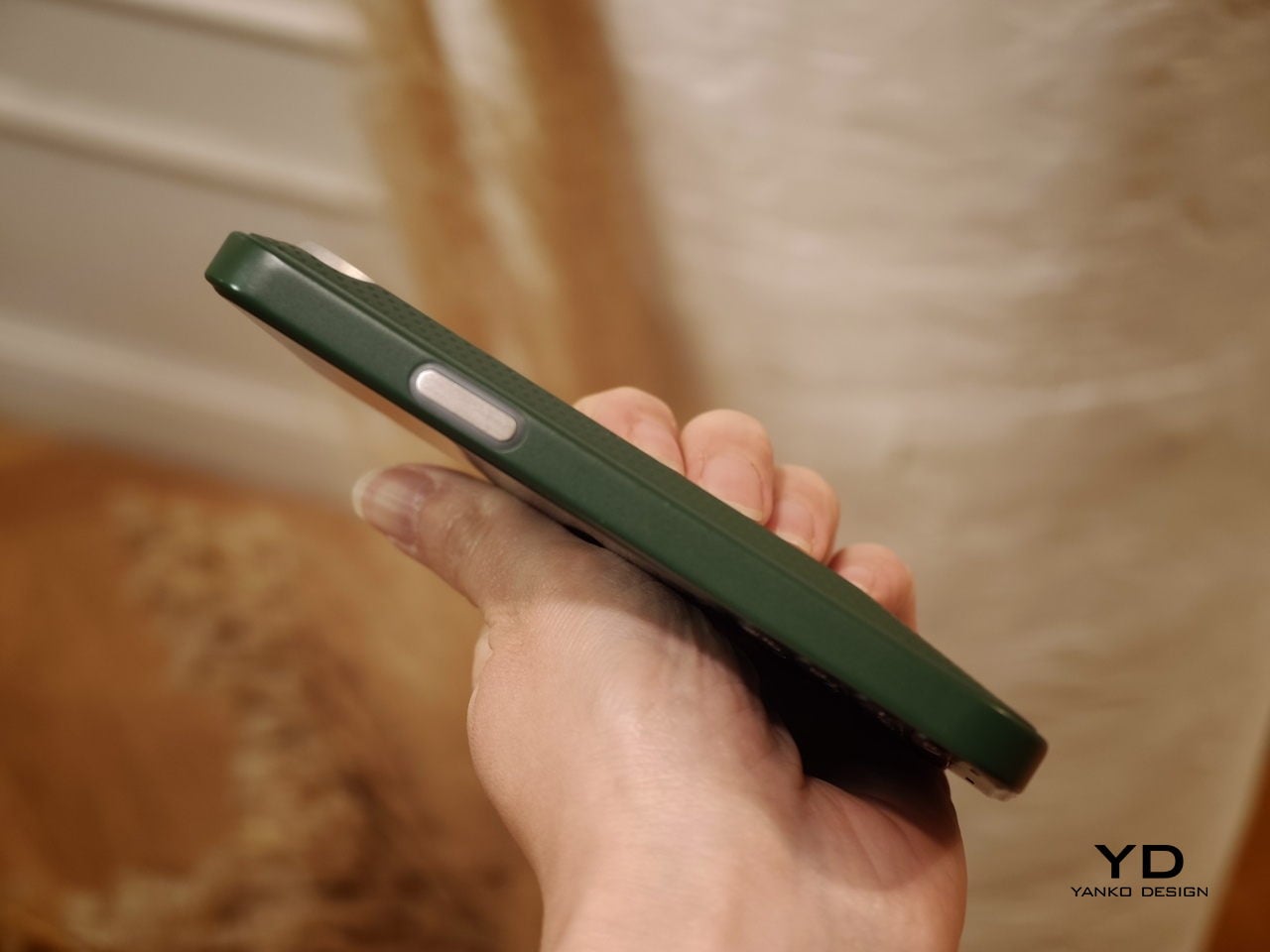
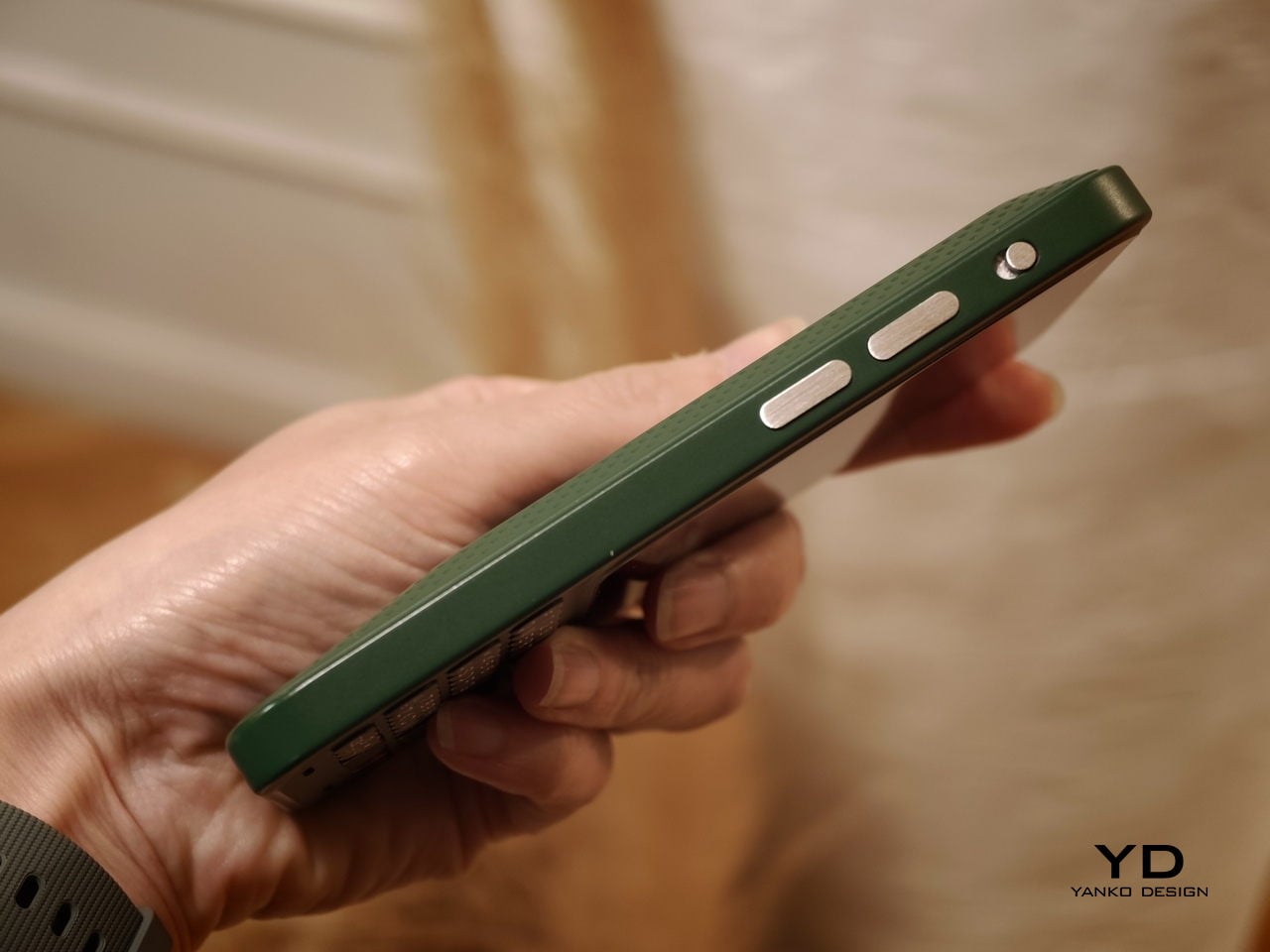
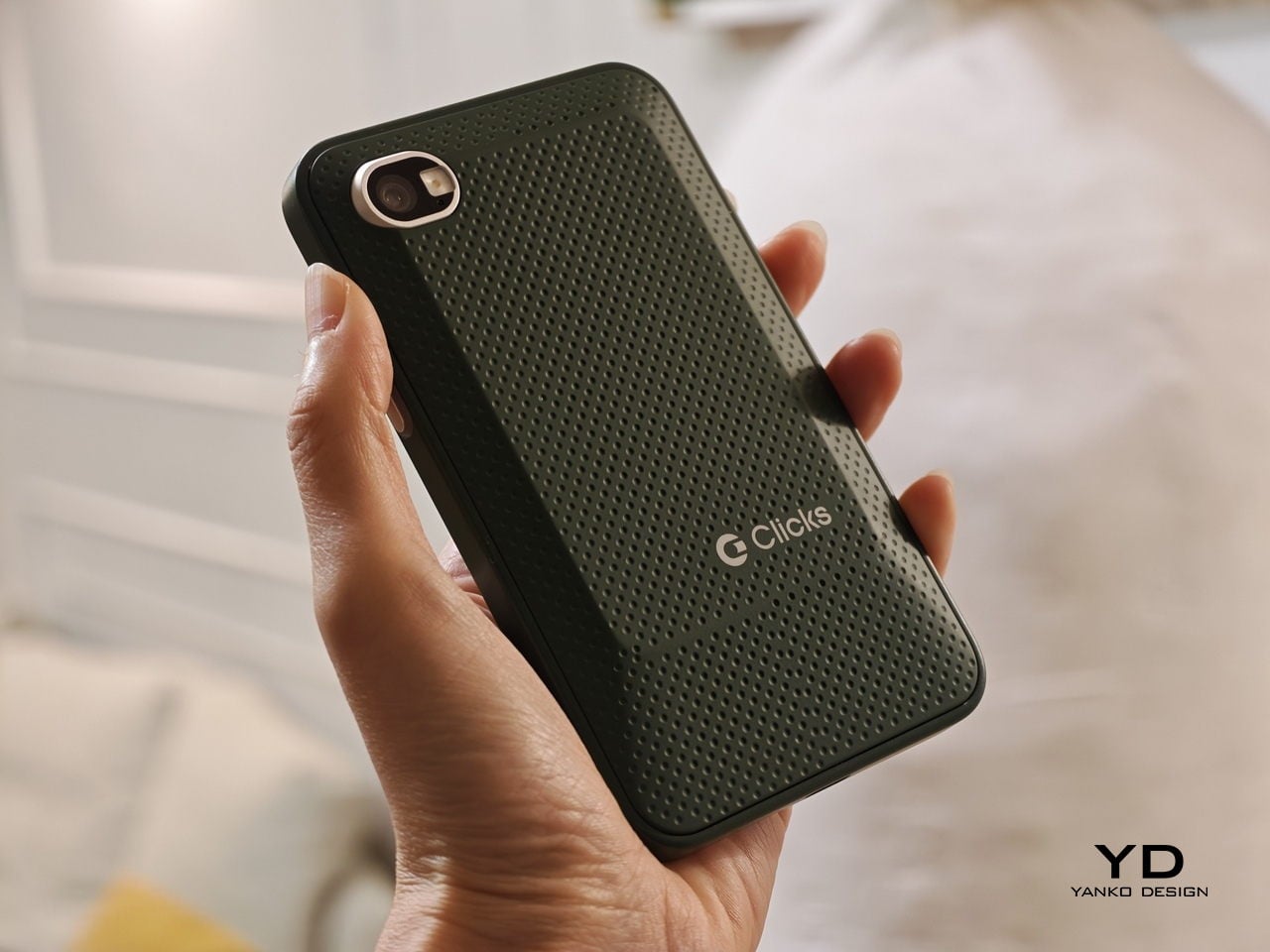
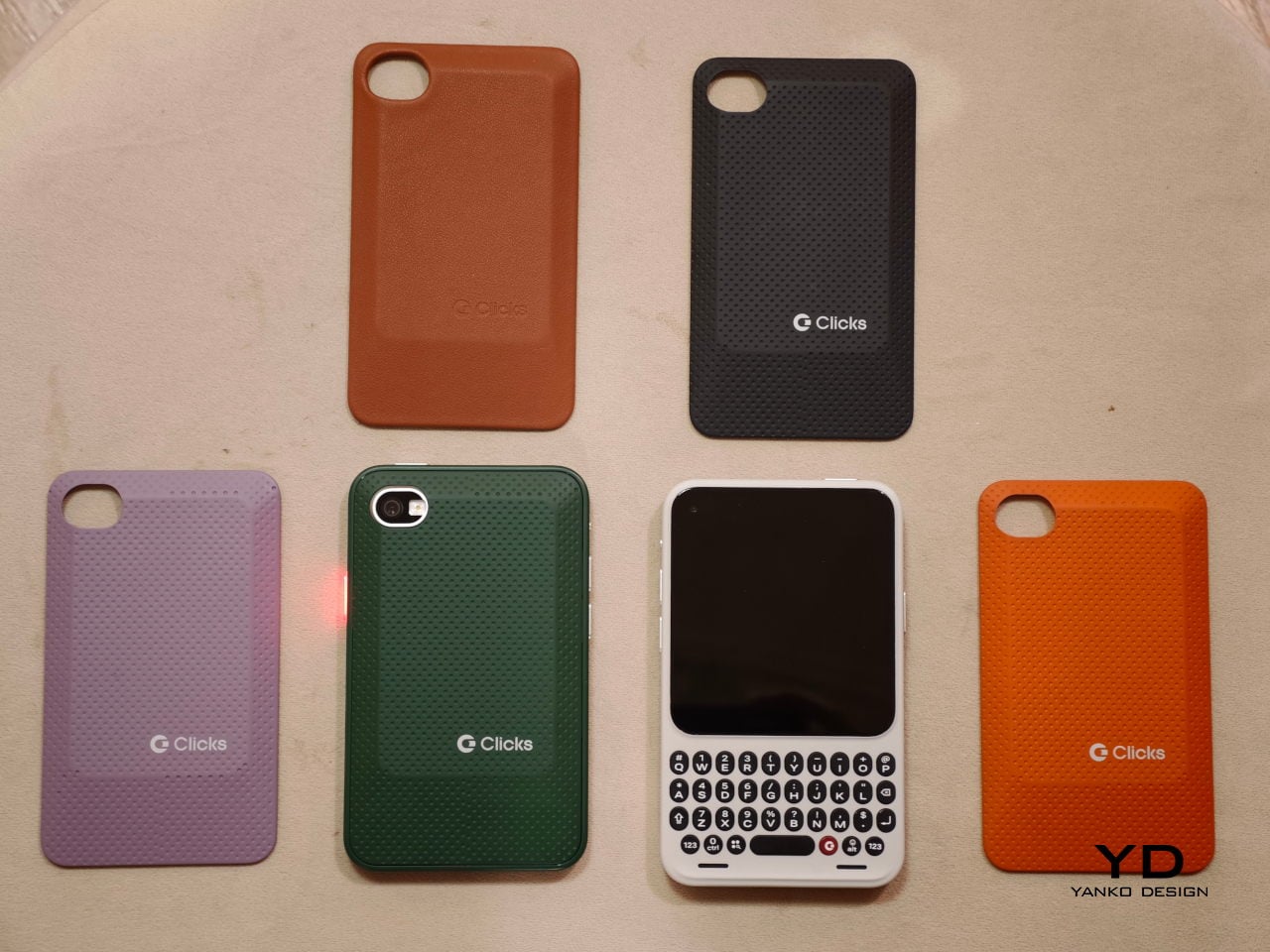
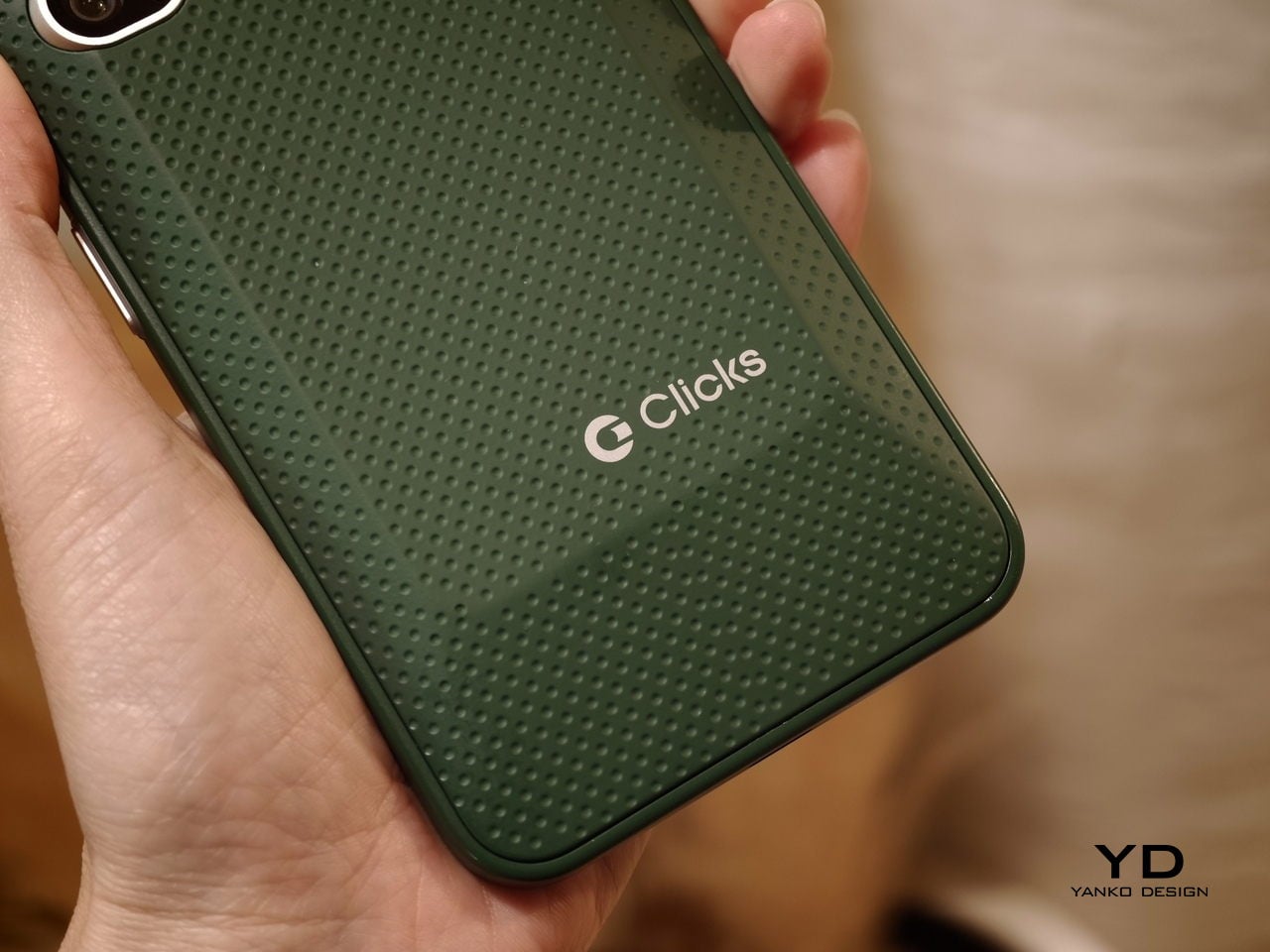
The build felt solid, even in mockup form. One of the most interesting design touches is a magnetic, swappable back panel that snaps on with a confident fit. That modular detail gives the phone a more personal, tool-like vibe, and it suggests Clicks is thinking about long-term ownership rather than quick upgrades.
According to Adrian Li, founder and CEO of Clicks, the Communicator has generated significant interest from the industry over the past few months. Li said the company has been approached by several mobile carriers as well as major retailers that are interested in bringing the device to market. For a young hardware company entering the competitive smartphone space, that attention could be critical.

Carrier partnerships in particular could play a decisive role in the Communicator’s success. While some niche smartphones rely primarily on direct online sales, carrier support can expand a device’s reach through retail stores and bundled service plans. Li noted that Clicks is currently in discussions with potential carrier partners as it explores different distribution strategies for the phone.
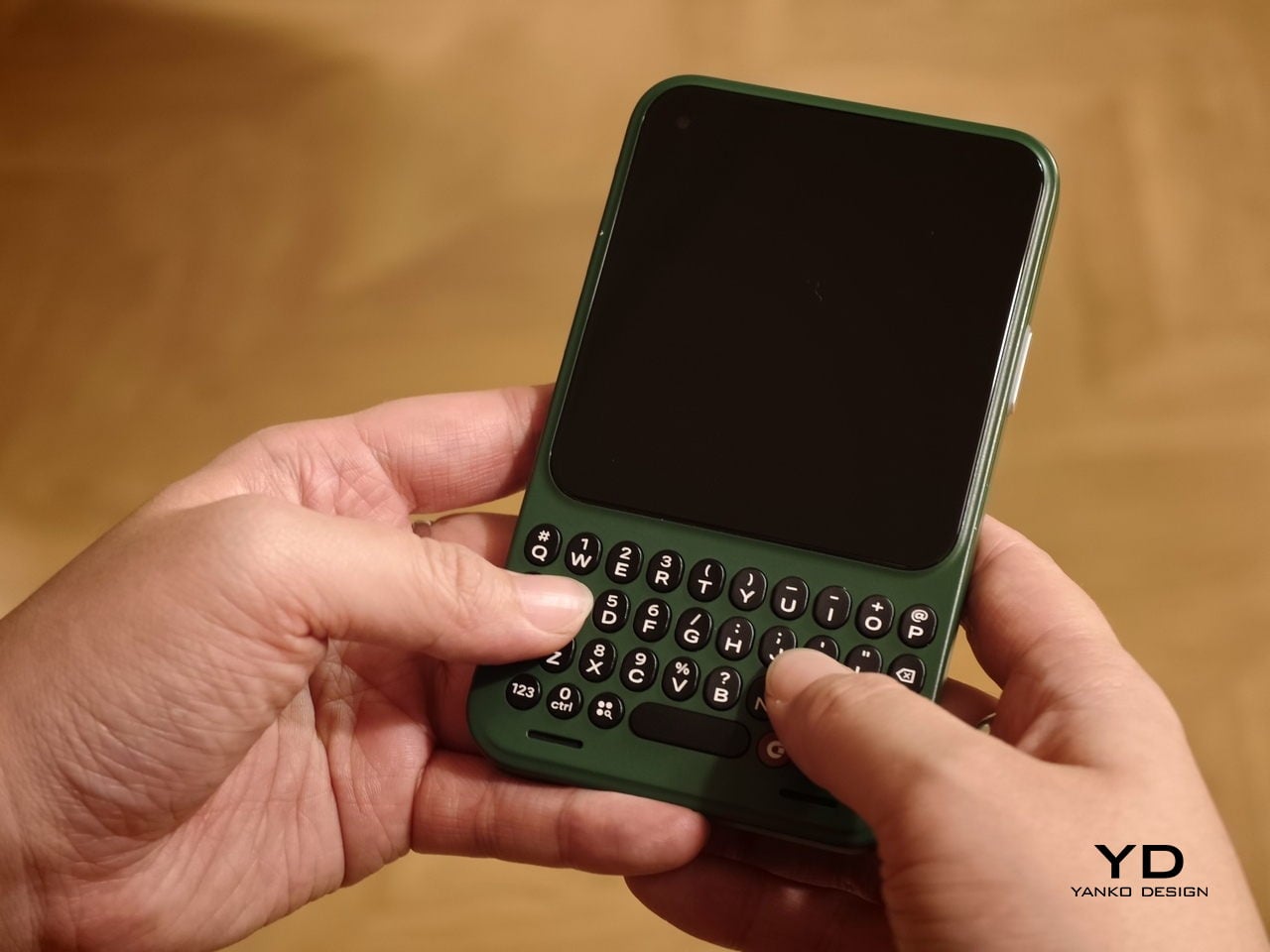

Although the prototype shown at MWC was not yet fully functional, the hardware design already reflects the Communicator’s core idea of efficient communication. The device features a compact 4-inch class AMOLED display positioned above a physical backlit QWERTY keyboard. The keyboard is designed to deliver tactile feedback for fast, accurate typing, and it also supports gesture controls for scrolling and navigation.

Under the hood, the Communicator is powered by MediaTek’s Dimensity 8300 processor and runs Android 16. That combination should provide access to the full Android app ecosystem while keeping the experience centered on messaging and productivity. The phone is expected to ship with 256GB of internal storage and support microSD expansion of up to 2TB, which is increasingly rare in modern smartphones.
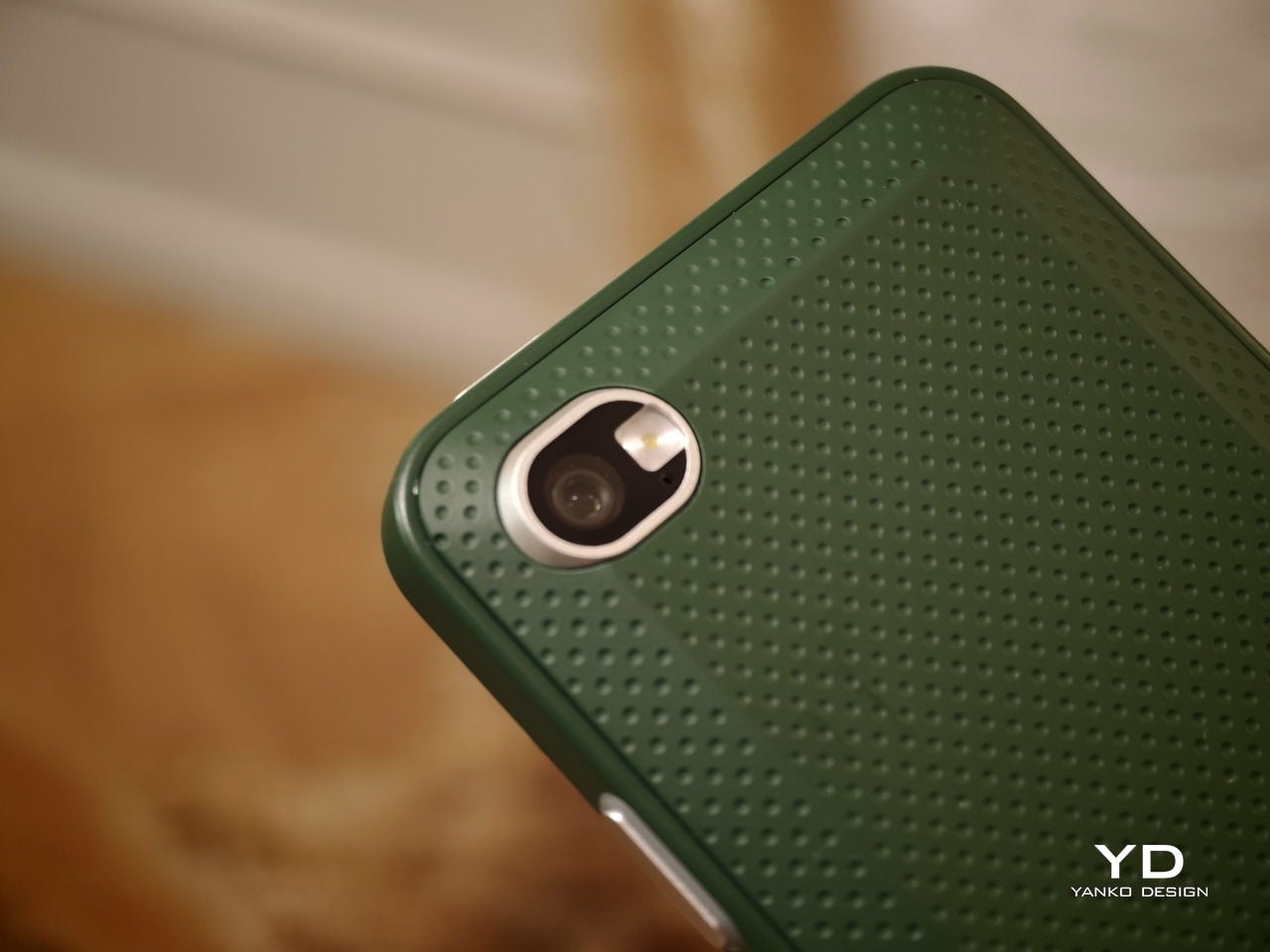
The rest of the hardware stays firmly in modern smartphone territory. The Communicator includes a 50 MP rear camera with optical image stabilization, plus a 24 MP front camera for video calls and selfies. A 4,000 mAh silicon carbon battery powers the device, with support for USB-C charging and Qi2 wireless charging.
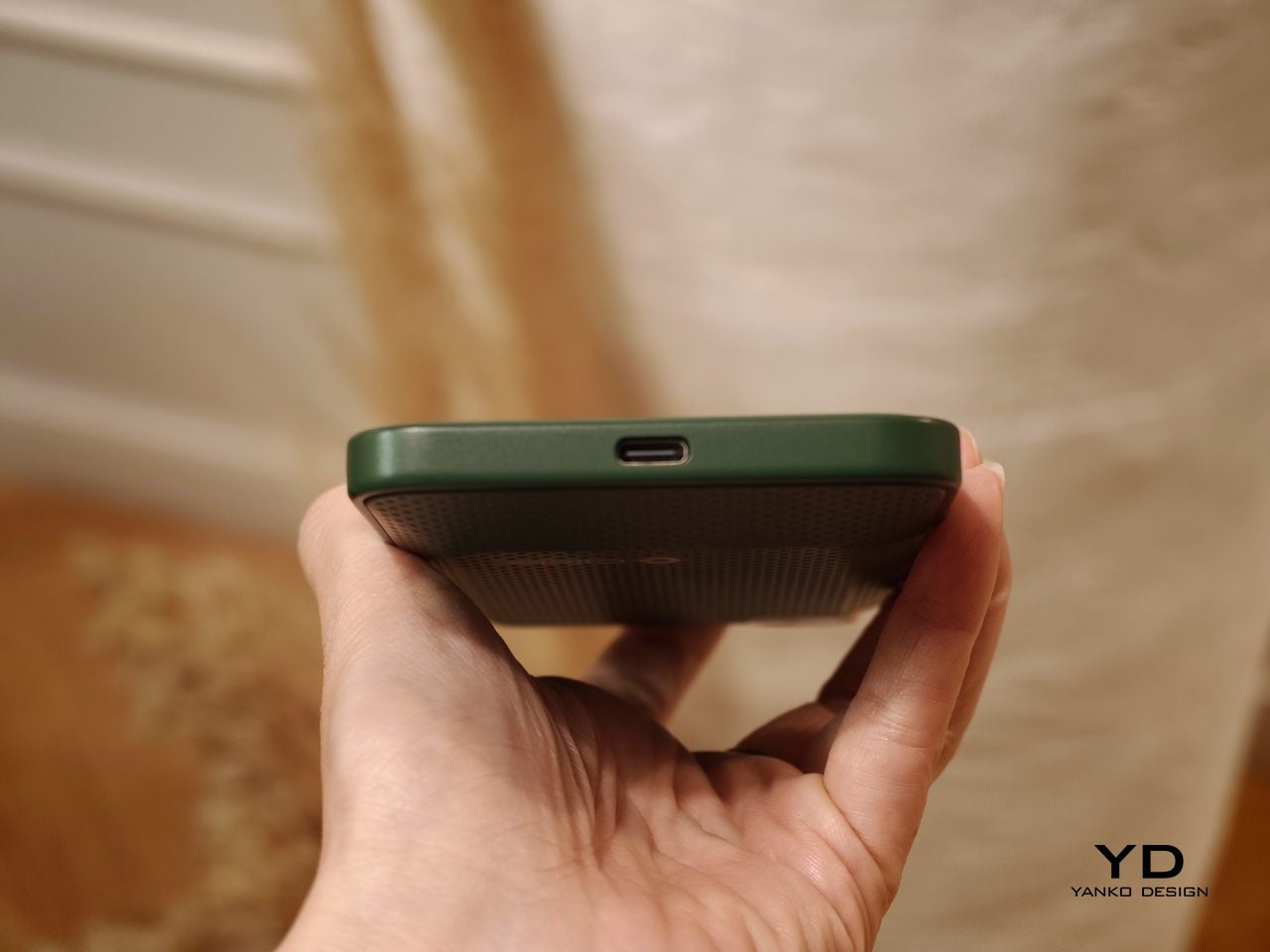
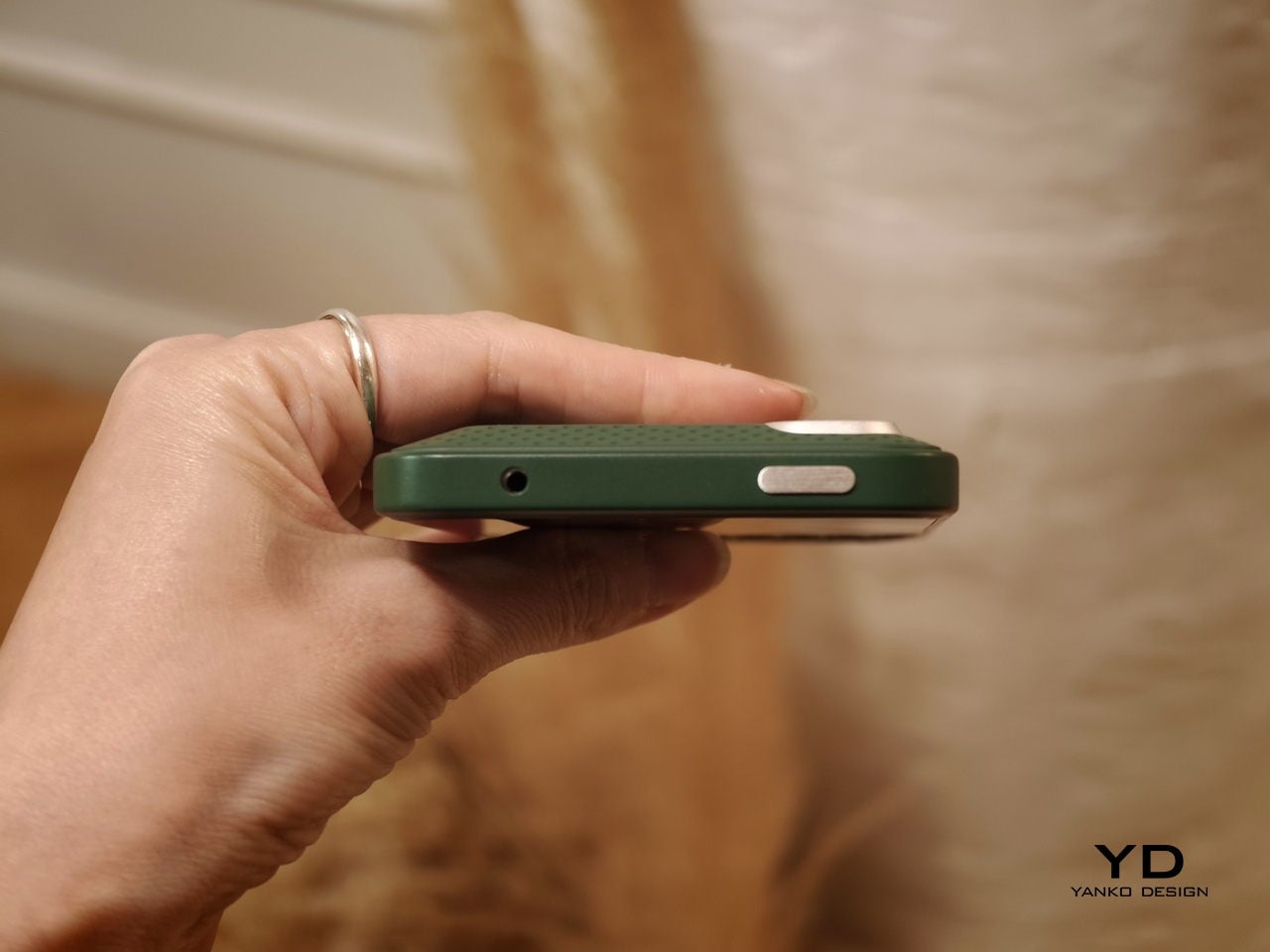
Connectivity options include 5G, Wi Fi 6, Bluetooth, and NFC. A combination of nano SIM and eSIM support gives users flexibility when choosing carriers. The Communicator also retains a 3.5mm headphone jack, which will matter to power users and anyone who still prefers wired audio.

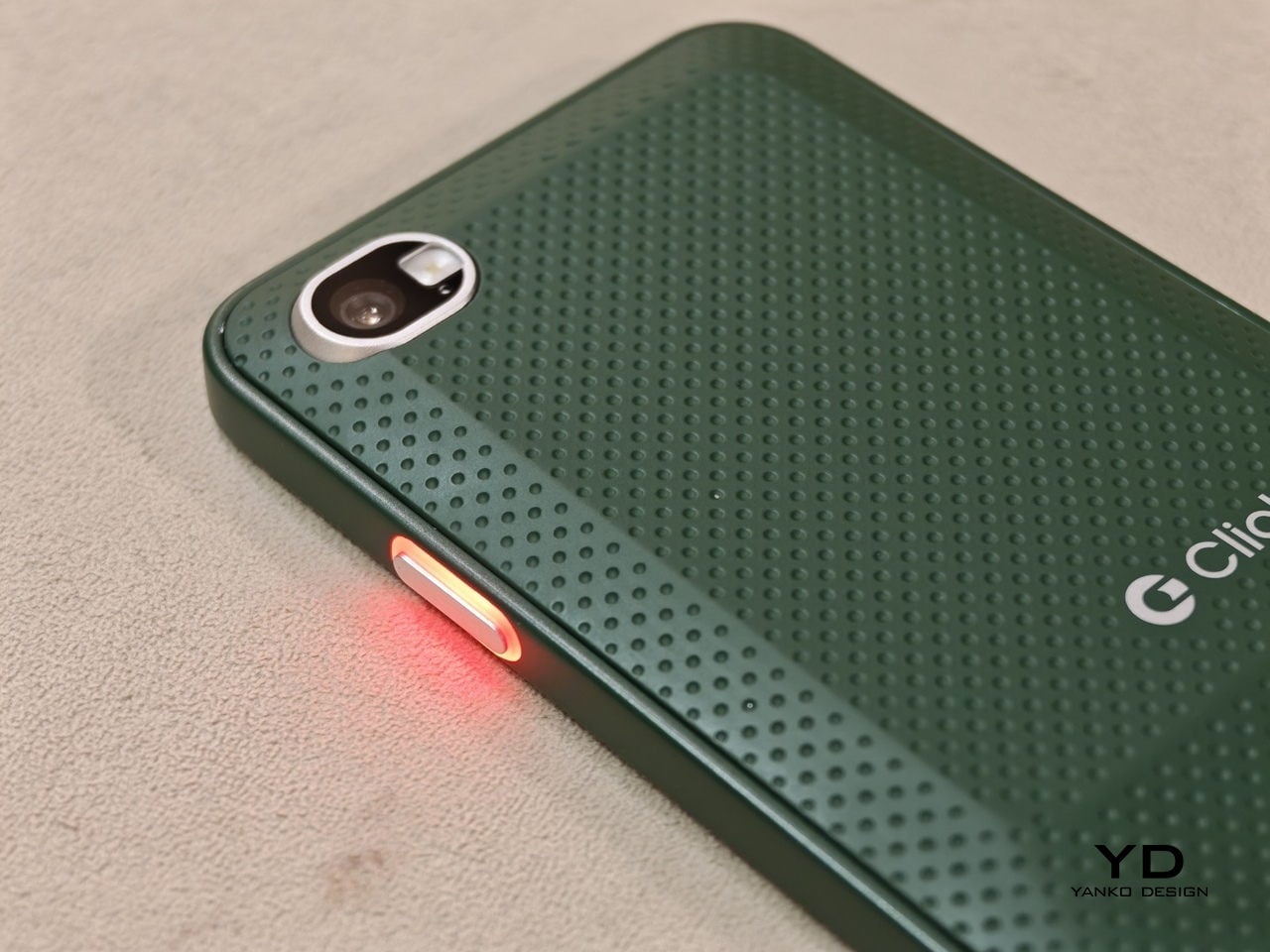
Clicks is building several software features around the phone’s communication first pitch. The device includes a Message Hub that aggregates conversations from multiple messaging platforms into a single interface, which should reduce app hopping. A customizable notification light known as the Signal LED can display different colors depending on which contact or app is reaching out.
Despite its productivity focus, the Communicator is not meant to be a limited-function device. Clicks positions it as either a primary smartphone for users who prioritize messaging or a secondary device that complements a larger entertainment-focused phone. That flexibility could be a key part of its appeal, especially for people who want a more focused tool without giving up modern apps.

As for when the Communicator will reach consumers, Clicks says more information is coming soon. According to the company, the official launch date will be revealed in roughly two months. Until then, the Communicator remains in the promising middle ground between concept and product.
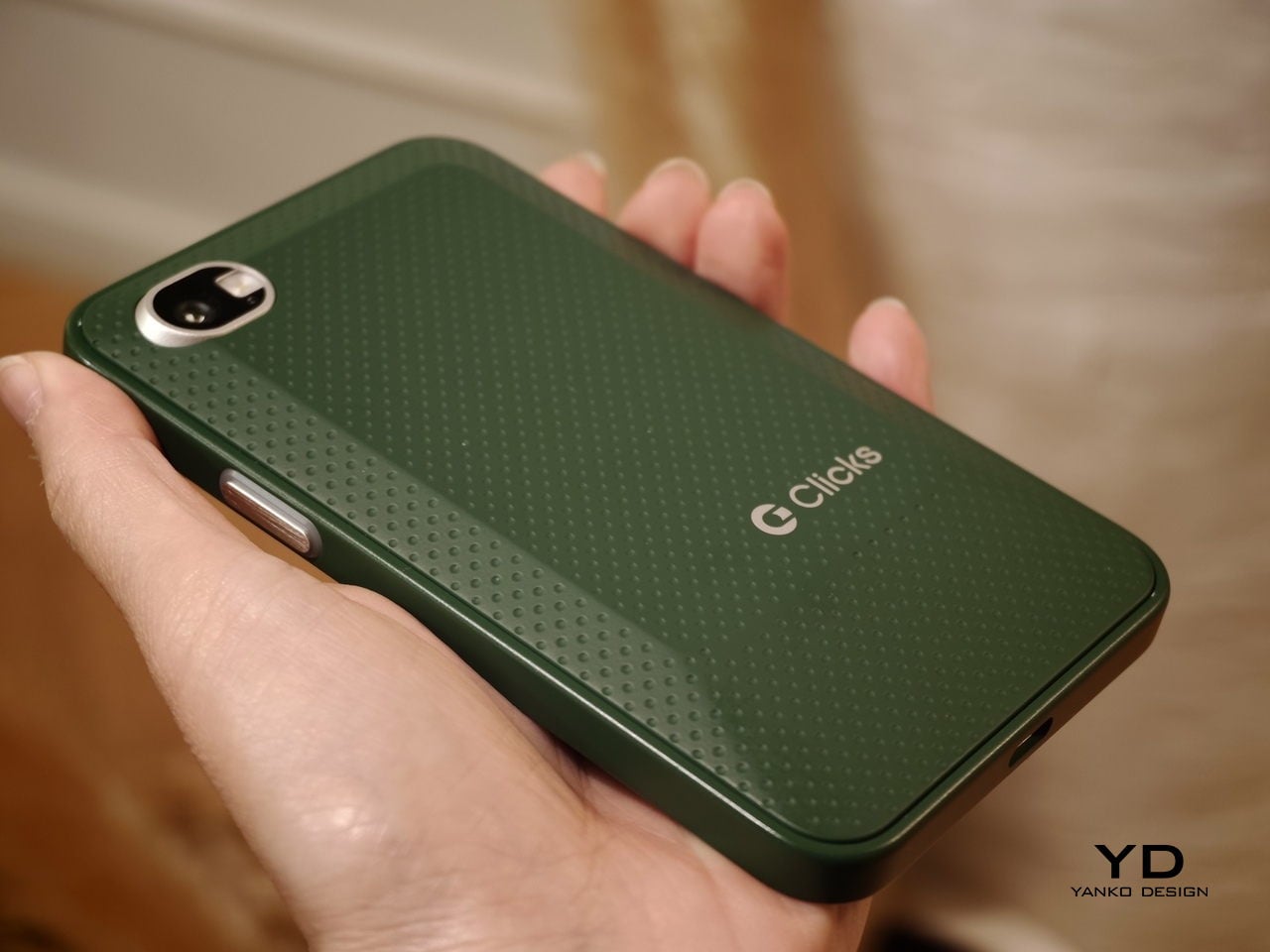
For now, the Communicator blends nostalgia with modern smartphone capabilities in a way that feels deliberate rather than gimmicky. The compact in-hand feel, comfortable typing, and sturdy build are encouraging signs, even if this was not yet a final unit. If carrier and retail interest continues to build, Clicks may be on track to ship a device that serves people who still value fast typing and focused communication in an increasingly distraction-heavy mobile world.

The post Carriers Want This BlackBerry-Style Phone – I Tried It at MWC first appeared on Yanko Design.

Apple M5 Max vs Apple M4 Max : M5 Max Gen 5 SSD Speeds Nearly Double

Apple M5 Max vs Apple M4 Max : M5 Max Gen 5 SSD Speeds Nearly Double Performance chart comparing M5 Max and M3 Ultra in AI prompt processing and token generation tests.

The Apple M5 Max introduces notable advancements over the M4 Max, focusing on performance improvements for demanding professional applications. Key upgrades include a redesigned GPU architecture with integrated neural accelerators, offering over four times the peak GPU compute capability for AI-related tasks. According to Alex Ziskind, these enhancements, combined with increased memory bandwidth and faster […]

The post Apple M5 Max vs Apple M4 Max : M5 Max Gen 5 SSD Speeds Nearly Double appeared first on Geeky Gadgets.

Posted in Uncategorized

Apple Releases iOS 26.4 Beta 4: Performance Boost or Battery Drain?

Apple Releases iOS 26.4 Beta 4: Performance Boost or Battery Drain? Grid of new Unicode 17 emojis on iOS, including treasure chest, orca, trombone, and Sasquatch.

Apple has officially rolled out iOS 26.4 Beta 4, bringing a host of new features, performance enhancements, and bug fixes. This release is part of a broader update across Apple’s ecosystem, including iPadOS, macOS, watchOS, tvOS, HomePod OS, and VisionOS. Designed to improve the overall user experience, this beta version also lays the groundwork for […]

The post Apple Releases iOS 26.4 Beta 4: Performance Boost or Battery Drain? appeared first on Geeky Gadgets.

Posted in Uncategorized

The M5 Max Just Set a New Geekbench Record: Is Your Desktop Officially Obsolete?

The M5 Max Just Set a New Geekbench Record: Is Your Desktop Officially Obsolete? Benchmark summary card listing M5 Max single-core roughly 4,340 and notes about high-end laptop GPU comparisons.

Recent Geekbench benchmark leaks have unveiled Apple’s latest strides in laptop performance, showcasing the capabilities of the MacBook Neo with its A18 Pro chip and the MacBook Pro powered by the M5 Max chip. These results highlight Apple’s continued dominance in high-performance computing, offering solutions tailored to both casual users and professionals. Whether you’re managing […]

The post The M5 Max Just Set a New Geekbench Record: Is Your Desktop Officially Obsolete? appeared first on Geeky Gadgets.

Posted in Uncategorized