Smeg’s Air Fryer Comes With A Steam Function For Food That’s Crispy Outside and Juicy Inside

I was today years old when I learnt that Smeg’s origins were in enamel technology, not the gorgeously colorful kitchen appliances we’ve known them for these past few decades. Well, Smeg did end up perfecting the art of enameling wonderful hues onto appliances, so it’s just natural that they’d become famous for it, collaborating with Dolce & Gabbana and even Porsche to reveal appliances in some truly eye-catching colors.

However, apart from the usual fanfare, Smeg even brought some concepts to the table at Milan Design Week, showcasing an innovative air fryer with its own built-in steamer feature. Currently just a concept (with really no product name, price, or market-launch date yet), the fryer channels Smeg’s familiar color language with 4 options, all interplaying wonderfully with gloss black and brushed metal trims.

Designer: Smeg

The fryer boasts a 7-liter internal capacity, accessed by a button on the front that ejects the fryer’s lid. Unlike most air fryers that open frontwards, Smeg’s opens from the top, letting you directly place items inside or even take the basket out by its handles. The coil and fan, which otherwise remains hidden from view, is directly visible here, right beside a tinted black visor that allows you to also look into the basket when the air fryer’s at work.

However, we wouldn’t be talking about an air fryer if it was just some basic piece of hardware. Smeg built a steamer into the fryer too, basically turning it into a steam oven, should you choose to use that feature. Most air fryers are just convection ovens redesigned in a different format, but the addition of steam makes a great difference to the fryer’s output. Contrary to popular belief, steam actually helps with crisping up of food, which is why breadmakers usually mist the insides of their oven while baking a loaf. The result is a gorgeous outer crust that’s perfectly brittle, with an inside that’s still fluffy. The same logic works with things like chicken wings, allowing you to cook them without oil, and still ensure that they don’t feel dry to the bite. The steam prevents the inside of the chicken from losing its moisture, so you still have the crack of a fried crust on the outside, with the delectable juiciness you love inside.

The way you use the steam feature is simple. Smeg built a water cartridge that you can pull out and fill up, before reloading back into your air fryer. Once chosen in the settings, the steam is deployed into the basket via a tiny nozzle on the top, permeating the inner chamber with moisture that makes breads fluffy, cakes delicious, and wedges/wings crispy outside and wonderful inside.

We probed Smeg to give us a launch date, but the air fryer + steamer is just a concept for now. Here’s to hoping that they actually launch it sometime in the future, although a representative did say that if it were to launch, it wouldn’t be before 2027. I guess I’ll have to settle for manually spritzing my food in the air fryer with water every few minutes until then!

Along with the concept Air Fryer, you can check out Smeg’s entire showcase at Salone del Mobile in Milan in the Euro Cucina section of the exhibition. The Italian kitchen brand is showcasing fridges, ovens, stoves, coffee machines, induction hobs, and even chimneys, combining color and enamel technology with a design aesthetic suited for both European as well as American markets.

The post Smeg’s Air Fryer Comes With A Steam Function For Food That’s Crispy Outside and Juicy Inside first appeared on Yanko Design.

Trump has terminated several members of the independent National Science Board

As reported by several outlets, the Trump administration dismissed members of the National Science Board (NSB), which is tasked with establishing policies for the National Science Foundation. It's not clear how many members have been dismissed. According to screenshots shared with The Washington Post, board members received a message that their position was "terminated, effective immediately.

The NSB establishes policies for the National Science Foundation (NSF), the independent US agency responsible for apportioning about 25 percent of federal support towards research conducted by the country's colleges and universities. The foundation has existed for over 75 years and has contributed to the development of MRIs and cellphones, among other breakthroughs. Up to 25 active members can head the NSB, however, the current board only has 22 members; the NSF's former director, Sethuraman Panchanathan, abruptly resigned last year.

In response, Congresswoman Zoe Lofgren called the latest decision a "real bozo the clown move" in a statement. "This is the latest stupid move made by a president who continues to harm science and American innovation," Lofgren, who also serves as the Ranking Member of the House's Science, Space and Technology Committee, added in the statement. "It unfortunately is no surprise a president who has attacked NSF from day one would seek to destroy the board that helps guide the Foundation."

It's unclear if the NSB's next scheduled board meeting for May 5 will take place. When asked about the recent terminations and the next meeting, the NSB referred to the White House for additional details. We've reached out to the Trump administration for confirmation and will update the story when we hear back.

This article originally appeared on Engadget at https://www.engadget.com/science/trump-has-terminated-several-members-of-the-independent-national-science-board-170405205.html?src=rss

The Restaurant Made of Mud and Marine Waste Is Drop-Dead Gorgeous

When you hear “shipping container restaurant,” you probably picture a food truck-adjacent setup with exposed steel walls and Edison bulb string lights. Petti, a restaurant in Tuticorin, Tamil Nadu, is nothing like that. Designed by Indian studio Wallmakers, it is one of those rare projects that makes you stop and ask why we haven’t been doing this all along.

Tuticorin is a port city, and like most port cities, it has a very specific kind of visual language. Industrial, gritty, layered with the residue of trade. Discarded shipping containers are a common sight there, stacked along waterfronts and left to rust once their working lives are over. For most people, they’re background noise. For Wallmakers’ founder Vinu Daniel and his co-architect Oshin Mariam Varughese, they were a starting point.

Designer: Wallmakers

The team took twelve of those containers, cut them in half lengthways, and welded them onto a steel frame. That alone sounds like a fairly standard repurposing story. But here’s where it gets genuinely interesting. Instead of leaving the steel exposed or cladding it in something conventional, they coated the entire exterior in poured earth. Not just a surface treatment for looks, either. The earth layer was designed in an alternating recessed pattern specifically to reduce heat gain and cut the building’s reliance on air conditioning by 38 percent. In tropical Tamil Nadu, where heat is a year-round reality rather than a seasonal inconvenience, that’s a serious design decision with real consequences.

The result is a building that looks like it grew out of the ground. From the outside, Petti reads as a textured, warm-toned structure with a zigzagging profile, the kind of silhouette that makes you stop and puzzle over whether it’s old or new, industrial or handcrafted. The answer is that it’s both, and that tension is exactly the point.

Inside, the layout follows the logic of the containers themselves. Each container half creates a defined niche, so the dining experience becomes surprisingly intimate for a space that seats 200 people. You’re tucked in, not floating in a vast open plan. During the day, natural light filters in through skylights above each seating area. At night, chandeliers made from old wax and pipes take over, filling the space with a glow that’s warm without being precious. The floors are laid with discarded deck wood and oxide. It’s a level of material consistency that tells you the team thought carefully about every surface, not just the ones visible from the street.

Petti doesn’t perform sustainability, and that’s a distinction worth making. A lot of design projects with eco credentials feel like they need you to notice the eco credentials first and the design second. Petti reverses that. The photograph you’re drawn to first is a beautiful one: warm light, earthy texture, layered geometry. The backstory, the fact that you’re looking at marine waste and mud, makes it more compelling, not less beautiful.

There’s a real argument here about how we build in tropical climates. Shipping containers are notoriously poor insulators on their own, which is why so many container architecture projects end up being thermally uncomfortable. Wallmakers addresses this head-on with the poured earth facade, and the 38 percent reduction in cooling load isn’t a marketing figure pulled from thin air. It reflects the kind of climate-specific thinking that a lot of globally distributed architectural trends skip entirely because they were never designed with heat in mind.

Petti also pushes back on a certain aesthetic snobbery in sustainable design, the assumption that salvaged materials and low-carbon building methods produce something that looks compromised or impermanent. This restaurant looks better than most places that cost considerably more to build, and it leaves a much lighter footprint while doing it.

The name itself is worth sitting with. Petti means “box” in Tamil, and the simplicity of that is quietly perfect. A box, rethought, coated in earth, stacked into something you’d travel to see. That’s not a small thing.

The post The Restaurant Made of Mud and Marine Waste Is Drop-Dead Gorgeous first appeared on Yanko Design.

The April 2026 Refresh: 8 Essential Free Apps Every iPhone User Needs

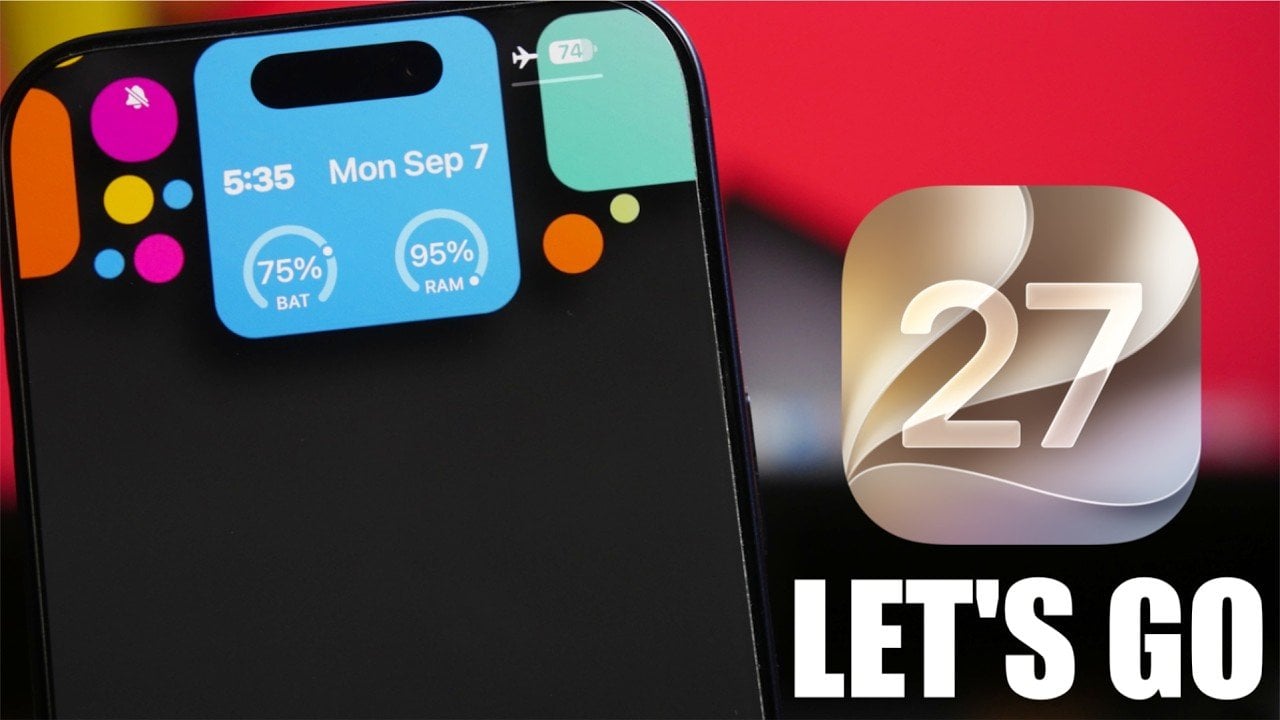
The April 2026 Refresh: 8 Essential Free Apps Every iPhone User Needs Featured image for 8 Incredible FREE iPhone Apps You Must Get !

Are you looking to maximize your iPhone’s potential without spending a dime? These eight free apps can significantly enhance how you use your device, offering tools that improve productivity, creativity, and overall functionality. From monitoring your phone’s performance to creating professional-grade content, these apps cater to a variety of needs. Here’s an in-depth look at […]

The post The April 2026 Refresh: 8 Essential Free Apps Every iPhone User Needs appeared first on Geeky Gadgets.

Posted in Uncategorized

DJI Avata 360 vs Antigravity A1: Why the Cheaper Drone Could Actually Cost You More

DJI Avata 360 vs Antigravity A1: Why the Cheaper Drone Could Actually Cost You More DJI Avata 360 navigating an indoor environment using omnidirectional obstacle avoidance

The DJI Avata 360 and the Antigravity A1 represent two compelling options in the world of 360-degree drones, but they cater to distinct user needs. As highlighted by Tech Court, the Antigravity A1’s foldable design and sub-250-gram weight make it a standout choice for those prioritizing portability. In contrast, the DJI Avata 360, while heavier […]

The post DJI Avata 360 vs Antigravity A1: Why the Cheaper Drone Could Actually Cost You More appeared first on Geeky Gadgets.

Posted in Uncategorized

Recycled Paper Turned Into a Japanese Zen Garden for Your Walls

Most acoustic panels exist as a necessary evil. You know the type: thick foam squares in aggressive wedge shapes, usually in black or grey, installed in a recording studio or conference room with zero consideration for how the space actually looks. They do their job. They do it without any grace. And for years, that was the trade-off we accepted without question.

LIBGRAPHY’s REBORN PULP acoustic panel doesn’t accept that trade-off. The Japanese design studio has been quietly building a case for what acoustic treatment can look like when the people behind it actually care about both problems at once, and the more you learn about this piece, the more you understand why it’s been turning heads.

Designer: LIBGRAPHY

The material story alone is worth paying attention to. REBORN PULP is made entirely from 100% recycled paper pulp, with no plastics and no synthetic adhesives. It is fully biodegradable. In a category where polyester fiber and foam are the default, a panel that begins its life as discarded paper and can return to the earth when it’s done is a genuinely radical proposition. The name “Reborn” isn’t just branding. It’s a philosophy the whole product is built around.

What makes the engineering here quietly impressive is the dual-layer construction. The outer shell is molded pulp, giving the panel its form and texture, while the interior is packed with loose pulp fiber. That combination works together to absorb sound across a wide frequency range, which is the part that matters most if you’re actually trying to fix a room’s acoustics. Getting a material to absorb sound consistently across low, mid, and high frequencies is not a trivial engineering challenge, and the dual-layer approach suggests LIBGRAPHY took that technical problem seriously before worrying about how the final product would photograph. A lot of design-forward acoustic products look pretty and perform modestly. This one appears to take both seriously.

Then there’s the aesthetic angle, which is where I think the design conversation gets most interesting. LIBGRAPHY drew inspiration from Karesansui, the traditional Japanese dry landscape garden. If you’ve ever stood in front of one of those carefully raked sand gardens and felt an inexplicable sense of calm wash over you, you already understand the logic. The surface of the REBORN PULP panel carries that same quiet, rhythmic quality. Ridges and textures that reference raked sand, rendered in recycled paper. It’s an unusual and genuinely poetic translation.

The color palette reinforces this. The panel is available in shades drawn from traditional Japanese color naming: natural, pale grey, celadon, and indigo. These aren’t colors chosen because they’re trendy. They’re colors with cultural weight, and they communicate a kind of restraint that a lot of contemporary design products desperately try to fake.

I’ll admit I have a soft spot for design that refuses to treat function and beauty as separate departments. We’ve spent decades watching sustainability get squeezed into products as an afterthought, announced via small text on the packaging while the object itself looks like it came out of the same mold as everything else. REBORN PULP doesn’t do that. The recycled material is the design. The environmental commitment is legible in the texture, the color, the form. You can see it.

That last point matters more than it might seem. The conversation around sustainable design has a credibility problem right now. Too many products wear their eco-credentials as a badge without earning them through actual material and process decisions. REBORN PULP earns it. The sustainability isn’t a layer added on top. It’s the whole premise, and the design thinking follows from there rather than working around it.

Whether REBORN PULP finds its way into homes, offices, or commercial spaces beyond Japan remains to be seen. But as a piece of thinking, it’s the kind of design that makes the field feel purposeful again. Old paper, turned into something that quiets a room and looks like a zen garden doing it. That’s not a bad outcome for something that was headed for the recycling bin.

The post Recycled Paper Turned Into a Japanese Zen Garden for Your Walls first appeared on Yanko Design.

Samsung Galaxy Watch Ultra 2: 5G, Satellite SOS, and the AI upgrade we’ve been waiting forthink

Samsung Galaxy Watch Ultra 2: 5G, Satellite SOS, and the AI upgrade we’ve been waiting forthink Samsung Galaxy Watch Ultra 2

Samsung is gearing up to introduce its latest wearable devices, the Galaxy Watch 9 and the highly anticipated Galaxy Watch Ultra 2, at a major event in London this summer. While both models promise to deliver impressive features, the Galaxy Watch Ultra 2 is expected to stand out with its advanced technology, refined design, and […]

The post Samsung Galaxy Watch Ultra 2: 5G, Satellite SOS, and the AI upgrade we’ve been waiting forthink appeared first on Geeky Gadgets.

Posted in Uncategorized

How ChatGPT Image 2 is Quietly Restructuring Creative Teams

How ChatGPT Image 2 is Quietly Restructuring Creative Teams Software user interface mockup generated by AI from text instructions.

OpenAI’s ChatGPT Image 2 is pushing the boundaries of AI-driven image generation, introducing features that could significantly alter team dynamics and workflows. Nate Jones explores how this technology, with its ability to produce reasoning-based outputs and maintain multi-frame consistency, is reshaping roles across industries. For instance, GPT Image 2 can generate culturally tailored ad campaigns […]

The post How ChatGPT Image 2 is Quietly Restructuring Creative Teams appeared first on Geeky Gadgets.

Posted in Uncategorized

5 Libraries That Look Nothing Like Libraries (And Are Better For It)

In a world shaped by AI, constant notifications, and shrinking attention spans, focused reading has become harder to protect. Distractions are no longer just external; they are embedded in the very tools you use every day. Against this backdrop, libraries are no longer quiet backdrops to digital life, but intentional spaces designed to help you slow down, disconnect, and return to deeper forms of attention.

The library has evolved far beyond its conventional identity as a storage space for books. You now experience it as an active social and intellectual landscape, one where spatial rhythm, light, and material honesty shape moments of focus and exchange. Contemporary design responds to how you move, pause, and engage, creating environments that support deep concentration and collective learning in an age of constant interruption.

By shifting away from static shelving systems toward spaces that encourage interaction and introspection, here is how architecture establishes a deeper dialogue between built form and human presence.

1. Libraries in Motion

The portable library signals a new approach to how knowledge inhabits the home. Rather than remaining fixed, it moves with you and is integrated into daily life through carefully designed, lightweight structures. These mobile elements allow reading, reflection, and display to shift naturally across spaces, responding to changing moods and routines.

From a design and value standpoint, portability introduces long-term flexibility. Spaces can be reconfigured without loss of visual coherence or function. These modular forms act as movable architectural markers, maintaining relevance as lifestyles evolve while transforming reading into a deliberate, spatial experience woven through the home.

La Libreria is a lightweight, demountable library designed by Diller Scofidio + Renfro for the Venice Architecture Biennale, created to travel and encourage reading wherever it is installed. Spanning 24 metres, the pavilion draws on principles of tensile architecture influenced by the research of French engineer Robert Le Ricolais. Rather than being fixed to the ground, the structure gains stability from ballasts and the weight of the books themselves, which are displayed on timber shelves running along its length. This clever integration of structure and storage keeps the library open, flexible, and easy to reassemble in new settings.

Wrapped in a transparent STFE architectural textile, the pavilion remains visually light while being durable and portable, allowing it to be packed into a container and relocated with ease. Currently situated in the Giardini della Biennale, it stands among experimental national pavilions, reinforcing the event’s spirit of innovation.

2. Biophilic Reading Sanctuary

Integrating biophilic design transforms the library into a calm, light-filled refuge. You experience softened architectural edges through diffused daylight, interior planting, and tactile natural materials. This deliberate balance between structure and nature supports mental clarity, creating a focused reading environment that restores attention and strengthens your sensory connection to space.

Beyond visual comfort, biophilic strategies deliver measurable performance value. You benefit from improved air quality, passive cooling, and reduced energy demand through living walls and natural ventilation. These systems create a stable microclimate while grounding the design in regional traditions, ensuring the library feels timeless, responsible, and deeply human.

Stalk-like arches and mushroom-inspired canopies form a playful shelter for the Mushroom Library, a children’s reading space in Yanzitou Village, rural China. Envisioned as a “fantastical village landmark,” the library acts as a welcoming gateway to a future community centre and a lively gathering point. Inspired by the fungi found in nearby forests, the structure blends gently into its landscape while standing out as a symbol of cultural continuity. In a village facing depopulation, the library becomes a place where returning children and residents reconnect, turning weekends into moments of shared learning and intergenerational exchange.

Built around an existing raisin tree, the library reflects close collaboration with local craftspeople. Ribbed steel bars are woven into tall arches, later encased in concrete to create an organic yet durable form. An irregular canopy, punctured with circular openings, filters daylight into the reading room, while one opening allows the tree to grow through the roof. Inside, curved concrete walls and timber shelves create cosy reading corners, as shifting light patterns animate the space and spark imagination.

3. Multifunctional Library

The multifunctional library functions as a central knowledge hub where work, study, and social exchange coexist. You experience a carefully layered spatial sequence that supports silence, collaboration, and digital engagement within a single setting. Integrated joinery discreetly houses technology, allowing the space to shift seamlessly with your daily intellectual needs.

From a value perspective, this typology maximizes spatial efficiency by intensifying the use of every square foot. These libraries remain active throughout the day, contributing measurable performance to the home. Through refined materials and bespoke detailing, functionality is elevated into a lasting architectural statement.

You may not wheel this compact book cart outdoors, but it lets you carry your favourite reads to any quiet corner indoors. Most people have a preferred spot for unwinding with a book, whether it’s a sofa, a bed, or a tucked-away chair that offers a sense of privacy. Public spaces like libraries rarely provide that comfort, often relying on long shared tables and stiff seating that make reading feel more like work than pleasure. This mobile bookshelf rethinks that experience, allowing you to choose your own corner and settle in with both your books and a place to sit.

Inspired by the pear-shaped gambus instrument, the wooden body holds several books while doubling as a seat. A curved stem rises to form a small tabletop for resting your current read and helps guide the cart across the floor. Designed as a personal, movable reading nook, it encourages quieter, more intimate moments with books, even in busy shared spaces.

4. Exploring Sculptural Forms

Futuristic library design reimagines the archive as a sculptural experience rather than a static container. You move through fluid, parametric forms shaped by curves, height, and light. These spaces dissolve rigid shelving, allowing architecture to express the boundless nature of knowledge through movement, transparency, and spatial drama.

Behind the expressive geometry lies technical rigor. Advanced composites and high-performance materials ensure strength, thermal control, and longevity. You gain durability and distinction, as these libraries balance innovation with precision. Visionary form becomes a long-term asset, connecting intellectual heritage with the evolving digital landscape.

Envisioned as more than a functional building, this futuristic public library was designed as a living tribute to books and the act of reading. The architect imagined a space that evokes wonder, sparks curiosity, and offers calm – an intellectual refuge rather than a mere storage for knowledge. Shaped like an open book, the form symbolises openness, shared ideas, and limitless learning. Sweeping curves echo turning pages, while illuminated roof lines resemble flowing text, making the structure appear animated even from afar. A bold cantilevered concrete base lends the building a sense of lightness, opening generous interiors filled with natural light and quiet comfort.

The “pages” of the book become layered floors with balconies that extend reading into the open air, while shaded spaces below host gatherings and mark the entrance with a calming water feature. From the front, the silhouette subtly recalls a tree, linking learning to growth and renewal. A central “spine” connects reading halls and auditoriums through elevated bridges, reinforcing the metaphor while guiding movement. Every detail balances symbolism with contemporary elegance, creating a space that honours tradition while embracing modern expression.

5. Transparent Reading Lounge

The community reading lounge restores the library’s role as a shared cultural space. You experience it as a modern gathering ground where quiet reflection and conversation coexist. Thoughtful layouts and contextual references help the space feel rooted, familiar, and socially inclusive.

Its success lies in sensory balance, like soft acoustics, gentle light, and spatial warmth. Value is measured through social engagement and long-term relevance rather than metrics alone. With local materials and passive strategies, the lounge becomes a low-impact, resilient environment that nurtures collective intellectual life.

In an age dominated by digital ease, Yellamundie Library in Western Sydney shows how physical libraries are evolving rather than disappearing. Designed by fjcstudio as part of the Liverpool Civic Place precinct, the building is conceived as a social and cultural anchor for one of Australia’s fastest-growing and most diverse communities. Its oval form and round windows soften the surrounding urban grid, drawing inspiration from the nearby Georges River. With transparent façades on all sides, the library puts community life on display, and by night it glows like a lantern, signalling openness and welcome.

Inside, the 5,000-square-metre space is layered and adaptable, with part of the library set below the public plaza and lit by skylights and a planted courtyard. Upper levels house study areas, maker spaces, digital labs, and flexible event zones, all supported by mobile shelving. Multilingual collections, youth-focused floors, and creative programmes ensure the library serves every generation, making it a place for learning, making, and belonging.

The evolution of the library reflects a decisive move away from static storage toward a dynamic architectural experience. By integrating portability, biophilic principles, and forward-looking forms, you shape spaces that function as living systems of knowledge. These libraries transcend utility, becoming active environments that support resilience, creativity, and intellectual growth through a continuous dialogue between human experience and built form.

The post 5 Libraries That Look Nothing Like Libraries (And Are Better For It) first appeared on Yanko Design.
Apple’s next big shift: Why iPhone prices are heading toward a record high

Apple’s next big shift: Why iPhone prices are heading toward a record high Factory scene showing memory chips and storage modules, reflecting higher parts costs tied to AI server demand.

The cost of future iPhone models is expected to increase, influenced by rising global demand for key components such as storage and RAM. This trend is largely driven by the growing need for AI servers, which are reshaping the tech industry. As a consumer, understanding these changes is essential, as they will likely impact Apple’s […]

The post Apple’s next big shift: Why iPhone prices are heading toward a record high appeared first on Geeky Gadgets.

Posted in Uncategorized