Best iOS 27 Features to Try That Do Not Require Siri or AI

Best iOS 27 Features to Try That Do Not Require Siri or AI Independent volume sliders for ringtones and alerts on an iPhone screen.

iOS 27 brings a host of updates designed to enhance customization, privacy, and performance, all without relying on AI or Siri. Whether you’re using an older iPhone 11 or the latest iPhone 17 Pro Max, these updates focus on practical improvements that elevate your overall experience. Below is a detailed look at the most noteworthy […]

The post Best iOS 27 Features to Try That Do Not Require Siri or AI appeared first on Geeky Gadgets.

Posted in Uncategorized

IBM Targets a 200-Logical-Qubit Processor for 2029 Launch

IBM Targets a 200-Logical-Qubit Processor for 2029 Launch A large chandelier-style quantum computer hardware setup.

Quantum computing in 2026 stands at a fantastic crossroads, with fault-tolerant quantum computing (FTQC) emerging as a critical focus. This year has seen a shift from simply increasing physical qubits to developing error-corrected logical qubits, a necessary step for reliable and scalable quantum systems. Explaining Computers highlights how companies like IBM and Google are advancing […]

The post IBM Targets a 200-Logical-Qubit Processor for 2029 Launch appeared first on Geeky Gadgets.

Posted in Uncategorized

The Redwood by Tiny Timber Homes Proves Small Living Doesn’t Mean Settling

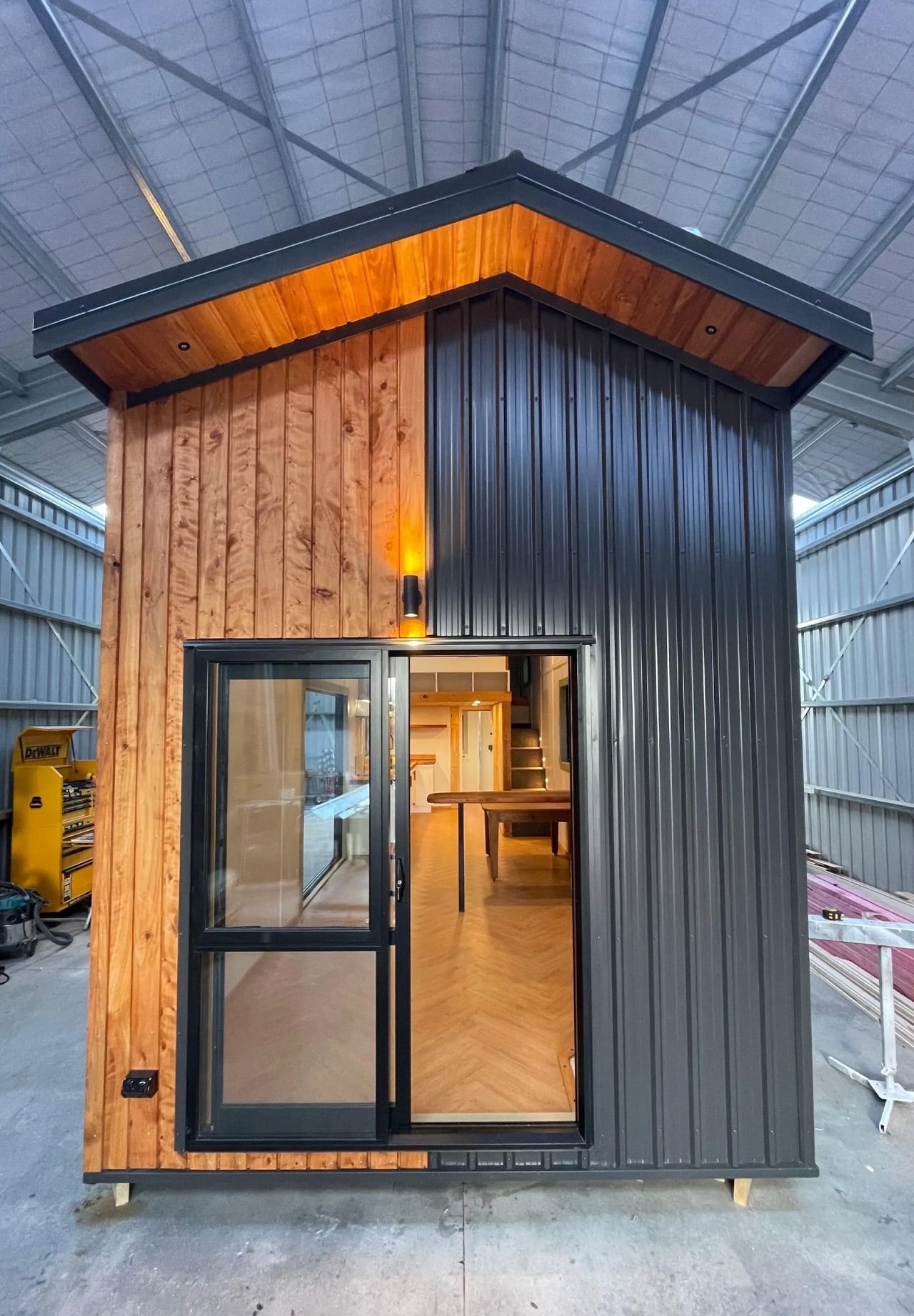
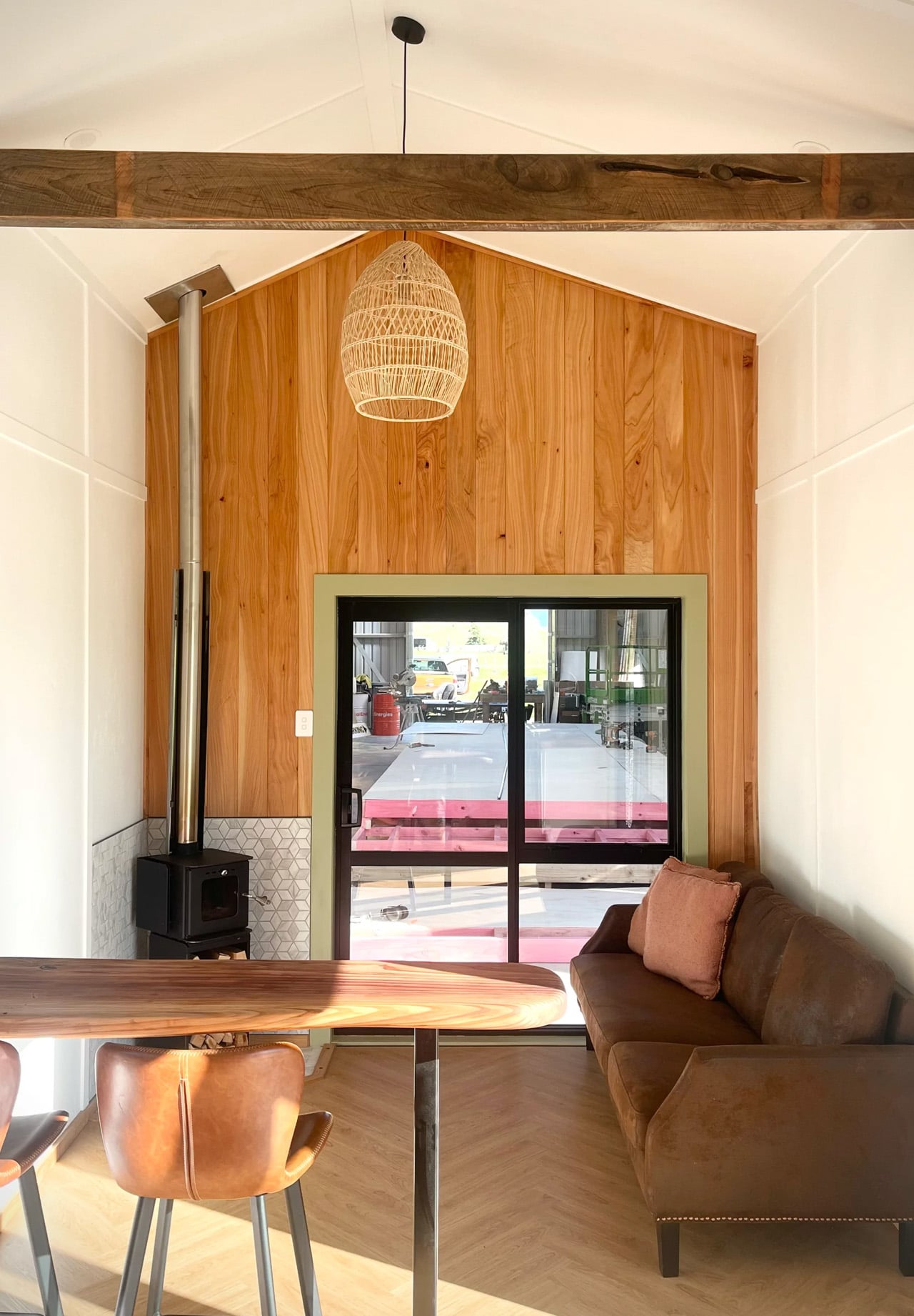
Wood has a way of telling you exactly where it’s been — and the Redwood by Tiny Timber Homes wears that history well. The Redwood leans into that quality completely — and the result is a tiny house that feels less like a compromise and more like a choice you’d make twice.

Tiny Timber Homes has built its reputation on one idea: that small spaces deserve the same craftsmanship as full-sized ones. The Redwood is perhaps the clearest expression of that philosophy. Its exterior reads immediately as intentional — warm wood cladding, clean rooflines, and a silhouette that sits confidently without trying to mimic a traditional house. It’s not cosplaying a cabin. It’s its own thing.

Designer: Tiny Timber Homes

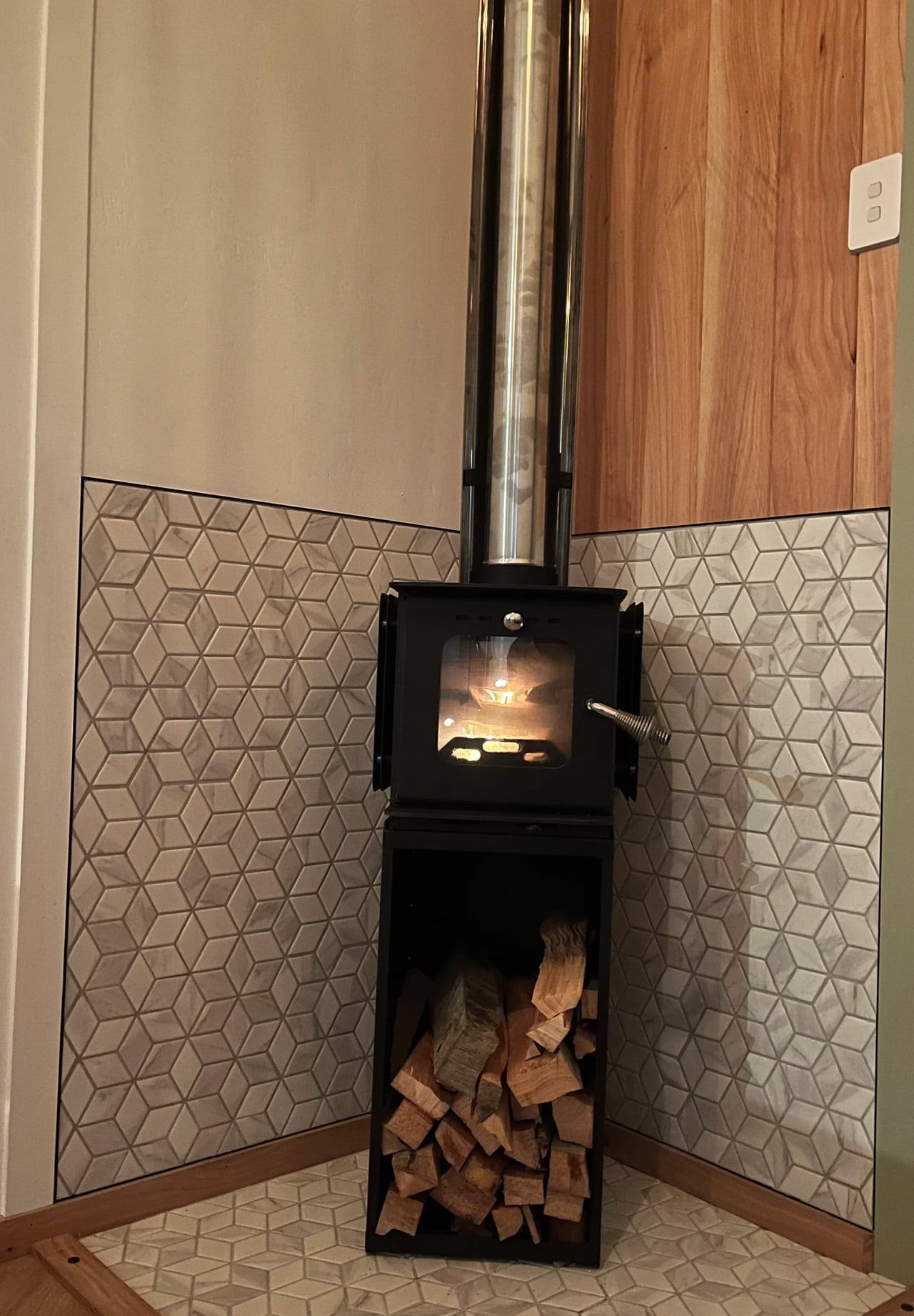
Step inside and the material language continues without interruption. Exposed timber framing lines the interior walls, giving every room a structural honesty that most tiny homes paper over with drywall and distraction. Natural light does the heavy lifting here — strategically placed windows pull the outdoors in and keep the interior from ever feeling like a box you’re trapped inside.

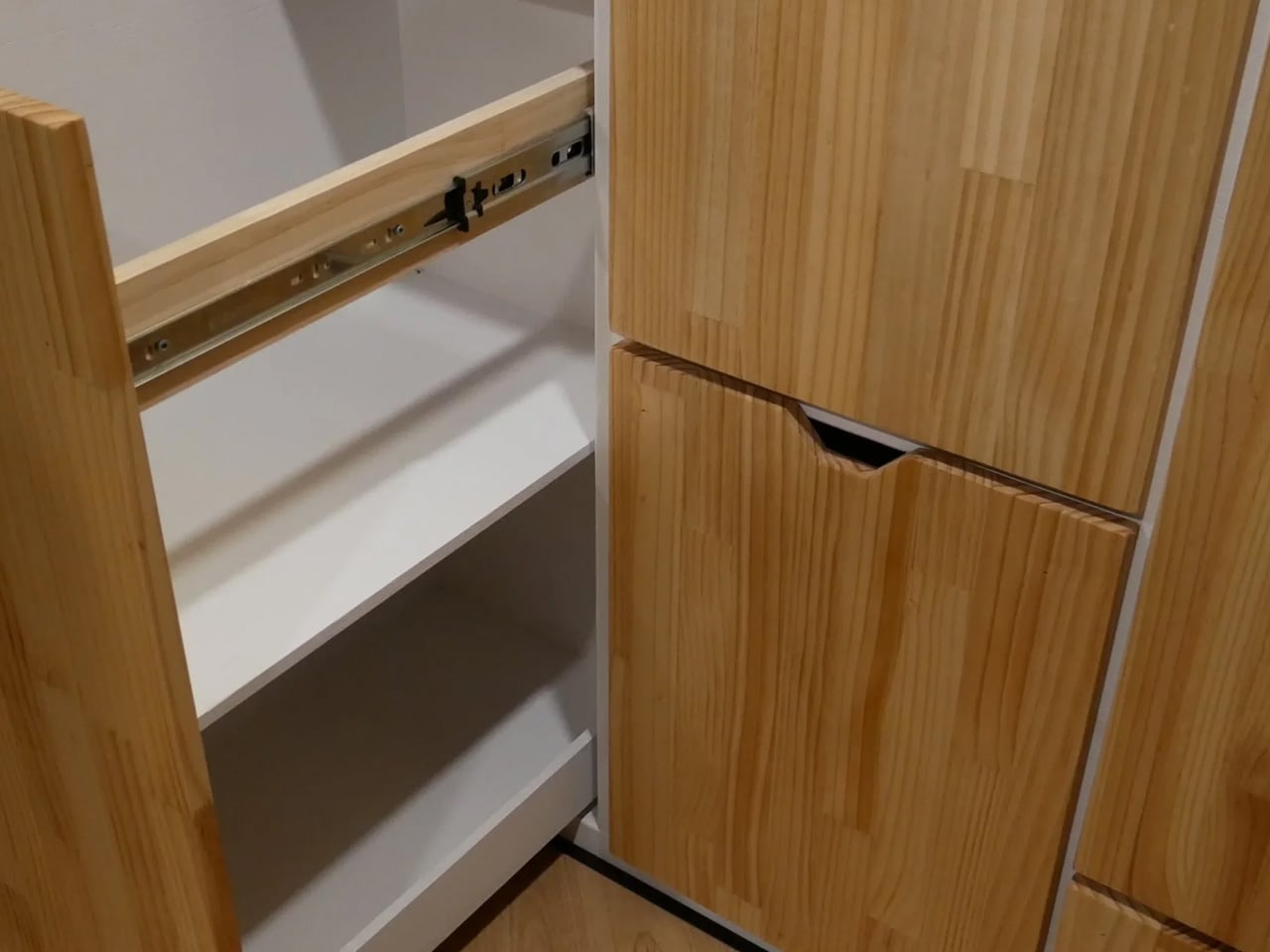
The kitchen is compact but considered. Counter space is used with real intention, storage is tucked where you’d actually look for it, and the layout doesn’t ask you to turn sideways to reach the sink. It’s the kind of kitchen that rewards a slower pace — coffee in the morning, dinner from scratch, no dishwasher you don’t need.

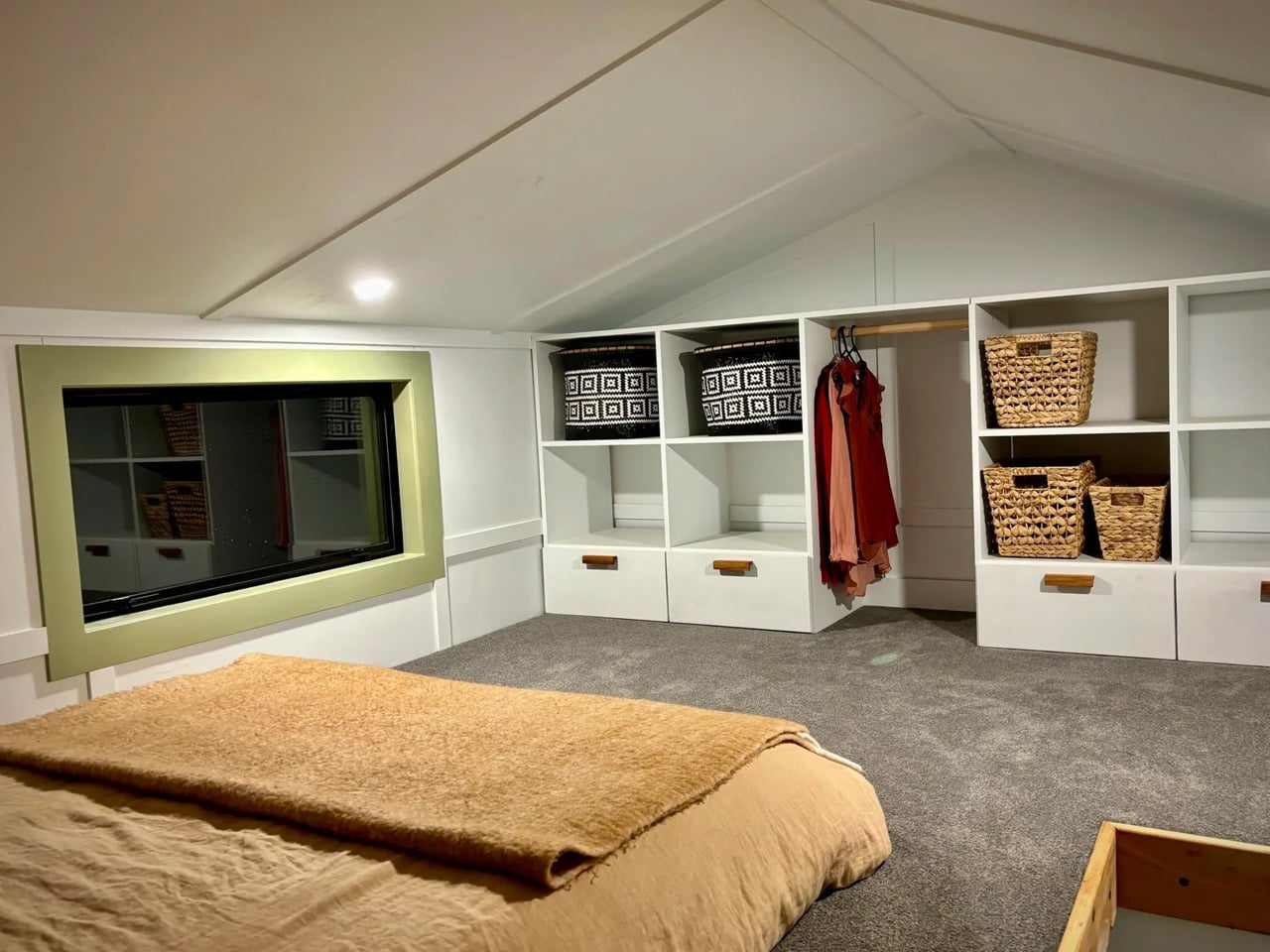
The sleeping loft sits above it all, accessible by a stair ladder that doubles as storage. From up there, the whole space reads differently. You see the structure, the grain of the wood, the way everything fits without forcing. It’s a perspective that makes you appreciate the design more, not less.

What separates the Redwood from the growing noise in the tiny home market is restraint. There’s no attempt to cram in features that don’t belong, no feature list that sacrifices livability for a spec sheet. What you get instead is a home that understands its own scale and works with it — not against it.

Tiny Timber Homes builds for people who’ve thought seriously about what they actually need from a home. The Redwood answers that question with timber, light, and a layout that respects the person living inside it. In a category full of aspirational renderings and underwhelming follow-through, that’s worth something. It looks like a home. It lives like one too.

The post The Redwood by Tiny Timber Homes Proves Small Living Doesn’t Mean Settling first appeared on Yanko Design.

iOS 27: is Apple’s Upcoming Software Update Worth the Upgrade?

iOS 27: is Apple’s Upcoming Software Update Worth the Upgrade? Illustration of beta versions related to the article topic.

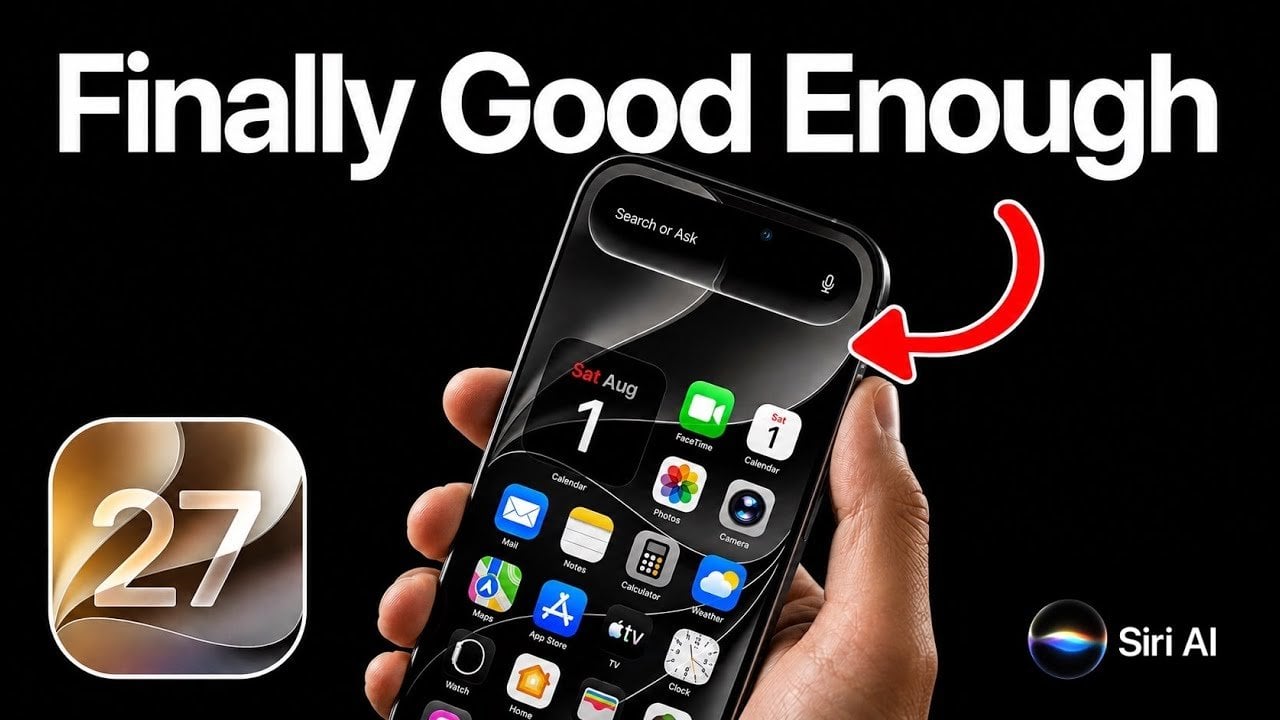
iOS 27 brings a host of enhancements aimed at improving your interaction with Apple’s mobile operating system. With smarter AI, better battery performance, and smoother system functionality, this update seeks to address longstanding concerns while introducing innovative features. As the software progresses through its beta phase, understanding its potential impact on your device and daily […]

The post iOS 27: is Apple’s Upcoming Software Update Worth the Upgrade? appeared first on Geeky Gadgets.

Posted in Uncategorized

10 Powerful Excel Tips and Tricks for Complex Spreadsheets

10 Powerful Excel Tips and Tricks for Complex Spreadsheets A spreadsheet column displaying custom up and down arrows for positive and negative growth rates.

Excel offers a wide range of features that can simplify data management, yet many remain overlooked in daily use. Kenji highlights ten practical techniques that can enhance efficiency and accuracy in your spreadsheets. For example, using 3D references like `=SUM(Sheet1:Sheet5!A1)` allows you to consolidate data across multiple sheets with a single formula, reducing manual input […]

The post 10 Powerful Excel Tips and Tricks for Complex Spreadsheets appeared first on Geeky Gadgets.

Posted in Uncategorized

10 Hidden iOS 27 Settings Apple Buried Inside Your iPhone

10 Hidden iOS 27 Settings Apple Buried Inside Your iPhone The Find My app showing the new Hide Location toggle switch.

iOS 27 brings a host of updates that go beyond the surface, offering features designed to make your device smarter, more secure, and easier to use. These enhancements focus on simplifying daily tasks, improving collaboration and strengthening privacy. Whether you’re managing finances, sharing photos, or customizing automations, these updates aim to elevate your digital experience. […]

The post 10 Hidden iOS 27 Settings Apple Buried Inside Your iPhone appeared first on Geeky Gadgets.

Posted in Uncategorized

Retroid Pocket Nova Plays PS2 Games on a 4.5-Inch AMOLED

Retroid Pocket Nova Plays PS2 Games on a 4.5-Inch AMOLED Front view of the Retroid Pocket Nova displaying a classic retro game.

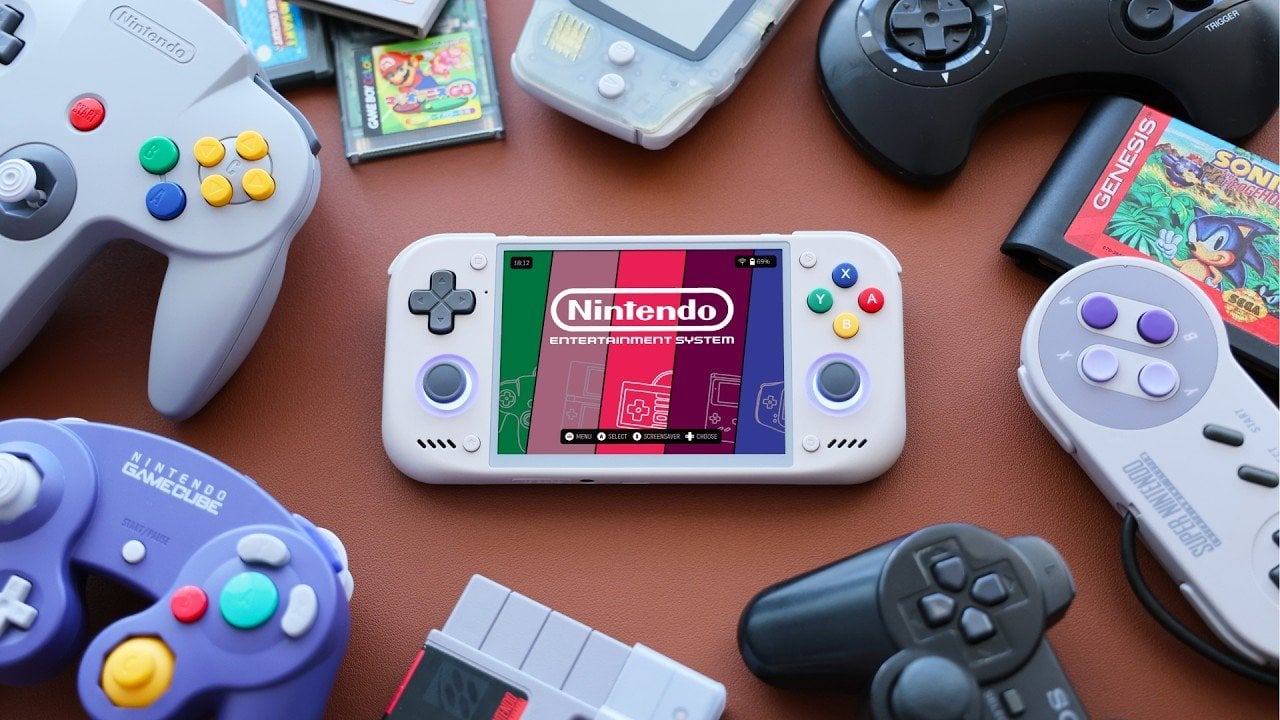
Retro Game Corps examines the Retroid Pocket Nova, a handheld device tailored for retro gaming enthusiasts. Featuring a 4:5 inch AMOLED display, the Nova is well-suited for systems like the SNES, PS2 and GameCube, offering vibrant visuals that 5enhance the experience of classic titles. The review highlights specific aspects of the device, such as its […]

The post Retroid Pocket Nova Plays PS2 Games on a 4.5-Inch AMOLED appeared first on Geeky Gadgets.

Posted in Uncategorized

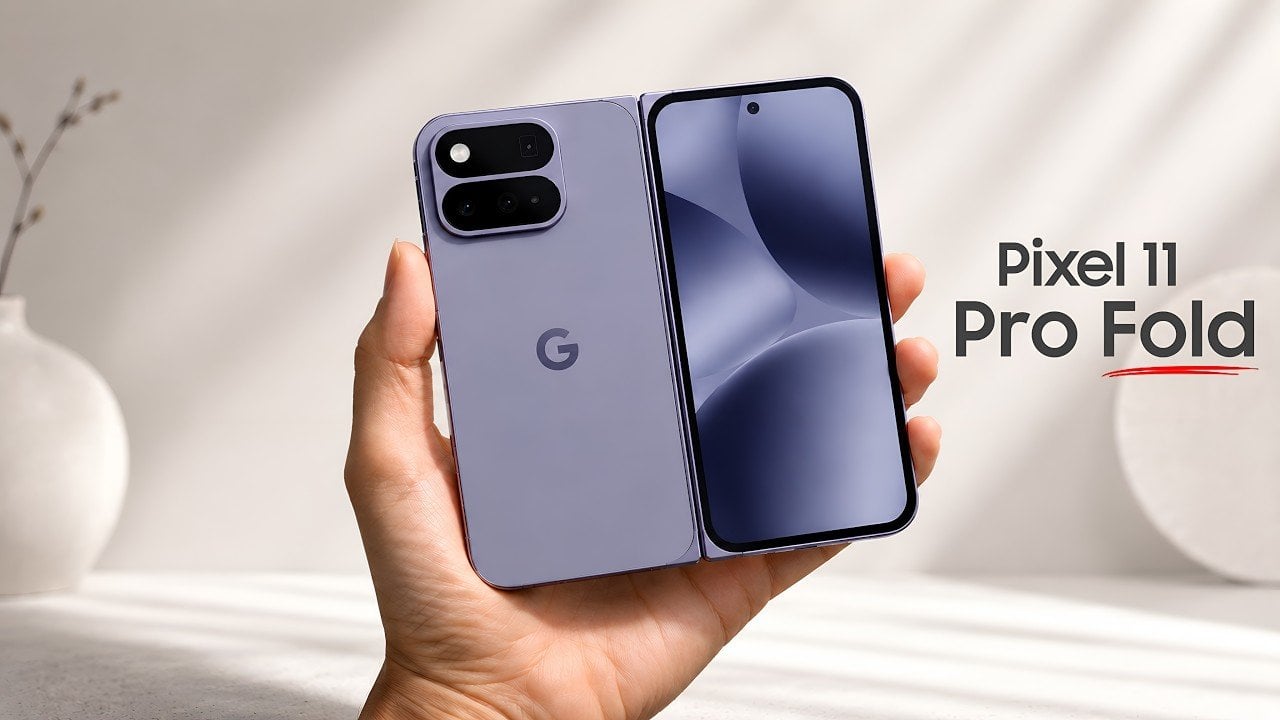
Google Pixel 11 Pro Fold Leak Reveals the Thinnest Pixel Fold Yet

Google Pixel 11 Pro Fold Leak Reveals the Thinnest Pixel Fold Yet Leaked marketing render of the Google Pixel 11 Pro Fold showing the back panel.

Leaked marketing images of the Google Pixel 11 Pro Fold provide an early look at its design and capabilities, showcasing a device that blends innovation with practicality. As the latest addition to Google’s foldable smartphone lineup, the Pixel 11 Pro Fold builds on its predecessor by refining its features, integrating advanced AI capabilities, and delivering […]

The post Google Pixel 11 Pro Fold Leak Reveals the Thinnest Pixel Fold Yet appeared first on Geeky Gadgets.

Posted in Uncategorized

Gemini Notebook Replaces NotebookLM for AI Research Workflows

Gemini Notebook Replaces NotebookLM for AI Research Workflows The main dashboard interface of Gemini Notebook showing user collections.

Gemini Notebook, previously called NotebookLM, is an AI-based platform designed to help users manage and create content from various sources. Paul Lipsky introduces its structure, which includes three main sections: Sources, AI Chat and Studio. For instance, the Sources section allows users to upload and organize data from web pages, Google Drive files and text […]

The post Gemini Notebook Replaces NotebookLM for AI Research Workflows appeared first on Geeky Gadgets.

Posted in Uncategorized

Forget Tracking Kids After School, This Cute Device Lets Them Check In

Working parents of school-age children face a particular kind of worry during the hours between the end of the school day and the end of the workday. Phone calls get missed, text messages go unread, and the ones that do get through usually carry just enough information to confirm a child made it home. What they rarely carry is any sense of how the child is actually doing, and that gap tends to get filled with parental anxiety rather than reassurance.

Keylo is a conceptual companion device designed around that specific gap. Rather than giving children another screen to manage or another app to navigate, it offers a single, tactile interaction: a tap that lets them express how they’re feeling. No typing, no calling, no notification chain. The child touches the device, cycles through a color to represent their emotional state, and the parent’s app receives it.

Designer: Miaonan Li
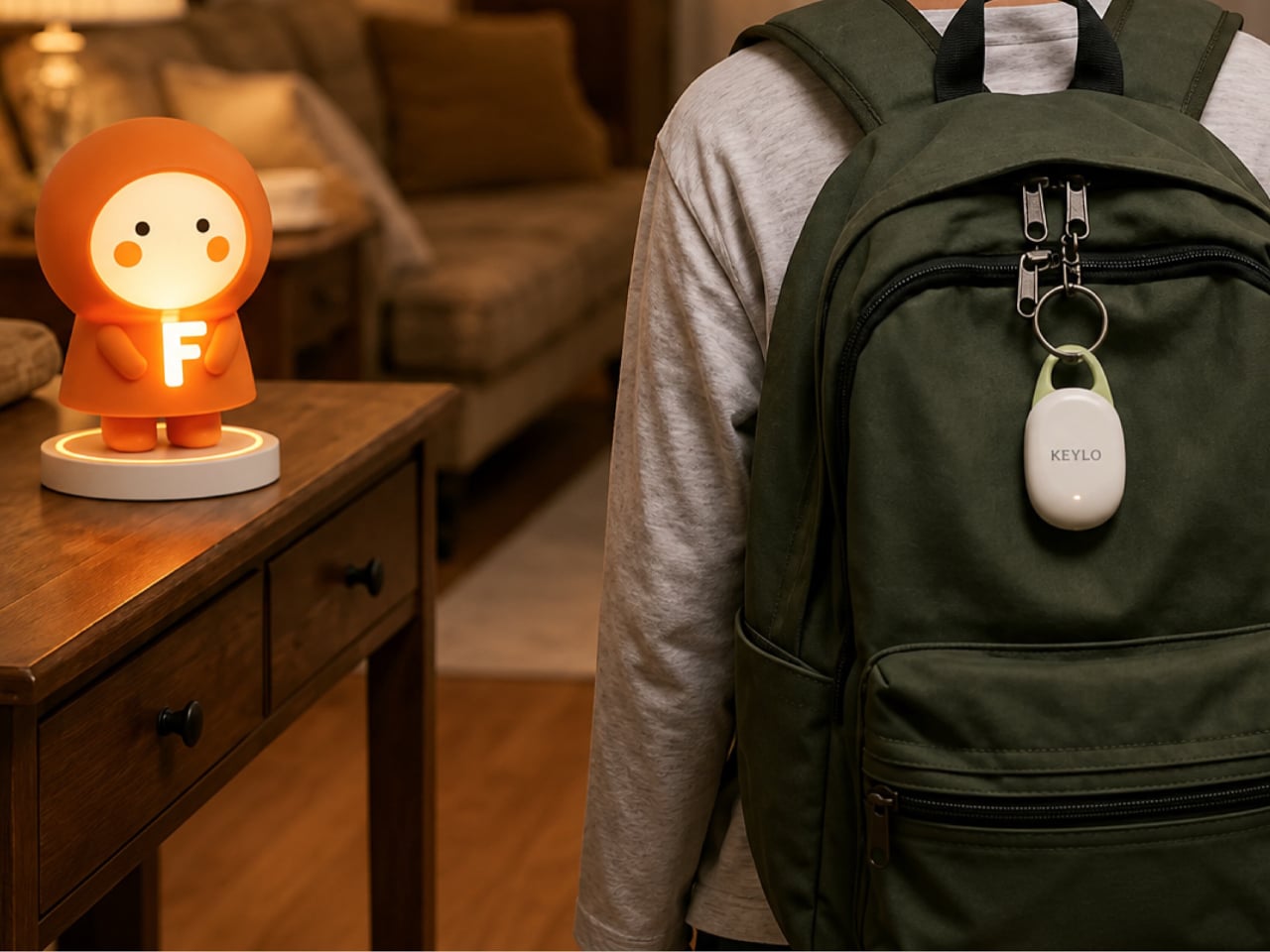
The system consists of three physical parts. The main companion unit sits on a home dock, usually somewhere a child passes when they get home. A smaller key fob clips to a backpack and travels with the child throughout the day. Both are made from soft matte silicone and deliberately avoid any screen or complex interface, giving the object a quality that’s closer to a familiar household item than a piece of consumer electronics.
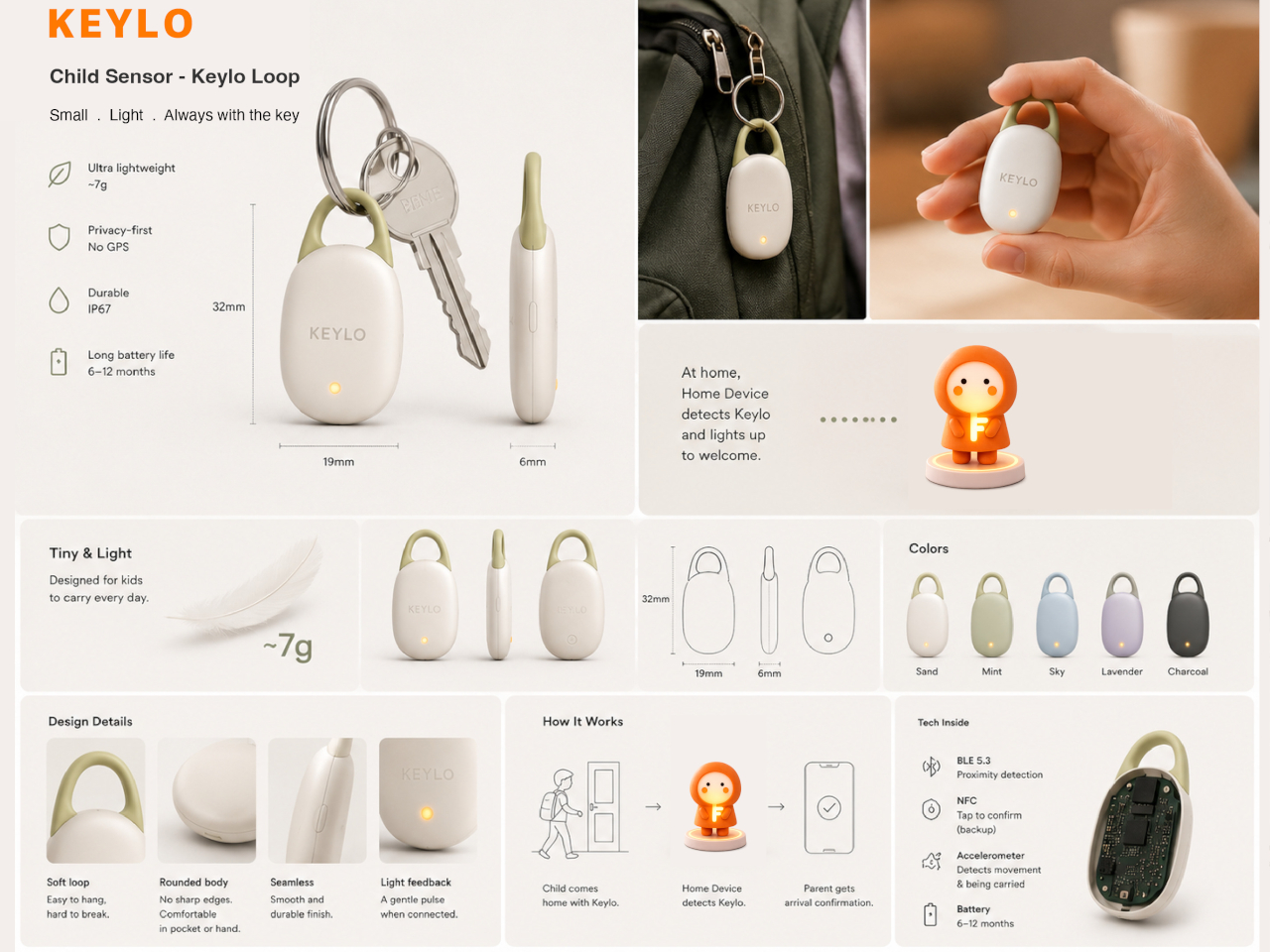
The four emotional states Keylo recognizes are kept intentionally broad. A soft orange glow indicates the child feels relaxed; bright yellow signals something more playful or energetic; a neutral white tone signals a preference for quiet or personal space; and a calm blue light carries a specific message from child to parent: I’m thinking of you. Each one is simple enough for a young child to understand and expressive enough to actually mean something when it arrives on a parent’s phone.
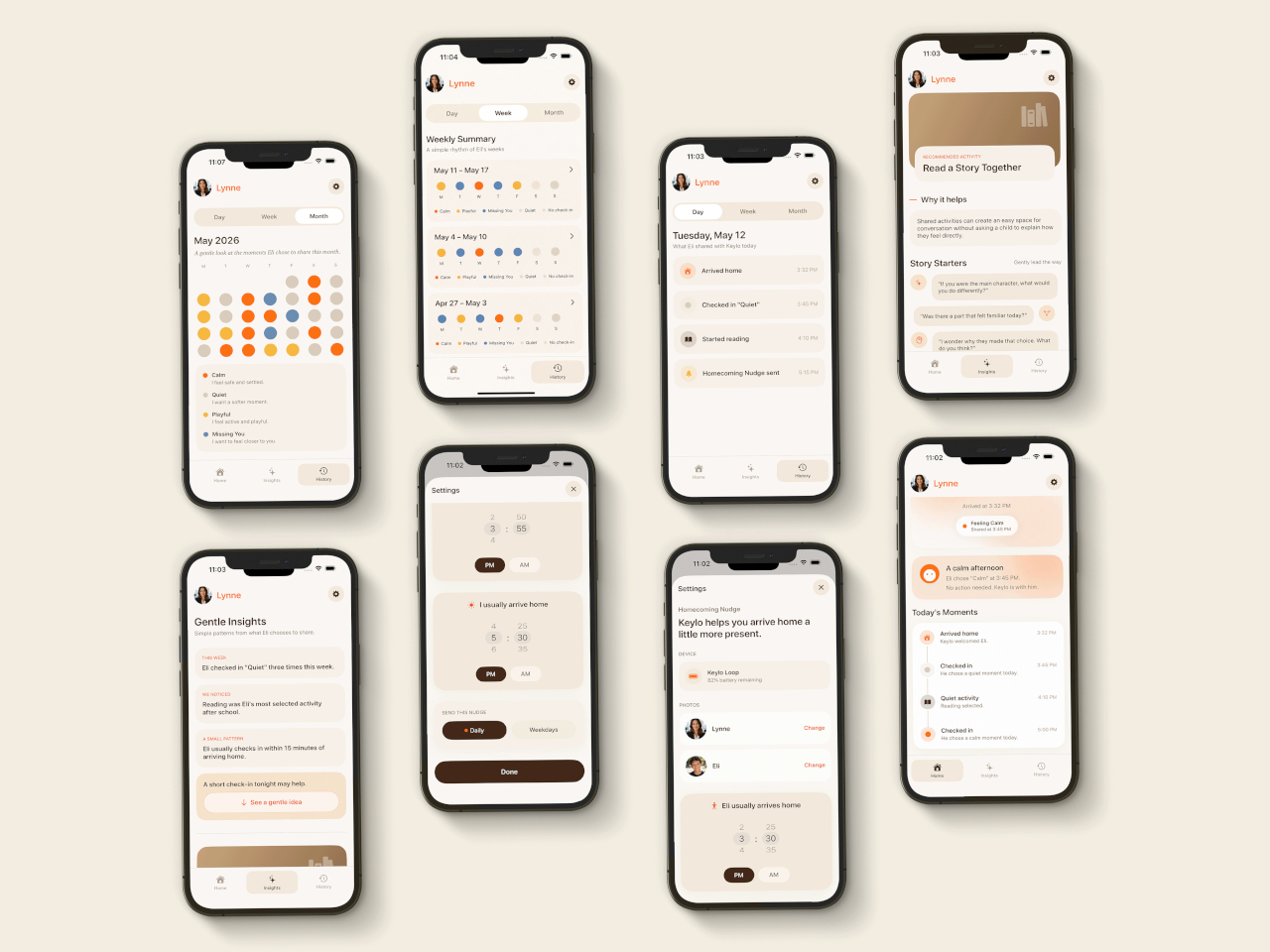
That arrival is handled by the companion app, which mirrors the same color language as the physical device. The distinction the project draws between this and conventional parental monitoring is deliberate. Rather than showing parents a location, a screen time report, or a camera feed, the app delivers a single emotional moment. A notification that says a child is feeling calm and playful carries a different quality of information than a location ping, and it asks for a different kind of response.

The device is designed to work without any input from the child beyond that single tap. There are no prompts to answer, no questions to read, and no follow-up required. For a child who has just walked in the door after school, the low threshold is significant; the gesture stays small enough that it doesn’t feel like a chore, which is probably the main reason most family communication apps get abandoned within a few weeks of being set up.

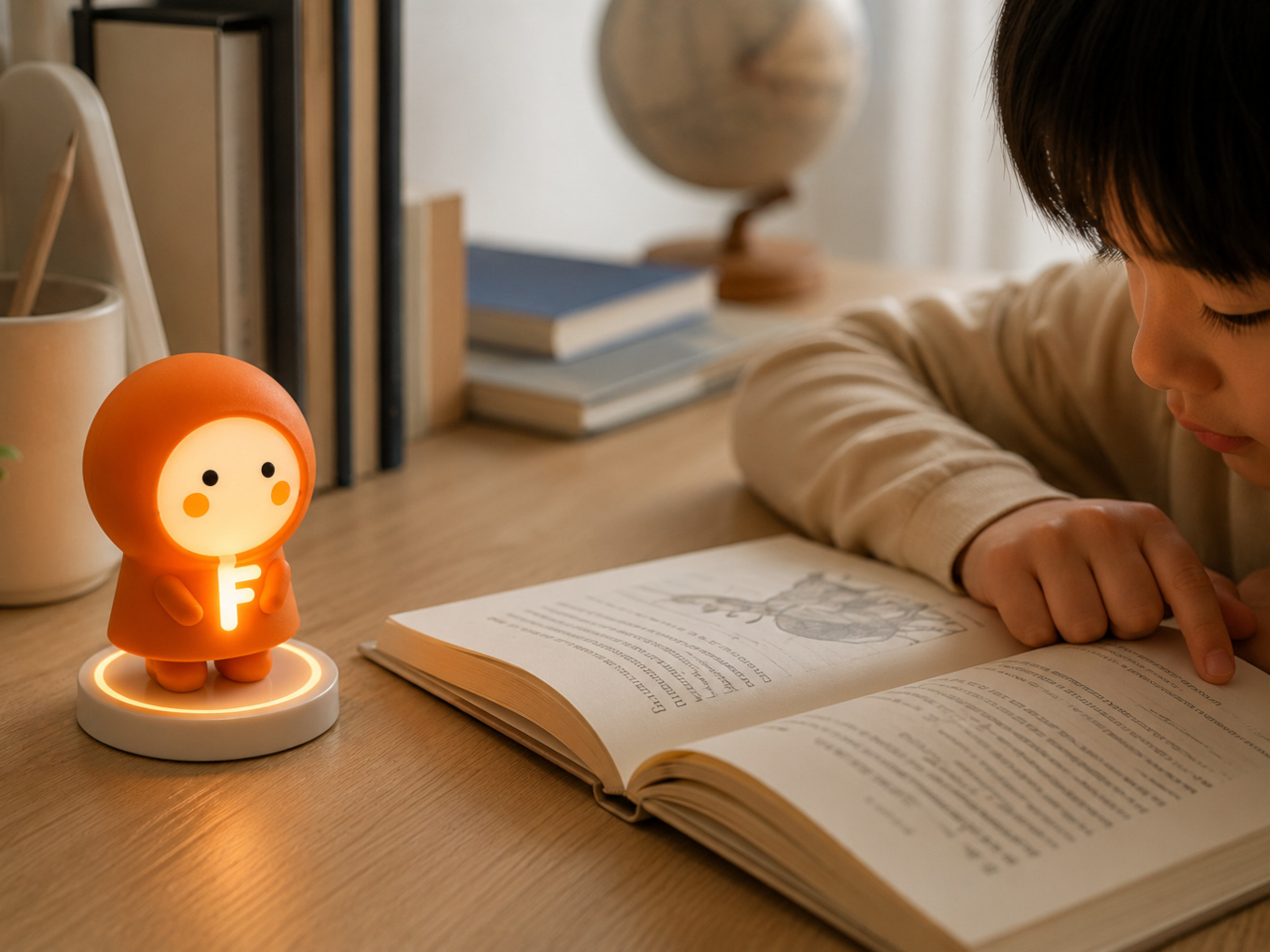
What Keylo explores through its design is how much emotional information can be conveyed through the simplest possible interaction. A color chosen by a child carries less data than a voice call but far more than no contact at all, and it arrives without interrupting anyone’s afternoon in the way a ringing phone does. The project makes a case for the idea that the volume of communication matters less than whether it happens at all, and on terms that feel natural to the person sending it.
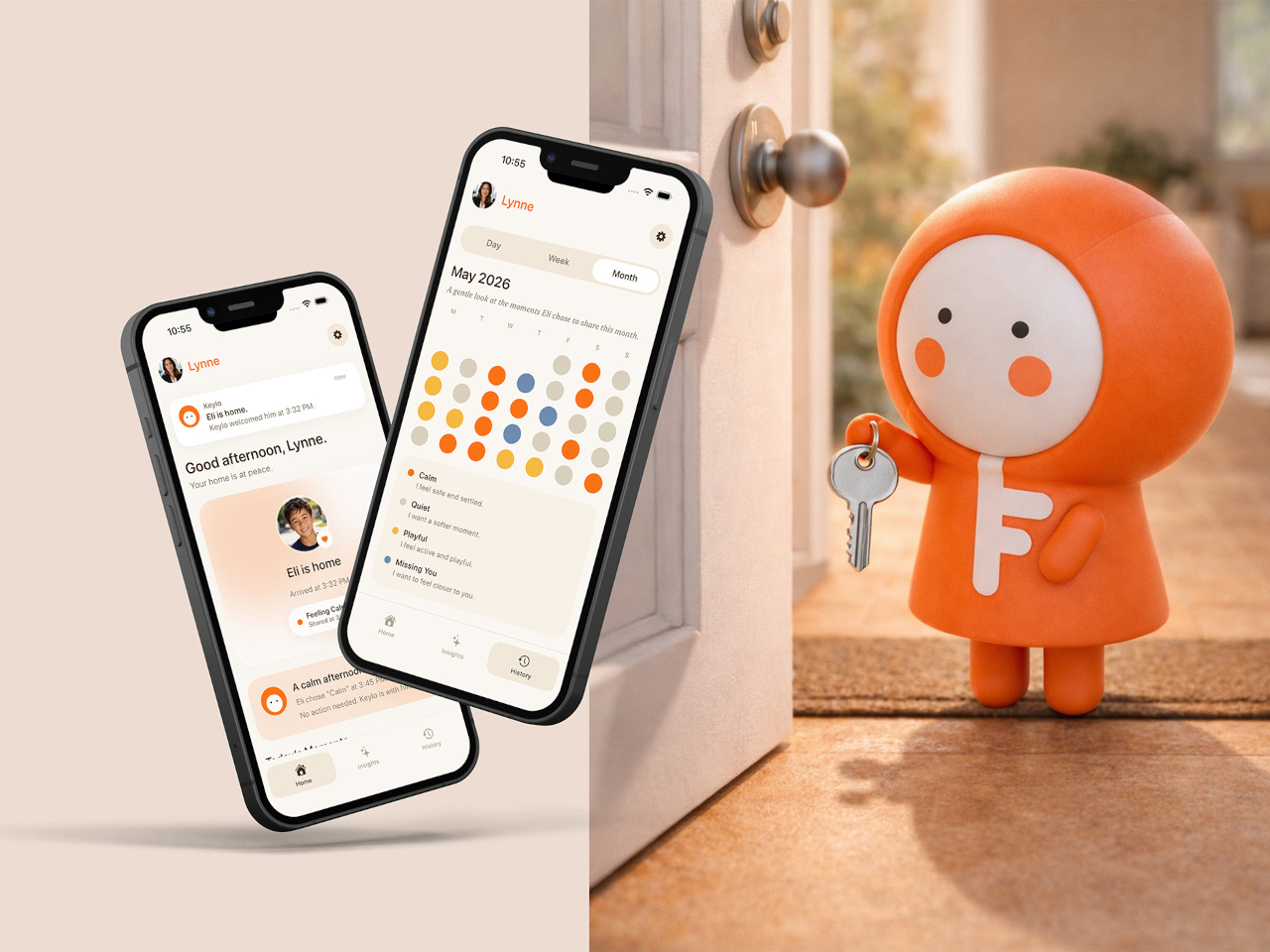
The post Forget Tracking Kids After School, This Cute Device Lets Them Check In first appeared on Yanko Design.