Forget Tracking Kids After School, This Cute Device Lets Them Check In

Working parents of school-age children face a particular kind of worry during the hours between the end of the school day and the end of the workday. Phone calls get missed, text messages go unread, and the ones that do get through usually carry just enough information to confirm a child made it home. What they rarely carry is any sense of how the child is actually doing, and that gap tends to get filled with parental anxiety rather than reassurance.

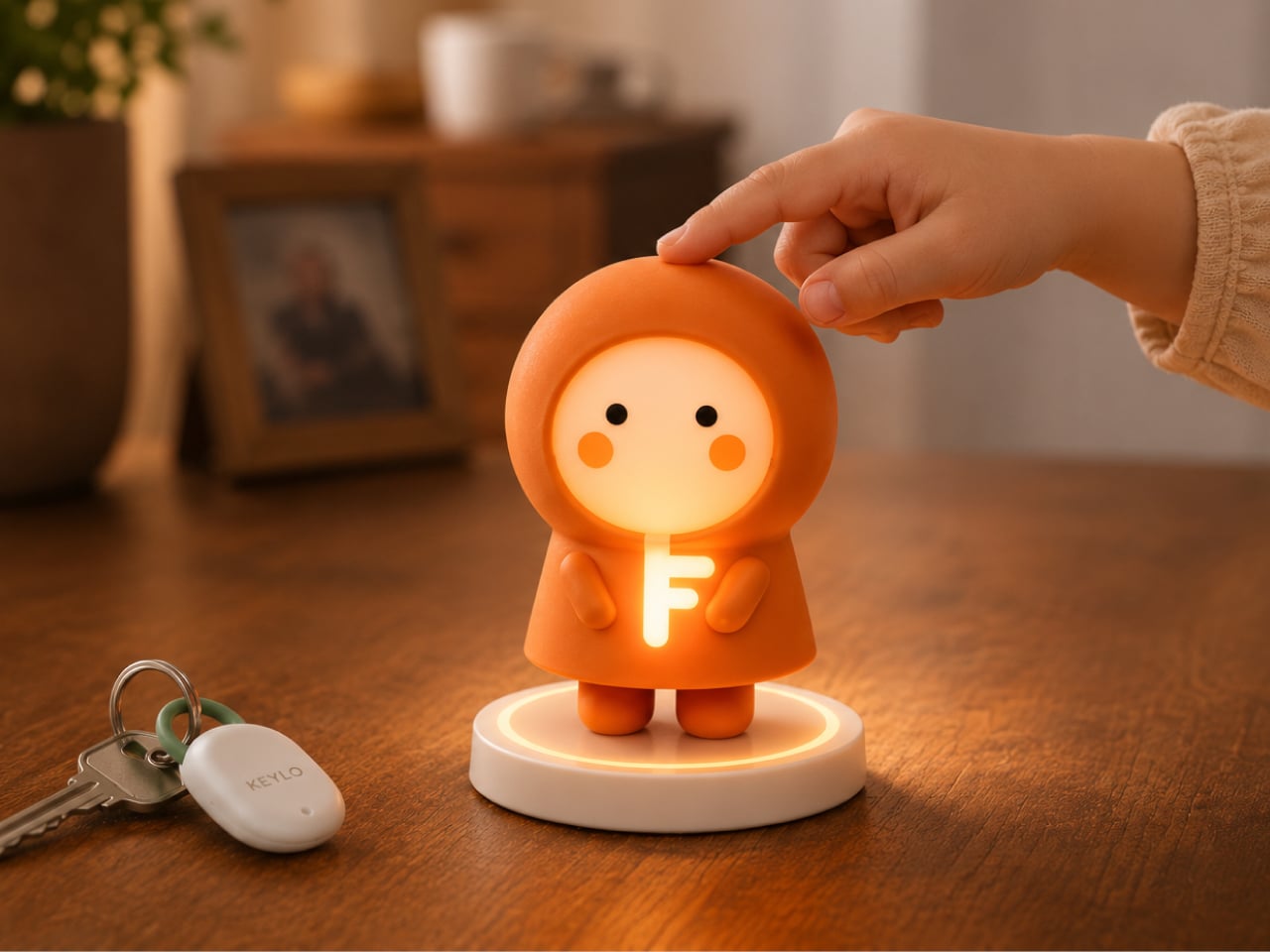
Keylo is a conceptual companion device designed around that specific gap. Rather than giving children another screen to manage or another app to navigate, it offers a single, tactile interaction: a tap that lets them express how they’re feeling. No typing, no calling, no notification chain. The child touches the device, cycles through a color to represent their emotional state, and the parent’s app receives it.

Designer: Miaonan Li
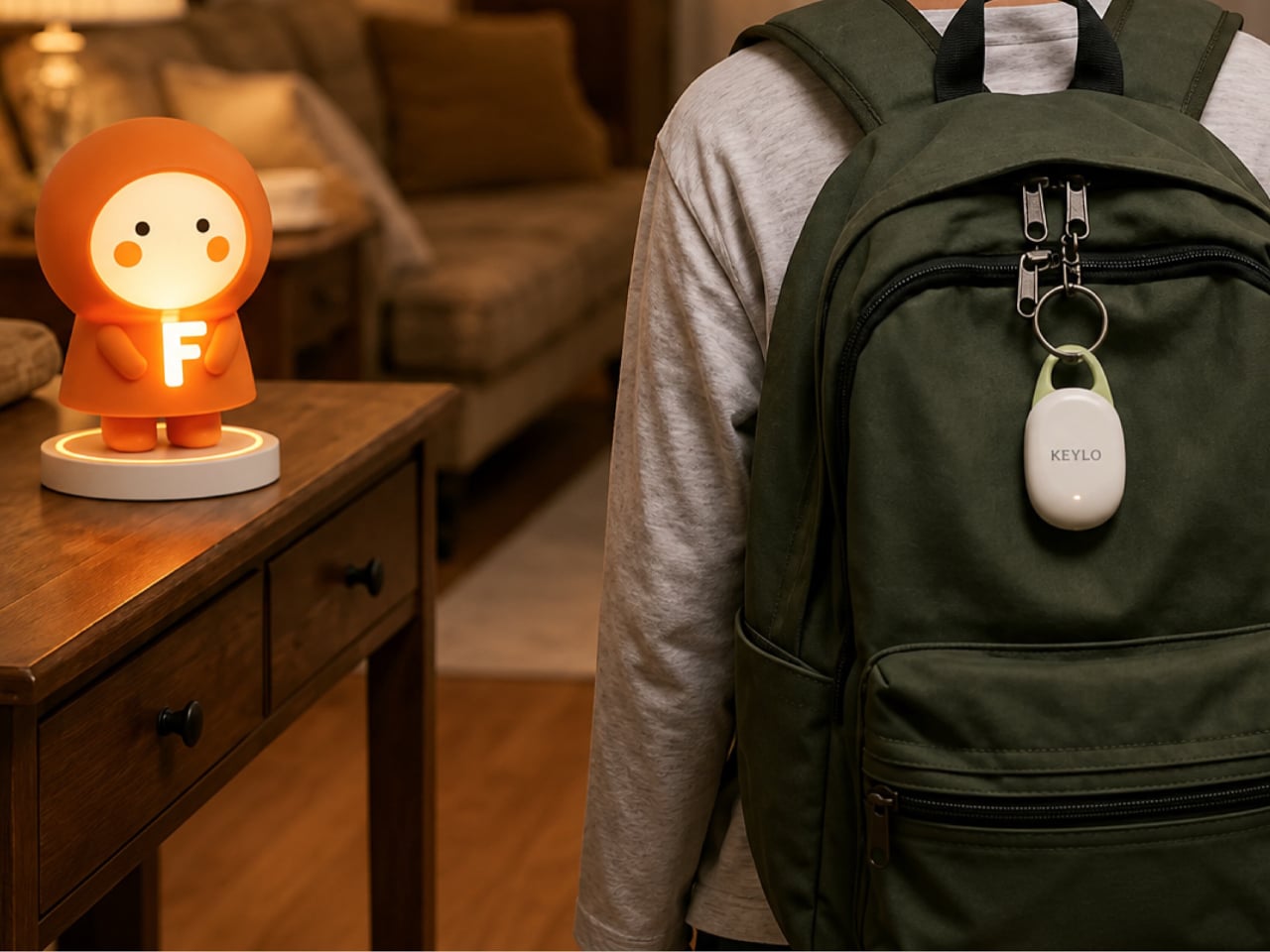
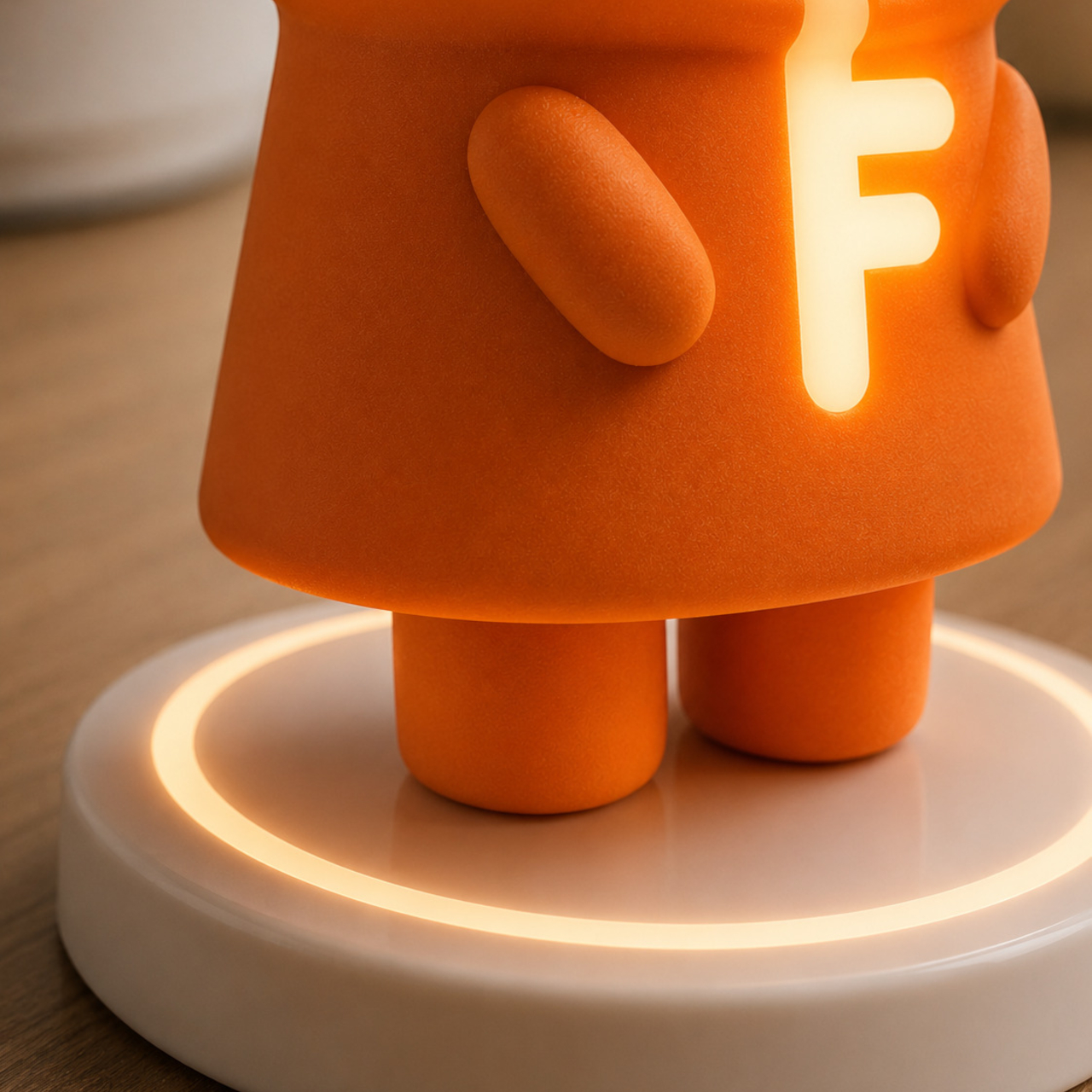
The system consists of three physical parts. The main companion unit sits on a home dock, usually somewhere a child passes when they get home. A smaller key fob clips to a backpack and travels with the child throughout the day. Both are made from soft matte silicone and deliberately avoid any screen or complex interface, giving the object a quality that’s closer to a familiar household item than a piece of consumer electronics.
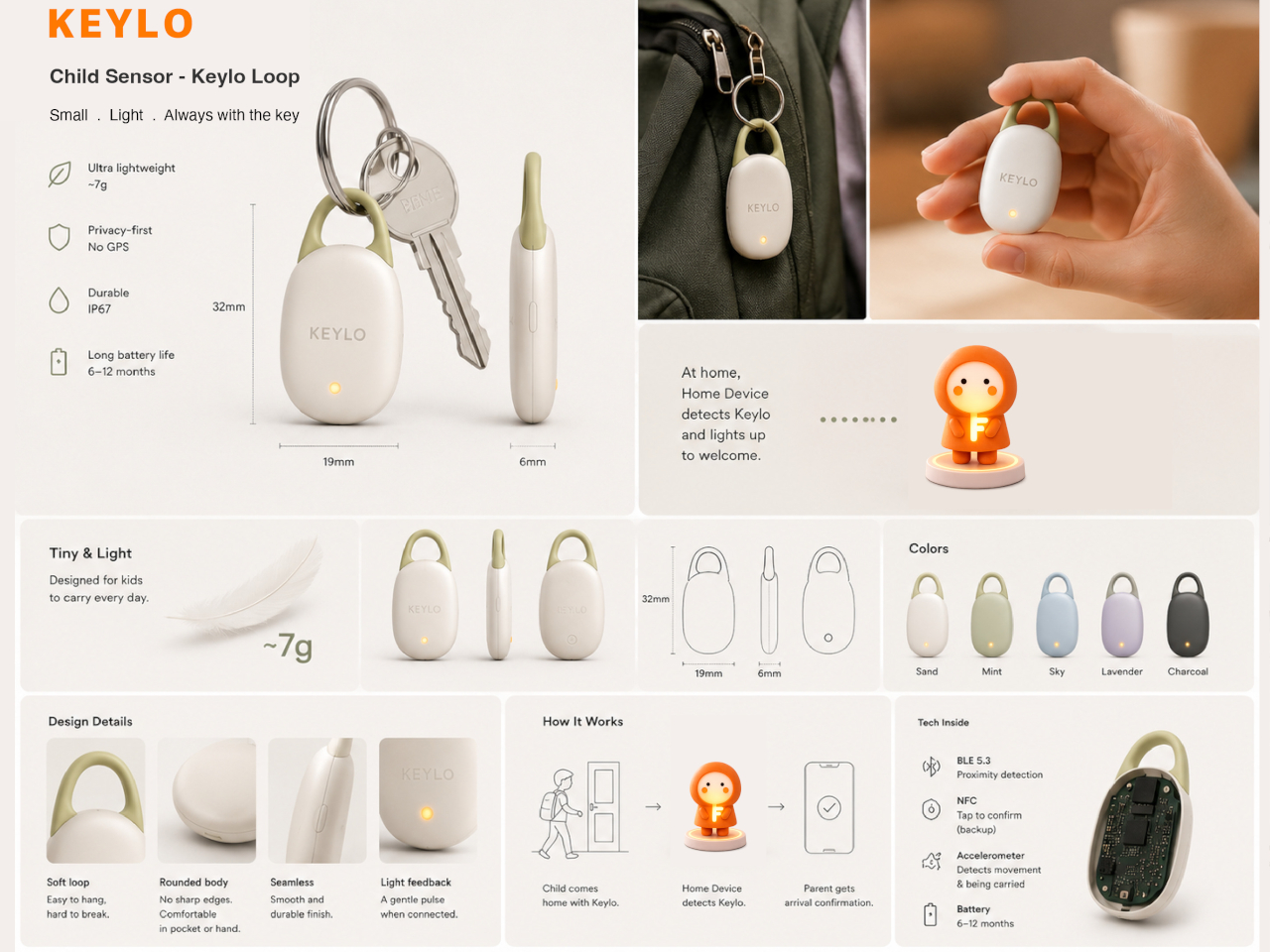
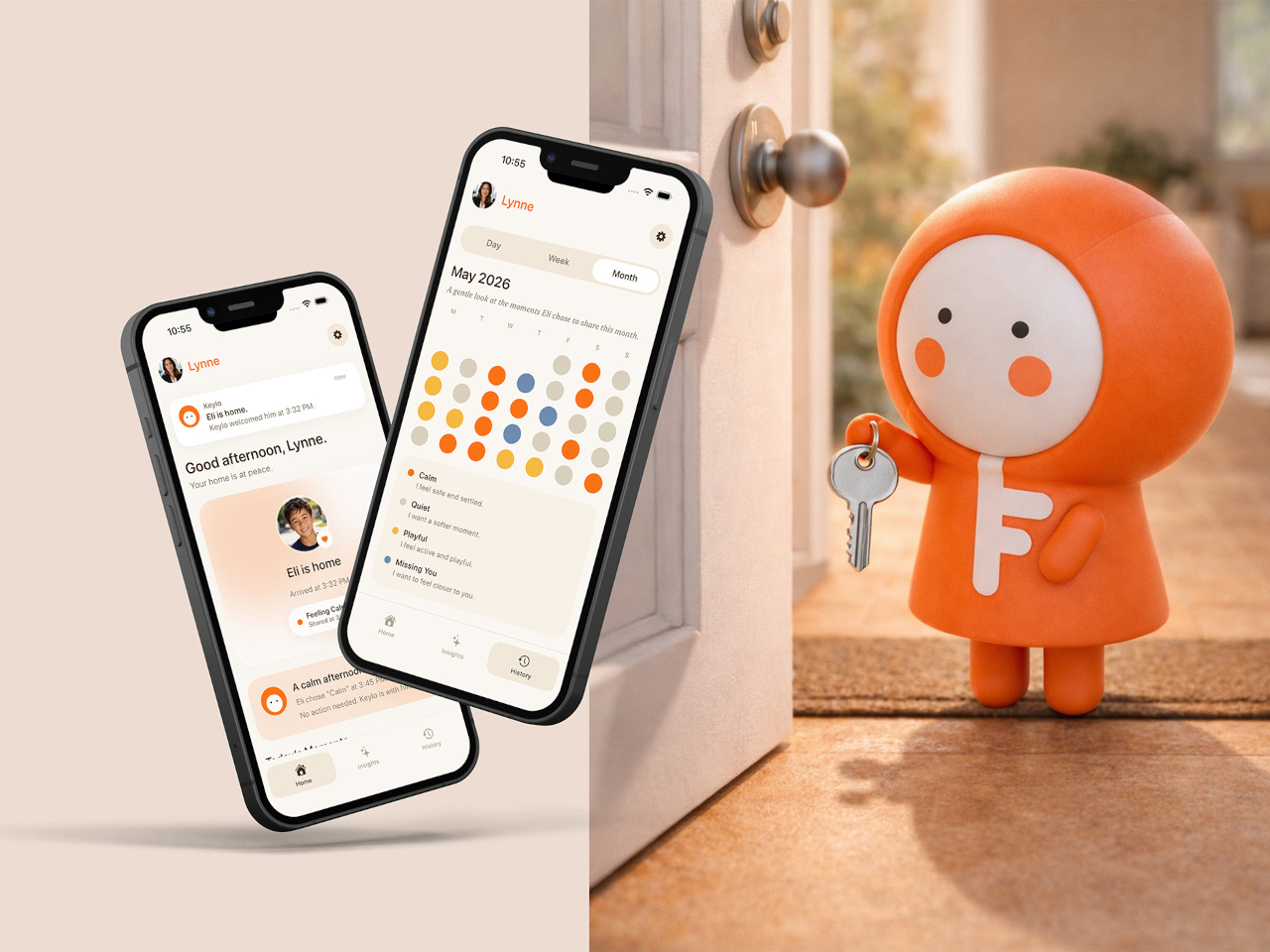
The four emotional states Keylo recognizes are kept intentionally broad. A soft orange glow indicates the child feels relaxed; bright yellow signals something more playful or energetic; a neutral white tone signals a preference for quiet or personal space; and a calm blue light carries a specific message from child to parent: I’m thinking of you. Each one is simple enough for a young child to understand and expressive enough to actually mean something when it arrives on a parent’s phone.
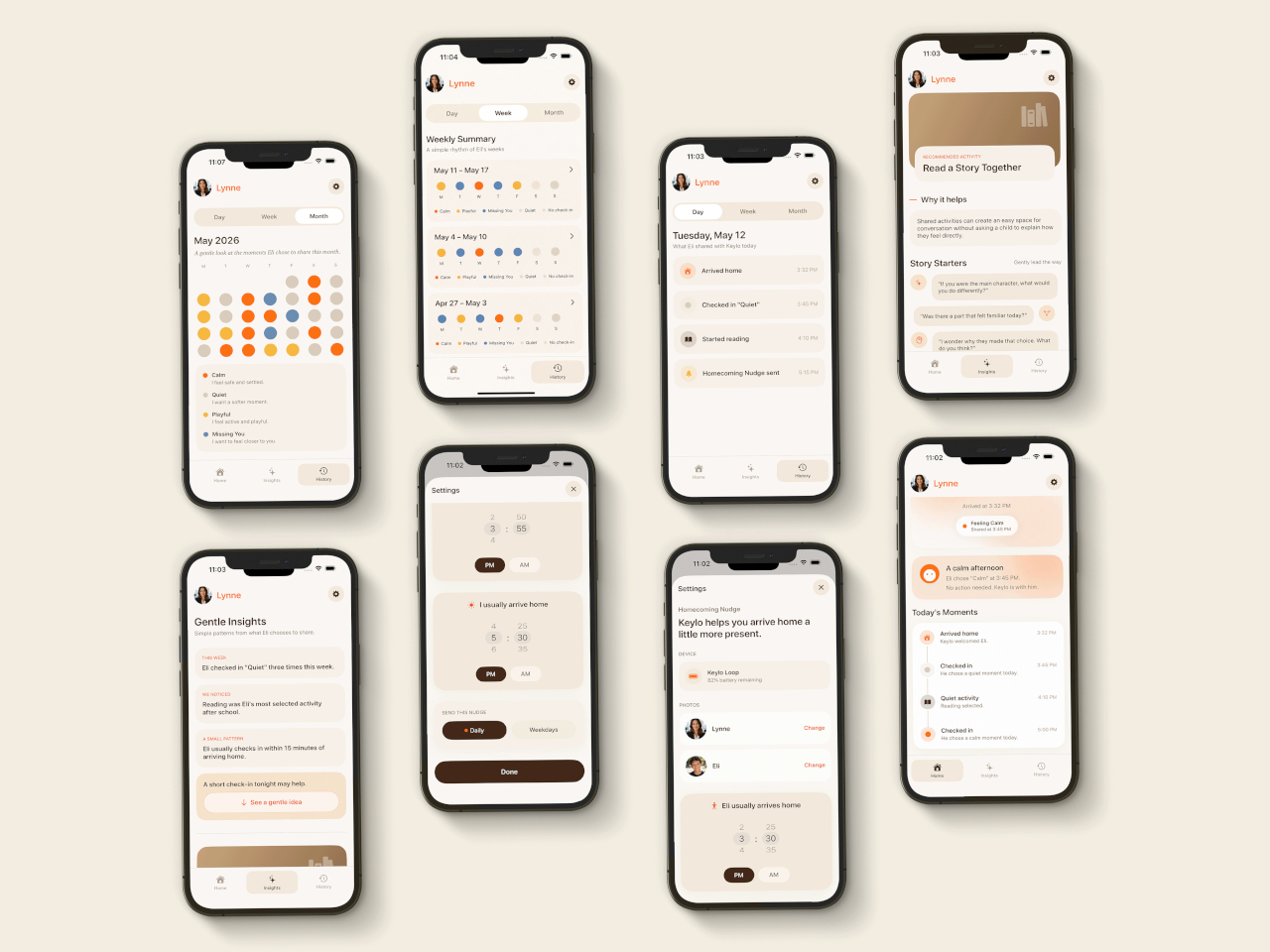
That arrival is handled by the companion app, which mirrors the same color language as the physical device. The distinction the project draws between this and conventional parental monitoring is deliberate. Rather than showing parents a location, a screen time report, or a camera feed, the app delivers a single emotional moment. A notification that says a child is feeling calm and playful carries a different quality of information than a location ping, and it asks for a different kind of response.
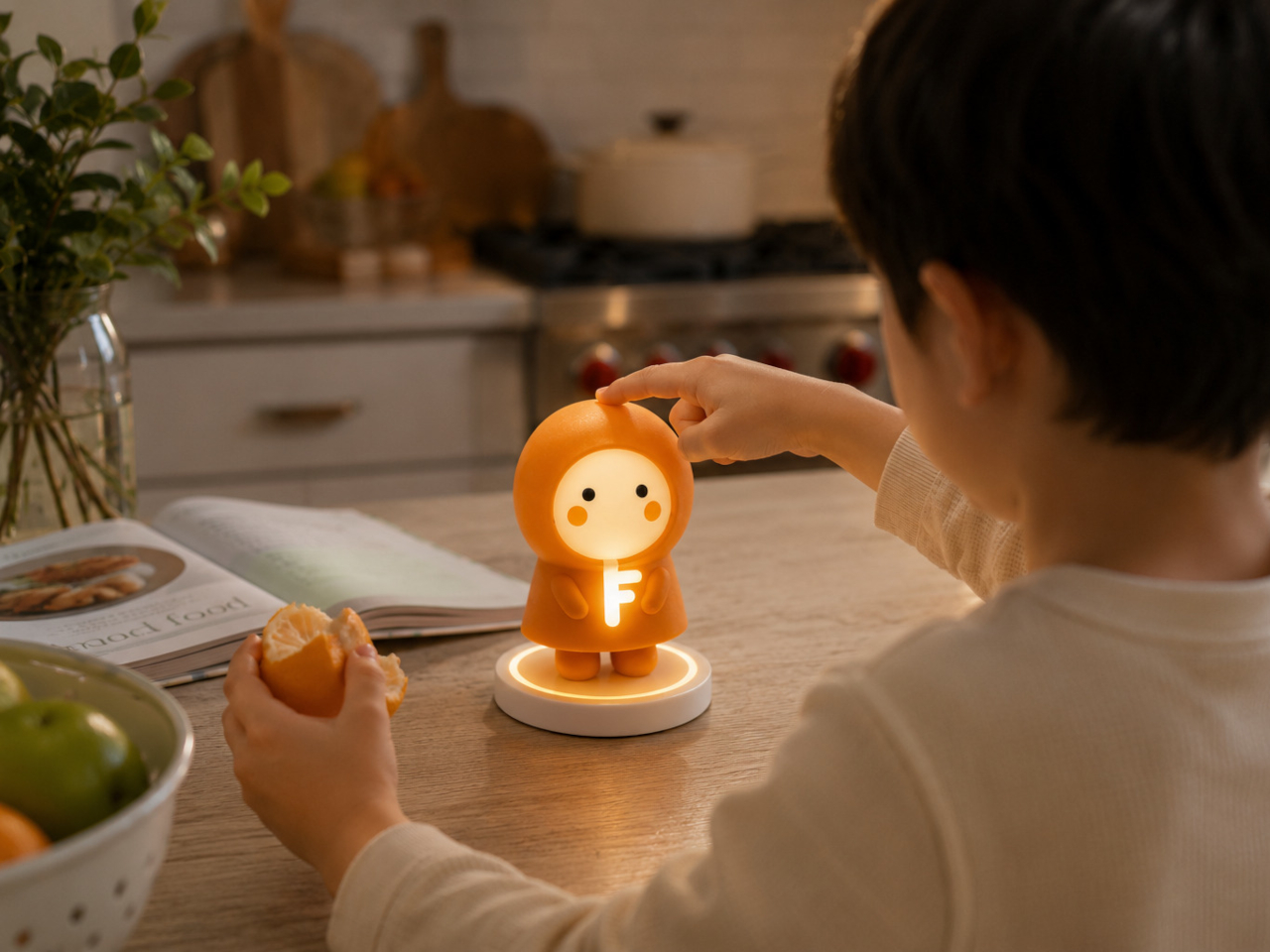
The device is designed to work without any input from the child beyond that single tap. There are no prompts to answer, no questions to read, and no follow-up required. For a child who has just walked in the door after school, the low threshold is significant; the gesture stays small enough that it doesn’t feel like a chore, which is probably the main reason most family communication apps get abandoned within a few weeks of being set up.
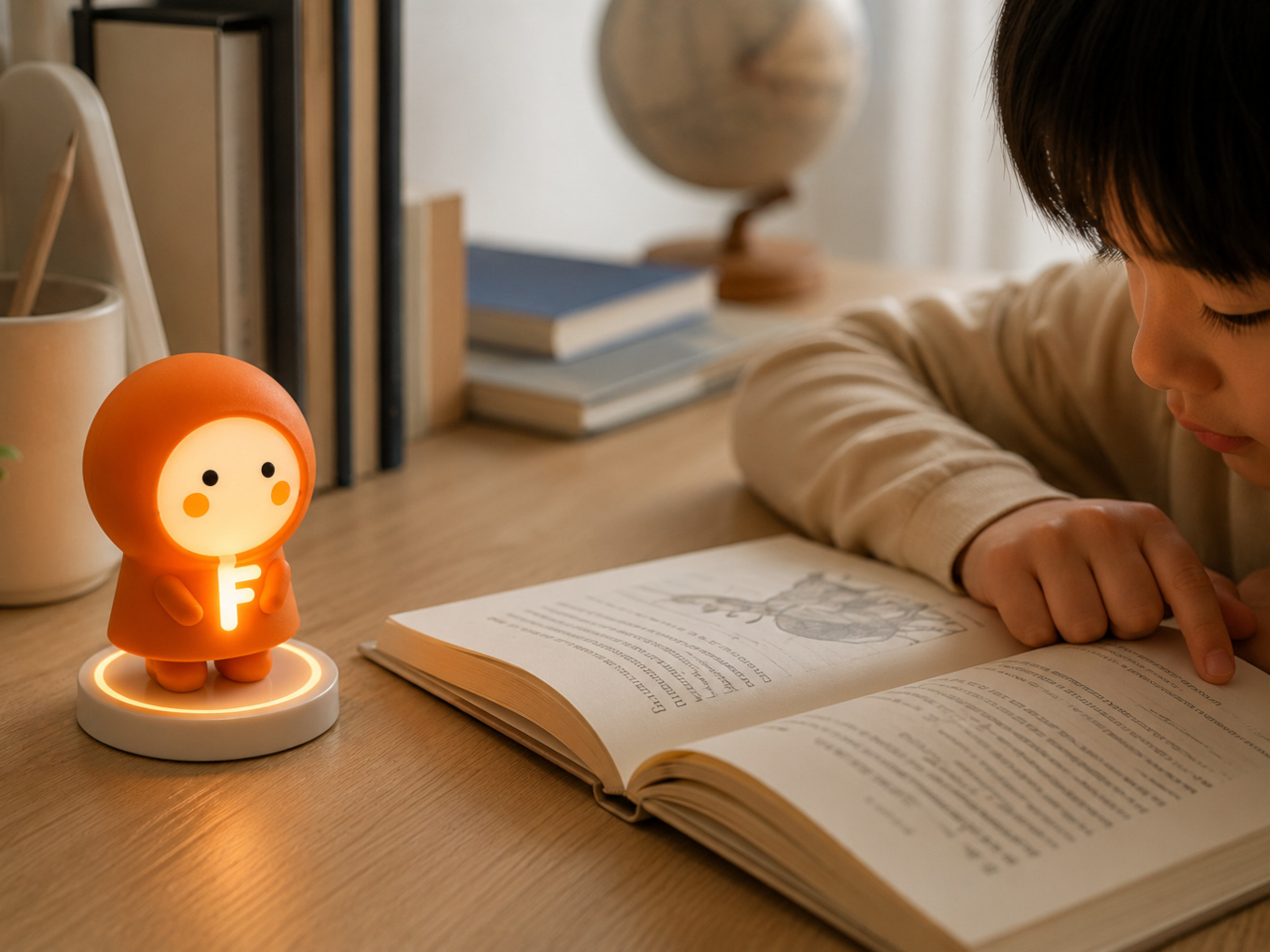
What Keylo explores through its design is how much emotional information can be conveyed through the simplest possible interaction. A color chosen by a child carries less data than a voice call but far more than no contact at all, and it arrives without interrupting anyone’s afternoon in the way a ringing phone does. The project makes a case for the idea that the volume of communication matters less than whether it happens at all, and on terms that feel natural to the person sending it.
The post Forget Tracking Kids After School, This Cute Device Lets Them Check In first appeared on Yanko Design.
This Japanese Key Ring Has One Press, No Coil, And Zero Need For Your Thumbnail

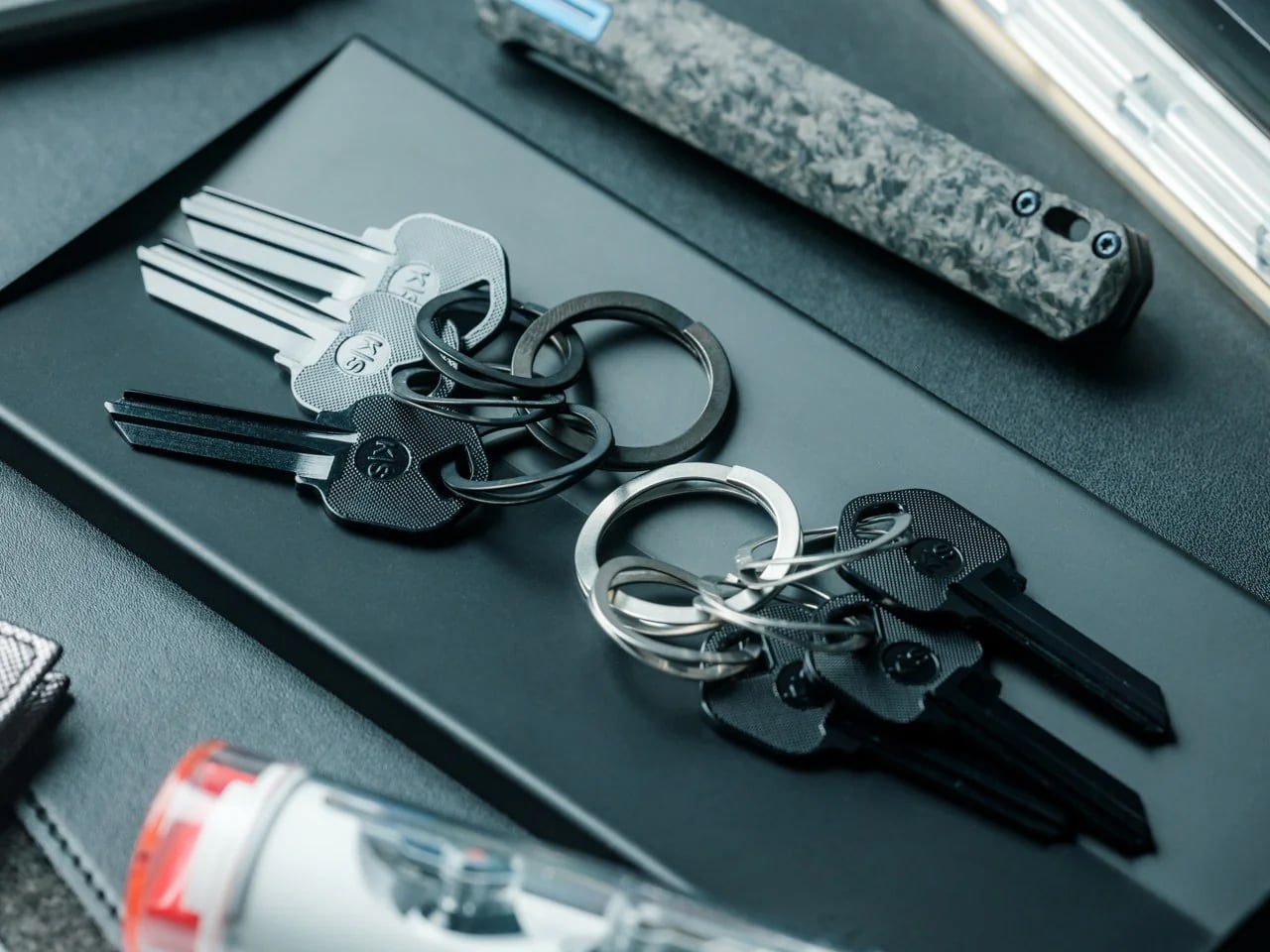
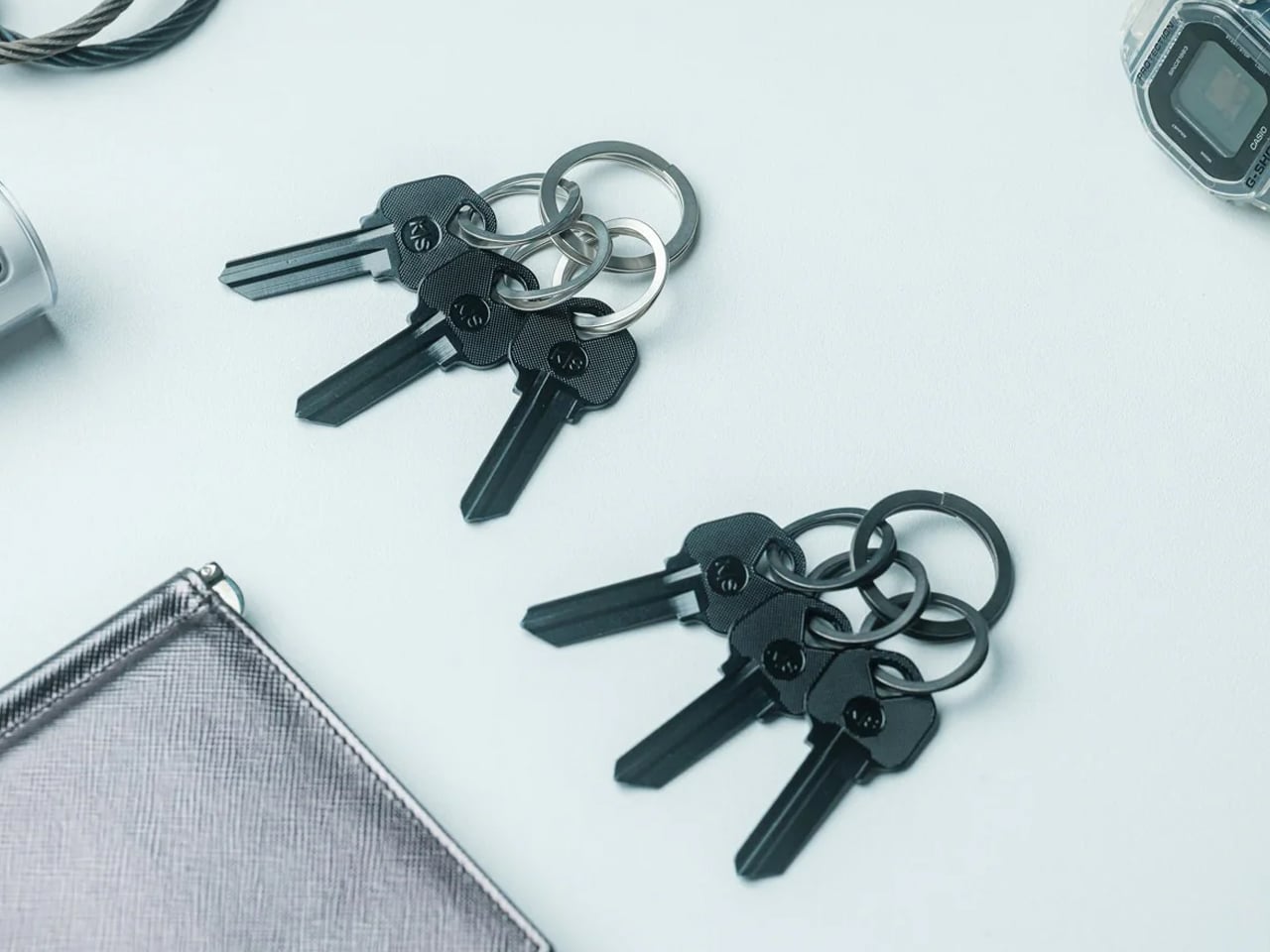
The EDC community has, over the past decade, upgraded nearly everything it carries. Wallets went from leather bricks to carbon fiber cardholders. Pens became precision instruments. Knives became an art form. Notebooks became rituals. The one item nobody touched was the key ring – because most key rings are inherited, not chosen. They arrive with a car purchase, a spare apartment key, or a hotel checkout, and they stay for years without ever being questioned. In fact, the maximum you change is the decoration on the keychain, and break a nail in the process. The Painless Key Ring from Yanko Design is built specifically for that oversight.

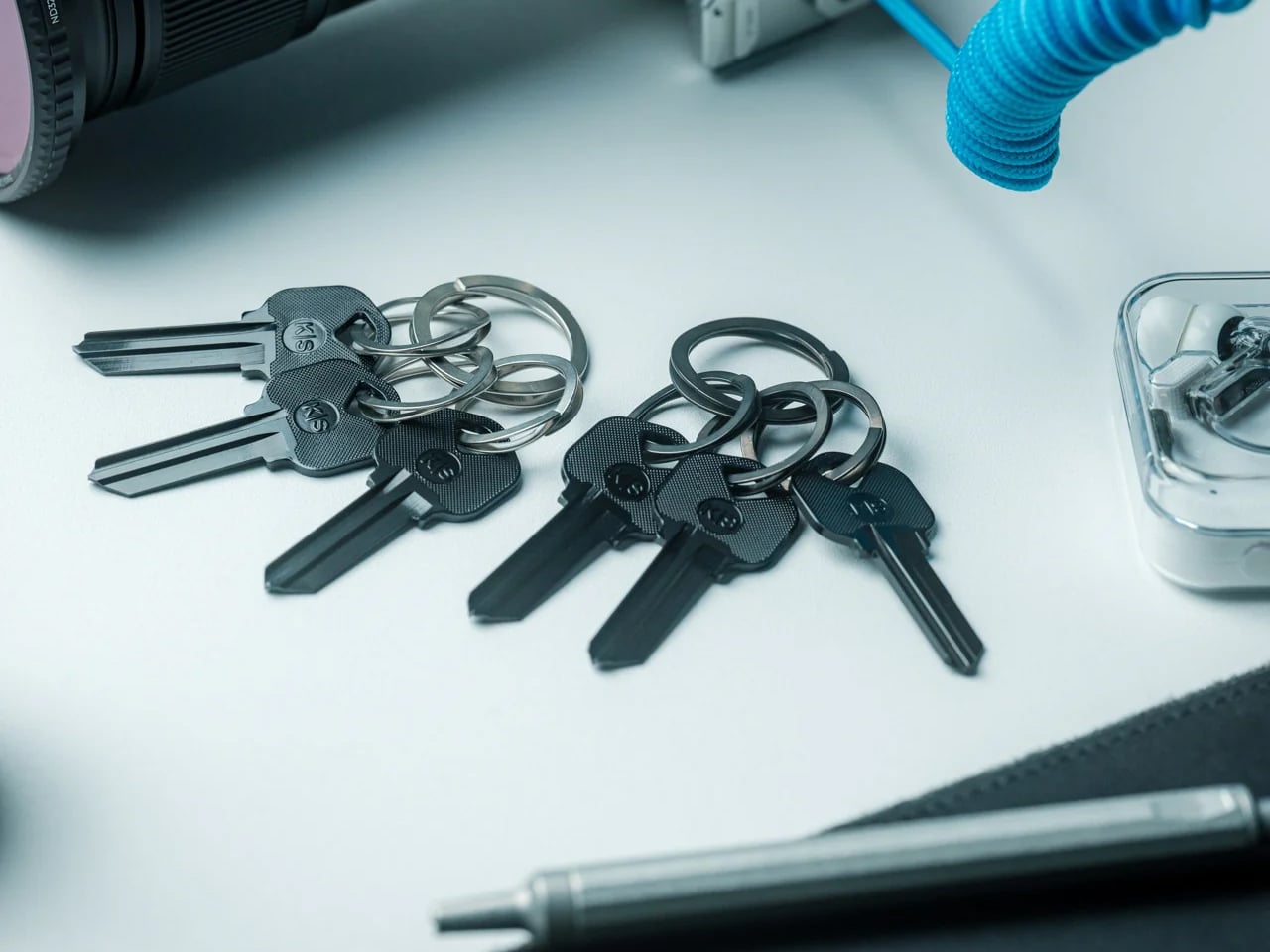
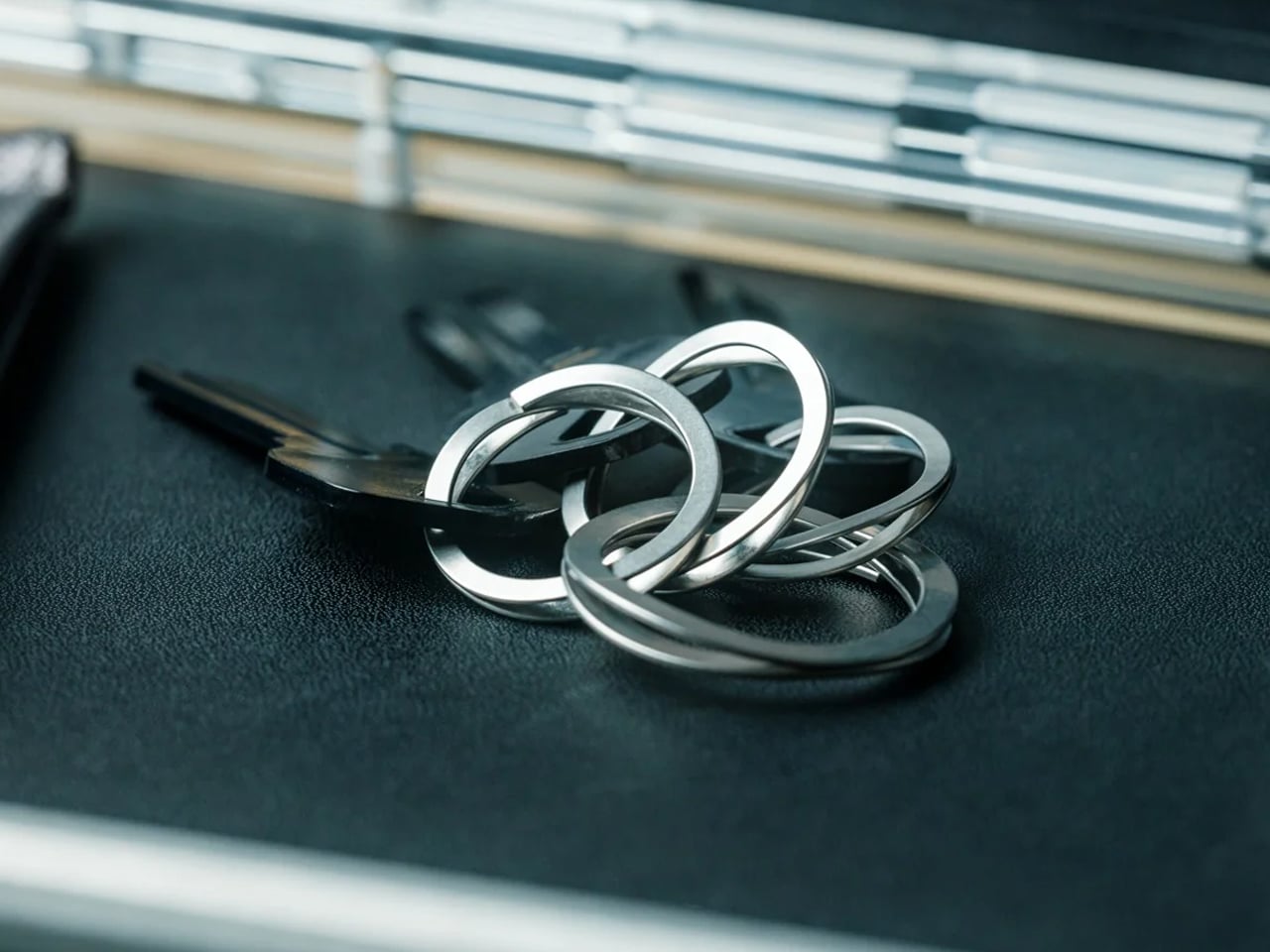
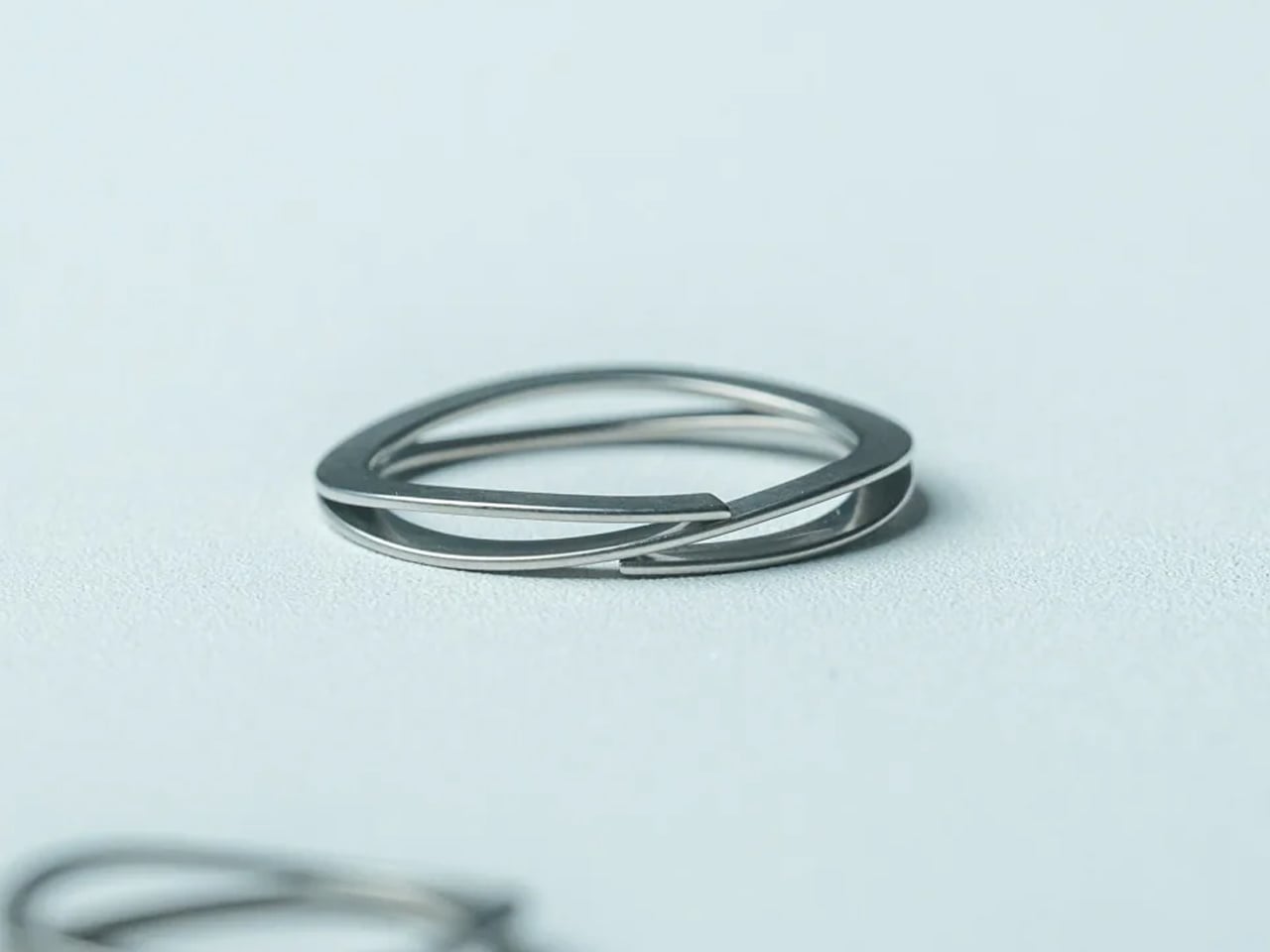
It uses a wave spring mechanism instead of the double-coiled split ring that has dominated keychains for over 130 years. Press the release, the ring opens. Let go, it closes. No gap to find, no coil to fight, no thumbnail to sacrifice. At $29, it is the last piece of a considered carry that most people still have not upgraded.

Click Here to Buy Now: $29.00

The Painless Key Ring replaces a mechanism that has not meaningfully changed in over 130 years – and the moment you press it open, you will understand why that matters.

One Press, A Different Keychain

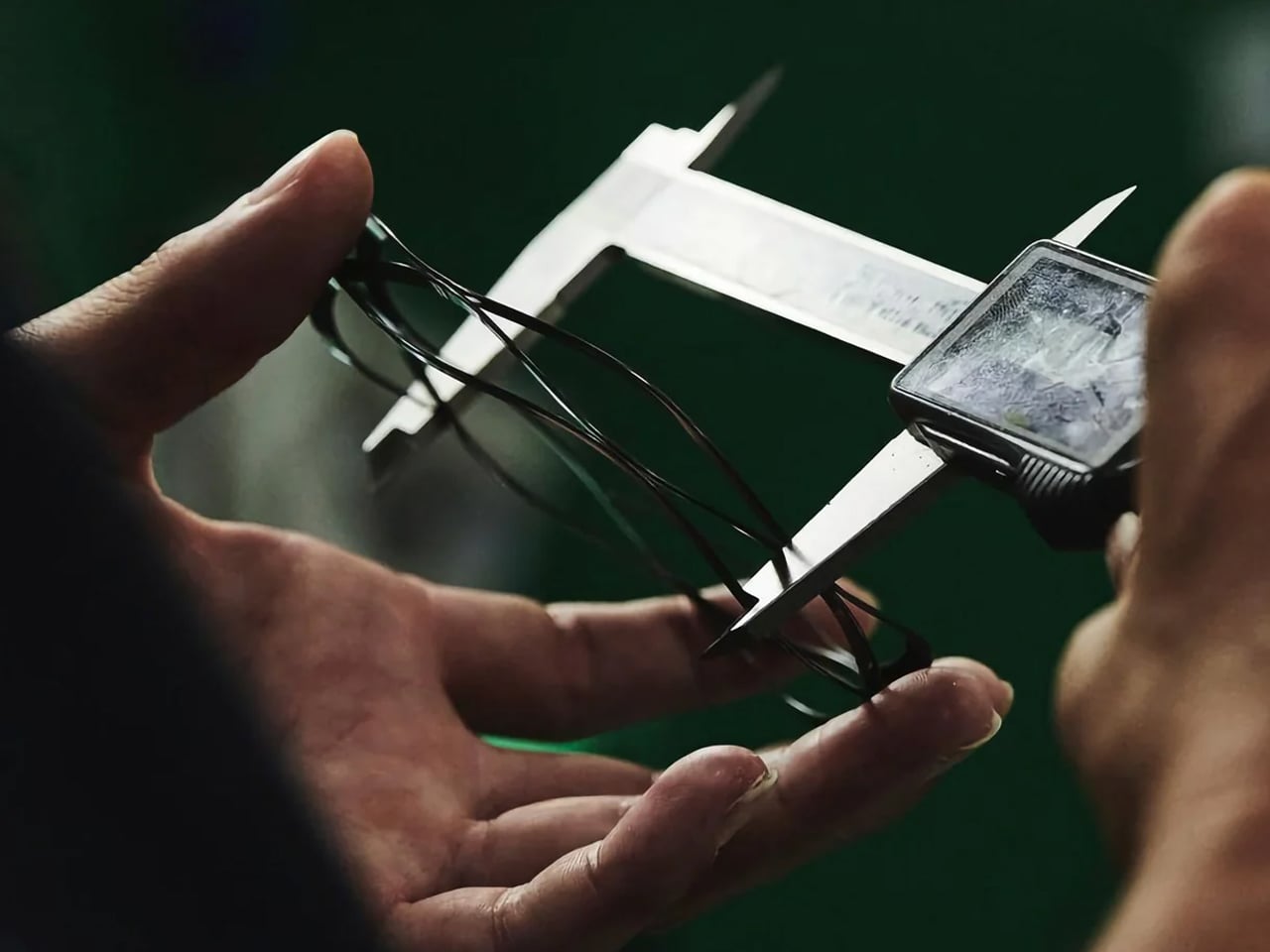
The wave spring is the engineering story at the center of this ring. Where a traditional split ring requires you to find the gap in the coil, work a fingernail or coin underneath it, and pry it open one agonizing millimeter at a time, the Painless Key Ring opens the moment you press the release point. Let go, and it closes with the same clean tension that holds your keys secure throughout the day. There is no gap to find, no coil to fight, and no nail to sacrifice. The motion is immediate, deliberate, and completely controlled.

The result is not just faster – it is fundamentally different. Keys slide on and off cleanly, without resistance, without the micro-damage that repeated split-ring prying inflicts on key stems over time. For anyone who swaps keys regularly – between an office badge, a rental car, a gym locker, or a new apartment – the difference in daily time alone justifies the switch.

Built for the Pocket That Has Everything Else Figured Out

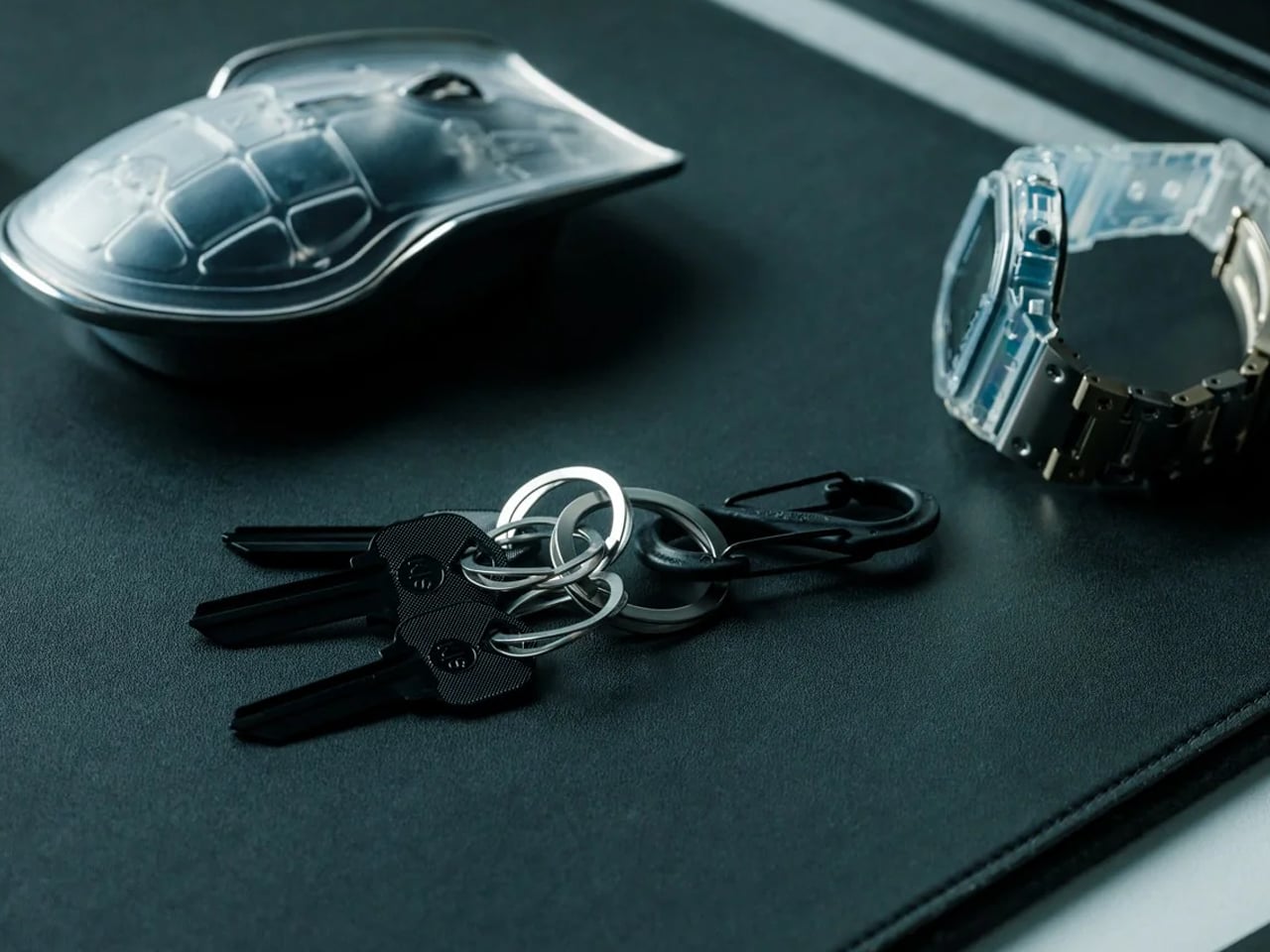
The Painless Key Ring is slim, lightweight, and flat enough to disappear into a pocket without announcing itself through the fabric. It comes in Silver and Black, and each set at $29 includes one large ring and three smaller ones for modular grouping, with configuration options available up to $65. Nothing about the form overreaches. The profile is restrained in the way considered EDC hardware tends to be – present only in the hand, invisible everywhere else.

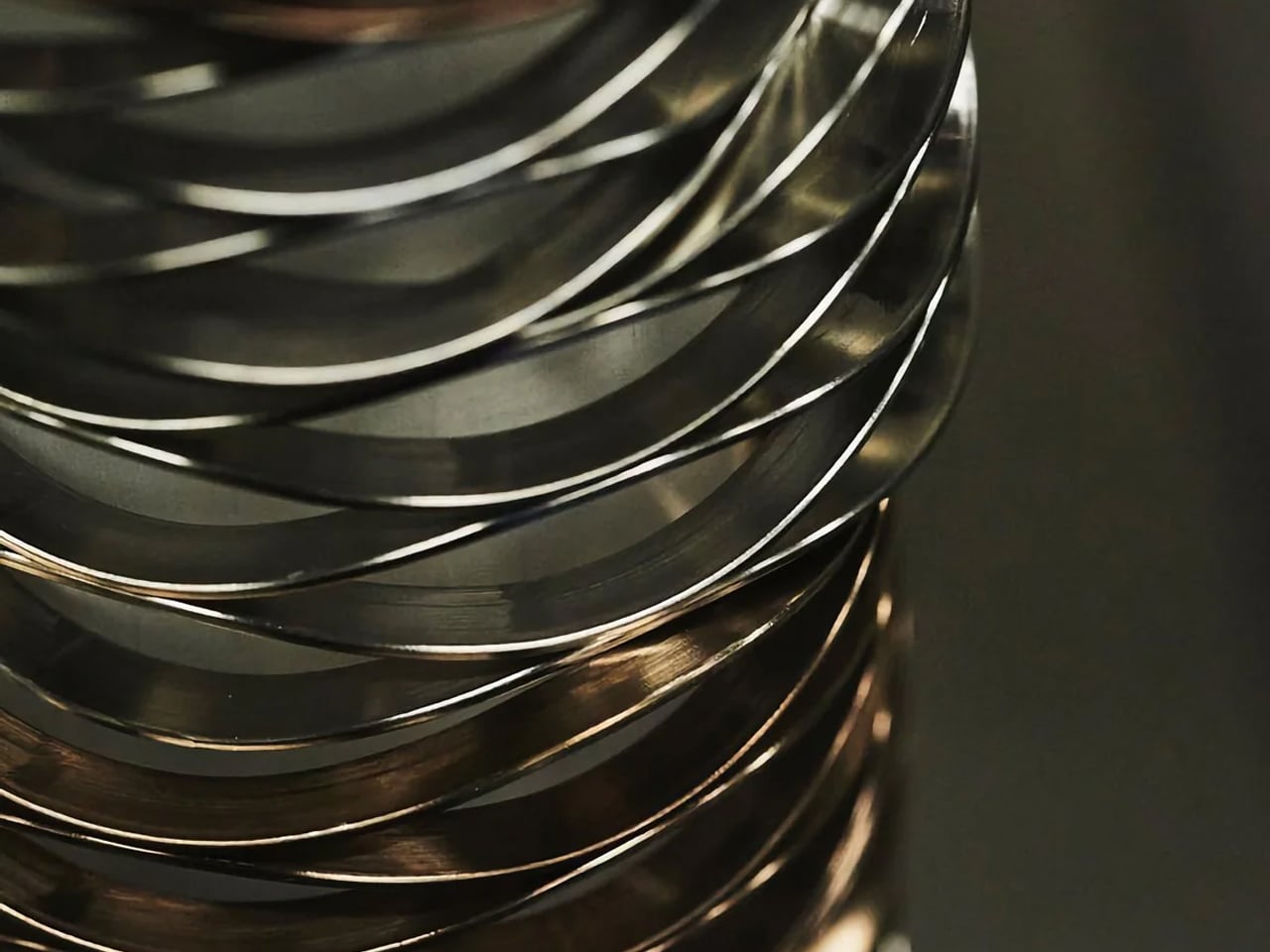
The build matches the premise. Wave spring construction handles the daily abuse a keychain absorbs – pockets, concrete drops, car ignitions, repeated pressings – without compromising the release action over time. This is not a piece of hardware designed to photograph well and degrade in six months. It is designed to outlast the question of whether you should have bought it.

What We Like

  • Wave spring opens on a single press point – no gap to find, no coil to pry, no coin or tool required; keys on and off in under two seconds, every time, without exception
  • Modular set design includes one large and three smaller rings, allowing keys to be grouped logically and swapped between rings without any additional hardware or effort
  • Slim, flat profile sits against the pocket without bulk, jangle, or the key-cluster silhouette that announces itself through light fabric
  • Build quality that outlasts the question of whether you should have bought it – wave spring construction holds its action through the friction, drops, and repeated pressings that daily carry demands
  • US availability with sets starting at $29 – the right price point for the last EDC upgrade most people have not made yet, with Silver and Black finishes that hold alongside a considered kit

What We Dislike

  • Only a few units currently available, which makes this a limited purchase rather than a reliably restocked item
  • Individual rings cannot be purchased separately, which means replacing a single ring from the set requires buying a new set entirely rather than sourcing the one piece you need

The Key Ring That Fixes What You Stopped Noticing

The Painless Key Ring does not fix a problem most people knew they had. It reveals one. Once you press open a wave spring ring and feel a key slide on in under two seconds, the split coil that has been in your pocket for years – possibly decades – feels exactly like what it is: a 130-year-old mechanism you were never given a reason to question until now.

For the EDC-minded, it is the final overlooked piece of a considered carry, finally resolved. For everyone else, the Painless Key Ring is a $29 correction to a daily friction point so familiar it stopped registering as friction at all. Either way, once it earns its place on your keychain, the old ring is not going back.

The post This Japanese Key Ring Has One Press, No Coil, And Zero Need For Your Thumbnail first appeared on Yanko Design.
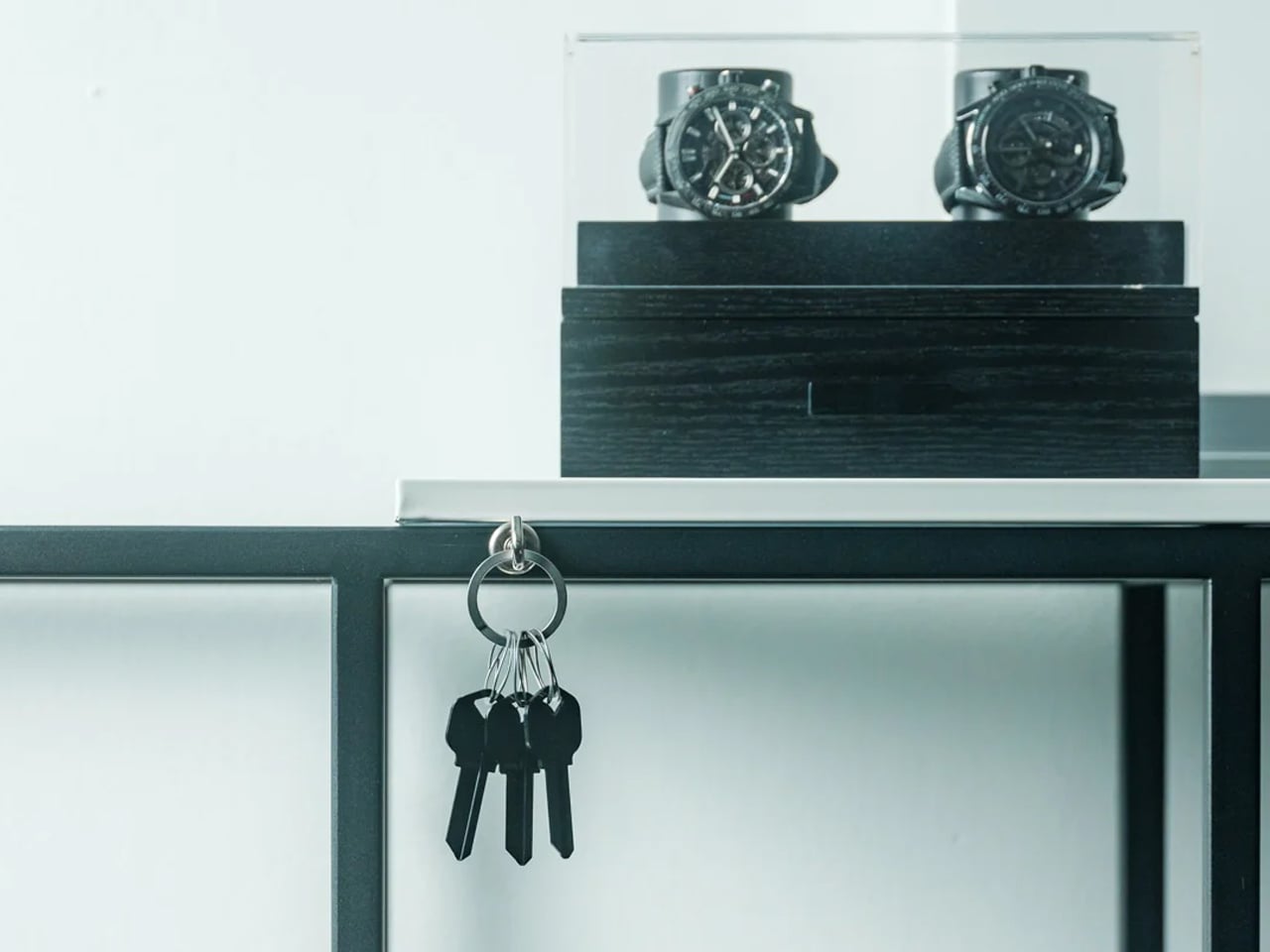
The Piano Key Holder Where Every Press Clicks Out a Hidden Brass Hook

Key hooks by the door are one of those things that somehow manage to be both boring and insufficient. The options range from plain metal rails to the kind of decorative wooden boards that start out charming and quickly fade into background noise. Nobody has really questioned whether a key holder can be interactive, or whether hanging your keys could actually be the best part of coming home.

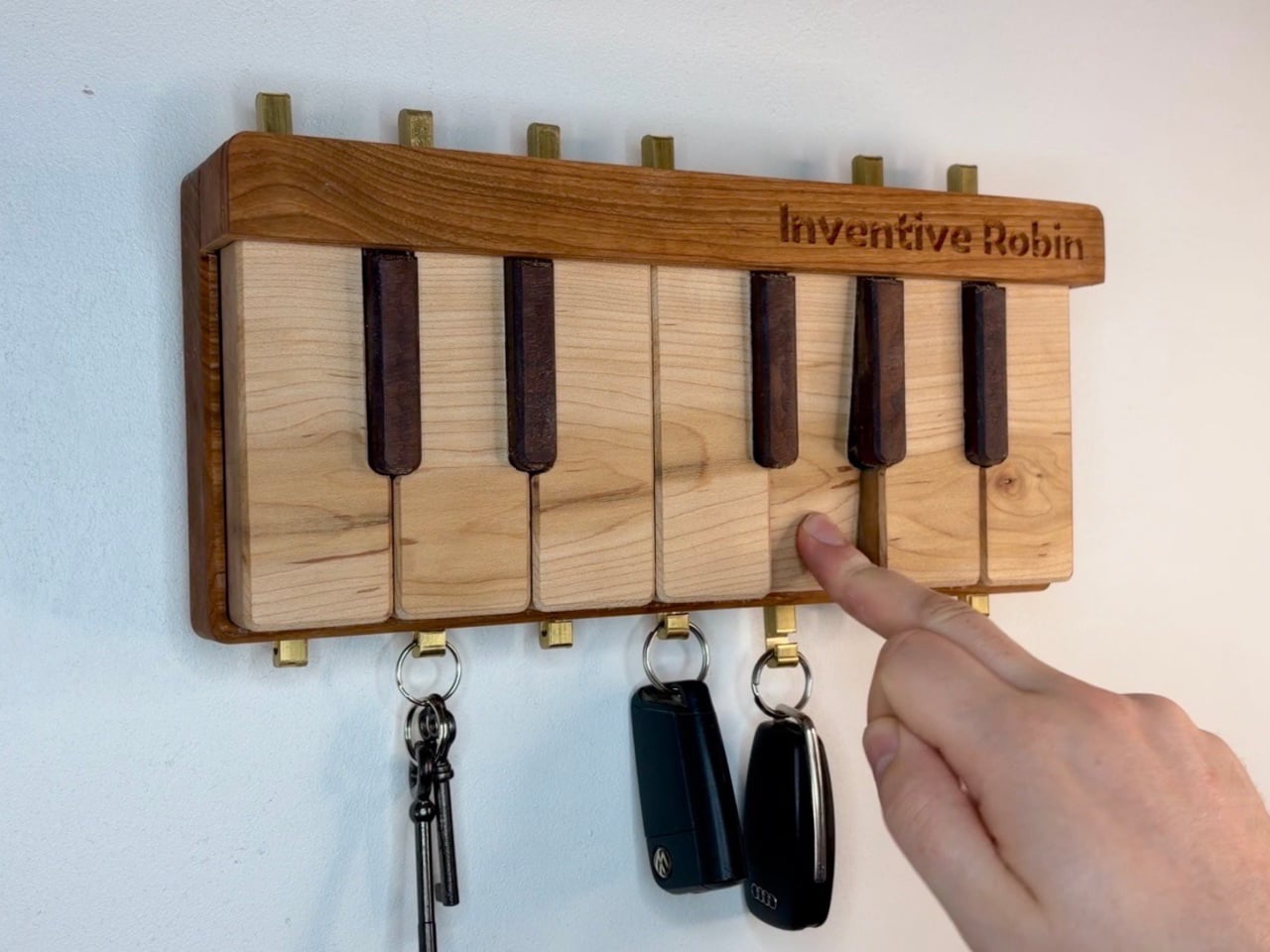
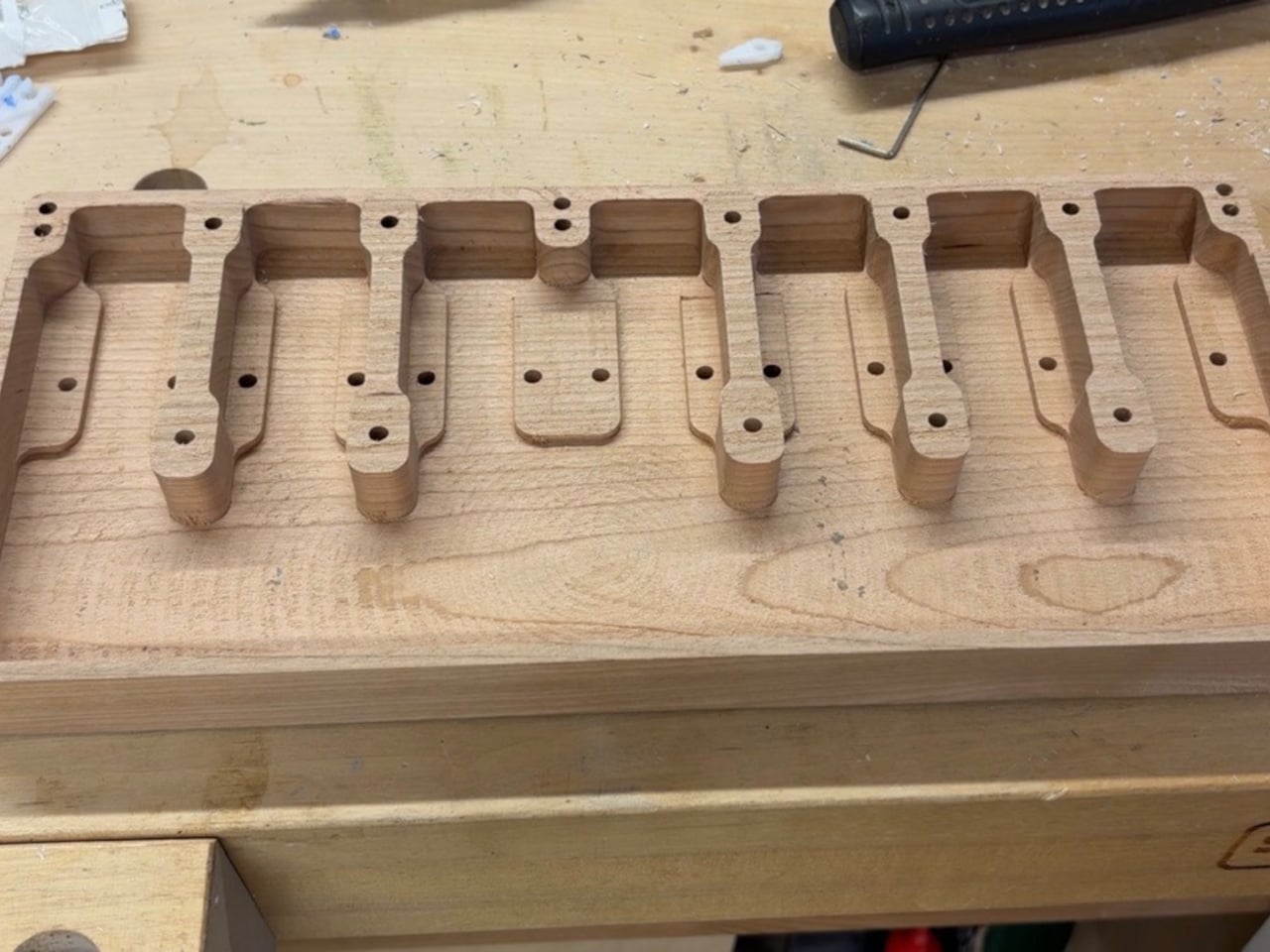
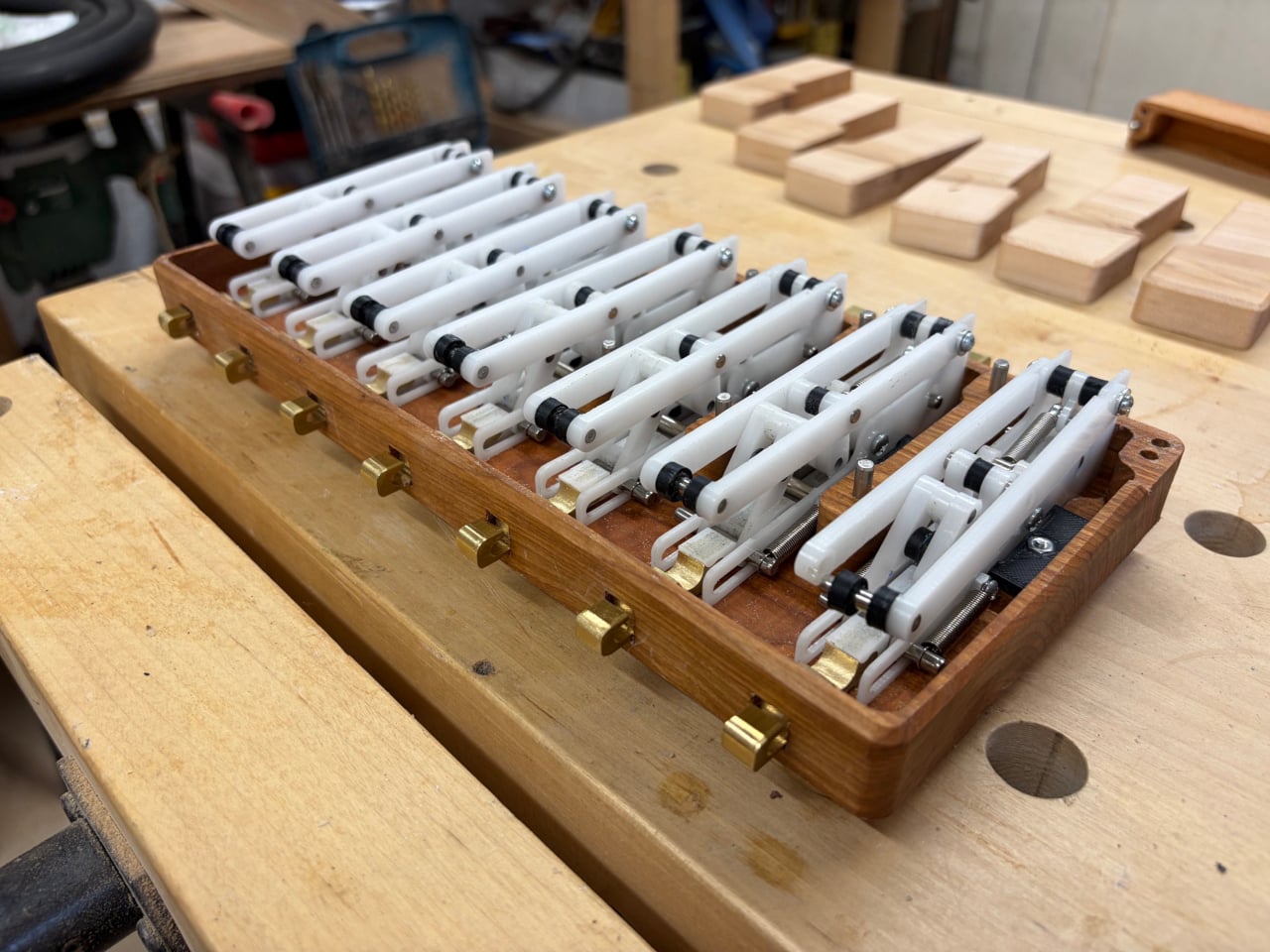
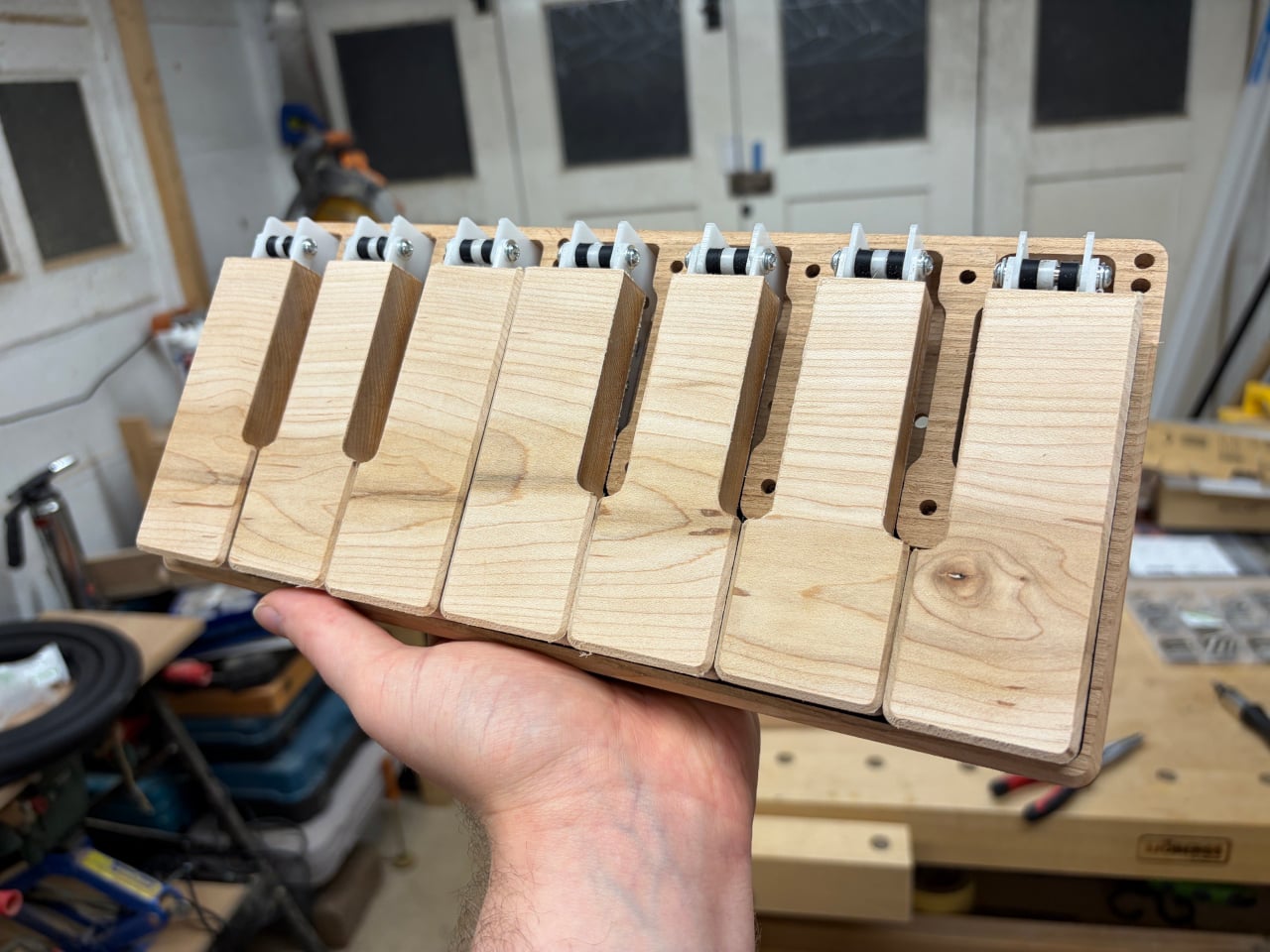
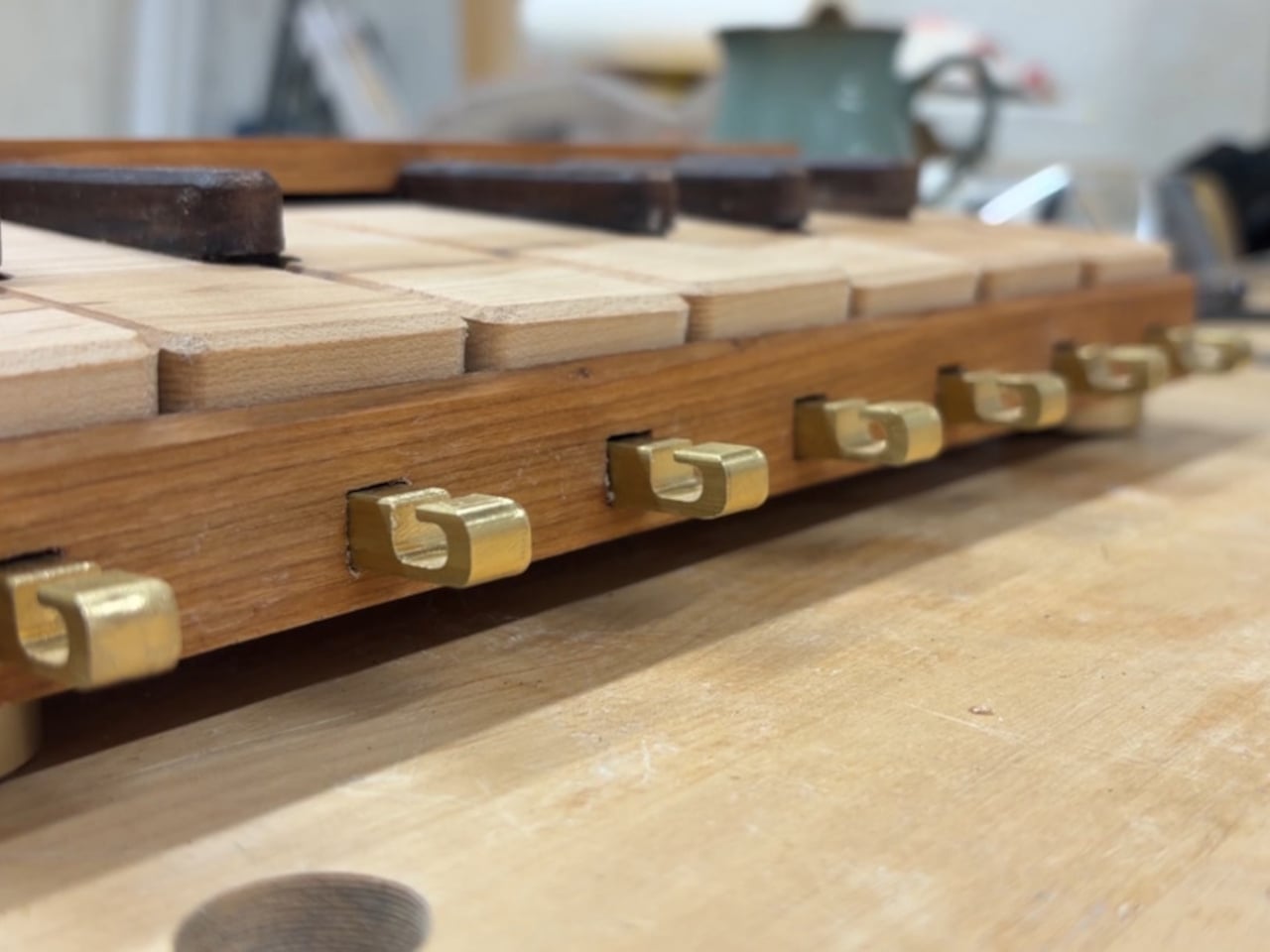
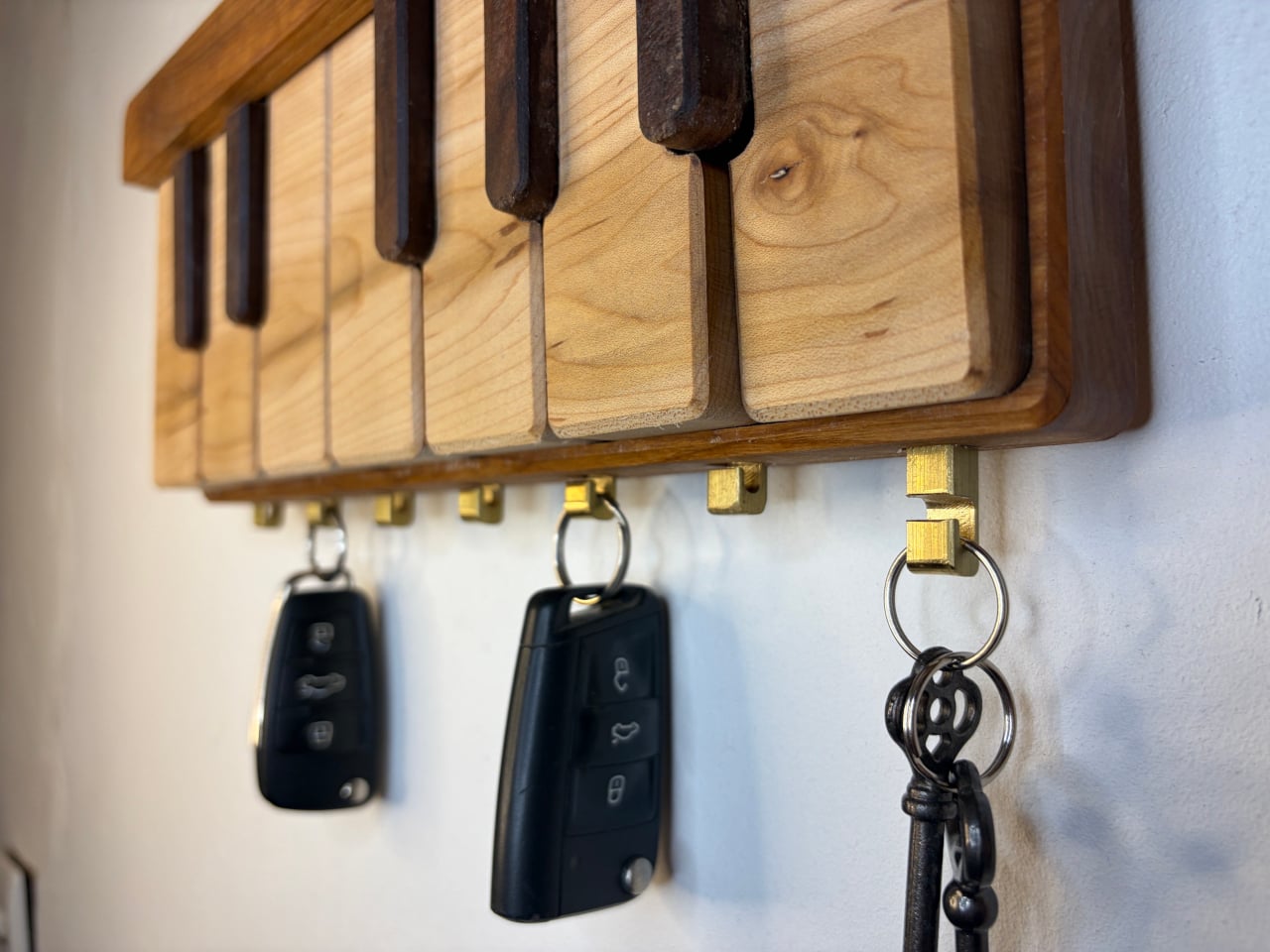
This wooden piano key holder turns that mundane act into something that rewards the hand that does it. Built primarily from solid wood and mounted on the wall, it looks like a short section of a piano keyboard, down to the contrast between pale white keys and raised dark notes. Each white key hides a brass hook inside, and pressing one causes that hook to click out from the bottom.

Designer: Inventive Robin

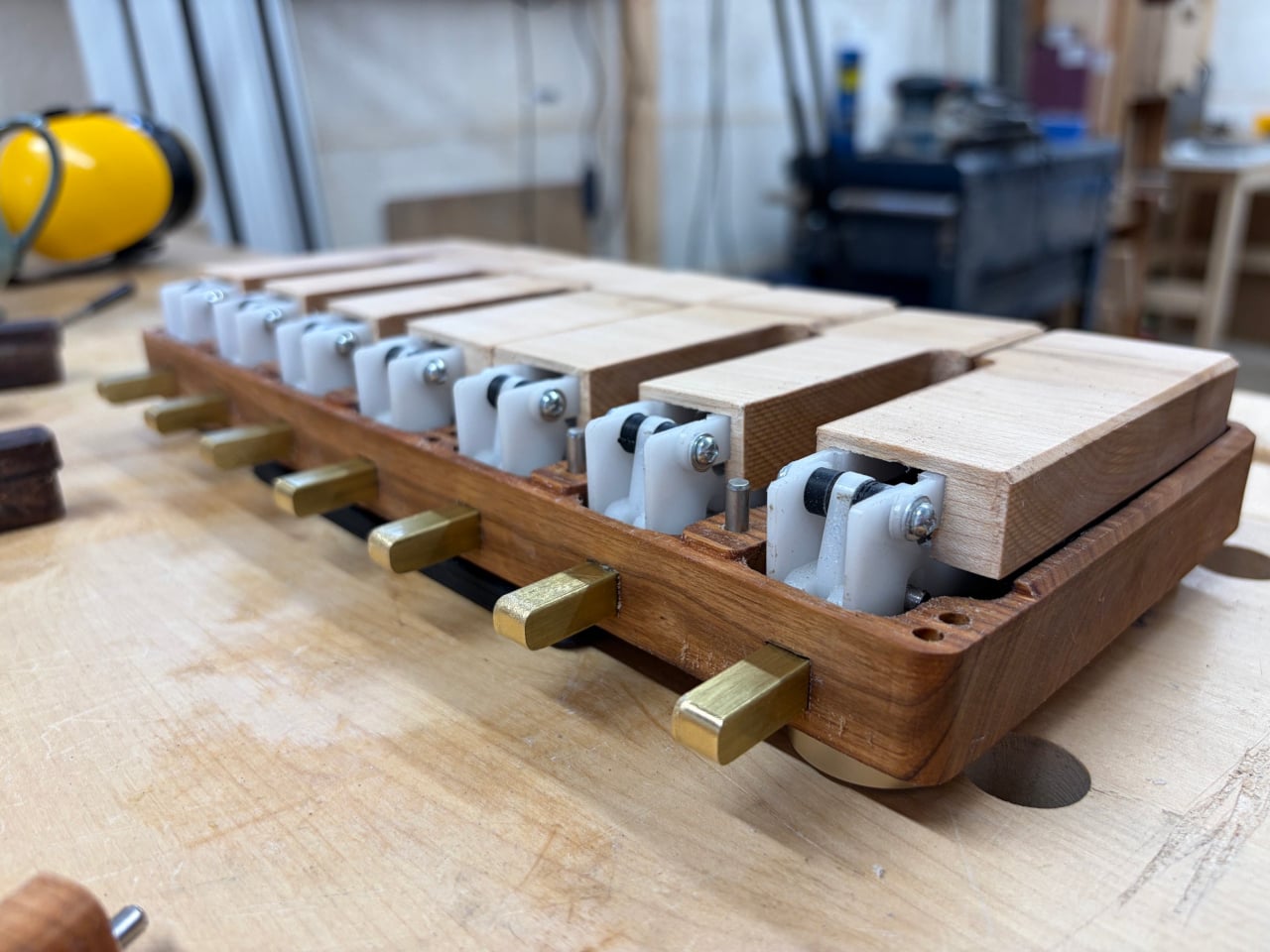
The mechanism inside is the centerpiece. Each latching unit is machined from sheet acetal and assembled with metal dowels and standoffs, translating the vertical press of a piano key into the outward extension of a brass hook. Press the same key again, and the hook retracts with another click. That tactile feedback is what separates this from any peg or rail that simply sits on the wall, doing nothing memorable.

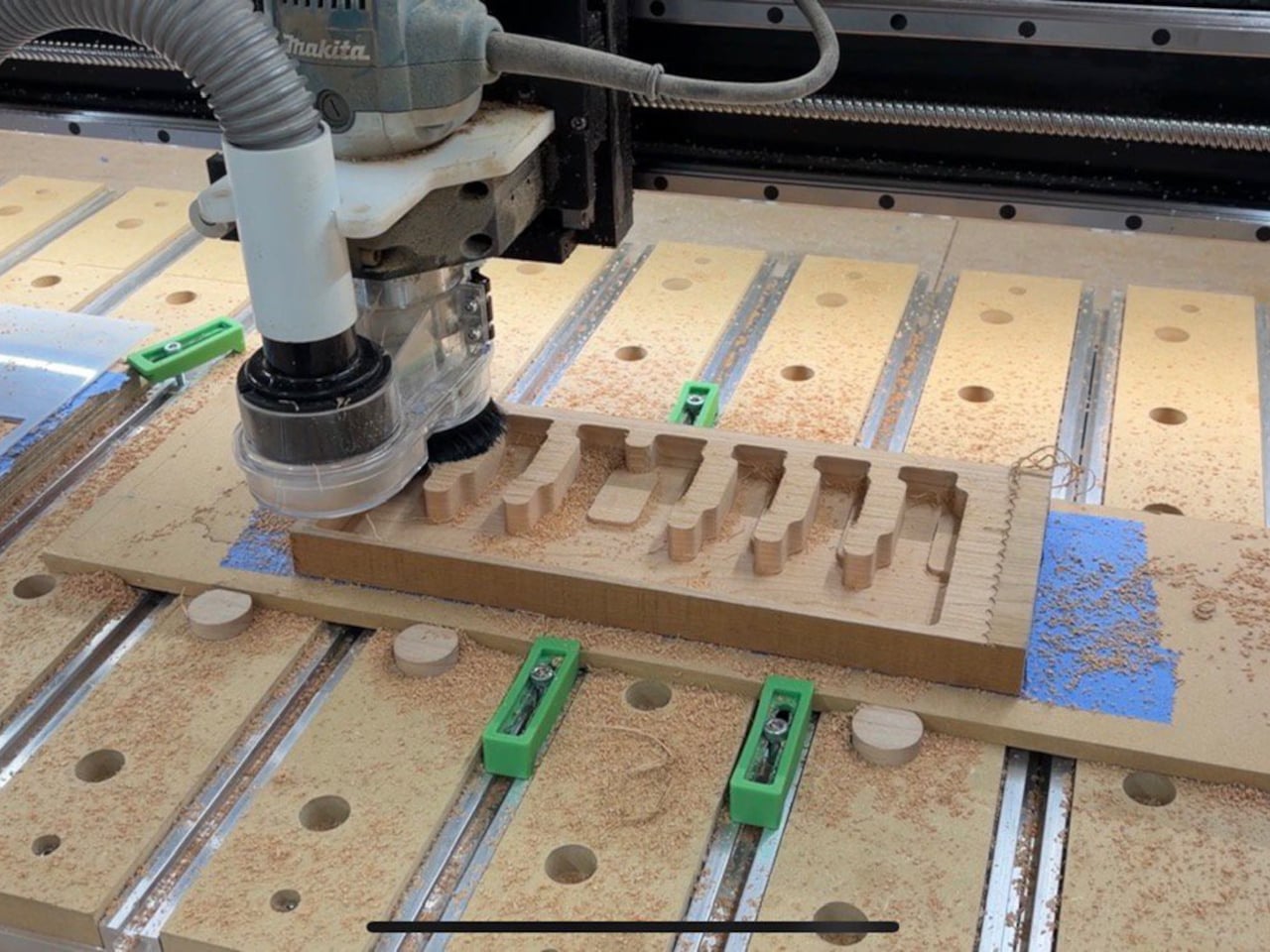
Three materials carry the weight of the aesthetic. The base and outer frame are cherry, machined on a CNC router to house the acetal mechanisms inside. The white keys are individually shaped pieces of maple, and between them sit the raised black notes in a contrasting darker wood. The hooks are small, architectural brass clips, machined separately and fitted to the mechanism that drives them up and down.

The piano keyboard format is a natural fit for a key holder, and not just because of the pun. A row of regularly spaced, independently pressable keys maps almost perfectly onto a row of hooks, and the visual language of a piano is familiar enough that anyone walking past it understands what those keys do, even without being told there’s a mechanism hiding underneath.

What makes it work as wall decor is how cleanly the materials read together. The warm cherry frame, the pale maple keys, and the dark raised notes create a contrast that fits comfortably in a living room entryway without demanding too much attention. The brass hooks, small and architectural in their proportions, don’t look like hardware until you know what to press.

Key holders have always had a quiet design problem. They ask you to form a new habit, redirecting an automatic reach toward something deliberately placed on a wall, and there’s usually nothing to make that effort feel worthwhile. Giving the hook a mechanical click is a small but effective way to make the ritual feel intentional, which is the kind of encouragement that actually makes the habit stick.

The post The Piano Key Holder Where Every Press Clicks Out a Hidden Brass Hook first appeared on Yanko Design.