Threads introduces ‘live chats’ for following live events

Meta has introduced a new "live chats" feature to Threads, enabling people on the platform to participate in real-time conversations about live events they’re interested in. Live chats can be hosted within Threads communities, the topic-specific social spaces that Meta introduced last year.

The new feature sounds a bit like Threads’ take on Instagram’s broadcast channels, but the latter only allows for one-way messaging. Live chats can be hosted by select creators, including Community Champions — users highly engaged within specific communities — and media personalities. Once a chat is launched or scheduled, the host chooses who is invited to contribute and can then share the link publicly.

You can post photos, videos, links and emoji reactions as well as text-based messages. If you’re unable to send messages in a live chat that is at capacity, you can still watch it, react to others messages and vote in polls. Live chats remain open to view after they’ve ended, and you don’t need to be part of a community to join.

Meta is debuting its new social feature in the NBAThreads Community during the Playoffs, with Malika Andrews, Rachel Nichols, Trysta Krick, David Rushing and Lexis Mickens named as hosts. Live chats will appear at the top of the NBAThreads Community feed, and can also be shared in a post that might appear on your main feed in Threads. You’ll also see a red ring around a host’s profile photo when they’re live.

Meta says live chats will gradually be rolled out to more communities on Threads, with features like co-hosting, lock screen widgets and the ability to quote and share messages from a chat on your feed coming soon.

Meta has been steadily expanding its X rival’s features since it launched in 2023. It started small with searchable topics (note: not hashtags) and custom feeds, before rolling out communities last year. It also started testing long-form text posts and just this week gave Threads a long-overdue facelift on web. Back in October, the company announced that its text-based social media platform now has 150 million daily users.

This article originally appeared on Engadget at https://www.engadget.com/social-media/threads-introduces-live-chats-for-following-live-events-170007658.html?src=rss

This Chair Looks Normal Until It Needs to Keep You Afloat in a Flood

Flooding has gone from a rare calamity to a recurring reality for millions of households. As climate patterns grow more unpredictable, the spaces people call home have become increasingly vulnerable to forces they were never designed to withstand. Most domestic objects offer no answer to this shift, and furniture has remained stubbornly indifferent to the idea that the room it sits in might one day be underwater.

That’s the gap a team of Domus Academy Milano students decided to close. Exhibited at BASE Milano as part of the 2026 Milan Design Week, AquaForma is a transformable furniture piece designed under the theme “Conflict: Human vs Nature.” Created by Valentina Algorta, Lorenzo Gennari, and Sabrina Lounis under faculty guidance, it explores how an everyday domestic object can quietly hold the capacity to save a life.

Designers: Valentina Algorta, Lorenzo Gennari, Sabrina Lounis (Domus Academy Milano)

The starting point is a familiar one: a chair. In its default configuration, AquaForma functions as low-profile floor seating with a cushioned backrest and seat upholstered in deep burgundy fabric. A white structural shell wraps around the cushioned elements in flowing, organic curves, giving the piece a sculptural quality that sits comfortably within contemporary furniture design. Nothing about it announces its other purpose.

That other purpose becomes clear when flooding hits. The piece uses modular panels, a ratchet buckle mechanism, and buoyant materials that allow it to be reconfigured into a flotation device. The modules interlock and can be reoriented, with individual components separating and reassembling into a completely different arrangement. What sits quietly in a living room can, in theory, keep someone afloat.

The ratchet strap across the midsection does more than hold the piece together; it’s the key mechanism that allows components to be tightened, secured, and adjusted depending on the configuration the piece needs to take. This kind of dual-purpose hardware thinking keeps the design grounded in practicality. There’s no single feature here that’s gratuitous, with everything pulling double duty between the domestic and the emergency.

What makes AquaForma particularly compelling is how invisible its emergency function is in everyday life. You wouldn’t sit on it and think about rising water, and that’s precisely the point. Resilience embedded in ordinary objects doesn’t announce itself until it needs to, and that restraint is what separates a clever concept from a genuinely useful one. The designers didn’t design for a crisis; they designed around it.

AquaForma was shown as part of the UNFOLD exhibition at BASE Milano during Milan Design Week 2026, a student showcase that puts emerging design ideas at the center of one of the world’s most design-saturated weeks. It’s the kind of project that’s easy to underestimate at first glance. A chair that becomes a flotation device sounds like a design school exercise until you remember how often people need exactly that.

The post This Chair Looks Normal Until It Needs to Keep You Afloat in a Flood first appeared on Yanko Design.
Fitbit Air Leaks With No Screen and a $99 Price Tag

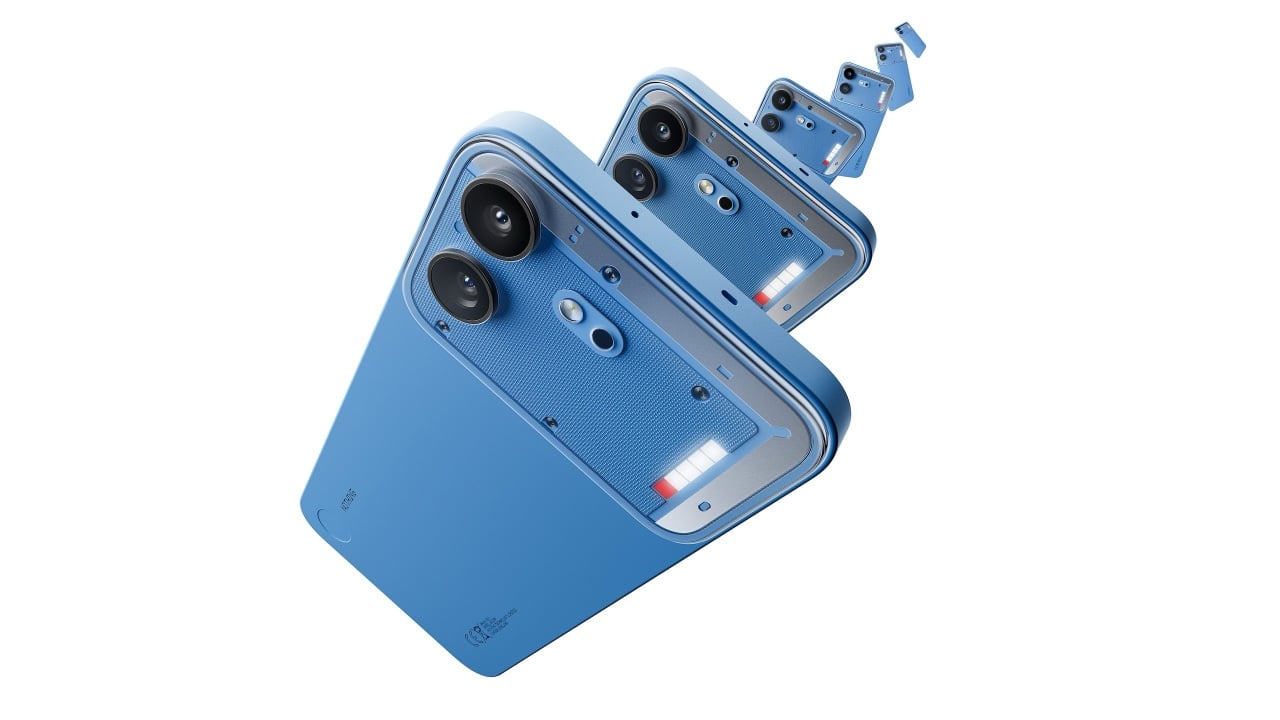
Somewhere between the chaos of leaks and an NBA star quietly going about his Instagram life, Google’s next wearable started taking shape. The Fitbit Air has reportedly been sitting on Steph Curry’s wrist since the beginning of 2026, patiently waiting to be noticed. Now that the name has leaked, so have the details, and they’re worth talking about.

According to supplier and retail data uncovered by Droid-Life, the Fitbit Air is a screenless fitness band with an expected May 16 launch date and a price point hovering around $99. It reportedly comes in three colors: Obsidian, Lavender, and Berry. Band options allegedly cover a wide range, from a Performance Loop Band to an Active Band, an Elevated SoftFlex Band, and even a Metal Mesh Band in Silver and Warm Gold. That last one especially catches my attention. A metal mesh band on a screenless tracker isn’t gym gear. That’s an everyday accessory.

Design: Fitbit

And that, honestly, is the smarter move. The fitness tracker market has been stuck in a cycle where every new device tries to do more: more sensors, more screens, more notifications, until the thing on your wrist becomes basically a phone you can’t type on. If the leaks are accurate, the Fitbit Air is moving in the opposite direction. No screen means no distractions, and for a device whose entire job is to monitor your sleep, heart rate, and activity in the background, that’s actually a reasonable design philosophy.

The obvious comparison here is Whoop. The Fitbit Air is clearly gunning for the same audience: people who care about health data but don’t want the clutter of a smartwatch. But the pricing argument is where Google may genuinely have an edge, if these numbers hold. Whoop’s cheapest plan runs $199 a year or $25 a month, and the device itself isn’t even sold separately; you’re subscribing to the whole ecosystem. The Fitbit Air, based on current leaks, would reportedly sell for a one-time cost of around $99 with core health insights included upfront. Advanced features like the AI-powered Google Health Coach are expected to sit behind a paid tier, but the baseline experience reportedly doesn’t require an ongoing subscription. That’s a meaningful difference, and a real one for people who bristle at paying a monthly fee just to see their own sleep score.

To be clear: none of this is confirmed yet. Google hasn’t officially said a word about the Fitbit Air. Supplier data is often directionally accurate but rarely exact, and both the May 16 launch date and the $99 price could easily shift before anything goes official. But the sheer volume of converging reports, covering the name, colors, band types, pricing, and release window, makes this feel less like speculation and more like an imminent announcement.

What keeps drawing me back is the reported design direction. The move toward screenless wearables isn’t a niche preference anymore. Whoop built a loyal following around it. The Oura Ring made passive tracking feel premium. Samsung and Apple are both circling the idea. Google, with the Fitbit brand in hand and a Google Health AI stack to back it up, is in a real position to make this category accessible to people who’ve been put off by the Whoop subscription model. The timing feels right.

The rumored Lavender and Berry colorways are a quiet but deliberate signal. Those aren’t colors aimed at hardcore athletes. They’re designed for the person who wants to wear something comfortable, low-key, and actually stylish all day, not just during a workout. The leaked Metal Mesh Band reinforces this. If accurate, Google seems to understand that a product you’re meant to wear around the clock needs to work in every context, not just at the gym.

If the Fitbit Air launches anywhere close to what these leaks suggest, it could be one of the more genuinely interesting product releases of the year. Not because it’s flashy. It’s the opposite of flashy. But because it shows a clear point of view. Sometimes less, done well, is exactly the right answer.

The post Fitbit Air Leaks With No Screen and a $99 Price Tag first appeared on Yanko Design.
Control: Ultimate Edition is out for the iPhone and iPad

Control is one of my favorite adventure games of the last decade or so, a mind-bending trip through an ever-changing building where you get to use telekinesis to battle some pretty freaky enemies. It was a graphically-demanding game when it was released in 2019, but a lot can change in less than six years: Control: Ultimate Edition is now available on the iPhone and iPad for a mere $5, following its announcement last October. It’s a universal purchase, which means if you buy it it’ll work on the iPad, iPhone and Mac as well.

Developer Remedy promises that it’s the full Control experience, with the DLC episodes included. Remedy rebuilt the UI and controls to make it work on touchscreen devices; the company says that it has tweaked aiming and the various puzzles to make them work better for the iPad and iPhone. But naturally, the game also works with controllers. If you’re serious about having the best experience with the game, finding a way to play with physical controls is probably a good idea.

The game will run on iPhones with at least an A17 Pro chip. That includes the iPhone 15 Pro and Pro Max, as well all of the iPhone 16 and iPhone 17 series. Plenty of iPad models can run the game, as well — any iPad with an M-series chip or the A17 Pro will work. That means the current basic iPad, with its A16 processor, is left out of the fun. But any iPad Air or Pro from the last four years or so should be good to go.

I tried a test version of Control when I reviewed the new iPad Air recently and, unsurprisingly, the tablet’s M4 chip was more than powerful enough to make for a smooth experience. My main gripe is that when sprinting, you have to hold down the L3 button the entire time you’re running rather than just click it once, which is how it works on other platforms. Otherwise it looks and plays smoothly, though I can’t vouch for how it’ll perform on hardware older than the M4 from 2024.

Control marks the latest “AAA” title to hit the iPad and iPhone. Apple has aggressively courted developers for its platforms in recent years, and while most games don’t hit the Mac or iOS when they launch, more and more are showing up eventually. There are multiple recent Resident Evil titles for the iPad, and other games like Death Stranding and Assassin’s Creed Mirage have been ported recently as well. There are others on the Mac as well, including demanding titles like Cyberpunk 2077 and Lies of P. Apple’s platforms aren’t going to be an avid gamer’s first stop still, but having high-profile games to supplement the many indie titles available helps round out the options for Apple users.

This article originally appeared on Engadget at https://www.engadget.com/gaming/control-ultimate-edition-is-out-for-the-iphone-and-ipad-150532940.html?src=rss

Control: Ultimate Edition is out for the iPhone and iPad

Control is one of my favorite adventure games of the last decade or so, a mind-bending trip through an ever-changing building where you get to use telekinesis to battle some pretty freaky enemies. It was a graphically-demanding game when it was released in 2019, but a lot can change in less than six years: Control: Ultimate Edition is now available on the iPhone and iPad for a mere $5, following its announcement last October. It’s a universal purchase, which means if you buy it it’ll work on the iPad, iPhone and Mac as well.

Developer Remedy promises that it’s the full Control experience, with the DLC episodes included. Remedy rebuilt the UI and controls to make it work on touchscreen devices; the company says that it has tweaked aiming and the various puzzles to make them work better for the iPad and iPhone. But naturally, the game also works with controllers. If you’re serious about having the best experience with the game, finding a way to play with physical controls is probably a good idea.

The game will run on iPhones with at least an A17 Pro chip. That includes the iPhone 15 Pro and Pro Max, as well all of the iPhone 16 and iPhone 17 series. Plenty of iPad models can run the game, as well — any iPad with an M-series chip or the A17 Pro will work. That means the current basic iPad, with its A16 processor, is left out of the fun. But any iPad Air or Pro from the last four years or so should be good to go.

I tried a test version of Control when I reviewed the new iPad Air recently and, unsurprisingly, the tablet’s M4 chip was more than powerful enough to make for a smooth experience. My main gripe is that when sprinting, you have to hold down the L3 button the entire time you’re running rather than just click it once, which is how it works on other platforms. Otherwise it looks and plays smoothly, though I can’t vouch for how it’ll perform on hardware older than the M4 from 2024.

Control marks the latest “AAA” title to hit the iPad and iPhone. Apple has aggressively courted developers for its platforms in recent years, and while most games don’t hit the Mac or iOS when they launch, more and more are showing up eventually. There are multiple recent Resident Evil titles for the iPad, and other games like Death Stranding and Assassin’s Creed Mirage have been ported recently as well. There are others on the Mac as well, including demanding titles like Cyberpunk 2077 and Lies of P. Apple’s platforms aren’t going to be an avid gamer’s first stop still, but having high-profile games to supplement the many indie titles available helps round out the options for Apple users.

This article originally appeared on Engadget at https://www.engadget.com/gaming/control-ultimate-edition-is-out-for-the-iphone-and-ipad-150532940.html?src=rss

Control: Ultimate Edition is out for the iPhone and iPad

Control is one of my favorite adventure games of the last decade or so, a mind-bending trip through an ever-changing building where you get to use telekinesis to battle some pretty freaky enemies. It was a graphically-demanding game when it was released in 2019, but a lot can change in less than six years: Control: Ultimate Edition is now available on the iPhone and iPad for a mere $5, following its announcement last October. It’s a universal purchase, which means if you buy it it’ll work on the iPad, iPhone and Mac as well.

Developer Remedy promises that it’s the full Control experience, with the DLC episodes included. Remedy rebuilt the UI and controls to make it work on touchscreen devices; the company says that it has tweaked aiming and the various puzzles to make them work better for the iPad and iPhone. But naturally, the game also works with controllers. If you’re serious about having the best experience with the game, finding a way to play with physical controls is probably a good idea.

The game will run on iPhones with at least an A17 Pro chip. That includes the iPhone 15 Pro and Pro Max, as well all of the iPhone 16 and iPhone 17 series. Plenty of iPad models can run the game, as well — any iPad with an M-series chip or the A17 Pro will work. That means the current basic iPad, with its A16 processor, is left out of the fun. But any iPad Air or Pro from the last four years or so should be good to go.

I tried a test version of Control when I reviewed the new iPad Air recently and, unsurprisingly, the tablet’s M4 chip was more than powerful enough to make for a smooth experience. My main gripe is that when sprinting, you have to hold down the L3 button the entire time you’re running rather than just click it once, which is how it works on other platforms. Otherwise it looks and plays smoothly, though I can’t vouch for how it’ll perform on hardware older than the M4 from 2024.

Control marks the latest “AAA” title to hit the iPad and iPhone. Apple has aggressively courted developers for its platforms in recent years, and while most games don’t hit the Mac or iOS when they launch, more and more are showing up eventually. There are multiple recent Resident Evil titles for the iPad, and other games like Death Stranding and Assassin’s Creed Mirage have been ported recently as well. There are others on the Mac as well, including demanding titles like Cyberpunk 2077 and Lies of P. Apple’s platforms aren’t going to be an avid gamer’s first stop still, but having high-profile games to supplement the many indie titles available helps round out the options for Apple users.

This article originally appeared on Engadget at https://www.engadget.com/gaming/control-ultimate-edition-is-out-for-the-iphone-and-ipad-150532940.html?src=rss

Here’s to the stable ones: In praise of Tim Cook

Tim Cook’s tenure as Apple CEO ends September 1 when he takes the role of executive chair. He will be replaced by John Ternus, a 25-year Apple veteran and head of its hardware engineering division. I get the sense Cook’s professional obituaries will focus on his steady hand, execution success and lack of intra-company drama. All of those are virtues but I suspect the media, ever in love with a narrative of its own concoction, will use them as cudgels. Consider this an attempt to balance the record ahead of Cook’s damning with the faintest of praise.

Cook is quiet and private, making it easy to paint him as a bland managerialist who coasted on the success of the iPhone. In Ternus, Apple once again has a “product guy” at its helm, a term loaded with enough subtext to sink a battleship. You can feel the implication that it’s only “product guys” who have the vision, taste and knowledge to innovate. By extension, Cook was never "a real nerd," but an empty finance guy that never understood what makes Apple tick.

If there’s one thing Silicon Valley loves more than money, it’s a mercurial genius upon whom they can rest their dreams. Figures with a capital-V vision who invent new product categories with a flick of a wrist, captains of industry who inspire awe and devotion. And making enough money that even a Rockefeller would start thinking "gosh, that’s a bit much."

The Jobsian myth-making obscures his talents and minimizes the number of misses he had along the way. Jobs’ first tenure at Apple ended in failure and NeXT, for all its innovation, didn’t survive as a standalone hardware maker. Many of his ideas were too big and ambitious to succeed and his refusal to compromise made them sink. His time in the wilderness made him a better manager, and a far better storyteller. But to suggest Jobs was gifted with Midas’ touch is wrong, since for all his vision and taste, he needed strong execution.

Steve Jobs (R), Apple Inc. CEO, and Tim Cook, Apple Inc. Coo, speak at a press conference at Apple headquarters in Cupertino, California.  (Photo by Kimberly White/Corbis via Getty Images)
Kimberly White via Getty Images

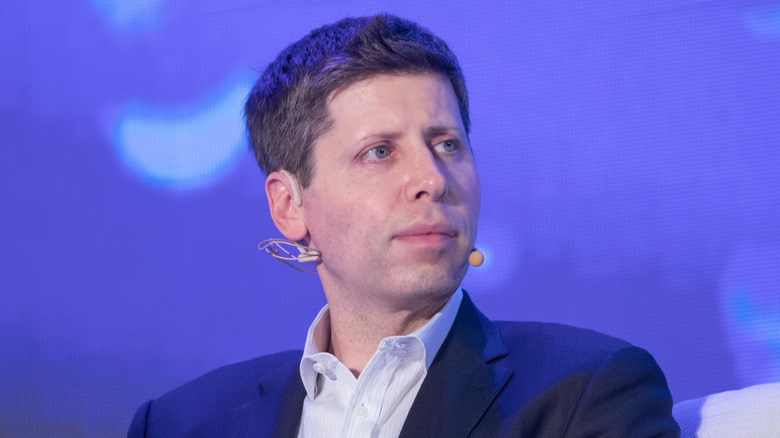
It doesn’t help that Jobs is the ur-example of Silicon Valley’s tech genius founder which means so many there have never stopped looking for his successor. The title of “the next Steve Jobs” has been diluted to the point of meaninglessness at this point given the list of nominees. Those include Elizabeth Holmes, Elon Musk, Adam Neumann, Trevor Milton, Sam Altman and Travis Kalanick. Given that sort of company, I’m sure Cook is delighted when people say he’s no Steve Jobs.

I suspect, in part, Cook was seen as a mere employee (derogatory) rather than a startup founder who built something himself. That obscures his success, first at IBM and Intelligent Electronics where he took up a COO role at 34. Even in an industry that treasures youth, I doubt these companies would elevate someone as young as Cook unless he was damn good. And when he got to Apple in 1998, his role was to make the wheels of the company turn. We may laud Jobs and Ive for dreaming up the products but, to quote Jobs himself, “real artists ship.” By that metric, Cook was the real artist.

When Cook took over as Apple CEO, it was just weeks before Jobs passed away, in what must have been a very hard time. Holding the company together after such a shock while grieving for your own loss must have been an enormous challenge. And while Cook had Jobs’ army of lieutenants around him, it was upon Cook to actually lead that team. That he then took Apple to the outrageous success it is today is proof of his ability to actually make things happen. Think about how it was Cook that used Apple’s initial success to make good deals with manufacturers that wound up boxing out so many of its rivals.

I’m sure Cook lacks the taste and vision of a Jobs or an Ive, and instead relies upon the skill of his team. I’m not sure why that would be painted as a bad thing given the roster of people Apple pays to have such taste. If Cook is lacking in taste, he’s not lacking in humility, and clearly knows well enough to not meddle in things. Friends, that’s not the sign of a bad leader, it’s the sign of a good one, who makes his team feel trusted, respected, and listened to. Think about how rapidly Cook democratized the Apple keynotes, making stars of many of its senior executives, rather than trying to put on a Steve Jobs tribute act.

His tenure as CEO wasn’t flawless: Hiring John Browett to replace Ron Johnson at Retail was an early error — but one that Cook was smart enough to correct just six months later. The power struggles with Scott Forstall could be a miss given Ive’s instincts around user interface design. On the product front, we had the embarrassment of AirPower, the stop-start work on the Mac Pro and the muted rollout of the Vision Pro. The lack of proactive management of the App Store and the opacity of its workings counts as a big strike, too. I’m sure we’ll get some chatter about the Apple Car project from people who thought that was ever a good idea.

As for the Trump Stuff(™), I have some sympathy for Cook, who probably didn’t expect to play diplomat when he took the job. His ties to the current administration have tainted his reputation, even if his engagement seems finely calibrated. As CEO of Apple, he’s responsible for around 170,000 people and has legal obligations as the head of a public company. As much as he may wish to flick the bird at the Commander in Chief, he has to tread a fine line. And it will be for him to wrestle with his own conscience to decide if he did the right thing down the line.

One of the pitfalls of a sustained period of success is that people lose sight of how things were in the bad old days. You can anticipate the editorials saying Cook “failed” on AI because he wisely avoided not launching head-first into a boondoggle. “Failed” on launching a new product category in the post-Jobs world, even though the Apple Watch and AirPods are, on their own, a bigger business than some major corporations. “Failed” by building a subscription and services business despite every single hardware company in the world doing the same thing.

I'd say Cook's judgment was far better than anyone has given him credit for, and he's made plenty of earth-shattering changes of his own. Think about Apple Silicon and how it has upended the order of things in the chip world, almost inadvertently taking a wrecking ball to Intel's dominance. A technology transition that was so seamless, so undramatic, and yet with so many dividends, that the idea of Apple using other people's chips in its hardware feels like ancient history. 

To all of those people, I’d say look — look! — with your own stupid eyes at the MacBook Neo. Look at a company that found a way to produce hardware like that, with performance like that, for that sort of price! The MacBook Neo is so good and so cheap that it’s made the rest of the consumer electronics industry look like incompetents. It may not be a shiny new gadget you can show off to the envy of your early adopter friends, but it’s going to make a meaningful difference for countless people.

We can all agree that no kid is going to hang a poster of Tim Cook on their bedroom wall in the same way they might with Jobs, or even Musk. I don’t think that’s a bad thing, because Cook’s legacy isn’t in headlines or fawning biopics, it’s in a legacy of actually getting things done.

This article originally appeared on Engadget at https://www.engadget.com/big-tech/heres-to-the-stable-ones-in-praise-of-tim-cook-144850435.html?src=rss

Here’s to the stable ones: In praise of Tim Cook

Tim Cook’s tenure as Apple CEO ends September 1 when he takes the role of executive chair. He will be replaced by John Ternus, a 25-year Apple veteran and head of its hardware engineering division. I get the sense Cook’s professional obituaries will focus on his steady hand, execution success and lack of intra-company drama. All of those are virtues but I suspect the media, ever in love with a narrative of its own concoction, will use them as cudgels. Consider this an attempt to balance the record ahead of Cook’s damning with the faintest of praise.

Cook is quiet and private, making it easy to paint him as a bland managerialist who coasted on the success of the iPhone. In Ternus, Apple once again has a “product guy” at its helm, a term loaded with enough subtext to sink a battleship. You can feel the implication that it’s only “product guys” who have the vision, taste and knowledge to innovate. By extension, Cook was never "a real nerd," but an empty finance guy that never understood what makes Apple tick.

If there’s one thing Silicon Valley loves more than money, it’s a mercurial genius upon whom they can rest their dreams. Figures with a capital-V vision who invent new product categories with a flick of a wrist, captains of industry who inspire awe and devotion. And making enough money that even a Rockefeller would start thinking "gosh, that’s a bit much."

The Jobsian myth-making obscures his talents and minimizes the number of misses he had along the way. Jobs’ first tenure at Apple ended in failure and NeXT, for all its innovation, didn’t survive as a standalone hardware maker. Many of his ideas were too big and ambitious to succeed and his refusal to compromise made them sink. His time in the wilderness made him a better manager, and a far better storyteller. But to suggest Jobs was gifted with Midas’ touch is wrong, since for all his vision and taste, he needed strong execution.

Steve Jobs (R), Apple Inc. CEO, and Tim Cook, Apple Inc. Coo, speak at a press conference at Apple headquarters in Cupertino, California.  (Photo by Kimberly White/Corbis via Getty Images)
Kimberly White via Getty Images

It doesn’t help that Jobs is the ur-example of Silicon Valley’s tech genius founder which means so many there have never stopped looking for his successor. The title of “the next Steve Jobs” has been diluted to the point of meaninglessness at this point given the list of nominees. Those include Elizabeth Holmes, Elon Musk, Adam Neumann, Trevor Milton, Sam Altman and Travis Kalanick. Given that sort of company, I’m sure Cook is delighted when people say he’s no Steve Jobs.

I suspect, in part, Cook was seen as a mere employee (derogatory) rather than a startup founder who built something himself. That obscures his success, first at IBM and Intelligent Electronics where he took up a COO role at 34. Even in an industry that treasures youth, I doubt these companies would elevate someone as young as Cook unless he was damn good. And when he got to Apple in 1998, his role was to make the wheels of the company turn. We may laud Jobs and Ive for dreaming up the products but, to quote Jobs himself, “real artists ship.” By that metric, Cook was the real artist.

When Cook took over as Apple CEO, it was just weeks before Jobs passed away, in what must have been a very hard time. Holding the company together after such a shock while grieving for your own loss must have been an enormous challenge. And while Cook had Jobs’ army of lieutenants around him, it was upon Cook to actually lead that team. That he then took Apple to the outrageous success it is today is proof of his ability to actually make things happen. Think about how it was Cook that used Apple’s initial success to make good deals with manufacturers that wound up boxing out so many of its rivals.

I’m sure Cook lacks the taste and vision of a Jobs or an Ive, and instead relies upon the skill of his team. I’m not sure why that would be painted as a bad thing given the roster of people Apple pays to have such taste. If Cook is lacking in taste, he’s not lacking in humility, and clearly knows well enough to not meddle in things. Friends, that’s not the sign of a bad leader, it’s the sign of a good one, who makes his team feel trusted, respected, and listened to. Think about how rapidly Cook democratized the Apple keynotes, making stars of many of its senior executives, rather than trying to put on a Steve Jobs tribute act.

His tenure as CEO wasn’t flawless: Hiring John Browett to replace Ron Johnson at Retail was an early error — but one that Cook was smart enough to correct just six months later. The power struggles with Scott Forstall could be a miss given Ive’s instincts around user interface design. On the product front, we had the embarrassment of AirPower, the stop-start work on the Mac Pro and the muted rollout of the Vision Pro. The lack of proactive management of the App Store and the opacity of its workings counts as a big strike, too. I’m sure we’ll get some chatter about the Apple Car project from people who thought that was ever a good idea.

As for the Trump Stuff(™), I have some sympathy for Cook, who probably didn’t expect to play diplomat when he took the job. His ties to the current administration have tainted his reputation, even if his engagement seems finely calibrated. As CEO of Apple, he’s responsible for around 170,000 people and has legal obligations as the head of a public company. As much as he may wish to flick the bird at the Commander in Chief, he has to tread a fine line. And it will be for him to wrestle with his own conscience to decide if he did the right thing down the line.

One of the pitfalls of a sustained period of success is that people lose sight of how things were in the bad old days. You can anticipate the editorials saying Cook “failed” on AI because he wisely avoided not launching head-first into a boondoggle. “Failed” on launching a new product category in the post-Jobs world, even though the Apple Watch and AirPods are, on their own, a bigger business than some major corporations. “Failed” by building a subscription and services business despite every single hardware company in the world doing the same thing.

I'd say Cook's judgment was far better than anyone has given him credit for, and he's made plenty of earth-shattering changes of his own. Think about Apple Silicon and how it has upended the order of things in the chip world, almost inadvertently taking a wrecking ball to Intel's dominance. A technology transition that was so seamless, so undramatic, and yet with so many dividends, that the idea of Apple using other people's chips in its hardware feels like ancient history. 

To all of those people, I’d say look — look! — with your own stupid eyes at the MacBook Neo. Look at a company that found a way to produce hardware like that, with performance like that, for that sort of price! The MacBook Neo is so good and so cheap that it’s made the rest of the consumer electronics industry look like incompetents. It may not be a shiny new gadget you can show off to the envy of your early adopter friends, but it’s going to make a meaningful difference for countless people.

We can all agree that no kid is going to hang a poster of Tim Cook on their bedroom wall in the same way they might with Jobs, or even Musk. I don’t think that’s a bad thing, because Cook’s legacy isn’t in headlines or fawning biopics, it’s in a legacy of actually getting things done.

This article originally appeared on Engadget at https://www.engadget.com/big-tech/heres-to-the-stable-ones-in-praise-of-tim-cook-144850435.html?src=rss

Here’s to the stable ones: In praise of Tim Cook

Tim Cook’s tenure as Apple CEO ends September 1 when he takes the role of executive chair. He will be replaced by John Ternus, a 25-year Apple veteran and head of its hardware engineering division. I get the sense Cook’s professional obituaries will focus on his steady hand, execution success and lack of intra-company drama. All of those are virtues but I suspect the media, ever in love with a narrative of its own concoction, will use them as cudgels. Consider this an attempt to balance the record ahead of Cook’s damning with the faintest of praise.

Cook is quiet and private, making it easy to paint him as a bland managerialist who coasted on the success of the iPhone. In Ternus, Apple once again has a “product guy” at its helm, a term loaded with enough subtext to sink a battleship. You can feel the implication that it’s only “product guys” who have the vision, taste and knowledge to innovate. By extension, Cook was never "a real nerd," but an empty finance guy that never understood what makes Apple tick.

If there’s one thing Silicon Valley loves more than money, it’s a mercurial genius upon whom they can rest their dreams. Figures with a capital-V vision who invent new product categories with a flick of a wrist, captains of industry who inspire awe and devotion. And making enough money that even a Rockefeller would start thinking "gosh, that’s a bit much."

The Jobsian myth-making obscures his talents and minimizes the number of misses he had along the way. Jobs’ first tenure at Apple ended in failure and NeXT, for all its innovation, didn’t survive as a standalone hardware maker. Many of his ideas were too big and ambitious to succeed and his refusal to compromise made them sink. His time in the wilderness made him a better manager, and a far better storyteller. But to suggest Jobs was gifted with Midas’ touch is wrong, since for all his vision and taste, he needed strong execution.

Steve Jobs (R), Apple Inc. CEO, and Tim Cook, Apple Inc. Coo, speak at a press conference at Apple headquarters in Cupertino, California.  (Photo by Kimberly White/Corbis via Getty Images)
Kimberly White via Getty Images

It doesn’t help that Jobs is the ur-example of Silicon Valley’s tech genius founder which means so many there have never stopped looking for his successor. The title of “the next Steve Jobs” has been diluted to the point of meaninglessness at this point given the list of nominees. Those include Elizabeth Holmes, Elon Musk, Adam Neumann, Trevor Milton, Sam Altman and Travis Kalanick. Given that sort of company, I’m sure Cook is delighted when people say he’s no Steve Jobs.

I suspect, in part, Cook was seen as a mere employee (derogatory) rather than a startup founder who built something himself. That obscures his success, first at IBM and Intelligent Electronics where he took up a COO role at 34. Even in an industry that treasures youth, I doubt these companies would elevate someone as young as Cook unless he was damn good. And when he got to Apple in 1998, his role was to make the wheels of the company turn. We may laud Jobs and Ive for dreaming up the products but, to quote Jobs himself, “real artists ship.” By that metric, Cook was the real artist.

When Cook took over as Apple CEO, it was just weeks before Jobs passed away, in what must have been a very hard time. Holding the company together after such a shock while grieving for your own loss must have been an enormous challenge. And while Cook had Jobs’ army of lieutenants around him, it was upon Cook to actually lead that team. That he then took Apple to the outrageous success it is today is proof of his ability to actually make things happen. Think about how it was Cook that used Apple’s initial success to make good deals with manufacturers that wound up boxing out so many of its rivals.

I’m sure Cook lacks the taste and vision of a Jobs or an Ive, and instead relies upon the skill of his team. I’m not sure why that would be painted as a bad thing given the roster of people Apple pays to have such taste. If Cook is lacking in taste, he’s not lacking in humility, and clearly knows well enough to not meddle in things. Friends, that’s not the sign of a bad leader, it’s the sign of a good one, who makes his team feel trusted, respected, and listened to. Think about how rapidly Cook democratized the Apple keynotes, making stars of many of its senior executives, rather than trying to put on a Steve Jobs tribute act.

His tenure as CEO wasn’t flawless: Hiring John Browett to replace Ron Johnson at Retail was an early error — but one that Cook was smart enough to correct just six months later. The power struggles with Scott Forstall could be a miss given Ive’s instincts around user interface design. On the product front, we had the embarrassment of AirPower, the stop-start work on the Mac Pro and the muted rollout of the Vision Pro. The lack of proactive management of the App Store and the opacity of its workings counts as a big strike, too. I’m sure we’ll get some chatter about the Apple Car project from people who thought that was ever a good idea.

As for the Trump Stuff(™), I have some sympathy for Cook, who probably didn’t expect to play diplomat when he took the job. His ties to the current administration have tainted his reputation, even if his engagement seems finely calibrated. As CEO of Apple, he’s responsible for around 170,000 people and has legal obligations as the head of a public company. As much as he may wish to flick the bird at the Commander in Chief, he has to tread a fine line. And it will be for him to wrestle with his own conscience to decide if he did the right thing down the line.

One of the pitfalls of a sustained period of success is that people lose sight of how things were in the bad old days. You can anticipate the editorials saying Cook “failed” on AI because he wisely avoided not launching head-first into a boondoggle. “Failed” on launching a new product category in the post-Jobs world, even though the Apple Watch and AirPods are, on their own, a bigger business than some major corporations. “Failed” by building a subscription and services business despite every single hardware company in the world doing the same thing.

I'd say Cook's judgment was far better than anyone has given him credit for, and he's made plenty of earth-shattering changes of his own. Think about Apple Silicon and how it has upended the order of things in the chip world, almost inadvertently taking a wrecking ball to Intel's dominance. A technology transition that was so seamless, so undramatic, and yet with so many dividends, that the idea of Apple using other people's chips in its hardware feels like ancient history. 

To all of those people, I’d say look — look! — with your own stupid eyes at the MacBook Neo. Look at a company that found a way to produce hardware like that, with performance like that, for that sort of price! The MacBook Neo is so good and so cheap that it’s made the rest of the consumer electronics industry look like incompetents. It may not be a shiny new gadget you can show off to the envy of your early adopter friends, but it’s going to make a meaningful difference for countless people.

We can all agree that no kid is going to hang a poster of Tim Cook on their bedroom wall in the same way they might with Jobs, or even Musk. I don’t think that’s a bad thing, because Cook’s legacy isn’t in headlines or fawning biopics, it’s in a legacy of actually getting things done.

This article originally appeared on Engadget at https://www.engadget.com/big-tech/heres-to-the-stable-ones-in-praise-of-tim-cook-144850435.html?src=rss

Reebok Just Put Its Pump Button on a $40K Swiss Watch

If you grew up in the ’90s, the Reebok Pump holds a very specific kind of real estate in your memory. Not just a sneaker, but a ritual. You pressed that little orange basketball on the tongue, felt the shoe hug tighter around your foot, and somehow convinced yourself you were faster because of it. It was tactile, interactive, and deeply, almost irrationally satisfying. For a generation of kids, it was also the coolest piece of technology they had ever touched.

So when I heard that H. Moser & Cie. had collaborated with Reebok to translate that exact gesture into a Swiss watch complication, I had two immediate and simultaneous reactions: that’s absurd, and I need to know everything about it.

Designer: H. Moser (with Reebok)

The Streamliner Pump is exactly what it sounds like. A luxury mechanical watch with a built-in pump mechanism. On the left side of the 40mm forged quartz fiber case sits an orange anodized aluminum button. Press it, and instead of inflating your shoe, you wind the movement. That’s it. That’s the complication. And somehow, in practice, it works on every level.

H. Moser has always leaned into a kind of mischievous genius. This is the brand that once made a watch dial out of Swiss cheese and has built a reputation around being the luxury house most willing to poke fun at the luxury house format. The Streamliner Pump feels like a natural extension of that spirit, except it isn’t just a joke. The engineering behind it is genuinely impressive, and that distinction matters a great deal.

Inside the case is the HMC 103, an in-house hand-wound caliber running at 21,600 vibrations per hour with 131 components, 31 jewels, and a Straumann hairspring. The movement has been specifically re-engineered from Moser’s HMC 500, removing the micro-rotor in favor of the pump mechanism for winding. It delivers a 74-hour minimum power reserve, and a small arched power reserve indicator at 8 o’clock with an orange disc makes sure you always know how much life is left in the tank.

The case material deserves its own moment. Forged quartz fiber is rarer in fine watchmaking than carbon fiber, and for good reason. It’s more UV-stable, more colorable, and the compression and curing process it undergoes creates a subtle moiré pattern on the surface. No two cases are identical, which is exactly the kind of detail that makes a limited edition feel genuinely special rather than just numbered. A titanium inner structure, what Moser calls a “sarcophagus,” sits inside to protect the movement, enable 100 meters of water resistance, and anchor the integrated rubber strap.

The watch comes in two versions: black with a DLC coating, and white with a polished dial. Both are limited to 250 pieces per colorway, 500 in total. And perhaps the most charming detail of the entire package: every watch comes with an exclusive pair of Reebok Pump sneakers. Because of course it does.

The timing of this release is not accidental. Reebok is bringing the Pump back in 2026, reviving the sneaker that defined a particular cultural moment in athletic history. The original Pump wasn’t just a shoe; it was among the first pieces of consumer tech designed to feel personal, a product that literally adapted to you. Pairing that comeback with a $39,900 Swiss watch is a very specific kind of crossover, one that asks you to set aside the normal logic of luxury and just appreciate the playfulness of a very well-made thing.

Whether or not this is a watch you could ever justify owning is almost beside the point. The Streamliner Pump exists at the intersection of nostalgia, craft, and genuine design wit, and it makes a compelling case that luxury doesn’t always have to take itself seriously. Sometimes the best thing a watchmaker can do is build something that makes you smile before it makes you impressed. This one does both, in that order, and that’s worth more than any spec sheet.

The post Reebok Just Put Its Pump Button on a $40K Swiss Watch first appeared on Yanko Design.