Lenovo has made a bold move into the future of personal computing with the release of the ThinkPad X1 Fold, the world’s first foldable PC. This groundbreaking device is designed to offer full PC performance on a foldable 16.3″ OLED display, providing users with an unparalleled level of versatility and portability. The device’s fold-flat design […]
When most of the world was in lockdown and working from home became the normal, the lines between rest and work became more blurred than ever. I would often find myself in bed trying to work but ending up watching k-dramas. Or when I’m supposed to be sleeping, I would still be catching up with work that I missed because I was slacking off. While things seem to be getting back to normal now, there are still lines that are sometimes a bit blurred.
Designer: Teixeira Design Studio for Gantri
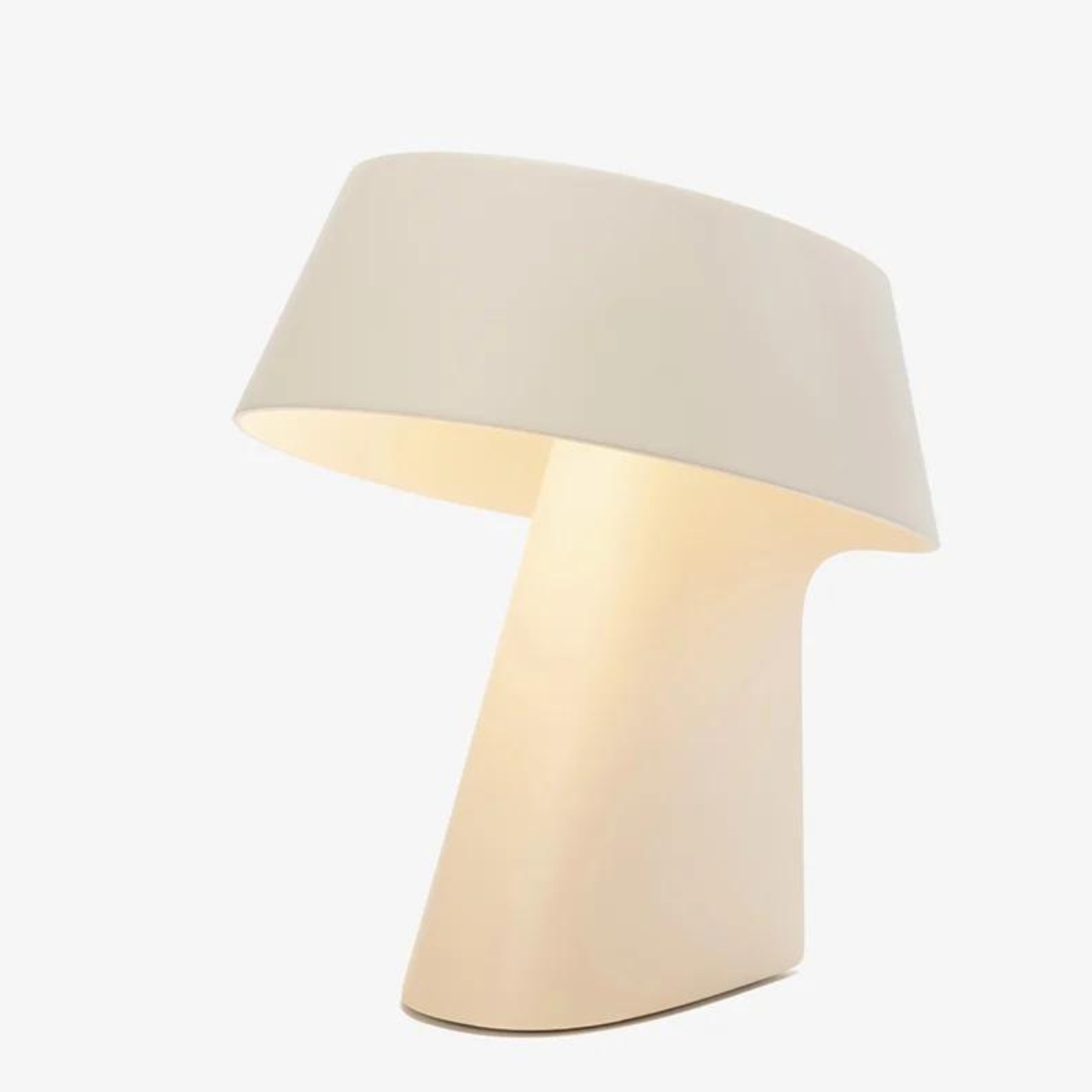
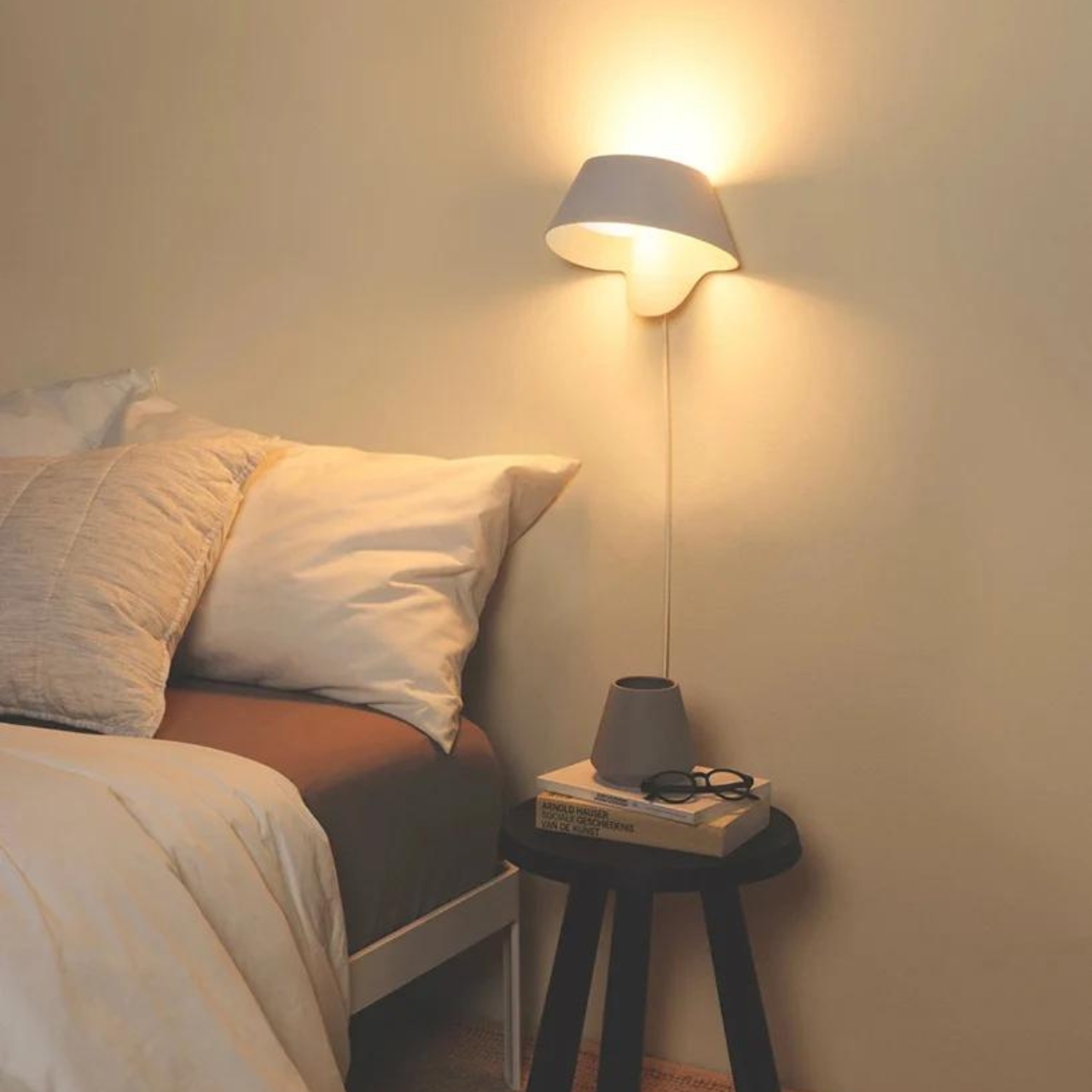
Because of these blurred lines, we are seeing products now that are designed to serve dual purposes, whether it’s for productivity and/or relaxation. If you find yourself staying in bed most of the time and you need a lamp that can be both relaxing and also let you work properly, this new collaboration between Gantri and Teixeira Design Studio may be the one you’re looking for. Fold is a 3D-printed lamp that is able to cast its light downwards and upwards so it can serve as a functional lamp and for mood lighting as well.
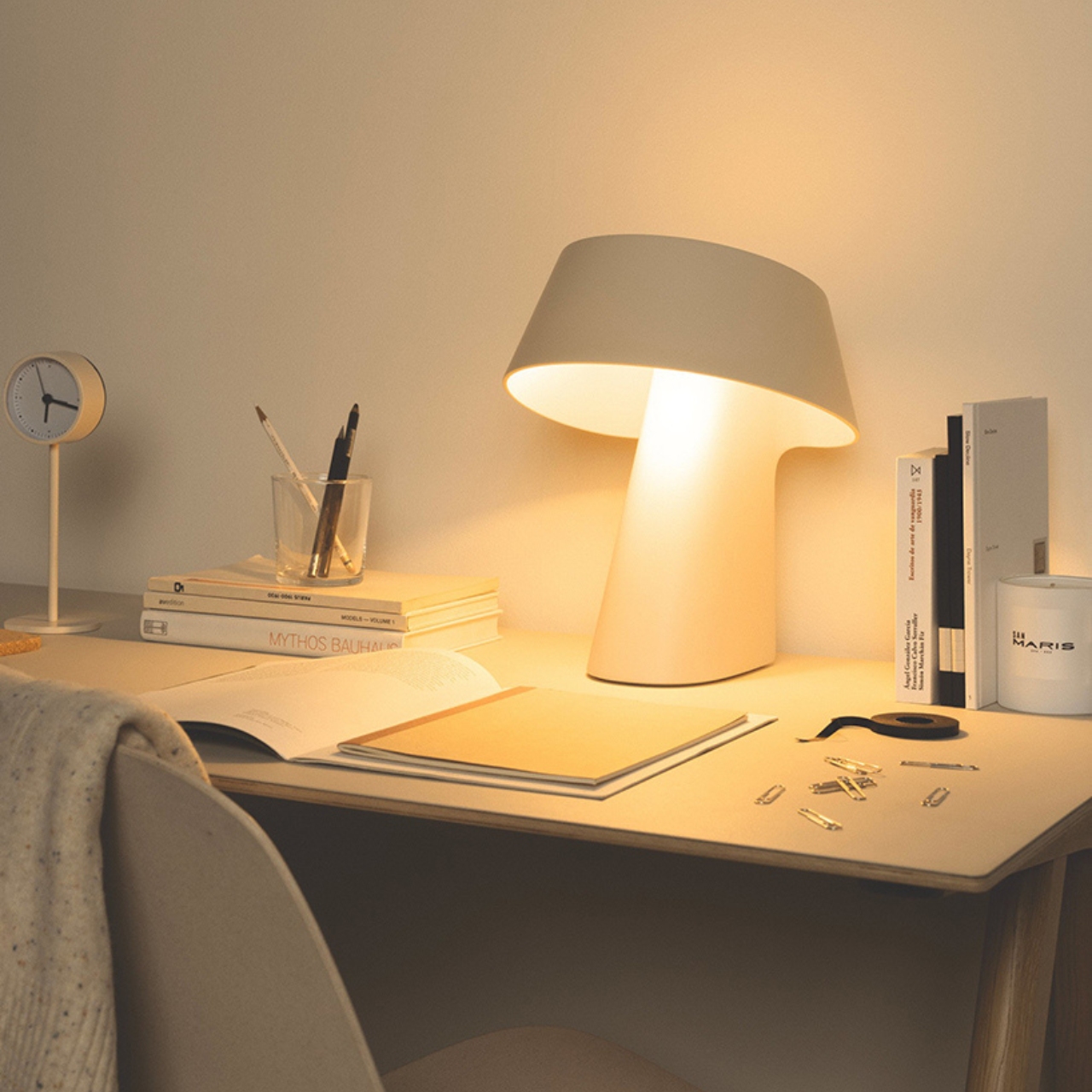
The Fold Wall Light creates mood lighting because of its upward, diffused glow but since it also has a downward light, you can use it for times when you need to actually work and be productive. You don’t need to turn on/off or adjust anything as the design itself brings the two kinds of light together. It is also space-saving as it can be mounted on the wall or placed on a side table or a small desk. The fact that it can provide both direct light and ambient light means you can save up on having multiple lamps as well.
The lamp also has a minimalist look so it can fit into your room whatever the look you’re going for is. As a desk lamp, it looks a bit bulkier than when placed on the wall although it’s still more space-saving than most other desk lamps. I don’t know if I would really want a lamp that can be both for work and for relaxation as it defeats the purpose or at least the illusion of work-life balance.
Setting up and running the wealth of artificial intelligence applications, models and tools available can take considerable time. however one tool called Pinokio has been specifically designed to let you install, run and automate any AI application or model with a single click. Allowing you to enjoy using the AI rather than the setup process. […]
MSI is set to expand its QD-OLED gaming monitor lineup in the New Year, introducing a series of new monitors, all equipped with the latest generation of QD-OLED panels. The panels have been specifically designed to deliver exceptional picture quality, creating a more immersive gaming experience. One of the key highlights in this new lineup […]
If you are interested in having the ability to give your large language model or preferred AI model a memory you might be interested in Quivr. A unique LLM data storage and query interface, designed to function as a second brain. Read this guide and watch the videos below to learn how to set up […]
Developers are the lifeblood of the technology industry, creating the software and platforms that power our digital world. However, they often face significant challenges and frustrations in their work, from managing a sprawling list of bookmarks to navigating the “ticket purgatory” of requesting new resources. The Backstage.io project, an open platform for building developer portals, […]
Formula 1 may do its preseason tests right before the new schedule of races begins, but Formula E holds its trials months before the first E-Prix. The official action starts in Mexico City in January, but last week the all-electric series took to the turns of Valencia for its annual preseason test. 2024’s Season 10 will be the second for the ultra-efficient Gen3 car, following a debut that delivered lots of wheel-to-wheel racing and a hard-fought driver’s championship that was decided in the final two races. While there isn’t a new car this year, there’s still plenty to know before the lights go out in Mexico.
A battery fire cut testing short
Teams lost a considerable amount of track time after a battery fire following the Tuesday morning session. The Race reports that the incident occurred in a pit stall occupied by WAE, the all-electric series’ battery supplier. The fire reportedly started from a battery that had been removed from the DS Penske driven by rookie Robert Shwartzman for three separate stints. Shwartzman had to stop on track due to an issue and once the car was back in the pit lane, the battery was removed and taken to WAE for inspection. Motorsport.com reports that the automatic battery safety system was activated causing the driver to stop. According to The Race, witnesses say there was a small audible explosion about 90 minutes after the car came to a halt on the circuit.
Formula E canceled the Tuesday afternoon and both Wednesday sessions while it looked into the cause of the fire. One person was taken to the hospital as a precaution but was released without any treatment. The series’ governing body, the FIA, deemed conditions safe to resume testing on Thursday afternoon following “investigations and findings provided by the technical suppliers,” Formula E explained.
As The Race notes, there has never been a traction battery fire at an E-Prix in nearly 10 years of events. There were incidents in 2015 and 2017, but those affected the smaller 12-volt battery. This was also unrelated to the new Attack Charge as Shwartzman had yet to demo that infrastructure. Formula E only had eight units for 11 teams and DS Penske didn’t have one at the time, The Race reports.
The first female driver in a Gen3 car
Gabriela Jilkova drives the TAG Heuer Porsche
Simon Galloway
During the preseason test in Valencia, teams were required to put rookie drivers in their cars for three of the 18 scheduled hours of running. The lineup included former F2 driver Robert Shwartzman (DS Penske) and current F2 drivers Victor Martins (Nissan) and Zane Maloney (Andretti), among others. The rookie test saw the first female driver in a Gen3 Formula E car as well. LMP3 and GT4 driver Gabriela Jilkova got behind the wheel of the Porsche team’s EVs, completing a 46-lap run. Formula E previously held rookie tests ahead of the Berlin E-Prix and during an extra practice session in Rome, both happening earlier this year.
The first test of Attack Charge
During a 10-hour session last Friday, Formula E held a simulated race, giving teams a 27-lap trial to test setups, run through safety car periods and demo the upcoming Attack Charge pit stops. The series had planned to introduce the stops last season, but supply-chain issues meant the technology would only be ready for the final few races. By then, Formula E felt it would be too late and decided to postpone the debut of Attack Charge to this season.
— ABB FIA Formula E World Championship (@FIAFormulaE) October 24, 2023
There is still a lot of unknown about how the stops will work, but what we do know is that they will take place during a specific window Formula E officials will announce right before the race. The series has also said that teams will be unable to double stack their two cars, a practice of pitting both vehicles back-to-back, which could lead to some interesting decisions about which driver gets priority. An Attack Charge stop is also expected to be quite long at 30-35 seconds. A mechanic hooks up a charging cable to the back of the car while the battery is replenished.
Jaguar and Porsche are quick… again
Mitch Evans in the Jaguar TCS Racing I-TYPE 6
Simon Galloway
After strong showings at the start of the Gen3 era last season, it looks like Jaguar TCS Racing and TAG Heuer Porsche are going to be contenders once again. Jaguar and Porsche vehicles claimed four of the top five times in each of the three test sessions, including quick laps from the Envision team that runs Jaguar powertrains.
Jaguar’s Mitch Evans posted the fastest time of the week, notching a 1m24.474s mark that was over half a second quicker than the fastest lap in last year’s test. Evans, who finished third in the driver’s championship in Season nine, also topped the times in the second session. New teammate Nick Cassidy, who finished second in the championship last season while driving for Envision, kept Evans from sweeping all three sessions with a 1m24.617s in the final running of the week.
Mahindra seems poised to bounce back
Season nine was one to forget for Mahindra. The team that’s been in Formula E since the series began finished 10th out of 11. Significant offseason changes include an all-new driver pairing of Edoardo Mortara and Season seven champ Nyck De Vries. Mortara was fifth fastest in the first session of the week while De Vries posted the third best time in session two. Mahindra was hampered by the battery fire as it suffered damage to its equipment and both cars, but both drivers showed great pace at different points during the week.
The driver’s championship should be close again
19 of the 21 drivers set lap times within 0.7 seconds of each other during the last session of the week. Sure, that’s one-lap pace as opposed to managing all of the nuances of a Formula E race (like energy consumption and regeneration), but it’s clear the drivers are learning how to unlock the potential of the Gen3 cars. Last year, for example, teams were grappling with new cars and new tires, having to figure out the optimal performance for a harder Hankook compound.
This article originally appeared on Engadget at https://www.engadget.com/formula-e-preseason-testing-2023-five-key-takeaways-from-valencia-133234132.html?src=rss
Nearly two years after its prototype debut and eight months after its public beta, Sony's GT Sophy racing AI for Gran Turismo 7 is back, and going by Gran Turismo Sophy 2.0 now. It will be available to all PlayStation 5 users as part of the GT7 Spec II Update (Patch Update 1.40) being released on Wednesday, November 2 at 2 a.m. ET.
We got our first look at the Sophy system back in February 2022. At that point it was already handily beating professional Gran Turismo players. “Gran Turismo Sophy is a significant development in AI whose purpose is not simply to be better than human players, but to offer players a stimulating opponent that can accelerate and elevate the players’ techniques and creativity to the next level,” Sony AI CEO, Hiroaki Kitano, said at the time. “In addition to making contributions to the gaming community, we believe this breakthrough presents new opportunities in areas such as autonomous racing, autonomous driving, high-speed robotics and control.”
The system's public beta this past February saw the AI competing against a small subset of the game's user base in the “Gran Turismo Sophy Race Together” event. Players who had already progressed sufficiently through the game were granted access to the special race, where they faced off against four AI-controlled opponents in a limited number of tracks.
“The difference [between racers] is that, it's essentially the power you have versus the other cars on the track,” Sony AI's COO, Michael Spranger, told Engadget in February. “You have different levels of performance. In the beginning level, you have a much more powerful vehicle — still within the same class, but you're much faster [than your competition].” That advantage shrank as players advanced through the race rounds and Sophy gained access to increasingly capable vehicles. In September, Sophy learned to drift.
“We have evolved GT Sophy from a research project tackling the grand challenge of creating an AI agent that could outperform top drivers in a top simulation racing game, to a functional game feature that provides all game players a formidable, human-like opponent that enhances the overall racing experience," Spranger said in a press statement released Wednesday.
With Wednesday's announcement, the number of vehicles Sophy can pilot rises from the meager four models available during the beta event, to 340 (yes, three hundred and forty) vehicles across nine unique tracks. Per Sony, that means players can race against GT Sophy in 95 percent of the playable in-game models and the CPU will select its car based on the player's chosen model from their garage (that way they're not randomly facing down a 918 in a Nissan Versa or are otherwise disadvantaged). The five percent of models it can't drive are the handful of hyper-spec specialty cars like the karts or Dodge SRT Tomahawk VGT.
Players can match against Sophy in Quick Race mode (formerly "Arcade") regardless of their advancement through the game or current skill level. As long as you have a PS5, a network connection and the latest update patch installed, you too can get Toretto'ed by a stack of algorithmic processes. Good luck.
This article originally appeared on Engadget at https://www.engadget.com/sony-gt-sophy-racing-ai-gran-turismo-7-ps5-130057992.html?src=rss
The big ticket tech gifts may get the lion's share of attention during the holidays, but it's surprising how much people appreciate small and thoughtful accessories and gadgets. We picked out a dozen such stocking stuffers for under $50 — perfect for a little something extra for a loved one or a welcome gift for a coworker. Just be sure to check the shipping windows to make sure these handy gizmos will arrive in time. Here are some of our favorite techie gift ideas that come in at $50 or less.
This article originally appeared on Engadget at https://www.engadget.com/computing/accessories/the-best-stocking-stuffer-ideas-you-can-shop-for-50-or-less-130049822.html?src=rss
If you ask Psync Labs, it’ll tell you the problem with smart security cameras is that they don’t know what they’re seeing. Those motion pings you get with other products? Defined by how light shifts in front of its sensor, treating an approaching figure or low-flying bird with equal alarm. So, Psync’s focus is to improve machine vision, but to also go one step further and pair this vision with GPT-enabled generative AI to help it, and you, understand what it can see. Its first product, the Genie S, is a security camera that’ll send you a written description of what (it thinks) is going on.
On paper, the Genie S has a similar feature set to plenty of other affordable home security units I could mention. There’s a powered pan-tilt base, five megapixel camera (outputting 2K Video), four LEDs, a microphone and speaker. But there are differences, like the fact it’s in the shape of a cube that, when it’s not activated, points the lens toward the base. Psync says it’s the most compact camera in its class, but probably not by as big a margin as the company hopes. Setup is easy enough — put it on a table, or use the screw mount to place it somewhere more esoteric, plug in the six foot long USB-C cable, and you’re on your way.
Psync says that a smarter camera will be better-equipped to capture what’s going on at home, but that’s not its best use case. VP of marketing Echo Wong says that the hardware is able to record those “memorable moments that fly by quicker than we can pull out our phones.” But I don’t think you would want to buy this on the off-chance it catches junior’s first word or steps. The more prosaic sales line, the one that probably wouldn’t fly as well, is that it’s a security camera with the added promise of not bugging you with needless pings because of the promise of AI smarts.
Buy one of these, and you’ll get the choice of a unit with 32GB built-in storage for $35 or 64GB for $40. I mention this up-front because we’re very much in “you get what you pay for” territory in terms of the picture and sound quality. It shoots vertically-oriented 2K video but the clips are pretty fuzzy, even if you can zoom in to get some halfway useful detail if required. It doesn’t like too much light, so if it’s pointed at a window (and/or anything reflective) then chunks of the image will get blown out. Similarly, the sound quality is something of a throwback to an earlier age of crunchy, over-compressed streams. You’ll get similarly crunchy audio using the talk feature, which has similarly “walkie-talkie” vibes that you won’t find on pricier hardware.
Psync Labs
Of course, that’s not what anyone is here for, but to see what this new company — of which little is known — has cooked up with AI. ViewSay is Psync's transcription tool which uses GPT, a form of generative AI, to essentially let the camera describe in text what it's seeing. ViewSay, which currently costs 99 cents a month, promises to identify objects, sort events that triggered the recording in a visual timeline, let you search through the clips with text and, of course, the aforementioned written pings. Pay, your fee, set this up, and your phone will ping when it spots something interesting, and give you the best description of what is going on that it can manage. Users can also set specific categories, like "Person," "Vehicle," "Pet" and will eventually be able to craft tailored alerts, like "a dog jumps on the couch."
Oh, but there is a catch — because that fairly reasonable 99 cents a month is just a limited-time trial, before leaping up to $7 a month. Which, we can all agree, is more than a little bit too much to spend on a product like this, especially in this economic climate.
ViewSay is currently in beta, and while the app splash to get you to sign up promises plenty, the company is keen to keep expectations low. My impression so far is that while Psync has the bones of a workable idea here in theory, the nitty-gritty of practice isn’t. I pointed the camera at a neutral corner in my office and play-acted in front of it to see what it would do. My fake phone-call, where I learned that my (fictional) wife had discovered the secret to perpetual motion, went unremarked upon and undocumented. Well, kinda – the camera pinged my phone to say that “A man is sitting in a chair in a room, looking at his reflection in a mirror.”
Actually, I’m being unfair – since the system can also make fairly accurate guesses at other times. Like, while I was setting the hardware up late one evening, the app told me “a man is sitting on the floor, holding a cell phone in his hand.” A few days later, I placed the camera facing my TV and Echo Show before turning back to use my laptop, which was only really visible in the reflection on the TV's screen. Not long after, the app pinged to say it could see a “A man is sitting in front of a laptop, looking at the screen, and possibly using it for work or entertainment purposes.” Now, this was either a massively-lucky guess, a false positive or a sign of how accurate this will be in future.
Photo by Daniel Cooper / Engadget.
When it detects something going on in this manner, the system records a 12-second clip to its local storage. These clips are retained for at least 14 days, and when you’ve looked at them in the app, you’re also able to save them to your phone. I understand you’ll also be able to take longer clips when motion is detected but that feature doesn’t yet appear to be available. You’ll also be able to share a live feed of your camera, using WebRTC, to up to four viewers — through a browser — for up to 30 minutes at a time. You might be wondering about how secure all of this is, and what exactly is happening to your data. Psync told me that its AI model is based on an AWS instance, and the footage is protected using 256-bit AES encryption. The footage recorded will be stored on the device locally, but the initial frame of the video is sent to the cloud for further analysis.
As something of an AI skeptic, and someone who isn’t thrilled at wiring up every corner of my home with a camera, I’m by default hostile to Psync’s plan here. But I can at least see where Psync is looking to add value to the standard security camera proposition. If you’re out and about, and you get a ping saying there’s a person in your living room, when there shouldn’t be, then that’s pretty helpful. Especially if you can then just tune into the live feed and see for yourself what’s going on and if you need to do something about it. As much as the macro story is scary, I can understand the logic someone would apply to buy one or two of these.
But it’s worth saying too that what I just described isn’t yet what Psync is selling, only what it is gesturing toward. The system will require more training, and plenty more data from a broader user base, until it can start offering you more concrete descriptions. Now, I’m sure that in a year or two that will be the case, but until then, you’re essentially buying into an ecosystem where you’re paying for the privilege of being a beta tester. And that $7 monthly subscription charge? Ouch.
This article originally appeared on Engadget at https://www.engadget.com/psyncs-genie-s-security-camera-uses-gpt-to-describe-what-it-sees-130043520.html?src=rss