nubia RedMagic 9 Pro gaming phone arrives with a new design, same tiny fan

The year is almost over, but there’s plenty of time left to unveil new products, including new smartphones that could become gift ideas for people in some markets. We’ve seen quite a few make their way to the market a few days ago, but most of them revolve around “normal” phones for everyday use. Gaming phones, however, still make up a slice of that large pie, and one of the top brands in this market is taking out its big guns early. Former ZTE sub-brand nubia is reaching out to gamers with the latest RedMagic model, bearing a slightly new design that manages to keep key features that fans of the brand have grown fond of, whether they make sense or not.

Designer: nubia
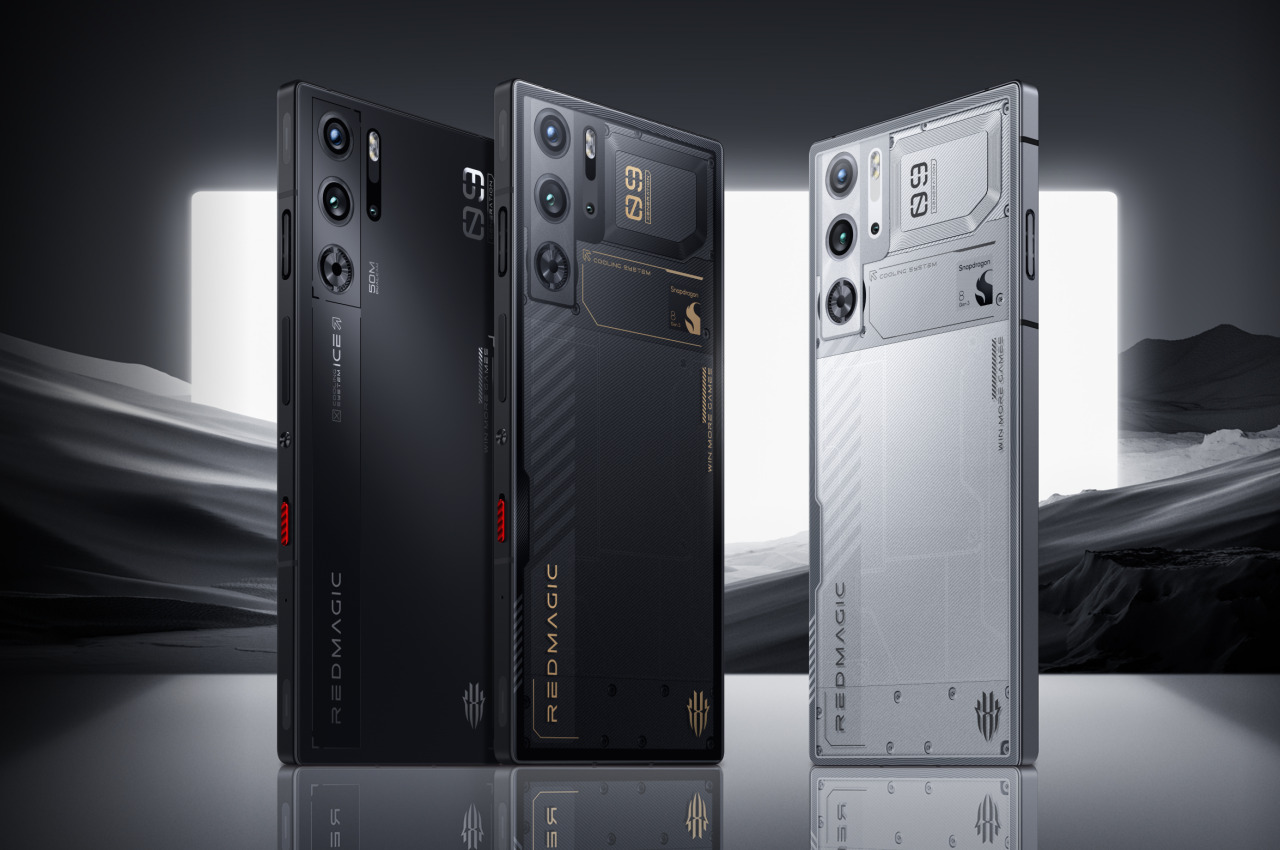
What sets a gaming smartphone apart from regular smartphones, including those expensive ones, isn’t just their over-the-top performance. Most gaming-centric phones carry a certain aesthetic that really marks them for a certain crowd, one that appreciates a lot of RGB lighting, lines and geometric shapes, and other details that make the design look futuristic if not highly technical. The nubia RedMagic 9 Pro continues that tradition this year but makes a few tweaks that streamline the gamer design a little bit better.
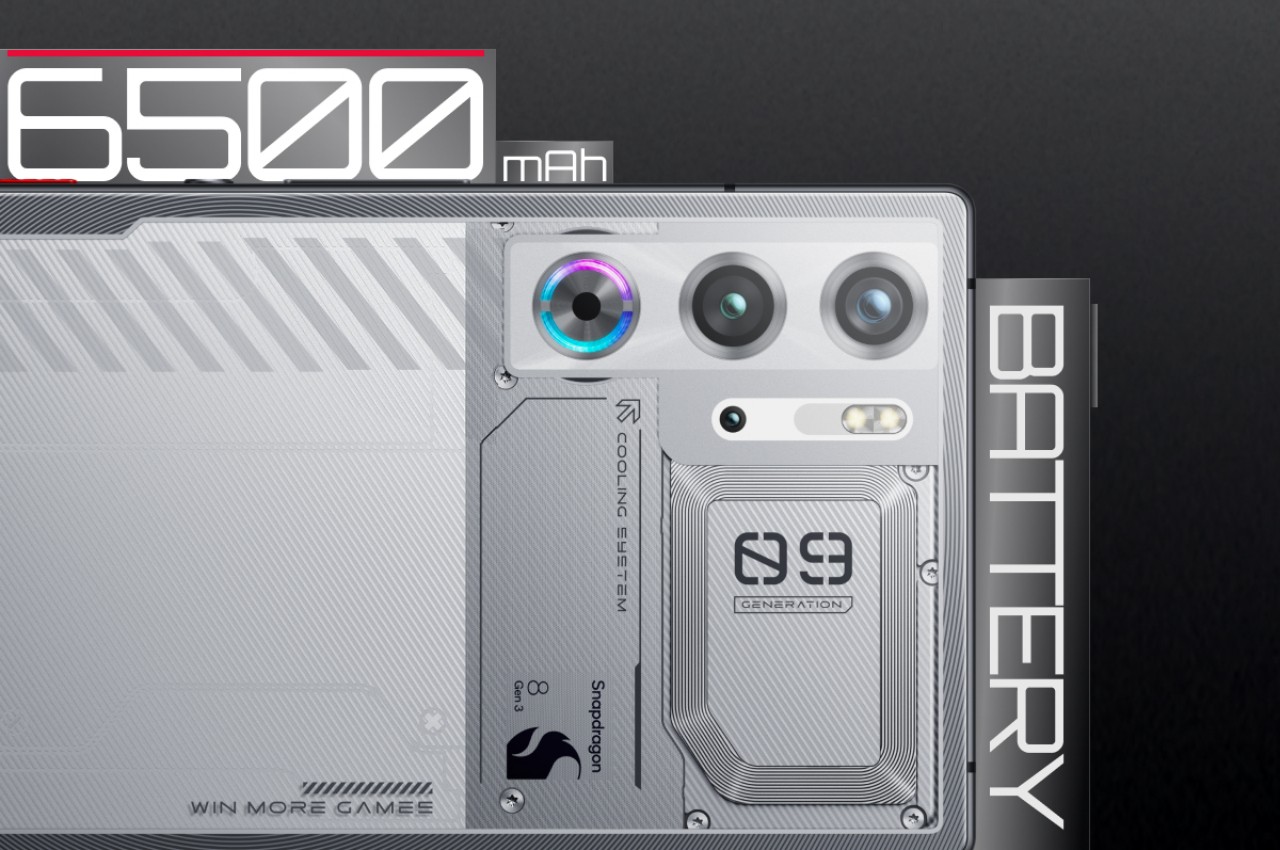
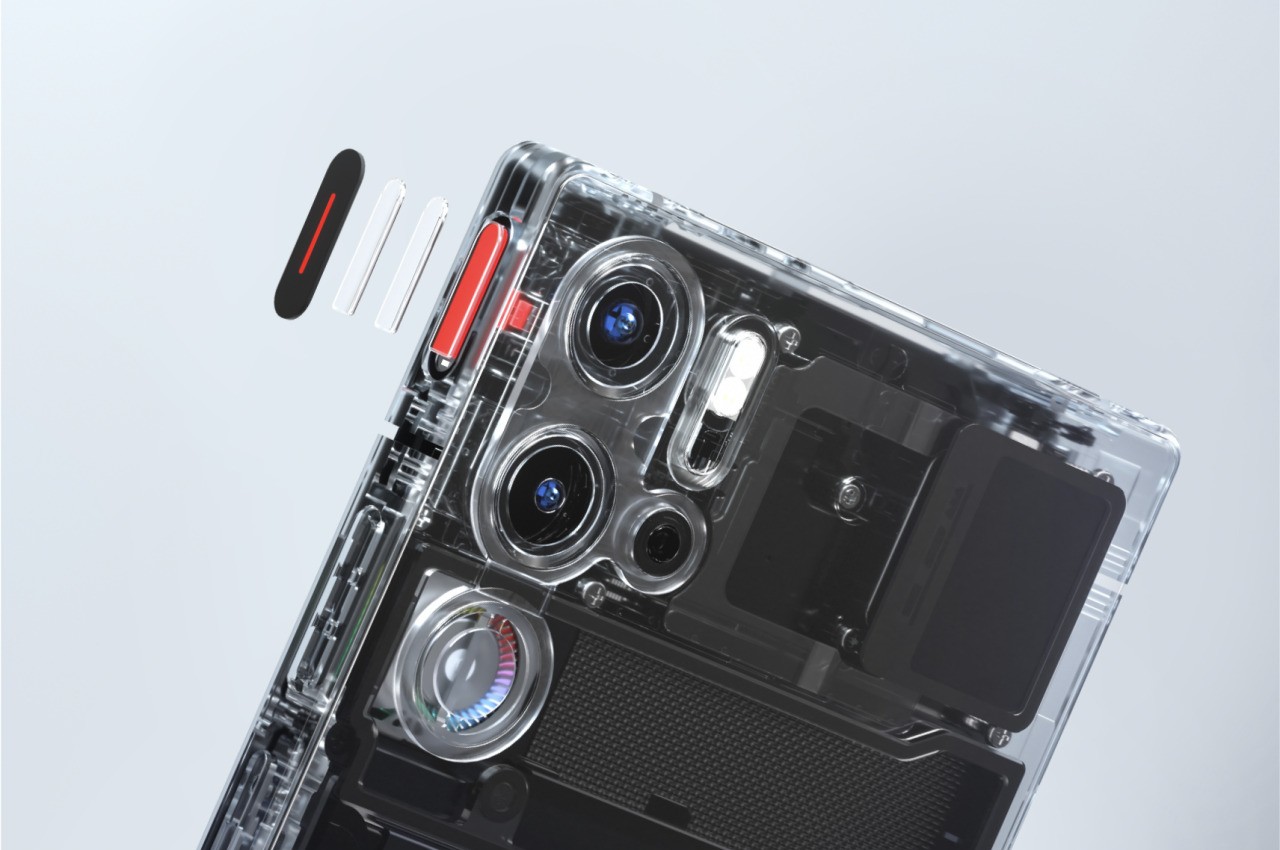
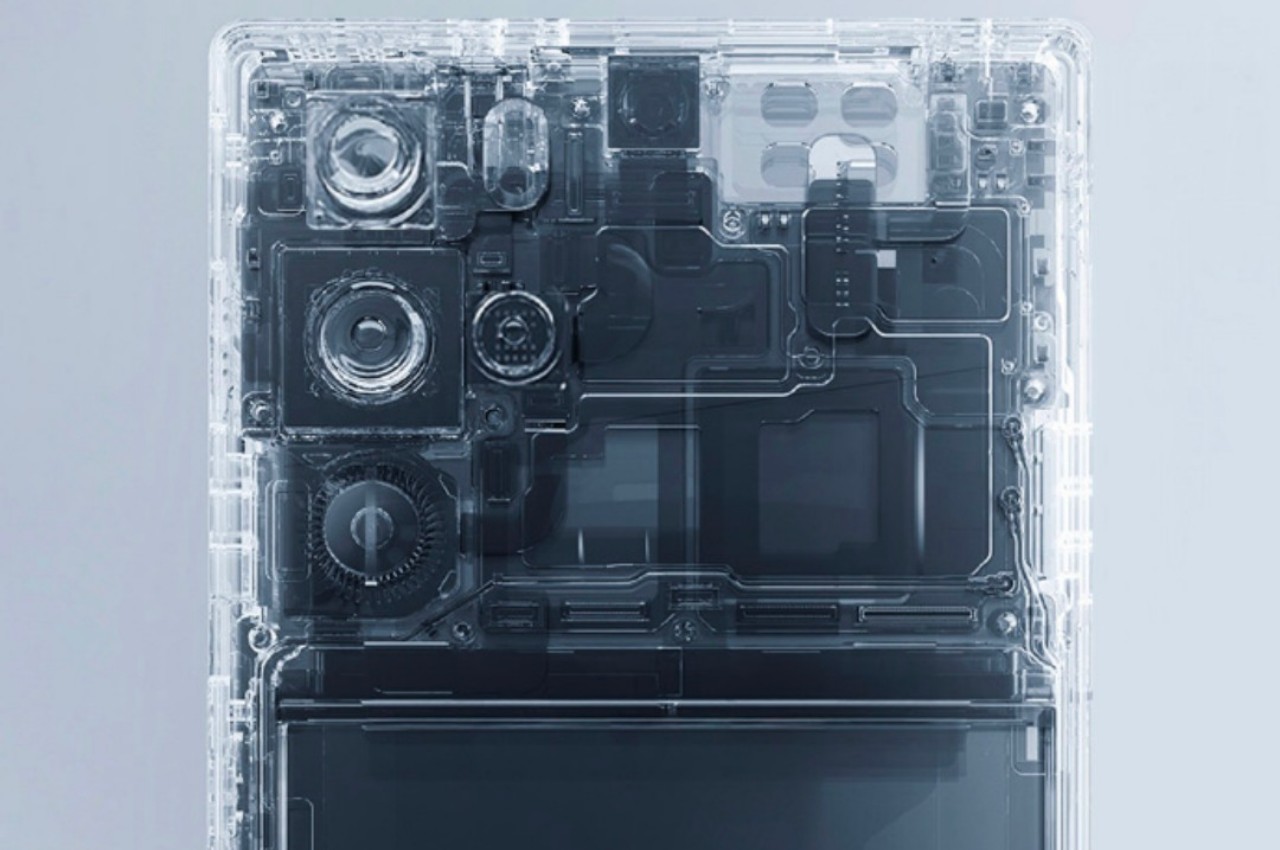
Most notable is the relocation of the cameras from the middle of the phone to the side, something that’s almost a standard across all smartphone designs. The camera bump is also gone, with the lenses sitting flush against the entire back. That does mean that the phone is a little bit thicker than most of its kind, but a hefty and beefy handset is already expected for a device that’s designed to be a heavy-duty gaming machine. The rather odd design change is that only two of the three big circles are actually cameras, with the third deceptively hiding the cooling fan. The third camera is off to the side, though having a 2MP depth sensor makes it almost negligible.
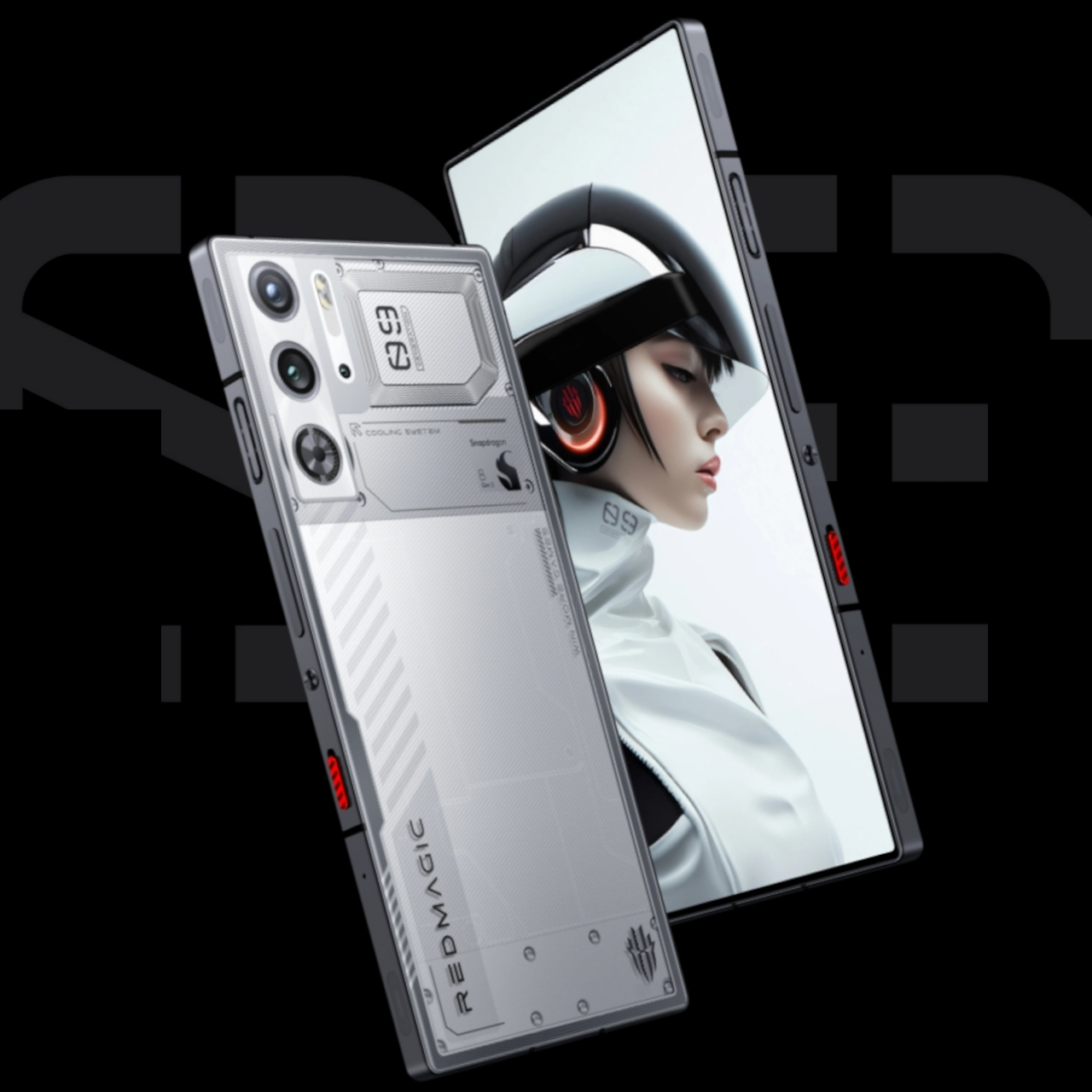
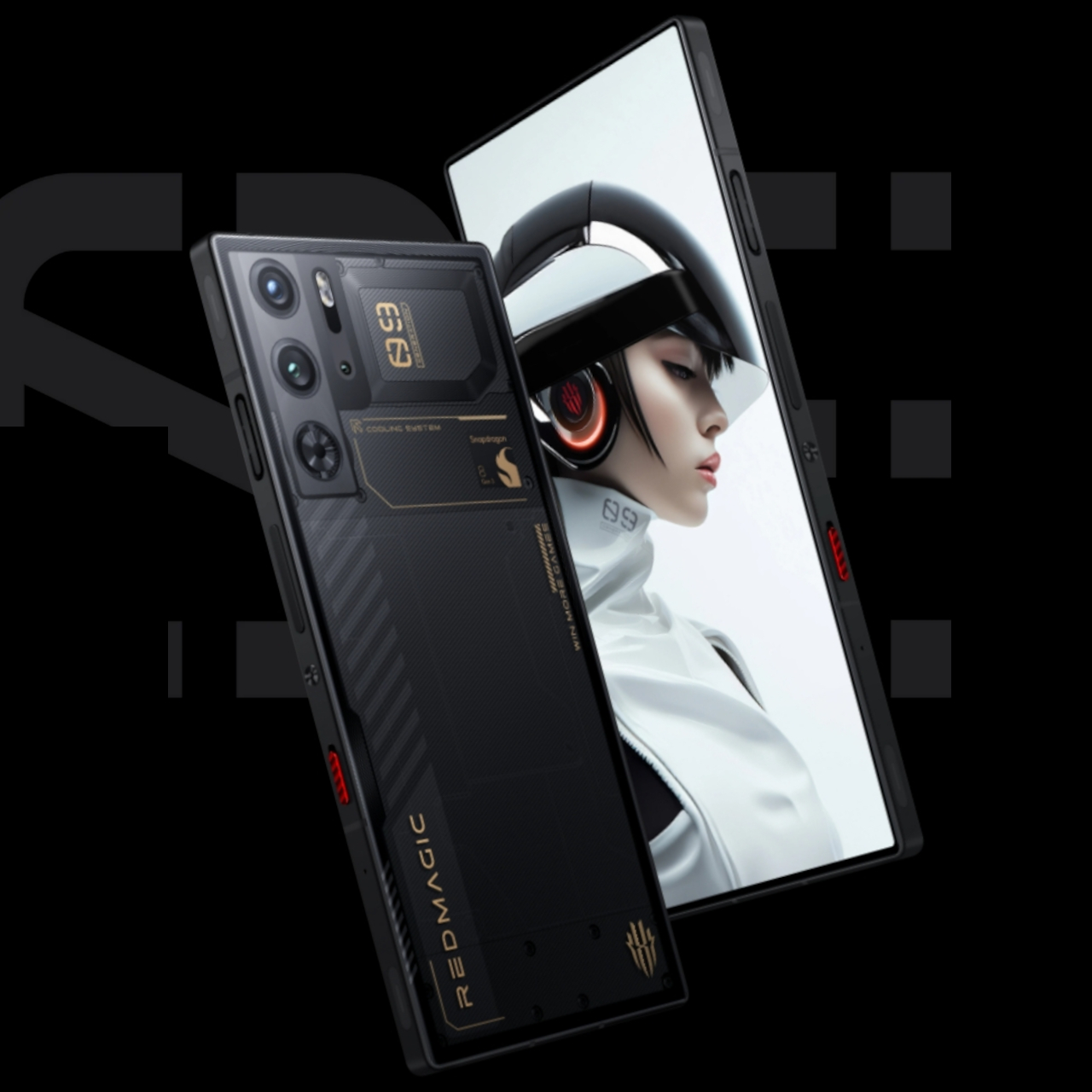
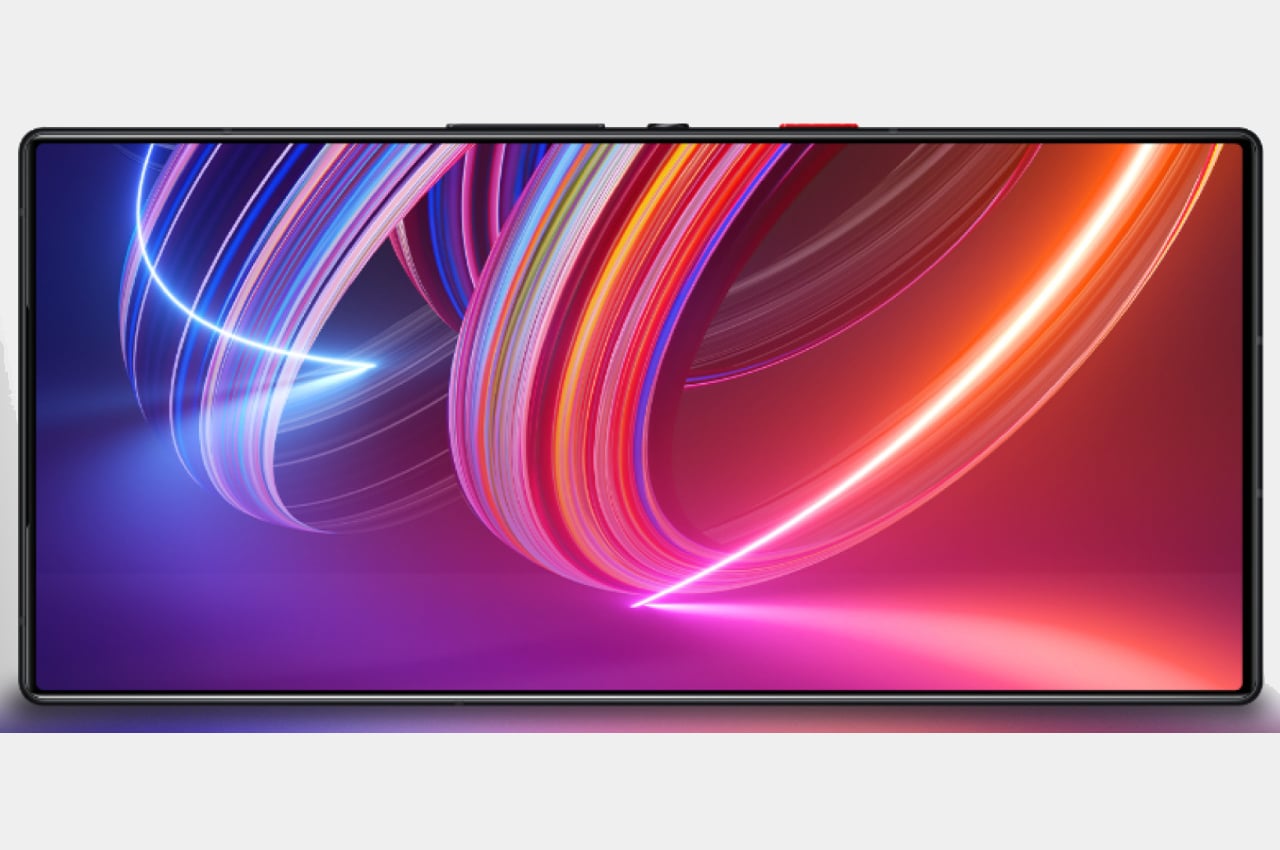
The rest of the RedMagic 9 Pro has a similar vibe to its predecessor, with lines and shapes on the back that give the semblance of panels that cover futuristic machines like ships, robots, and similar. For those who prefer a more subtle appearance, the Sleek model has an aesthetic closer to the typical black smartphones, masking its identity for more discreet uses. The front still has an under-display camera, which means there’s nothing visually breaking the large screen.
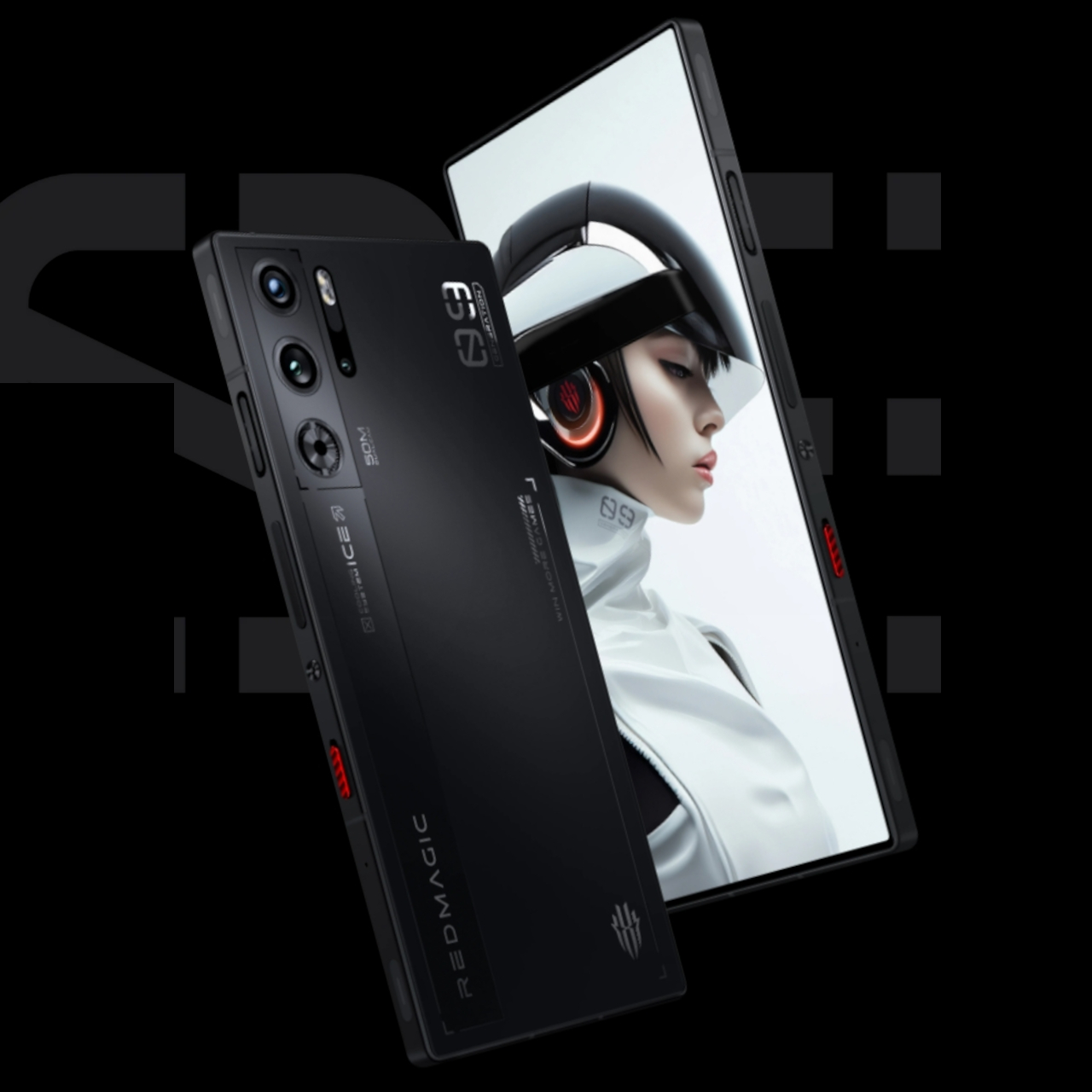
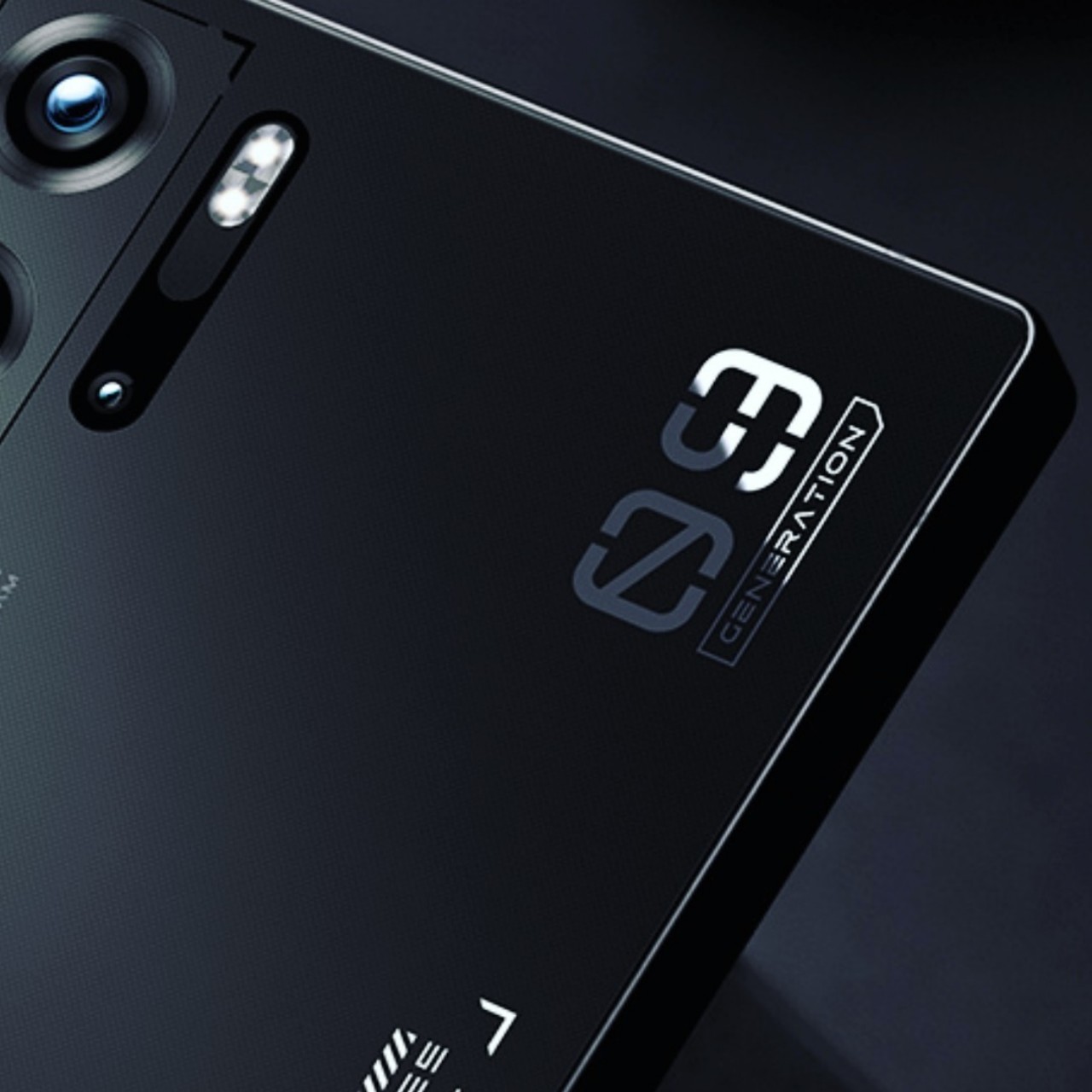
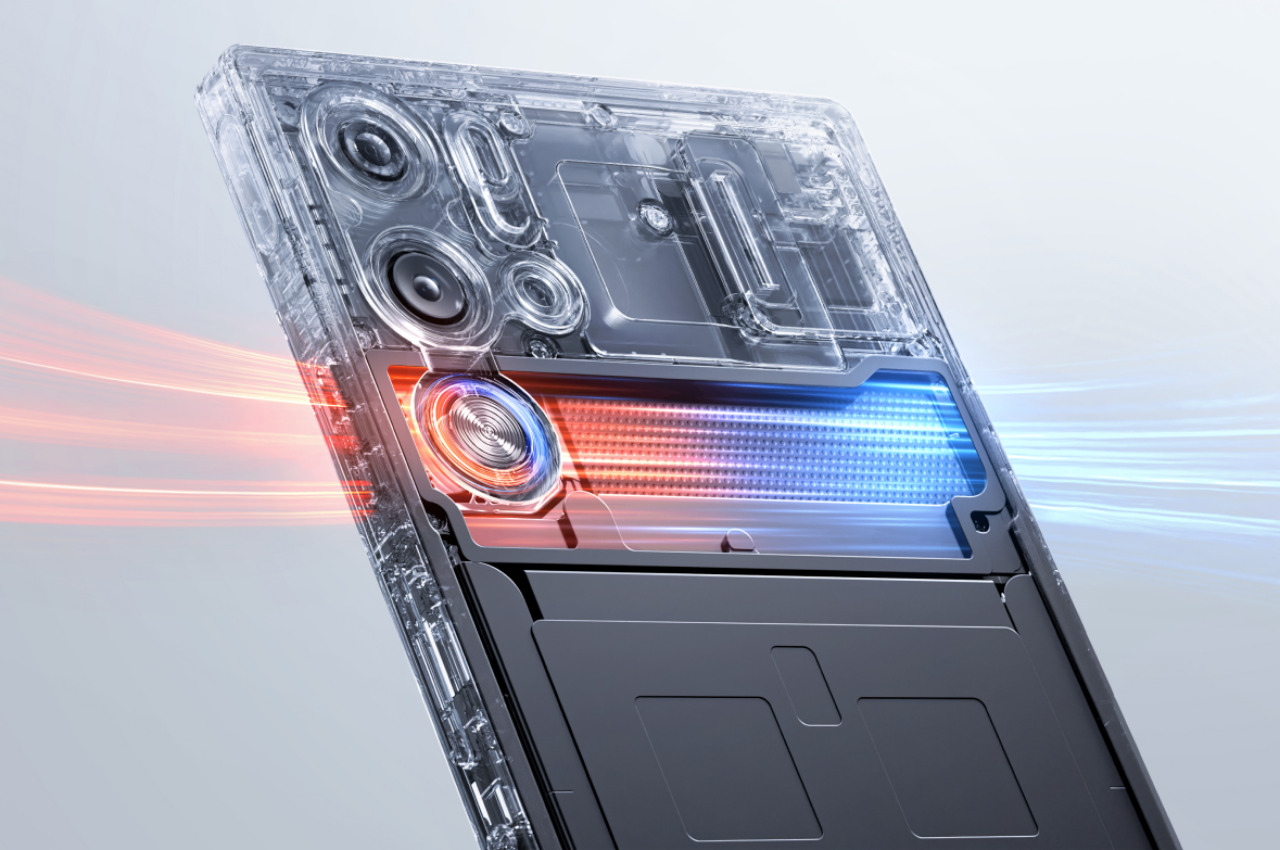
There’s also still that miniature cooling fan, one of the brand’s gimmicks to help keep things cool and prevent the phone from throttling its performance. It may be effective to some degree, but the price that is paid is having no dust or water resistance guarantee. With a more efficient Qualcomm Snapdragon 8 Gen 3 processor and a newer “ICE 13 Multi-Dimensional” cooling system, such a fan might no longer be needed and is becoming more of a liability than a selling point in the long run.
The post nubia RedMagic 9 Pro gaming phone arrives with a new design, same tiny fan first appeared on Yanko Design.

How to Find Plane Tickets on Google Flights

google flights

This guide is designed to show you how to find plane tickets with the help of Google Flights.  In the age of instant gratification, booking flights online has become the norm. But with a plethora of options at your fingertips, navigating the world of airfare can be overwhelming. Fear not, intrepid traveler! Google Flights comes […]

The post How to Find Plane Tickets on Google Flights appeared first on Geeky Gadgets.

Posted in Uncategorized | Tagged

Meta’s automated tools removed Israel-Hamas war content that didn’t break its rules

Meta's Oversight Board has published its decision for its first-ever expedited review, which only took 12 days instead of weeks, focusing on content surrounding the Israel-Hamas war. The Board overturned the company's original decision to remove two pieces of content from both sides of the conflict. Since it supported Meta's subsequent move to restore the posts on Facebook and Instagram, no further action is expected from the company. However, the Board's review cast a spotlight on how Meta's reliance on automated tools could prevent people from sharing important information. In this particular case, the Board noted that "it increased the likelihood of removing valuable posts informing the world about human suffering on both sides of the conflict in the Middle East."

For its first expedited review, the Oversight Board chose to investigate two particular appeals that represent what the users in the affected region have been submitting since the October 7th attacks. One of them is a video posted on Facebook of a woman begging her captors not to kill her when she was taken hostage during the initial terrorist attacks on Israel. The other video posted on Instagram shows the aftermath of a strike on the Al-Shifa Hospital in Gaza during Israel’s ground offensive. It showed dead and injured Palestinians, children included.

The Board’s review found that the two videos were mistakenly removed after Meta adjusted its automated tools to be more aggressive in policing content following the October 7 attacks. For instance, the Al-Shifa Hospital video takedown and the rejection of a user appeal to get it reinstated were both made without human intervention. Both videos were later restored with warning screens stating that such content is allowed for the purpose of news reporting and raising awareness. The Board commented that Meta “should have moved more quickly to adapt its policy given the fast-moving circumstances, and the high costs to freedom and access to information for removing this kind of content…” It also raised concerns that the company's rapidly changing approach to moderation could give it an appearance of arbitrariness and could put its policies in question.

That said, the Board found that Meta demoted the content it reinstated with warning screens. It excluded them from being recommended to other Facebook and Instagram users even after the company determined that they were intended to raise awareness. To note, a number of users had reported being shadowbanned in October after posting content about the conditions in Gaza.

The Board also called attention to how Meta only allowed hostage-taking content from the October 7 attacks to be posted by users from its cross-check lists between October 20 and November 16. These lists are typically made up of high-profile users exempted from the company’s automated moderation system. The Board said Meta’s decision highlights its concerns about the program, specifically its “unequal treatment of users [and] lack of transparent criteria for inclusion.” It said that the company needs “to ensure greater representation of users whose content is likely to be important from a human-rights perspective on Meta’s cross-check lists.”

“We welcome the Oversight Board’s decision today on this case. Both expression and safety are important to us and the people who use our services. The board overturned Meta’s original decision to take this content down but approved of the subsequent decision to restore the content with a warning screen. Meta previously reinstated this content so no further action will be taken on it,” the company told Engadget in a statement. “As explained in our Help Center, some categories of content are not eligible for recommendations and the board disagrees with Meta barring the content in this case from recommendation surfaces. There will be no further updates to this case, as the board did not make any recommendations as part of their decision.”

This article originally appeared on Engadget at https://www.engadget.com/oversight-board-says-metas-automated-tools-took-down-israel-hamas-war-content-that-didnt-break-its-rules-110034154.html?src=rss

ViewSonic M10 portable laser projector

portable laser projector

ViewSonic has announced the introduction of the M10 portable RGB laser projector. The projector is equipped with advanced RGB laser technology to offer high-quality image and sound in a mobile format.  The M10’s use of advanced RGB laser technology is pivotal to its standout performance. Unlike conventional laser projectors that utilize a single laser light […]

The post ViewSonic M10 portable laser projector appeared first on Geeky Gadgets.

Google’s multi-state lawsuit settlement will cost it $700 million

On top of fighting (and losing to) Epic Games over Play Store antitrust concerns, Google has been fighting a similar lawsuit filed by 36 states and the District of Columbia in 2021. A settlement for that suit was announced in September, but a judge still had to confirm the terms. Now, Google has announced that it will pay a $700 million fine and make what amounts to fairly minor changes to the Play Store. 

Of that sum, Google will distribute $630 million to consumers who may have overpaid for apps or in-app purchases on Google Play (after taxes, lawyers’ fees, etc.). That covers around 102 million people, according to The Washington Post. It will also pay $70 million into a "fund that will be used by the states," according to Google's blog. 

The other major change is that Google must allow developers to steer consumers toward sideloading to avoid Google's Play Store fees on subscriptions and the like. It'll do that via updated "language that informs users about these potential risks of downloading apps directly from the web for the first time." However, these actions will be time limited to seven years for the sideloading and five years for the updated language, according to settlement's wording spotted by The Verge

Google will also include language stating that "OEMs can continue to provide users with options out of the box to use Play or another app store." Starting with Android 14, third-party stores will be allowed to handle future app updates, including automatic installs. It's also expanding user choice billing that will allow Android apps and games to offer their own payment system in the US. "Developers are also able to show different pricing options within the app when a user makes a digital purchase," Google states. 

The company will only be required to make these changes for five or six years maximum (seven years for alternate means to download apps). In other words, it could feasibly cut off access to sideloading or third-party app stores after that point, or make it harder for the average consumer to find the option. 

Another big thing missing is exterior payment links. "Google is not required to allow developers to include links that take a User outside an app distributed through Google Play to make a purchase," the settlement agreement reads. 

The settlement sum represents a miniscule portion of Google's turnover and the other terms are relatively minor changes over what it already does. It also doesn't include Epic Games, which won its own lawsuit against Google earlier this month (Google has vowed to appeal). A court still needs to formally approve the states' settlement.  

Google also argued at its Epic trial that consumers were able to get games by sideloading and other means, but that failed to sway the jury. When the settlement with the states was announced in September, Epic CEO Tim Sweeny said that if it "left the Google tax in place" his company would fight on. "Consumers only benefit if antitrust enforcement not only opens up markets, but also restores price competition," he said at the time.

This article originally appeared on Engadget at https://www.engadget.com/googles-multi-state-lawsuit-settlement-will-cost-it-700-million-103512109.html?src=rss

DOOM FPS game celebrates its 30th birthday

DOOM FPS game turns 30th

In the world of video gaming, certain titles stand the test of time, becoming more than just games; they evolve into icons. This month the iconic DOOM game celebrates its 30th birthday, since its launch on December 10, 1993. As we celebrate the 30th anniversary of DOOM, a game that revolutionized the industry, you’ll be […]

The post DOOM FPS game celebrates its 30th birthday appeared first on Geeky Gadgets.

Nubia Red Magic 9 Pro launches internationally

Nubia Red Magic 9 Pro

The Nubia Red Magic 9 Pro smartphone was launched in China last month and now the handset is being launched internationally, the device is launching in the USA and Europe and it features a 6.8 inch AMOLED display that has a resolution of 2480 x 1116 pixels. The handset is powered by a Qualcomm Snapdragon […]

The post Nubia Red Magic 9 Pro launches internationally appeared first on Geeky Gadgets.

CircuitPython 9.0.0 Alpha 6 released

CircuitPython 9.0.0 Alpha 6 released

The world of microcontroller programming is abuzz with the recent release of CircuitPython 9.0.0-alpha.6. This alpha release is a significant step forward for the open-source Python environment, designed for use with microcontrollers and single-board computers. Though it still contains known bugs and is due for further enhancements before the final release, this version brings a […]

The post CircuitPython 9.0.0 Alpha 6 released appeared first on Geeky Gadgets.

Hackers release footage from upcoming Wolverine game and 1.3 million other stolen files

On December 12, Rhysida, a ransomware group, announced it had taken 1.67 terabytes of data — over 1.3 million files — from Sony's Insomniac Games and requested $2 million. Now, the one-week deadline for Insomniac Games to pay Rhysida has passed, and the group has made good on its threat to release the stolen information, Cyber Daily reports.

The data includes internal HR documents, screenshots of employees' Slack conversations, and more, but the main focus is the yet-to-be-released Wolverine video game. The released files contain details about level design, characters and actual screenshots from the game. There's also a signed publishing agreement between Sony and Marvel that lays out three upcoming X-Men games, the first being Wolverine, with the other two still unnamed. However, it details that Sony — which plans to spend $120 million per game — must release Wolverine by September 1, 2025, with the others due by the end of 2029 and 2033, respectively. 

Rhysida claims that it took the group only 20 to 25 minutes to get the domain administrator and that money was their sole motivation. "We knew that developers making games like this would be an easy target," a Rhysida spokesperson told Cyber Daily. "Sony has launched an investigation, but it would be better in the backyard."

Notably, Rhysida's initial ransom notice allowed anyone to bid on the data, not just Insomniac Games, and it appears some of it was bought. The ransomware group stated that any unsold data was released — but only 98 percent of stolen information is publicly available. Rhysida stipulated that any data purchased must not be resold, but who knows if the new owners will follow that rule.

Rhysida only targeted Insomniac Games within Sony, but in May, a separate attack gained access to 6,800 current and former employees' personal data. The attack, which ransomware group CLOP took credit for, became public knowledge in October.

This article originally appeared on Engadget at https://www.engadget.com/insomniac-games-hackers-leak-13-million-files-after-demanding-2-million-ransom-102134429.html?src=rss