Like many other multiplayer games, Overwatch 2isn't immune from cheaters. And it's not only an issue on PC, where cheaters use tools like aimbots. Some folks use XIM devices so they can play with a keyboard and mouse (KBM) on consoles. This is against Blizzard's rules, as KBM players typically have an aim advantage over those who use a controller, even though the console versions of the game have features like aim assist. While it's taken some time to get the ball rolling, the developer is finally doing something about the XIM problem.
XIM devices trick consoles into believing that KBM users are playing with a controller. However, in a blog post, Blizzard says it has been able to detect KBM players on consoles over the last few Overwatch 2 seasons. It has found that the cheating problem is more prevalent among higher ranked players. The developers say that use of so-called unapproved peripherals is "very rare" in lower ranks.
During the current season (which started this week), Blizzard will dish out permanent bans to the most extreme users of unapproved peripherals. It will rely on reports from other players and its own data to pinpoint those who are breaking the rules.
Starting in Season 11, which should get underway in June, the developers will tackle the issue at a broader level. The first time a console player is detected using an unapproved device on consoles, they'll be banned from Competitive modes for a week. If they keep using KBM or other unapproved peripherals in casual modes, they'll get a season-long Competitive suspension, only have the option of playing with other KBM users in Quick Play and lose access to aim assist features. It's all in the name of fairness.
There are accessibility concerns here, though, as some folks simply can't play games with a standard controller. Blizzard says that it has done its "utmost to ensure that players with accessibility needs will be less likely to trigger our detection." The developers say they will tailor their enforcement actions so that folks with accessibility needs can still land a sick Earthshatter or keep healing their teammates.
With all that said, Blizzard is looking into adding official KBM support on consoles so folks can play the game that way without negatively impacting controller players. As things stand, console and PC players are separated into separate pools for Competitive play. So to make things fair, Blizzard would need to shuffle console players who want to use a keyboard and mouse into games with other KBM players and no aim assist.
Blizzard is doing more on other fronts to try to keep Overwatch 2 fair and more enjoyable for the majority of players. It's punishing those who leave in the middle of matches more severely and taking a stronger stance on toxicity in voice and text chat.
Meanwhile, there's been a kerfuffle this week related to Overwatch 2 players being banned for using profanity. Those who use slurs or threaten others should obviously face appropriate consequences, but apparently booting out players from a game that has profanity filters for some slightly spicy trash talk is some kind of BS.
This article originally appeared on Engadget at https://www.engadget.com/blizzard-takes-aim-at-overwatch-2-console-cheaters-203923200.html?src=rss
Amazon appears to have nixed its Prime Video-only plan in the US and UK. Cord Bustersreports that the little-known subscription, introduced in 2016, is no longer available to new users in either country. Those trying to sign up for the previously $8.99 monthly plan (£5.99 monthly in the UK) are now directed to the landing page for a full Amazon Prime membership.
The Prime Video plan launched eight years ago, priced to undercut Netflix’s (at the time) $9.99-a-month subscription price for standard HD streaming on up to two devices. Although the option stuck around for close to a decade, Amazon increasingly buried it, making it impossible to sign up for on mobile devices. It was also increasingly difficult to find on desktops, where you had to navigate to an easy-to-miss “See more plans” section of the Prime sign-up page.
The Prime Video plan never even got a price increase during that time, further illustrating how obscure Amazon apparently wanted it to remain. Now, it appears to be gone for good. Cord Busters says it was recently removed in the US and axed from Amazon UK earlier this week.
Your subscription should still work if you’re already on the Prime Video-only plan. But if you cancel it or switch to the full Prime membership, don’t expect to see an option to return to it.
Engadget reached out to Amazon to ask about the change. We’ll update this article if we hear back.
This article originally appeared on Engadget at https://www.engadget.com/amazon-no-longer-offers-its-easy-to-miss-prime-video-subscription-201931193.html?src=rss
Children of the Sun burst onto the indie scene like a muzzle flash on a dark night. Publisher Devolver Digital dropped the game’s first trailer on February 1, showcasing frenzied sniper shots and a radioactive art style. A Steam demo highlighting its initial seven stages went live that same day and became a breakout hit during February’s Steam Next Fest. Two months later it landed in full and to broad acclaim. This explosive reveal and rapid release timeline mirrors the game itself — chaotic but contained, swift and direct, sharp and bright.
Though it feels like Children of the Sun popped into existence over the span of two months, it took solo developer René Rother more than 20 years to get here.
René Rother
As a kid in Berlin in the early 2000s, Rother was fascinated by the booming mod community. He spent his time messing around with free Counter-Strike mapping tools and Quake III mods from the demo discs tucked into his PC magazines. Rother daydreamed about having a job in game development, but it never felt like an attainable goal.
“It just didn't seem possible to make games,” he told Engadget. “It's like it was this huge black box.”
Rother couldn’t see an easy entry point until the 2010s, when mesh libraries and tools like GameMaker and Unity became more accessible. He discovered a fondness for creating 3D interactive art. But aside from some free online Javascript courses, he didn’t know how to program anything, so his output was limited.
“I dabbled into it a little bit, but then got kicked out. Again,” Rother said. “It was just like the whole entrance barrier was so big.”
René Rother
Rother pursued graphic design at university and he found the first two years fulfilling, with a focus on classical art training. By the end of his schooling, though, the lessons covered practical applications like working with clients, and Rother’s vision of a graphic design career smashed into reality.
“There was an eye-opening moment where I felt like, this is not for me,” Rother said.
In between classes, Rother was still making games for himself and for jams like Ludum Dare, steadily building up his skillset and cementing his reputation in these spaces as a master of mood.
“Atmospheric kind of pieces, walking simulators,” Rother said, recalling his early projects. “Atmosphere was very interesting to me to explore. But I never thought that it was actually something that could turn into a game. I never thought that it would become something that can be sold in a way that it's actually a product.”
René Rother
By the late 2010s Rother decided he was officially over graphic design and ready to try a job in game development. He applied to a bunch of studios and, in the meantime, picked up odd jobs at a supermarket and as a stagehand, setting up electronics. He eventually secured a gig as a 3D artist at a small studio in Berlin. Meanwhile, his pile of game jam projects and unfinished prototypes continued to grow.
“In that timeframe, Children of the Sun happened,” Rother said.
In Children of the Sun, players are The Girl, a woman who escaped the cult that raised her and is now enacting sniper-based revenge on all of its cells, one bullet at a time. In each round, players line up their shot and then control a single bullet as it ricochets through individual cult members. The challenge lies in finding the most speedy, efficient and stylish path of death, earning a spot at the top of the leaderboards.
“It was just a random prototype I started working on,” Rother said. “And one Saturday morning I was thinking, ‘I don't know what I'm doing with my life.'” With an atmospheric prototype and a head full of ennui, Rother emailed Devolver Digital that same day about potentially publishing Children of the Sun.
“The response was basically, ‘The pitch was shit but the game looks cool,’” Rother said. “And then it became a thing.”
René Rother
Visually, Children of the Sun is dazzling. It has a sketchy 3D art style that’s covered in bruise tones, with dark treelines, glowing yellow enemies and layers of texture. Every scene looks like The Girl just took a hit of adrenaline and her senses are on high alert, lending a hectic sense of hyper-vigilance to the entire experience. It’s a game built on instinct.
“I didn't make any mood boards,” Rother said. “I didn't prepare [for] it. It was just like, oh, let's make it this color. Ah, let's make it this color…. This is something to very easily get lost in. I spent a lot of time just adjusting the color of grass so it works well with the otherwise purplish tones and these kinds of things. I spent way too much time on the colors.”
Children of the Sun went through multiple visual iterations where Rother played with contrast, depth, fog density and traditional FPS color palettes, before landing on the game’s dreamlike and neon-drenched final form. The residue of this trial and error is still visible beneath Children of the Sun’s frames, and that’s exactly how Rother likes it.
“I see it as a big compliment, actually,” he said. “In paintings, when we talk about visual art, I really like when you can see the brushstrokes. I like when you can still see the lines of the pencil before the painting got made. I like the roughness. I wanted everything to be rough. I didn't want it to be polished.”
Rother picked up the game’s soundtrack collaborator, experimental ambient composer Aidan Baker, the same way he hooked up with Devolver. Rother was a fan of Baker and his band Nadja, and he wanted a similar droning, slowcore vibe as a backdrop for Children of the Sun. On a whim, Rother sent Baker a casual message asking if he’d like to make music for a video game.
“He was like, ‘Well I've never done it, so I don't know,’” Rother remembered. “So we met one evening and then afterwards he was like, ‘Yeah, let's just do it.’ Instead of just emulating something that I like in the game, I somehow managed to get straight to the source of it. And that was a really nice experience.”
For Rother, Children of the Sun has been a lesson in trusting his gut. He hasn’t found the proper word in English or German to describe the atmosphere he created in the game, but it’s something close to melancholy, spiked with an intense coiled energy and bright, psychedelic clarity. He just knows that it feels right — visuals, music, mechanics and all.
“That's kind of how I live my life,” Rother said. “Not that I'm, like, super spontaneous or just flip-flopping around with opinions or these kinds of things. It's more about doing things that feel right to me without necessarily knowing why.”
When he booted up that Quake III demo disc and started making 3D vignettes for game jams, Rother didn’t realize he was building the path that would eventually lead him to a major publishing deal, a collaboration with a musician he admires, a big Steam release and a game about cult sniping called Children of the Sun. When Rother takes a moment to survey his current lot in life, he feels lucky, he said.
René Rother
“I feel like in the last three years, somehow, lots of things fell into my lap,” Rother said. “Although I still had to do something for it. I needed to be prepared for this moment, that required work.… But in the time where I prepared myself, I was not aware that I was preparing myself. So that's how the feeling of luck gets amplified a bit more.”
“Luck” is one way to describe it, but “artistic instinct” might be just as fitting. Children of the Sun is available now on Steam for $15.
This article originally appeared on Engadget at https://www.engadget.com/it-took-20-years-for-children-of-the-sun-to-become-an-overnight-success-194511363.html?src=rss
Children of the Sun burst onto the indie scene like a muzzle flash on a dark night. Publisher Devolver Digital dropped the game’s first trailer on February 1, showcasing frenzied sniper shots and a radioactive art style. A Steam demo highlighting its initial seven stages went live that same day and became a breakout hit during February’s Steam Next Fest. Two months later it landed in full and to broad acclaim. This explosive reveal and rapid release timeline mirrors the game itself — chaotic but contained, swift and direct, sharp and bright.
Though it feels like Children of the Sun popped into existence over the span of two months, it took solo developer René Rother more than 20 years to get here.
René Rother
As a kid in Berlin in the early 2000s, Rother was fascinated by the booming mod community. He spent his time messing around with free Counter-Strike mapping tools and Quake III mods from the demo discs tucked into his PC magazines. Rother daydreamed about having a job in game development, but it never felt like an attainable goal.
“It just didn't seem possible to make games,” he told Engadget. “It's like it was this huge black box.”
Rother couldn’t see an easy entry point until the 2010s, when mesh libraries and tools like GameMaker and Unity became more accessible. He discovered a fondness for creating 3D interactive art. But aside from some free online Javascript courses, he didn’t know how to program anything, so his output was limited.
“I dabbled into it a little bit, but then got kicked out. Again,” Rother said. “It was just like the whole entrance barrier was so big.”
René Rother
Rother pursued graphic design at university and he found the first two years fulfilling, with a focus on classical art training. By the end of his schooling, though, the lessons covered practical applications like working with clients, and Rother’s vision of a graphic design career smashed into reality.
“There was an eye-opening moment where I felt like, this is not for me,” Rother said.
In between classes, Rother was still making games for himself and for jams like Ludum Dare, steadily building up his skillset and cementing his reputation in these spaces as a master of mood.
“Atmospheric kind of pieces, walking simulators,” Rother said, recalling his early projects. “Atmosphere was very interesting to me to explore. But I never thought that it was actually something that could turn into a game. I never thought that it would become something that can be sold in a way that it's actually a product.”
René Rother
By the late 2010s Rother decided he was officially over graphic design and ready to try a job in game development. He applied to a bunch of studios and, in the meantime, picked up odd jobs at a supermarket and as a stagehand, setting up electronics. He eventually secured a gig as a 3D artist at a small studio in Berlin. Meanwhile, his pile of game jam projects and unfinished prototypes continued to grow.
“In that timeframe, Children of the Sun happened,” Rother said.
In Children of the Sun, players are The Girl, a woman who escaped the cult that raised her and is now enacting sniper-based revenge on all of its cells, one bullet at a time. In each round, players line up their shot and then control a single bullet as it ricochets through individual cult members. The challenge lies in finding the most speedy, efficient and stylish path of death, earning a spot at the top of the leaderboards.
“It was just a random prototype I started working on,” Rother said. “And one Saturday morning I was thinking, ‘I don't know what I'm doing with my life.'” With an atmospheric prototype and a head full of ennui, Rother emailed Devolver Digital that same day about potentially publishing Children of the Sun.
“The response was basically, ‘The pitch was shit but the game looks cool,’” Rother said. “And then it became a thing.”
René Rother
Visually, Children of the Sun is dazzling. It has a sketchy 3D art style that’s covered in bruise tones, with dark treelines, glowing yellow enemies and layers of texture. Every scene looks like The Girl just took a hit of adrenaline and her senses are on high alert, lending a hectic sense of hyper-vigilance to the entire experience. It’s a game built on instinct.
“I didn't make any mood boards,” Rother said. “I didn't prepare [for] it. It was just like, oh, let's make it this color. Ah, let's make it this color…. This is something to very easily get lost in. I spent a lot of time just adjusting the color of grass so it works well with the otherwise purplish tones and these kinds of things. I spent way too much time on the colors.”
Children of the Sun went through multiple visual iterations where Rother played with contrast, depth, fog density and traditional FPS color palettes, before landing on the game’s dreamlike and neon-drenched final form. The residue of this trial and error is still visible beneath Children of the Sun’s frames, and that’s exactly how Rother likes it.
“I see it as a big compliment, actually,” he said. “In paintings, when we talk about visual art, I really like when you can see the brushstrokes. I like when you can still see the lines of the pencil before the painting got made. I like the roughness. I wanted everything to be rough. I didn't want it to be polished.”
Rother picked up the game’s soundtrack collaborator, experimental ambient composer Aidan Baker, the same way he hooked up with Devolver. Rother was a fan of Baker and his band Nadja, and he wanted a similar droning, slowcore vibe as a backdrop for Children of the Sun. On a whim, Rother sent Baker a casual message asking if he’d like to make music for a video game.
“He was like, ‘Well I've never done it, so I don't know,’” Rother remembered. “So we met one evening and then afterwards he was like, ‘Yeah, let's just do it.’ Instead of just emulating something that I like in the game, I somehow managed to get straight to the source of it. And that was a really nice experience.”
For Rother, Children of the Sun has been a lesson in trusting his gut. He hasn’t found the proper word in English or German to describe the atmosphere he created in the game, but it’s something close to melancholy, spiked with an intense coiled energy and bright, psychedelic clarity. He just knows that it feels right — visuals, music, mechanics and all.
“That's kind of how I live my life,” Rother said. “Not that I'm, like, super spontaneous or just flip-flopping around with opinions or these kinds of things. It's more about doing things that feel right to me without necessarily knowing why.”
When he booted up that Quake III demo disc and started making 3D vignettes for game jams, Rother didn’t realize he was building the path that would eventually lead him to a major publishing deal, a collaboration with a musician he admires, a big Steam release and a game about cult sniping called Children of the Sun. When Rother takes a moment to survey his current lot in life, he feels lucky, he said.
René Rother
“I feel like in the last three years, somehow, lots of things fell into my lap,” Rother said. “Although I still had to do something for it. I needed to be prepared for this moment, that required work.… But in the time where I prepared myself, I was not aware that I was preparing myself. So that's how the feeling of luck gets amplified a bit more.”
“Luck” is one way to describe it, but “artistic instinct” might be just as fitting. Children of the Sun is available now on Steam for $15.
This article originally appeared on Engadget at https://www.engadget.com/it-took-20-years-for-children-of-the-sun-to-become-an-overnight-success-194511363.html?src=rss
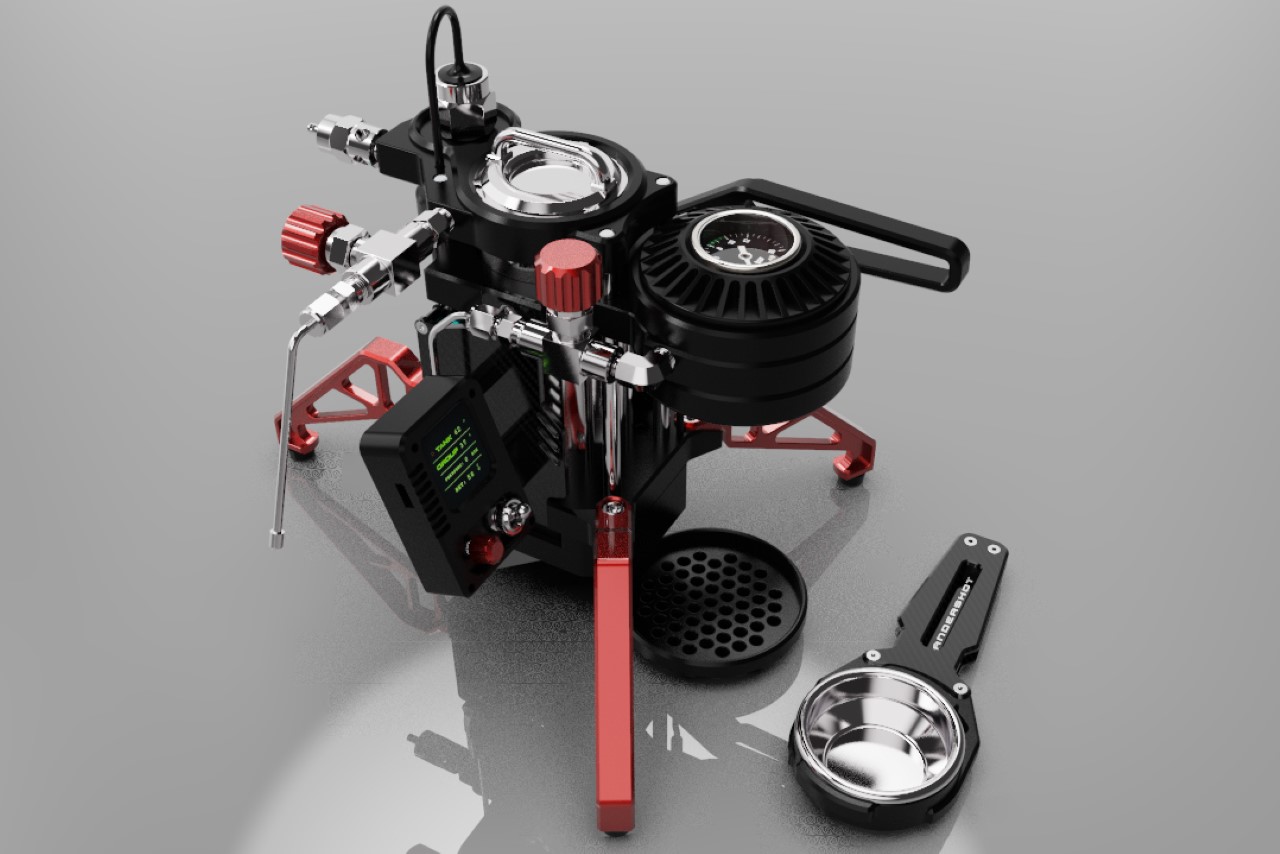
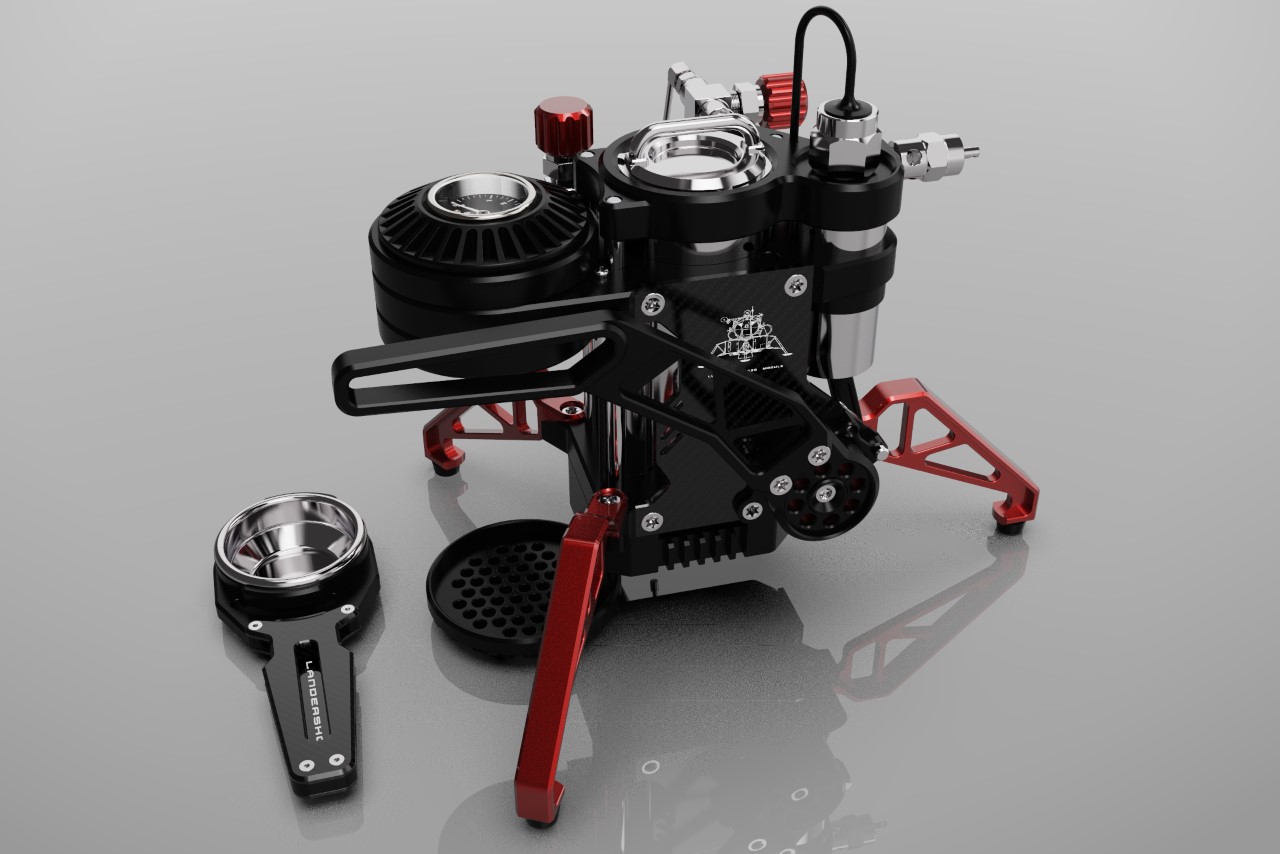
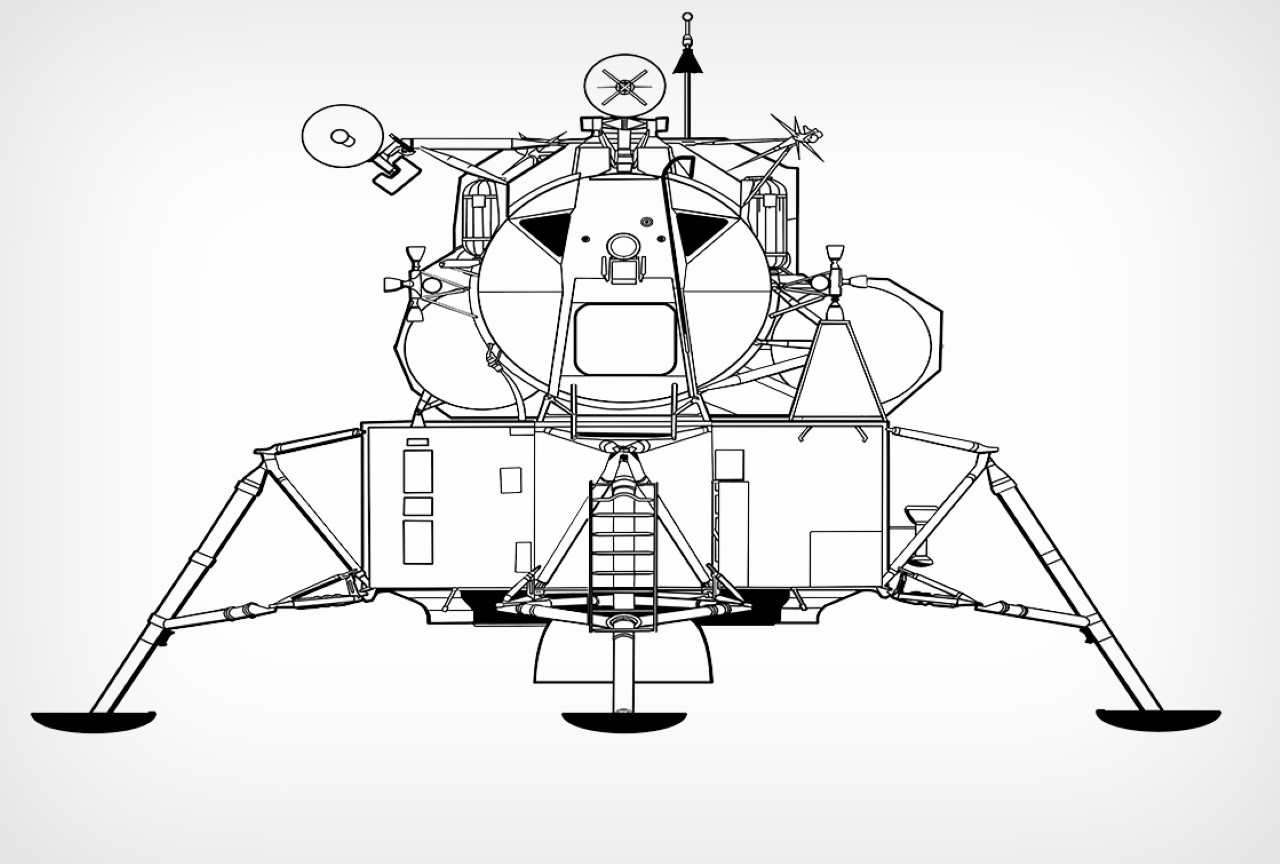
Imagine brewing your morning espresso in a machine that looks like it’s straight out of a mission control center. Made from sleek, space-grade aluminum and carbon fiber, the LanderShot Lunar Espresso Machine boasts a futuristic aesthetic that’s guaranteed to turn heads. But it’s not just about looks. Every detail, from the robust dials and gauges to the stainless steel plumbing, is meticulously designed for durability and precision.
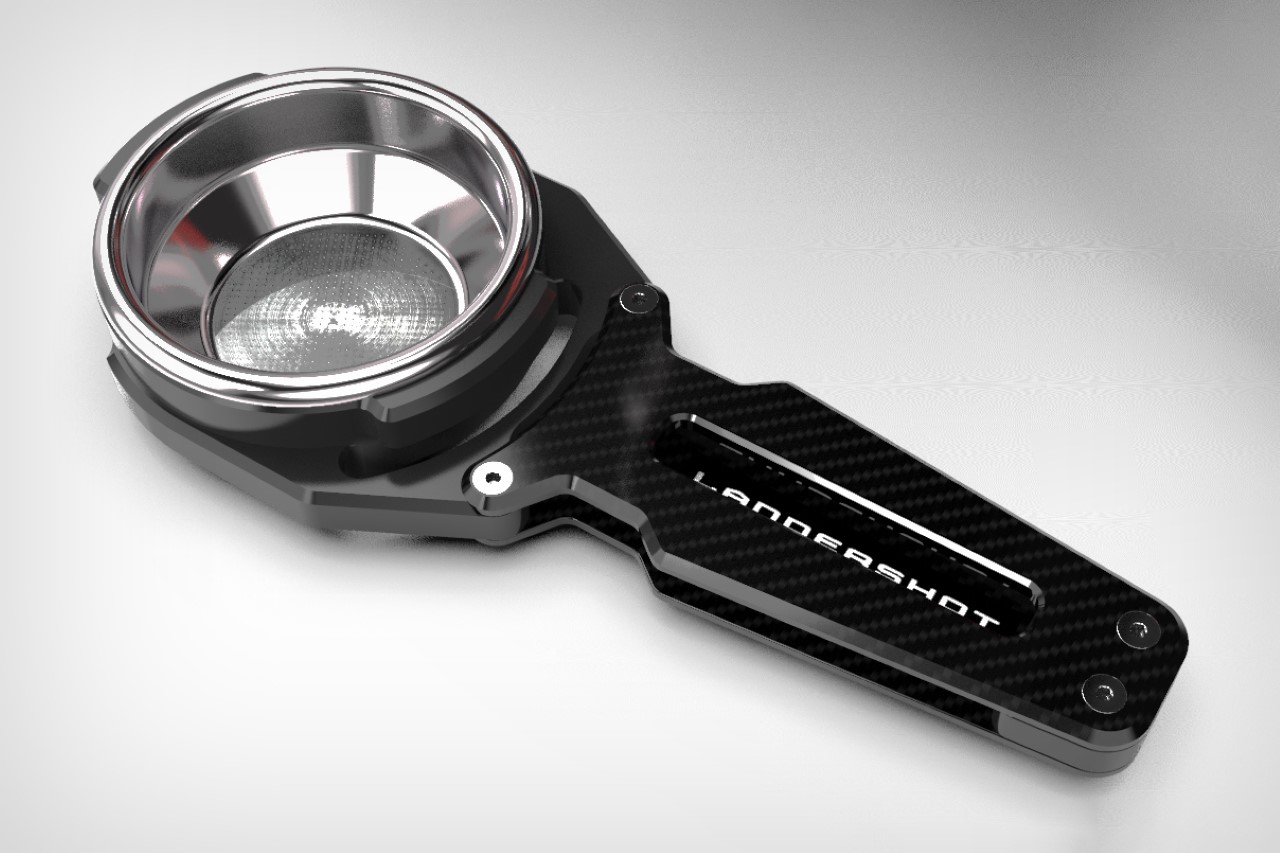
The LanderShot Lunar Espresso Module’s design is a breathtaking fusion of functionality and futuristic aesthetics. Machined from CNC-machined type III hard-coated 6061 aluminum and carbon fiber, it stands out with its robust and sleek chassis, ensuring durability while echoing the advanced engineering of spacecraft. Its premium components, including stainless steel plumbing and a reliable pump system, promise longevity and consistent performance, making every espresso shot a perfection of science in your cup.
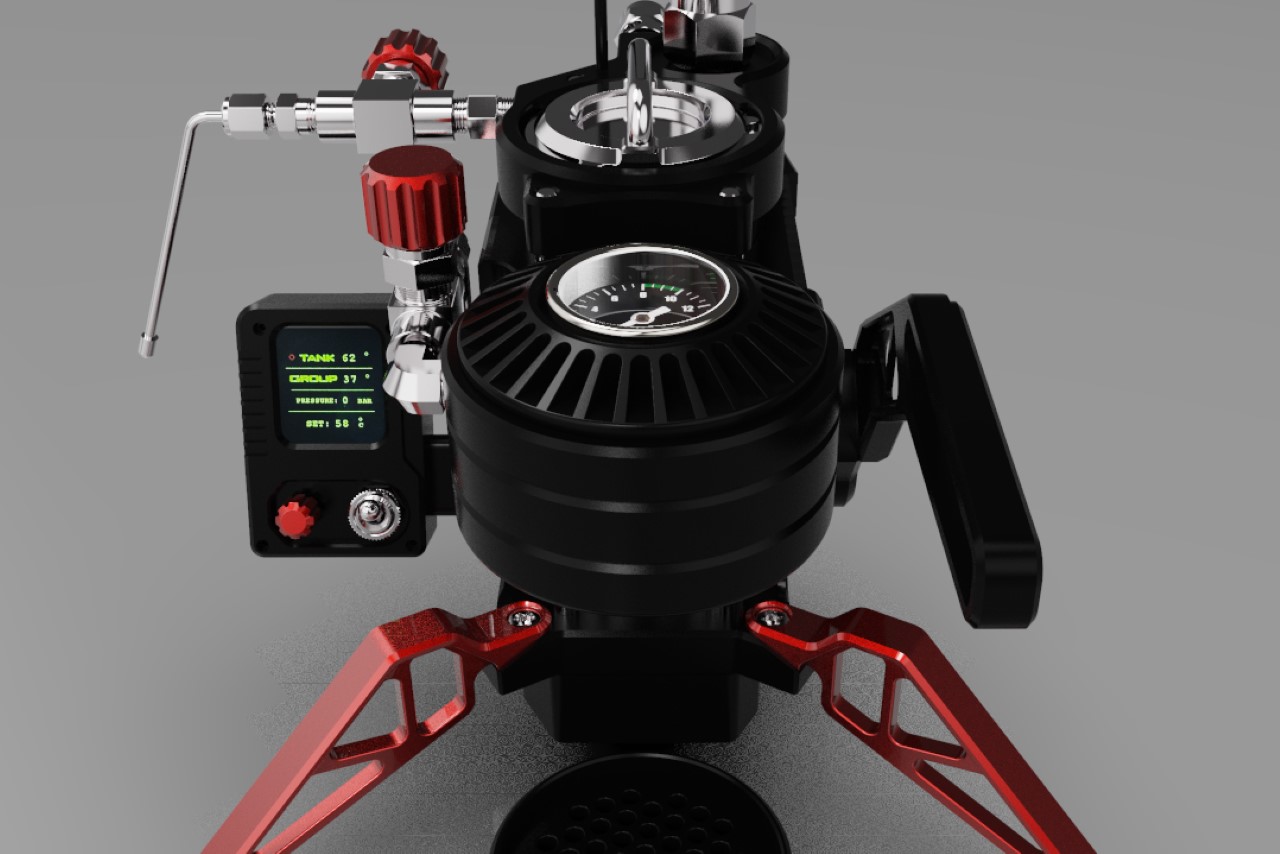
Control is a central theme of the LanderShot experience. This machine offers an engaging, hands-on approach to coffee brewing, reminiscent of piloting a lunar mission. From the tactile feel of its dials and switches to the precision of its analog gauges, users can manipulate every aspect of their espresso—pressure, temperature, and brewing duration. This control doesn’t just alter the taste; it transforms the brewing process into a deeply personal ritual, reflecting the individual’s preferences and the intricate dance of espresso extraction.
The technical specifications of the LanderShot are as impressive as its design. It features a PID-controlled temperature system that guarantees the optimal heat for brewing, a critical factor in achieving the perfect espresso. The machine can heat water from 20°C to 100°C in just three minutes, with a pressure reserve of about 10 bar during extraction, and includes a heat exchanger dial that allows for fine-tuning the brewing temperature. At its core, an Arduino Nano Every board oversees the machine’s precise control and monitoring, highlighting the blend of traditional coffee-making and modern technological innovation.
Not only is the LanderShot Lunar Espresso Module visually out-of-this-world, it also serves as an elegant addition to any interior. Its unique appearance and state-of-the-art features make it not just a tool for making espresso but a conversation piece that sparks interest and admiration among coffee enthusiasts and tech aficionados alike. The $2,395 price point may be a deterrent for most, but then again, if having a great coffee palate, an appreciation for space travel, and tonnes of ancestral wealth are traits that describe you perfectly, this espresso machine might just be the right pick for you.
Subscriptions to the budgeting app Quicken Simplifi are half off through April 21. The price has been brought down to just $2 per month, which is billed annually at $24. The deal also extends to Quicken Classic, which adds more features for investments and tracking taxes. This tier now costs $4 per month, instead of $8 per month. It’s also billed annually.
Quicken Simplifi is pretty much the budgeting app to beat all budgeting apps. There’s a reason, after all, that it topped our list of the best budgeting apps and our collection of the best apps to replace Mint. We’ve consistently praised the user-friendly interface that makes it easy to get started and keep an eye on things. Users have instantaneous access to various metrics, like top-line balances, net worth, recent spending, upcoming recurring payments and more.
We also loved how simple (pun intended) it is to set up customized savings goals and the like. The UI is clean, yet offers playful visualizations to keep things interesting. It integrates with most financial institutions, including Fidelity. Users can also invite a spouse or a financial manager to co-manage the account.
There’s no integration with Zillow, so people can’t track fluctuations in home value, which is something that competing apps like Monarch Money and Copilot Money offer. It requires manual entry of real estate information, just like any other asset. We also experienced some small errors during use, in which the app miscategorized some expenses, though this was in line with other products we tested. There’s no option for a free trial, so $2 per month is about as close as it gets. Just remember to cancel before the year is up if things don’t work out.
This article originally appeared on Engadget at https://www.engadget.com/quicken-simplifi-subscriptions-are-half-off-through-april-21-190006927.html?src=rss
Subscriptions to the budgeting app Quicken Simplifi are half off through April 21. The price has been brought down to just $2 per month, which is billed annually at $24. The deal also extends to Quicken Classic, which adds more features for investments and tracking taxes. This tier now costs $4 per month, instead of $8 per month. It’s also billed annually.
Quicken Simplifi is pretty much the budgeting app to beat all budgeting apps. There’s a reason, after all, that it topped our list of the best budgeting apps and our collection of the best apps to replace Mint. We’ve consistently praised the user-friendly interface that makes it easy to get started and keep an eye on things. Users have instantaneous access to various metrics, like top-line balances, net worth, recent spending, upcoming recurring payments and more.
We also loved how simple (pun intended) it is to set up customized savings goals and the like. The UI is clean, yet offers playful visualizations to keep things interesting. It integrates with most financial institutions, including Fidelity. Users can also invite a spouse or a financial manager to co-manage the account.
There’s no integration with Zillow, so people can’t track fluctuations in home value, which is something that competing apps like Monarch Money and Copilot Money offer. It requires manual entry of real estate information, just like any other asset. We also experienced some small errors during use, in which the app miscategorized some expenses, though this was in line with other products we tested. There’s no option for a free trial, so $2 per month is about as close as it gets. Just remember to cancel before the year is up if things don’t work out.
This article originally appeared on Engadget at https://www.engadget.com/quicken-simplifi-subscriptions-are-half-off-through-april-21-190006927.html?src=rss
For the second time this year, Meta has given the Quest 2 a permanent price cut. The company has dropped the price of the base headset with 128GB of storage to $199, down from $249. Until January 2, the company was charging $299 for the Quest 2.
Of course, the price cut comes in the wake of the company rolling out the far more powerful and capable Meta Quest 3, which starts at a far higher price of $499. The discount suggests that Meta is trying to get rid of its remaining inventory of the previous model. Still, the Quest 2 is our pick for the best cheap VR headset and the drop to $199 makes the device even more appealing.
For a couple of hundred bucks, you'll get a headset that has fast-switching LCD displays with a resolution of 1832x1920 per eye and a 90Hz refresh rate. It has a solid library of VR apps at this point, along with access to cloud gaming services like Xbox Cloud Gaming. However you slice it, the Quest 2 is a solid entry point into VR.
In addition, Meta recently lowered the prices of Quest 2 accessories. The Elite Strap and Elite Strap with Battery have both dropped by 50 percent to $25 and $45, respectively. The Fit Pack, which could help you find a more comfortable fit, has also fallen by half to $20. The official carrying case, meanwhile, is down from $45 to $20.
This article originally appeared on Engadget at https://www.engadget.com/meta-gives-the-quest-2-its-second-permanent-price-cut-in-four-months-184511096.html?src=rss
For the second time this year, Meta has given the Quest 2 a permanent price cut. The company has dropped the price of the base headset with 128GB of storage to $199, down from $249. Until January 2, the company was charging $299 for the Quest 2.
Of course, the price cut comes in the wake of the company rolling out the far more powerful and capable Meta Quest 3, which starts at a far higher price of $499. The discount suggests that Meta is trying to get rid of its remaining inventory of the previous model. Still, the Quest 2 is our pick for the best cheap VR headset and the drop to $199 makes the device even more appealing.
For a couple of hundred bucks, you'll get a headset that has fast-switching LCD displays with a resolution of 1832x1920 per eye and a 90Hz refresh rate. It has a solid library of VR apps at this point, along with access to cloud gaming services like Xbox Cloud Gaming. However you slice it, the Quest 2 is a solid entry point into VR.
In addition, Meta recently lowered the prices of Quest 2 accessories. The Elite Strap and Elite Strap with Battery have both dropped by 50 percent to $25 and $45, respectively. The Fit Pack, which could help you find a more comfortable fit, has also fallen by half to $20. The official carrying case, meanwhile, is down from $45 to $20.
This article originally appeared on Engadget at https://www.engadget.com/meta-gives-the-quest-2-its-second-permanent-price-cut-in-four-months-184511096.html?src=rss
If you watch movies and TV on a 1080p screen, the Chromecast with Google TV (HD) provides a rock-solid streaming experience on the cheap. This is the HD version of Engadget’s top choice for streaming devices. Today, Amazon has it for $10 off, letting you pick up the HDR10-capable streaming stick for only $20, nearly a record-low price.
The Chromecast with Google TV (HD) plugs directly into an open HDMI port on your TV. (There’s an optional power adapter with a USB cable if your TV can’t supply enough juice.) If you have a 4K television, you’re better off with the more expensive model designed for higher-res displays. But for HD screens, this model is hard to beat. It offers the same terrific user experience as the high-end model, only less expensive and downscaled for 1080p.
Setup is quick and easy. You scan a QR code with your phone to begin the sign-in process in the Google Home app. (That’s also where you add your Wi-Fi network.) So, you don’t need to worry about entering long email addresses and passwords using the remote and a clunky onscreen keyboard.
The device has relatively lightweight specs (1.5GB of RAM and an Amlogic S805X2 chip) that may reveal some nearly imperceptible lag when navigating the UI, especially right after startup. But it provides smooth performance when it matters most: playing content.
The software streamlines things as much as possible, including a Live tab that draws from a handful of streaming services to let you resume or jump into new content straight from the home screen. Google advertises support for over 700,000 movies and TV episodes, and you can install just about any streaming service you can name, including Netflix, Prime Video, Apple TV+, Max, Peacock, YouTube TV and much more.
Photo by Sam Rutherford / Engadget
The remote includes a built-in mic and a dedicated Google Assistant button. The latter lets you control TV content and smart home features with your voice. It also has standard IR integration, so you can control some of your TV’s essential functions and potentially leave its remote in a drawer.
If you don’t want to wait for Amazon’s shipping, Target has the same deal. If your local stores have them in stock, you could get instant gratification while saving five percent on your purchase if you check out using a Target RedCard.
This article originally appeared on Engadget at https://www.engadget.com/the-hd-chromecast-with-google-tv-is-on-sale-for-only-20-182333907.html?src=rss