Apple Black Friday deals: Get a four-pack of AirTags for a record-low price

Good deals on Apple products are generally harder to come by throughout the year than with other brands, but sale events are usually the best time to look around. And sure enough, for Black Friday, Apple’s AirTags are cheaper than ever. You can pick up a four-pack of these handy Bluetooth trackers for $63, a record low price, at Amazon and Walmart. Bear in mind that this deal brings the price per AirTag down to about $16 if you were to buy them individually, and when not on sale they usually cost $29.

If you use Apple devices and are prone to losing stuff, AirTags are the obvious choice of Bluetooth tracker to buy. Adding one to your account requires little more than a single tap, and with Apple’s Find My network offering such extensive coverage these days, it’s never been easier to find missing belongings.

Tracking down a still nearby misplaced item is as easy as using your iPhone to trigger a sound from the AirTag’s built-in speaker, or alternatively you can use Precision Finding to pinpoint its location through Find My. You just follow the instructions on your iPhone’s screen, paying attention to its vibrations as you get closer.

If you only need a single AirTag, they’re also on sale right now for $18, another record low. It works out a bit better as a deal if you purchase the four-pack, but if you just want to attach one to your keys or backpack, $65 might seem like a stretch. Just remember that AirTags can’t be attached to items right out of the box. You’ll need to add an accessory in order to turn one into a keyring, or even attach it to your pet’s collar.

This article originally appeared on Engadget at https://www.engadget.com/deals/apple-black-friday-deals-get-a-four-pack-of-airtags-for-a-record-low-price-161756513.html?src=rss

Our favorite action camera is up to 30 percent off with these Black Friday deals

Action cams make great gifts, or if you're a photographer, a solid addition to your kit. Black Friday deals usually mean you can pick up new cameras and accessories for less, and this year is no different. One of the best deals we've found is on the GoPro Hero 13 Black action cam, which is down to $310 for Black Friday. That's a discount of 23 percent or $90.

This model topped our list of the best action cameras, and for good reason. It's a fantastic device with all kinds of bells and whistles. It's the most versatile Hero camera that GoPro has ever made. There's a new family of modular lenses and it can shoot up to 5.3K and handle 2X optical zoom.

The battery is bigger than ever before and offers around 90 minutes of continuous shooting in 4K/30FPS. The camera is waterproof up to 10 millimeters, so don't worry about puddles. The full-color front screen is vivid and makes it easy to review footage without getting a computer involved.

There's no internal storage here, but it accepts microSD cards. There's a camera bundle on sale right now that includes a 64GB microSD, three batteries, a dual charger and a case. That pack costs $349, which is a discount of 30 percent.

This article originally appeared on Engadget at https://www.engadget.com/deals/our-favorite-action-camera-is-up-to-30-percent-off-with-these-black-friday-deals-160154682.html?src=rss

OnePlus 15: Snapdragon 8 Elite Gen 5 TESTED! (The New Performance King?)

OnePlus 15: Snapdragon 8 Elite Gen 5 TESTED! (The New Performance King?)

The OnePlus 15 establishes itself as a flagship smartphone tailored for power users and gaming enthusiasts, offering a combination of robust performance, exceptional battery life, and gaming-centric features. Priced at $899, it strikes a balance between premium hardware and software, catering to users with demanding needs. While its design and camera system may not transform […]

The post OnePlus 15: Snapdragon 8 Elite Gen 5 TESTED! (The New Performance King?) appeared first on Geeky Gadgets.

Posted in Uncategorized

Layer Just Built the AI Chair Remote Workers Need

There’s something quietly revolutionary happening in office furniture, and it doesn’t involve more buttons, levers, or adjustment knobs. LAYER, the London-based design studio founded by Benjamin Hubert, has partnered with Spanish furniture maker Andreu World to create Velo, a task chair that throws out the instruction manual and replaces it with something far more intuitive: material intelligence.

If you’ve ever sat in a high-end office chair, you know the drill. There are usually about seven different levers under the seat, each controlling a specific function, and you’re expected to become an amateur ergonomics expert just to sit comfortably. Tilt tension here, lumbar support there, armrest height, armrest width, seat depth. It’s exhausting before you even start working. Velo takes a different approach entirely, one that feels almost obvious once you experience it.

Designer: LAYER x Andreu World

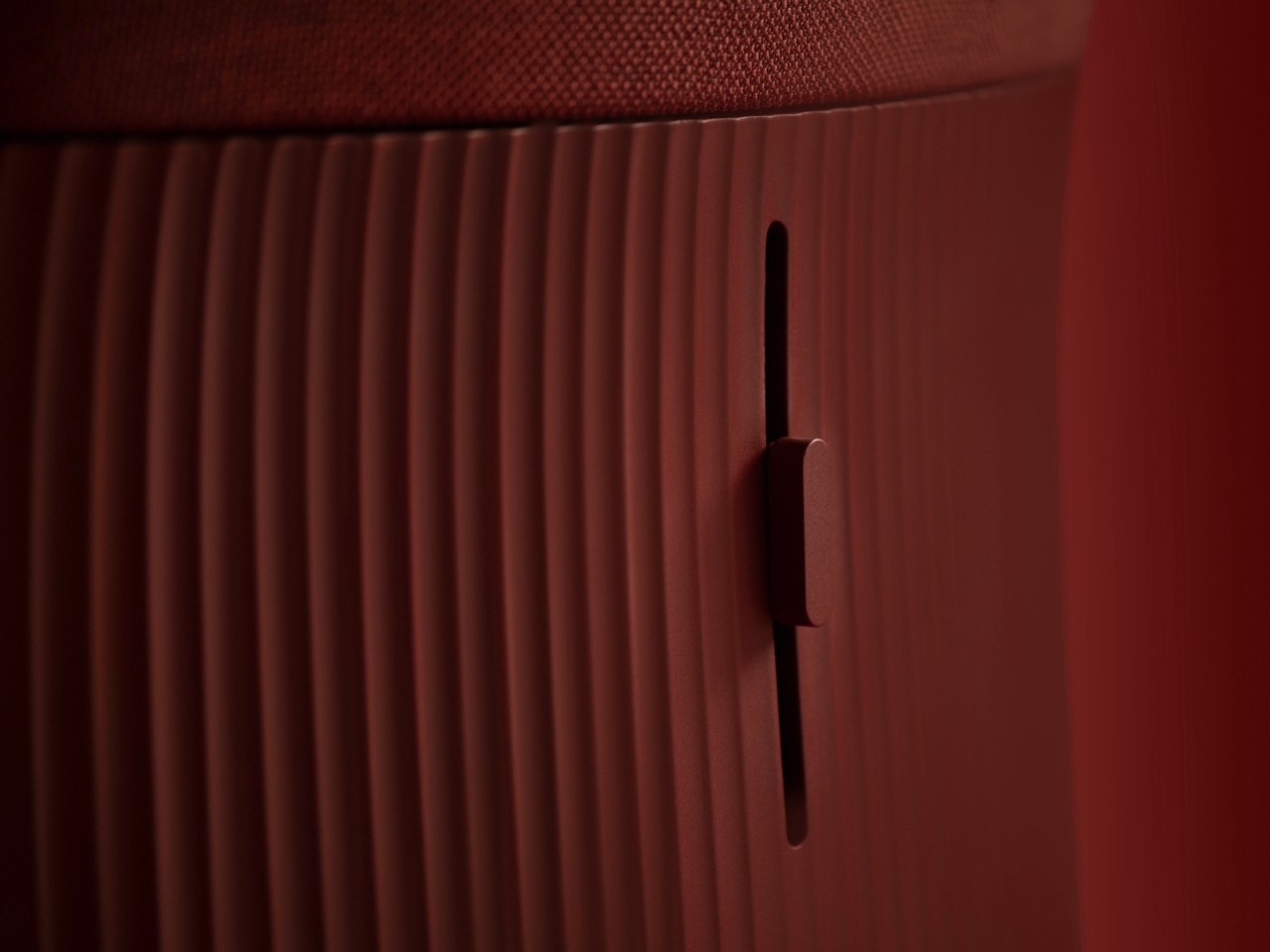
At the heart of this chair is a weight-activated mechanism that LAYER developed specifically for this project. Instead of requiring you to manually adjust anything, the chair simply responds to how you’re sitting. Lean back, and it flexes with you. Shift your weight forward, and it adapts. The contoured backrest moves in real time with your body, providing ergonomic support that feels less like furniture and more like the chair is actually paying attention to you.

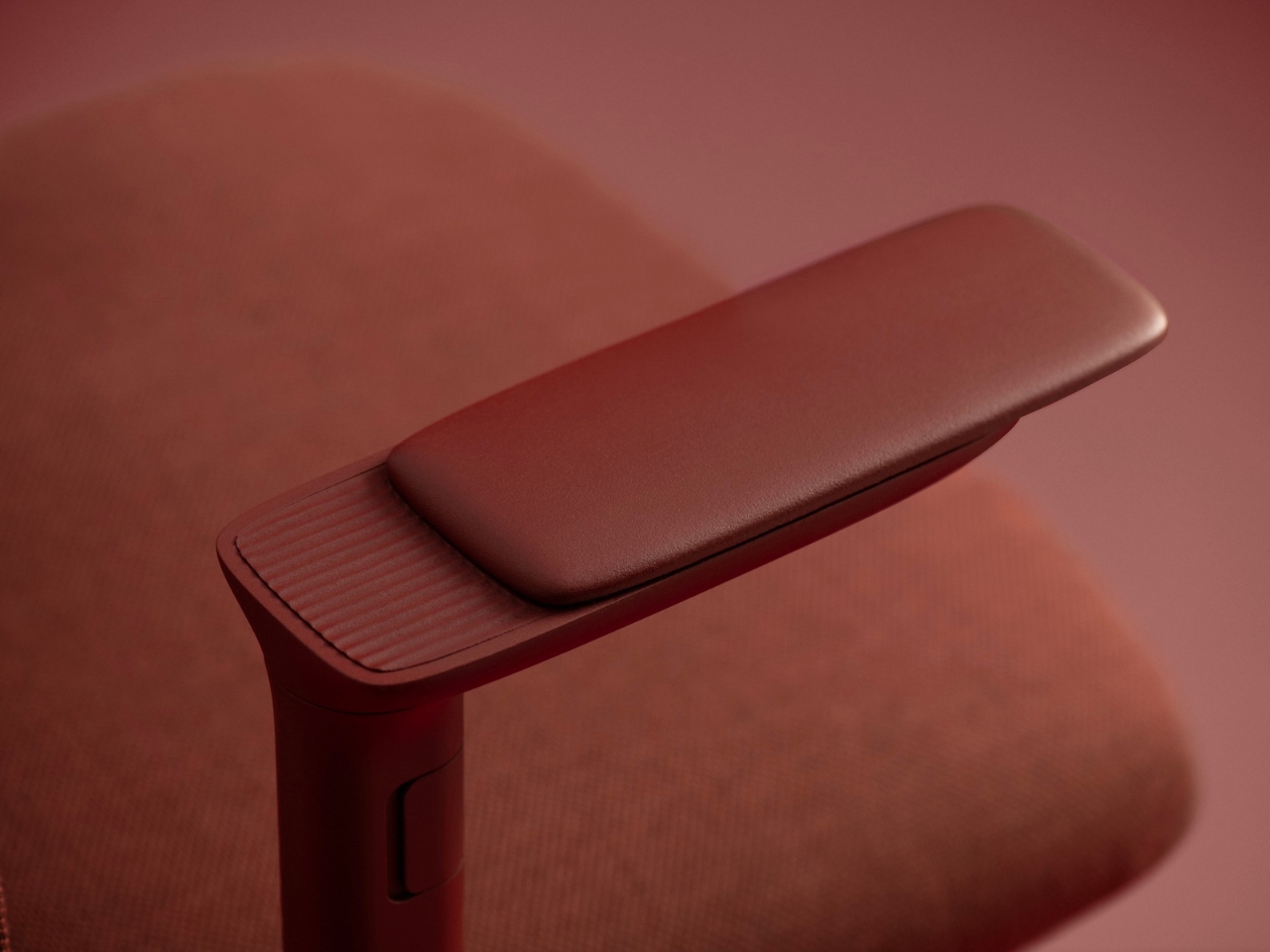
This isn’t some gimmick hiding behind sleek marketing language. The technology here is genuinely clever. LAYER engineered a system that uses the sitter’s own body weight to activate the mechanism, eliminating the need for springs, gas lifts, or complex pivot points that typically make task chairs feel like miniature machines. The result is a chair that looks refreshingly simple but performs with sophisticated precision.


Visually, Velo is a departure from the aggressively technical aesthetic that dominates the office furniture world. Where most task chairs announce their functionality with exposed mechanisms and industrial details, Velo opts for soft, organic lines and a sculptural silhouette. It’s the kind of chair that wouldn’t look out of place in a contemporary home office, which is exactly the point. With more people working from home or splitting time between multiple locations, the old distinctions between commercial and residential furniture are breaking down. Velo was designed for that fluid reality.


You can spec the chair in two main configurations. The mesh backrest version offers breathability and a lighter visual presence, perfect for warmer climates or minimalist spaces. The fully upholstered version provides a softer, more enveloping feel. Both options feature adjustable lumbar support, and you can choose between standard armrests or 4D movement arms that adjust in multiple directions. The base comes in Andreu World’s range of powder-coated finishes, and the upholstery options pull from their sustainable textile collection.


Speaking of sustainability, Velo was designed with end-of-life in mind from the very beginning. The lightweight frame and base are manufactured from recycled thermopolymer, a high-performance material that maintains durability while reducing environmental impact. The chair uses a minimal part count, which not only simplifies manufacturing but also makes disassembly straightforward when it’s time to recycle. The upholstery fabrics are either low-impact or fully recyclable, continuing Andreu World’s commitment to circular design principles.
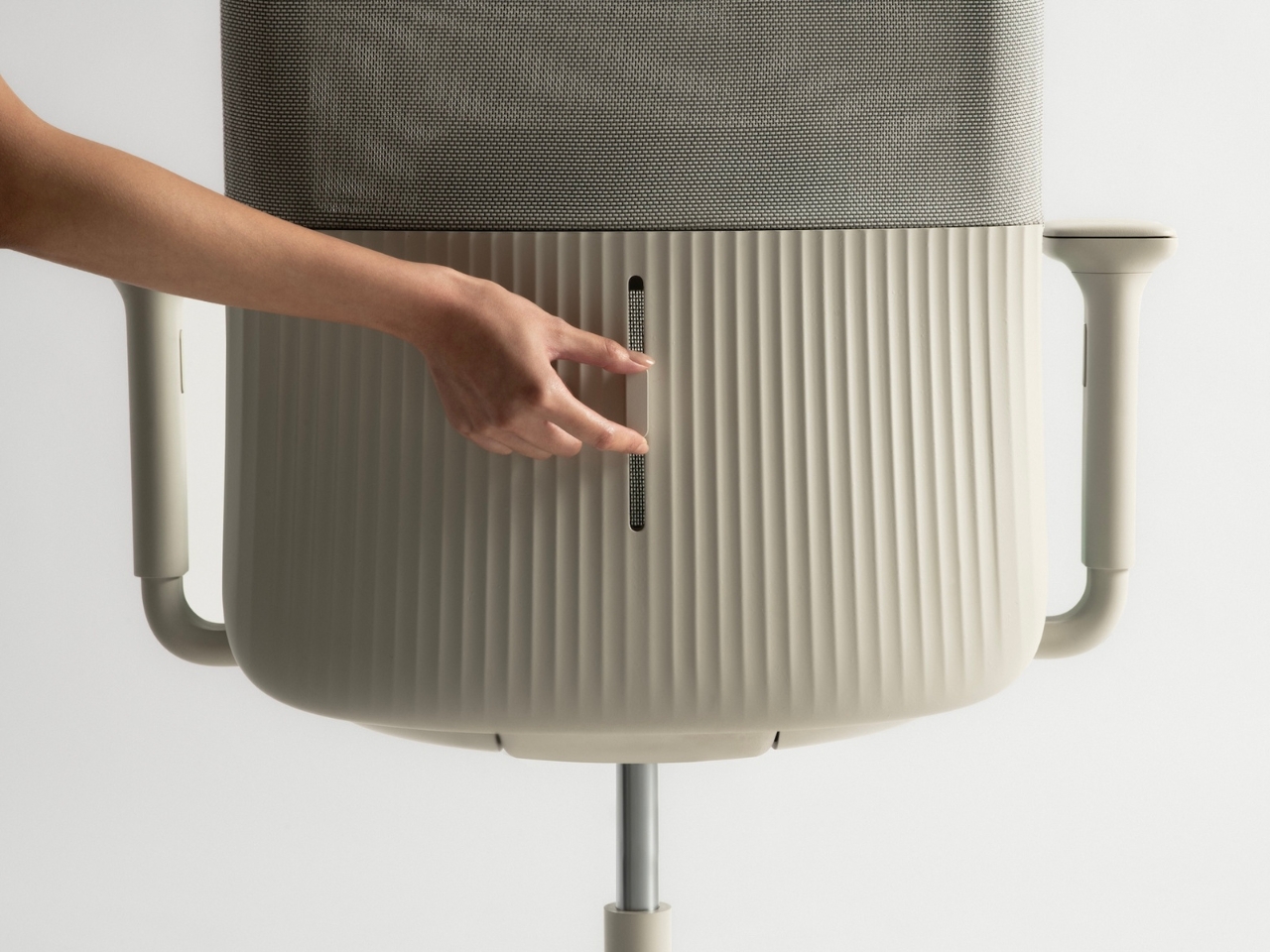
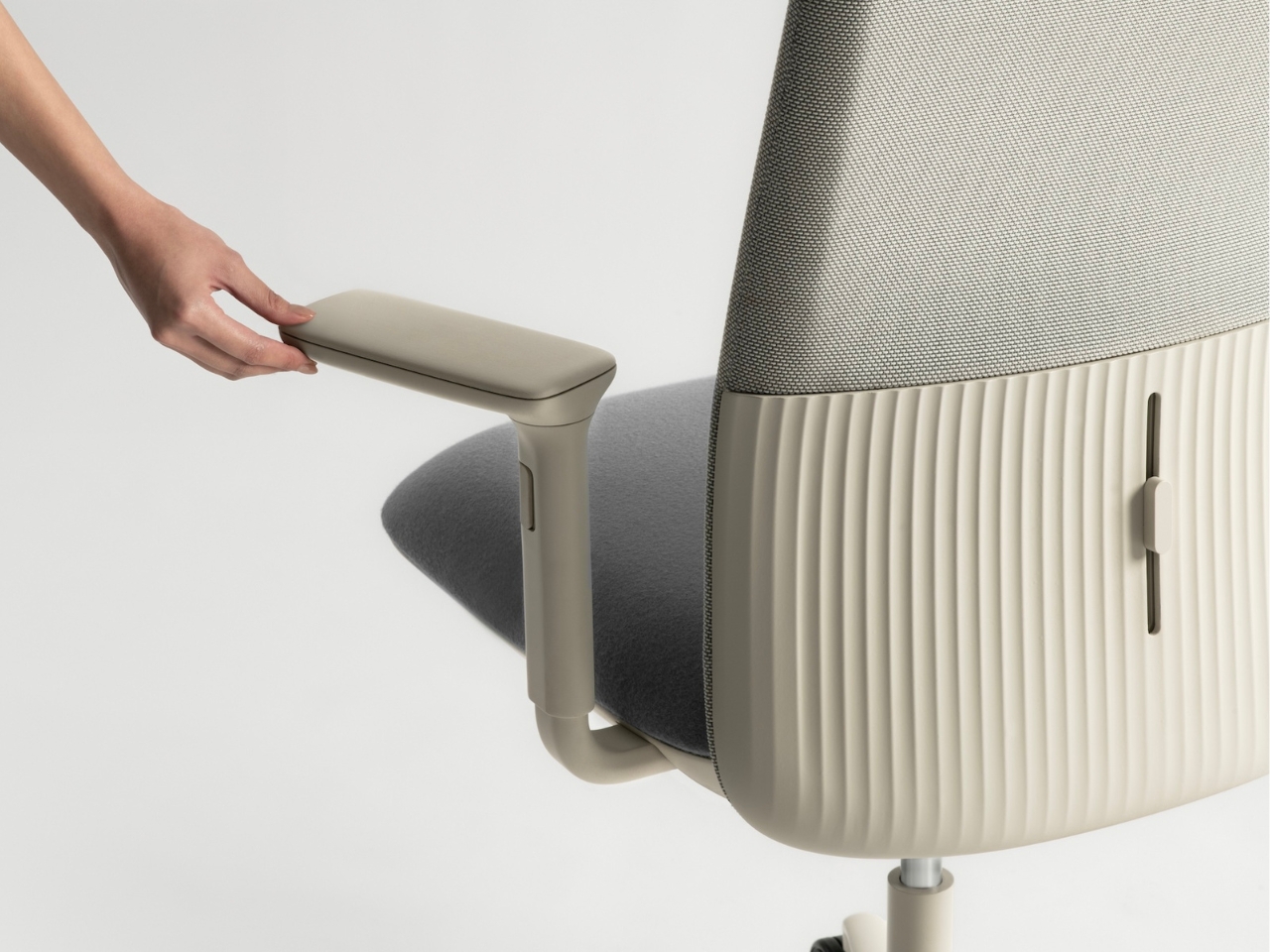
Benjamin Hubert’s perspective on the project gets at something essential about where design is heading. As he puts it, people don’t want overly technical products anymore. They want intuitive, adaptable things that fit into their lives without requiring a learning curve. Velo strips back complexity and focuses on the fundamental question: what does a chair actually need to do? It’s not trying to reinvent sitting, but it is rethinking how a chair can support the way we actually work now, without making us work to figure out the chair itself.

The post Layer Just Built the AI Chair Remote Workers Need first appeared on Yanko Design.
Top-Down/Bottom-Up + Honeycomb Insulation: Living with the Yoolax TDBU Cellular Shade

Top-Down/Bottom-Up + Honeycomb Insulation: Living with the Yoolax TDBU Cellular Shade

A Real Experience Before Black Friday It’s interesting how much light can influence a home’s rhythm. Too little, and the rooms feel closed in. Too much, and every glare or passing headlight becomes an unwelcome guest. My apartment sits low, facing a busy street. That means constant movement, noise, and sunlight pouring through the glass. […]

The post Top-Down/Bottom-Up + Honeycomb Insulation: Living with the Yoolax TDBU Cellular Shade appeared first on Geeky Gadgets.

Posted in Uncategorized

iOS 26 Secrets: 12 Hidden Tricks to Master Your iPhone

iOS 26 Secrets: 12 Hidden Tricks to Master Your iPhone

iOS 26 introduced a range of powerful features aimed at enhancing your iPhone’s functionality, efficiency, and personalization. The software focuses on simplifying daily tasks, improving organization, and delivering a more tailored user experience. Below is an in-depth look at the standout features that make iOS 26 a significant upgrade for iPhone users in a new […]

The post iOS 26 Secrets: 12 Hidden Tricks to Master Your iPhone appeared first on Geeky Gadgets.

Posted in Uncategorized

Engadget Podcast: Did Valve just reshape PC gaming again?

This week Valve surprised us all with the announcement of three new devices: The tiny Steam Machine PC gaming desktop, the Steam Frame VR headset and a new Steam Controller. In this episode, Devindra and Engadget's gaming reporter Jessica Conditt discuss how these devices fit into the PC gaming world, which has already been reshaped by Valve's Steck Deck portable. Also, we discuss our favorite games of 2025, as well as the upcoming titles we're looking forward to.  

Subscribe!

Topics

  • Valve reshapes PC gaming with a new Steam Machine, Steam Frame VR headset and updated Steam Controller – 1:10

  • It’s not just Silksong! A look at our favorite indie games of 2025 with Jess Conditt – 25:25

  • Michael Burry places his next big short on Palantir and NVIDIA – 46:09

  • WSJ Report: OpenAI faces 7 lawsuits claiming ChatGPT encouraged user suicides – 50:57

  • Apple unveils Digital IDs for iPhones, to hold passports and other IDs – 59:35

  • Deezer-Ipsos survey says 97% of people can’t tell if music is AI generated – 1:01:37

  • Around Engadget – 1:07:18

  • Working on – 1:08:42

  • Pop culture picks – 1:09:10

Credits

Host: Devindra Hardawar
Guest: Jessica Conditt
Producer: Ben Ellman
Music: Dale North and Terrence O'Brien

This article originally appeared on Engadget at https://www.engadget.com/gaming/pc/engadget-podcast-did-valve-just-reshape-pc-gaming-again-143000931.html?src=rss

Anthropic’s AI was used by Chinese hackers to run a Cyberattack

A few months ago, Anthropic published a report detailing how its Claude AI model had been weaponized in a "vibe hacking" extortion scheme. The company has continued to monitor how the agentic AI is being used to coordinate cyberattacks, and now claims that a state-backed group of hackers in China utilized Claude in an attempted infiltration of 30 corporate and political targets around the world, with some success.

In what it labeled "the first documented case of a large-scale cyberattack executed without substantial human intervention," Anthropic said that the hackers first chose their targets, which included unnamed tech companies, financial institutions and government agencies. They then used Claude Code to develop an automated attack framework, after successfully bypassing the model’s training to avoid harmful behavior. This was achieved by breaking the planned attack into smaller tasks that didn’t obviously reveal their wider malicious intent, and telling Claude that it was a cybersecurity firm using the AI for defensive training purposes.

After writing its own exploit code, Anthropic said Claude was then able to steal usernames and passwords that allowed it to extract "a large amount of private data" through backdoors it had created. The obedient AI reportedly even went to the trouble of documenting the attacks and storing the stolen data in separate files. 

The hackers used AI for 80-90 percent of its operation, only occasionally intervening, and Claude was able to orchestrate an attack in far less time than humans could have done. It wasn’t flawless, with some of the information it obtained turning out to be publicly available, but Anthropic said that attacks like this will likely become more sophisticated and effective over time.

You might be wondering why an AI company would want to publicize the dangerous potential of its own technology, but Anthropic says its investigation also acts as evidence of why the assistant is "crucial" for cyber defense. It said Claude was successfully used to analyze the threat level of the data it collected, and ultimately sees it as a tool that can assist cybersecurity professionals when future attacks happen.

Claude is by no means the only AI that has benefited cybercriminals. Last year, OpenAI said that its generative AI tools were being used by hacker groups with ties to China and North Korea. They reportedly used GAI to assist with code debugging, researching potential targets and drafting phishing emails. OpenAI said at the time that it had blocked the groups' access to its systems.

This article originally appeared on Engadget at https://www.engadget.com/ai/anthropics-ai-was-used-by-chinese-hackers-to-run-a-cyberattack-142313551.html?src=rss

This Robot Changes Shape to Match Any Terrain You Throw at It

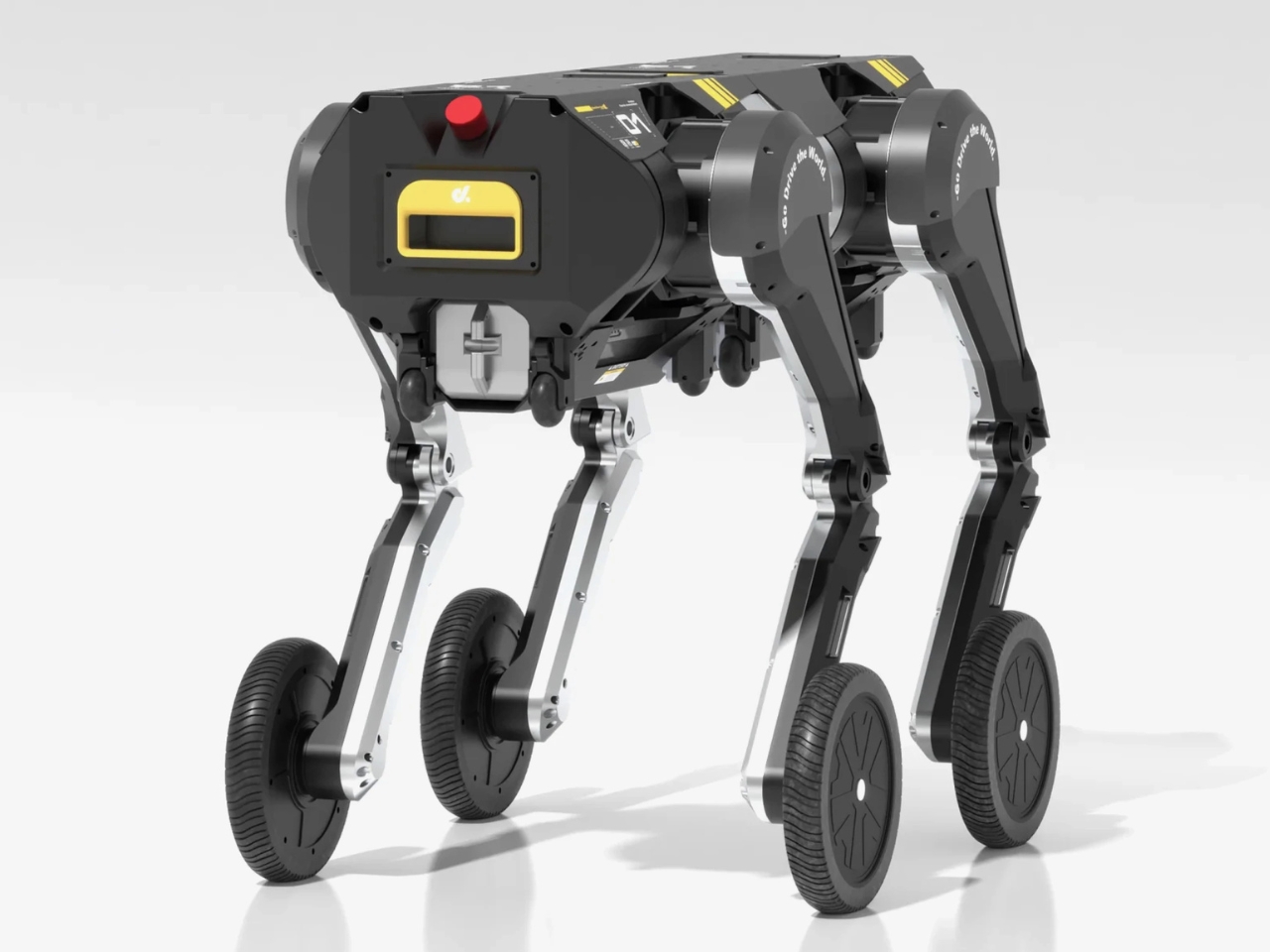
Imagine a robot that can’t decide whether it wants to be a dog or a person, so it just becomes both. That’s essentially what Hong Kong’s Direct Drive Technology has created with the D1, a shape-shifting machine that’s making waves in the robotics world.

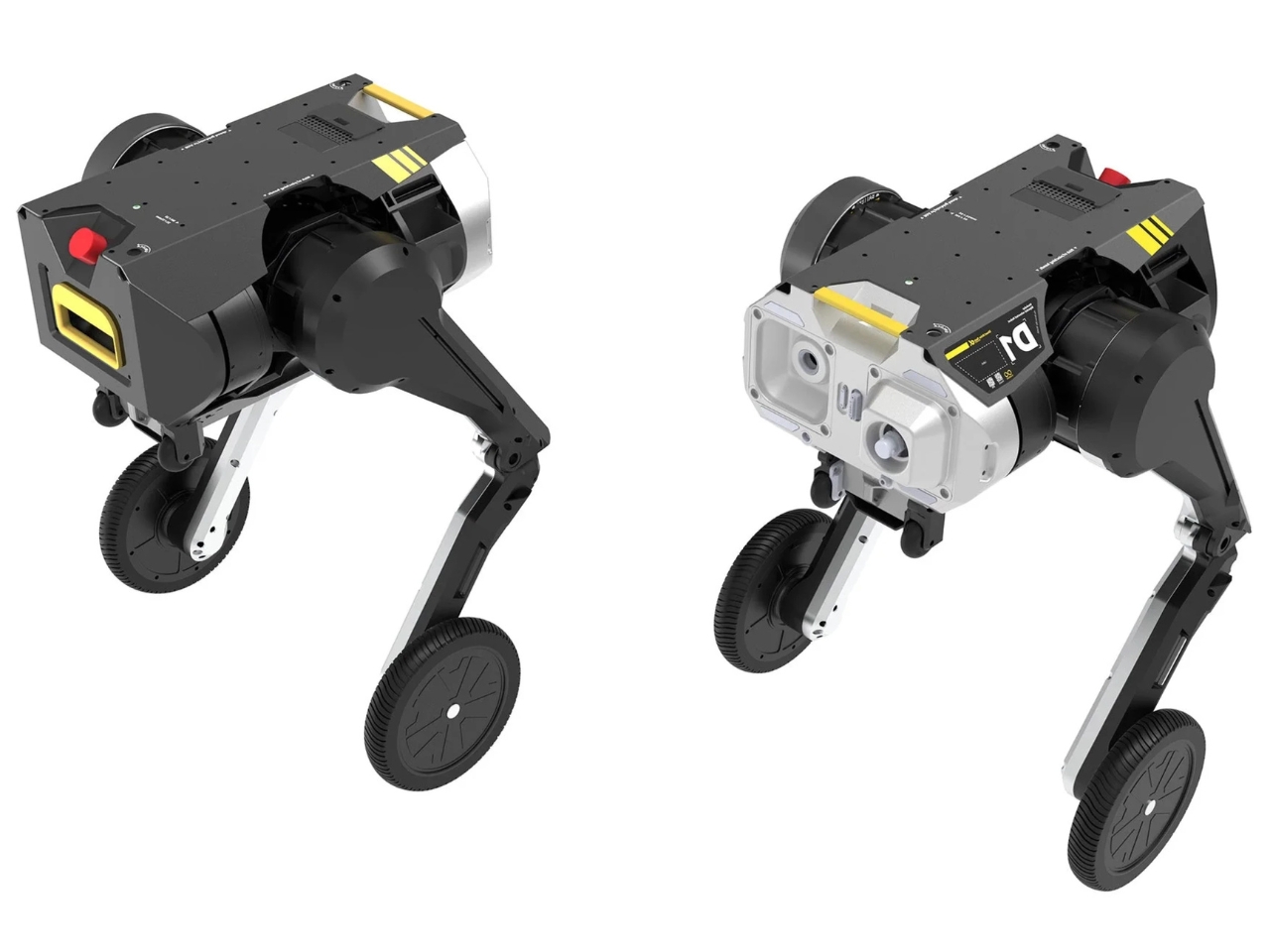
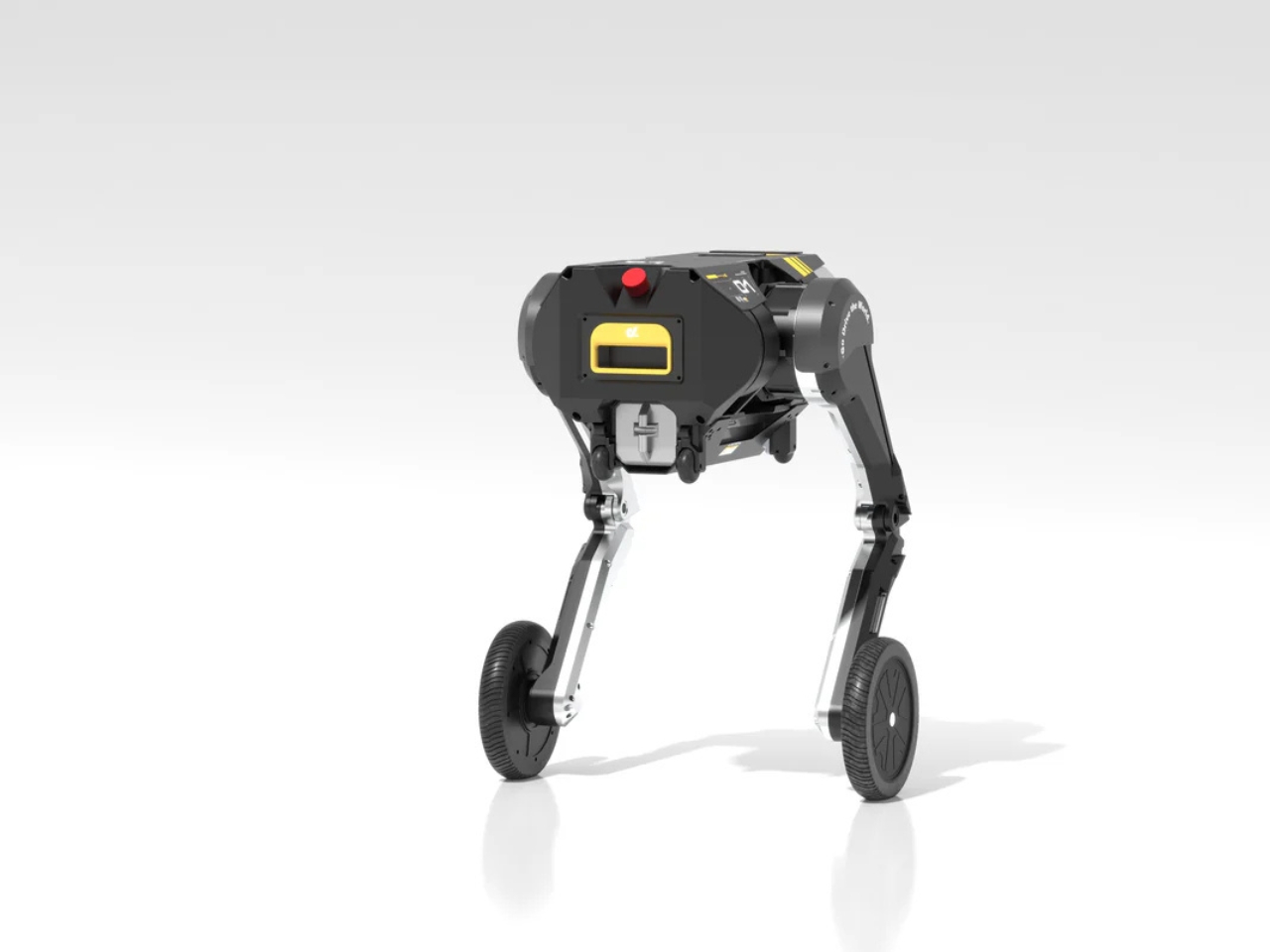
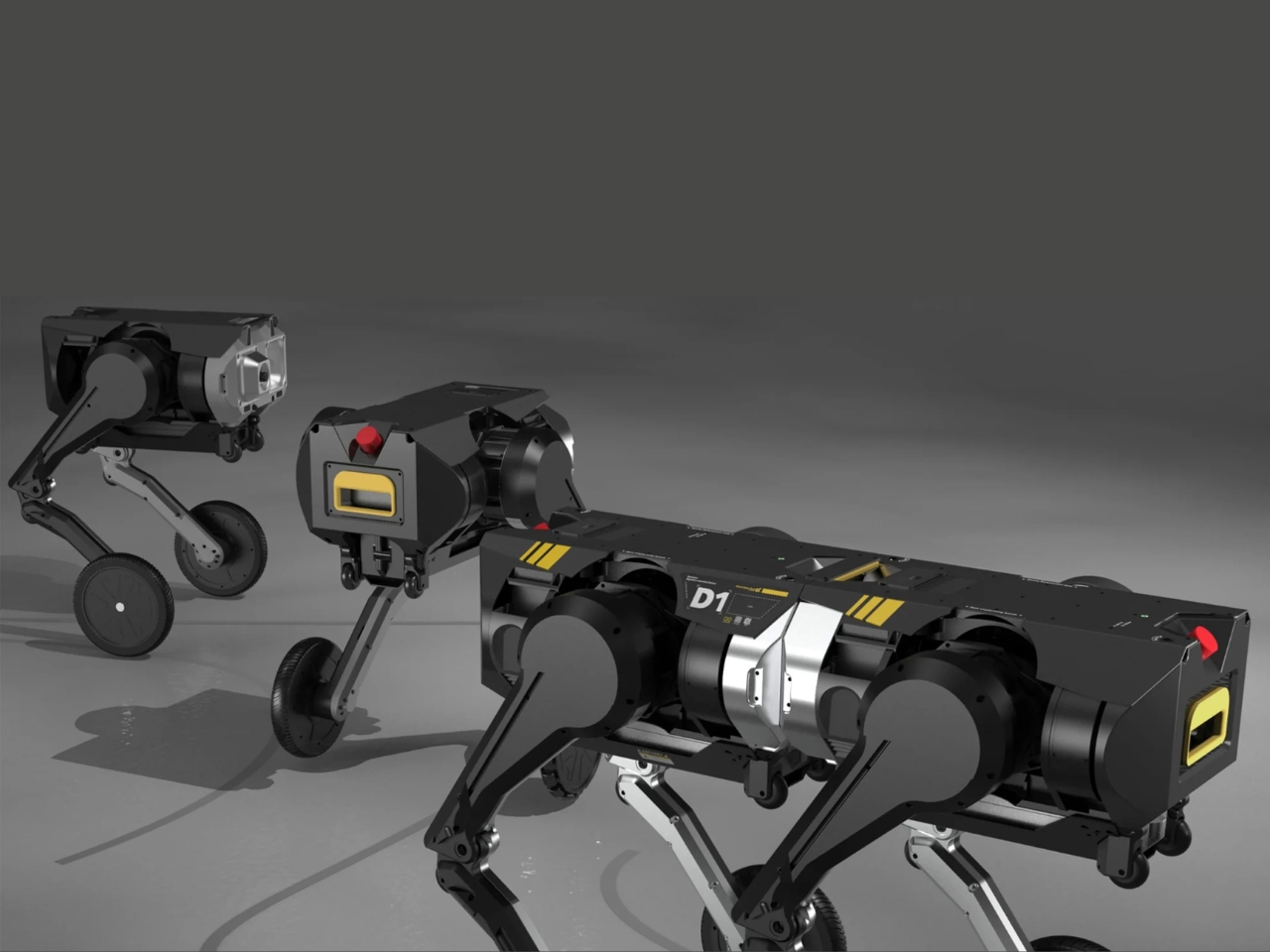
This isn’t your typical tech demo that looks cool but has zero practical use. The D1 is a seriously clever piece of engineering that addresses a real problem: different terrains require different types of movement. Need to haul something heavy across rough ground? The D1 becomes a stable four-legged robot that can carry up to 220 pounds without breaking a sweat. Got a narrow hallway or smooth surface to navigate? It splits into two sleek bipedal units that roll along at speeds up to 7 mph.

Designer: Direct Drive

What makes the D1 truly fascinating is its modular design philosophy. Rather than trying to create one robot that does everything mediocrely, Direct Drive Technology took a different approach. They built two independent bipedal robots that can operate solo or dock together to form a quadruped when the situation demands it. It’s like having a transformer that actually serves a purpose beyond looking awesome in action sequences (though it does that too).

Each half of the D1 weighs about 54 pounds and runs on a lithium battery that provides over five hours of operation per two-hour charge. The brains behind the operation is a Jetson Orin NX 8GB processor running Ubuntu, which enables both remote control and autonomous decision-making. This means the D1 can figure out on its own when it needs to split apart or come together based on what it’s facing.

The real-world testing footage shows the D1 tackling scenarios that would trip up most robots. In one clip, it takes a nasty fall on rough terrain but recovers its balance with the kind of precision that makes you wonder if someone’s secretly controlling it. Another scene shows it rolling across water without losing its footing, which is the kind of versatility that could make this robot genuinely useful in disaster response, industrial inspection, or military applications.

What’s particularly smart about this design is how it leverages the strengths of both biped and quadruped configurations. Four-legged robots are notoriously stable and excel on uneven surfaces, which is why we see so many robotic dogs being developed for rough terrain exploration. Meanwhile, bipedal robots are typically lighter, more compact, and better suited for flat surfaces where speed and efficiency matter more than stability. Direct Drive Technology essentially looked at that trade-off and said, “Why choose?” The result is a robot that doesn’t have to compromise. When it needs to be a scout vehicle patrolling smooth terrain, it operates in its speedy biped mode with wheels. When stability and payload capacity become priorities, it transforms into a sure-footed quadruped that can handle chaos.

The timing of this innovation is interesting too. As robots move out of controlled factory environments and into the messy real world, adaptability becomes crucial. A delivery robot that can handle both indoor corridors and outdoor terrain without needing two different machines makes a lot of economic sense. The same goes for search and rescue operations where conditions can change dramatically within a single mission.

Direct Drive Technology is calling the D1 the world’s first fully modular embodied intelligence robot, which is a bold claim in a field that’s moving incredibly fast. But watching the demonstration video, it’s hard to argue with the innovation on display. This is a robot that fundamentally rethinks how we approach locomotion in machines. Whether the D1 becomes commercially successful or remains a fascinating proof of concept, it represents something important: a shift from specialized robots toward truly adaptable ones that can handle whatever environment you throw at them. And in a world that’s increasingly complex and unpredictable, that kind of flexibility might be exactly what we need.

The post This Robot Changes Shape to Match Any Terrain You Throw at It first appeared on Yanko Design.

Samsung Galaxy S26 Ultra LEAK: New 60W Charging, Design Change, and Massive Battery

Samsung Galaxy S26 Ultra LEAK: New 60W Charging, Design Change, and Massive Battery

The Samsung Galaxy S26 Ultra represents a significant step forward in smartphone innovation, delivering faster charging, enhanced camera capabilities, and a refined design. By addressing key areas of user experience, Samsung has crafted a flagship device that balances functionality with aesthetics. The video below from TechTalkTV explores the advancements in charging technology, camera systems, and […]

The post Samsung Galaxy S26 Ultra LEAK: New 60W Charging, Design Change, and Massive Battery appeared first on Geeky Gadgets.

Posted in Uncategorized