The Knit Chair That Rewrites Comfort by Subtracting Instead of Adding

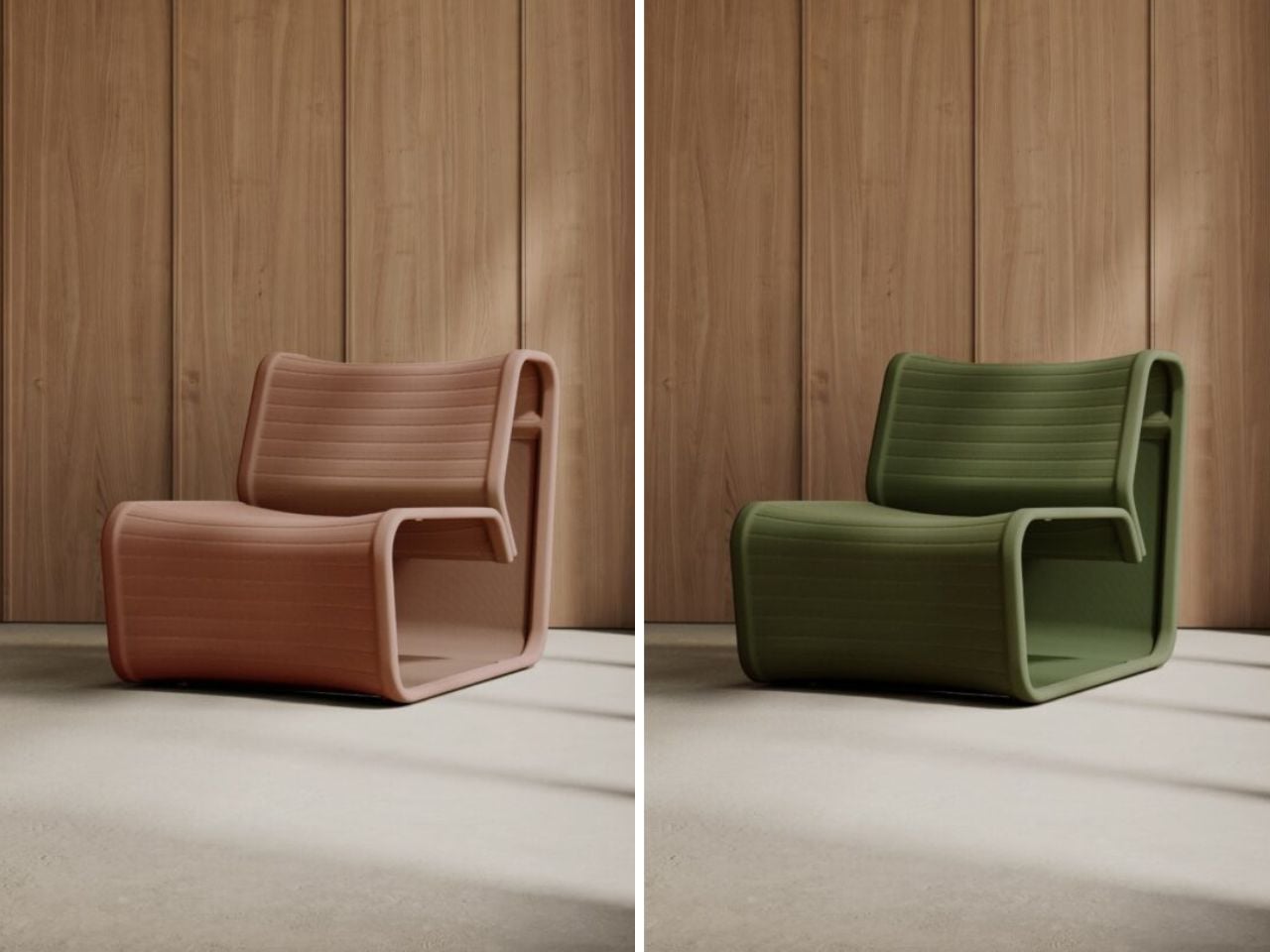
For decades, furniture design has followed an unspoken rule. Comfort equals more. More foam, more padding, more layers, more material. The Knit One Chair by Isomi, designed by Paul Crofts, quietly dismantles that assumption. It proposes something radical for contemporary seating: what if comfort is not about adding, but about removing?

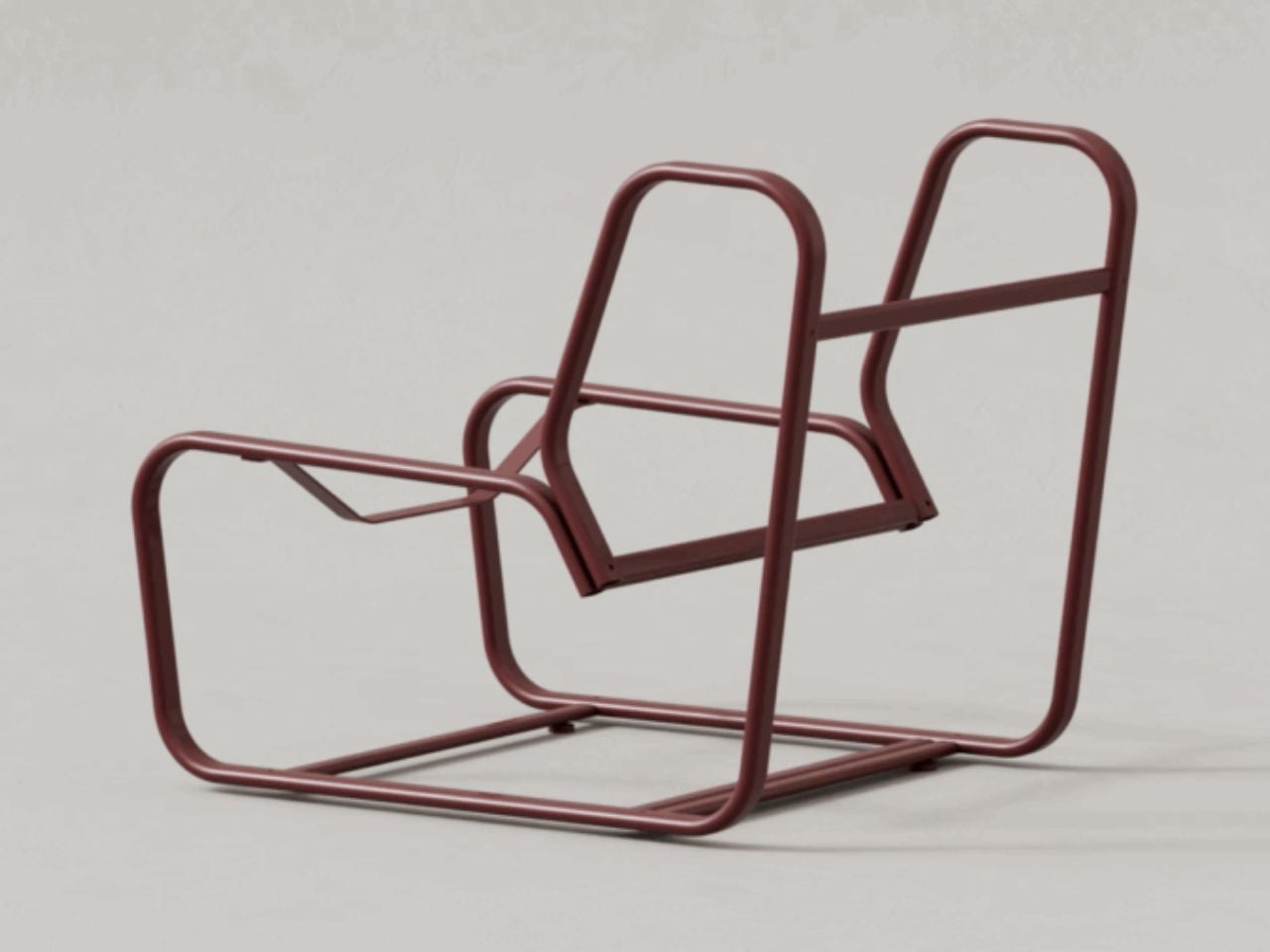
The chair does not shout innovation through spectacle. Instead, it whispers it through restraint. Gone are the dense layers of upholstery that traditionally define lounge seating. In their place sits a single engineered knitted skin stretched across a lightweight metal frame. What appears visually minimal is in fact materially sophisticated. The knit surface is not decorative upholstery but the structural and ergonomic system itself. It supports, flexes, and adapts to the body without relying on bulk.

Designer: Paul Crofts
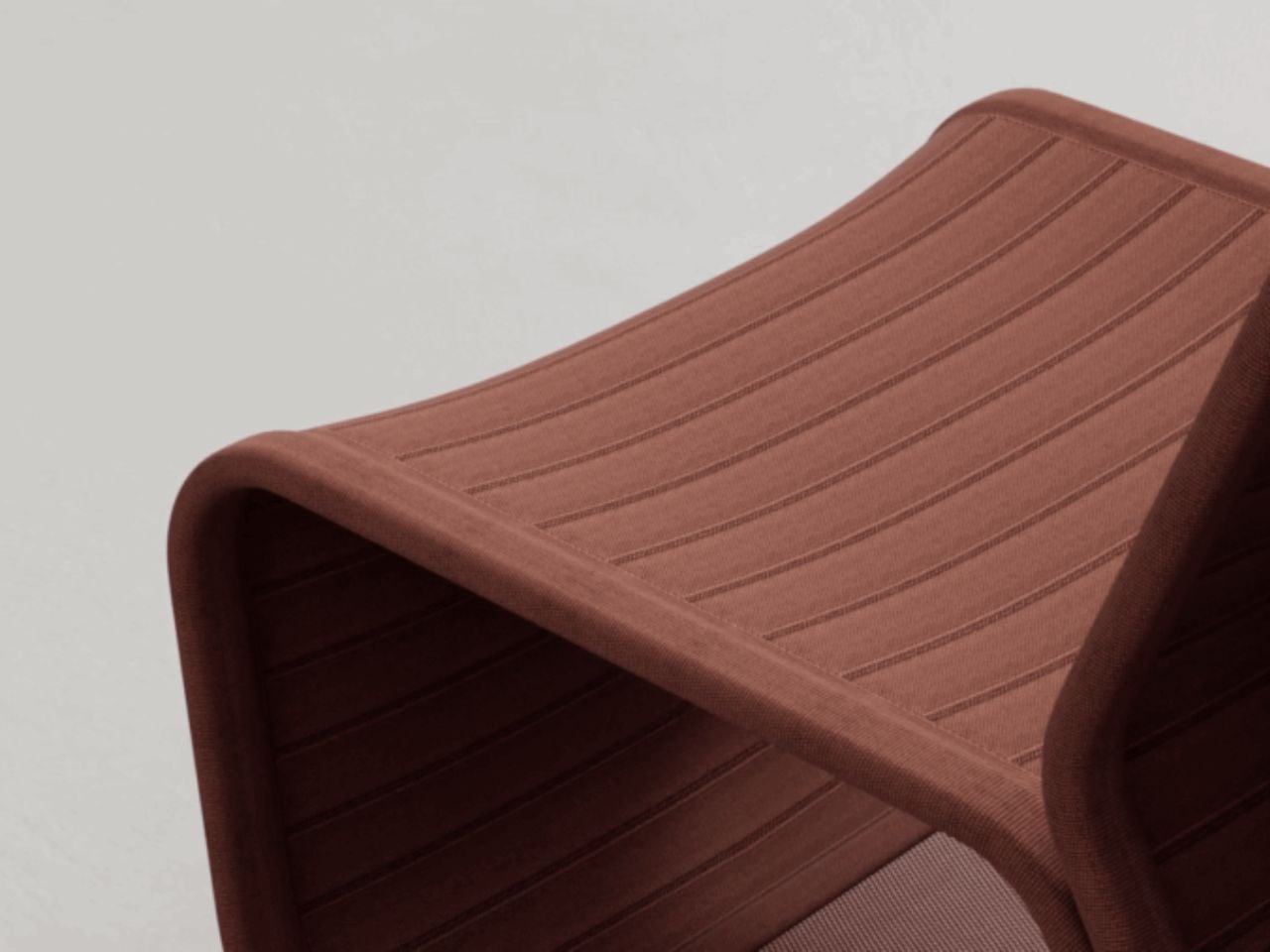
This shift reframes how we understand softness. Rather than cushioning the body with excess, the chair supports it through tension and precision. Paul Crofts describes the intention as a move away from resource-heavy upholstery toward something smarter and more responsible. The frame bolts together on site, while the knitted sleeve simply drops into position. The logic is elegant. Fewer components, less waste, and a construction process that feels closer to assembling a garment than building furniture.
The textile itself carries its own story of transformation. The sleeve is made from Camira’s SEAQUAL collection, a fabric created using post-consumer marine plastic waste. Each meter repurposes up to thirty-five recycled bottles recovered from oceans. Instead of treating sustainability as a surface-level gesture, the material integrates environmental responsibility directly into the structure of the chair. Advanced three-dimensional knitting technology shapes the textile precisely, eliminating offcuts and ensuring that only the exact amount of material required is produced. No surplus. No unnecessary trimming. No hidden waste.

The absence of adhesives or foam layers also means the knit can be replaced or recycled independently of the frame, extending the product’s lifespan. In an industry where furniture is often discarded when upholstery wears out, this detail feels quietly revolutionary. Longevity is designed into the system rather than promised as an afterthought.
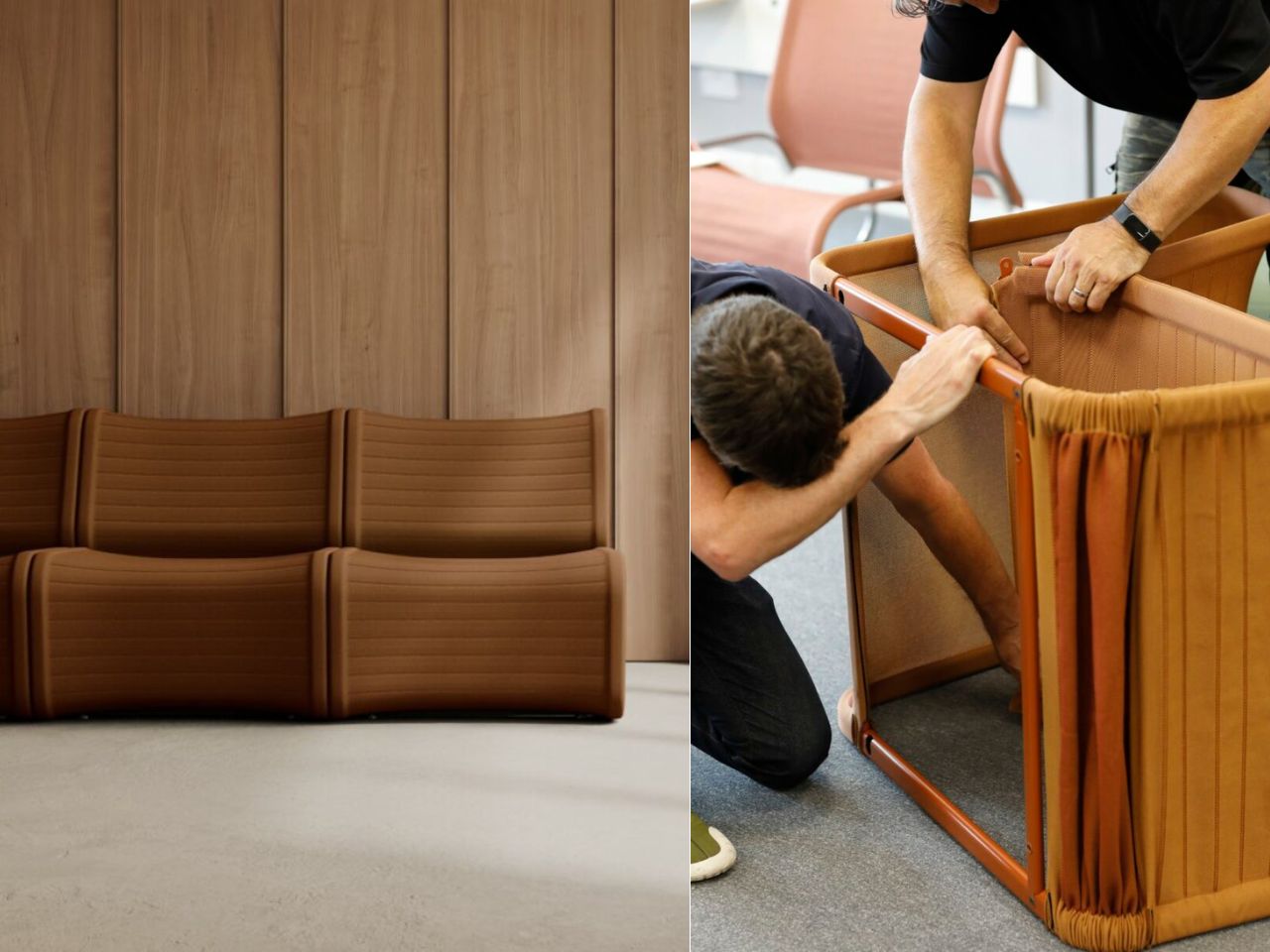
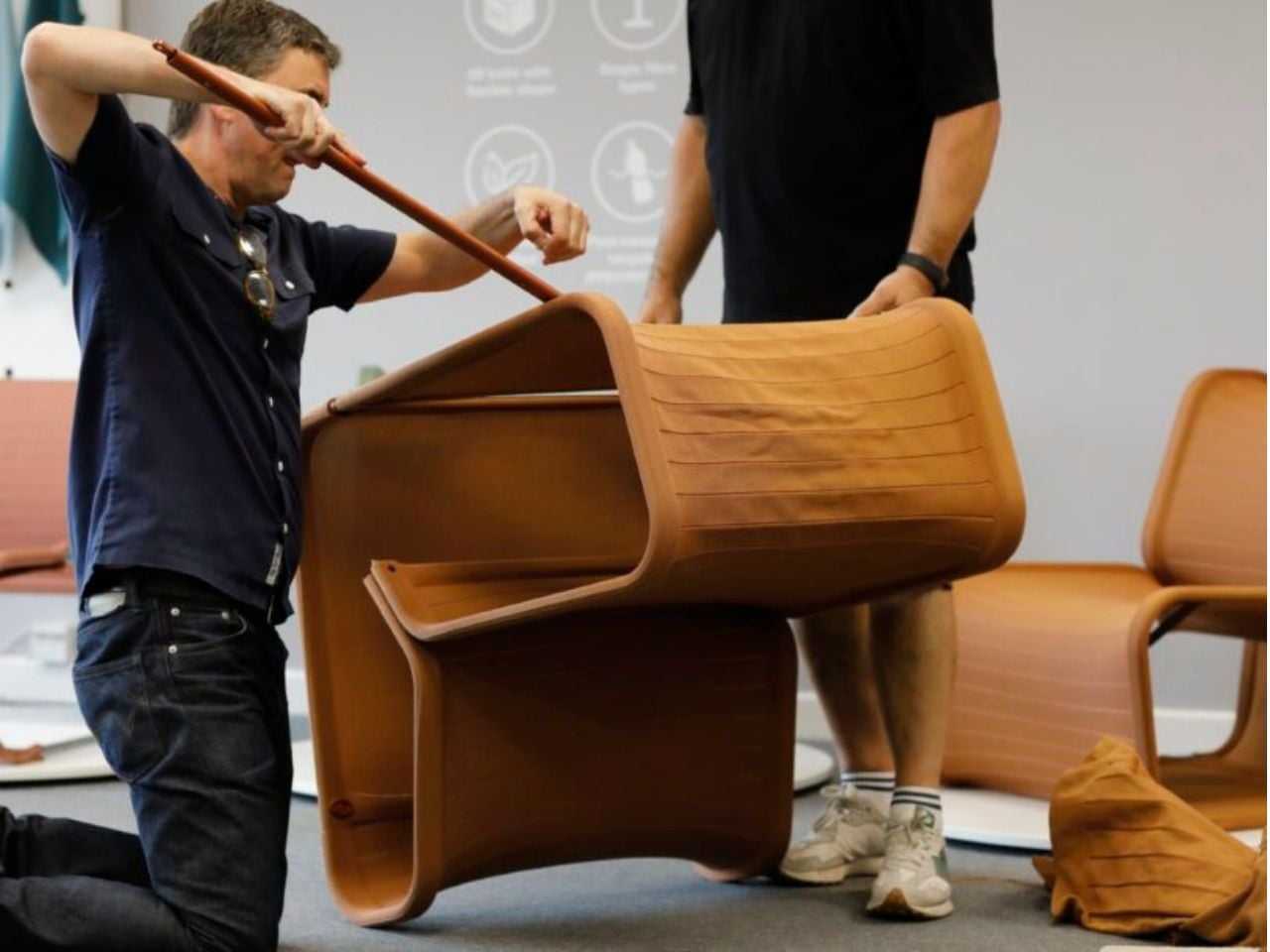
Logistics also becomes part of the design intelligence. The lightweight frame and knit components ship flat-packed, reducing transport volume and emissions. Assembly is intentionally simple, allowing the chair to be constructed locally with minimal effort. For large-scale furniture, which often involves complex delivery and installation processes, this level of efficiency is rare and refreshingly pragmatic.

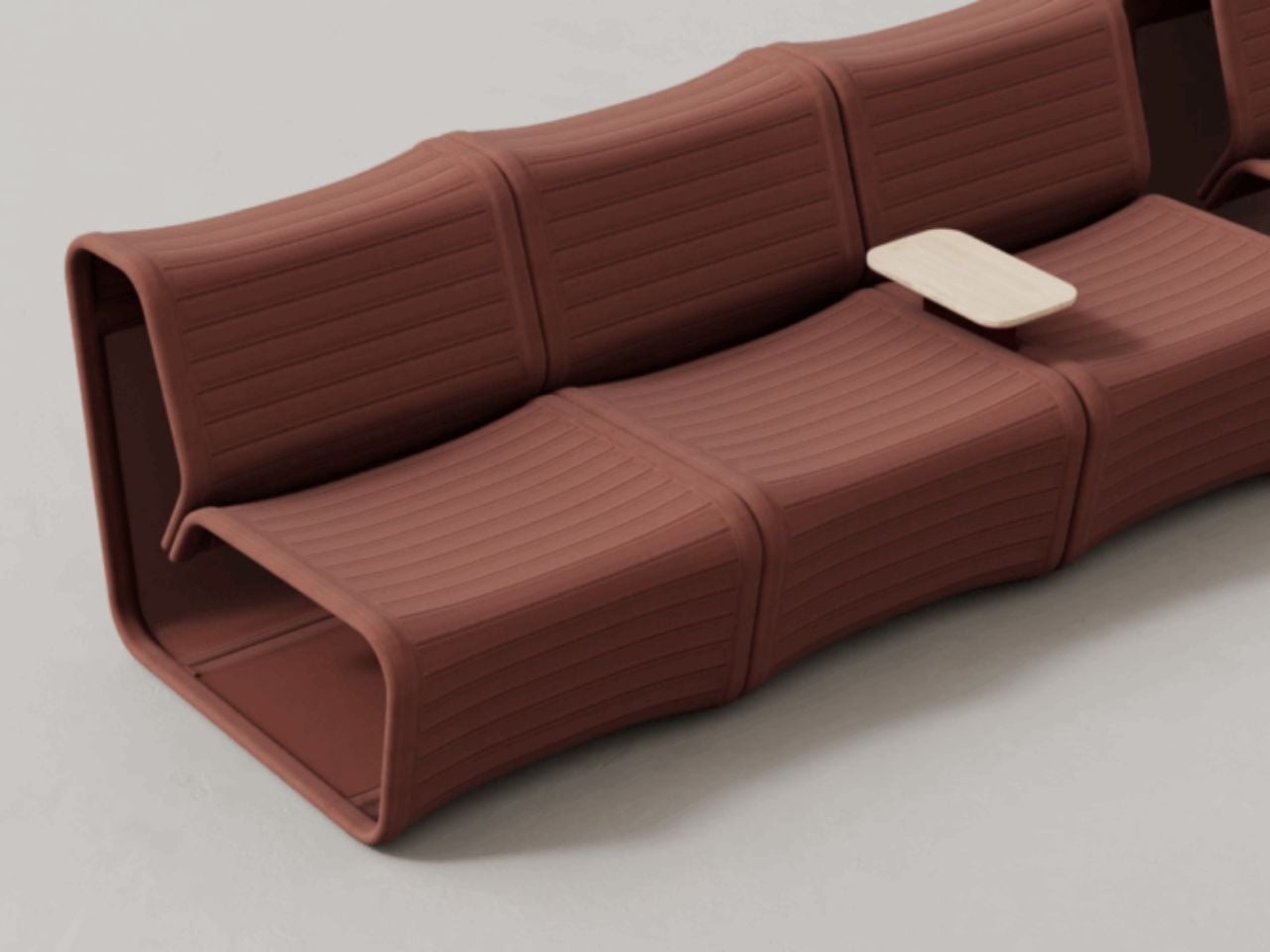
The Knit One Chair is not a standalone object but part of a modular seating family that includes a lounge chair, straight module, angled module, and a solid wood side table. Each piece is reversible, allowing configurations to shift depending on spatial needs. A single system can move from individual seating to collaborative arrangements without adding new elements. Flexibility here is not a feature but a philosophy.
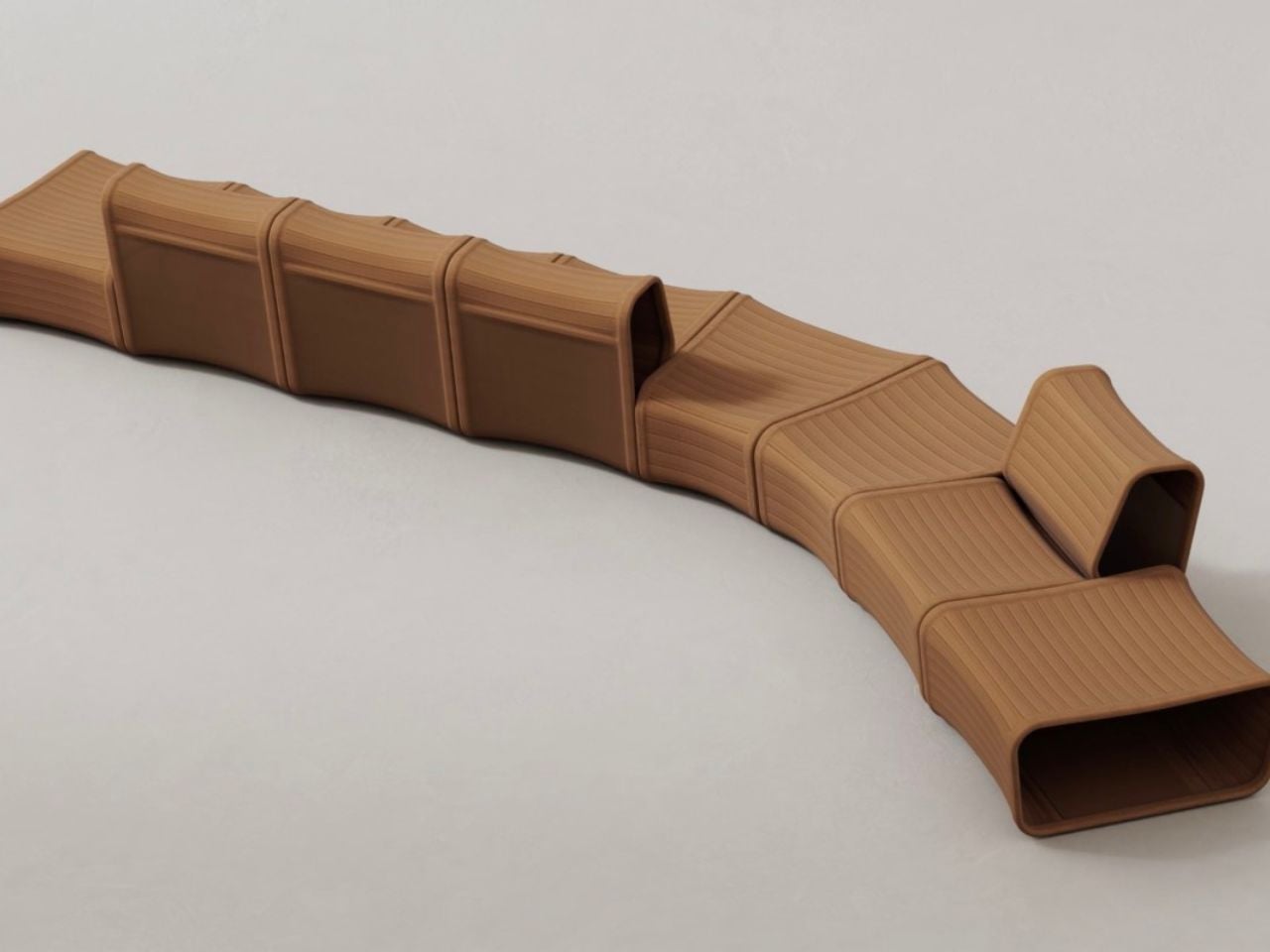
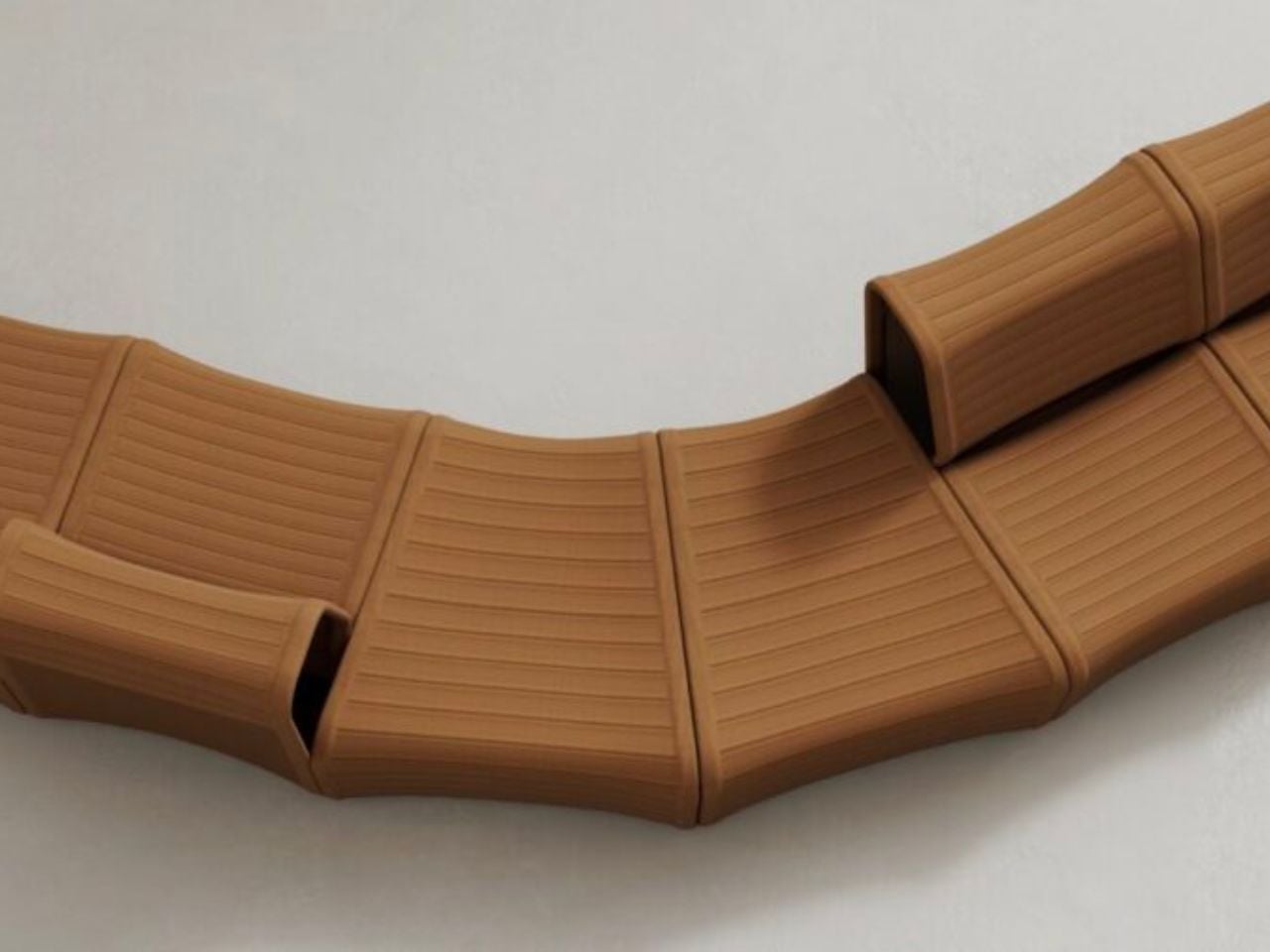
What makes the design compelling is not just its sustainability credentials or modular versatility. It is the conceptual challenge it poses to the industry. The chair asks designers and users alike to reconsider a deeply embedded belief that comfort must be padded, layered, and concealed. Instead, it demonstrates that comfort can emerge from clarity of structure, intelligence of material, and precision of form.

In a time when sustainable design is often framed as sacrifice, the Knit One Chair suggests another narrative. Reduction does not mean deprivation. It can mean refinement. By removing excess, the design creates space for innovation, longevity, and environmental responsibility to coexist. It is not simply a chair. It is a quiet argument for a future where furniture is lighter, not just in weight, but in impact.
The post The Knit Chair That Rewrites Comfort by Subtracting Instead of Adding first appeared on Yanko Design.

You can (sort of) block Grok from editing your uploaded photos

People can block the xAI's Grok chatbot from creating modifications of their uploaded images on social network X. Neither X or xAI, both Elon Musk-owned businesses, have made a public announcement about this feature, which users began noticing on the iOS app within the image/video upload menu over the past few days. 

This option is likely a response to Grok's latest scandal, which began at the start of 2026 when the addition of image generation tools to the chatbot saw about 3 million sexualized or nudified images created. An estimated 23,000 of the images made in that 11-day period contained sexualized images of children, according to the Center for Countering Digital Hate. Grok is now facing two separate investigations by regulators in the EU over the issue.

The positive side of the recent feature addition is that X and xAI have taken a step toward limiting inappropriate uses of Grok. This block is a simple toggle and it hasn't been buried in the UI. So that's nice.

The negative side, however, is that this token gesture that doesn't amount to any serious improvement to how Grok works or can be used. It's great that the chatbot won't alter the file uploaded by one person, but as reported by The Verge, the block only limits tagging Grok in a reply to create an image edit. There are plenty of workarounds for those dedicated individuals who insist on being able to use generative AI to undress people without their consent or knowledge. 

Hopefully xAI has more powerful protective tools in the works. The limitations Grok on putting real people in scanty clothing that X announced in January seem to have had only partial success at best. If this additional and narrow use case is all the company offers, then the claims of being a zero-tolerance space for nonconsensual nudity are going to ring hollow. Especially since, as we noted at the time, xAI could stop allowing image generation at all until the issue is properly and thoroughly fixed.

This article originally appeared on Engadget at https://www.engadget.com/ai/you-can-sort-of-block-grok-from-editing-your-uploaded-photos-215356117.html?src=rss

This Ergonomic Mouse Tracks Your Heart Rate, Telling You To Take A Break Before You Experience Burnout

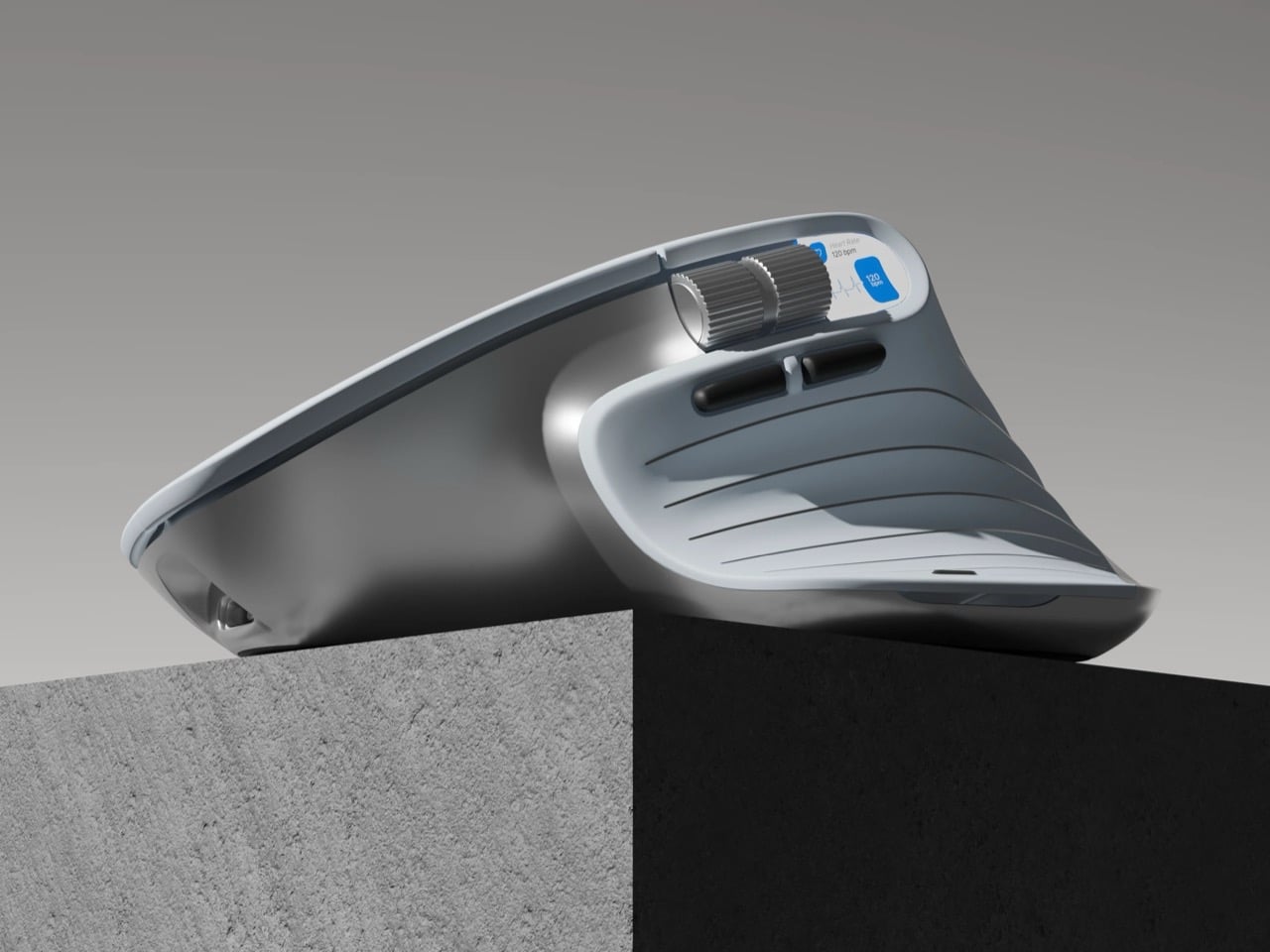
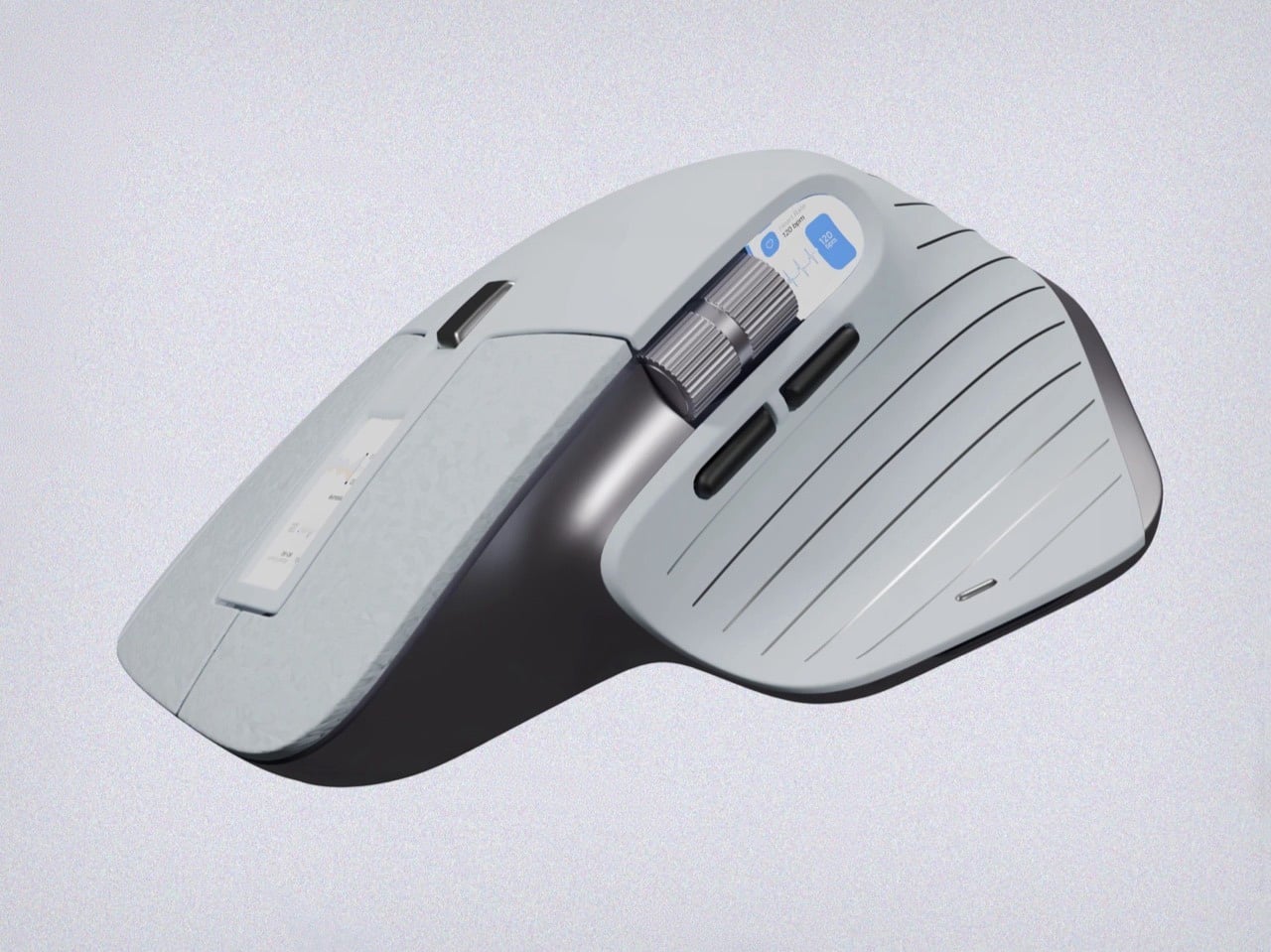
Imagine if your mouse was also your stress ball. Okay, not exactly, but while a stress ball helps you calm your nerves after a rather cortisol-filled day, the CalmiX mouse helps you keep track of your stress levels by packing a heart rate monitor right inside the mouse. Designed with sensors along the mouse’s ergonomic body, this part-peripheral-part-health-device keeps track of your heart rate, displaying it on a tiny screen on the side.

Would such a device be even remotely useful? Well, designer Julius Münzenmaier notes that 41% of employees worldwide feel some sort of stress. Even in the EU, with their worker-friendly office setups, around 27% of people say they feel some sort of stress while working. That’s where something like the CalmiX comes in. Designed as an entry for the RIMOWA Design Prize, Calmix is an ergonomic mouse that also doubles as a fitness wearable. I use the term wearable extremely loosely here, because you don’t really wear a mouse, but your hands rest on it for such long sessions it might as well just be as good as one.

Designer: Julius Münzenmaier

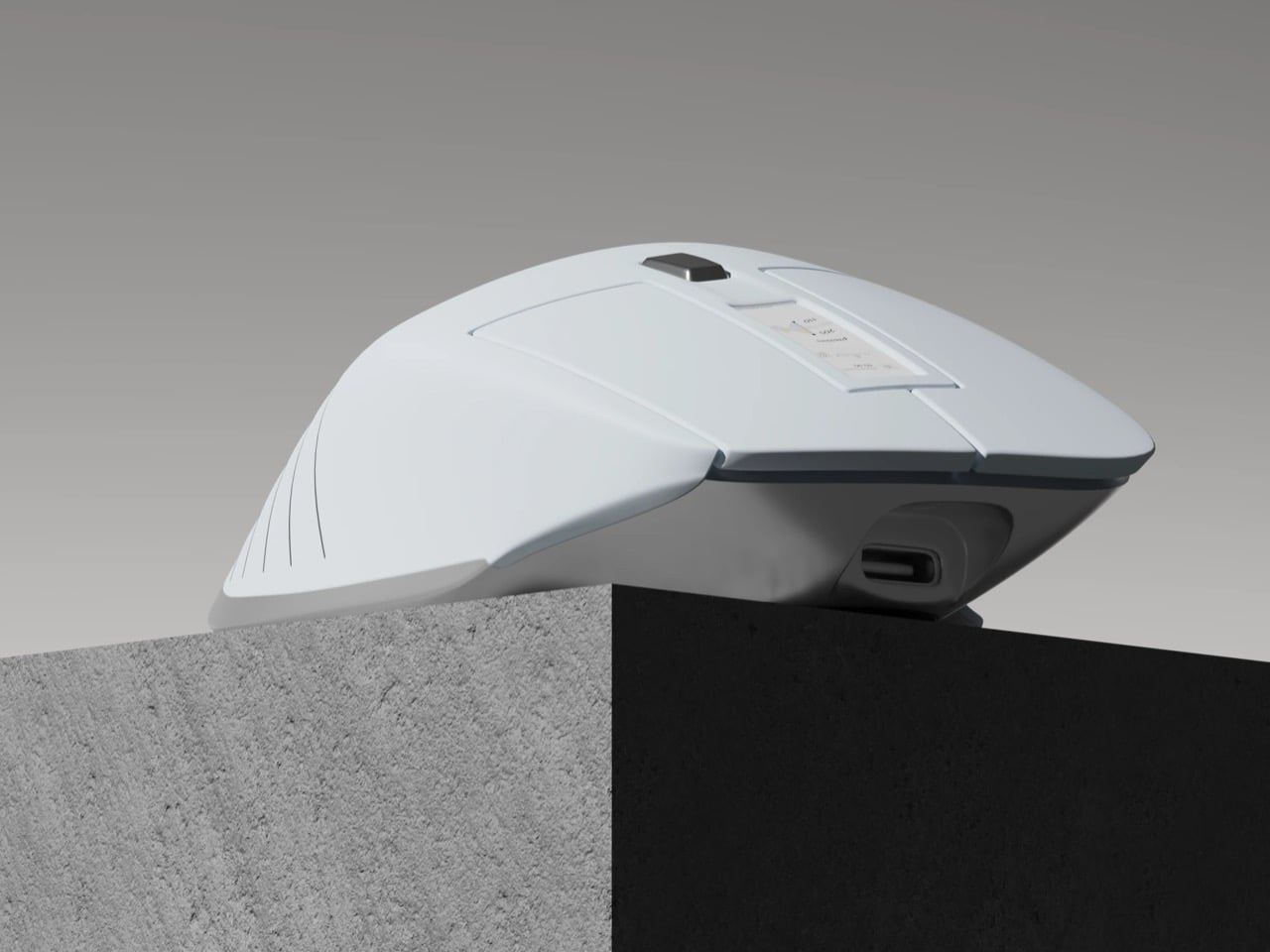
The CalmiX’s design looks a lot like Logitech’s MX Master 3s, complete with the form factor, buttons on the side, and the scroll wheel just above the thumb-rest. The two notable differences are that this one lacks a main scroll wheel, replacing it with a haptic scroll surface on the top, and packs a tiny display on the side, right beside the lateral wheel. Equipped with high-precision sensors and a low-energy processor crunching data from said sensors, the CalmiX tries to be a productivity device that also keeps you in the loop regarding your stress levels at work.

The mouse lets you know your heart rate in real-time, allowing you to sense spikes in tension or stress while work. While the mouse won’t do anything to calm you down, it does let you know when to step back and maybe take a break from work. Stress is a silent killer and there’s really no shortage of it at work, what with AI taking over and layoffs just being the new norm. If you’re going to spend 10 hours in front of a screen, CalmiX makes sure that most of those hours aren’t spent in pangs of anxiety.

It wouldn’t really be a smart device without an app to go with it. There’s a CalmiX app envisioned to work alongside the mouse, capturing historical data on your heart rate throughout the day, presenting it on a dashboard for you to look at how your body reacts to stress. You can use the dashboard to “Track real-time stress, spot daily patterns, get personalized micro-breaks and breathing exercises, receive smart pause reminders, and view summary reports to optimize your workflow,” Julius mentions.

The post This Ergonomic Mouse Tracks Your Heart Rate, Telling You To Take A Break Before You Experience Burnout first appeared on Yanko Design.
Dutch intelligence services warn of Russian hackers targeting Signal and WhatsApp

The Netherlands’ military intelligence service and domestic intelligence agency have issued a join warning claiming that Russian hackers have launched "a large-scale global cyber campaign to gain access to Signal and WhatsApp accounts belonging to dignitaries, military personnel and civil servants." According to the Dutch alert, hackers are imitating support chatbots to trick key targets into revealing their PINs for those communication platforms, which allows the bad actors to access incoming messages.

Last year in the US, the Pentagon advised members not to use Signal after the platform was subjected to similar phishing scams by Russian hackers. (Although the same US military leaders proved capable of creating their own security breaches without foreign interference just days prior.) 

Having another national government raise concerns about Signal and WhatsApp phishing scams offers yet another reminder to never provide security details or click links without a check on who is really asking for your info.

This article originally appeared on Engadget at https://www.engadget.com/cybersecurity/dutch-intelligence-services-warn-of-russian-hackers-targeting-signal-and-whatsapp-203707202.html?src=rss

Bluesky’s CEO is stepping down after nearly 5 years

Bluesky CEO Jay Graber, who has led the upstart social platform since 2021, is stepping down from her role as its top executive. Toni Schneider, who has been an advisor and investor in Bluesky, will take over the job temporarily while Graber stays on as Chief Innovation Officer. 

"As Bluesky matures, the company needs a seasoned operator focused on scaling and execution, while I return to what I do best: building new things," Graber wrote in a blog post. Schneider, who was previously CEO at Wordpress parent Automattic, will be that "experienced operator and leader" while Blueksy's board searches for a permanent CEO, she said.

Graber's history with Bluesky dates back to its early days as a side project at Jack Dorsey's Twitter. She was officially brought on as CEO in 2021 as Bluesky spun off into an independent company (it officially ended its association with Twitter in 2022 and Dorsey cut ties with Bluesky in 2024). She led the company through its launch and early viral success as it grew from an invitation-only platform to the 43 million-user service it is today. During that time, she's become known as an advocate for decentralized social media and for trolling Mark Zuckerberg's t-shirt choices. 

Nearly three years since it launched publicly, Bluesky has carved out a small but influential niche in the post-Twitter social landscape. The platform is less than a third of the size of Meta's competitor, Threads, which has also copied some of Bluesky's signature features. Bluesky also has yet to roll out any meaningful monetization features, though it has teased a premium subscription service in the past.

As Chief Innovation Officer, Graber will presumably still be an influential voice at the company going forward. And, as Wired points out, she still has a seat on Bluesky's board so she will get some say in who steps into the role permanently. Until then, Schneider, who is also a partner at VC firm Tre Ventures, will lead the company. "I deeply believe in what this team has built and the open social web they're fighting for," he wrote in a post on Bluesky. 


This article originally appeared on Engadget at https://www.engadget.com/social-media/blueskys-ceo-is-stepping-down-after-nearly-5-years-201900960.html?src=rss

Apple reportedly delays its planned smart display launch to fall

Mark Gurman at Bloomberg is back with the latest rumors about what's afoot with Apple's future plans, and how its ongoing difficulties with artificial intelligence seem to be creating further delays for its next wave of product launches. His sources say that Apple is expected to postpone the debut of its smart home display until later in 2026, likely September when it often introduces new gadgets. Although the hardware has reportedly been finished for months, this delay is being credited to the company's AI-centric overhaul of Siri still not being complete.

The device, internally known as J490, has been one of Apple's many poorly-kept secrets. Rumors about a HomePod smart speaker coupled with a screen first emerged back in 2022 and have resurfaced from time to time in the interim, often with promises that the device's arrival was imminent. The latest claims anticipated that the official announcement was coming this spring, possibly as soon as this month. However, appears to Apple once again be hamstrung by an AI strategy that has left it scrambling to catch up to other industry leaders.

Apple has been working to incorporate more AI capabilities into Siri for more than a year as part of its Apple Intelligence package. Gurman reports that the new timeline from Apple aims to have the revamp completed for the launch of the iPhone 18 Pro, which is also expected for September. Apple may unveil this long-awaited Siri-as-chatbot during its WWDC keynote in the summer before it shows up in any devices.

This article originally appeared on Engadget at https://www.engadget.com/home/smart-home/apple-reportedly-delays-its-planned-smart-display-launch-to-fall-194539082.html?src=rss

This ring-like wearable speaker has integrated magnetic earbuds for on-demand personal audio

Audio is a primordial requisite for experiencing the world, and even since the invention of speakers and consequently headphones and earbuds, the magical experience has become more of a daily driver. We use audio accessories in our personal space, public commutes, and anywhere else when we need to zone out for good.

Speakers, on the other hand, are more of an inclusive experience where we enjoy our favorite tunes with our favorite people. Now there’s yet another use case scenario for audio lovers—a wearable audio speaker that doubles as a pair of earbuds. This concept design is all about exploring the limits of the audio experience while introducing a wearable format that adapts to different listening situations.

Designer: Nicolas Fred and Thomas Fred

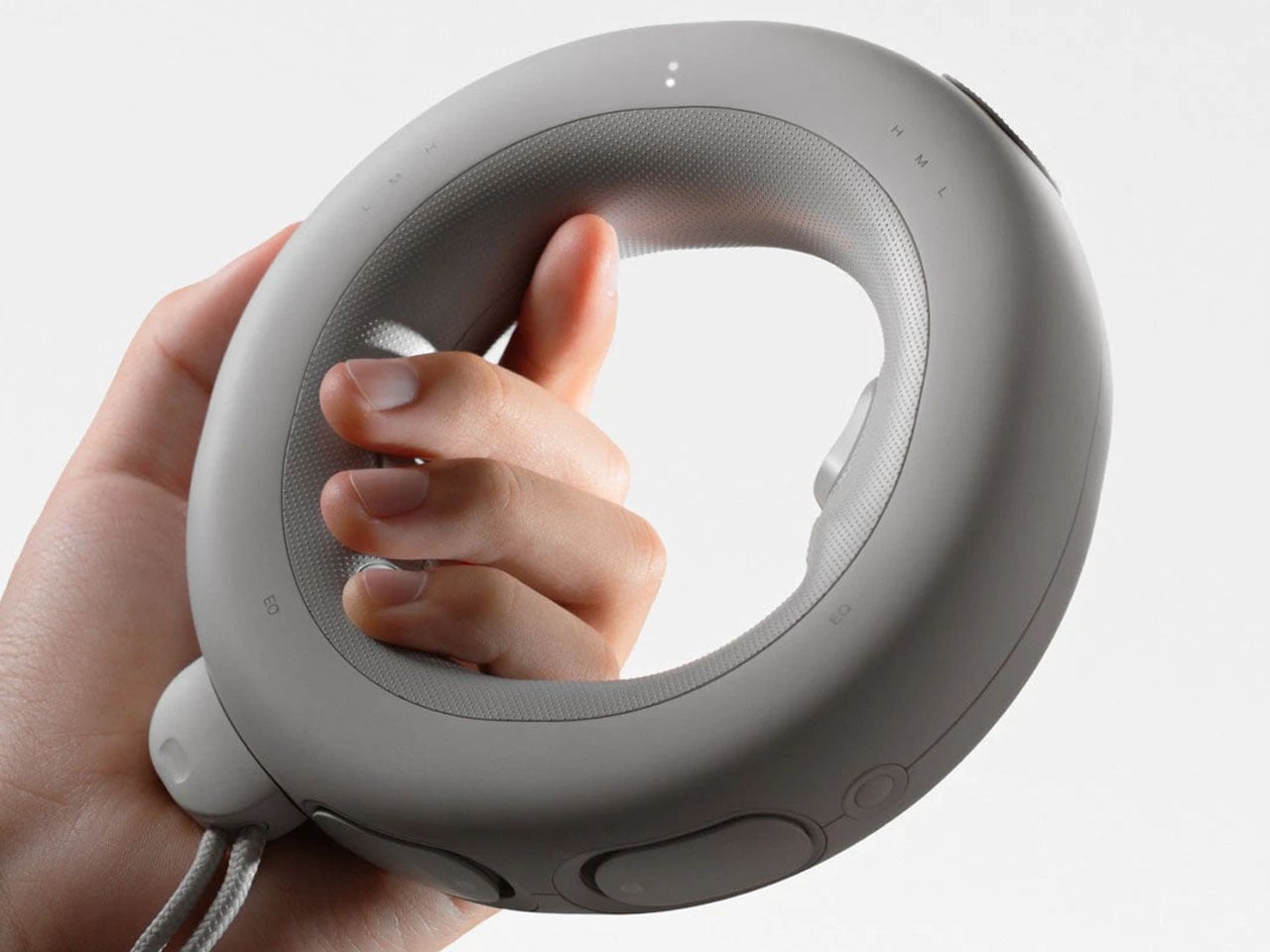
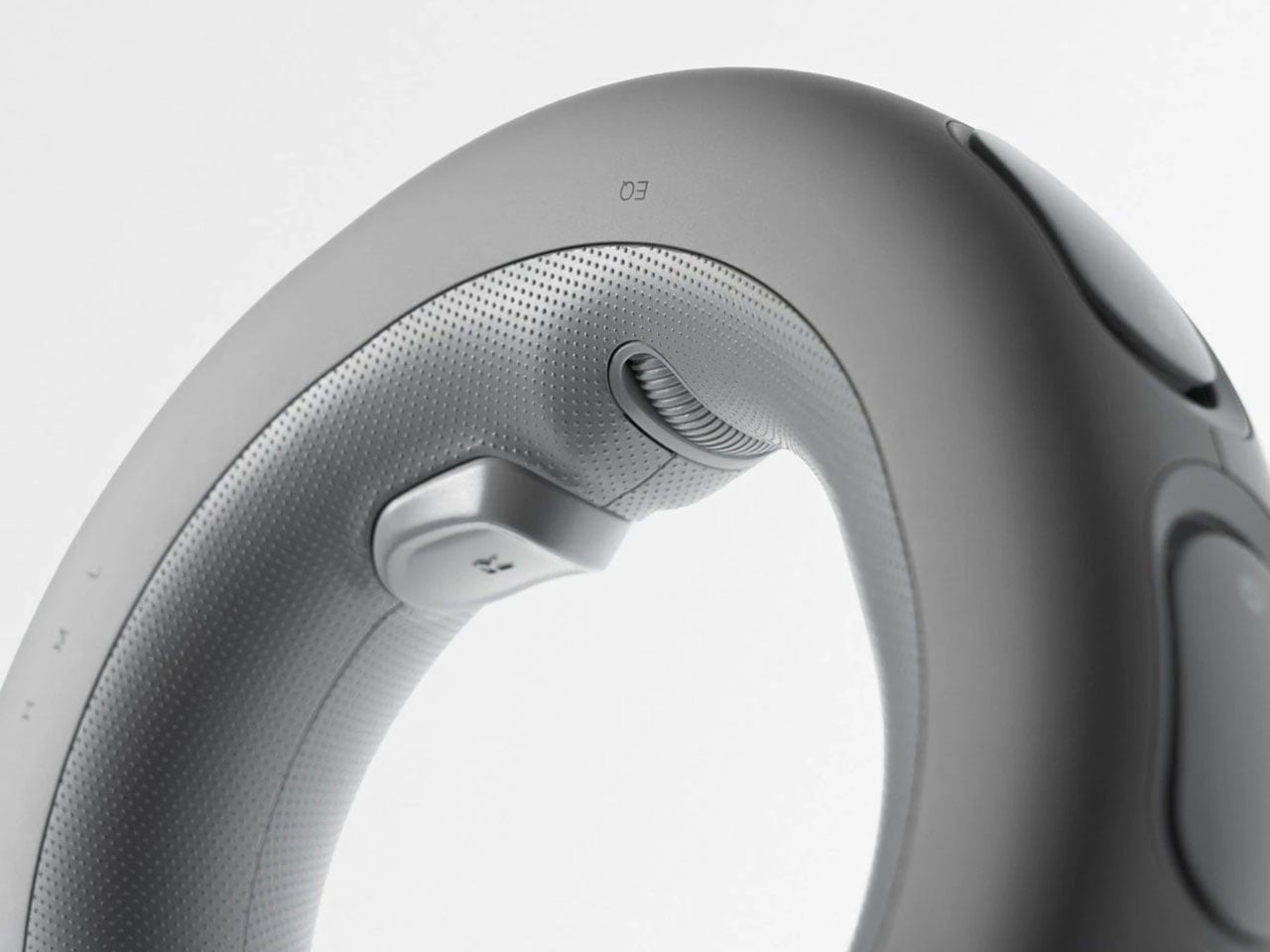
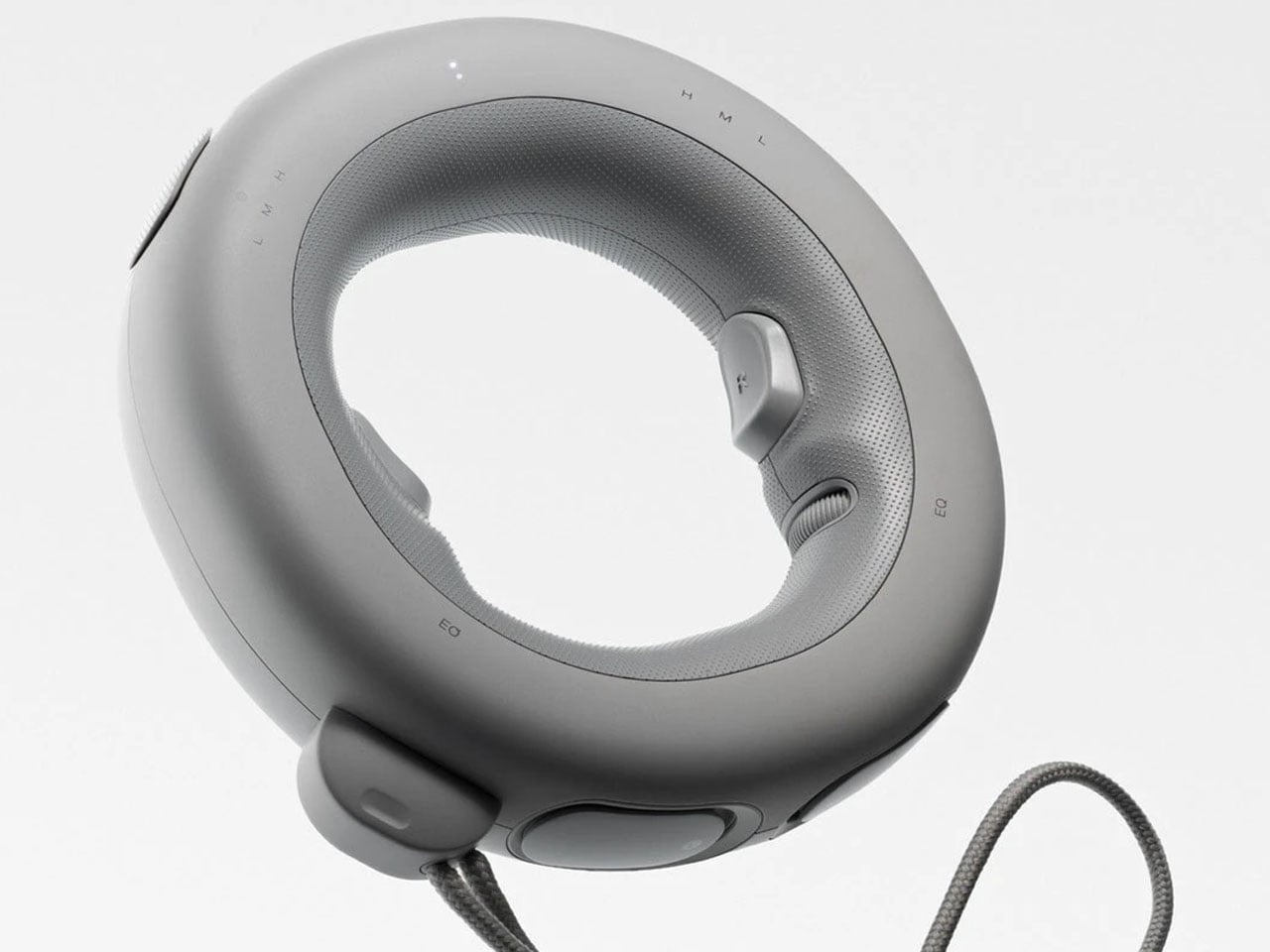
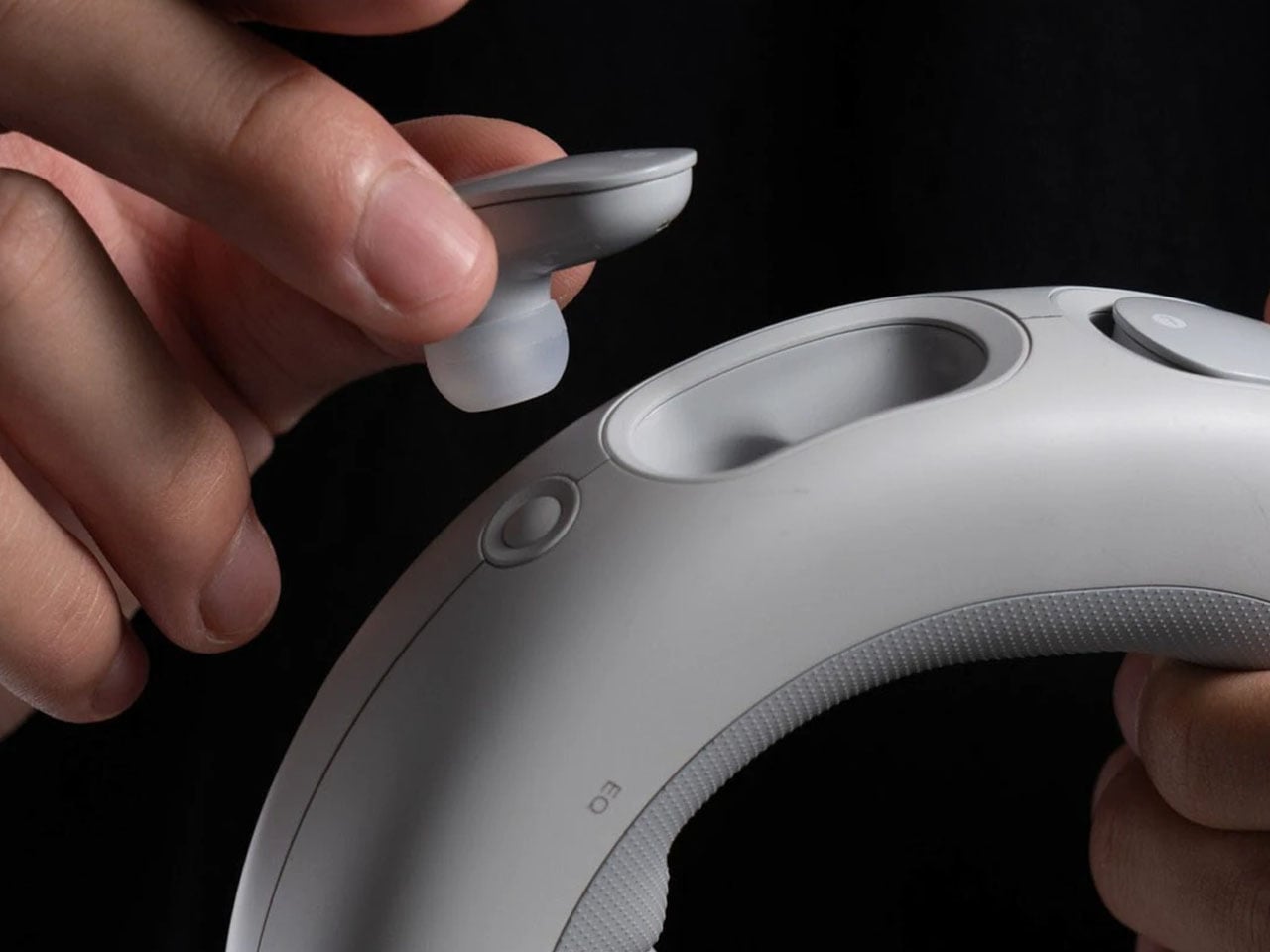
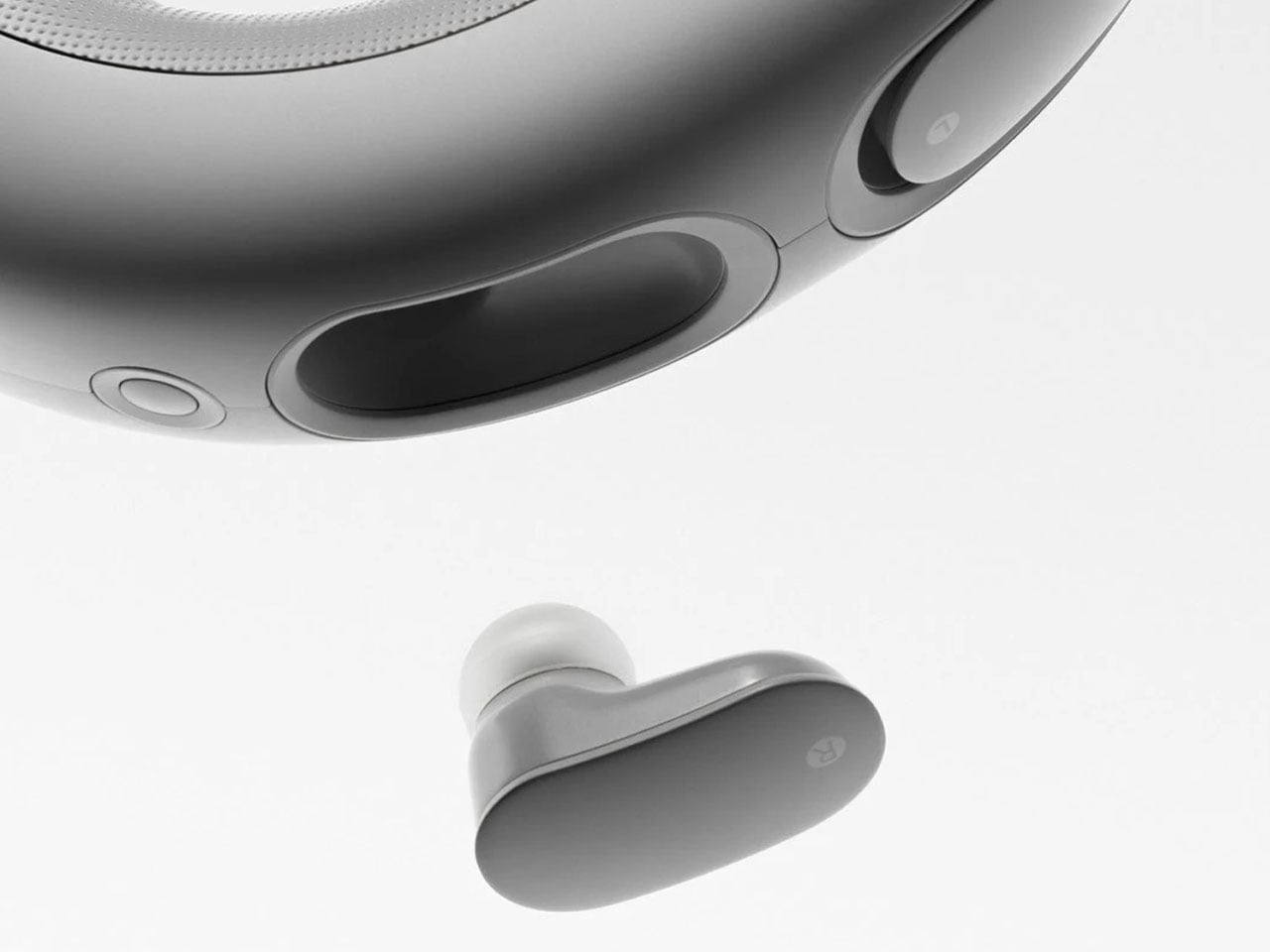
The ring-like portable speaker has a lanyard that lets users hook it onto a backpack or simply carry it around the wrist. Another option is to wear it around the neck, turning the device into a personal stereo system that surrounds the user with sound while remaining lightweight and portable. The most interesting aspect of the wearable speaker is the embedded pair of earbuds that are magnetically attached to the device. When you need a more personal audio listening session, simply detach the earbuds and slip into a more immersive listening mode.

The concept explores a flexible approach to audio consumption by blending communal listening with private listening in a single device. Instead of carrying separate accessories for each situation, the design combines the convenience of portable speakers with the intimacy of earbuds. When worn around the neck, the speaker projects audio outward, allowing nearby friends or companions to share the music. Once the earbuds are removed, the experience becomes more focused and isolated, ideal for commuting, working, or simply enjoying music alone.

Visually, the wearable speaker follows a futuristic and minimal design language. The circular form keeps the product compact and balanced, while smooth surfaces and subtle detailing give it a clean aesthetic that aligns with contemporary wearable technology. The ring structure also makes the device easy to carry and interact with, whether it is hanging from a bag or resting around the neck. Magnetic integration ensures that the earbuds remain securely attached while also making them instantly accessible when needed.

The designers also explore how wearable audio devices can remain connected to the surrounding environment instead of completely isolating the user. Open acoustic elements and carefully placed sound outlets help distribute audio while maintaining awareness of nearby sounds. This approach reflects a broader shift in wearable technology where products are designed not only for immersion but also for maintaining a sense of connection with the real world, much the Clip-On Buds that are trending currently.

The post This ring-like wearable speaker has integrated magnetic earbuds for on-demand personal audio first appeared on Yanko Design.
Uber expands its program that helps pair women riders and drivers

Uber has expanded its program that helps pair women riders and drivers. The Women Preferences feature is now available nationwide, after being tested in several cities. It has previously been available in many countries around the globe and started in Saudi Arabia back in 2019.

It's pretty easy to use. Women riders will see an option for Women Drivers when requesting a trip, and this also works when making a reservation in advance. Users can also make a preference for a woman driver in the settings app, though this doesn't guarantee anything and depends on the driver pool.

The feature works in much the same way for drivers. Women drivers will be able to request trips with women riders via the settings.

Uber isn't the only rideshare company trying to make half of the world's population a bit safer during trips. Lyft has been expanding its own take on the feature, which it also recently took nationwide

This article originally appeared on Engadget at https://www.engadget.com/apps/uber-expands-its-program-that-helps-pair-women-riders-and-drivers-184832010.html?src=rss

Samsung promises 120 games will be playable via its glasses-free 3D monitor tech by the end of the year

Samsung just announced that 120 games will be playable via its Odyssey 3D Hub platform by the end of the year. This is the platform that provides content for glasses-free 3D monitors like recent Odyssey displays.

The company made this claim at GDC 2026, while also noting that the platform currently offers around 60 playable titles. Samsung has only announced a couple of games headed to the platform this year, which include Cronos: The New Dawn and Hell is Us. These are both solid third-person action games that originally came out last year.

The collection already includes several notable games, including Stellar Blade, Lies of P and Psychonauts 2, among others. It's good to know the library continues to grow, proving that there might still be some life left in 3D display technology after all.

We came away impressed with the technology when we gave it a go last year. We even said that if "3D had been like this all along, people would be much more receptive." The games look great and the displays include head tracking so users don't have to constantly struggle to find the one sweet spot (I'm looking at you, Nintendo 3DS.)

Samsung has quietly been adding to its lineup of glasses-free 3D displays. There are several models to choose from nowadays, with screen sizes up to 32-inches.

The company also used GDC to announce a partnership with game developer CD Projekt Red, but details remain scant. It has something to do with display technology and Samsung's HDR10+ Gaming standard. We do know that CDPR and Samsung are integrating HDR10+ Gaming into Cyberpunk 2077.

This article originally appeared on Engadget at https://www.engadget.com/gaming/samsung-promises-120-games-will-be-playable-via-its-glasses-free-3d-monitor-tech-by-the-end-of-the-year-180102470.html?src=rss

EA laid off staffers across Battlefield studios to ‘better align’ its teams

EA axed an undisclosed number of employees across the game studios behind the Battlefield franchise. As first reported by IGN, EA told affected employees that the layoffs were part of a "realignment" across the Battlefield studios, which include Dice, Criterion, Ripple Effect and Motive Studios. When asked about the report, an EA spokesperson said in a statement that "we’ve made select changes within our Battlefield organization to better align our teams around what matters most to our community."

IGN reported that all the involved studios will remain operational, but the layoffs will affect multiple offices. The shake-up may come as a surprise to staffers, especially after Battlefield 6 racked up more than seven million copies sold in the first three days following its release in October. EA even called the latest Battlefield title the "best-selling shooter title of 2025" in its third quarter report for FY26, which disclosed the company's net revenue of more than $1.9 billion for the quarter.

"Battlefield remains one of our biggest priorities, and we’re continuing to invest in the franchise, guided by player feedback and insights from Battlefield Labs," an EA spokesperson also said in a statement.

Despite being one of EA's most popular franchises, Battlefield isn't the only one to suffer staffing cuts. Full Circle, the developer behind the skate. that's also owned by EA, also announced layoffs and "restructuring" in February. However, EA isn't the only company in the industry to look at downsizing its personnel. Ubisoft said it was planning to get rid of up to 200 jobs in its Paris office earlier this year and Microsoft announced it would cut thousands of jobs, including within its Gaming division, in July. 

This article originally appeared on Engadget at https://www.engadget.com/gaming/ea-laid-off-staffers-across-battlefield-studios-to-better-align-its-teams-173617672.html?src=rss