The Philosopher Wanted Silence. The Artist Built on Water.

In 1914, Ludwig Wittgenstein did something that, depending on your perspective, was either the most logical or the most eccentric thing a Cambridge-trained philosopher could do. He left England behind and built a tiny wooden cabin on the steep shoreline of Lake Eidsvatnet in Skjolden, Norway. The only way to reach it was by boat, or by walking across ice in winter. His mentor Bertrand Russell reportedly told him it would be lonely. Wittgenstein replied that he “prostituted his mind talking to intelligent people.” The anecdote is funny, but the philosophy behind it was completely serious.

What Wittgenstein found in that remote hut was the particular kind of quiet that forces real confrontation with your own thoughts. He was productive there in ways he couldn’t replicate anywhere else, later writing to a colleague that he “couldn’t imagine working anywhere as he did there,” and that the place had “a quiet seriousness” he found nowhere else. Some of his foundational thinking for Tractatus Logico-Philosophicus took shape in that small space, part of it on a boat his friend David Pinsent sailed across the Sognefjord. A philosopher doing his deepest work on open water, surrounded by mountains. That image stays with you.

Designer: Dionisio González
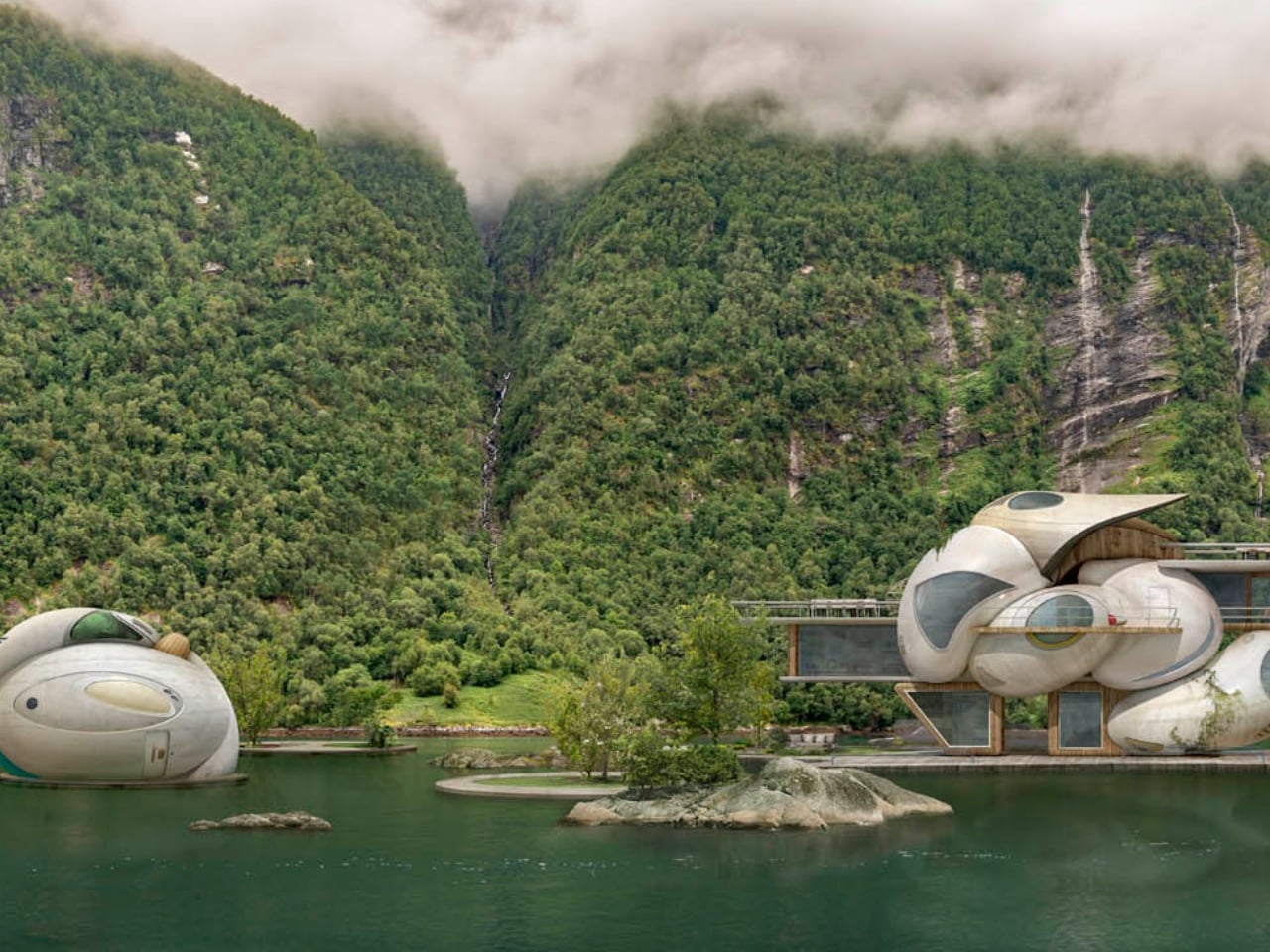
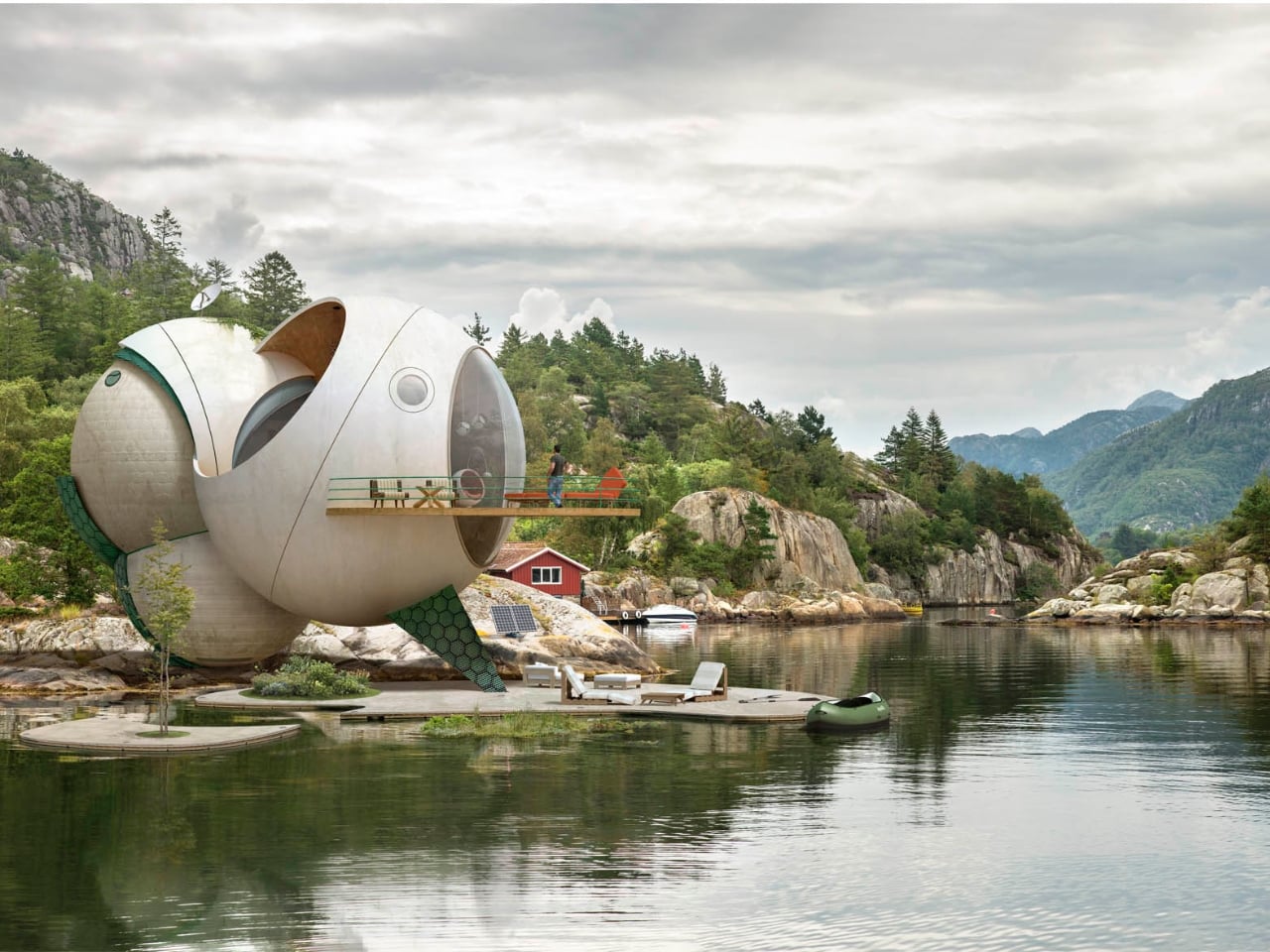
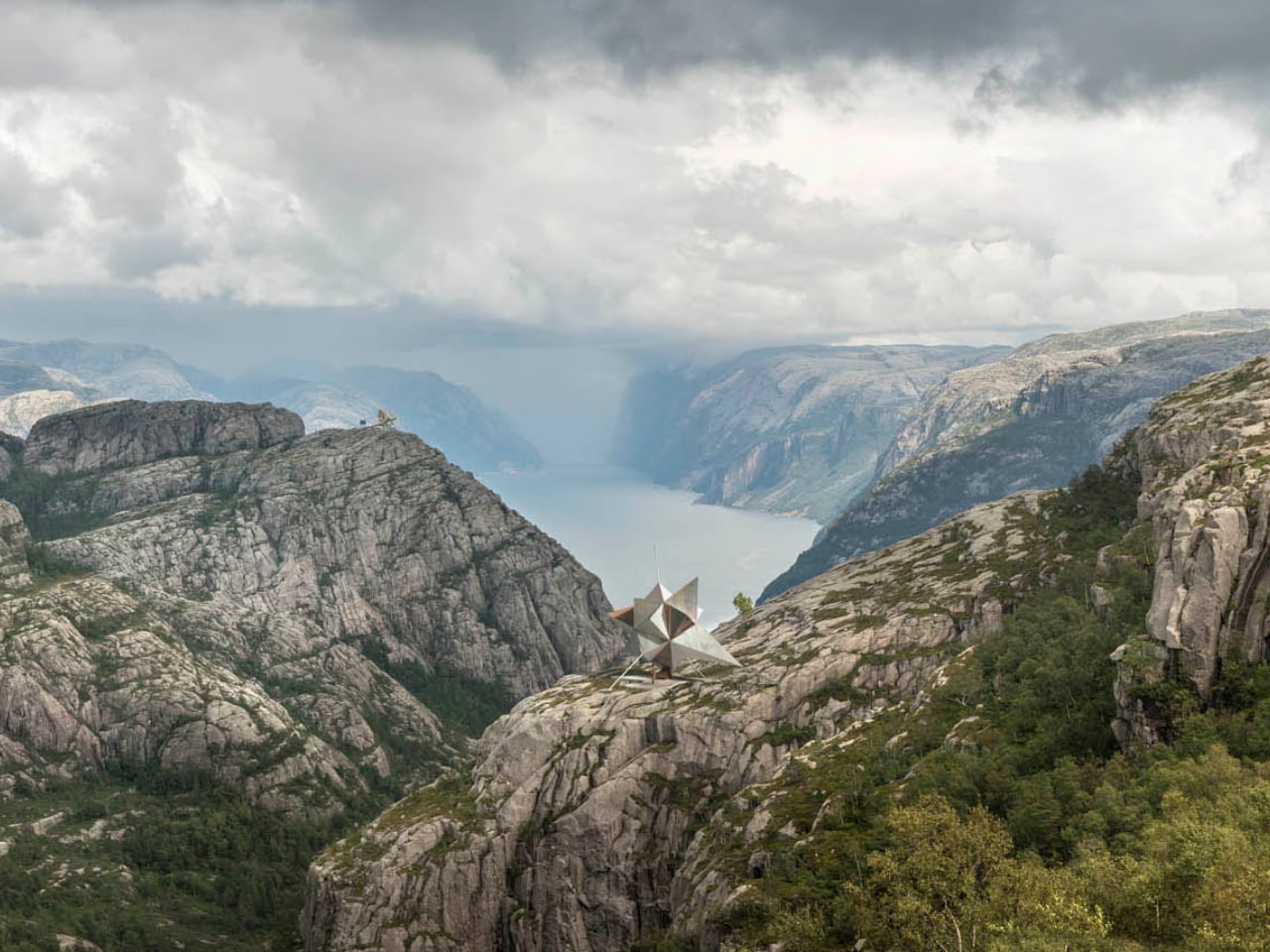
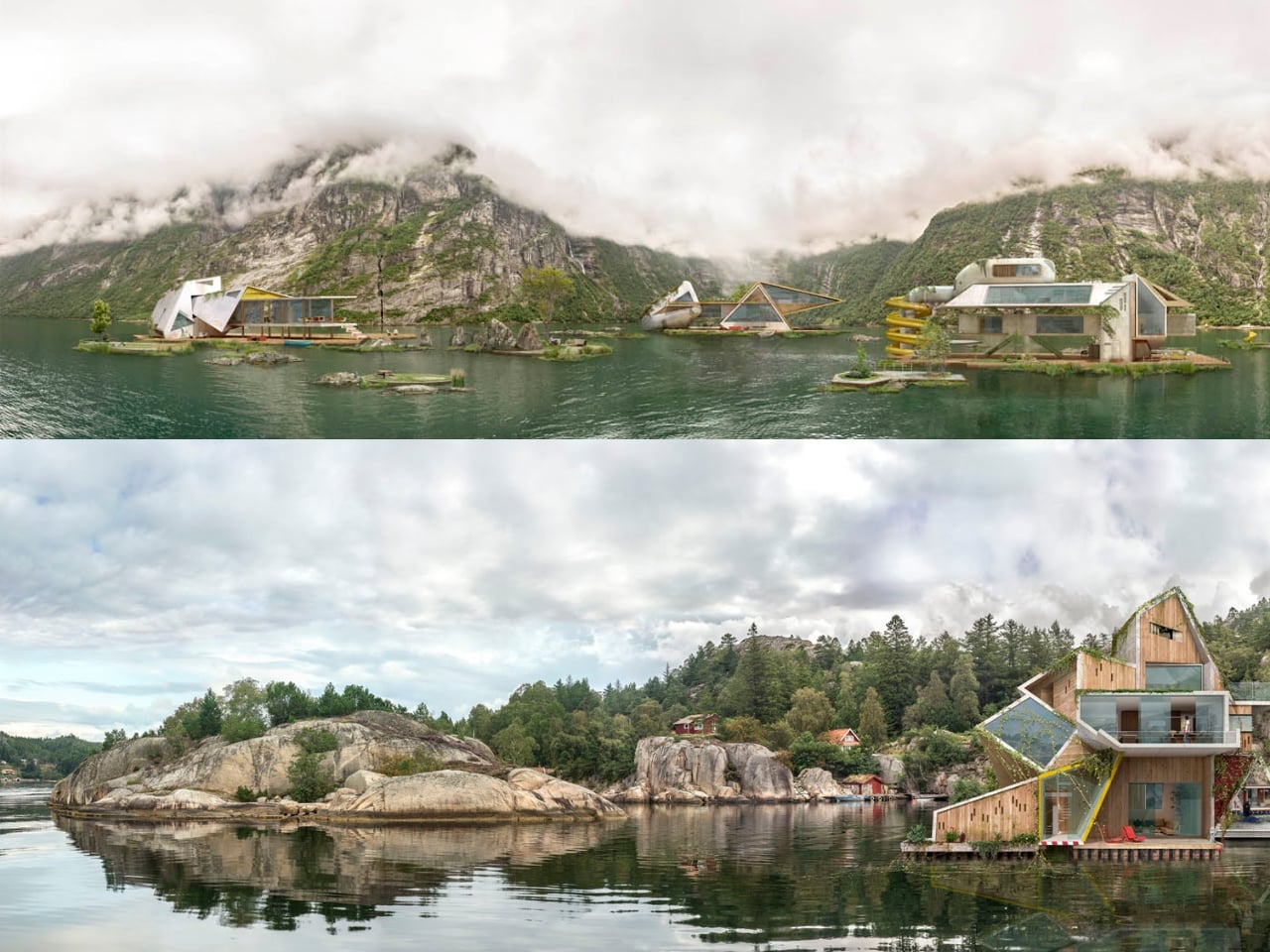
Spanish artist Dionisio González clearly felt it too. His series, Wittgenstein’s Cabin, takes that founding image as both premise and provocation. González works across photography, digital manipulation, and what you might call architectural fiction, and his practice has long focused on reimagining how people live in extreme or overlooked conditions. For this project, he envisioned a cluster of amphibious dwellings set directly on the Norwegian fjords, floating on artificial islands against the same vast and indifferent landscape that Wittgenstein once sought out. They are not proposals for construction. They are something closer to visual arguments.
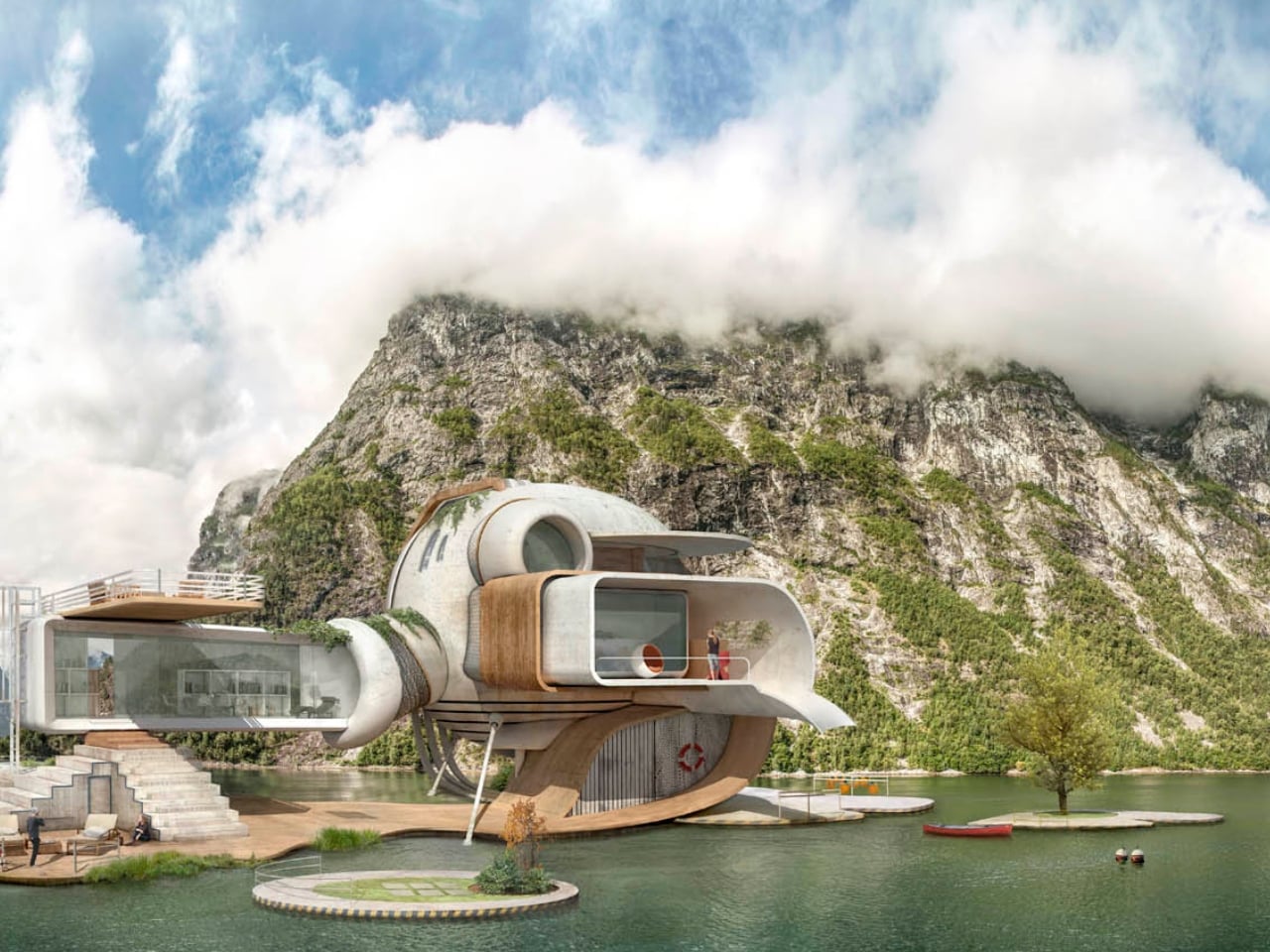
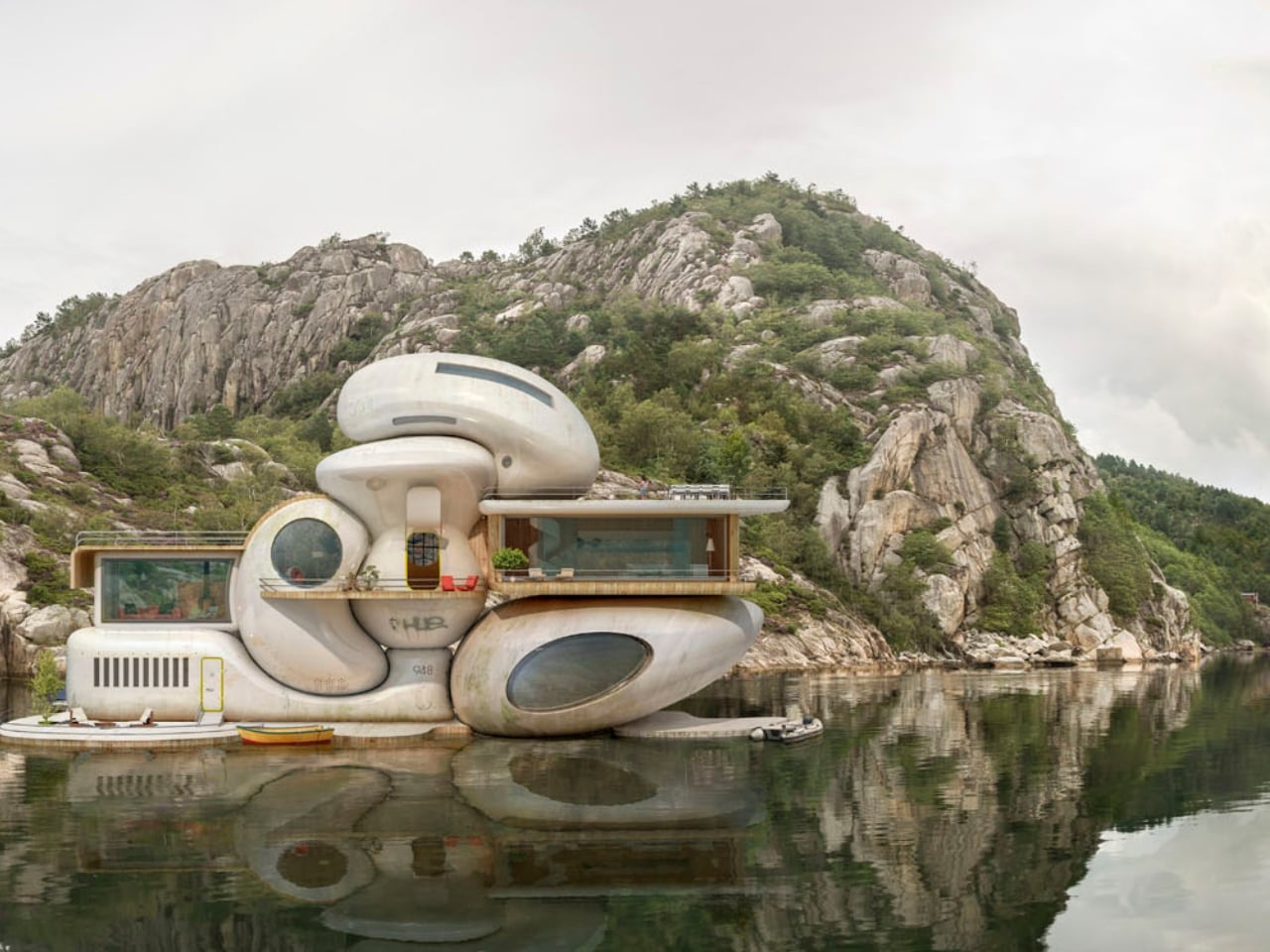
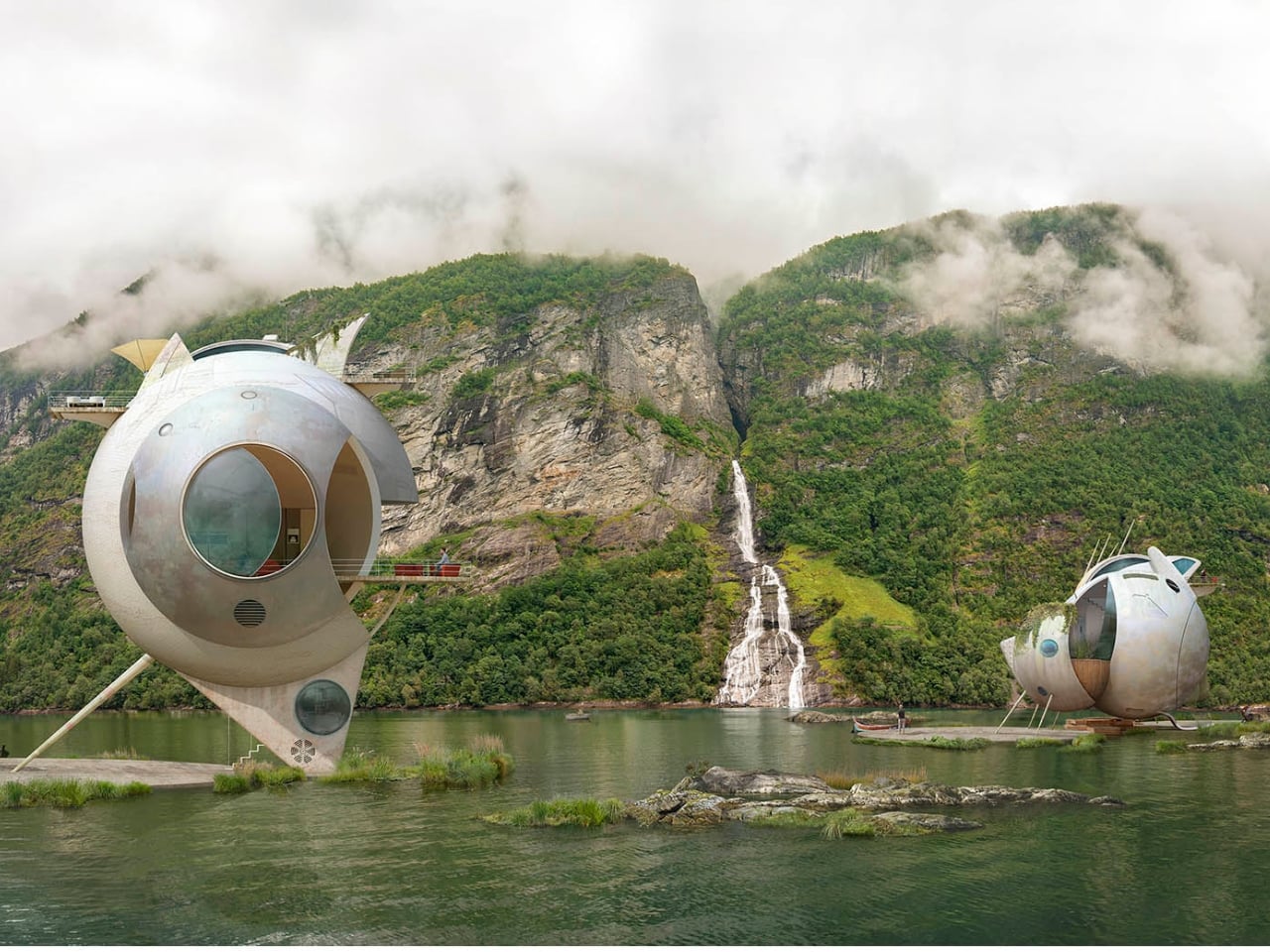
The structures themselves are striking. Made primarily of weathered metal, they feel industrial and oddly organic at the same time. Each one has its own distinct form, but they share a visual family resemblance, like siblings built from the same strange blueprint. They sit on the water in ways that feel simultaneously precarious and deliberate. González has spoken about being drawn to “the confrontation, the frontality” of Wittgenstein’s original cabin with the fjord. For Wittgenstein, the water wasn’t backdrop. It was the actual condition of his solitude. González takes that thought and makes it architectural.
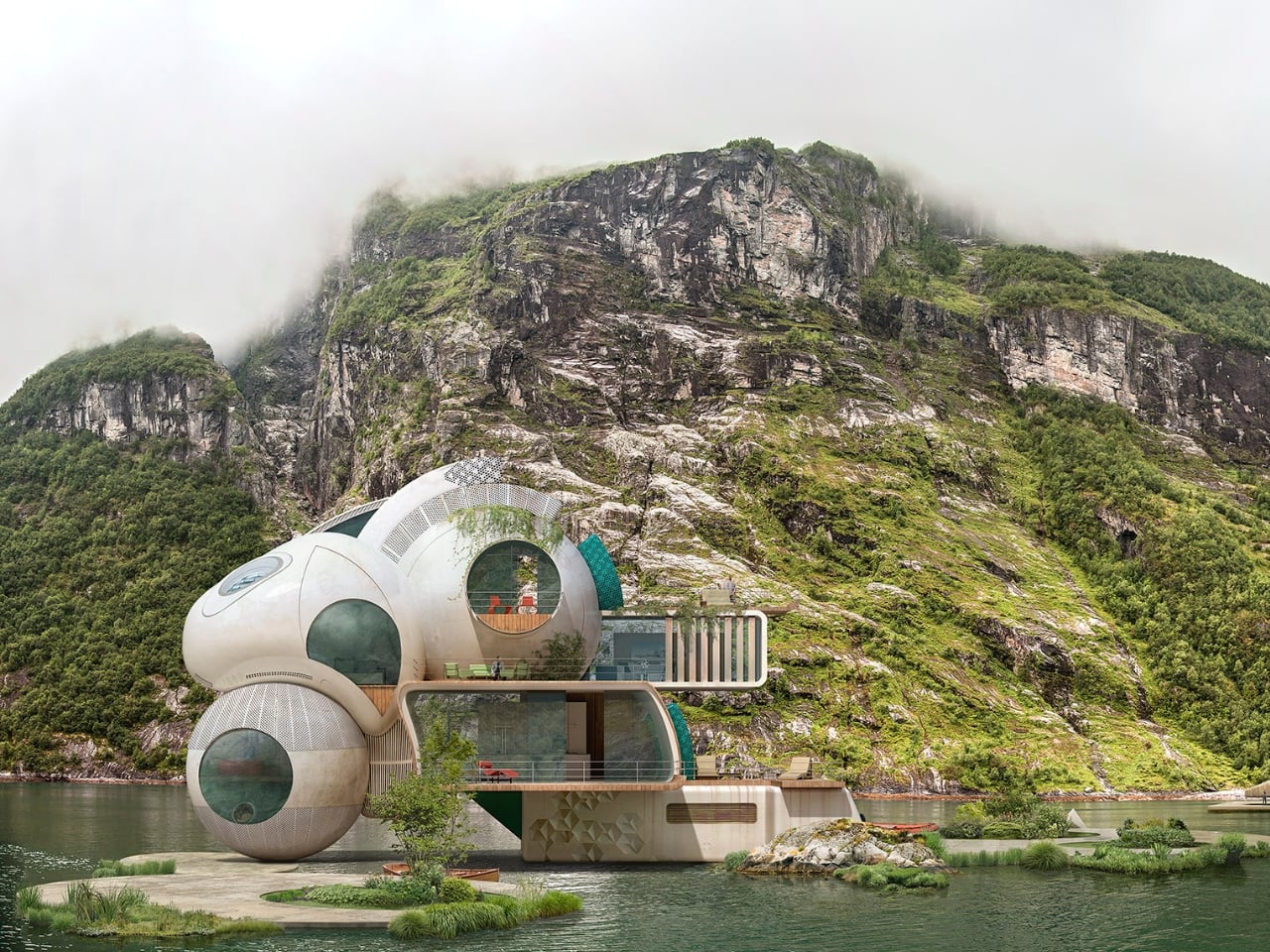
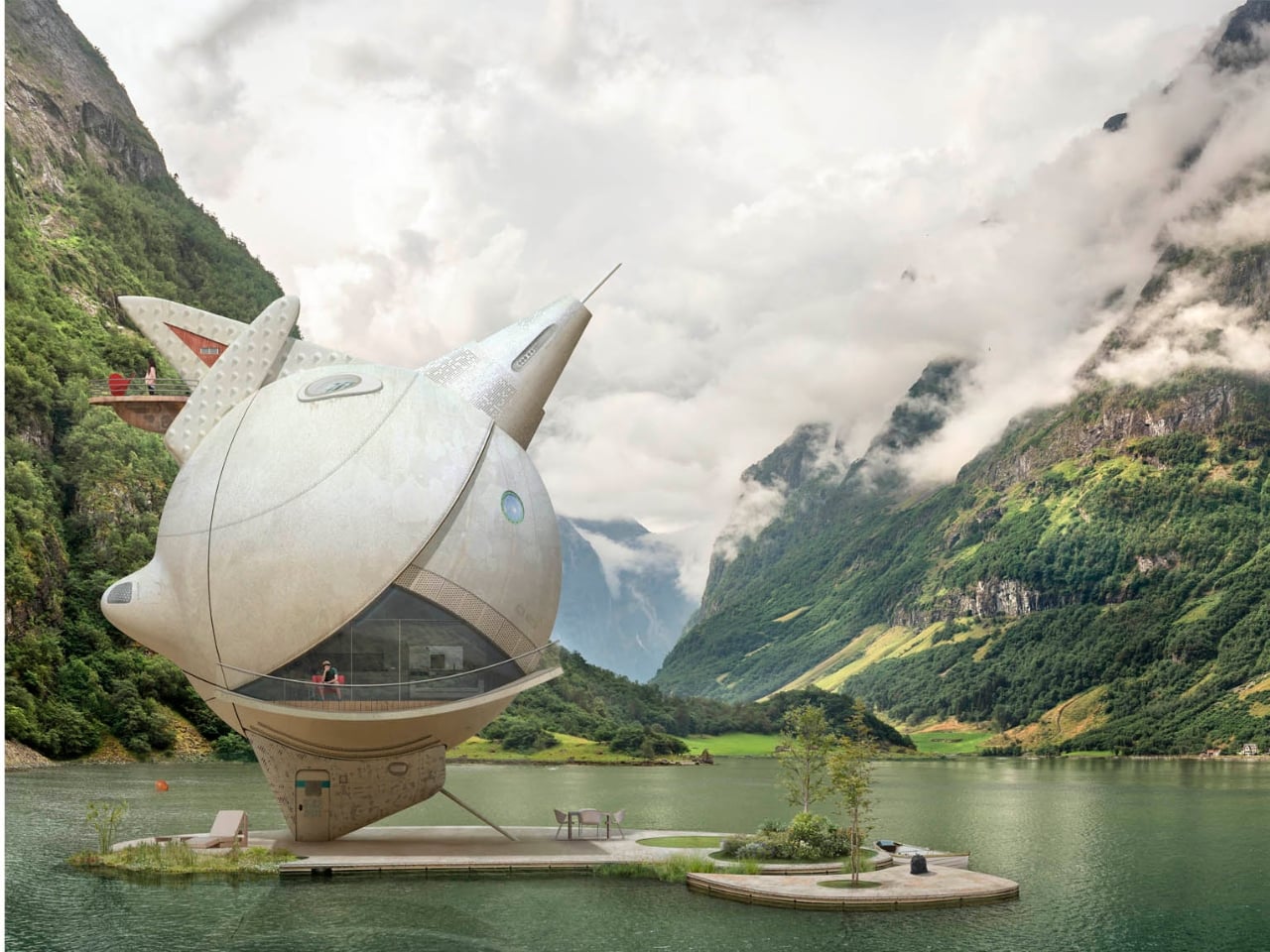
The project keeps pulling me back to one of the more persistent tensions in design conversation: the relationship between isolation and creative thought. The idea that you need to escape in order to think clearly is ancient, but it feels newly charged when genuine silence has become a luxury most people can’t really access. González frames philosophy itself as an “amphibian endeavour,” something that lives between the stable and the fluid, the settled and the speculative. His floating cabins give that metaphor a shape and a weight. They’re not quite houses. They’re more like habitable hypotheses.
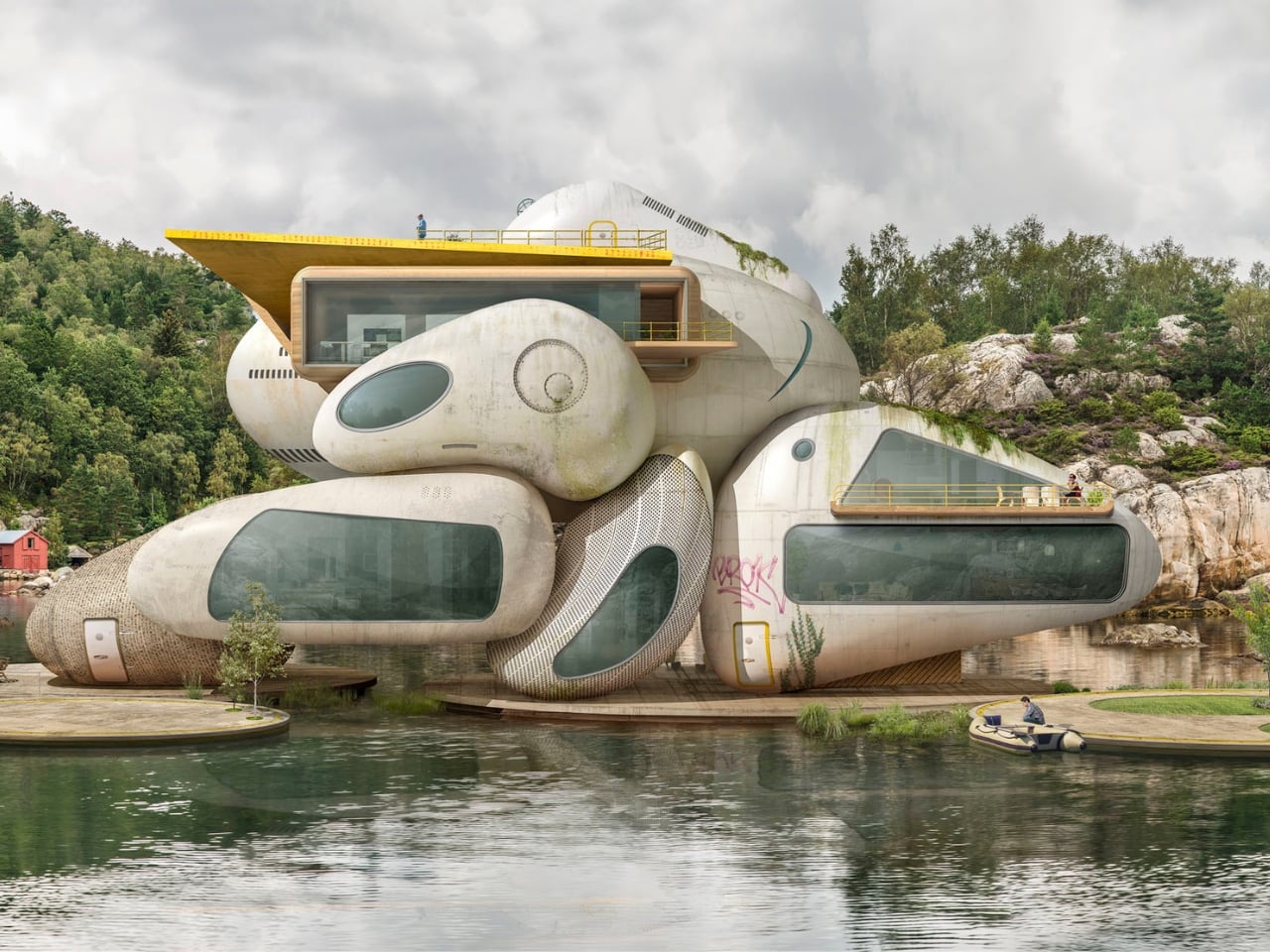
None of these structures are intended to be built, and I think that’s precisely where their power lies. Architectural fiction as a practice asks you to sit with ideas rather than just objects. It creates room to think seriously about how we want to inhabit the world, even when the answer falls outside what’s commercially or technically possible. González’s designs carry a visual seriousness that separates them from pure fantasy, a quality that makes them feel genuinely worth spending time with.
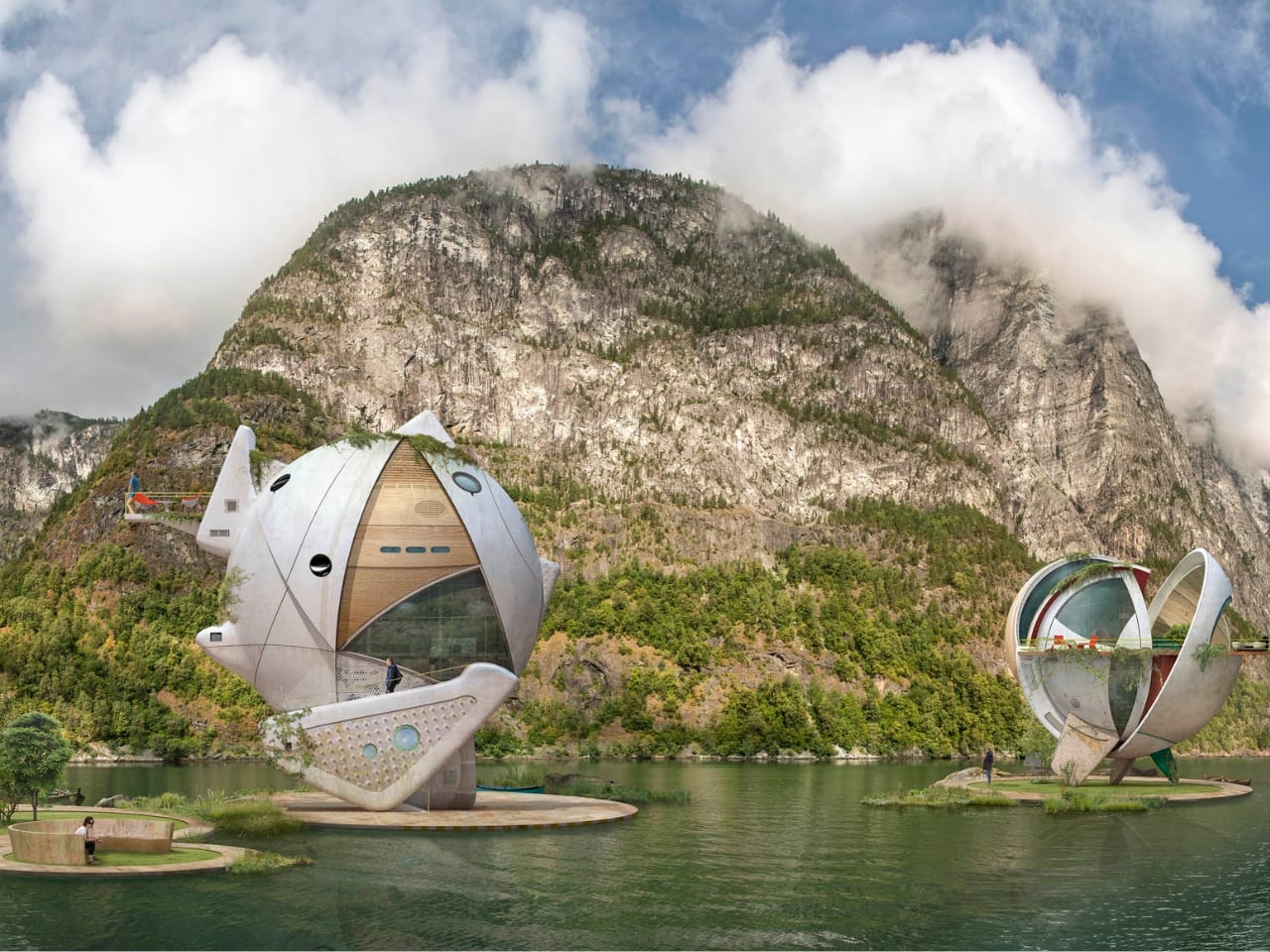
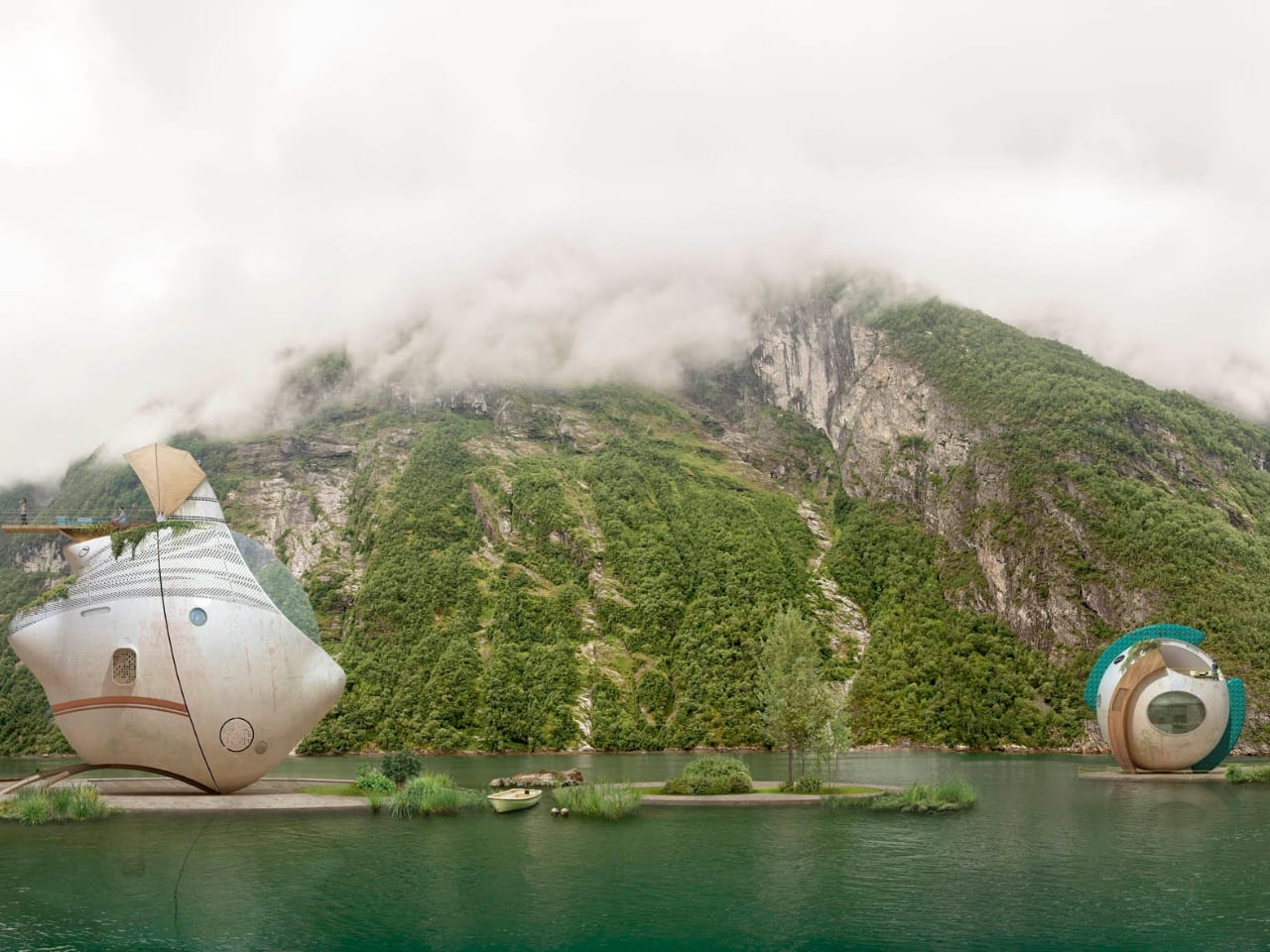
Wittgenstein wanted to disappear from the world in order to think more clearly inside it. González takes that same instinct and places it on open water, wrapped in oxidized metal, asking what solitude actually looks like when landscape isn’t just a setting but a condition of being. The answer he offers is beautiful and strange, which feels entirely fitting for a project named after one of the twentieth century’s most beautiful and strange minds.
The post The Philosopher Wanted Silence. The Artist Built on Water. first appeared on Yanko Design.

7 Genius Ways to Use Claude as Your Daily Productivity Assistant

7 Genius Ways to Use Claude as Your Daily Productivity Assistant Example daily HTML dashboard that combines calendar events, email highlights, news links, and top priorities in one page.

Claude Cowork offers a range of AI-driven features designed to simplify daily workflows and enhance productivity. In a recent breakdown by Brock Mesarich | AI for Non Techies, the focus is on seven specific skills that can make a tangible difference in how you approach your workday. For instance, the Morning Briefing Skill consolidates your […]

The post 7 Genius Ways to Use Claude as Your Daily Productivity Assistant appeared first on Geeky Gadgets.

Posted in Uncategorized

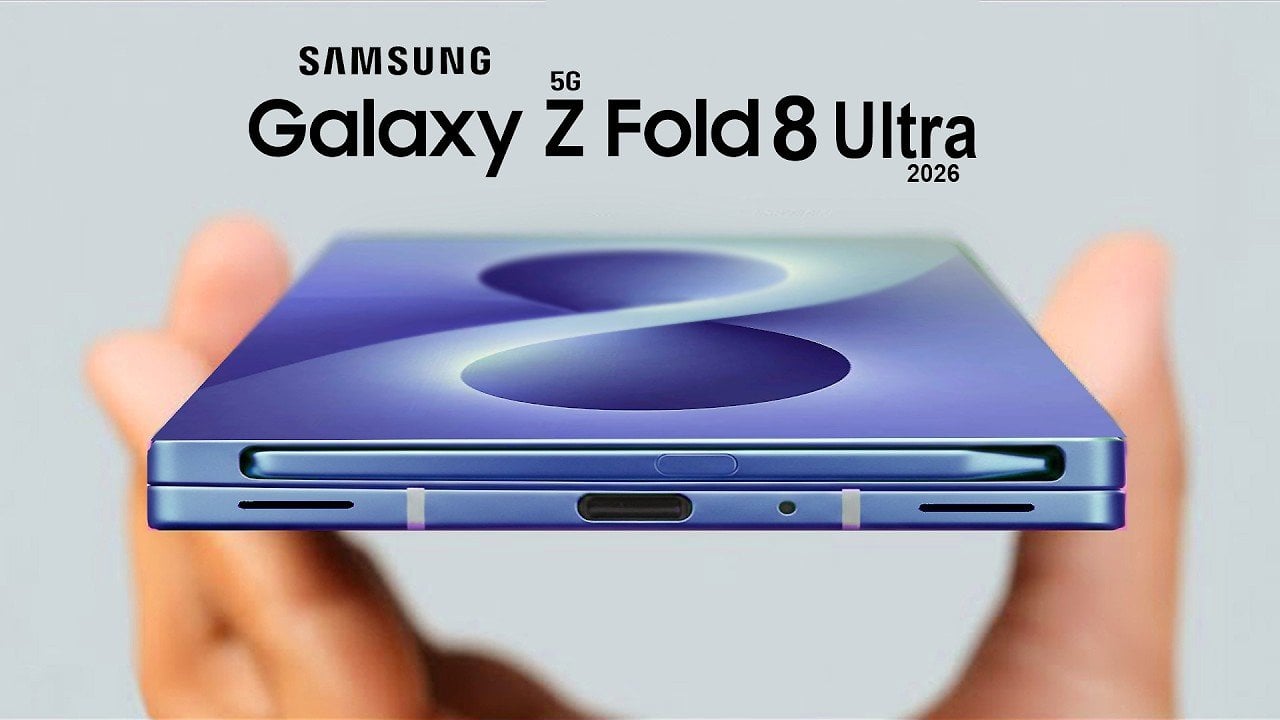
The Wait is Over: Samsung Galaxy Z Fold 8 Ultra Leaks with 45W Charging and a Massive Battery Boost

The Wait is Over: Samsung Galaxy Z Fold 8 Ultra Leaks with 45W Charging and a Massive Battery Boost Leaked Galaxy Z Fold 8 dimensions shown beside Fold 7, highlighting the thicker 9 mm folded body.

The Galaxy Z Fold 8 Ultra 5G is shaping up to be one of the most anticipated foldable smartphones of 2026. Building on the success of its predecessor, the Fold 7, this latest iteration is expected to deliver a blend of subtle refinements and impactful upgrades. Whether you’re a tech enthusiast or simply curious about […]

The post The Wait is Over: Samsung Galaxy Z Fold 8 Ultra Leaks with 45W Charging and a Massive Battery Boost appeared first on Geeky Gadgets.

Posted in Uncategorized

Want Flawless OpenClaw in 2026? You Need MaxClaw and the MiniMax M2.7

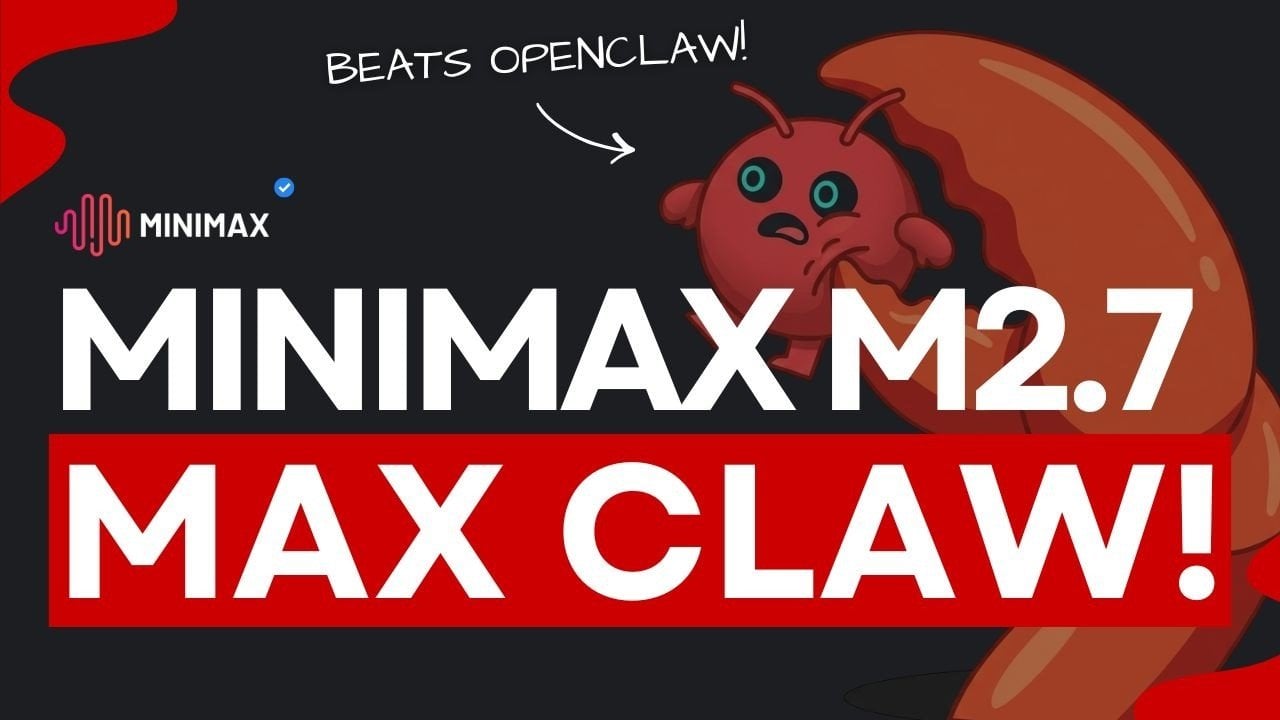
Want Flawless OpenClaw in 2026? You Need MaxClaw and the MiniMax M2.7 MaxClaw screen showing one-click OpenClaw deployment running in the cloud inside the MiniMax agent workspace.

MaxClaw, powered by the MiniMax M2.7 model, provides a structured way to deploy OpenClaw, an AI agent framework designed for task automation and workflow management. According to Universe of AI, MaxClaw simplifies the process by offering a cloud-based, one-click deployment system, eliminating the need for self-hosting or intricate server setups. This approach ensures that features […]

The post Want Flawless OpenClaw in 2026? You Need MaxClaw and the MiniMax M2.7 appeared first on Geeky Gadgets.

Posted in Uncategorized

The $599 Showdown: Can the MacBook Neo Kill the Budget Windows Laptop?

The $599 Showdown: Can the MacBook Neo Kill the Budget Windows Laptop? Display comparison image showing a brighter 500-nit MacBook Neo panel next to a dimmer 300-nit Windows screen.

Apple’s MacBook Neo, powered by the A18 Pro chip and equipped with 8GB of RAM, enters the competitive mid-range laptop market with a focus on premium design and portability. However, when compared to Windows laptops in the $500-$700 range, it faces challenges in justifying its higher price tag, particularly in areas like performance and multitasking. […]

The post The $599 Showdown: Can the MacBook Neo Kill the Budget Windows Laptop? appeared first on Geeky Gadgets.

Posted in Uncategorized

Just Updated to iOS 26.4? Here Are the First Things You Should Do

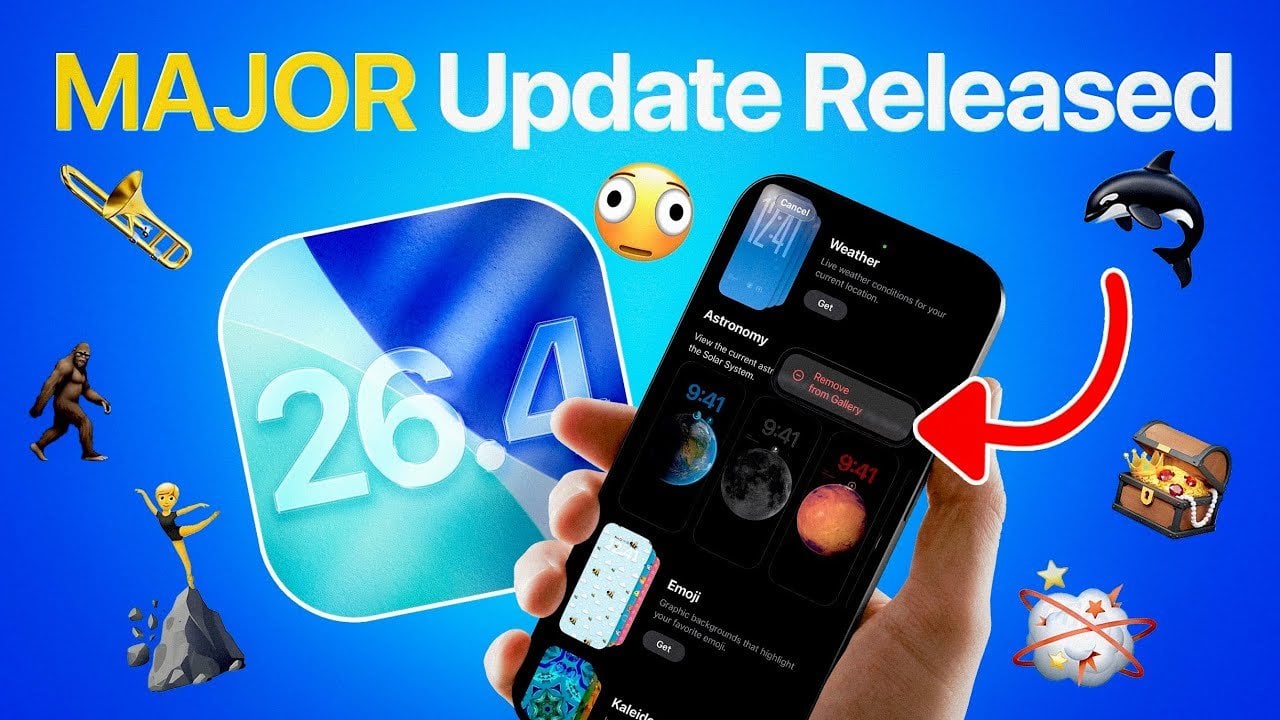
Just Updated to iOS 26.4? Here Are the First Things You Should Do Apple Music on iOS 26.4 showing playlist background artwork and a text prompt for Playlist Playground creation.

Apple has officially launched iOS 26.4, a comprehensive update designed to enhance your experience across a variety of apps and functionalities. Whether you’re a music lover, a multitasker, or someone who enjoys personalizing their device, this update introduces features that cater to diverse user needs. Below is an in-depth look at the most noteworthy updates […]

The post Just Updated to iOS 26.4? Here Are the First Things You Should Do appeared first on Geeky Gadgets.

Posted in Uncategorized

Galaxy Z Fold 8 Renders: Same Look, Bigger Battery, and S Pen Is Back

Foldable phones have reached a point where the form factor itself is no longer the talking point it once was. The big, dramatic “look how it folds” moment has settled into a quieter rhythm of iterative refinement, with each generation tweaking dimensions and chasing thinner profiles. Most buyers know what a modern book-style foldable looks like, and the language of change has shifted from shape to substance.

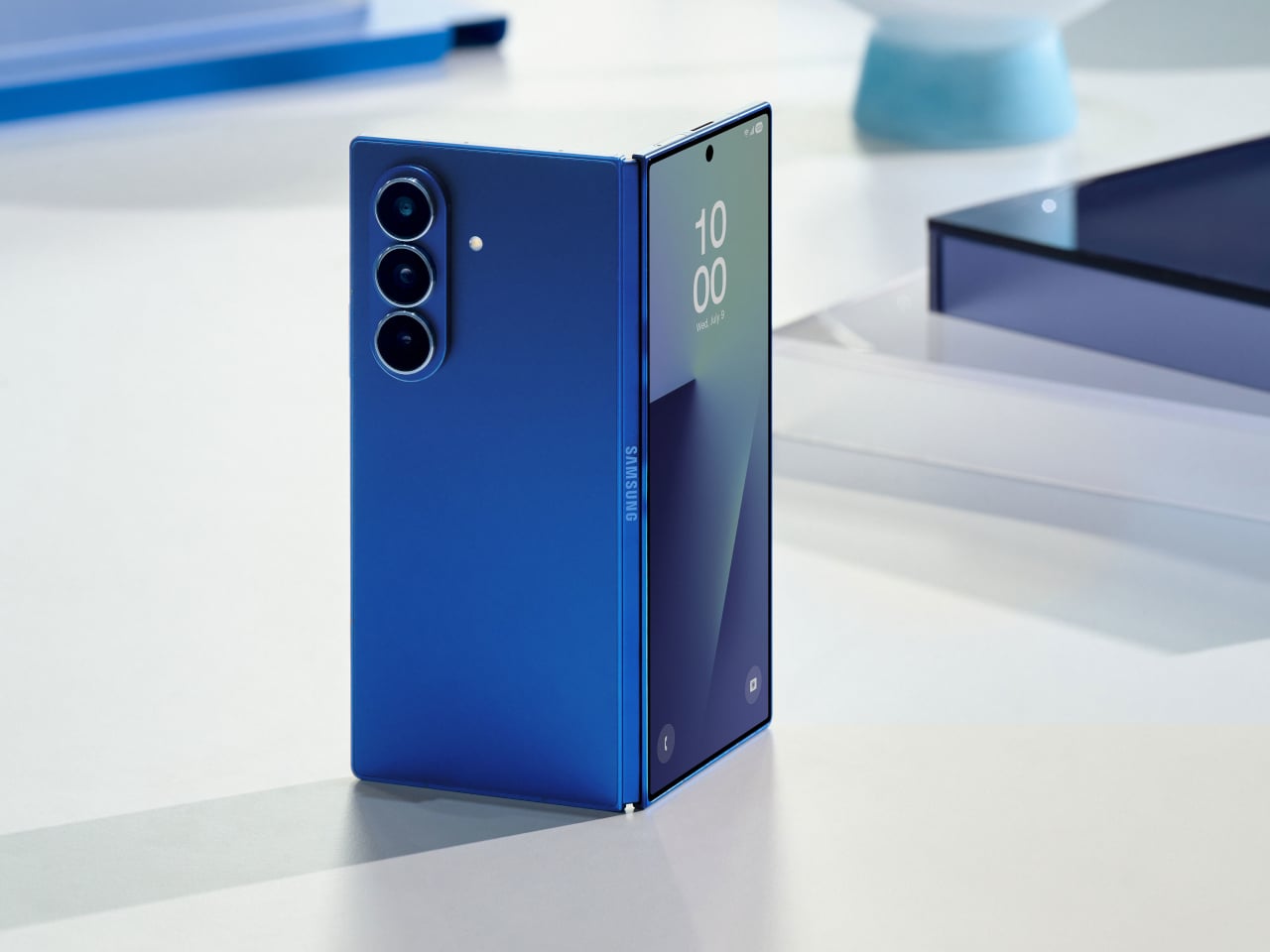
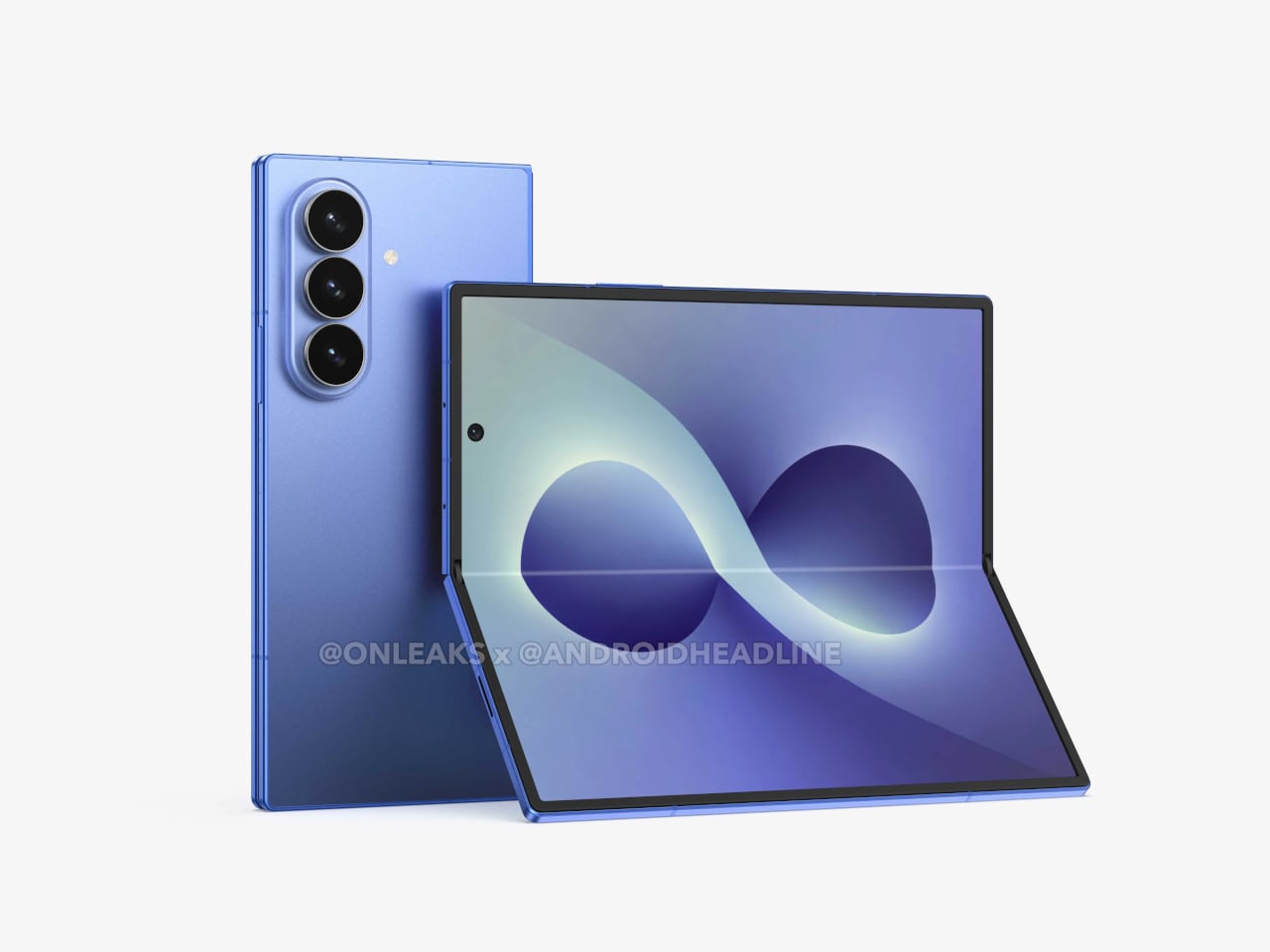
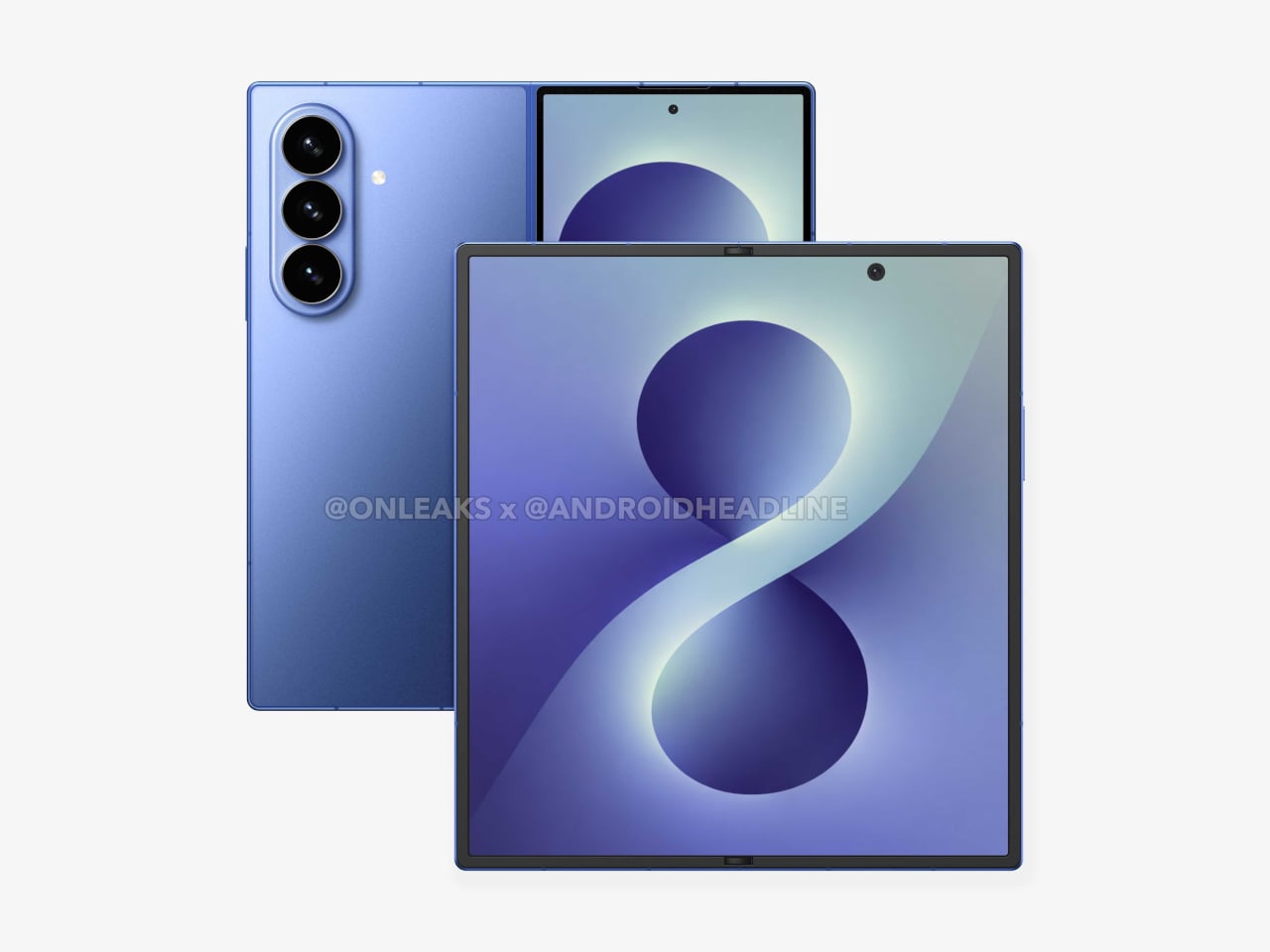
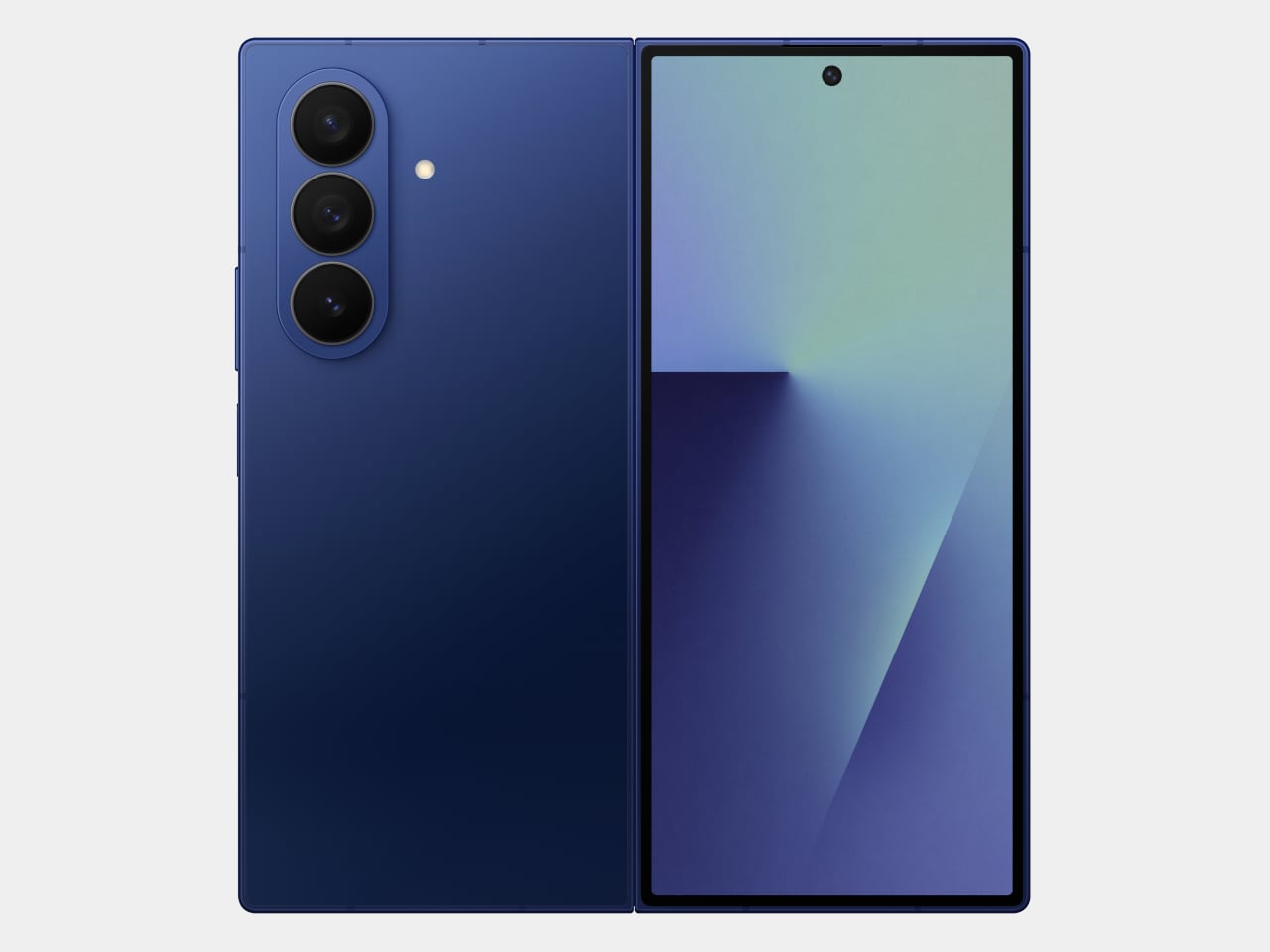
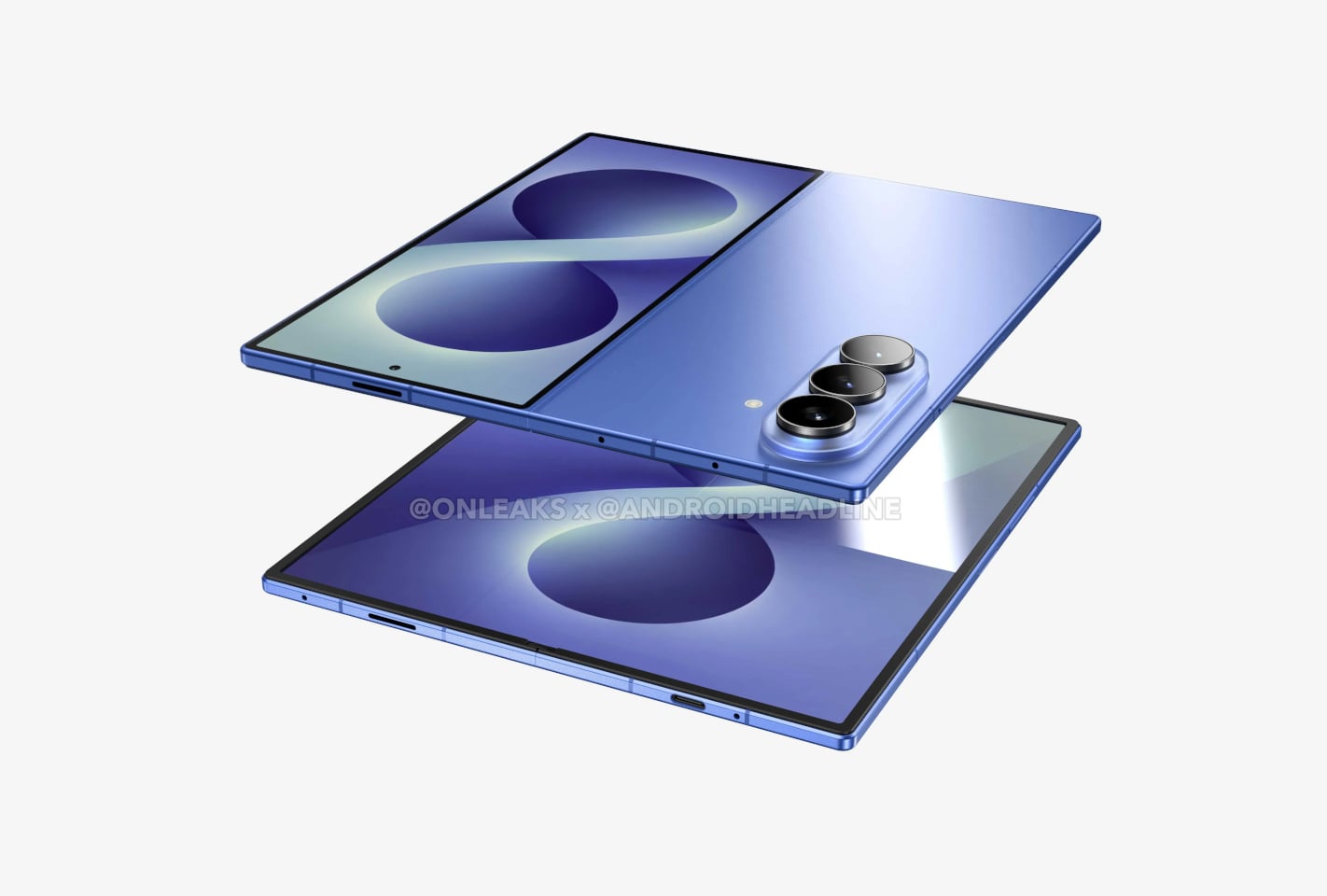
That’s the situation shaping the Samsung Galaxy Z Fold 8 conversation right now. Leaked CAD-based renders show a design that’s nearly indistinguishable from the Z Fold 7 pictured above: same flat sides, same sharp corners, same camera layout. The cover screen sits at 6.5 inches and the inner display at 8 inches, both unchanged. If you handed someone these renders without context, they’d probably just guess it was another angle of last year’s model.

Designer: Steve Hemmerstoffer/OnLeaks (Renders) via AndroidHeadlines

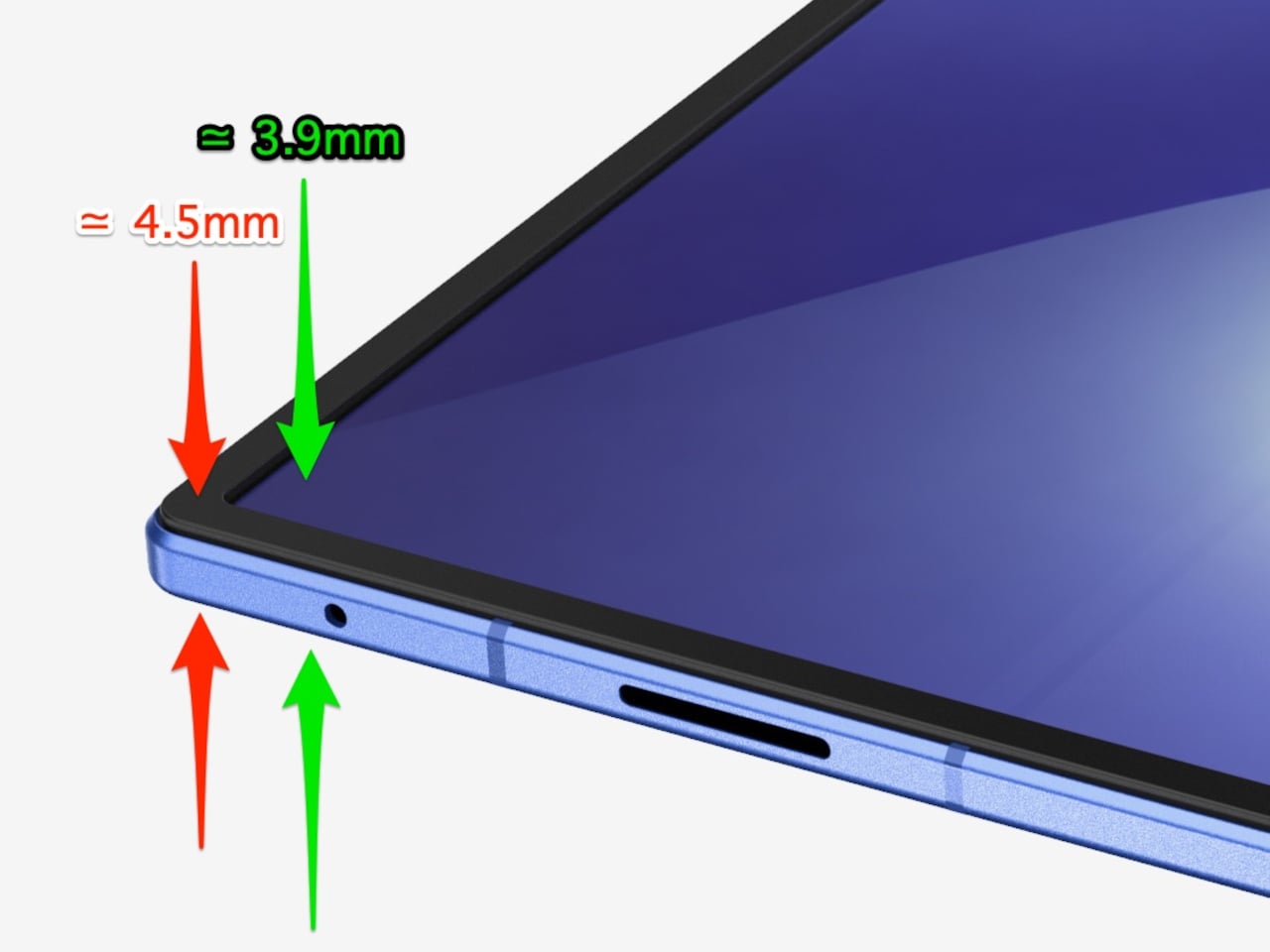
There’s one notable external difference, though, and it actually goes in the wrong direction. The leaked dimensions put the Z Fold 8 at 4.5mm thick when open and 9mm folded, compared to the Fold 7’s 4.2mm and 8.9mm. That’s a slight regression for a phone that went to considerable lengths to slim down the year prior. It’s not dramatic, but for a device that made a point of its thinness, it’s worth flagging. That said, the 4.5mm figure includes the protruding bezels around the display; it’s actually just 3.9mm thin.

The likely reason for that extra thickness is one of the better leaks so far: the possible return of S Pen support. Samsung dropped the stylus from the Fold 7, and that’s been a consistent complaint from the people who actually used it for note-taking or sketching on that wide inner canvas. If the S Pen does come back, a fraction of a millimeter is a fair trade for most of those users.

The battery theory, however, is probably more probable. A jump from 4,400 mAh to a rumored 5,000 mAh would mark the first capacity upgrade since the Galaxy Z Fold 3, and pairing that with 45W wired charging, up from 25W, addresses one of the more persistent frustrations with this lineup. Spending less time near an outlet matters more on a device you’re likely using across more tasks throughout the day.

The camera is also in line for a significant upgrade, according to the same leak. The main sensor is rumored to still be 200MP, and the ultrawide jumps from 12MP to 50MP. That ultrawide improvement in particular has been a long time coming. The gap between the Fold’s main and ultrawide cameras has been noticeable enough that it’s affected how people use the phone outdoors.

All of this is still leak territory, of course, pulled from CAD renders and a specs tipster ahead of what’s expected to be a July 2026 Unpacked announcement. Samsung hasn’t confirmed any of it, and final specs frequently shift between early renders and launch day. The Z Fold 8 is shaping up to be a phone that looks familiar and updates what actually needs updating, but none of that is official yet.

Galaxy Z Fold7

The post Galaxy Z Fold 8 Renders: Same Look, Bigger Battery, and S Pen Is Back first appeared on Yanko Design.
This New CLI Tool Just Made Deploying AI Agents Ridiculously Easy

This New CLI Tool Just Made Deploying AI Agents Ridiculously Easy Terminal view showing Langraph Deploy CLI commands for creating, testing, and deploying an AI agent project.

LangChain introduces Langraph Deploy CLI, a command-line interface designed to support the development and deployment of AI agents. With compatibility for both Python and TypeScript, it accommodates varied programming preferences. A notable feature is the inclusion of pre-built templates for specific scenarios, such as deep learning or lightweight setups, which help developers quickly establish a […]

The post This New CLI Tool Just Made Deploying AI Agents Ridiculously Easy appeared first on Geeky Gadgets.

Posted in Uncategorized

Ring adds 4K to its battery-powered video doorbells

Ring has today announced a spec bump to its battery-powered video doorbells for all those folks who can’t wire their units to power. The flagship Battery Doorbell Pro (2nd gen) gets 4K video, with 10x zoom and the promise of far longer time between recharges than the previous model. At the same time, it’s bringing 2K imaging to its lower-end battery doorbells, the Battery Doorbell Plus and Battery Doorbell (2nd gen). The former, as fitting its higher price, gets a quick-release battery pack, while both models get 2K video and 6x zoom. Naturally, these features are already available on Ring’s wired products, the bulk of which were announced back in September 2025.

The company is also aware that swapping out batteries isn’t ideal if you really need a doorbell to work all of the time. That’s why it’s also launching a new Solar Charger which integrates into the mount, keeping your doorbell running for longer between trips to the wall outlet. There’s also a bigger Solar Panel, which pumps out more juice than its smaller sibling, and can be mounted in a wider variety of places. All of the above are available to pre-order from today, and are priced as follows: Pro ($250), Plus ($180), Battery Doorbell ($100), Solar Charger ($50), Solar Panel ($60).

This article originally appeared on Engadget at https://www.engadget.com/home/ring-adds-4k-to-its-battery-powered-video-doorbells-130021181.html?src=rss

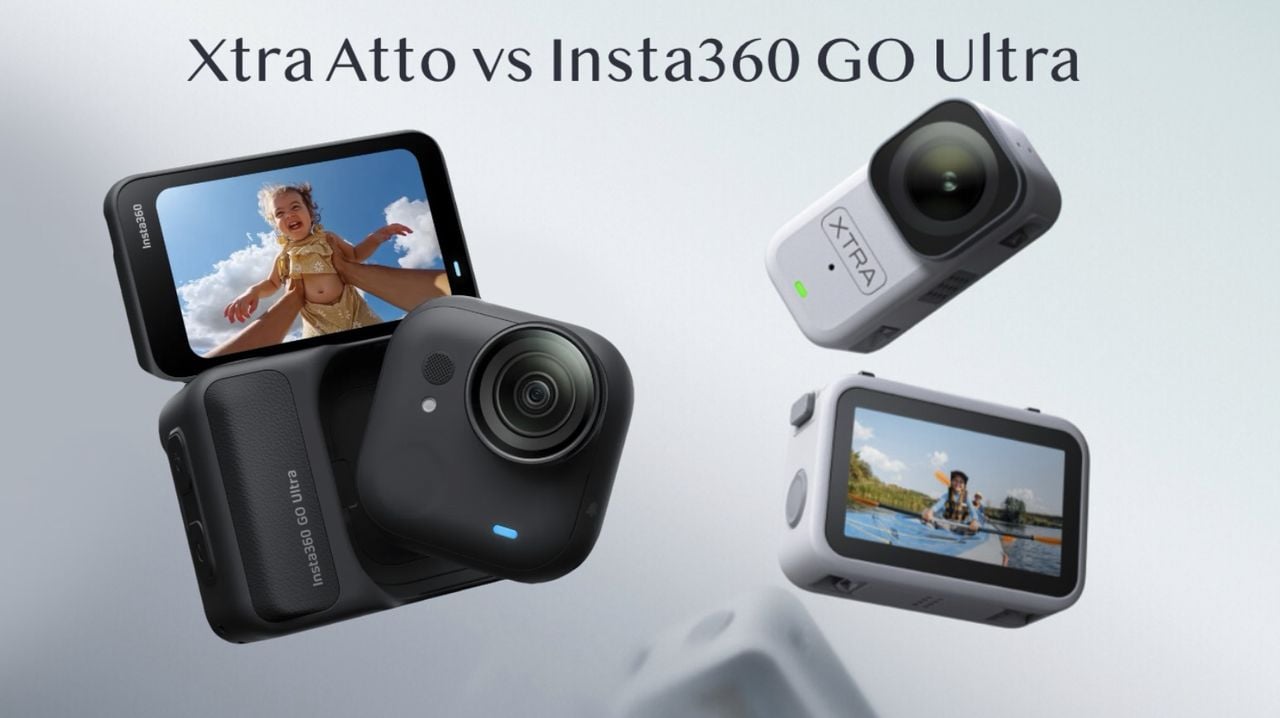
Xtra Atto vs Insta360 GO Ultra : Best Mini Camera Under $300?

Xtra Atto vs Insta360 GO Ultra : Best Mini Camera Under $300? Xtra Atto vs Insta360 GO Ultra

The mini action camera market just got a serious challenger. In this action camera comparison, we put the budget-defying Xtra Atto vs Insta360’s flagship GO Ultra to find out which compact camera actually wins where it counts. The mini action camera space has always been a battle between price and performance, and for years, Insta360 […]

The post Xtra Atto vs Insta360 GO Ultra : Best Mini Camera Under $300? appeared first on Geeky Gadgets.

Posted in Uncategorized