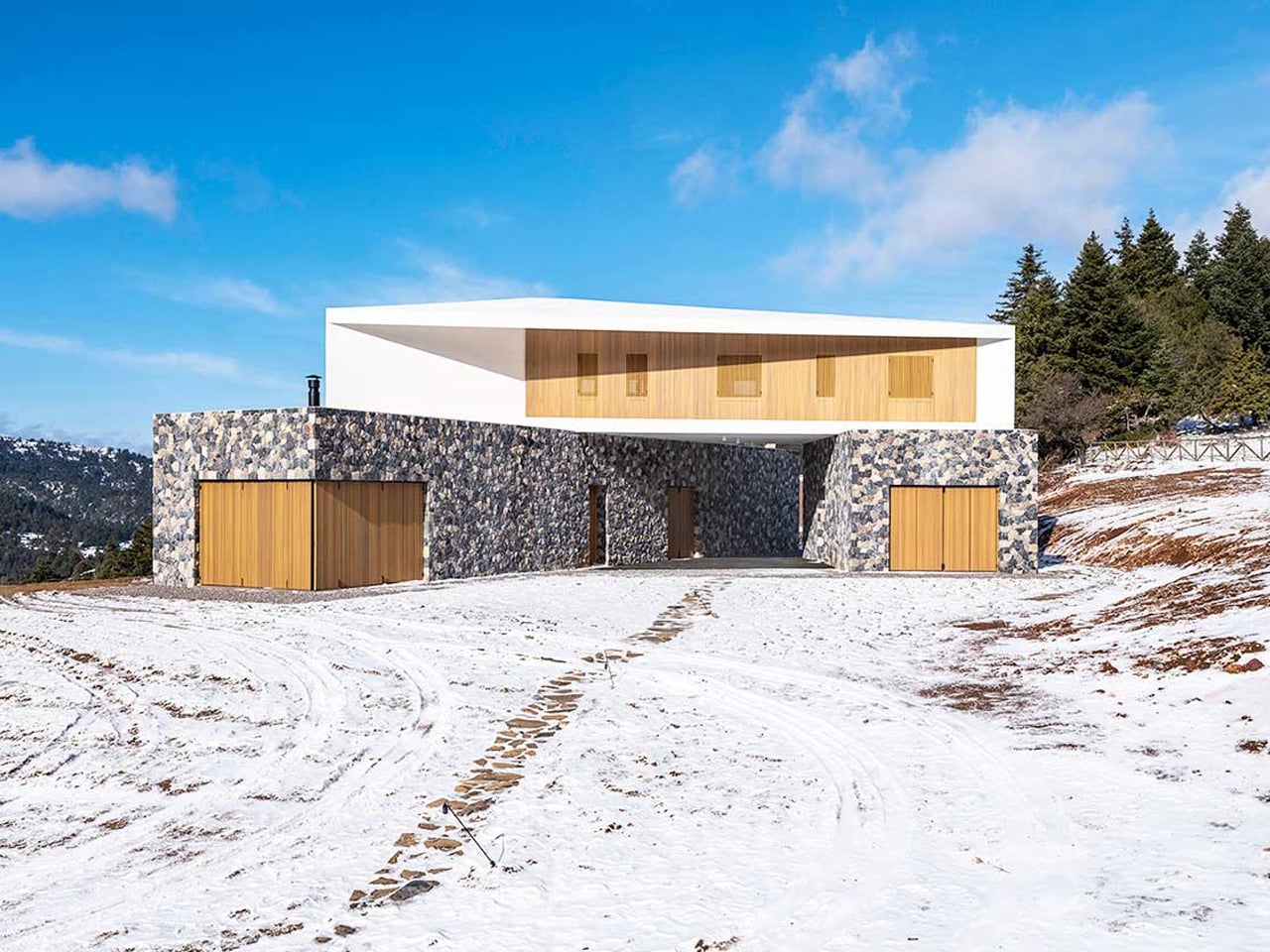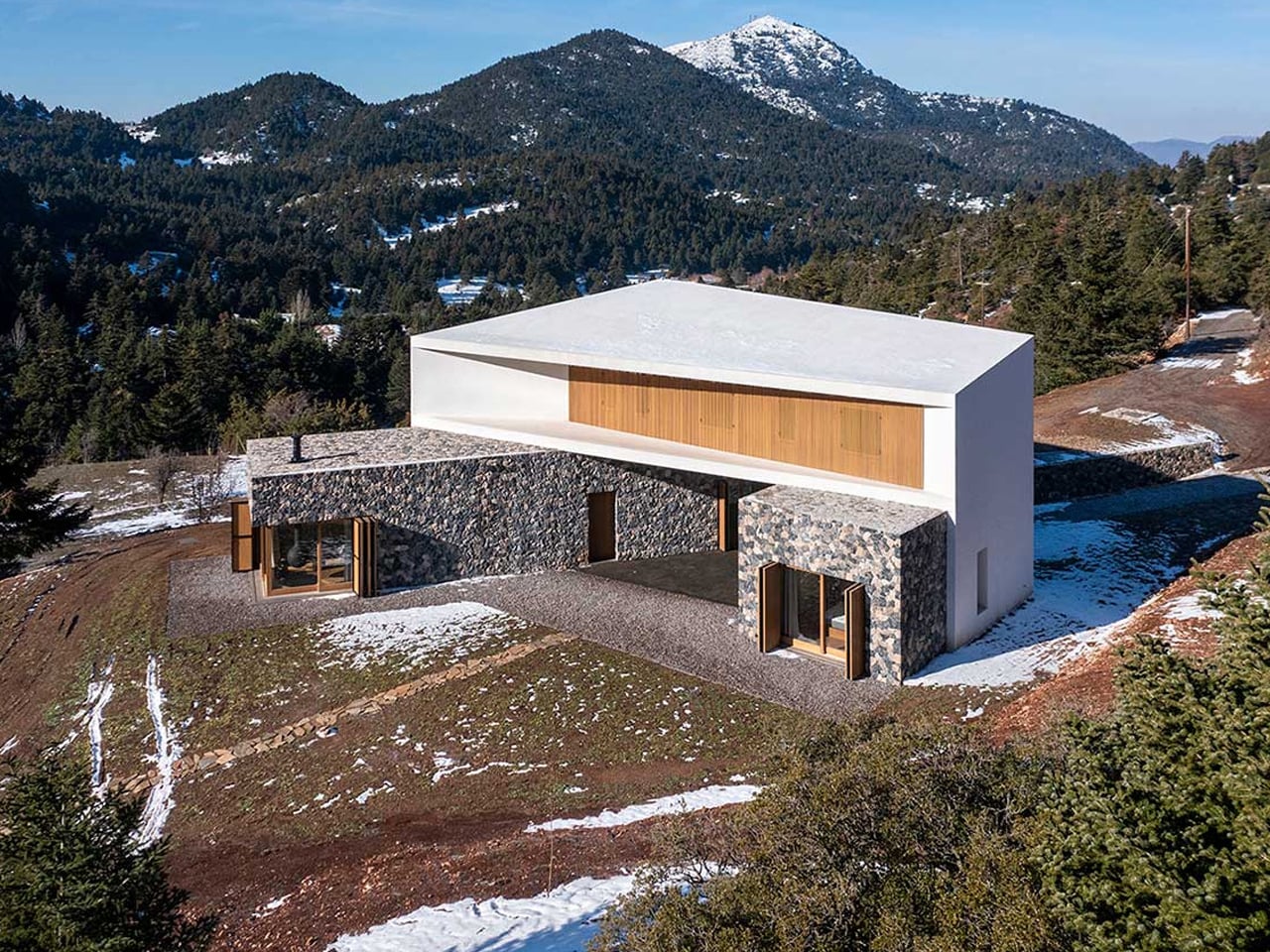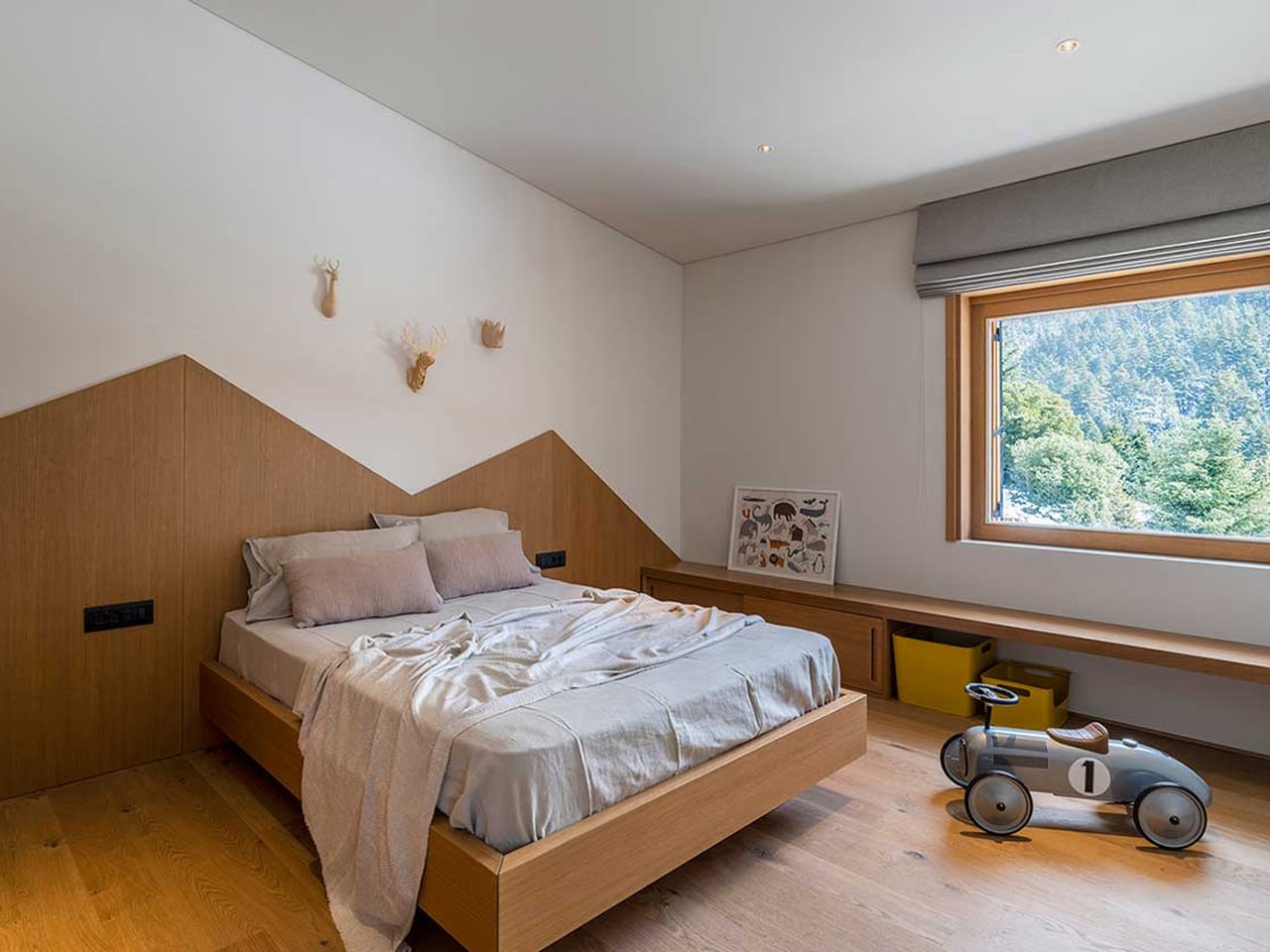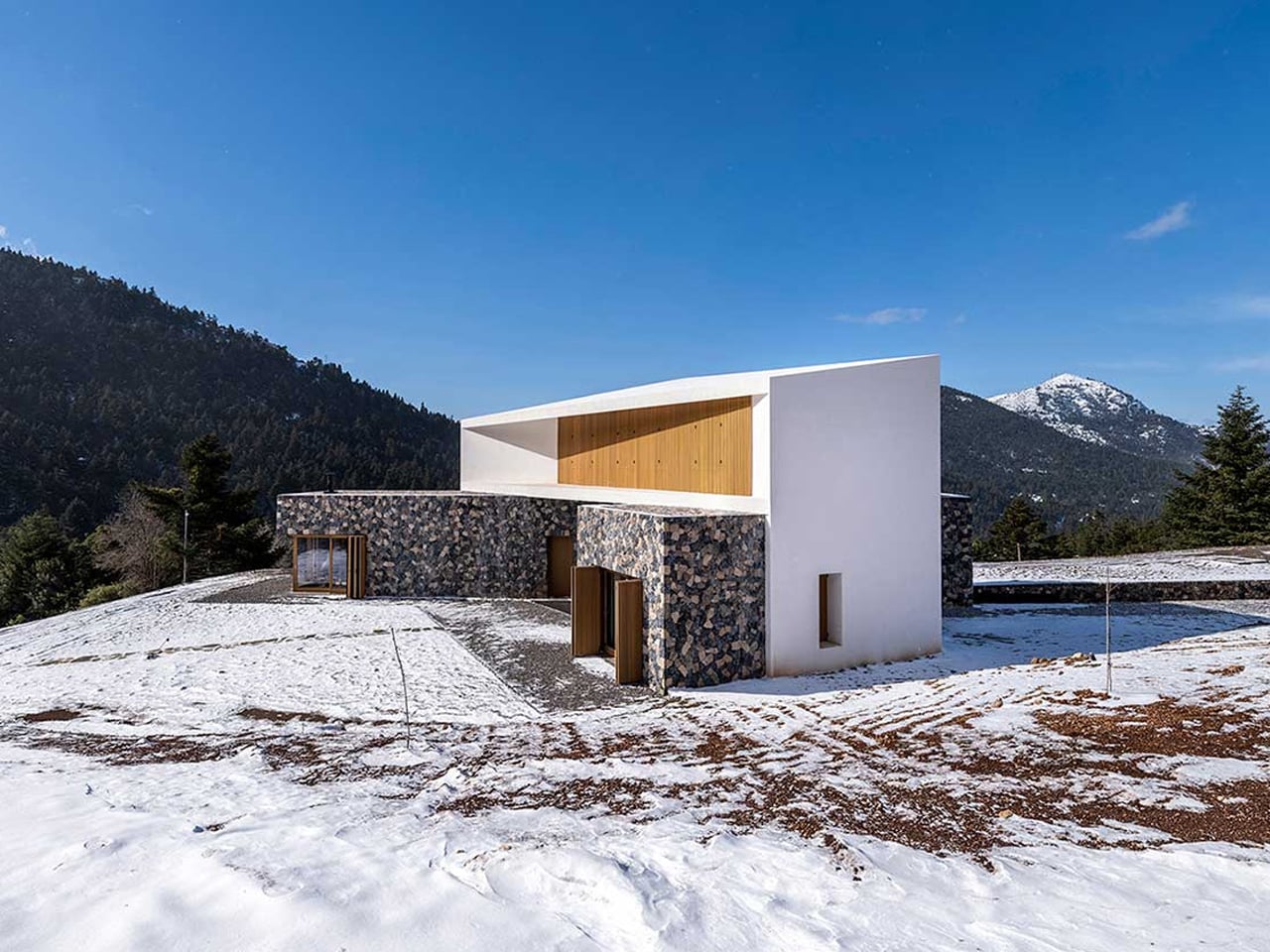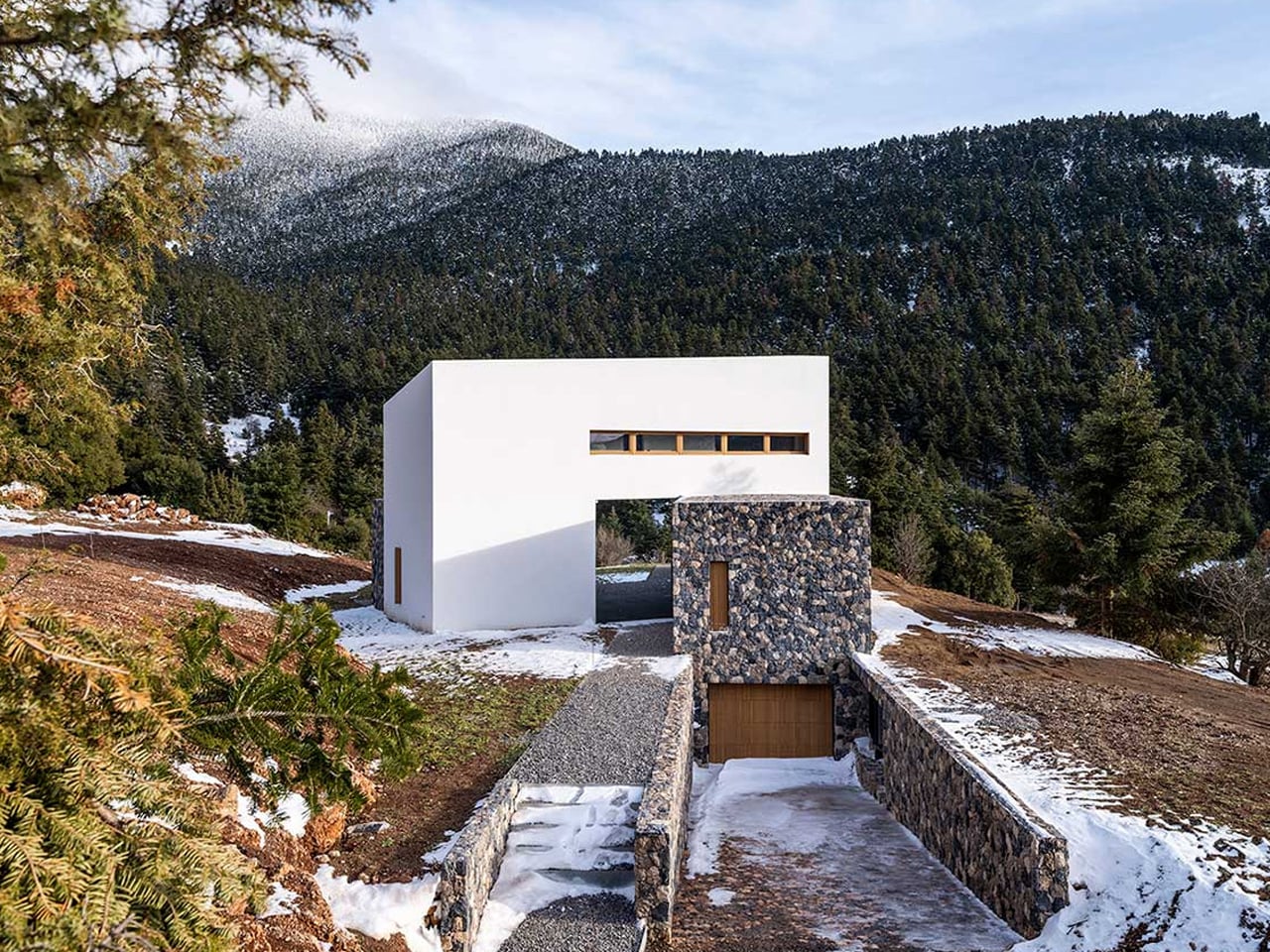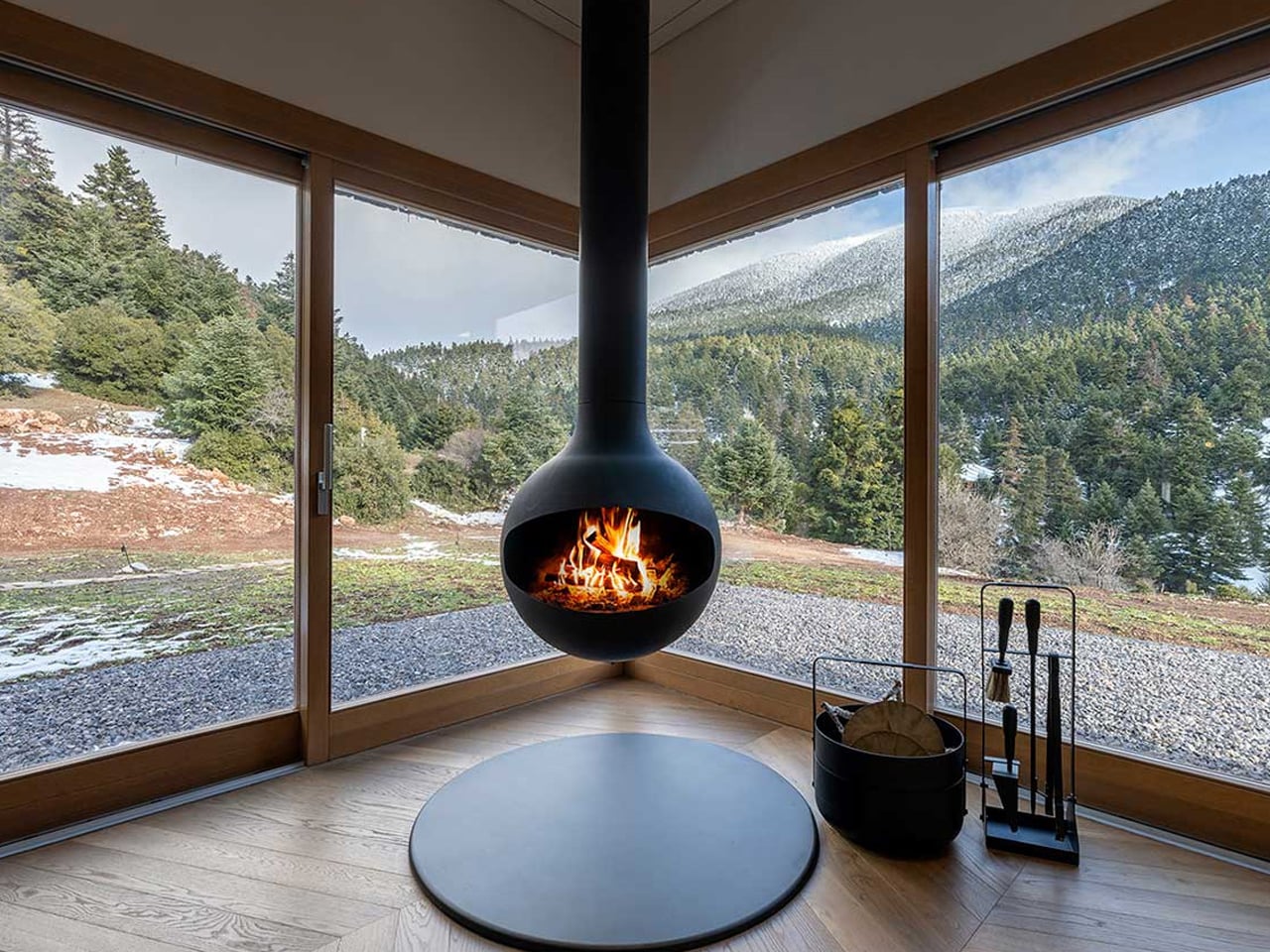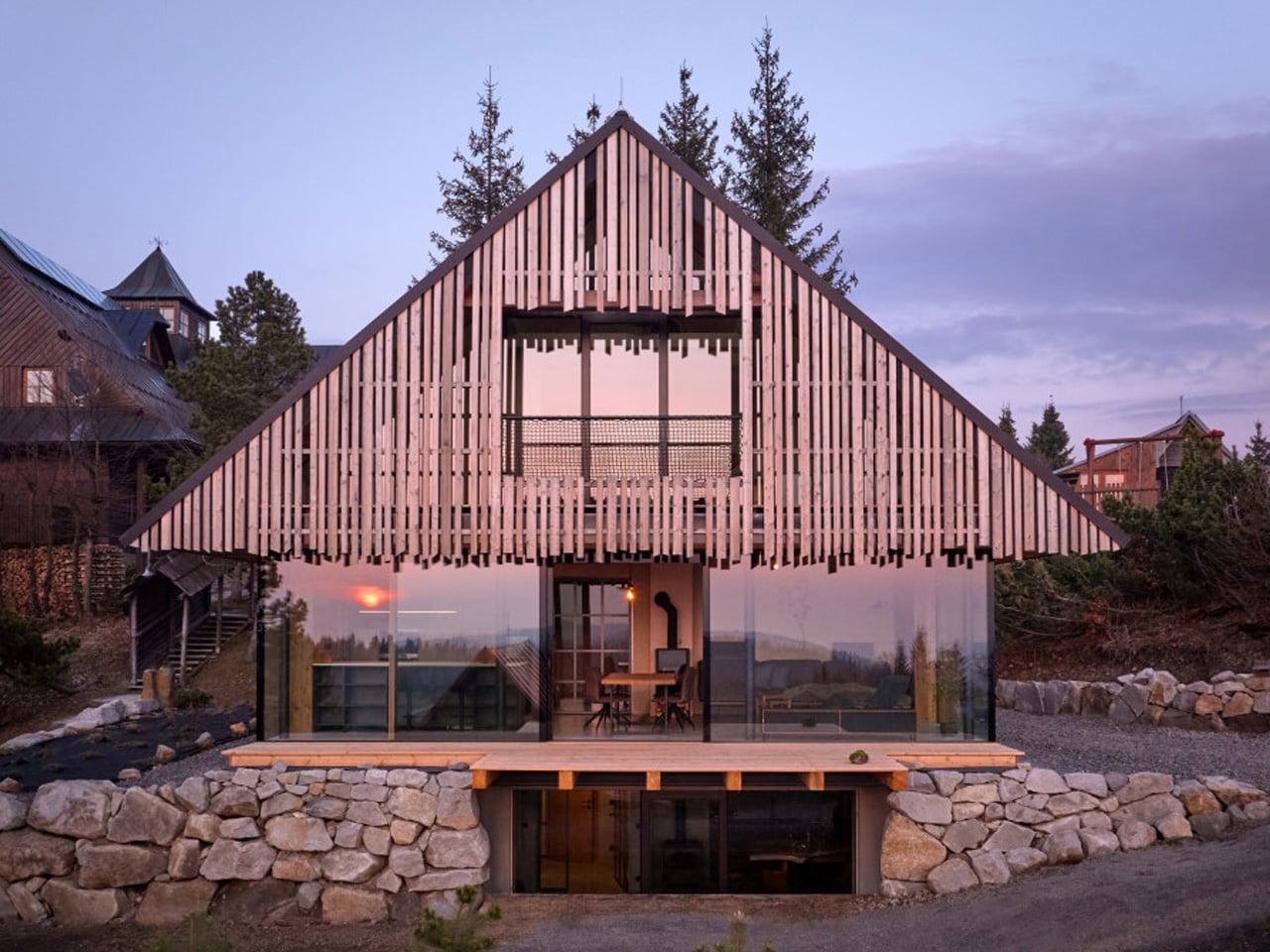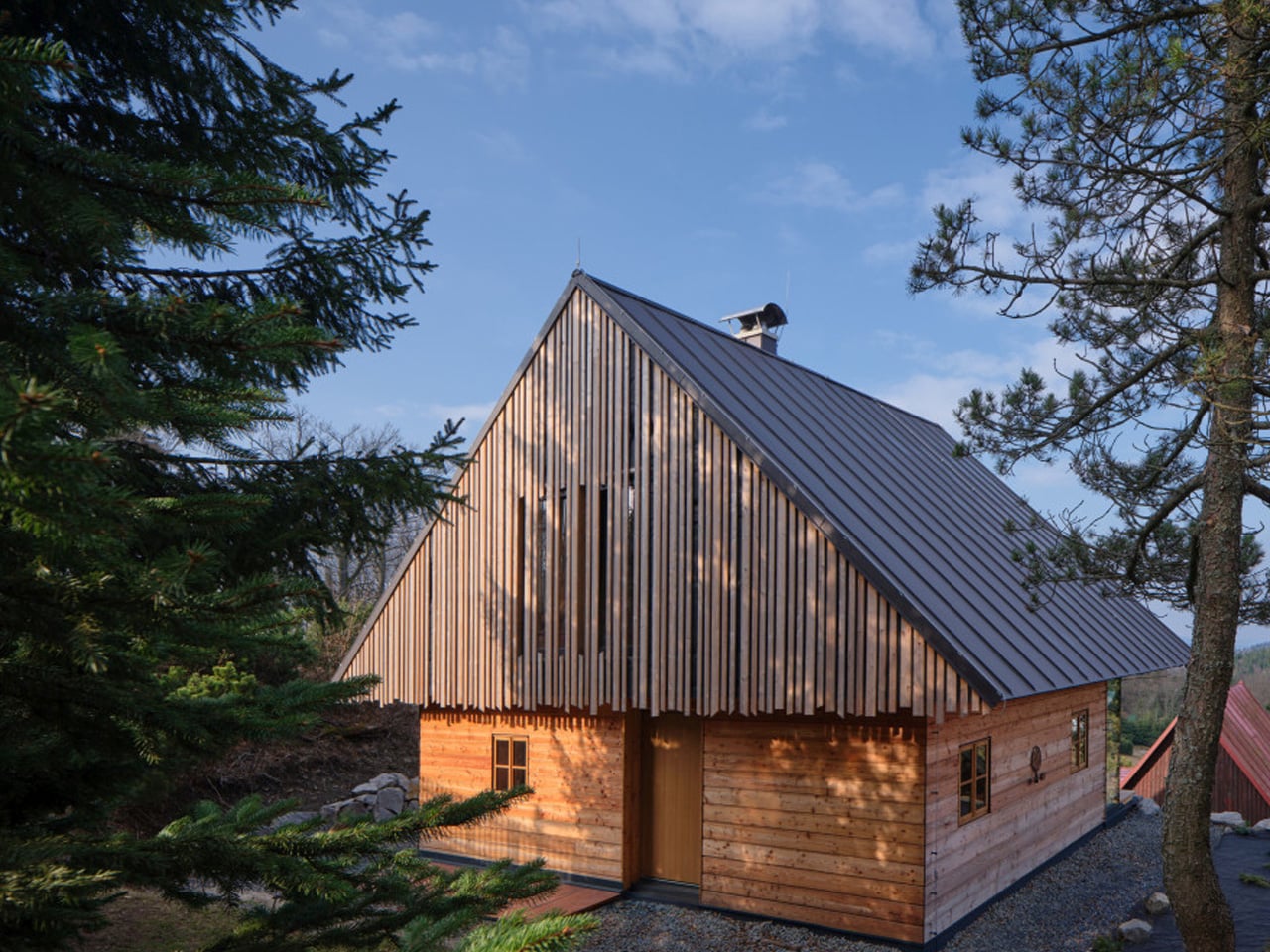
5 Cabin Designs in 2026 That Are Too Beautiful to Be Real

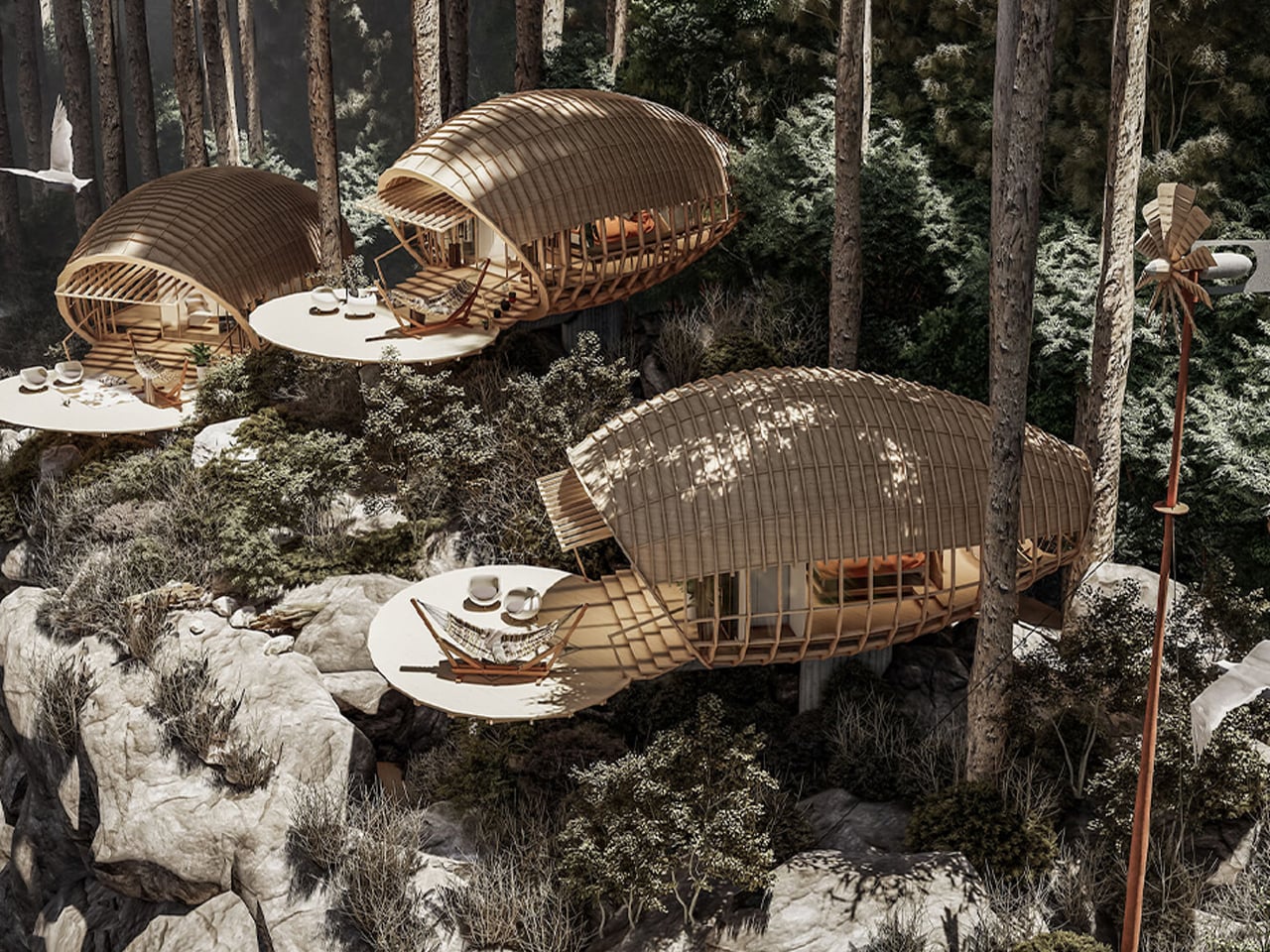
The 2026 escape is no longer a simple departure. It is an architectural arrival. Cabin designs have evolved into spaces for sensory realignment, where design shapes the experience itself. Light, stillness, and proportion now define luxury. The way a space holds the fading glow of sunset has become central to how it is felt and remembered.

This shift demands material honesty and a closer dialogue between built form and landscape. When architecture responds with restraint and intent, it becomes a biophilic cocoon, reducing carbon impact while elevating well-being.

1. Polygonal Spatial Cabins

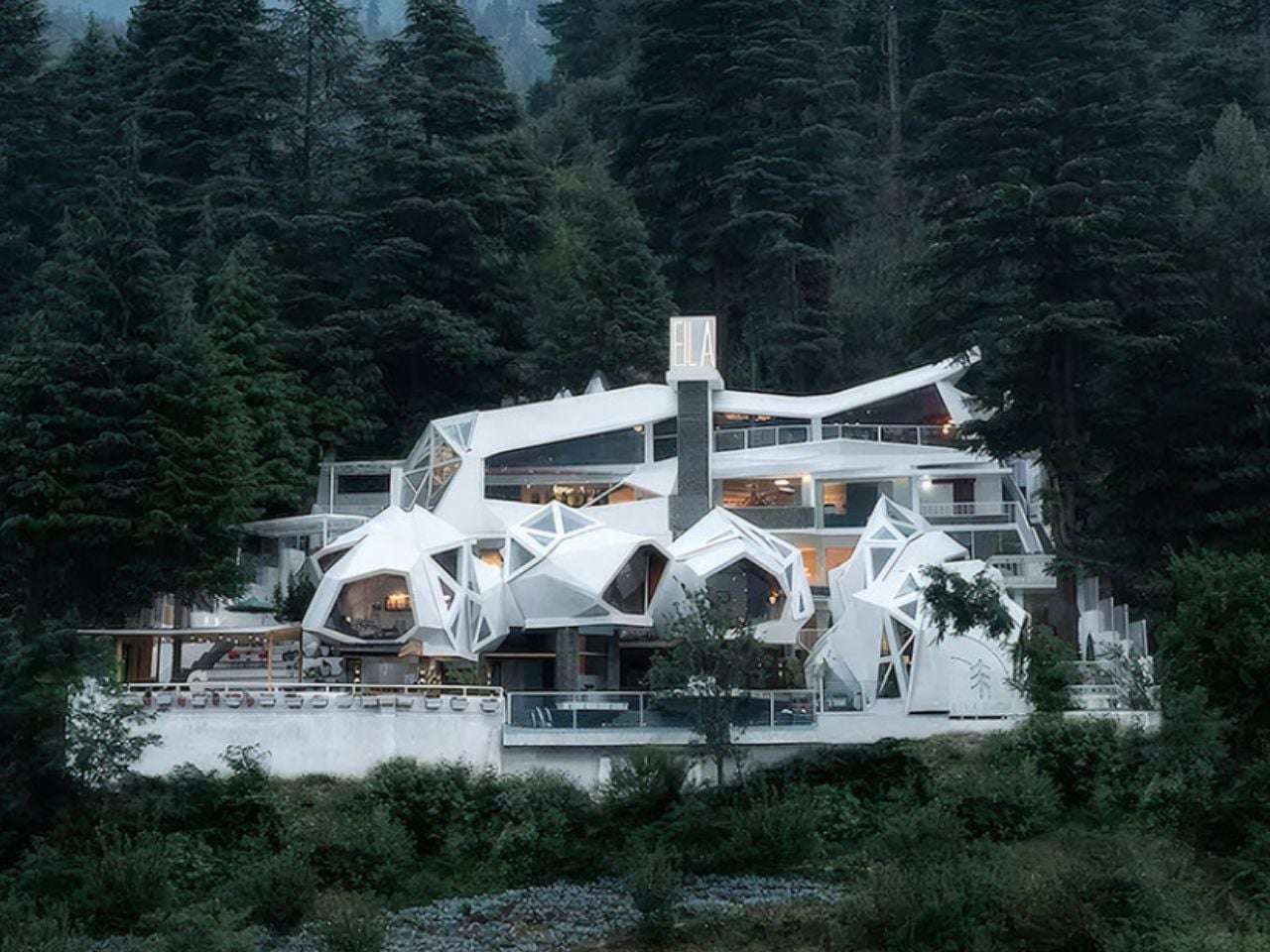
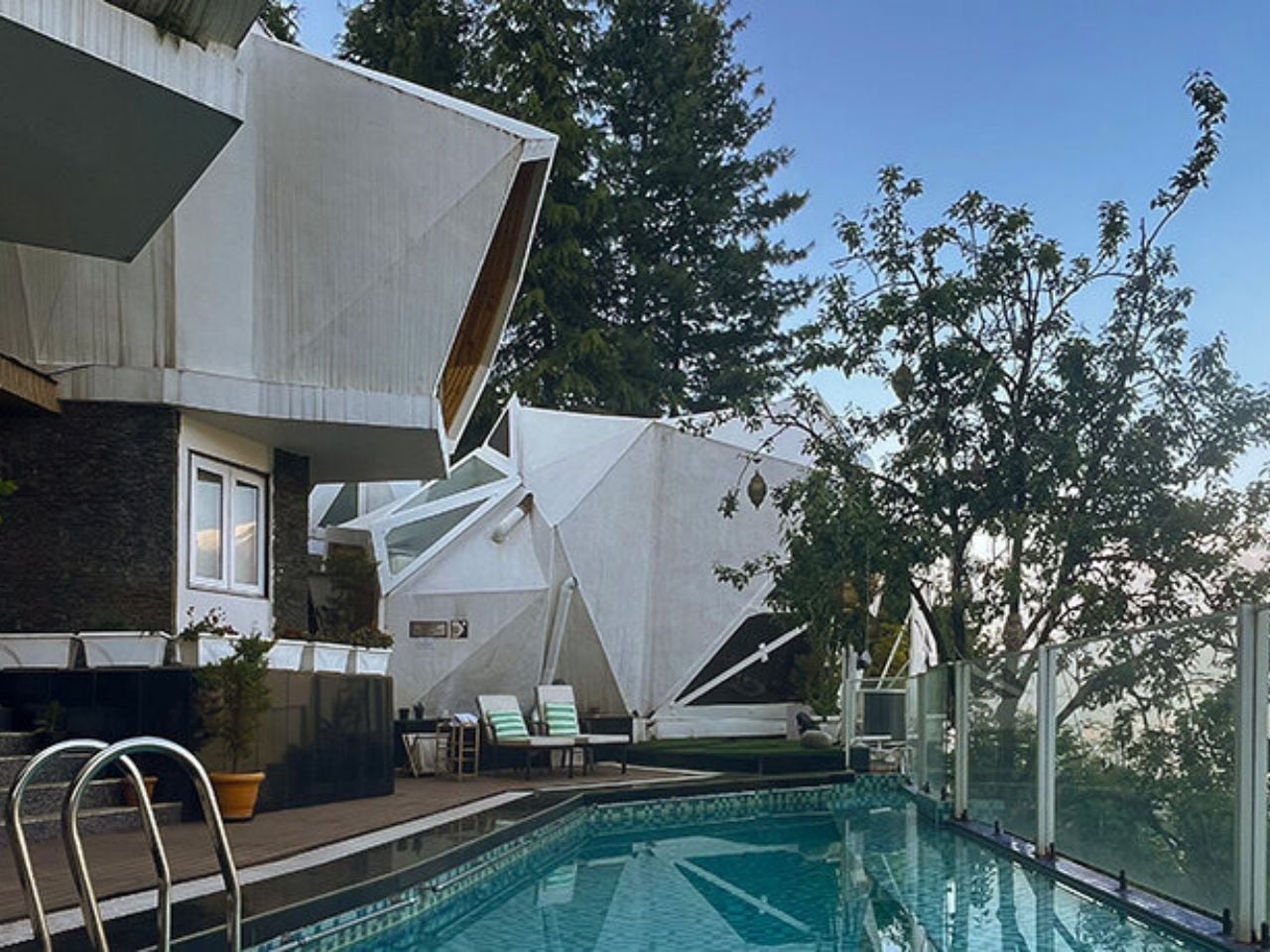
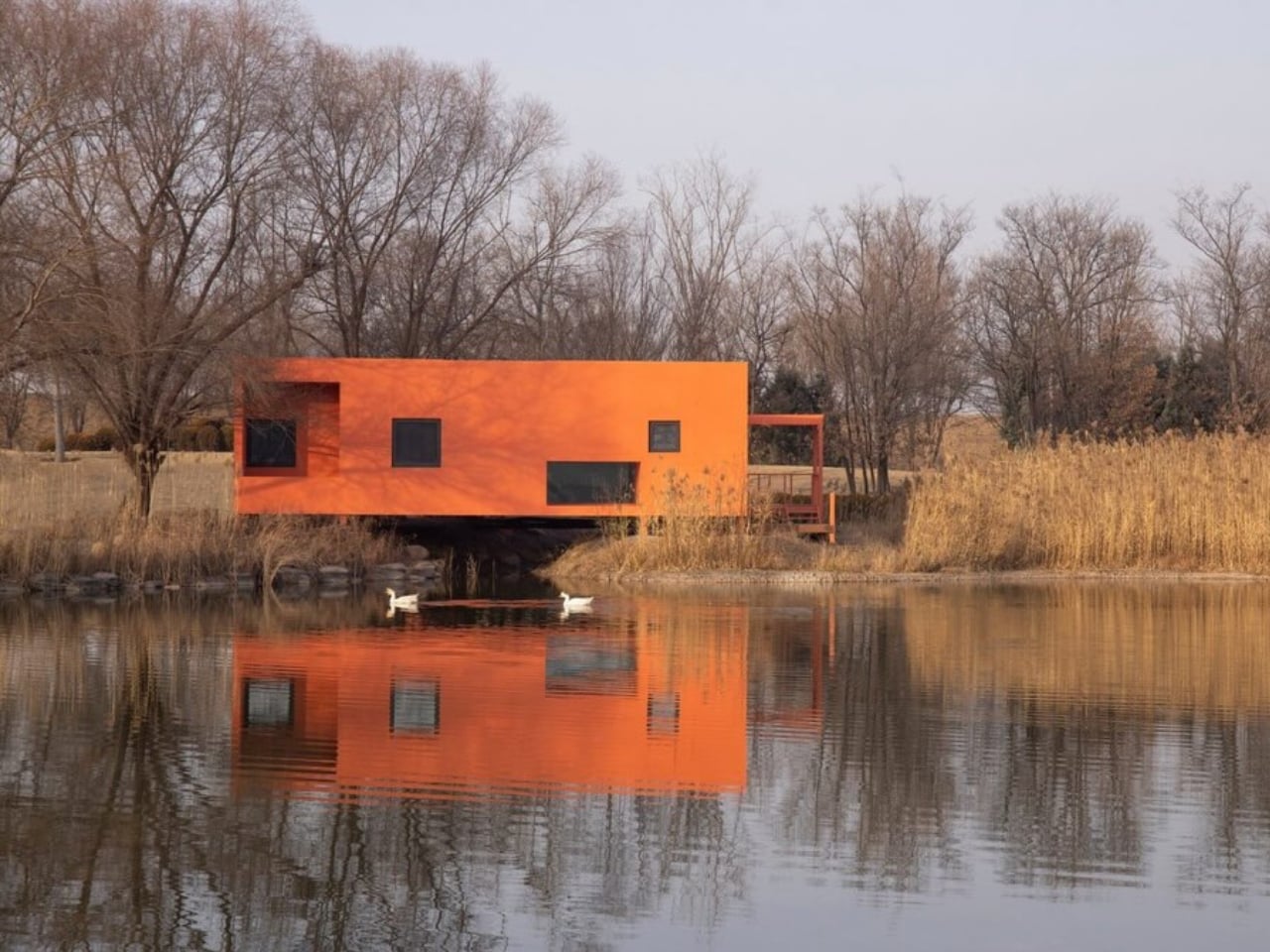
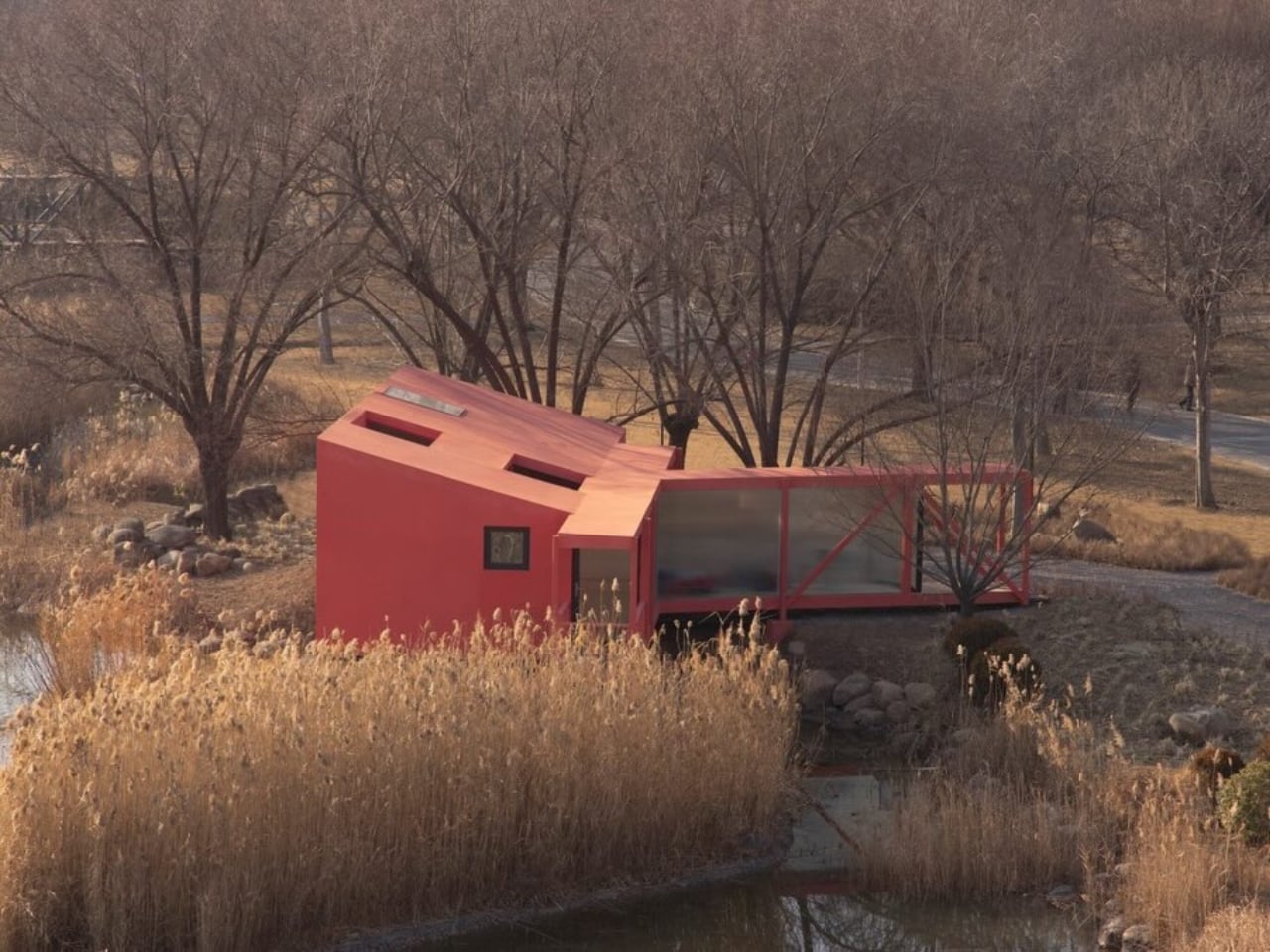
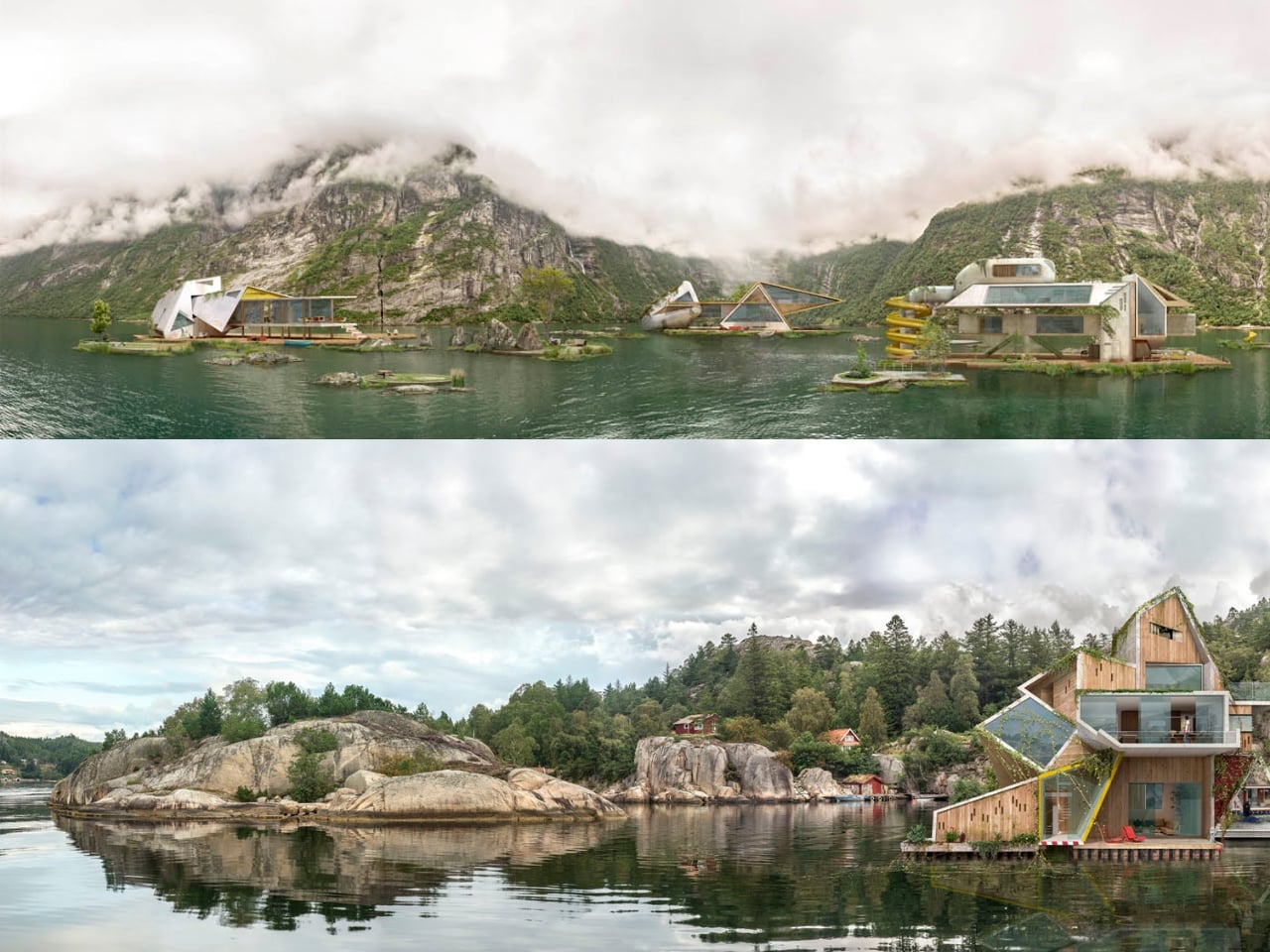
The dominance of the rectilinear box is giving way to faceted architectural forms inspired by mineral geometries and fractured landscapes. Polygonal structures introduce a more dynamic spatial language, where walls and planes are angled with intent rather than symmetry. These forms create a constantly shifting play of light and shadow, allowing the architecture to change character throughout the day and feel visually alive.

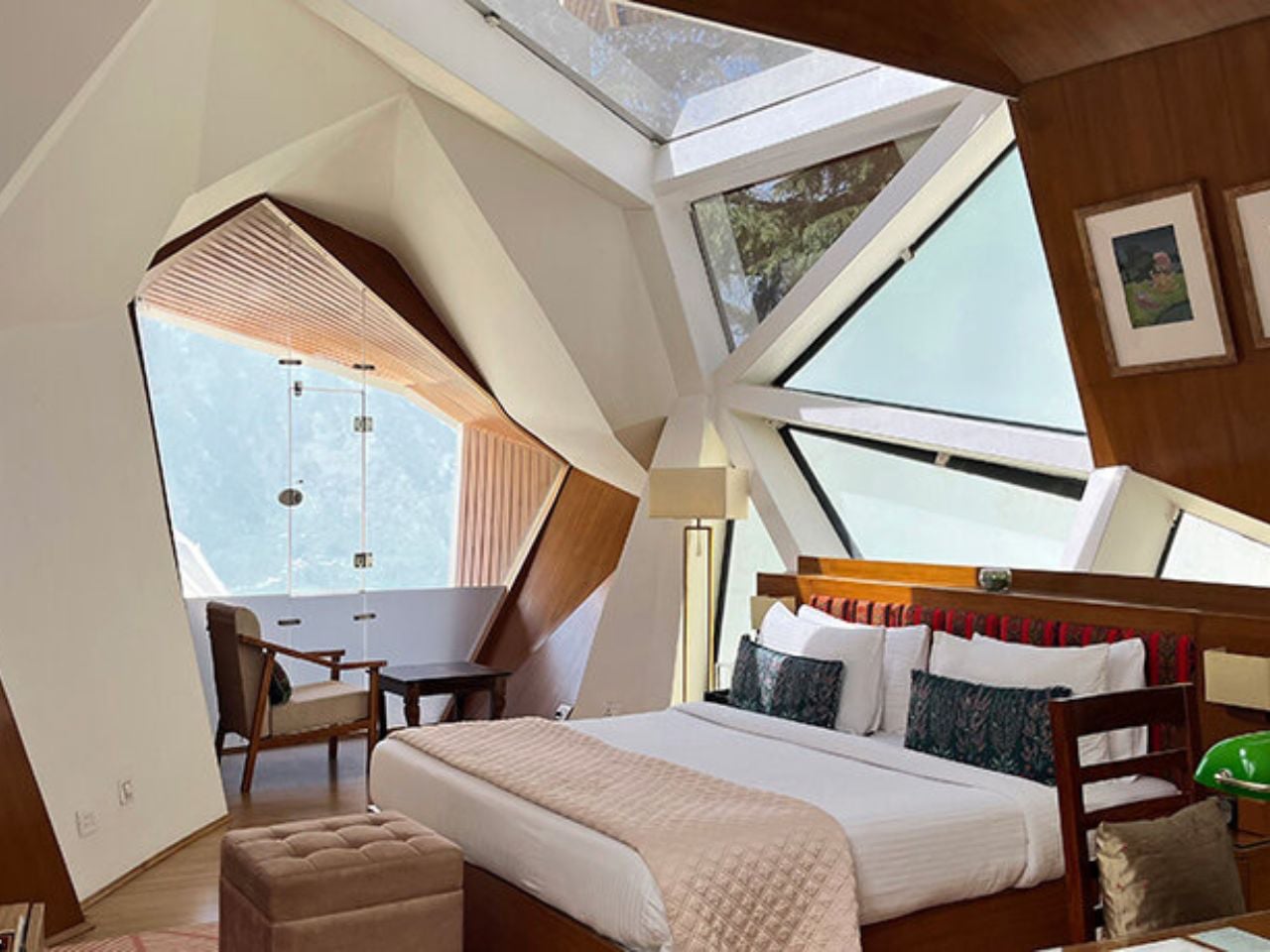
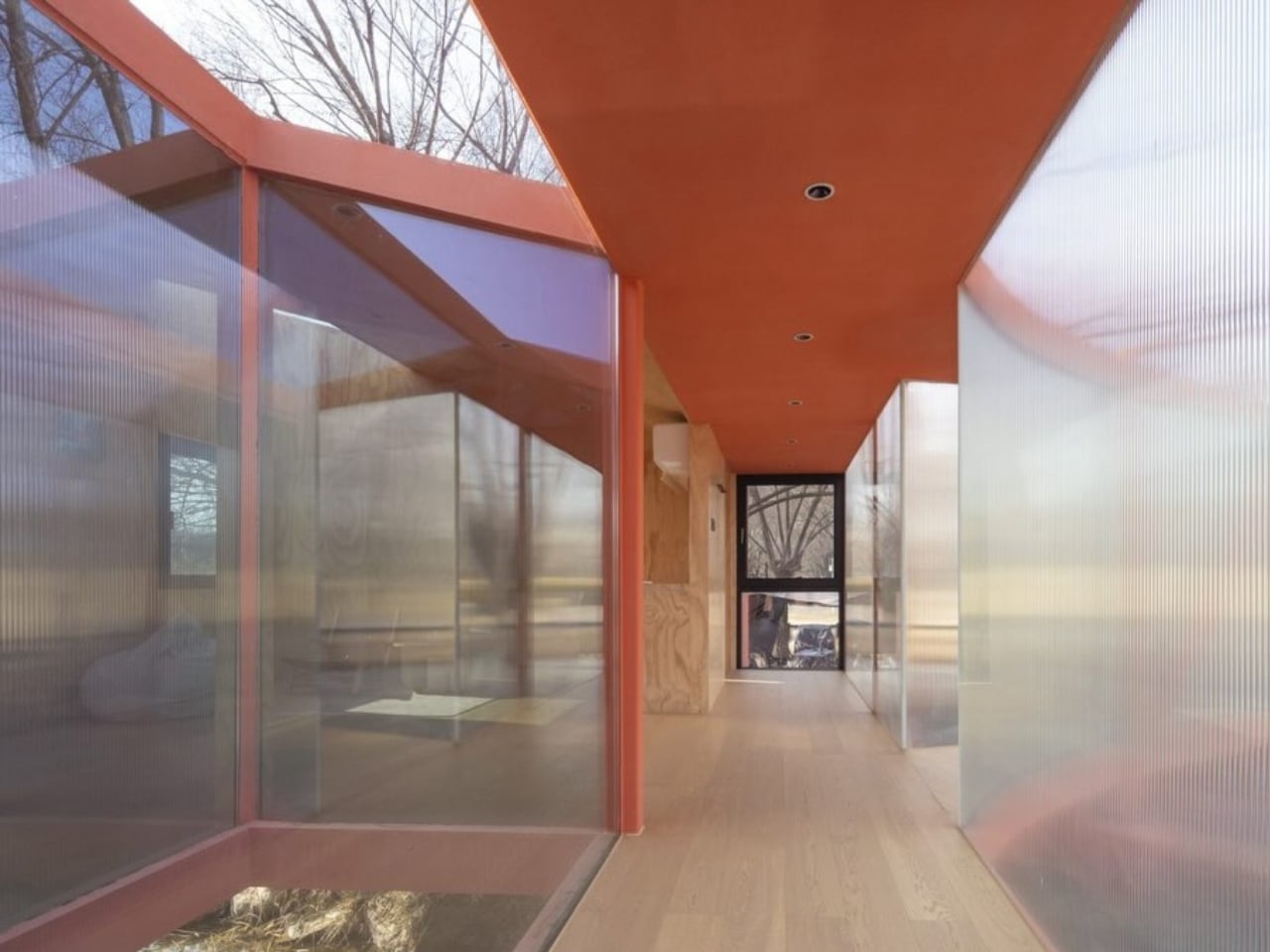
Beyond aesthetics, angular geometry reshapes perception. By moving away from rigid right angles, compact footprints feel larger and more layered. Circulation becomes experiential, as movement through faceted corridors reveals framed views, unexpected pauses, and a heightened awareness of the surrounding terrain.

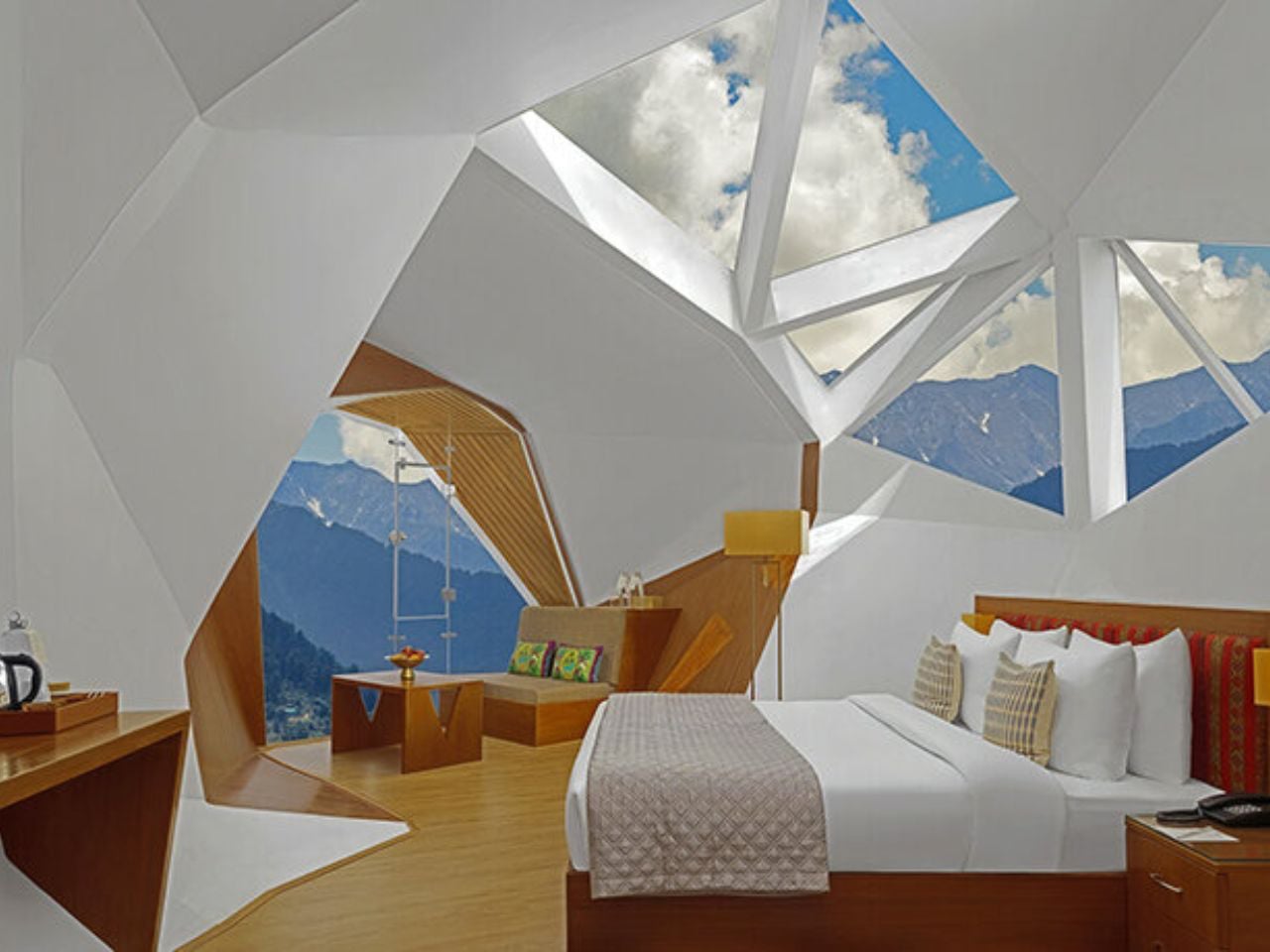
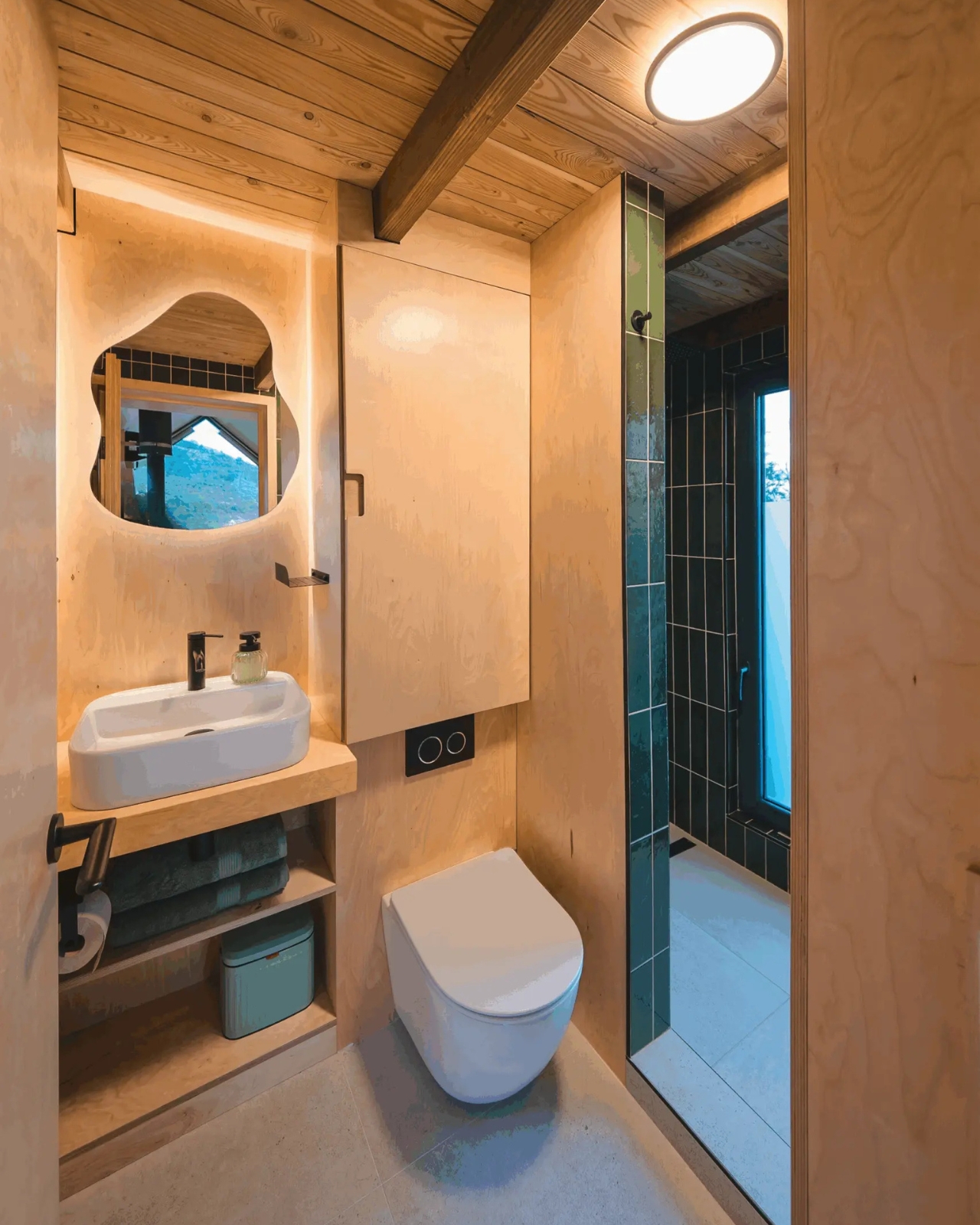
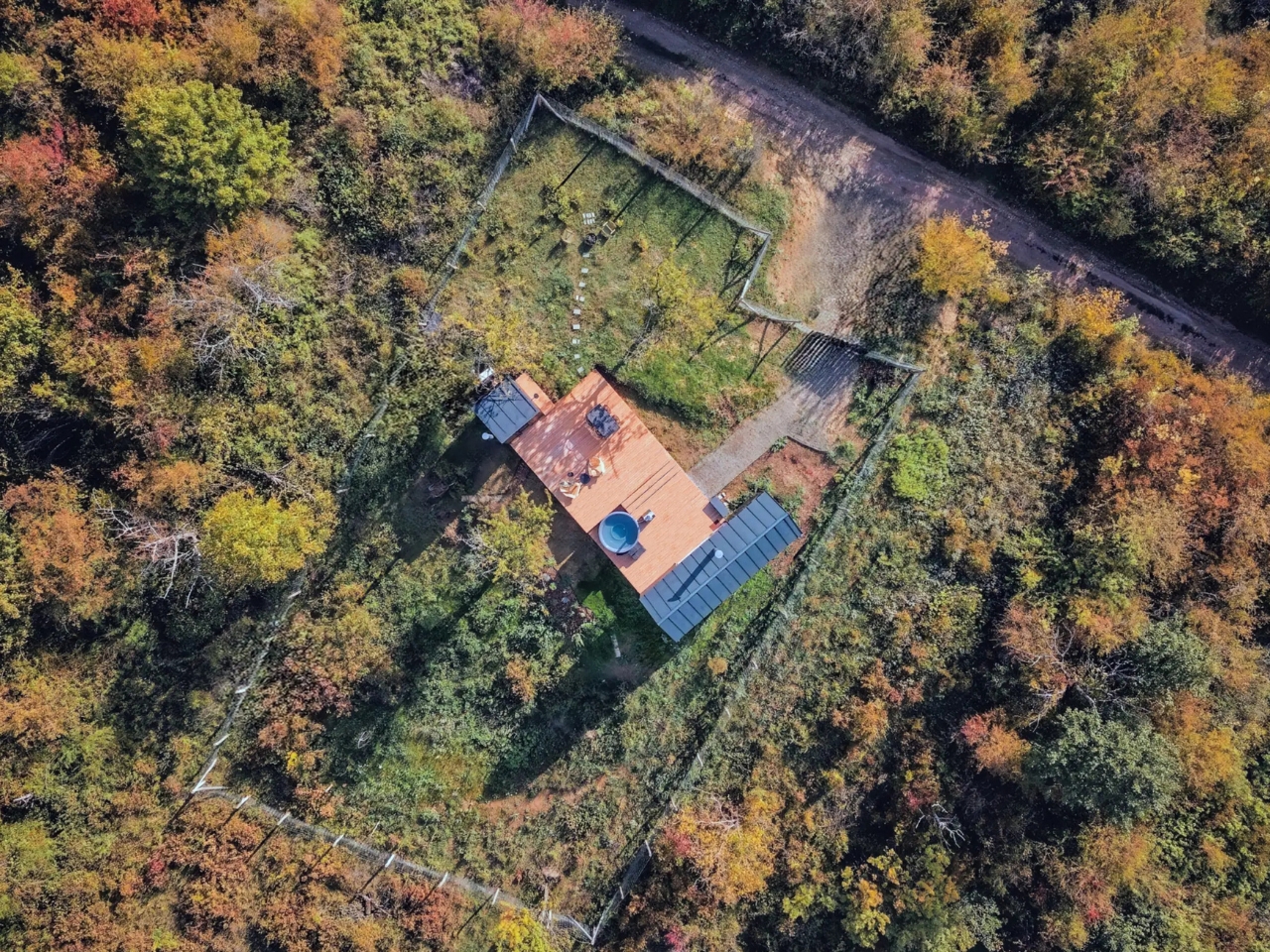
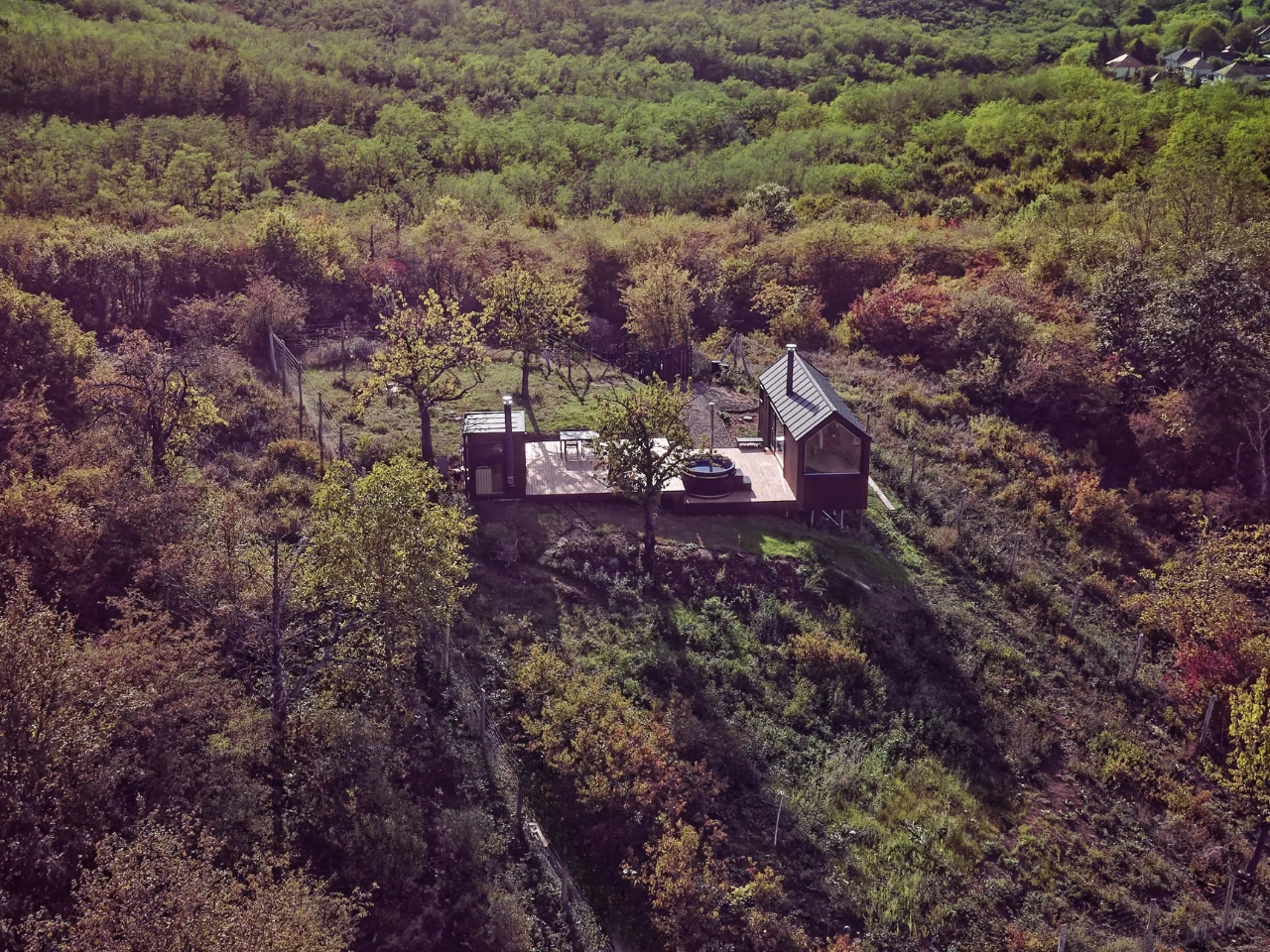
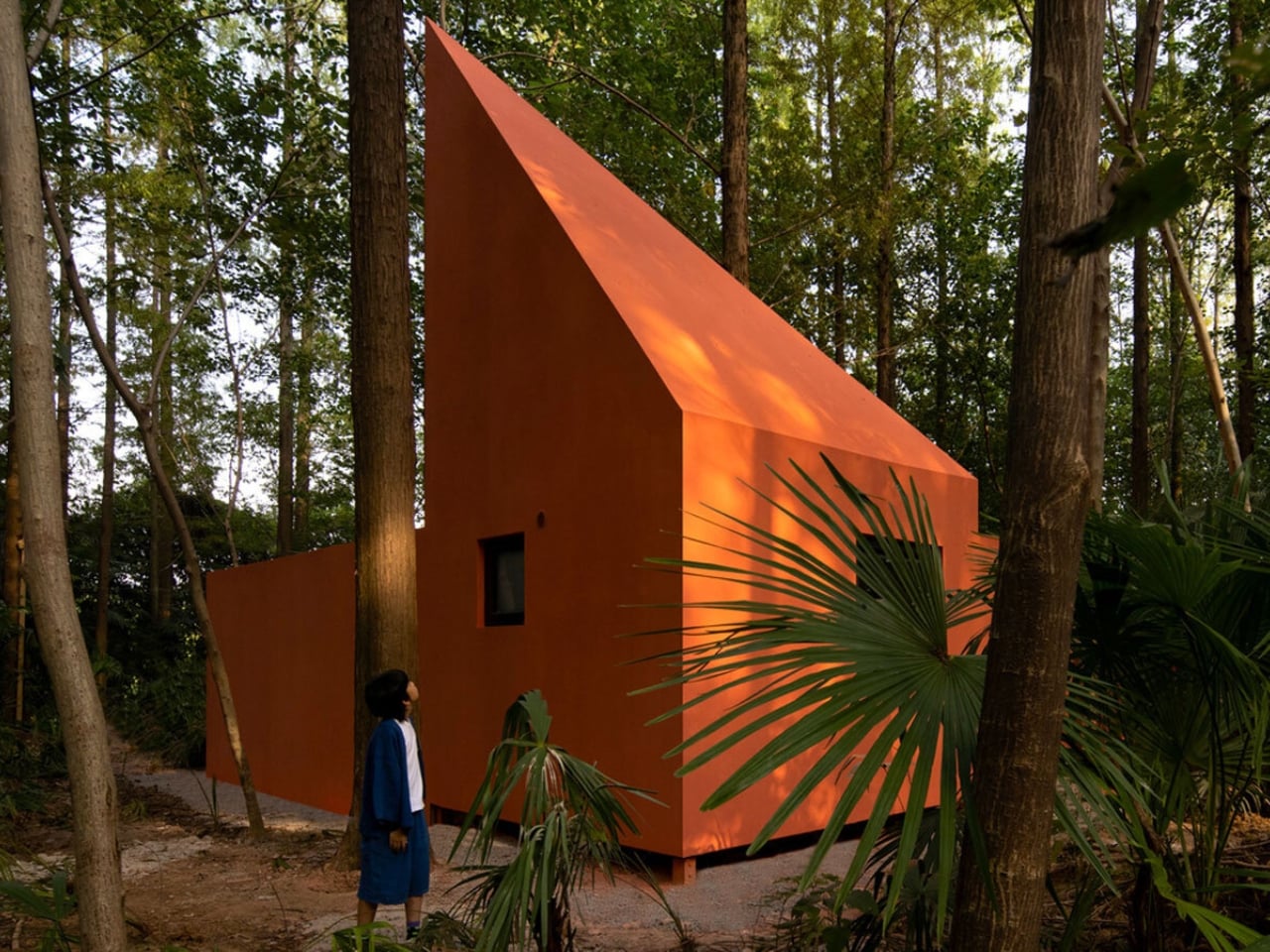
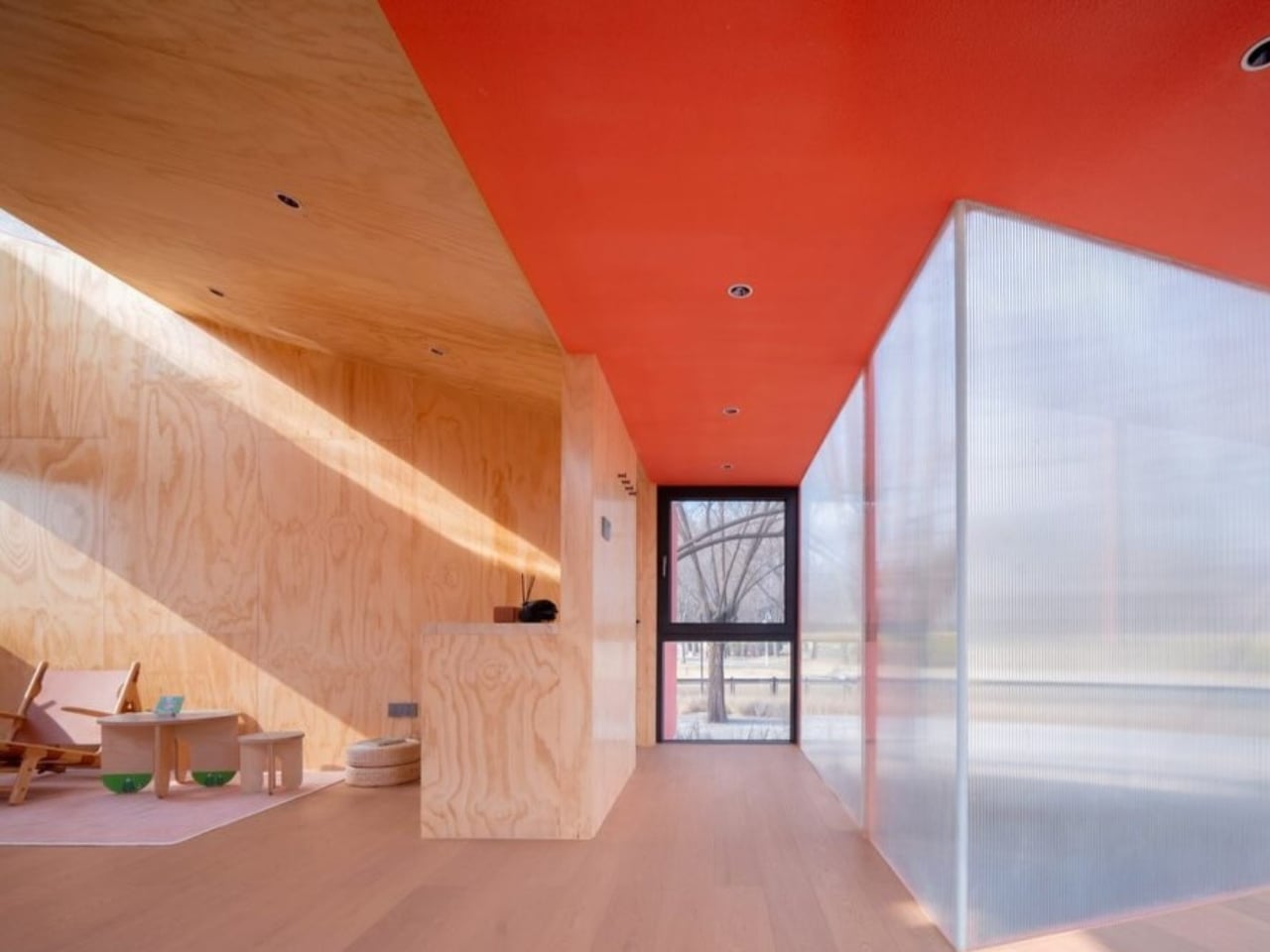
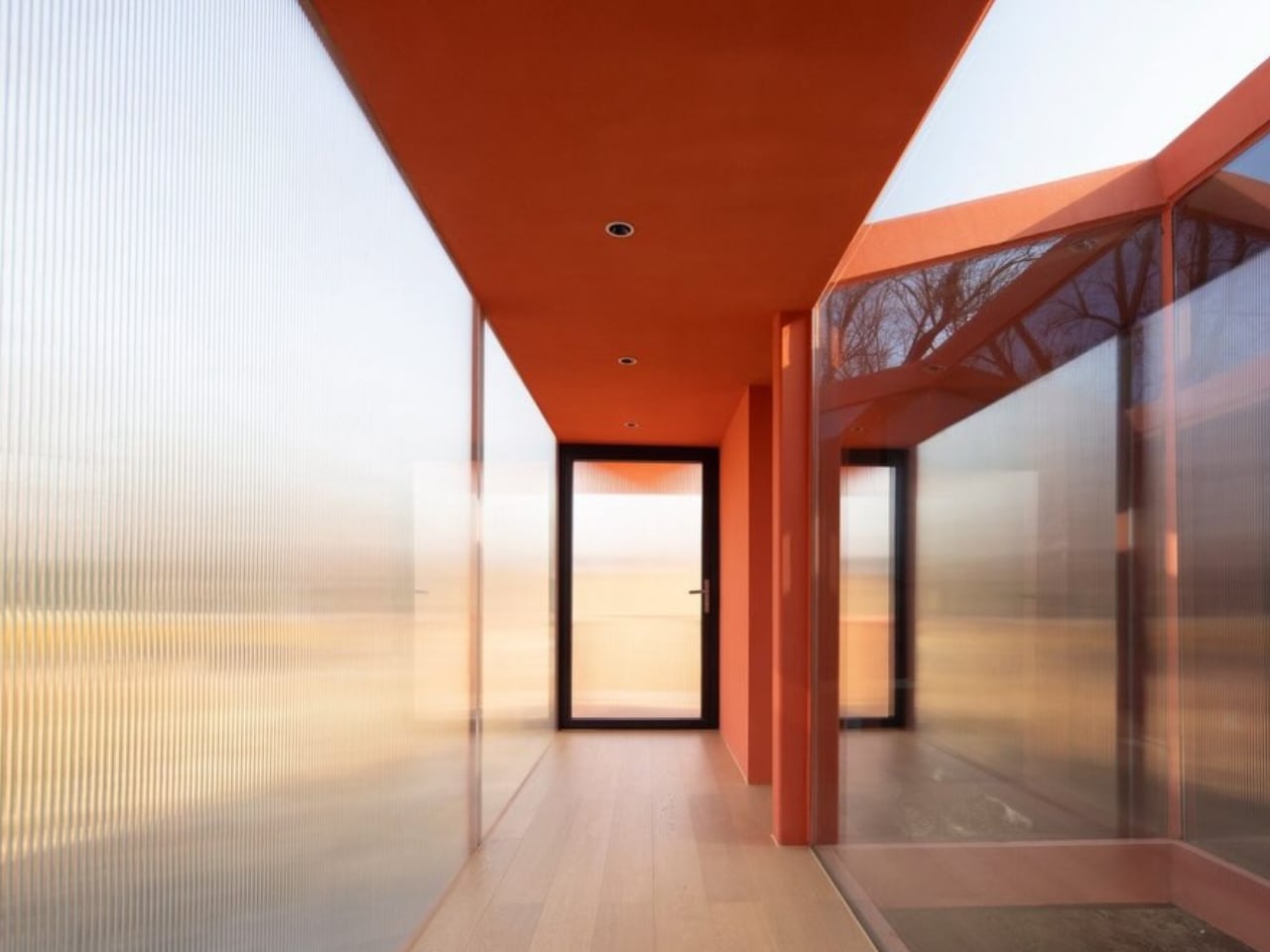
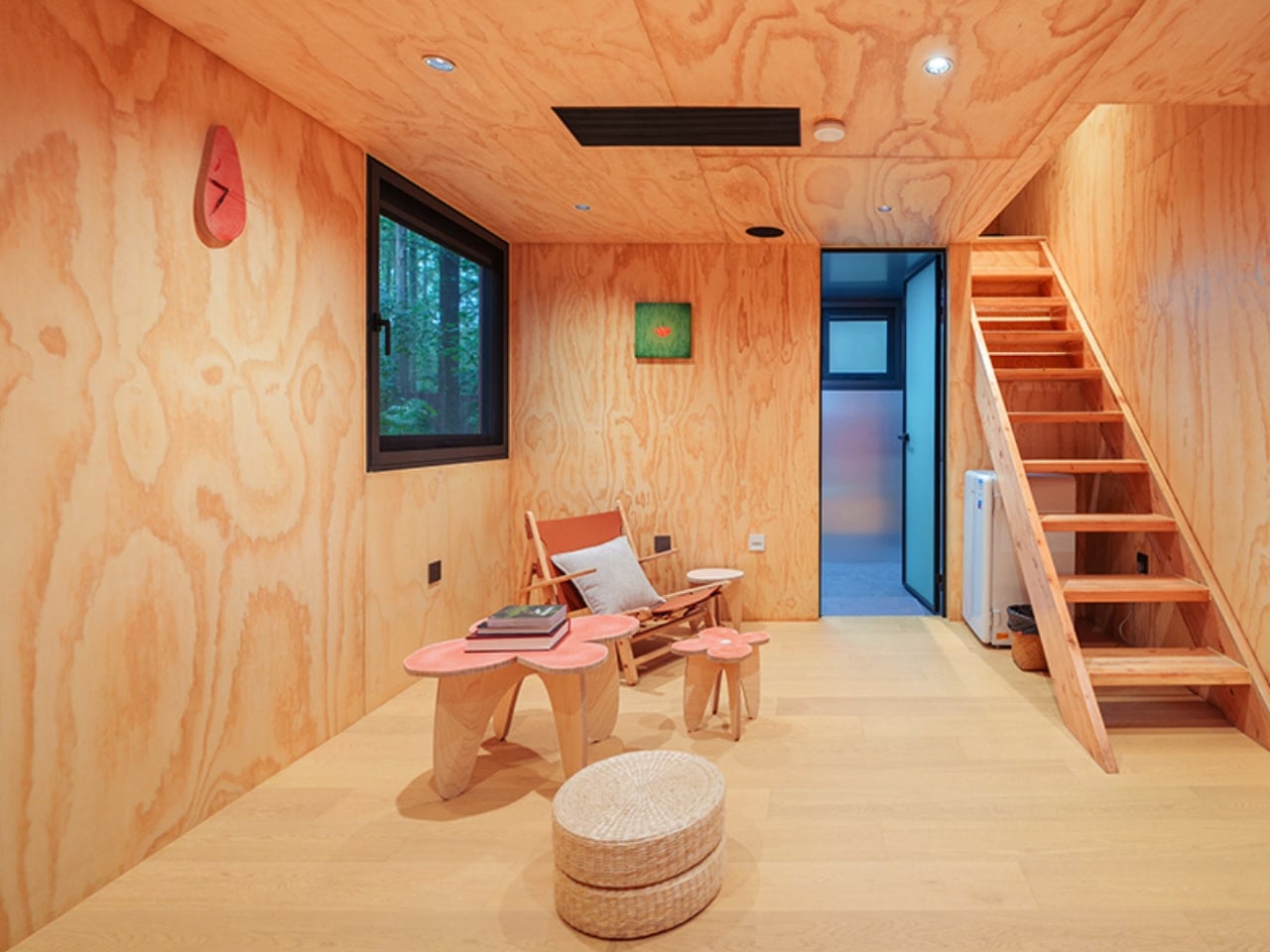
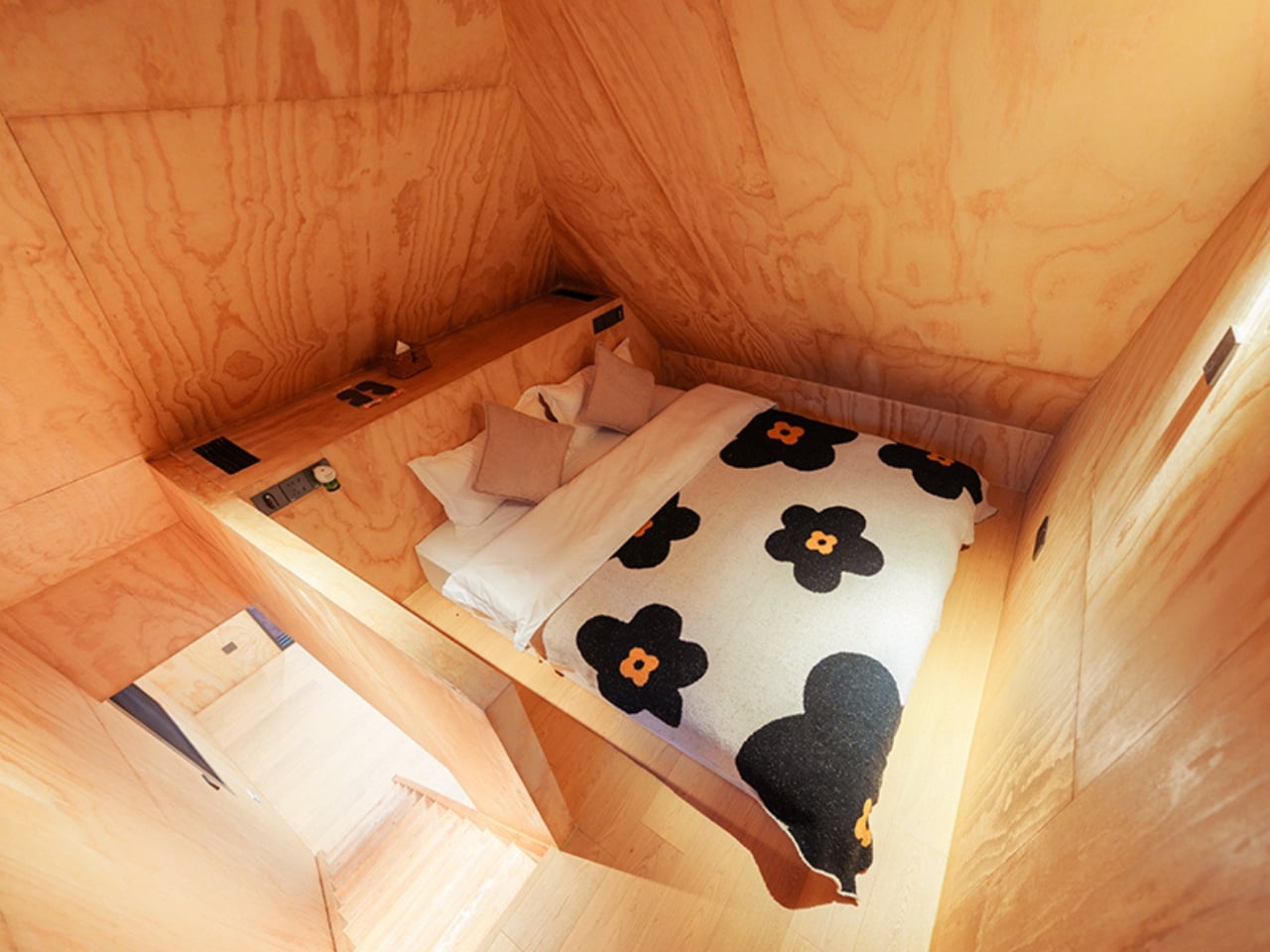
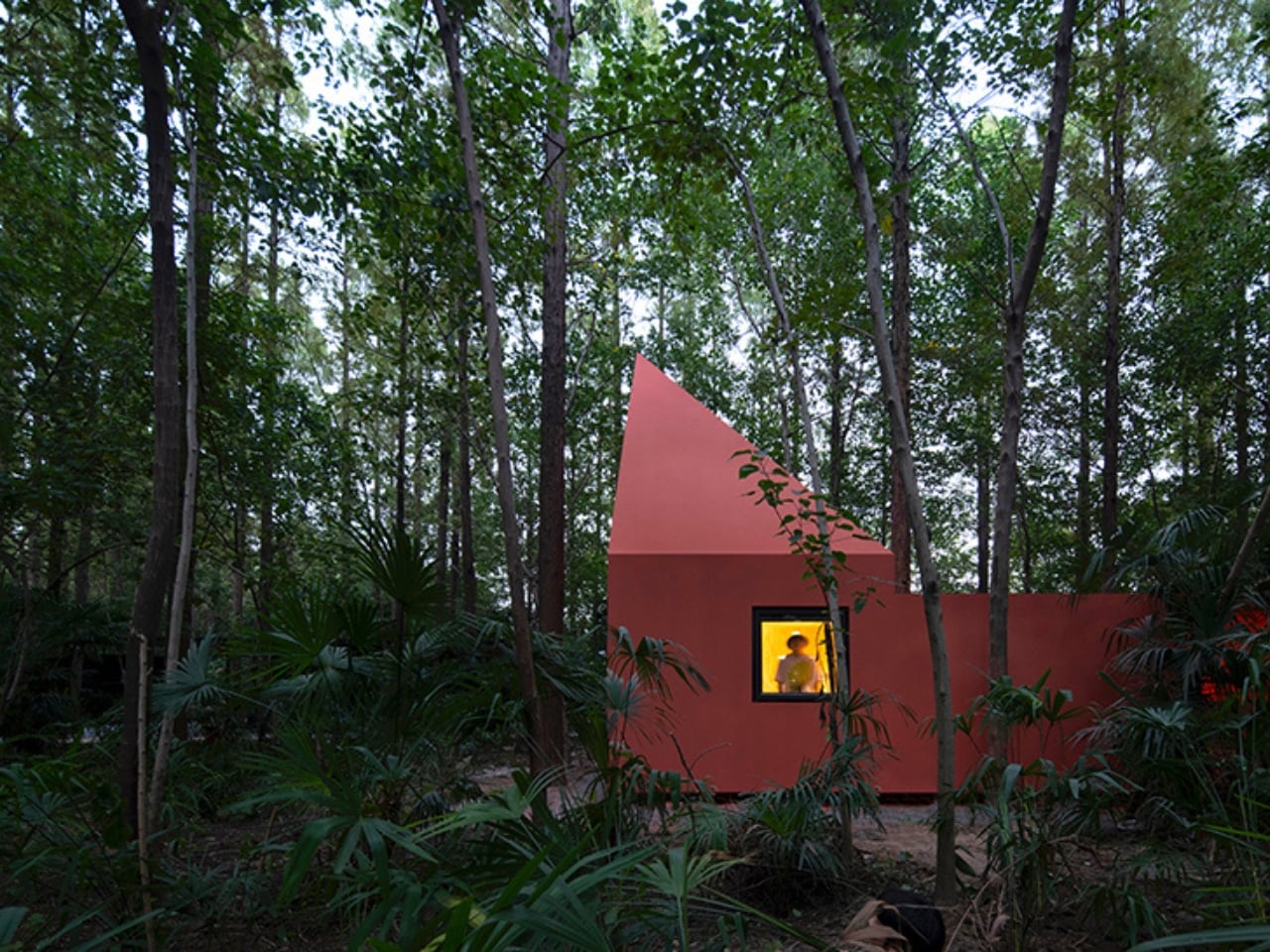
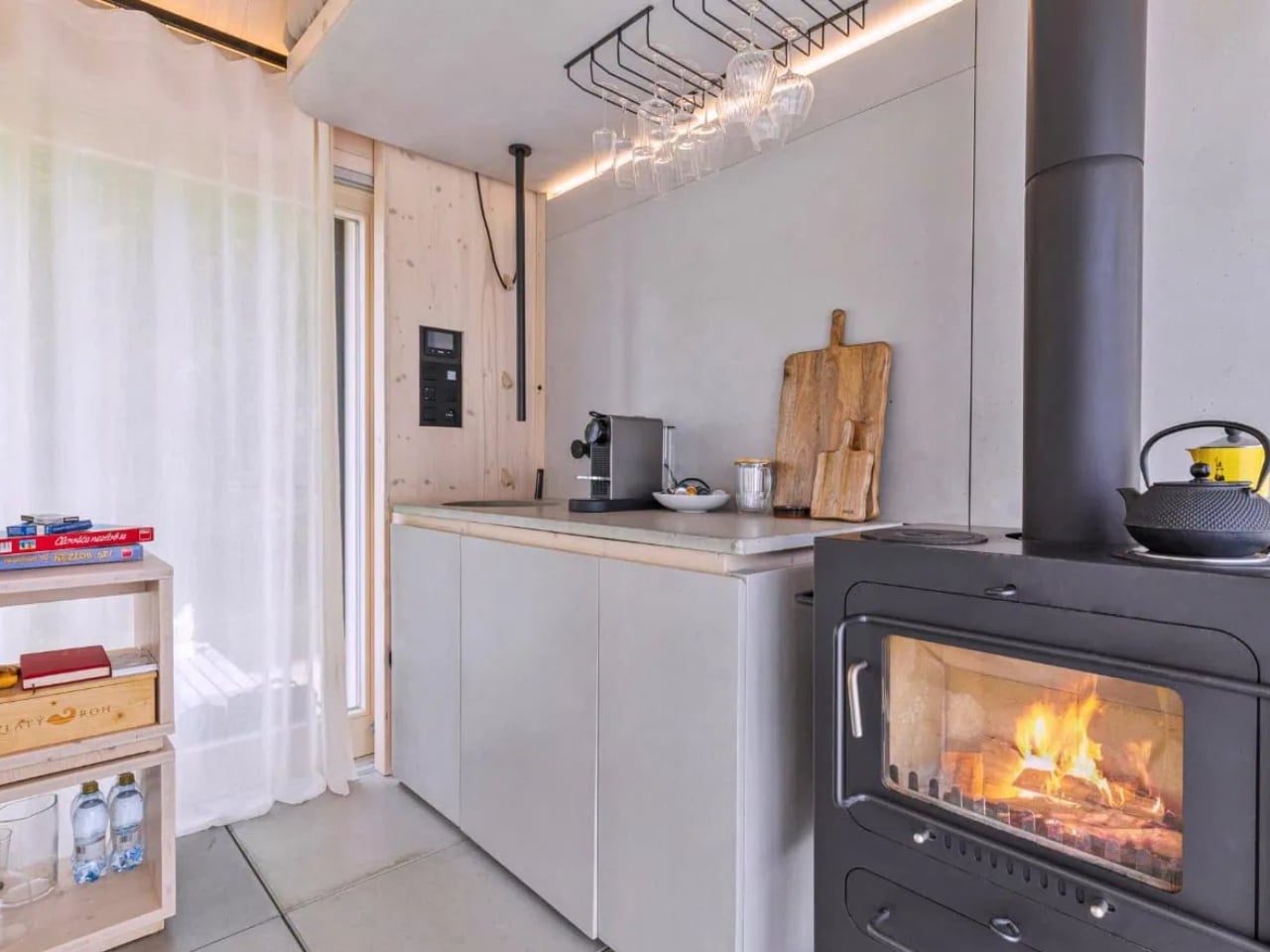
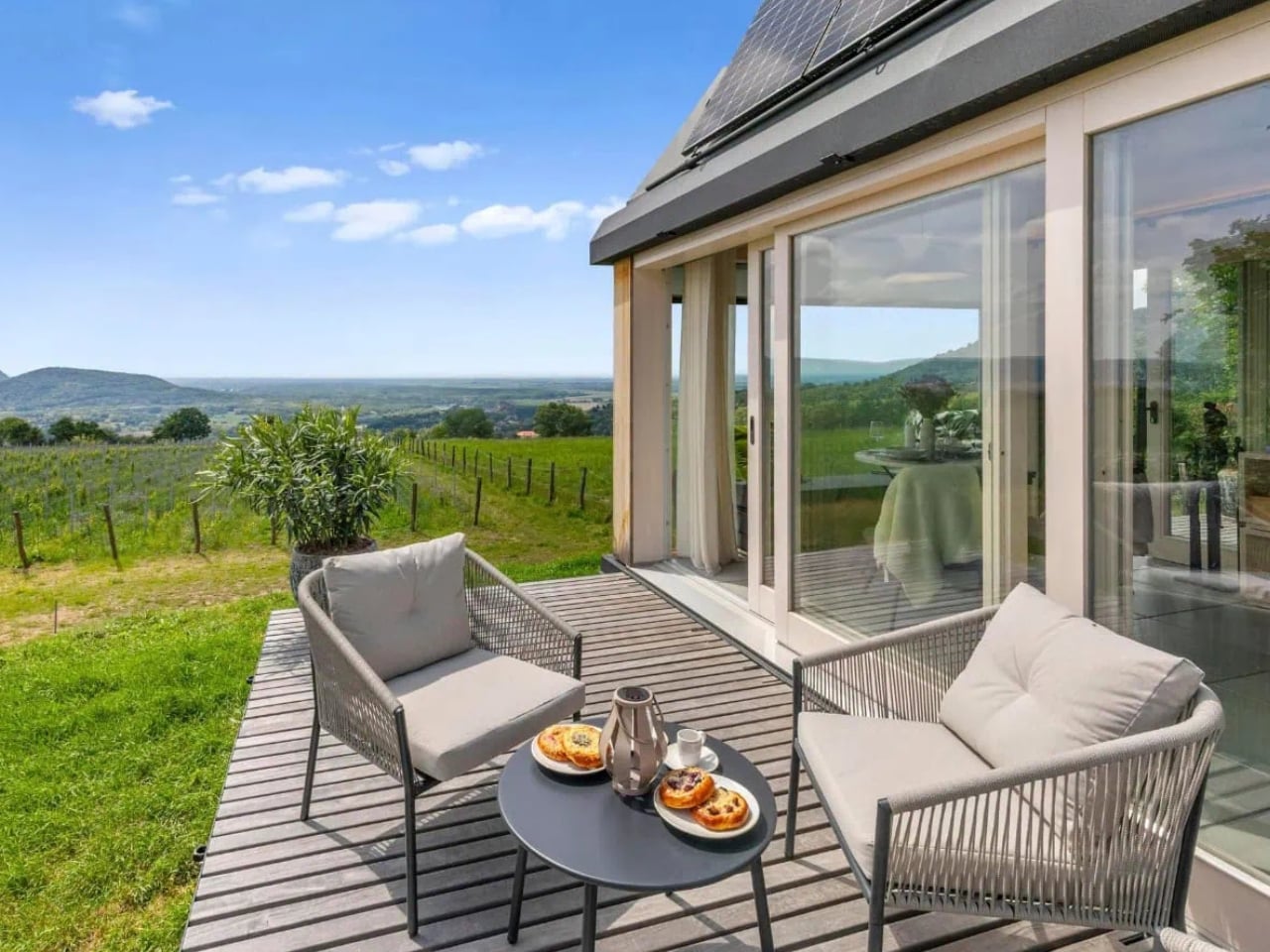
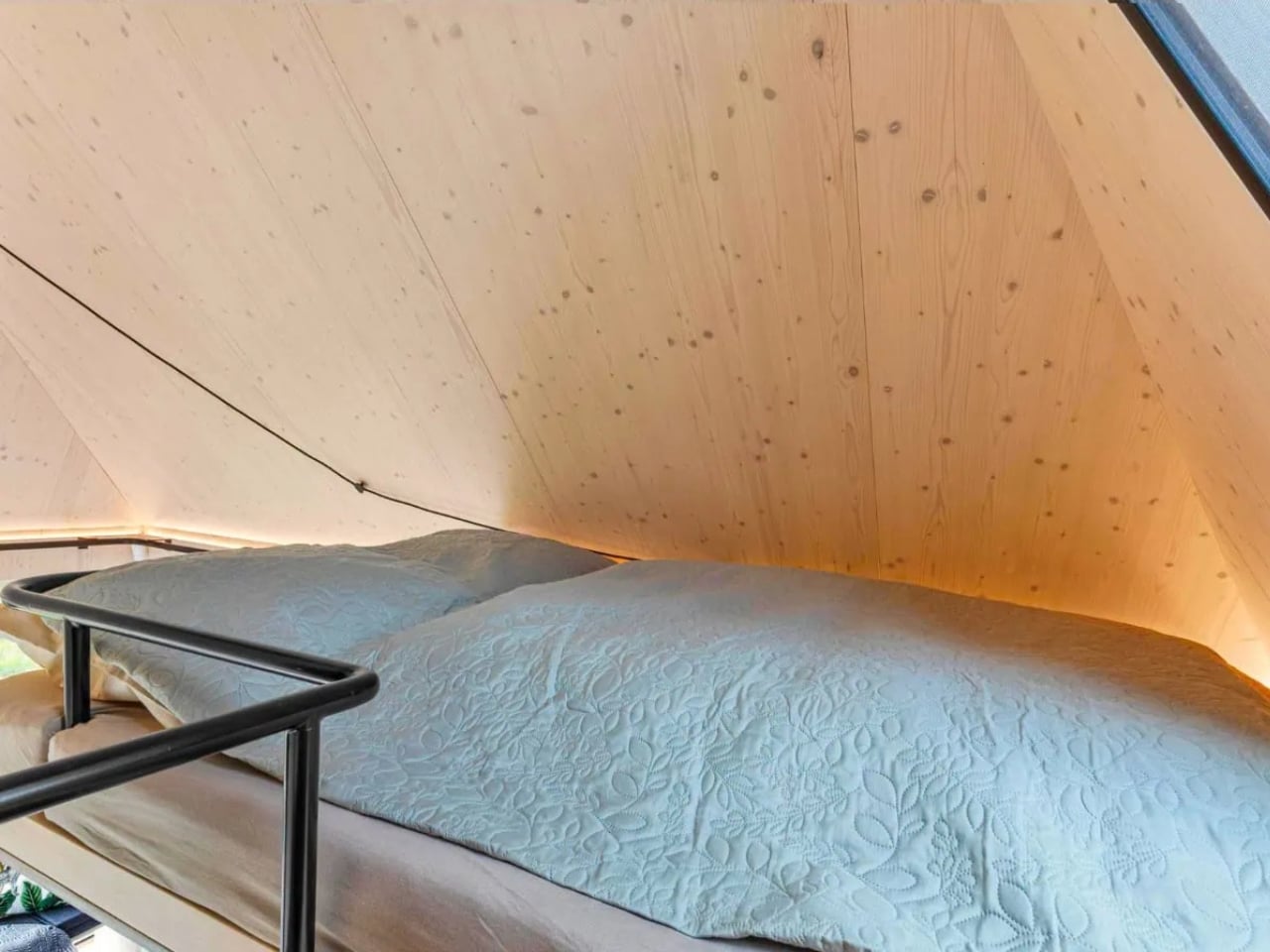
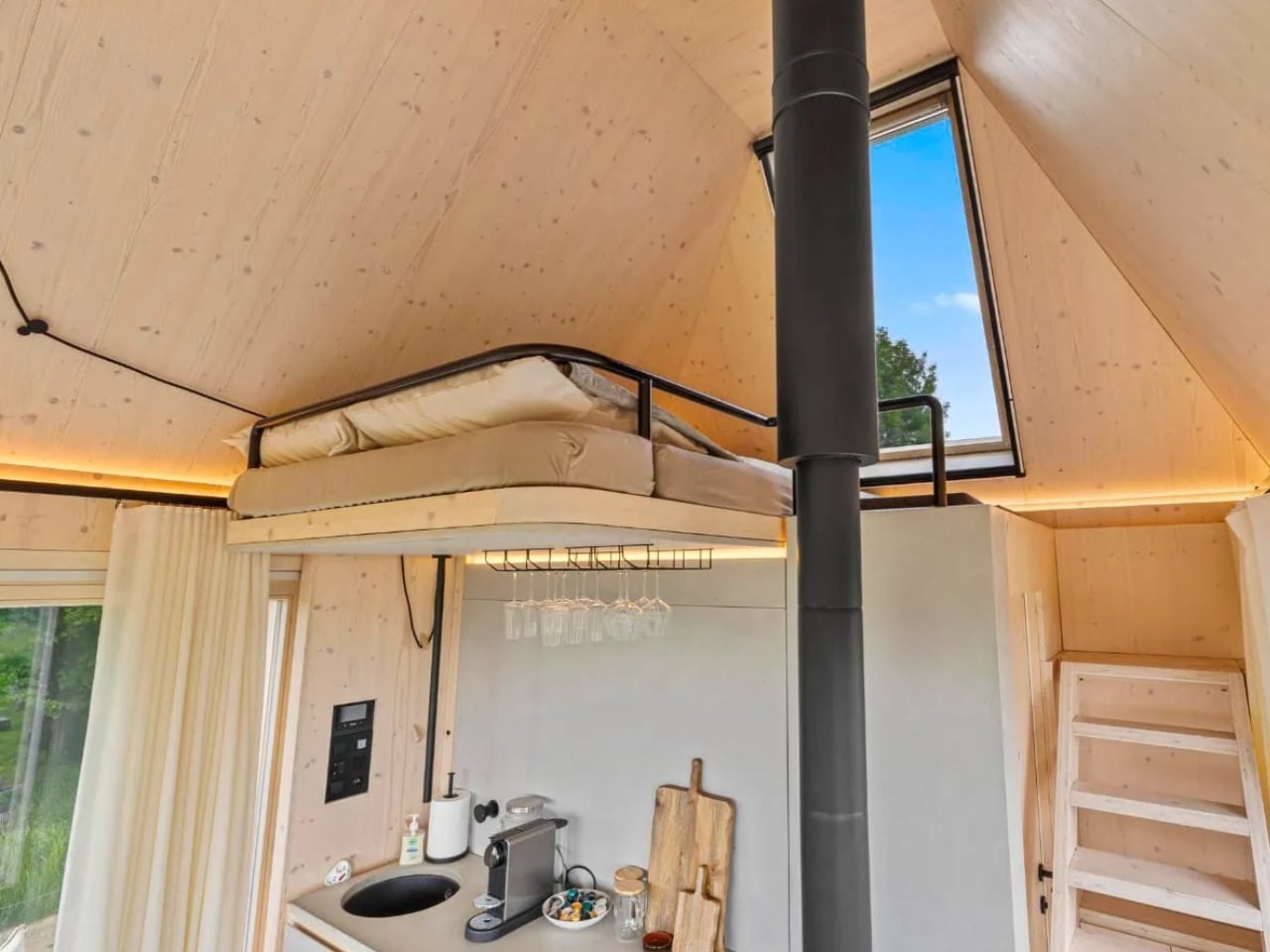
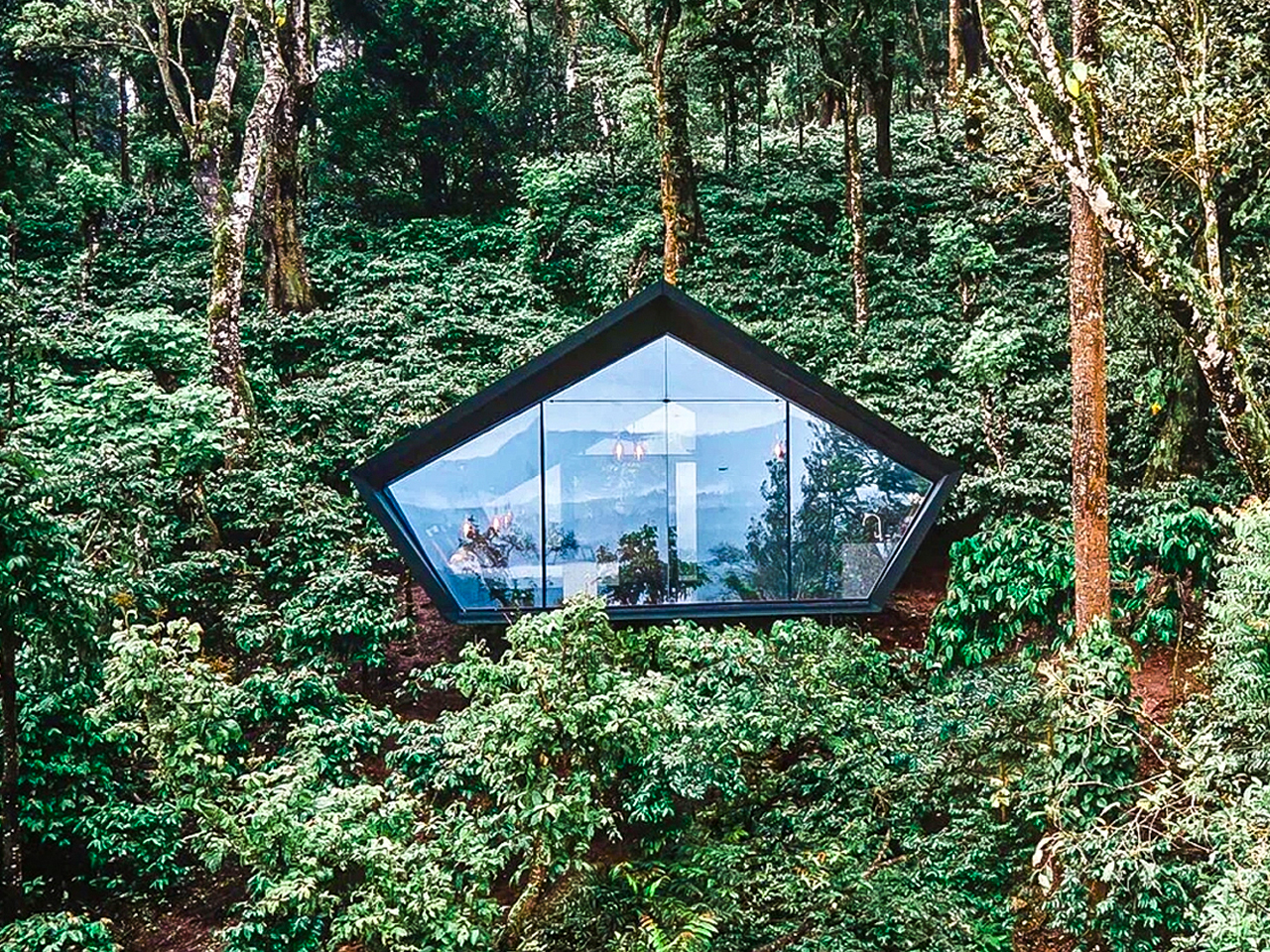
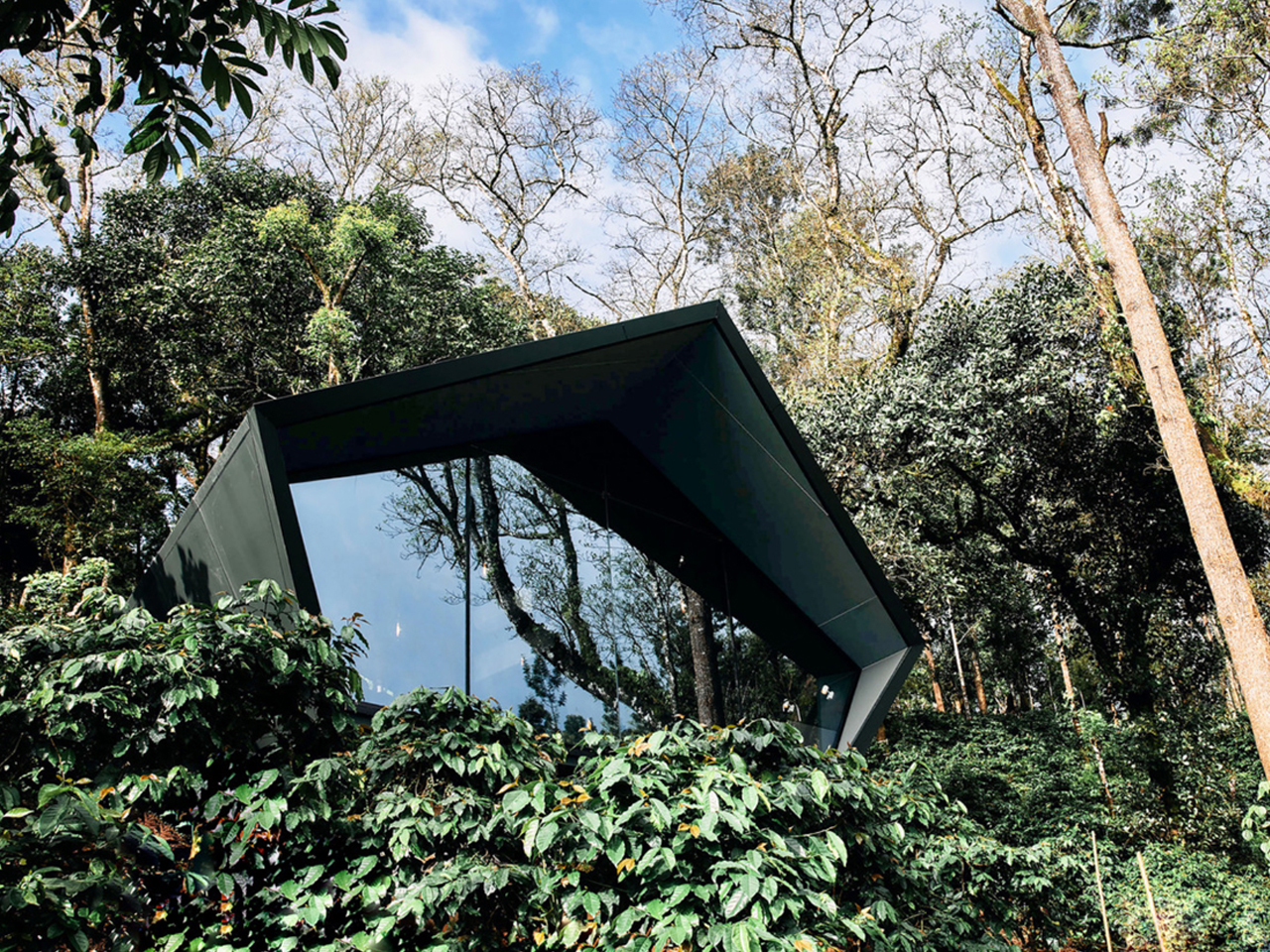
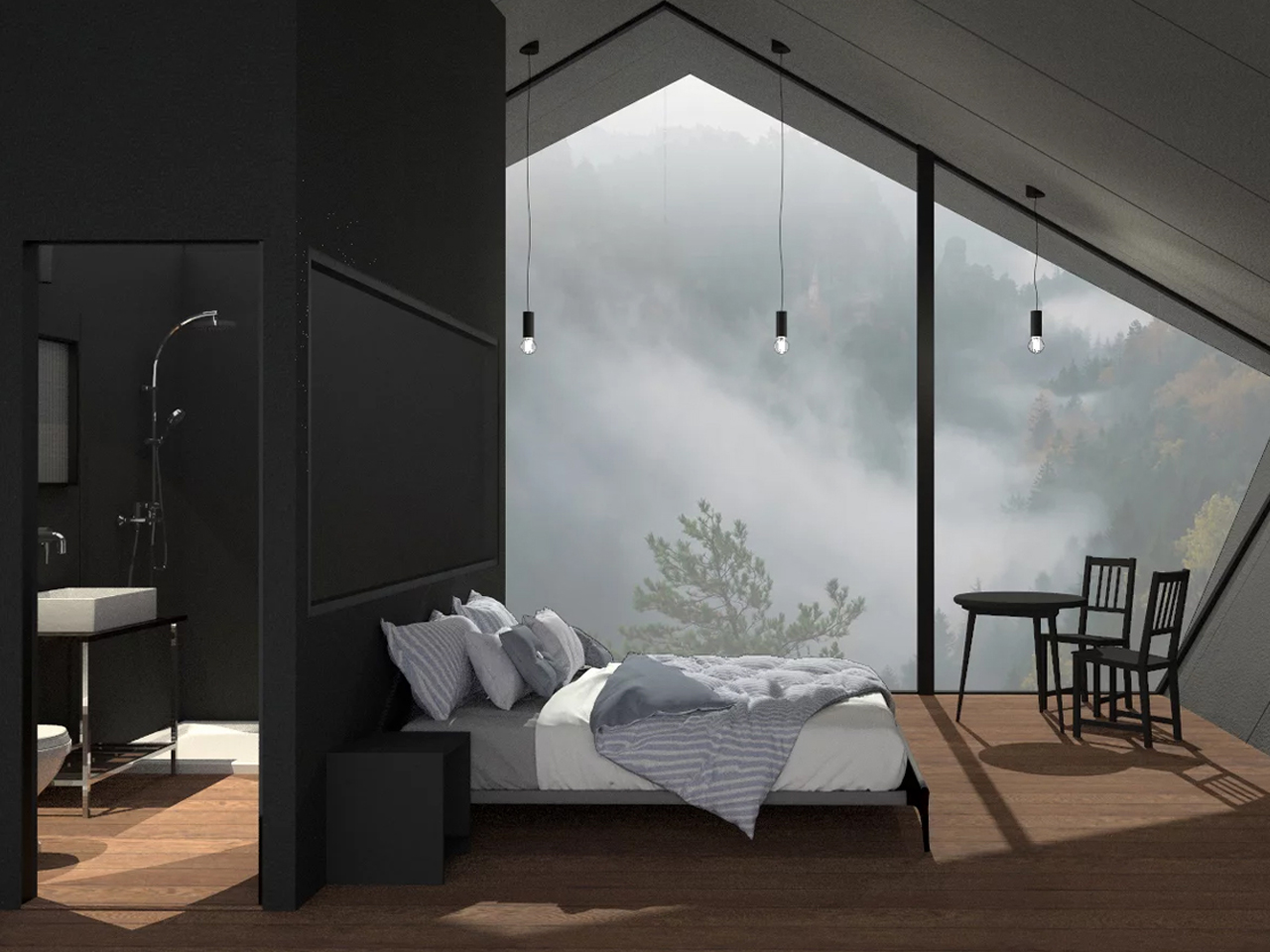
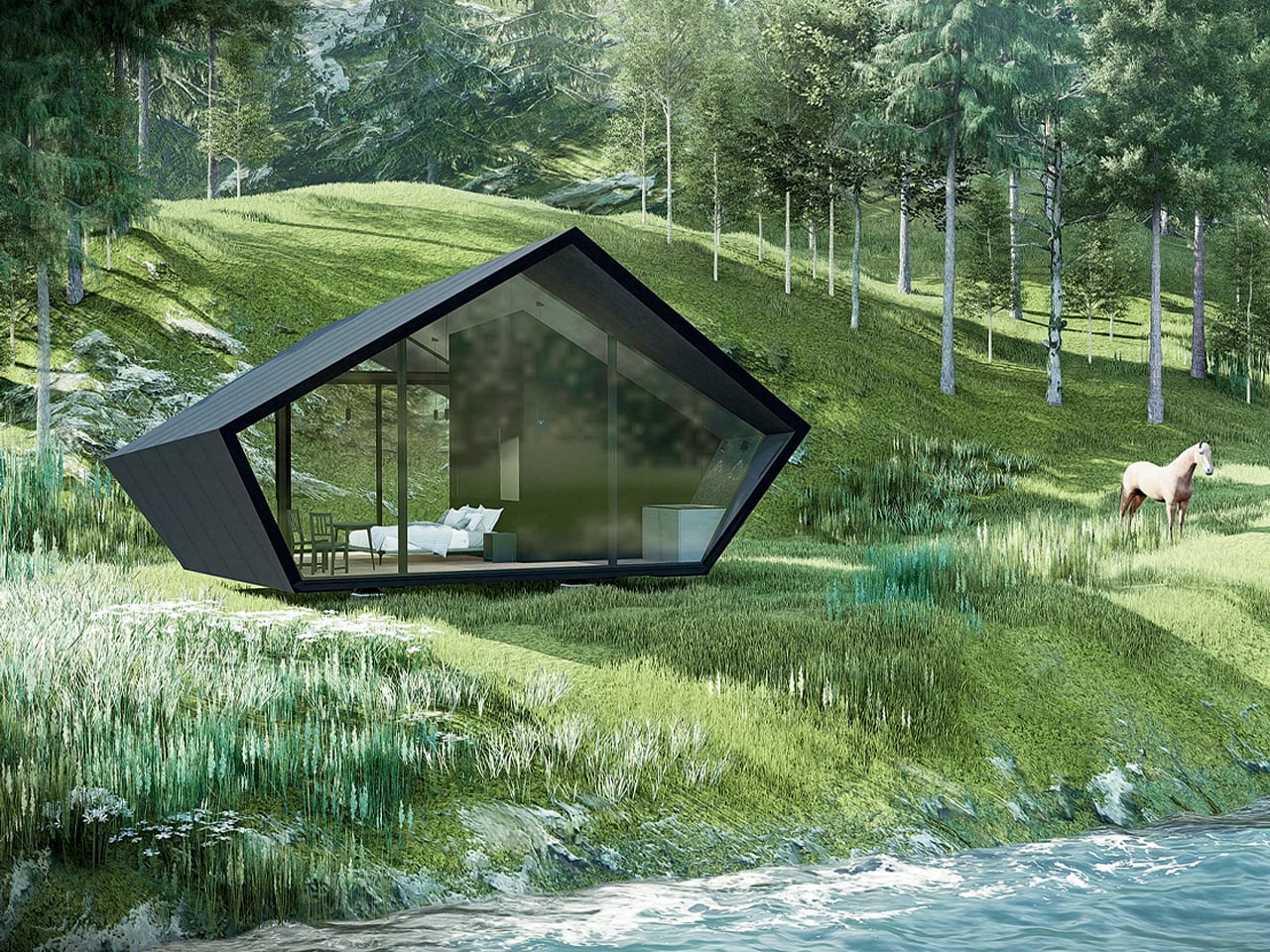
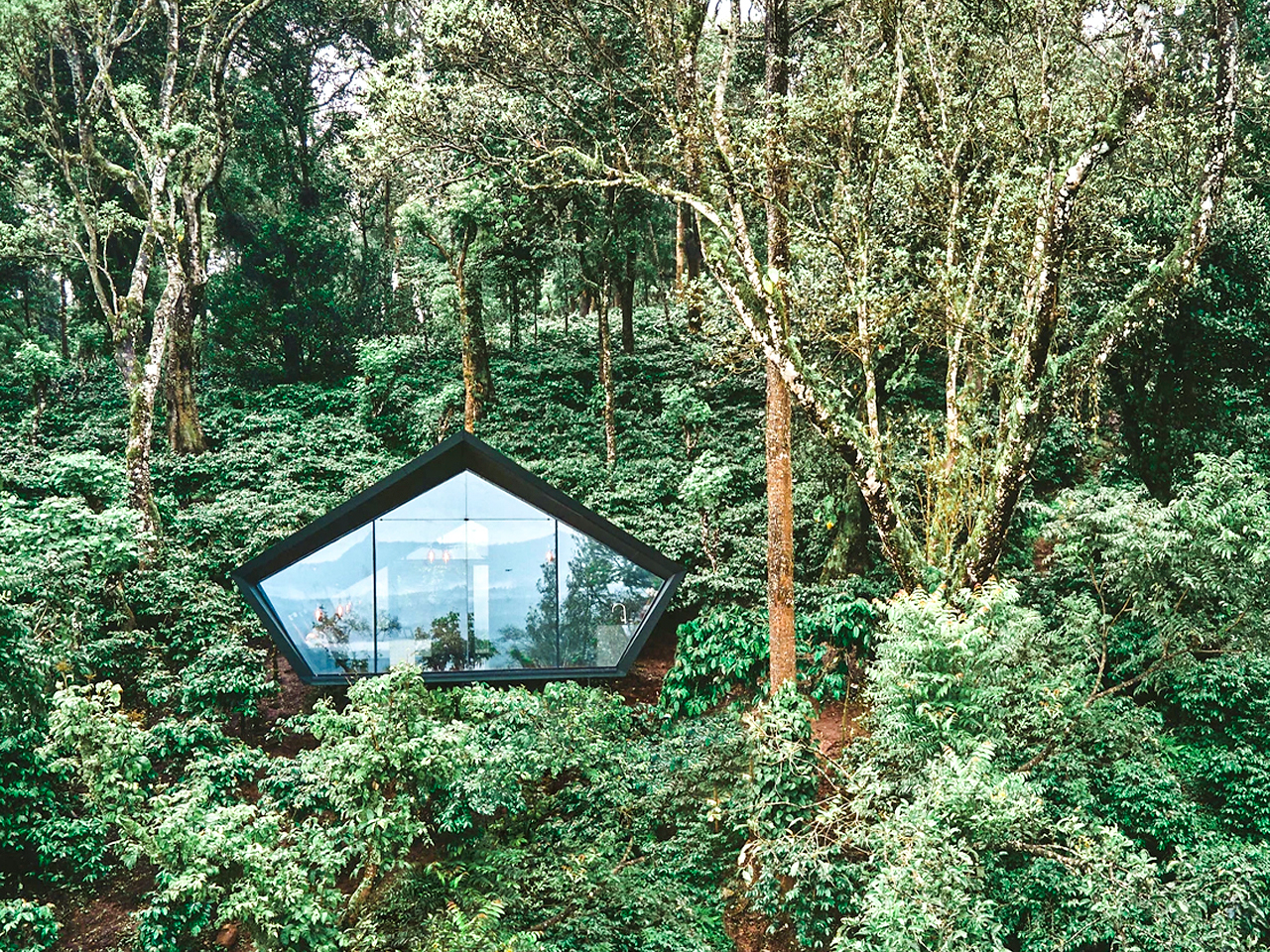
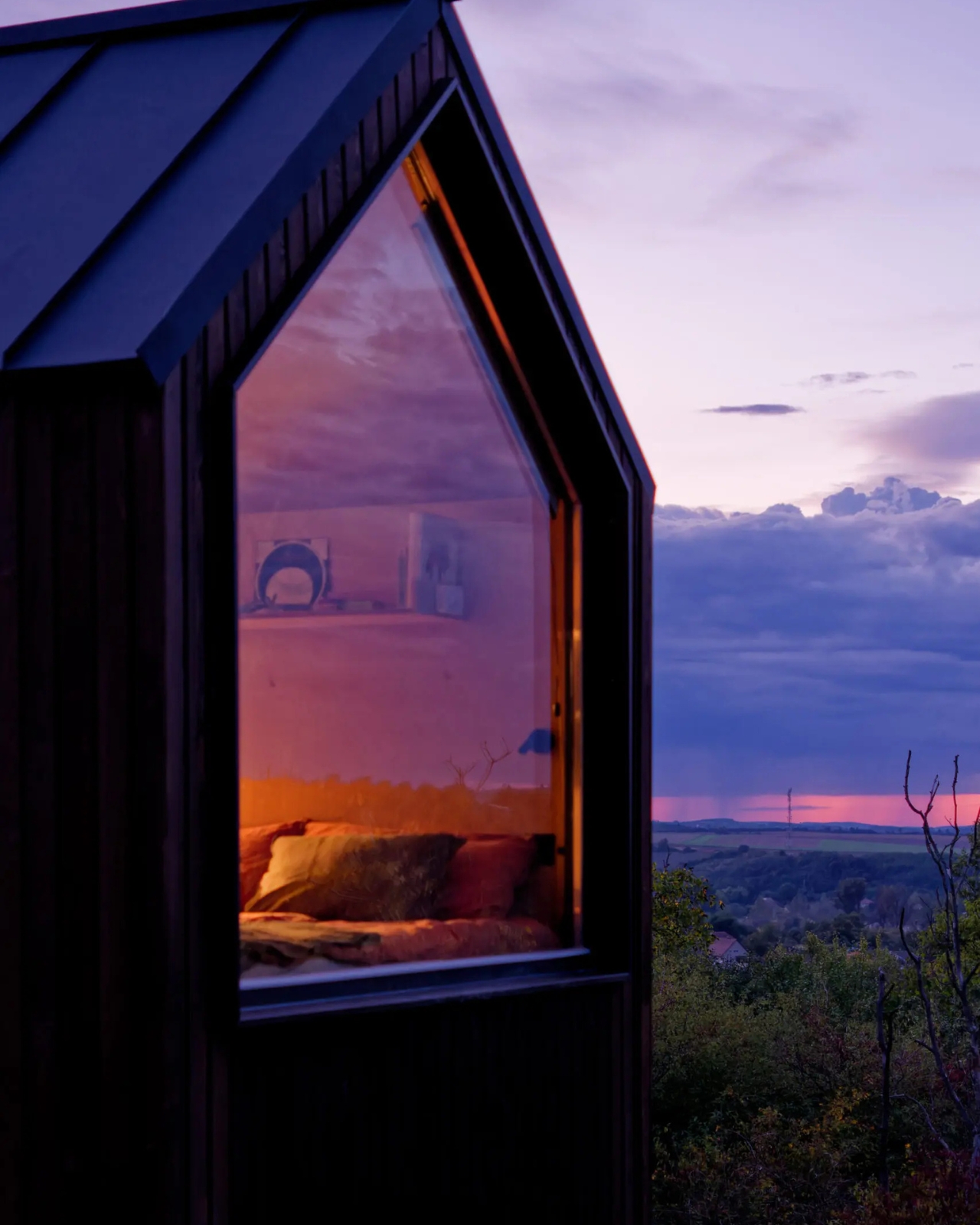
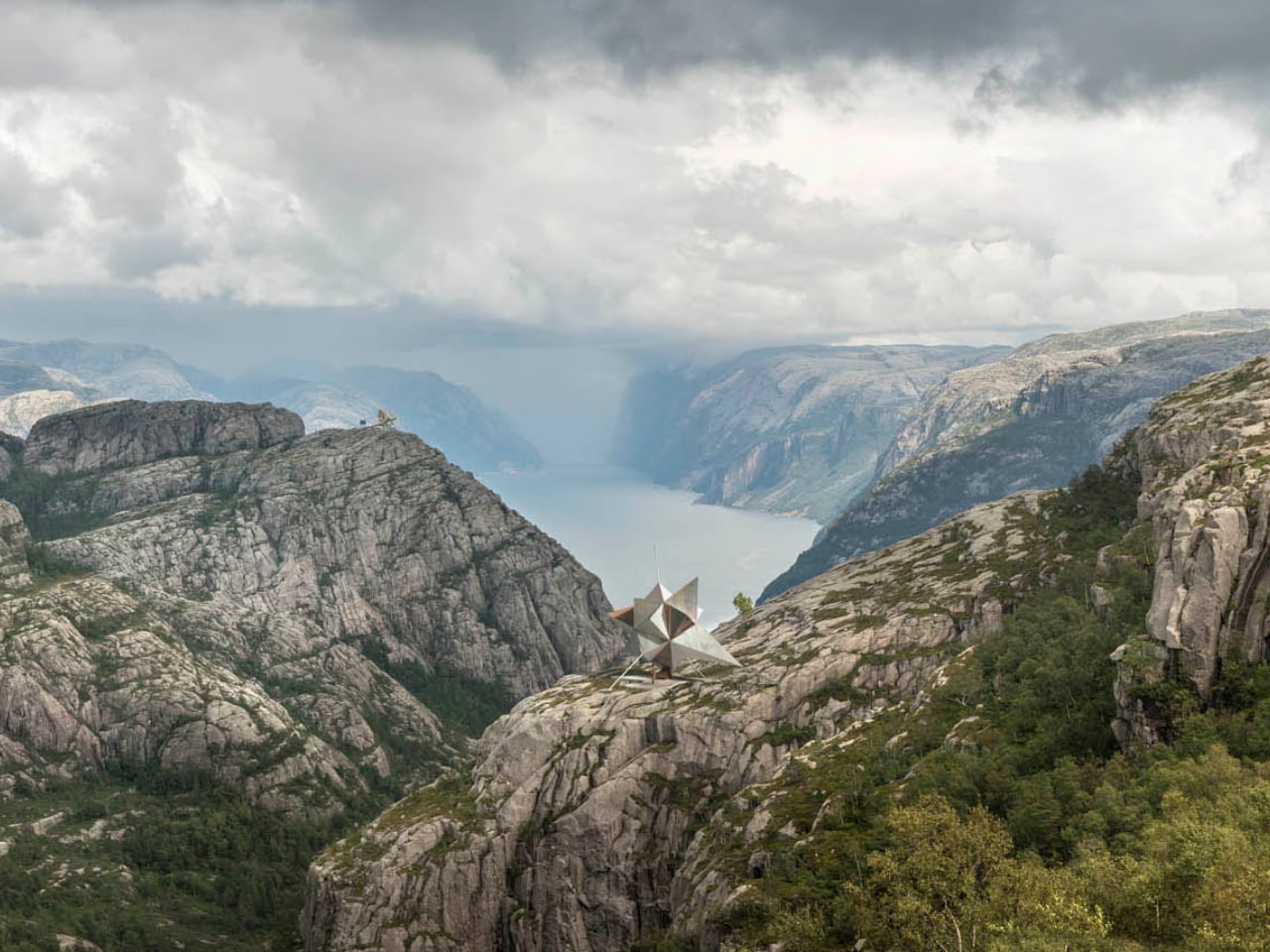
Cabin A24 is a 21-square-metre prefabricated tiny cabin designed for peaceful escapes among forests and mountain valleys, offering all the essentials for short, comfortable stays. Created by DDAA (Dev Desai Architects and Associates), the cabin stands out with its distinctive pentagonal form and strong architectural identity, without sacrificing everyday functionality. Fully furnished, it includes a living area, sleeping space, kitchenette, and bathroom, all carefully planned to make the most of its compact footprint while maintaining a sense of openness and privacy.

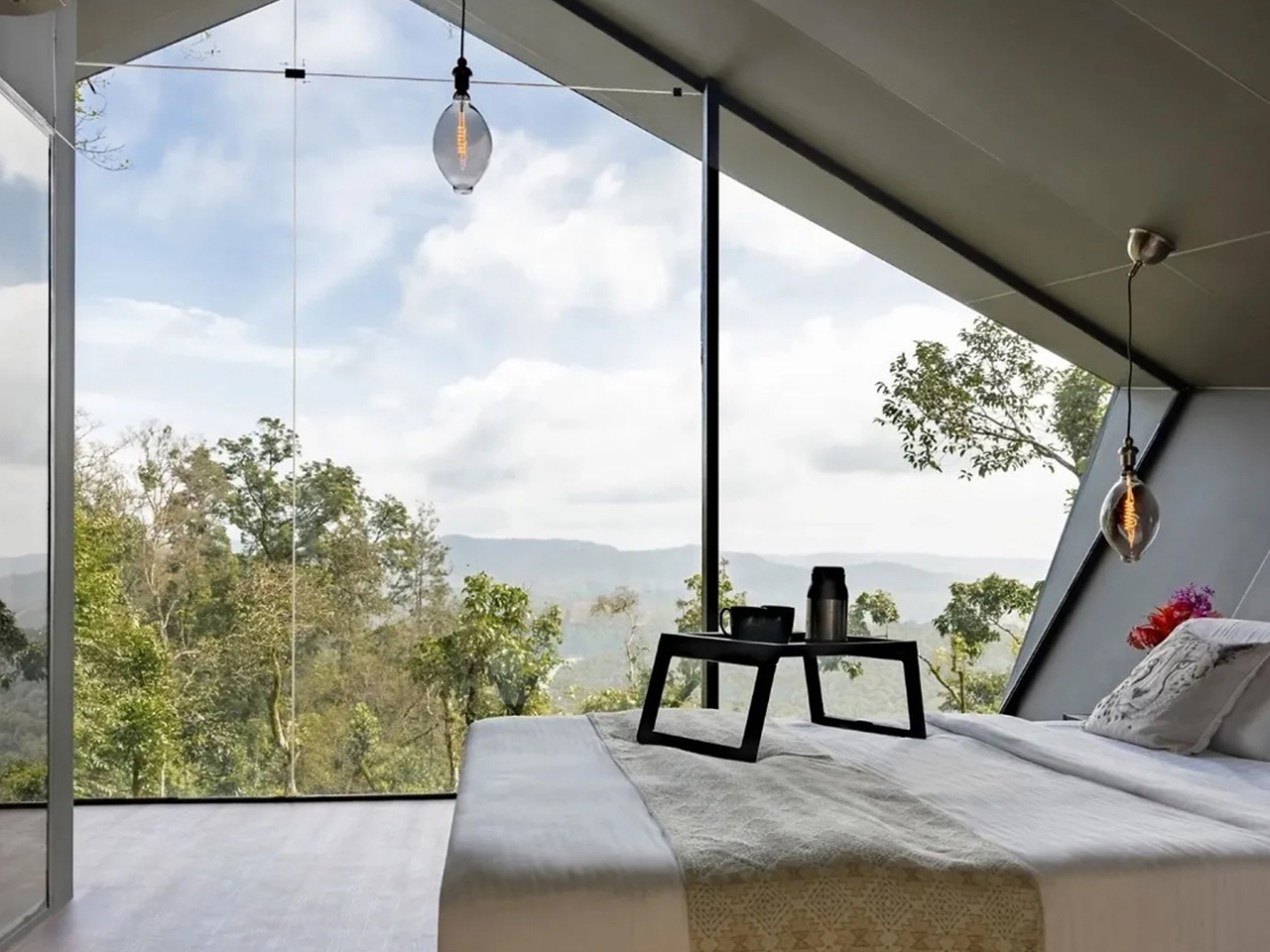
The layout is divided into two efficient zones, with a generous bedroom and lounge on one side and the bathroom and kitchenette on the other. A floor-to-ceiling glazed window brings natural light into the sleeping area, while walnut flooring and matte interior finishes create a warm, contemporary feel. With integrated service areas that support self-sufficient living, Cabin A24 is designed to fit effortlessly into wooded, mountainous, or coastal landscapes, offering comfort without disturbing the calm of its surroundings.

2. The Living Roof Cabin

The green roof has evolved beyond a sustainability add-on into a critical architectural layer that binds building and landscape. It becomes a living surface, softening the structure while improving performance. The depth of soil acts as a thermal buffer, naturally enhancing insulation and reducing dependence on mechanical heating and cooling across seasons.

Equally important is its long-term value. Indigenous planting transforms the roof into a suspended ecosystem that supports biodiversity while absorbing carbon. Over time, the system protects the waterproof membrane from UV exposure and extreme temperature shifts. This significantly extends roof life, making the return less about immediate savings and more about durability, resilience, and lasting architectural intelligence.

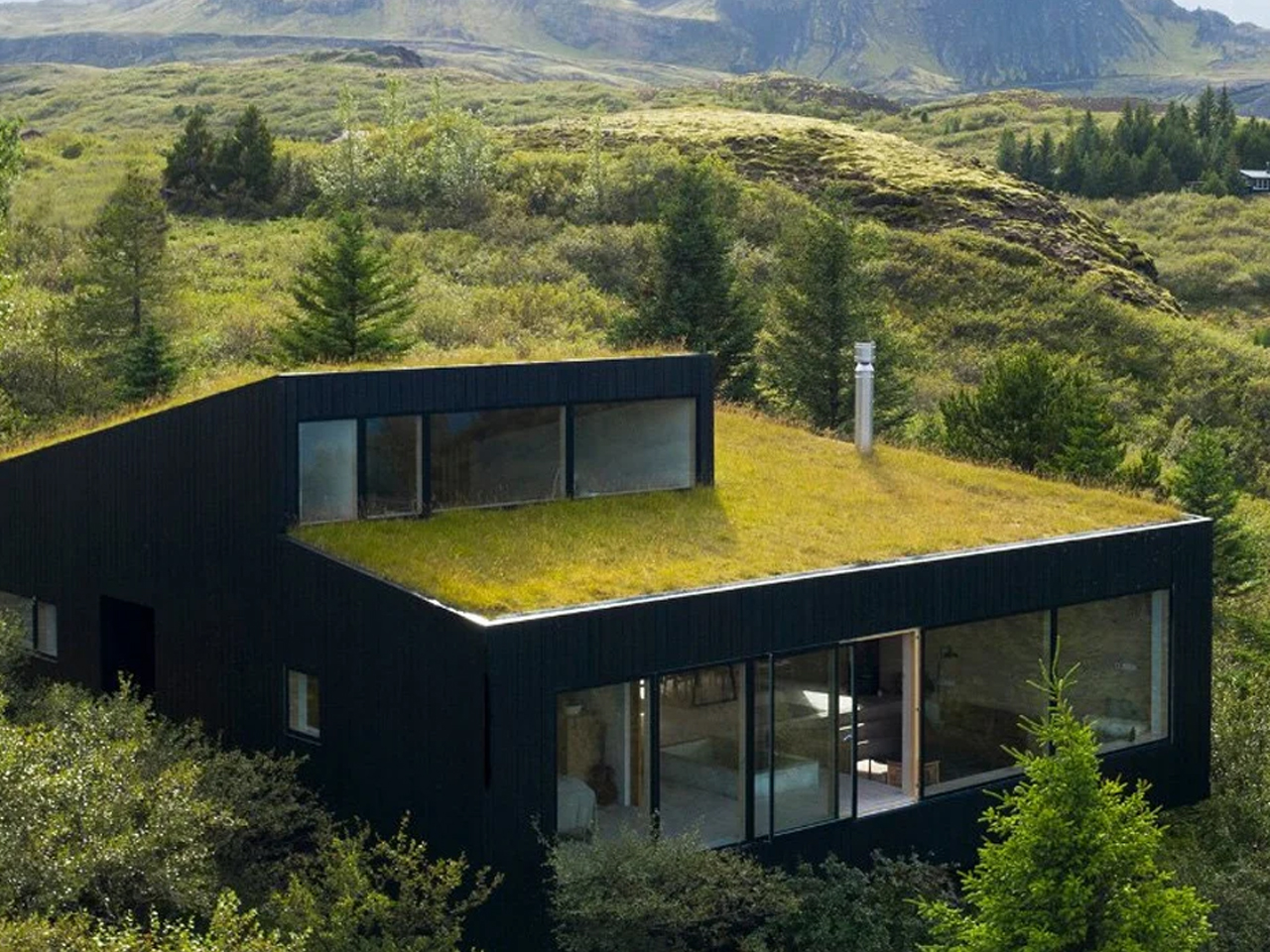
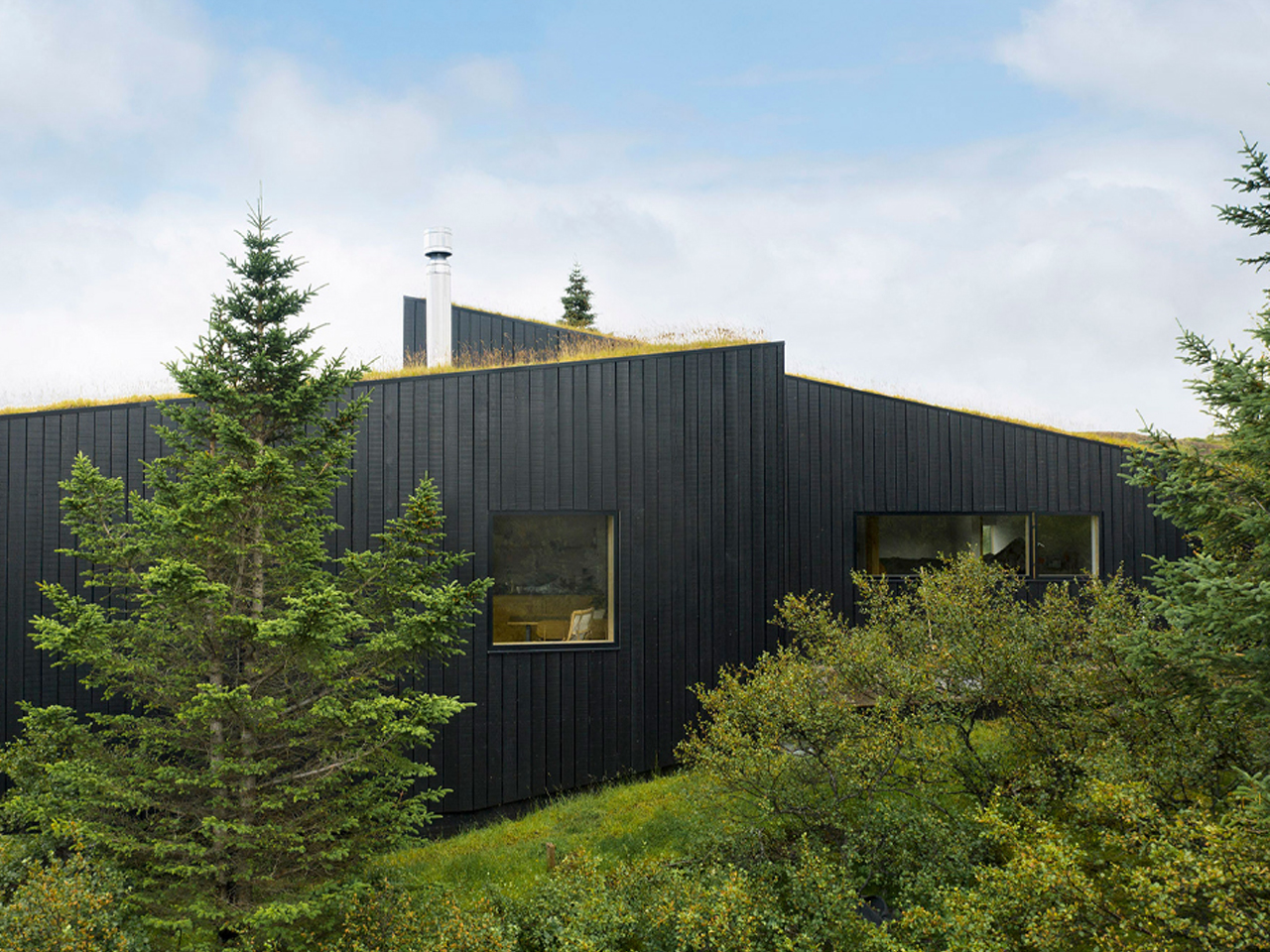
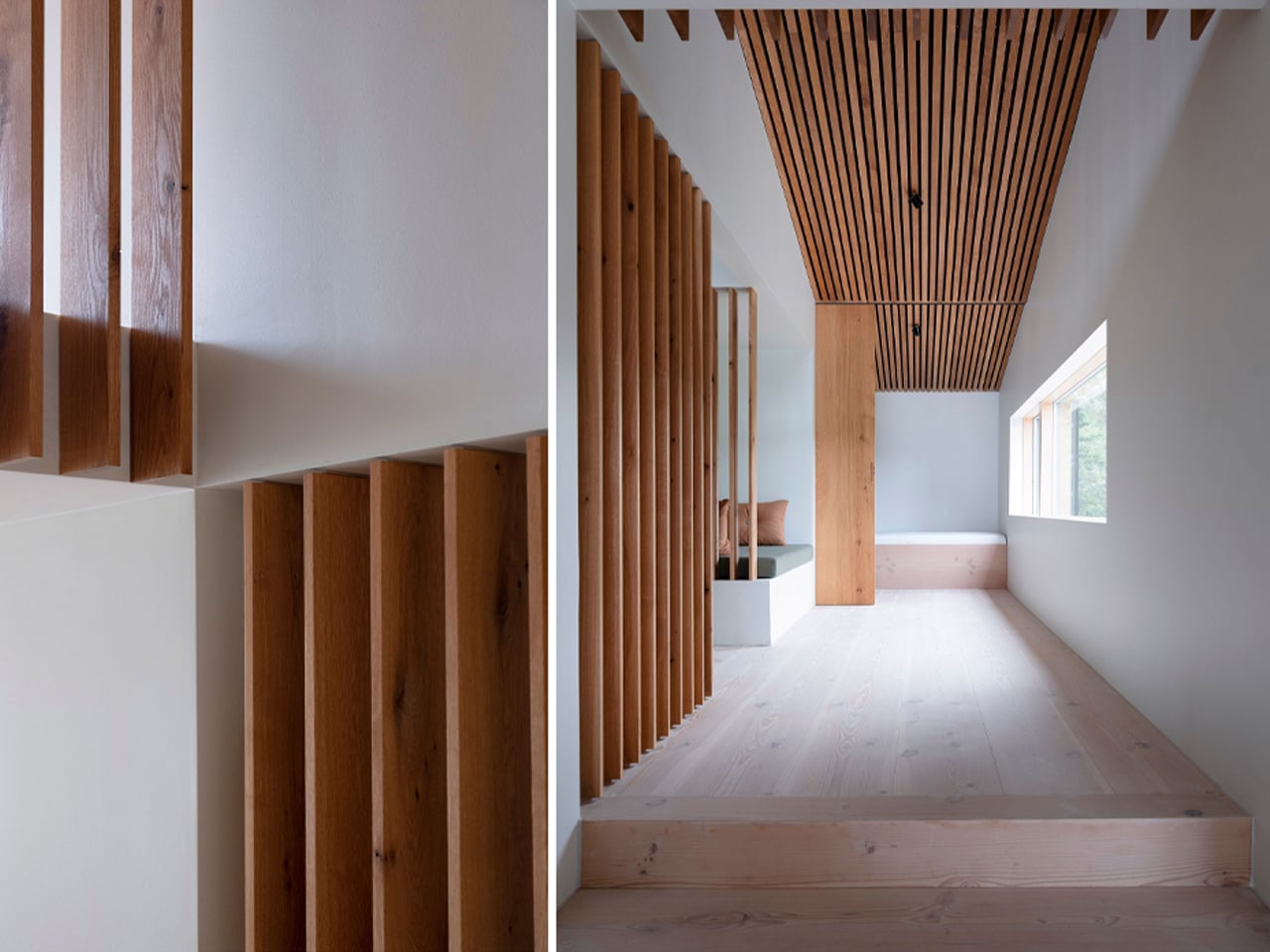
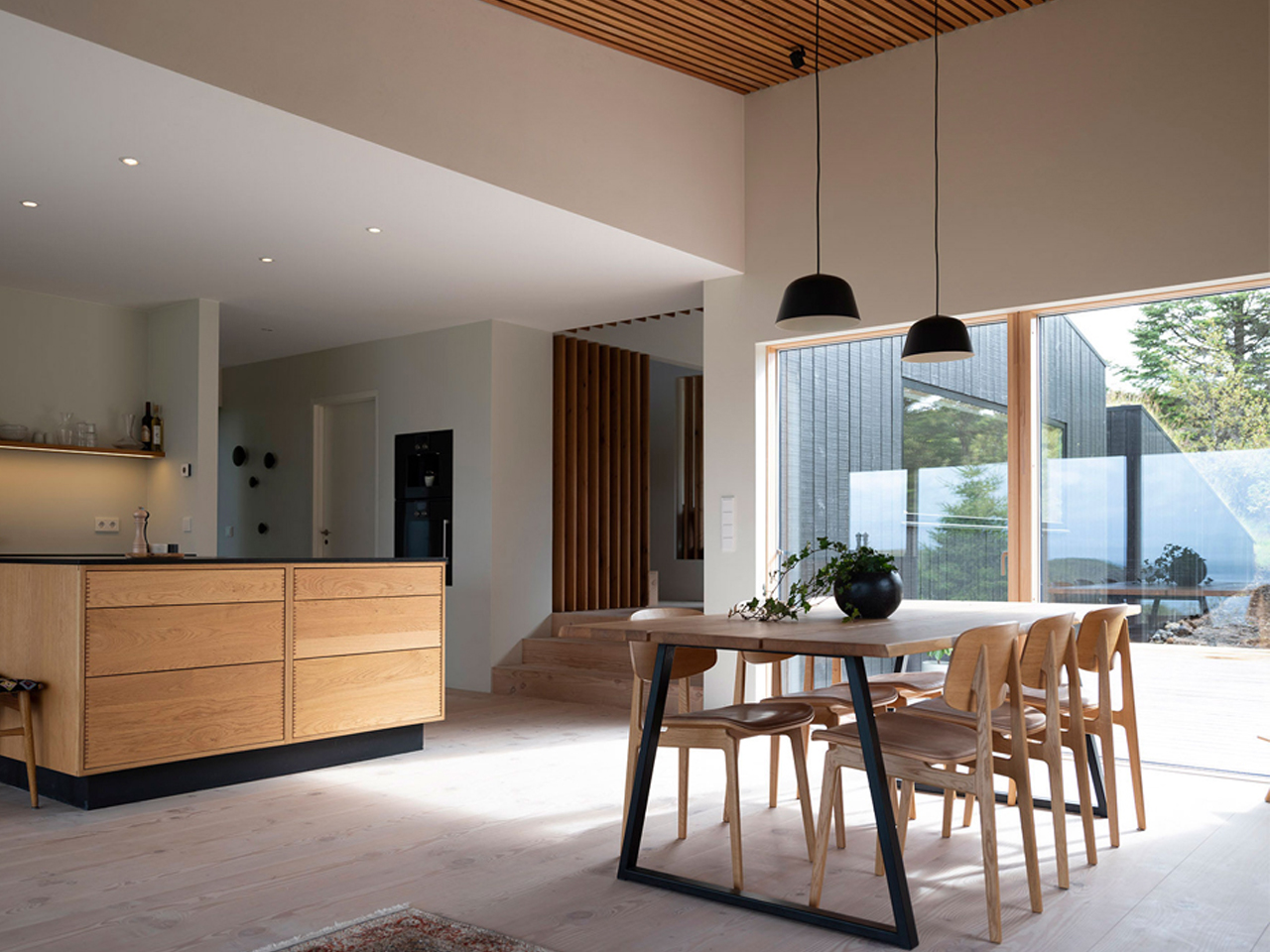
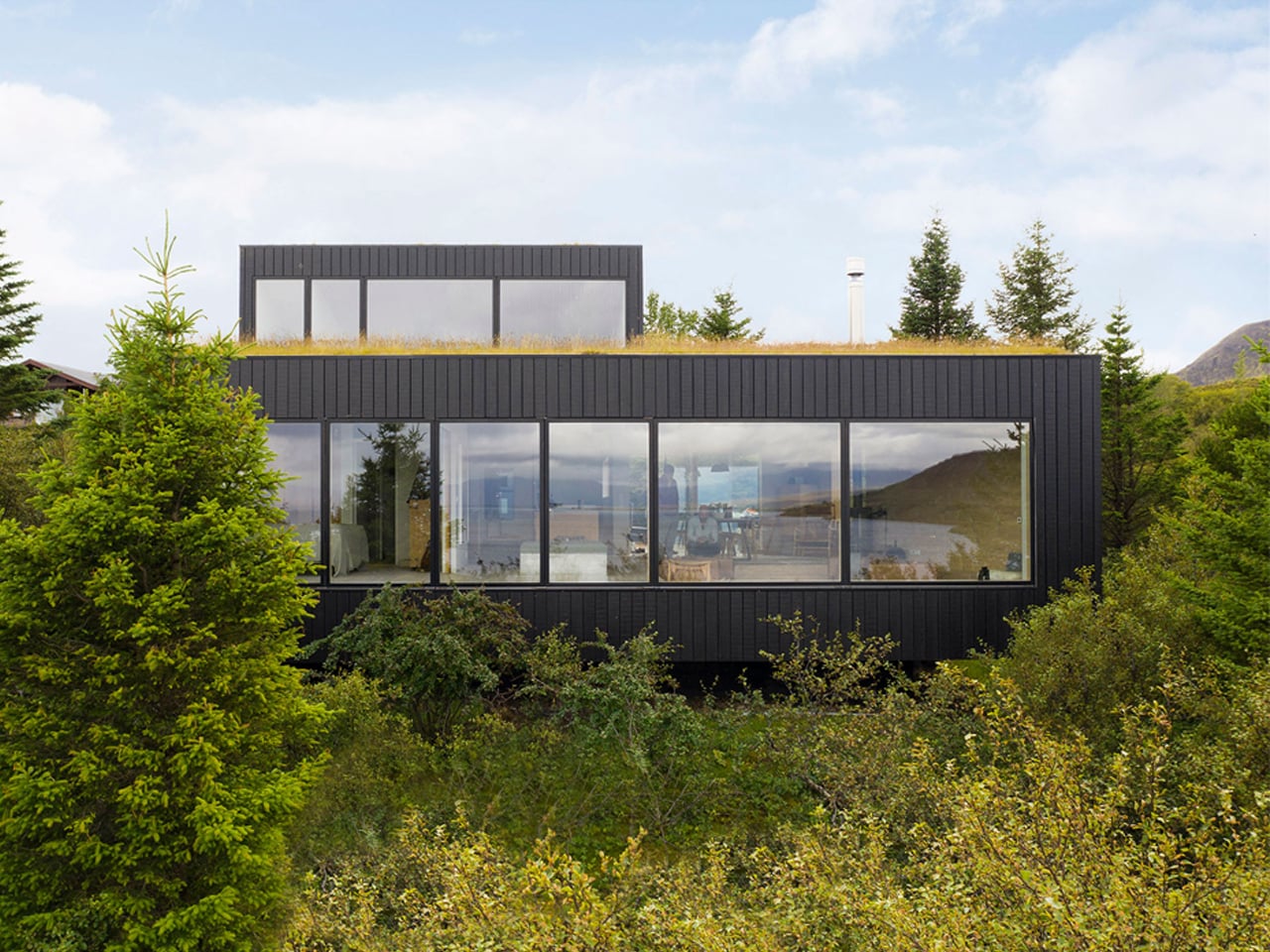
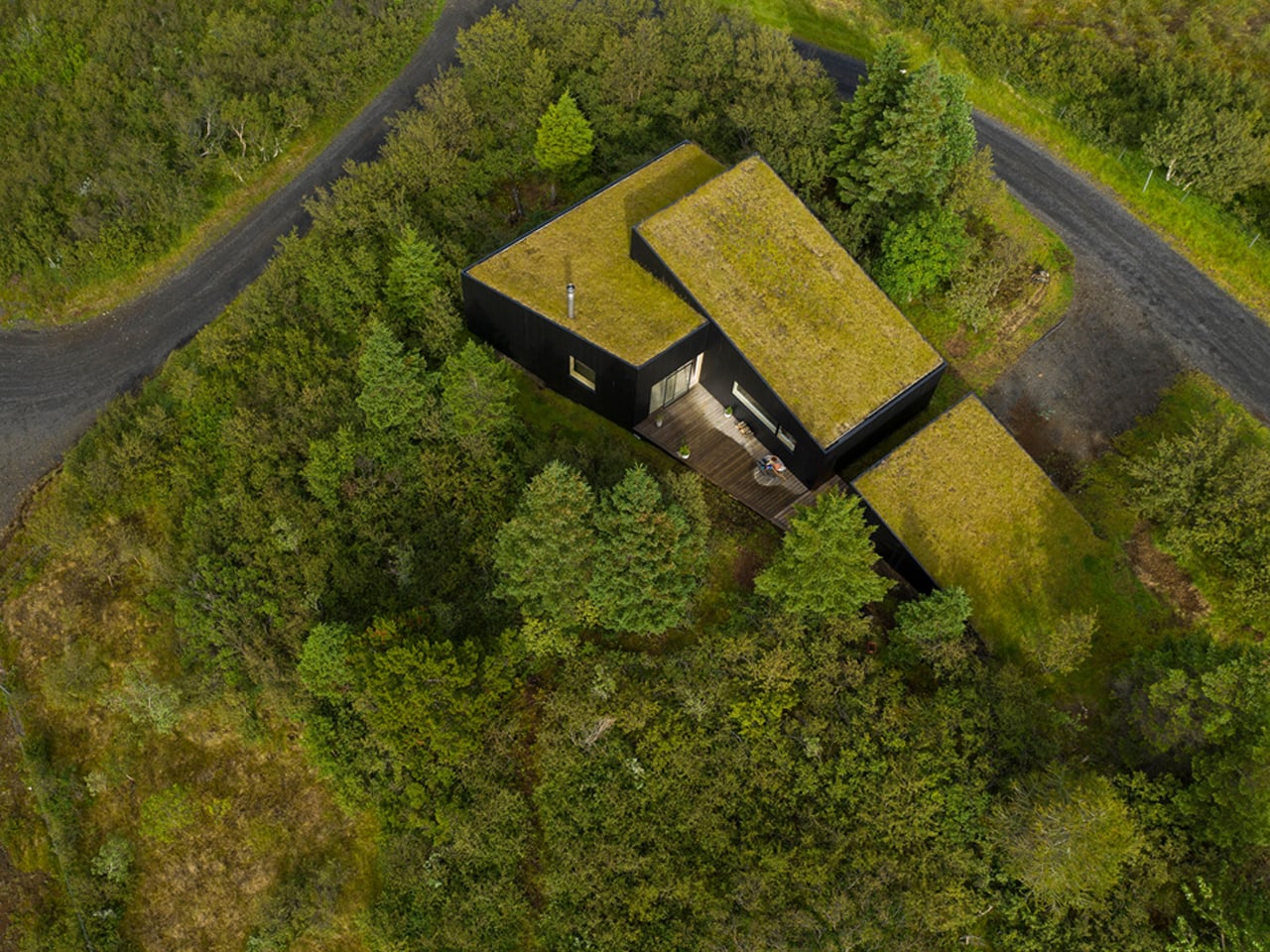
Homes carved into mountainsides always spark the imagination, offering sweeping views and a sense of calm that feels worlds away from everyday life. In southwestern Iceland, architectural studio KRADS has completed a secluded holiday home overlooking Lake Þingvallavatn, the country’s second-largest natural lake. Designed for musicians Tina Dickow and Helgi Jónsson, the retreat is carefully positioned to capture expansive views of the lake and surrounding wilderness while remaining quietly anchored within the rugged terrain. The design prioritises intimacy and comfort, making it an ideal escape that balances dramatic scenery with a warm, sheltered interior experience.

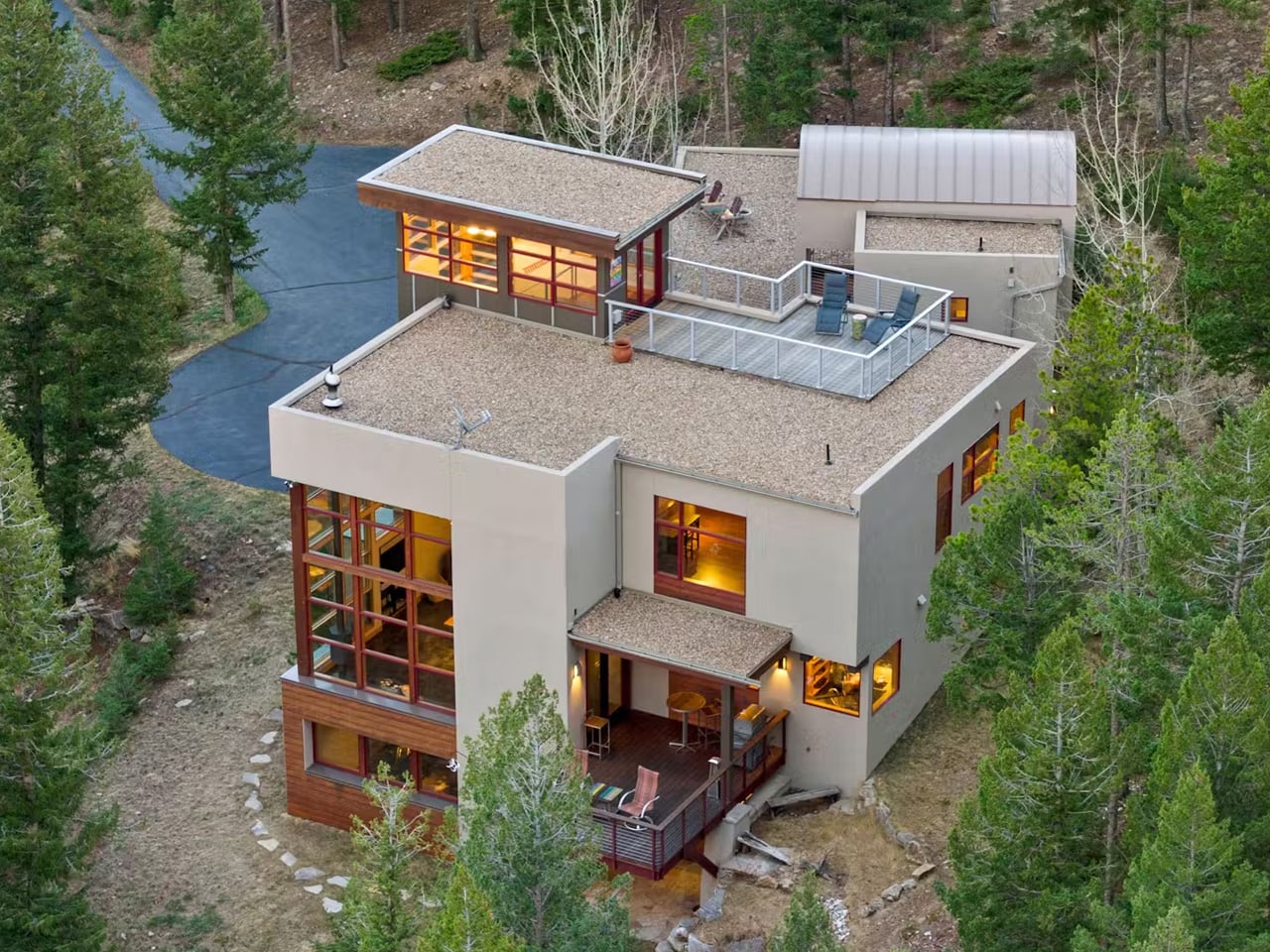
To achieve this harmony, KRADS built the home on three staggered concrete planes that follow the natural slope of the land. Each level aligns with the shifting topography, allowing the structure to feel embedded rather than imposed. The accessible rooftop extends the living experience outdoors, offering uninterrupted views of sky and the forest. Covered with moss, grasses, and native shrubs, the green roof further blends the home into its environment, reflecting a strong commitment to preserving the landscape.

3. Rustic Modern Material Cabin

Rustic Modernism defines the new language of rural luxury, balancing industrial precision with organic warmth. It is rooted in material honesty, where finishes are chosen for what they are rather than how they imitate. Board-formed concrete sits confidently alongside reclaimed timber, creating a dialogue that feels both contemporary and deeply grounded in place.

The experience is tactile as much as visual. Cool stone, textured concrete, and live-edge wood invite touch and slow engagement. Regional sourcing strengthens this connection, reducing transport impact while anchoring the building to its landscape.

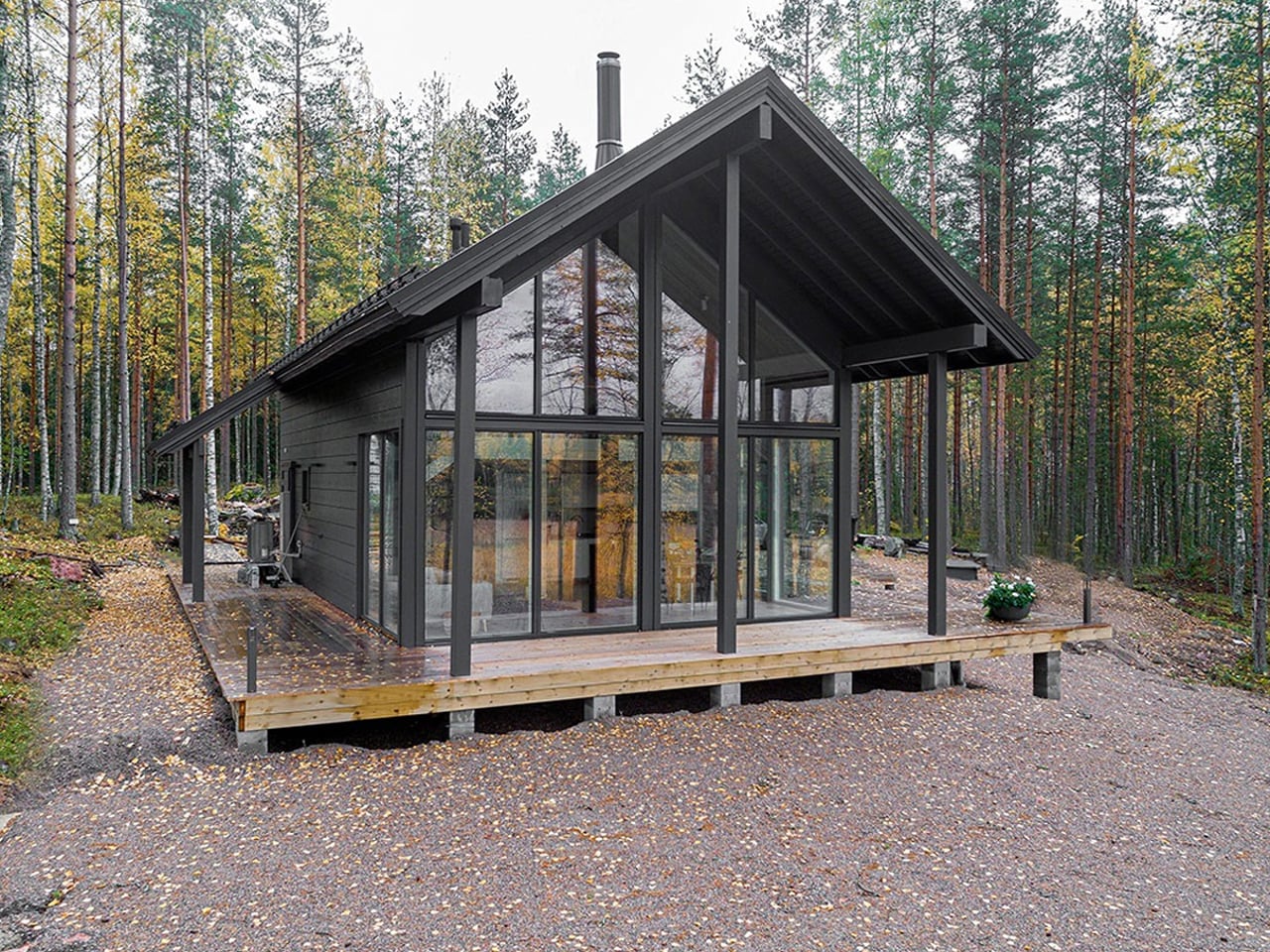
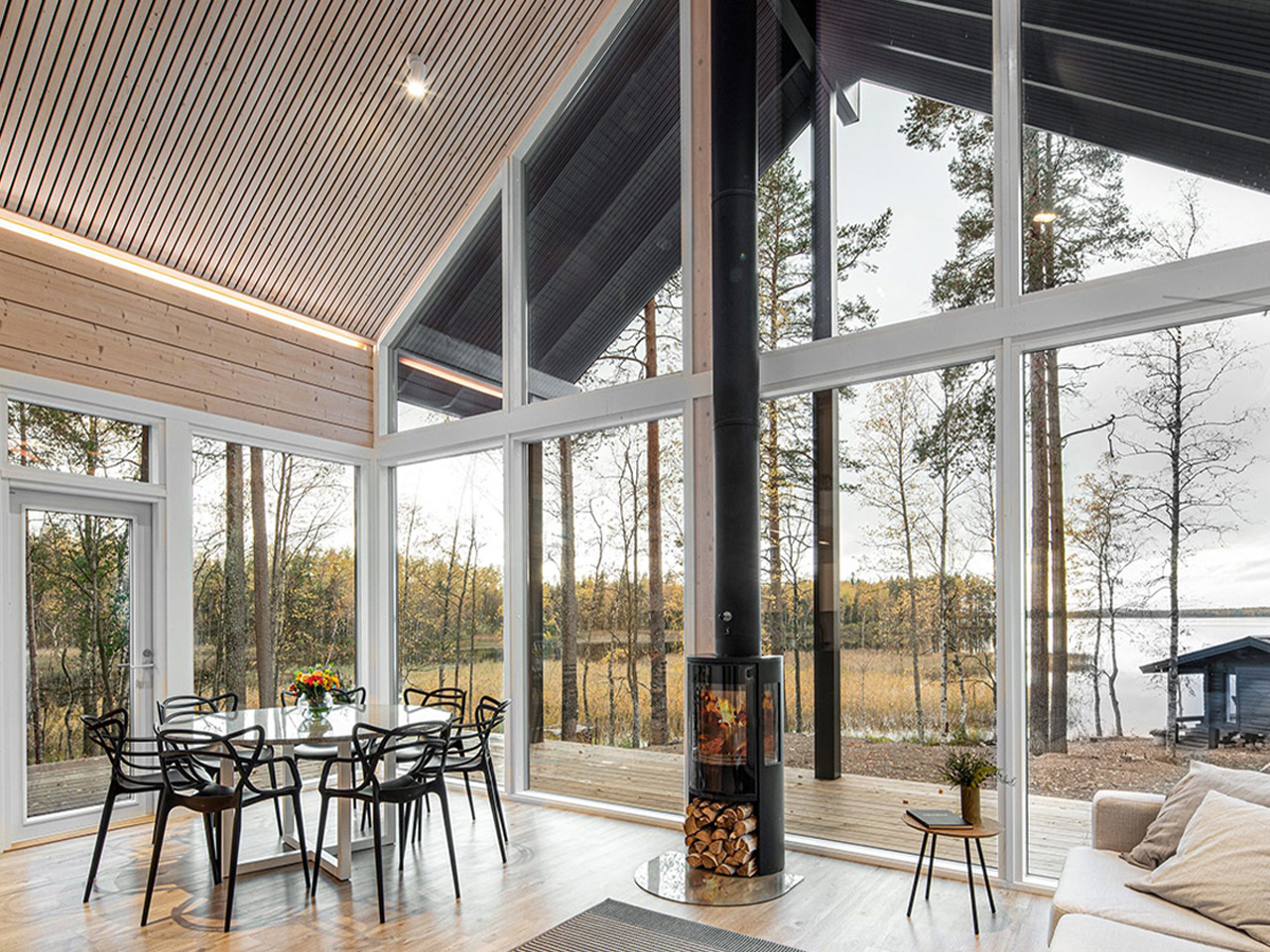
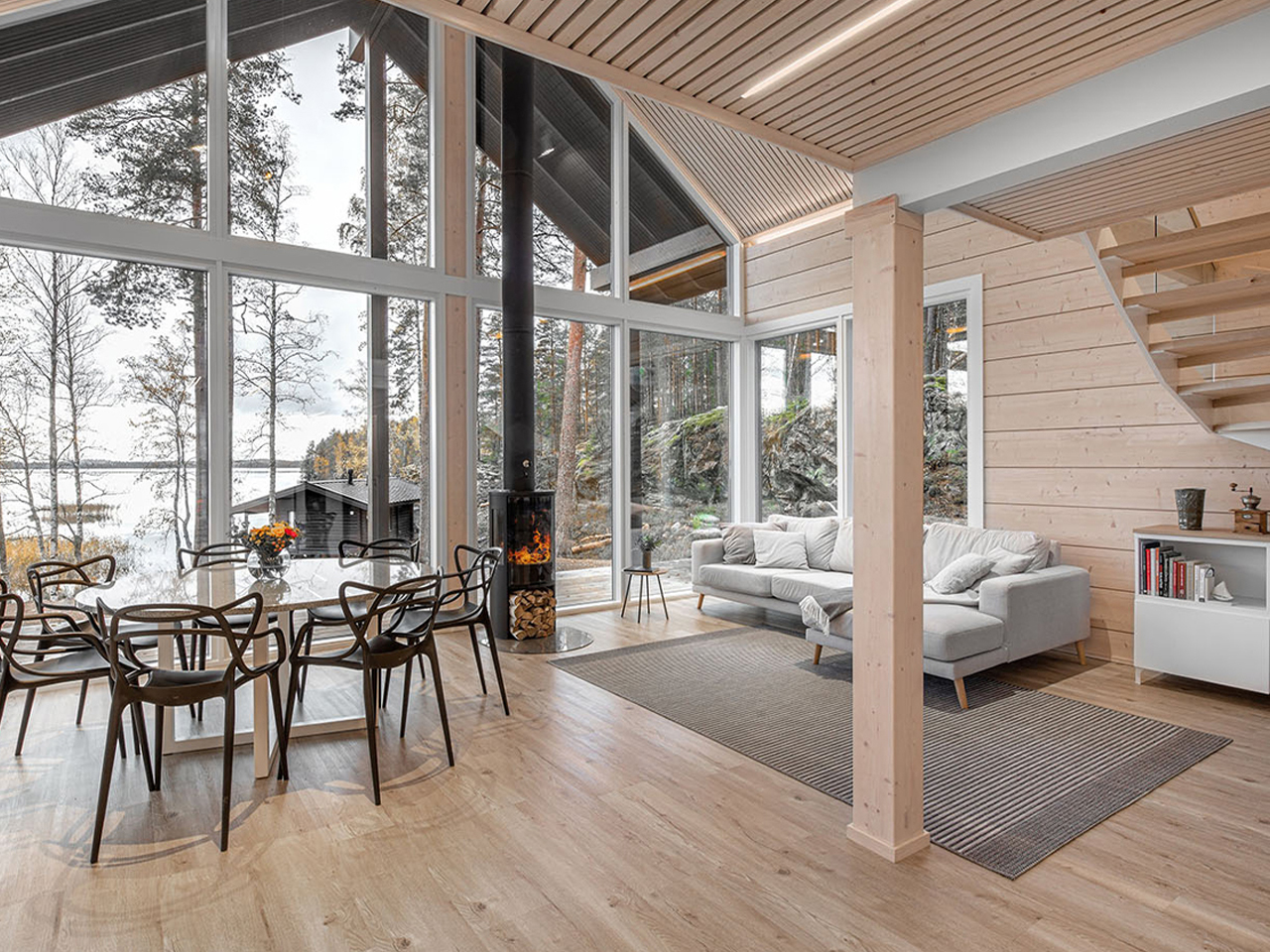
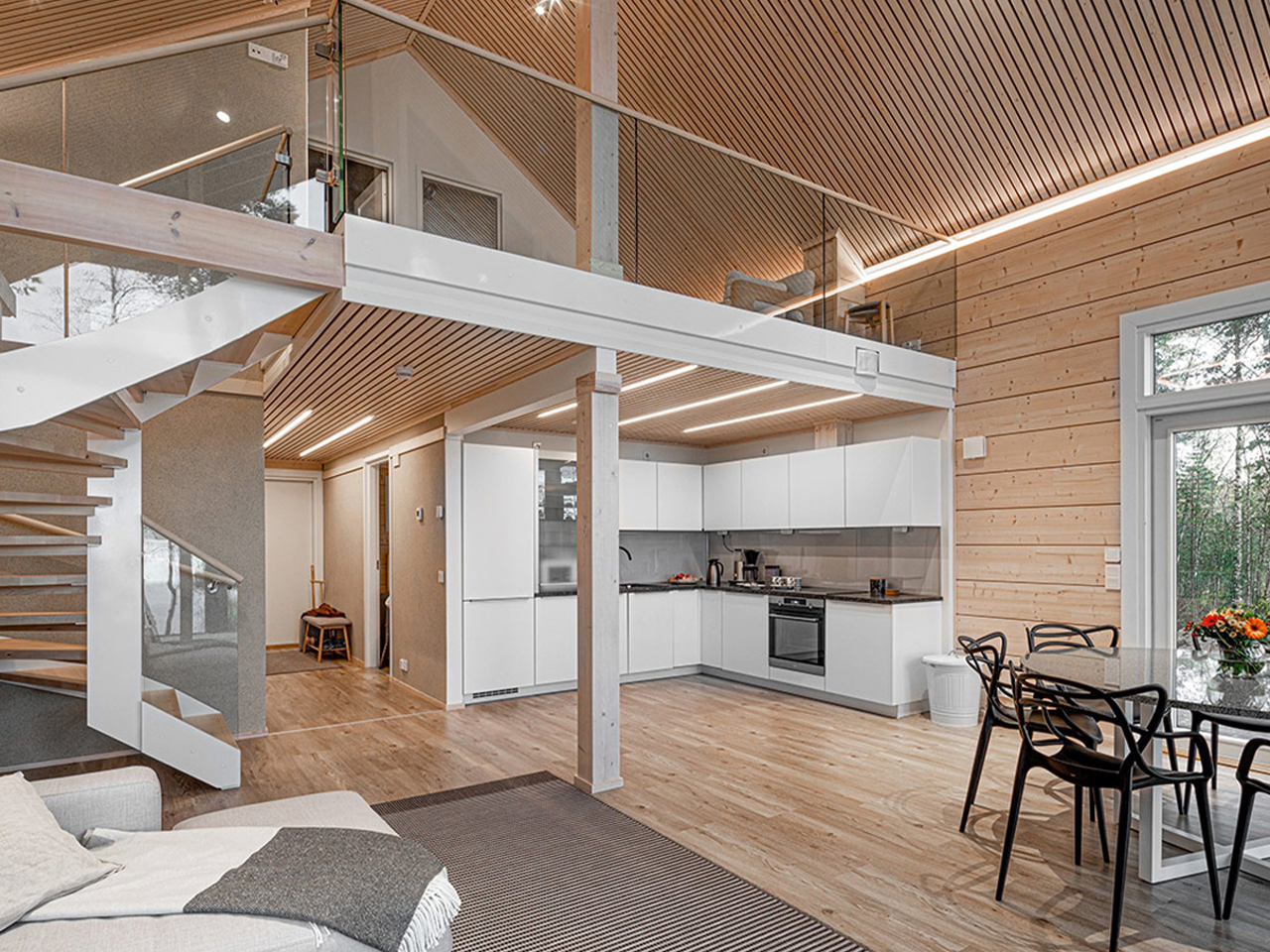
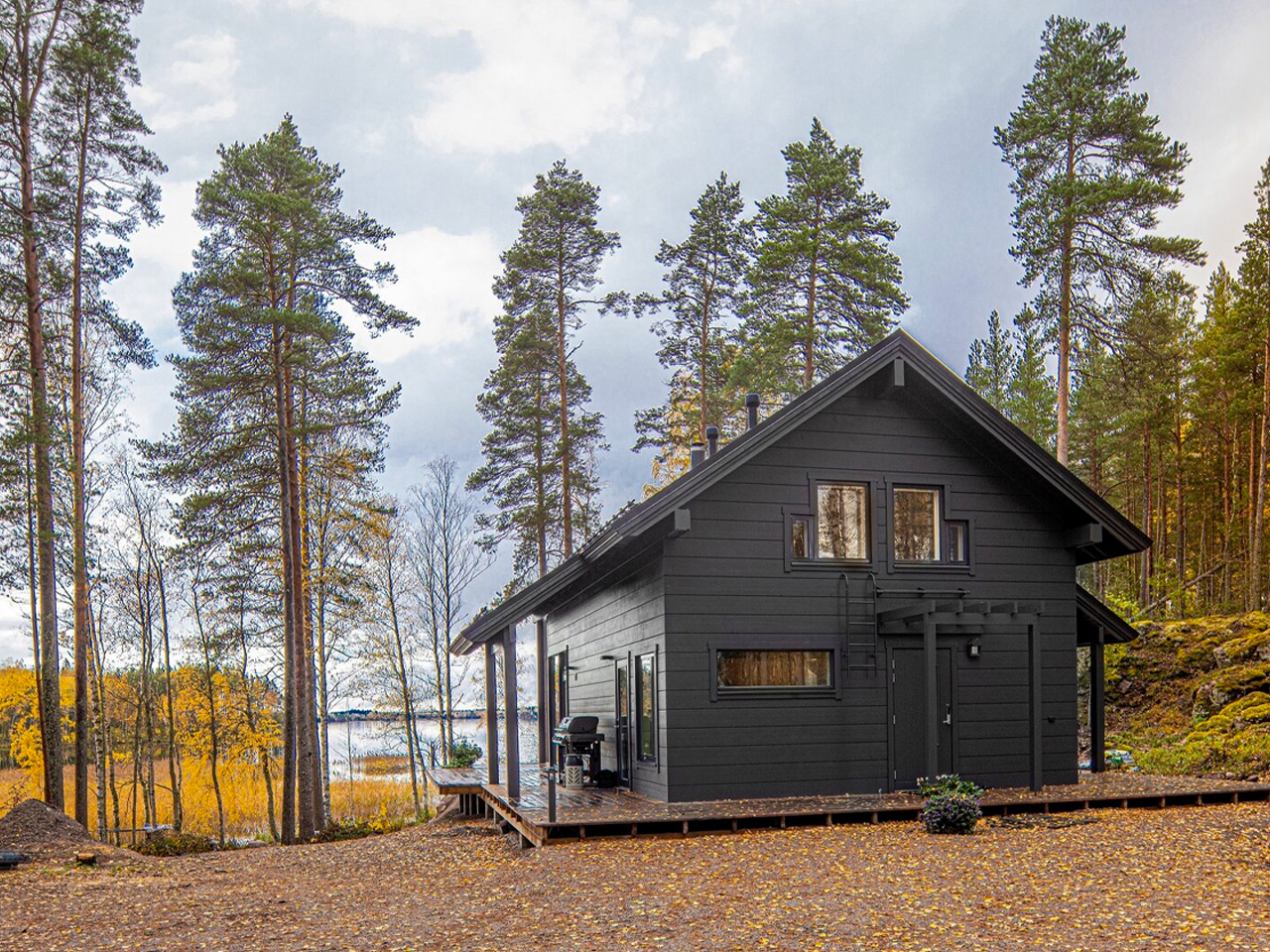
Iniö is a prefabricated log home by Pluspuu, designed as a holiday retreat for a Finland-born couple now living in Switzerland, who wanted to reconnect with their roots in Heinola. Known for its mastery of log construction, the Helsinki-based company worked with Ollikaisen Hirsirakenne Oy to create a home that blends rustic charm with modern clarity. Chosen from Pluspuu’s catalogue, Iniö stands out for its clean-lined form, light-filled interiors, and expansive floor-to-ceiling windows that frame the surrounding forest while keeping the interior warm and inviting.

Planned as a two-level, three-bedroom home, Iniö features deep eaves and a wraparound patio that extends living spaces outdoors. The couple customised the interior with a traditional Finnish rimakatto ceiling, adding texture and softer acoustics. Thick spruce logs, wood-fibre insulation, triple-glazed windows, and geothermal heating ensure year-round comfort, delivering a retreat that feels timeless, grounded, and quietly contemporary.

4. Hobbit-Inspired Cabin

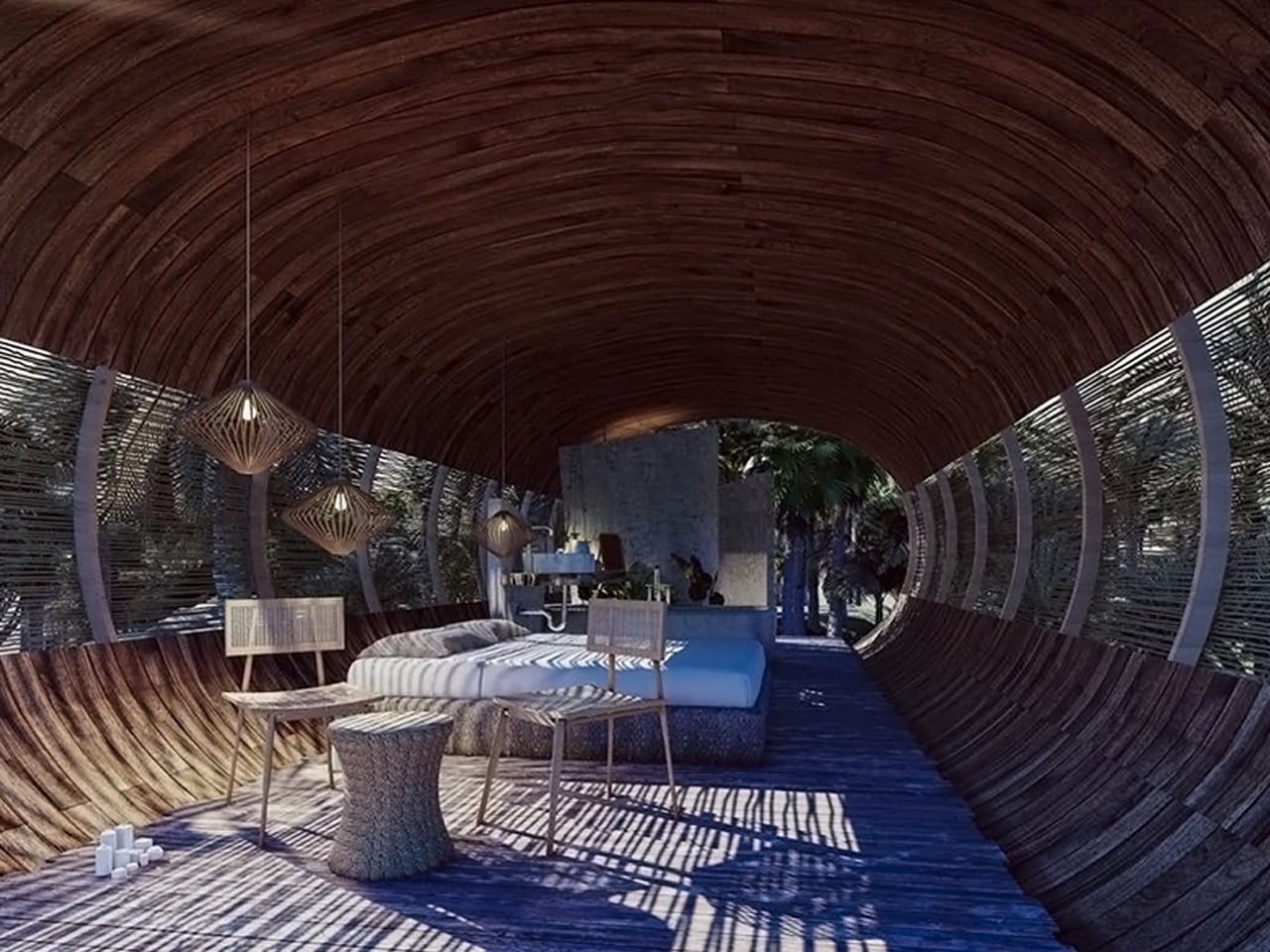
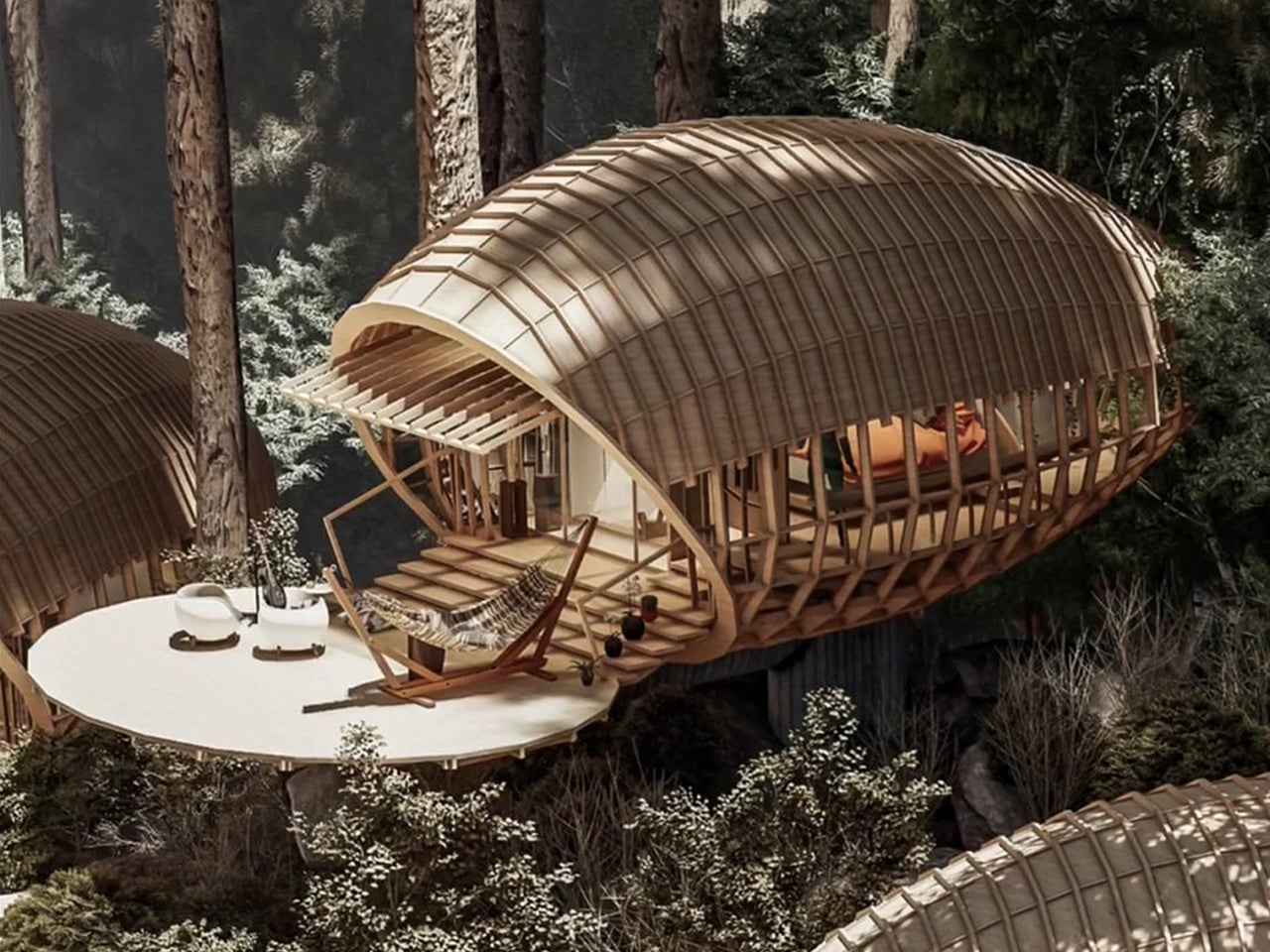
Hobbit-inspired subterranean homes are being redefined as a sophisticated response to privacy, climate, and belonging to the earth. These earth-sheltered dwellings act as biophilic cocoons, where the surrounding ground becomes a protective envelope. The thermal mass of the soil stabilizes interior temperatures throughout the year and reduces energy demand while enhancing comfort.

Drawing from ancient troglodyte traditions and principles of grounding, these homes offer a sense of refuge that elevated structures rarely achieve. Carefully choreographed spatial sequences introduce light through glazed openings and sunken courtyards, ensuring interiors feel open and serene. The result is a luminous underground sanctuary rooted in performance and imagination.

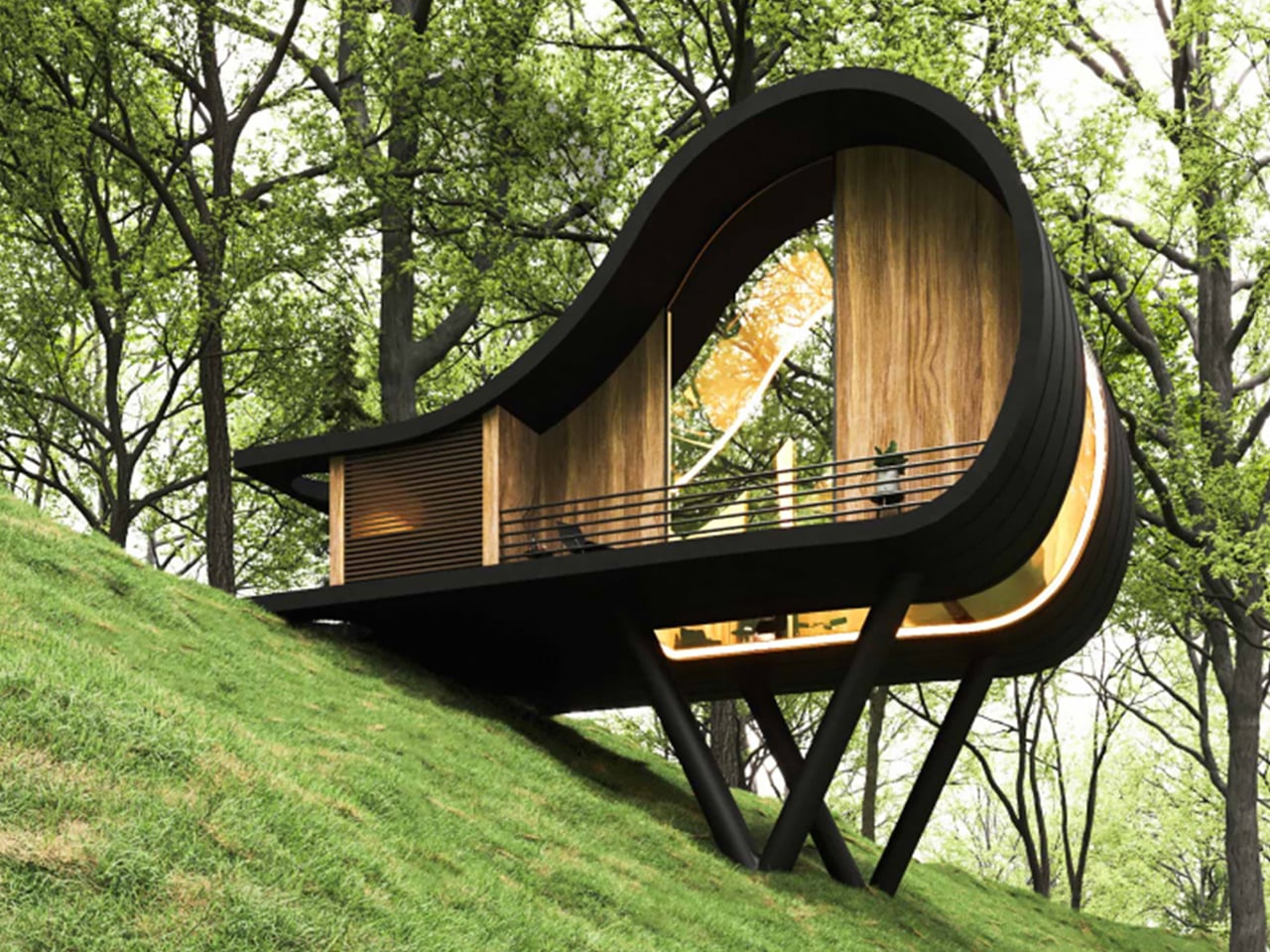
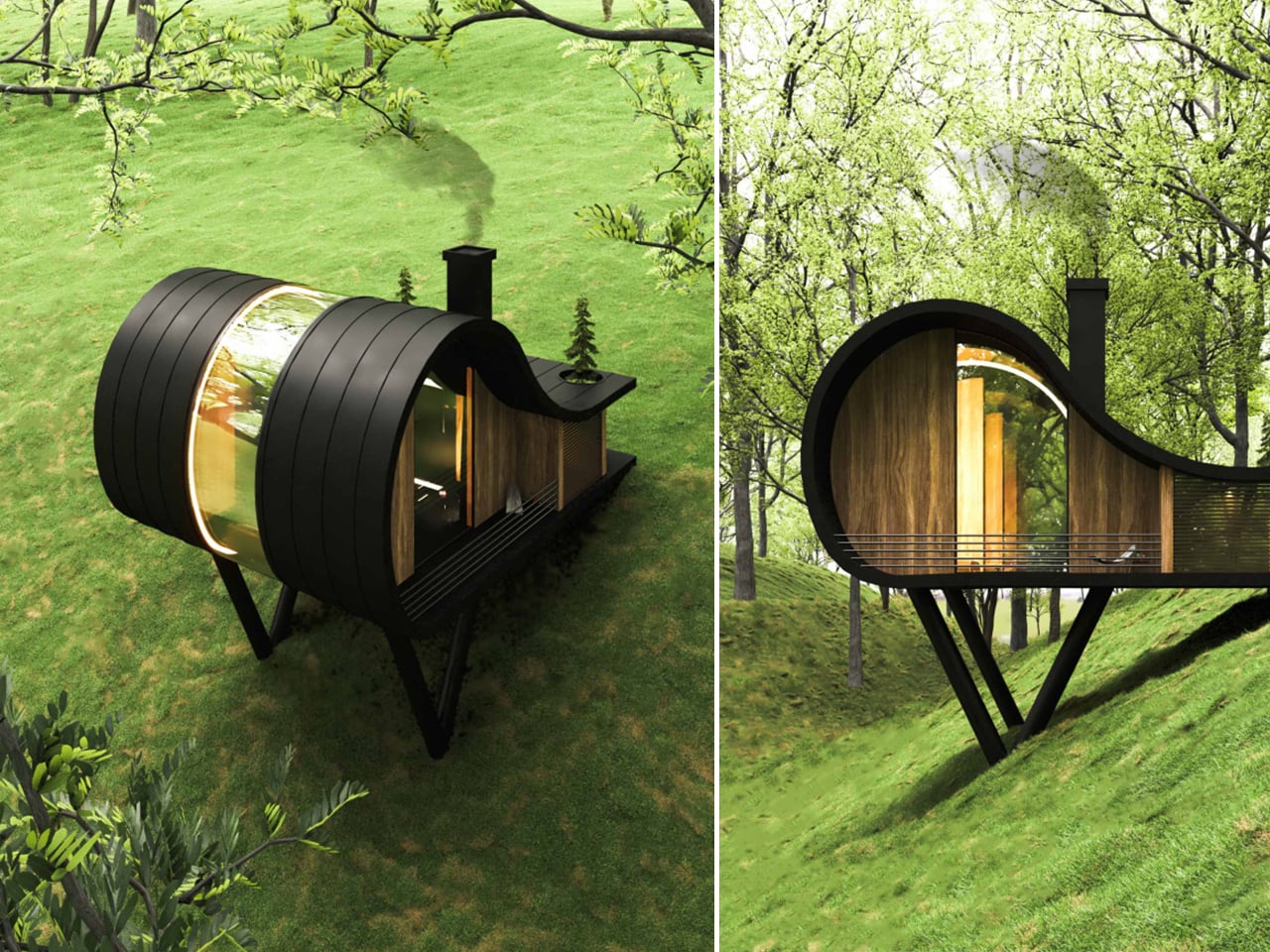
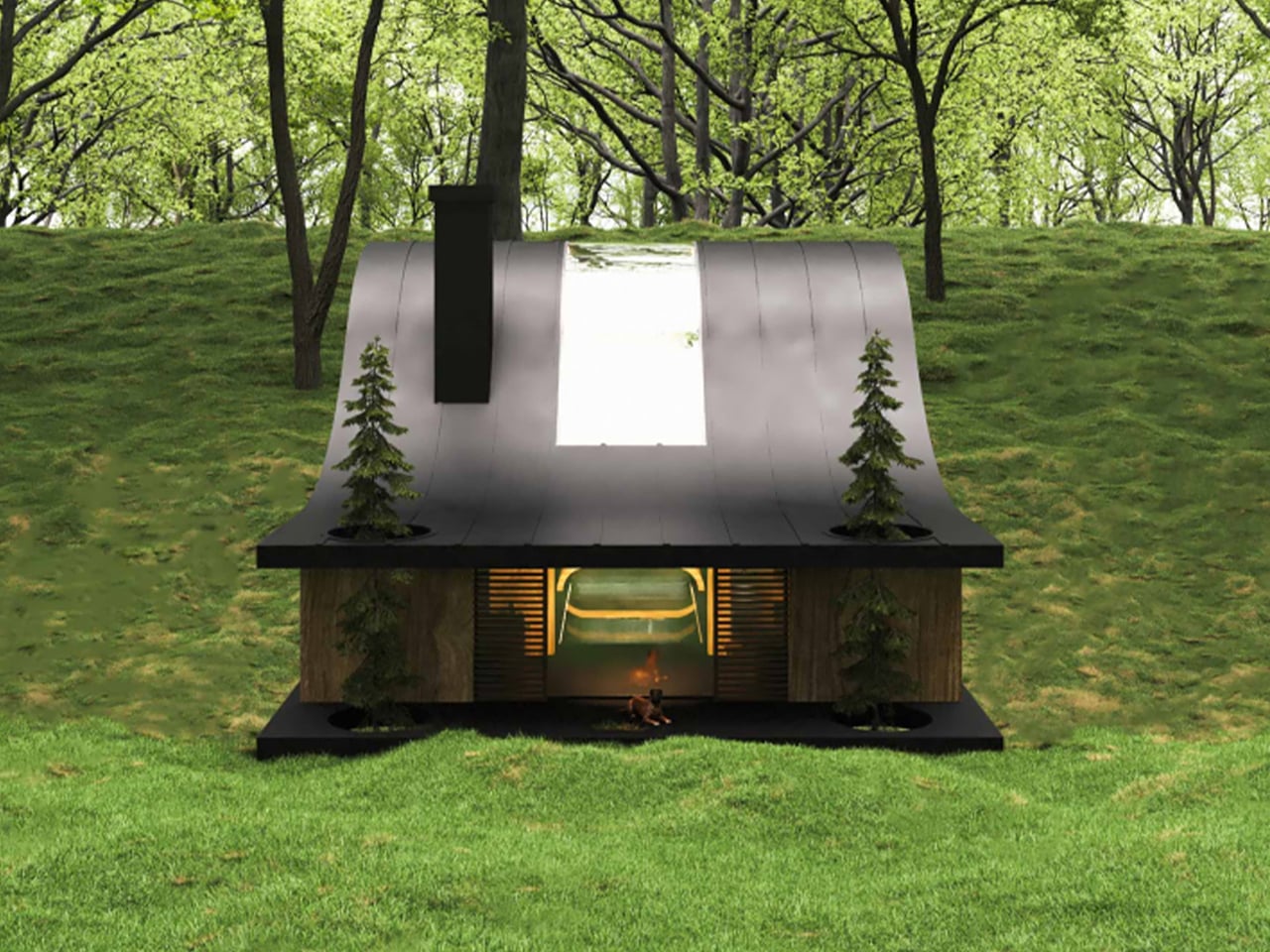
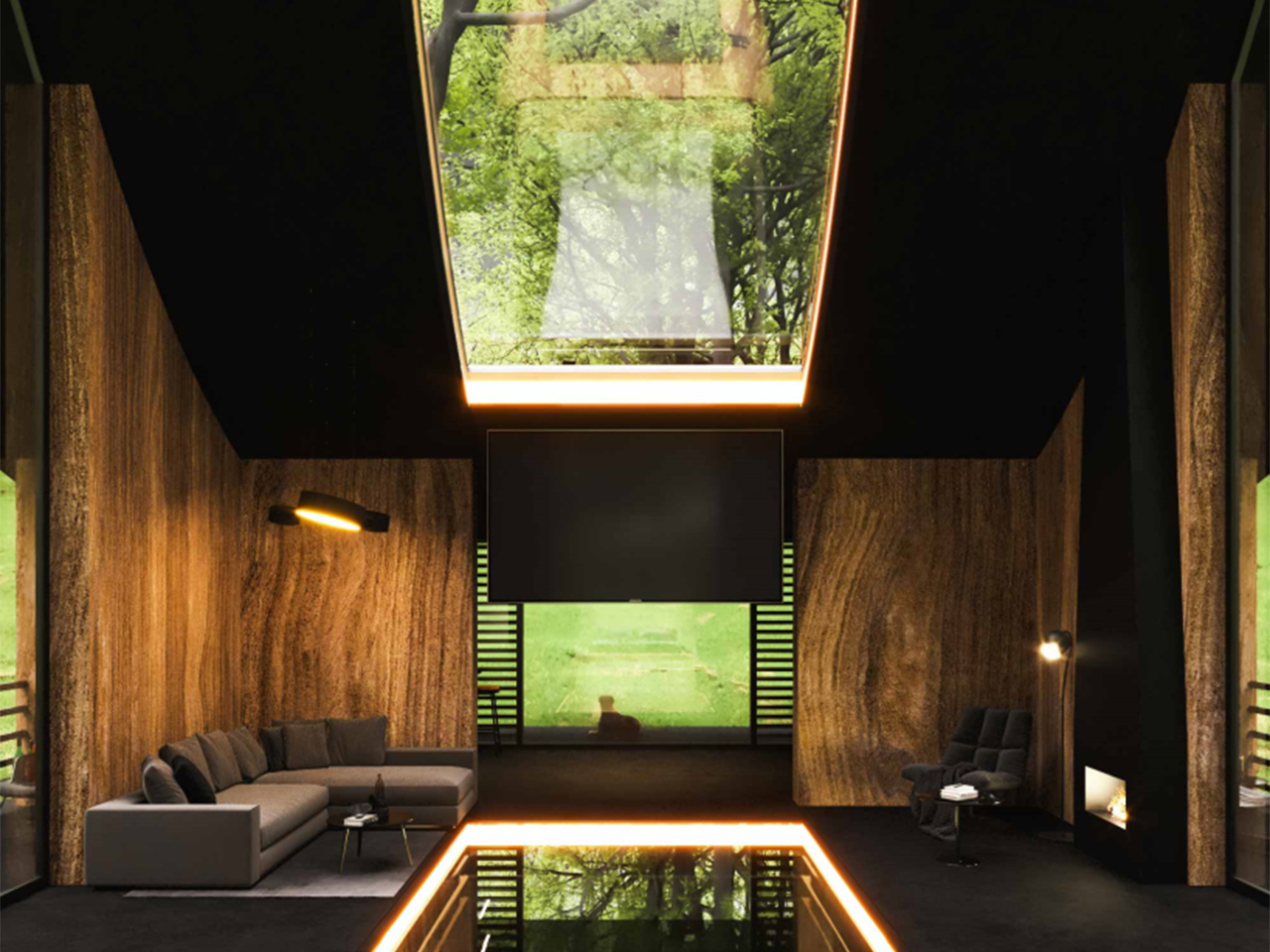
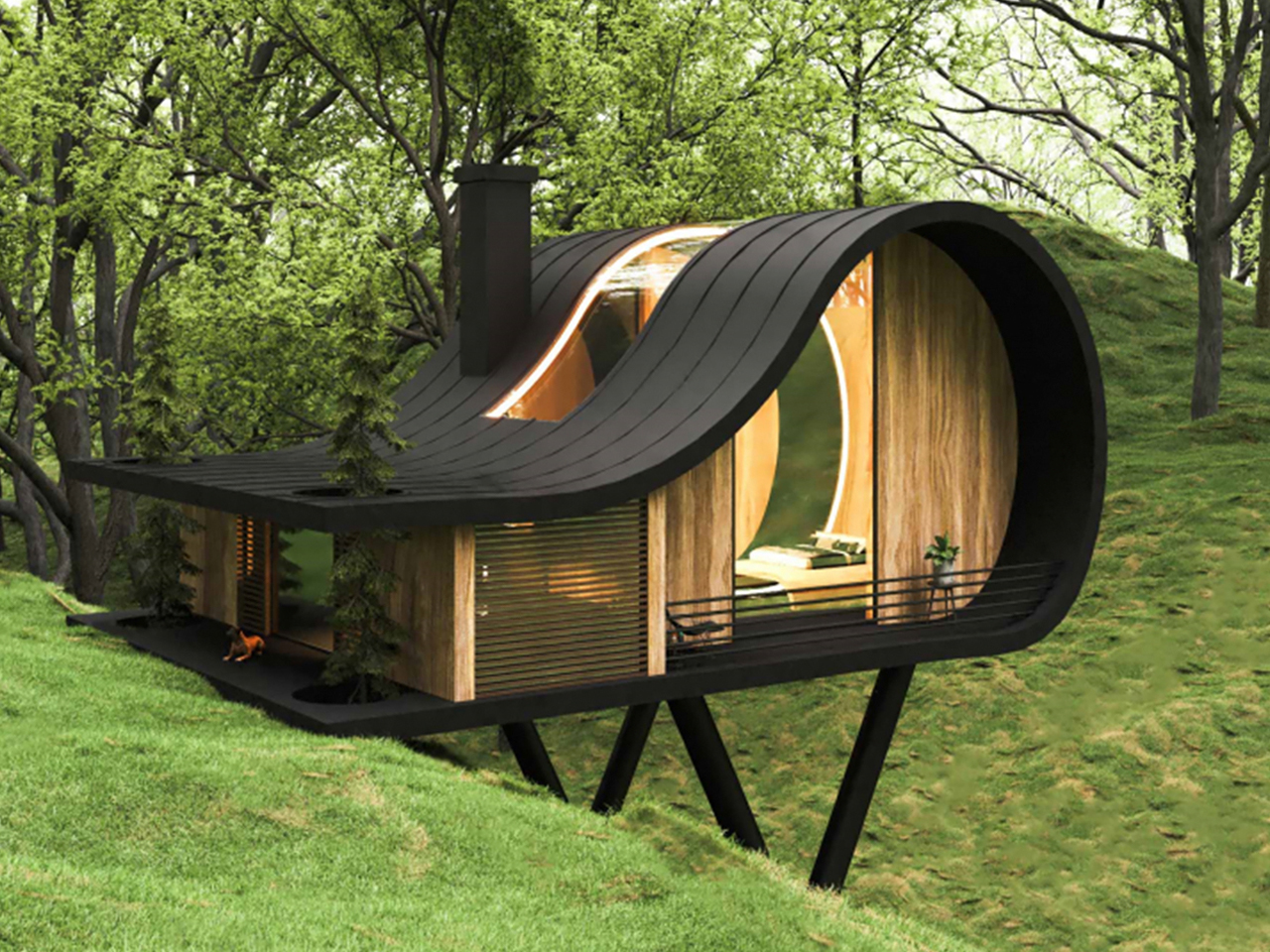
Tiny homes have a special kind of magic, and this cabin captures it with a form that feels straight out of a storybook, yet firmly rooted in modern design. Set on a sloping site, the structure rises organically from the ground, with its surface folding upward to shape both the exterior and the interior. The result is a home that gives subtle hobbit-like charm, reinterpreted through smooth lines and contemporary architecture. A vertical glass strip runs from floor to ceiling, visually stitching the space together and creating a strong connection between levels.

At the entrance, two existing trees frame the volume, softening the transition between nature and architecture while guiding you inside. Being slightly elevated improves natural ventilation, keeping the space fresh and comfortable. The contrast of black finishes with warm timber stands out against the forest, yet the flowing form helps the cabin blend into its surroundings. Inside, the mood is minimal, refined, and spa-like, with the bedroom’s glass detailing creating a striking floating effect.

5. Cantilevered Cliff Living Cabin

Clifftop architecture represents the boldest expression of contemporary luxury, where design engages directly with gravity and exposure. Cantilevered forms extend living spaces into open air, creating a suspended relationship between structure and landscape. Steel and post-tensioned concrete enable this architectural daring, allowing the building to hover with precision rather than force.

Performance is as critical as poetry. These homes are engineered to withstand extreme wind loads and seismic movement, making resilience part of the design narrative. Floor-to-ceiling glazing transforms the interior into a viewing instrument, capturing shifting light and distant horizons. The reward lies in rarity, offering a perspective that feels elevated in every sense.

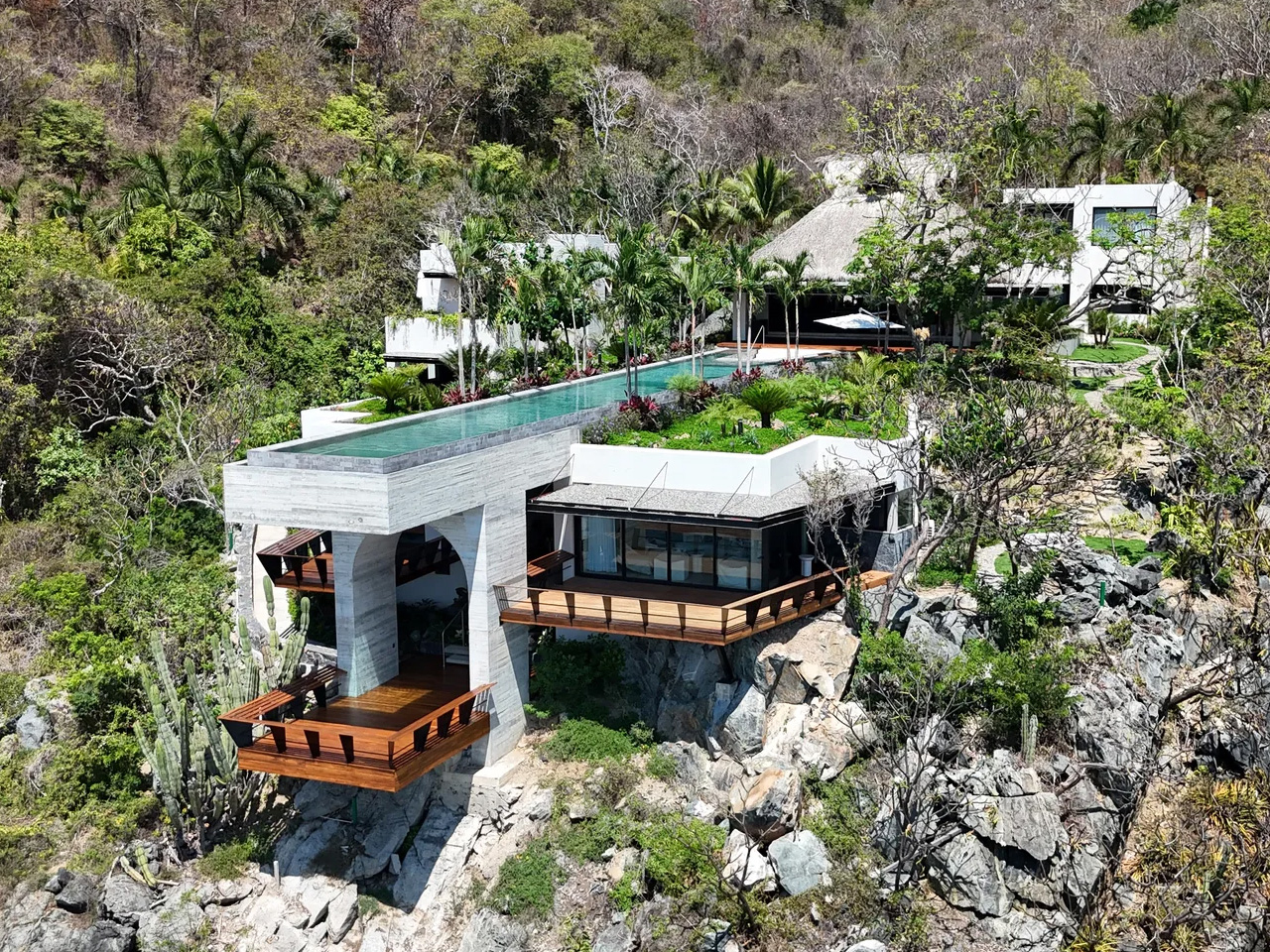
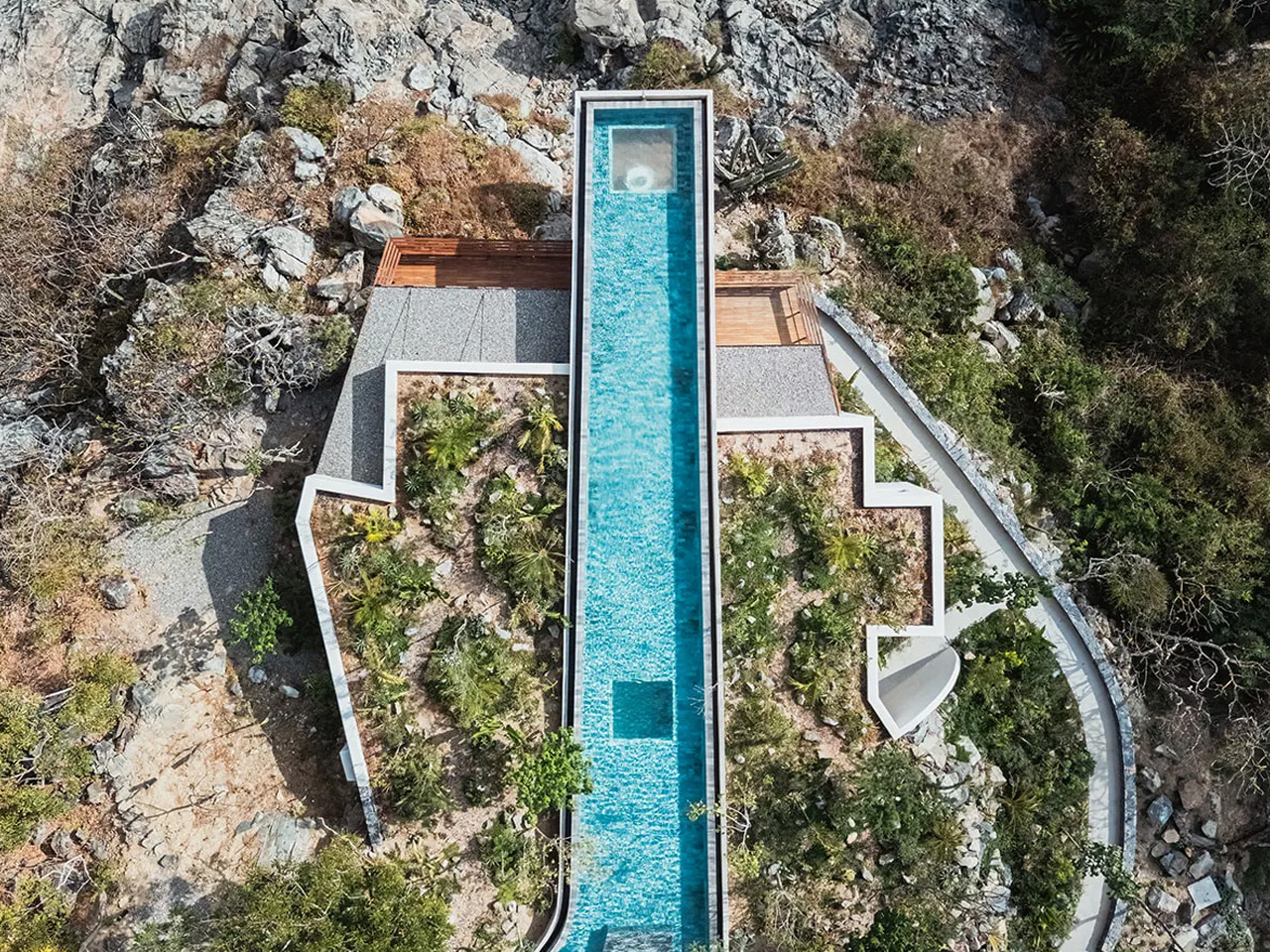
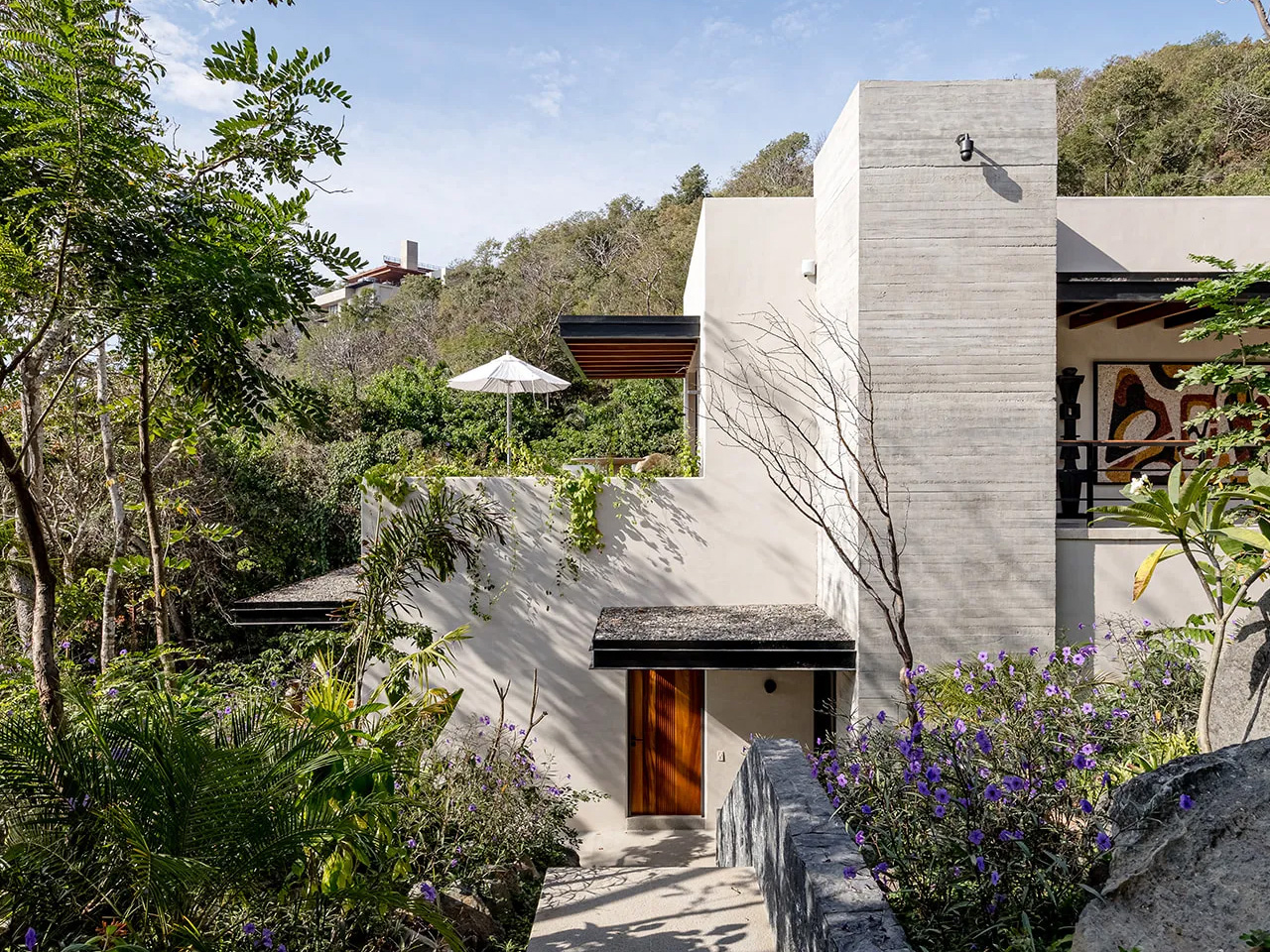
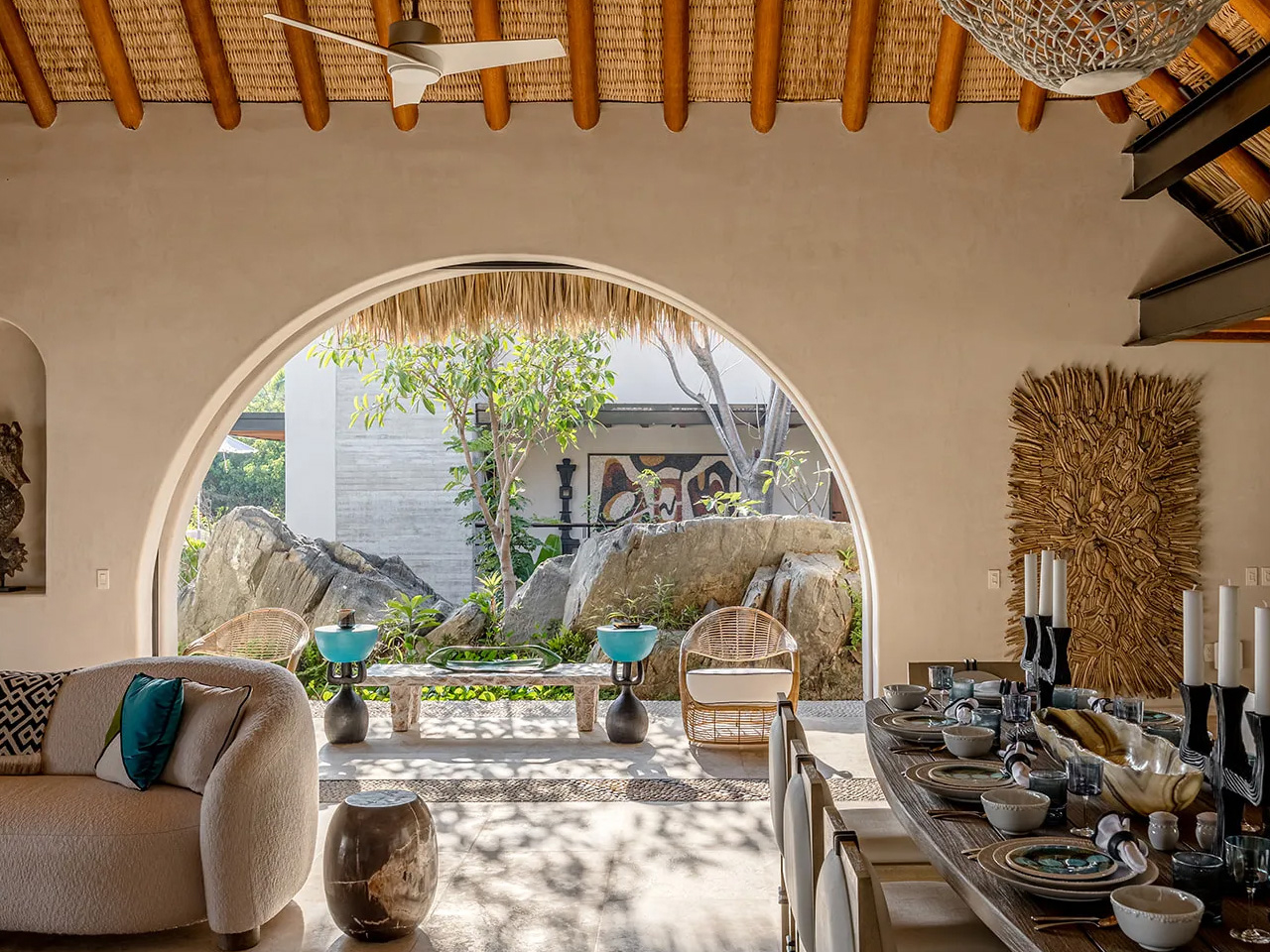
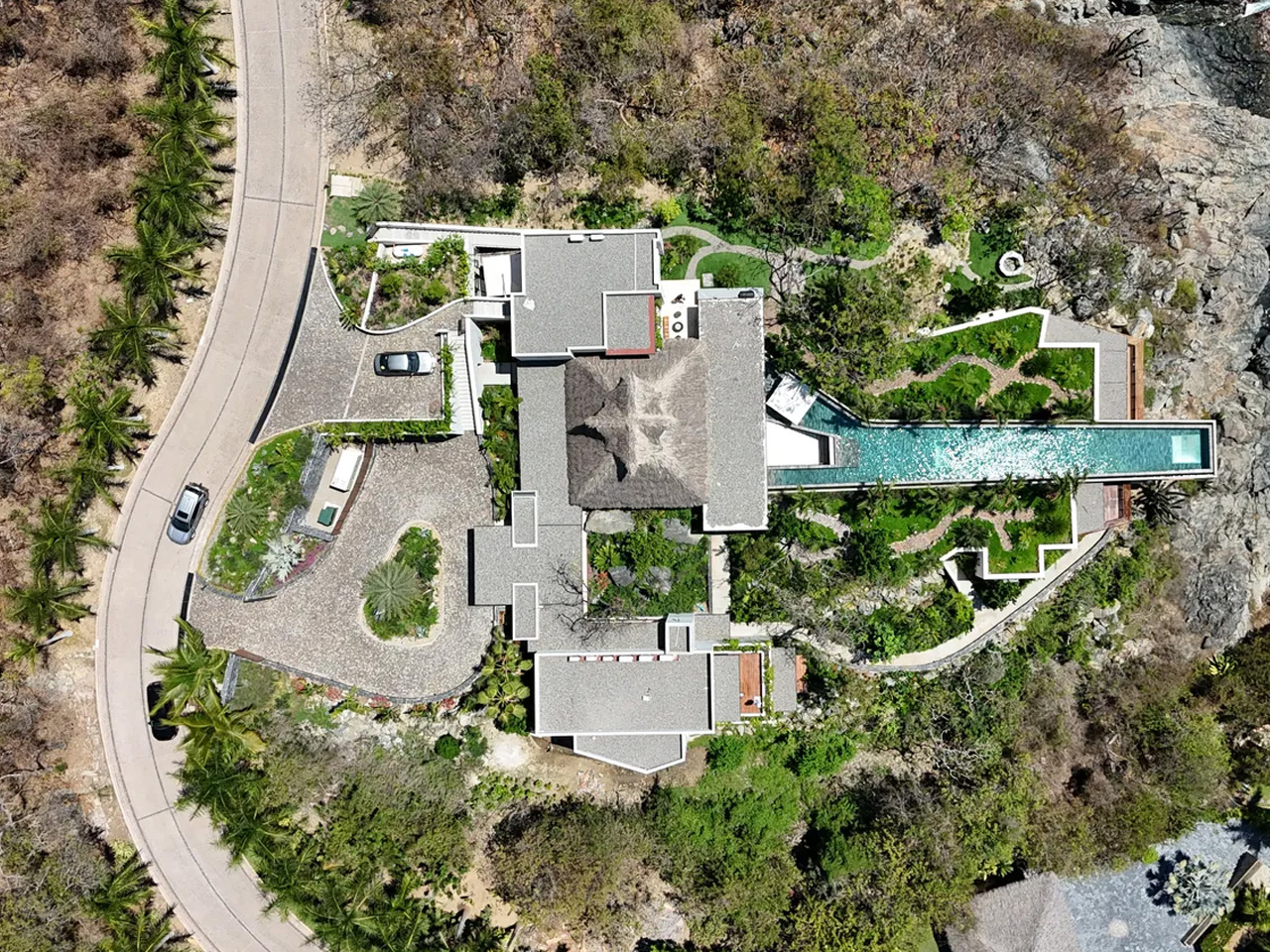
Perched on the dramatic cliffs of Ixtapa-Zihuatanejo, Casa Yuri appears almost carved into the coastline. Completed in 2023, this expansive oceanfront home reinterprets traditional Mexican architecture through a contemporary lens, creating a space that feels striking and deeply personal. The arrival experience builds anticipation, with a landscaped ramp rising from the motor lobby and gradually revealing the house across a vast, nearly 3,000-square-metre site. Designed by Daniel Zozaya Valdés and Enrique Zozaya with full creative freedom, the residence unfolds as a sequence of open, fluid spaces shaped by the surrounding sea and sky.

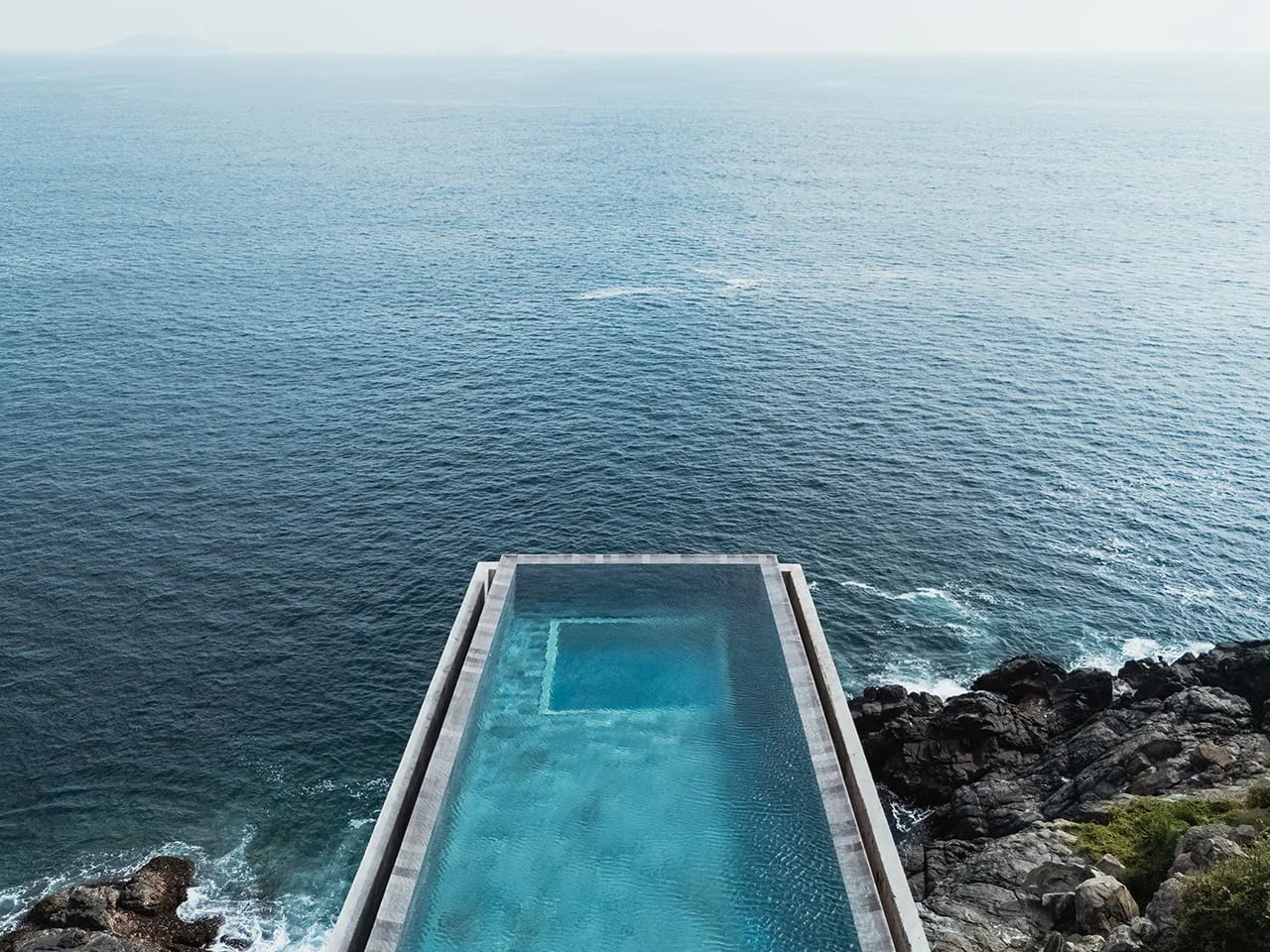
At its heart is a monumental 17-metre-wide palapa, the largest the firm has built for a private home, forming a shaded social hub where indoor and outdoor living seamlessly merge. A dramatic cantilevered pool extends over the rocks, creating the sensation of floating above the Pacific. Beyond its visual impact, the house is thoughtfully sustainable, using passive cooling, water-recycling systems, and native stone and wood. By blending time-honoured coastal building traditions with bold modern gestures, Casa Yuri captures a refined vision of contemporary Mexican living by the sea.

In 2026, weekend retreats are less about escape and more about return. Architecture becomes a place of alignment, not distance. Through polygonal forms, living roofs, and honest materials, these sanctuaries deliver lasting value in well-being. When buildings respond to landscape, they create spaces that quietly restore the human spirit.

The post 5 Cabin Designs in 2026 That Are Too Beautiful to Be Real first appeared on Yanko Design.

Bunkie On A Hill Is A Contemporary Reinterpretation Of A Classic A-Frame Cabin With A Vaulted Roof

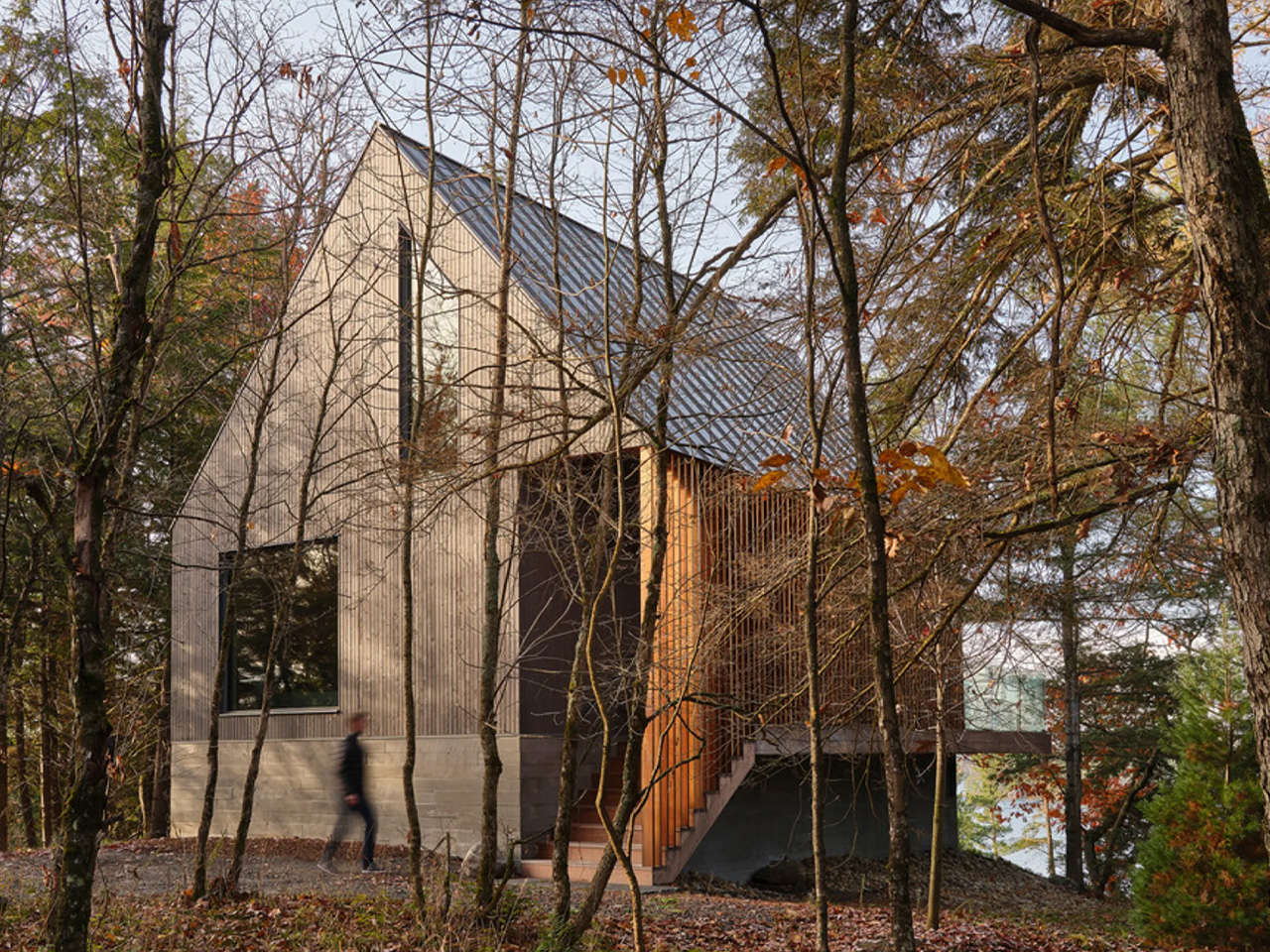
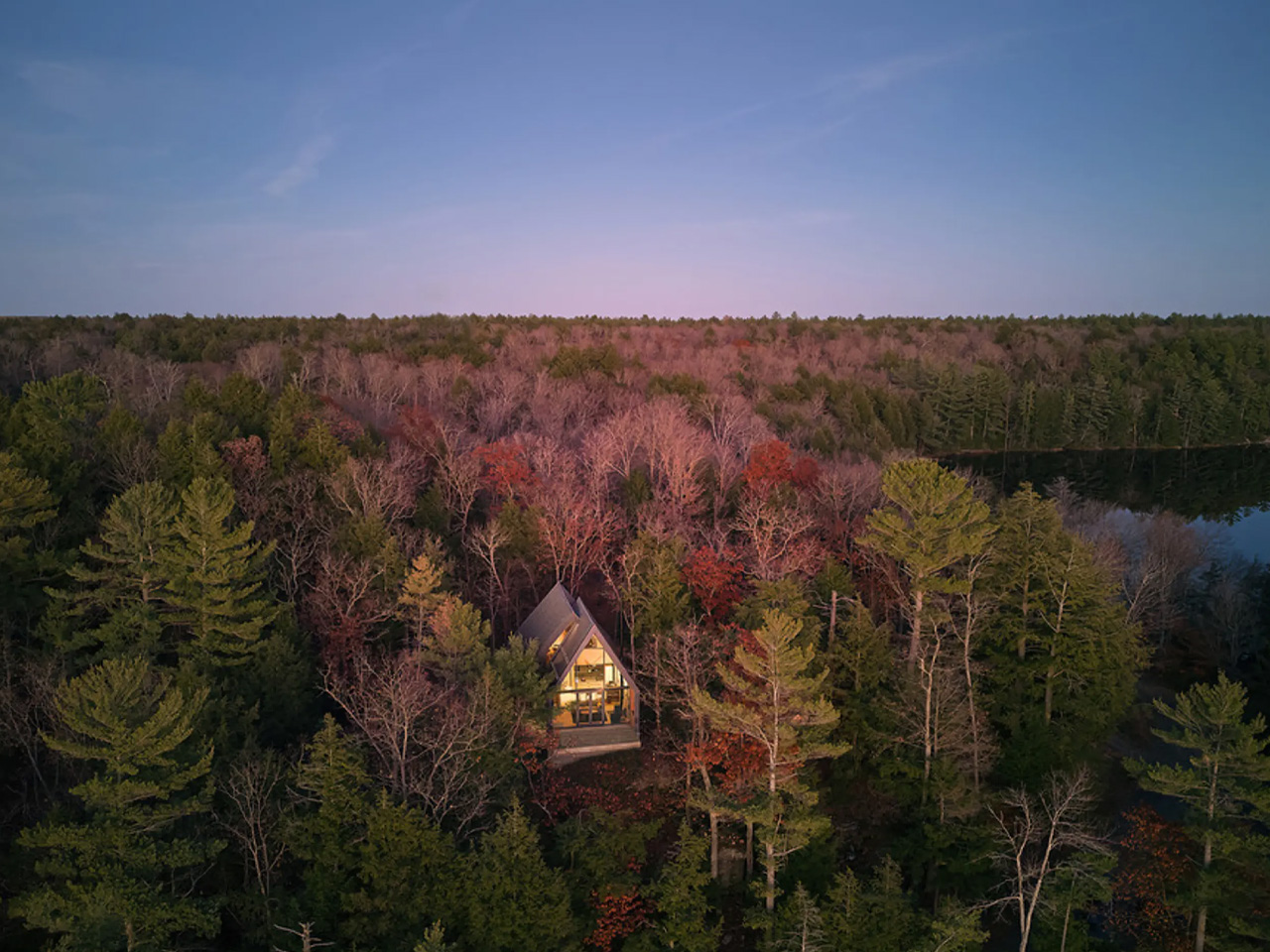
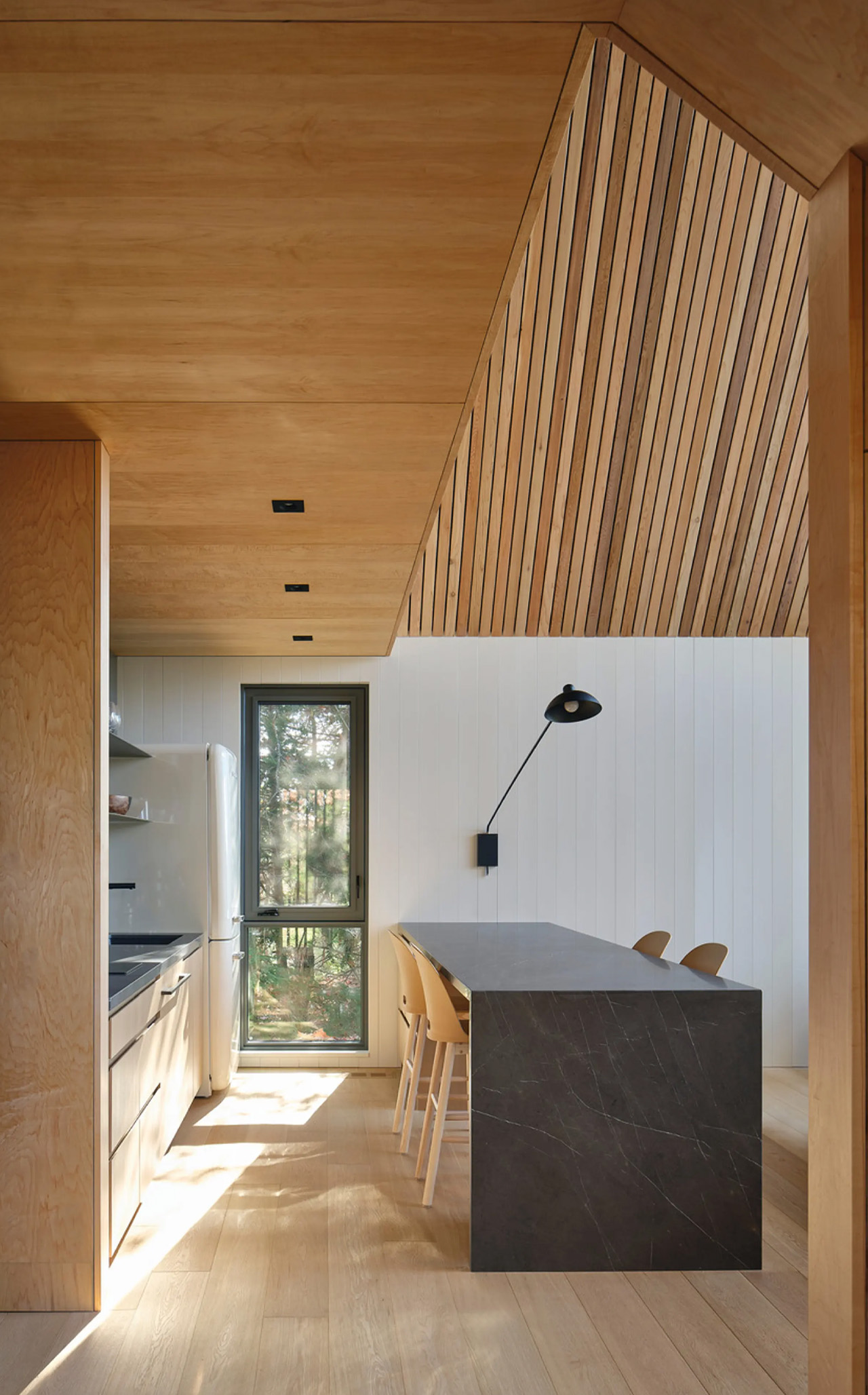
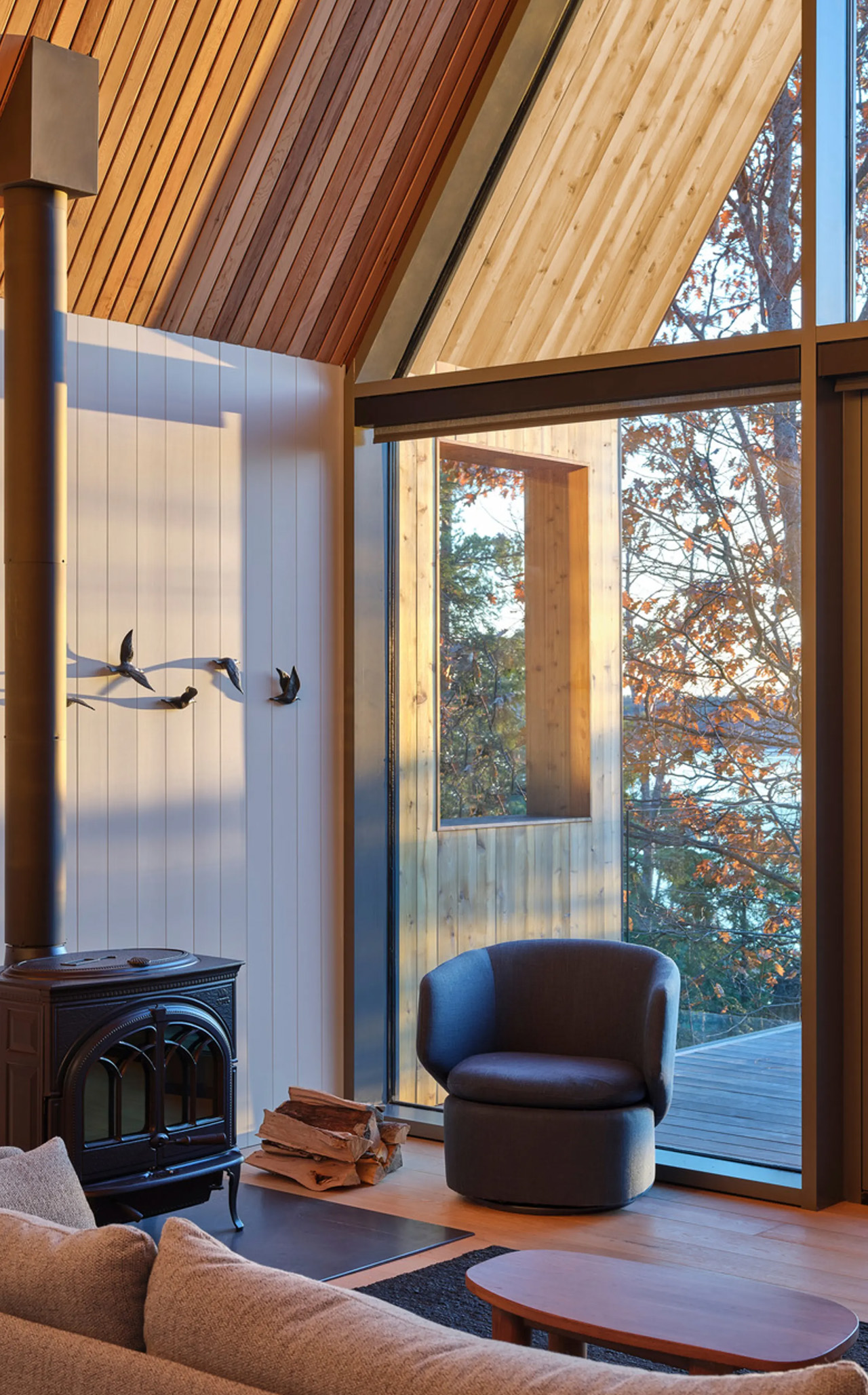
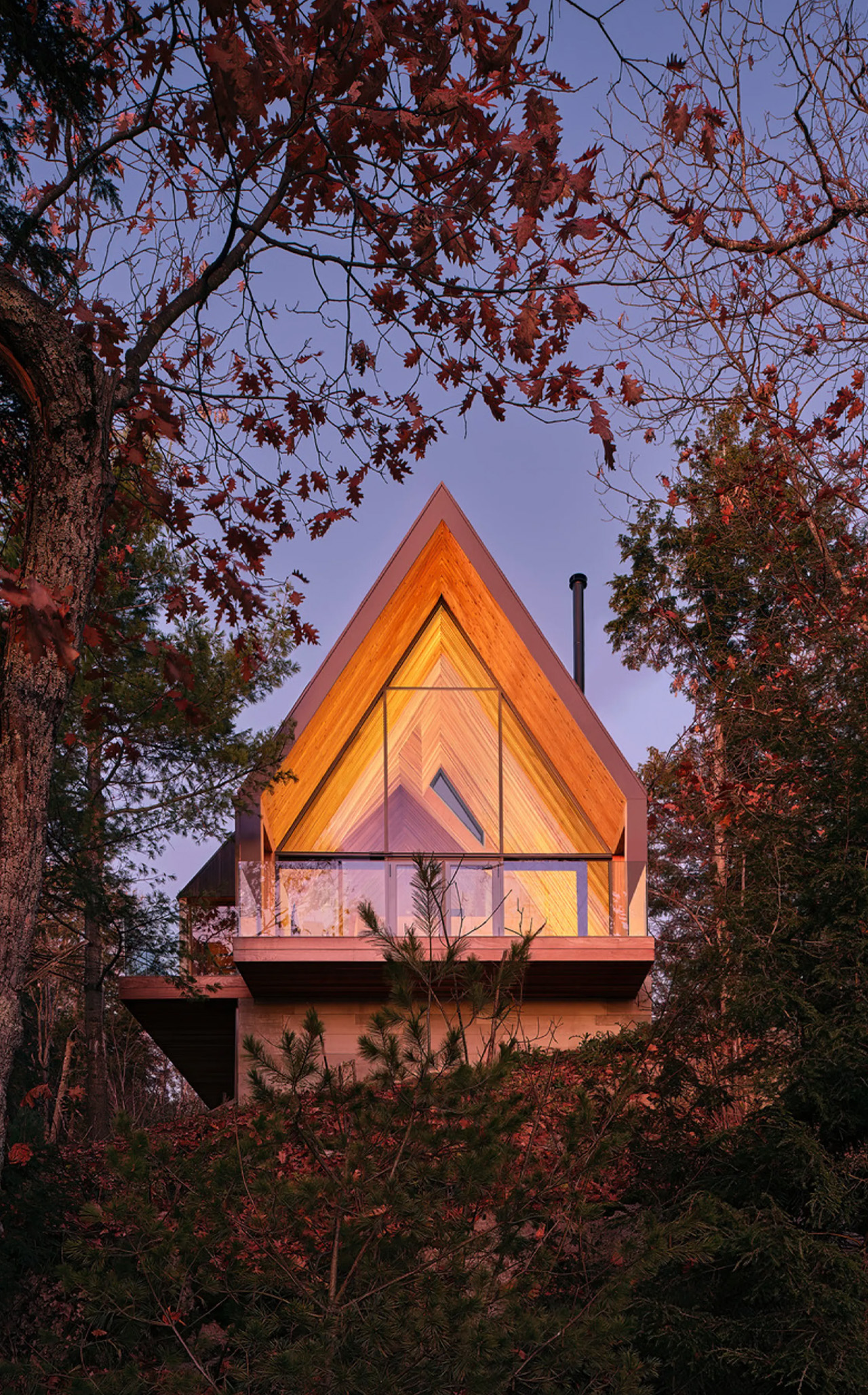
Meet the Bunkie on a Hill, a modern cabin perched on top of a hill in Muskoka, Ontario – as its name implies. The Bunkie is a contemporary and updated version of the classic forest cabin. It was created by Toronto-based Dubbeldam Architecture + Design, and it is part of a collection of buildings tucked away in four family properties. Bunkie is the smallest, and although it has a humble and compact size, it is an excellent example of how an abode can be functional and intricately linked to its surroundings.

Designer: Dubbeldam Architecture + Design

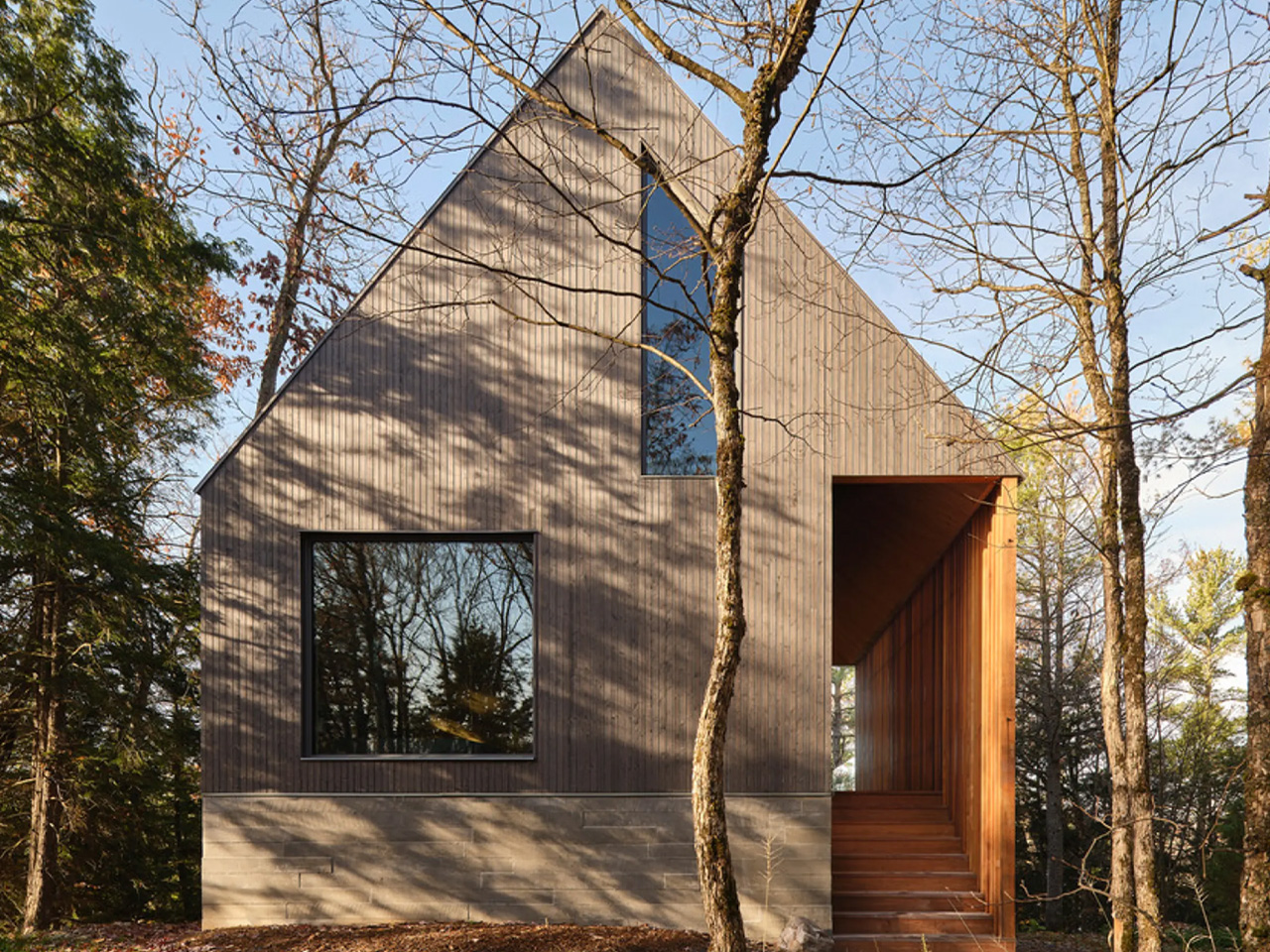
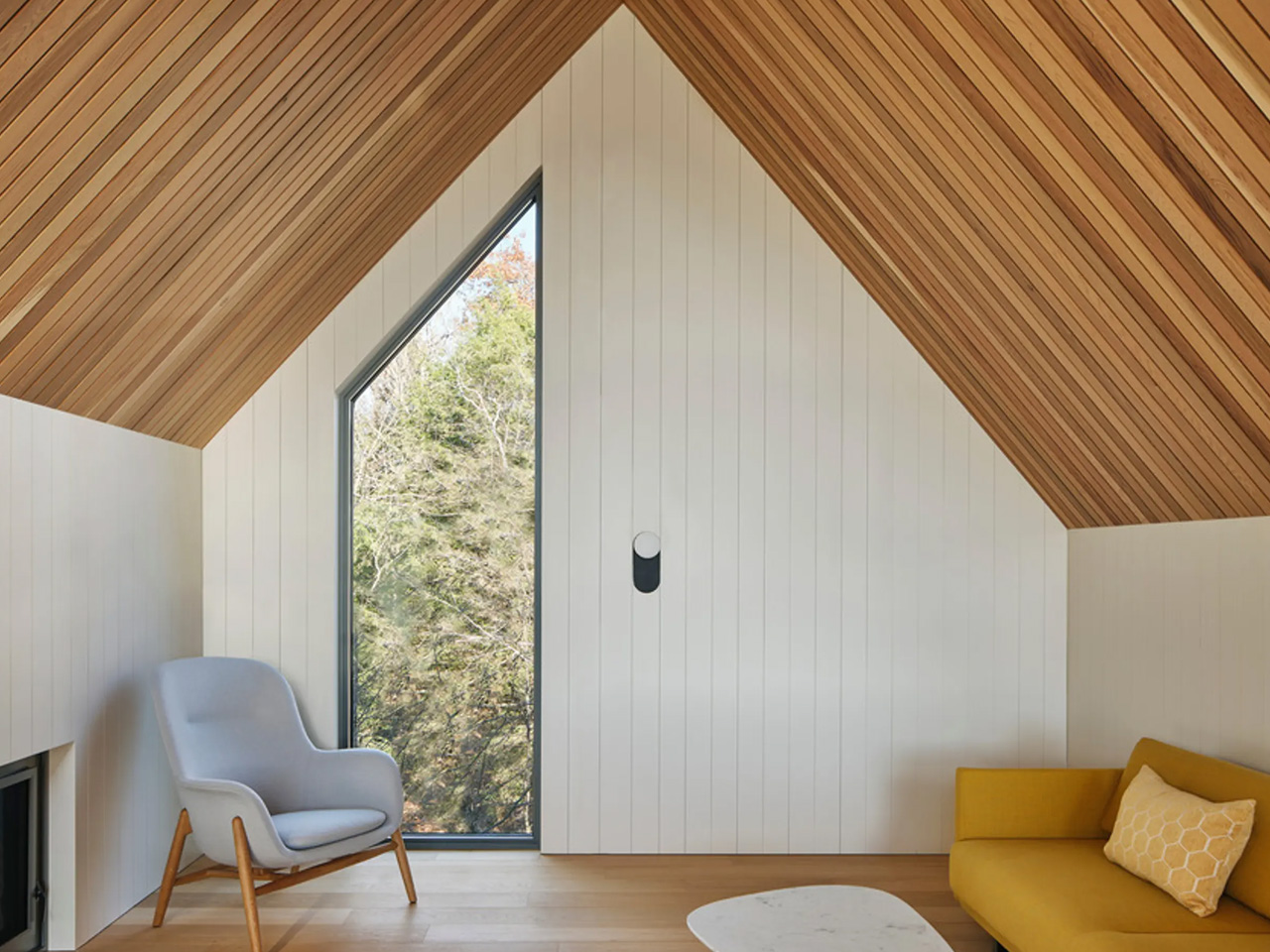
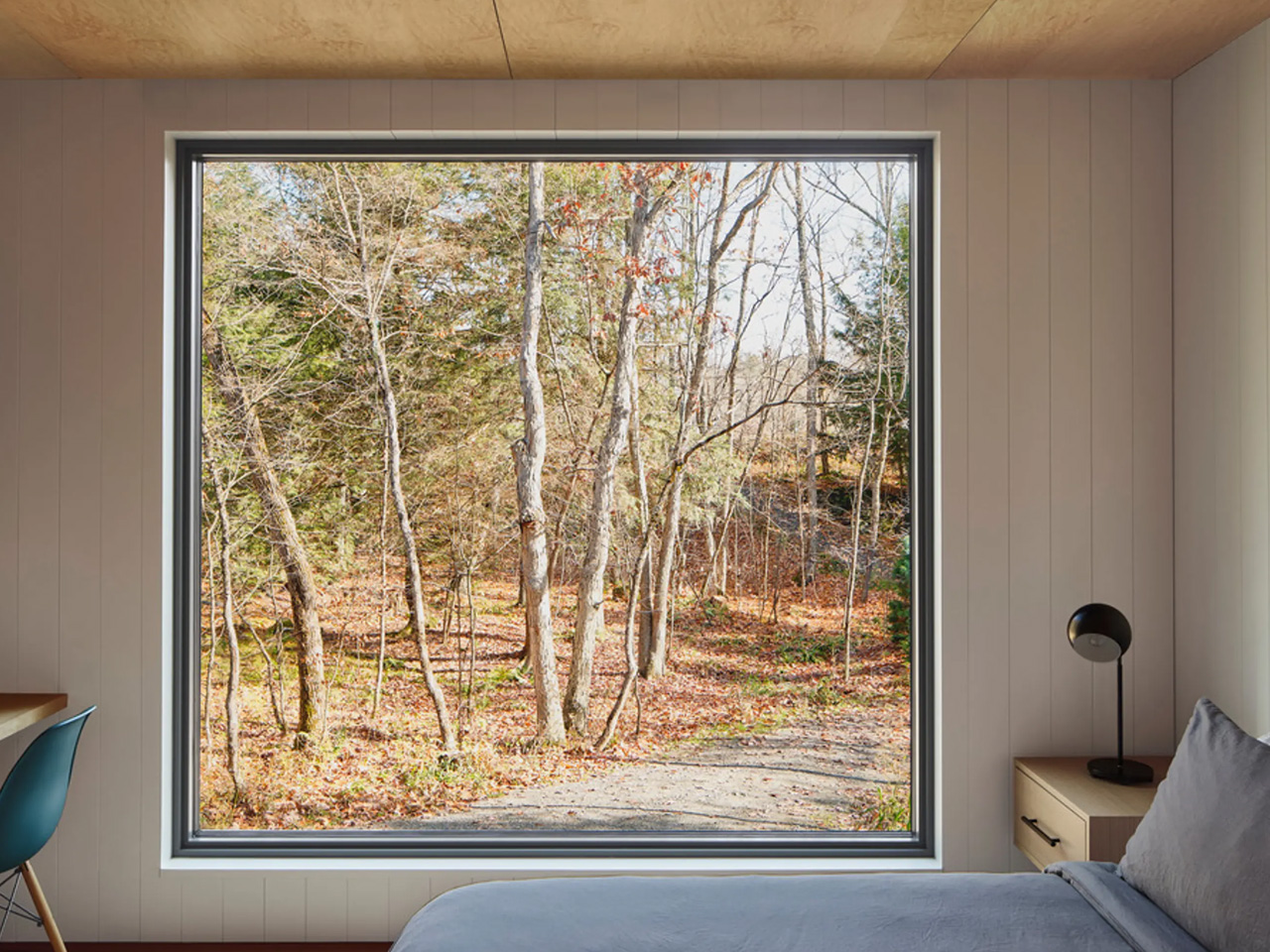
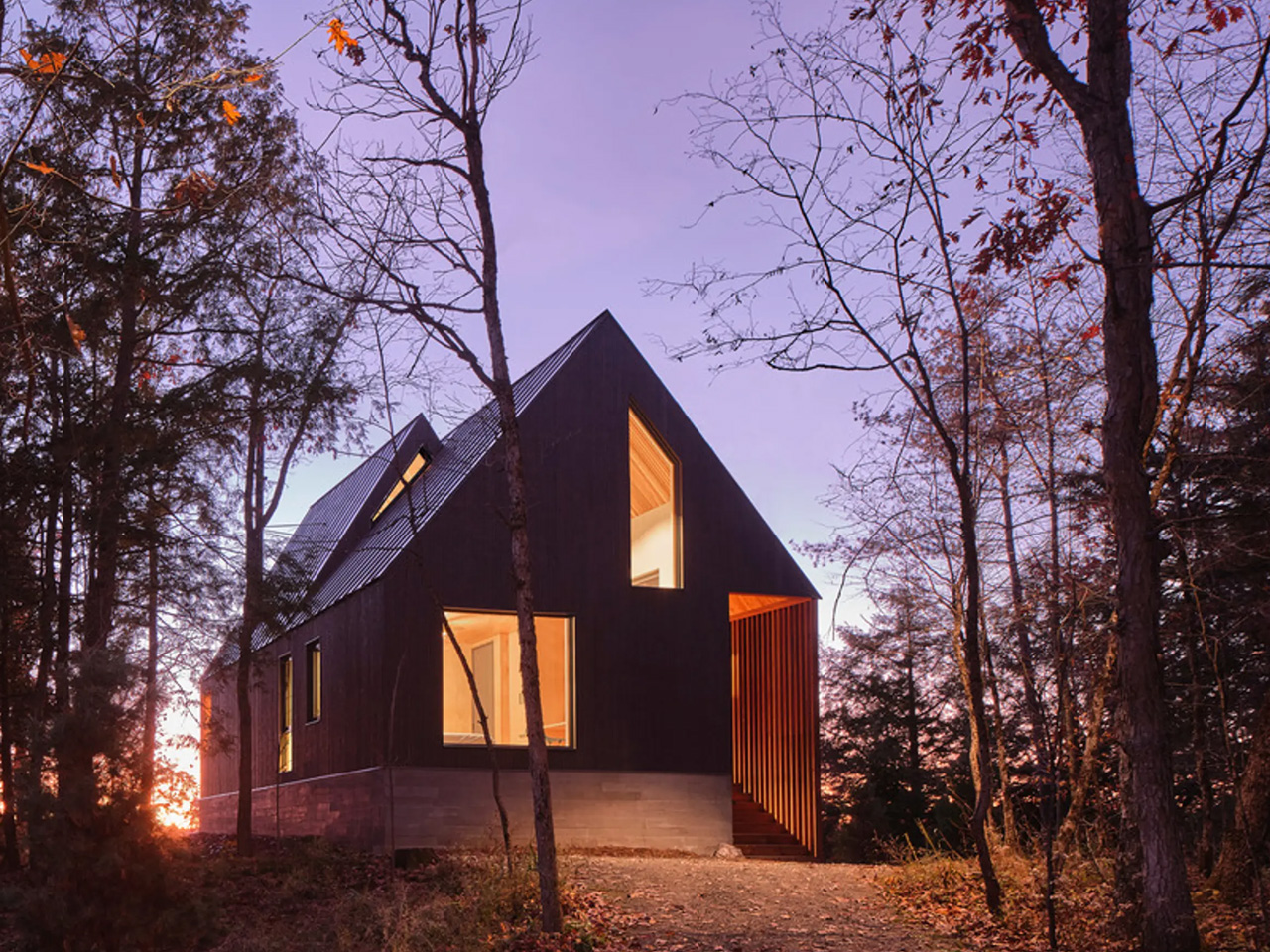
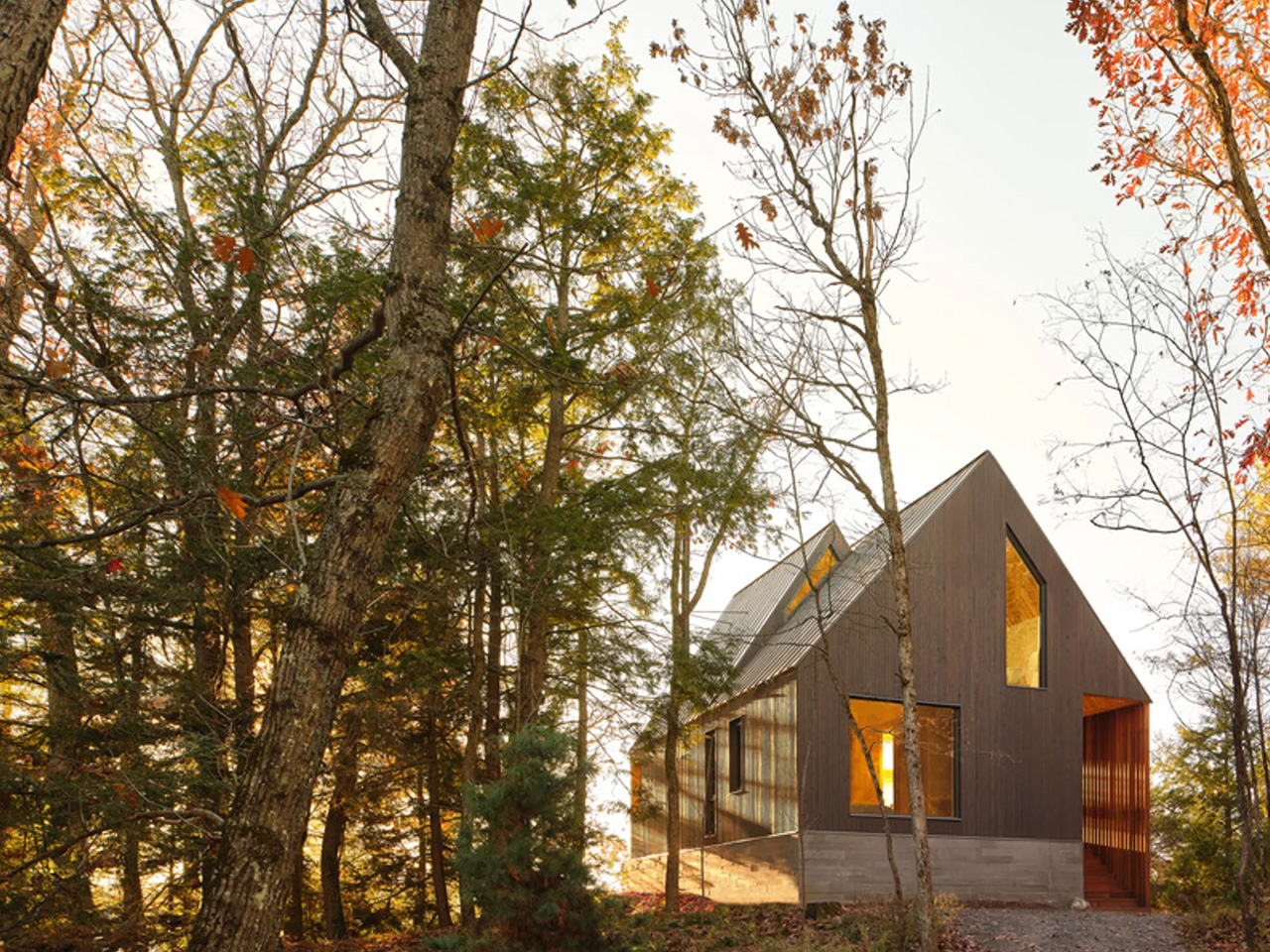
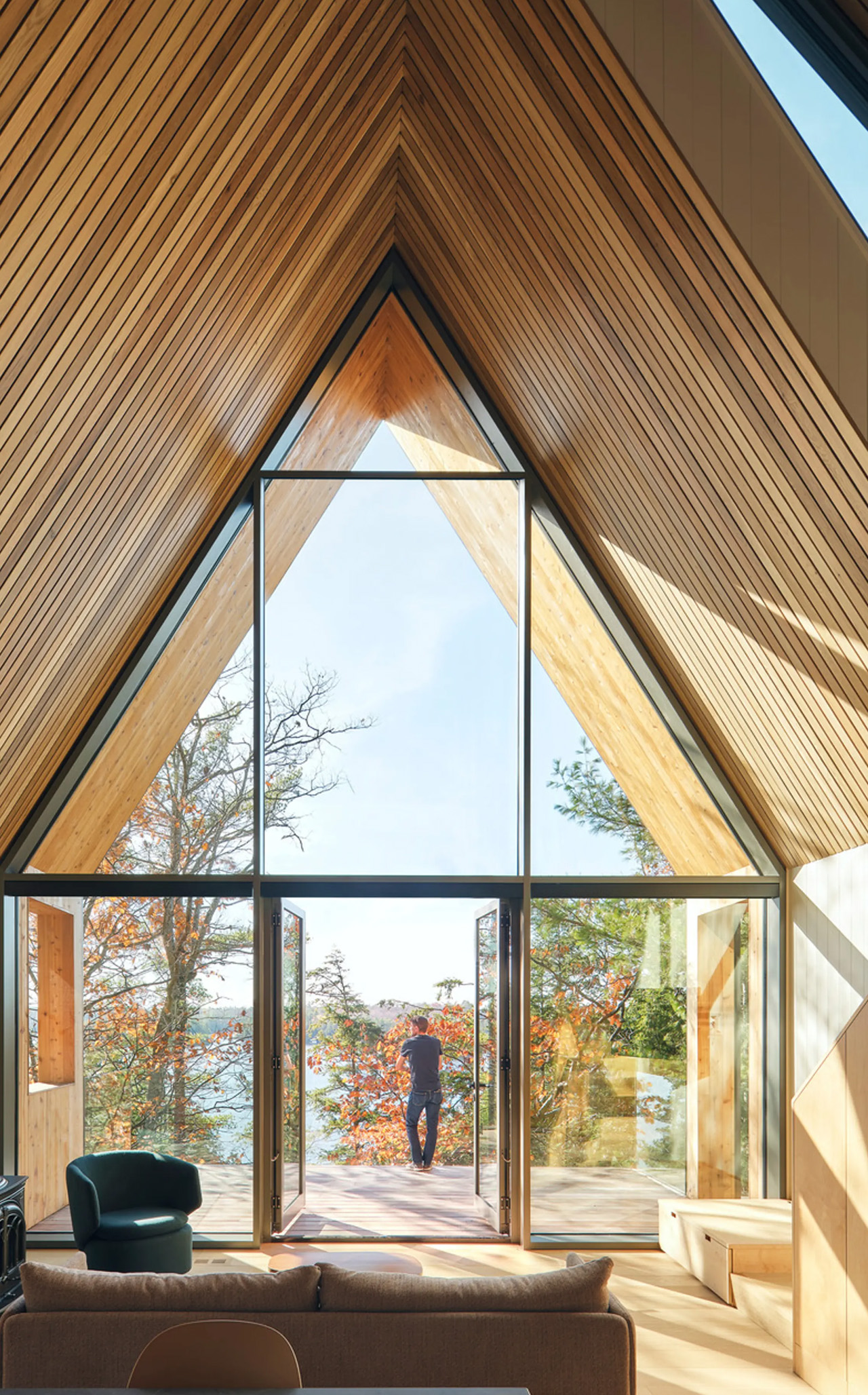
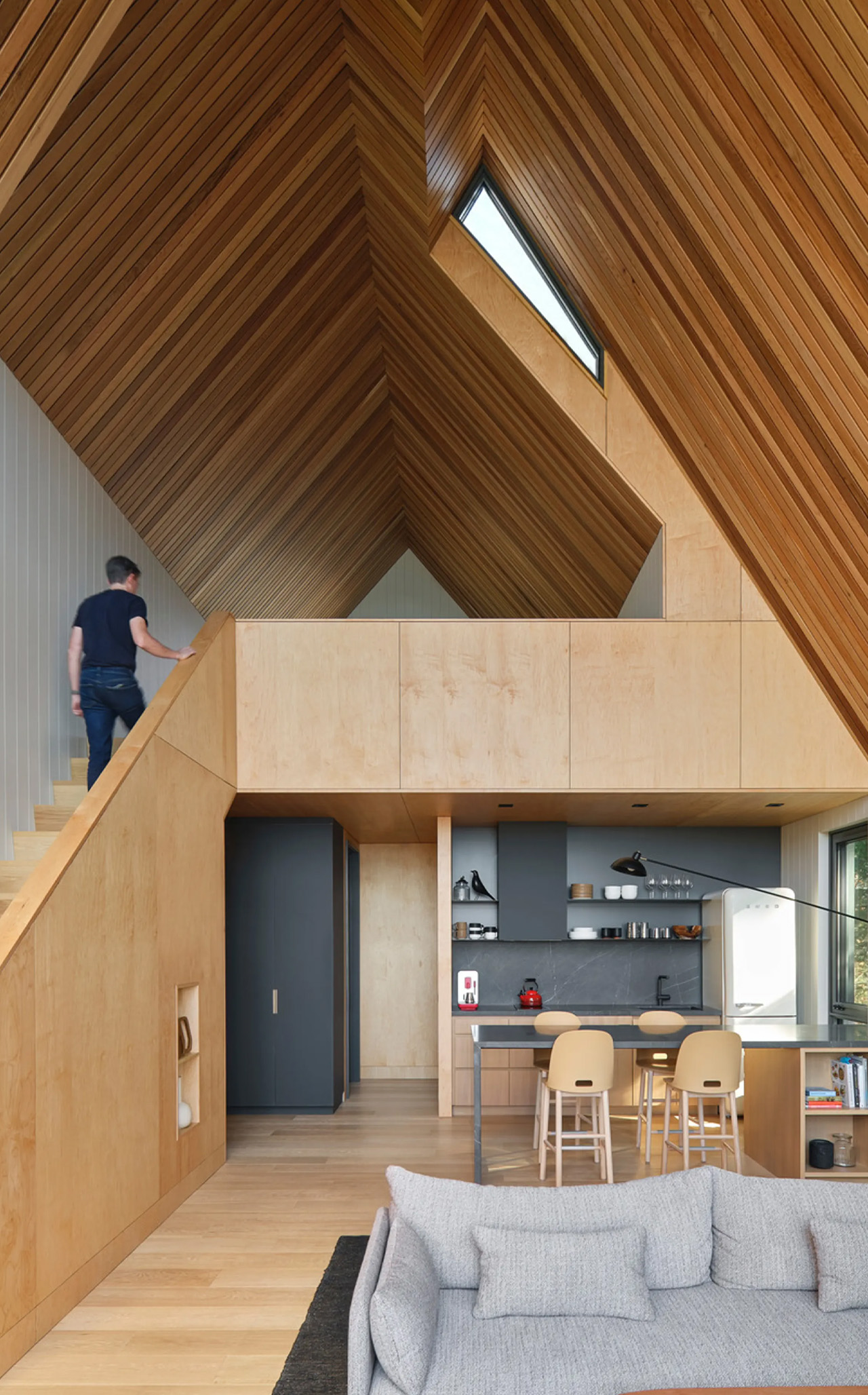
Bunkie occupies around 1000 sq ft (95 sq m), and it is a modern reinterpretation of the typical A-frame cabins. A-frame cabins are quite popular, and Bunkie adds a twist to them with its split roof design and two intersecting gables. The unique architectural element offers space for incorporating panoramic geometric windows which provide beautiful views of the surrounding treetops, and the lake below. The sharp angles and the mesmerizing sloping roof lines allow natural light to steadily stream into the home.

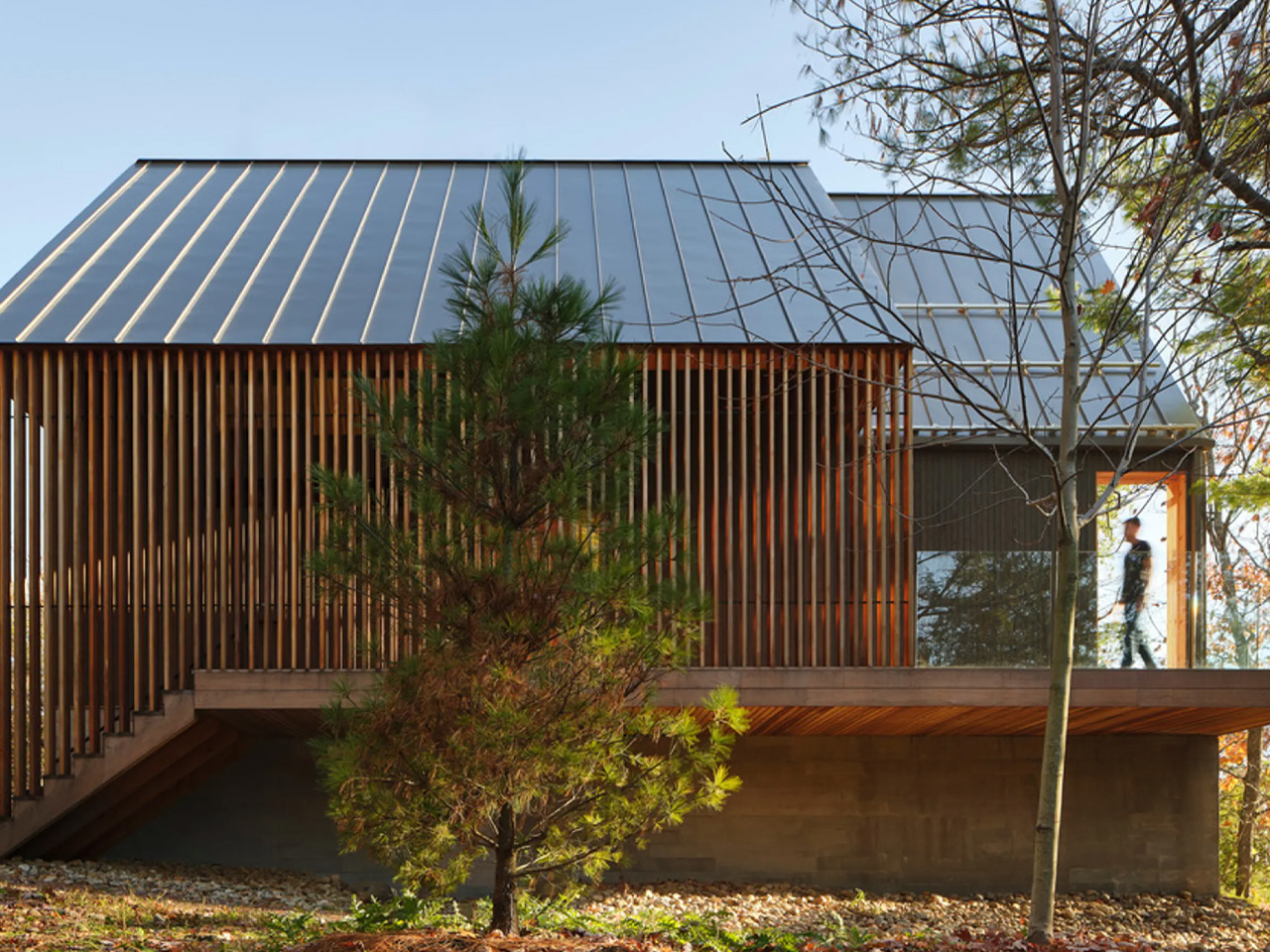
Bunkie is amped with two impressive facades – one is a tall and glazed wall that provides lovely views of the lake, while the other is more solid and faces the forest. This facade provides protection from the elements and some much-needed privacy. You can enter the cabin from the west side, through a walkway covered by a cedar screen, which resembles the tree trunks of the forest. Only FSC-rated wood was used to construct Bunkie on the Hill, and it features an exterior of wood siding and natural cedar soffits. The wooden elements naturally blend with the surrounding forest. The cabin is also equipped with thickened exterior walls, a minimal heating system, and triple-glazed windows which give it an R-value of over 40, and make it quite energy-efficient.

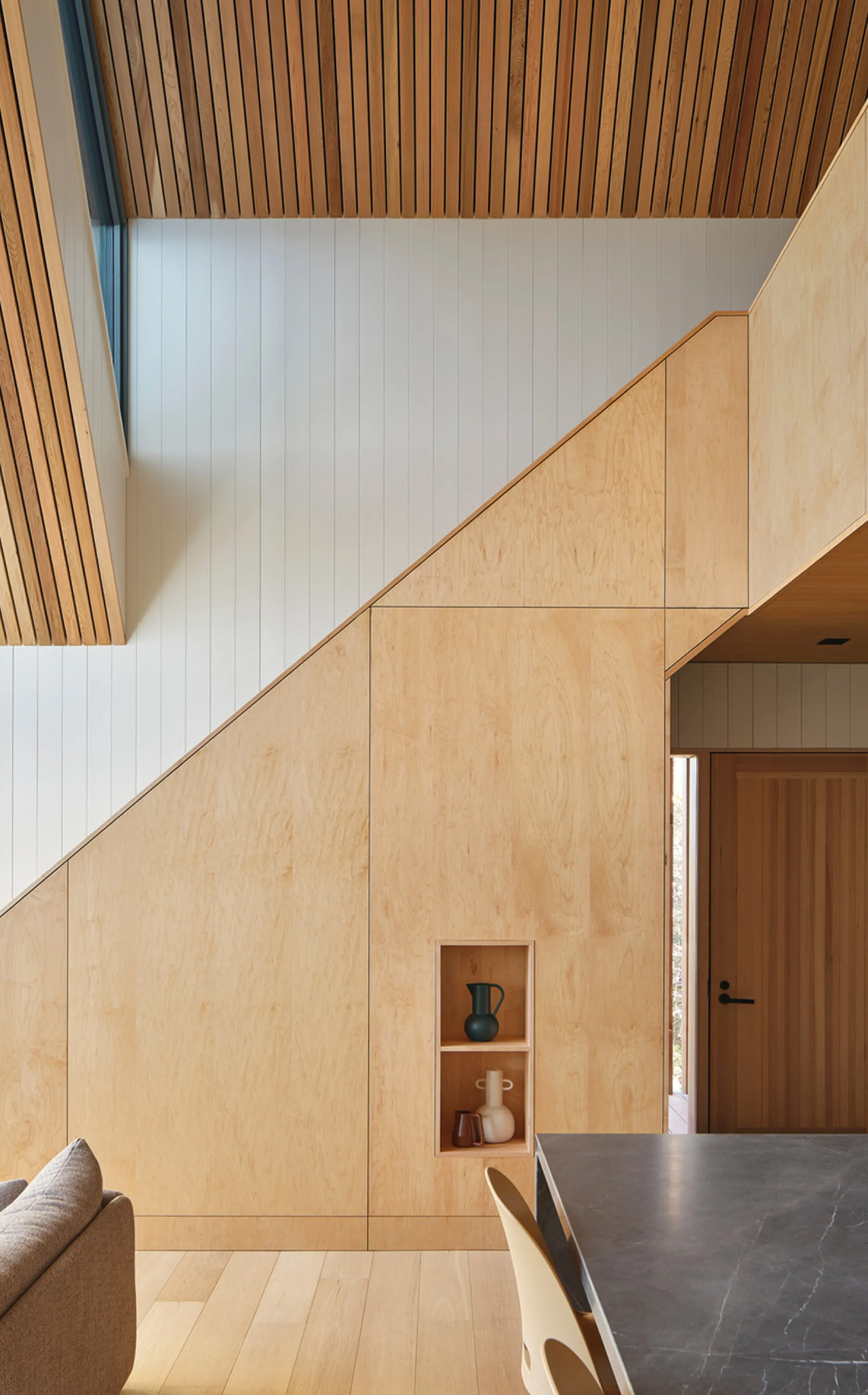
The interior of the cabin is extremely well-planned and carefully designed. It offers maximum functionality with impressive utility of space. Smart storage solutions have been incorporated throughout the house. The ground floor showcases a big open-plan living and dining area, as well as a minimal and subtle kitchen. Double-height framed windows expansively open up to a massive timber outdoor terrace. The primary bedroom is located at the back of the cabin, and it includes windows that offer surreal views of the surrounding forest. The cabin also contains an upper loft, which serves as an additional sleeping area. This space also integrates a built-in desk, so it can be used as a home office too. You can glance at the living room and the lake from this loft room.

The post Bunkie On A Hill Is A Contemporary Reinterpretation Of A Classic A-Frame Cabin With A Vaulted Roof first appeared on Yanko Design.

This Micro-Chalet In The Canadian Woodlands Seems To Float Amidst The Tree Canopies

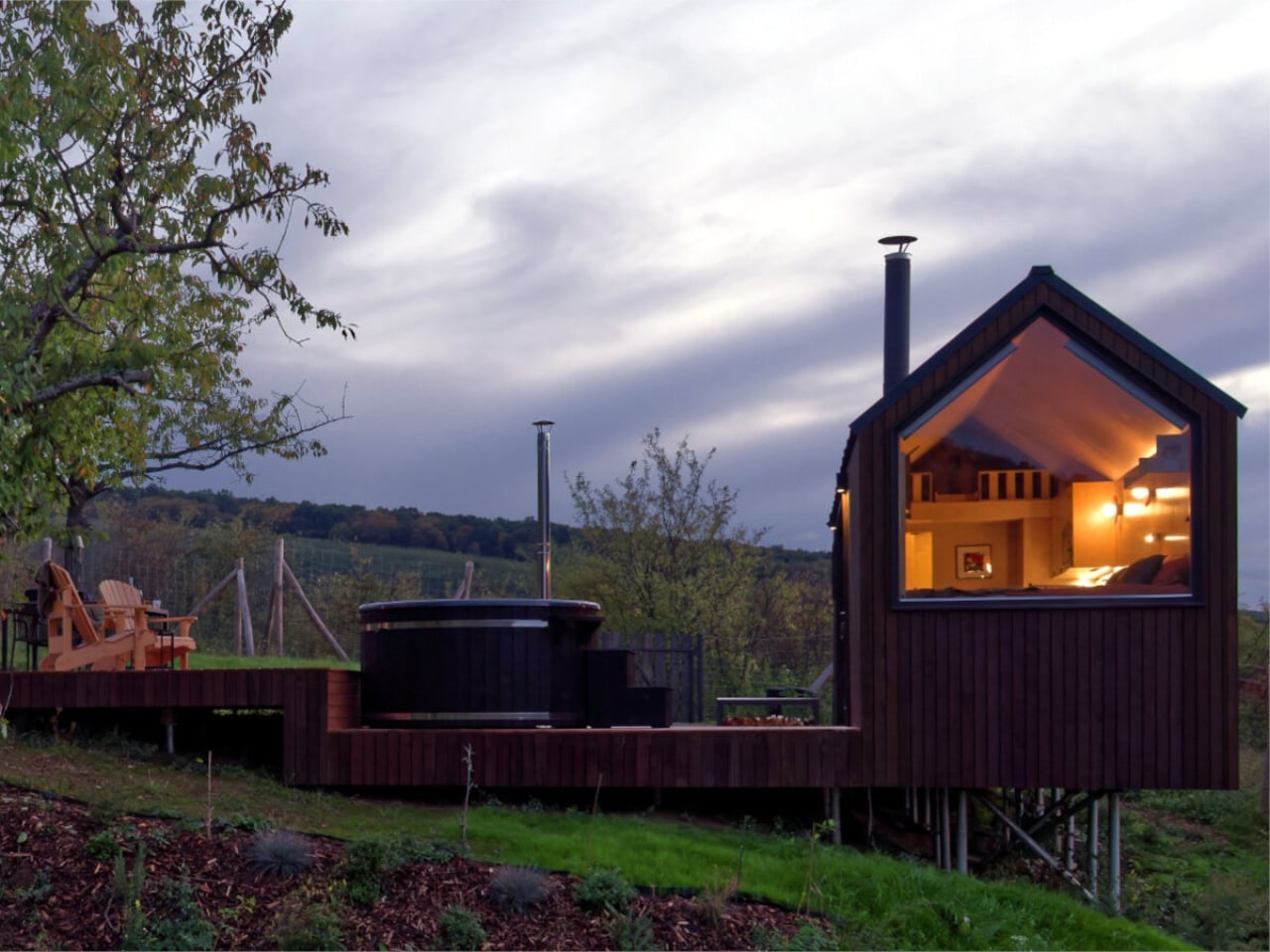
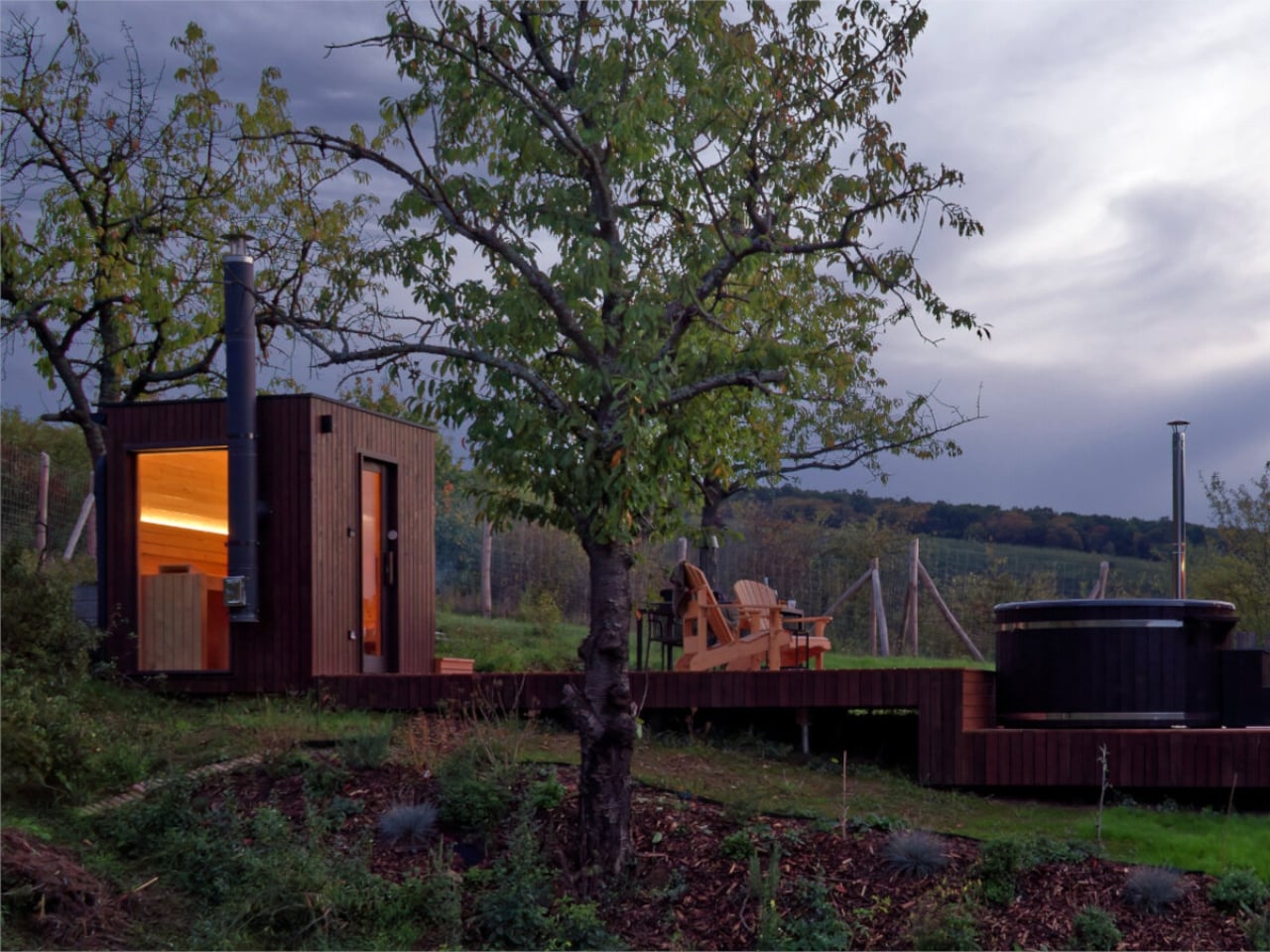
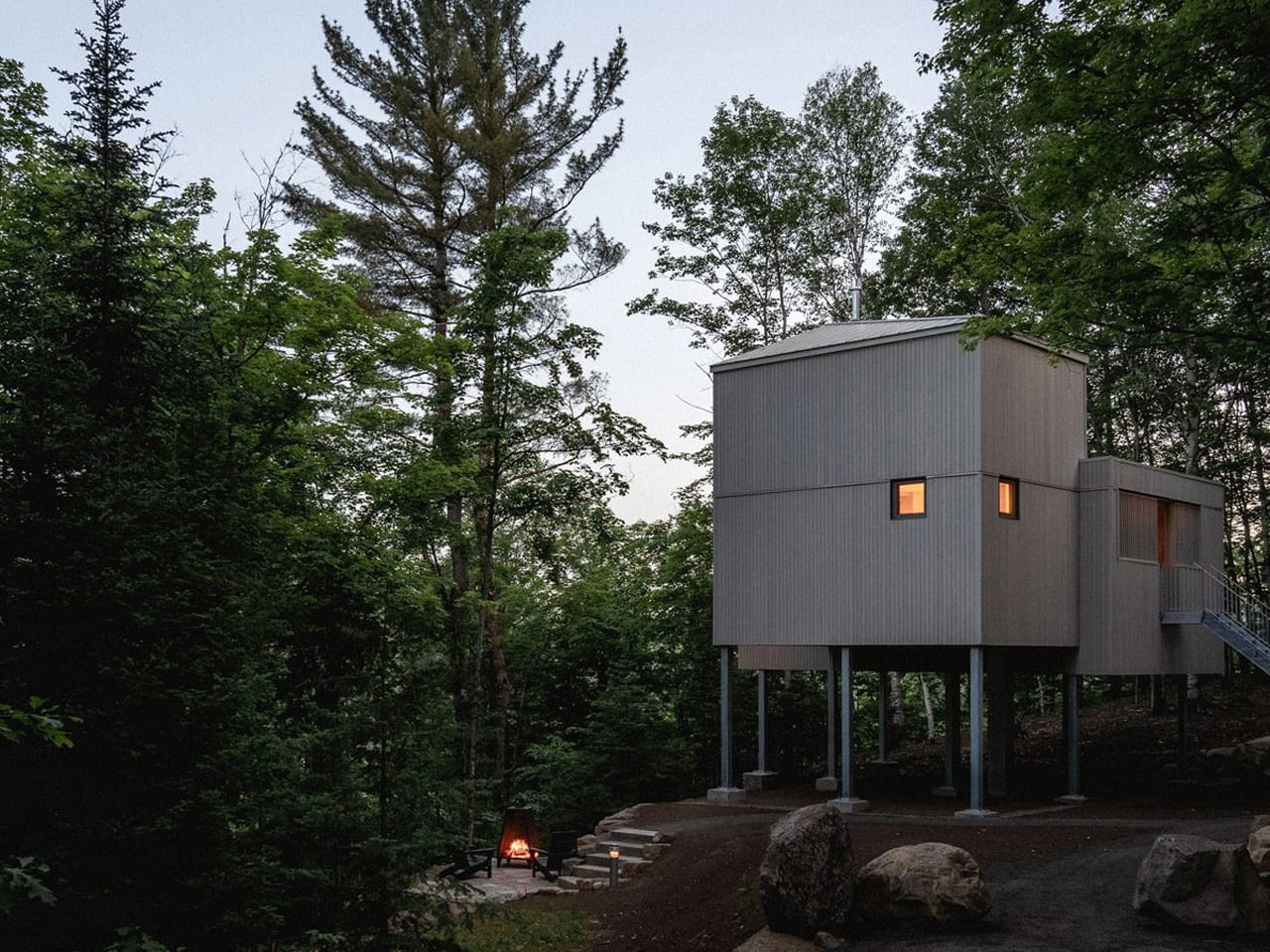
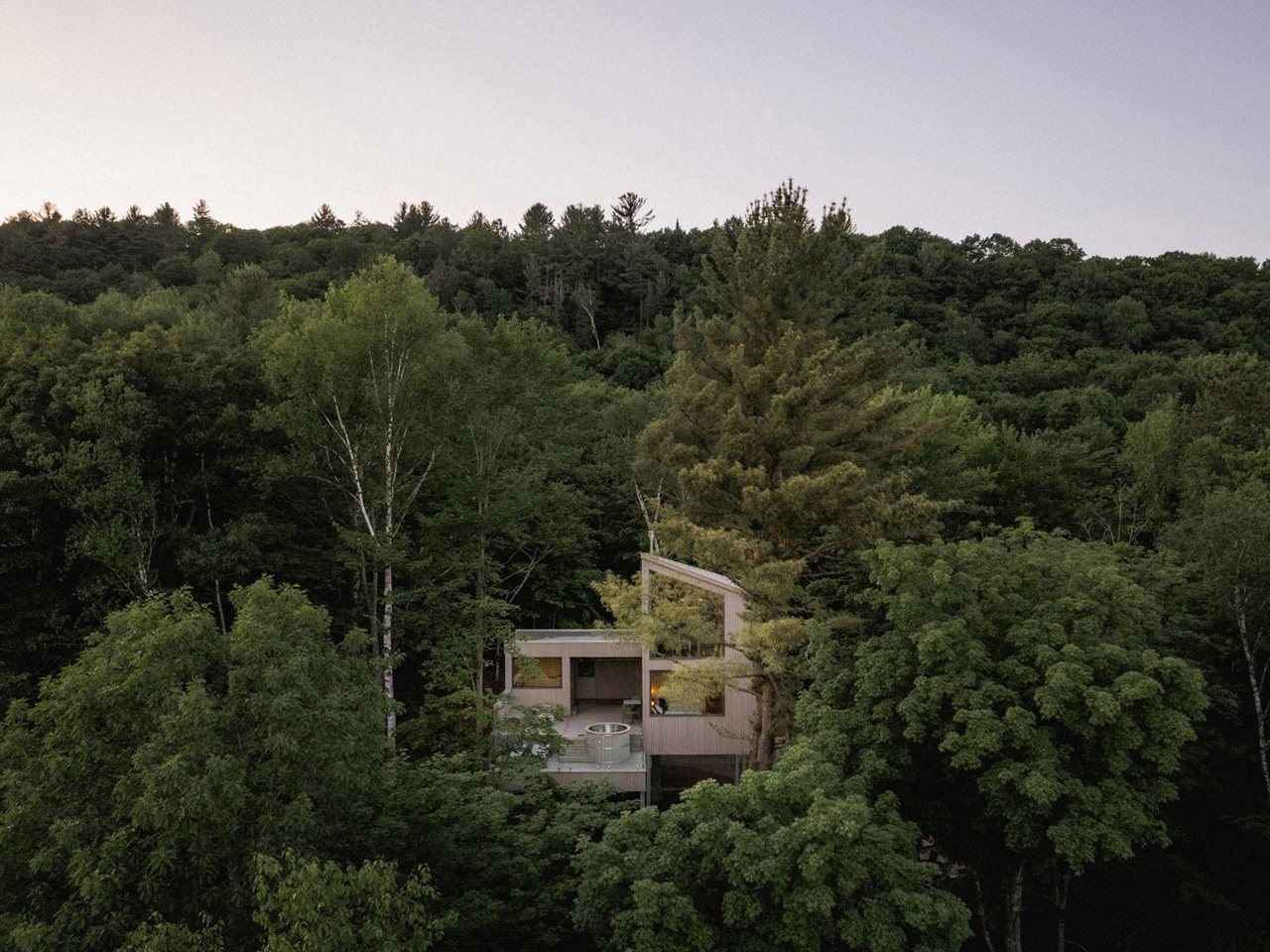
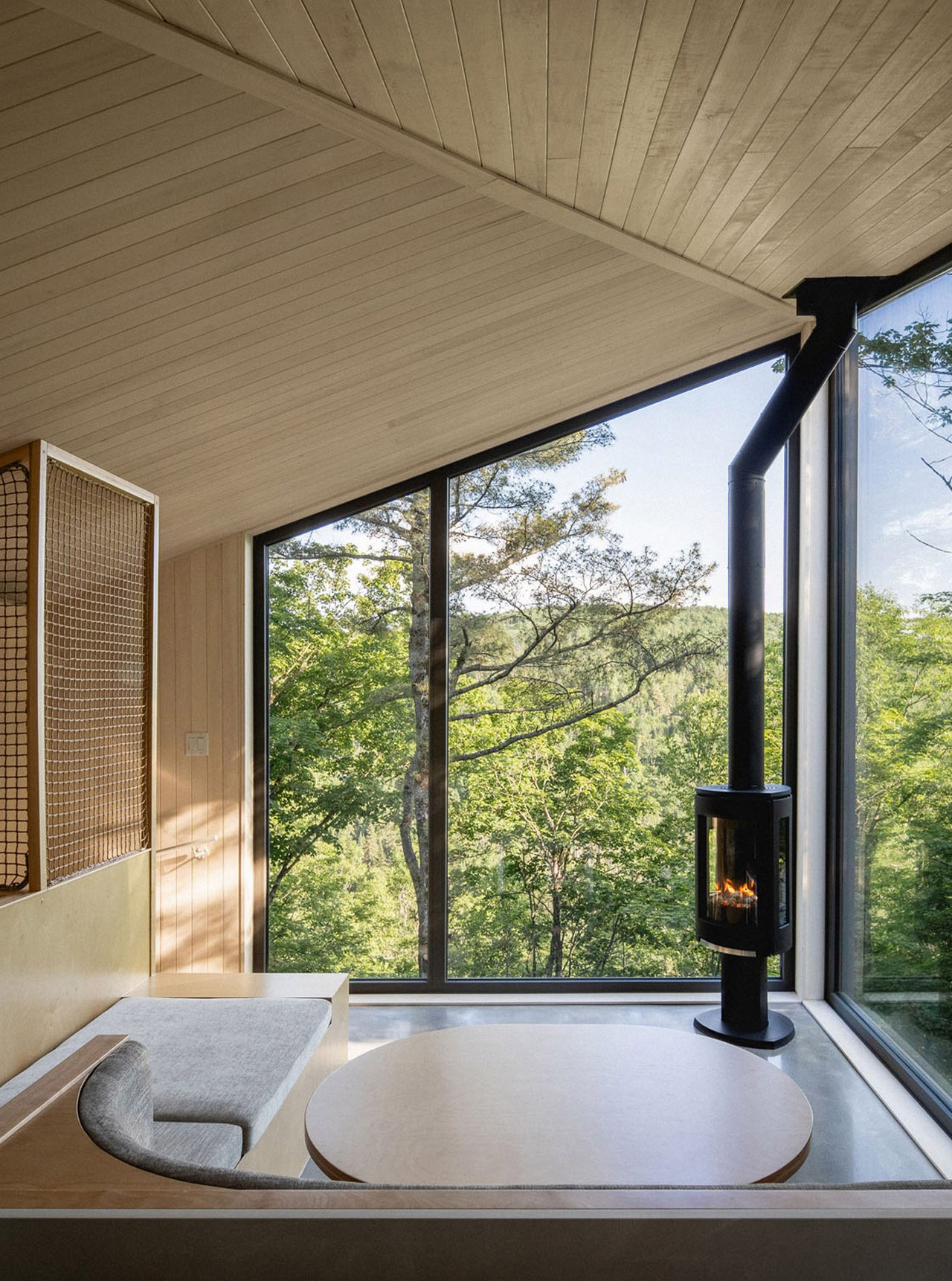
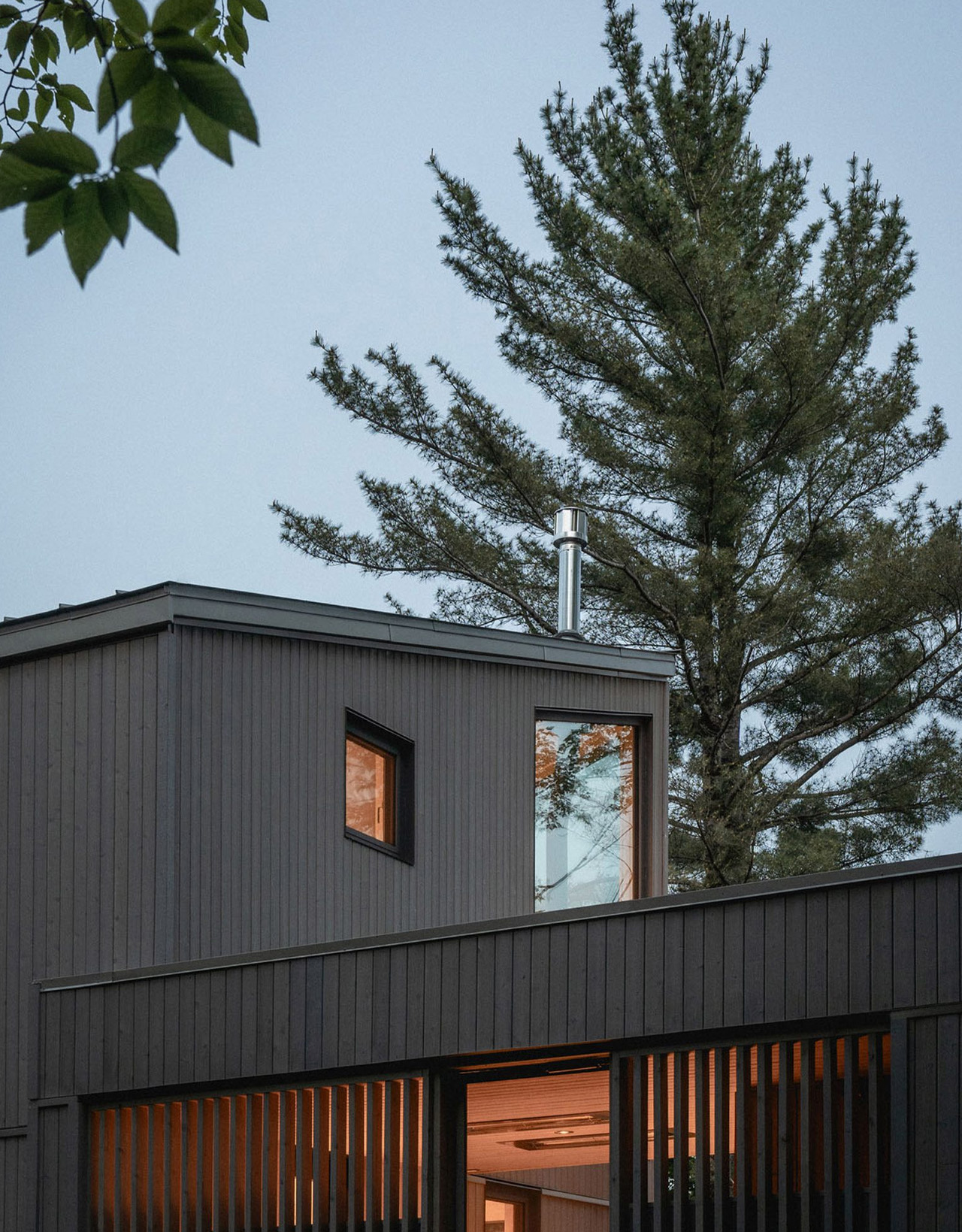
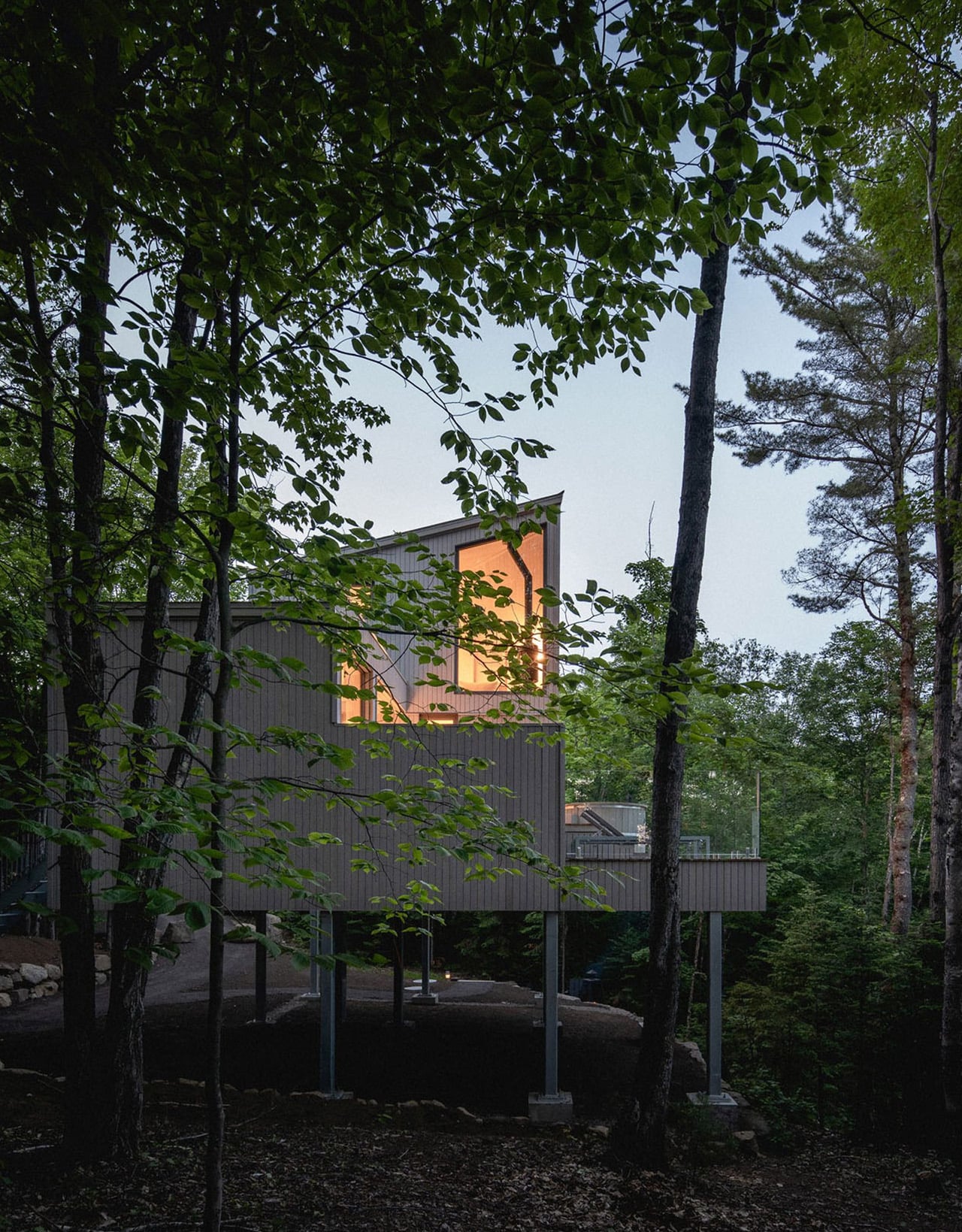
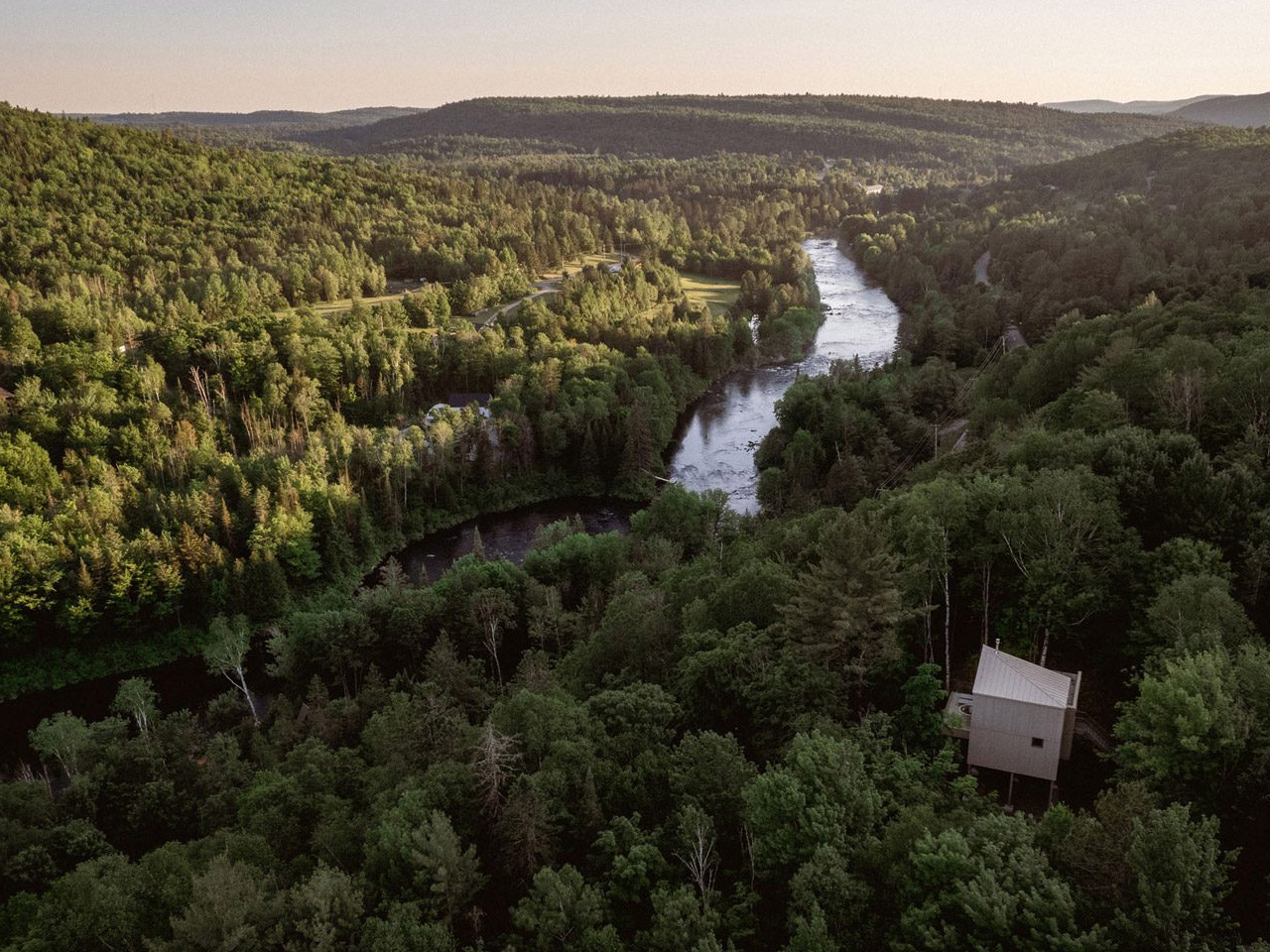
Situated in the woodland of Lanaudière, Québec, this timber-clad holiday home is designed by the Canadian studio Naturehumaine. Amped with massive windows, the cabin gives the impression that you’re floating amidst the treetops. Dubbed La Cime, the lovely holiday home is designed to be a “micro chalet”. It features one bedroom, accentuated by a sloping roof, and wooden-plank cladding inspired by traditional wooden huts.

Designer: Naturehumaine

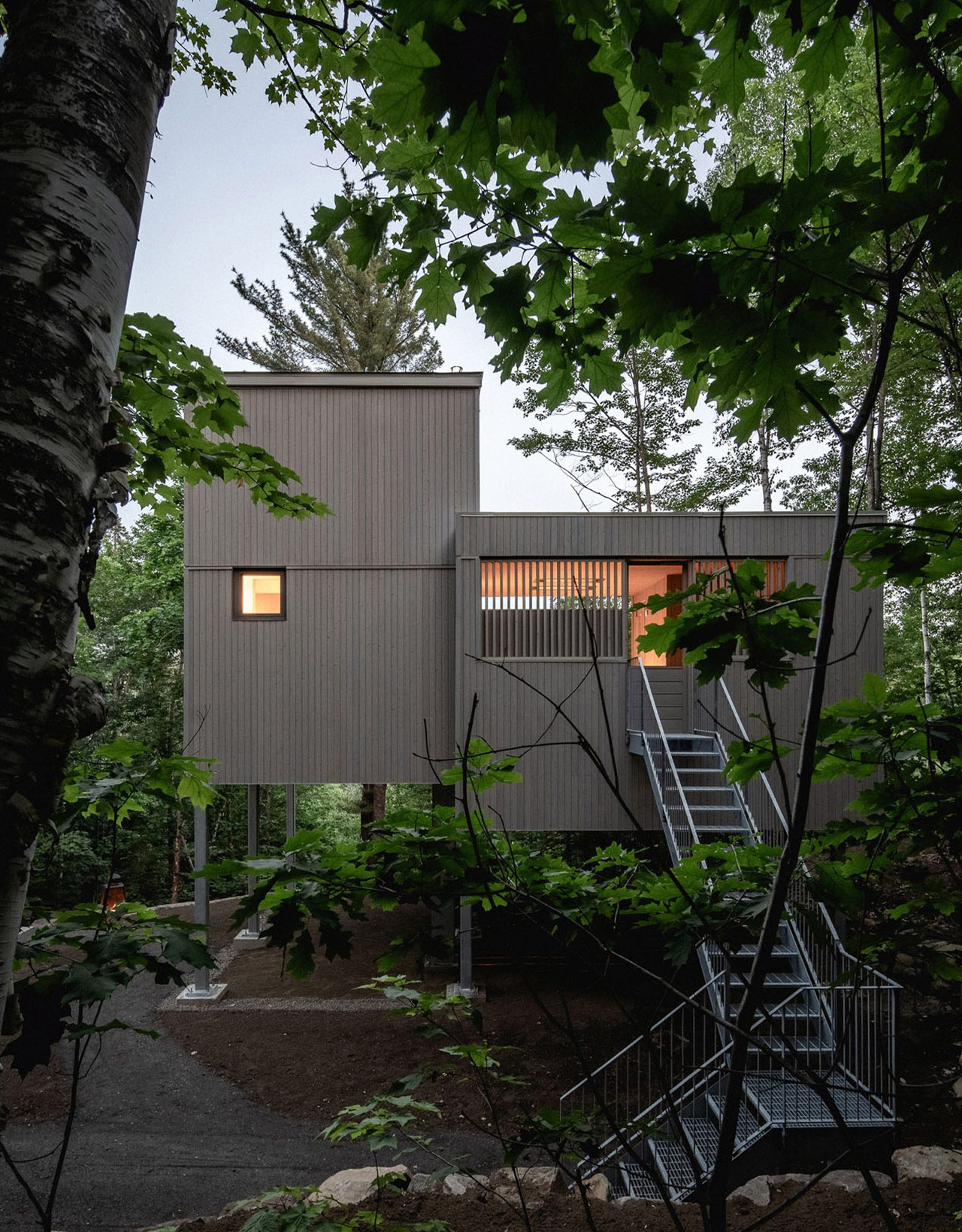
La Cime translates to The Top, and it is also equipped with a terrace that allows the guests to maintain a close relationship and connection with the sloped forest site. The cabin is elevated 12 feet above the ground, and supported by steel stilts, enabling rainwater flow below them.

“Wishing to create a unique sensory experience for visitors, the design of the building was determined by the beauty of the views of the surroundings,” said Naturehumaine. “The felt experience is also magnified by the floating effect provided by the location of the home, at the edge of the steep slope of the land,” it added.

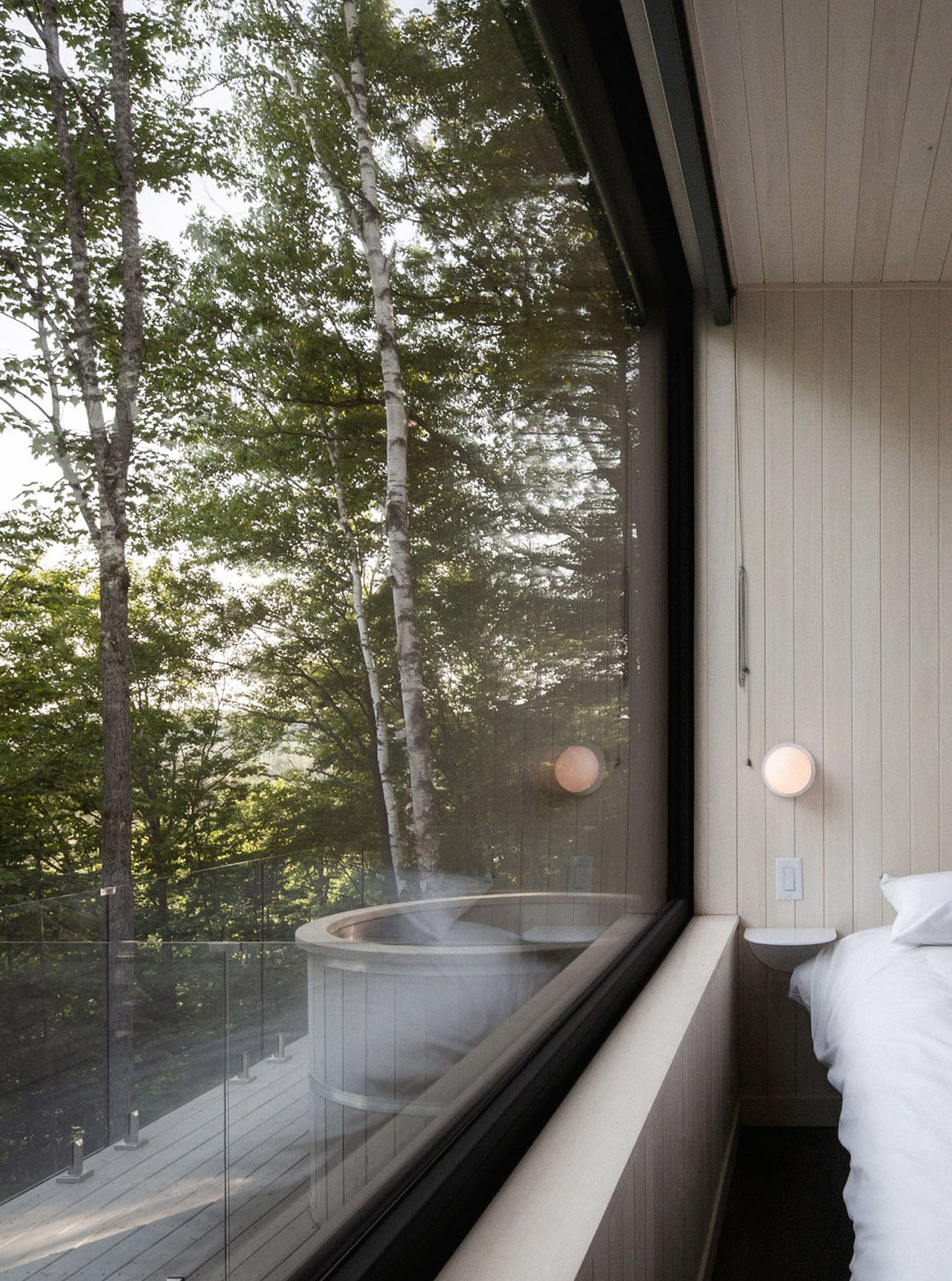
You can enter La Cime’s terrace areas via a stepped stone patio, and a steel staircase. One of the terrace areas offers shelter against the bad weather, while the other is kept open with a hot tub and sun loungers. Slatted wooden screens create a semi-outdoor route that connects all these terraces to the private spaces while providing a sneak peek of the trees. A smaller structure accommodates La Cime’s single bedroom on the lower level, while the bed is placed near a large window.

The kitchen and living area are located on the upper story of this smaller structure. This gives the feeling of being surrounded by tree canopies, and a rope-hammock seating area has been built above the staircase. “Despite the plurality of places and spatial experiences confined in a small space, a climate of tranquility and simplicity emerges from the whole,” said the studio. “It is this simplicity that leaves plenty of room for relaxation and the treetops.”, it concluded.

The post This Micro-Chalet In The Canadian Woodlands Seems To Float Amidst The Tree Canopies first appeared on Yanko Design.

Corten Steel & Glass Cabins Make Up A Wonderful Wellness Resort In Latvia

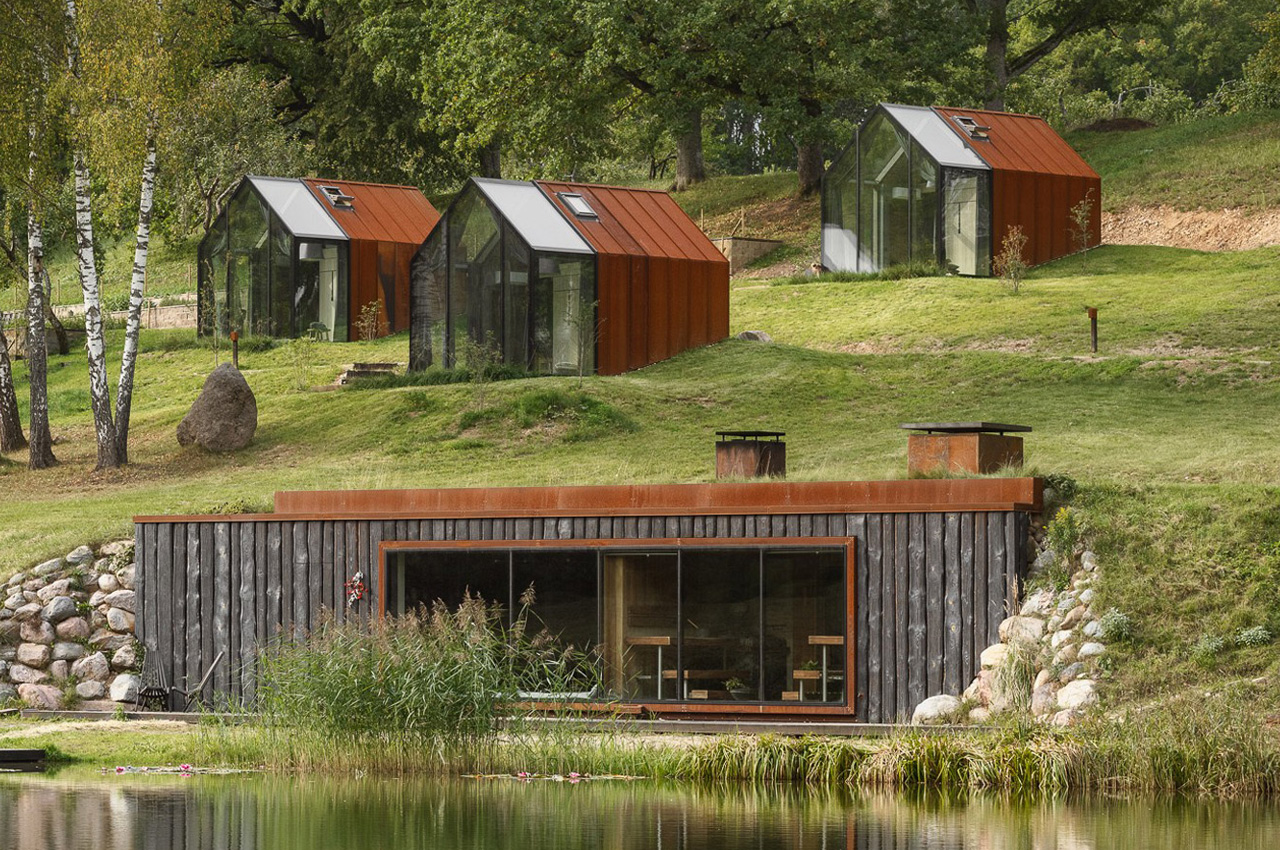
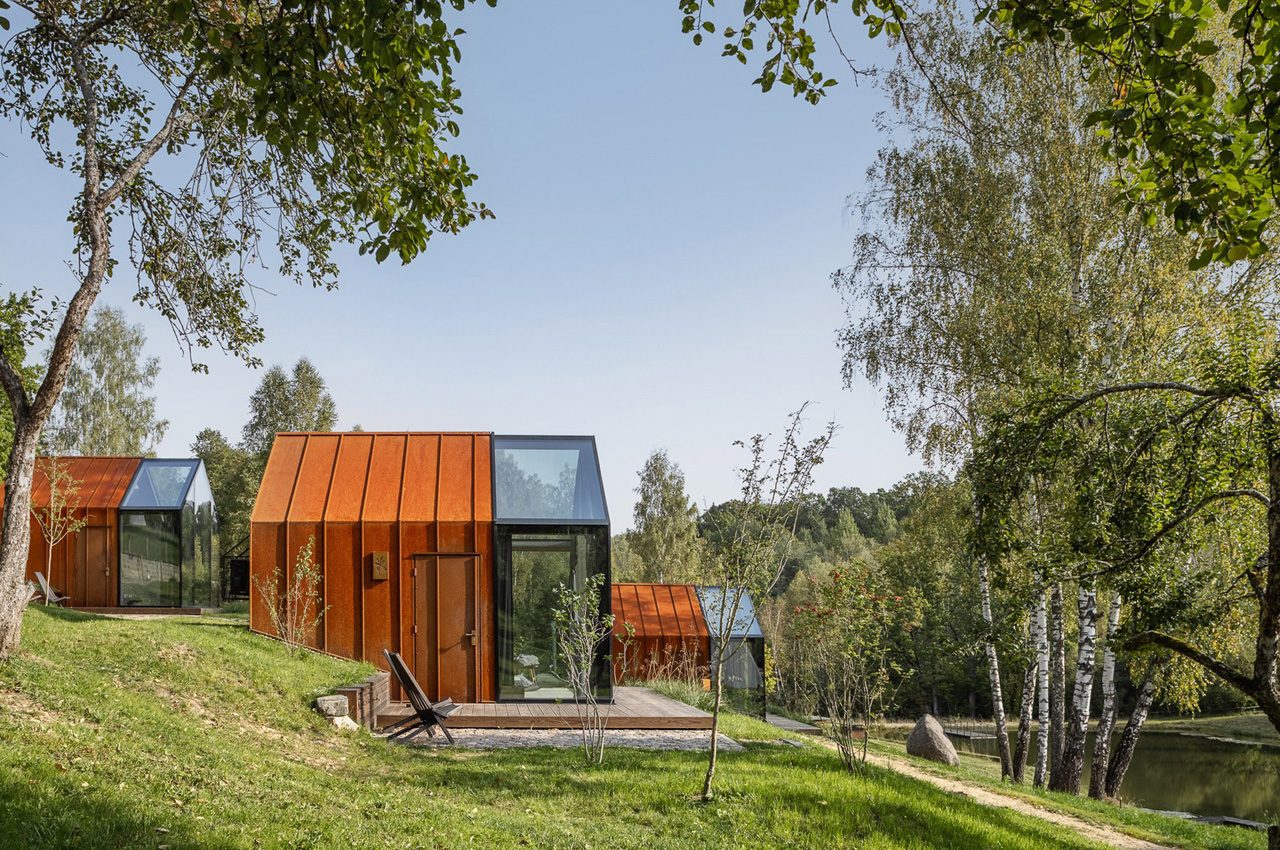
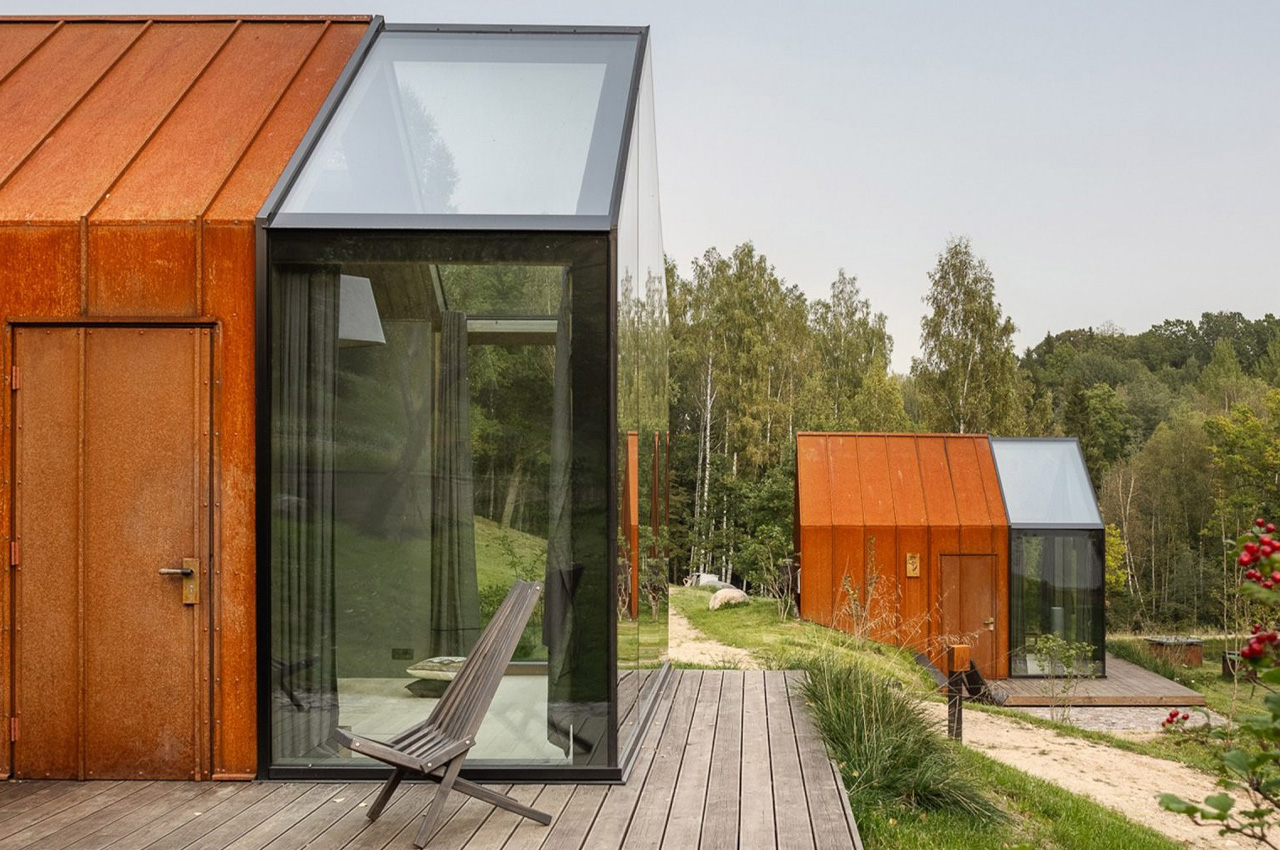
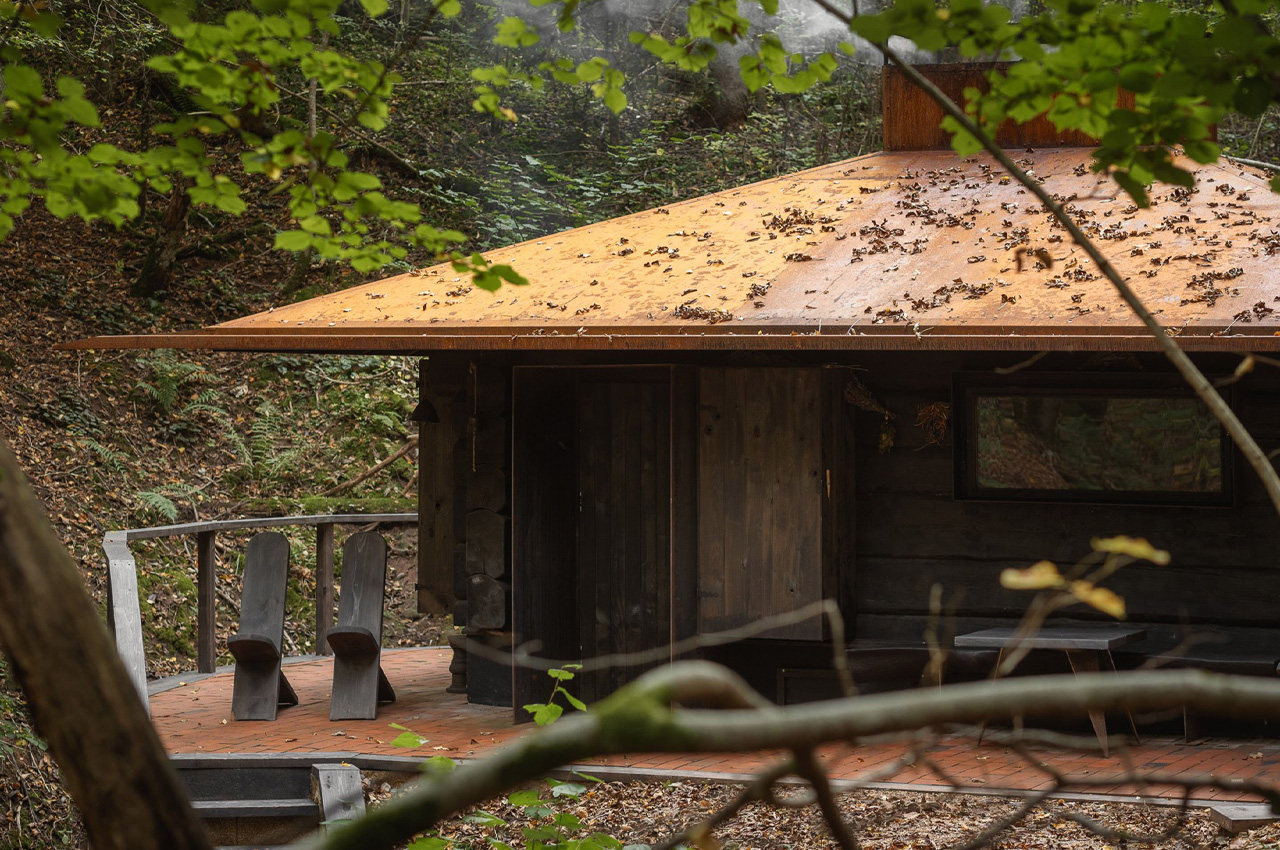
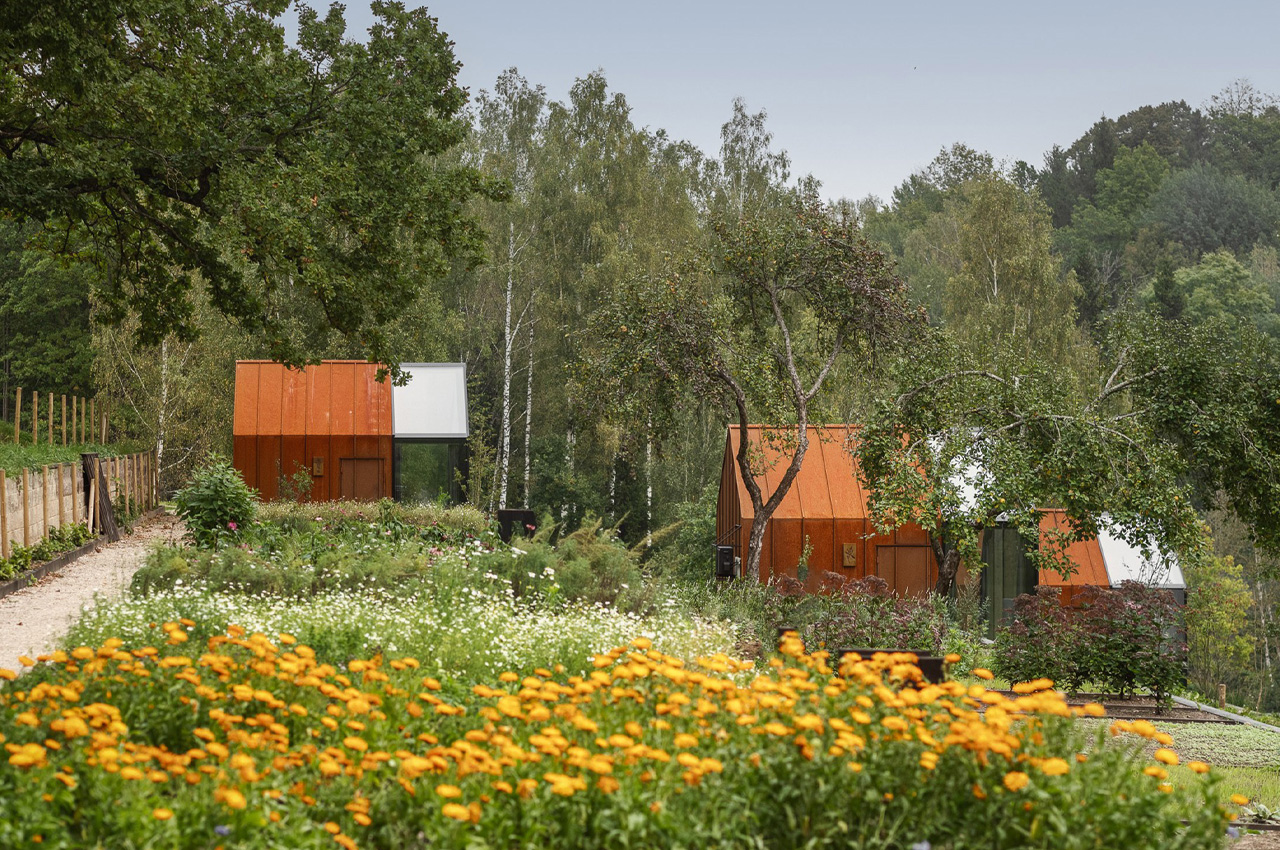
Open AD, a Latvian architecture studio created the Ziedlejas Spa and Wellness resort in Sigulda. The property includes a series of Corten steel and glass cabins arranged on a sloping site with views of a pretty pond. The spa is intended to be a modern and contemporary reimagination of the local sauna culture. It includes two independent steam rooms and three cabins.

Designer: Open AD

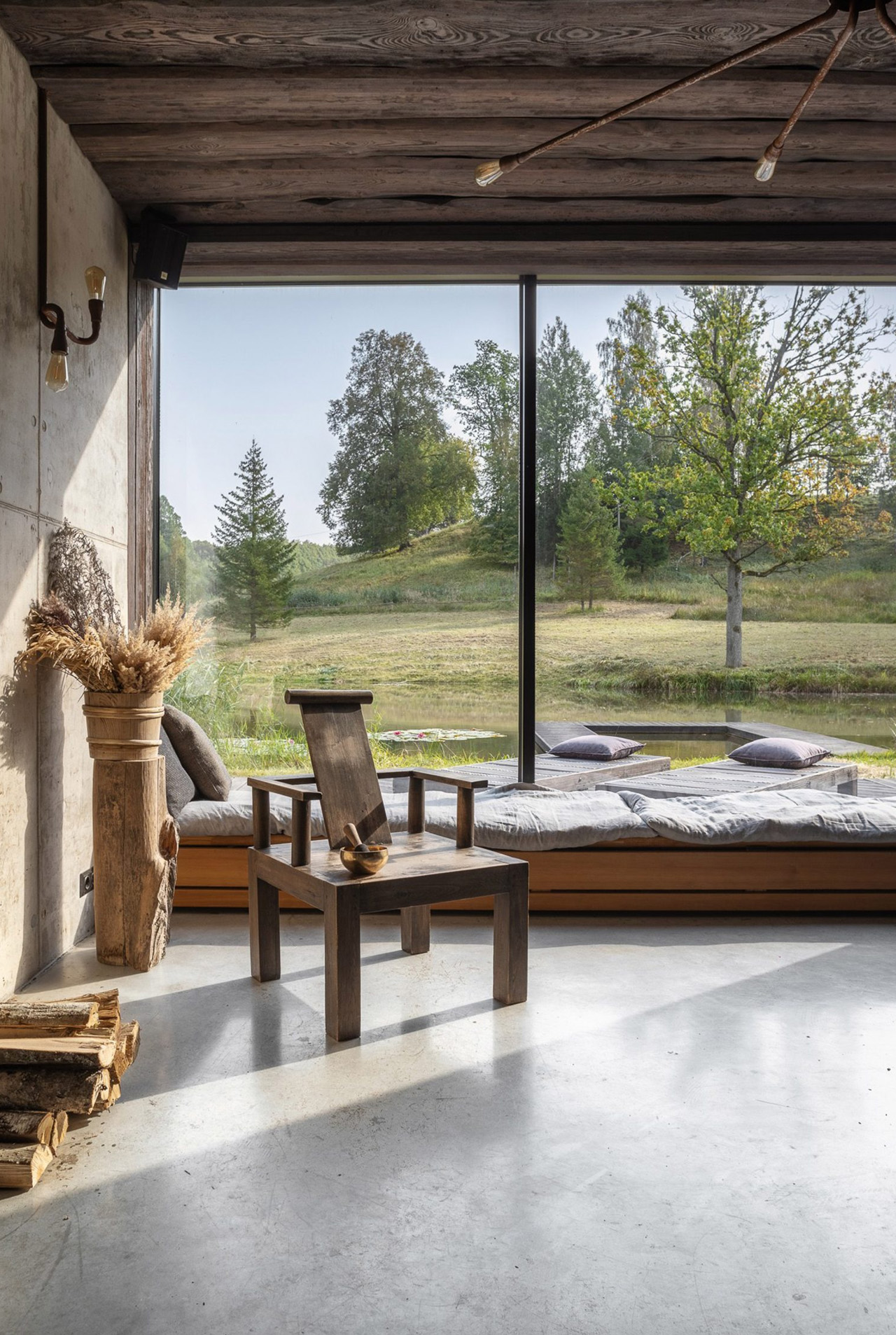
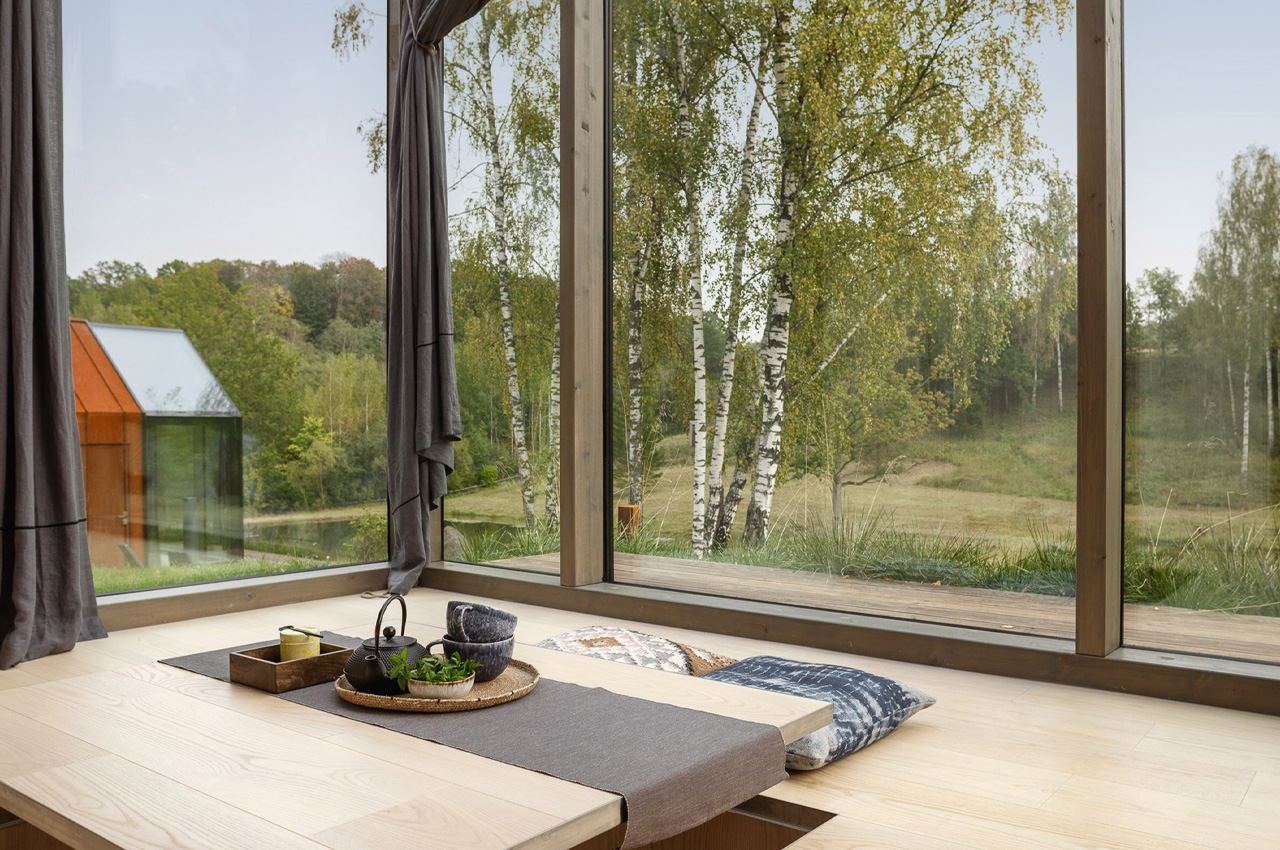
The three cabins are intended for overnight stays, and they’ve been placed at the top of the sloping site. The Glass Sauna is tucked away at the base of the sloping area, almost digging into the hill, with access to views of the pond. There is another sauna called the Smoke Room, and it is located in a wooded area close by. The Smoke Room is built using charred logs and features a weathered steel roof, that is inspired by the structure of traditional sauna buildings. The Glass Sauna has a charred wood cladding and features the use of Corten Steel in its parapet. Two chimneys also rise from the building, while a massive window offers views of the pond from the wood-lined steam rooms.

The various structures of the property are connected with pathways and stone steps, creating a space that is cohesive and interlinked.  “Each structure is both an independent unit and an intrinsic part of the overall composition…the journey from sauna room to pond is short, and the Glass Sauna is accessible for persons with reduced mobility,” said the studio.

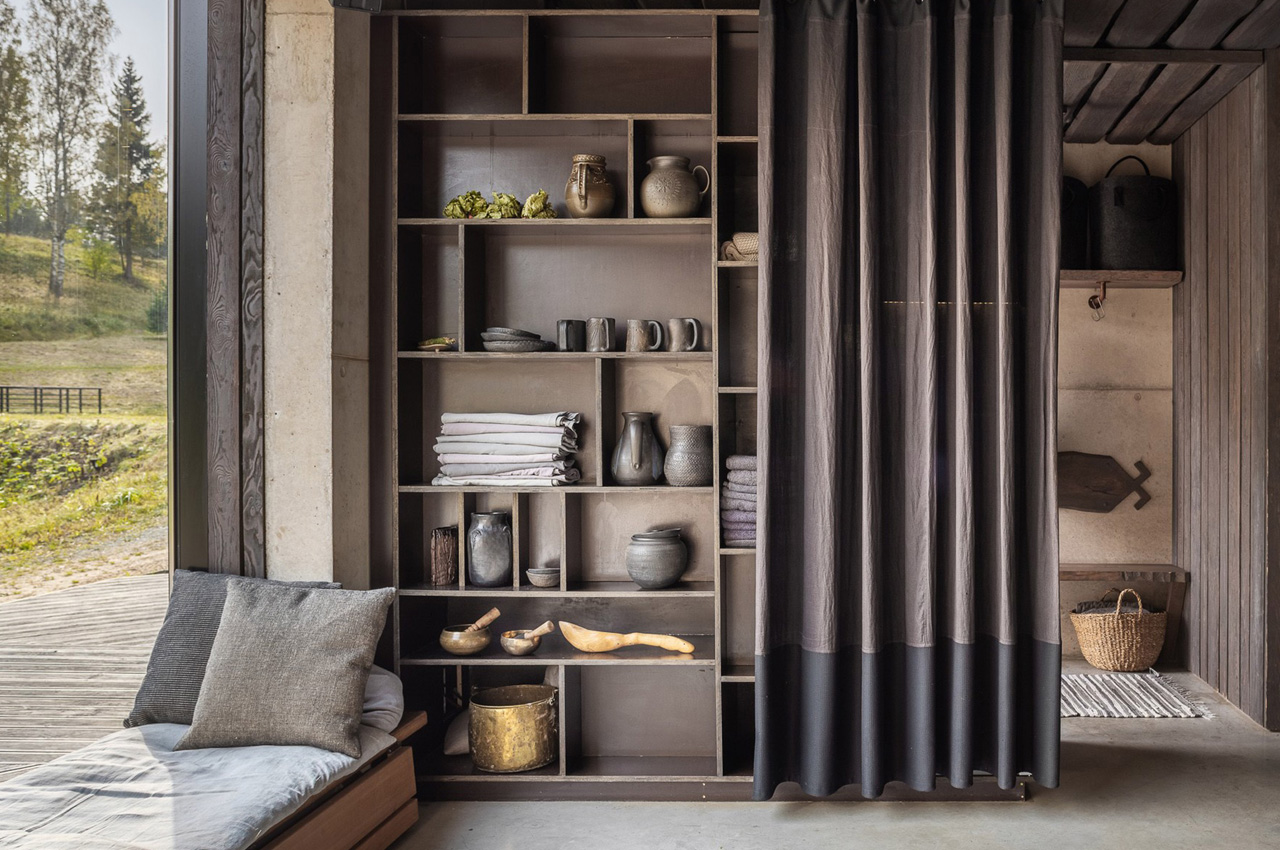
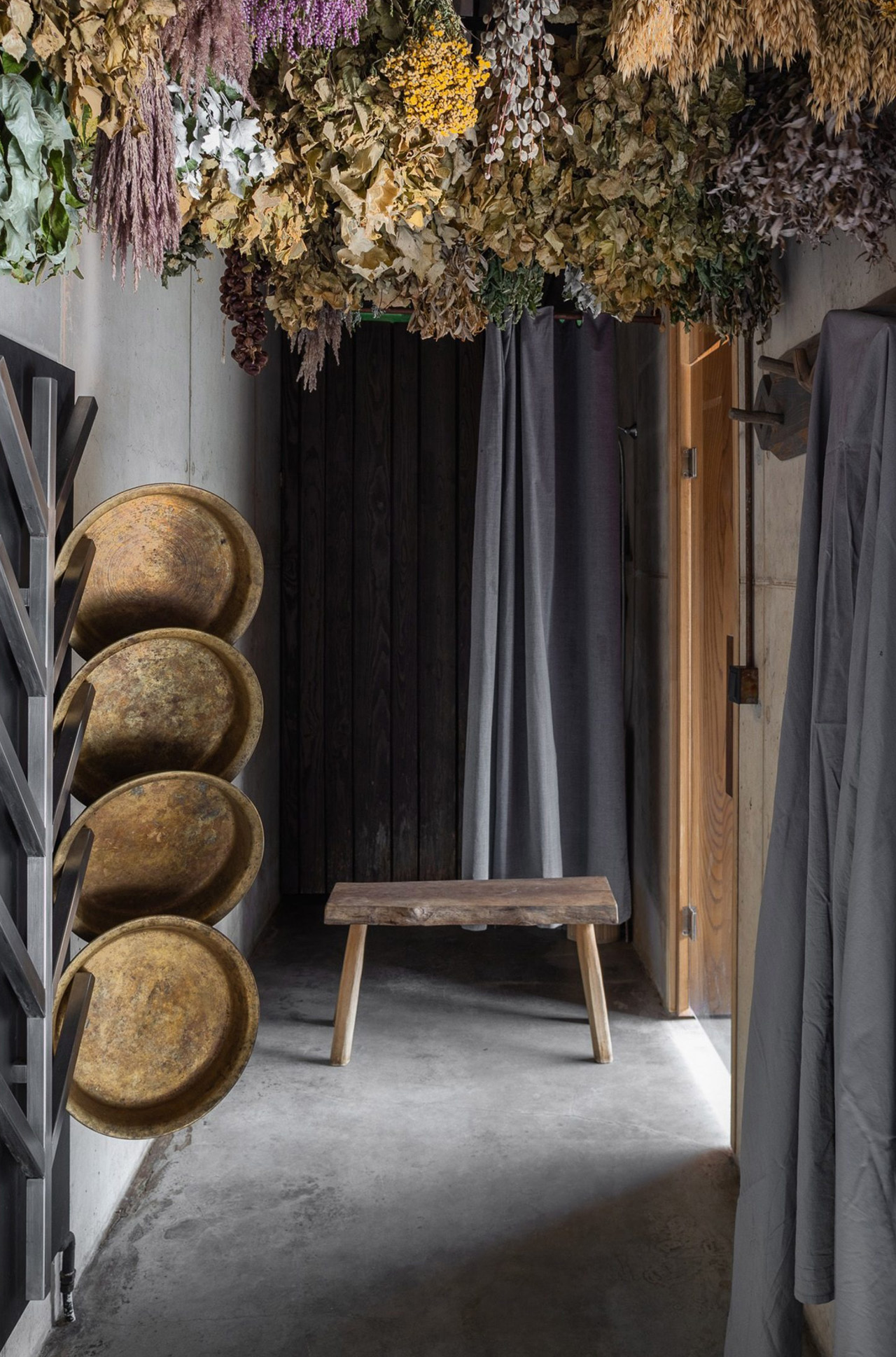
The cabins were created to be minimal and clutter-free. They are subtle and welcoming, with foldaway beds, and tables that rise from the floor. There is also an additional sleeping section on the mezzanine floor above. The glazed sections of the cabins accommodate the living spaces, allowing visitors to have direct access to views of the surrounding landscape. The bathrooms are placed in the Corten-clad sections to offer privacy.

“Ziedlejas welcomes guests all year round, so the solutions need to perform both visually and functionally in a range of conditions such as snowy winters, golden autumn, luscious green summers, and the grey in-between moments,” concluded the studio.

The post Corten Steel & Glass Cabins Make Up A Wonderful Wellness Resort In Latvia first appeared on Yanko Design.

Charming Birdhouse-Style Tiny Home Could Be Your Next Vacation Rental Destination

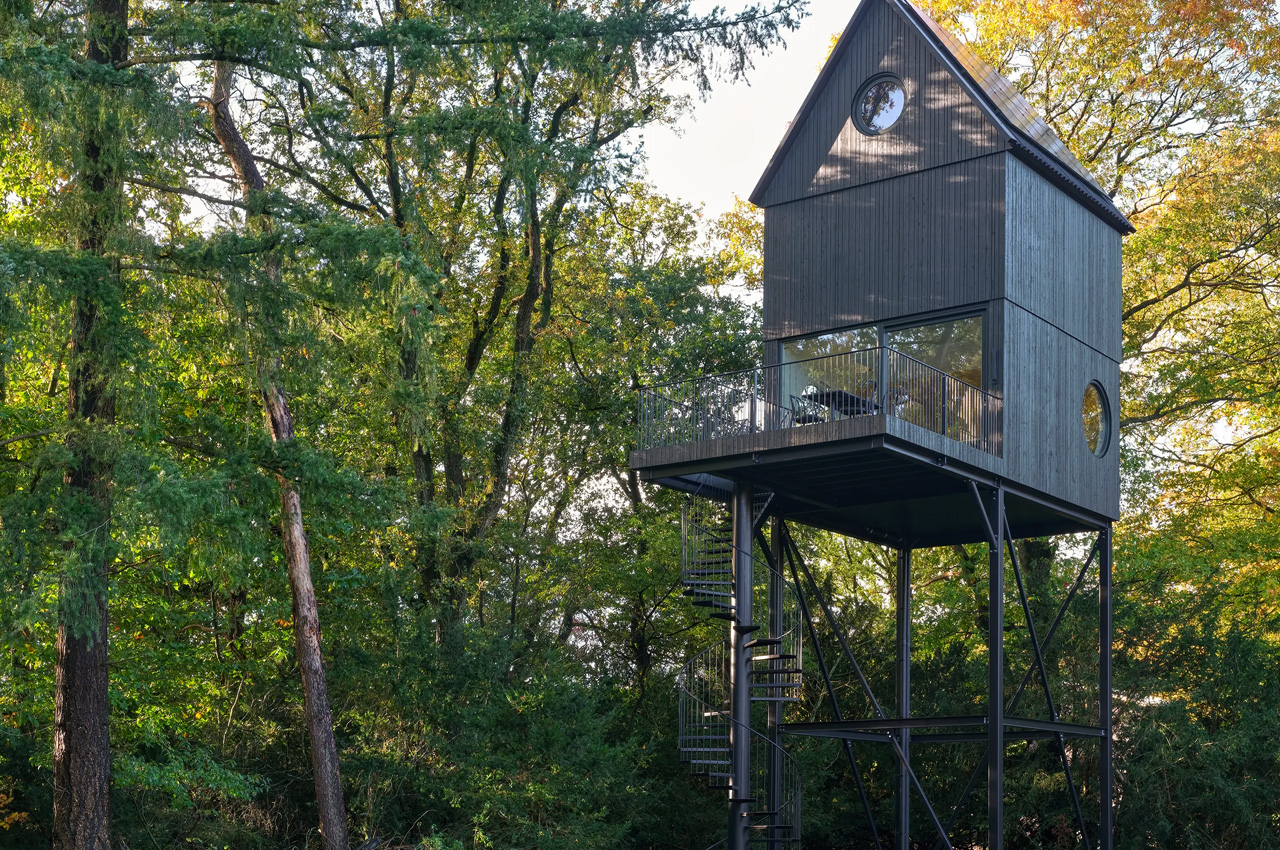
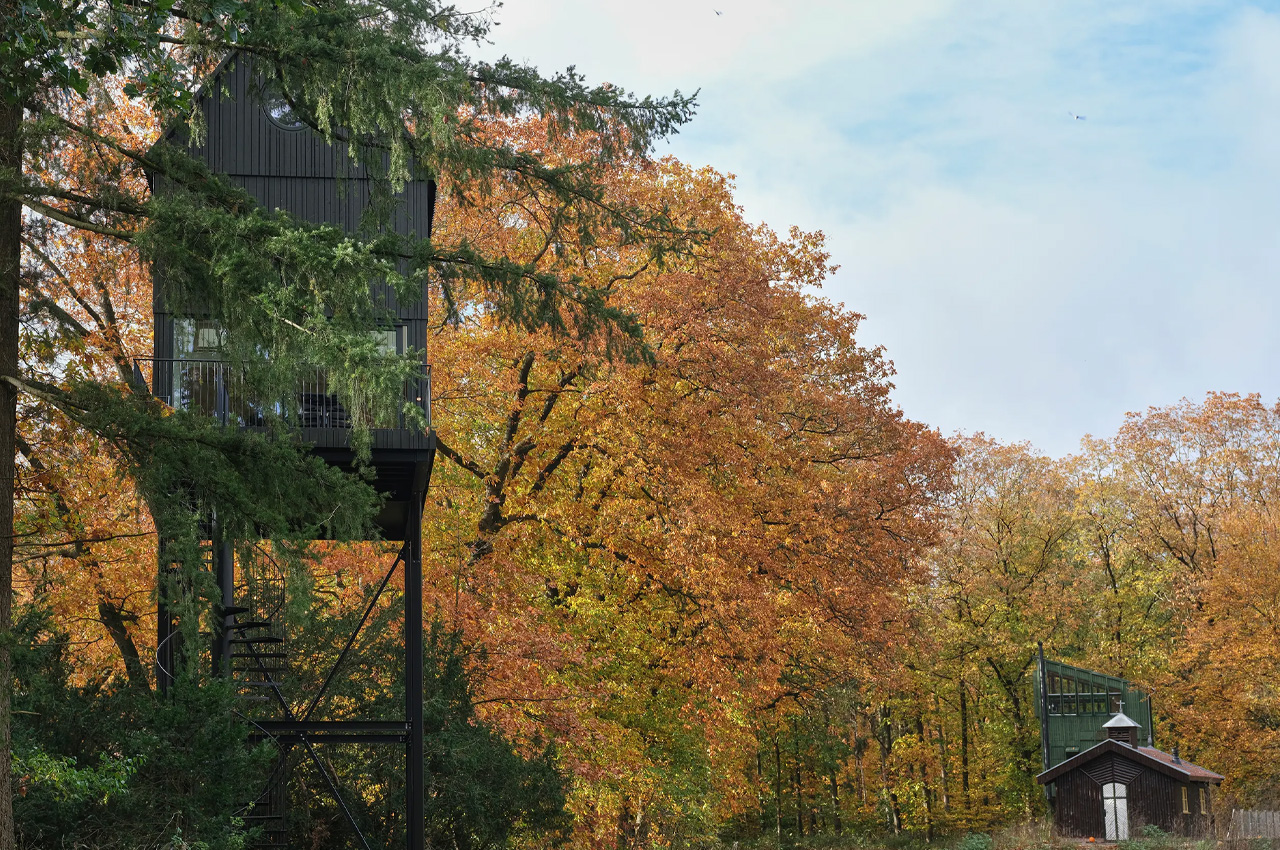
Dubbed the Buitenverblijf Nest, this unique-looking cabin is designed by Namo Architecture and i29 Architects. It is an idyllic little cabin elevated in a forest in the Netherlands. The cabin is inspired by a birdhouse but it looks like a rather massive one. It can accommodate a family of four, although a bit tightly. The tiny home is tucked away in the Netherlands’ Hoge Veluwe National Park and is quite similar to BIG’s Biosphere.

Designer: Namo Architecture and i29 Architects

The cabin is part of a series of 11 dwellings in the cabin and was designed to be vacation rentals by the local authorities. The Buitenverblijf Nest is elevated on slender black supports and is raised 7.5 meters above the forest floor. The exterior of the home has space for birds,  bats, and insects, as well as solar panels on the roof that give access to power.

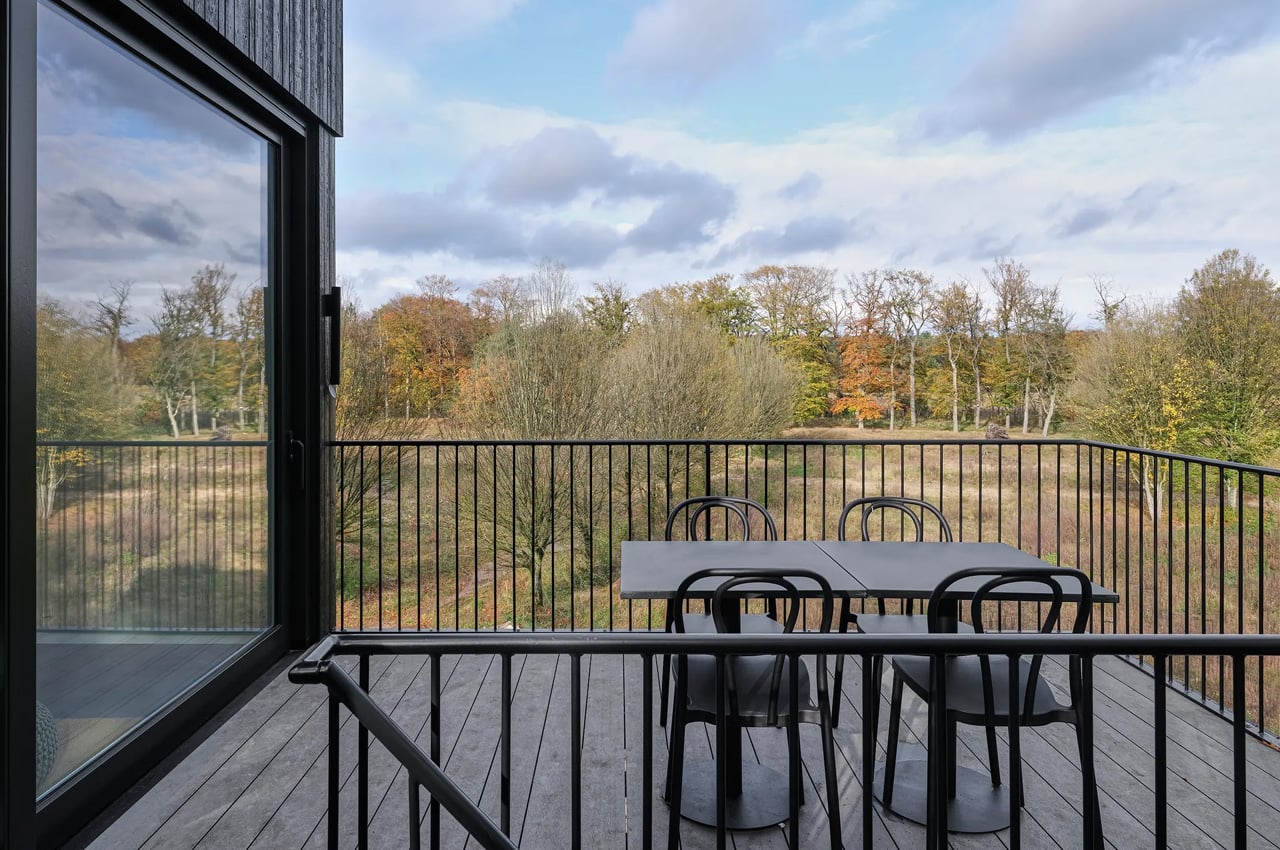
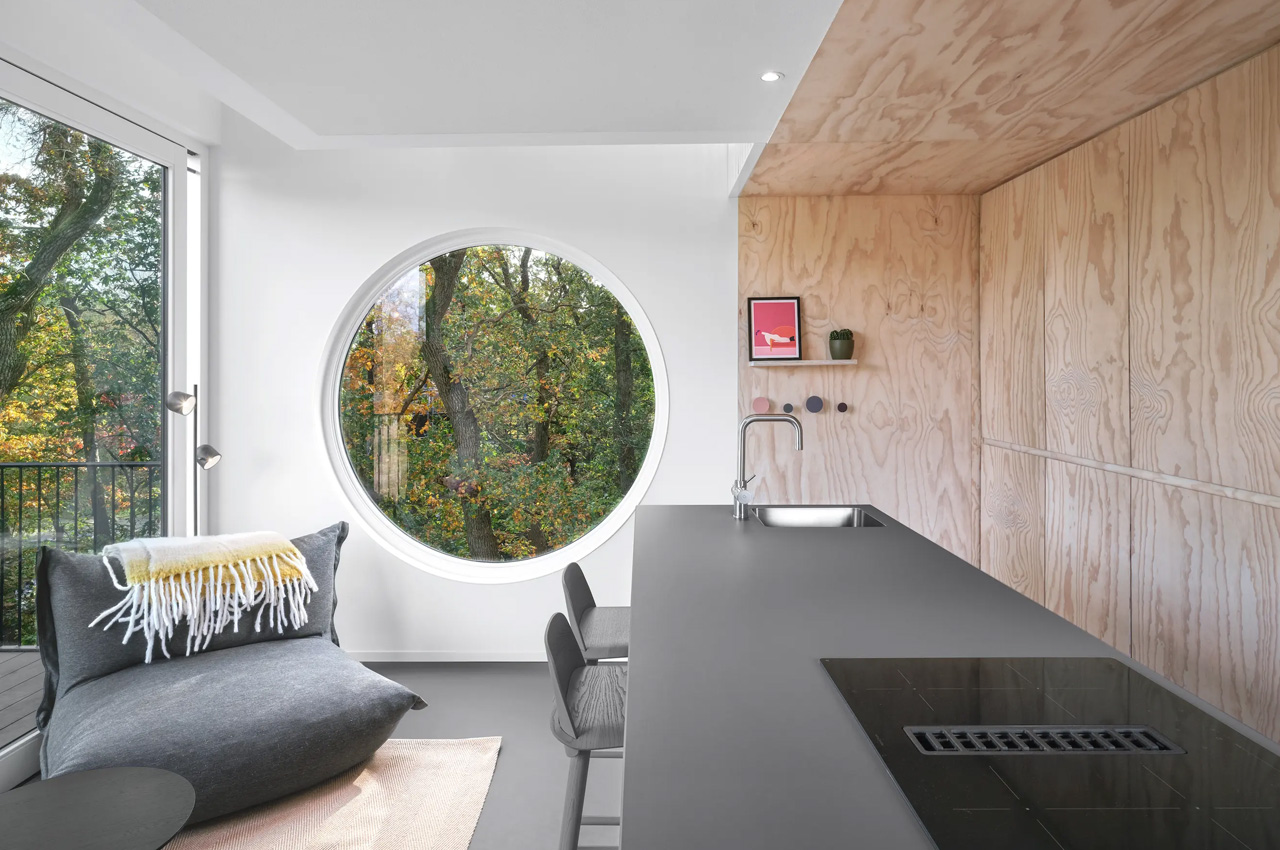
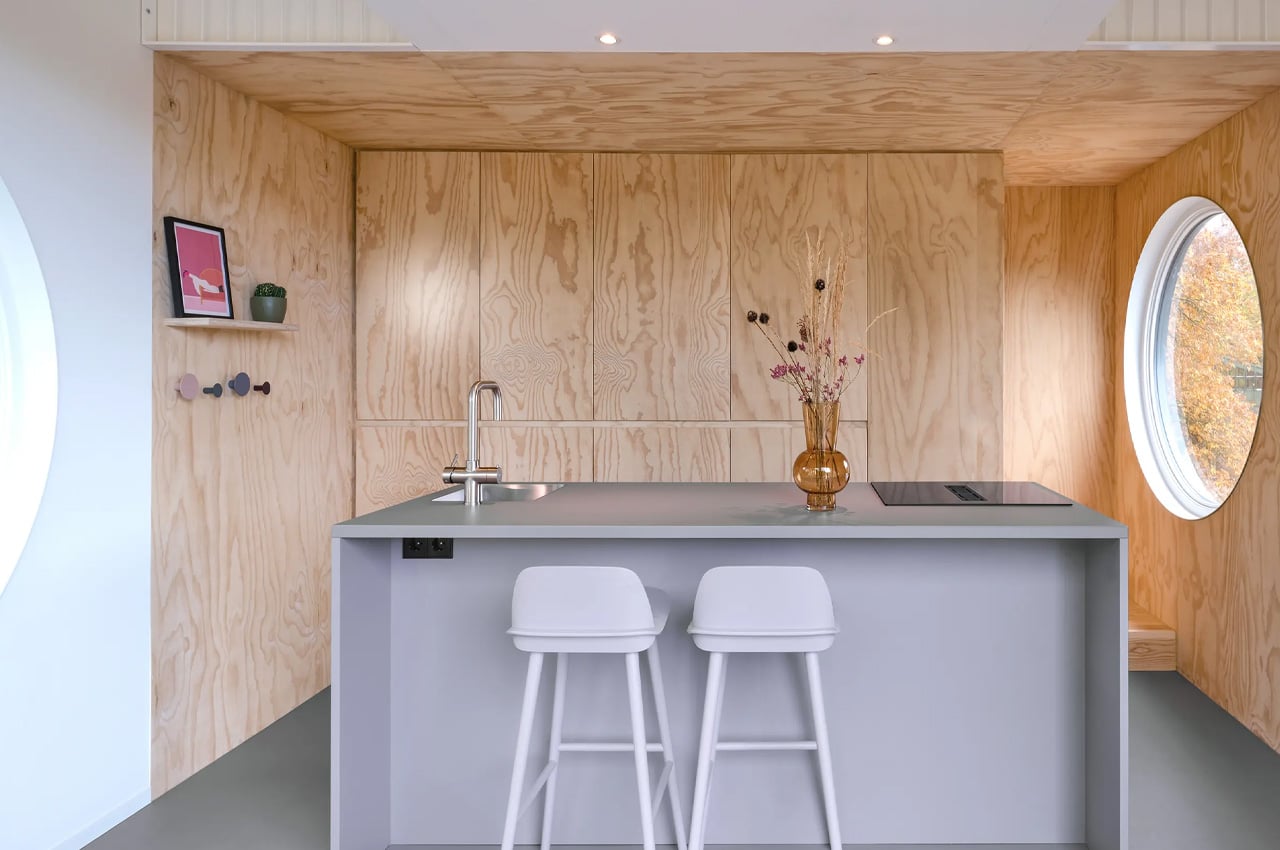
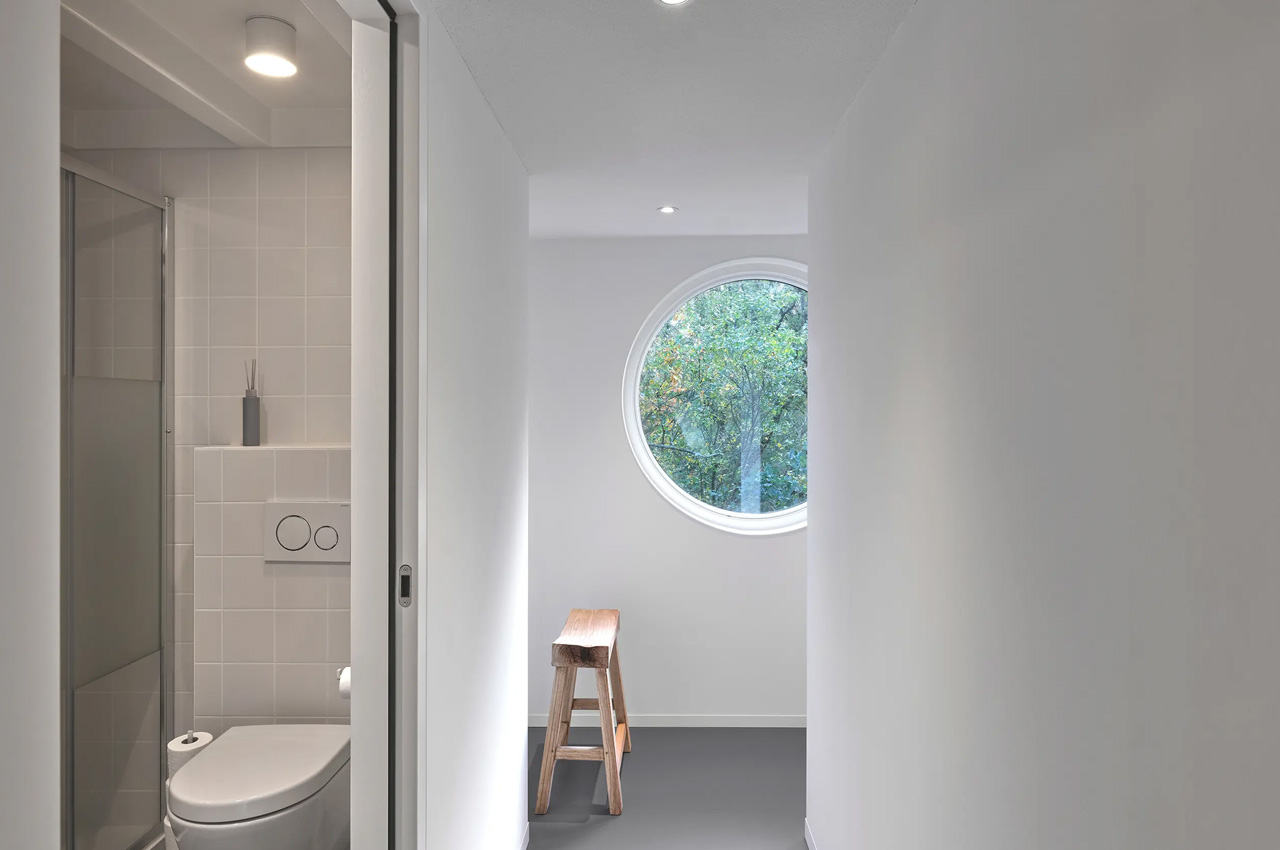
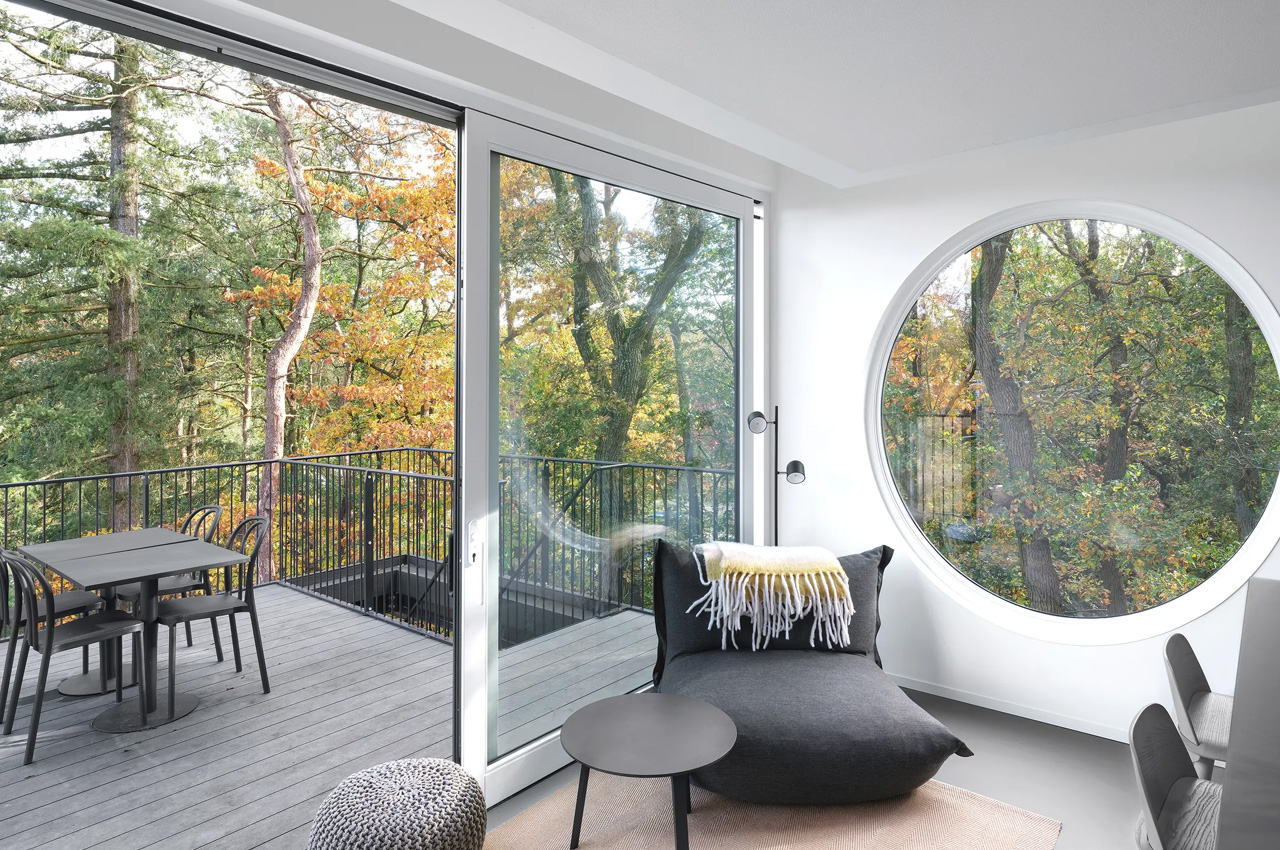
As you enter the home, you are welcomed by a 55-square-meter space. You can enter the cabin via a spiral staircase, and a terrace area leads you to the first floor. The home incorporates generous glazing, as well as a circular porthole-style window, that allows natural light to stream in throughout the day. These windows also offer lovely views of the forest. The layout of the home is designed to be simple and functional, with a compact living room equipped with some seating and a table, and a kitchen with an induction stove, fridge, sink, oven, cabinetry, and dishwasher.

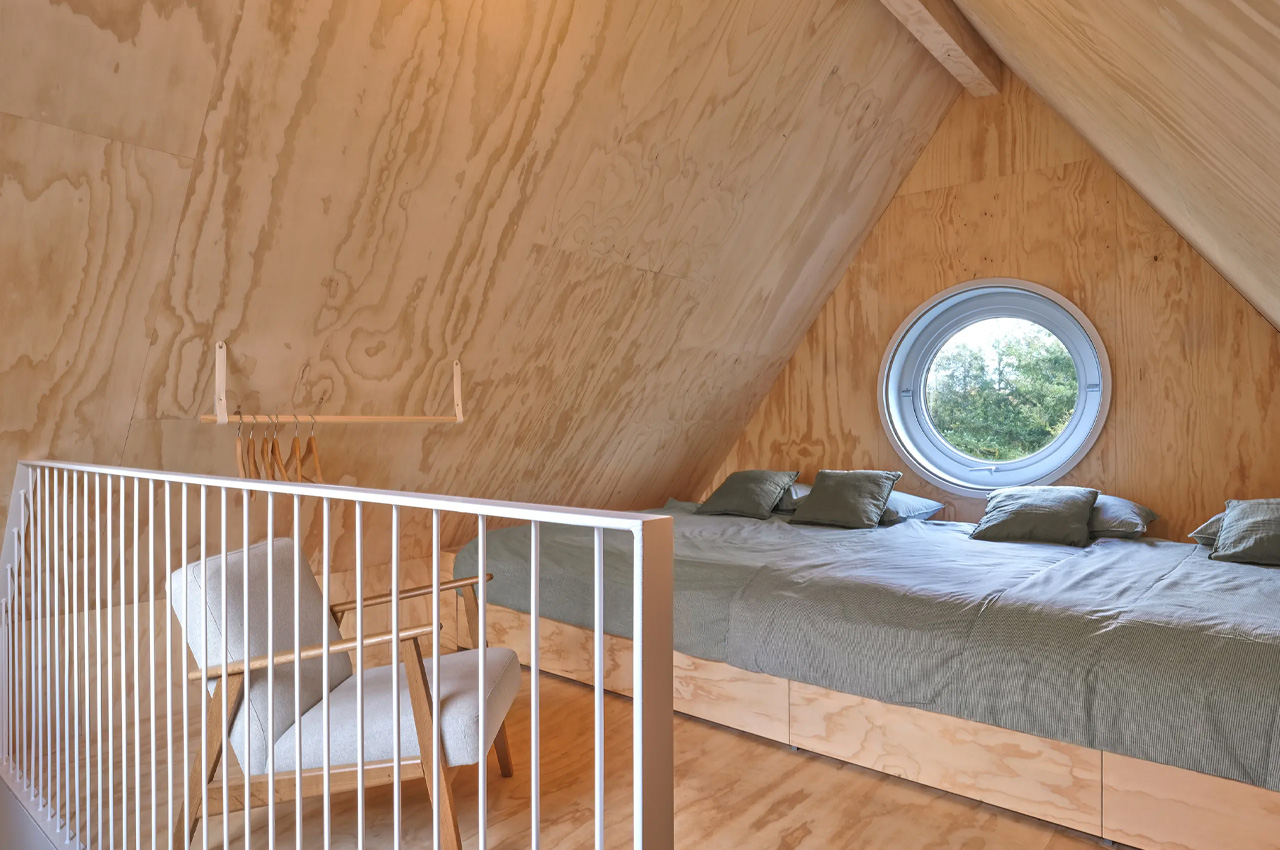
The staircase also leads you to a bathroom with a mezzanine floor which includes a shower, sink, and toilet. The uppermost story serves as the bedroom. It has plenty of headroom for visitors to stand upright, and it accommodates a four-person bed and a porthole-style window. The room seems to be suitable for a small family – a couple and their children. If you want to check out the birdhouse-style tiny home yourself – it is available for rent on Airbnb!

The post Charming Birdhouse-Style Tiny Home Could Be Your Next Vacation Rental Destination first appeared on Yanko Design.
This Tiny Cabin Is Built Using Borrowed Materials, And Isnt Designed To Last Long

Called the Stable Stack tiny home, this unique tiny cabin/hotel room by Dutch studio Overtreders W is a unique and unconventional one. In a world, where tiny homes seem to be following a certain pattern, and catering to a particular niche now, the Stable Stack cabin is refreshing and unusual. The studio used borrowed materials to build the entire structure, securing it together with straps, which entails that the building can be dismantled when needed, with the materials being returned to the owners in a good state.

Designer: Overtreders W

Stable Stack was commissioned to the studio by Veen Huis Hotel in the Netherlands, and it is one of the seven innovative cabins available for guests to book for a night. The cabin is 2 x 2 meters, while its roof is 4 x 7 meters. It doesn’t have a proper concrete foundation but is elevated above the ground on a concrete pillar.

“Being largely unfamiliar with the area, we roamed through Veenhuizen in search of materials for a potential structure,” explained the firm. “Soon enough, we could conclude that Veenhuizen is fertile ground for more than just its soil. Within an hour, we had gathered enough construction materials, and this first excursion resulted in Stable Stack, a structure made with locally harvested materials.”

The studio borrowed wood for carpenter Peter Kroes, while the roof tiles were taken from the yard of the Riedstra farm. All the building materials were fastened with tie-down straps, to ensure they could be returned in one piece to the owners. The borrowed materials can return their value and be given back without any change. The colored tie-down straps used to fasten the materials, have a decorative purpose as well, adding pops of color to the structure.

The interior of the cabin is quite simple and subtle, and it contains only one room. The room includes shutters that control the natural light, as well as stairs that lead to a double bed. The cabin doesn’t have any electricity or a bathroom, which seems to be quite inconvenient, however, we presume guests will be able to utilize the hotel’s facilities. The Stable Stack cabin isn’t designed to be a full-time abode, and it is constructed for novelty purposes, and to highlight how simple materials can do a lot when given to the correct people.

The post This Tiny Cabin Is Built Using Borrowed Materials, And Isnt Designed To Last Long first appeared on Yanko Design.
This Beach House In Denmark Is A Symbol Of Their Local Culture

Nestled at the northernmost point of Denmark in the picturesque town of Skagen, the Skagen Klitgaard Beach House stands as a testament to architectural homage, familial togetherness, and seamless integration with the natural surroundings. Designed by PAX Architects, this stunning summer retreat draws inspiration from Skagen’s Black Period, incorporating the historical use of burned shipwreck wood into its distinctive exterior and thatched roof.

Designer: PAX Architects

The exterior of the Skagen Klitgaard Beach House pays homage to the historical legacy of Skagen. The black-painted timber exterior and thatched roof evoke the charm of houses built during the Black Period, where charred wood from shipwrecks was a common building material. This architectural choice creates a connection to the town’s history while establishing the house as a visual delight against the coastal landscape.

The architectural concept revolves around the central theme of fostering togetherness, especially among three generations of occupants. The house is designed to accommodate various needs, from communal gatherings in the centrally located kitchen to more secluded areas for moments of solitude. Despite the diverse purposes of each space, a continuous pitched roof unifies the entire house, emphasizing the idea of ‘being under one roof.’

Special attention is given to inclusivity within the Beach House. The architects incorporated an acoustic ceiling to mitigate noise levels, creating an environment conducive to both family life and individual retreats. Fluid zones within the layout allow for visual connectivity between different areas while maintaining a strong sense of connection to the surrounding landscape.

Recognizing the importance of family mealtime, the kitchen is positioned centrally, acting as the heart of the house. Thick oak mullions frame large glass panels, creating a seamless transition between indoor and outdoor spaces. This design choice not only blurs the boundaries but also brings the beauty of the landscape indoors, enhancing the overall living experience.

To cater to the diverse needs of its occupants, the ceiling heights vary in different spaces. Lower ceilings in intimate zones, such as the multi-purpose room behind the kitchen, create a contrast with the open and social areas, offering a variety of atmospheres within the house.

The interior design, characterized by muted colors and extensive use of sustainable Douglas fir, seamlessly blends with the natural surroundings. The tactile qualities, scent, and soothing sounds of wood contribute to a warm and inviting atmosphere, aligning perfectly with the vision of the house being an integral part of the natural environment.

The collaboration with Danish company Dinesen reflects a commitment to quality and precision. Responsibly sourcing timber from forests in France and Germany, the architects ensured not only a visually stunning but also a sustainable and enduring home.

The post This Beach House In Denmark Is A Symbol Of Their Local Culture first appeared on Yanko Design.
The Konga Off-Grid Tiny Home Features A Well-Designed Kitchen Made With Offcuts

Lithuanian kitchen maker Konga used the hefty supply of offcuts they had to create their own line of prefabricated tiny houses. They used the surplus material to build a good-looking and minimal non-towable home that can run both on or off-grid. The dwelling has a pretty low starting price point of US$59,000. The home isn’t built entirely from offcuts, but they have been used in the construction of the tiny home’s kitchen.

Designer: Konga

The tiny home is designed by the Danish architect Mette Fredskild, and it is finished in charred wood, giving it a rather unique and appealing look, while also providing protection against insects. It also helps to preserve the home, while accentuating its distinctive appearance. Generous glazing has been applied to the home, and most of it is operable. It is a well-insulated home that can deal with the cold weather and snow loads quite efficiently.

The interiors are well-designed and inviting. They measure 28 square meters, which is covered entirely on one floor, and feature a shared open-plan living space. The walls of the home have been clad in wooden oak veneer panels and teamed up with oak flooring. The cabin is filled with natural light, owing to the generous amount of glazing.

The kitchen is amped with a lot of features and amenities. It showcases a fridge, sink, and propane-powered gas stove, with loads of cabinetry and shelving. There is also a living room area with a sofa, a small dining table, as well a wood-burning stove to provide warmth. Two bedrooms have been positioned on either side of the kitchen. One of the bedrooms can be transformed into a home office, with sliding doors being installed to offer some privacy if need be. Both the toilet and the bathroom with shower are located in different rooms. The home also accommodates a small utility room, as well as a couple of storage nooks that have been nestled away throughout the house.

The cabin runs from an RV-style grid hookup, but buyers can opt for an optional rooftop solar panel setup and rainwater collection system. The wood-burning stove can be connected to a hot water system as well. The tiny home features a freezing toilet, instead of a composting toilet, and it basically freezes waste, ensuring the space stays odorless.

The post The Konga Off-Grid Tiny Home Features A Well-Designed Kitchen Made With Offcuts first appeared on Yanko Design.
LEGO Brings Adorable A-Frame Cabin to Life with Amazing Details

An architectural icon from the years 1950 to 1975, the A-Frame cabin still remains one of the most eye-catching and visually memorable home styles. Characterized by an A-shaped design, the frame eschews a ceiling, instead opting for tapering walls that create a unique space to inhabit, with the option of high ceilings or even multi-level living that feels dynamic yet rustic at the same time. This cabin designed in LEGO bricks by LEGO user Norton74, captures the trend of the A-Frame heyday. In ways it also challenges the very nature of the LEGO Brick, which was itself designed to make traditional cuboidal structures back when it was invented in the 1930s.

Designer: Norton74

The beauty of Norton74’s A-Frame cabin is just how remarkably real it is. Whether observed from the outside or even its immaculately detailed insides, every corner of this build has something new to reveal. The cabin itself sits on a stone brick plinth, with colorful larch trees in the background. It’s mildly decrepit, with crooked staircases and boarded-up doors, but that adds to its charm.

The inside of the cabin shows exactly how charmingly rustic and cozy it is. A multi-level design gives you a recreational area at the bottom (with a fireplace), and a bedroom on the top that features two single beds and even some cobwebs on the wall for that forest charm. To access the insides of the cabin, all you need to do is ‘open’ its slanting walls outwards. Hinges on the bottom of the walls make it easy to access the interiors during play-time, and close it back once you’re done.

The inside is just filled with all sorts of details, from tools to trinkets, and even a tiny kitchen of sorts with a dining table. Norton74’s rather mindfully used discolored wooden bricks (including even some with shingle detailing) to mimic the variety often found in wooden cabins – especially ones that have been repaired and restored.

There’s even a backstory to Norton74’s cabin design. “Two brothers, Dan and Ethan, burned out on modern working believed that stripping away modern comforts and living more simply in nature would lead to a more spiritually a creatively fulfilling life. They looked for a cabin in the woods and finally found out this old wooden A-Frame Cabin. They fixed it up, and now they live there happily,” he mentions.

Dan and Ethan aren’t the only occupants of the cabin. Aside from the spiders on the first floor, the cabin is also accompanied by chickens, rodents, a skunk, and even a bear lurking around in the back.

Norton74’s LEGO A-Frame Cabin started its journey as a submission on the LEGO Ideas forum, where it received overwhelming support from the LEGO fanbase. Earlier this year, LEGO turned Norton74’s submission into a retail box kit (you can buy the LEGO A-Frame Cabin right now), although the design went through multiple rounds of changes to make it smaller and simpler for younger users to build. If you ask me, I prefer Norton74’s MOC (My Own Creation) overwhelmingly. It’s charmingly crude, has a son-of-the-soil appeal to it, and certainly possesses much more character if you ask me!

The post LEGO Brings Adorable A-Frame Cabin to Life with Amazing Details first appeared on Yanko Design.
The Nokken NKN-18 Cabin Is The Ultimate Contemporary Dwelling You’ve Been Hunting For

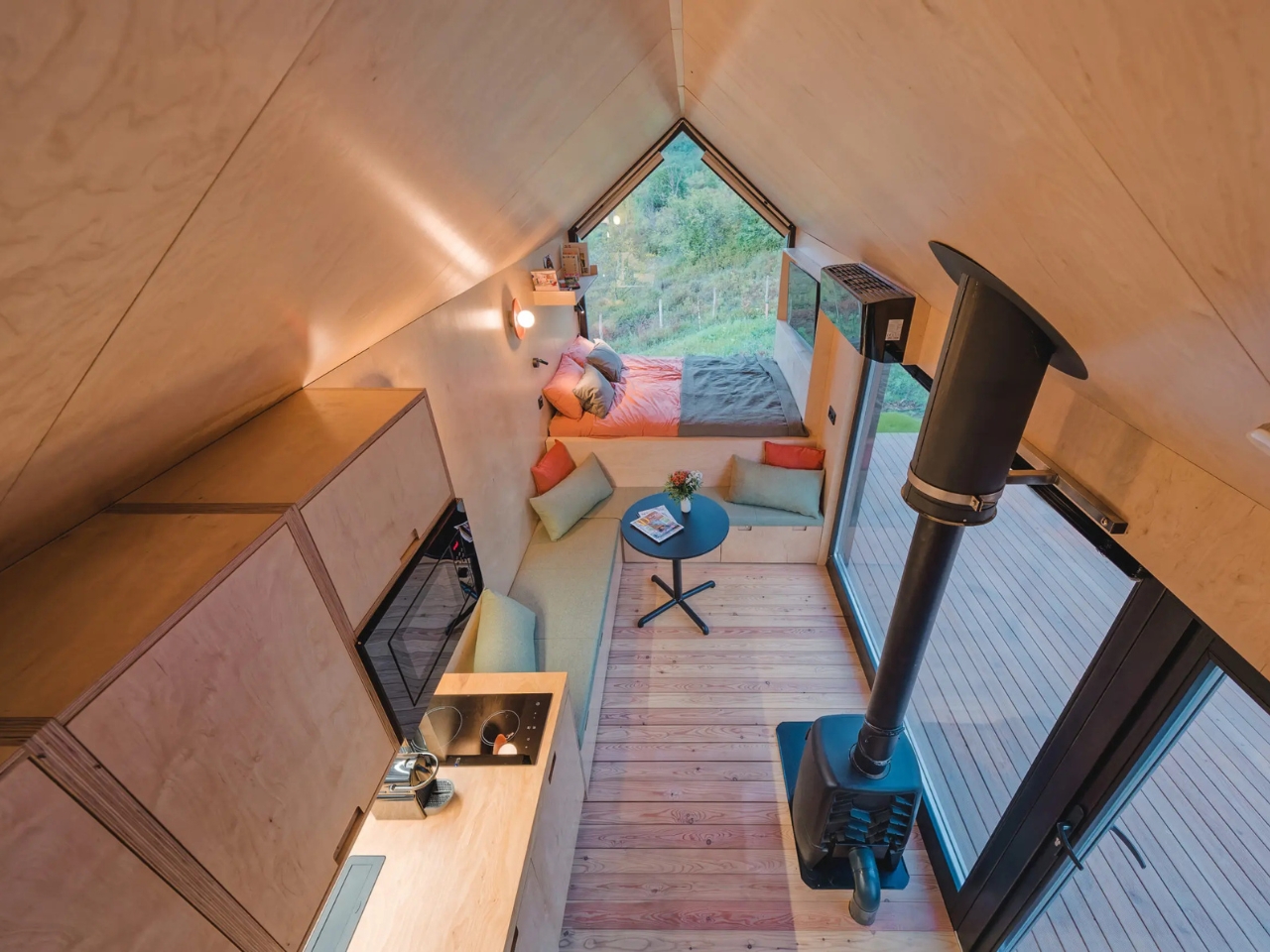
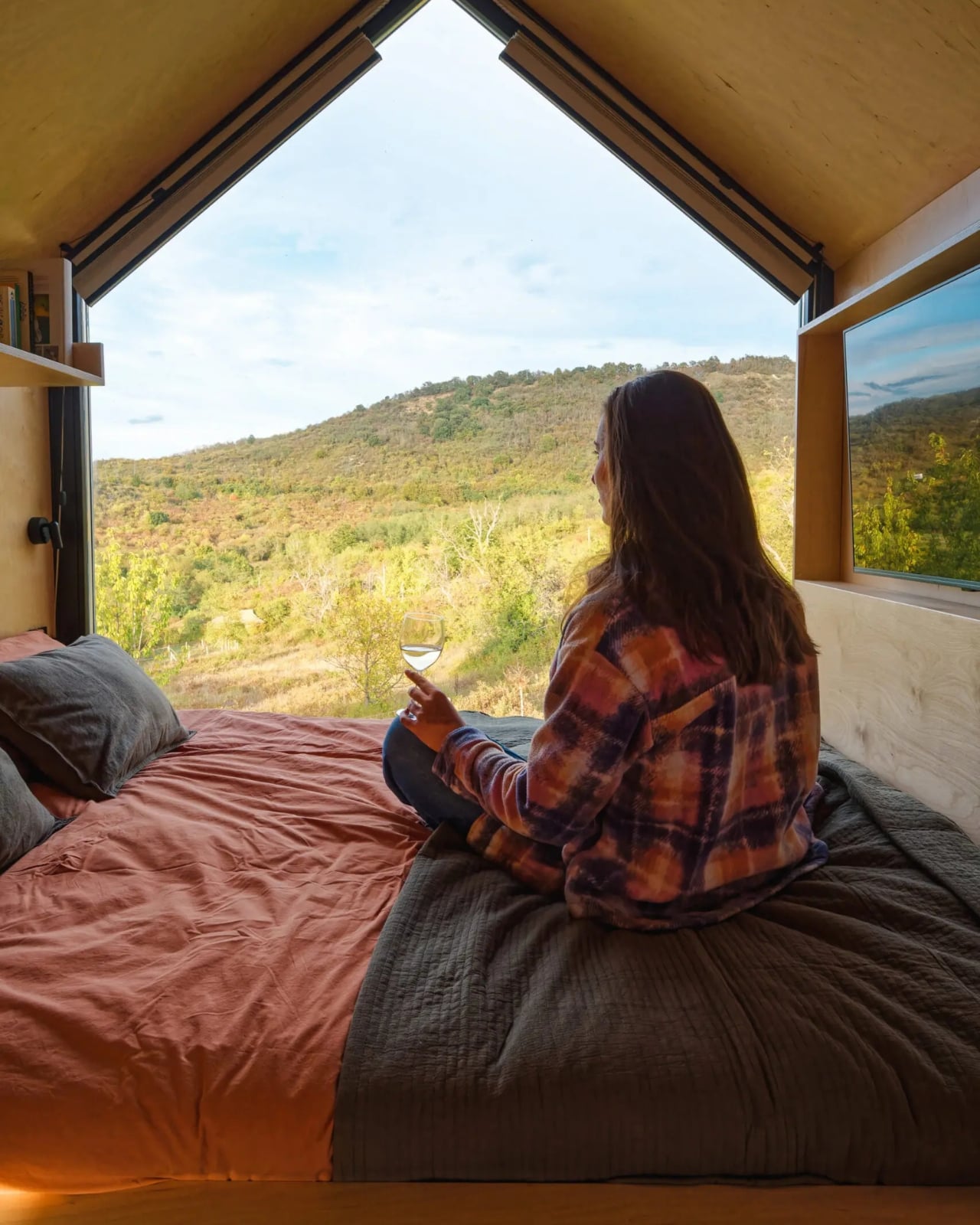
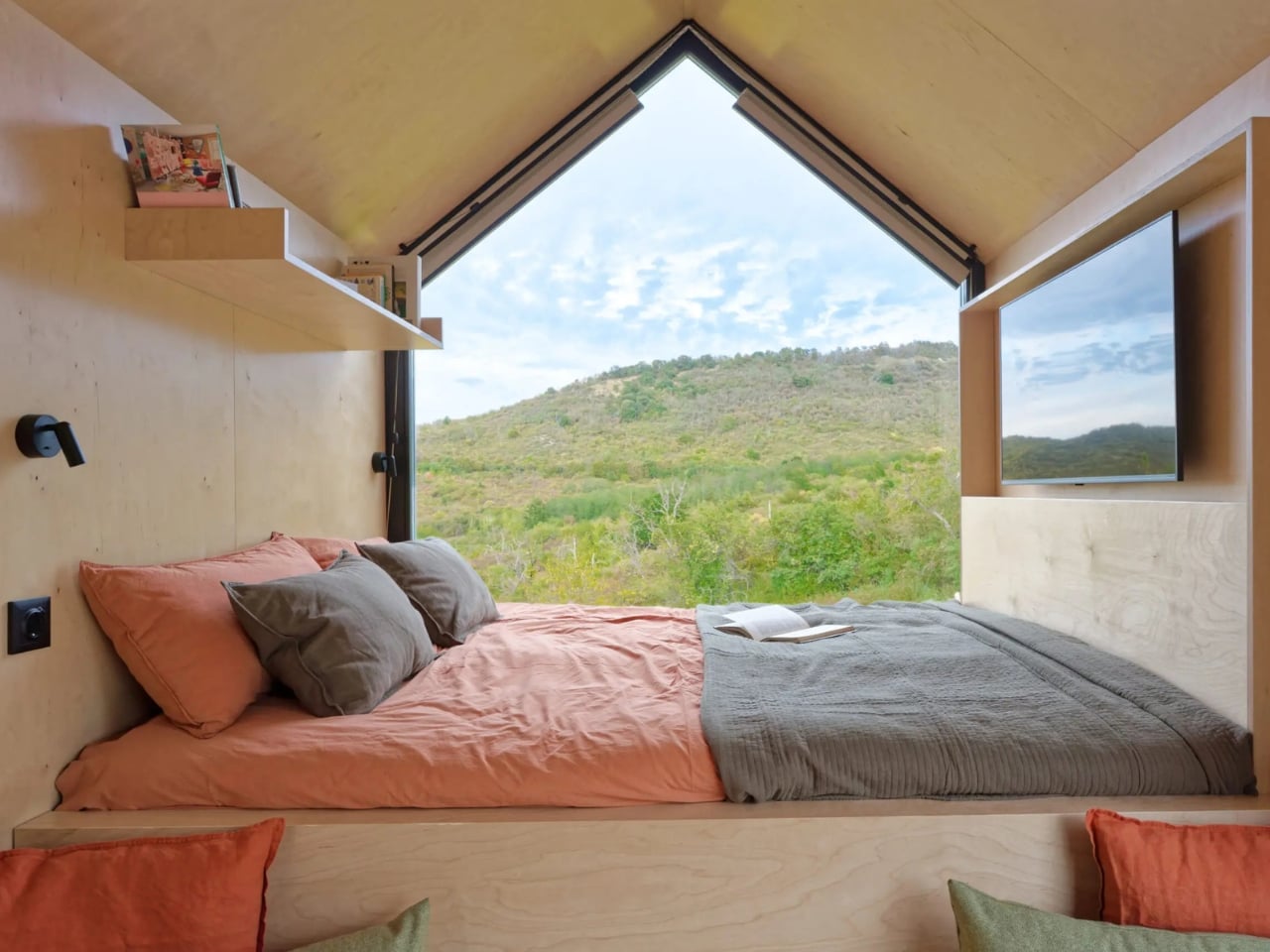
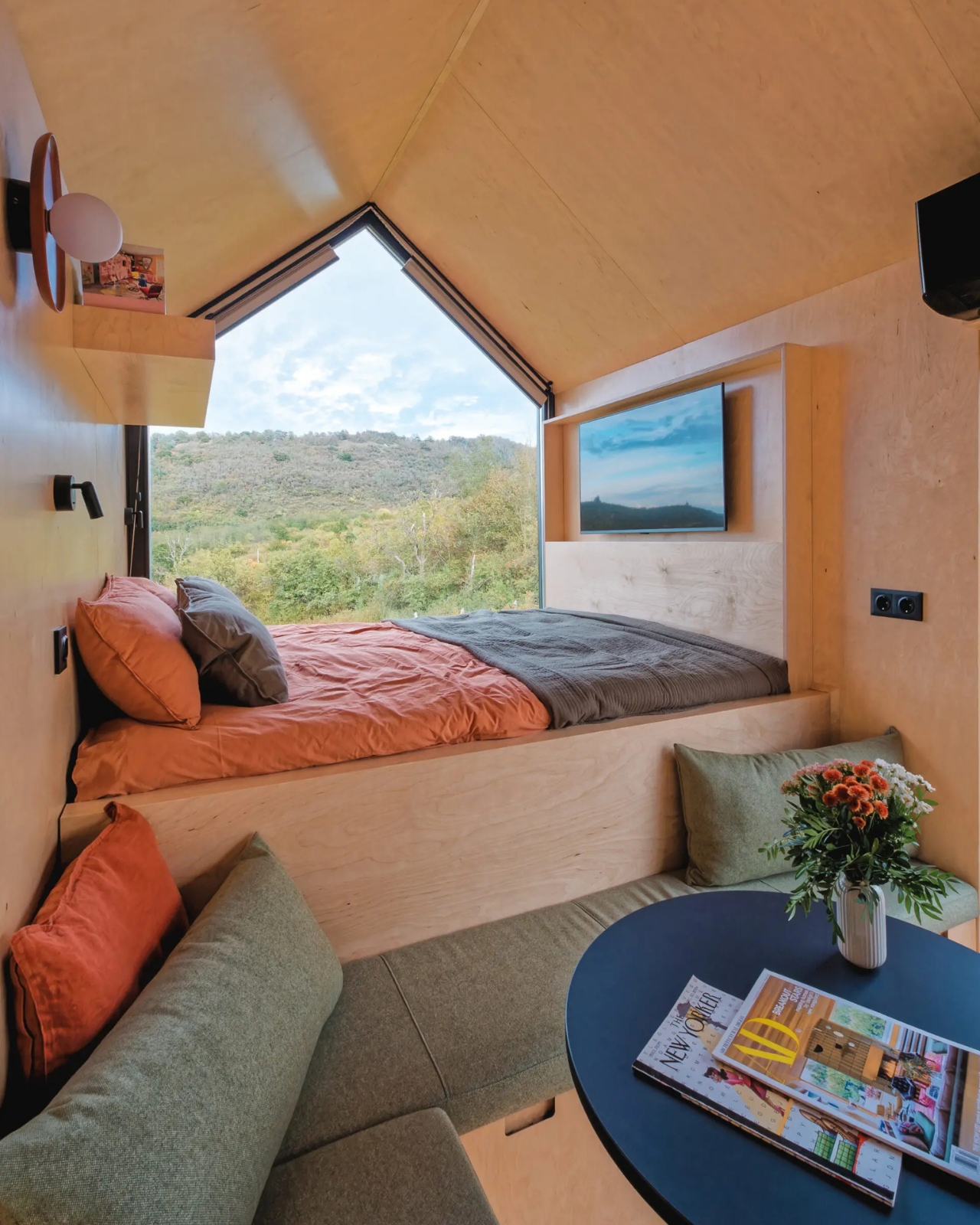
If you’re hunting for a cool cabin to get away and relax in, then you’ve reached the right spot. Cabins are my favorite kind of vacation and for good reason. They allow you to unwind, rest, and get away from the hectic city life. They’re an excellent option to escape to! They’re the perfect safe haven nestled in the midst of nature, providing you a break from your everyday hectic life. And, Nokken has introduced the NKN-18 – a cutting-edge and revolutionary 18 sqm that provides versatility in the form of customizable options and accessories.
Designer: Nokken

The NKN-18 Cabin by Nokken is created for various configurations and features co-branded bespoke designs. The cabin is designed to be a plug-and-play solution that can meet the diverse needs and requirements of people. The exterior of the NKN-18 Cabin is quite functional and adaptable and meant to survive extreme climatic conditions. It is a robust and durable design that features timber cladding, insulated wall build-up, triple-glazed aluclad panels, and a smart lock keyless entry.

The minimal and good-looking Nokken cabin is available in stained larch and other finishes, which allows it to seamlessly blend with its surroundings. It boasts a harmonious Nordic styling which allows for smooth integration with the nature around it. The Nokken cabin is much like a Swiss army knife, as it not only boasts a contemporary and elegant aesthetic, while also providing essential features. The interiors of the NKN-18 cabin are seamless and modern, including the bathrooms which are sleek and timeless, reminiscent of the bathrooms you find in boutique hotels. The bathrooms function as spaces of sanctuary in the home, allowing you to relax and unwind. The NKN-18 cabin is designed to be a peaceful retreat that is ideal for both personal and business use.

The Nokken NKN-18 cabin is available in a diverse range of colorways and setups, so you can pick the setup that perfectly matches your personal taste and preference. There is a perfect fit for every user out there – one that suits the modern requirements of everyone.

The post The Nokken NKN-18 Cabin Is The Ultimate Contemporary Dwelling You’ve Been Hunting For first appeared on Yanko Design.