Why IKEA’s $10 Bluetooth Speaker Lets You Pair 100 Units at Once

Why IKEA’s $10 Bluetooth Speaker Lets You Pair 100 Units at Once Hands holding the IKEA KALLSUP Bluetooth speaker during unboxing, showing the small size and minimalist design.

The IKEA KALLSUP Bluetooth speaker has garnered attention for its remarkable affordability and practical design. Priced at just $10, this compact device offers features like USB-C charging and multi-unit pairing, making it an intriguing option for budget-conscious users. Phones & Drones explores how the KALLSUP balances cost and functionality, highlighting its minimalist aesthetic and straightforward […]

The post Why IKEA’s $10 Bluetooth Speaker Lets You Pair 100 Units at Once appeared first on Geeky Gadgets.

Posted in Uncategorized

Goodbye iPad Mini? How the iPhone Fold’s 7.8-inch Display Redefines "Mobile”

Goodbye iPad Mini? How the iPhone Fold’s 7.8-inch Display Redefines Concept render of Apple’s book-style foldable iPhone showing a tall outer screen and tablet-like inner display.

Apple is reportedly working on its first foldable iPhone, tentatively named the “iPhone Ultra.” This highly anticipated device could reshape the smartphone landscape by combining the portability of an iPhone with the expanded functionality of an iPad. Featuring a book-style foldable design, advanced hardware and software tailored for hybrid use, the iPhone Fold aims to […]

The post Goodbye iPad Mini? How the iPhone Fold’s 7.8-inch Display Redefines “Mobile” appeared first on Geeky Gadgets.

Posted in Uncategorized

Xbox Project Helix Insiders Just Revealed the Radical New Dashboard

Xbox Project Helix Insiders Just Revealed the Radical New Dashboard Insider Hub preview screen highlighting the new Xbox dashboard layout and controller-first navigation options.

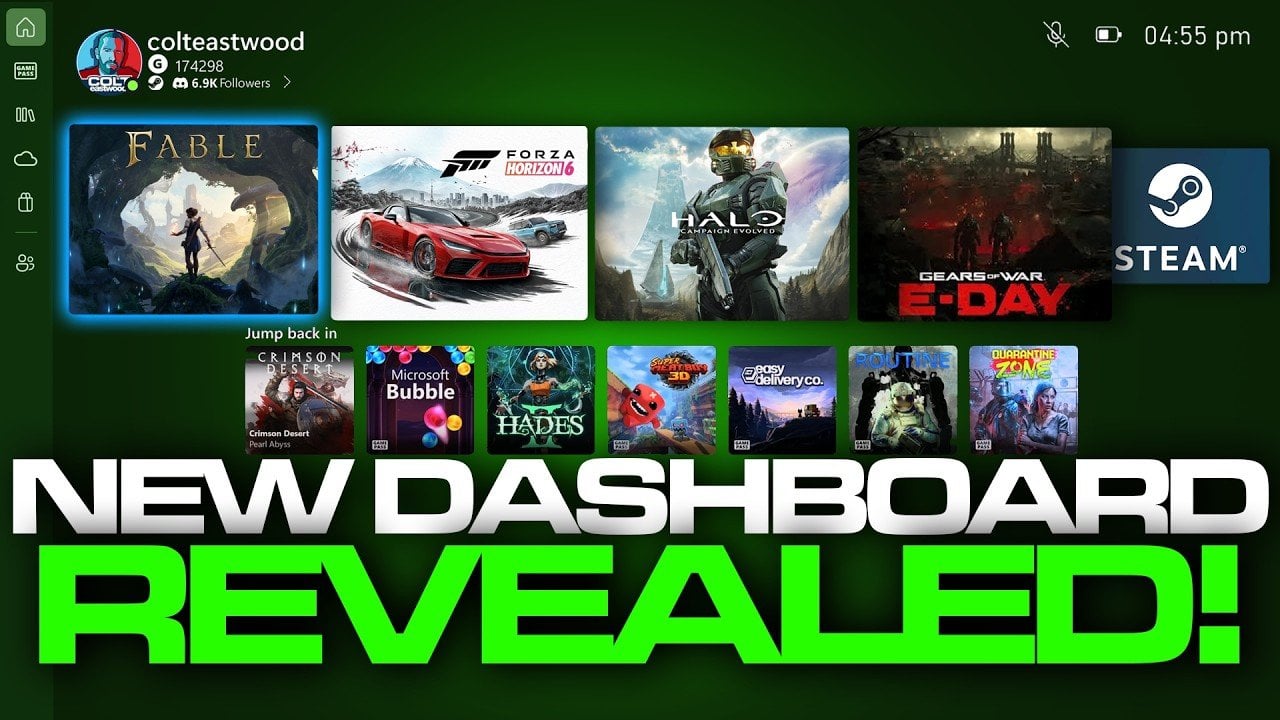
Microsoft’s Project Helix introduces a hybrid gaming system that combines console and PC capabilities, aiming to streamline user experiences across platforms. A key feature of this initiative is the “Full Screen Experience” dashboard, currently being tested by Insider Hub members. According to Colt Eastwood, the dashboard prioritizes customization and cross-platform functionality, bringing services like Steam, […]

The post Xbox Project Helix Insiders Just Revealed the Radical New Dashboard appeared first on Geeky Gadgets.

Posted in Uncategorized

The Samsung Galaxy Z Fold 8 Wide Is Shorter, Wider, and Exactly What We Wanted

The Samsung Galaxy Z Fold 8 Wide Is Shorter, Wider, and Exactly What We Wanted Render-style view of a Samsung Galaxy Z Wide Fold concept showing a wider 4:3 inner screen layout.

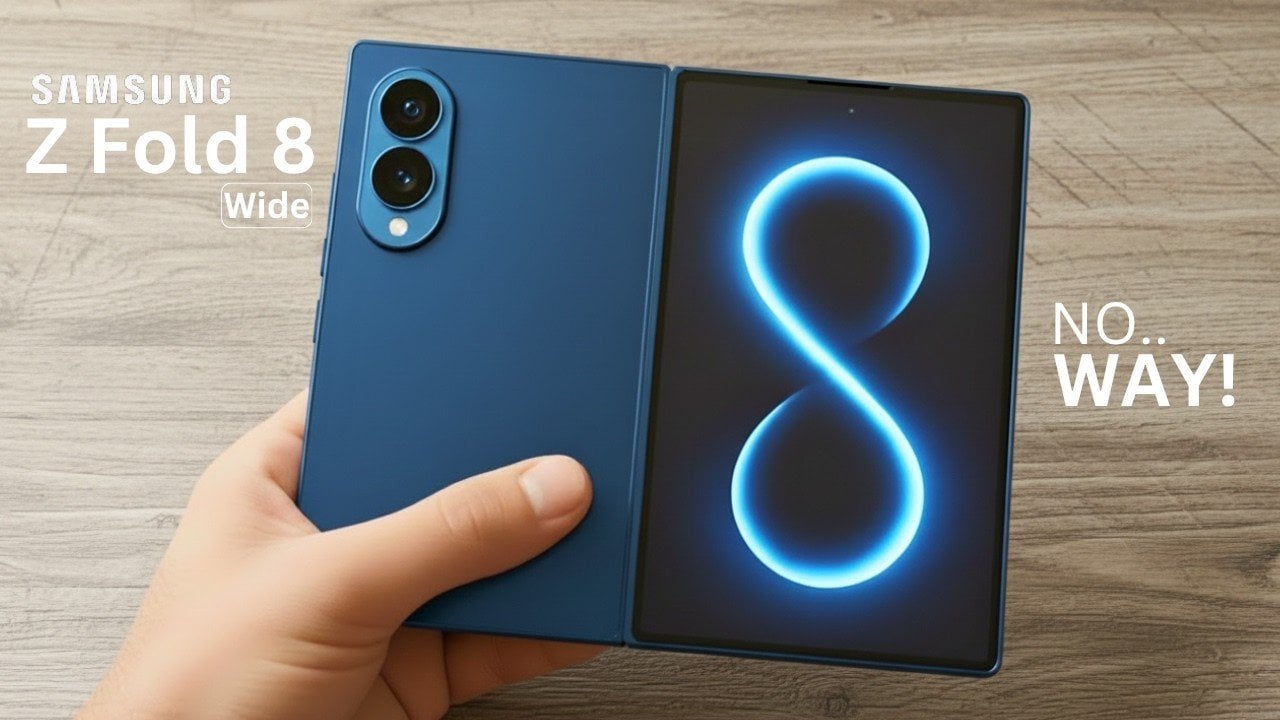
Samsung’s rumored Galaxy Z Fold 8 Wide is poised to make a significant impact on the foldable smartphone market. By addressing persistent design challenges and emphasizing practicality and usability, this device could set a new standard for foldable technology. With a potential 4:3 aspect ratio and seamless display transitions, the Galaxy Z Fold 8 Wide […]

The post The Samsung Galaxy Z Fold 8 Wide Is Shorter, Wider, and Exactly What We Wanted appeared first on Geeky Gadgets.

Posted in Uncategorized

OpenAI MYTHOS, Gemini Agents & Anthropic’s New Strategy Explained

OpenAI MYTHOS, Gemini Agents & Anthropic’s New Strategy Explained Side-by-side visual of AI assistants shifting from plain text answers to interactive 3D and data visuals.

OpenAI’s latest advancements, as highlighted by Universe of AI, showcase a growing emphasis on security and integrated functionality in artificial intelligence. Among these developments is the MYTHOS model, a restricted AI system designed exclusively for cybersecurity applications. Built on the GPT-5.3 Codex framework, MYTHOS focuses on detecting and mitigating cyber threats while being available only […]

The post OpenAI MYTHOS, Gemini Agents & Anthropic’s New Strategy Explained appeared first on Geeky Gadgets.

Posted in Uncategorized

iOS 26.5 Release Date Set: When Your iPhone Gets Apple’s Next Big Update

iOS 26.5 Release Date Set: When Your iPhone Gets Apple’s Next Big Update Featured image for iOS 26.5 Release Date - THIS IS IT !

The upcoming release of iOS 26.5 is set to be the final major update for iOS 26, paving the way for the transition to iOS 27. Currently in its beta phase, this update emphasizes performance enhancements, stability improvements, and minor feature refinements. As Apple adheres to its structured beta testing schedule, iOS 26.5 is expected […]

The post iOS 26.5 Release Date Set: When Your iPhone Gets Apple’s Next Big Update appeared first on Geeky Gadgets.

Posted in Uncategorized

The Artemis II astronauts are back after a 10-day journey around the moon

The Orion capsule carrying the Artemis II astronauts has successfully splashed down off the coast of San Diego at 8:07PM Eastern time on April 10. It signals the conclusion of Artemis II’s 10-day journey around the moon, which is meant to be a test flight for a future mission that would bring humanity back to the lunar surface. The Orion crew module carrying the mission’s astronauts separated from the service module at 7:33 PM. While the service module was designed to burn up in the Earth’s atmosphere, the crew capsule was built to bring the astronauts back home safely.

By 7:53 PM, Orion reached our planet’s upper atmosphere, where a six-minute communication blackout occurred due to the capsule heating up as it started its guided descent. The capsule has 11 parachutes, with its drogue parachutes being deployed at 23,400 feet to stabilize and slow it down. When Orion reached 5,400 feet above the ground, the drogue parachutes were cut off so that the three main parachutes could be deployed. That decreased the capsule’s velocity to 200 feet per second, enabling a safe splashdown.

NASA’s engineers conducted several tests while the capsule was in the water before the recovery team headed to the capsule on inflatable boats to extract the crew from Orion. By 9:34 PM, all four crew members were out of the capsule. They were then hoisted into helicopters and flown to the USS John P. Murtha dock ship, where doctors will assess their health.

Artemis II launched on April 1 with four astronauts on board: NASA’s Reid Wiseman, Victor Glover and Christina Koch, as well as Canadian Space Agency’s Jeremy Hansen. They traveled around the moon for almost 10 days, reaching distances no other crewed mission has before it. The astronauts took photos of the far side of the moon, the side we don’t see from our planet, including amazing closeups of the lunar surface using their smartphones. That makes them the first humans to directly and personally view the lunar far side.

During NASA’s post-splashdown news conference, the agency said it will announce the Artemis III crew soon. Artemis III will rendezvous with one or both commercial landers being developed by SpaceX and Blue Origin in low Earth orbit, which will take humans to the lunar surface. It will test the lander’s ability to dock with Orion before NASA lands humans on the moon again.

This article originally appeared on Engadget at https://www.engadget.com/science/space/the-artemis-ii-astronauts-are-back-after-a-10-day-journey-around-the-moon-033800654.html?src=rss

The Artemis II astronauts are back after a 10-day journey around the moon

The Orion capsule carrying the Artemis II astronauts has successfully splashed down off the coast of San Diego at 8:07PM Eastern time on April 10. It signals the conclusion of Artemis II’s 10-day journey around the moon, which is meant to be a test flight for a future mission that would bring humanity back to the lunar surface. The Orion crew module carrying the mission’s astronauts separated from the service module at 7:33 PM. While the service module was designed to burn up in the Earth’s atmosphere, the crew capsule was built to bring the astronauts back home safely.

By 7:53 PM, Orion reached our planet’s upper atmosphere, where a six-minute communication blackout occurred due to the capsule heating up as it started its guided descent. The capsule has 11 parachutes, with its drogue parachutes being deployed at 23,400 feet to stabilize and slow it down. When Orion reached 5,400 feet above the ground, the drogue parachutes were cut off so that the three main parachutes could be deployed. That decreased the capsule’s velocity to 200 feet per second, enabling a safe splashdown.

NASA’s engineers conducted several tests while the capsule was in the water before the recovery team headed to the capsule on inflatable boats to extract the crew from Orion. By 9:34 PM, all four crew members were out of the capsule. They were then hoisted into helicopters and flown to the USS John P. Murtha dock ship, where doctors will assess their health.

Artemis II launched on April 1 with four astronauts on board: NASA’s Reid Wiseman, Victor Glover and Christina Koch, as well as Canadian Space Agency’s Jeremy Hansen. They traveled around the moon for almost 10 days, reaching distances no other crewed mission has before it. The astronauts took photos of the far side of the moon, the side we don’t see from our planet, including amazing closeups of the lunar surface using their smartphones. That makes them the first humans to directly and personally view the lunar far side.

During NASA’s post-splashdown news conference, the agency said it will announce the Artemis III crew soon. Artemis III will rendezvous with one or both commercial landers being developed by SpaceX and Blue Origin in low Earth orbit, which will take humans to the lunar surface. It will test the lander’s ability to dock with Orion before NASA lands humans on the moon again.

This article originally appeared on Engadget at https://www.engadget.com/science/space/the-artemis-ii-astronauts-are-back-after-a-10-day-journey-around-the-moon-033800654.html?src=rss

This Bike Cargo System Gives Your Bike a Face With 12 Color Zones

Bike cargo gear has always been the part of cycling that nobody really gets excited about. Racks, panniers, and baskets exist to haul things, and most of them look exactly like what they are, brackets and platforms bolted on as an afterthought. Cyclists who care about aesthetics often treat this hardware as a necessary compromise, something you’d tolerate rather than actually want.

Chamelion begins with the idea that bikes deserve the same sense of character other vehicles already have. That inspiration drives a modular, color-customizable cargo platform from Seattle that includes front and rear racks, pannier rails, aluminum baskets, and a front assembly the designers call the “bike face,” treating cargo gear as part of your bike’s actual identity.

Designer: Yu-Chu Chen

Click Here to Buy Now: $986. Hurry, only a few left!
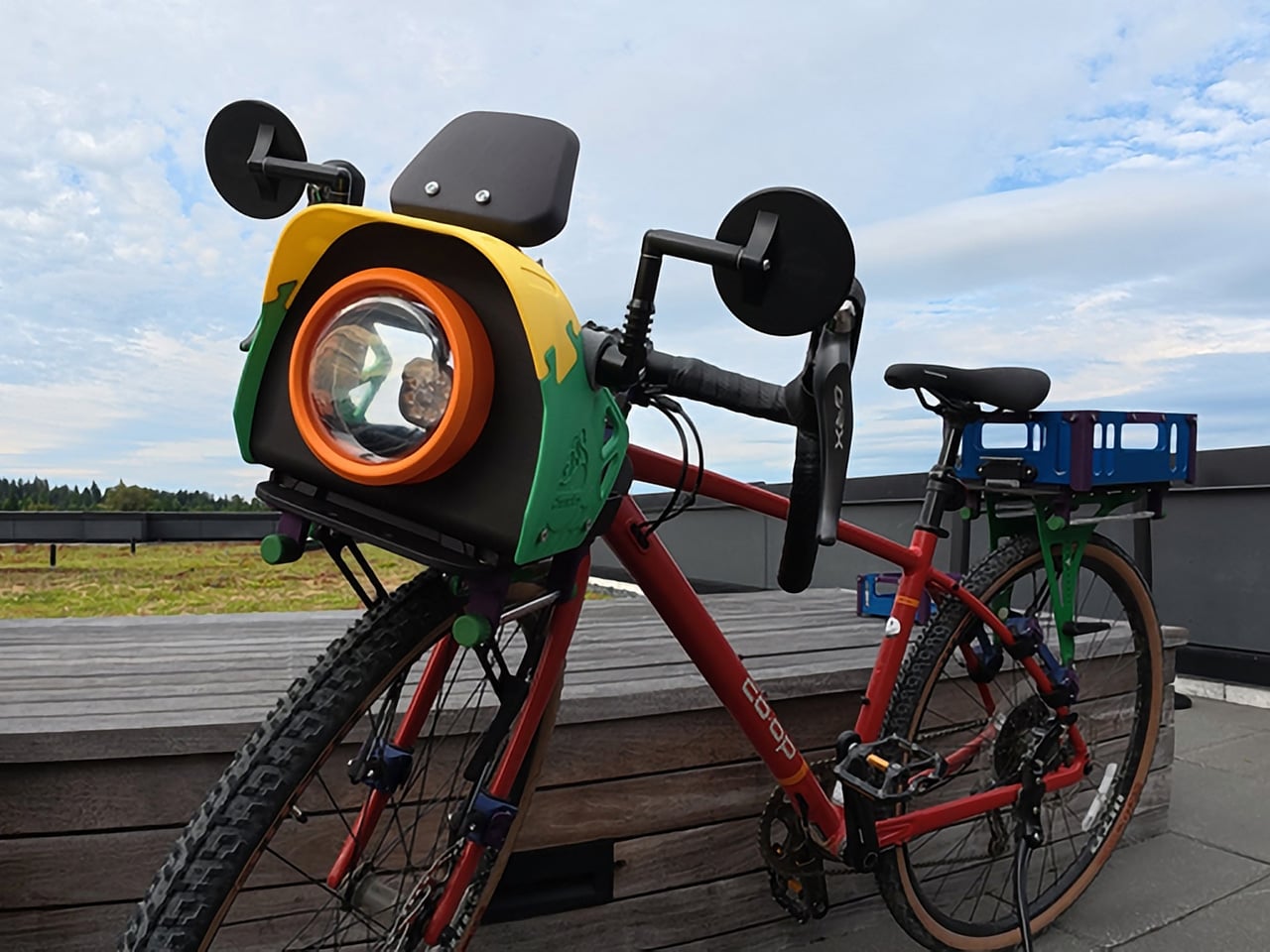
The bike face is the most interesting part of the system, and it does more than look distinctive. It consolidates everything that typically clutters the handlebars into one organized front unit. Your phone’s got a dedicated mount with a sunshade, rear mirrors attach at the sides with wide spacing for better sightlines, and your headlight sits front and center behind a transparent shell.

The racks do serious work. The front has been tested to hold up to 20 kg (44 lbs), and the rear handles up to 27 kg (60 lbs), which is enough for a full grocery haul or a heavily loaded bikepacking setup. The aluminum baskets drop in when you need proper containment, or you can skip them and just strap a bag directly to the platform.

One of the quieter design details is how the racks handle rough terrain. Rather than transmitting every bump directly into your load, the material has enough flex to absorb vibration, so things ride more smoothly on uneven surfaces. Add the pannier rails when you need side-hanging capacity, and the same bike that’s carrying your lunch on a weekday is hauling camping gear on a trail by Saturday.

Installing the system takes some effort upfront, but once that’s done, removing and remounting the racks requires no tools at all. The front rack’s handlebar connectors rotate to fit different bar types and the fork clamps have bearings inside that move with your suspension. The rear rack adjusts between 110mm and 180mm between the clamps, wide enough to accommodate most bikes, including full-suspension mountain bikes.

Of course, the color customization goes well beyond picking a finish. Every component has its own configurable color zone, from the rack platform and frame connectors down to the pannier cap and handlebar connector buckle. The bike face alone has more than 12 individually configurable areas. It sounds excessive until you realize that kind of specificity is exactly what makes the system feel genuinely personal.

What makes that level of customization possible is the manufacturing behind it. The plastic components are produced using powder bed fusion 3D printing in PA12 or PA11 nylon, with coloring handled by Dyemansion. That process gives the parts rich, durable color without relying on conventional painted finishes, and it allows for small-batch production without injection mold tooling, which is what makes individual configurations feasible.

Assembly is guided by interactive 3D step-by-step instructions that let you zoom in, rotate, and inspect every connection from multiple angles before putting it all together. It’s the kind of manual that actually makes you want to read it, which is more than can be said for most flat-pack furniture and certainly more than anyone expects from a bike cargo system.
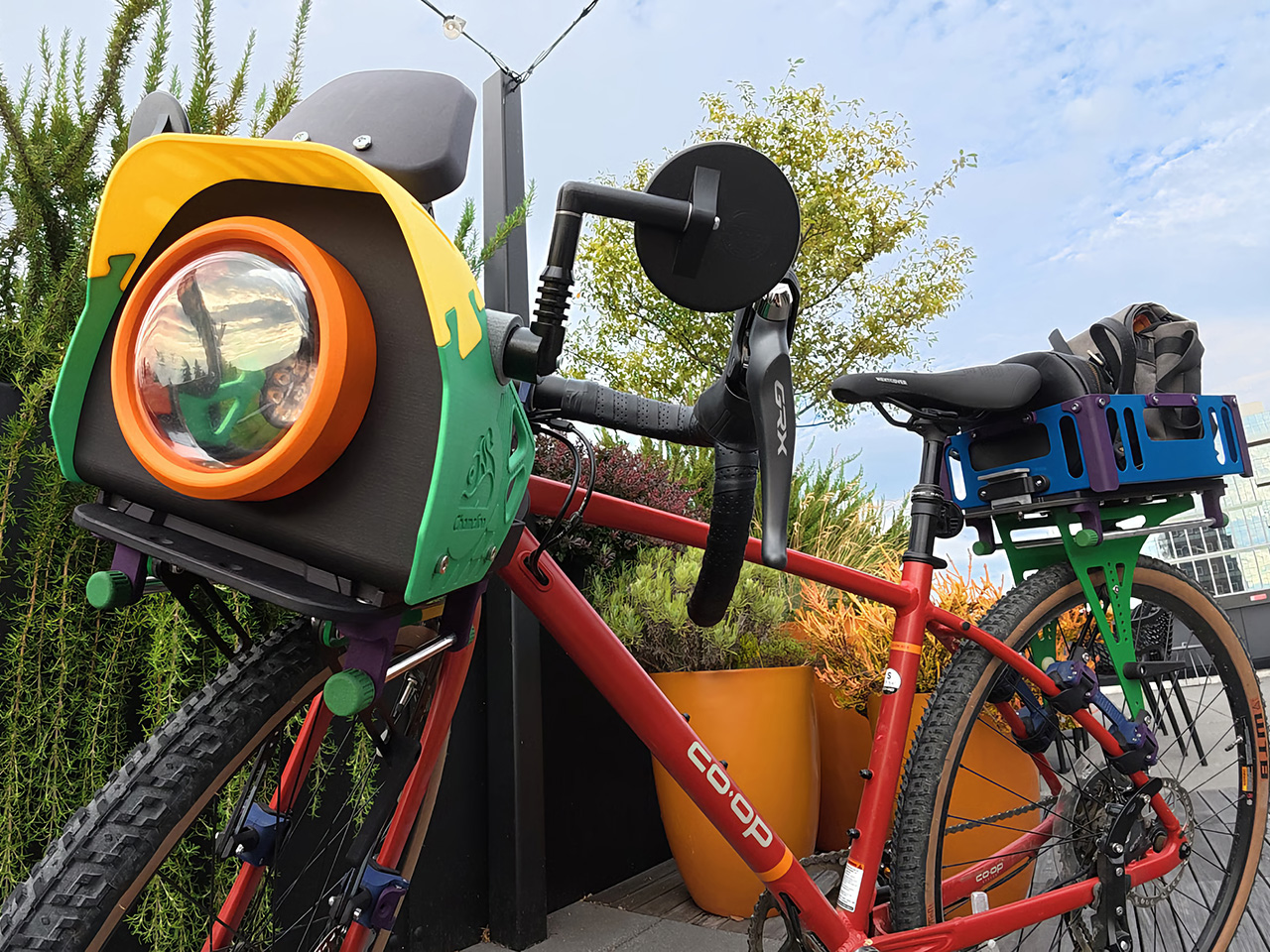
The broader idea here isn’t a one-off accessory set, but a system that can keep expanding over time, with new modules and accessories already being developed. The 3D-printed version stays the lightest and most configurable option, and the design accommodates future additions as the lineup expands. For a category that’s spent decades being mostly forgettable, this one at least gives your bike the kind of personality it probably should have had all along.

Click Here to Buy Now: $986. Hurry, only a few left!

The post This Bike Cargo System Gives Your Bike a Face With 12 Color Zones first appeared on Yanko Design.

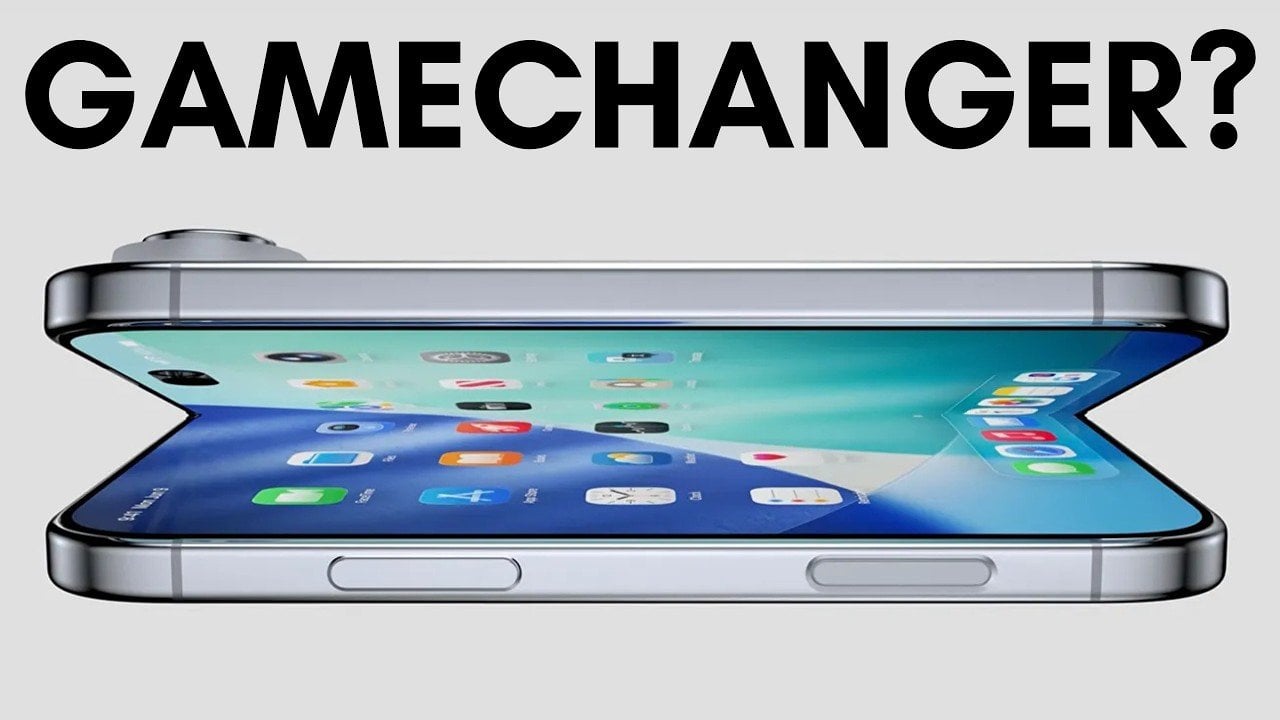
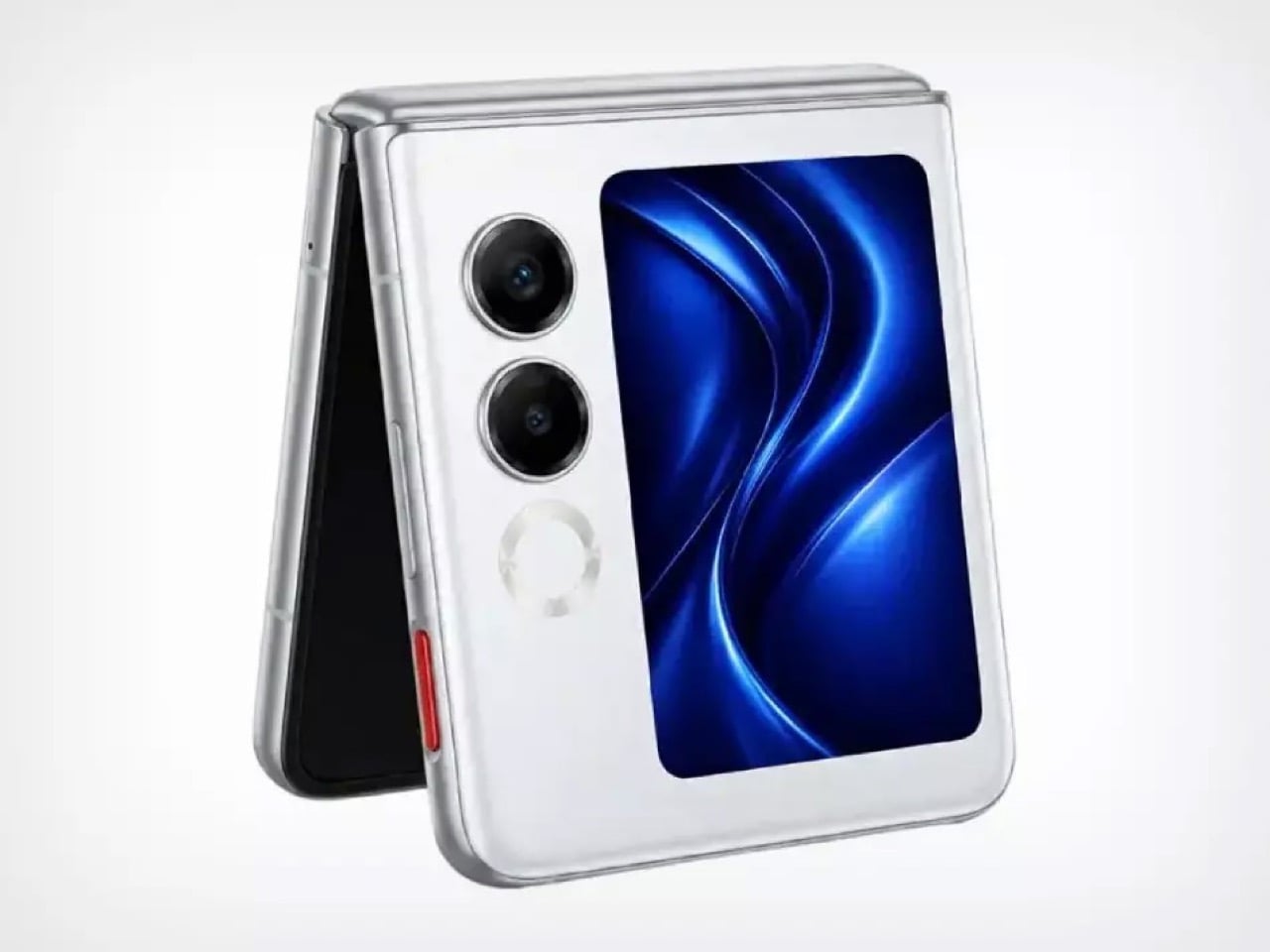
World’s Most Affordable Foldable Phone Costs $320. That’s Less Than an Apple Watch

The moment Motorola resurrected the Razr as a foldable in 2020, every industrial designer I know had the same thought: the flip form factor was always the right one, the market just needed to catch up. Five years later, the category has matured enough that Samsung, Motorola, Oppo, Honor, and a dozen Chinese brands all compete for the same $800-to-$1,200 buyer, nudging specs up and prices sideways with each generation. Nobody was competing seriously for the buyer who wants the flip experience at a fraction of that figure, because the assumption was that buyer did not exist at scale. Ai+ has decided to test that assumption directly.

The Nova Flip, unveiled at Ai+’s April 2026 launch event in India alongside the Nova 2 series and a tablet, carries a sticker price of Rs 29,999, roughly $320. The inner display measures 6.9 inches across an AMOLED panel resolving at 2790 x 1188 pixels, complemented by a 3.1-inch AMOLED cover screen. A MediaTek Dimensity 7300 handles processing duties, paired with 8GB of LPDDR4X RAM and 256GB of internal storage. The camera array consists of a 50-megapixel primary sensor, a 2-megapixel depth lens, and a 32-megapixel front camera. Battery capacity clocks in at a surprisingly healthy 4325mAh, with 33W wired charging, 5G, NFC, and IP64 rounding out the headline features.

Designer: Ai+

Let’s talk about that battery for a moment, because 4325mAh in a flip phone is genuinely unusual. The Samsung Galaxy Z Flip 6 packs a 4000mAh cell, and Motorola’s Razr Plus 2024 manages just 4000mAh as well, both at prices three times higher than the Nova Flip. Fitting a larger-than-average cell into a folding chassis requires either a very clever internal layout or an acceptance of added thickness, and Ai+ has not published the device’s folded dimensions yet. The 33W charging speed is adequate without being exciting, sitting well below the 65W and 80W speeds that Chinese flagship foldables now routinely offer. For a $320 device, though, adequate is a perfectly reasonable baseline.

The Dimensity 7300 helps keep the cost within its ultra-affordable bracket. MediaTek’s chip powers a range of competent mid-range phones in the $200-to-$400 segment, including several from Oppo and Vivo, where it handles everyday tasks, social media, and casual gaming without complaint. It does not belong in the same conversation as the Snapdragon 8 Elite powering the Galaxy Z Flip 6, and Ai+ is clearly not pretending otherwise. The 8GB of LPDDR4X RAM is similarly mid-range, a generation behind the LPDDR5X specification that flagship devices now ship with. None of this is disqualifying at this price point, but buyers upgrading from a previous-generation Galaxy or Razr will feel the performance delta in sustained workloads and camera processing speeds.

At that price, the fact that the phone comes IP64 rated is frankly surprising. Splash and dust resistance in a folding device requires careful engineering around the hinge mechanism, where gaps and moving parts create obvious ingress points. Many foldables at twice the price ship without any IP certification whatsoever (it also costs money to get the certification), so Ai+ clearing that bar at Rs 29,999 signals a level of build ambition that the spec sheet alone does not fully communicate. The side-mounted fingerprint sensor, dual SIM 5G support, NFC, and USB-C port complete a feature list that would have looked respectable on a $600 phone two years ago.

The real question the Nova Flip poses has nothing to do with its own specifications. It asks whether the Indian market, and potentially the broader emerging market landscape, is ready to embrace foldables as a mainstream form factor rather than a luxury signifier. Samsung has spent five years building the foldable as an aspirational object, priced and marketed accordingly. If Ai+ can deliver a hinge that survives 18 months of daily use, a display that resists visible creasing, and software that stays coherent across the cover screen and inner display, the Nova Flip could do to the foldable category what budget-tier 5G phones did to 5G adoption: accelerate it by years. The Glacier White colorway goes on sale in May 2026, and that month’s sales figures will tell us far more about the future of affordable foldables than any spec sheet ever could.

The post World’s Most Affordable Foldable Phone Costs $320. That’s Less Than an Apple Watch first appeared on Yanko Design.