
Xbox CEO says current margins ‘cannot continue’ in public letter to staff
The more things change, the more they stay the same.

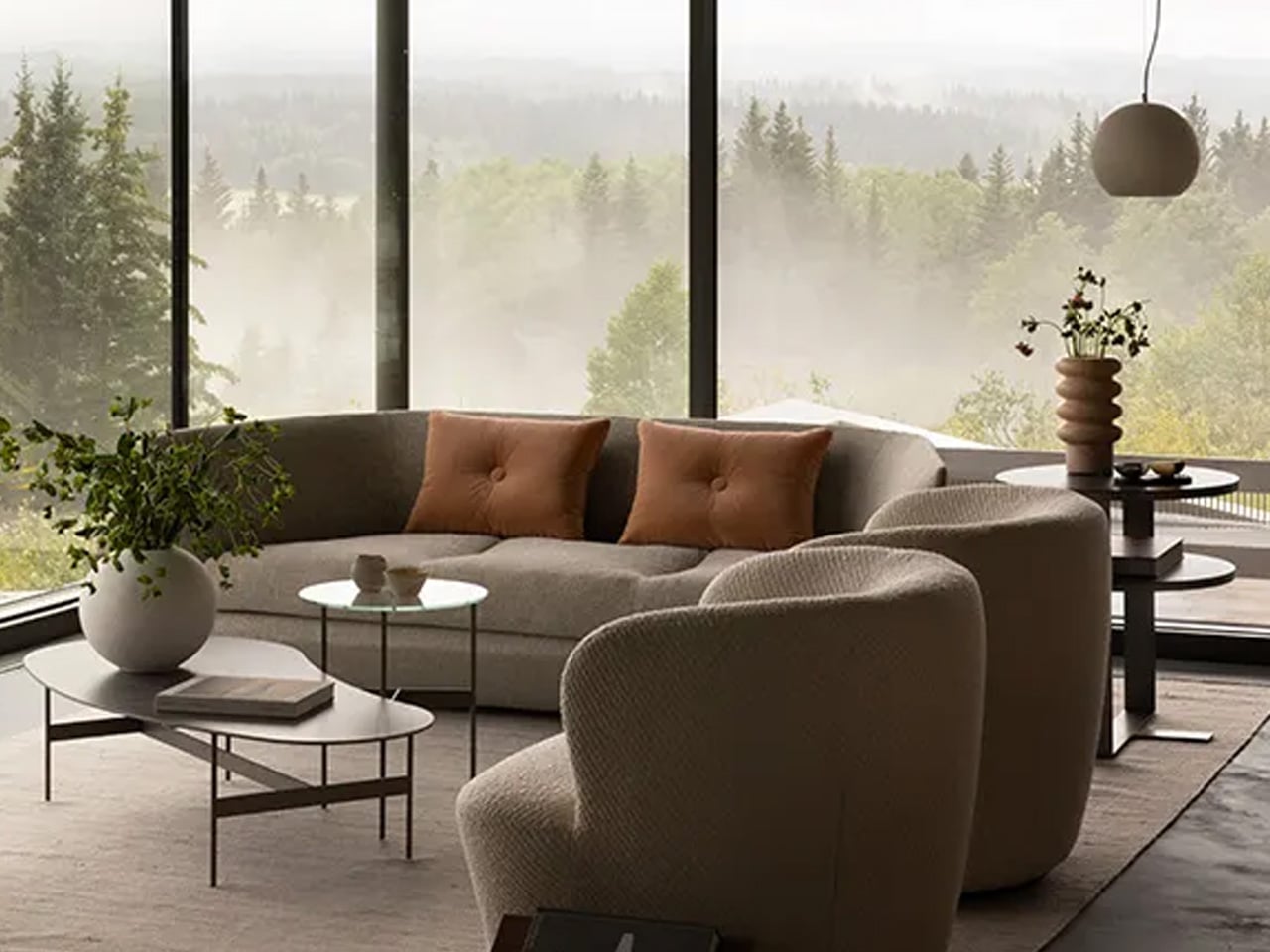
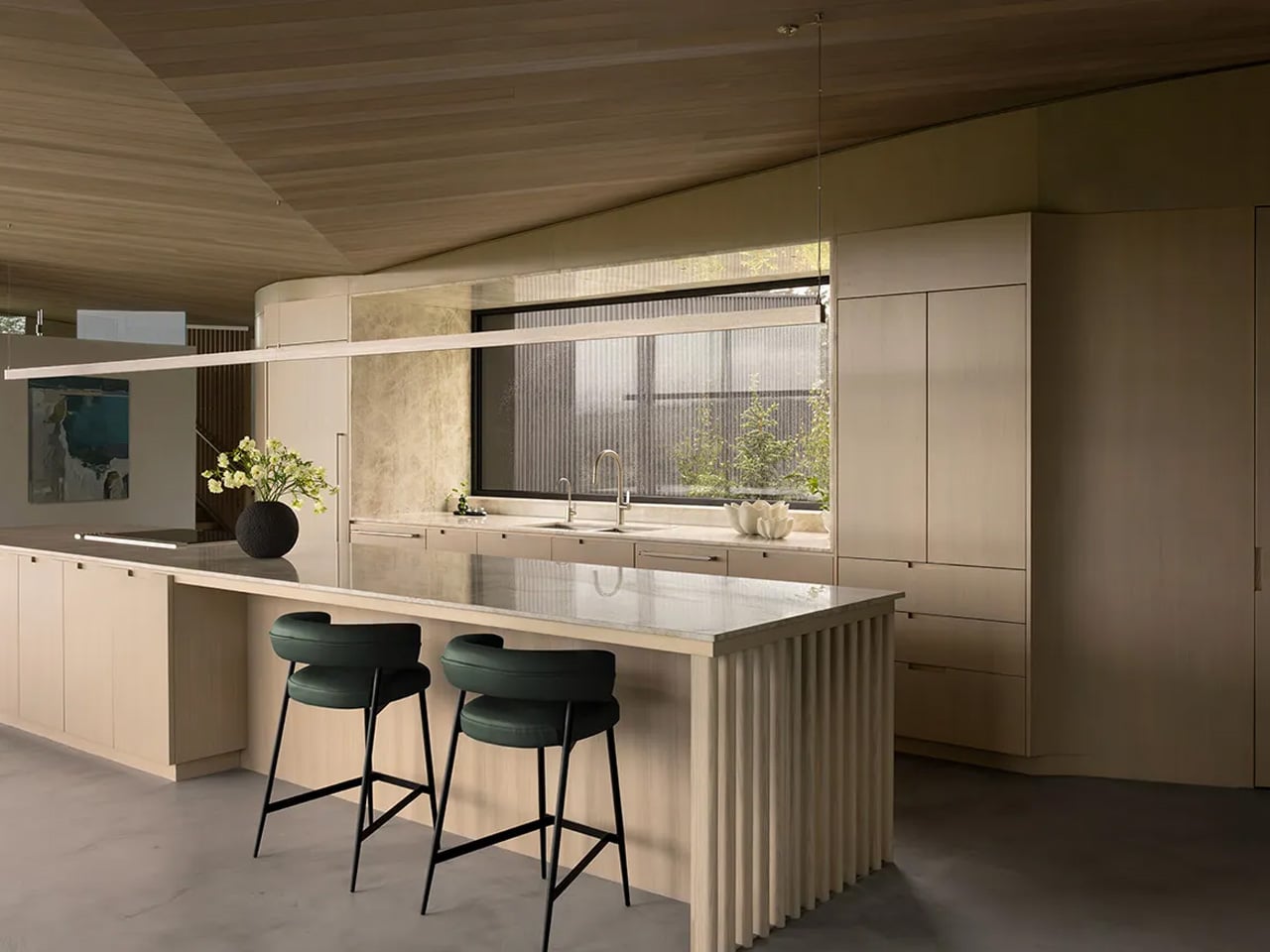
Most mountain houses try too hard. Cut Out House, designed by New York-based studio Young Projects, does the opposite — it sits in the foothills of the Canadian Rocky Mountains, tucked into a low-density development where the land does most of the talking.
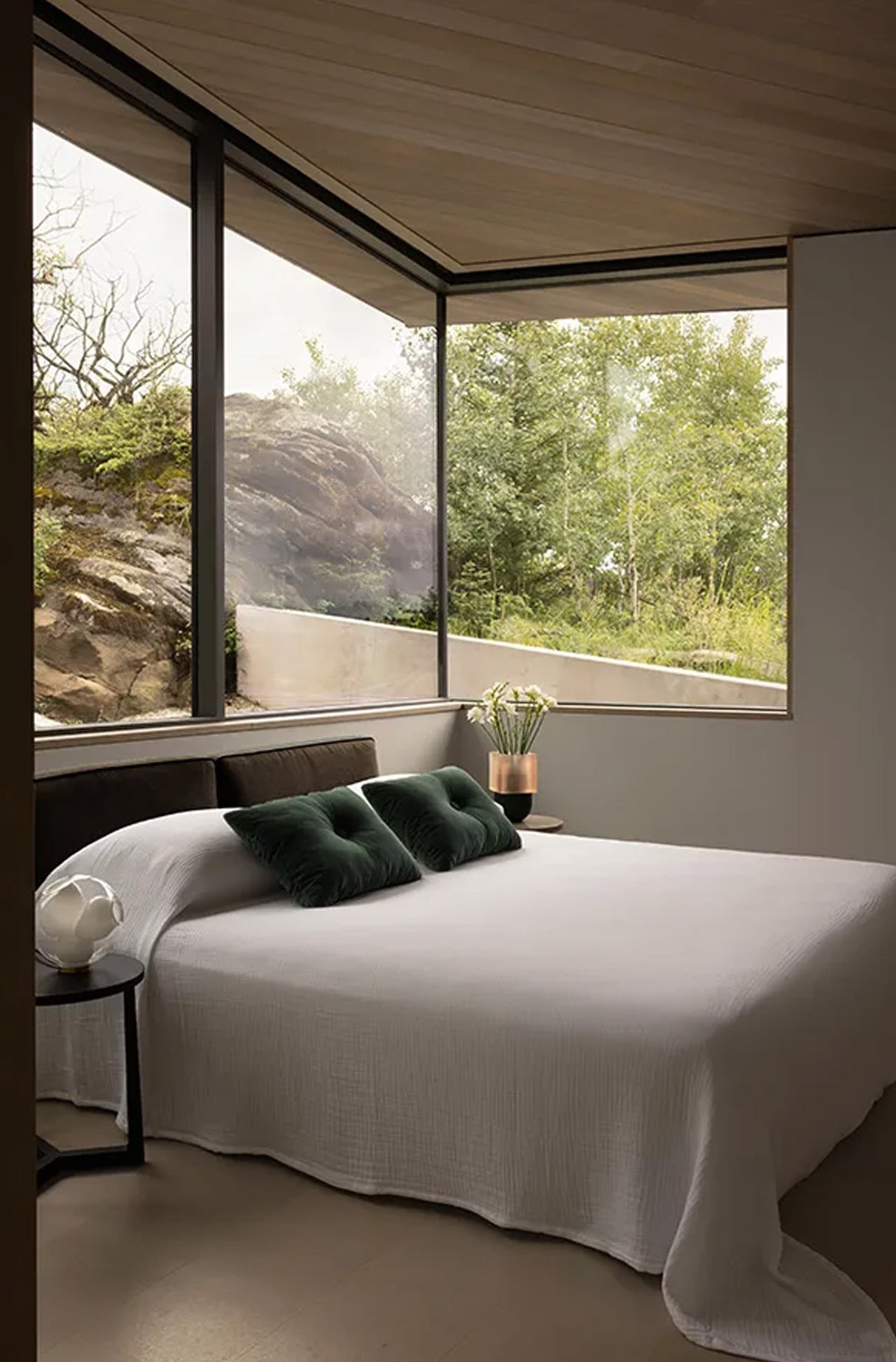
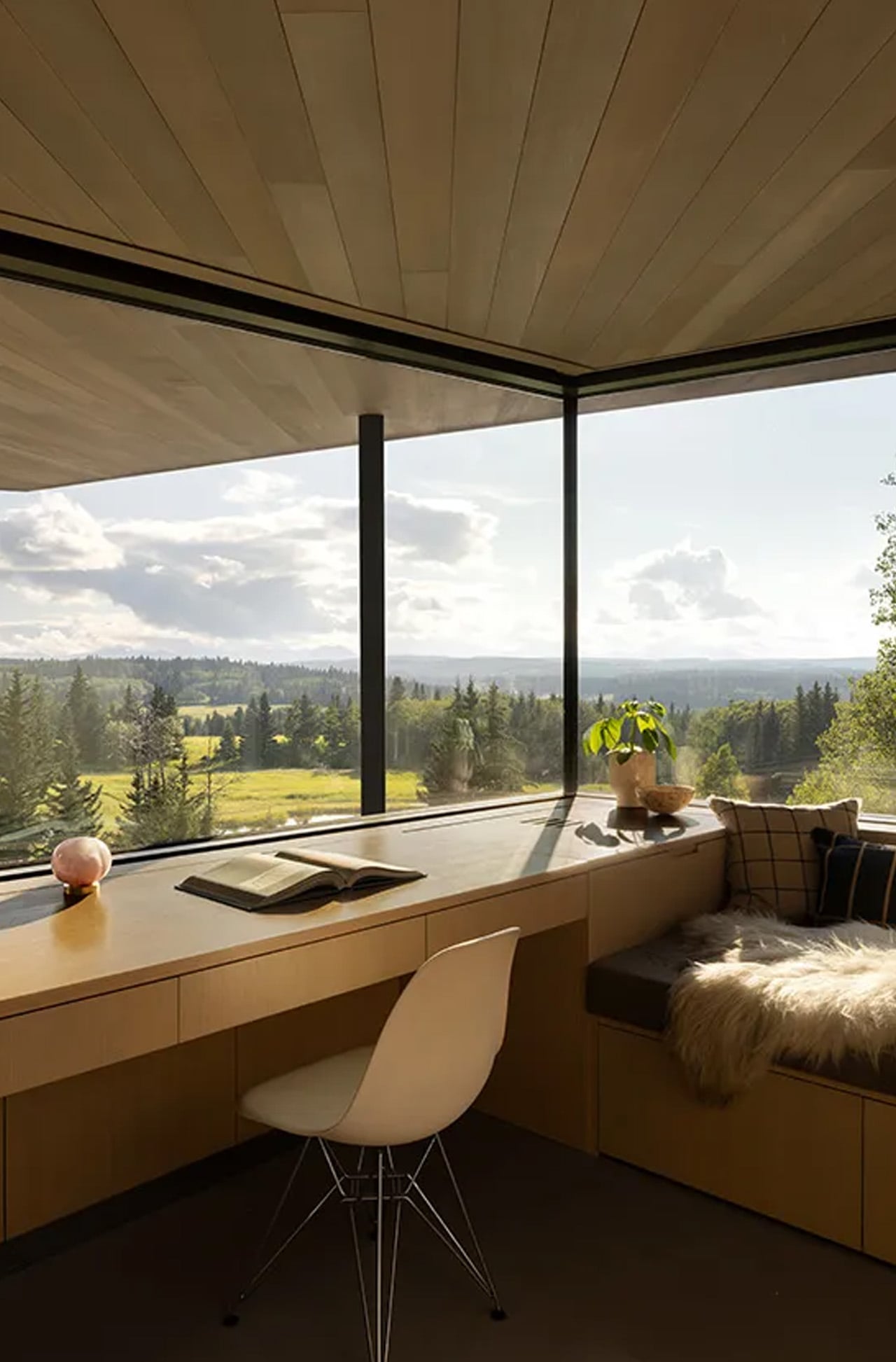
The project was conceived as a family vacation home, and it wears that intention openly. Rather than asserting itself against the landscape, the house responds to it — balancing intimate spaces oriented toward the dense surrounding woodland with communal areas that open dramatically toward the mountains. That duality is the architecture. Everything else follows from it.
Designer: Young Projects


The defining move is the butterfly roof, which Young Projects uses not just as a formal gesture but as a tool for orchestrating experience. The angled planes slope in opposite directions, directing views outward from within while reflecting the terrain’s gradient from outside. Where the roofline climbs, communal living spaces claim the panoramic views. Where tree density compresses the sightlines, private bedrooms pull back into quieter, more sheltered corners of the plan. The roof, in a sense, is the planner.
The “cut out” in the name refers to a series of subtractions carved from the building’s overall volume — openings and recesses that give the house its sculptural character without overworking it. This is a form shaped as much by removal as by addition. The result reads as something confidently simple, which is the harder thing to achieve. Most houses at altitude either defer too much to the landscape or compete with it. Cut Out House does neither.


Gray Accoya wood clads the exterior, a material choice that ages gracefully and lends the structure a tonal continuity with the rock and timber of the surrounding terrain. It doesn’t announce itself. From across a nearby body of water, the butterfly roofline is the first thing you read — a dynamic silhouette that shifts with the light and suggests movement even when the house is still.
Bryan Young founded Young Projects in New York in 2010, and the studio has built a reputation for work that thinks carefully about the relationship between built form and context. Cut Out House extends that sensibility into alpine territory, where the stakes of getting that relationship wrong are immediately visible in every window. The house doesn’t compete with the Rockies. It leans into them, shapes itself around them, and in doing so becomes something more interesting than a retreat — it becomes a calibrated act of looking.
The post Young Projects’ Cut Out House Proves Subtraction Is the Most Powerful Tool in Architecture first appeared on Yanko Design.

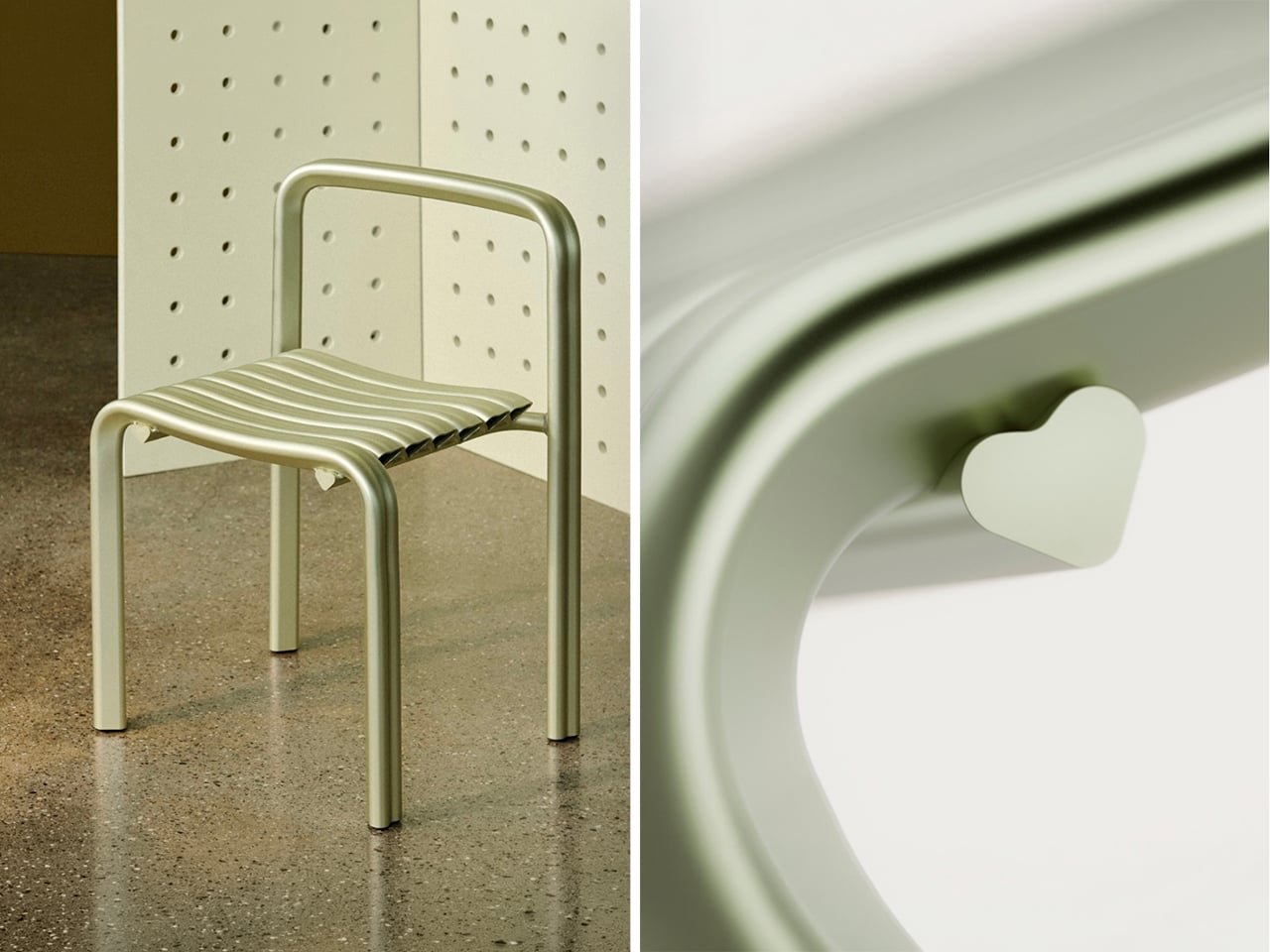
There are few symbols more familiar than the heart. It appears everywhere, from children’s drawings to luxury branding, which is perhaps why designers rarely touch it. The shape carries so much cultural baggage that it can quickly slip into sentimentality.
For its twentieth anniversary, Danish furniture brand Muuto decided to take that risk! Created with Copenhagen studio Spacon, the *Close to Heart* chair debuts during 3 Days of Design as part of Muuto’s anniversary programme, *Next Chapters in Scandinavian Design*. Limited to 150 pieces and produced in Denmark from extruded aluminium, the chair transforms the heart from a graphic symbol into a structural system. Every profile used to construct the chair is shaped like a heart.
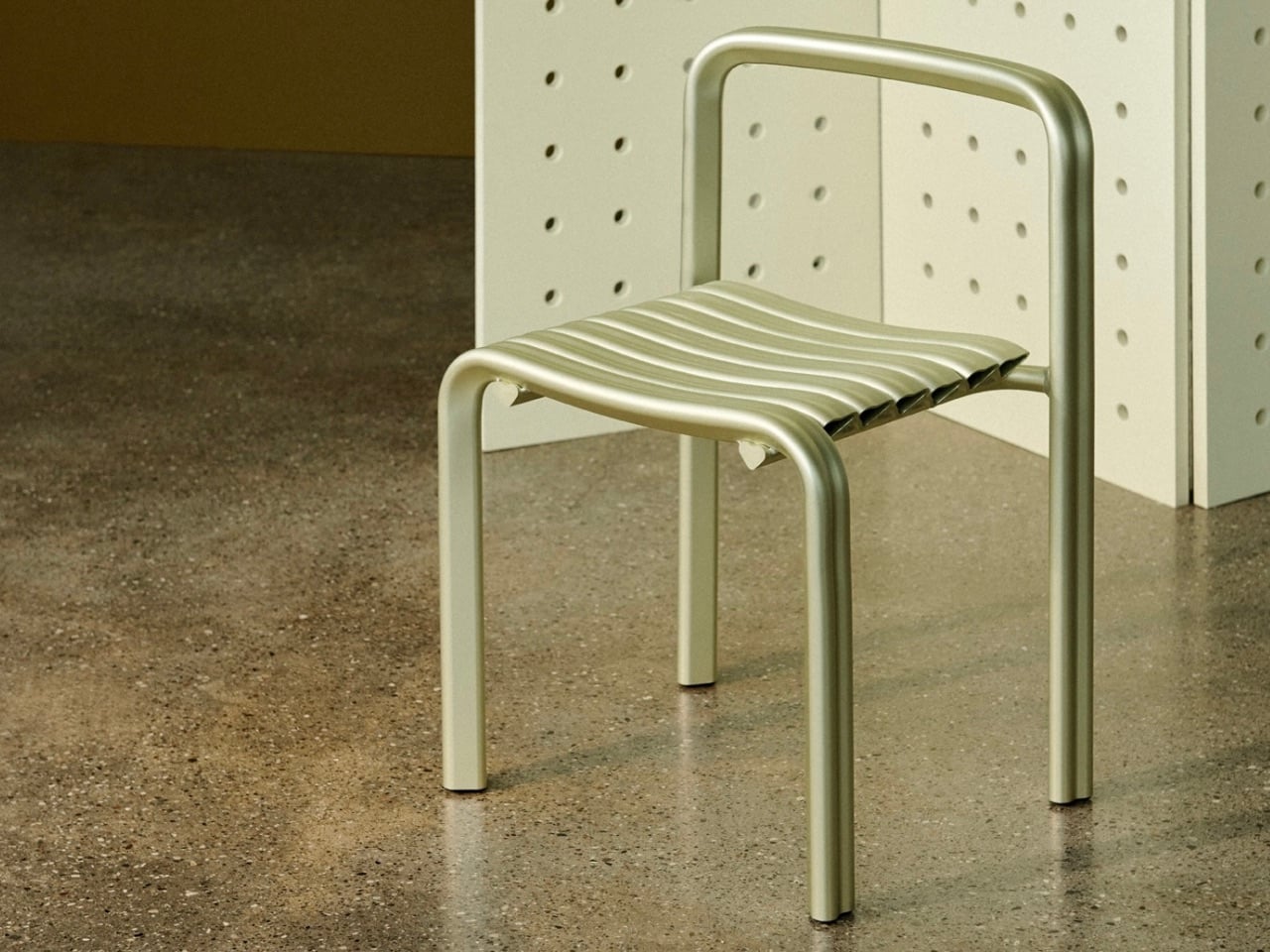
The project began with a clear direction from Muuto, which was to avoid nostalgia. Rather than celebrating the past, the anniversary was framed as an opportunity to explore where Scandinavian design might go next. For Spacon partners Nikoline Dyrup Carlsen, Malene Hvidt, and Svend Jacob Pedersen, that conversation led unexpectedly to the heart.
What attracted the designers was not its symbolism alone, but its geometry. A heart combines two very different formal qualities within a single shape. One side is defined by a sharp triangular point, while the other is made up of generous curves. It is a shape that feels simple at first glance, yet becomes surprisingly intricate when examined closely.
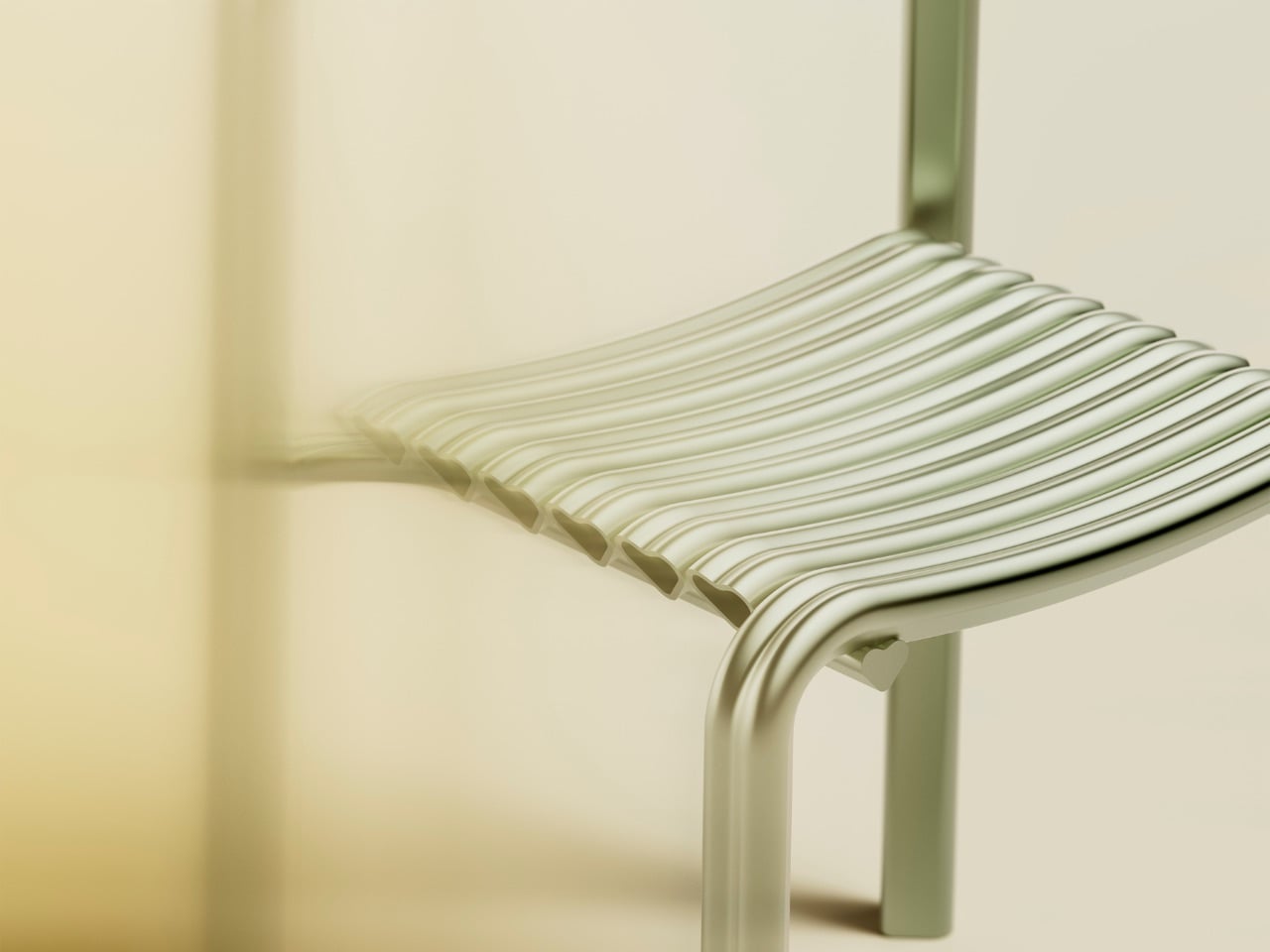
That balance between softness and precision carries through the entire chair. From a distance, the heart references are obvious. Up close, they begin to disappear into the construction, becoming part of the chair’s proportions, joints, and structure rather than decorative details.
Material selection played an equally important role. Extruded aluminium is typically associated with engineering and manufacturing efficiency, making it an unusual choice for an object built around one of culture’s most emotionally loaded symbols. Yet the designers found that the material’s characteristics aligned naturally with the concept. Its light weight and ability to accommodate smooth curves allowed the heart profile to be repeated throughout the chair without becoming visually heavy.
The anodized finish further softens the material’s appearance. Instead of presenting aluminium as hard or industrial, the treatment gives the surface a subtle depth that reacts to changing light throughout the day. Reflections become muted, colors from the surrounding environment are absorbed into the surface, and the material takes on a quieter presence.
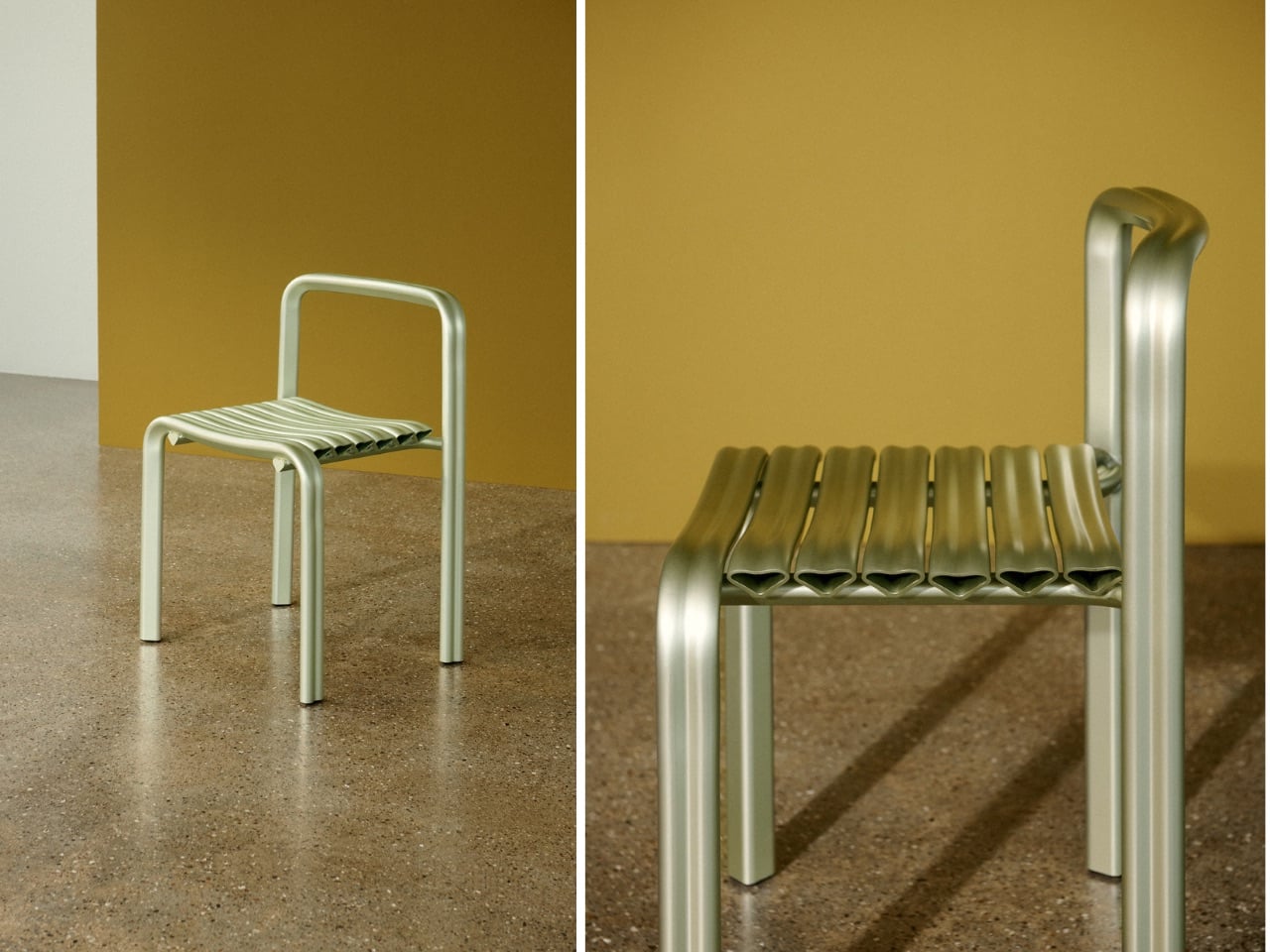
The chair sits within a broader collaboration between Muuto and Spacon centred on the relationship between technical systems and emotional experience. Muuto’s history is rooted in innovation and manufacturing development, while Spacon’s work frequently crosses between architecture, interiors, art, and craft. Close to Heart brings those interests together in a single object.
That intersection feels particularly relevant to how Scandinavian design is evolving today. The defining values remain familiar: experimentation, material honesty, and careful craftsmanship. What is changing is the willingness to embrace stronger narratives, cultural references, and emotional expression without treating them as separate from function.
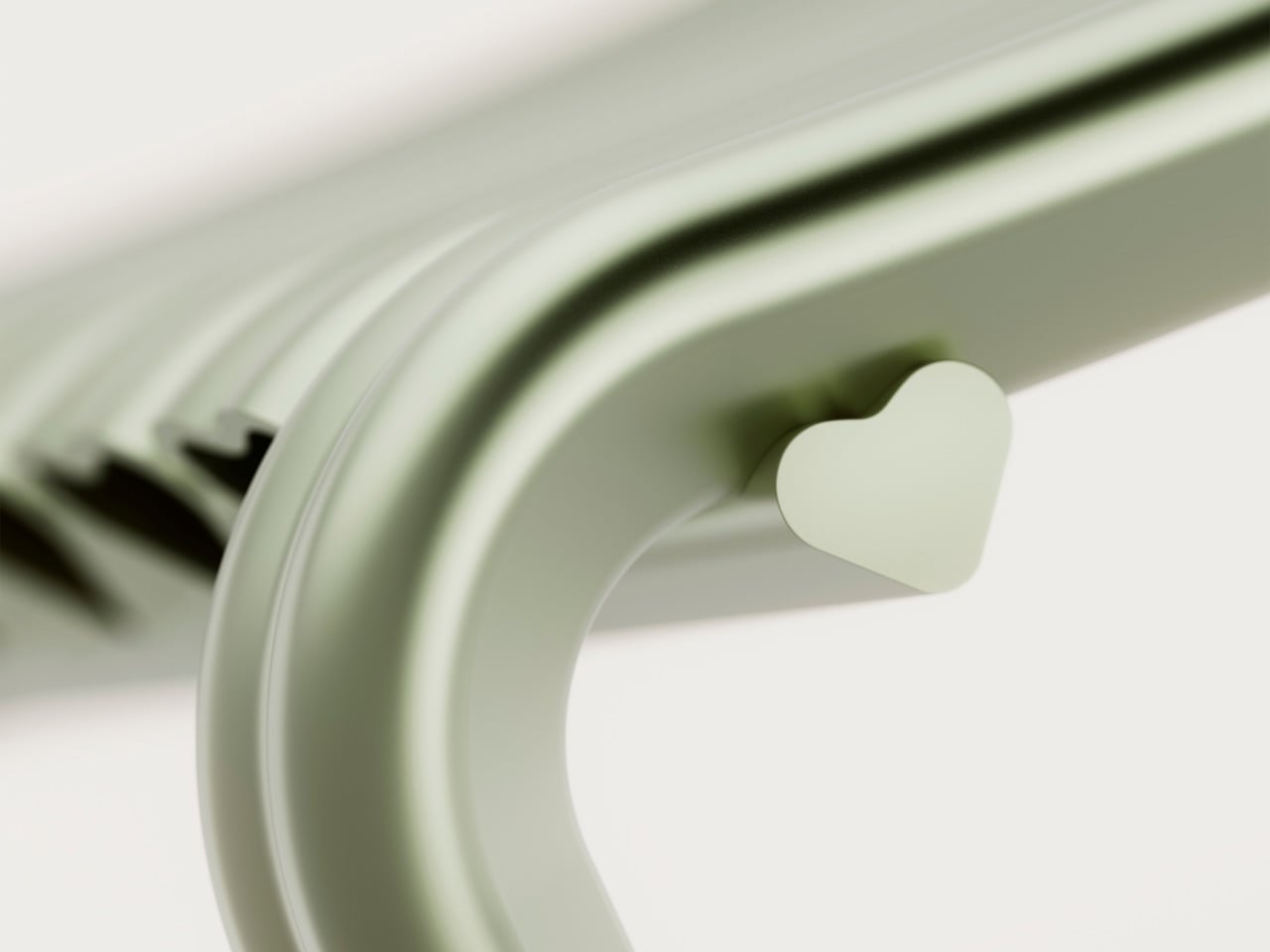
The heart, surprisingly, proved to be a useful vehicle for that discussion. What could easily have become a novelty instead became a study in proportion, material, and manufacturing. The symbolism is impossible to ignore, yet the chair succeeds because it never relies on symbolism alone.
For Muuto and Spacon, the anniversary project is less about celebrating twenty years of design history than testing where design can go next. If Close to Heart is any indication, that future may involve a little more emotion, a little more playfulness, and a willingness to find sophistication in places designers have often overlooked.
The post Muuto’s Minimalist Chair Hides A Tiny Heart In Its Details first appeared on Yanko Design.
There are few symbols more familiar than the heart. It appears everywhere, from children’s drawings to luxury branding, which is perhaps why designers rarely touch it. The shape carries so much cultural baggage that it can quickly slip into sentimentality.
For its twentieth anniversary, Danish furniture brand Muuto decided to take that risk! Created with Copenhagen studio Spacon, the *Close to Heart* chair debuts during 3 Days of Design as part of Muuto’s anniversary programme, *Next Chapters in Scandinavian Design*. Limited to 150 pieces and produced in Denmark from extruded aluminium, the chair transforms the heart from a graphic symbol into a structural system. Every profile used to construct the chair is shaped like a heart.
The project began with a clear direction from Muuto, which was to avoid nostalgia. Rather than celebrating the past, the anniversary was framed as an opportunity to explore where Scandinavian design might go next. For Spacon partners Nikoline Dyrup Carlsen, Malene Hvidt, and Svend Jacob Pedersen, that conversation led unexpectedly to the heart.
What attracted the designers was not its symbolism alone, but its geometry. A heart combines two very different formal qualities within a single shape. One side is defined by a sharp triangular point, while the other is made up of generous curves. It is a shape that feels simple at first glance, yet becomes surprisingly intricate when examined closely.
That balance between softness and precision carries through the entire chair. From a distance, the heart references are obvious. Up close, they begin to disappear into the construction, becoming part of the chair’s proportions, joints, and structure rather than decorative details.
Material selection played an equally important role. Extruded aluminium is typically associated with engineering and manufacturing efficiency, making it an unusual choice for an object built around one of culture’s most emotionally loaded symbols. Yet the designers found that the material’s characteristics aligned naturally with the concept. Its light weight and ability to accommodate smooth curves allowed the heart profile to be repeated throughout the chair without becoming visually heavy.
The anodized finish further softens the material’s appearance. Instead of presenting aluminium as hard or industrial, the treatment gives the surface a subtle depth that reacts to changing light throughout the day. Reflections become muted, colors from the surrounding environment are absorbed into the surface, and the material takes on a quieter presence.
The chair sits within a broader collaboration between Muuto and Spacon centred on the relationship between technical systems and emotional experience. Muuto’s history is rooted in innovation and manufacturing development, while Spacon’s work frequently crosses between architecture, interiors, art, and craft. Close to Heart brings those interests together in a single object.
That intersection feels particularly relevant to how Scandinavian design is evolving today. The defining values remain familiar: experimentation, material honesty, and careful craftsmanship. What is changing is the willingness to embrace stronger narratives, cultural references, and emotional expression without treating them as separate from function.
The heart, surprisingly, proved to be a useful vehicle for that discussion. What could easily have become a novelty instead became a study in proportion, material, and manufacturing. The symbolism is impossible to ignore, yet the chair succeeds because it never relies on symbolism alone.
For Muuto and Spacon, the anniversary project is less about celebrating twenty years of design history than testing where design can go next. If Close to Heart is any indication, that future may involve a little more emotion, a little more playfulness, and a willingness to find sophistication in places designers have often overlooked.
The post Muuto’s Minimalist Chair Hides A Tiny Heart In Its Details first appeared on Yanko Design.
There are few symbols more familiar than the heart. It appears everywhere, from children’s drawings to luxury branding, which is perhaps why designers rarely touch it. The shape carries so much cultural baggage that it can quickly slip into sentimentality.
For its twentieth anniversary, Danish furniture brand Muuto decided to take that risk! Created with Copenhagen studio Spacon, the *Close to Heart* chair debuts during 3 Days of Design as part of Muuto’s anniversary programme, *Next Chapters in Scandinavian Design*. Limited to 150 pieces and produced in Denmark from extruded aluminium, the chair transforms the heart from a graphic symbol into a structural system. Every profile used to construct the chair is shaped like a heart.
The project began with a clear direction from Muuto, which was to avoid nostalgia. Rather than celebrating the past, the anniversary was framed as an opportunity to explore where Scandinavian design might go next. For Spacon partners Nikoline Dyrup Carlsen, Malene Hvidt, and Svend Jacob Pedersen, that conversation led unexpectedly to the heart.
What attracted the designers was not its symbolism alone, but its geometry. A heart combines two very different formal qualities within a single shape. One side is defined by a sharp triangular point, while the other is made up of generous curves. It is a shape that feels simple at first glance, yet becomes surprisingly intricate when examined closely.
That balance between softness and precision carries through the entire chair. From a distance, the heart references are obvious. Up close, they begin to disappear into the construction, becoming part of the chair’s proportions, joints, and structure rather than decorative details.
Material selection played an equally important role. Extruded aluminium is typically associated with engineering and manufacturing efficiency, making it an unusual choice for an object built around one of culture’s most emotionally loaded symbols. Yet the designers found that the material’s characteristics aligned naturally with the concept. Its light weight and ability to accommodate smooth curves allowed the heart profile to be repeated throughout the chair without becoming visually heavy.
The anodized finish further softens the material’s appearance. Instead of presenting aluminium as hard or industrial, the treatment gives the surface a subtle depth that reacts to changing light throughout the day. Reflections become muted, colors from the surrounding environment are absorbed into the surface, and the material takes on a quieter presence.
The chair sits within a broader collaboration between Muuto and Spacon centred on the relationship between technical systems and emotional experience. Muuto’s history is rooted in innovation and manufacturing development, while Spacon’s work frequently crosses between architecture, interiors, art, and craft. Close to Heart brings those interests together in a single object.
That intersection feels particularly relevant to how Scandinavian design is evolving today. The defining values remain familiar: experimentation, material honesty, and careful craftsmanship. What is changing is the willingness to embrace stronger narratives, cultural references, and emotional expression without treating them as separate from function.
The heart, surprisingly, proved to be a useful vehicle for that discussion. What could easily have become a novelty instead became a study in proportion, material, and manufacturing. The symbolism is impossible to ignore, yet the chair succeeds because it never relies on symbolism alone.
For Muuto and Spacon, the anniversary project is less about celebrating twenty years of design history than testing where design can go next. If Close to Heart is any indication, that future may involve a little more emotion, a little more playfulness, and a willingness to find sophistication in places designers have often overlooked.
The post Muuto’s Minimalist Chair Hides A Tiny Heart In Its Details first appeared on Yanko Design.
There are few symbols more familiar than the heart. It appears everywhere, from children’s drawings to luxury branding, which is perhaps why designers rarely touch it. The shape carries so much cultural baggage that it can quickly slip into sentimentality.
For its twentieth anniversary, Danish furniture brand Muuto decided to take that risk! Created with Copenhagen studio Spacon, the *Close to Heart* chair debuts during 3 Days of Design as part of Muuto’s anniversary programme, *Next Chapters in Scandinavian Design*. Limited to 150 pieces and produced in Denmark from extruded aluminium, the chair transforms the heart from a graphic symbol into a structural system. Every profile used to construct the chair is shaped like a heart.
The project began with a clear direction from Muuto, which was to avoid nostalgia. Rather than celebrating the past, the anniversary was framed as an opportunity to explore where Scandinavian design might go next. For Spacon partners Nikoline Dyrup Carlsen, Malene Hvidt, and Svend Jacob Pedersen, that conversation led unexpectedly to the heart.
What attracted the designers was not its symbolism alone, but its geometry. A heart combines two very different formal qualities within a single shape. One side is defined by a sharp triangular point, while the other is made up of generous curves. It is a shape that feels simple at first glance, yet becomes surprisingly intricate when examined closely.
That balance between softness and precision carries through the entire chair. From a distance, the heart references are obvious. Up close, they begin to disappear into the construction, becoming part of the chair’s proportions, joints, and structure rather than decorative details.
Material selection played an equally important role. Extruded aluminium is typically associated with engineering and manufacturing efficiency, making it an unusual choice for an object built around one of culture’s most emotionally loaded symbols. Yet the designers found that the material’s characteristics aligned naturally with the concept. Its light weight and ability to accommodate smooth curves allowed the heart profile to be repeated throughout the chair without becoming visually heavy.
The anodized finish further softens the material’s appearance. Instead of presenting aluminium as hard or industrial, the treatment gives the surface a subtle depth that reacts to changing light throughout the day. Reflections become muted, colors from the surrounding environment are absorbed into the surface, and the material takes on a quieter presence.
The chair sits within a broader collaboration between Muuto and Spacon centred on the relationship between technical systems and emotional experience. Muuto’s history is rooted in innovation and manufacturing development, while Spacon’s work frequently crosses between architecture, interiors, art, and craft. Close to Heart brings those interests together in a single object.
That intersection feels particularly relevant to how Scandinavian design is evolving today. The defining values remain familiar: experimentation, material honesty, and careful craftsmanship. What is changing is the willingness to embrace stronger narratives, cultural references, and emotional expression without treating them as separate from function.
The heart, surprisingly, proved to be a useful vehicle for that discussion. What could easily have become a novelty instead became a study in proportion, material, and manufacturing. The symbolism is impossible to ignore, yet the chair succeeds because it never relies on symbolism alone.
For Muuto and Spacon, the anniversary project is less about celebrating twenty years of design history than testing where design can go next. If Close to Heart is any indication, that future may involve a little more emotion, a little more playfulness, and a willingness to find sophistication in places designers have often overlooked.
The post Muuto’s Minimalist Chair Hides A Tiny Heart In Its Details first appeared on Yanko Design.
There are few symbols more familiar than the heart. It appears everywhere, from children’s drawings to luxury branding, which is perhaps why designers rarely touch it. The shape carries so much cultural baggage that it can quickly slip into sentimentality.
For its twentieth anniversary, Danish furniture brand Muuto decided to take that risk! Created with Copenhagen studio Spacon, the *Close to Heart* chair debuts during 3 Days of Design as part of Muuto’s anniversary programme, *Next Chapters in Scandinavian Design*. Limited to 150 pieces and produced in Denmark from extruded aluminium, the chair transforms the heart from a graphic symbol into a structural system. Every profile used to construct the chair is shaped like a heart.
The project began with a clear direction from Muuto, which was to avoid nostalgia. Rather than celebrating the past, the anniversary was framed as an opportunity to explore where Scandinavian design might go next. For Spacon partners Nikoline Dyrup Carlsen, Malene Hvidt, and Svend Jacob Pedersen, that conversation led unexpectedly to the heart.
What attracted the designers was not its symbolism alone, but its geometry. A heart combines two very different formal qualities within a single shape. One side is defined by a sharp triangular point, while the other is made up of generous curves. It is a shape that feels simple at first glance, yet becomes surprisingly intricate when examined closely.
That balance between softness and precision carries through the entire chair. From a distance, the heart references are obvious. Up close, they begin to disappear into the construction, becoming part of the chair’s proportions, joints, and structure rather than decorative details.
Material selection played an equally important role. Extruded aluminium is typically associated with engineering and manufacturing efficiency, making it an unusual choice for an object built around one of culture’s most emotionally loaded symbols. Yet the designers found that the material’s characteristics aligned naturally with the concept. Its light weight and ability to accommodate smooth curves allowed the heart profile to be repeated throughout the chair without becoming visually heavy.
The anodized finish further softens the material’s appearance. Instead of presenting aluminium as hard or industrial, the treatment gives the surface a subtle depth that reacts to changing light throughout the day. Reflections become muted, colors from the surrounding environment are absorbed into the surface, and the material takes on a quieter presence.
The chair sits within a broader collaboration between Muuto and Spacon centred on the relationship between technical systems and emotional experience. Muuto’s history is rooted in innovation and manufacturing development, while Spacon’s work frequently crosses between architecture, interiors, art, and craft. Close to Heart brings those interests together in a single object.
That intersection feels particularly relevant to how Scandinavian design is evolving today. The defining values remain familiar: experimentation, material honesty, and careful craftsmanship. What is changing is the willingness to embrace stronger narratives, cultural references, and emotional expression without treating them as separate from function.
The heart, surprisingly, proved to be a useful vehicle for that discussion. What could easily have become a novelty instead became a study in proportion, material, and manufacturing. The symbolism is impossible to ignore, yet the chair succeeds because it never relies on symbolism alone.
For Muuto and Spacon, the anniversary project is less about celebrating twenty years of design history than testing where design can go next. If Close to Heart is any indication, that future may involve a little more emotion, a little more playfulness, and a willingness to find sophistication in places designers have often overlooked.
The post Muuto’s Minimalist Chair Hides A Tiny Heart In Its Details first appeared on Yanko Design.
There are few symbols more familiar than the heart. It appears everywhere, from children’s drawings to luxury branding, which is perhaps why designers rarely touch it. The shape carries so much cultural baggage that it can quickly slip into sentimentality.
For its twentieth anniversary, Danish furniture brand Muuto decided to take that risk! Created with Copenhagen studio Spacon, the *Close to Heart* chair debuts during 3 Days of Design as part of Muuto’s anniversary programme, *Next Chapters in Scandinavian Design*. Limited to 150 pieces and produced in Denmark from extruded aluminium, the chair transforms the heart from a graphic symbol into a structural system. Every profile used to construct the chair is shaped like a heart.
The project began with a clear direction from Muuto, which was to avoid nostalgia. Rather than celebrating the past, the anniversary was framed as an opportunity to explore where Scandinavian design might go next. For Spacon partners Nikoline Dyrup Carlsen, Malene Hvidt, and Svend Jacob Pedersen, that conversation led unexpectedly to the heart.
What attracted the designers was not its symbolism alone, but its geometry. A heart combines two very different formal qualities within a single shape. One side is defined by a sharp triangular point, while the other is made up of generous curves. It is a shape that feels simple at first glance, yet becomes surprisingly intricate when examined closely.
That balance between softness and precision carries through the entire chair. From a distance, the heart references are obvious. Up close, they begin to disappear into the construction, becoming part of the chair’s proportions, joints, and structure rather than decorative details.
Material selection played an equally important role. Extruded aluminium is typically associated with engineering and manufacturing efficiency, making it an unusual choice for an object built around one of culture’s most emotionally loaded symbols. Yet the designers found that the material’s characteristics aligned naturally with the concept. Its light weight and ability to accommodate smooth curves allowed the heart profile to be repeated throughout the chair without becoming visually heavy.
The anodized finish further softens the material’s appearance. Instead of presenting aluminium as hard or industrial, the treatment gives the surface a subtle depth that reacts to changing light throughout the day. Reflections become muted, colors from the surrounding environment are absorbed into the surface, and the material takes on a quieter presence.
The chair sits within a broader collaboration between Muuto and Spacon centred on the relationship between technical systems and emotional experience. Muuto’s history is rooted in innovation and manufacturing development, while Spacon’s work frequently crosses between architecture, interiors, art, and craft. Close to Heart brings those interests together in a single object.
That intersection feels particularly relevant to how Scandinavian design is evolving today. The defining values remain familiar: experimentation, material honesty, and careful craftsmanship. What is changing is the willingness to embrace stronger narratives, cultural references, and emotional expression without treating them as separate from function.
The heart, surprisingly, proved to be a useful vehicle for that discussion. What could easily have become a novelty instead became a study in proportion, material, and manufacturing. The symbolism is impossible to ignore, yet the chair succeeds because it never relies on symbolism alone.
For Muuto and Spacon, the anniversary project is less about celebrating twenty years of design history than testing where design can go next. If Close to Heart is any indication, that future may involve a little more emotion, a little more playfulness, and a willingness to find sophistication in places designers have often overlooked.
The post Muuto’s Minimalist Chair Hides A Tiny Heart In Its Details first appeared on Yanko Design.
There are few symbols more familiar than the heart. It appears everywhere, from children’s drawings to luxury branding, which is perhaps why designers rarely touch it. The shape carries so much cultural baggage that it can quickly slip into sentimentality.
For its twentieth anniversary, Danish furniture brand Muuto decided to take that risk! Created with Copenhagen studio Spacon, the *Close to Heart* chair debuts during 3 Days of Design as part of Muuto’s anniversary programme, *Next Chapters in Scandinavian Design*. Limited to 150 pieces and produced in Denmark from extruded aluminium, the chair transforms the heart from a graphic symbol into a structural system. Every profile used to construct the chair is shaped like a heart.
The project began with a clear direction from Muuto, which was to avoid nostalgia. Rather than celebrating the past, the anniversary was framed as an opportunity to explore where Scandinavian design might go next. For Spacon partners Nikoline Dyrup Carlsen, Malene Hvidt, and Svend Jacob Pedersen, that conversation led unexpectedly to the heart.
What attracted the designers was not its symbolism alone, but its geometry. A heart combines two very different formal qualities within a single shape. One side is defined by a sharp triangular point, while the other is made up of generous curves. It is a shape that feels simple at first glance, yet becomes surprisingly intricate when examined closely.
That balance between softness and precision carries through the entire chair. From a distance, the heart references are obvious. Up close, they begin to disappear into the construction, becoming part of the chair’s proportions, joints, and structure rather than decorative details.
Material selection played an equally important role. Extruded aluminium is typically associated with engineering and manufacturing efficiency, making it an unusual choice for an object built around one of culture’s most emotionally loaded symbols. Yet the designers found that the material’s characteristics aligned naturally with the concept. Its light weight and ability to accommodate smooth curves allowed the heart profile to be repeated throughout the chair without becoming visually heavy.
The anodized finish further softens the material’s appearance. Instead of presenting aluminium as hard or industrial, the treatment gives the surface a subtle depth that reacts to changing light throughout the day. Reflections become muted, colors from the surrounding environment are absorbed into the surface, and the material takes on a quieter presence.
The chair sits within a broader collaboration between Muuto and Spacon centred on the relationship between technical systems and emotional experience. Muuto’s history is rooted in innovation and manufacturing development, while Spacon’s work frequently crosses between architecture, interiors, art, and craft. Close to Heart brings those interests together in a single object.
That intersection feels particularly relevant to how Scandinavian design is evolving today. The defining values remain familiar: experimentation, material honesty, and careful craftsmanship. What is changing is the willingness to embrace stronger narratives, cultural references, and emotional expression without treating them as separate from function.
The heart, surprisingly, proved to be a useful vehicle for that discussion. What could easily have become a novelty instead became a study in proportion, material, and manufacturing. The symbolism is impossible to ignore, yet the chair succeeds because it never relies on symbolism alone.
For Muuto and Spacon, the anniversary project is less about celebrating twenty years of design history than testing where design can go next. If Close to Heart is any indication, that future may involve a little more emotion, a little more playfulness, and a willingness to find sophistication in places designers have often overlooked.
The post Muuto’s Minimalist Chair Hides A Tiny Heart In Its Details first appeared on Yanko Design.