Intel XeSS XMX Mods Nearly Double SteamOS Handheld FPS

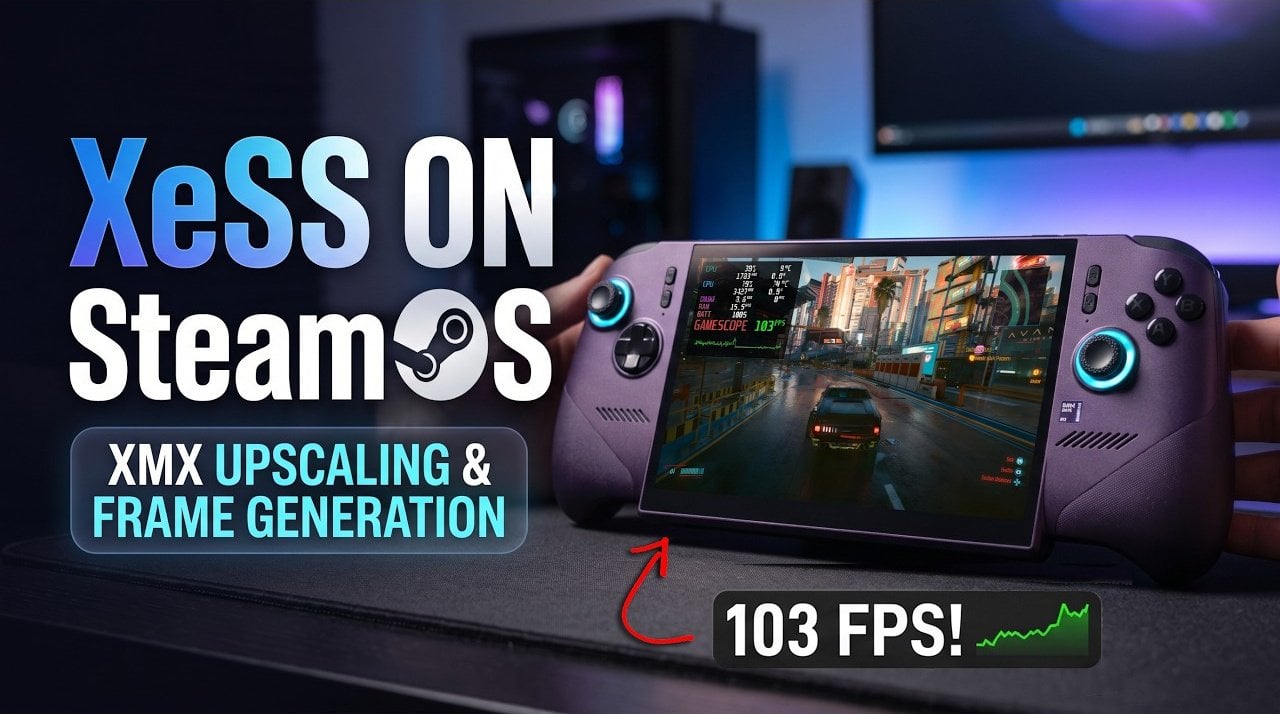
Intel XeSS XMX Mods Nearly Double SteamOS Handheld FPS Side-by-side gameplay comparison showing framerates with XeSS XMX enabled.

Intel’s XeSS technology has made a significant leap by using XMX engines on SteamOS, offering substantial performance improvements for Intel Arc-powered handheld devices. Previously dependent on DP4A mode, which relied on GPU cores for upscaling tasks, XeSS now uses the AI acceleration capabilities of XMX engines. This shift allows GPU cores to focus entirely on […]

The post Intel XeSS XMX Mods Nearly Double SteamOS Handheld FPS appeared first on Geeky Gadgets.

Posted in Uncategorized

Apple Brings Audio Intelligence to the Wrist with watchOS 27.3 Beta

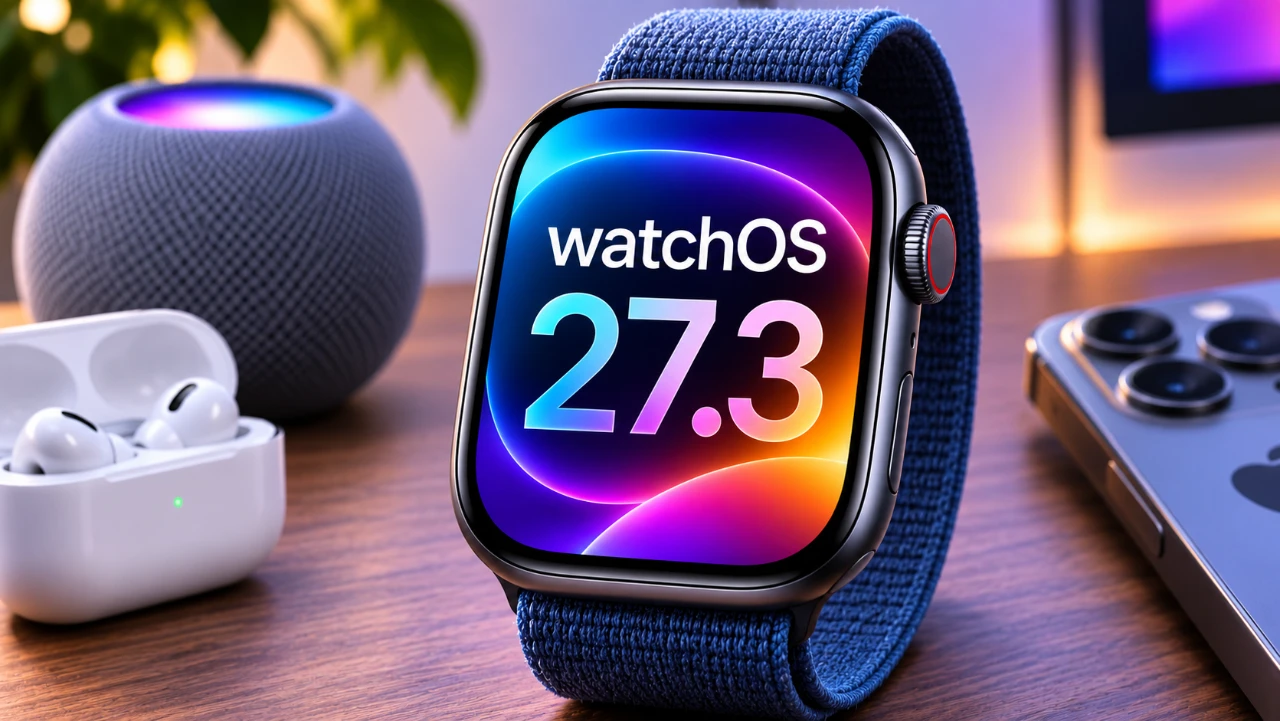
Apple Brings Audio Intelligence to the Wrist with watchOS 27.3 Beta watchOS 27.3 Beta 1

The watchOS 27.3 beta brings a range of updates designed to enhance audio intelligence, health tracking, and privacy. Built to use the advanced capabilities of the S11 chip, these features are exclusive to the Apple Watch Series 12 and Apple Watch Ultra 4. With the official release expected in mid-December, this update promises to refine […]

The post Apple Brings Audio Intelligence to the Wrist with watchOS 27.3 Beta appeared first on Geeky Gadgets.

Posted in Uncategorized

The Legend of Zelda: Ocarina of Time Remake Scores A 96 on Metacritic

The Legend of Zelda: Ocarina of Time Remake Scores A 96 on Metacritic Link riding Epona through a visually upgraded Hyrule Field.

Nintendo has taken the gaming world by surprise with the release of a remake of The Legend of Zelda: Ocarina of Time for the Nintendo Switch 2. This reimagined version of the 1998 classic has earned a remarkable Metacritic score of 96, reflecting universal acclaim from critics and players alike. As RGT 85 highlights, the […]

The post The Legend of Zelda: Ocarina of Time Remake Scores A 96 on Metacritic appeared first on Geeky Gadgets.

Posted in Uncategorized

Casio’s Keyboard Lets You Jam Without Knowing the Notes

A favorite song can make you want to play piano long before you know where to put your fingers. That gap between musical taste and musical ability is where Casio’s new Casiotone CT-FS1 makes its pitch. Its Feel Sync feature adjusts the notes you play to fit a song’s harmony, letting beginners join in without first learning the chord changes. I like the premise: getting some enjoyment out of an instrument shouldn’t always require weeks of preparation.

According to Casio, the companion app analyzes a selected recording’s chord progression, melody, and rhythm, then the keyboard adapts the pitches it produces as you play along. You still decide when to press a key, how firmly to strike it, and how many notes to play together. Think of it as help with the harmonic decisions, leaving you to explore how a few gentle notes feel different from a busier, more emphatic accompaniment.

Designer: Casio
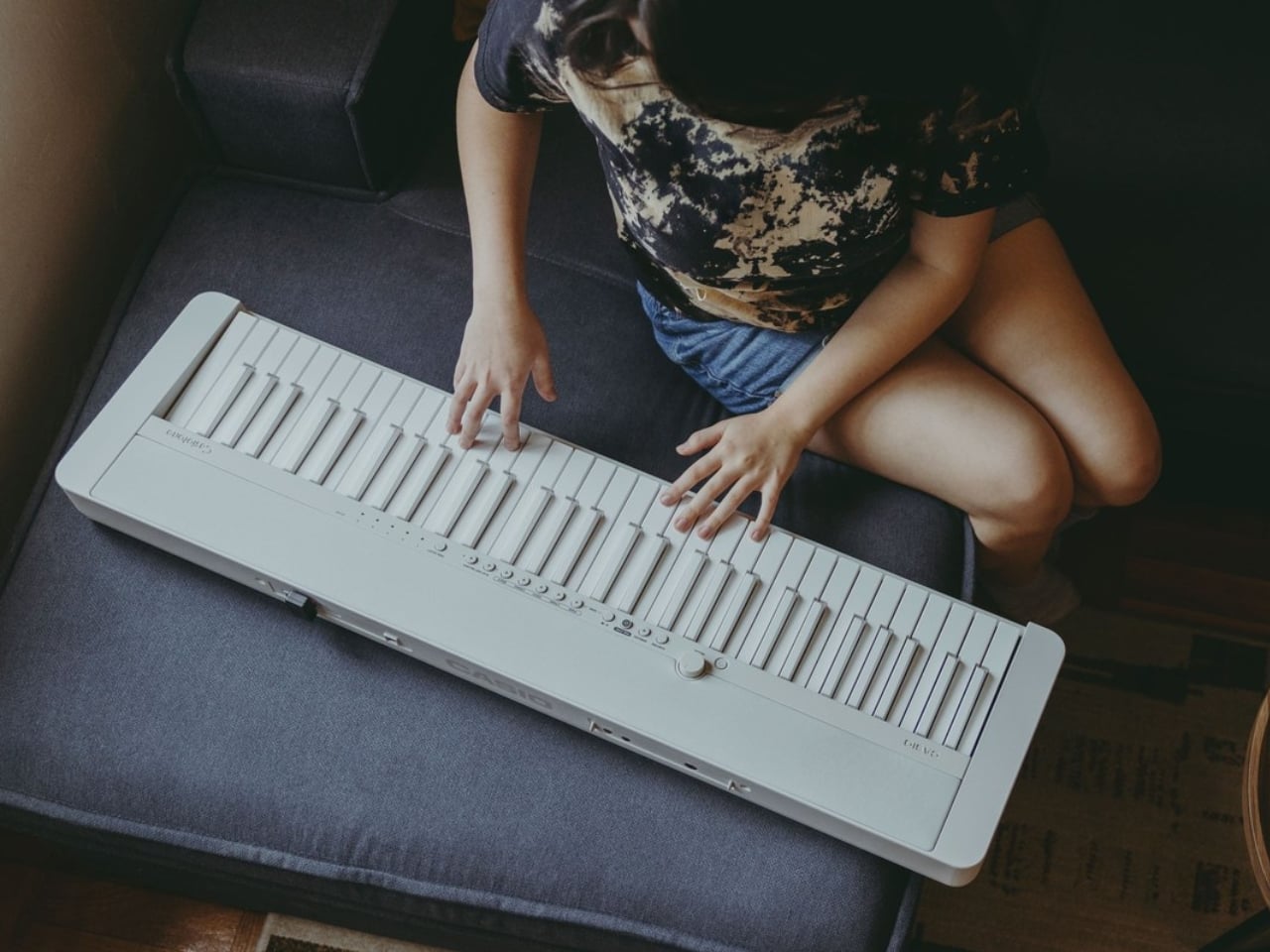
That distinction matters. Hitting notes that fit a recording isn’t the same as learning to play that song, and I wouldn’t buy this expecting corrected notes to teach my hands their way around a piano. But making music for pleasure is a reasonable goal on its own. How reliably Feel Sync handles different recordings still needs hands-on testing; the appealing idea is giving a beginner fewer things to worry about at once.

The physical design follows a similar logic. Available in Midnight Black or Alpine White, the CT-FS1 carries one color across its case and all 61 keys. Casio also leaves a screen off the top panel, keeping the instrument visually restrained. I appreciate a keyboard that doesn’t look like it needs its own dedicated studio corner. For an object that might live beside a couch, that restraint feels like a practical design decision.
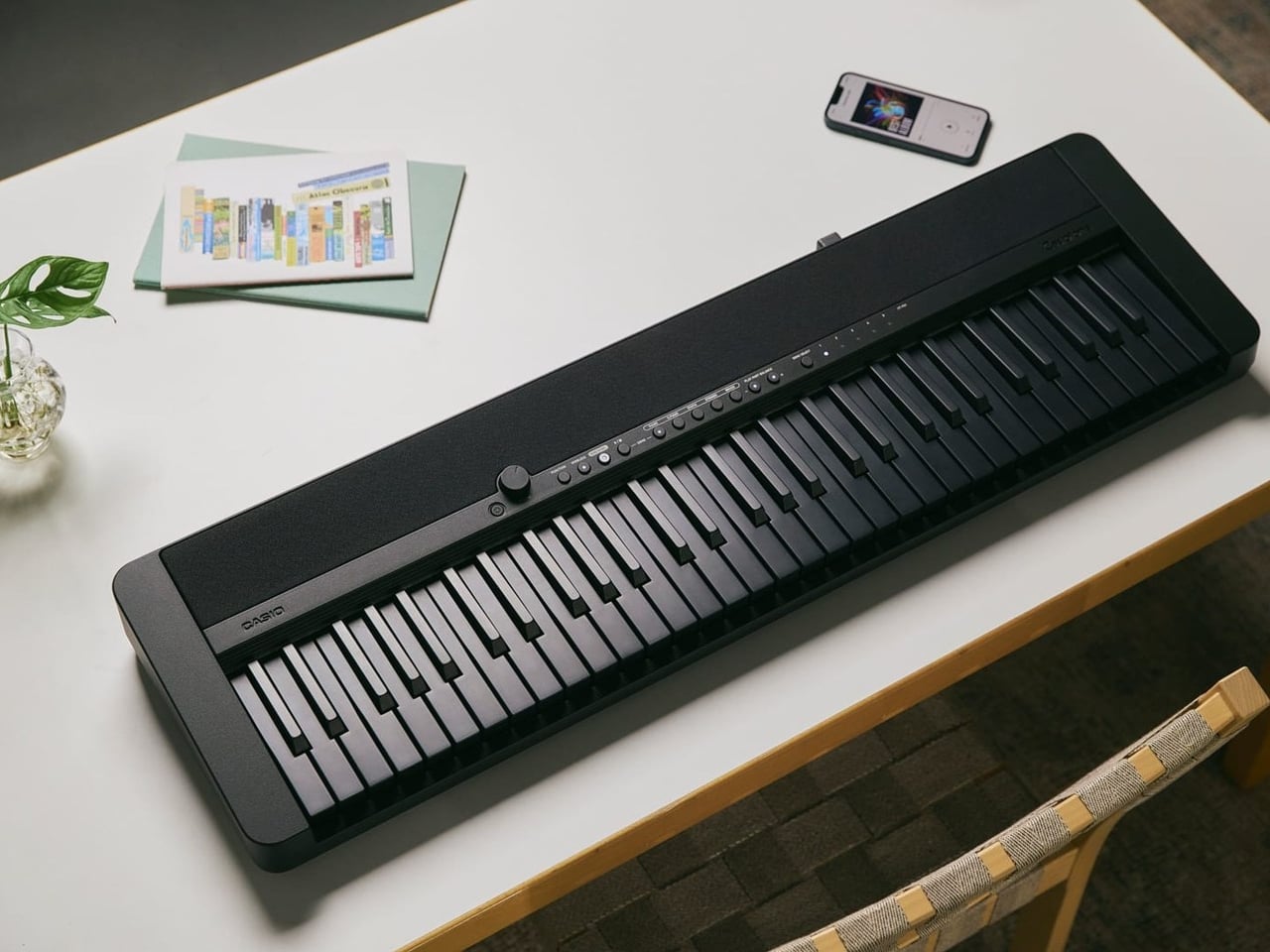
I’m a little less sold on removing the familiar contrast between black and white keys. The monochrome treatment makes a strong visual statement, but it also removes a useful reference for finding your place. That seems worth considering if conventional piano lessons are the eventual plan. The appearance suits the product’s invitation to experiment, even if it introduces a tradeoff for learning.

Underneath that matching finish are full-size, touch-responsive keys and 61 built-in tones, covering piano, electric piano, organs, strings, and synths. Built-in stereo speakers let it function without an external speaker setup, while a headphone jack offers a less public option. It weighs about 9.9 pounds without batteries and can run from the included AC adapter or six AAs. Those are sensible provisions for moving it between a desk and the living room.
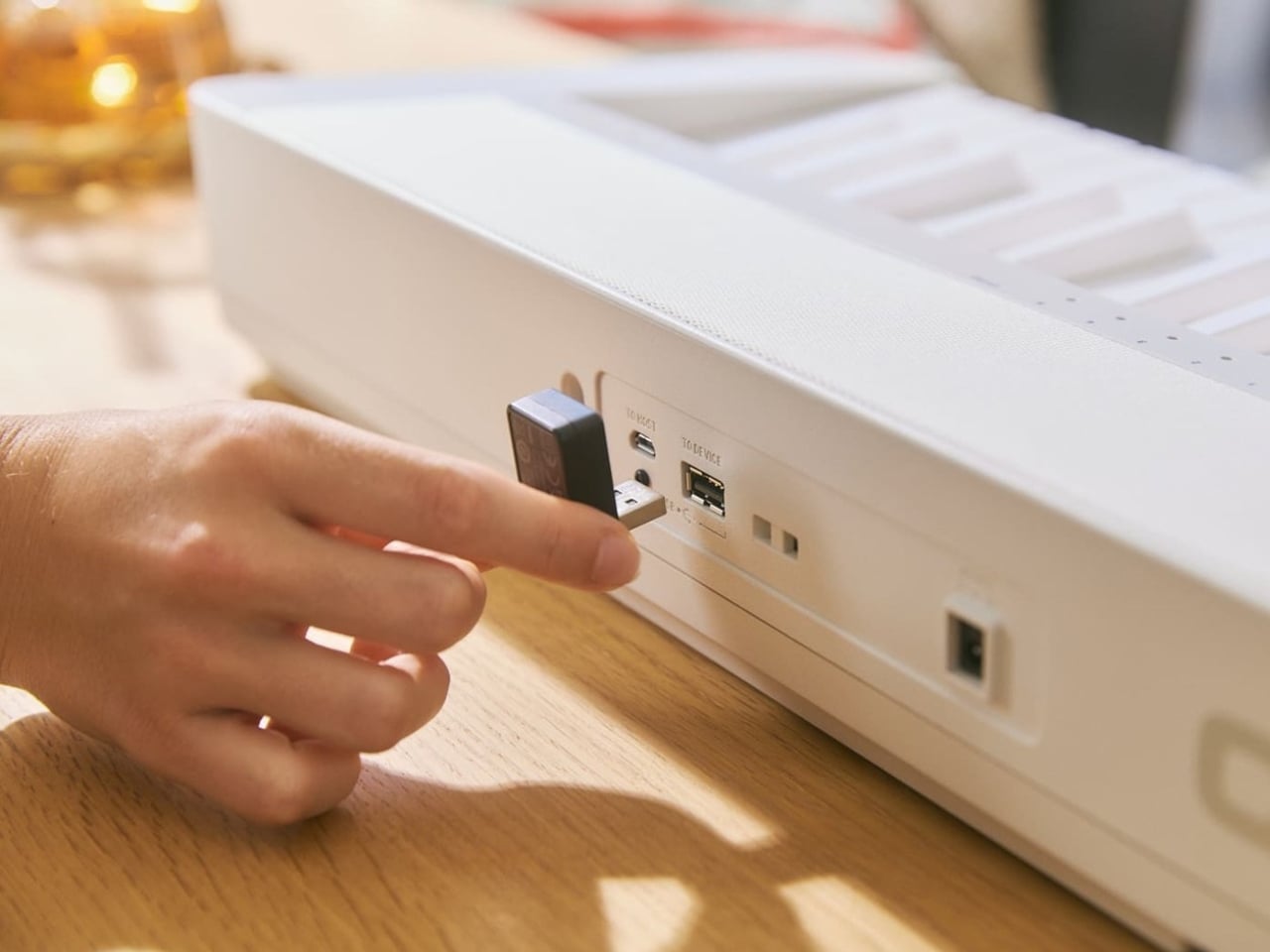
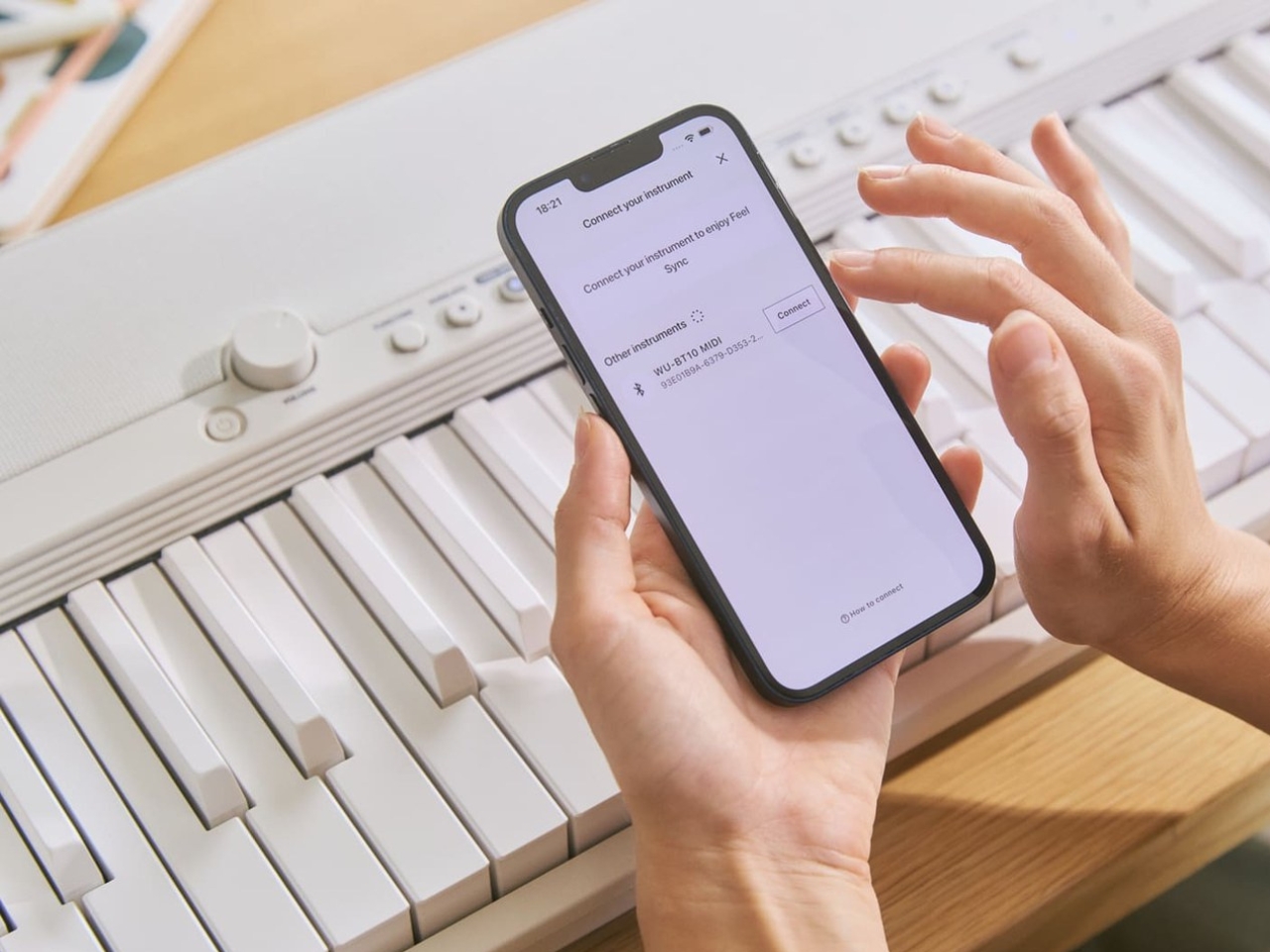
One limitation deserves attention before anyone buys it for their favorite playlist: Feel Sync doesn’t support streaming services. It accepts MP3, WAV, and AIFF files stored on your device, so choosing a song isn’t as simple as opening Spotify. The included WU-BT10 adapter handles the wireless connection to a compatible phone or tablet. I’d check which recordings I actually have as files before treating the play-along feature as an effortless route into my music library.

The split mode might be the most thoughtful feature here. One half can use Feel Sync while the other remains a conventional keyboard, allowing an experienced player and a beginner to share a song. That could make a family session feel less like one person demonstrating while the other watches. Feel Sync can also be switched off entirely when you want the keys to behave normally.

Announced November 3 and available now at roughly $400, the CT-FS1 asks buyers to value that easier entry into playing. I’d be more interested in it as a living-room instrument for casual accompaniment than as a shortcut through piano lessons. There’s room for both kinds of ambition. If someone wants to spend twenty minutes adding their own rhythm to a favorite track, I don’t think the instrument needs to demand a larger commitment before letting them have fun.

The post Casio’s Keyboard Lets You Jam Without Knowing the Notes first appeared on Yanko Design.
The iPad Mini OLED is Almost the Perfect Small Tablet

The iPad Mini OLED is Almost the Perfect Small Tablet iPad Mini OLED

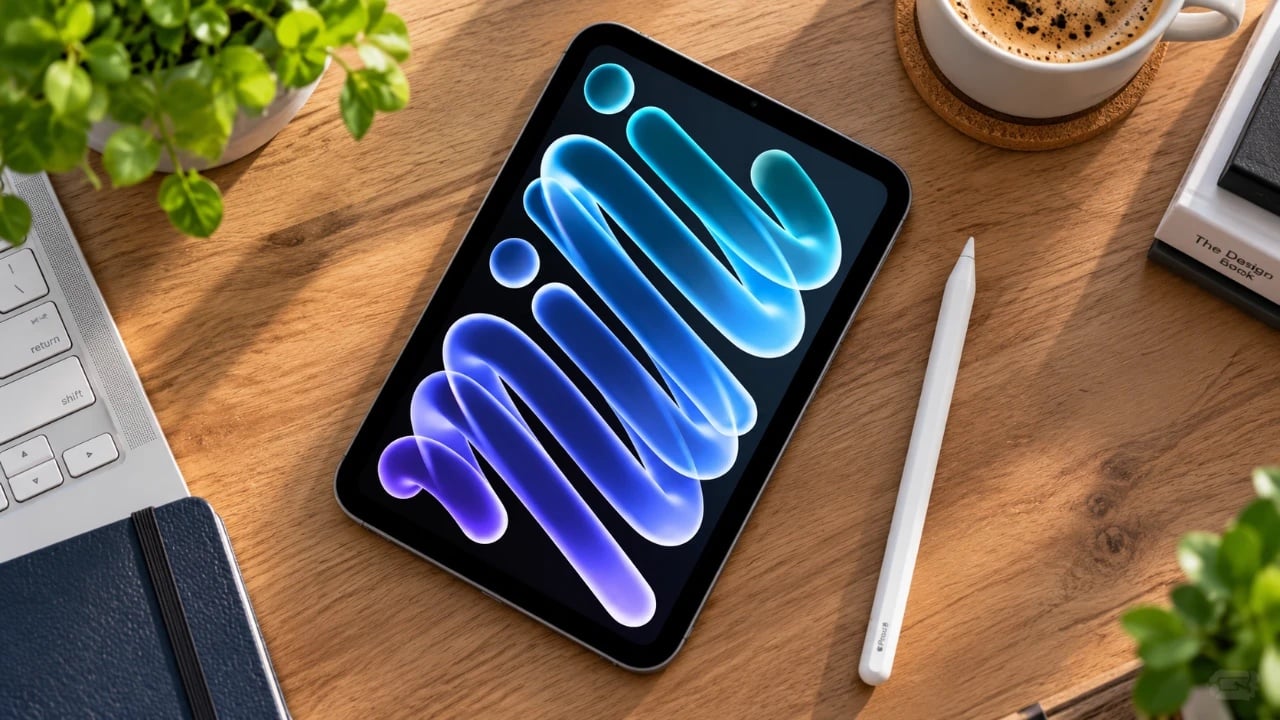
The iPad Mini OLED introduces a range of upgrades, including a vivid OLED display and the powerful A20 Pro chip, making it a compelling choice for users seeking a compact yet high-performance tablet. However, its premium price and the absence of a 120Hz refresh rate may leave some questioning its overall value. In the video […]

The post The iPad Mini OLED is Almost the Perfect Small Tablet appeared first on Geeky Gadgets.

Posted in Uncategorized

Fraunhofer Small Wind Turbines Top Conventional Output By 83%

Fraunhofer Small Wind Turbines Top Conventional Output By 83% A small Fraunhofer wind turbine spinning in a residential area.

Fraunhofer’s latest small wind turbine achieves an impressive 83% increase in power output compared to conventional models, addressing key limitations in low-wind regions. As highlighted by Ziroth, this breakthrough is made possible through a combination of lightweight composite blades and advanced manufacturing techniques, including 3D-printed molds and automated fiber placement. The turbine operates at an […]

The post Fraunhofer Small Wind Turbines Top Conventional Output By 83% appeared first on Geeky Gadgets.

Posted in Uncategorized

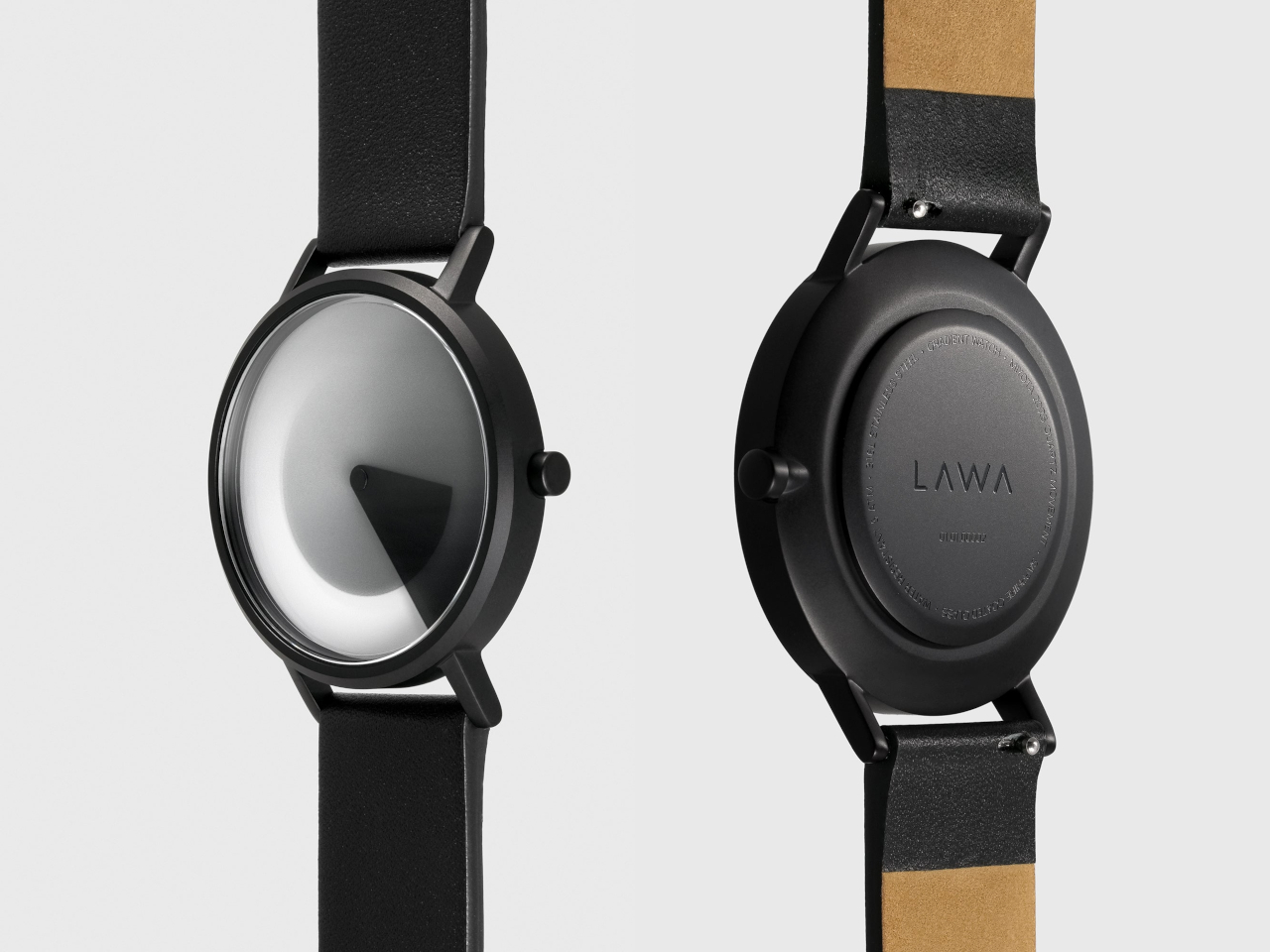
LAWA’s Gradient Watch Uses Rotating Discs Instead of Hands

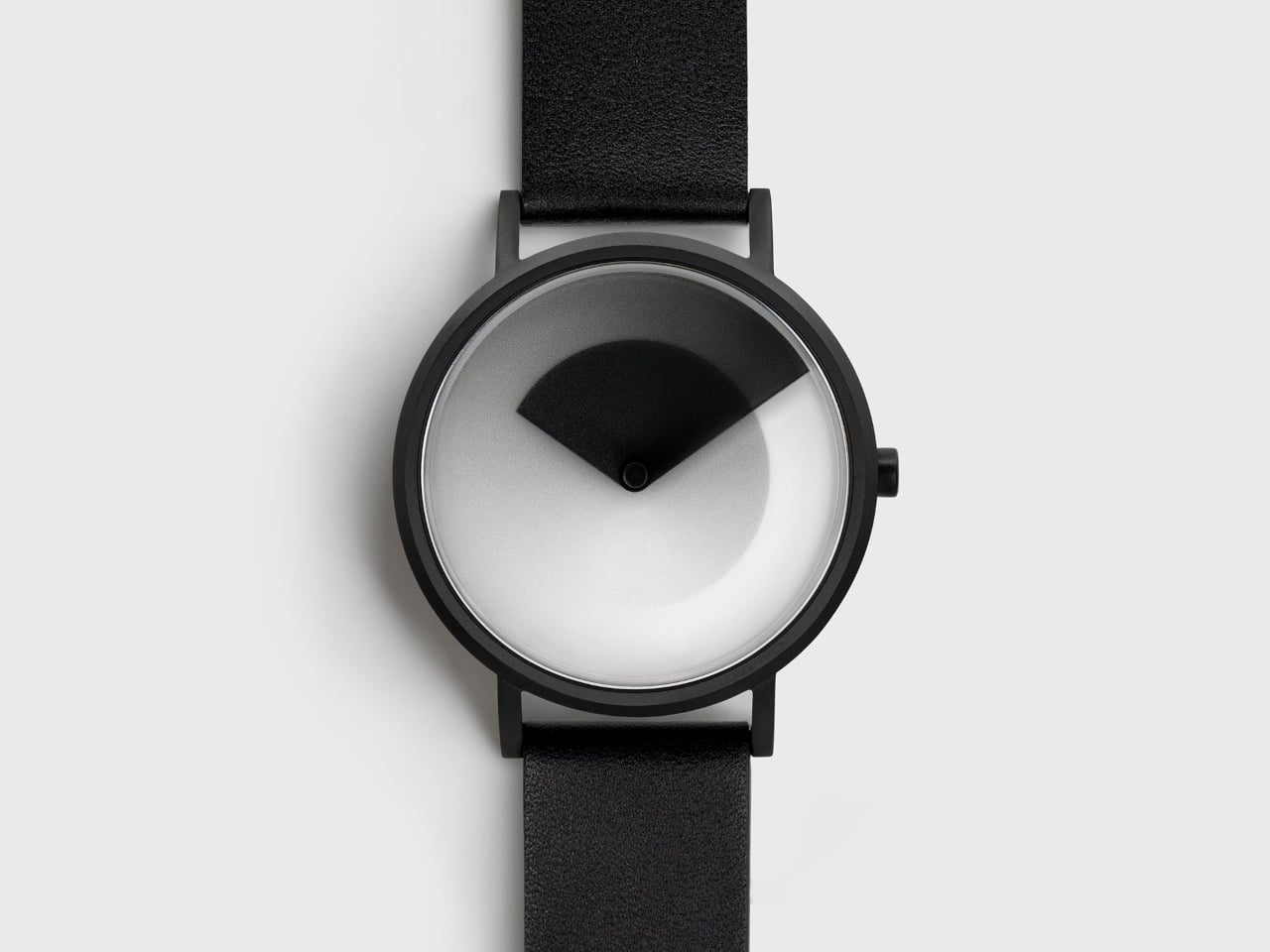
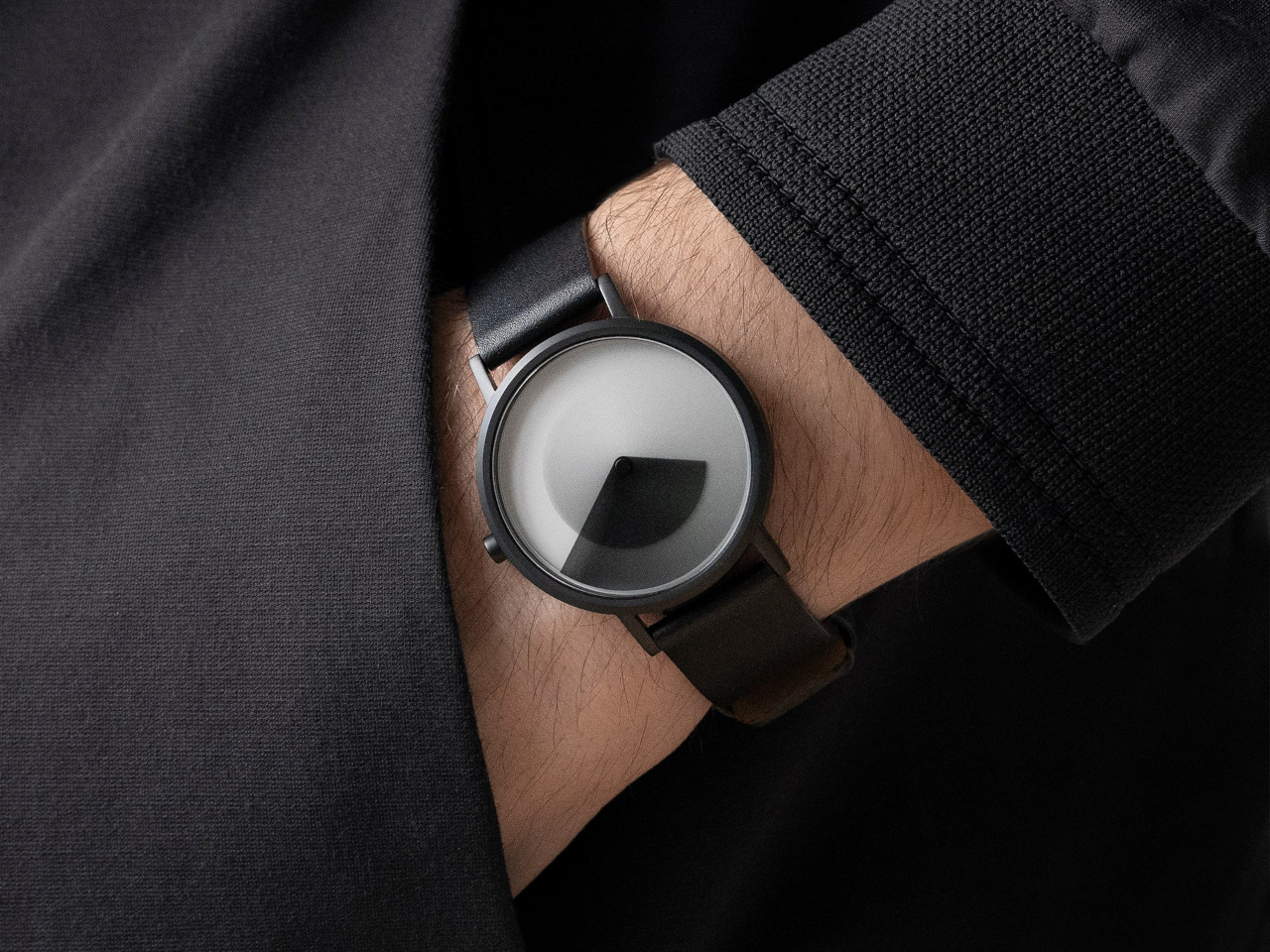
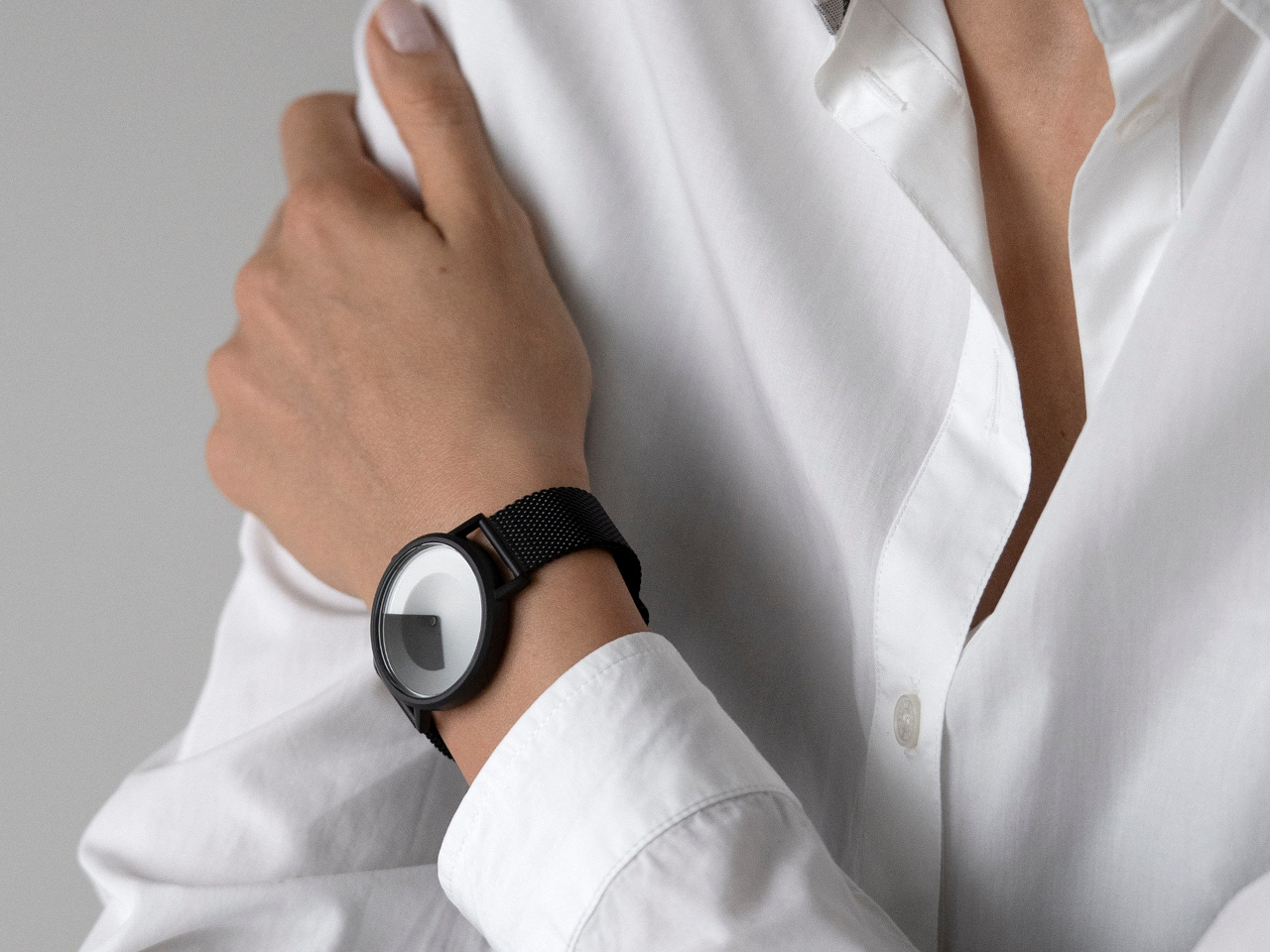
Most wristwatches give you a pair of hands to follow, even when they’ve stripped away the numbers. LAWA Design’s Gradient Watch removes those pointers, too, replacing them with two overlapping gradients that indicate hours and minutes. Sold with leather or mesh straps, the watch turns the passing day into a changing composition of light and dark, without putting a screen on your wrist.

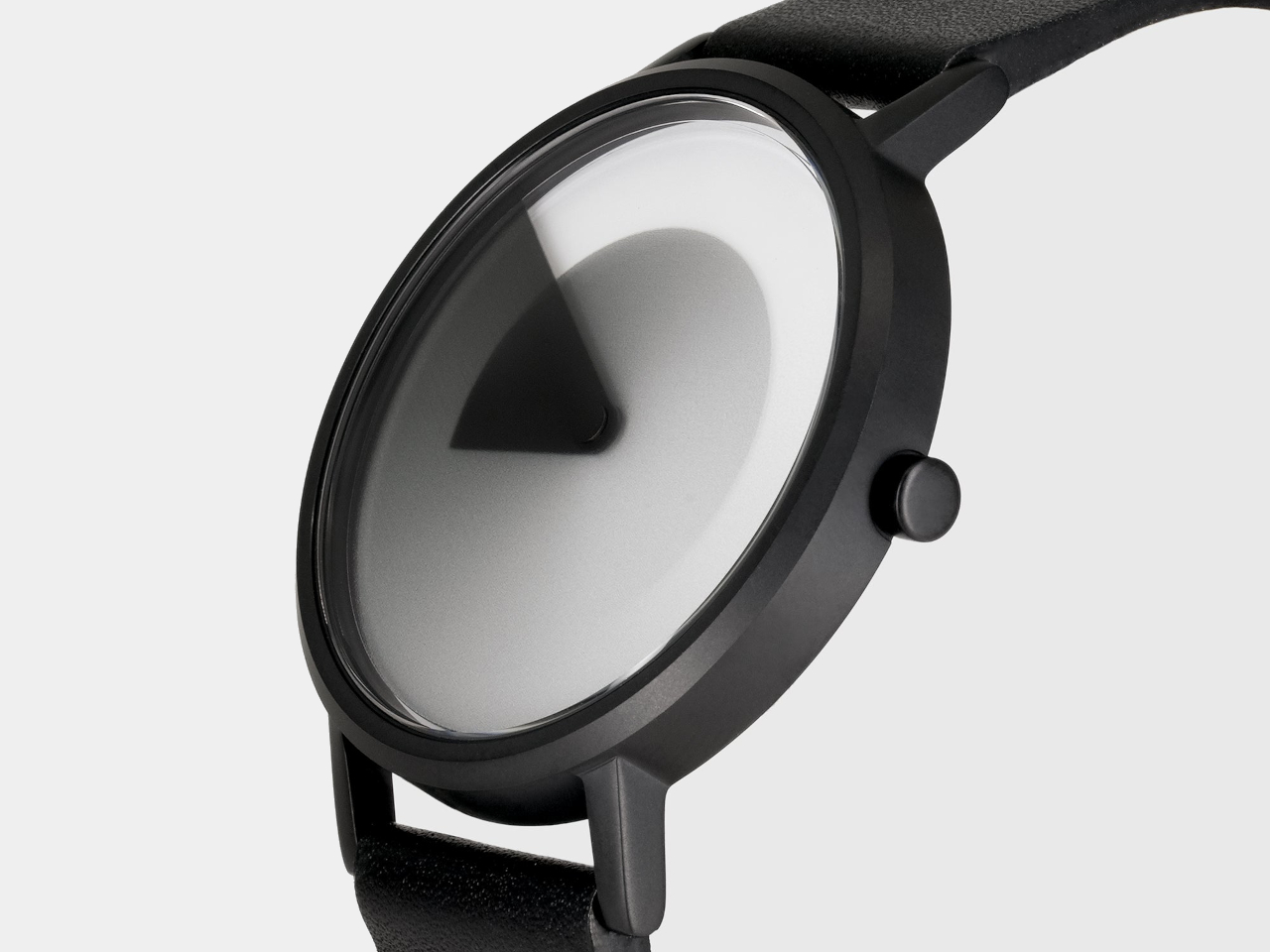
The effect comes from semitransparent discs, one marking the hours and the other the minutes. Their rotating gradients overlap, creating darker sections where the tones combine and paler areas elsewhere. The changing pattern belongs to the timekeeping mechanism itself, rather than an animation playing behind it. Checking your wrist during breakfast and over lunch means finding a different arrangement inside the circular frame.

Designers: Ewa Bryzek and Allen Shakir LAWA DESIGN

The rest of the watch is familiar. A round, 1.5-inch case in 316L stainless steel frames the gradients, with slim lugs connecting it to the strap and a small crown at the side. The black version pairs a matte finish with a pale dial, keeping the strongest contrast inside the bezel rather than decorating the outside with extra controls or conspicuous branding.

Inside is a Japanese Miyota 2025 quartz movement, a conventional mechanism behind that unconventional face. There are no menus to navigate, apps to synchronize, or notification settings to silence at dinner. Of course, an ordinary analog watch offers those same freedoms. What’s different here is how much of the dial participates in telling time, instead of serving as a background for moving hands.

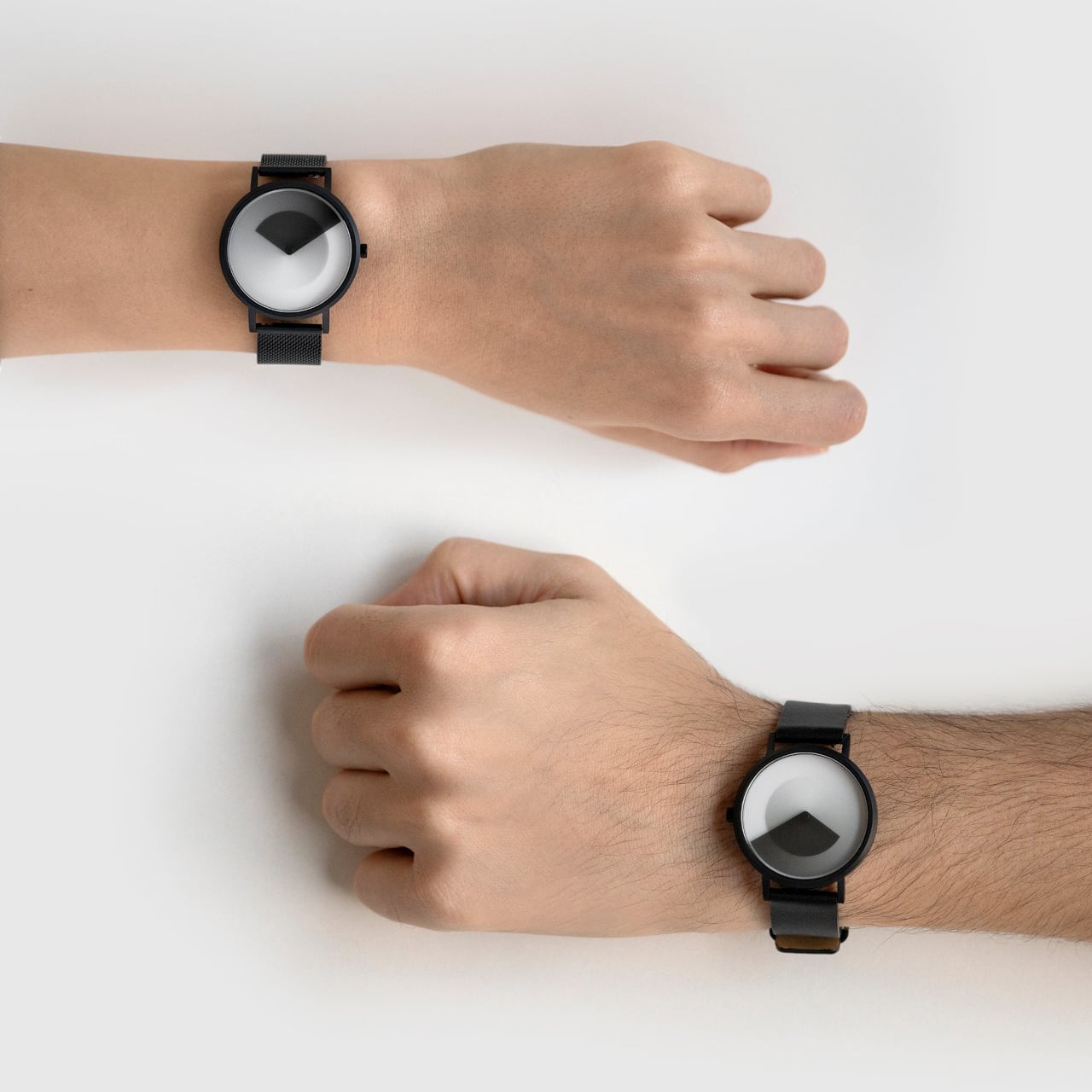
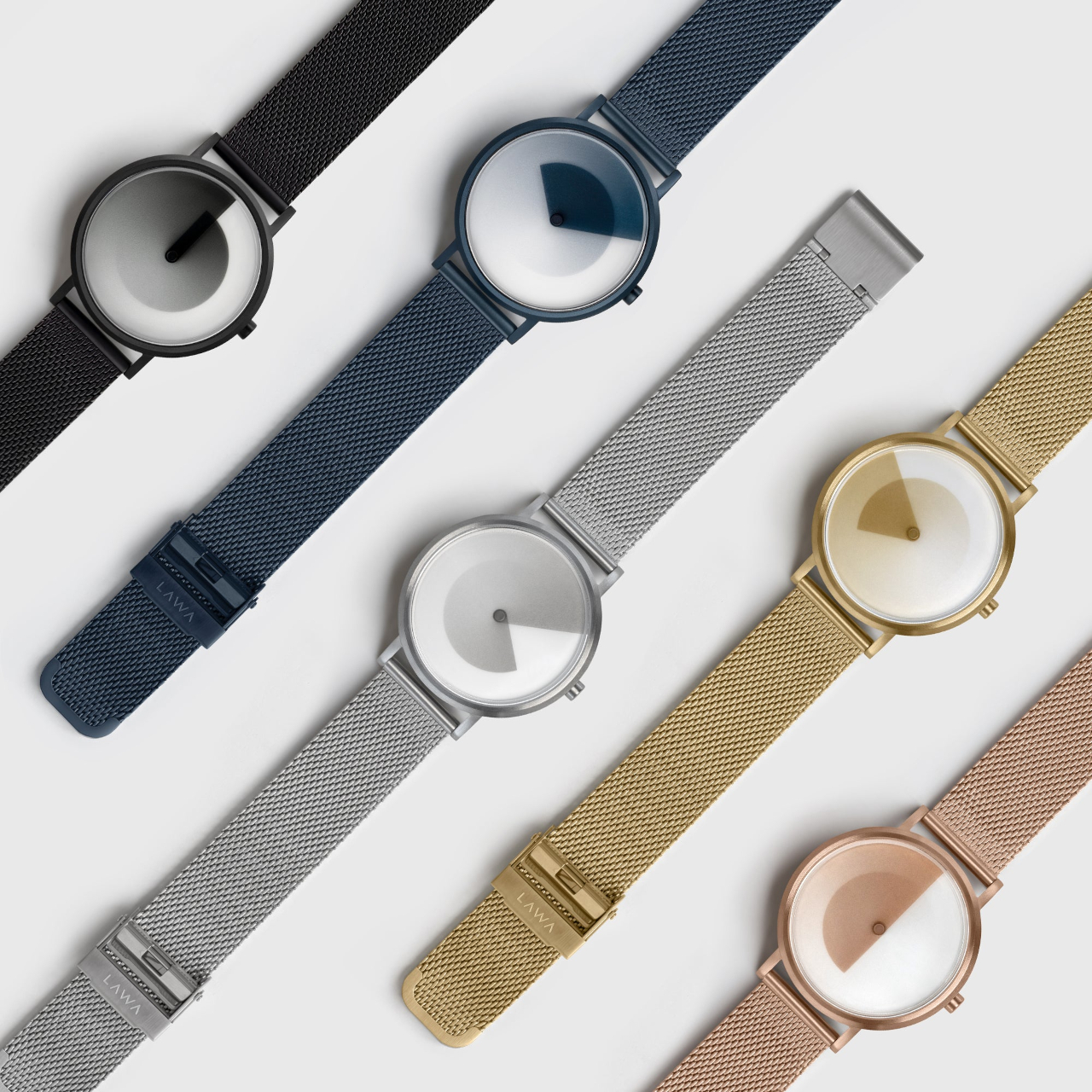
Black makes the overlap particularly graphic, but the collection doesn’t stay entirely monochrome. Navy Blue and Pine Green give the changing gradients a cooler cast, while Silver, Gold, and Rose Gold offer different case finishes around the same idea. Matching mesh bands extend the color along the wrist, letting the watch feel more like jewelry without adding another printed graphic to the face.

Changing the strap lets you adjust that character without replacing the watch. Leather gives the black case a quieter backdrop, while stainless steel mesh adds a finer pattern alongside the broad gradients. Both use quick-release fittings, so you don’t need tools to switch them. The leather configuration weighs 1.48 ounces, compared with 2.40 ounces on mesh, making the choice more than cosmetic. The specifications include sapphire-coated mineral crystal, rather than solid sapphire, and 5 ATM water resistance.

That doesn’t necessarily make it easier to read. Without numerals or minute markers, you’re interpreting the position of shaded areas rather than lining up a pointer against a scale. The dial gives you less clutter, but also fewer reference points. If you’re counting down the minutes before a train leaves, that tradeoff deserves more consideration than the appeal of an uncluttered face.

The post LAWA’s Gradient Watch Uses Rotating Discs Instead of Hands first appeared on Yanko Design.
Build a ESP32 S3 Powered Smart Thermostat with Home Assistant Support for $70

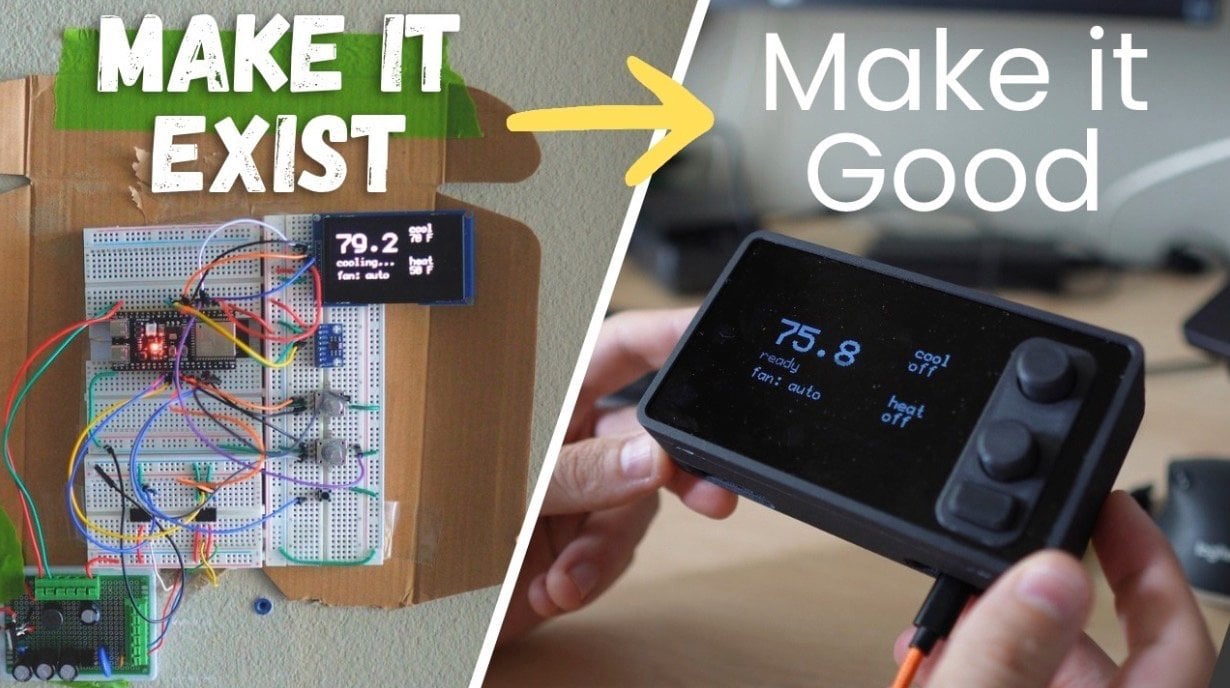
Build a ESP32 S3 Powered Smart Thermostat with Home Assistant Support for $70 An ESP32-S3 microcontroller wired on a prototyping breadboard.

Building an open source smart thermostat is an engaging project that blends technical skills with practical applications. According to Designing Good Ideas, this project revolves around the ESP32-S3 microcontroller, which offers both WiFi and Bluetooth connectivity. Key components include an OLED display for user interaction and relays to manage HVAC systems. Understanding specific concepts like […]

The post Build a ESP32 S3 Powered Smart Thermostat with Home Assistant Support for $70 appeared first on Geeky Gadgets.

Posted in Uncategorized