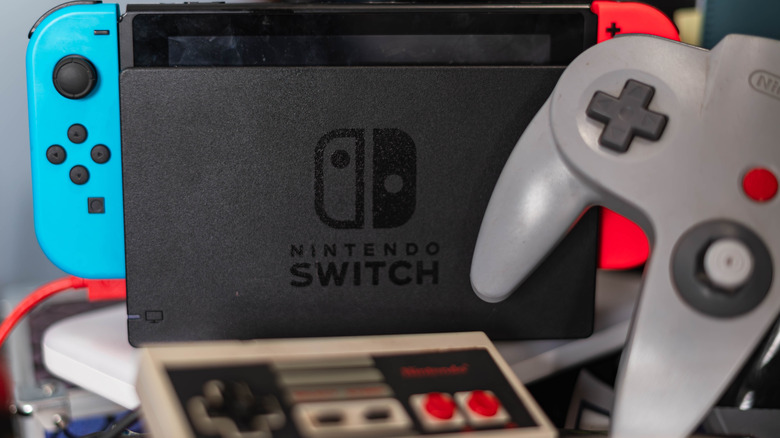
Not the GameCube, not the Wii U: This was Nintendo’s most unsuccessful console
Nintendo's worst-ever console was awkward to use and didn't even sell a million units. But you can try it today if you're curious.

For years, steel furniture carried a predictable identity, purely functional and unapologetically utilitarian. It belonged to offices, factories, and workshops, valued more for endurance than aesthetics. That perception has quietly transformed. Steel now commands attention in refined living spaces, boutique hotels, and architect-designed homes.
Designers are reshaping steel’s image, balancing raw structural honesty with elegance, craftsmanship, and emotion. Let’s understand why steel furniture is not just chosen for durability, but for character, for its ability to anchor a space while making a distinct visual and artistic statement.
Steel’s defining advantage lies in its exceptional structural strength, allowing designers to create remarkably slender forms without compromising stability. Where wood often demands thickness for support, steel can bear substantial weight through refined, delicate frames. The result is furniture that appears lighter, sharper, and visually precise.
This slimness transforms how a space feels. Thin steel legs, narrow frames, and minimal lines reduce visual heaviness, making rooms appear more open and breathable. In compact urban interiors, especially, steel furniture introduces a sense of airiness and subtle sophistication. Pieces seem to float rather than occupy, delivering both physical durability and a sensitive, almost effortless aesthetic presence.
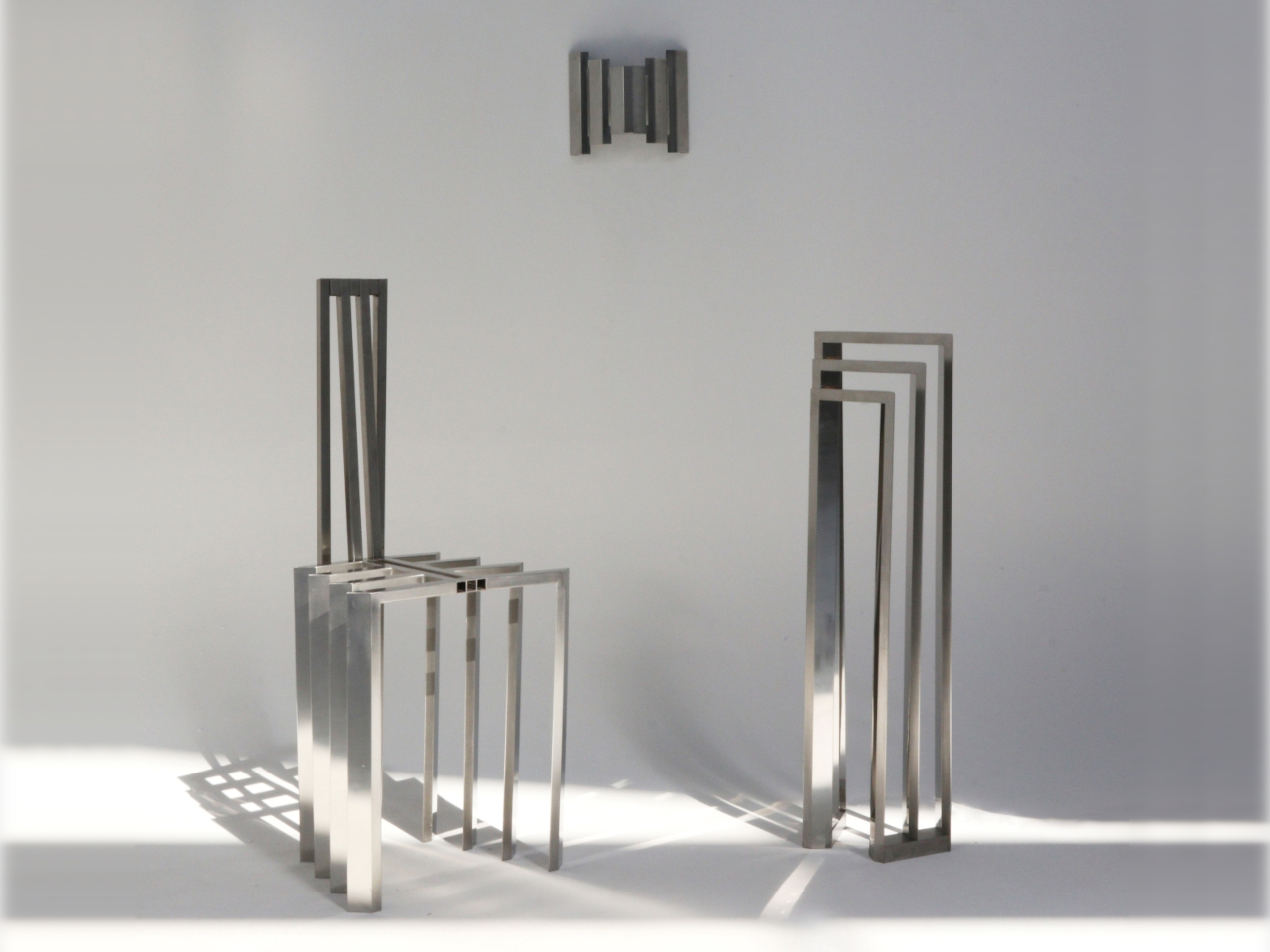
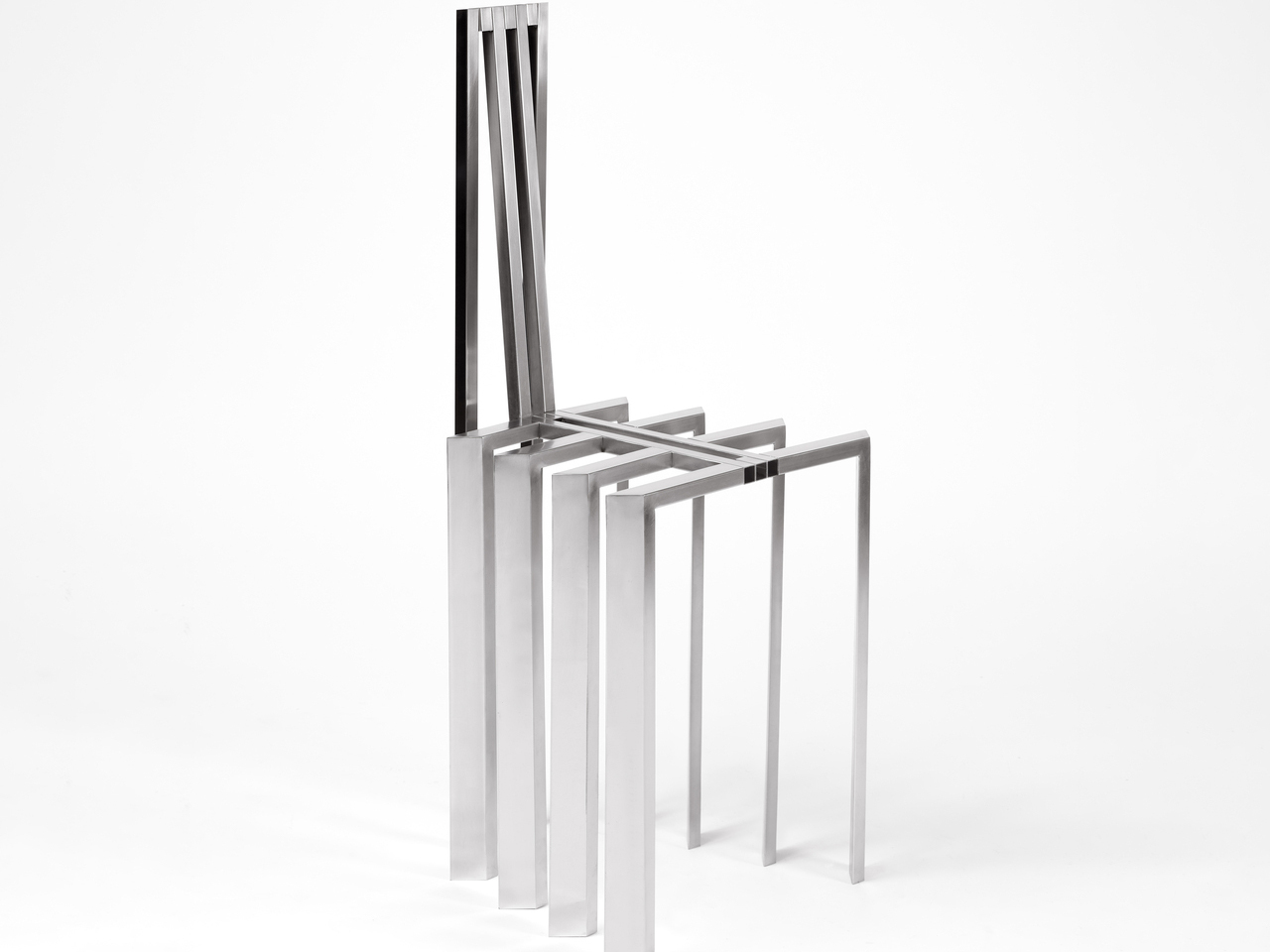
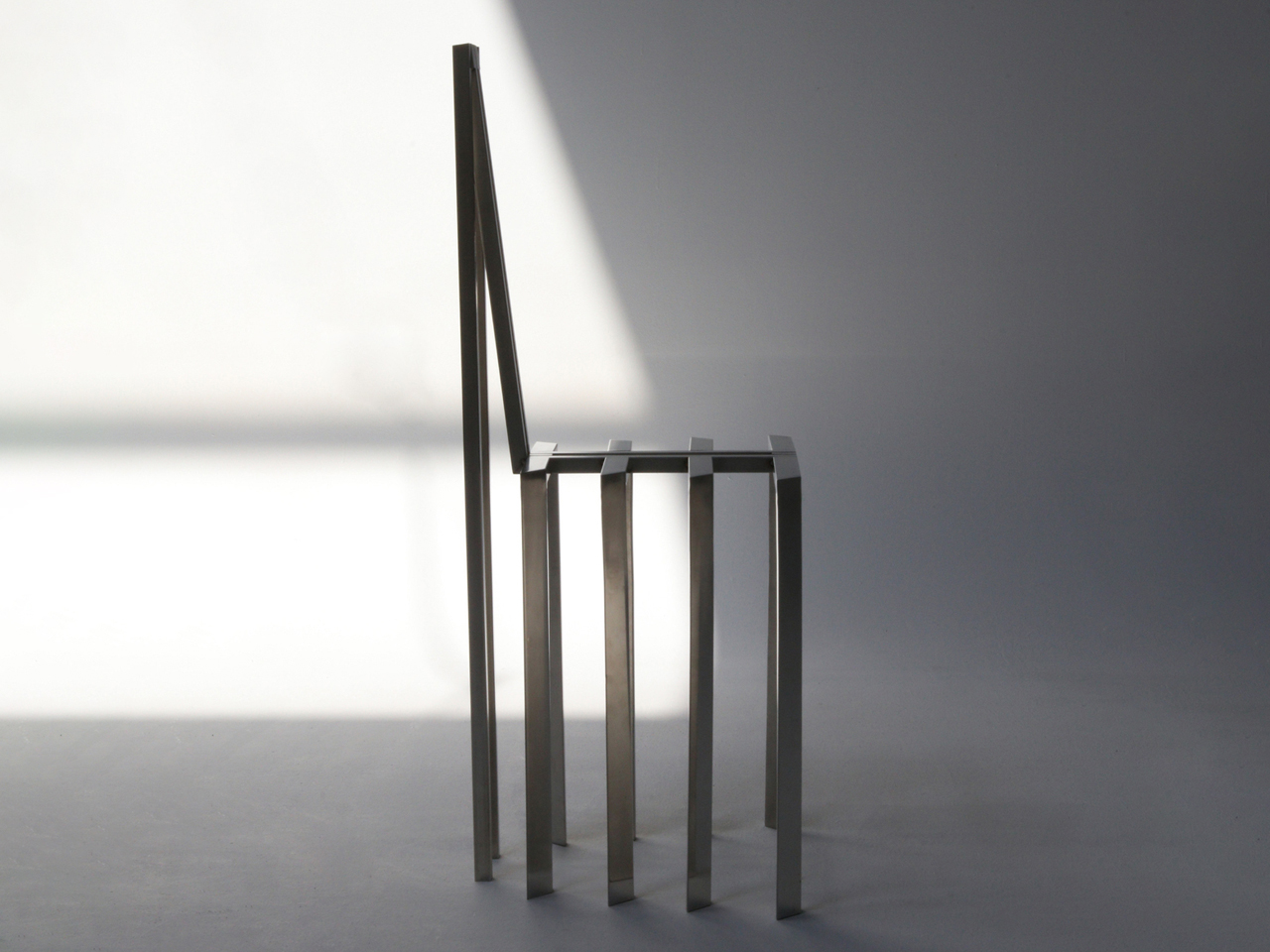
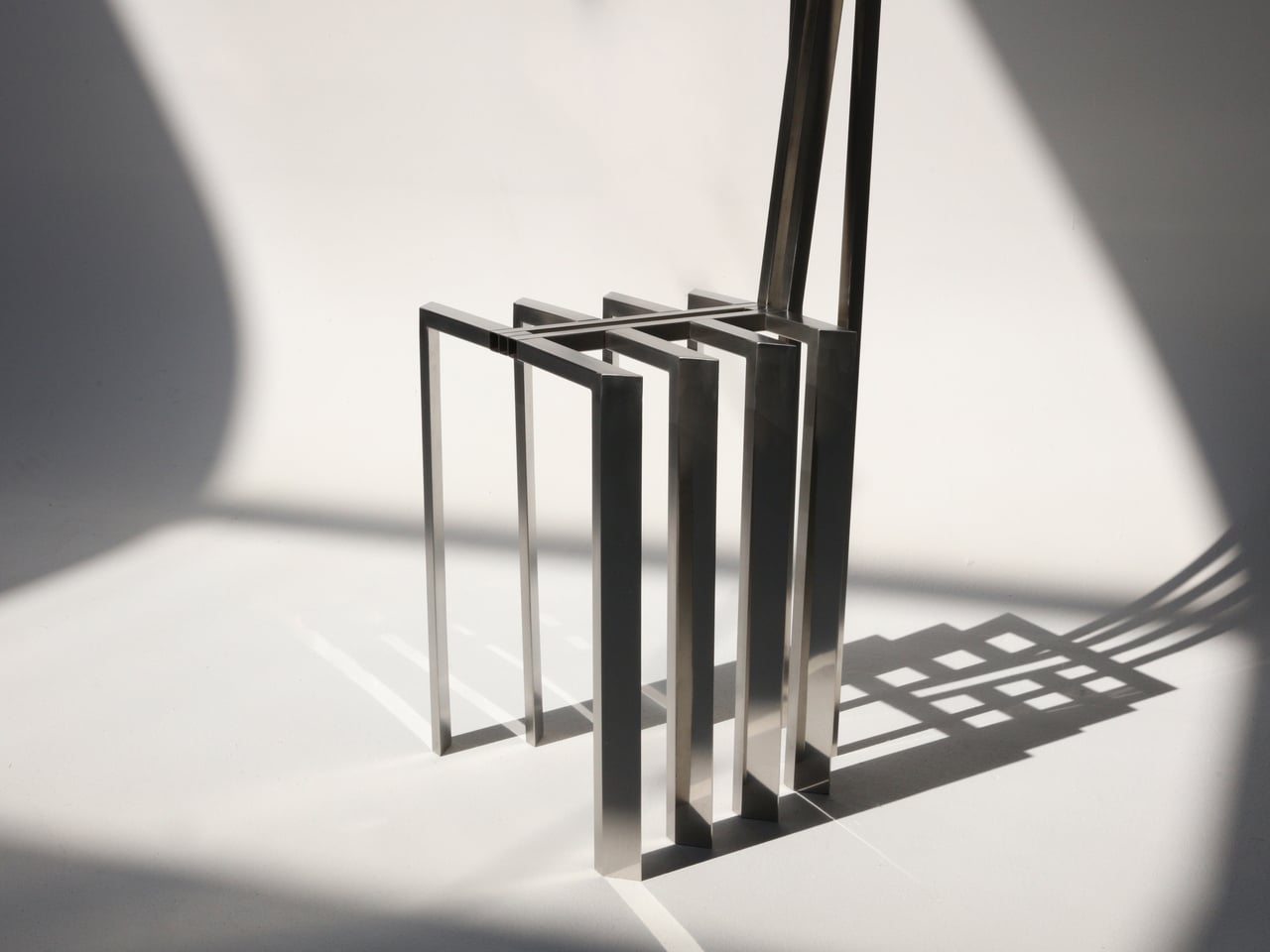
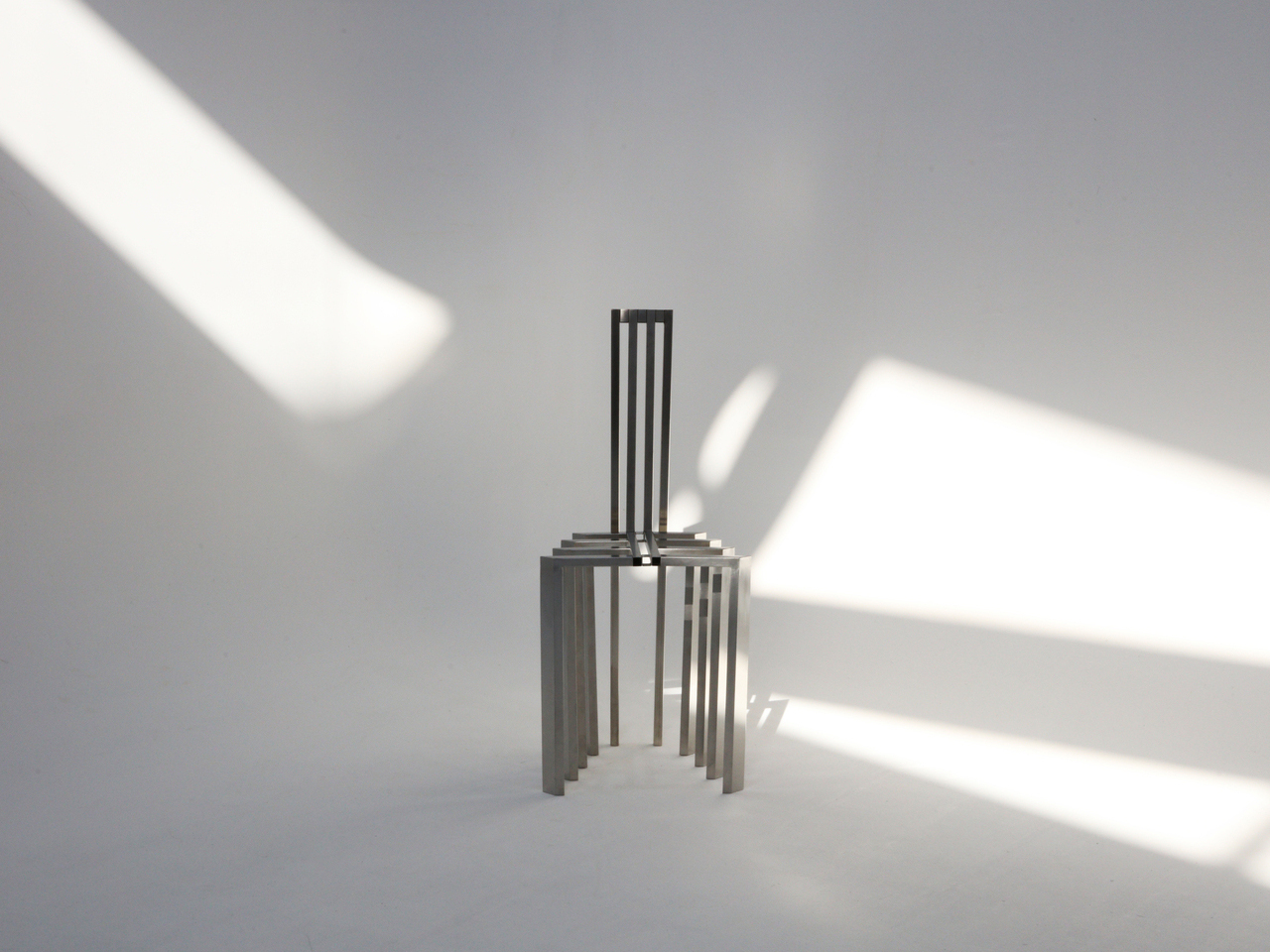
Jiyun Lee’s Foln series consists of three stainless steel pieces: the Linear Chair, a floor lamp and a wall lamp, each constructed from precisely folded metal lines. Defined by slender proportions and a vertical emphasis, the designs read as lightweight frameworks rather than solid volumes. The Linear Chair is composed of repeated uprights and crossbars that form both seat and backrest, creating a clear geometric rhythm while maintaining structural integrity. Its polished steel surface enhances the clarity of each line, allowing the form to stand out without added ornamentation.
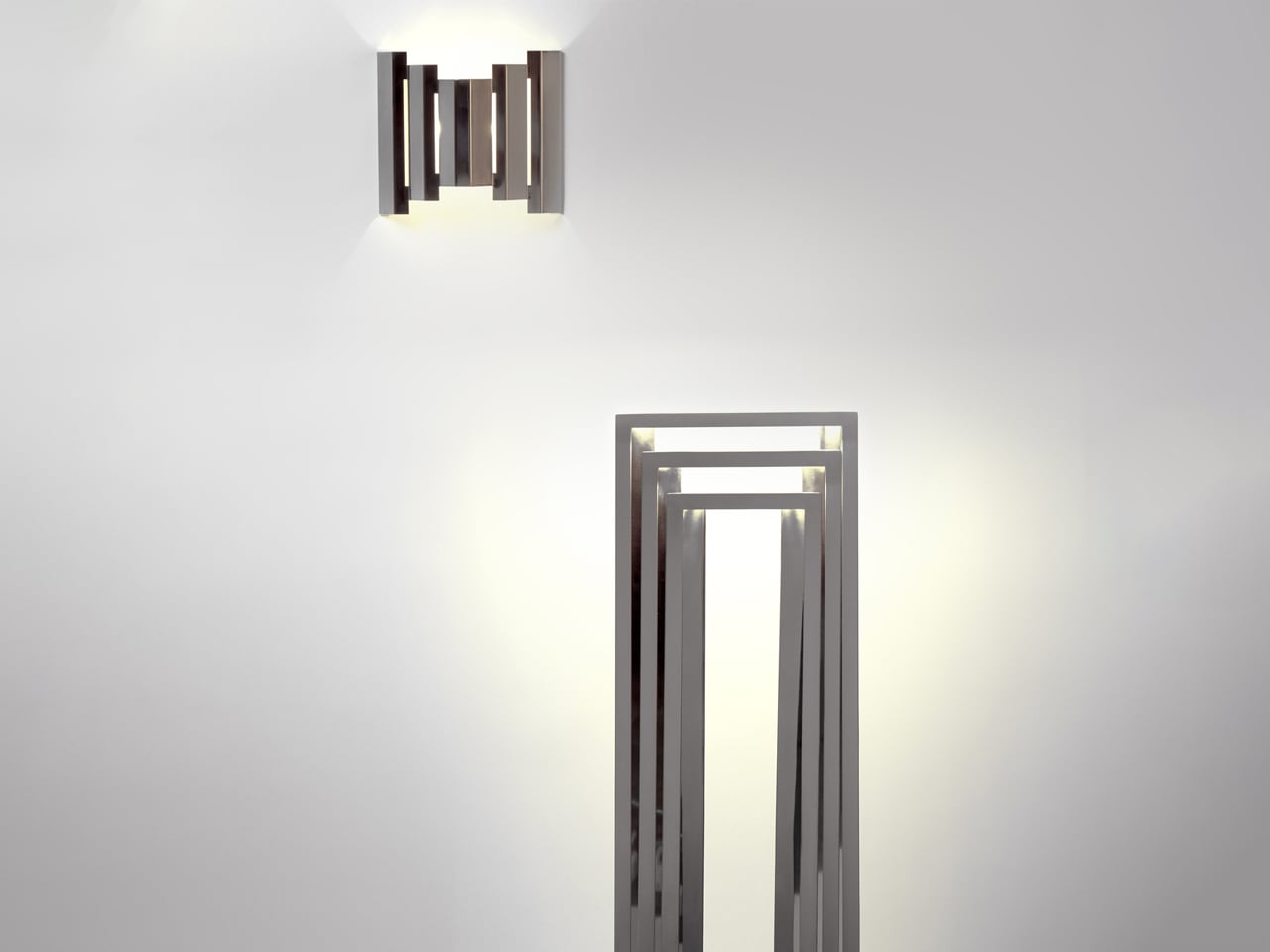
The floor and wall lamps translate the same linear language into lighting. Nested metal frames guide illumination so that it moves between bars before spilling onto adjacent surfaces. Instead of concealing the structure, the design highlights it, allowing light to interact directly with the steel geometry. Firm, minimal and sharply defined, each piece prioritises architectural presence and material clarity, positioning the collection closer to sculptural, collectible furniture than conventional everyday seating or task lighting.
Steel inevitably carries a sensory contradiction. Cool to the touch and visually crisp, it has long been associated with hardness and emotional distance. Its surface reflects light with precision, yet rarely conveys the immediate warmth of wood or fabric.
Contemporary design reframes this tension as an opportunity rather than a flaw. By pairing steel with tactile, human-centered materials like supple leather, textured wool, or natural timber, designers create a layered sensory experience. The contrast softens steel’s severity while amplifying its elegance. What emerges is a balanced dialogue between strength and comfort, where the metal’s cool composure enhances, rather than diminishes, the inviting warmth of the surrounding elements.
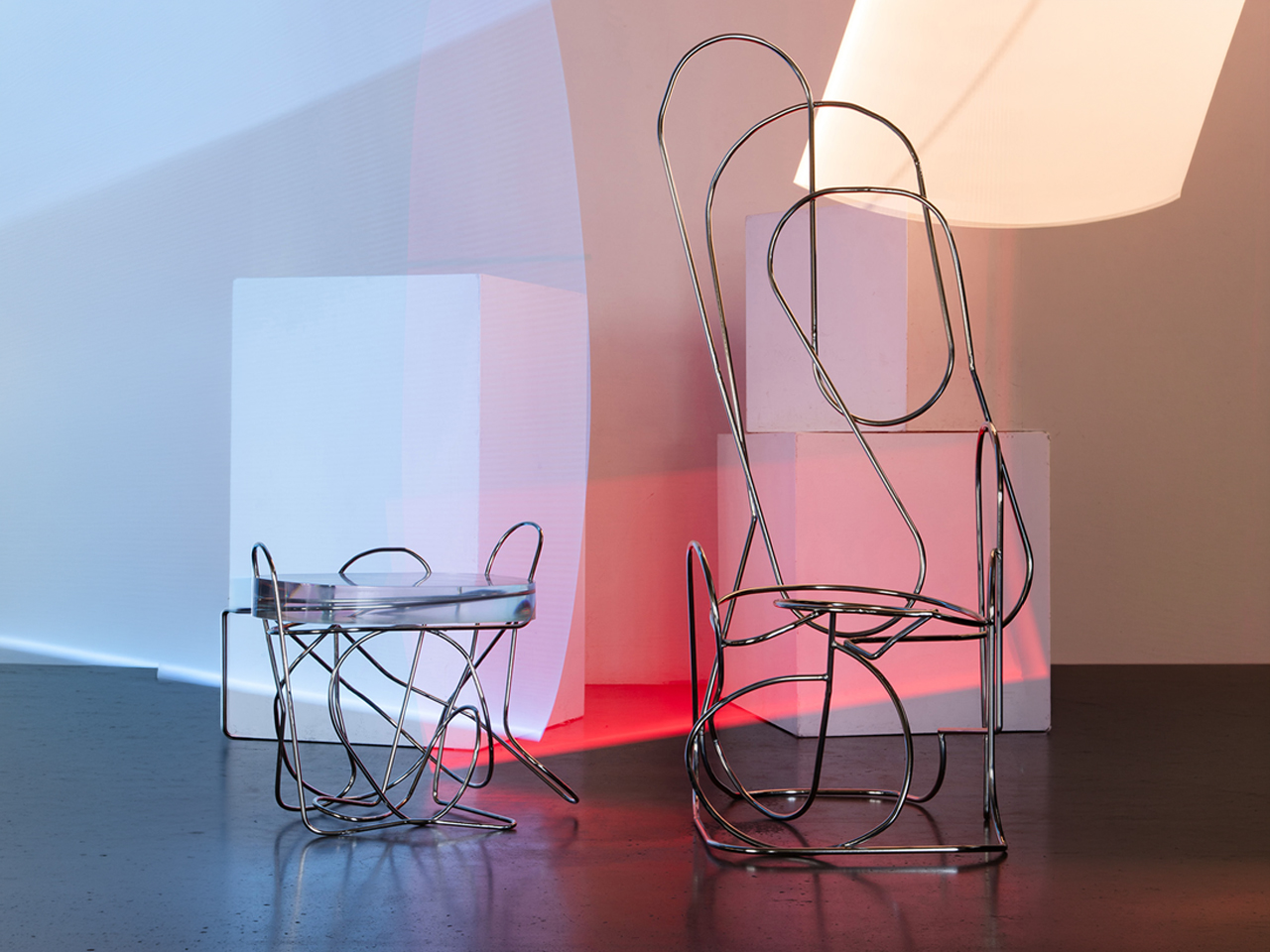
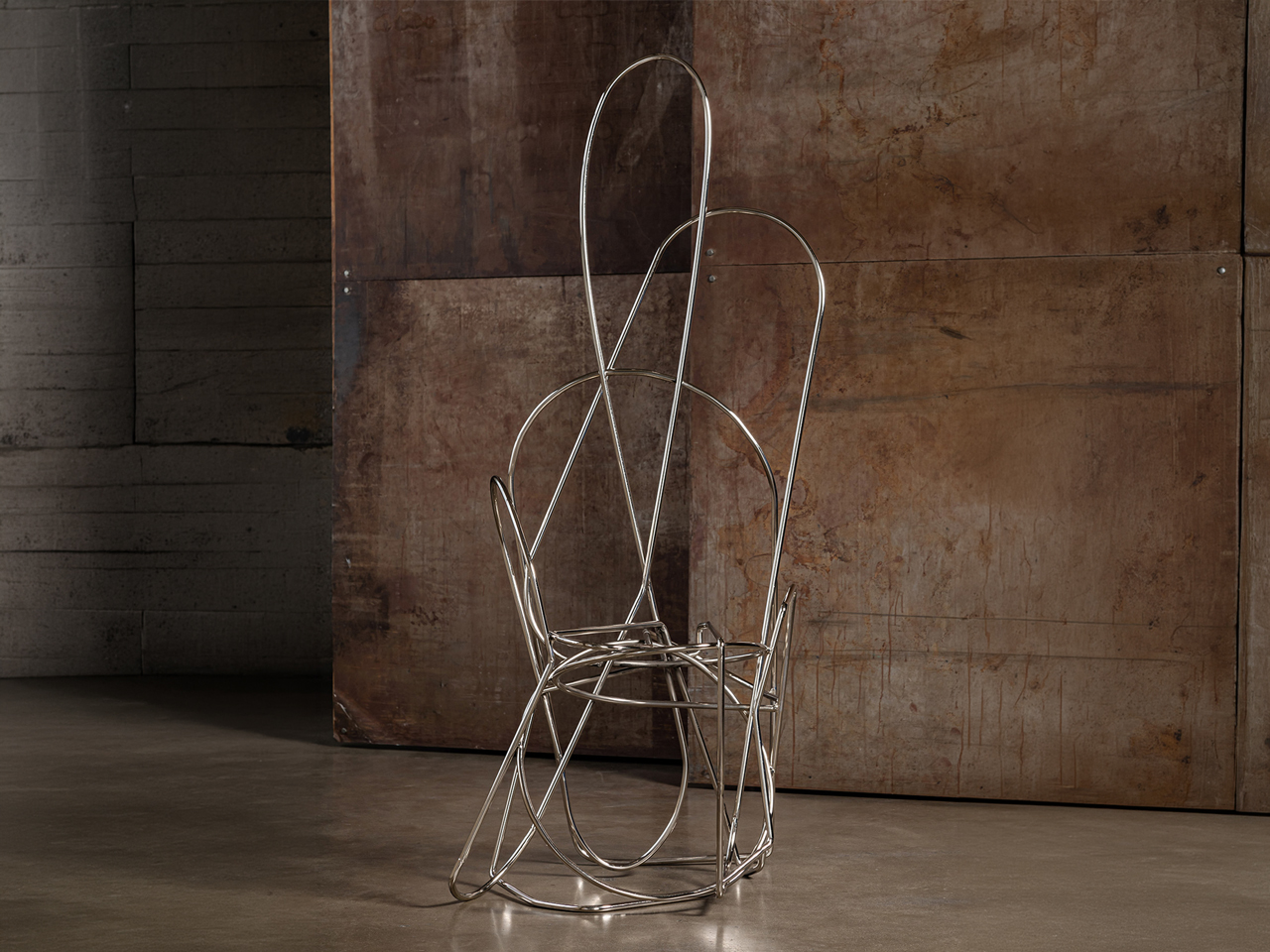
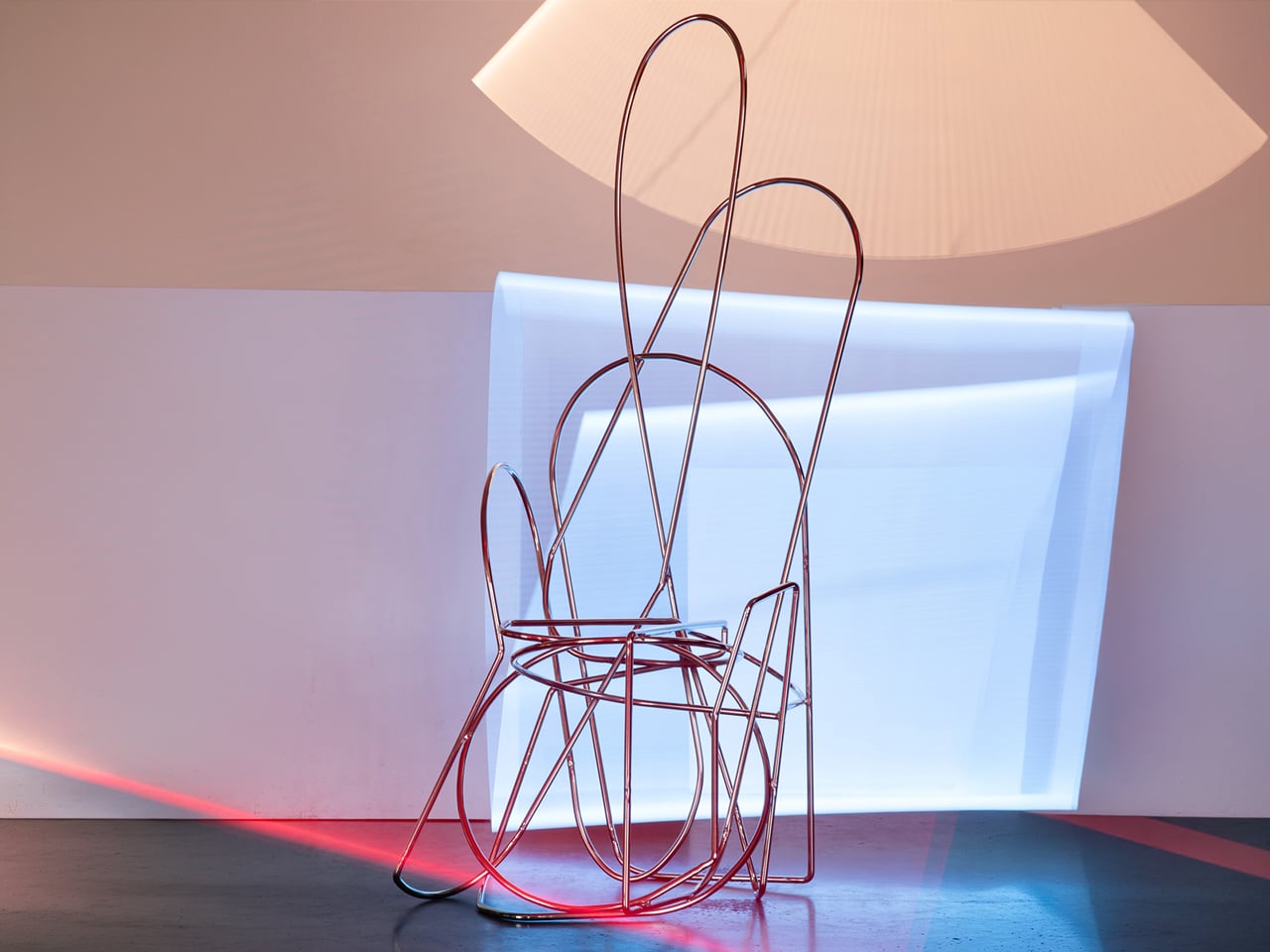
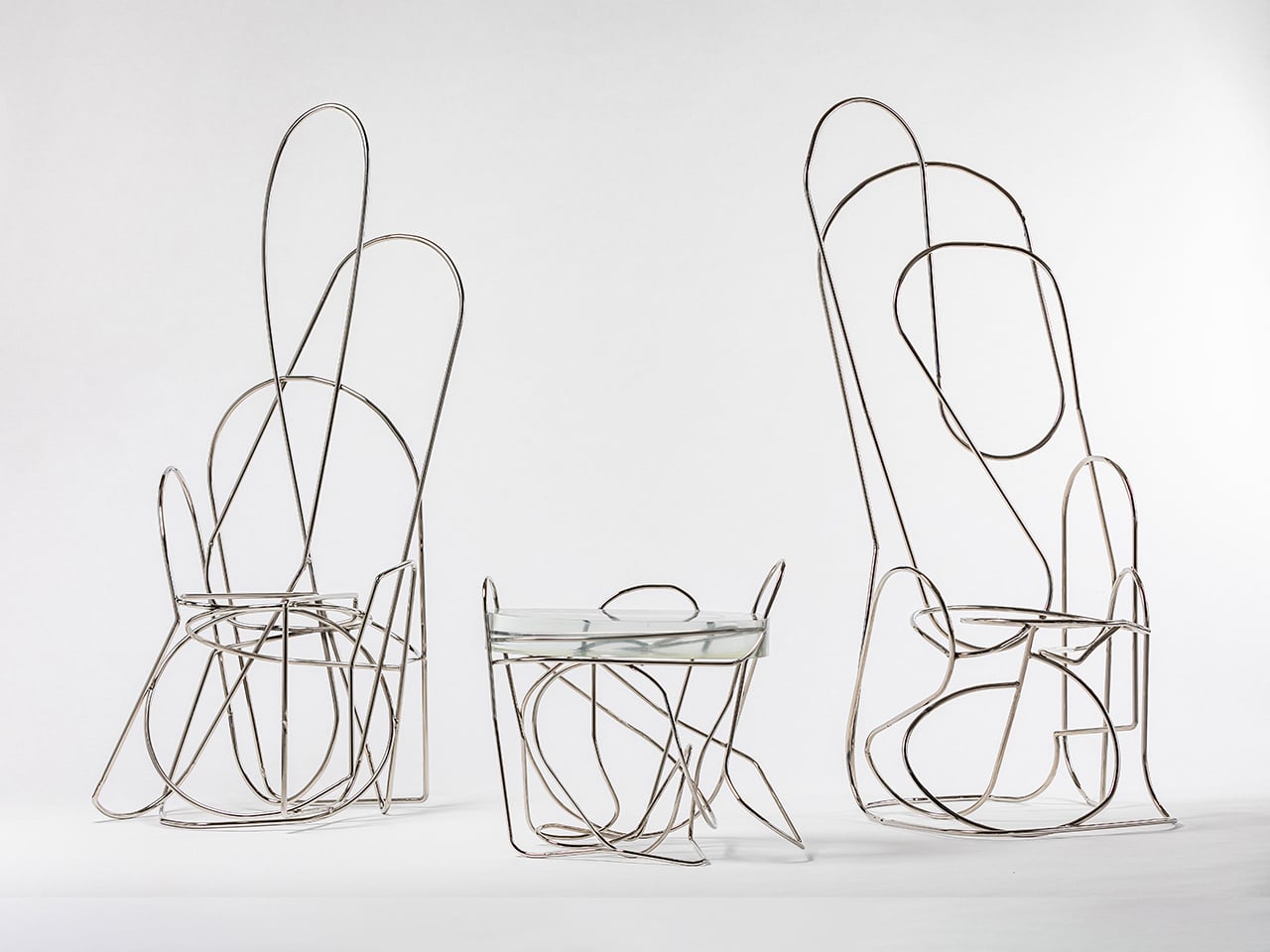
The Doodle collection by Another Human, led by Leah Ring, is a bold exploration of sculptural steel furniture. At its core are nickel-plated steel rods, meticulously hand-bent into looping, spontaneous forms that resemble freehand sketches translated into space. Each curve is shaped and welded with precision, resulting in fluid frameworks that feel dynamic and expressive rather than rigid or industrial. Subtle variations ensure that every piece remains one of a kind, reinforcing the handcrafted integrity of the metalwork.
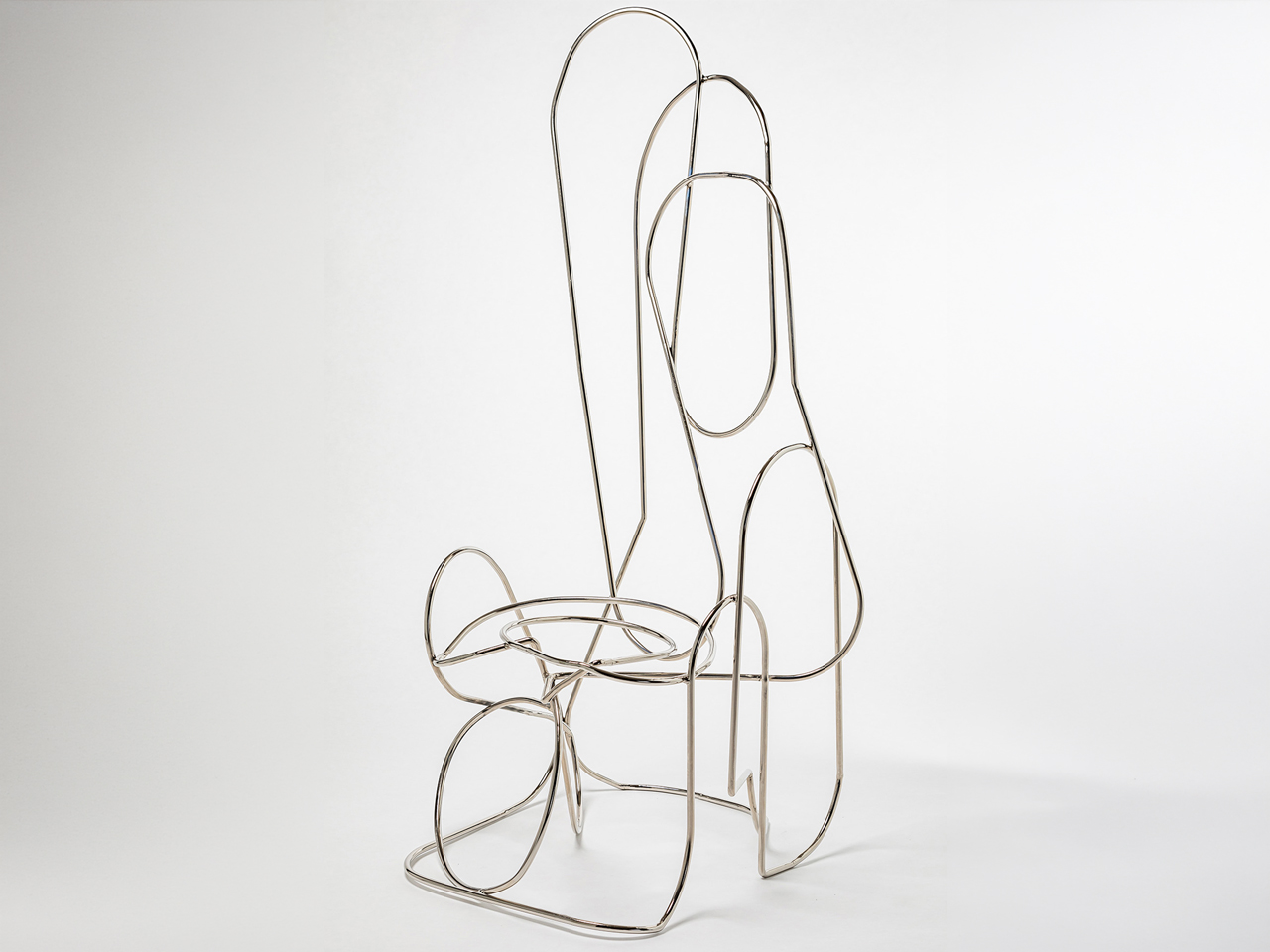
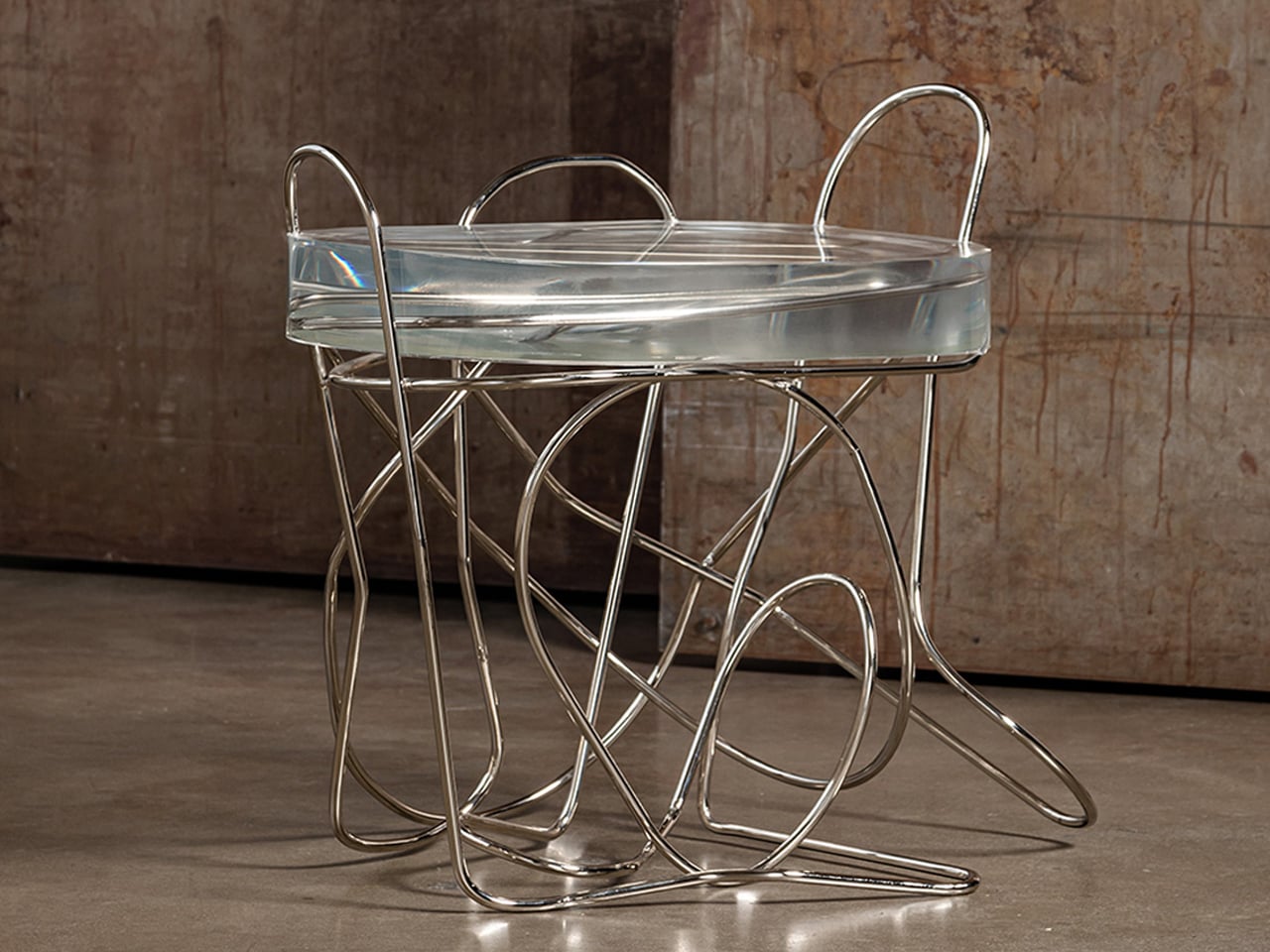
The table and chairs appear almost gravity-defying, as though drawn in mid-air, yet the welded steel armature provides structural stability and durability. The polished nickel surface reflects light across the sweeping lines, amplifying the sense of movement within the design. By leaving the steel exposed and unapologetically visible, the collection celebrates material honesty, transforming utilitarian furniture into striking, sculptural statements defined entirely by the strength and rhythm of metal.
Steel presents an intriguing environmental paradox. Its production demands significant energy, yet its long-term sustainability lies in unmatched circularity. Unlike many materials that degrade with reuse, steel can be recycled repeatedly without losing strength or quality, preserving both performance and value.
In an era dominated by fast furniture and disposable design, steel stands as a deliberate counterpoint. A steel chair is rarely a temporary purchase; it is an investment in longevity. Its durability reduces replacement cycles, waste, and resource consumption over time. Beyond physical resilience, steel embodies a mindset shift from short-term convenience to enduring responsibility and conscious ownership.
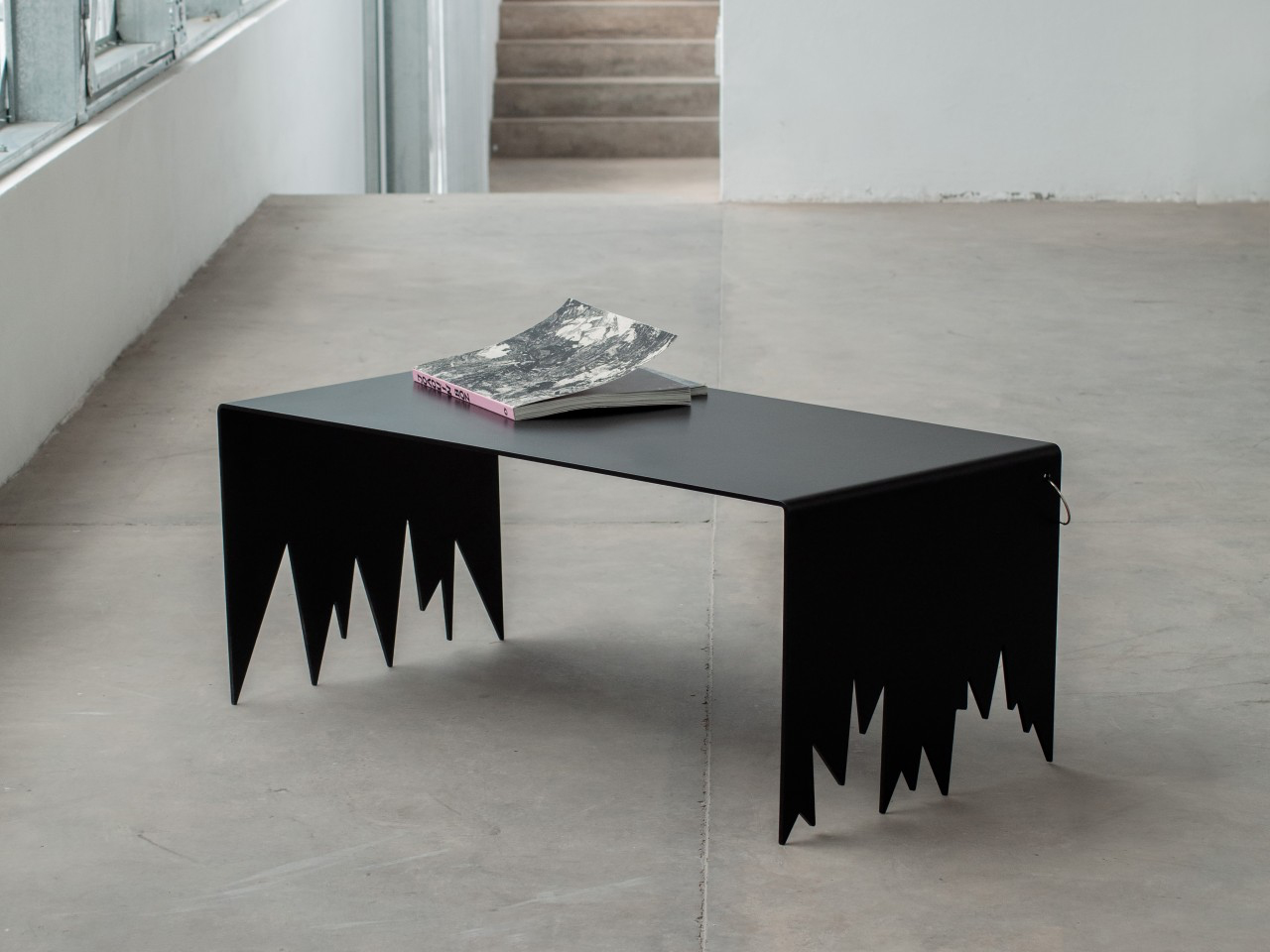
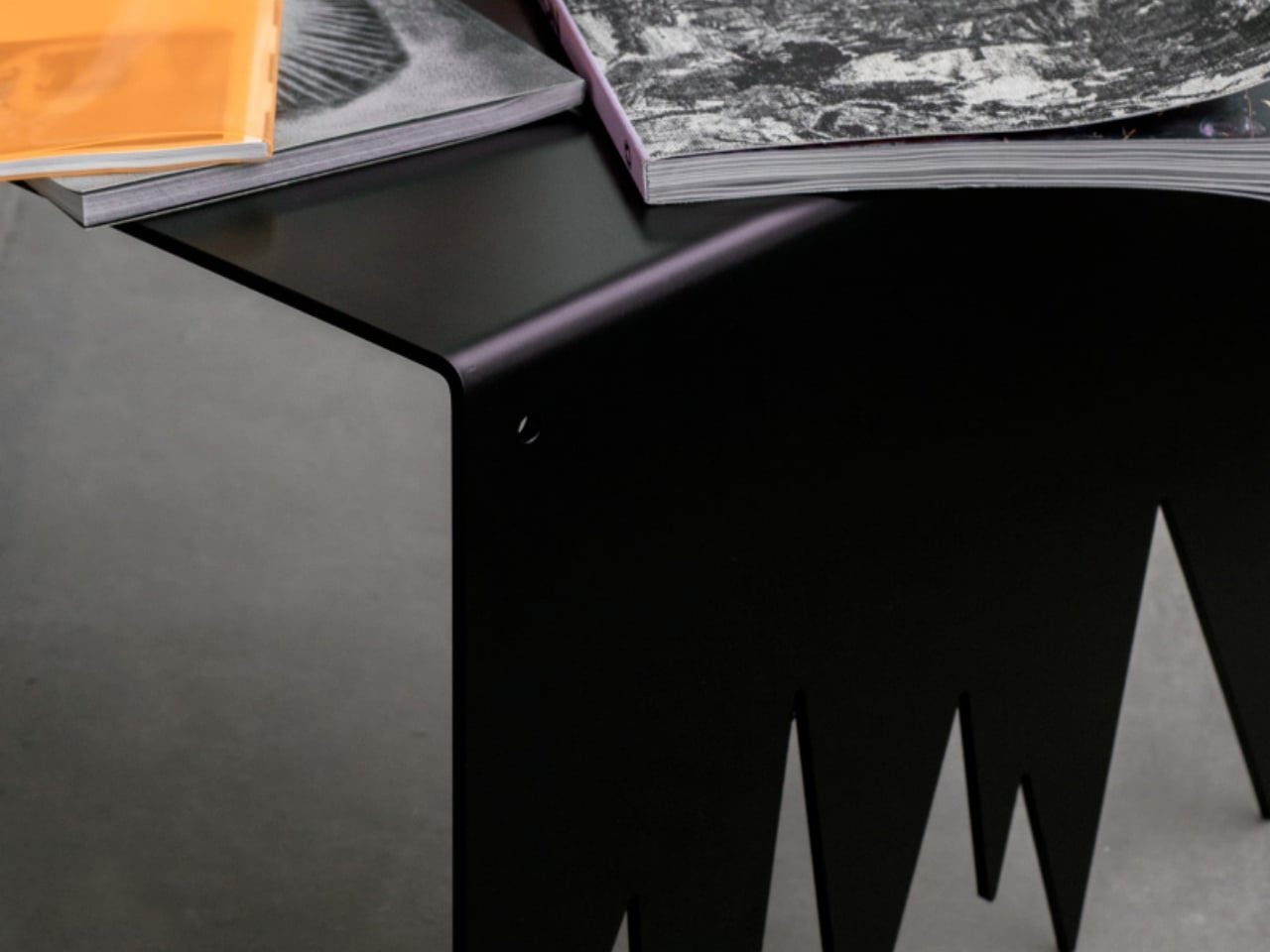
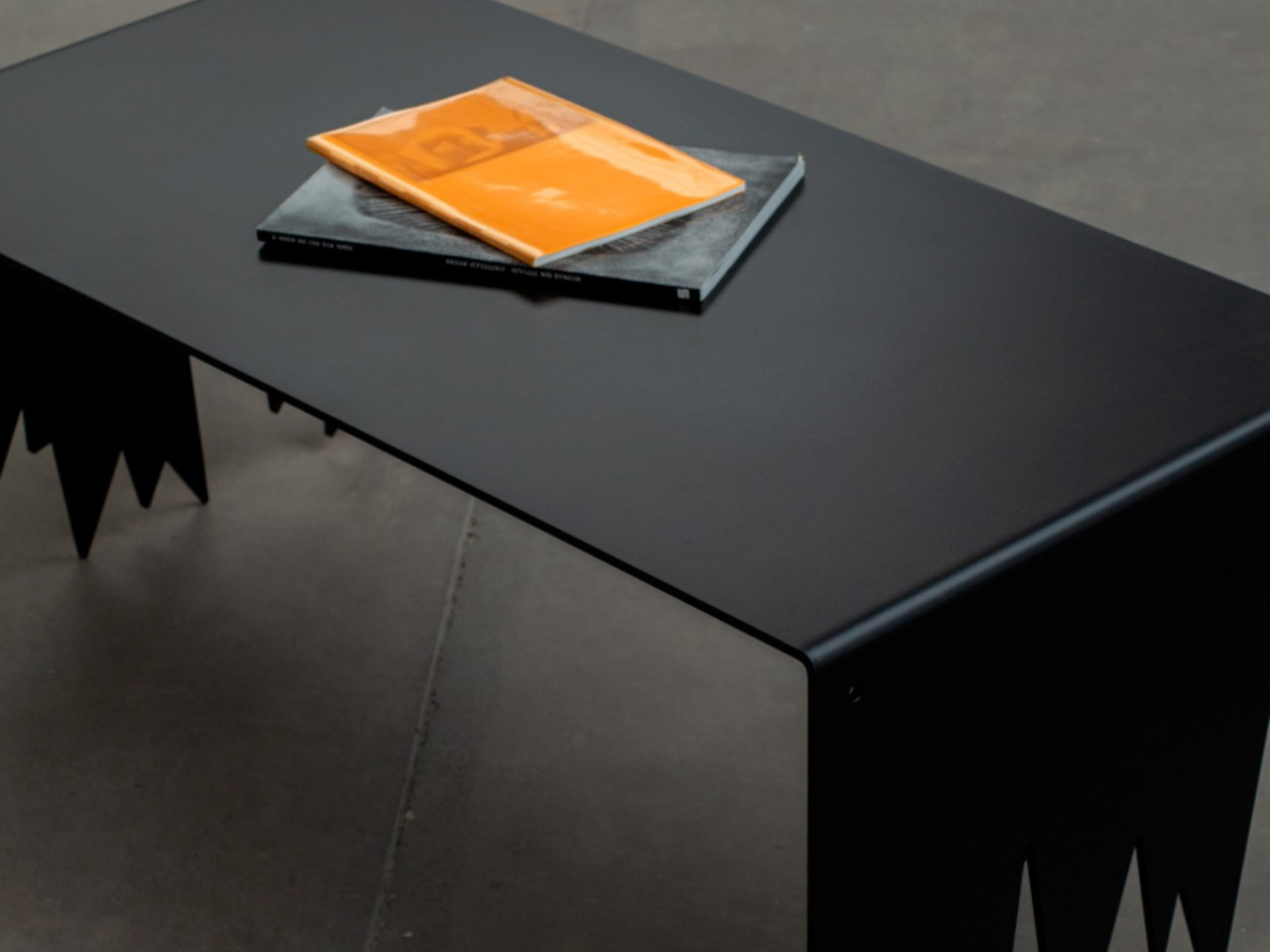
The Sharp coffee table stands as a commanding study in steel and geometry. Constructed entirely from industrial-grade steel and finished in deep black, the table is defined by its stark lines and uncompromising angles. Its surface appears clean and restrained, yet the structure beneath introduces a deliberate sense of tension. Narrow planes intersect with precision, forming a composition that feels architectural rather than decorative. The table does not rely on embellishment; instead, its impact comes from proportion, silhouette and the confident use of raw material.
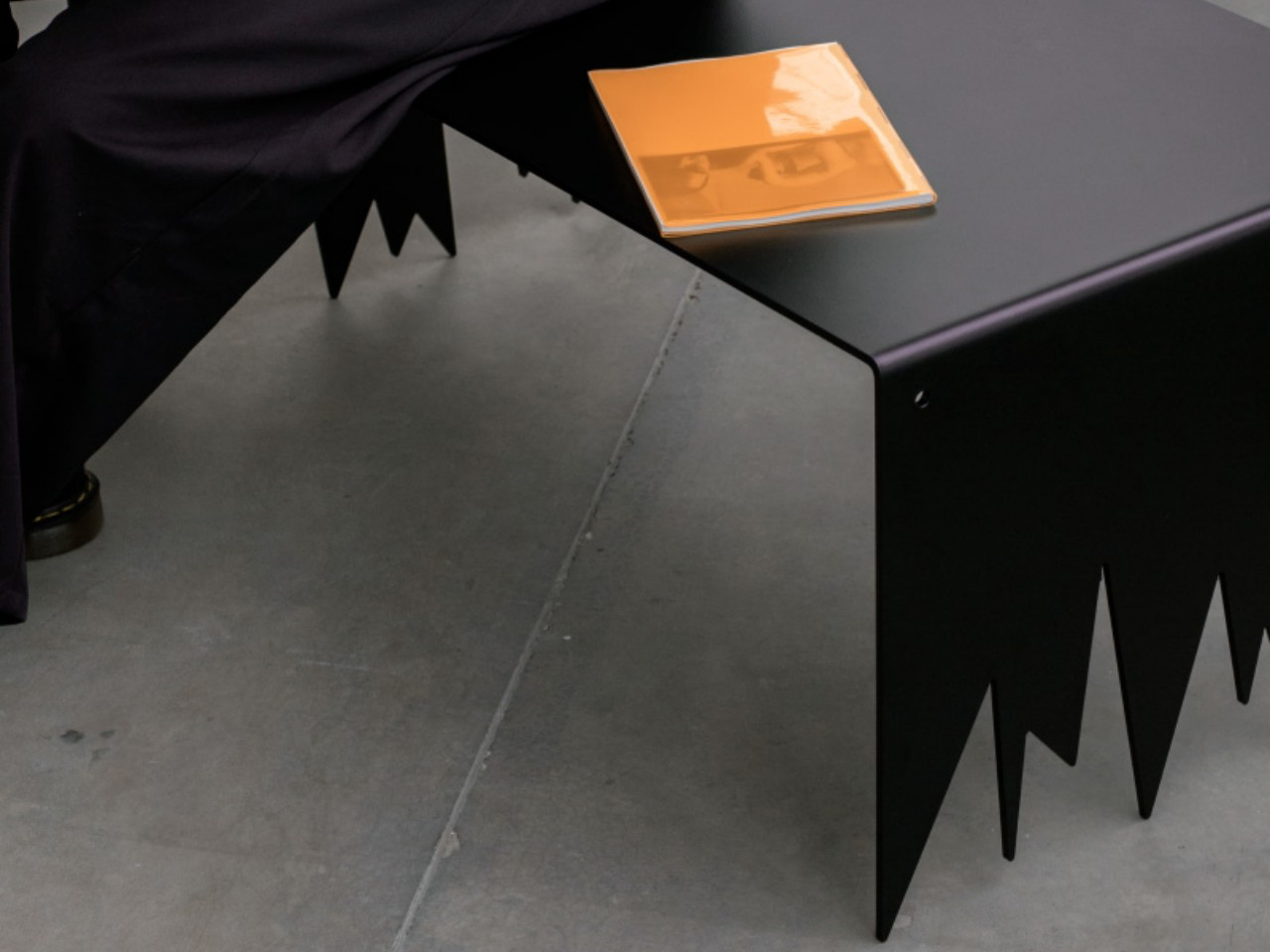
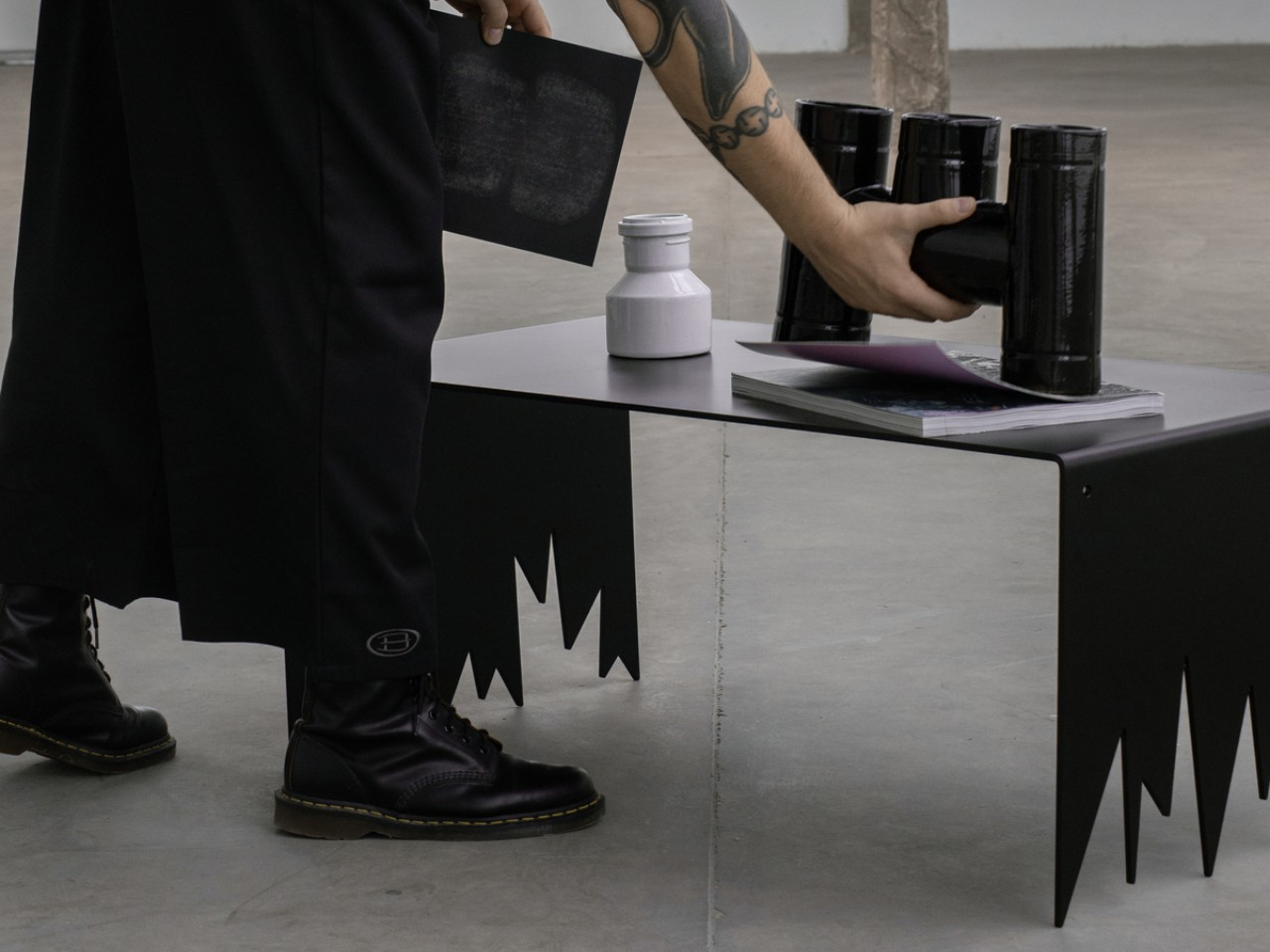
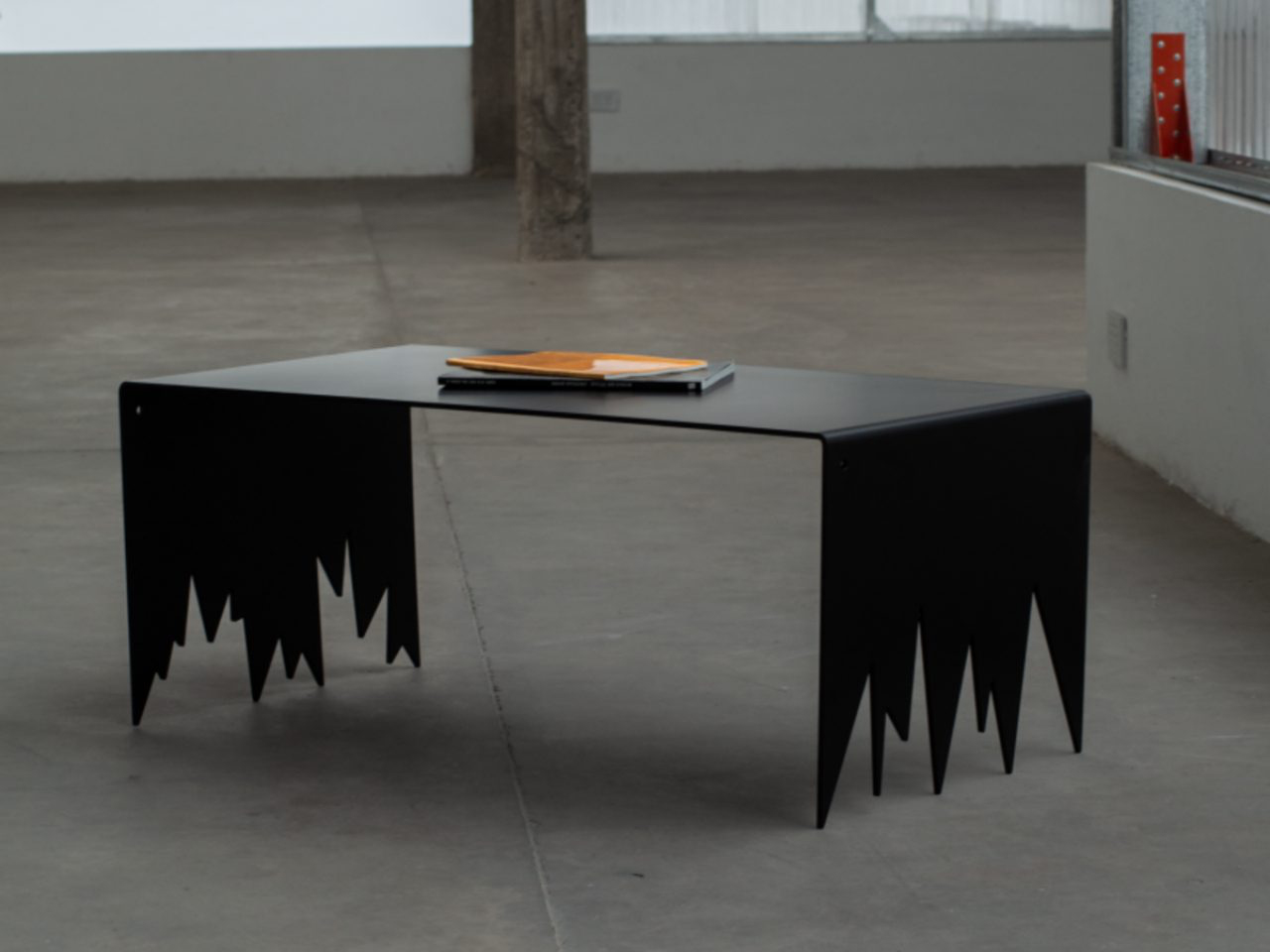
What sets the Sharp table apart are its jagged, tooth-like legs, which give the piece an imposing and almost sculptural presence. Despite their aggressive appearance, these sharply pointed supports provide remarkable stability, demonstrating careful engineering and balance. The black finish enhances the monolithic quality of the steel, amplifying its visual weight while maintaining a refined edge. Handcrafted and subtly unique in form, the table transforms steel into a bold centrepiece that redefines the expectations of a contemporary coffee table.
Steel carries a unique duality in the way it ages. On one hand, precision finishes like powder coating offer remarkable resistance to scratches, corrosion, and fading, preserving a crisp, immaculate appearance for years. The surface remains controlled, consistent, almost untouched by daily life.
On the other hand, raw or waxed steel embraces change. It records fingerprints, subtle oxidation, and the gentle evidence of use. What might once be seen as imperfection becomes narrative. The material evolves with its environment, gaining depth and individuality. This contrast allows steel furniture to satisfy the desire for flawless permanence and the appreciation of character shaped by time.
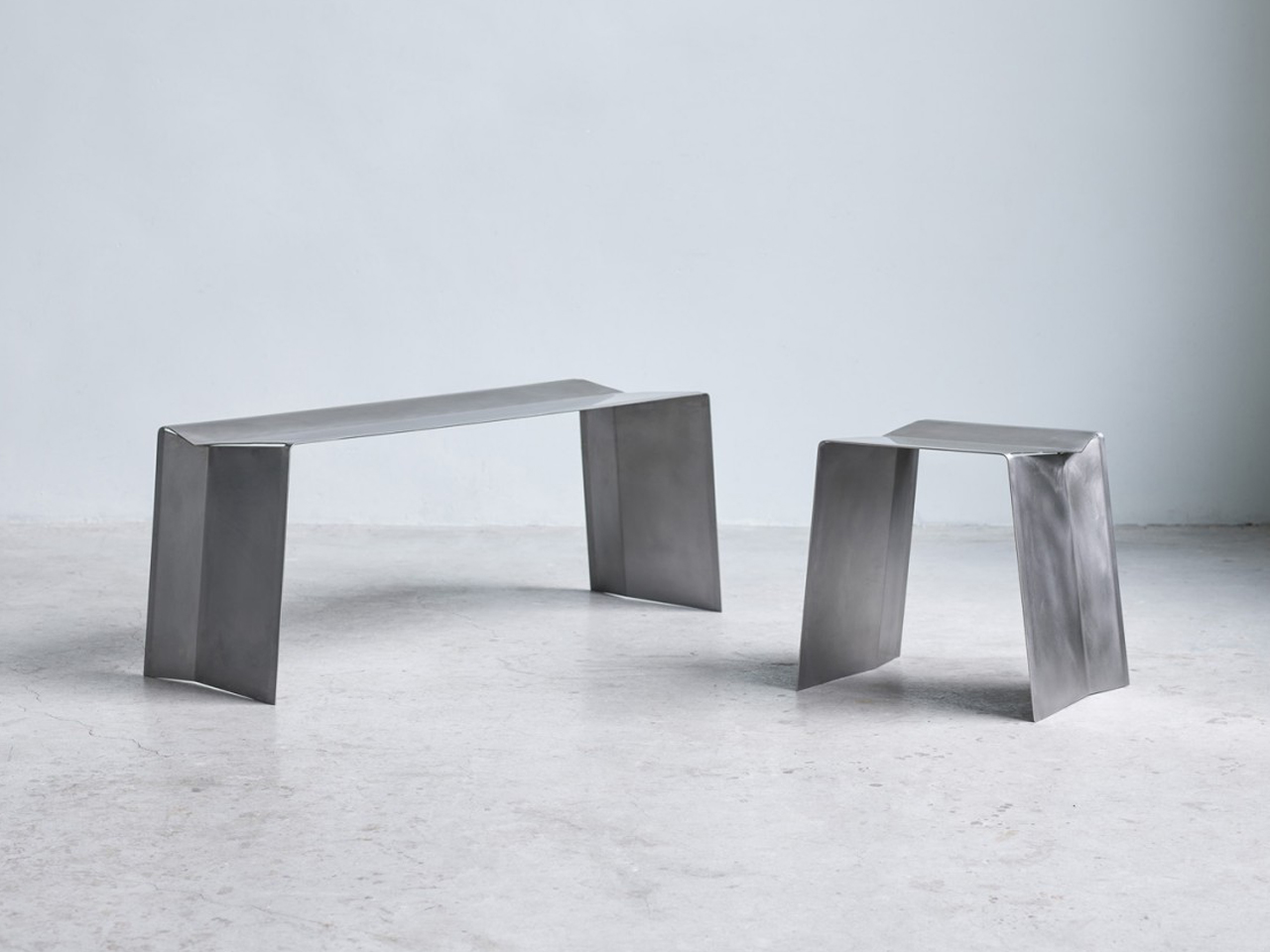
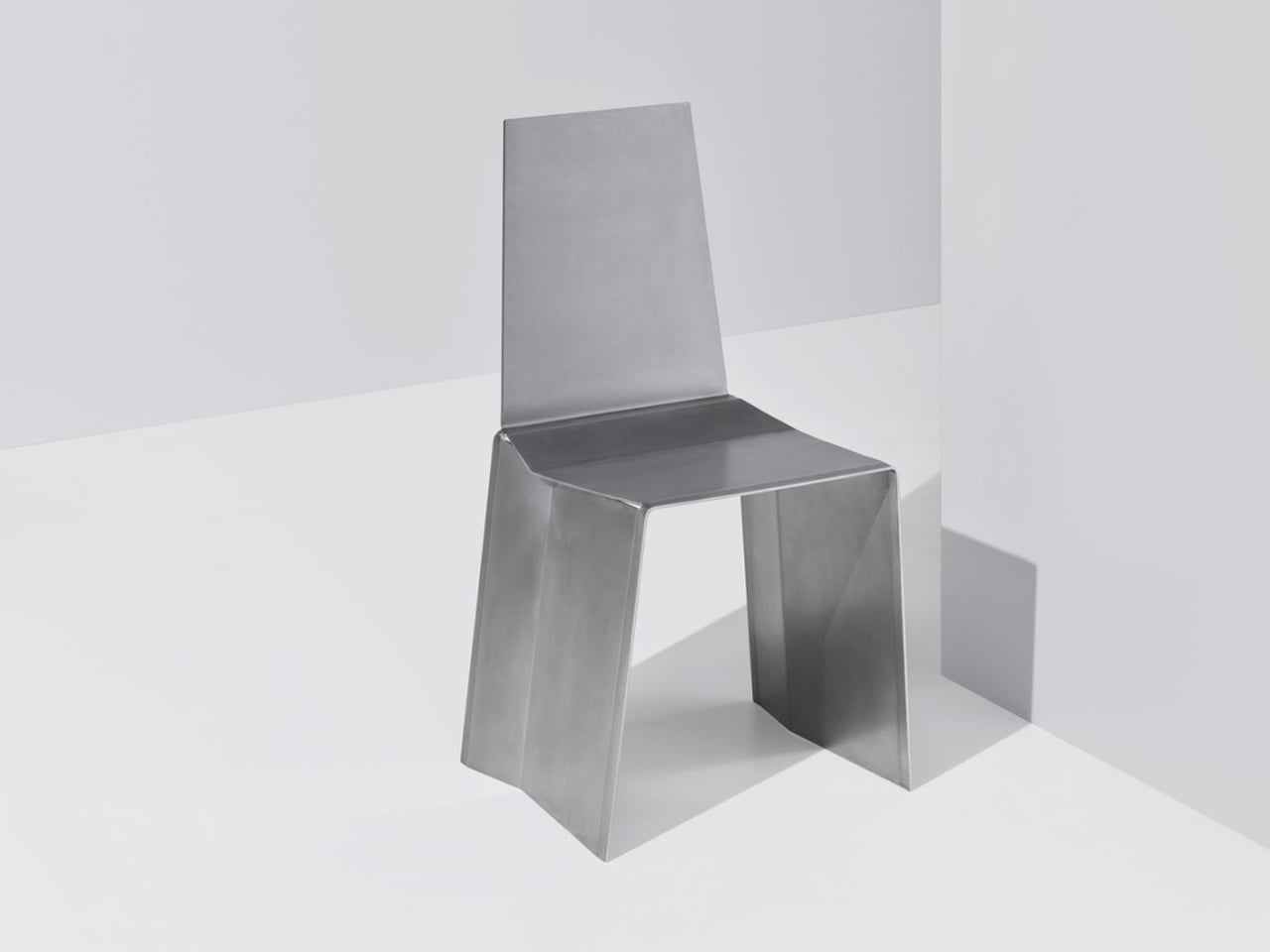
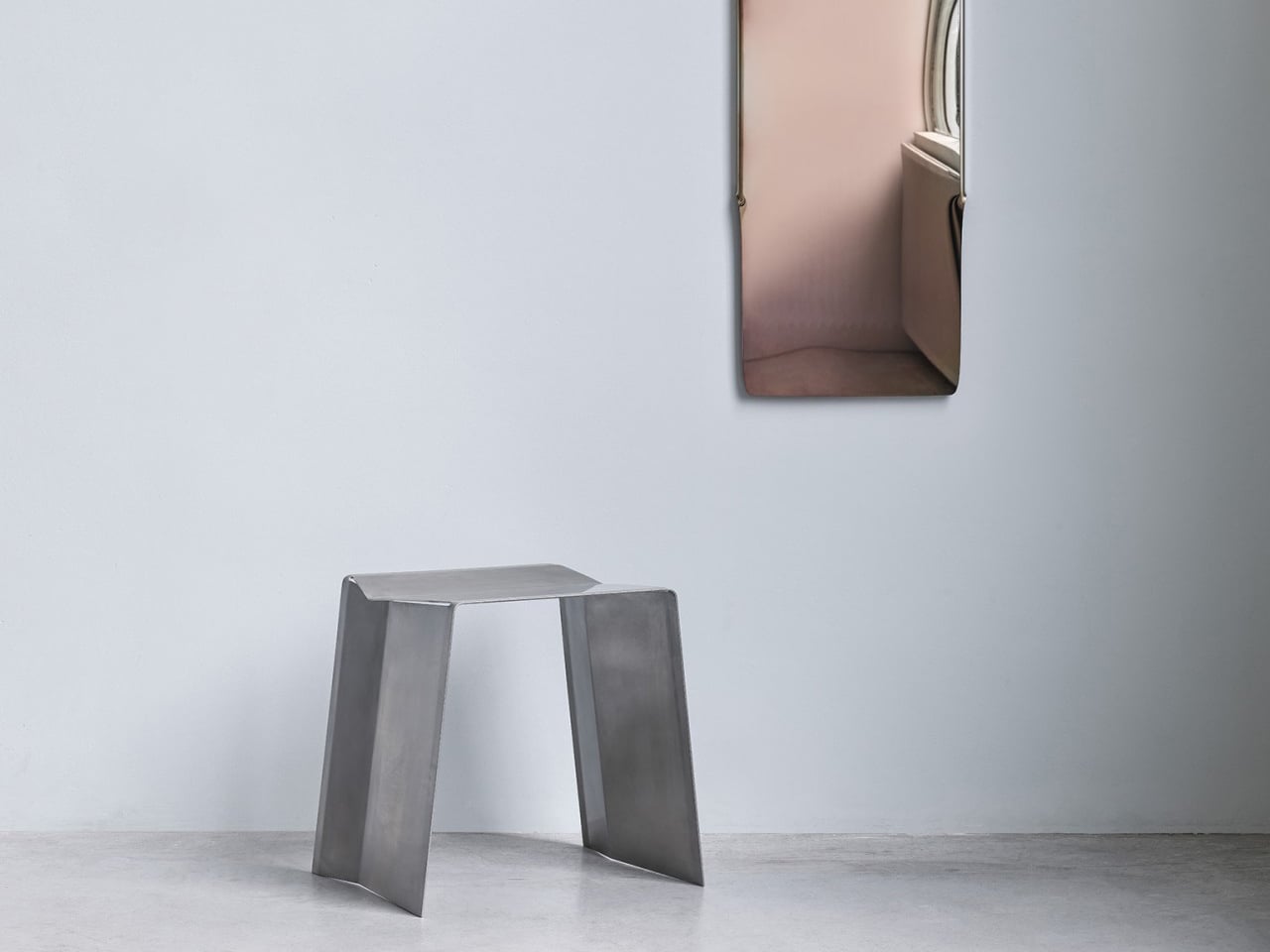
Camber is formed from a single sheet of stainless steel, precisely cut and bent to create a seamless seat and support structure. Rather than assembling multiple components, the design relies on strategic angular cuts at the fold points, allowing the metal to bend downward into stable legs. This method produces a continuous form with clean, uninterrupted lines. The geometry feels deliberate and architectural, giving the bench or stool a restrained yet confident presence. Every curve and edge emerges directly from the original sheet, reinforcing the clarity of its construction.
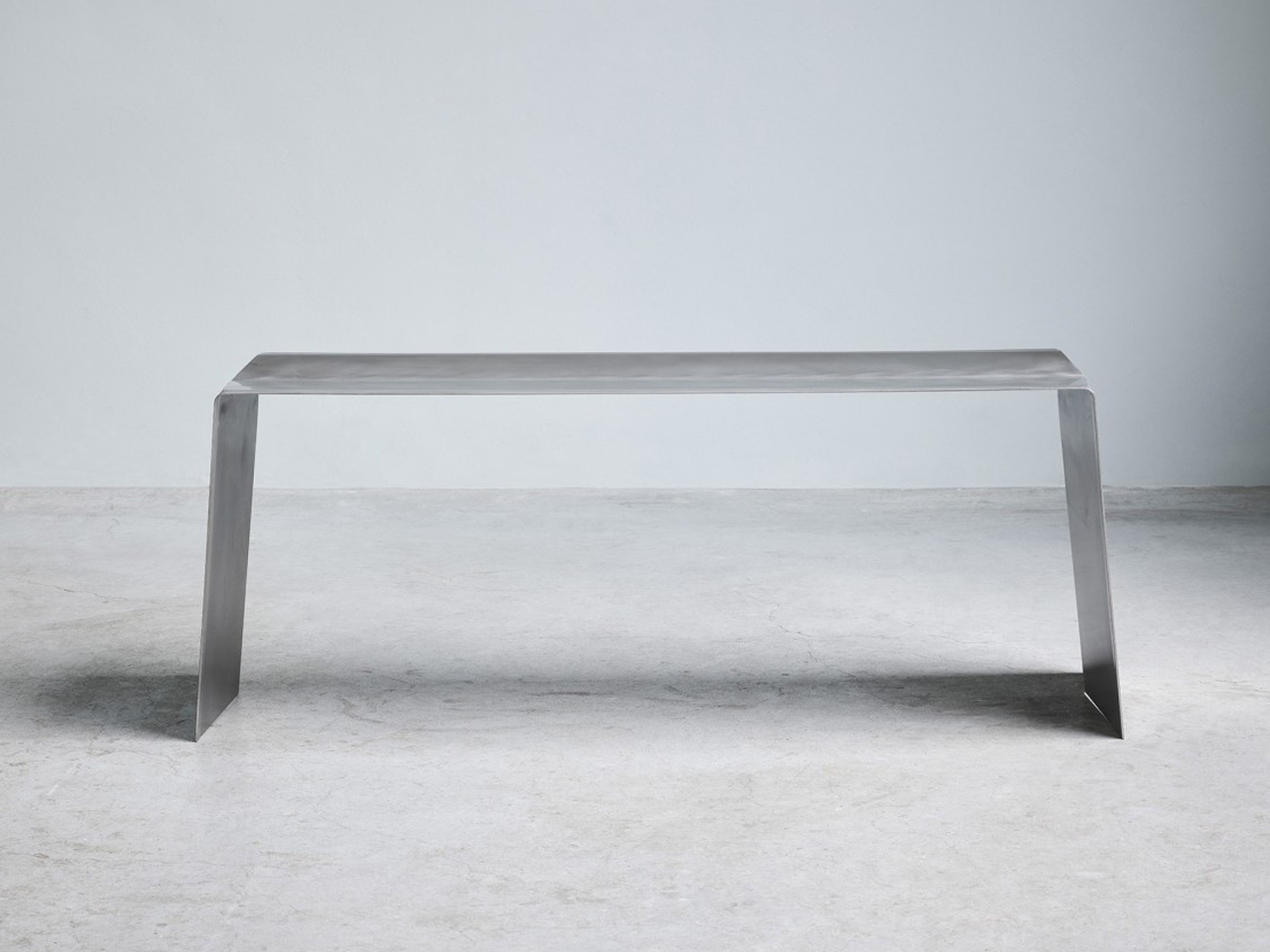
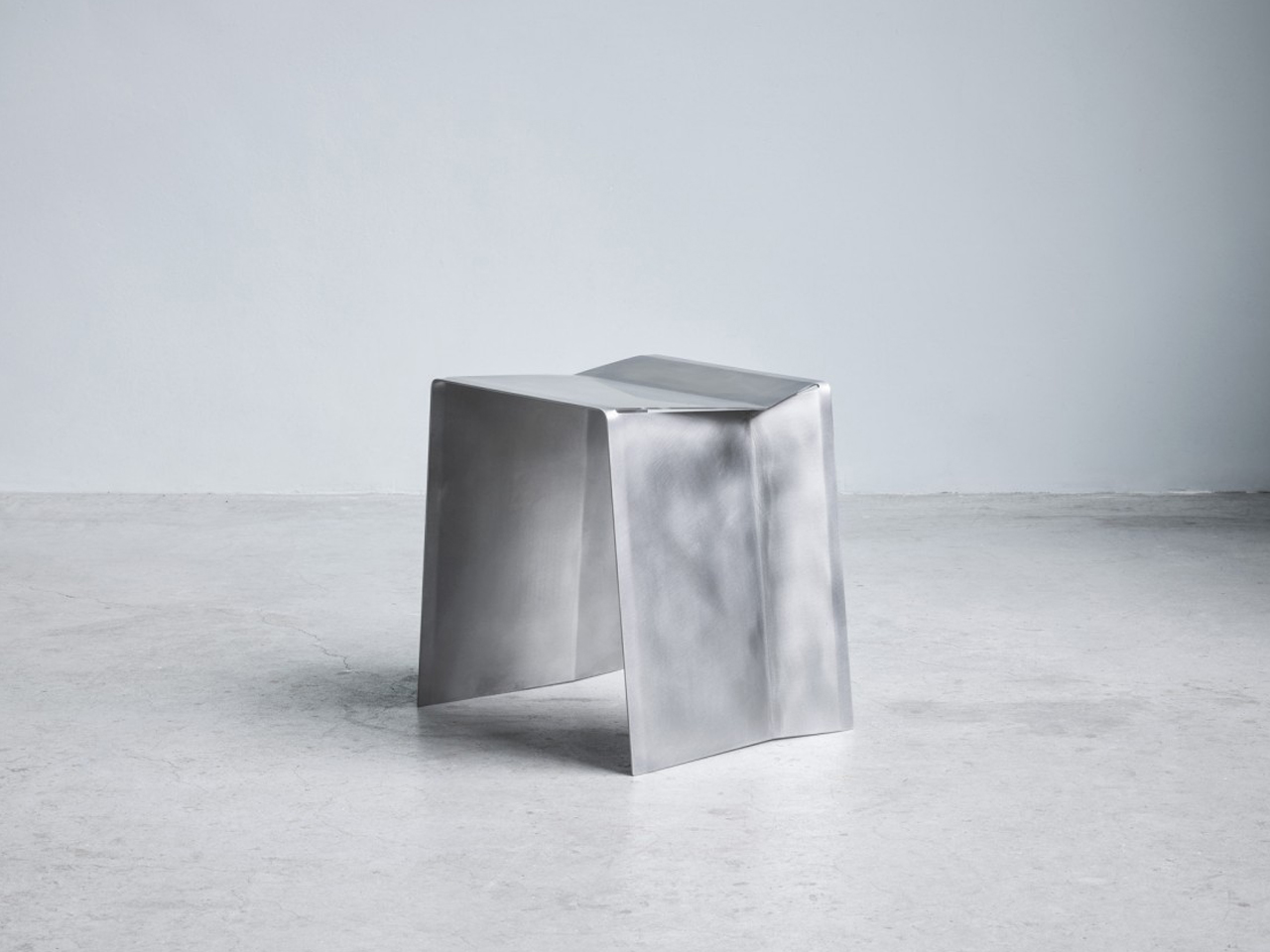
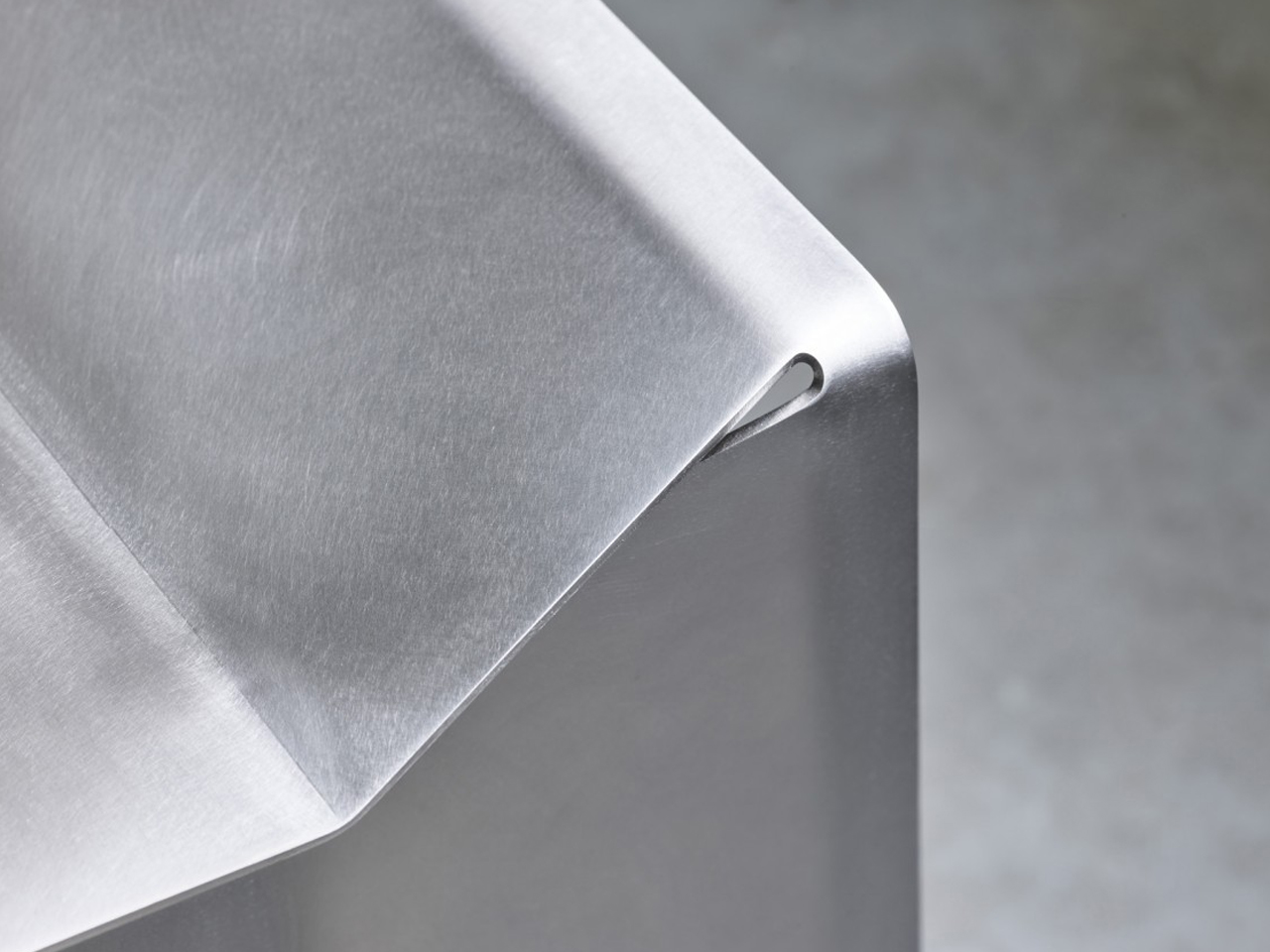
The surface is carefully sanded to achieve a soft, matte reflectivity that enhances the steel’s natural character without the need for additional coatings. Subtle light play across the planes highlights the crisp folds and sharp contours. Durable and resilient, the stainless-steel body ensures longevity while maintaining a minimal aesthetic. Camber’s strength lies in its simplicity, transforming a single industrial sheet into a refined, sculptural seating piece defined by precision and material honesty.
Steel’s strength is not only about load-bearing capacity but also about flexibility in design. Its precision fabrication allows components to be cut, bent, welded, and reconfigured with remarkable accuracy. This makes steel inherently suited for modular systems, adjustable structures, and multifunctional furniture that evolves with changing needs.
In contemporary interiors where space must work harder, steel enables intelligent adaptability. Shelving expands, partitions shift, tables extend, and frames support interchangeable elements. The material’s dimensional stability ensures that moving parts remain aligned and reliable over time.
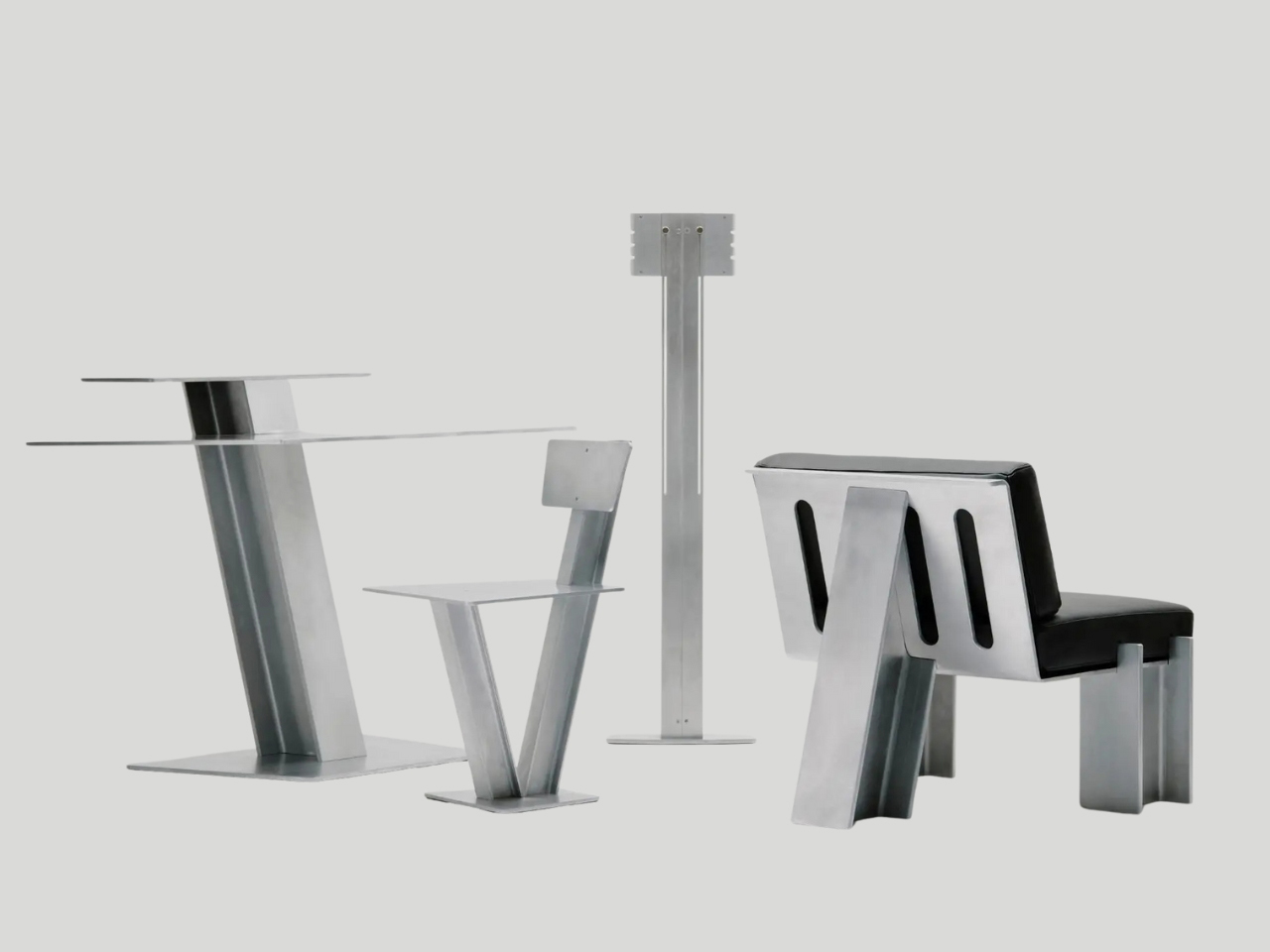
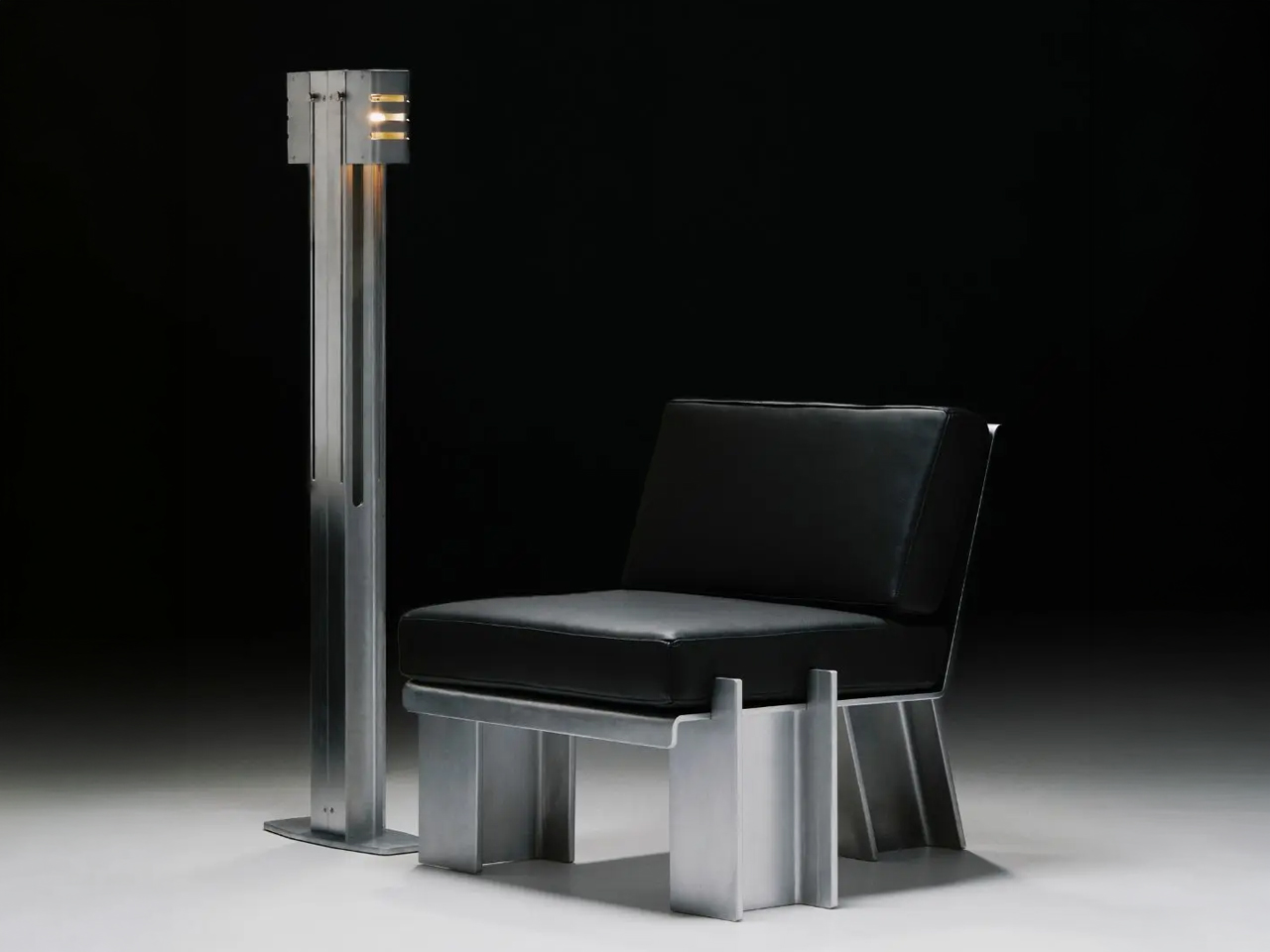
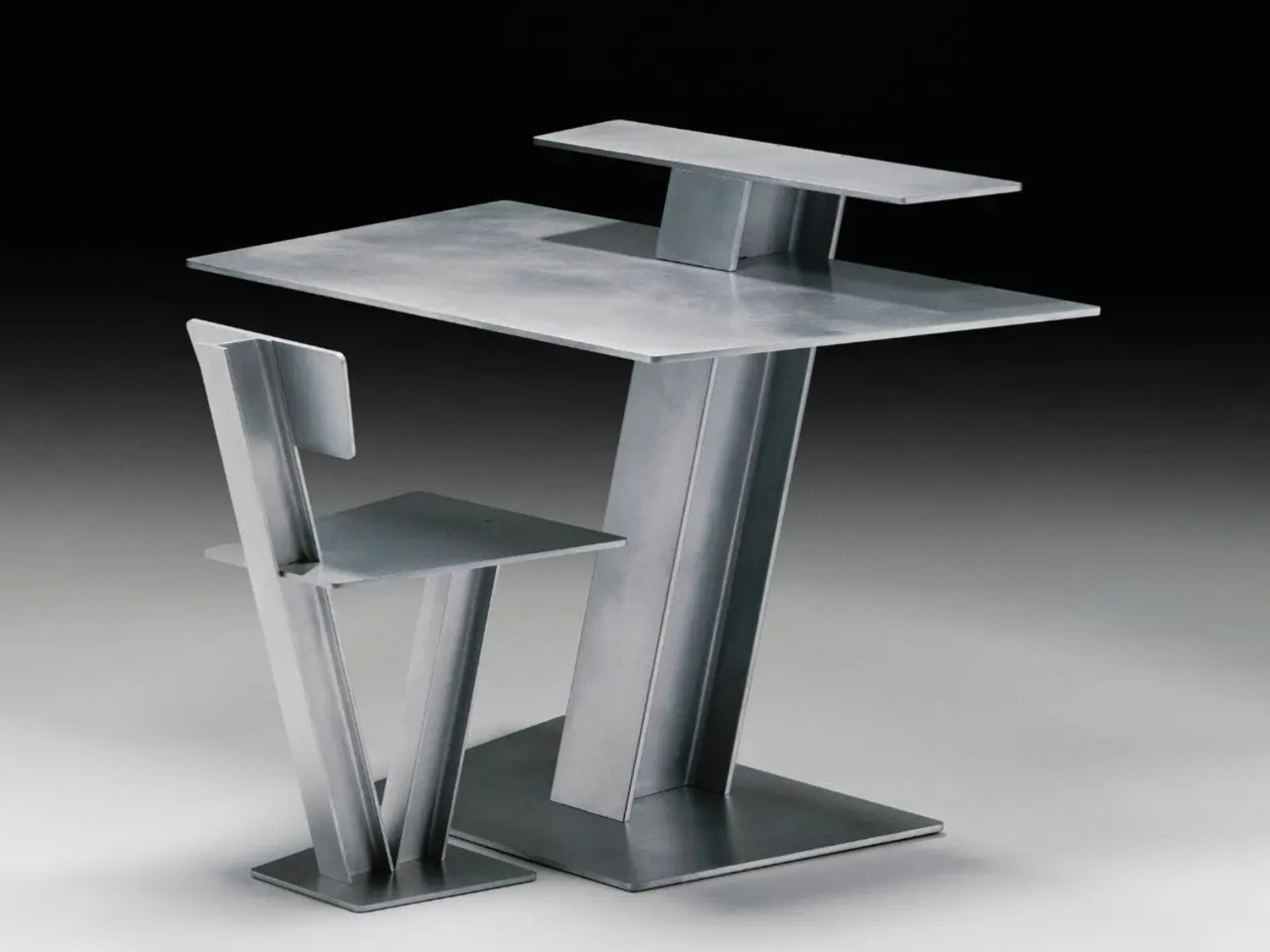
The Beams collection by Marquel Williams reimagines modular steel furniture through the disciplined use of a single structural element: the I-beam. Typically concealed within architecture, this industrial component becomes the visible backbone of chairs, desks, lounge seating and lighting. Each piece is constructed from standardised steel beams combined with metal sheets and leather upholstery, forming a cohesive system rooted in repetition and variation. By committing to one modular profile, the collection achieves structural clarity while allowing each design to express a distinct function and proportion.
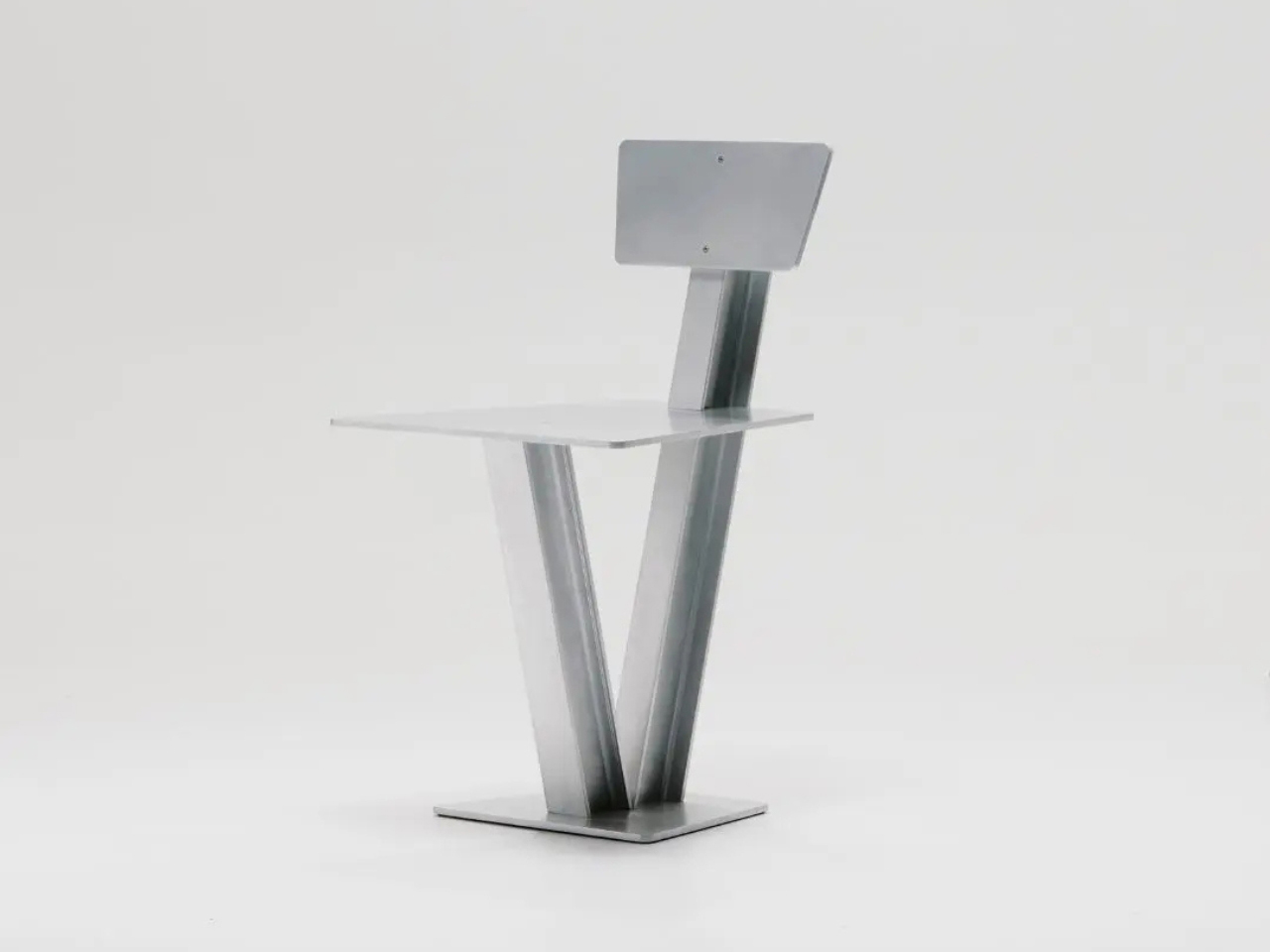
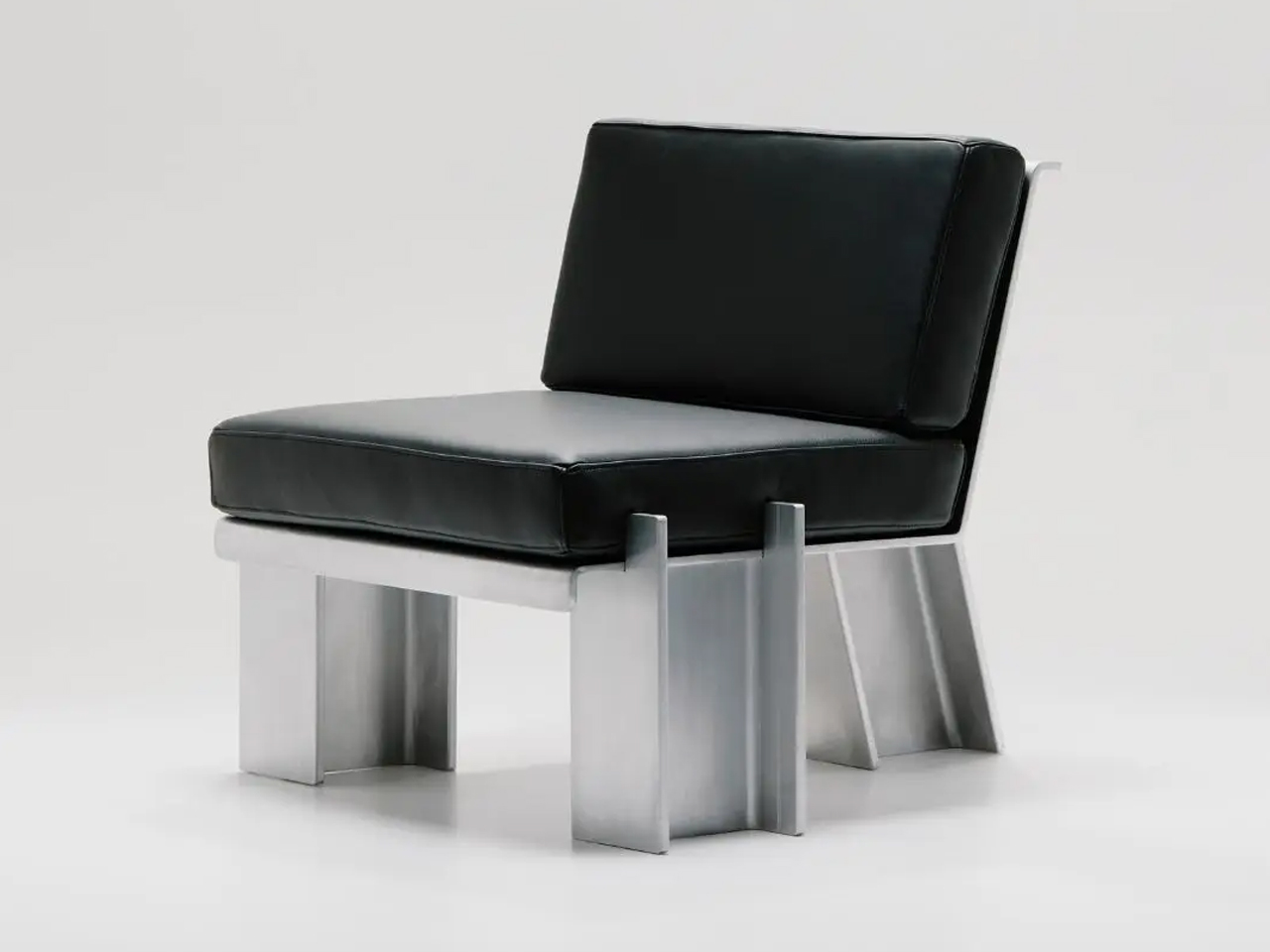
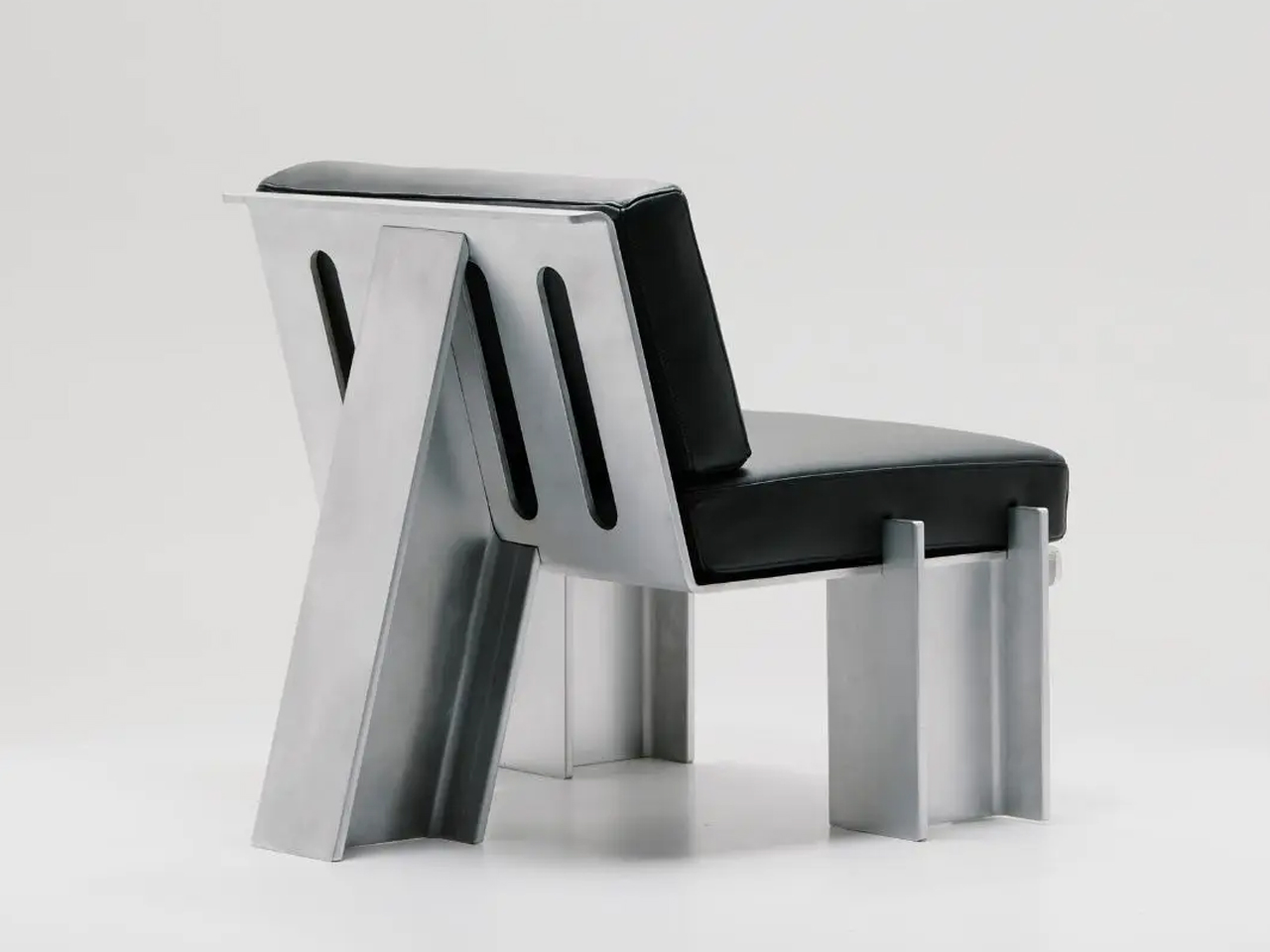
The Beam Chair emphasises sharp geometry and exposed steel, while the Chaise Longue introduces upholstered surfaces that soften the framework without concealing it. The Floor Lamp integrates adjustable shades within the beam’s linear body, even incorporating the electrical cord into the visible structure. Handcrafted in limited quantities by Caliper, the series balances industrial rawness with refined fabrication. Through modular repetition, the I-beam shifts from hidden support to expressive design language, defining a bold and unified steel furniture system.
Steel furniture captures the balance between resilience and refinement. No longer confined to pure function, it now expresses elegance, versatility, and tactile awareness. By uniting structural strength with nuanced design, steel moves beyond its industrial past. It demonstrates that durability and sensitivity can coexist, shaping interiors that feel grounded, expressive, and timeless.
The post 5 Steel Furniture Designs That Look Nothing Like Steel Furniture first appeared on Yanko Design.


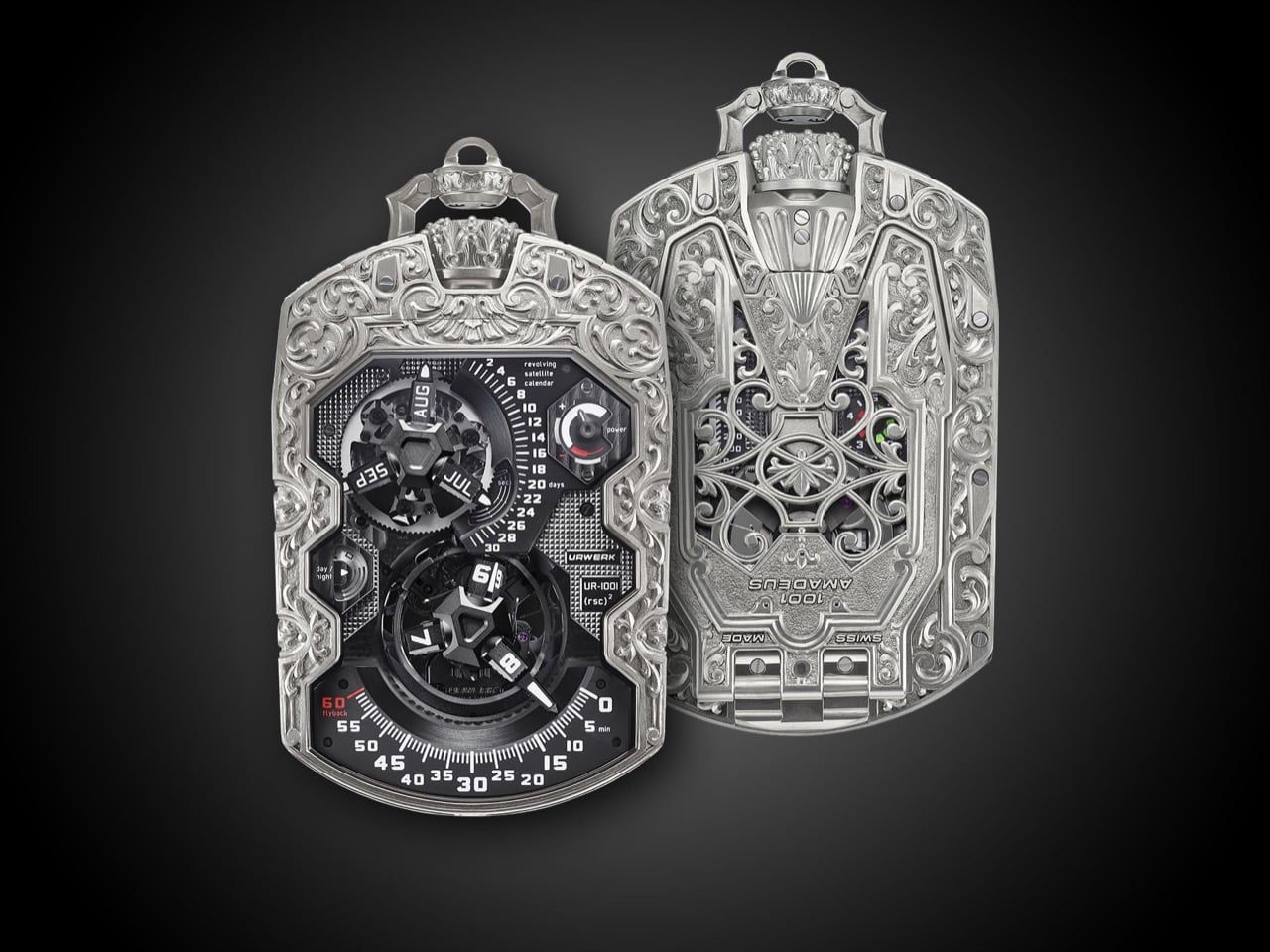
Florian Güllert spends most of his working life engraving shotguns. His bench sits in Klagenfurt, in Carinthia, an Austrian province with zero watchmaking history and a four-century run of decorating hunting weapons. Urwerk handed him a raw titanium blank and asked him to bury the most sci-fi pocket watch ever built under Baroque ornament. He said yes, spent roughly 500 hours over three months, and produced the UR-1001 Amadeus, a piece unique that looks like a cathedral swallowed a computer. Gun engraving exists because a tool meant to outlive its owner gets decorated, which turns out to be this watch’s entire argument.
The Amadeus measures 106 by 62 by 23mm and shows satellite hours, retrograde minutes, an annual calendar, day and night, and a 39-hour power reserve on the front. The hinged caseback adds an oil-change indicator that turns red through years four and five, a counter tracking 100 years of running time, and a linear scale that climbs to 1,000. Güllert laser-cut the contours before touching it by hand, since titanium galls and work-hardens under a graver in ways precious metal does not. Every engraved surface stops at the sapphire. Inside, Urwerk’s matte black instrument panel carries on as though the ornament never happened.
Designers: Martin Frei and Florian Güllert for Urwerk
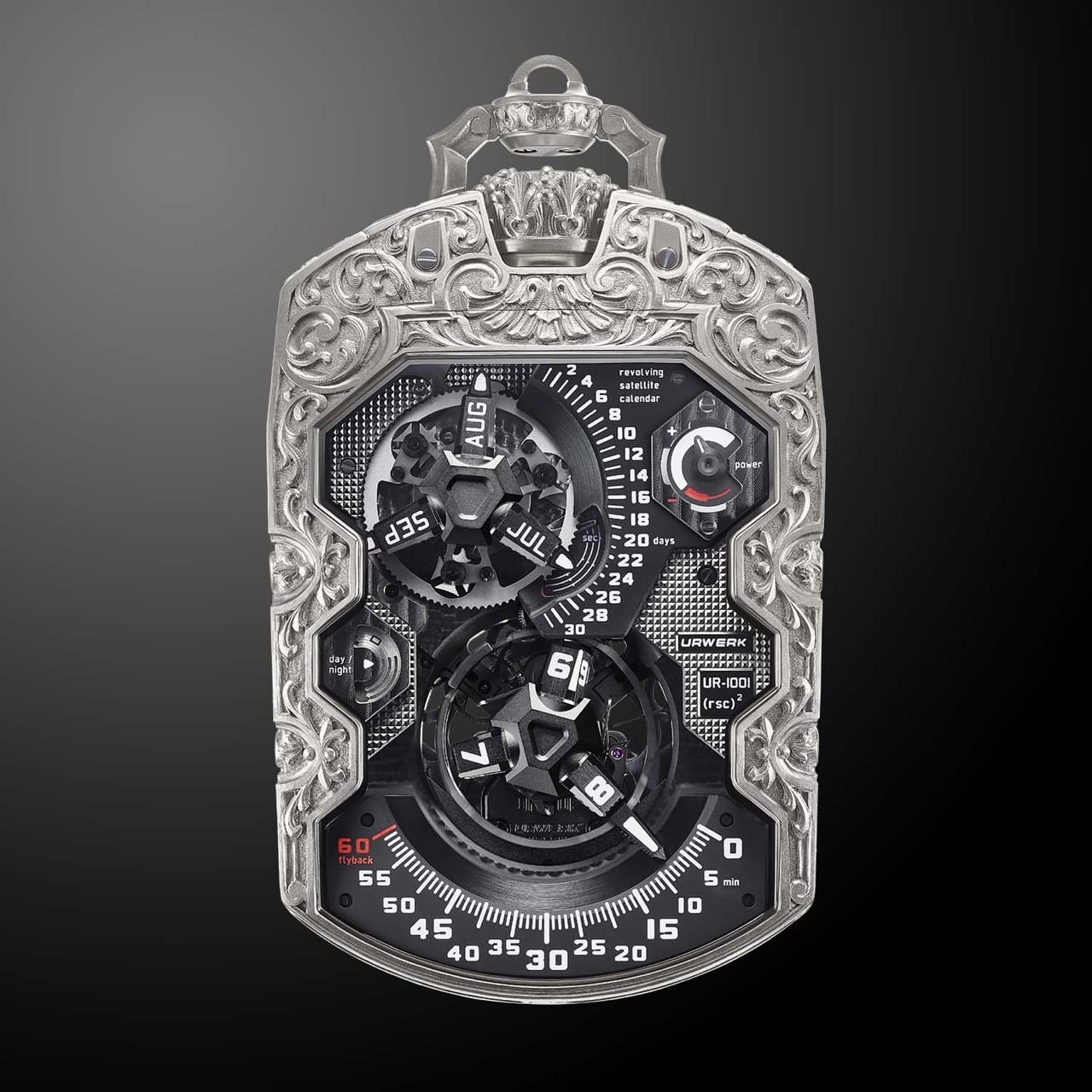
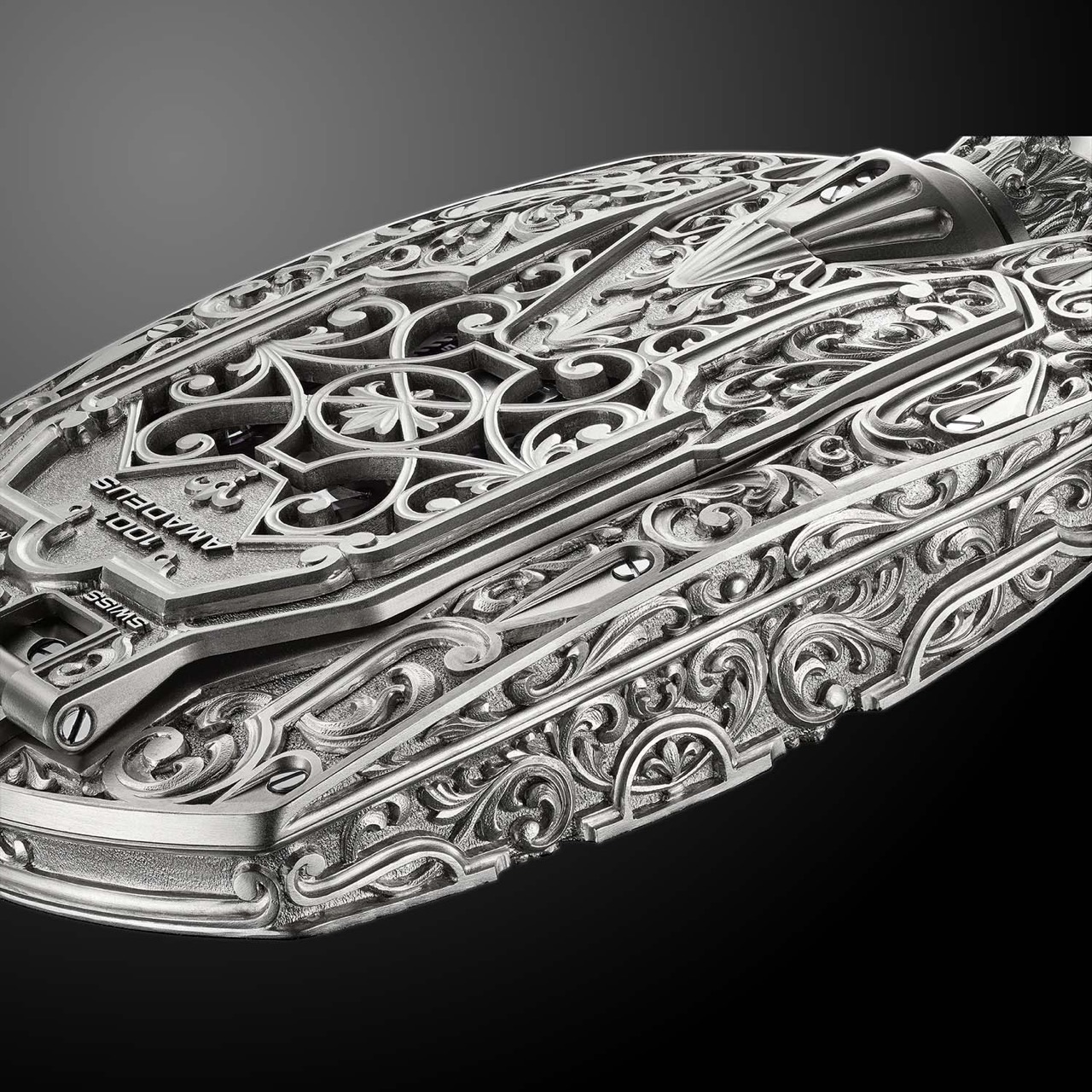
Titanium punishes a graver the way a stubborn hinge punishes a screwdriver, so Güllert’s first move was unfamiliar territory for a man used to steel. He rough-cut the relief with a laser, then went back in by hand with pneumatic chisels and files, balancing thick strokes against thin ones until the pattern read as depth rather than line. Backgrounds got textured, dotted, satin-brushed, or left matte depending on how he wanted light to catch each panel. Every edge was filed and rebalanced until the boundary between case and decoration effectively disappeared. That is a genuinely different skill set than cutting a scroll into a shotgun receiver, and it shows in how uneven the difficulty was across the piece.
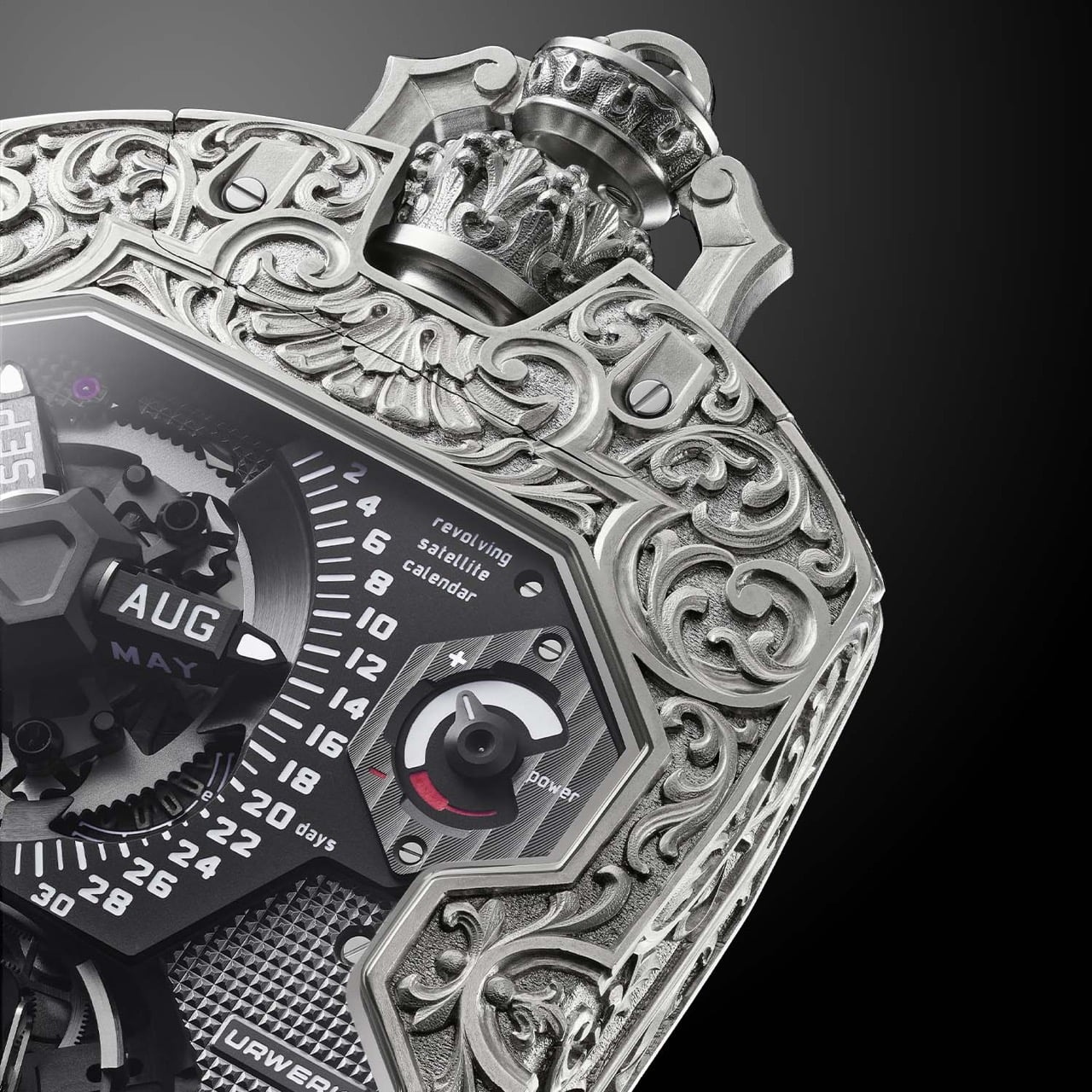
The flanks and bezel run pure Baroque, scrolling acanthus leaves that could sit on an 18th century snuffbox. The caseback centerpiece is something else entirely, a quatrefoil rose-window panel with cusped Gothic arches framing the movement aperture, and the winding crown at 12 has been carved into an actual fluted coronet. Baroque excess on the outside, ecclesiastical stonework on the back, industrial sans-serif labeling the instruments inside. Three separate design languages sharing one case, none of them arguing with the others.
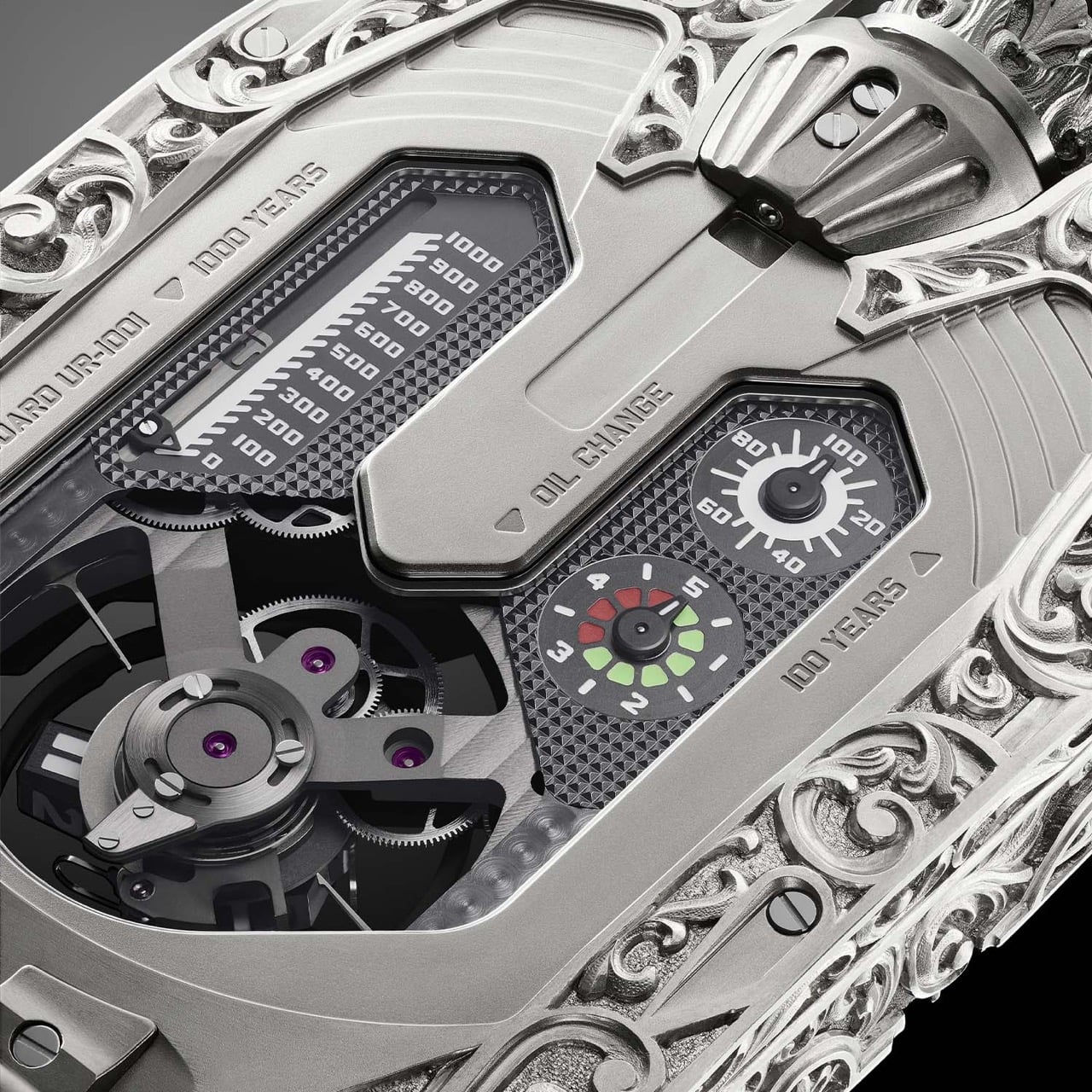
Three-armed satellite hours hand off to a retrograde minute display, three running-seconds hands split a minute into 20-second stretches, and a satellite annual calendar runs on three Maltese crosses riding a 93-tooth date wheel. Flip the watch over and the oil-change dial, calibrated for five-year service intervals, feeds a counter that advances in five-year steps toward a full century. Every hundred years, that counter sends a pulse to a linear scale on the caseback graduated all the way to 1,000. Yes, this pocket watch has a mechanical millennium indicator, and yes, it is exactly as absurd and wonderful as it sounds.
The UR-1001 has been Urwerk’s flagship strange object since 2011, when eight AlTiN-cased examples sold out at CHF 340,000 each, a number early buyers reportedly called cheap for what it did. We covered Urwerk’s other engraved oddities before, including the UR-210 Amadeus that first paired Güllert with the brand back in 2017, and the ambition here is visibly larger. Urwerk has not disclosed a price for this one, which tracks for a commissioned piece unique. Felix Baumgartner named it for Mozart, calling the composer a brilliant madman, and says he wanted a case as daring as the mechanics inside it.
Here is the part nobody selling this watch will say out loud. The 100-year and 1,000-year counters only advance while the movement is actually running, and a piece unique this expensive tends to spend its life in a safe rather than a pocket. Baumgartner’s own language calls the eventual buyer a custodian rather than an owner, which is a lovely way of admitting the millennium scale may never move past zero. A gunsmith spent 500 hours making sure it would look magnificent the whole time it doesn’t.
The post Urwerk Built a Hand-Carved Pocket Watch That Tracks Time for 1,000 Years first appeared on Yanko Design.
Florian Güllert spends most of his working life engraving shotguns. His bench sits in Klagenfurt, in Carinthia, an Austrian province with zero watchmaking history and a four-century run of decorating hunting weapons. Urwerk handed him a raw titanium blank and asked him to bury the most sci-fi pocket watch ever built under Baroque ornament. He said yes, spent roughly 500 hours over three months, and produced the UR-1001 Amadeus, a piece unique that looks like a cathedral swallowed a computer. Gun engraving exists because a tool meant to outlive its owner gets decorated, which turns out to be this watch’s entire argument.
The Amadeus measures 106 by 62 by 23mm and shows satellite hours, retrograde minutes, an annual calendar, day and night, and a 39-hour power reserve on the front. The hinged caseback adds an oil-change indicator that turns red through years four and five, a counter tracking 100 years of running time, and a linear scale that climbs to 1,000. Güllert laser-cut the contours before touching it by hand, since titanium galls and work-hardens under a graver in ways precious metal does not. Every engraved surface stops at the sapphire. Inside, Urwerk’s matte black instrument panel carries on as though the ornament never happened.
Designers: Martin Frei and Florian Güllert for Urwerk
Titanium punishes a graver the way a stubborn hinge punishes a screwdriver, so Güllert’s first move was unfamiliar territory for a man used to steel. He rough-cut the relief with a laser, then went back in by hand with pneumatic chisels and files, balancing thick strokes against thin ones until the pattern read as depth rather than line. Backgrounds got textured, dotted, satin-brushed, or left matte depending on how he wanted light to catch each panel. Every edge was filed and rebalanced until the boundary between case and decoration effectively disappeared. That is a genuinely different skill set than cutting a scroll into a shotgun receiver, and it shows in how uneven the difficulty was across the piece.
The flanks and bezel run pure Baroque, scrolling acanthus leaves that could sit on an 18th century snuffbox. The caseback centerpiece is something else entirely, a quatrefoil rose-window panel with cusped Gothic arches framing the movement aperture, and the winding crown at 12 has been carved into an actual fluted coronet. Baroque excess on the outside, ecclesiastical stonework on the back, industrial sans-serif labeling the instruments inside. Three separate design languages sharing one case, none of them arguing with the others.
Three-armed satellite hours hand off to a retrograde minute display, three running-seconds hands split a minute into 20-second stretches, and a satellite annual calendar runs on three Maltese crosses riding a 93-tooth date wheel. Flip the watch over and the oil-change dial, calibrated for five-year service intervals, feeds a counter that advances in five-year steps toward a full century. Every hundred years, that counter sends a pulse to a linear scale on the caseback graduated all the way to 1,000. Yes, this pocket watch has a mechanical millennium indicator, and yes, it is exactly as absurd and wonderful as it sounds.
The UR-1001 has been Urwerk’s flagship strange object since 2011, when eight AlTiN-cased examples sold out at CHF 340,000 each, a number early buyers reportedly called cheap for what it did. We covered Urwerk’s other engraved oddities before, including the UR-210 Amadeus that first paired Güllert with the brand back in 2017, and the ambition here is visibly larger. Urwerk has not disclosed a price for this one, which tracks for a commissioned piece unique. Felix Baumgartner named it for Mozart, calling the composer a brilliant madman, and says he wanted a case as daring as the mechanics inside it.
Here is the part nobody selling this watch will say out loud. The 100-year and 1,000-year counters only advance while the movement is actually running, and a piece unique this expensive tends to spend its life in a safe rather than a pocket. Baumgartner’s own language calls the eventual buyer a custodian rather than an owner, which is a lovely way of admitting the millennium scale may never move past zero. A gunsmith spent 500 hours making sure it would look magnificent the whole time it doesn’t.
The post Urwerk Built a Hand-Carved Pocket Watch That Tracks Time for 1,000 Years first appeared on Yanko Design.
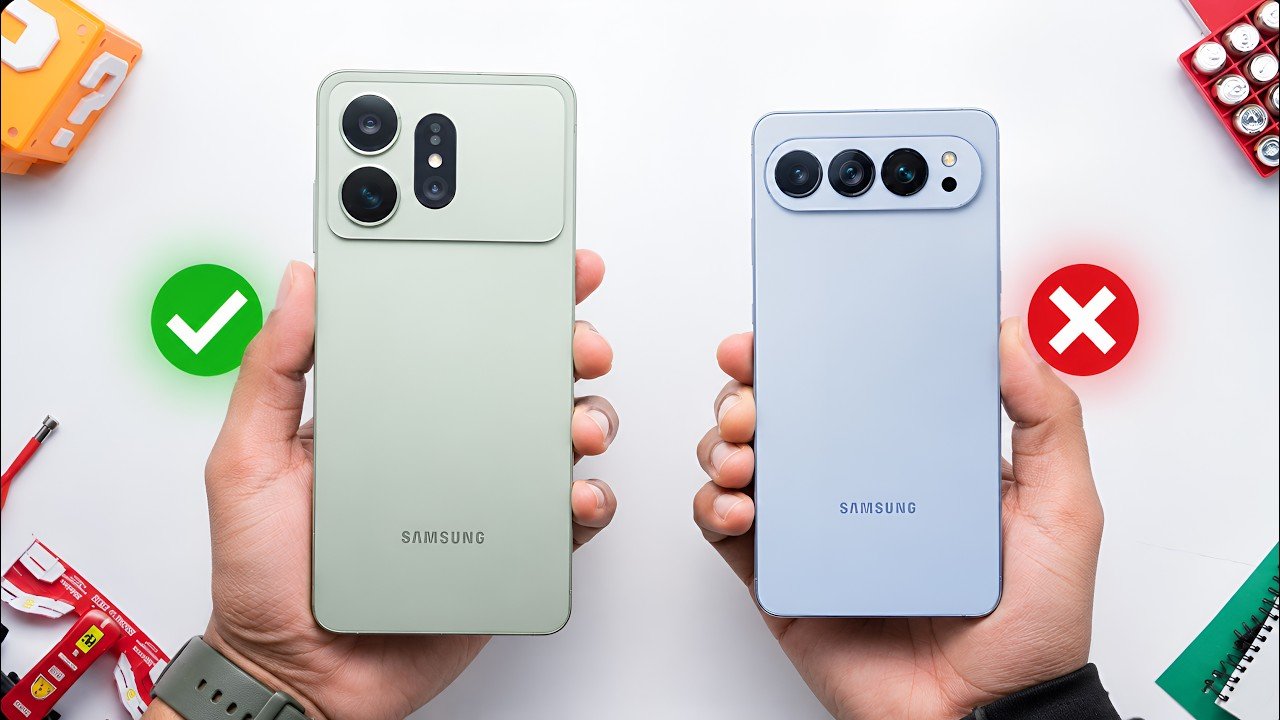
The Samsung Galaxy S27 Ultra introduces a bold new chapter in smartphone design, showcasing a striking departure from its predecessors. Central to this transformation is the innovative horizontal camera bar, a feature that not only reimagines the device’s aesthetics but also hints at functional advancements. While the overall dimensions of the Galaxy S27 Ultra remain […]
The post Samsung Galaxy S27 Ultra: the Design Change Nobody Saw Coming appeared first on Geeky Gadgets.