Opus 5.5 Beats GPT-6 Astra in 8 of 12 Real-World Trials

Opus 5.5 Beats GPT-6 Astra in 8 of 12 Real-World Trials Side-by-side comparison chart of Opus 5.5 and GPT-6 Astra outputs.

When it comes to selecting the right AI model for your needs, understanding how different systems perform across real-world scenarios is essential. In a recent deep dive by Nate Herk, Opus 5.5 and GPT-6 Astra were put to the test across 12 diverse use cases, ranging from website design to coding challenges. For example, Opus […]

The post Opus 5.5 Beats GPT-6 Astra in 8 of 12 Real-World Trials appeared first on Geeky Gadgets.

Posted in Uncategorized

Pat McGrath’s New Pandora Charms Never Need Reapplying

I sometimes have to reapply the same lipstick four times in one afternoon and still walked out looking like I hadn’t worn any at all. That’s the quiet tax of makeup: the color is gorgeous for exactly as long as you remember to maintain it, and the second you forget, the whole effect disappears with your coffee cup. Pandora and Pat McGrath just designed around that problem entirely, and the fix is almost embarrassingly simple. Turn the lipstick into metal. Turn the gloss into a stone. Stop asking anyone to touch it up.

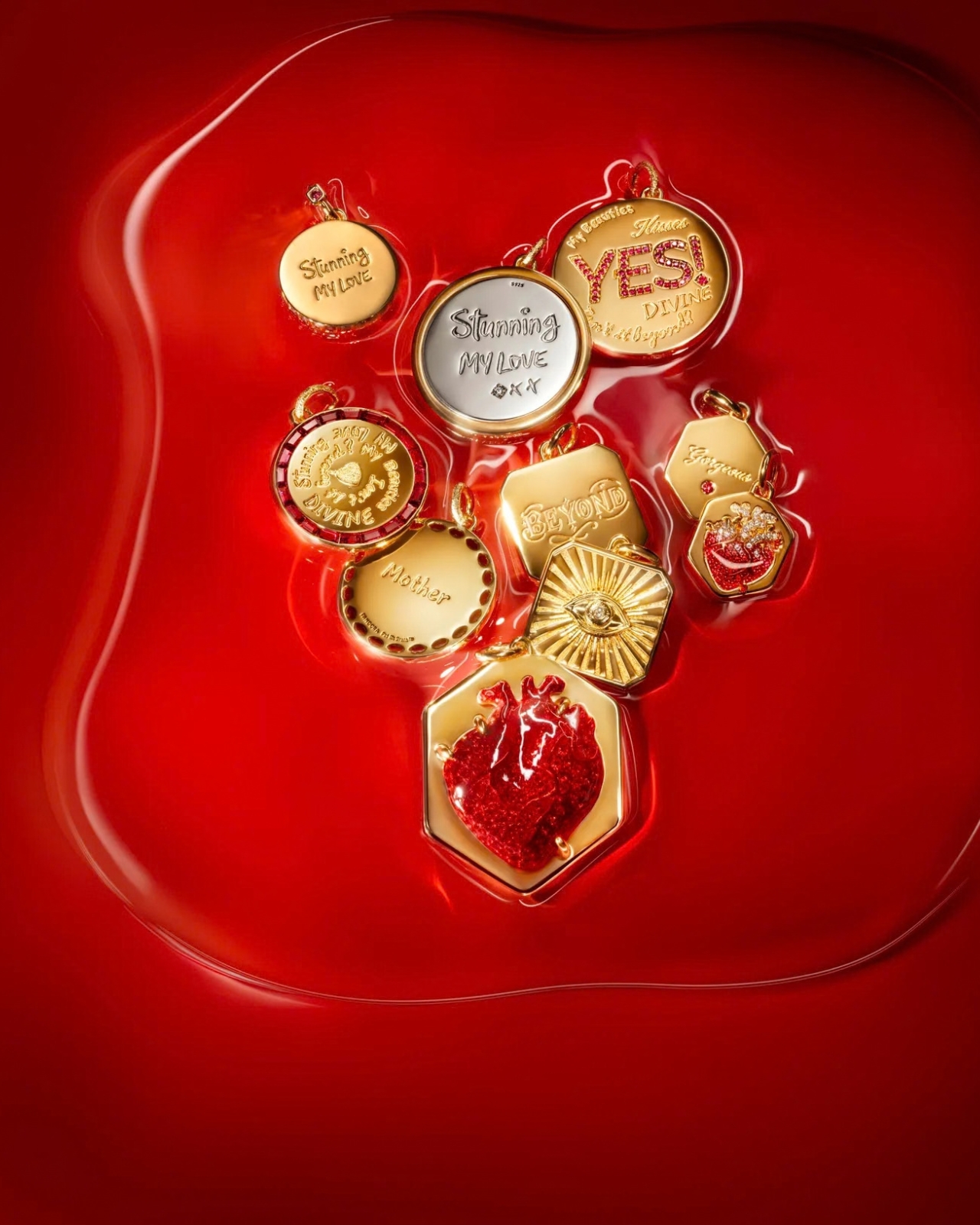
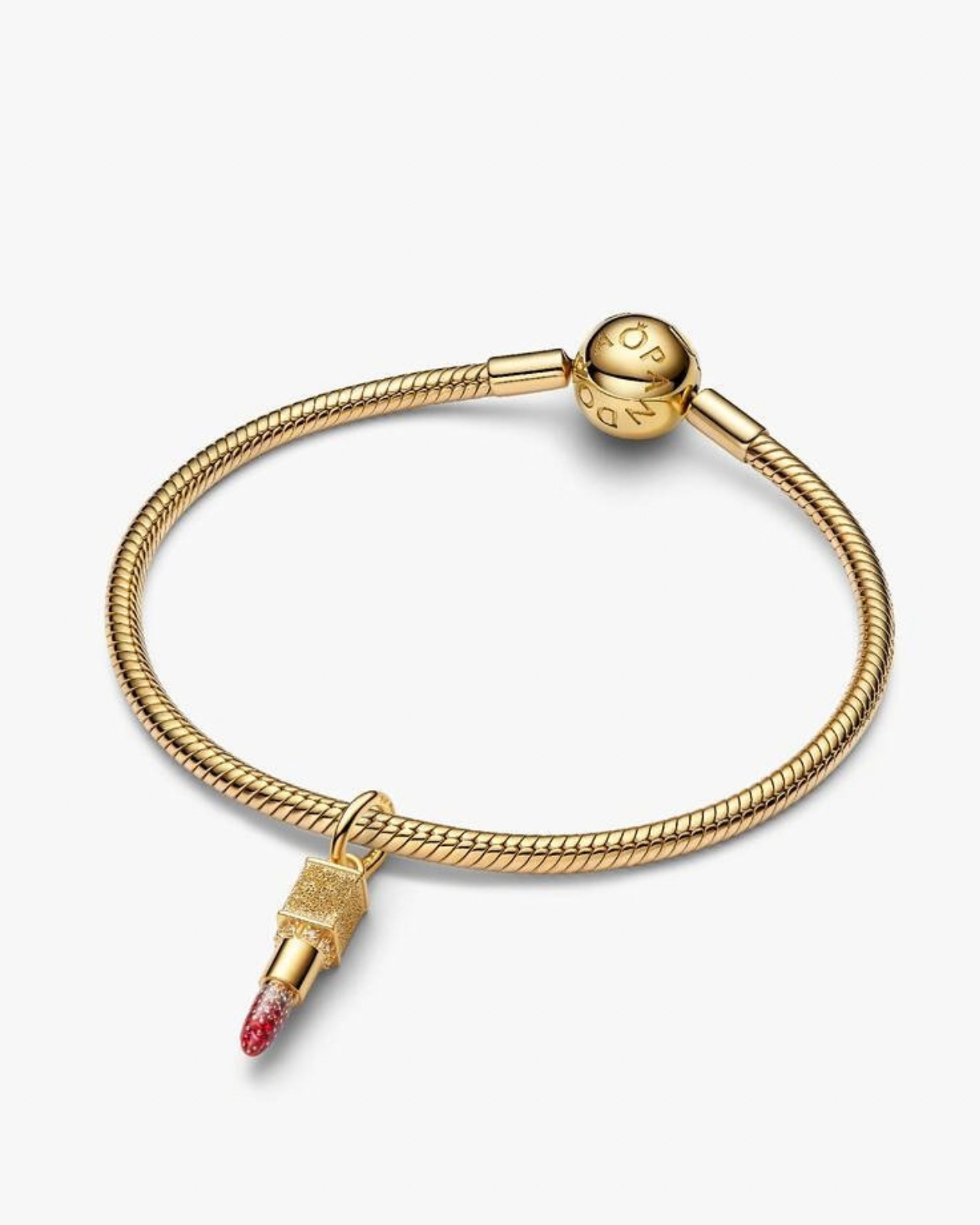
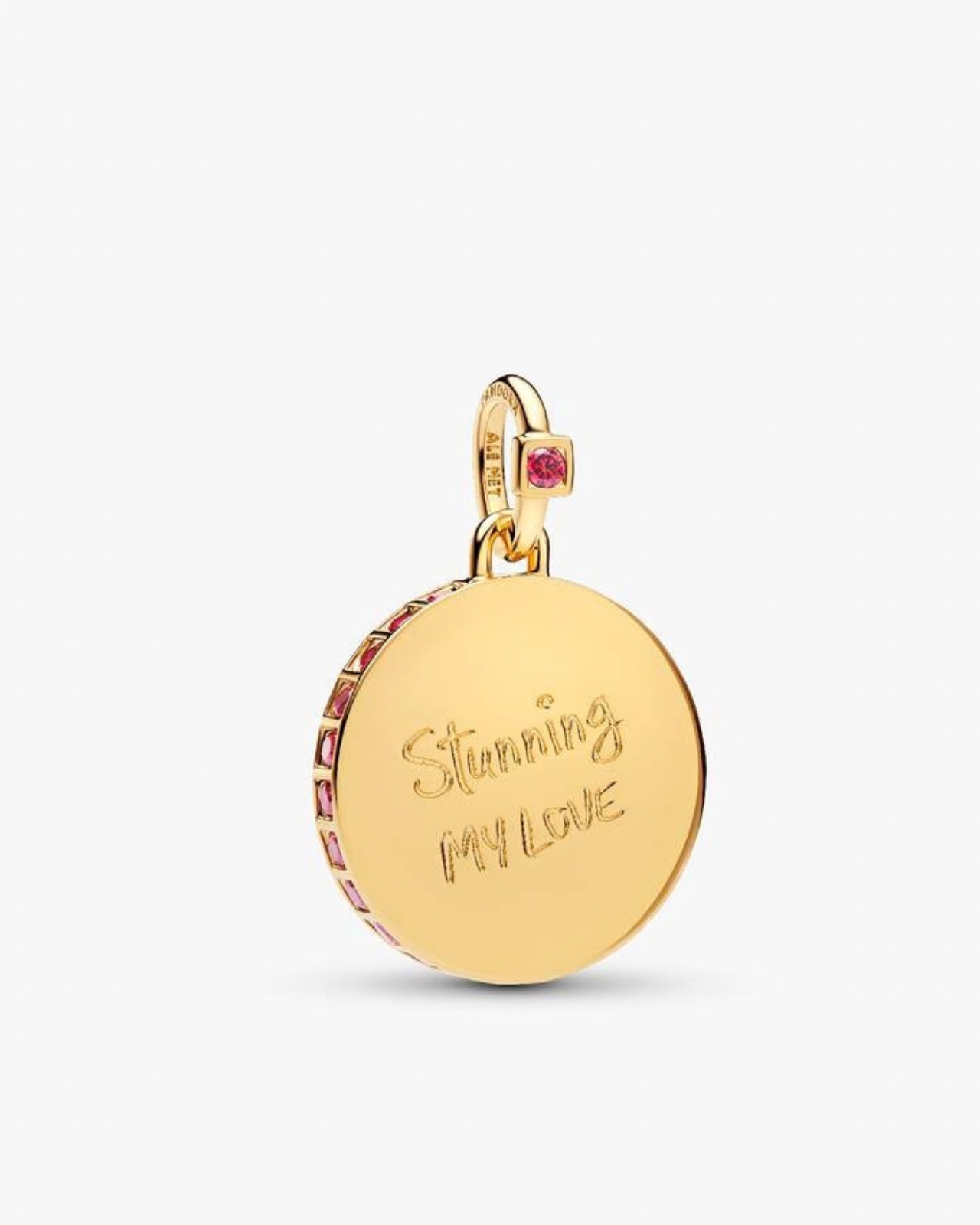
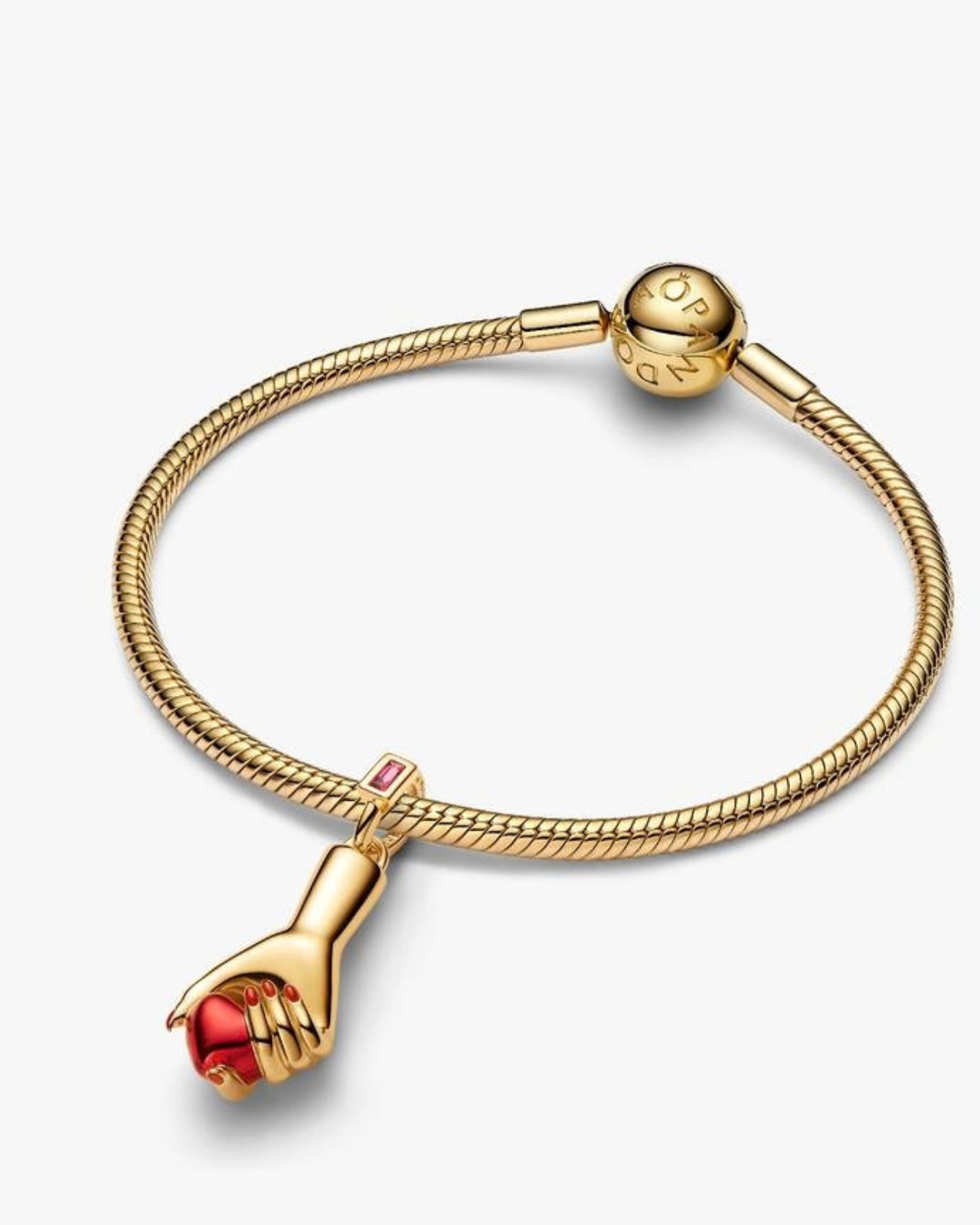
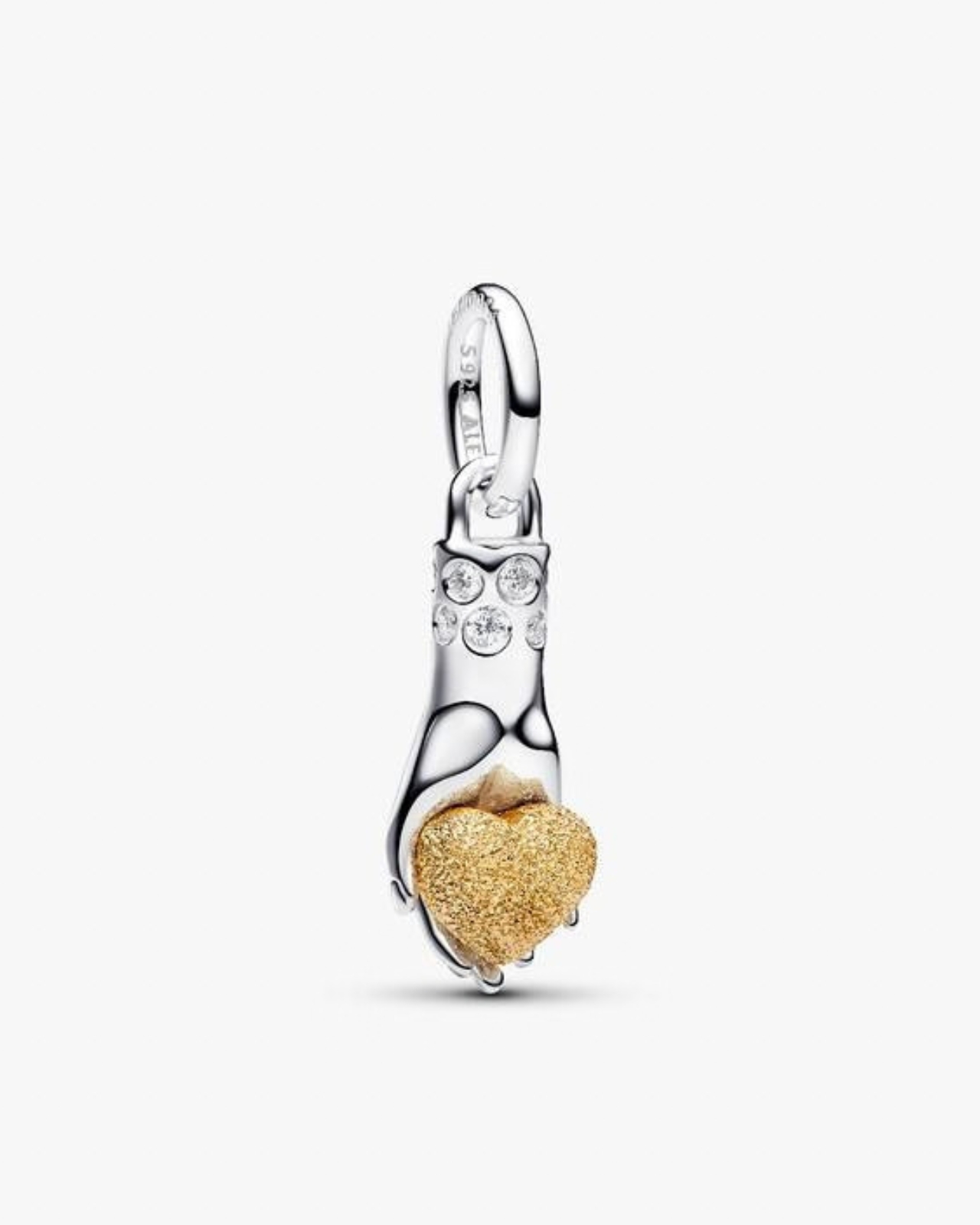
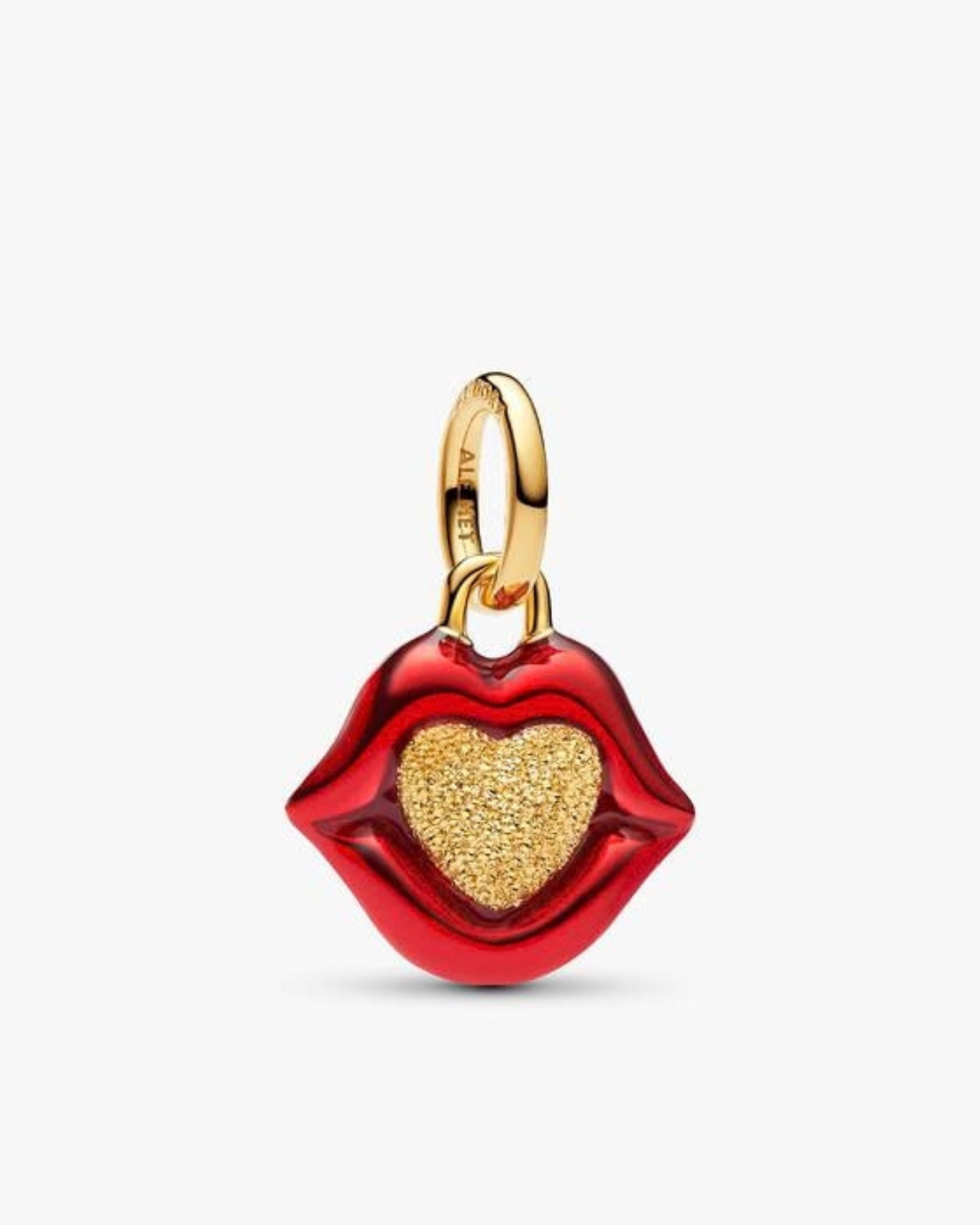
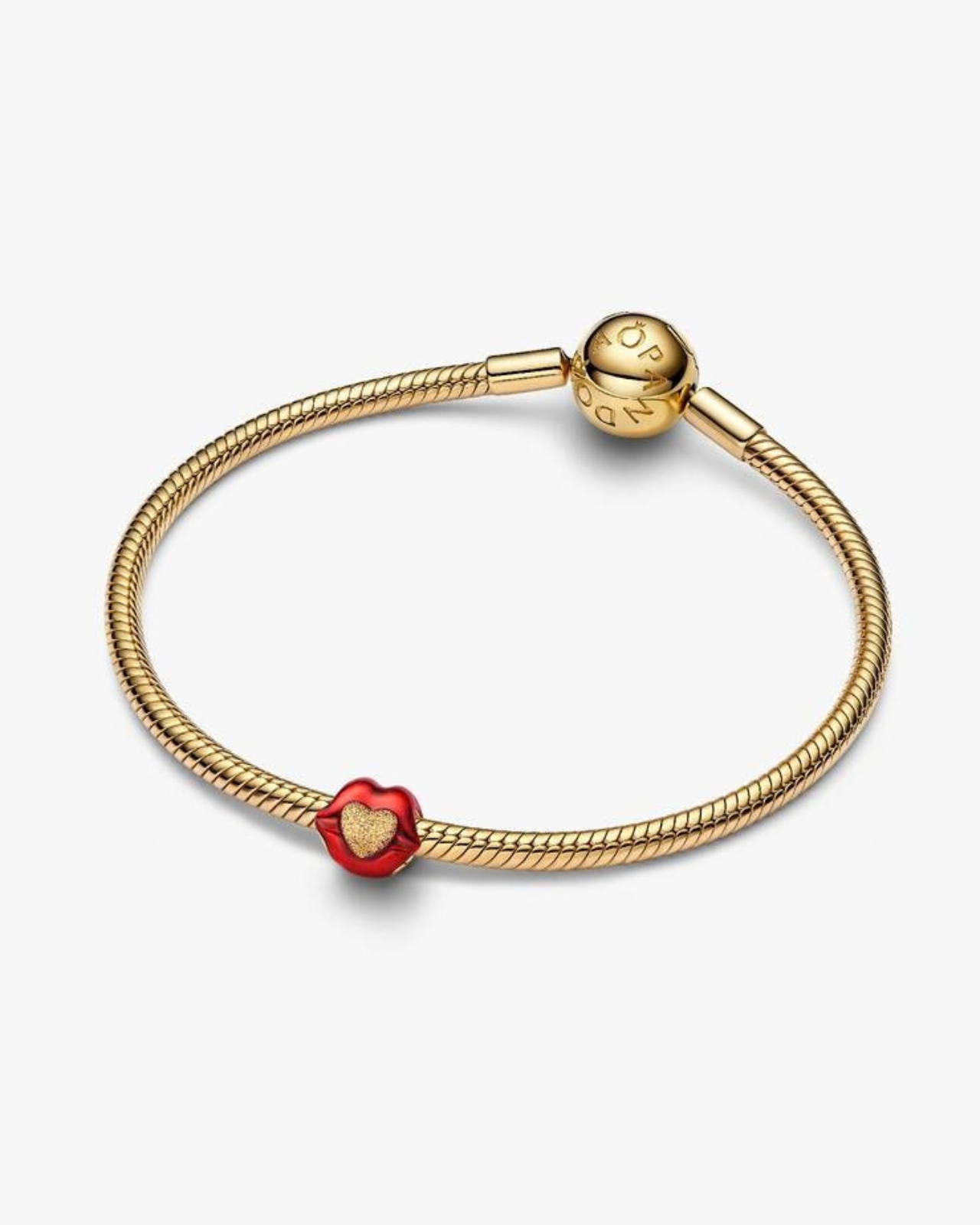
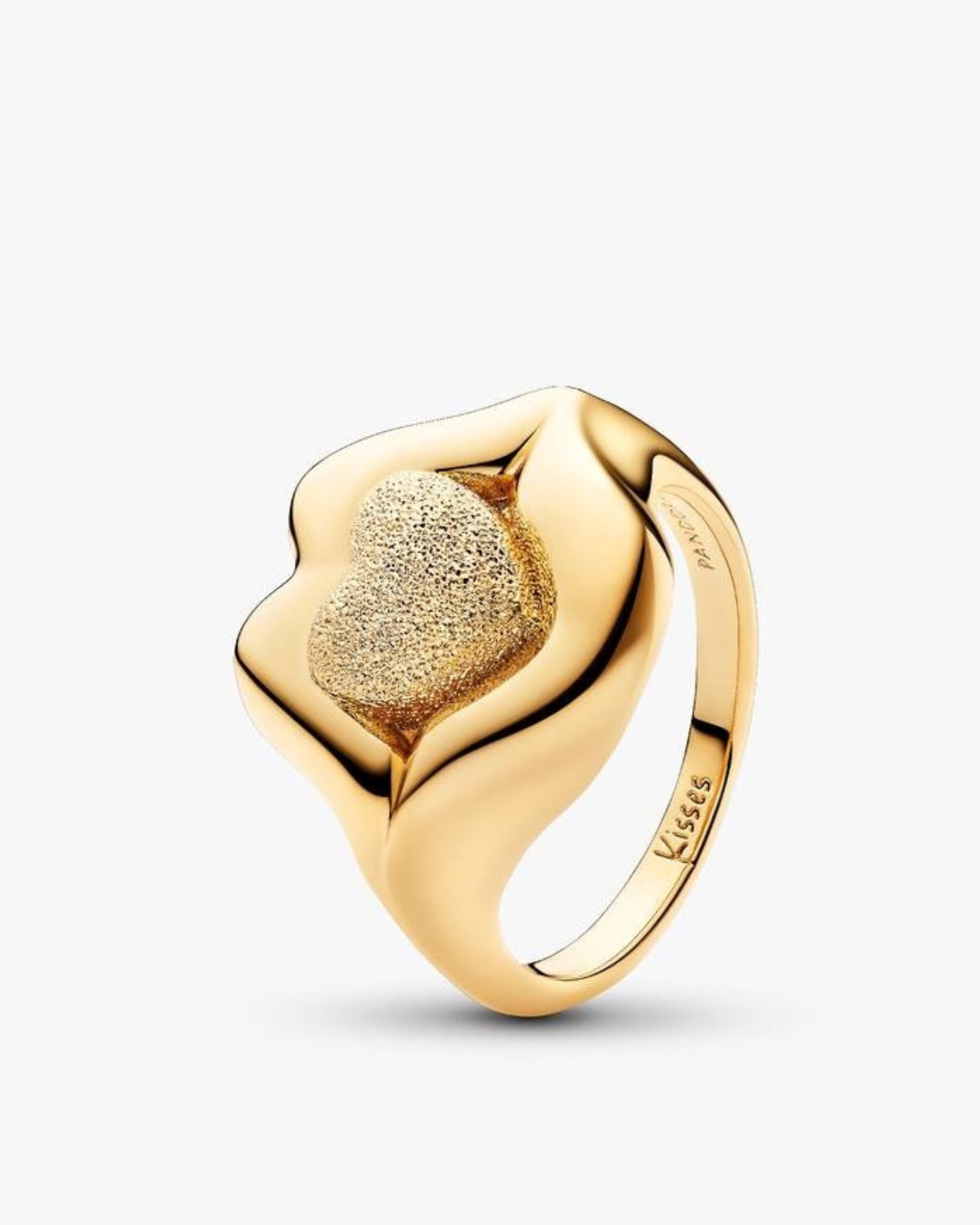
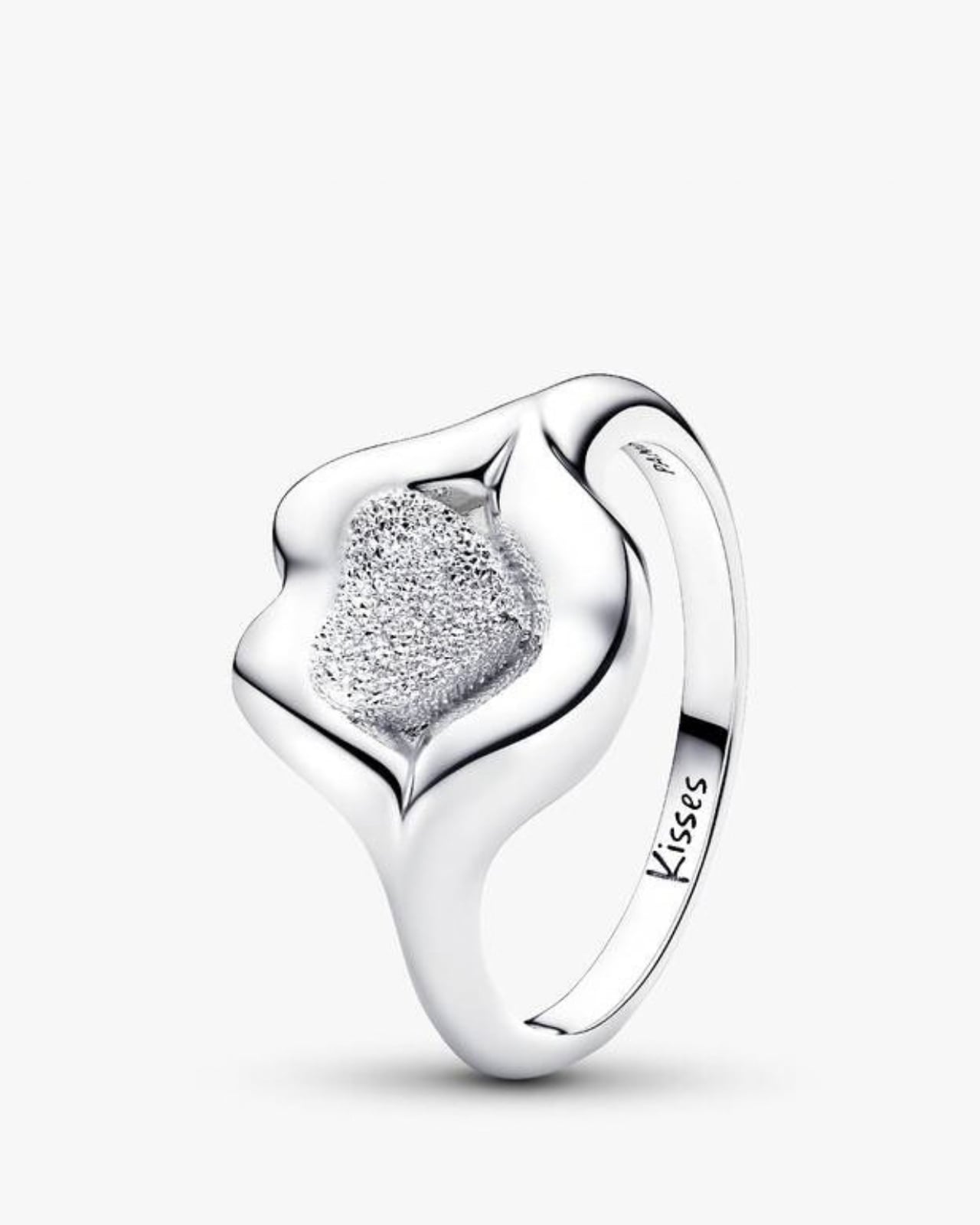
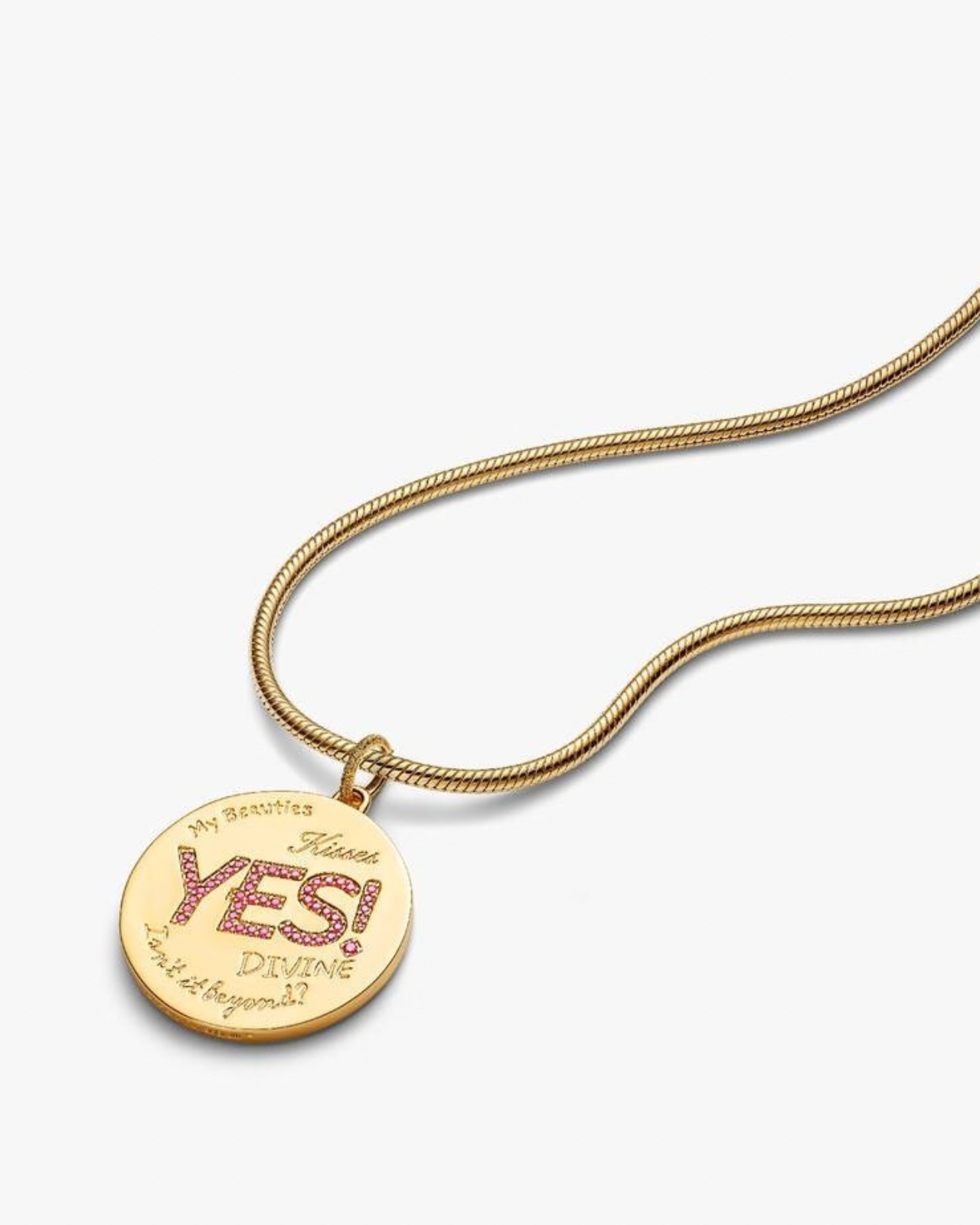
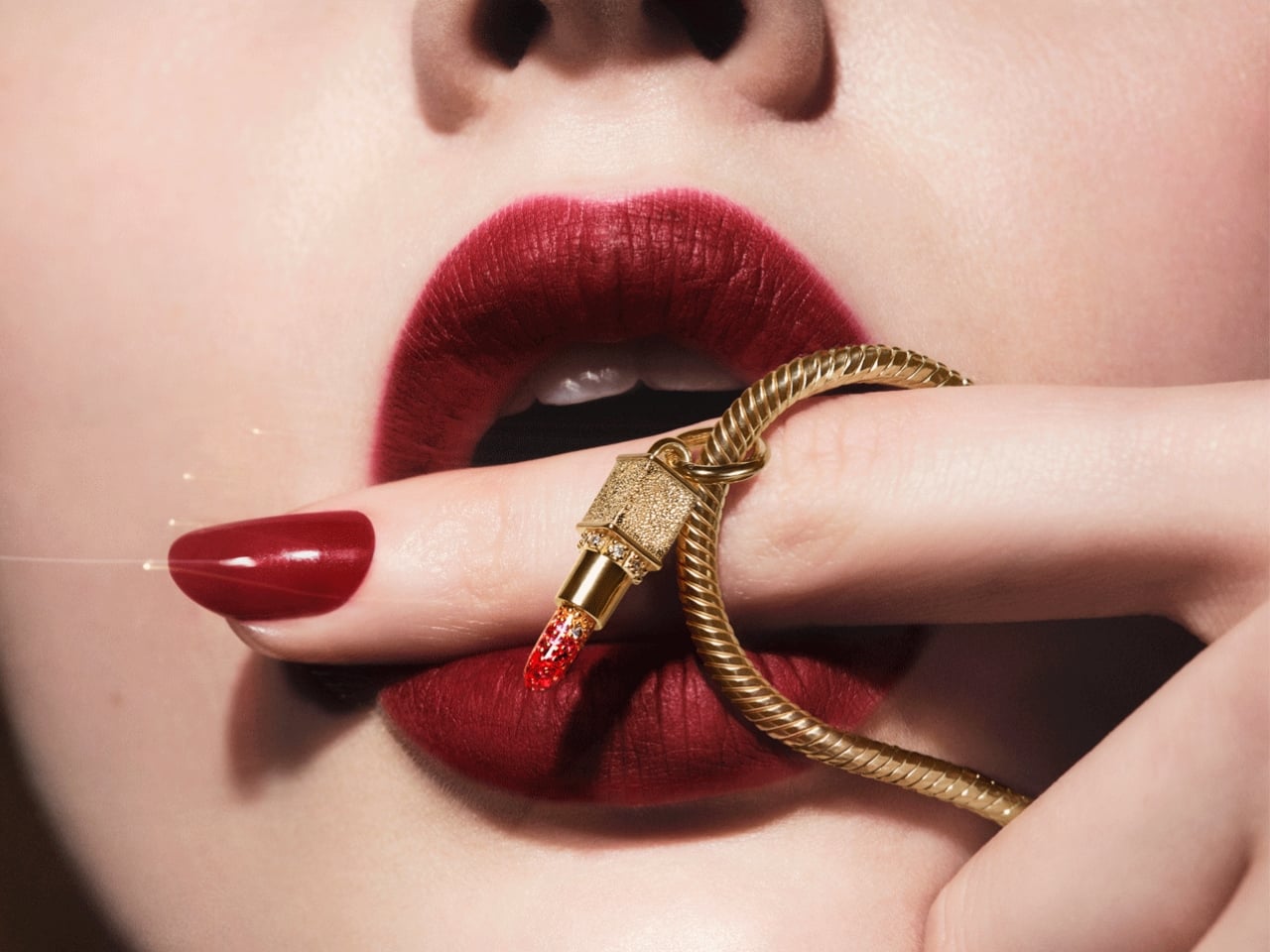
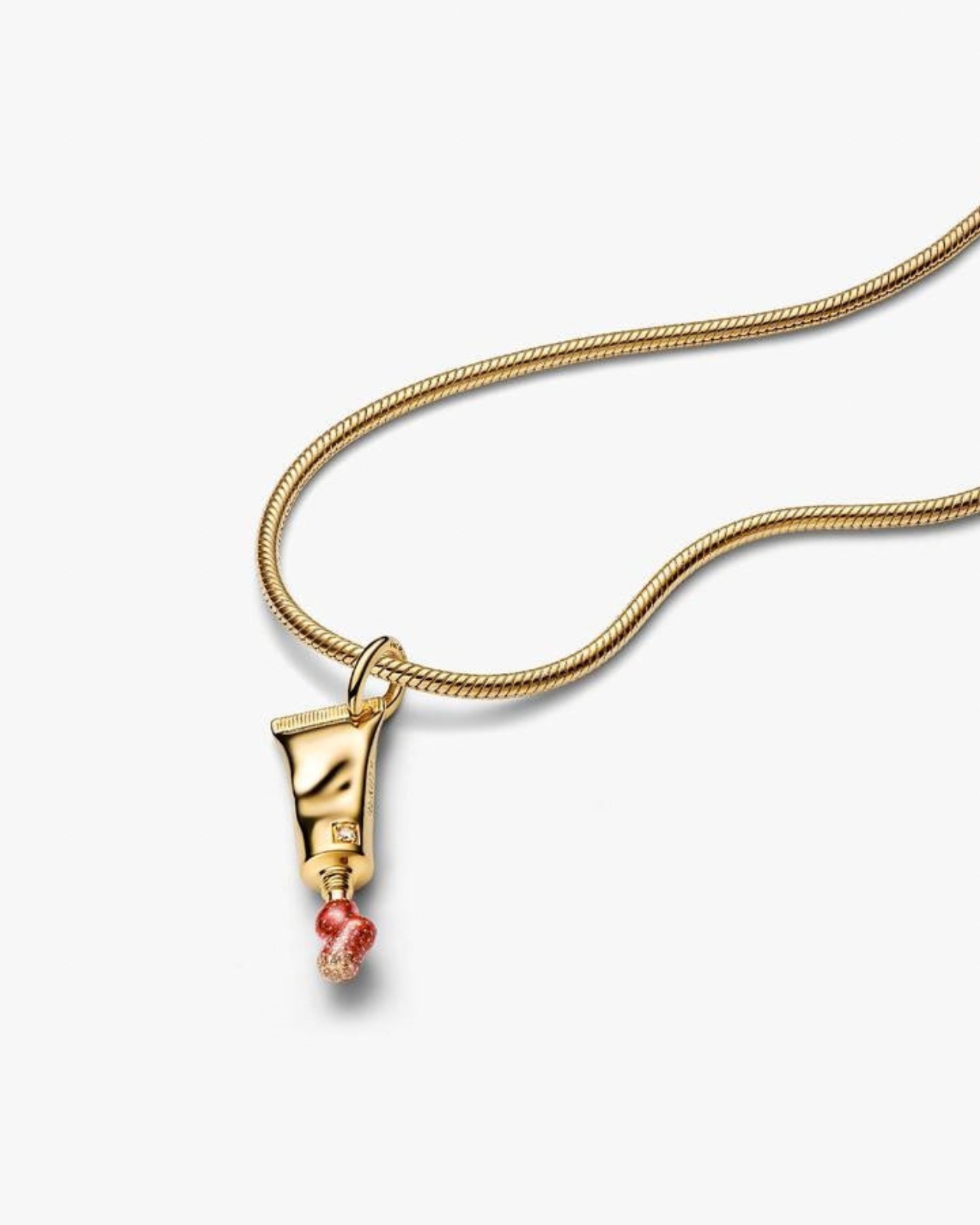
The collaboration launching October 8 is a 17-piece capsule of charms, rings, earrings, and pendants, and it reads less like a jewelry line and more like McGrath’s makeup kit got cast in gold. There’s a lips motif rendered as a signet ring, a beating heart charm, tiny lipstick tubes dangling with crystal detail, medallions stamped with what basically amount to beauty mantras. Prices land between $58 and $200, which keeps it in Pandora’s usual lane of reachable luxury rather than pushing into fine jewelry territory. Sølve Sundsbø shot the campaign, and the imagery has that glossy, high-pigment feel you’d expect from anything with McGrath’s name on it.

Designer: Pat McGrath for Pandora
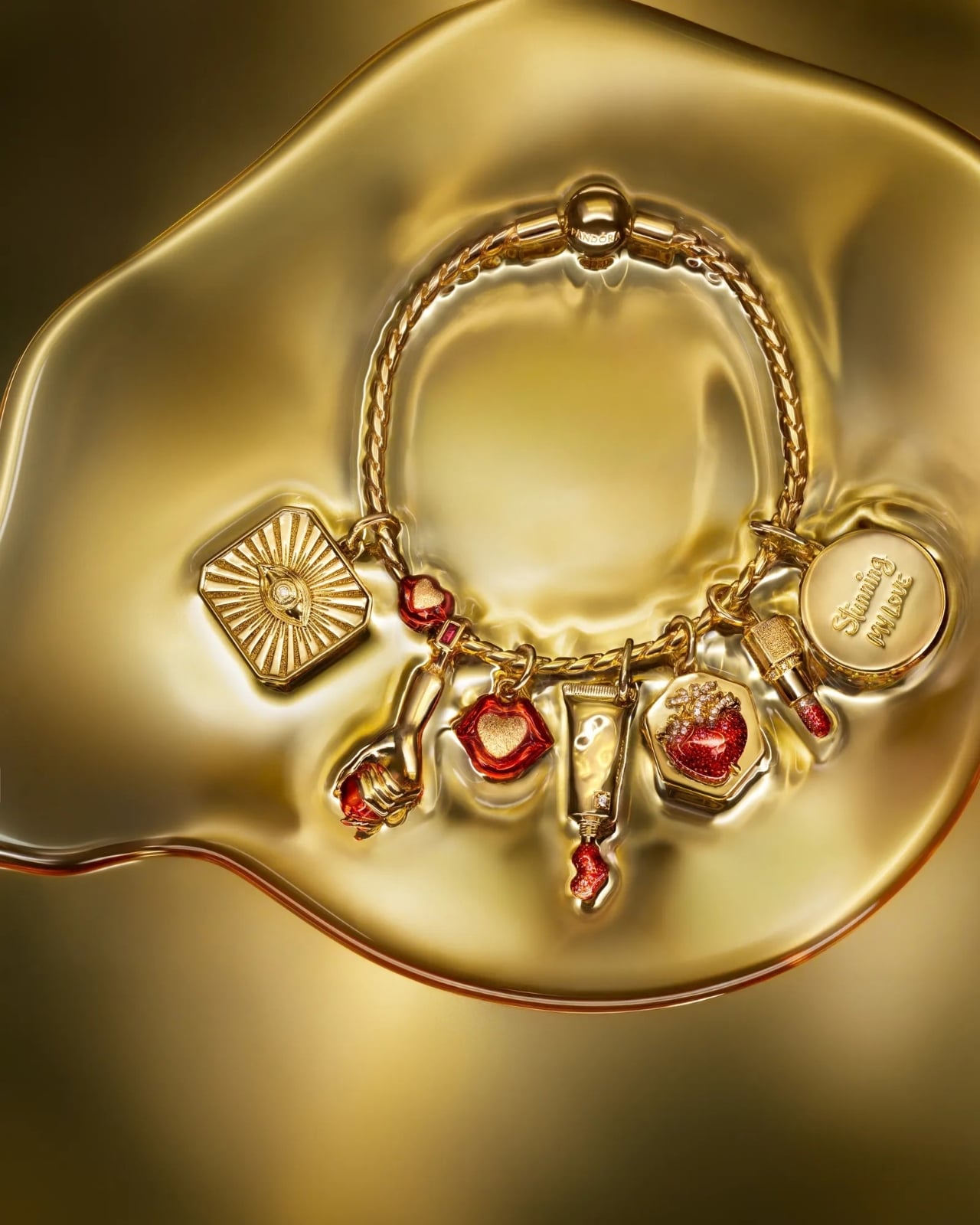
What actually makes this interesting to me isn’t the charm shapes themselves, it’s the design logic underneath them. McGrath told ELLE the process started with color, the same way her makeup work always does, and that she wanted “the visual language of beauty: pure pigment, gloss, crystal, texture and light” to become something wearable rather than something you reapply every three hours. That’s a genuinely different starting point than most jewelry design, which usually begins with a metal or a stone and works backward. Here, the inspiration was a lipstick bullet, a mascara wand, a swipe of gloss, and the challenge was translating something inherently temporary into something that survives a dishwasher, a shower, a decade.
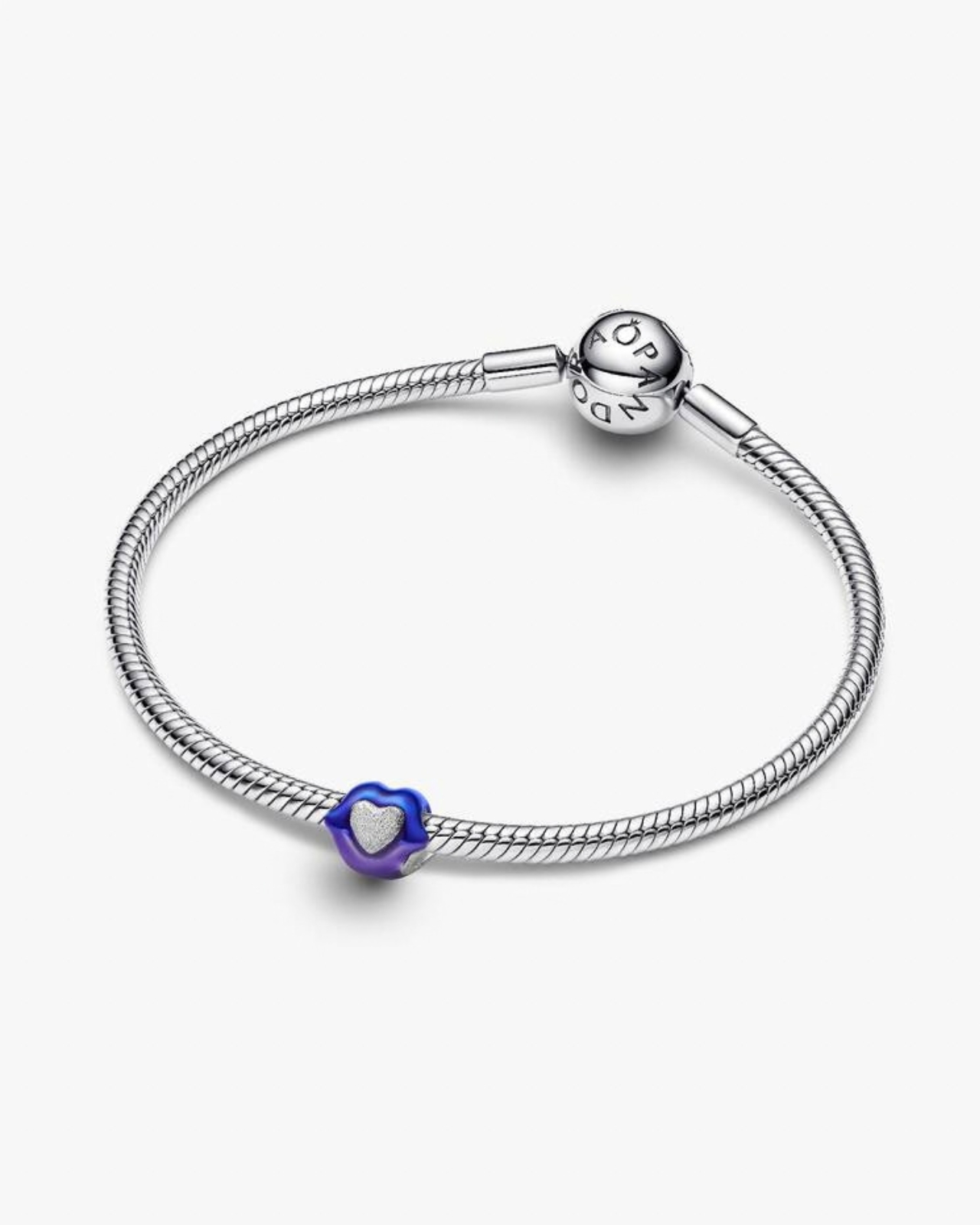
I’ve always thought the actual genius of Pandora’s charm bracelet model was never the charms, it was the permission structure. You build the thing yourself, one piece at a time, and it becomes a low-stakes way to commit to an aesthetic without fully committing to it. Beauty products work on the opposite logic entirely. You buy the palette, you experiment for a week, and then it sits in a drawer because reapplying a full look every morning is, frankly, a lot of effort for most people. This collection quietly splits the difference. You get McGrath’s color instincts and her theatrical, maximalist sensibility, but instead of a fifteen-step routine, you clip on a charm and you’re done until you decide to take it off.
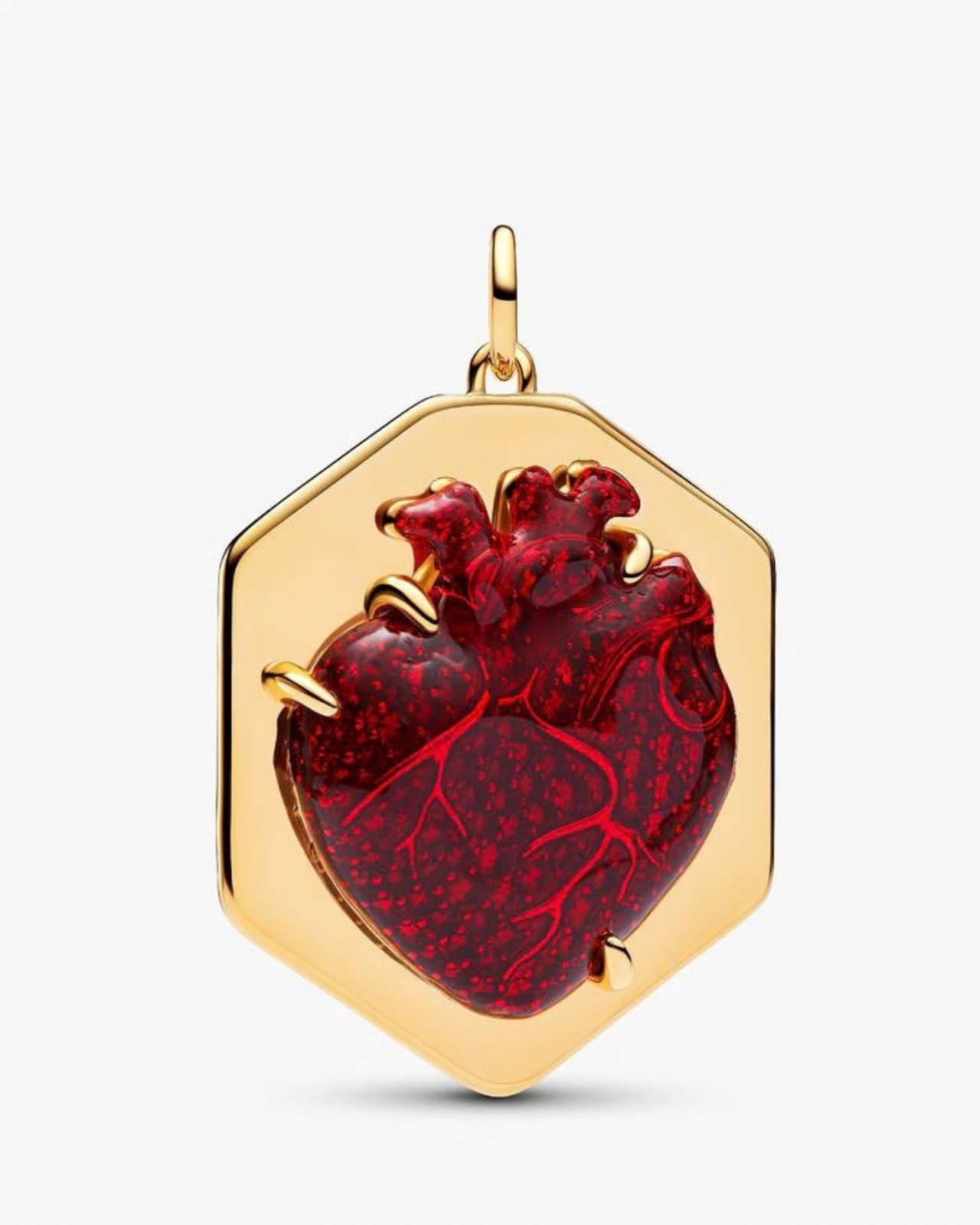
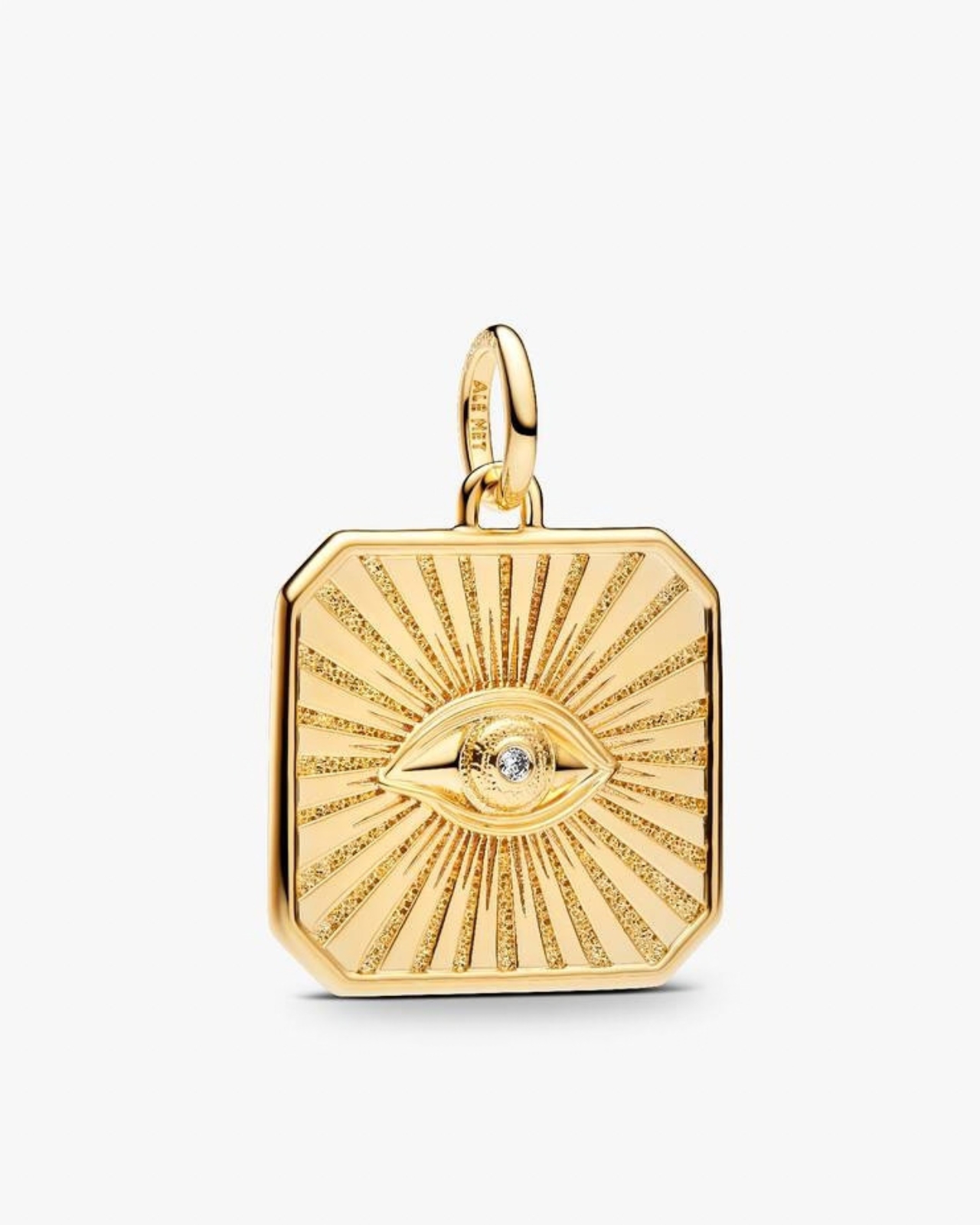
There’s also something honest happening in how McGrath talks about the crossover. She’s described makeup and jewelry as coming from the exact same instinct, the desire to adorn yourself and shift how you feel without changing who you actually are. I don’t think that’s marketing language, I think it’s just true. Nobody puts on a bold lip or a statement ring because they need to. People do it because it changes the story they’re telling that day, and both objects disappear the second you stop wanting to tell that story. The difference is one requires a mirror and five minutes you don’t always have, and the other survives an entire flight, a gym session, a full workday, without a single touch-up.
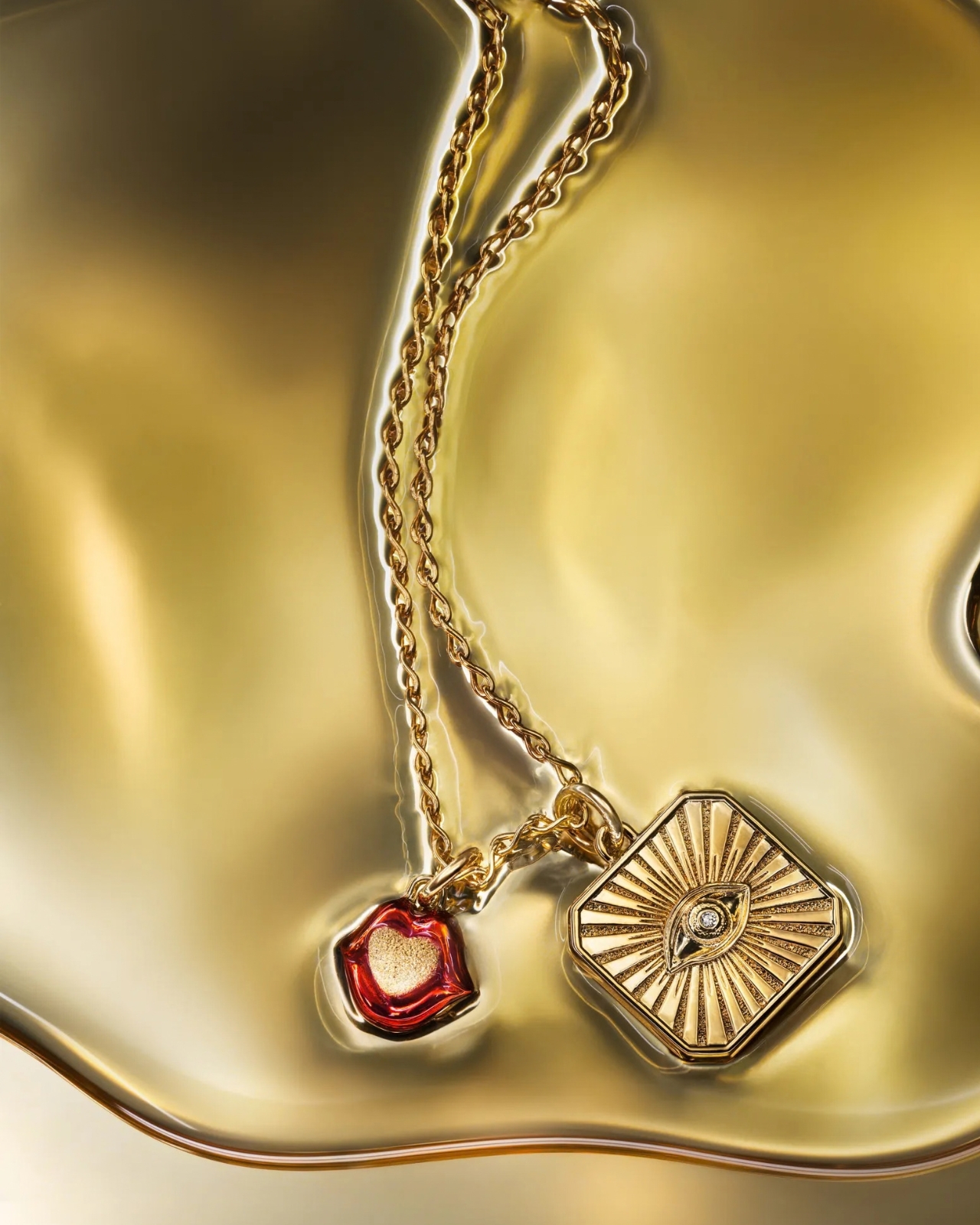
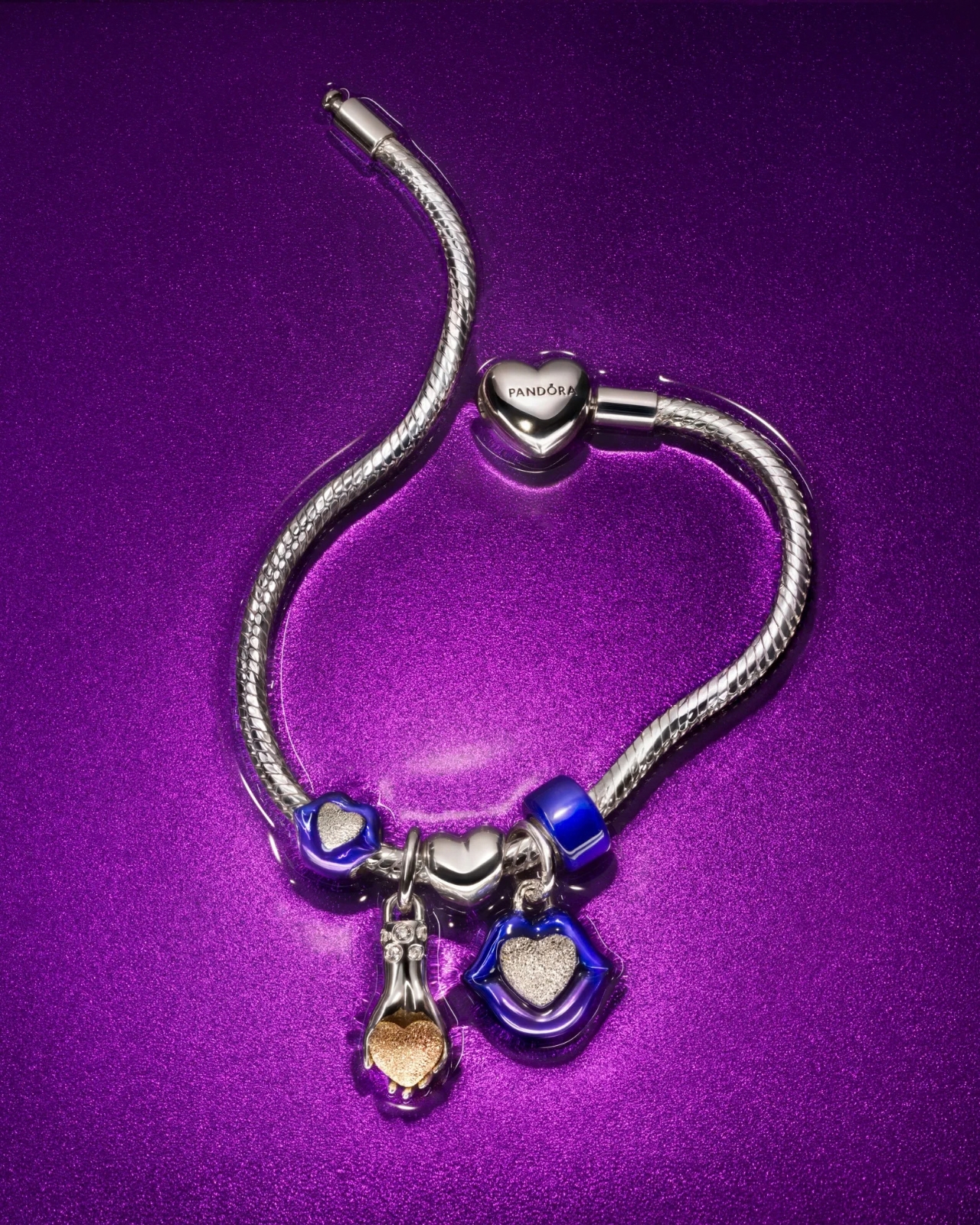
The gifting angle here is obvious and Pandora clearly knows it, timing this for the run into holiday shopping season. But I think the sharper read is what it says about where beauty and jewelry are heading as categories. Cosmetics brands have spent years chasing permanence, tattoo-style brows, semi-permanent lip stains, anything that survives past a single wear. Pandora and McGrath just skipped the science project entirely and went straight to metal. It’s a strange kind of solution, solving a beauty problem with a jewelry answer, and it works precisely because nobody tried it quite like this before.
The post Pat McGrath’s New Pandora Charms Never Need Reapplying first appeared on Yanko Design.

Why Face ID Is Crashing and Reboting on the New iPhone 18 Pro

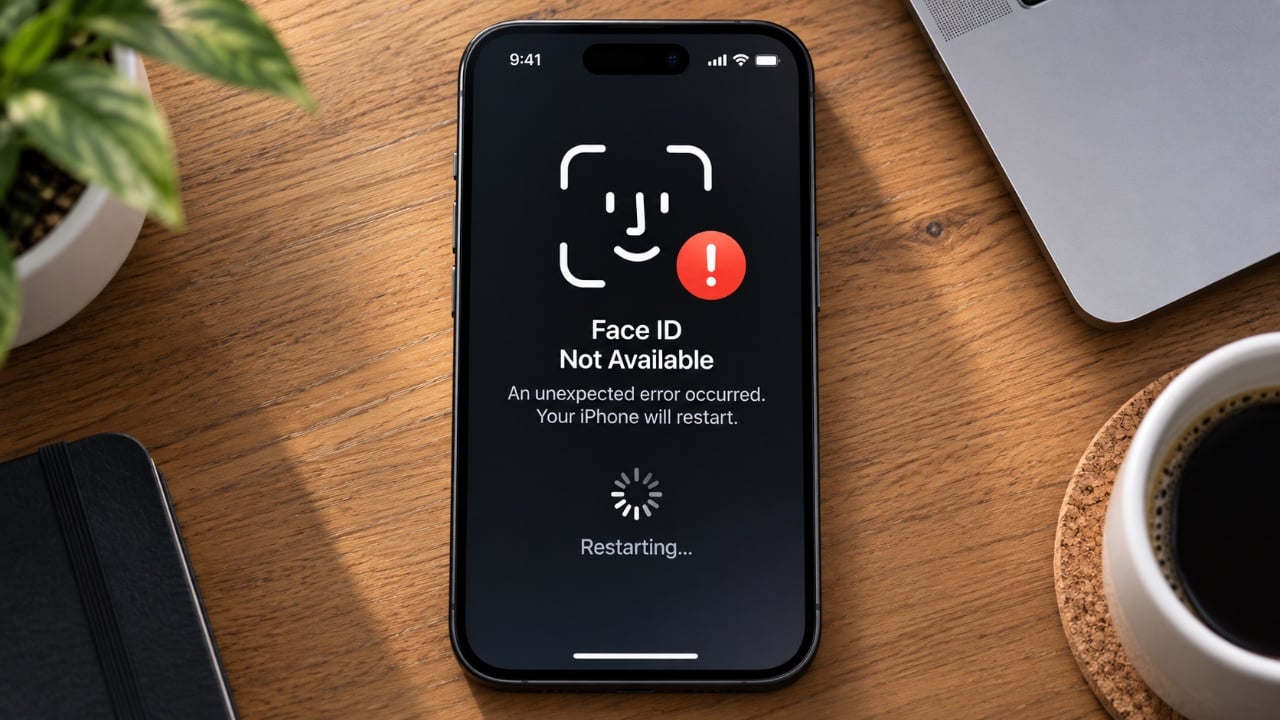
Why Face ID Is Crashing and Reboting on the New iPhone 18 Pro iPhone 18 Pro

The iPhone 18 Pro, Apple’s latest flagship device, has some issues with its Face ID functionality. Once celebrated as a hallmark of secure and seamless authentication, Face ID on this model has been plagued by slower performance, inconsistent recognition, and even unexpected device reboots. These problems have left users questioning the reliability of a feature […]

The post Why Face ID Is Crashing and Reboting on the New iPhone 18 Pro appeared first on Geeky Gadgets.

Posted in Uncategorized

$1299 Meta VR Glasses Offer a Portable Laptop Alternative: Hand Tracking, Lightweight

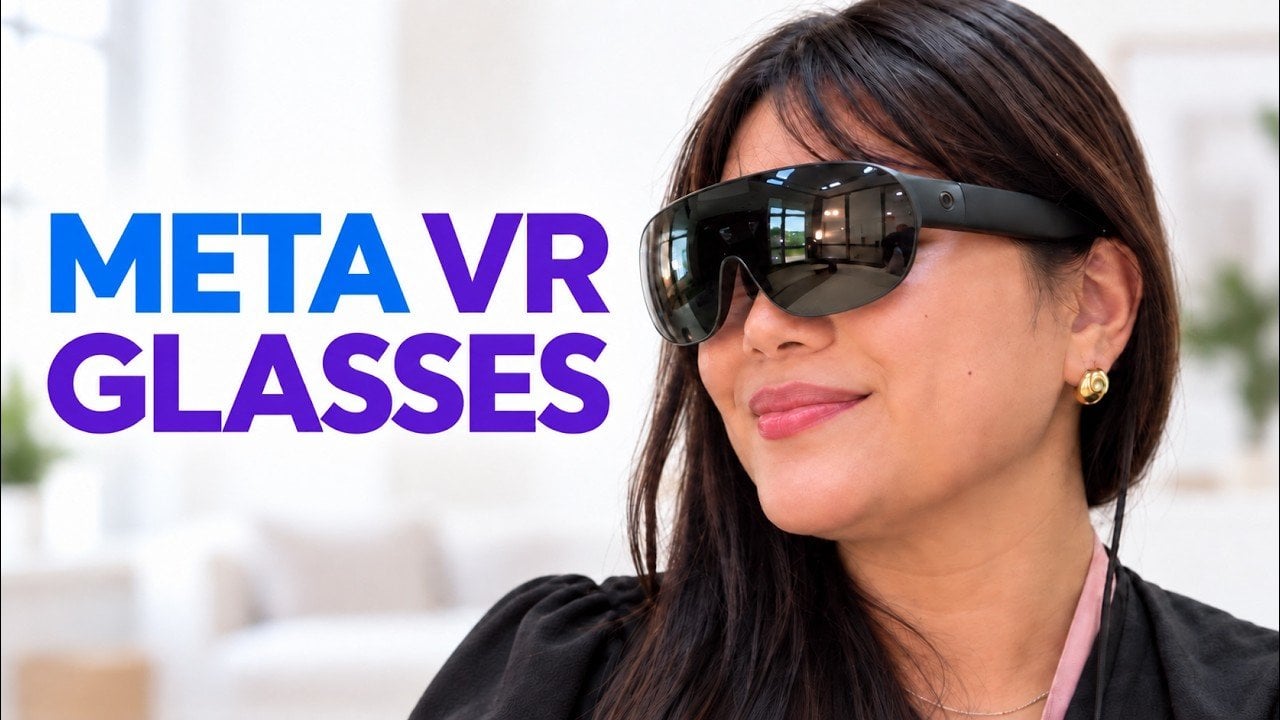
$1299 Meta VR Glasses Offer a Portable Laptop Alternative: Hand Tracking, Lightweight Front view of the Meta VR glasses resting on a desk.

Meta’s $1299 VR glasses are designed to merge the functionality of virtual reality with the convenience of a lightweight form factor. According to Jasmine Uniza, these glasses incorporate advanced features such as hand tracking and eye tracking, all within a compact 100-gram design. While they are not intended for all-day wear, they are optimized for […]

The post $1299 Meta VR Glasses Offer a Portable Laptop Alternative: Hand Tracking, Lightweight appeared first on Geeky Gadgets.

Posted in Uncategorized

M6 Mac Mini: Just How Good Is Apple’s Tiny Powerhouse?

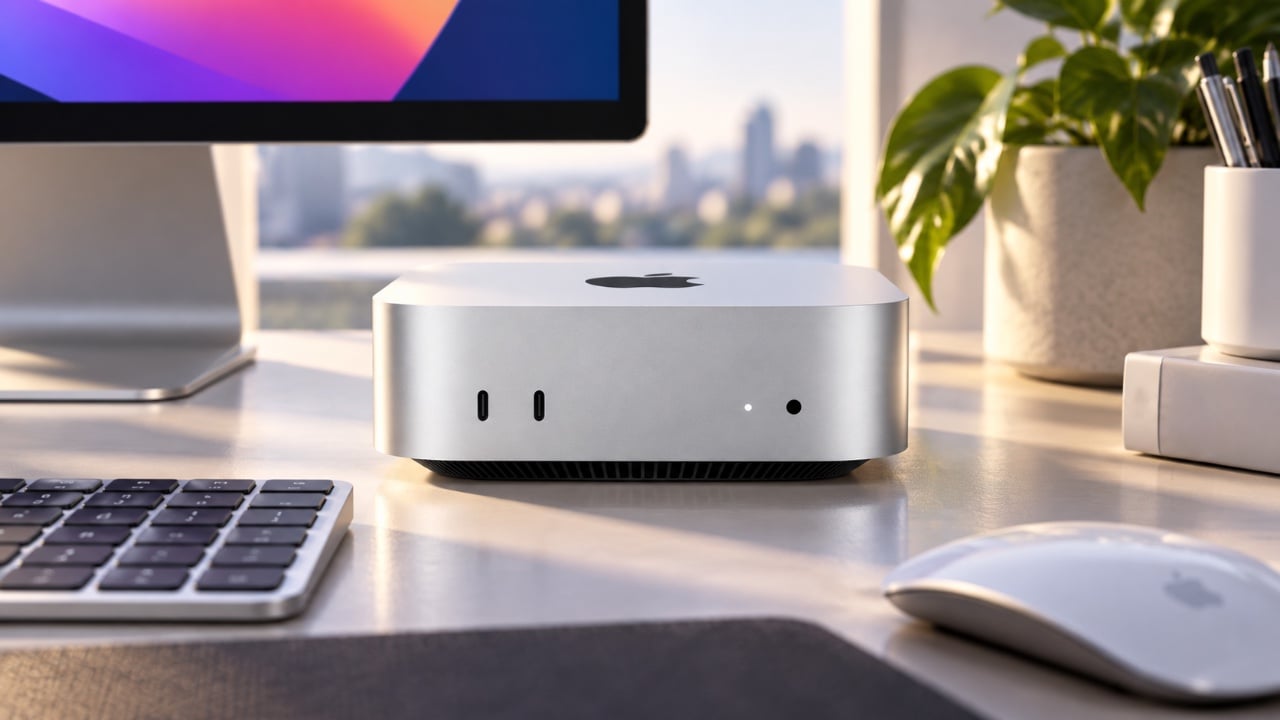
M6 Mac Mini: Just How Good Is Apple’s Tiny Powerhouse? Mac Mini

The Mac Mini M6 represents a significant step forward in performance, powered by Apple’s innovative M6 chip. While the device retains its compact 5×5-inch design, the internal upgrades bring faster processing speeds, enhanced graphics and advanced AI capabilities. However, the increased price compared to its predecessors raises questions about its value, particularly for users with […]

The post M6 Mac Mini: Just How Good Is Apple’s Tiny Powerhouse? appeared first on Geeky Gadgets.

Posted in Uncategorized

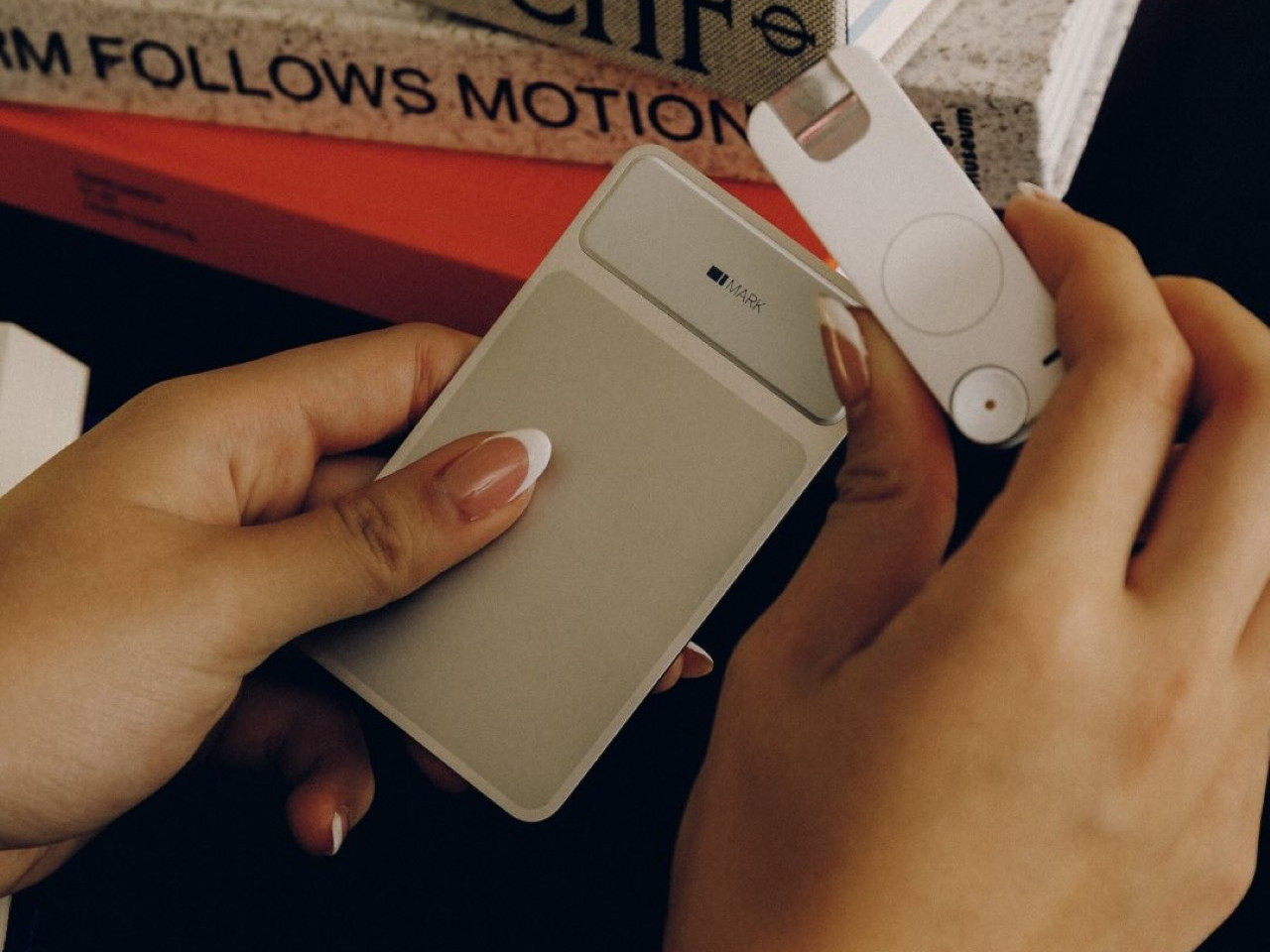
The Mark II Turns a Bookmark Into a Second Memory for Readers

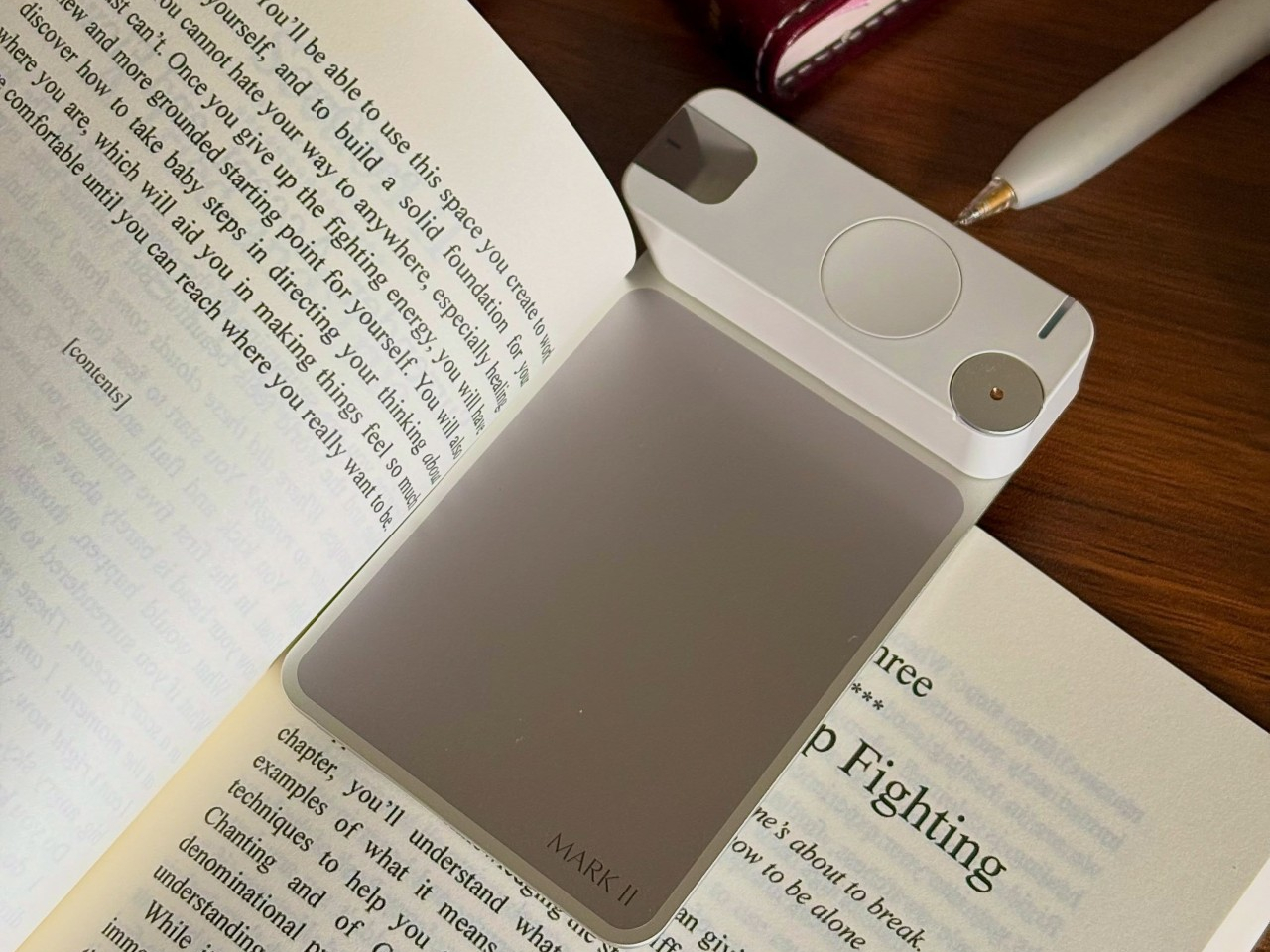
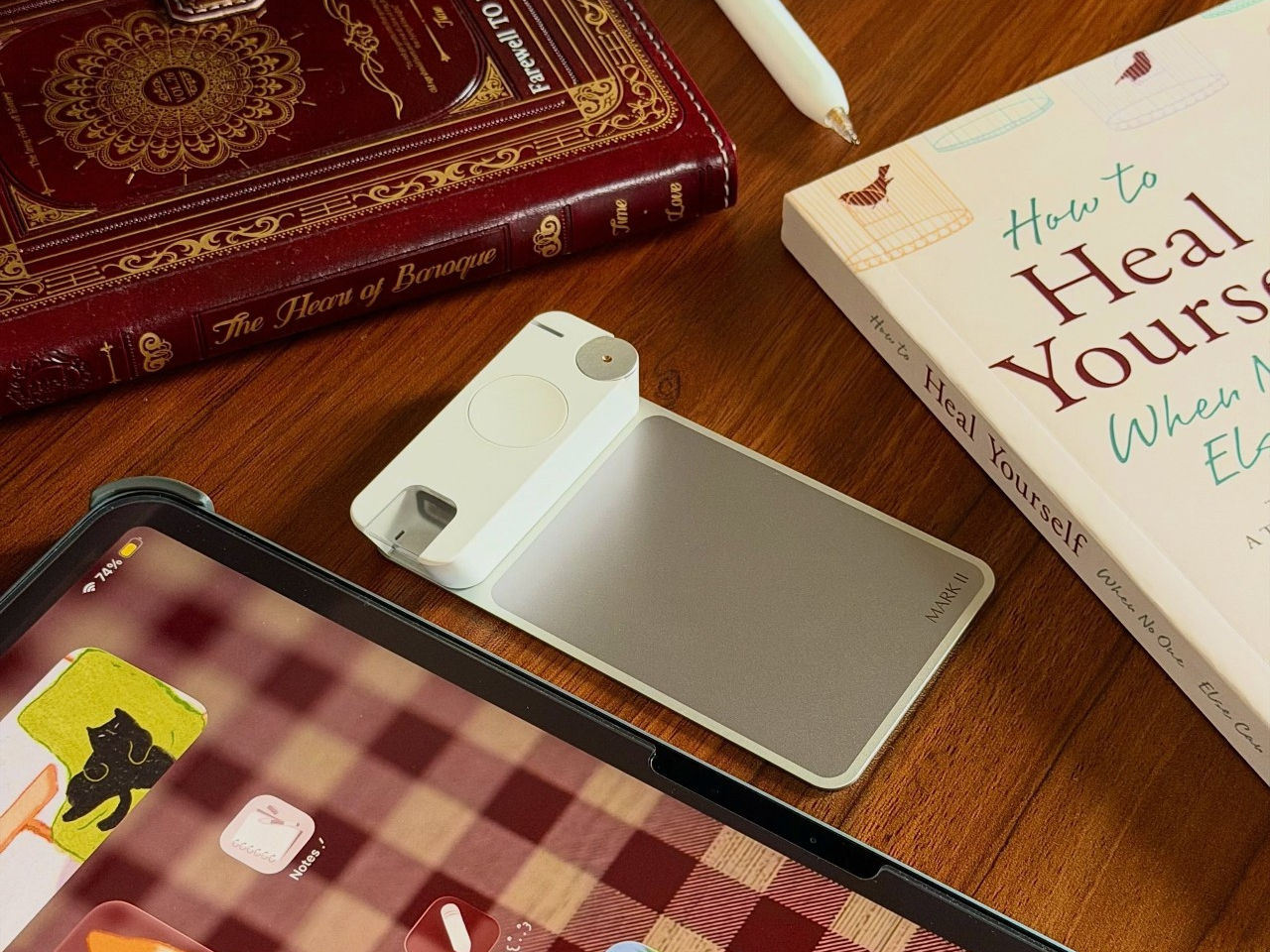
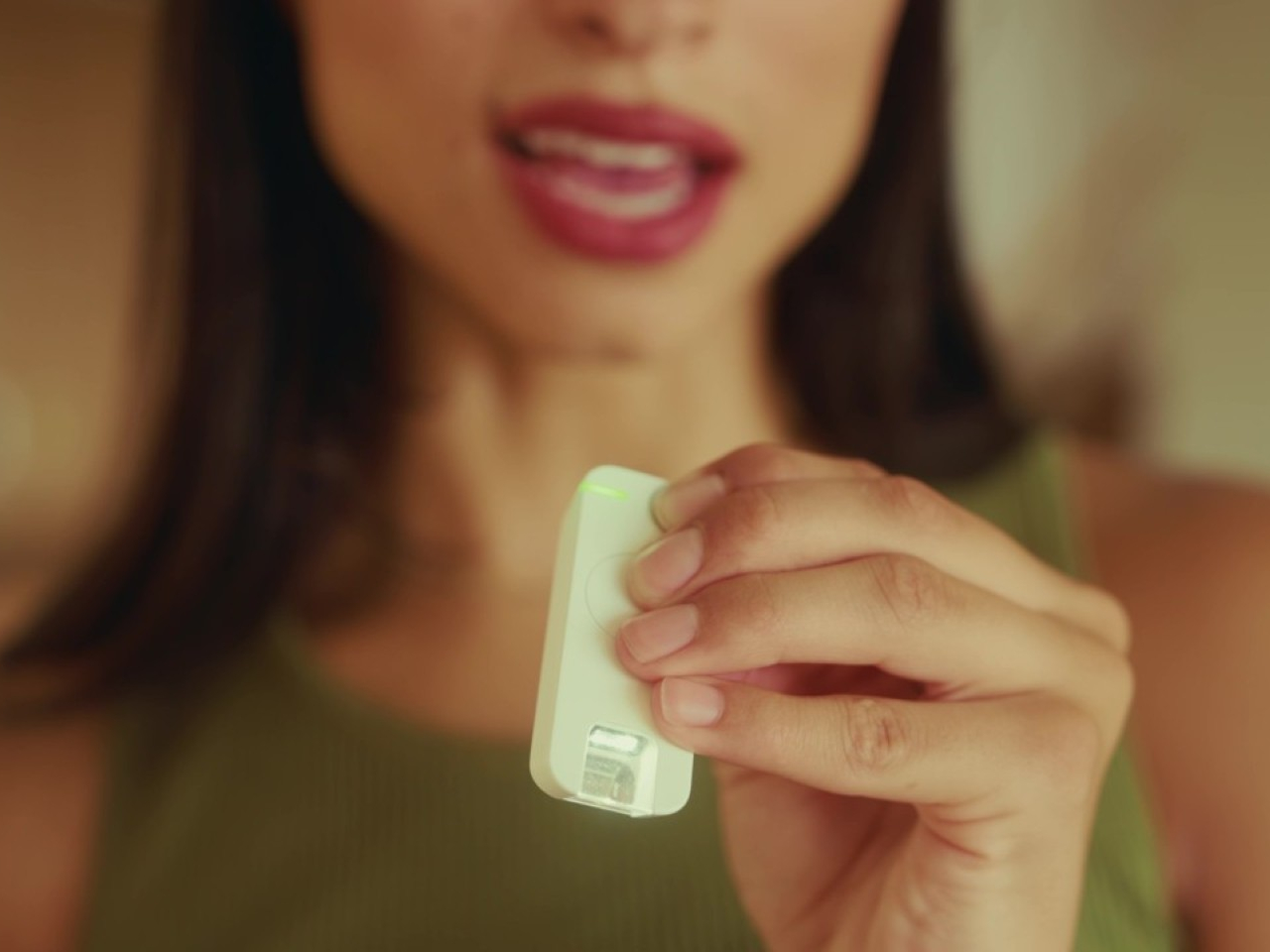
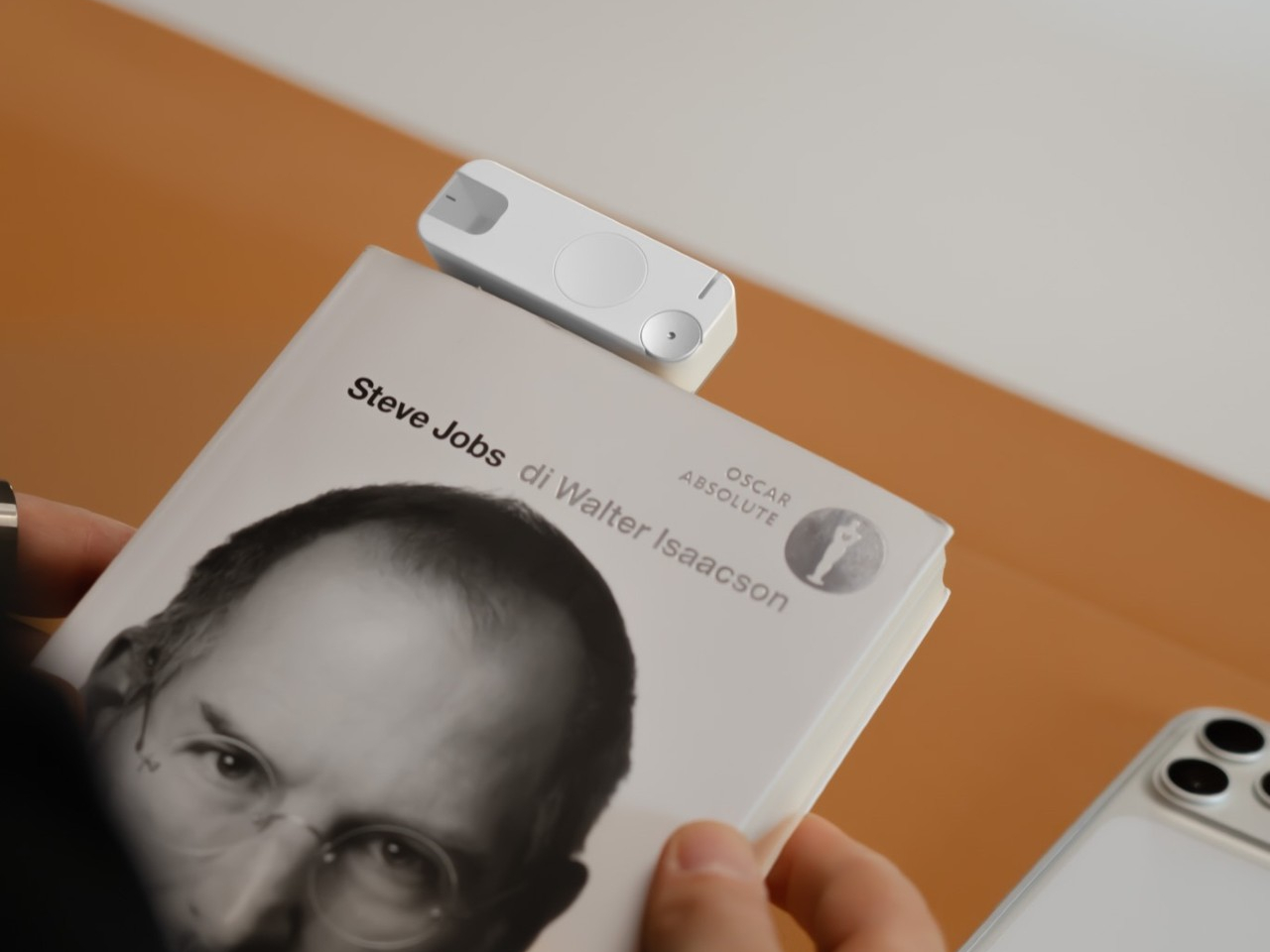
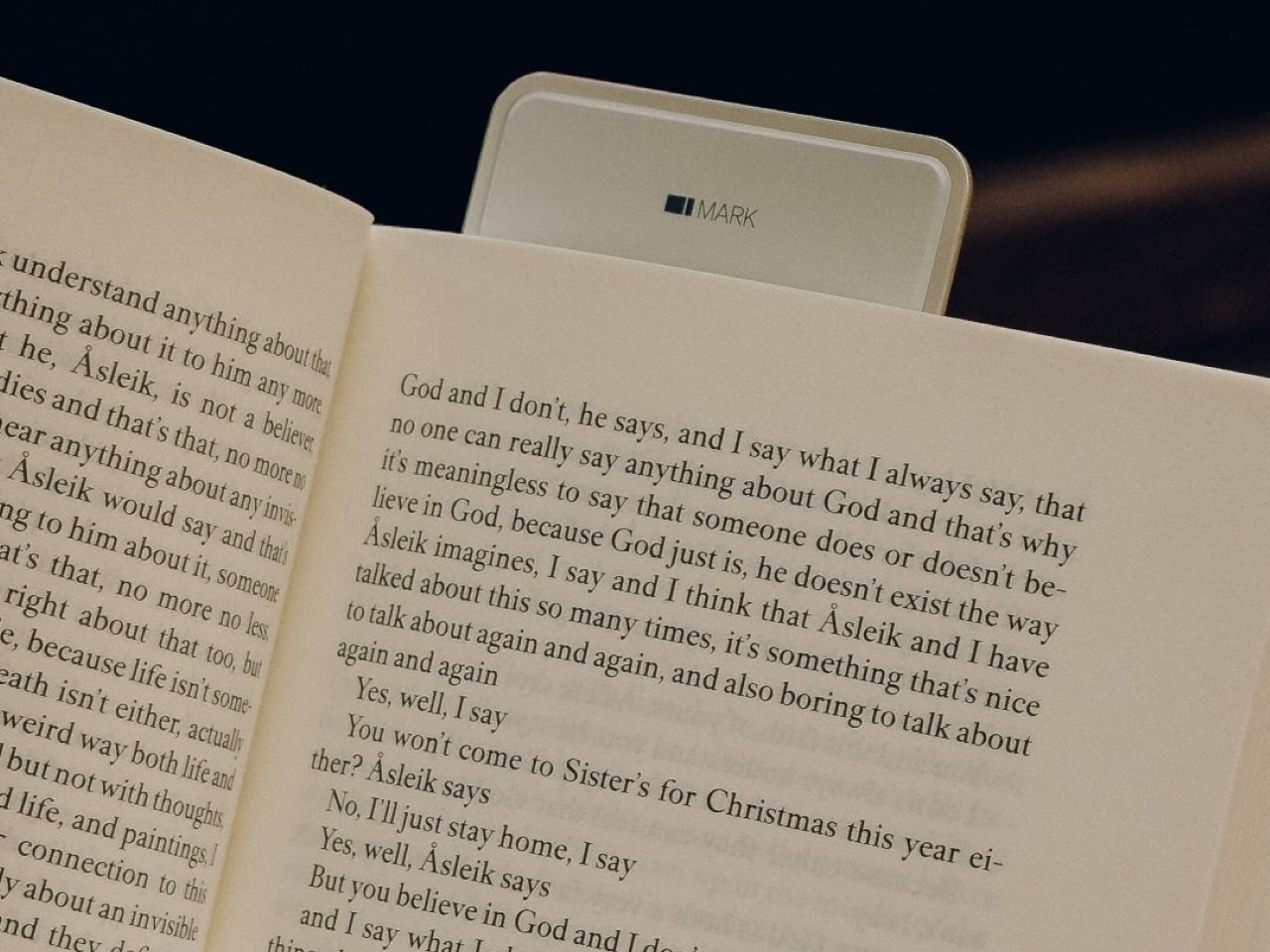
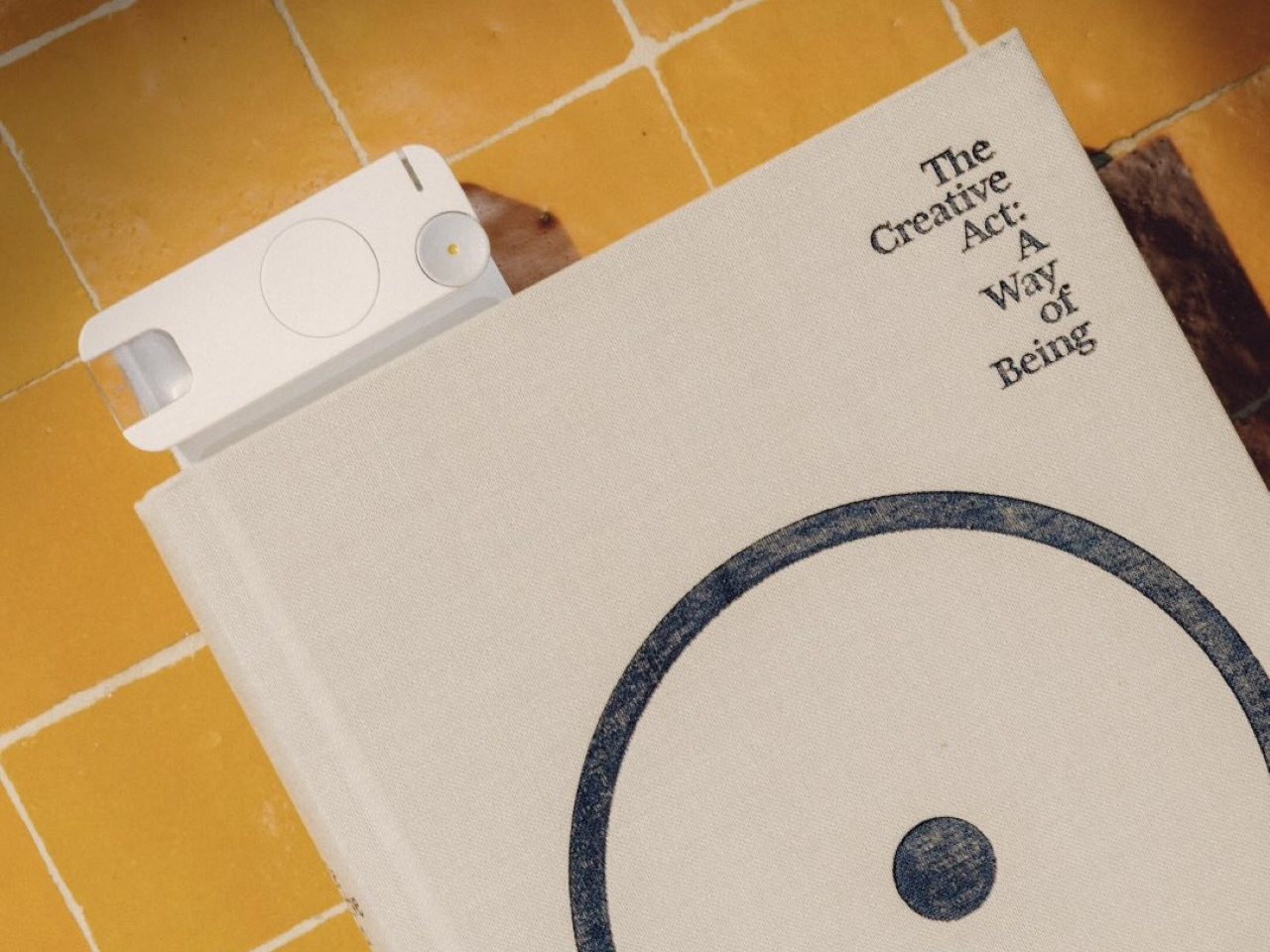
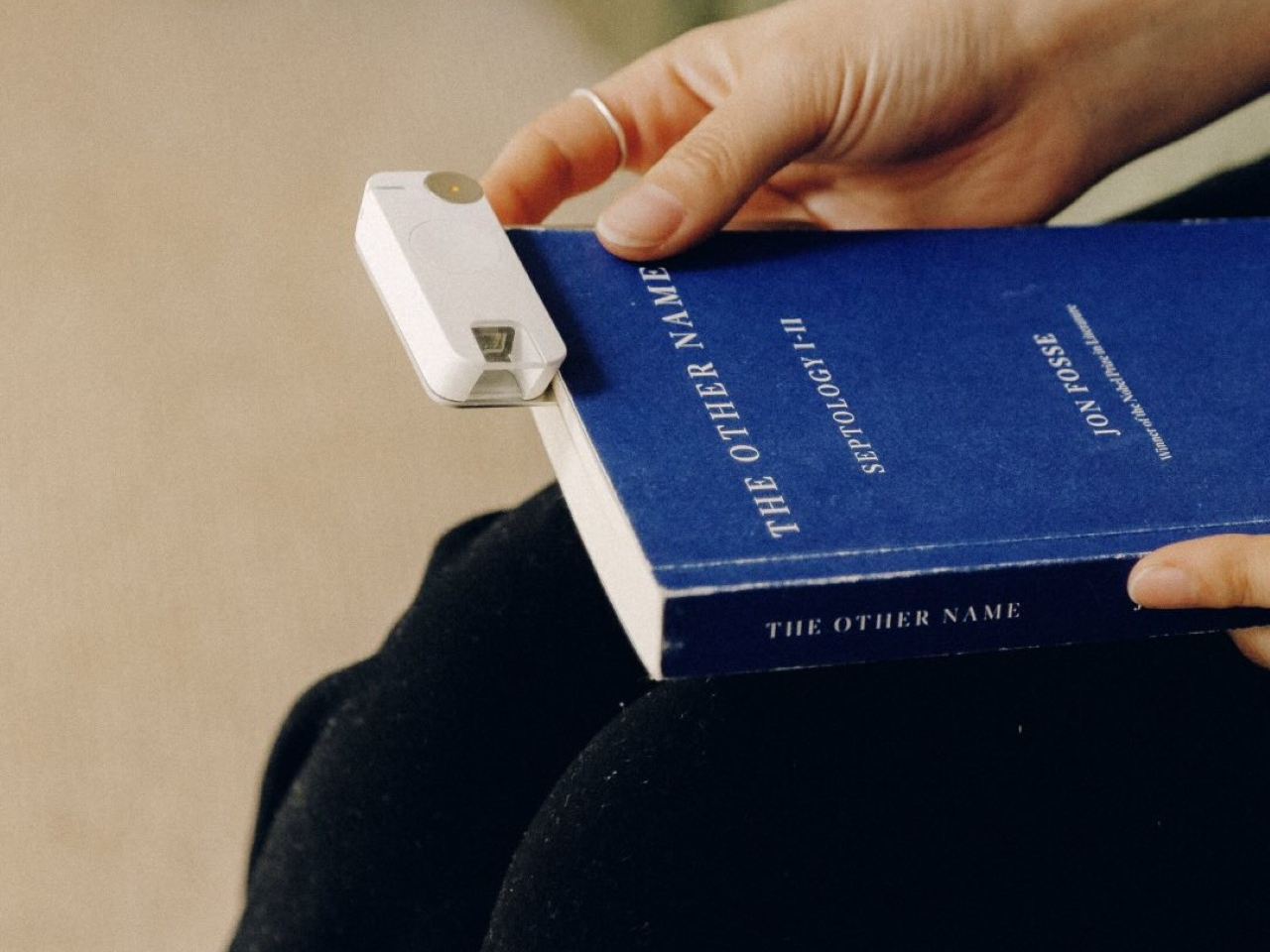
A bookmark’s only job has stayed the same for centuries: hold a place in a book, then disappear the moment reading stops. The Mark II asks that same humble object to do considerably more, turning a strip of aluminum and plastic into a scanner, a voice recorder, and a running archive of everything a reader decides is worth keeping between two covers.

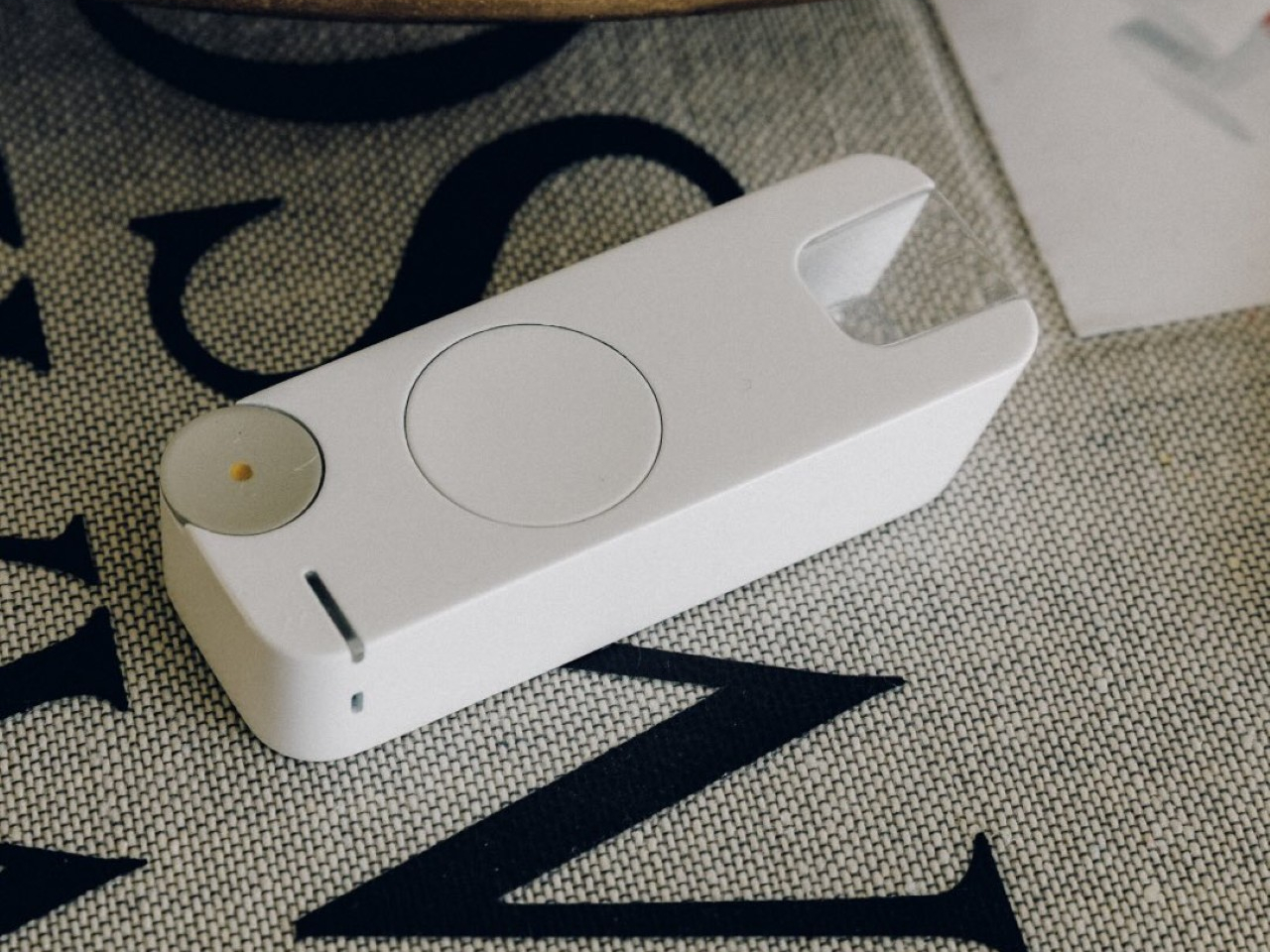
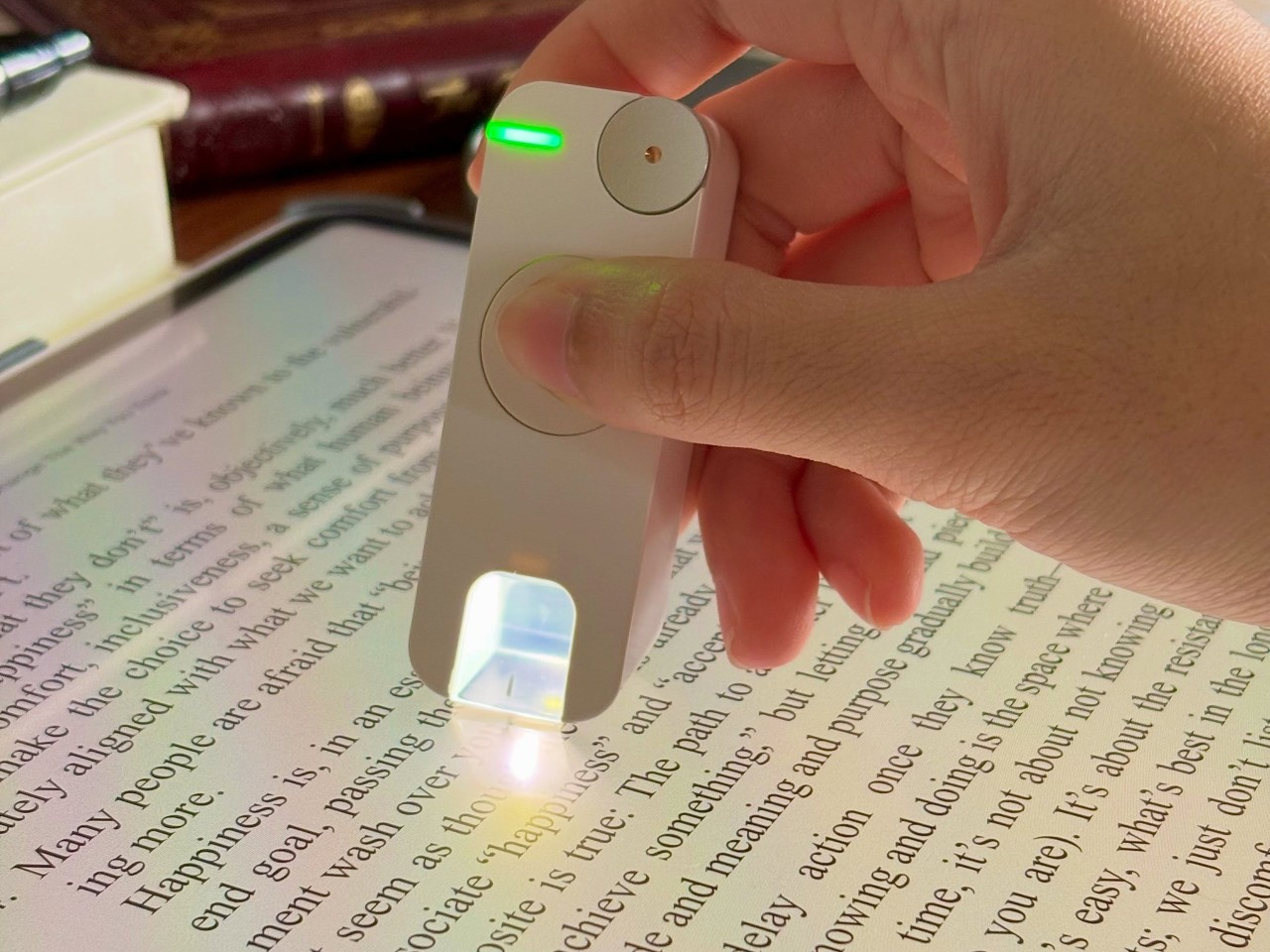
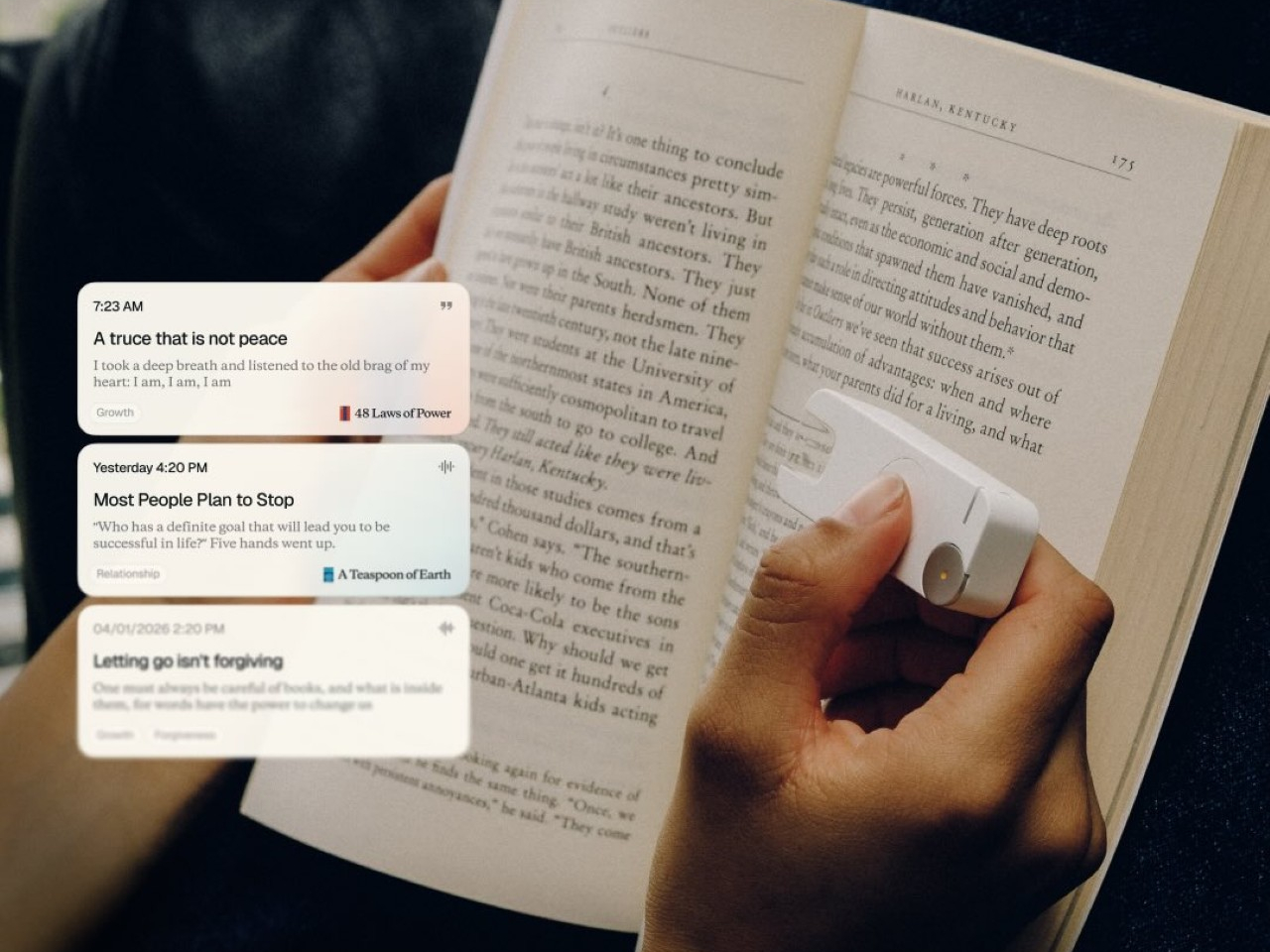
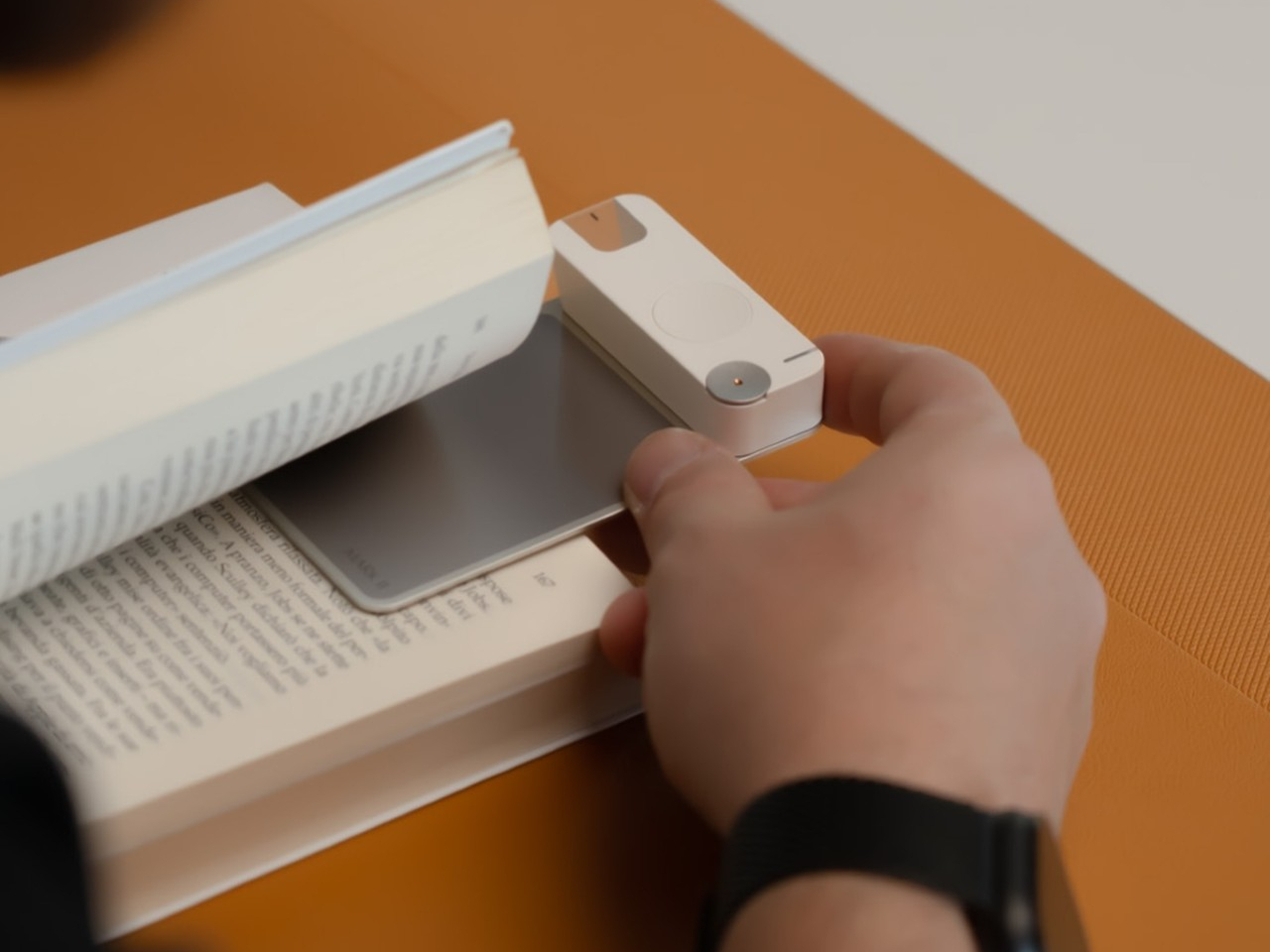
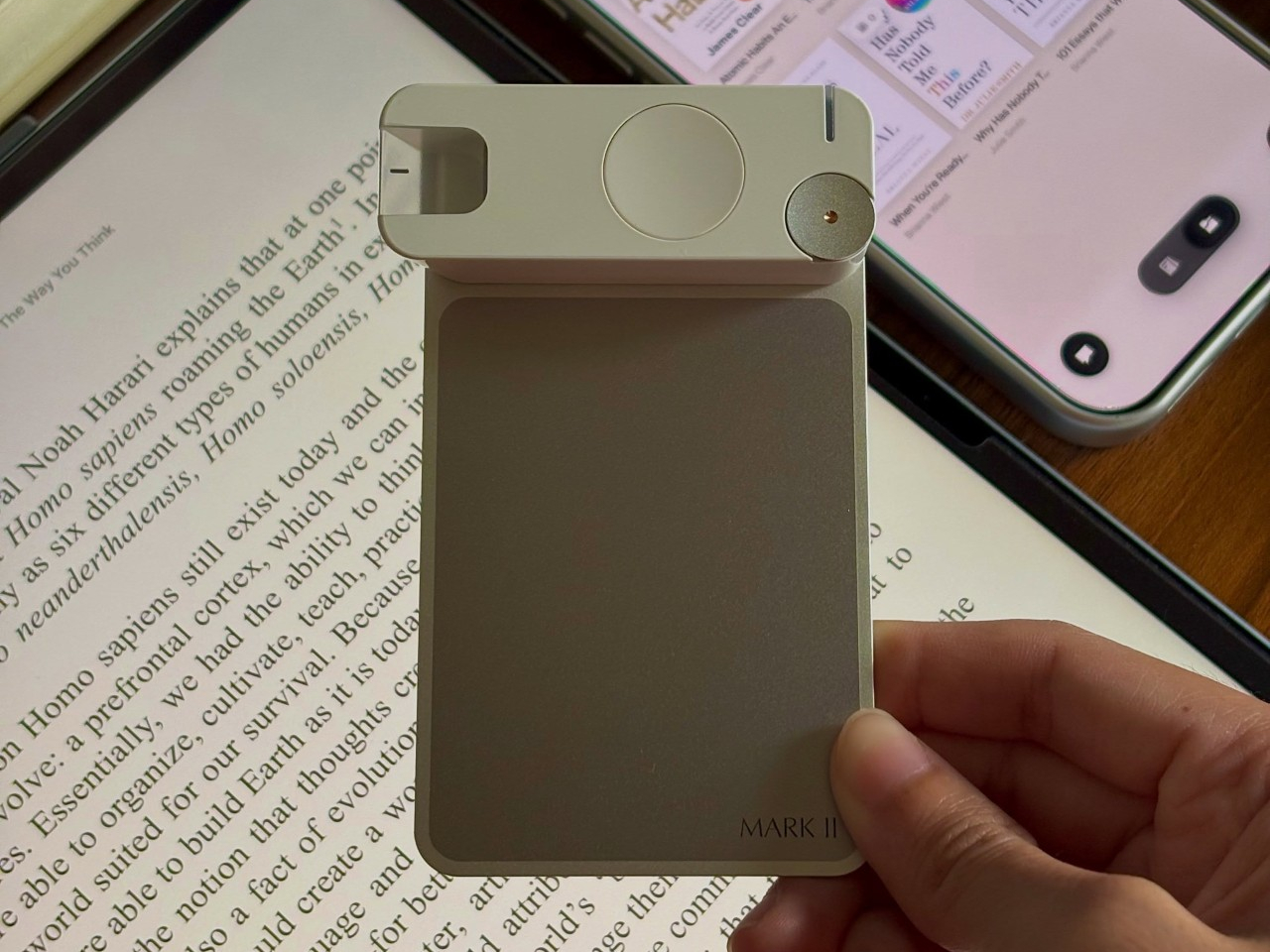
The system splits into two physical pieces working together. A slim bookmark stays tucked inside the book itself, marking the page the same way a scrap of paper always has. A separate highlighter piece does the actual capturing, gliding across a printed line to scan it, or getting pressed once to start recording a spoken thought before it slips away entirely.

Designer: Eason Tang

That scanning works across both paper and screens, reading handwriting in more than 100 languages just as easily as printed type. Nothing about the process asks a reader to break stride mid-page. The housing itself uses premium aluminum paired with ABS in a double-injection unibody build, a construction choice meant to survive being dropped, shelved, and carried in a bag daily without cracking.

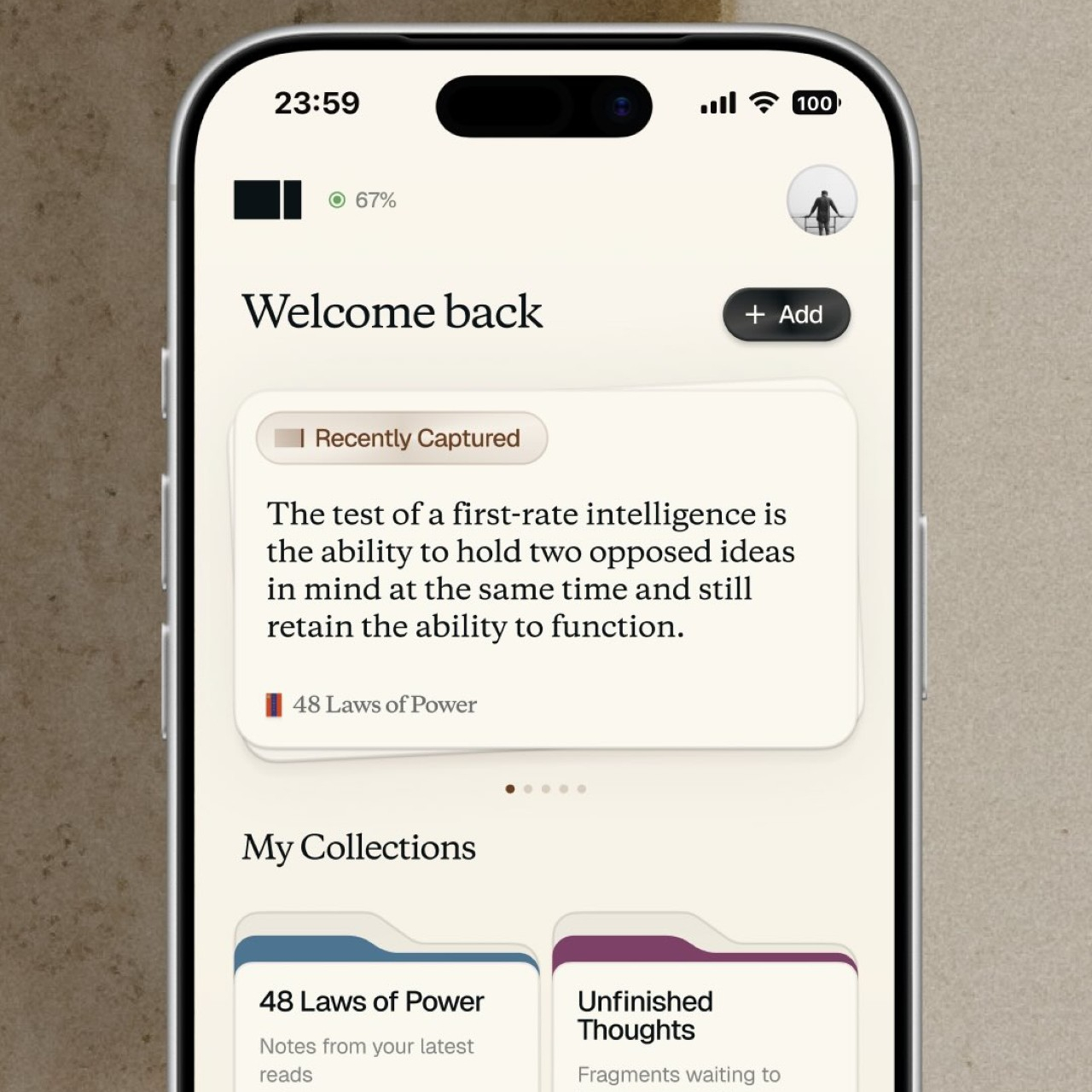
Battery life is advertised to stretch across roughly a week of regular reading before needing a recharge, topped back up through a standard USB-C cable rather than a proprietary dock. Every scan and recording is designed to land automatically inside the companion app, sorted by book, topic, or the moment it was captured, turning scattered notes into something that can actually be searched back through months later instead of forgotten in a drawer.

Half-remembered quotes get their own dedicated search, pulling back a fragment along with its original source rather than leaving someone to reread an entire chapter hunting for one line. A chat feature goes further, answering questions using only what’s actually been captured. It won’t invent a passage never highlighted or summarize a book never opened, a deliberate limit rather than a missing capability.

None of this demands abandoning tools already in use elsewhere. Captured highlights sync directly to Notion and Readwise, while a one-click import pulls existing notes from Obsidian or Apple Notes into the same catalog instead of starting from zero. That migration matters for anyone who’s already built years of scattered notes across three different apps and never quite trusted any of them.

A research binge across a stack of library books usually ends with sticky notes multiplying on every page, half of them falling out before a deadline arrives. Sliding the highlighter across a passage instead replaces that entire ritual with one motion, leaving behind a searchable, sourced record rather than a pile of paper scraps nobody can match back to the right page.

The device will ship in white or black, priced at $159, with availability starting in the US and Canada before expanding further. That price positions Mark II closer to a premium accessory than a casual gadget, a bet that readers serious enough to annotate books by hand will pay for a tool built specifically around that habit instead of a generic note-taking app.

The post The Mark II Turns a Bookmark Into a Second Memory for Readers first appeared on Yanko Design.
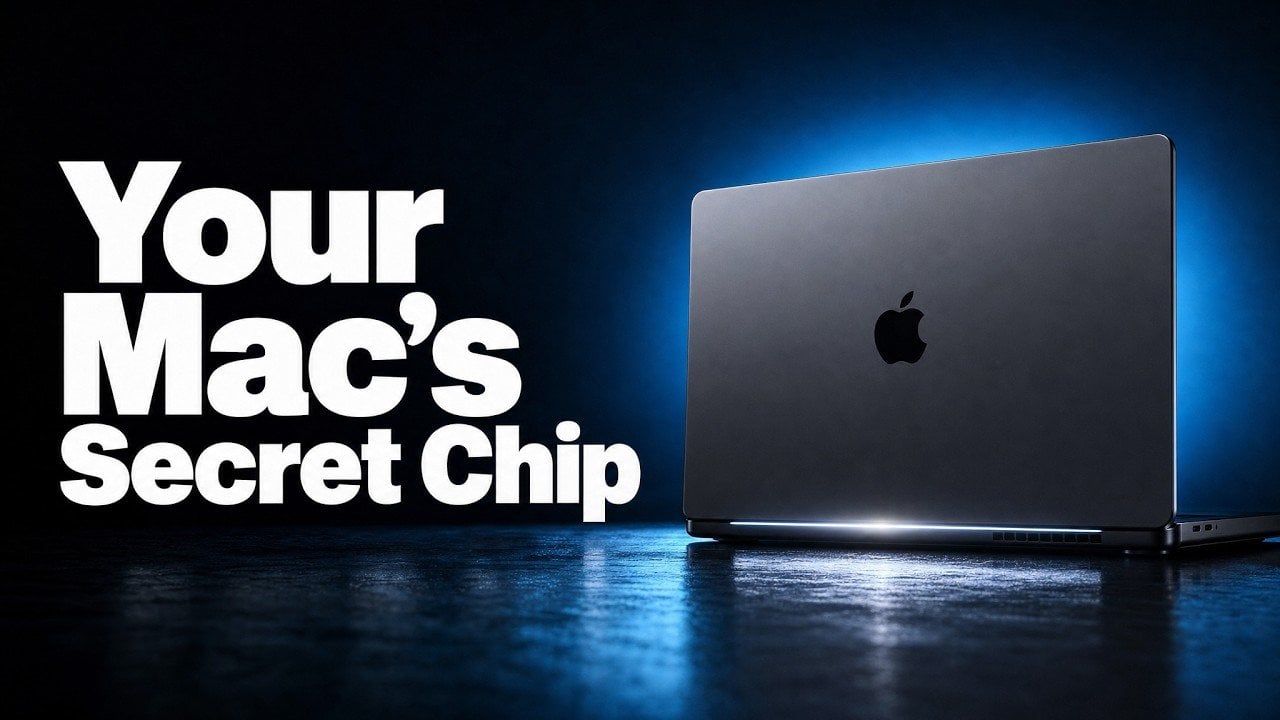
Apple M3 Neural Engine Hits 24.3 Tokens on Llama 3.2 1B

Apple M3 Neural Engine Hits 24.3 Tokens on Llama 3.2 1B Diagram illustrating the Apple Neural Engine architecture

Apple’s Neural Engine, a specialized component within the M3 chip, is designed to accelerate machine learning tasks by offloading specific AI processes from the CPU and GPU. According to The Stack, this hardware can potentially double local AI processing speeds in certain scenarios, such as when running smaller models like Llama 3.2 1B. However, realizing […]

The post Apple M3 Neural Engine Hits 24.3 Tokens on Llama 3.2 1B appeared first on Geeky Gadgets.

Posted in Uncategorized