
How to set up your Sonos speakers using the app
Whether you just got a Sonos speaker or you're adding one to your current setup, you'll need to use the app.

Every great gadget eventually gets a knockoff cousin. The iPod had thousands of them, those chunky no-name MP3 players with a click wheel that clicked nothing and a brand name you forgot by lunch. They were a little rough around the edges, mostly forgettable, and they played your music just fine for a fraction of the price. The PlayStation Portal just got its own version of that cousin. It’s called the Yoniq Portal, it comes from a company almost nobody had heard of before Gamescom 2026, and it costs $199.
Yoniq took the shape of Sony’s DualShock 2 controller, split it down the middle, and wedged a reportedly 4.5-inch screen between the two halves. The triangle, circle, cross, and square all made the trip along with it, which is a bold move for a brand this new. Sony’s official PlayStation Portal now costs $249.99 and streams games from a PS5 or the PlayStation cloud, meaning it needs a console to do anything at all. Yoniq’s version is designed to play games locally, and a Gamescom demo running Winning Eleven 8, the Japanese cousin of Pro Evolution Soccer 4, points squarely at PS2-era emulation.
Designer: Yoniq

It costs less than Sony’s PS Portal, and it does not ask you to own a $649.99 PS5 first. But calling it the smarter buy skips over how little we actually know. Yoniq has not shared a chipset, RAM, storage, or a release date, and its own product page currently describes a completely different item, the company’s $12.99 stick-on phone controller. Retro Dodo, the outlet that got hands-on time at the booth, initially assumed Yoniq’s AI-generated marketing images meant the whole thing was fake. The prototypes turned out to be real. The pricing page did not.
Here is the part that actually bugs me a little. Photos of the Portal show a screen section that looks thick, almost like one of those quad-fold phone concepts that stack four panels of hardware behind the display. If the whole goal was cramming a phone-sized screen between two controller grips, a slim off-the-shelf smartphone chassis would have gotten there with way less bulk and probably a nicer panel too. Instead Yoniq built a chunky proprietary slab and bolted DualShock arms onto it, which reads more like an engineering default than a considered choice. The Frankenstein energy is real, and it did not have to be.

Sony designer Teiyu Goto had to fight his own management to give the original PlayStation controller its handles back in the early 90s, arguing that a flat pad belonged to a two dimensional world. Three decades later, a startup nobody tracked is borrowing that exact silhouette and gluing a thick screen into the middle of it, which is either a tribute or a very efficient shortcut, depending on how generous you are feeling. The DualShock 2 itself barely changed the shape at all when it launched in 2000. Its whole redesign lived on the inside, in buttons that could sense 256 levels of pressure. Whether Yoniq’s version kept anything like that is a real open question, not a minor one.

So no, this is not automatically the better PlayStation Portal. It is a cheaper, standalone bet from a company that is still figuring out its own website, wrapped in a controller shape that has quietly outlived three console generations. That combination can age into something genuinely good, or it can age into a $199 lesson. Right now, with a specs sheet this empty, it is simply too early to tell which one we are getting.
The post Yoniq Made a $199 PlayStation Portal That Doesn’t Need a PlayStation first appeared on Yanko Design.

iOS 27 introduces advanced tools and settings that allow you to elevate your iPhone’s dark mode into an immersive ultra-dark experience. By carefully adjusting system settings, customizing visuals, and using accessibility features, you can create a sleek, battery-efficient, and visually cohesive environment. The video below from iReviews gives us more details on how to use […]
The post Unlock Ultra Dark Mode on iOS 27: Here’s How to Do It appeared first on Geeky Gadgets.

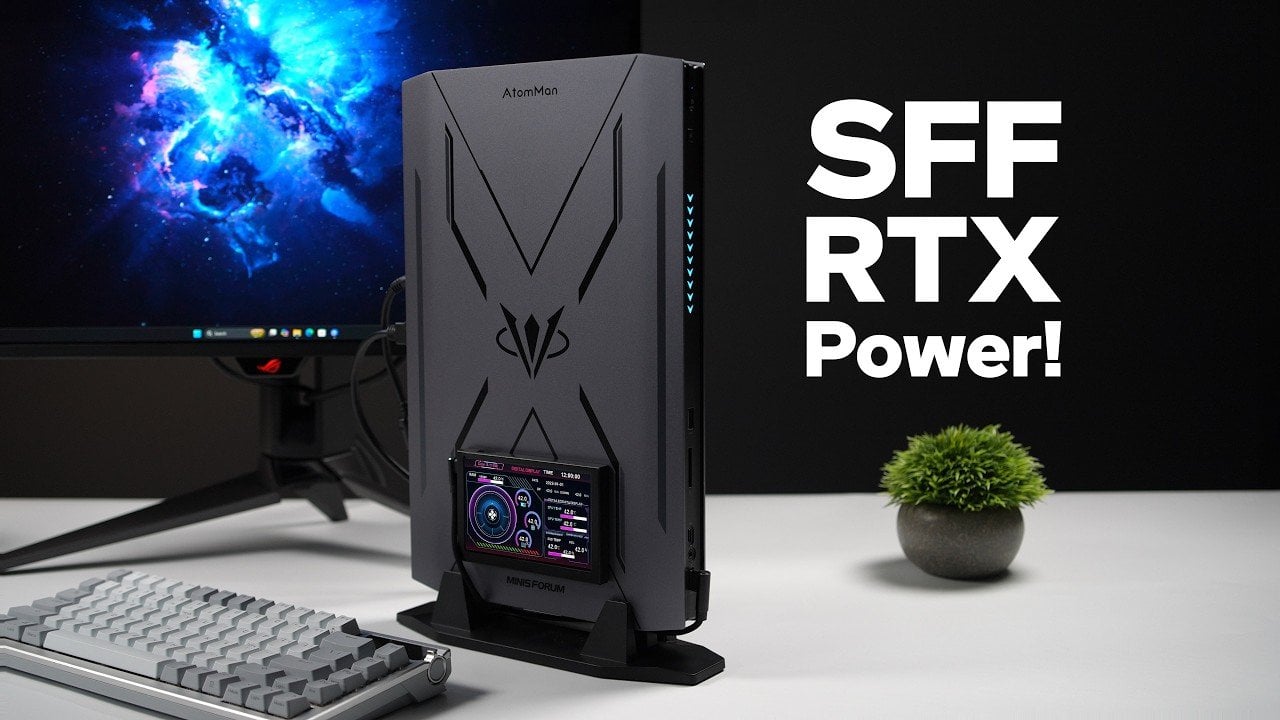
The Minisforum AtomMan G7 Pro Mini Gaming PC offers a compact yet capable solution for gamers and professionals alike, blending portability with robust performance. Powered by the Intel Core i9-14900HX processor, which features a remarkable 24-core configuration (8 performance cores and 16 efficiency cores), and paired with an Nvidia RTX 5070 laptop GPU, this system […]
The post Minisforum G7 Pro Hits 190 FPS in Cyberpunk 2077 at 1440P appeared first on Geeky Gadgets.

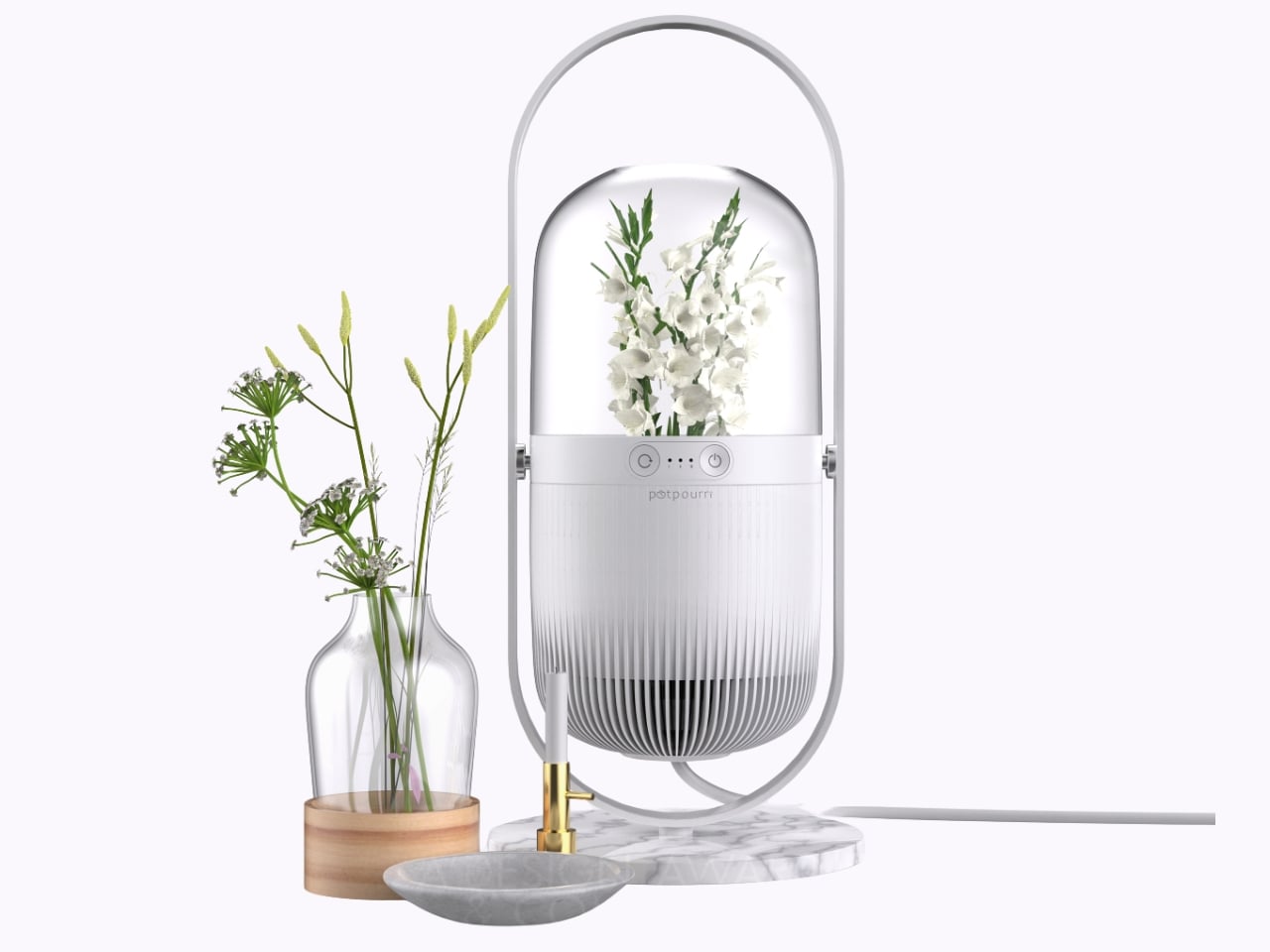
I have owned exactly four humidifiers in my adult life, and every single one of them looked like a medical device that wandered into my living room by mistake. White plastic, a blinking blue light, and a fine mist that smelled like nothing at all unless I dumped in a capful of essential oil that made the whole apartment smell like a spa that’s trying too hard. That’s the quiet frustration most of us live with. Humidifiers solve dry air, but they rarely solve the fact that they’re ugly, and the aromatherapy add-on usually means synthetic fragrance oils that can irritate sensitive noses or just smell fake after the third use.
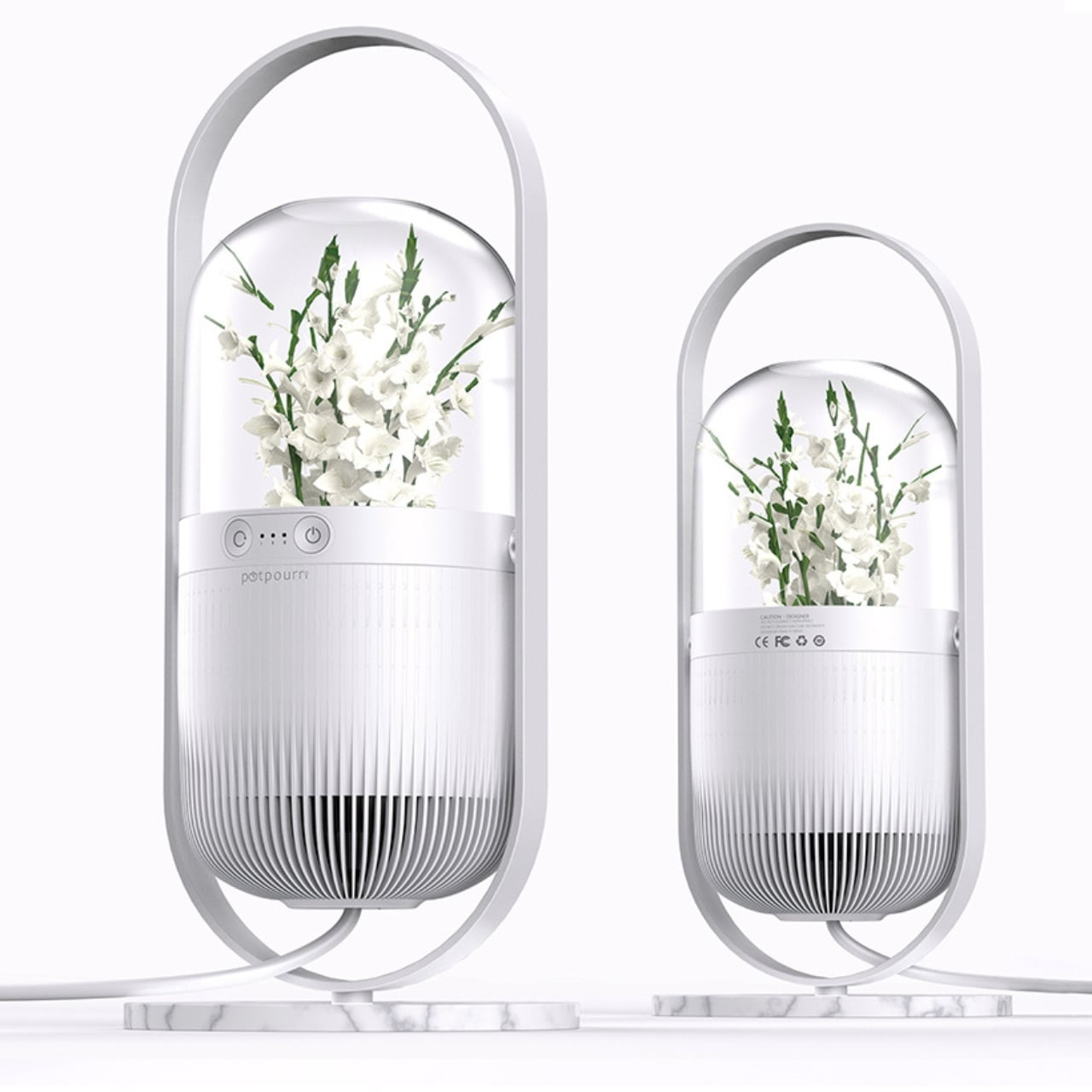
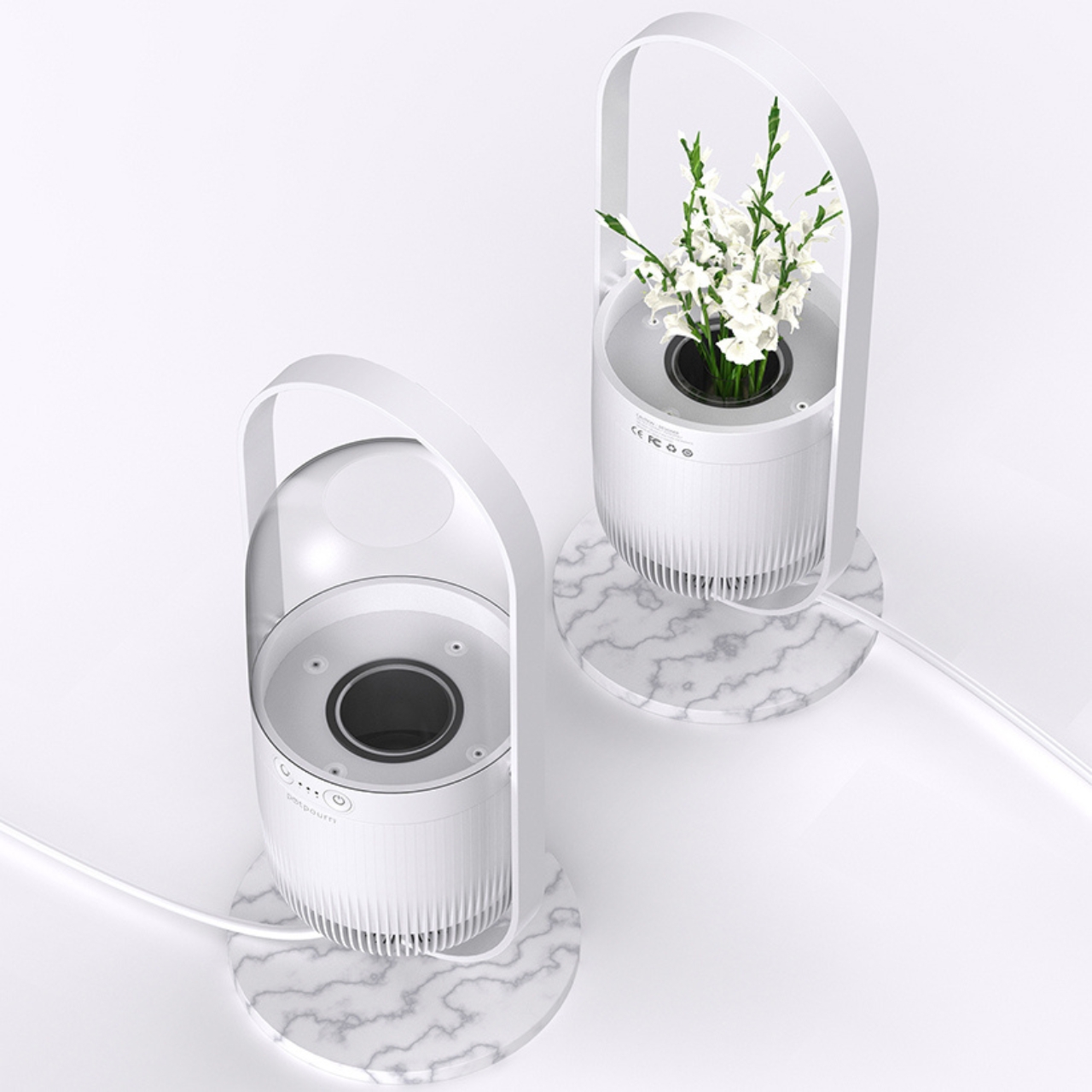
Yong Zhang, an industrial design professor in China, designed something that sidesteps both problems at once. His creation, Potpourri, won an Iron A’ Design Award in the Home Appliances category, and it does something I have not seen another humidifier attempt. Instead of relying on bottled oils to generate scent, it grows actual flowers inside itself, and those flowers are the fragrance source. The device waters the plants, the plants release moisture and natural aroma into the air, and a transparent acrylic dome keeps everything protected while still letting sunlight through.
Designer: Yong Zhang
The problem this solves is more personal than it first sounds. Most aromatherapy devices are asking you to trust a manufacturer’s version of what lavender or eucalyptus should smell like. Potpourri asks you to trust an actual lavender plant. There is a meaningful difference between diffusing a synthetic approximation of a scent and standing near the real thing while it blooms. I find that distinction quietly compelling, because it reframes the humidifier from a utility object into something closer to a small ecosystem sitting on your desk.
The engineering challenge here was not trivial either. Getting flowers to actually thrive inside a humidifier, rather than rot from overwatering or wilt from underexposure to light, required Zhang to rethink how the enclosure handles both moisture and airflow. The acrylic cover does double duty: it shields the petals from being knocked around or damaged, and it creates a semi-enclosed microclimate that recycles water more efficiently, which means less refilling for the plant owner. It is a humidifier that also functions as a self-sustaining flowerpot, and I think that dual identity is the smartest part of the whole concept.
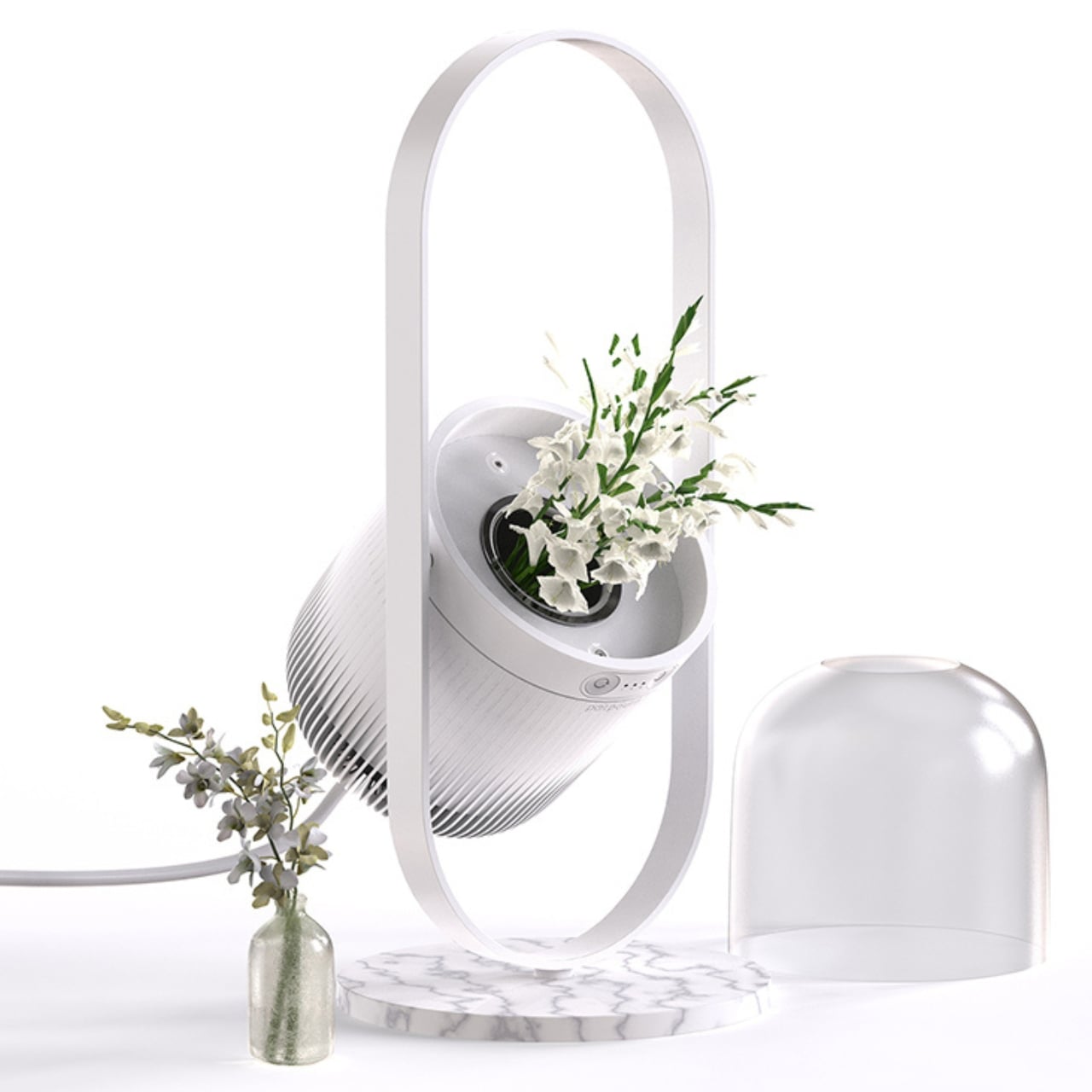
What strikes me as an American consumer looking at this design is how well it fits a moment when people are actively trying to remove synthetic fragrance from their homes. Candle warnings, essential oil skepticism, and a general fatigue with “clean scent” marketing have pushed a lot of households toward wanting less artificial stuff in the air they breathe, not more gadgets promising to fix it chemically. Potpourri never asks you to add a fragrance oil at all. The scent is simply whatever the flower produces, on its own schedule, in its own intensity.
I do wonder about the practical realities of living with this thing daily. Flowers die. Petals brown and drop. Someone has to actually tend a living organism instead of just refilling a water tank and forgetting about it for a month. That is a real commitment compared to a standard humidifier, and I suspect it will appeal most to people who already enjoy having plants around and don’t mind the occasional pruning. It is not a low-maintenance gadget pretending to be one, and I respect that Zhang did not try to disguise that tradeoff.
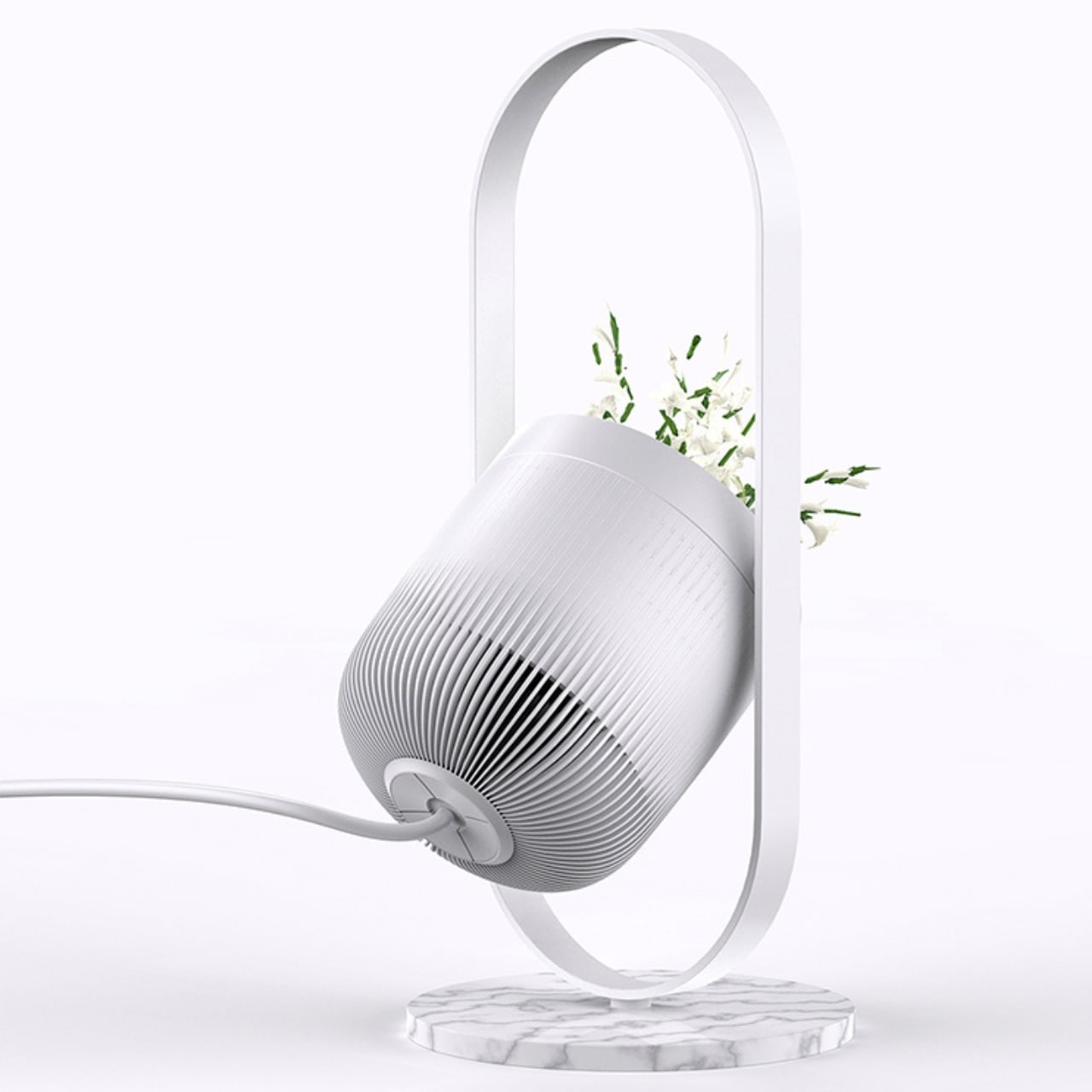
What Potpourri ultimately represents is a small but honest rethink of a category that has gotten stuck in sameness. Home appliances rarely ask us to nurture something in exchange for the function they provide. This one does, and the exchange feels fair. You give it light and water, it gives you humidity and a scent nobody bottled in a factory. In a category full of devices trying to imitate nature, it is refreshing to find one that just invited nature in directly.
The post The Humidifier That Refuses To Use Synthetic Scent first appeared on Yanko Design.


macOS 27 Golden Gate brings a wealth of new features designed to enhance usability, customization, and overall functionality. With over 75 updates, this release caters to a wide range of users, from seasoned macOS enthusiasts to newcomers. The operating system introduces tools that boost productivity, foster creativity, and ensure seamless integration across Apple devices. In […]
The post macOS 27 Golden Gate: the First Things You Need to Do Right Now appeared first on Geeky Gadgets.